
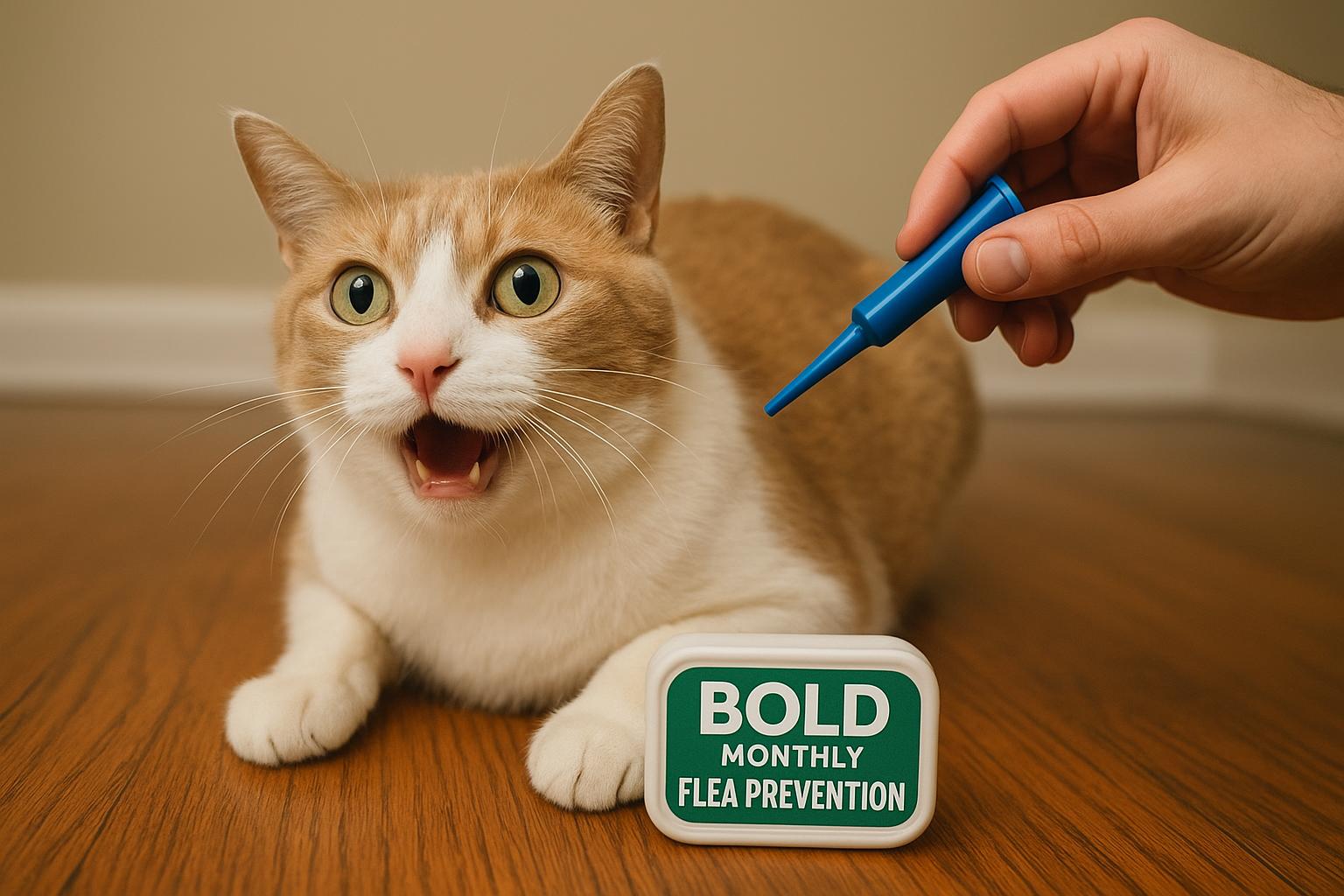
Bold Monthly Flea Prevention Keeps Cats Flea-Free Year Round
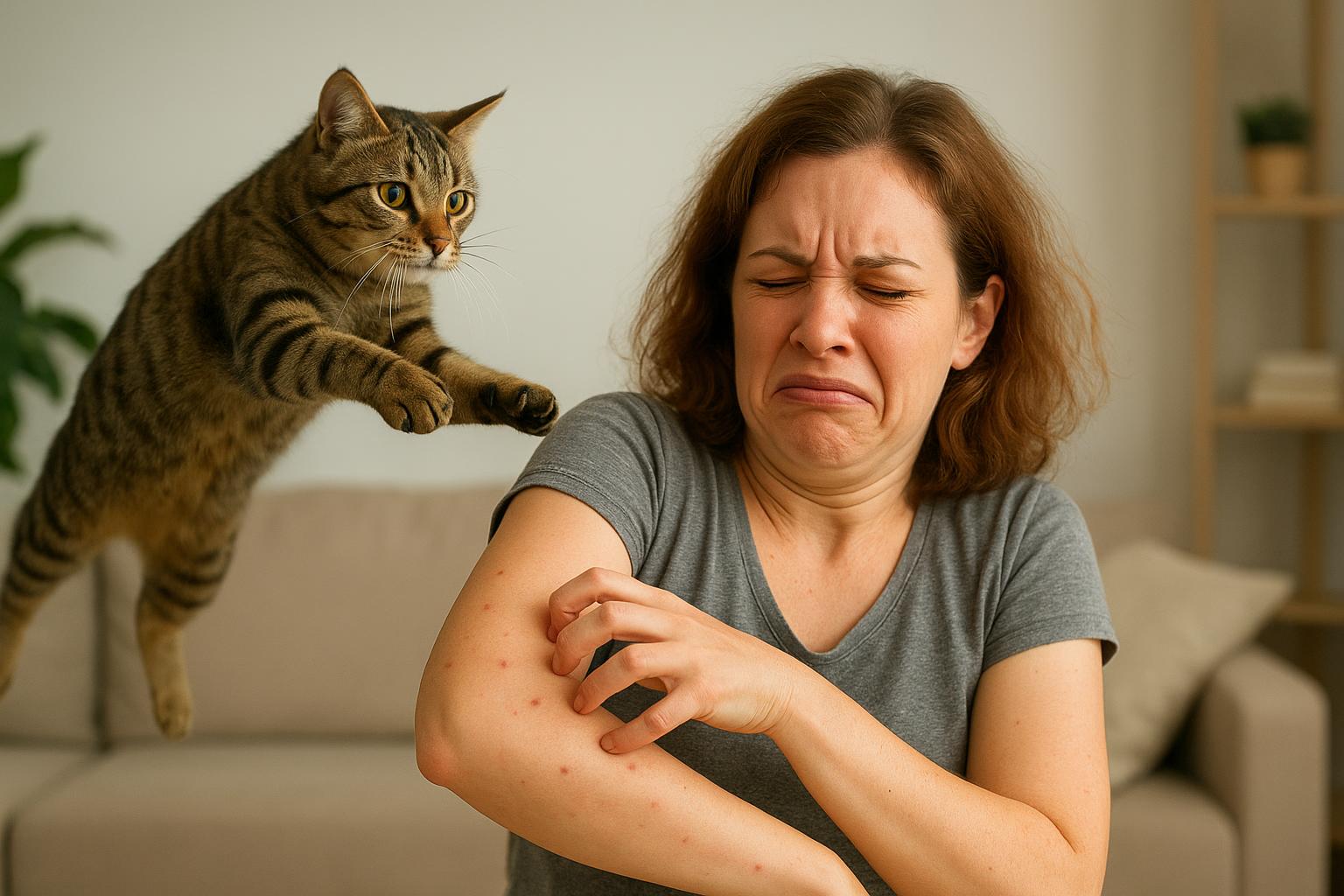
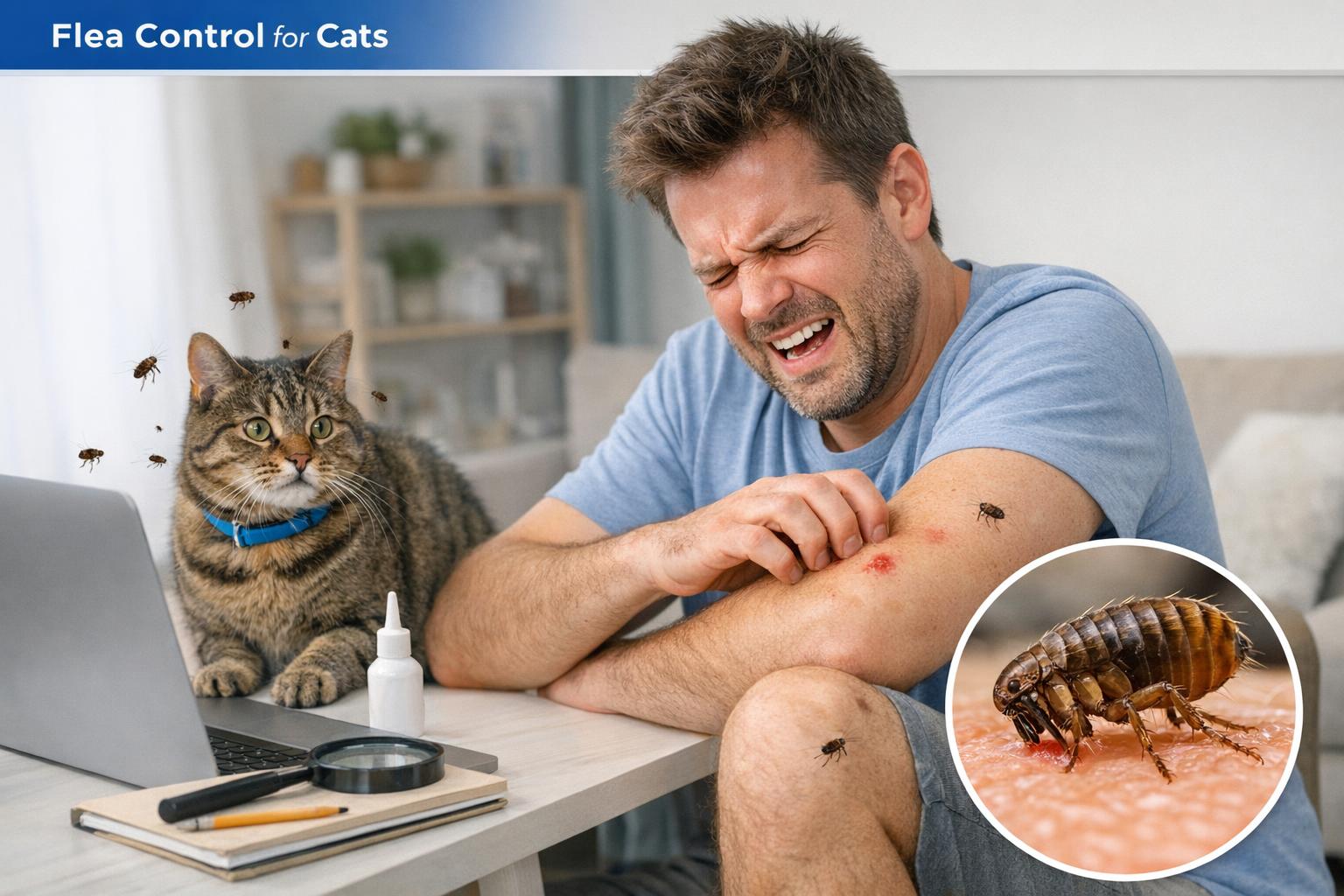
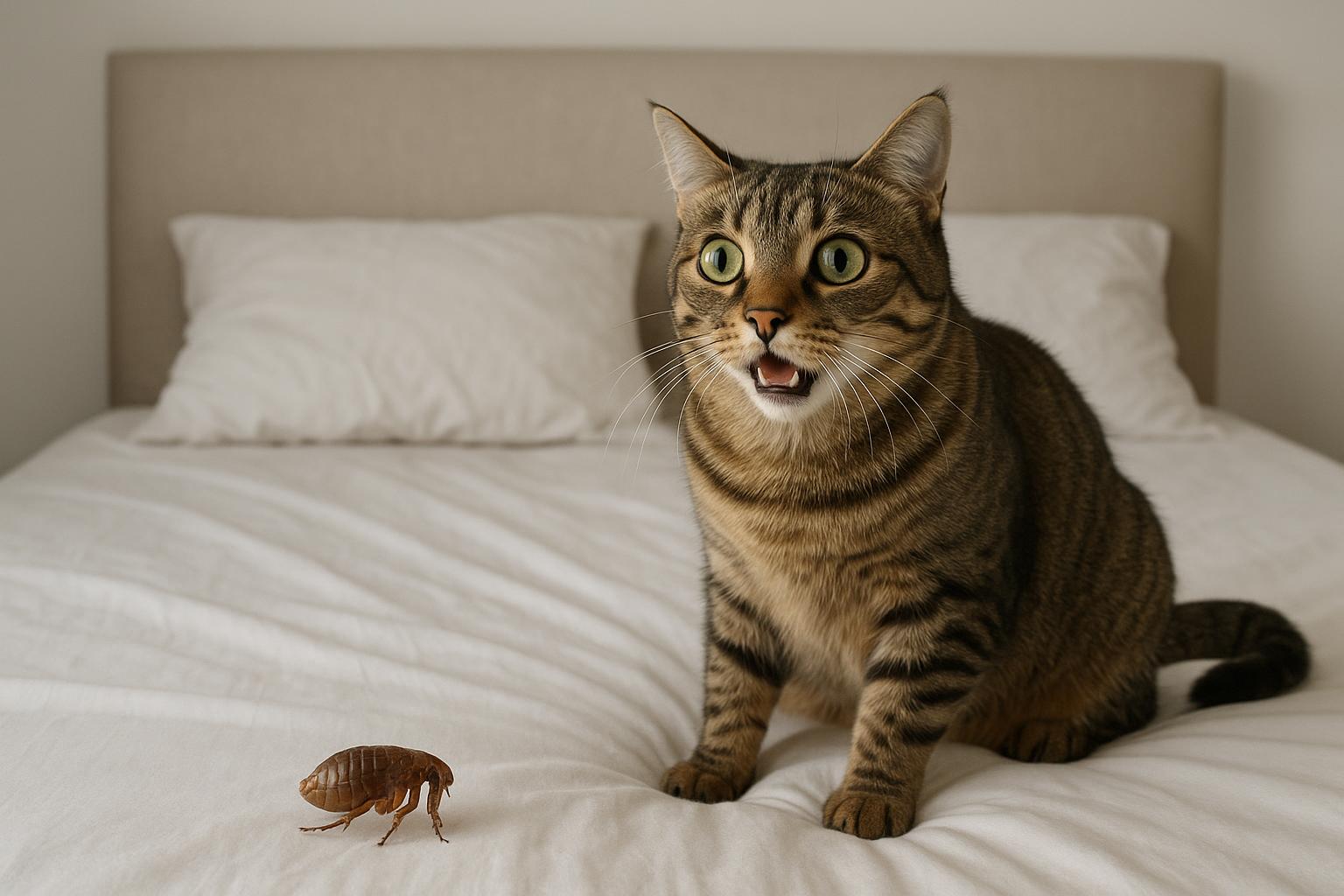
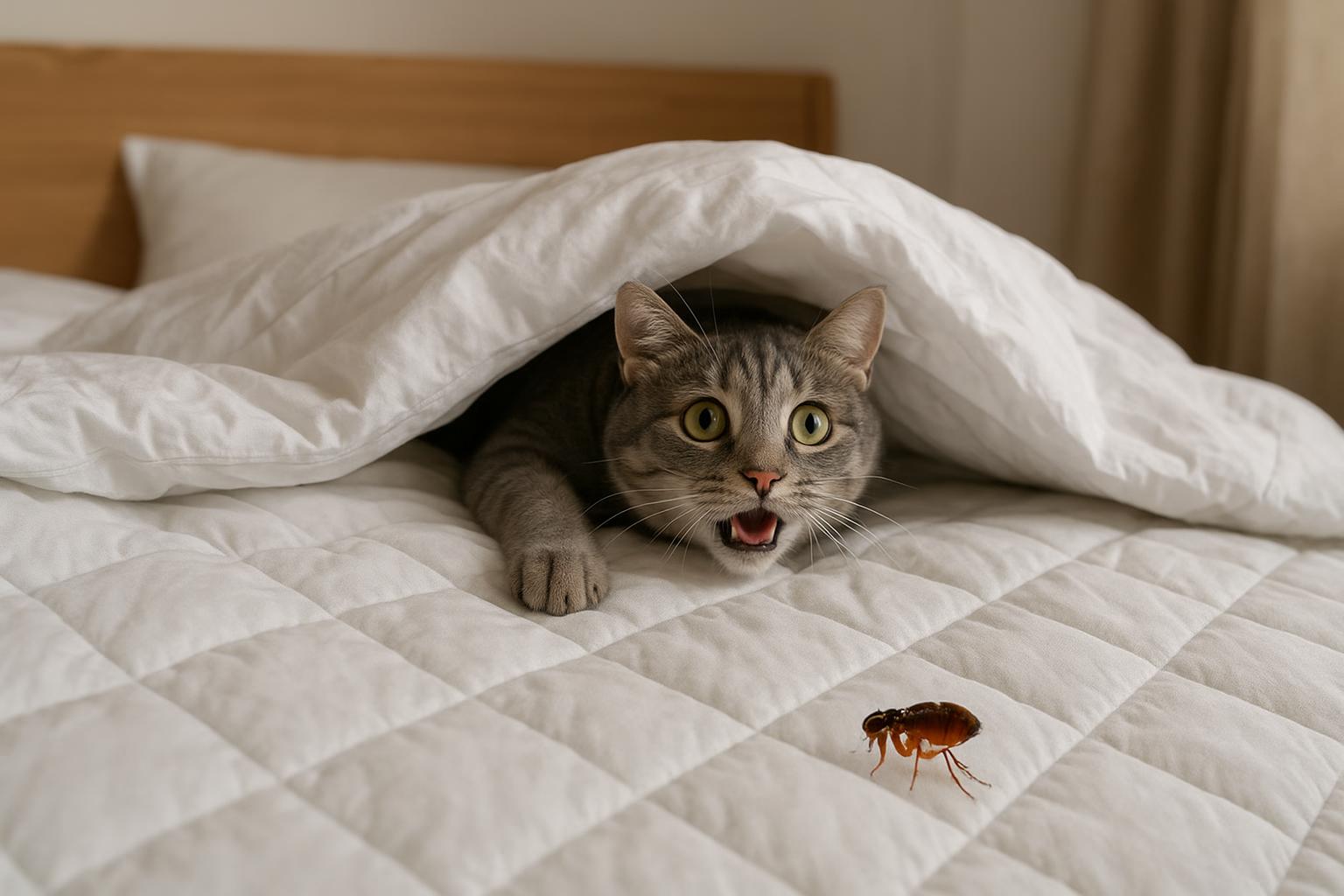
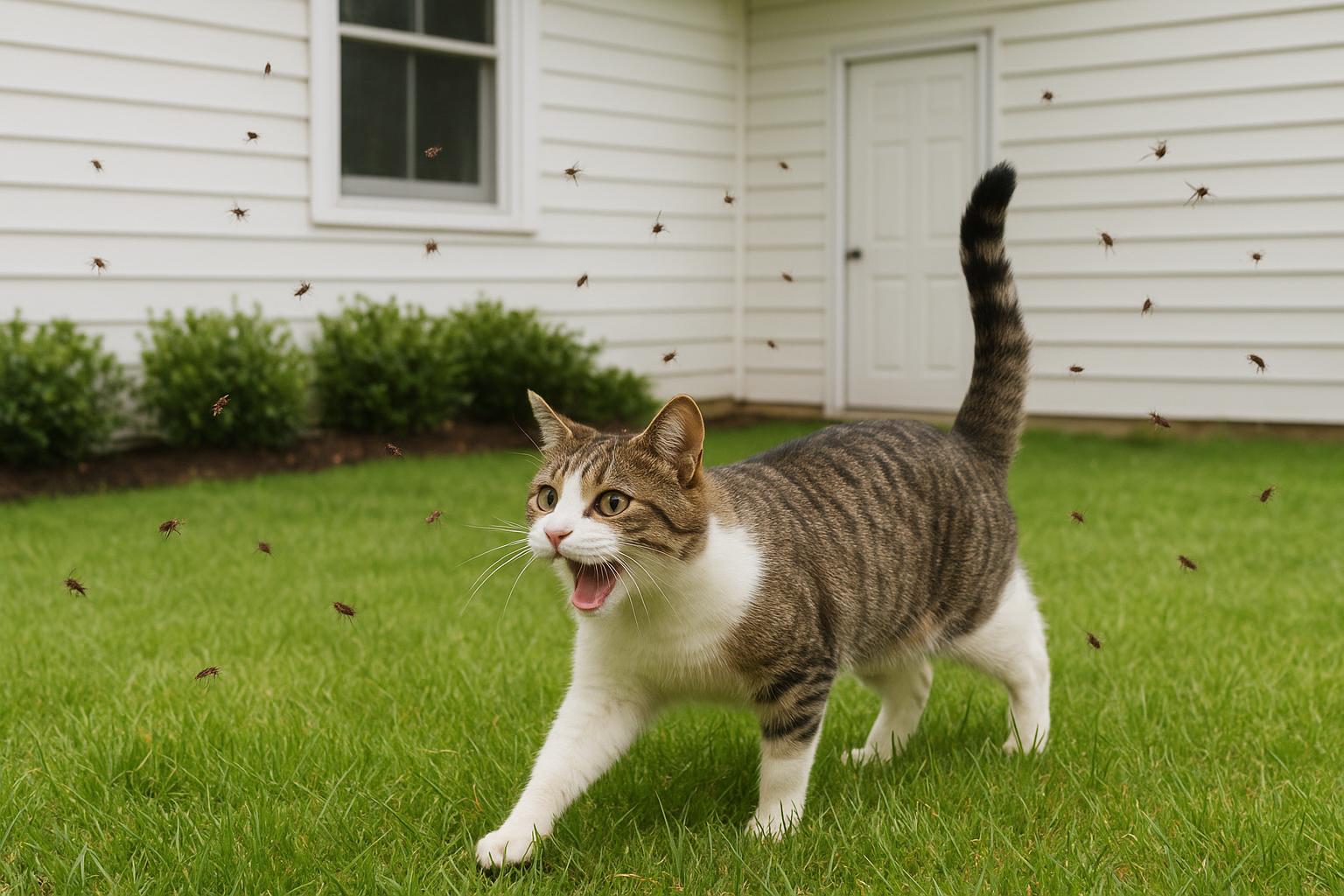
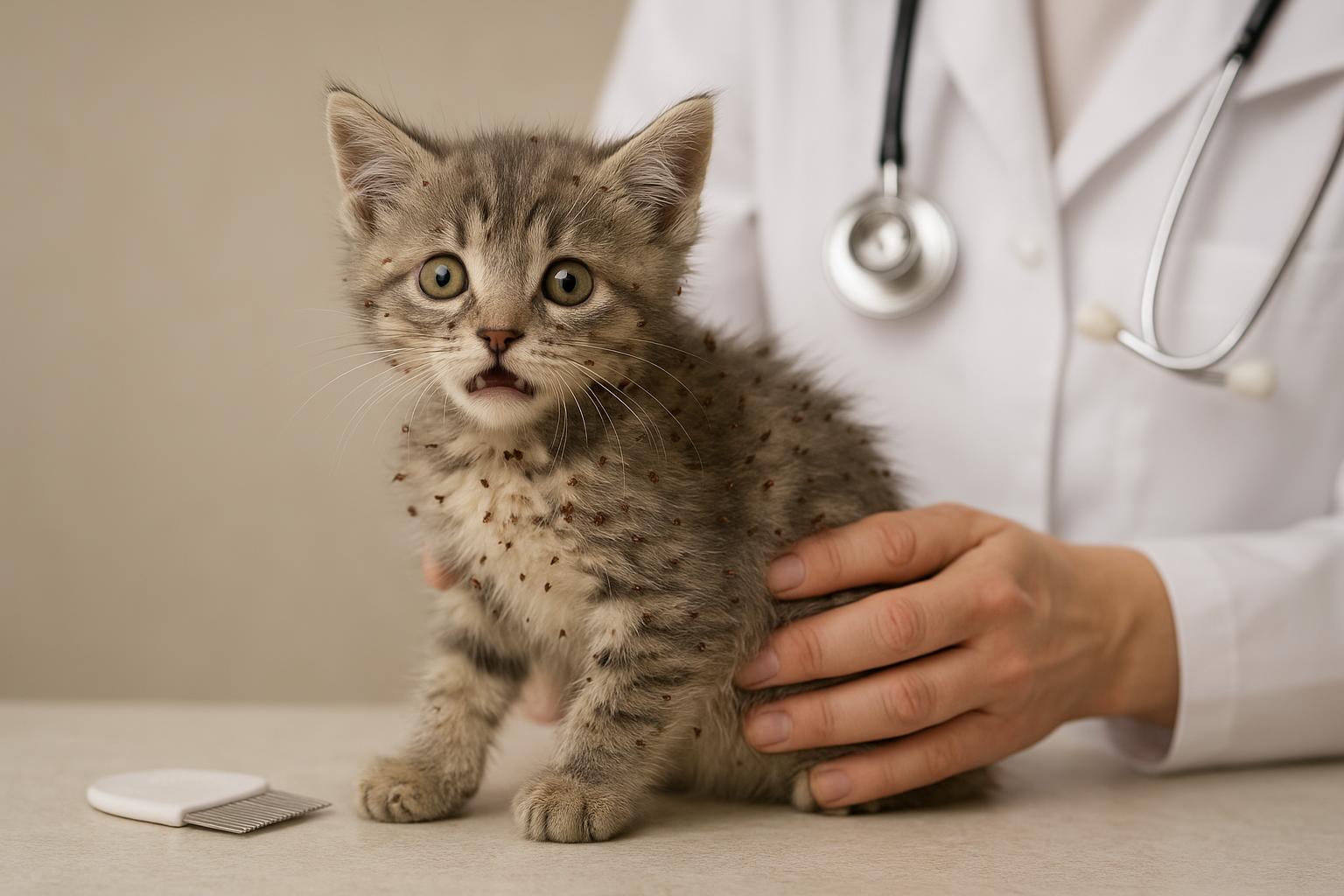
Cats are charming, mysterious, and sometimes convinced that your lap is permanently theirs. They’re also a target for tiny, obnoxious hitchhikers: fleas. A single flea can lead to itching, skin infections, and in severe cases, anemia — nobody wants their purring buddy reduced to a scratching mess. The good news: regular, consistent care beats panic cleaning and late-night Googling. This article walks you through why a simple monthly routine works so well and gives clear, vet-sensible remedies you can use with confidence.
## Monthly Flea Prevention: The Simple Habit That Wins
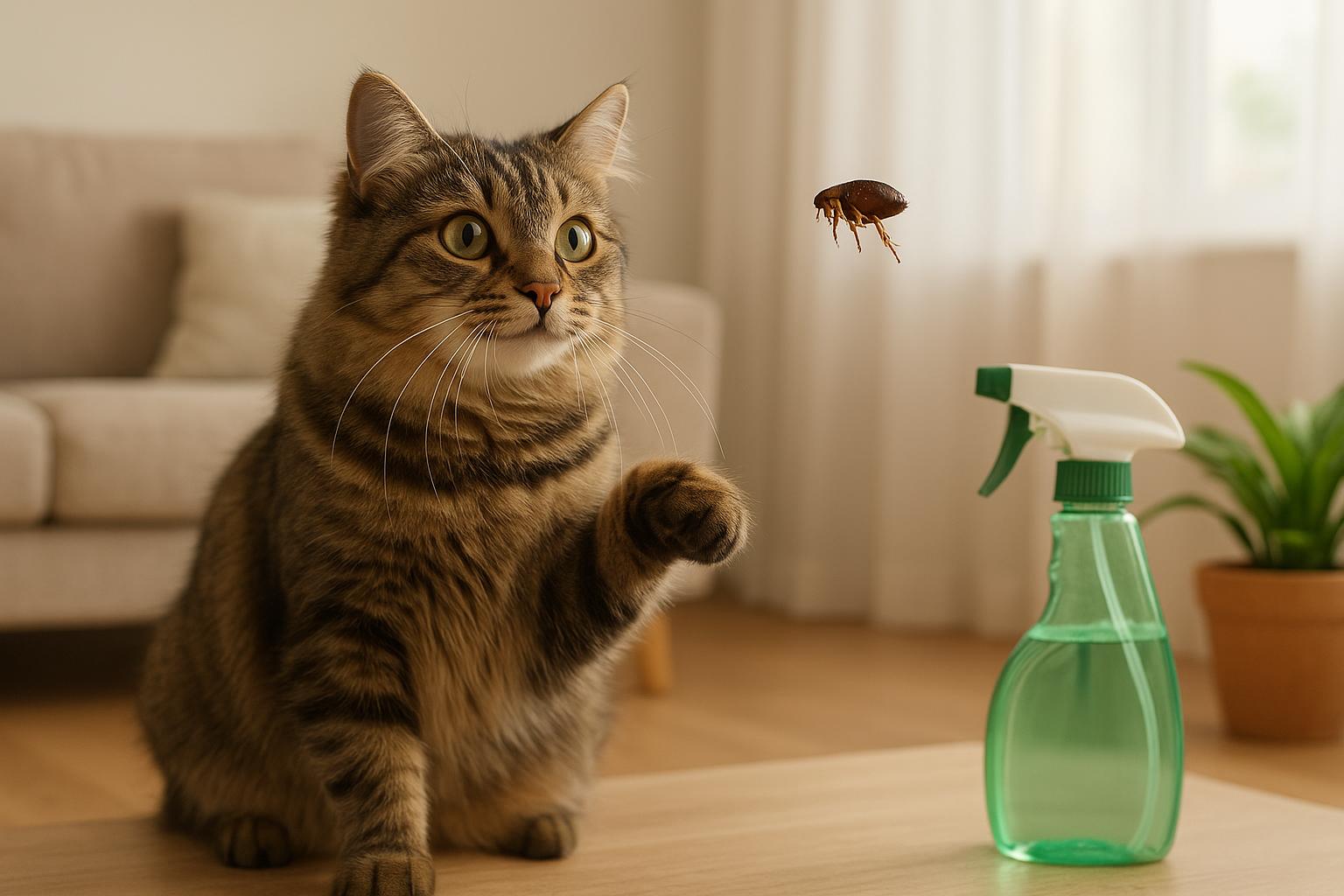
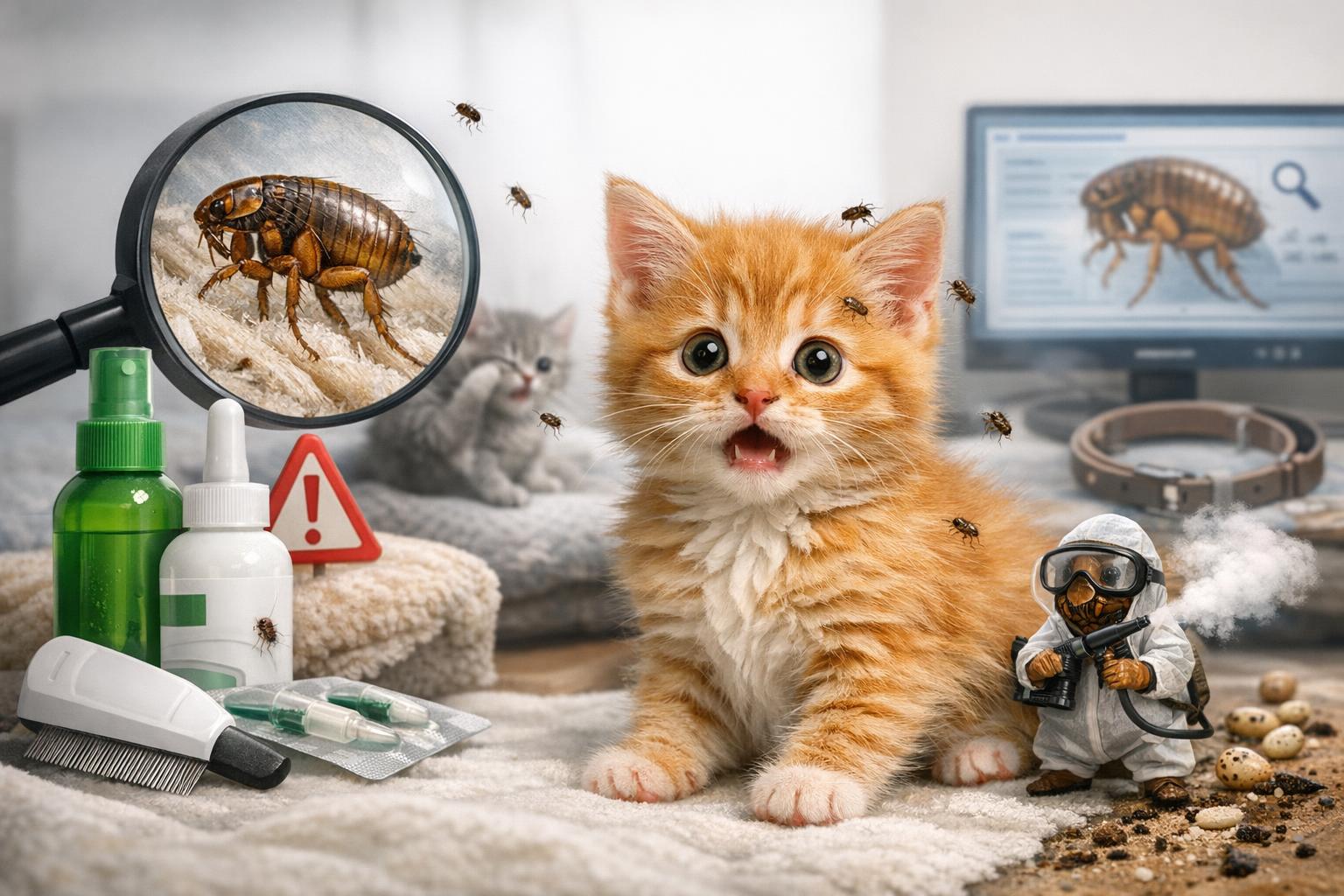
Fleas reproduce fast and live both on your cat and in your house. That’s why a single, isolated treatment rarely solves the problem. “Monthly flea prevention” isn’t marketing fluff — it’s the strategy that interrupts the flea life cycle on a predictable schedule. Make it part of your monthly rhythm (right next to paying bills and pretending you’ll floss more), and you’ll keep most infestations from ever starting.
The principle is straightforward: treat the cat, treat the environment as needed, and repeat before any surviving eggs or larvae mature into reproducing adults. If you skip a month, you give those critters a chance to re-establish. If you keep to the schedule, most active flea problems never take hold.
### Why Consistency Beats Chaos
Fleas have stages — egg, larva, pupa, adult — and some stages (especially pupae) are more resistant to treatments and environmental changes. A single treatment can knock down adult flea numbers, but eggs laid before treatment may hatch later. Monthly treatments ensure you’re hitting adults as they emerge, breaking that chain.
Some more human realities: cats go outdoors, neighbors have dogs, and fleas don’t respect property lines. Even strictly indoor cats can pick fleas up on shoes or from rodents. So a monthly habit is both a medical recommendation and a practical lifestyle choice.
#### The Flea Life Cycle In Plain English
– Eggs: Laid on the animal, they fall into the environment.
– Larvae: Tiny, worm-like, live in carpets and crevices and feed on organic debris.
– Pupae: Encased in a protective cocoon for days to months; very tough.
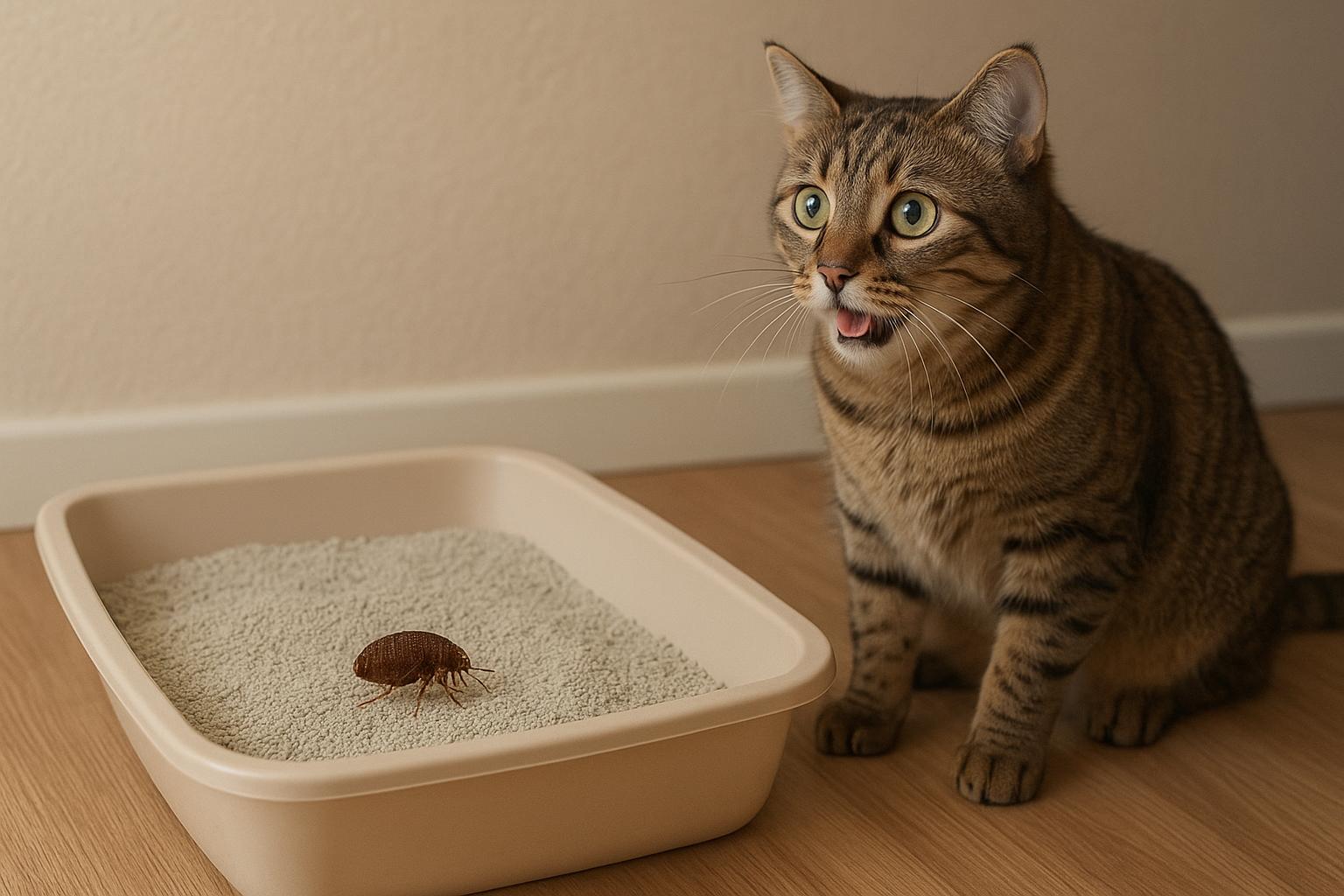
– Adults: Jump onto the host, feed, and reproduce.
Treating monthly targets adults as they emerge and reduces the egg-laying window.
## 1) Vet-Grade Monthly Flea Prevention (Recommended)
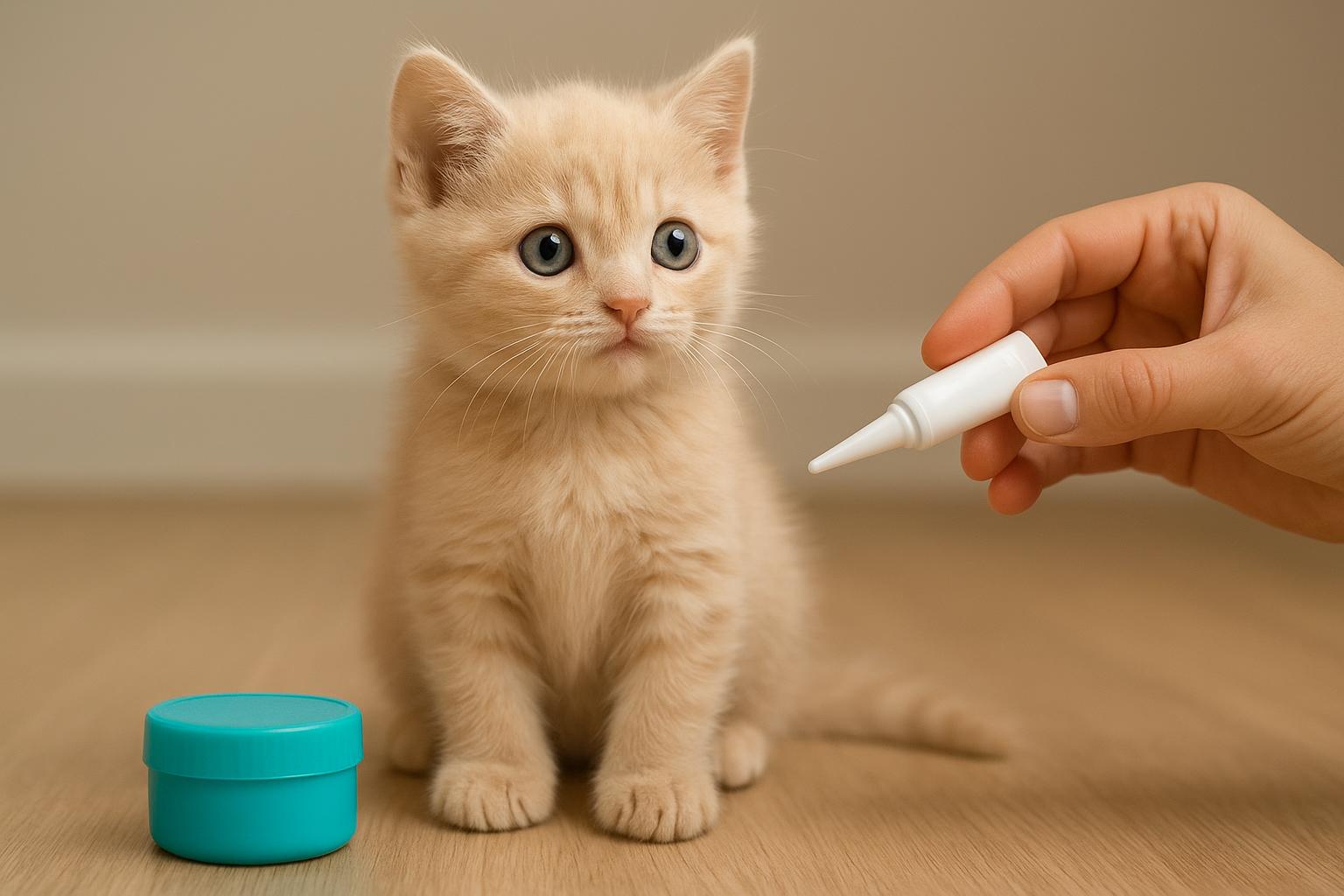
When I say “vet-grade,” I mean the products veterinarians trust: monthly spot-on topicals, oral chewables, or collars with validated efficacy. These products are regulated and tested for safety and performance when used as directed.
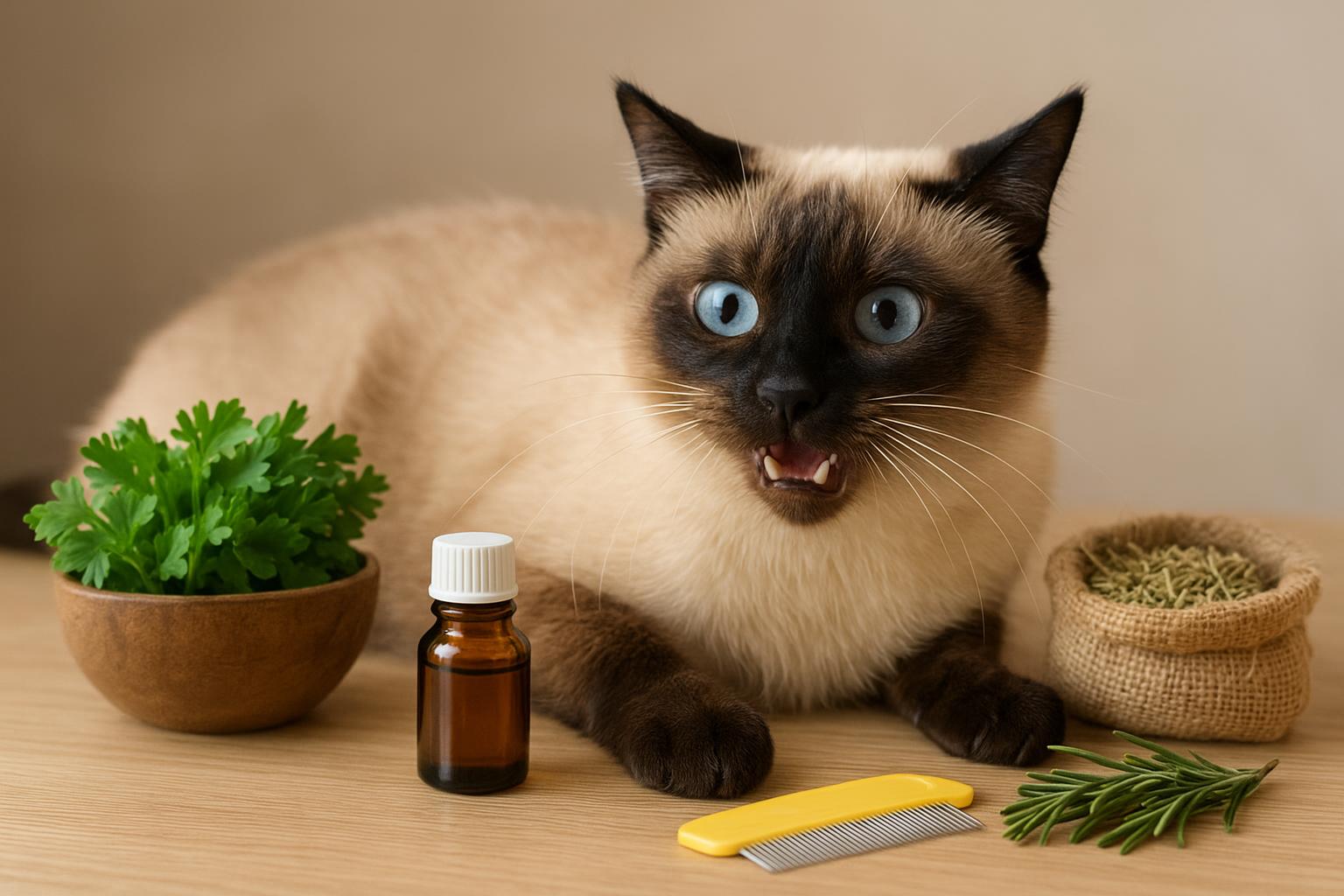
Materials/Ingredients
– Vet-recommended topical or oral monthly flea product (appropriate for your cat’s weight and age).
– Gloves (for applying spot-on treatments).
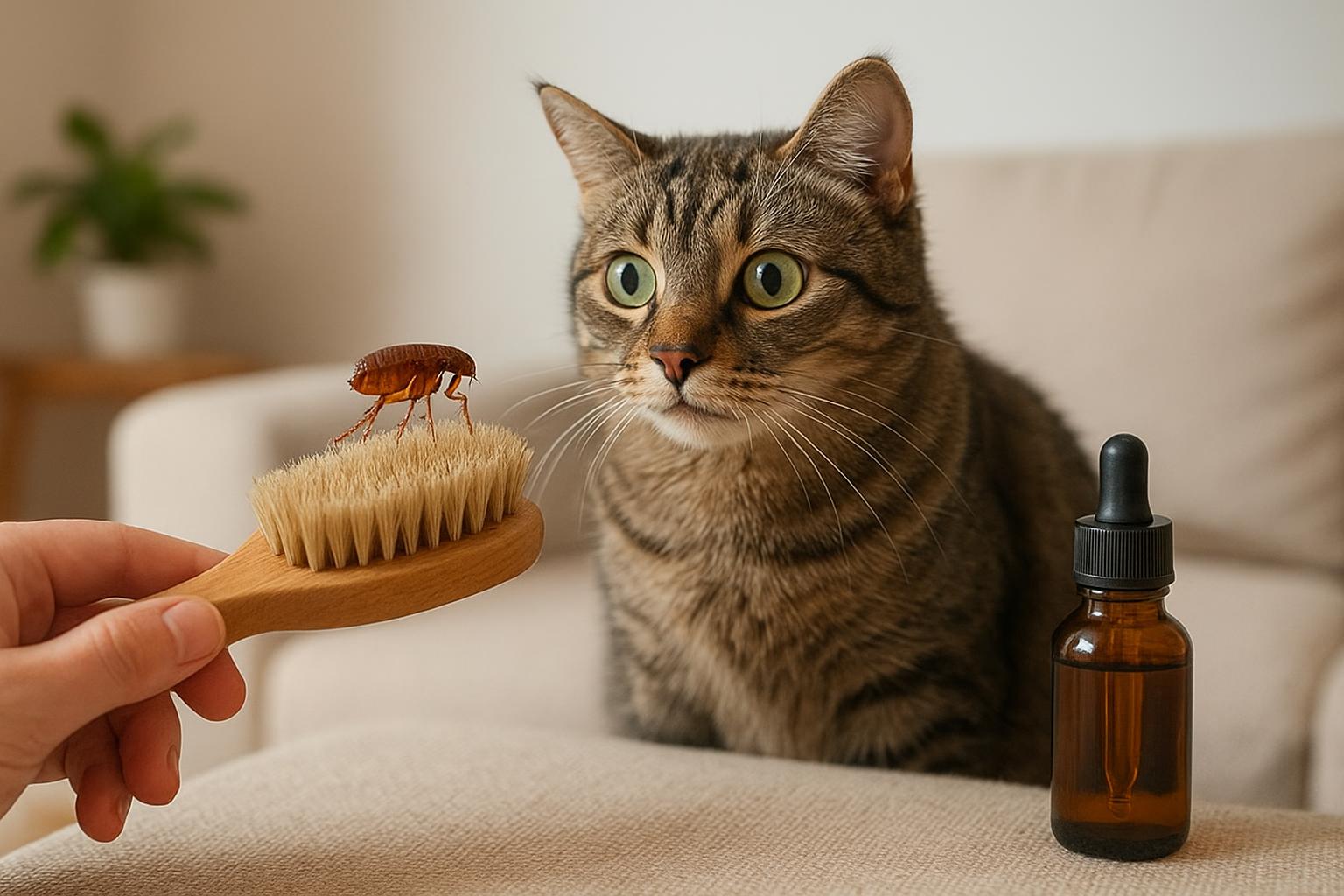
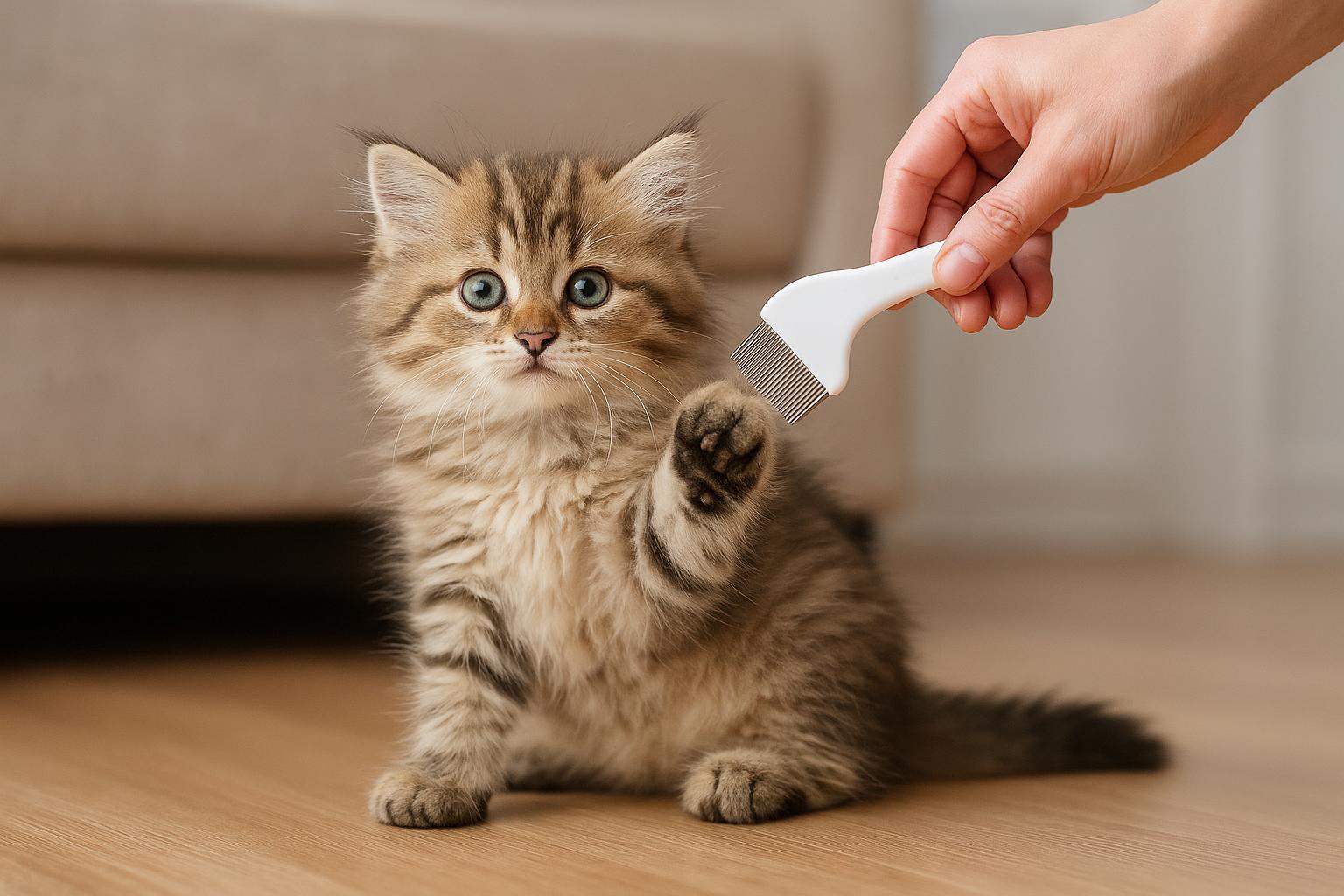
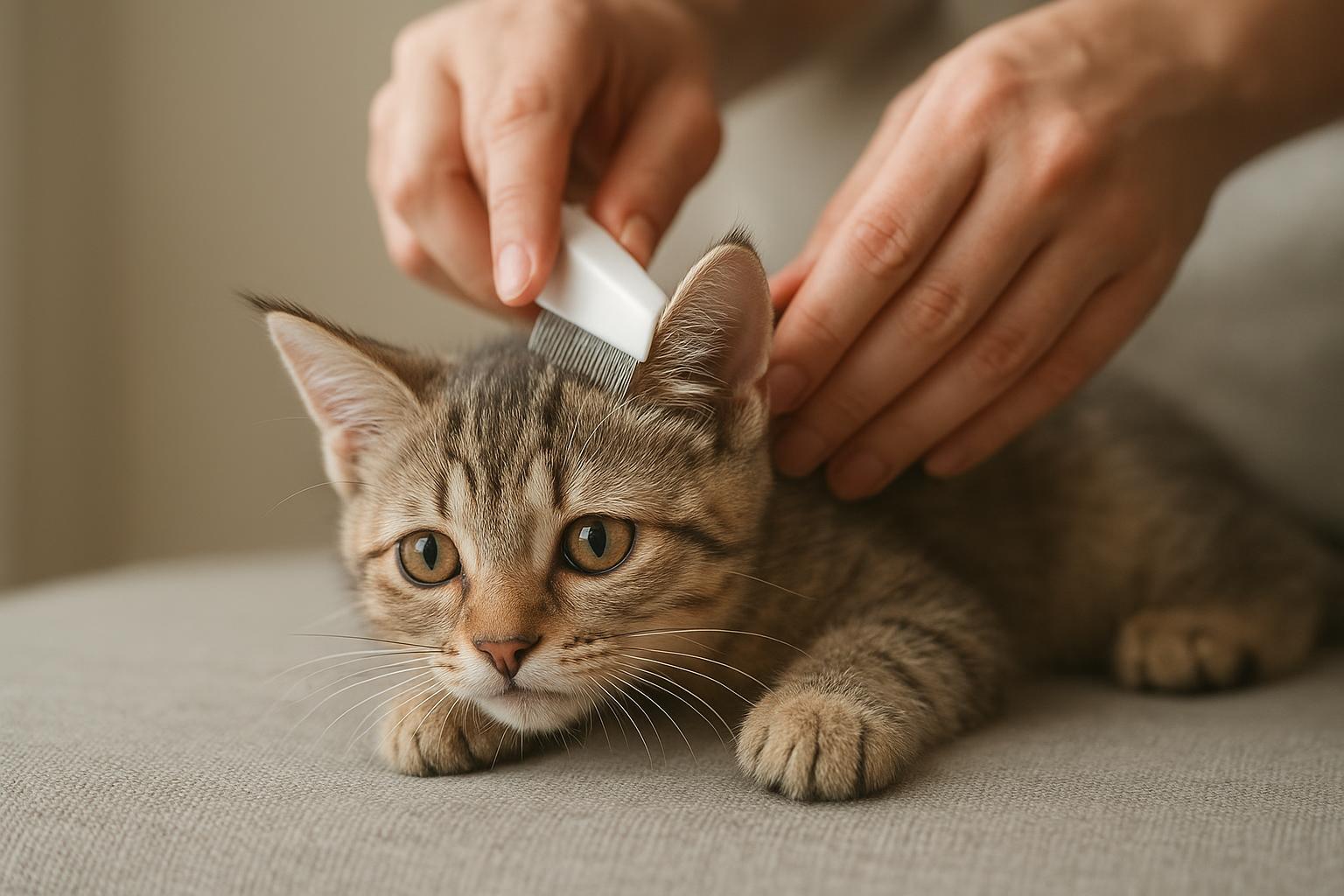
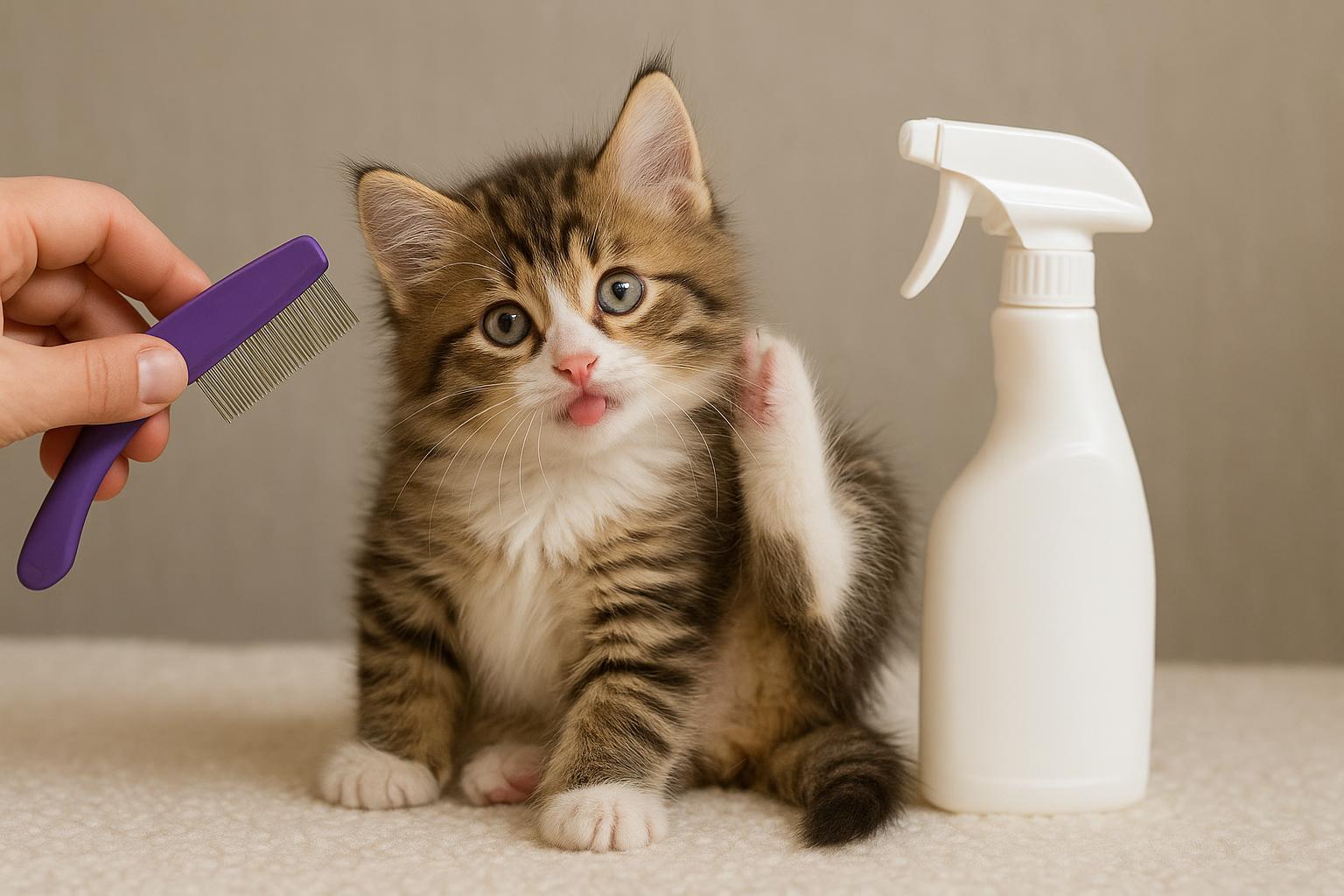
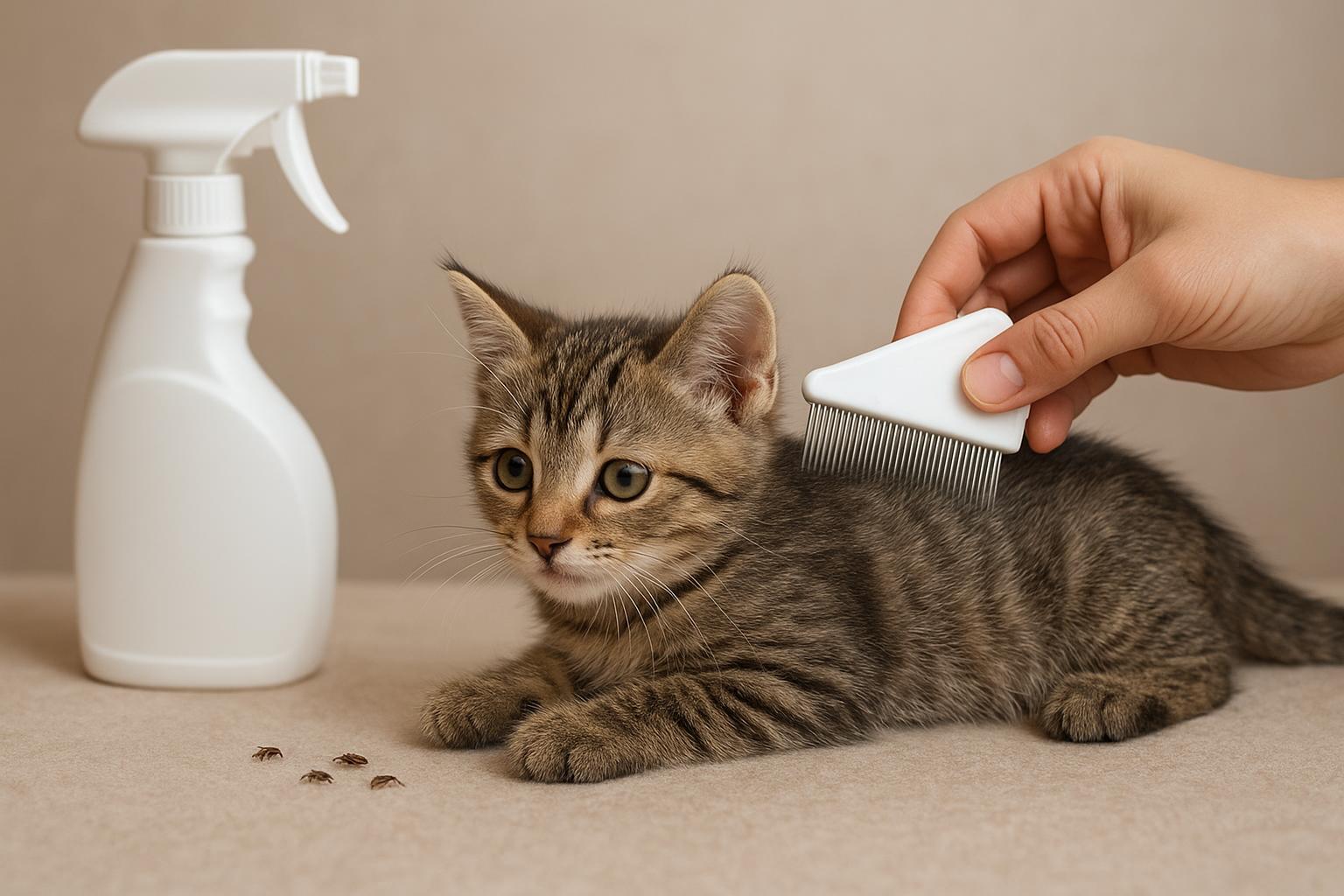
– Cat-safe flea comb.
– Reminder system (calendar, phone app, or pill organizer).
Step-by-Step Application (Formal Guidance)
1. Consult Your Veterinarian: Before choosing a product, have your vet confirm your cat’s weight, age, health status, and any medication interactions. Some products for dogs are toxic to cats; human advice isn’t a substitute for professional guidance.
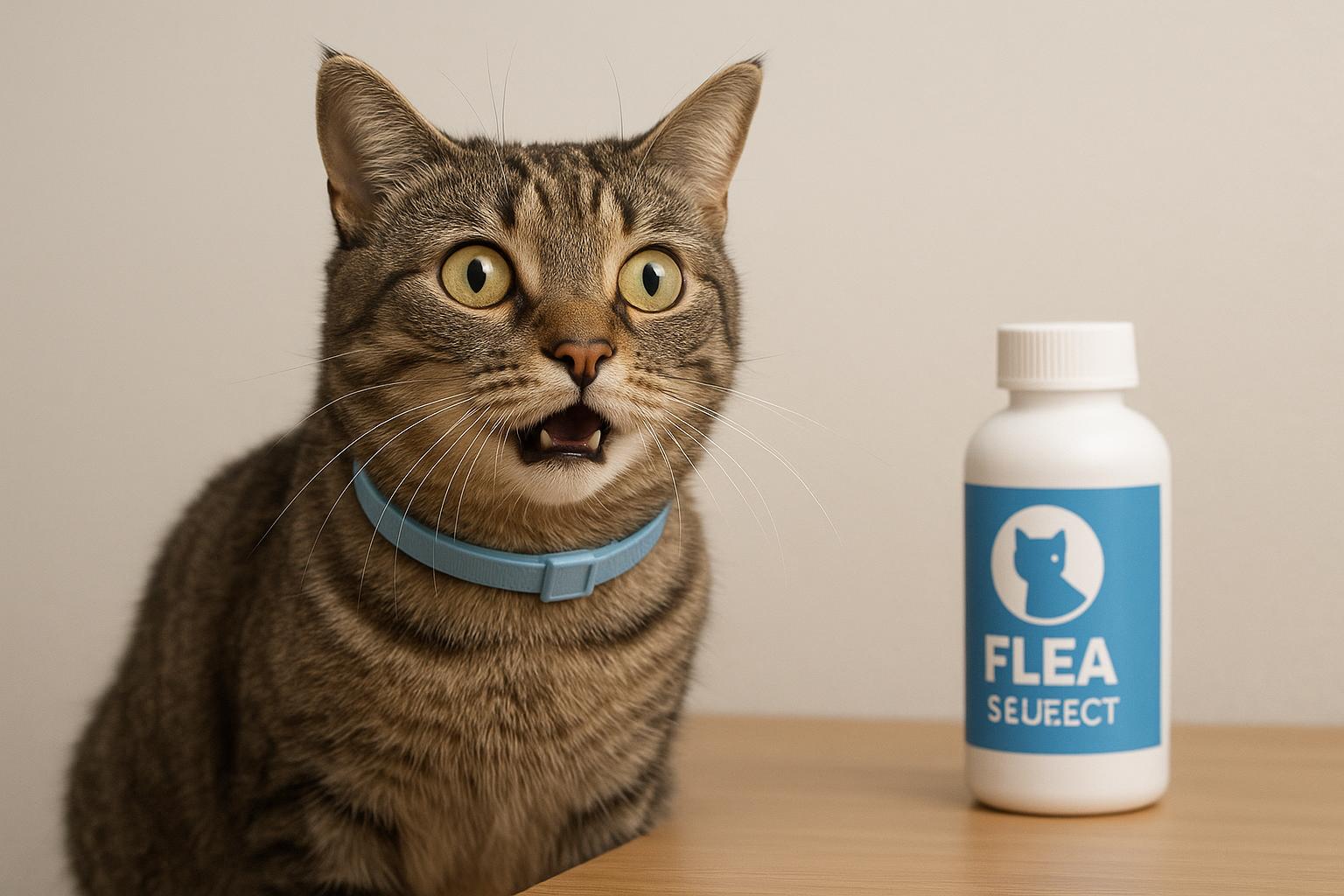
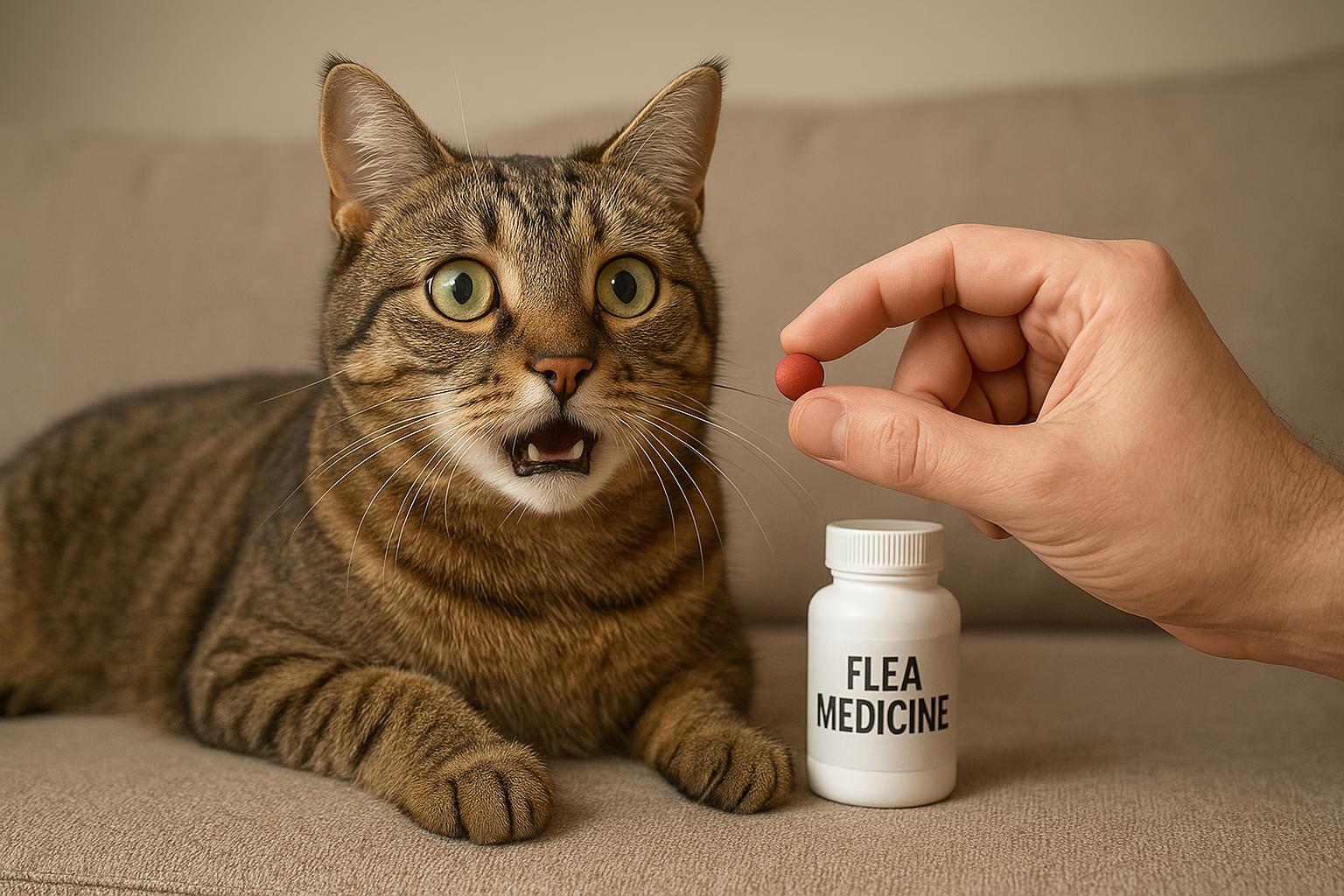
2. Select the Correct Product and Dose: Use only products labeled for cats and matched to your cat’s weight. Many effective options exist: monthly topical insecticides (e.g., fipronil, selamectin, imidacloprid), monthly oral spinosad/fluralaner formulations (where approved), and long-acting collars containing flumethrin/imidacloprid.
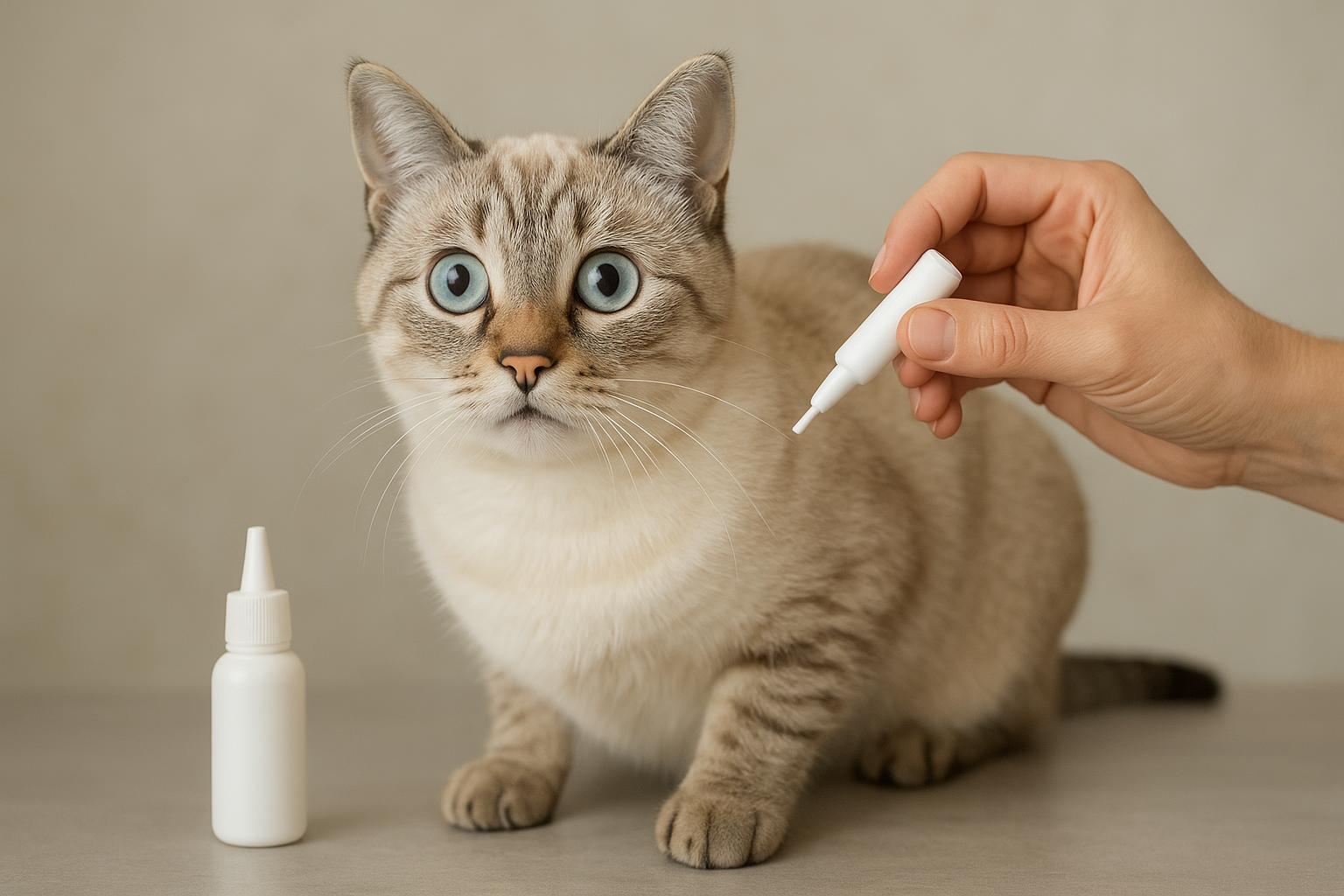
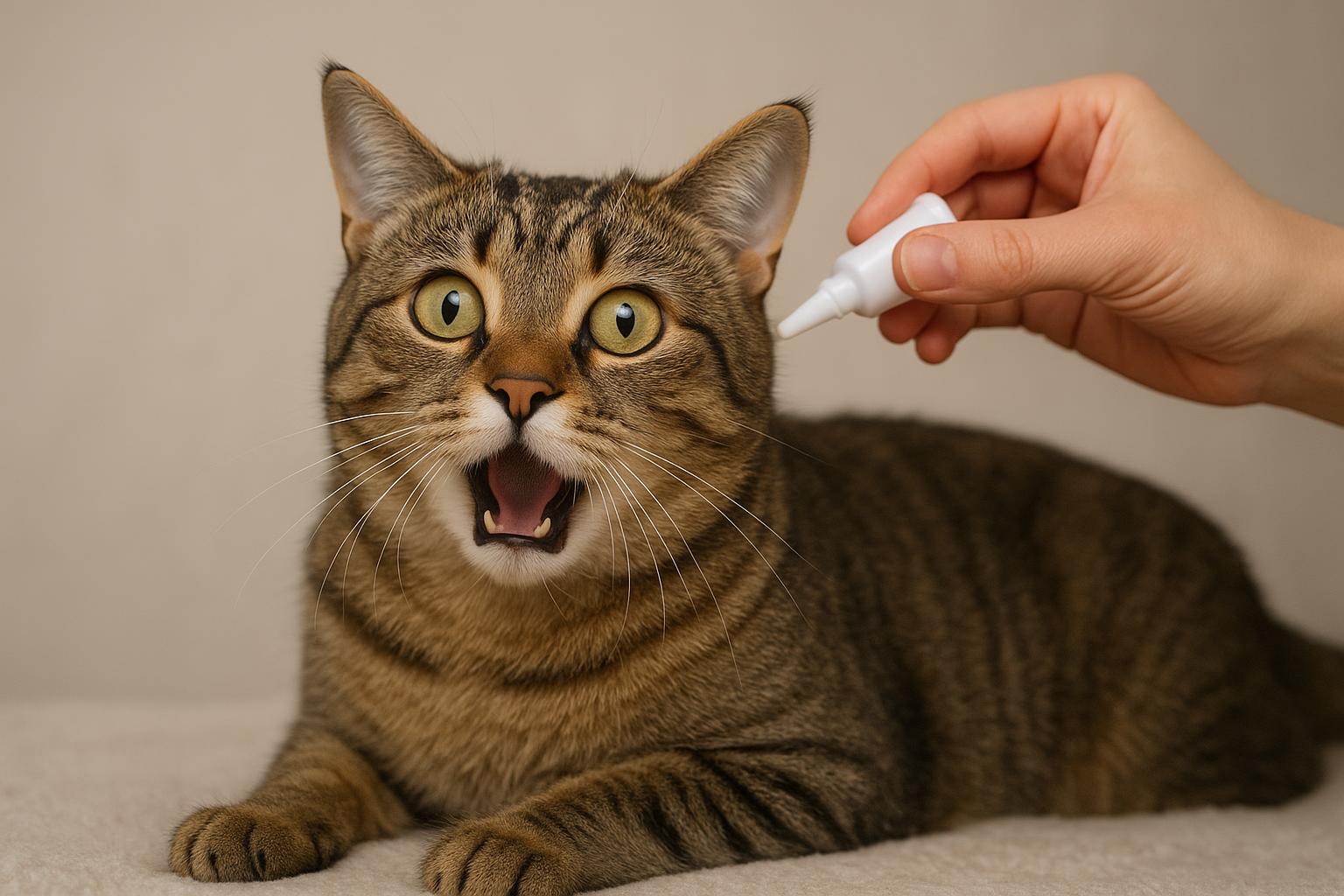
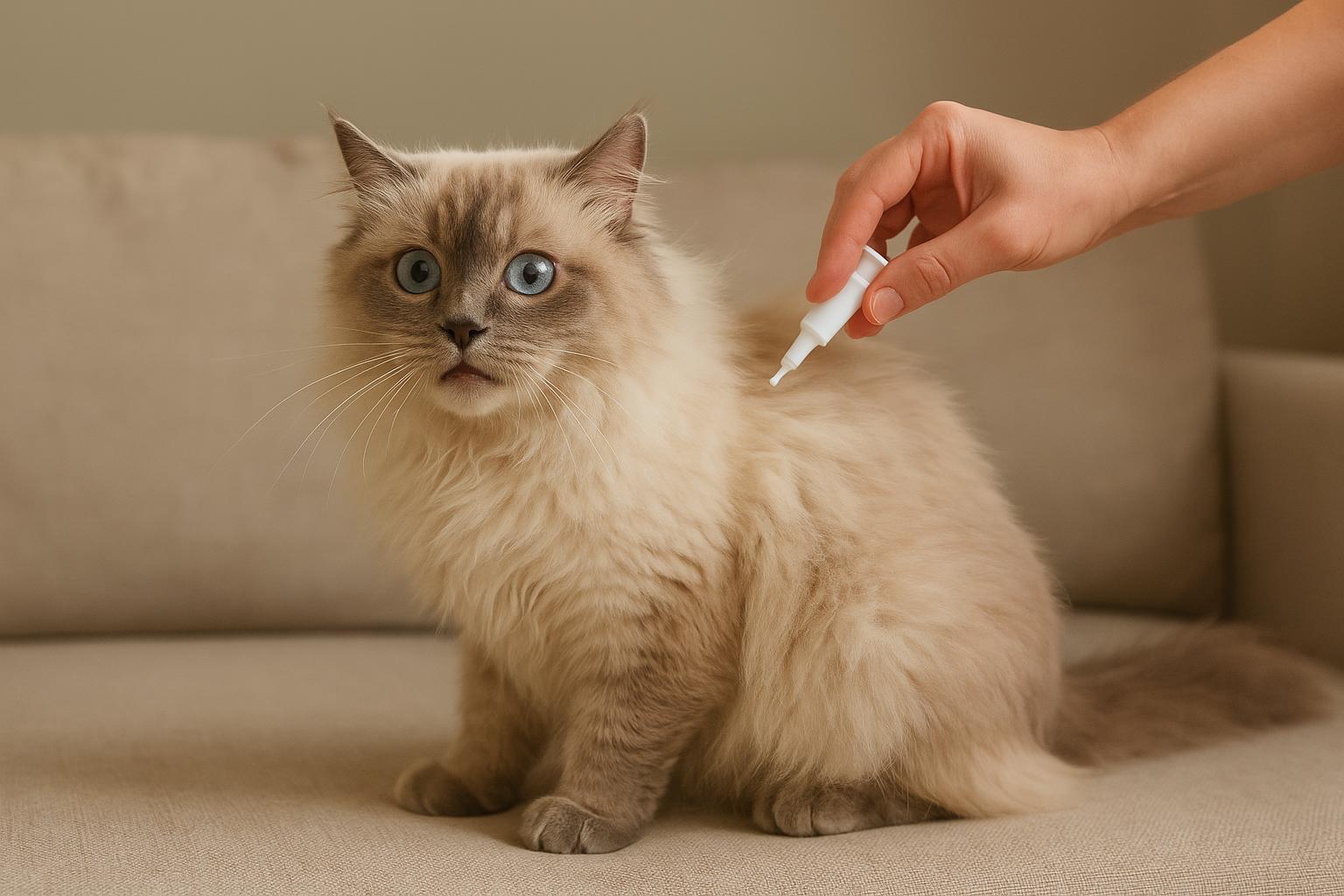
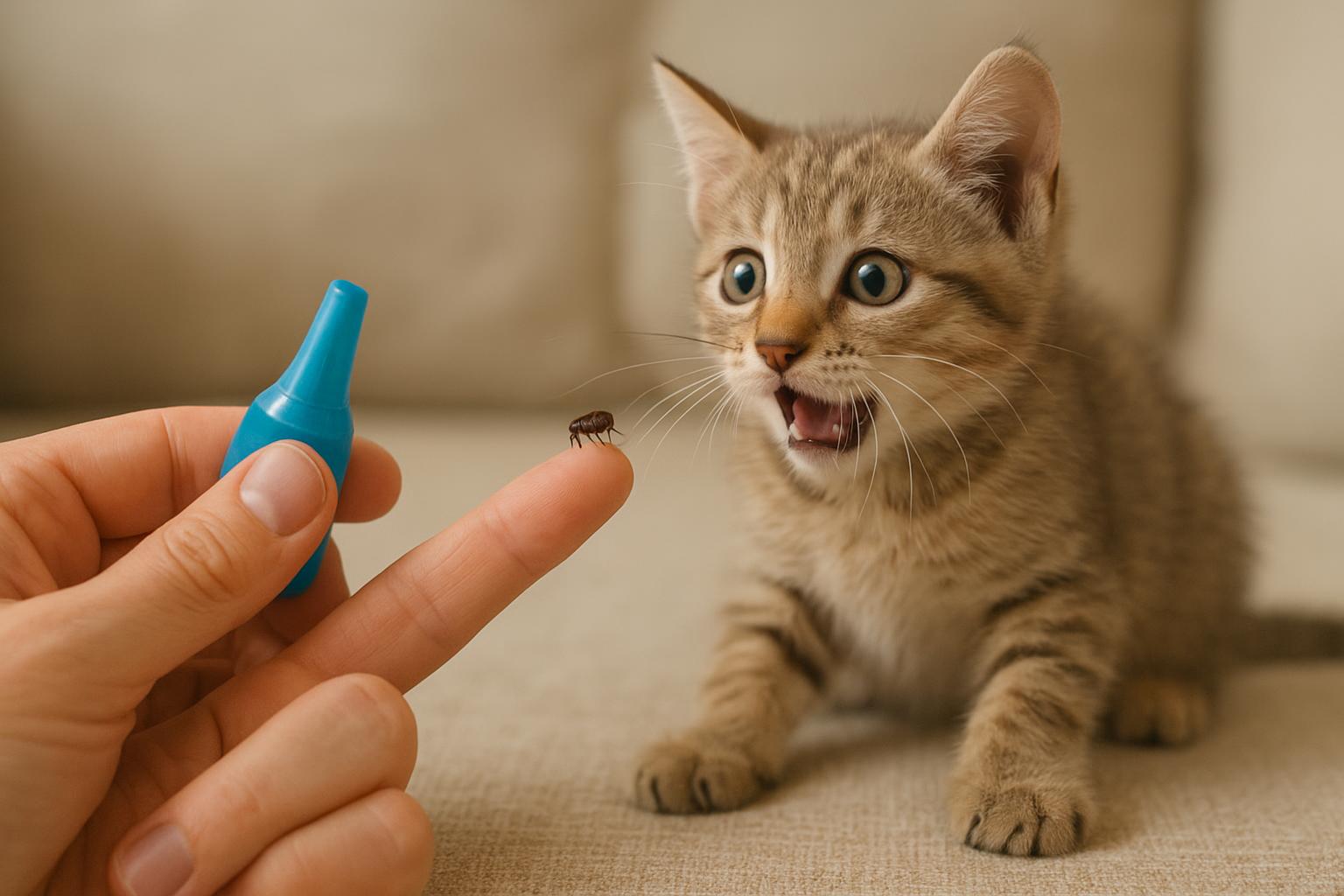
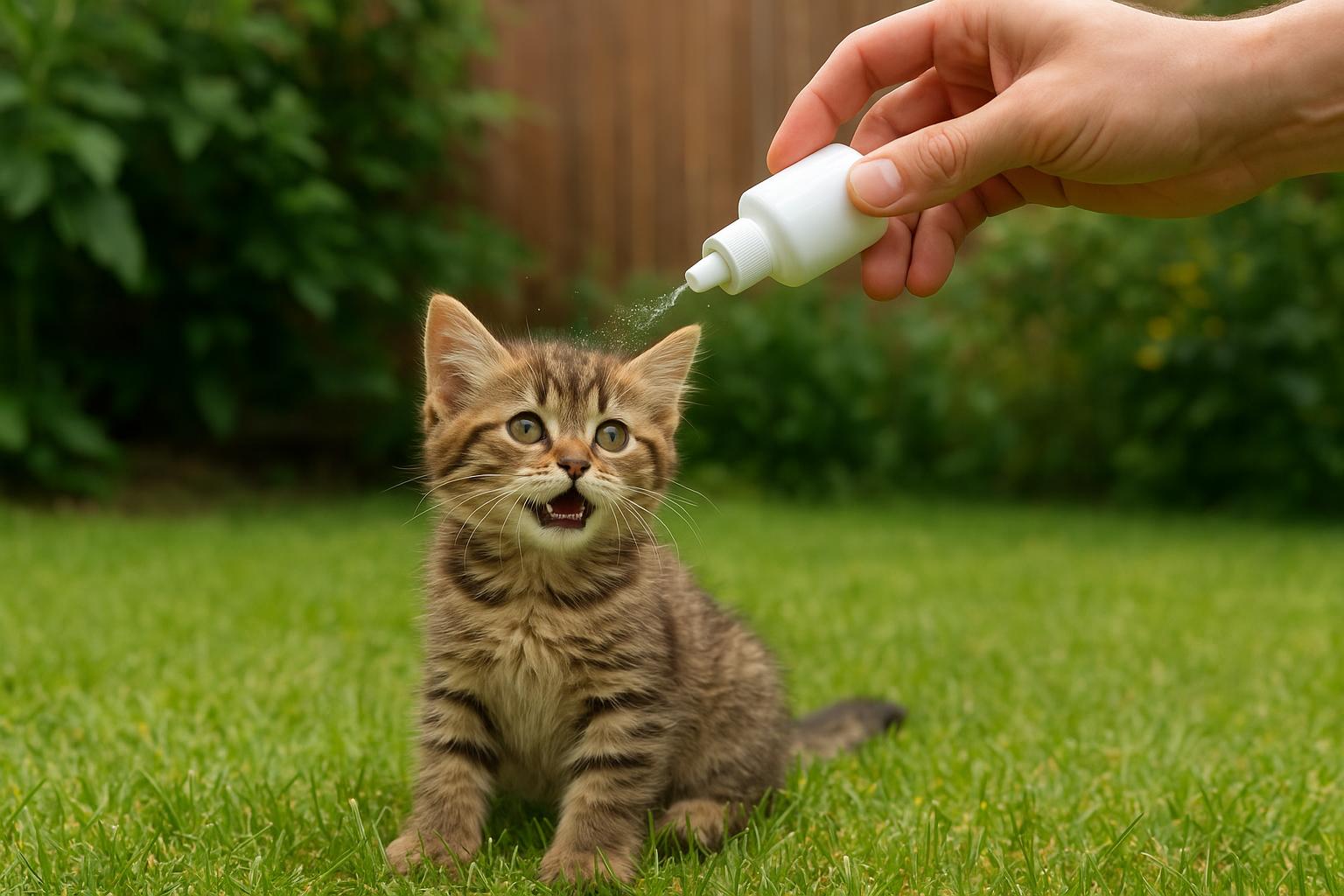
3. Preparation: Read the product insert fully. For topicals, part the fur at the base of the neck until skin is visible. Wear gloves if instructed.
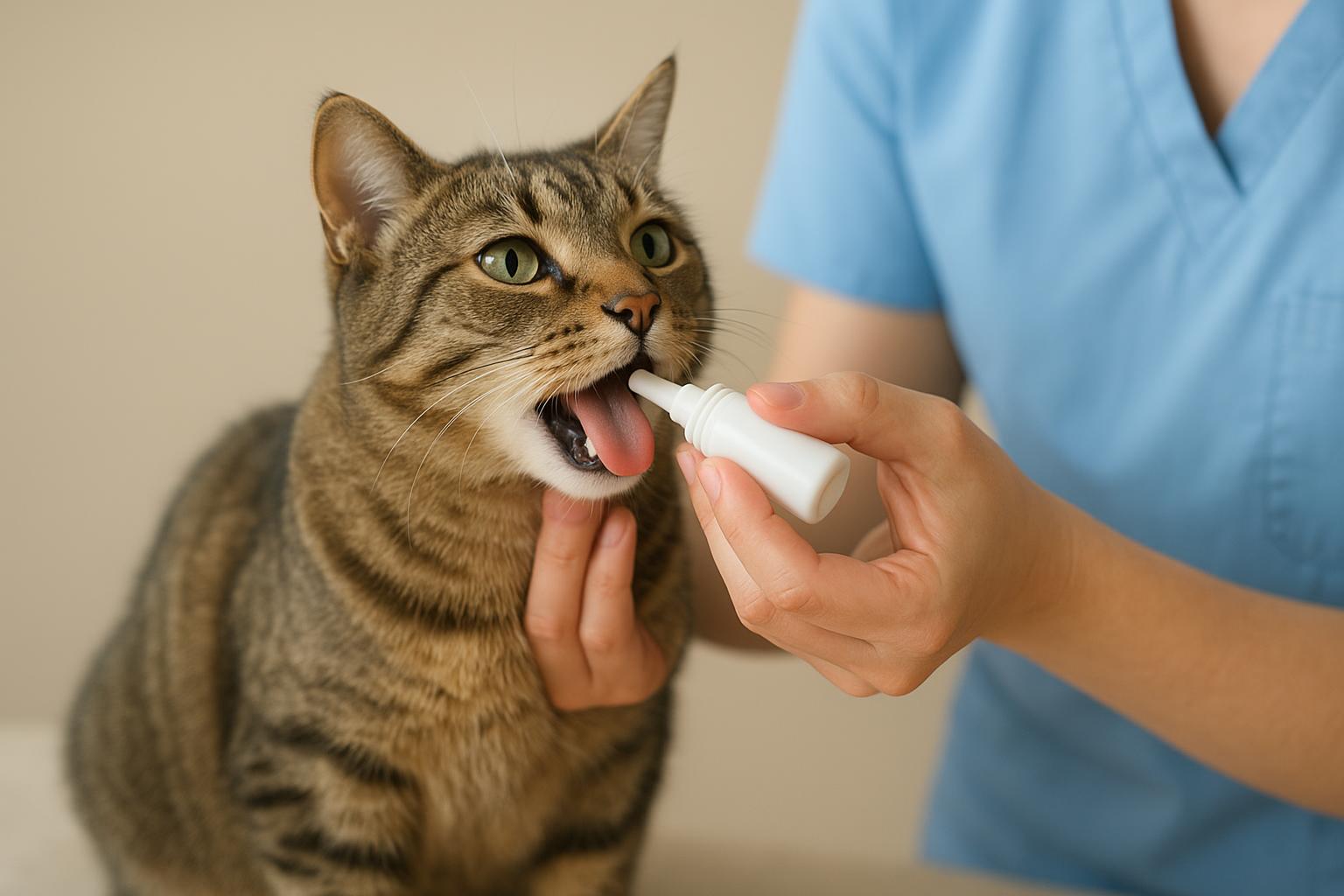
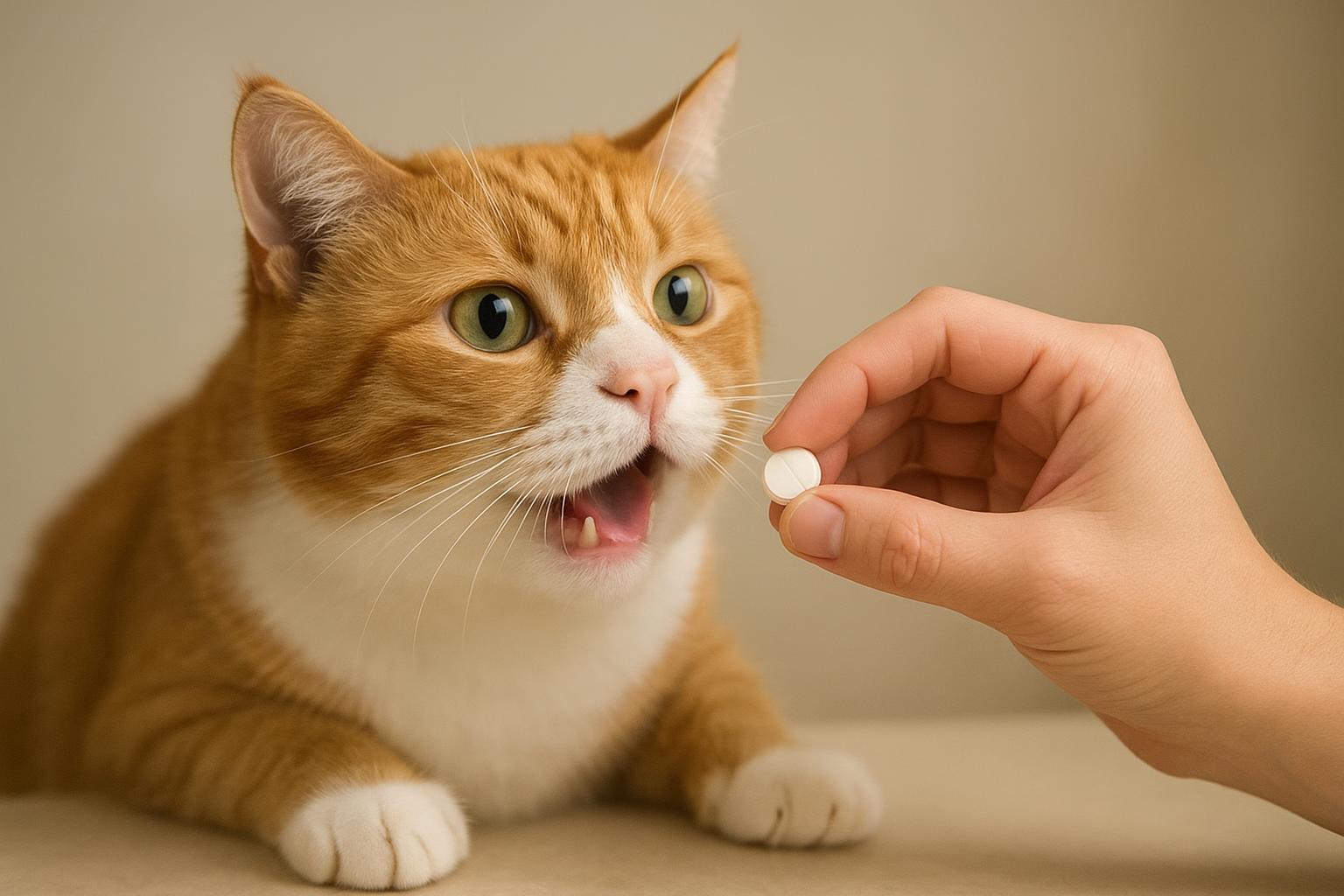
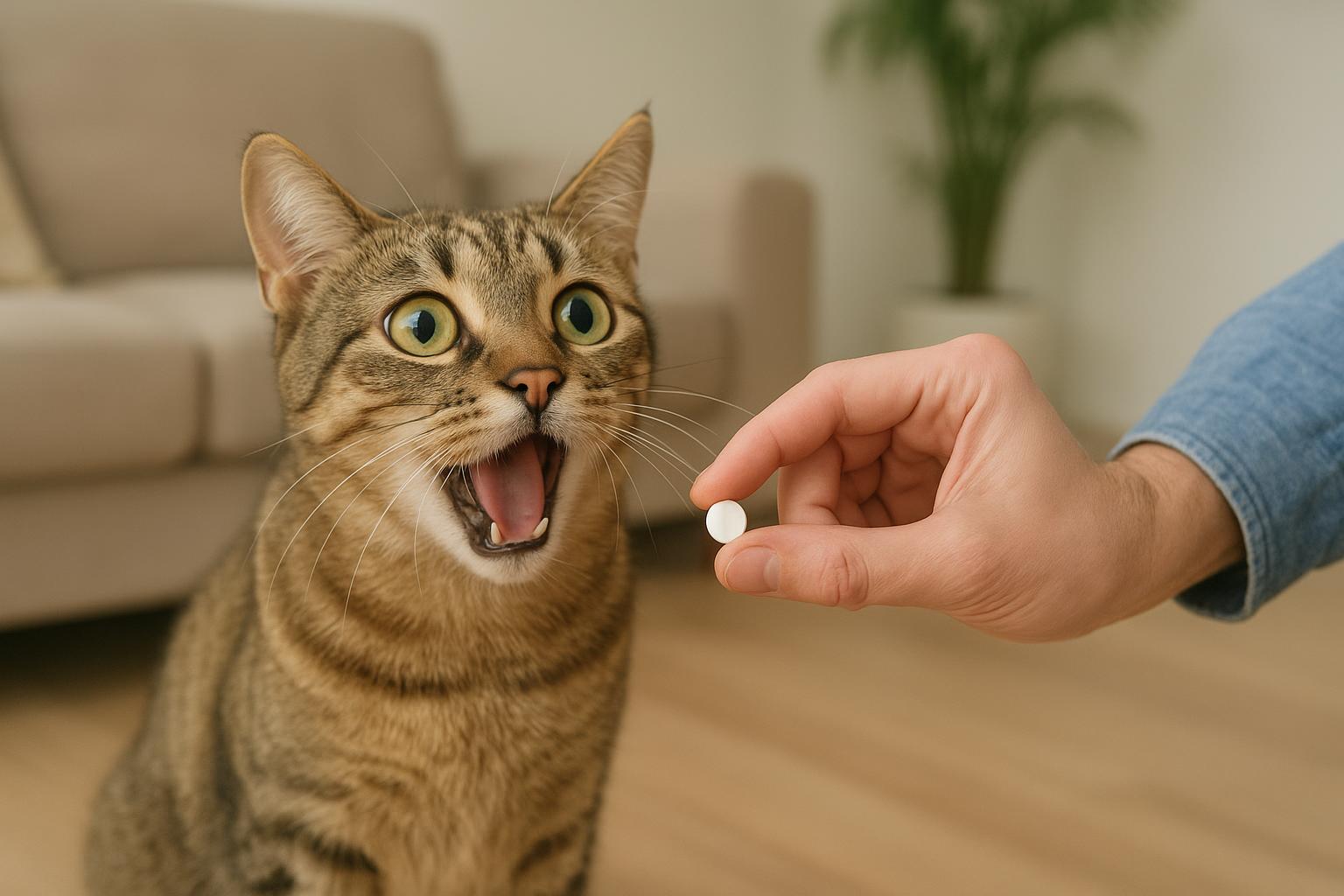
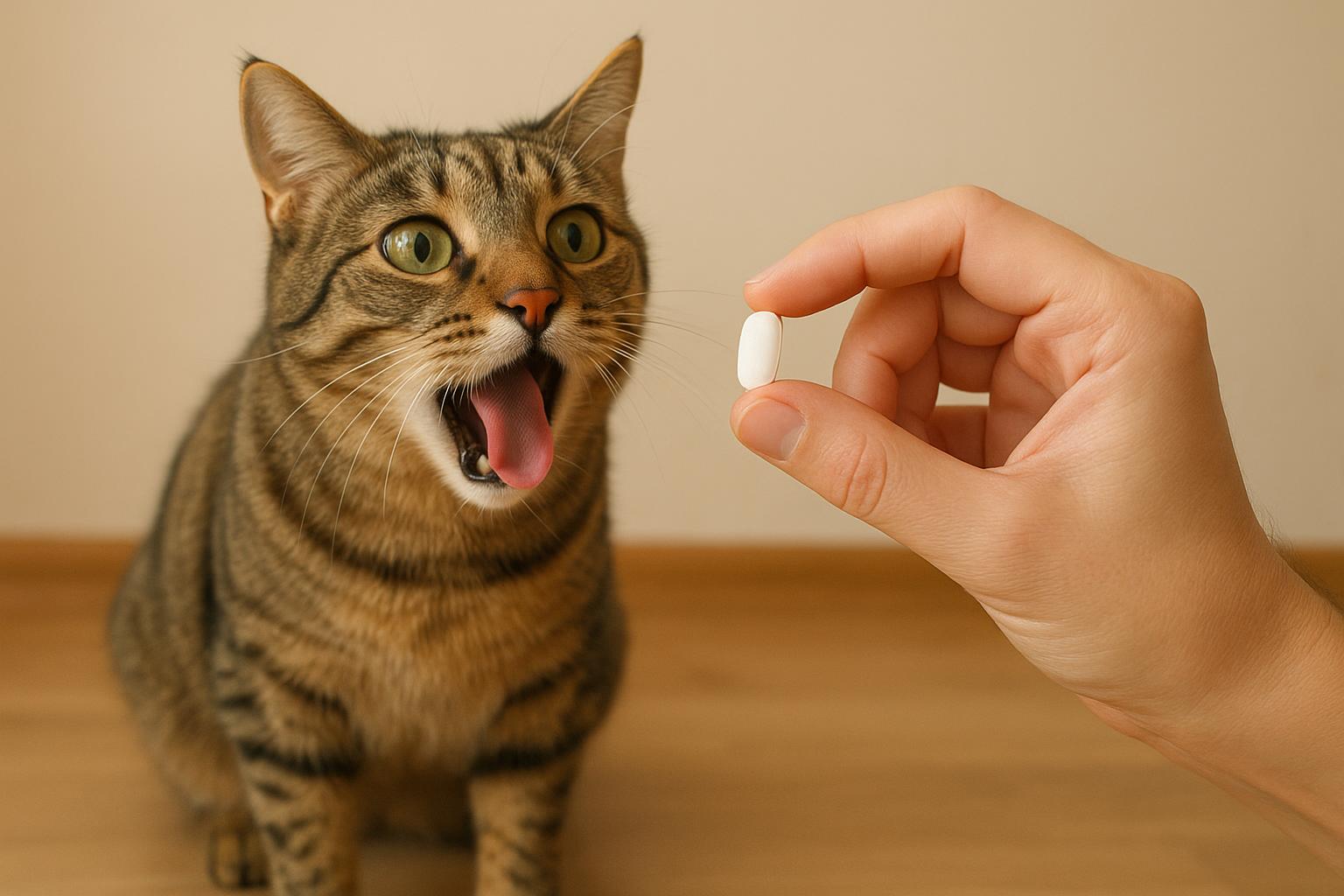
4. Application: Apply the full dose in one spot on the skin (do not split doses) as per manufacturer and vet instructions. For orals, administer the full tablet with food if recommended.
5. Observe: Monitor for adverse reactions for 24–48 hours (excessive scratching, vomiting, lethargy). If any concerning signs occur, contact your veterinarian immediately.
6. Repeat on Schedule: Set a reminder and reapply or readminister every 30 days (or per product instructions). Document the date and product used.
7. Record-Keeping: Keep a simple log with product name, lot number, and date of administration for your records and vet visits.
Notes On Safety and Efficacy
– Do not combine products without veterinary approval.
– If your cat has fleas despite monthly prevention, don’t double up the dose; instead, contact your vet. Resistance, incorrect application, or environmental reservoirs are often to blame.
– Some flea products also protect against ticks, ear mites, or intestinal parasites; discuss broad-spectrum needs with your veterinarian.
### Choosing The Right Product
Your vet will consider age, weight, lifestyle (indoor vs outdoor), and any health conditions. If you have multiple pets, coordinate products to ensure household coverage. Always check label species and age restrictions, and never substitute dog products for a cat.
## 2) Home And Yard Control Steps To Support Monthly Flea Prevention
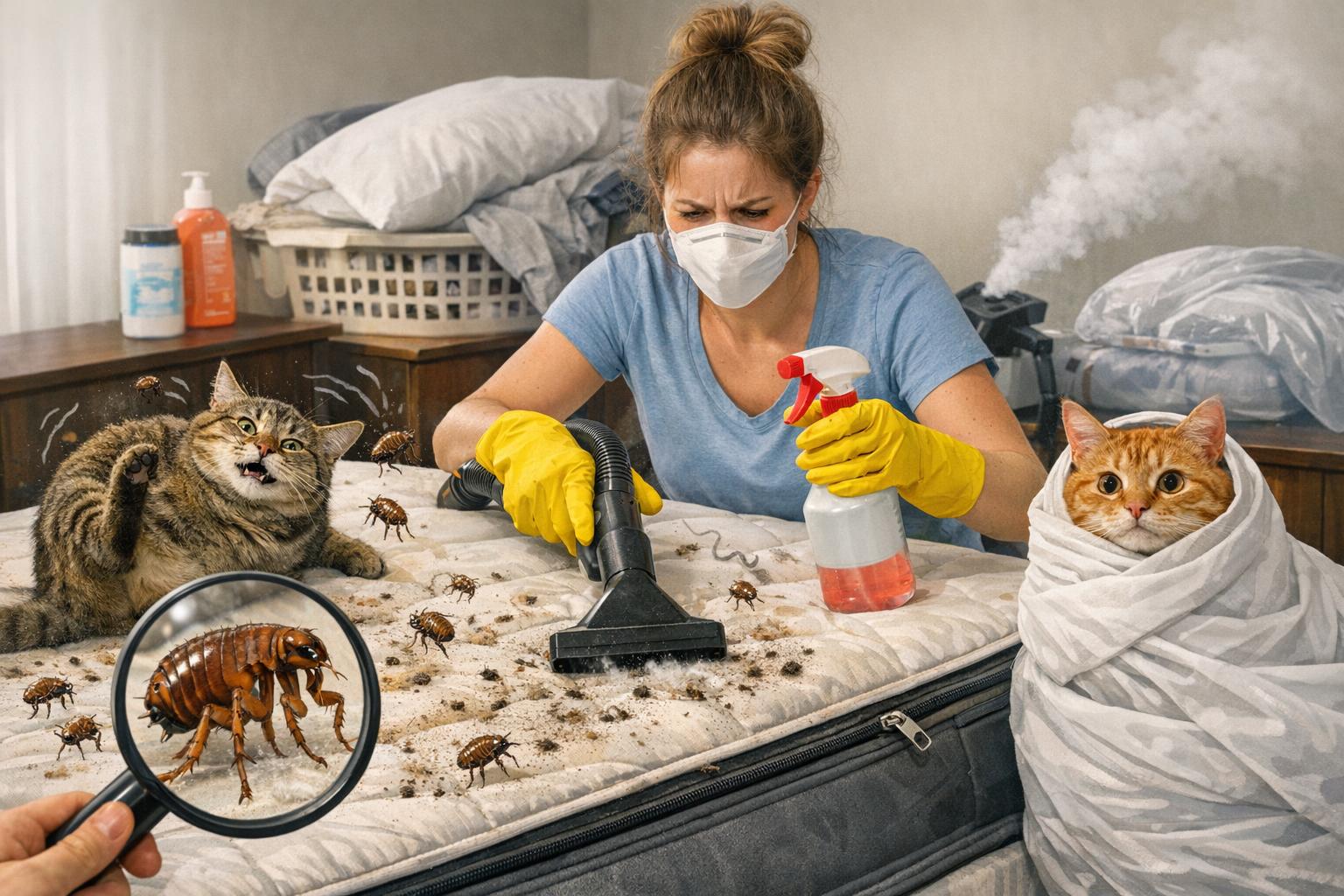
Monthly flea prevention on the cat is the cornerstone, but the environment often needs attention too. Here’s a practical, formalized approach to reducing environmental flea burdens.
Materials/Ingredients
– High-efficiency vacuum (HEPA recommended).
– Hot-water capable washing machine and drying heat.
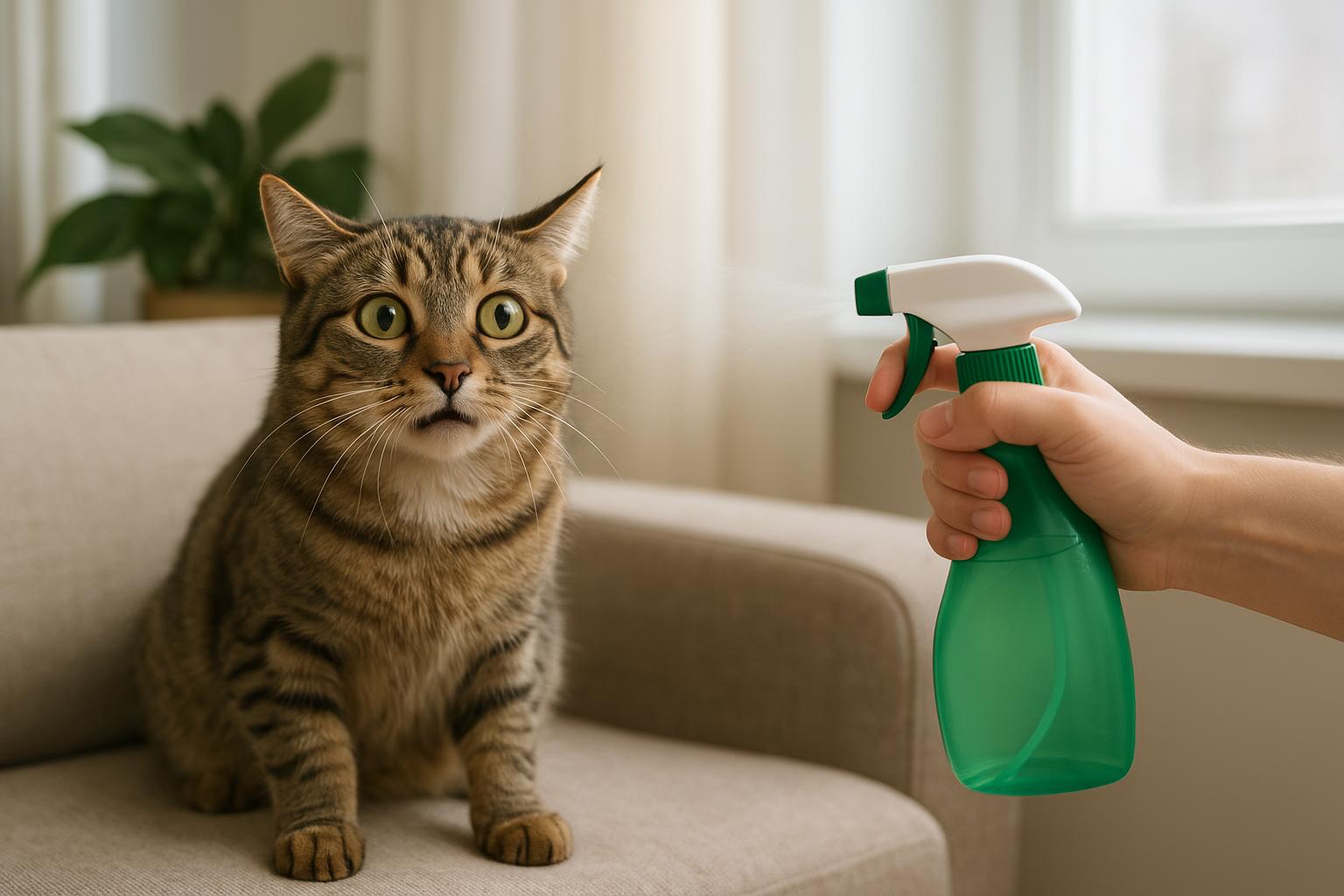
– Pet-safe household flea spray or an IGR (insect growth regulator) product labeled for indoor use.
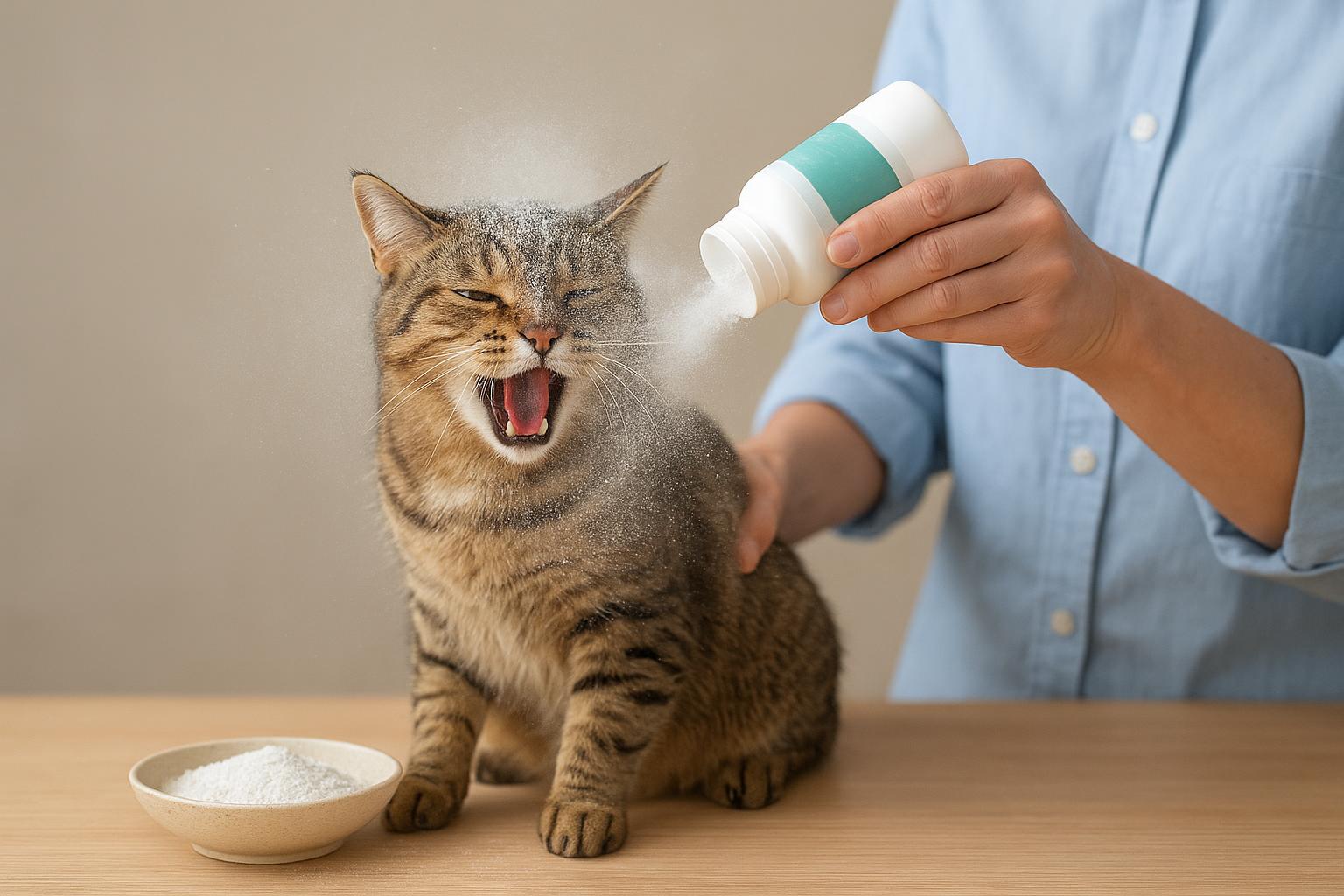
– Outdoor yard treatments (optional, use pet-safe neighborhood-approved products) or diatomaceous earth (food grade) for non-chemical control.
– Flea traps (light-and-heat sticky traps) for monitoring.
Step-by-Step Home And Yard Treatment
1. Frequent Washing: Wash pet bedding, blankets, and any removable couch covers in hot water (minimum 60°C/140°F when safe for fabric) and dry on high heat weekly for at least three weeks during active infestations.
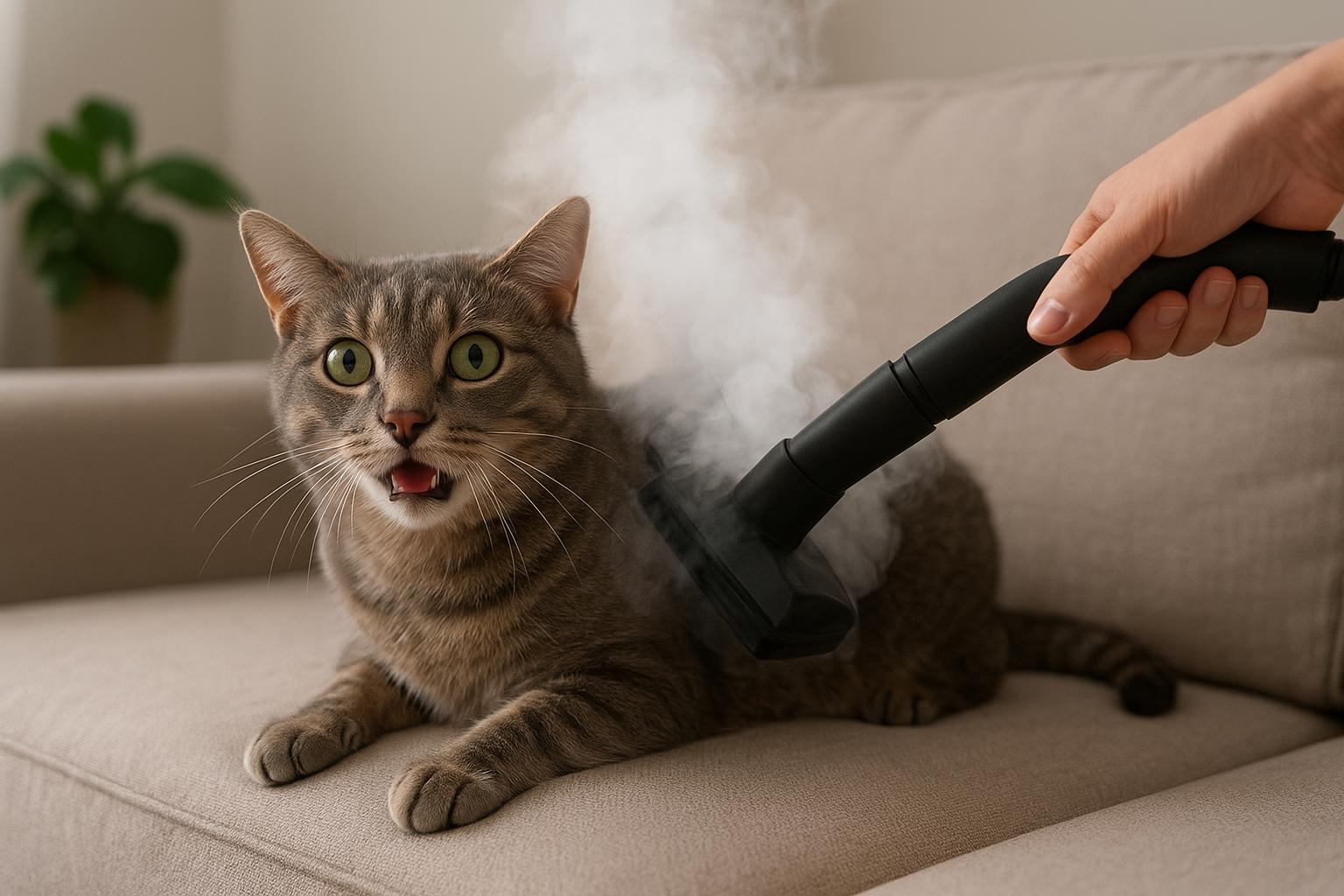
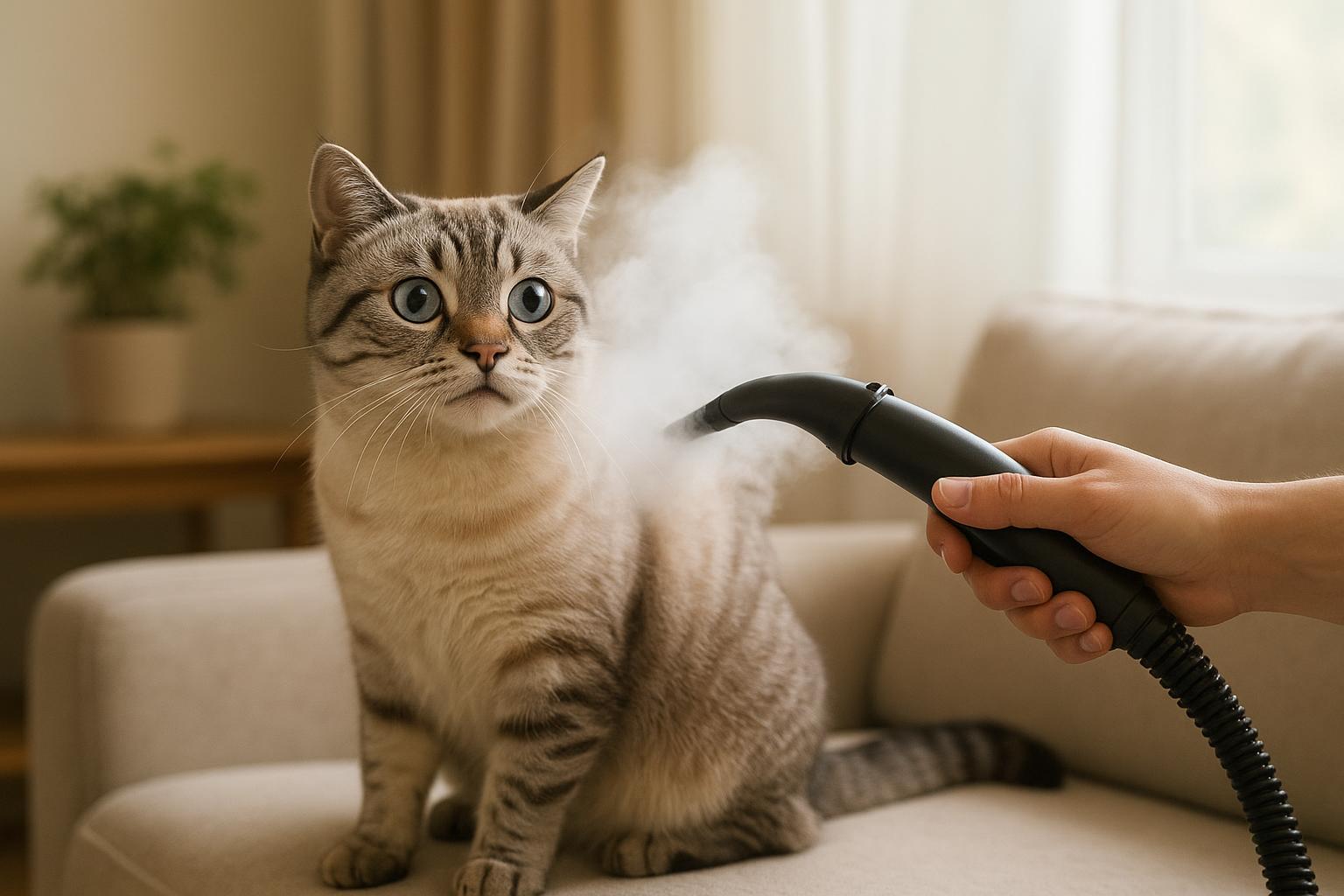
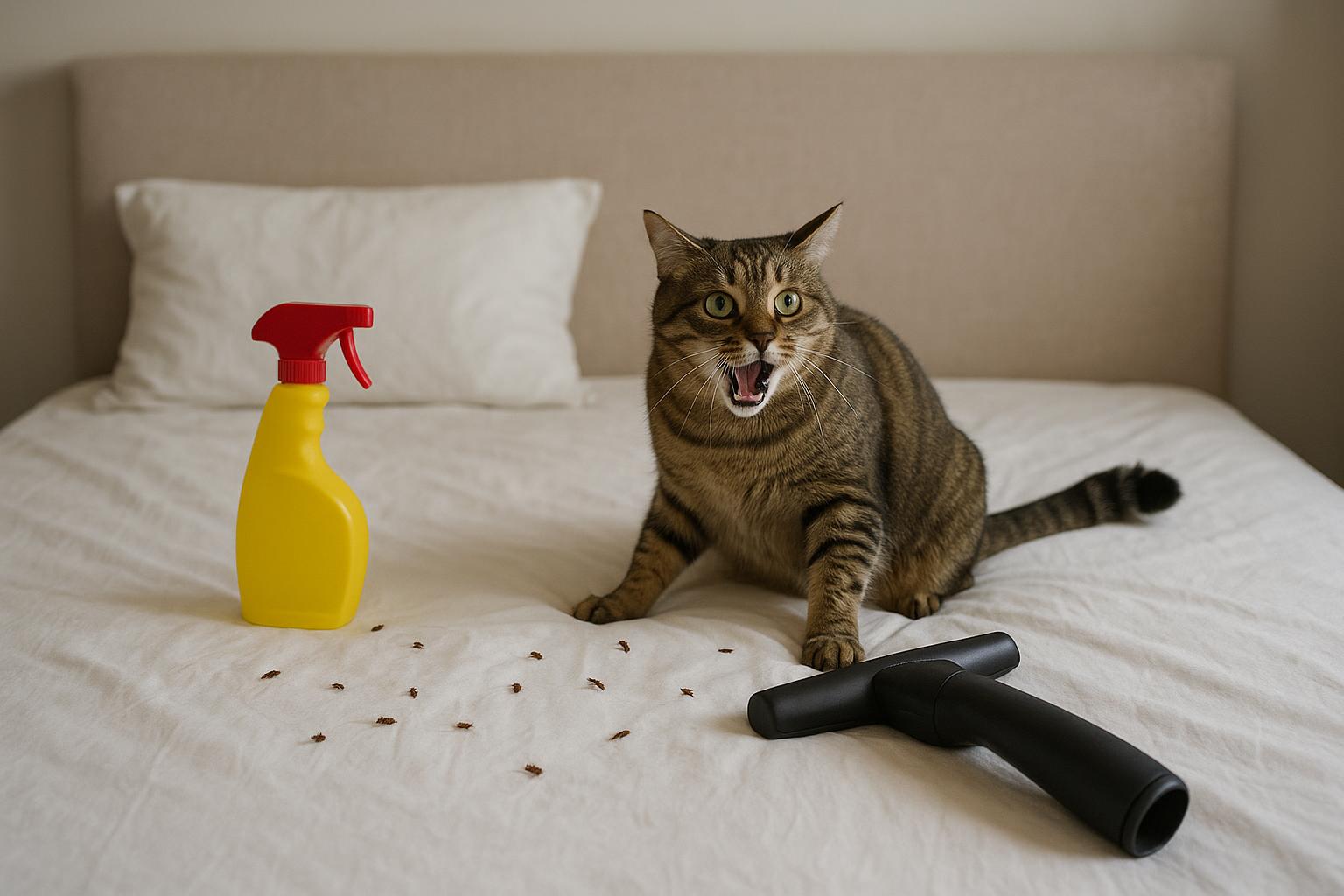
2. Vacuuming: Vacuum carpets, rugs, under furniture, and along baseboards thoroughly at least twice weekly during outbreaks, then weekly for maintenance. Immediately discard vacuum bag or empty canister contents into a sealed bag and dispose outside.
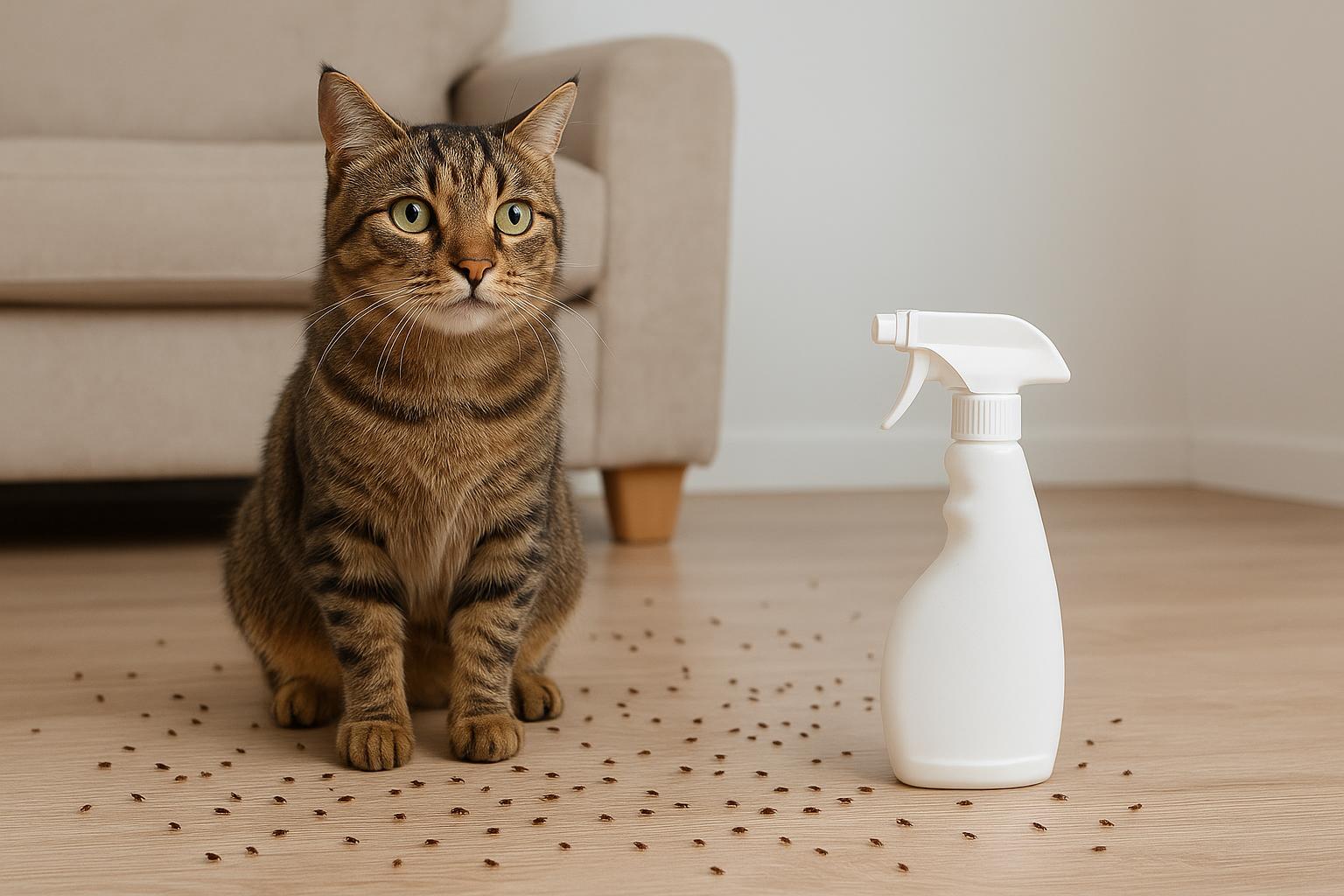
3. Use of IGRs: Apply a household flea spray or fogger that contains an IGR (e.g., methoprene, pyriproxyfen) according to label directions to break the flea life cycle. Follow all safety precautions and ventilate well. These products are designed to prevent eggs and larvae from maturing.
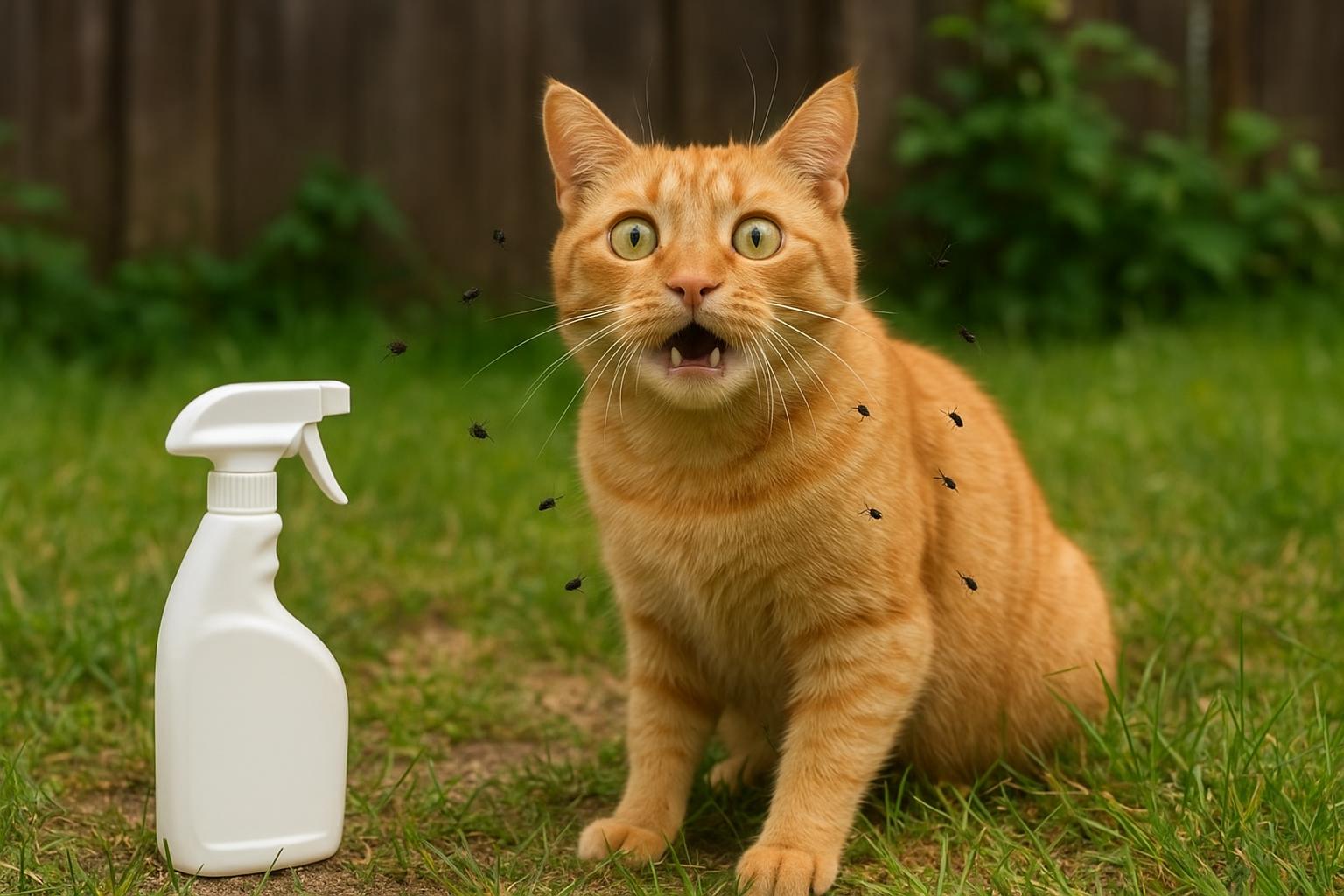
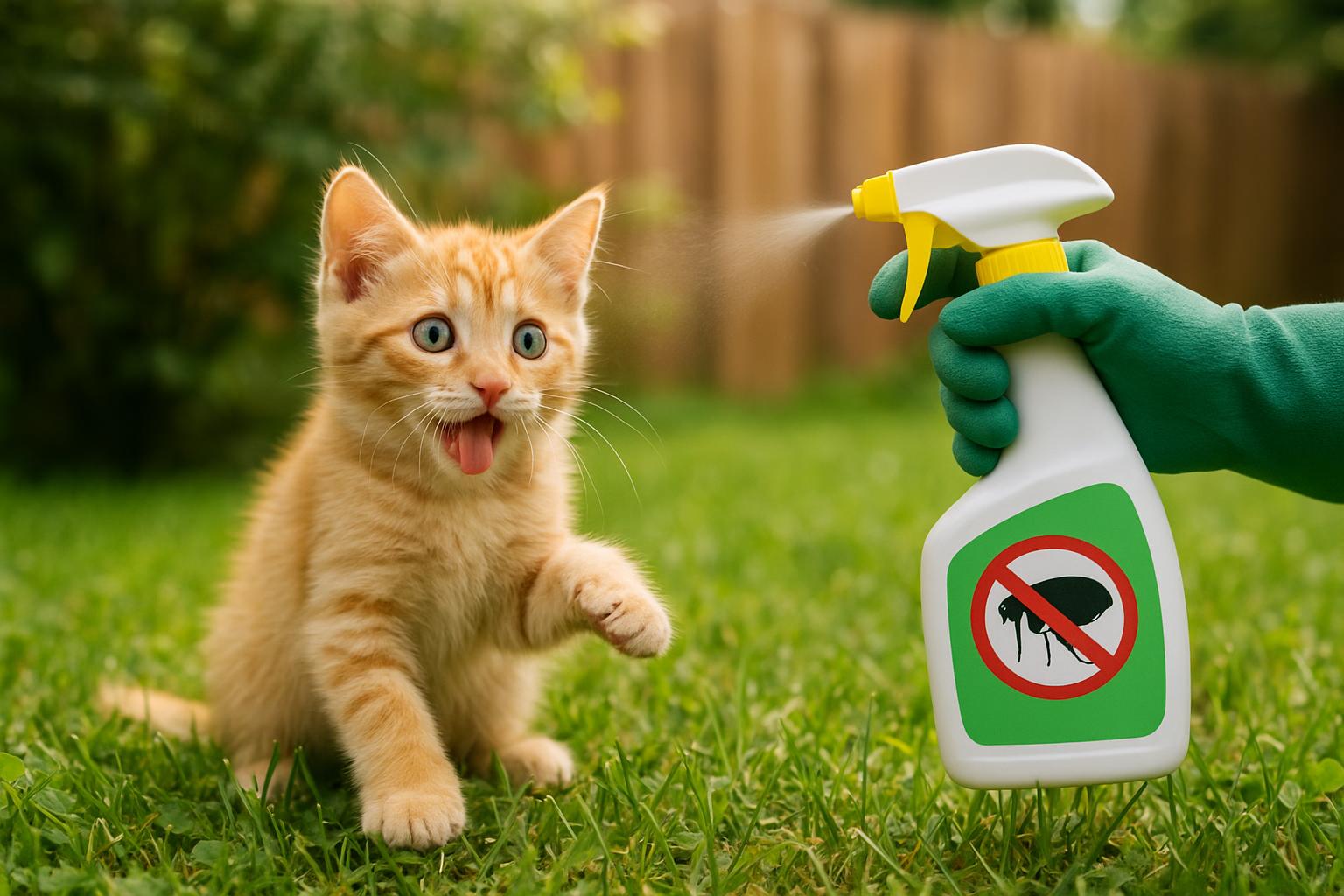
4. Outdoor Measures: Keep grass short, remove leaf litter, and create sunnier, drier areas (fleas prefer cool, shaded moist habitats). For high-risk yards, use pet-safe outdoor treatments or professional services; always follow label instructions and local regulations.
5. Monitor: Use flea traps to check for presence. If adult fleas persist despite pet treatment, focus on hidden areas: under furniture, along skirting boards, or in pet-frequented rooms.
6. Repeat Scheduling: Environmental measures may need repeating. Coordinate them with your cat’s monthly treatment to maximize effectiveness.
#### When To Call A Professional
Persistent infestations, heavy flea pressure in multi-pet homes, or outbreaks where members of the household are experiencing bites or allergic reactions warrant professional pest control consultation and veterinary follow-up. Professionals can apply treatments not available to consumers and provide integrated strategies.
### Managing Common Questions With Clarity (And A Little Patience)
– My indoor cat has fleas — how? Fleas hitchhike on clothing, other pets, or rodents. They can also survive in homes and re-emerge.
– Are natural remedies enough? Some non-chemical measures (vacuuming, washing, diatomaceous earth) help but often aren’t sufficient alone for moderate to severe infestations. Combine environmental work with a vet-approved monthly flea prevention product for best results.
– Can I use multiple products to “double down”? No. Combining products without guidance can harm your cat. If prevention seems ineffective, seek veterinary advice rather than layering treatments.
Keep a small bit of humor in your routine: give your cat a monthly spa day that doubles as flea prevention — they get attention, you get calm assurance, and the fleas get the eviction notice.
### Keeping Records And Staying On Track
Set reminders aligned with your cat’s treatment schedule. Use a calendar—paper or app—or tie treatments to a recurring monthly event (first of the month, rent day, etc.). Record the product name, dose, and date. This small organizational step helps veterinarians troubleshoot if fleas become a problem and keeps you consistent without relying on memory alone.
End of Article Note: Follow veterinary guidance, use products as labeled, and coordinate environmental measures with your monthly applications to keep your cat and home flea-free.










Leave a Reply