
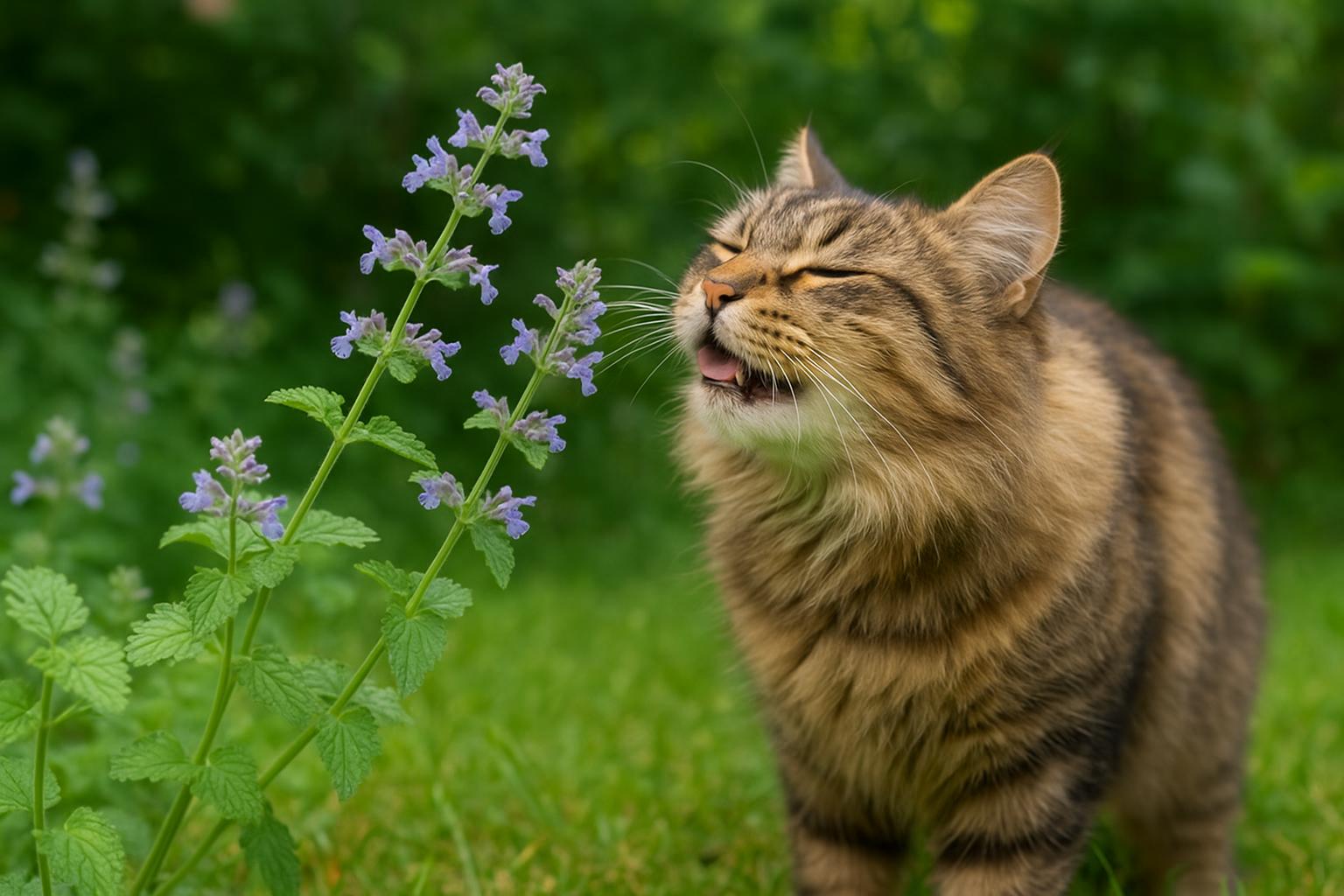
Cats will roll in catmint and look blissful, and for a surprising reason: the plant can also push fleas away. I’m not suggesting catmint is a miracle cure. But if you want a gentler, low-tox approach that actually changes flea behavior, this is worth knowing. Below I dig into what catmint does, how to use it, and where it fits in a realistic flea-control plan.
## Catmint Scent Repels Fleas Naturally: The Science And Smell
The phrase catmint scent repels fleas naturally isn’t just marketing. Plenty of lab work and backyard observations point to compounds in Nepeta species that irritate or confuse fleas, reducing their willingness to stay on an animal. The dominant chemical is nepetalactone, which is volatile and aromatic. When it evaporates off a plant or a spray, fleas can detect it and tend to avoid areas with a strong presence.
That matters in the real world because fleas spread by jumping between hosts and bedding. A scent barrier doesn’t kill every flea, but it makes cats less attractive to them, lowering contact rates. Remember, catmint scent repels fleas naturally best as a preventive or part of an integrated strategy, not as the only treatment during a severe infestation.
### What Catmint Is And Why Cats Like It
Catmint (often Nepeta cataria) is the familiar gray-green perennial gardeners plant near front steps. Cats respond to nepetalactone with rolling, rubbing, vocalizing — behaviors that distribute the scent across their fur. That self-application is one reason catmint can work in practice: the cat helps spread the repellant on its own coat after investigating the plant or a spray.
Not all Nepeta species are identical. Some are more ornamental, others smell stronger. If your goal includes pest control, choose varieties noted for stronger aromatic oils. You’ll still need to observe your cat; some won’t engage with it at all.
#### Nepeta Cataria Versus Other Nepetas
Nepeta cataria is most commonly associated with the classic cat response. Other Nepeta cultivars, like Nepeta × faassenii, smell pleasant to people and can have different oil profiles. For homeowners, the easiest path is standard catnip or specially labeled catmint varieties meant for pest purposes.
## How The Active Compounds Affect Fleas
Fleas rely on chemical cues to find hosts. Nepetalactone appears to interfere with the flea’s ability to interpret or tolerate these cues. Research shows it can be a mild repellent and, in higher concentrations, can reduce flea landing and feeding.
That’s not the same as a neurotoxin used in spot-on products. The advantage is lower toxicity risk. The downside is you need more consistent exposure; a light whiff won’t secure a month-long barrier. Still, for many households, the balance of safety and reduced flea pressure is appealing.
### Nepetalactone: A Closer Look
Nepetalactone is oily and moves easily into the air. In practical terms, that means crushed leaves, fresh plants, or sprays made from distilled extracts are more effective than dried leaves tucked under a bed. You’ll find varying strength based on plant age, time of day, and how the extract is made. Steam distillation concentrates the compound, which is why essential oils and concentrated catmint sprays can be stronger than a handful of leaves.
#### How Long The Scent Lasts
Scent persistence depends on method. Live plants emit continuously but at low concentrations. A fresh spray can give a higher concentration for hours to a day, depending on formulation and activity. If you’re trying to keep a kitten or multi-cat household comfortable, reapplication or keeping plants accessible is necessary.
## Using Catmint For Flea Control At Home
If you want to try catmint as part of your pest-control toolkit, start with realistic expectations. It lowers the odds that fleas will stay and breed on your cat, which translates to fewer bites and fewer eggs laid in the environment. That’s a meaningful benefit in a lightly infested home or as a preventive measure.
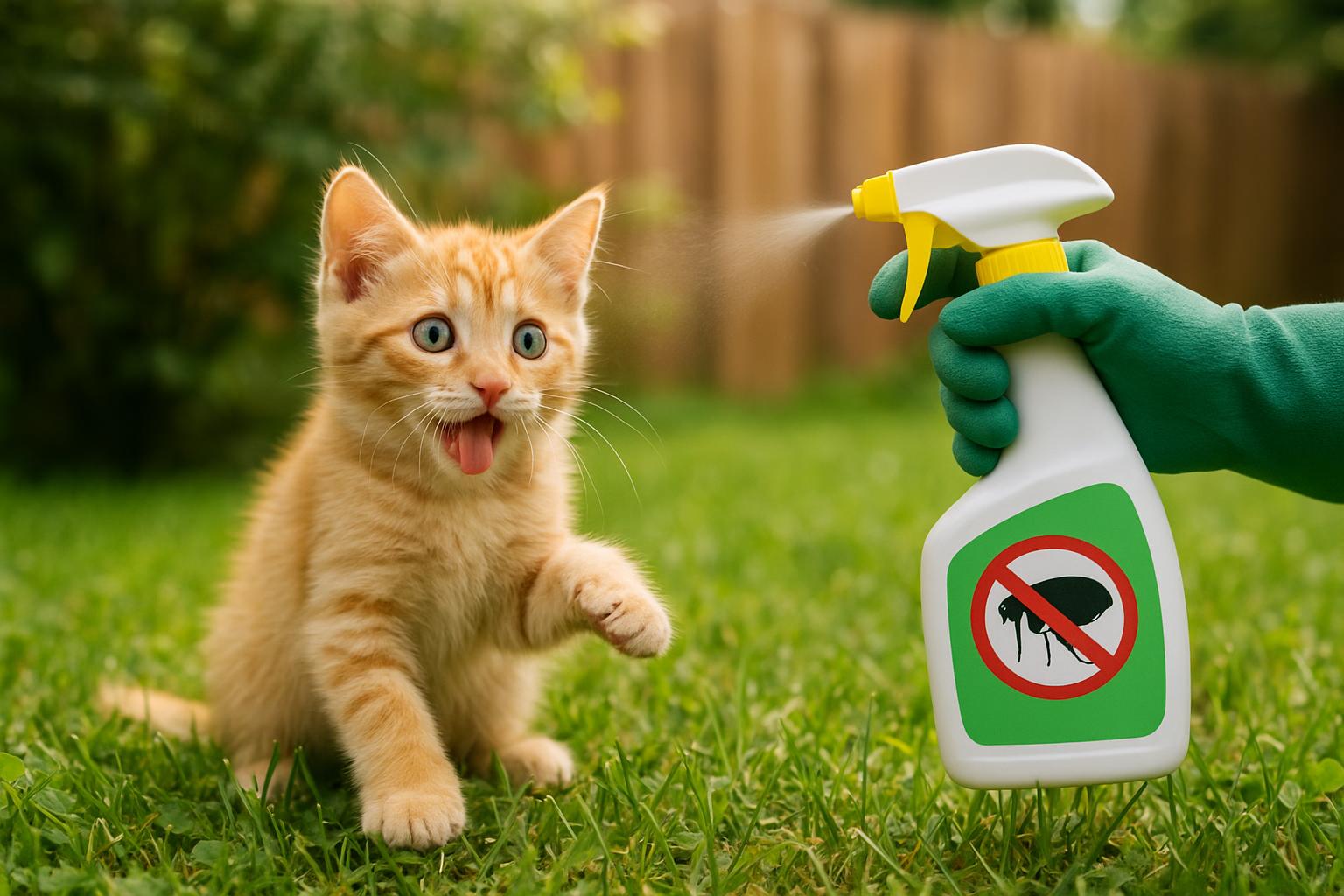
Plant catmint in pots near sleeping areas, or grow a sturdier border patch where your cat spends time. Let cats interact with the plants; that helps distribute the scent. If you prefer a more targeted application, use a properly formulated catmint spray rather than tossing essential oil on skin. Oils can be irritating if not diluted correctly.
### Catmint Spray: Making And Using It Safely
A catmint spray is an easy DIY: steep fresh or dried catmint in hot water, cool, strain, and optionally add a small amount of mild alcohol as a preservative. For higher potency, use distilled catmint essential oil but dilute heavily — a few drops per ounce of carrier (water with a touch of alcohol or a gentle solubilizer). Never use undiluted essential oil directly on fur.
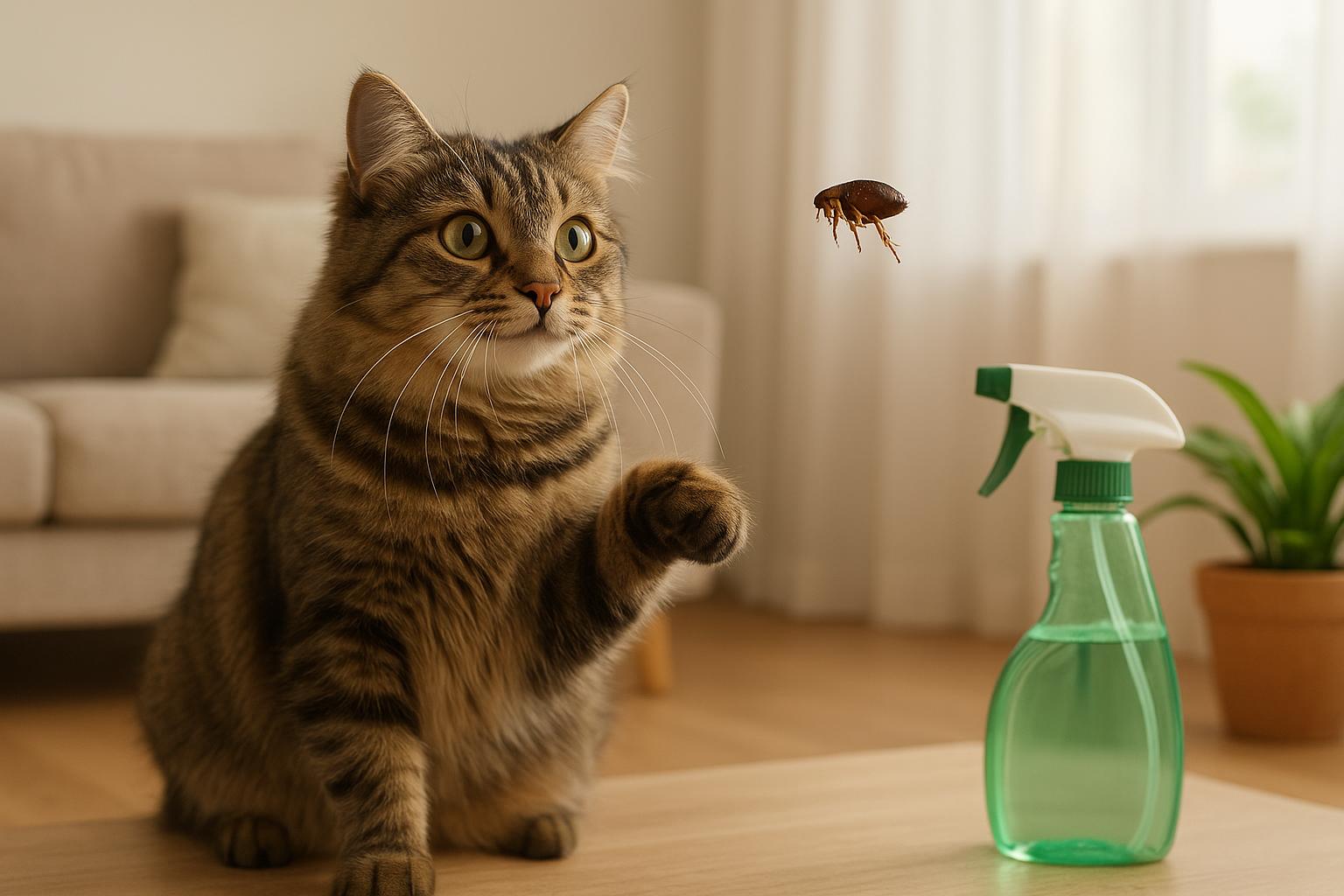
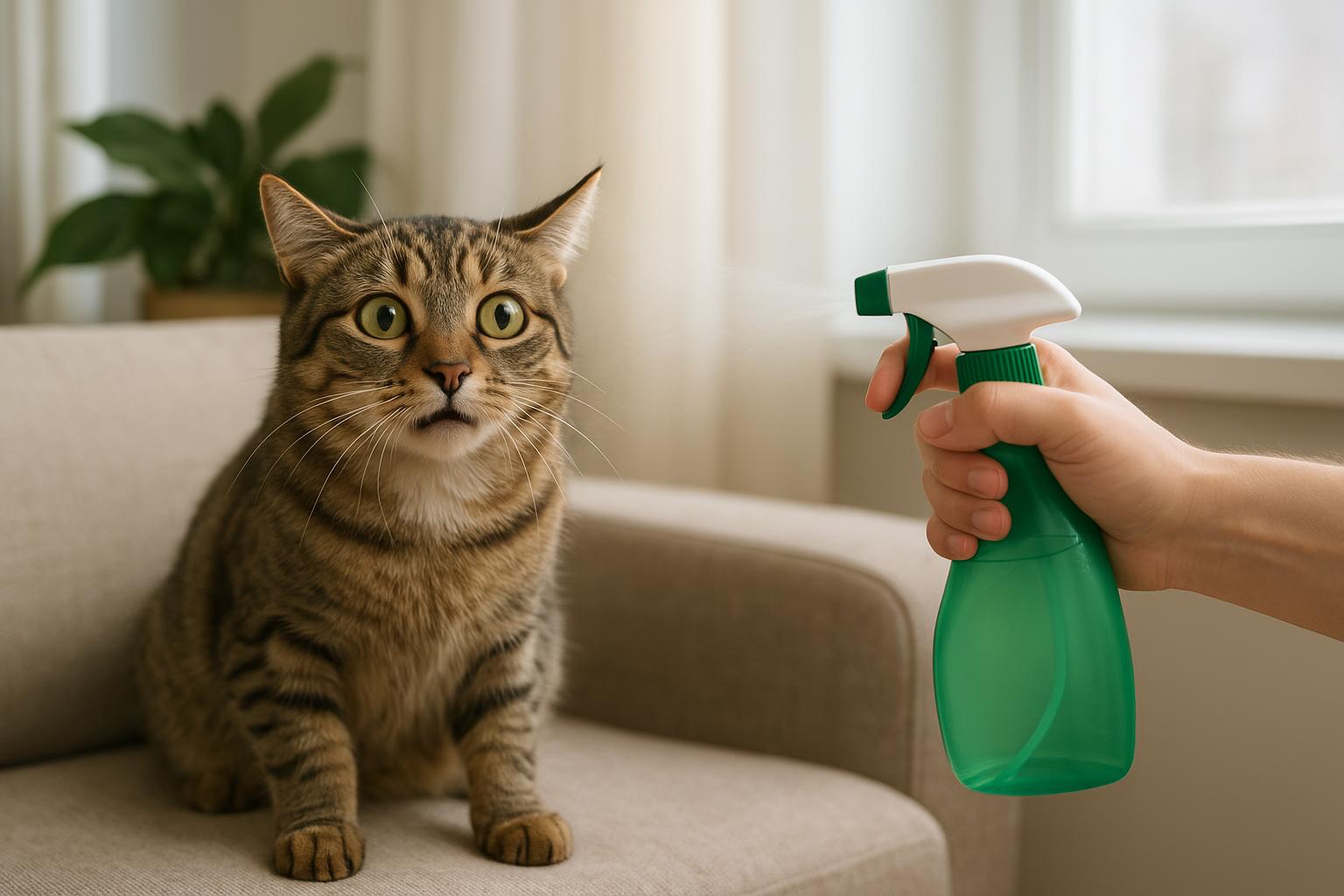
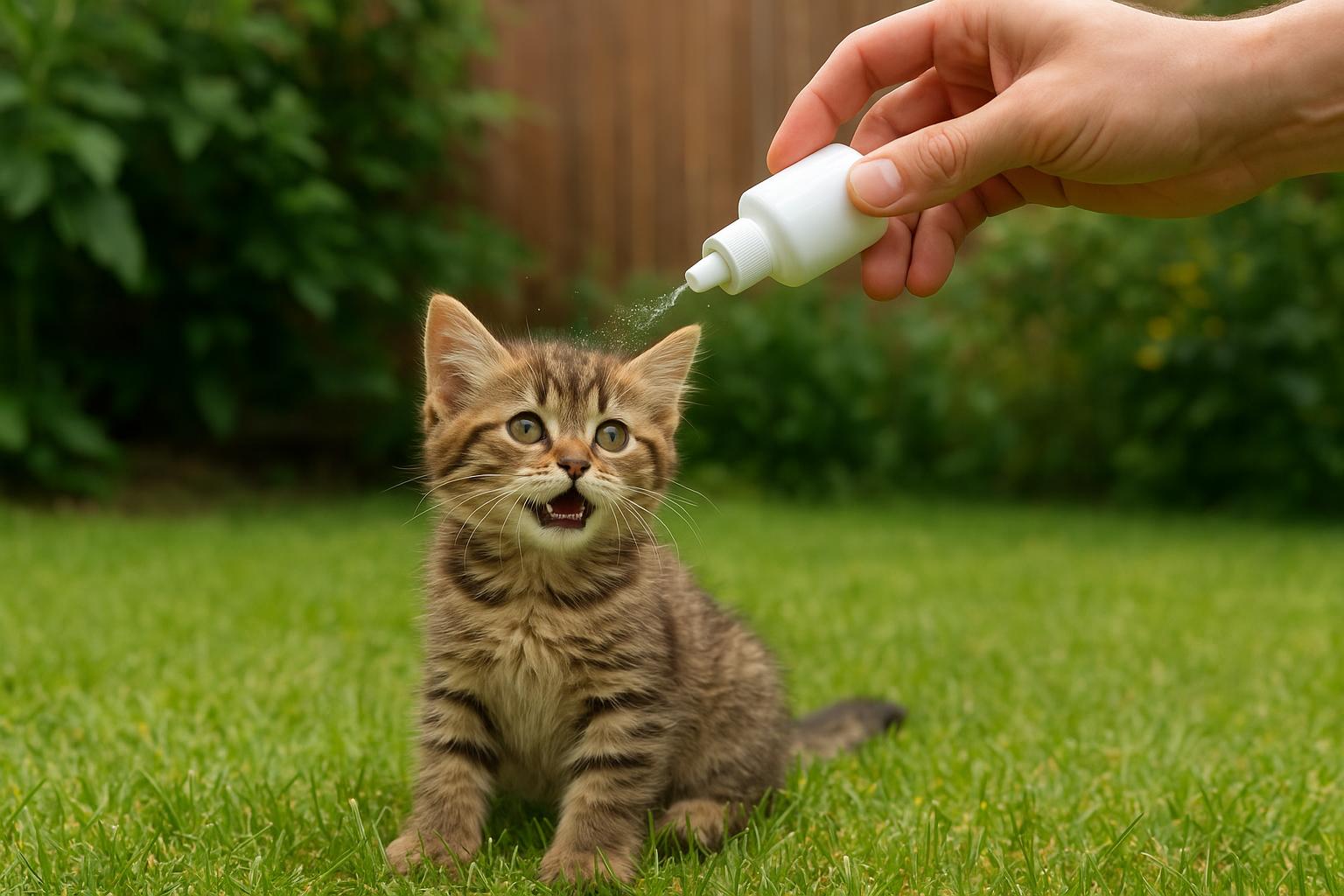
Spray lightly onto bedding, carrier mats, and areas your cat frequents. Avoid eyes and mucous membranes. Reapply after cleaning or when the scent fades. If your cat shows any unusual behavior or skin sensitivity, stop. For multi-pet homes, check that dogs or small pets aren’t bothered by the scent.
#### Commercial Versus Homemade Sprays
Commercial catmint sprays often come stabilized, tested for impurities, and formulated for pet safety. Homemade catmint spray is cheaper and simple to refresh, but it has a short shelf life and inconsistent potency. If you choose DIY, label bottles with the date and keep them to short-term use. Letting you cat sniff first can help ensure they don’t react poorly.
## Catmint Fleas: What People Report In Practice
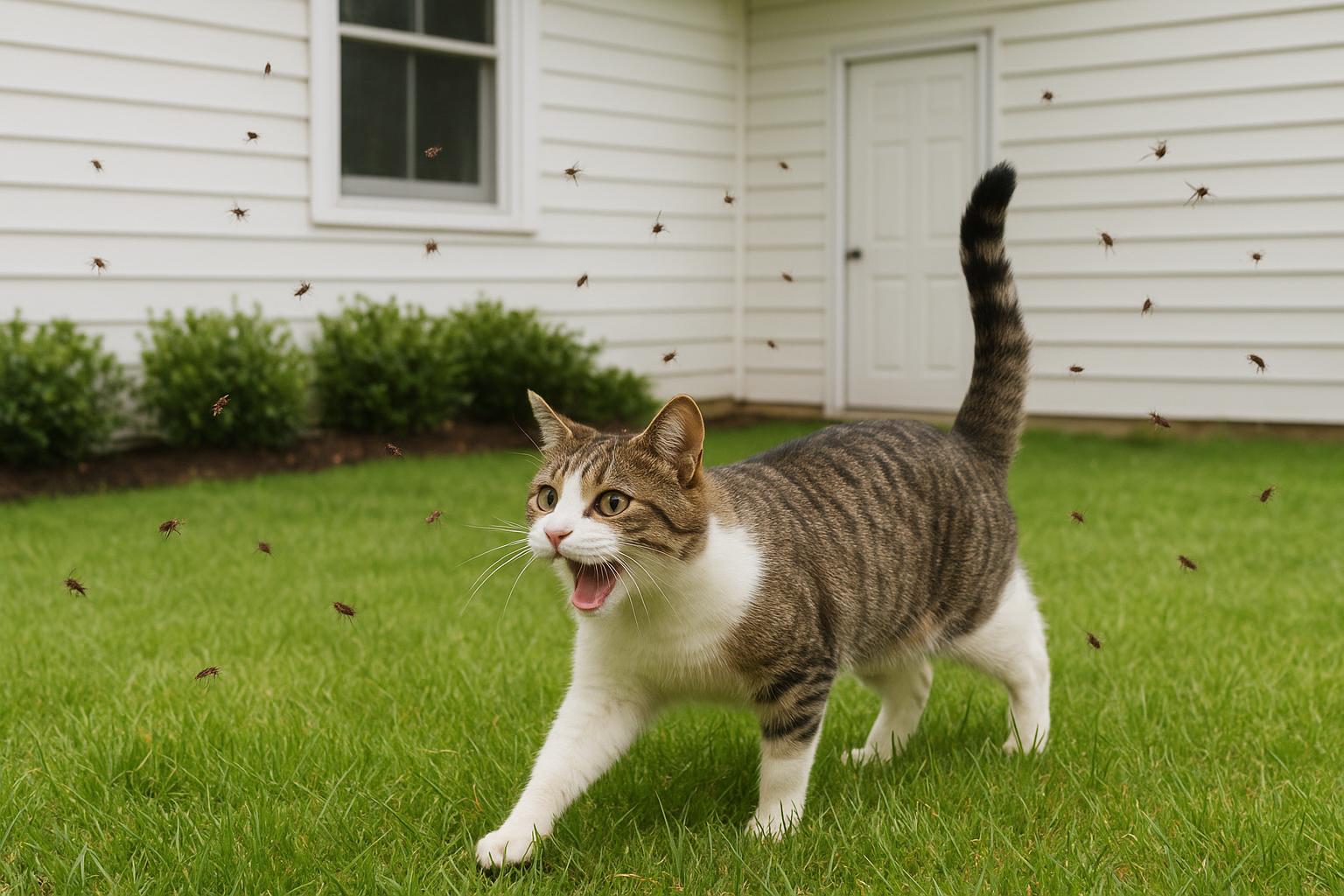
People testing catmint report fewer flea complaints rather than complete elimination. A cat who regularly rubs on a catmint plant and then naps on a sofa seems to transfer enough scent to lower flea landings on that cat. In outdoor settings, planting catmint around patios or sleeping spots can reduce the number of fleas in immediate zones.
That’s why the phrase catmint scent repels fleas naturally resonates: the effect is behavioral and situational. If you’ve got a household with tick or flea hotspots, a concentrated pest-control campaign will still be necessary. But for prevention, adding catmint shifts the odds in your favor.
### When Catmint Isn’t Enough
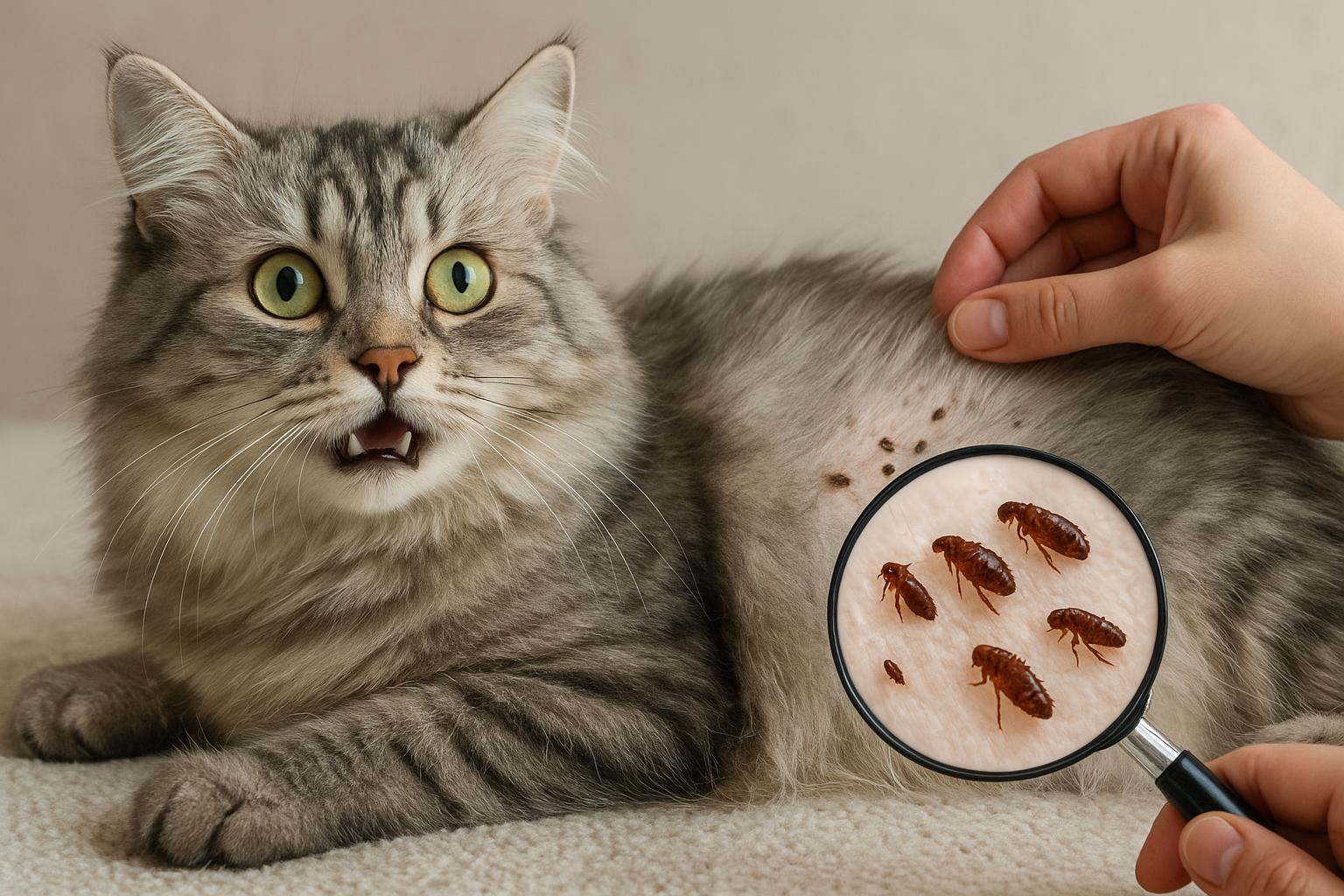
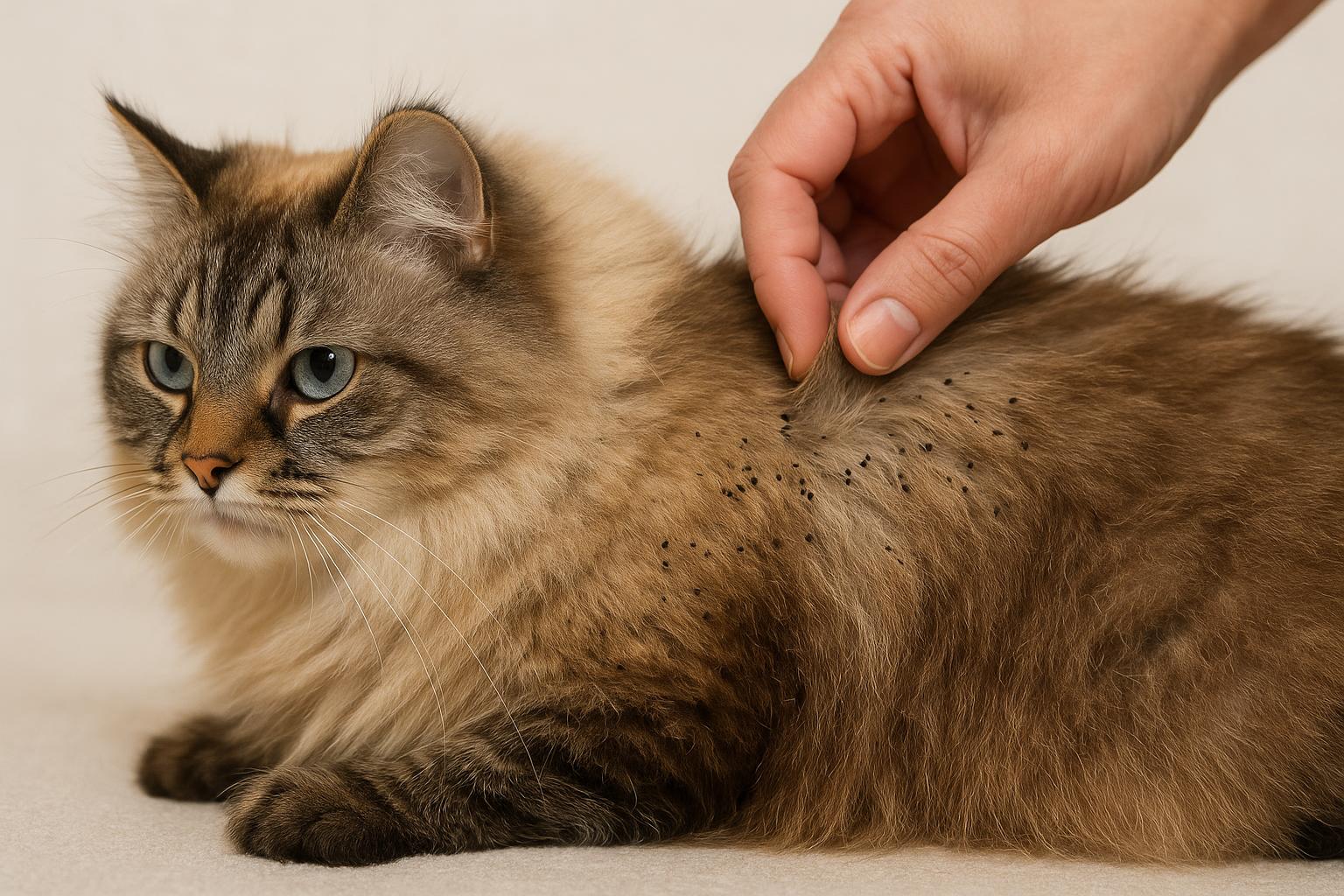
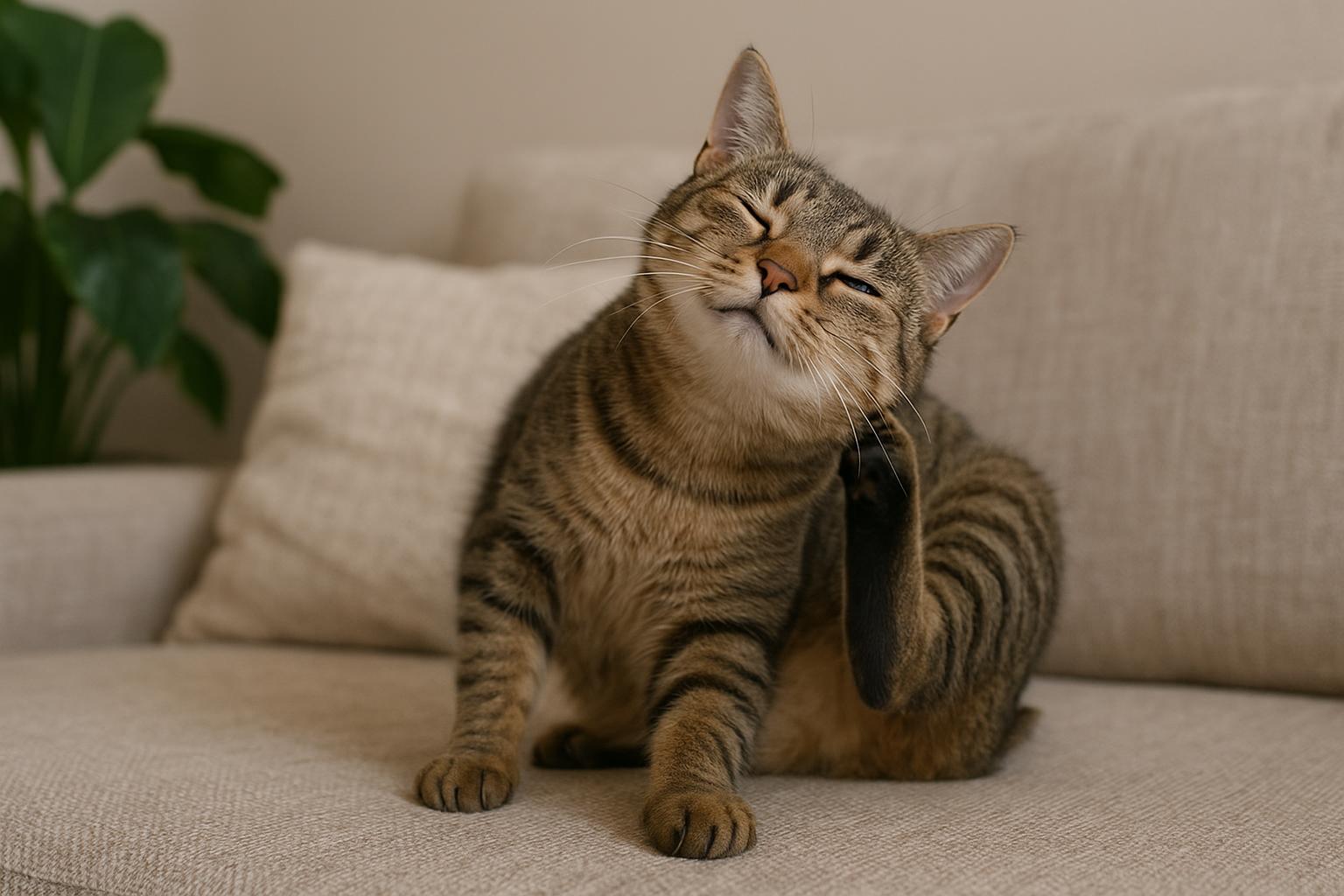
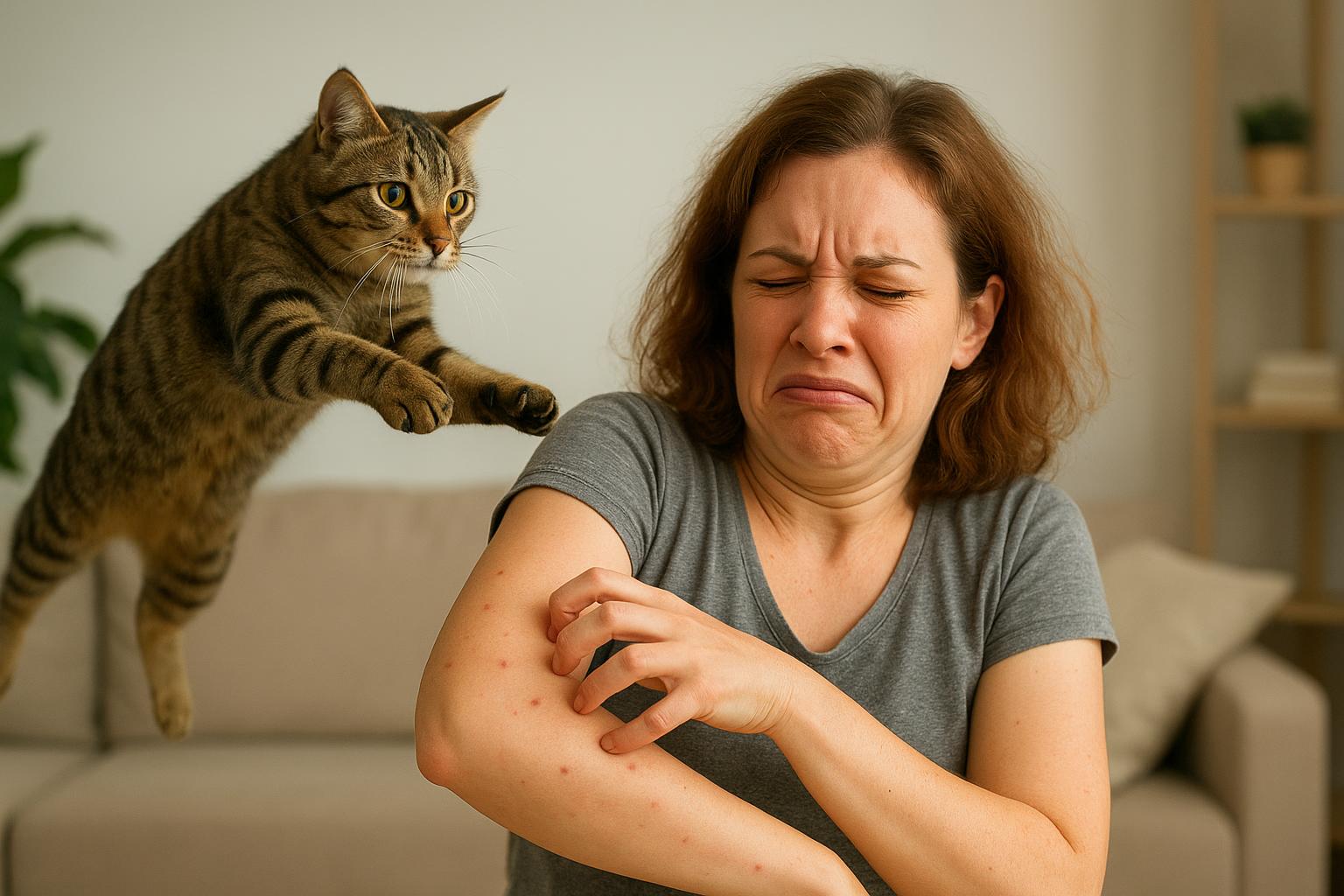
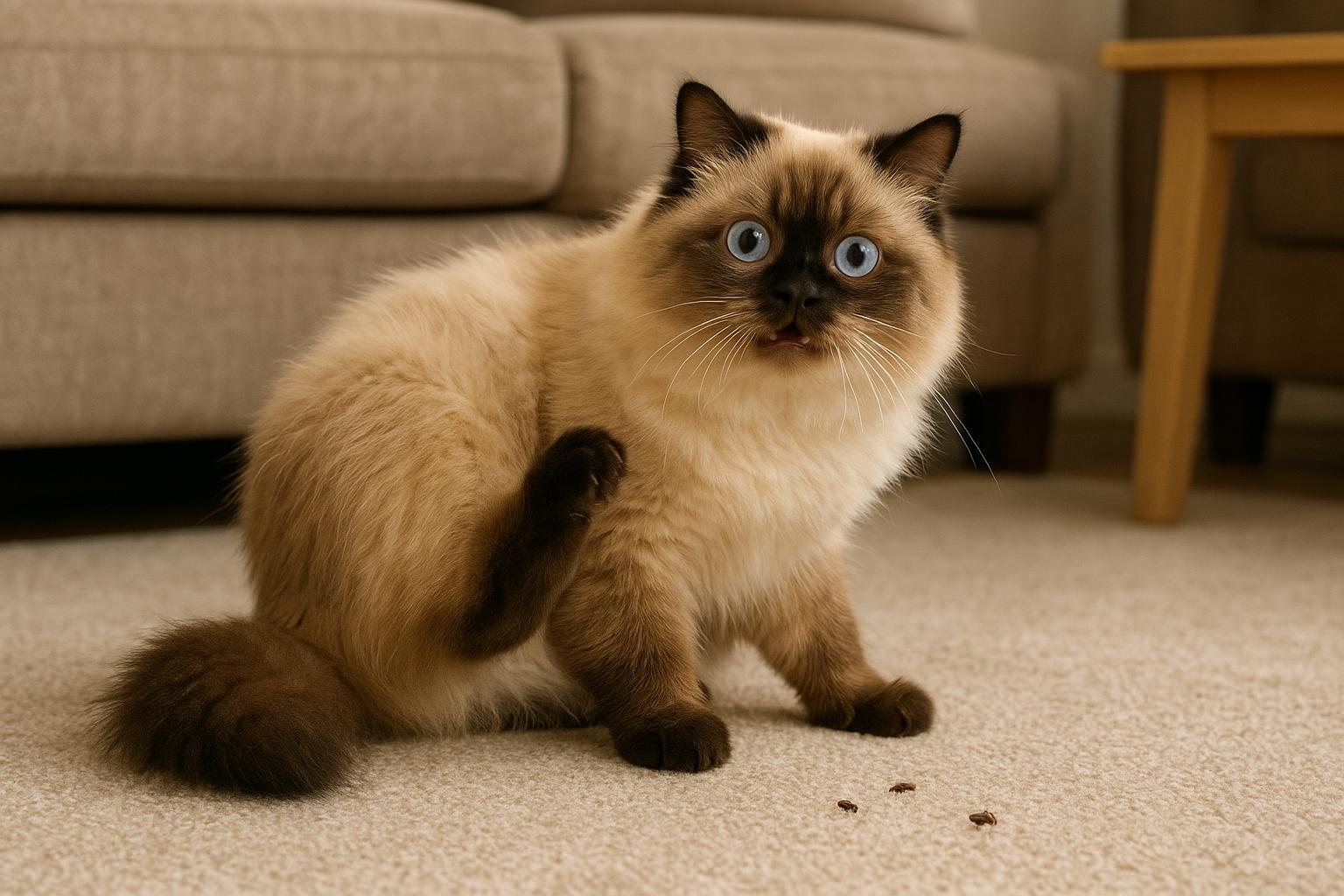
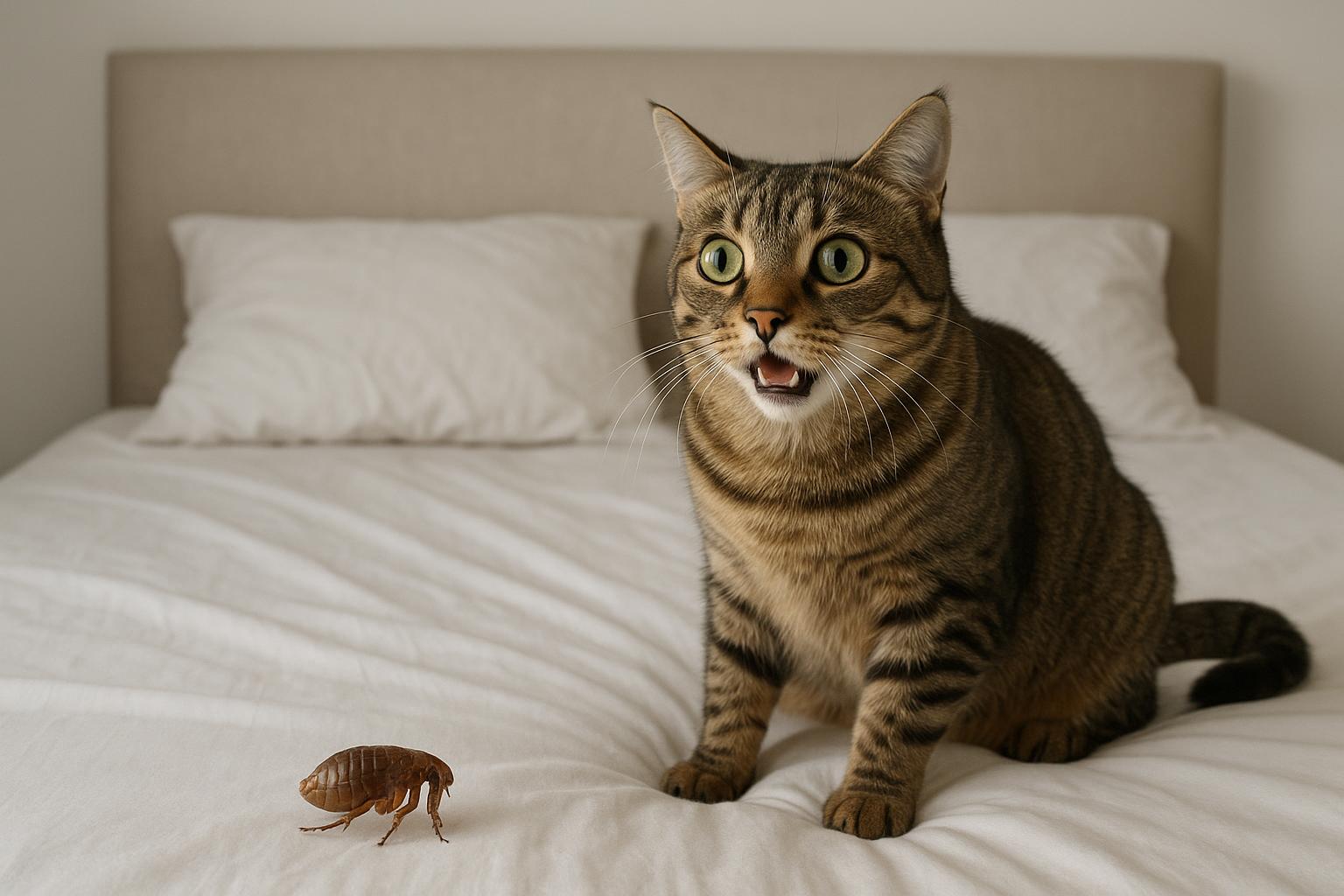
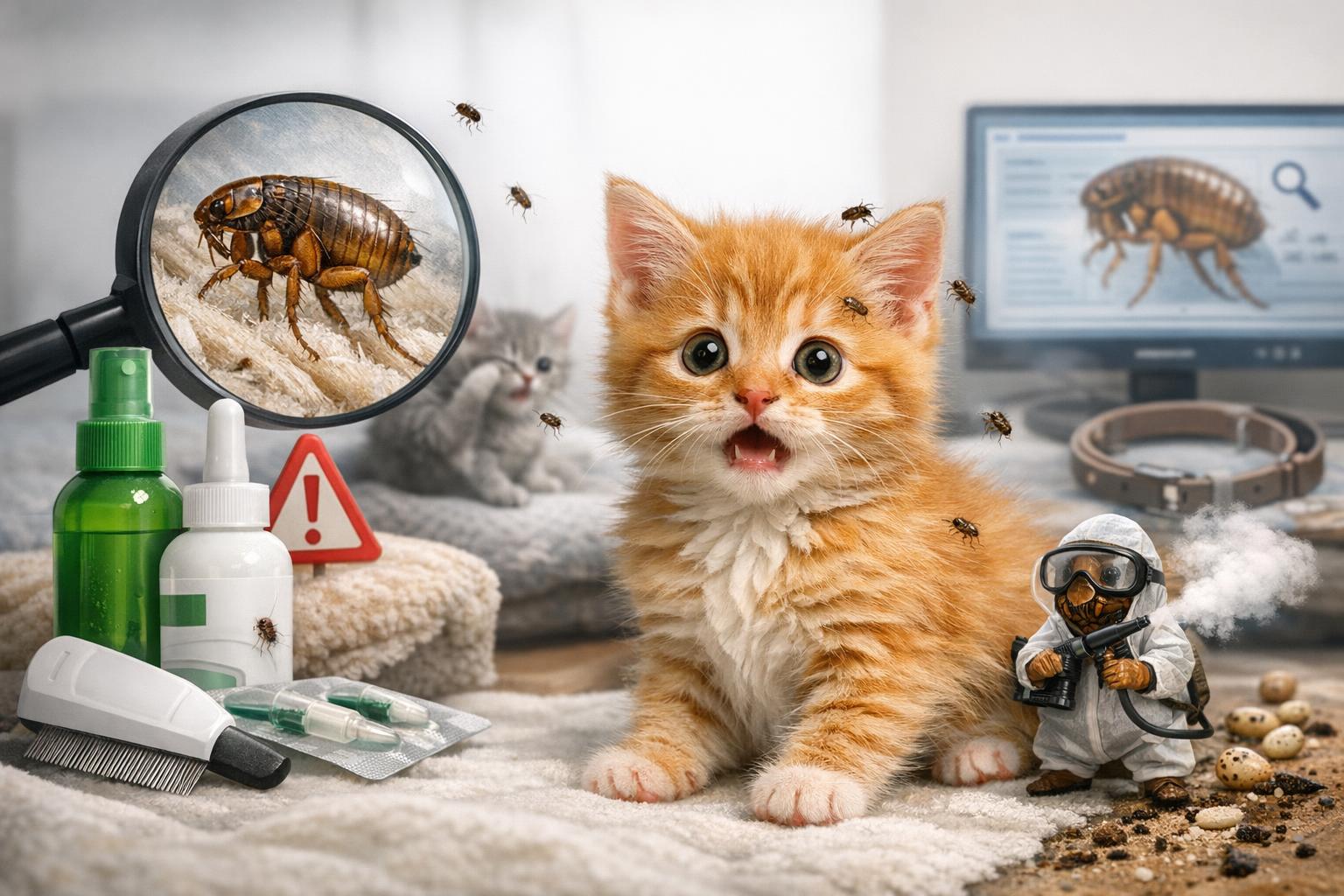
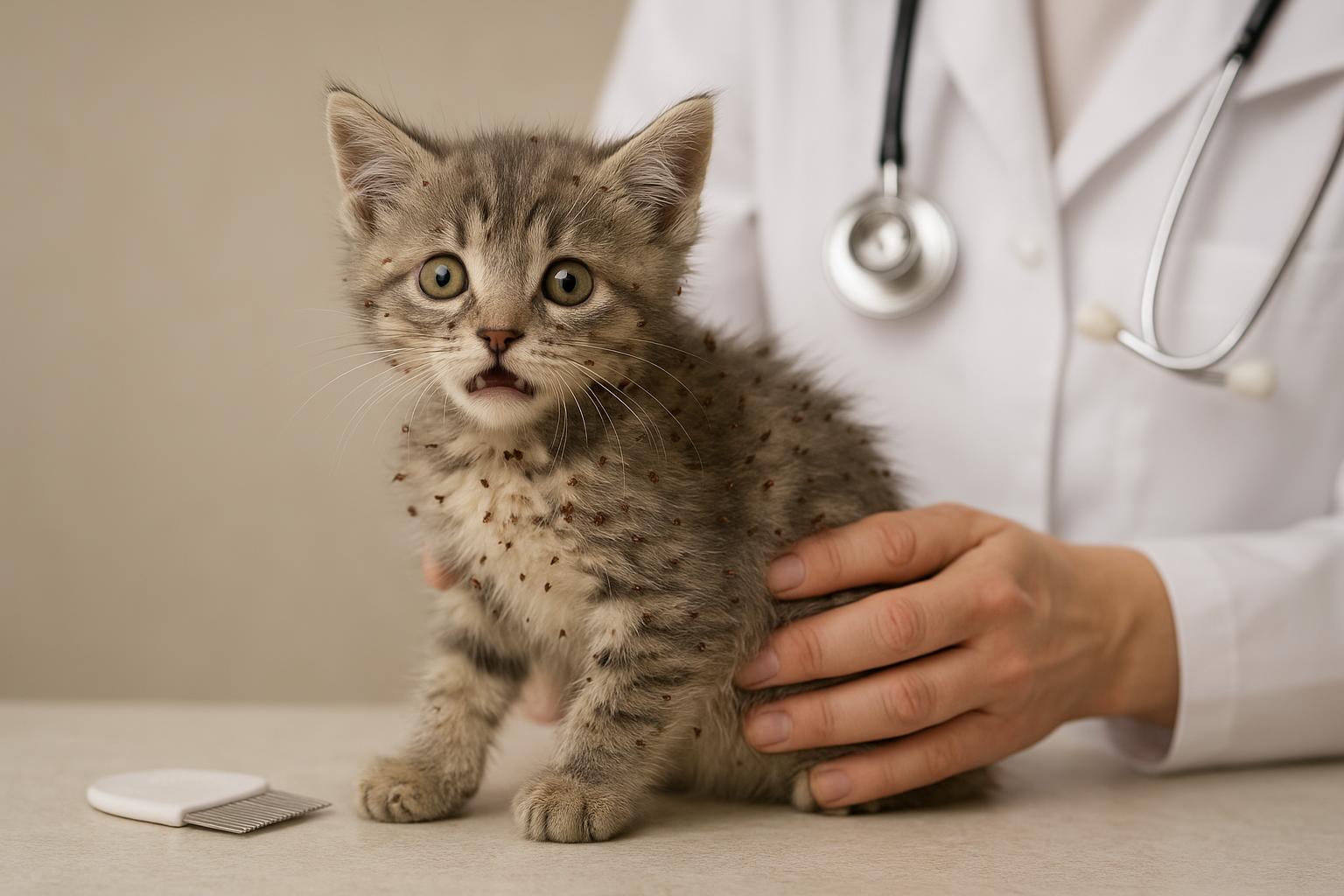
If fleas are abundant — animals scratching, seen adult fleas, flea dirt everywhere — you need veterinary-grade treatments. Catmint is not a replacement for topical or oral insecticides in high-load scenarios. Treat the infestation aggressively, then use catmint to help prevent reintroduction. Many owners find they can reduce chemical usage once the home is clean and catmint is in use.
#### Integrating With Other Measures
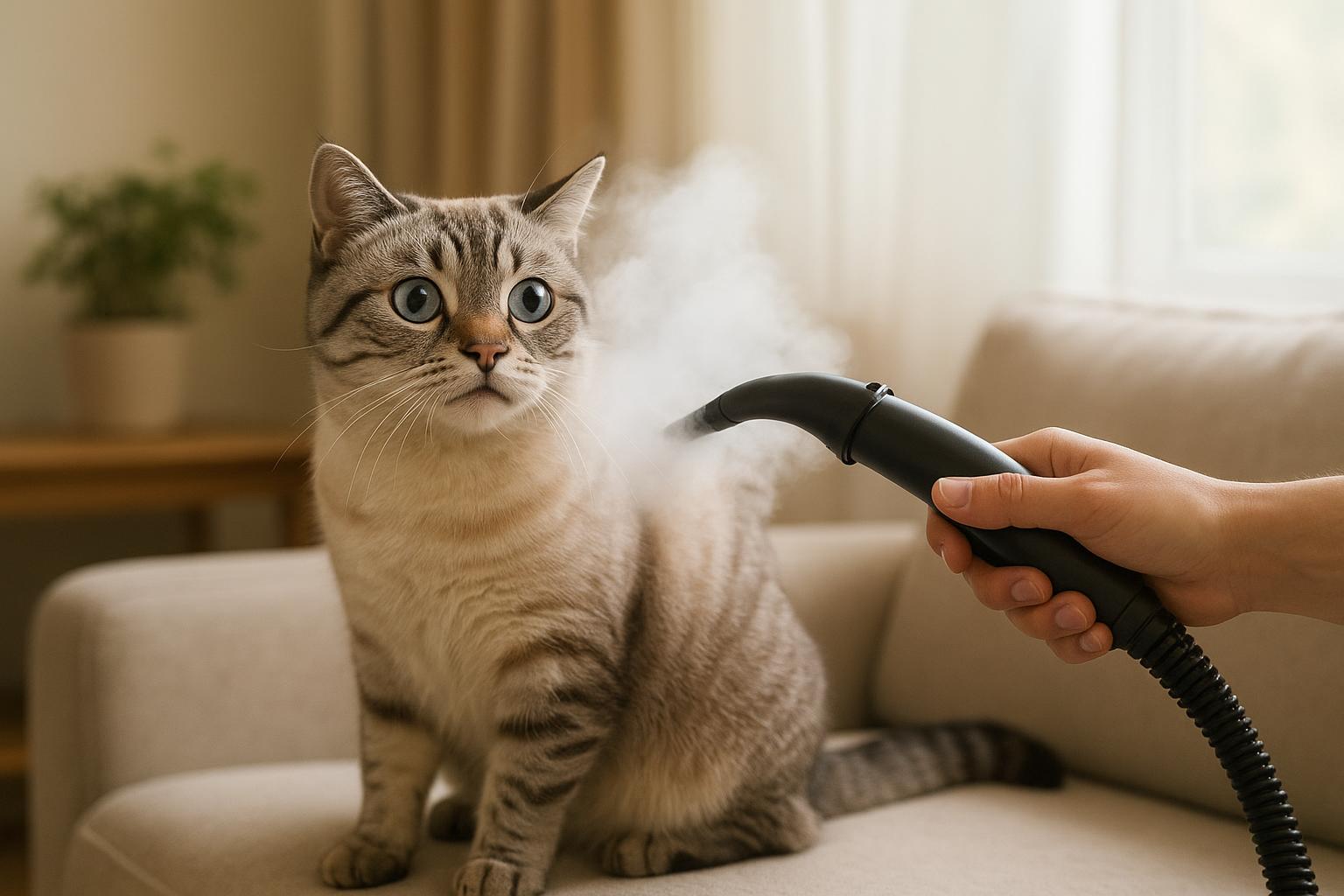
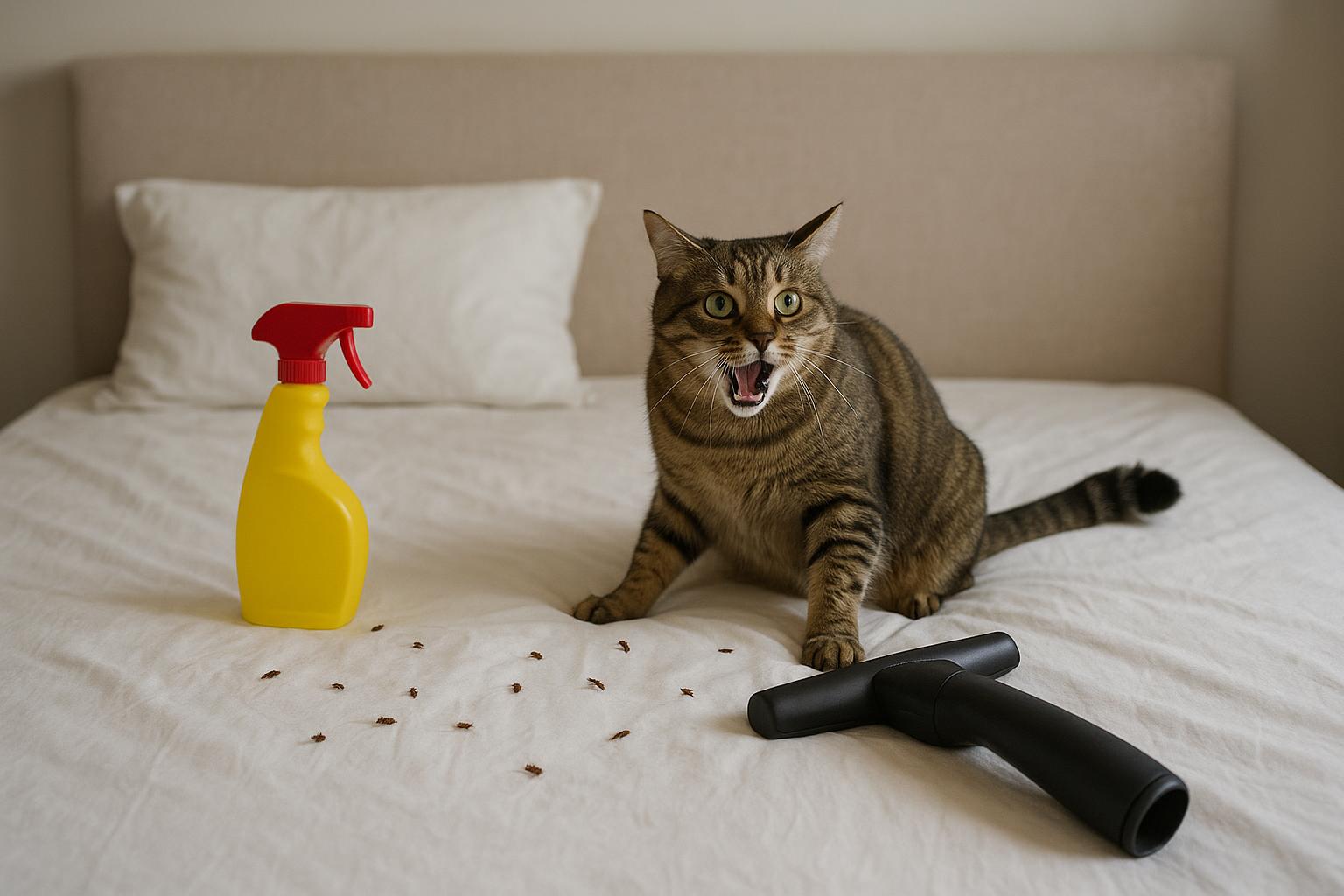
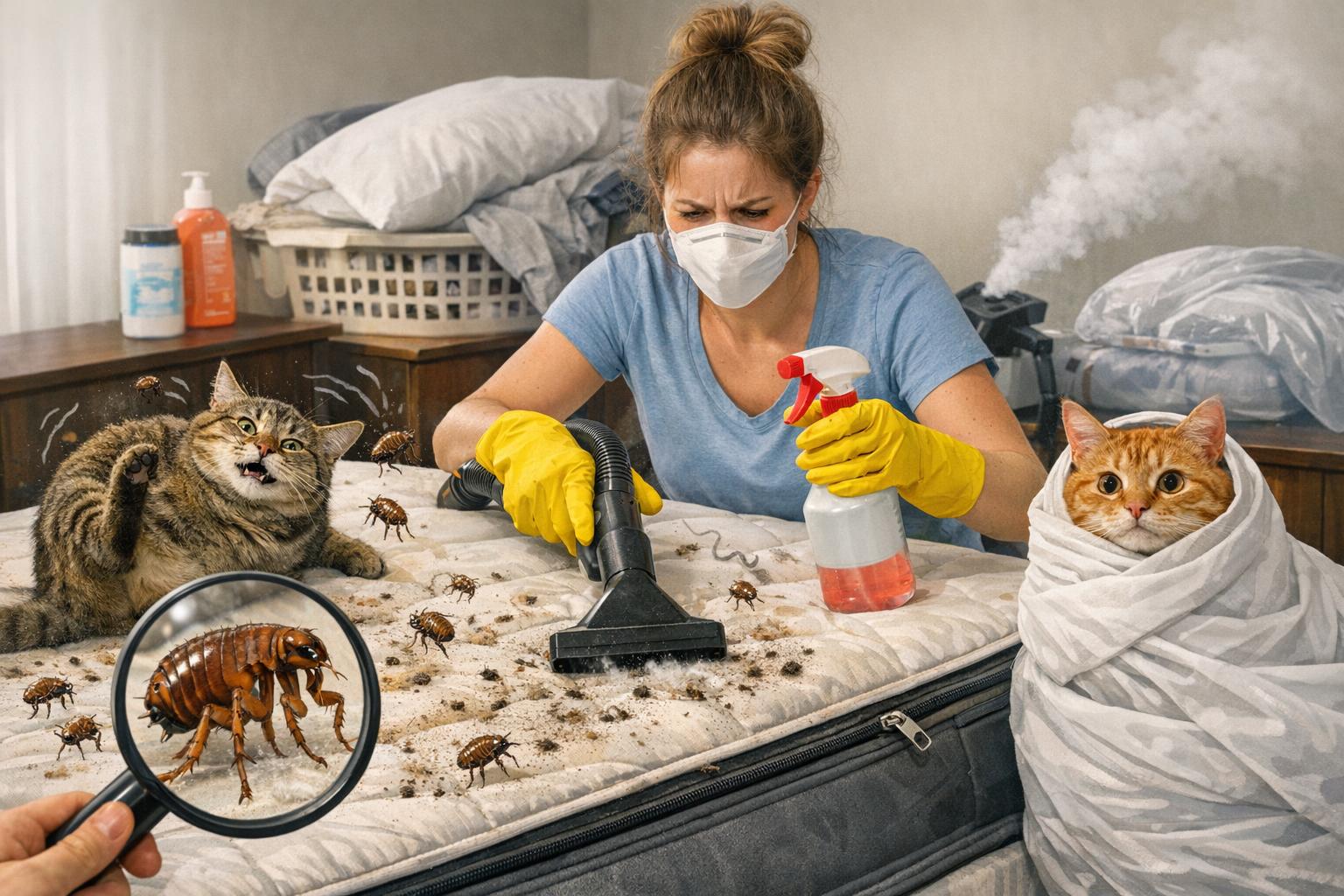
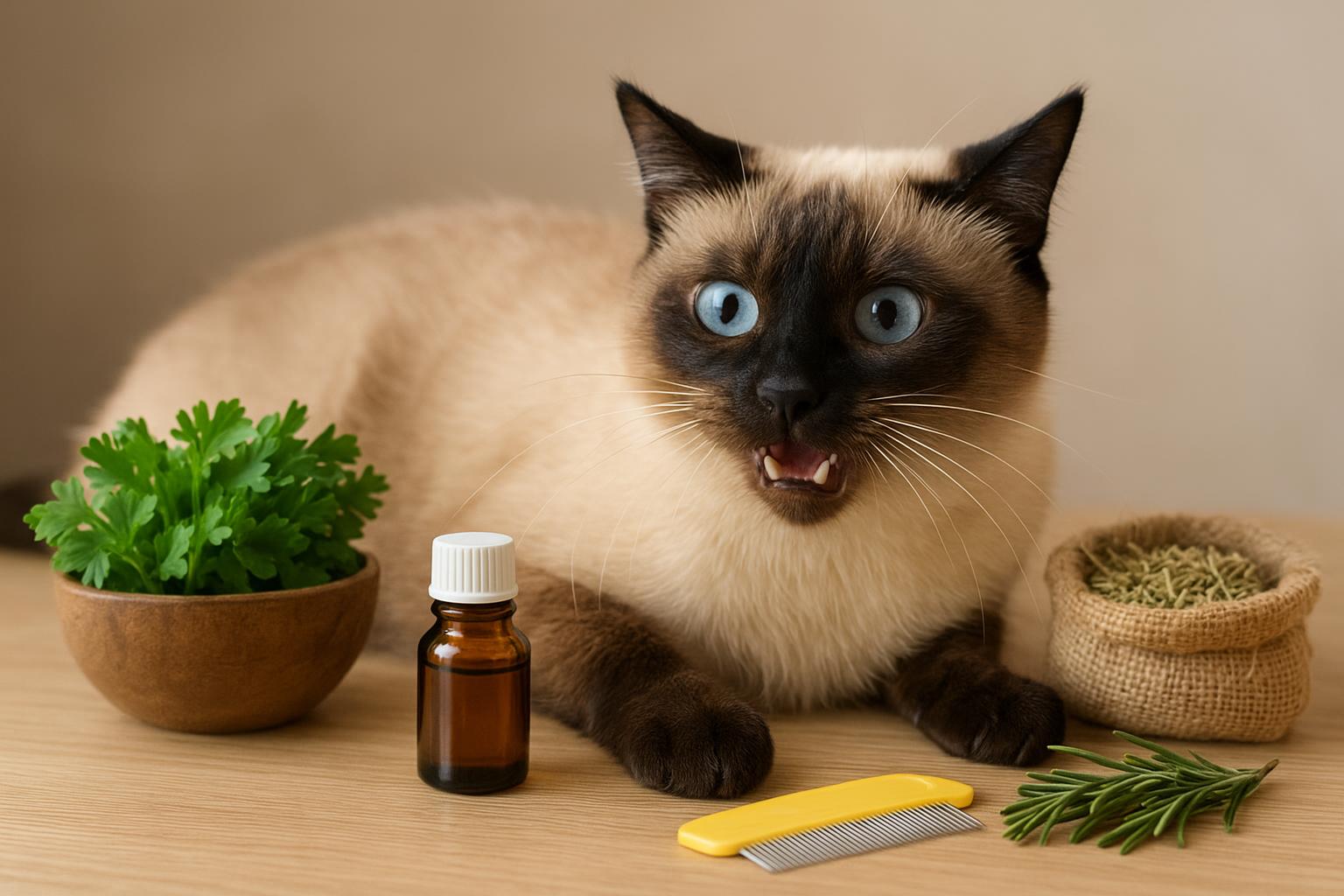
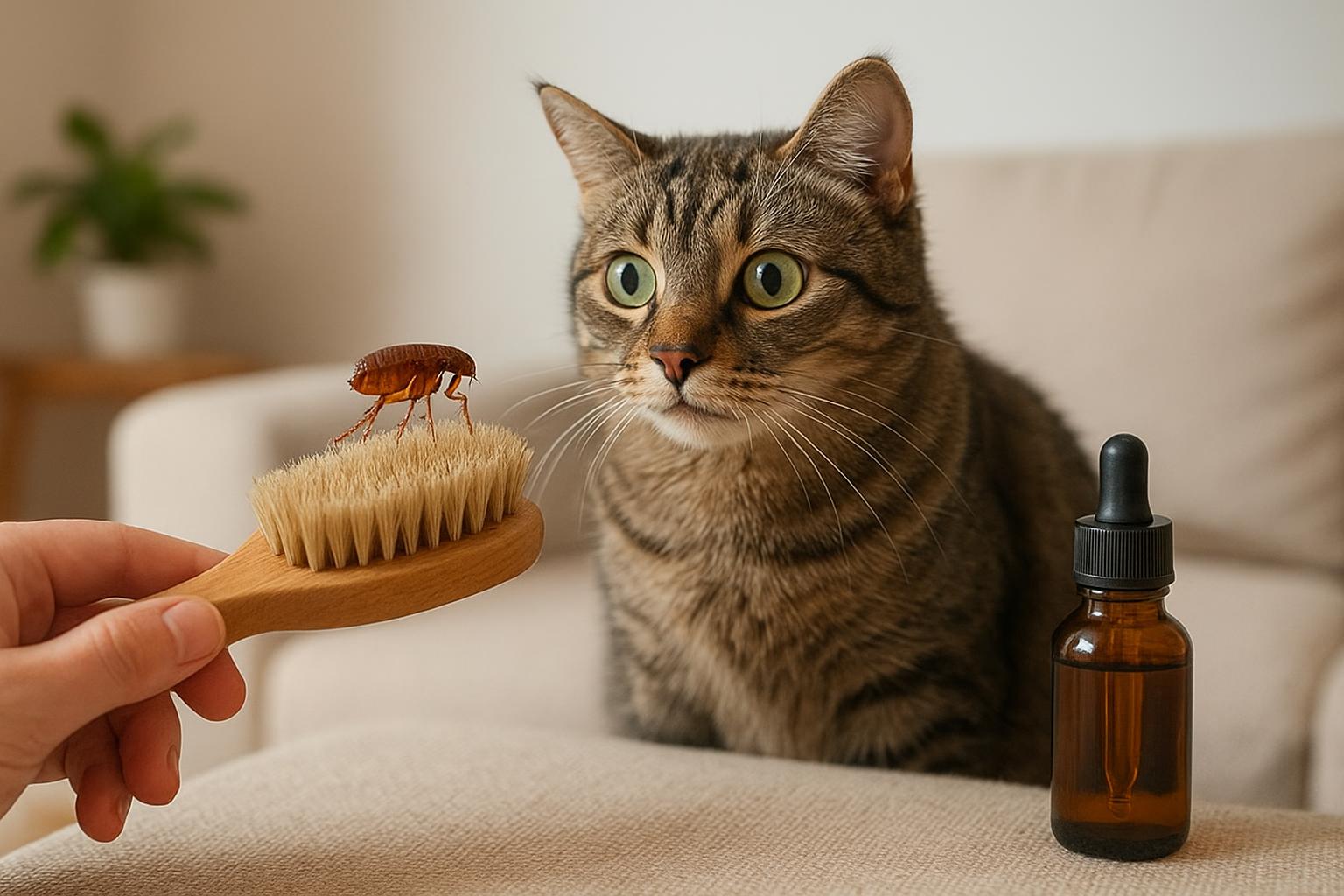
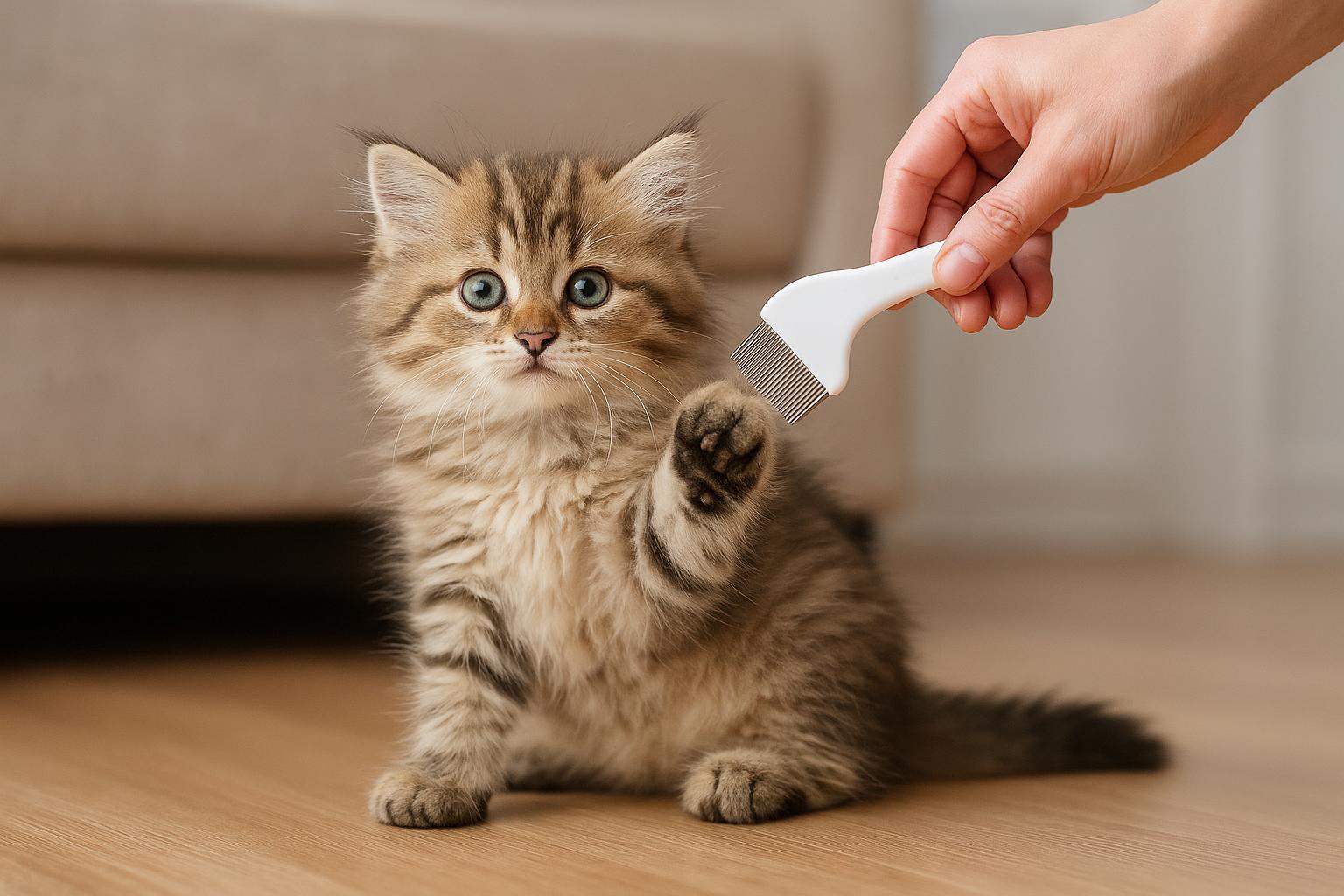
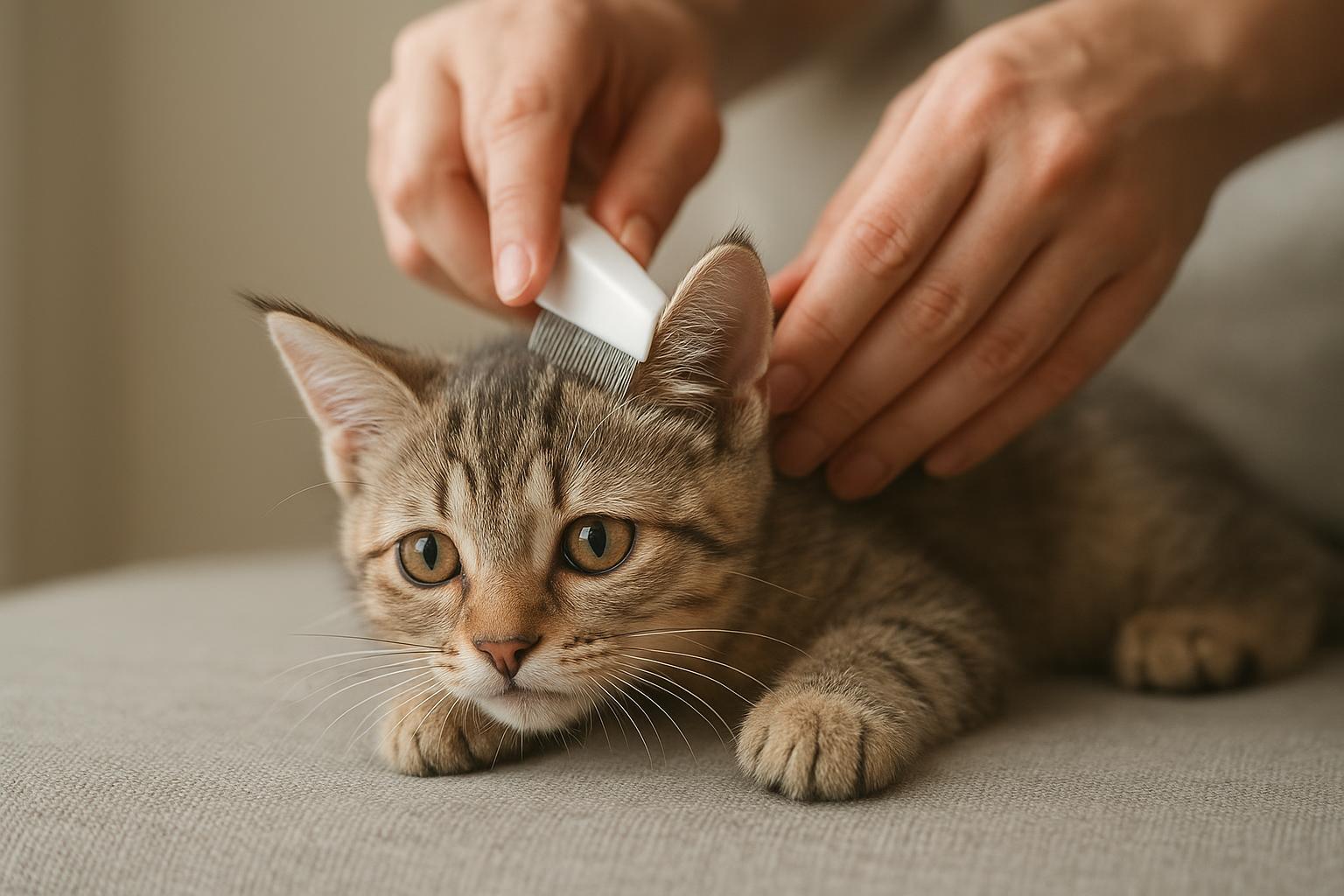
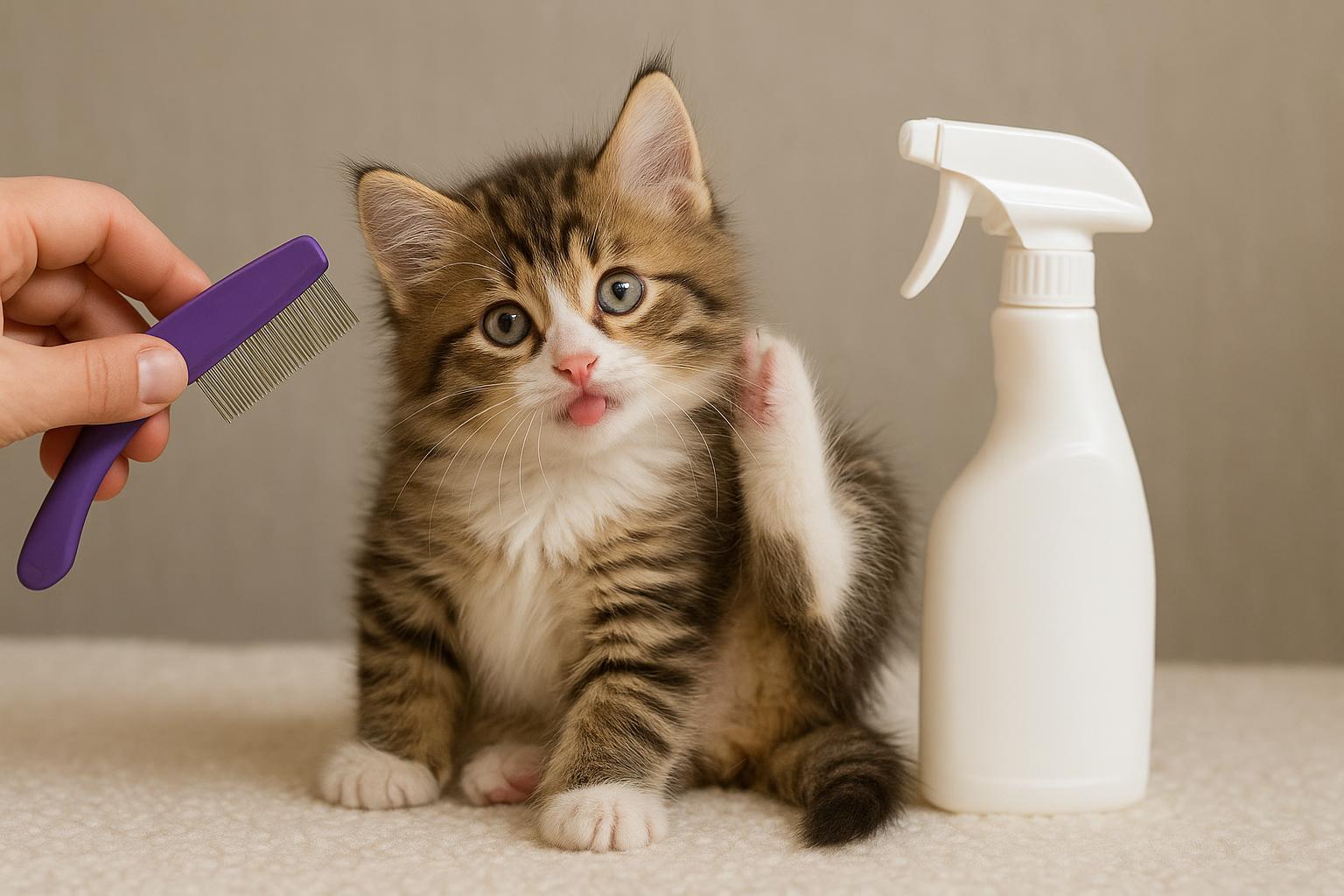
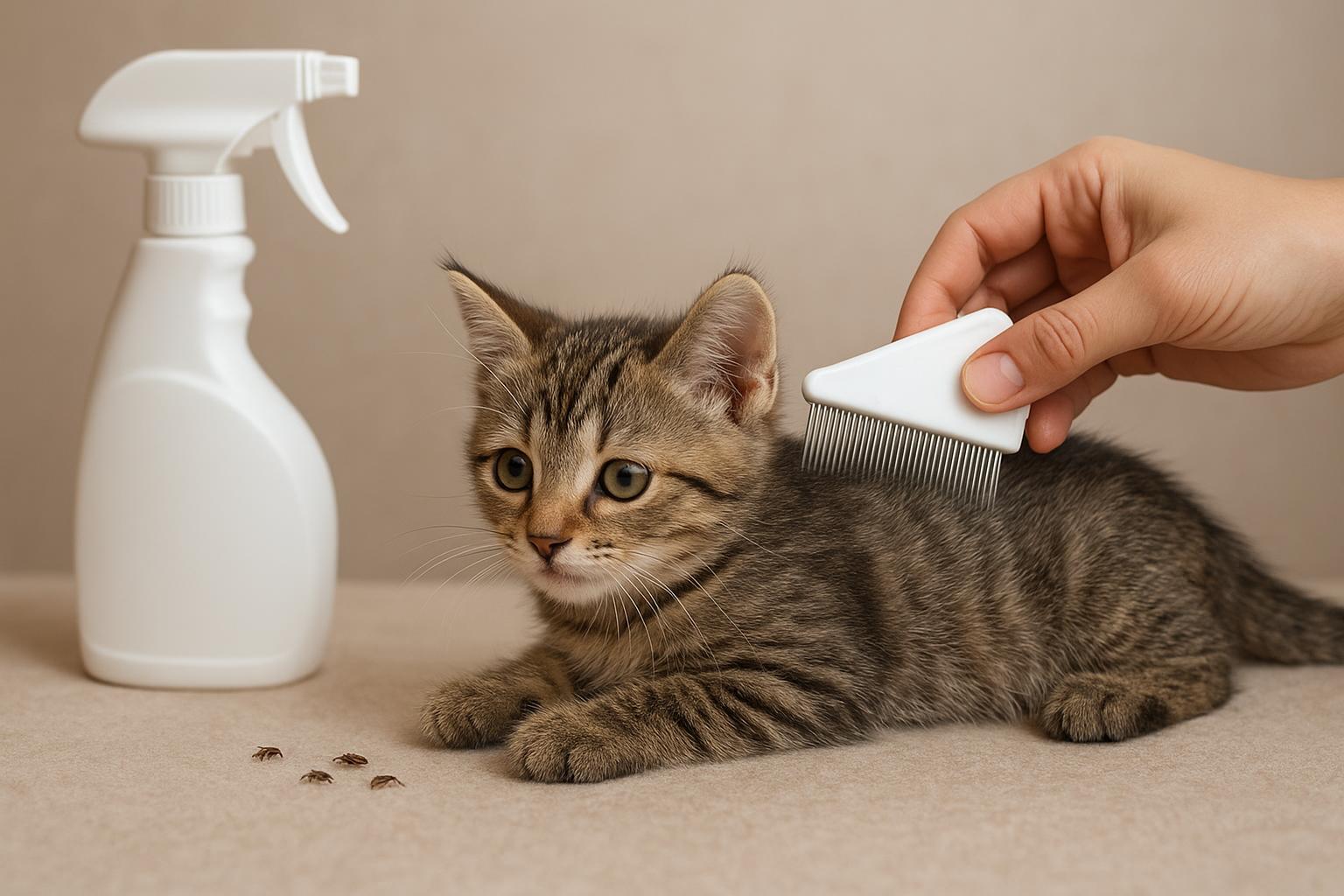
Combine catmint with mechanical and behavioral controls: vacuuming, washing bedding, treating flea hotspots in the yard, and regular combing with a flea comb. Products that kill immature flea stages help break the lifecycle while catmint discourages new arrivals. This layered approach is practical and reduces reliance on any single strategy.
## Safety Notes And Practical Tips
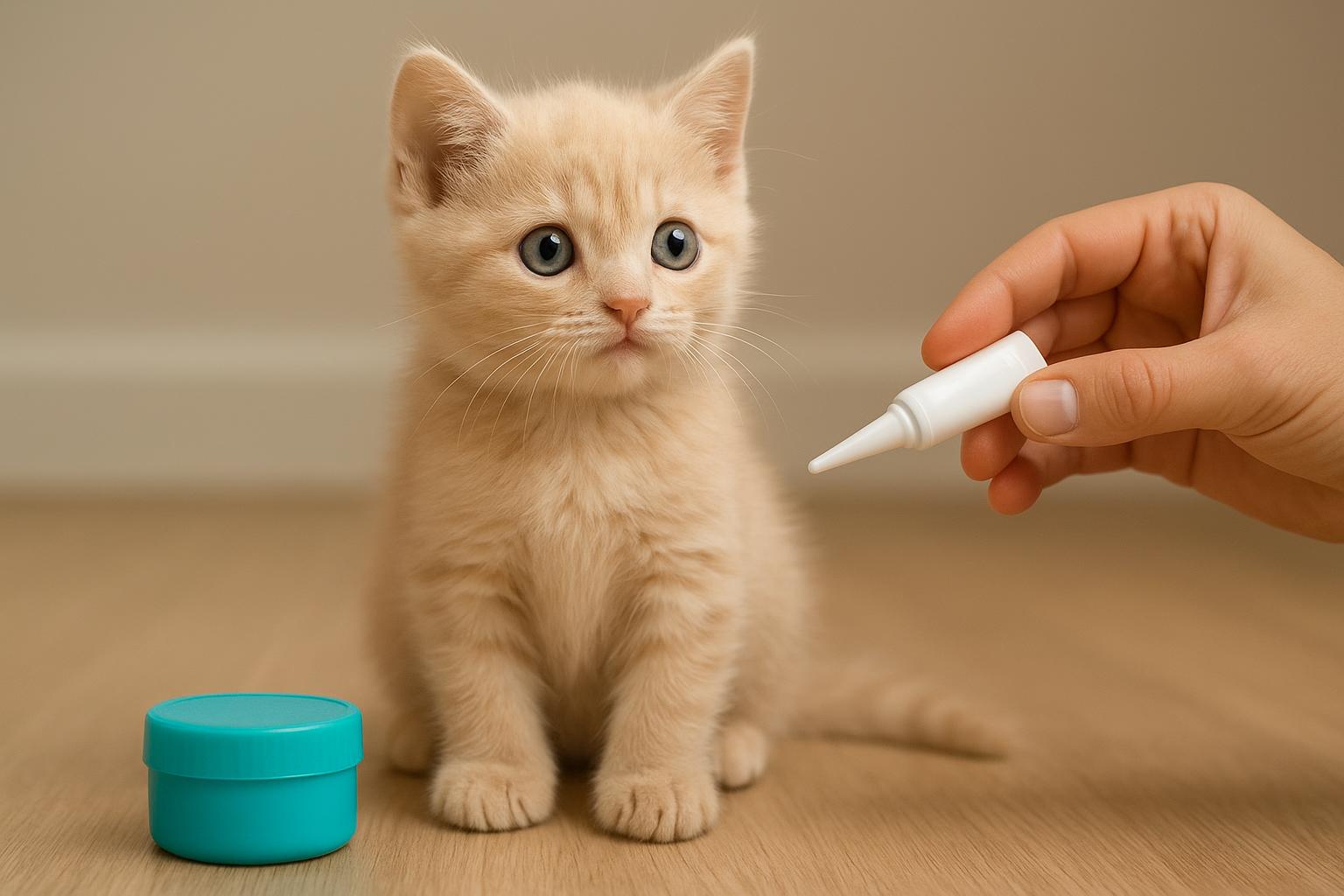
Cats are sensitive animals. Keep these points in mind. Don’t apply essential oils undiluted to a cat’s skin. Some cats will get overstimulated by catmint; others won’t react at all. If your cat grooms obsessively after exposure, monitor for skin irritation. For kittens, pregnant or ill cats, consult a vet before regular use.
A small trick: allow your cat to encounter the plant rather than forcing contact. Most will self-regulate how much they interact with catmint. If you grow it outdoors, it tolerates sun and poor soils, but in hot climates you may need to give it afternoon shade.
### Where To Buy Or Grow Catmint
Nurseries sell catmint as “catnip” or “catmint,” and online retailers sell distilled extracts. If buying a plant, choose a healthy specimen with robust foliage. Grow it in pots if your cat tends to overindulge; a removable pot lets you rotate access. If you prefer spray, look for products labeled for pets and check ingredient lists for nepetalactone content or Nepeta extract.
#### A Word On Expectations
You will not see overnight, complete eradication. What you will see is fewer bites and a drop in the number of fleas attempting to colonize your cat. Over time, that means fewer eggs in your house. The effect is real because the phrase catmint scent repels fleas naturally captures both the chemistry and the animal behavior that produce results.
Use catmint as a low-risk part of a broader flea-control routine. It’s pragmatic, usually well-tolerated, and pleasantly aromatic. Try it, observe your cat, and adjust as needed. And don’t be surprised if, after a few days, your feline companion keeps rolling in its favorite spot — that’s just part of the process when catmint fleas encounters go well. You might even recieve fewer complaints from visitors who notice less scratching.

Leave a Reply