

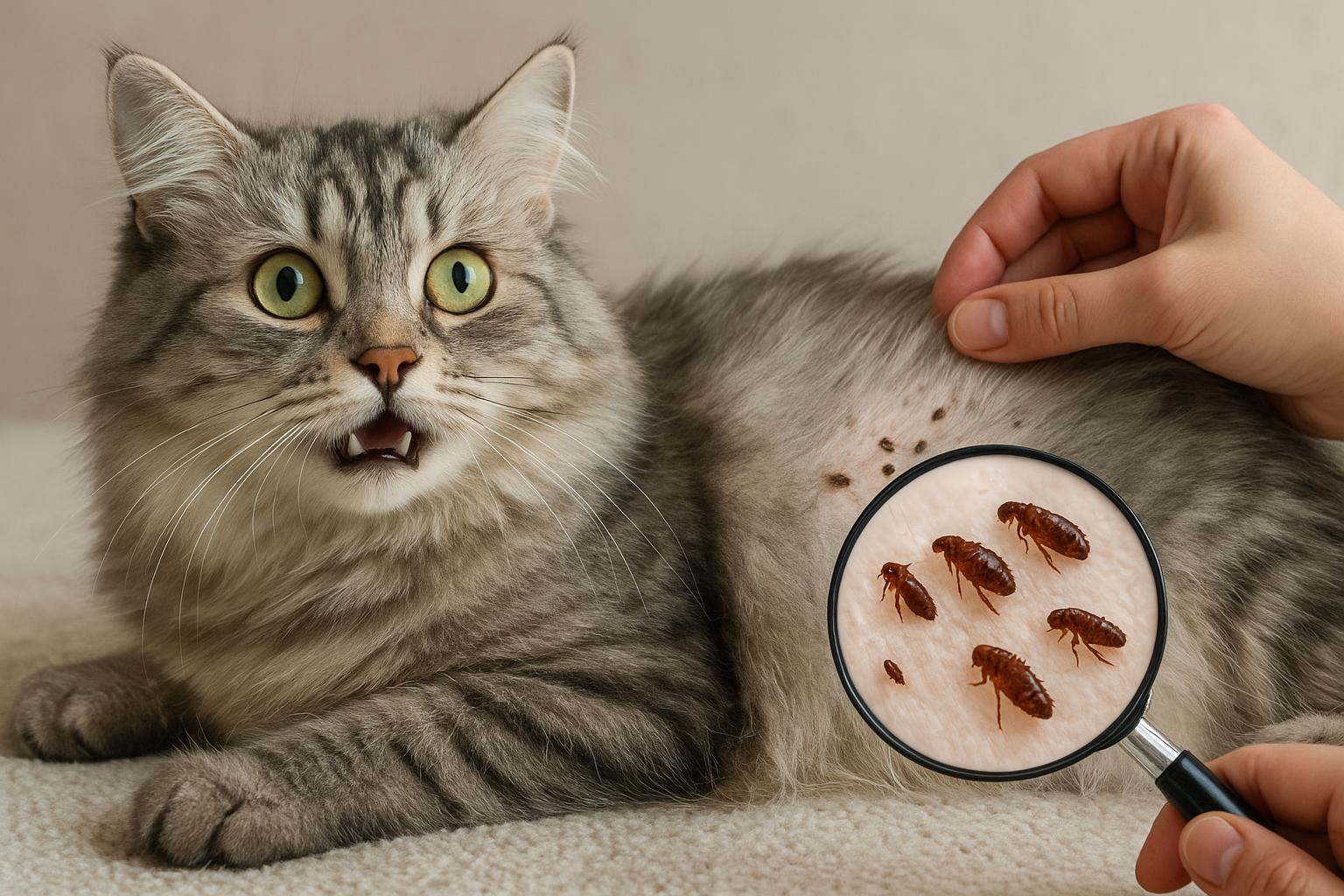
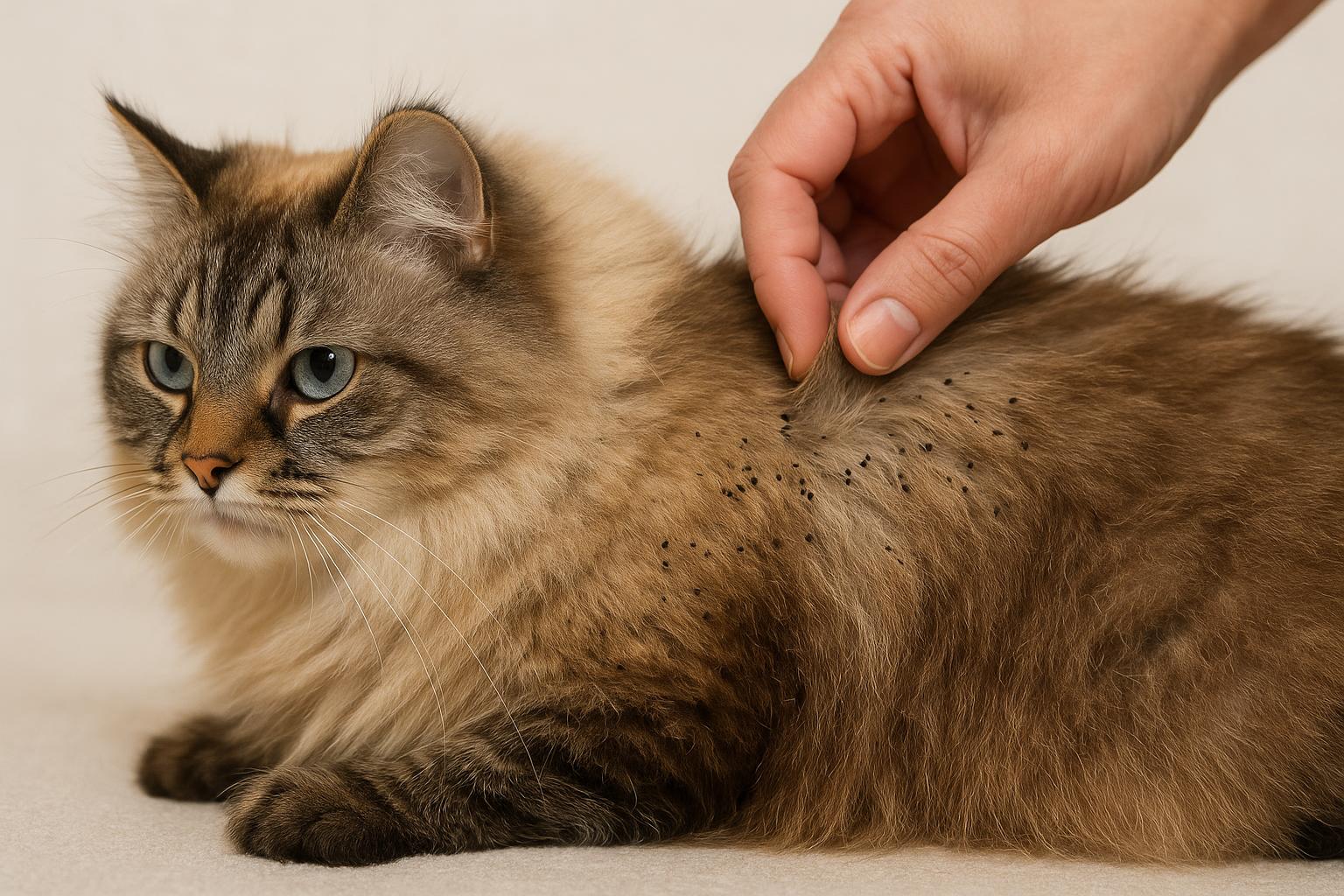
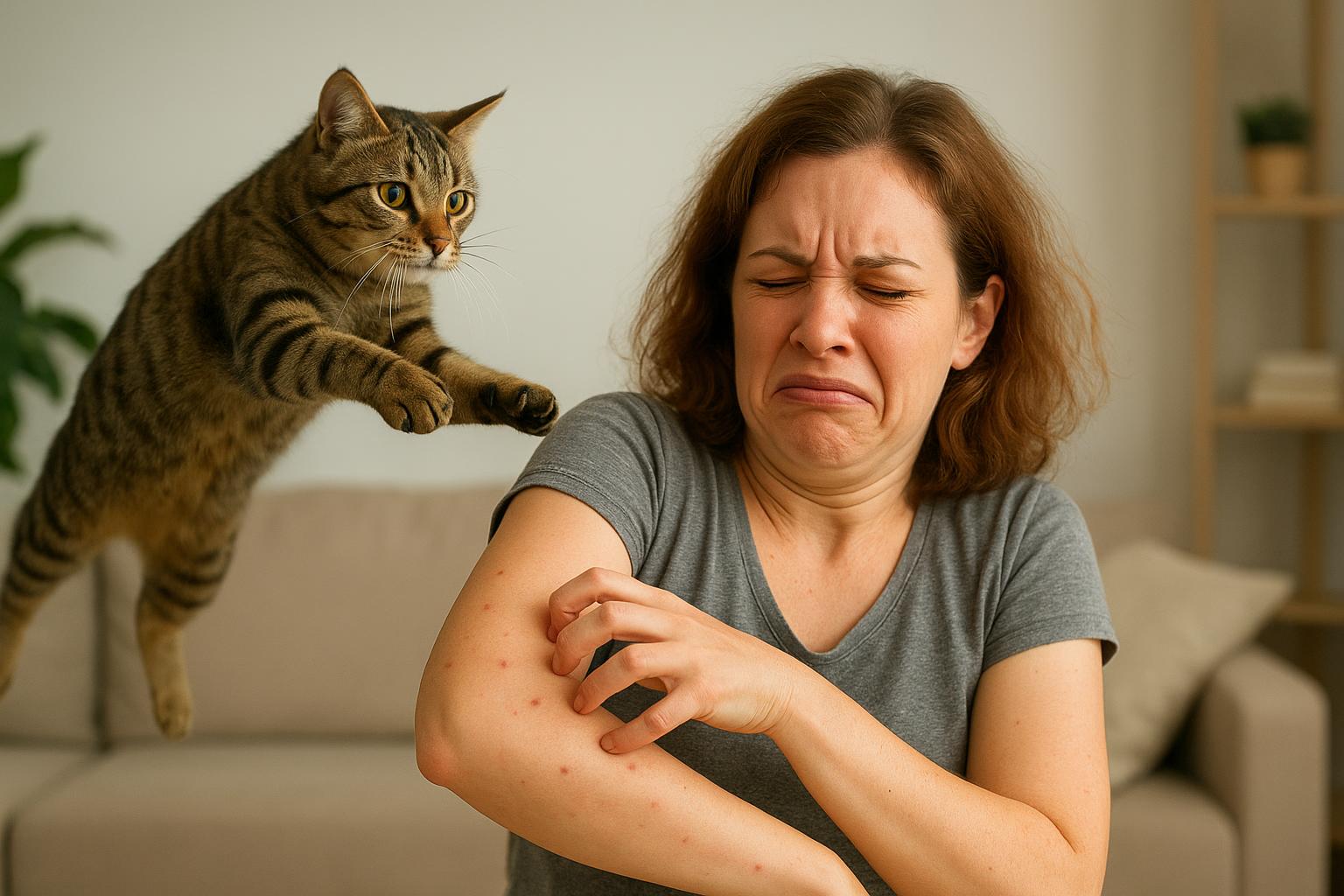
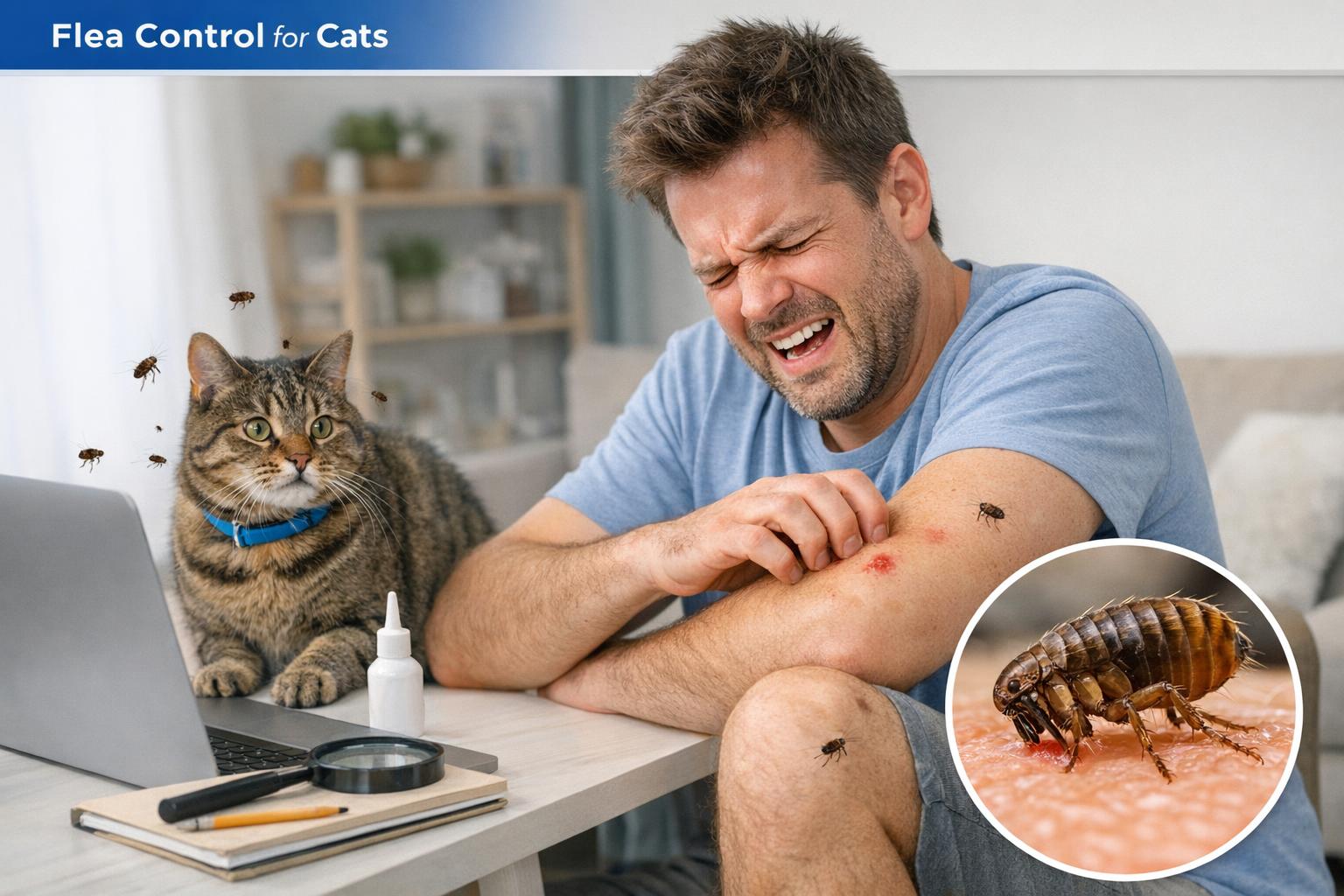
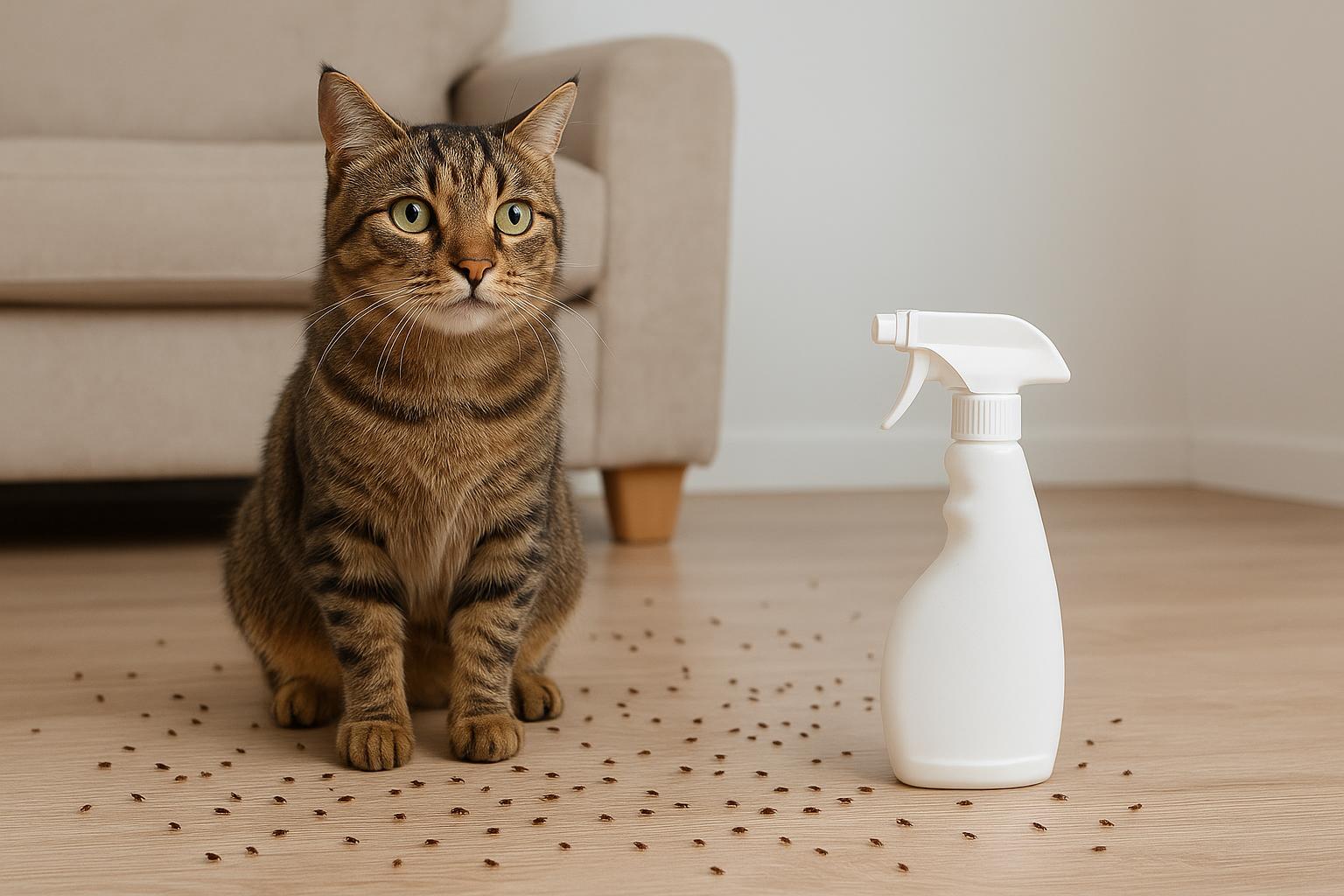
People who bring a flea collar home usually have a reason: the itch, the scratch, and the nights spent picking tiny specks out of bedding. Cat owners are talking about what works, what doesn’t, and where collars fit into a real pest-control plan.
Cats and fleas are a stubborn pair. An owner’s frustration often comes from one simple fact: a single product rarely ends the problem by itself. That’s where the current buzz about flea collars began — some collars are performing noticeably better than older models, and that’s changing habits around the litter box and vet visits.
Flea Collar Effectiveness In Cats Sparks Cat Owner Buzz
## How Collars Compare To Other Options
The straight answer is this: a collar can help, but it’s not a magic shield. I’ve seen collars stop new infestations on indoor cats, and I’ve seen them do almost nothing in a heavy household infestation. Success depends on the product, the environment, and follow-through with cleaning and timing.
### What The Research And Reviews Say
When studies look at flea collar effectiveness in cats, they examine two things: how quickly a collar kills fleas on contact and how long it protects the animal. Newer collars that release insecticides into the fur or create a small protective zone around the cat can be effective for months. But effectiveness drops if the collar is loose, blocked by thick fur, or contaminated with shampoo.
### Real-World Tests Versus Lab Results
Lab numbers can mislead. A collar tested in a controlled environment may show excellent results under ideal conditions. At home, you have carpets, other pets, and the neighbor’s yard. Cat owners report wildly different outcomes even with the same product. That’s why talking to someone who has used the product in a similar living situation matters more than raw efficacy figures.
## Practical Use: When And How To Use Collars
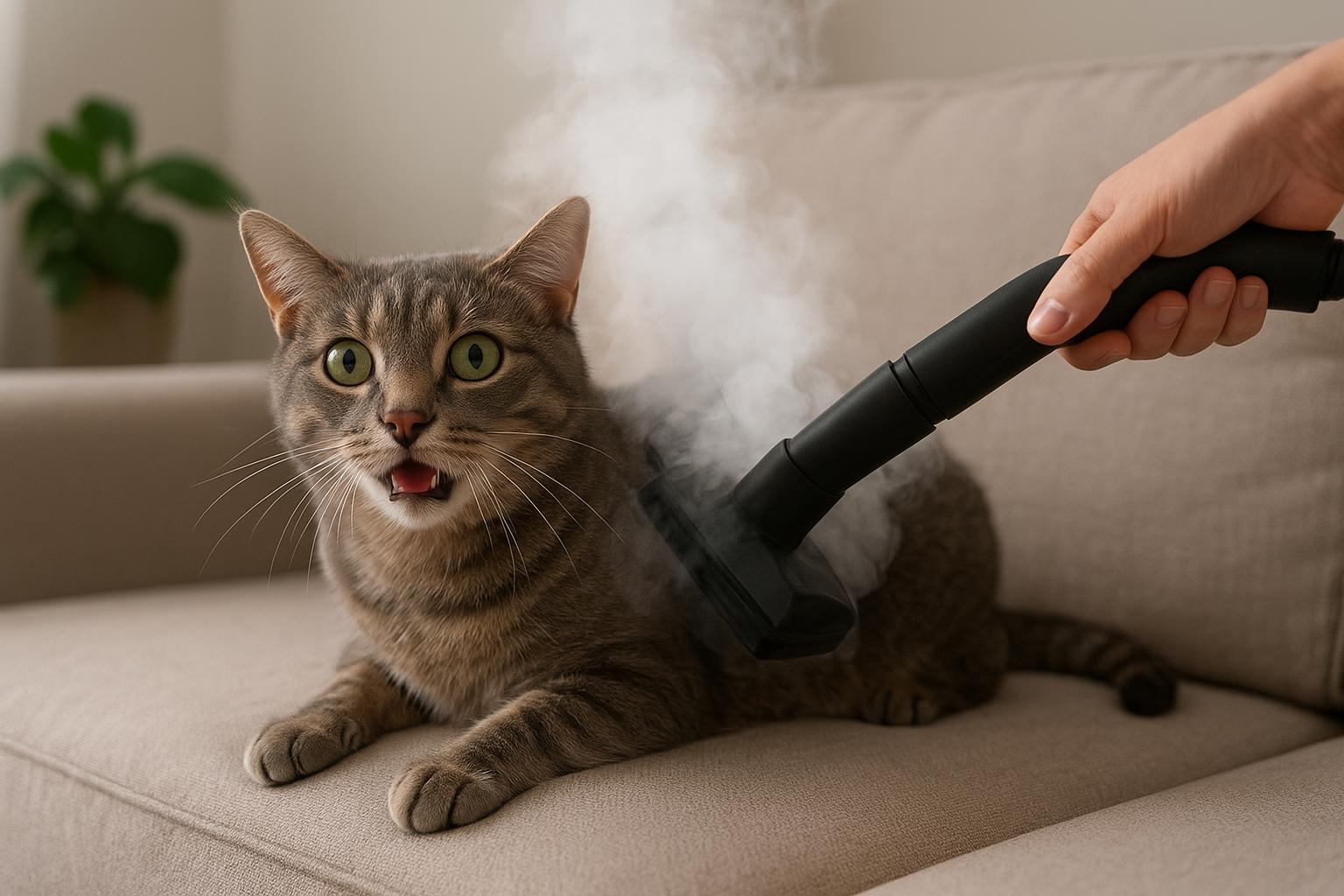
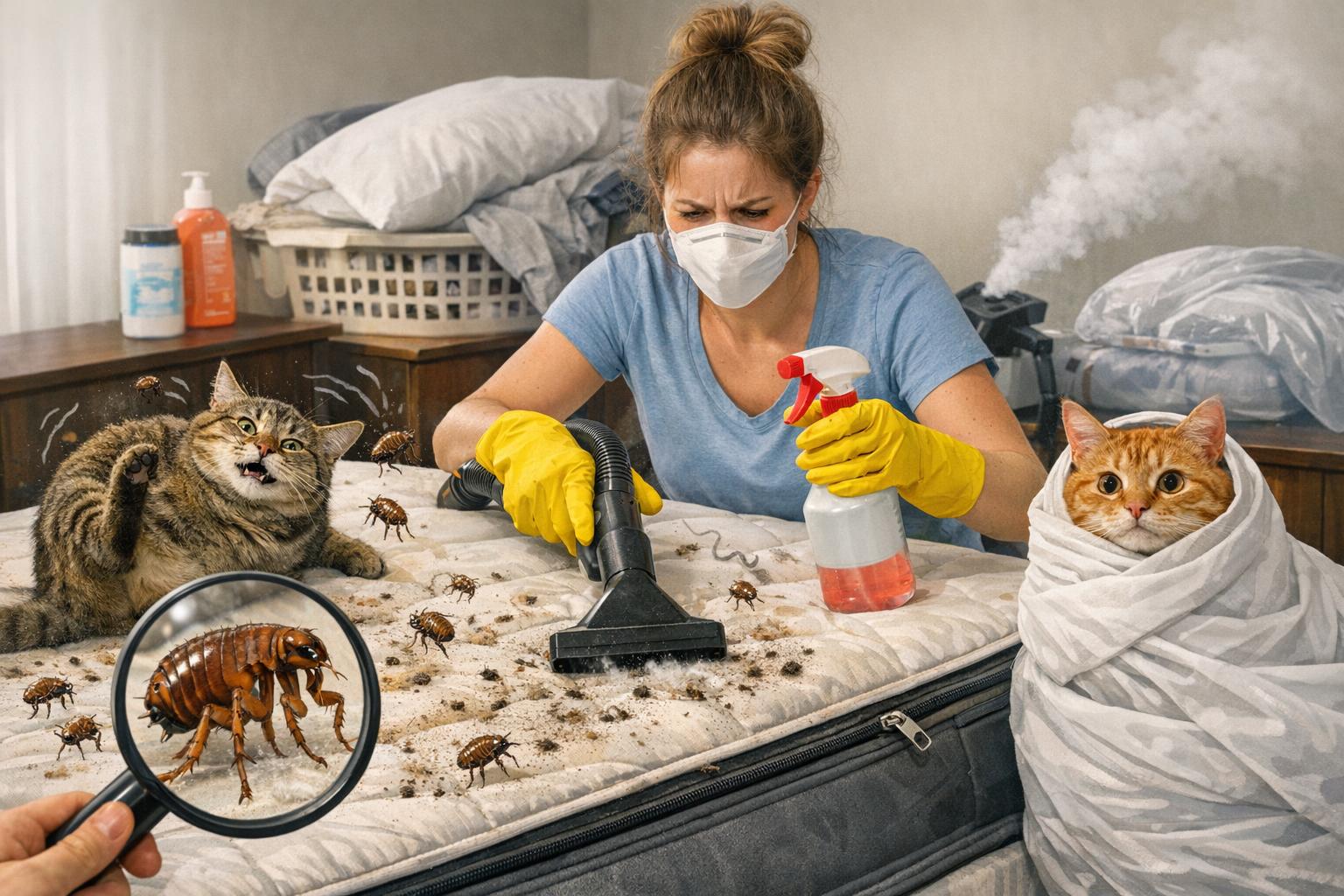
You can’t treat fleas only on the cat and ignore the house. A collar’s best use is as part of a broader plan: treat the pet, address the environment, and maintain the treatment schedule.
### Timing Matters: Integrating Collars With Topical Treatments
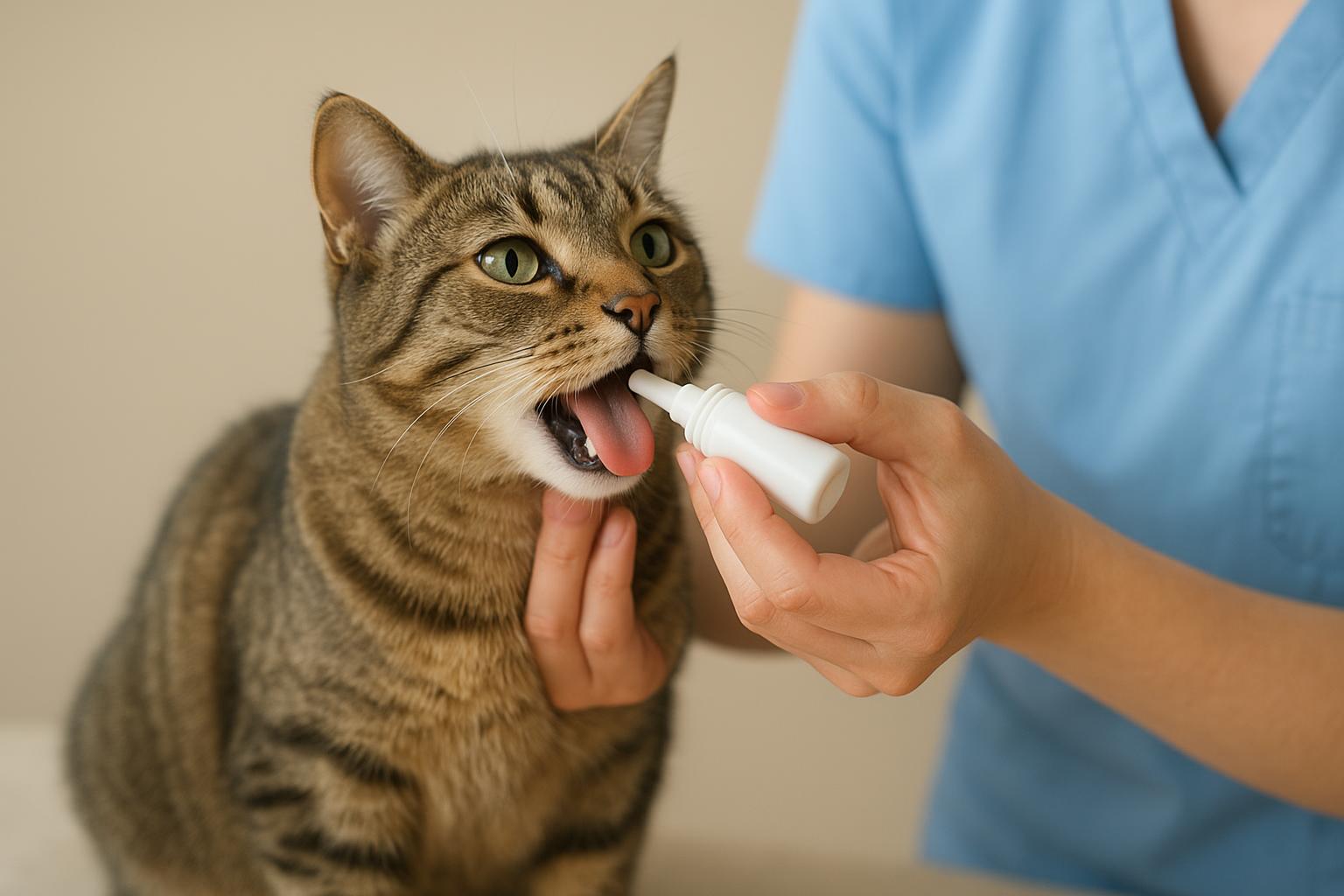
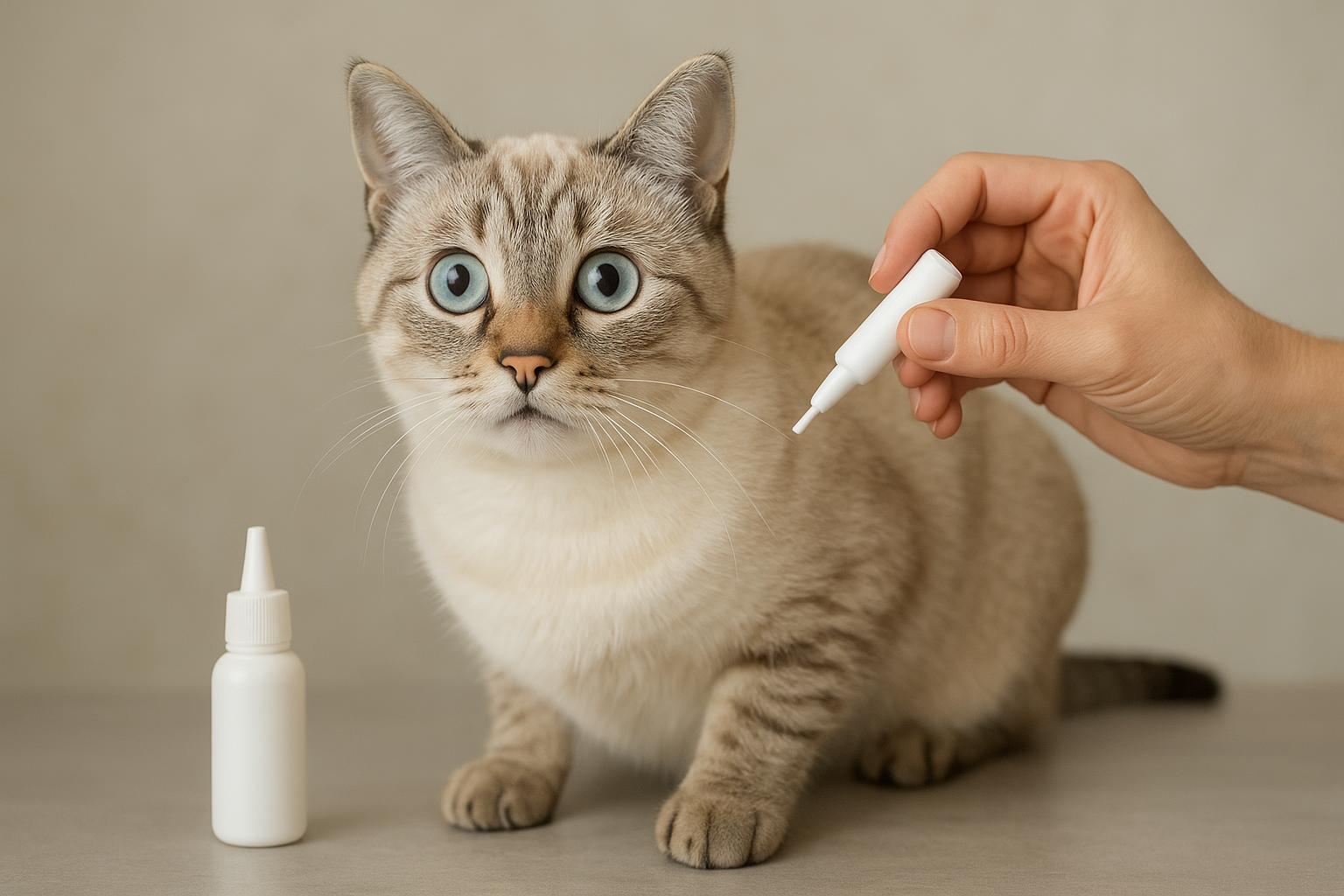
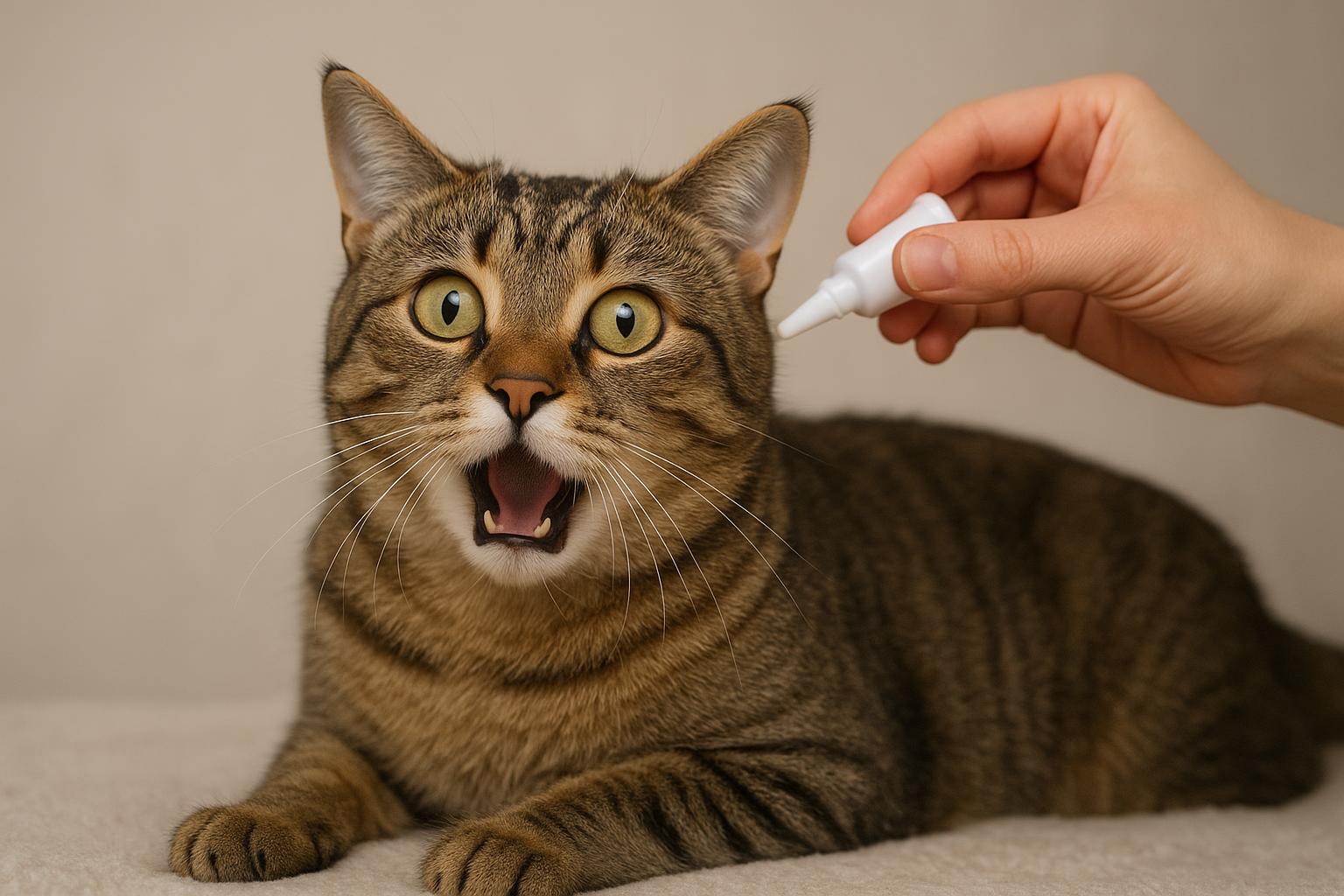
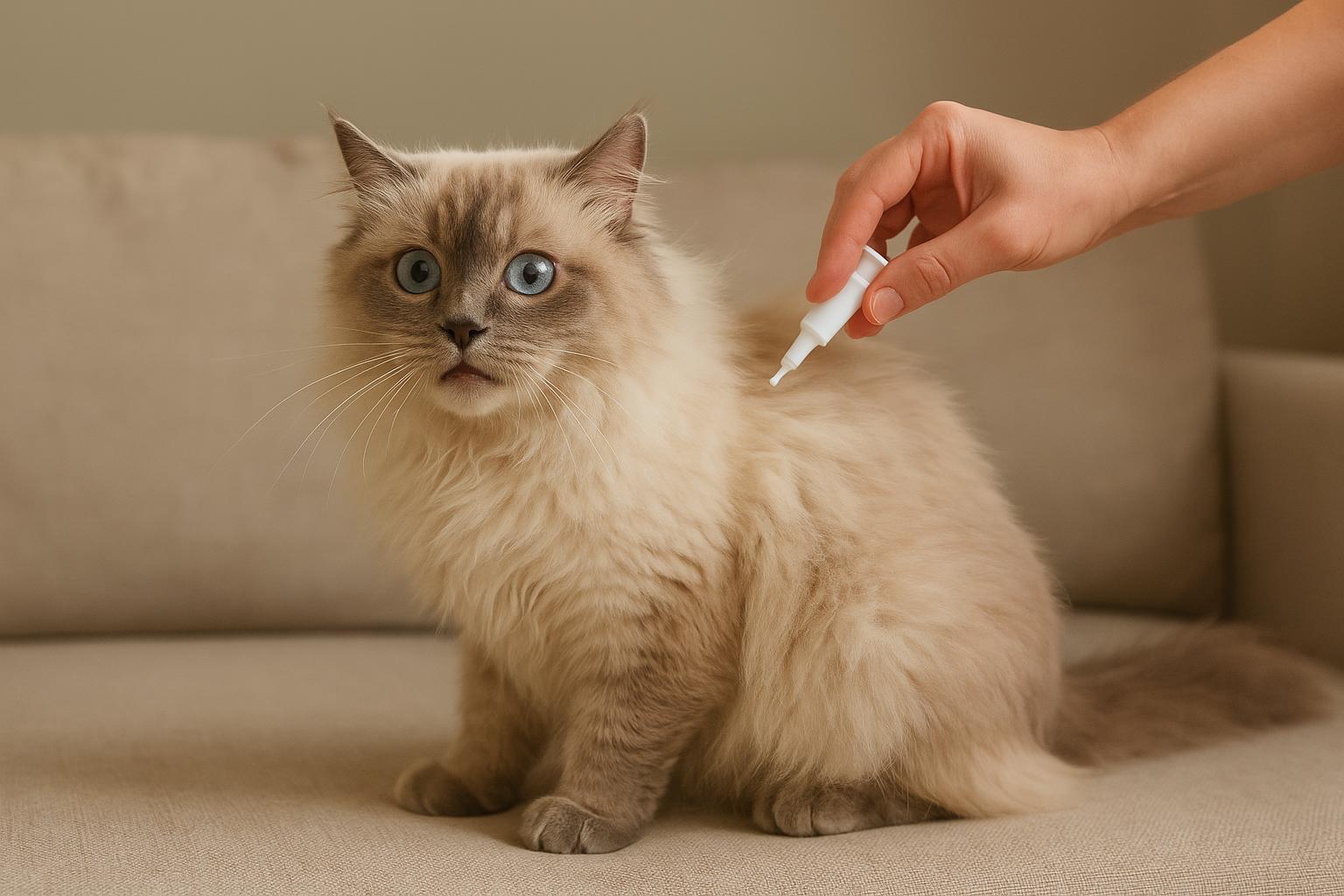
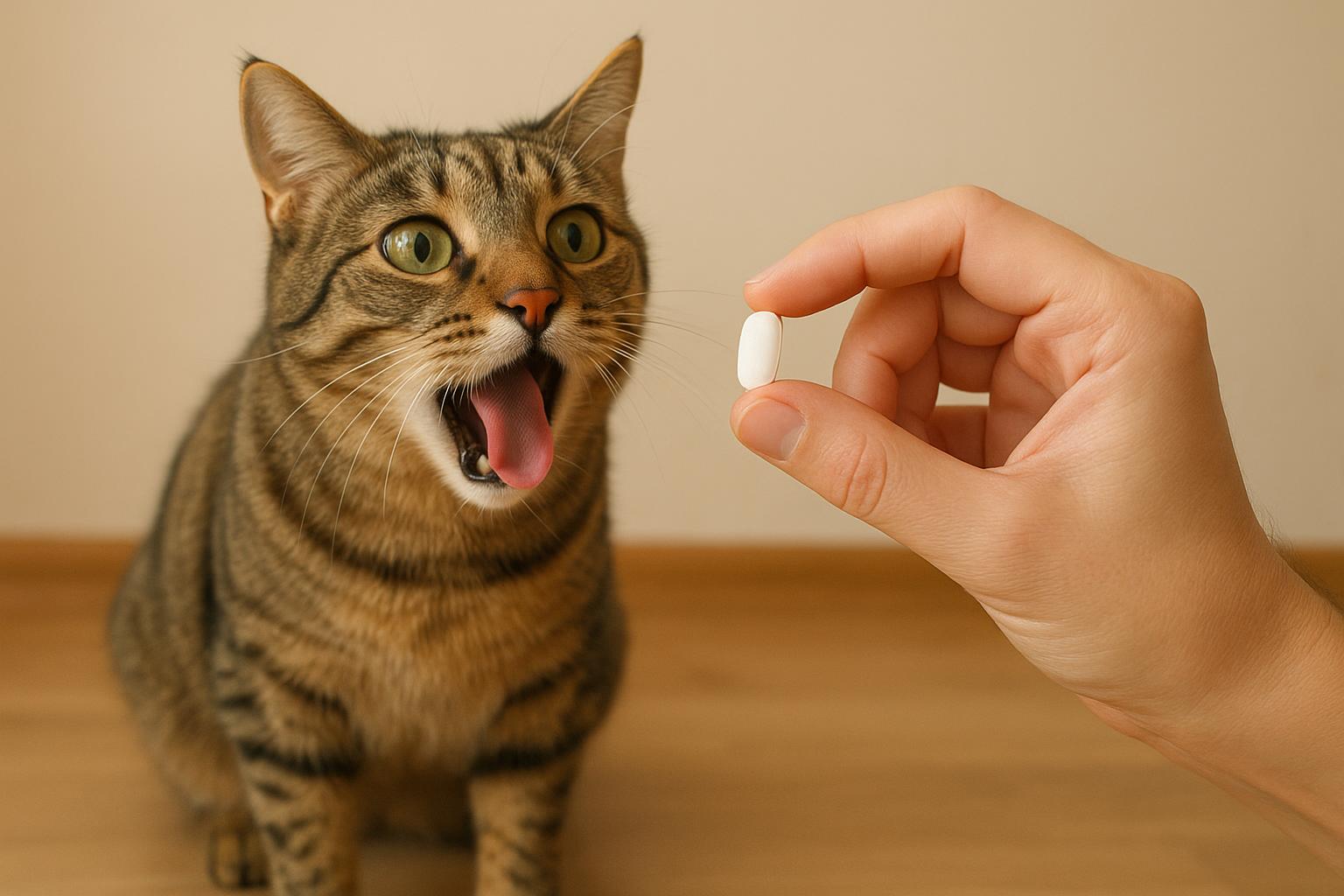
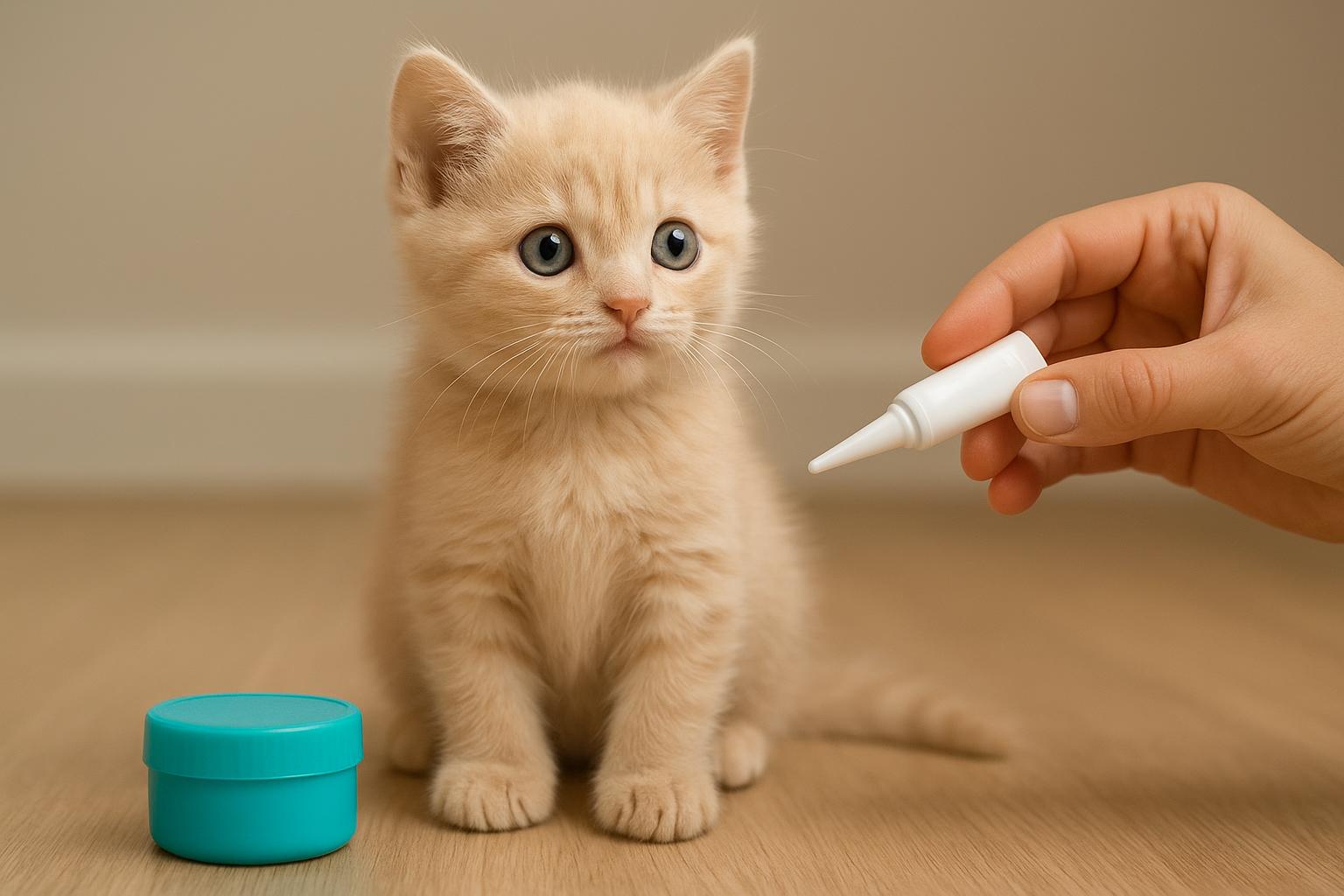
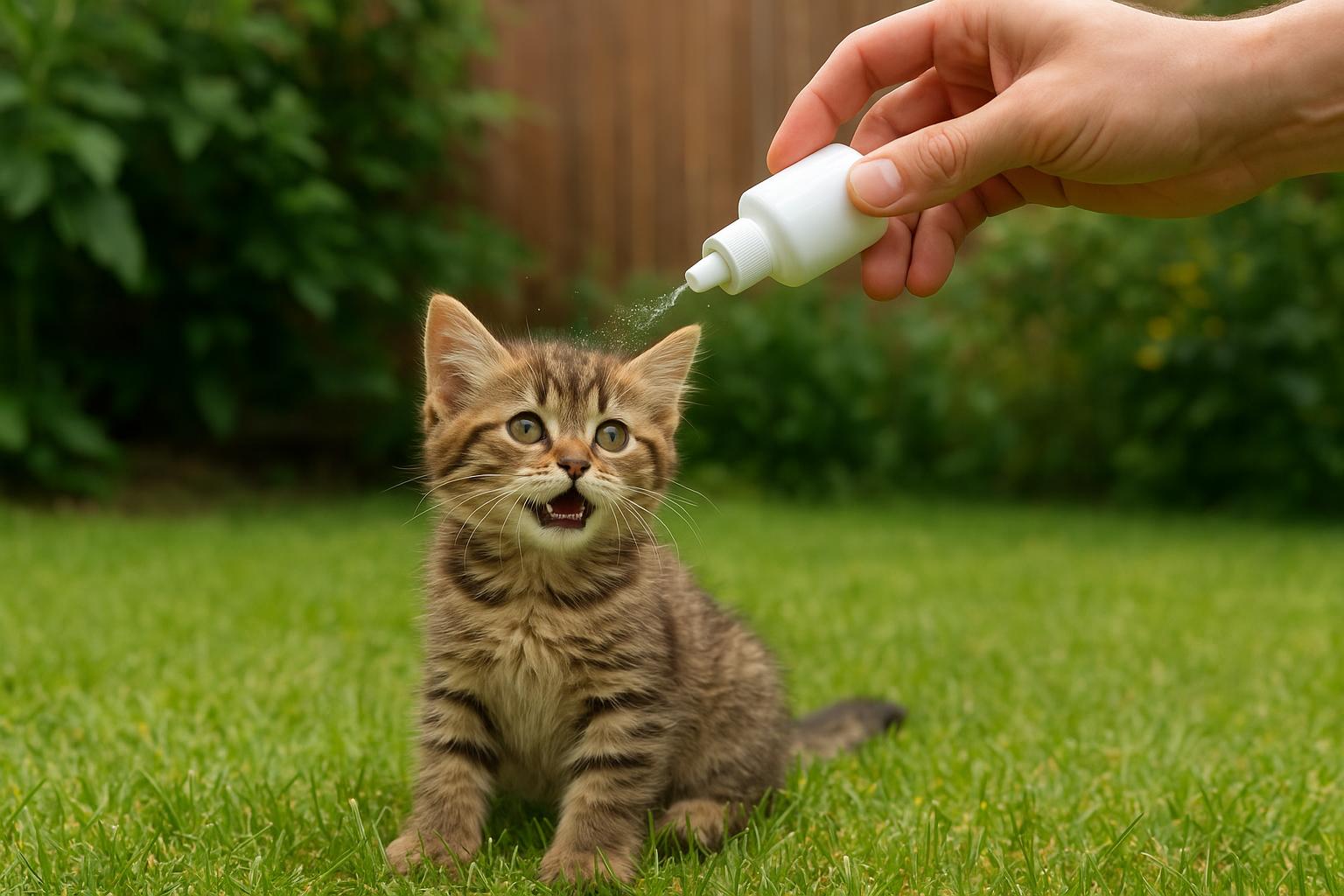
If you use topical products, pay attention to topical drops timing. Some topical formulas are designed to be applied monthly, and overlapping a powerful collar too soon can lead to skin irritation or unnecessary chemical exposure. Wait the recommended period between treatments, and consult your vet if you’re combining methods. People often rush to double up, thinking more is better; that’s not always true.
### Fit And Placement
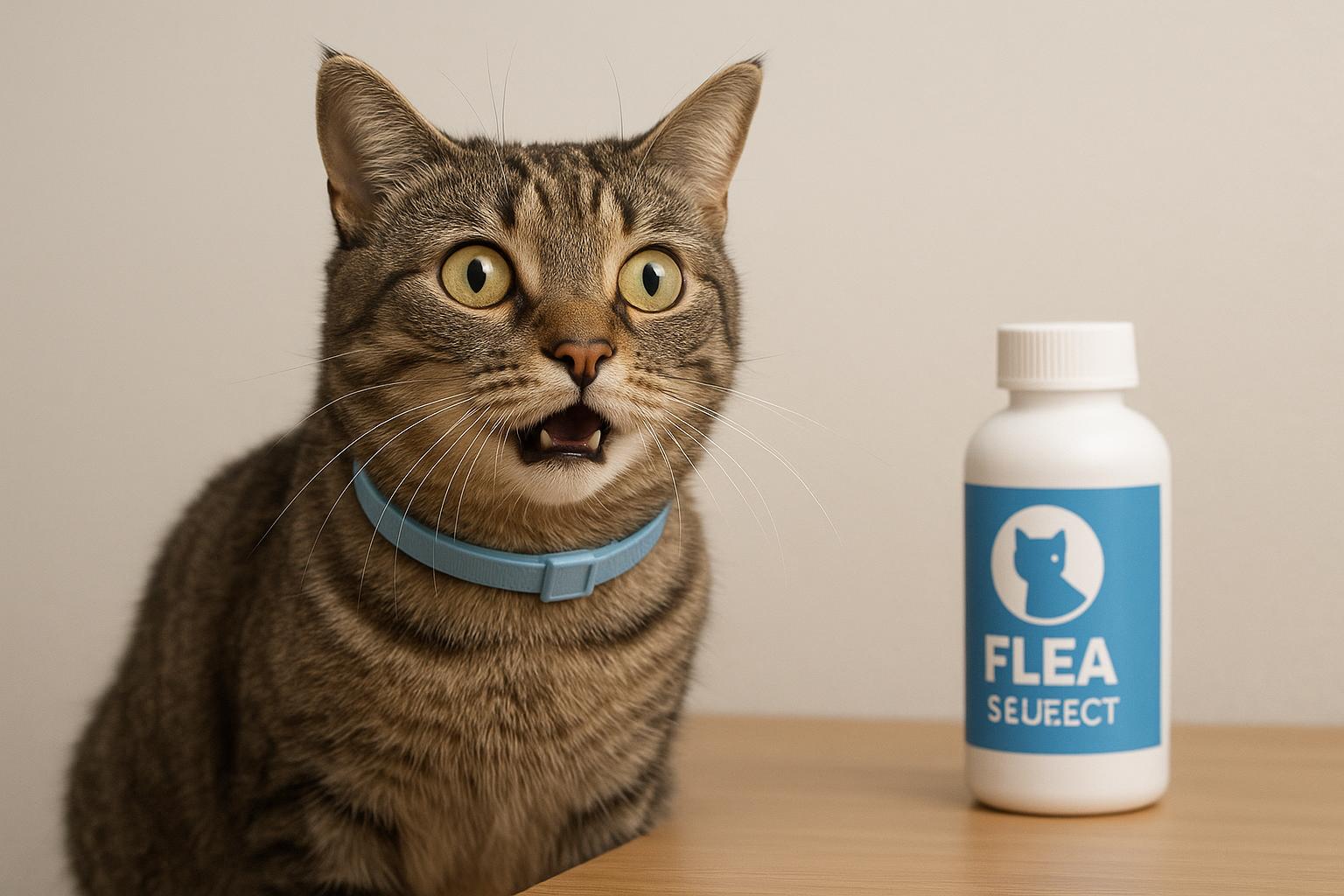
A collar needs to sit against the skin without strangling. A loose collar won’t distribute active ingredients effectively. Trim excess length so your cat can’t chew it off. Replace collars when the manufacturer recommends; they lose potency over time.
## Questions To Ask Before Buying
Are you aiming to prevent fleas or to knock down a heavy infestation? Your answer changes the product choice. If you want daily prevention for an indoor cat with rare outdoor time, a low-dose collar may be enough. If your neighborhood is a flea hotbed, combine approaches.
### Checking Safety And Efficacy
Look for collars with transparent labeling and safety data. Vet-approved brands often publish tests showing flea collar efficacy. Don’t rely solely on glowing reviews; seek out independent studies or veterinary guidance if possible.
### Cost Versus Value
A cheap collar that fails is more expensive in the long run. Some pricier collars maintain activity for eight months, reducing repeated purchases and trips to the store. Calculate cost per month of protection, not just the upfront price.
## When Collars Aren’t Enough
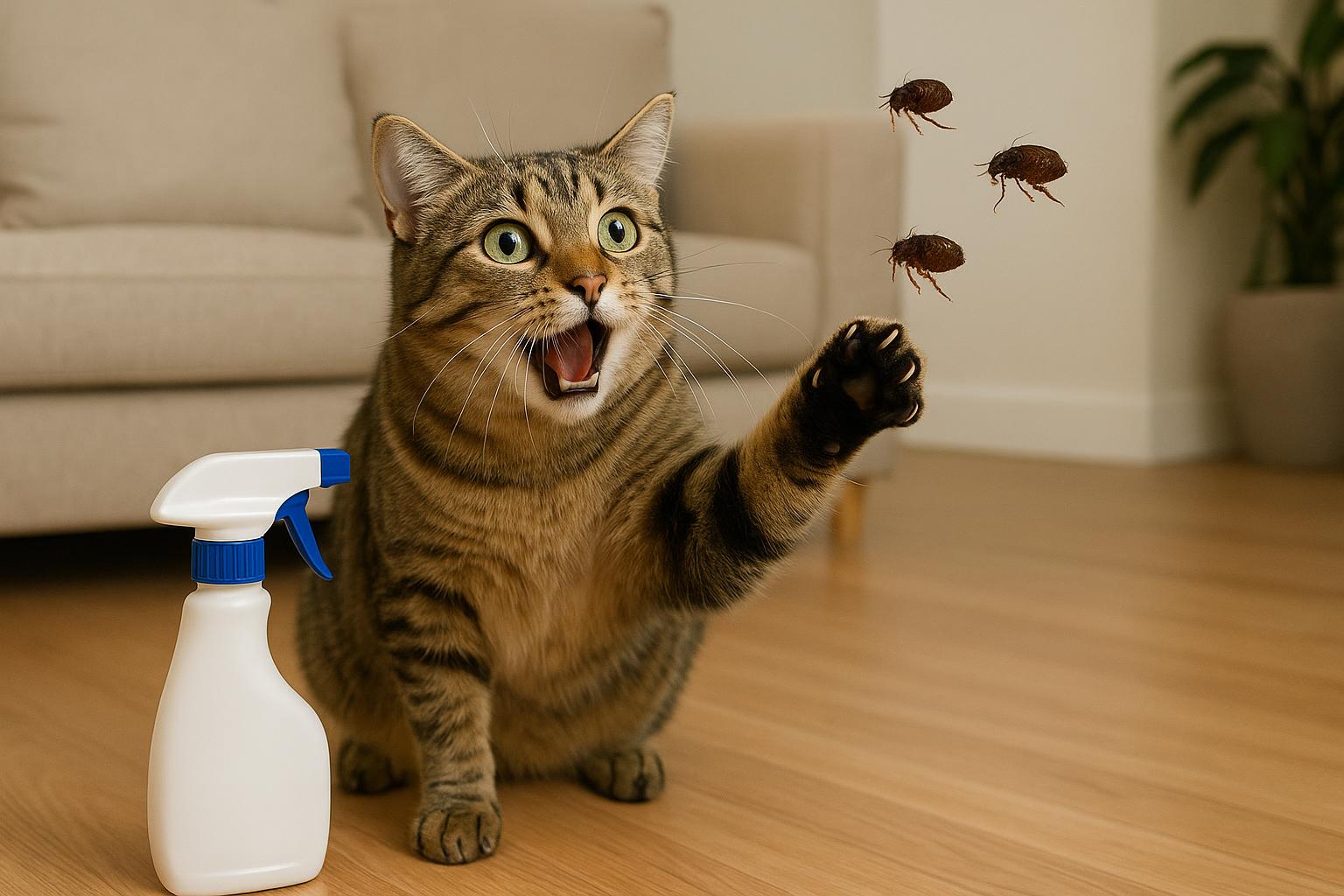
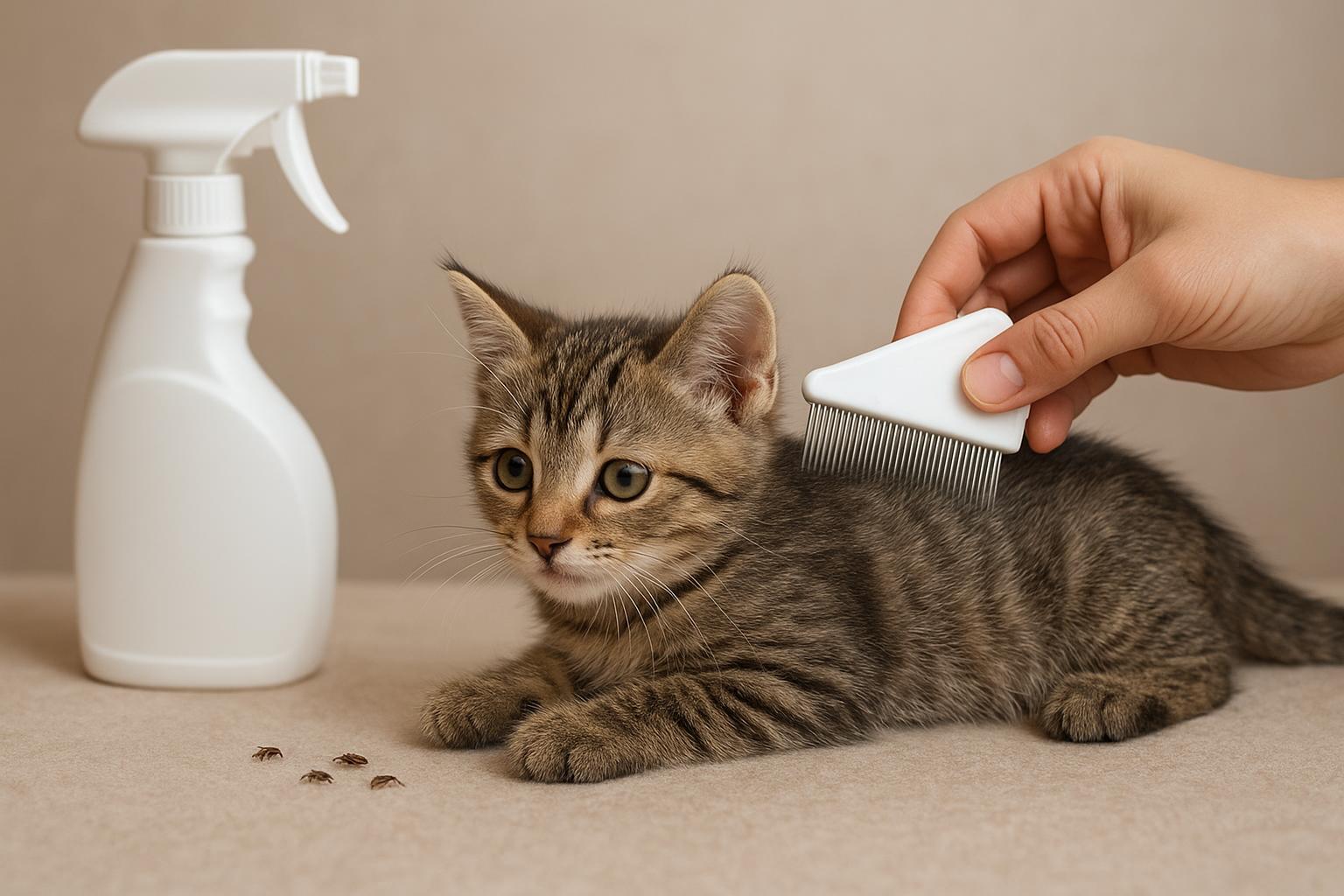
If fleas persist after a collar and environmental cleaning, step up to prescription options. Spot-on treatments often work faster. Remember to consider topical drops timing if you switch back and forth. Also check other animals in the home. Treating only one pet is a common mistake that lets the cycle continue.
### Signs You Need Professional Help
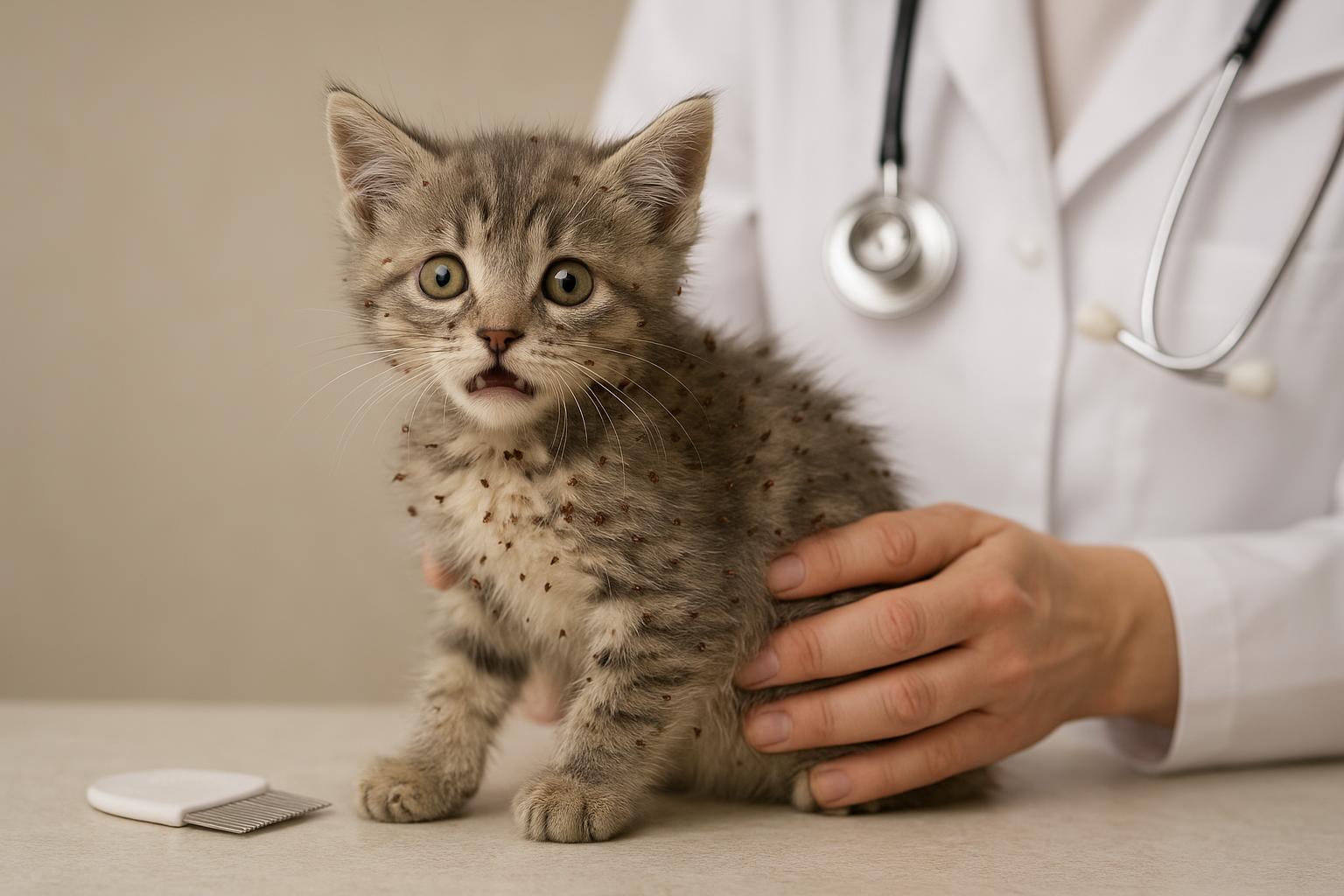
If your cat is losing fur, developing sores, or appears anemic from heavy infestations, get to the vet. Severe cases need a coordinated approach: professional flea treatments, environmental pest control, and sometimes medication for pet symptoms.
## Making A Decision That Fits Your Cat
There’s no one-size-fits-all answer to flea collar effectiveness in cats. Some collars will give you months of peace with minimal fuss. Others are a disappointment, useful only as a supplement. Think about your household, your cat’s health, and the local flea pressure when deciding.
A final practical note: keep receipts and note the batch number when you try a new product. If something causes a reaction or fails early, you’ll want to return it or report it. Small steps like that save time and stress later.
If you’re trying to decide between a collar, a monthly topical, or both, talk to your vet and be honest about what your home looks like. Flea collar efficacy varies with context, and the right choice is the one that actually stops the fleas, not the one with the prettiest packaging or the loudest ad. Somewhere between careful timing, proper fit, and realistic expectations you’ll find what works for your cat — and for your sleep schedule.













Leave a Reply