
## High-Heat Cleaning For Fleas In Cats: What You Need To Know
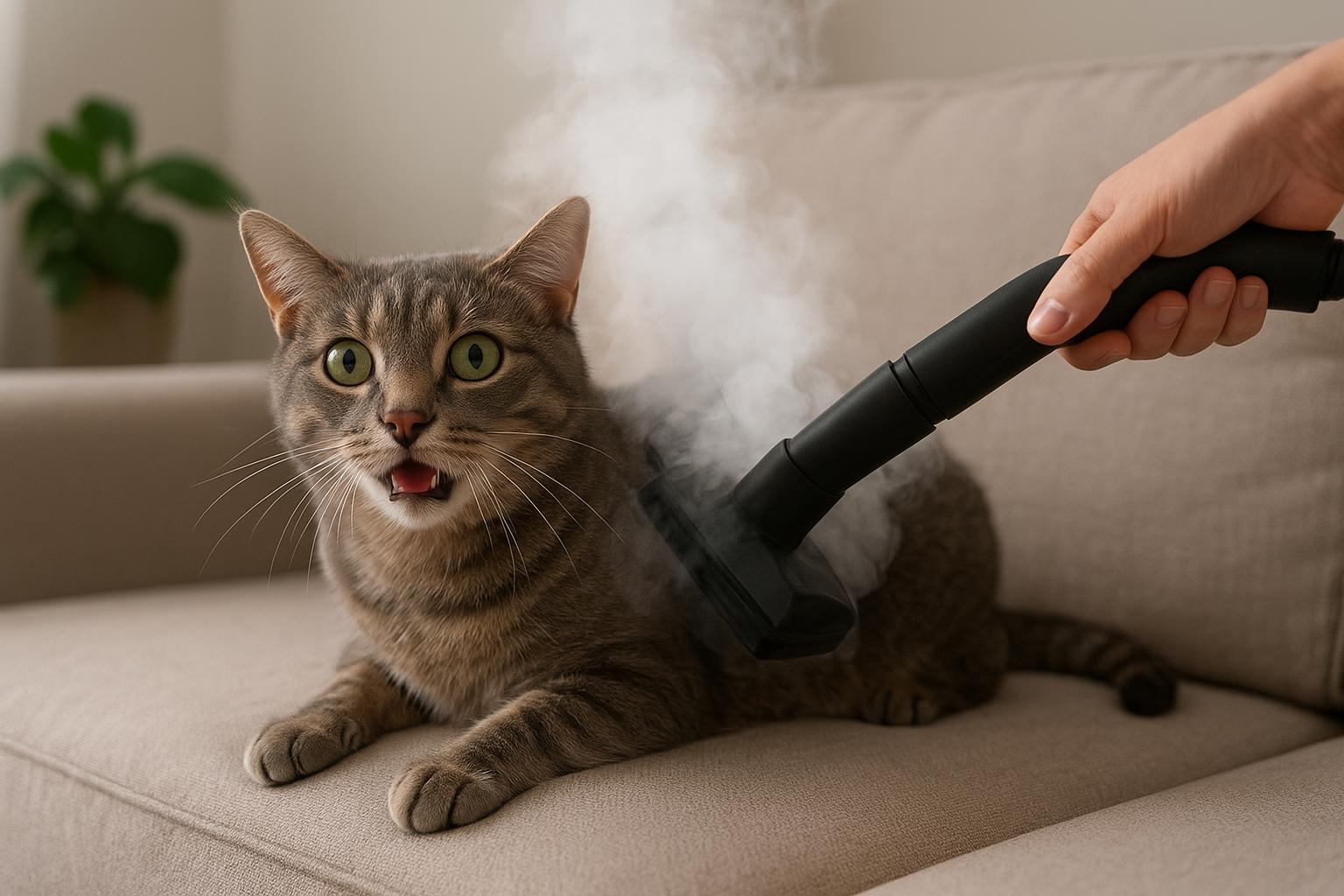
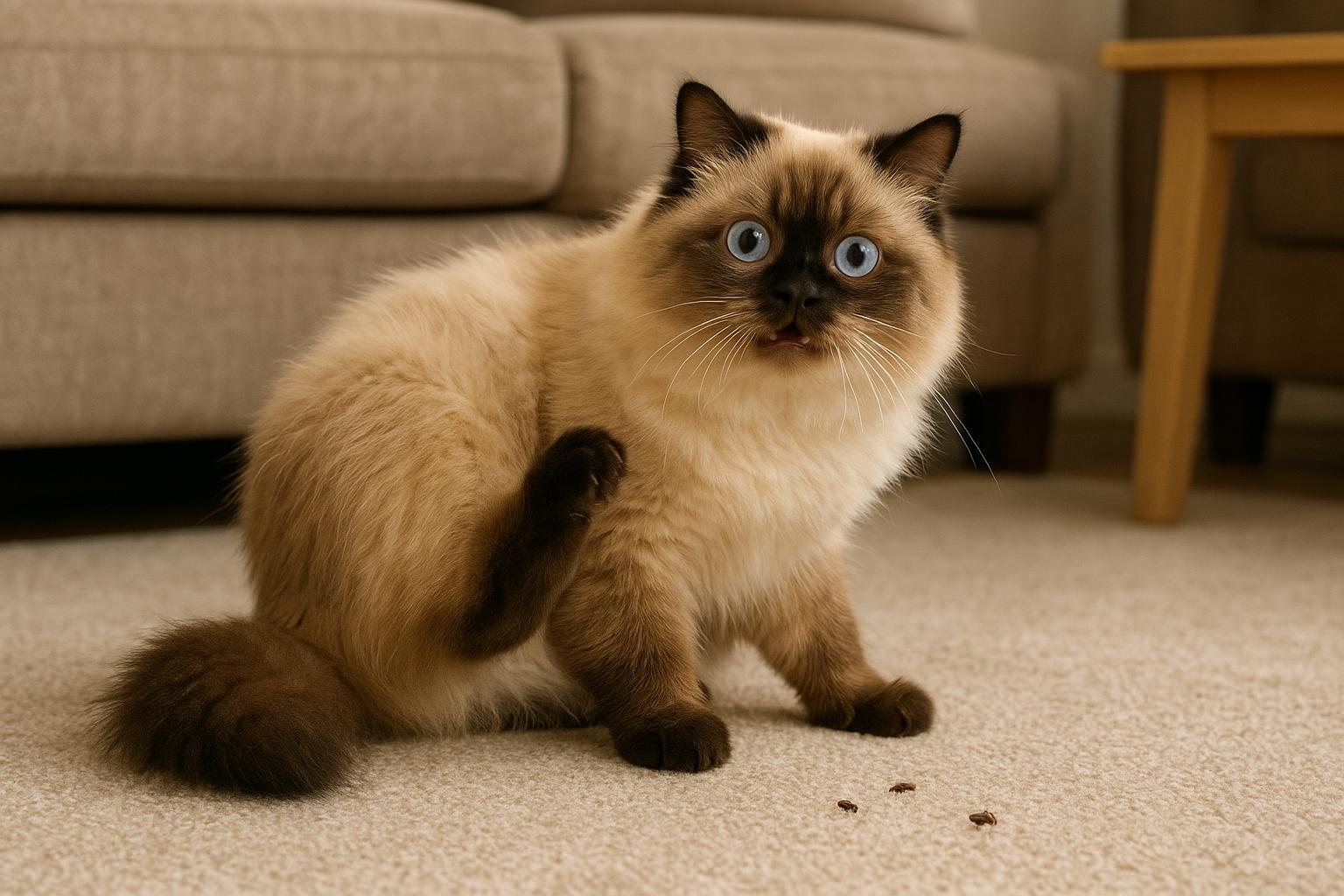
High-heat cleaning for fleas in cats is practical and straightforward when you treat it like a targeted sanitation job, not a miracle cure. Steam penetrates fibers and heats pockets of dirt to temperatures near boiling, which knocks out live fleas and ruins the tiny micro-environments their eggs and larvae hide in. That’s useful, but it only works if you use the right equipment and combine it with proper flea care for your pet and home.
### Why Heat Matters
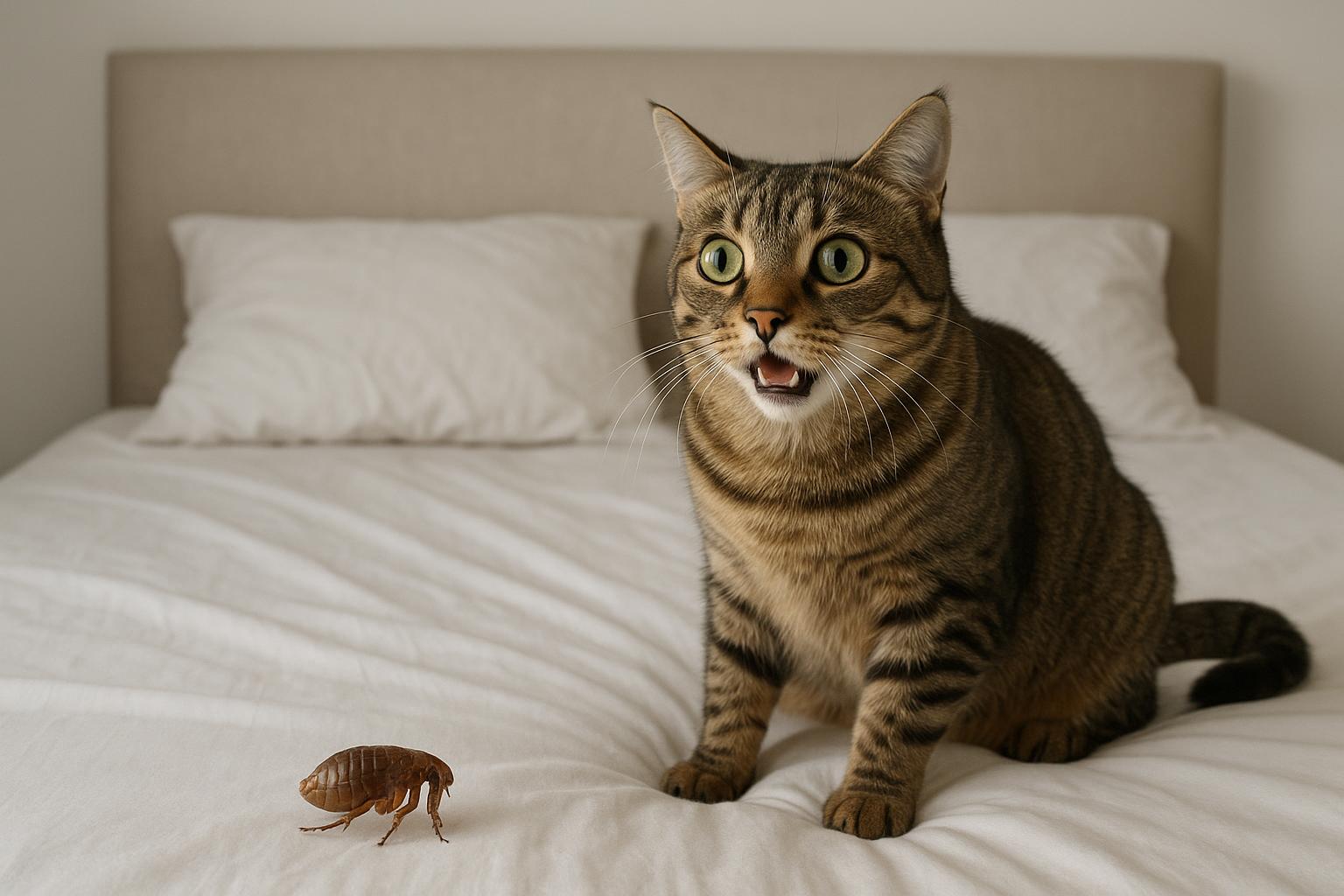
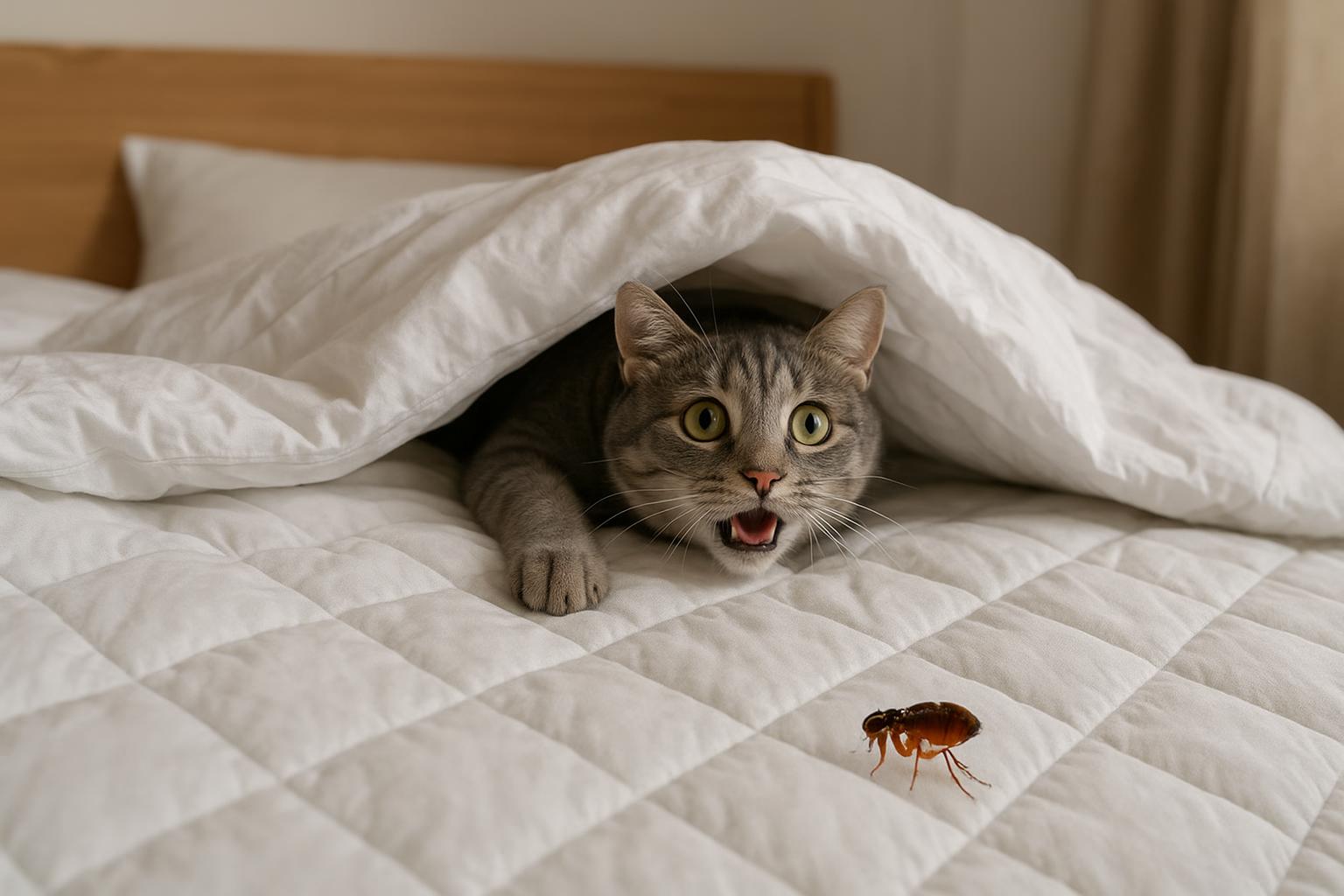
Fleas and their life stages are vulnerable to heat and moisture. Steam cleaners use near-boiling water vapor, and when that vapor hits a surface it transfers a lot of energy fast. A short, focused pass with a hot-steam nozzle will kill adults on contact and make eggs and larvae non-viable by denaturing proteins and collapsing air pockets where they develop. That doesn’t mean you can skip treating your cat, though. Environmental treatment and direct pet treatment have to go together.
## Preparing Your Home And Cat For Steam Cleaning
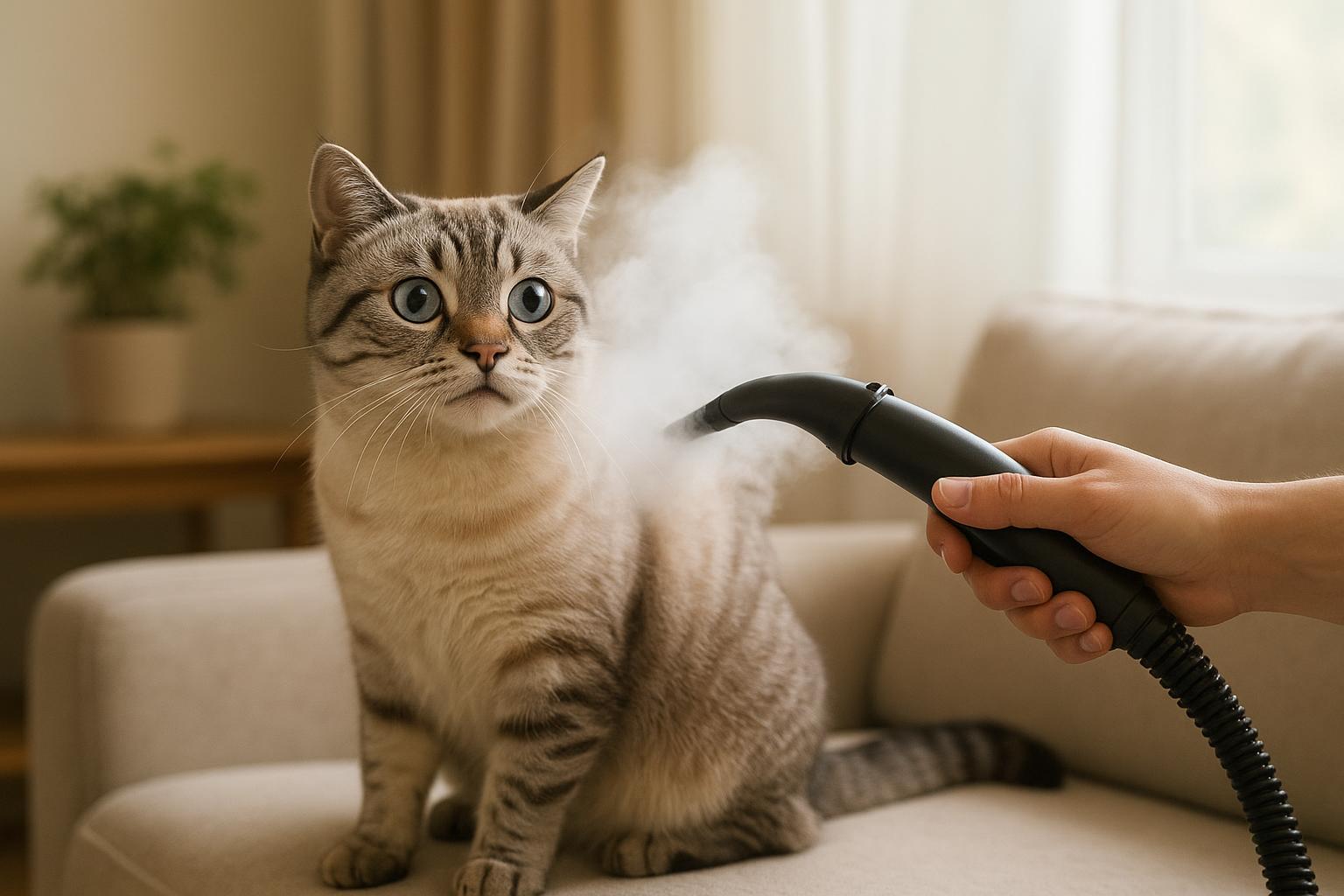
Do not steam the cat. Ever. Cat flea steam in the environment is fine; direct steaming of an animal is dangerous and unnecessary. Instead, follow these steps before you bring out the steamer.
– Remove pets from the area and keep them in a treated, safe room. Apply any vet-prescribed flea treatments and check with a vet if you’re unsure which product is right.
– Strip bedding, washable covers, and pet blankets. Wash them in the hottest water the fabric allows, and dry thoroughly on high heat. Keep items seperate by pet if you have more than one.
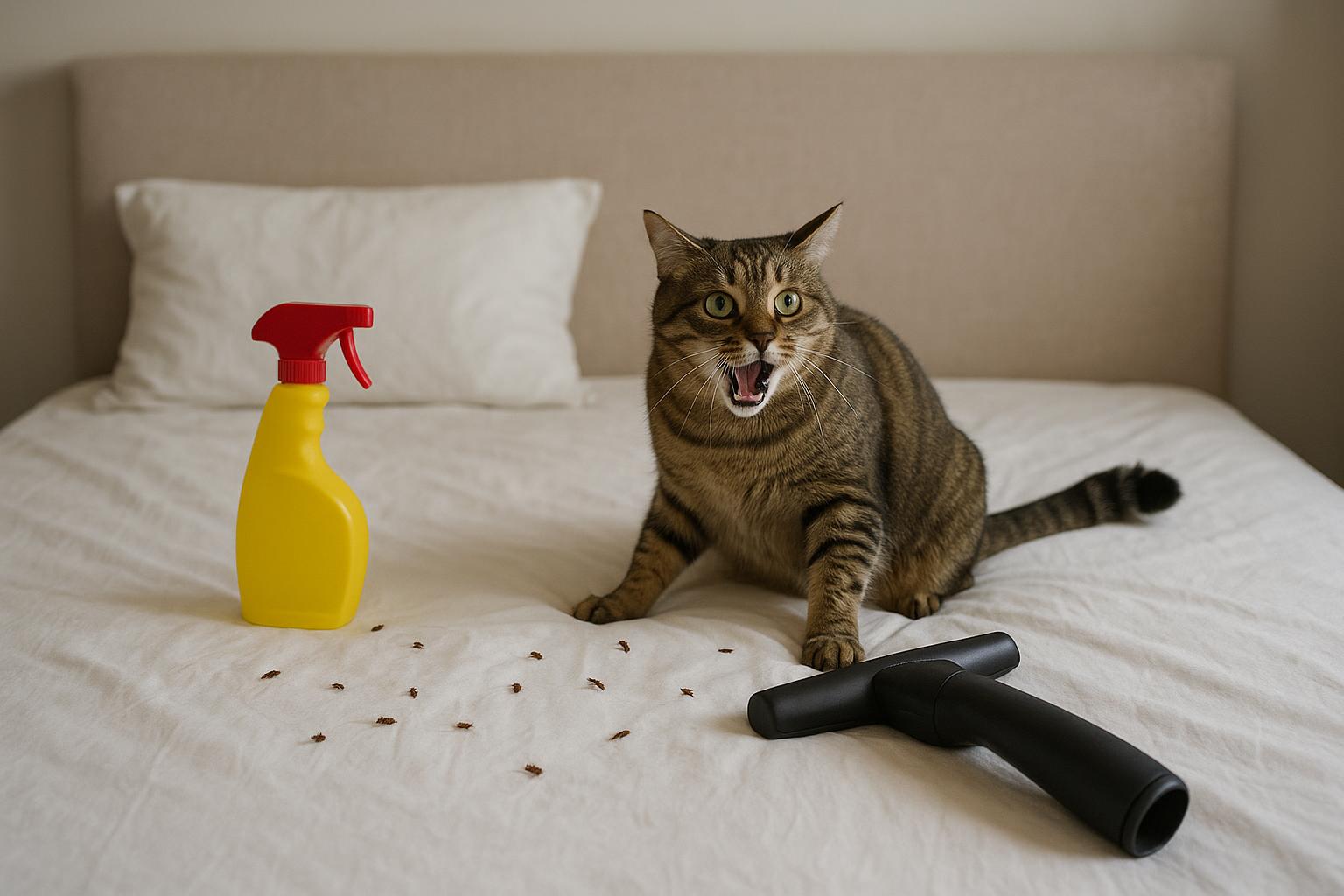
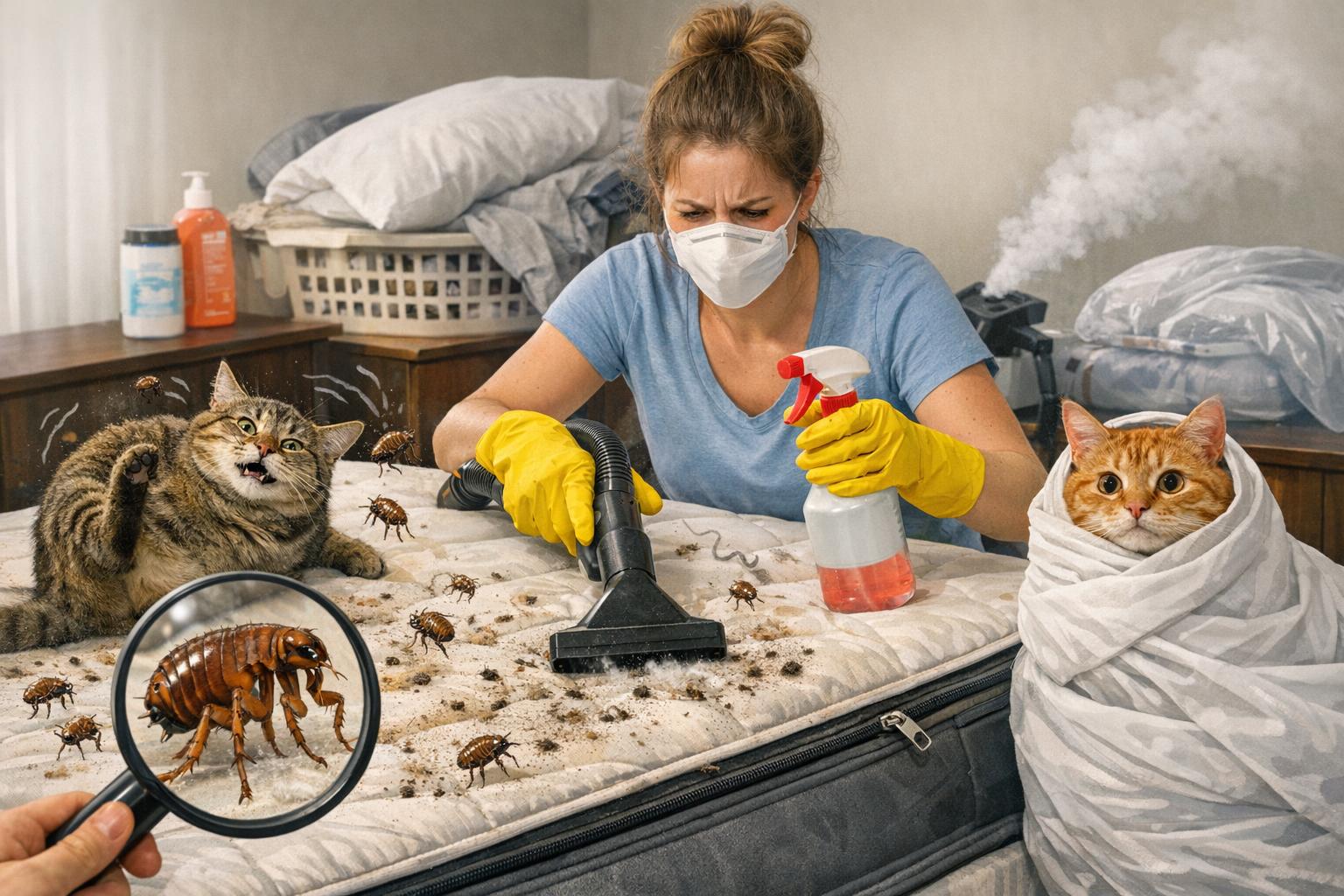
– Vacuum carpets, rugs, upholstery, and vehicle interiors well. The vacuum lifts live fleas and many eggs; steam is more effective if vacuuming comes first.
– Declutter floors and low surfaces so you can work methodically.
### Choosing The Right Steam Cleaner
Not every steamer is the same. For realistic flea control, look for a machine that outputs continuous high-temperature steam, not just warm spray. Handheld steamers can work on small areas, but a canister or upright with a carpet attachment saves time on larger surfaces.
Consider:
– A model that produces steam near 100°C (212°F) at the nozzle tip.
– Adjustable steam settings so you can use a gentle mode on delicate fabrics and a hotter mode on rugs and hard floors.
– Attachments for upholstery, crevices, and brushes to agitate fibers while steaming.
If you see steamer advertising words like “chemical-free,” remember that steam is a physical treatment; it doesn’t replace insecticides when an infestation is heavy. Use it as part of an integrated strategy.
## How To Steam Clean Carpets, Rugs, And Upholstery
Start with a small test patch so you don’t damage materials. Run the steamer slowly; rapid passes don’t deliver as much heat. Move the nozzle at a steady pace, overlapping each pass by about 25% so there are no untreated gaps. For deep pile carpets, use a brush attachment to work the steam down into the fibers.
Focus on:
– Pet beds and the area immediately around them.
– Edges of rooms, under radiators, and along baseboards where fleas like to hide.
– Soft toys, throw rugs, and couch cushions.
Cat flea steam applied this way reduces the local population dramatically. Don’t soak fabrics. Steam’s heat, not moisture, does the job. Over-wetting leads to mold and long drying times.
#### Steam Cleaning Hard Floors And Cracks
Hard floors and grout are easy to treat. Use a floor head, run the steamer over cracks and corners, and then wipe up any residue. Pay attention to baseboards and seams where carpeting meets floor. Fleas can hide in these narrow spaces.
#### Steam Cleaning Mattresses And Pet Beds
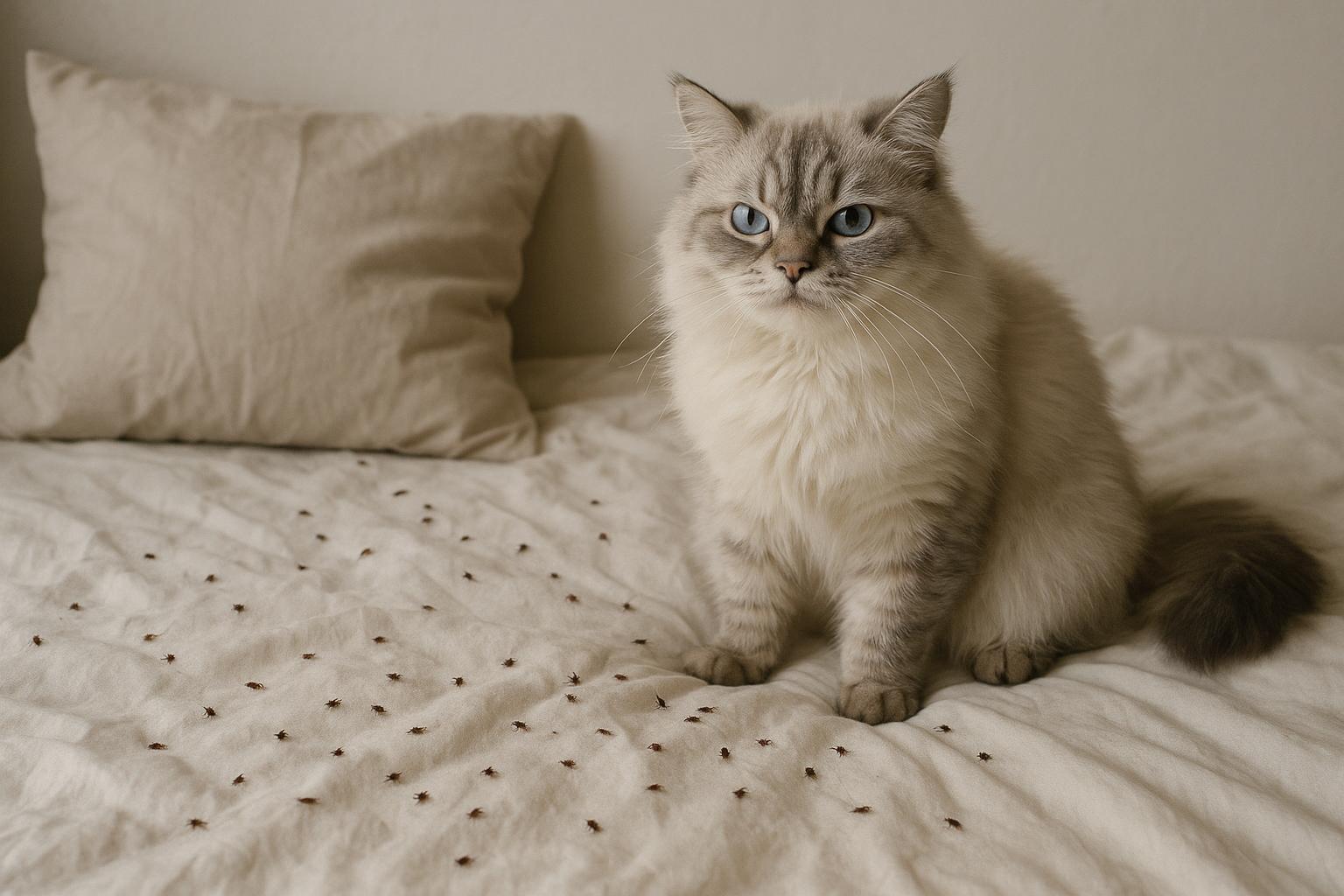
Mattresses and bed frames are common flea harbors. Use a small upholstery tool and take your time. Steam the seams and tufts thoroughly. For pet beds, if the cover is washable, wash it hot first. Then steam-clean the bed itself. Let everything dry completely before returning pets.
## Integrating Steam Cleaning With Flea Care
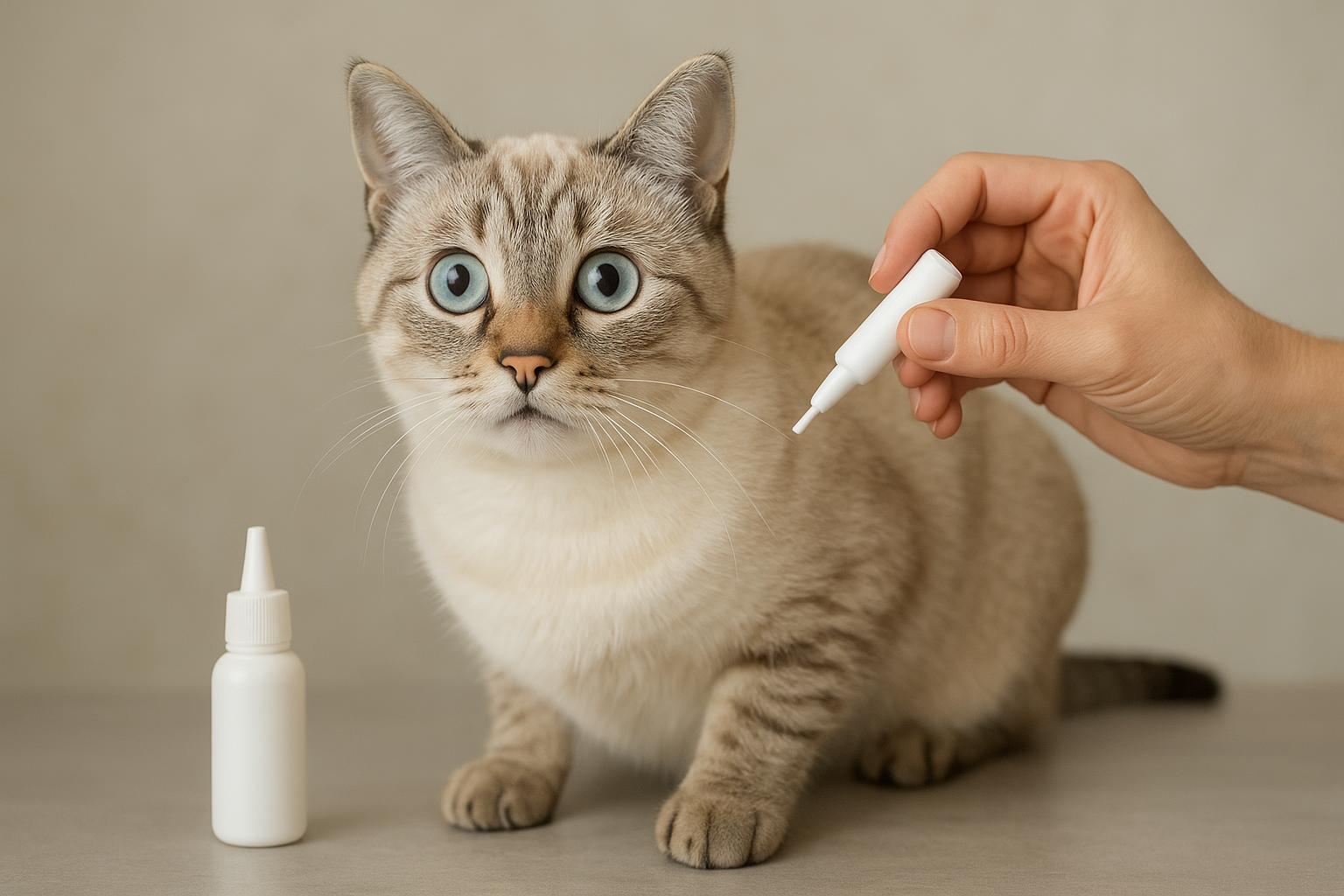
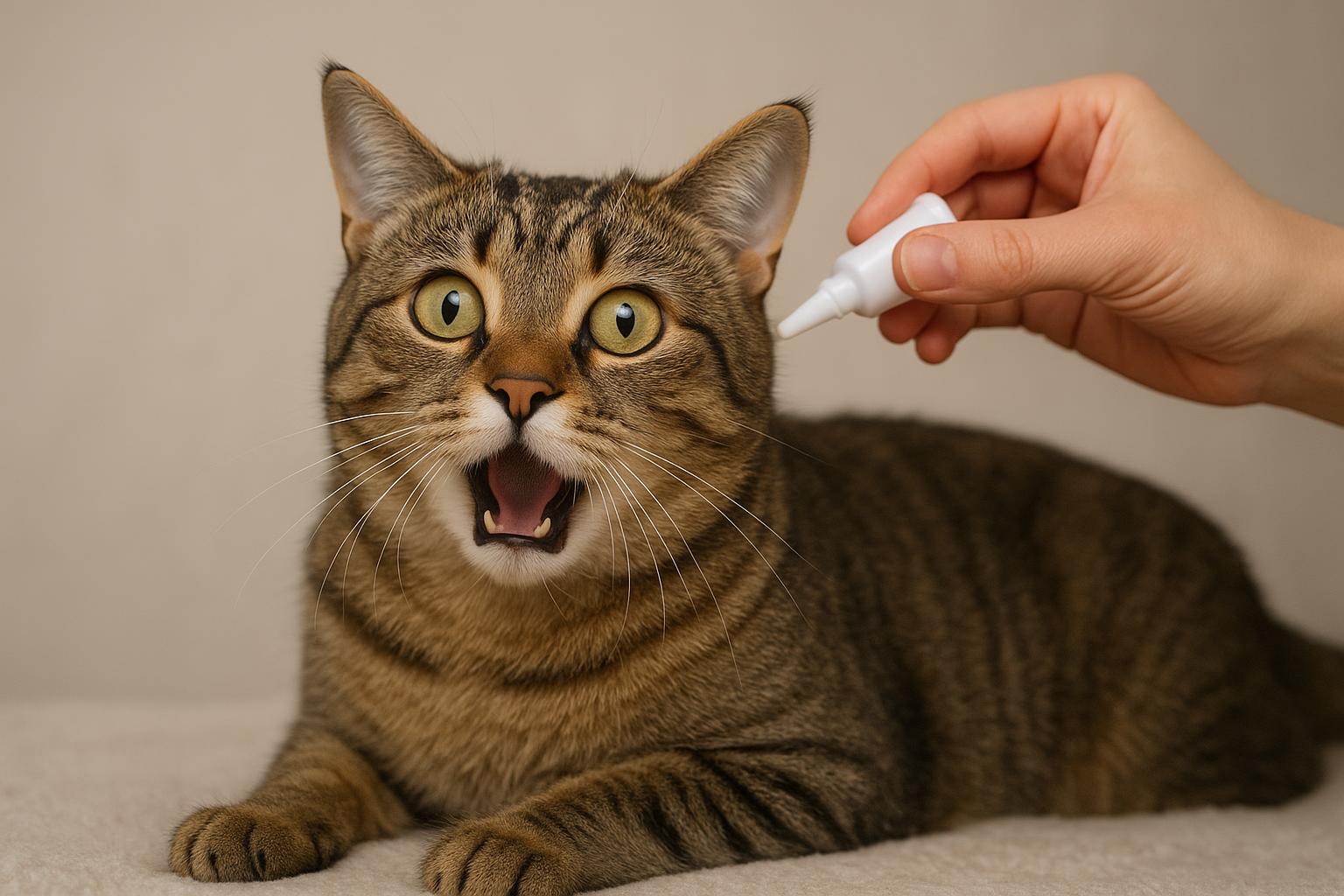
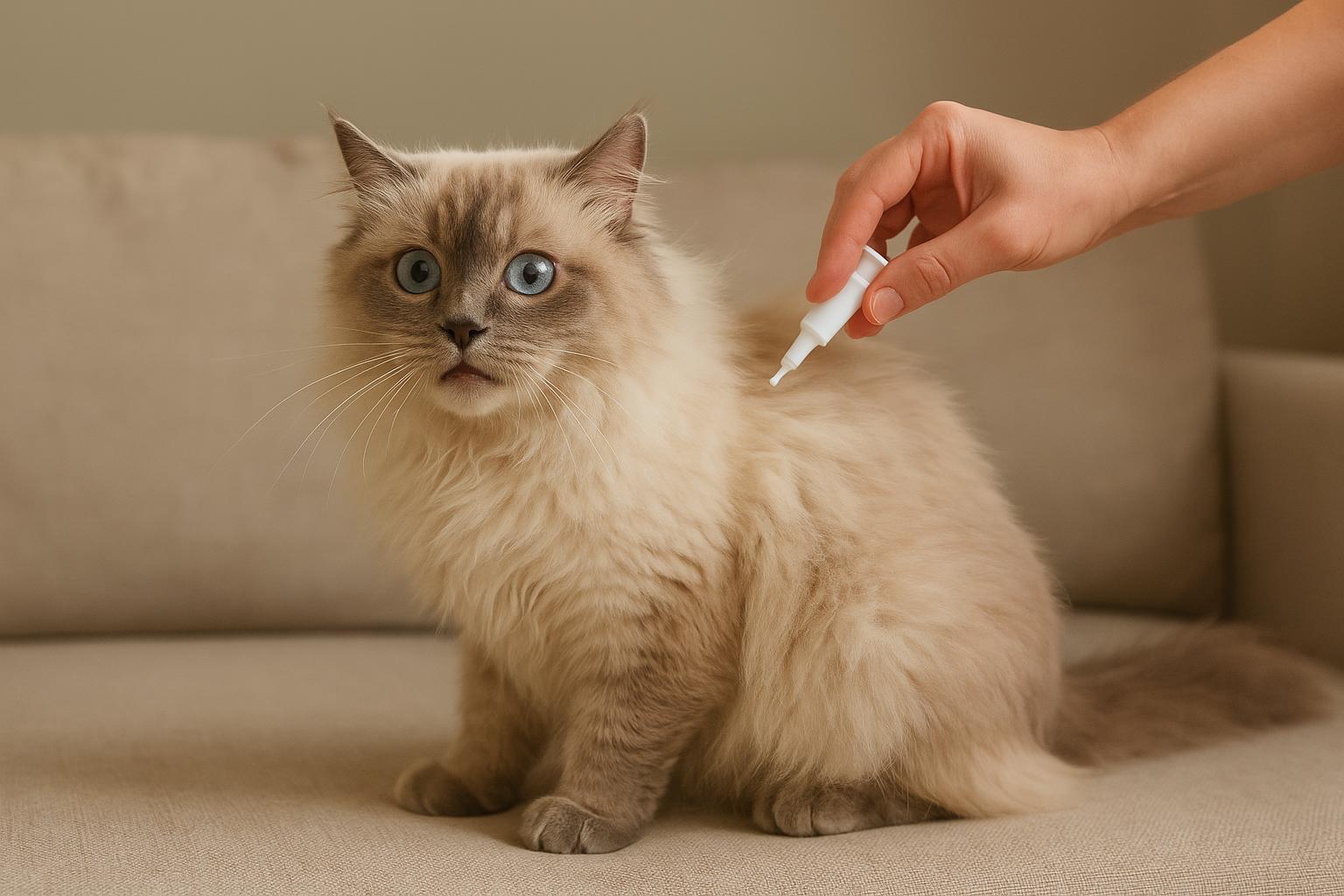
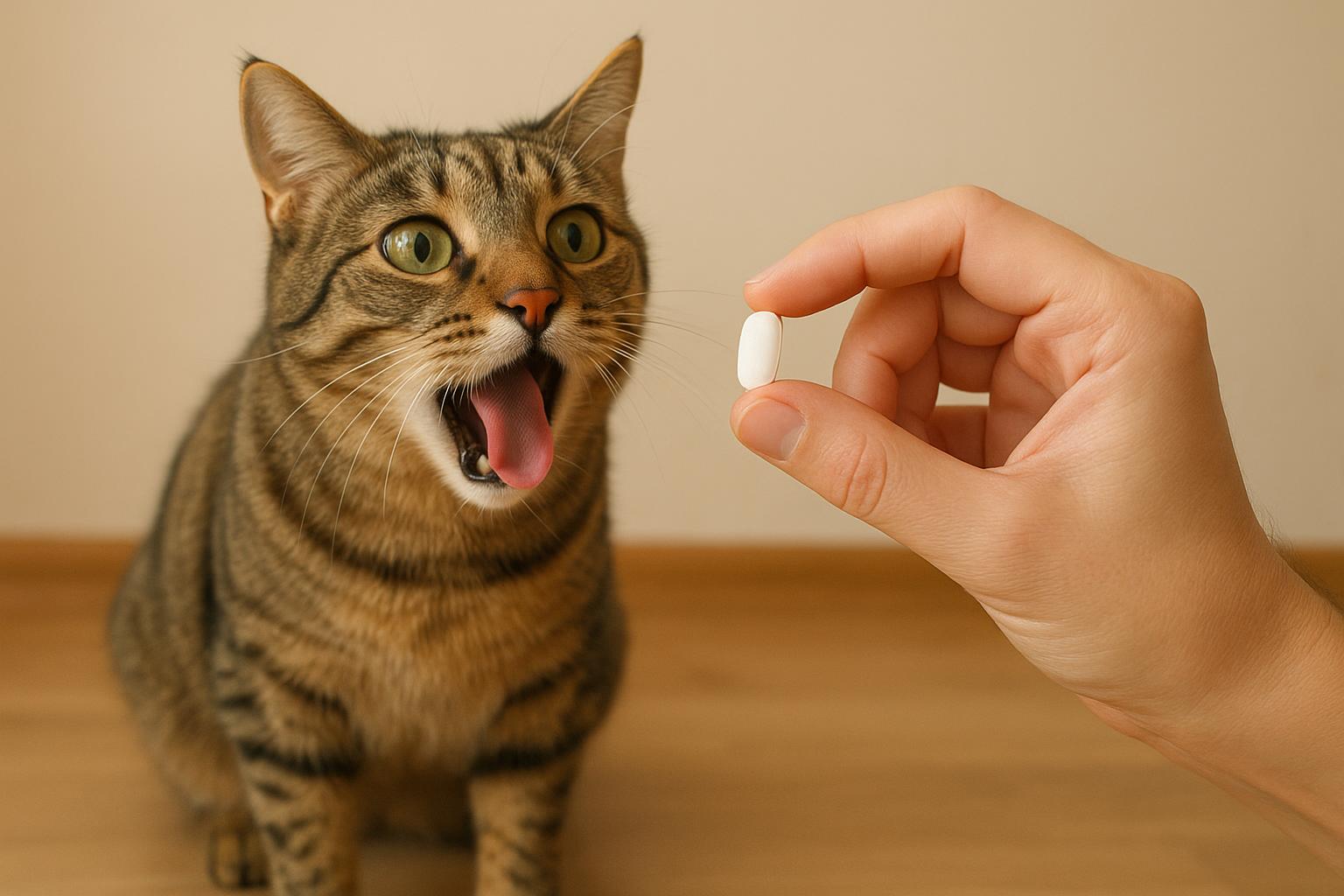
Steam cleaning is an environmental step, not a medical one. Flea care still requires treating your cat directly with vet-recommended products—topicals, collars, or oral medications depending on what your vet suggests. Treat all pets in the household at once to break the life cycle.
Timing matters. Steam clean the environment and start or continue the pet’s flea medication on the same day, then repeat environmental cleaning weekly for several weeks. Flea eggs hatch over time, and repeated sanitation reduces reinfestation risk.
### When High-Heat Cleaning For Fleas In Cats Works Best
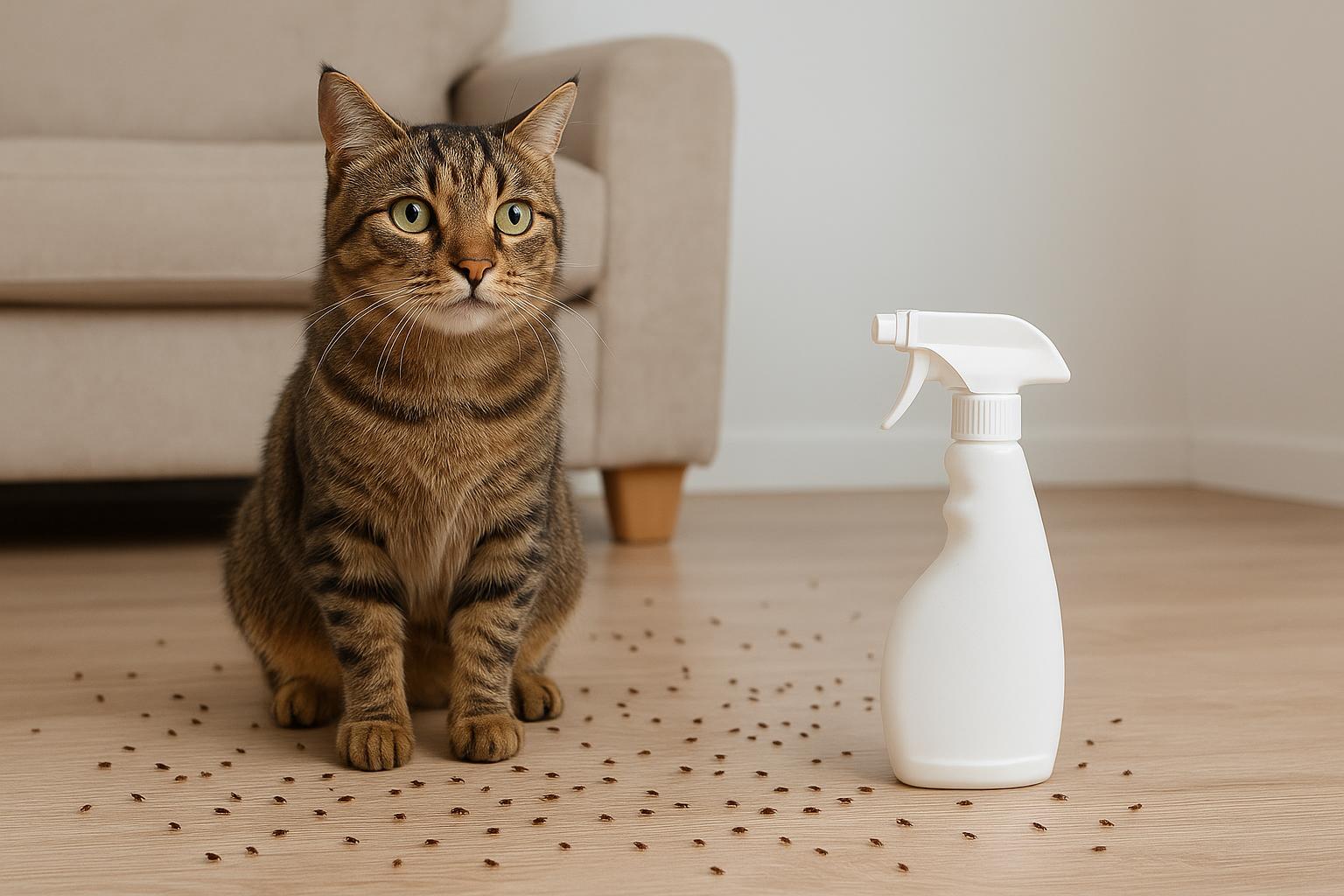
High-heat cleaning for fleas in cats is most effective in households with a mild to moderate infestation or as preventive maintenance after treatment. In heavy infestations, steam will cut numbers but probably won’t eradicate the problem by itself. Combine it with targeted insecticidal treatments and professional pest control if needed.
## Safety Tips For Cats, People, And Materials
Steam is powerful. It can burn skin and damage materials that can’t tolerate heat and moisture.
– Keep cats out of the room until surfaces are cool and dry. Steam will make fabrics hot and uncomfortable for a while.
– Ventilate the room to speed drying. Open windows or run fans.
– Don’t point steam directly at people or pets. Cat flea steam refers to using steam in the environment only.
– Test finishes and fabrics for colorfastness and heat tolerance before a full cleaning.
– Avoid excess pressure on fragile upholstery seams.
If you have very young kittens, elderly cats, or pets with respiratory issues, clear any flea treatment plans with your veterinarian before large-scale environmental cleaning. They may want you to space steps differently.
### Treating Vehicles And Outdoor Bedding
Don’t forget the car. Pet hairs and flea eggs like vehicle carpets. Vacuum thoroughly, then use a professional-grade steamer in short passes. Outdoor pet bedding should be washed and dried in sun when possible; steam works on porous outdoor cushions but only if the fabric can tolerate it.
## Troubleshooting And Common Mistakes
People assume a single steam session fixes everything. It usually doesn’t. Flea eggs are sticky and can survive in protected crevices; steam might miss them. Repeat sessions, targeted vacuuming, and direct flea care for animals are necessary.
Another mistake: aiming for speed. Rushing the steamer with quick passes sacrifices temperature transfer. Slow, deliberate passes are more effective.
Some folks try to steam the animal instead of using vet products. Don’t do that. It’s unsafe and ineffective compared with approved flea care methods.
#### When To Call A Professional
If you’ve tried repeated treatments, including high-heat cleaning for fleas in cats, and you still see fleas, call a pest professional. They have tools and products that reach places a homeowner steamer can’t, and they can coordinate treatments that are safe around pets.
## Practical Routine For Busy Households
Set up a schedule: vacuum high-traffic pet zones twice weekly, wash bedding weekly on hot, and steam-clean carpets and upholstery every two to four weeks during flea season. Keep flea care products current on your pets and inspect them regularly for signs of fleas. A short, steady routine beats sporadic large cleanings.
Using steam as a reliable component of flea care gives you control without a lot of chemicals. Be methodical, follow safe practices, and remember that steam helps the overall plan—it’s not the whole plan. And yes, that one throw rug you forget is often the place the fleas reappear first. So don’t skip it; be thorough and consistent.
Leave a Reply