
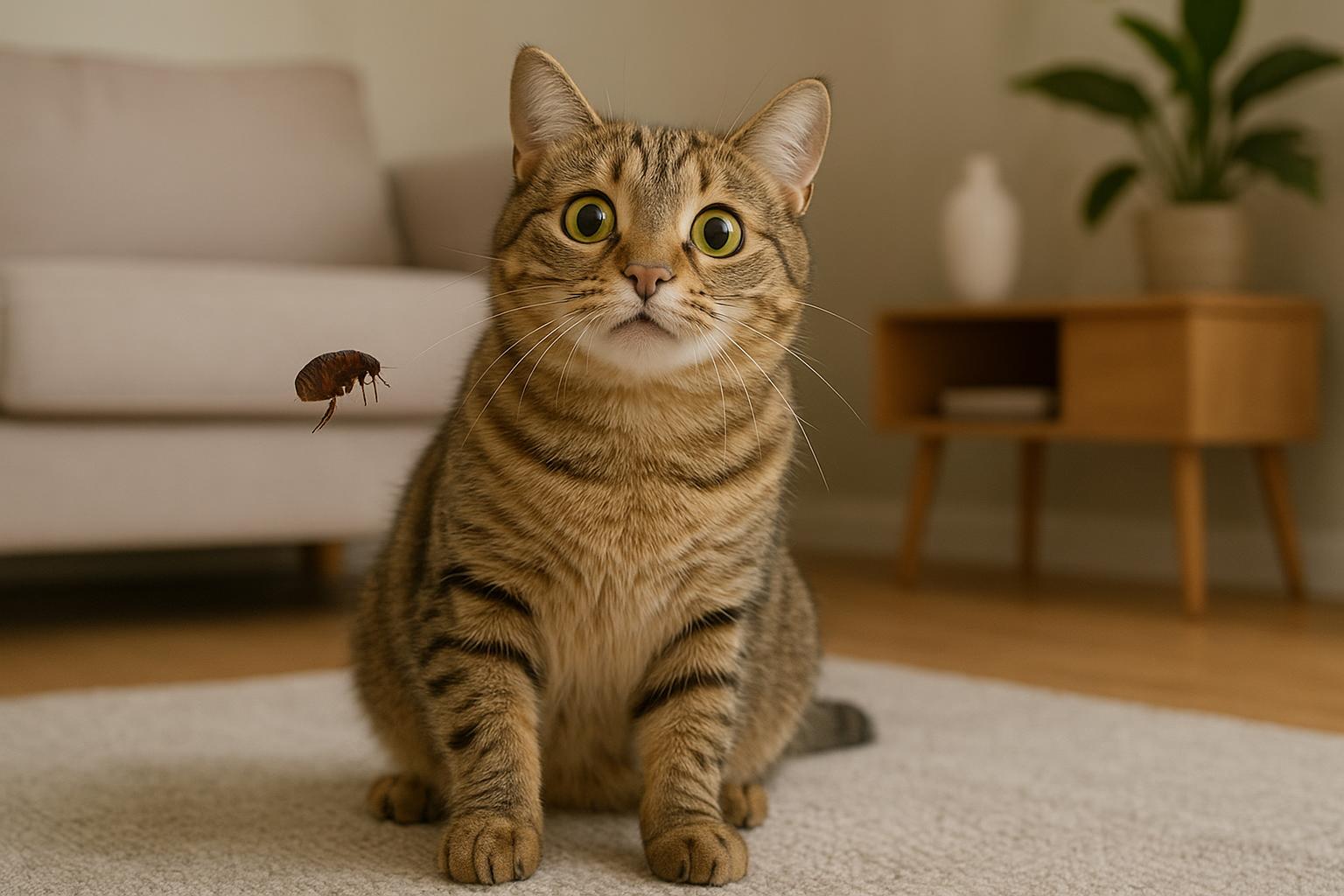
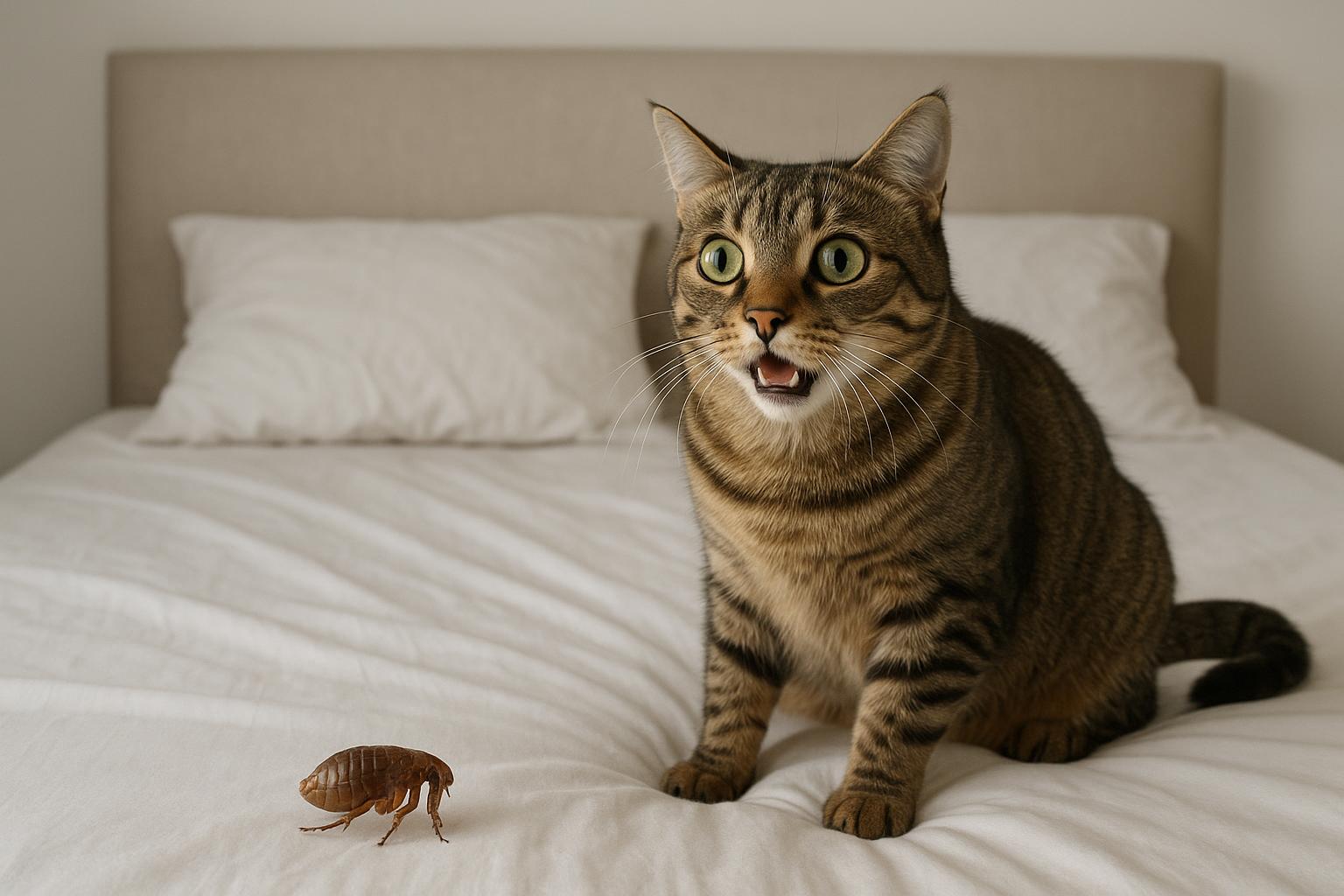
Fleas get into strictly indoor cats more often than people expect. You can be careful about doors, screens, and windows, but a single pregnant flea or a handful of eggs dropped on a rug is enough to start an infestation. Understanding the mechanics—how fleas reach house cats, where they hide, and what to do when you find them—changes the whole approach from panicked spraying to practical control.
## How Fleas Reach House Cats Through Common Household Routes
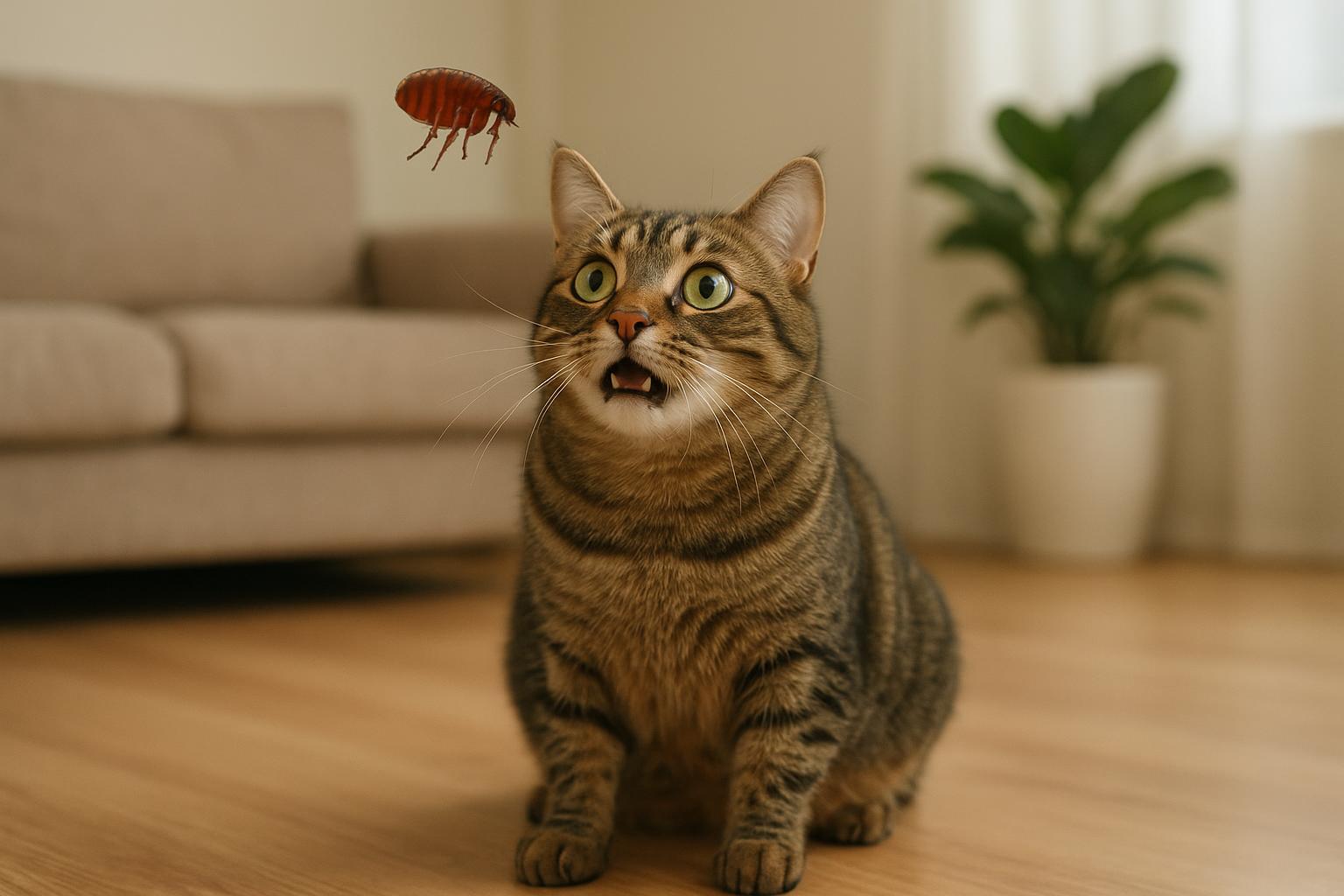
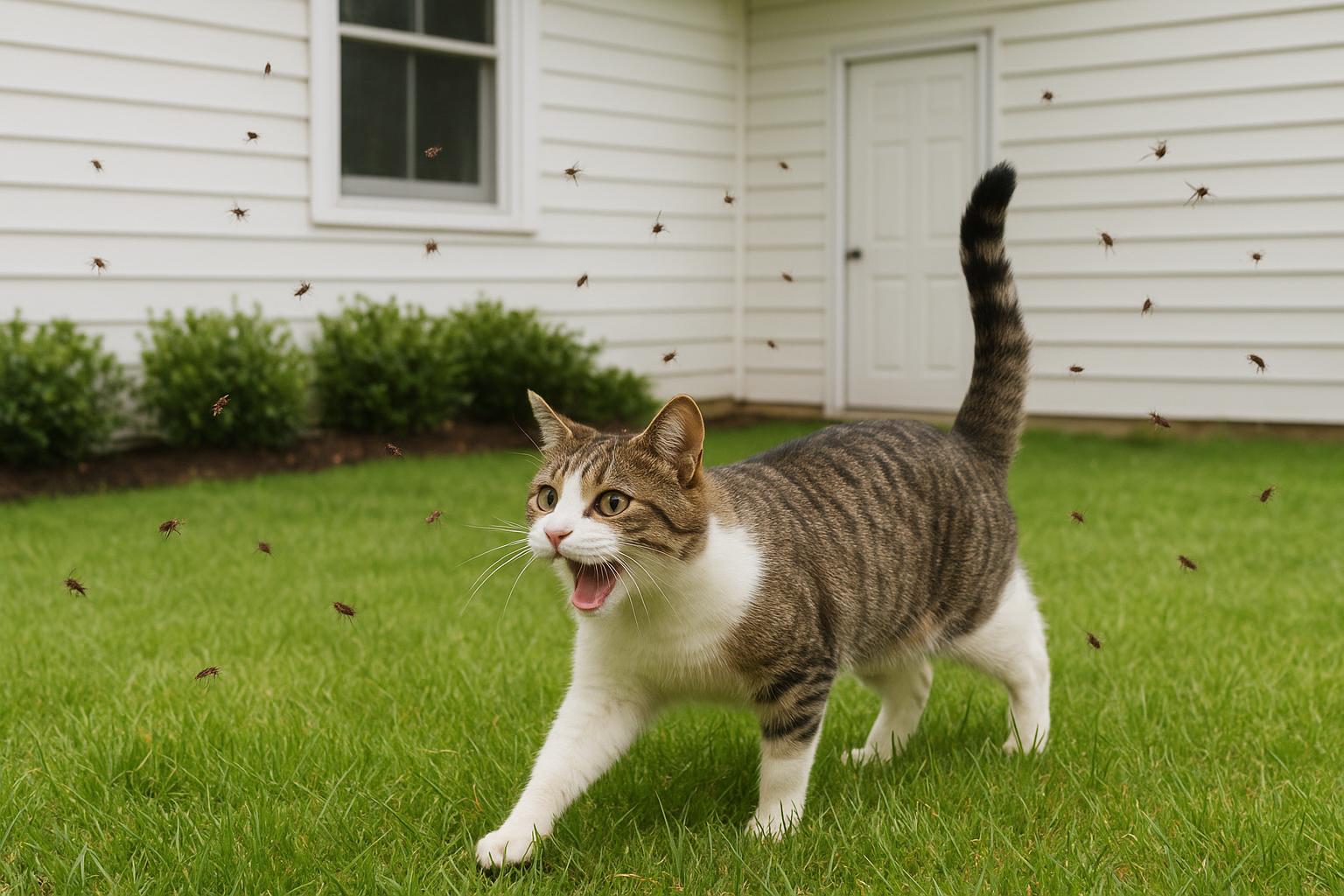
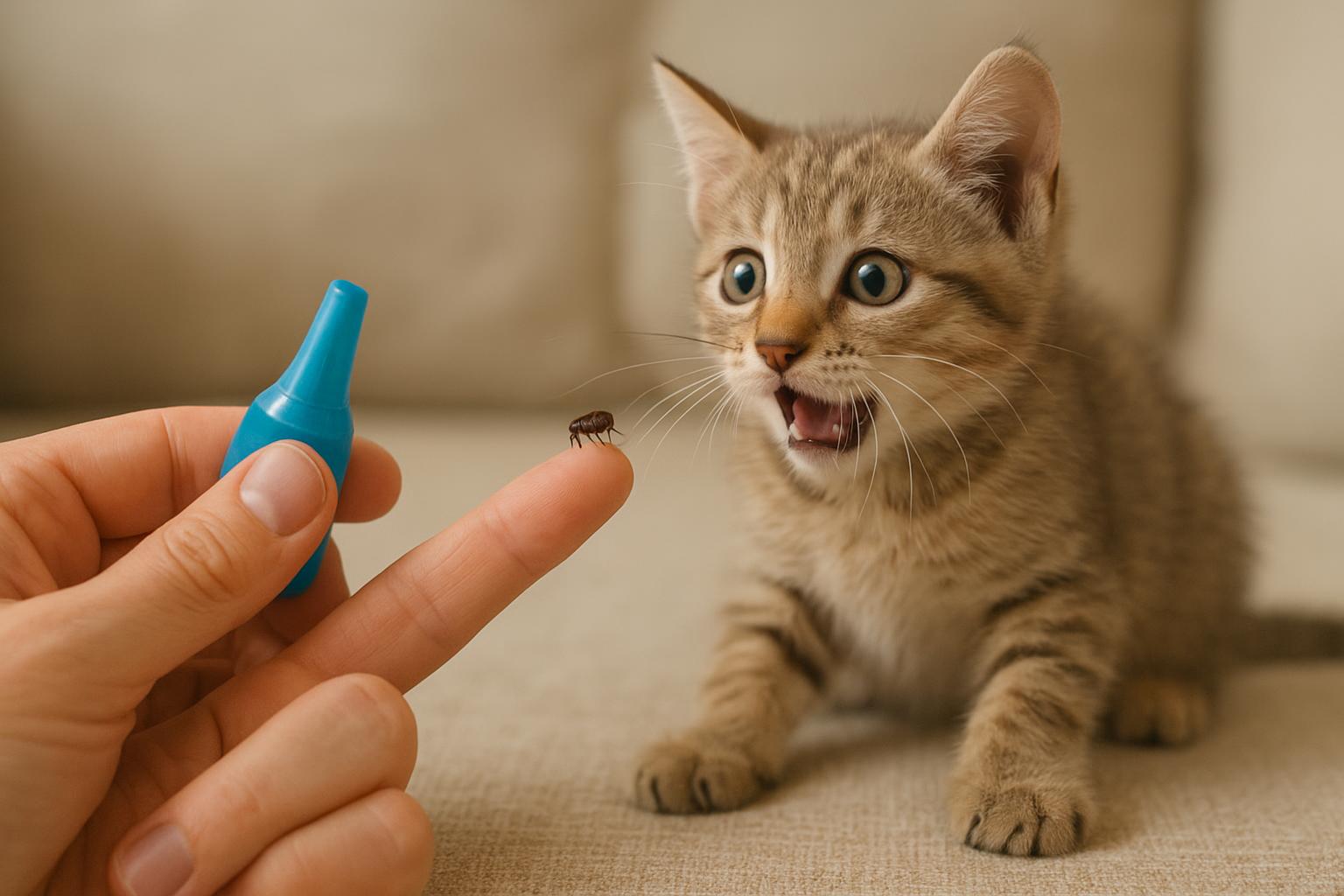
Fleas are tiny and mobile in ways we underestimate. They don’t need your cat to go outside to get a foothold indoors. The basic routes are simple: they ride in, hatch, and find a host. That’s how fleas reach house cats in places you’d assume were safe.
### People As Carriers
You bring more into the house than groceries. A walk through tall grass, a visit to a friend with a dog, or even sitting on public seating can pick up adult fleas or eggs. Flea adults will cling to fabric and hair. Eggs and larvae are even sneakier; they fall off and hide in carpet fibers or the creases of a couch. When you sit down, you transfer them to the spot, and your cat inspects it out of curiosity. That’s one of the most common flea entry points into a fully indoor environment.
### Other Pets And Visitors
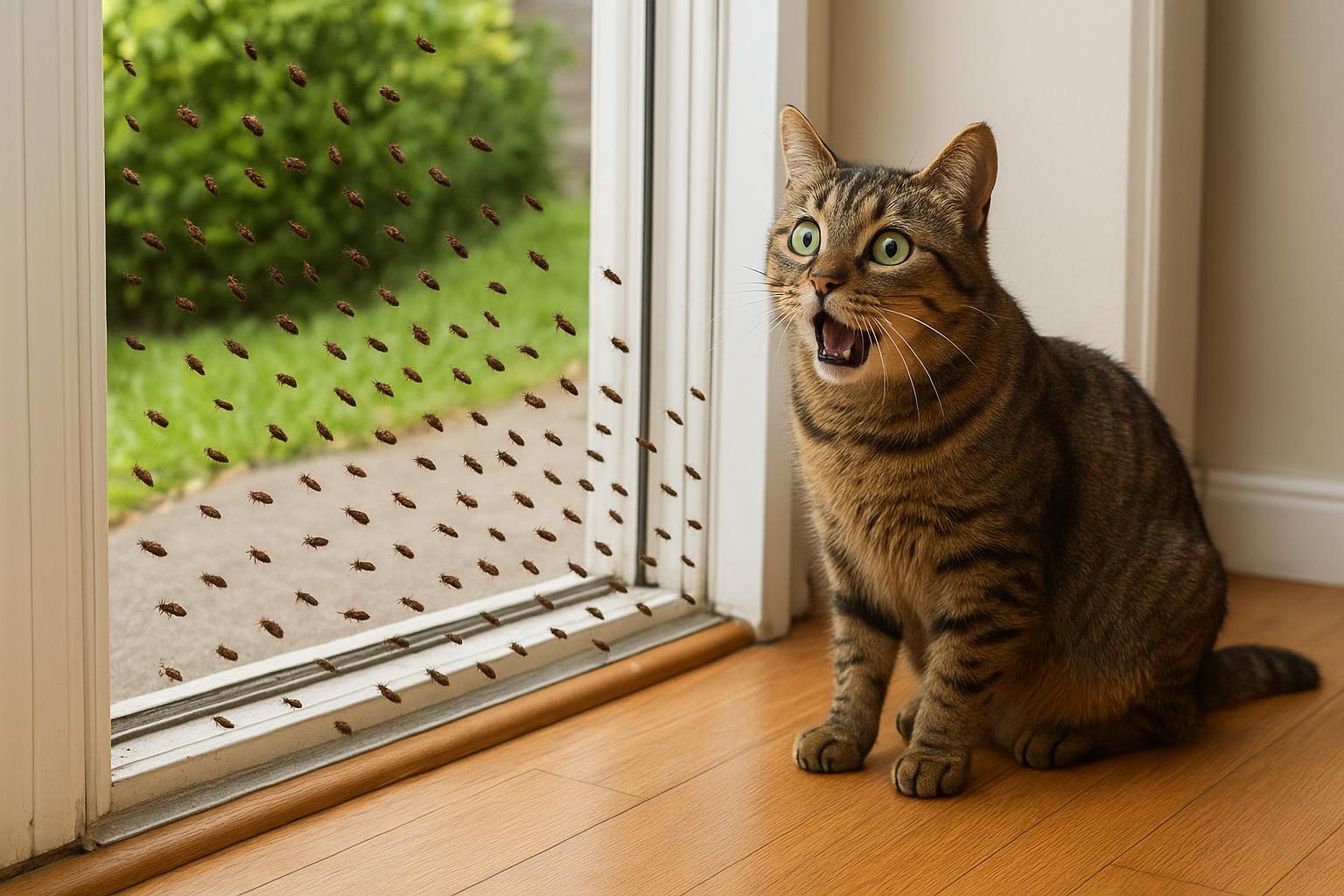
If you have a dog that goes outside, that dog is the main ferry service for fleas. Stray cats or wildlife near your home can also carry fleas into your yard or onto a porch. Even other indoor pets—rabbits, ferrets, or guests’ pets—can introduce fleas. People think, “My cat never leaves the apartment,” and that’s true, but fleas don’t care about boundaries. They care about blood.
#### Short Example: How A Single Visit Starts An Outbreak
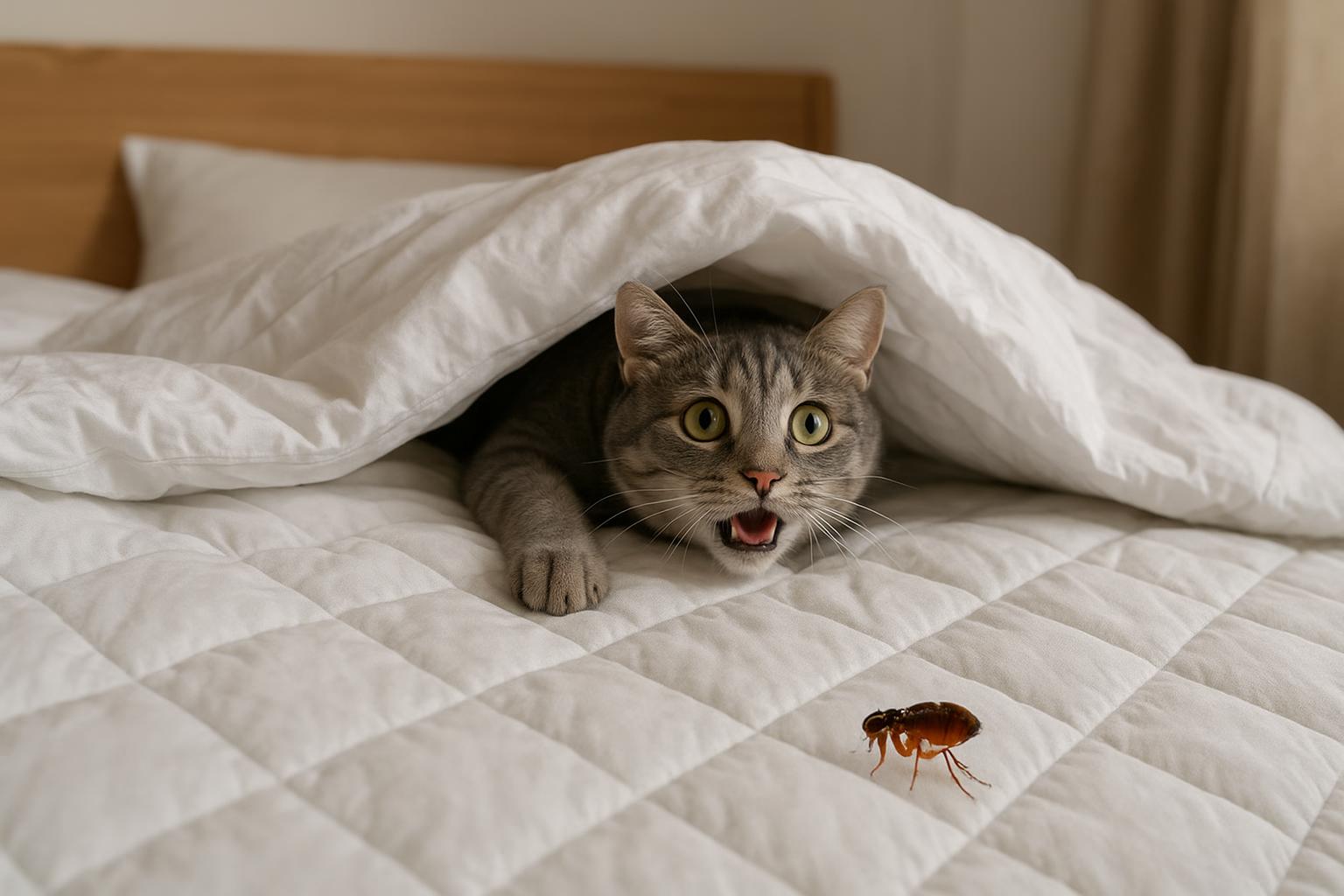
A neighbor’s dog visits for an hour. It sits on the rug, sheds a few flea eggs, and leaves. Your cat naps on that rug two days later. The eggs hatch in warm conditions, the larvae develop in the fibers, and within weeks you’ll see adult fleas on your cat. It’s fast if the environment favors them.
### Used Furniture, Packages, And Secondhand Goods
Couches, area rugs, and even cardboard boxes can hold eggs and larvae for months. Flea eggs are tiny and not sticky; they tumble into fabric folds and the glue of a cardboard seam. An antique chair brought into a living room can be a time bomb. This is one of the more frequently overlooked flea entry points. Before you bring in used items, inspect seams, vacuum thoroughly, and give them time in a sunny spot when possible.
## Where Fleas Hide Indoors And Why Cats Get Bitten
Fleas don’t live on the cat’s fur 100% of the time. Many adults will hop off after feeding and lay eggs in nearby areas. That pattern makes household hotspots the focus of control.
### Carpet, Upholstery, And Pet Beds
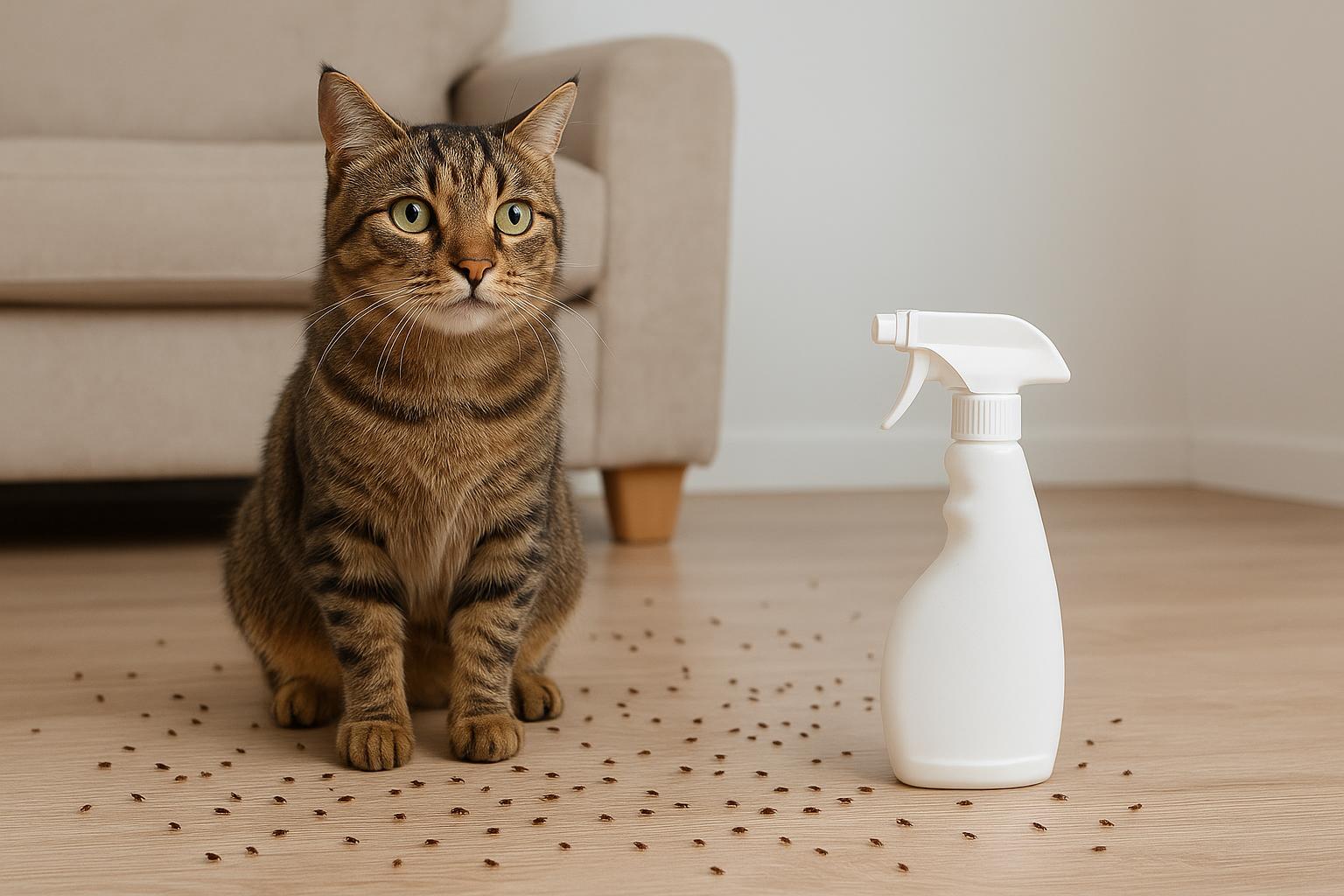
Carpet fibers mimic grass: protective darkness and warmth. Larvae avoid light and crawl down toward the base of fibers where debris and organic matter sit—perfect food. Your cat’s bed, favorite blanket, and the area under furniture will harbor the next generation. Even hardwood floors aren’t safe if there are cracks, baseboard gaps, or accumulation of shed skin and hair.
### Cracks, Crevices, And Neglected Corners
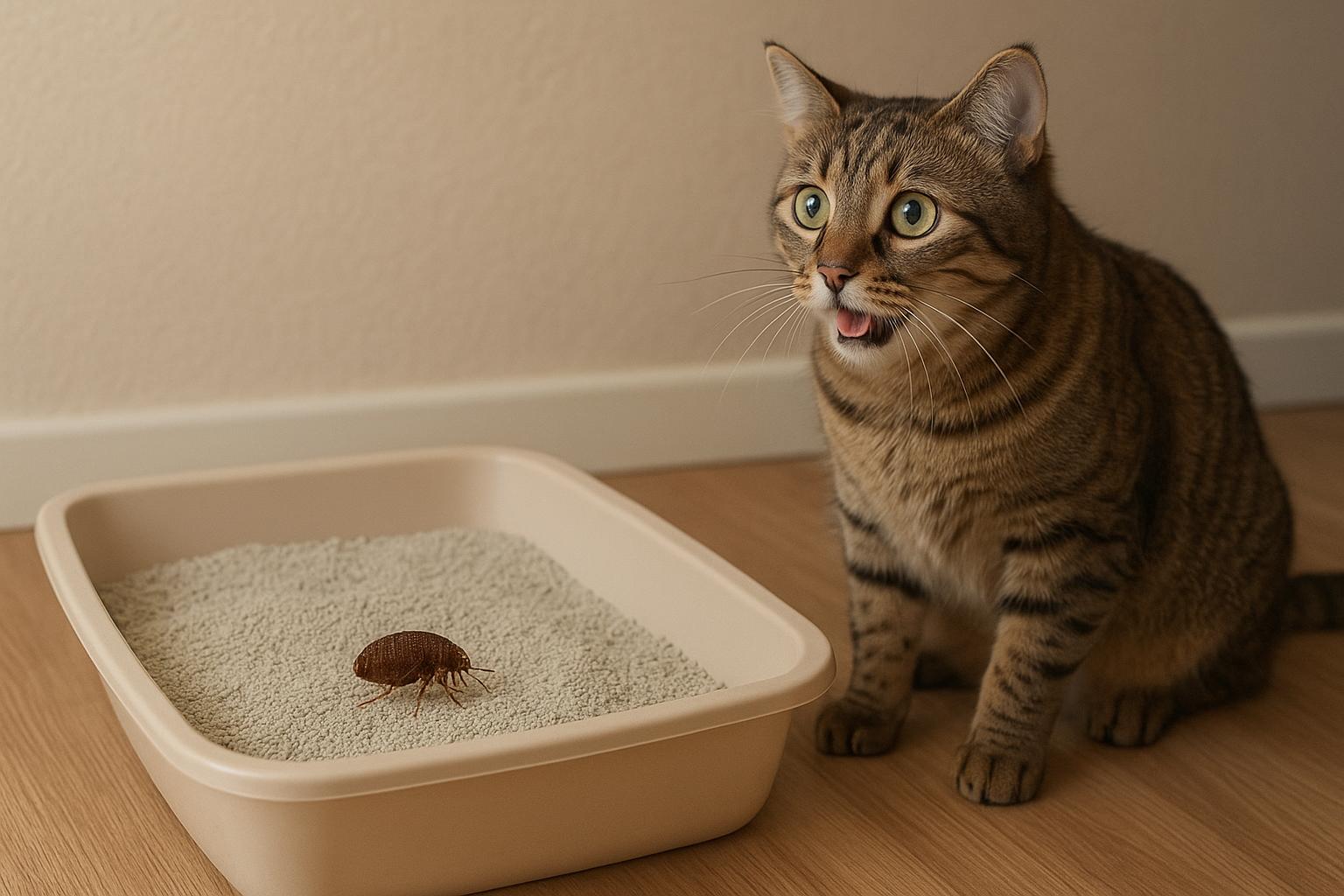
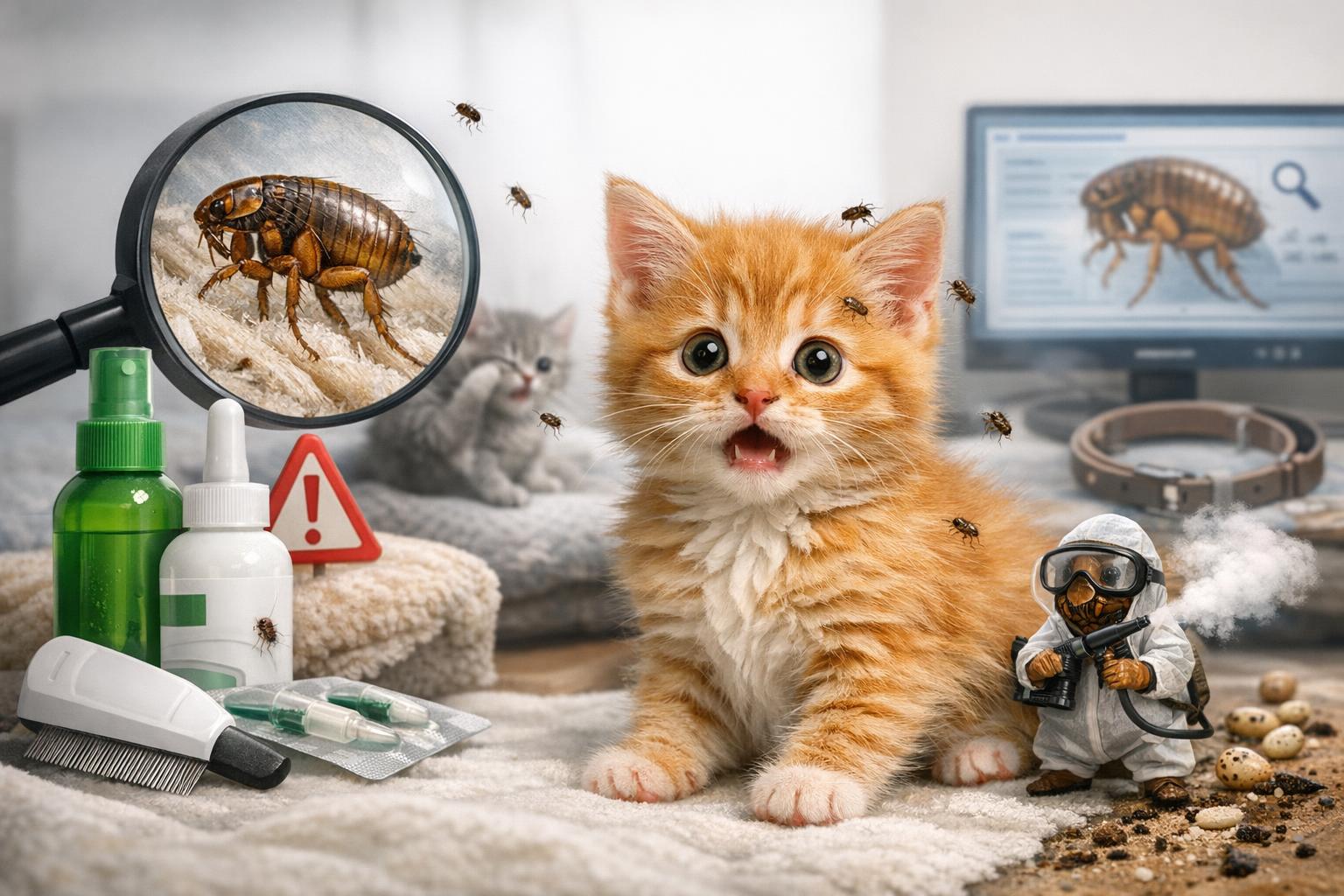
Think about the base of a sofa, the couch cushion seams, behind radiators, and along baseboards. These are classic flea entry points indoors because eggs and larvae stay out of bright, open areas. Flea pupae can even wait out harsh conditions in a sticky cocoon until a host approaches. That makes eradication harder; vacuuming wakes them and triggers the adults to emerge.
#### How Temperature And Humidity Affect Indoor Spread
Warm, humid homes accelerate lifecycle stages. In winter, central heating can create perfect conditions even when it’s cold outside. That’s why you can get an infestation midwinter when no one in the household goes outside. Fleas aren’t seasonal inside a climate-controlled space.
## How Fleas Reach House Cats Via Behavior And Routine
Cats are naturally exploratory. They rub against furniture, sleep in windowsill sunlight, and groom obsessively. Those behaviors increase contact with eggs and hatchlings in the environment.
### Grooming: A Double-Edged Sword
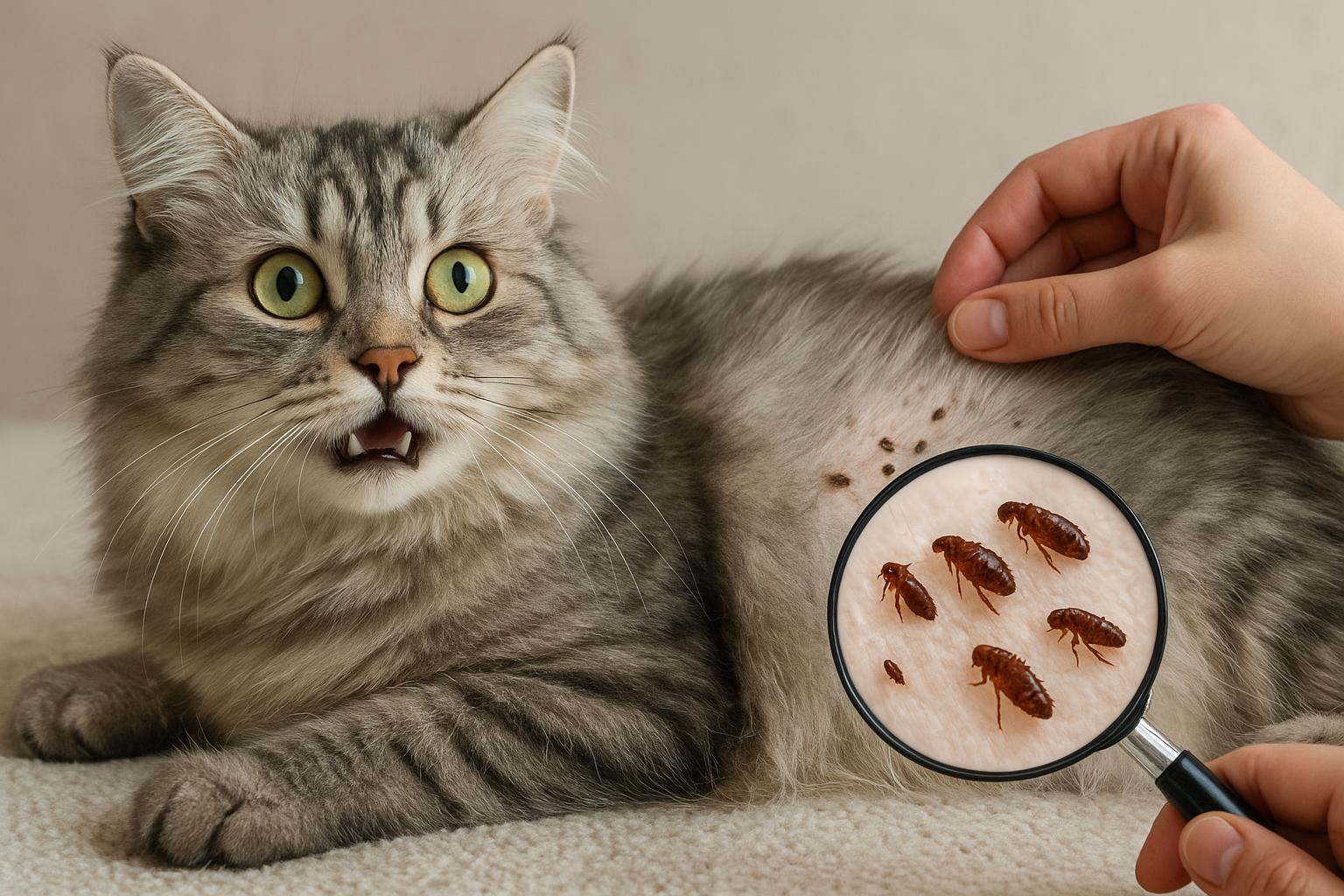
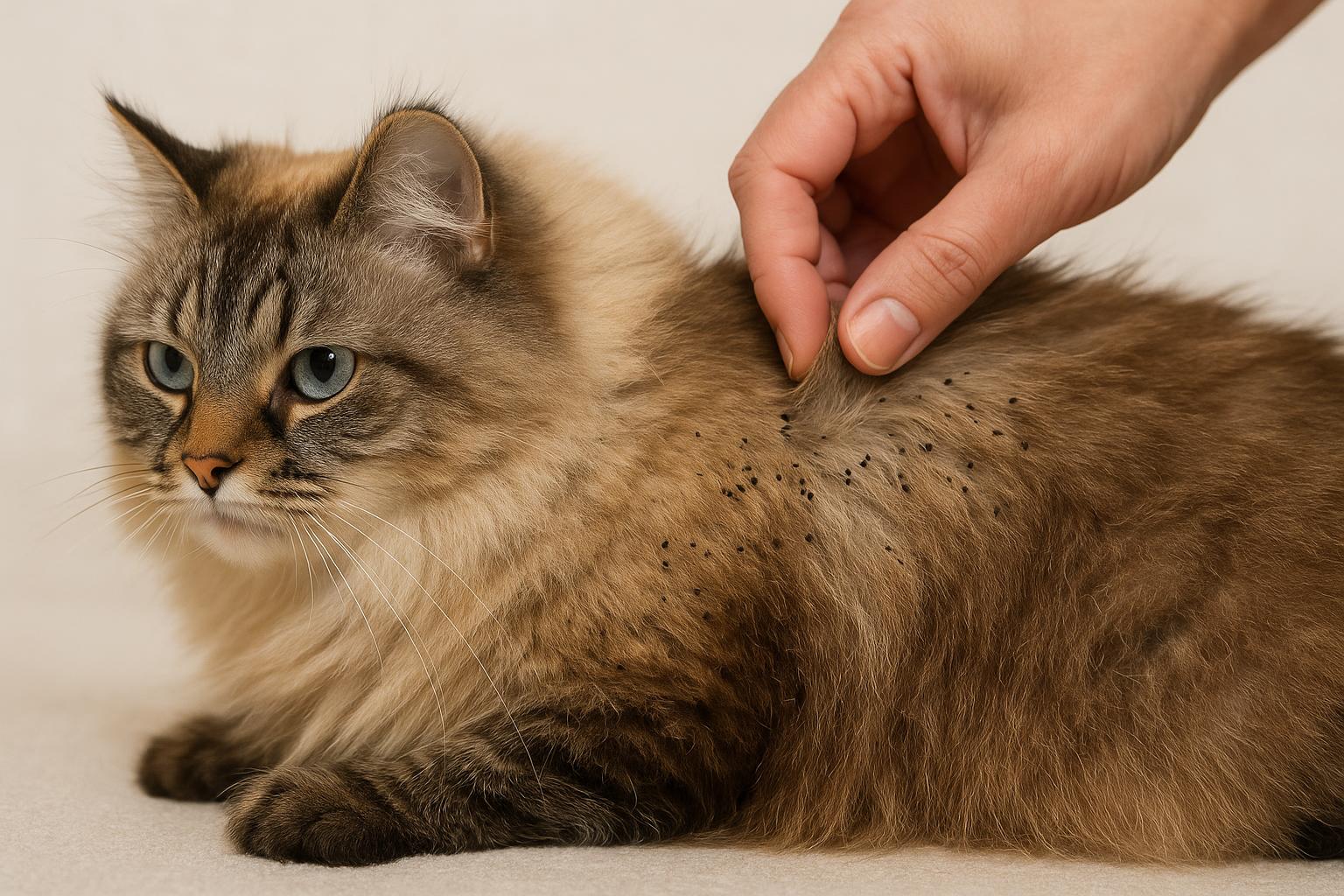
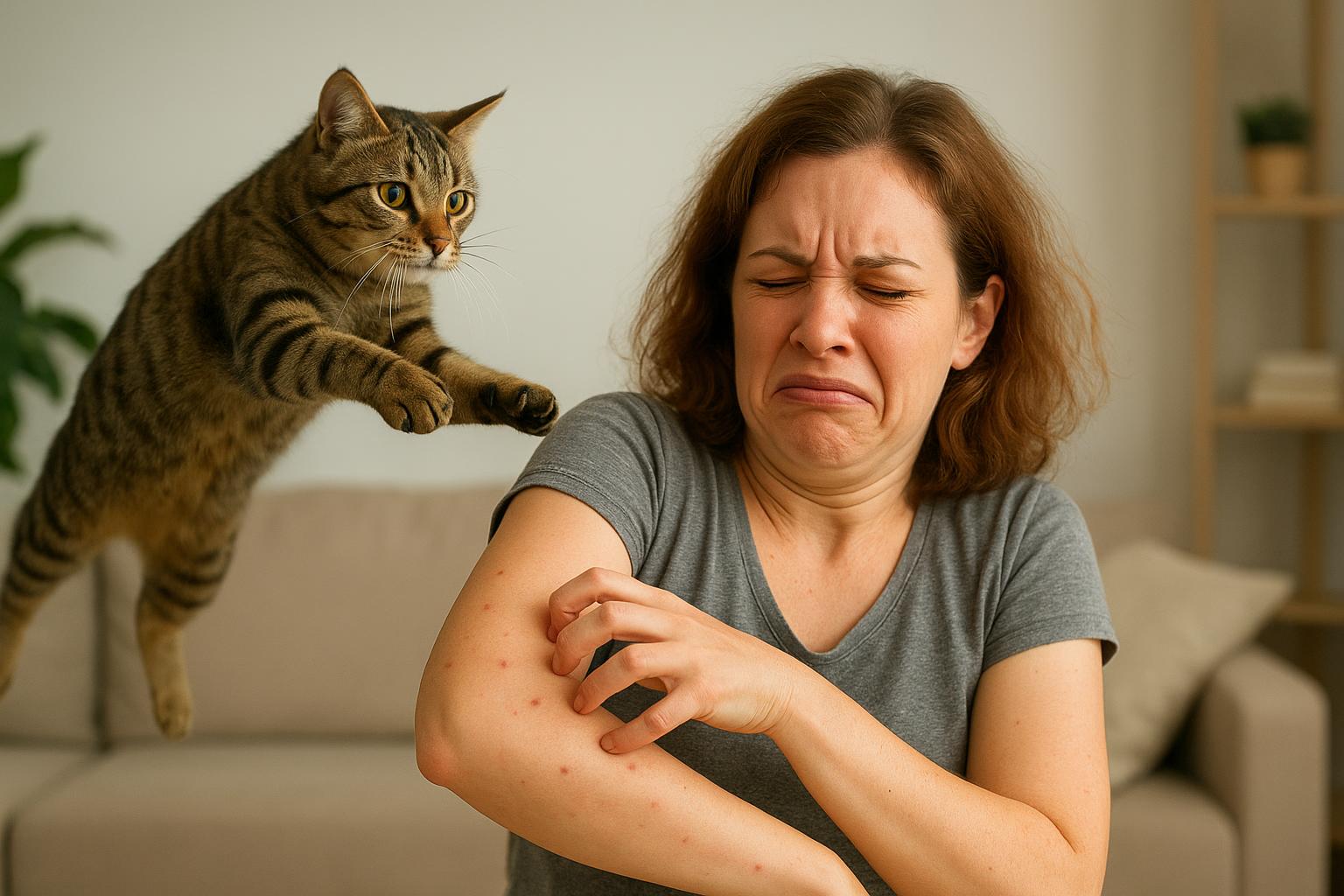
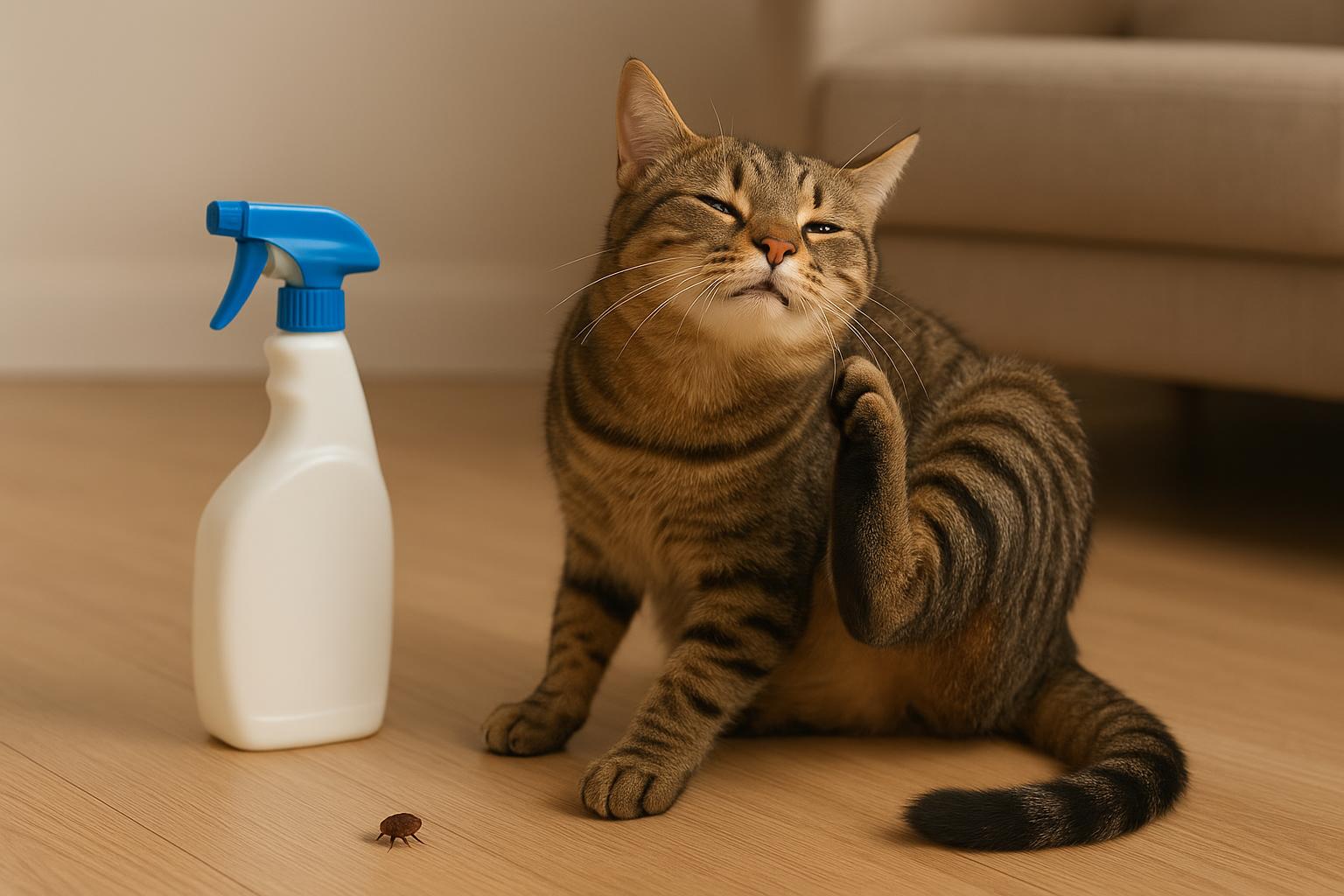
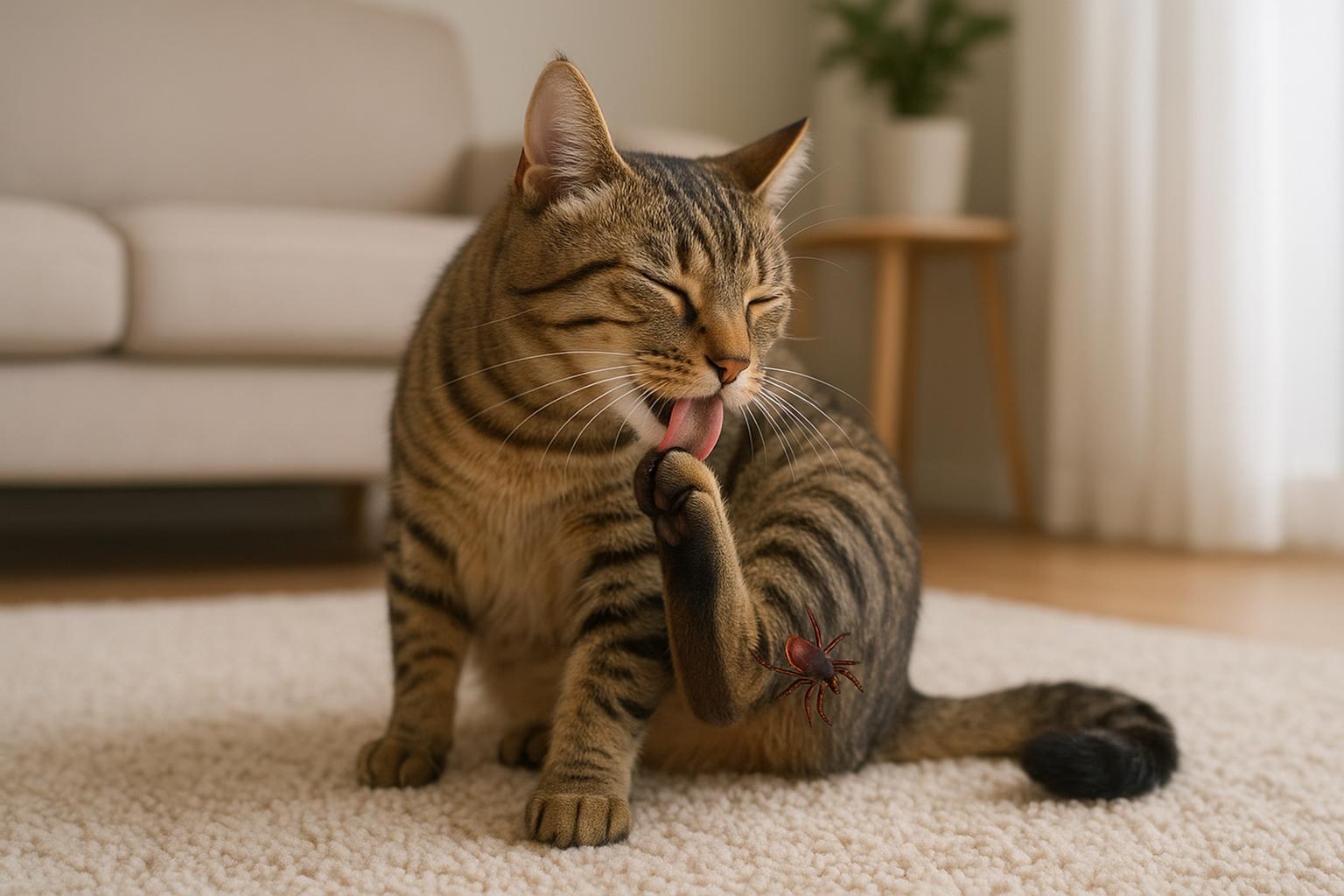
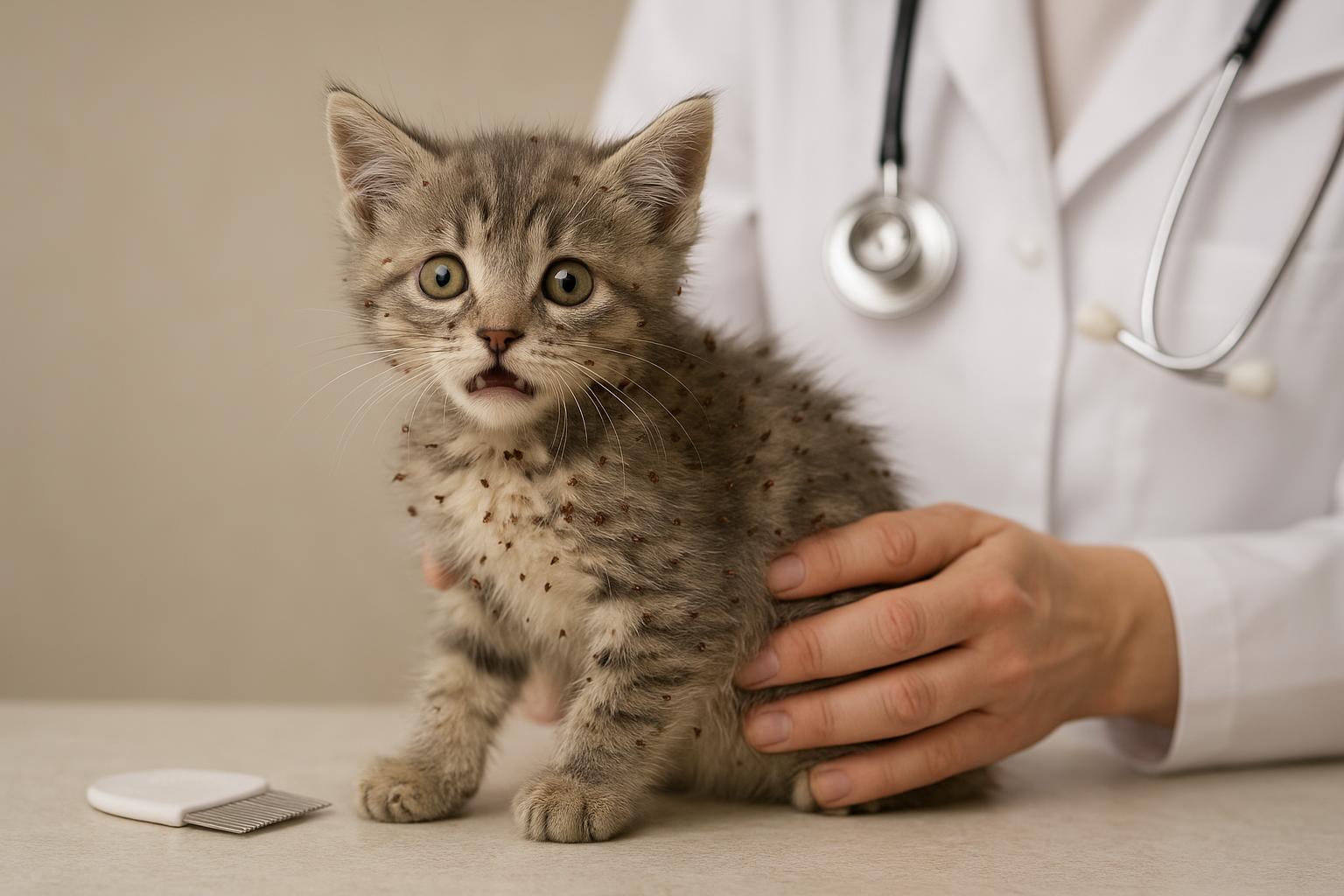
Cats groom to remove parasites but also ingest fleas, which can pass tapeworms. Grooming hides the problem until it becomes obvious—hair loss, constant scratching, or tiny dark specks in the fur. By the time you notice, the environment often has thousands of eggs.
### Shared Spaces And Human Habits
Do you let a jacket hang on a chair? Leave shoes by the door? Those are transfer stations. Kids often bring in small toys that roll under couches and sit there for days. Each item can be a flea courier. Changing routines—like leaving shoes in a contained tray or washing jackets more often—reduces risk. Those are small changes with outsized effects on how fleas reach house cats.
## Practical Steps To Reduce Entry Risk And Recognize Early Signs
Knowing the enemy’s path helps you defend. This is not rocket science. It’s deliberate cleaning and consistent prevention.
### Inspecting And Sealing Common Flea Entry Points
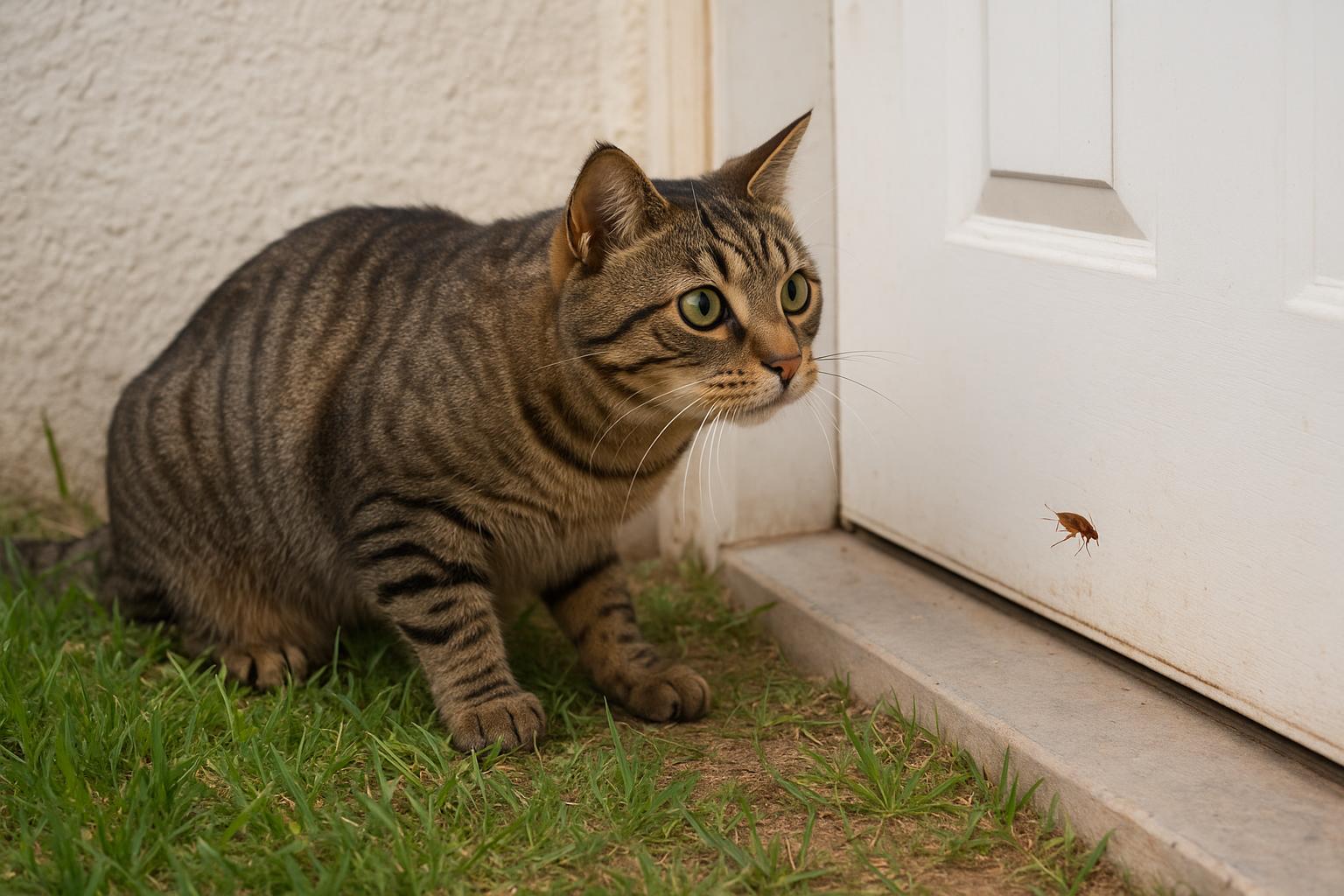
Check door mats, thresholds, and window sills. Keep outdoor lights that attract wildlife away from doors. Seal gaps under exterior doors and fix torn screens. While these won’t stop every flea, they cut down on the easiest routes. Again, used furniture and packages deserve a quarantine period.
### Cleaning Routines That Matter
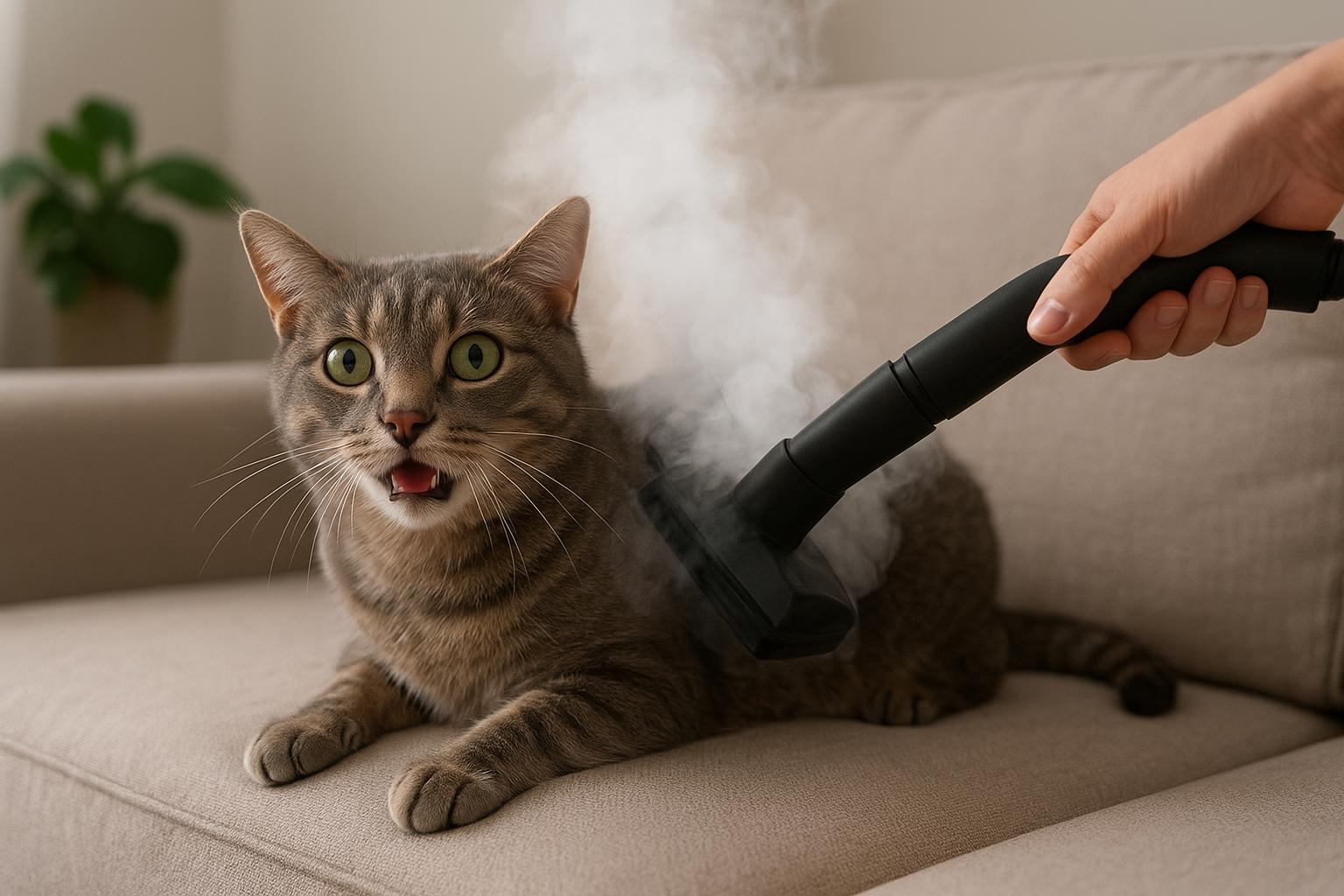
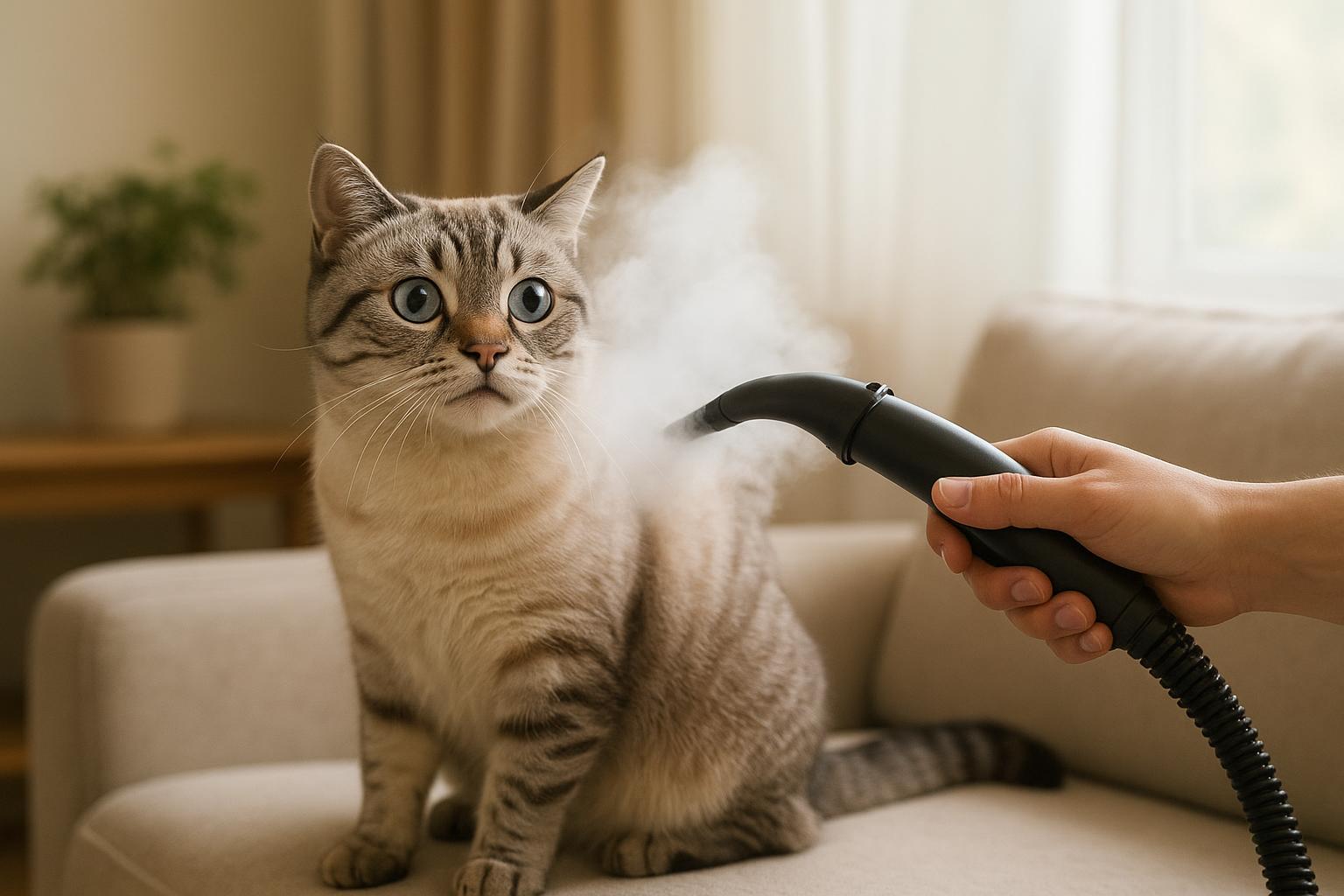
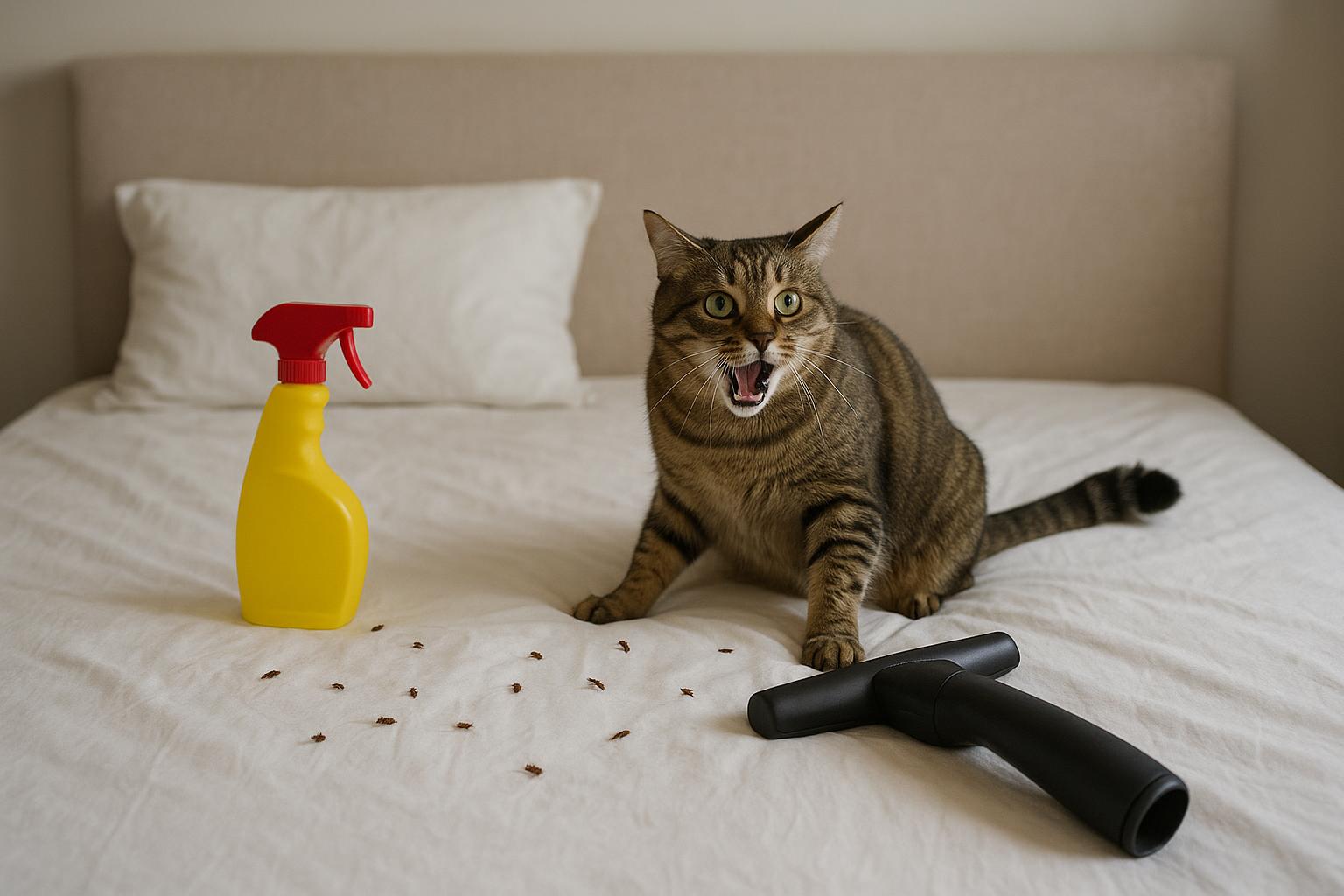
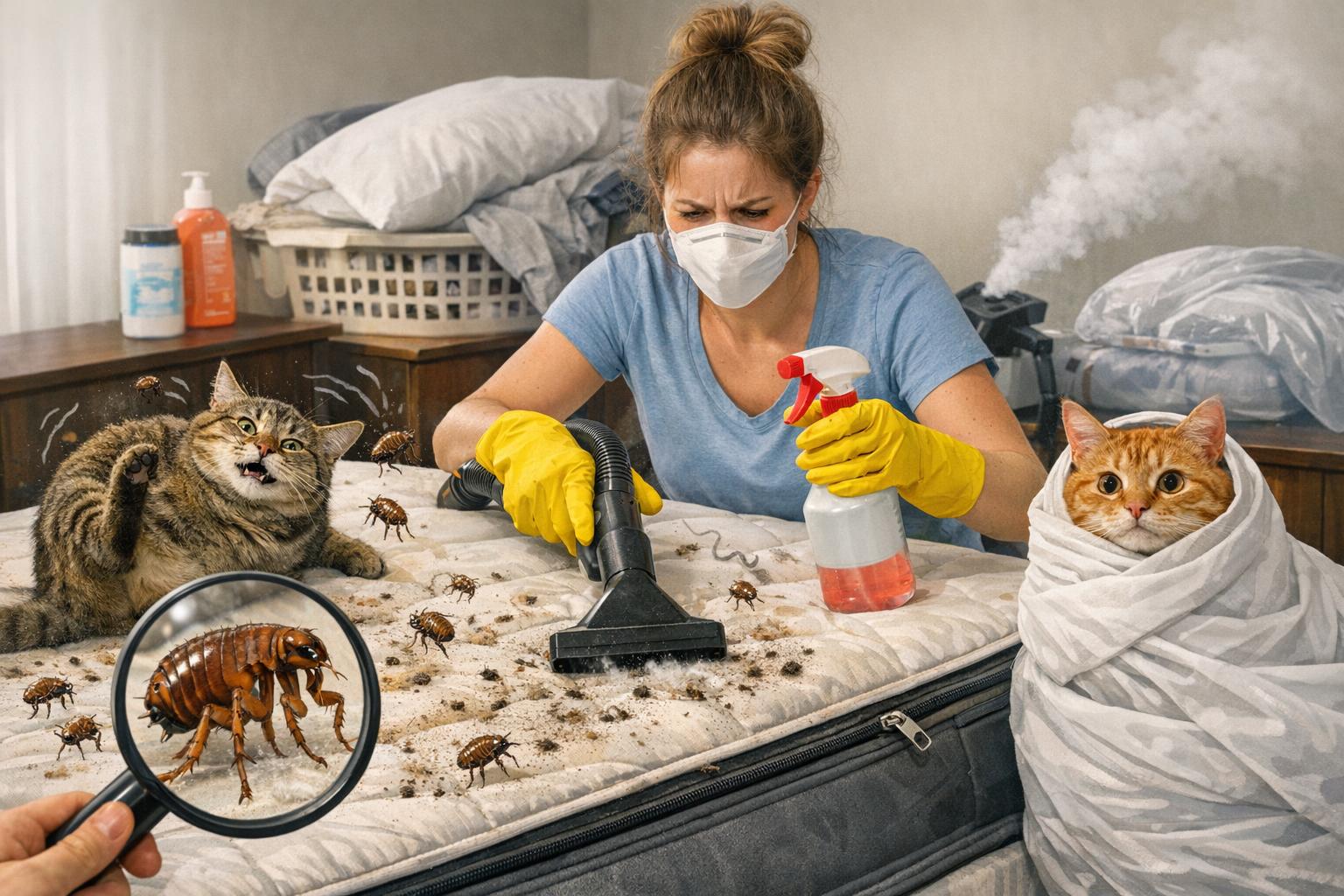
Vacuum regularly—especially where your cat sleeps and under chairs. Empty the vacuum outside immediately, because a full bag can be a breeding ground. Launder pet bedding and blankets in hot water weekly until the situation is controlled. Steam cleaning upholstery kills larvae and eggs in deeper fibers. Those actions target the environmental stages where eggs and larvae live.
#### Targeted Treatments For The Home And Pet
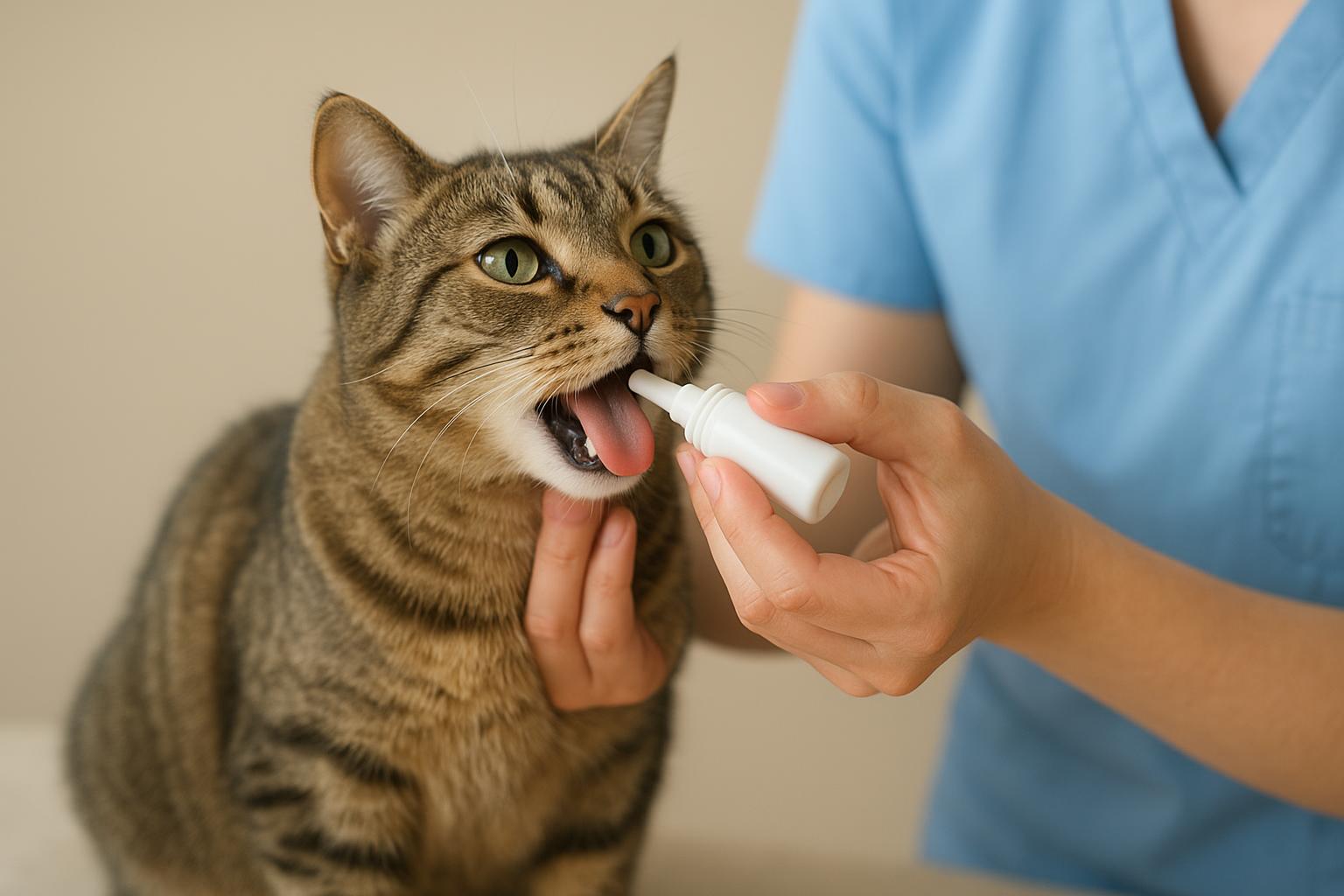
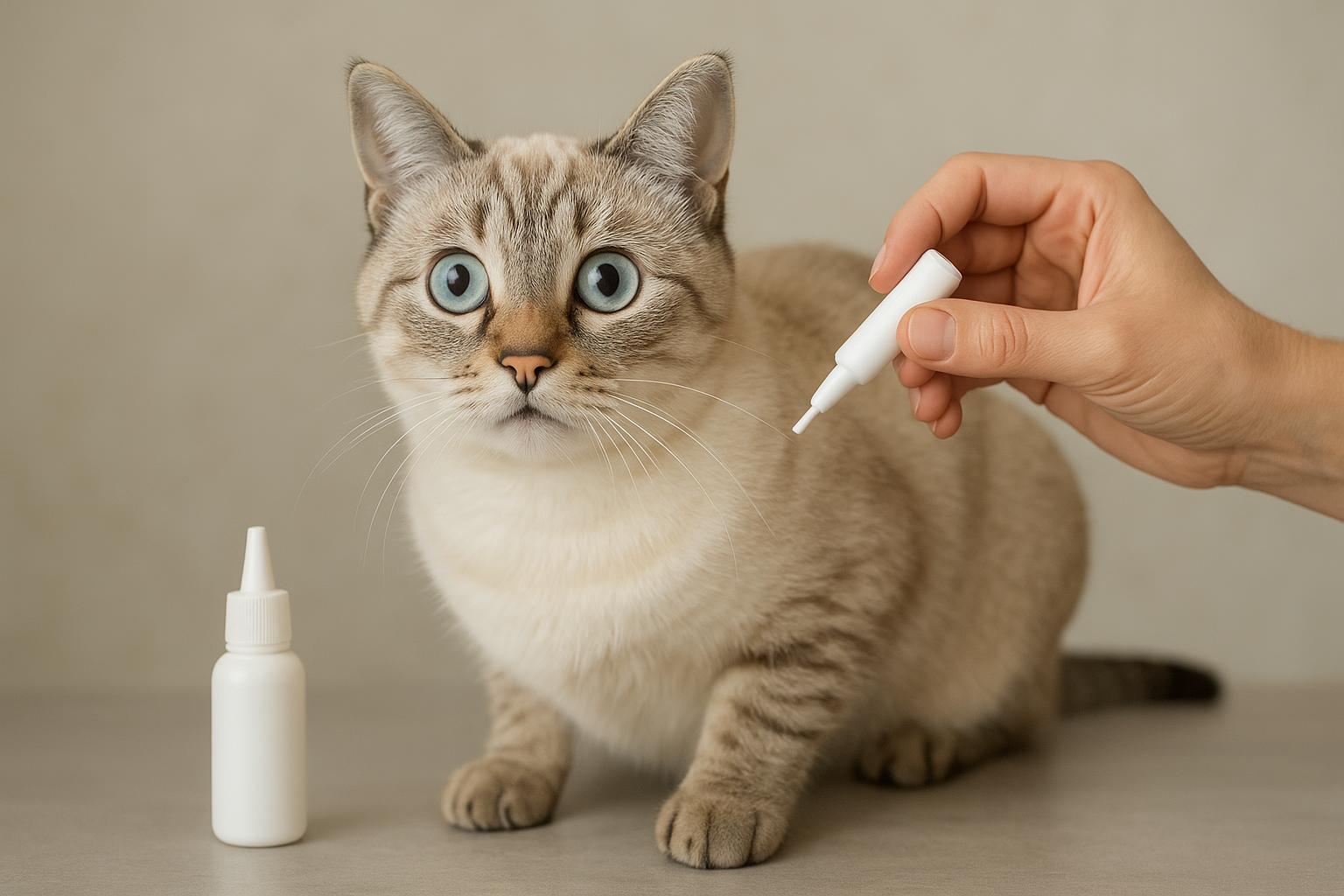
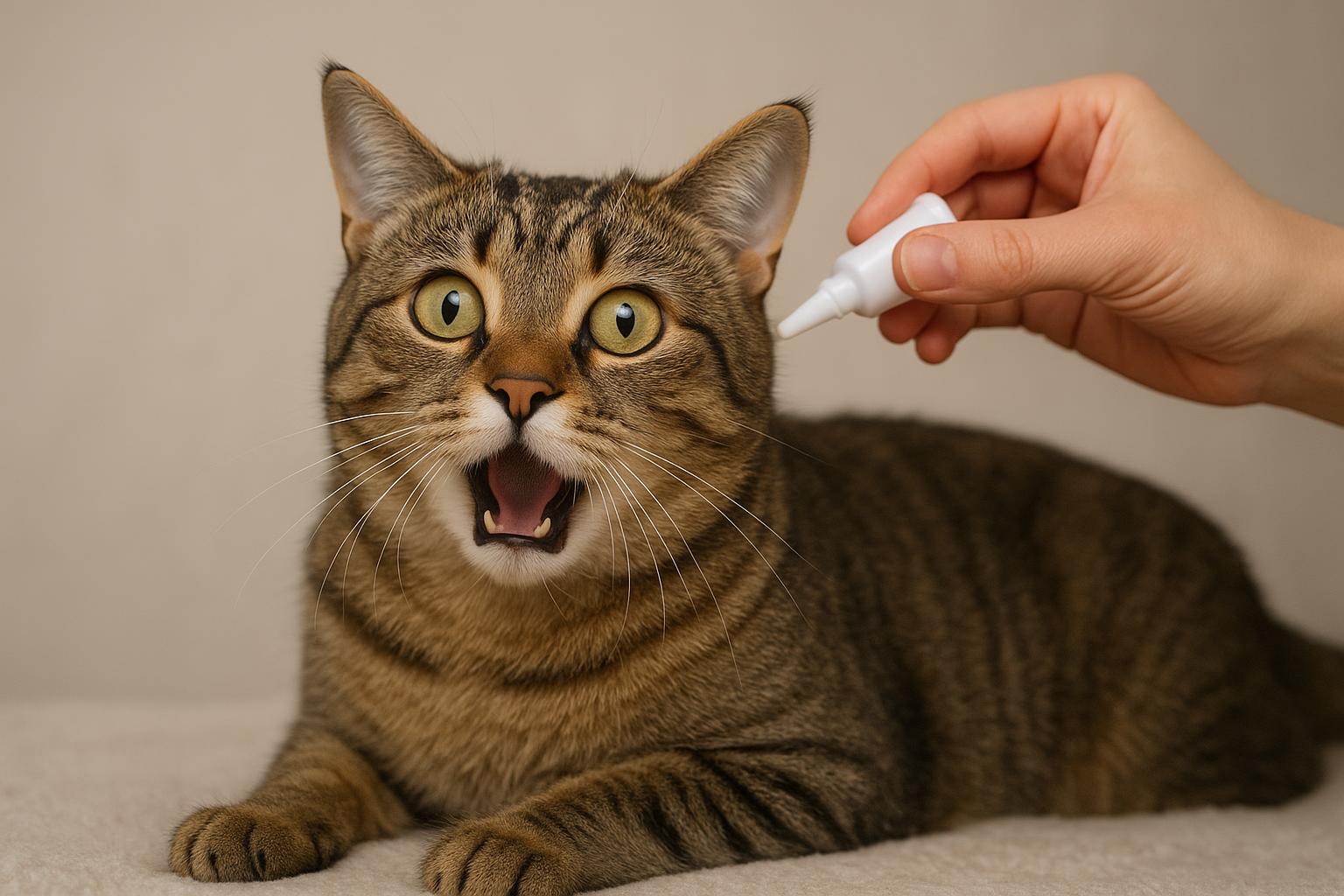
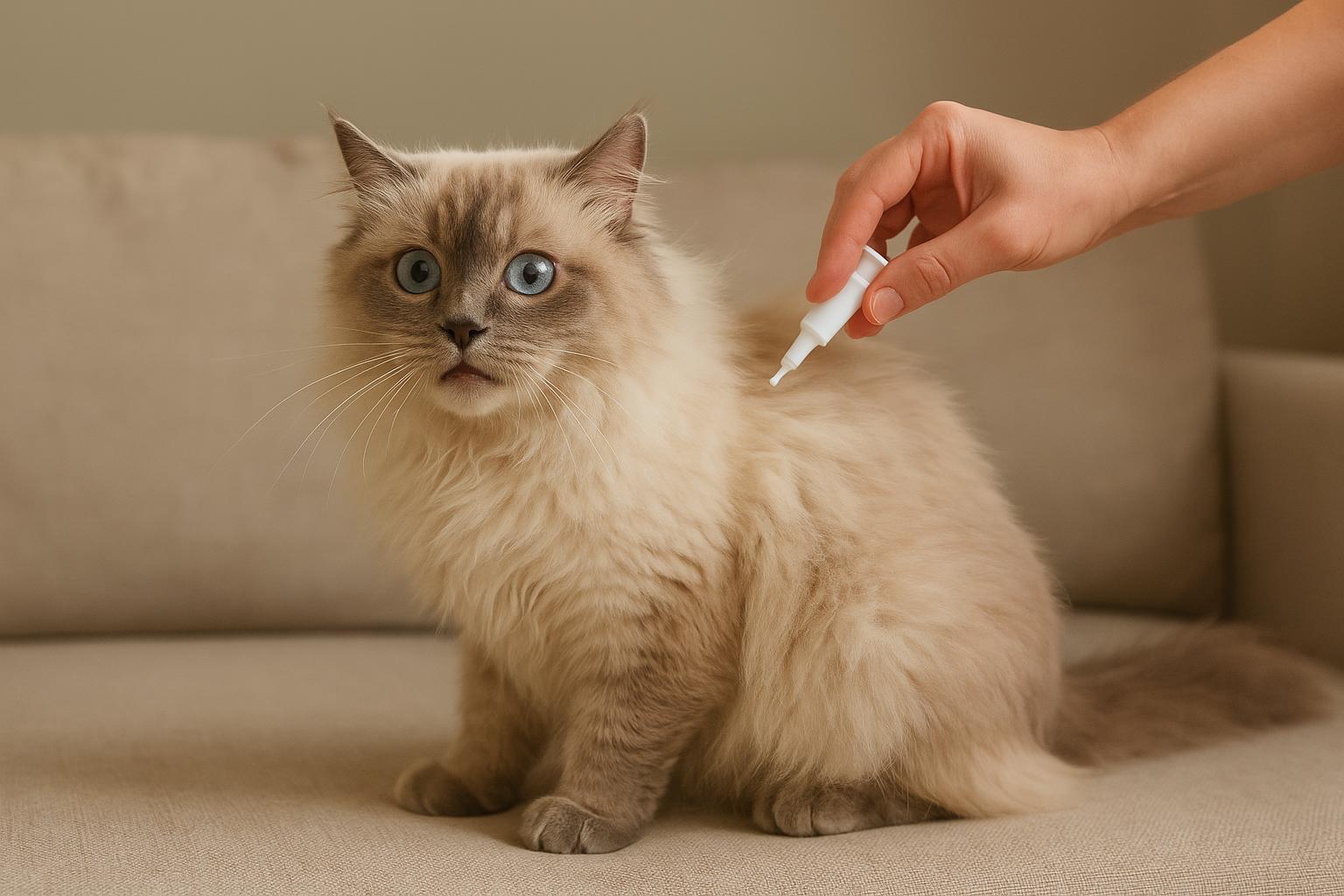
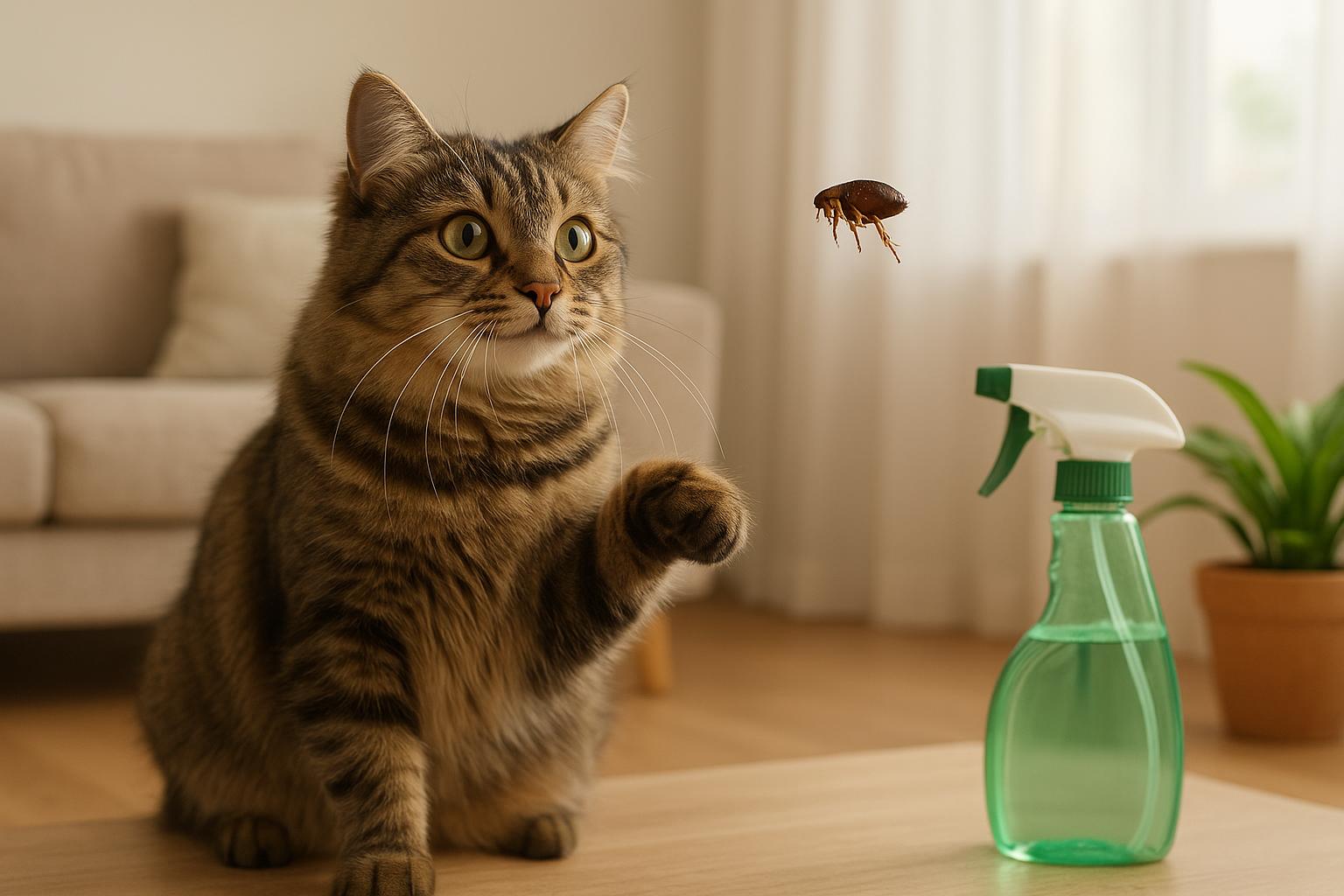
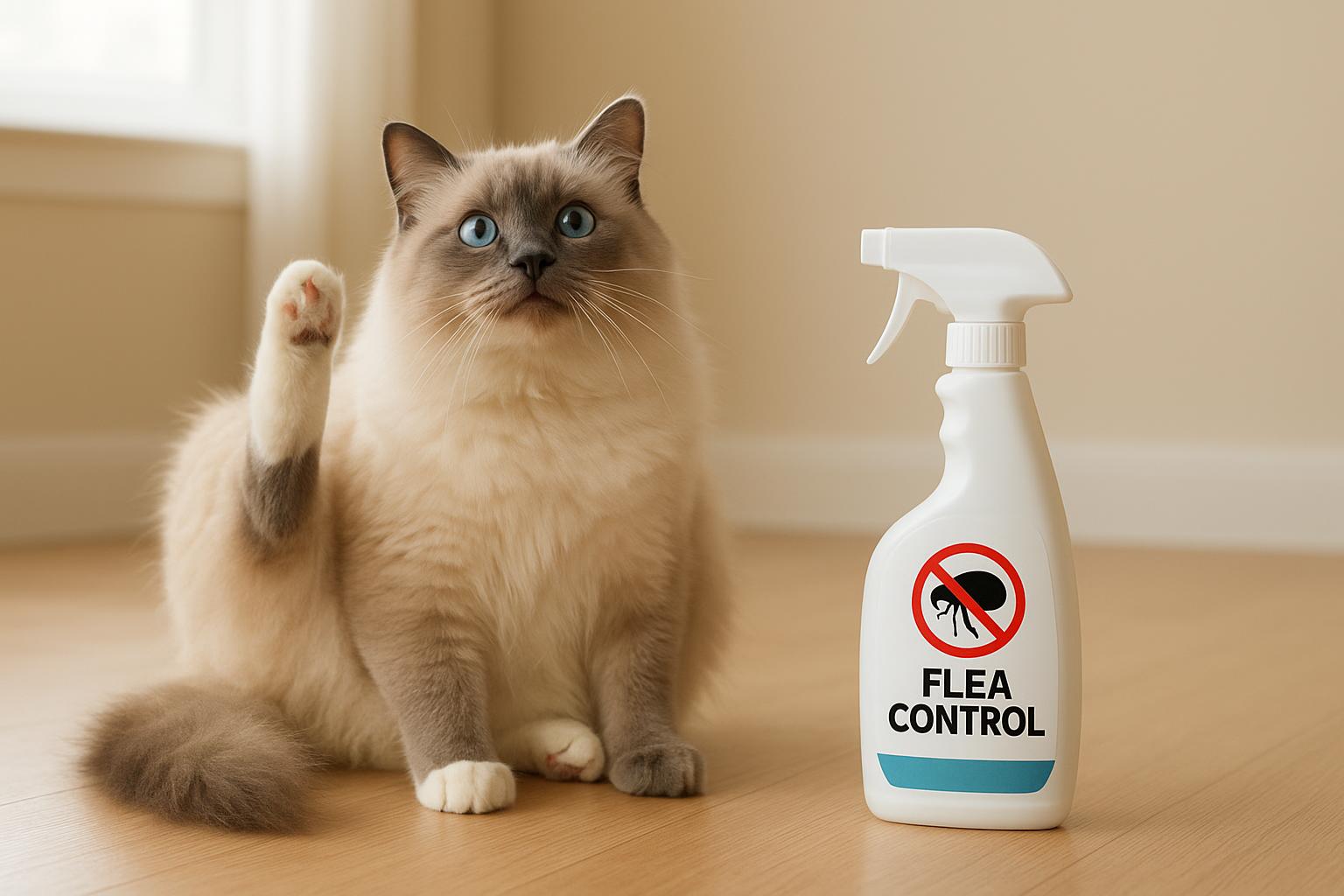
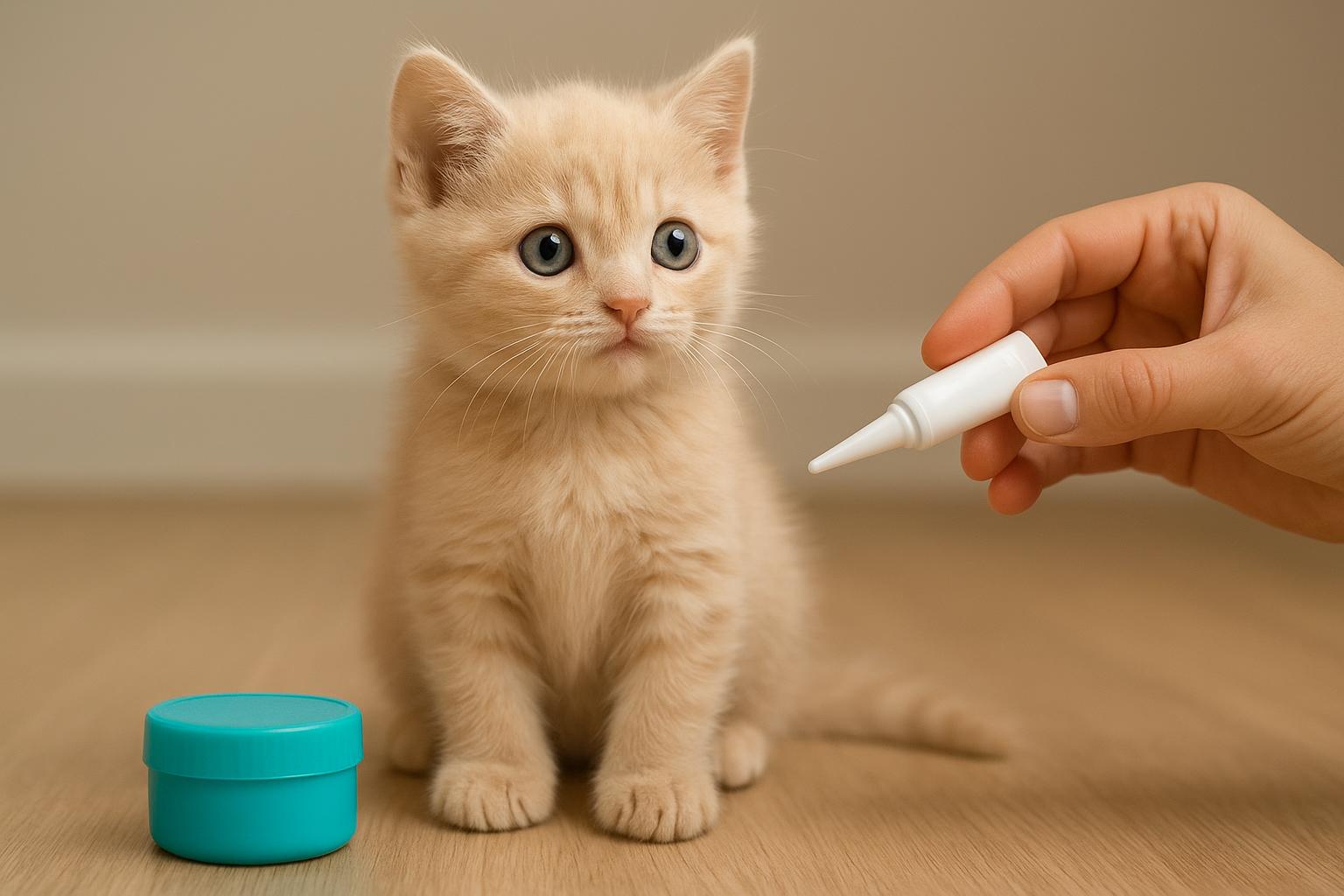
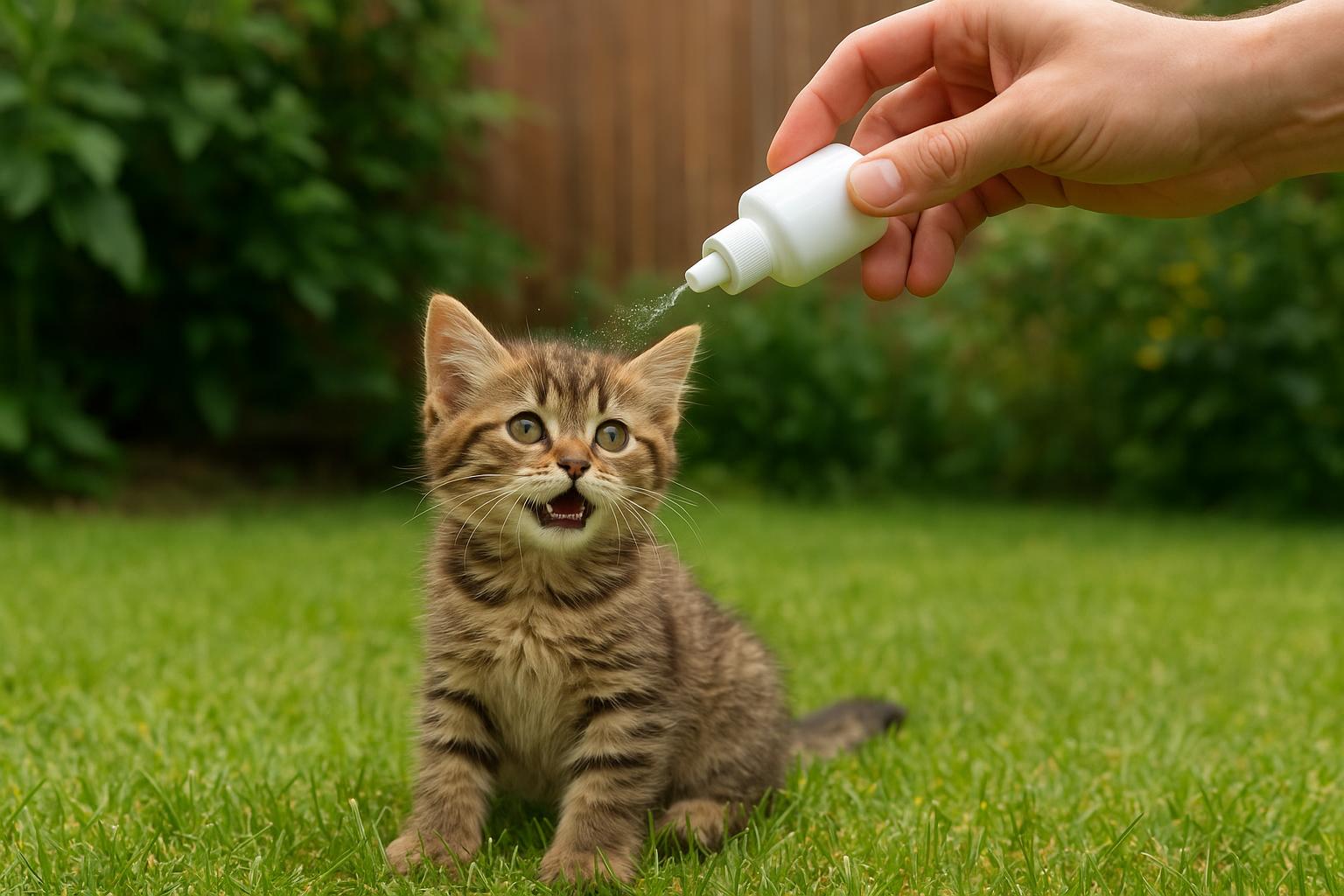
Topical treatments, oral medications, and collars designed for cats break the lifecycle on the host. Combine those with environmental measures for best results. If you see fleas on your cat or signs of irritation, get a vet-recommended product rather than guessing. Flea care isn’t just about killing the insect you see; it’s about interrupting the lifecycle so they can’t rebound.
### When To Call A Professional
A heavy infestation or one that persists despite treatment often needs professional pest control. They have insect growth regulators and methods for treating large areas more effectively than household sprays. Talk to both your pest pro and your vet so treatments are safe for cats and effective in the home.
## Practical Flea Care For The Cat And The House
Flea care must be twofold: treat the cat, and treat the environment. Ignore one and the other becomes a nursery. Start with the cat’s treatment under veterinary guidance. Then match that with focused home actions: vacuum, wash, treat furniture when necessary, and keep monitoring.
### Avoiding Common Mistakes
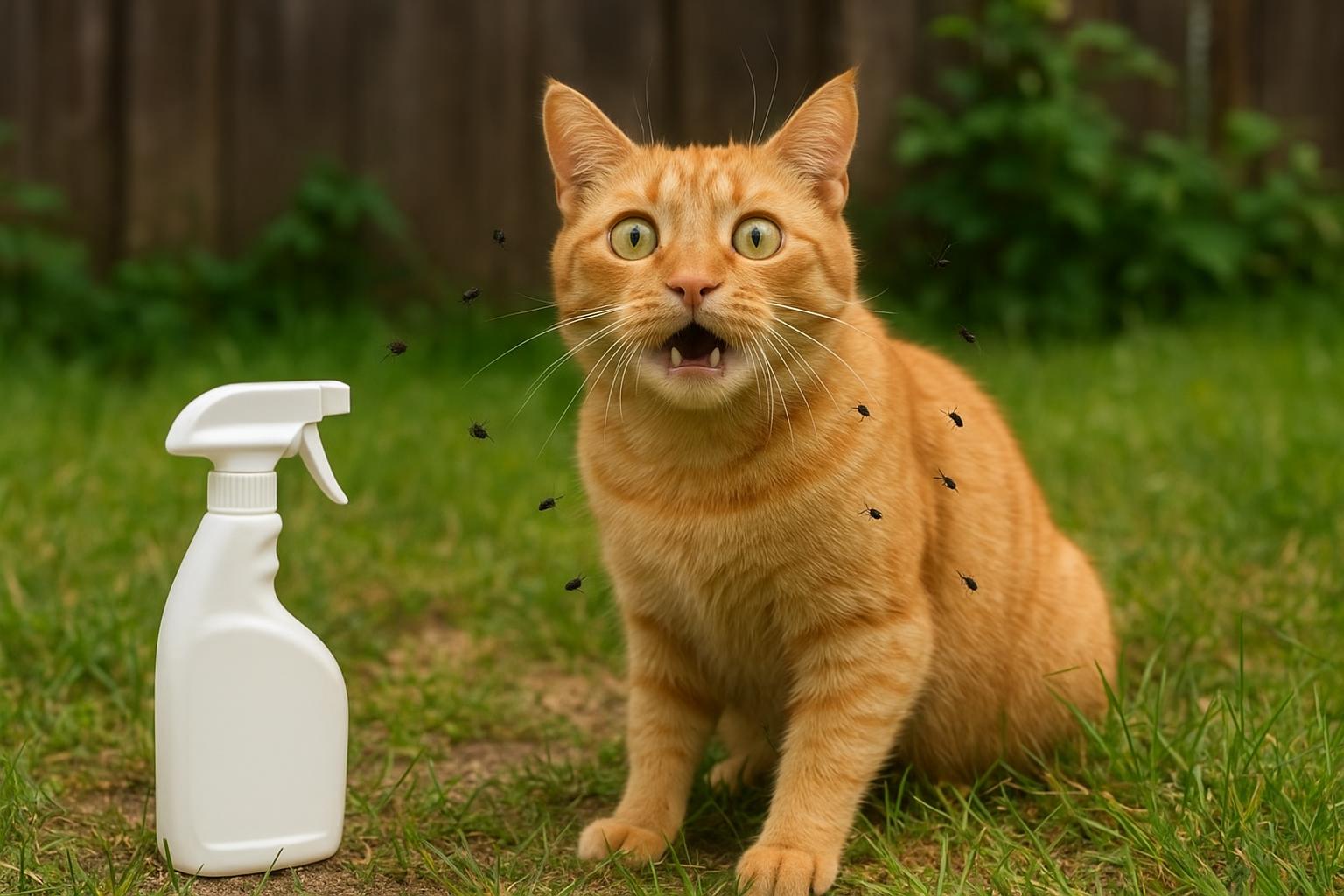
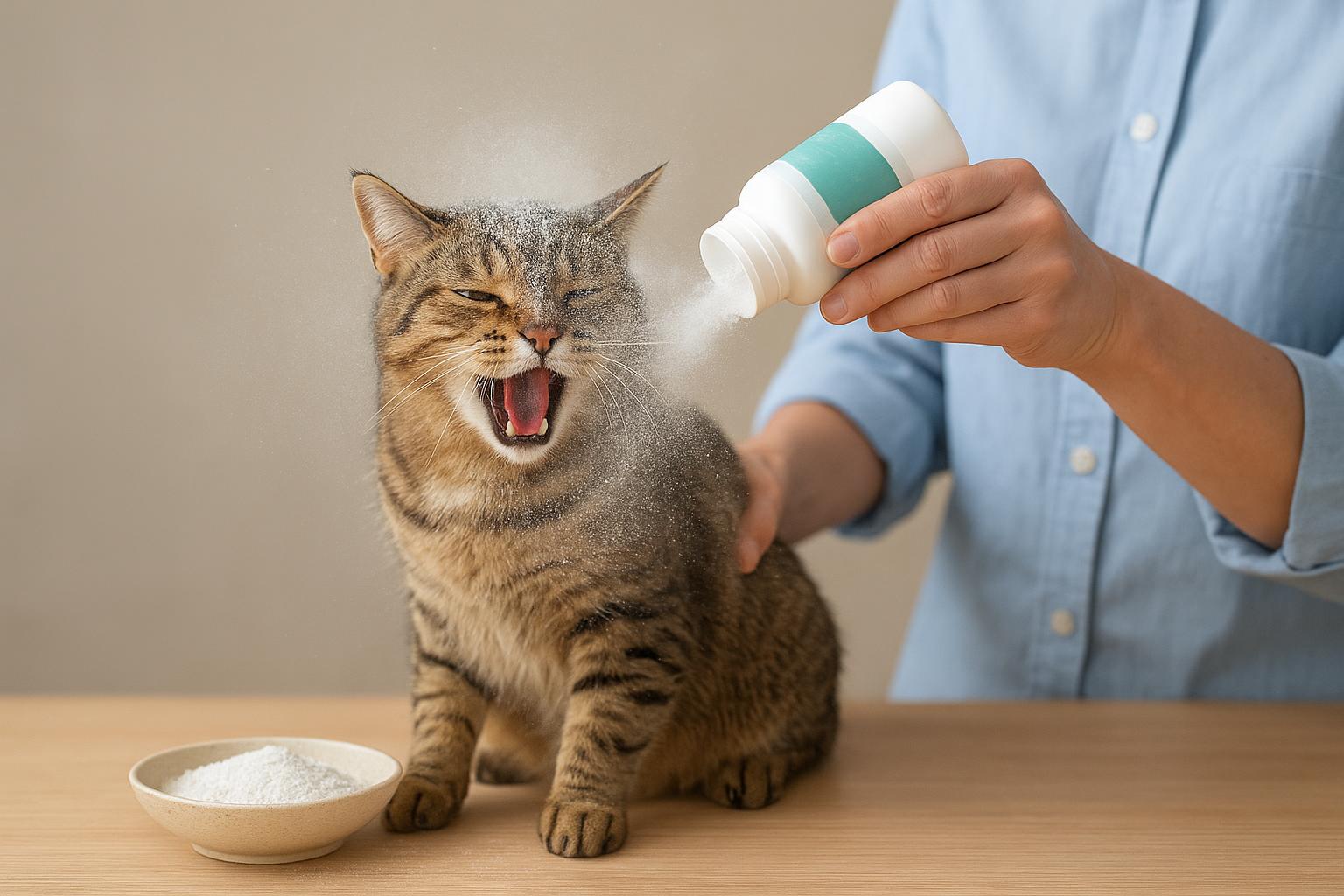
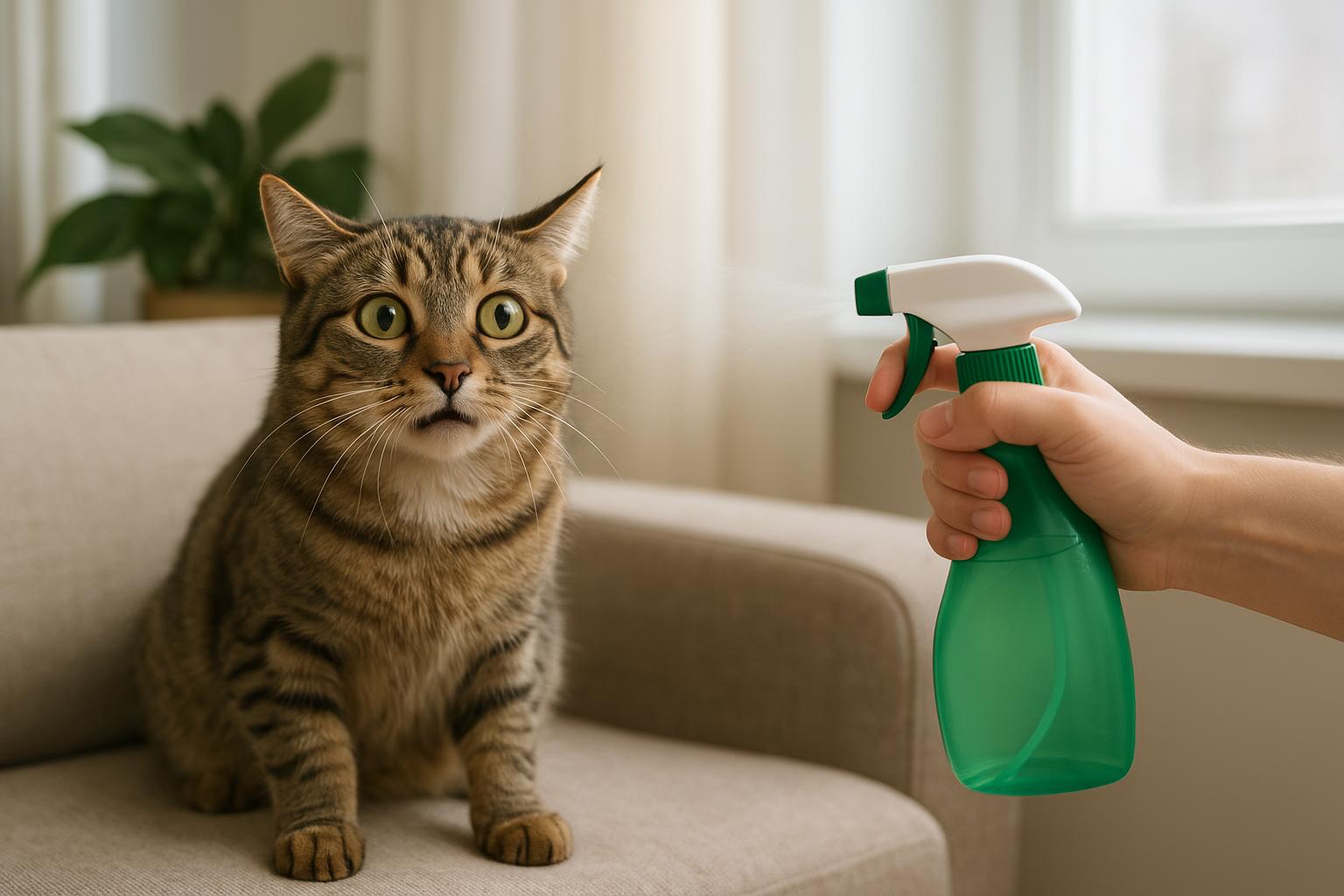
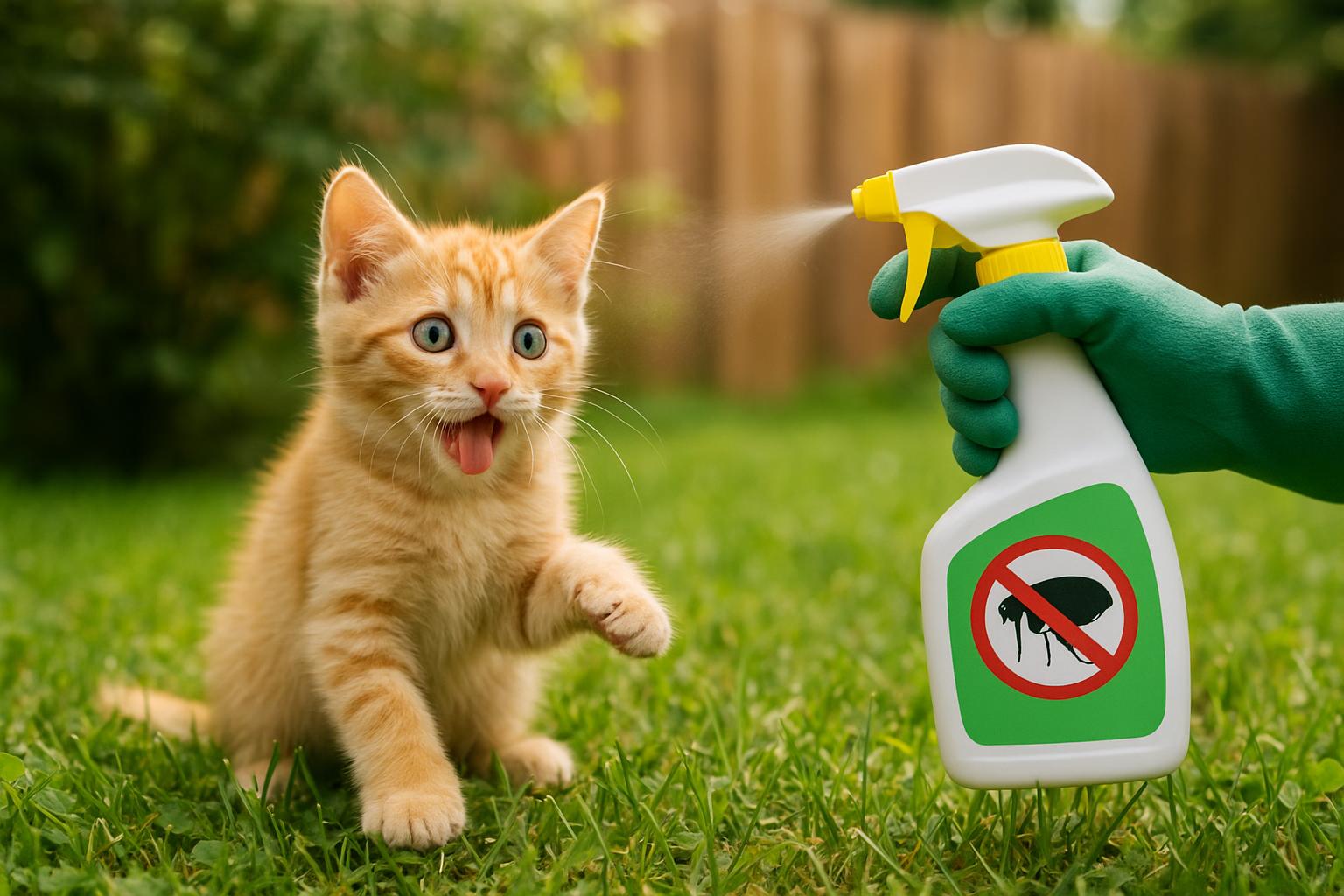
Many people double up on sprays or use dog products on cats. Both mistakes can be dangerous. Cats are sensitive to certain ingredients that dogs tolerate. Another common error is stopping treatment too soon; break the complete lifecycle. Continue environmental cleaning and preventive products for the recommended period.
### Monitoring And Ongoing Prevention
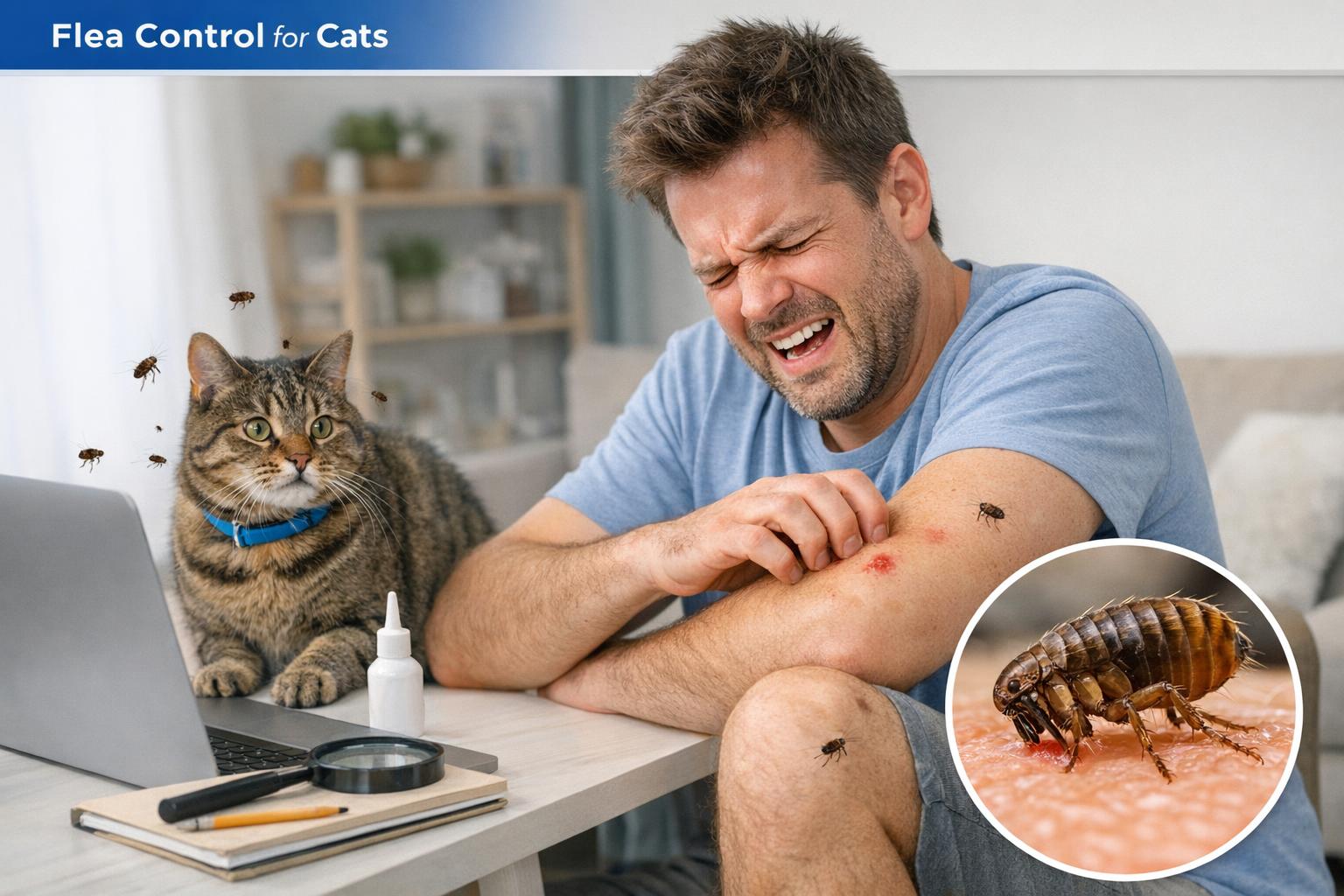
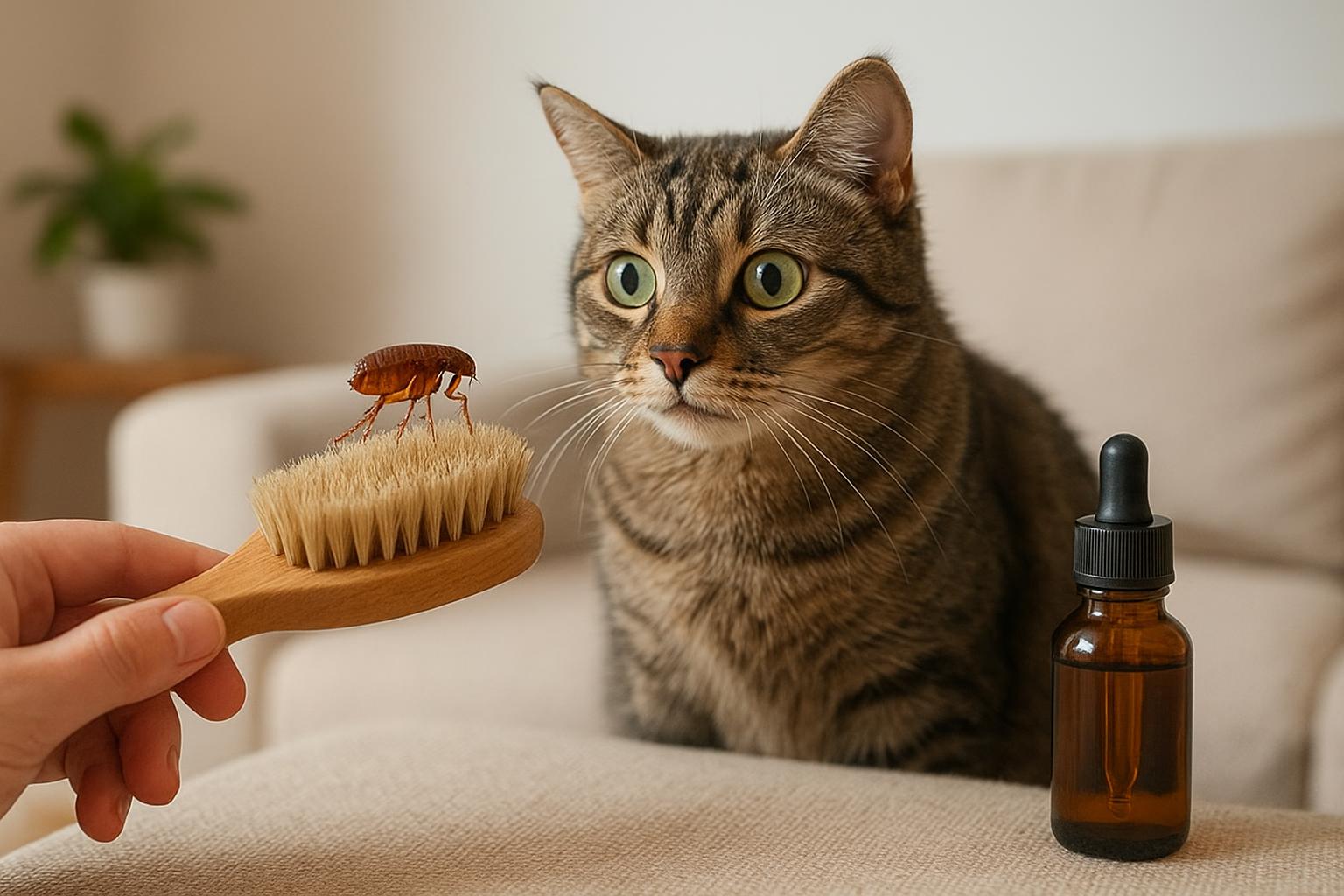
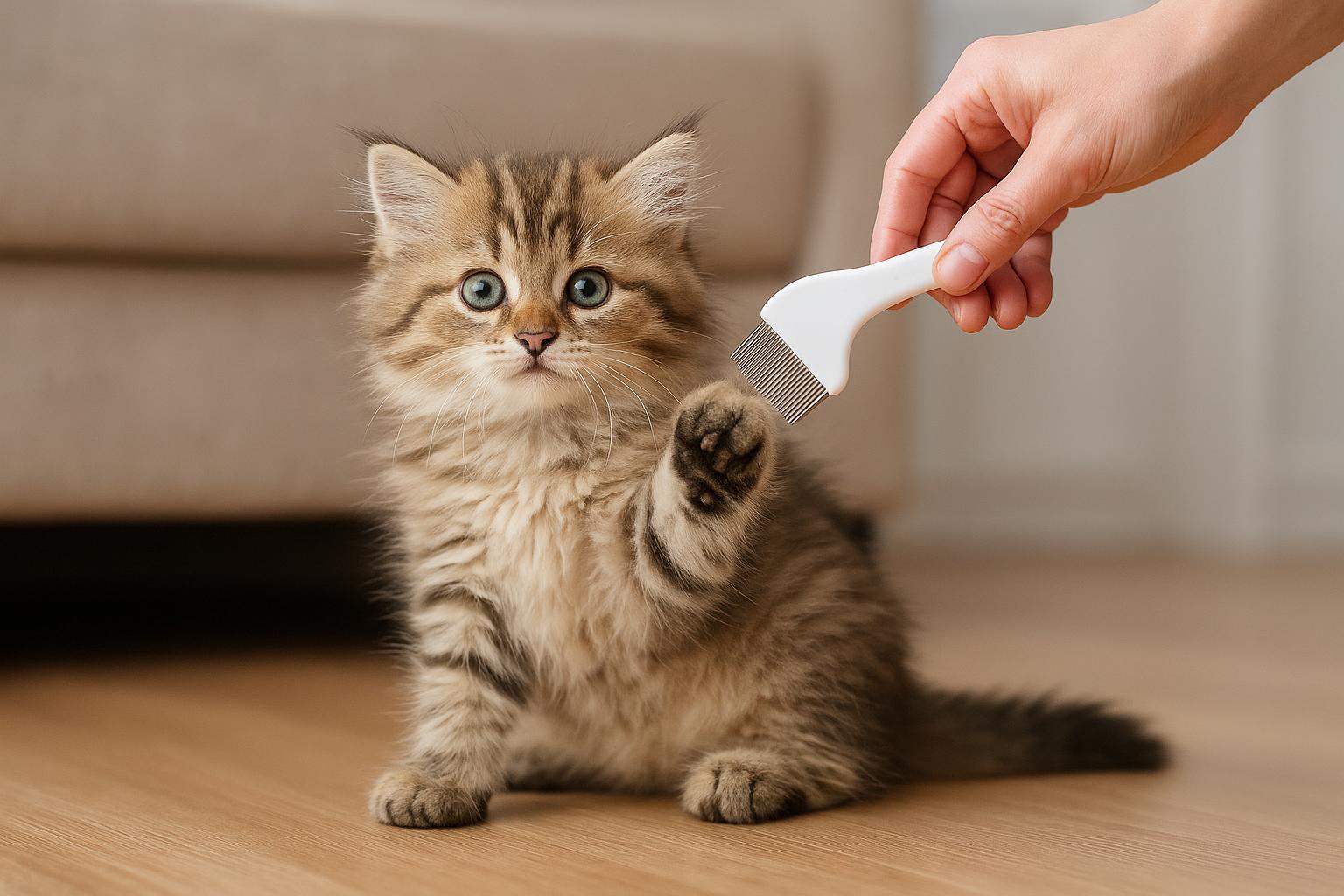
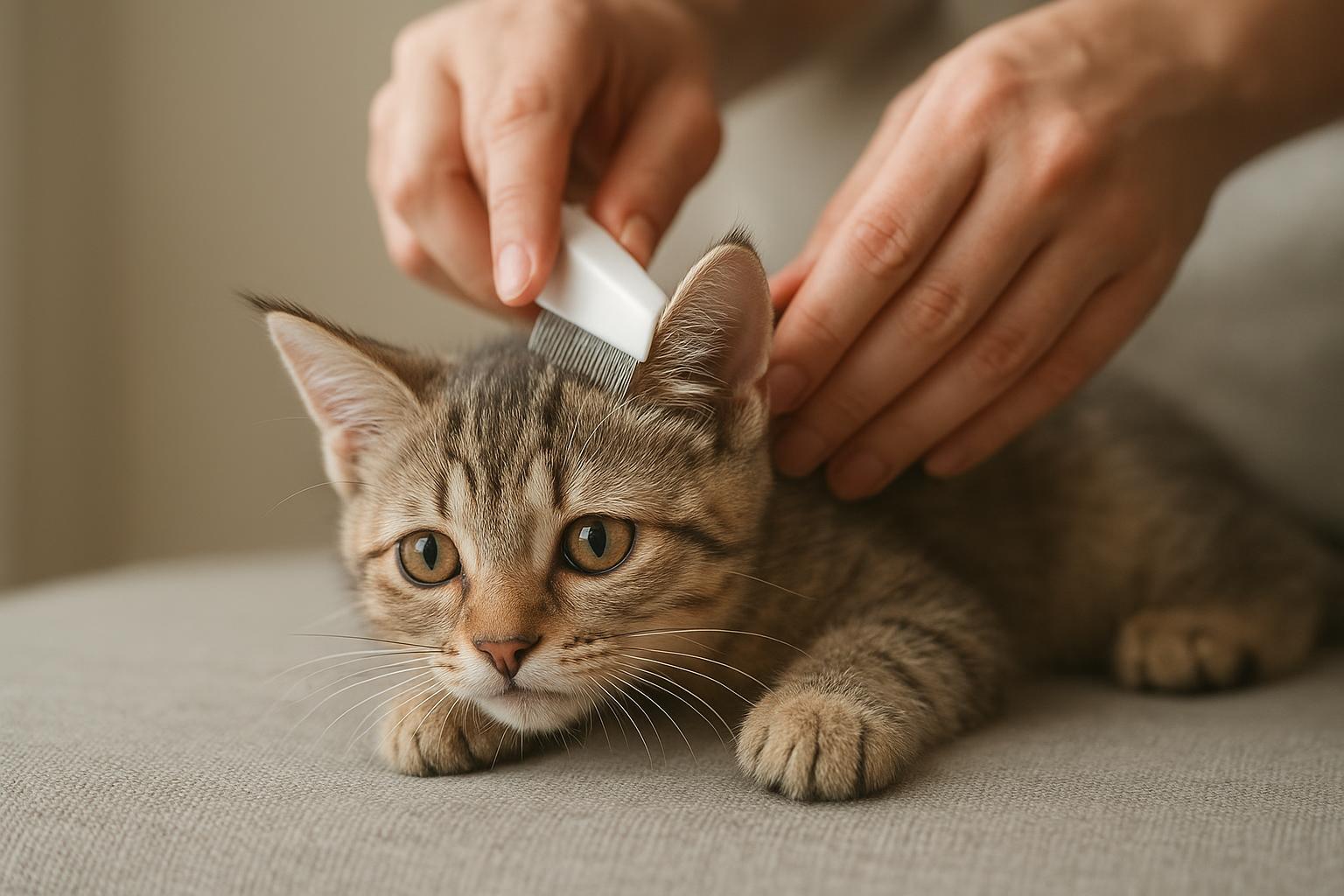
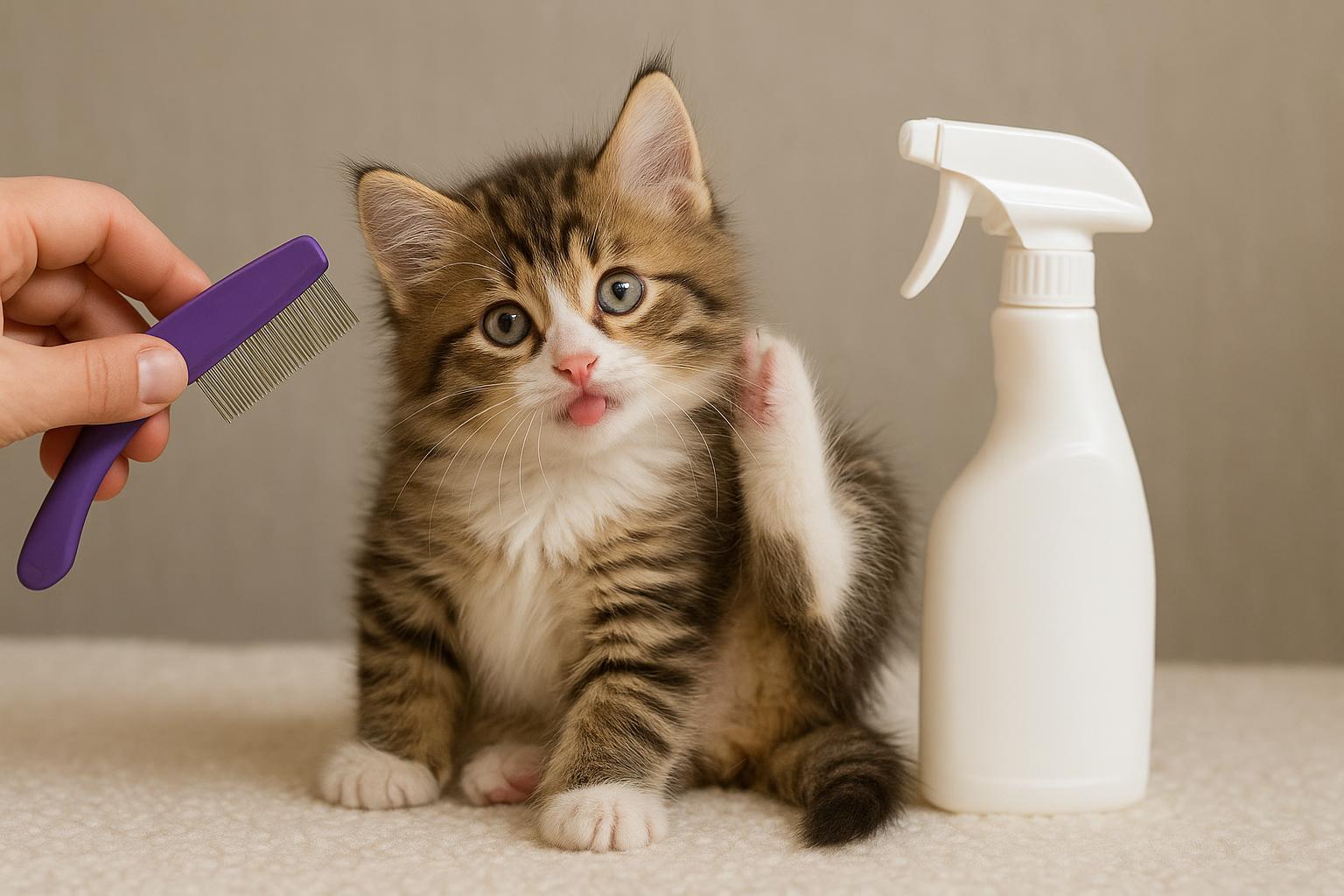
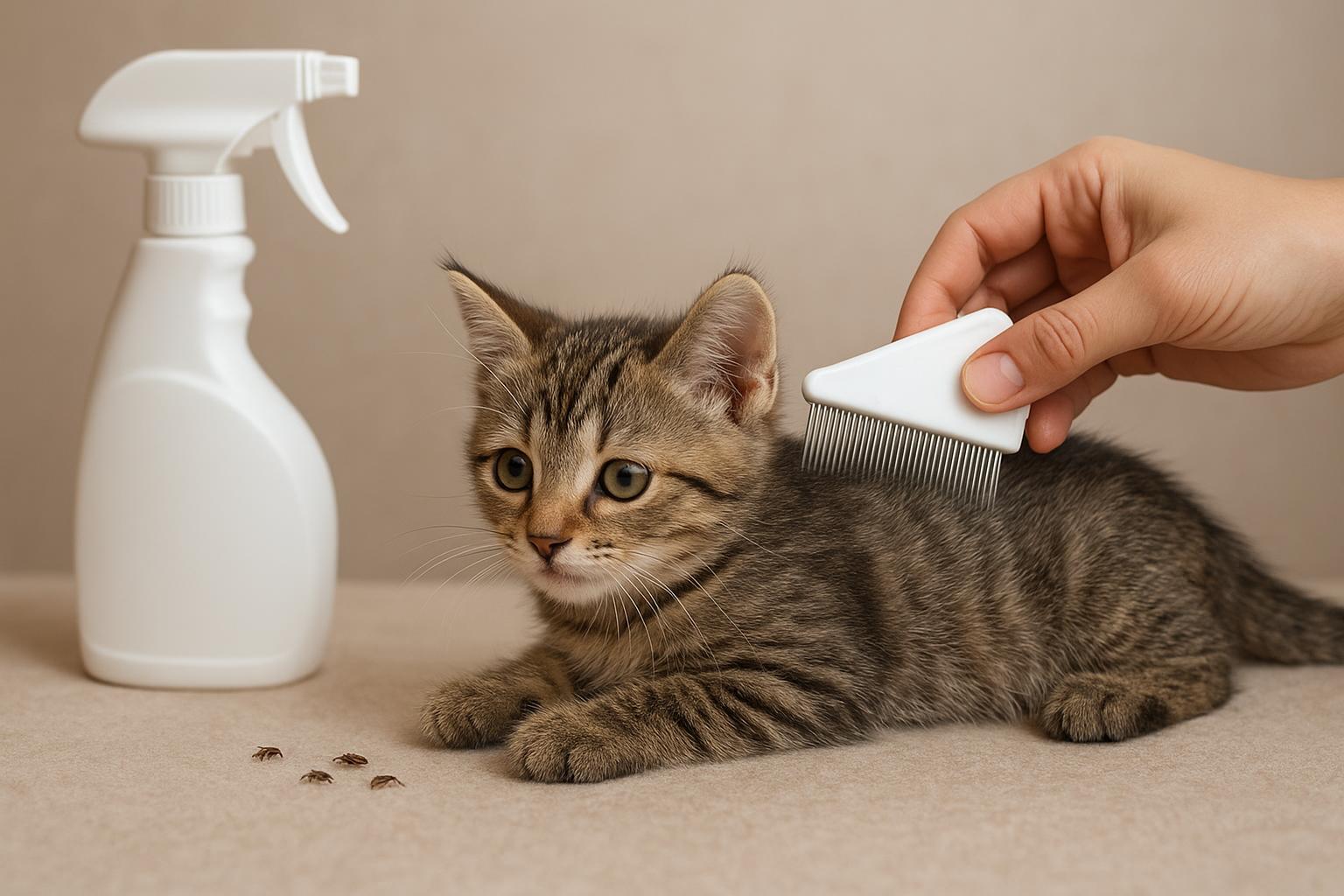
A small flea comb used weekly can catch low-level infestations before they explode. Check under collars and behind ears—the usual hotspots. Keep a basic flea kit: comb, vet-recommended topical or oral preventive, and a plan to launder bedding quickly. These habits make it harder for fleas to take hold and easier to manage when they do.
Fleas are opportunists. They exploit human movement, other animals, and overlooked objects. They thrive where warmth, hair, and shelter intersect. Understand the routes and the hiding places, and you control the problem rather than chasing it. Start with realistic prevention and consistent flea care, and you’ll stop most problems before they start. One misstep, like bringing in a beaten-up armchair without inspecting it, and you’ll learn that lesson the hard way—because once eggs have occured in the fibers, you’ll be dealing with them for weeks.

















Leave a Reply