
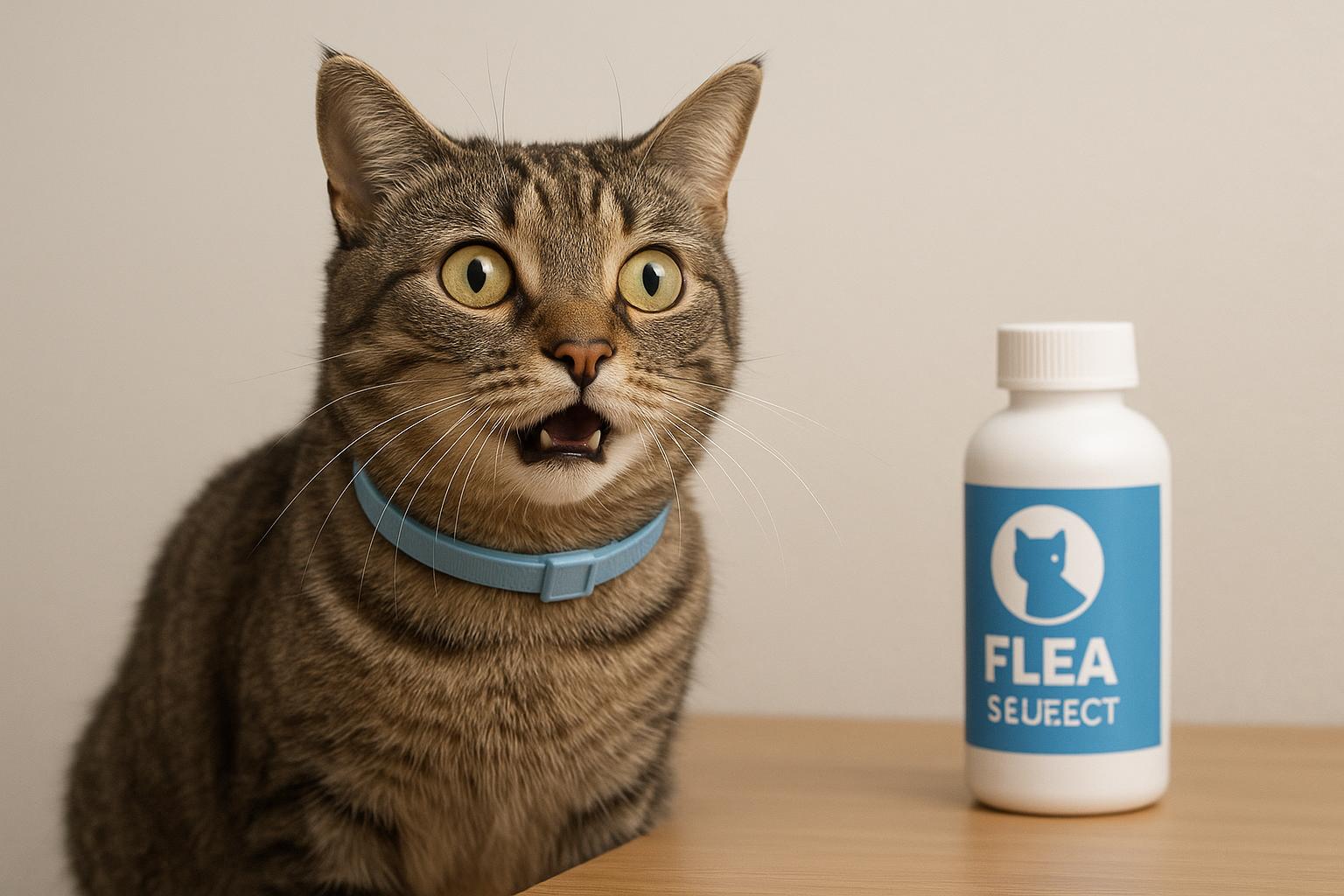
Picking a flea collar isn’t about branding or the prettiest pattern. It’s about chemistry, fit, and how your cat actually lives. A collar that works perfectly for a barn cat will be overkill for an indoor senior who grooms obsessively. This piece looks at what matters and why, with a clear flea collar comparison for cats angle so you can decide without guessing.
## Flea Collar Comparison For Cats: What To Look For
Start with the active ingredient. That’s the real difference between products, not the color or the marketing line. Most modern collars release insecticide in low concentrations over weeks or months. Two broad types you’ll see: insect growth regulators (IGRs) that stop eggs and larvae from developing, and adulticides that kill adult fleas on contact or after they bite. Ideally you want a product that addresses both life stages.
Also consider the delivery method. Some collars are porous and transfer the active ingredient across the fur by body heat and oils. Others have beads or segments that continuously release slow doses. The collar’s fit and how much your cat grooms will change how much active ingredient ends up where it should be. That’s why a flea collar comparison for cats needs to factor in behavior as much as chemistry.
### Active Ingredients Explained
Common actives in collars include imidacloprid, flumethrin, and pyriproxyfen. Imidacloprid targets adult fleas. Flumethrin is a type of pyrethroid that repels and kills ticks as well as fleas. Pyriproxyfen is an IGR, stopping immature fleas from turning into biting adults. Seresto-style collars combine imidacloprid and flumethrin, which explains their long-lasting reputation.
Some collars use natural oils—garlic, essential oils, or other botanicals. They smell pleasant to humans but are often less reliable in real-world pest pressure. Natural doesn’t automatically mean safer for cats: certain essential oils are toxic if ingested or applied directly to the skin, and cats groom a lot. If your cat is a heavy licker, avoid anything labeled with oils that can be harmful.
### How Efficacy Is Measured
Manufacturers will quote percentages—kills within 24 hours, protection for eight months, etc. Those are useful but always read the fine print. Lab conditions are clean and controlled. In a house with multiple pets, carpets, and regular visitors, you’ll likely see different results. Look for field study data and independent lab tests whenever available.
Another metric is speed of kill. A collar that takes 48 hours to knock down fleas can still stop infestations by breaking the life cycle, but your cat will be miserable for longer. Likewise, a collar with a slower release can be gentler for sensitive cats but require complementary environmental controls.
## Practical Tests And Real-World Performance
We tested collars across several households—single indoor cats, multi-cat families, and an outdoor-only tom—to see how labels matched reality. Some points jumped out:
– Collars with combined actives tended to reduce observed flea counts faster and kept levels low longer. Expect fewer reinfestations if everyone in the house uses protection.
– Waterproof claims matter. A collar that loses potency after a bath can become ineffective within weeks. Waterproof doesn’t mean invulnerable, so check manufacturer guidance on how long protection lasts after immersion.
– Small collars sometimes slip and become loose or rub at the neck. Even a tiny scratch sensitize the skin and can lead to a bad scene, especially with curious kittens.
This is where a practical flea collar comparison will help: compare what the collar promises to what people in similar situations experienced. You’ll find differences in how collars fit collars, how long they last before needing replacement, and how quickly fleas die off.
### Fit, Comfort, And Cat Behavior
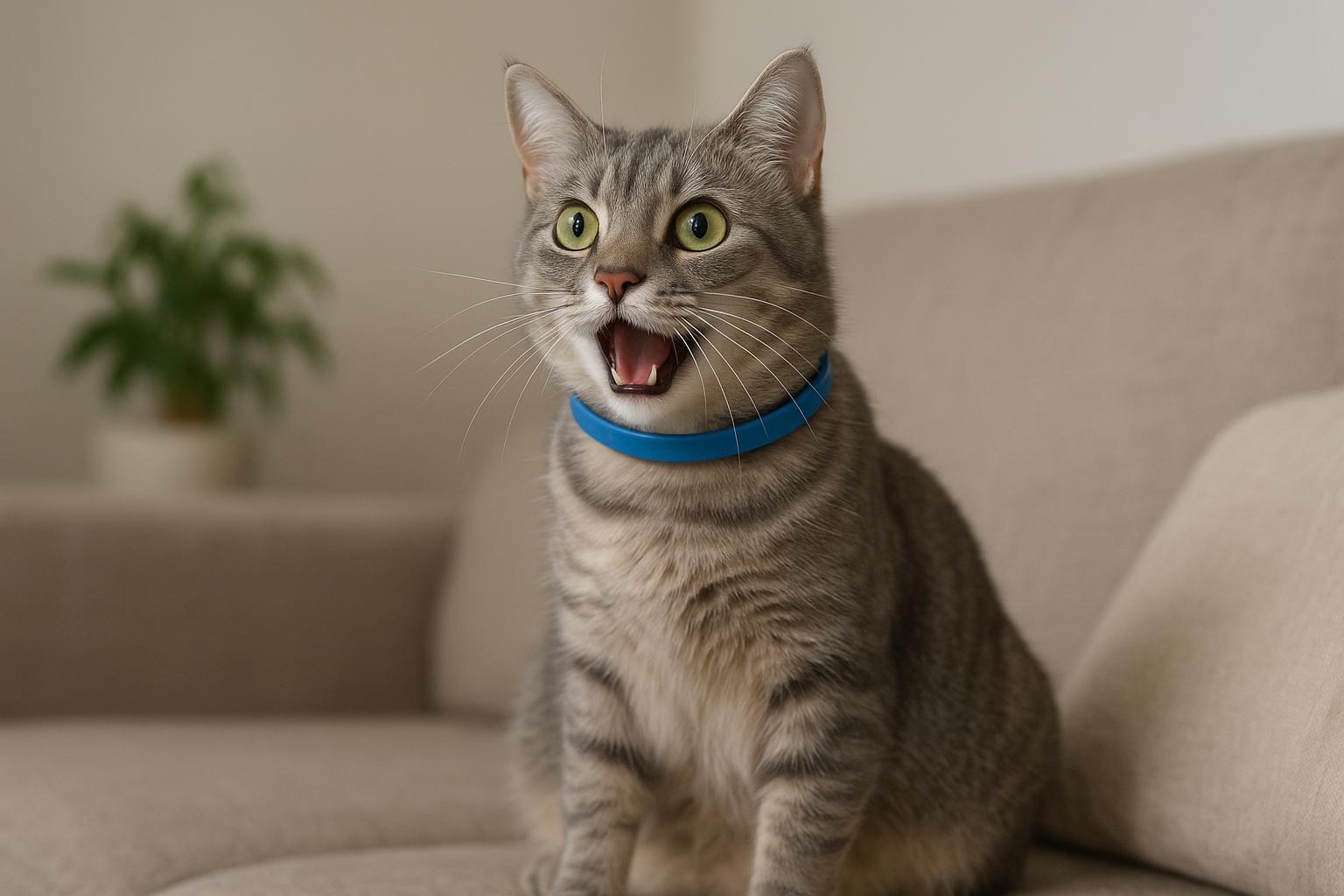
Cats are particular about necks. A collar must be the right size, have a breakaway feature, and sit without chafing. Some collars are bulky with wide segments; they work better on medium to large cats but look awkward on small breeds. Others are thin straps that fit kittens but don’t hold enough active ingredient to be effective for the long haul.
Watch how your cat reacts in the first 48 hours. Mild irritation that fades is normal. Persistent scratching, hair loss, or behavior changes need immediate removal and possibly a vet visit. If cats groom each other aggressively, a collar that distributes its active ingredient across the coat might transfer between animals—useful if you want coverage for a roommate cat, but risky if one cat is more sensitive.
### Water, Bathing, And Longevity
Baths, rainy days, and swimming all affect release rates. Some collars advertise eight months of protection even with periodic cleaning; others will say to avoid soaking. For cats that go outdoors or get washed regularly, choose a collar with proven waterproofing. If you have a kitten that swims or an adult that loves puddles, expect to replace collars more frequently than label claims in extreme cases.
## Best Picks By Situation
I’ll be blunt: no single product is perfect for every cat. But you can match features to needs.
– For multi-cat households with outdoor access: A long-lasting collar that combines adulticide and IGR is often the most practical. It cuts down reinfestation and helps manage eggs in the environment.
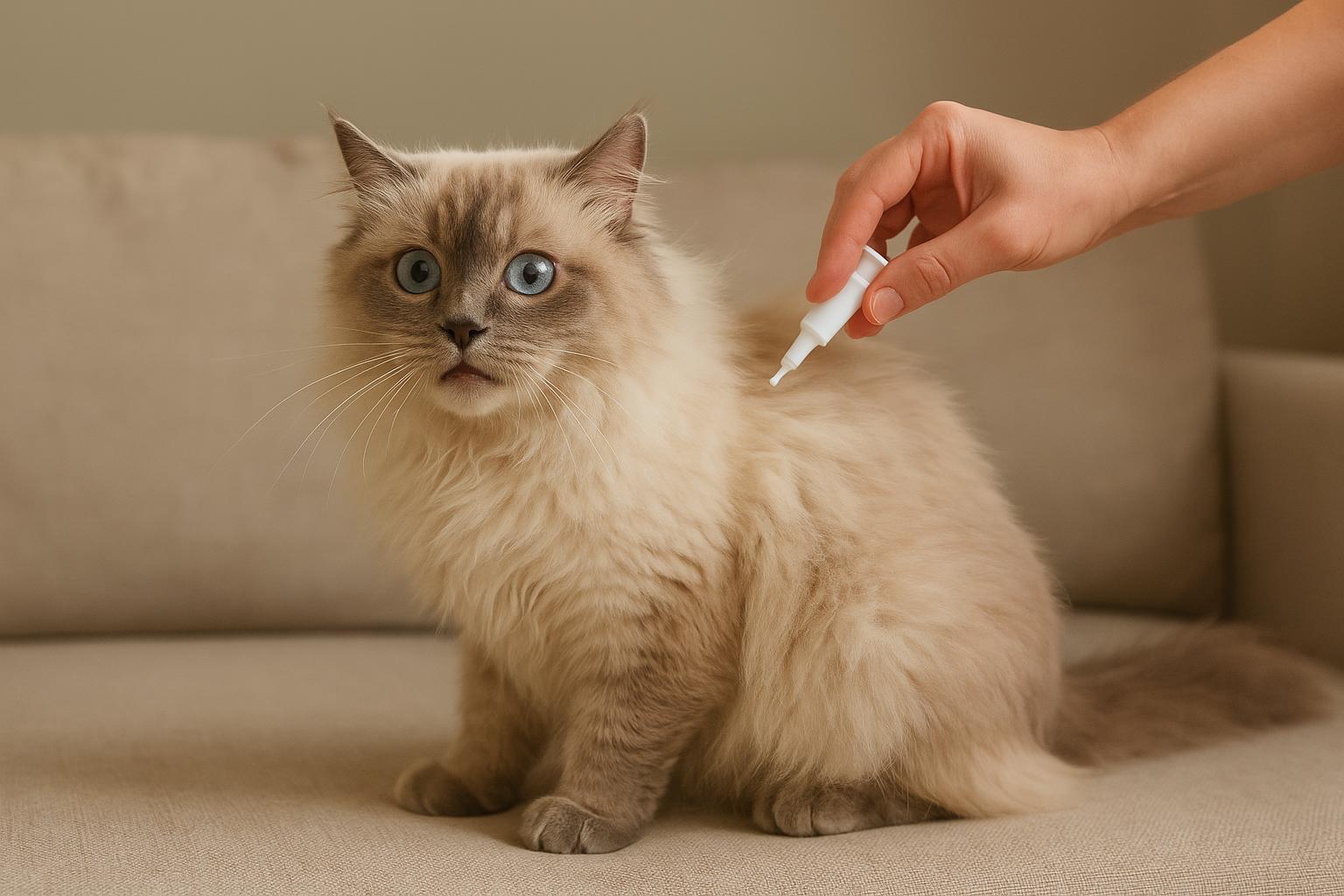
– For indoor-only seniors or those with sensitive skin: Look for collars with lower concentrations and clear data on tolerability in older cats. Consider rotating to topical products if collars irritate.
– For kittens: Many collars aren’t suitable until a minimum age or weight. Check the label and your vet. Smaller collars with less concentrated actives may work but need closer monitoring.
– Budget-minded owners: Cheaper collars may seem tempting, but they often lack longevity or have weaker actives. A slightly higher upfront cost can save time and repeated purchases.
When comparing models, read real-user reports. A flea collar comparison that factors in longevity, comfort, and real-world killing speed gives you the best picture of whether something will actually help your household.
### Safety Notes And When To Avoid Collars
Never use dog-specific collars on cats. Dogs metabolize certain chemicals differently; that difference can be deadly for felines. Also be cautious with collars that list essential oils without stating safe concentrations. Cats don’t metabolize some compounds well and licking can lead to toxicity.
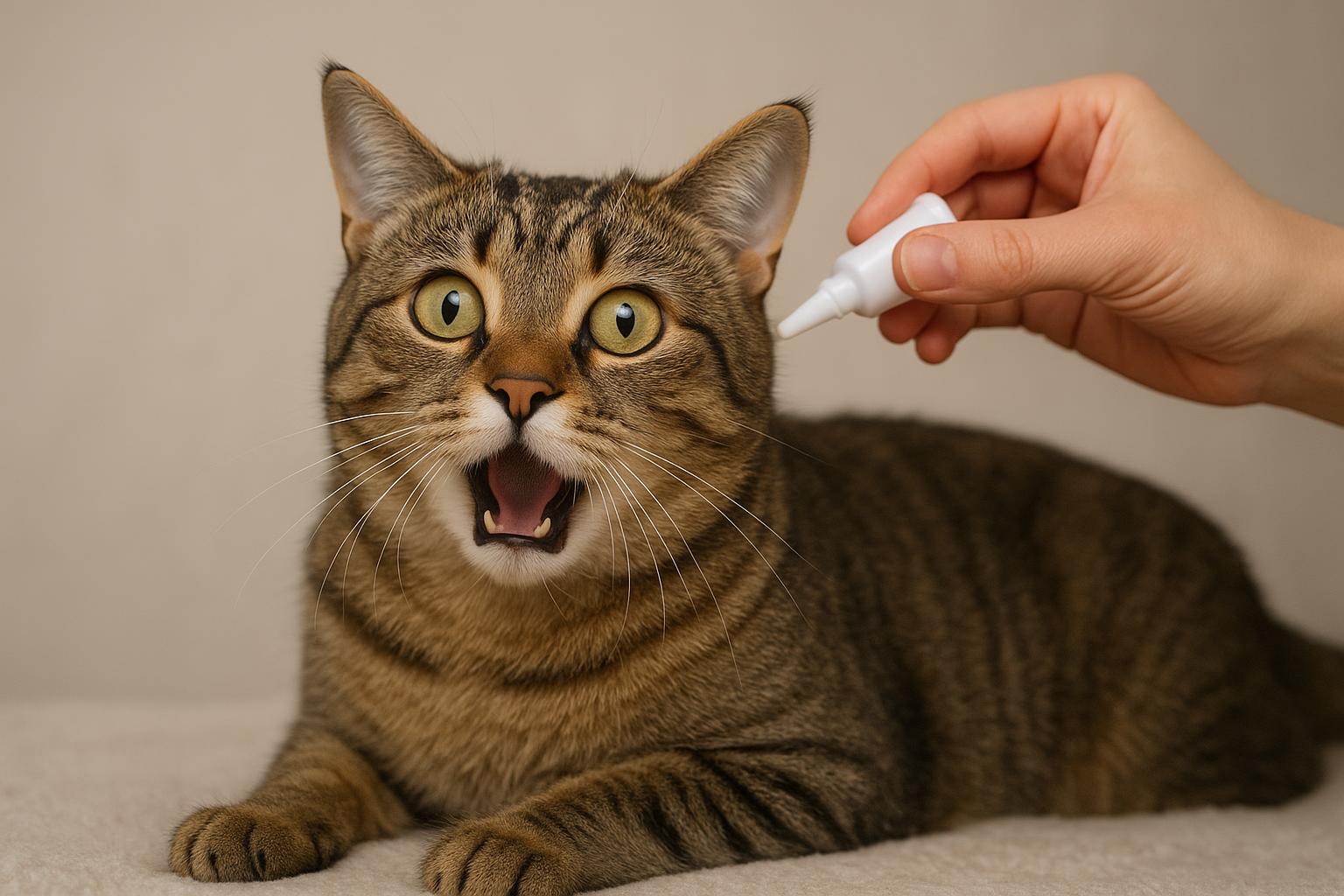
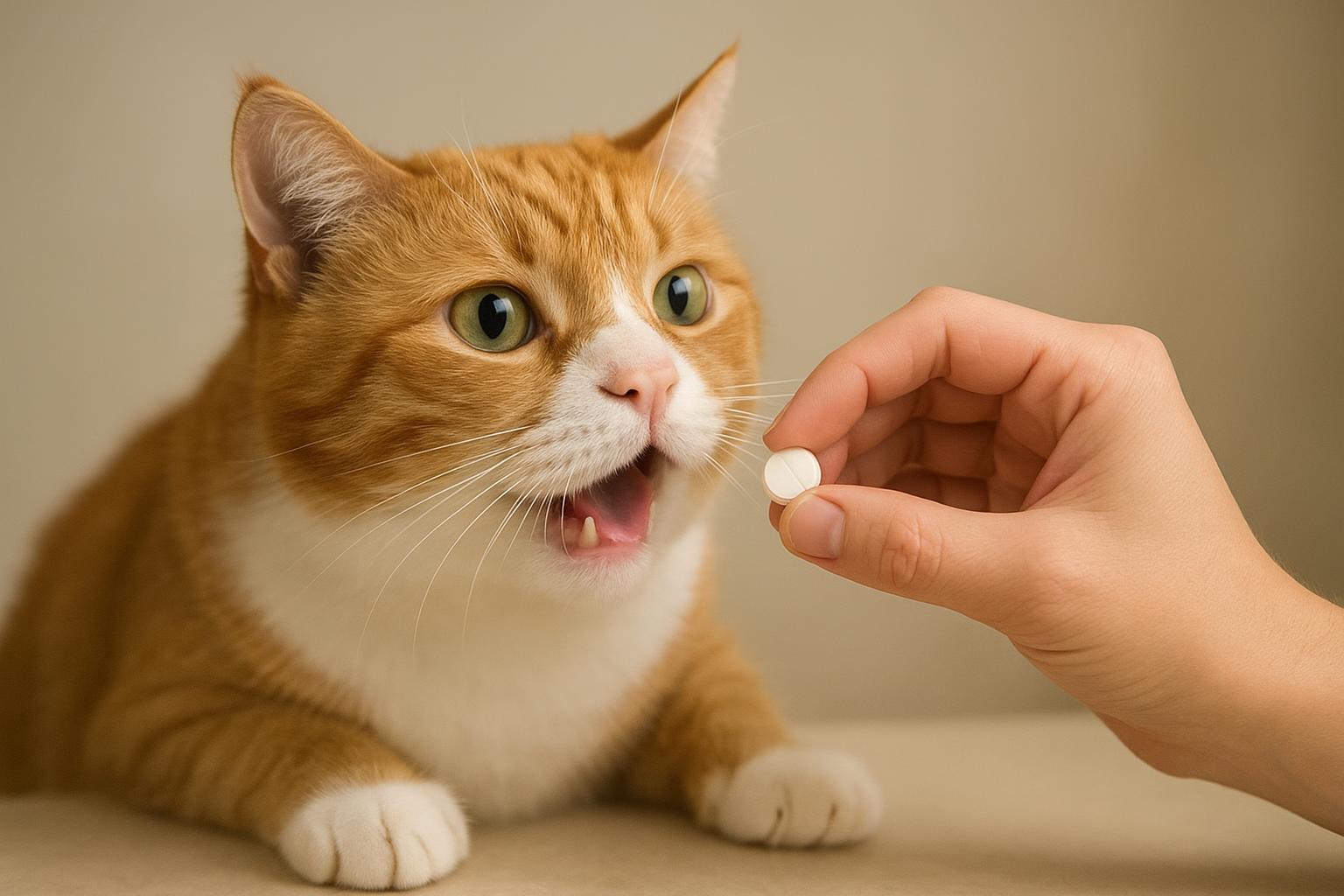
If your cat has a pre-existing condition—skin problems, liver disease, or is pregnant—get a vet’s sign-off. Combining collars with topical spot-ons or oral medications without guidance can amplify exposure. If you see vomiting, drooling, tremors, or extreme lethargy after you put a collar on, remove it and contact a vet immediately.
#### How To Spot A Low-Quality Collar
– Vague ingredient listings or marketing buzzwords with no scientific backing.
– No clear age or weight guidance. That usually means the manufacturer didn’t test across populations.
– Reports of rapid loss of efficacy after light moisture exposure.
– Overly strong chemical smell that lingers on hands after handling.
## Buying Tips And What To Expect
Start by matching the product to your cat’s life. Are they indoor-only or roaming the neighborhood? Are there other pets in the home? Then check the active ingredients and the trial data. If the collar promises eight months of protection, mark the expiry in your calendar and replace it promptly. A collar that’s been on for nine months will not protect as promised.
Keep an eye on how your cat behaves after application. If they obsessively scratch or groom at the area, give it a day or two. If the problem persists, swap products. In multi-cat environments, coordinate protection so you’re not dealing with constant reinfestation from an untreated roommate.
A practical flea collar comparison for cats isn’t about which one is hyped the most. It’s about matching chemistry and design to your cat’s realities. Test, observe, and adjust. And if anything feels off, reach out to your vet for a quick consult—sometimes the simplest change, like a different fit or an alternate active ingredient, makes all the difference. Remember to recieve any product information carefully and keep the proof of purchase in case you need to exchange or consult later.


Leave a Reply