
## Top Strategies For Flea Prevention In House Cats That Work
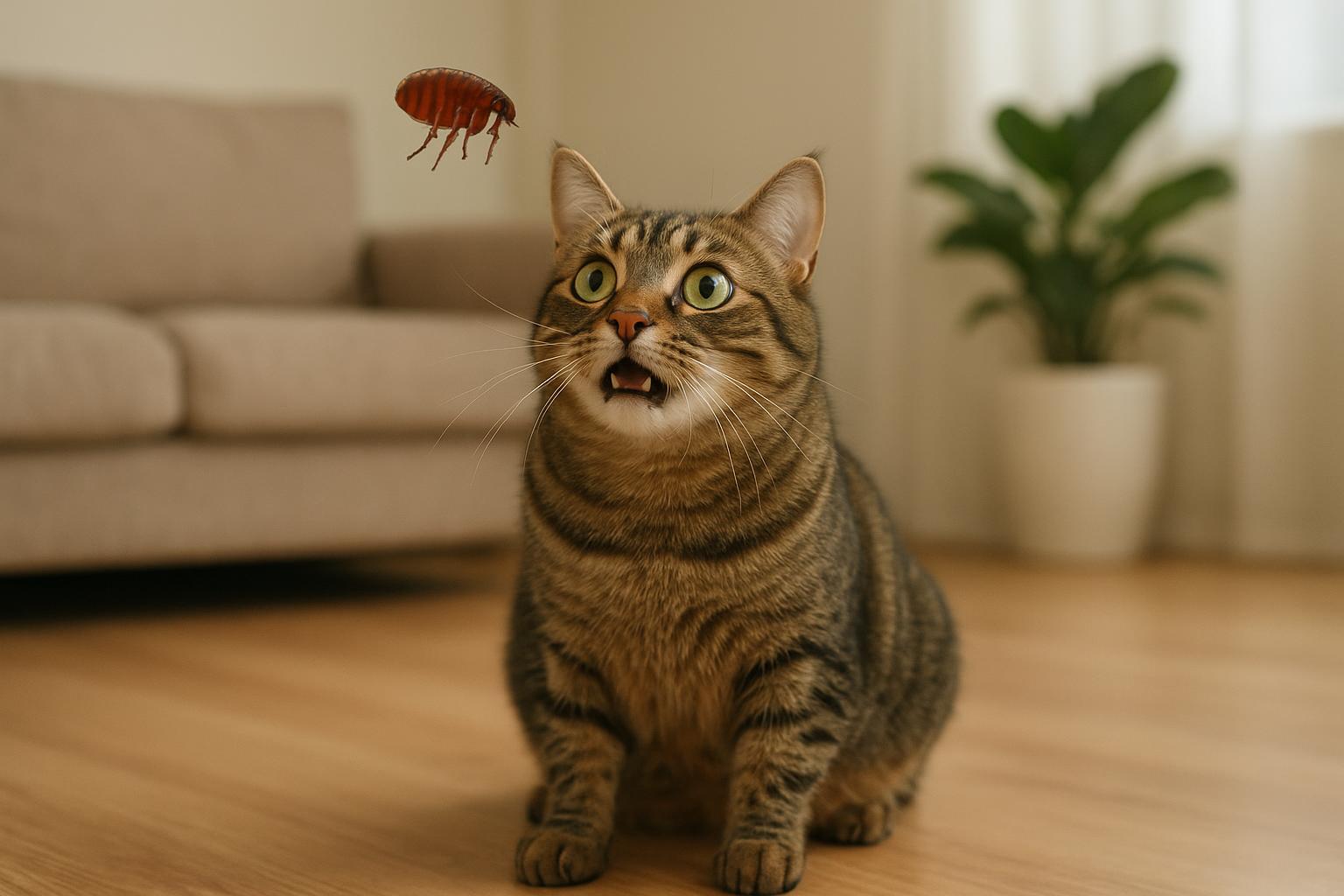
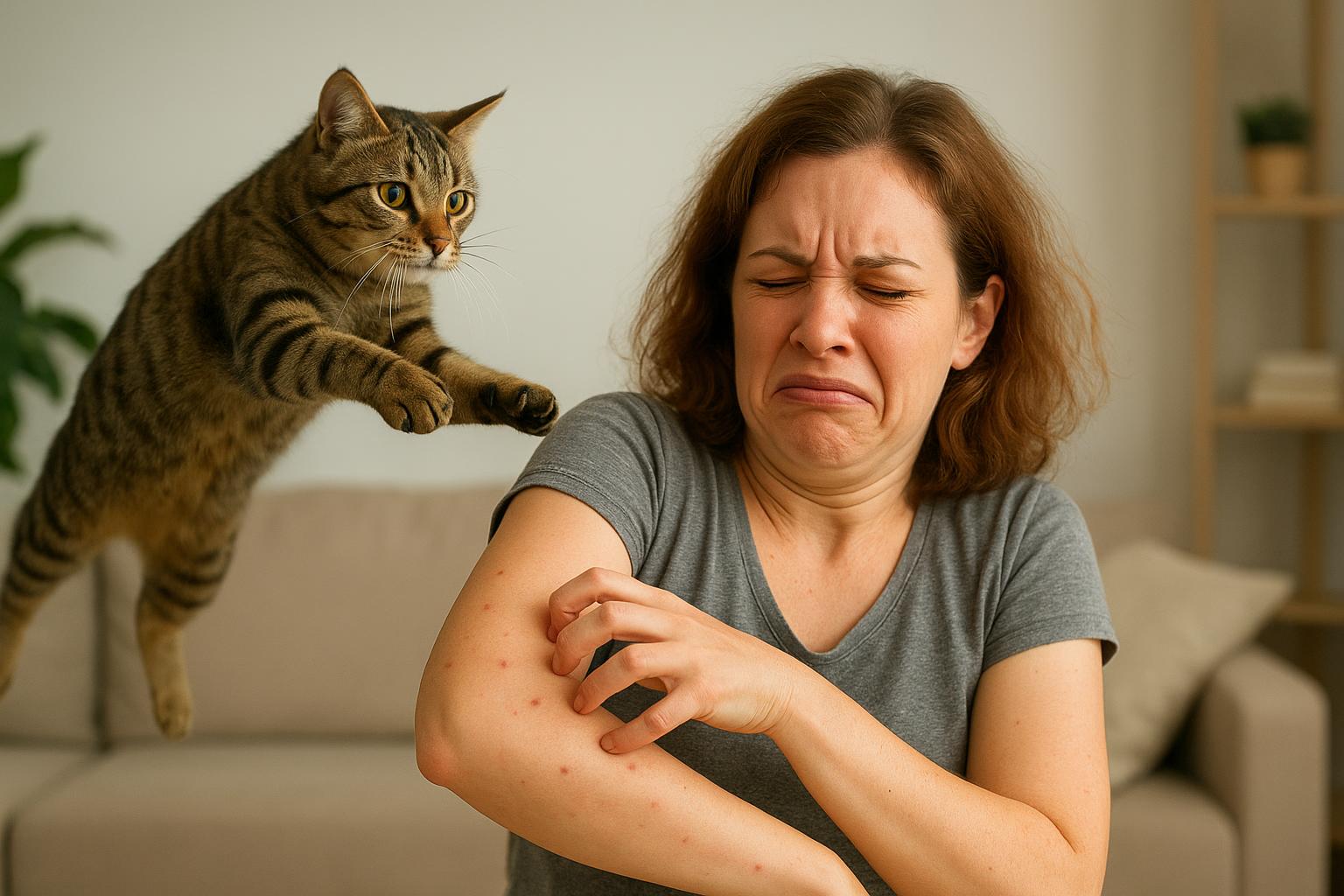
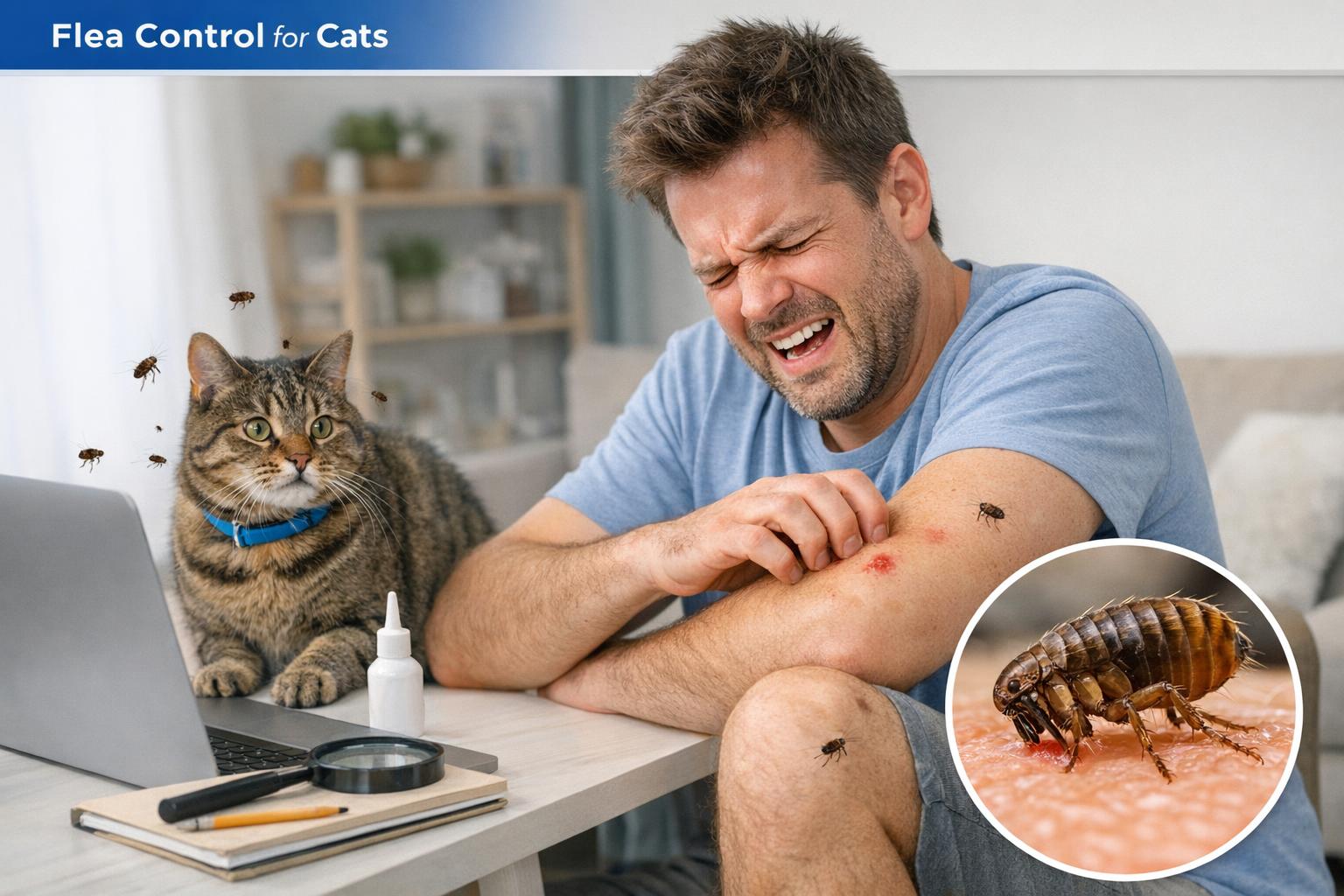
Fleas are small, but they cause big headaches. If you keep a cat strictly indoors, you might assume fleas aren’t a problem. They are. A stray flea can hitch a ride on a shoe, a human, or a mouse and suddenly you’re dealing with household fleas in carpet fibers and under couch cushions. Knowing the top strategies for flea prevention in house cats means thinking beyond the cat itself—treat the animal, the home, and the habits that invite pests in.
### Understand How Fleas Reach Indoor Cats
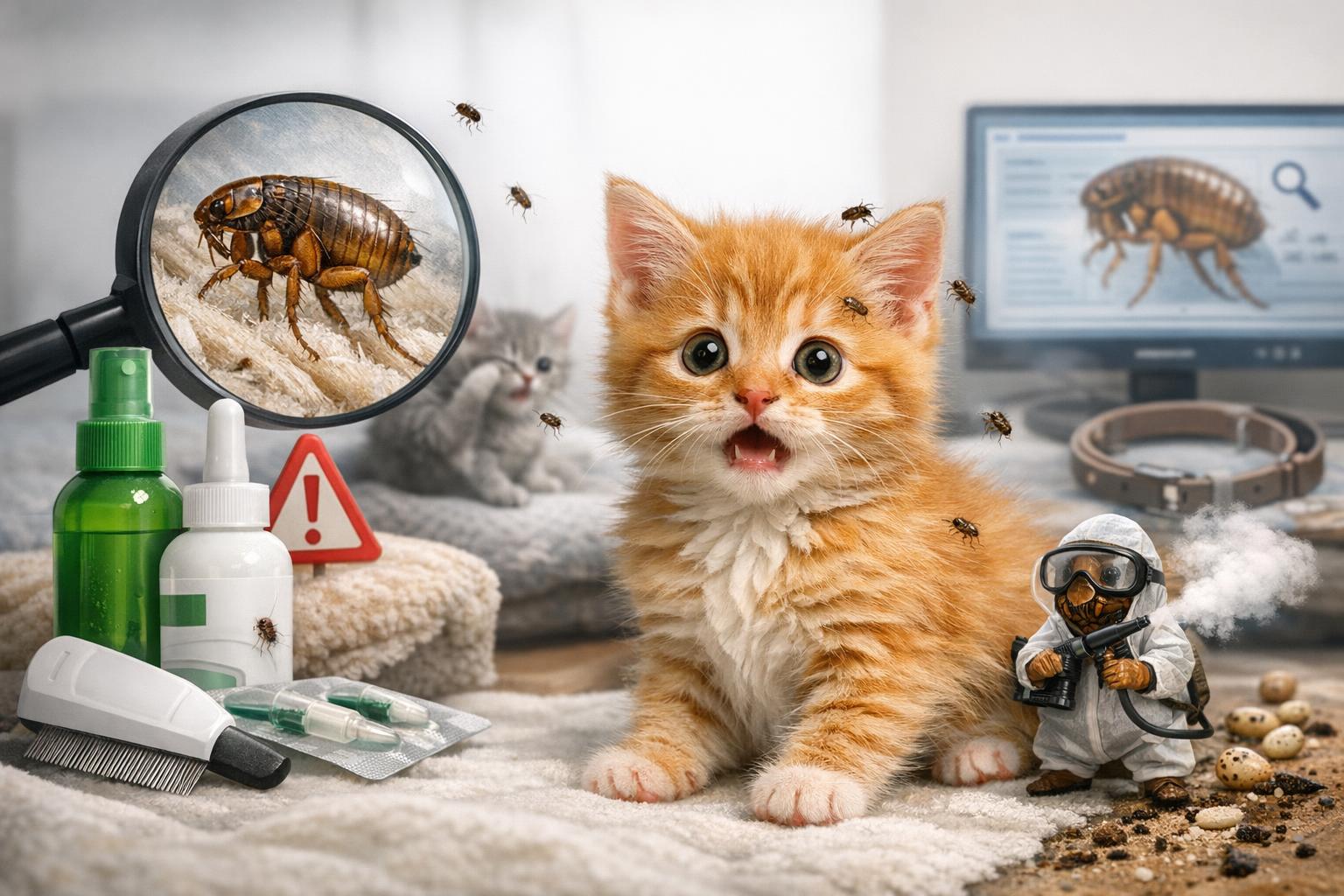
Fleas don’t spawn out of nowhere. Adult fleas on your cat are only part of the picture. Eggs, larvae, and pupae hide in the environment. That life cycle matters because it determines how you attack the problem.
– Eggs drop off the pet into the environment.
– Larvae feed on organic debris and flea feces, usually in carpet or pet bedding.
– Pupae can remain dormant for months, then hatch when conditions improve.
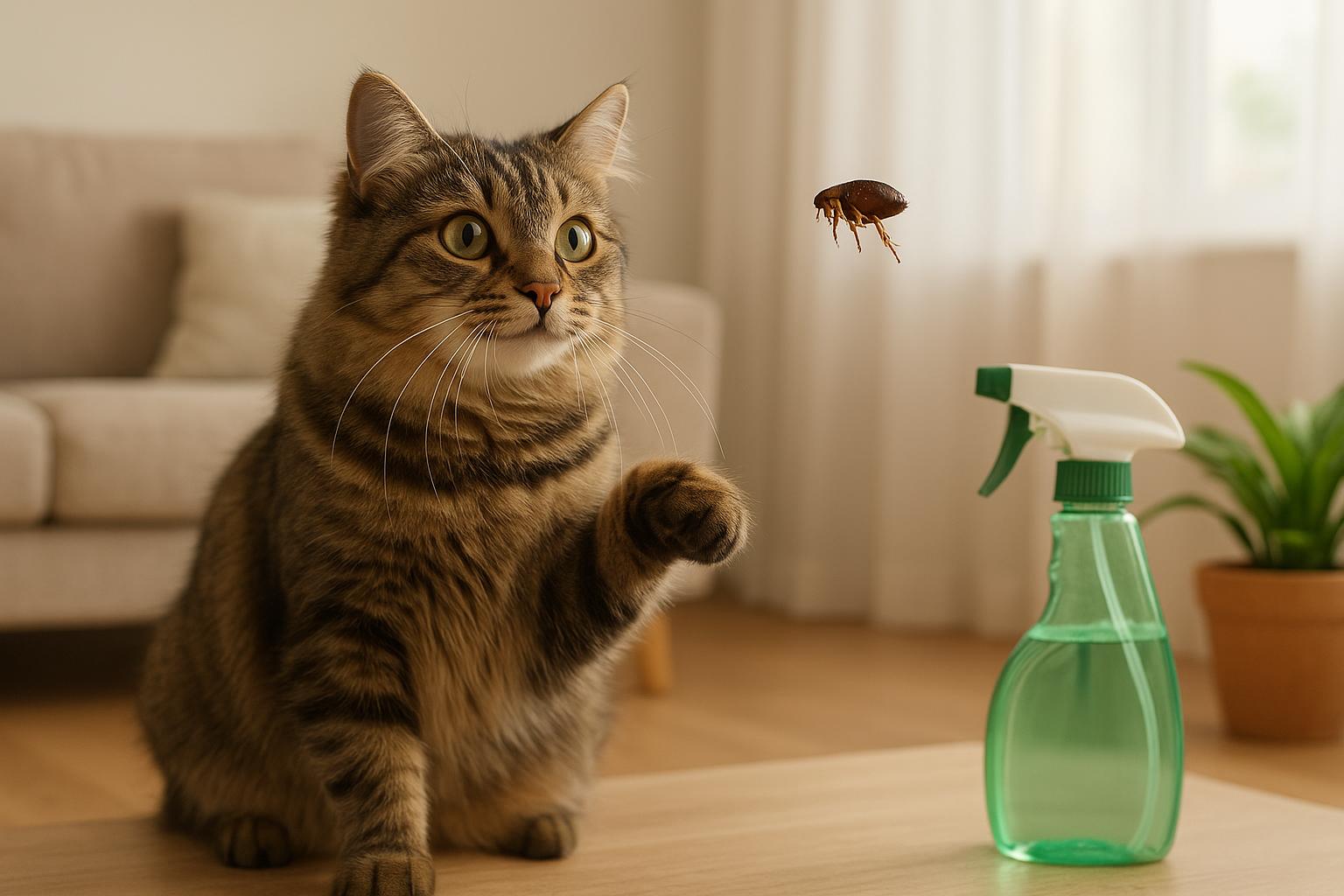
An indoor cat flea issue often starts small: a single flea on a guest’s coat, a rodent that slipped into the garage, or a sunny window ledge where outdoors meets indoors. Addressing only adult fleas on the cat is like mopping the floor while the faucet runs.
### Choose Vet-Approved Preventives
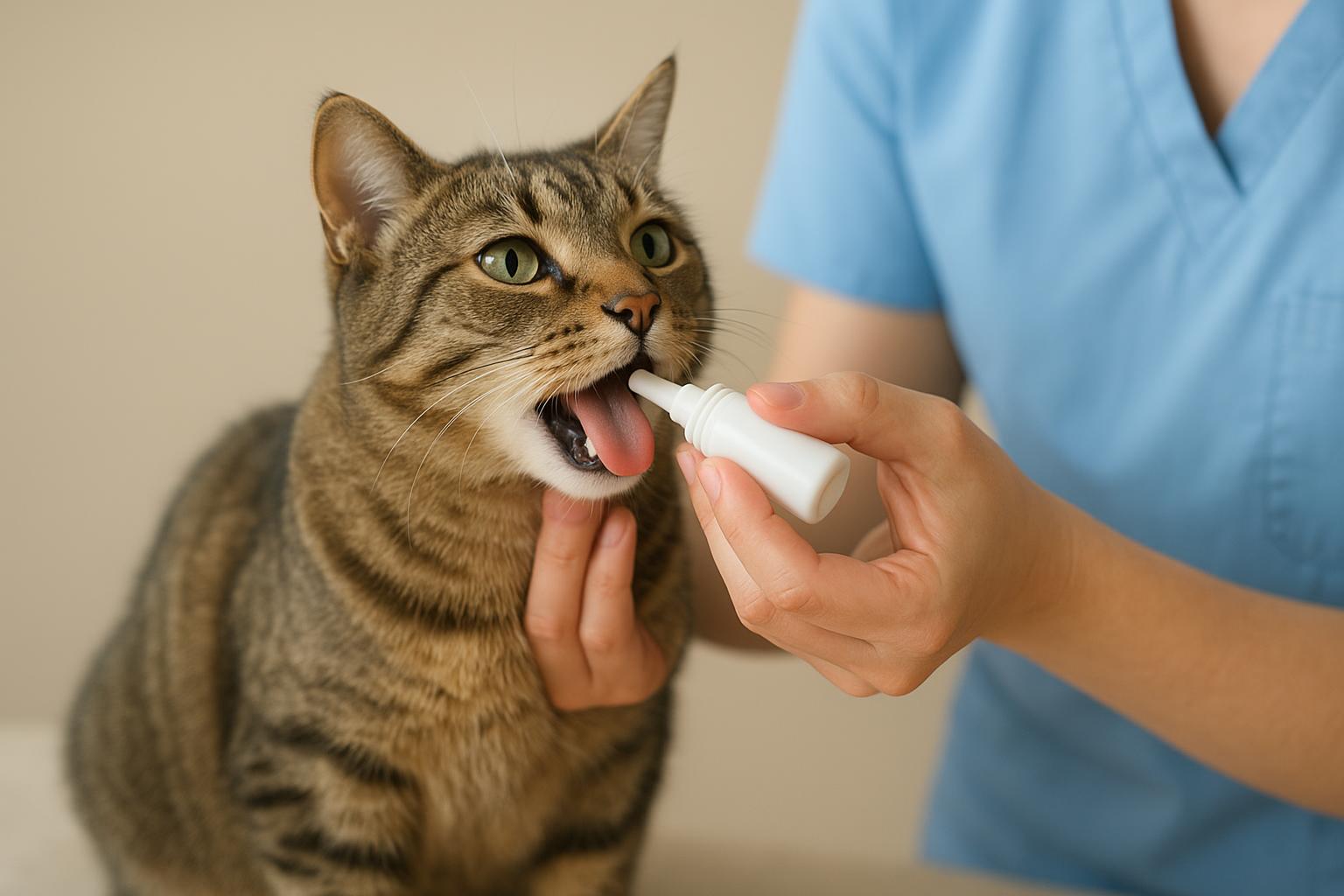
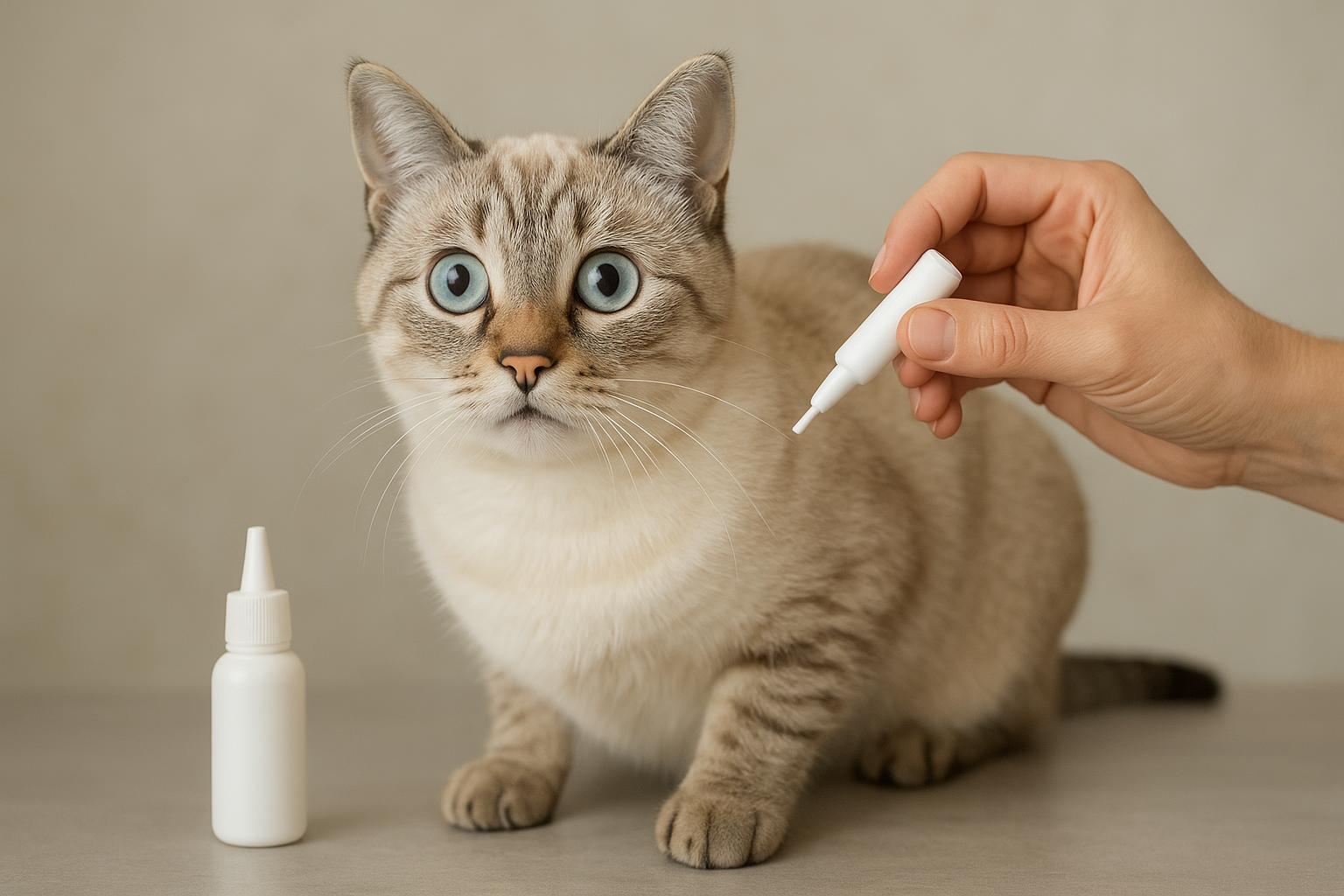
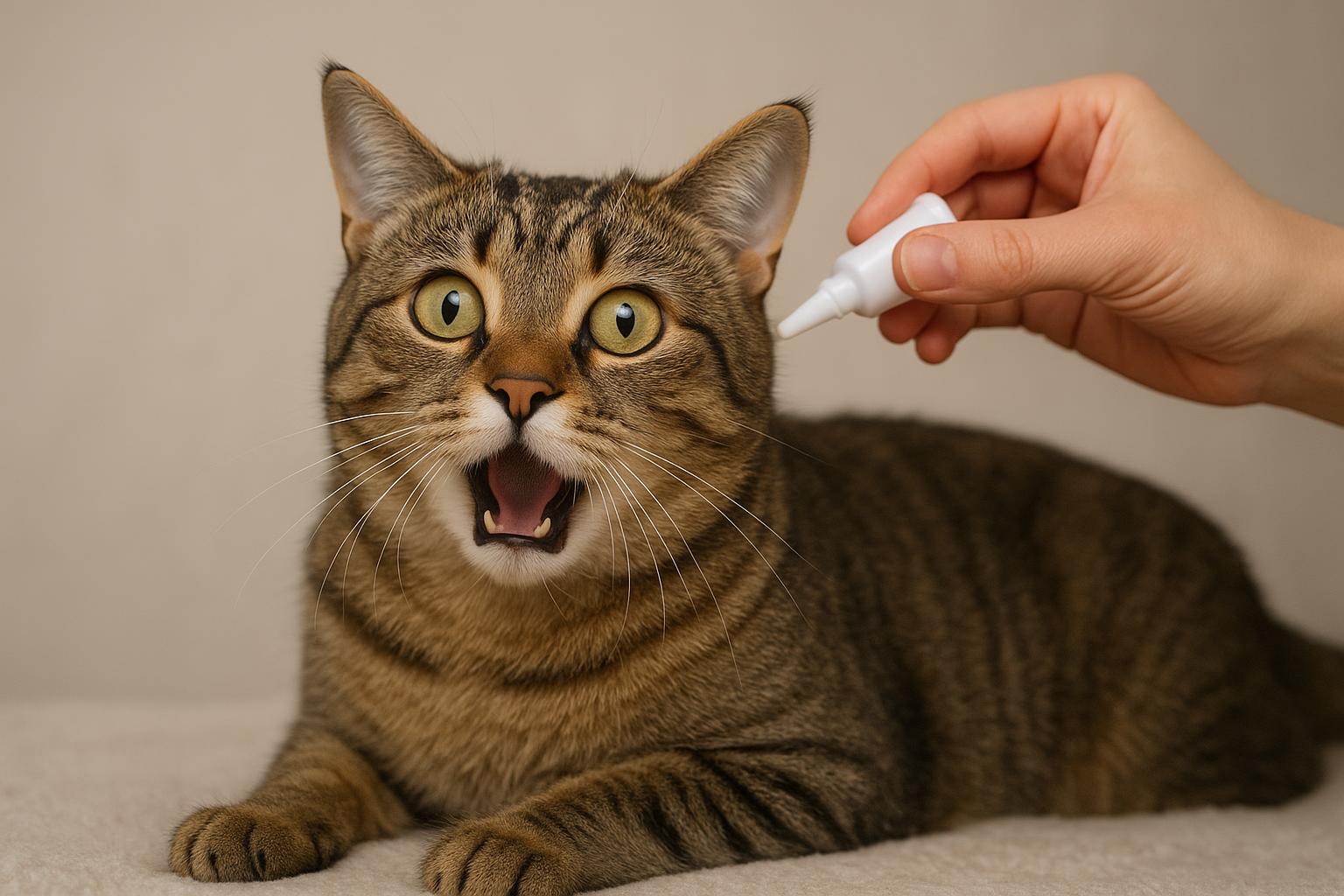
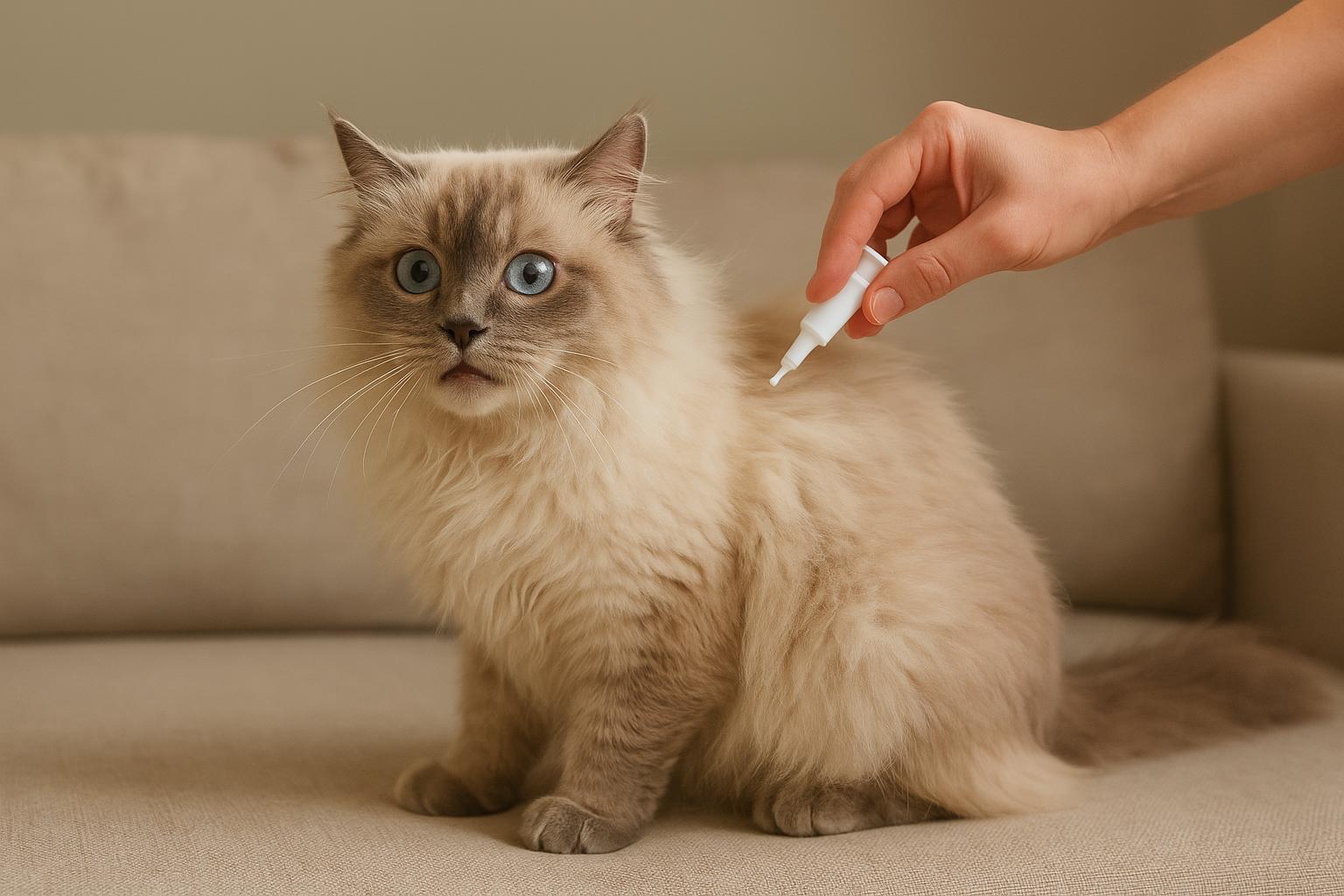
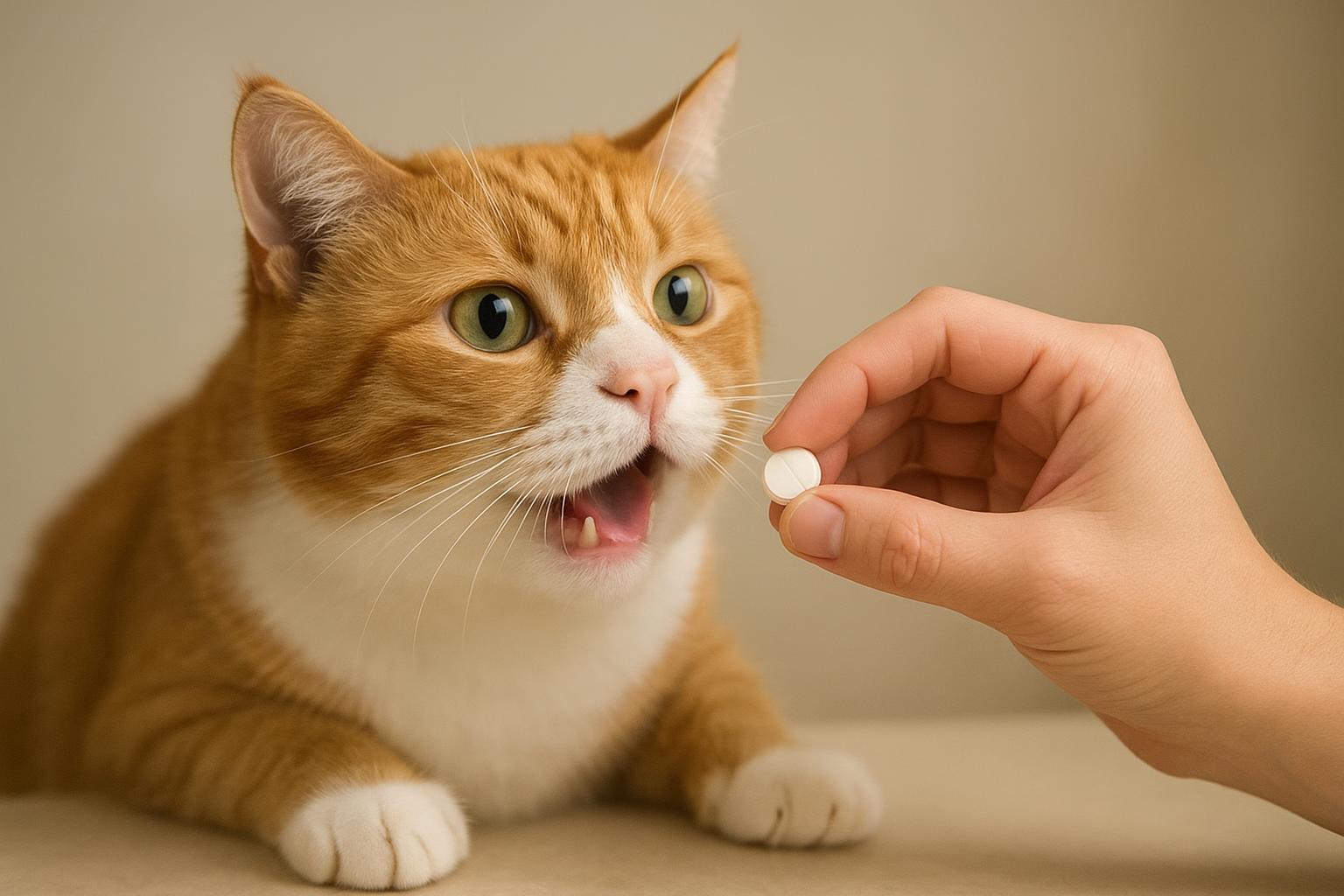
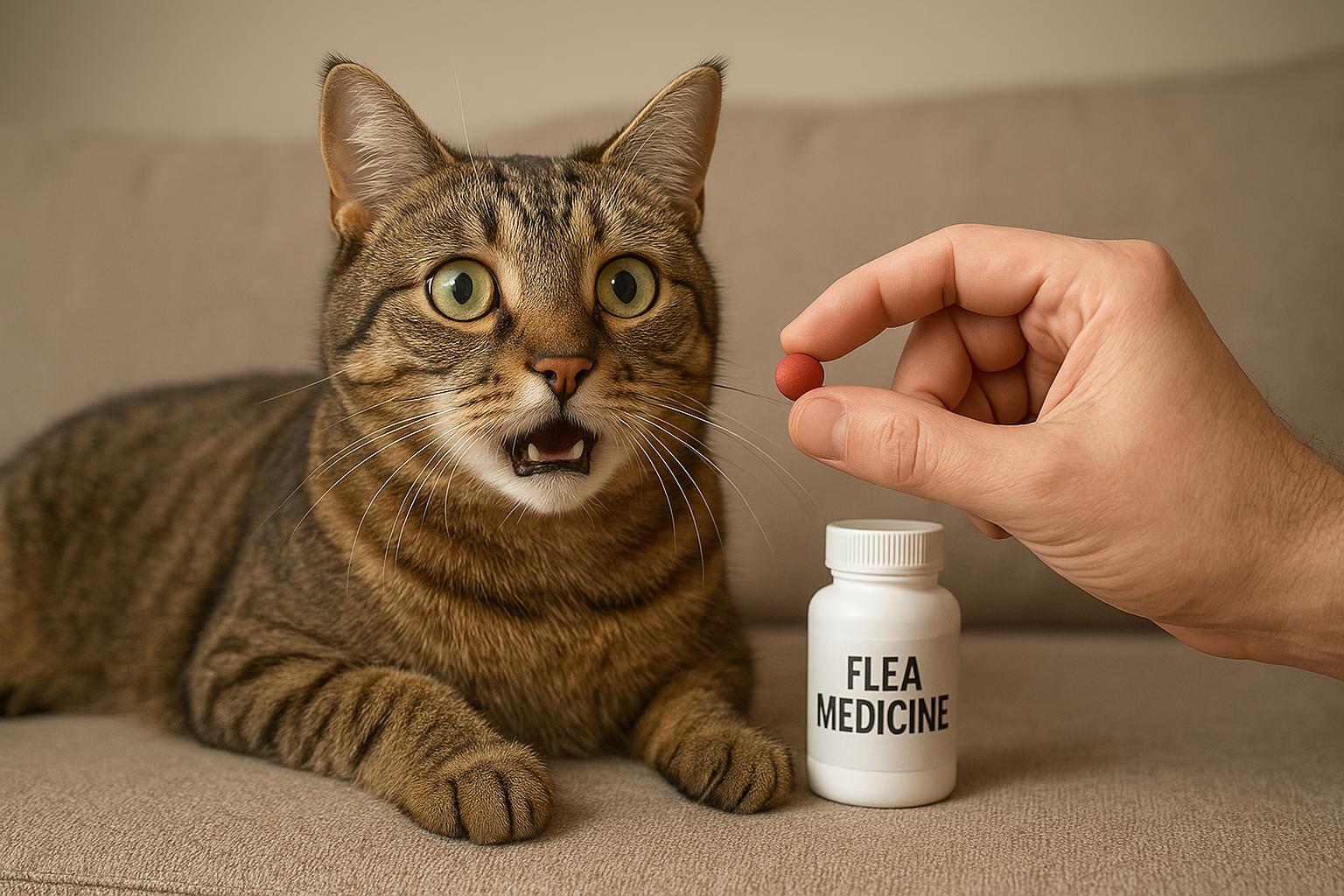
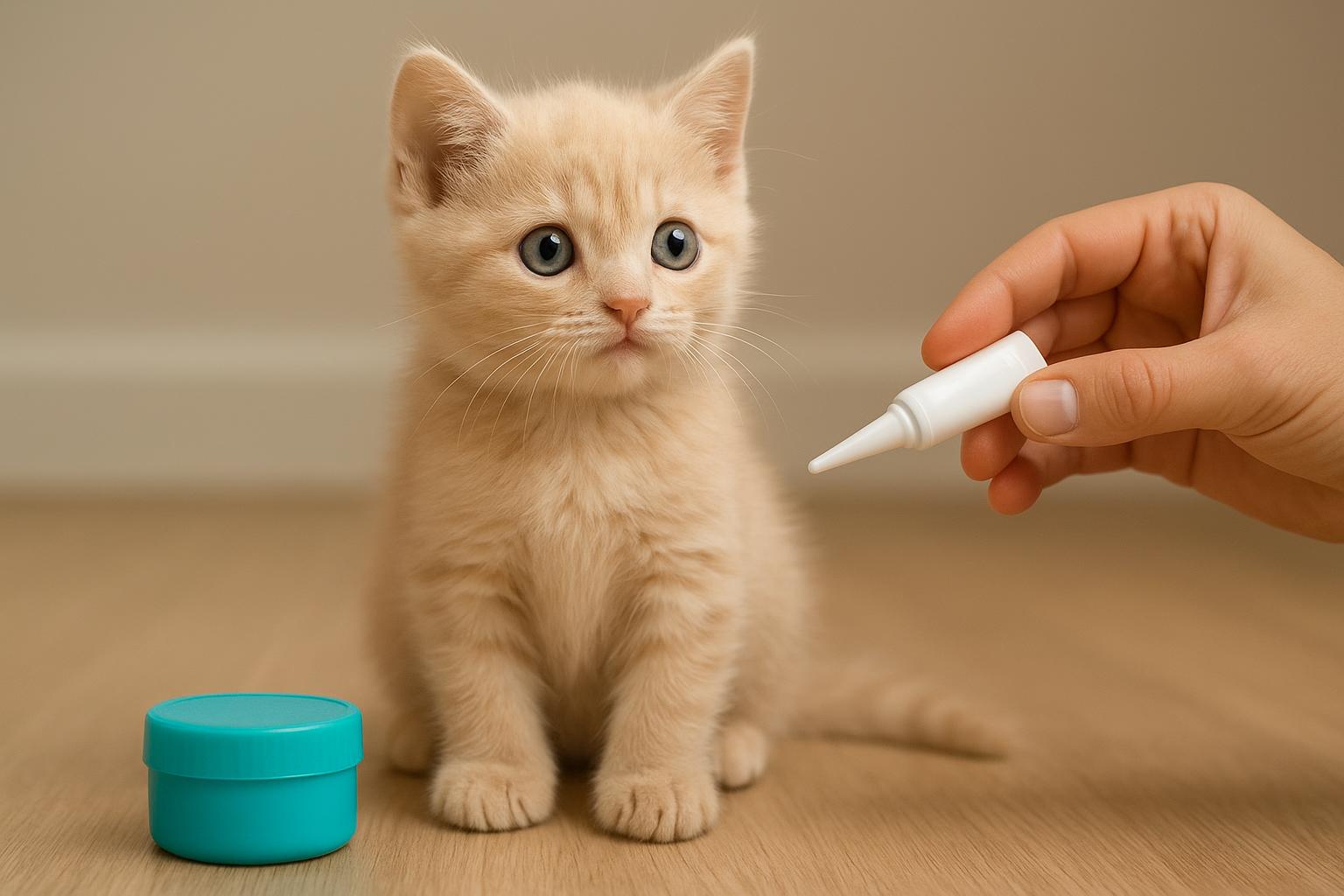
One of the top strategies for flea prevention in house cats is using a veterinary-recommended product every month. There are topical phosphorus-free treatments, oral tablets, and long-lasting collars. Each has pros and cons.
#### Why Prescription Products Beat DIY Remedies
Over-the-counter sprays and shampoos can help in a pinch, but they’re not a long-term solution. Prescription products are formulated to break the flea life cycle—killing adults and preventing eggs and larvae from surviving. Ask your vet for options that fit your cat’s age, weight, and health status. Kittens and seniors need different dosing; pregnant or nursing cats have special considerations.
### Treat The Home, Not Just The Cat
A practical entry among the top strategies for flea prevention in house cats is environmental control. Household fleas thrive in warm, humid places. They love carpet edges, upholstered furniture, and crevices in baseboards.
#### Cleaning Steps That Actually Work
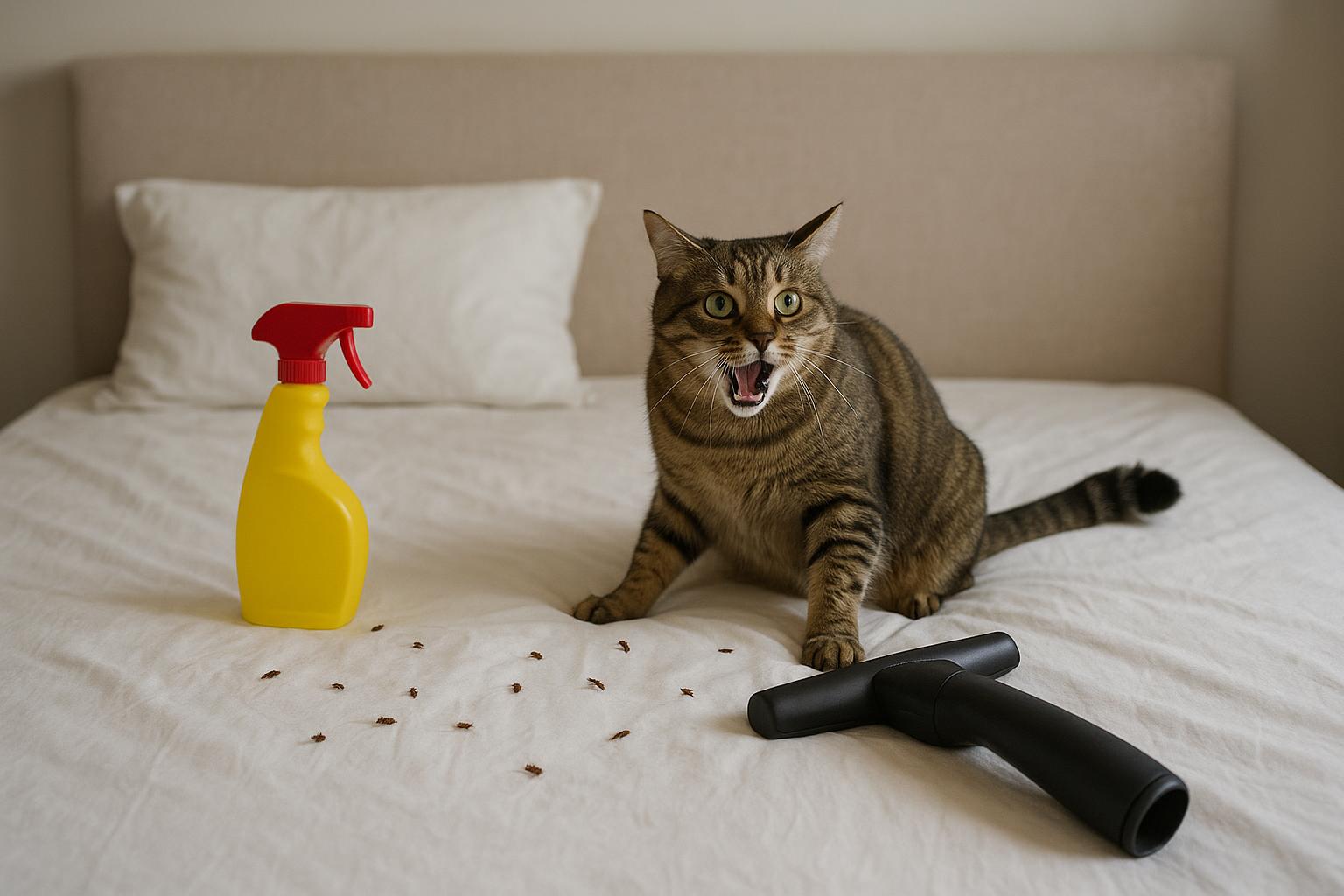
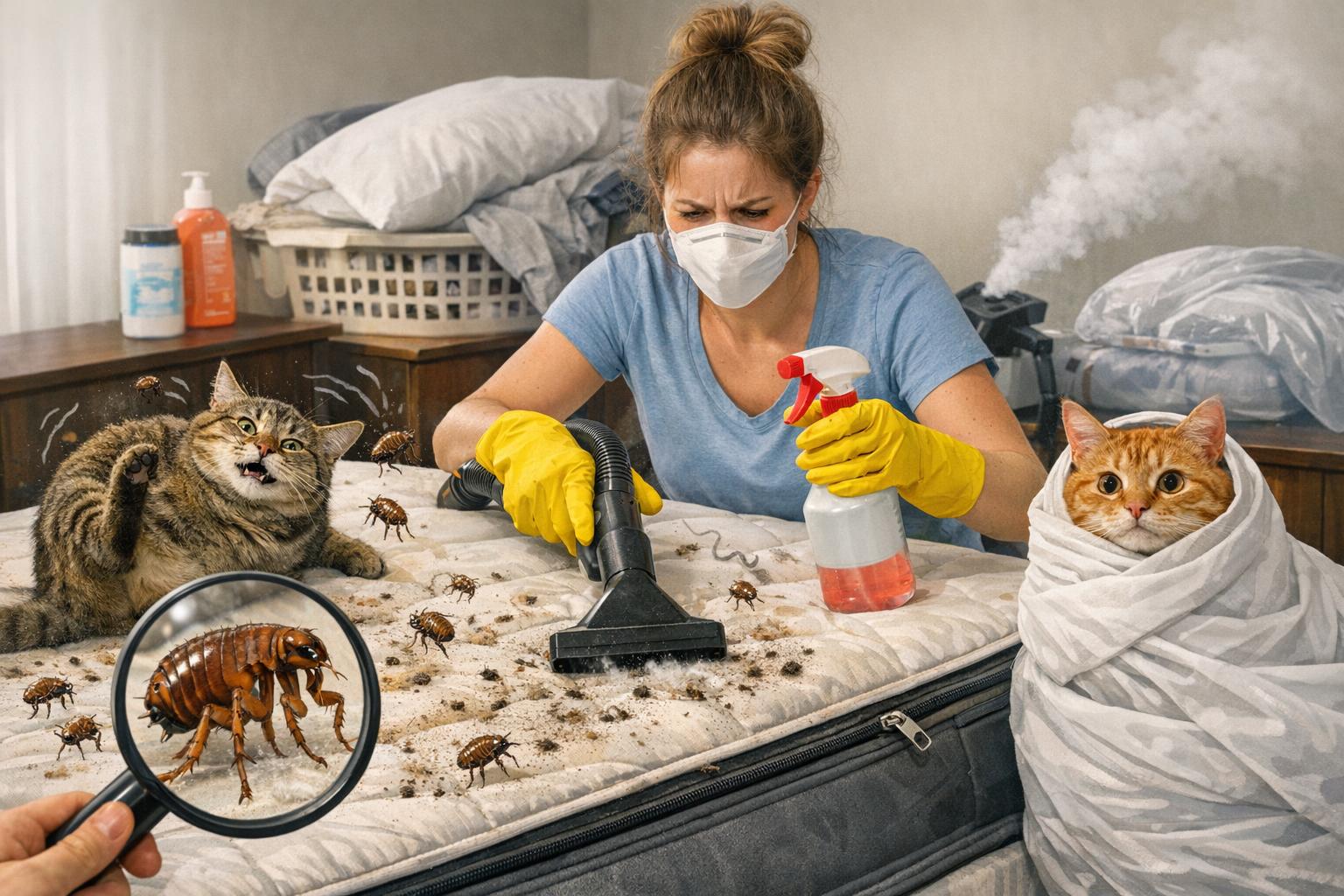
– Vacuum daily in high-traffic areas, including under furniture and along baseboards. Empty the vacuum canister or dispose of the bag immediately to avoid reintroducing fleas.
– Wash all pet bedding, throw blankets, and any fabric the cat uses in hot water weekly.
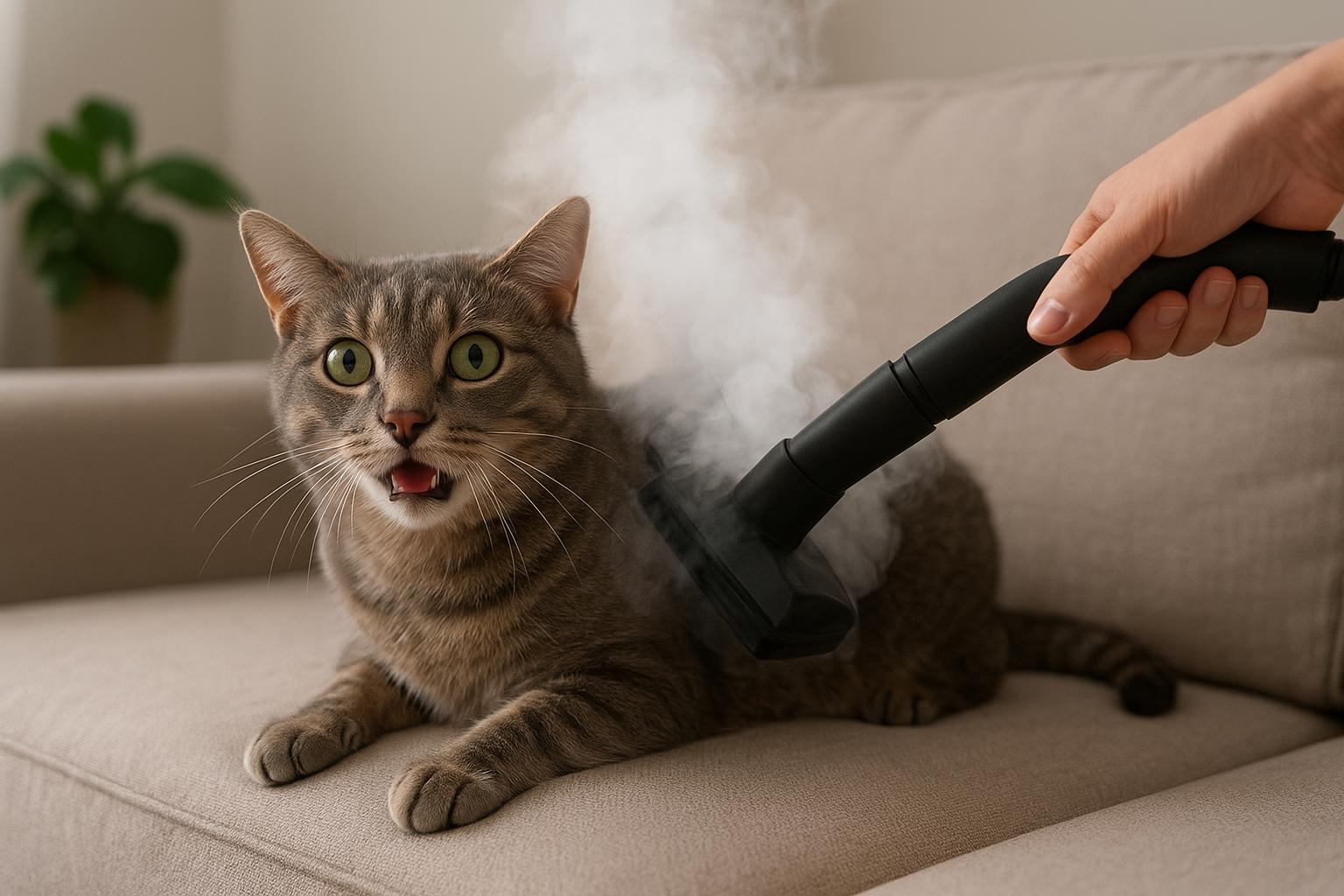
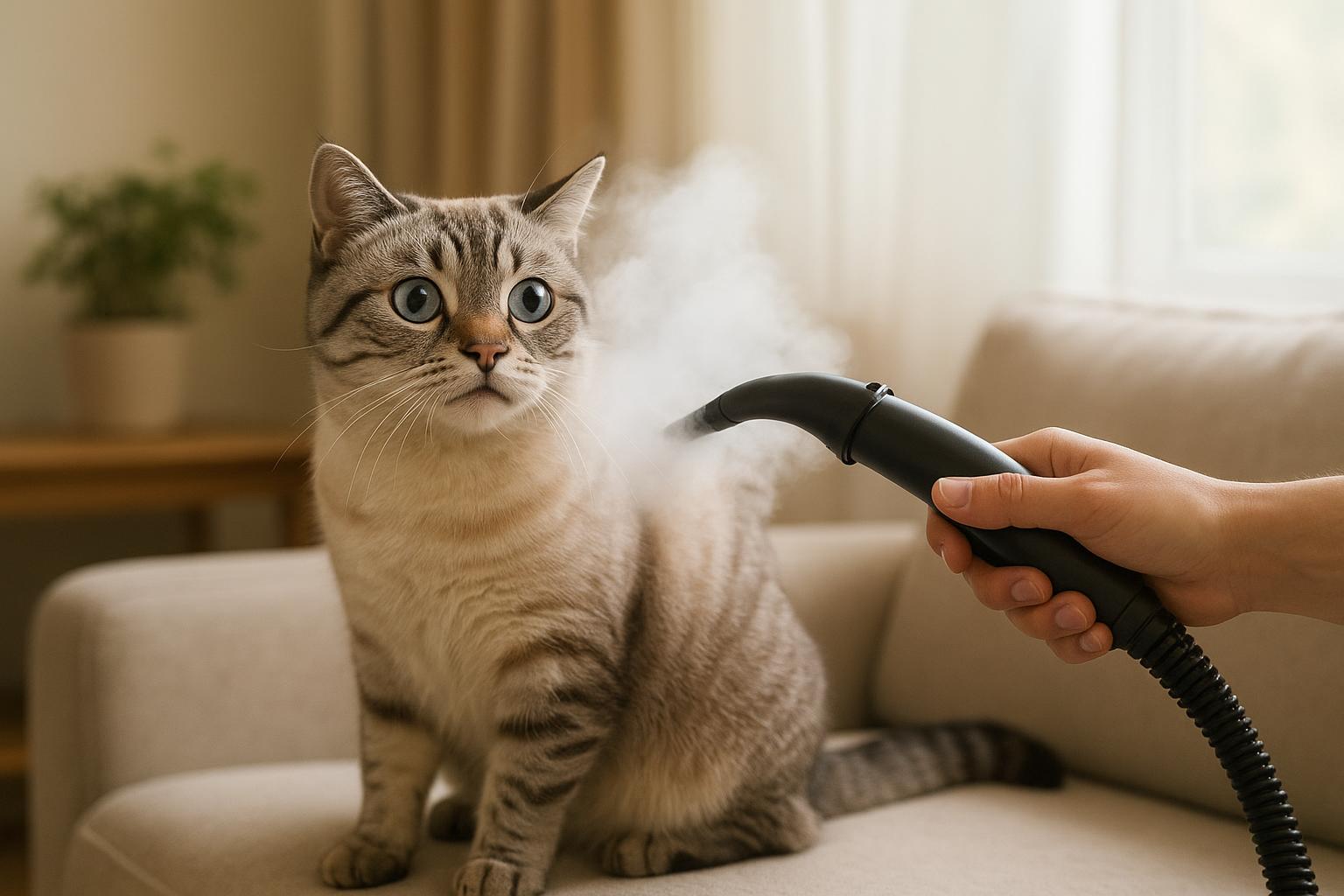
– Steam-clean carpets and upholstery when you can; the heat will kill eggs and larvae.
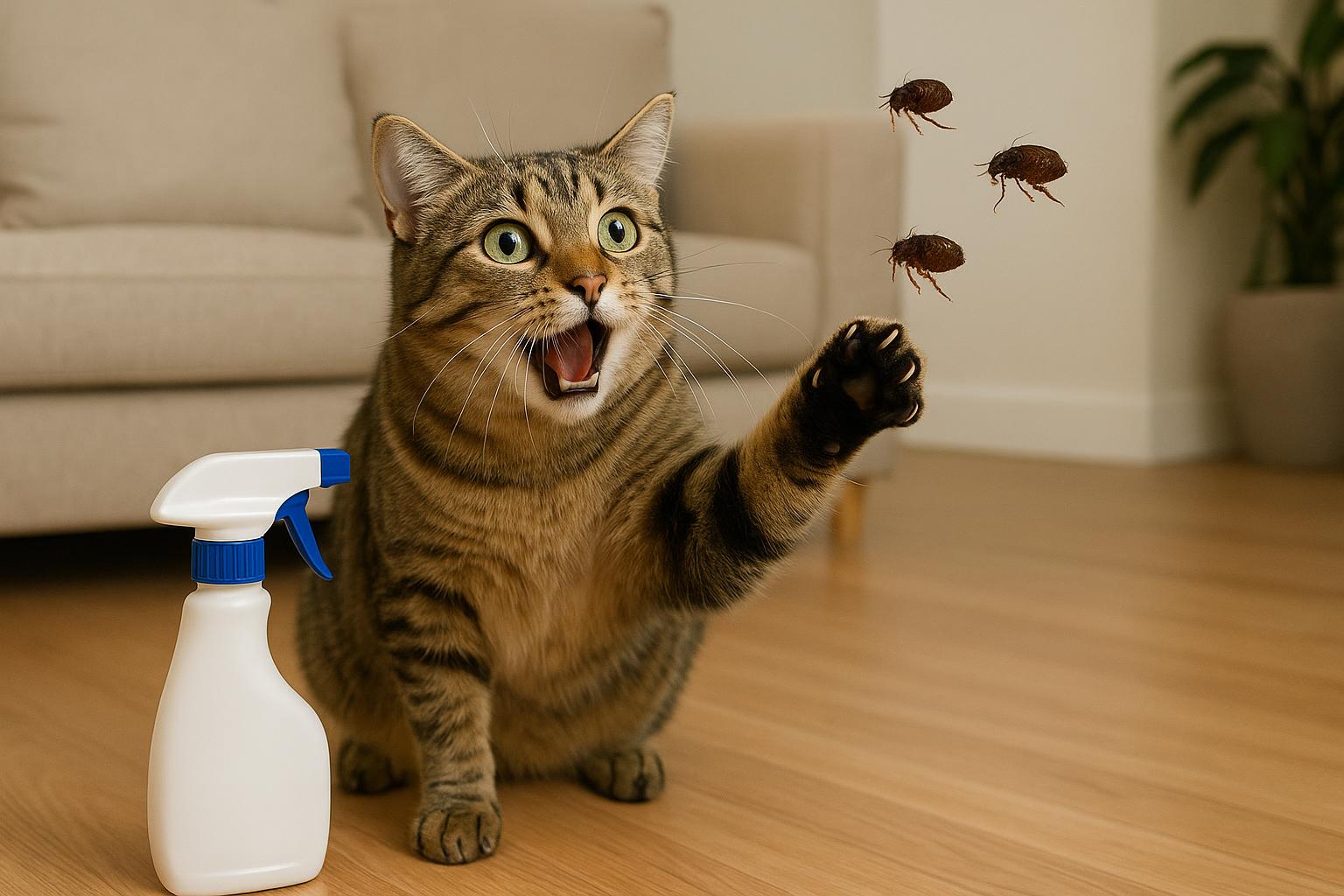
– Consider treating the house with an IGR (insect growth regulator) product when infestation signs appear. These products stop eggs and larvae from maturing.
Vacuuming is one of the best defenses against household fleas. The physical removal of eggs and larvae is immediate and chemical-free. It won’t solve a heavy infestation alone, but it reduces the numbers while you handle the rest.
### Pay Attention To Entry Points
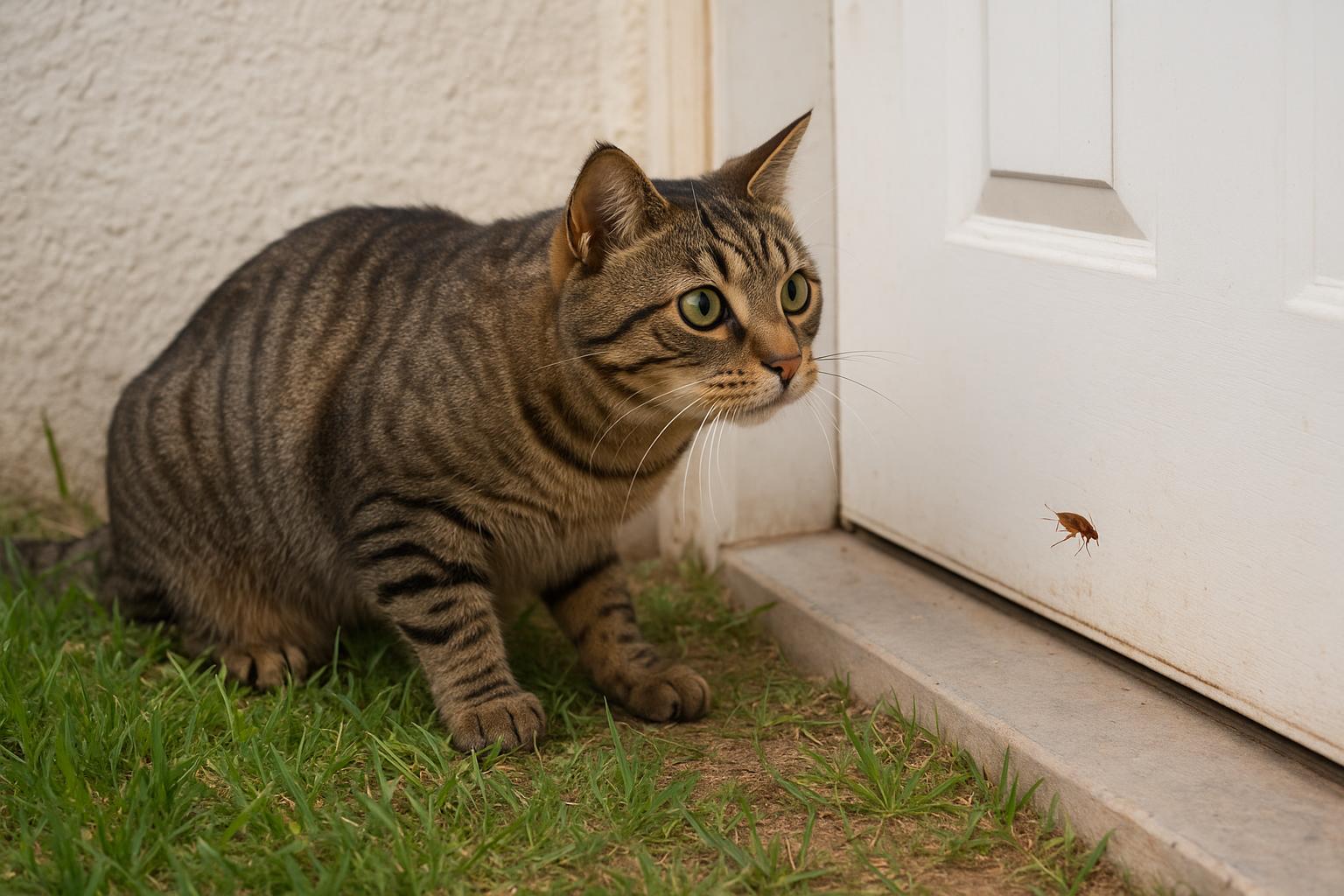
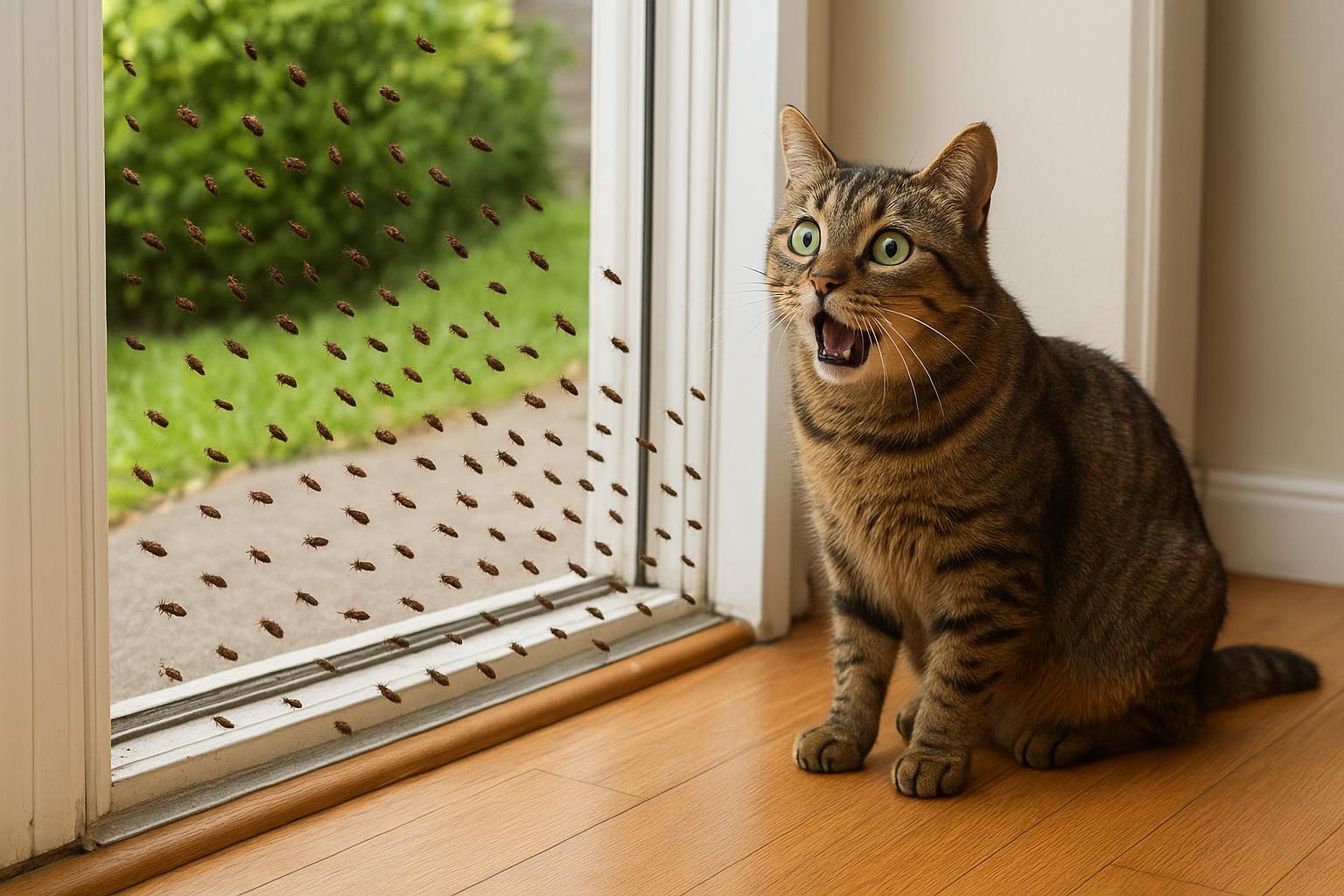
Even indoor-only cats go through doors, and people bring in things from outside. A single adult flea on a shoe or a houseplant can seed an infestation. Seal gaps around windows and doors, use doormats, and inspect second-hand furniture before bringing it inside. If you have a basement or garage, check those areas regularly; rodents there can carry fleas.
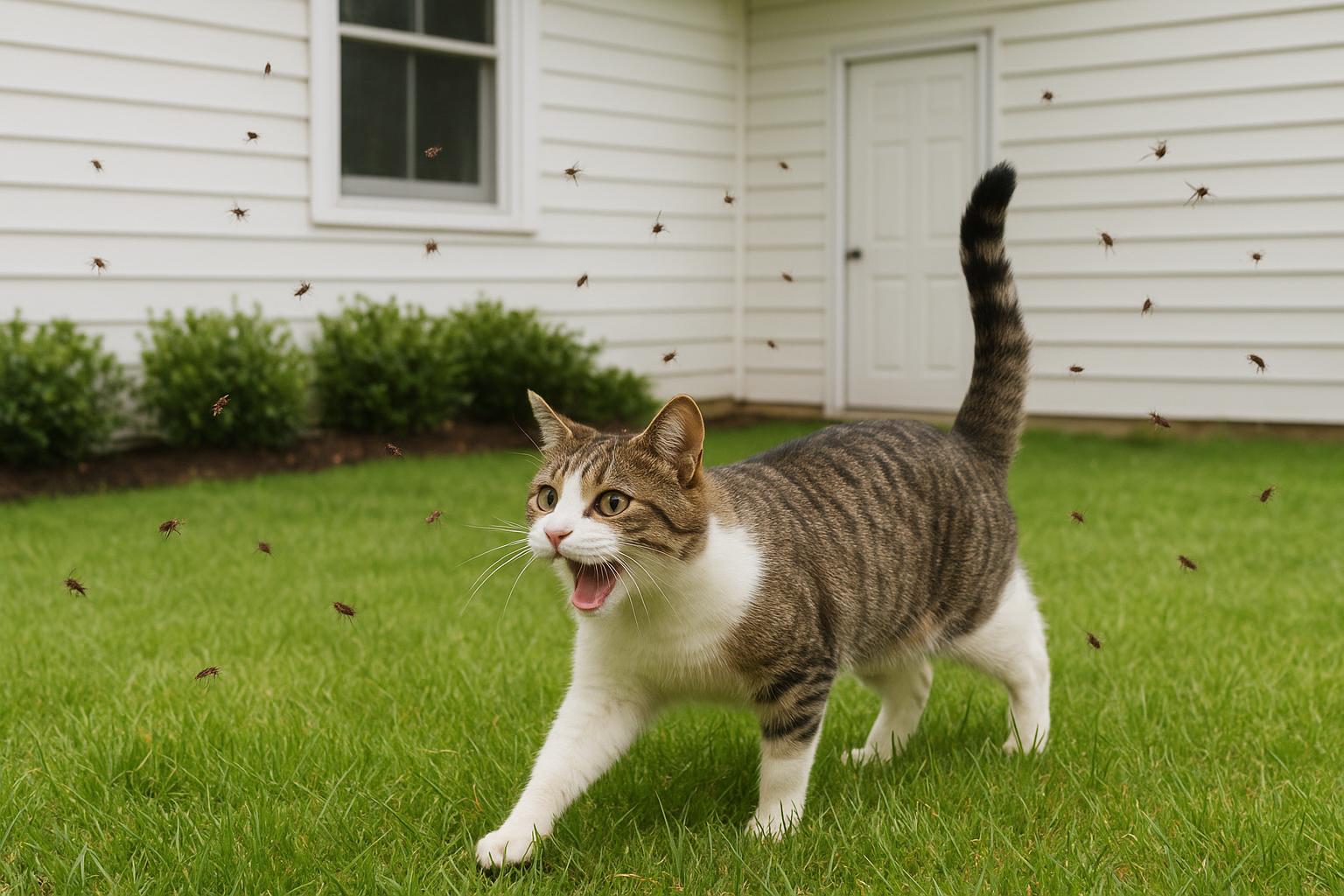
If outdoor access is allowed—even brief supervised patio time—treat the outdoor area too. Fleas can live in shaded, cool spots under decks and in leaf litter. Reducing those habitats lowers the chance of an outdoor-to-indoor transfer.
### Monitor And Inspect Regularly
Early detection makes treatment far easier. Make visual checks part of your routine.
#### Where To Look
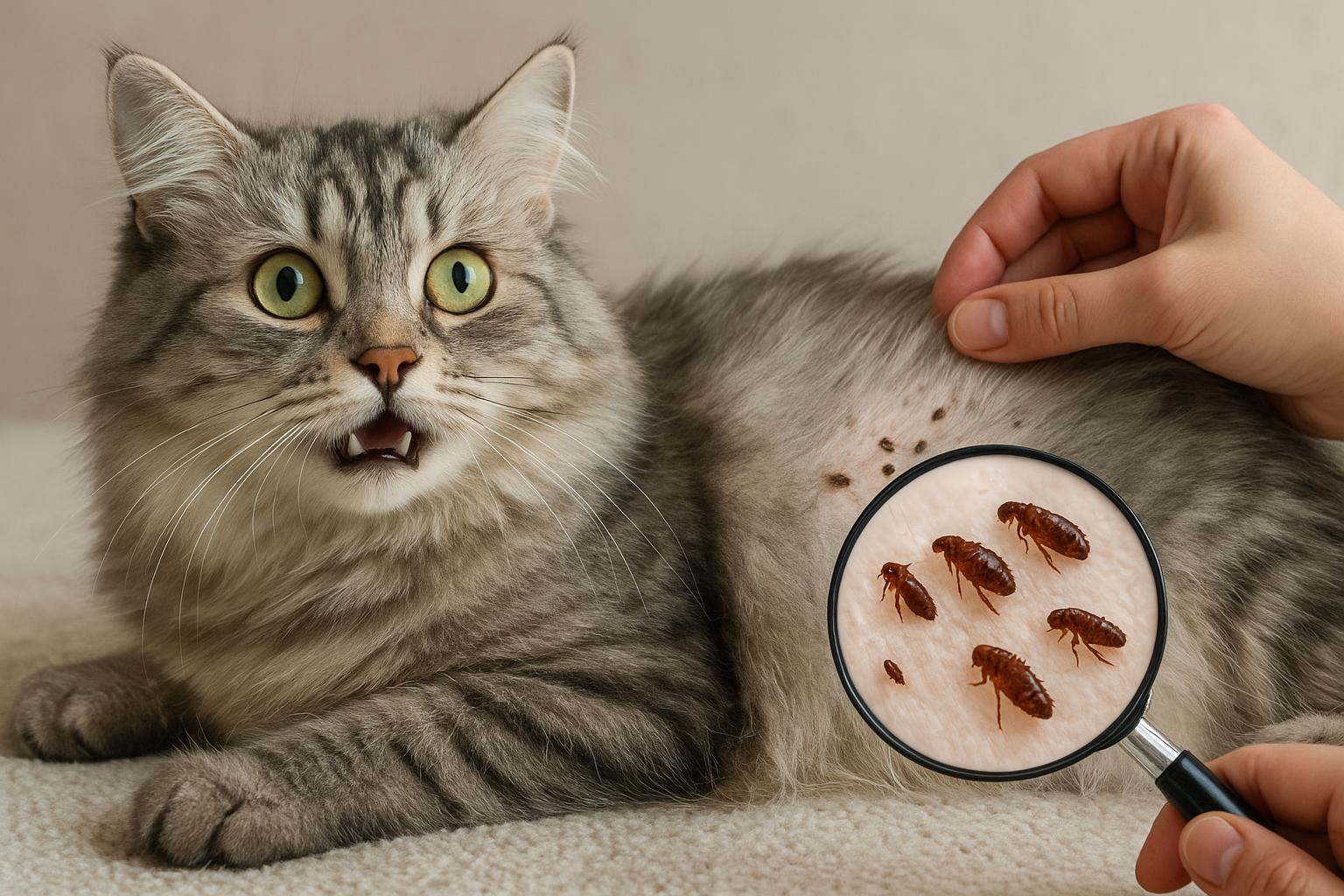
– Behind the neck and at the base of the tail—fleas like warm, protected spots.
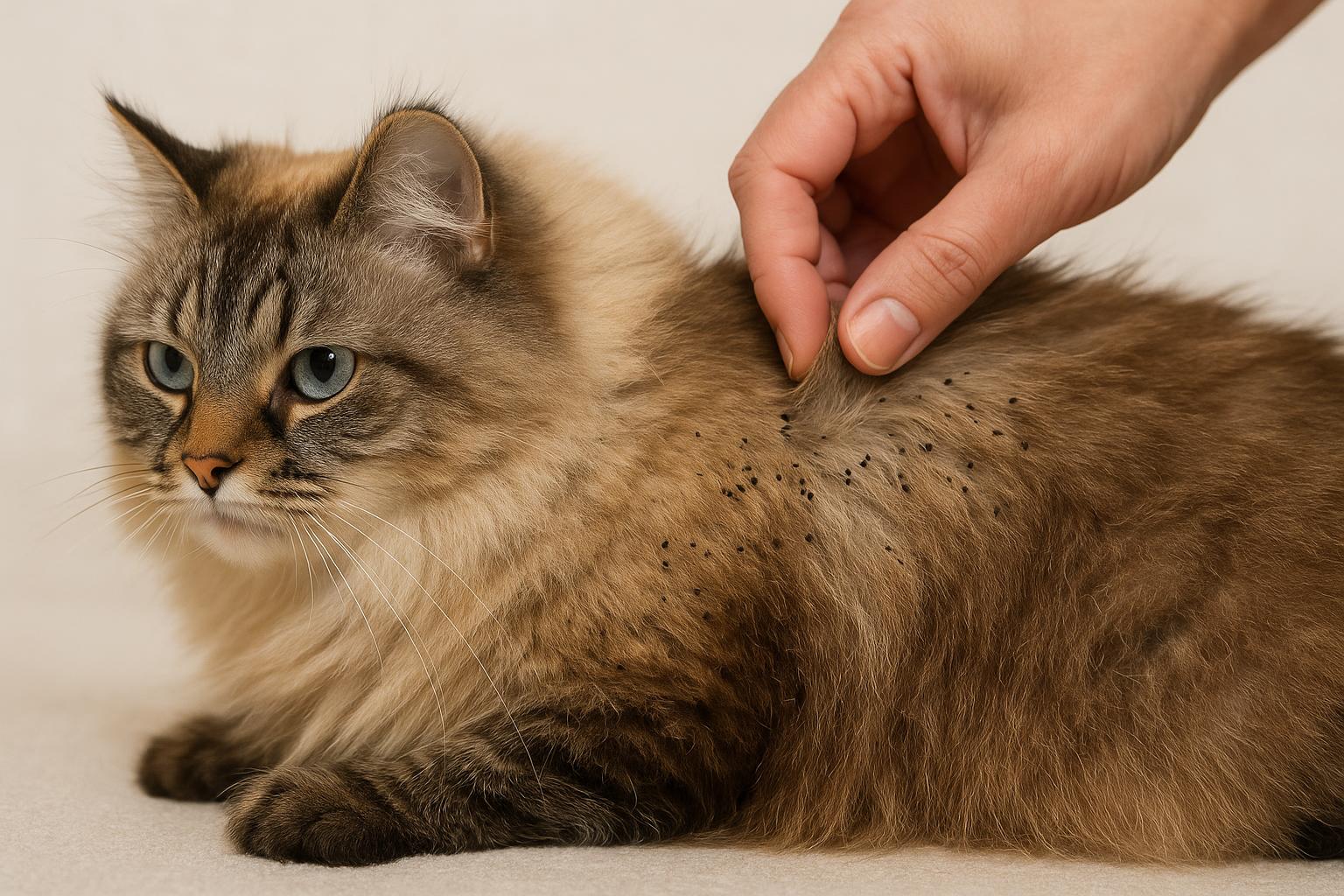
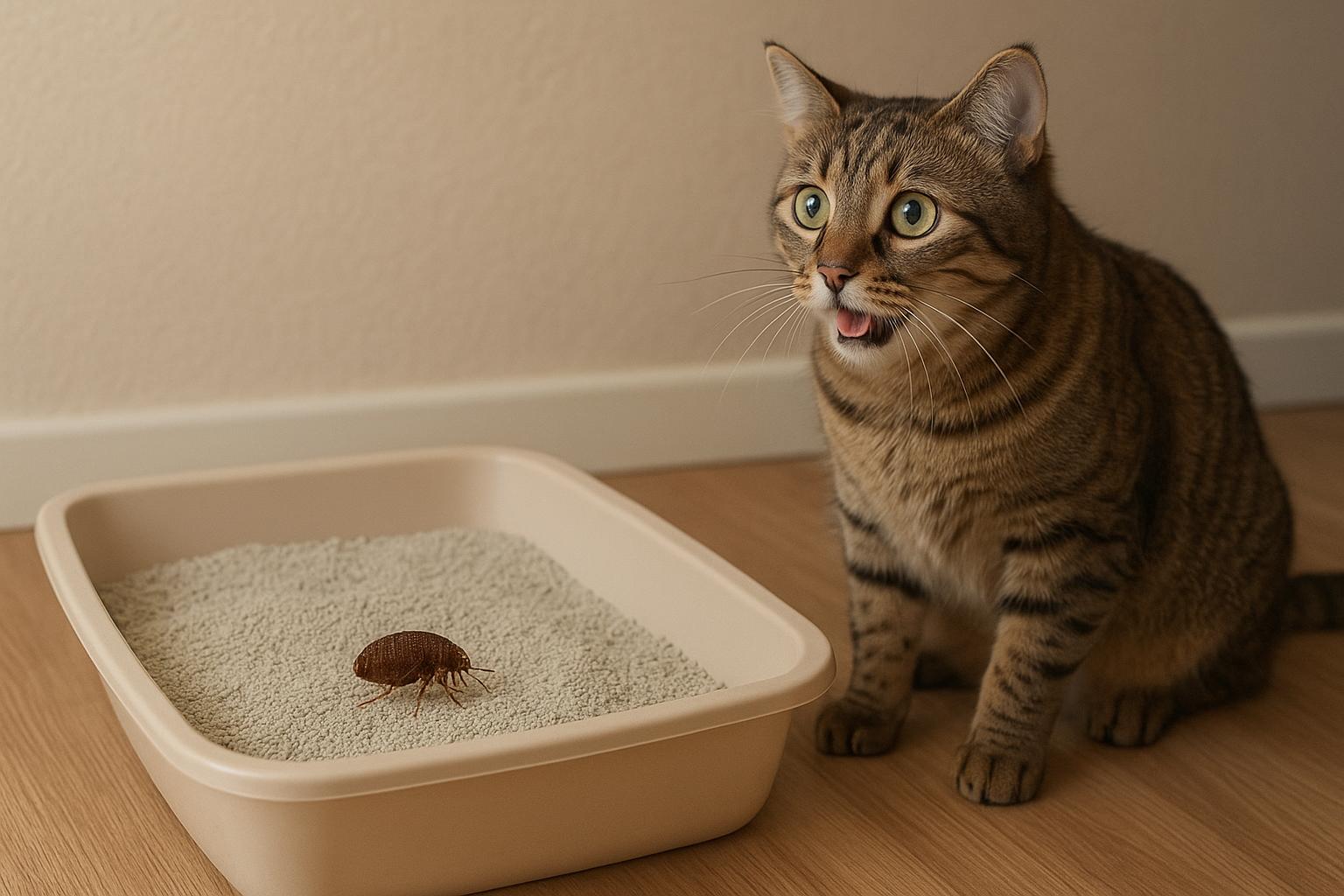
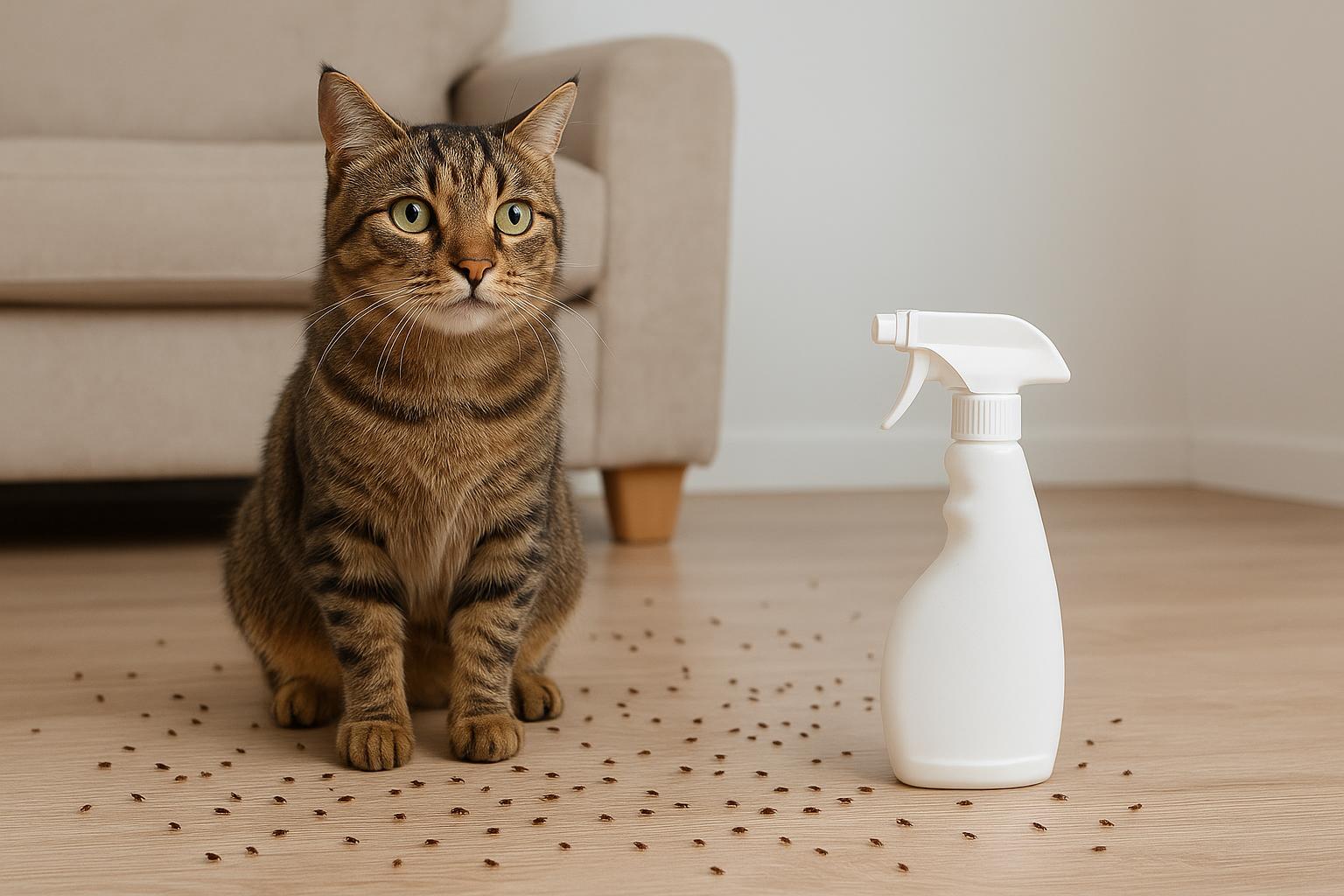
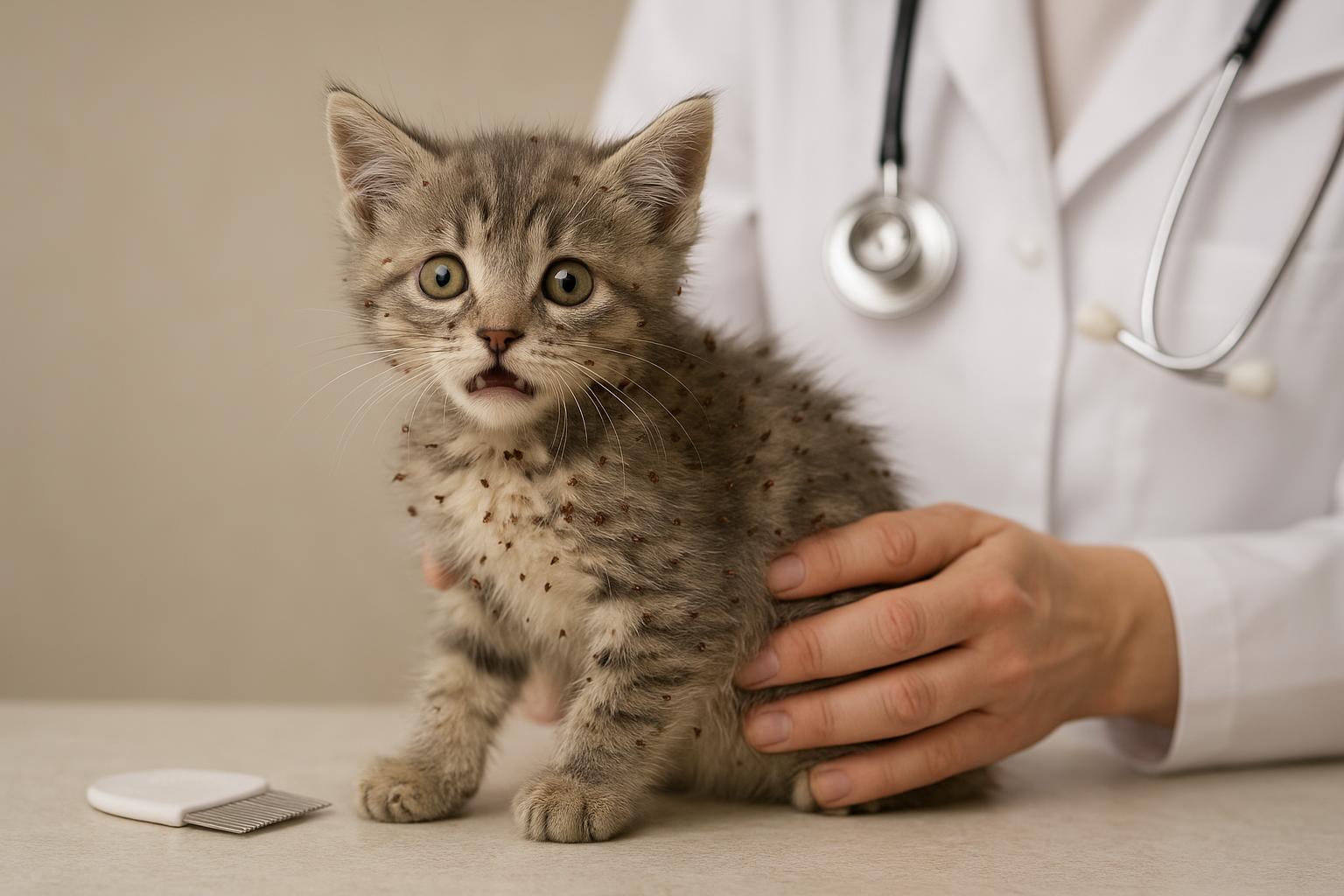
– Around the ears and belly for flea dirt—tiny black specks that look like ground pepper. Wet on a paper towel, this debris turns reddish-brown.
– Bedding and preferred resting spots for eggs and larvae.
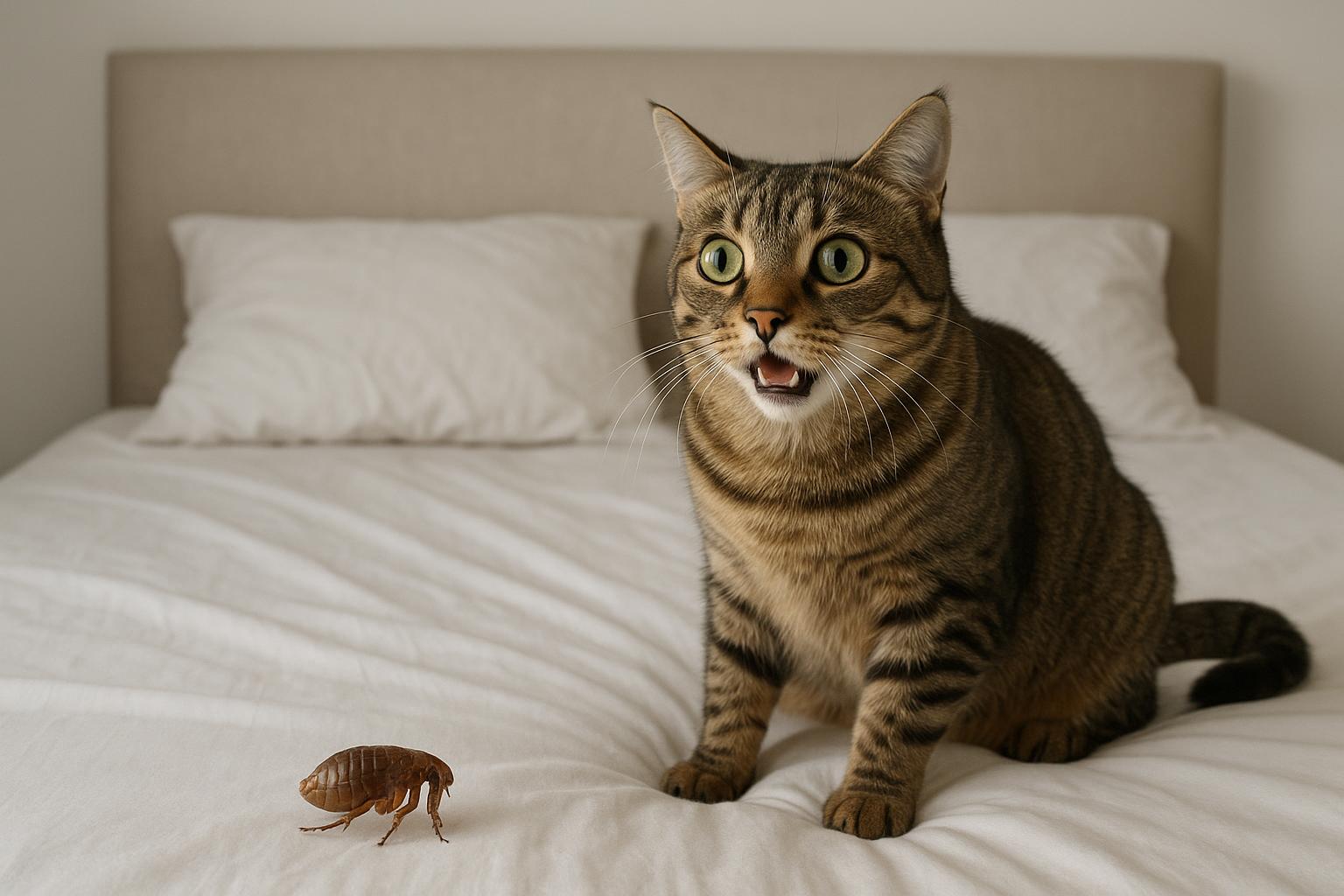
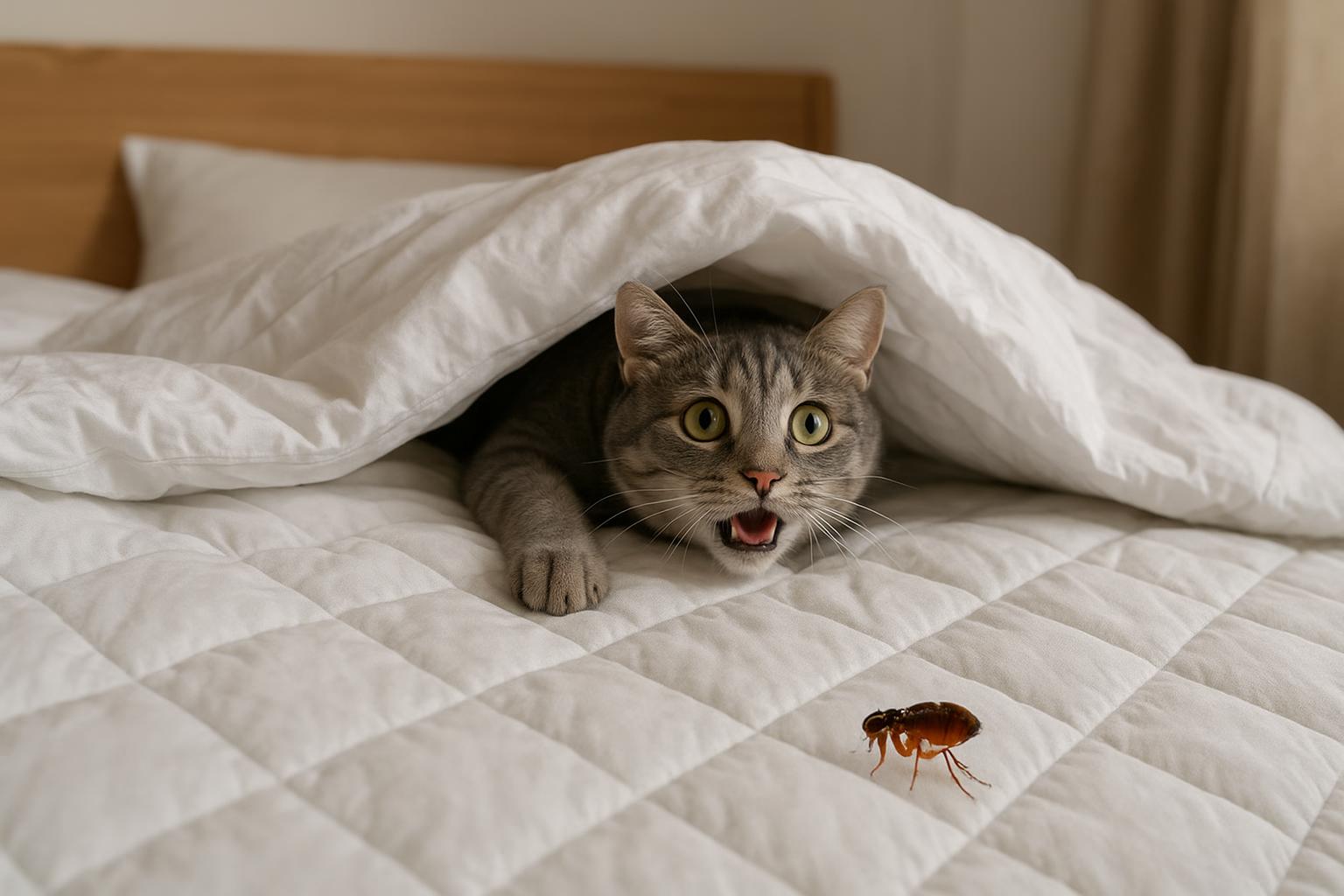
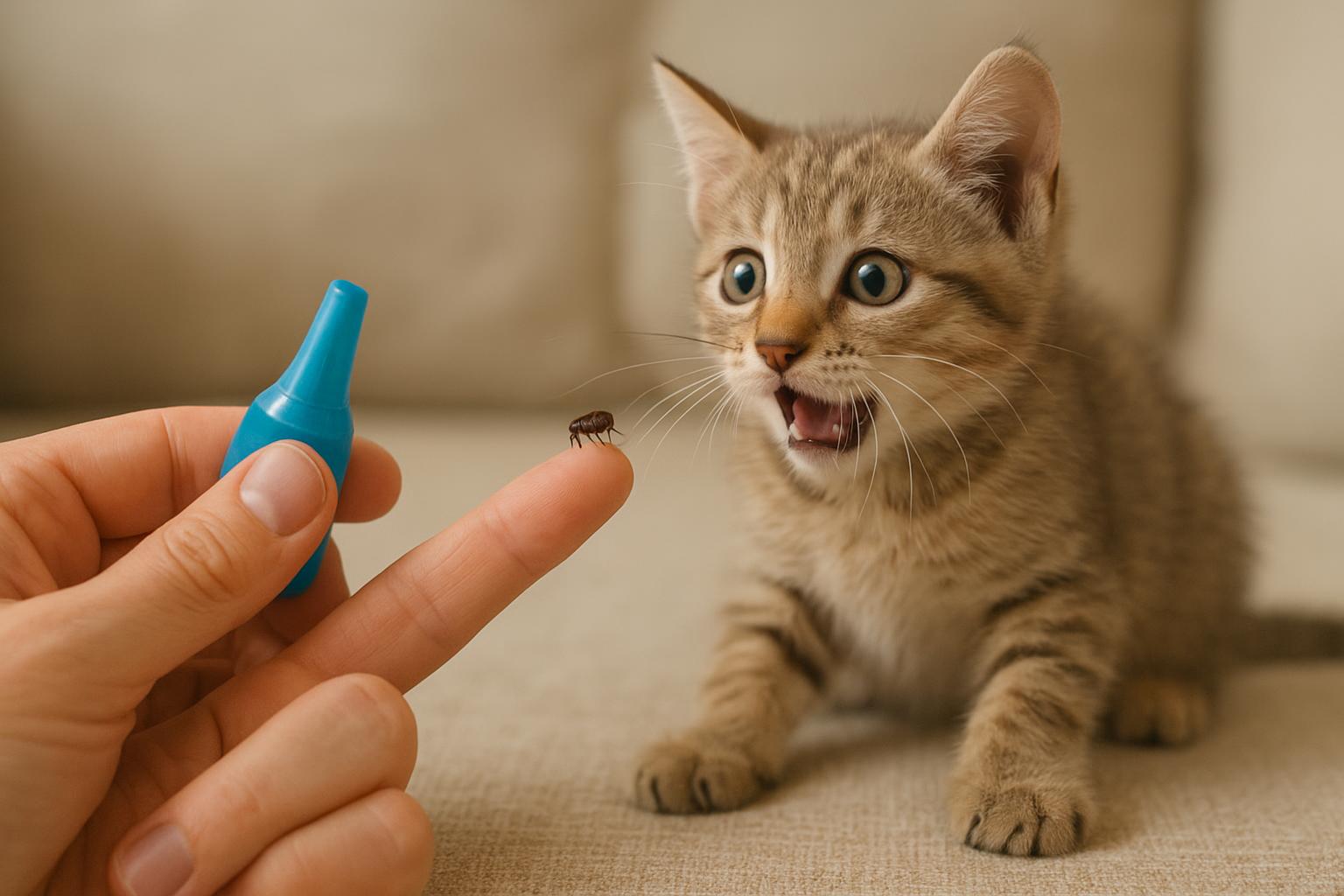
If you spot a single indoor cat flea, don’t dismiss it. Treat the cat and start cleaning immediately. One flea often means there are more life stages hidden in the environment.
### Treat Multiple Pets At Once
If you have more than one animal, treat them all at once to prevent cross-infestation. A flea will hop from cat to dog to cat quickly. Even if one pet seems unaffected, it can carry eggs into the home. Common mistakes are treating only the visibly affected animal or skipping treatment for short-haired pets. Fleas don’t judge fur length.
### Special Considerations For Kittens And Sensitive Cats
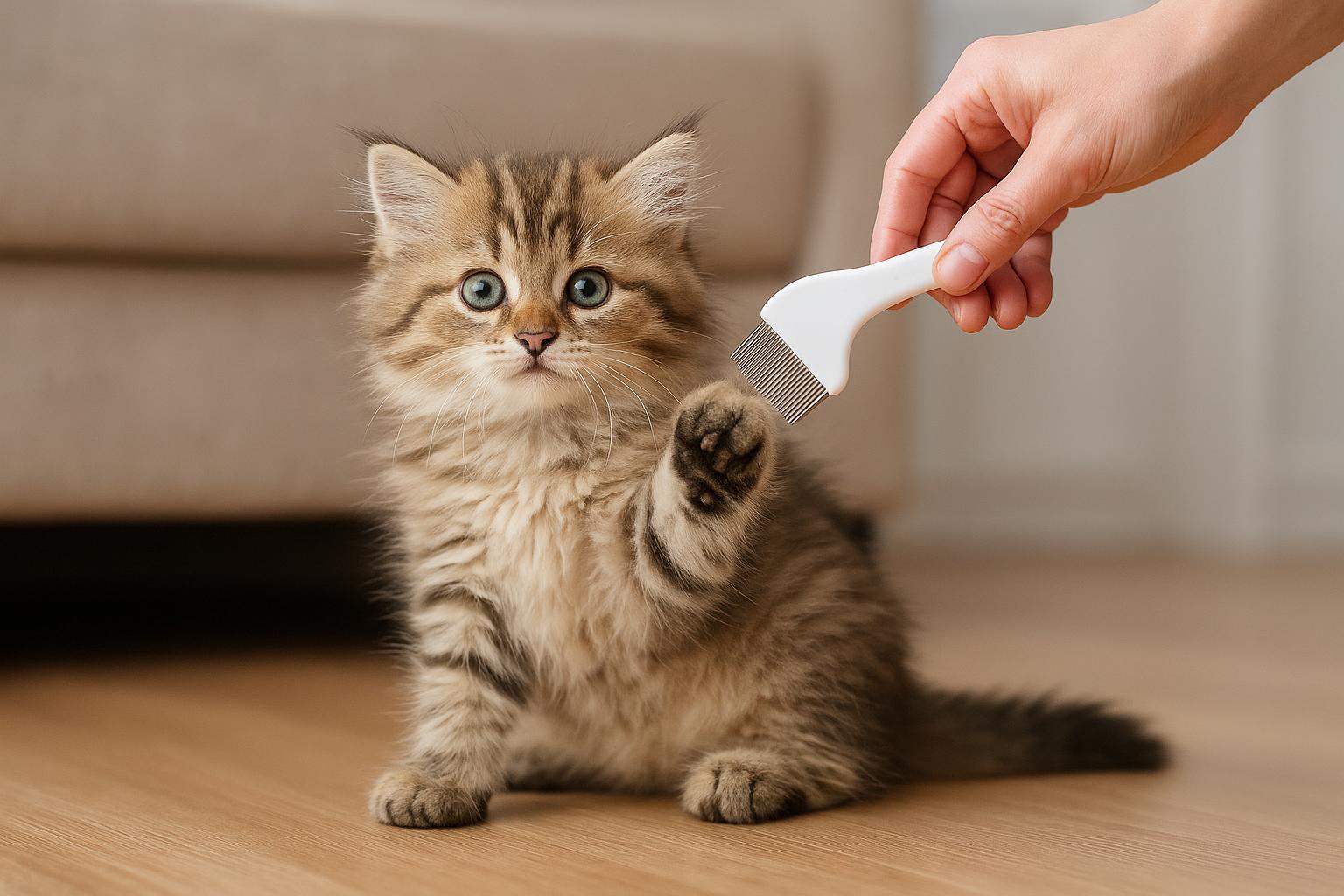
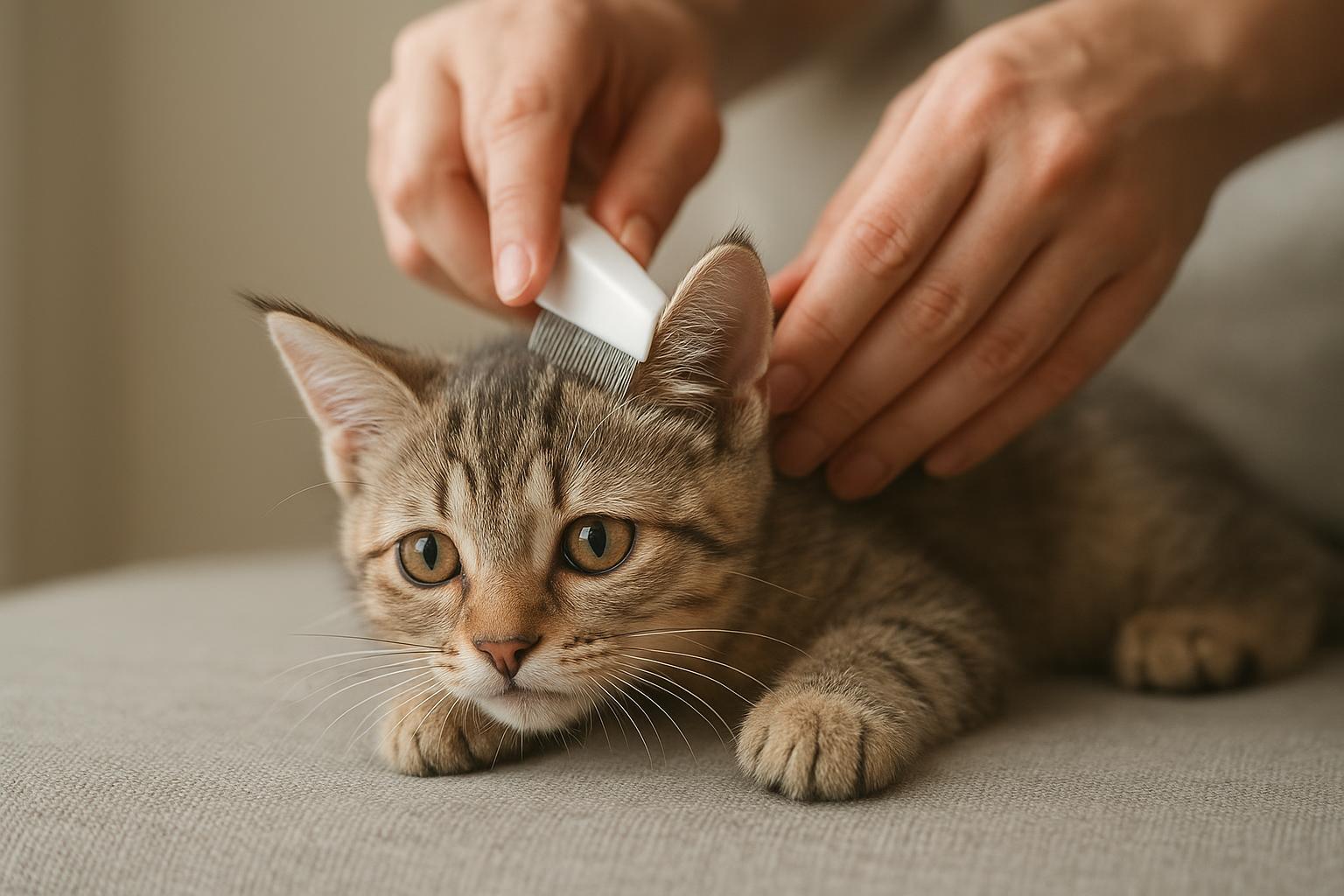
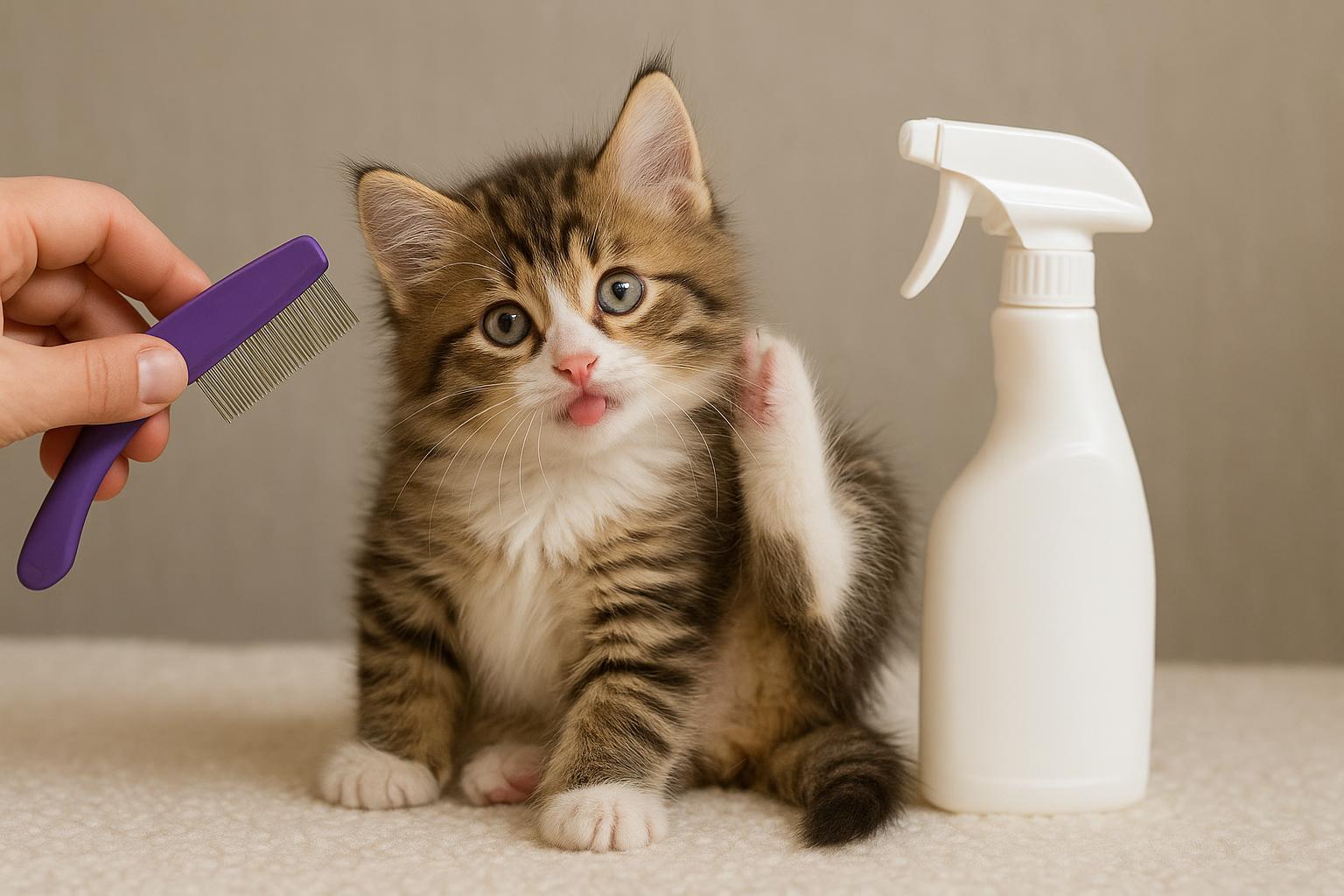
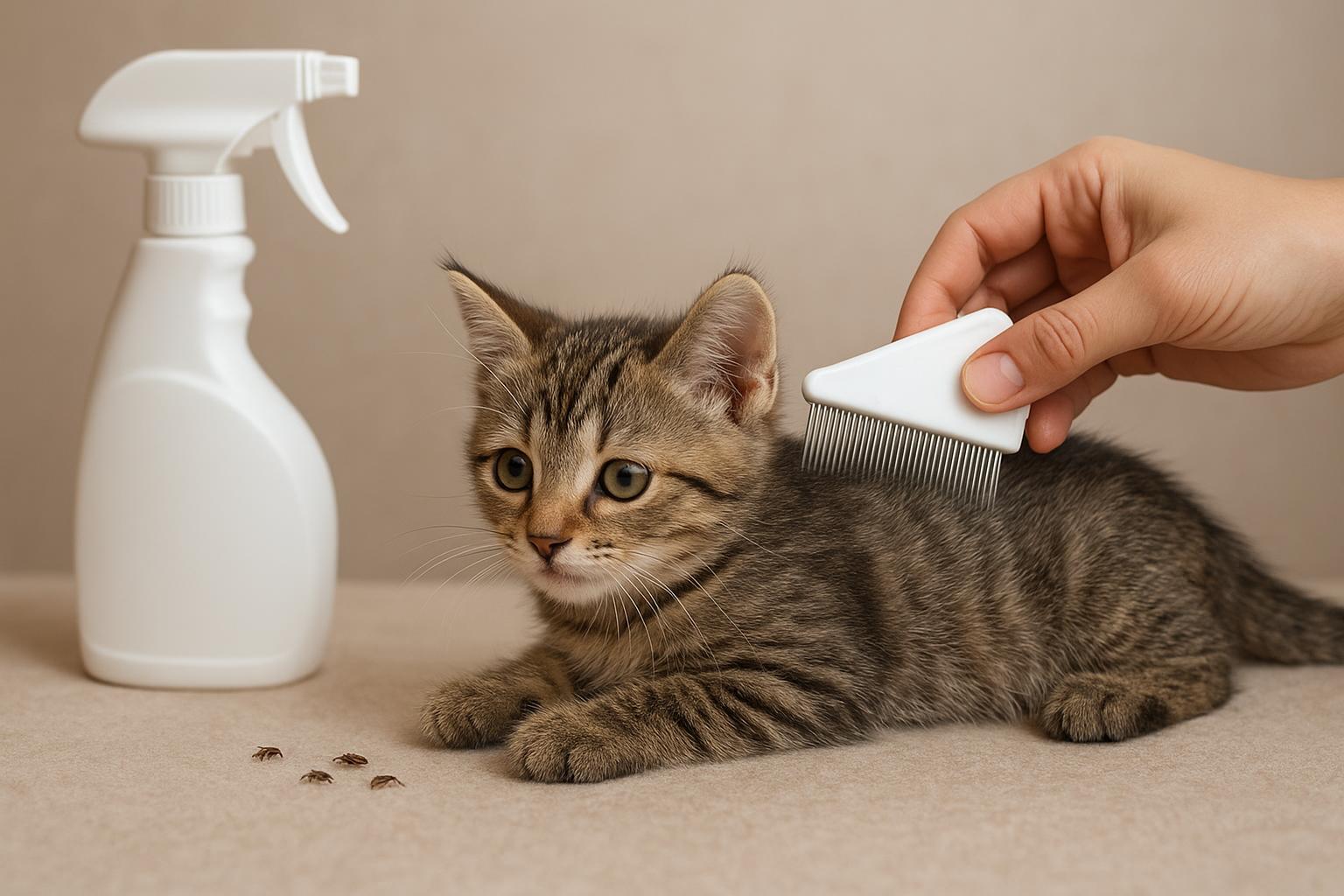
Kittens under a certain weight and some cats with health issues can’t use standard adult flea medications. Your vet can recommend safe alternatives like specific topical formulas, flea combing, and environmental control. Flea combing is effective and safe: comb daily, dip the comb in soapy water to kill captured fleas, and repeat.
Some cats are allergic to flea saliva and develop severe dermatitis from even a single flea bite. For those cats, prevention is not optional. Aggressive, consistent measures are necessary.
### Use Multiple Tactics Together
Relying on a single method rarely works long-term. The most successful households mix approaches. Administer a monthly preventive, vacuum and wash bedding weekly, seal entry points, and use targeted environmental treatments if needed. That layered approach is why many pet owners list combined strategies among the top strategies for flea prevention in house cats.
### Avoid Common Mistakes
A few predictable errors keep household fleas around longer than they should.
– Waiting until you see dozens of fleas. By then, eggs and larvae are established.
– Treating only the animal and ignoring carpets, furniture, and bedding.
– Using dog flea products on cats. That can be toxic.
– Buying cheap sprays that claim quick fixes without IGRs.
Avoiding these pitfalls is crucial if you want your top strategies for flea prevention in house cats to succeed. Prevention requires attention and consistency, not a one-time blitz.
### When To Call A Professional Exterminator
If your cleaning and vet-recommended treatments don’t reduce flea numbers, call a pro. Severe household fleas infestations—where you find fleas on people, in multiple rooms, and recurring bites—may need professional-grade treatments. A reputable exterminator will use products not available to consumers and target both adult fleas and immature stages. Combine their work with ongoing pet prevention to keep fleas from rebounding.
### Practical Habits That Make A Difference
Small, repeatable habits matter more than occasional intense cleaning. These are easy to keep up and add up fast.
– Keep a weekly schedule for vacuuming and washing pet fabrics.
– Store outdoor shoes in a closet rather than near bedrooms.
– Inspect your cat after visitors leave, especially if guests own pets.
– Change cat beds seasonally and clean them in hot water.
These habits also help control other pests and improve overall home hygiene. They’re low-effort wins that support the top strategies for flea prevention in house cats.
### Using Flea Combs And Spot Checks
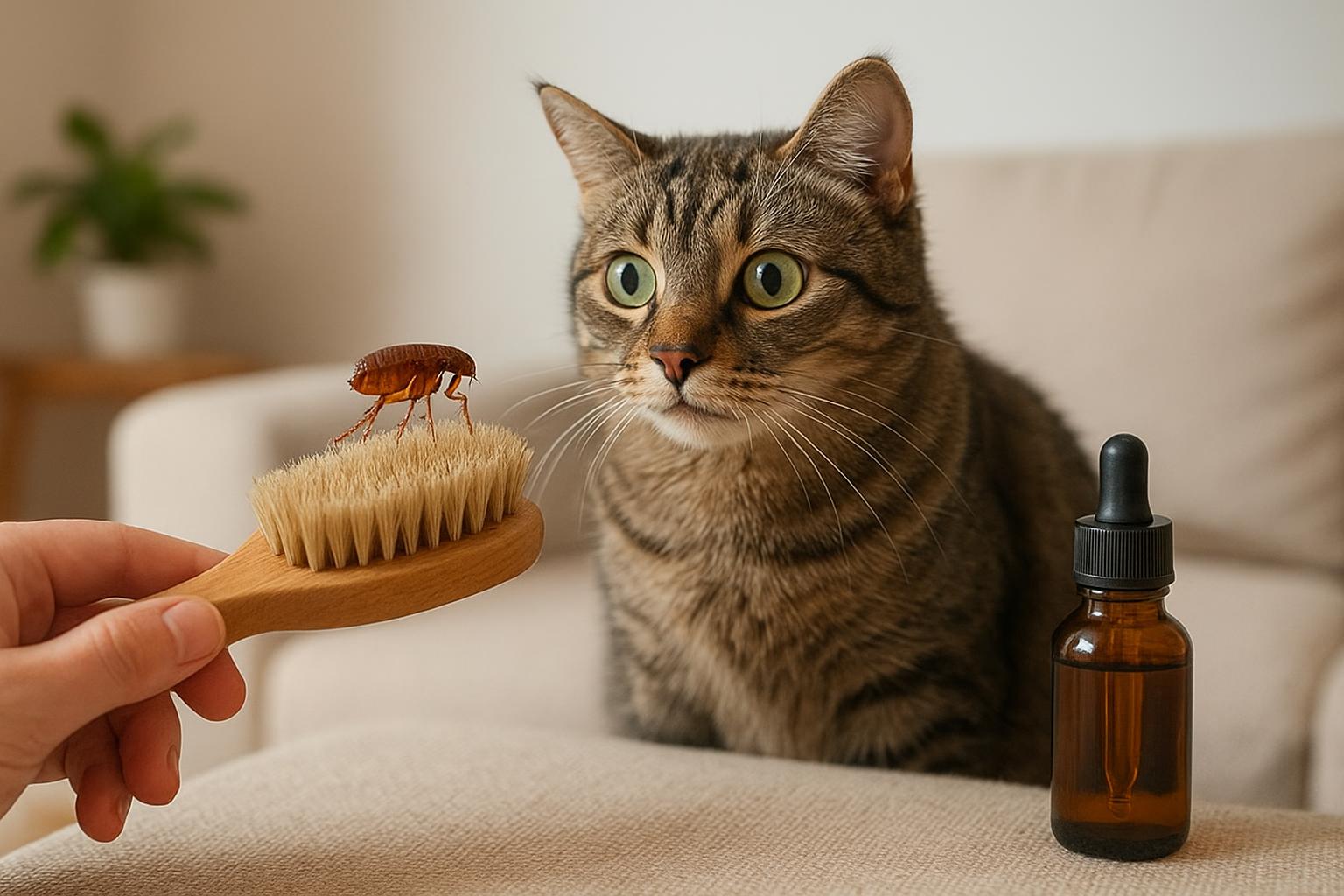
Flea combs are cheap, simple, and effective. Daily combing catches fleas early and removes flea dirt. Focus on the neck and tail base and check the comb on a wet paper towel to see if the residue turns reddish-brown. Flea combs complement chemical preventives and are safe for kittens and sensitive animals.
### Be Prepared For Reintroduction Risks
Even after you’ve cleared an infestation, reintroduction can happen. A neighbor’s pet, a visiting child, or a rescued rodent can bring fleas back. Keep prevention in place year-round. Fleas survive better than many people expect, and they’ll take any chance to come back.
Remember that top strategies for flea prevention in house cats include persistence and layers of protection. Treat the cat, treat the house, and change the small daily habits that invite pests.
### When Natural Remedies Make Sense—and When They Don’t
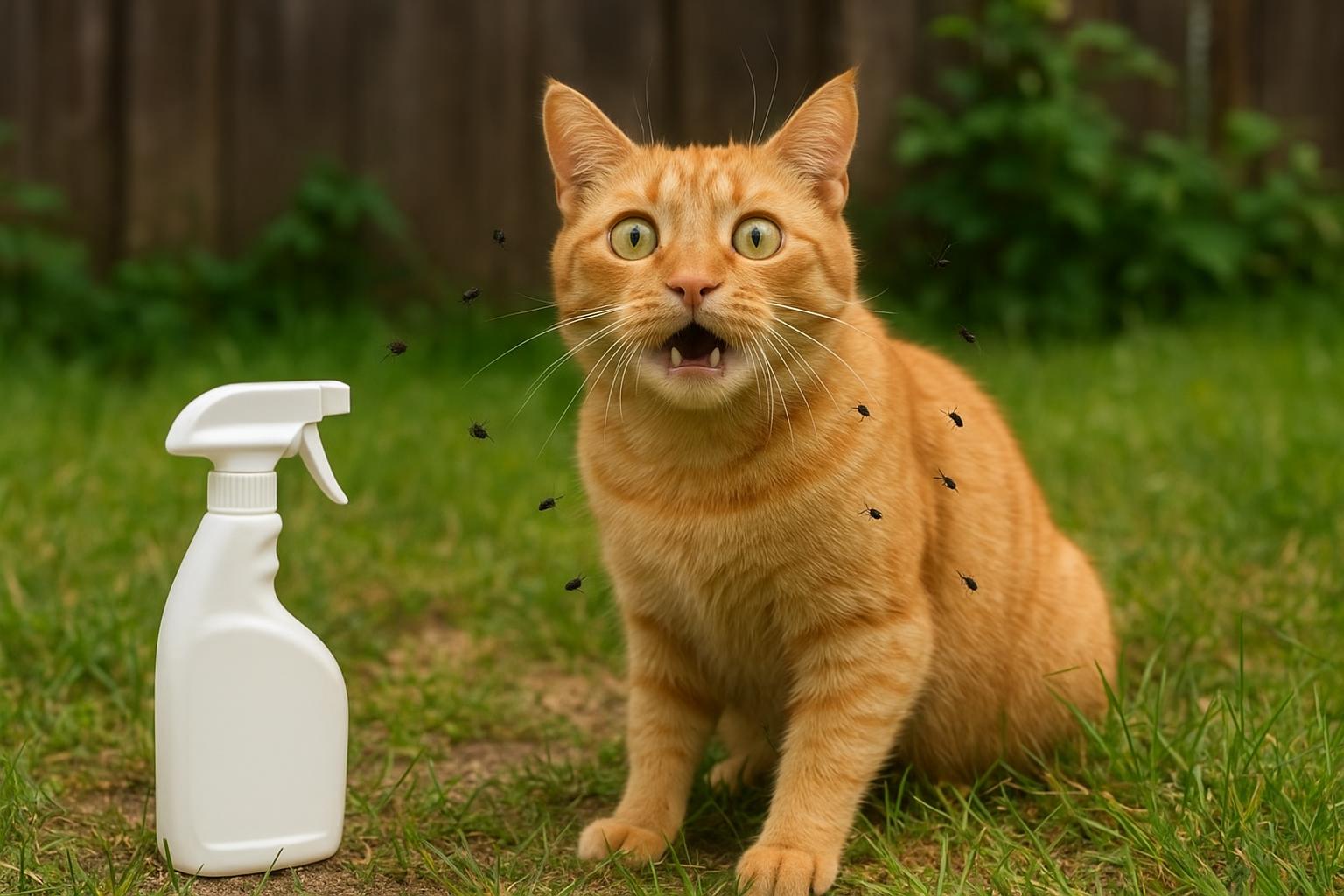
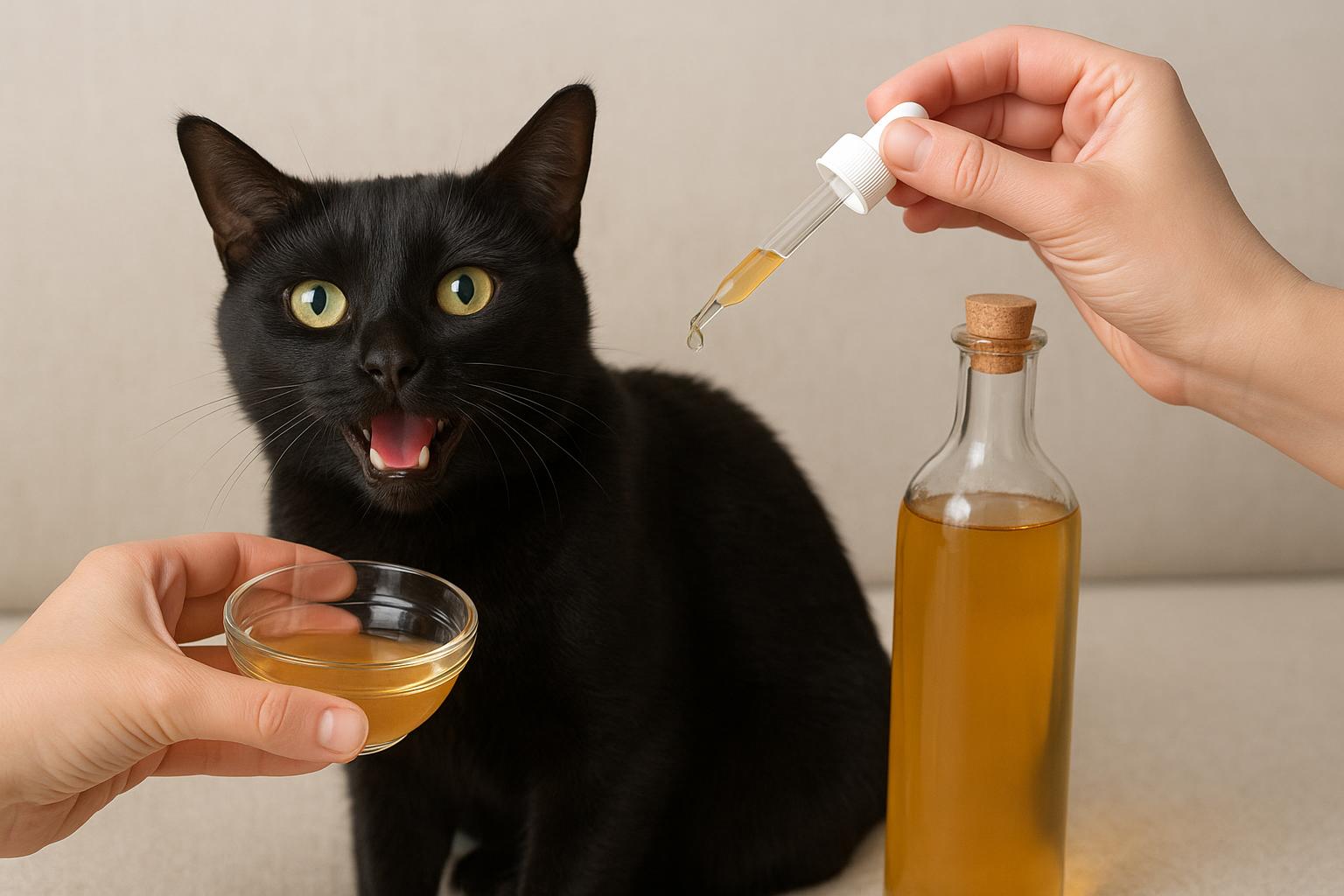
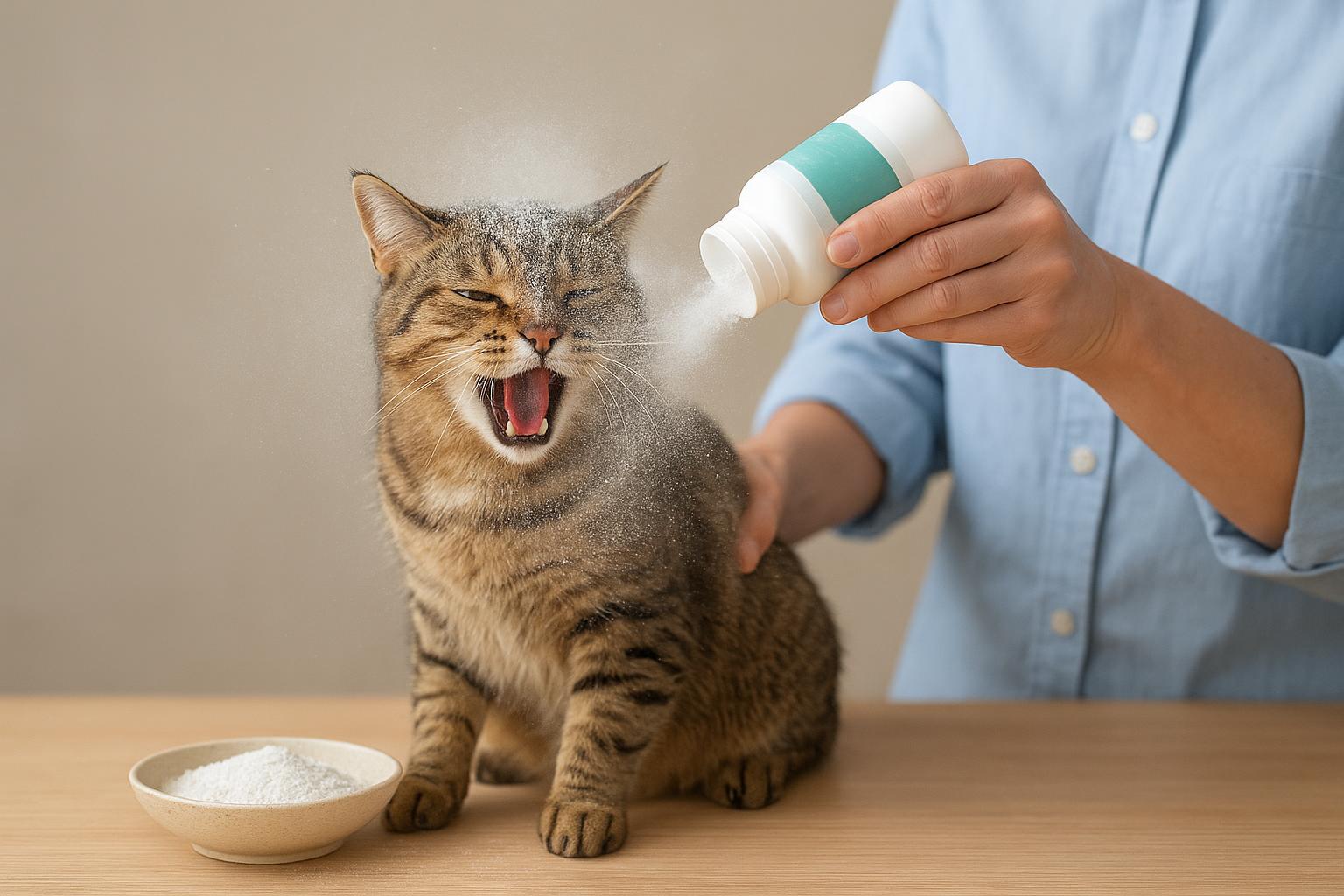
Some owners prefer natural treatments like diatomaceous earth or essential oil blends. Diatomaceous earth can help in dry, non-living areas—but avoid food-grade products near pets’ living and sleeping spaces without vet guidance. Many essential oils are toxic to cats, so skip those unless a veterinarian approves a specific product. Natural doesn’t automatically mean safe.
### Keep Records And Reassess
Track what you use and when. If you switch products, note the dates and any reactions. That record helps your vet troubleshoot persistent issues. Some products lose efficacy with resistance patterns in local flea populations. If your normal plan stops working, records make it easier to identify the problem and pivot.
Finally, mixing approaches is what makes the top strategies for flea prevention in house cats effective. Use proven veterinary products, maintain a clean environment, watch for early signs, and treat all animals in the household. Stay vigilant and methodical, and those tiny pests won’t take over your home. Oops—i typed that too casually, but the point stands.












Leave a Reply