
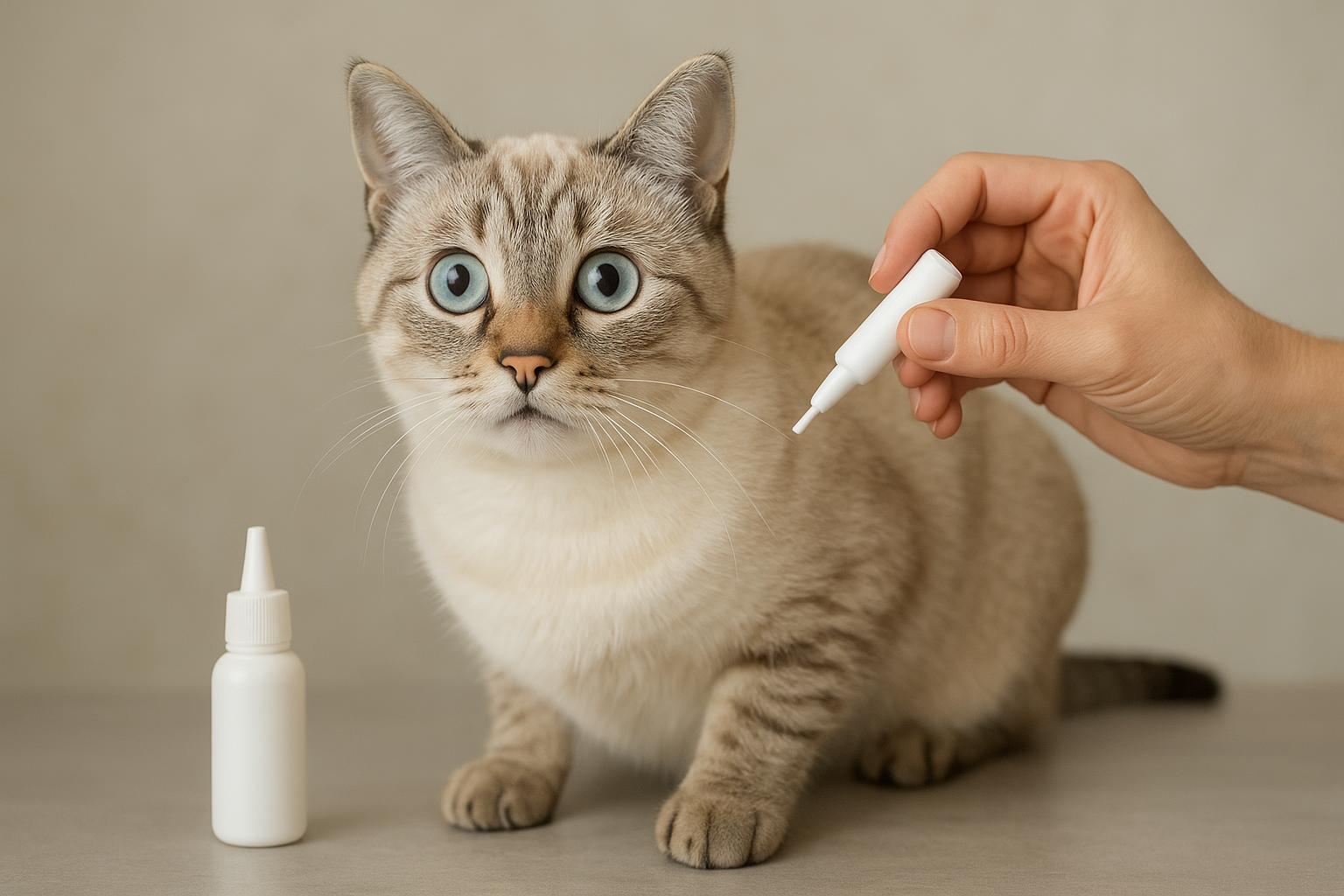
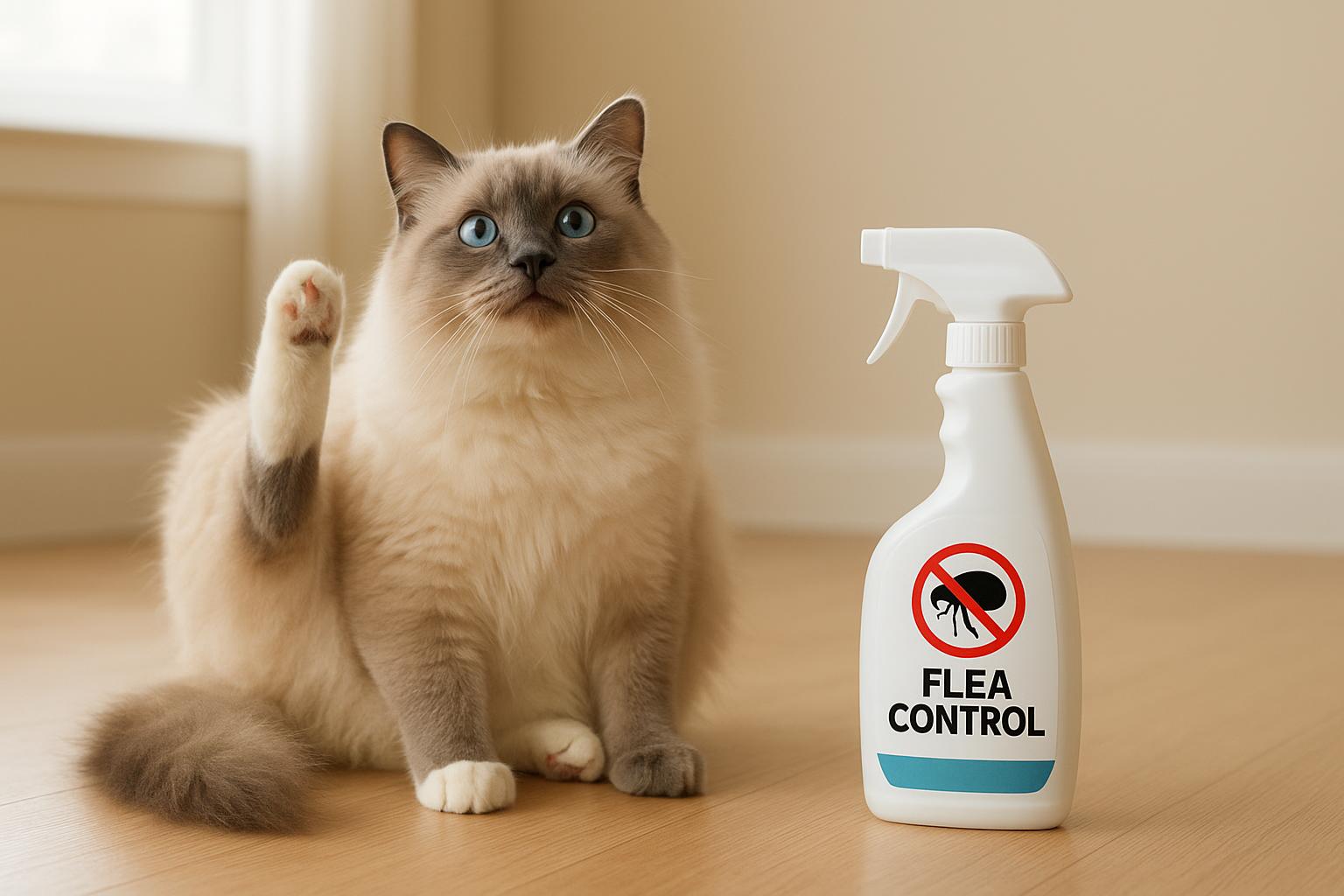
Topical flea medicines work where fleas live: on your cat’s skin and in the oils that coat it. They don’t rely on your cat to swallow a pill, and most are designed to spread over the coat and sink into the hair follicles and sebaceous glands. That basic fact changes how you choose, apply, and expect results.
## Science Of Topical Flea Treatments For Cats: What Happens After Application
The science of topical flea treatments for cats is mostly chemistry plus biology. A small dose of an active ingredient is put onto the skin, generally between the shoulder blades. From there it moves. Some compounds stay mostly on the skin and in the oil layer. Others get absorbed and circulate at low levels. The behavior of that ingredient determines speed, duration, and safety.
Most modern topicals are lipophilic, meaning they dissolve in skin oils. That’s deliberate. Sebaceous glands act like reservoirs. Over days and weeks the active ingredient slowly releases from those glands back onto the coat. That’s why a single monthly application can protect a cat for 30 days or more. The reservoir effect also explains why frequent bathing or bathing with degreasing shampoos can cut effectiveness: you wash away the reservoir.
What does the active do to a flea? There are two main tactics in the topical flea science toolkit: kill the adult flea fast, or prevent the next generation from appearing. Adulticides target the flea nervous system. They bind to channels or receptors that are different enough from mammals’ that the flea is incapacitated. Examples include fipronil and imidacloprid. Insect growth regulators (IGRs) like pyriproxyfen or methoprene don’t kill adult fleas. Instead they disrupt egg development and metamorphosis, so larvae and pupae can’t become reproductive adults. Many products combine an adulticide with an IGR for immediate relief and long-term control.
## How Topical Ingredients Differ And Why It Matters
Different molecules behave differently on cats. Fipronil tends to stay external and affects contact-killing of fleas. Imidacloprid also primarily acts on contact and is fast-acting. Newer classes, such as isoxazolines like fluralaner, can provide longer intervals of protection; some formulations are given topically. Selamectin works partly by being absorbed a bit systemically and can also control certain worms and mites depending on the product.
Not every active is safe for every species. Permethrin is commonly used for dogs but is toxic to cats. Cats lack the liver enzymes needed to clear it reliably, and exposure can cause severe neurologic signs. That’s why reading labels matters: a dog product on a cat can be dangerous.
Shade, coat type, and body fat affect distribution. Long-haired cats may need care when the product is applied so the active reaches the skin rather than staying stuck in fur. Very thin or underweight cats have different fat and oil composition, which can change how the product is stored and released.
### Timing, Bathing, And Environmental Factors
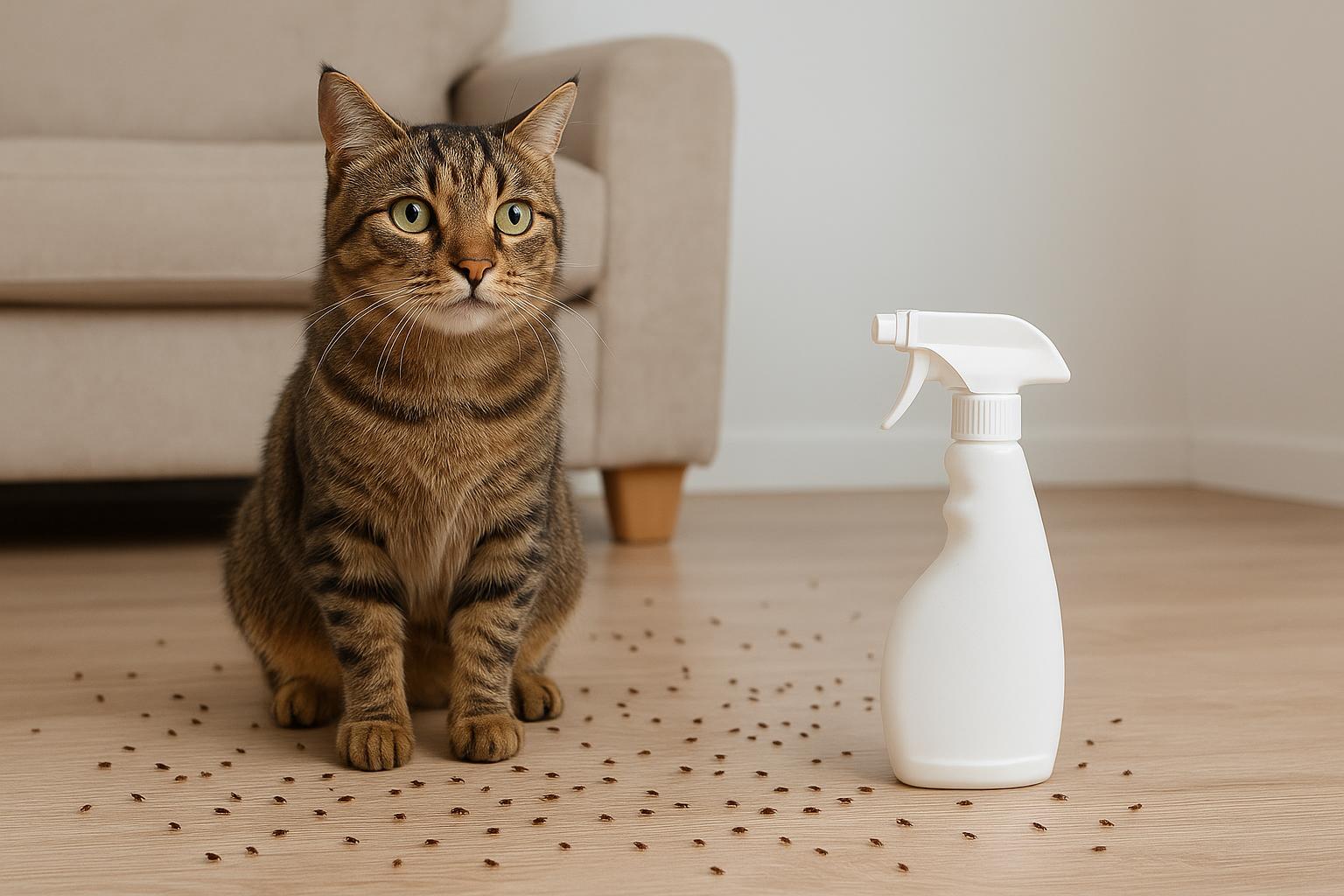
A cat with a heavy flea burden and a household full of infested carpeting won’t be solved by a single topical application overnight. Flea eggs fall off the pet into the environment; larvae and pupae live in carpets, cracks, and bedding. Pupae can remain dormant inside cocoons for weeks or months, resisting insecticide and household cleaning.
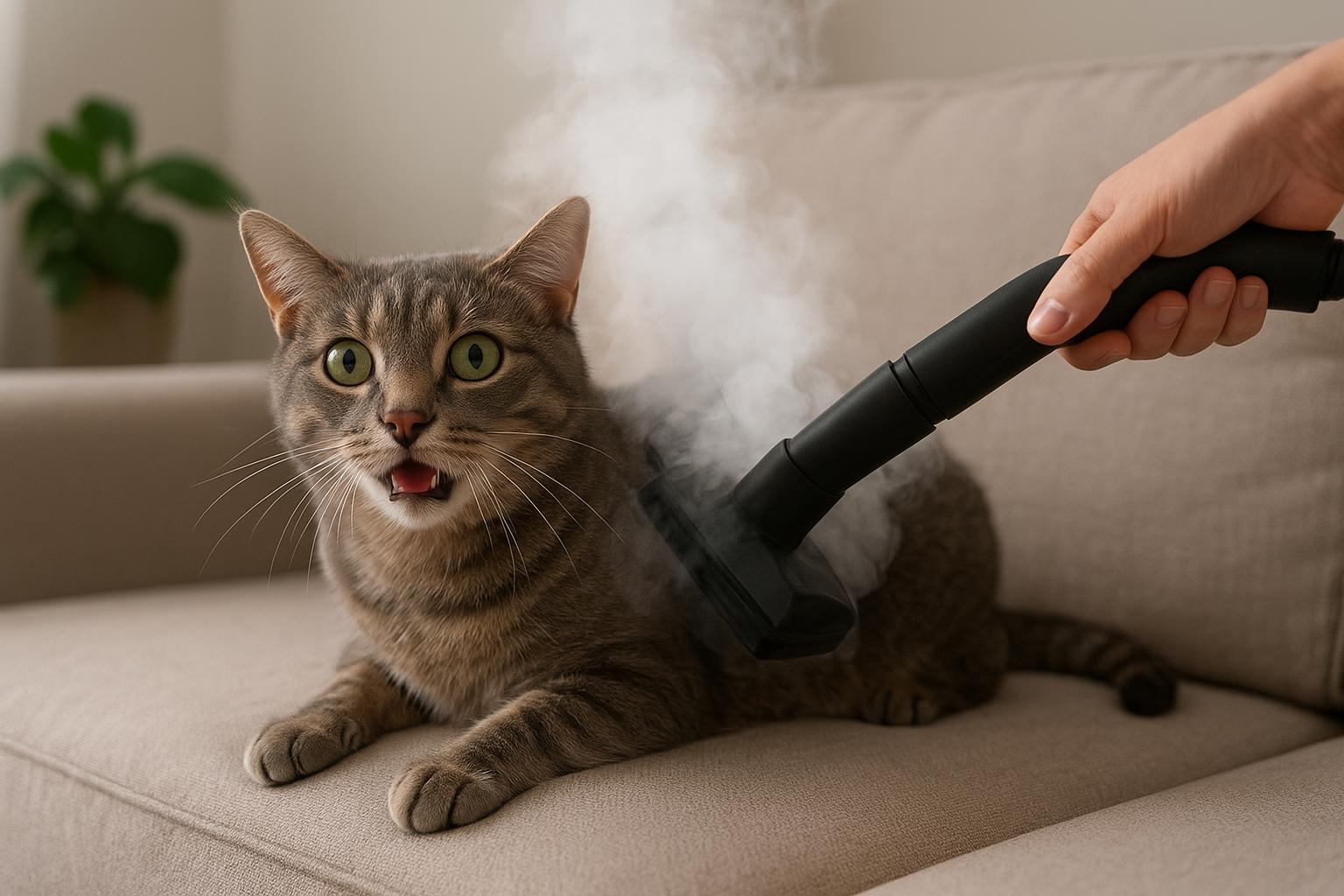
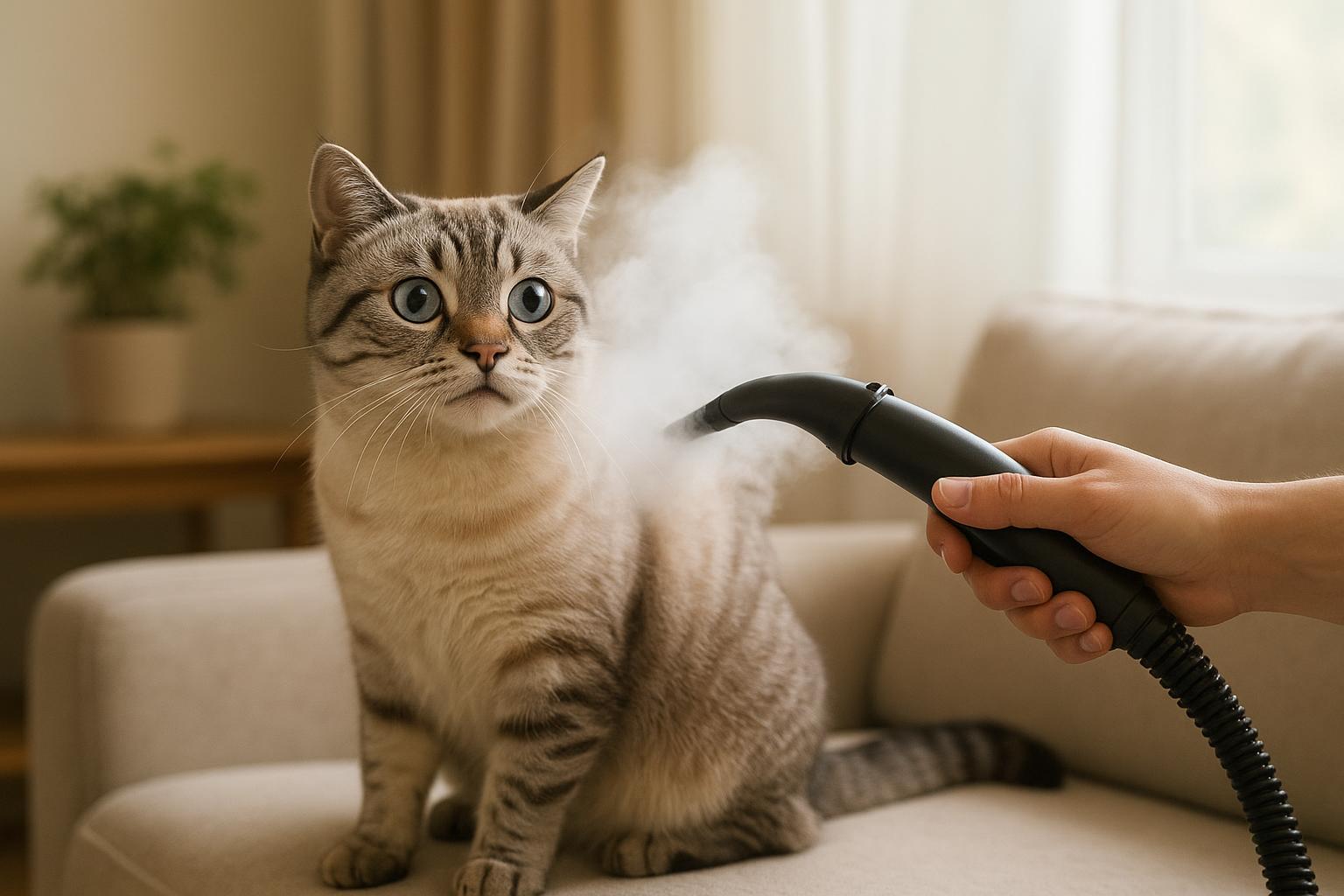
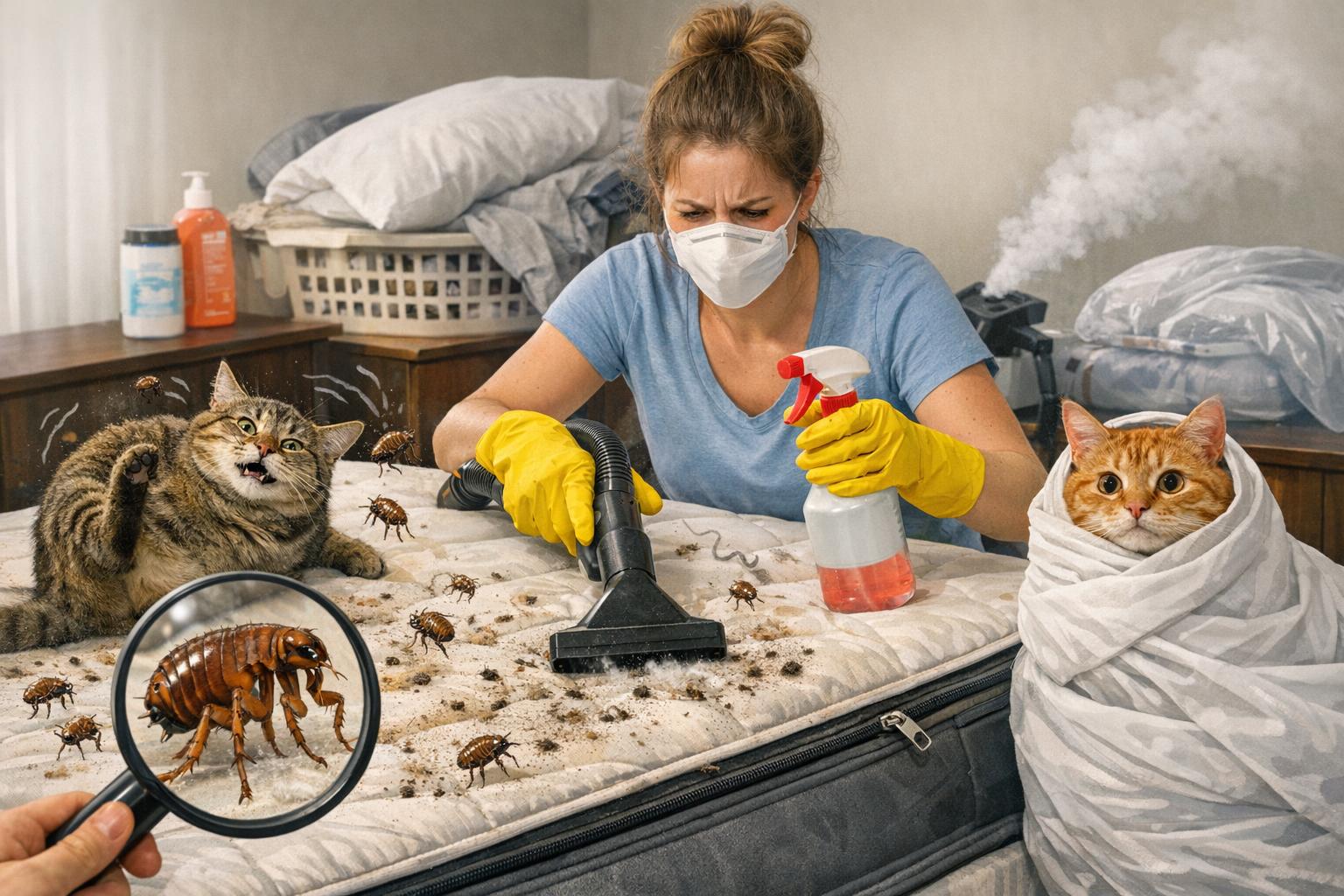
That’s why topical flea science emphasizes combined strategies. Apply the topical on the cat, and treat the environment with vacuuming, steam cleaning, or appropriate insecticides when needed. Limit bathing before and after application: most manufacturers recommend waiting at least 24 to 48 hours after treatment, sometimes longer, before bathing. If you need to bathe first, do it several days before applying so the skin has time to restore oils.
## Reading Labels And Making Choices
Labels tell you the active ingredients, the approved species and ages, application frequency, and safety warnings. Don’t skip that. Two details matter most: the active ingredient and the approved weight/age range.
If you have multiple pets, read labels for household use. Some products are safe for both dogs and cats only if they’re the cat-specific formula. Some are explicitly for cats only. If you mix and match products without checking, you risk overexposure or toxicity.
Practical tip: buy in multi-month packs if you know the product works for your cat. It’s cheaper and you won’t miss doses. But if your cat has skin sensitivity or you notice behavioral changes after a first dose, stop and call your vet before repeating.
### How Often Should You Reapply?
Most over-the-counter spot-ons are monthly. Some newer formulas extend to three months or more. The right frequency depends on the labeled duration of efficacy and your local flea pressure. High-infestation areas — homes with many pets, wildlife nearby, or warm climates — often need strict monthly applications and environmental control. Follow the product interval; applying more often than recommended won’t necessarily increase protection and can raise risks of side effects.
#### Application Technique To Maximize Effectiveness
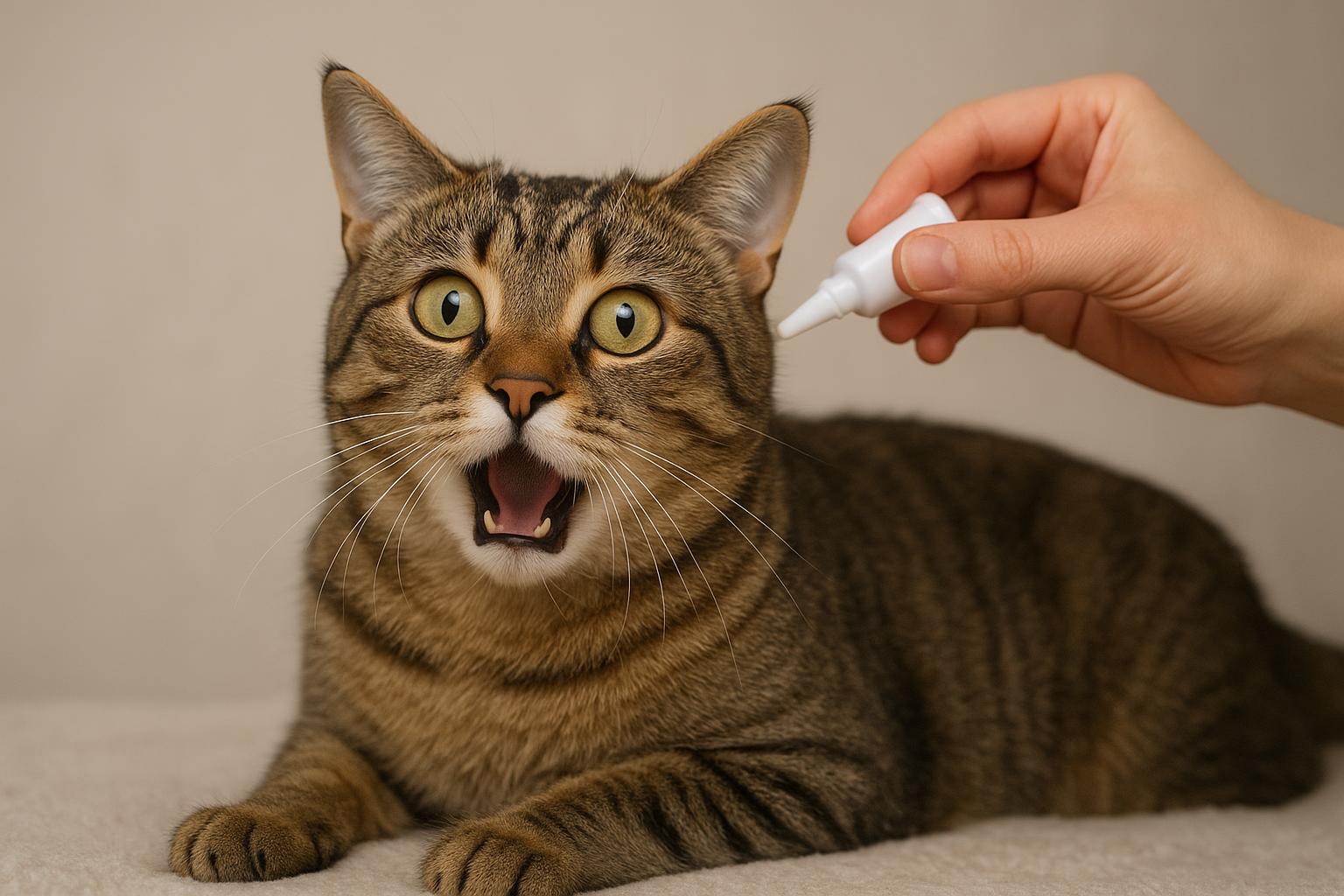
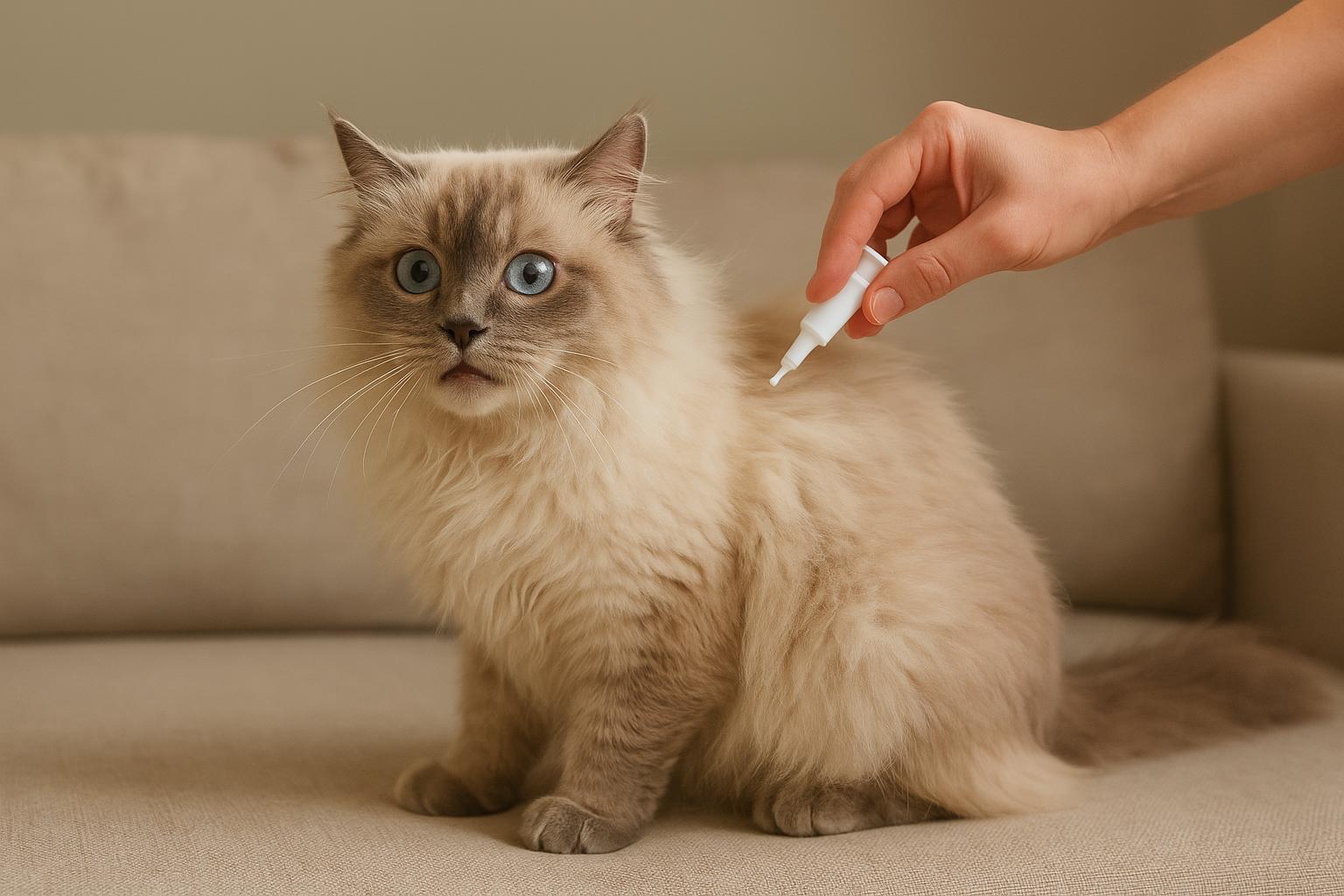
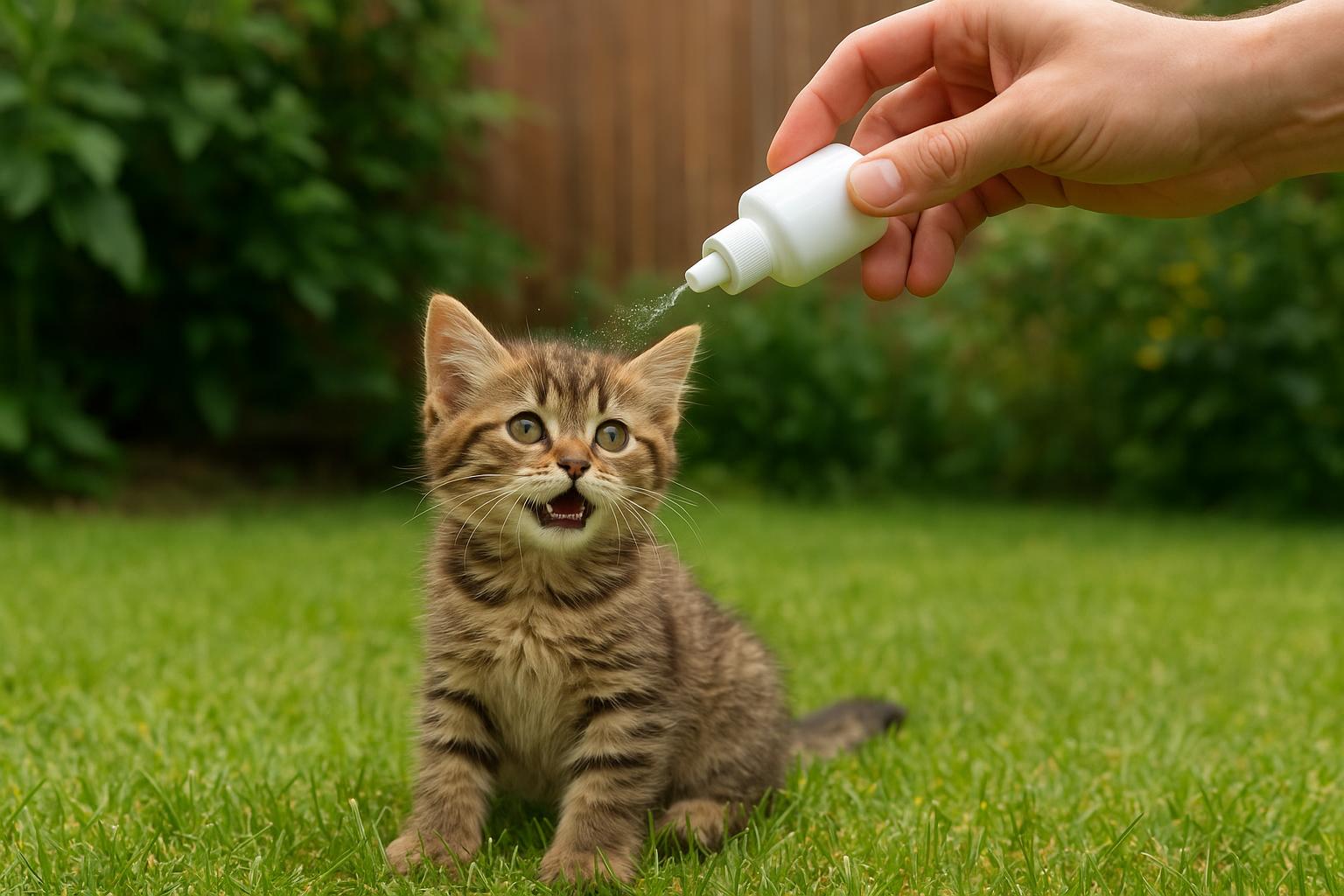
Part the fur so the product reaches the skin. For cats, that’s usually between the shoulders or at the base of the neck. Apply the whole dose to a single spot; do not spread it thinly over multiple spots unless the label says to. That lets the sebaceous reservoir form in one spot and distribute naturally.
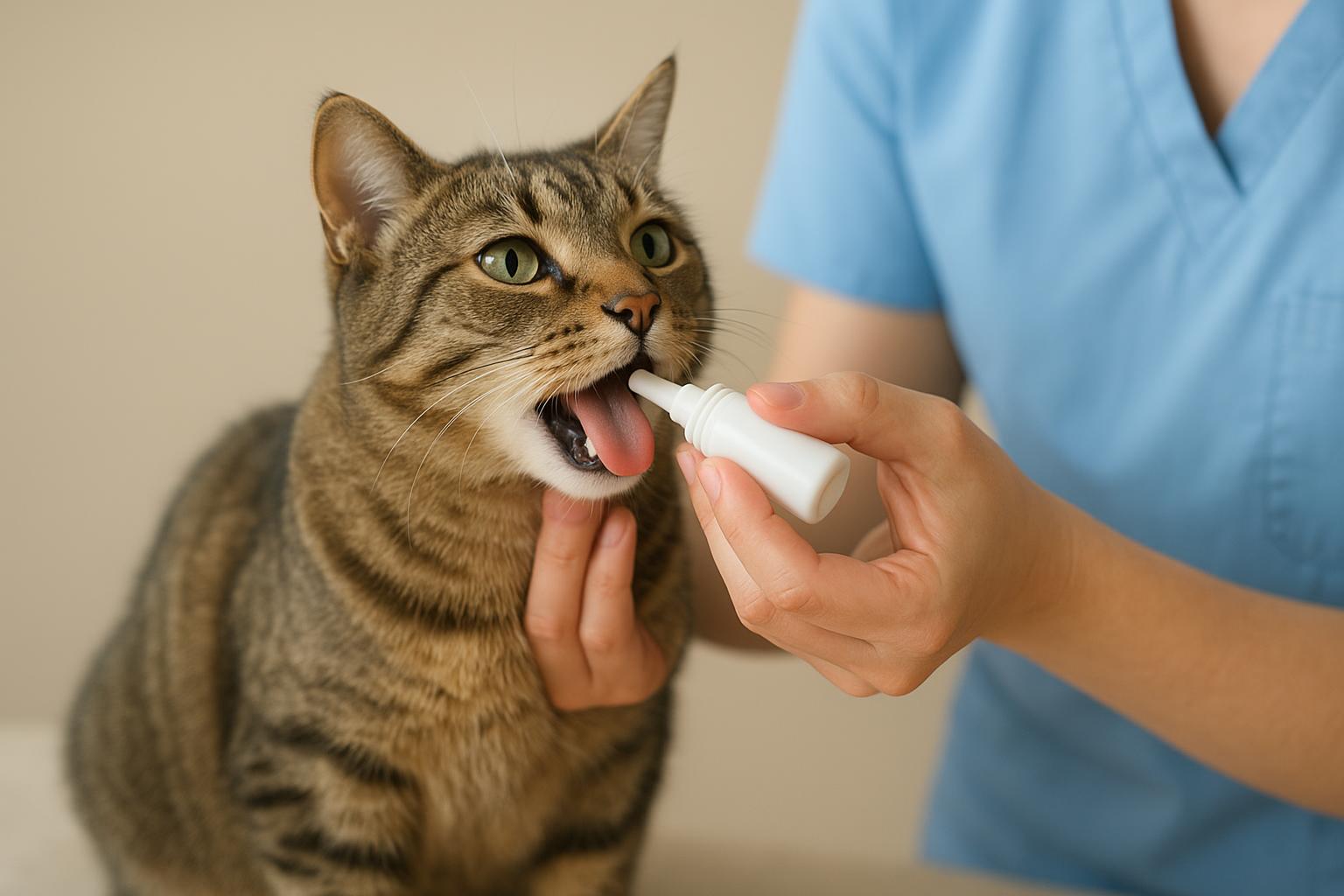
Keep other pets and people from roughly handling the cat until the product dries. Wash hands after applying. Avoid getting the product in the cat’s eyes or mouth.
## Safety Signals: What To Watch For
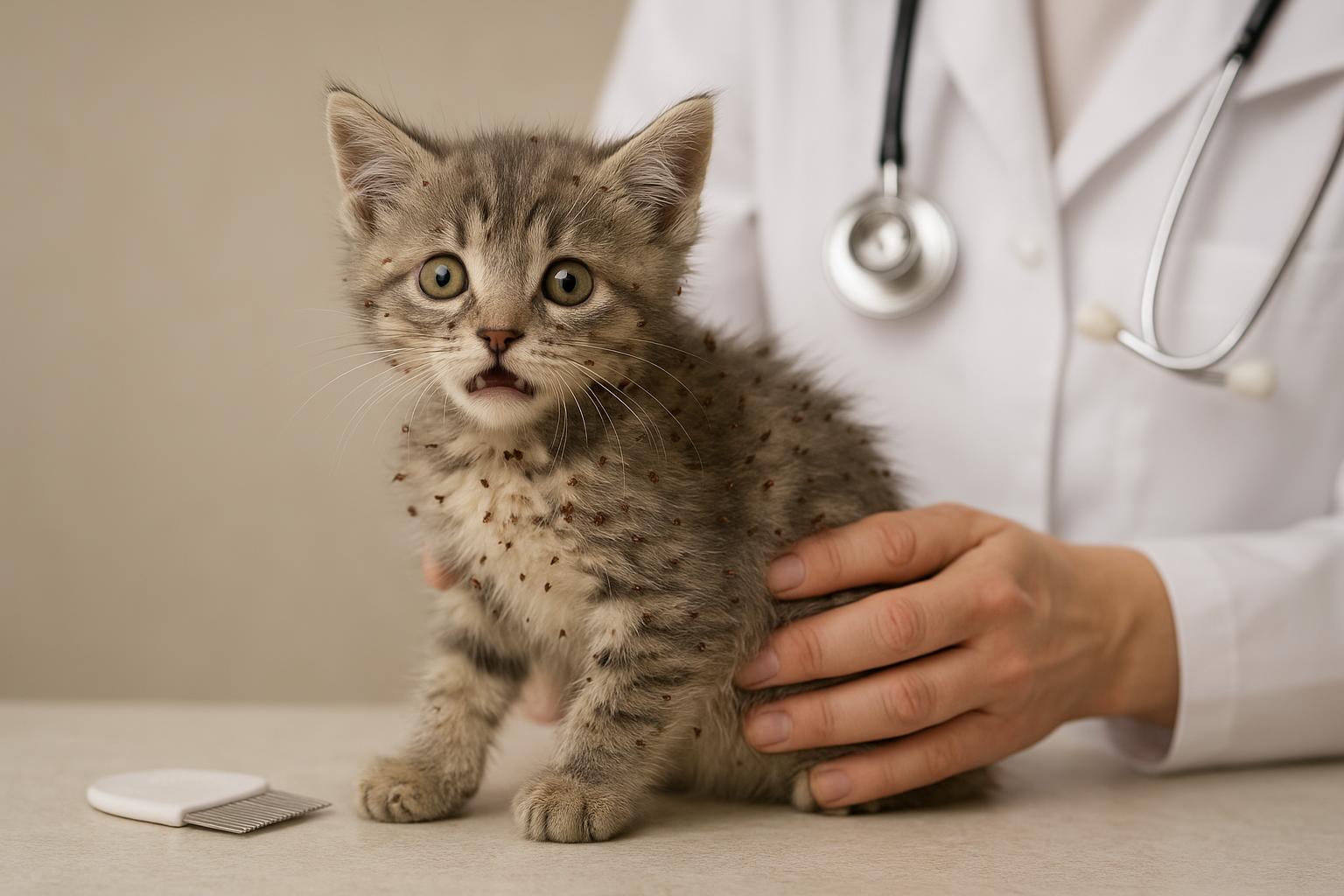
Topical flea science includes toxicology. Most cats tolerate labeled products well, but adverse reactions can happen. Mild signs include excessive grooming at the application site, temporary hair loss, or brief lethargy. More concerning signs are trembling, drooling, incoordination, seizures, vomiting, or intense scratching. If those occur, contact your vet or an emergency clinic.
A few important safety rules:
– Never give a dog product meant to contain permethrin to a cat.
– Don’t stack multiple topical products unless a vet tells you to.
– Be cautious around kittens. Many topicals are labeled for use only above a certain age or weight.
– Pregnant or lactating queens: check with your veterinarian before treating.
Isoxazoline compounds, while effective, have been associated in rare cases with neurologic reactions in cats and dogs, particularly in animals with pre-existing seizure disorders. That risk seems low, but discuss your pet’s history before switching to a different class of drug.
### Drug Interactions And Pre-Existing Conditions
Most topical flea treatments have minimal systemic absorption, but they can interact with other medications in rare cases. If your cat is on anticonvulsants, corticosteroids, or other systemic drugs, mention it to your vet. Some skin conditions can also alter absorption. A cat with broken or inflamed skin may absorb more of the active ingredient. In those cases vets sometimes recommend alternative treatments or adjusted dosing.
## How Vets And Labs Measure Efficacy
Researchers don’t guess about what works. They run controlled studies where treated cats are challenged with fleas and the percentage of fleas killed at set intervals is recorded. Field trials assess real-world performance: do households see fewer fleas and less itching? Those studies feed into label claims like “kills 98% of fleas within 24 hours” and “lasts for 30 days.”
Resistance is monitored too. Fleas evolve. Overuse of a single class of insecticide can select for resistant populations. There have been reports of reduced susceptibility to older compounds like fipronil in some areas. That’s where alternating active ingredients or using combination products that include an IGR can help. The topical flea science community—researchers, industry, and veterinarians—keeps an eye on resistance patterns and updates recommendations when needed.
## Life Cycle Spotlight: Why One Treatment Isn’t Enough
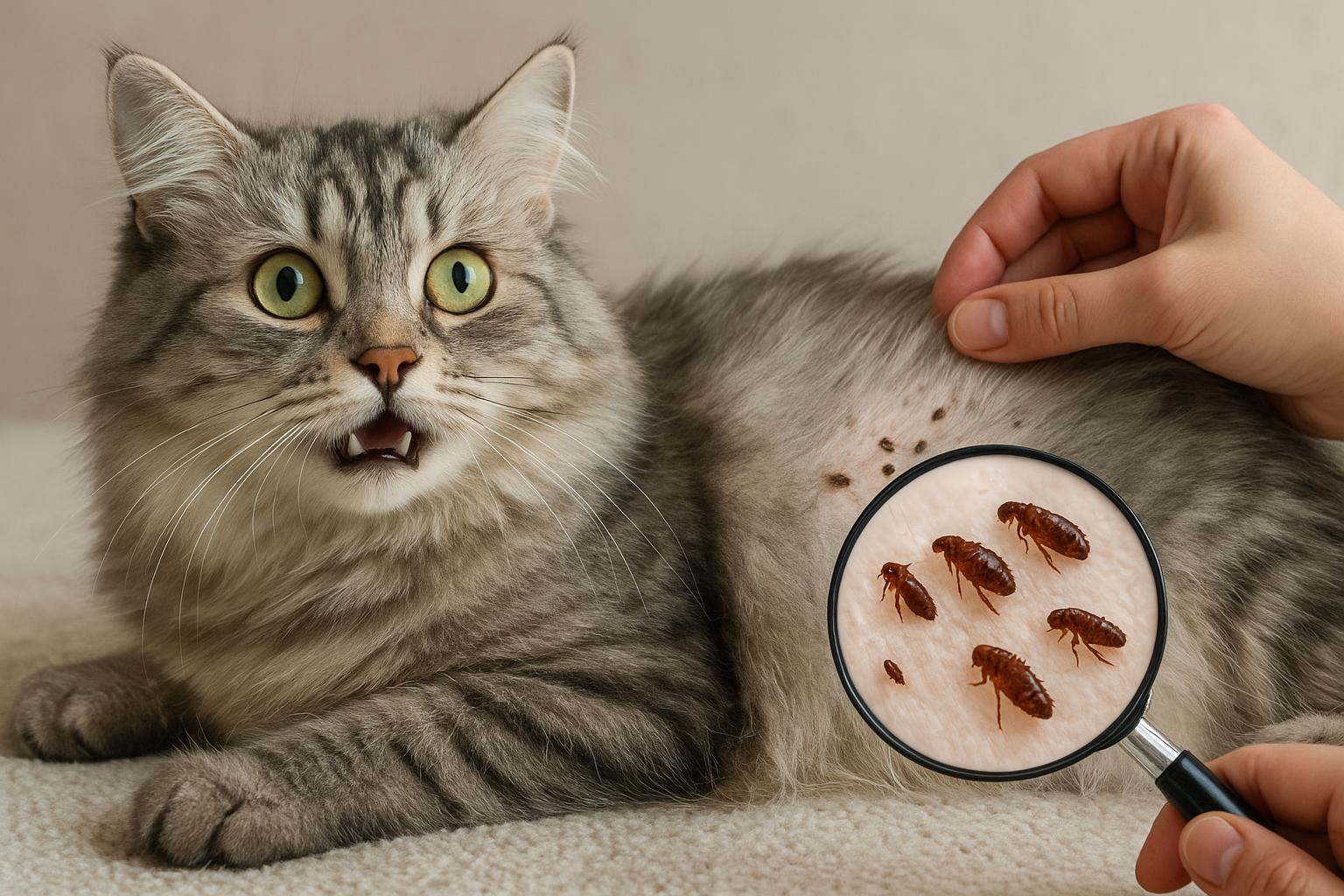
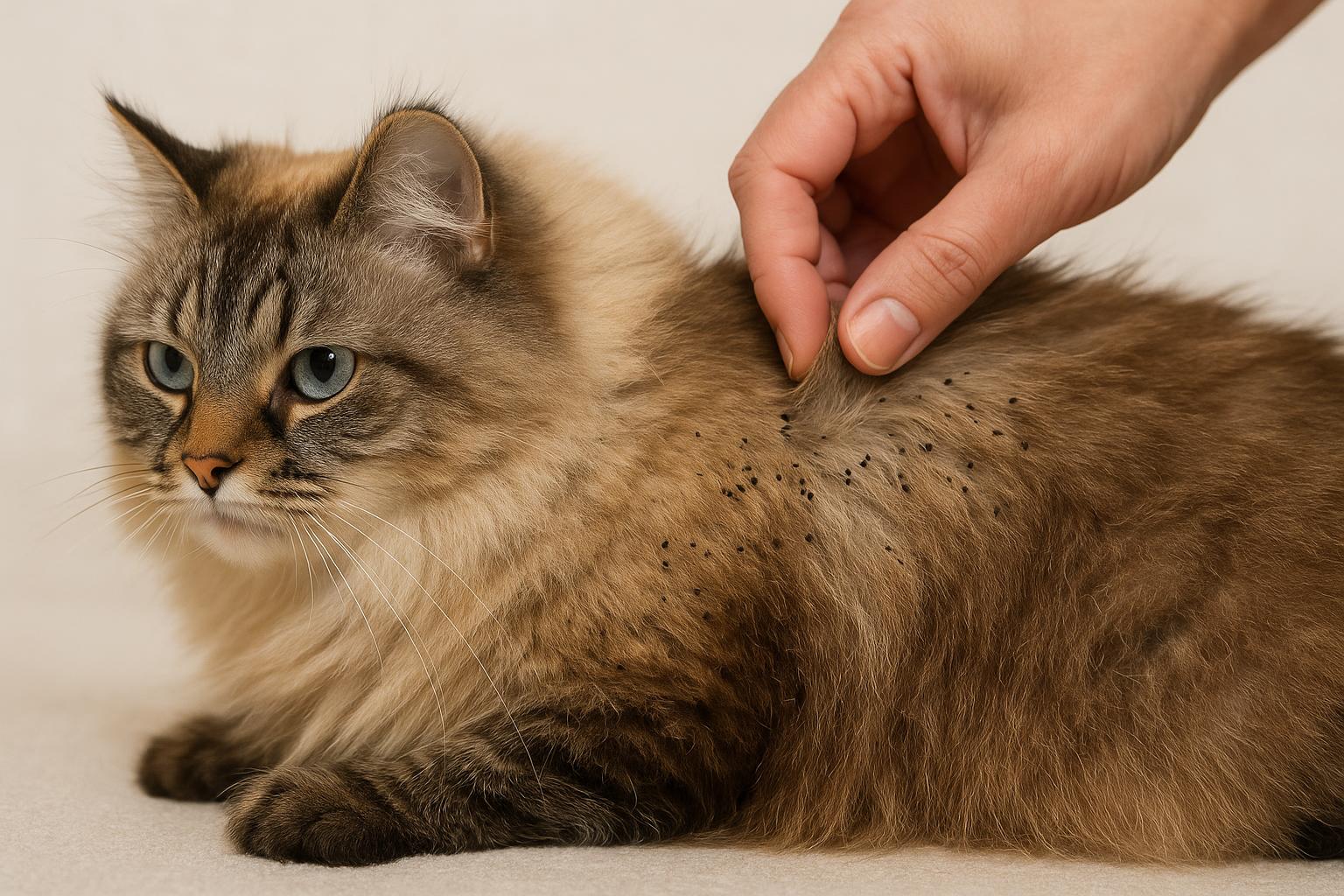
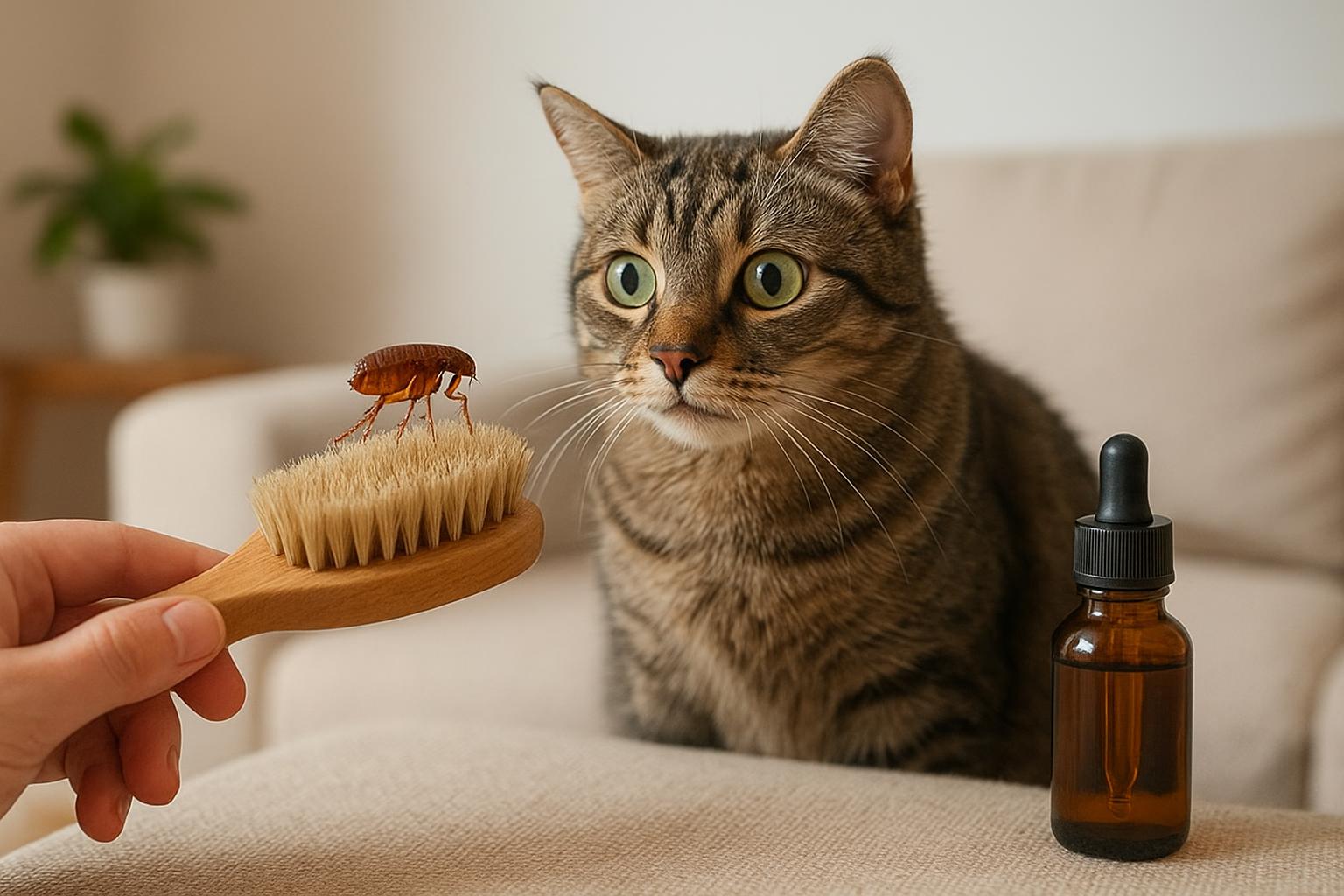
A flea’s life cycle explains why you need patience. Eggs laid on the cat fall into the environment. Larvae feed on organic debris and flea dirt, then pupate inside sticky cocoons. Pupae can be protected from insecticides and can wait months for the right conditions—vibration, heat, or carbon dioxide—to hatch. So, even after you kill all the adults on your cat, new adults can keep emerging from pupae for weeks.
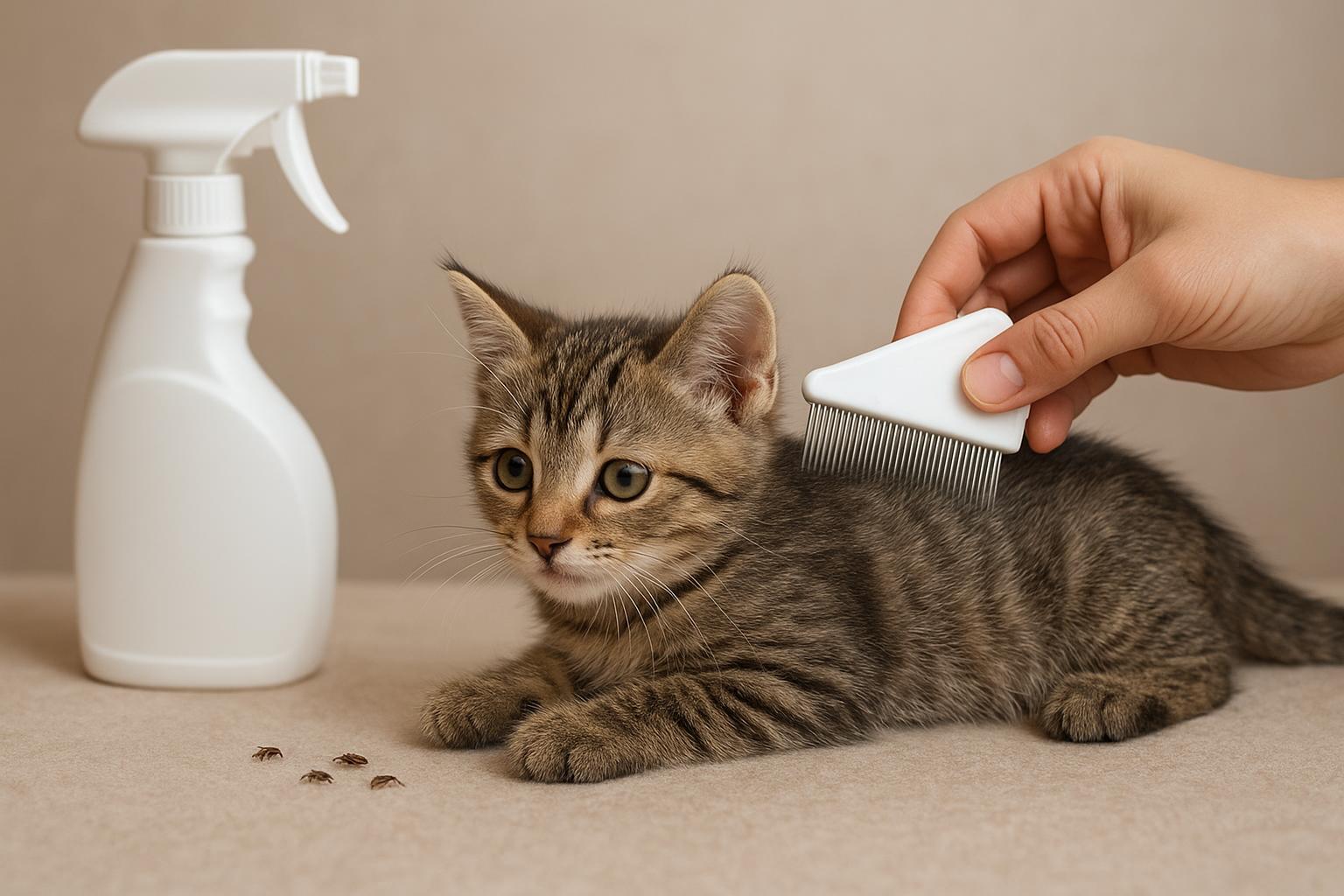
That’s why integrated control matters: kill adults on the cat, prevent new adults from developing with an IGR, and clean or treat the environment. If you treat only the cat and not the house, you’ll get slow improvement rather than instant elimination.
### Multi-Pet Households And Wildlife
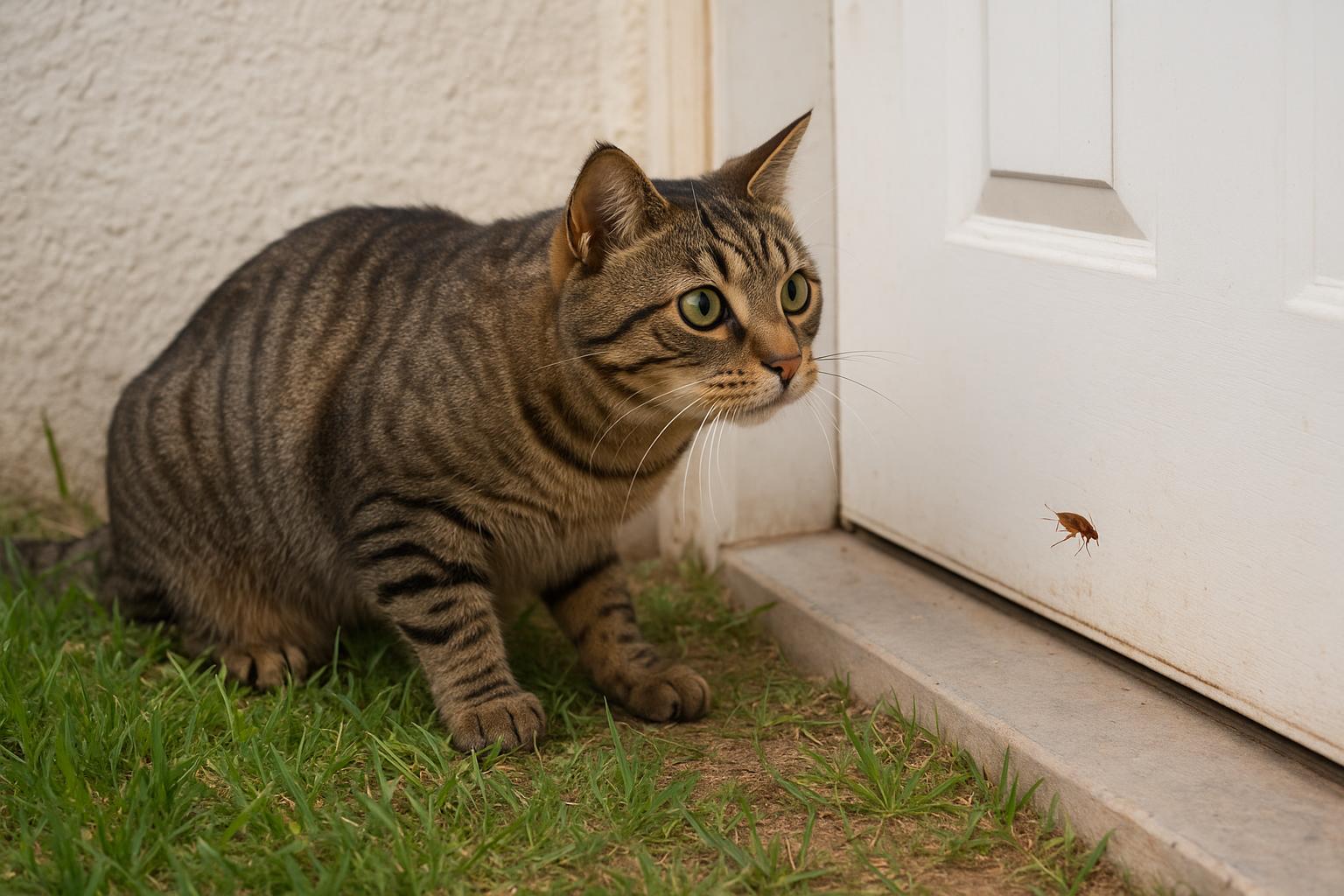
If you have multiple pets, treat them all at once. Leaving one untreated is a reservoir. Outdoor cats or pets that interact with wildlife can reintroduce fleas even after diligent inside control. Some neighborhoods have high flea pressure because of opossums, raccoons, or feral cats. In those situations, plan for continuous protection rather than a short course.
## Misconceptions And Bad Advice To Ignore
Some old advice isn’t helpful or is unsafe. Don’t try “DIY” topical treatments using household insecticides. Don’t dilute a product to make it last longer; you’ll reduce efficacy and risk partial exposure that fosters resistance. Applying multiple products at once because you think it will give double protection can be harmful.
One persistent myth is that you must treat only when fleas are visible. That’s true in part: visible fleas mean a heavy infestation. But fleas can lurk unseen at low levels, so preventive use during warm months — or year-round in mild climates — is often the safer route.
## When Topicals Aren’t Enough
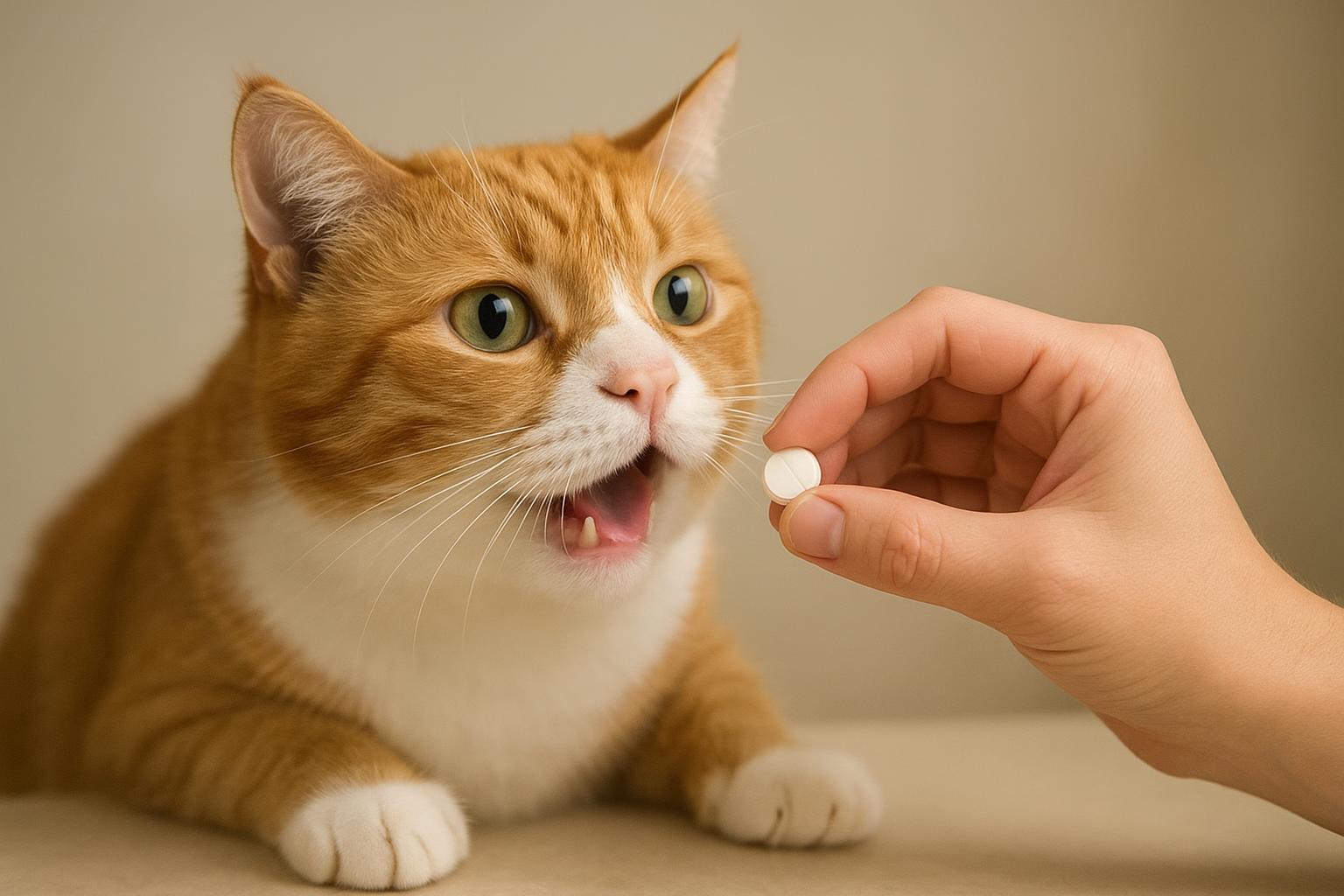
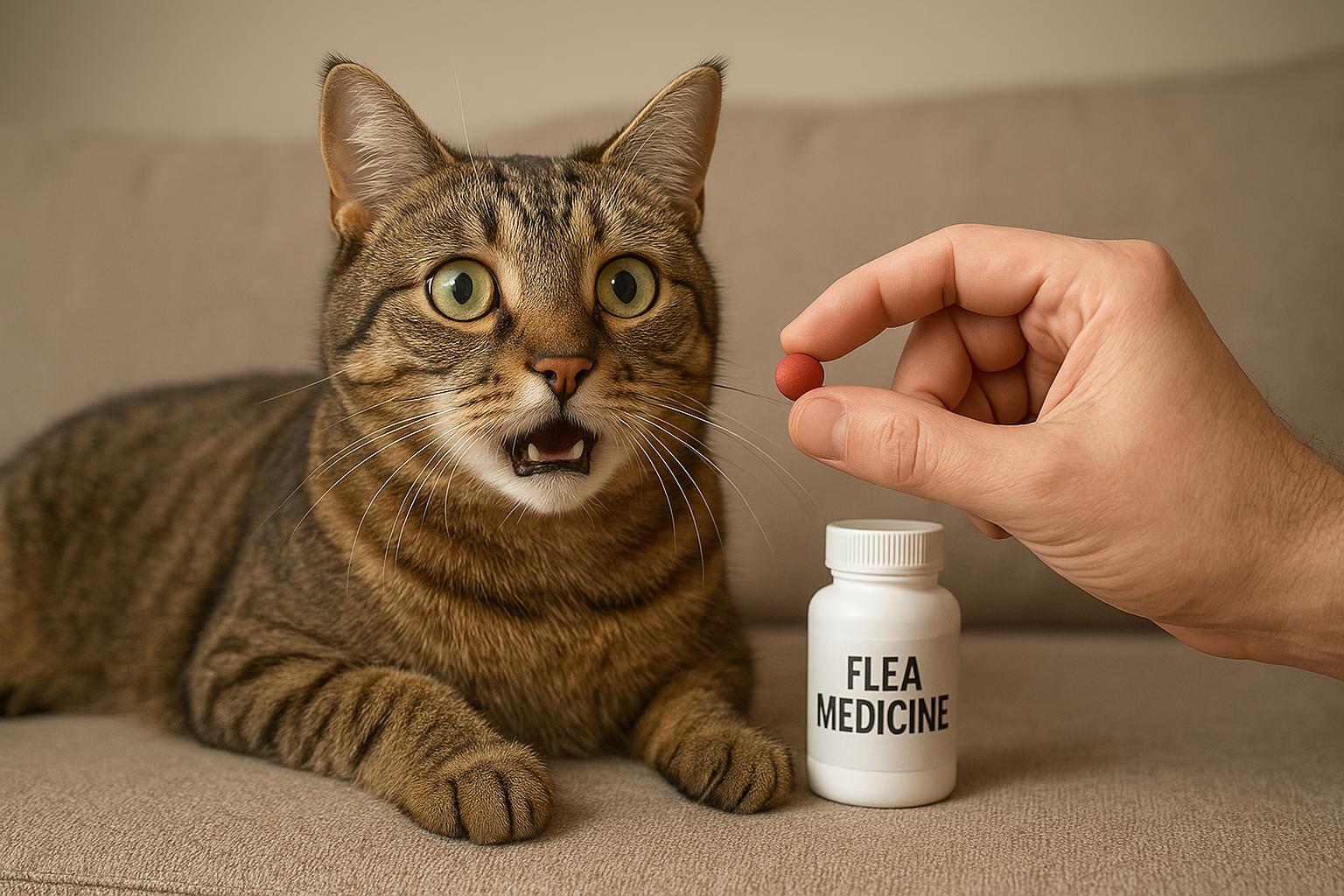
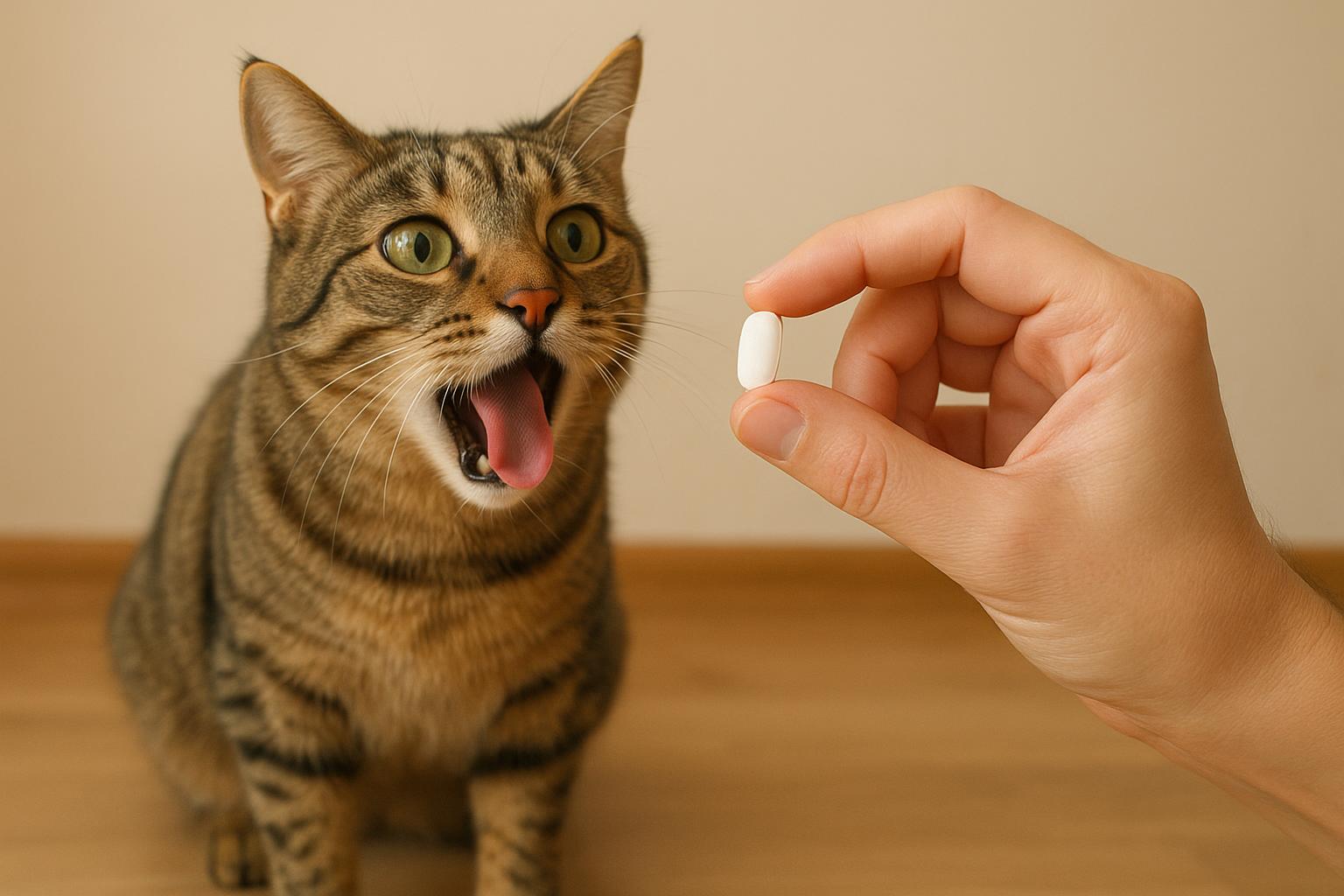
Sometimes topicals fail to control fleas due to heavy environmental loads, resistance, or incorrect application. In those cases, vets can prescribe oral flea control medications or recommend environmental treatments. Oral systemic treatments can be useful if a cat can’t tolerate a topical or if bathing and grooming habits disrupt topical efficacy. Talk through pros and cons with your veterinarian. There’s no single perfect solution for every cat.
### Practical Steps After You Apply A Topical
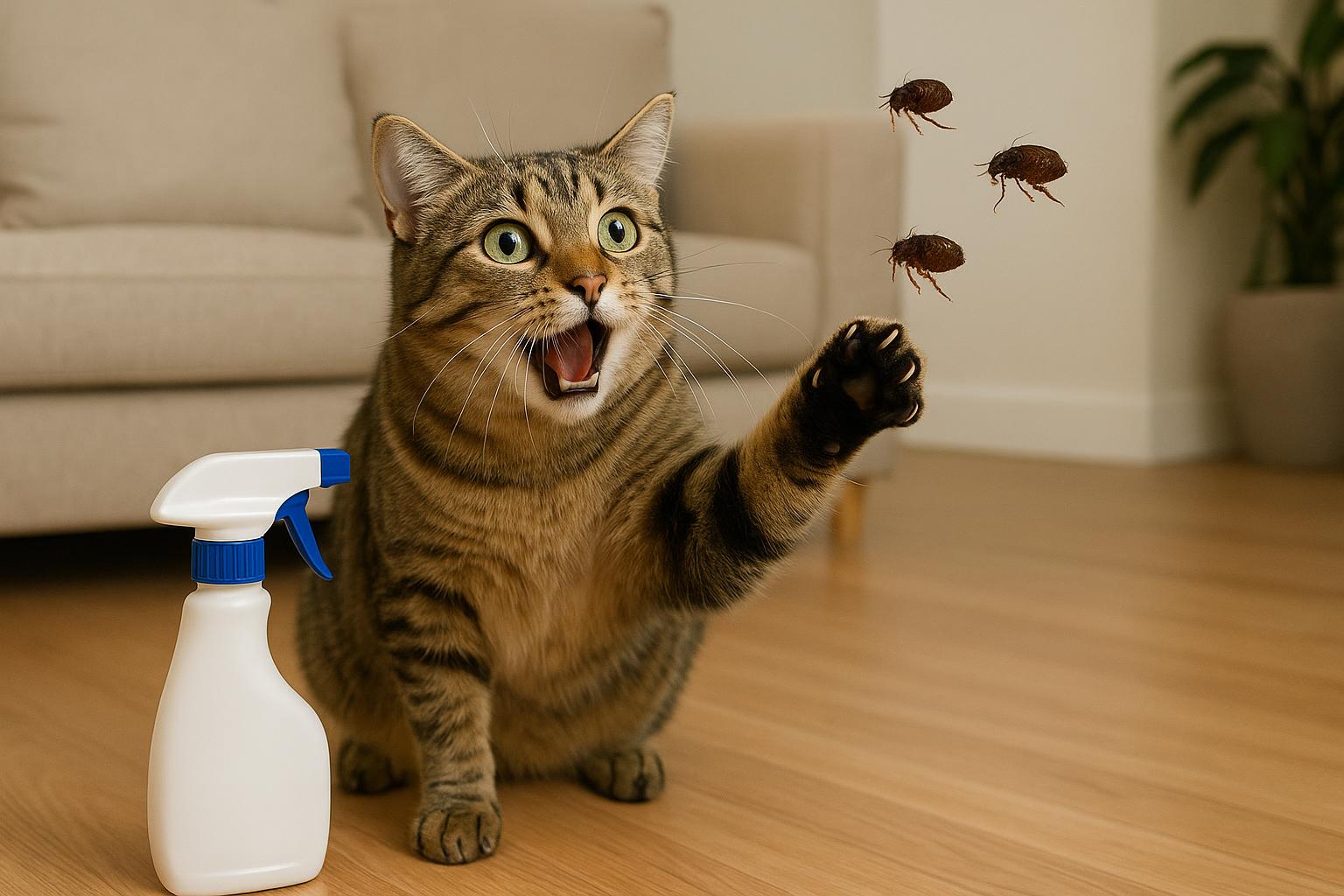
– Monitor your cat for the first 48 hours. Expect some dead fleas to show up as the product works.
– Delay bathing for the window recommended on the label. If the cat must be bathed sooner, you may need to reapply after consulting the product instructions or your vet.
– Vacuum floors and furniture regularly to remove eggs and larvae. Empty the vacuum bag or canister outdoors.
– Wash bedding and rugs in hot water if possible.
– If you share your home with untreated pets, plan to treat them at the same time.
## The Role Of Veterinarians In Choosing A Product
Vets weigh a product’s efficacy, the cat’s health status, lifestyle, and the household’s needs. They also consider local flea prevalence and resistance patterns. If you tell your vet that your cat swims weekly, or that a toddler often cuddles the cat, those factors influence recommendations. A professional can also advise on combined parasite control—heartworm prevention, tick control, and intestinal parasite control—which sometimes overlaps with topical choices.
## Looking Ahead: Innovations In Topical Flea Science
Topical flea science continues to evolve. New molecules offer longer duration and broader spectrums. Formulations are getting more skin-friendly and less likely to rub off onto people. There’s ongoing work on synergists that enhance activity without increasing toxicity. Researchers are also exploring flea traps and environmental inhibitors that disrupt the flea life cycle in situ.
Expect to see smarter combinations, improved resistance management, and products that balance rapid adult flea kill with environmental safety. Meanwhile, the basics remain: pick a cat-safe product, apply it correctly, treat the environment when needed, and keep an eye on your pet for any side effects. You should also tell your vet if you recieve a new product from a groomer or shelter so everything stays coordinated.










Leave a Reply