
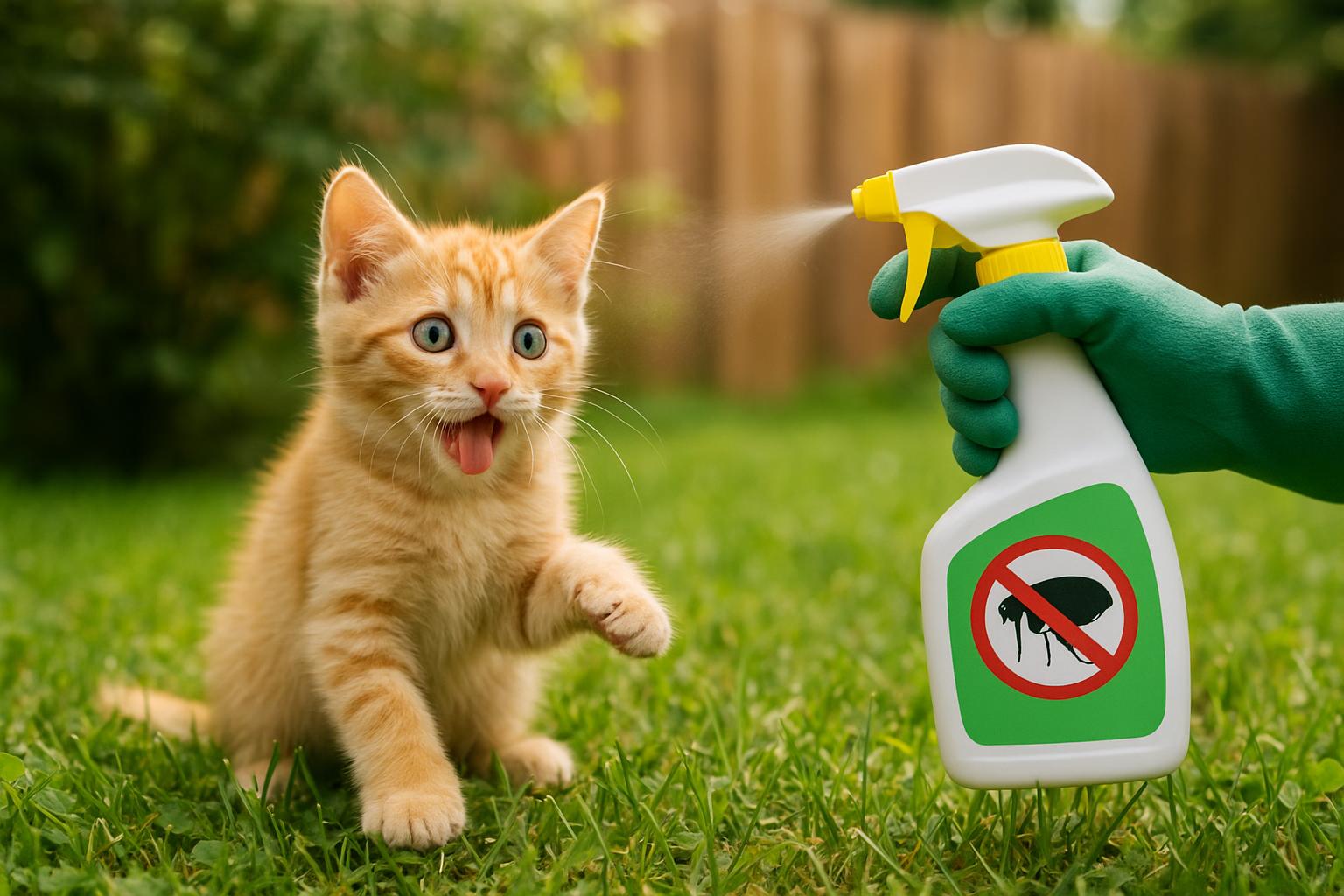
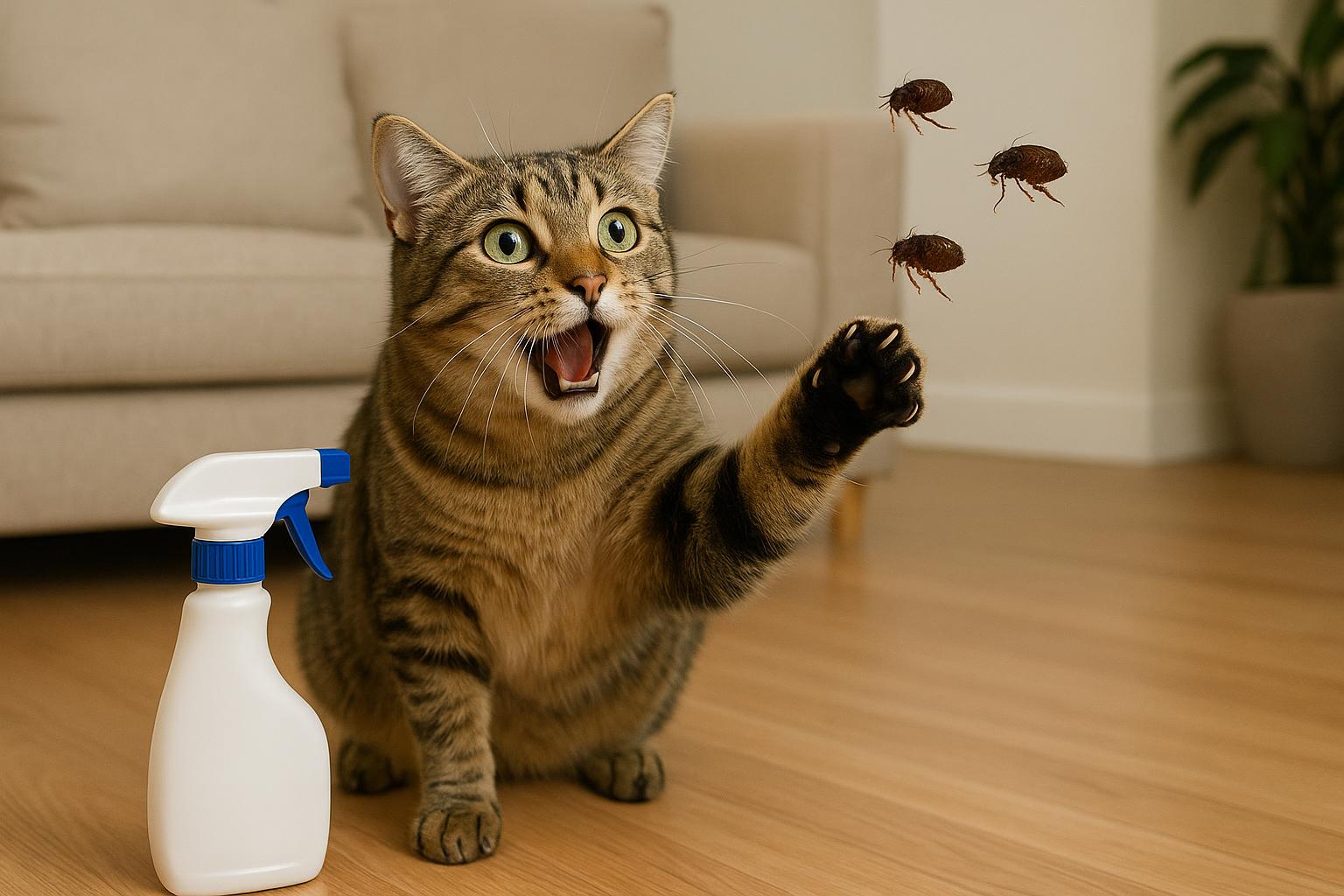
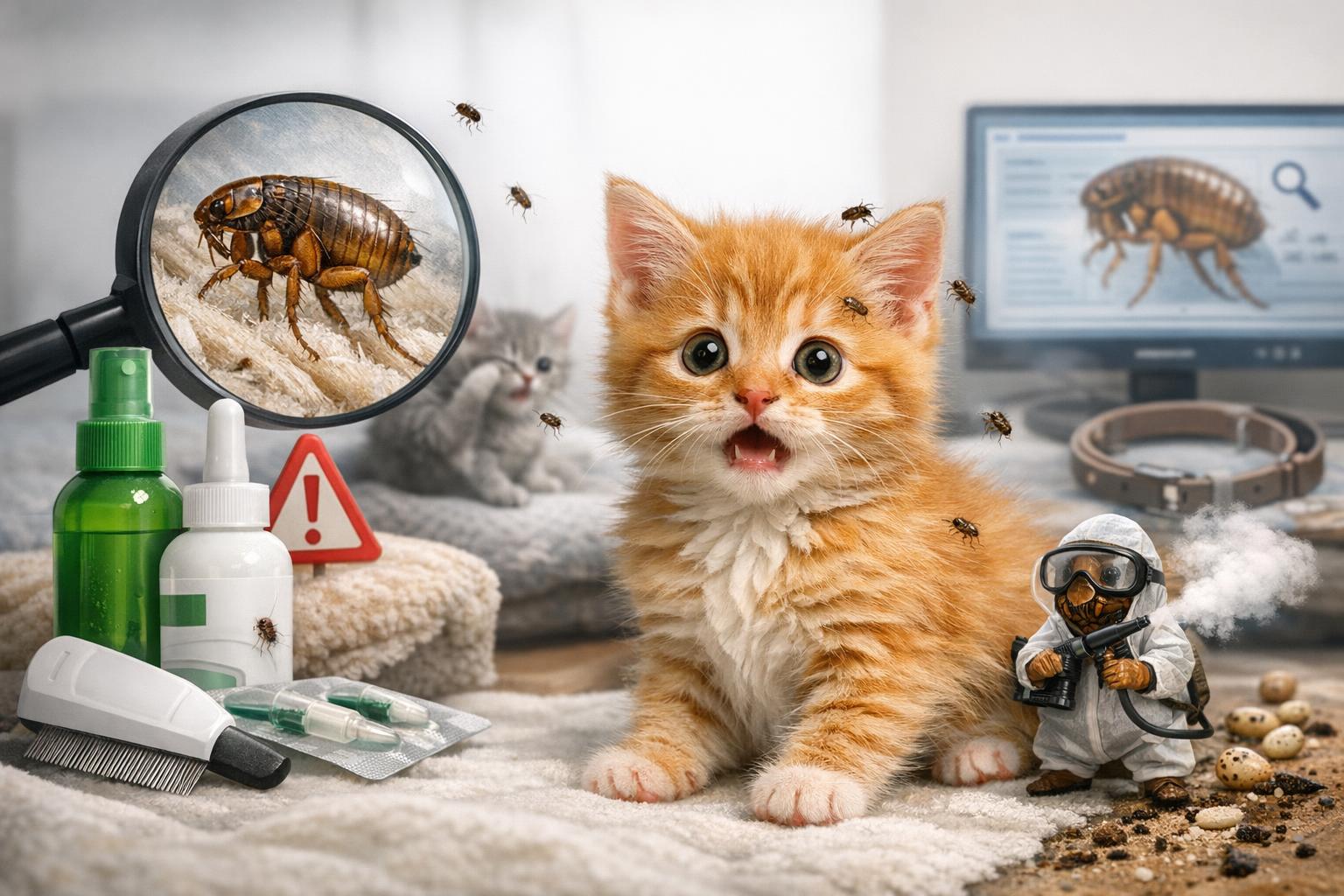
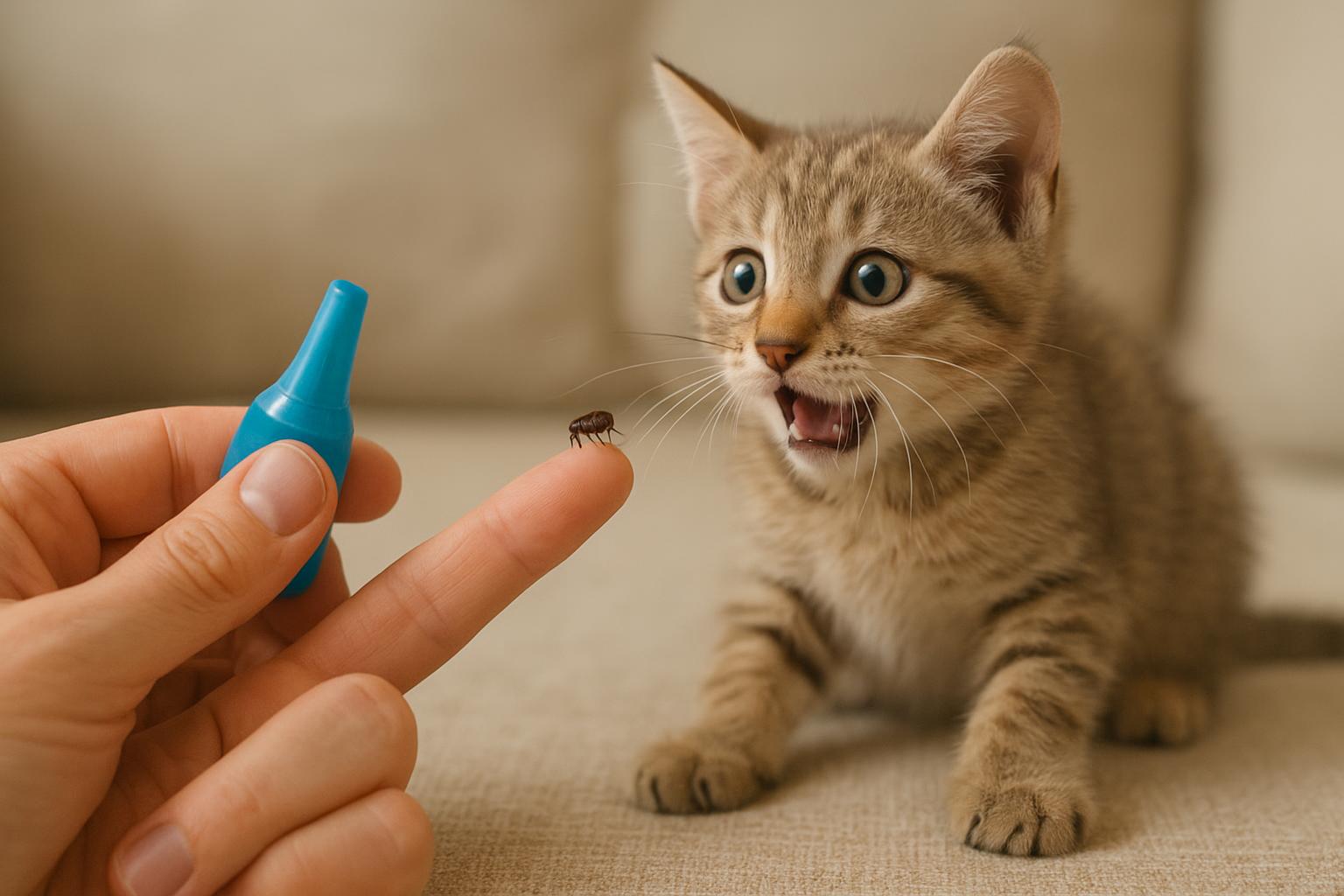
Kittens and the backyard go together like sunshine and zoomies — blissful, messy, and occasionally a little itchy. If you let your little explorer roam the yard, you’ll want a practical plan that keeps playtime fun without inviting uninvited guests. One of the most common pests that turn a purr into a protest are those tiny, fast-moving nuisances: fleas. This article walks through how to spot them, reduce their presence in your yard, and treat kittens safely when needed — with two clear remedies and step-by-step instructions.
## Preventing Feline Fleas In Your Backyard
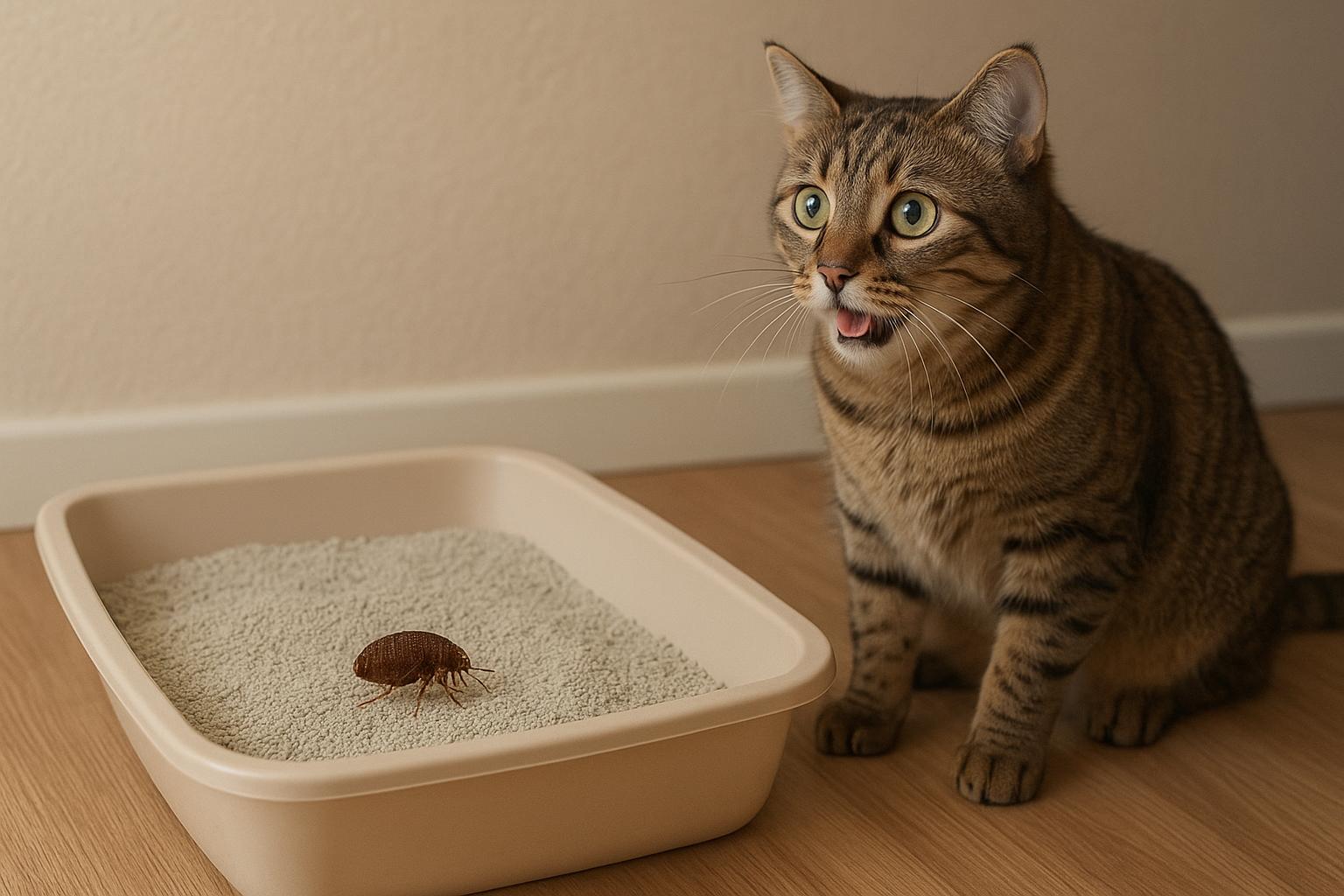
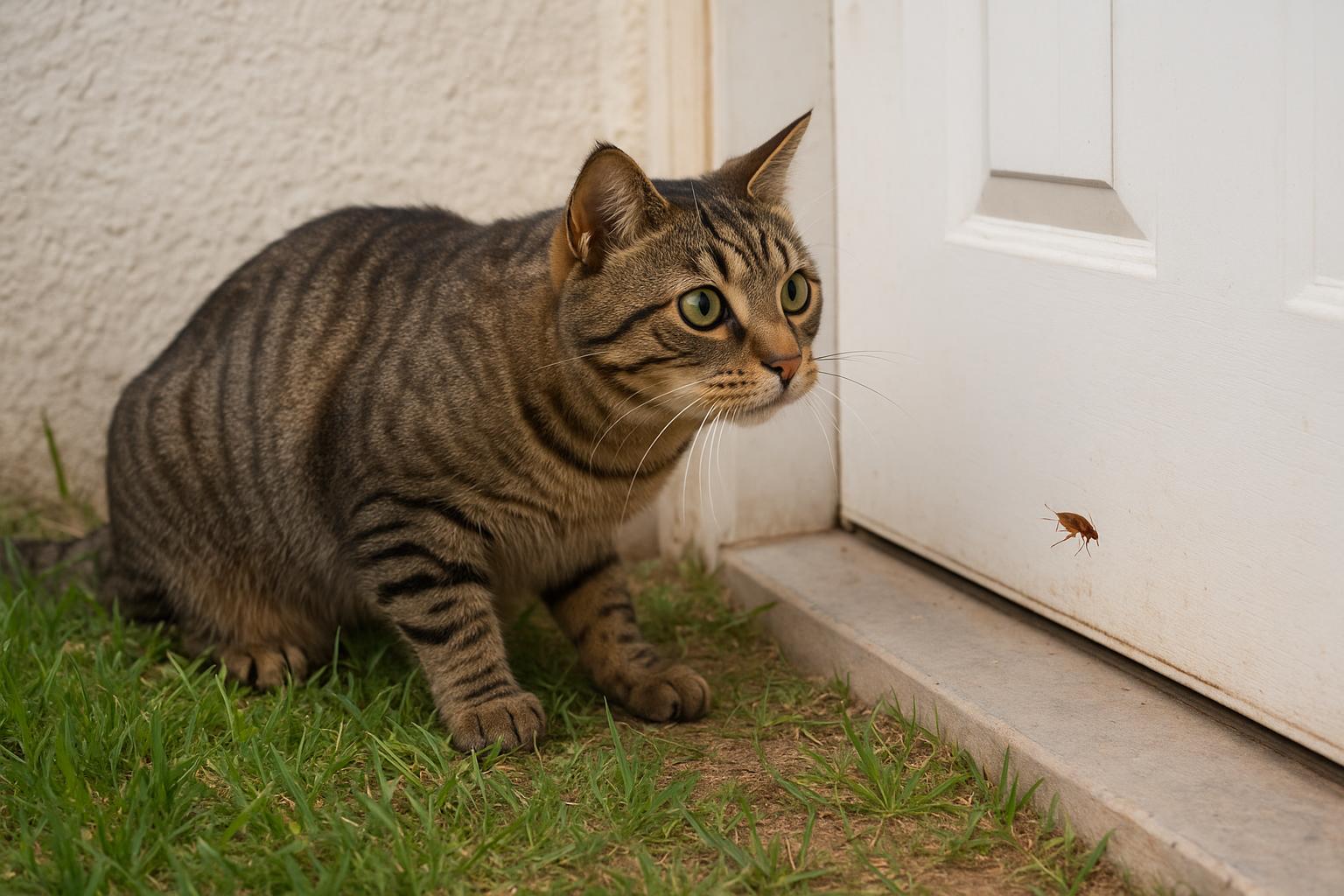
Fleas thrive where there’s moisture, shade, and a steady supply of hosts (think neighborhood cats, raccoons, or even your family dog). Understanding their lifecycle is half the battle: adults live on animals, lay eggs in fur, eggs fall off into the environment, and larvae develop in organic debris before becoming adults. Break the cycle in the yard and you cut the pressure on your kitten.
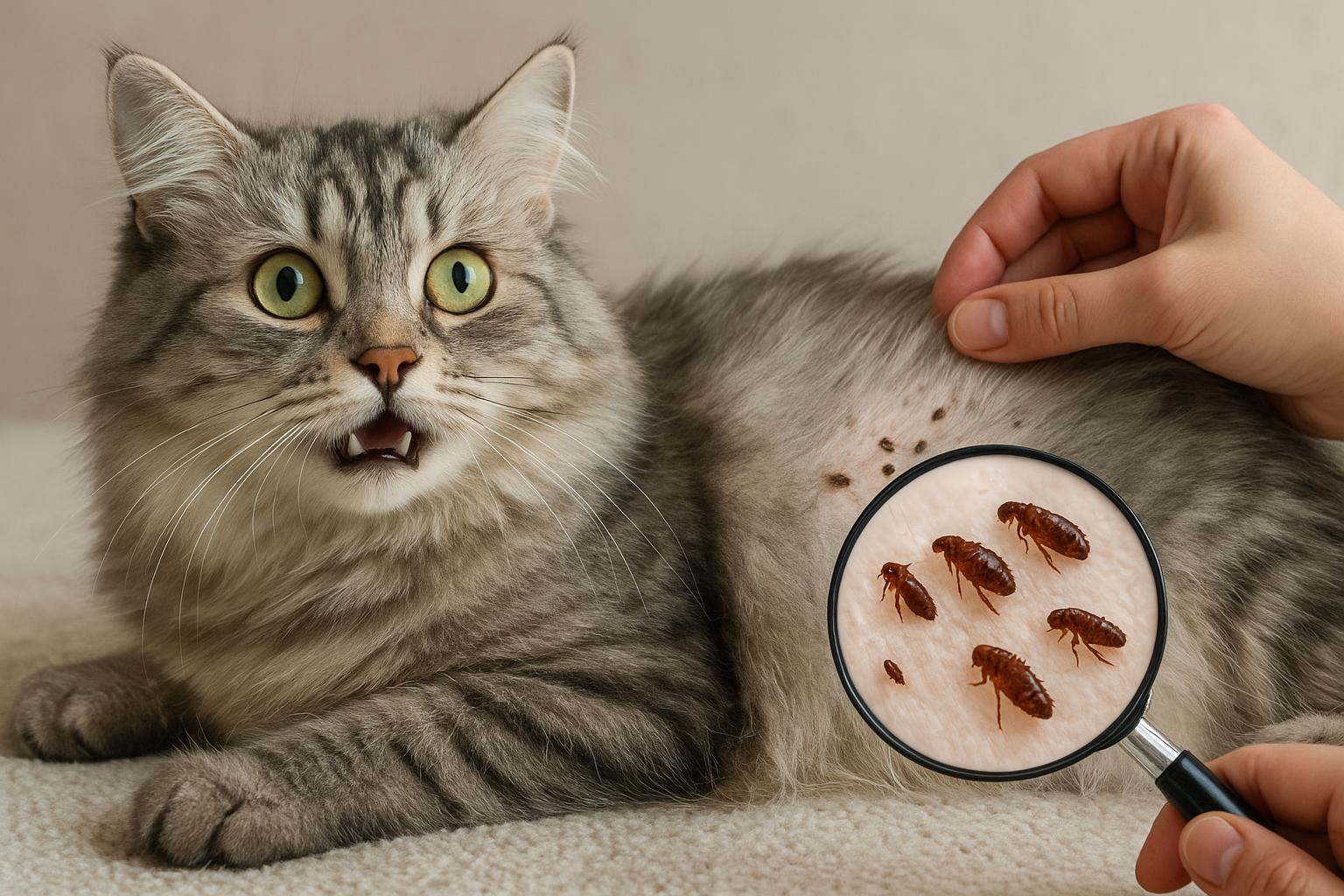
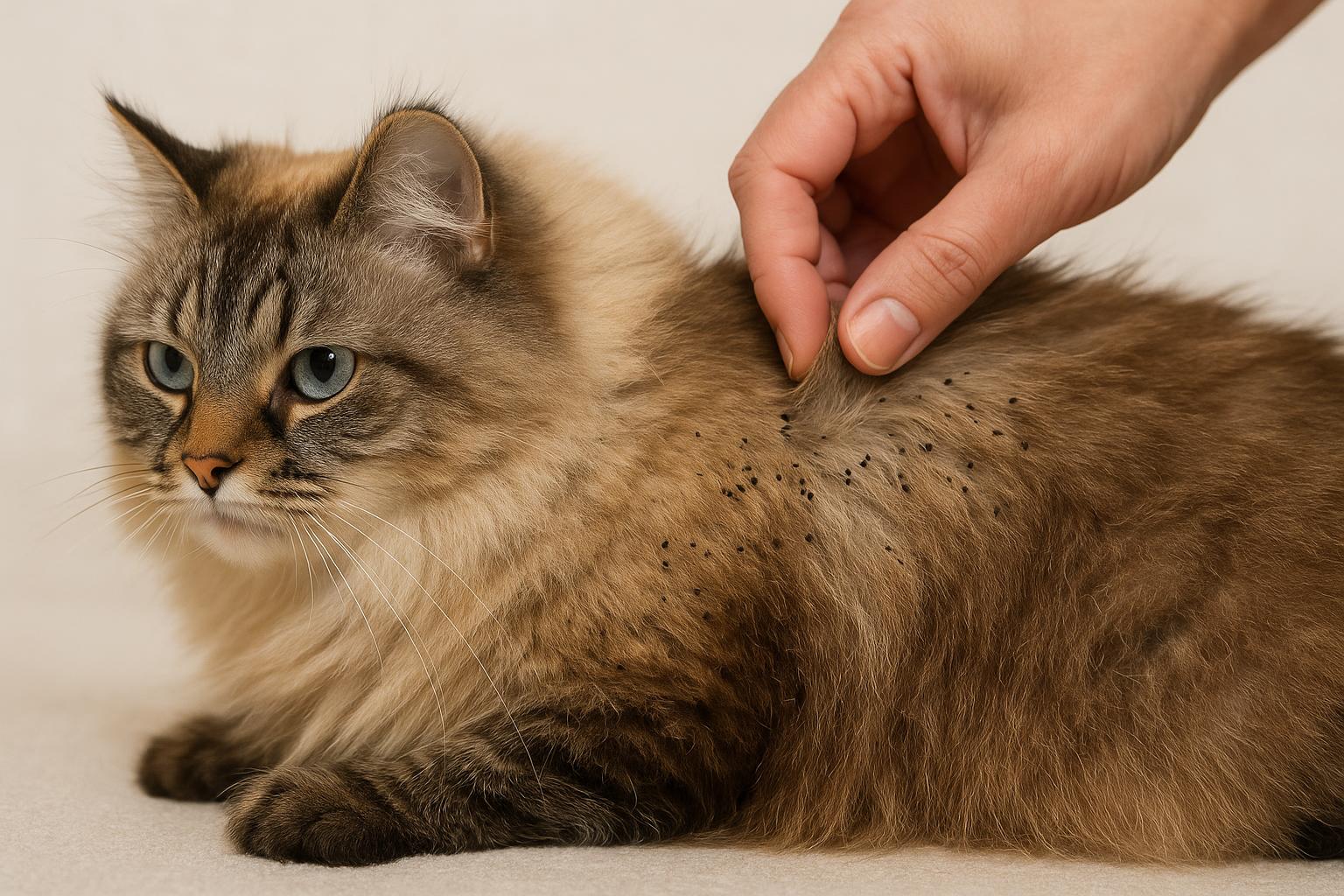
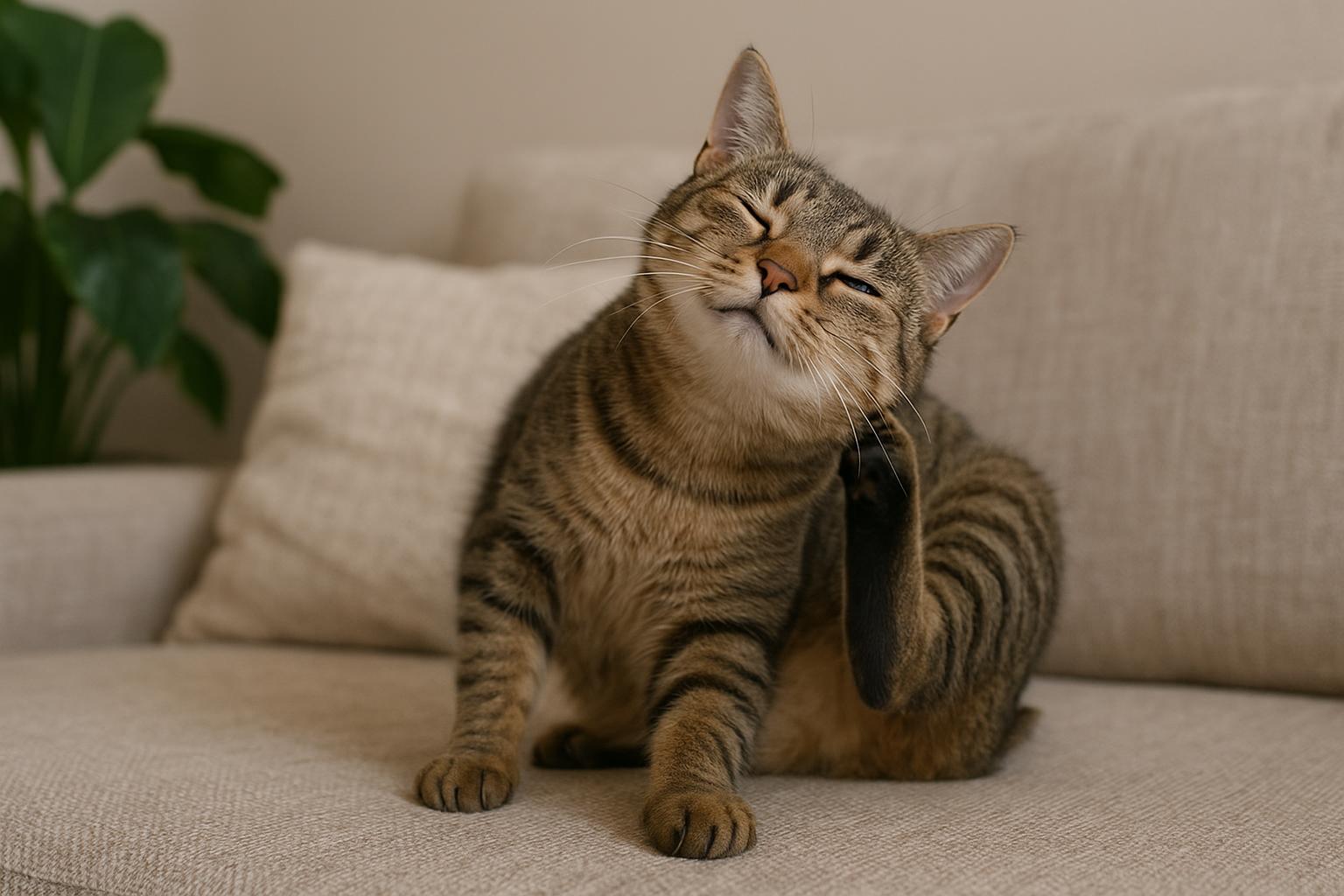
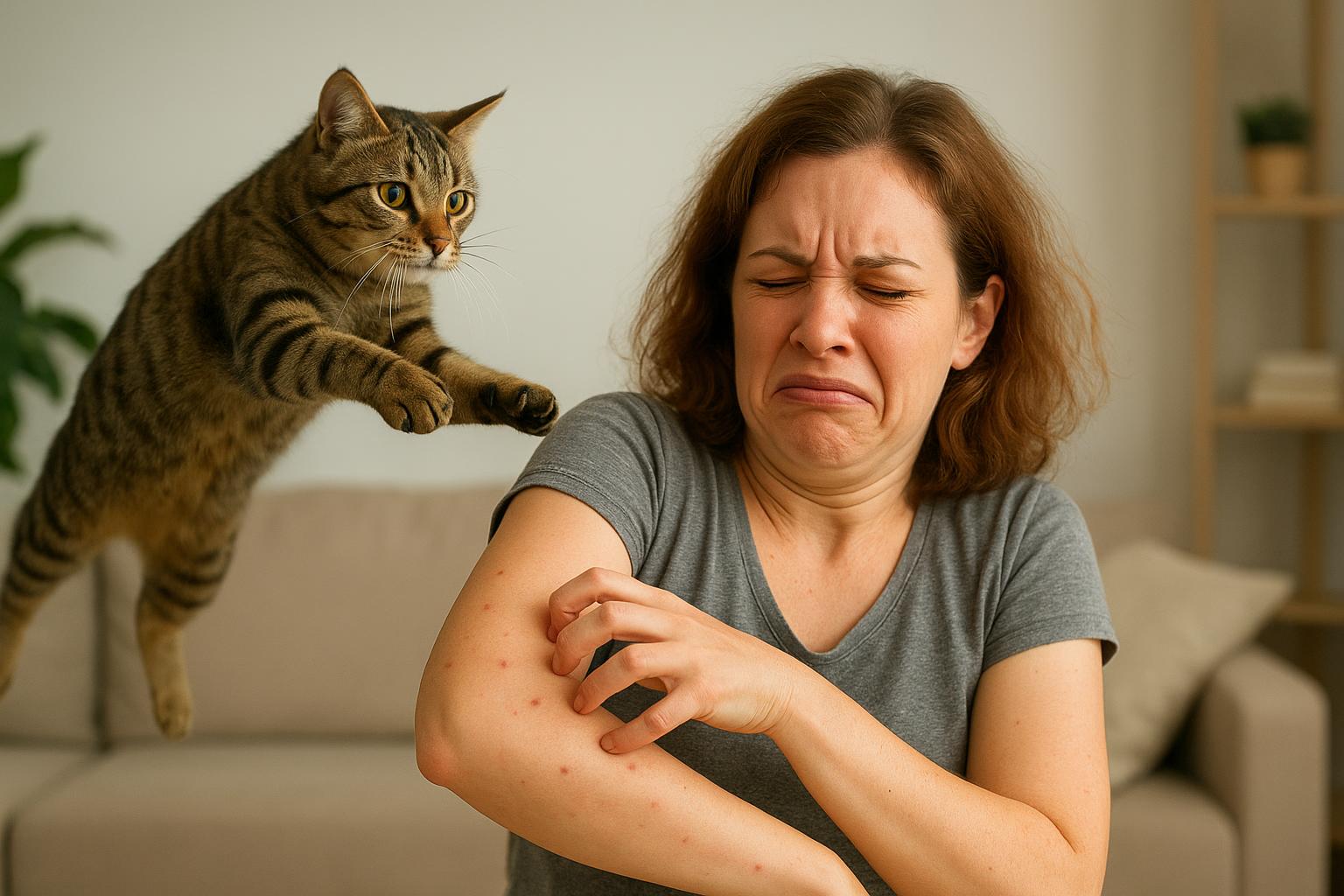
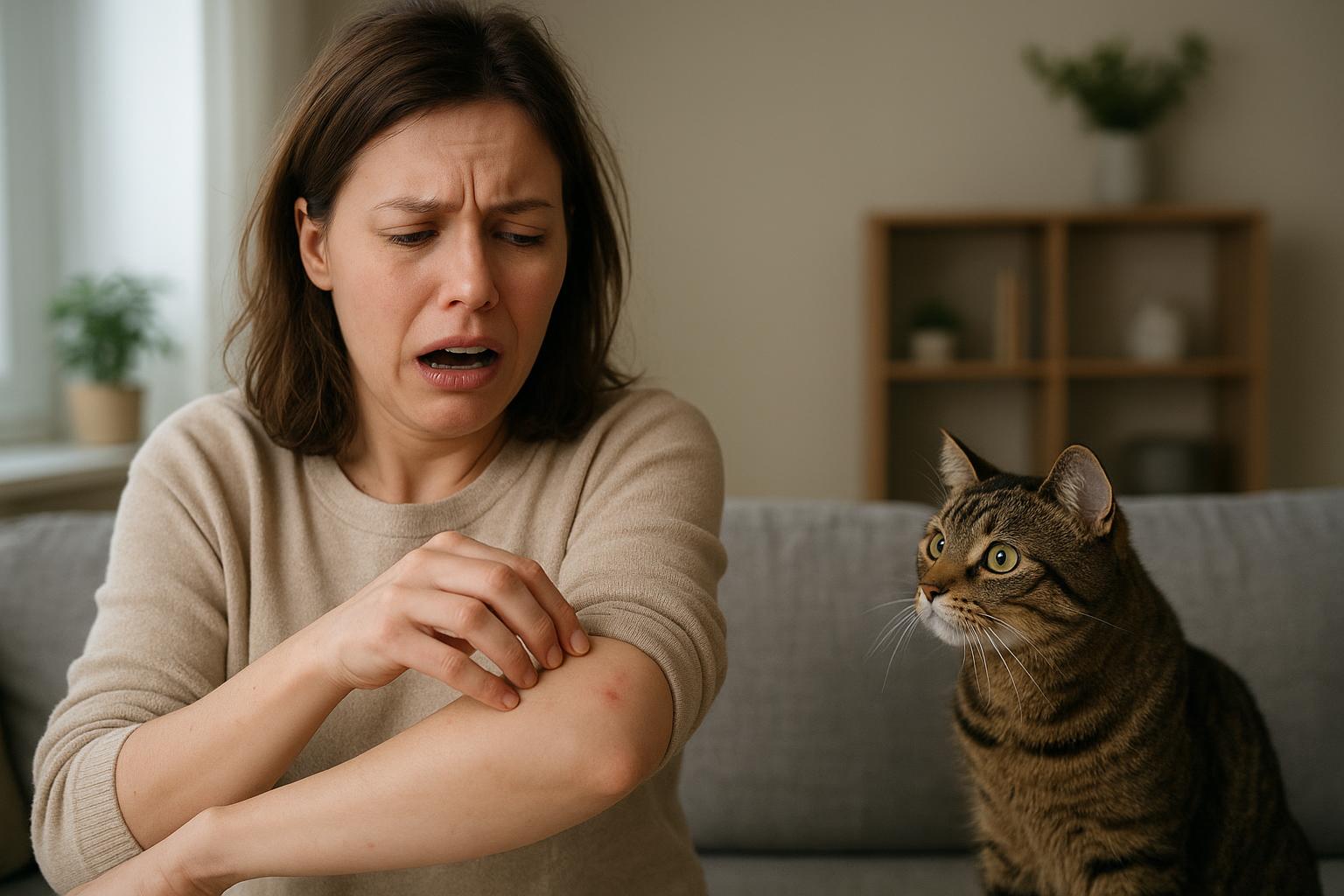
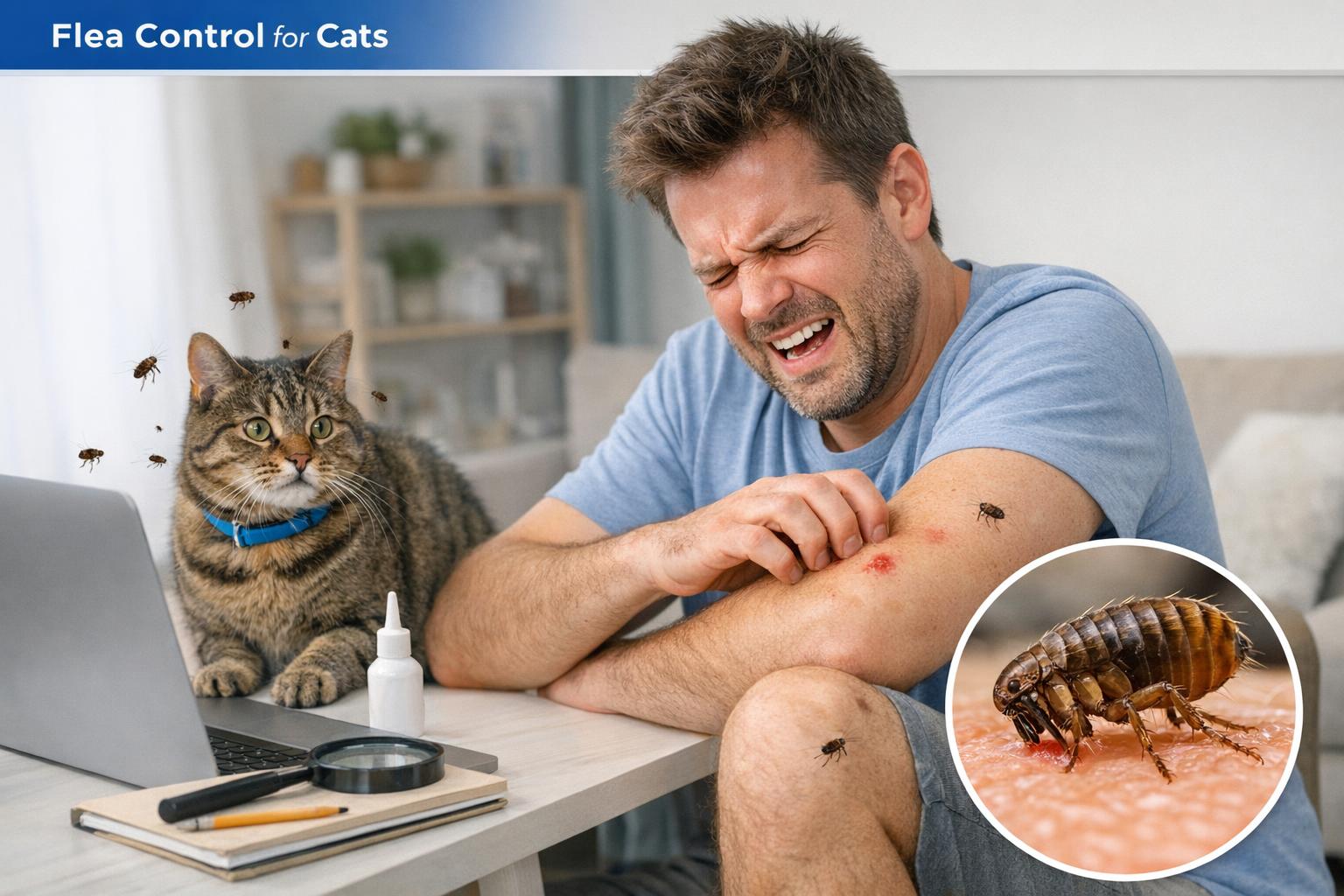
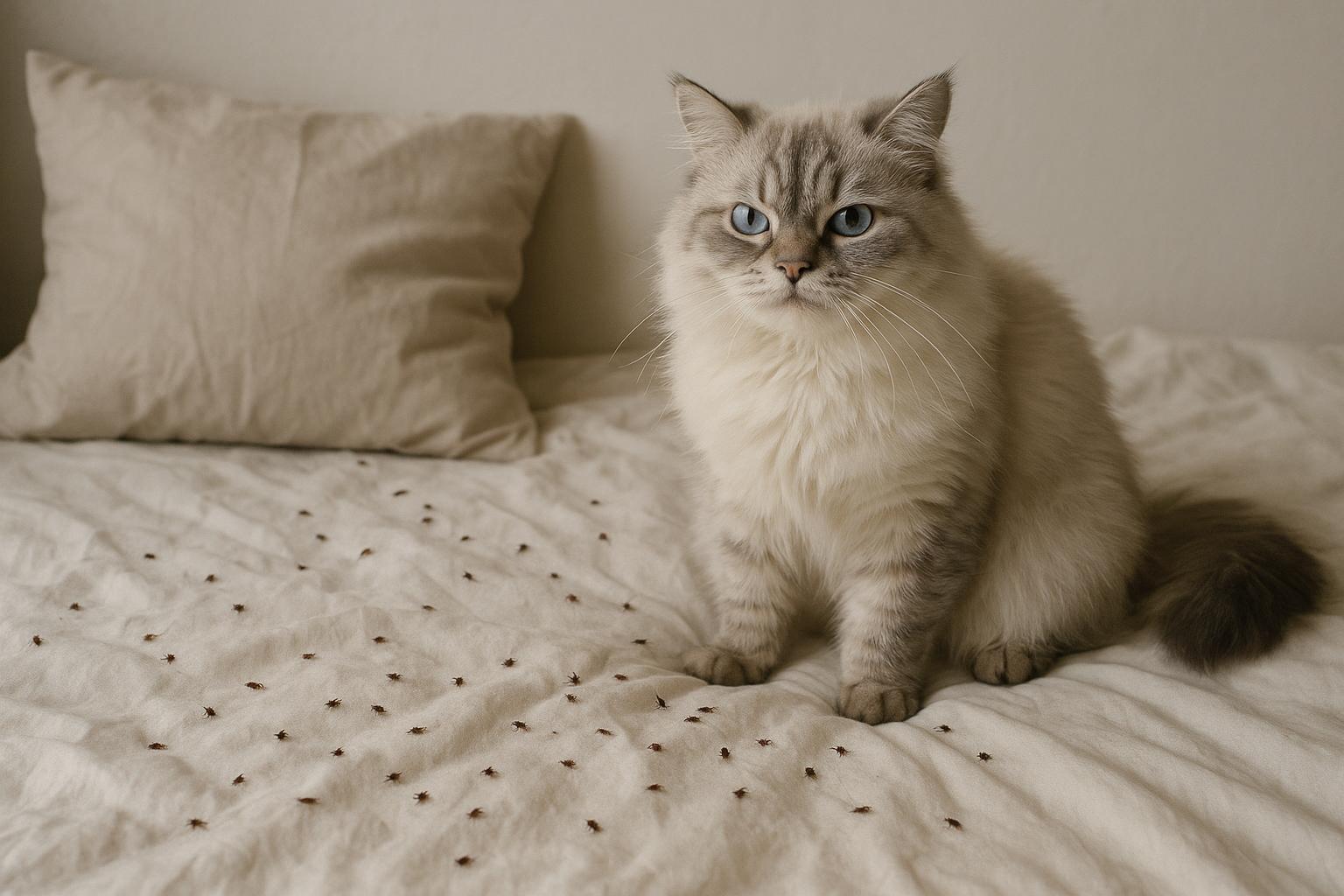
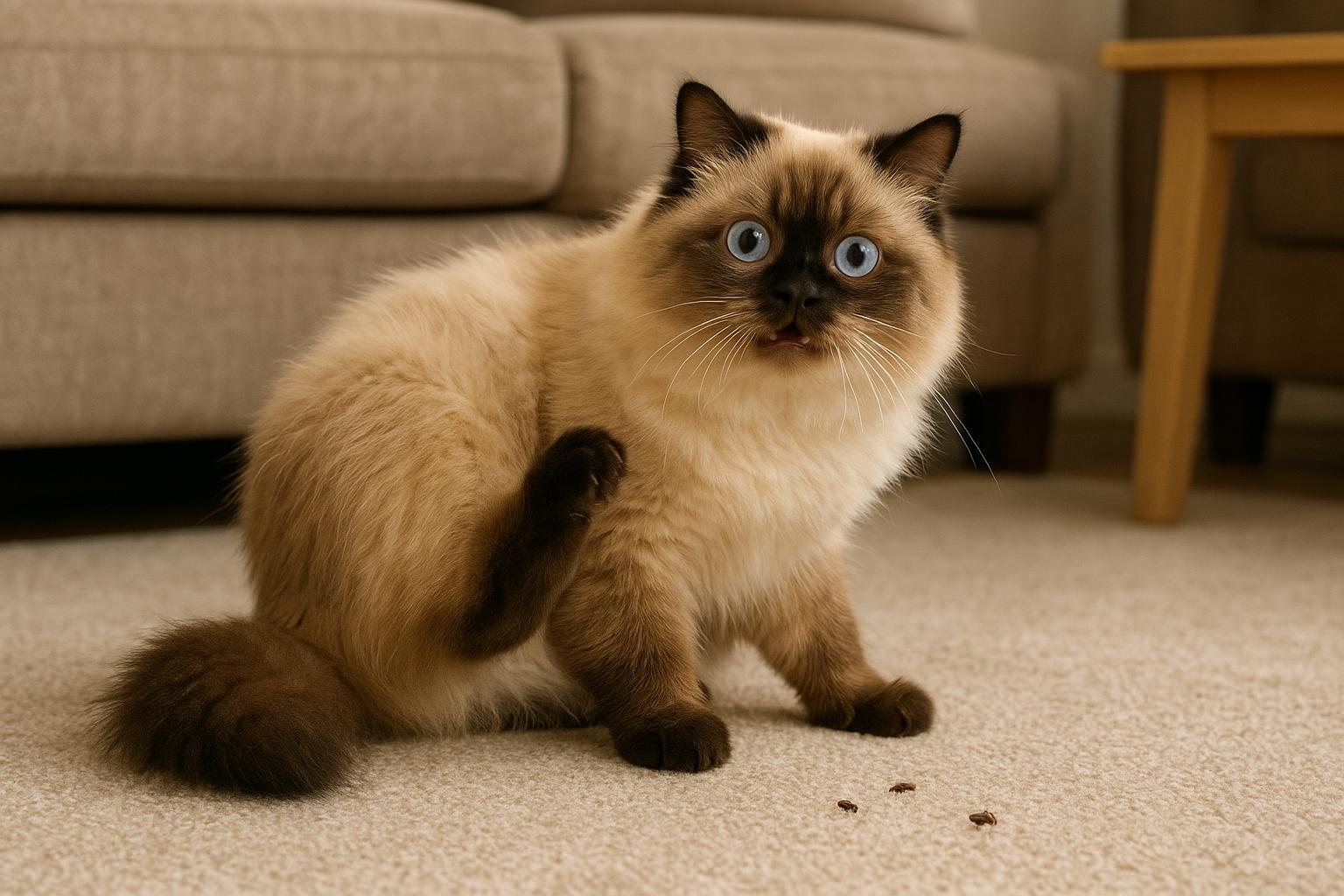
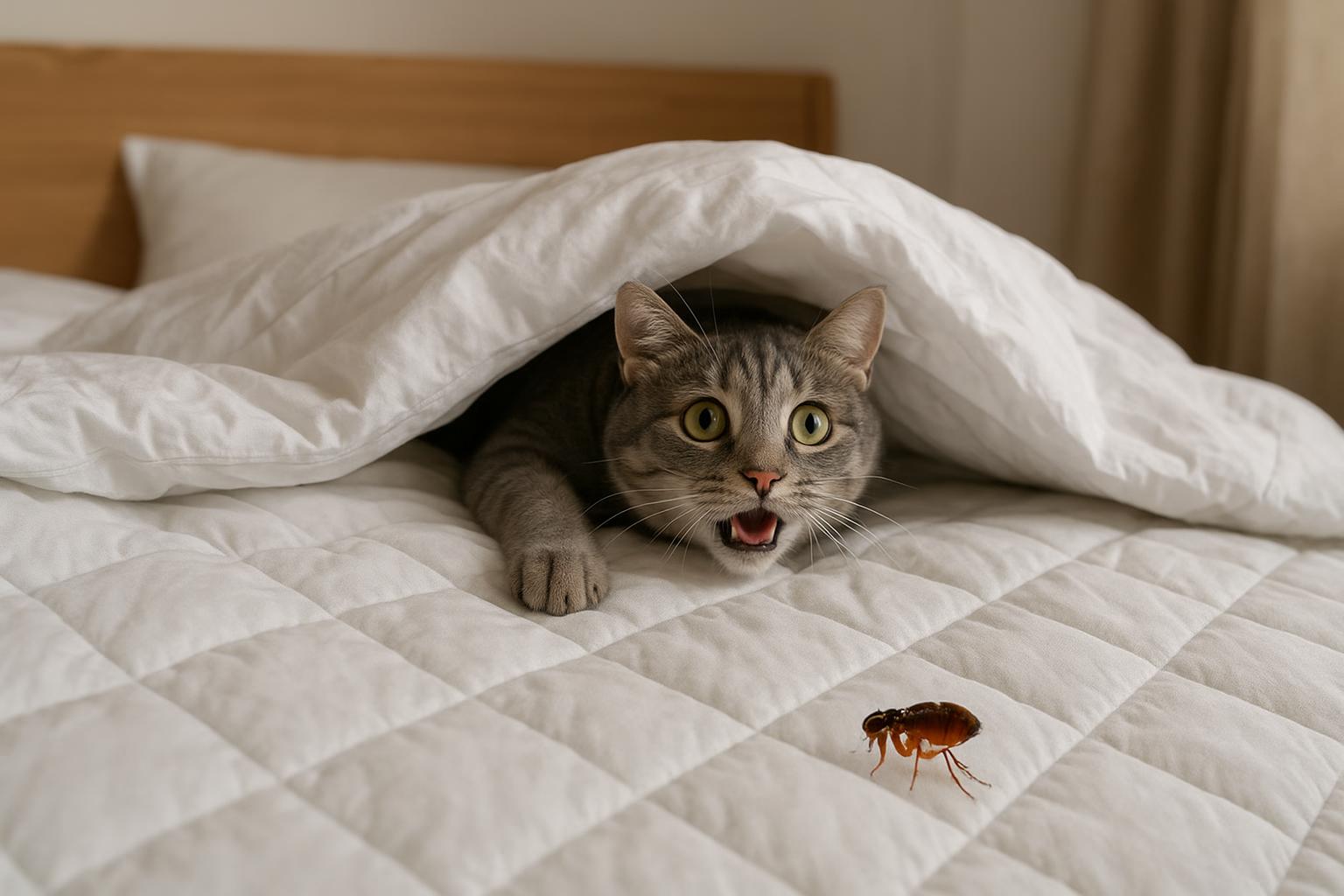
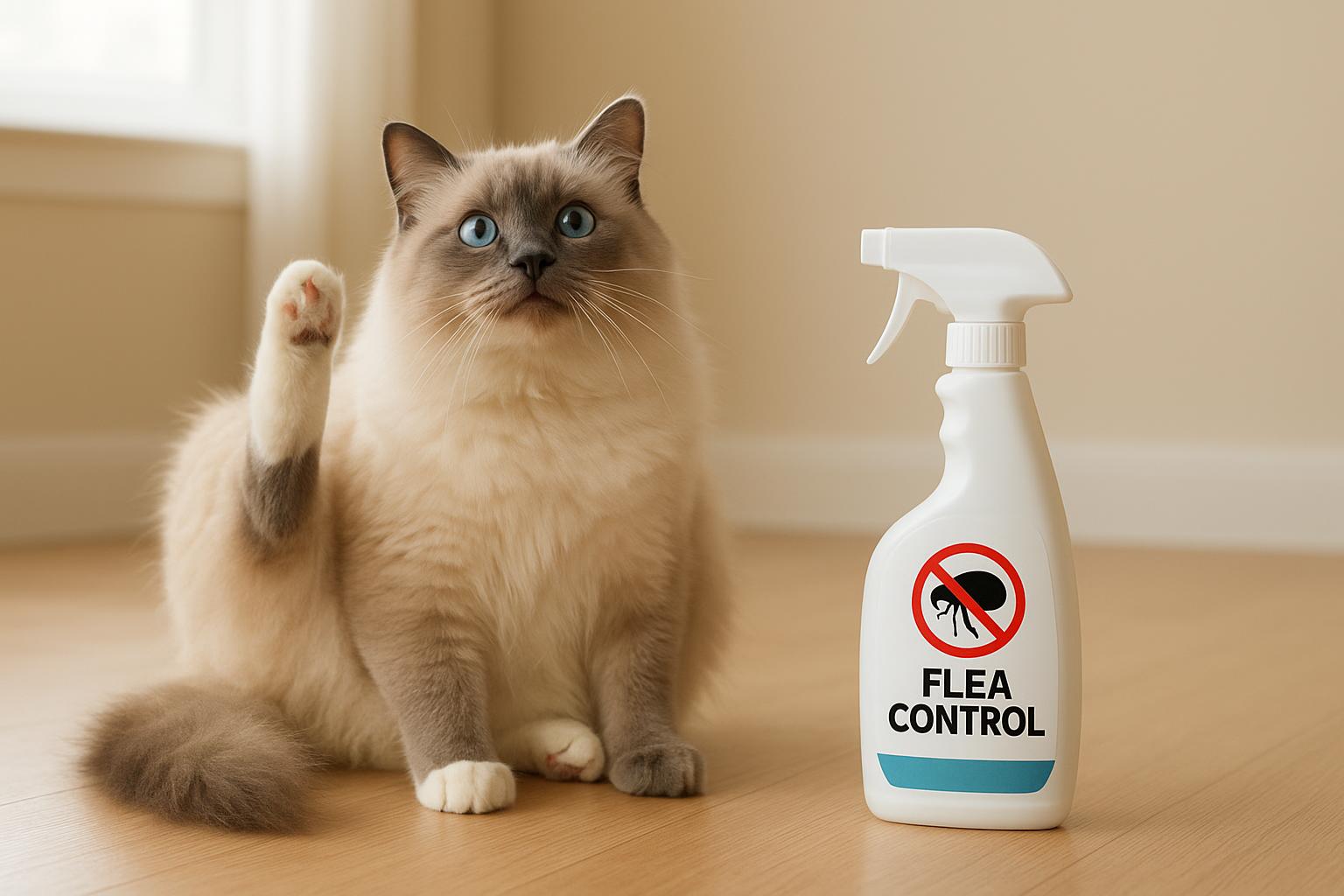
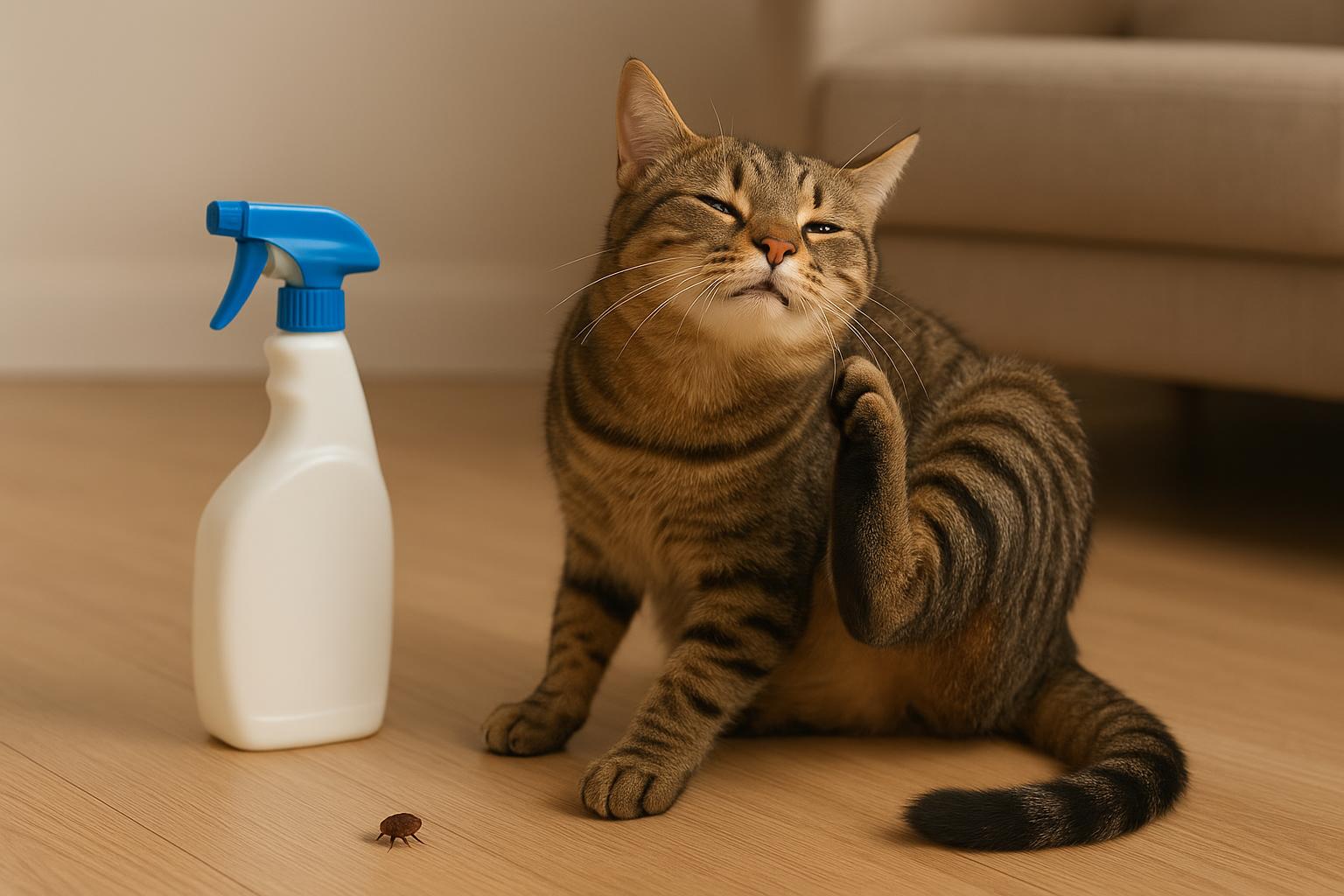
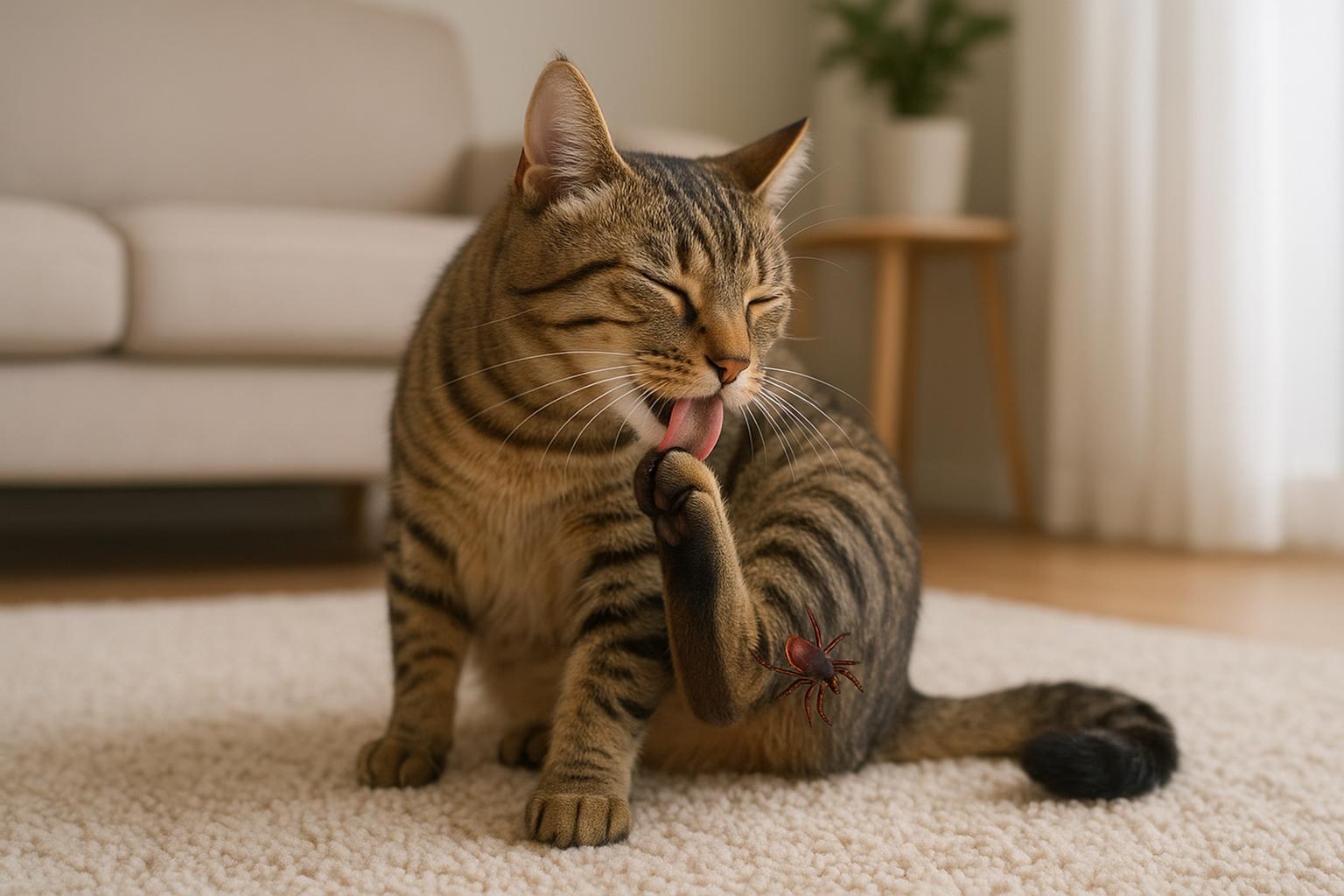
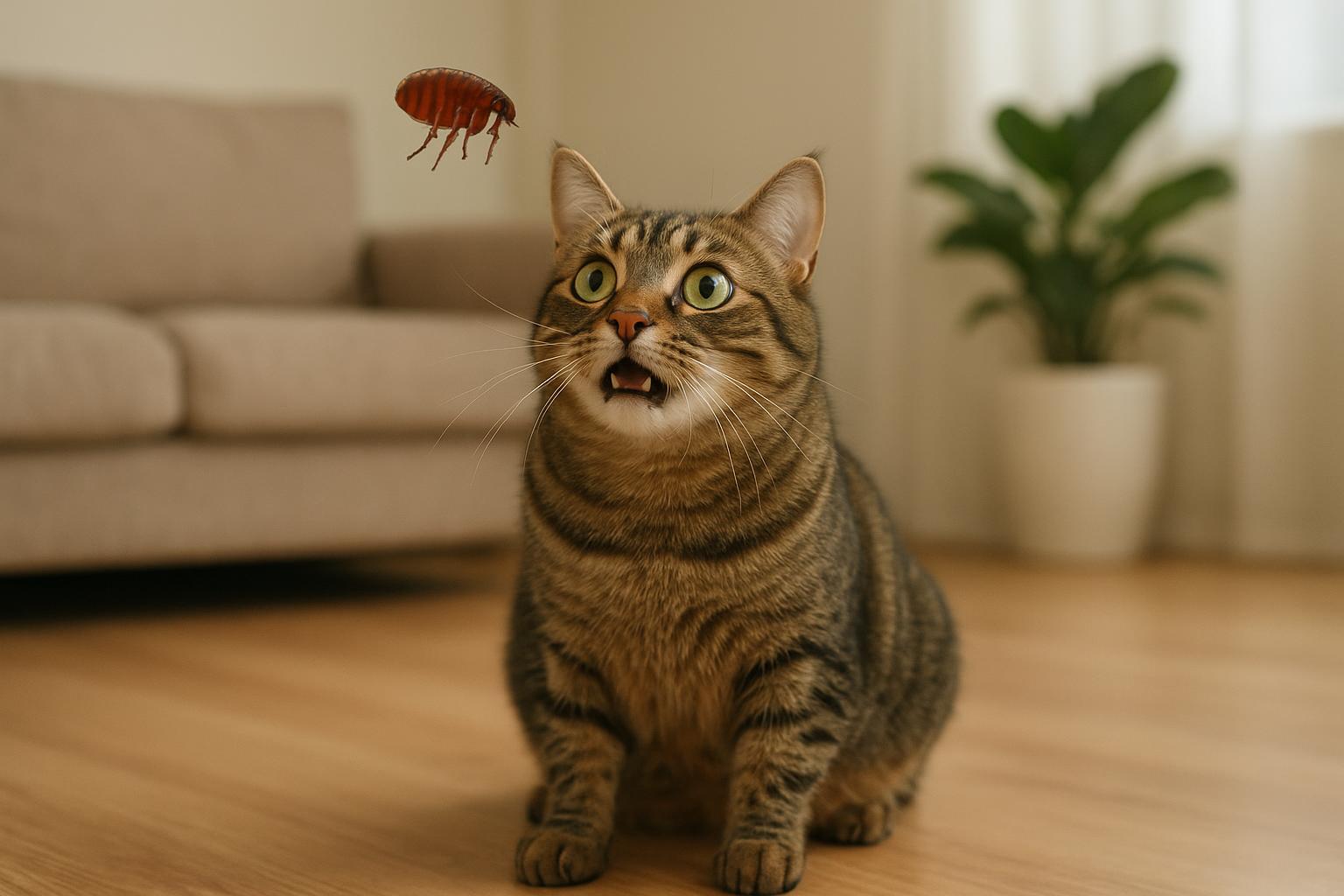
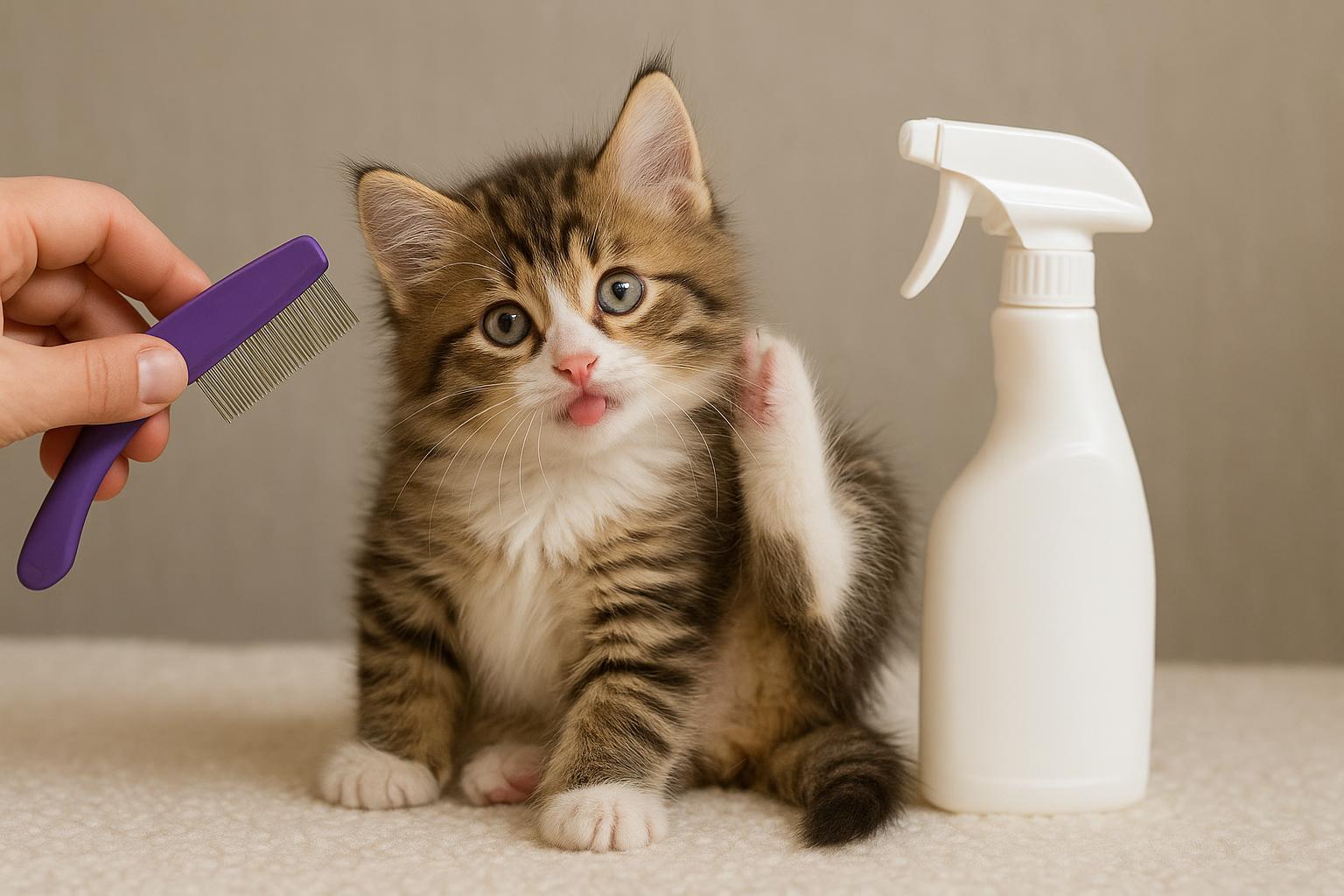
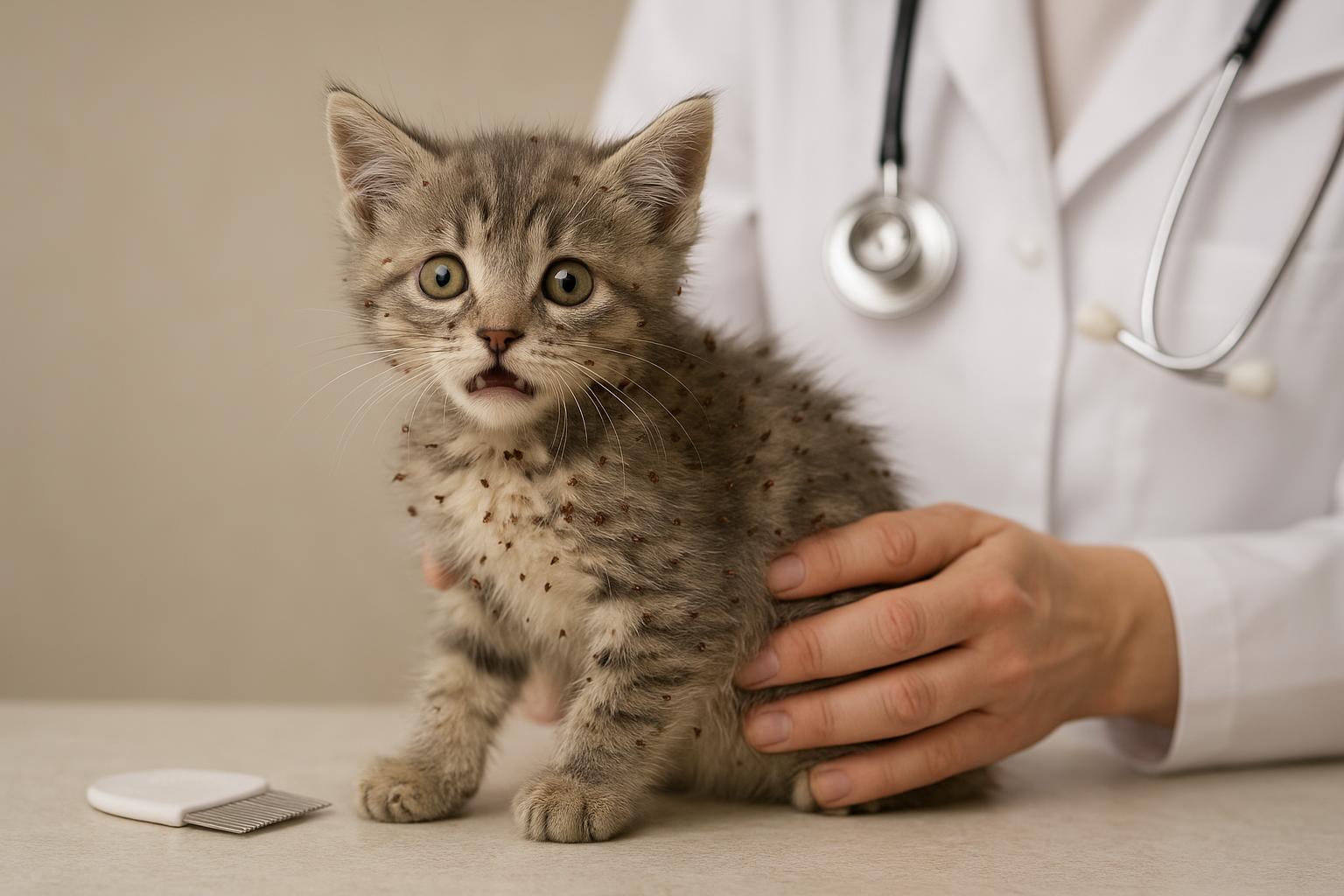
Signs your kitten might have flea trouble include intense scratching, tiny dark specks (flea dirt) in the fur, small red bumps on the skin, restlessness, and sometimes anemia in severe infestations. Early detection and consistent yard care make a huge difference.
### Why Kittens Are More Vulnerable
Kittens have thinner, more sensitive skin and immature immune systems. They can’t groom as effectively as adults, and their small blood volume makes them susceptible to anemia from heavy infestations. Products safe for adult cats aren’t always appropriate for kittens, so caution and veterinary guidance are essential.
### Quick Detection Checklist
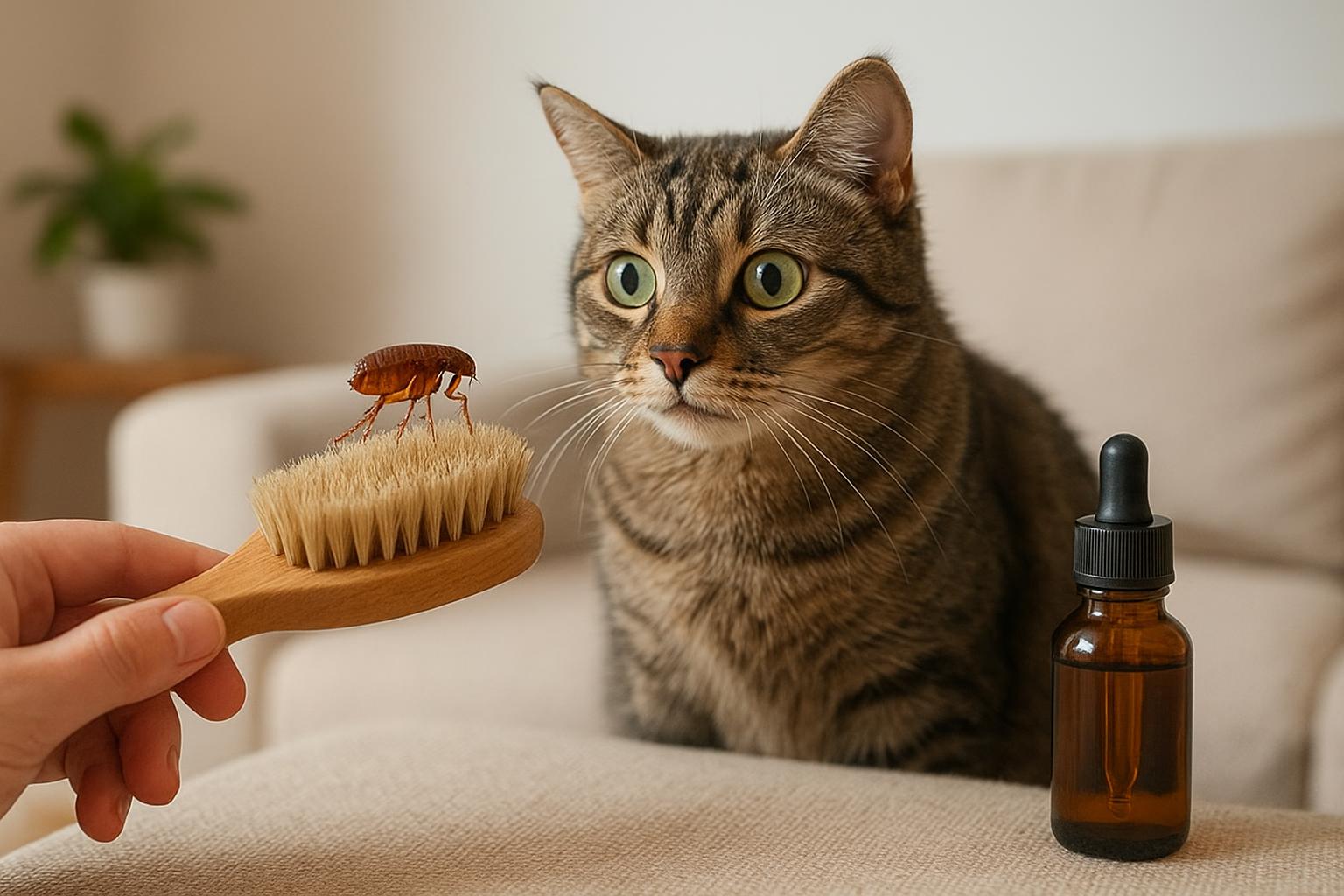
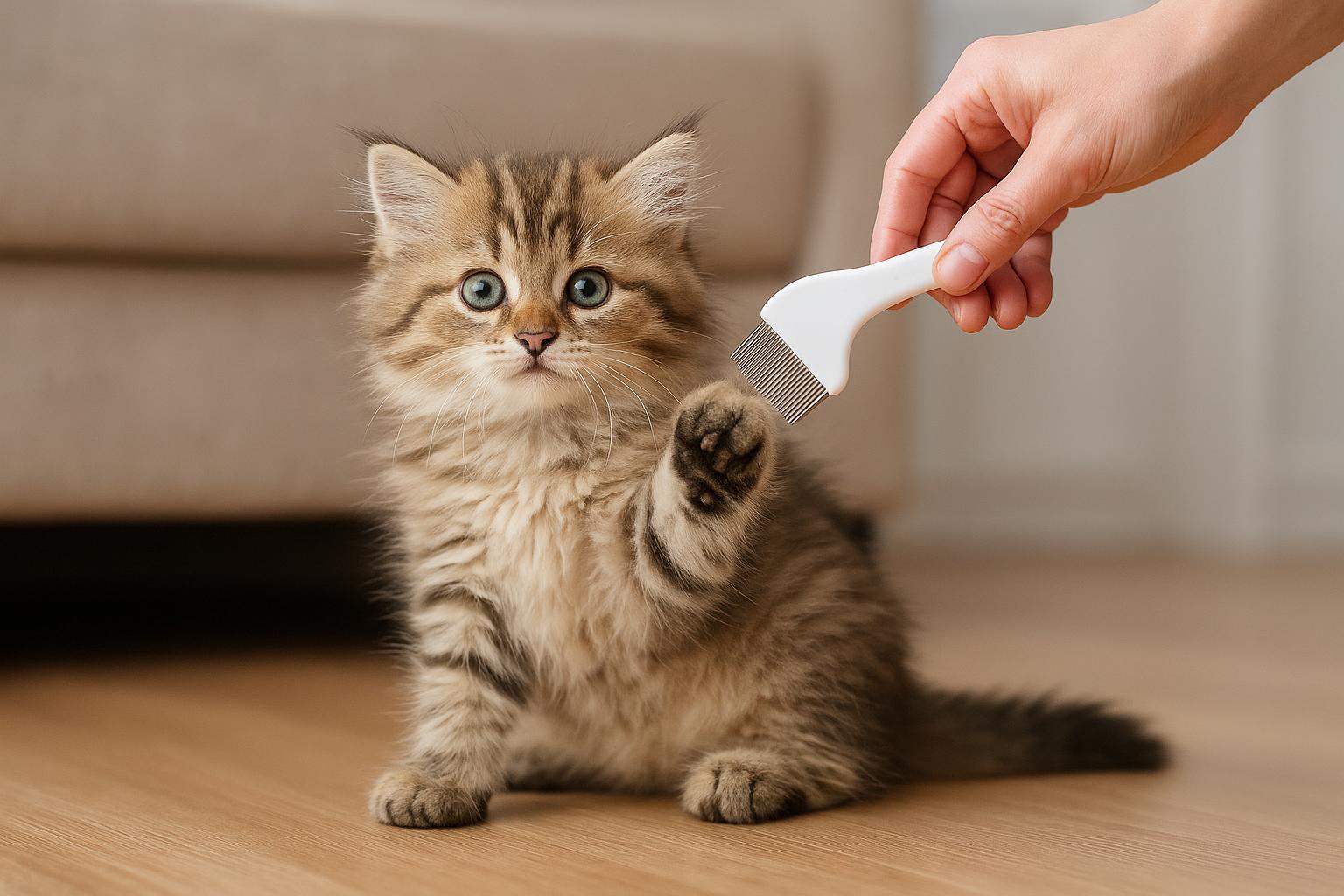
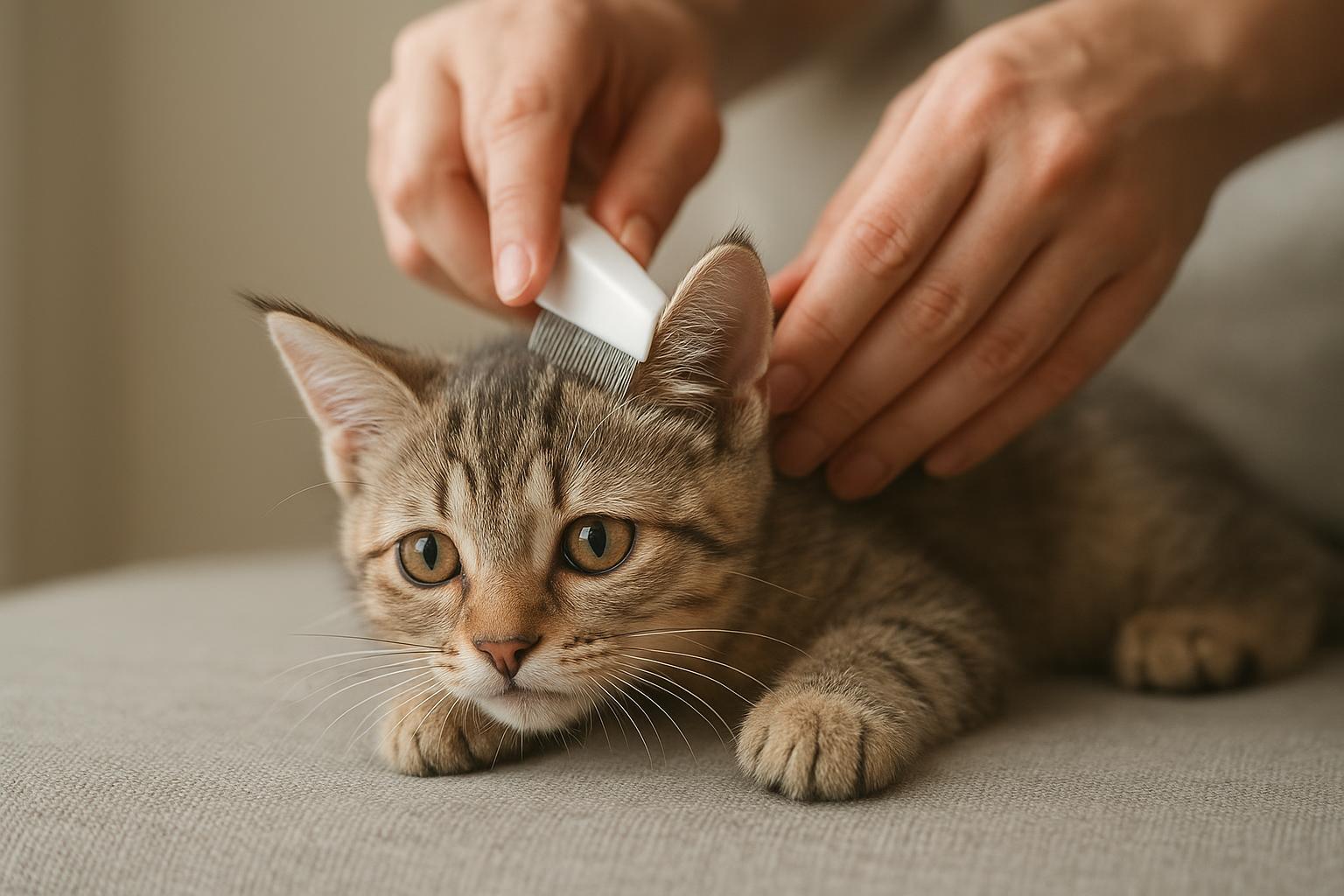
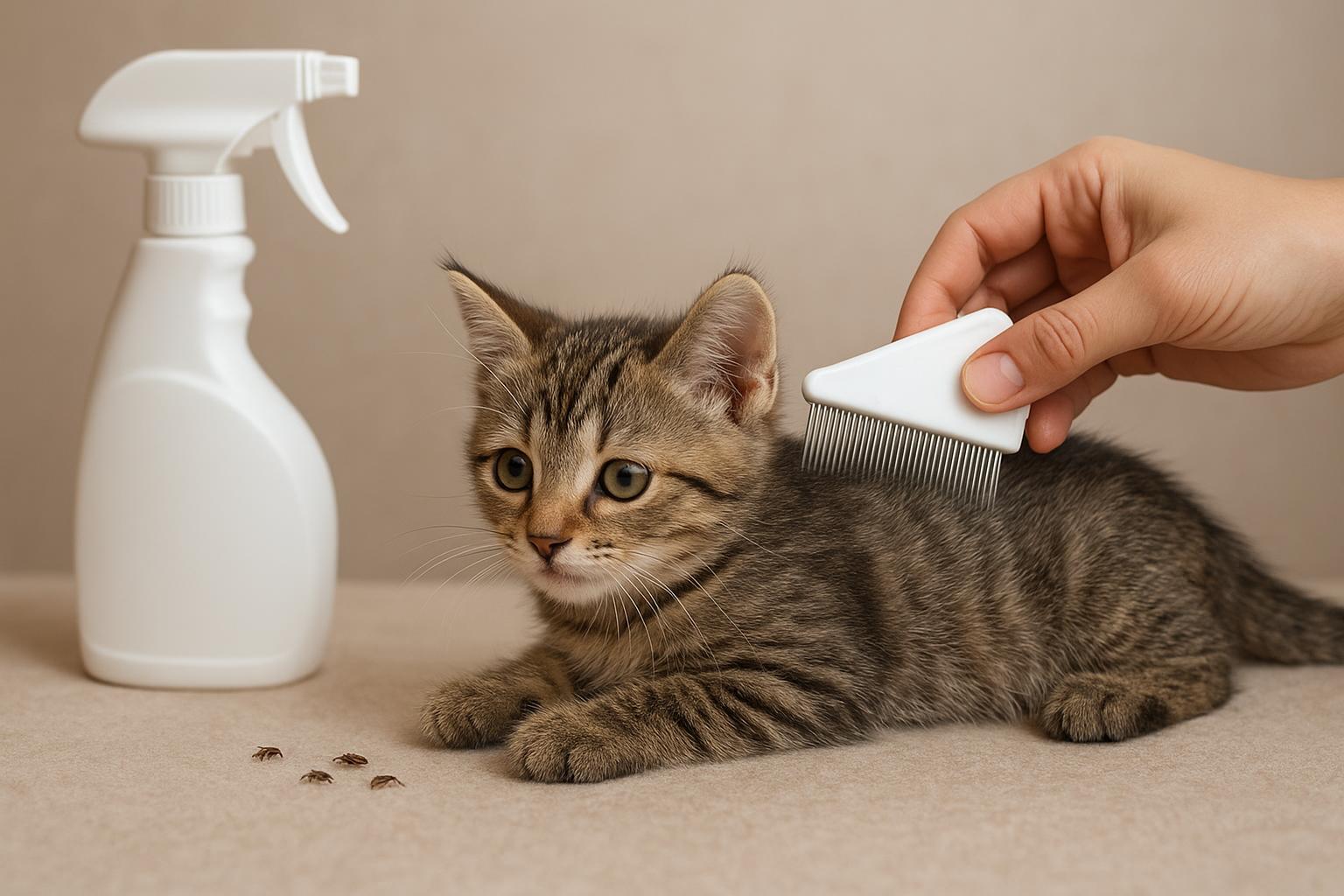
– Use a fine-toothed flea comb along the back, neck, and base of the tail.
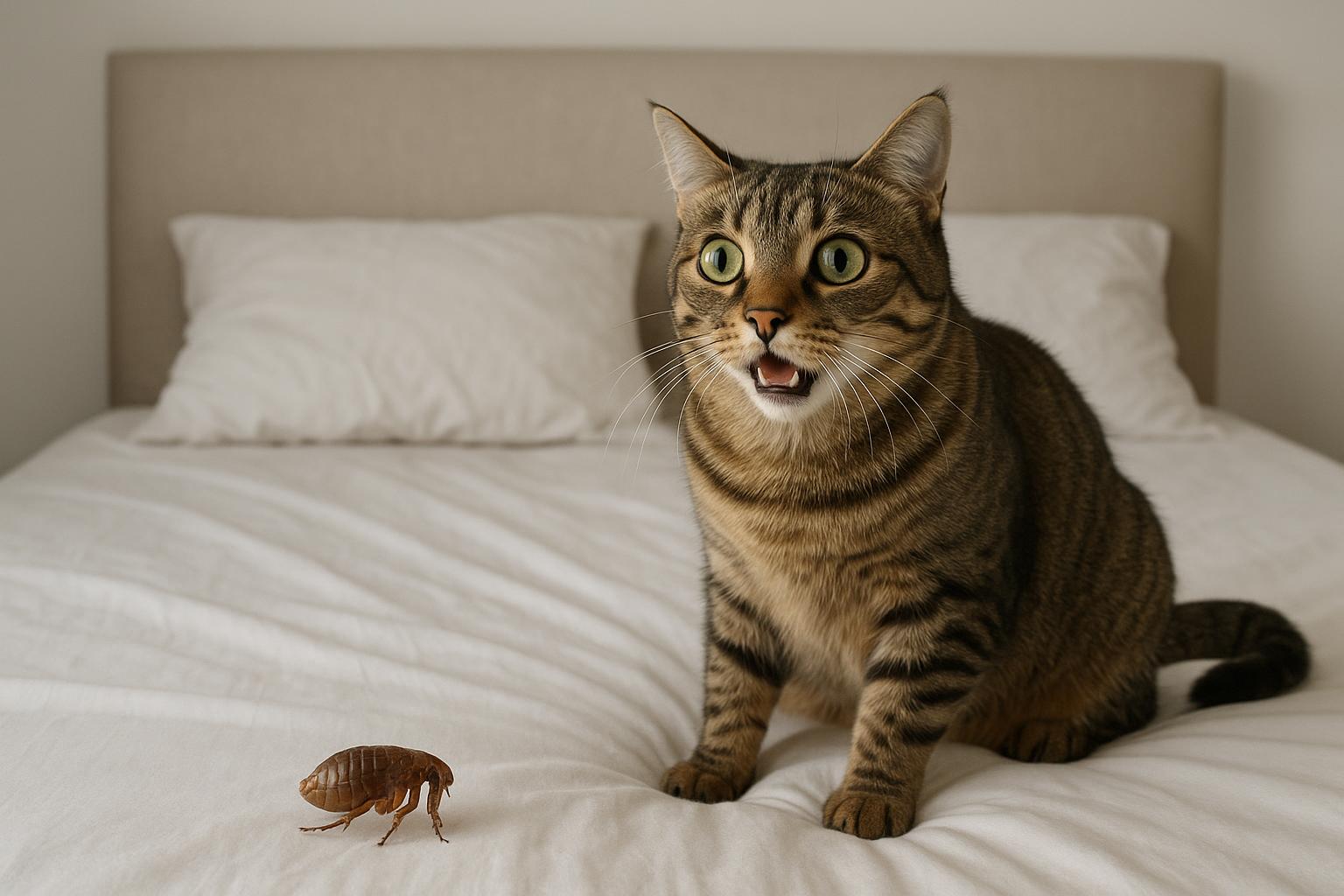
– Check bedding for flea dirt: place what looks like dirt on a wet paper towel — if it turns reddish, it’s likely digested blood.
– Watch behavior: excessive grooming, biting at skin, or restlessness during naps can be a clue.
## Practical Yard Management To Reduce Flea Pressure
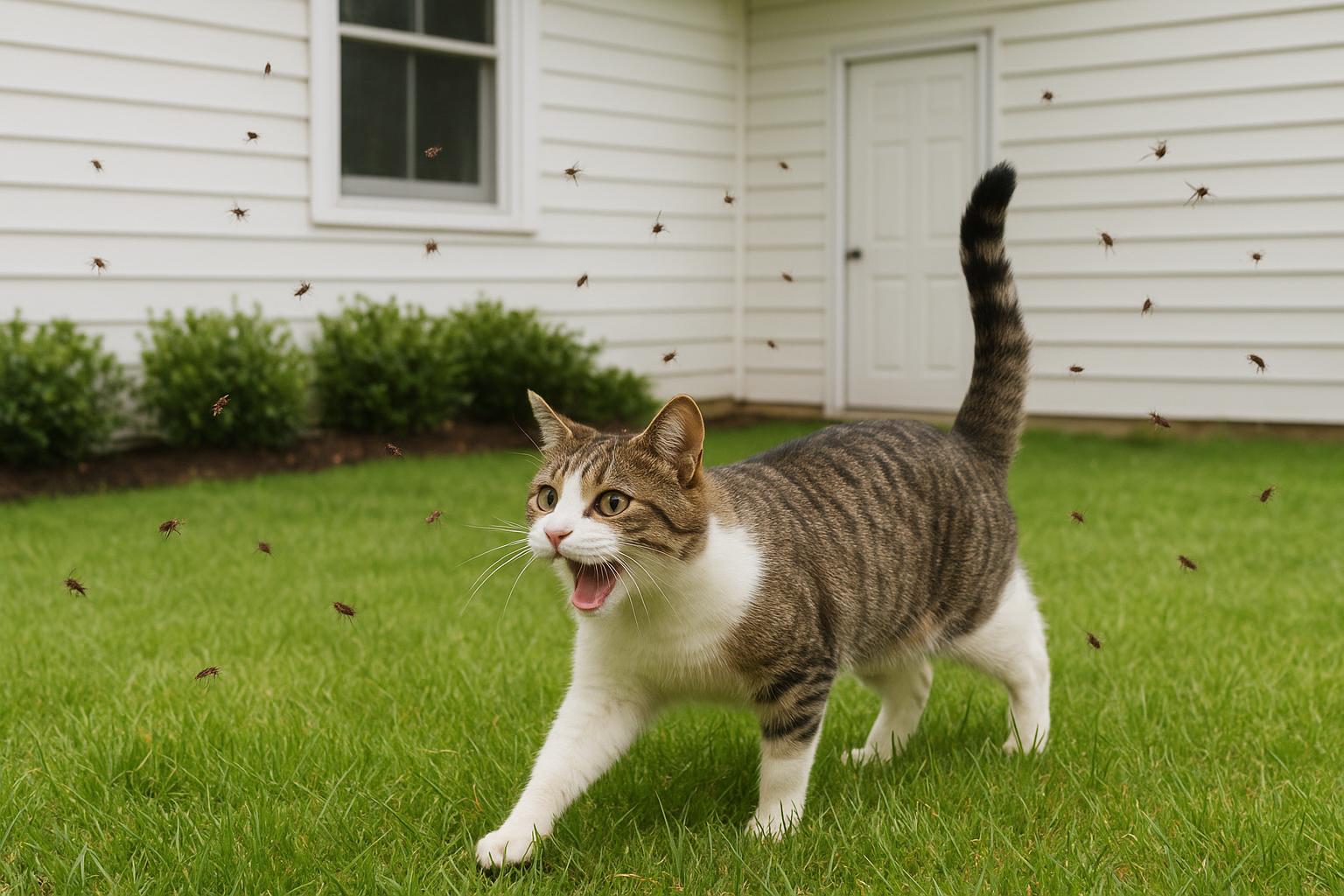
Reducing flea habitat in the yard is an eco-friendly, low-chemistry first line of defense. Small changes to landscaping and yard habits significantly lower the number of juvenile fleas developing in the environment.
### Create Sunlit, Open Play Areas
Fleas prefer cool, humid, and shaded spots. Keep primary play areas for kittens in sunny, open parts of the yard. Trim groundcover and remove brush piles. Replace dense mulch with decorative stones or low-maintenance ground materials in high-traffic areas.
### Manage Moisture And Organic Debris
Rake leaves, remove grass clippings, and limit thick mulch beds where flea larvae thrive. Redirect sprinkler patterns so areas stay drier. Clean up fallen fruit and dense vegetation that attract wildlife hosts.
### Discourage Wildlife Hosts
Secure compost, trash bins, and outdoor feeding stations. Motion-activated lights or sprinklers can deter nocturnal visitors like raccoons and opossums that bring fleas into the yard.
### Safe Uses Of Pesticides In The Yard
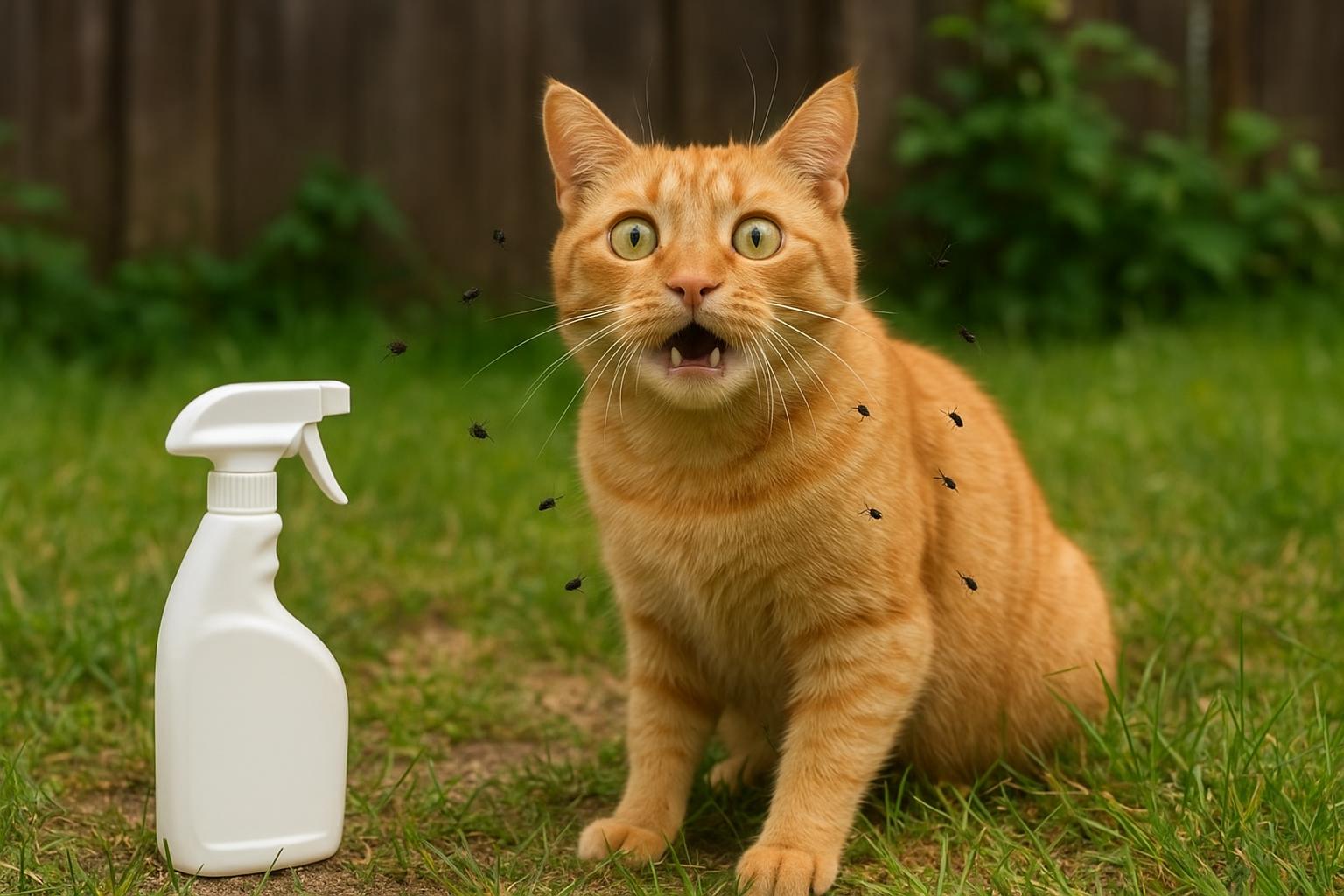
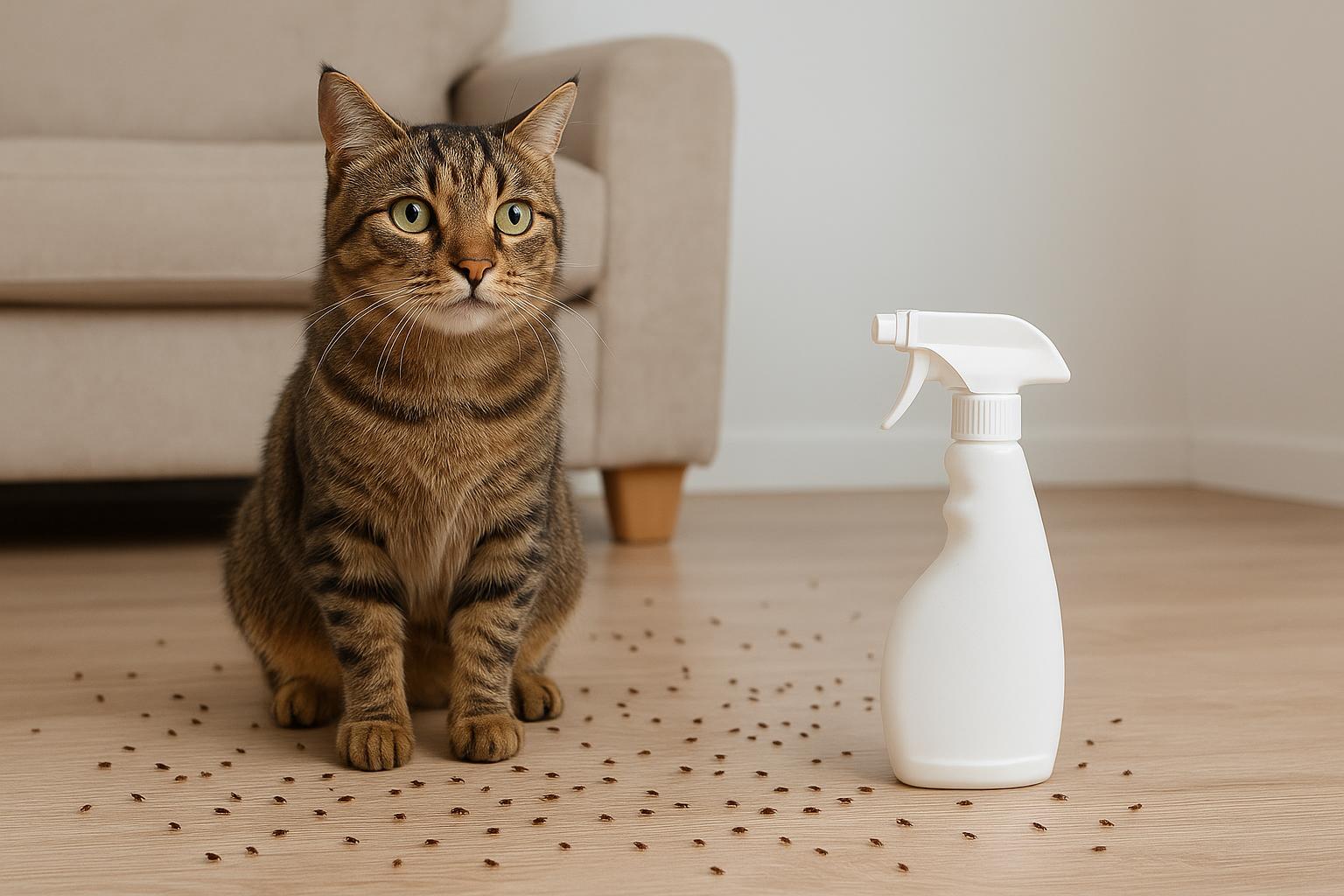
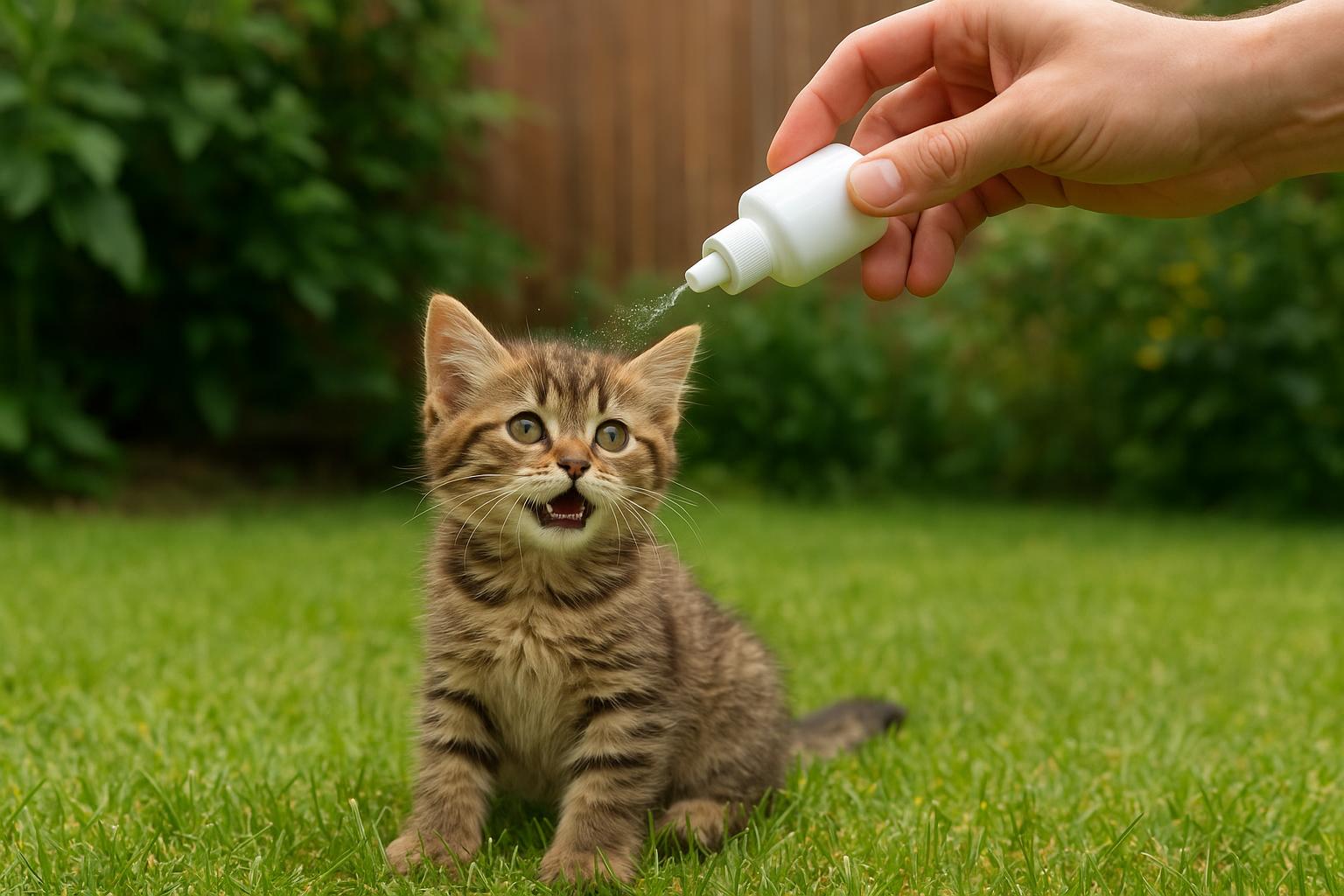
If you choose chemical control, target the environment rather than saturating the whole yard. Use insect growth regulators (IGRs) that prevent larvae from maturing into adults and spot-treat shaded, high-risk areas. Always follow label directions and choose products labeled for use around pets. For kittens, avoid treating play areas until the product’s safe-dry time has passed and animals can’t re-enter treated zones.
## Remedy 1: At-Home Flea Bath For Kittens
This remedy is for mild infestations or immediate removal of fleas in very young animals when veterinary options are limited. First, consult your veterinarian — many topical flea products are not labeled for kittens under a certain age or weight. When a bath is appropriate, follow these formal, step-by-step instructions carefully and use kitten-specific products.
### Ingredients And Supplies
1. Vet-approved kitten flea shampoo (formulated for the kitten’s age/weight)
2. Fine-toothed flea comb
3. Two towels (one for drying, one to protect surfaces)
4. Lukewarm water in a shallow basin or sink
5. A soft washcloth for face and head cleaning
6. A bowl of clean water for rinsing
7. A hairdryer on low, if the kitten tolerates it and the dryer is set to low heat and noise
8. Rubber gloves (optional)
### Step-By-Step Creation And Application
1. Prepare the space: warm room, towels ready, shampoo within reach. Fill basin or sink with a few inches of lukewarm water — not too deep.
2. Gently hold the kitten and dampen the coat thoroughly, avoiding the eyes and inside the ears.
3. Apply a small amount of kitten flea shampoo and lather gently, massaging the coat for at least three to five minutes to ensure contact with fleas. Follow the product’s recommended contact time.
4. Rinse thoroughly with lukewarm water until suds are gone. Any residual shampoo can irritate skin.
5. Use the fine-toothed flea comb while the coat is still wet to remove any remaining adults and eggs; dip the comb into soapy water between passes to drown fleas.
6. Towel dry gently and, if appropriate, use a low-heat, low-noise hairdryer at a safe distance. Keep the kitten warm until fully dry.
7. Dispose of comb rinse water and launder towels separately in hot water.
Safety Notes: Never use dog flea products on cats. Avoid essential-oil–based home remedies on kittens; many essential oils are toxic to cats. If you’re unsure about product suitability, contact your veterinarian.
## Remedy 2: Environmental Control For Home And Backyard
Treating the environment is as important as treating the animal. This is a two-part, formal plan: indoor control and targeted yard treatments. The aim is to remove eggs and larvae and prevent new adults from developing.
### Materials And Supplies
1. Vacuum cleaner with strong suction and disposable bags or a canister you can empty
2. Hot water and detergent for washing bedding
3. Food-grade diatomaceous earth (DE) for indoor application (optional and used carefully)
4. Beneficial nematodes (Steinernema carpocapsae or Heterorhabditis bacteriophora) for yard application
5. Garden sprayer for nematode application
6. Protective gloves and dust mask (if handling DE)
7. Yard rakes, leaf blower, or bin for debris removal
### Step-By-Step Creation And Application
Indoor Steps:
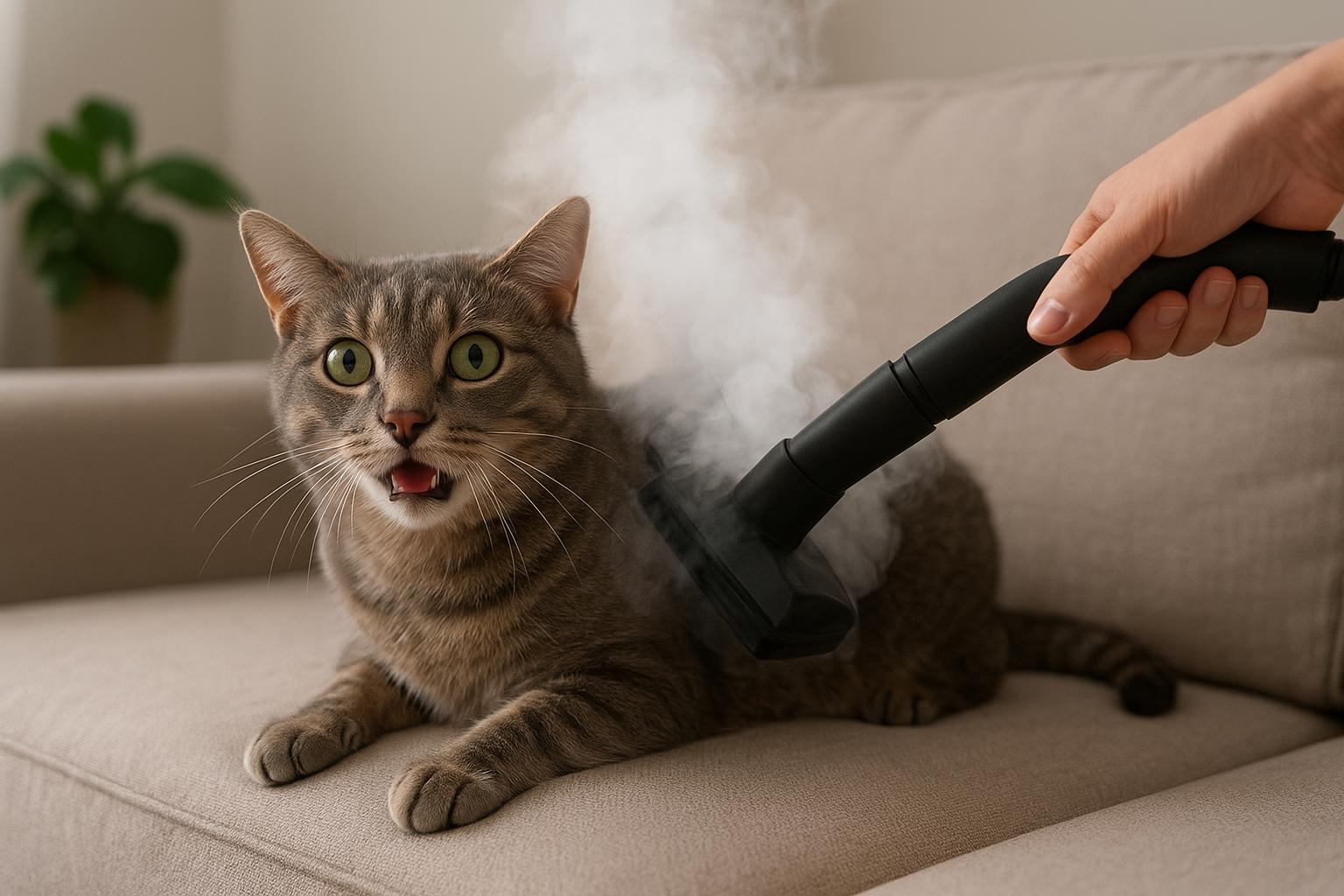
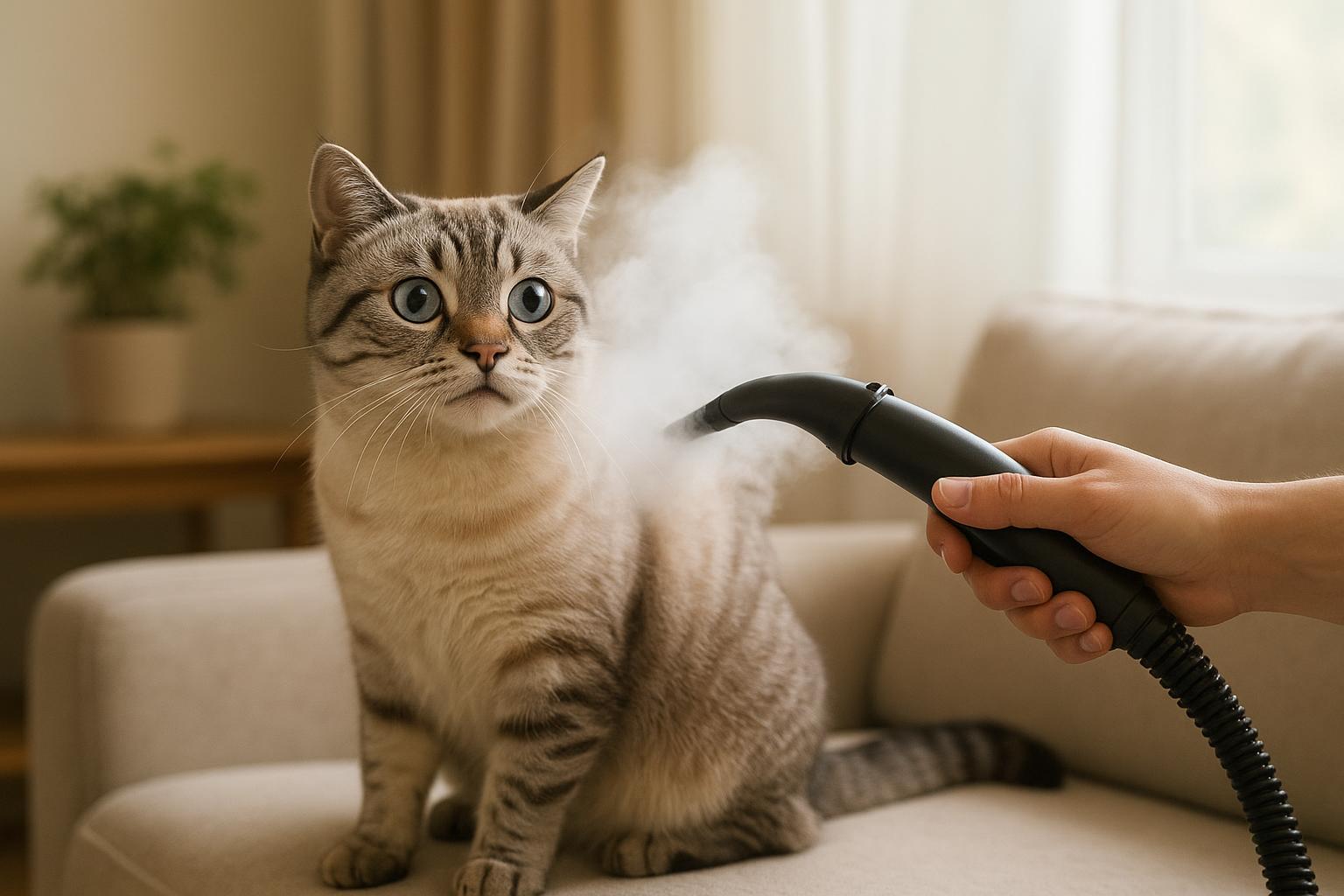
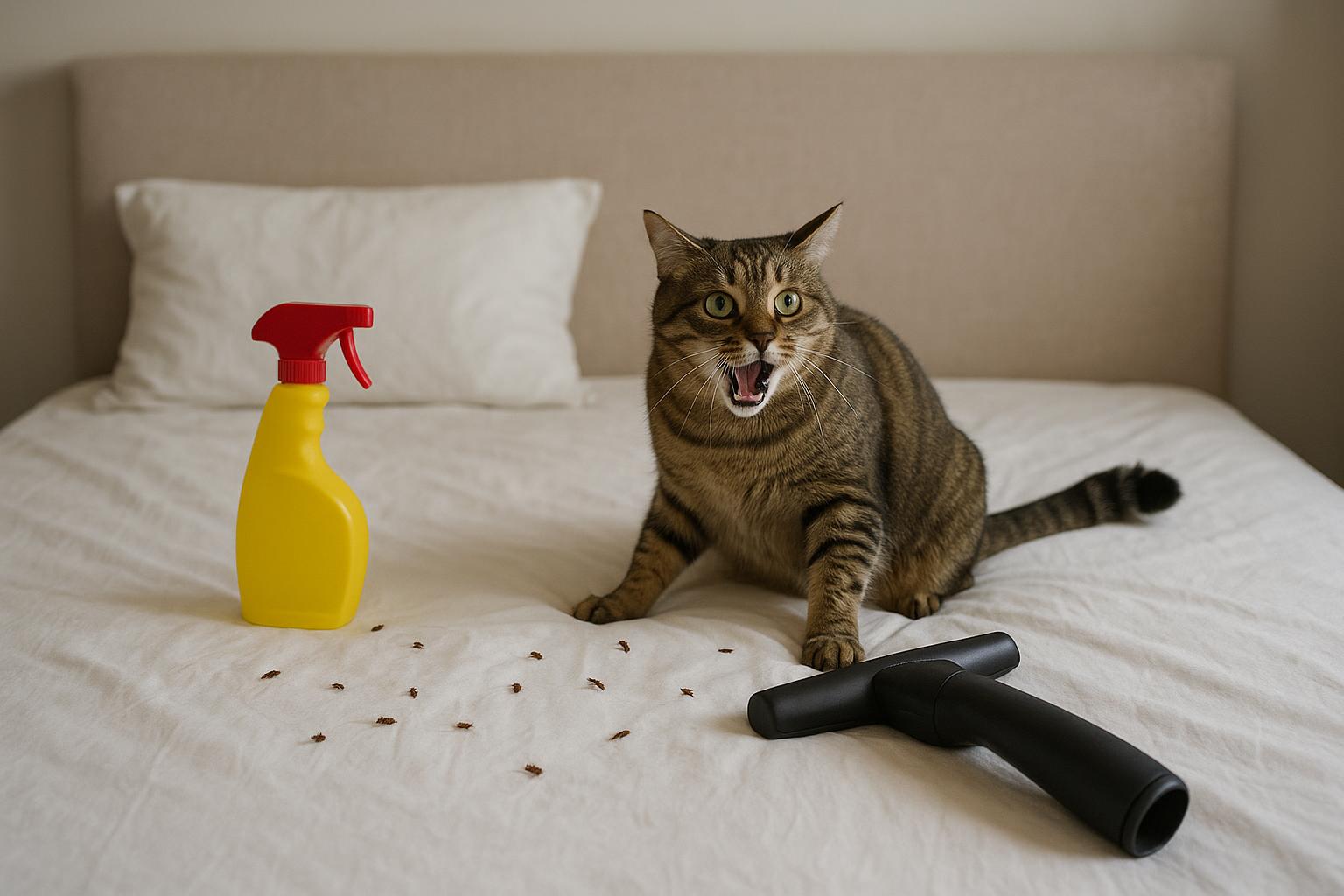
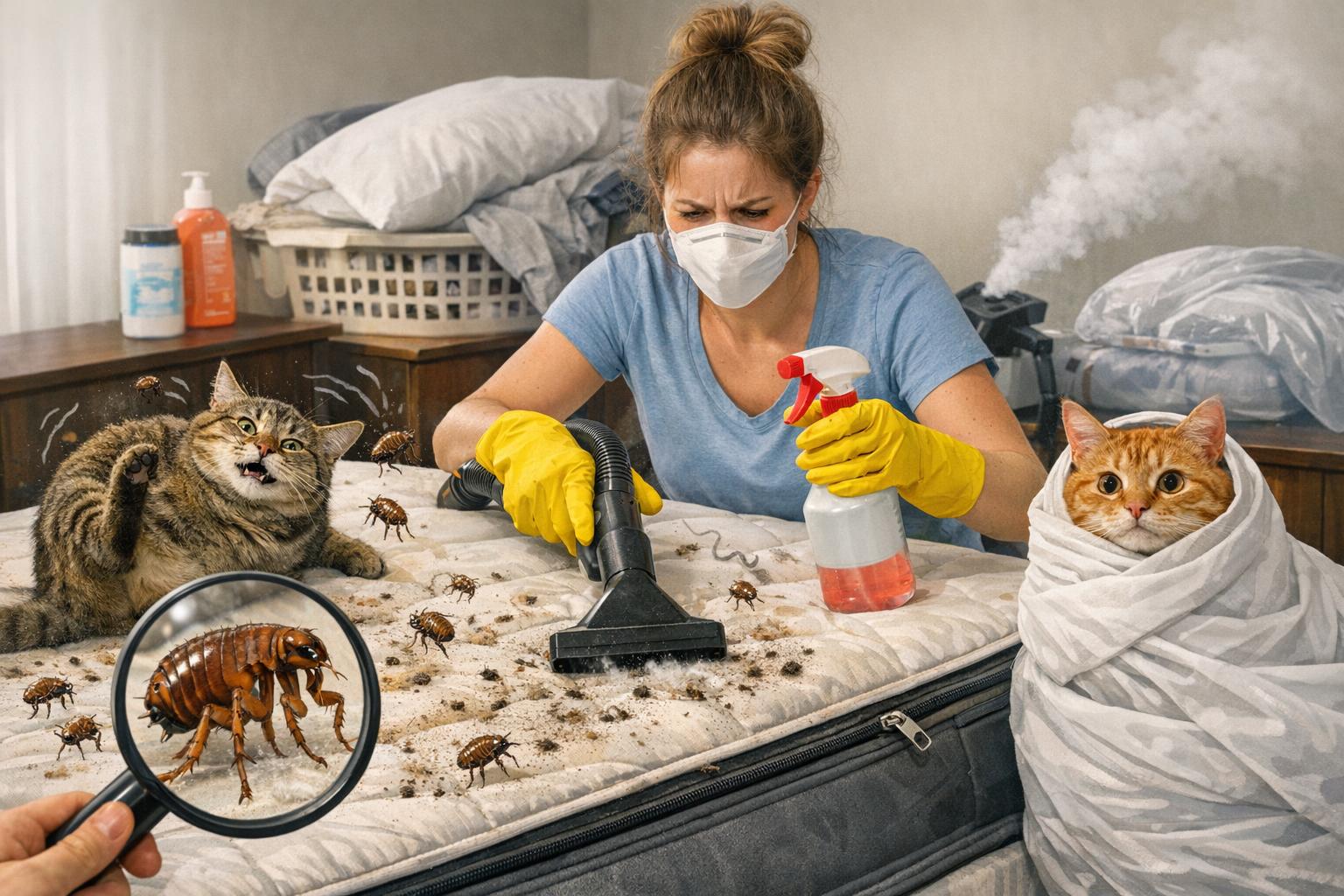
1. Vacuum floors, baseboards, furniture crevices, and under furniture daily for at least two weeks. Empty the vacuum contents into a sealed bag and discard outdoors.
2. Wash kitten bedding, blankets, and any removable fabric in hot water and detergent; dry on high heat where safe.
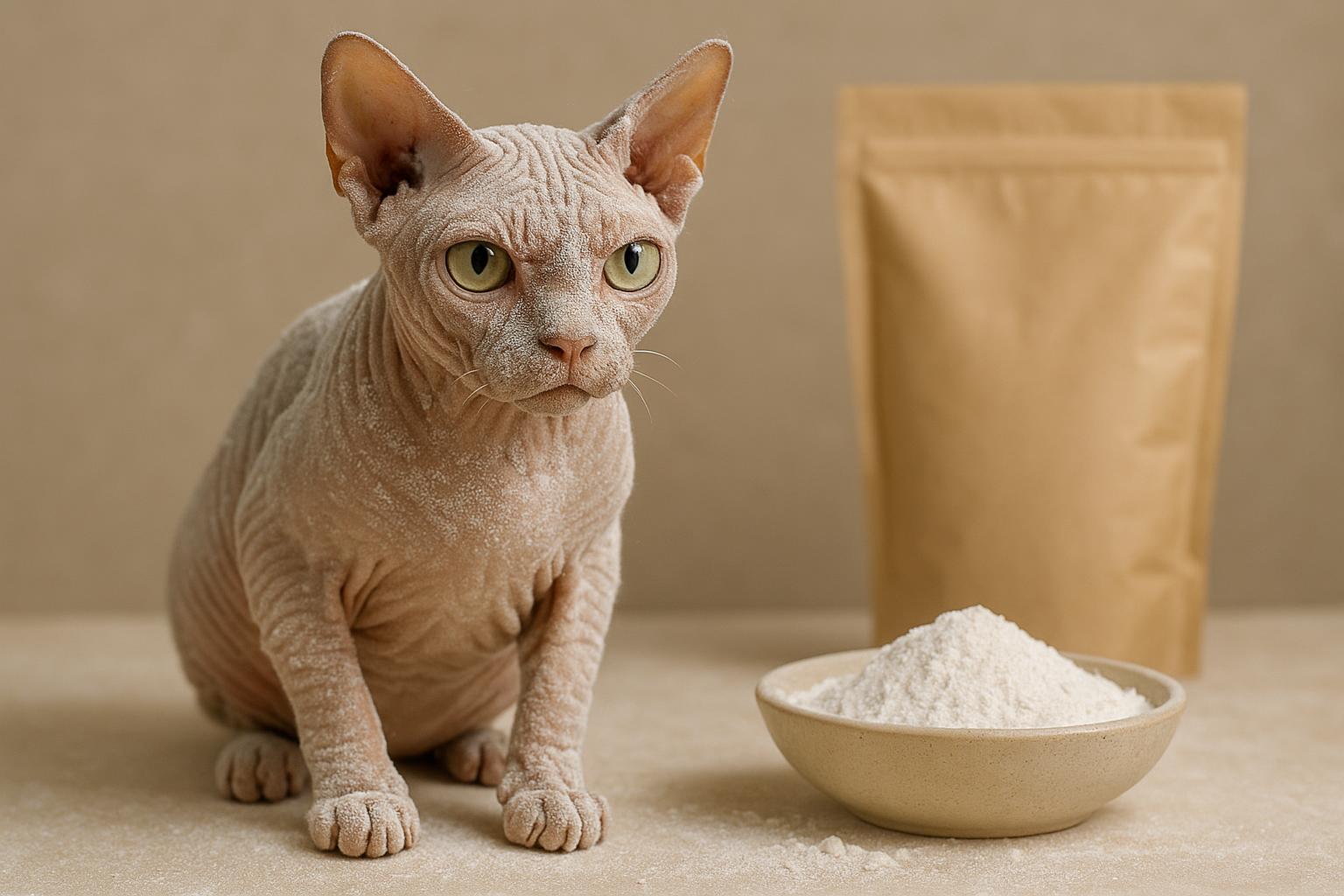
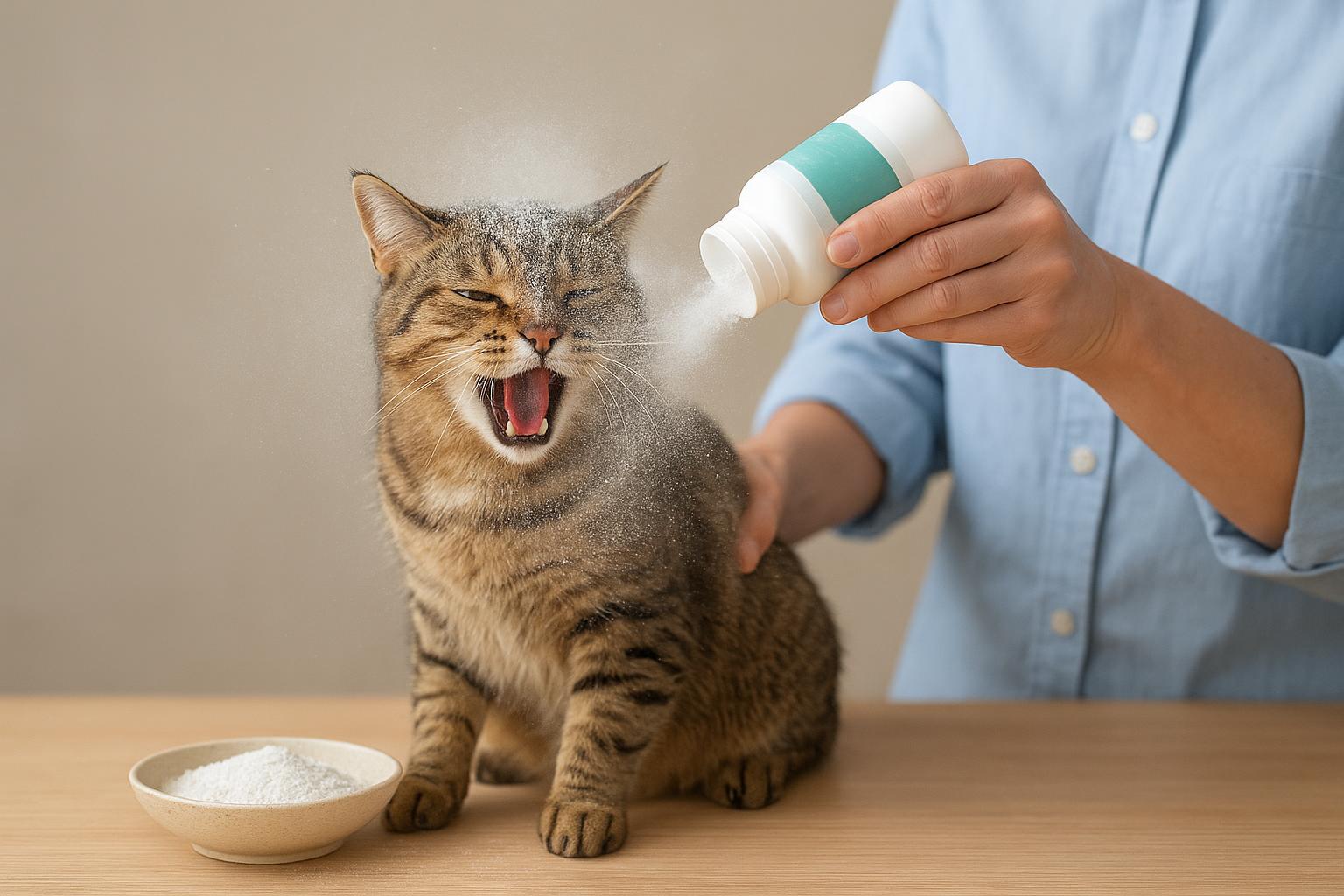
3. If using food-grade DE indoors, lightly dust carpet edges and under furniture. Leave for 48 hours, then vacuum. Avoid inhalation; do not apply DE directly to kittens or to their bedding when in use.
Yard Steps:
1. Remove leaf litter, mow grass regularly, and thin dense groundcover in areas frequented by the kitten.
2. Apply beneficial nematodes in spring and fall to shaded, moist areas where flea larvae develop. Follow manufacturer instructions for mixing and sprayer calibration.
3. Water treated areas immediately after application to help nematodes penetrate the soil layer where larvae live.
4. Repeat treatments per product guidelines and maintain yard sanitation to minimize re-infestation.
5. If using yard insecticides, target small, shaded zones rather than broad broadcast treatments. Prefer IGR-containing products when the goal is to prevent immature stages from becoming adults.
Safety Notes: Beneficial nematodes are non-toxic to pets and people and are an excellent biological control. DE must be food-grade and used cautiously; avoid wind dispersal and keep kittens away from treated areas until dust settles.
### When To Call The Veterinarian
If kittens show signs of anemia (pale gums, lethargy, weak), persistent skin infections, or if over-the-counter measures aren’t reducing flea numbers after a few days, seek veterinary care immediately. The vet can prescribe safe, age-appropriate systemic or topical preventives and treat any secondary infections or anemia.
#### Flea Preventives For Kittens
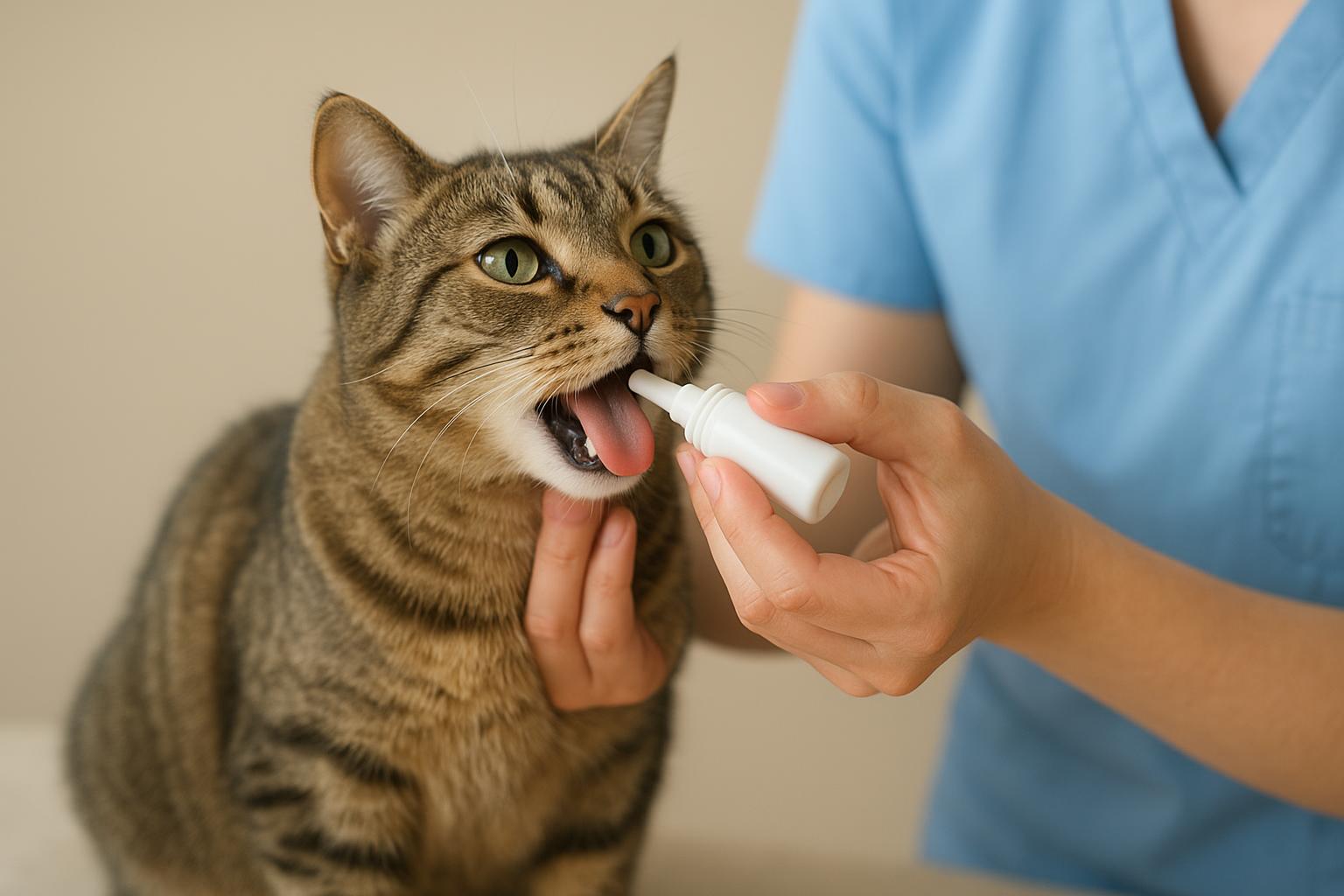
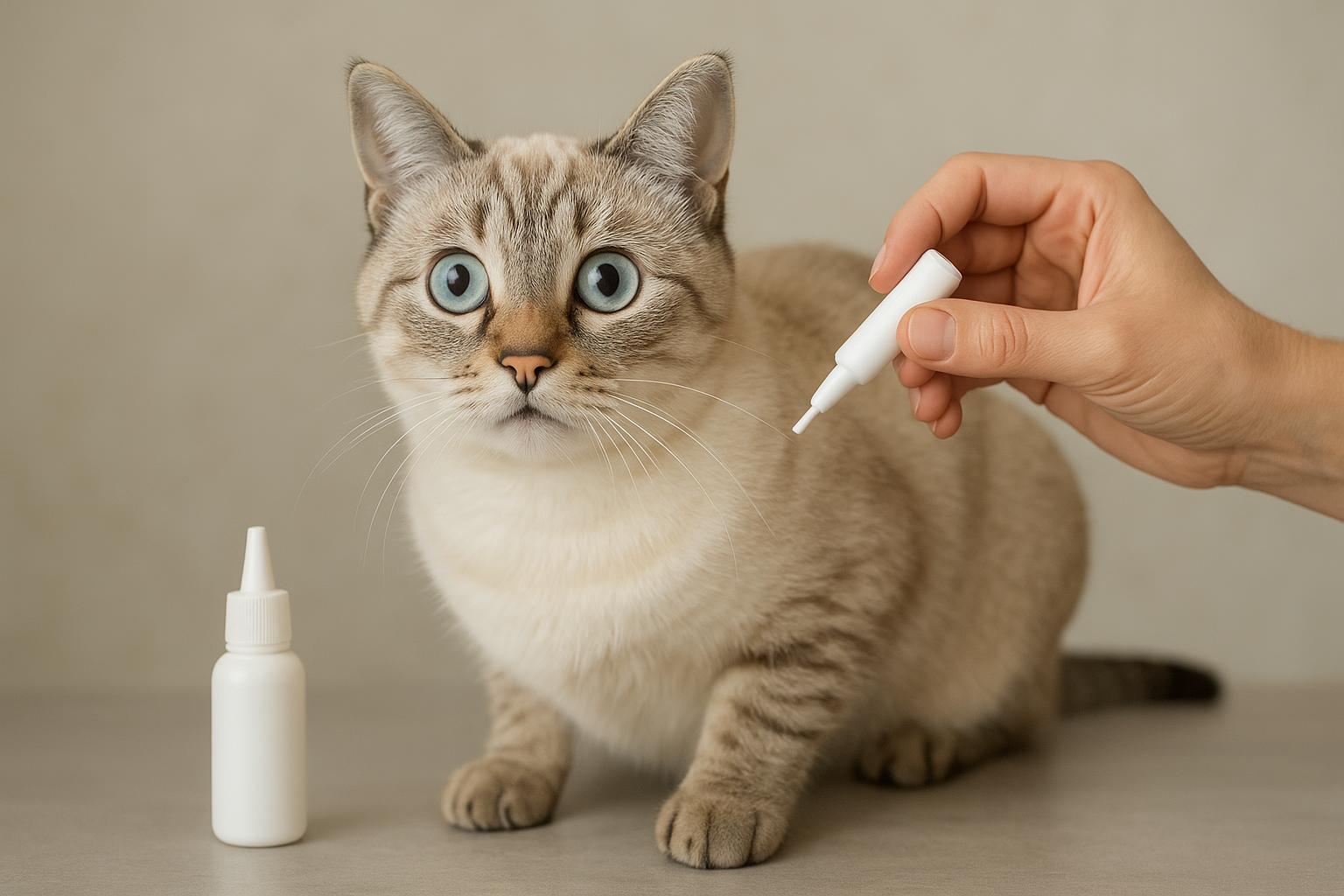
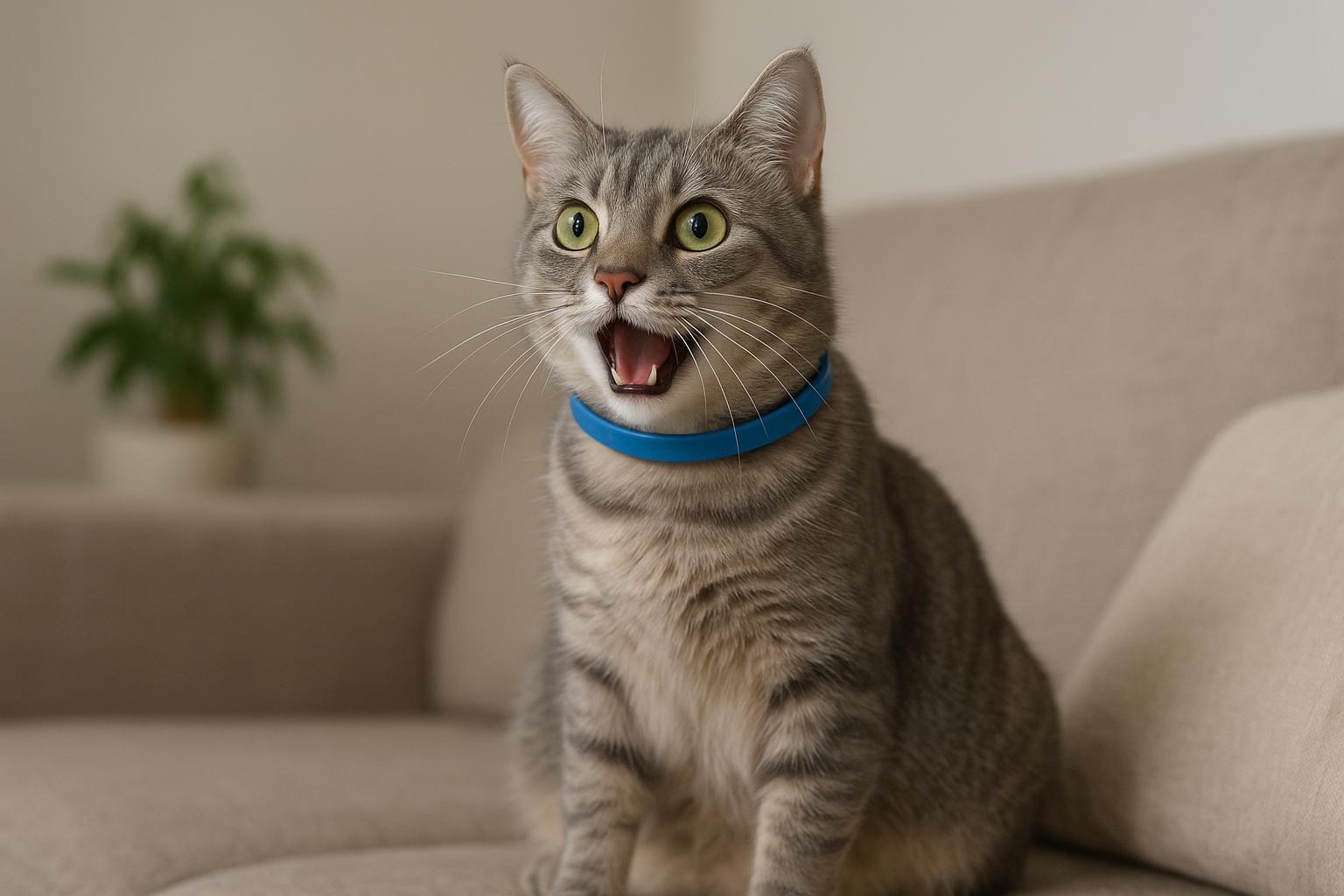
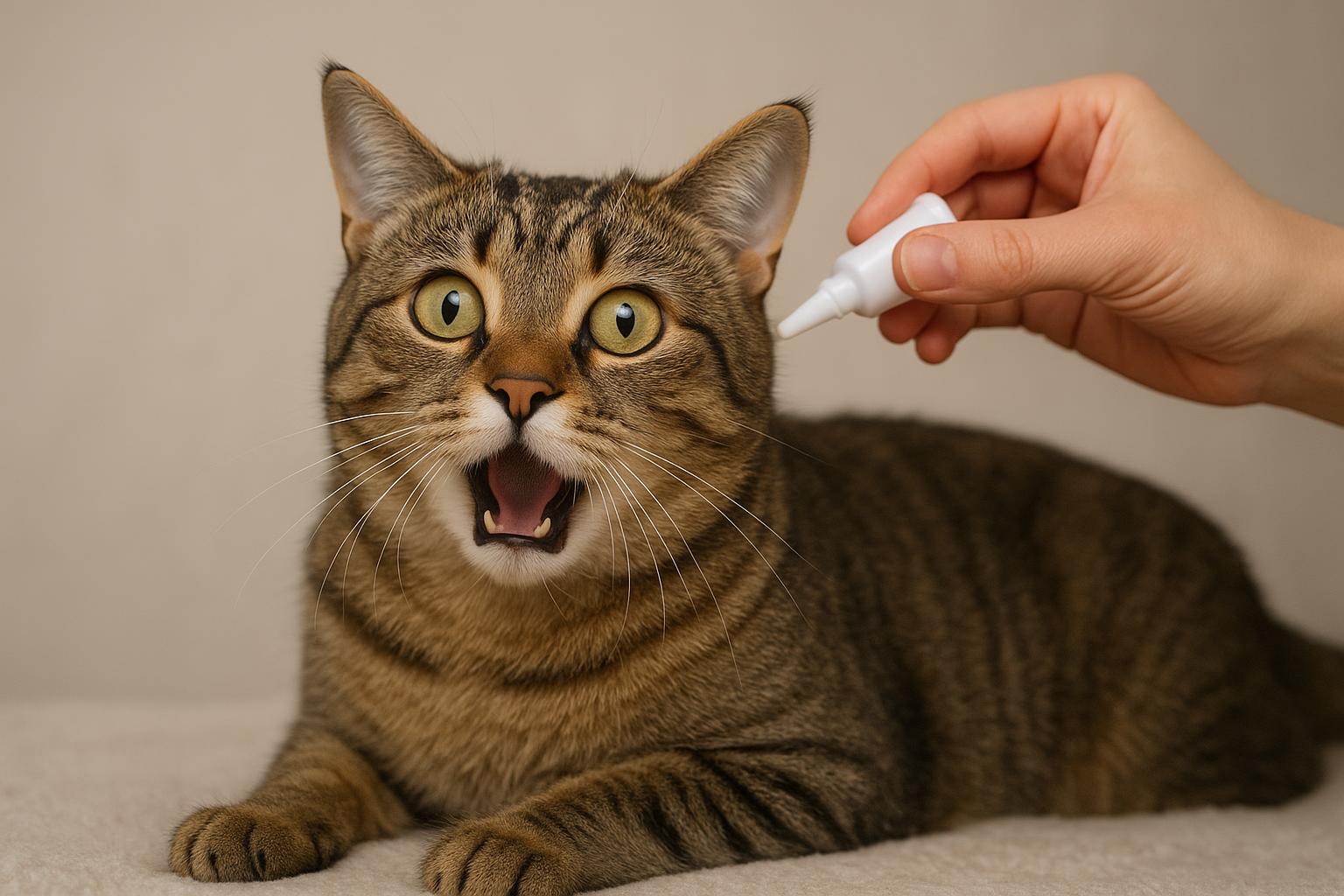
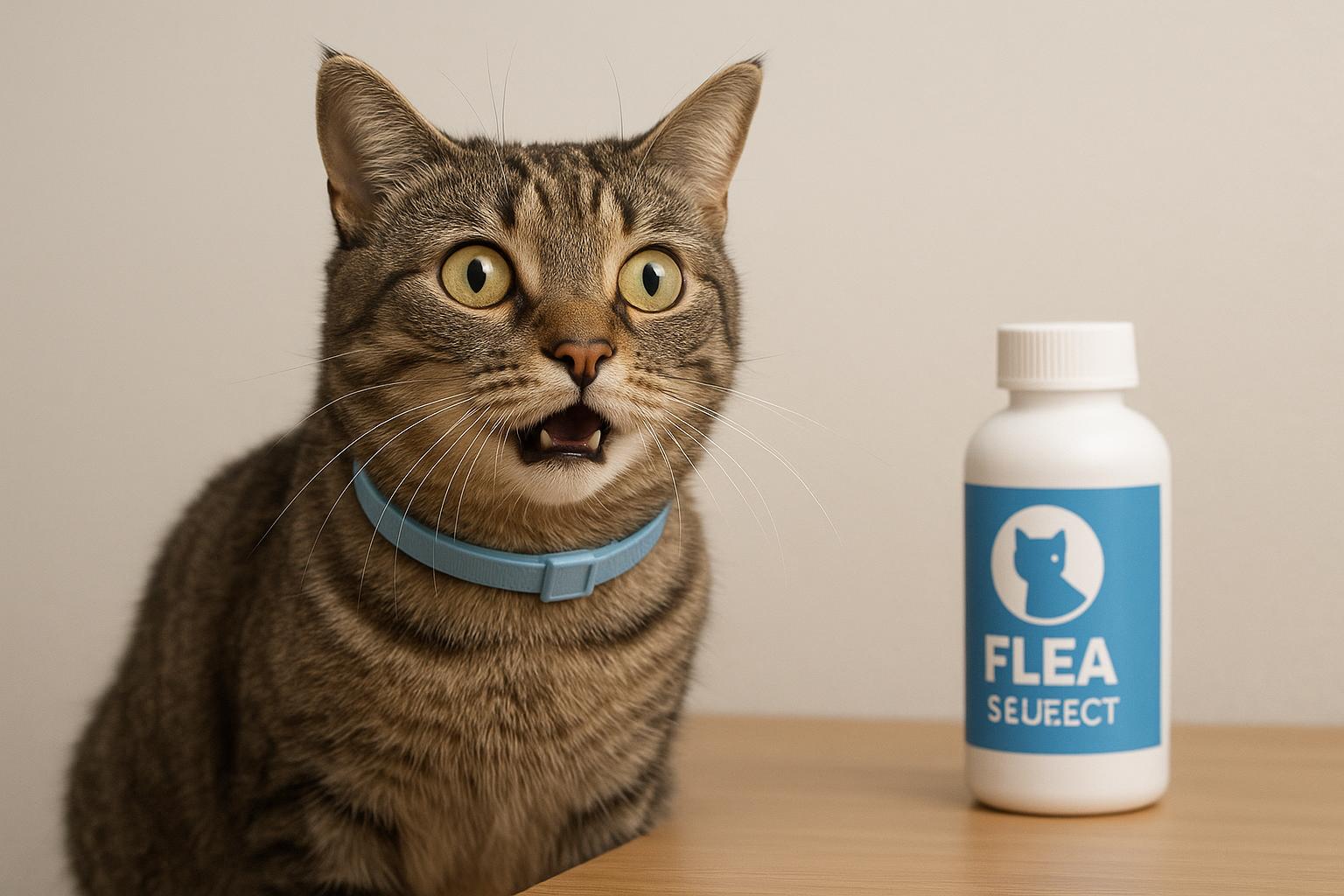
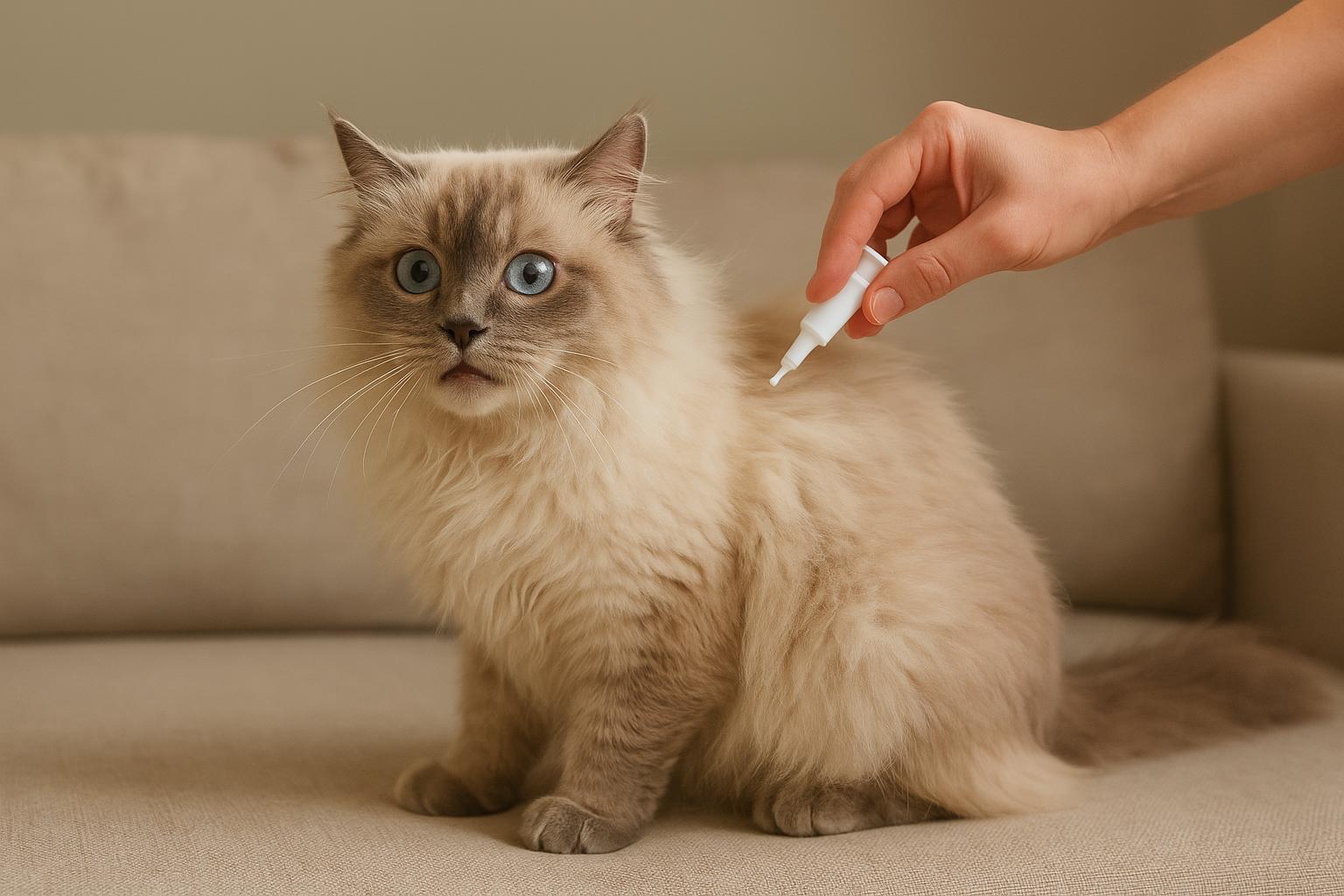
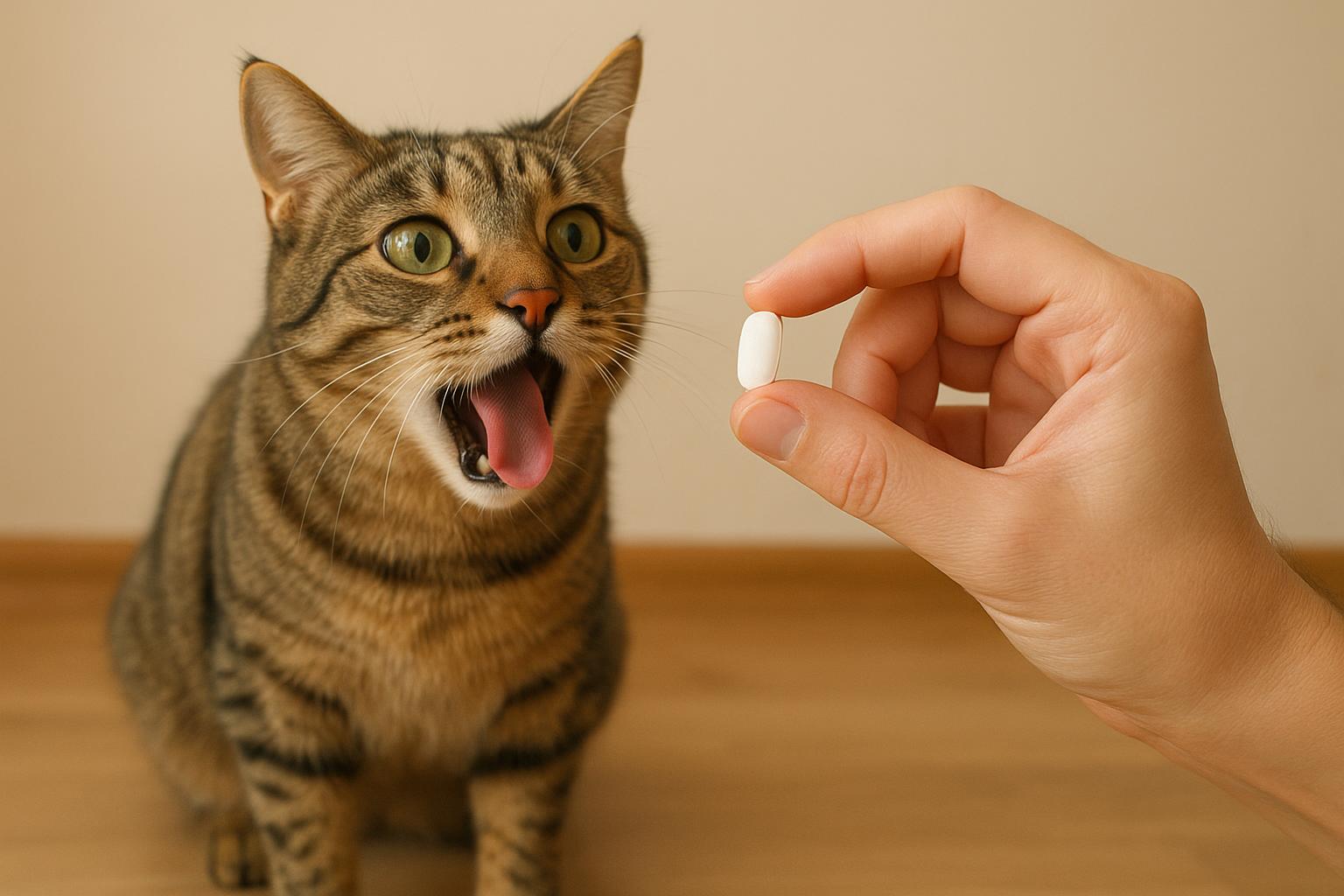
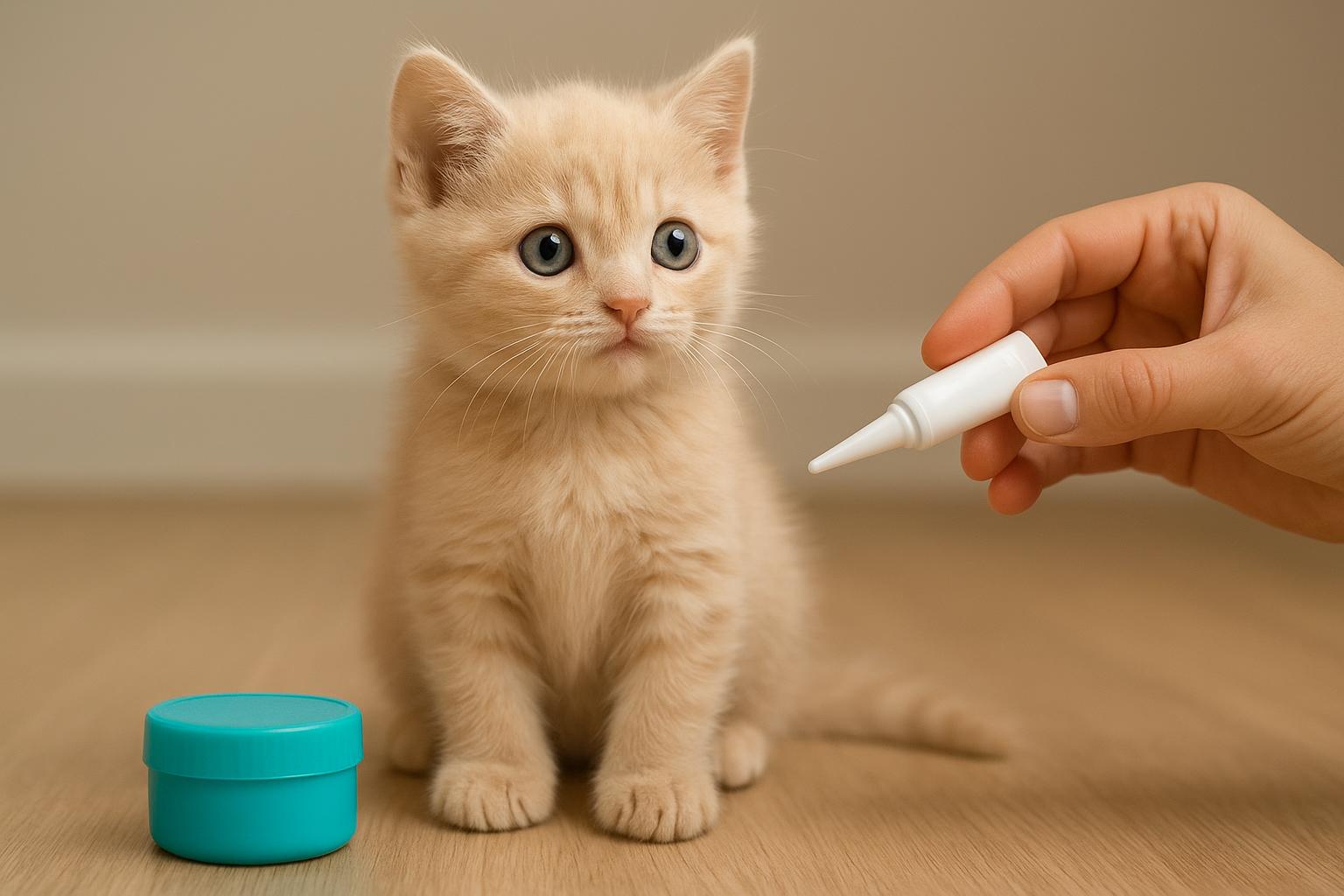
Vets may recommend age- and weight-appropriate monthly topical preventives, oral medications, or collars once kittens reach the specified age. Always use veterinarian-recommended products and follow instructions precisely. Some modern preventives dramatically reduce flea feeding and can break a household infestation faster and more reliably than home measures alone.
A balanced approach — sensible yard management, prompt detection, safe baths or topical treatments when appropriate, and environmental controls — keeps your kitten comfortable and your backyard a flea-unfriendly playground.
Leave a Reply