
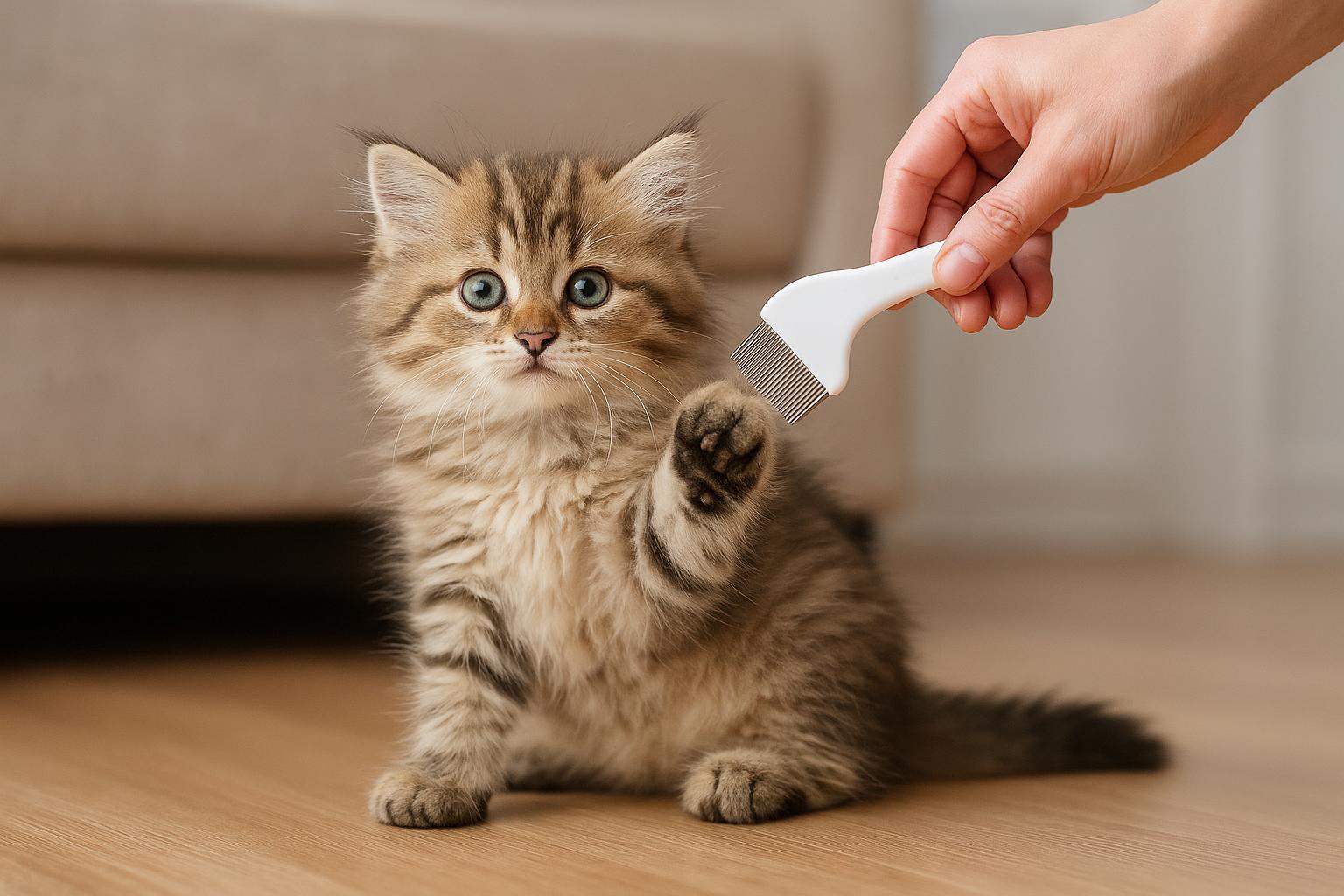
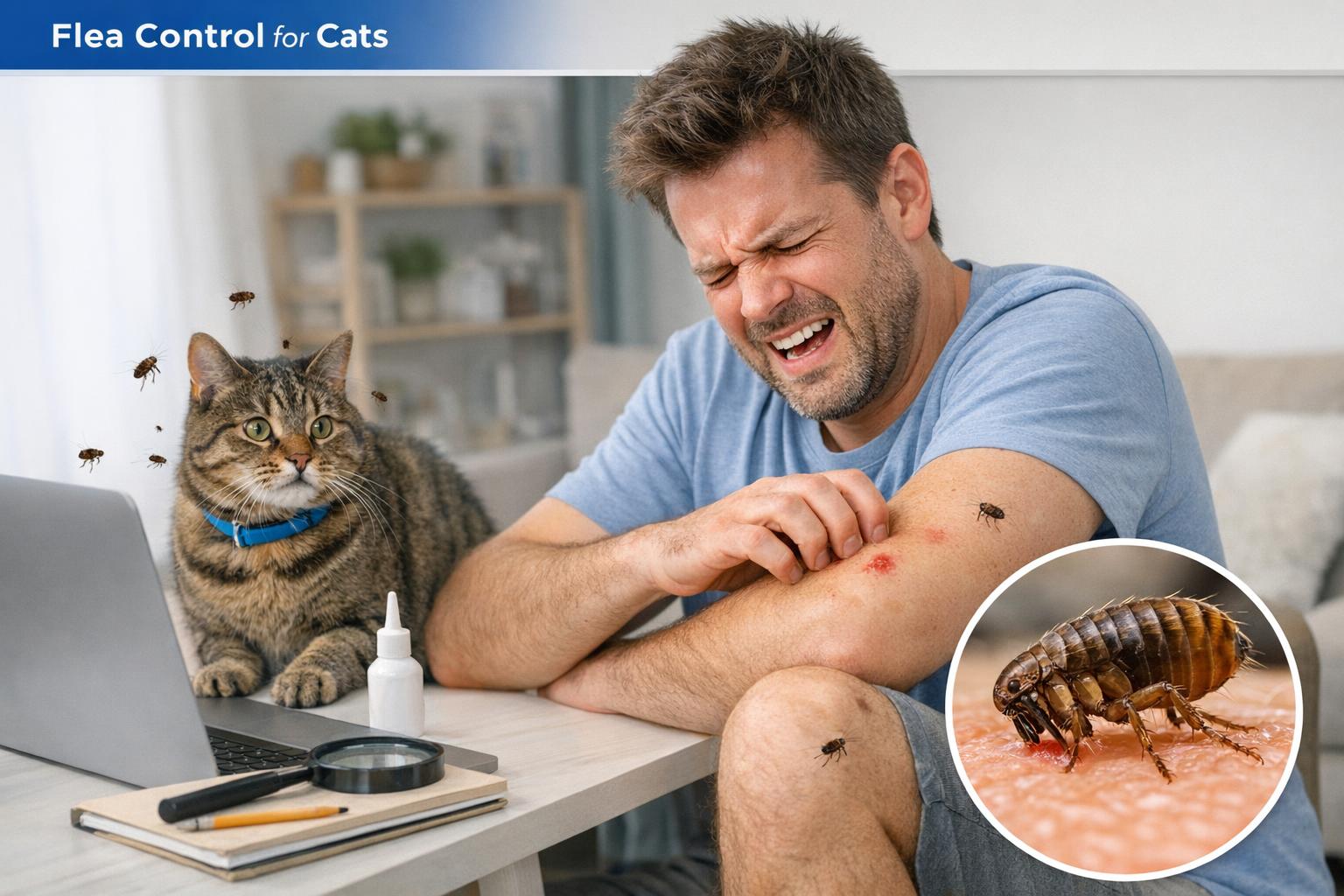
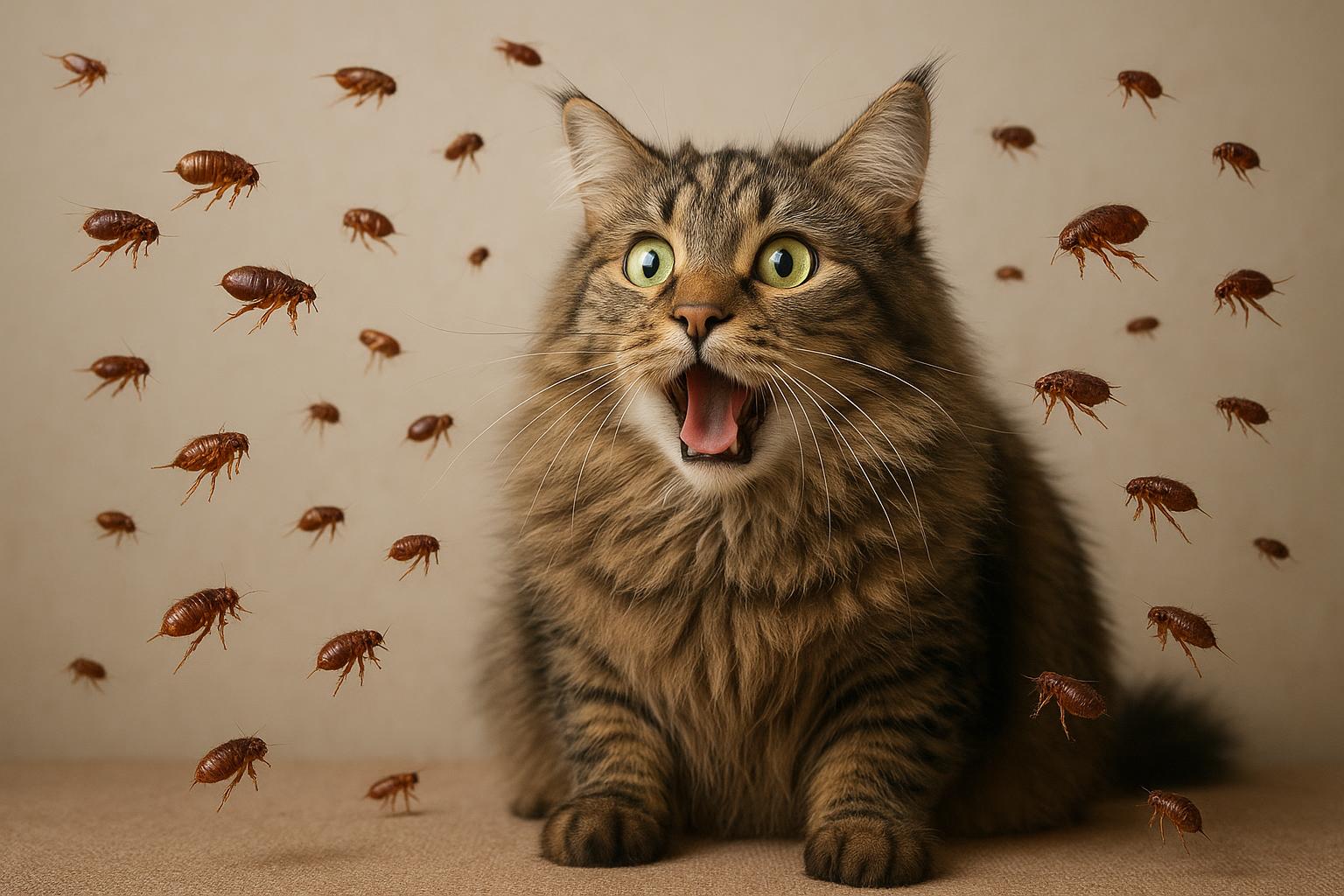
If your kitten has fleas, don’t stall. Fleas can strip tiny bodies of blood, make a comfortable home of your couch, and turn a single tiny bite into a long-term infestation. The good news is that with calm, correct steps you can treat the kitten and your house without making the animal worse off. This is hands-on work: combing, cleaning, and a bit of vet guidance. No drama, just steady pet-first action.
## How To Treat Fleas On Kittens: Practical Steps You Can Do Today
Start by finding out how bad the problem is. A single flea on a curious kitten is different from the flea cloud that comes from untreated adult cats and carpets. Follow these immediate steps in order: confirm fleas, reduce the load on the kitten, treat the environment, and get veterinary advice for chemical treatments or if the kitten is underweight, very young, or unwell.
### Recognize The Problem Fast
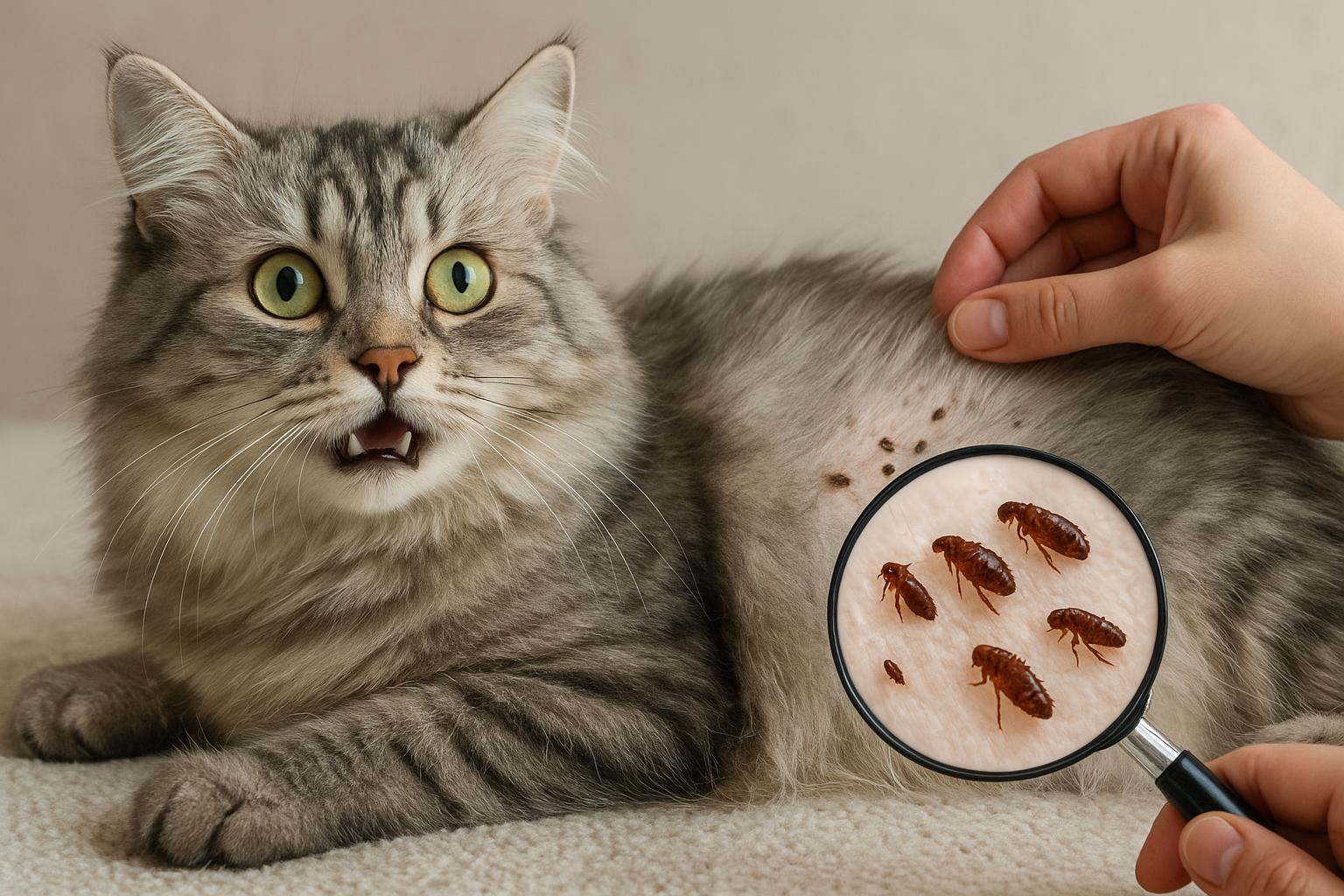
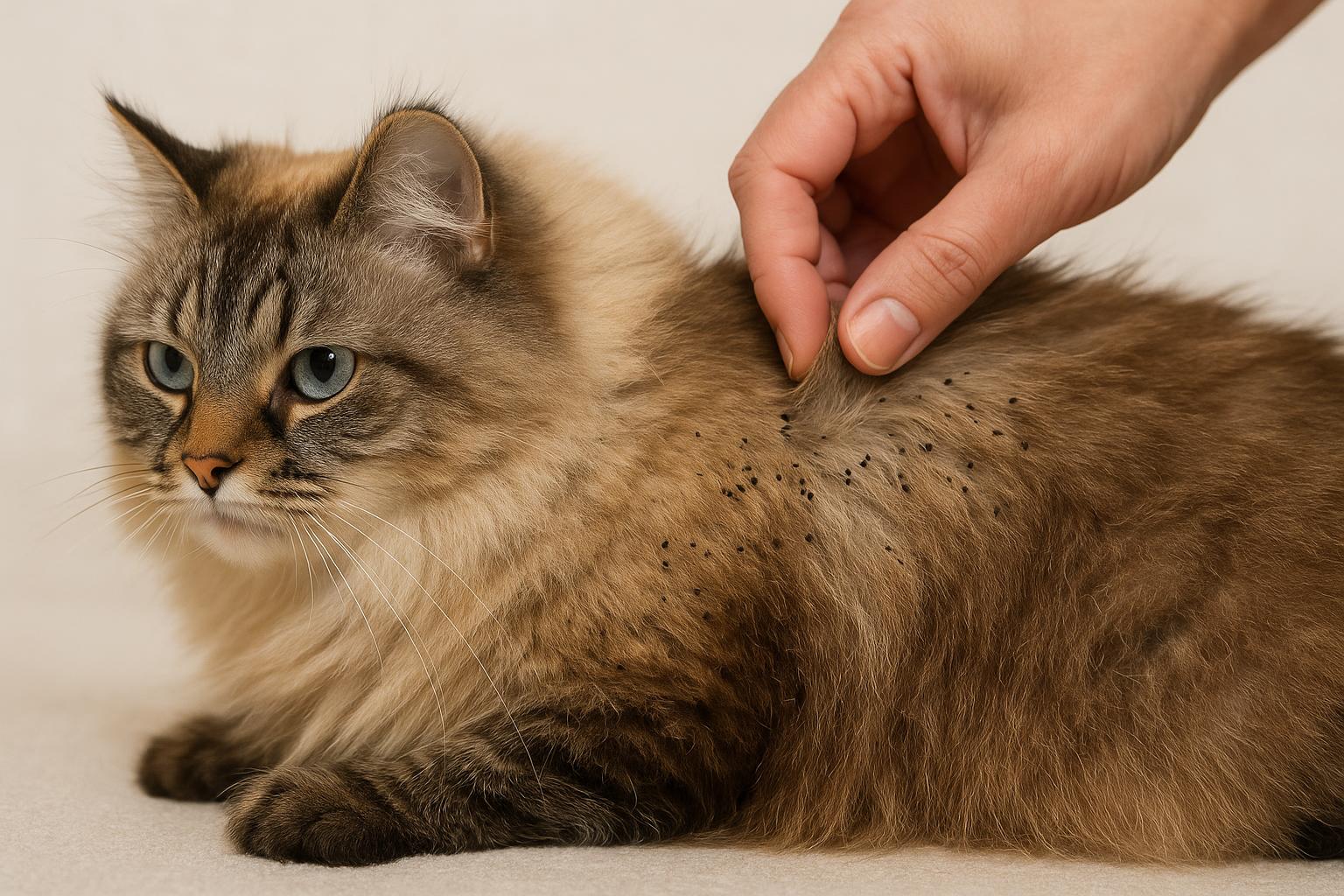
Fleas are easy to miss until they become obvious. Look for:
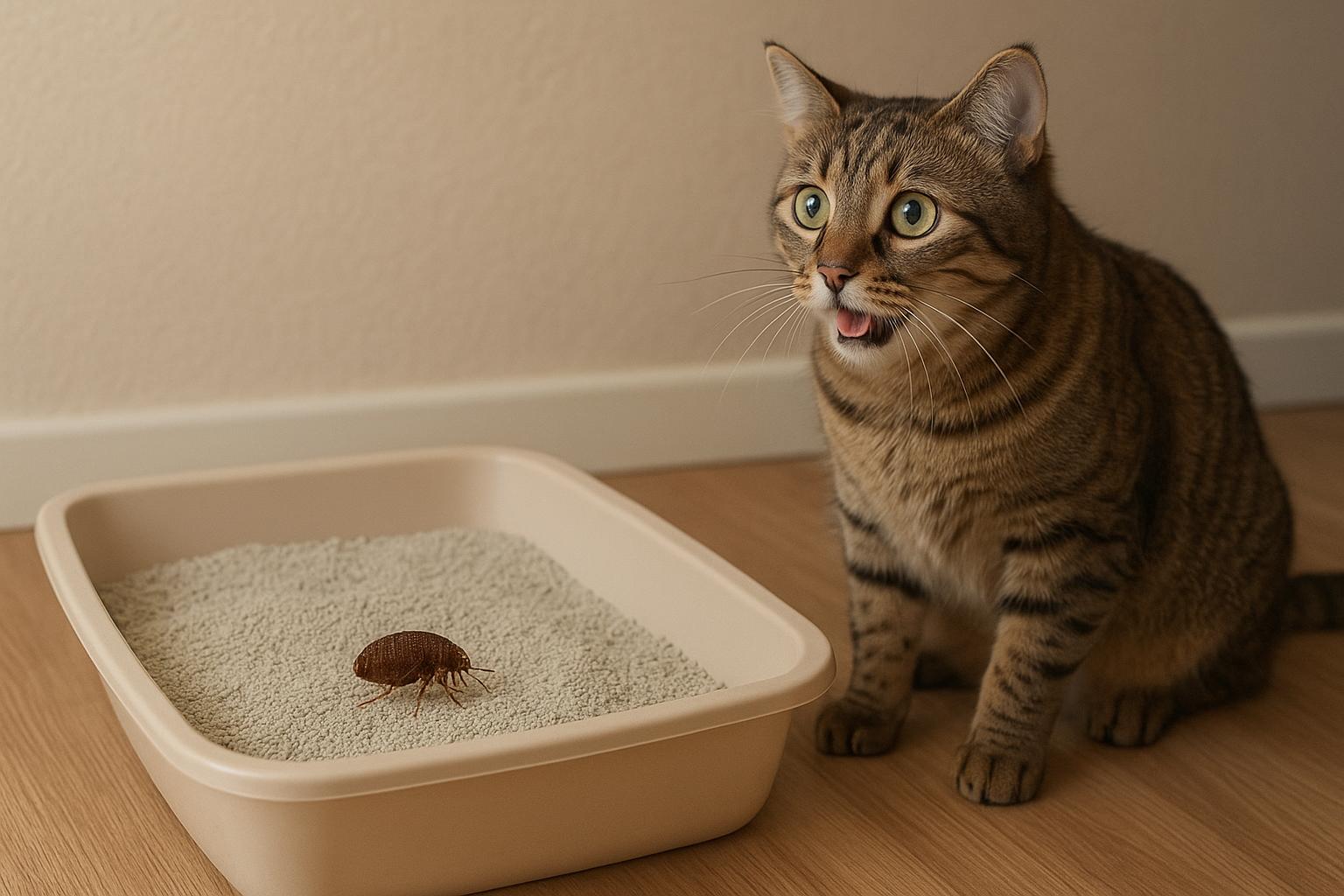
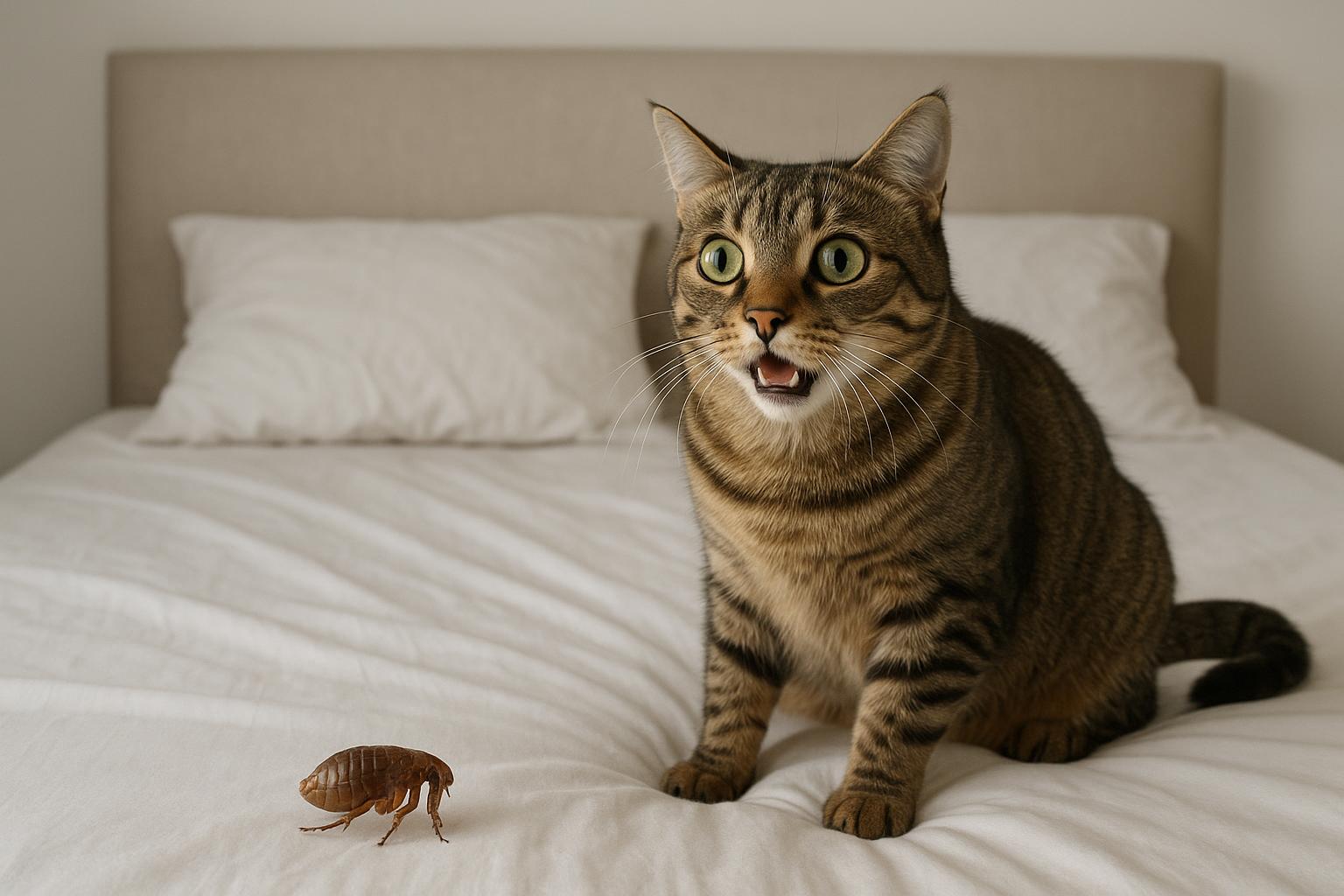
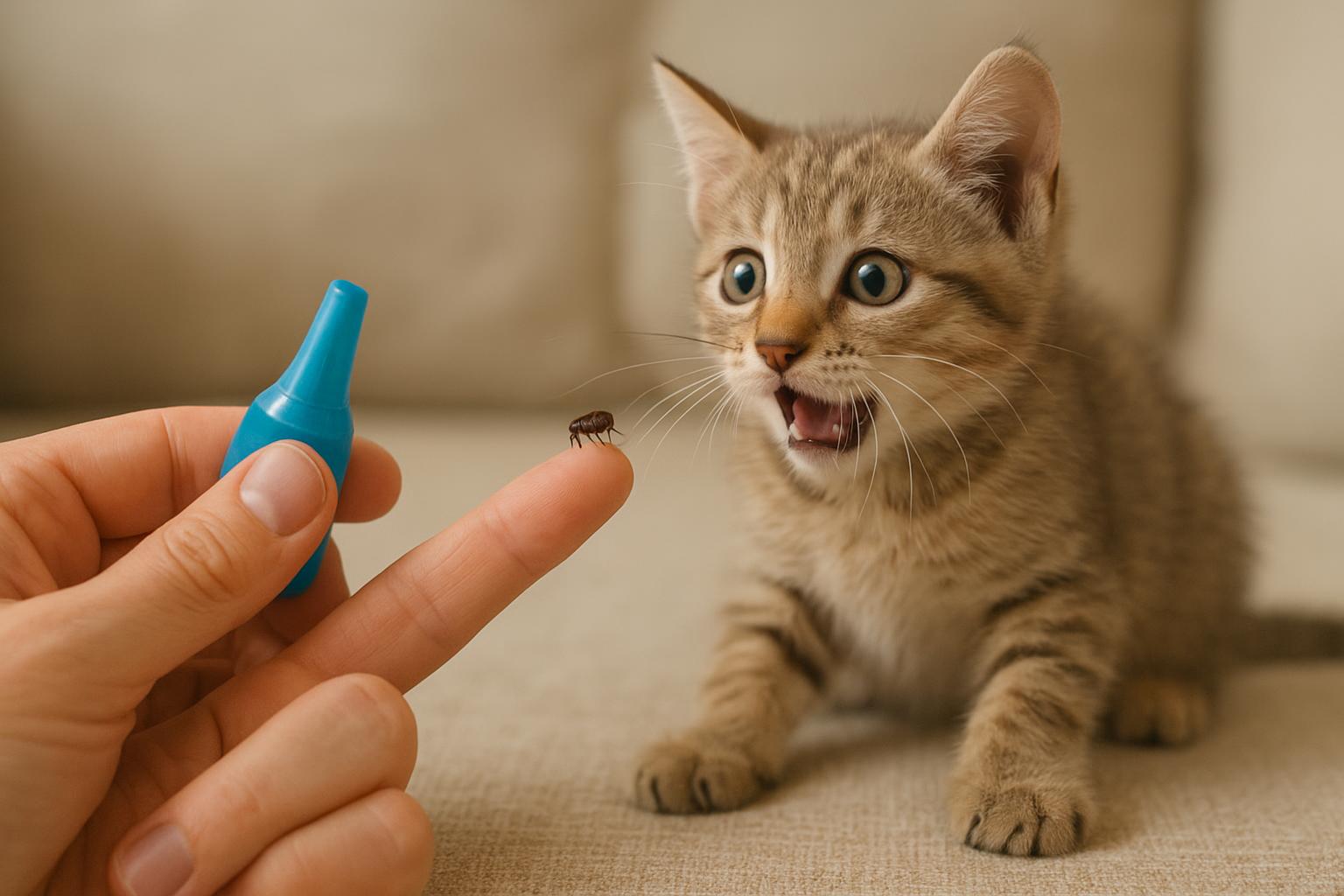
– Tiny dark specks that move in fur. If you brush them onto white paper and add a drop of water, flea feces will turn red-brown.
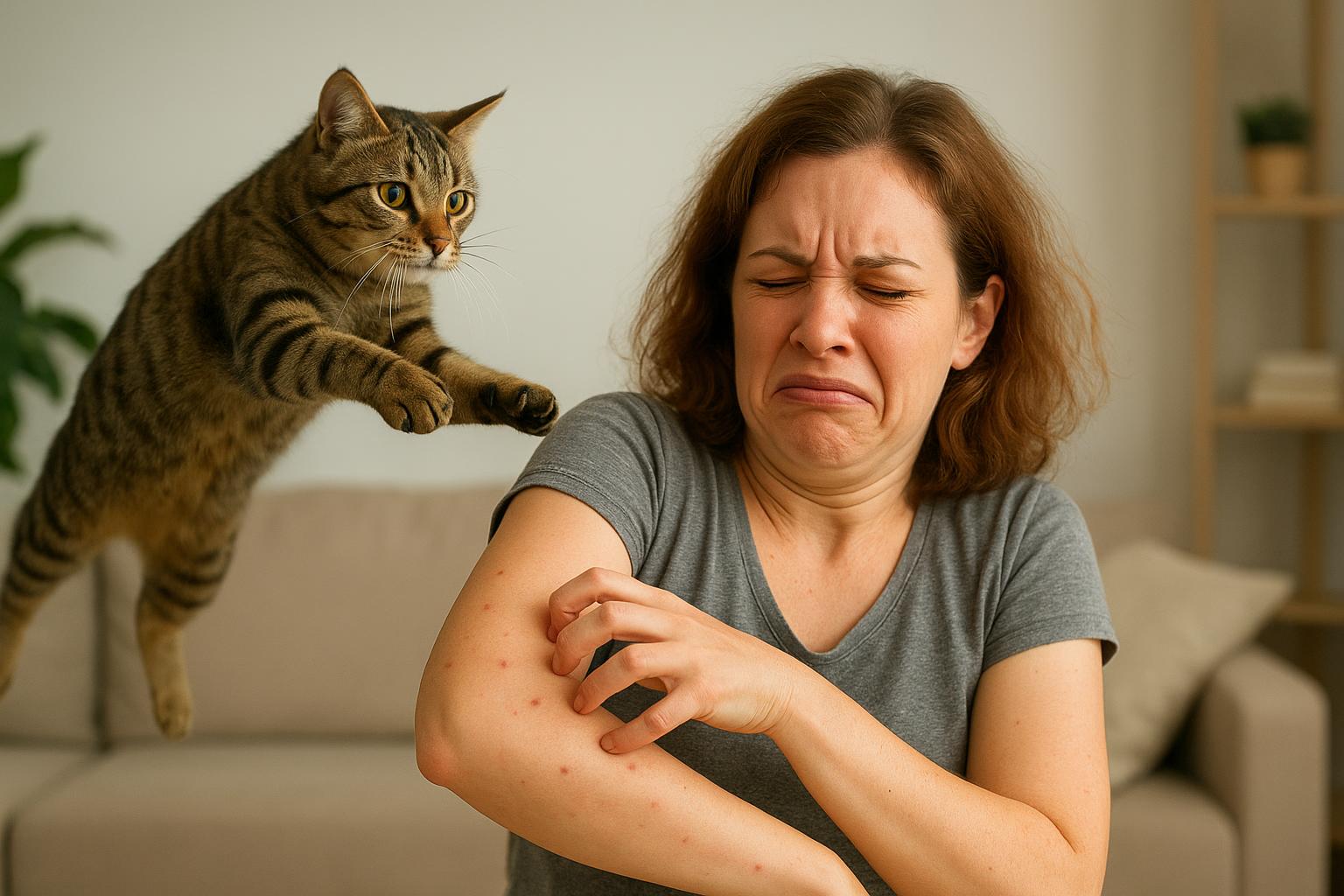
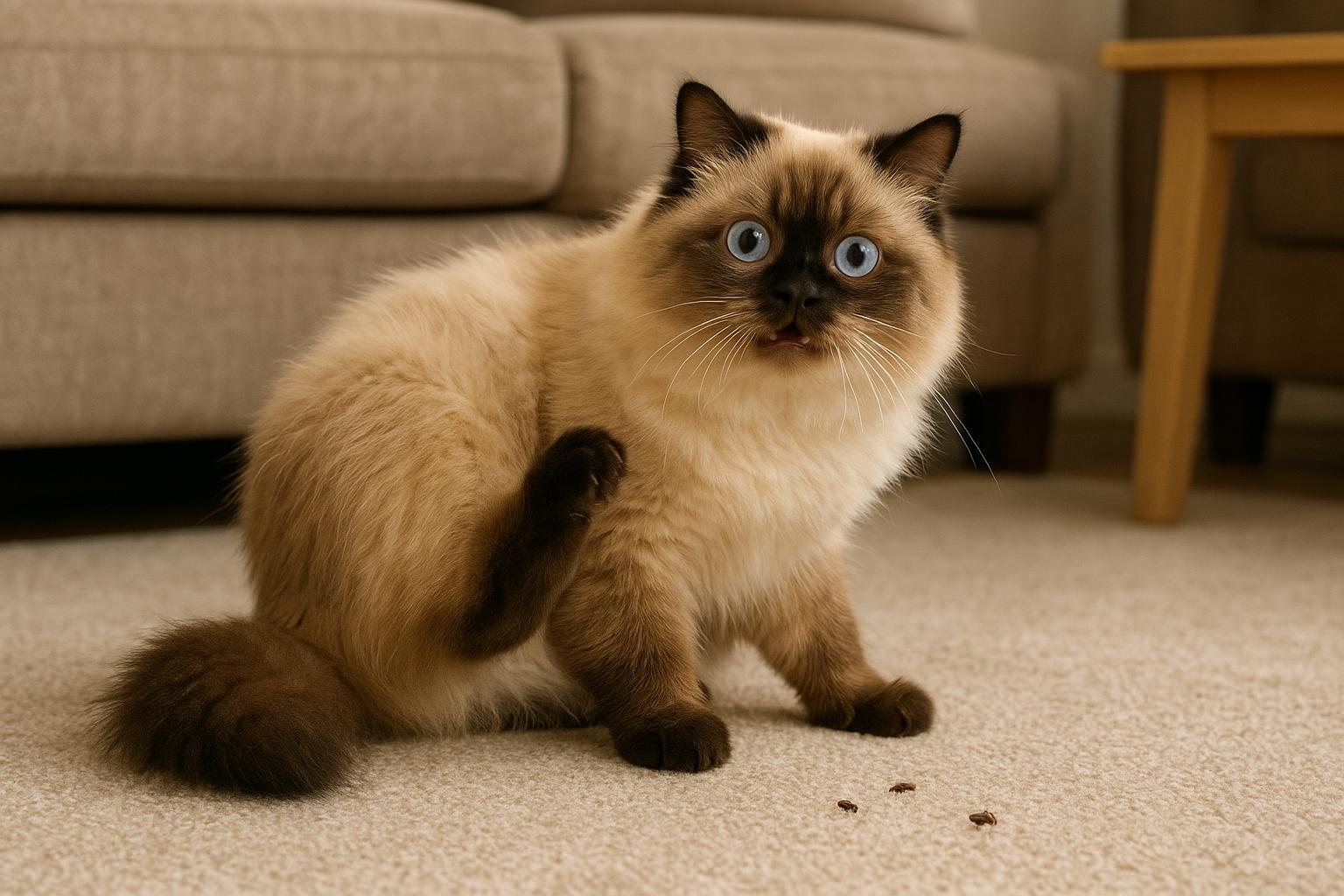
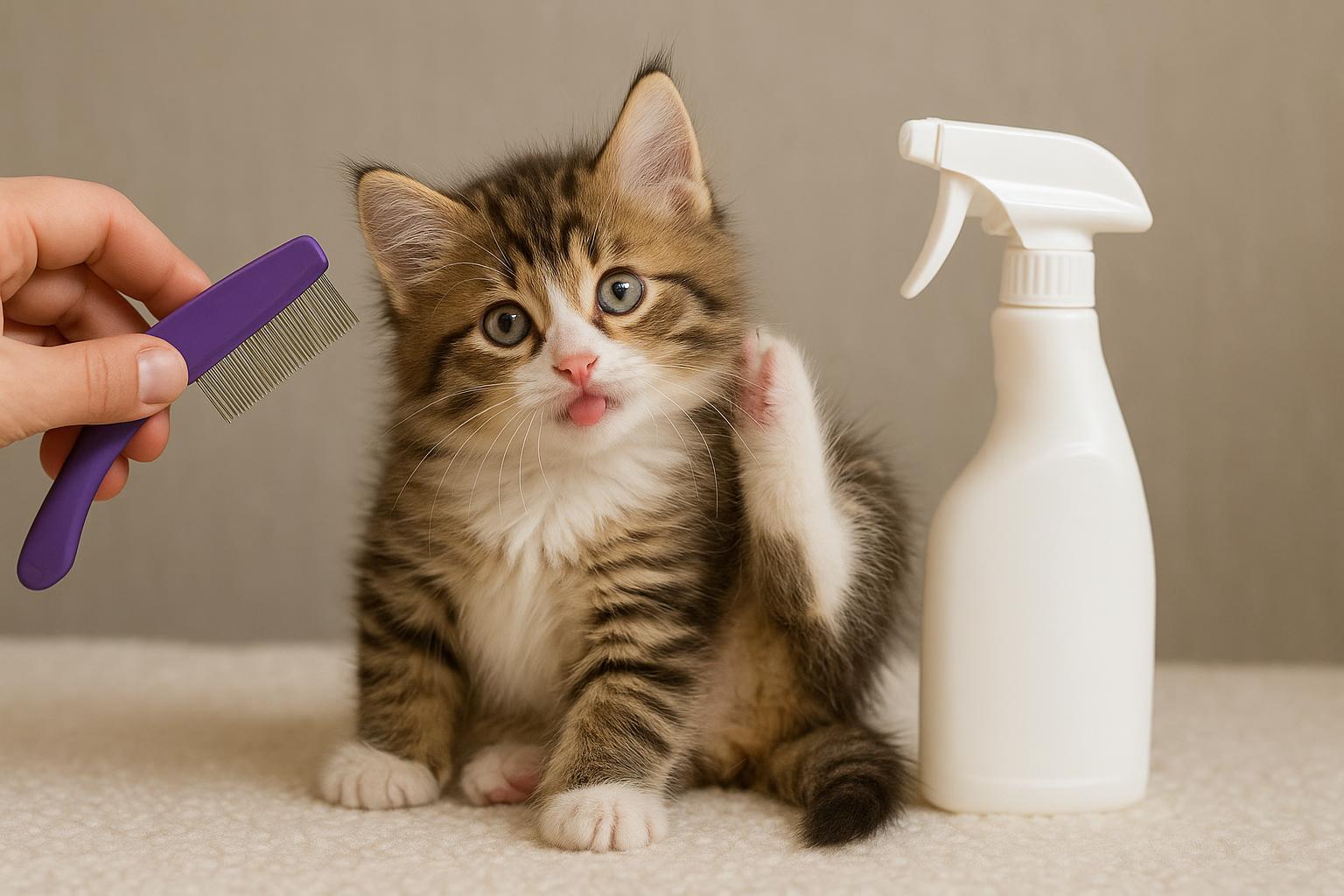
– Continuous scratching, hair loss on the back half of the kitten, or scabby spots.
– Pale gums, weakness, or a high heart rate in very young kittens. Those are signs of anemia and need a vet right away.
Kittens are not small adults. Their immune systems and bodies process chemicals differently. Age and weight matter. Before you reach for an over-the-counter product, check the label and check with your vet.
### Immediate Home Actions That Help Right Now
If you can’t see a vet immediately, do something to remove fleas mechanically. These steps are low-risk and effective for reducing flea numbers quickly.
Comb First
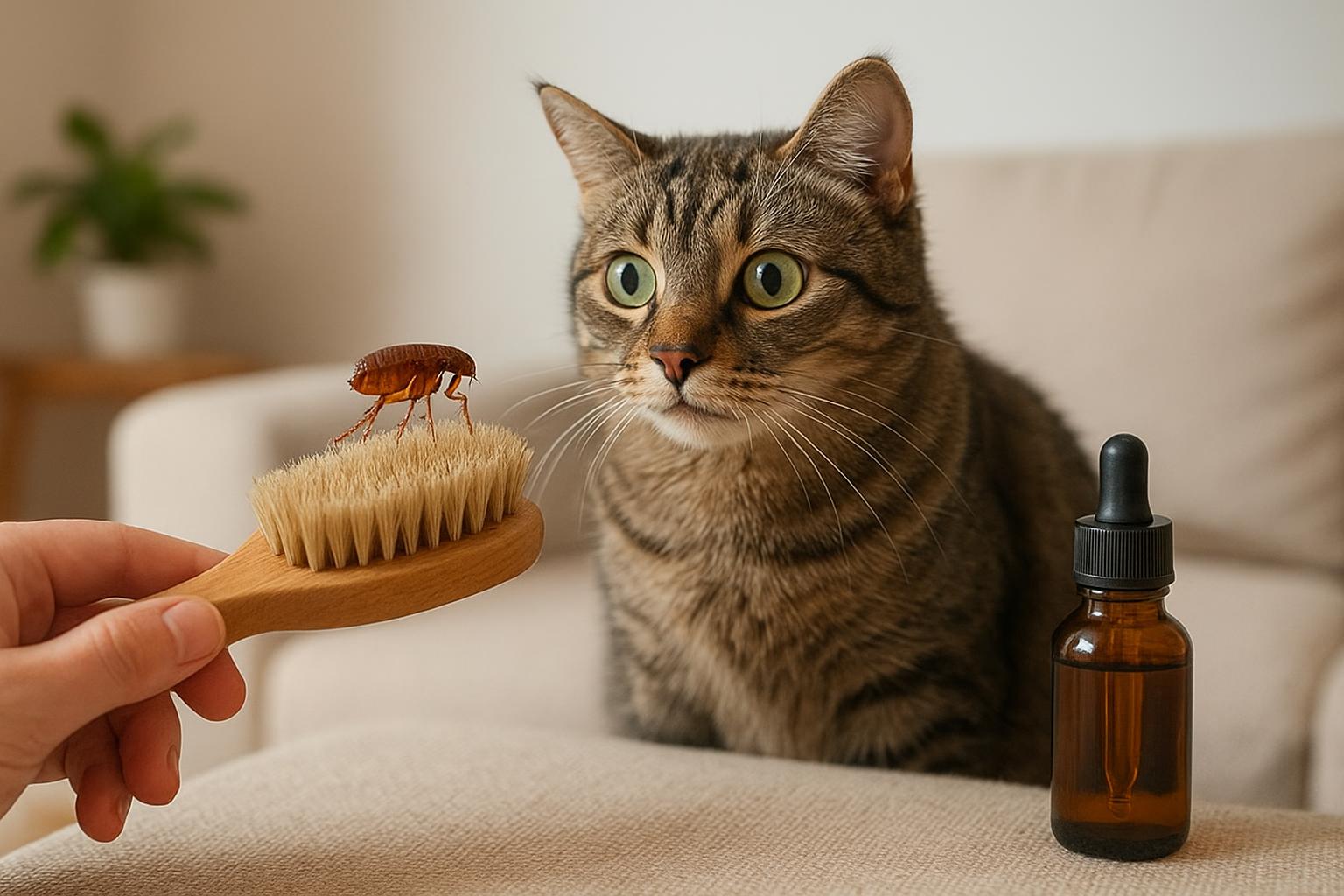
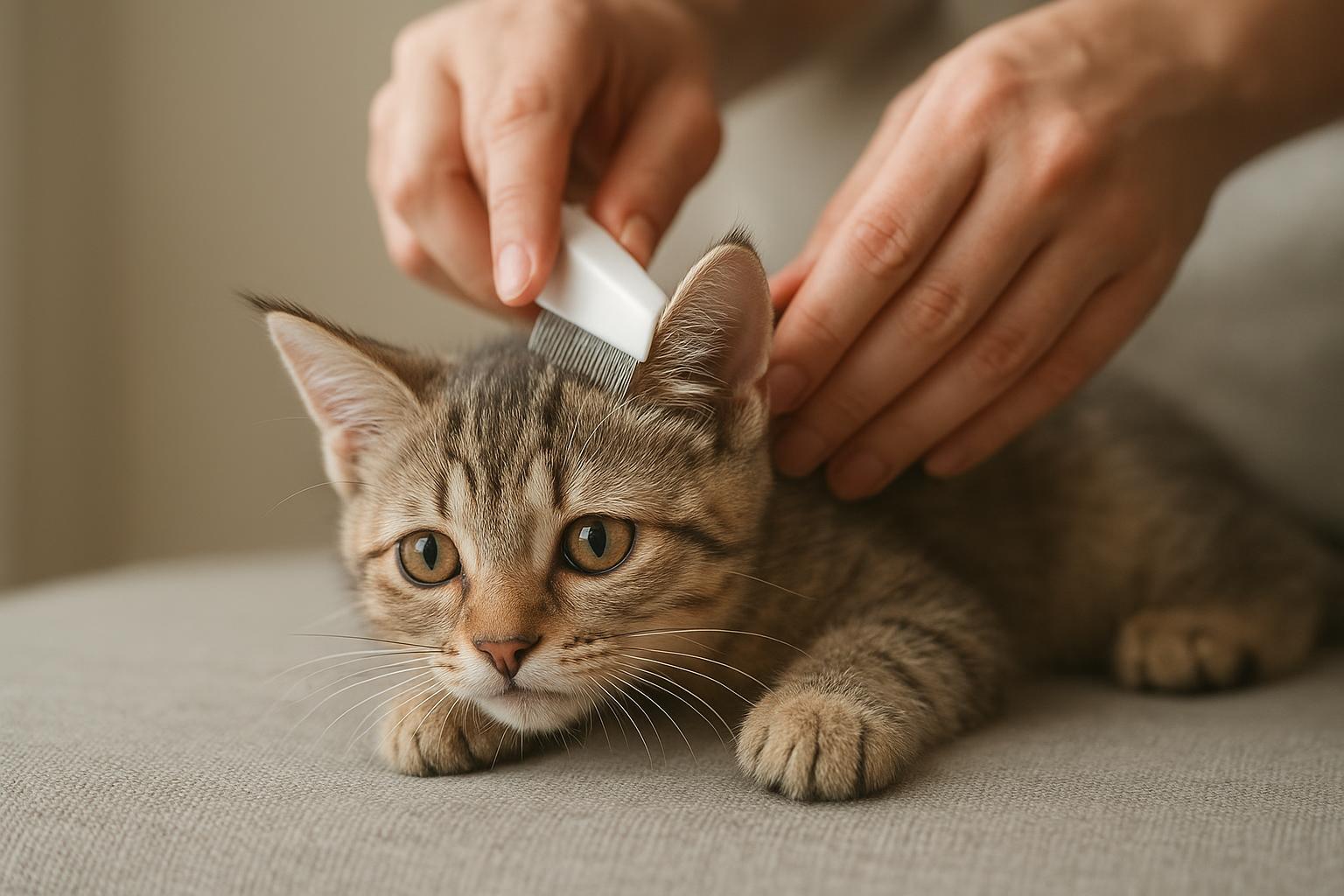
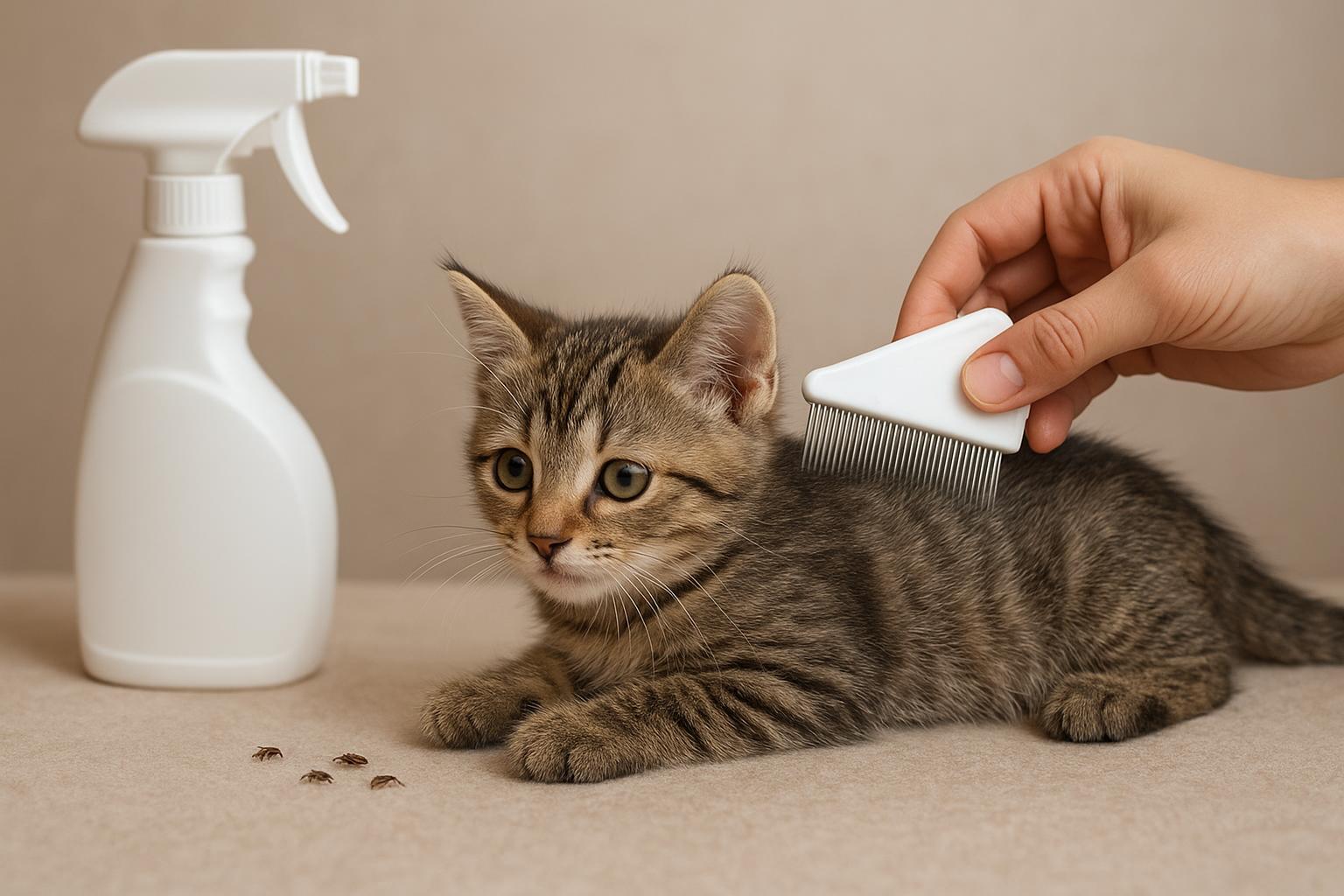
– Use a fine-tooth flea comb and work in bright light. Comb from head to tail, focusing behind the neck and at the base of the tail where fleas like to hide.
– After each pass, dip the comb into soapy water to drown the fleas. This is simple, safe, and lowers the population on the kitten.
– Combine combing with cuddles so the kitten feels secure. That reduces stress.
Bathing Safely
– A quick bath will wash many fleas away. Use warm water and a mild kitten shampoo. If you don’t have kitten shampoo, a small amount of unscented dish soap can be used for an emergency. Rinse thoroughly.
– Dry the kitten completely and keep it warm. Kittens lose heat fast, which is dangerous.
– Don’t bathe too often. Bathing is a short-term control method, not a weekly routine for flea prevention.
These steps are part of responsible pet flea care. They don’t replace a vet-approved treatment when the infestation is bigger or the kitten is fragile.
#### How Often To Comb And Bathe
Combing can be done daily until you stop finding fleas. Baths should be occasional and used when fleas are heavy and the kitten is strong enough to tolerate them. If you notice signs of stress, skip the bath and focus on combing and a vet visit.
### When Medication Is Appropriate
This is where many people get stuck. Products that work for adult cats are sometimes too strong for kittens. The rule of thumb: use only products labeled for kittens and follow the vet’s guidance.
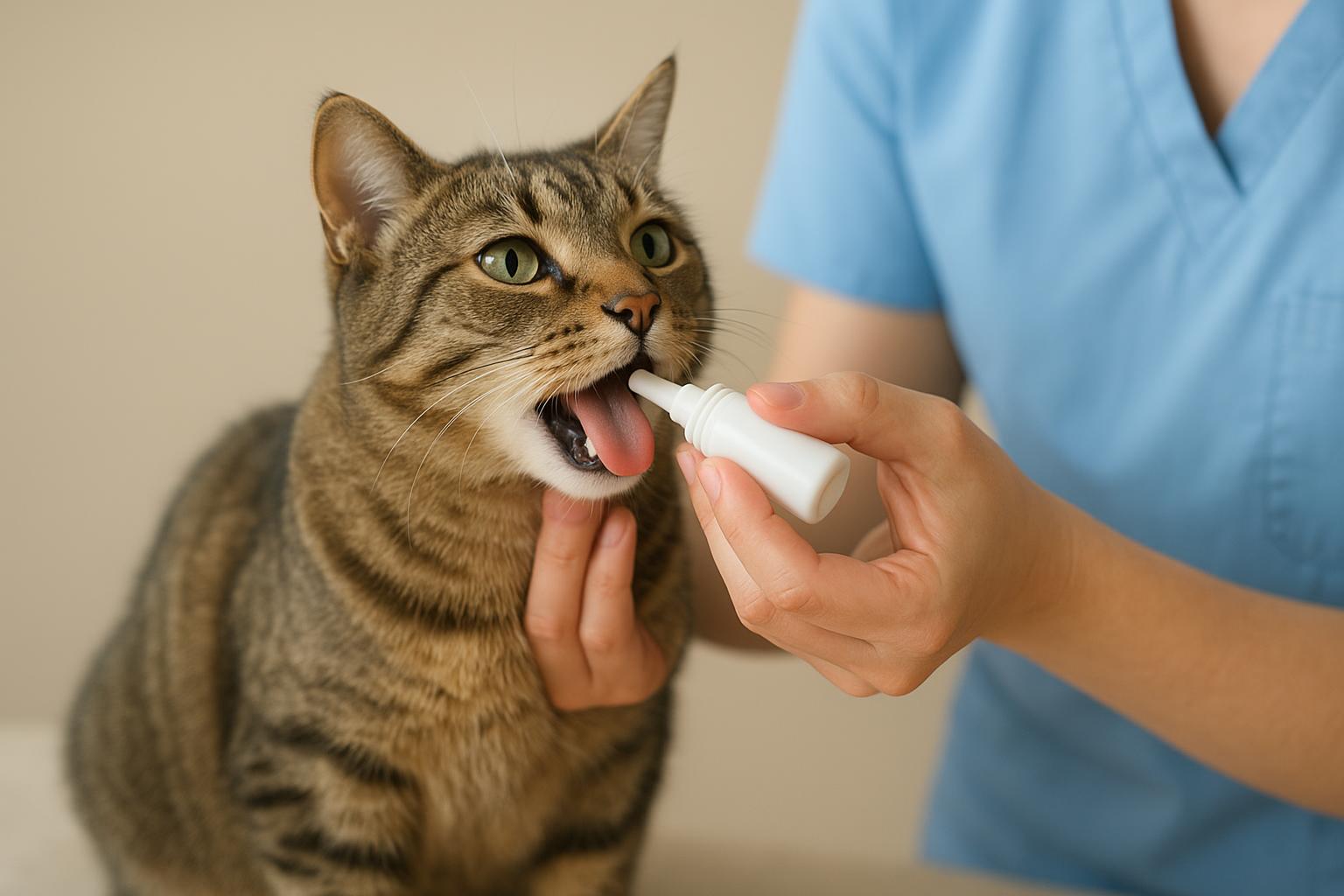
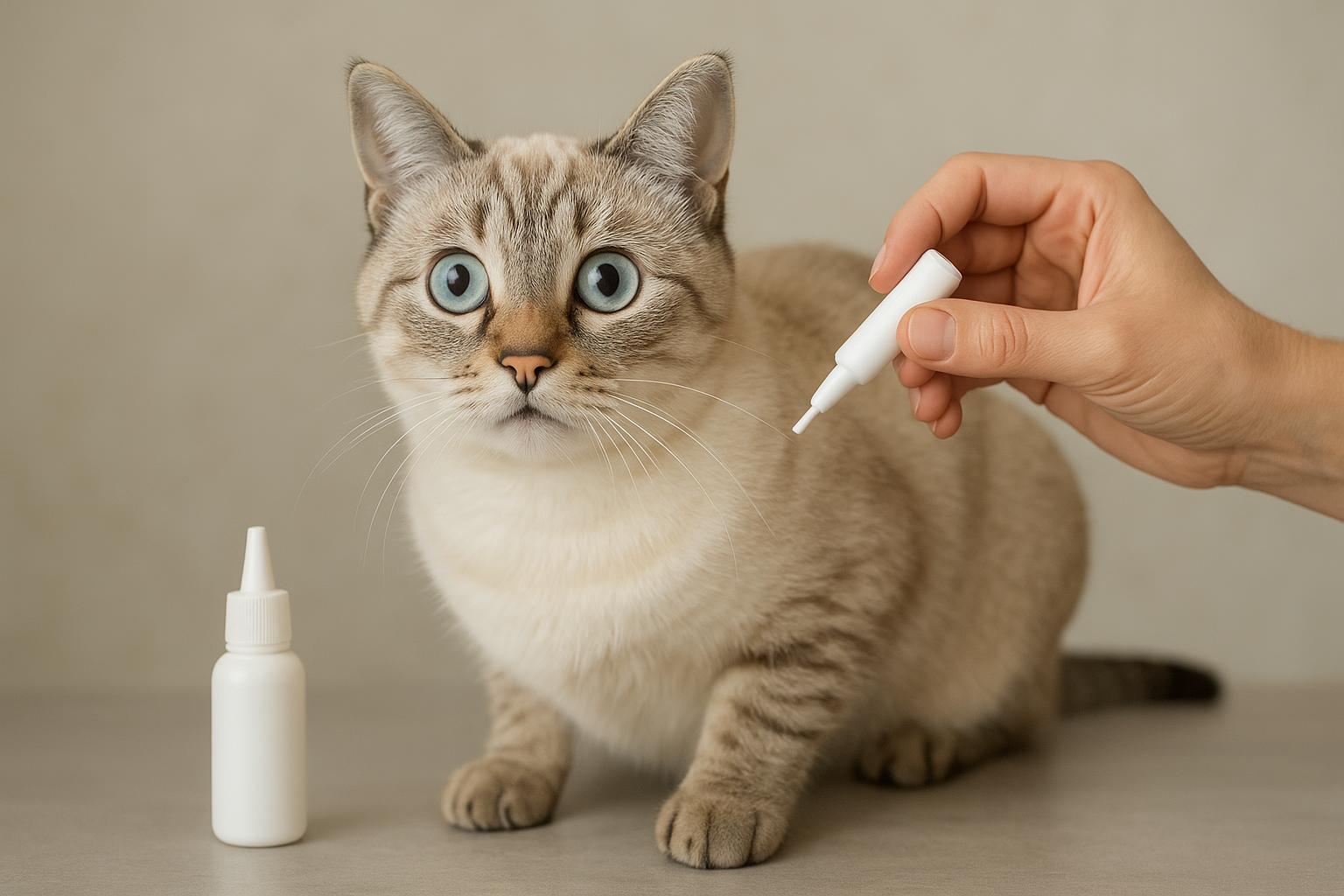
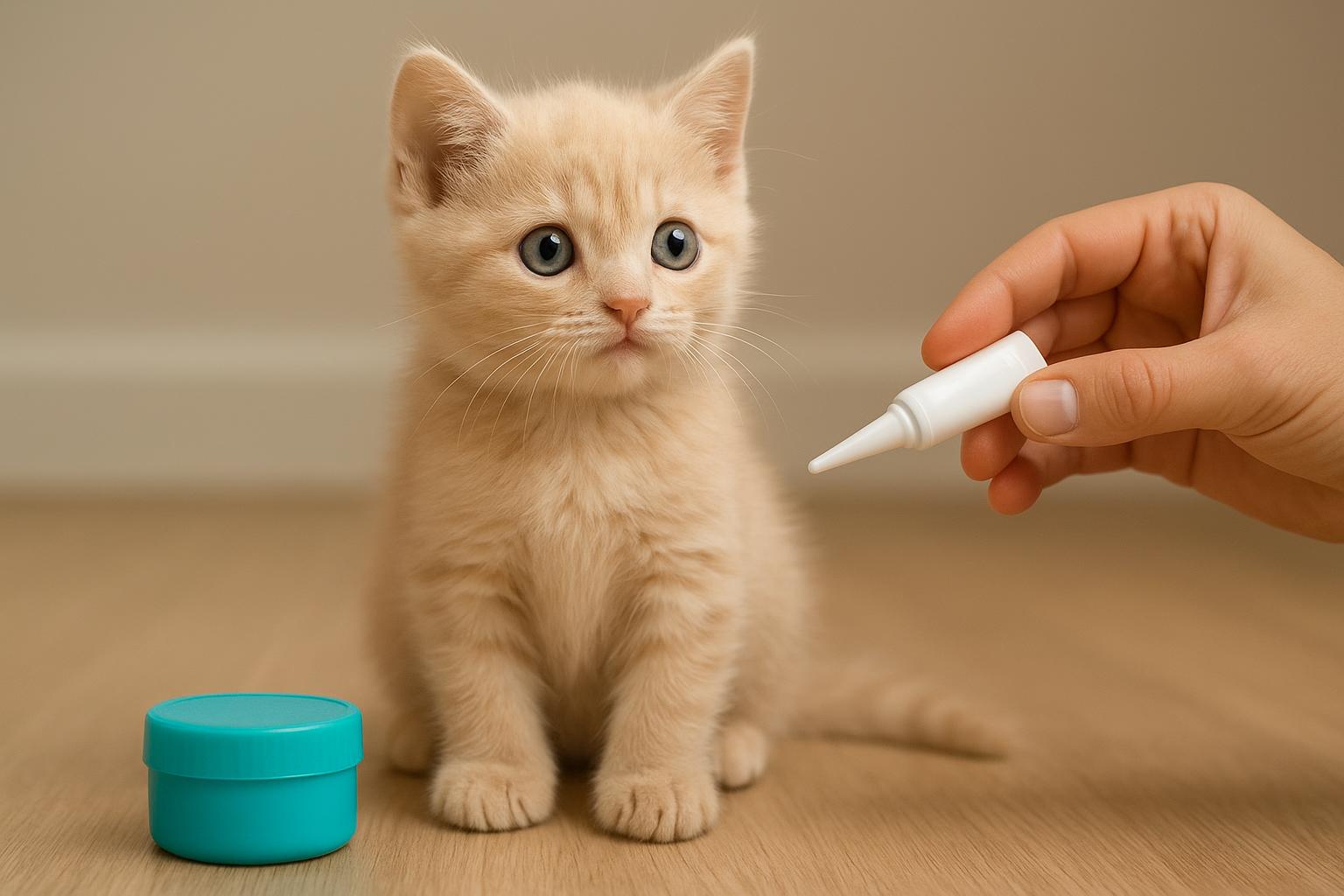
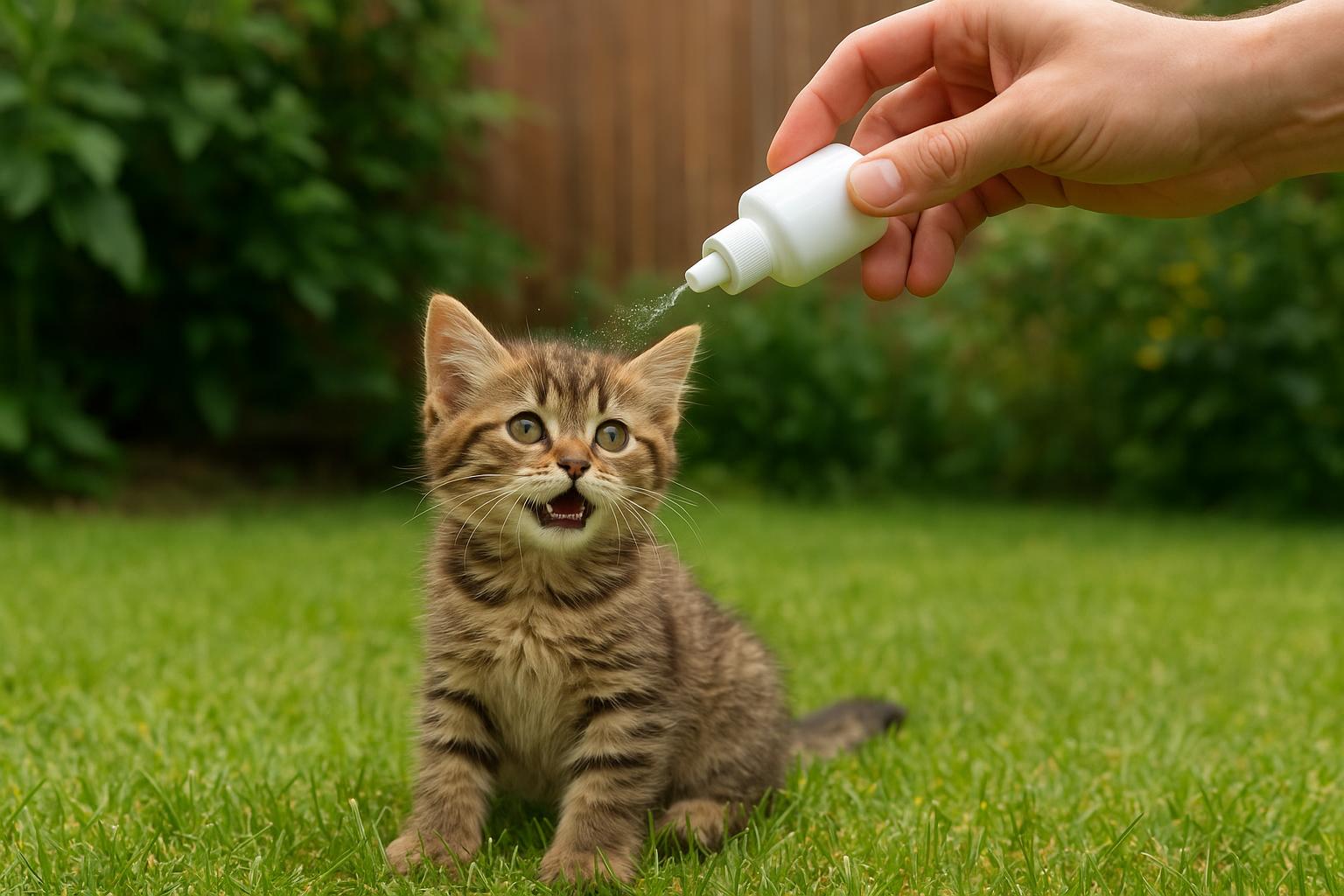
– For kittens above the minimum age and weight on a product label, there are topical therapies that can be safe. Check the label carefully, and when in doubt, phone your vet.
– Oral flea pills are usually not recommended for very young kittens. Avoid using dog-specific flea products on cats or kittens. That can be deadly.
– If your kitten is underweight, under 6–8 weeks old, or appears sick, do not use topical pesticides without veterinary approval. The safest immediate approach is mechanical removal and a vet visit.
Veterinarians can recommend products that fit the kitten’s age and size. They may also treat anemia or secondary infections if fleas have caused significant harm. Never improvise with human products or off-label doses.
### Treating The Home Without Harming The Kitten
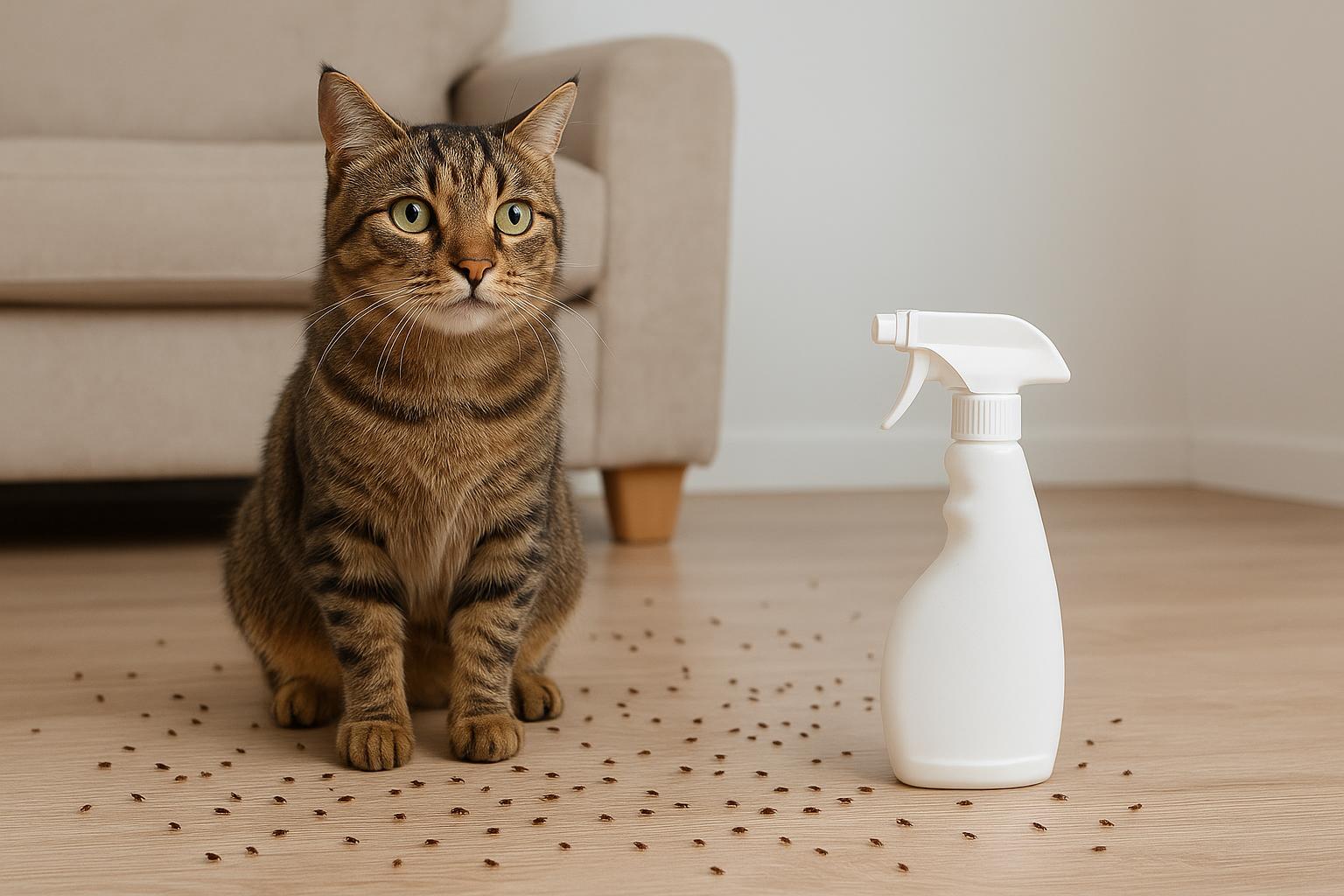
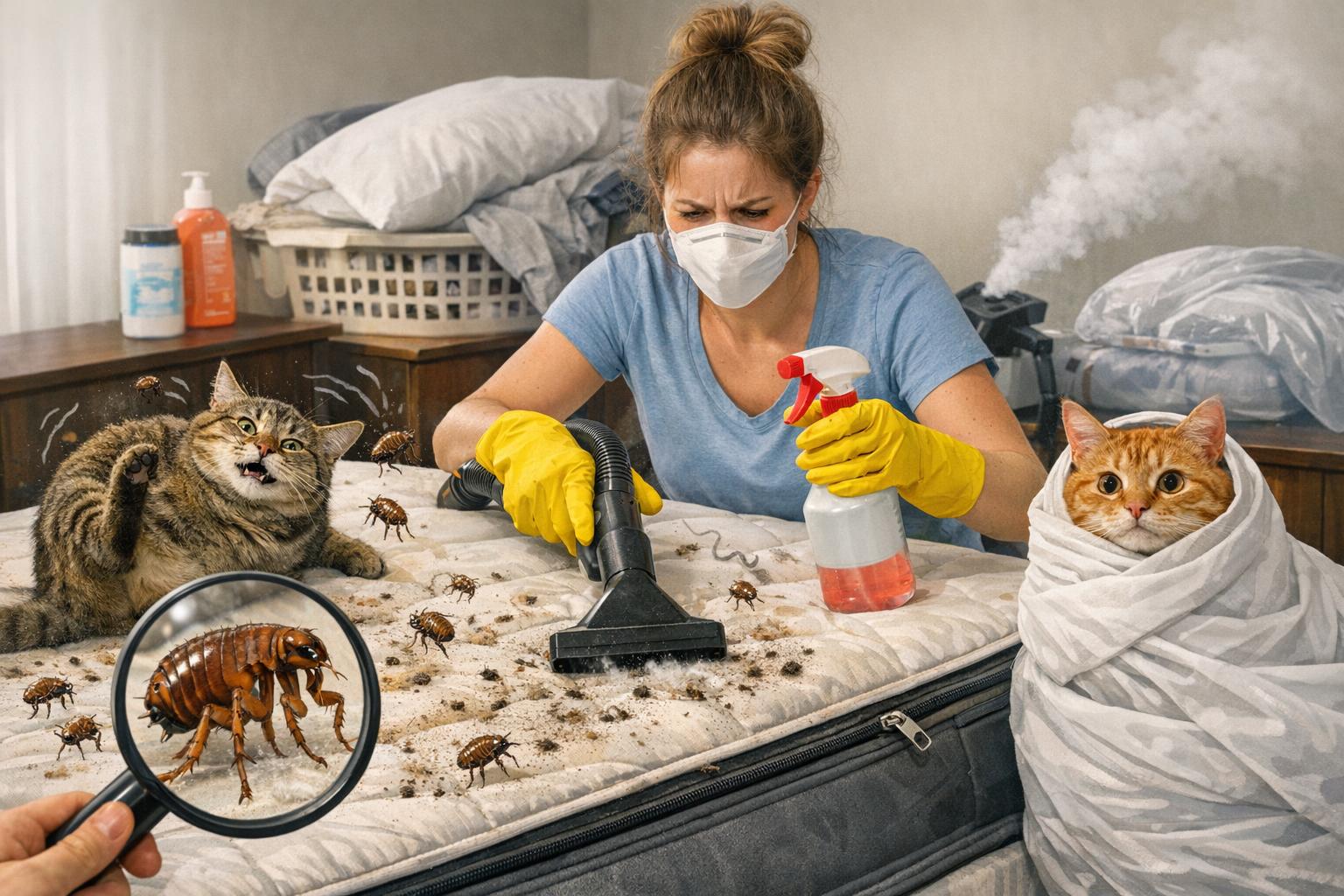
If you only treat the kitten and ignore carpets and bedding, you will get fleas back. Eggs and pupae live in your home and hatch later, creating a repeat cycle. Home treatment must be thorough and calm.
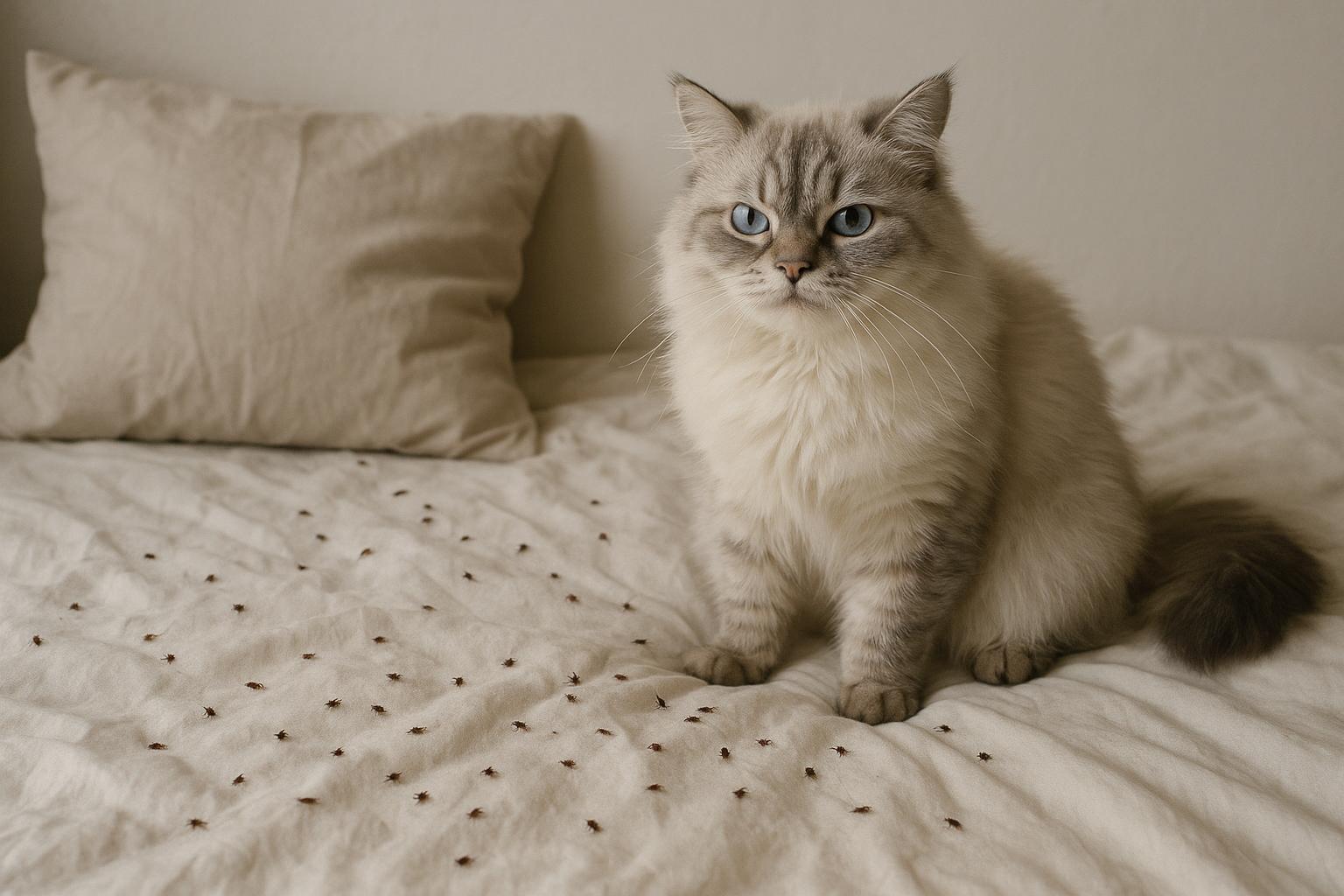
– Wash all bedding, blankets, and anything the kitten sleeps on in hot water and dry on high heat. This kills eggs and larvae.
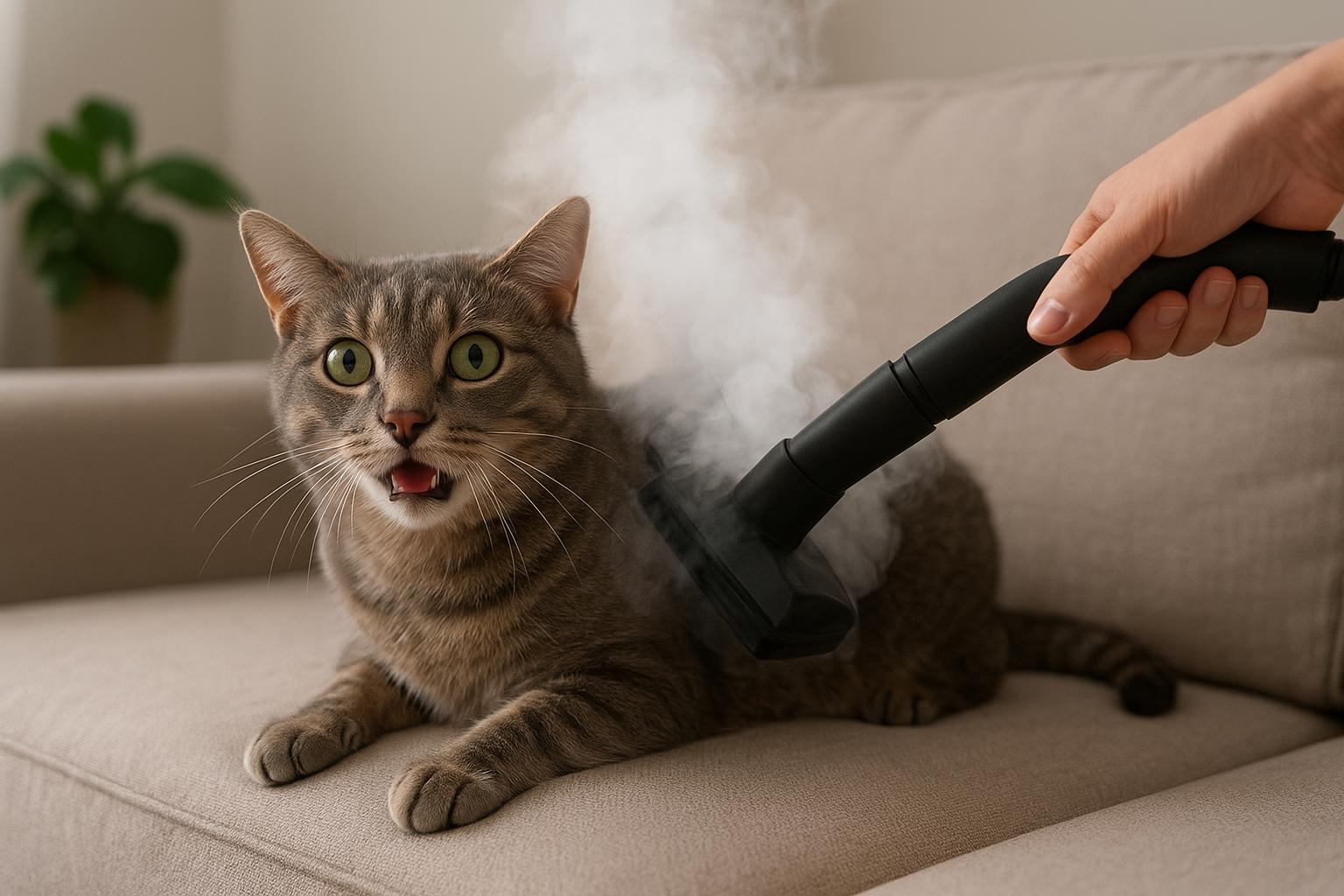
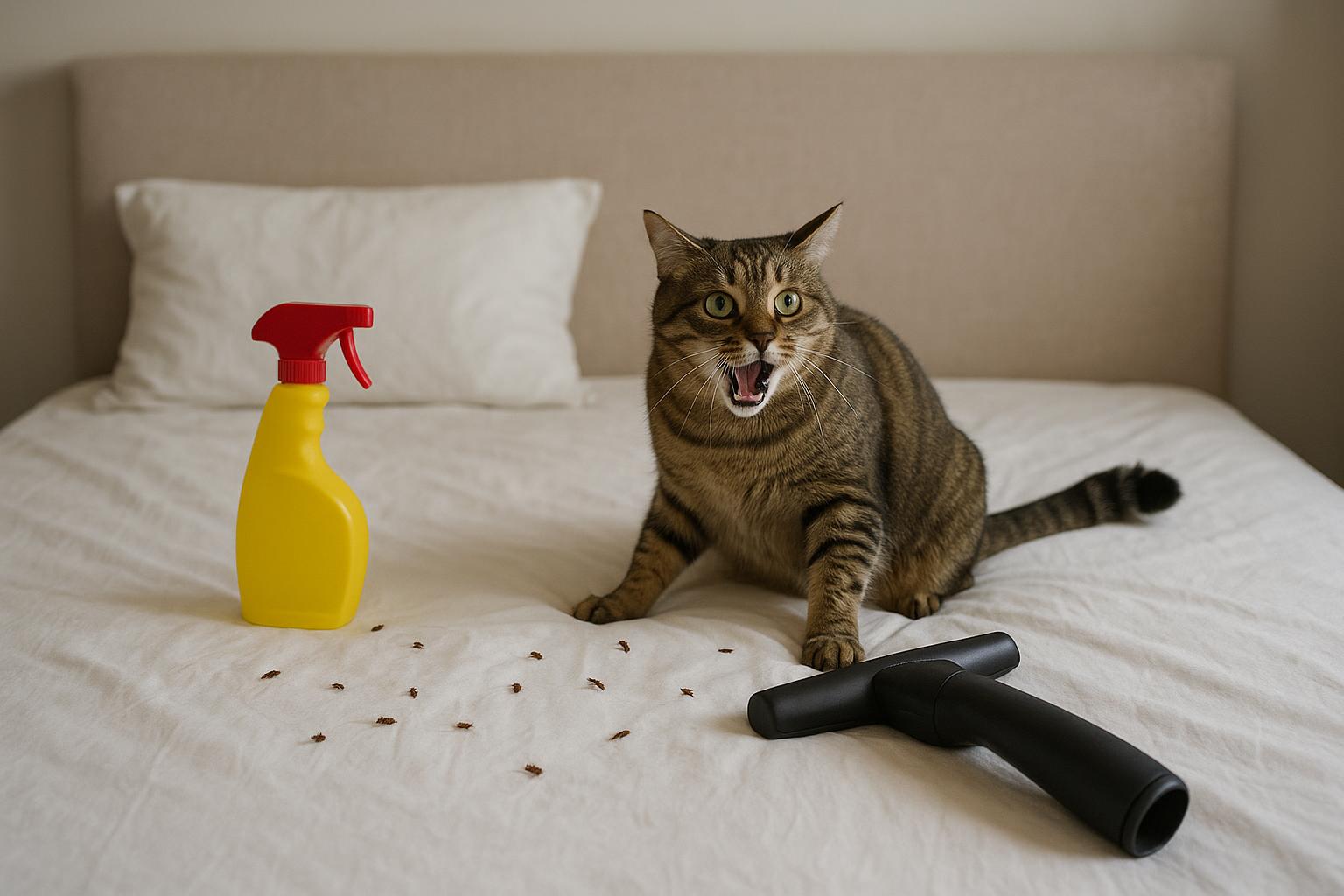
– Vacuum rugs, furniture, and car seats. Empty or dispose of the vacuum bag or canister contents immediately. Vacuuming sucks up eggs, larvae, and adults.
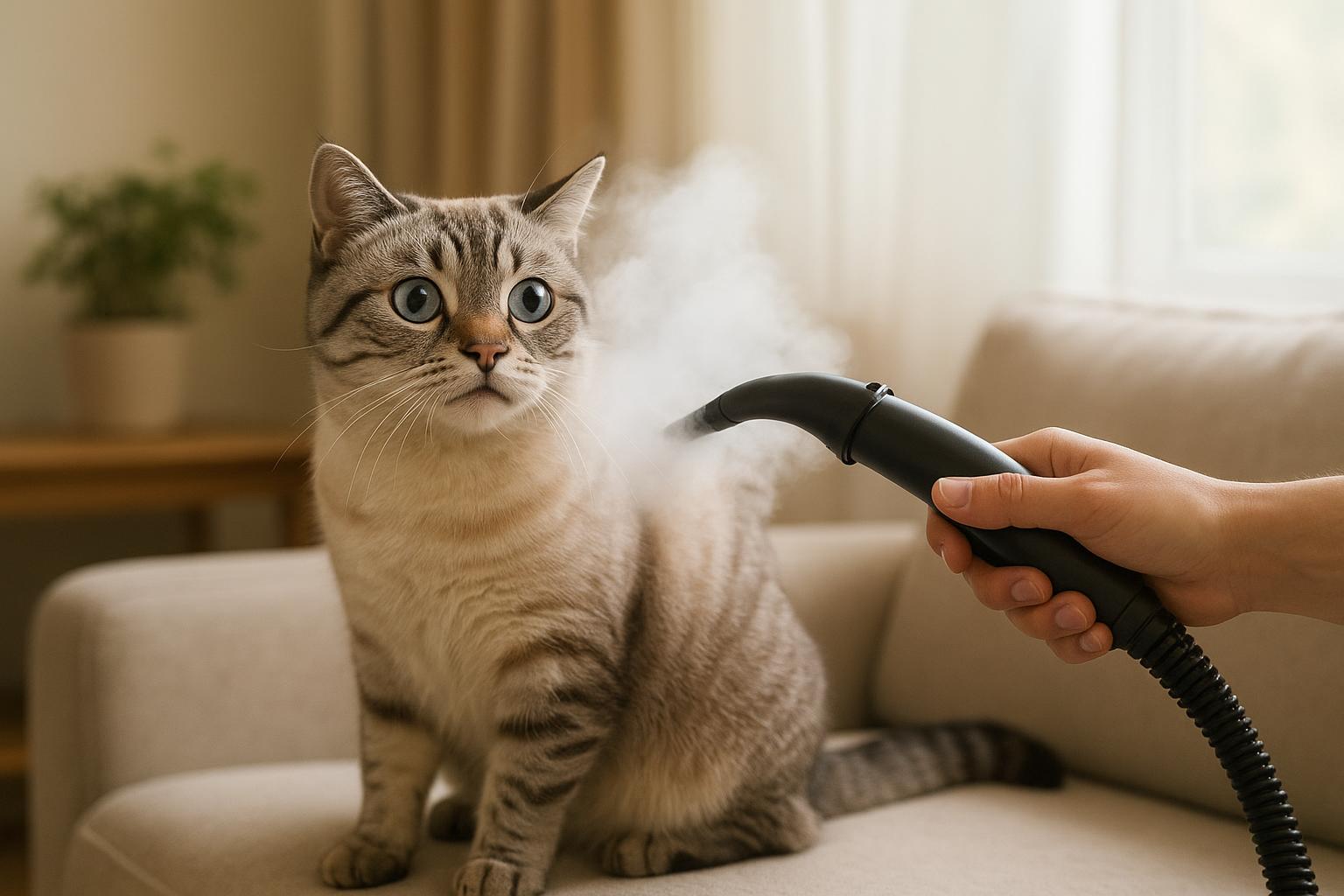
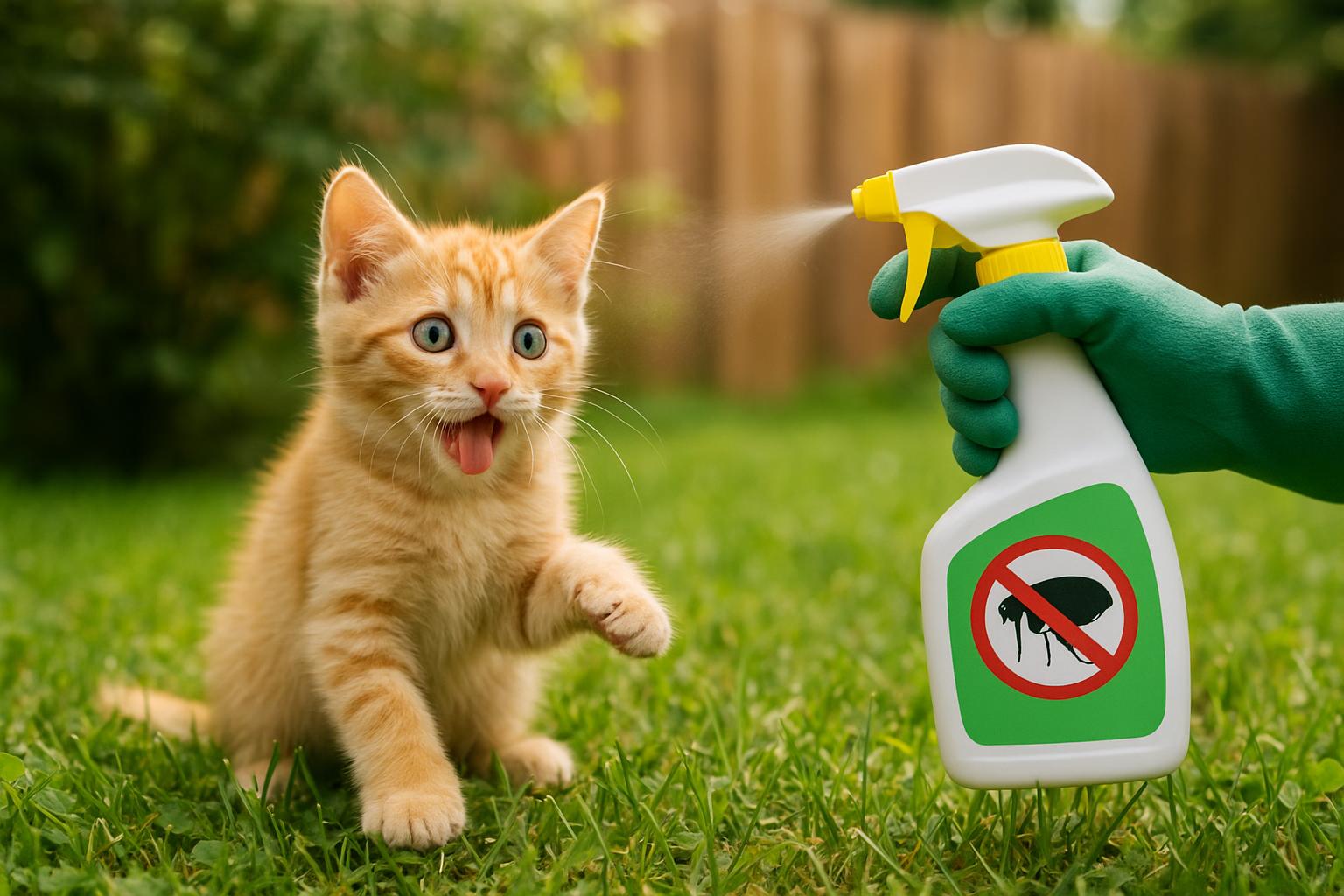
– For carpets and upholstery, use products labeled for indoor use and safe around pets, or consider pheromone-style or light-based flea traps. If you use an insecticide or insect growth regulator, follow directions and keep kittens away until surfaces are dry and safe.
– Treat other pets. If you have adult cats or dogs, they need treatment too. Treating a single animal won’t stop a household infestation.
This is basic pet flea care. The goal is to break the life cycle: remove adults from animals and stop eggs and larvae from becoming biting adults in your home.
### The Flea Life Cycle And Timing Your Efforts
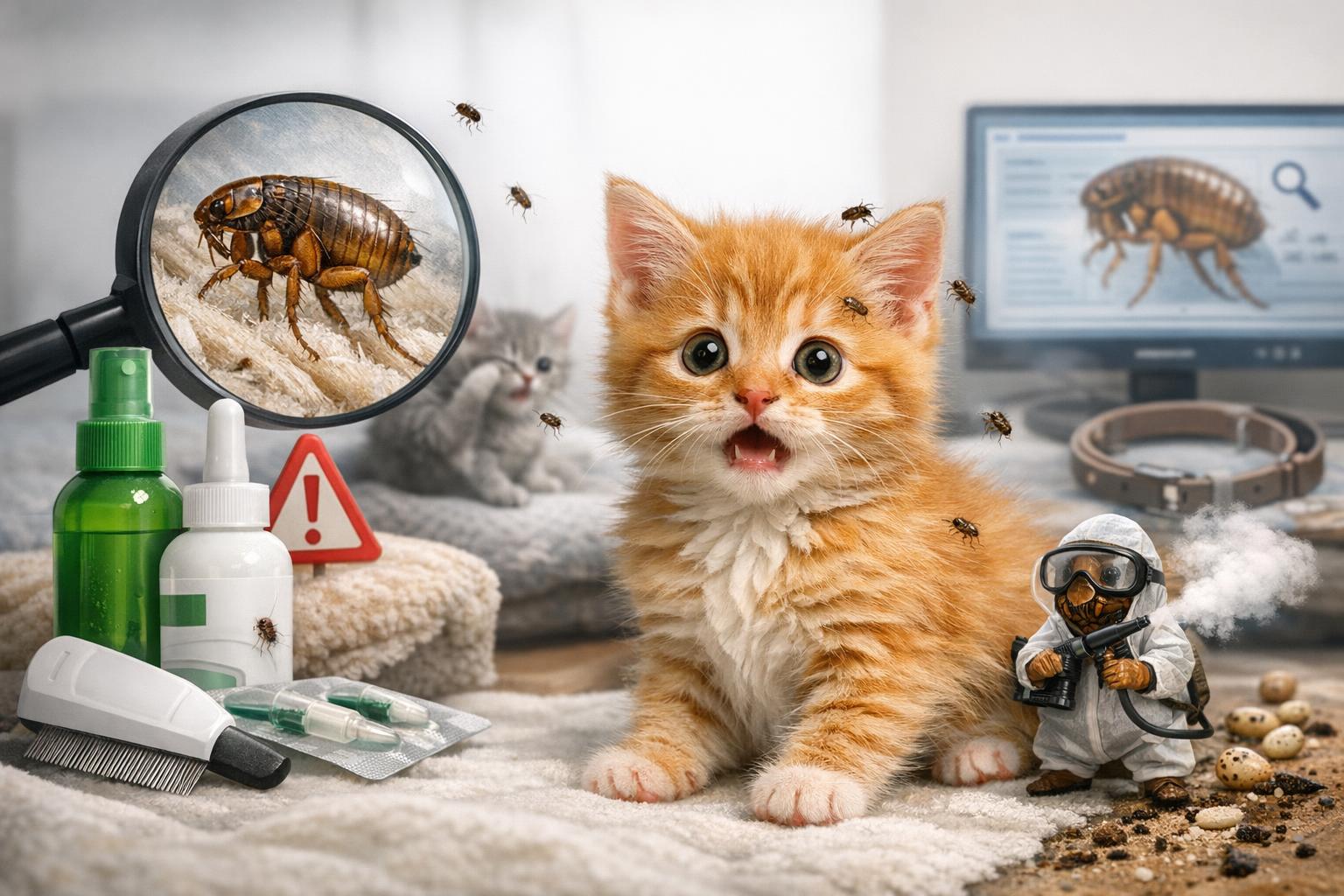
Understanding the flea life cycle makes your actions effective. Fleas lay eggs that fall off into carpets and bedding. Those eggs hatch into larvae, which spin cocoons, then become pupae, and eventually emerge as adults when conditions are right.
– Because pupae can remain dormant, repeat home treatments and vacuuming for several weeks. Expect to see fleas reappear after initial cleanup until you’ve gone through at least two life cycles, roughly six to eight weeks.
– Use both immediate removal and a longer-term plan. Combing and bathing reduce the adult load now. Environmental control and, if appropriate, vet-recommended products prevent re-emergence.
### Special Concerns: Kittens With Anemia Or Skin Infection
Fleas are more than itchy nuisances. For small kittens, heavy infestations can cause anemia. If you see pale gums, very low energy, fast breathing, or rapid heart rate, these are red flags.
– Take the kitten to a vet immediately. Anemia sometimes requires fluids, blood transfusion, or iron support.
– Flea bites can lead to flea allergy dermatitis or secondary bacterial infection from scratching. A vet can prescribe safe, kitten-appropriate antibiotics or soothing topical treatments.
– Even if you’re treating at home, schedule a vet check for any kitten that seems off. It’s cheap peace of mind compared to a preventable emergency.
### Gentle Flea Care: Minimizing Stress And Chemical Exposure
Fleas are stressful for kittens and owners. Use gentle flea care practices to keep the kitten comfortable.
– Handle the kitten gently during combing. Make it a short, positive routine with treats and a calm voice.
– Avoid harsh chemicals unless they’re necessary and approved for the kitten’s age and condition. Gentle flea care means choosing the least invasive effective method.
– If your kitten dislikes baths, do more combing and spot treatments with vet-approved products when age allows.
These low-stress steps help you keep the kitten calm and cooperative. Stress can weaken a kitten’s immune response, and that makes recovery slower.
### Preventing Reinfestation Long Term
Once the immediate problem is under control, stop it from starting again. Make prevention practical.
– Put a flea-prevention schedule in your calendar that aligns with whatever product your vet recommends. Don’t skip doses.
– Keep up with regular combing, especially if your kitten goes outdoors or interacts with other animals.
– Maintain a clean environment: regular washing of bedding, frequent vacuuming, and routine checks of the kitten’s fur.
– If you have multiple pets, keep them all on consistent pet flea care. Kittens will always pick up fleas from untreated adults or wildlife intruders.
Routine prevention reduces surprises. It’s easier and cheaper than wrestling with an infestation.
#### What To Do If You’re Unsure About A Product
When reading labels, you’ll see age and weight cutoffs. If anything is unclear, call the vet. Don’t base a decision only on online forums or social media advice. A vet can tell you exactly whether a product is appropriate for your kitten’s age, weight, and health status.
Pets vary. Two kittens the same age might need different care if one is frail or has a skin condition. When in doubt, get professional guidance.
### Natural Or Home Remedies: Use Caution
People suggest household remedies all the time. Some have value, others are risky.
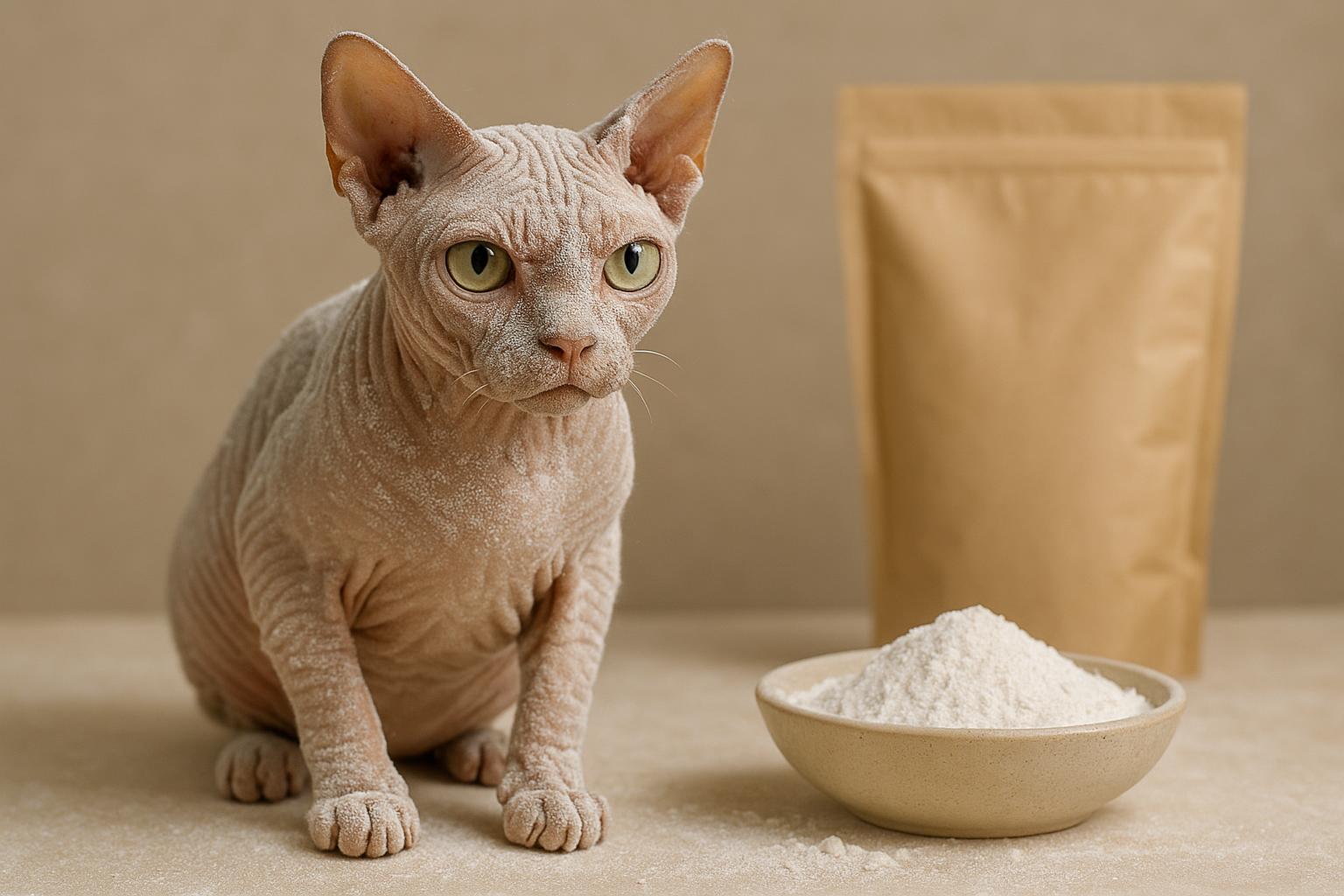
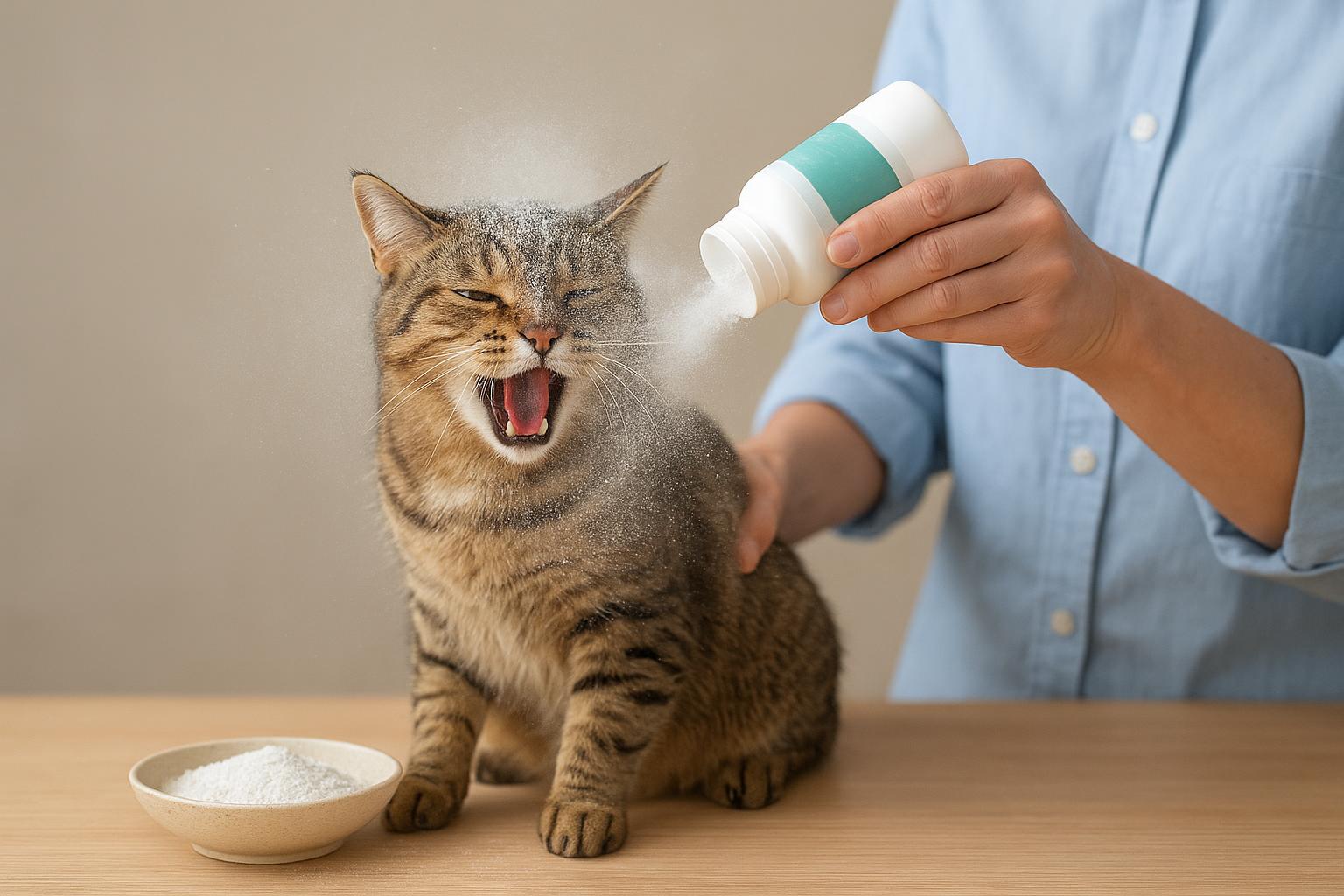
– Lemon sprays, salt, diatomaceous earth, and garlic have all been suggested. Salt and diatomaceous earth can dry out flea exoskeletons, but they can also irritate kitten skin or lungs if misused. Avoid sprinkling powders where kittens can inhale them.
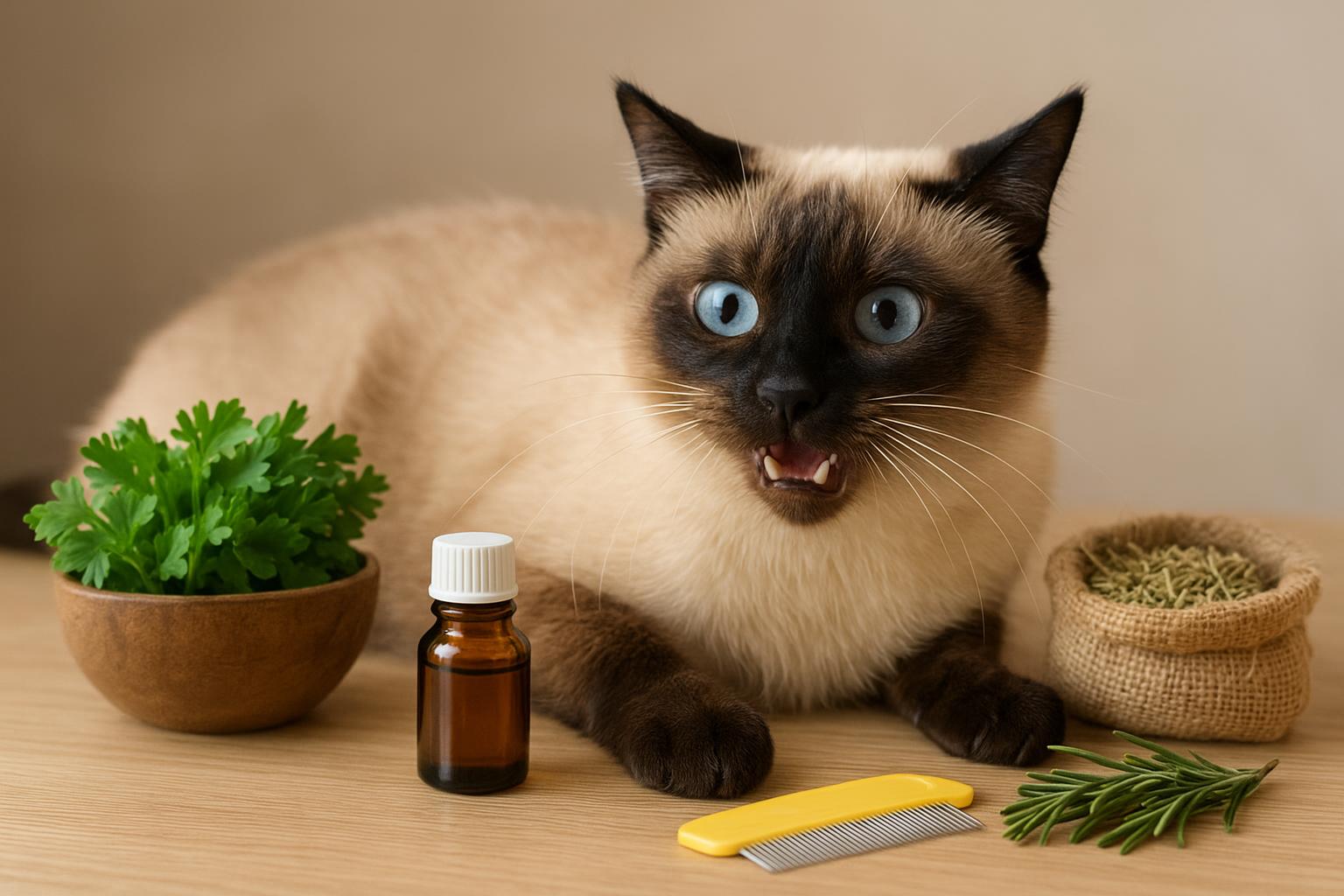
– Essential oils and many “natural” topical mixtures can be toxic to cats. Never use essential oils on kittens or cats without explicit veterinary approval.
– Mechanical methods — combing and washing bedding — are the safest first options. Treat any topical or environmental chemical with caution.
If you’re leaning toward a nonchemical route, focus on vacuuming, washing, traps, and frequent combing. Those are effective without risking kitten health.
### When To Call The Vet And What To Expect
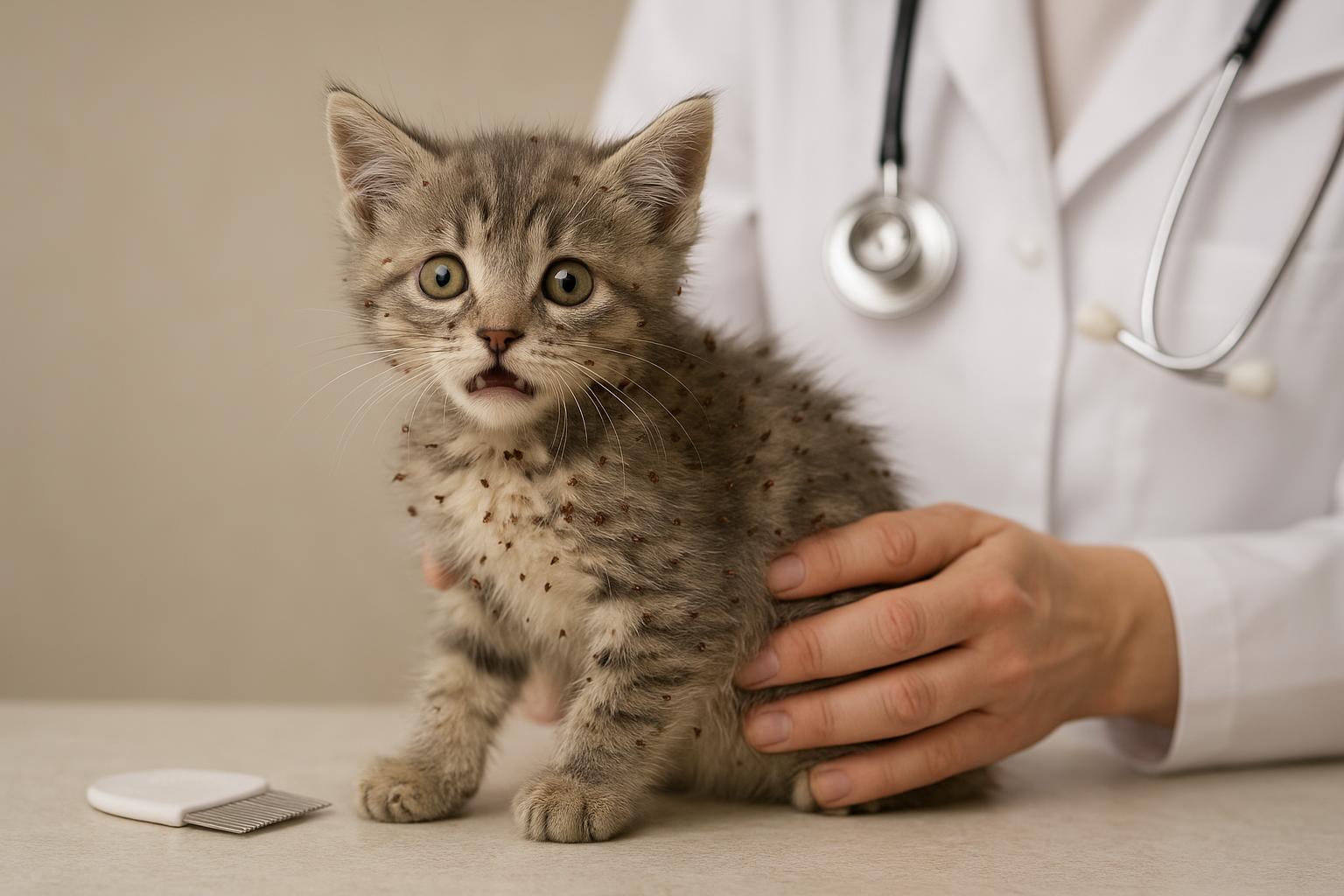
If the infestation persists after several rounds of combing and environmental cleaning, or if the kitten shows signs of illness, call the vet.
Expect the vet to:
– Examine the kitten and possibly run tests for anemia.
– Recommend age-appropriate flea medications or topical agents.
– Advise on environmental treatments and how to treat other pets safely.
– Give follow-up instructions and possibly a schedule for prevention.
A good vet will prioritize gentle flea care and avoid aggressive treatments that a tiny body can’t handle.
### Practical Example: A 7-Week-Old Kitten With Fleas
Here’s a real-world flow you can use as a template when your kitten is young and infested.
– Day 1: Comb thoroughly, drown fleas in soapy water. Bathe with mild kitten shampoo if the kitten tolerates it. Wash all bedding and vacuum.
– Days 2–7: Comb daily and monitor energy and eating. Keep the kitten warm and hydrated. Treat other pets.
– Day 7–10: Follow up with the vet to confirm the kitten is healthy enough for a labeled topical product if the household still has fleas. If the kitten is anemic or unwell, the vet will intervene sooner.
– Weeks 2–8: Continue vacuuming every other day, wash bedding weekly, and comb twice a week until you stop finding fleas for multiple consecutive weeks.
This routine mixes immediate action with longer-term control and professional oversight.
### Final Practical Tips For Day-To-Day Care
– Check for fleas every week during grooming. Early detection saves trouble.
– Keep flea combs in your grooming kit. They’re inexpensive and useful for other debris removal too.
– Make flea checks part of playtime. A quick comb is less scary if it’s part of a routine.
– Keep contact information for your vet handy, and ask before trying new home treatments.
If you need to buy products, bring your kitten’s age and weight to the store or mention them on the phone. Labels are written for a reason.
A last note: fleas are persistent, but not invincible. With steady combing, cautious use of vetted products, environmental cleanup, and a little patience, you’ll get control without harming the kitten. Treat the animal and the home together. That’s the simplest way to keep fleas from coming back and to practice responsible, effective pet flea care.
(recieve)



Leave a Reply