

Fleas don’t appear out of nowhere. They hitch rides, hide in places you don’t think about, and exploit ordinary routines. Knowing the specific spots and habits that create openings makes prevention practical instead of panicky.
## How Cats Get Fleas Around The Home
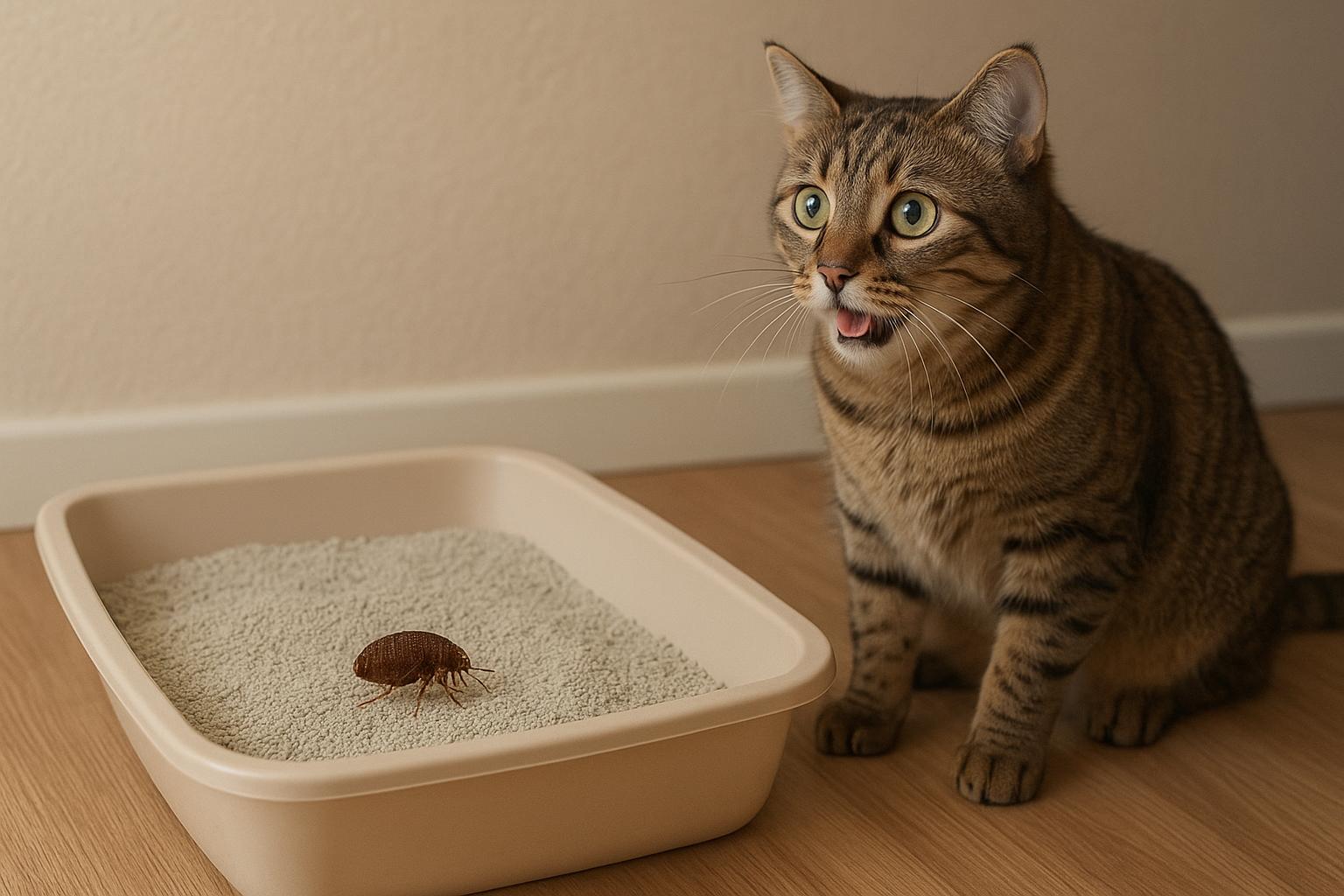
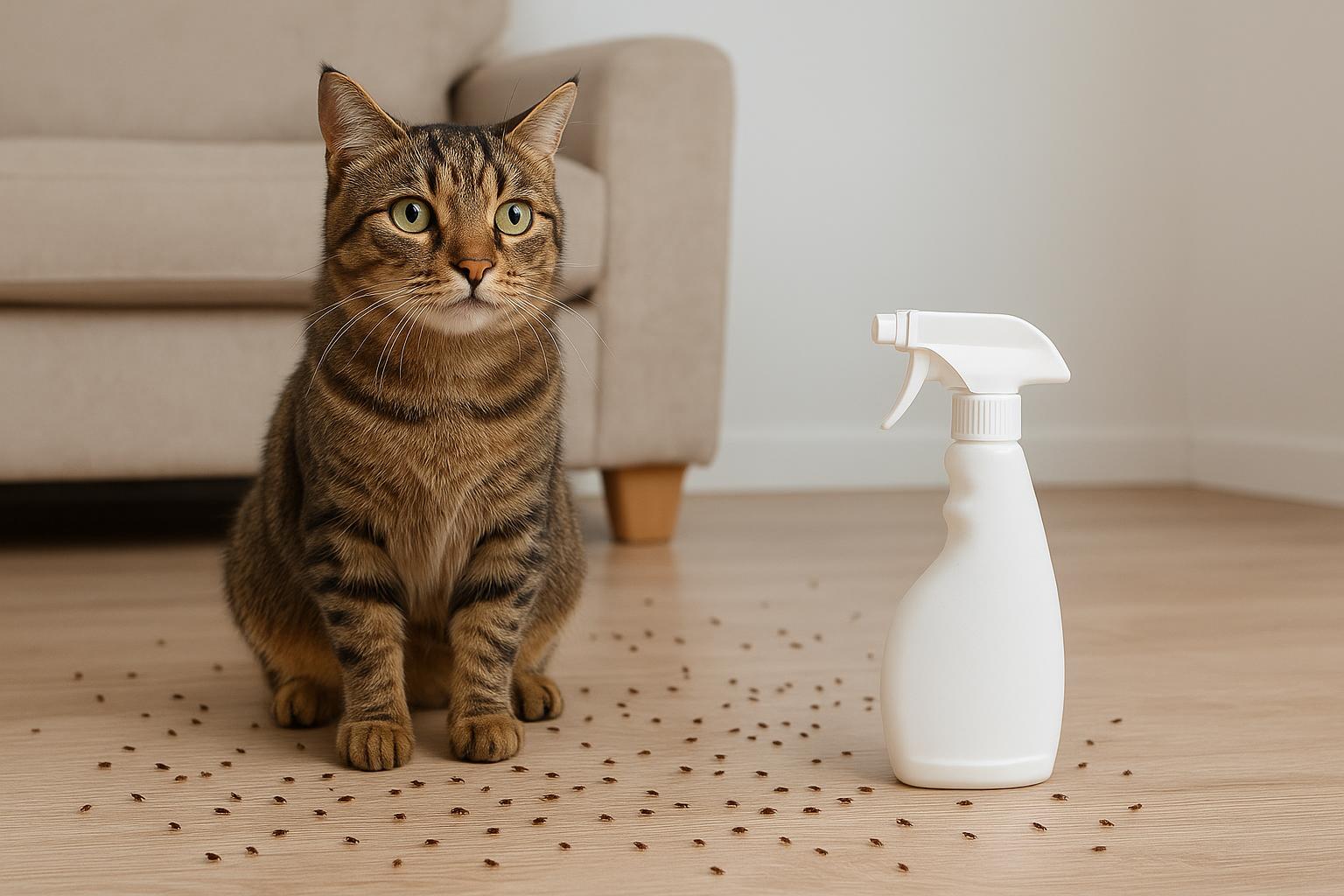
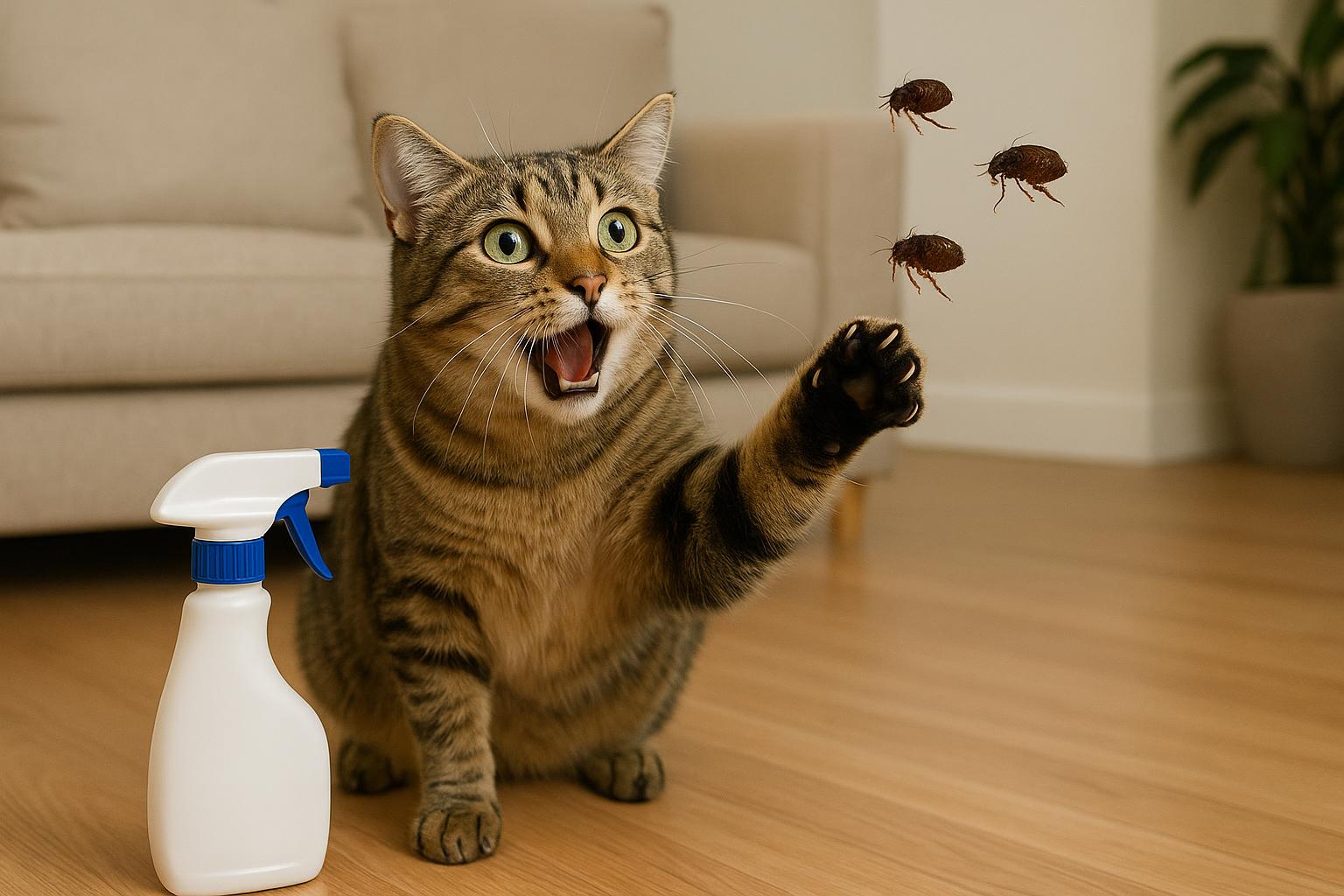
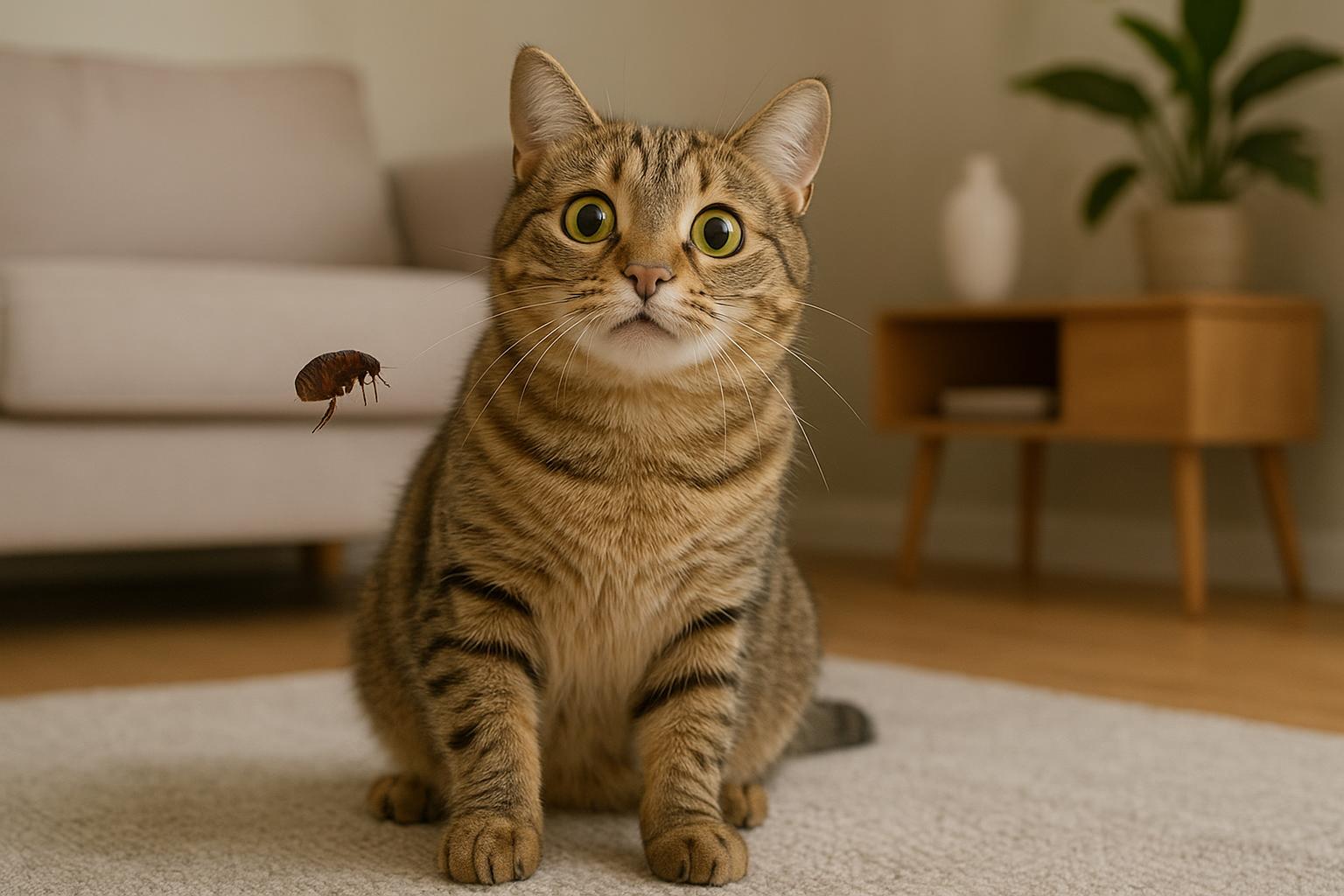
When people ask how cats get fleas, they usually picture outdoor strays. That’s part of it, but plenty of cases start inside. A flea can be carried in on a jacket, on another pet, or on a visitor’s shoes. Once one adult flea or a single female lays eggs, the life cycle can spin up fast in carpets, sofas, and pet beds.
Think of a scenario: you sit on the couch after walking the dog, then your cat jumps up. That brief contact is enough. The flea hops from the dog or fabric to the cat and begins feeding within minutes. Repeat that pattern and you’ve given fleas multiple chances to establish a colony.
### Outdoor Contact And Wildlife
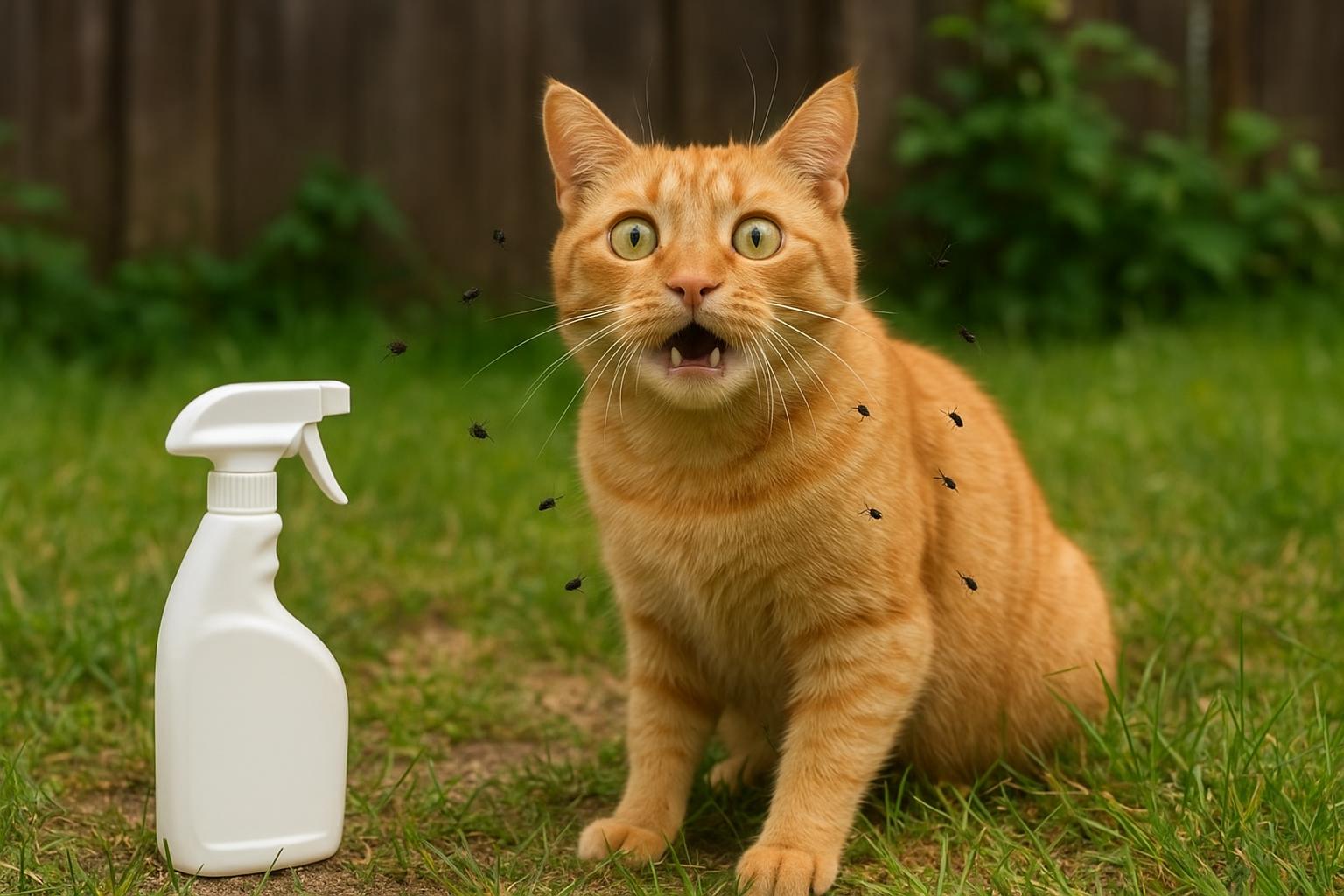
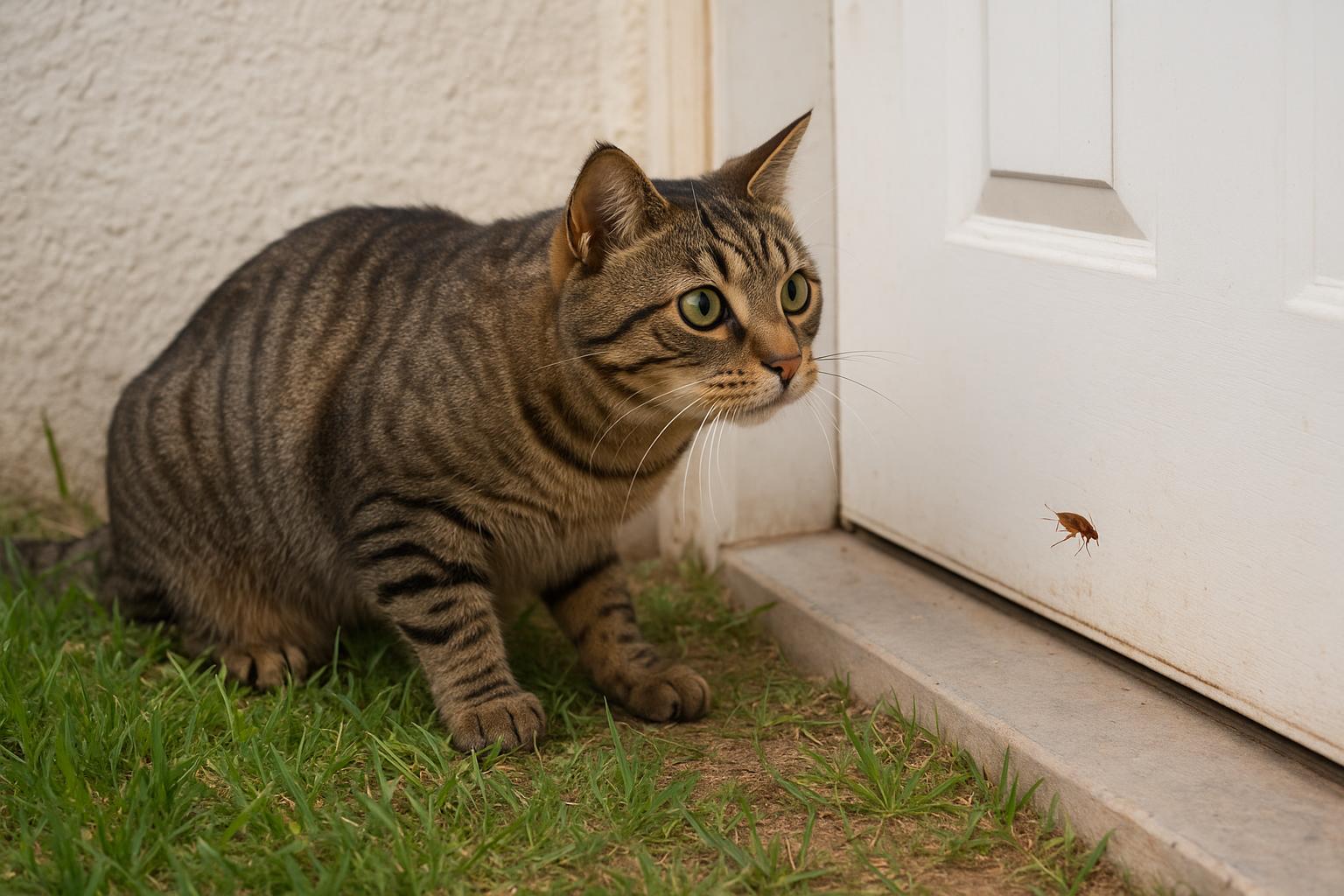
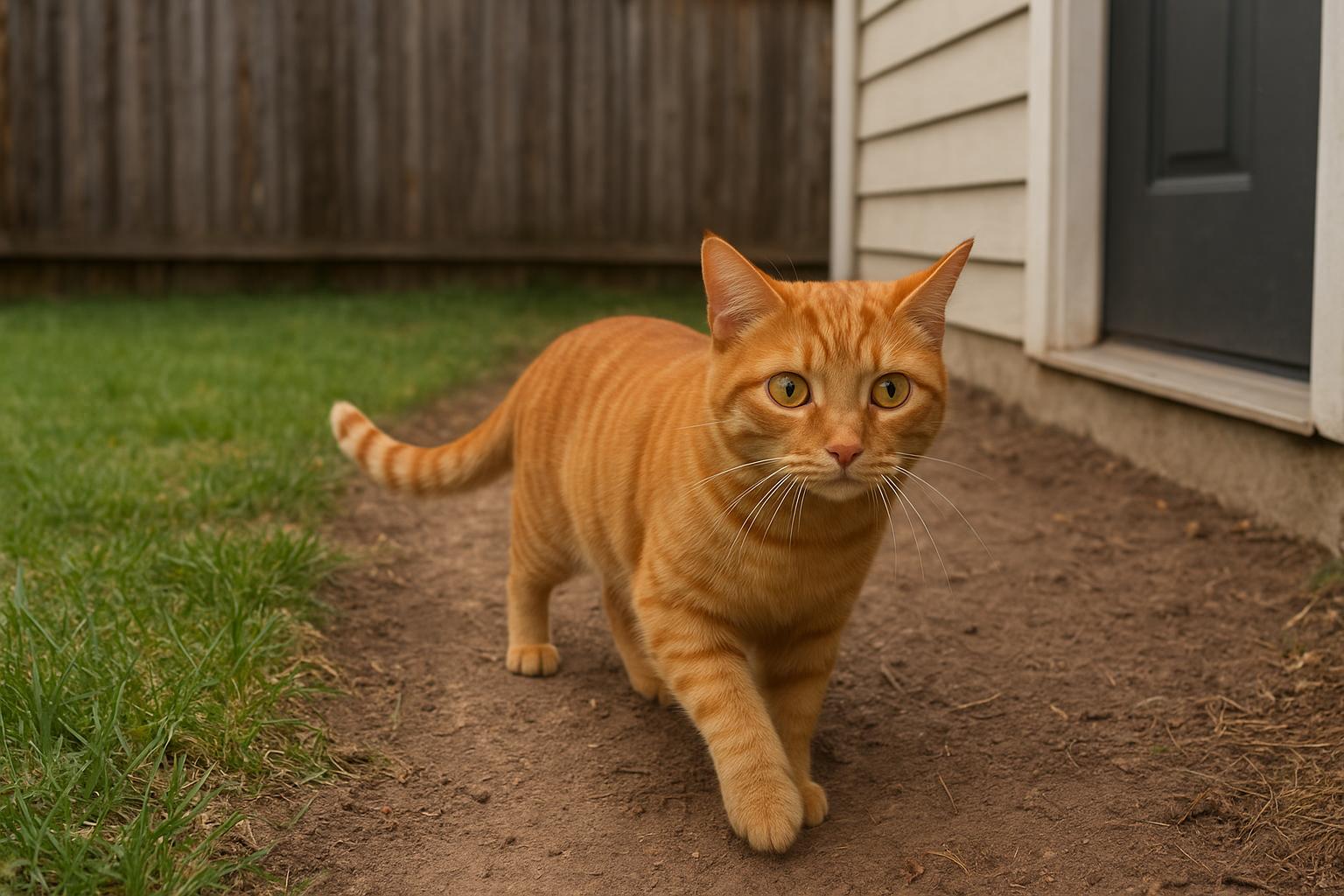
Cats that go outside meet more than grass and sunshine. Rabbits, squirrels, raccoons, and feral cats carry fleas regularly. A quick nose-to-nose interaction at the fence line or under a porch is a high-probability transfer. Garden beds and piles of leaf litter are also hotspots for waiting fleas and larvae.
If your cat likes to hunt, that’s another common route. Prey animals can host fleas. Catching or even sniffing a small mammal can result in a few fleas jumping onto your cat.
### Inside The House: Where Fleas Hide
Fleas thrive in warm, shaded, and slightly humid spots. That’s why they cluster in carpets, soft bedding, and upholstered furniture. Carpet fibers protect flea pupae and eggs while maintaining the temperature and moisture fleas prefer.
#### Carpets And Rugs
Carpeted areas near doors, sofas, and radiators are low-key flea nurseries. Vacuuming loosens eggs and larvae, but without disposal and follow-up, vacuuming alone won’t break the cycle.
#### Pet Beds And Blankets
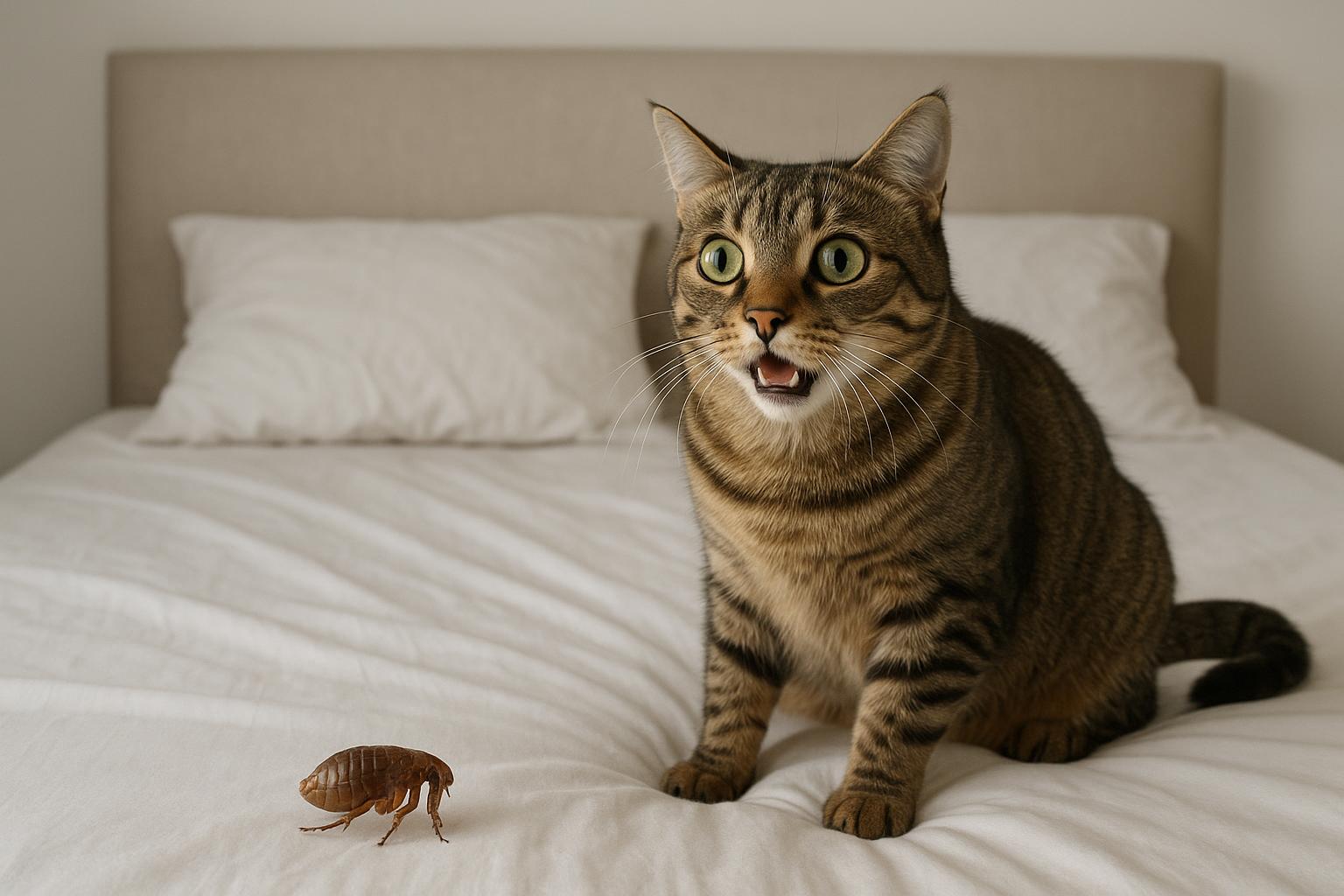
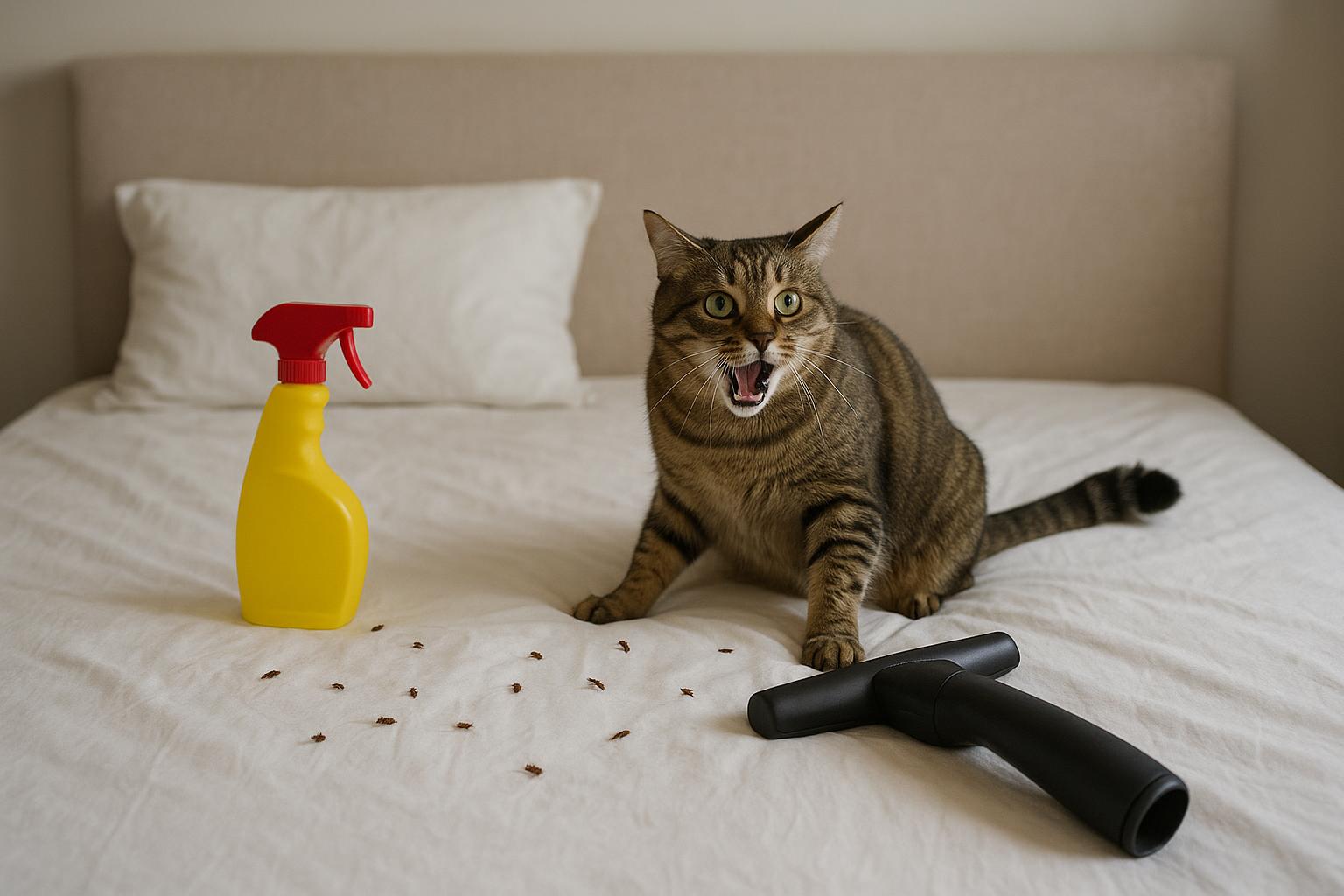
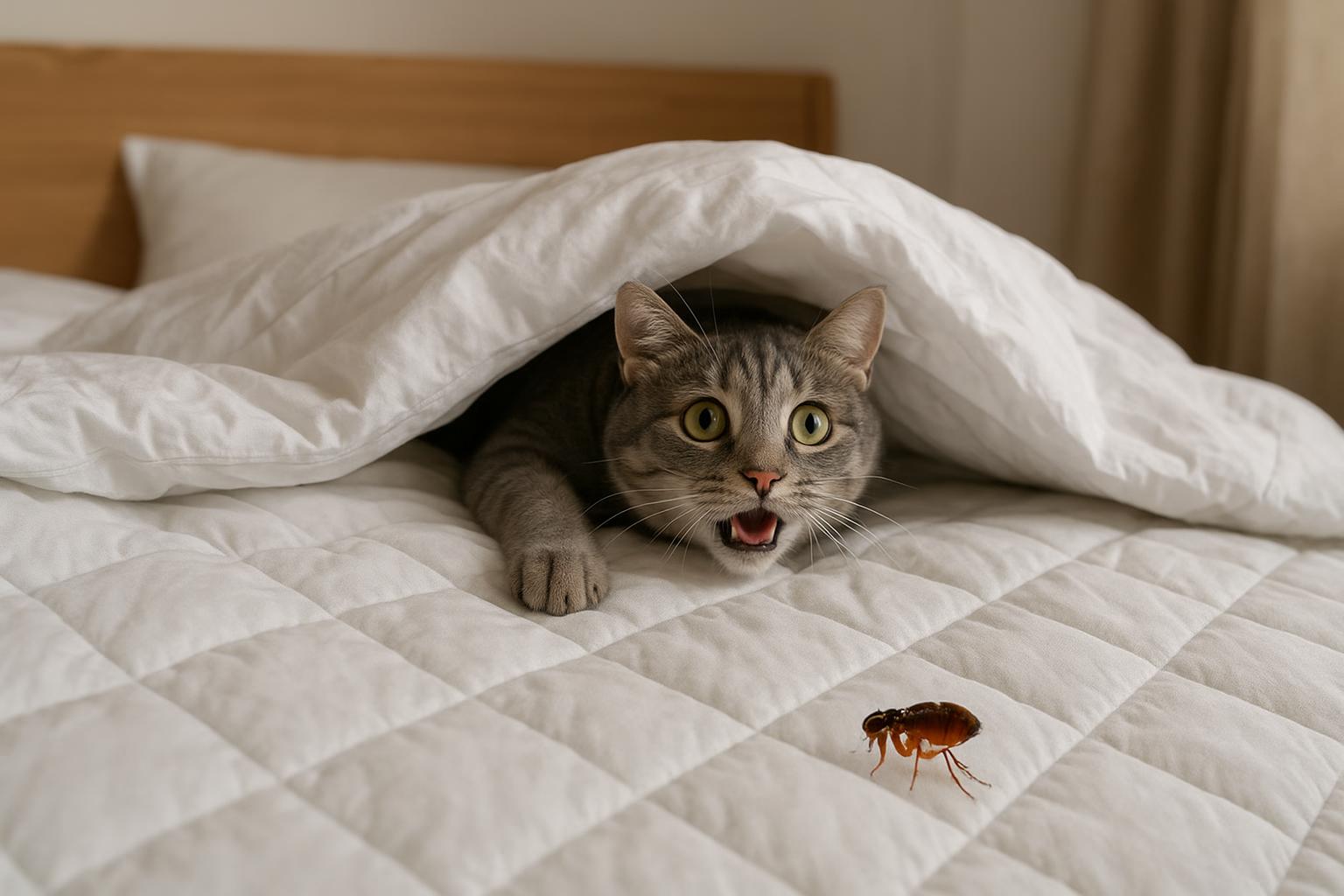
Your cat’s favorite blanket is often the hottest spot. Fleas drop eggs while they feed, and those eggs fall into the fabric. Washing bedding in hot water regularly and replacing old, worn beds helps reduce numbers.
## Everyday Habits That Invite Flea Entry
Small routines produce big risk. How cats get fleas most often comes down to a few careless-but-common habits: inconsistent preventive treatment, allowing other untreated pets indoors, and lax cleaning of areas where a cat sleeps.
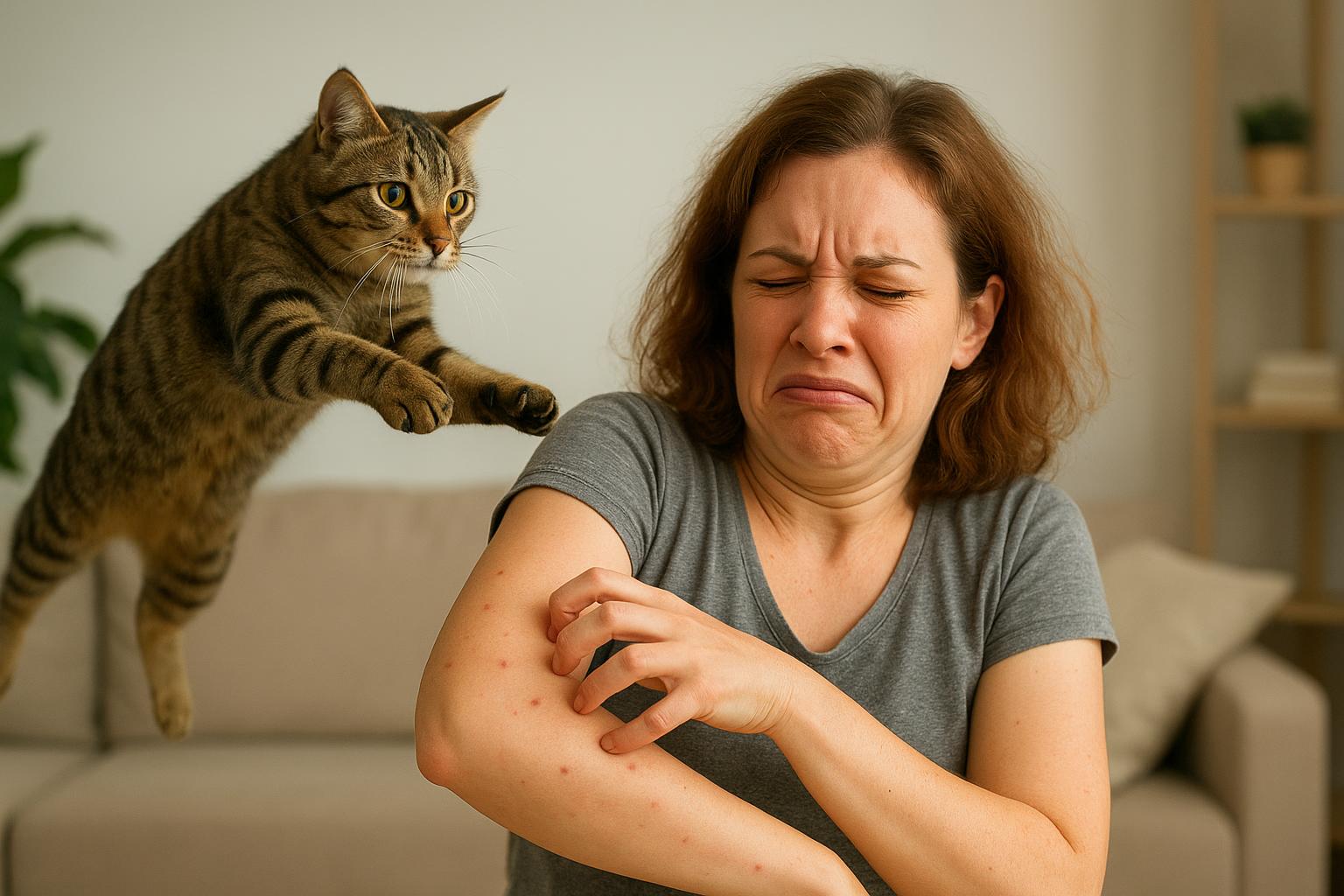
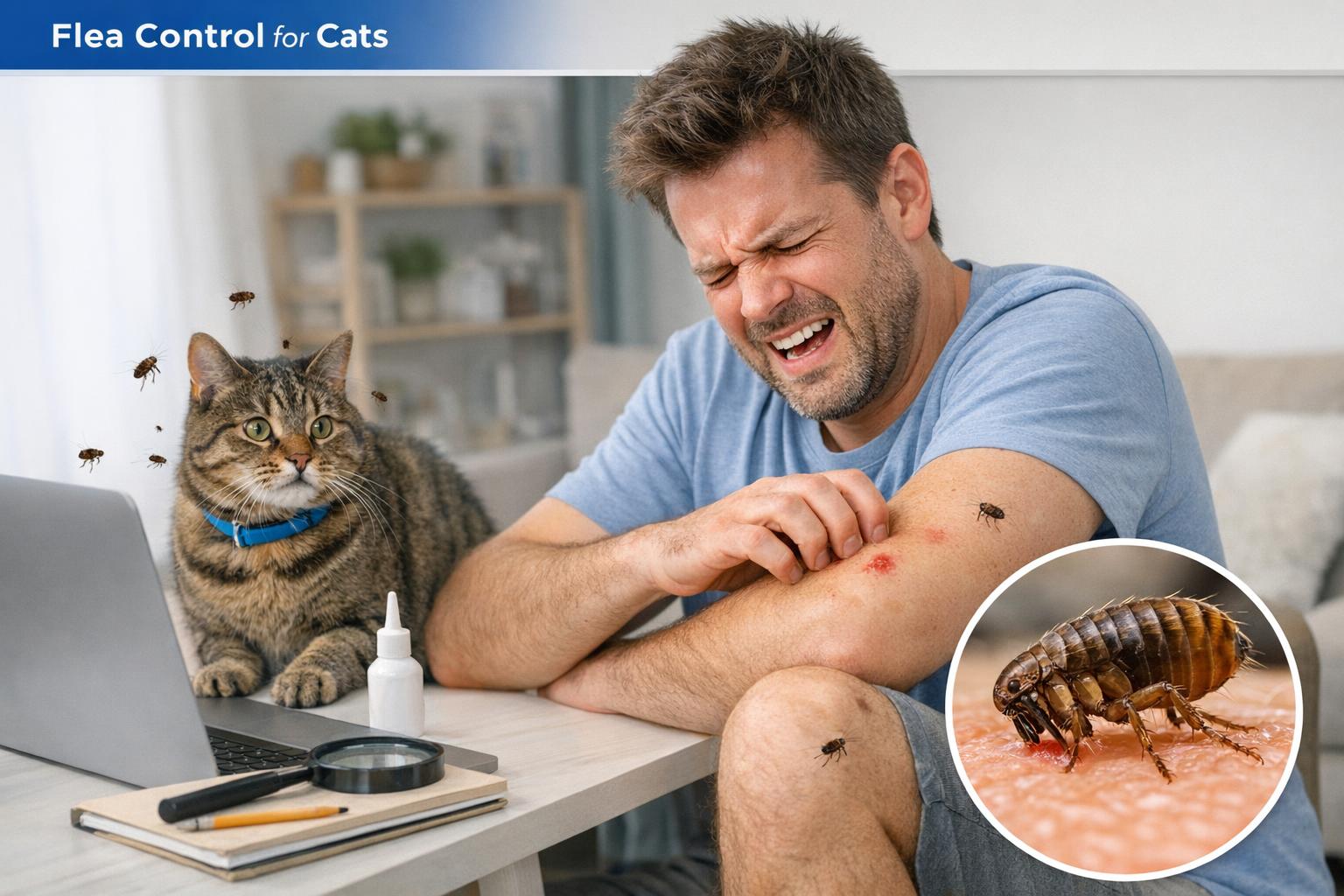
Bringing in new furniture, especially secondhand sofas or mattresses, can be another surprise vector. Flea pupae can survive off a host for months. You might not notice signs until the human household has many itchy bites and the cat starts scratching.
### Visitors And Human Transport
People move fleas too. If a friend brings a dog over, or if someone visits a home with fleas and then sits on your couch, that’s potential flea entry. Fleas on clothing or shoes can transfer to soft furnishings and then to pets. It’s not dramatic, but it’s common.
### Interacting Pets And Boarding
Multi-pet homes that mix treated animals with untreated strays increase risk. Cats boarded in kennels or left with a sitter who does not use preventive care face higher exposure. Boarding facilities can be fine, but they need diligent cleaning and consistent pest-control protocols.
#### Groomers And Vet Visits
Grooming tables and clinic exam rooms see many animals daily. A single missed cleaning can allow pet fleas to move between animals. Asking a groomer or vet about their sanitation schedule and flea protocols is worth five minutes of conversation.
## Lifecycle Clues That Explain Rapid Spread
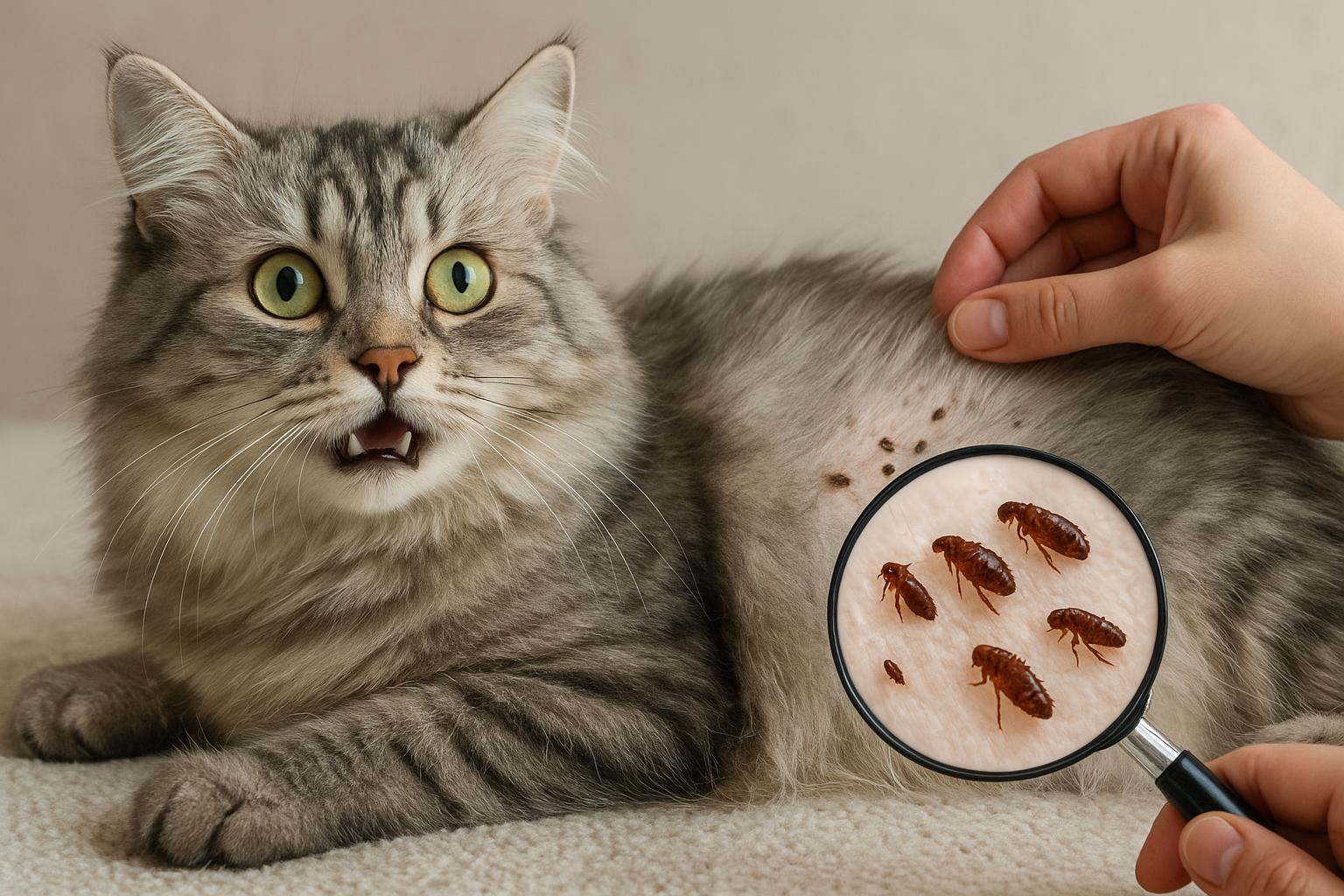
Understanding the flea lifecycle explains why small exposures escalate. Adult fleas feed and lay tiny, sticky eggs on the host. Those eggs fall into the environment, where larvae hatch and hide in cracks and fibers. Pupae form a cocoon that resists many cleaning methods. The whole process can take as little as two weeks under ideal conditions.
Because pupae can remain dormant until a host returns, an area can seem clear of fleas and then suddenly erupt after a pet spends time there. That dormancy explains why people sometimes mistook flea problems in the past: they treated the pet but not the environment.
## Common Mistakes Owners Make
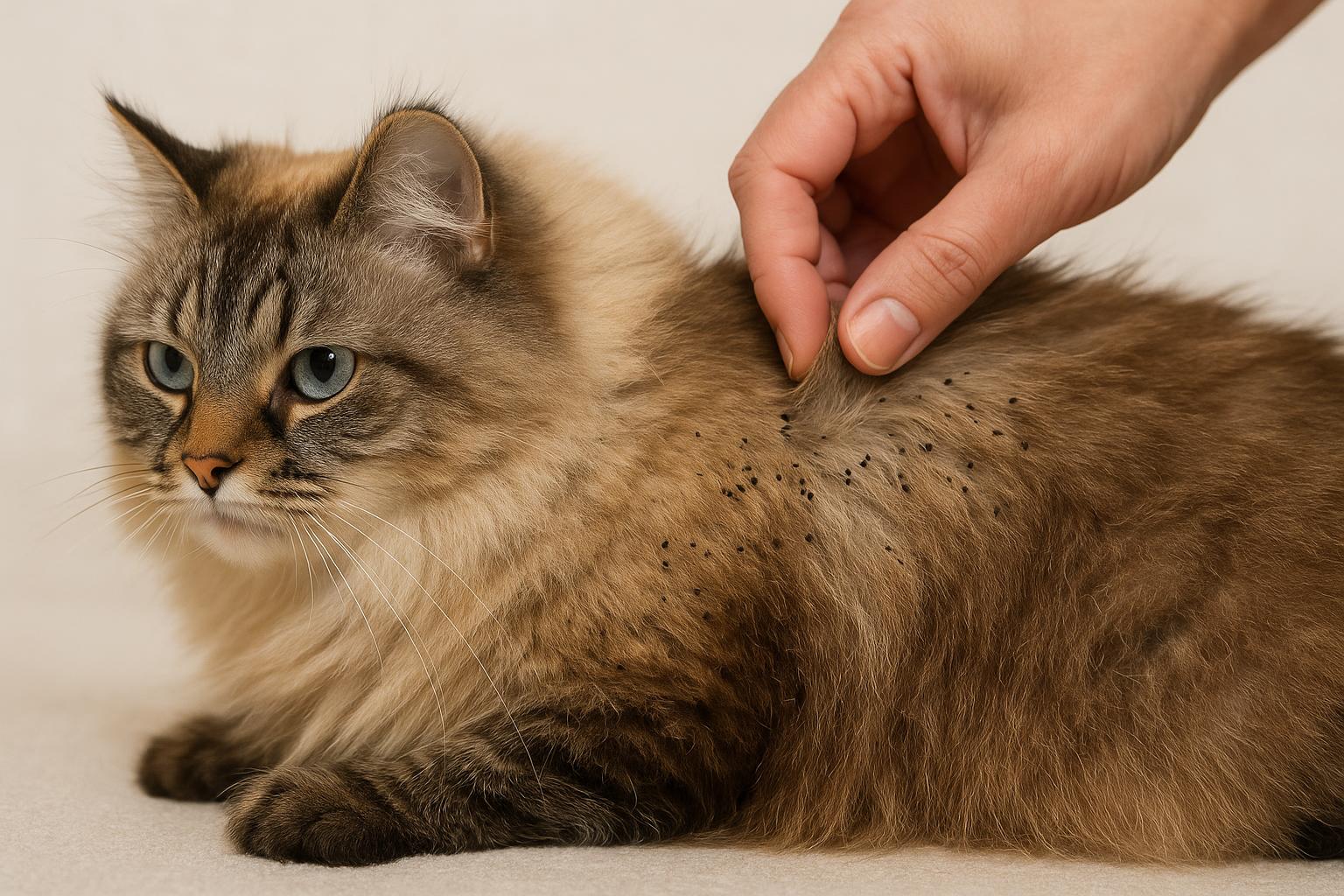
One big mistake is treating the cat only after visible fleas appear. By then, eggs have often spread through the home. Another misstep: using a product meant for dogs on a cat. That can be dangerous. Read labels and consult your vet.
Skipping regular vacuuming or infrequent washing of bedding gives flea larvae a steady supply of shelter. Neglecting other animals in the household or in regular contact with your cat—like a visiting dog or neighborhood tomcat—allows continual reintroduction.
### Relying Solely On Home Remedies
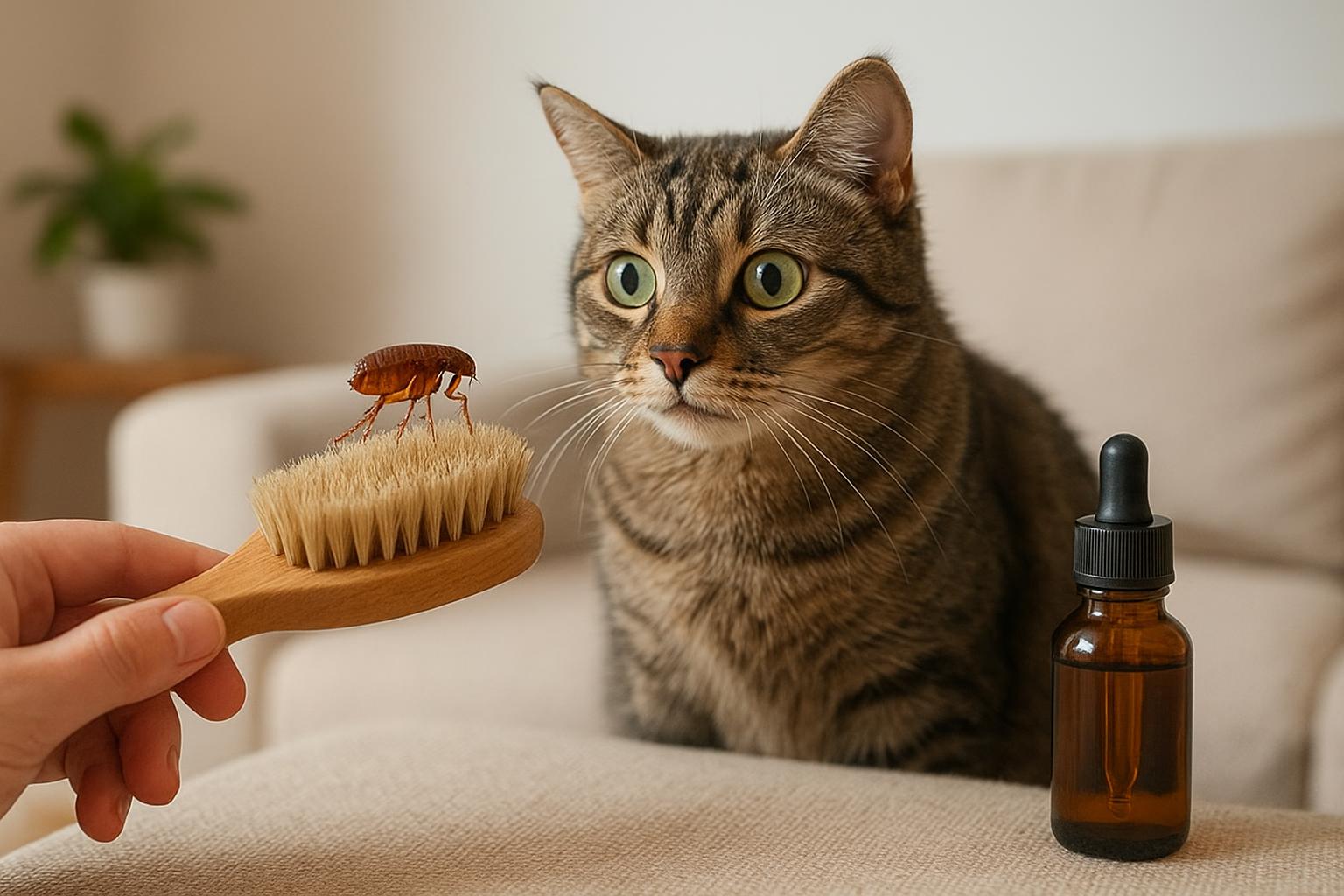
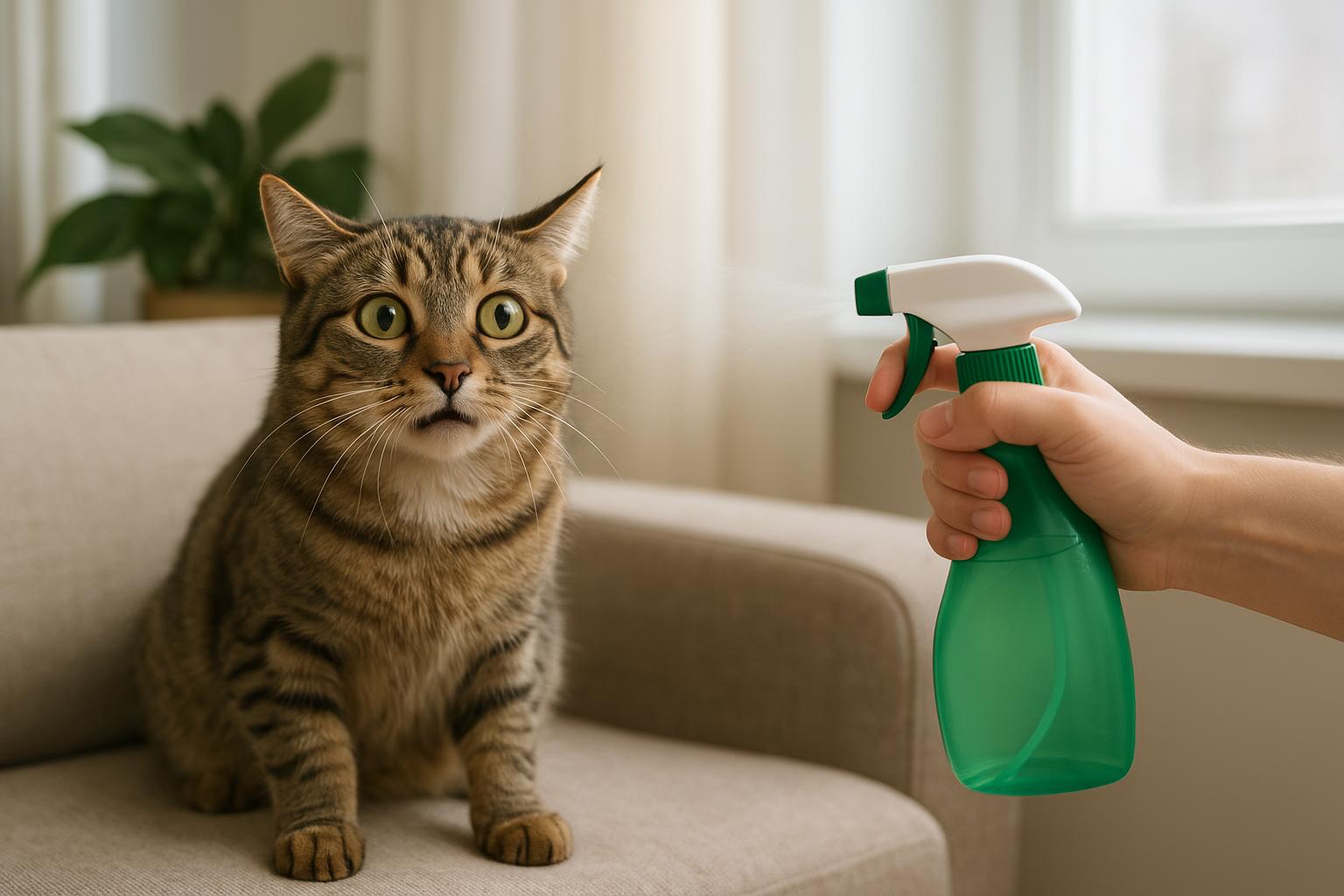
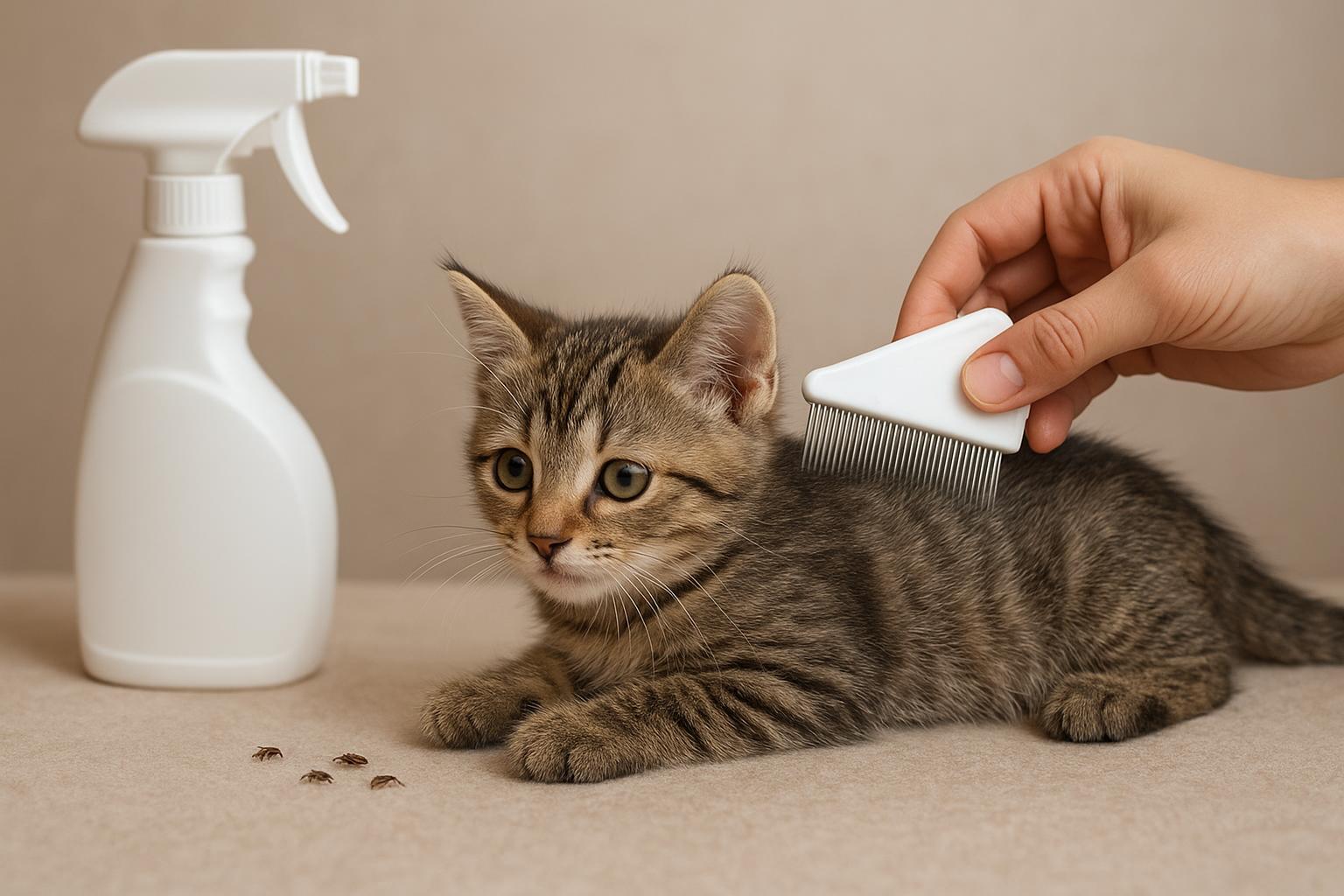
Home remedies like essential oil sprays or superficial combing won’t reliably stop an infestation. They can help with comfort, but they don’t interrupt reproduction or kill pupae. Professional-grade flea control and vet-recommended preventives are more effective.
#### Misapplied Treatments
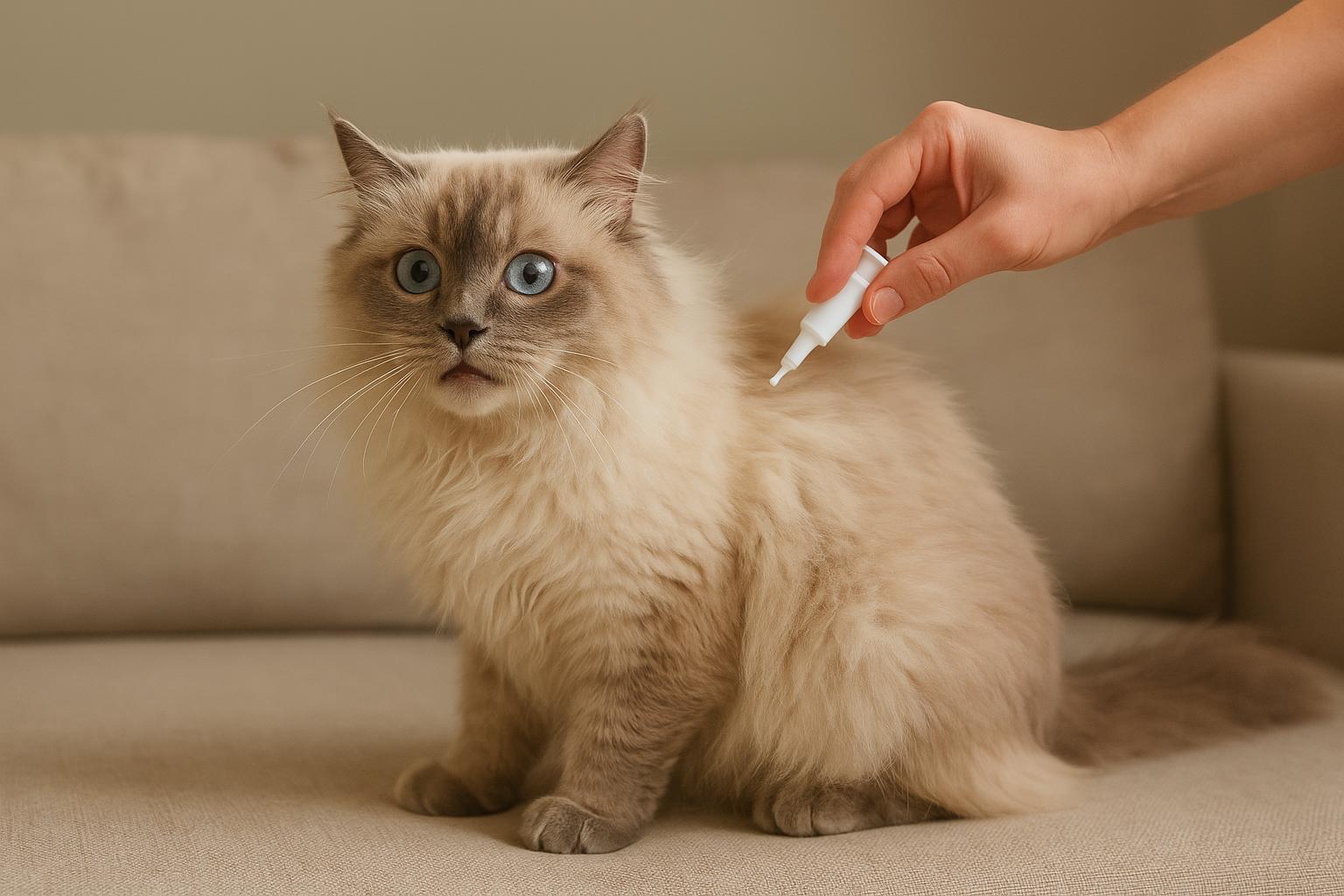
Applying spot-on treatments inconsistently or using products designed for different species creates gaps that fleas exploit. Also, if you treat only one pet in a multi-pet household, the untreated animal can act as a reservoir.
## Practical Steps To Reduce Pet Fleas
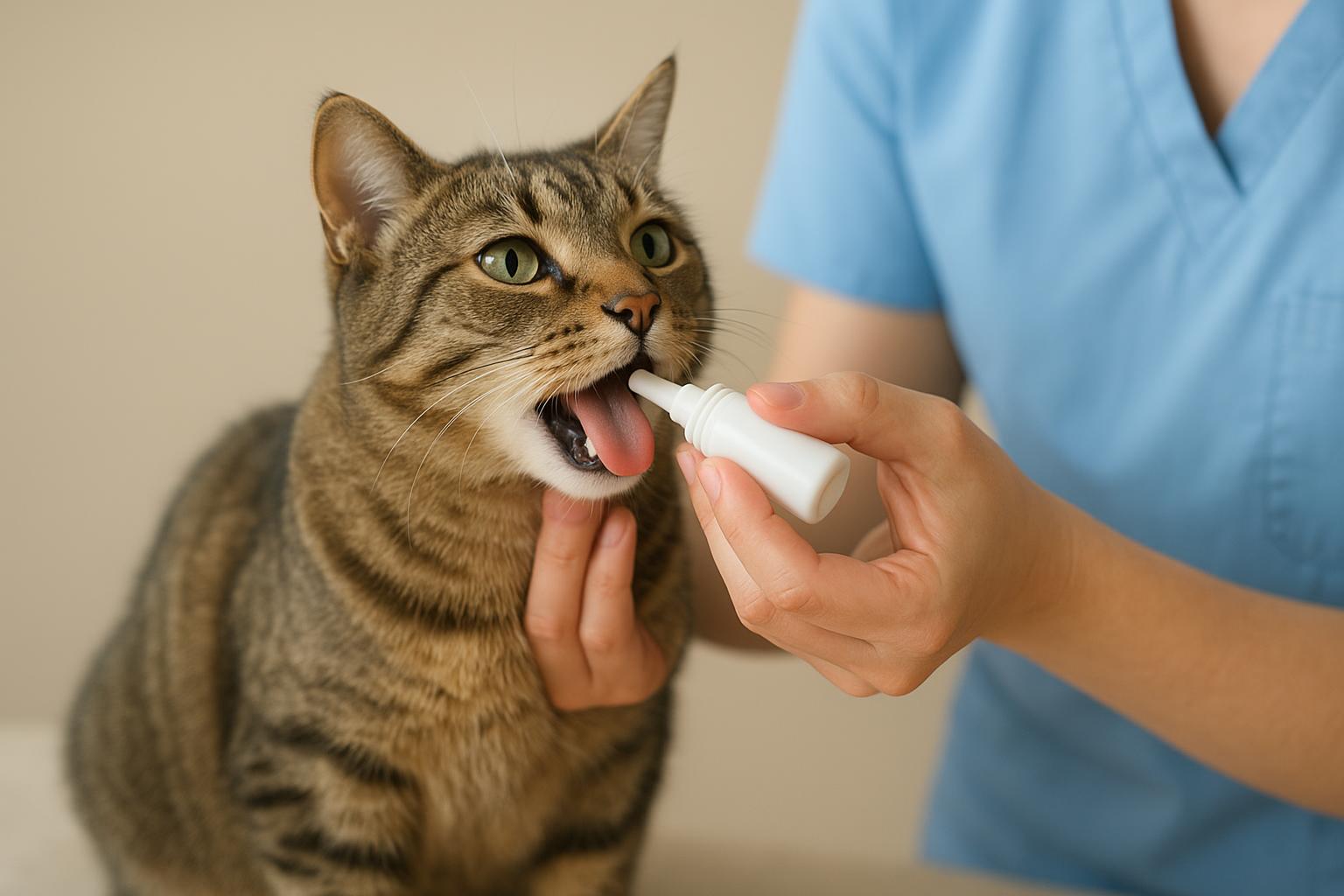
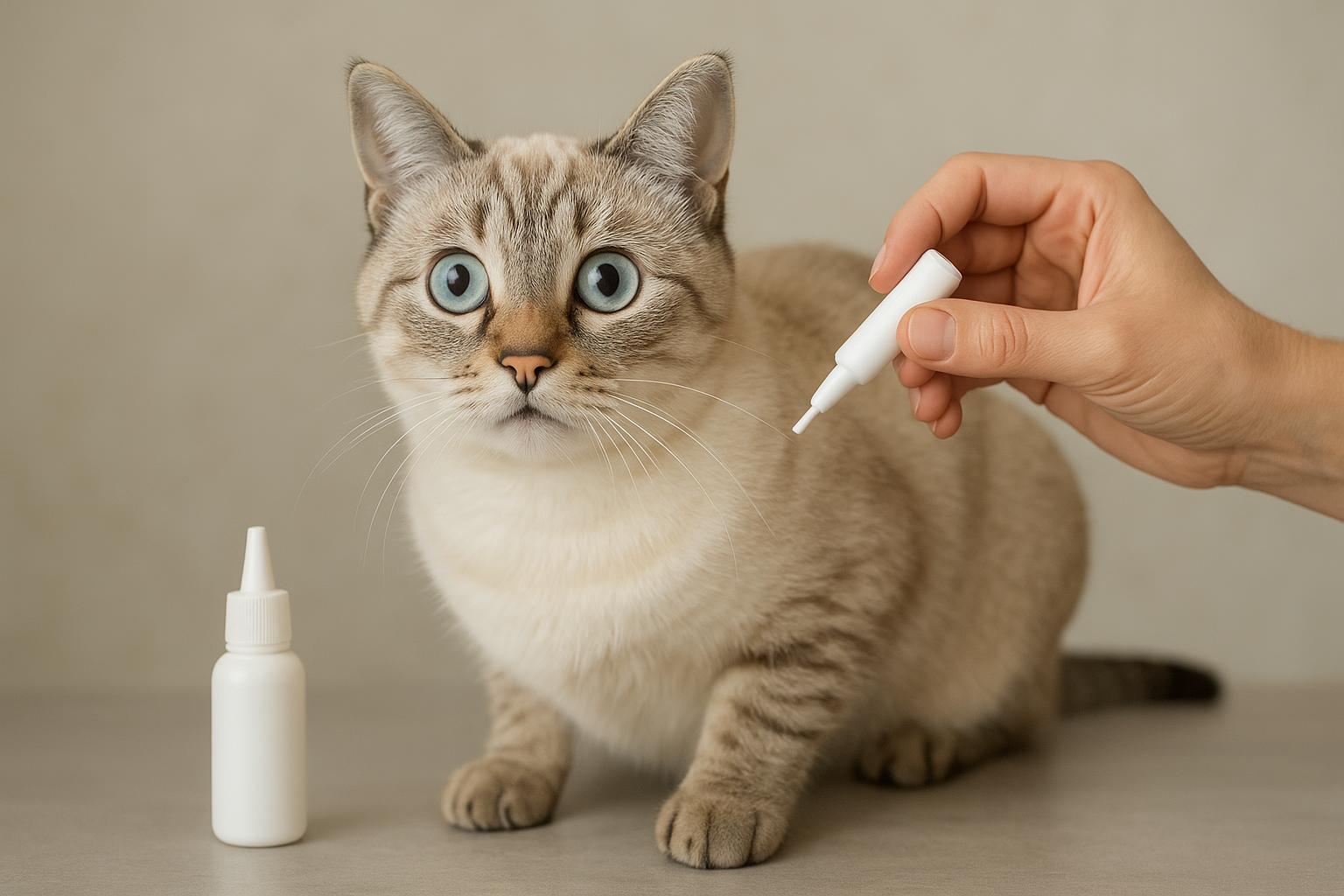
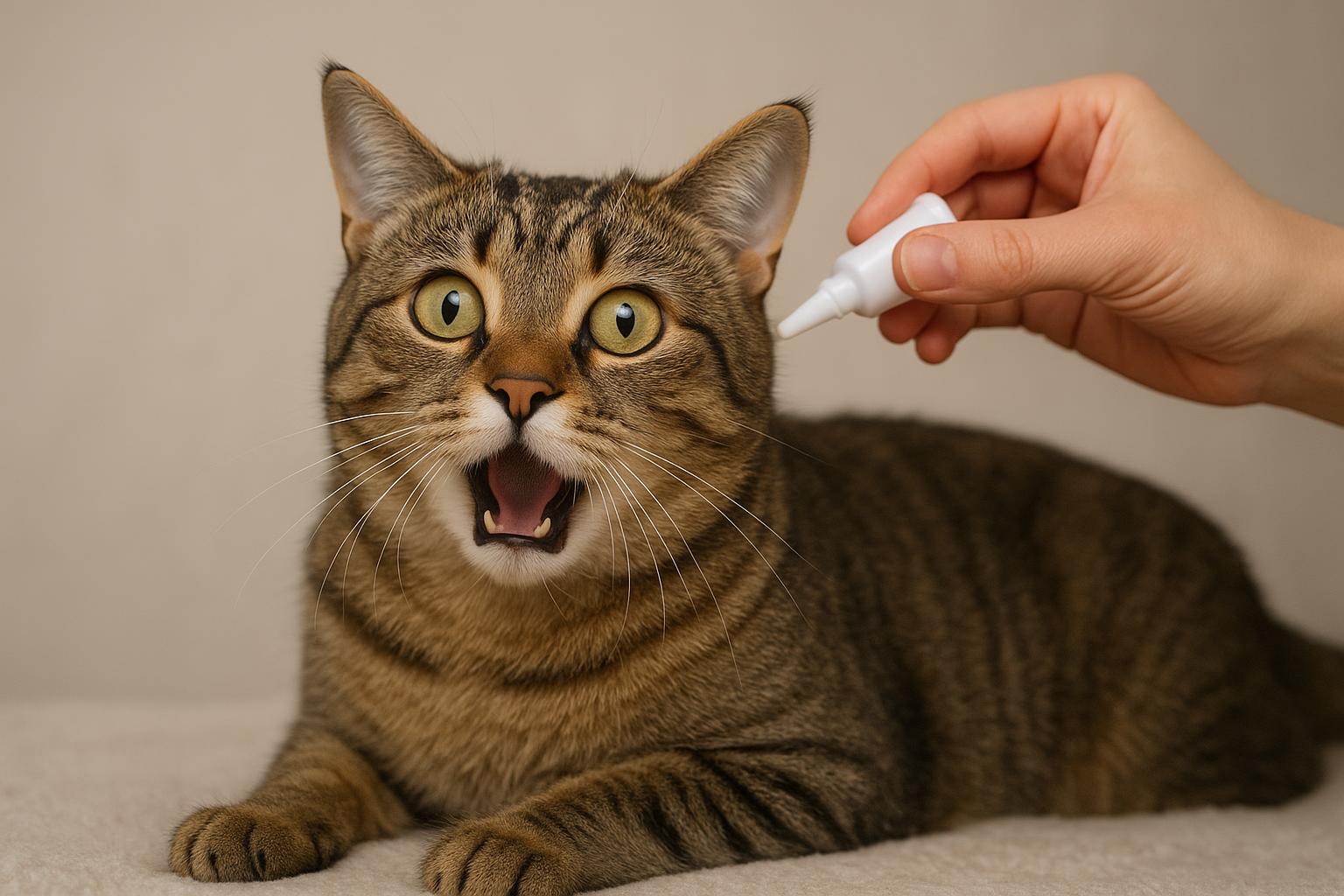
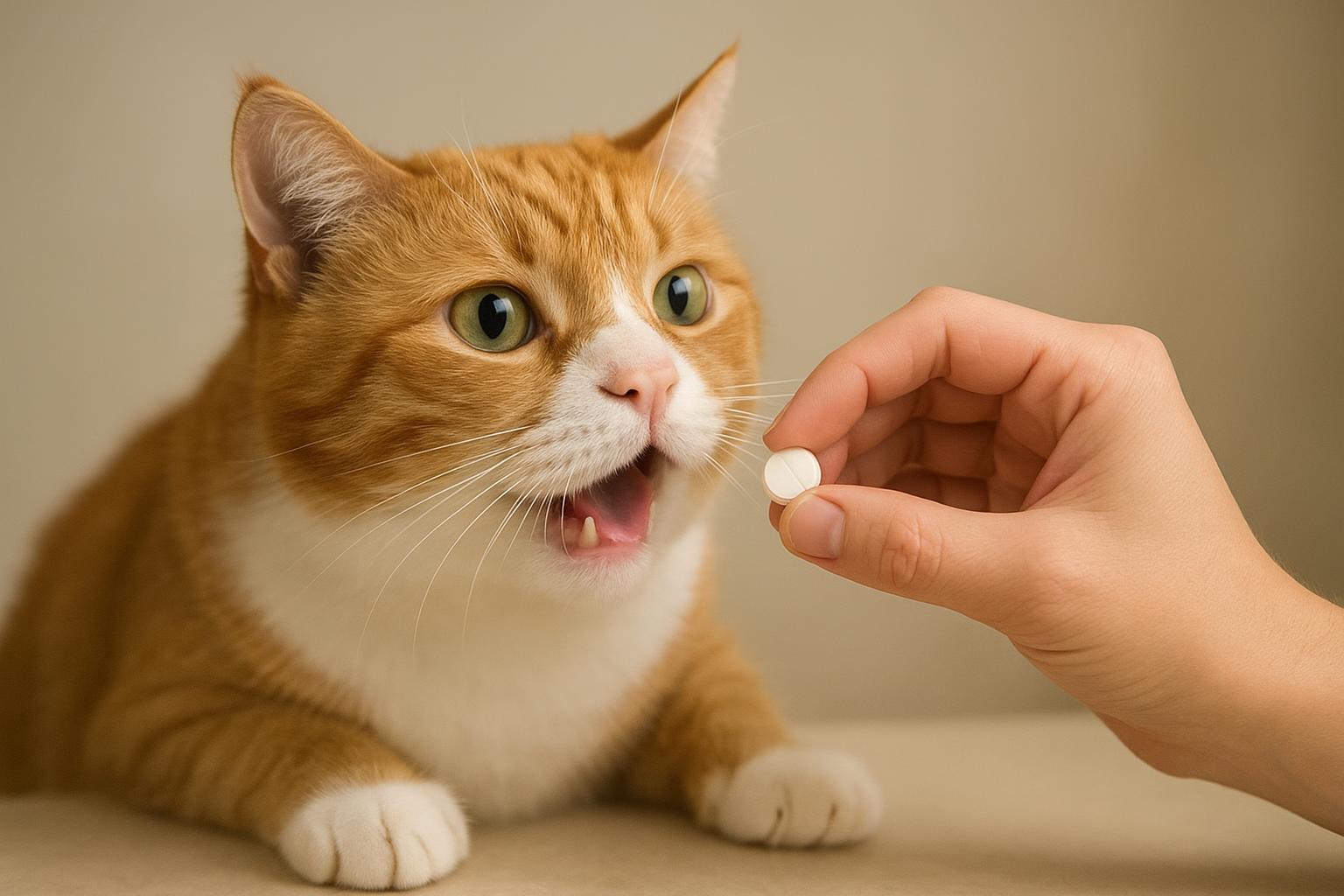
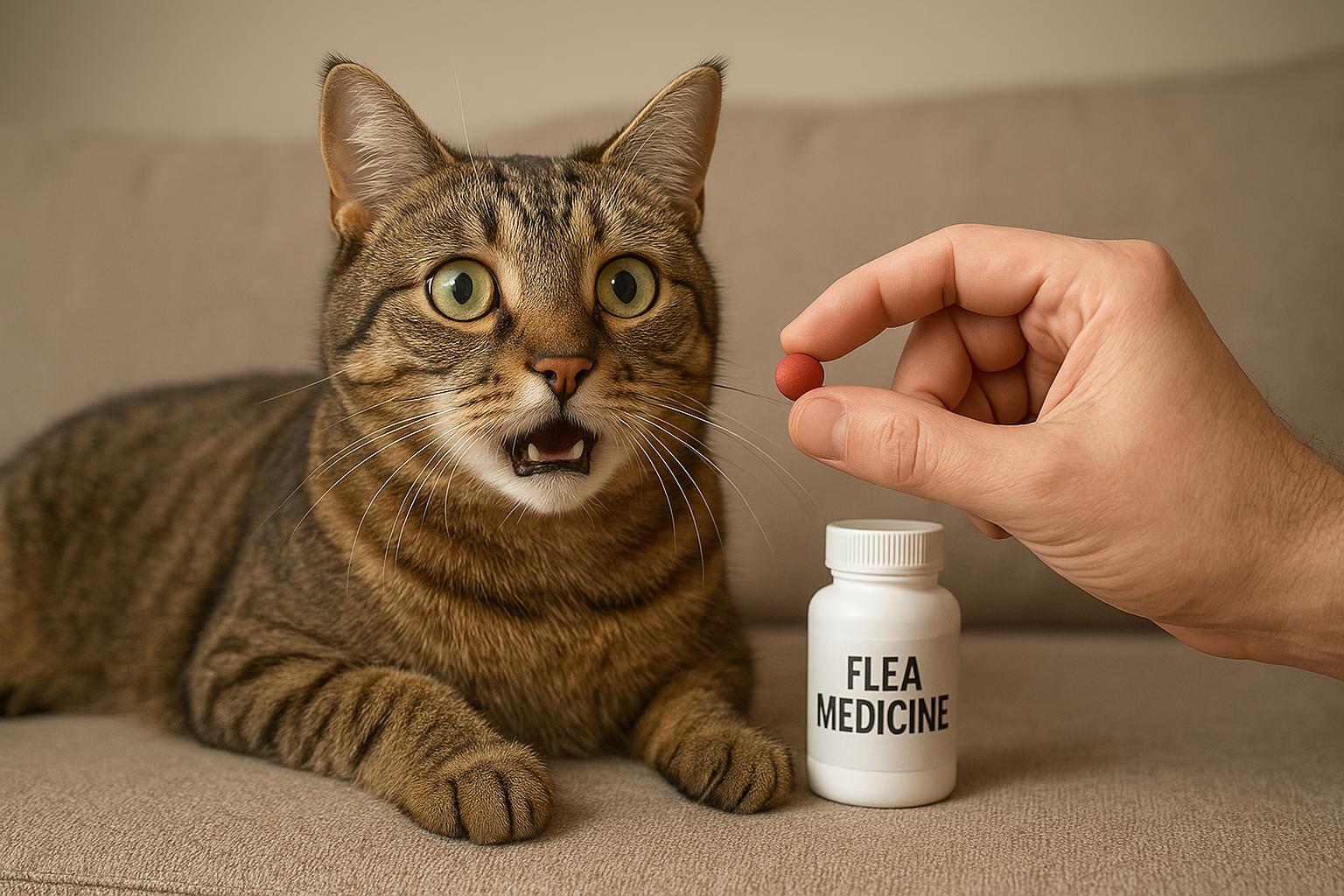
Addressing how cats get fleas means treating the pet and the environment. Start with veterinarian-approved preventive medication for every cat. Make sure the dosing schedule is kept—missed doses are opportunities for fleas to rebound.
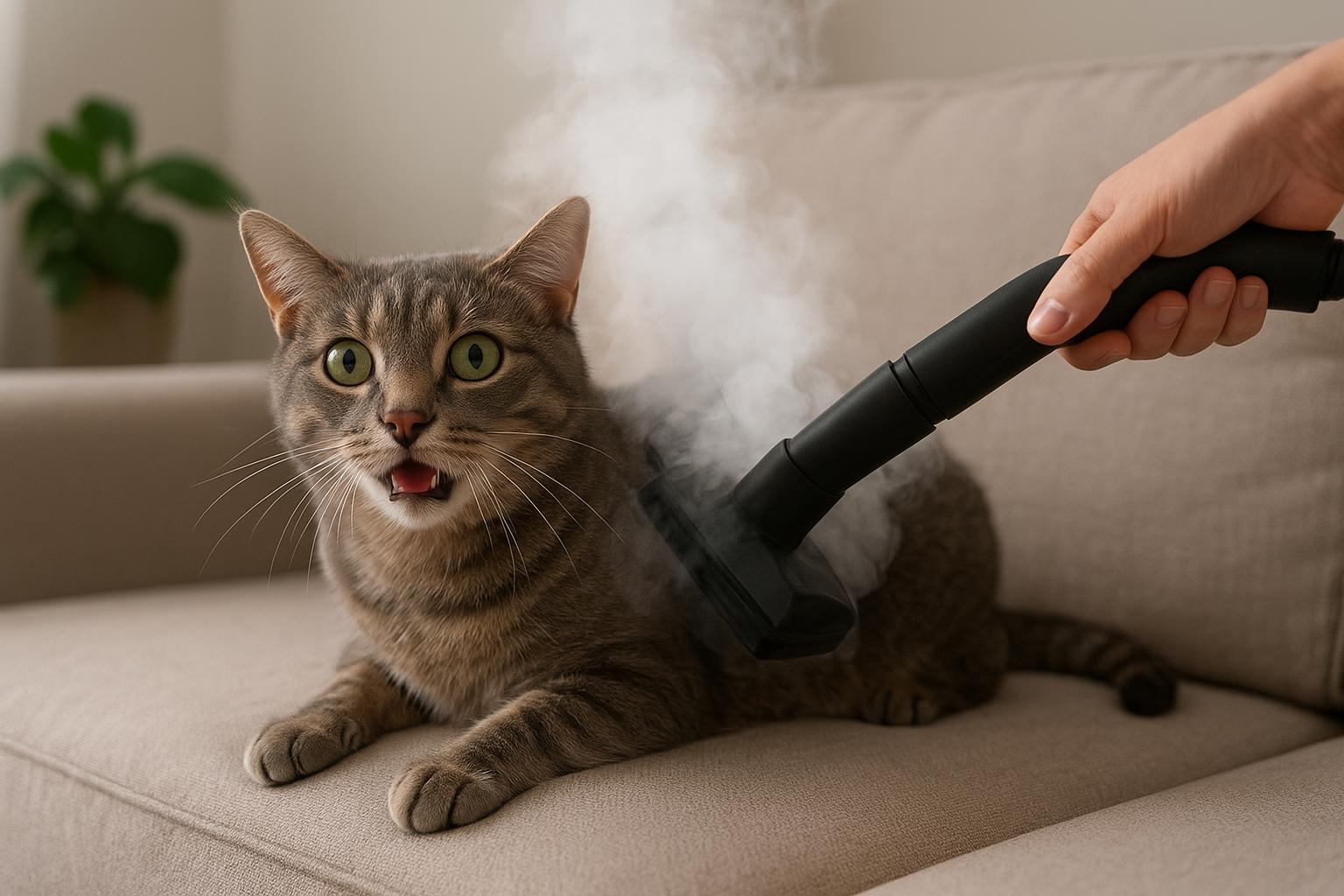
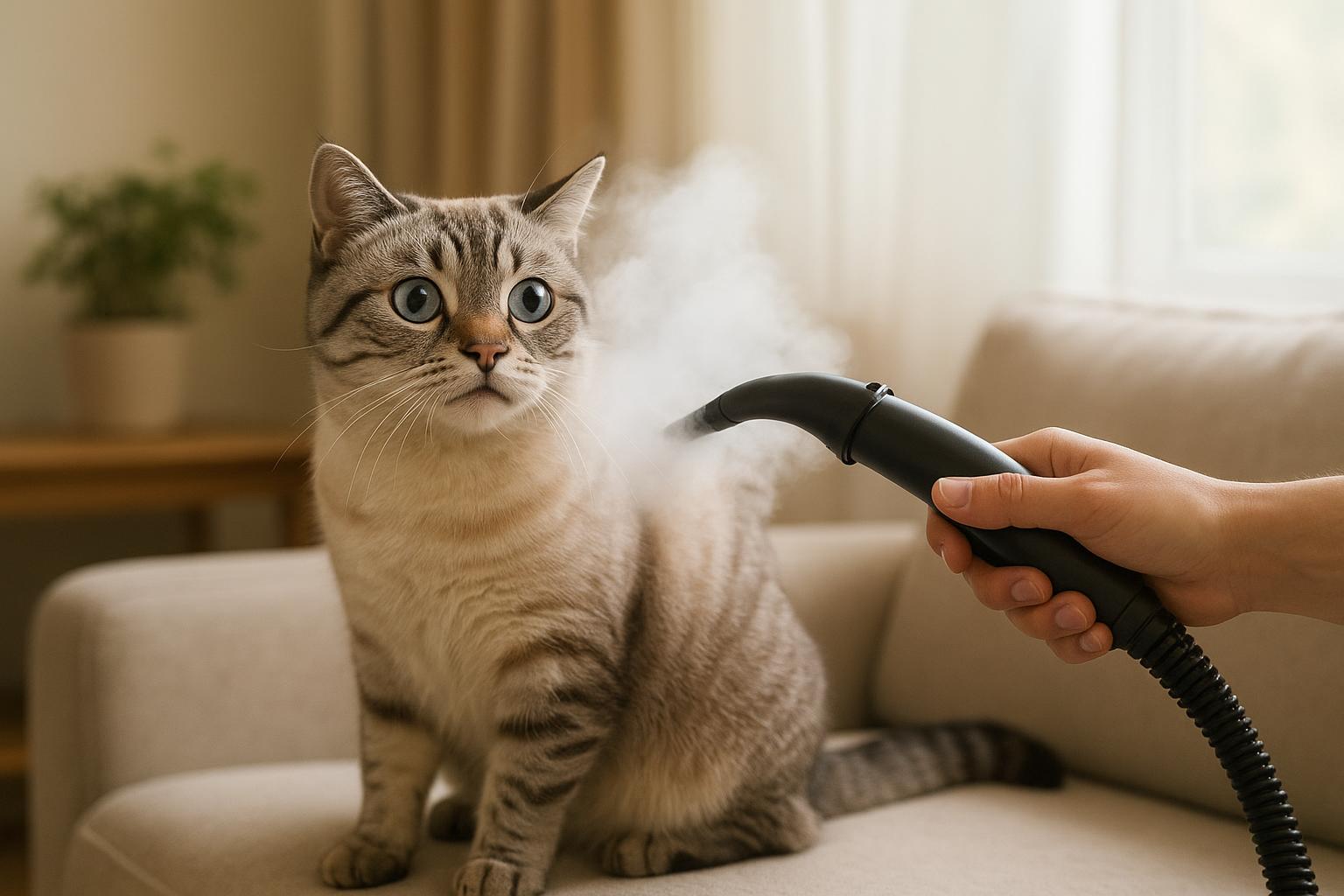
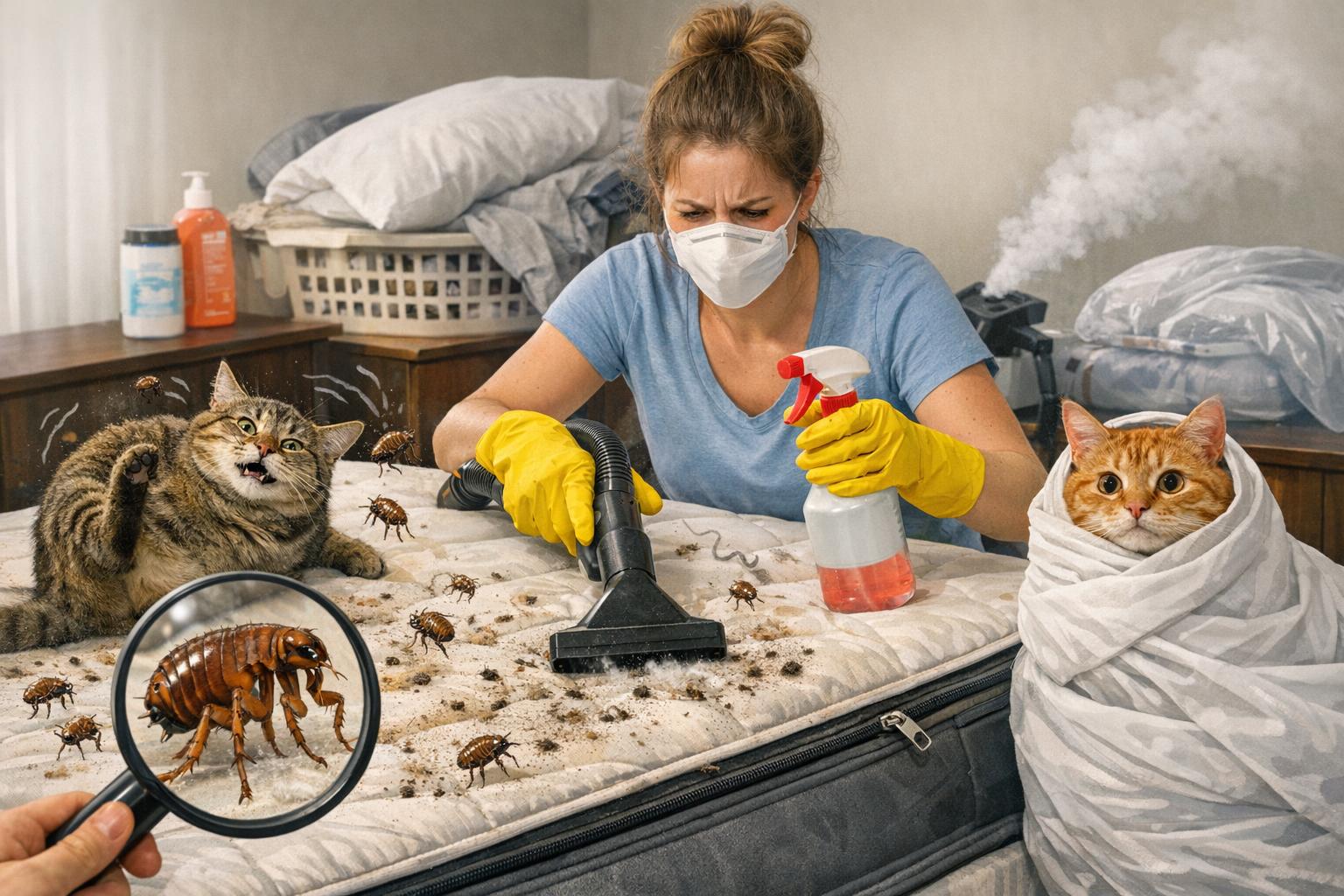
Clean the environment aggressively. Frequent vacuuming—especially along baseboards, under furniture, and around pet zones—removes eggs and larvae and stimulates pupae to emerge so they can be eliminated. Wash pet bedding and throw blankets in hot water weekly when you suspect a problem.
Limit contact during high-risk times. If local wildlife is active or neighbors’ outdoor cats are common, keep your cat indoors during dawn and dusk when fleas are more active. If your cat goes out to hunt, consider supervised outdoor time or enclosed cat runs.
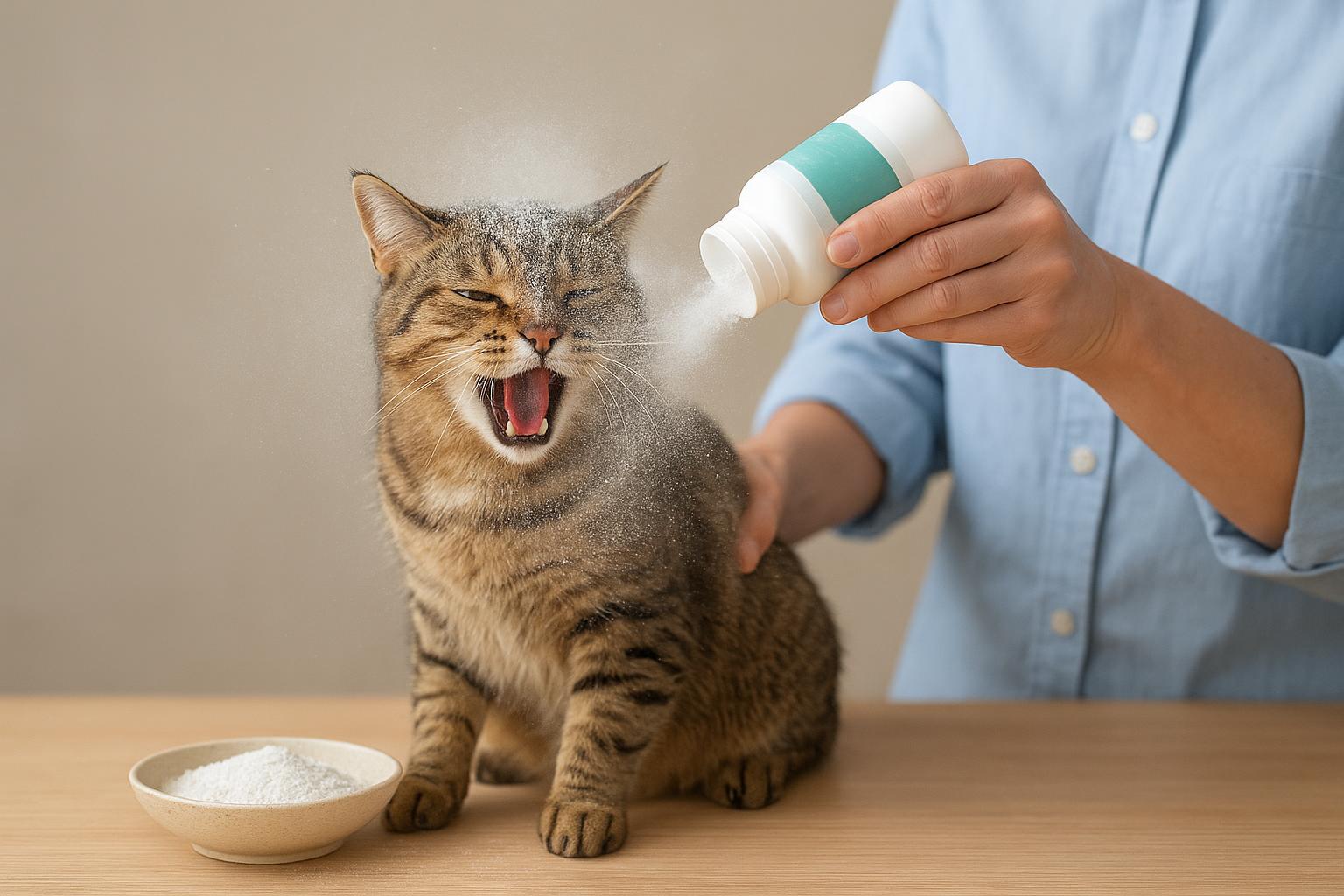
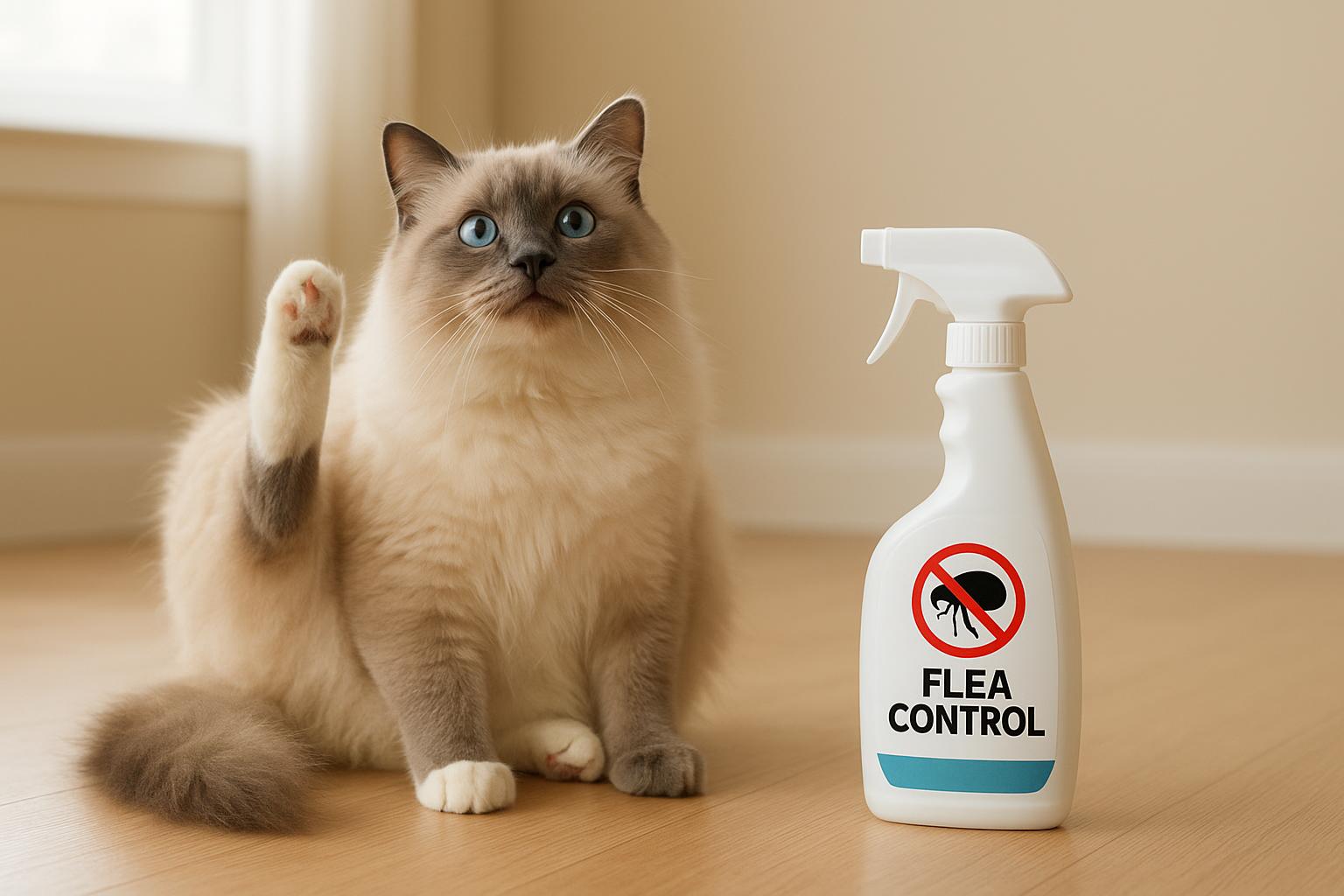
Ask your vet about integrated plans that combine topical or oral flea preventives with environmental measures. These plans tend to be far more reliable than single strategies. When treated correctly, the number of pet fleas drops fast and stays down.
## When To Call A Professional
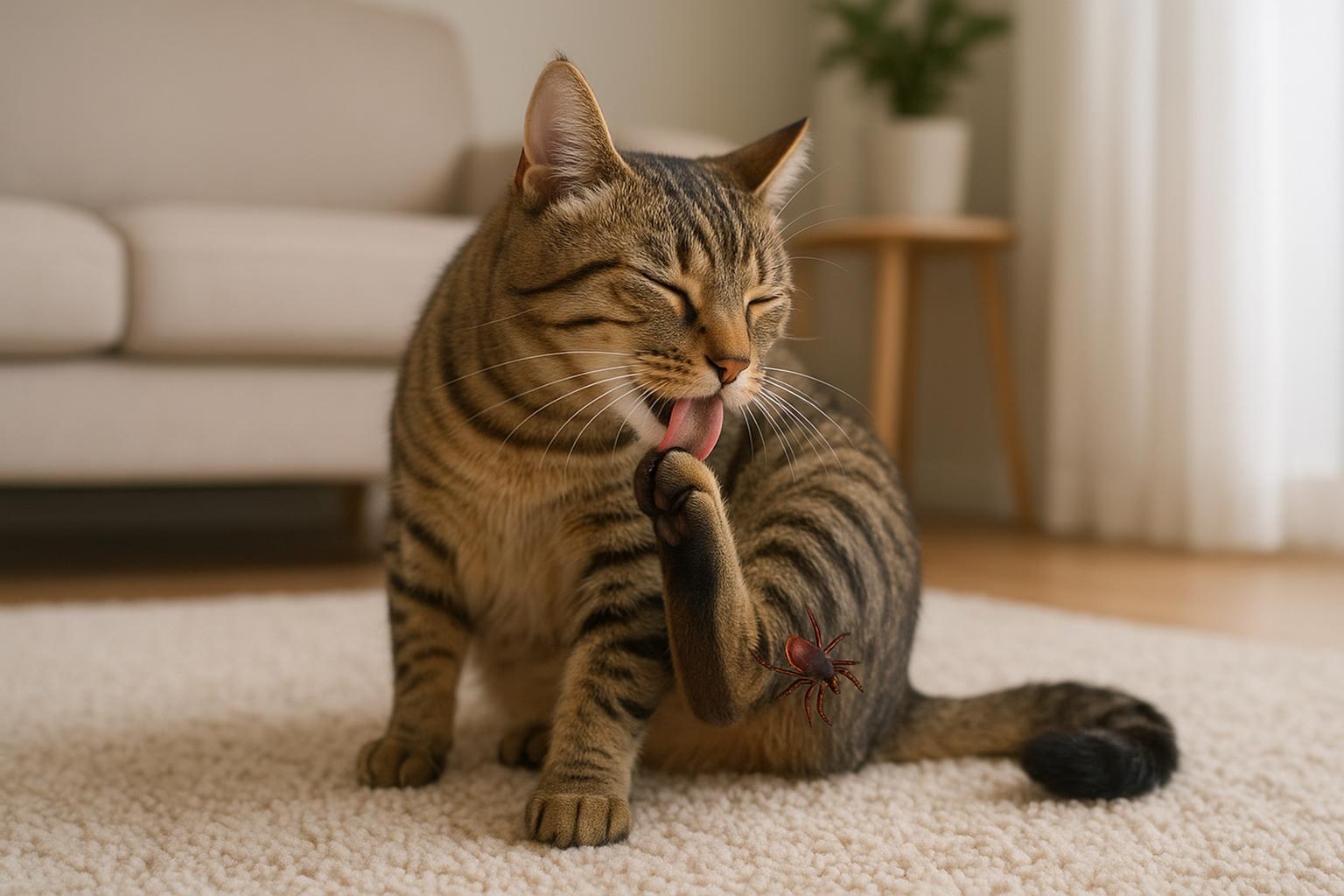
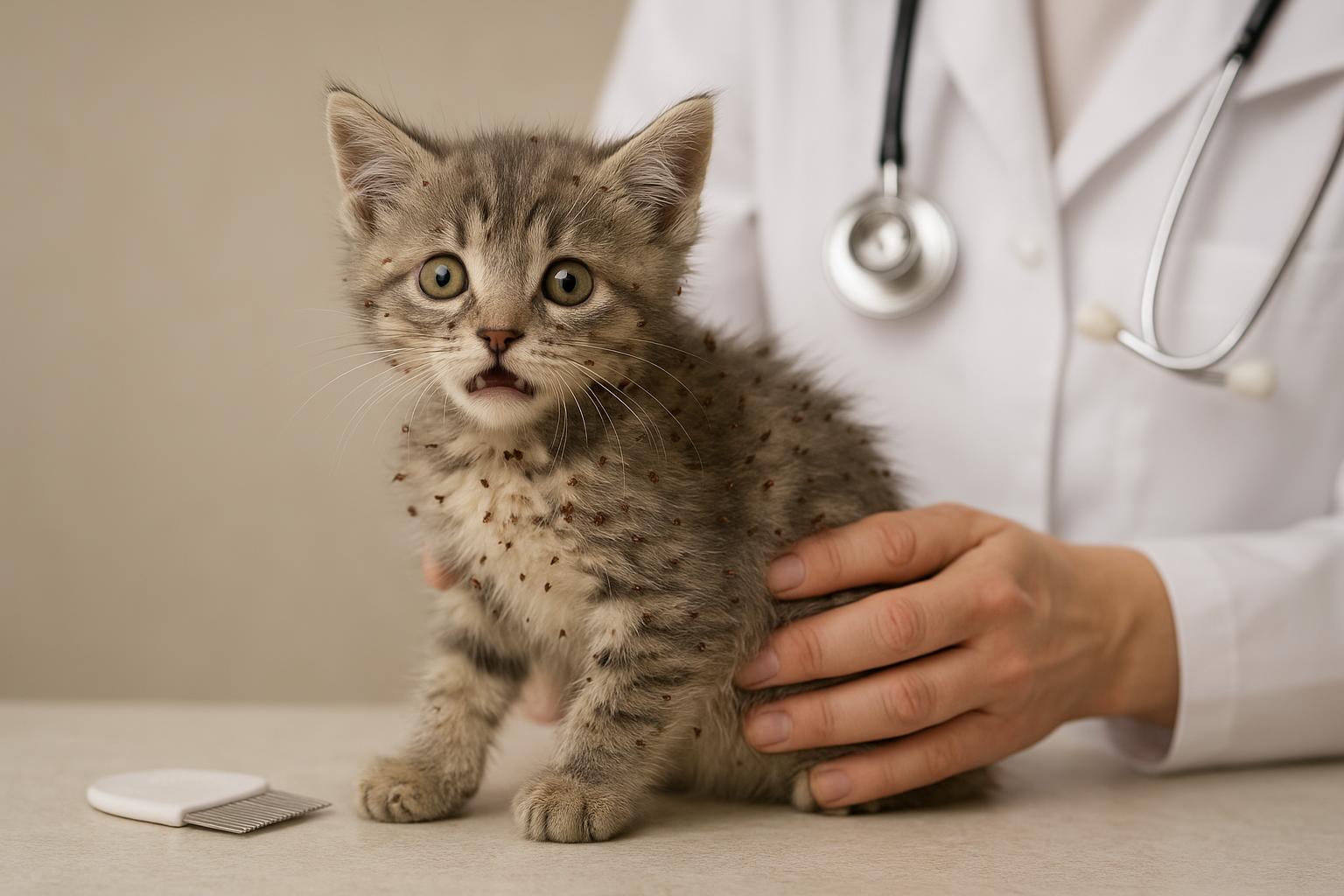
If you’ve followed steps and the problem persists, professional pest control can treat household hotspots that you can’t reliably reach—like deep carpet layers or wall voids. For heavy infestations, coordinated treatment of all animals and the living space often gets quicker results than piecemeal approaches. Also talk to your vet about any skin issues your cat develops; excessive scratching can require medical attention.
Accurate answers to how cats get fleas come from watching routines and changing the small behaviors that give fleas a foothold. It’s the ordinary things—a borrowed jacket, an open window, the backyard rabbit—that explain most infestations. Address those and the odds shift in your favor. Definately take prevention seriously, and you’ll avoid most of the trouble.













Leave a Reply