
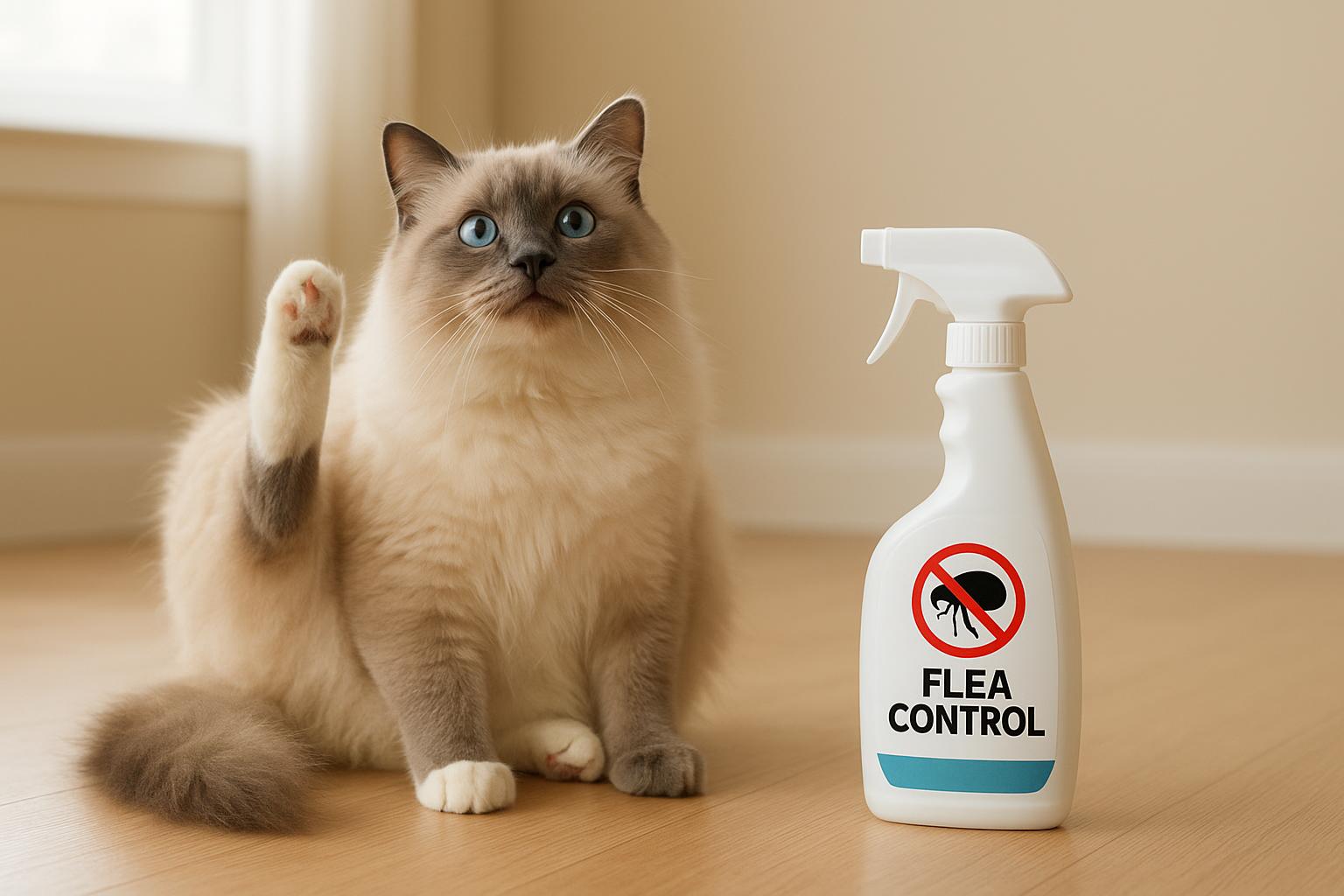
## Why Indoor Cats Still Need Flea Protection
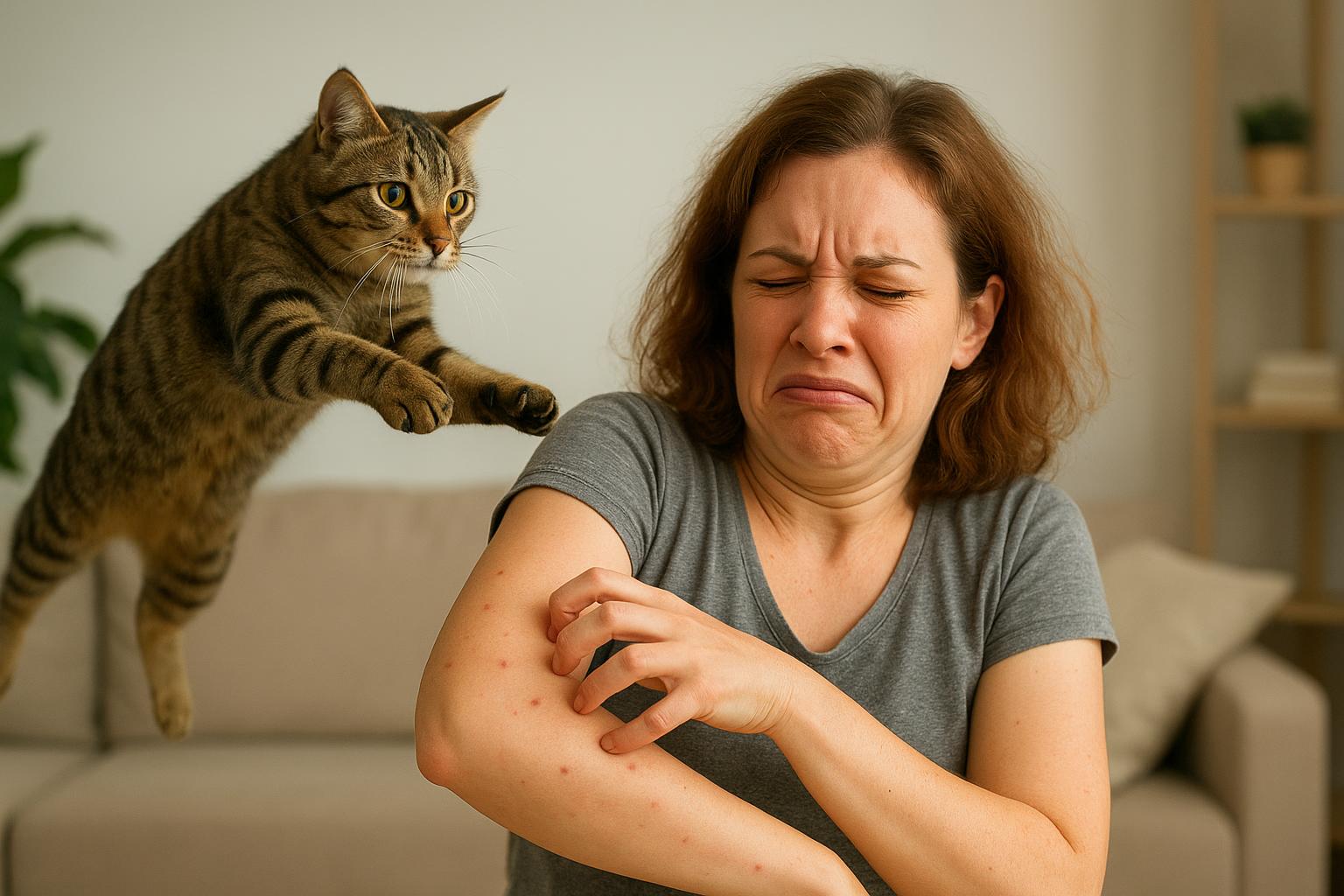
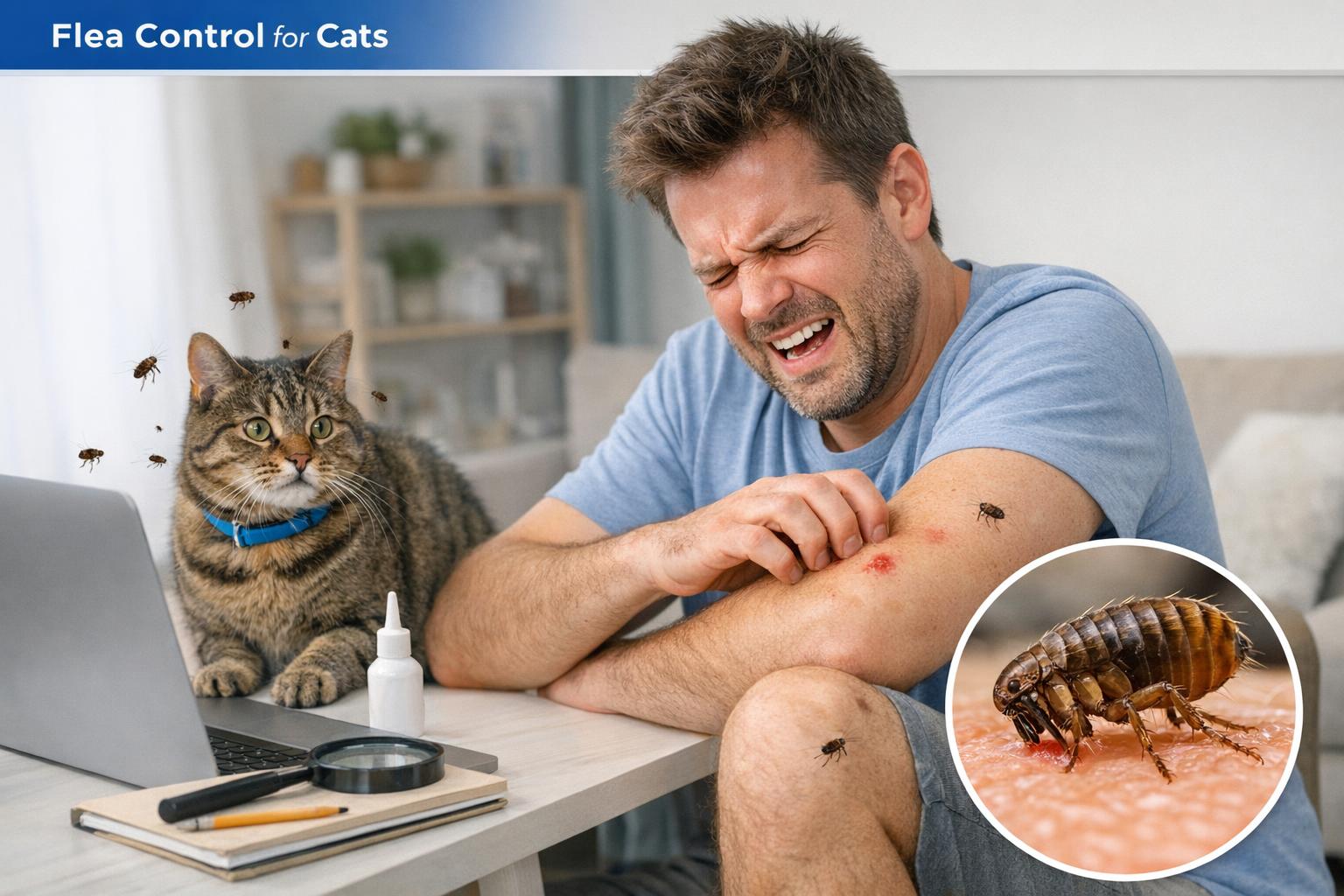
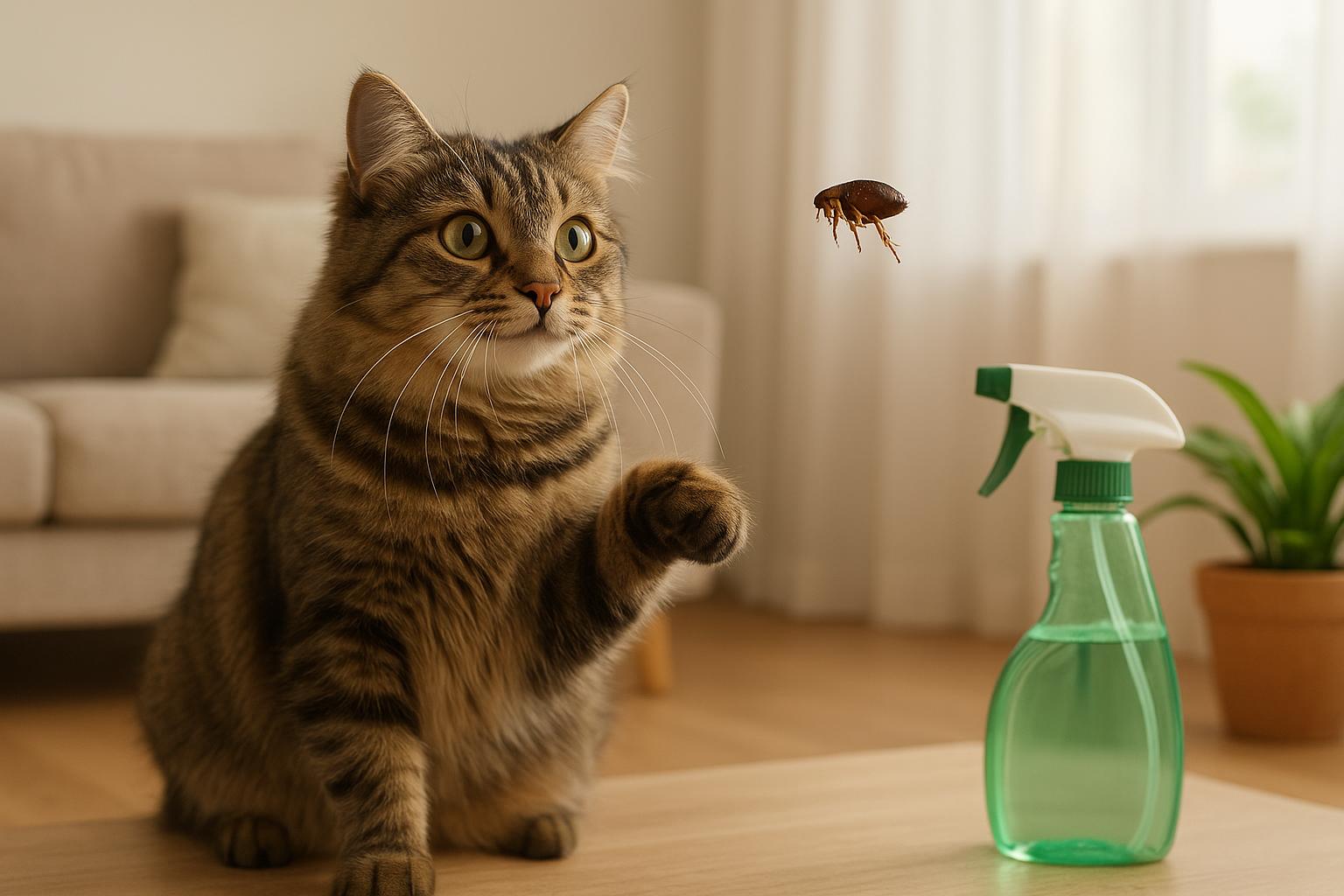
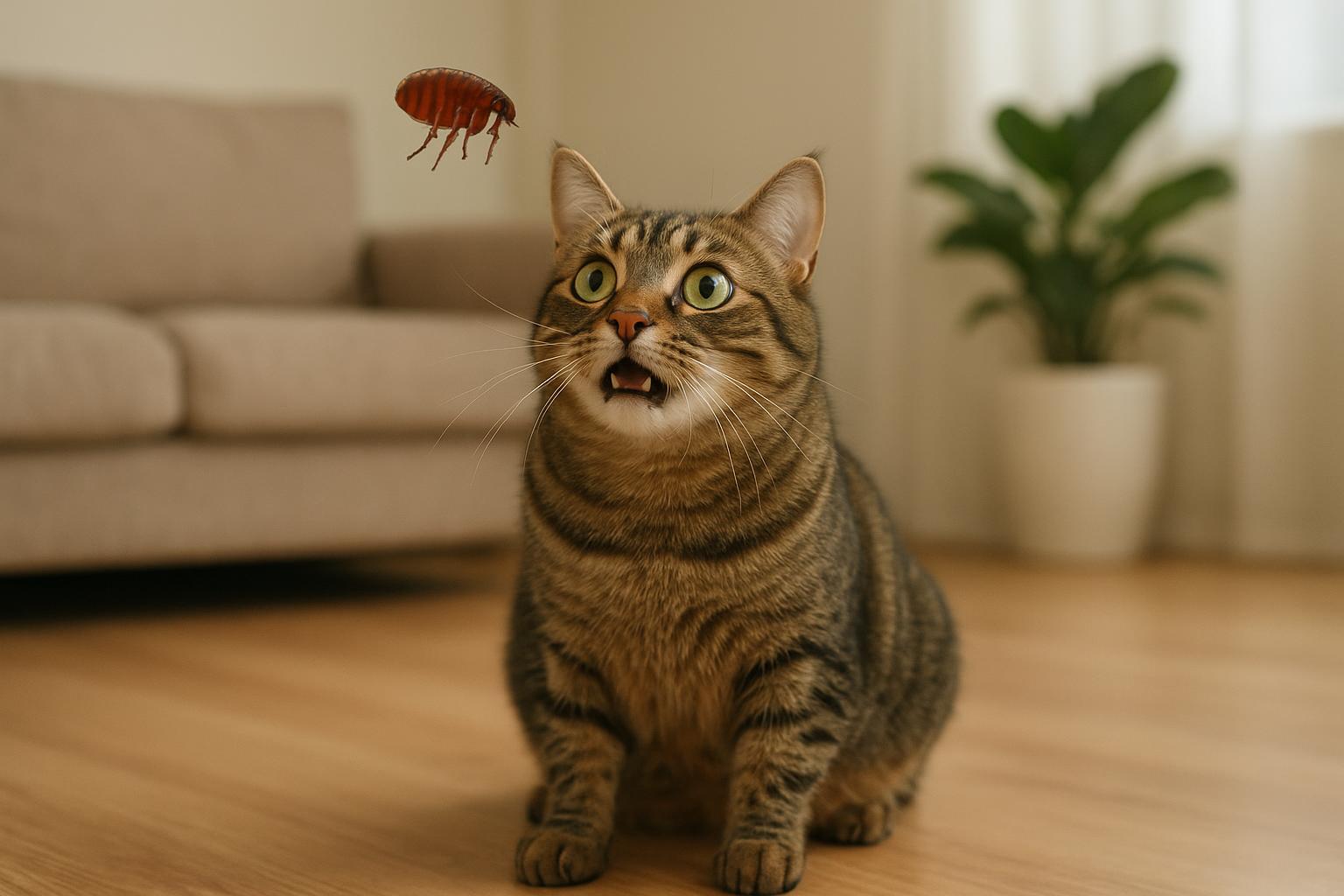
Fleas aren’t picky. Even if your cat never goes outside, a single hitchhiker on shoes, a visitor’s coat, or a wild mouse can seed an infestation. Indoor cats scratch, groom, and can lose weight or get skin infections if fleas aren’t controlled. That’s why practical cat flea tips matter even for housebound pets.
### How Fleas Enter The Home
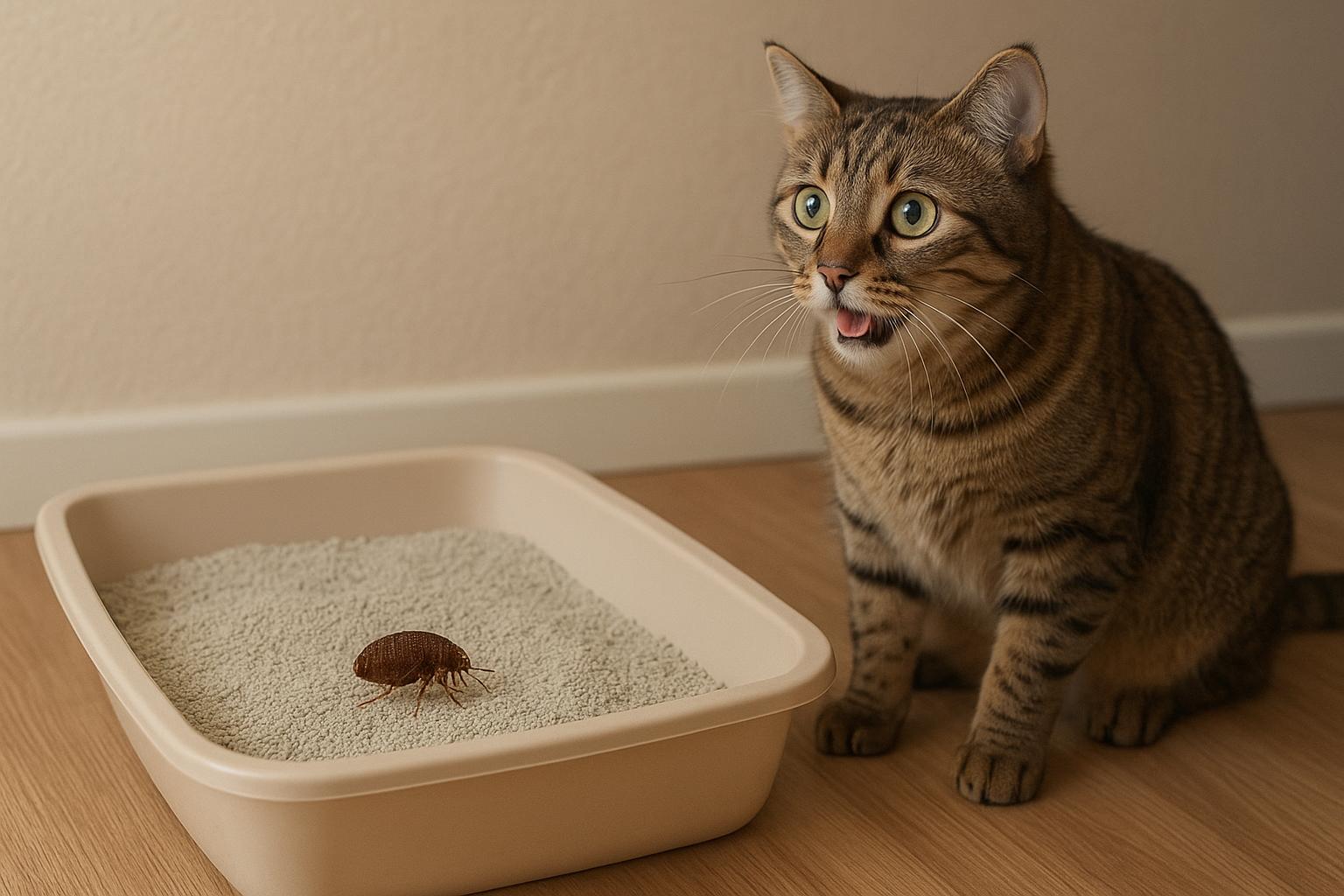
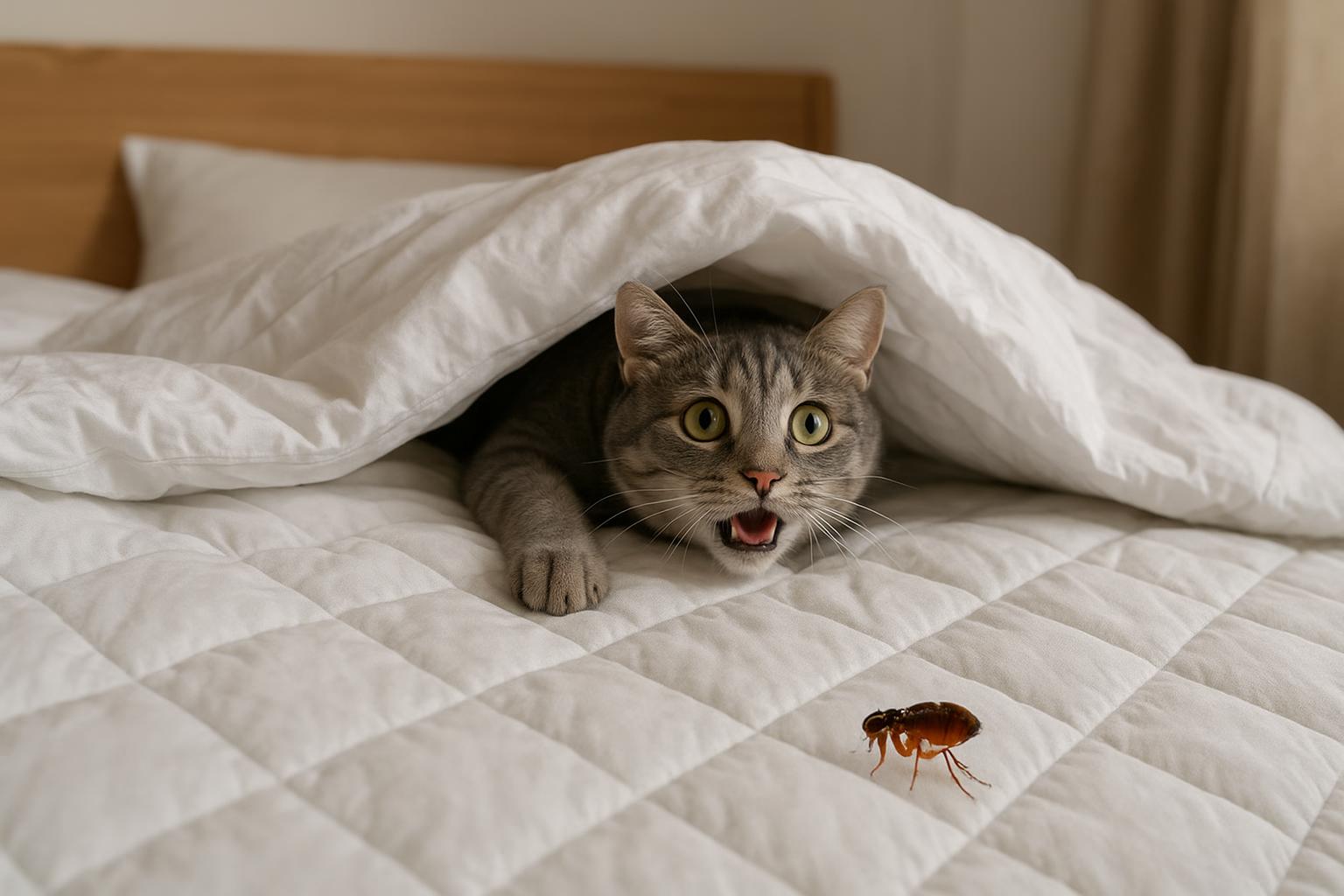
Flea eggs and larvae can hide in carpet fibers, couch seams, and the corners of closets. A flea on a visitor’s jacket will lay eggs after it finds your cat. Those eggs fall off and mature in carpets and upholstery. Understanding that the problem is both on the cat and in the environment changes how you prevent and treat infestations.
## Best Indoor Flea Prevention For Cats: Practical Options
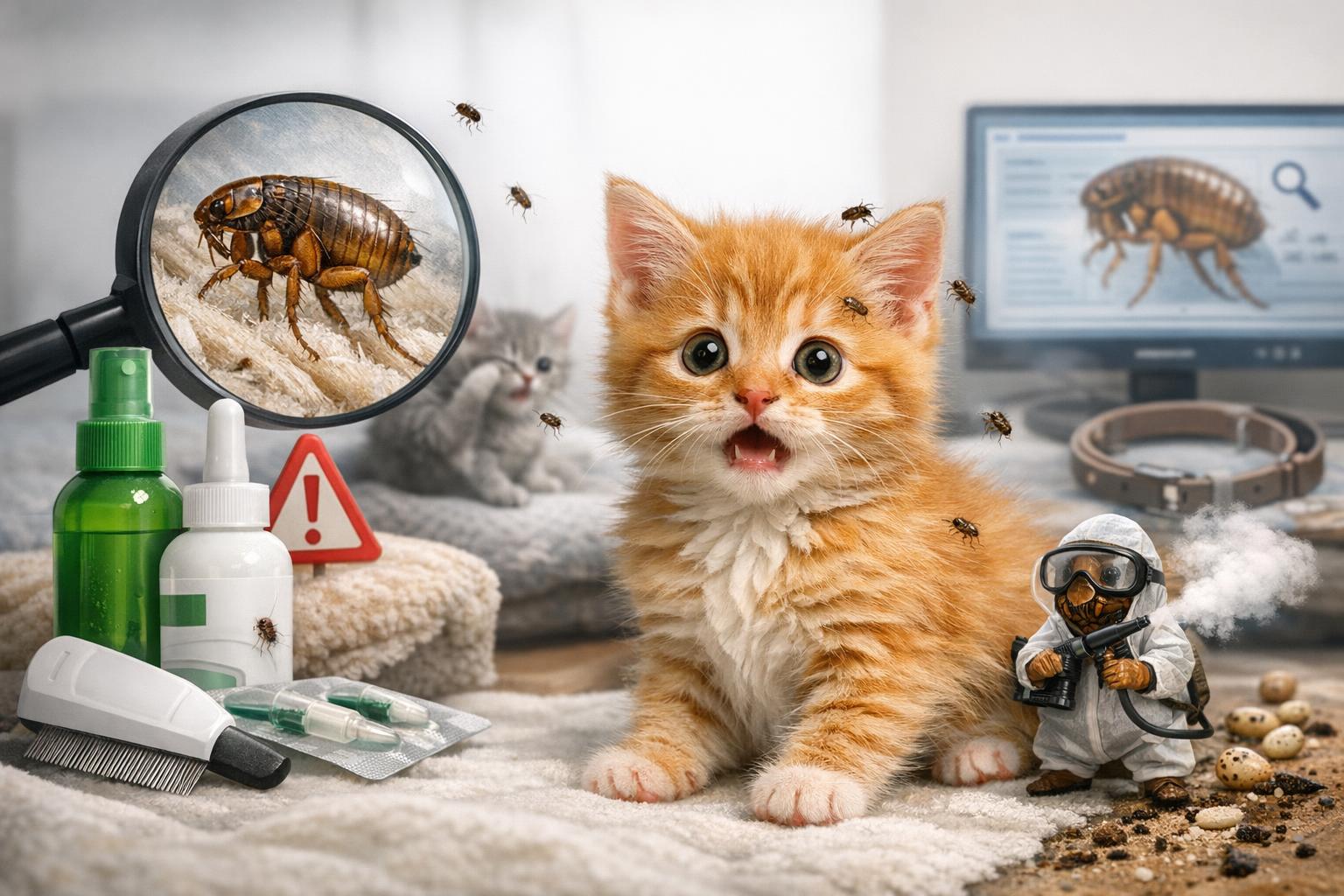
When you’re deciding on the best indoor flea prevention for cats, think in two tracks: protect the cat directly and reduce fleas in the home. Here are approaches that work in regular households.
### Topical Spot-On Treatments
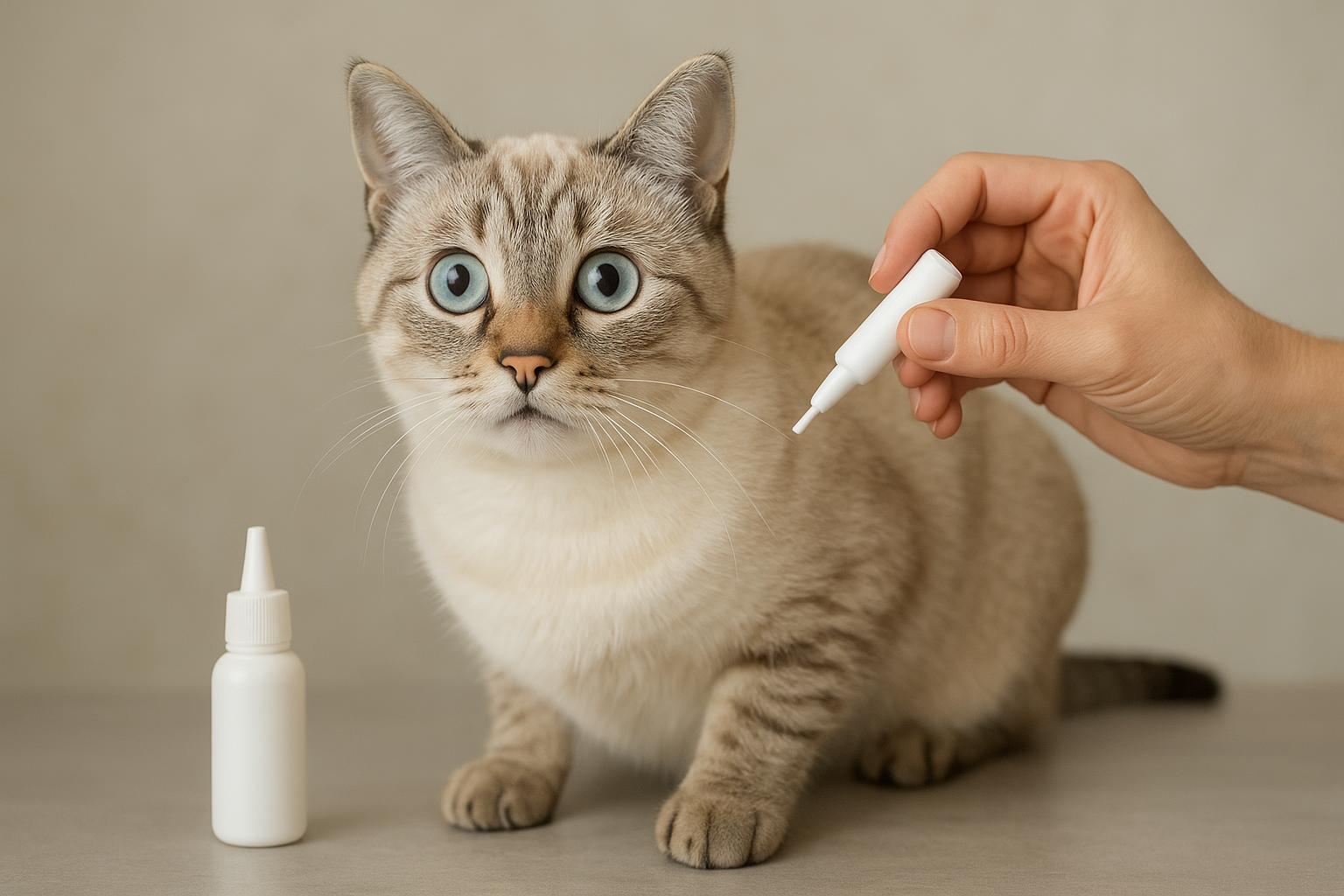
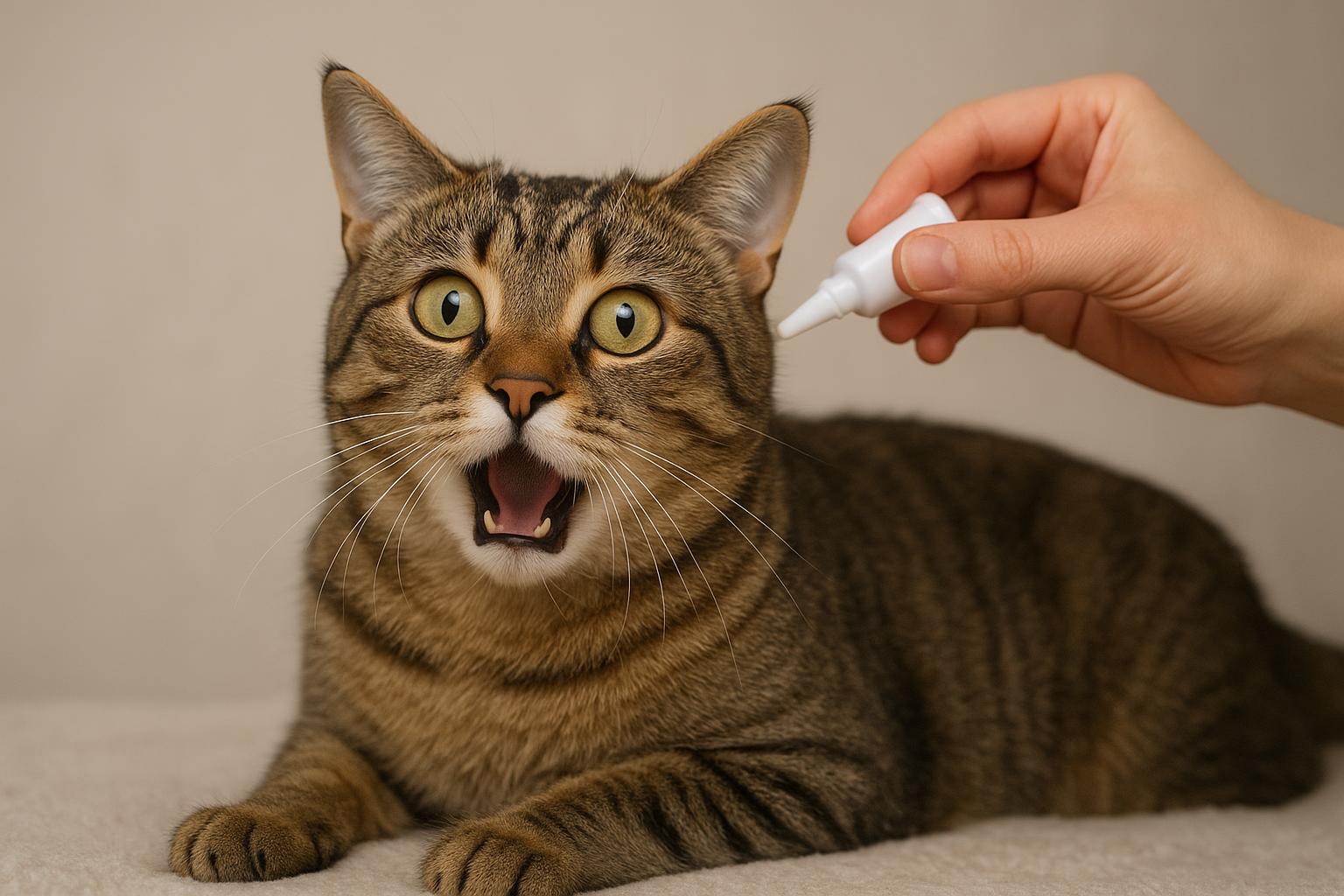
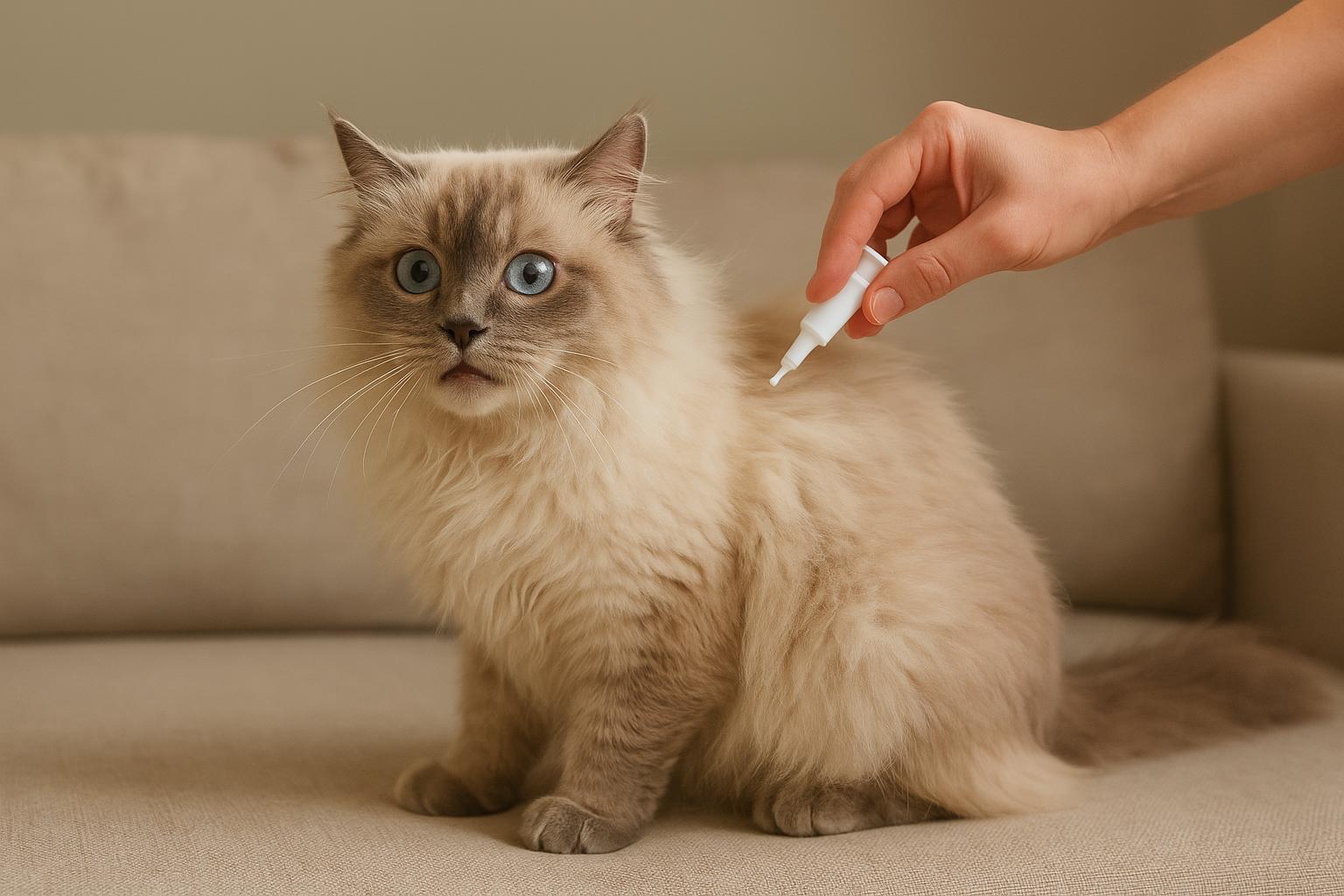
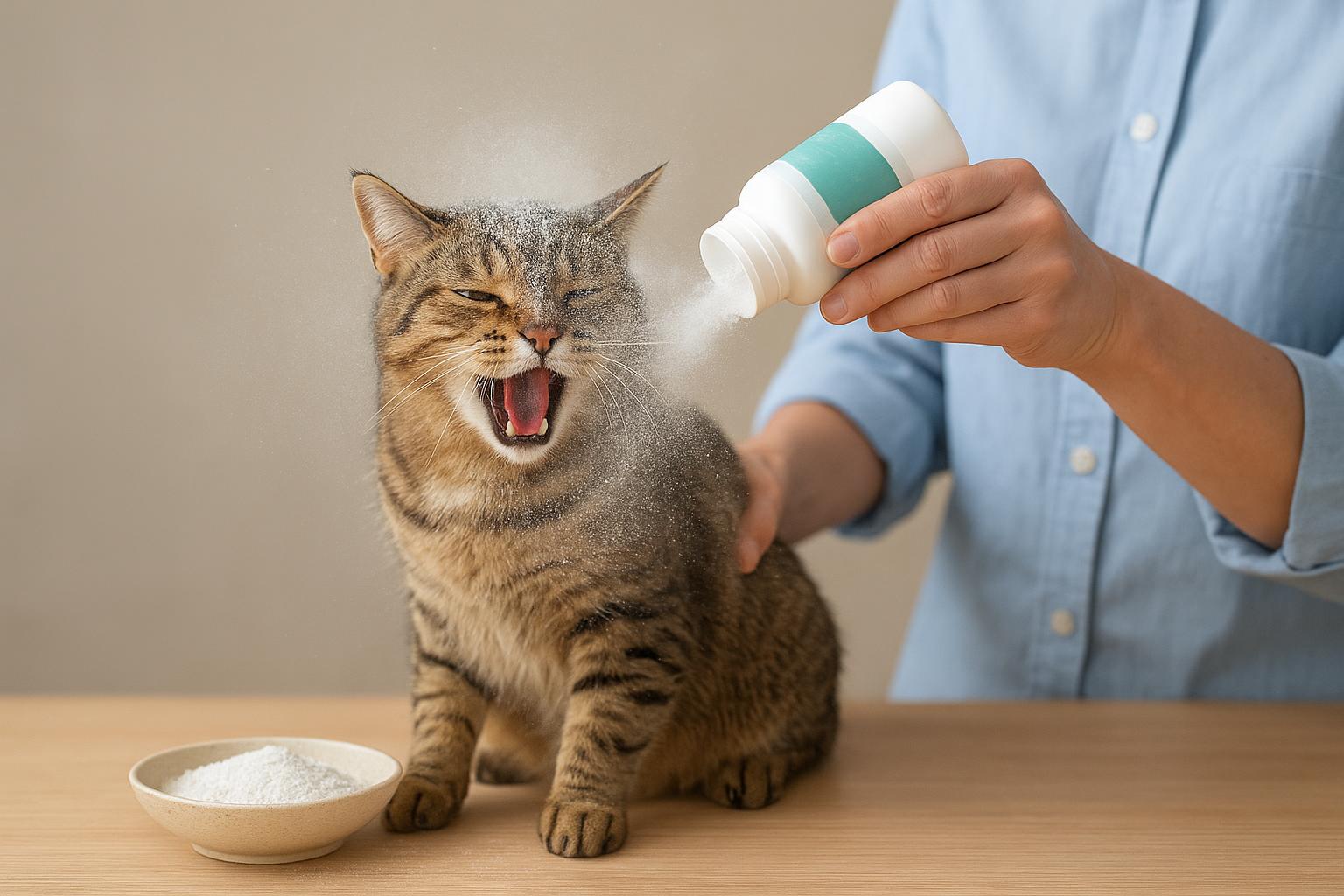
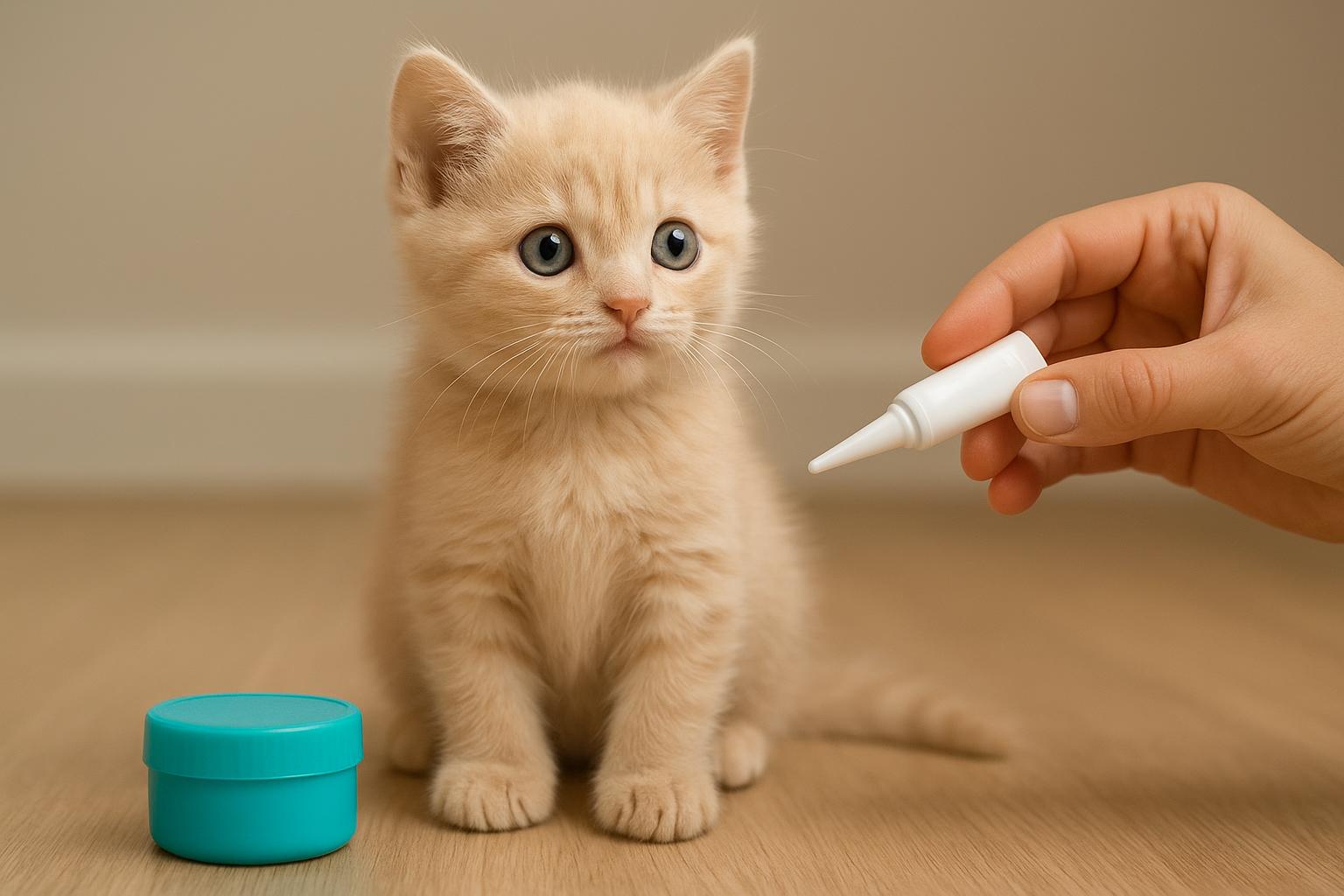
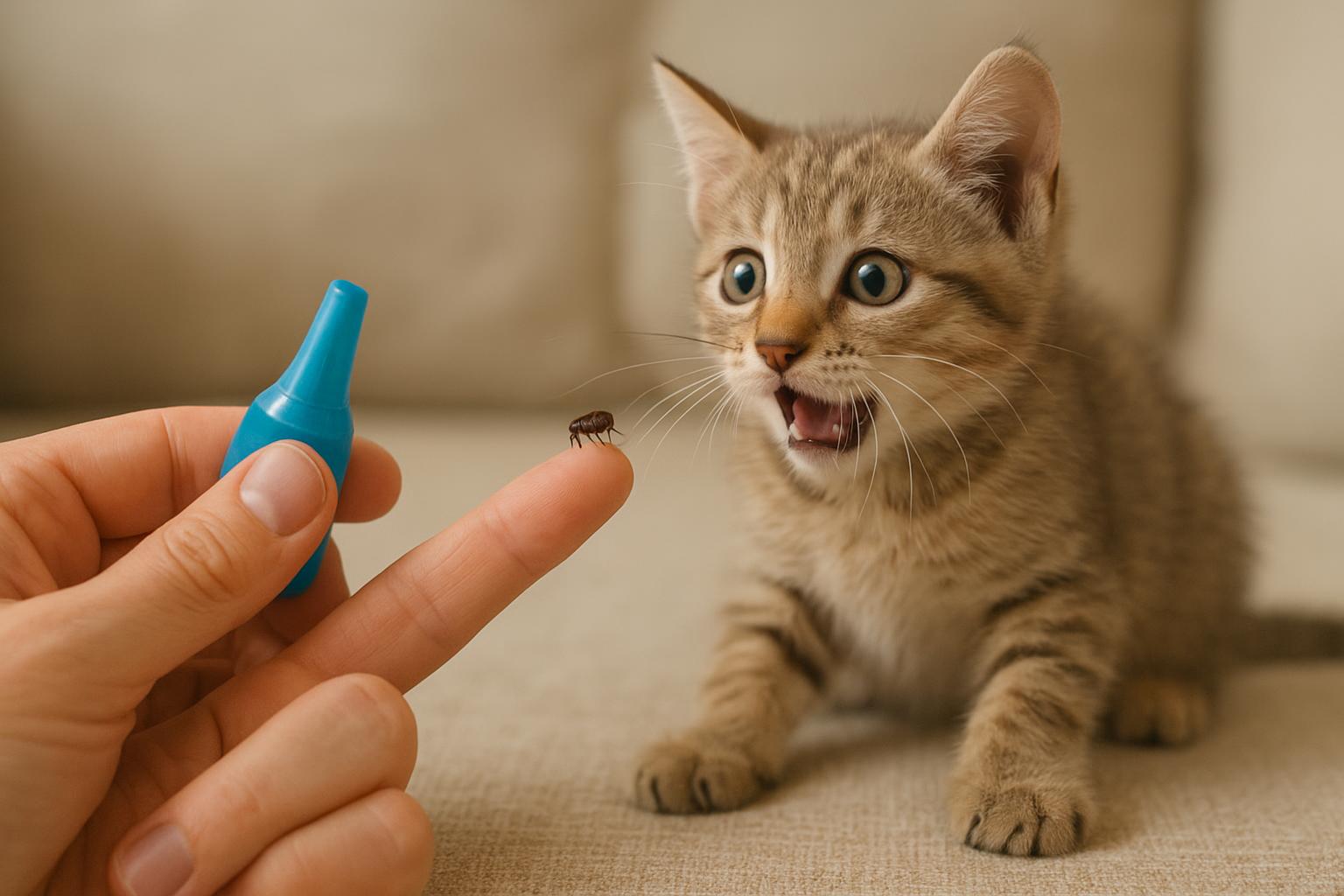
Monthly topical medications are fast and familiar. They kill fleas on contact or after they bite, and many also block flea development. Apply them to the back of the neck where the cat can’t lick. If your cat grooms other pets, make sure everyone is on an appropriate product. For kittens or cats with medical issues, check a vet first.
### Oral Preventives
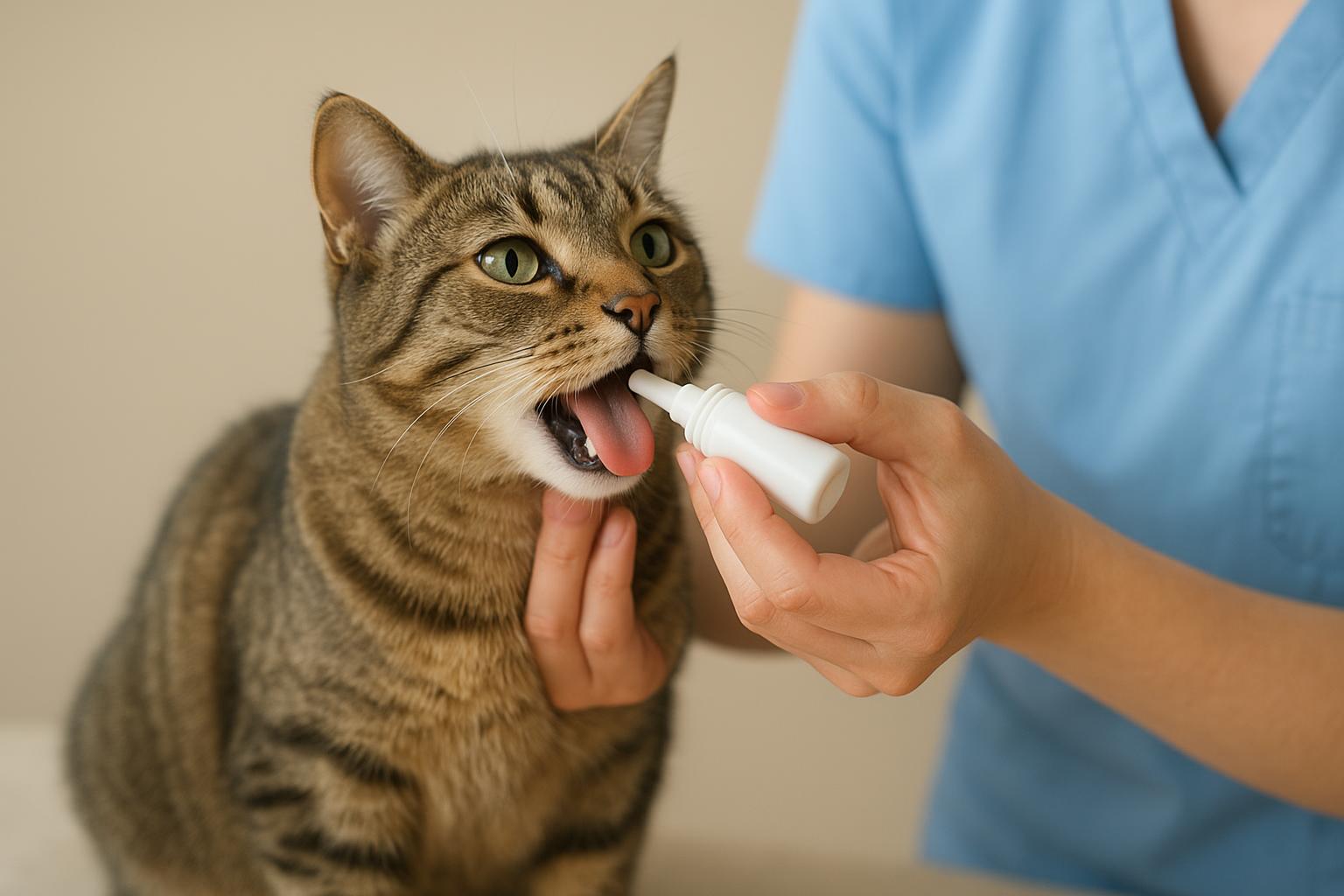
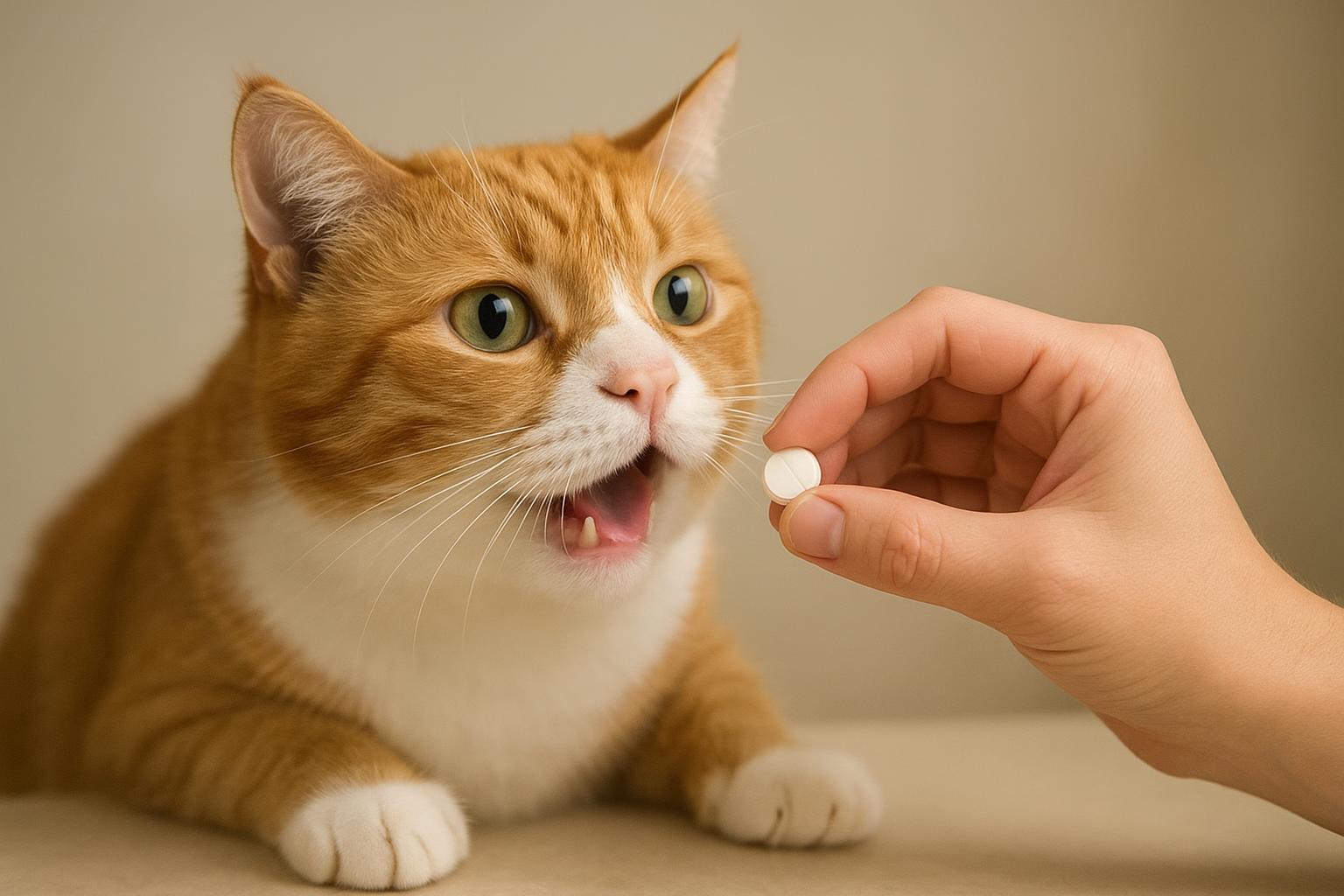
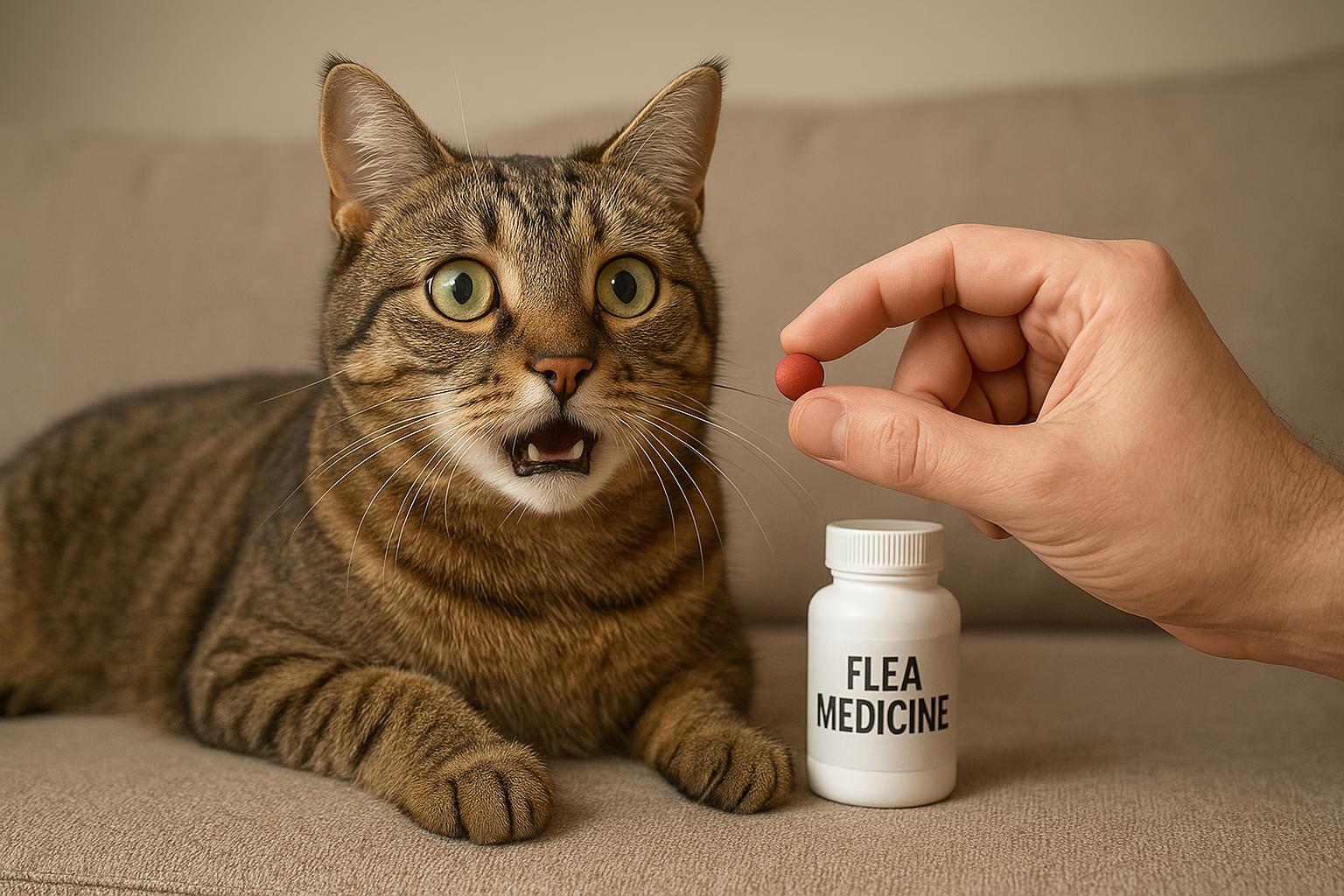
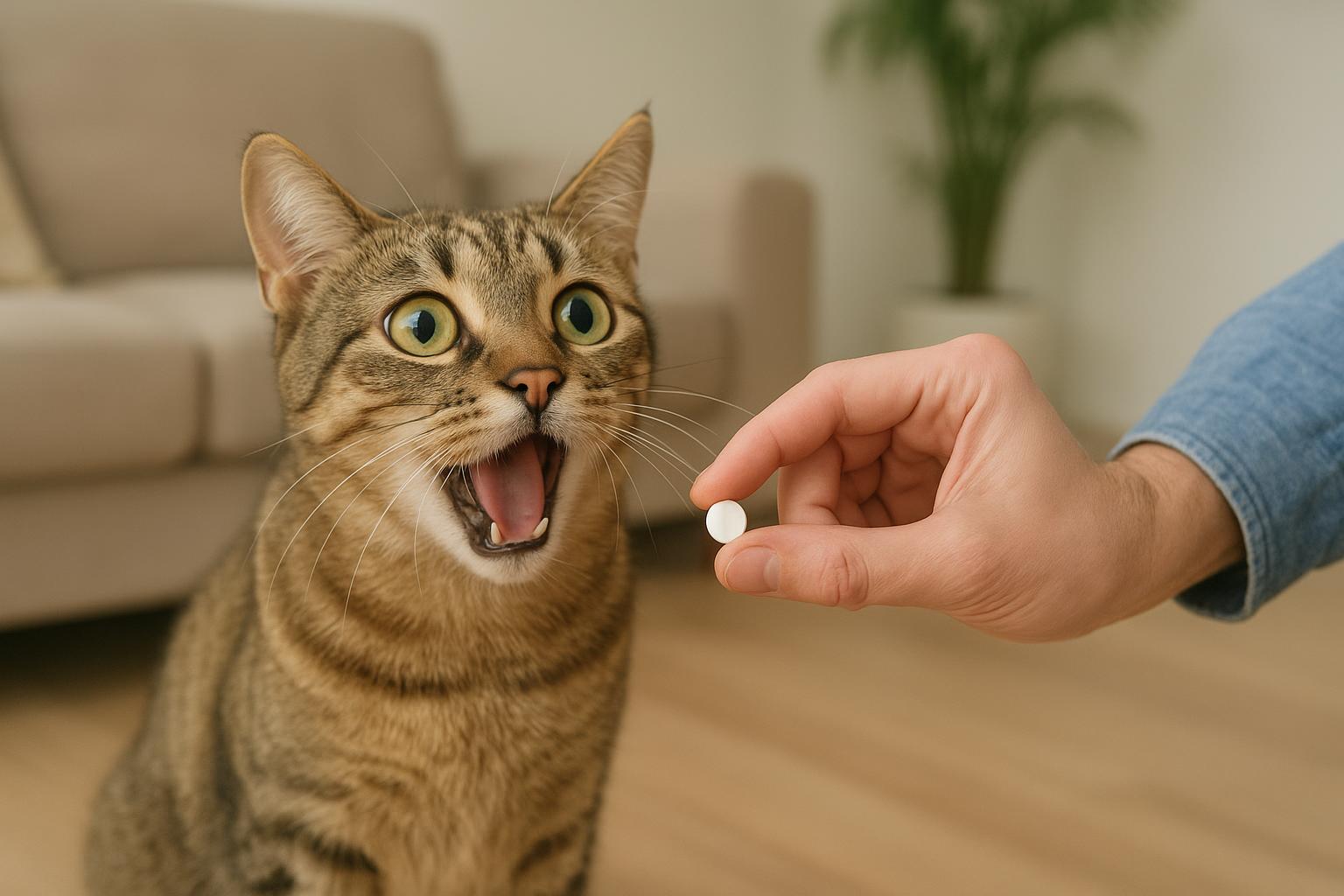
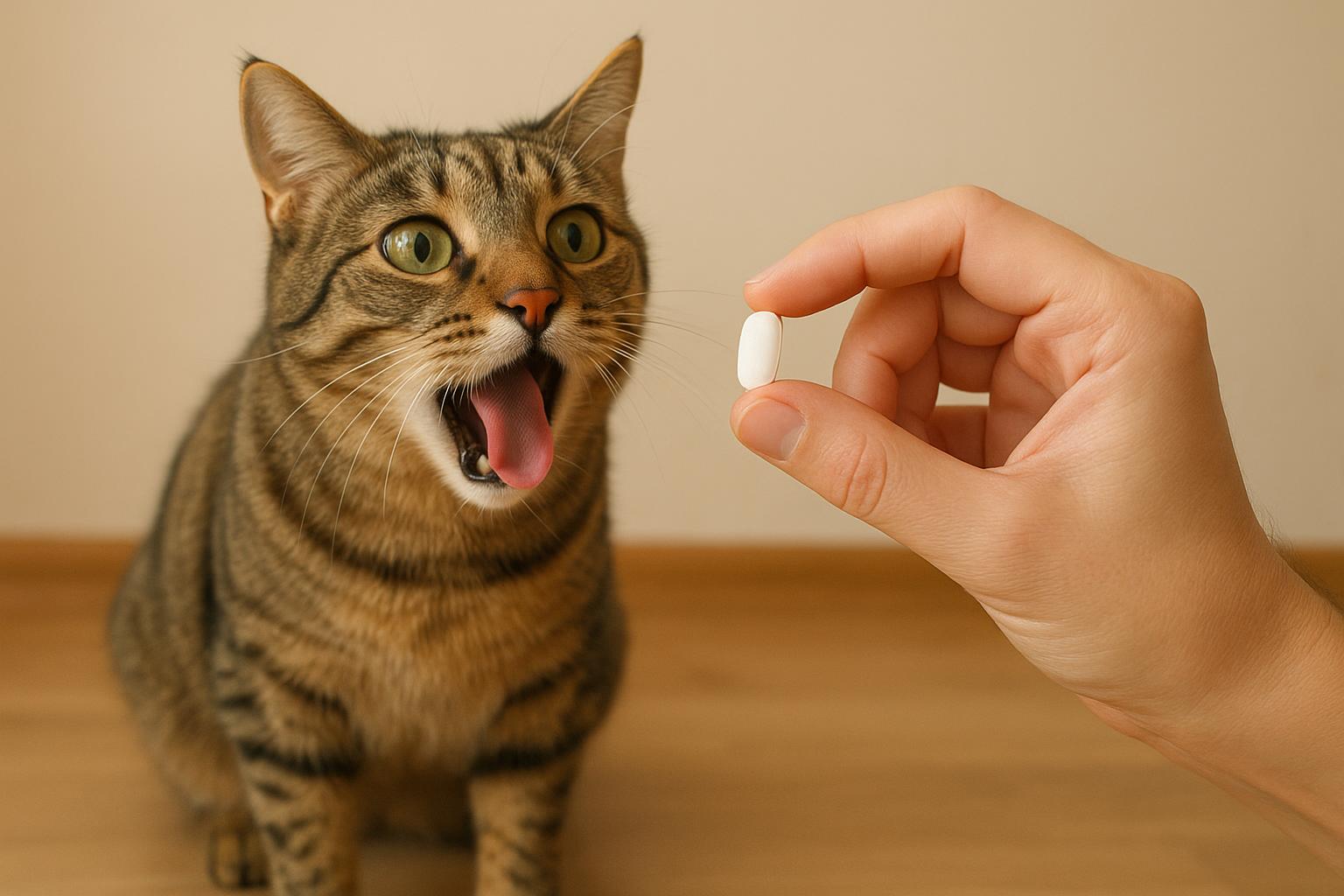
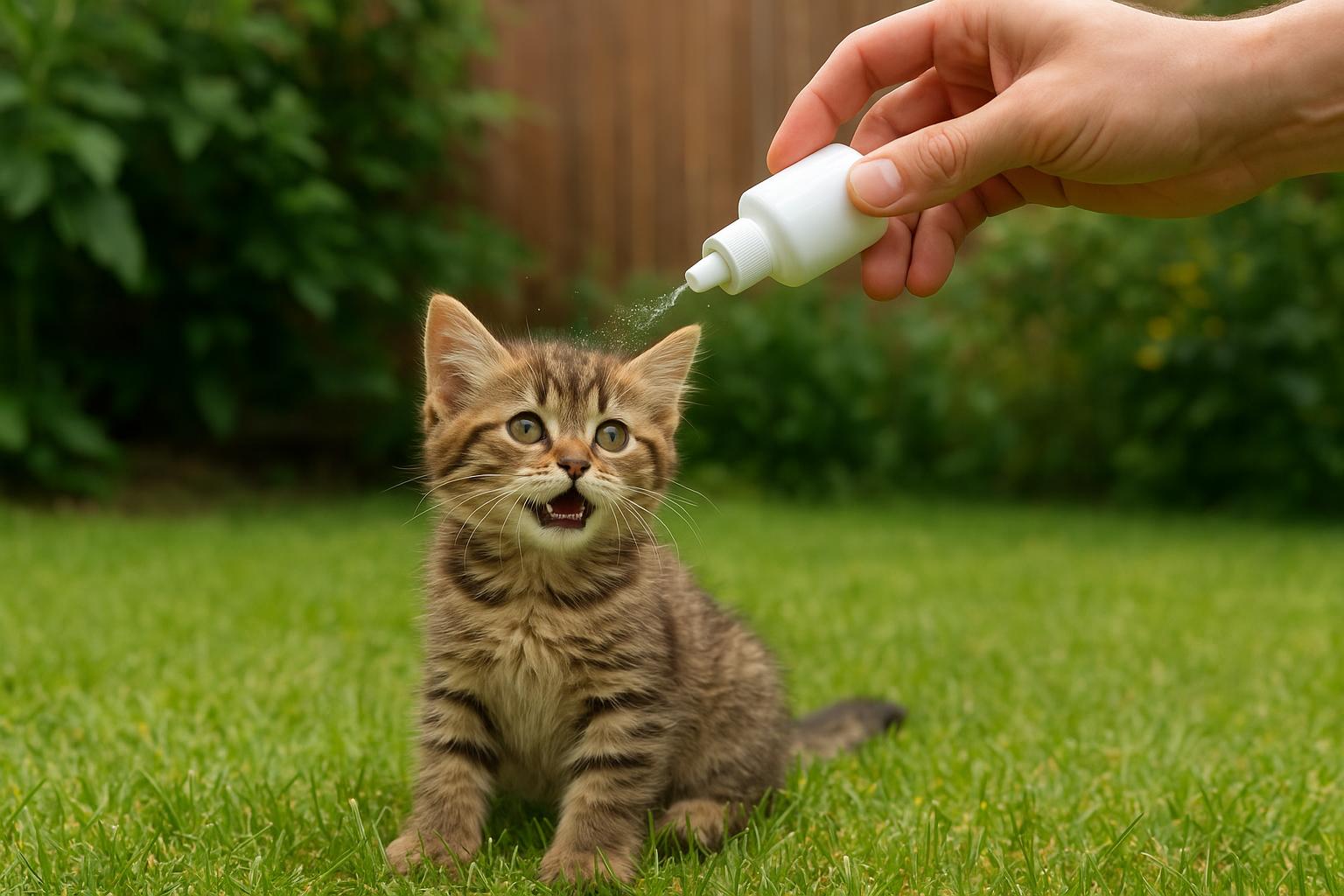
Oral chewables or tablets can be a good fit for cats that tolerate pills or who bathe often. They circulate systemically so fleas die when they bite. They’re discreet and don’t wash off. The downside: some require giving a pill, which not every cat agrees to. Still, for many owners these products are the core of the best indoor flea prevention for cats.
### Long-Lasting Collars
Newer flea collars are effective for months. They release low doses of insecticide across the cat’s fur and onto the skin. Some collars also repel ticks. Collars are low-fuss and great as part of a layered approach. Keep an eye for irritation and replace them on schedule.
### Environmental Control
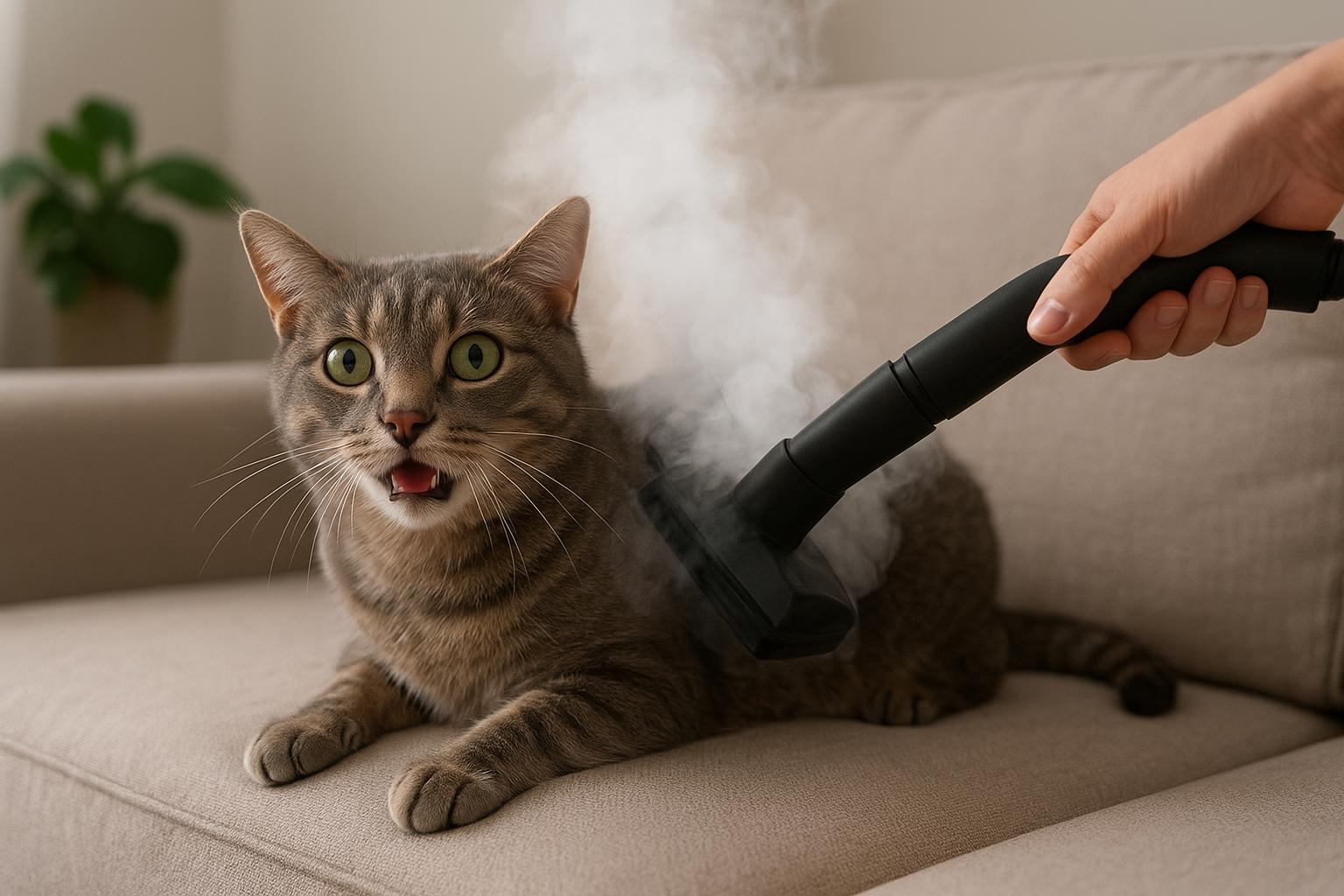
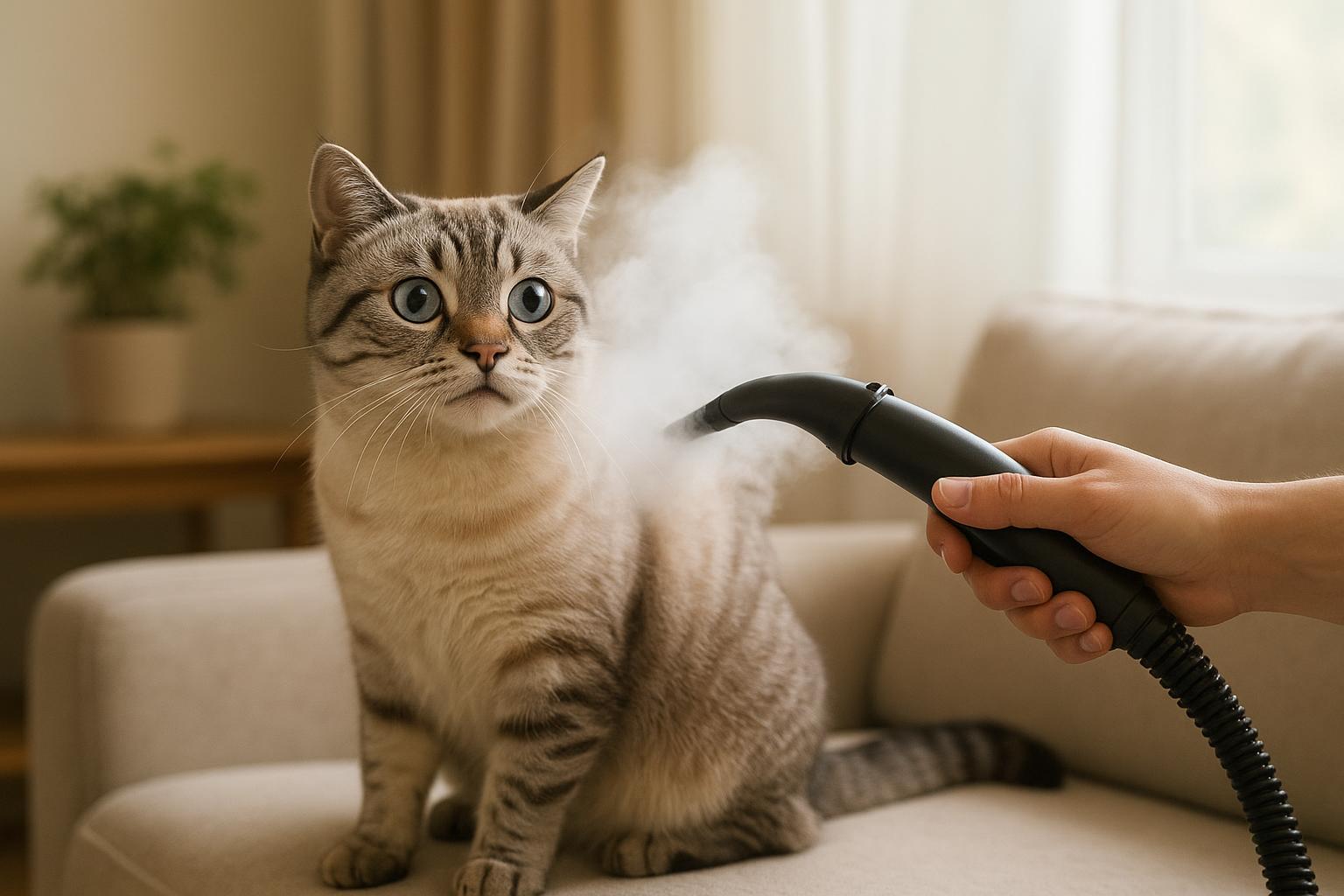
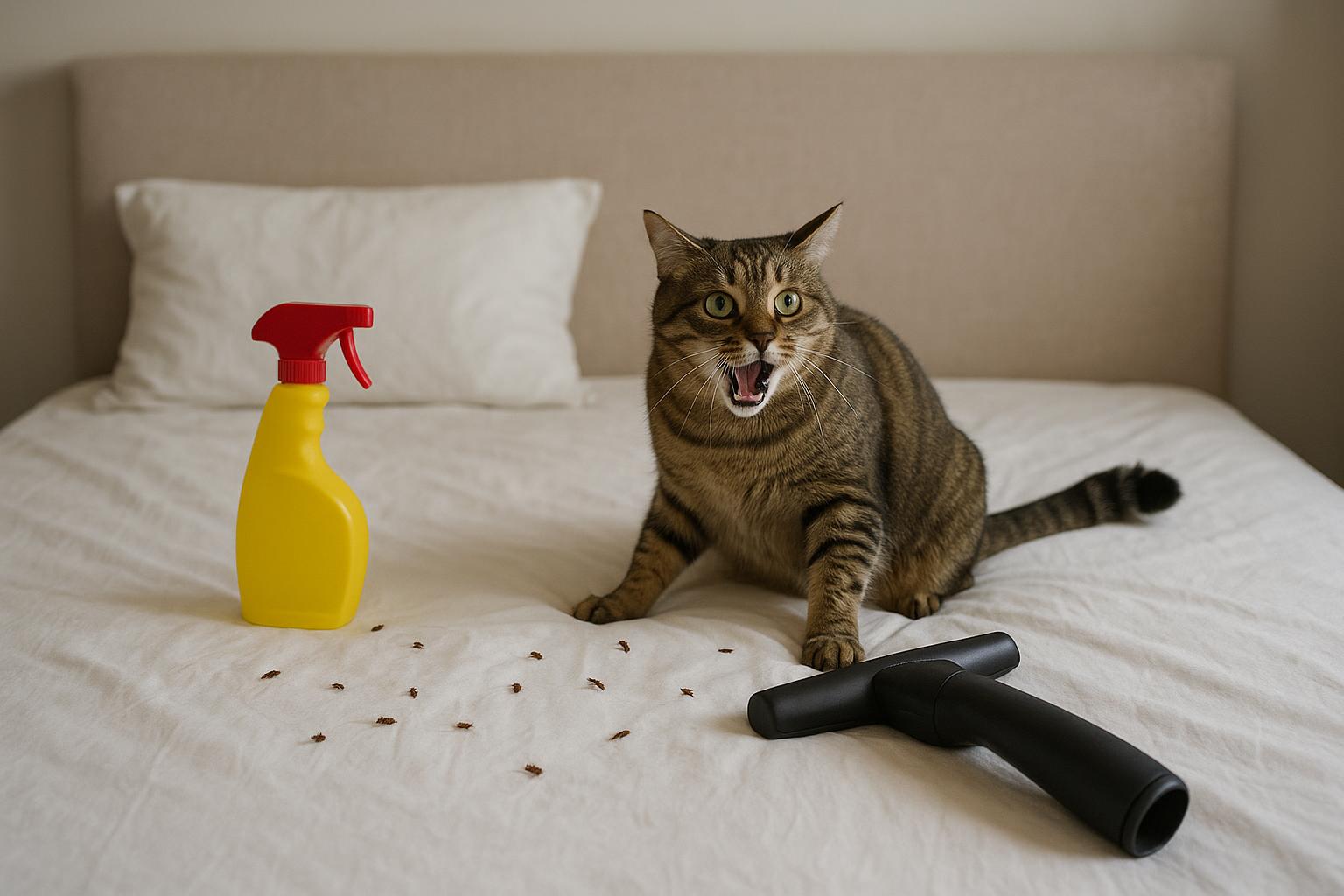
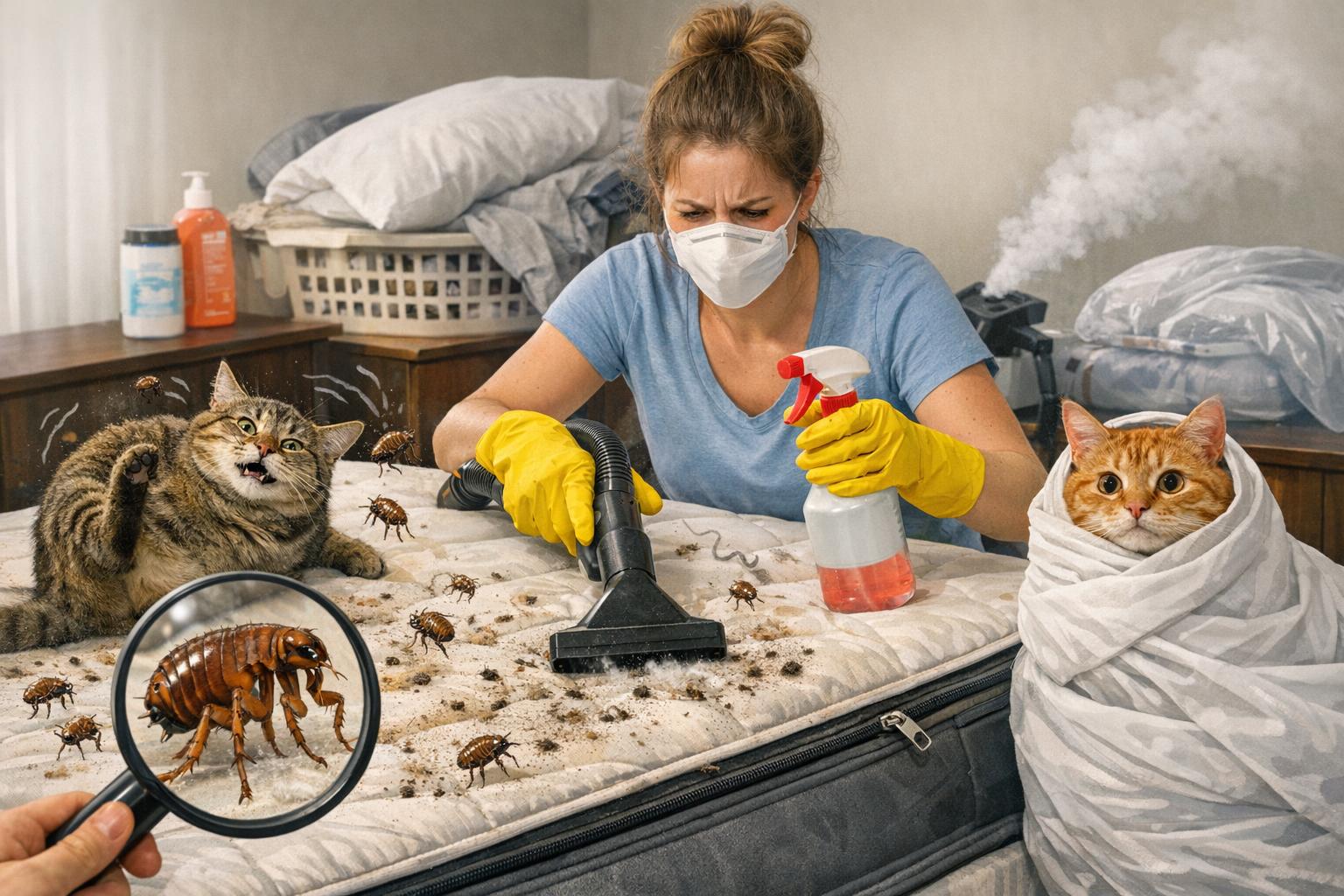
Treating the home is as important as treating the cat. Vacuum thoroughly, including under furniture and along baseboards. Wash cat bedding and any blankets weekly in hot water. Steam-clean carpets occasionally. Use environmental insect growth regulators to block eggs and larvae from maturing. A vacuum and a steam-cleaner go a long way toward the best indoor flea prevention for cats because they remove the immature stages before they ever reach the animal.
#### Managing Bedding And Soft Surfaces
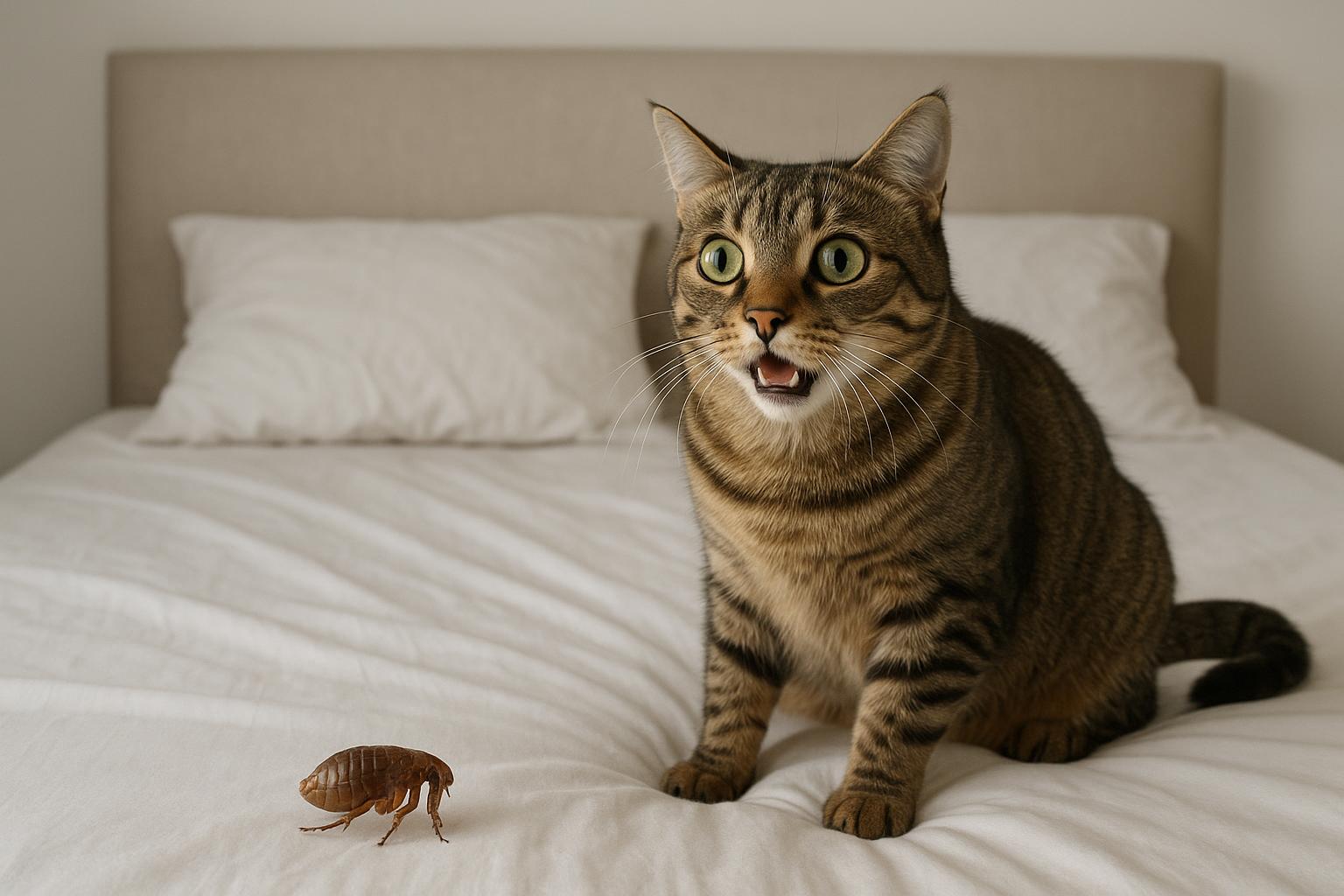
Cats sleep a lot, so focus on their favorite spots. Wash machine-safe beds weekly and replace or deep-clean older mattresses if fleas persist. If you use a flea bed, make sure it’s washable and launder it on a hot cycle. Vacuum under cushions and between couch seams where eggs gather.
### Combined Strategies Are Stronger
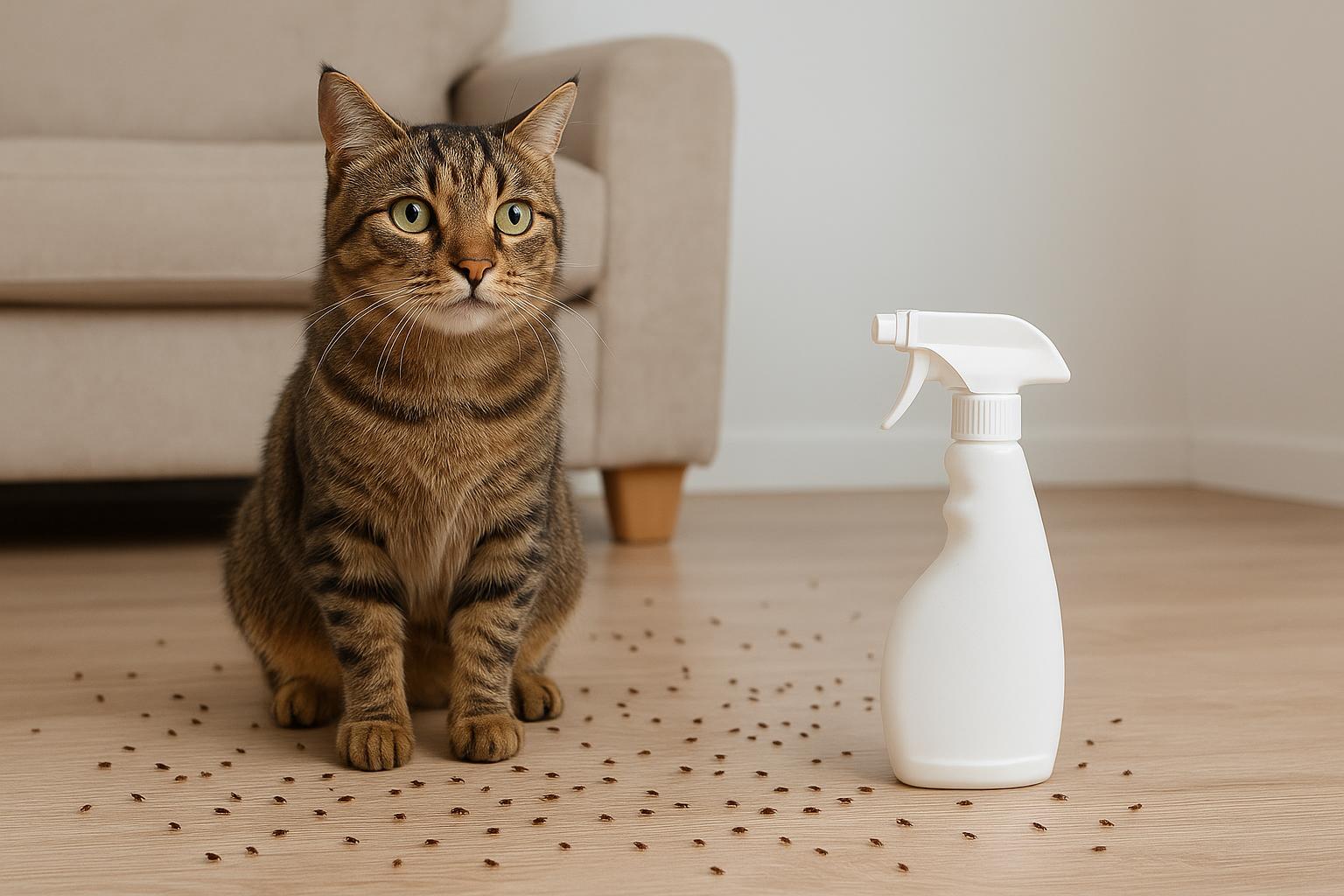
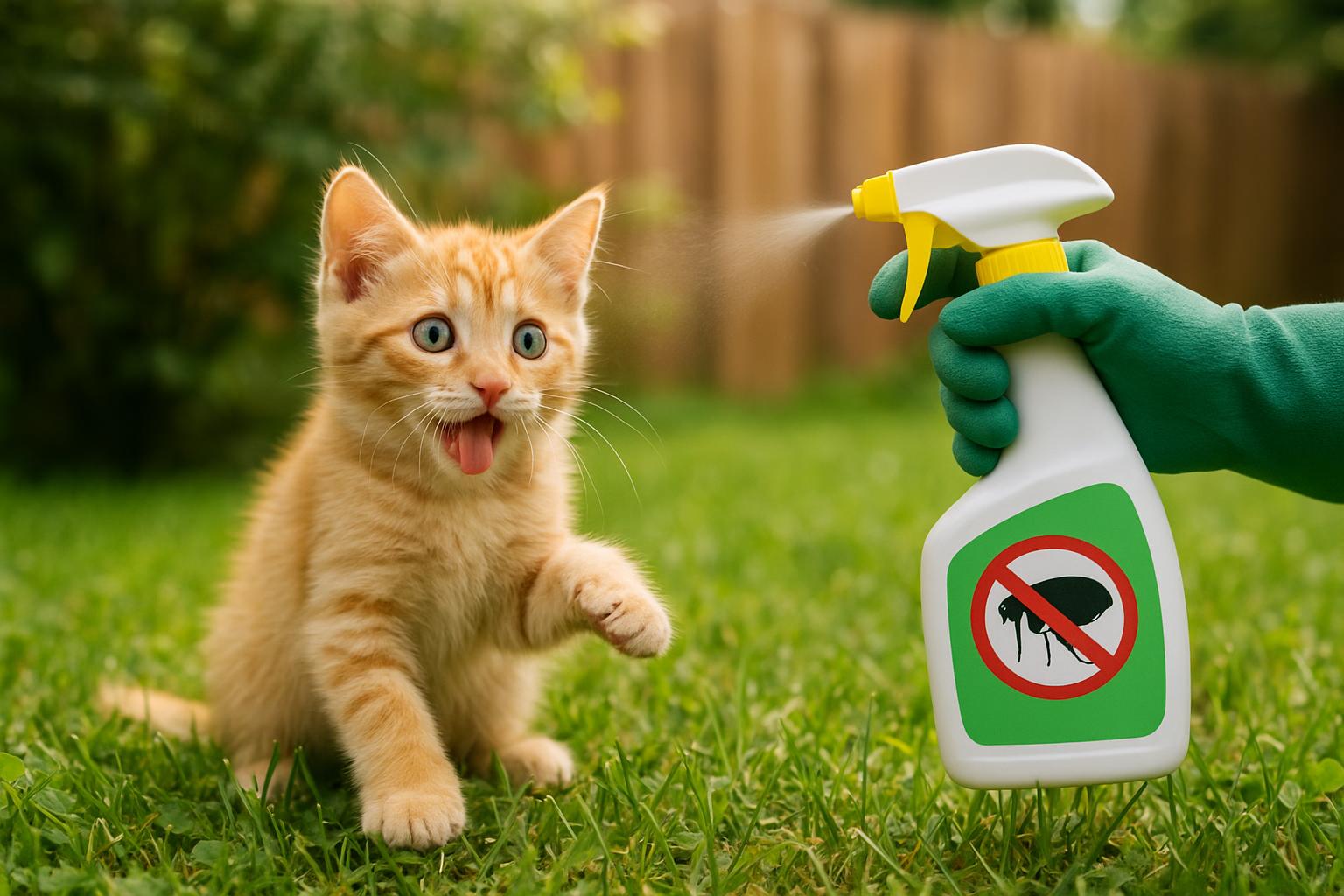
No single product is perfect. Combining a monthly topical or oral product with focused environmental cleaning and an occasional home spray is the most reliable way to keep fleas out year round. Many vets recommend the combined approach as the baseline for the best indoor flea prevention for cats.
## Choosing Products And Avoiding Pitfalls
### Read Labels Carefully
Not all flea products are safe for every cat. Some are for dogs only. Some chemicals interact with other meds. Follow dosage instructions. If your cat is nursing, pregnant, or has a health condition, talk to your vet. That saves mistakes and keeps your cat safe.
### Watch For Resistance
Fleas can become less sensitive to older products. If you use the same product for years and see live fleas on your cat, switch classes of insecticide after consulting your vet. Rotation helps when combined with environmental steps.
### Consider The Household
If you have multiple pets, treat all of them appropriately. Don’t use a dog product on a cat. If family members are sensitive to chemicals, choose products with the lowest necessary exposure and focus more on vacuuming and washing. A collar plus regular cleaning can be enough for some homes.
#### When To Call The Vet
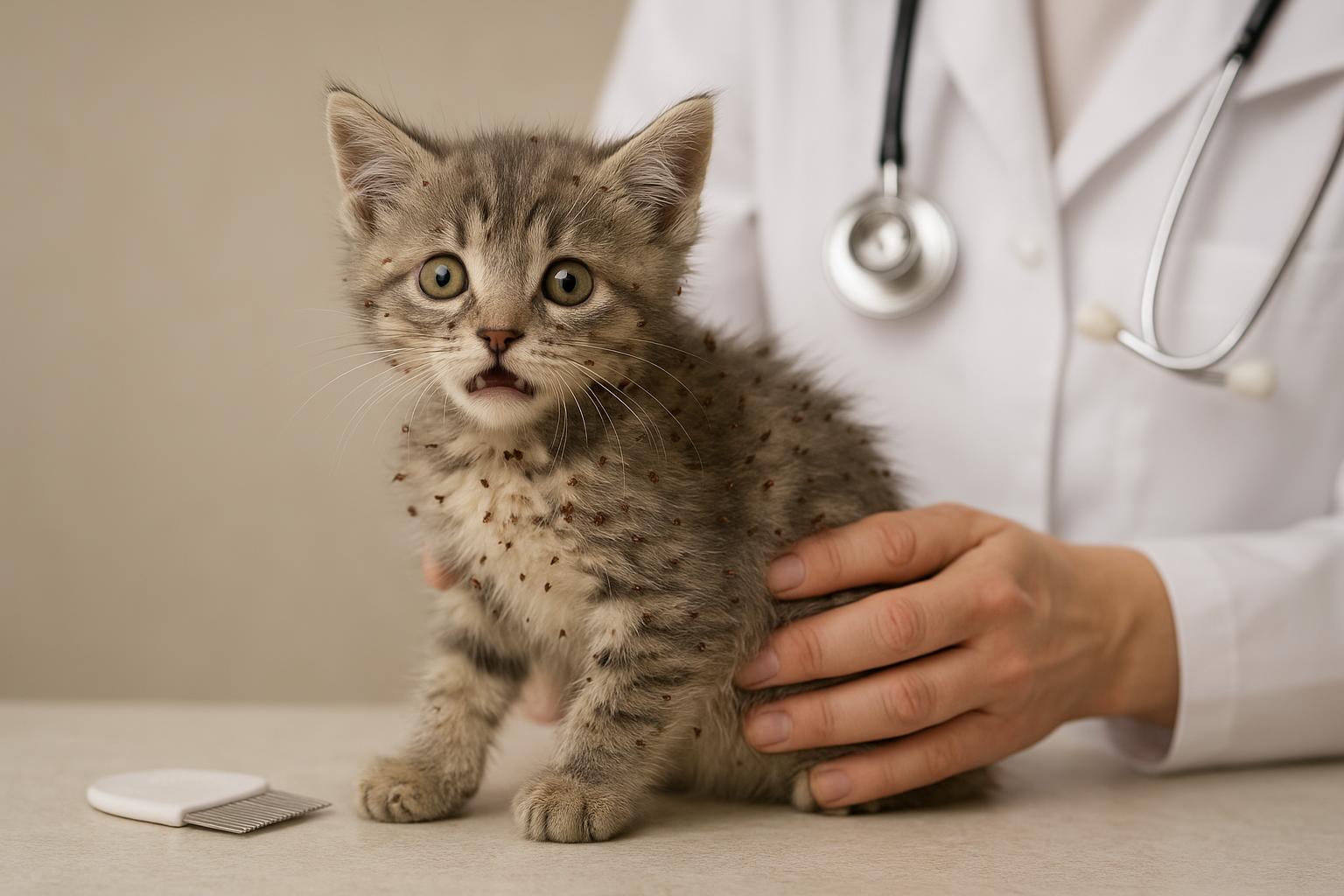
If fleas are widespread, your cat is losing weight, or shows signs of anemia or severe dermatitis, call your veterinarian. Fleas spread other infections and can cause serious problems in kittens. Your vet can recommend safe medications and may prescribe a plan that’s faster and more robust than over-the-counter options.
## Practical Daily Habits That Help
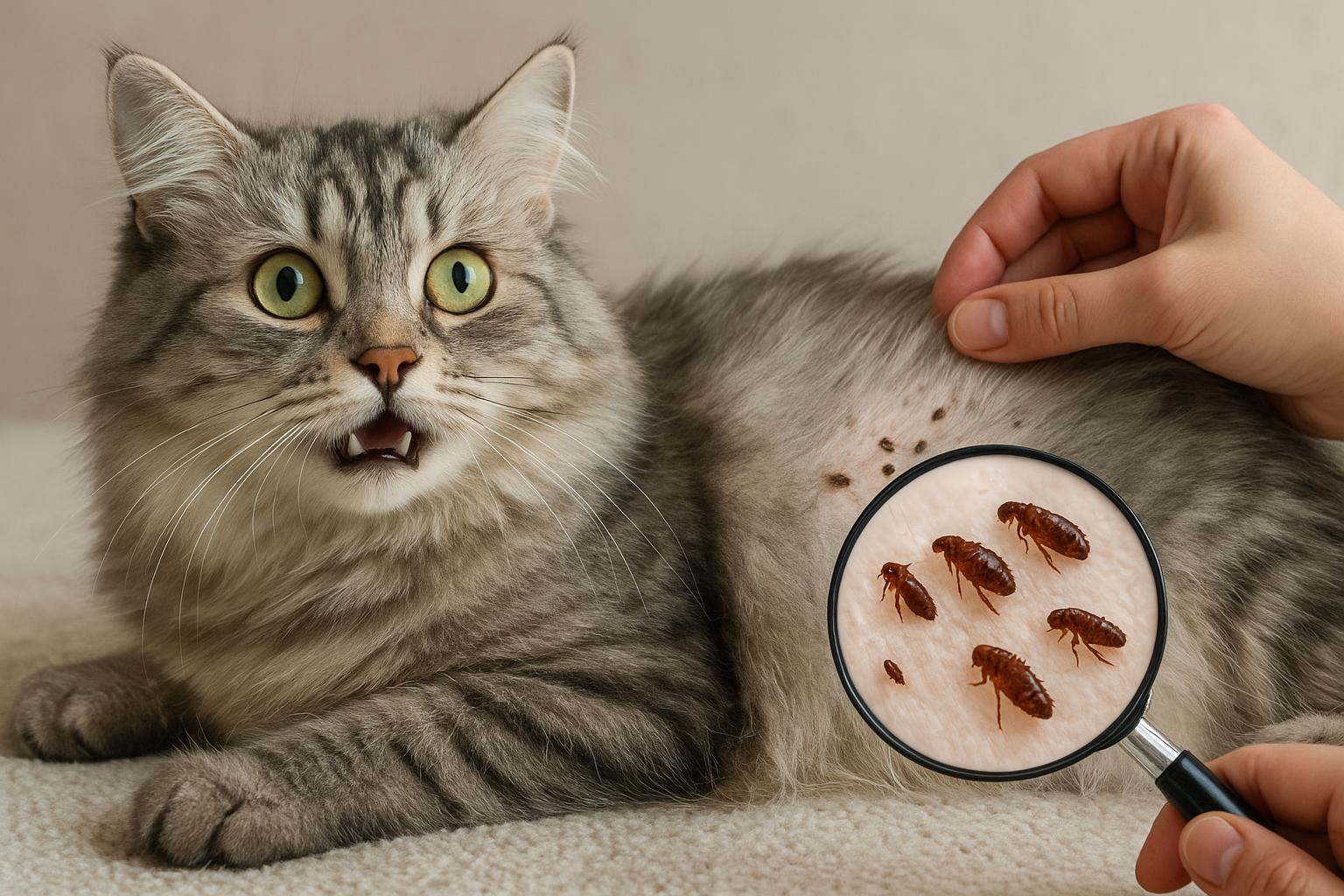
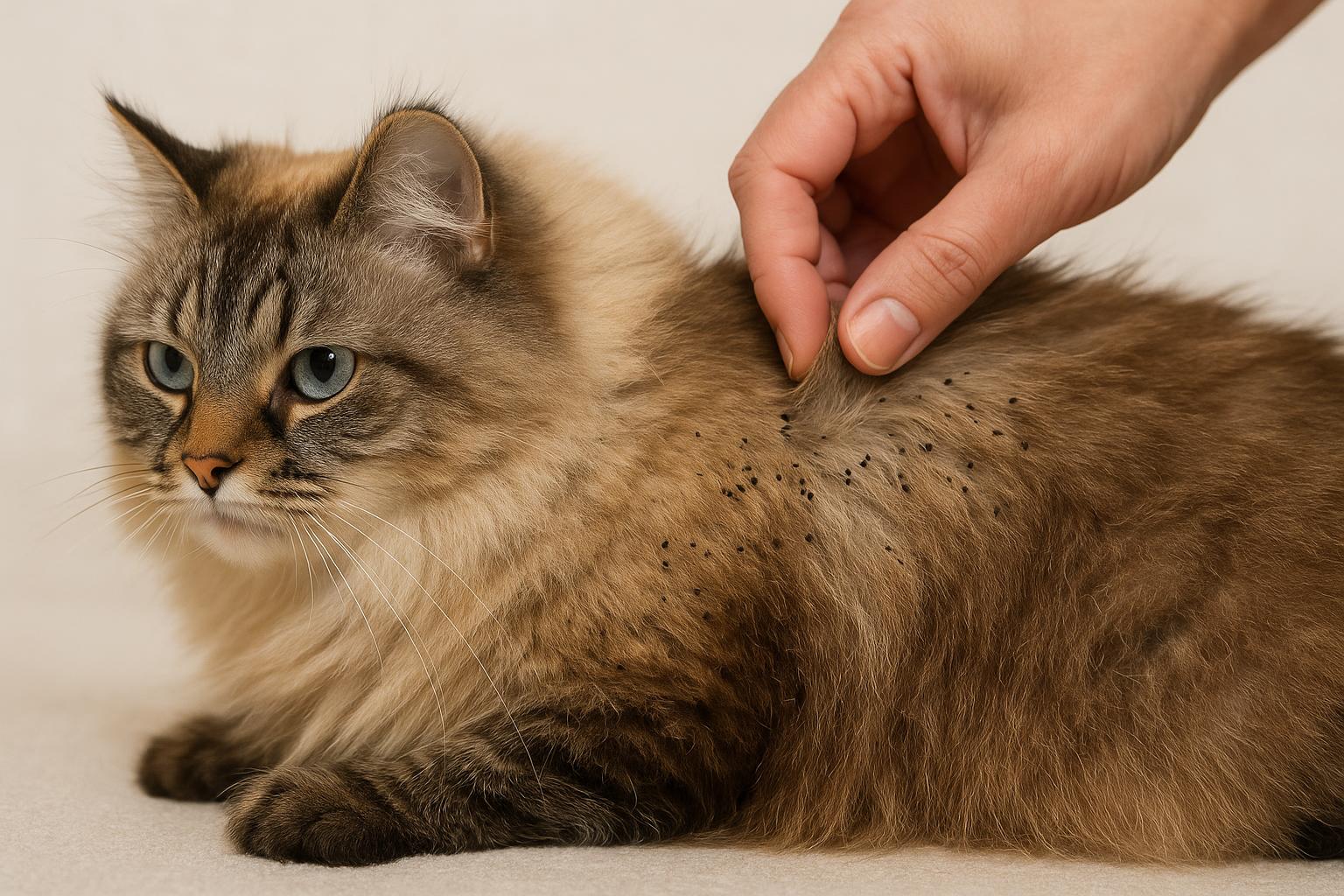
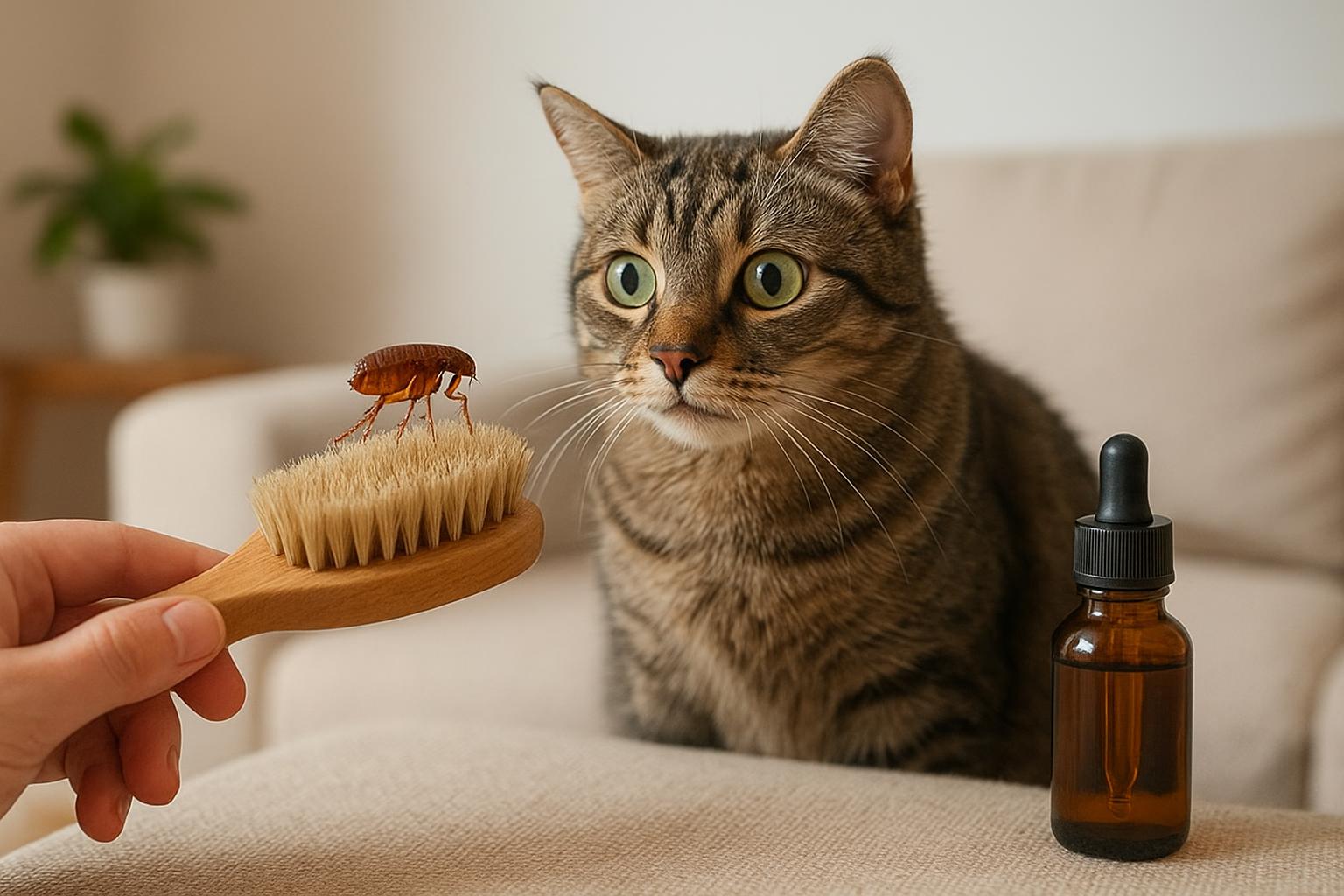
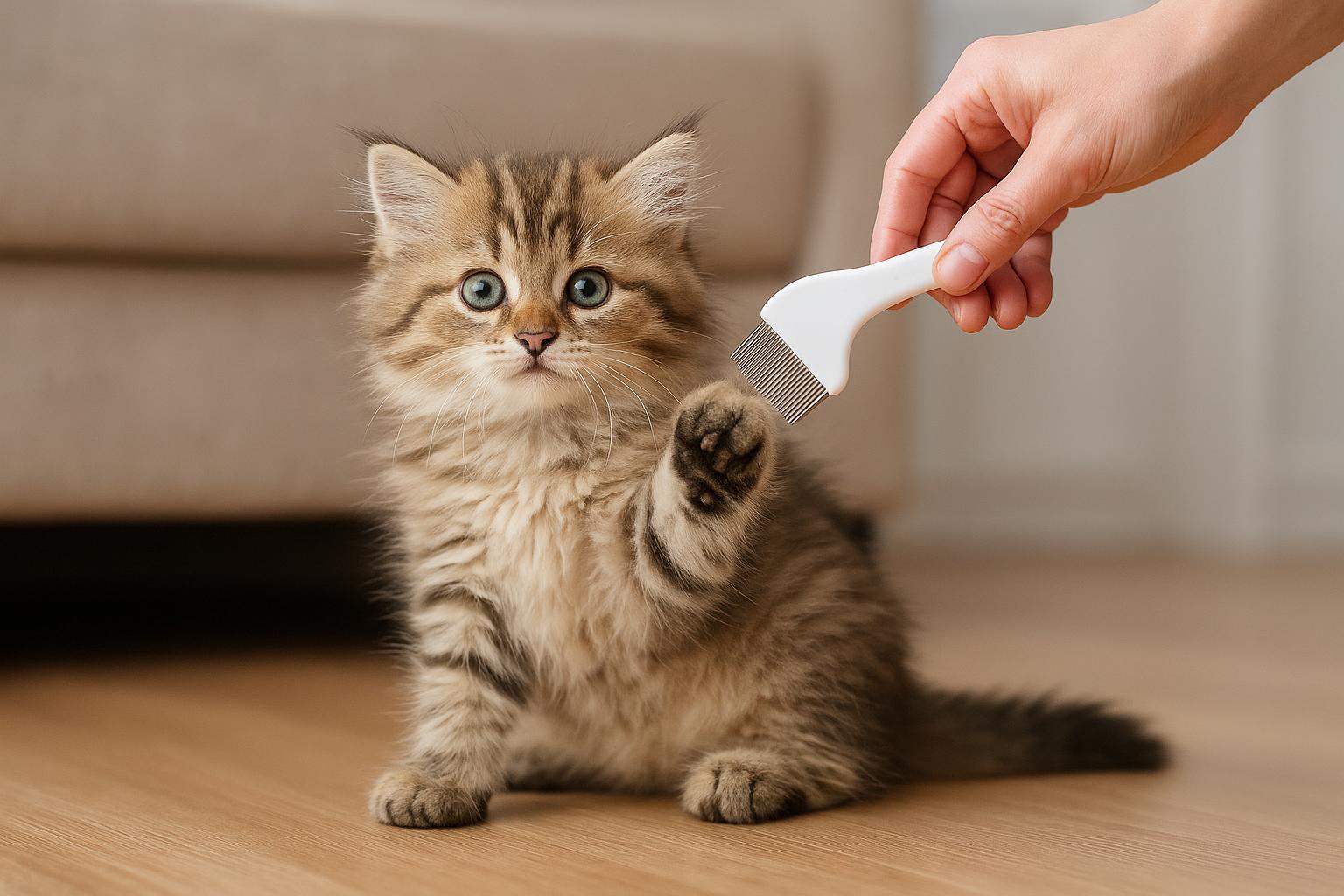
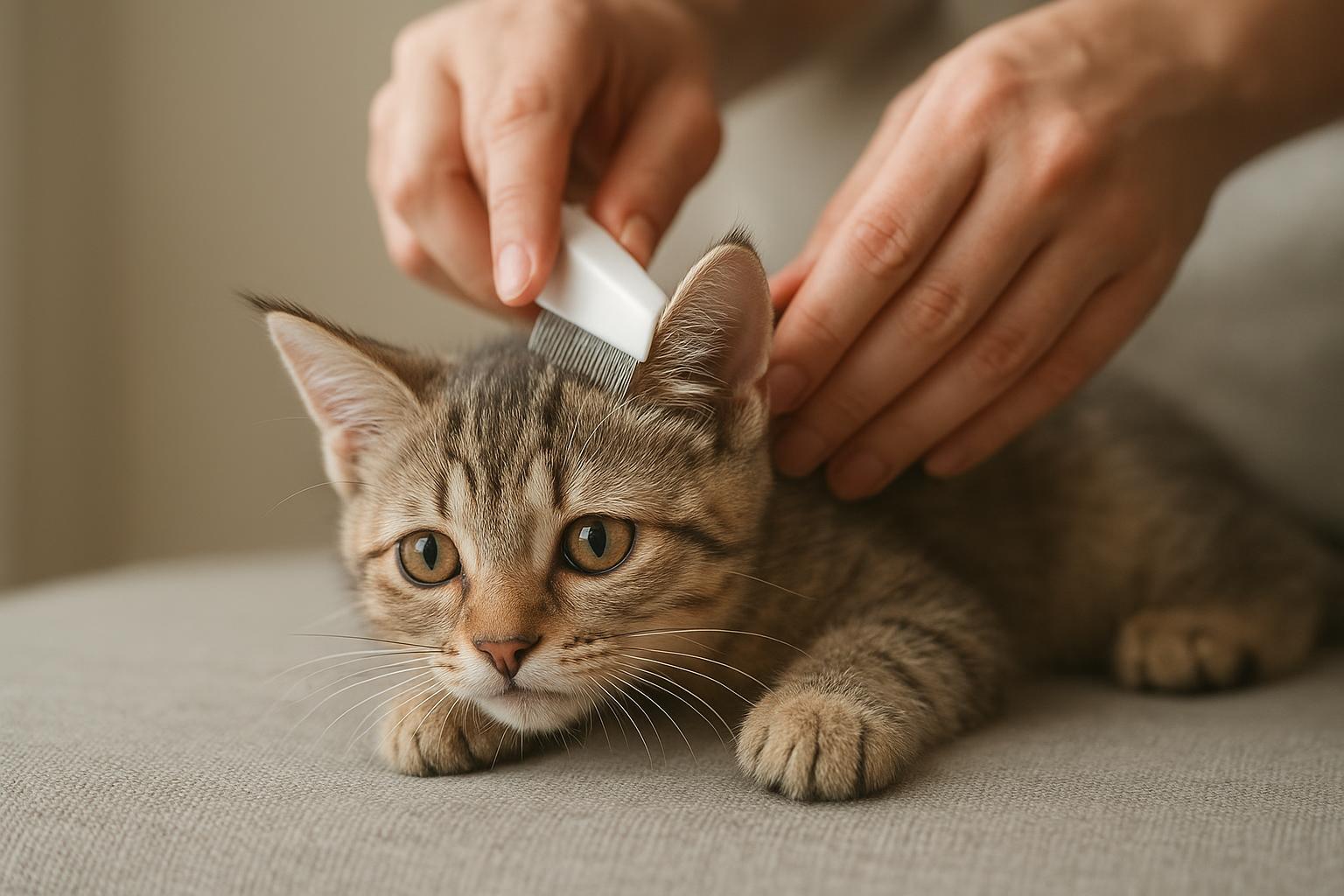
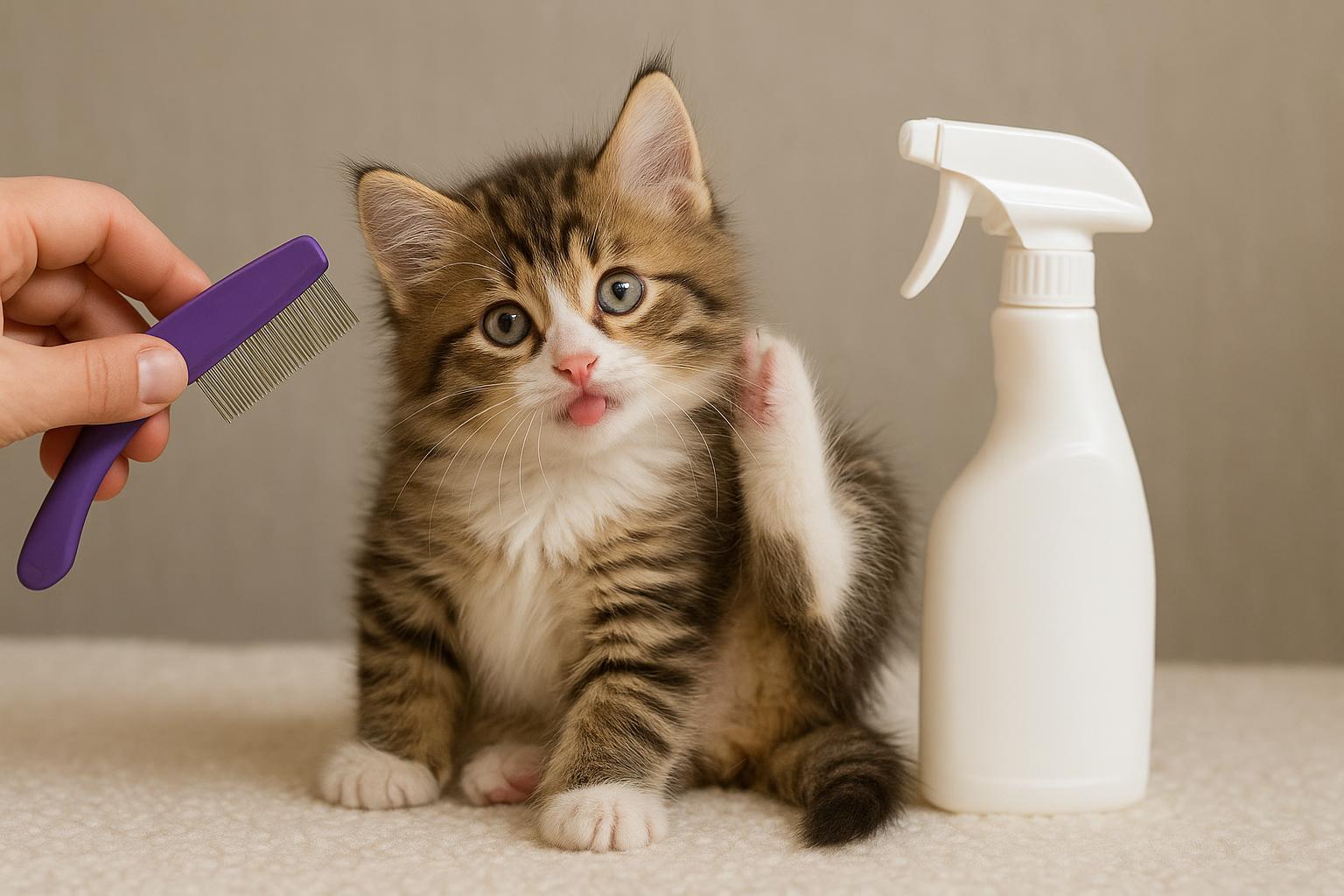
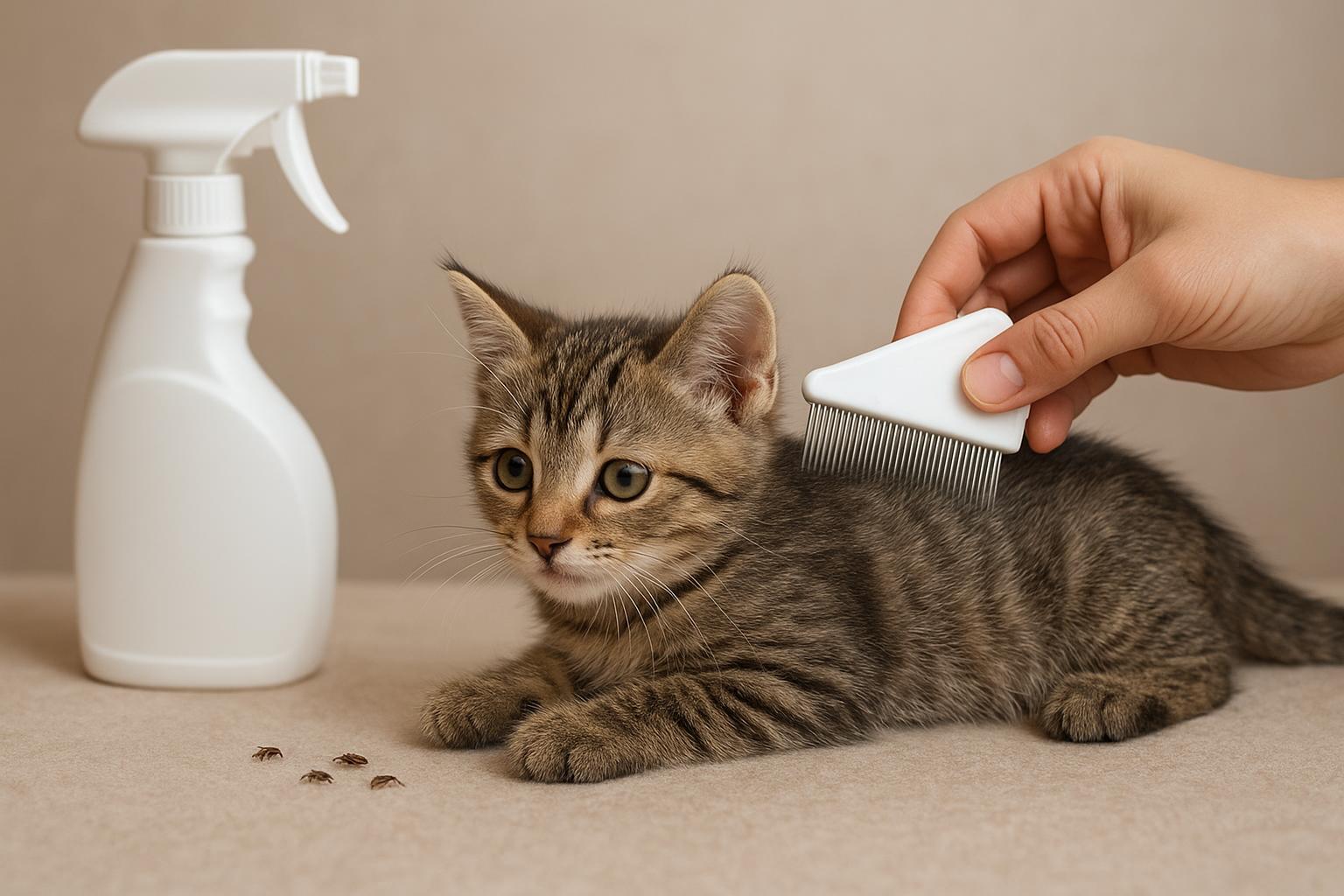
– Check your cat’s coat once a week. Look around the neck and base of the tail. Part the fur and look for tiny black specks or live fleas. These quick checks are among the simplest cat flea tips that actually work.
– Keep clutter down. Flea eggs collect in hidden corners and piles of clothes. Less clutter means fewer places for larvae to hide.
– Sweep or vacuum entryways and put a doormat outside. It reduces what gets tracked in. Empty the vacuum or seal and discard the bag soon after vacuuming.
– Consider a washable flea bed for travel and as a protected sleeping spot at home. A washable bed makes it easier to remove eggs and larvae on a regular schedule.
## What To Expect With Treatment
Don’t expect instant perfection. Even with the best indoor flea prevention for cats, a treated household may show activity for several weeks because eggs and pupae in the environment take time to die out. Keep up treatments and cleaning for the full recommended period. If you stop too early, the cycle restarts.
### Budgeting For Prevention
Good prevention isn’t free but it’s cheaper than an uncontrolled infestation. Factor in monthly preventives, wash cycles for bedding, and an occasional professional cleaning if needed. Collars and spot-on treatments can be cost-effective long term compared with repeated emergency interventions.
## Common Questions People Ask
Why does my indoor cat have fleas even though I treat the house? Fleas can survive. Eggs in mattresses or carpets hatch later. Missed spots during cleaning allow the cycle to continue. Recheck product applications and focus on those hidden areas.
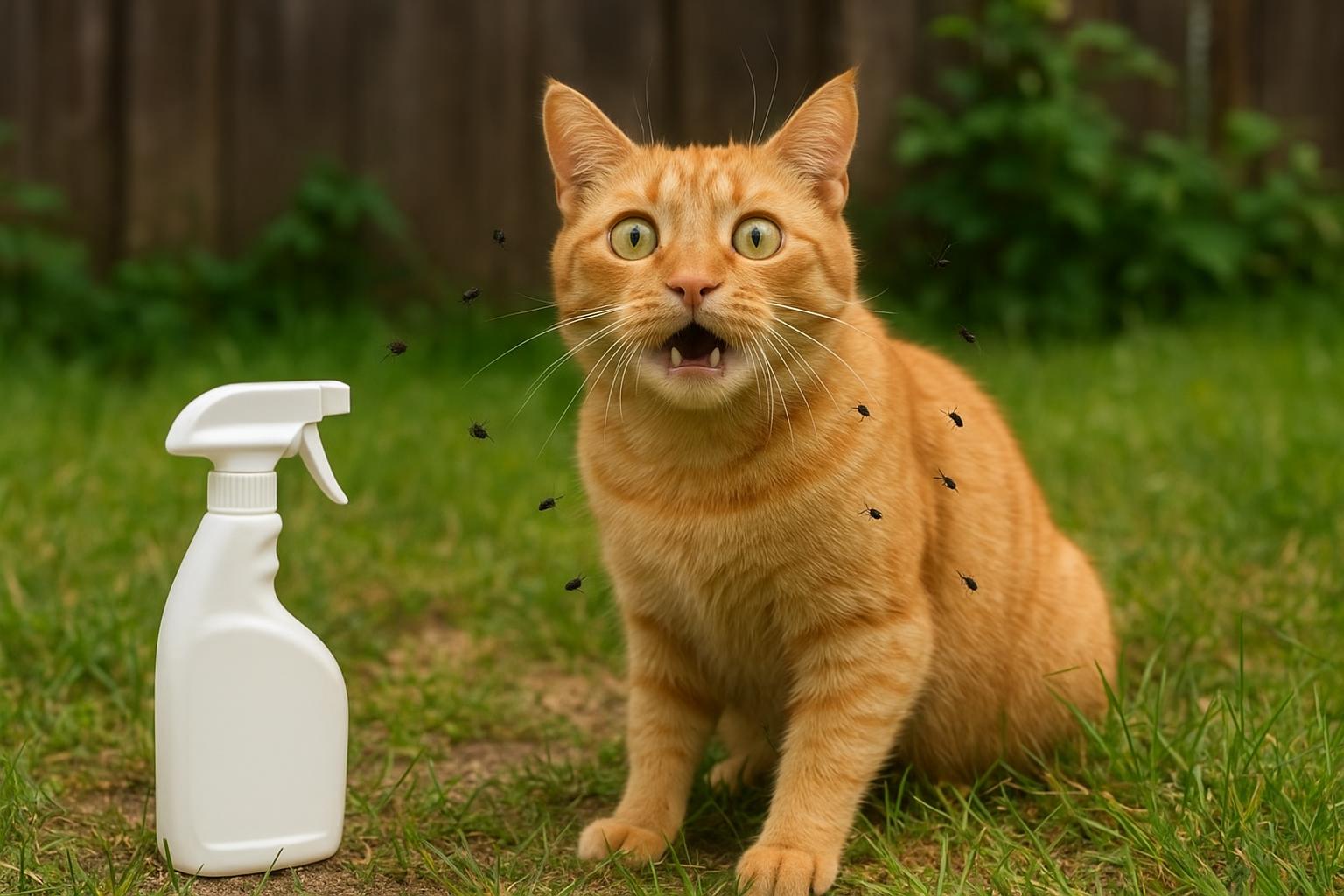
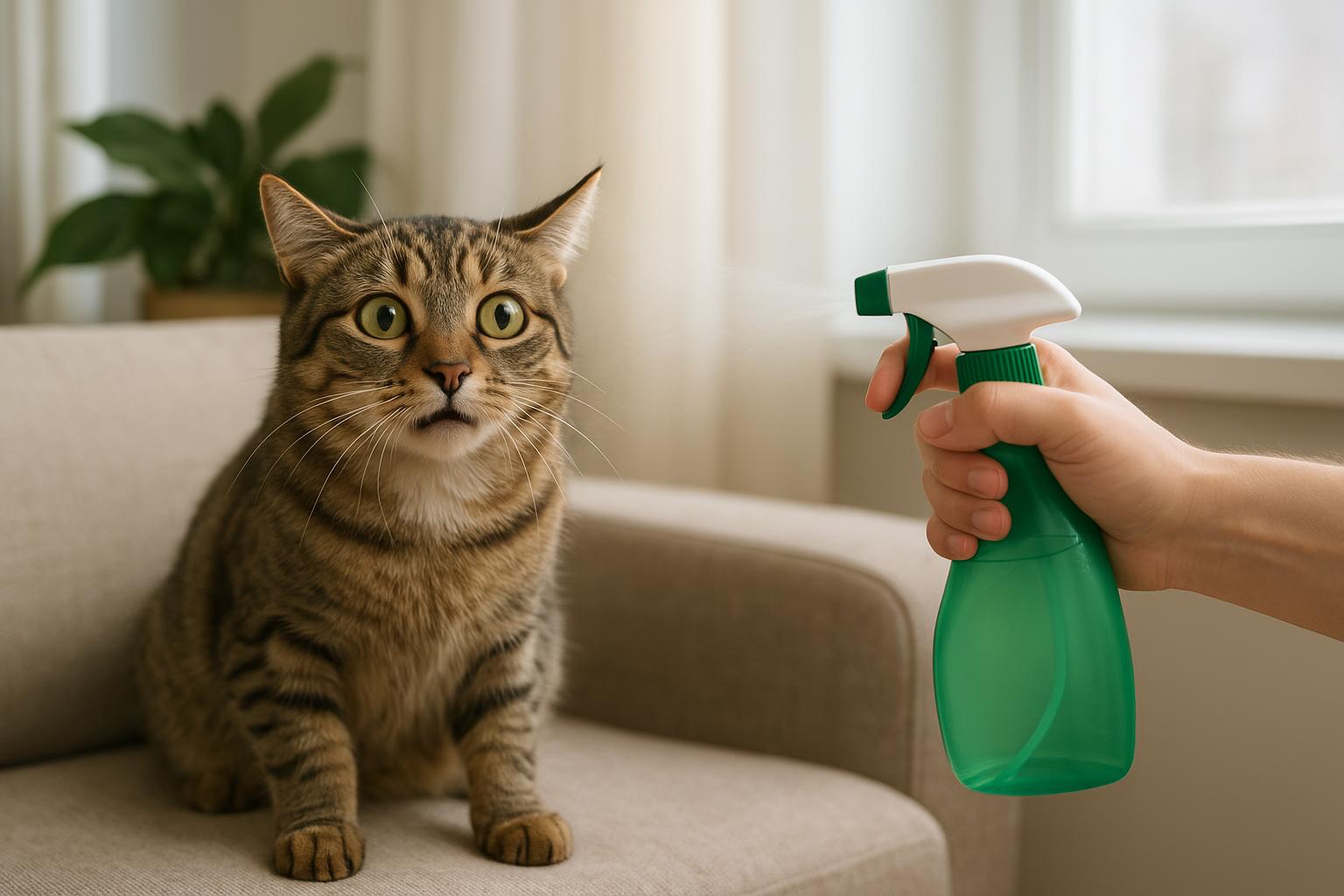
Can I use household sprays everywhere? No. Household sprays can help but they’re not uniform in safety. Use only labeled products and follow directions. For sensitive households, target wildlife entry points and rely on wash-and-vacuum methods more heavily.
How often should I wash the cat’s bedding? Weekly is a solid rule. If you have an active infestation, wash more often and increase vacuuming. A washable flea bed is a useful tool for keeping laundering simple.
If your cat seems itchy after starting a new product, stop and call the vet. Some reactions happen. Most are mild, but some need quick attention.
Definately take a realistic view: prevention is ongoing. Keep the routine and you’ll almost never have to deal with a full-blown infestation.















Leave a Reply