
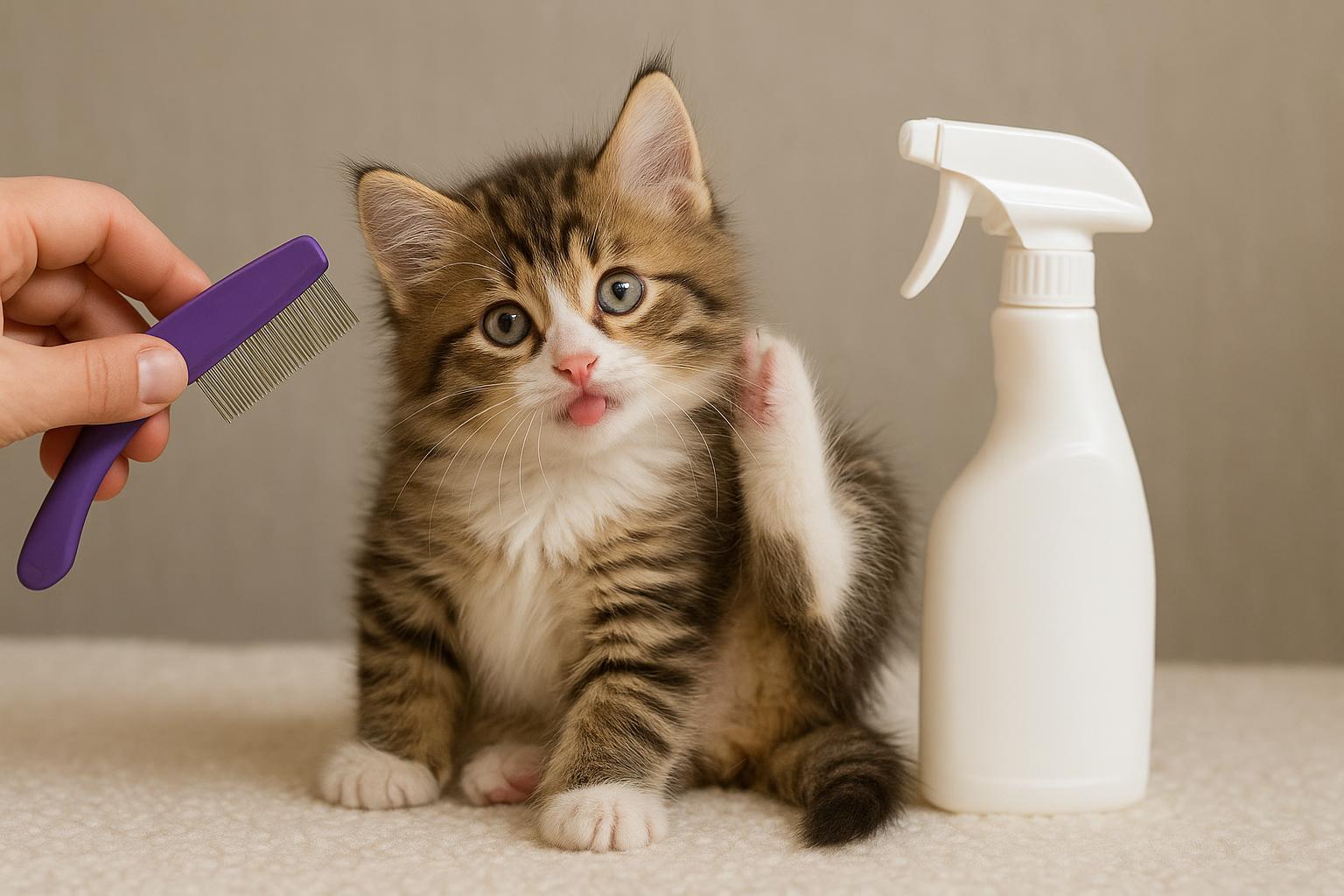
Kittens pick up fleas fast. If you wait, the problem grows into an infestation that’s harder to clear and more expensive to treat. The smart move is a simple, steady at-home routine that treats the kitten and the house at the same time.
## Best Flea Prevention For Kittens That Works At Home
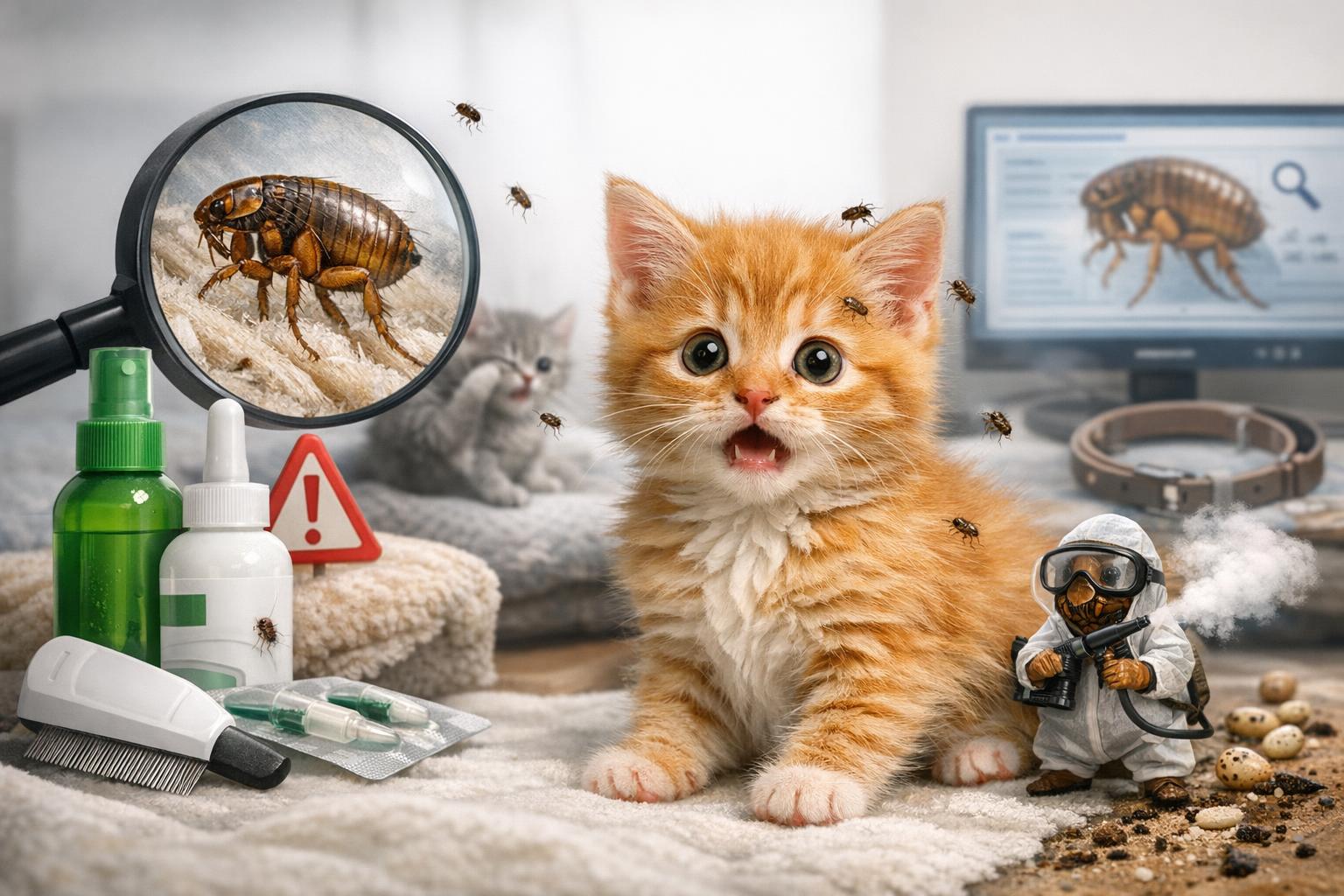
Kittens need a plan that matches their age and weight. The best flea prevention for kittens is one that combines regular grooming, environmental control, and age-appropriate treatment. That sounds obvious, but people often try one thing and expect it to solve everything. It won’t. Fleas live in carpets, beds, and cracks. Treating only the kitten ignores most of the population.
### Know What You’re Fighting
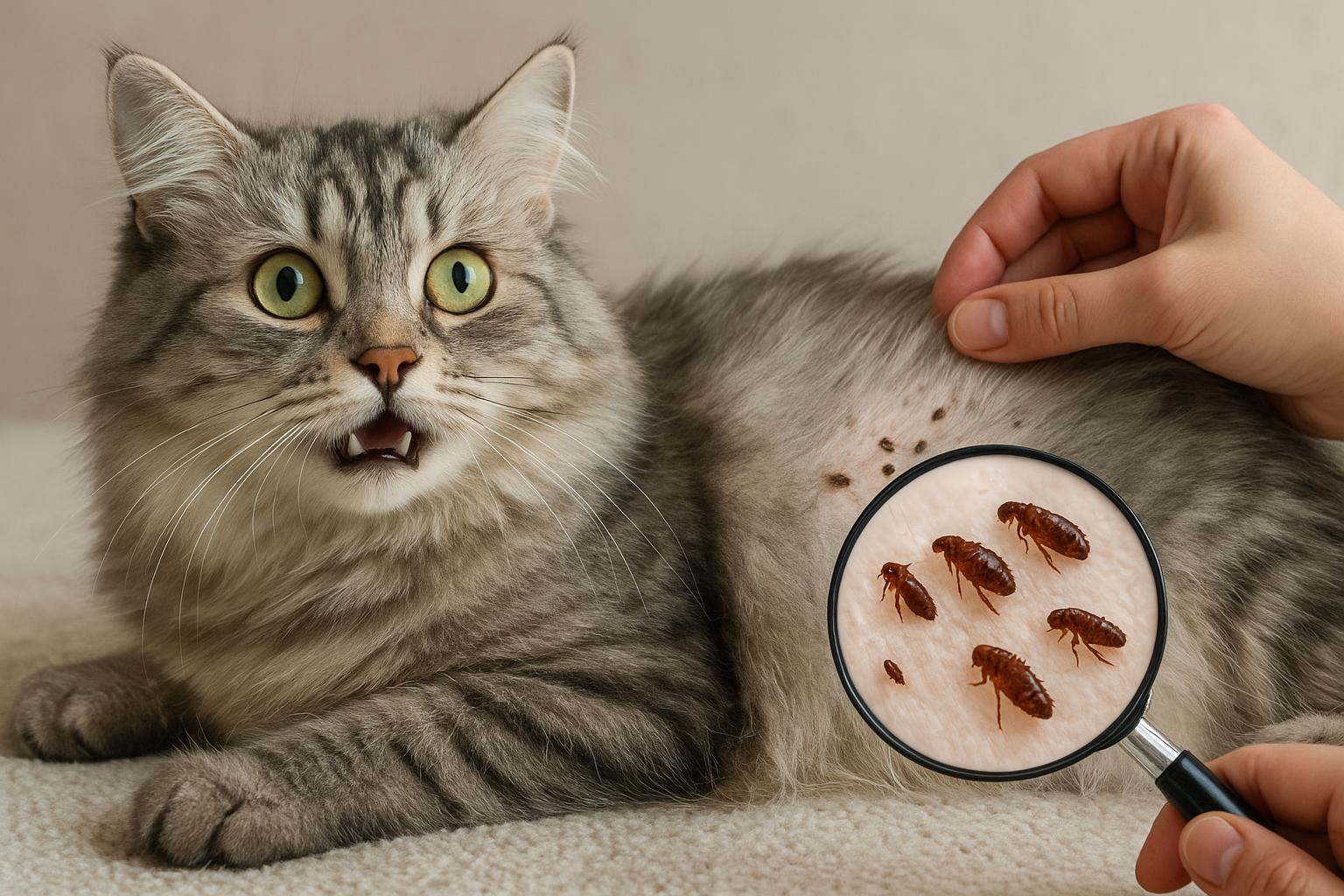
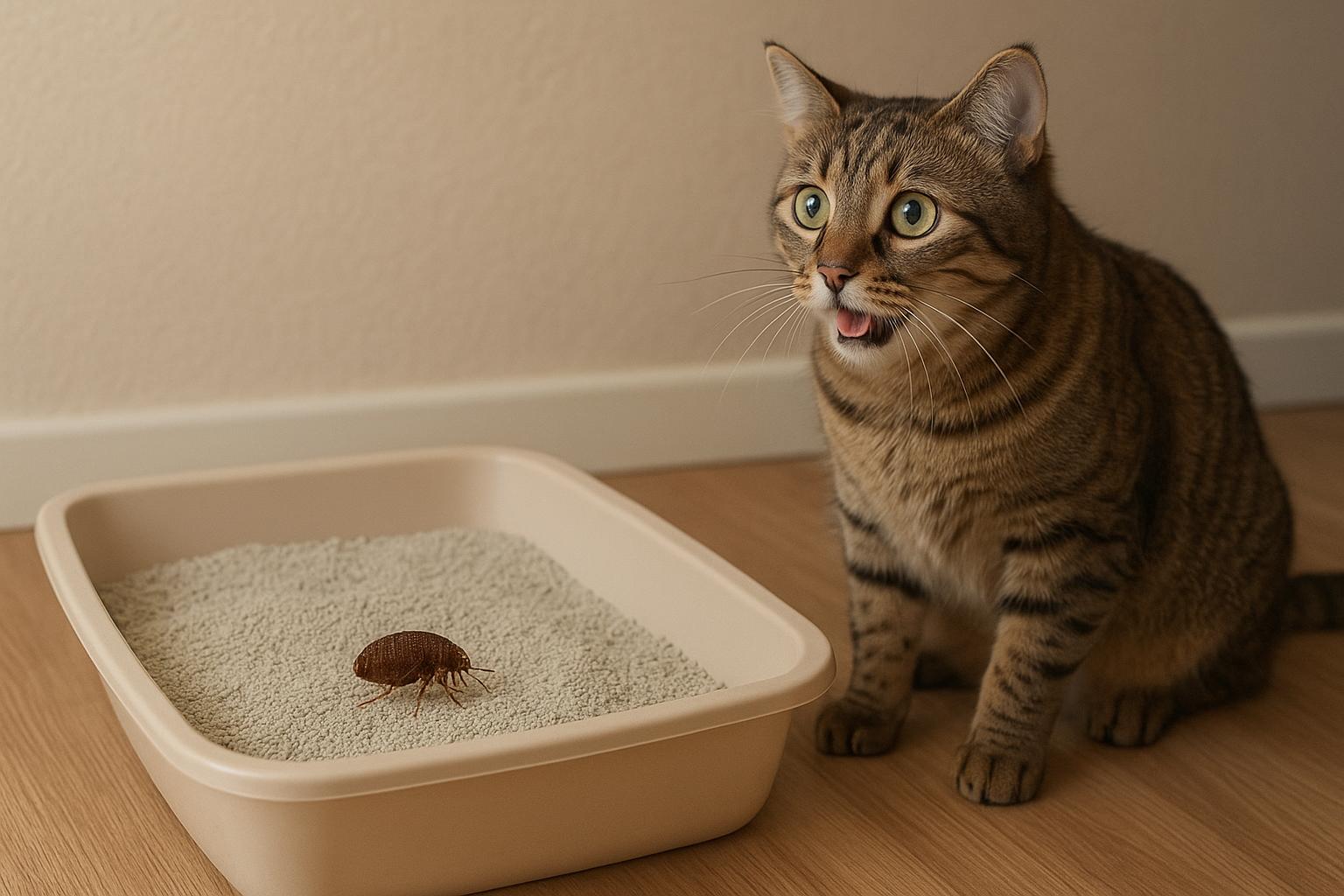
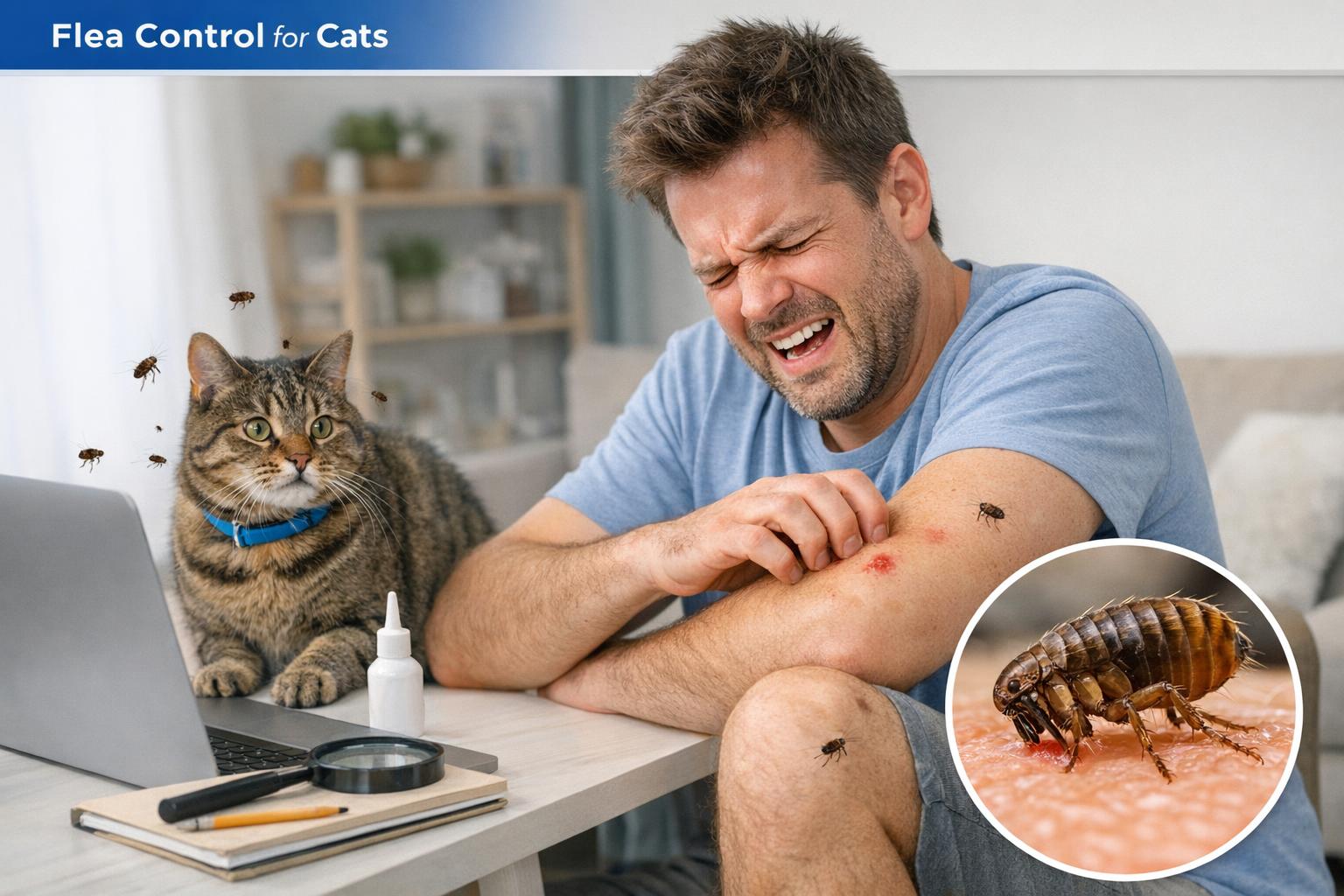
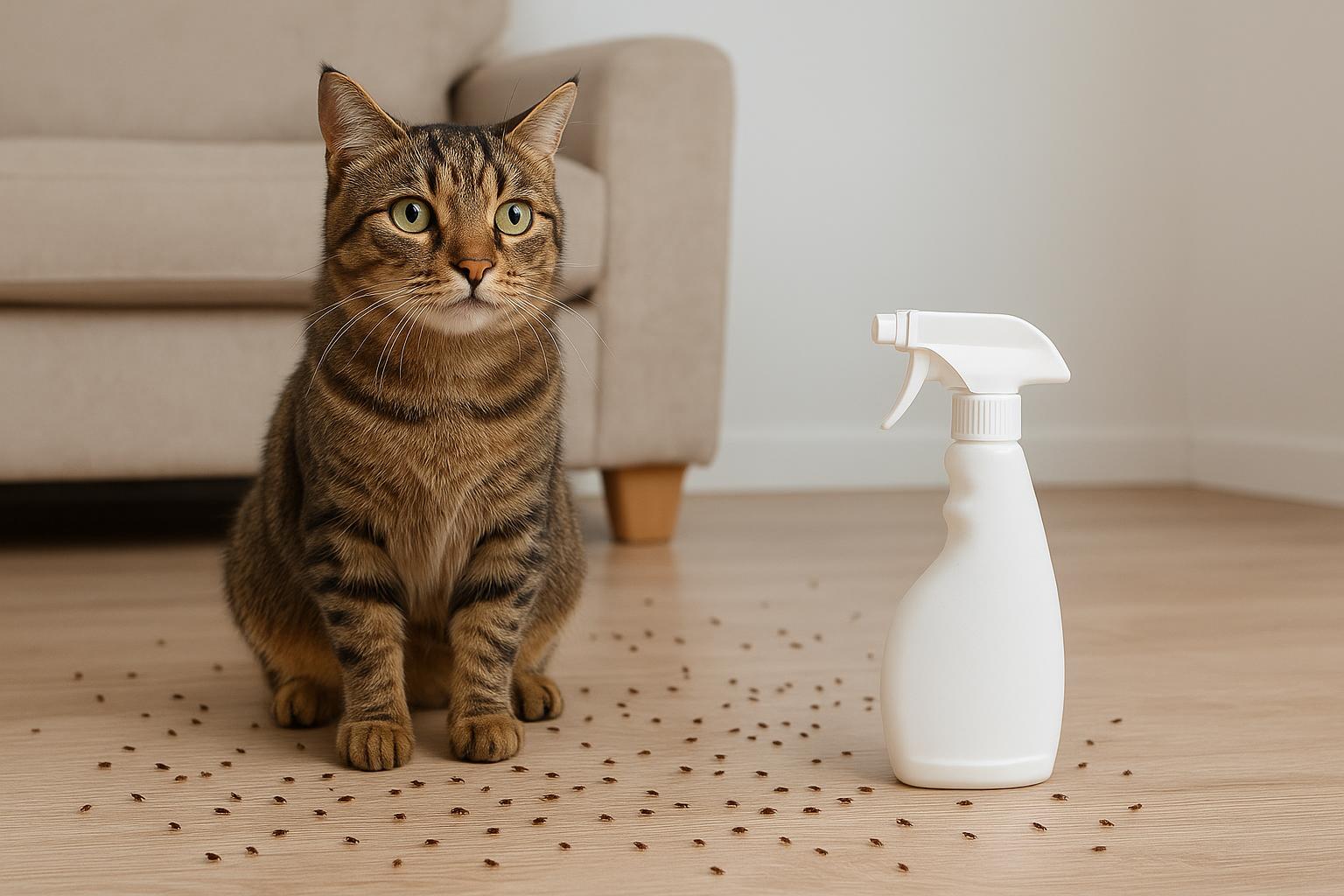
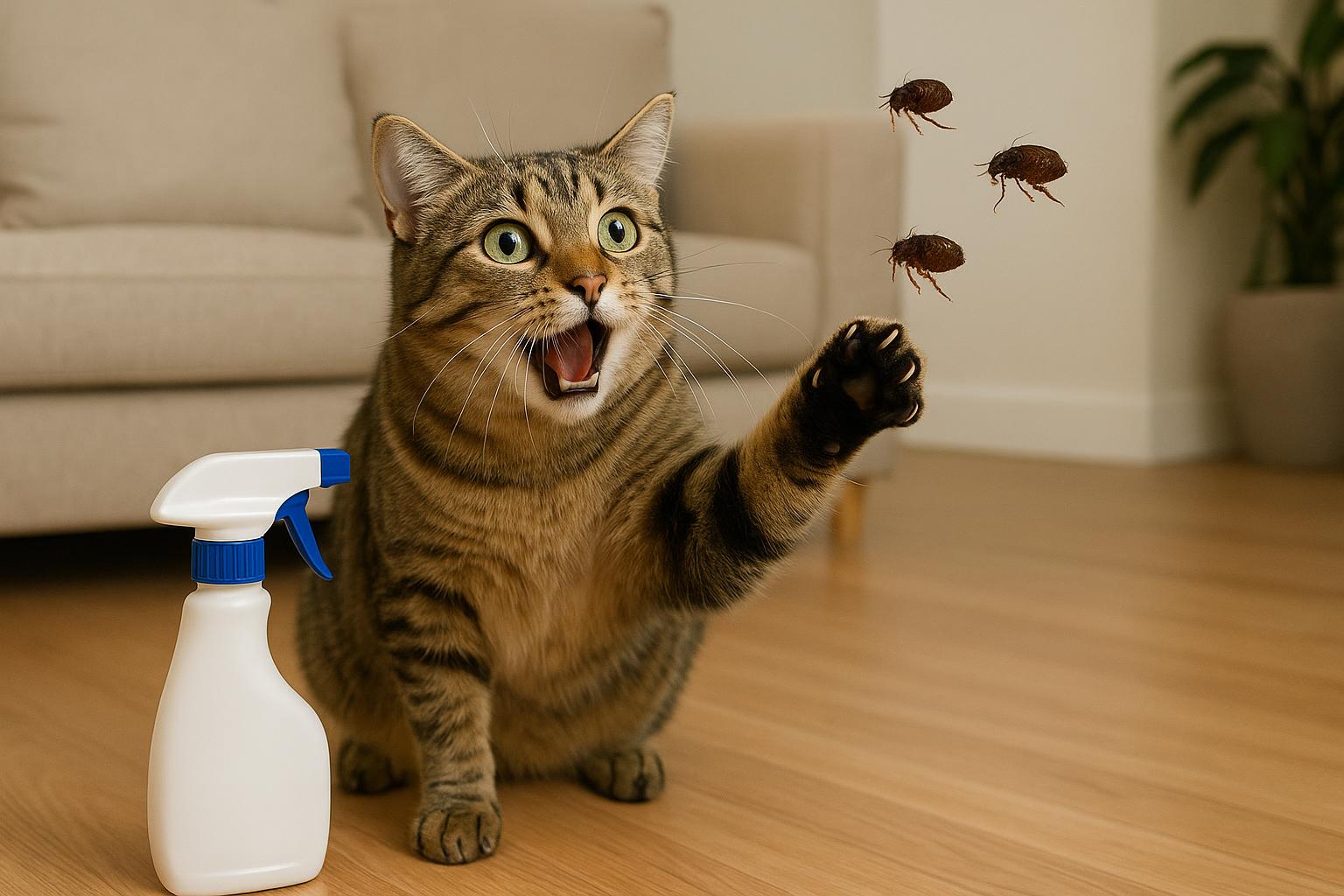
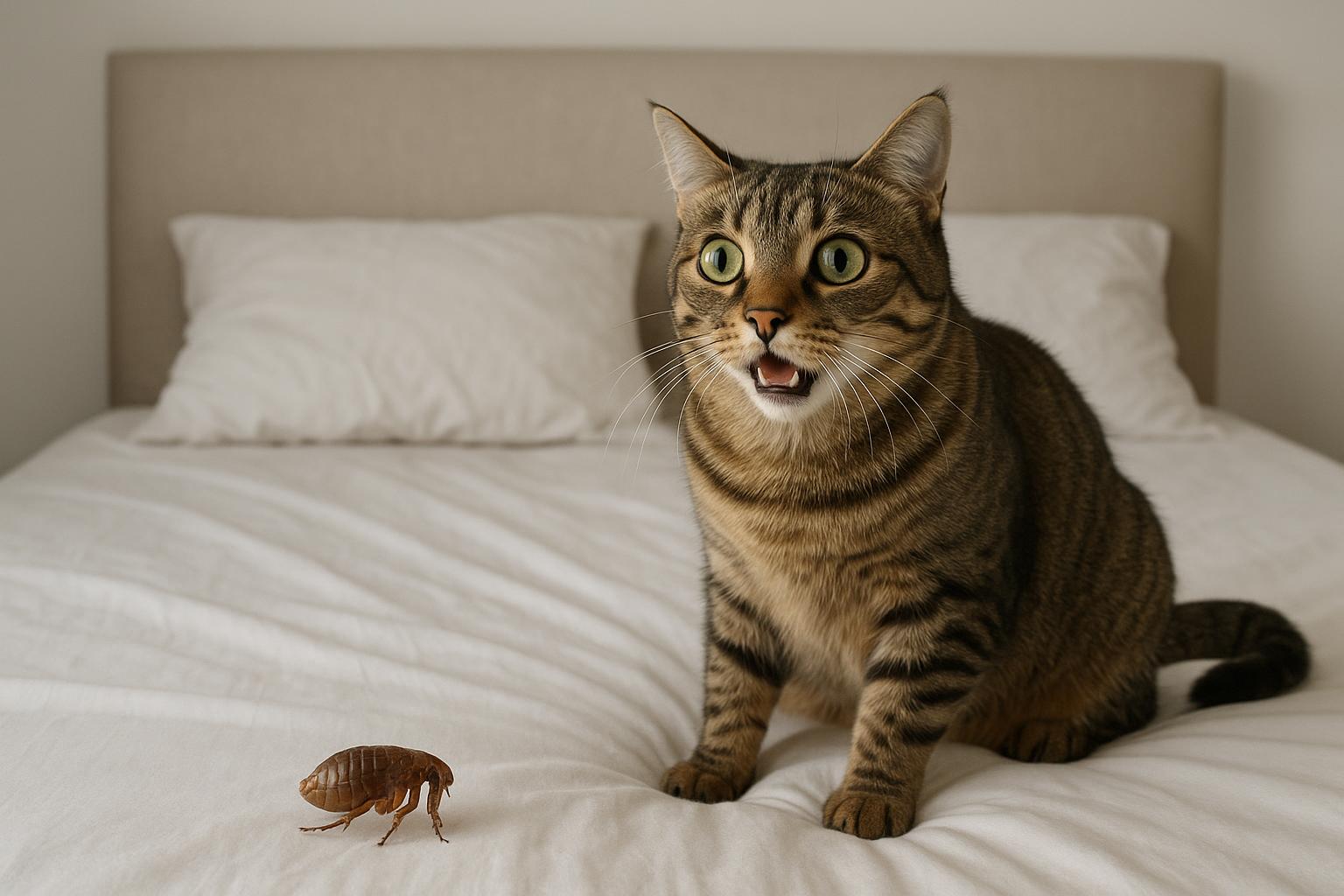
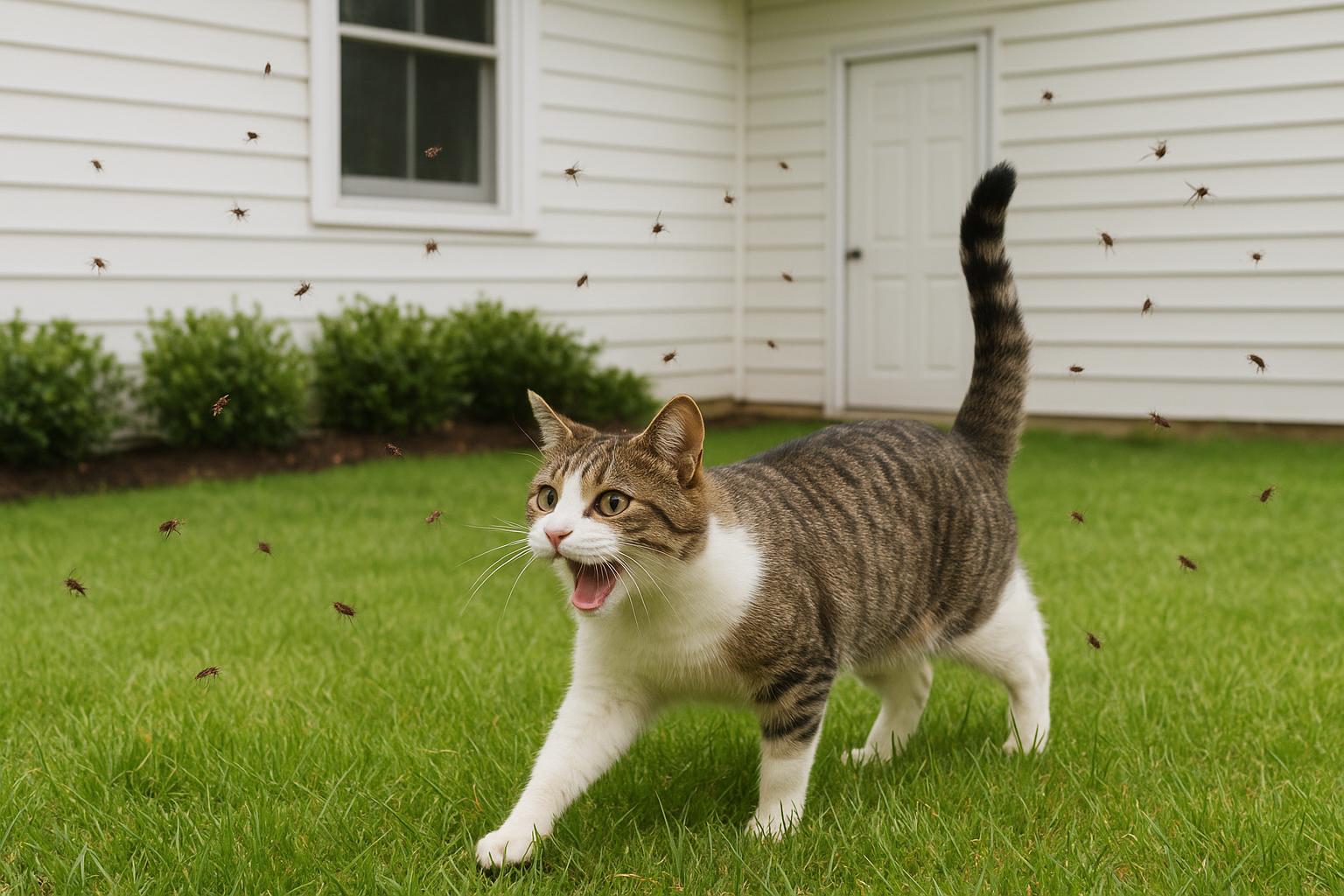
Flea eggs, larvae, pupae, and adults each live in different micro-habitats. Eggs fall off the kitten into carpet and bedding. Larvae avoid light and feed on organic debris. Pupae can sit dormant for weeks. Adults jump onto a host to feed and reproduce. A single adult female can lay dozens of eggs a day. This lifecycle is why a consistent flea prevention plan matters — you need to interrupt reinfestation at multiple points.
#### The Timeline To Expect
You’ll see adult fleas quickly, but clearing every stage takes time. With regular vacuuming, washing, and proper treatments, expect noticeable improvement in 2–8 weeks. Don’t give up after one week.
## Daily And Weekly At-Home Actions
Small, regular habits beat dramatic, risky measures.
### Daily: Comb And Inspect
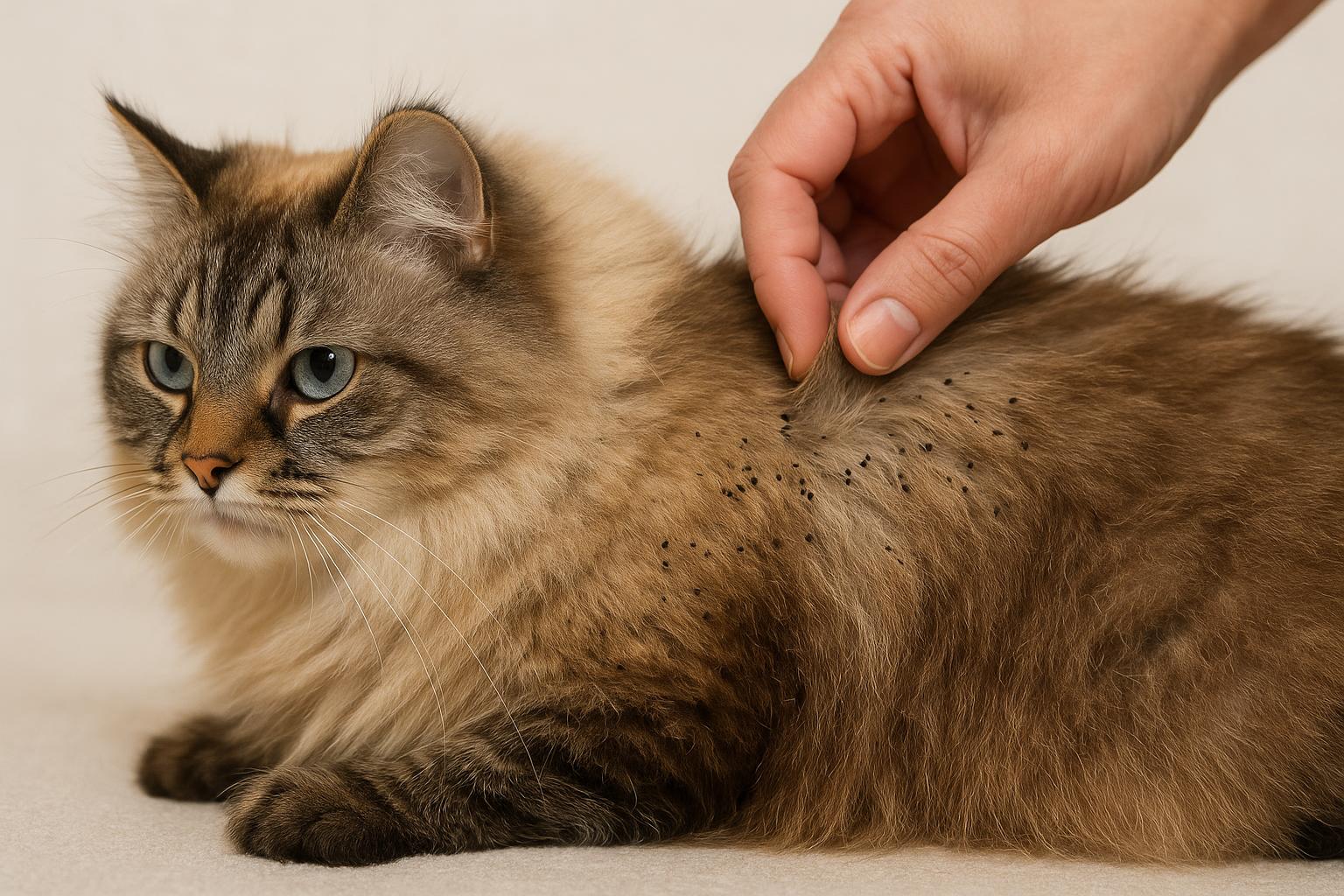
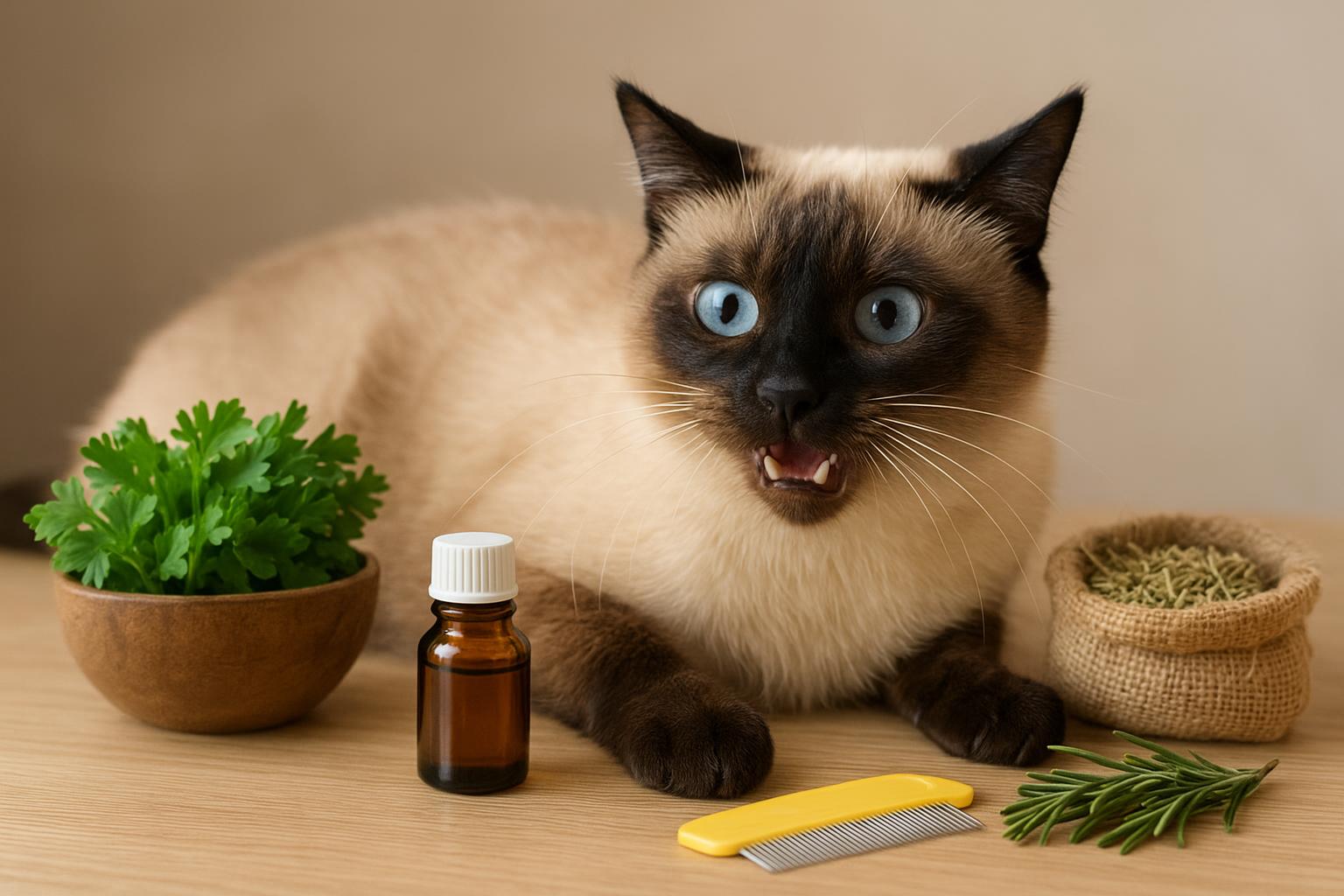
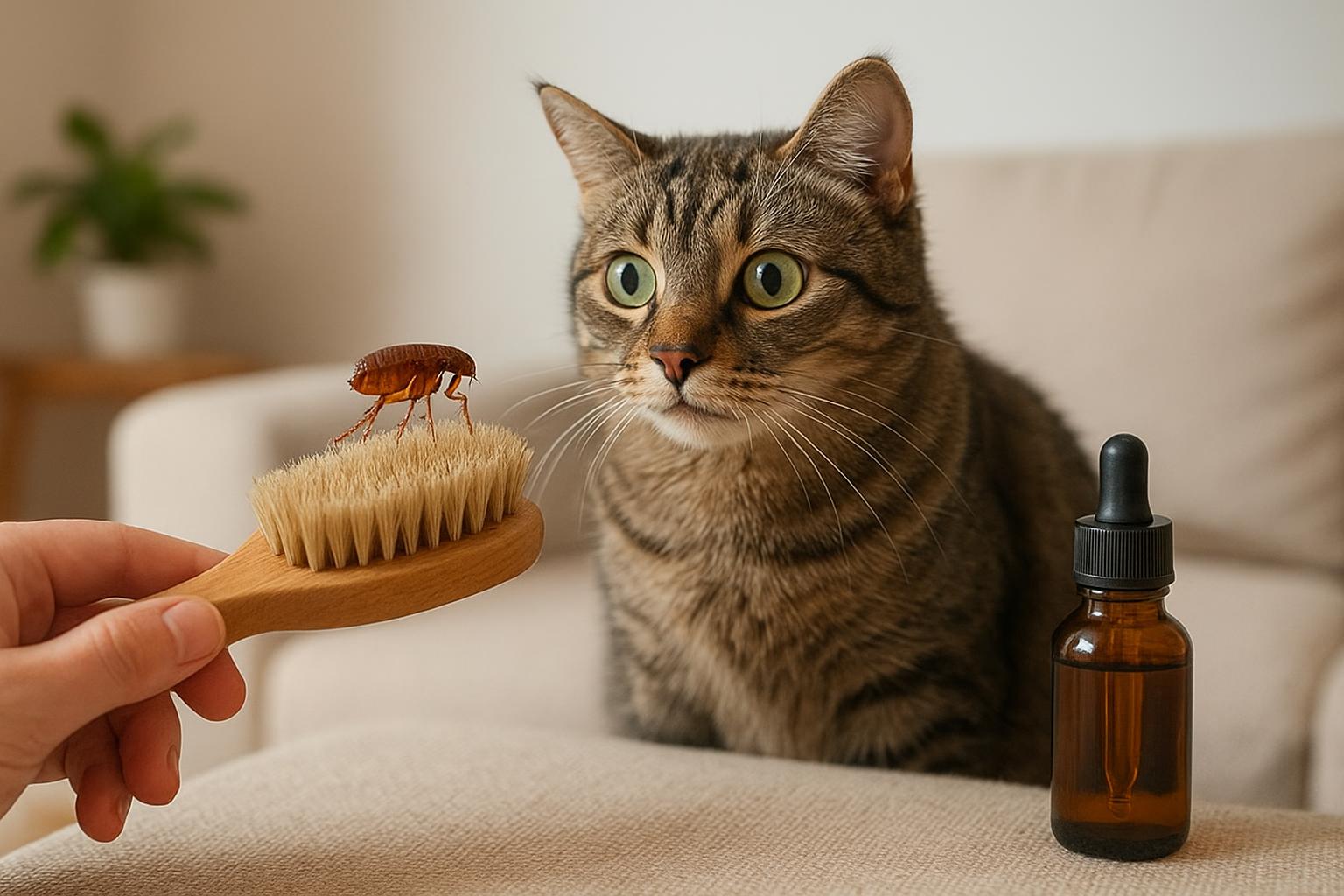
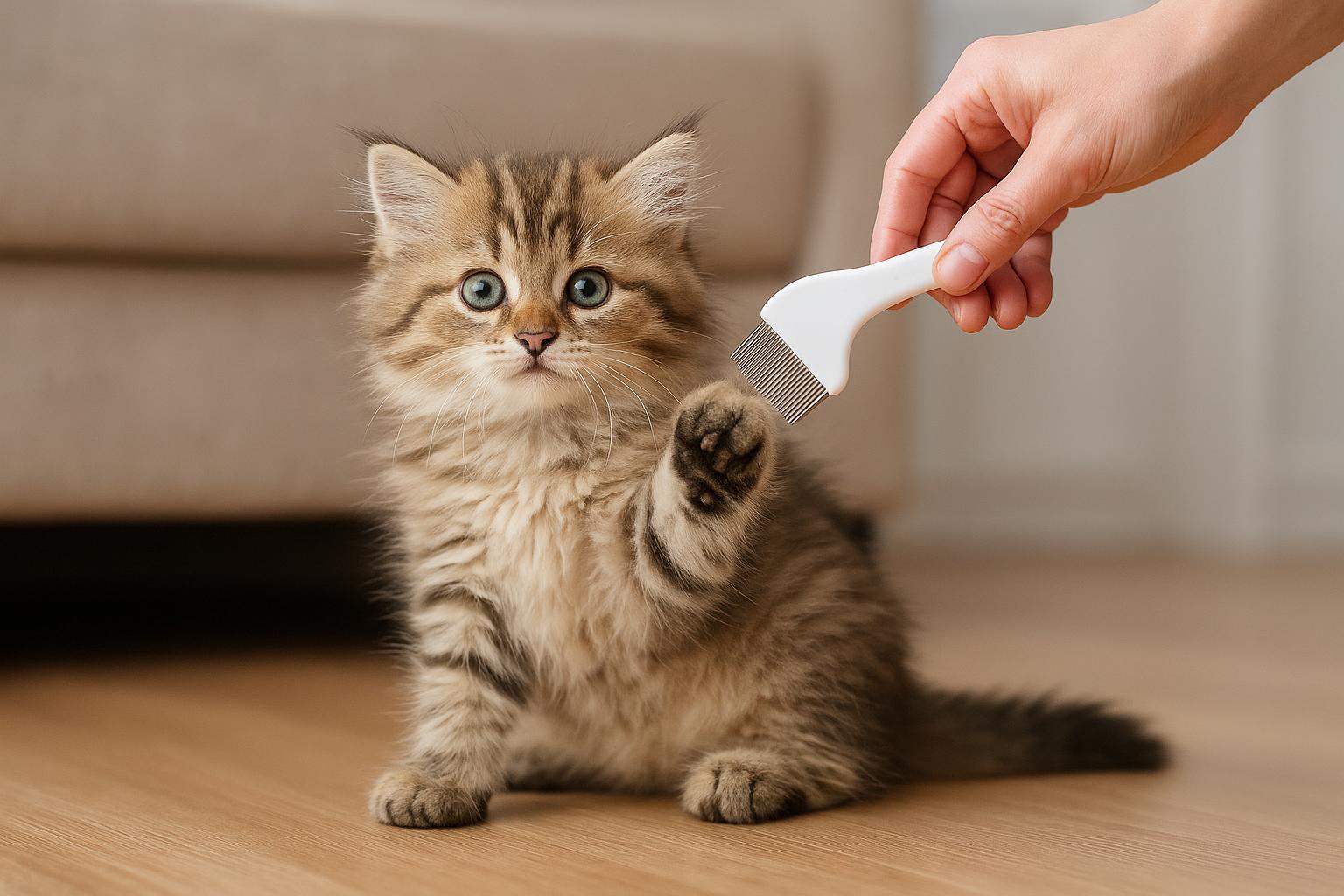
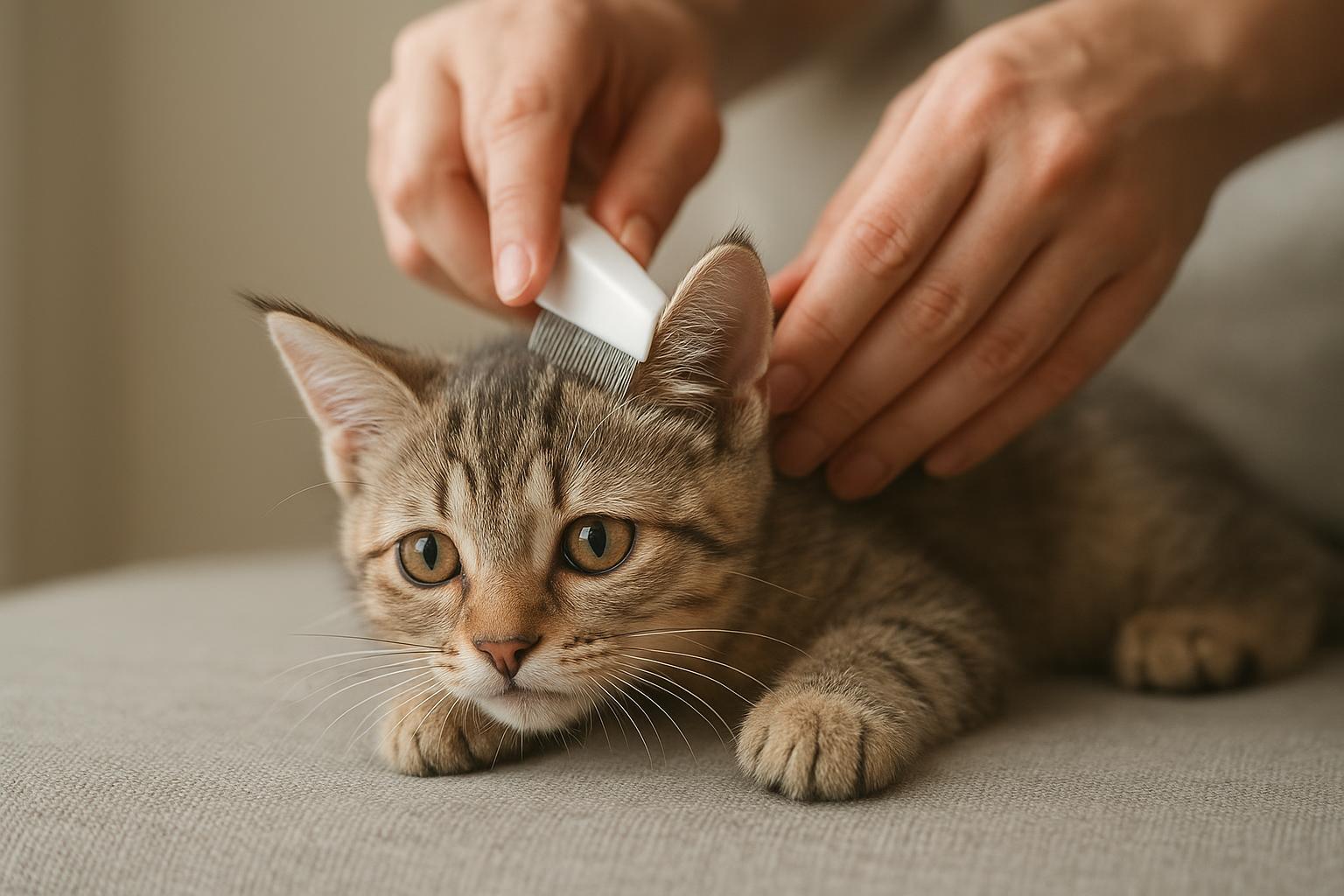
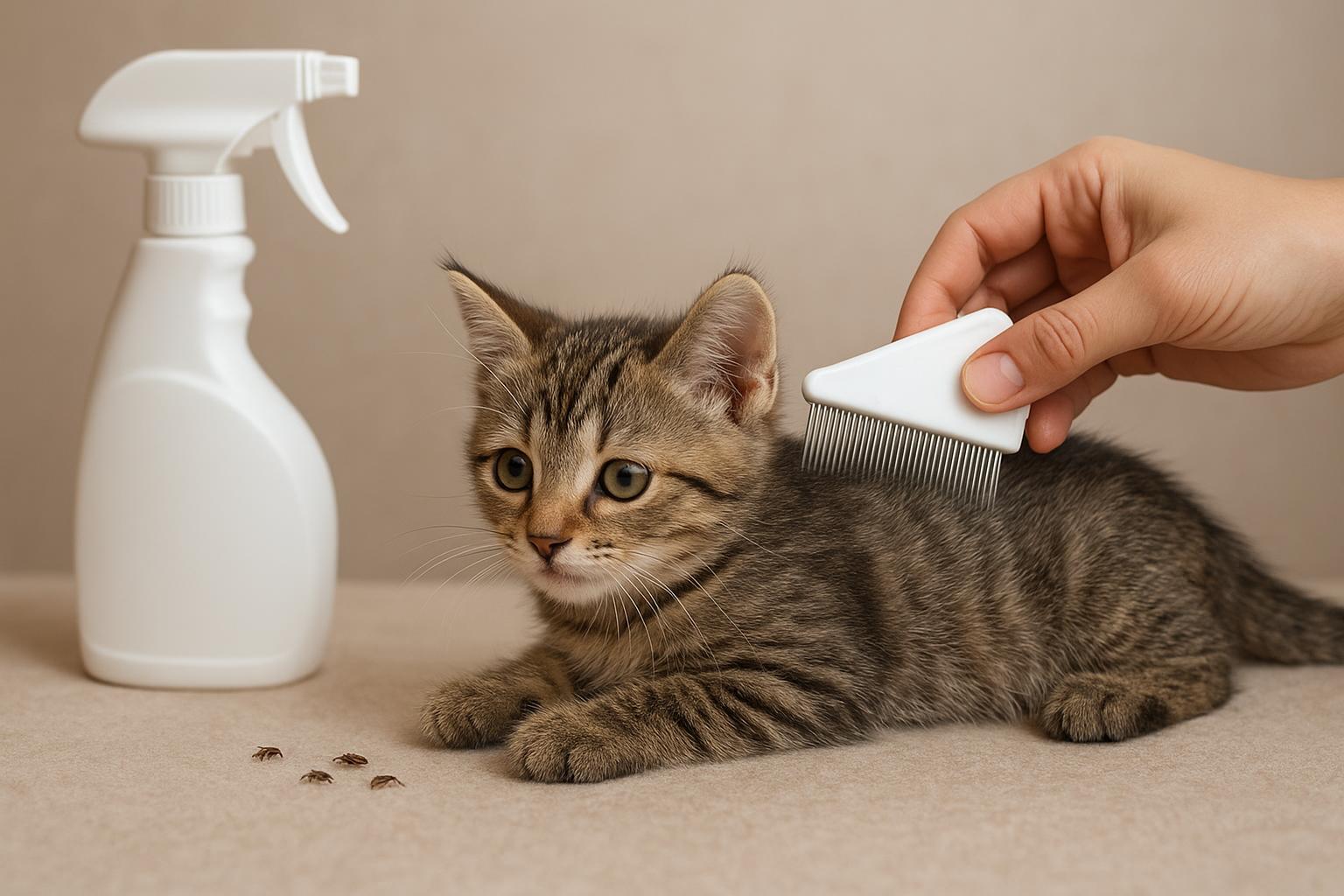
Use a fine-toothed flea comb every day until you’re sure the kittens are flea-free. Comb over a white towel so you can spot dark flea dirt or little brown bugs. Remove anything you find, then dunk the comb in soapy water to kill fleas.
### Weekly: Clean Bedding And Vacuum
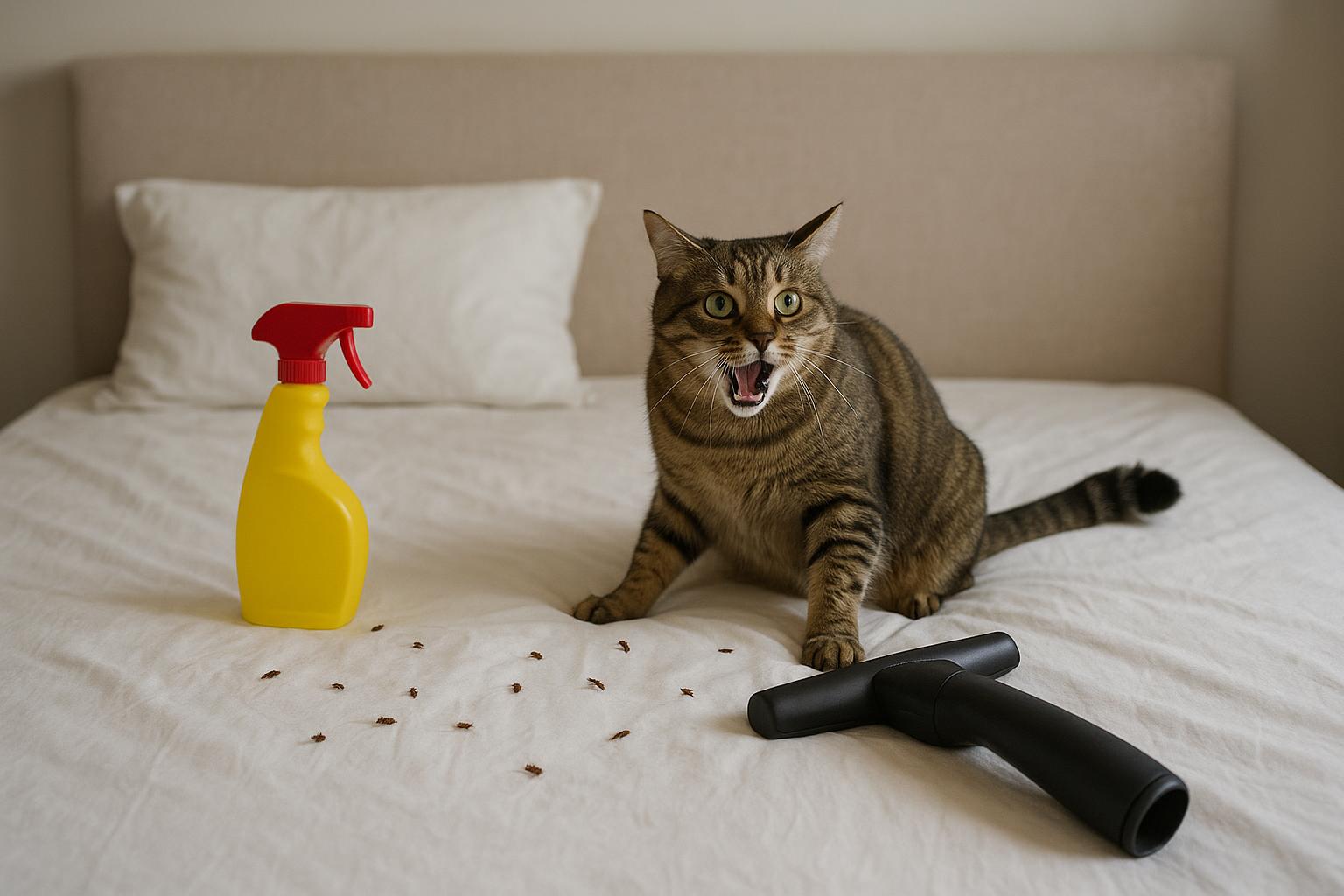
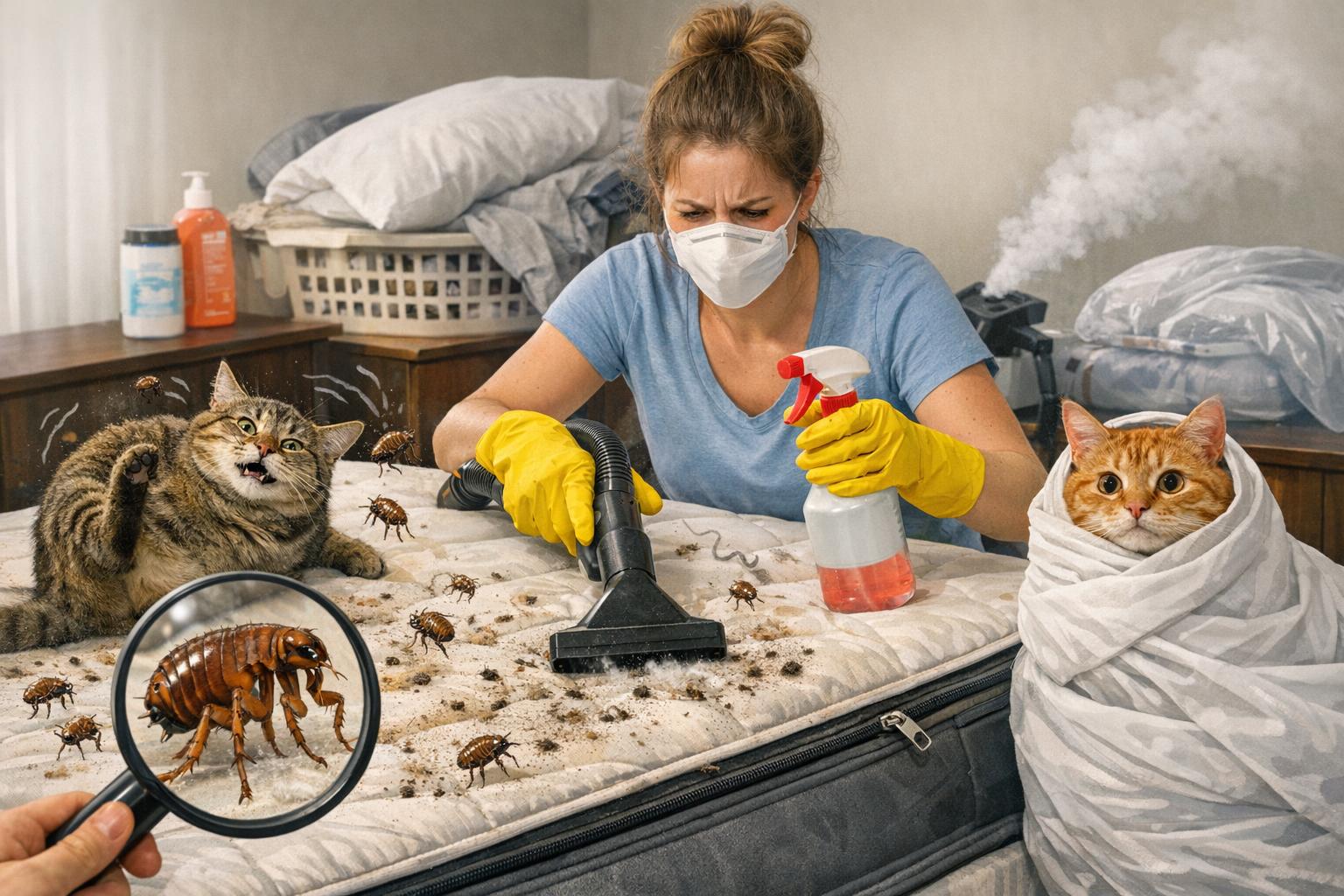
Wash all bedding, soft toys, and removable covers in hot water weekly. Vacuum rugs, furniture, and baseboards at least twice a week during treatment. Seal vacuum contents in a bag and discard it outdoors so fleas don’t crawl back out.
#### Small Tools That Make A Big Difference
– A tight-weave microfiber cover for cat beds helps stop eggs from sinking into stuffing.
– A crevice tool on your vacuum pulls larvae out of corners.
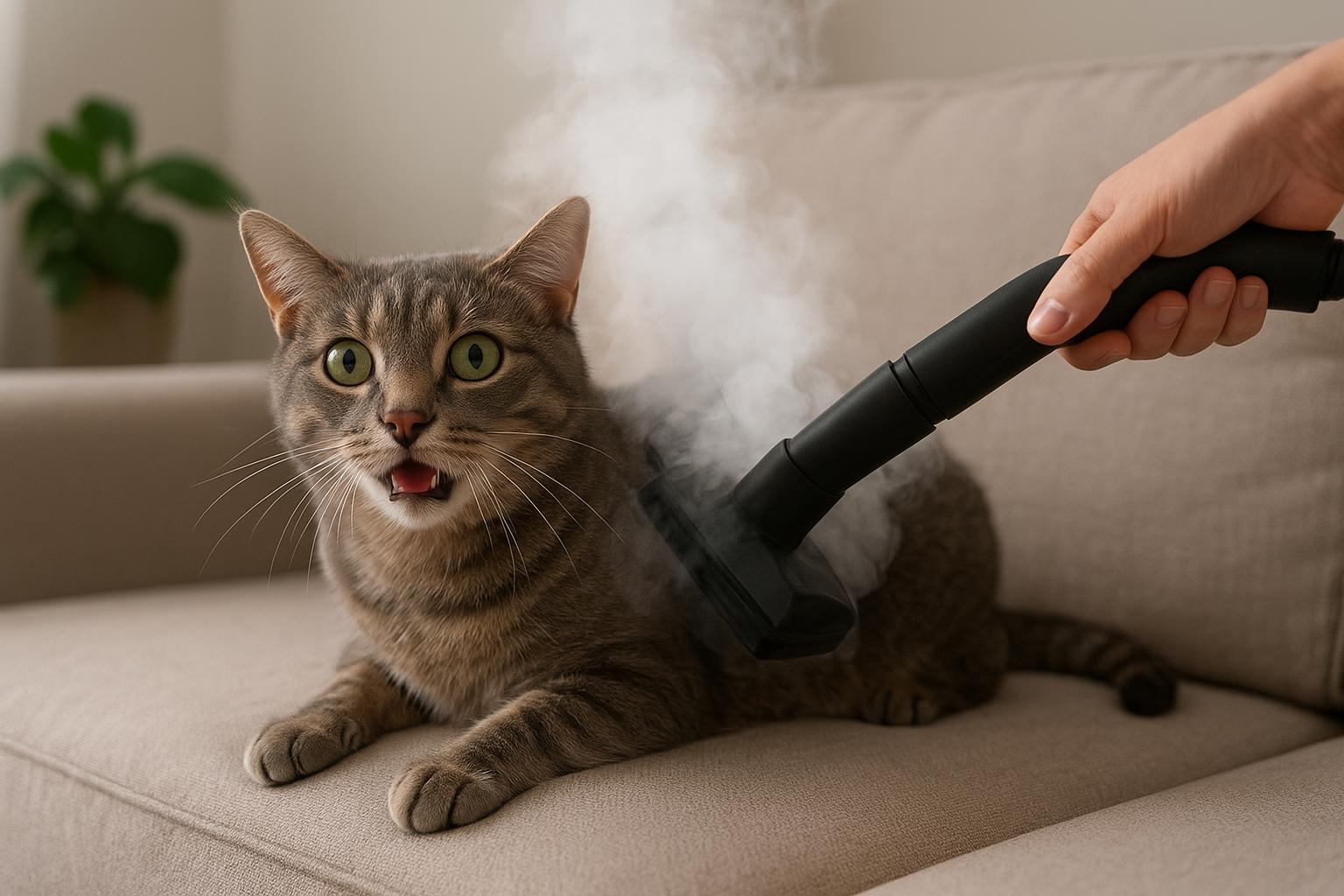
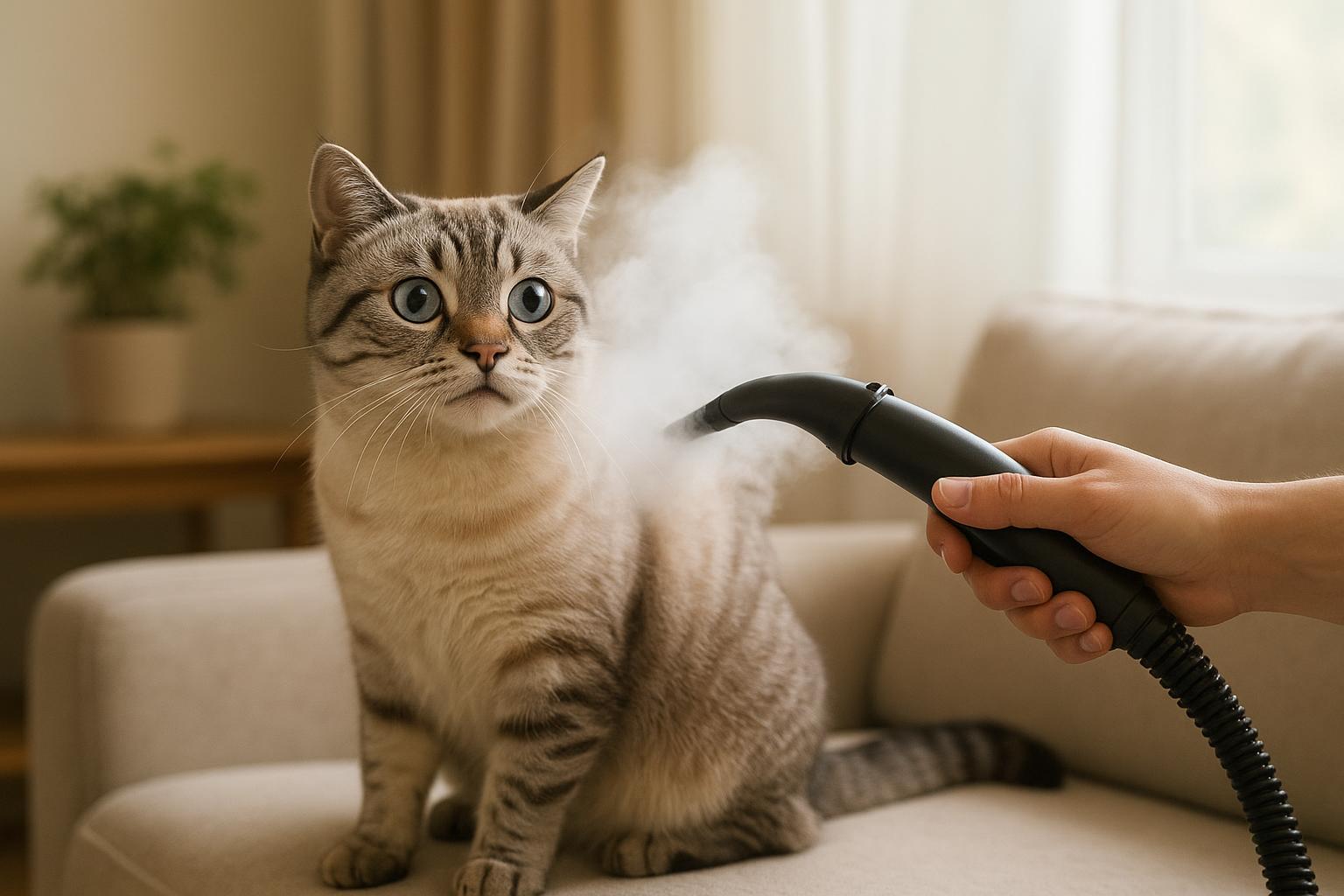
– Steam cleaning is great for upholstery because high heat kills multiple flea stages.
## Safe Treatments For Young Kittens
Not every product you see online is safe for a tiny kitten. Some dog products contain permethrin and are deadly to cats. That’s why the best flea prevention for kittens includes vet-approved options.
### When To Use Topical Or Oral Treatments
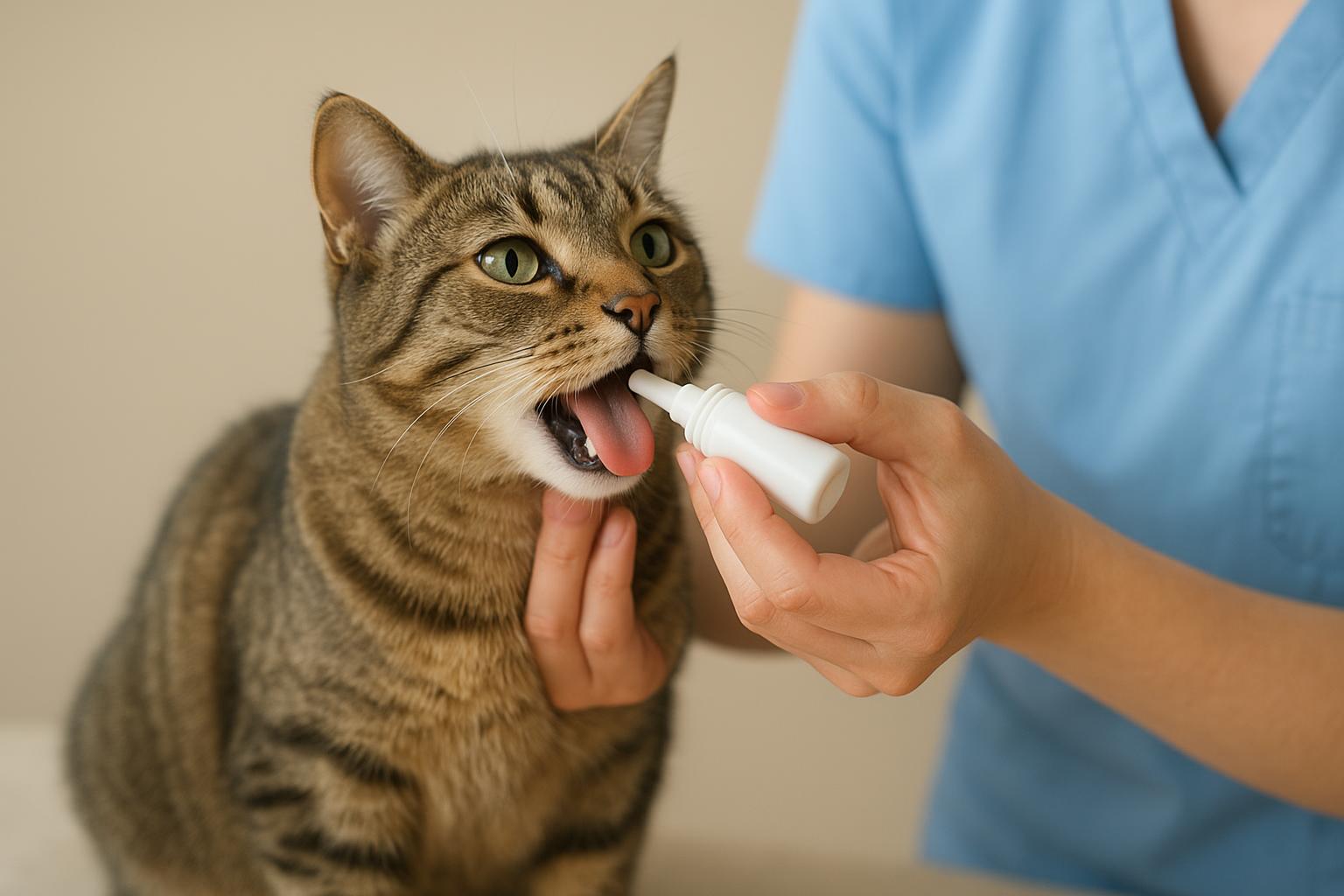
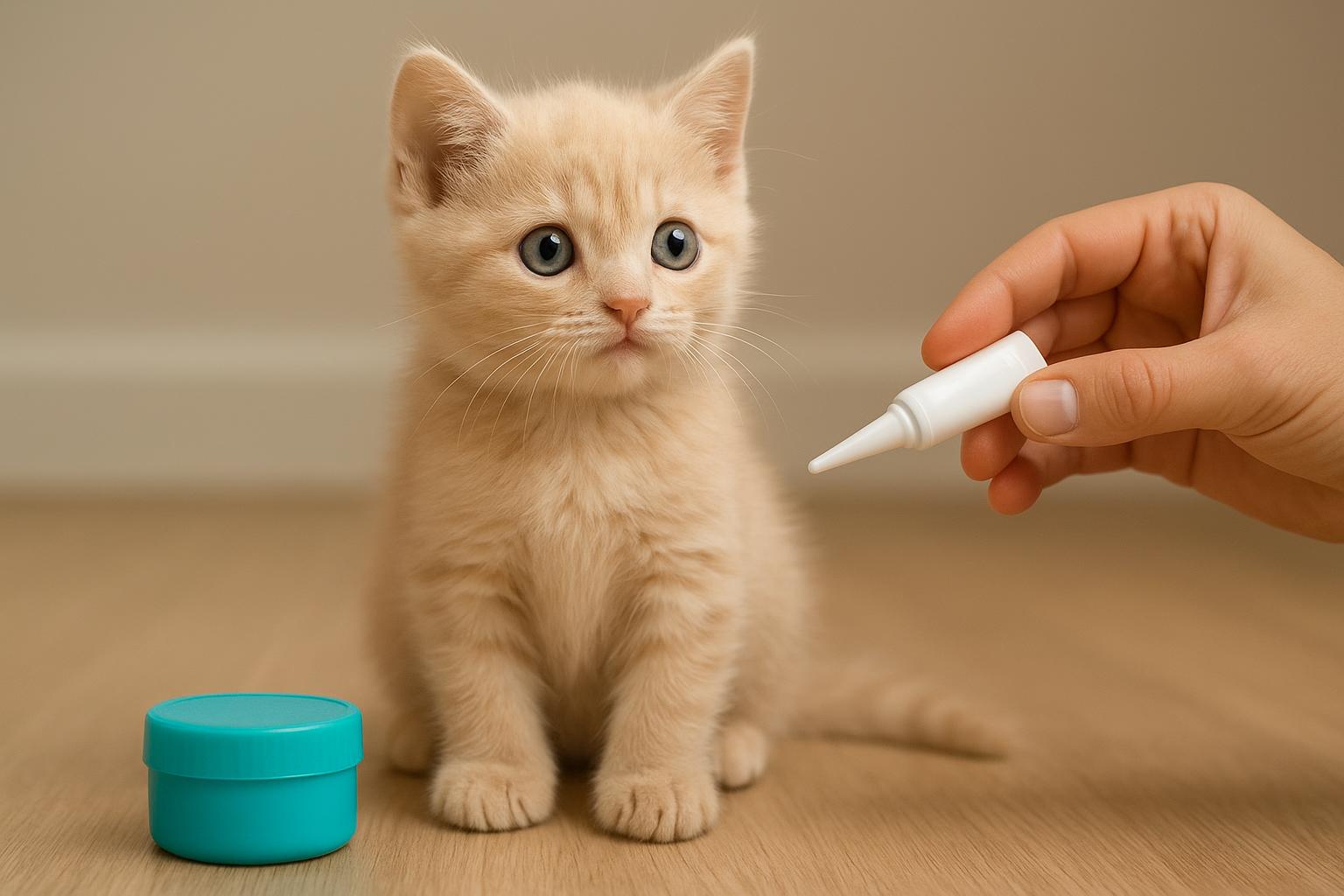
Some topical products are labeled for kittens starting at 6 to 8 weeks, while others require the kitten to be older. The correct choice depends on the kitten’s age and weight. Talk to your vet before using anything stronger than a flea comb and a mild shampoo. If the kitten is under 8 weeks or under a certain weight, your vet may recommend treating the environment first and using mechanical removal on the kitten until it’s old enough for medication.
#### Spot-On Safety Tips
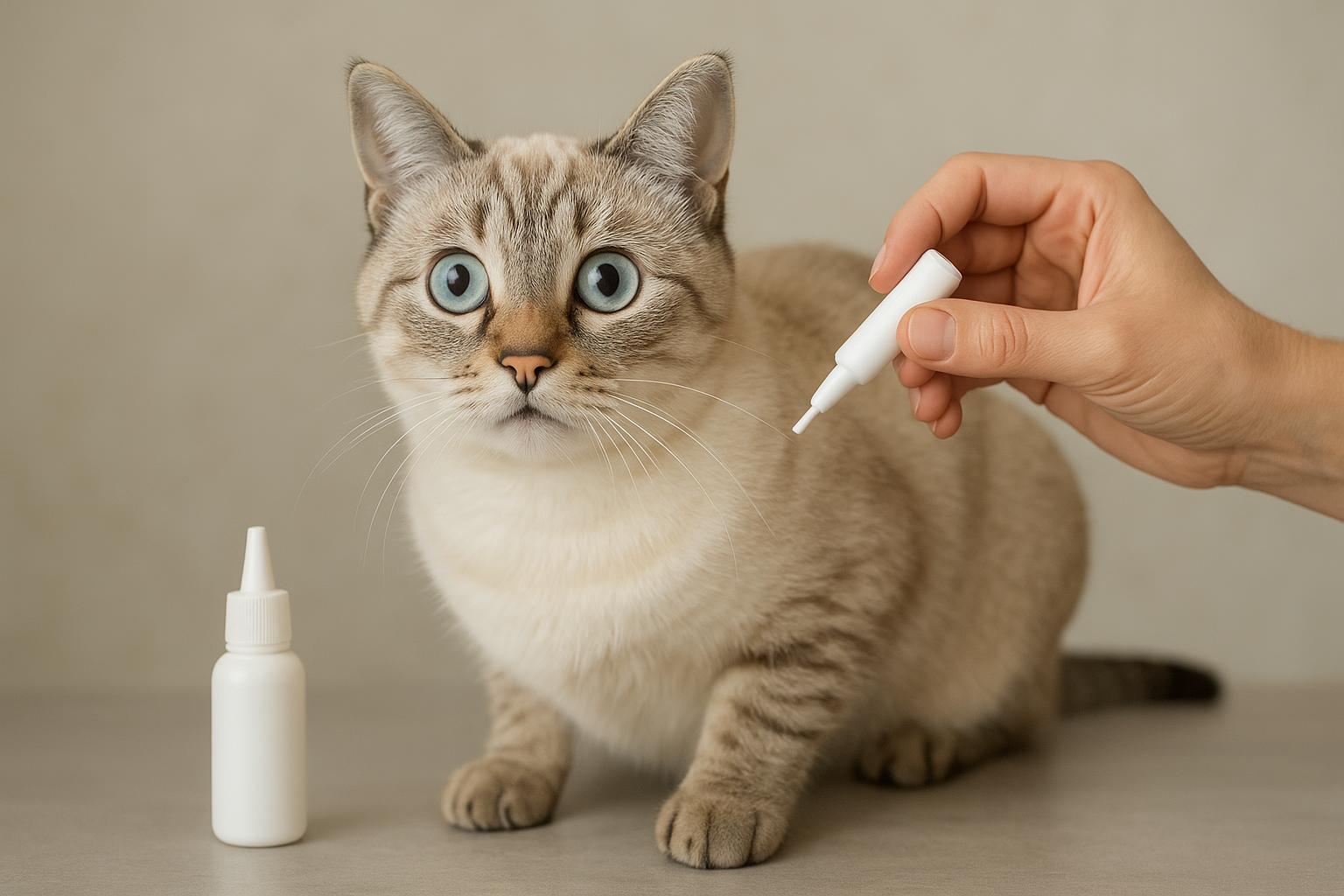
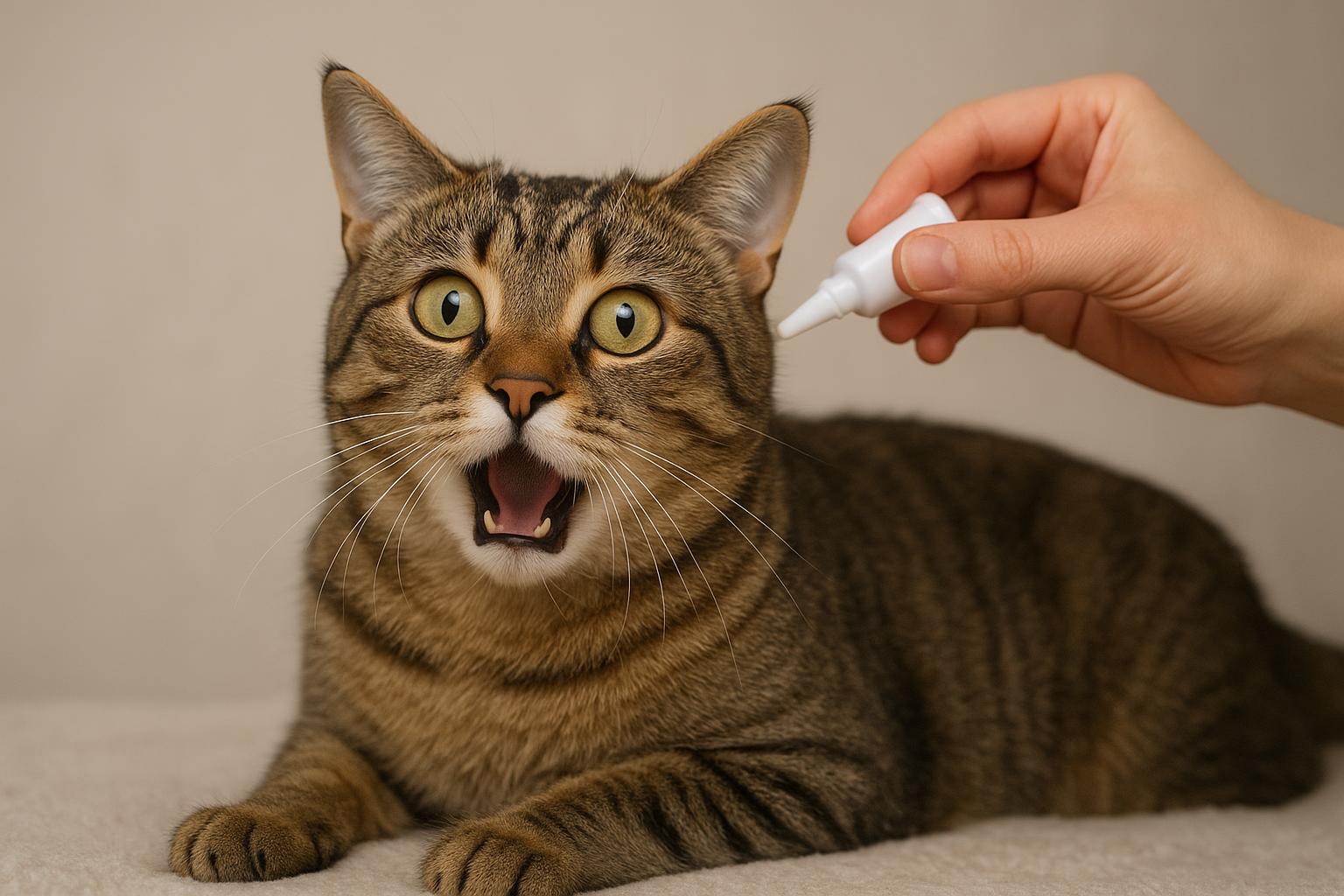
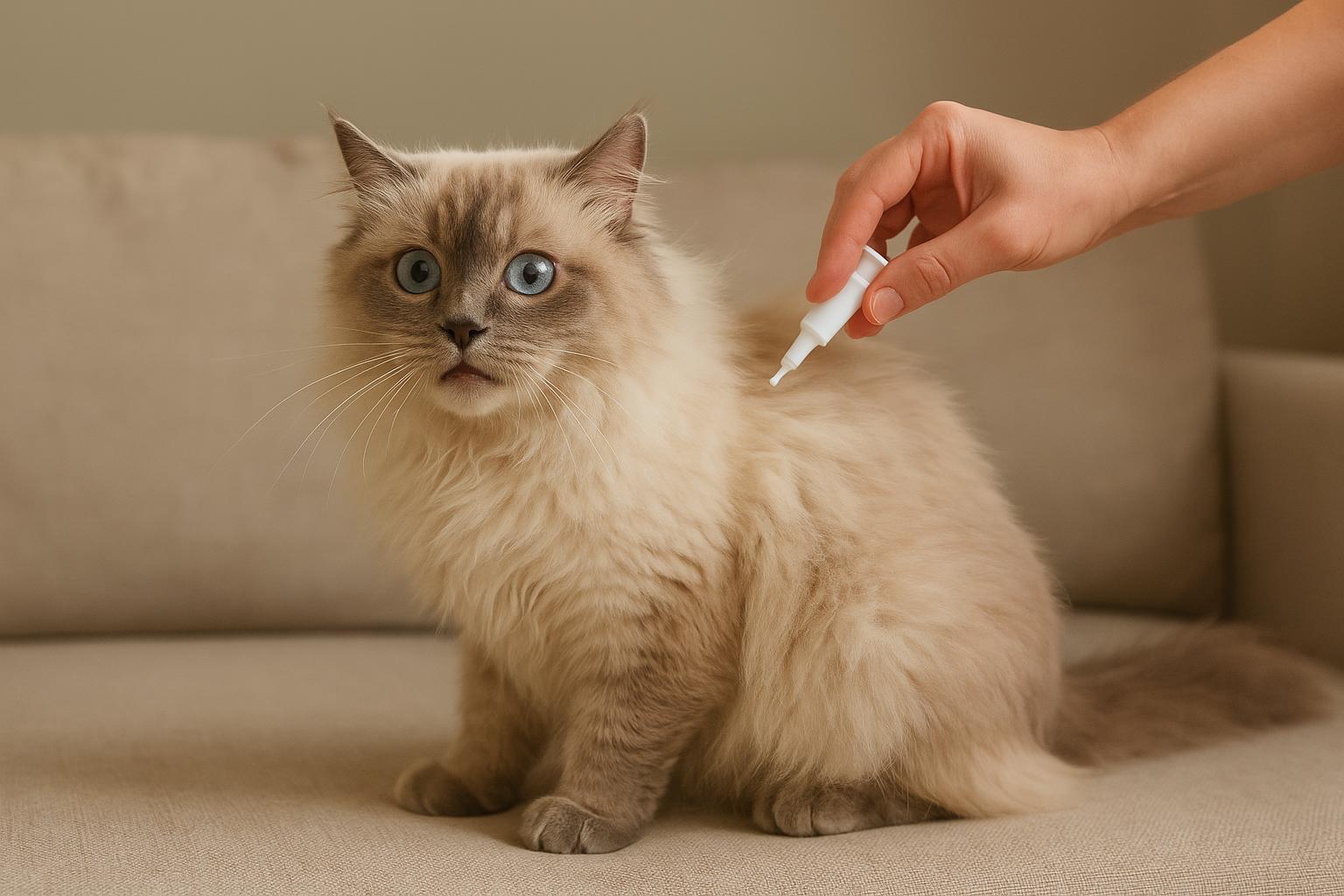
Apply spot-on treatments only to dry skin between the shoulders where the kitten can’t lick it off. Follow the dose exactly. Overdosing is dangerous. If you’re unsure about the product label, bring the kitten to the vet and ask for a prescription appropriate for its age.
## Treating The Home Without Toxic Overload
You don’t need to saturate your house with chemicals. Targeted environmental control reduces flea numbers while keeping your kitten safe.
### Use An Insect Growth Regulator (IGR)
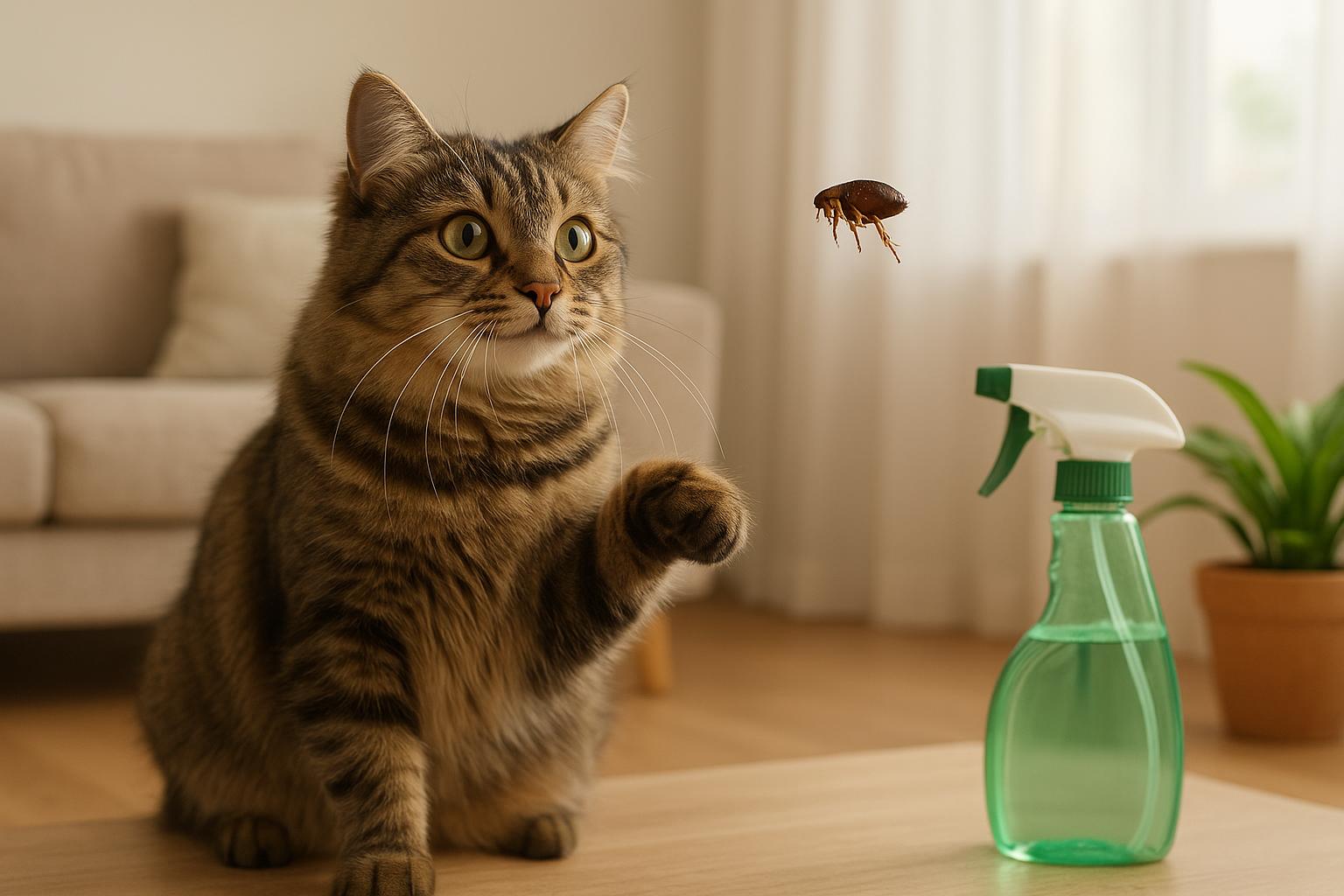
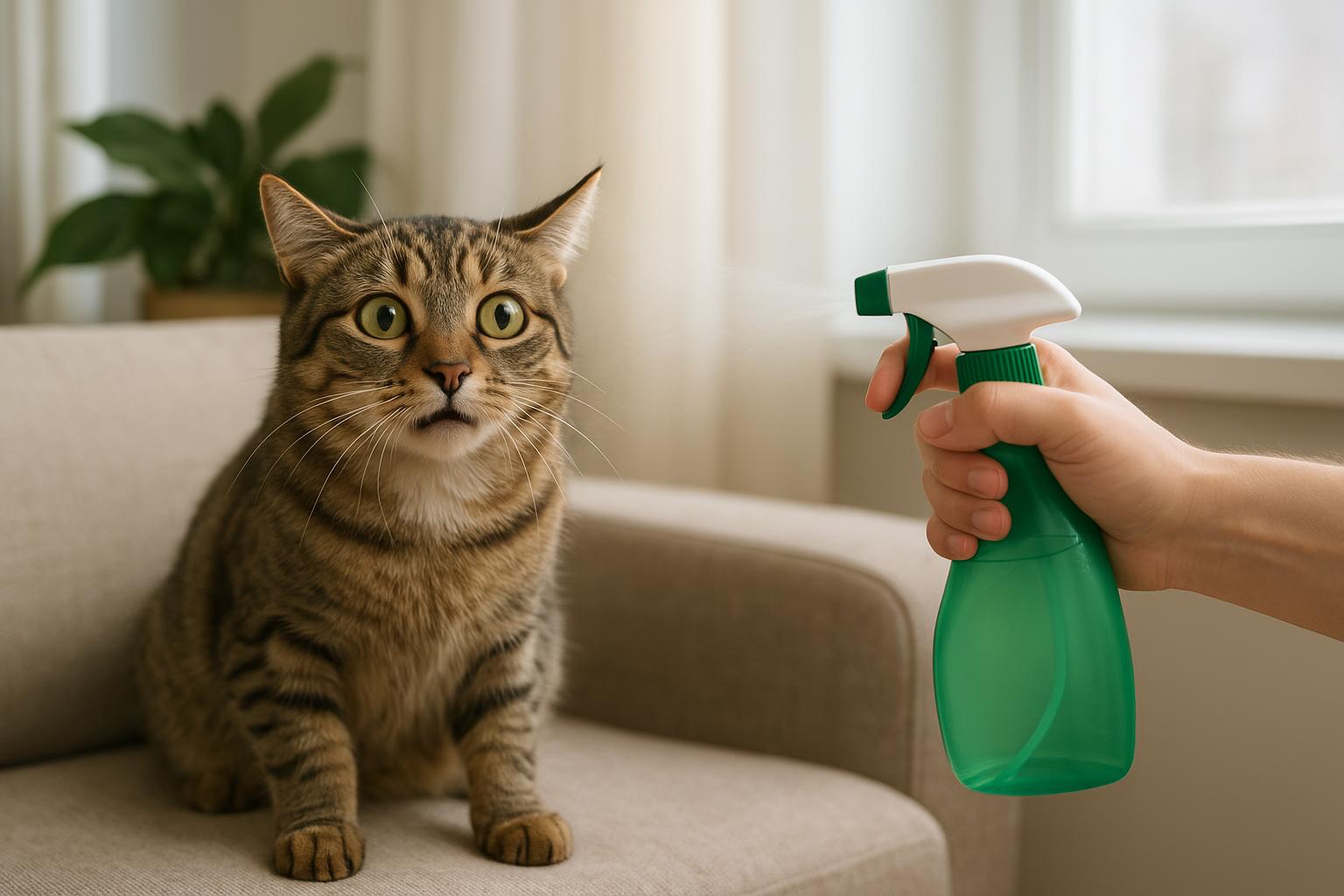
IGRs like pyriproxyfen or methoprene stop flea eggs and larvae from developing. Many household sprays combine an adulticide with an IGR. Apply them to carpets and baseboards according to label directions, and keep kittens away until surfaces are dry.
### Avoid Harmful Home Remedies
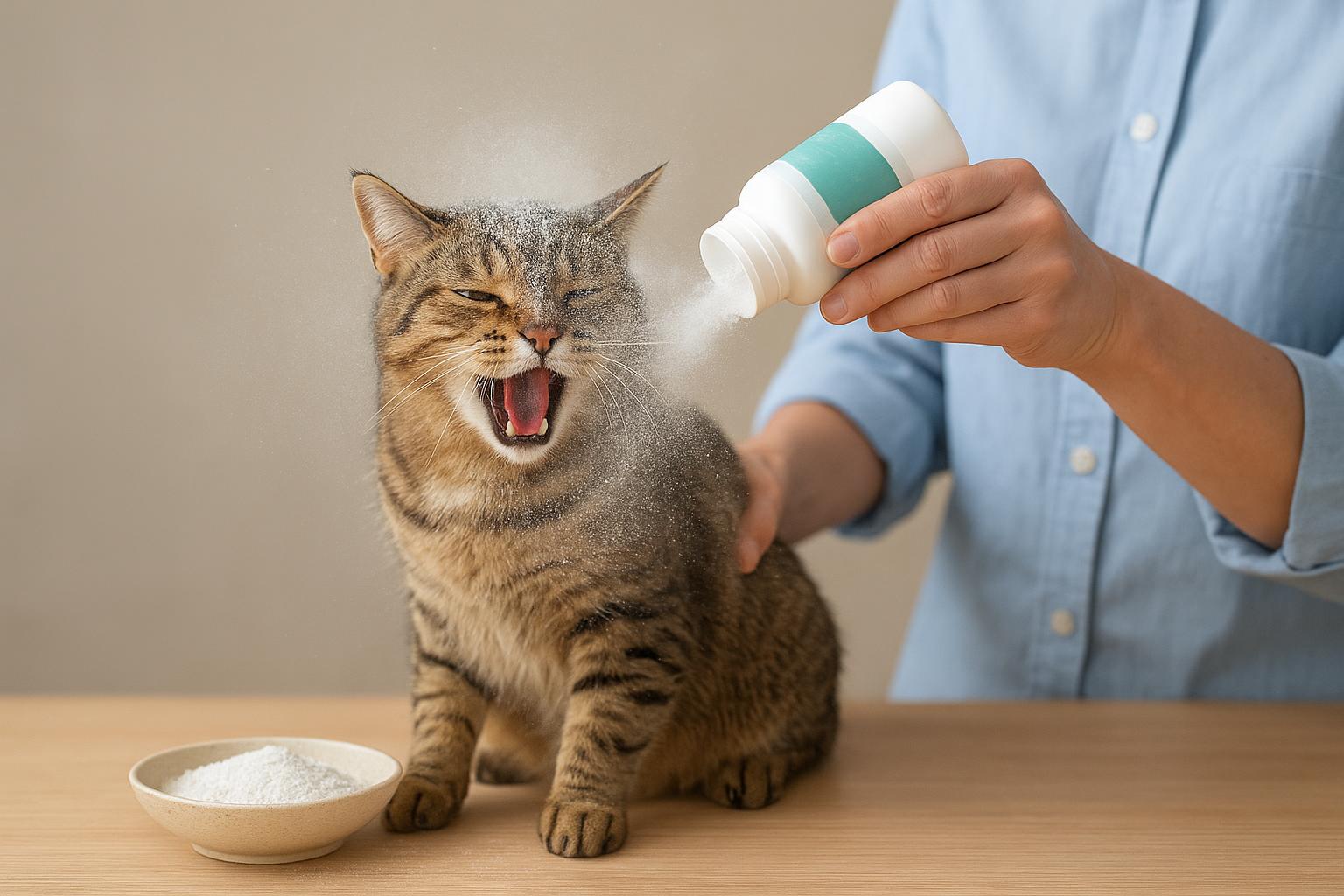
People often turn to essential oils or folk treatments. Many essential oils are toxic to cats. Diatomaceous earth can help but use only food-grade and apply lightly; breathing the dust is not safe for pets or people. Don’t use dog flea products on cats. If you want a natural approach, focus on mechanical control: comb, wash, vacuum, and isolate infested items.
## Coordinating With Other Pets And People
A kitten living with dogs or adult cats needs a household-wide approach. Treat all pets at the same time with products suitable for each species and age. Dogs can carry fleas into the home even if the kitten doesn’t go outside.
### Practical Steps For Multi-Pet Homes
Keep treated and untreated animals separated during the first 24 hours after applying topical products. Wash hands after applying any treatment. If one pet is too young for medication, concentrate on treating the environment and the older pets so the young one isn’t constantly re-exposed.
## Building A Simple Flea Prevention Plan That Sticks
A plan doesn’t need to be complicated. It needs to be reliable and followed.
### A Weekly Routine Example
– Day 1: Comb kitten, wash bedding, vacuum all living areas.
– Day 3: Spot-clean high-traffic surfaces with an IGR-containing spray if needed.
– Day 7: Repeat combing and washing. Keep monitoring.
Repeat until no fleas appear for several weeks.
#### Supplies To Have On Hand
– Fine-tooth flea comb
– Pet-safe flea shampoo (if bathing)
– Food-grade diatomaceous earth (optional)
– Vacuum with a good filter
– Sealable bags for bedding
– Vet-recommended topical or oral medications (if appropriate)
## When To Call The Vet
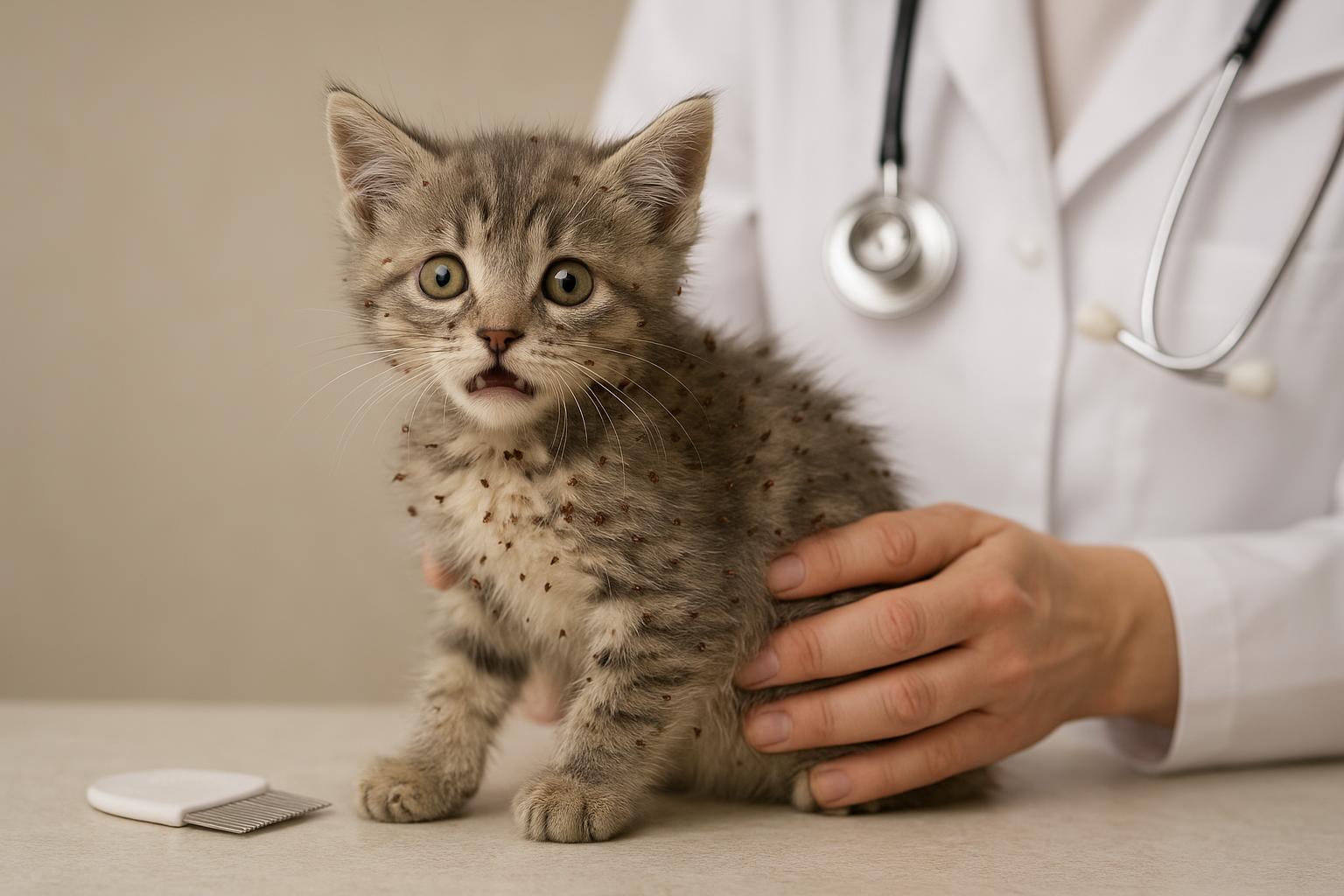
If the kitten is weak, scratching constantly, losing fur, or showing scabs, call the vet. Heavy flea infestations can cause anemia in kittens. A veterinarian can recommend the safest drugs and may provide a stronger treatment for the environment. They can also check for tapeworms, which kittens can pick up from fleas.
### Red Flags You Shouldn’t Ignore
If combing reveals dozens of fleas, or if you find pale gums or lethargy, get professional help right away. Don’t try combining multiple OTC products on your own to speed things up. That’s a common route to accidental poisoning.
## Preventing Reinfestation Long Term
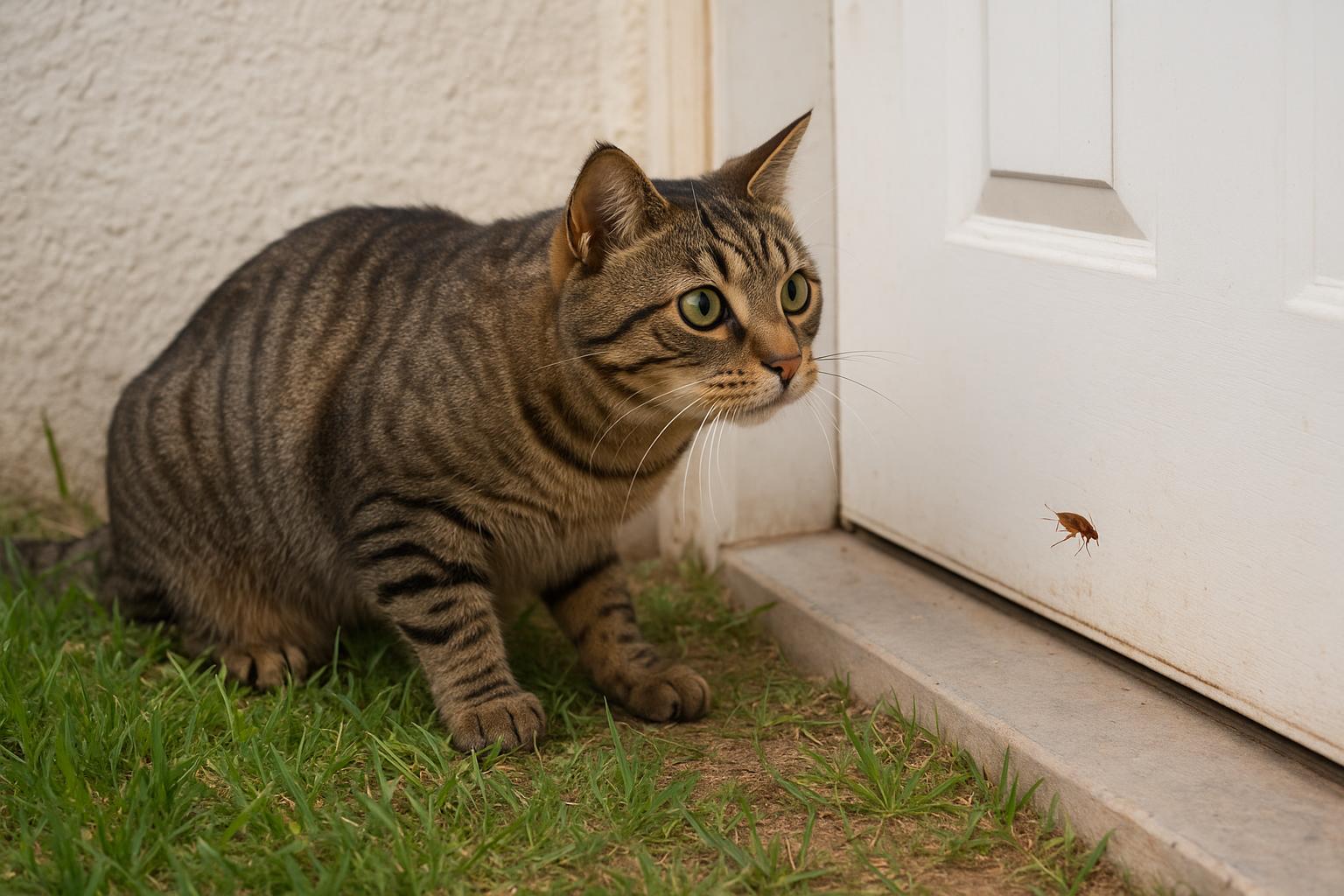
Once you clear an infestation, keep the pressure up. Use monthly preventatives as recommended by your vet. Continue weekly combing for a while, especially if you have a backyard or other pets that go outside.
### Making Prevention Part Of Care
Add flea checks to grooming sessions. Put a wash load of bedding on the schedule every two weeks during flea season. The best flea prevention for kittens becomes routine, not a panic reaction when you spot one flea.
## A Few Final Practical Notes
Avoid swapping flea products with other pet owners. Labels and concentrations vary. If you find a product that’s worked for an adult cat, don’t assume it’s right for a kitten. Read the label on every item you buy. And don’t be embarrassed to ask a vet for a product recommendation — they see this problem every day and can point you to the safest option for a tiny body.
If you do end up treating the entire house, increase ventilation, keep kittens out of treated rooms until surfaces are dry, and reclean items that come into direct contact with skin. Flea problems are annoying, but manageable with a steady, well-thought-out flea prevention plan. Trust your eyes, follow labels, and when in doubt, call the vet for guidance — they can help you choose the safest approach so your kitten will thrive without the itchy intruders. Beware of blogs that promote unproven, risky shortcuts; an informed routine works best and is kinder to your kitten’s health. Also, remember to recieve advice specific to your kitten’s age and health before starting any medication.






Leave a Reply