
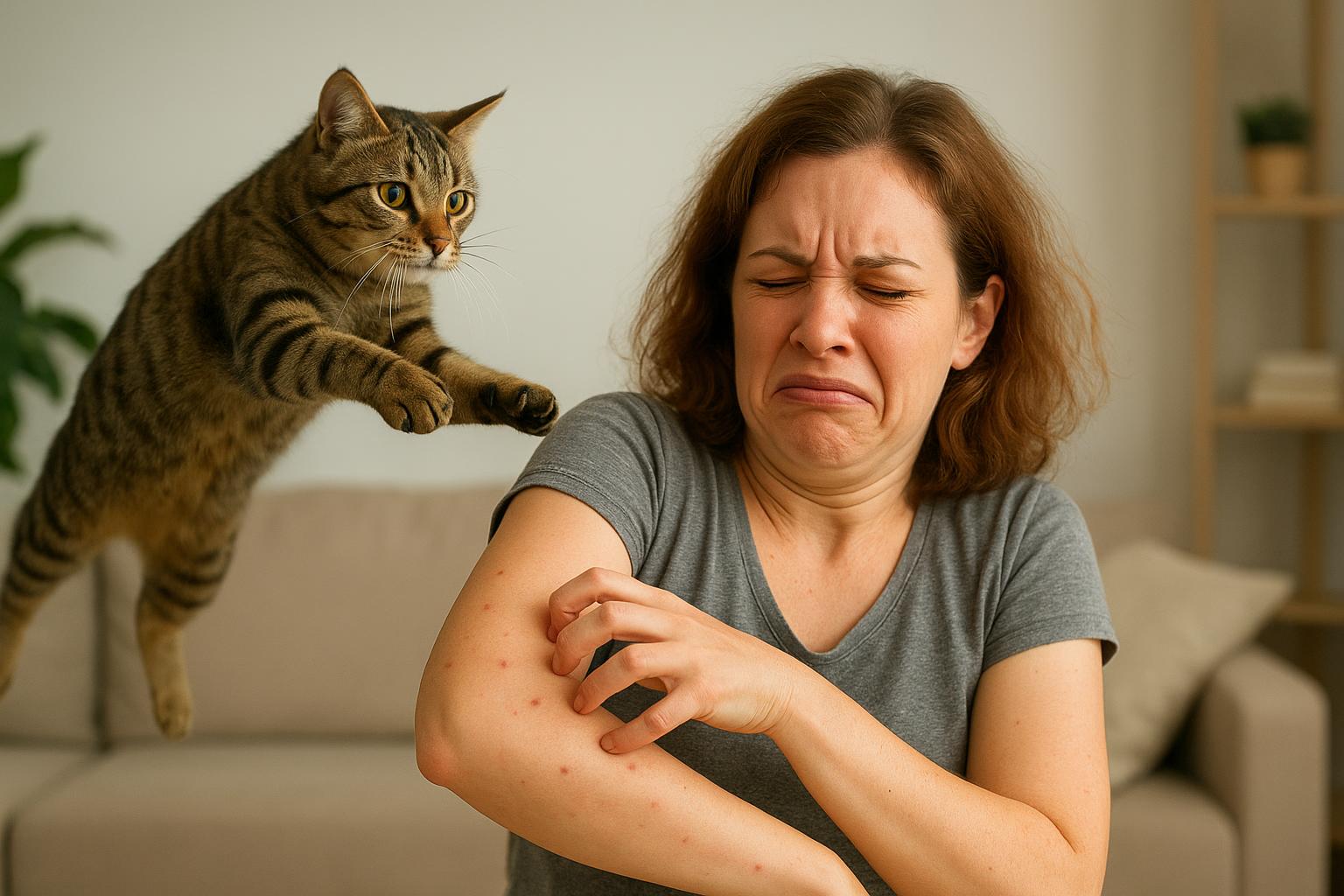
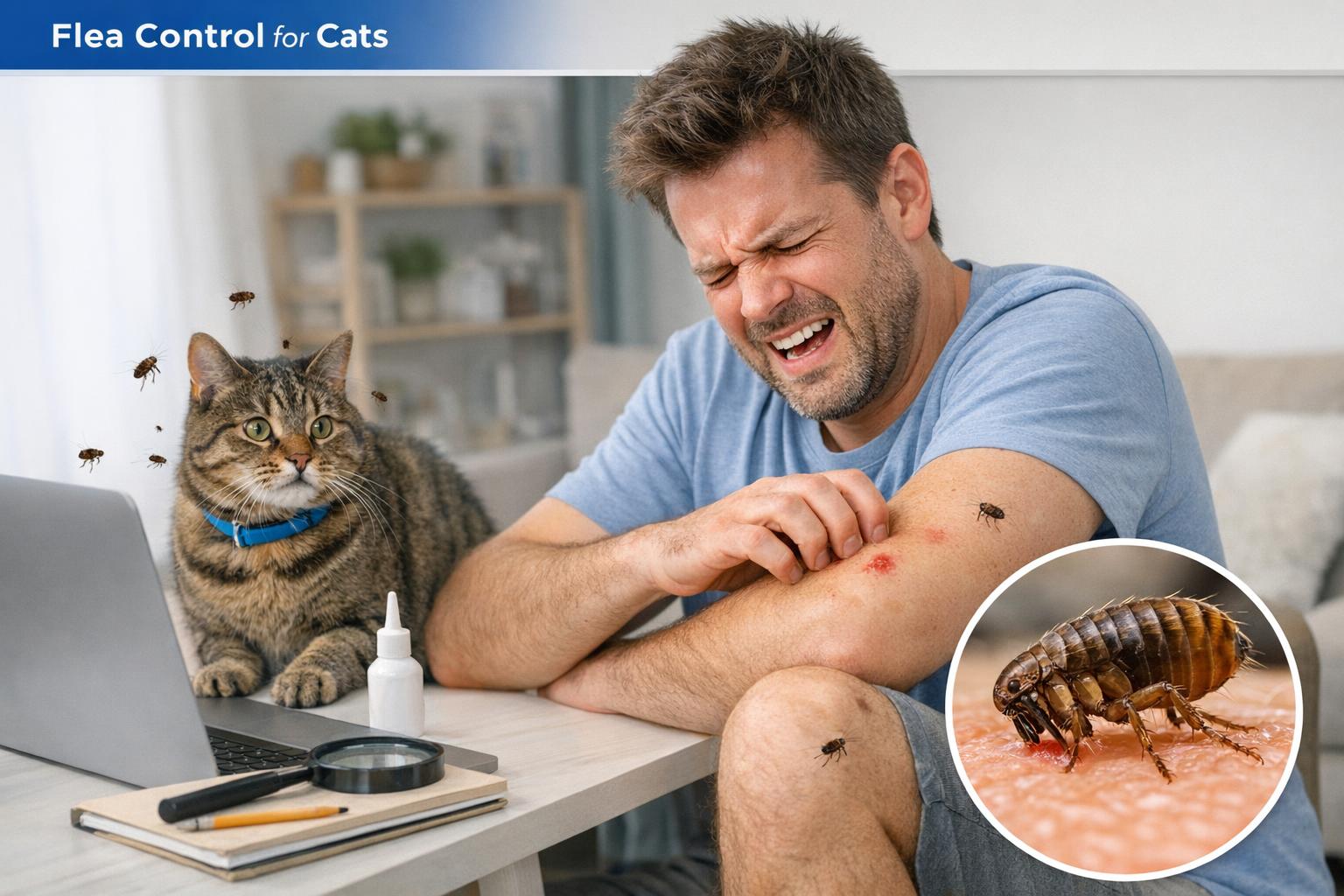
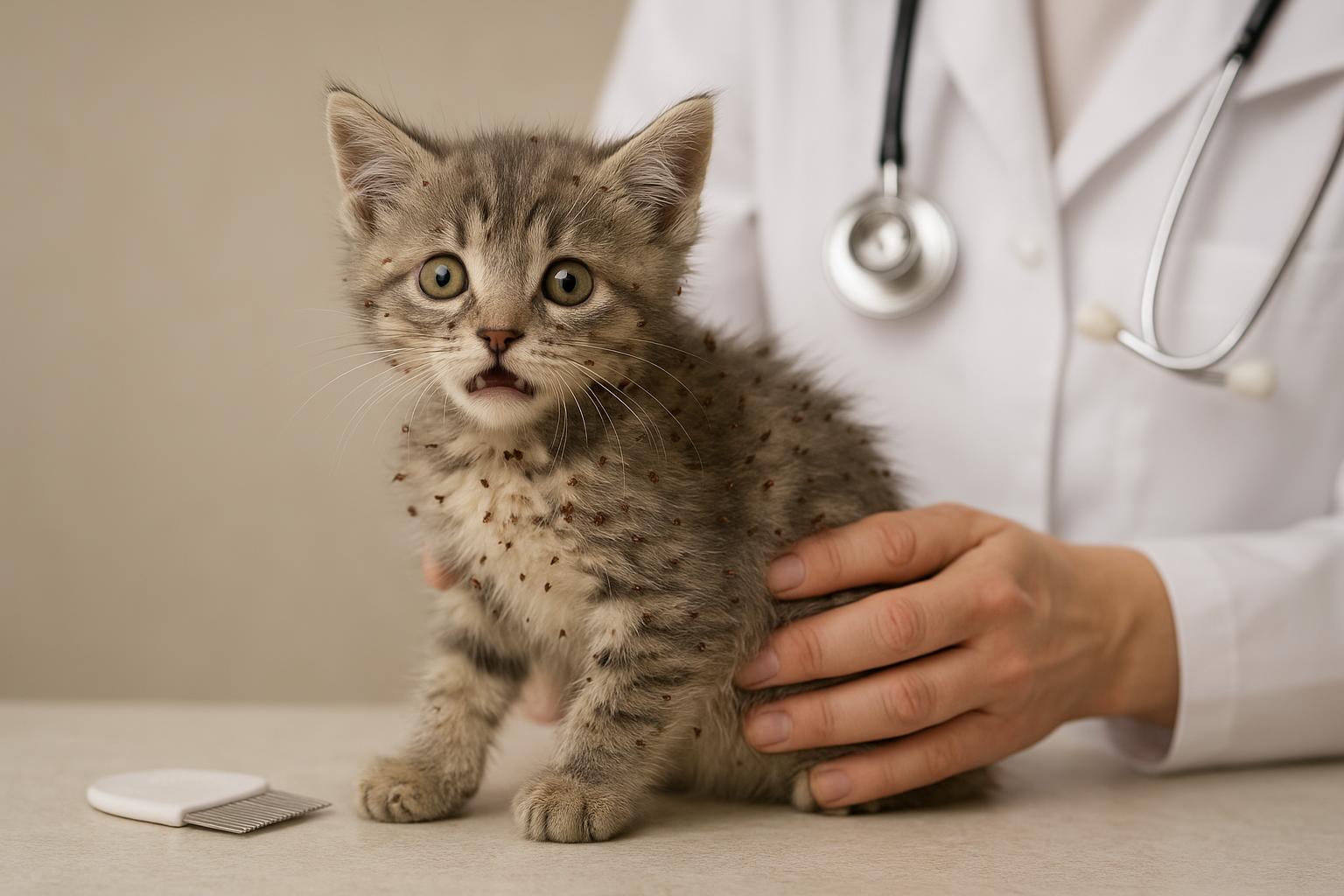
You can get fast, reliable relief for a cat scratching nonstop. A properly used topical flea solution for cats will stop the itch, break the life cycle on the pet, and give you time to treat the house. It’s not magic. It’s chemistry and application done right.
## How Topical Flea Solution For Cats Works
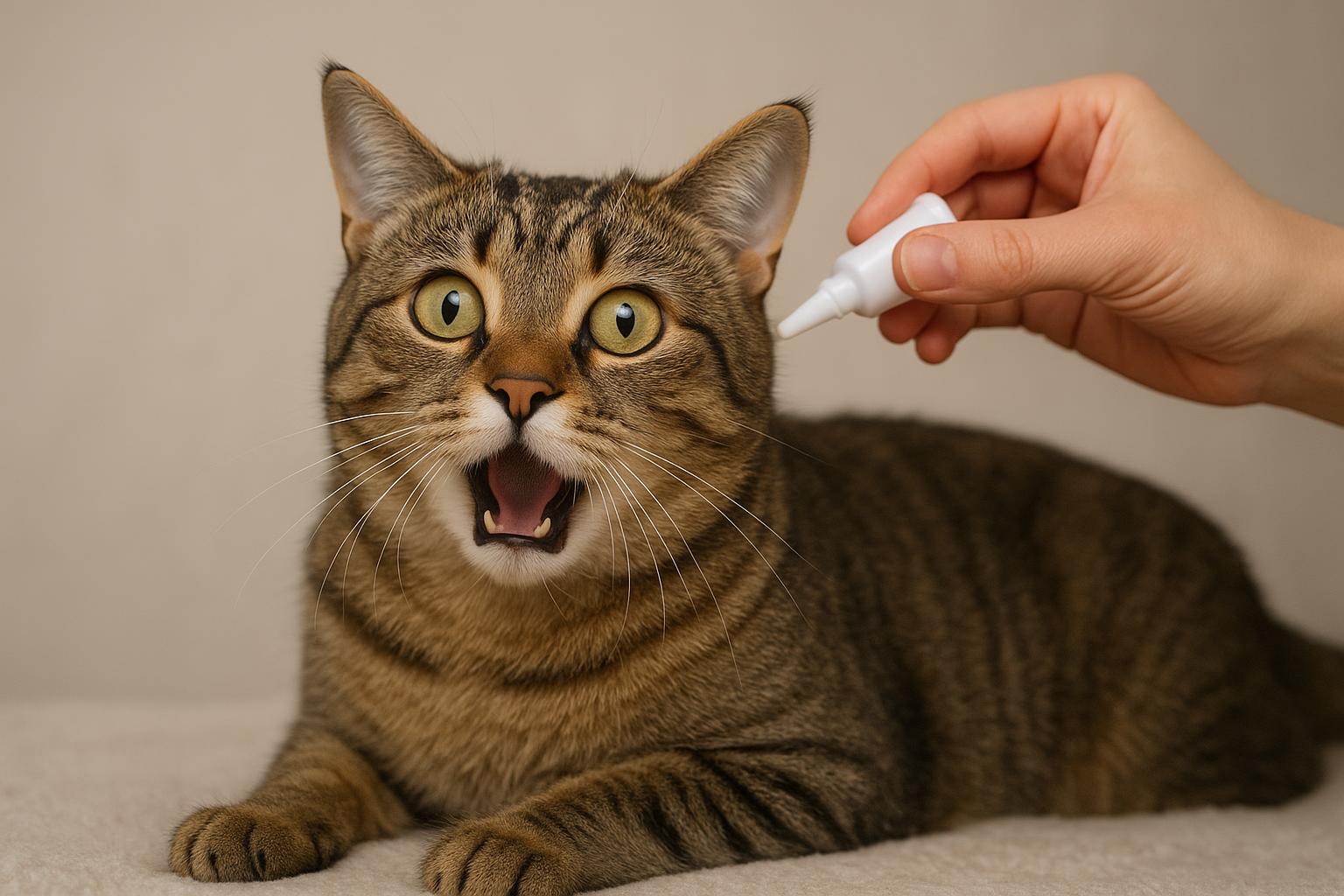
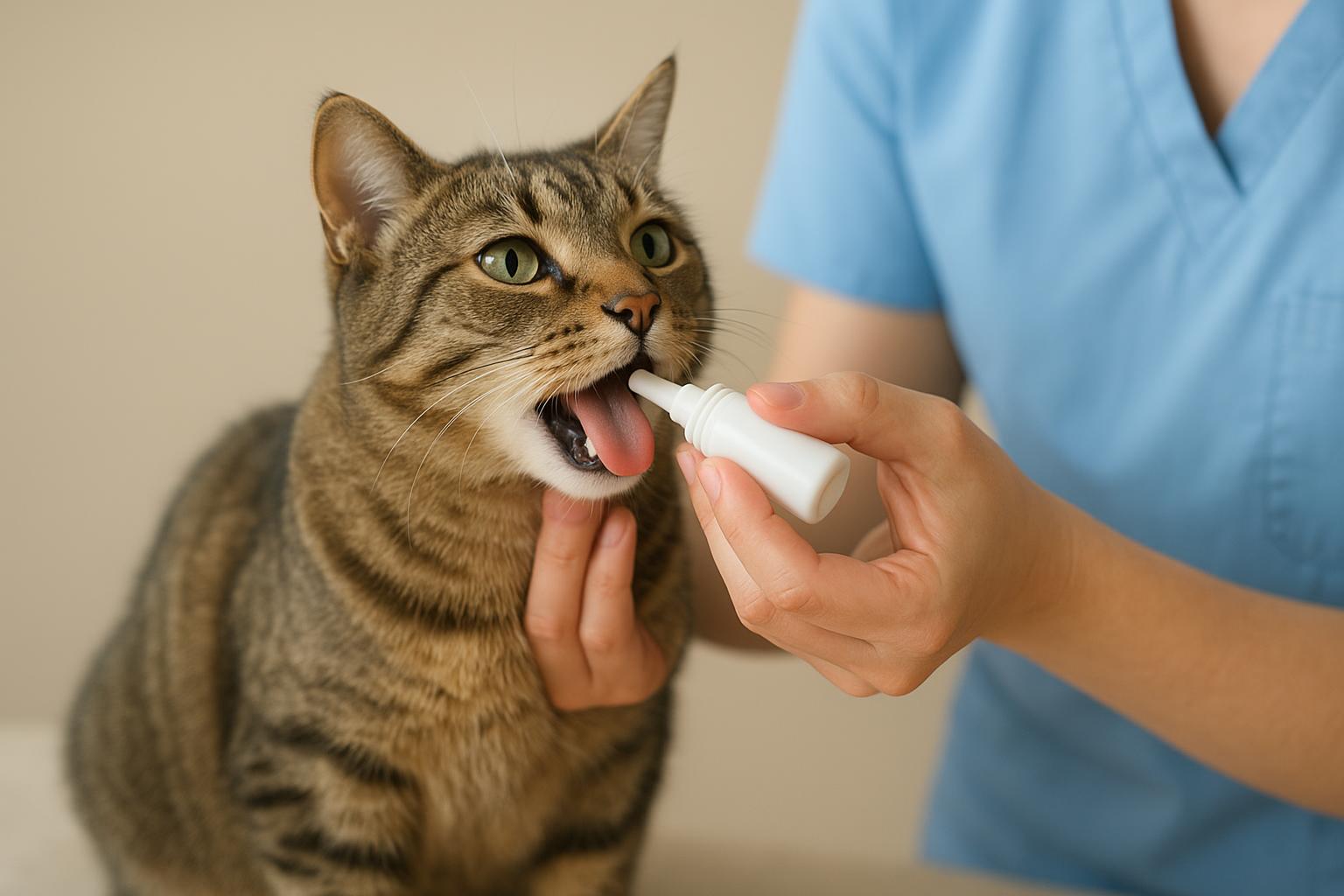
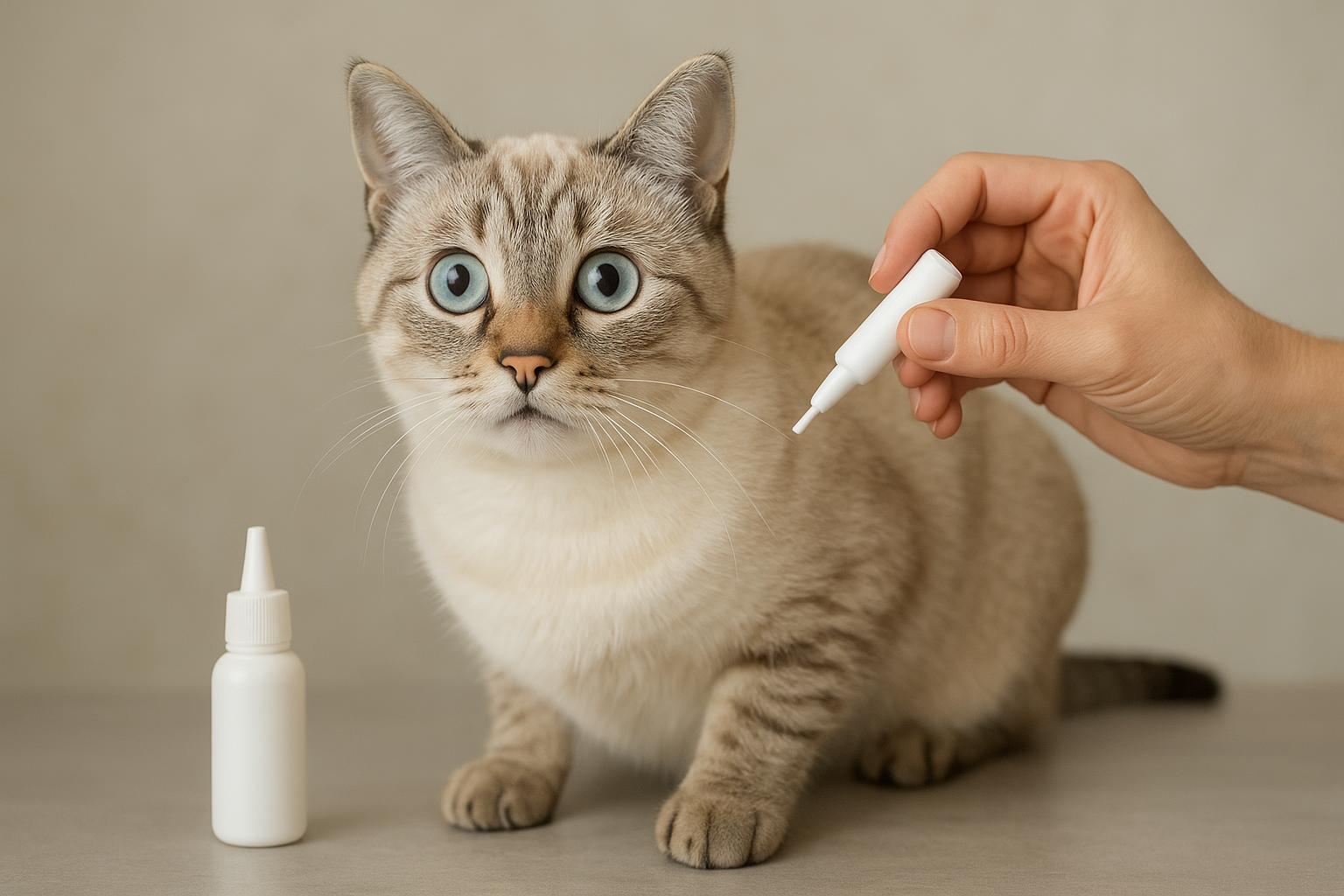
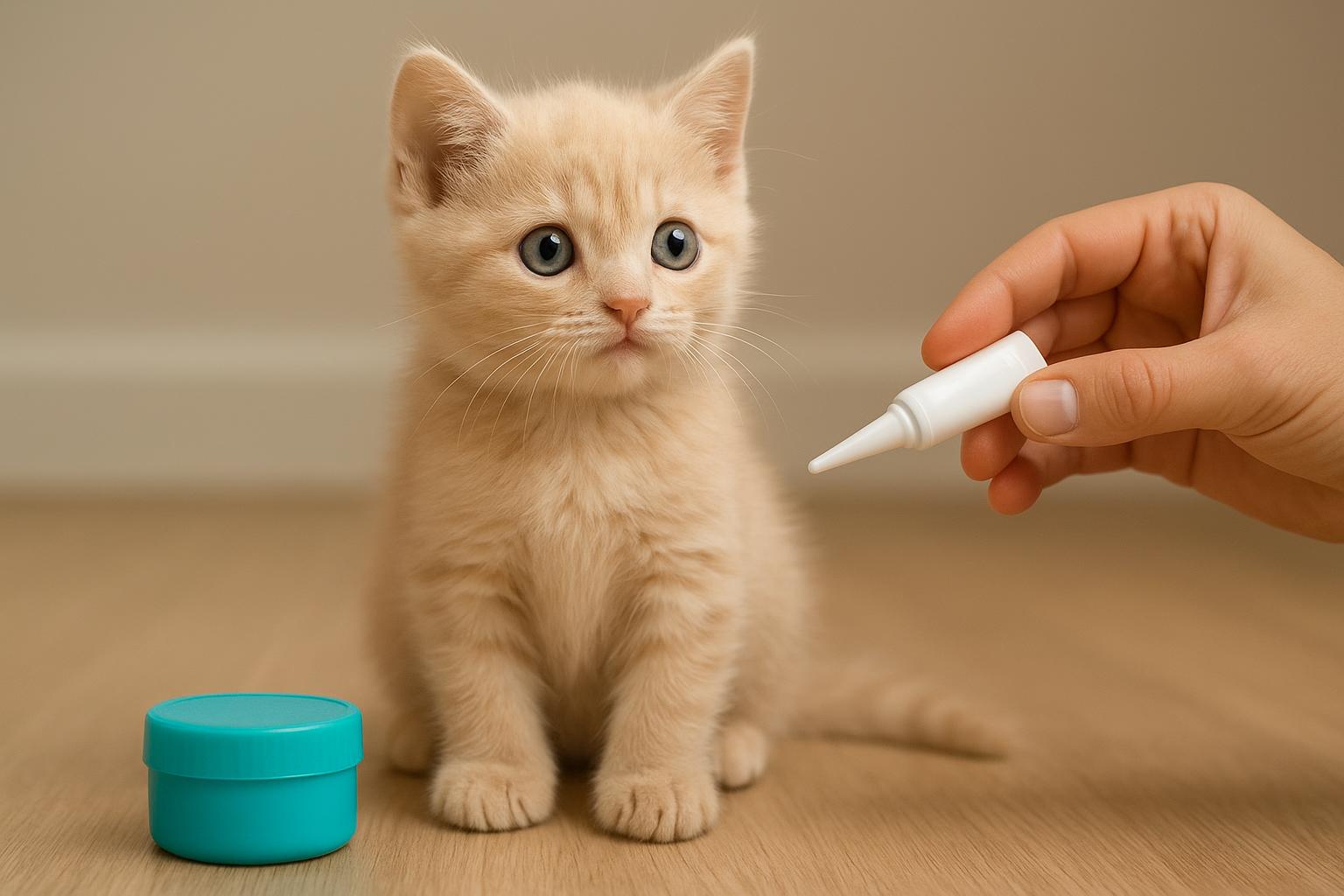
Topical flea solution for cats usually comes as a small tube you split open and squeeze onto the skin at the back of the neck. Most of these products contain active ingredients that spread outward across the skin and either repel, stun, or kill fleas and their larvae. Some are contact killers; others are absorbed and act systemically so fleas die after biting.
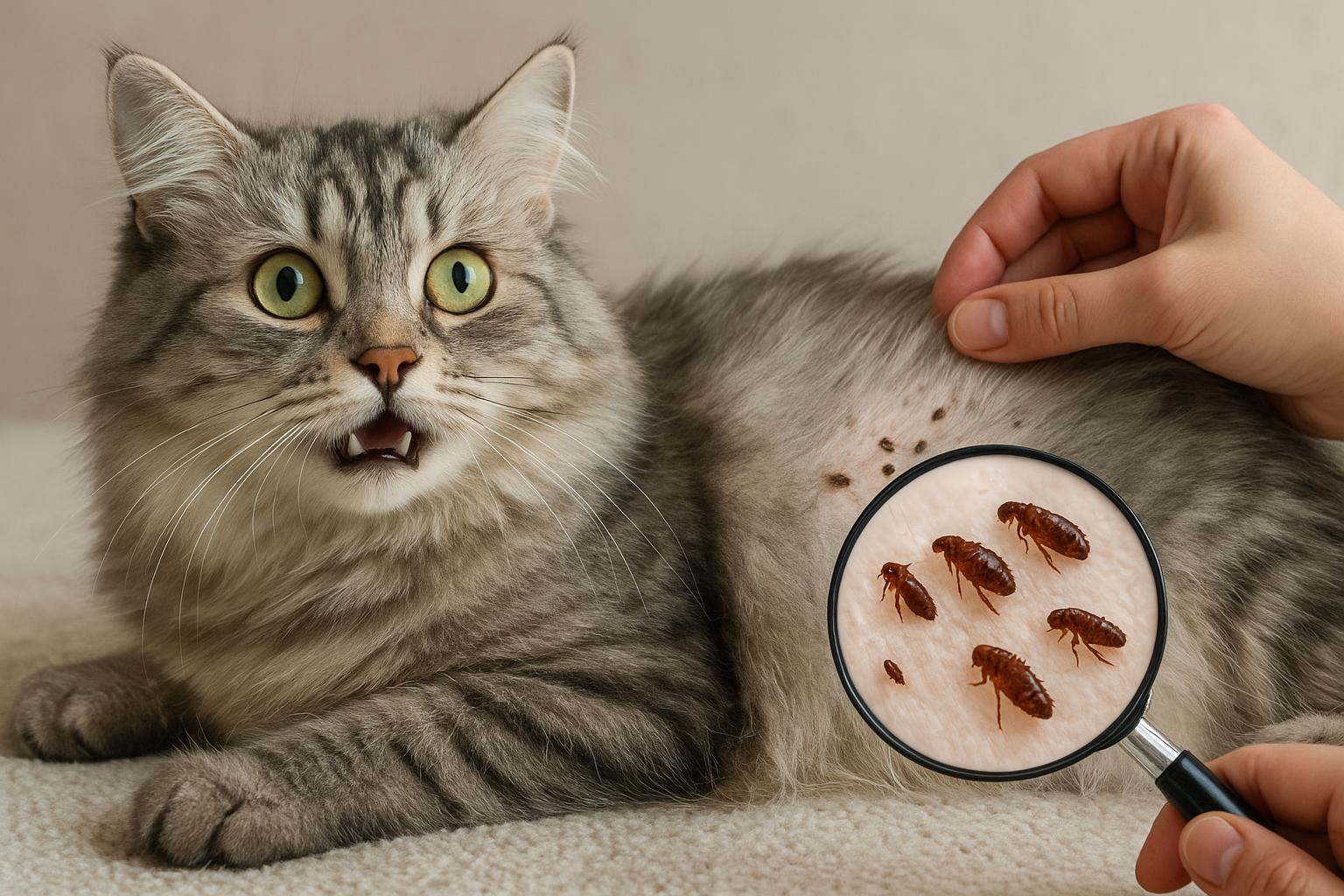
The advantage is speed. Apply on a clean patch of skin, and some formulas start killing fleas within hours. The other advantage is the lifecycle interruption: many topicals interfere with flea development, so you reduce the number of eggs and emerging larvae in your home. If you’re dealing with a heavy infestation, the topical flea solution for cats is often the fastest component of a multi-pronged approach.
There are differences between brands. One may target adult fleas; another combines an insect growth regulator to keep eggs from becoming adults. Read the label, and talk to your vet about what matches your cat’s age, weight, and health. Use the product exactly as instructed. Too little and it won’t work. Too much and you risk toxicity.
### Choosing The Right Product
Picking a topical flea solution for cats means balancing efficacy and safety. Look for products specifically labeled for cats. Never use dog products on cats. A chemical that’s safe for a medium dog can be dangerous or lethal to a cat.
Consider these factors:
– Age and weight limits on the label. Kittens and underweight cats have different tolerances.
– Active ingredients. Common ones include fipronil, imidacloprid, selamectin, and fluralaner. Some target adults only; some include growth regulators. Your vet can explain which ingredient fits your situation.
– Frequency of application. Some solutions work for a month. Others last three months. If you’re forgetful, a longer-acting product can be helpful.
– Household needs. If you have multiple pets, or a dog and a cat, coordinate treatments so all animals are appropriately protected.
For many owners, topical therapy becomes part of a broader plan that includes environmental flea control. A quality topical approach reduces the fleas on the cat and lowers the number of eggs falling into the carpet, helping the rest of your strategy to work faster.
### What To Watch For After Application
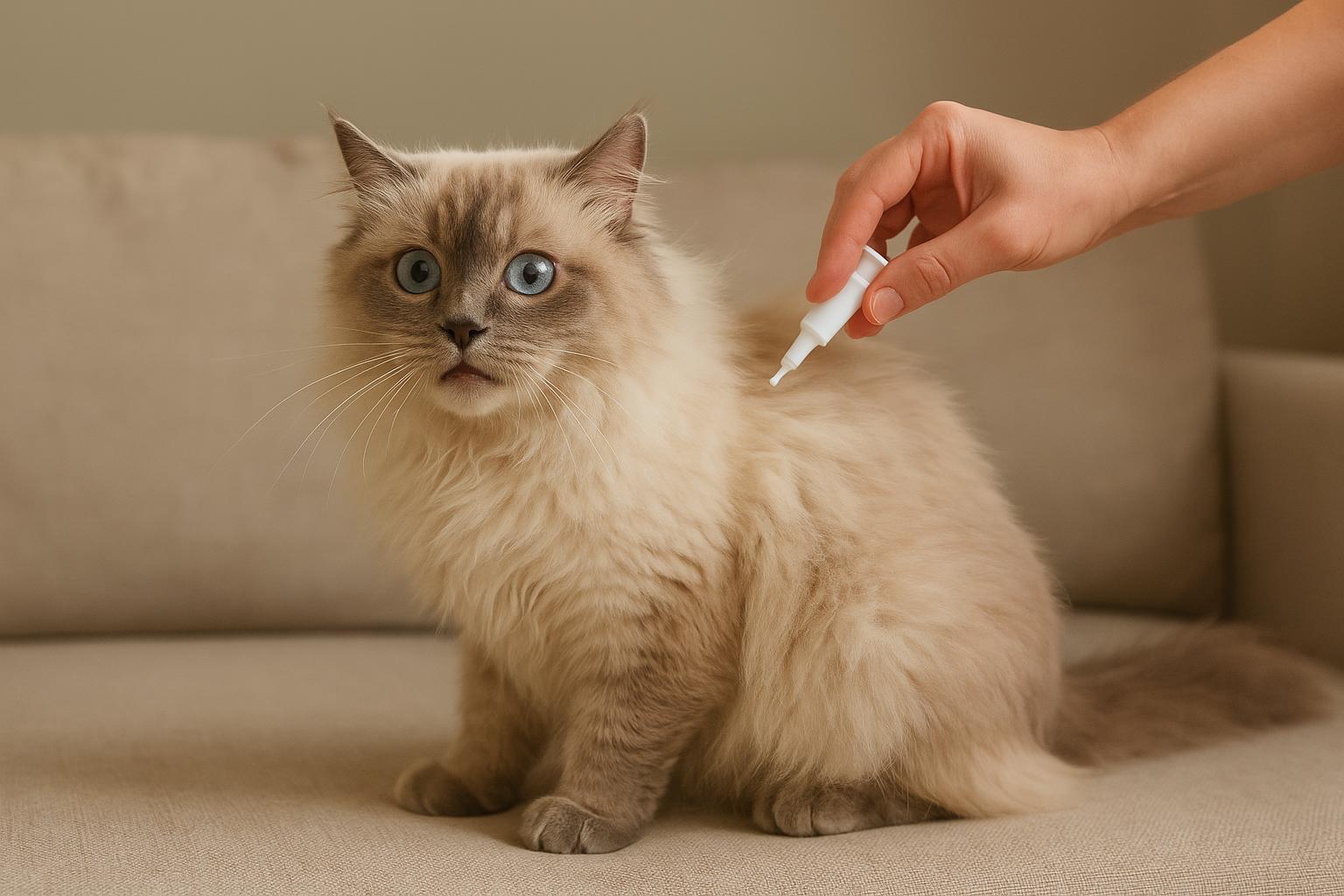
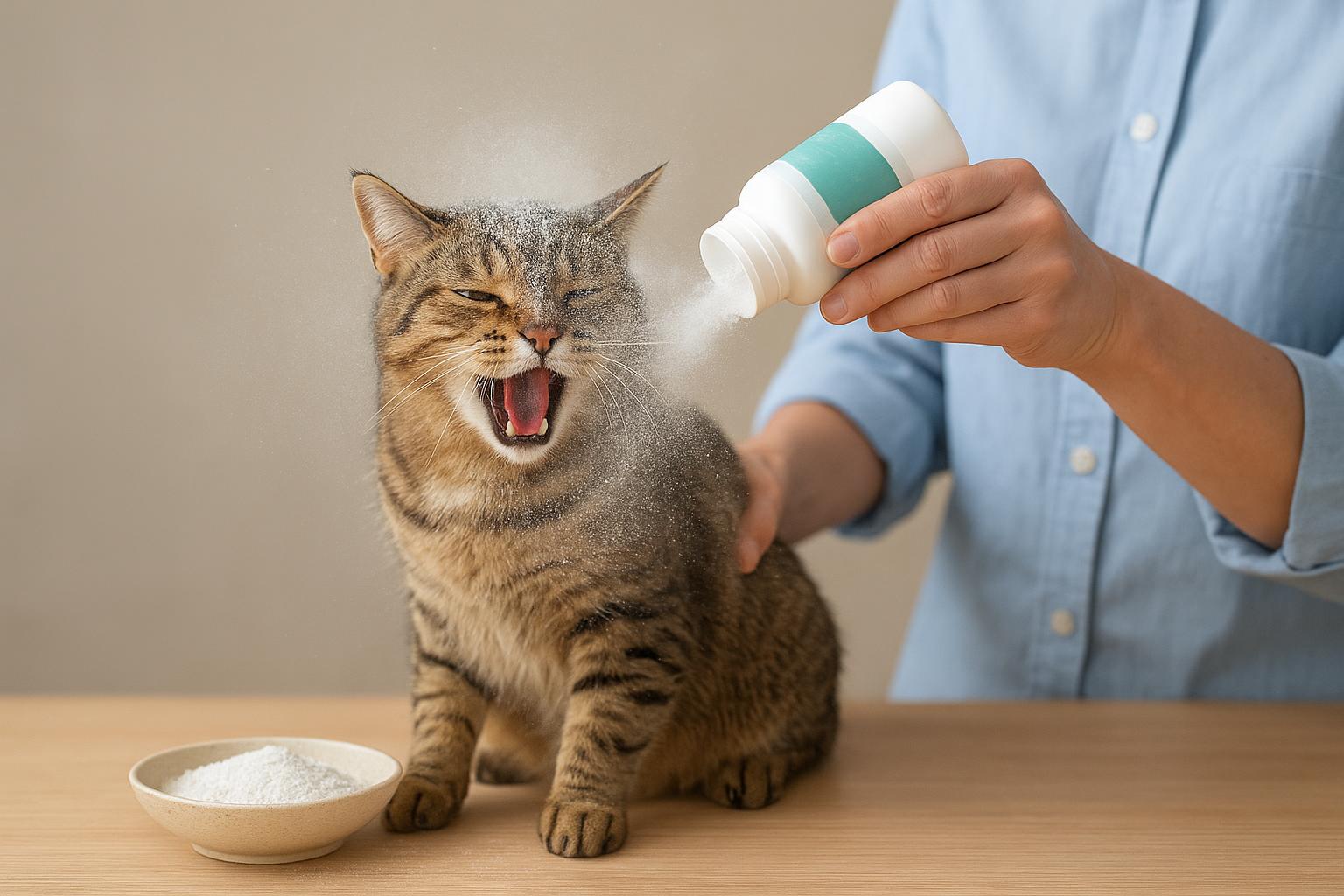
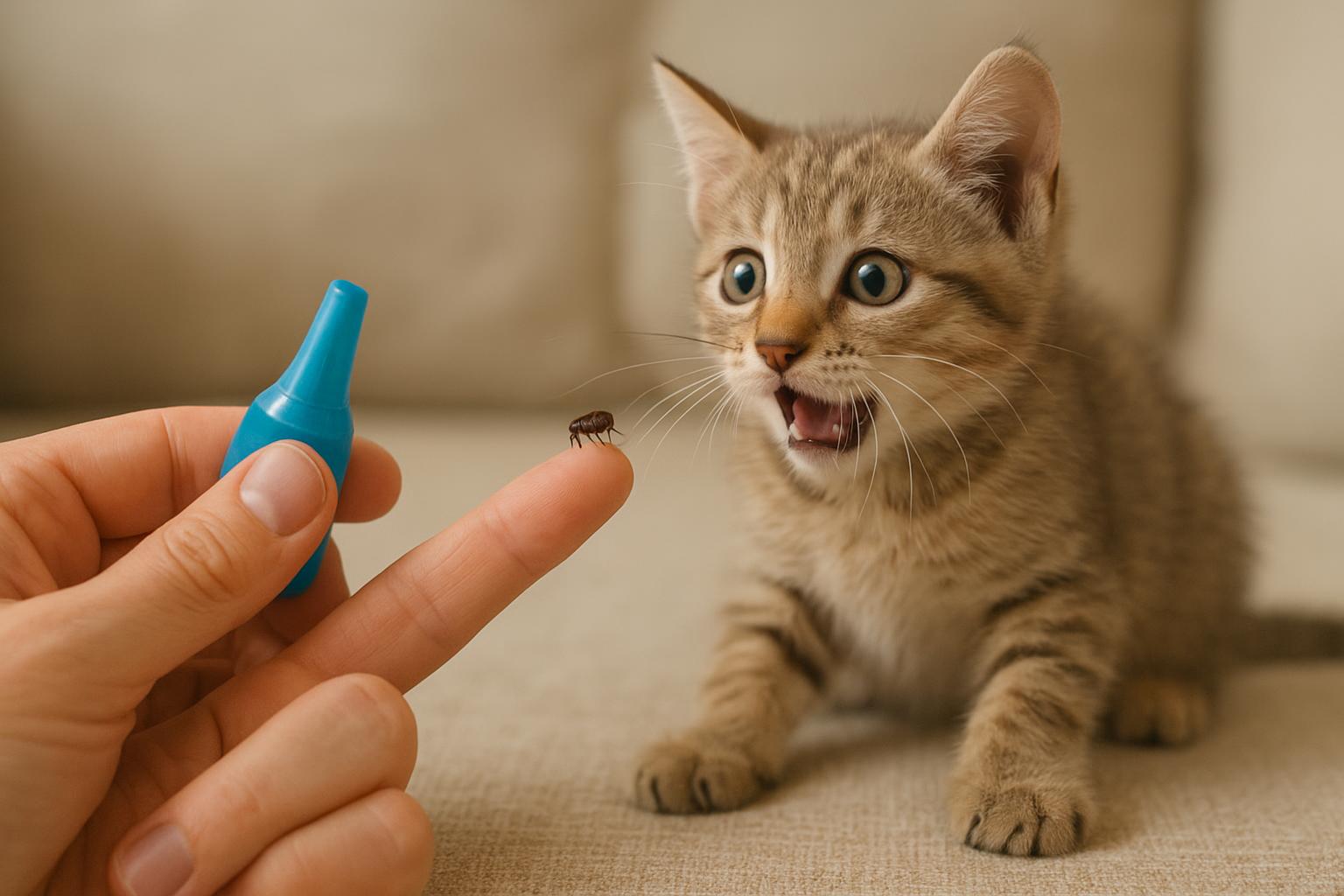
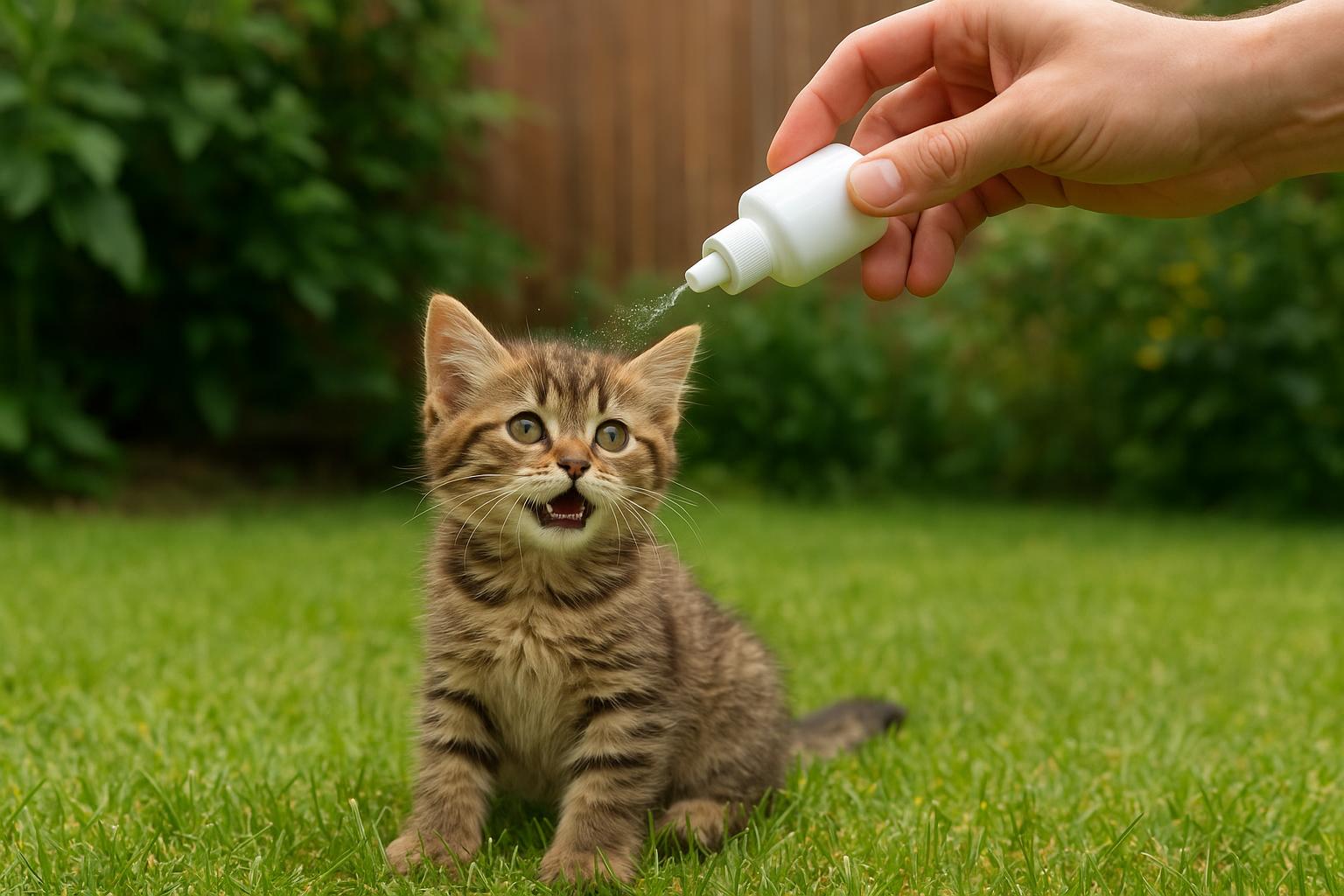
Apply the product at the base of the skull where the cat can’t lick it off. Part the fur until you see skin. Squeeze the tube directly onto the skin in one spot. Don’t rub it in; the oils in the pet’s skin do the work.
After application, normal reactions are minimal. Mild grooming, temporary greasy fur, or a faint odor are common. If your cat is lethargic, begins vomiting, shows tremors, or has skin swelling, contact your vet right away. These are signs of adverse reaction. Most cats do fine, but watch for anything out of the ordinary for the first 24 hours.
If you bathe your cat within 48 hours of applying the product you may reduce its effectiveness. Some formulas request waiting at least 48 to 72 hours between application and bathing. If your cat is very dirty, wipe the area with a damp cloth and schedule a bath before treatment.
#### Tips For Safe Application
– Weigh your cat to confirm correct dosing.
– Apply in a calm, controlled area to avoid drops landing on surfaces or skin.
– Dispose of empty tubes properly. Store replacements out of sunlight and reach.
– Keep treated cats separate from fish and reptiles for a short while; some products can harm other species.
A topically treated cat should not be medicated with another similarly acting product unless a veterinarian approves it.
## Topical Solutions Versus Flea Spray And Other Options
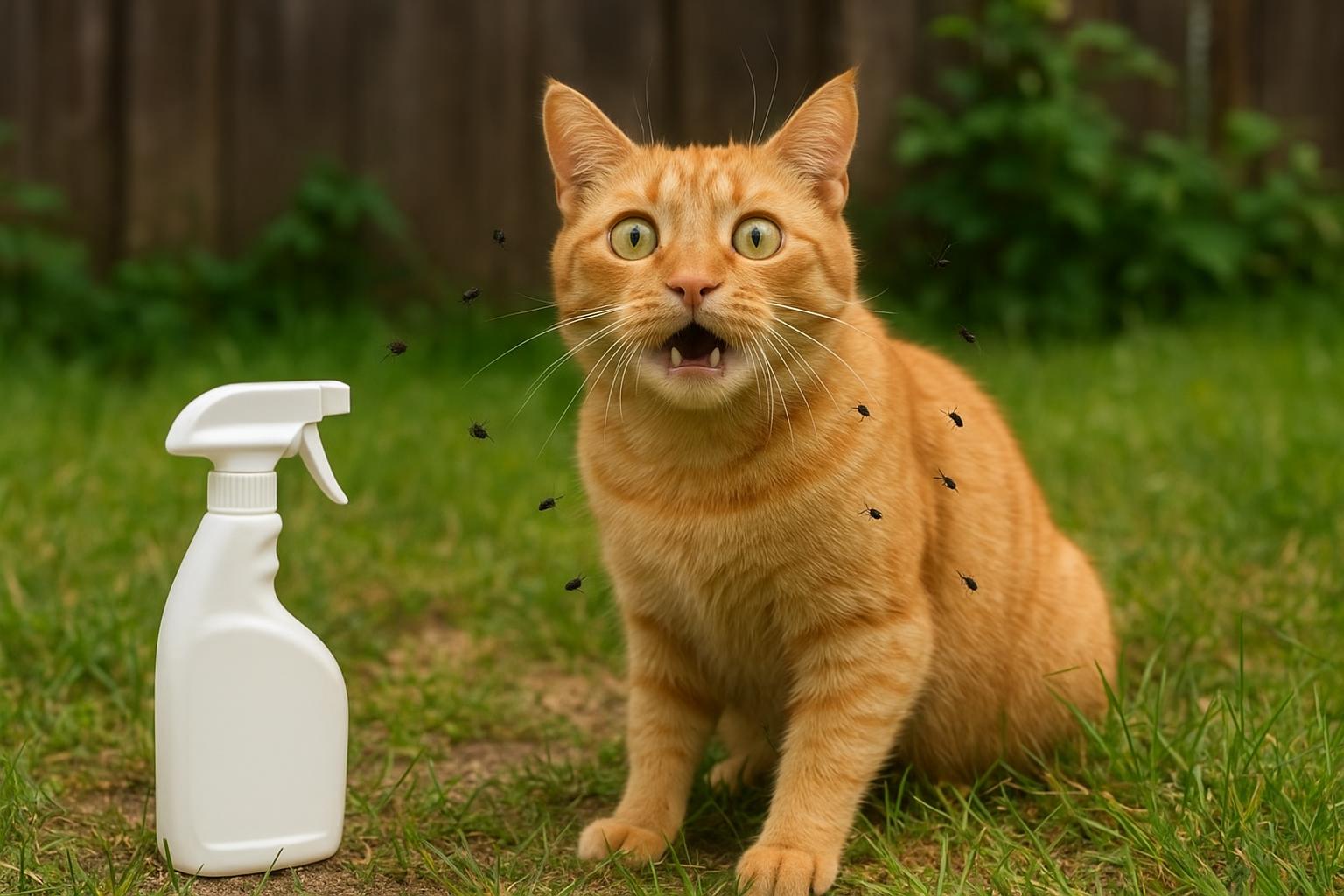
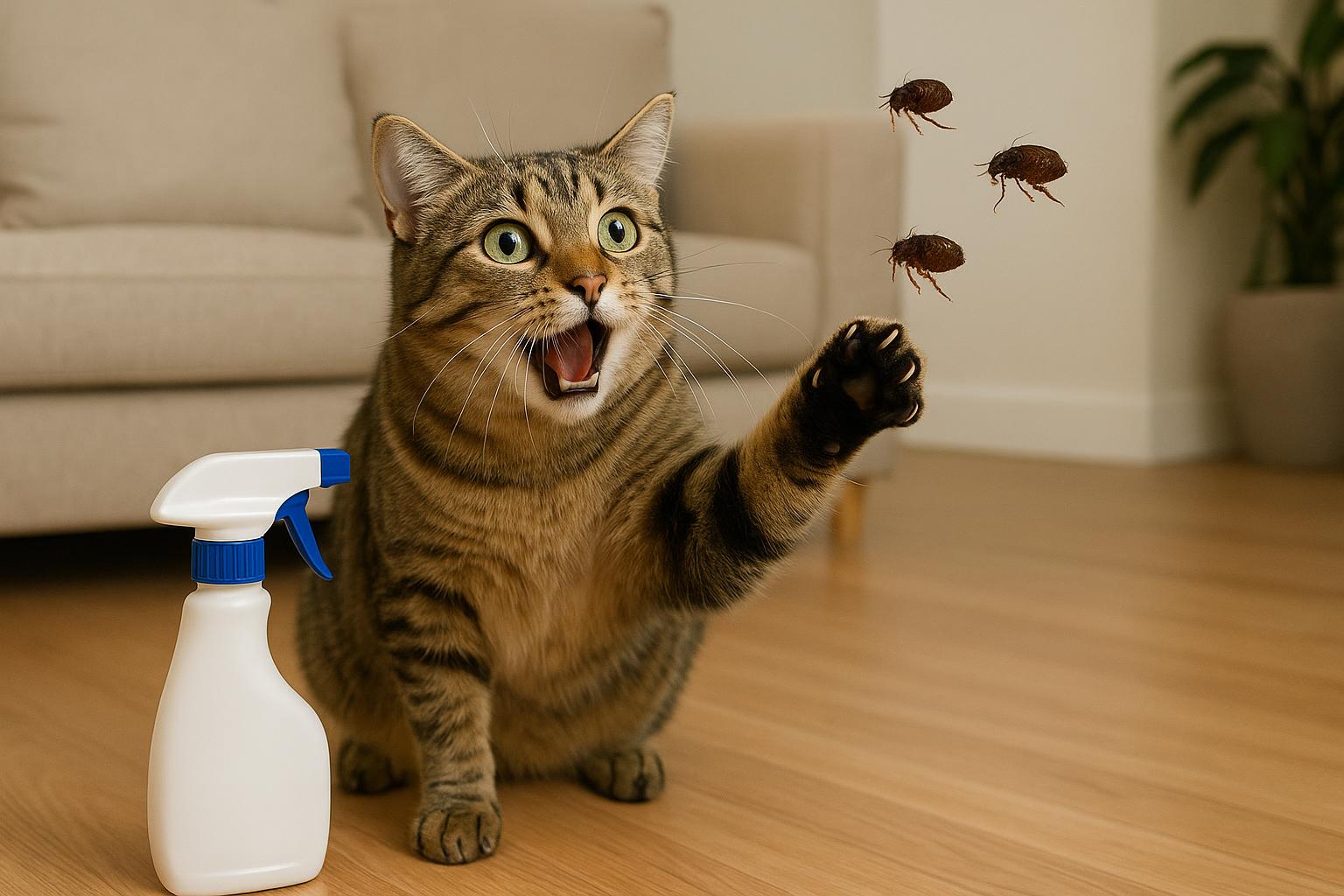
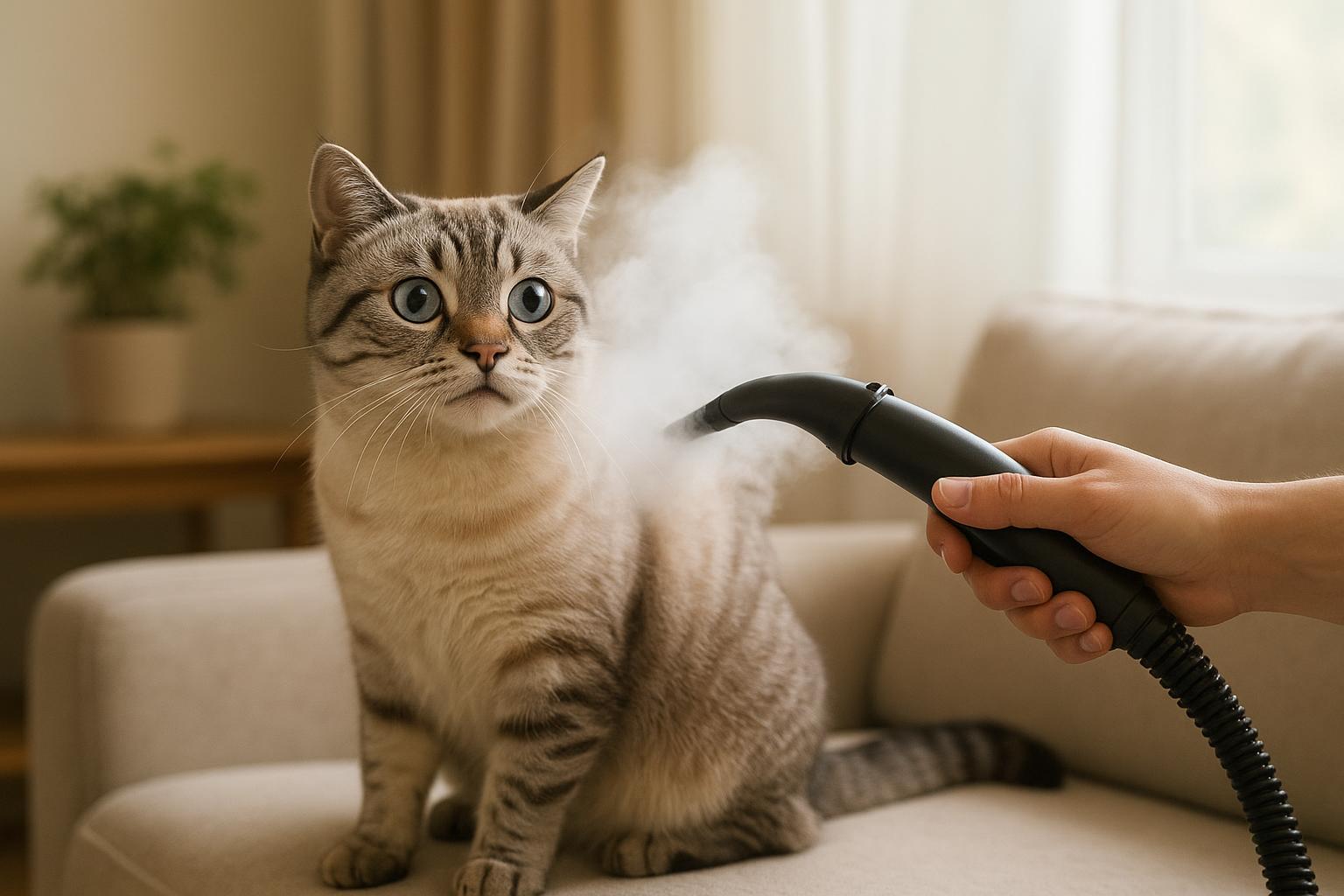
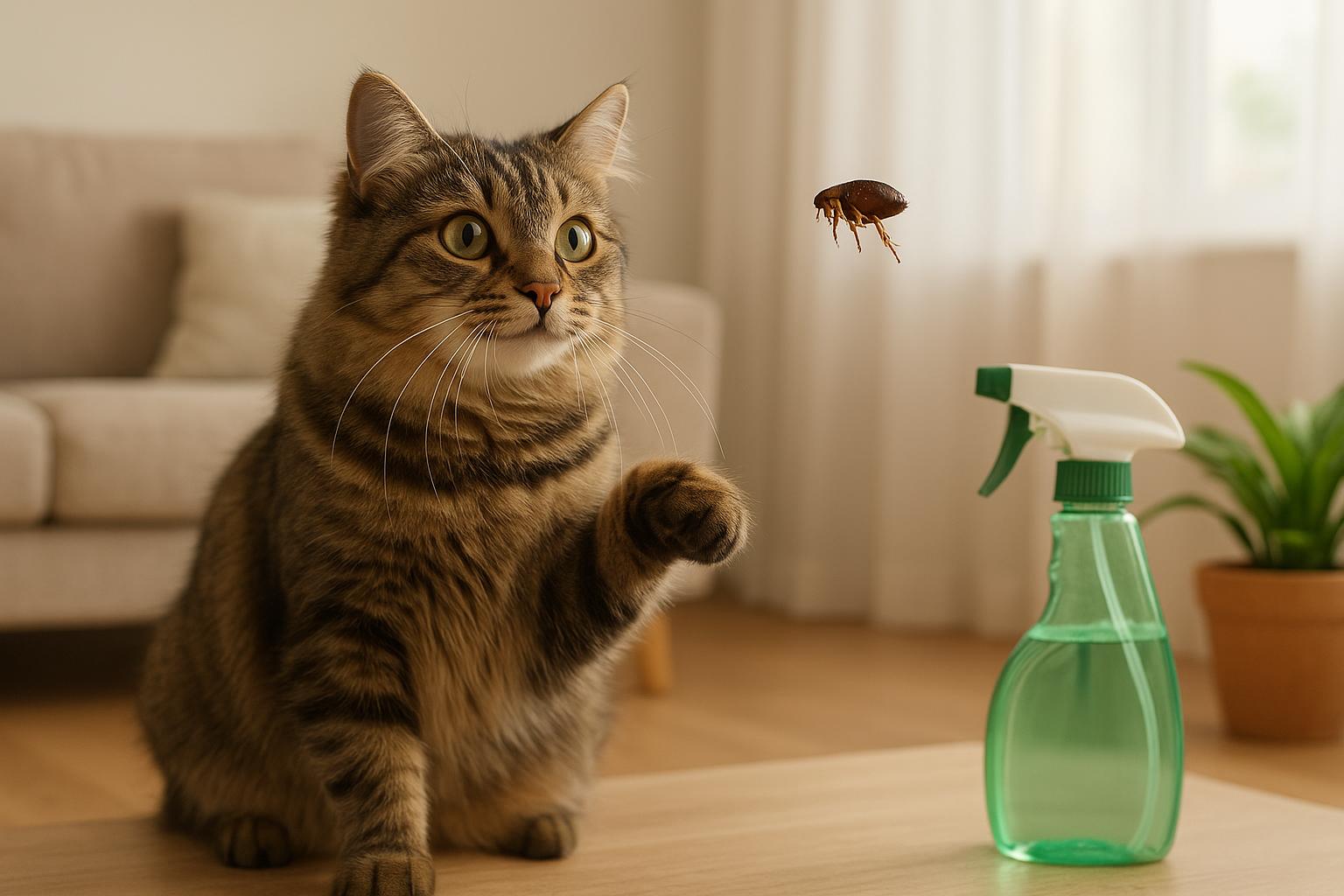
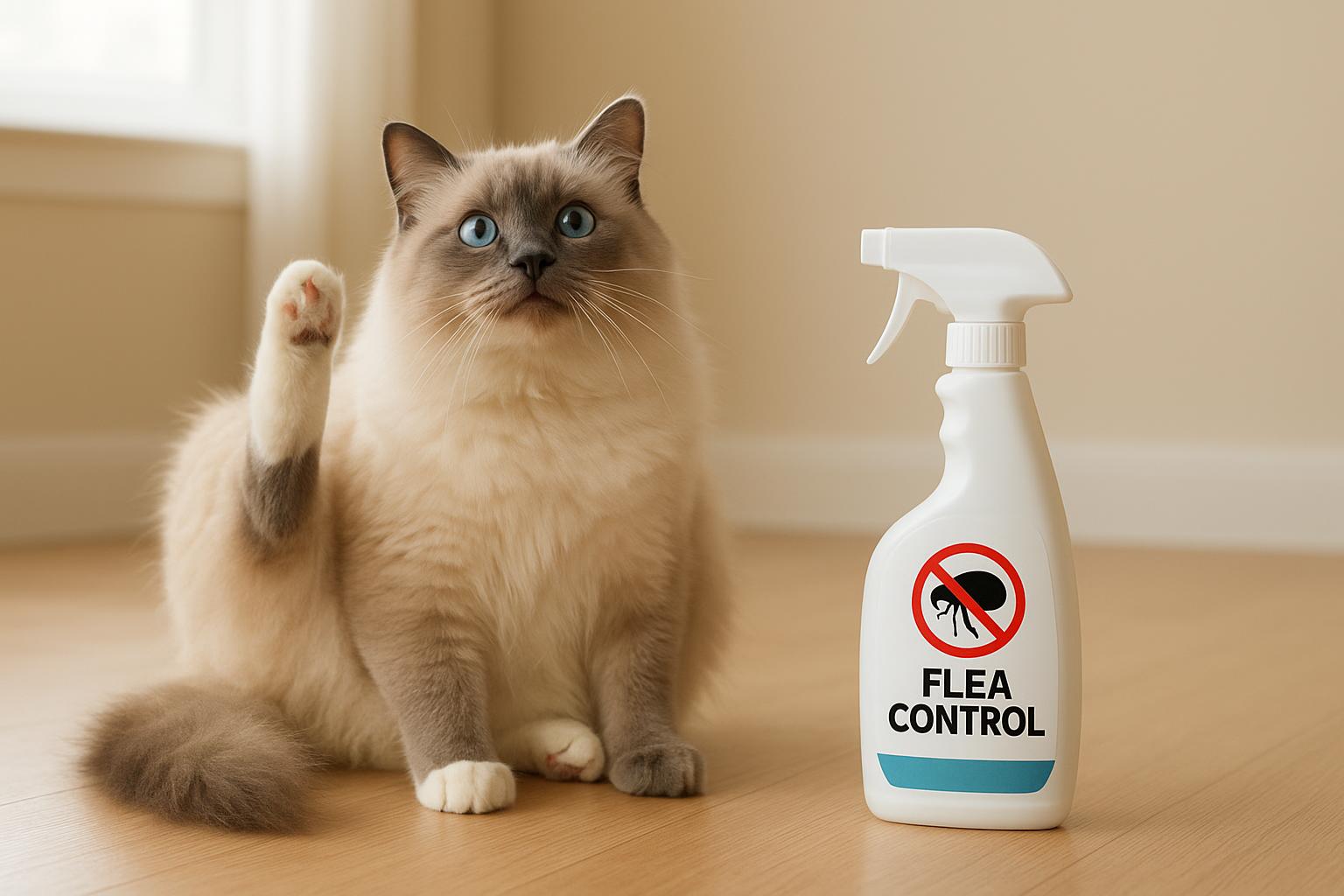
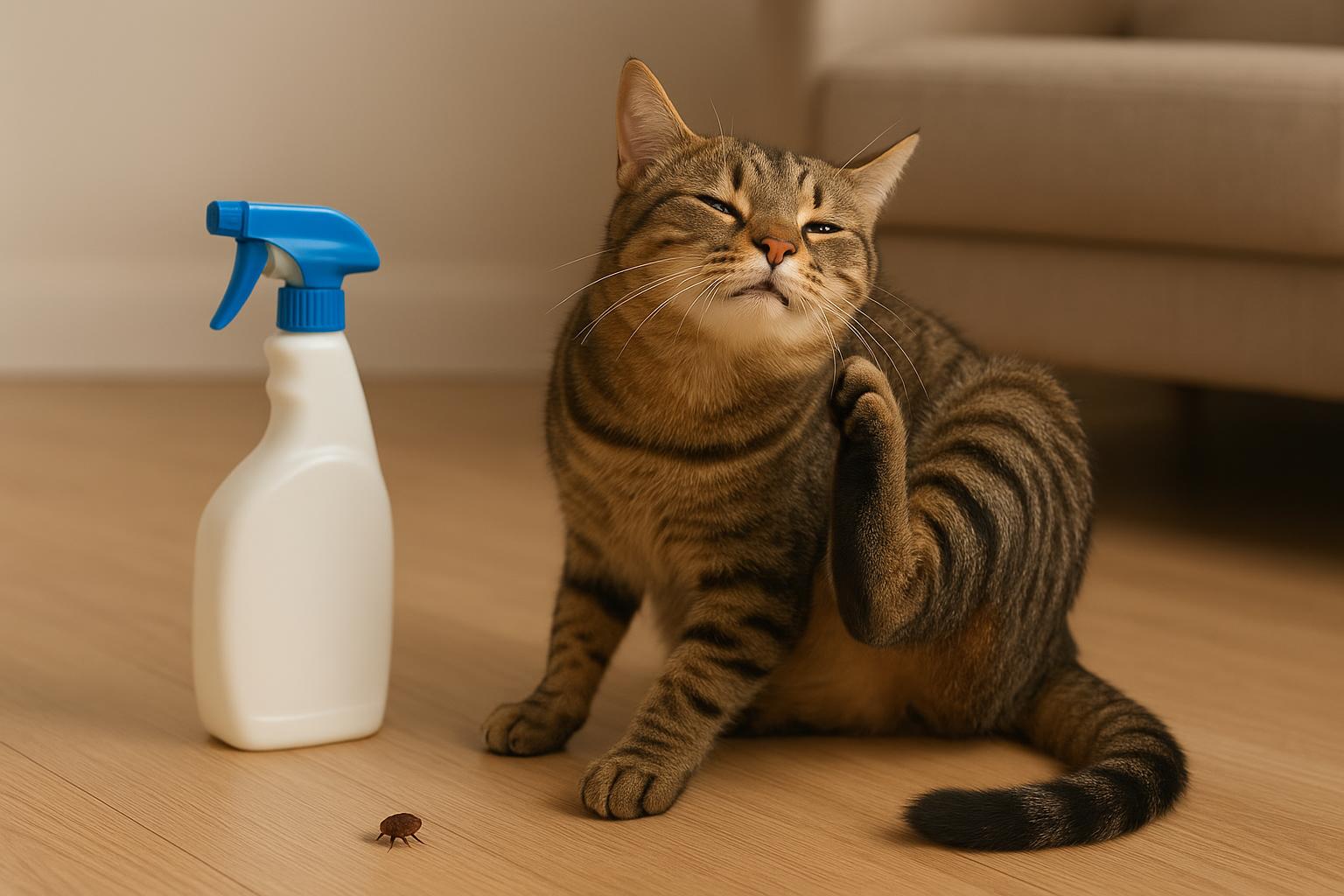
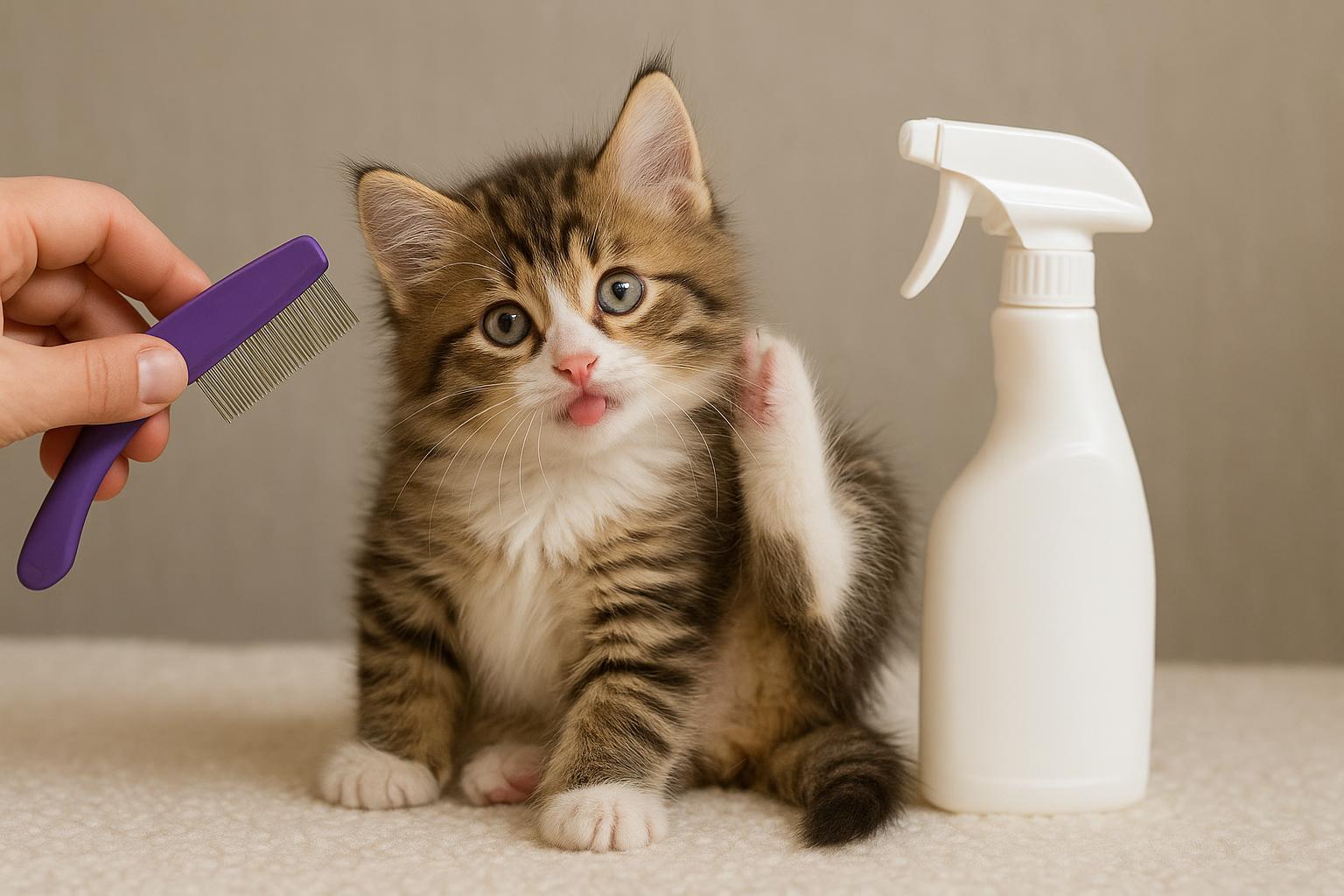
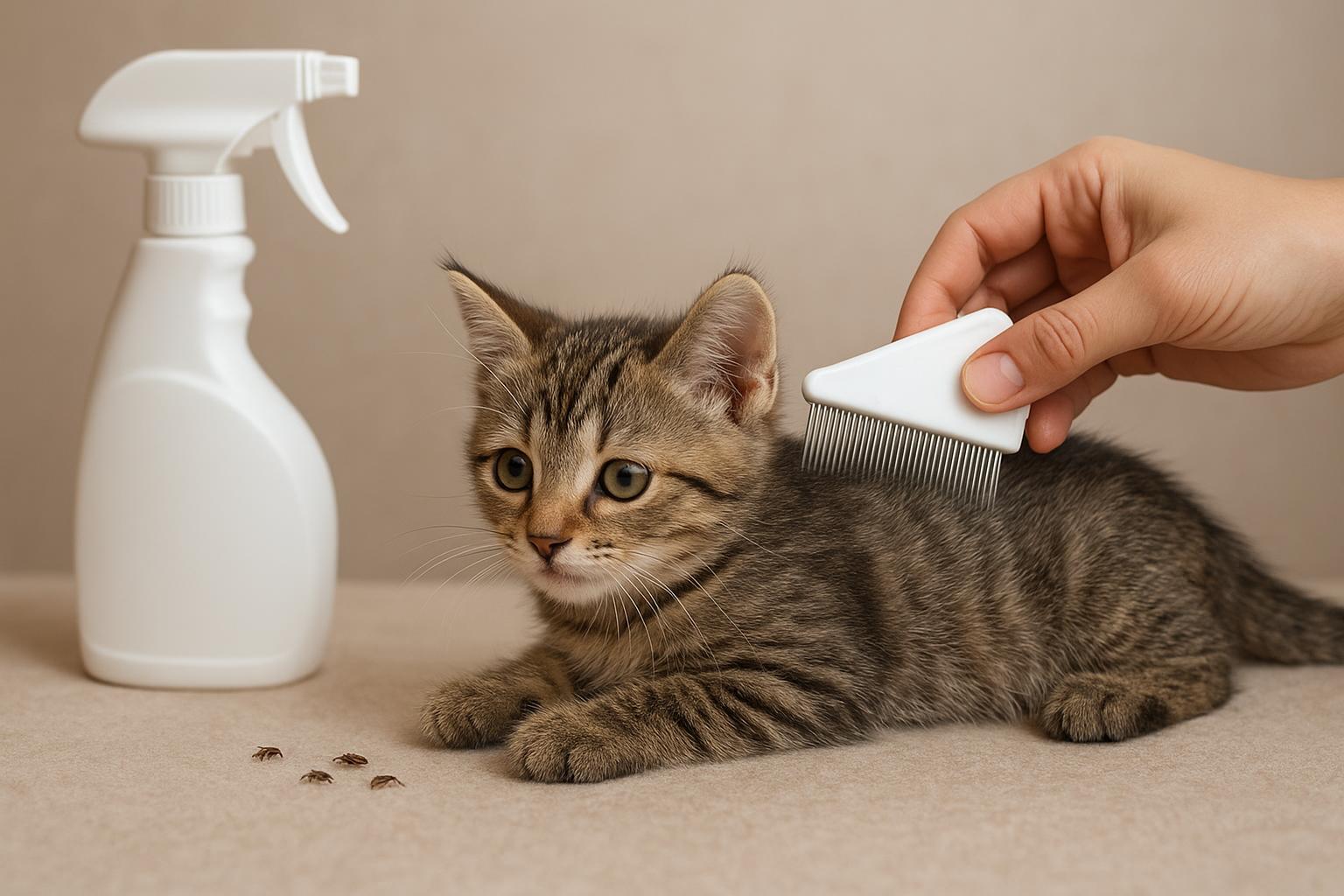
Topical products are not the only tool. A flea spray will treat your home surfaces and kill fleas in carpets and upholstery. Sprays often act faster on the environment; topical treatments target the animal. Use both for severe infestations.
If you are deciding between a topical flea solution for cats and a household flea spray, consider what you need to control most urgently. Cats are the immediate problem when they’re miserable. The environment is the reservoir. A combined approach is more effective than either alone.
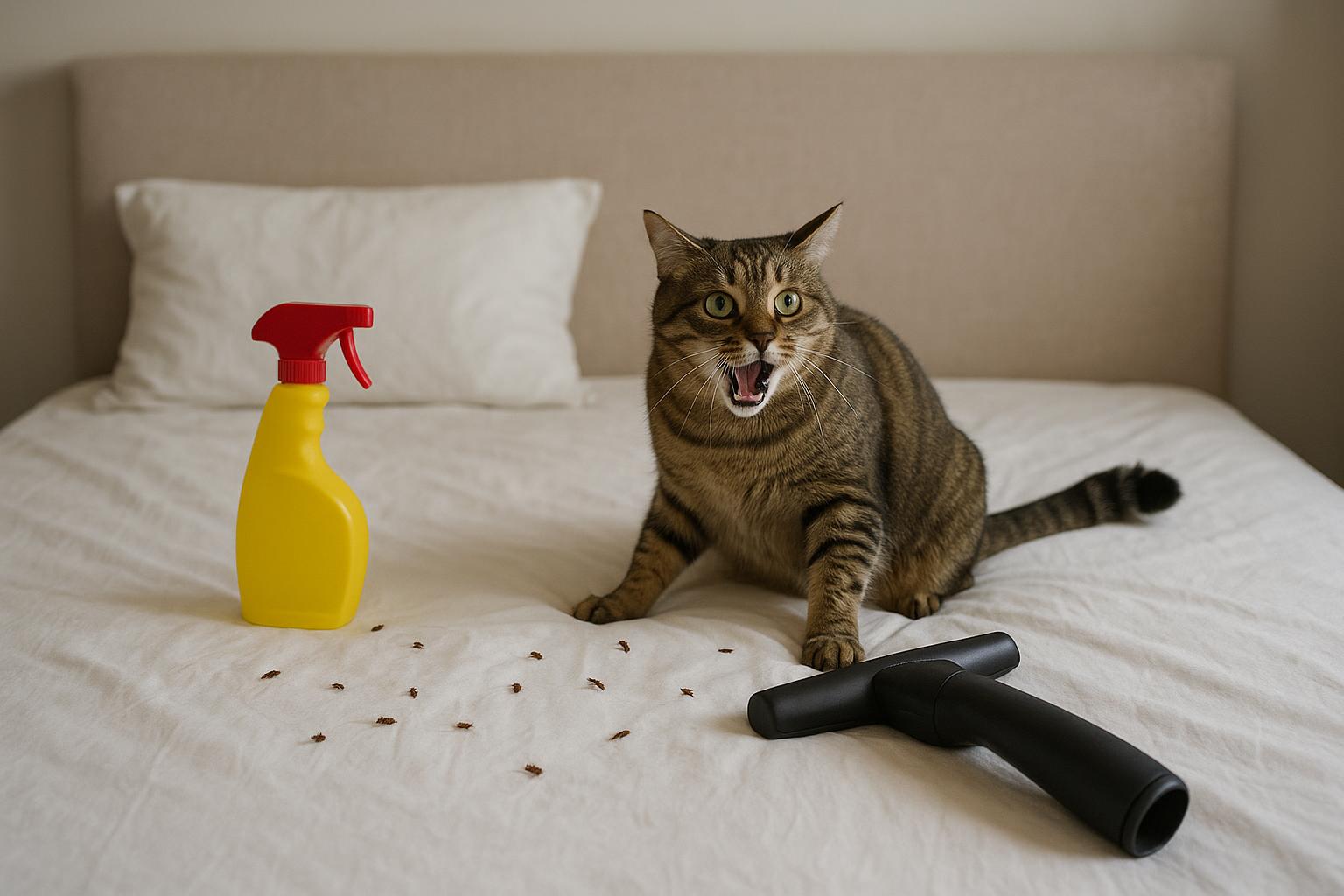
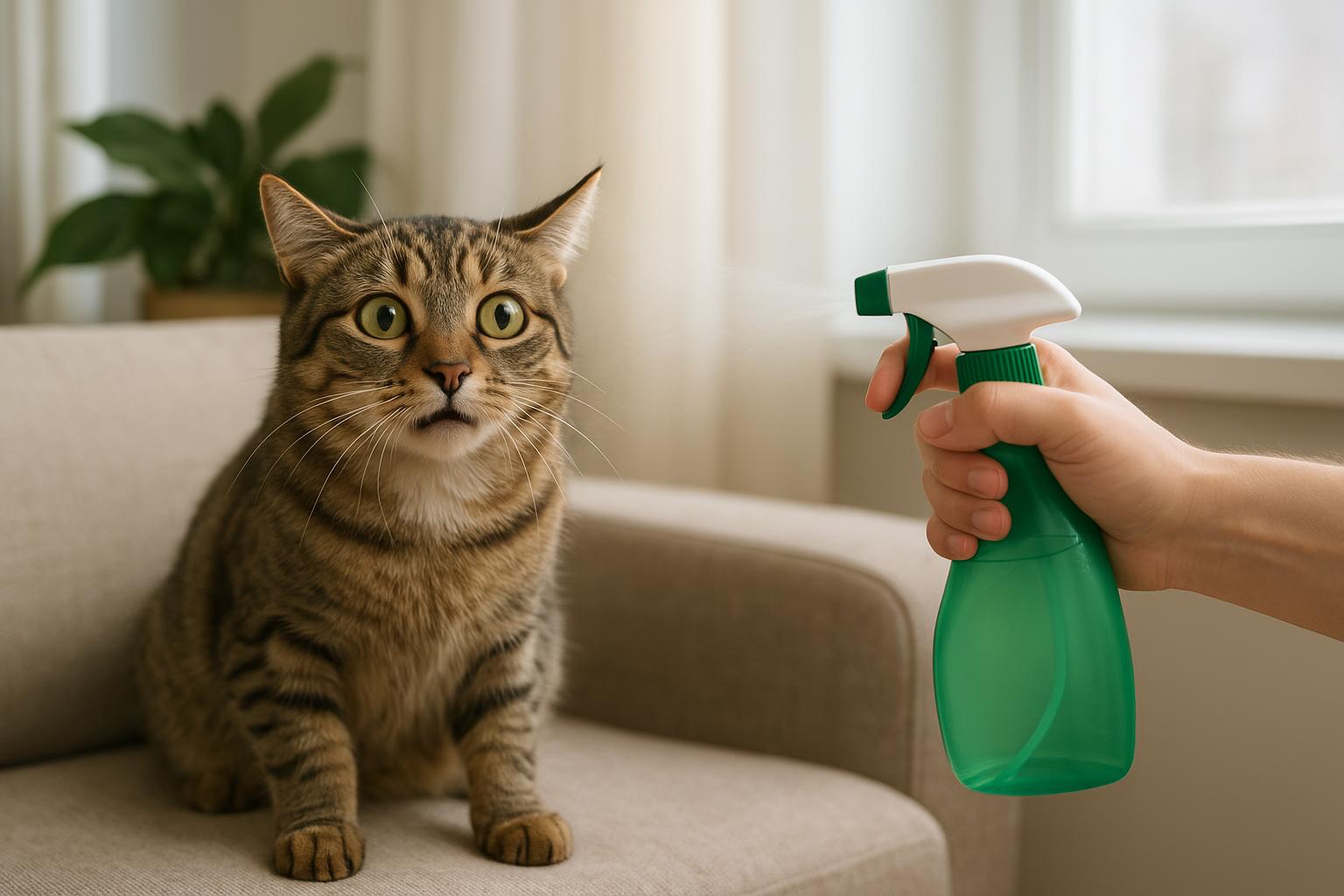
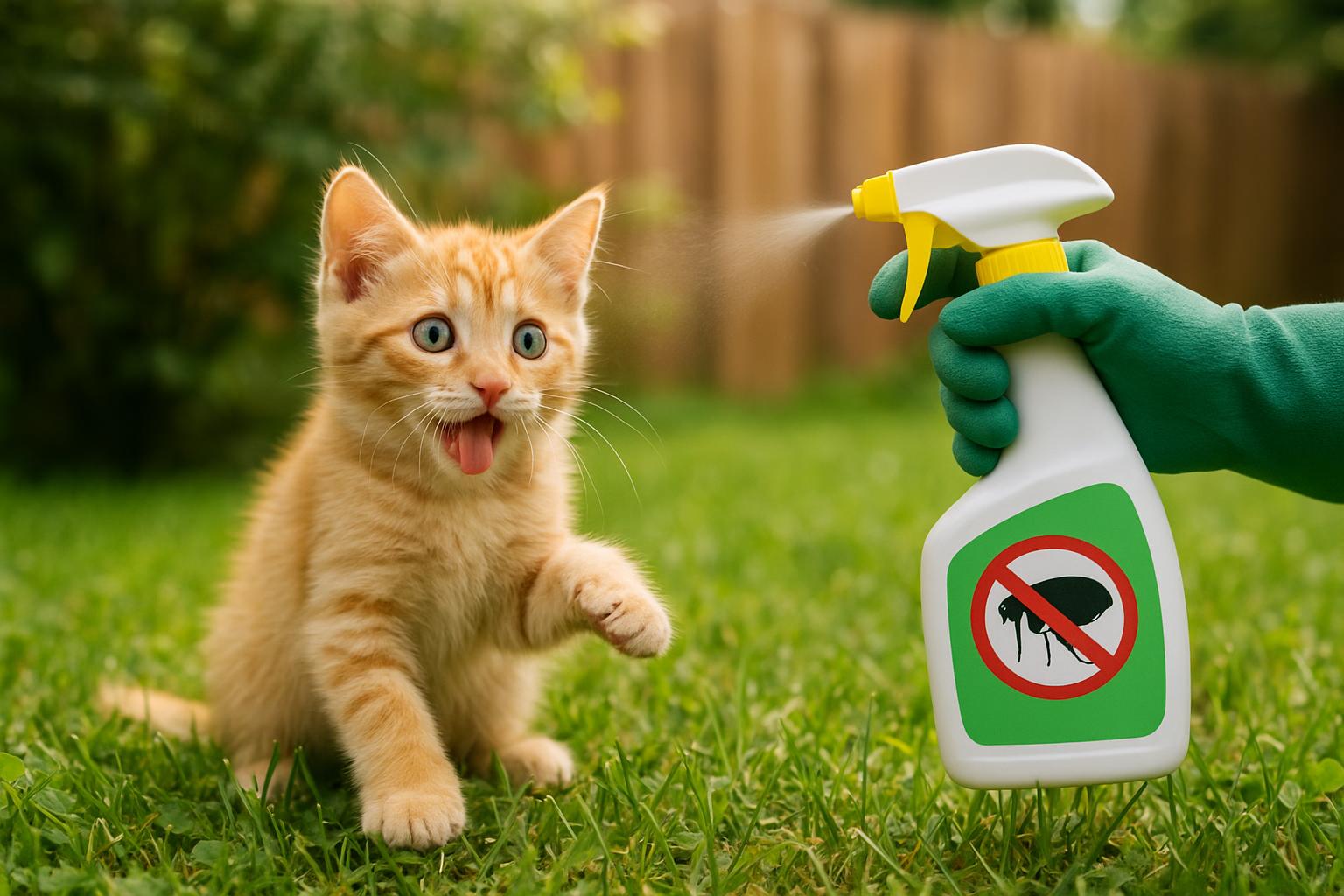
Flea spray is useful for treating furniture, baseboards, and tough-to-vacuum areas. Many sprays contain an insect growth regulator, which helps suppress the next generation. Always follow label directions and ventilate rooms after spraying. Keep cats out of sprayed areas until the product has dried and the label says it’s safe to return.
### Environmental Steps For Feline Flea Control
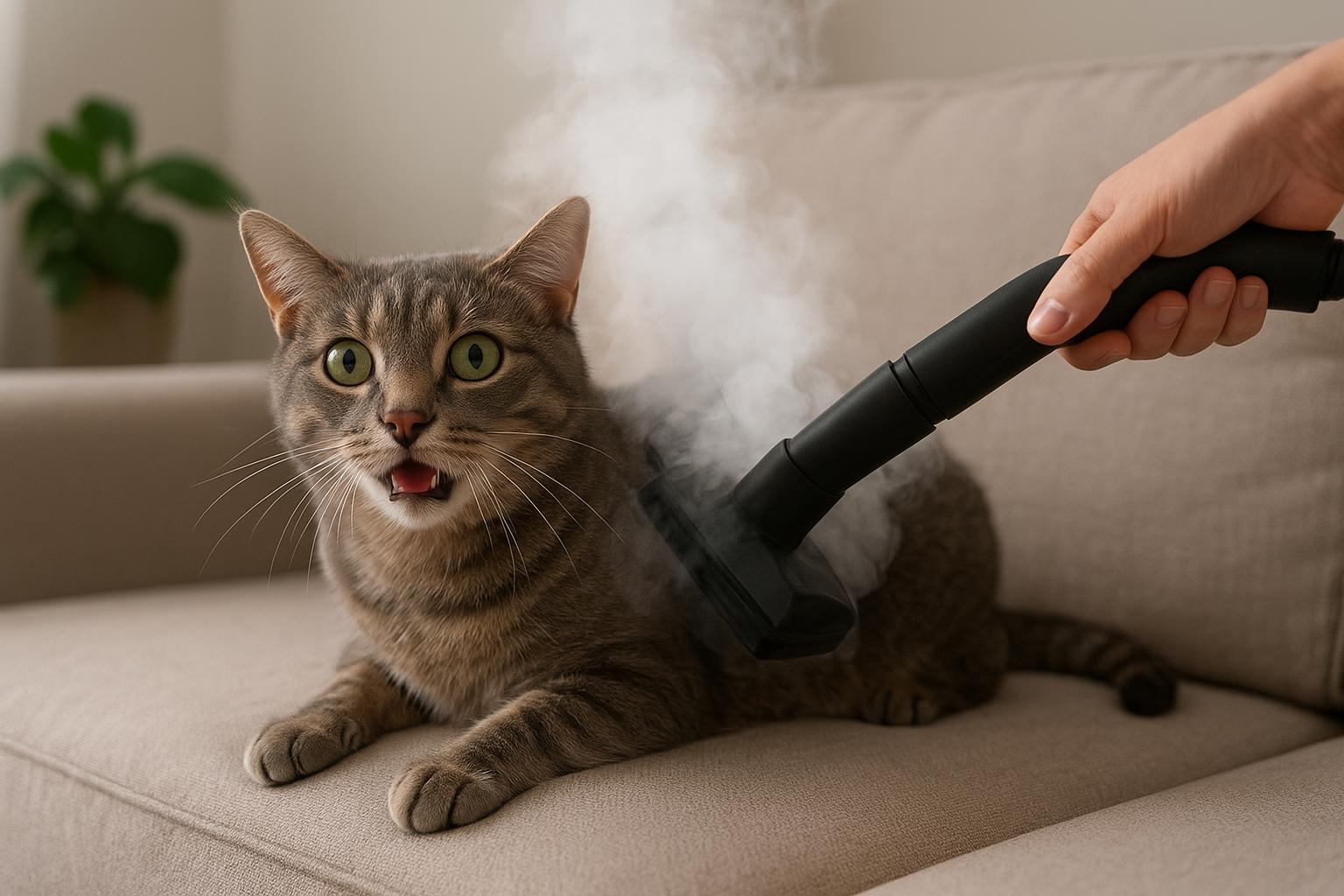
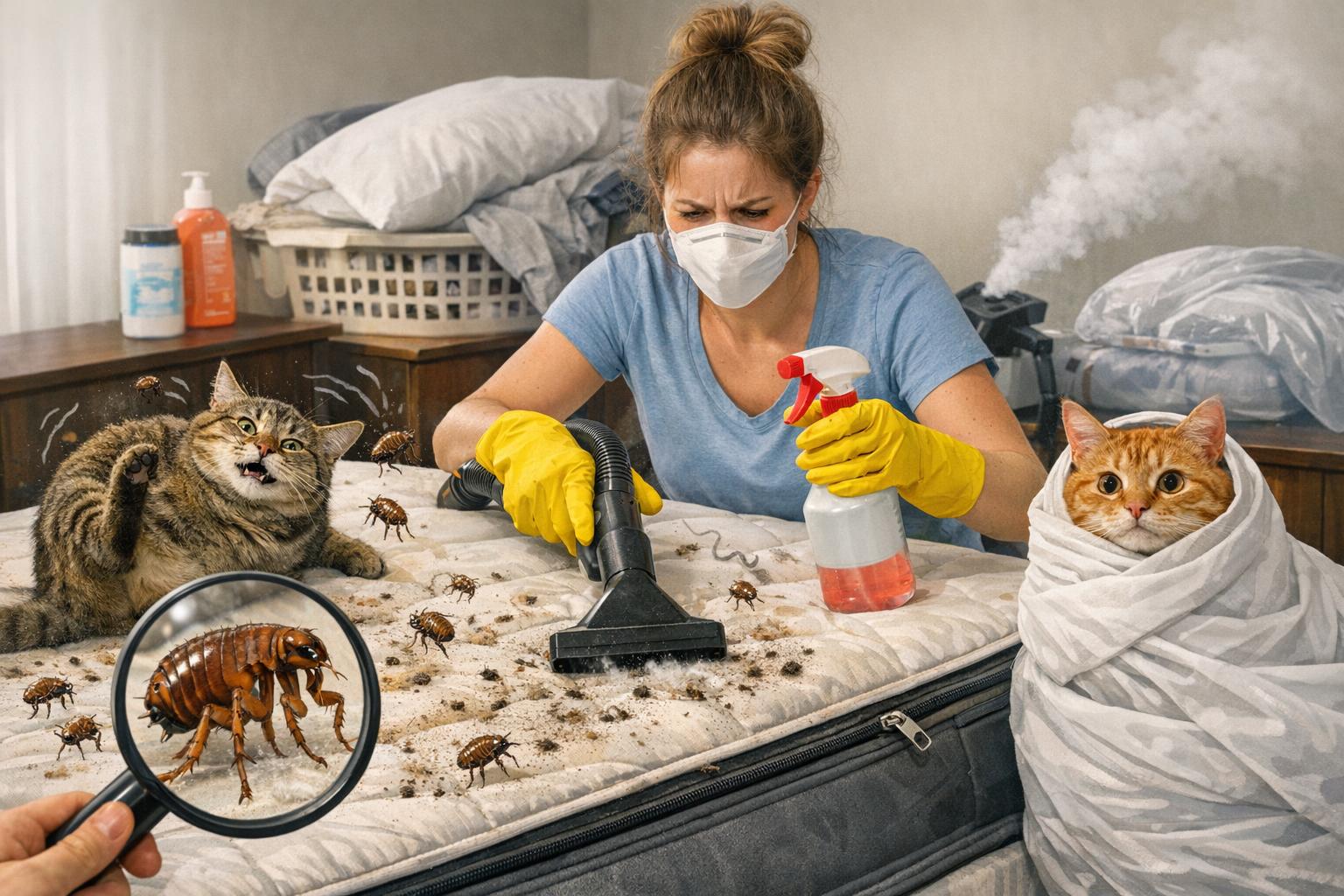
Treating the cat is only half the job. Effective feline flea control requires attention to the home and yard. Vacuum daily for a week, focusing on pet beds and corners. Wash bedding in hot water and tumble dry. Consider a household flea spray or fogger for heavy infestations, but read instructions carefully and remove pets during application.
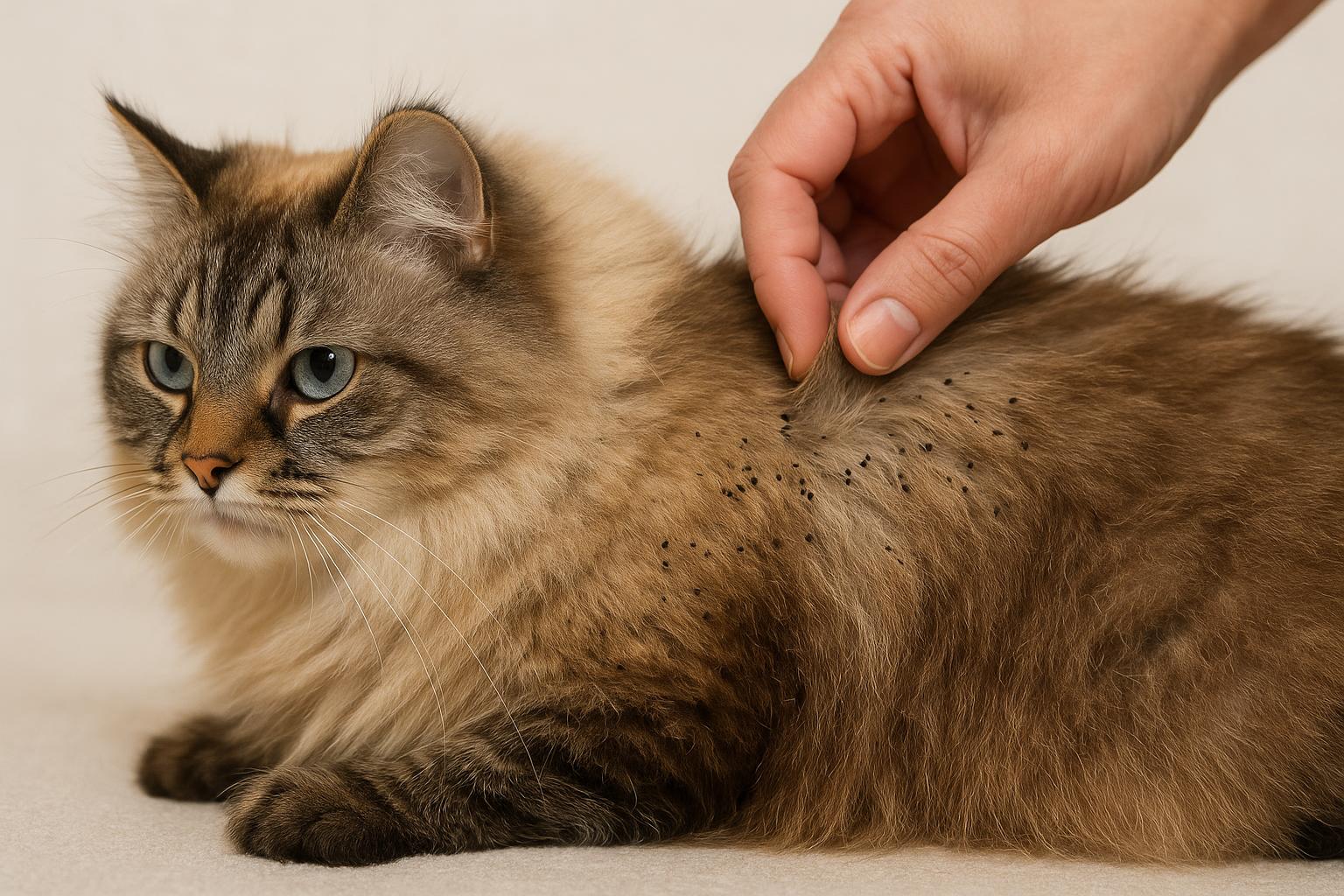
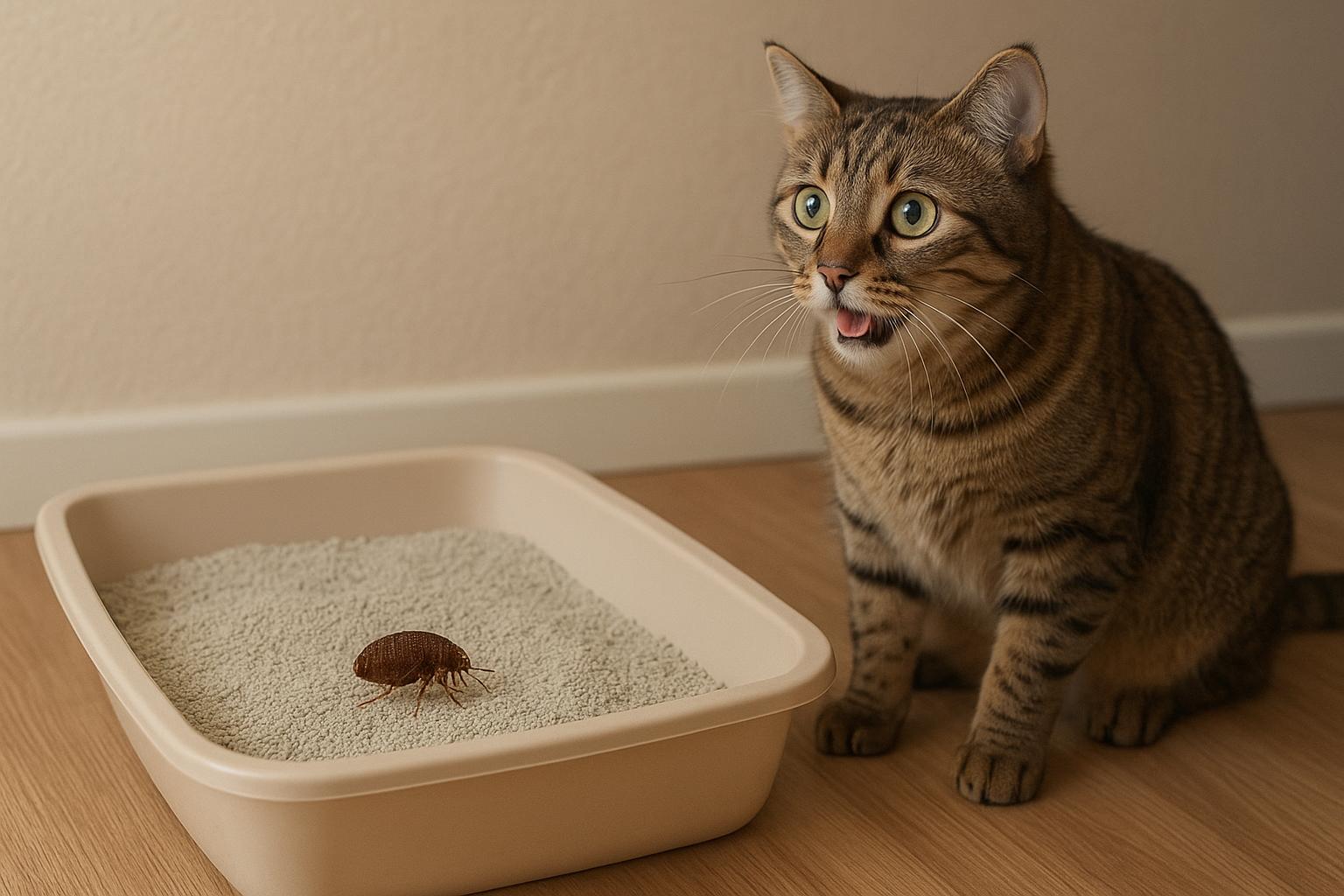
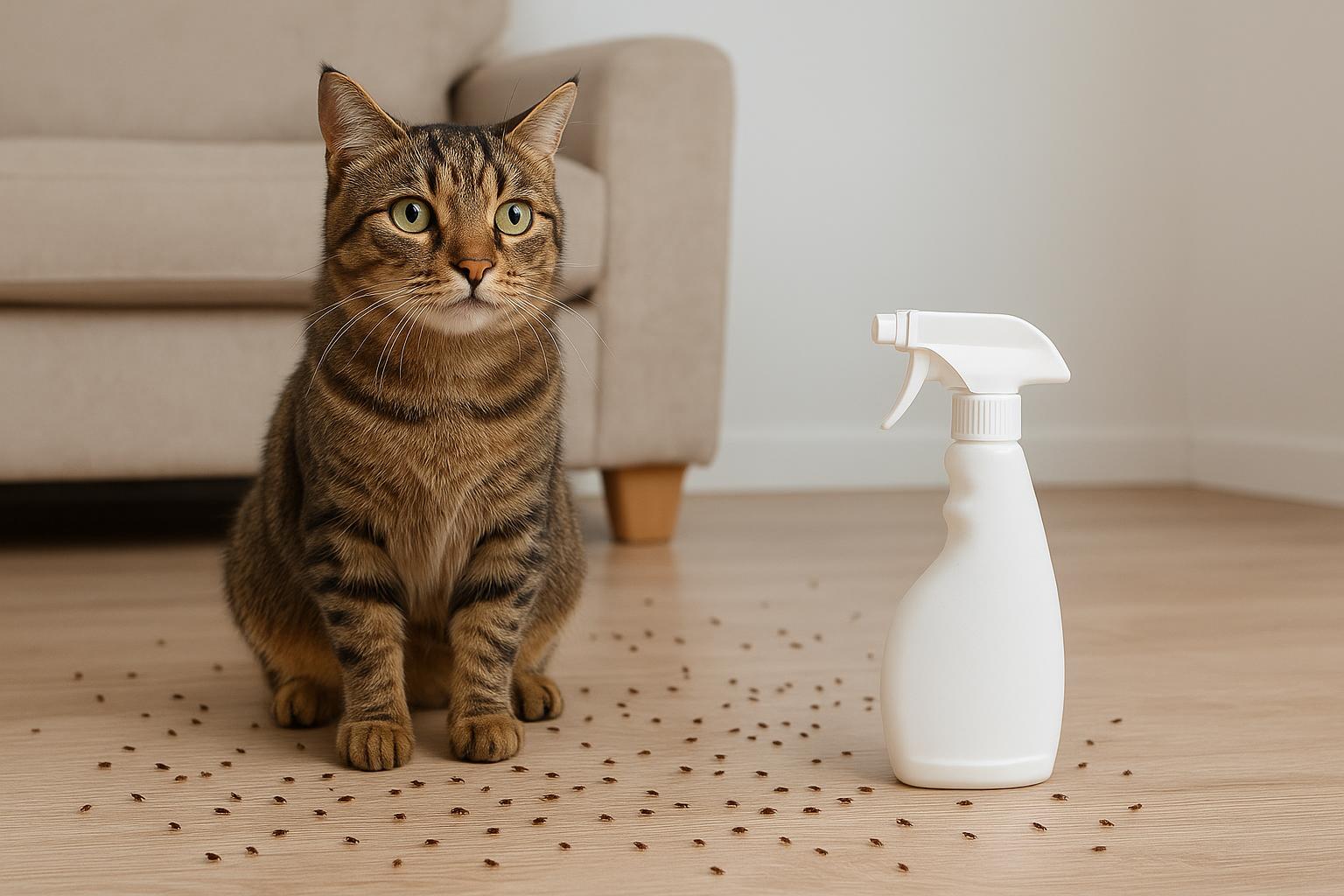
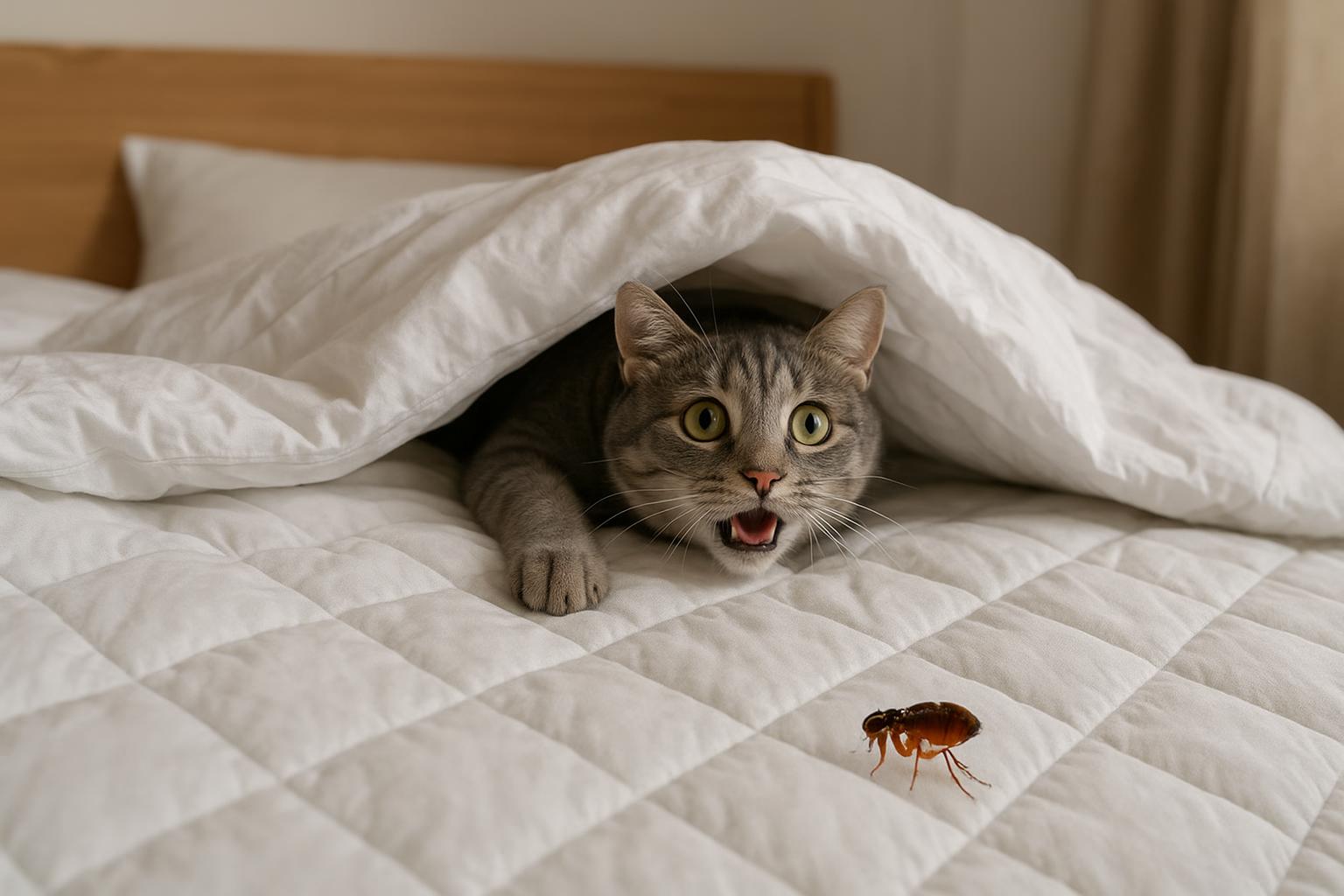
If you have multiple pets, treat them all. Untreated animals can reintroduce fleas. Flea dirt concentrated in one room is a tip-off — it looks like black pepper and will turn reddish when moistened. That tells you there are active fleas nearby.
Outdoor steps matter if your cat goes outside. Mow the grass, eliminate leaf litter, and place a barrier of gravel or mulch under doors to reduce humidity where fleas thrive. For persistent problems, consult a pest control professional who understands pet-safe options.
### Common Mistakes Cat Owners Make
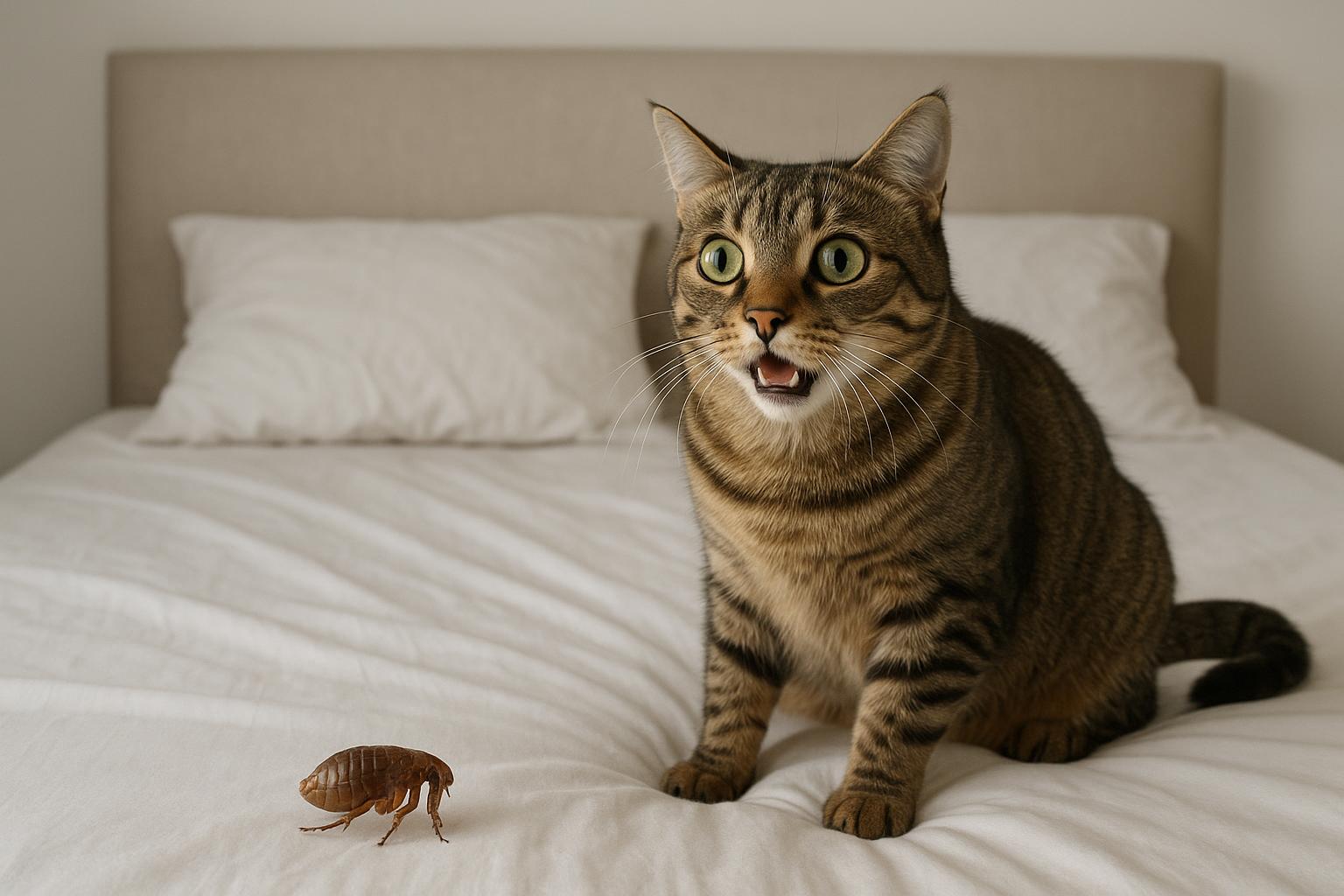
Owners often reach for immediate relief and pick the wrong product or the wrong dose. Using a dog topical or oral flea medication can be dangerous for a cat. Doubling up products in a panic can cause harm. Another mistake is treating only the cat and ignoring the environment. Fleas can sit dormant in a house for months, so treating both pet and home is necessary.
People also forget to read the label. Some topicals interact with other medications. Some insist on monthly application while others stretch longer. Consistency matters. Skipping doses leads to recurring infestations and frustration.
Some owners rely exclusively on a flea spray and expect the pet to be fine without topical care. A spray alone may reduce numbers indoors, but a cat that’s already infested will keep getting bitten. Using both approaches stops the cycle faster.
## Real Relief: Stories From Pet Owners
A friend of mine had a cat that had been scratching for weeks. Vet recommended a topical flea solution for cats plus a targeted flea spray for the house. Within 48 hours the cat was calmer and sleeping through the night. The owner was careful to treat bedding, vacuum daily, and follow label directions for the spray. The next month there were hardly any new bites.
Another owner tried a flea spray first and left the cat untreated. The animal continued to suffer and the owner felt hopeless. After switching to a topical product prescribed by their vet, the cat recieved immediate relief and the family could focus on clearing the environment.
Pet stories show the same pattern: addressing the animal directly with a topical product and cleaning the environment with a flea spray or other measures produces results. The timeline varies, but most people notice a difference in a few days.
#### When To Call A Vet
If your cat has underlying health issues, is pregnant, nursing, or underweight, check with your veterinarian before using any topical flea solution for cats. Also call if you see severe itching that doesn’t improve after treatment or if your cat has a severe reaction. Your vet can suggest alternatives, such as oral products or a different treatment schedule, and can check for complications like secondary skin infections.
Keep records of the product used and dates of application. That helps your vet advise appropriately if follow-up treatment is needed.
Practical steps. Careful selection. Timely application. That’s the path from frantic scratching to steady calm.










Leave a Reply