
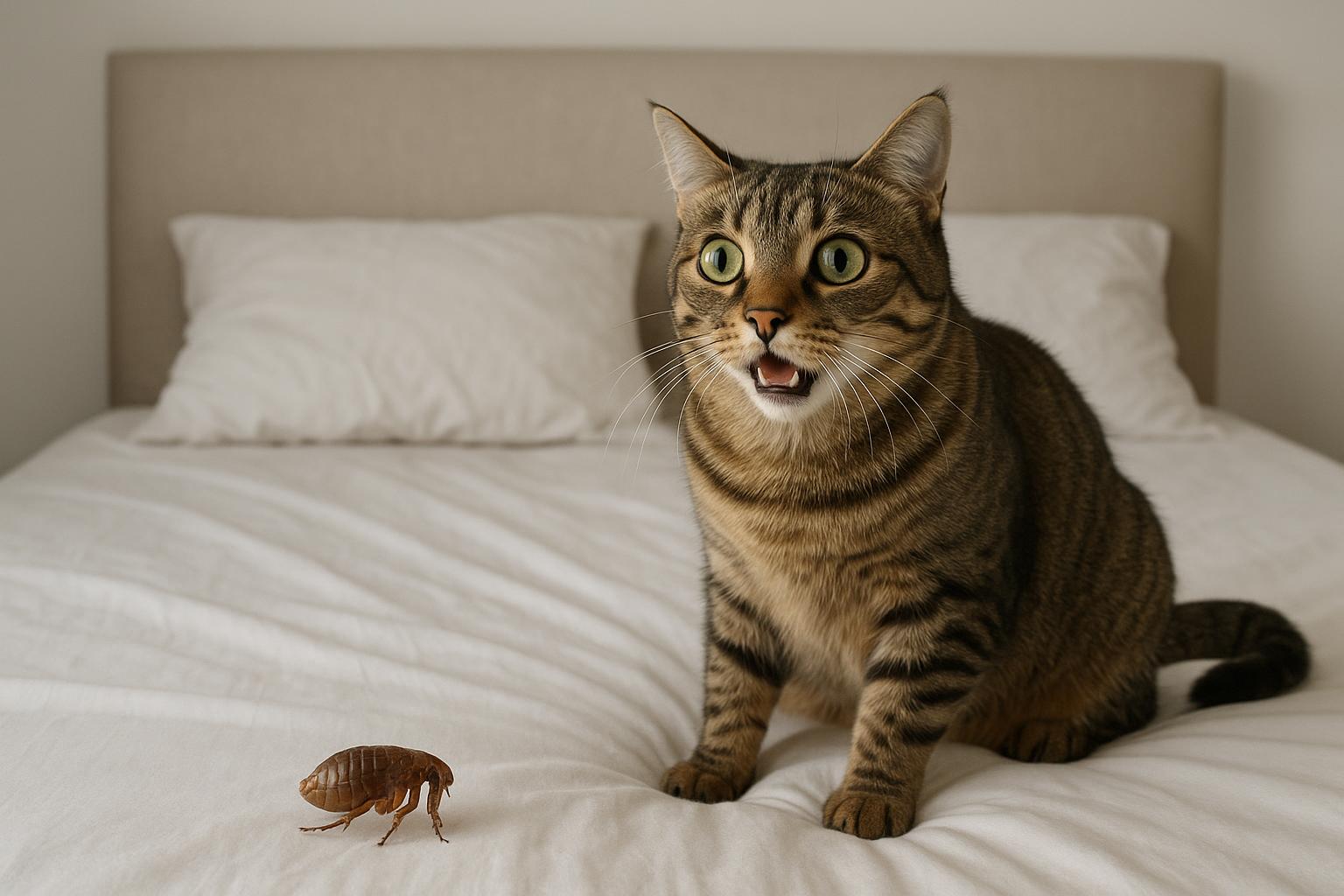
Fleas get comfortable in soft, warm places. If your cat sleeps on the bed, fleas will figure that out fast. The trick is to stop them from setting up shop in the mattress, and to treat the whole sleeping area in a way that keeps them from coming back.
## Mattress Flea Control Tips For Cat Owners Sharing Bedding
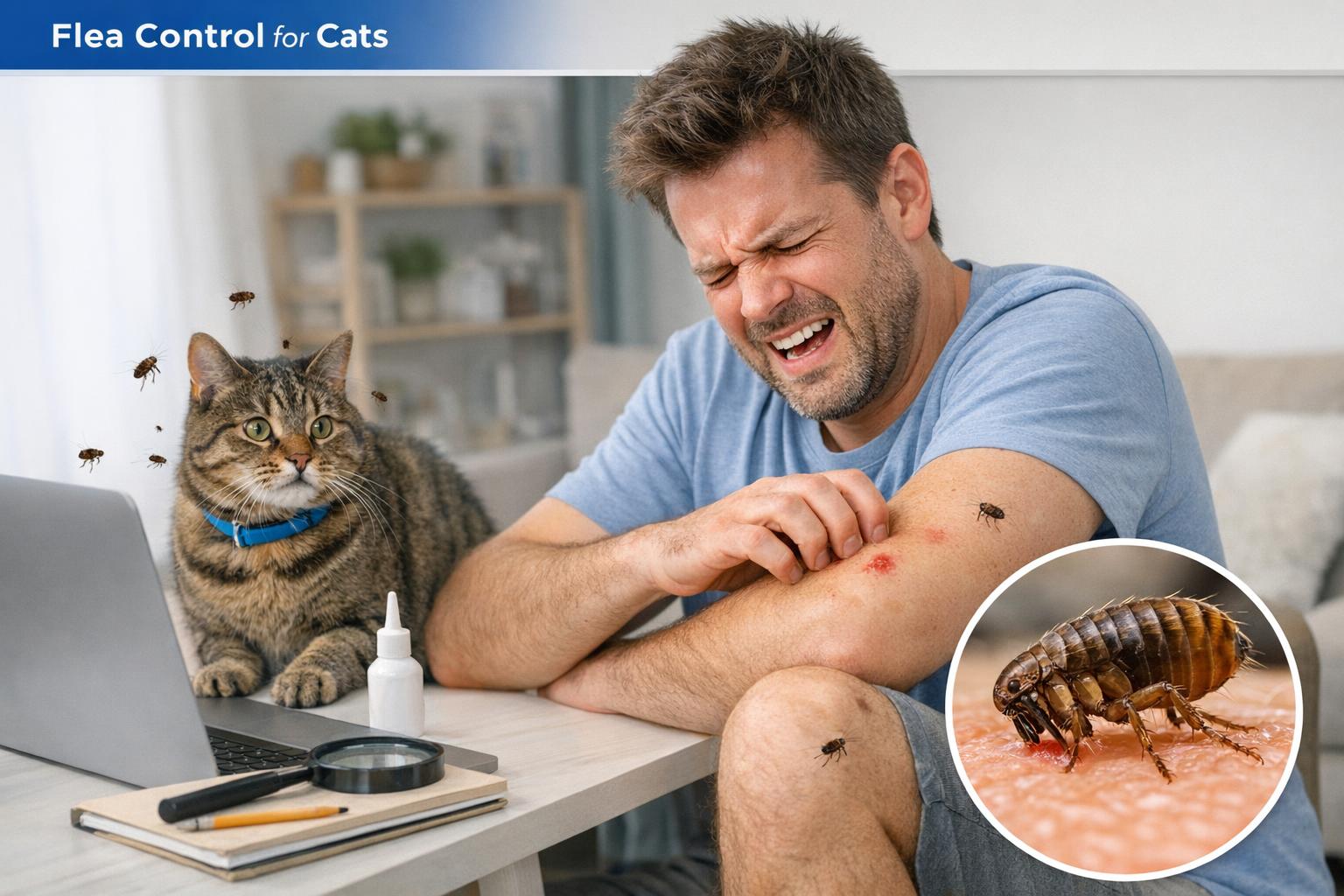
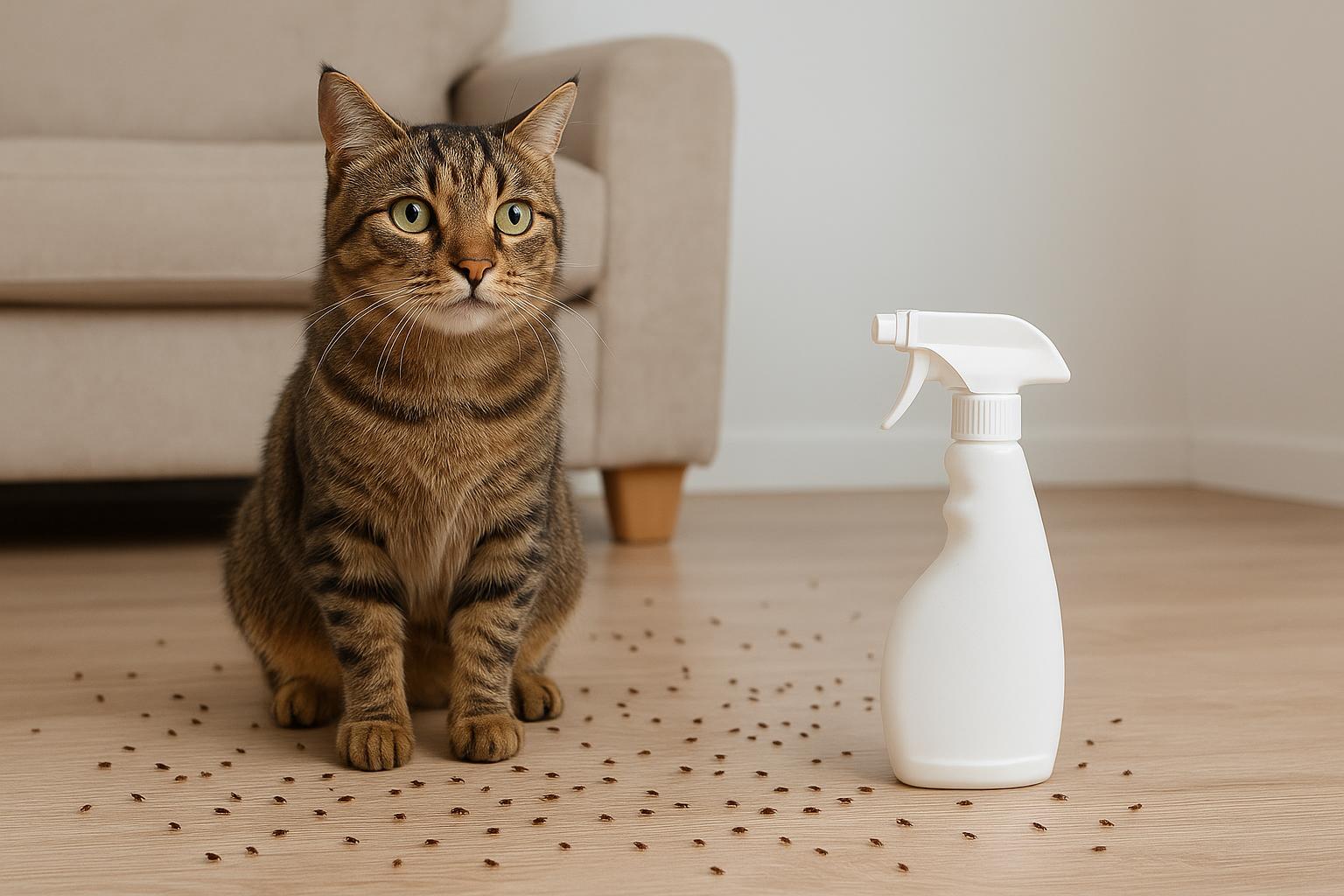
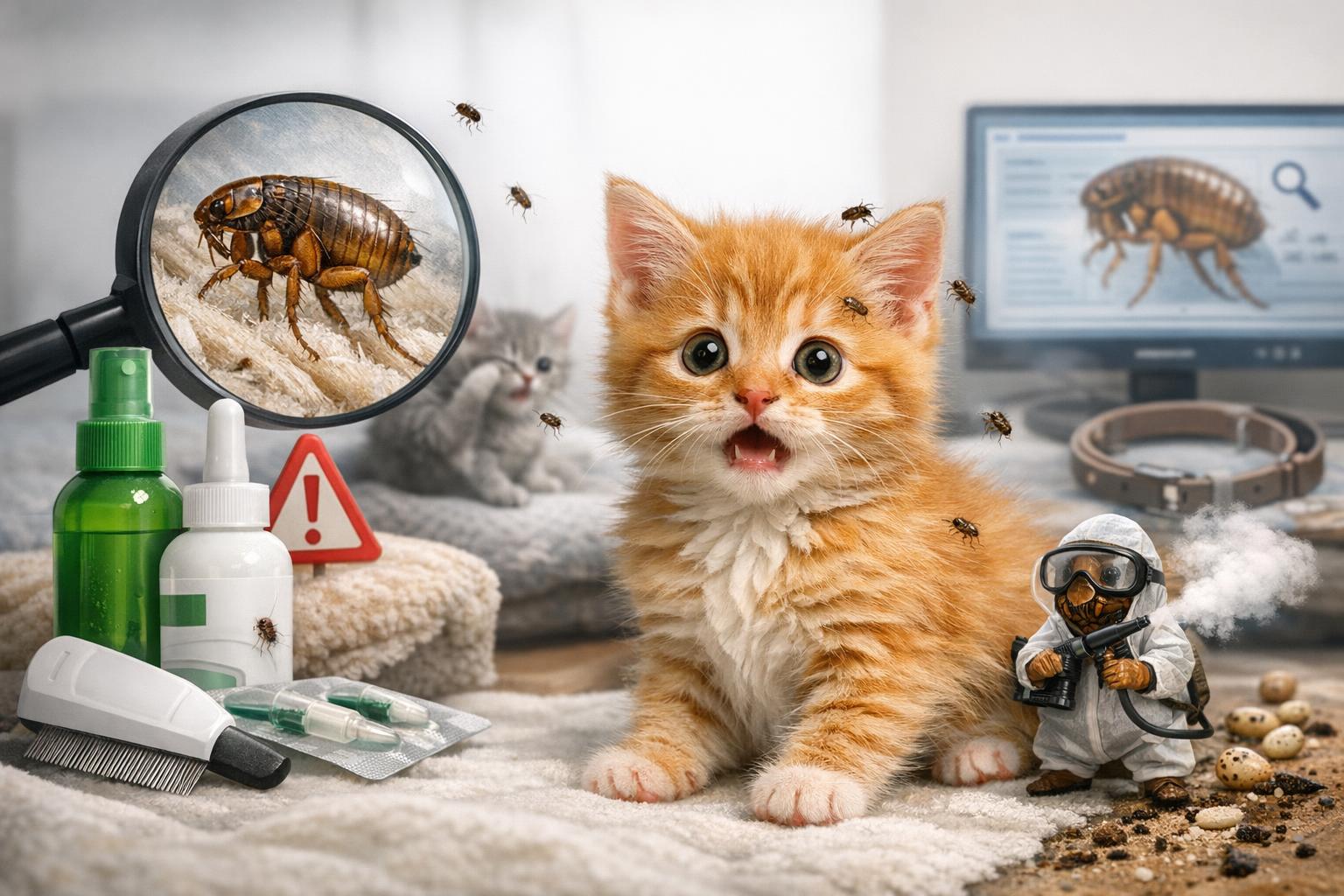
If you want practical mattress flea control tips, start with the places fleas actually use: your cat, the mattress seams, and the carpet or crevices around the bed. Fleas lay eggs on the host, those eggs fall into fabric fibers, and you quickly have a mattress infestation on your hands. Tackling that requires multiple moves: remove adults, remove eggs and larvae, treat the environment, and prevent reinfestation.
### Spotting A Mattress Infestation Early
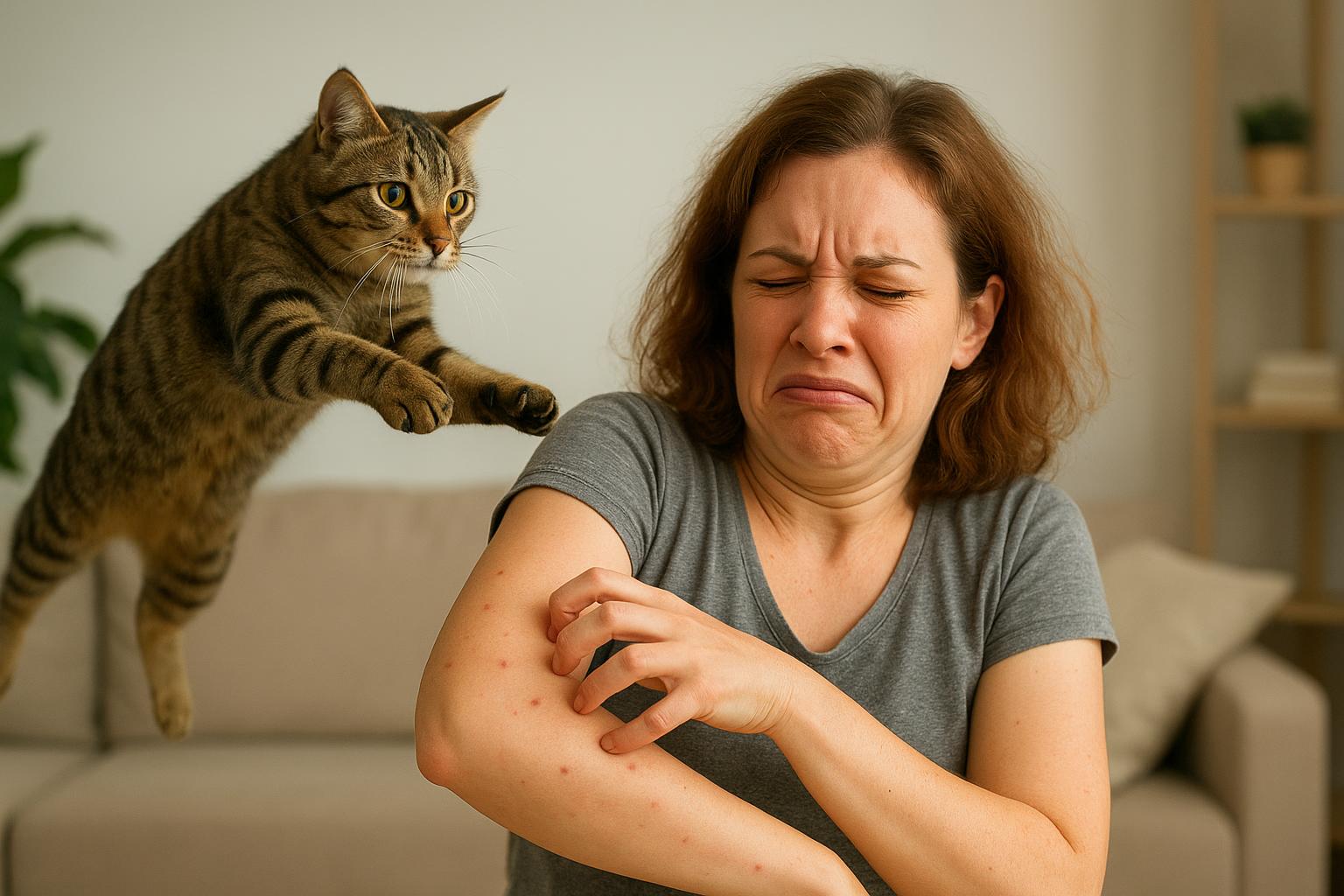
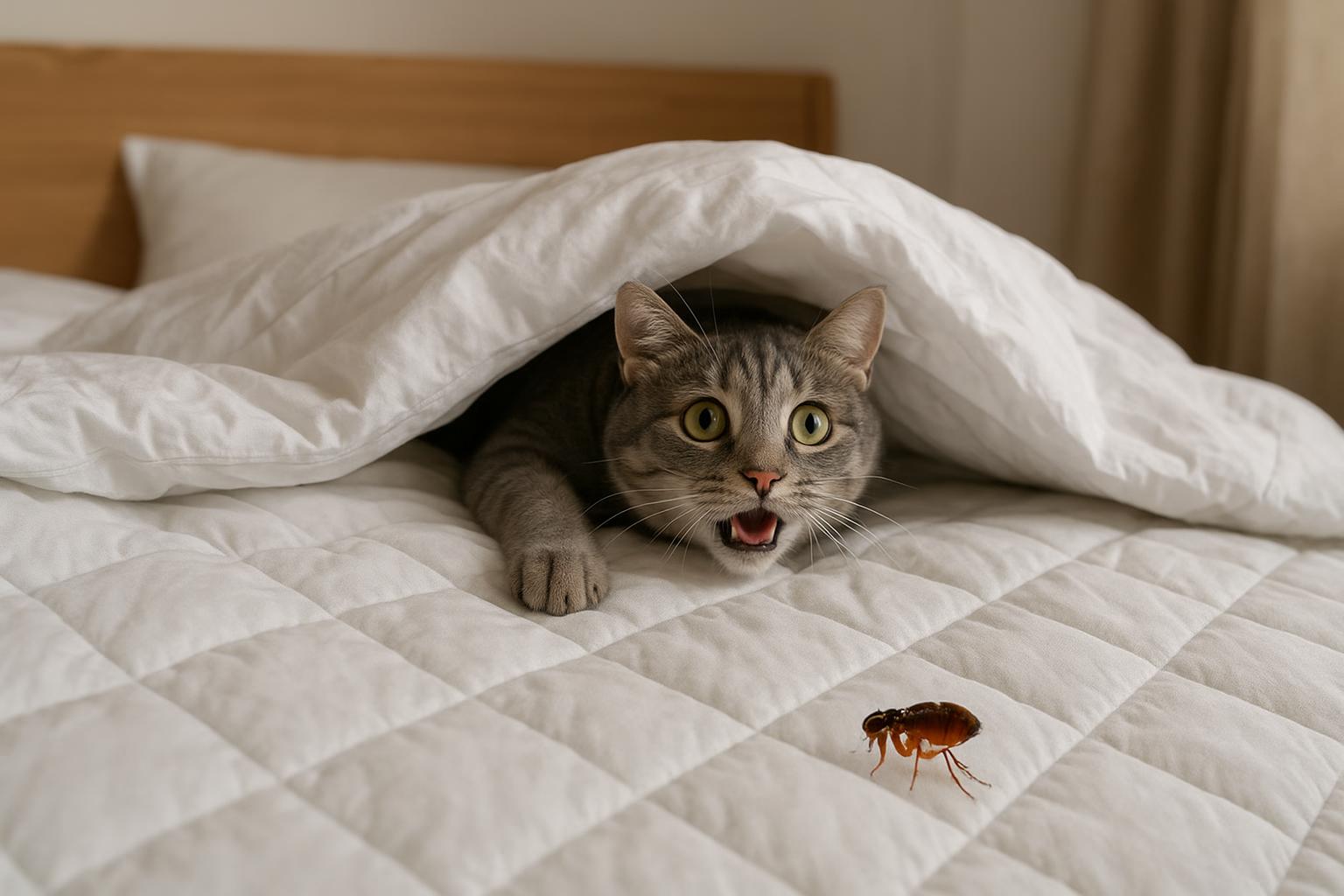
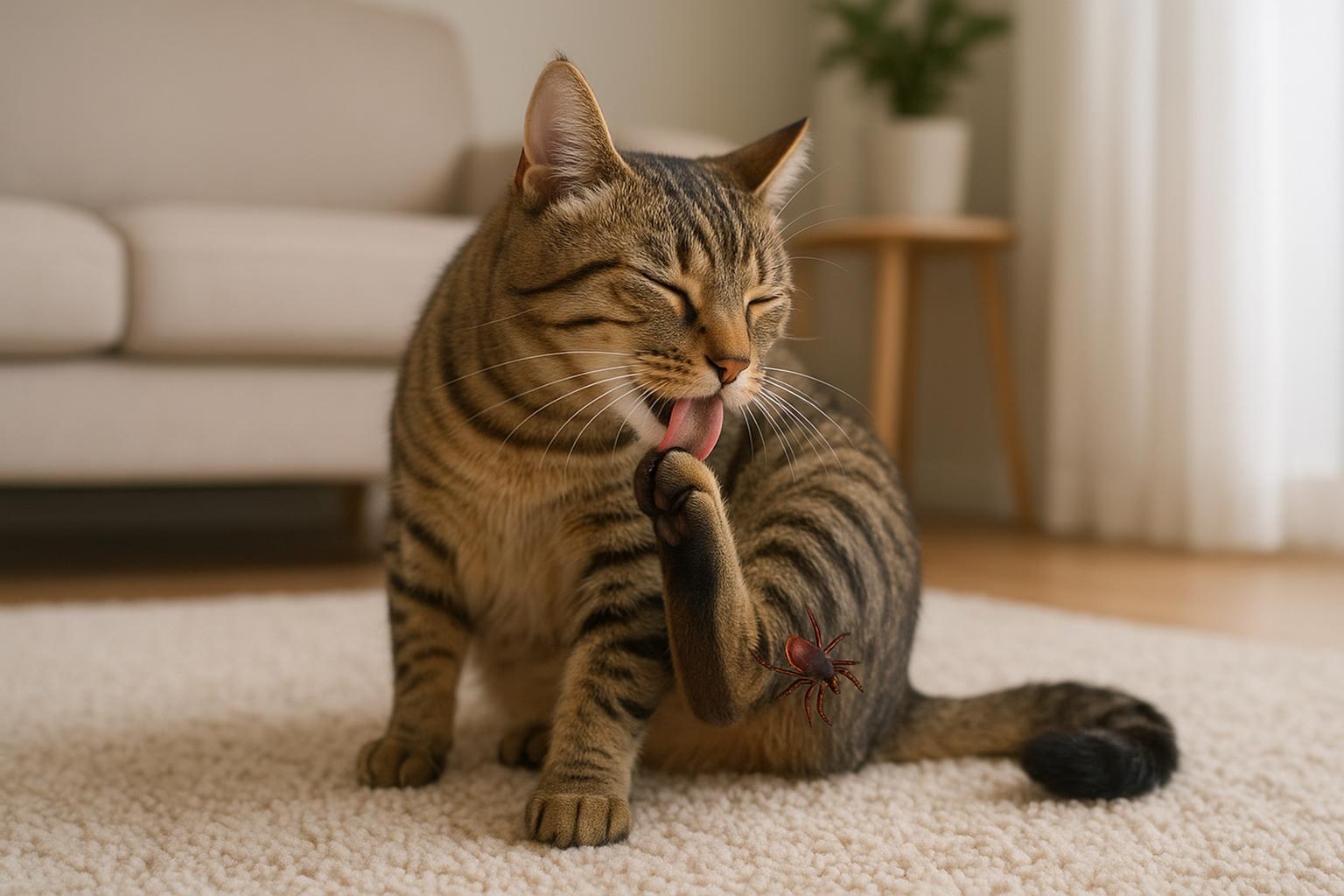
Most people notice fleas because their cat is scratching or because they find a few bite marks on themselves. But you can find early signs on the mattress if you know what to look for.
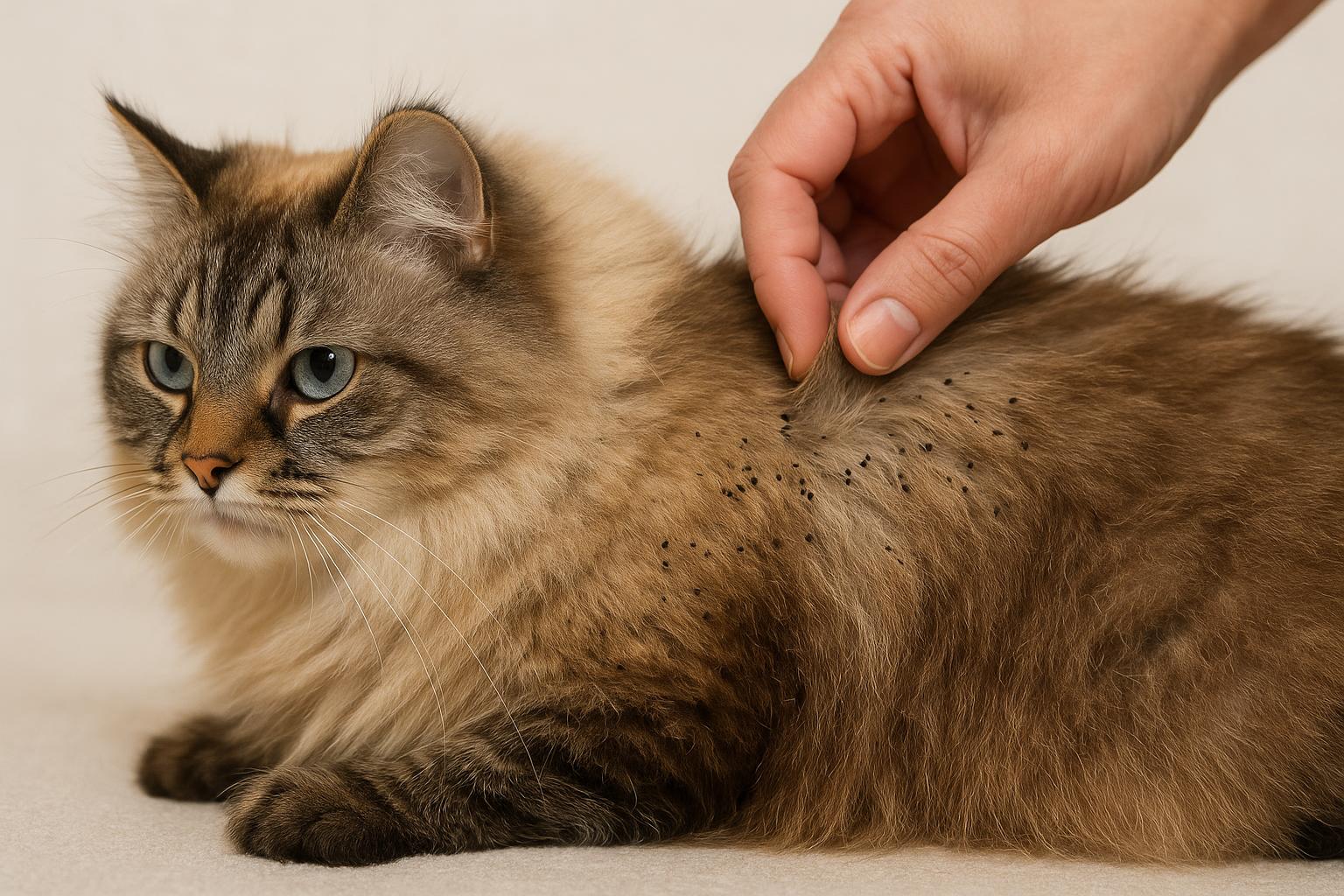
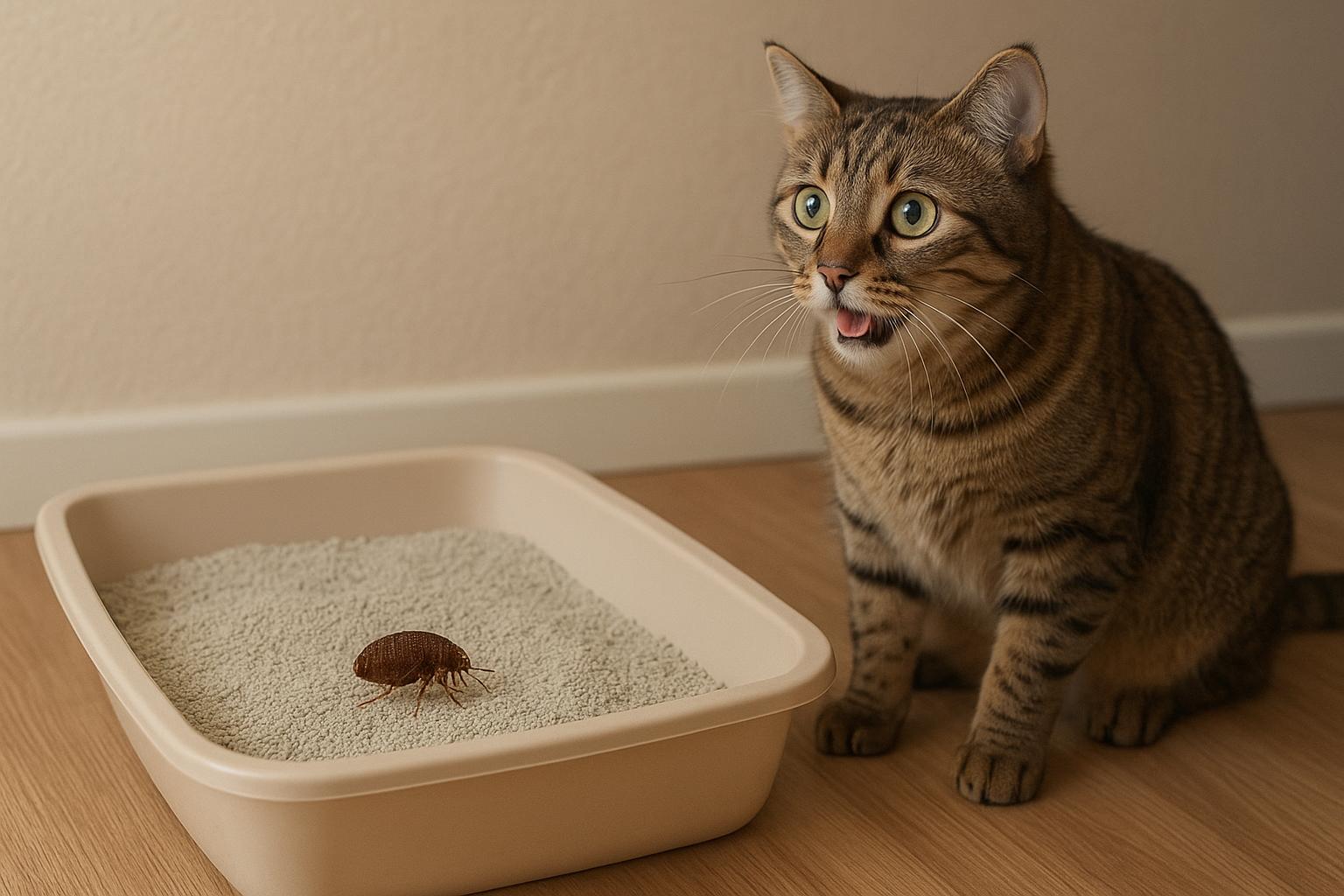
– Check seams, tufts, and the mattress cover for tiny black specks that look like pepper—this is flea dirt (digested blood).
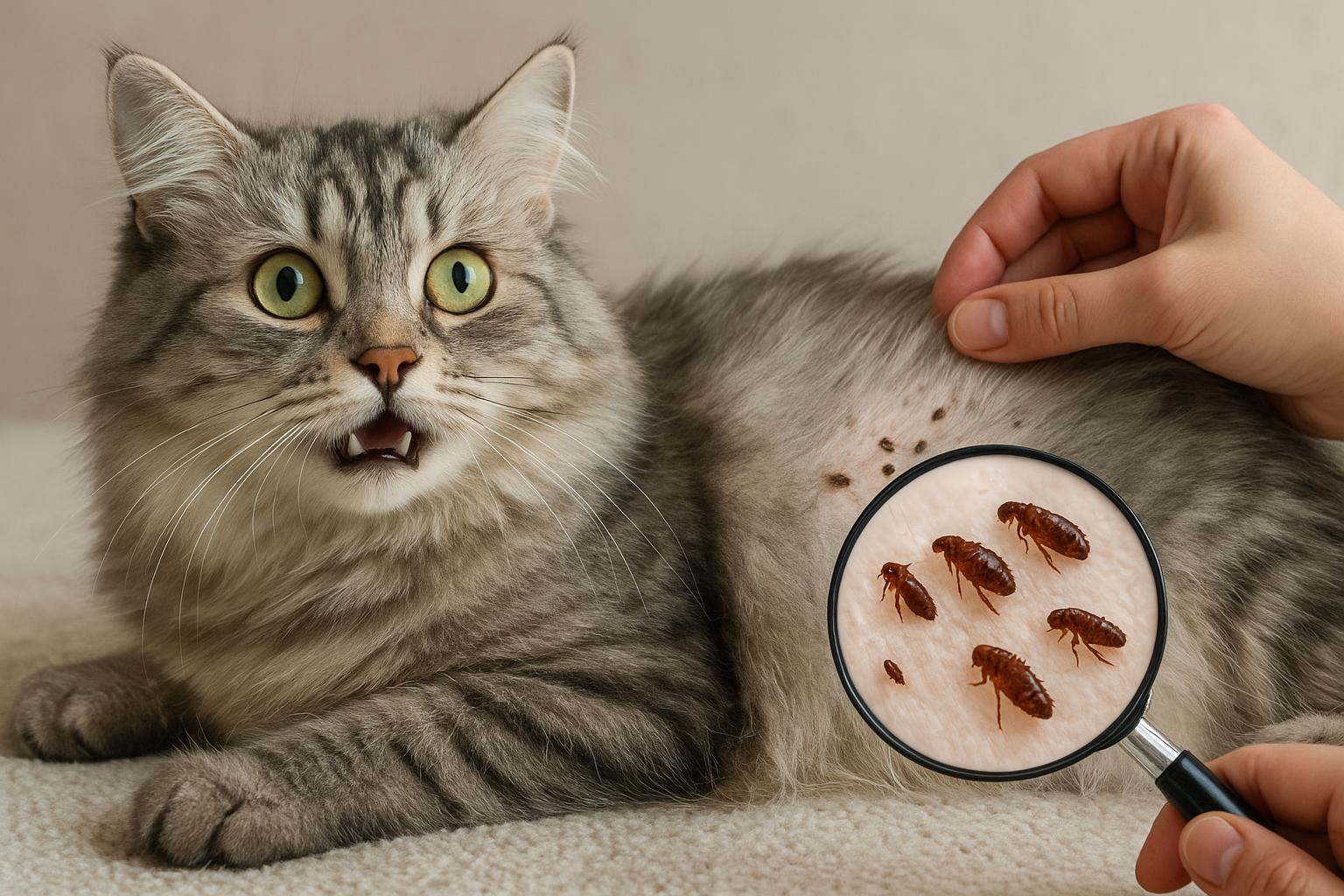
– Look for live fleas in the folds or at the head of the bed where the cat rests. They’re small and fast, but a flashlight and slow inspection help.
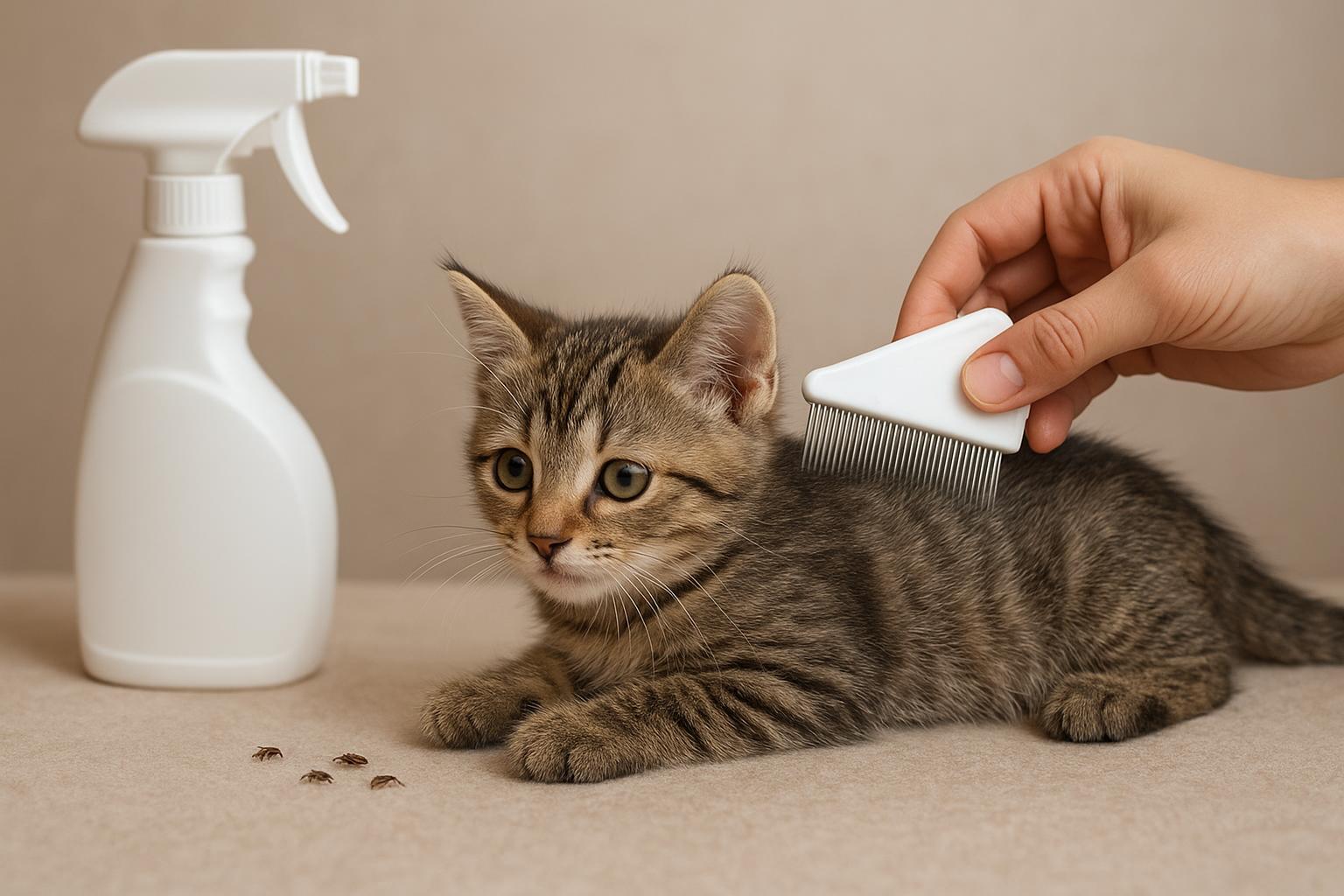
– Use a white sheet or towel: rub it over the mattress surface, then tap the sheet. Flea dirt will show as brownish spots that dissolve into a reddish color with a drop of water.
If you skip this inspection, a small problem becomes a mattress infestation before you realize it.
### Washing, Vacuuming, And Immediate Mattress Treatment
The fastest impact comes from cleaning. If your cat uses the bedding, treat bedding and washable items first, then the mattress itself.
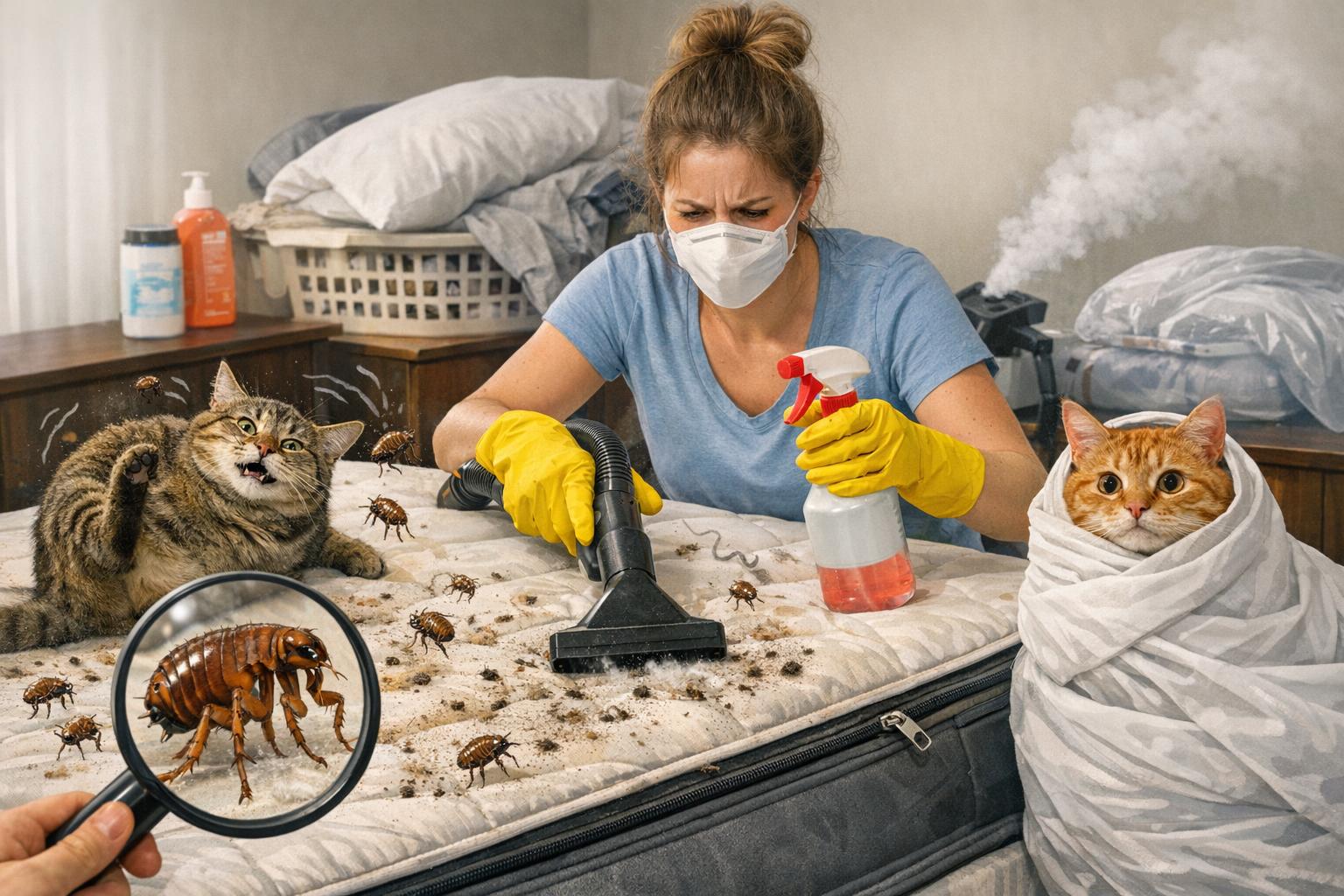
– Strip all covers, blankets, and removable mattress toppers and wash them on the hottest setting safe for the fabric. High heat kills adults and many eggs.
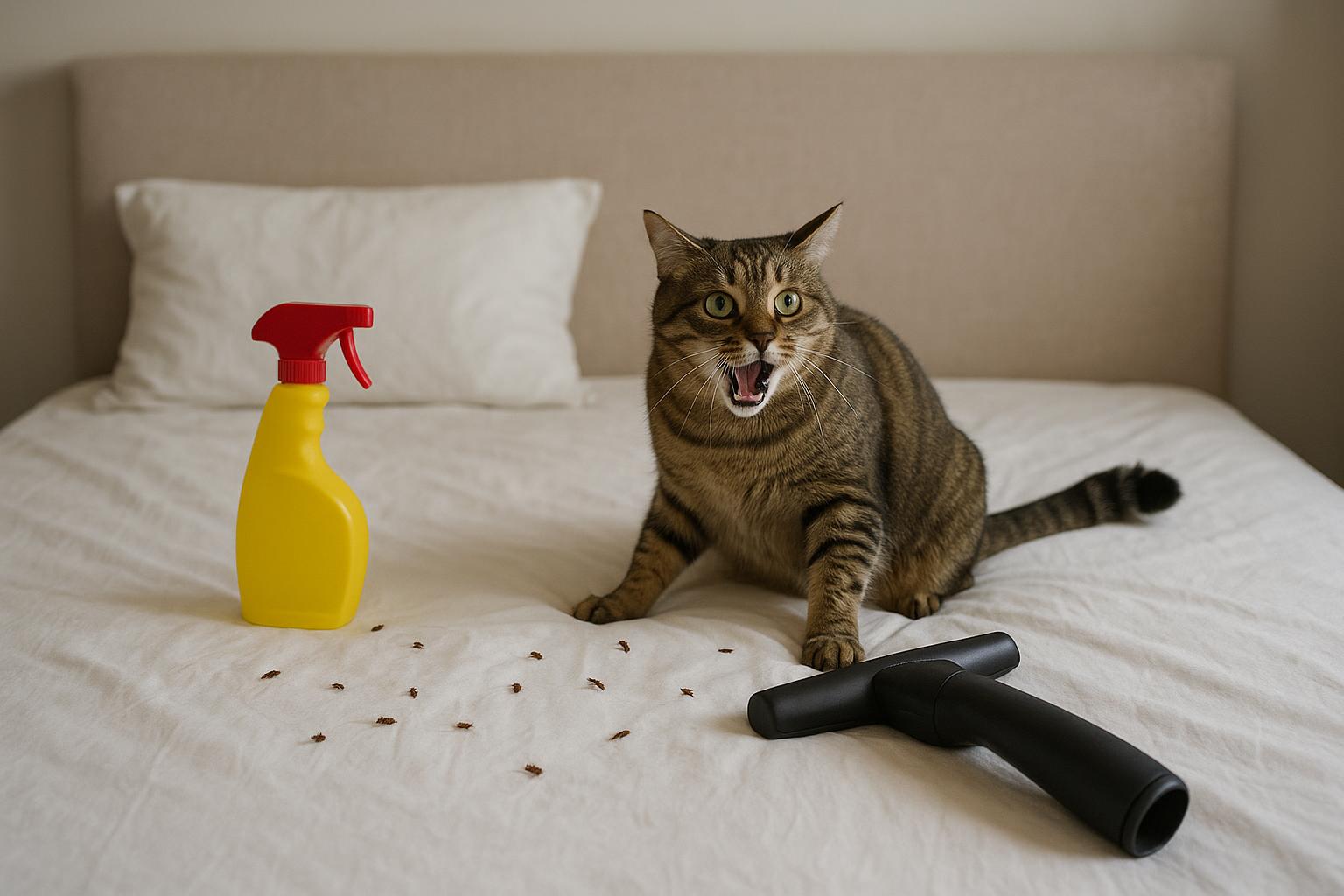
– Vacuum the mattress thoroughly, concentrating on seams, edges, and the area where the cat sleeps. Use a crevice tool to reach into folds. Empty or seal the vacuum bag or canister contents outside immediately.
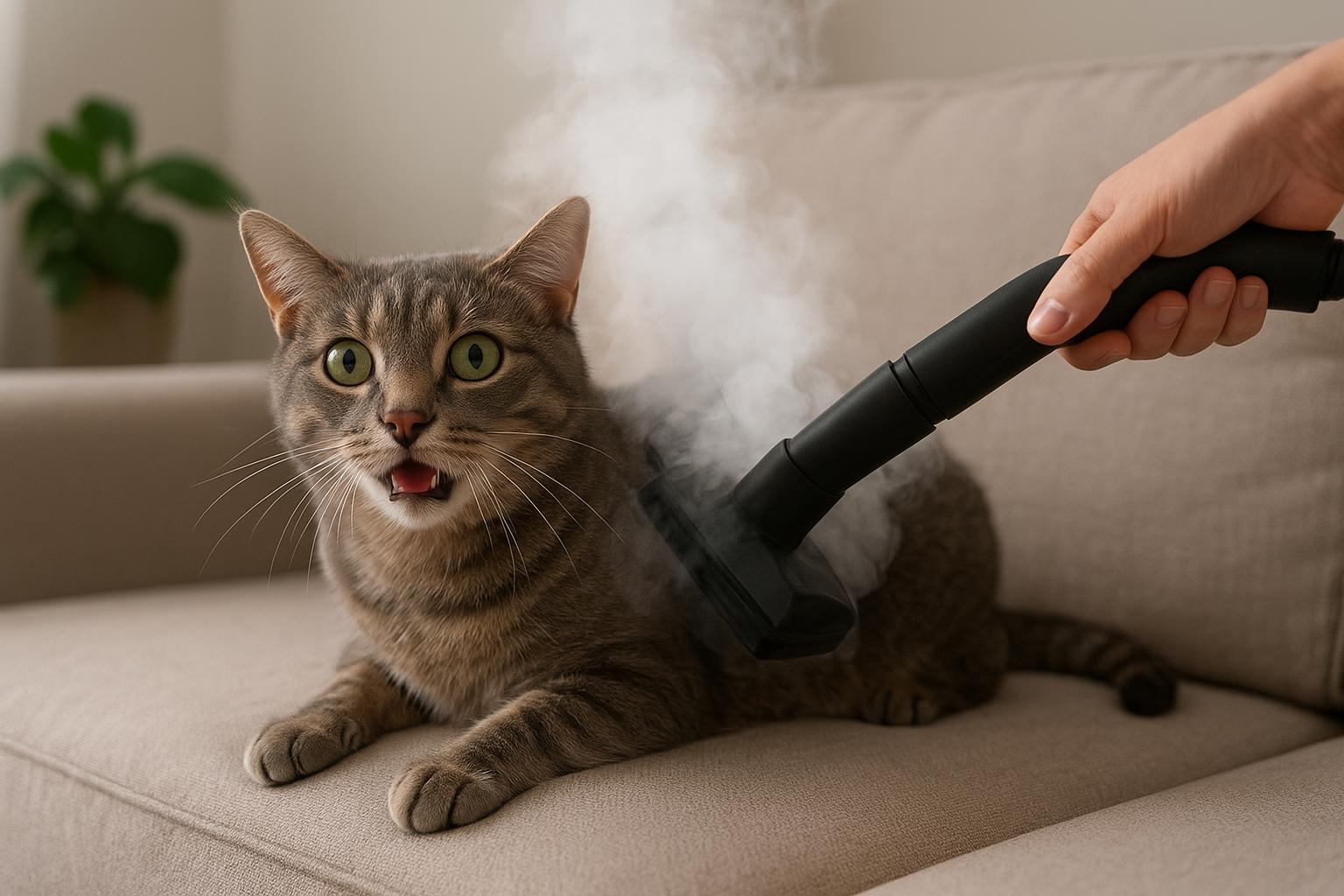
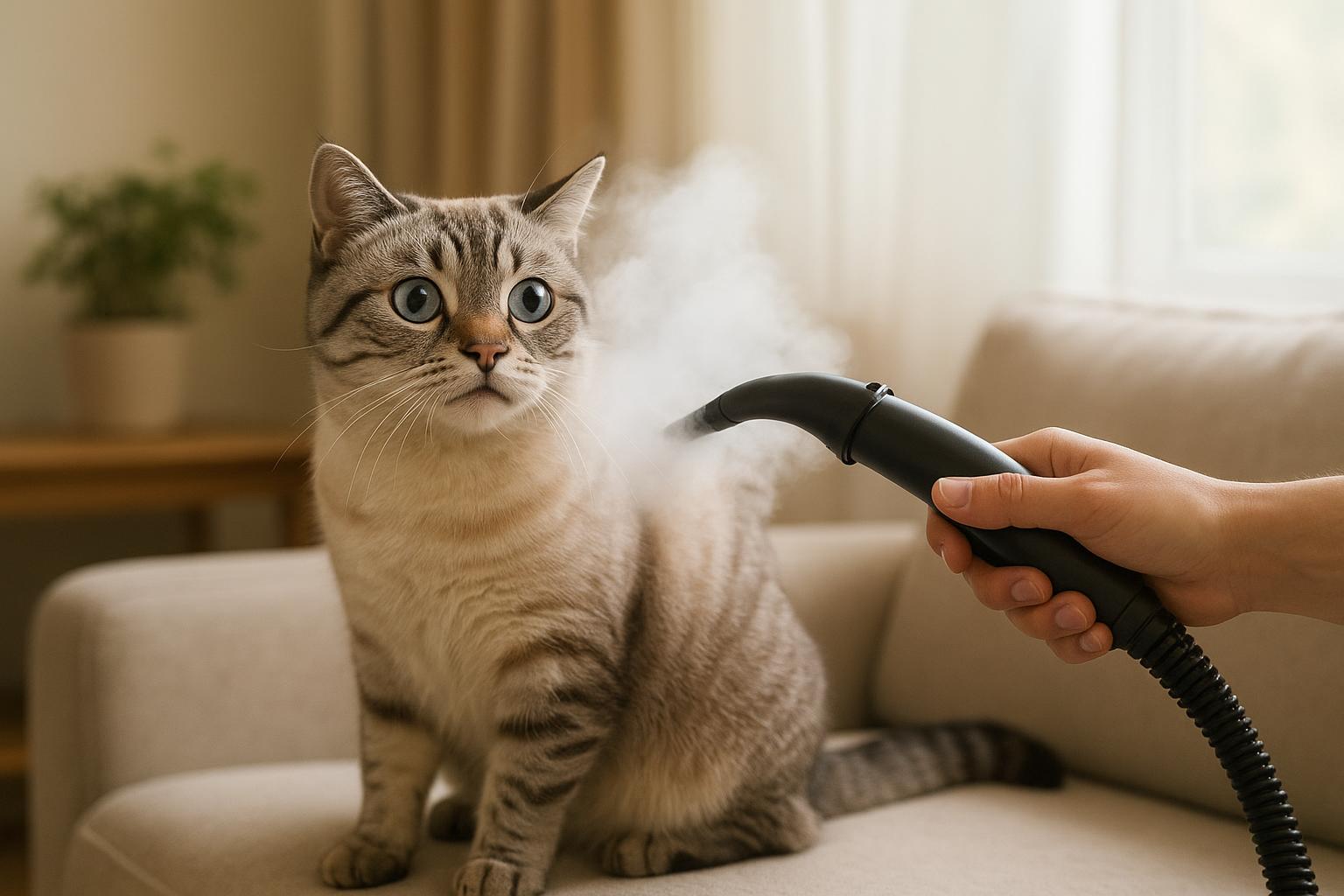
– For a deeper mattress treatment, consider using an enzyme-based upholstery cleaner or a steam cleaner set to a temperature that kills insects. Steam is effective against all flea stages when it reaches hot enough temperatures, and it penetrates seams better than many sprays.
If washing and vacuuming don’t feel like enough, you’ll need products that target eggs and larvae, not just adult fleas.
#### Safe Chemical Options For Mattress Treatment
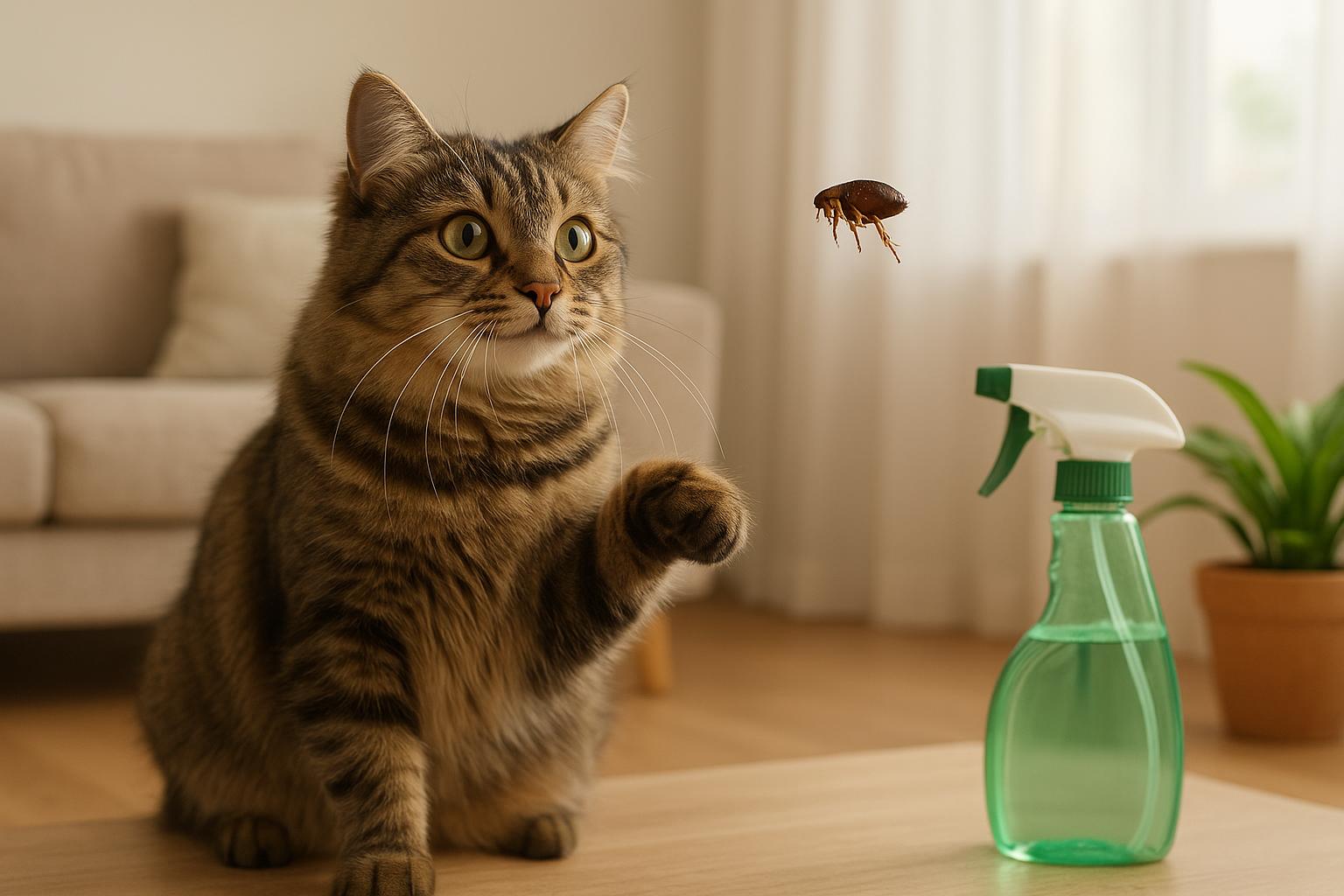
Not every flea spray is safe for use on mattresses, especially where you and your cat sleep. Choose products labeled for use on mattresses or upholstery and follow instructions closely.
– Use insect growth regulators (IGRs) such as pyriproxyfen or methoprene. They prevent eggs and larvae from maturing, which is essential for breaking the life cycle.
– Some contact insecticides kill adults on contact. They’re useful for immediate knockdown but won’t stop eggs from hatching unless paired with an IGR.
– Avoid aerosolizing treatments while your cat is in the room. Ventilate well and allow the mattress to dry completely before letting pets or people back onto it.
Say the words “mattress treatment” when you’re shopping so you get products designed for fabrics, not just yard sprays.
## Controlling The Cat And Living Space
You cannot handle a mattress infestation by treating the mattress alone. You’ll constantly get reinfestation from the pet or the surrounding environment.
### Treating Your Cat Properly
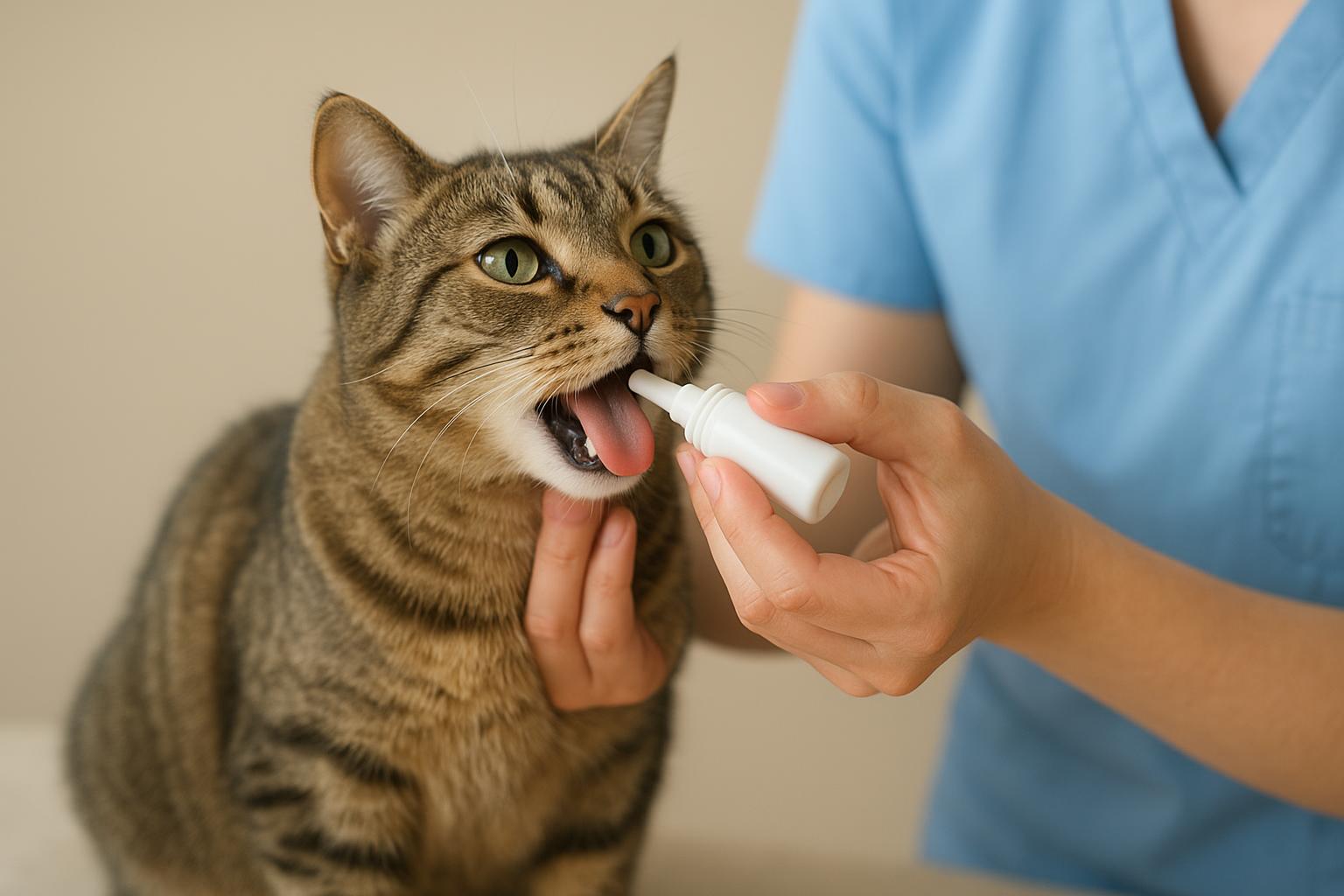
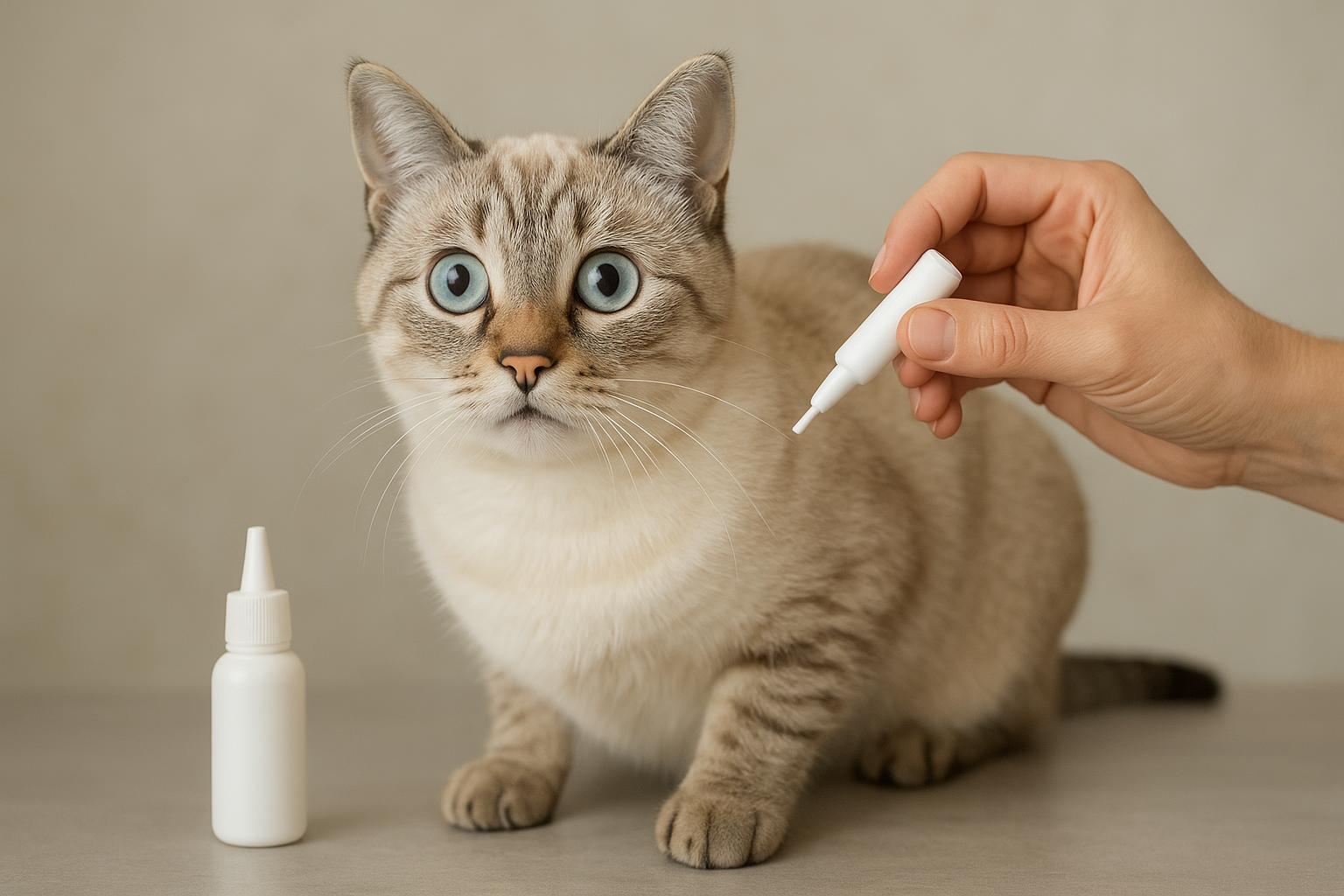
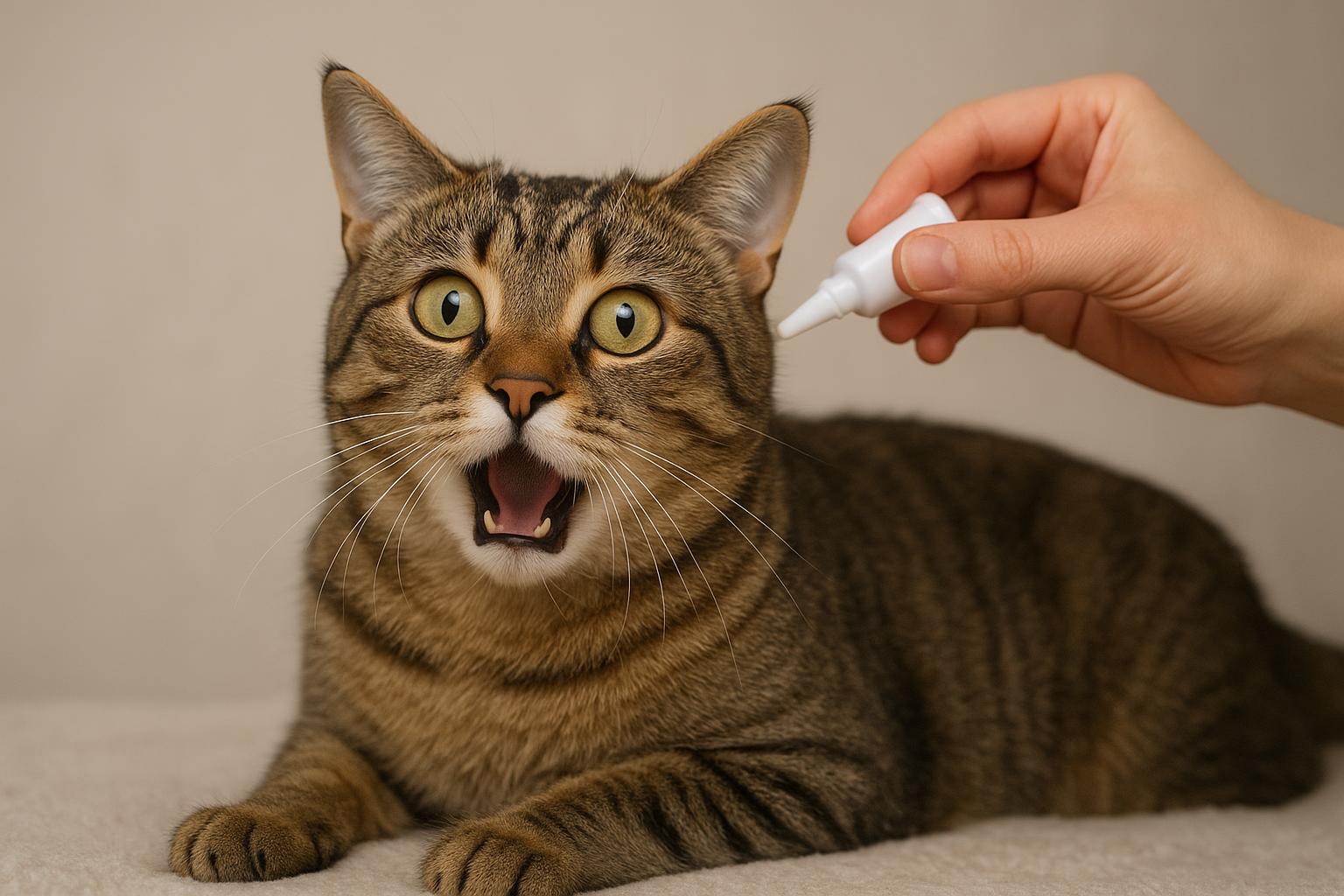
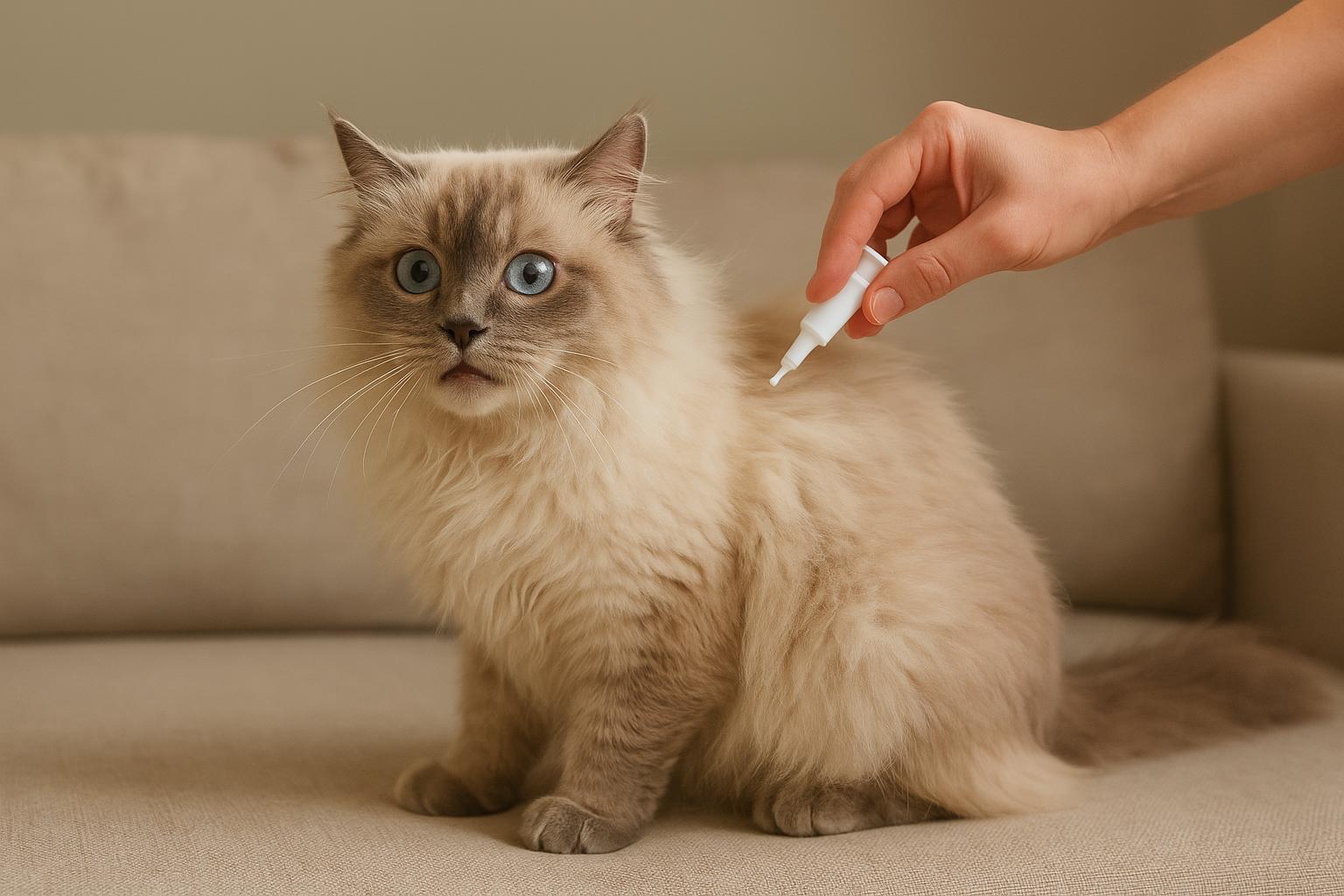
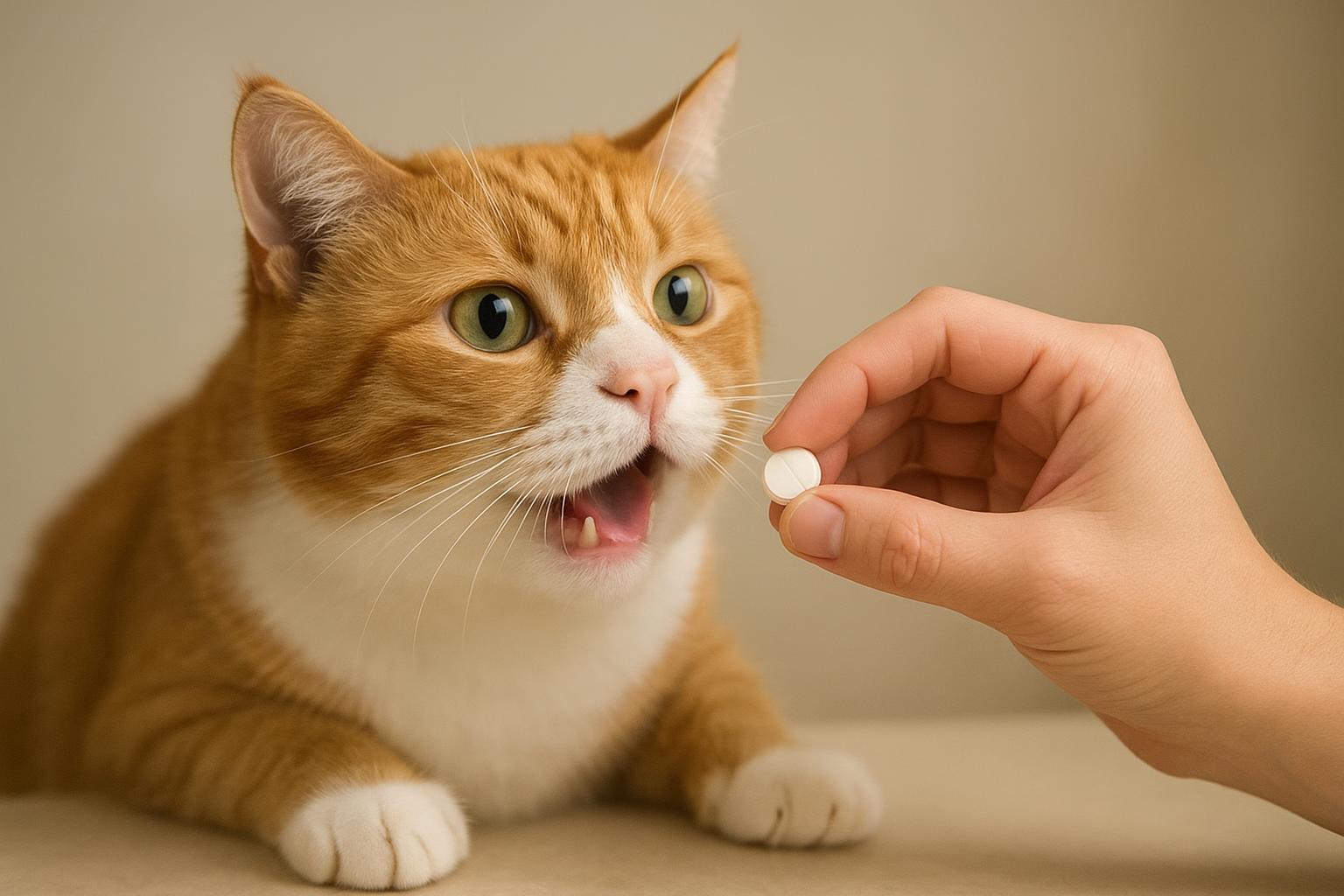
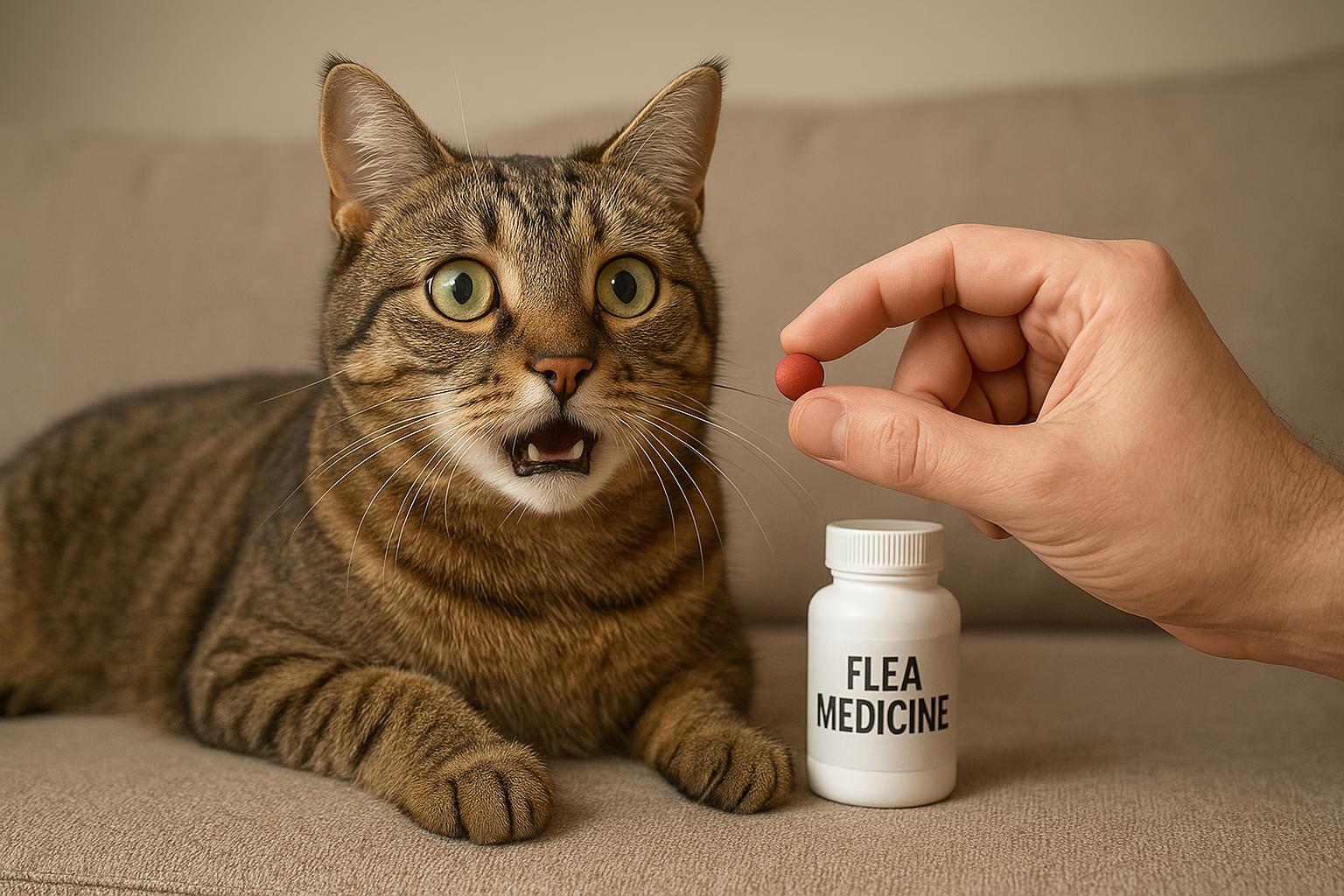
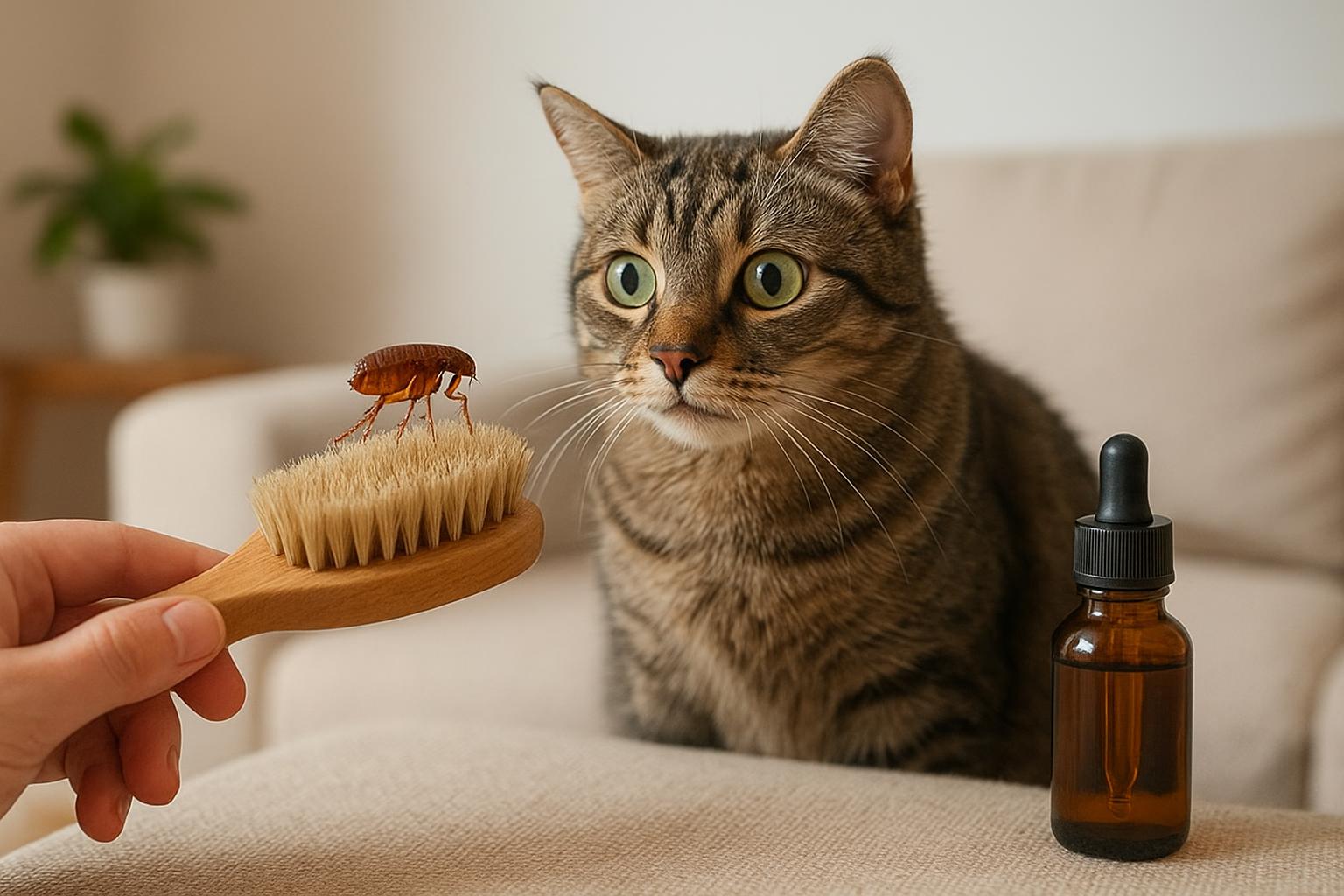
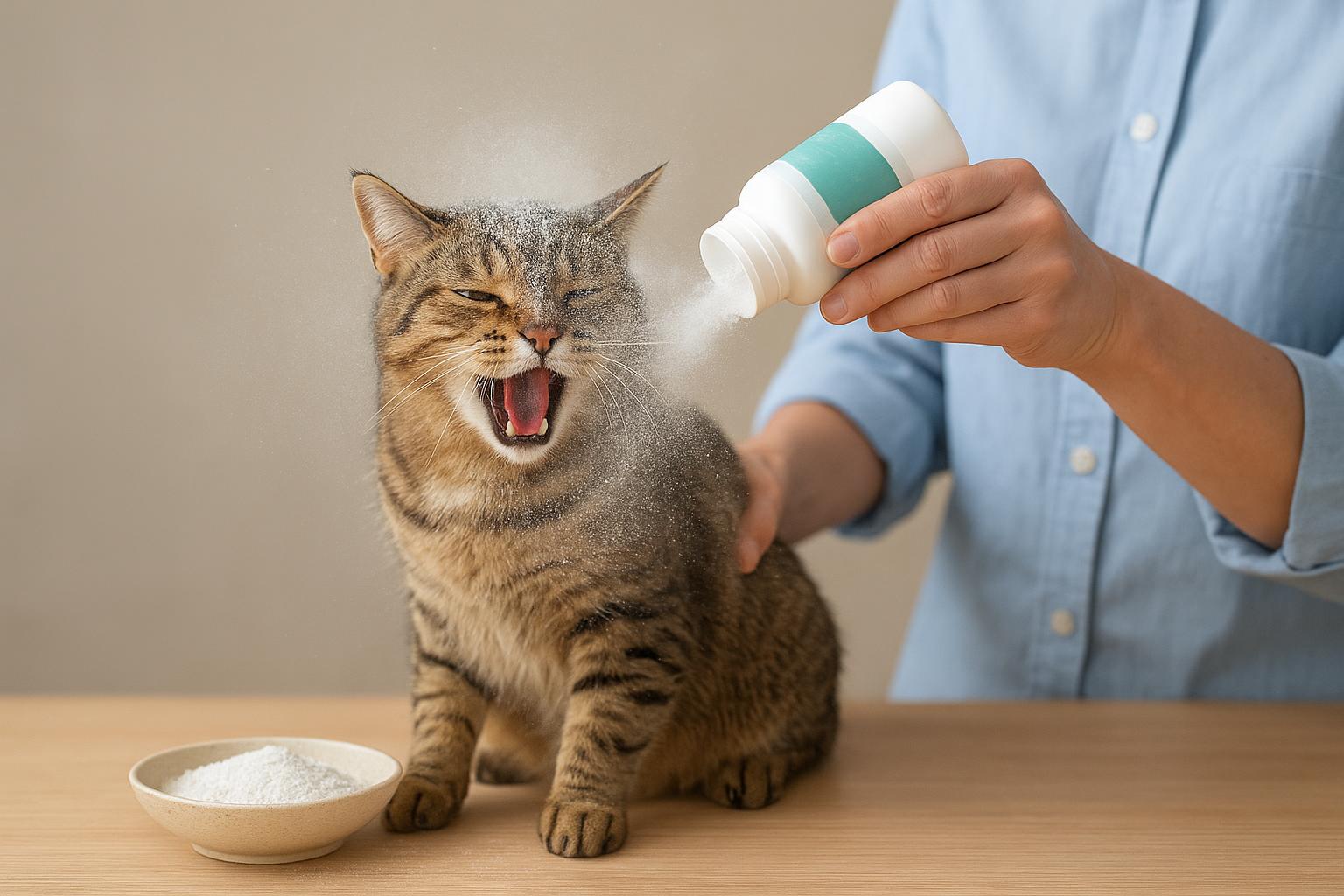
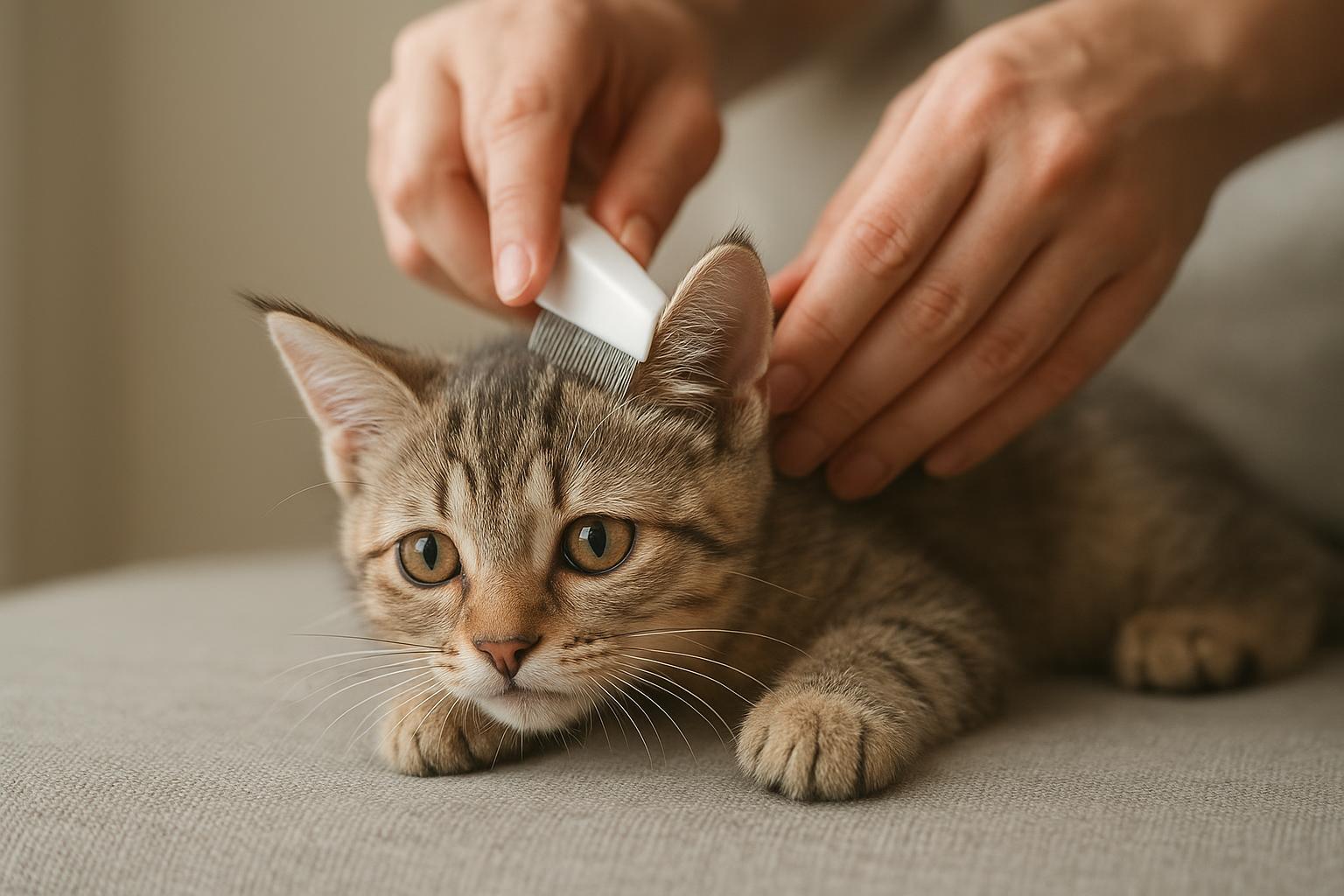
Speak with your veterinarian about the best flea control product for your cat. Those topical or oral preventives are the backbone of prevention.
– Use a vet-recommended monthly flea preventative. Many modern products kill fleas quickly and break the life cycle.
– Treat all pets in the household at the same time. If one cat or dog is untreated, fleas will jump back easily.
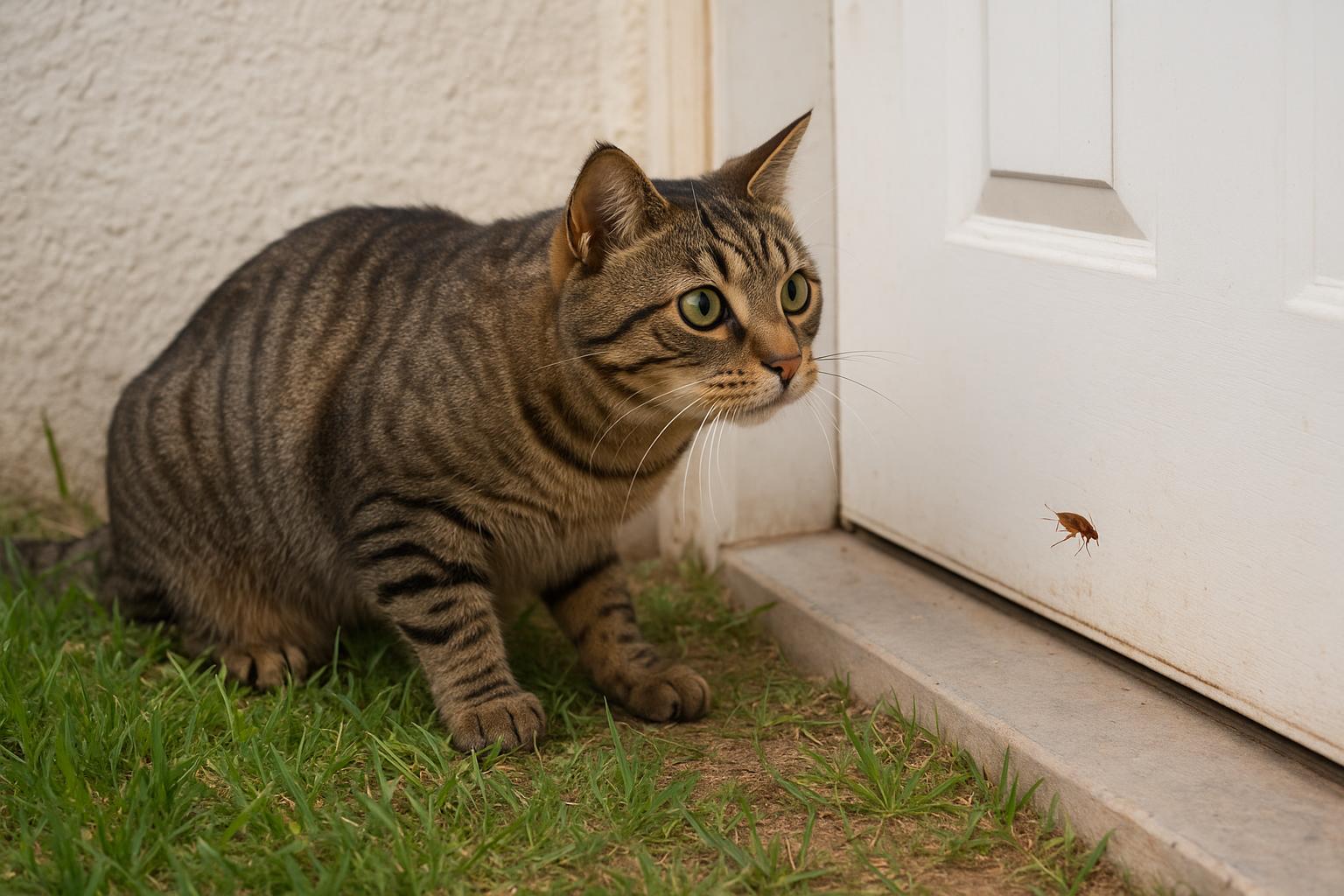
– Check your cat for fleas after outdoor trips, and bathe if necessary according to vet advice.
A treated cat reduces the chance that treatment of the mattress fails because new fleas keep arriving on the bed.
### Making The Bedroom Less Flea-Friendly
Change the bedroom layout and habits so it’s not attractive to fleas.
– Keep clutter to a minimum around the bed. Flea larvae hide in fabric piles and under furniture.
– Replace or clean rugs near the bed. Flea larvae like the humid microclimate within thick rugs.
– If possible, keep pets off the bed until you’re confident the infestation is cleared. This is hard with cats, but even limiting overnight bed access during intensive treatment helps.
These steps reduce the places eggs can drop and larvae can develop.
#### Timing And Persistence In Treatment
Flea life cycles vary, but eggs can continue to hatch for weeks. That’s why one treatment is rarely enough.
– Repeat vacuuming every day or at least several times a week for the first two months. Eggs and larvae fall out of fabrics over time.
– Reapply mattress treatment or an IGR per label timing. For chemical mattress treatment, most products recommend reapplication in two to four weeks.
– Keep wash cycles frequent for pet bedding and sheets during the entire control window.
Persistence matters. Fleas exploit gaps in treatment schedules.
## Choosing Professional Help Versus DIY
If the infestation spreads beyond the bed or you’ve tried DIY steps without success, a pest control professional can help. But know what they do so you get value.
### What To Expect From Pros
A good pest control technician will assess the whole home, not just spray the mattress.
– They’ll recommend an integrated approach: adulticide treatment, IGRs, thorough vacuuming, and sometimes steam.
– They should explain safety measures and what you need to do before and after treatment, including removing or washing bedding.
– Insist on a follow-up plan. Effective programs include at least one return visit or specific follow-up steps because of the flea lifecycle.
Professional work can be worth it when a mattress infestation is entrenched.
### DIY Tools That Work
If you go DIY, use effective tools and be methodical.
– A high-powered vacuum with attachments is essential. The suction pulls out eggs and larvae that treatment products can miss.
– Steam cleaners, as mentioned, are excellent on mattresses and upholstery.
– Spot-treat with IGR sprays that are specifically labeled for indoor and bedding use. Combine with an adulticide for faster relief.
Be realistic: an initial DIY flush followed by pro assistance is sometimes the fastest path.
## Preventing Reinvasion Long Term
After the heavy lifting, keep habits that block flea return.
– Regularly use your vet-prescribed preventative on your cat. That single habit prevents most of the drama.
– Maintain a weekly or biweekly routine of vacuuming pet zones. Don’t let hair and dander accumulate.
– Store spare bedding in sealed containers if you’re not using it. Fleas can hide in folded blankets.
If you notice a few fleas months later, act fast. Treating a small problem is easier than starting over against a full mattress infestation.
### When To Replace A Mattress
In extreme cases, replacement is reasonable. A mattress with deep infestations, heavy staining, or old foam that retains moisture may be impossible to sanitize fully.
– Consider replacement if steam and chemical treatments haven’t stopped bites for several weeks.
– Buy a mattress cover rated for allergen and pest protection. These zippered encasements trap any remaining fleas inside and prevent new ones from getting in.
– If you replace the mattress, deal with the rest of the room first. Otherwise fleas will simply move back in.
A cover plus good pet control usually keeps the problem from restarting.
Keep the bedroom a place you and your cat can sleep without itching. If you follow clear mattress flea control tips, target both the pet and the environment, and stick with a treatment schedule, you’ll cut the cycle down quickly. Don’t be shy about asking your vet or a pro for help if things get worse; it’s common, and solvable. Also, don’t run away from the vacuum—it’s your best nonchemical weapon against eggs and larvae, and yes, it can feel oddly satisfying to see how much comes out from under the bed. Beware of half-measures though; fleas take advantage of small gaps in treatment. If you do it right, you’ll be back to normal in a few weeks, and your cat will be much happier. Definately worth the effort.





















Leave a Reply