
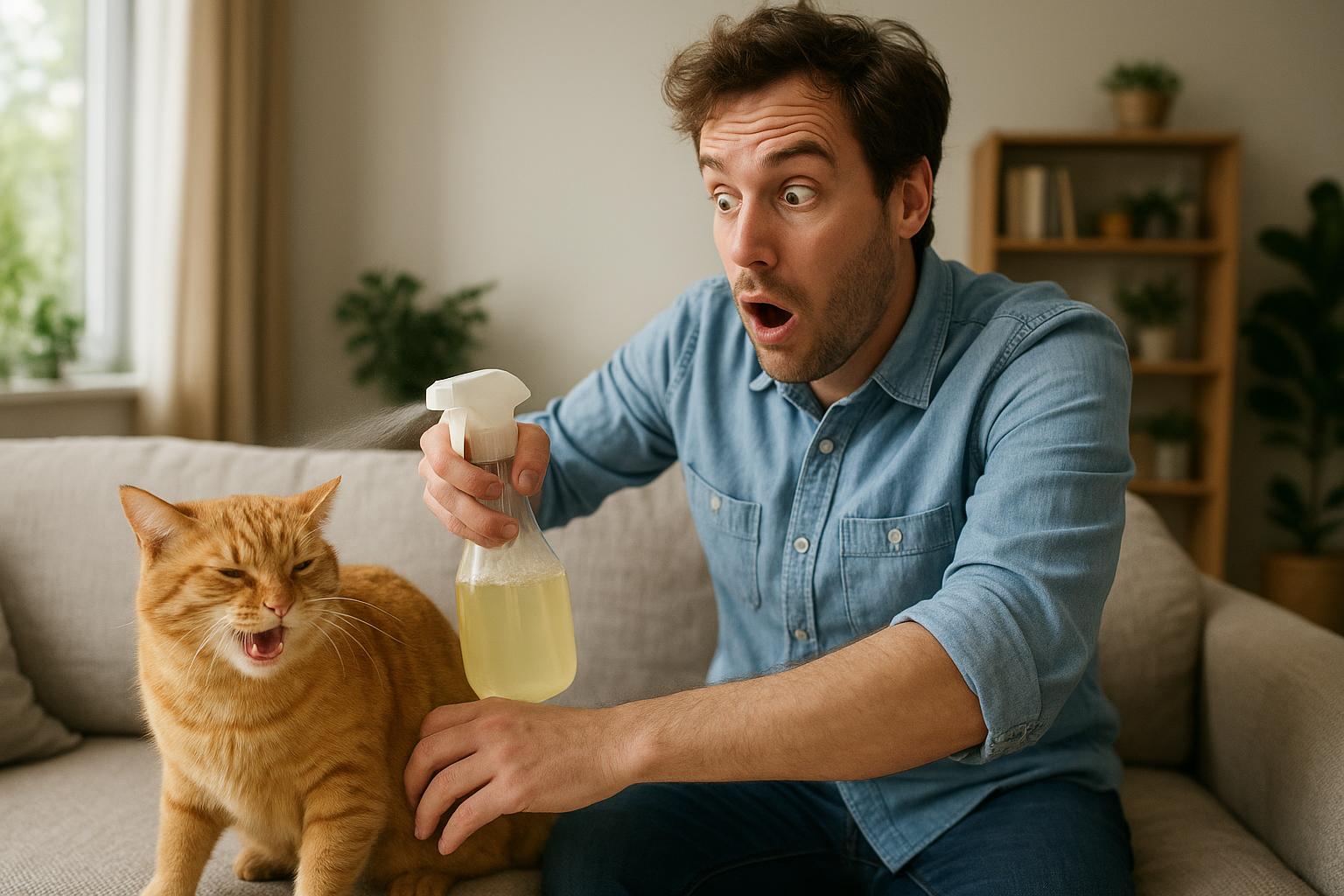
Hello there — glad you wandered in. If you’re a cat guardian who prefers gentle, home-based options and a few less chemical-scented quarters, this guide will walk you through a sensible, safe approach to managing fleas. We’ll mix a bit of backyard wisdom, vet-minded caution, and a practical recipe you can make at home.
## A Gentle Guide To Natural Flea Spray For Cats At Home
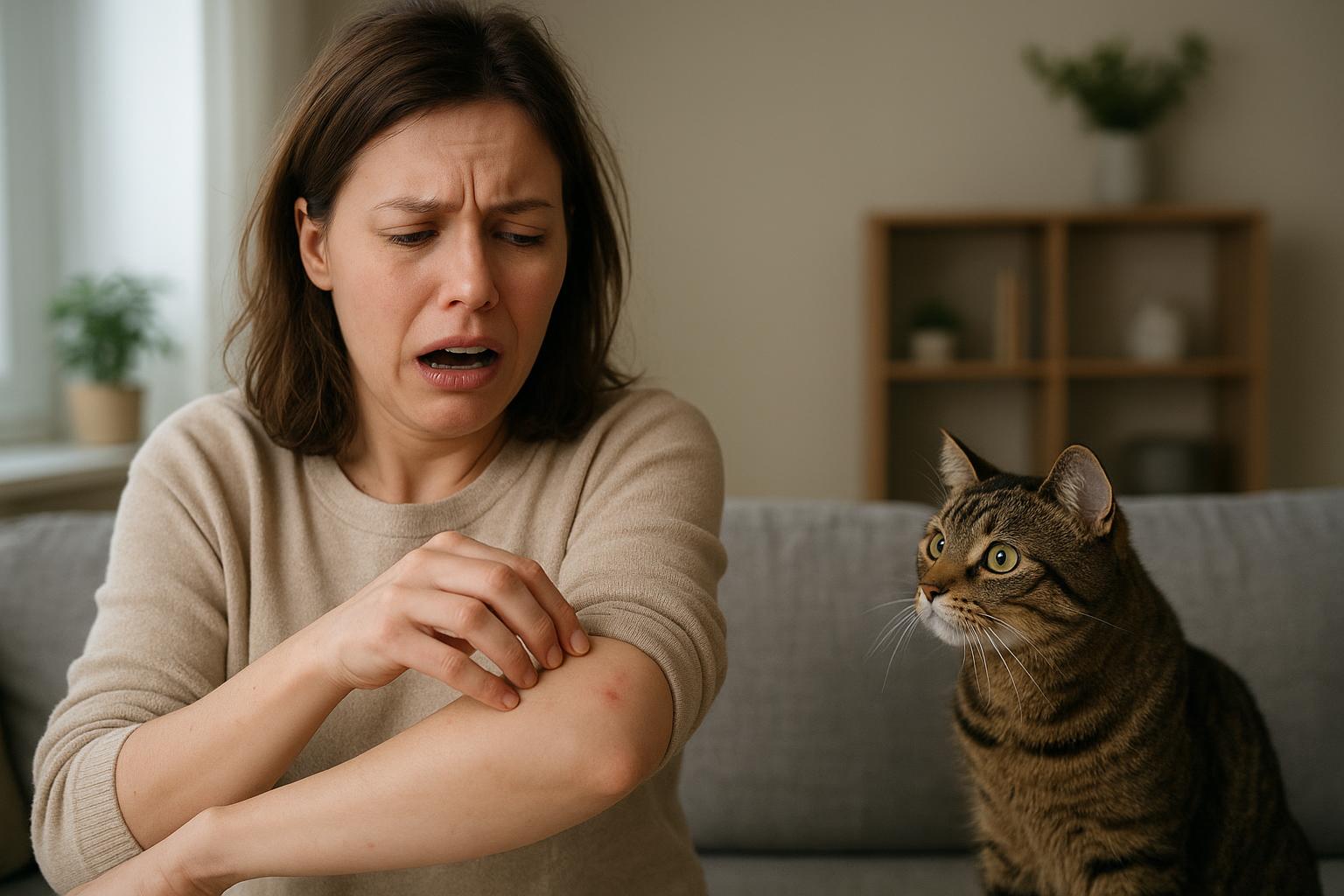
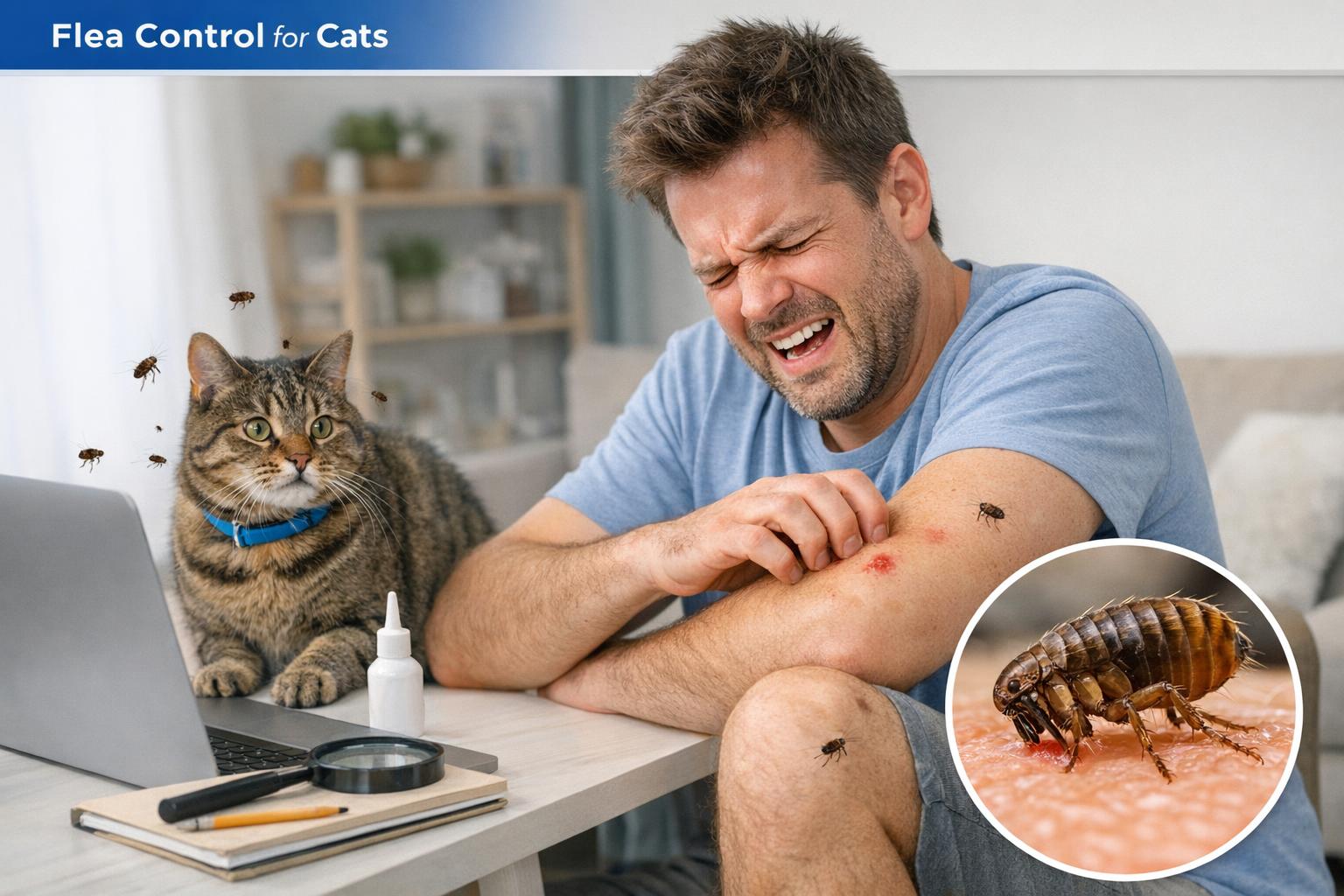
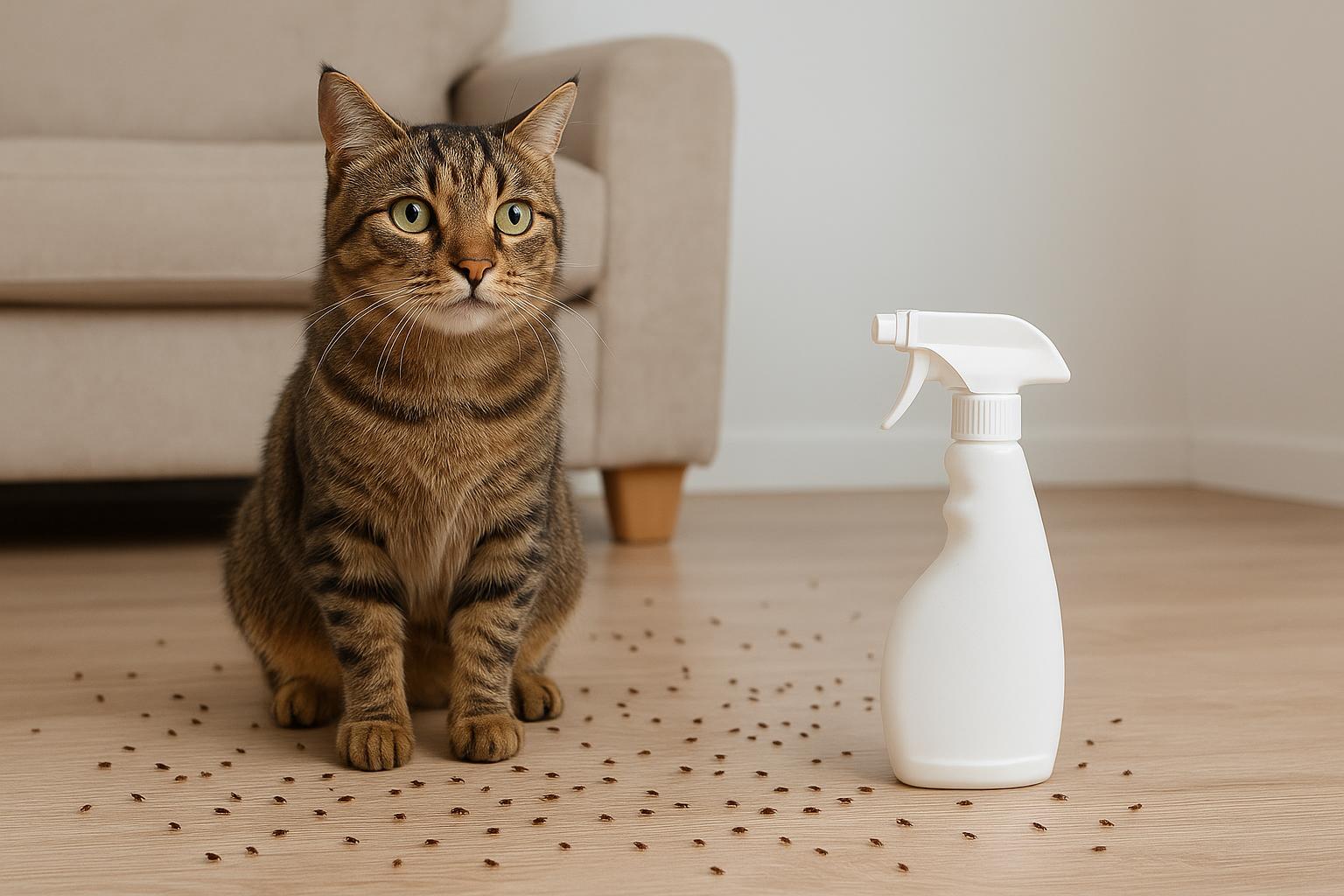
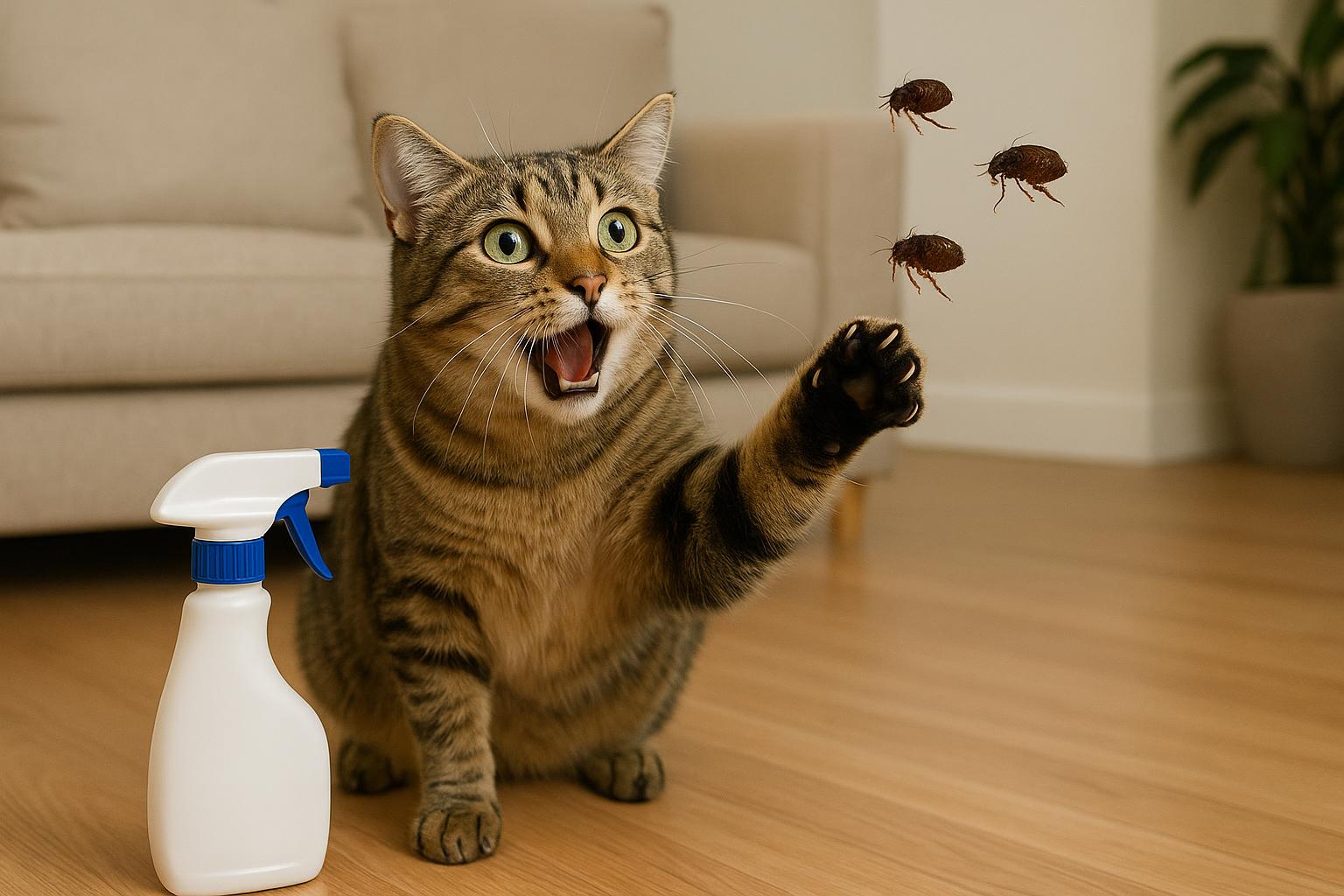
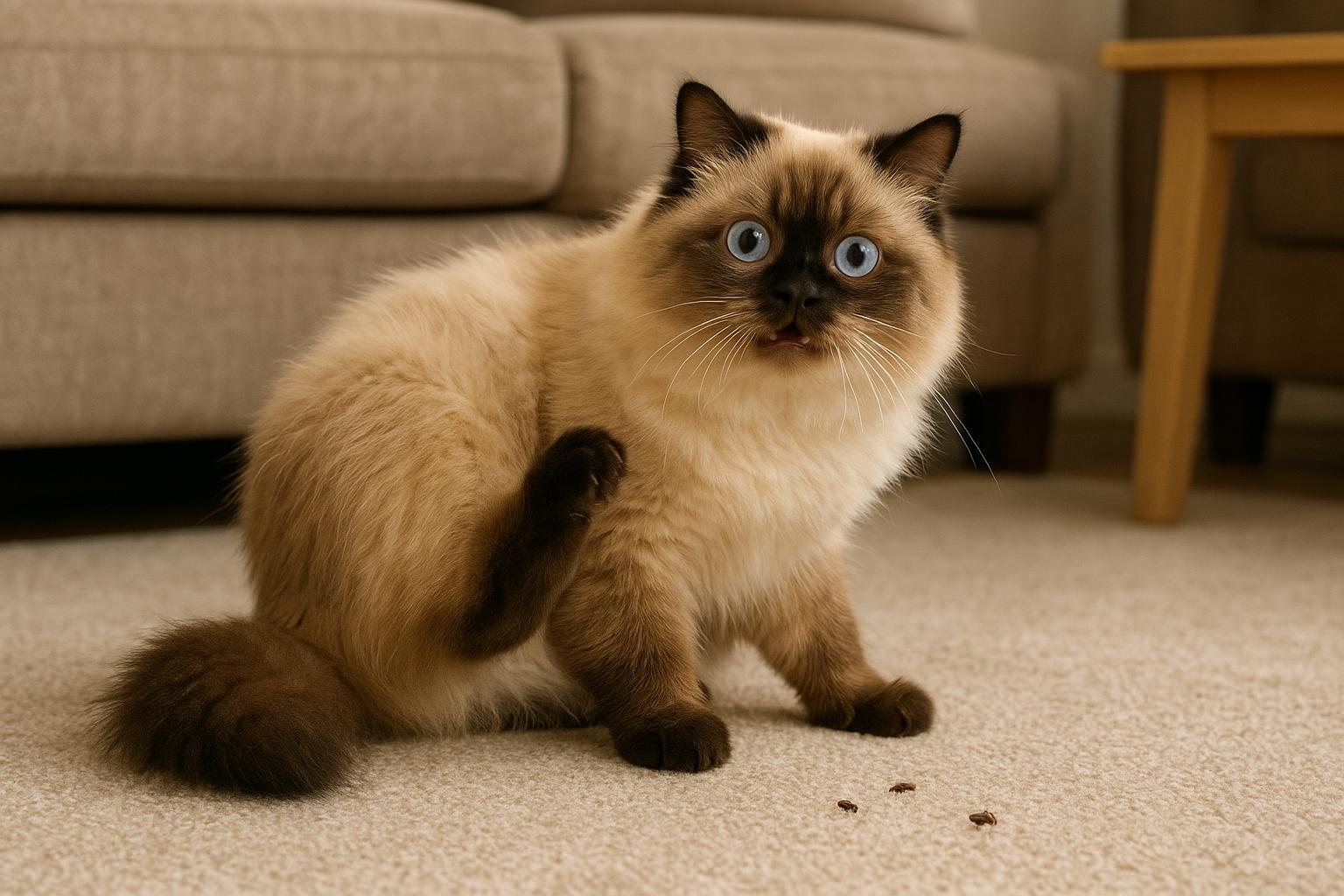
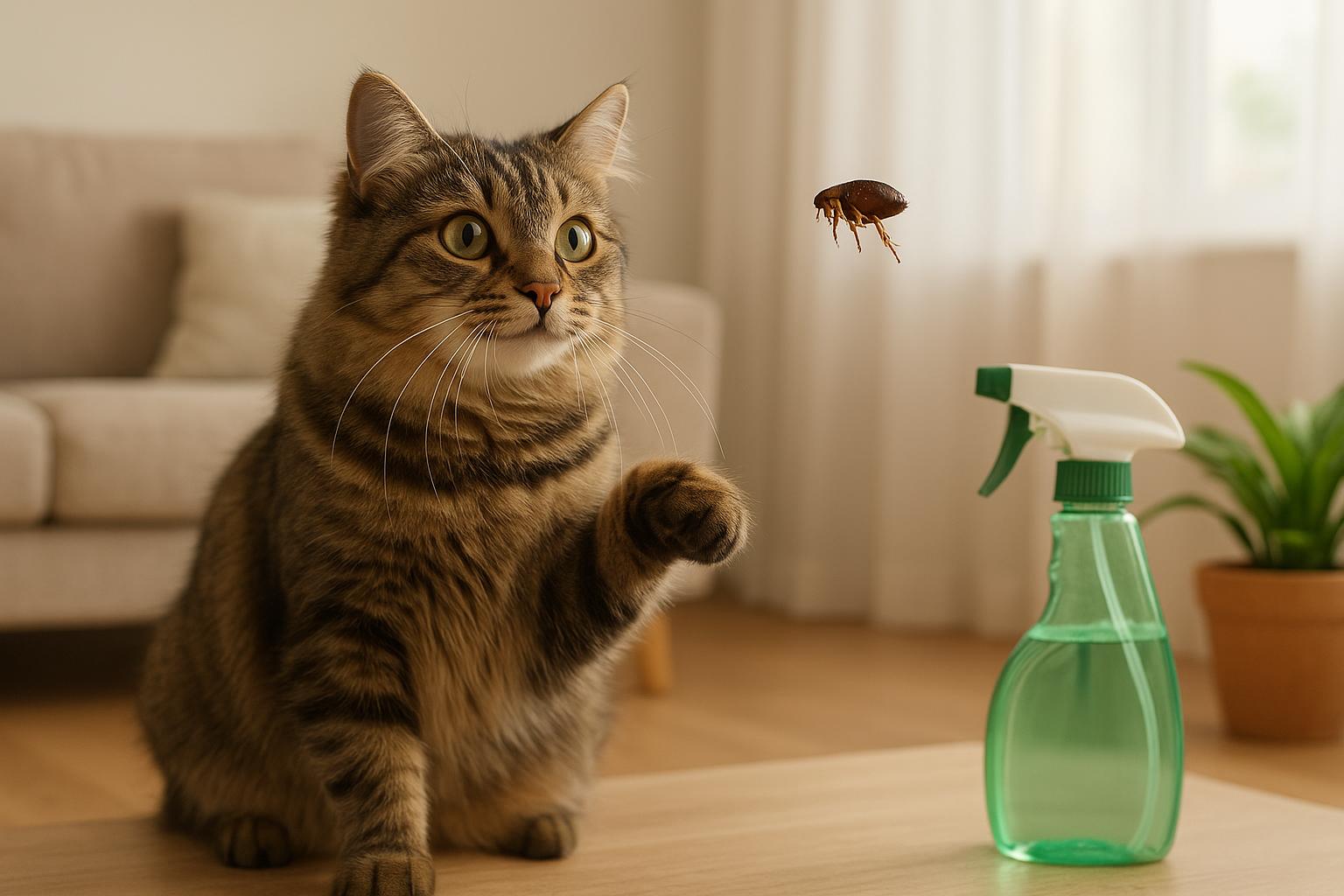
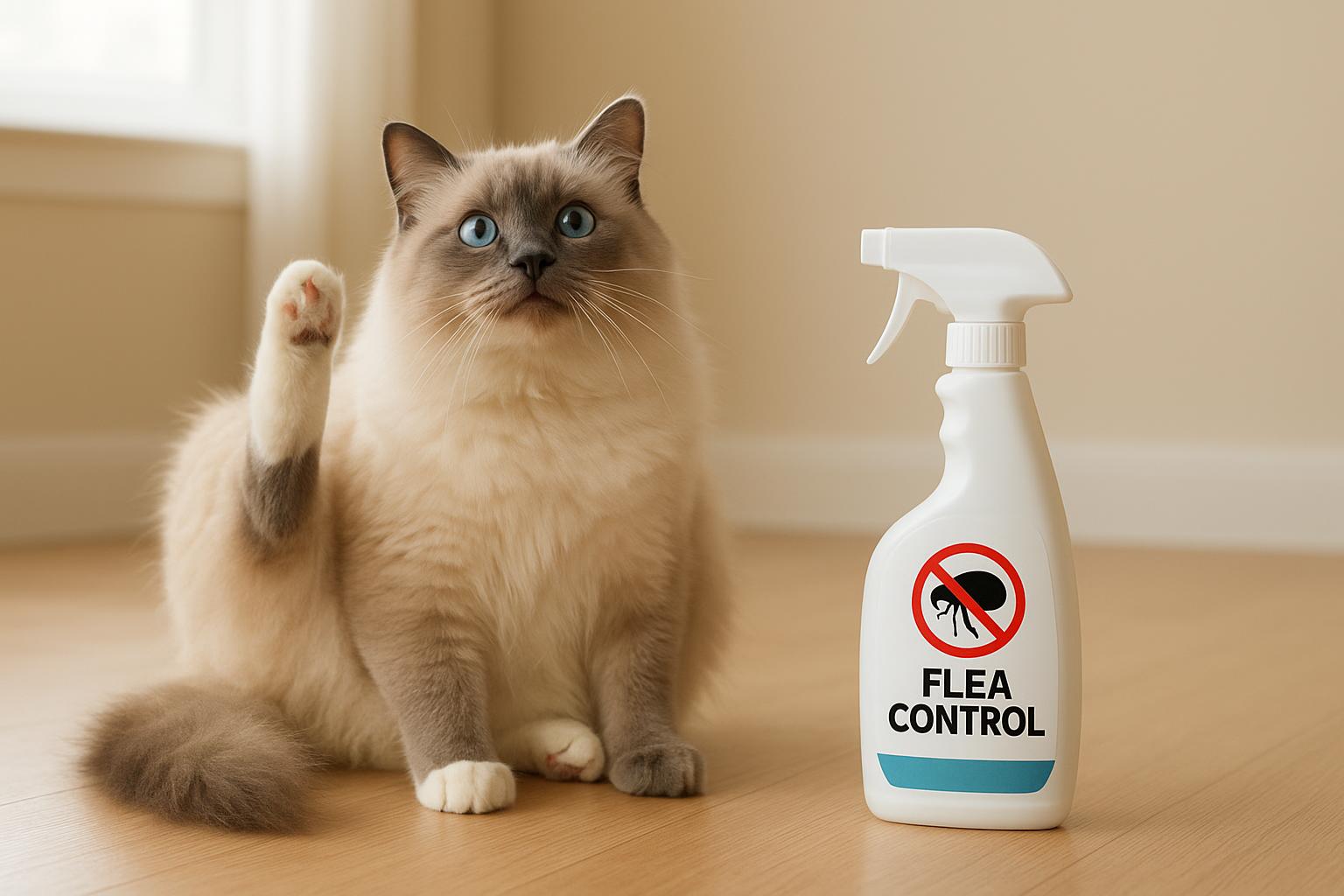
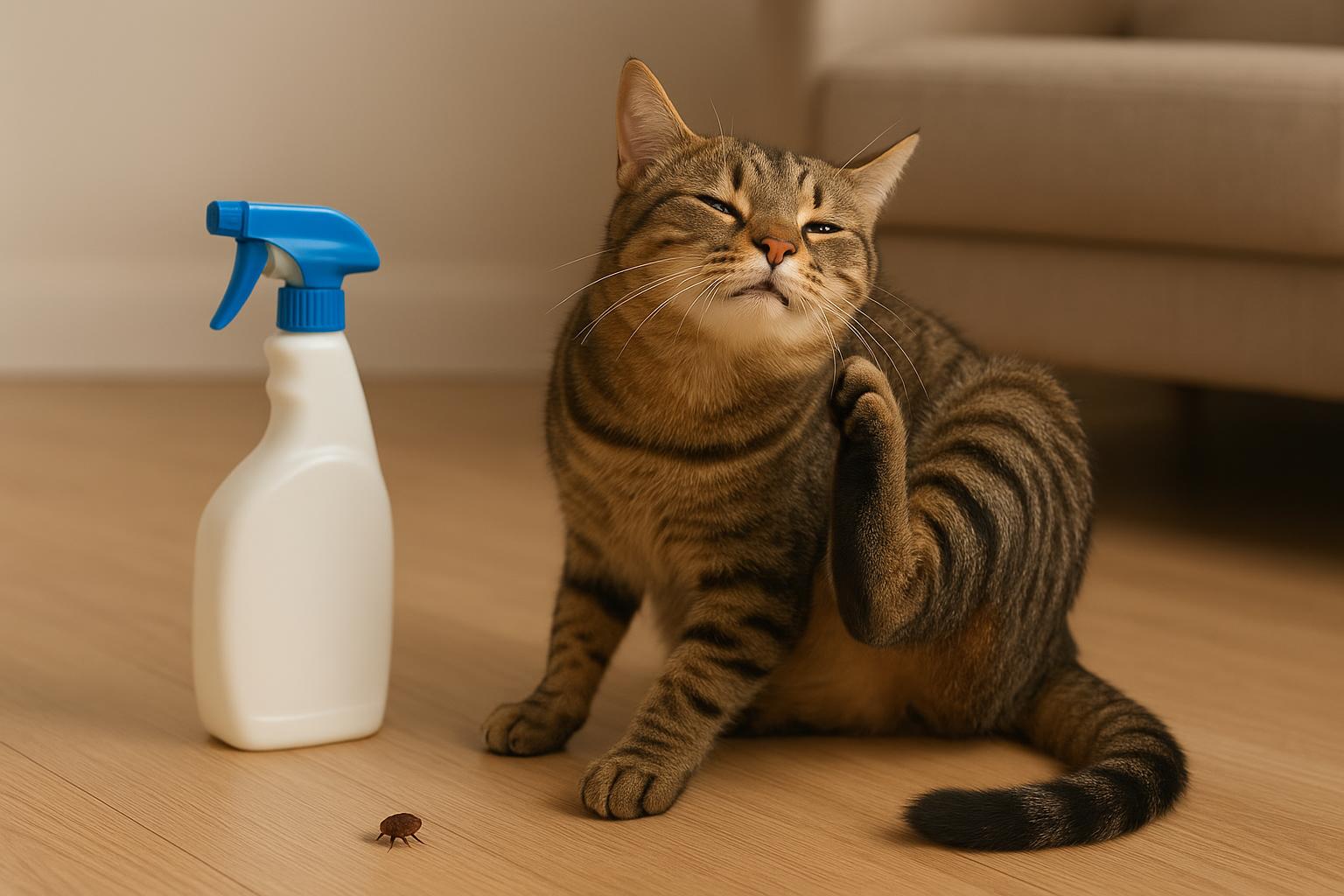
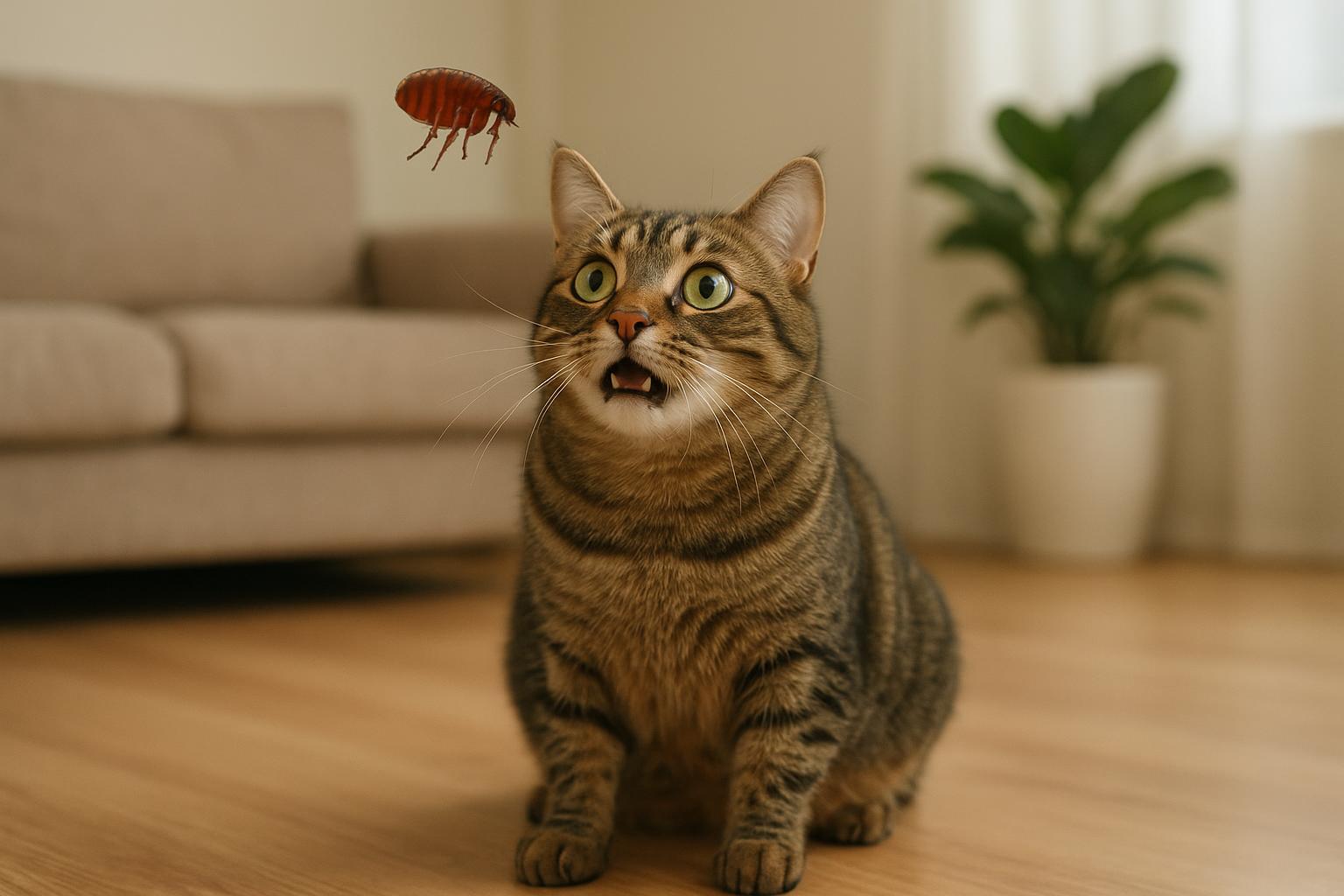
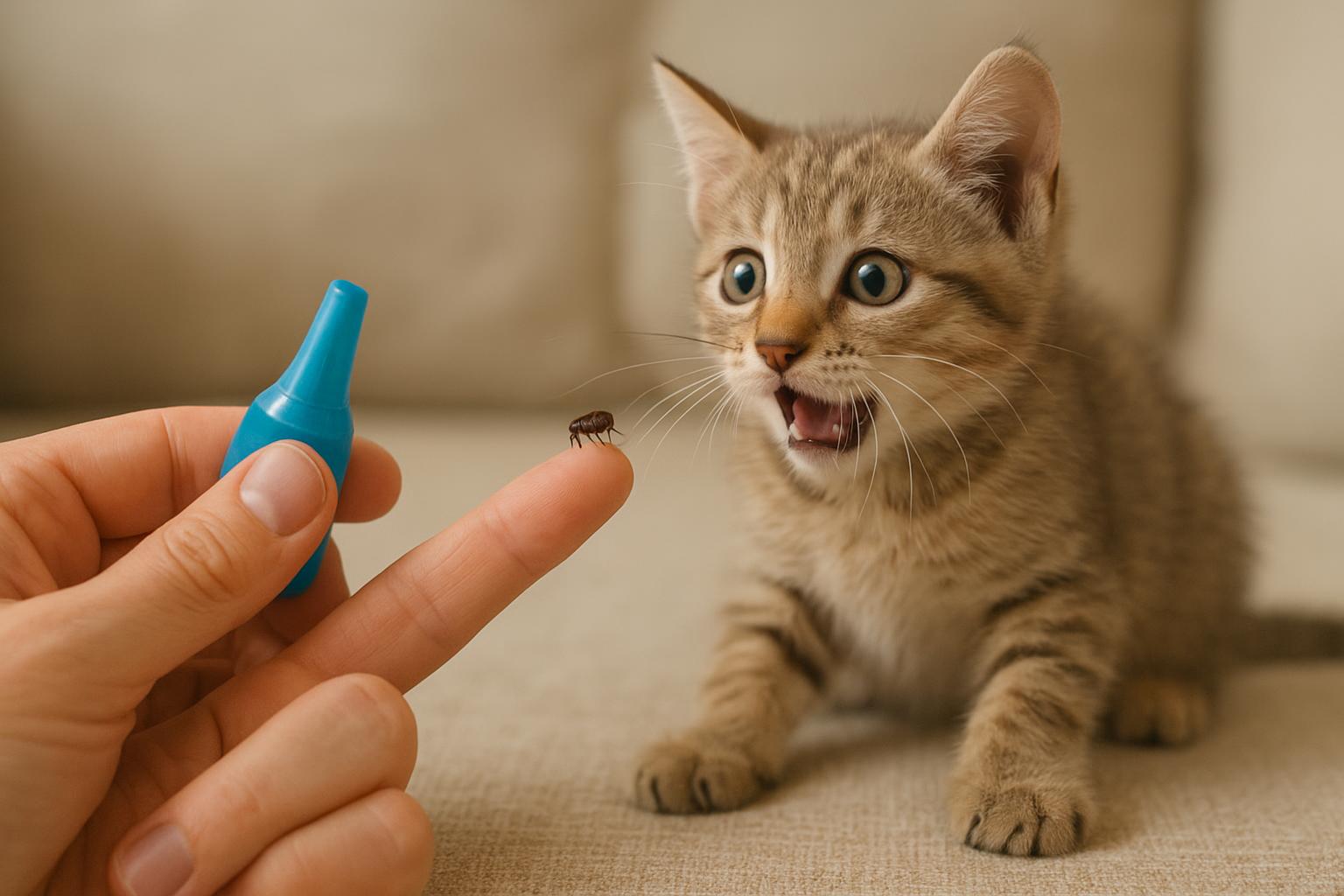
Fleas are annoying for everyone involved — cats, humans, and apparently the sofa. A natural flea spray can help reduce flea populations on your cat and in your living space without relying on strong synthetic insecticides. That said, “natural” doesn’t automatically mean “risk-free,” so we’ll cover safety, effectiveness, and when to call your veterinarian.
## Why Choose A Natural Flea Spray?
Many cat owners choose a natural flea spray for one or more reasons: sensitivities to chemical products, preference for eco-friendly ingredients, concerns about long-term pesticide exposure, or simply wanting a softer option between regular veterinary treatments. Natural products can be a complementary measure — useful for light infestations, prevention, or for cats that react poorly to commercial spot-ons.
### How Natural Options Work
Natural flea sprays typically rely on ingredients that repel fleas, disrupt their activity, or create an environment less hospitable to flea lifecycle stages. Essential oils, citrus extracts, and botanical deterrents are common. Some components also soothe skin irritated by bites.
### Limitations And Realistic Expectations
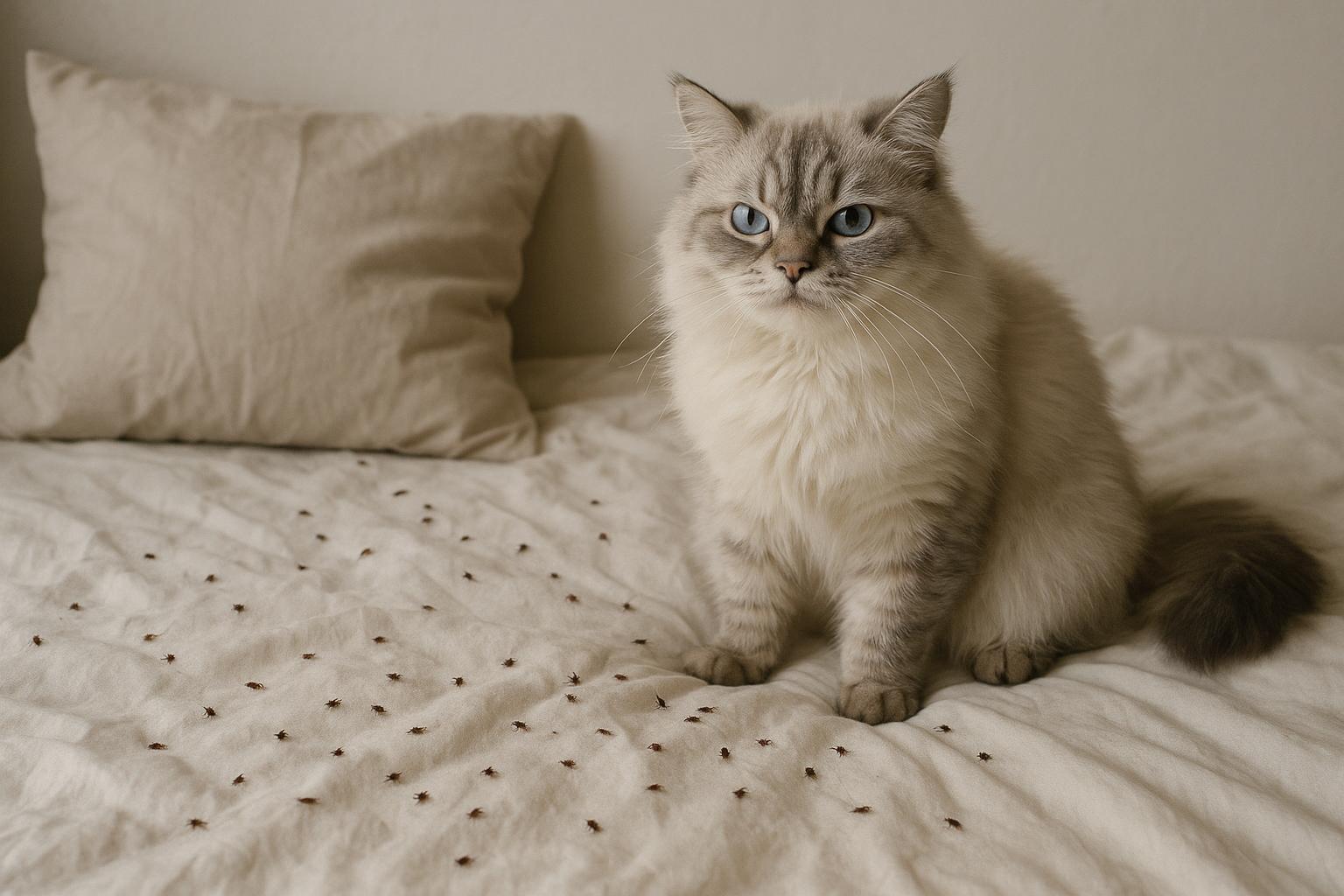
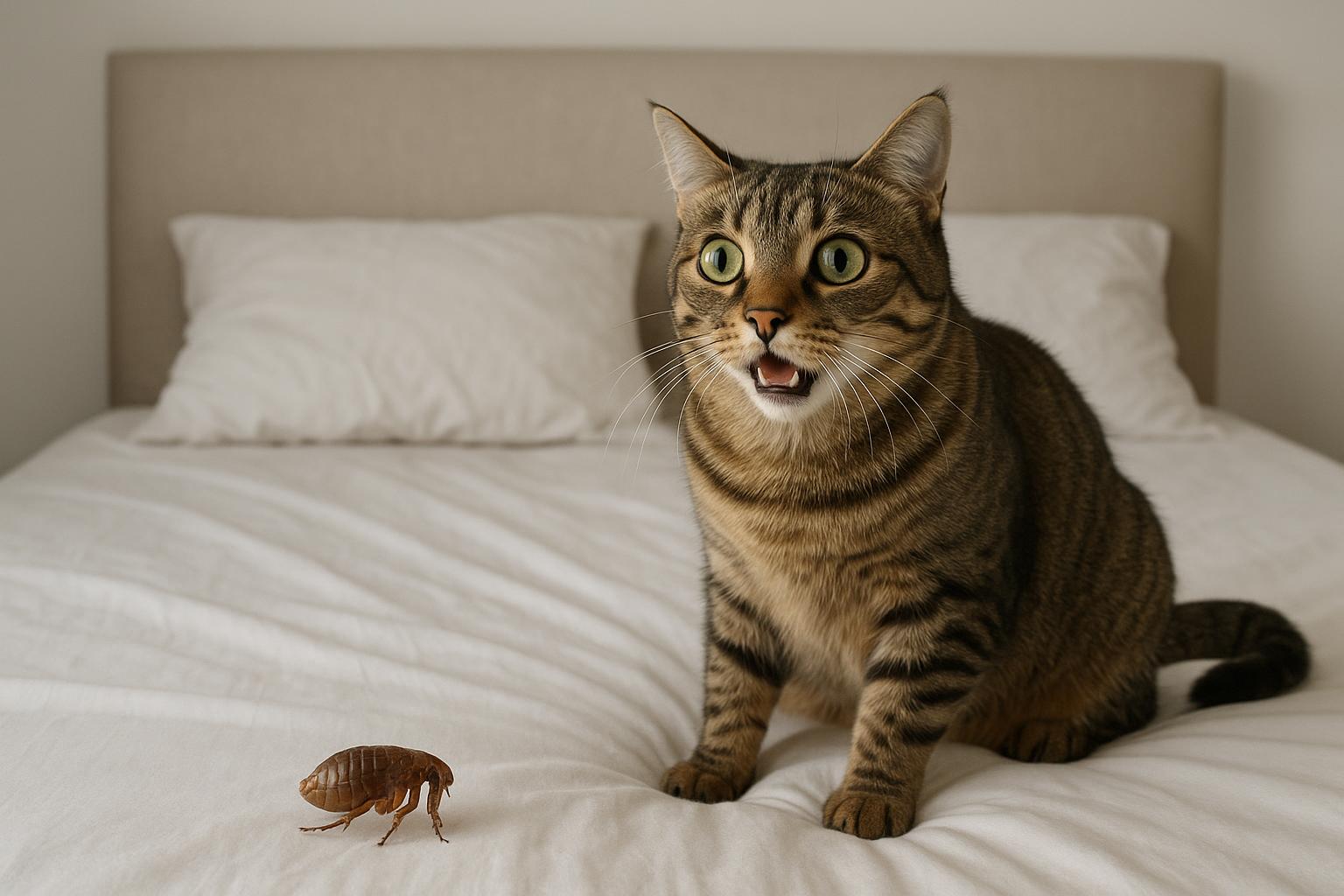
A natural flea spray is not always a standalone cure for moderate to heavy infestations. Fleas reproduce quickly, and eggs in carpets and bedding will continue to hatch unless the environment is treated thoroughly. Use a natural flea spray as part of an integrated approach: treat the pet, clean the home, and consult your vet if fleas persist.
## DIY Natural Flea Spray Recipe
Below is a carefully formulated recipe you can prepare at home. Please read the precautions, ingredients, and steps before starting. When applied correctly and paired with environmental cleaning, this natural flea spray can reduce nuisance fleas safely for many cats.
Ingredients And Materials
– 16 ounces (about 475 ml) distilled or boiled-and-cooled water
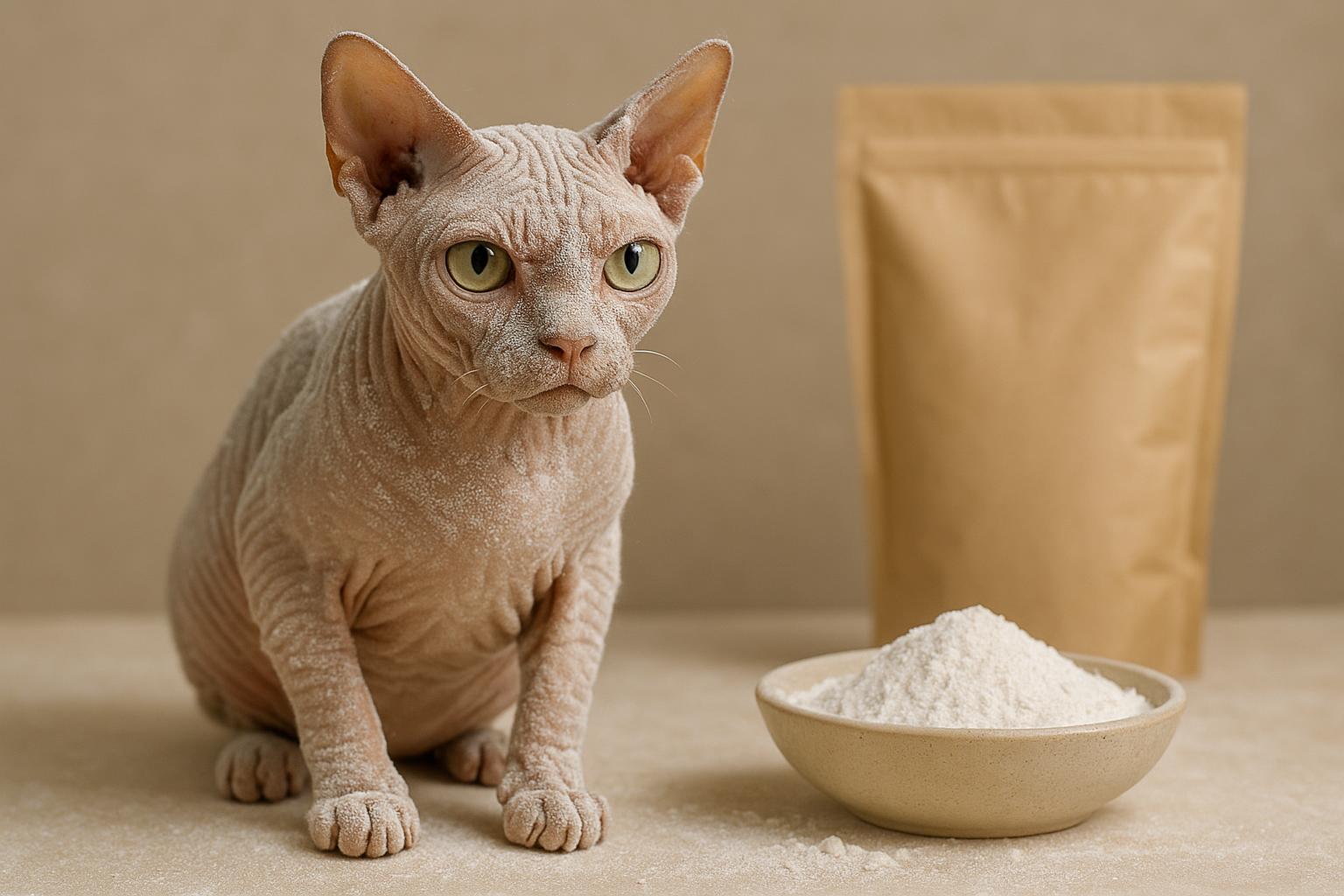
– 2 tablespoons colloidal oatmeal (or 2 tablespoons finely ground oats)
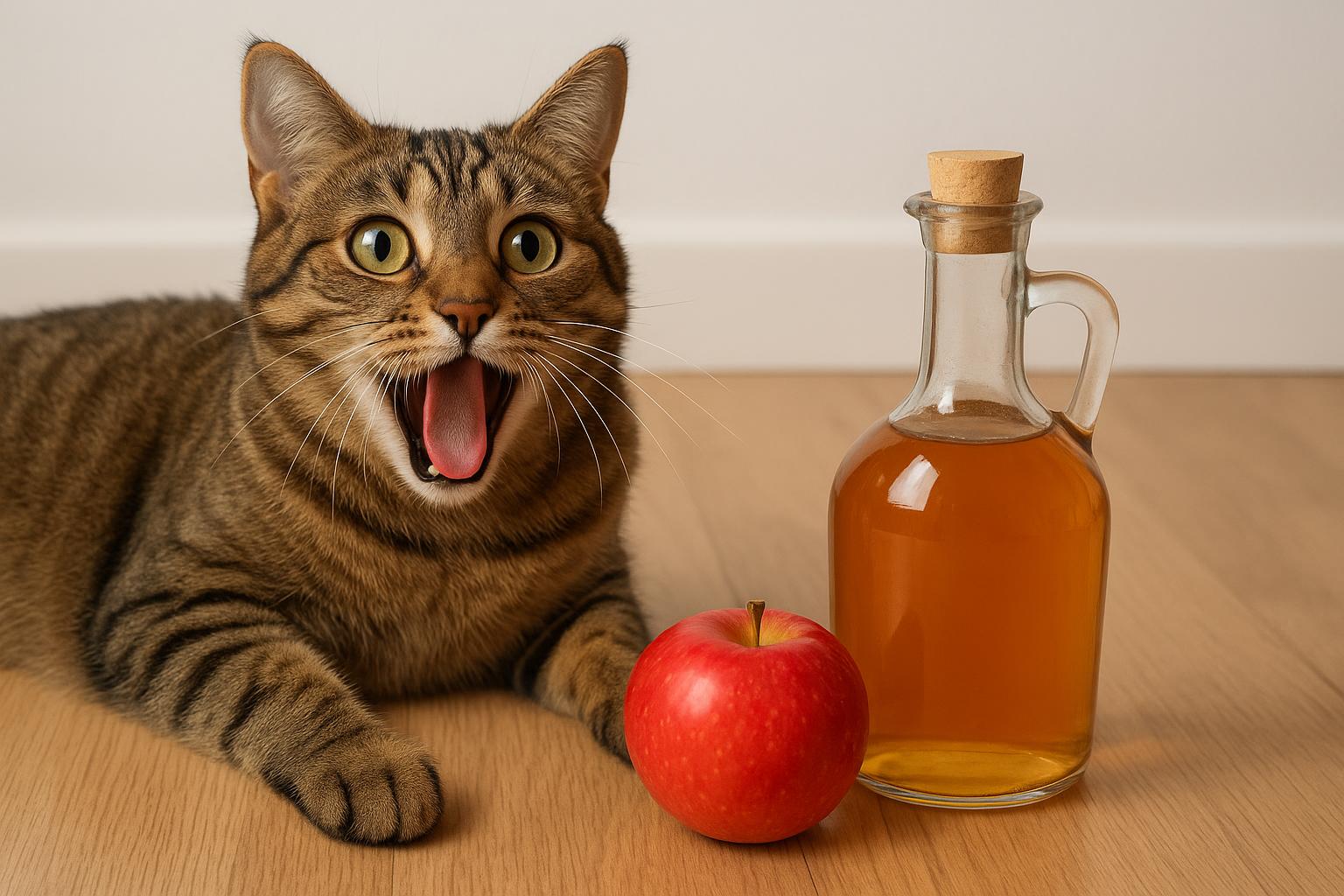
– 1 tablespoon apple cider vinegar (diluted)
– 1 teaspoon glycerin (optional, for skin soothing)
– 1/2 teaspoon pure lemon juice (for repellent properties)
– 1 small spritz-safe (fine mist) spray bottle, sterilized
– A clean mixing jar and funnel
– Measuring spoons
Important Notes On Ingredients
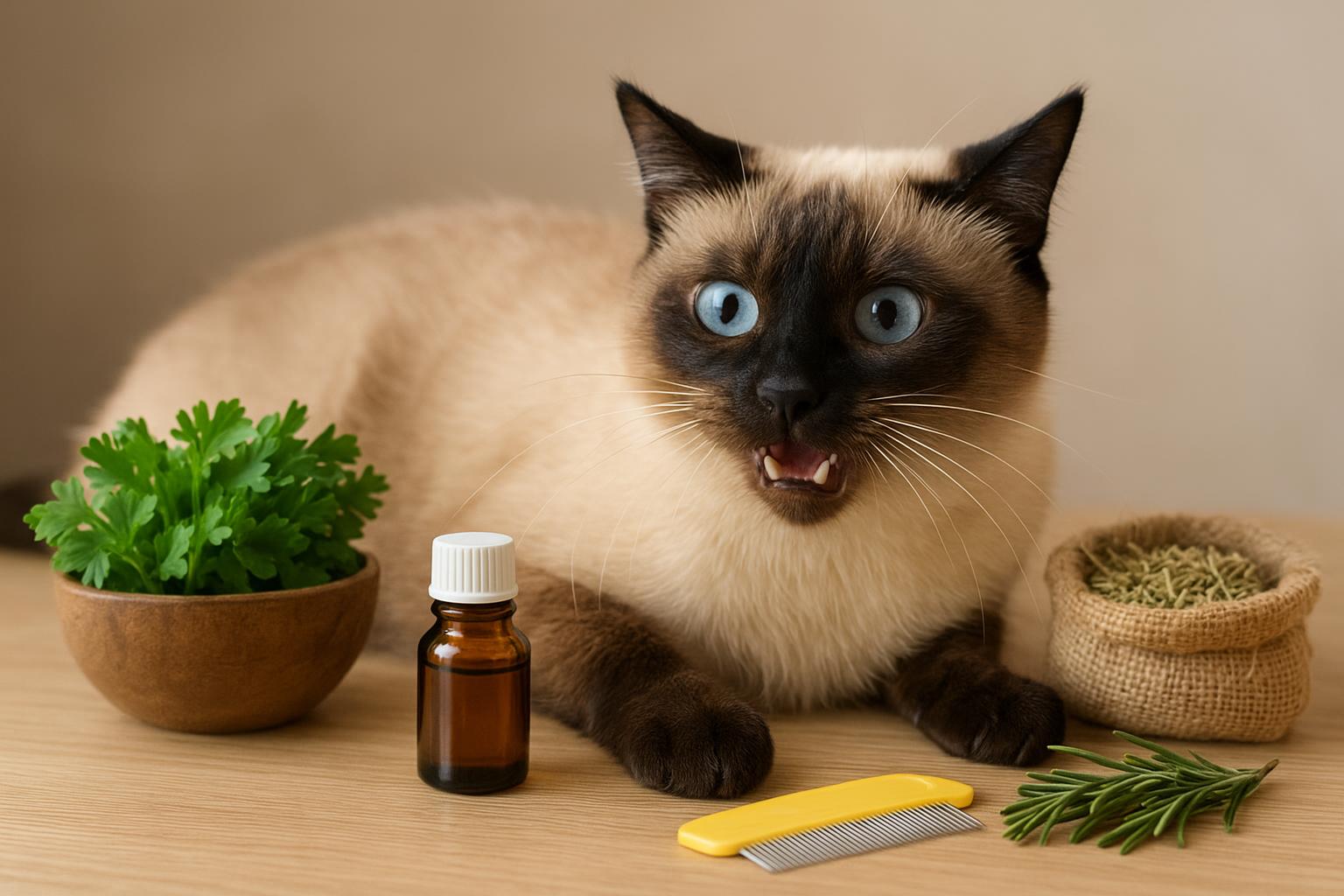
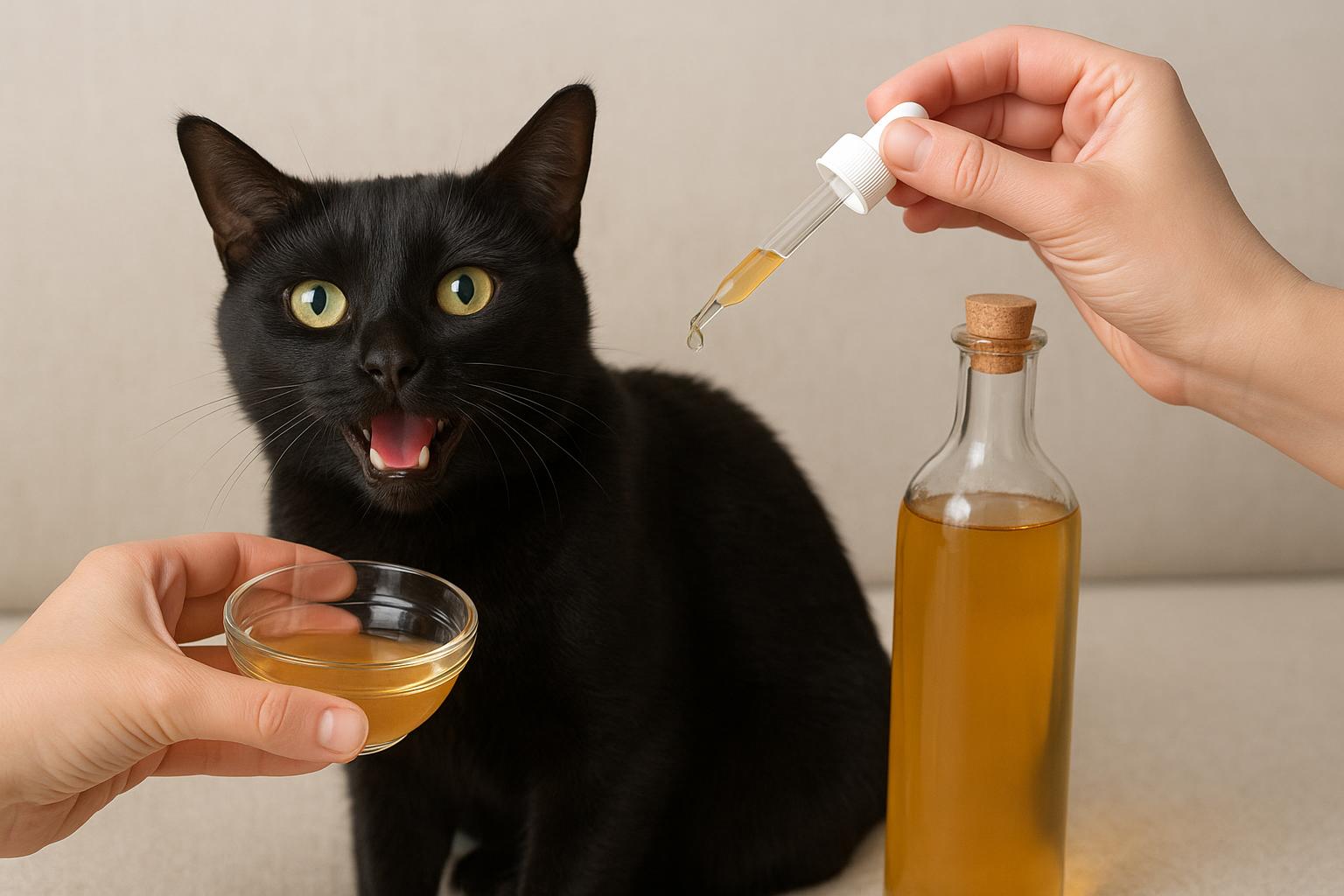
– Do not use essential oils on cats unless specifically cleared by a veterinarian experienced with feline-safe protocols. Many essential oils are toxic to cats (e.g., tea tree, eucalyptus, peppermint) and should be avoided. This recipe intentionally avoids essential oils to prioritize safety.
– Apple cider vinegar at low dilution is commonly used to alter skin pH slightly and deter fleas; keep concentrations mild to avoid irritation.
Step-By-Step Preparation (Formal Instruction)
1. Sterilize Equipment: Wash the spray bottle, funnel, and mixing jar with hot soapy water, rinse thoroughly, and let air dry. This reduces microbial contamination.
2. Prepare Base Liquid: If using distilled water, measure 16 ounces into the mixing jar. If using previously boiled water, ensure it has cooled to room temperature before mixing.
3. Dissolve Colloidal Oatmeal: Add 2 tablespoons of colloidal oatmeal to the water. Stir thoroughly until a uniform suspension forms. If using ground oats, strain the mixture through a fine sieve into the spray bottle to prevent clogging the nozzle.
4. Add Soothing Agents: Incorporate 1 teaspoon of glycerin and 1 tablespoon of apple cider vinegar. Stir to combine. These provide mild skin-soothing and slight repellent qualities without harsh chemicals.
5. Add Lemon Juice: Add 1/2 teaspoon of pure lemon juice. This contributes a mild repellent effect. Do not exceed the recommended amount to avoid skin irritation.
6. Transfer And Label: Using the funnel, transfer the mixture into the sterilized spray bottle. Label the bottle with contents and date of preparation. Store refrigerated and discard after 7–10 days.
7. Test For Reaction: Before full application, perform a spot test on a small area: spray a mist onto a small patch of your cat’s fur (avoiding face) and wait 24 hours while observing for signs of irritation or allergic reaction.
Application Procedure (Formal Instruction)
1. Prepare Your Cat: Brush your cat gently to remove loose fur and debris. Work in a quiet room and keep treats handy to maintain a calm environment.
2. Perform Patch Test: As above, test the spray on a small area. If any redness, itching, or behavioral signs of discomfort appear, discontinue use and consult your veterinarian.
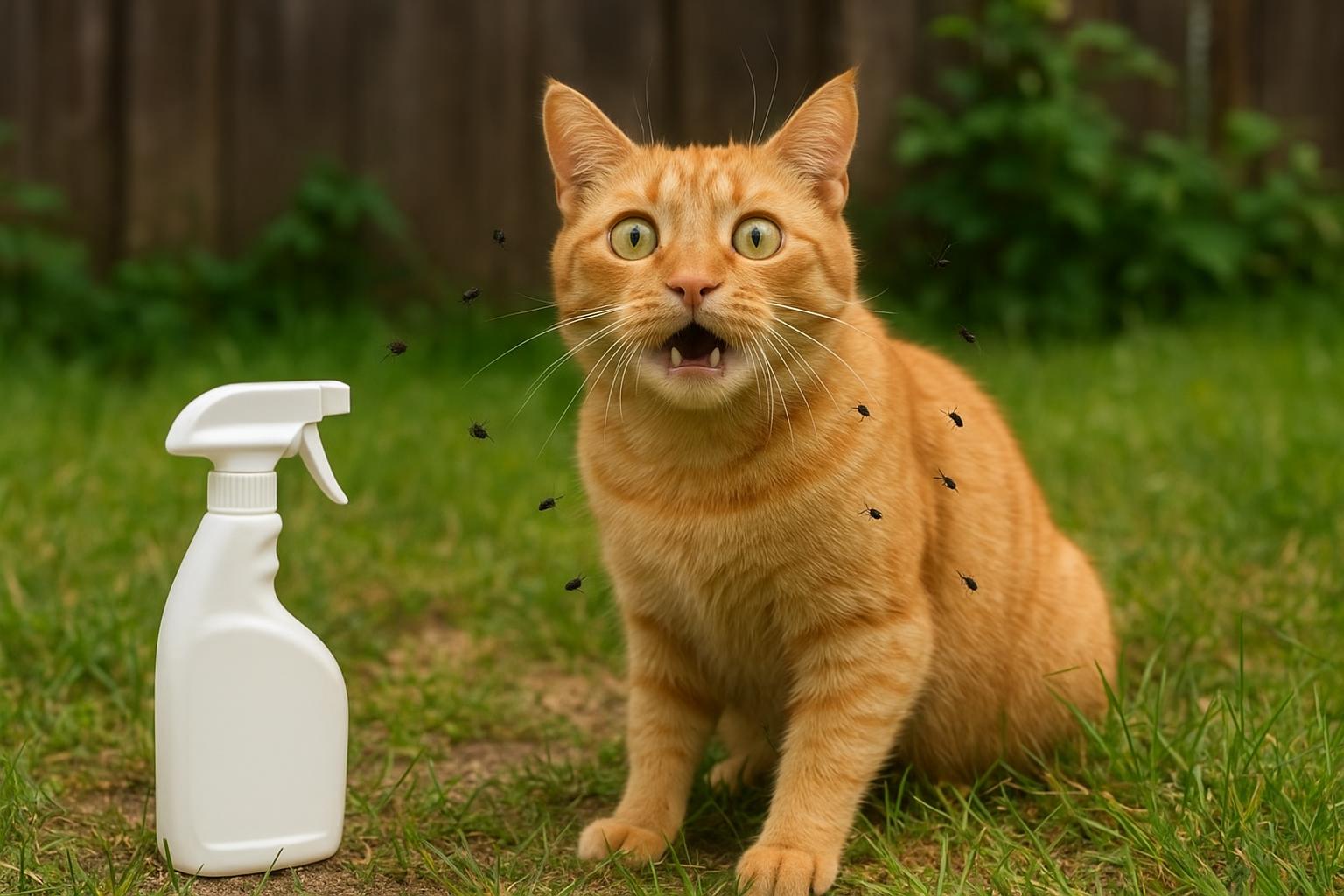
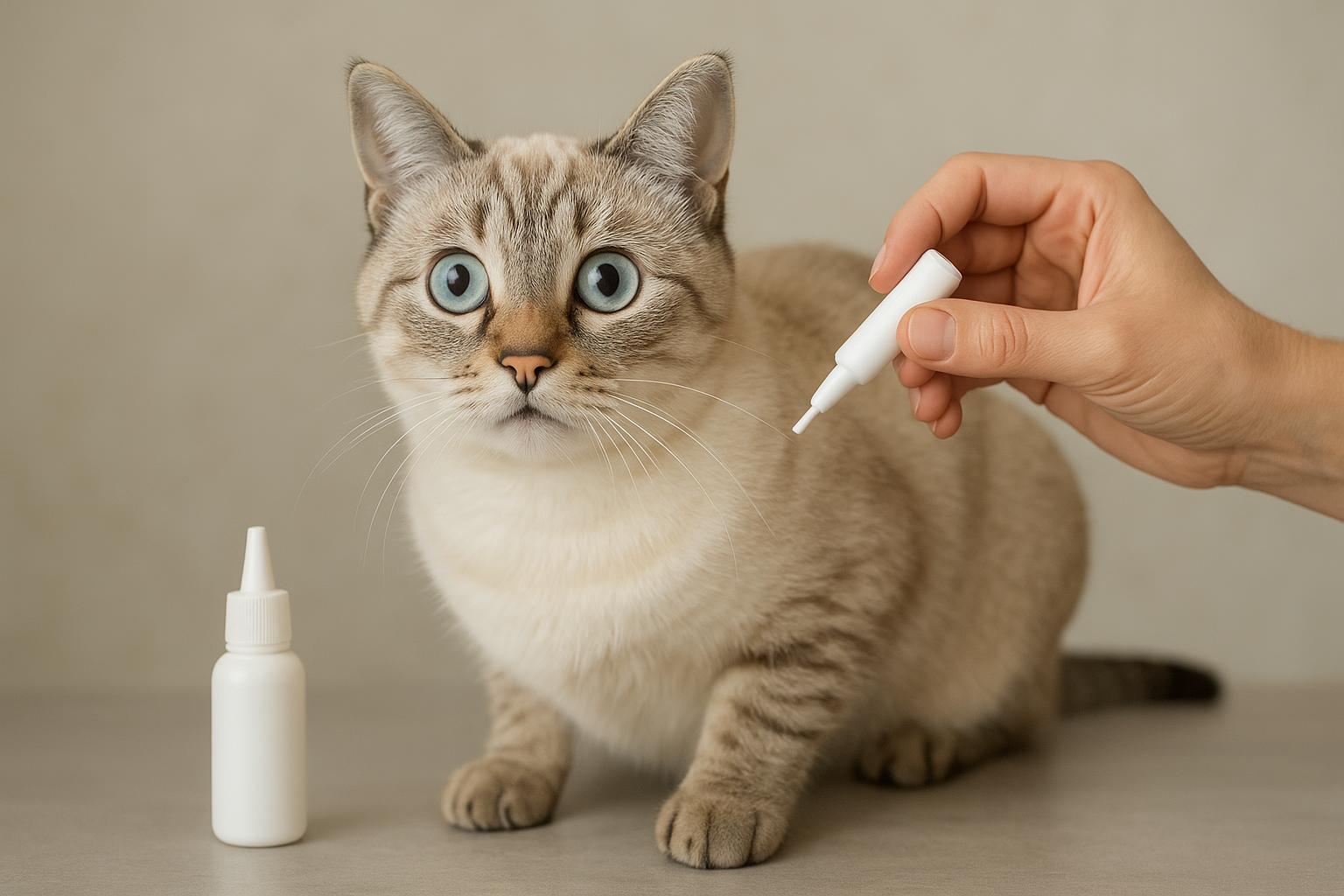
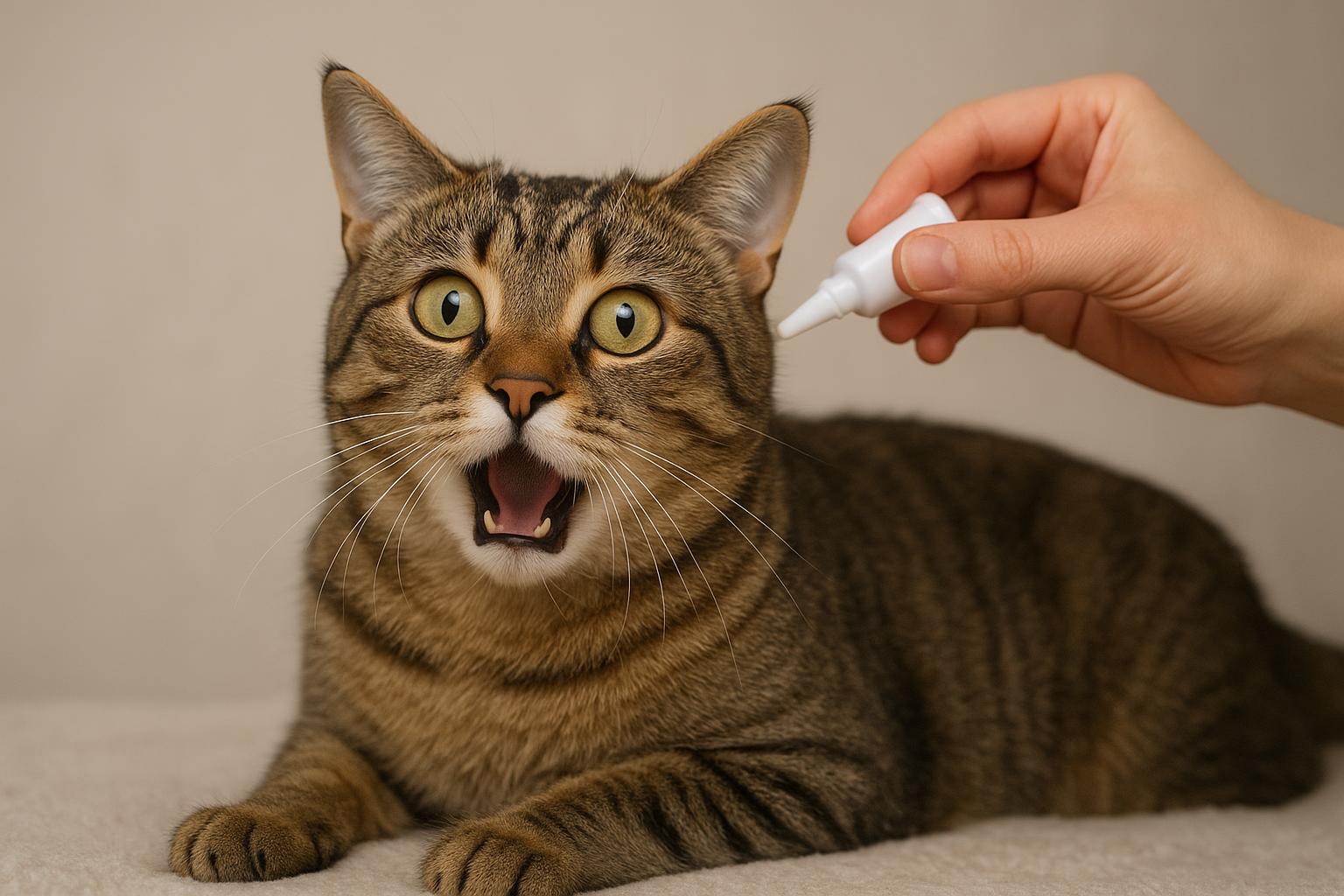
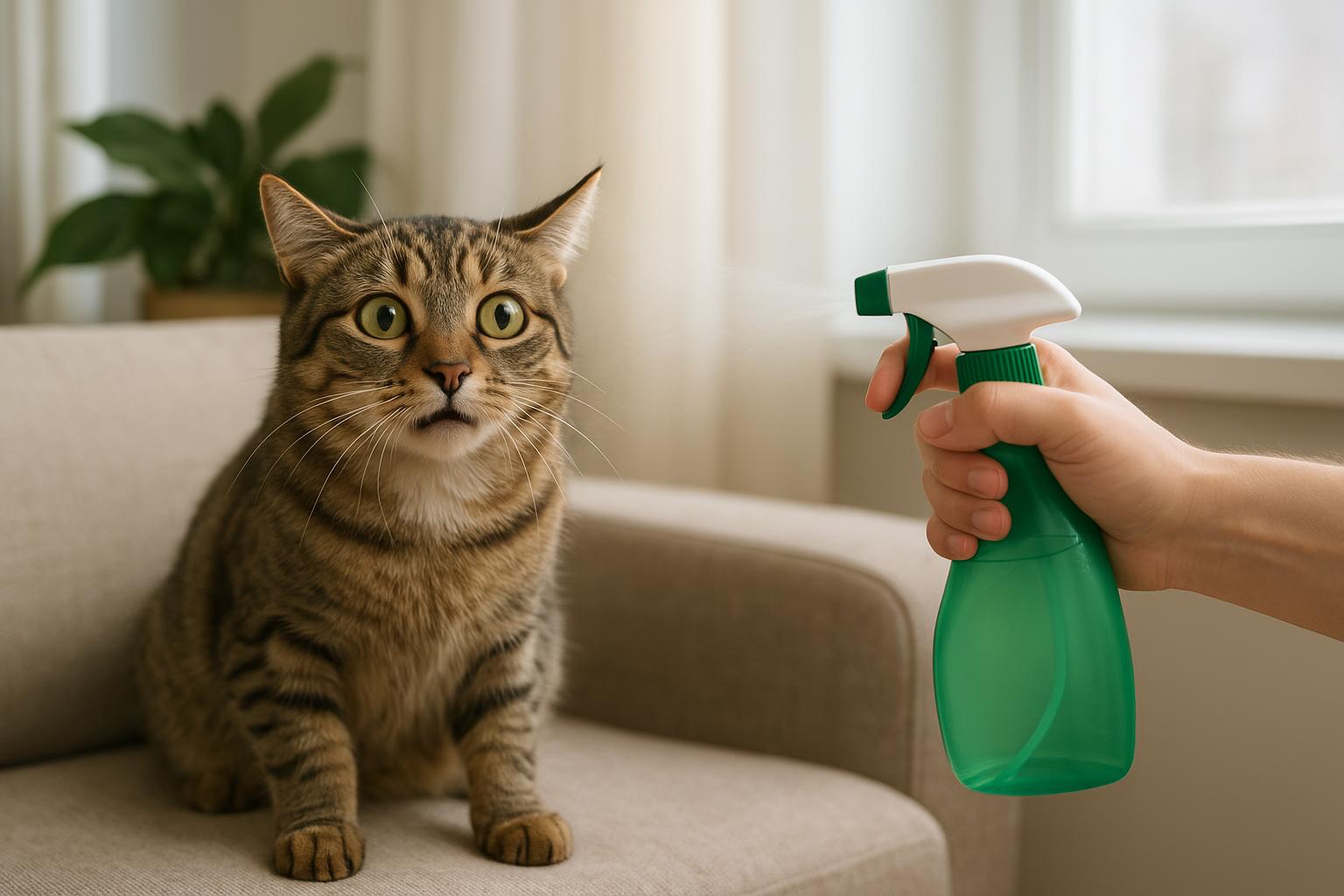
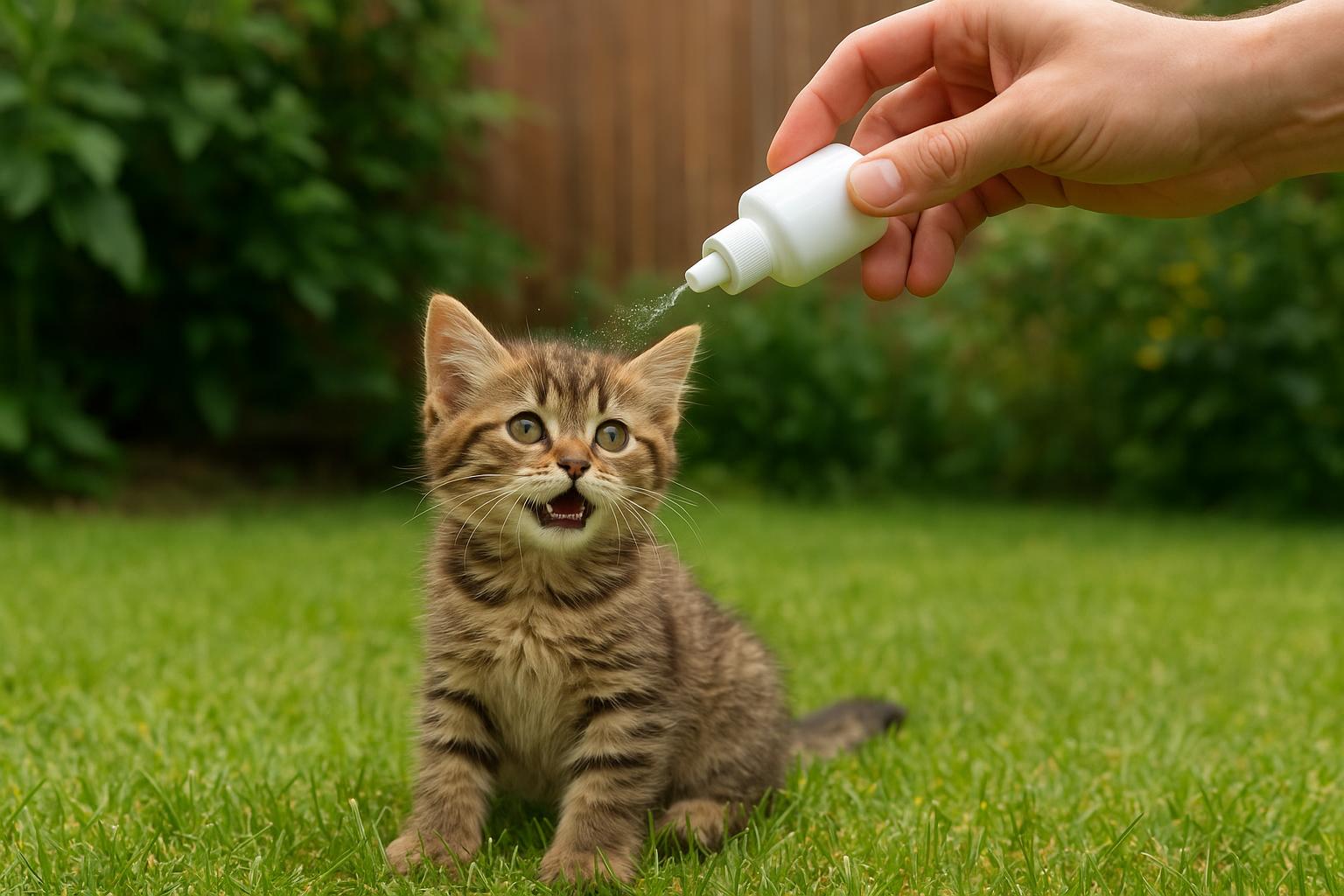
3. Apply The Spray: Hold the bottle 6–8 inches from the fur and mist lightly, focusing on the neck, back, and base of the tail. Avoid the face, eyes, inside ears, and any open wounds. Do not drench the fur; a light, even mist is sufficient.
4. Massage Gently: Using gloved hands, massage the spray into the fur so it reaches the skin. This helps distribute the ingredients evenly and increases contact with flea activity zones.
5. Frequency: Use up to once daily for up to 7 days during an active issue, then taper to 1–2 times weekly for maintenance as needed. If fleas persist after one week, consult your veterinarian about additional measures.
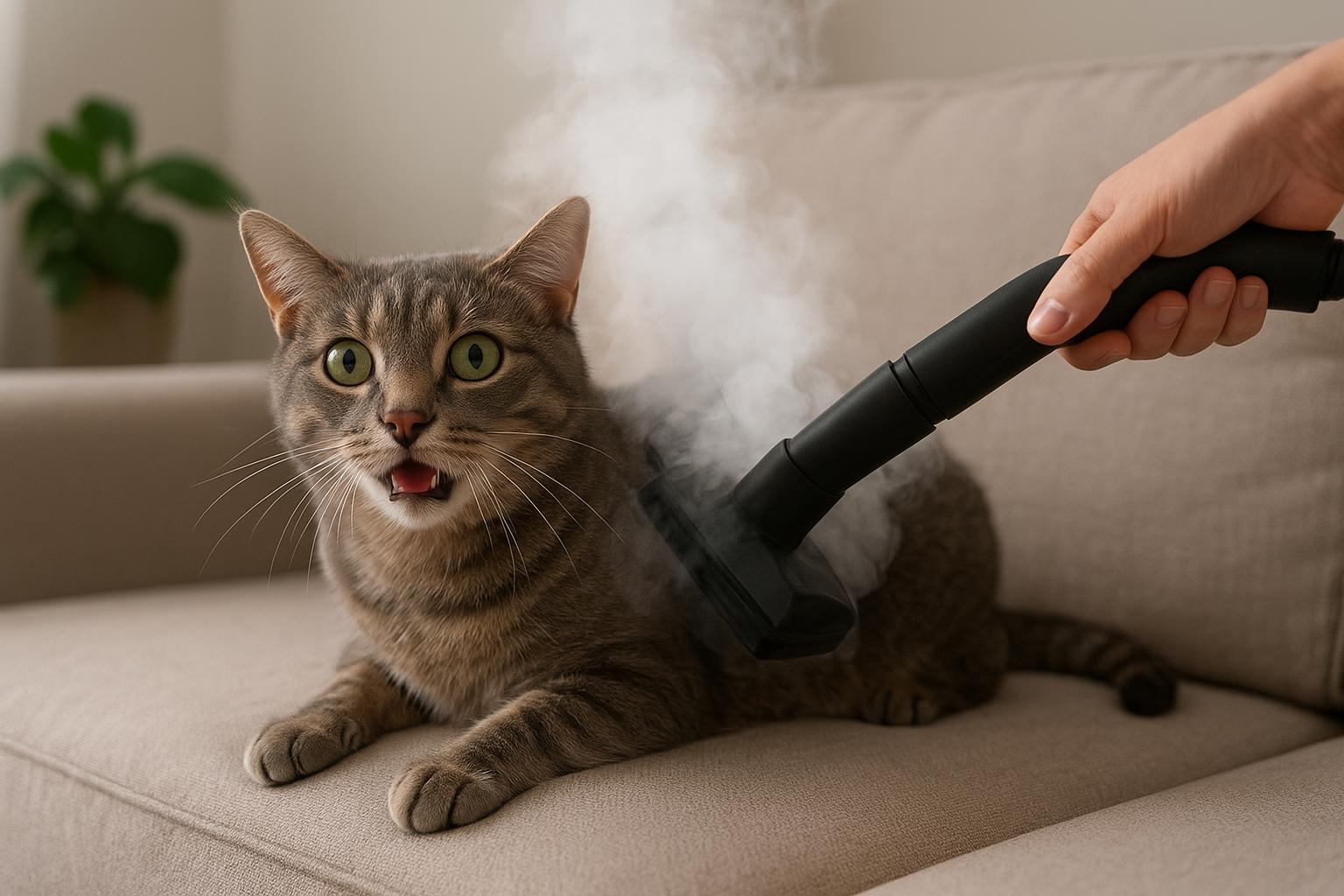
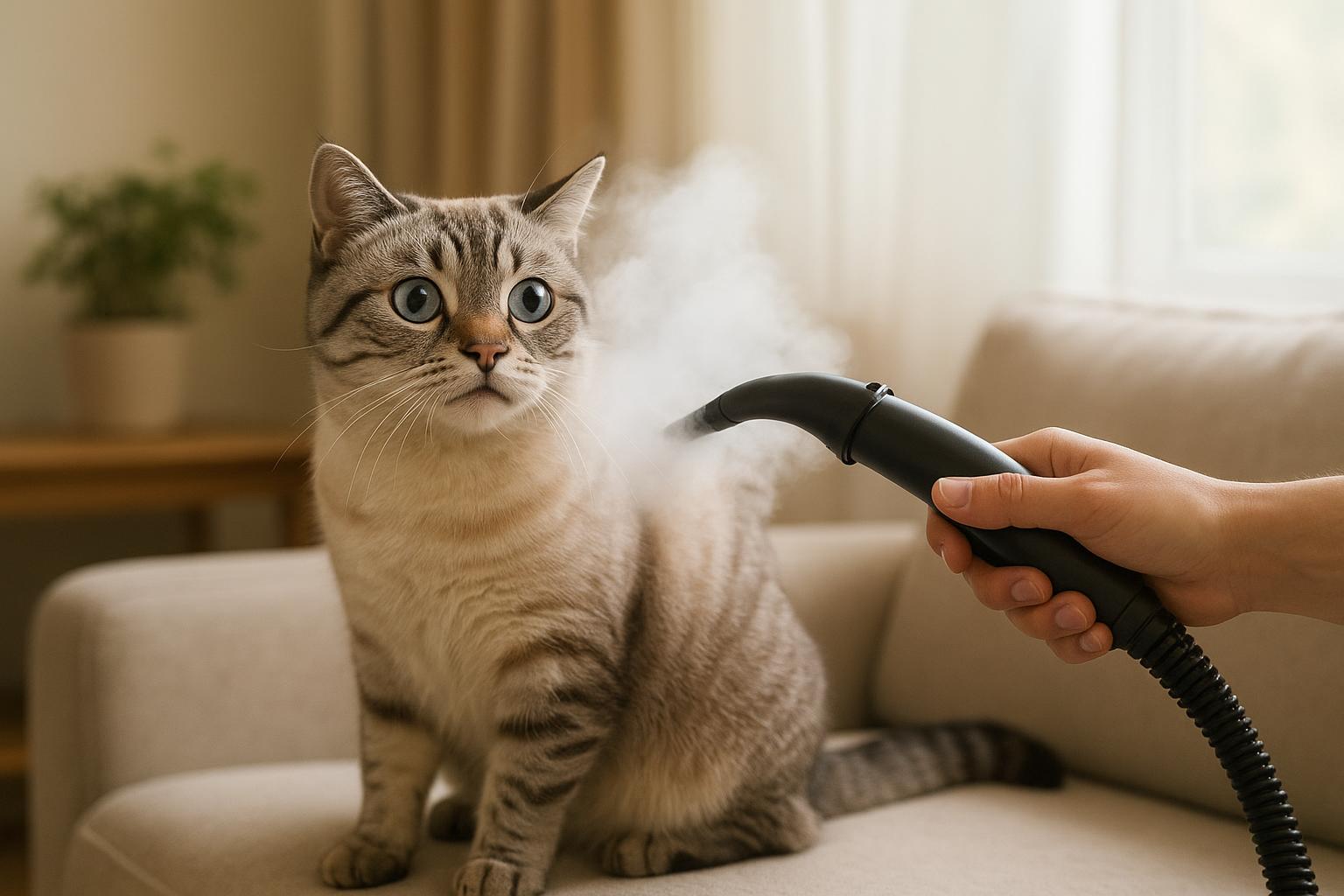
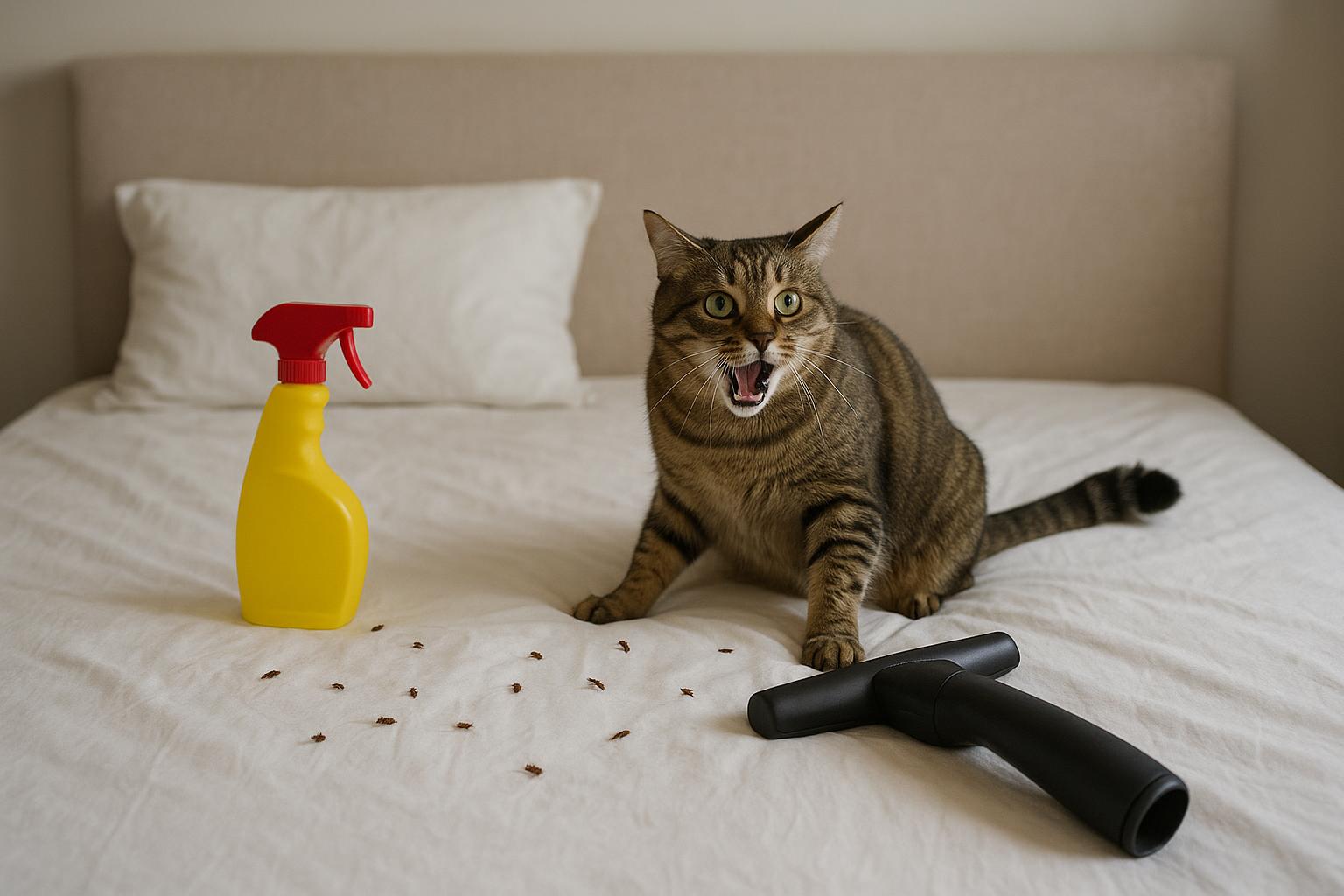
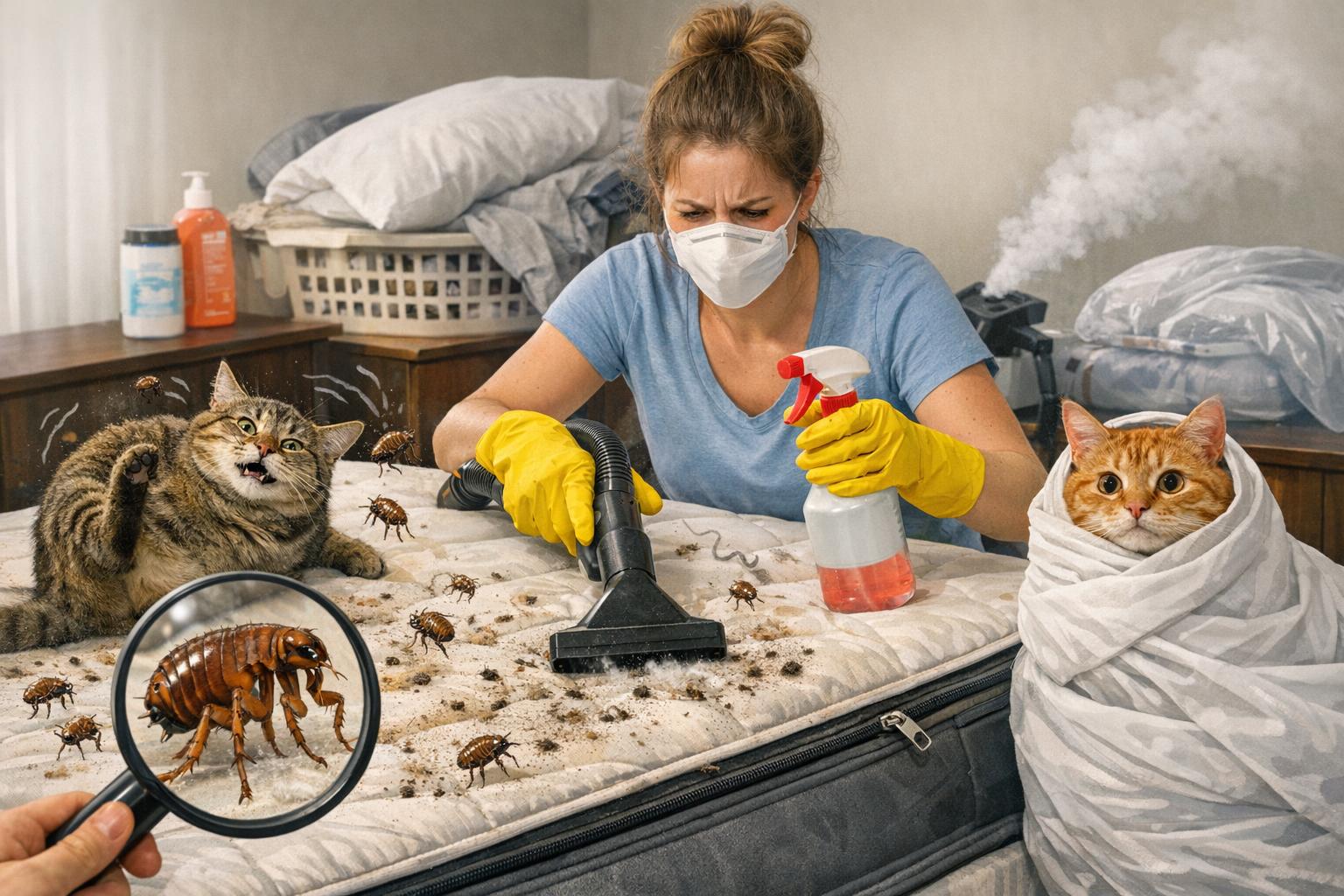
6. Environmental Treatment: Wash bedding in hot water, vacuum carpets, and treat resting areas to remove eggs and larvae. Steam cleaning is especially effective. Repeat cleaning steps over several weeks to interrupt the flea lifecycle.
## Safety, Monitoring, And When To Call The Vet
### Signs Of Adverse Reaction
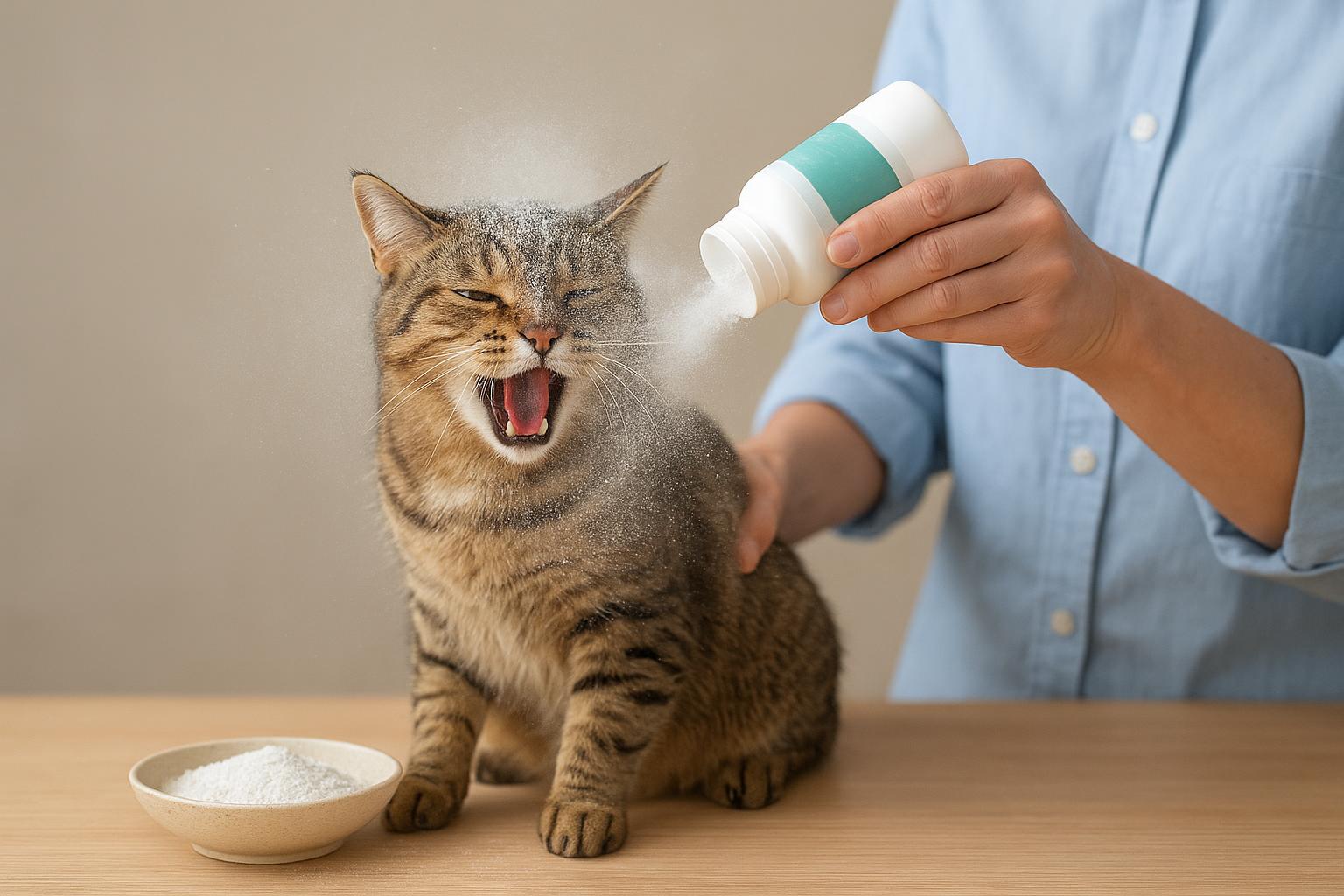
Watch for drooling, pawing at the face, vomiting, sneezing, skin redness, swelling, or lethargy after applying a product. If any occur, bathe the area with lukewarm water, avoid further application, and contact your veterinarian immediately.
### Special Considerations For Kittens, Pregnant, Or Sick Cats
Kittens under 8 weeks, pregnant queens, and cats with compromised health require veterinary guidance before any topical treatment, even natural ones. Your backyard wildlife specialist hat can advise on milder approaches, but the final call should come from the vet.
#### Flea Allergy Dermatitis
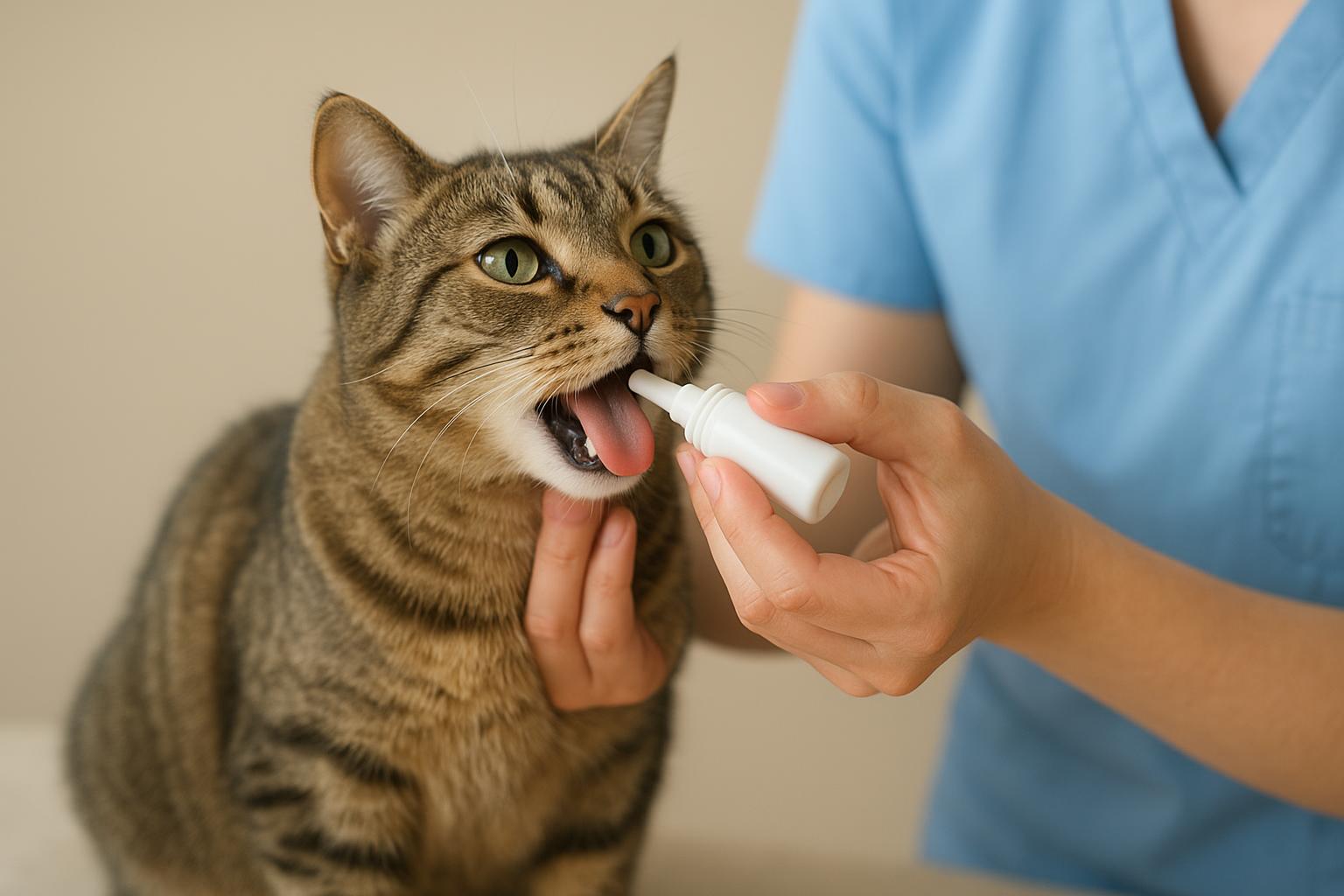
Some cats suffer from flea allergy dermatitis (FAD) and may react strongly to even a few flea bites. In suspected FAD cases, a natural flea spray is unlikely to be sufficient alone. Veterinary treatment — often including prescription topical or oral medications — is the appropriate route.
## Practical Tips For Best Results
– Consistency Is Key: Flea control is a marathon, not a sprint. Combine pet treatment with environmental cleaning and, when necessary, vet-endorsed products.
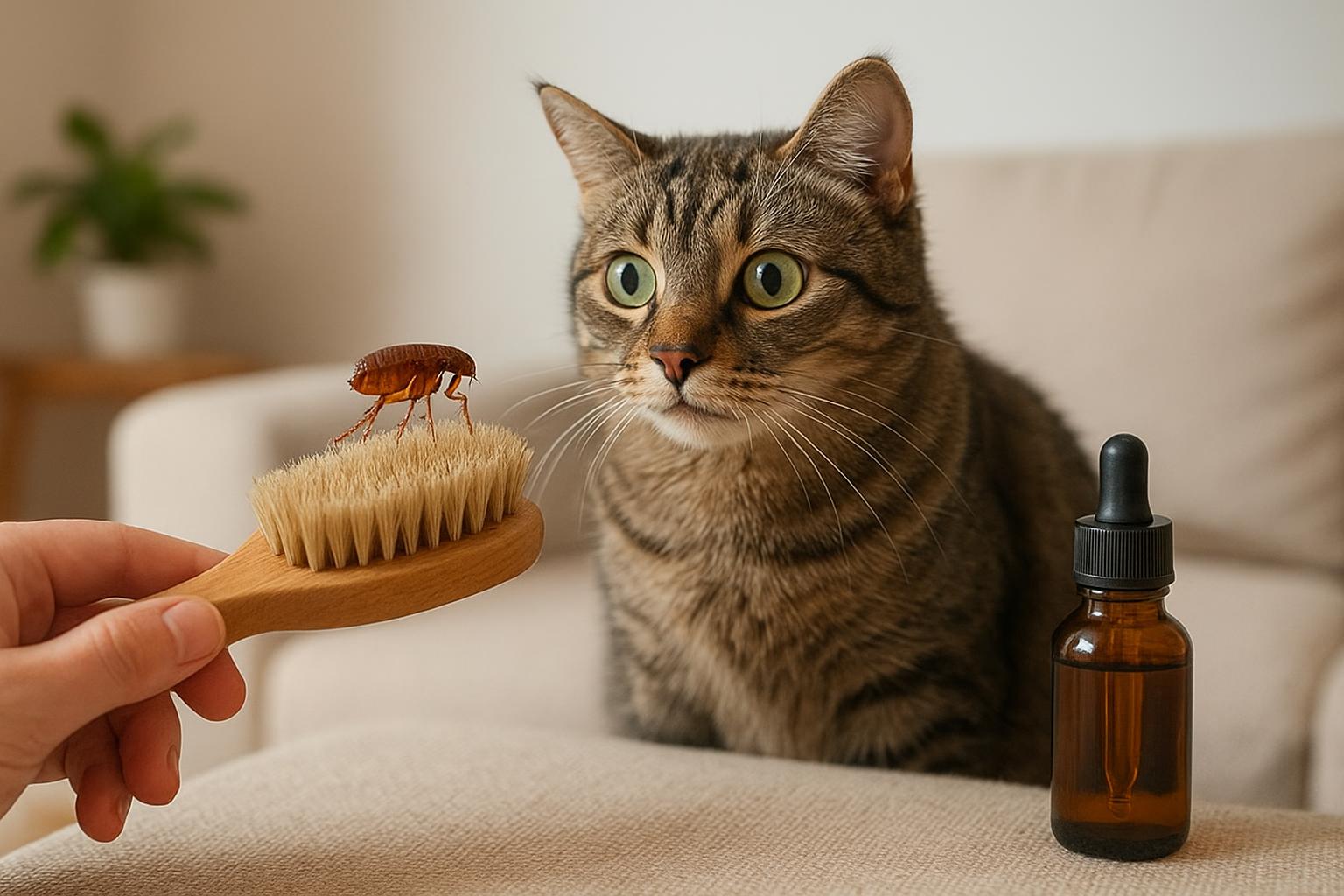
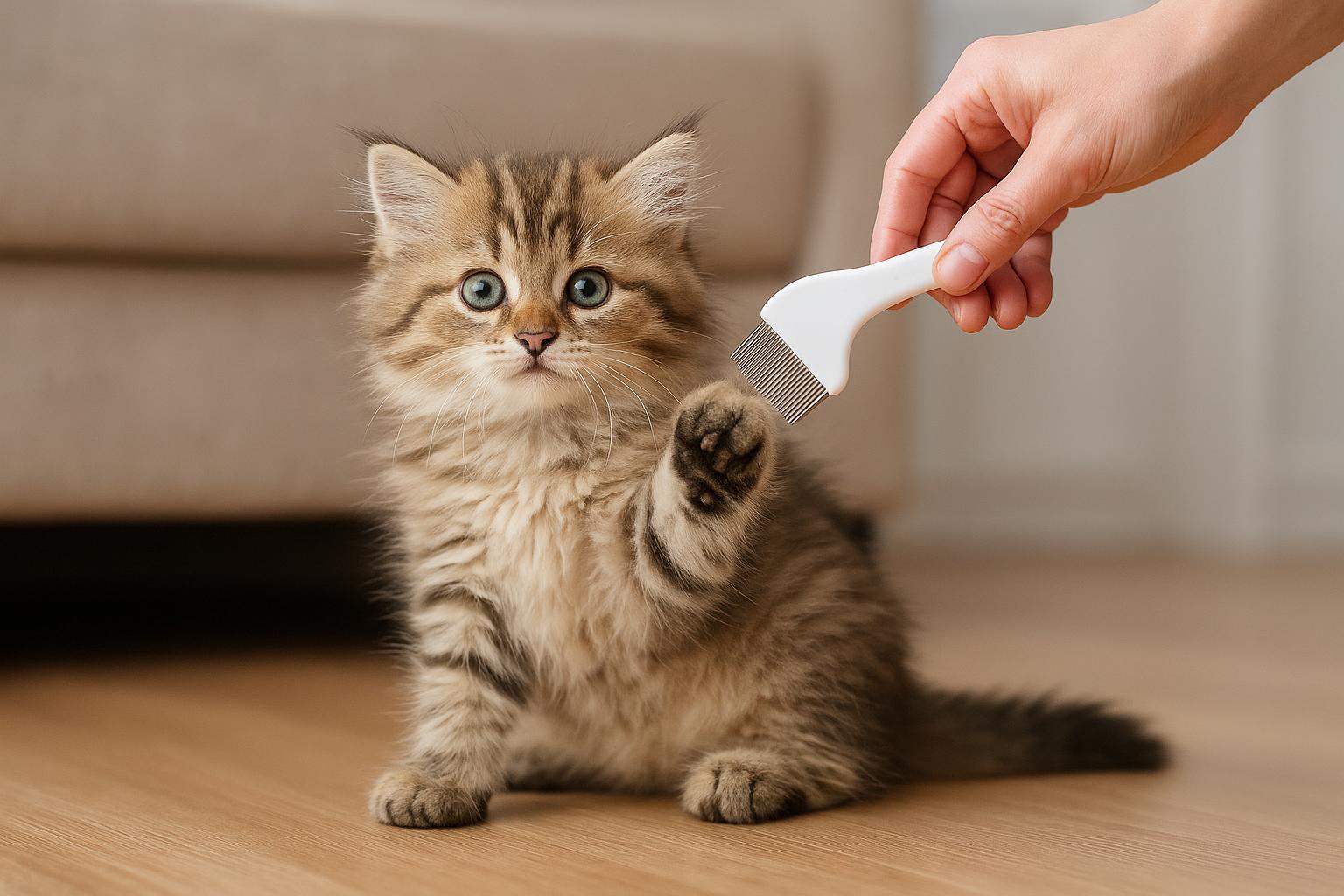
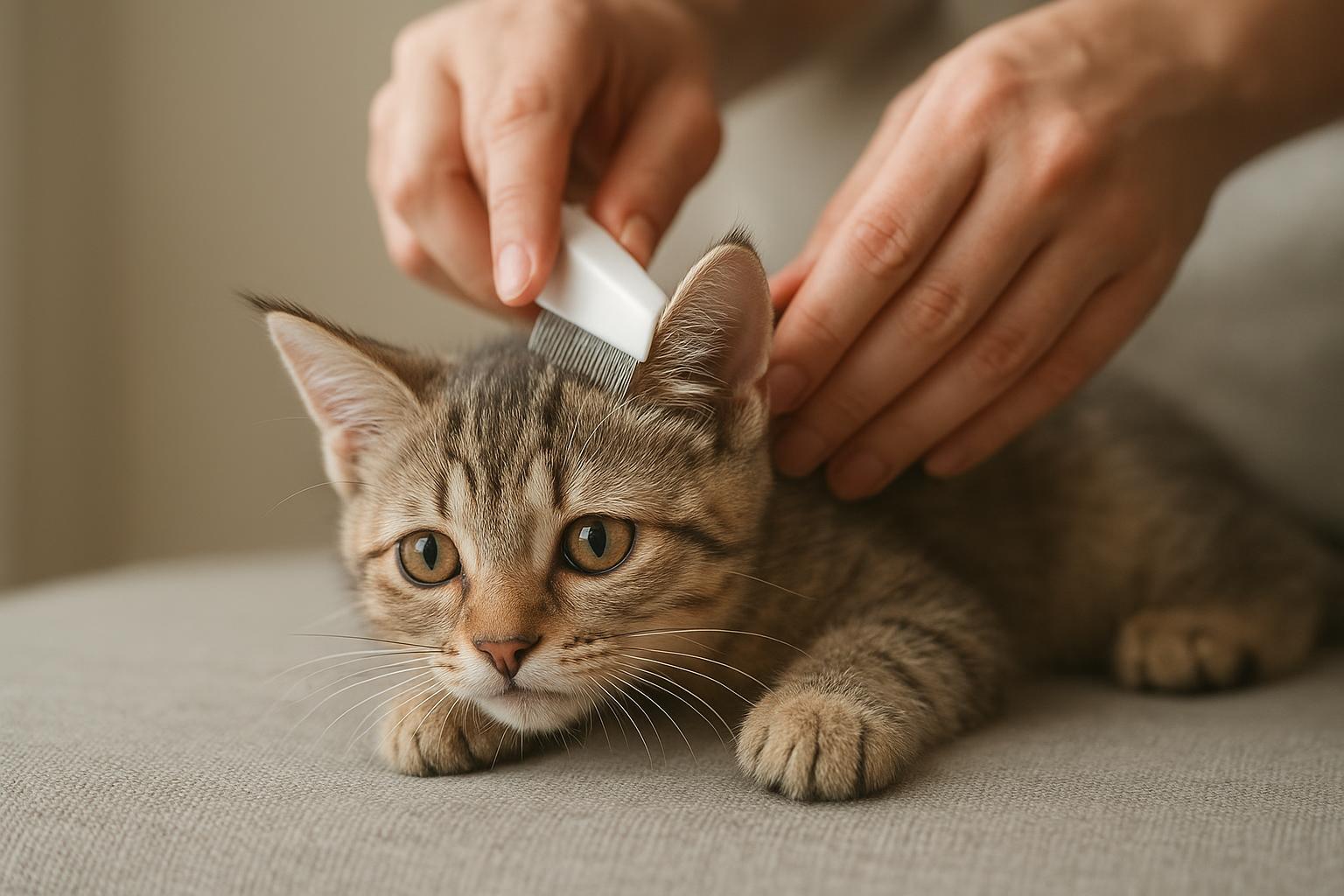
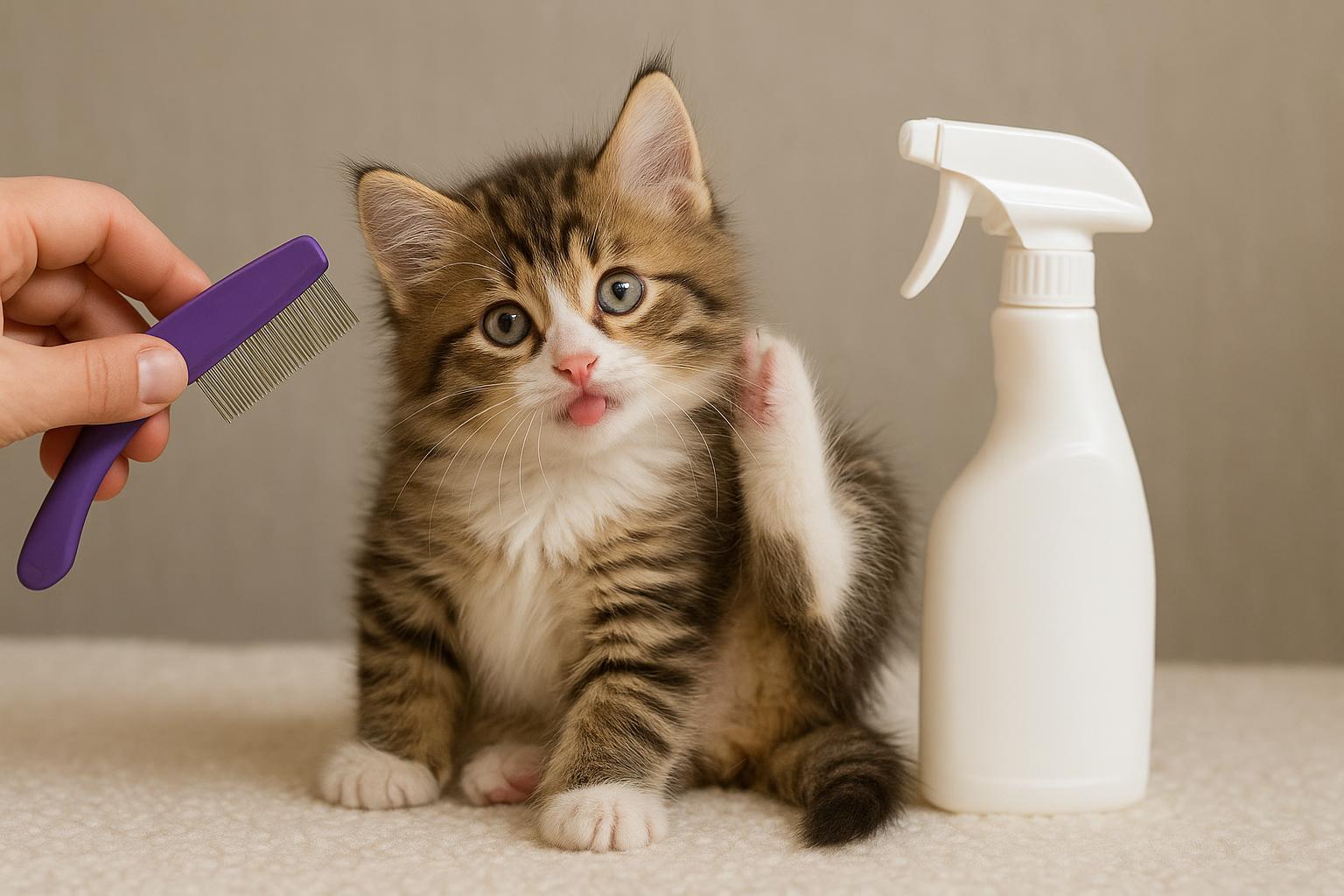
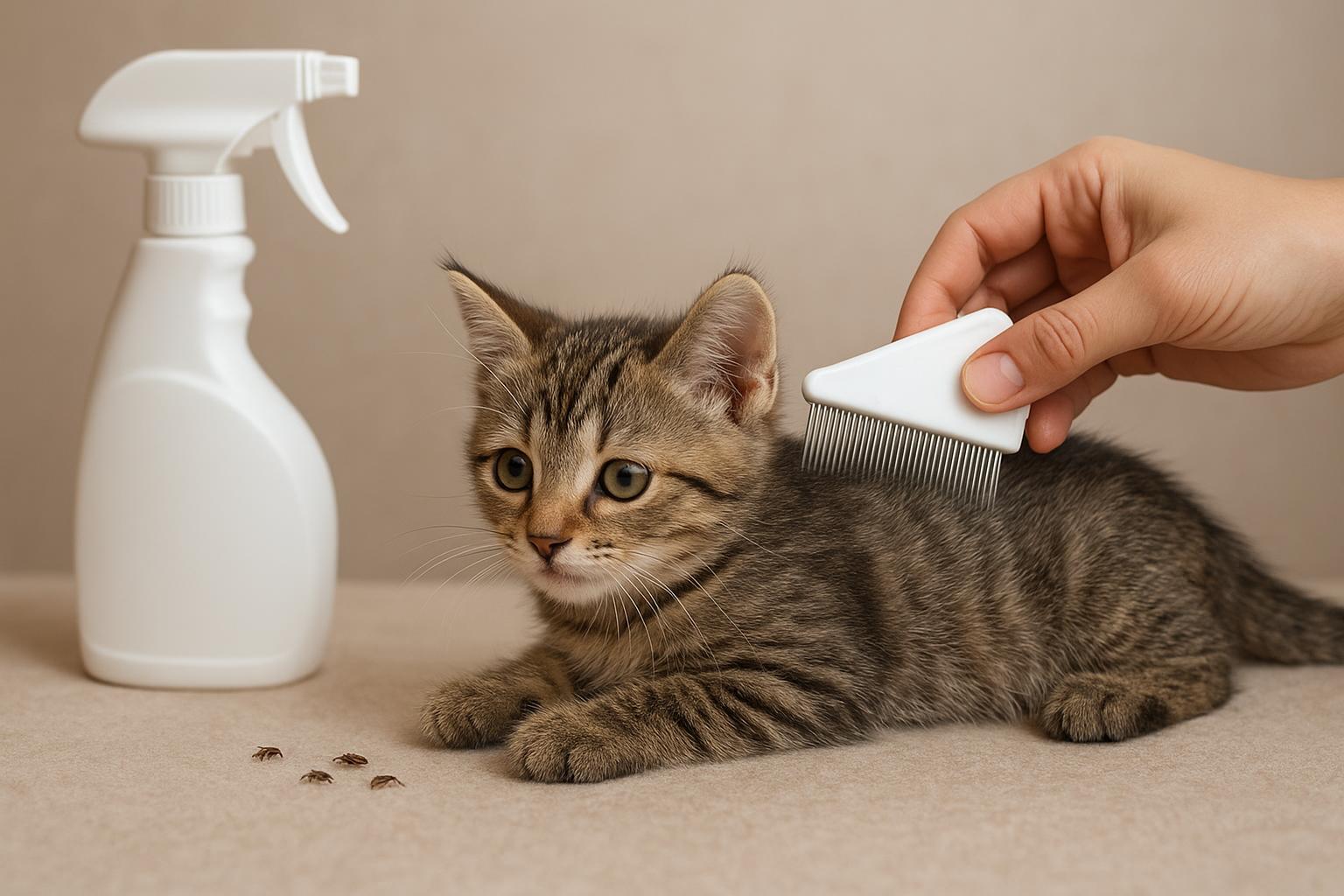
– Keep Up With Grooming: Regular brushing with a flea comb helps physically remove fleas and eggs. Dip the comb in soapy water to kill what you comb out.
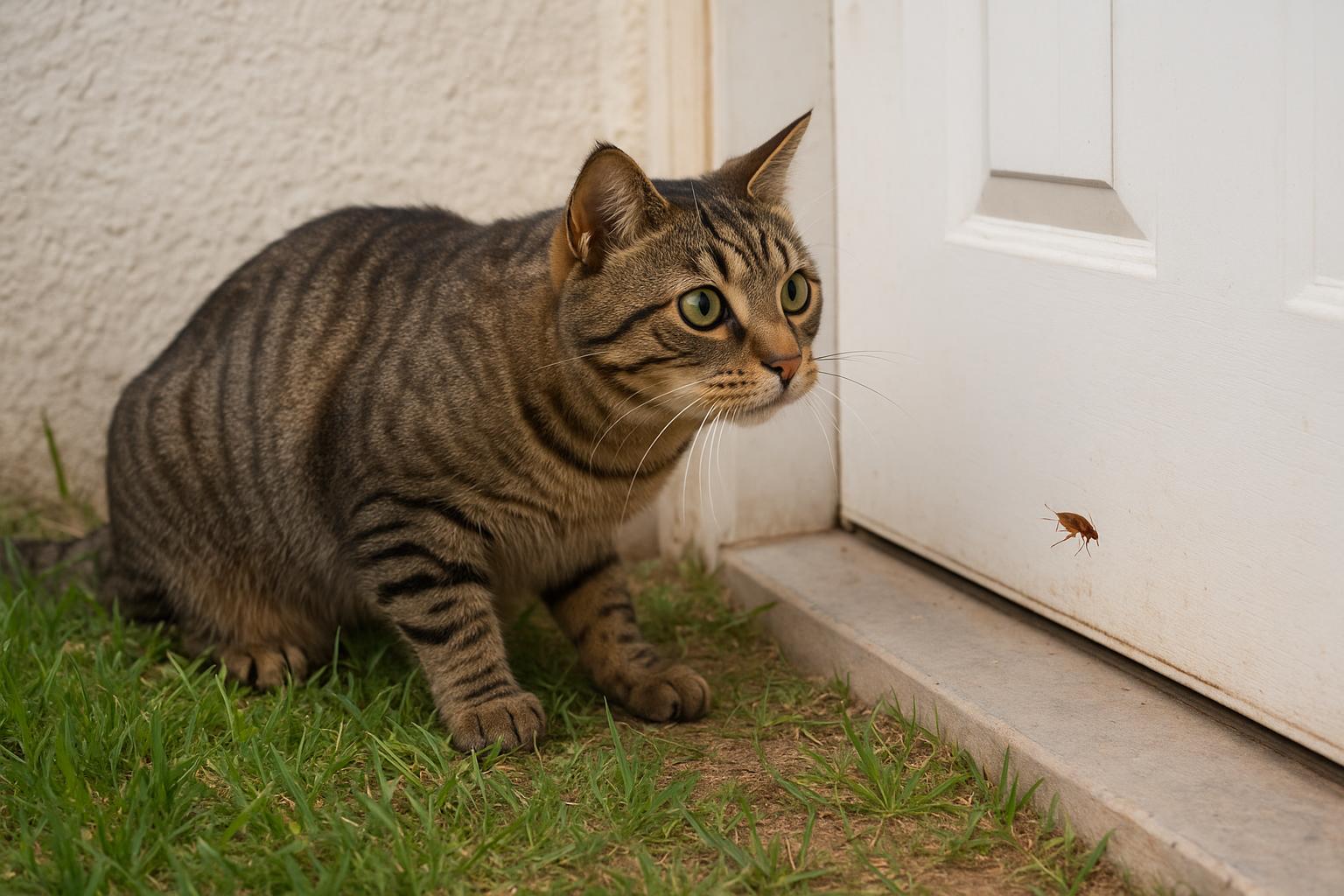
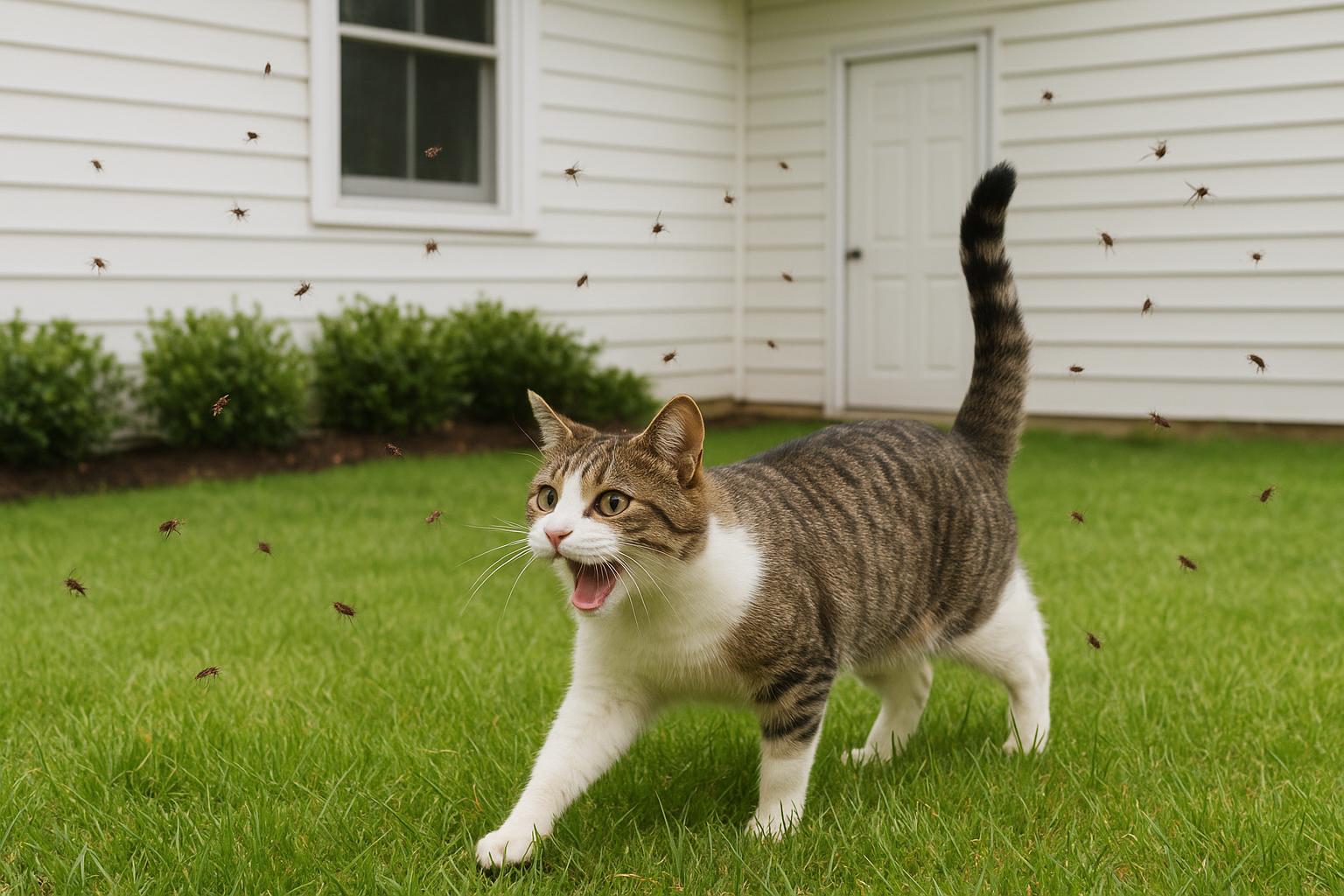
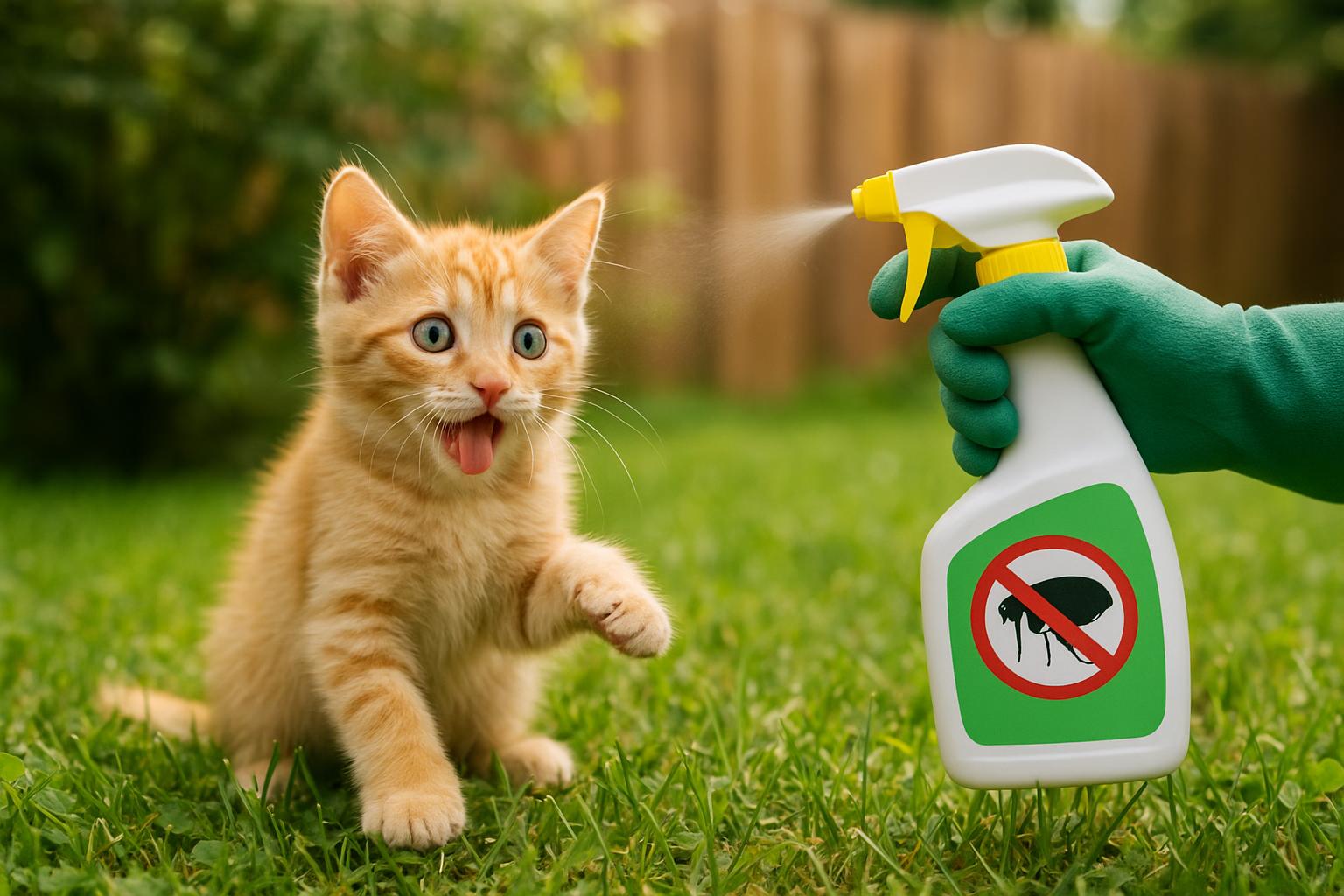
– Outdoor Considerations: If your cat roams outdoors, treat resting zones like shaded patios, under porches, and garden beds where fleas and host wildlife congregate.
– Store Safely: Label your homemade bottle clearly and store out of reach of children and pets. Discard after 7–10 days to prevent bacterial growth.
### When Natural Methods Are Not Enough
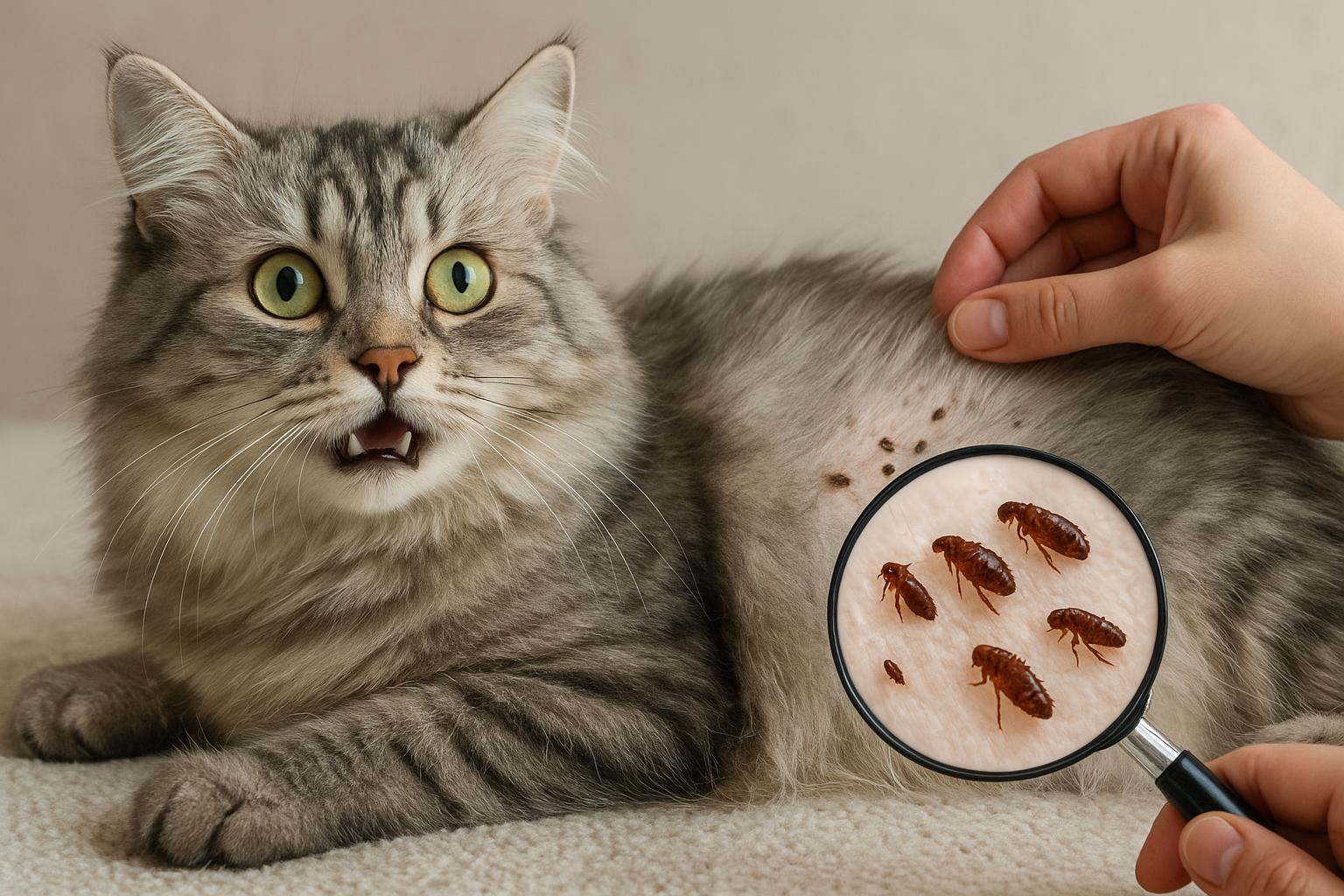
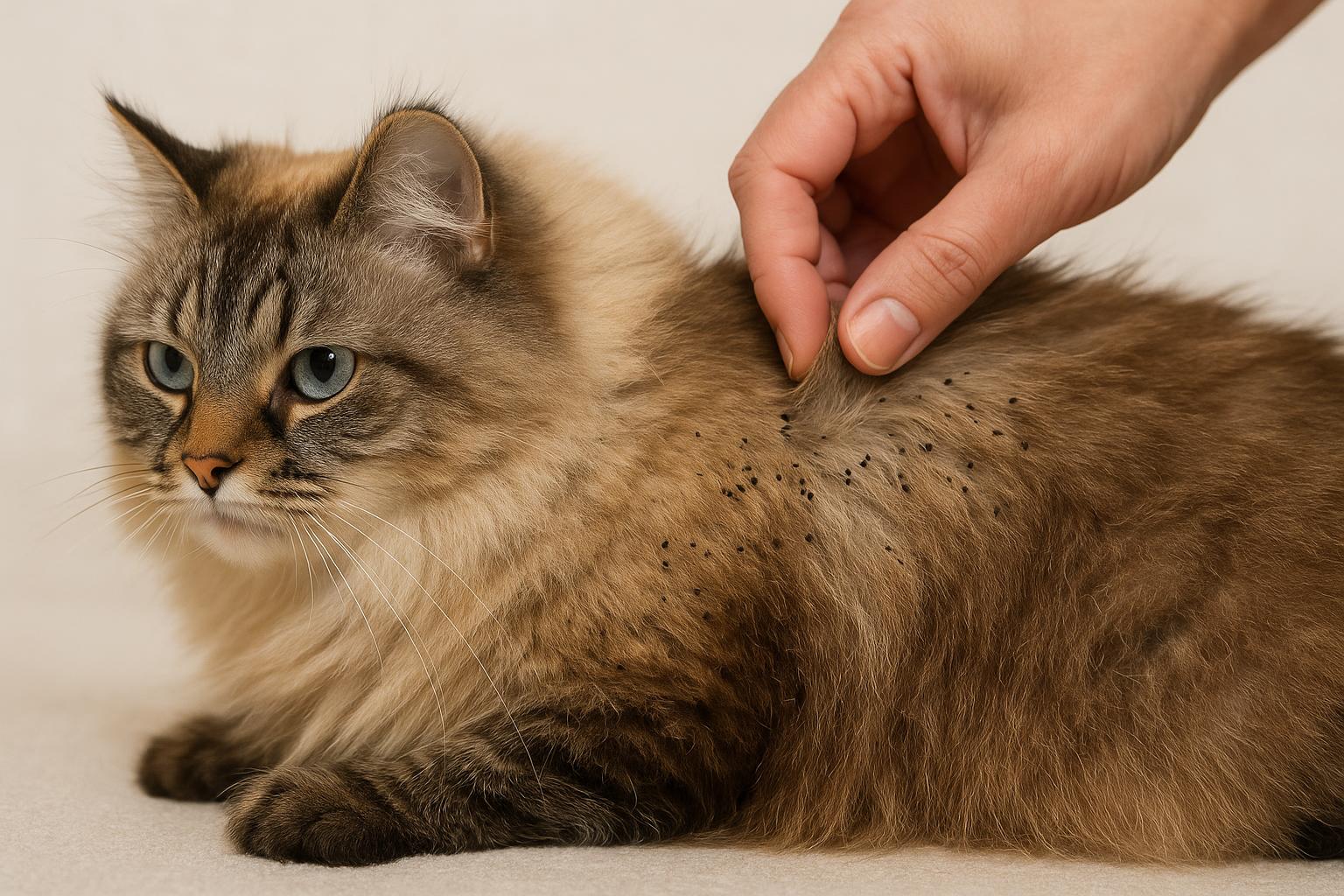
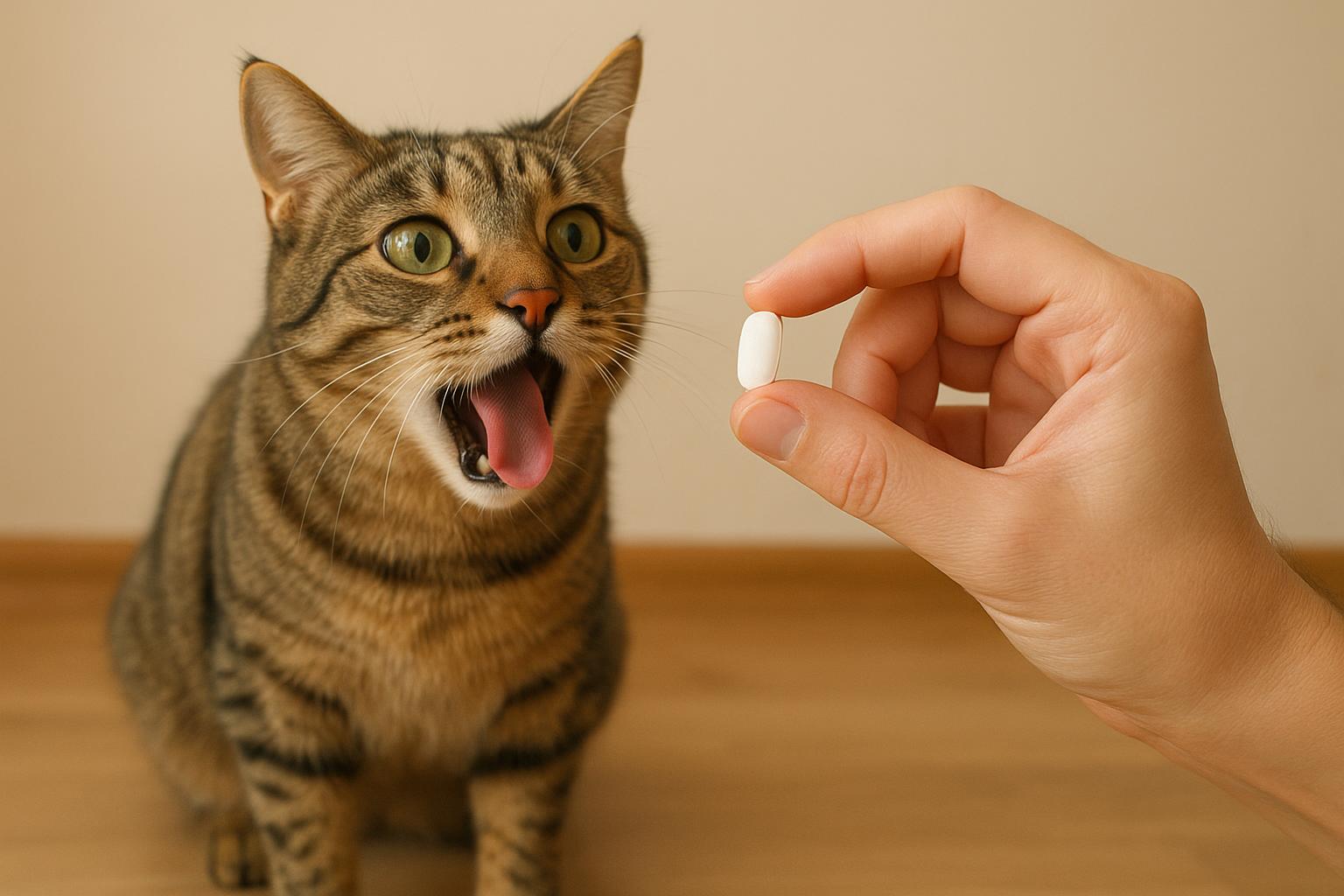
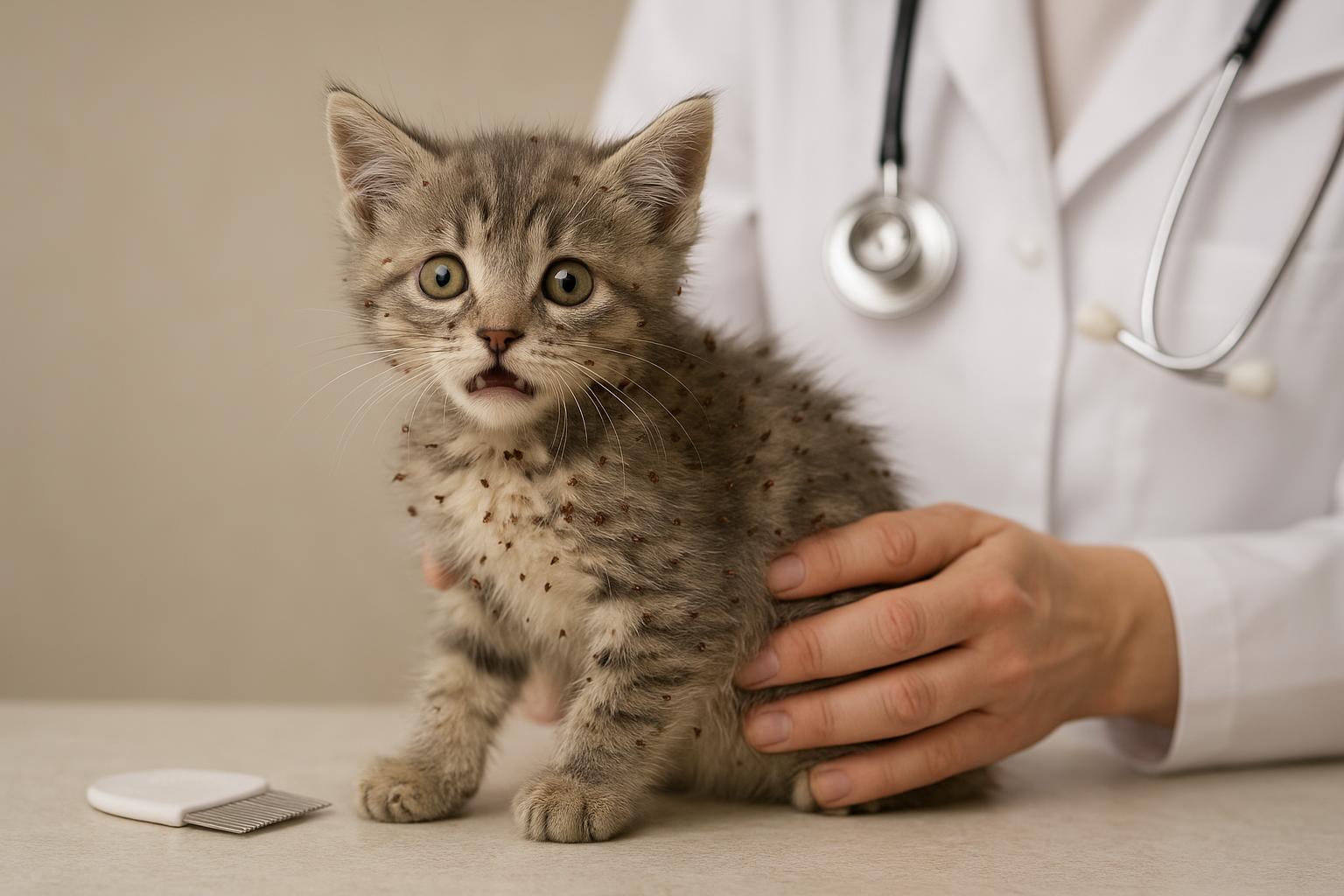
If your cat remains itchy, loses hair, has visible fleas in large numbers, or if household members are being bitten, consult your veterinarian. More potent, vet-prescribed treatments may be necessary and can be used alongside environmental measures for comprehensive control.
## Keeping Expectations Real (And Your Sense Of Humor Intact)
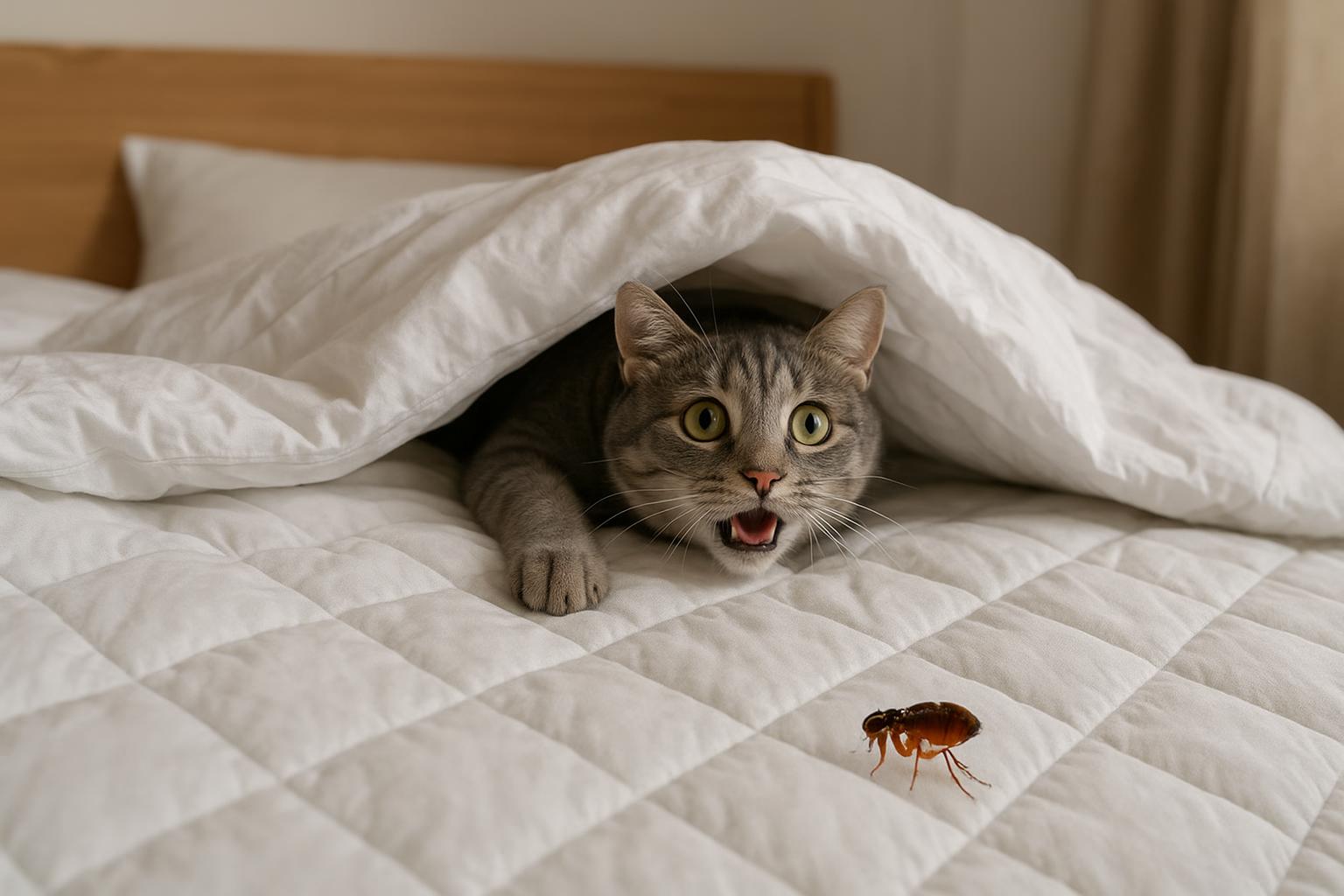
Fleas are resilient little hitchhikers; think of them as tiny freeloaders who’ve taken “staycation” to a dark new level. A natural flea spray is a friendly nudge rather than an eviction notice. When used properly, it can be an effective part of a broader strategy that keeps your cat comfortable and your home less flea-friendly.
## Record Keeping And Follow Up
Keep notes on when you applied the spray, any reactions, and the results over the following days. These observations are valuable if you need to consult a veterinarian and help refine your approach next time.
## Resources For Further Reading
Look for reputable sources such as veterinary college websites, pet dermatology texts, and peer-reviewed studies on flea control. If you prefer face-to-face advice, local animal shelters and your vet can offer region-specific recommendations.
If you’d like, I can adapt the recipe for a multi-cat household, suggest complementary environmental treatments, or draft a vet-friendly note you can bring in for a professional opinion.
Leave a Reply