
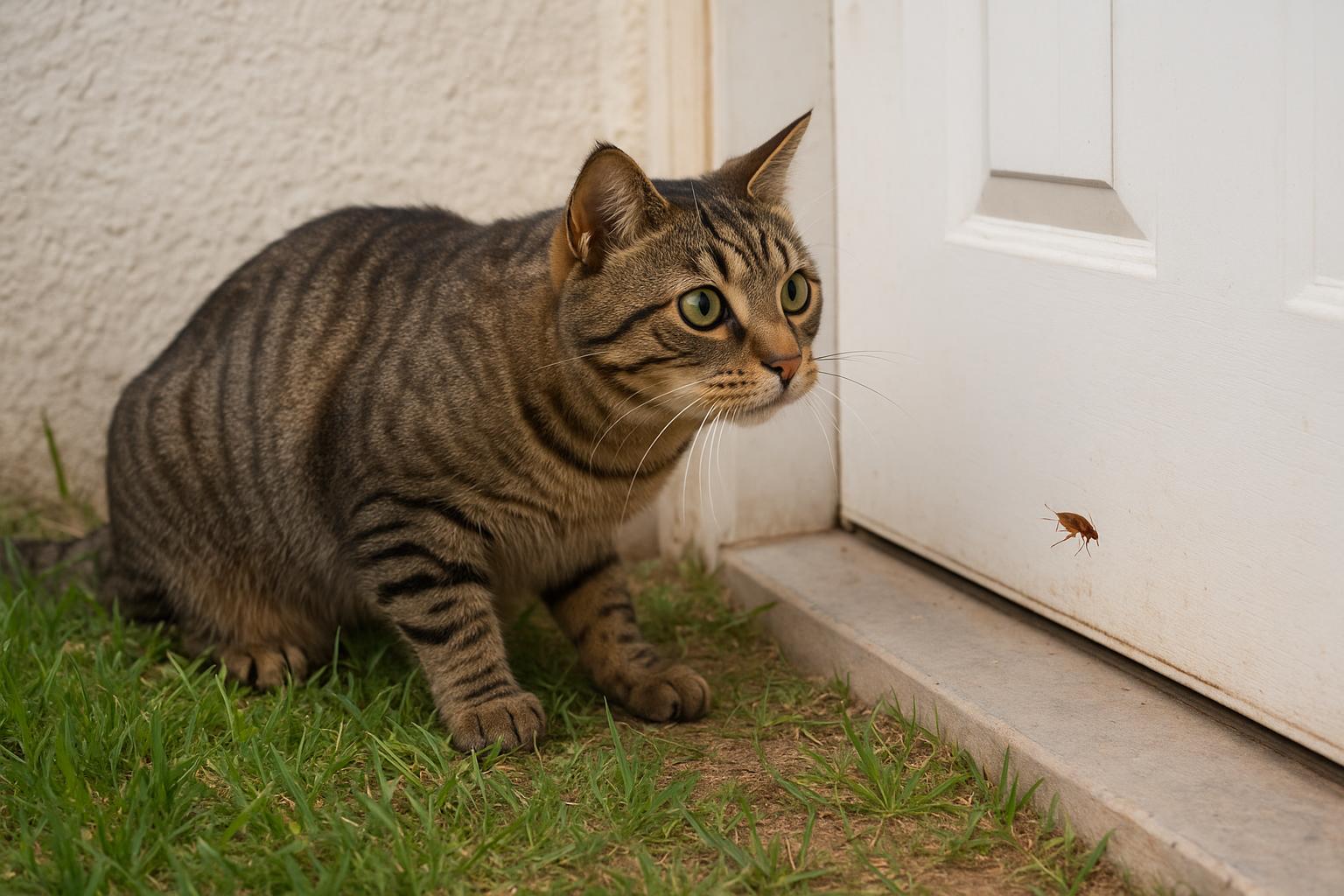
## How Grass To Door Flea Entry Happens
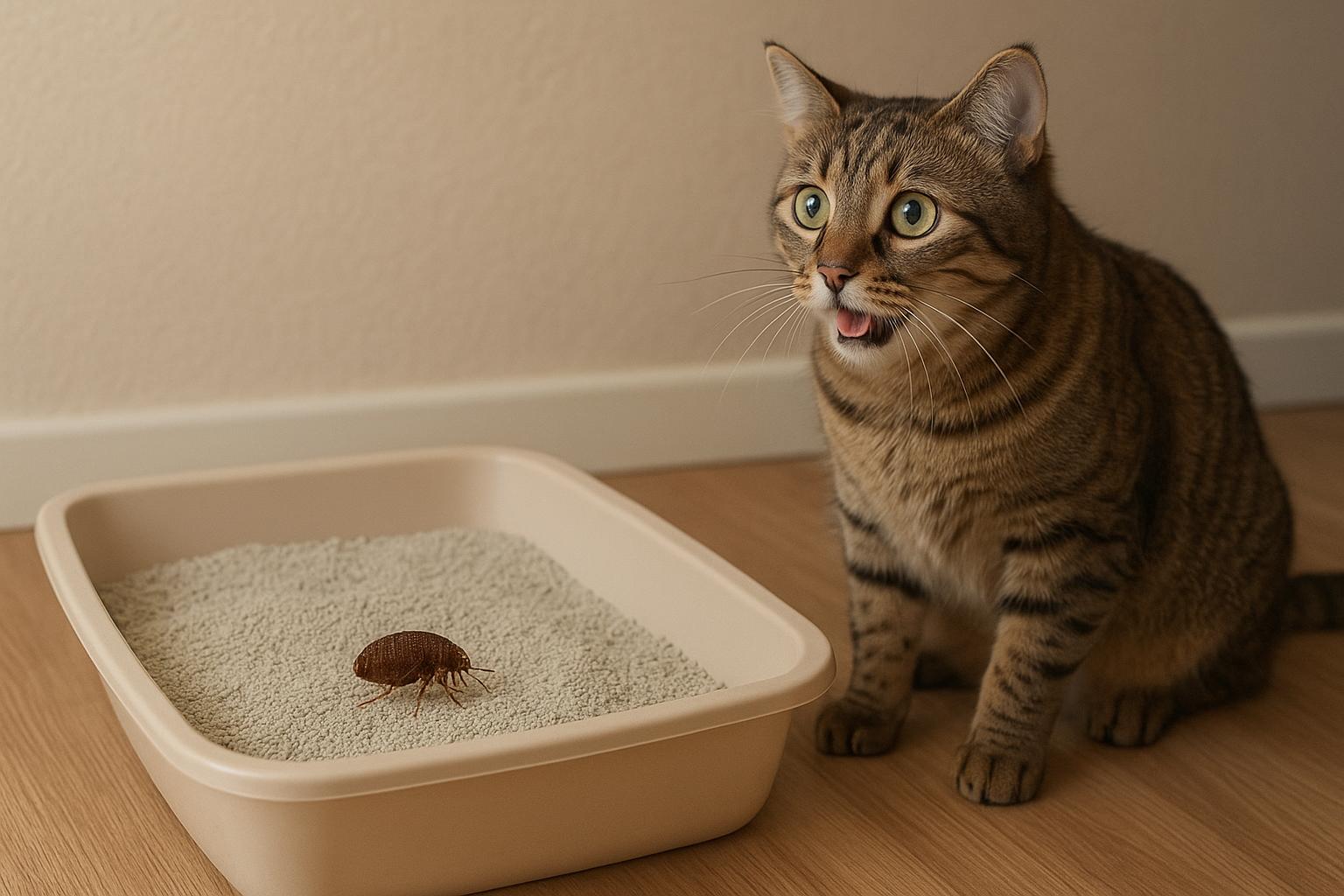
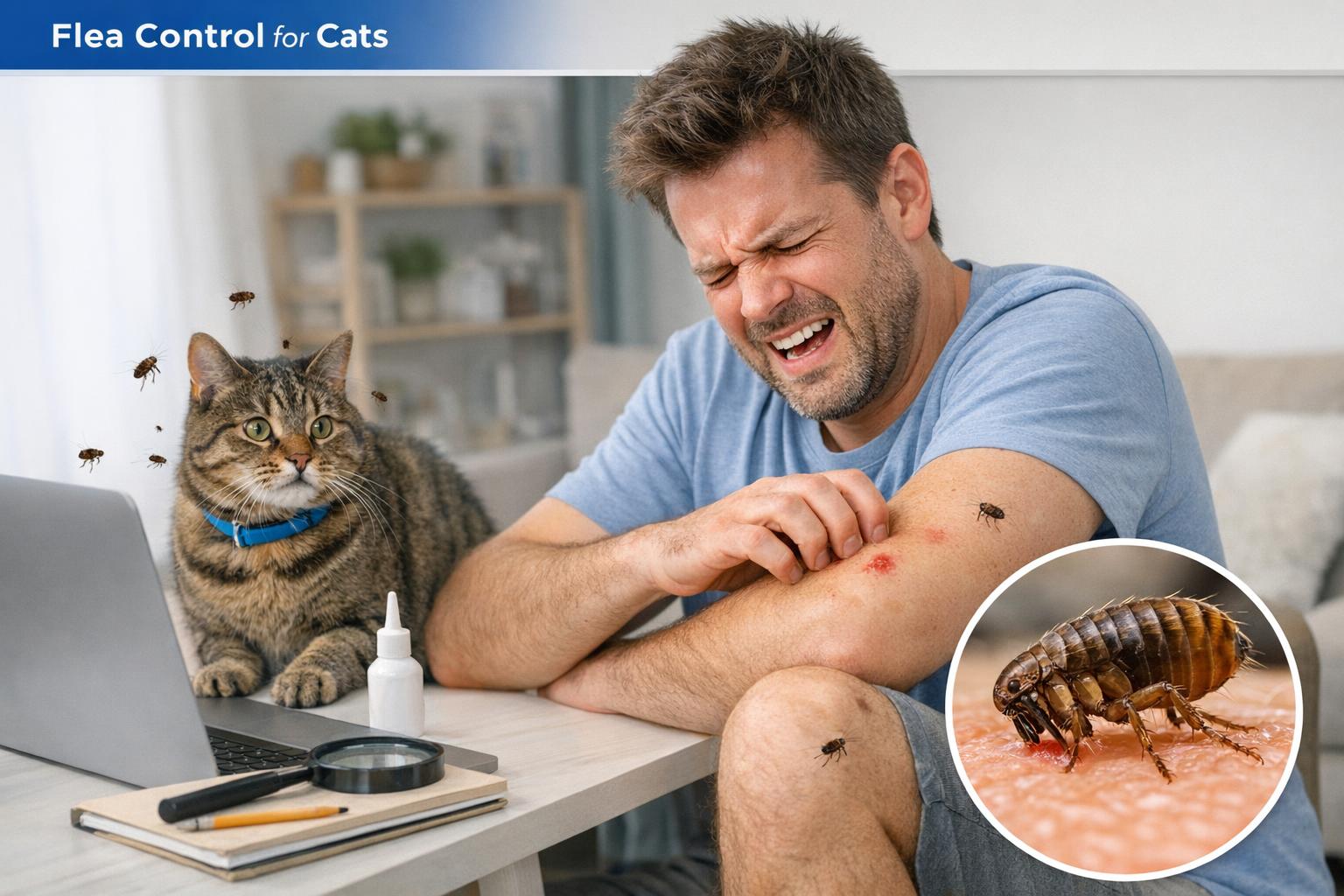
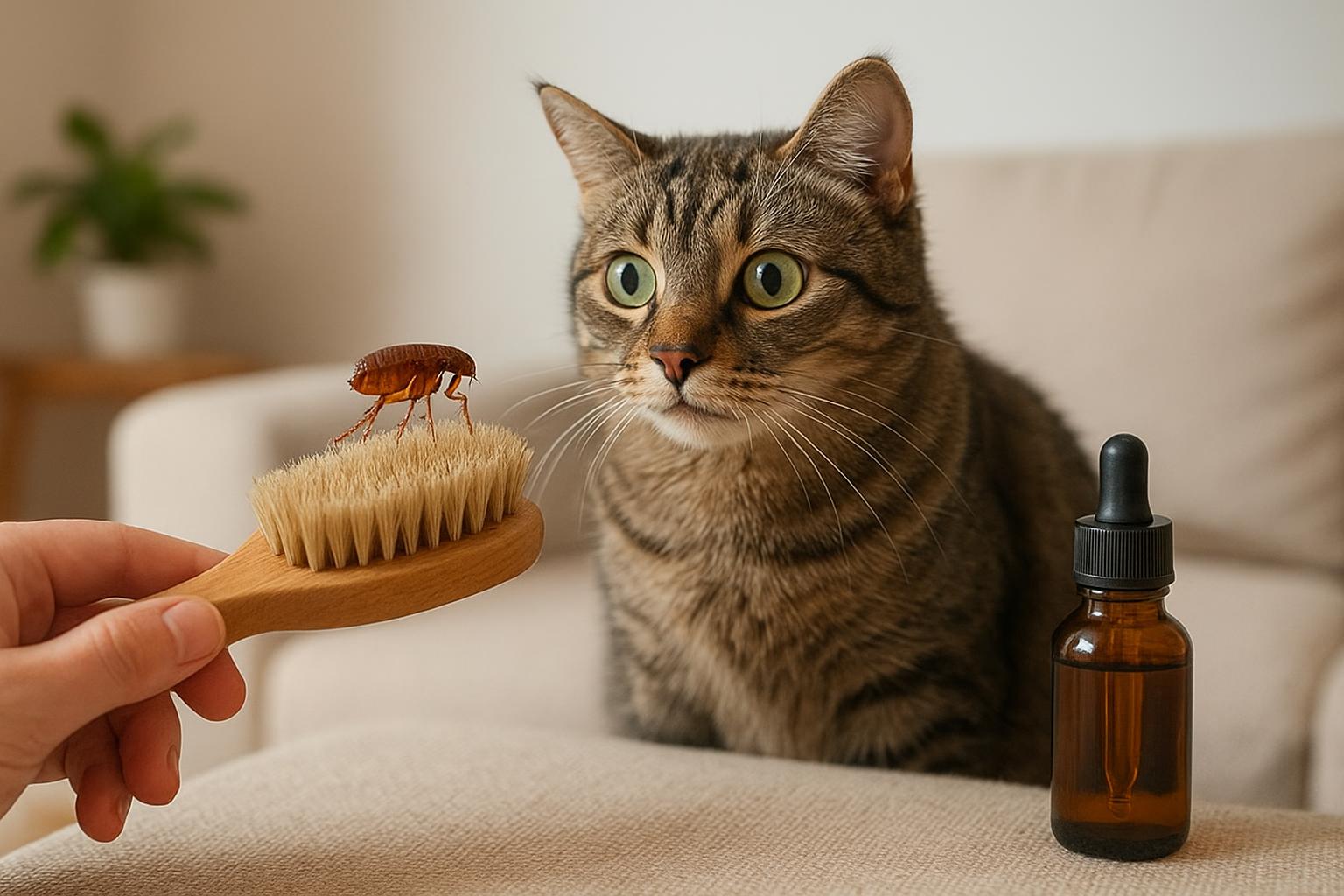
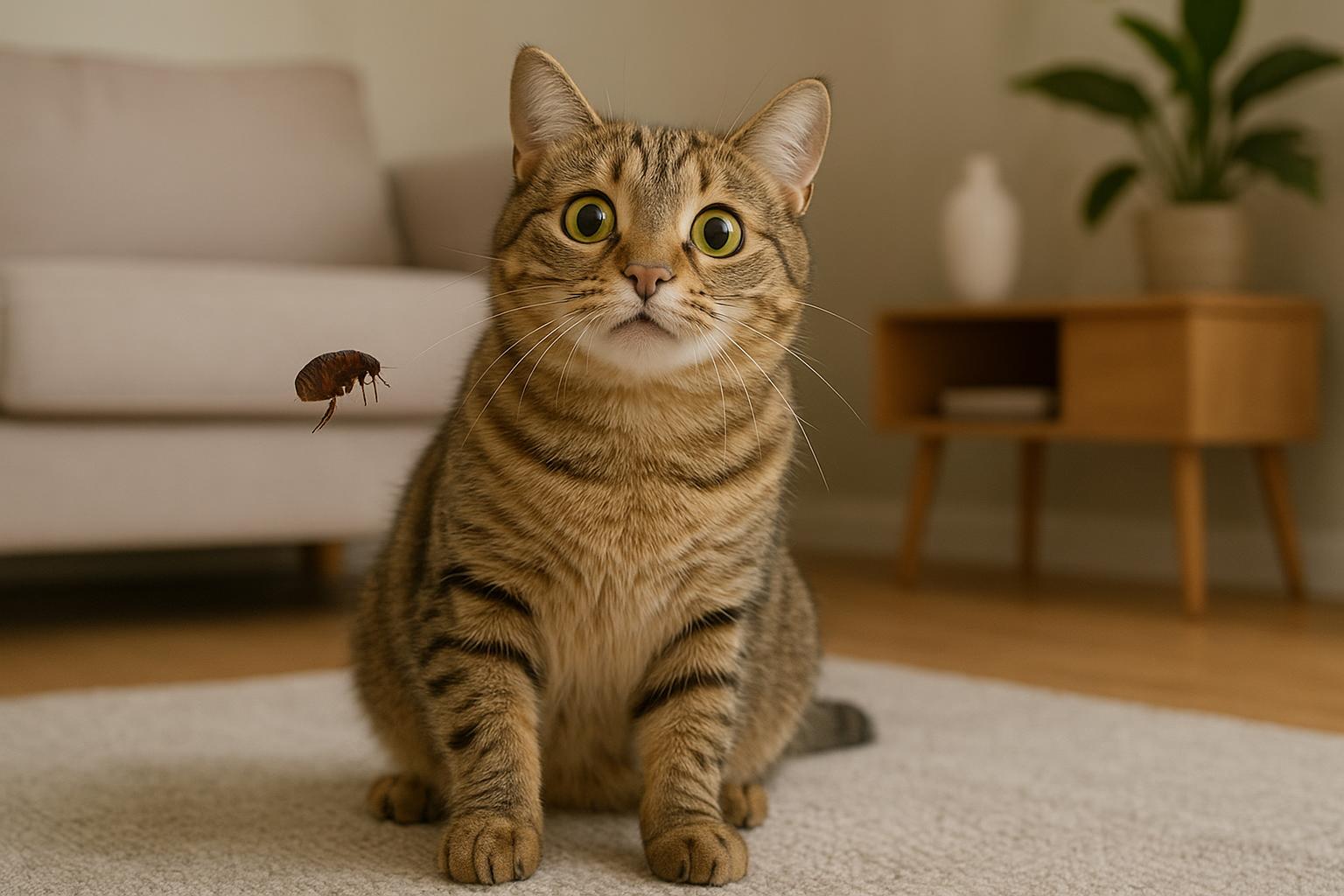
Fleas don’t teleport. They ride on animals, hide in soil, and use microclimates you might not notice. When an outdoor cat crosses a yard, the sequence that leads to grass to door flea entry is straightforward but easy to miss: adult fleas live on hosts and in yard pockets, eggs and pupae wait in shaded turf or leaf litter, and a roaming cat brings adults back to the house. One or two hitchhikers find a warm carpet or the cat’s collar, and suddenly your home has a breeding ground.
Understanding that path matters because it changes what you do. Treating a cat alone rarely stops reinfestation if the yard and the threshold remain a source. This article walks through the real-world mechanics of grass to door flea entry and the practical steps that work for outdoor cats and the homes they visit.
### Why Outdoor Cats Are A Common Vector
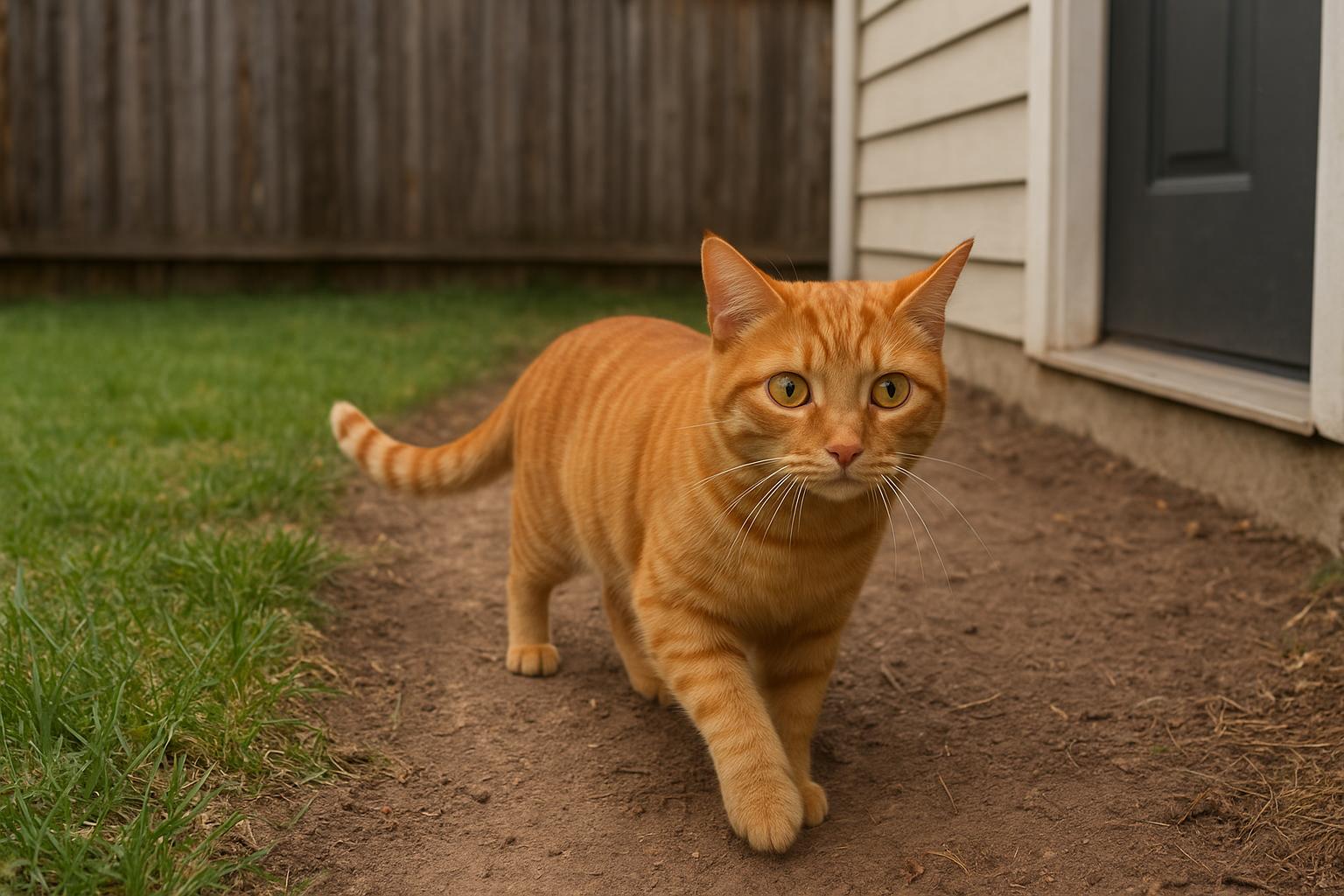
Outdoor cats spend hours in the places fleas like best: long grass, mulch, under porches. They press against vegetation, where adult fleas grab on. Flea larvae and eggs live in that same zone. When the cat returns, adult fleas hop off into carpets, bedding, or into the cat’s fur. Cats groom, spreading eggs and dropping debris.
Cats also cross multiple microhabitats in a single day. A cat might lounge in a sunny patch, hunt under a bush, then sleep on a porch. That movement increases the odds of grass to door flea entry because fleas and immature stages abound in different yard spots. A single pregnant flea can produce hundreds of offspring in a short time. Letting one adult through is enough to restart an infestation.
### How The Yard Creates Hotspots For Lawn Flea Entry
Not all yards are equally risky. Look for:
– Shaded patches with long grass.
– Leaf piles, overgrown border plantings, and tall ornamental grasses.
– Damp areas near foundations, under decks, or in compost heaps.
– Edges where turf meets wood chips or gravel.
These are hotspots for lawn flea entry because they hold humidity and organic matter. Fleas prefer shaded, humid microclimates. The eggs are small and fall into soil and leaf matter. Larvae feed on detritus and adult flea droppings; pupae can wait out dry spells. Even if you mow the lawn, those sheltered edges and debris spots remain breeding grounds.
### Where Flea Entry Happens At The House
Fleas don’t need a grand entrance. They follow a simple pattern:
– A cat with fleas comes inside and jumps on furniture.
– Fleas that fall off find warm fibers and pet beds ideal.
– Eggs dropped on the pet fall into carpet where they hatch.
Thresholds, doormats, and the first few feet of entryway flooring are critical. That small buffer zone influences whether a flea population can establish indoors. If the threshold area is treated or kept inhospitable, the odds of sustained grass to door flea entry drop sharply.
### Timing And Seasonal Patterns To Watch
Flea activity peaks when temperatures are moderate and humidity is present: often spring through fall depending on region. But a heated house or a mild winter can allow indoor populations to persist year-round. Outdoor cats bring seasonal patterns indoors. A spike in flea complaints often follows a warm spell or after lawns have been left untrimmed for weeks.
Pupae complicate timing. They can remain dormant for weeks, emerging when vibrations, carbon dioxide, or warmth signal a host nearby. That’s why a sudden infestation can show up days after a pet was outside. The pupal delay explains many surprises with grass to door flea entry.
### Small Fixes At The Door That Make A Big Difference
You don’t need a professional to make the entry less welcoming to fleas. Start with practical measures you can do in a weekend.
– Move or clean doormats regularly. Vacuum both sides. Shake out and hang in the sun where possible.
– Put a washable rug or mat for the cat to sit on inside the door; wash it weekly.
– Create a decontamination spot by placing a towel at the door. Wipe paws if your cat tolerates it.
– Plug gaps under exterior doors. Fleas don’t squeeze through the smallest cracks, but sealing keeps them from bypassing barriers.
These actions reduce the immediate transfer of adult fleas and eggs. They aren’t perfect, but they cut down on the number of hitchhikers that reach your floors.
### Yard Management To Cut Down On Lawn Flea Entry
Your yard is the primary source. You can change it without tearing it up.
Mow regularly and keep the lawn short where your cat roams. Fleas like taller grasses where humidity is retained near the ground. Rake leaves and remove debris piles. Replace dense mulch near the house with gravel or groundcover that dries out faster. Trim shrubs and keep a cleared border between plantings and the house.
Target shady pockets: move rugs, remove woodpiles, and thin out dense groundcover. If you have a compost pile near your cat’s path, consider relocating it. Compost and manure attract small mammals that carry fleas and create a perfect breeding microhabitat.
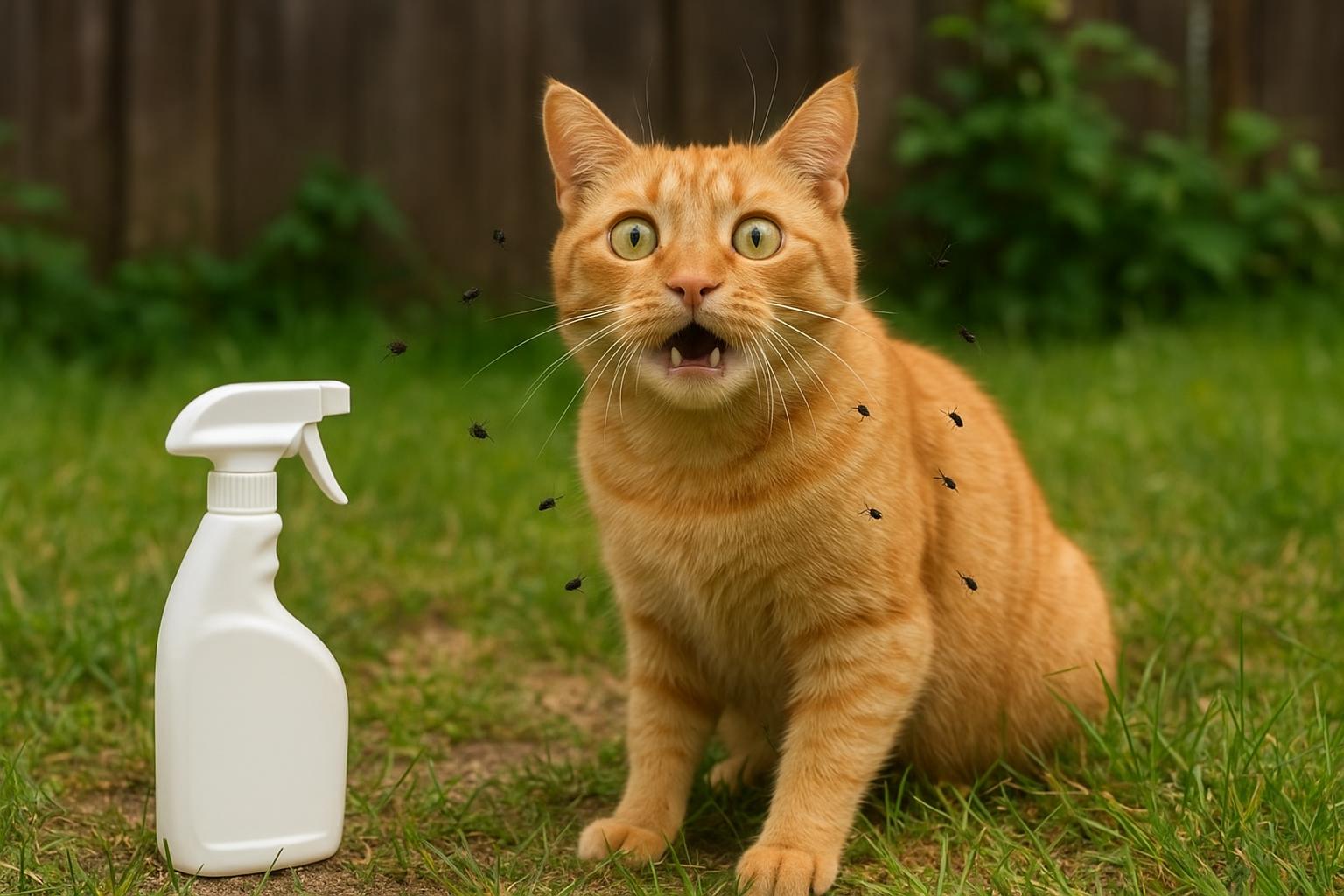
Use landscape adjustments with caution: broad pesticide use is rarely necessary and can harm pollinators. Focus on reducing the habitat fleas need rather than trying to eradicate every insect in your yard.
### Using Pet Treatment Together With Environmental Controls
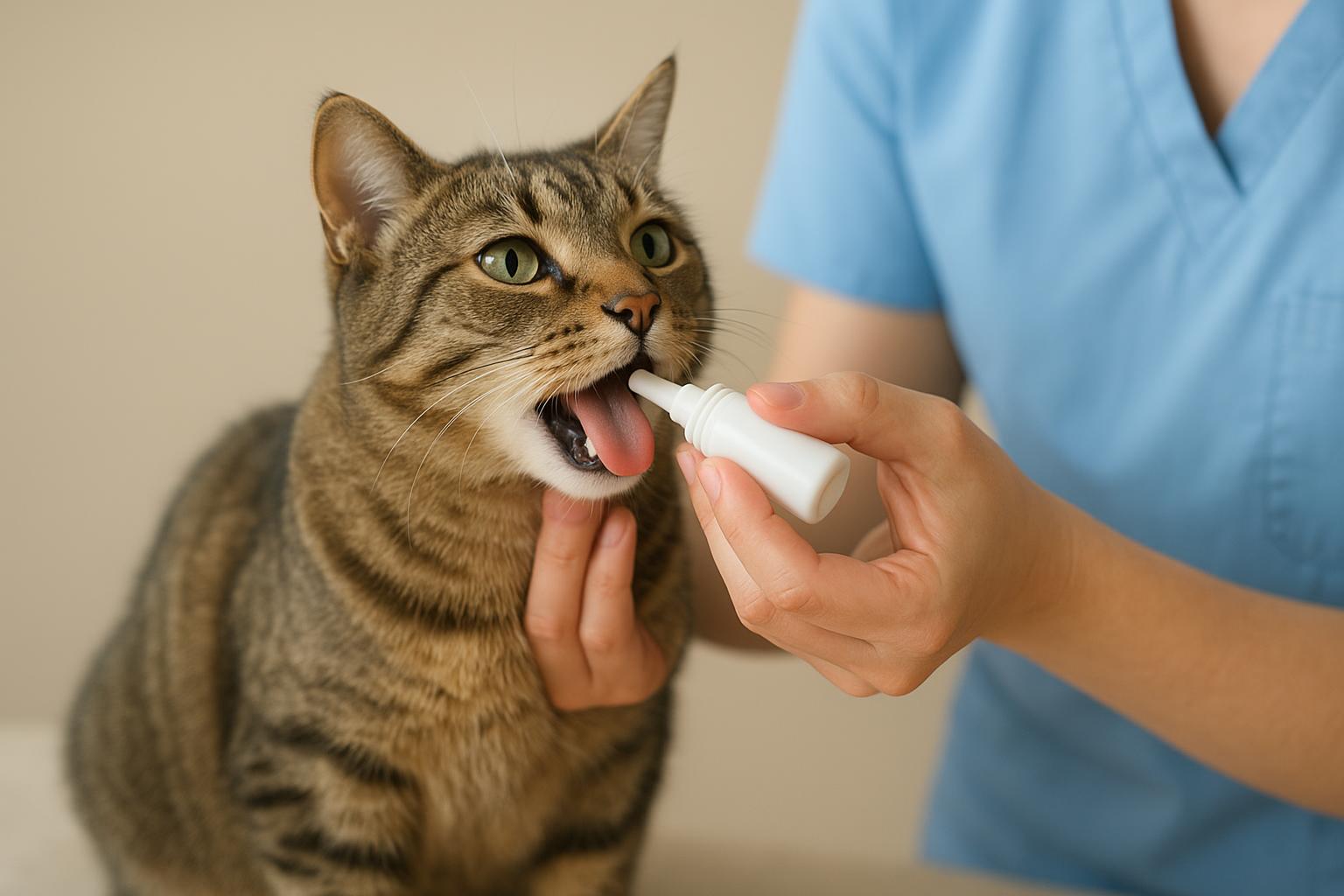
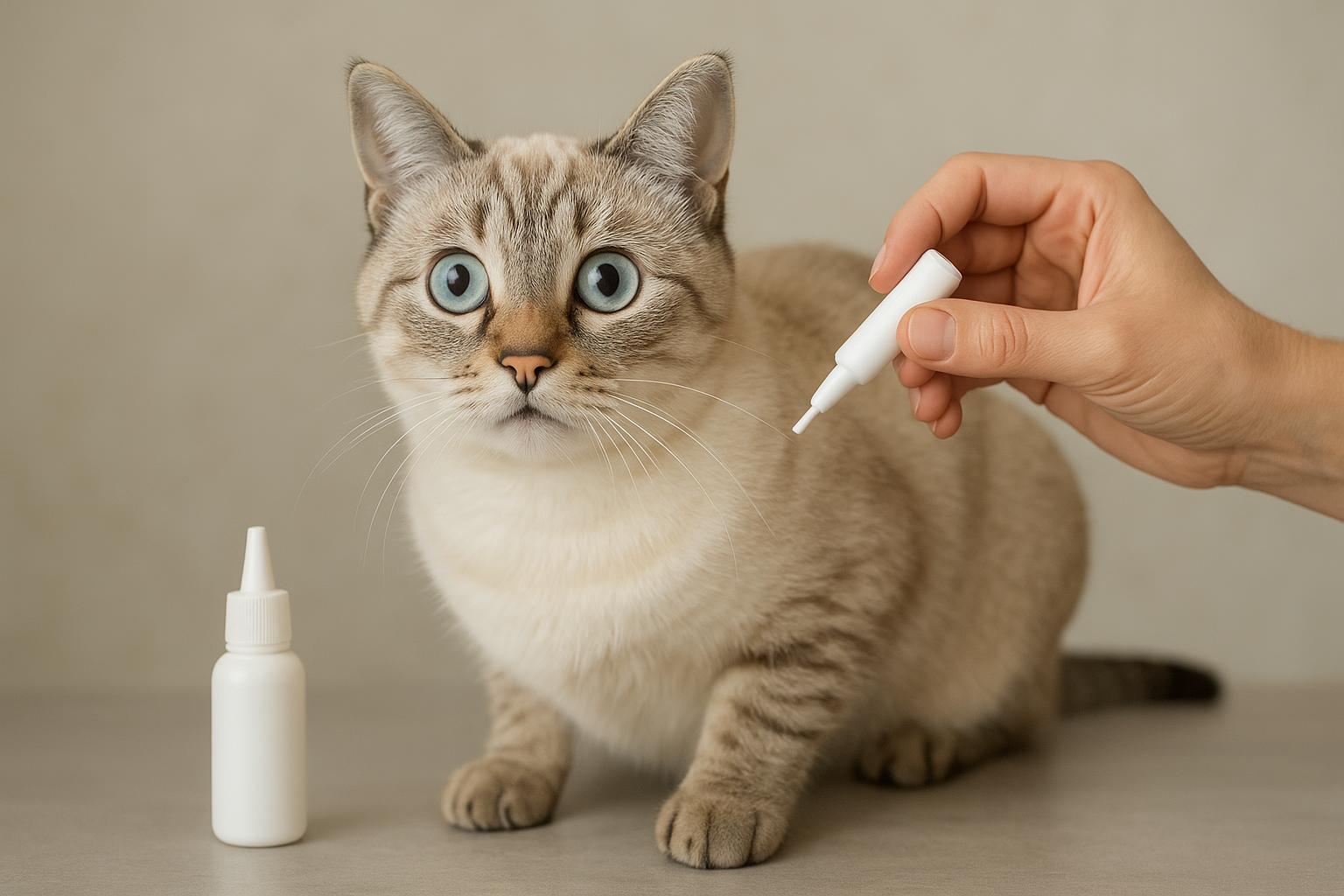
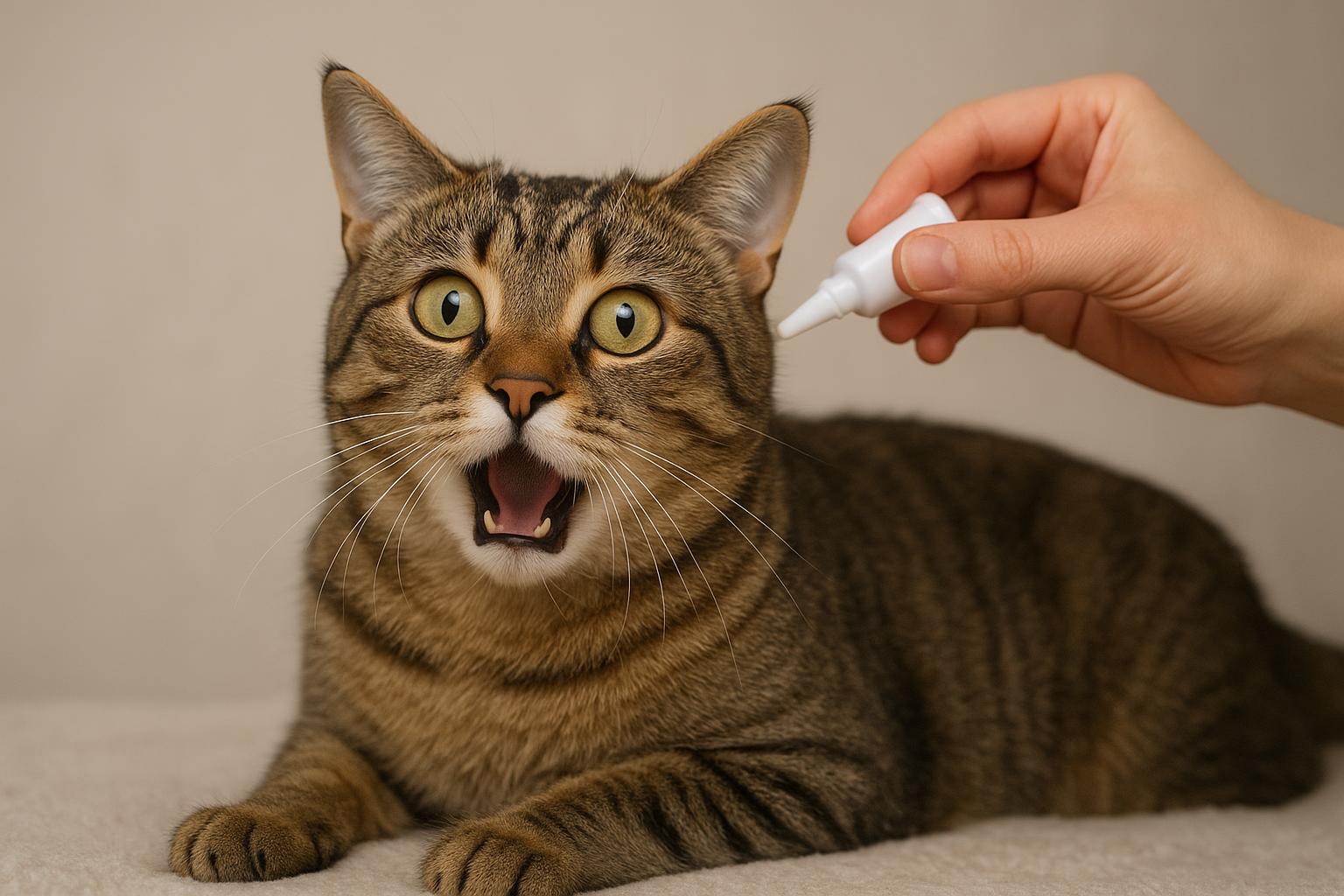
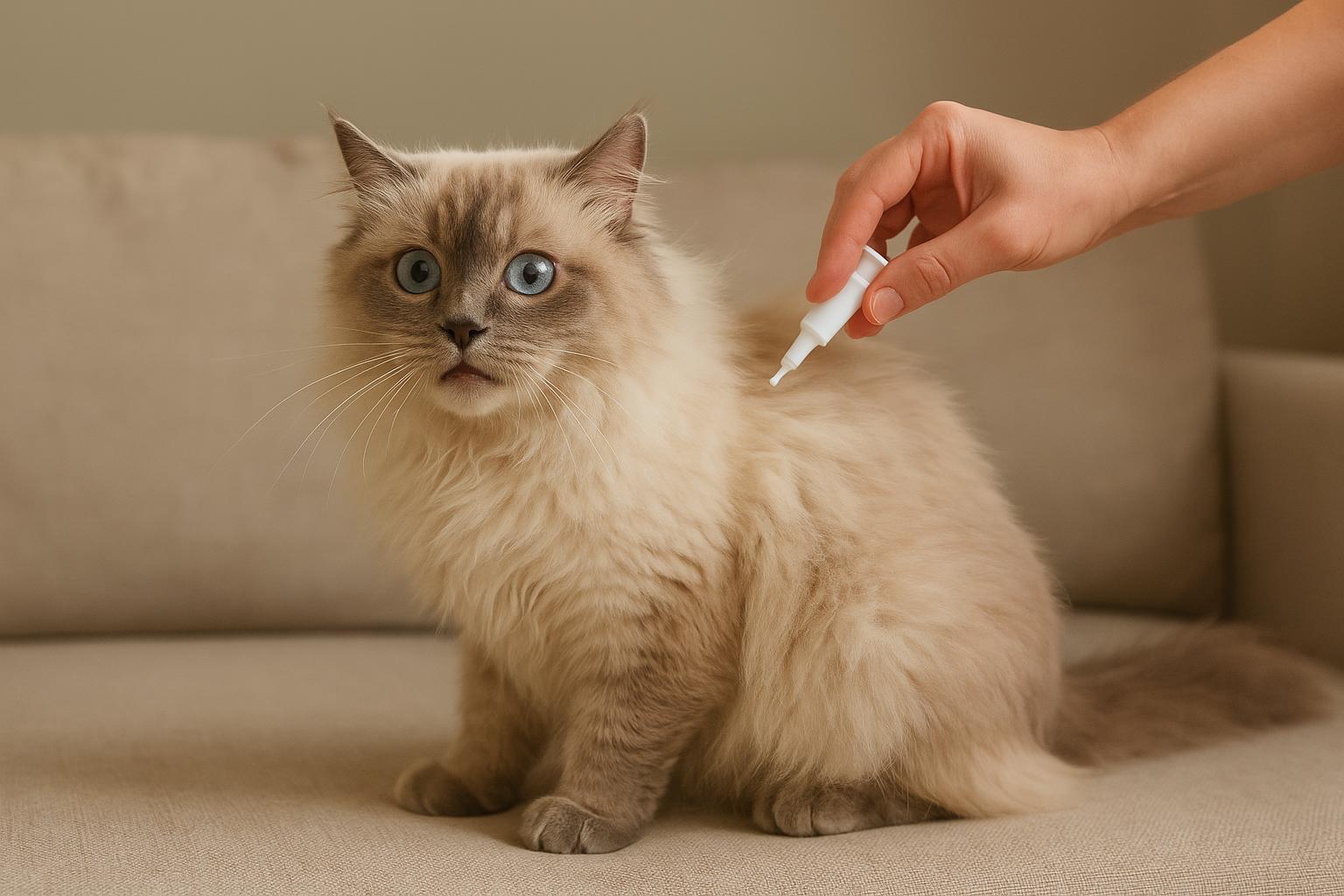
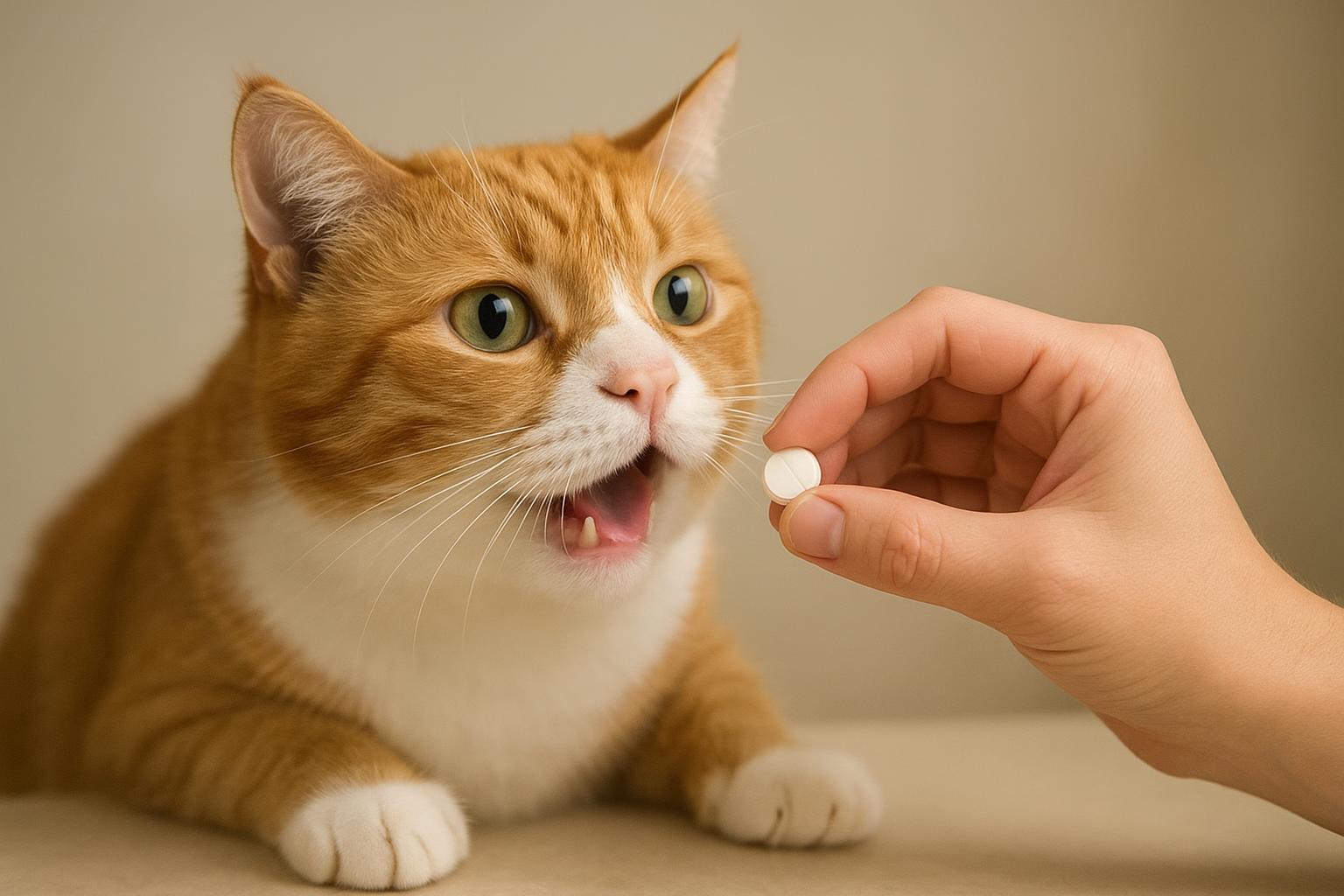
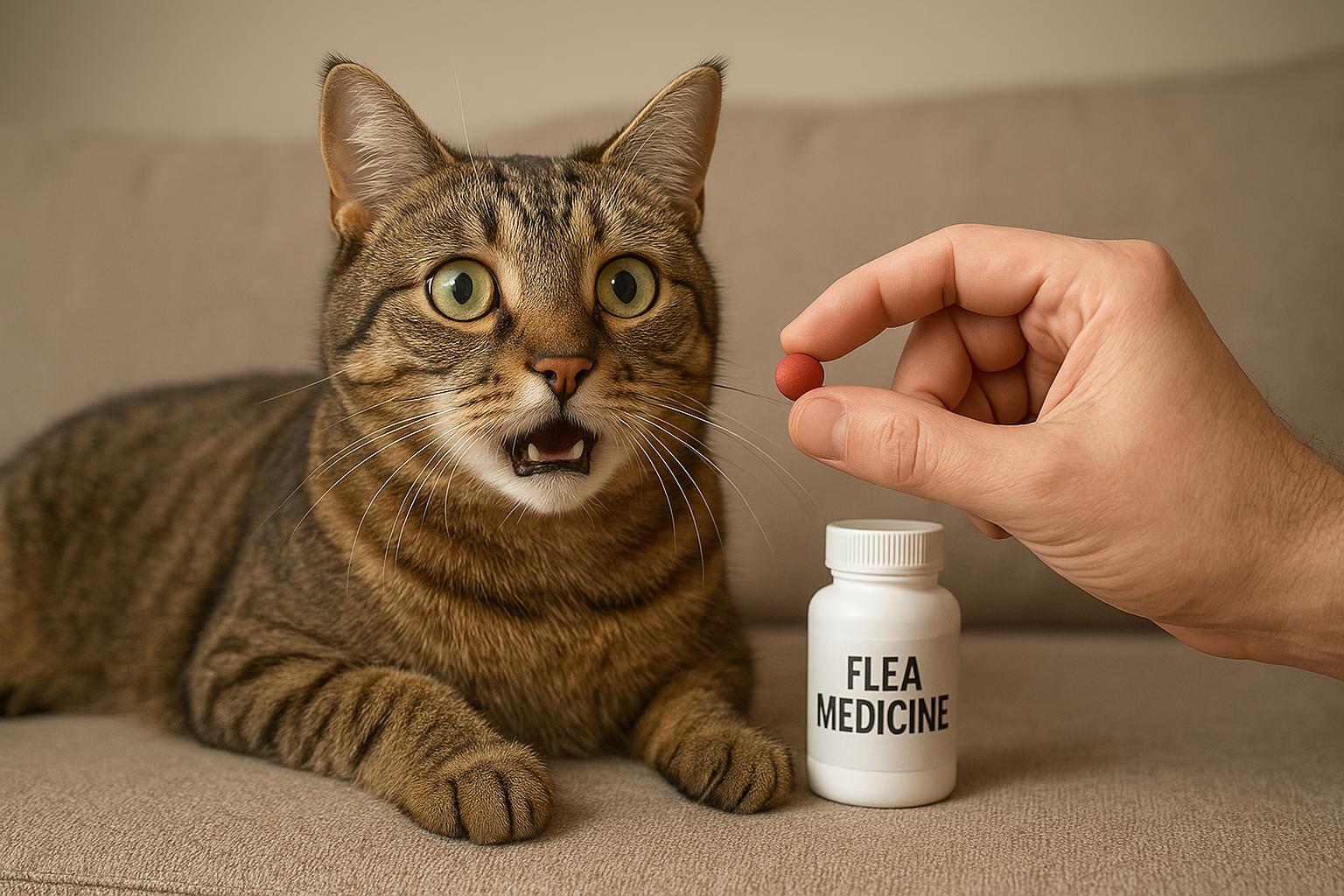
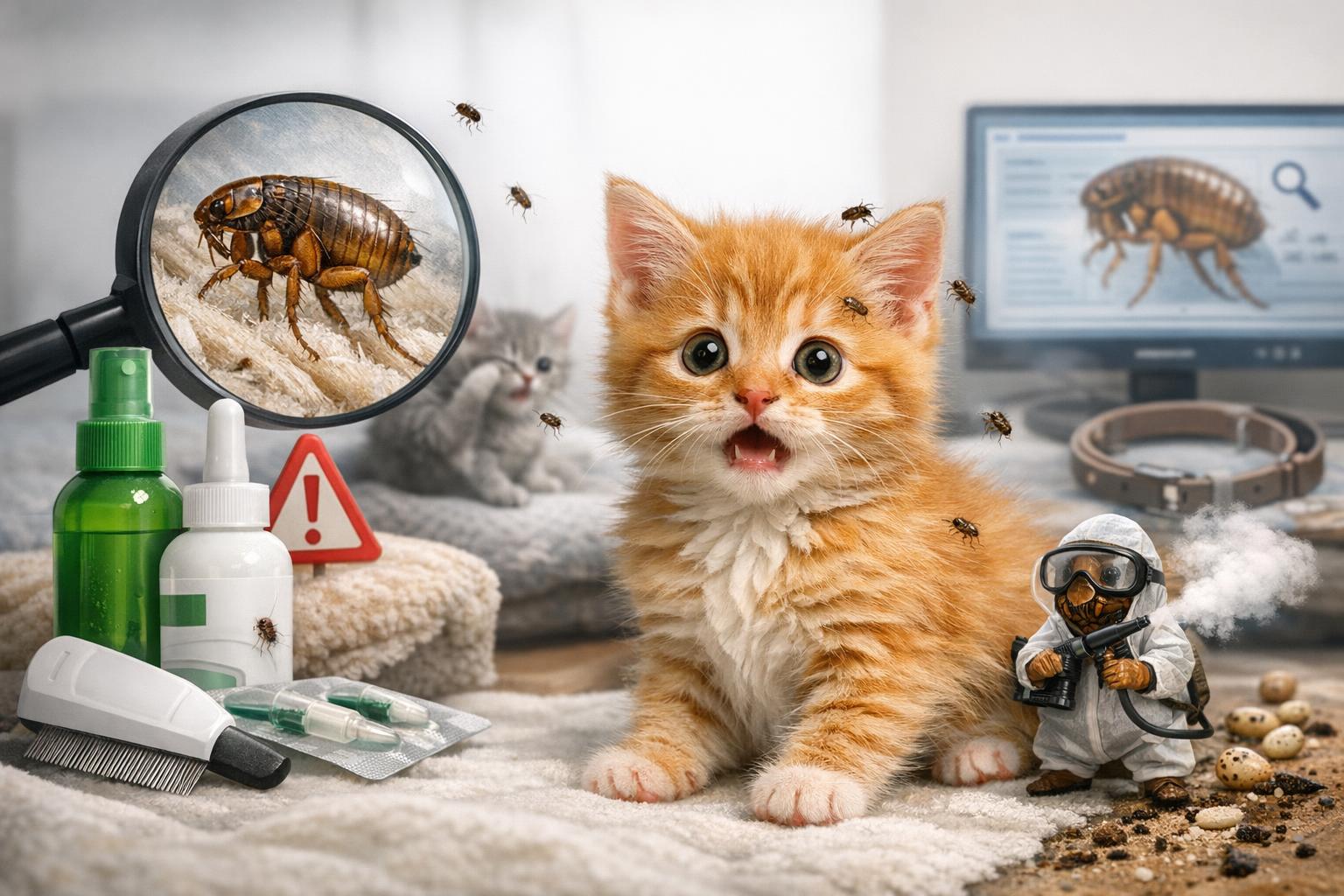
Treating the cat and treating the environment work best together. Topical or oral flea preventives break life cycles by killing adults that feed. If you only treat the cat, eggs in the carpet and pupae in the yard can restart the cycle. If you only treat the yard, the cat may continue to carry adults inside for a while.
Workplan for the first month after noticing fleas:
1. Apply or give a vet-recommended flea treatment to the cat. Follow dosing exactly.
2. Vacuum carpets, upholstered furniture, and the cat’s bedding daily for two weeks. Dispose of vacuum bags or empty canisters outside.
3. Wash pet bedding and soft mats on hot settings weekly.
4. Treat the first few feet of the entryway and doormats with a pet-safe approach—vacuuming and steam cleaning instead of harsh chemicals where possible.
5. Manage the yard hotspots at the same time.
This combined approach stops grass to door flea entry more quickly than either tactic alone.
### Household Cleaning That Actually Works
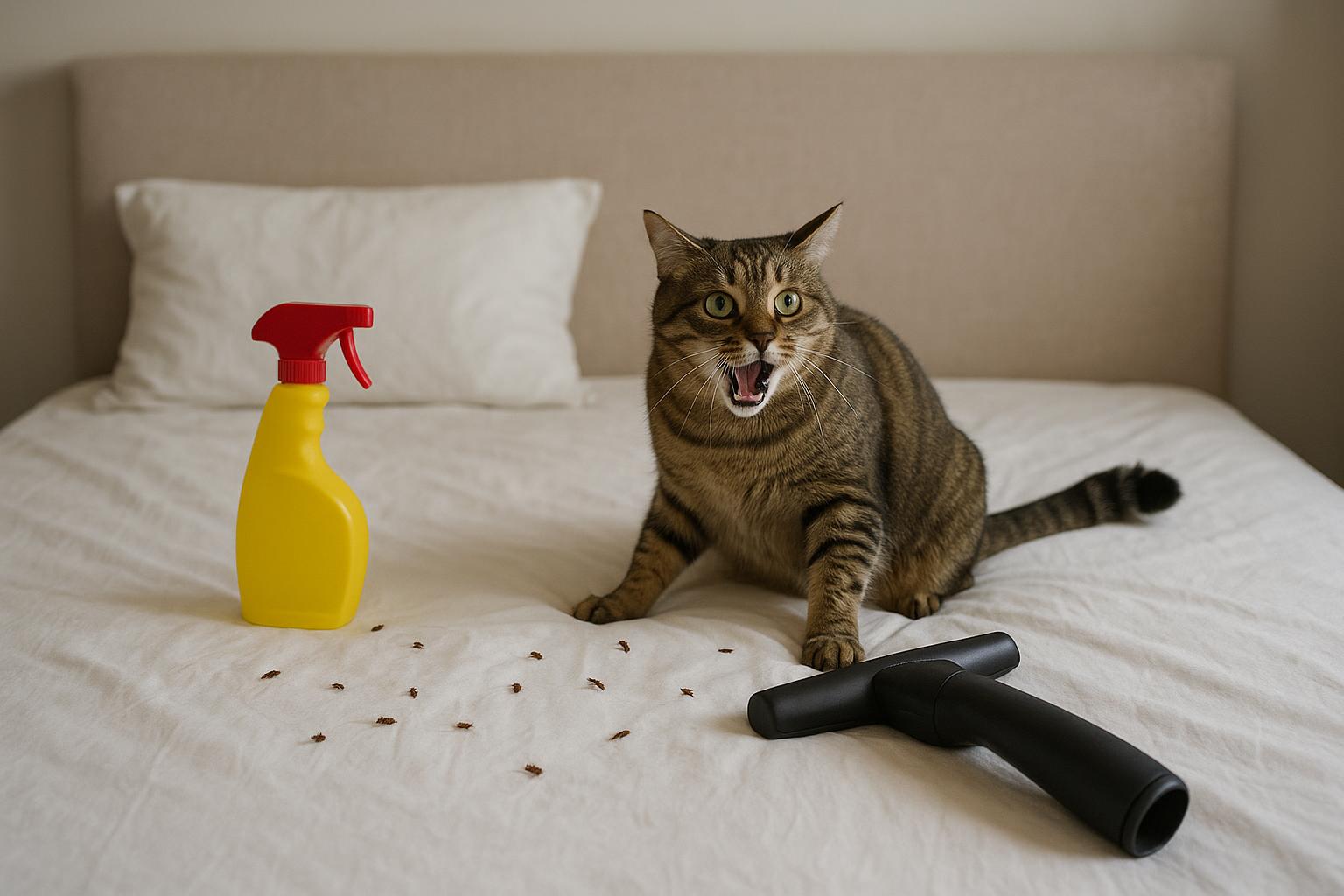
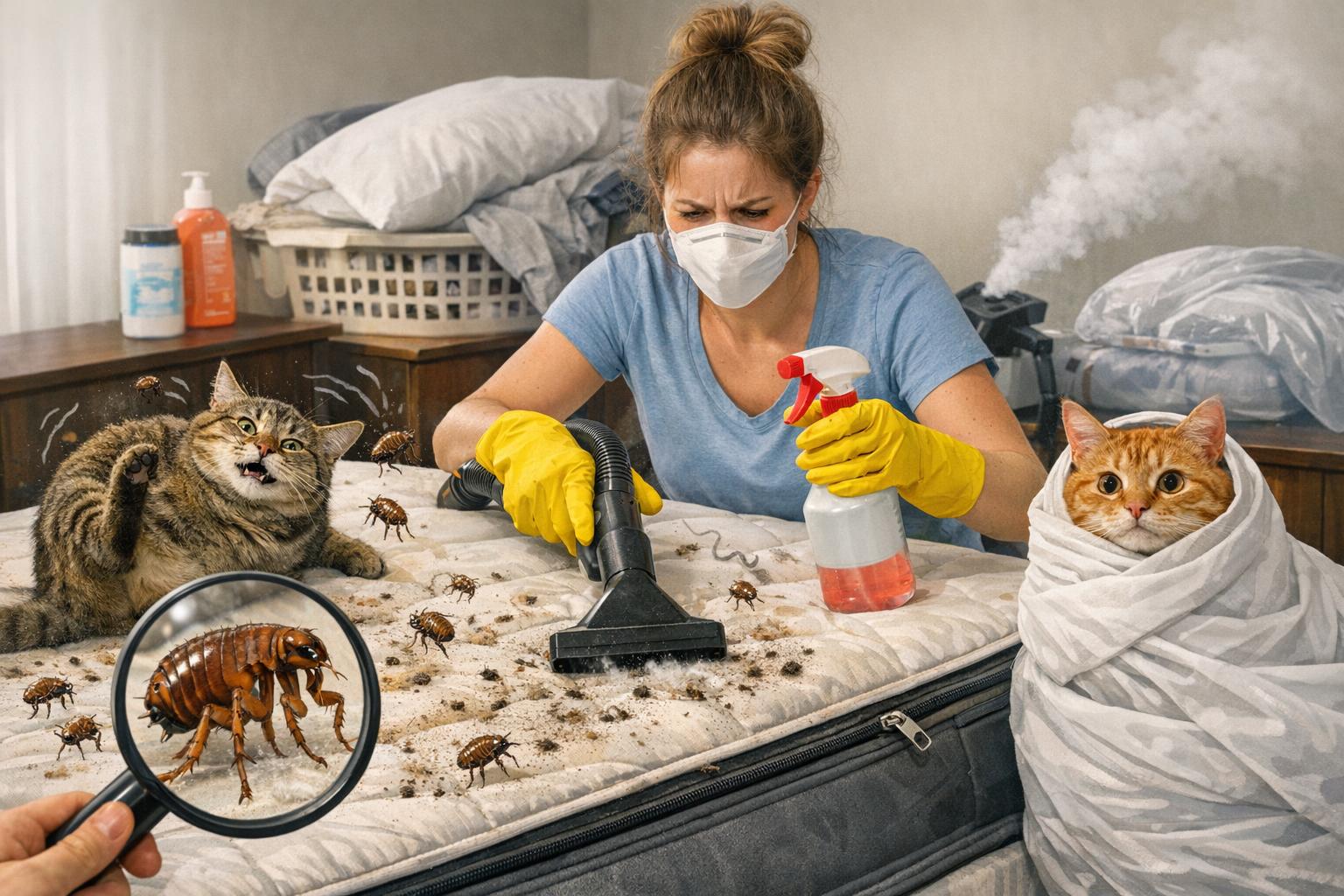
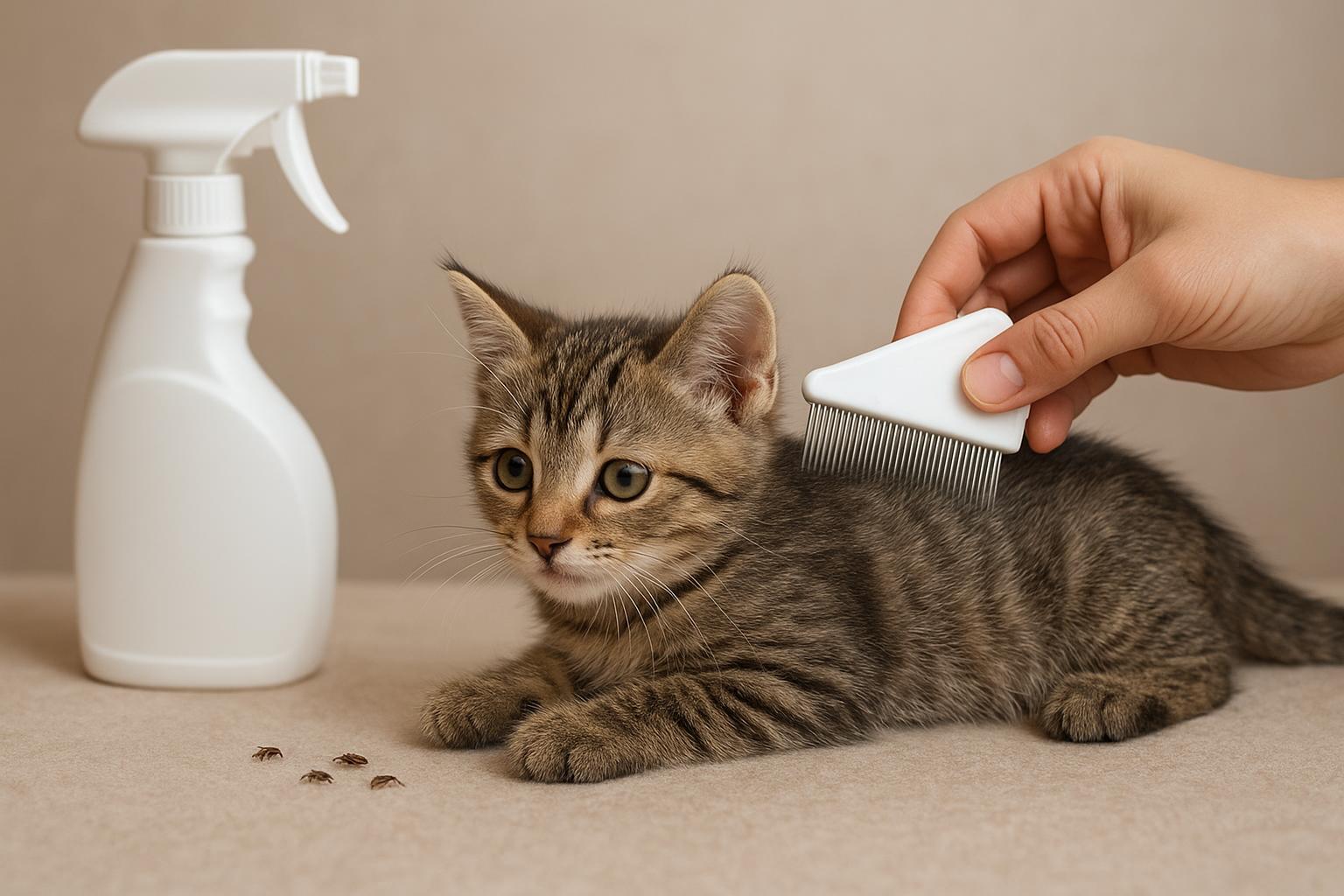
Vacuuming is the single best indoor tool. It removes eggs, larvae, and adult fleas and stimulates pupae to hatch, making them vulnerable to treatments. Focus on edges and corners where sunlight doesn’t reach.
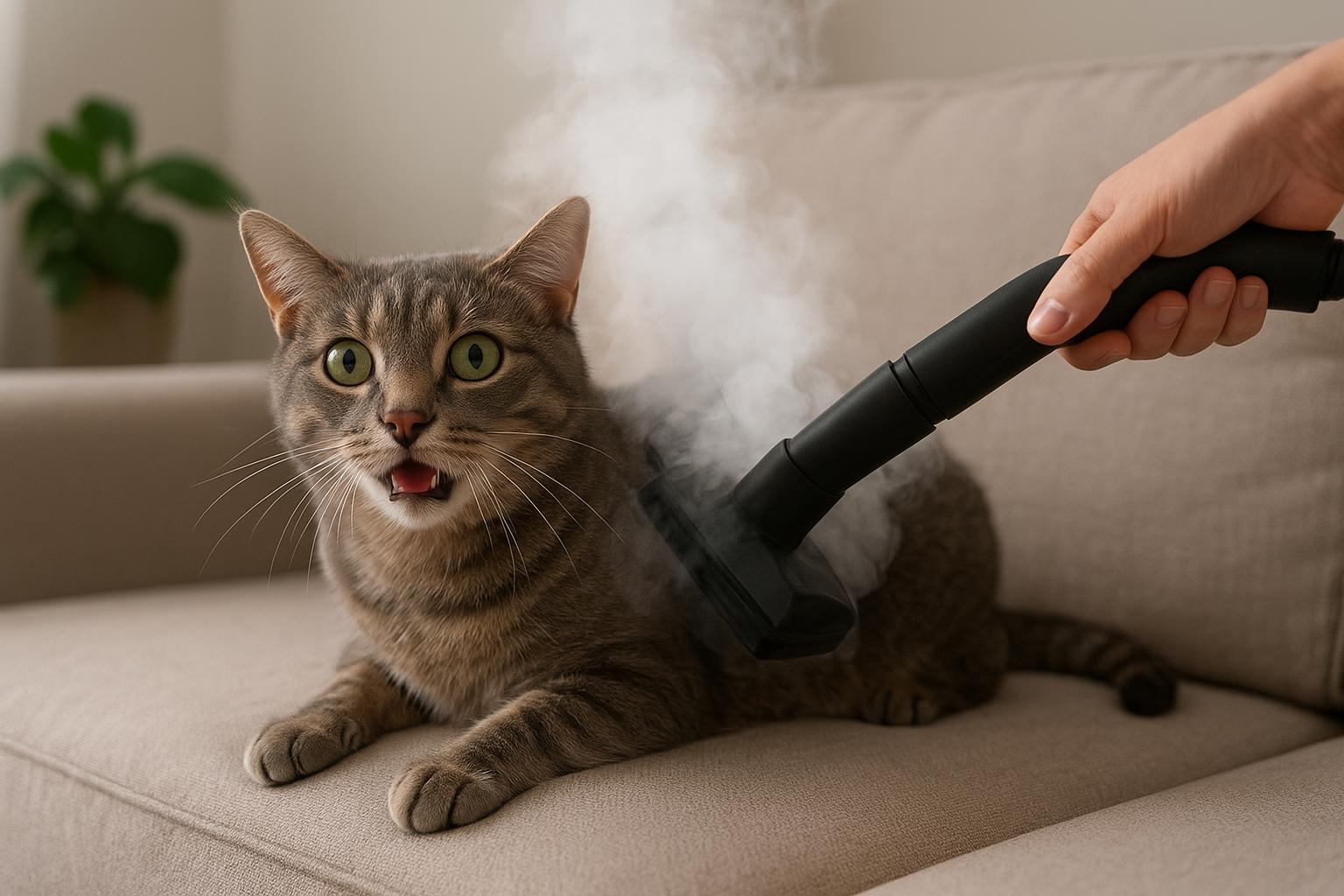
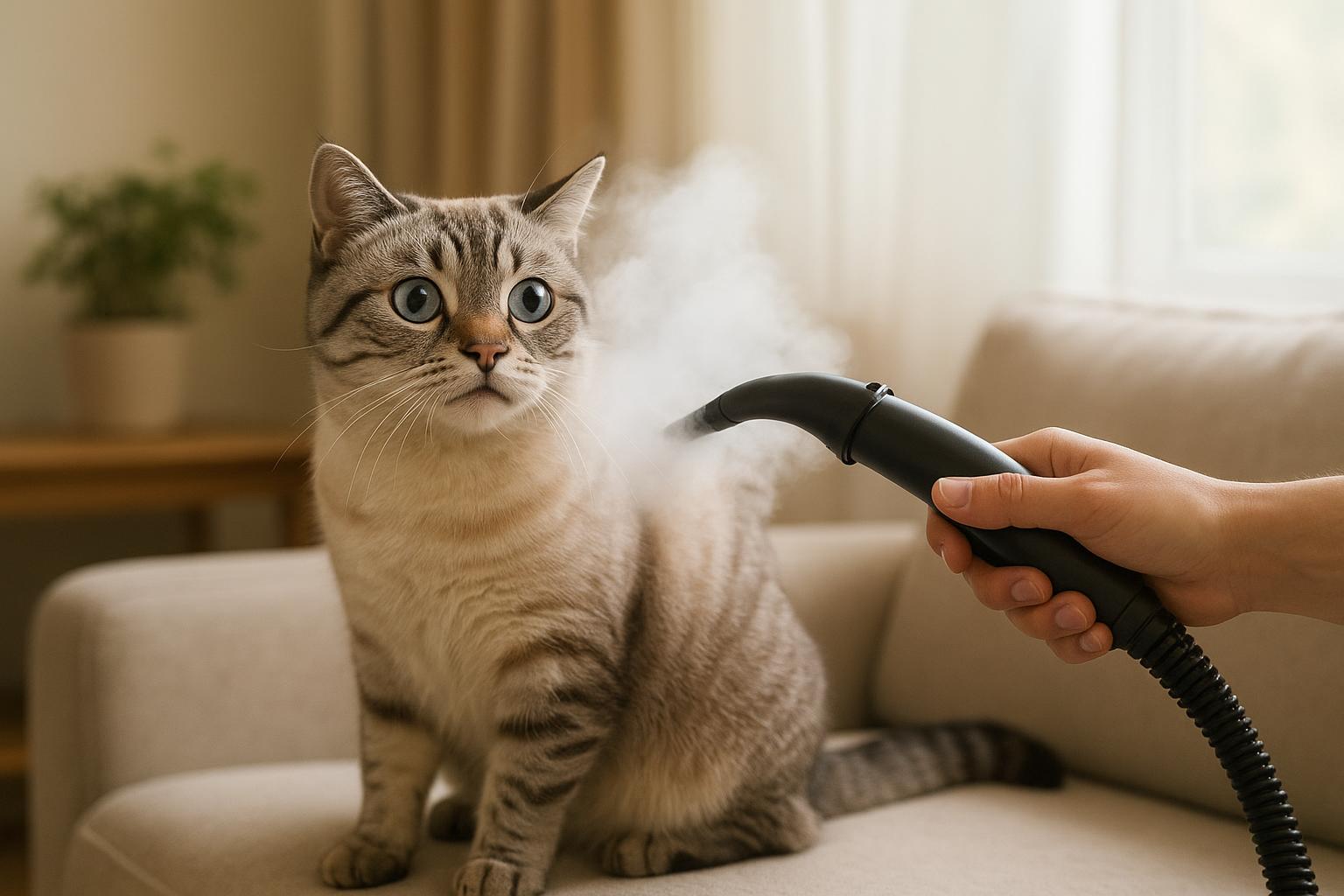
Steam cleaning rugs and upholstery kills fleas without chemicals. You can use enzymatic cleaners on spots soiled with pet urine because larvae feed on organic debris. Don’t rely on foggers alone. Foggers often fail to penetrate carpets deeply where eggs hide, and they can be risky around pets and people.
If you do use insecticides indoors, pick products labeled for indoor use and follow all safety instructions. Treat surfaces where pets rest, but keep animals away until products dry or the label allows re-entry.
### When To Consider Professional Yard Treatment
Some situations justify stronger measures. If you’ve tried barrier cleaning, pet treatment, and yard adjustments but still see repeated infestations, a targeted professional spray may be useful. Professionals can identify hotspots and use products that break the life cycle in pupae and larvae stages.
Ask the technician for specific site treatments, not blanket spraying. Focus on perimeter zones, under decks, and shaded edges rather than flowerbeds with pollinators. Request products that are safe for pets and people, and plan to keep cats indoors until treatments have settled according to instructions.
### How To Make Outdoor Cat Behavior Less Risky
You can reduce grass to door flea entry by nudging your cat’s routines.
– Provide alternative hangouts: a sunny, trimmed area of the yard or a raised platform with a washable cushion.
– Create a kitty run—fenced-in walkway or sheltered porch—so the cat spends less time in shady, debris-filled places.
– Encourage indoor time during peak flea months, especially at dawn and dusk when fleas are most active.
Be realistic. Cats will cat. The goal is to reduce exposure, not create a perfect quarantine.
### Products That Help Without Overkill
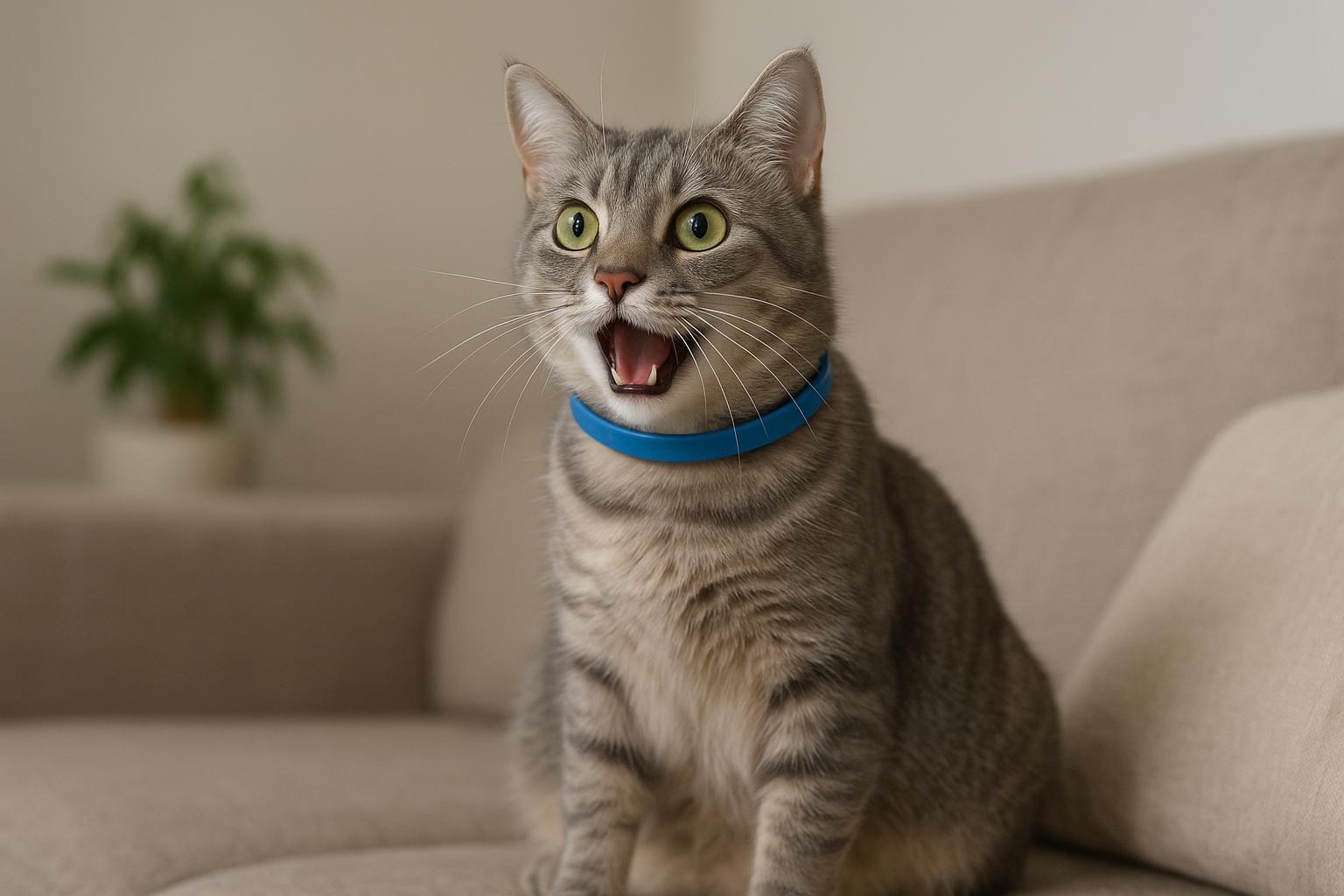
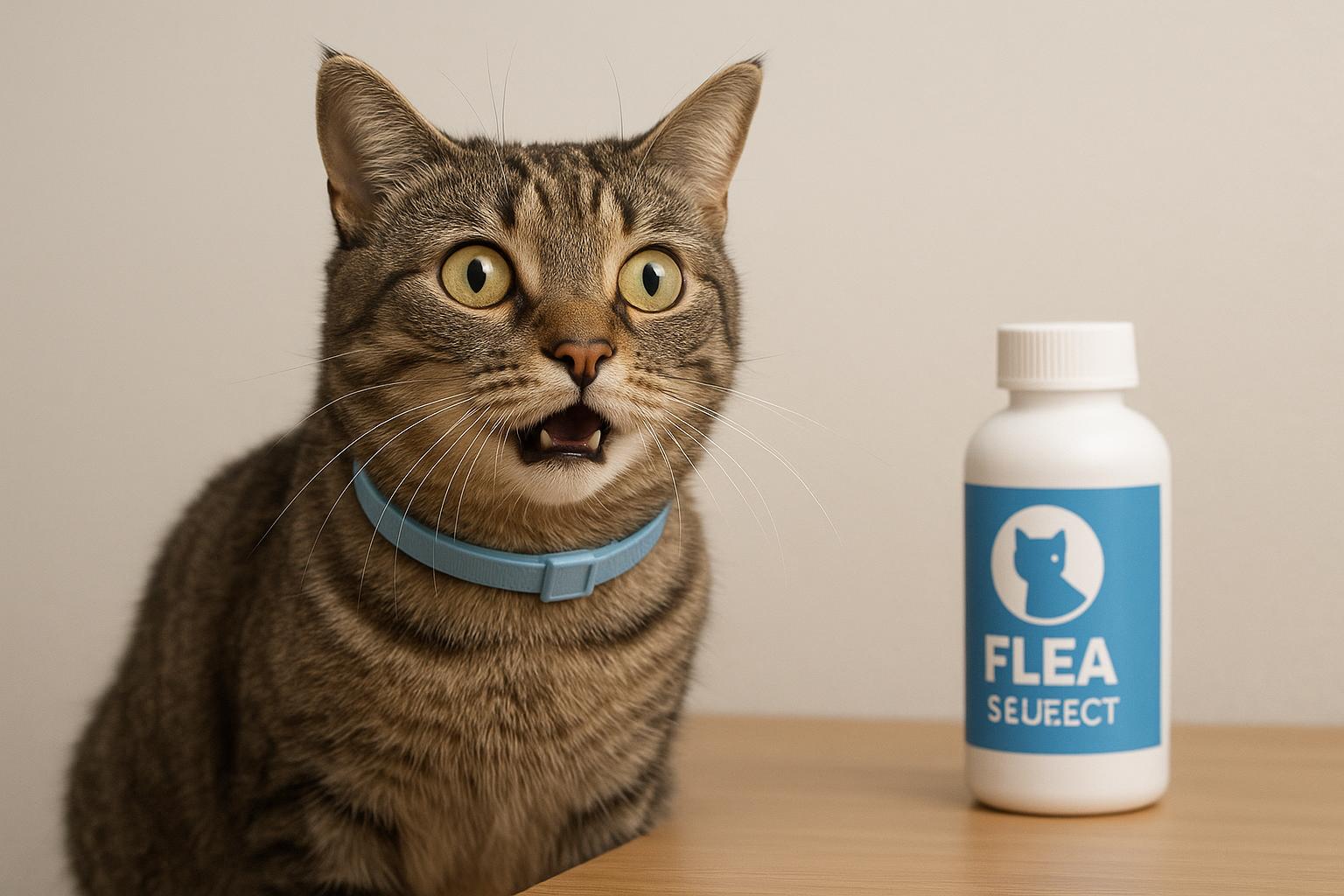
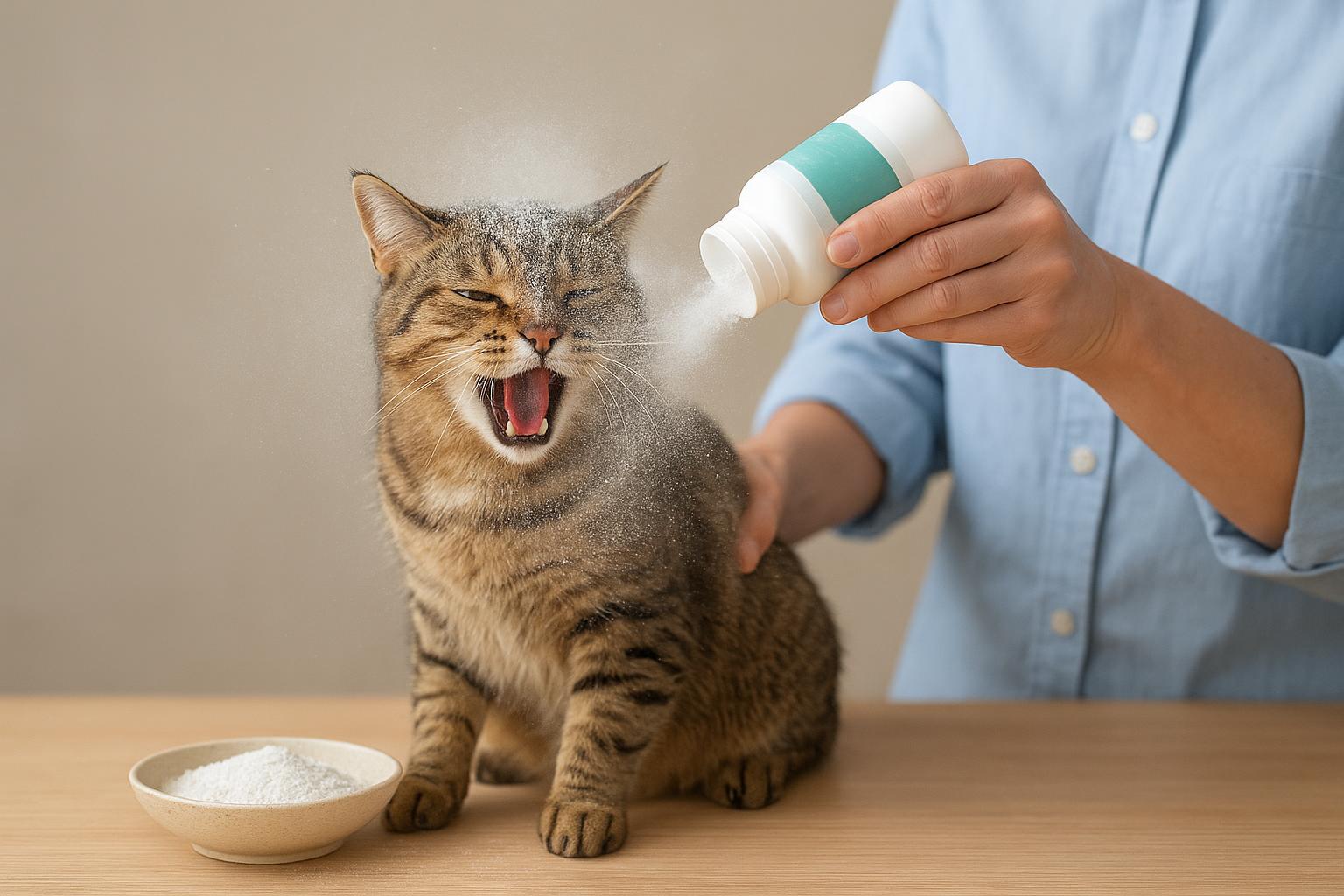
Look for products that target multiple life stages and are safe for cats. Spot-on treatments that kill adults on contact are helpful. Some collars repel and kill as well. Oral options often kill fleas fast but may not repel. Combining a vet-approved product with environmental care gives the best shot at preventing grass to door flea entry.
Avoid using dog-specific products on cats. That mistake can be dangerous. If in doubt, talk to your veterinarian. They will recomend safe brands and schedules for your cat’s lifestyle.
### Common Mistakes That Keep Bringing Fleas Indoors
People often repeat a few patterns that allow reinfestation.
One, they treat only the pet and not the environment. Two, they reintroduce fleas by leaving dewy lawn areas unchanged. Three, they skip washing pet bedding frequently enough. Four, they assume the neighbors’ yards won’t affect them; it only takes one infested stray or wild animal to spread fleas across a neighborhood.
Address each of those. It’s not glamorous work, but it’s what stops the repeated cycle of grass to door flea entry.
#### Spot Check Routine You Can Do Weekly
Make a short checklist you can run once a week. It takes ten minutes.
– Walk the yard looking for tall grass, leaf piles, or new debris.
– Vacuum and sweep the entryway and surrounding rooms.
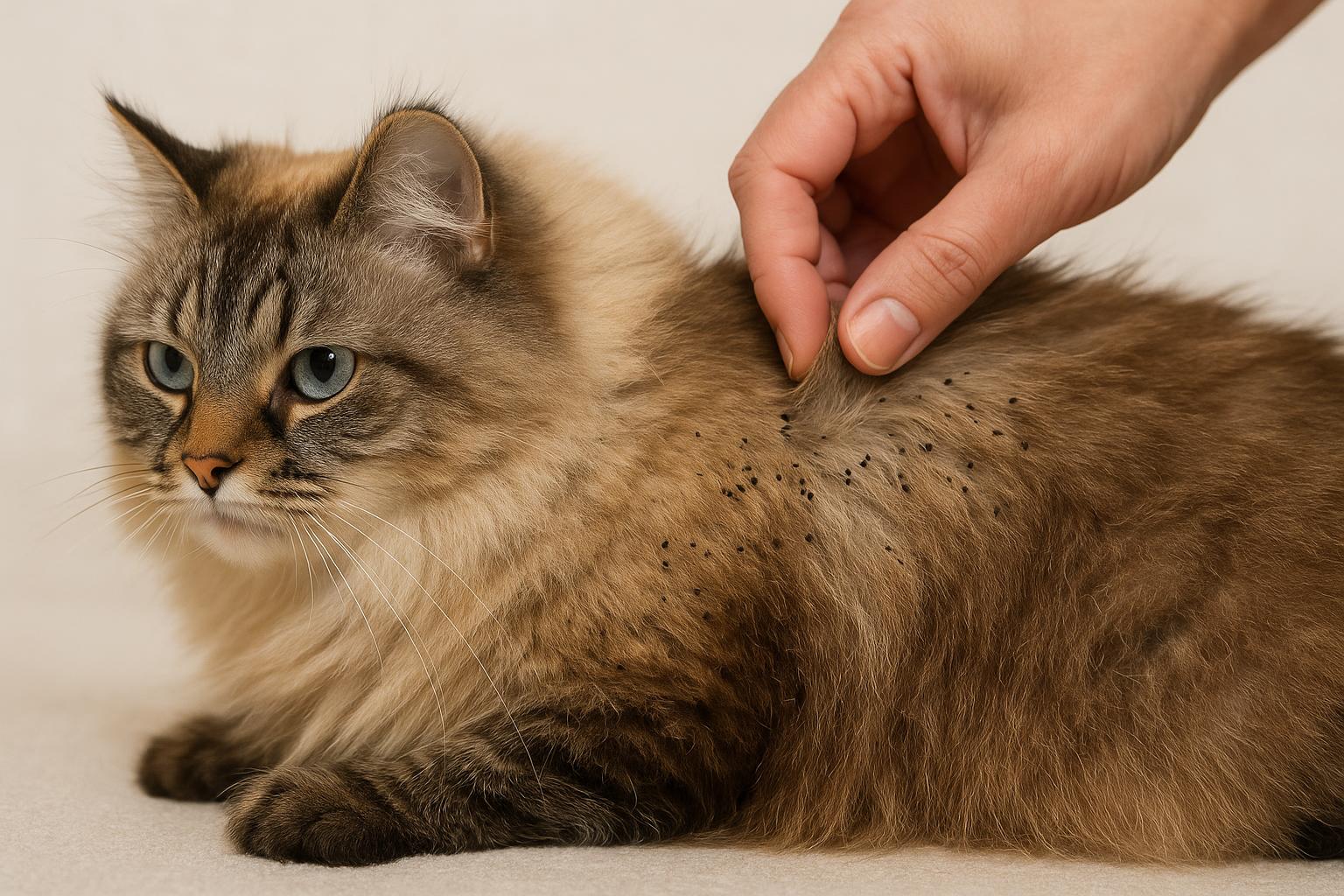
– Check the cat’s fur and bedding for flea dirt or adult fleas.
– Wash any mats that sit at doors.
– Refill or reapply pet treatments on schedule.
A regular habit avoids the scramble that follows a full-blown infestation.
#### When Wildlife Is Part Of The Problem
Squirrels, raccoons, and opossums can carry fleas into your yard. If wildlife frequently visits your property, consider changes that reduce their comfort: secure garbage, remove pet food left outside, and block access under porches. Where legal and safe, humane deterrence helps reduce flea sources. Keep bird feeders away from house foundations since they can attract rodents and their parasite load.
### Read The Signs Early
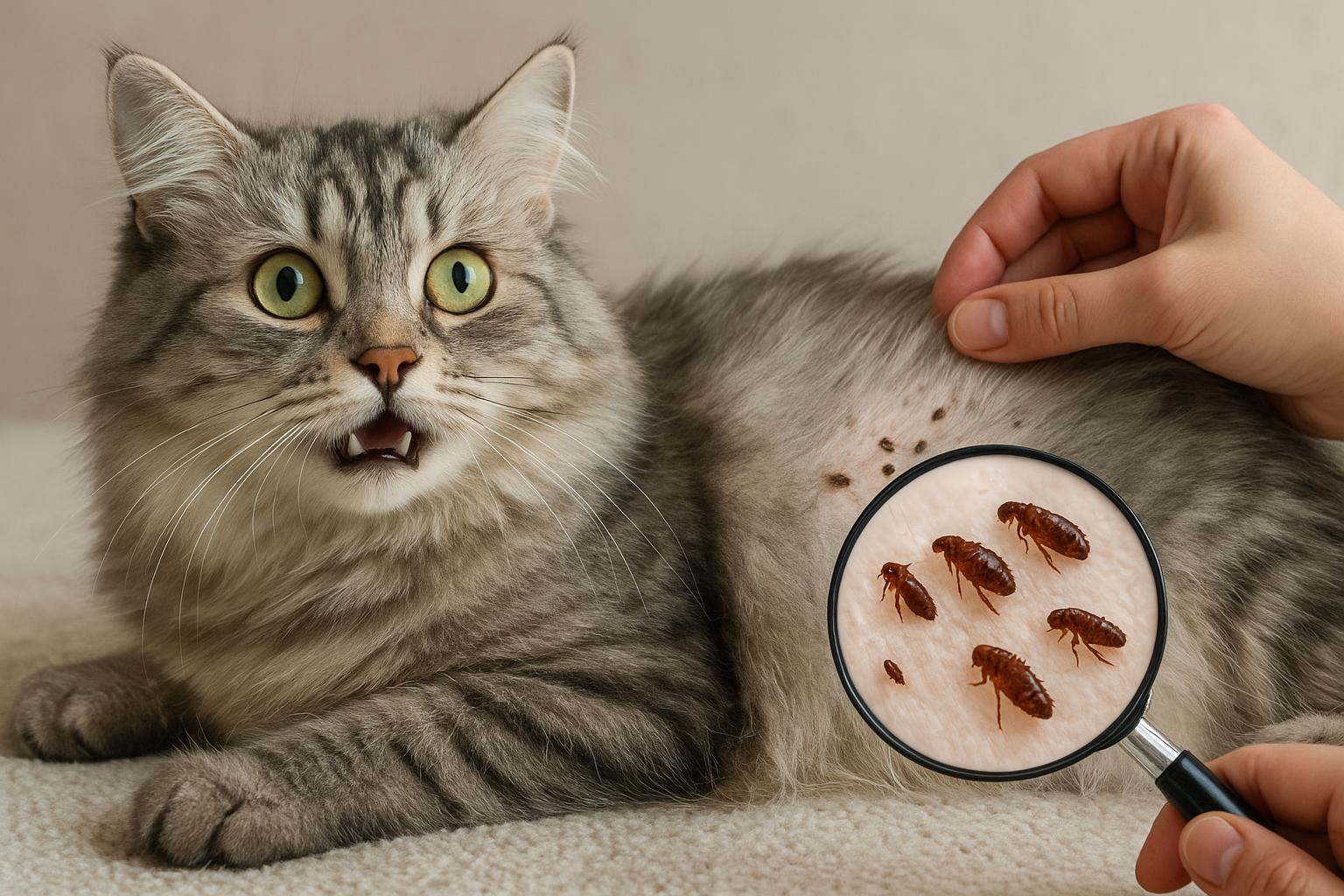
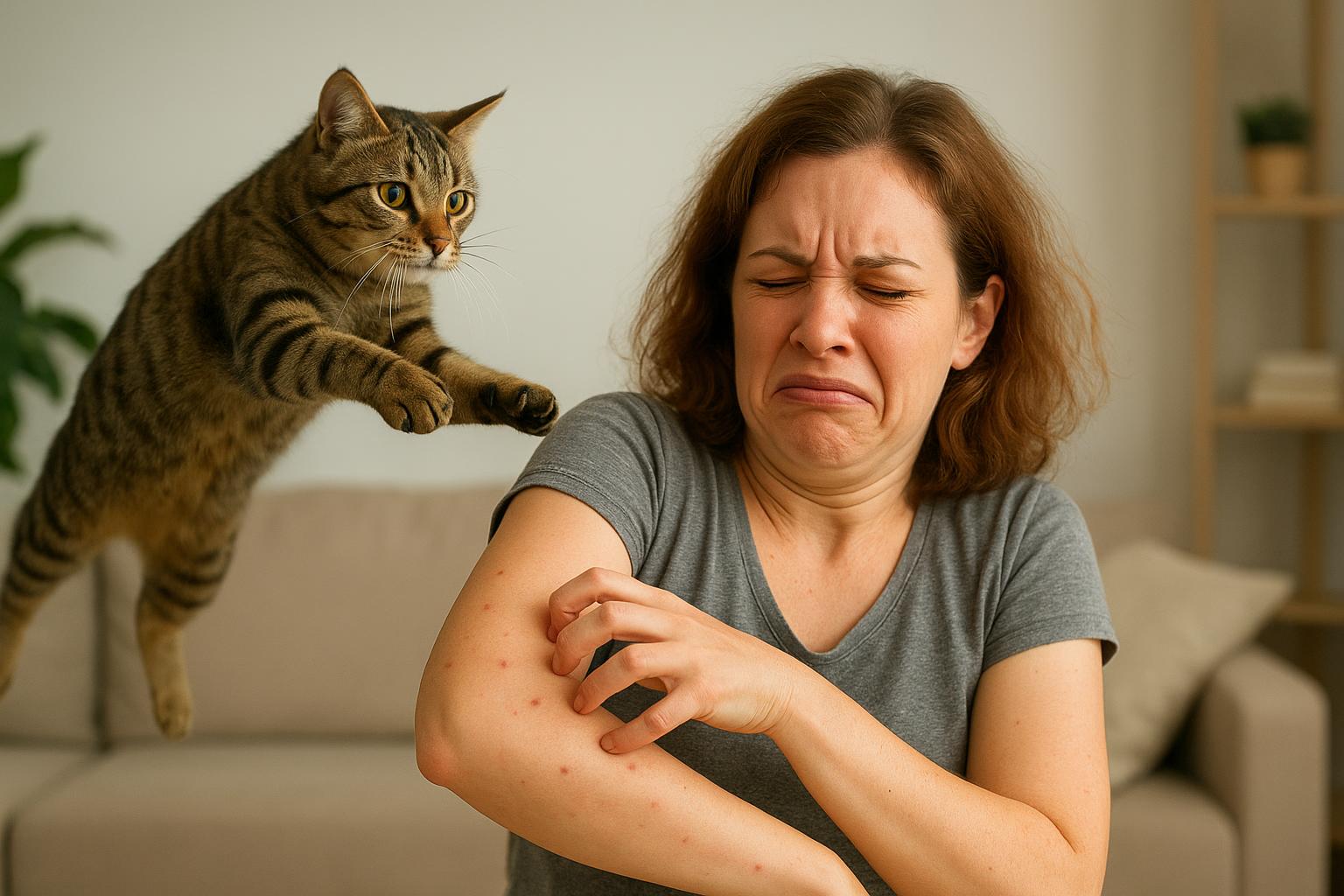
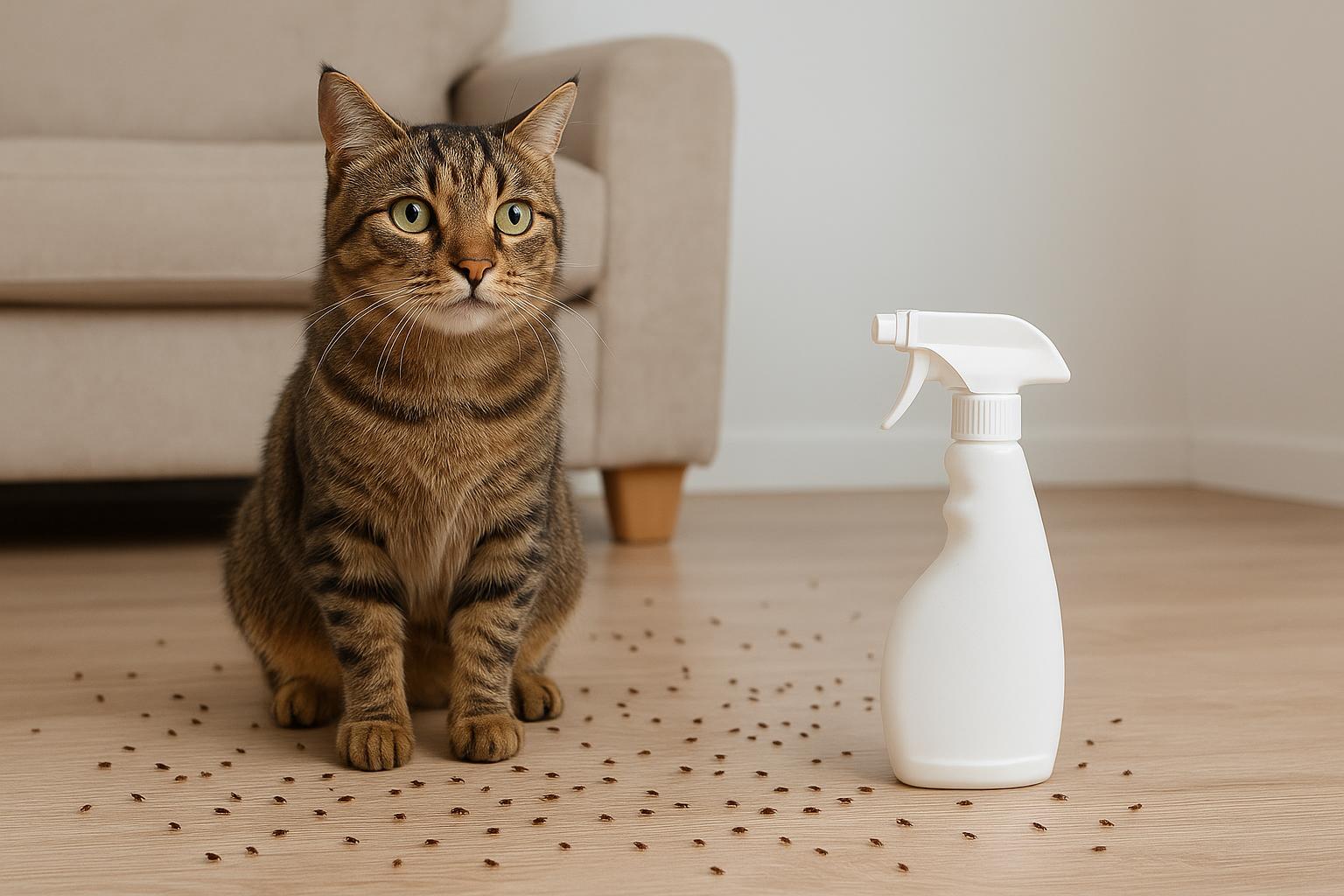
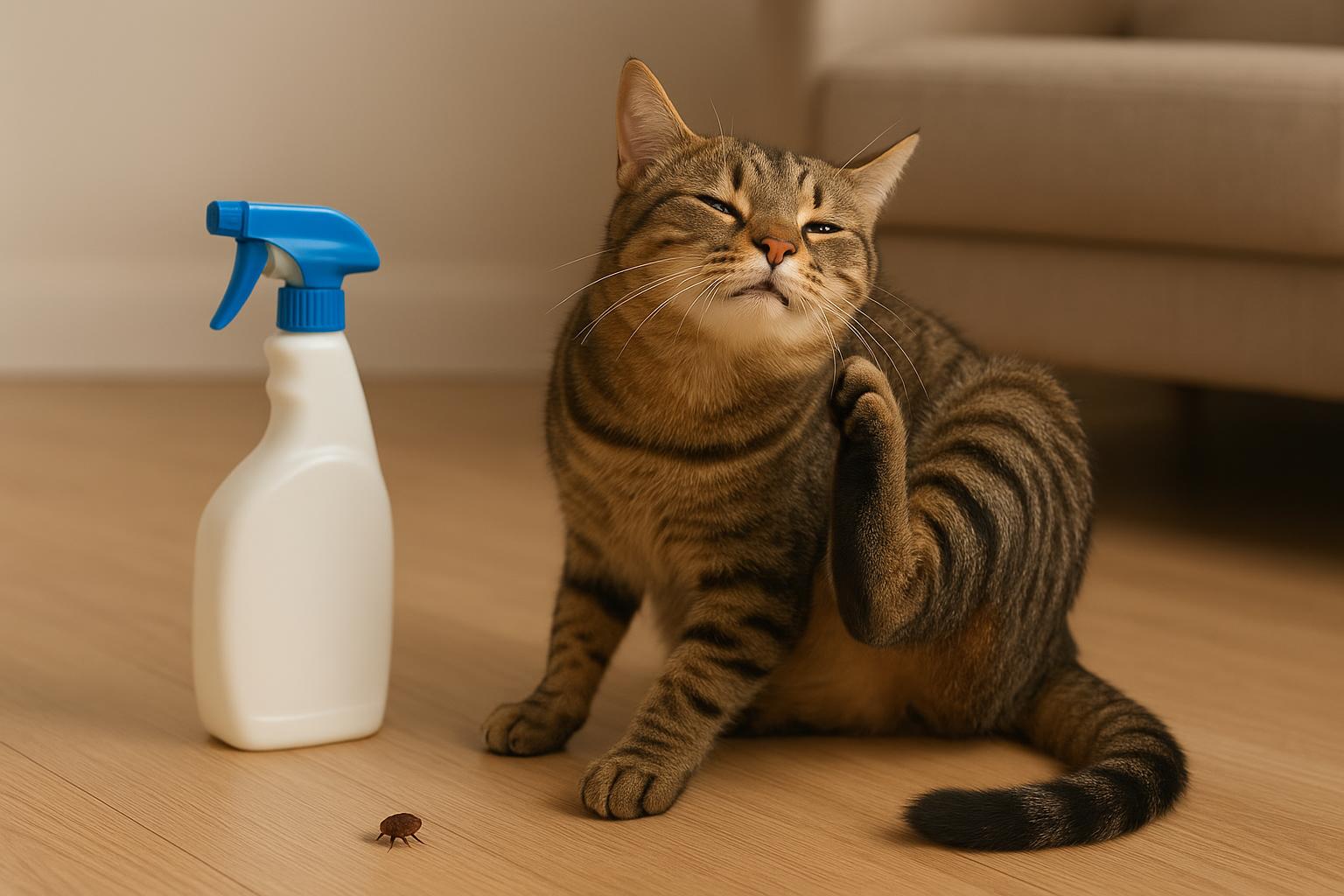
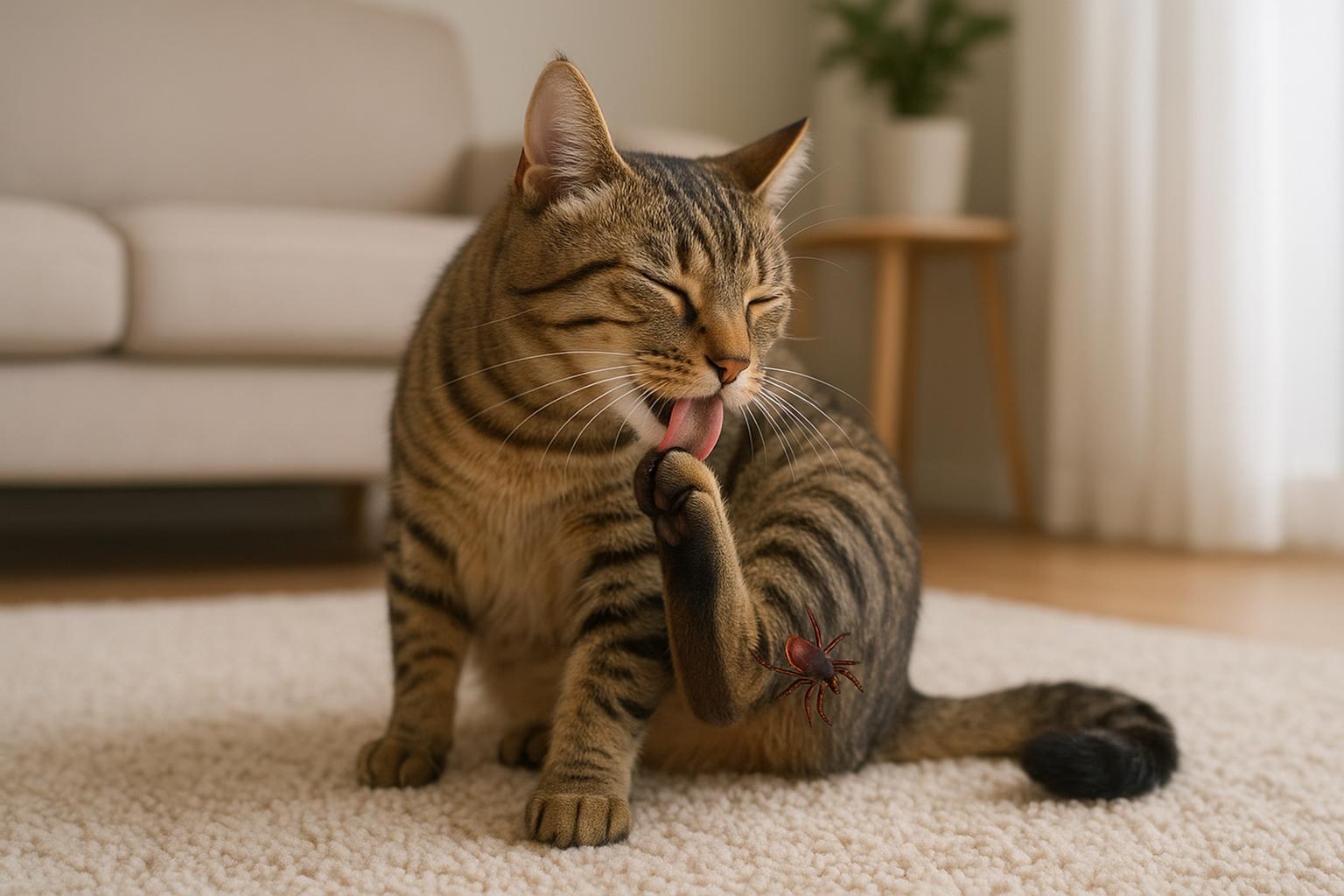
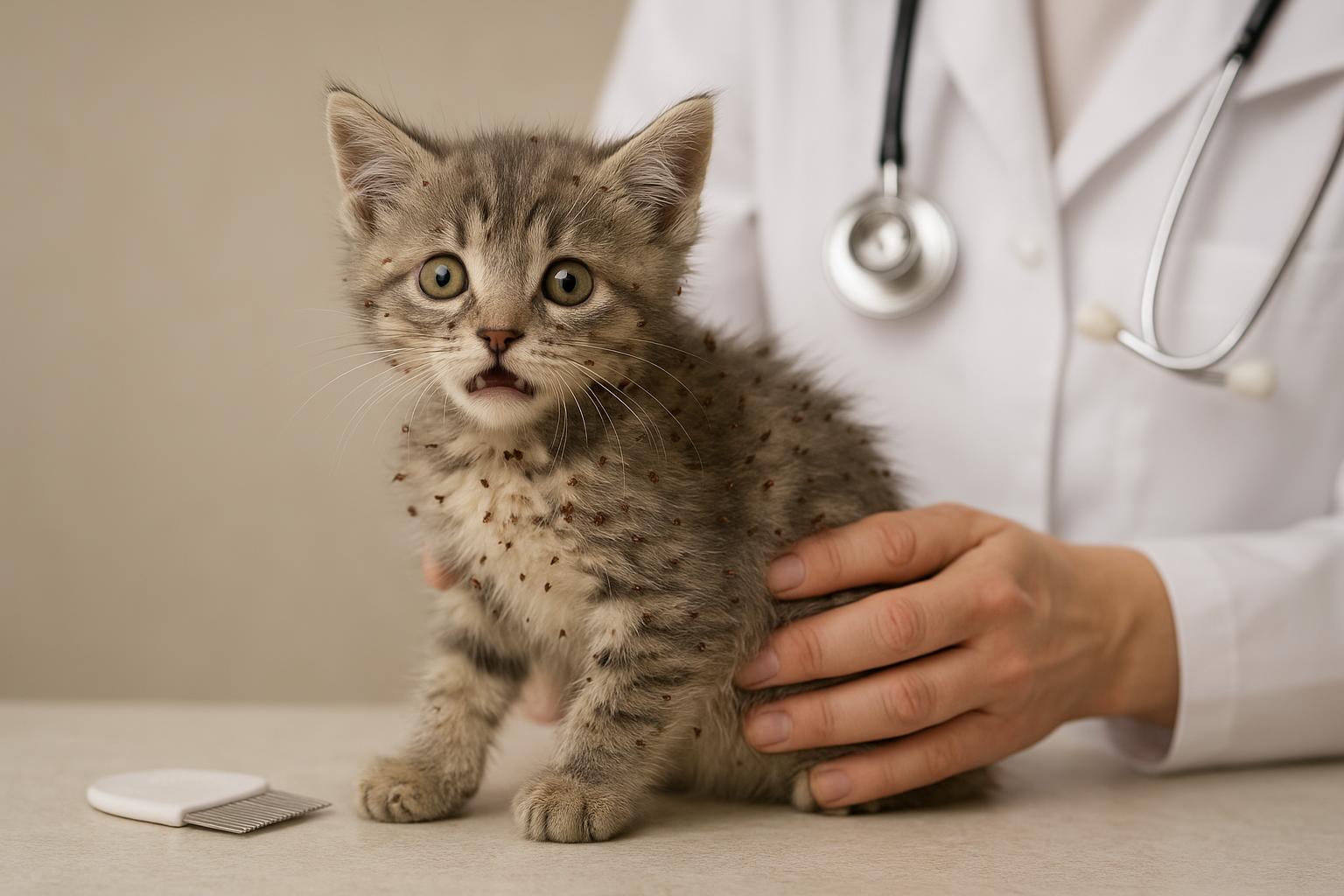
Fleas show up in small ways before you notice huge numbers. Scratching, tiny black specks in fur, and pets spending extra time grooming are signals. Spot them early and start the combined plan: treat the pet, clean living spaces, and address yard hotspots. Early intervention reduces the time you and your cat will spend dealing with this.
You’ll still need patience. Pupal stages and eggs in the environment can take time to clear. But with consistent action, grass to door flea entry becomes a problem you see less often.
### Practical Night-Time Steps To Reduce Transfer
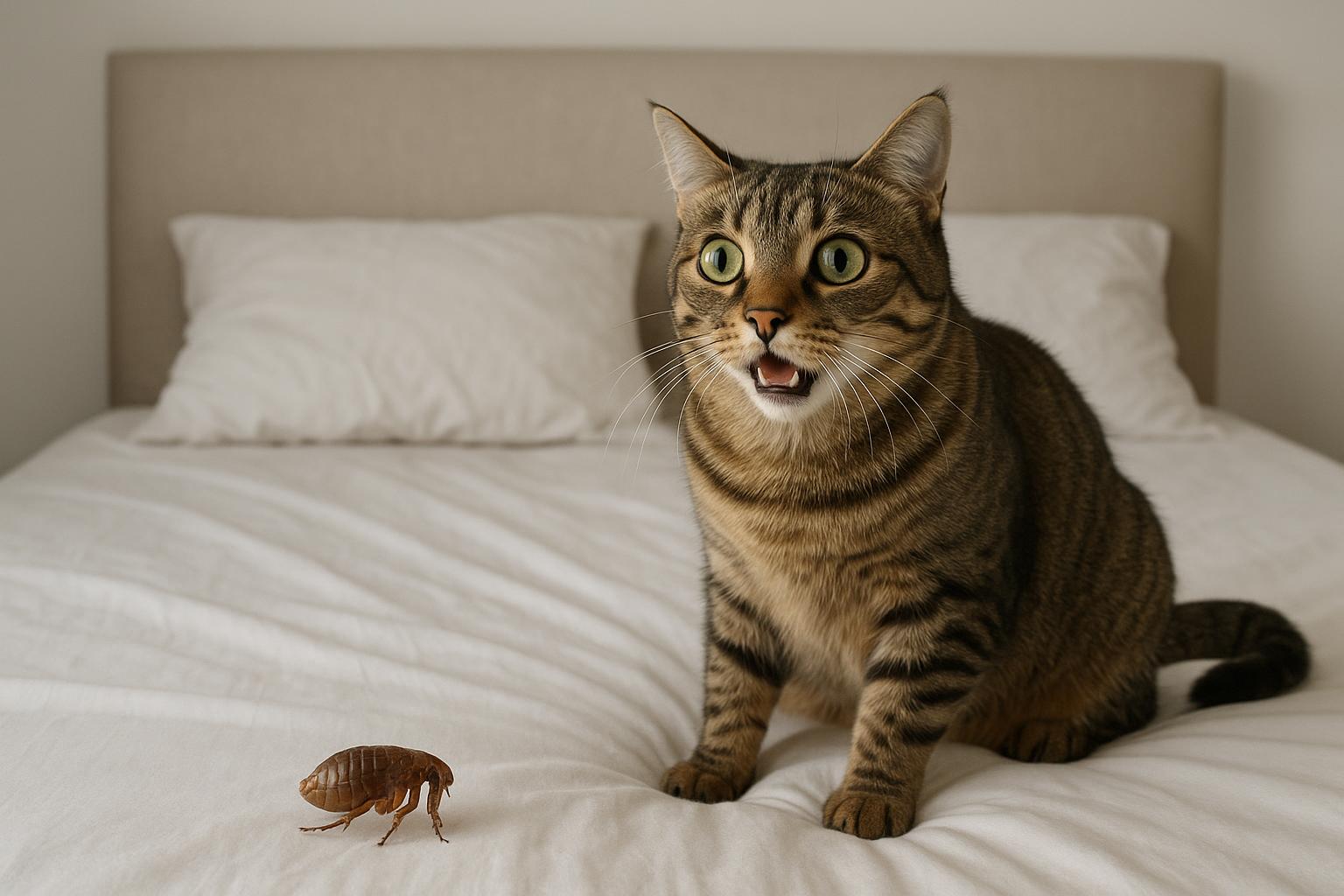
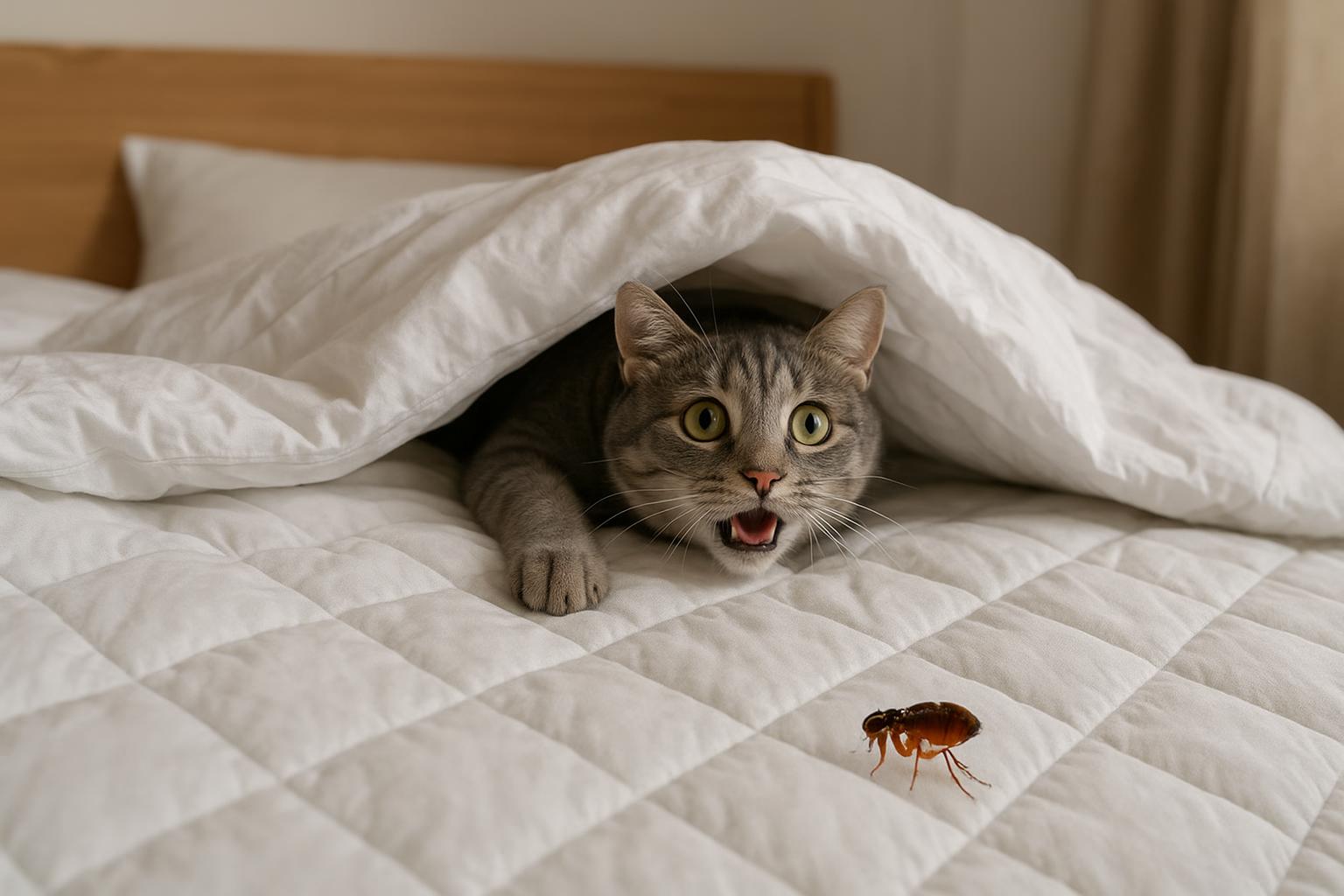
Fleas prefer warm hosts at night. Reduce night-time transfer by making the bedroom less attractive as a staging area. Keep the cat’s bed in a washable cover and avoid letting outdoor cats sleep on human beds for at least the initial weeks after treatment. If your cat insists on curling up with you, place a washable blanket on the bed and launder it frequently.
If you want to limit flea entry points, consider a simple barrier at the door: a strip of coarse outdoor matting that’s easy to hose down. It won’t stop every flea, but it reduces the number of eggs that make it inside.
### Dealing With Emergency Infestations
If you wake up to a sudden and heavy infestation, act quickly. Put pets on treatment under vet guidance, bag and launder bedding immediately, vacuum thoroughly, and consider a focused professional spray for yard hotspots. It’s stressful, but swift coordinated action reduces how long the infestation lasts and how many times it resurfaces.
Keep in mind that re-exposure can happen from neighbors or wildlife. Community-level awareness helps, especially in multi-household yards or apartment courtyards.
A final pragmatic point: don’t expect instant perfection. You’ll probably need to repeat combinations of treatments, yard management, and cleaning over a few months to break the cycle. And yes, your cat will hate the towel at the door for a while. But if you keep at it, grass to door flea entry becomes an occasional nuisance instead of a recurring crisis.






Leave a Reply