
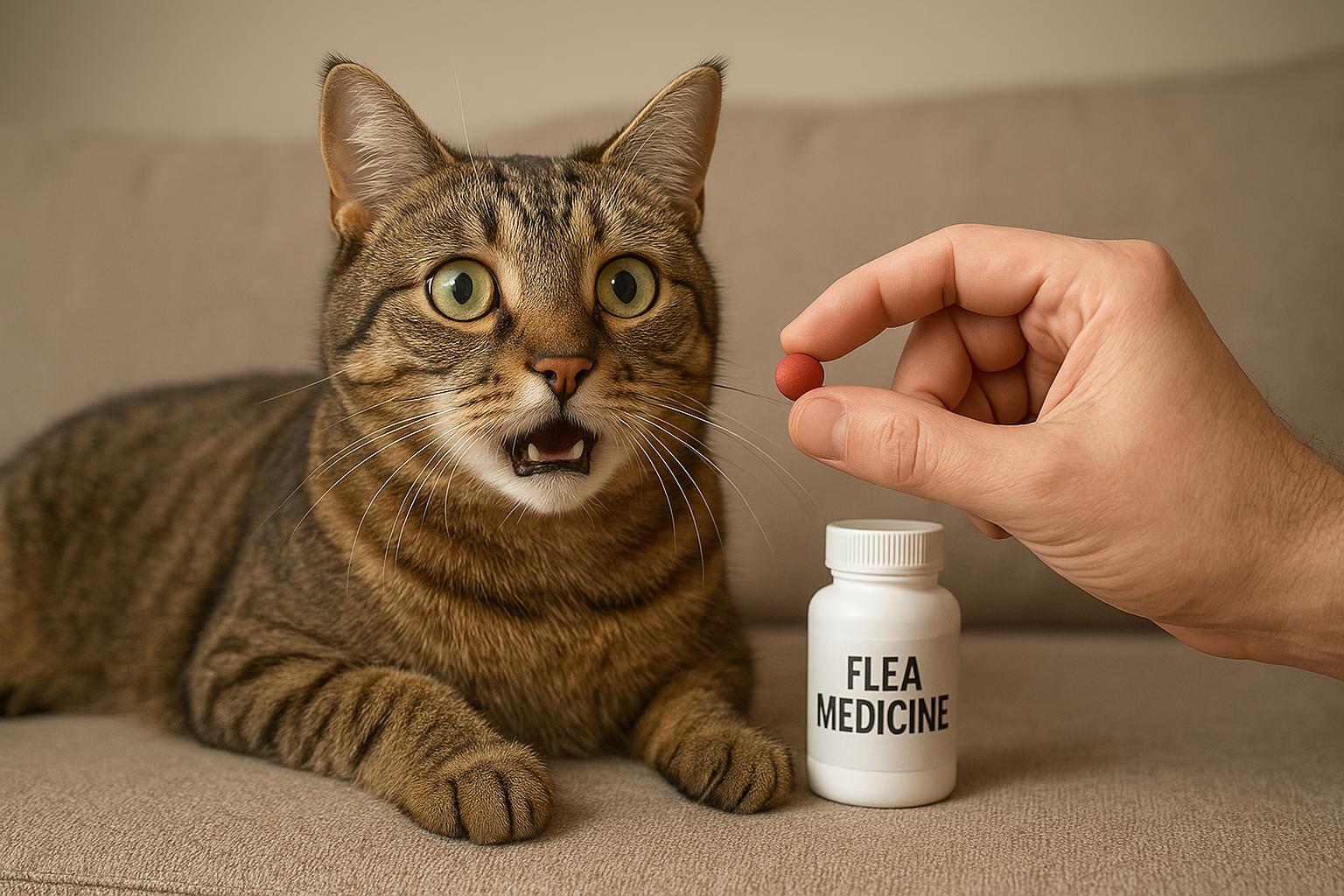
## How To Choose The Best Oral Flea Medicine For Your Situation
If you have fleas, you want something that works quickly, reliably, and won’t cause more problems than it solves. The best oral flea medicine is usually chosen with three things in mind: how it works, how safe it is for your particular pet, and how it fits your routine. Skip the fancy marketing and look for solid evidence: clinical trials, vet recommendations, and real-world reports from owners with pets like yours.
## Why Oral Options Often Beat Topicals
Topical treatments get smeared off, can interact with baths and other products, and sometimes transfer to people or other pets. An oral tablet sits in the bloodstream and delivers consistent protection. For pets that swim, groom obsessively, or live in houses with multiple animals, oral meds often cut through the hassle.
Oral products also tend to be fast. Some start killing fleas within hours. That matters when you’re dealing with a household outbreak and you need relief for both pet and family.
### How Oral Flea Pills Work
Most pills for fleas deliver an active ingredient that either interrupts the flea’s nervous system or prevents eggs and larvae from developing. Common modes of action include:
– Killing adult fleas quickly after they bite.
– Stopping flea reproduction so the life cycle collapses.
– Killing larvae in the environment via residue on the pet.
Because the drug circulates in the pet’s blood, a flea has to bite to be affected. That means you won’t always stop every bite immediately, but you will break the lifecycle before a full infestation takes hold.
#### Active Ingredients To Know
Know the names: afoxolaner, fluralaner, sarolaner, spinosad. Those are the ingredients behind most successful oral flea products today. Each has slightly different speed and duration. Fluralaner (in some brands) can protect for up to three months with one dose. Others need monthly dosing.
## Safety, Side Effects, And When To Call Your Vet
No drug is risk-free. The most common side effects are stomach upset and a little lethargy for a day or two. More rarely, you can see tremors, severe itching, or neurological signs. That’s why you should check your pet’s health history—seizures, liver disease, or certain heart problems can change which option is safest.
If your pet has had a bad reaction to flea meds before, treat the next steps like a planned operation: talk to your vet, consider a trial dose in clinic, and watch carefully during the first 48 hours.
### Contraindications And Drug Interactions
Puppies and kittens have age and weight limits. Some products are not labeled for pregnant or nursing animals. If your pet is on other medications—particularly anti-seizure drugs—ask the vet about interactions. It’s not just theoretical; some combinations can lower seizure thresholds or reduce effectiveness.
#### Dosing Accuracy Matters
An underdose can promote resistance and fail to control fleas. Overdosing can lead to toxicity. Use a calibrated pill cutter or buy the correct strength for your pet’s weight. If you accidentally give too much, call your vet or a poison control line immediately.
## Comparing Popular Oral Options
Different products suit different pets. Here’s a focused look at the ones you’ll hear recommended most often.
### Fluralaner-Based Treatments
Fluralaner can protect for a long time, which is great if you dislike monthly dosing. One dose can last 12 weeks for some brands. That convenience is a big reason many owners call it the best oral flea medicine for busy households.
Pros: Long duration, effective against fleas and some ticks.
Cons: More expensive per dose, may not be right for smaller or very young pets.
### Afoxolaner And Sarolaner Options
These are usually monthly. They’re predictable, well-studied, and widely available. For many owners, a consistent monthly routine fits better than occasional long doses.
Pros: Monthly reassurance, affordable in many cases.
Cons: You must remember monthly dosing; missing doses reduces protection quickly.
### Spinosad-Based Pills
Spinosad works quickly and is particularly good at killing adult fleas. It’s sometimes combined with other agents to broaden protection.
Pros: Fast knockdown.
Cons: May need vet prescription depending where you live; not always combined with tick protection.
## Matching The Medicine To Your Pet’s Lifestyle
Every household is different. A city apartment with one indoor cat wants a different approach than a suburban home with three dogs that roam a yard.
### For Multi-Pet Homes
When one animal has fleas, they all often do. Choose a product that’s safe across species in your household, and coordinate treatments so you’re not leaving a weak link. If you have cats and dogs, check whether the medicine is approved for both—many dog-specific products can harm cats.
### For Dogs That Swim Or Bathe Frequently
Topicals wash off. Oral meds don’t. That alone makes oral pills for fleas appealing for active dogs who love water.
### For Households With Young Children Or Immunocompromised People
Oral meds reduce the chance of transfer from pet skin to human hands. That matters if a baby crawls on the carpet or a family member has immune problems. Still, good hygiene and environmental control are essential.
## Practical Considerations: Cost, Access, And Ease
Price is real. A long-duration dose looks expensive up front but can be cheaper over a year than monthly pills. On the other hand, some owners prefer monthly products because they can stop if side effects appear.
### Prescription Vs Over-The-Counter
Some flea cures require a vet prescription; others are sold directly. Prescription routes often include a vet check, which can catch problems early. OTC gives you quicker access but without that safety net.
### How To Administer Oral Pills Smoothly
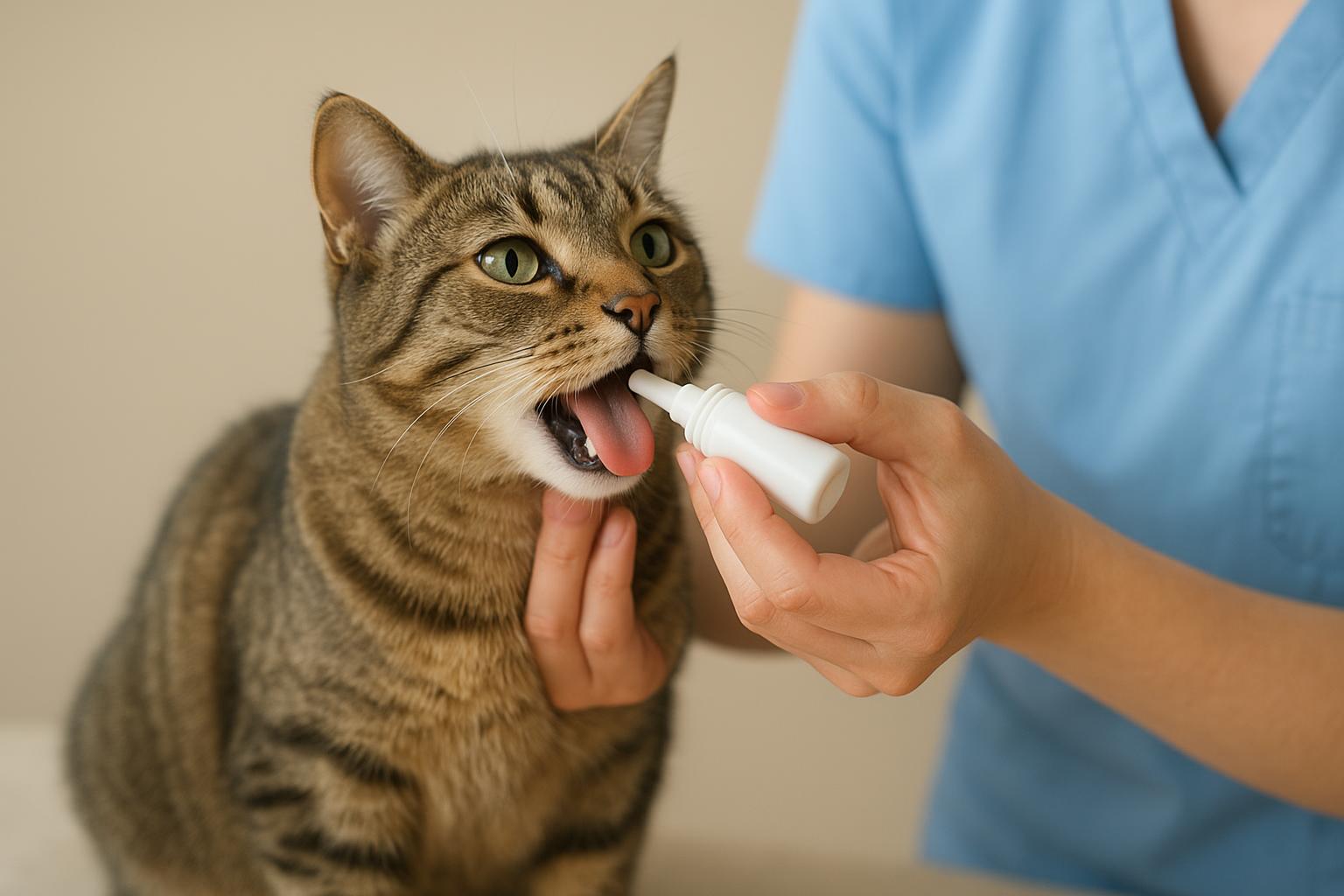
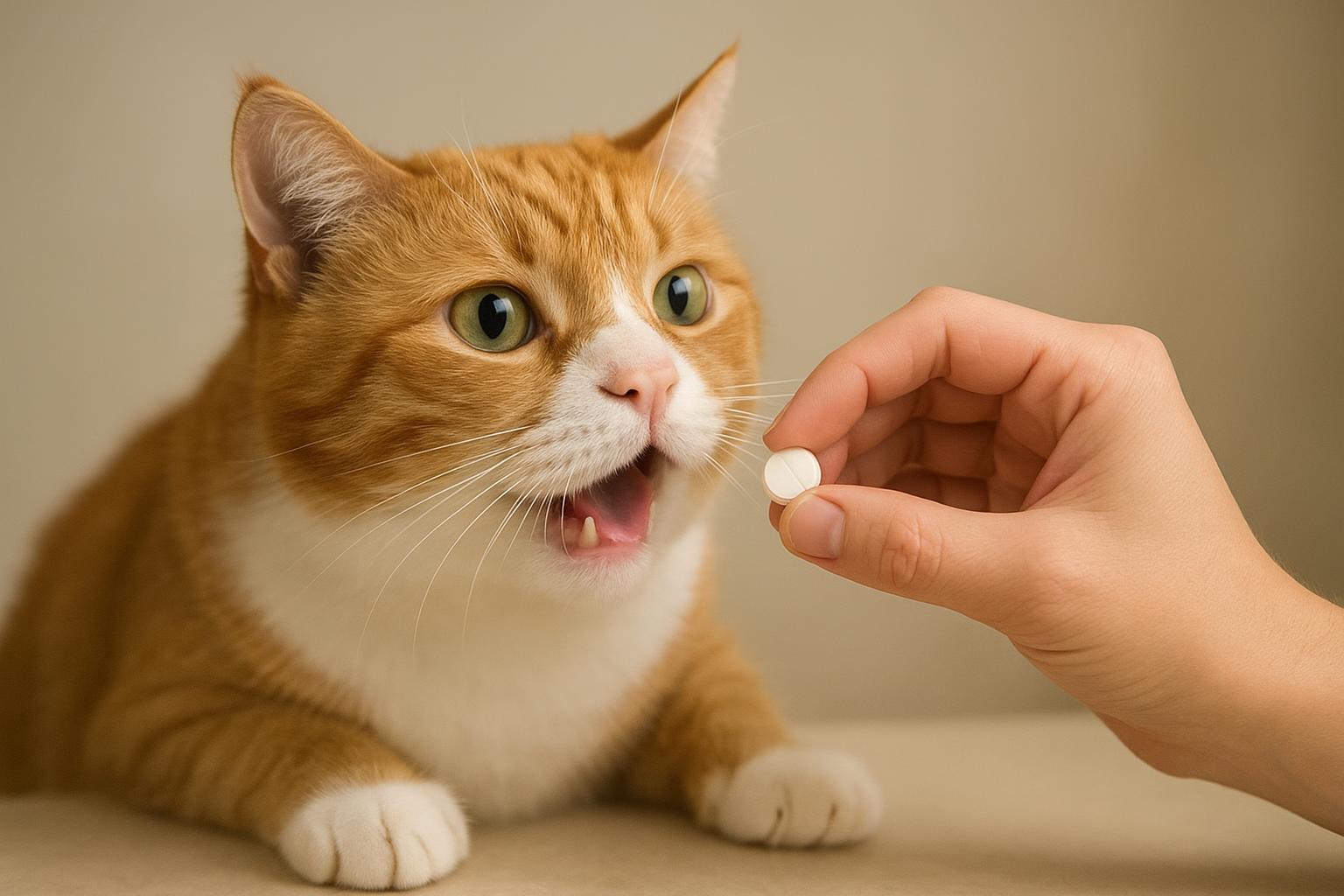
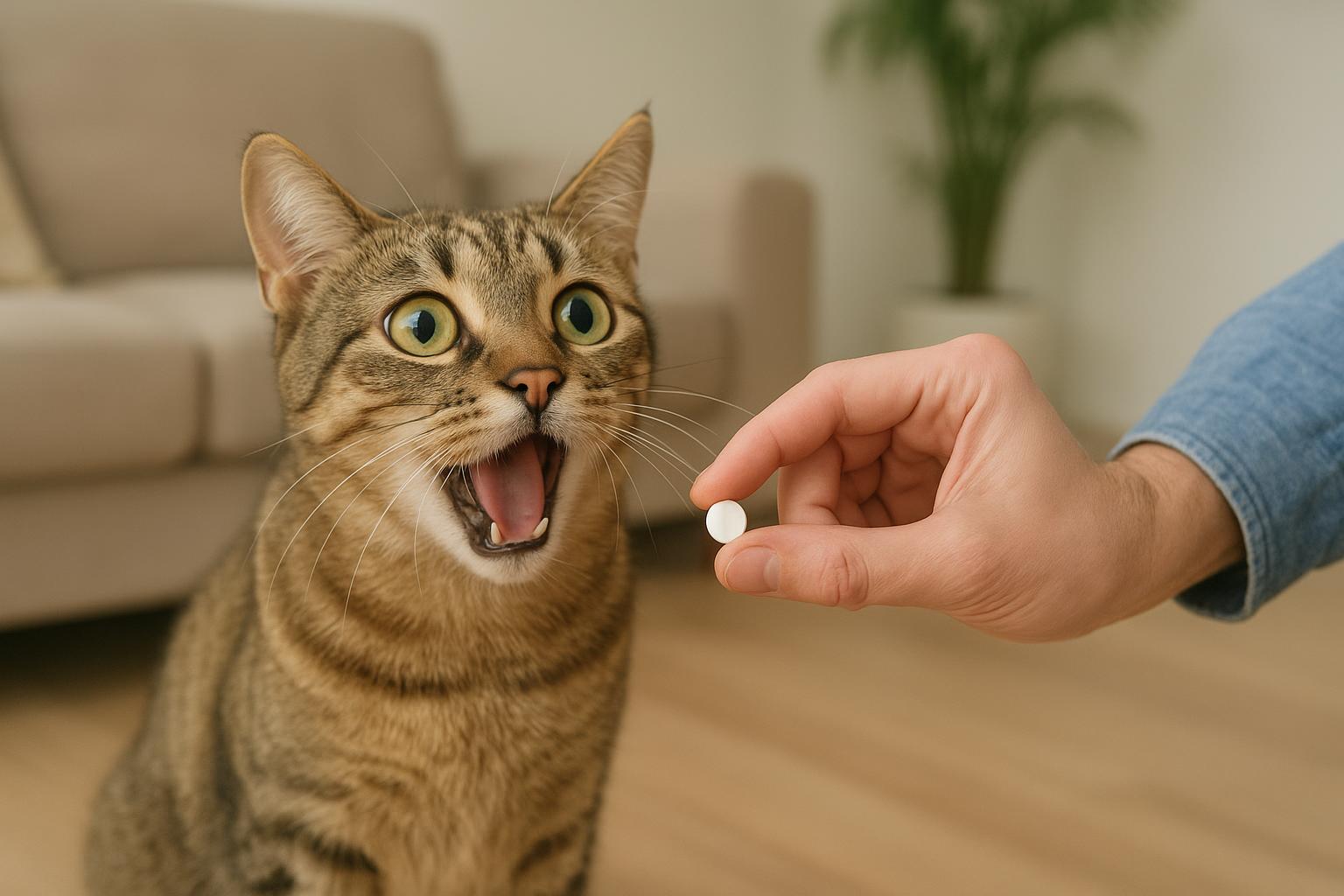
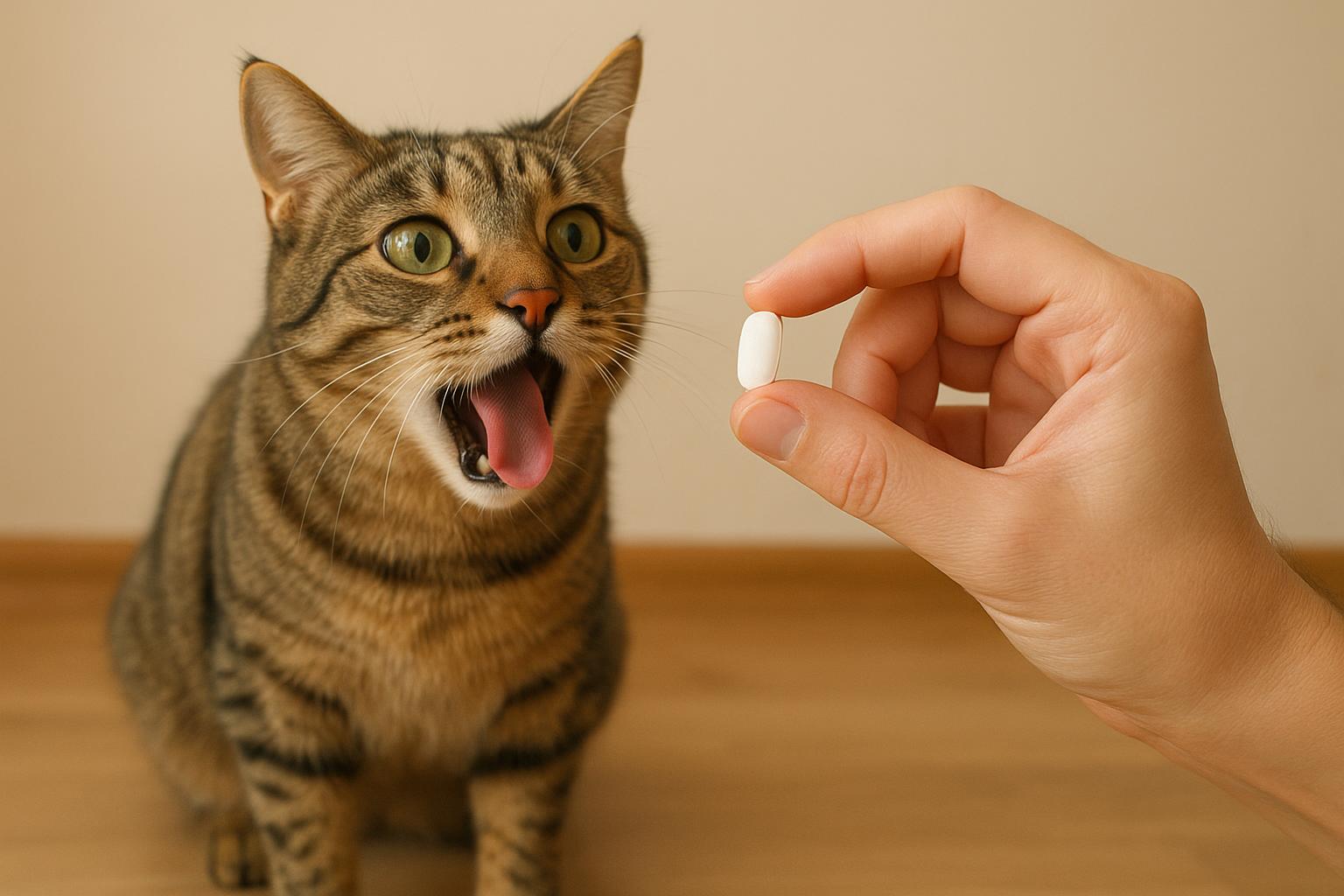
Many pills hide well in food or treats. For picky pets, you can use a pill pocket or disguise the tablet in a small portion of wet food. For cats, pilling by hand works fine if you’re comfortable doing it. If your pet spits pills out, ask your vet for a chewable or liquid alternative.
## Environmental Control: Oral Meds Don’t Solve Everything
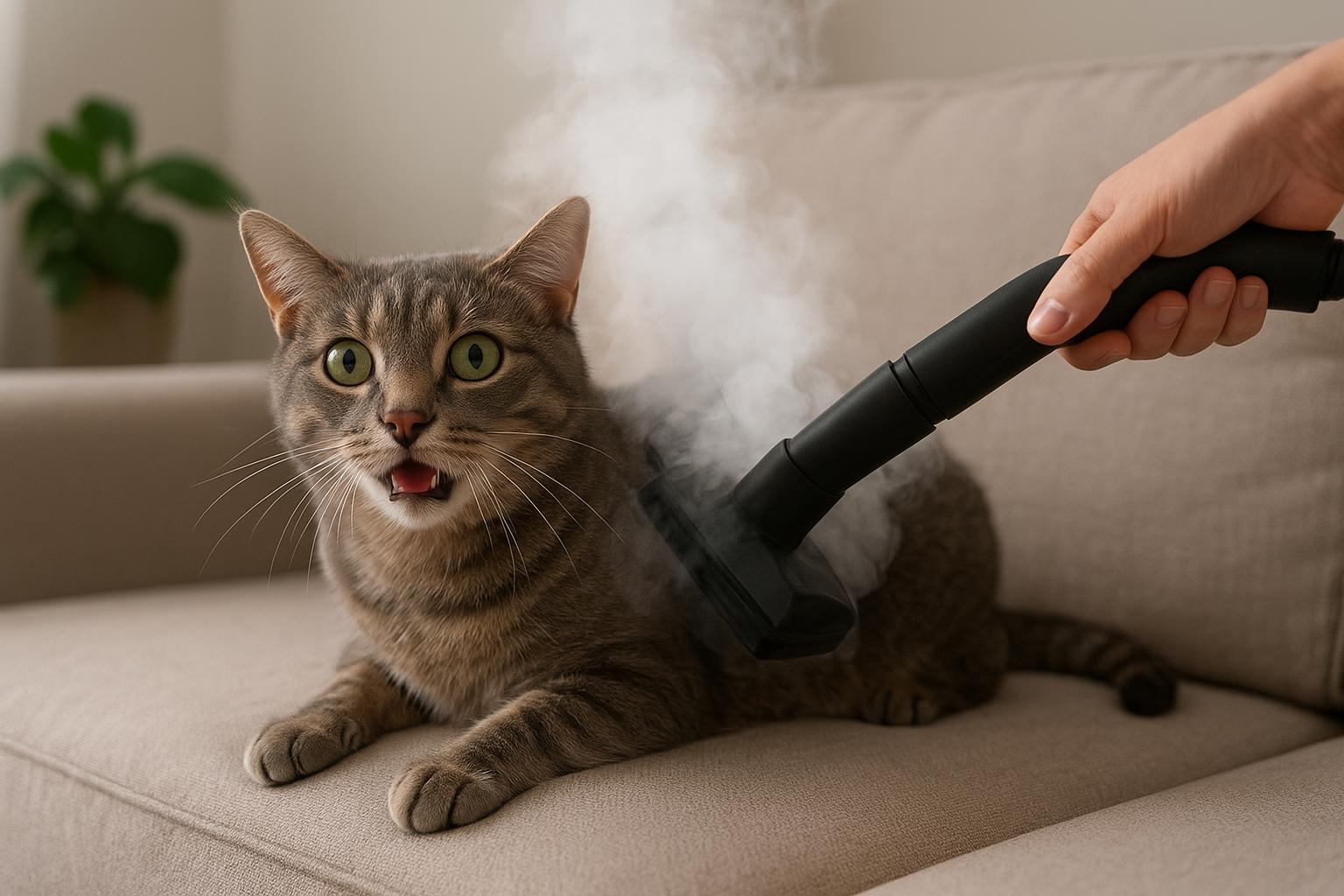
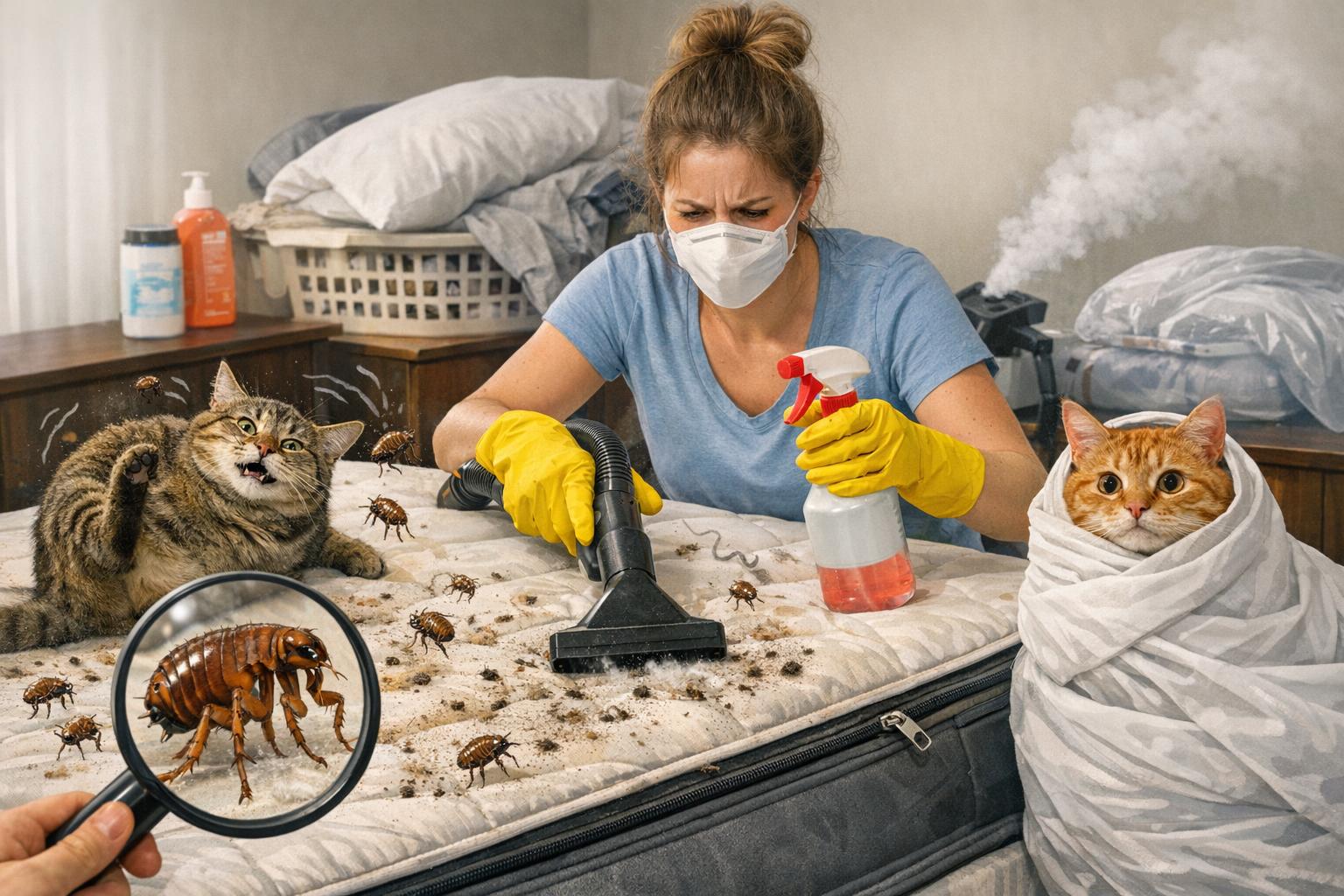
Even the best oral flea medicine won’t immediately remove eggs and larvae already in your home. You’ll still need to vacuum carpets, wash bedding, and consider treating the environment if infestation levels are high. Focus on hotspots: pet beds, baseboards, and areas where your pet naps.
### When To Use Environmental Insecticides
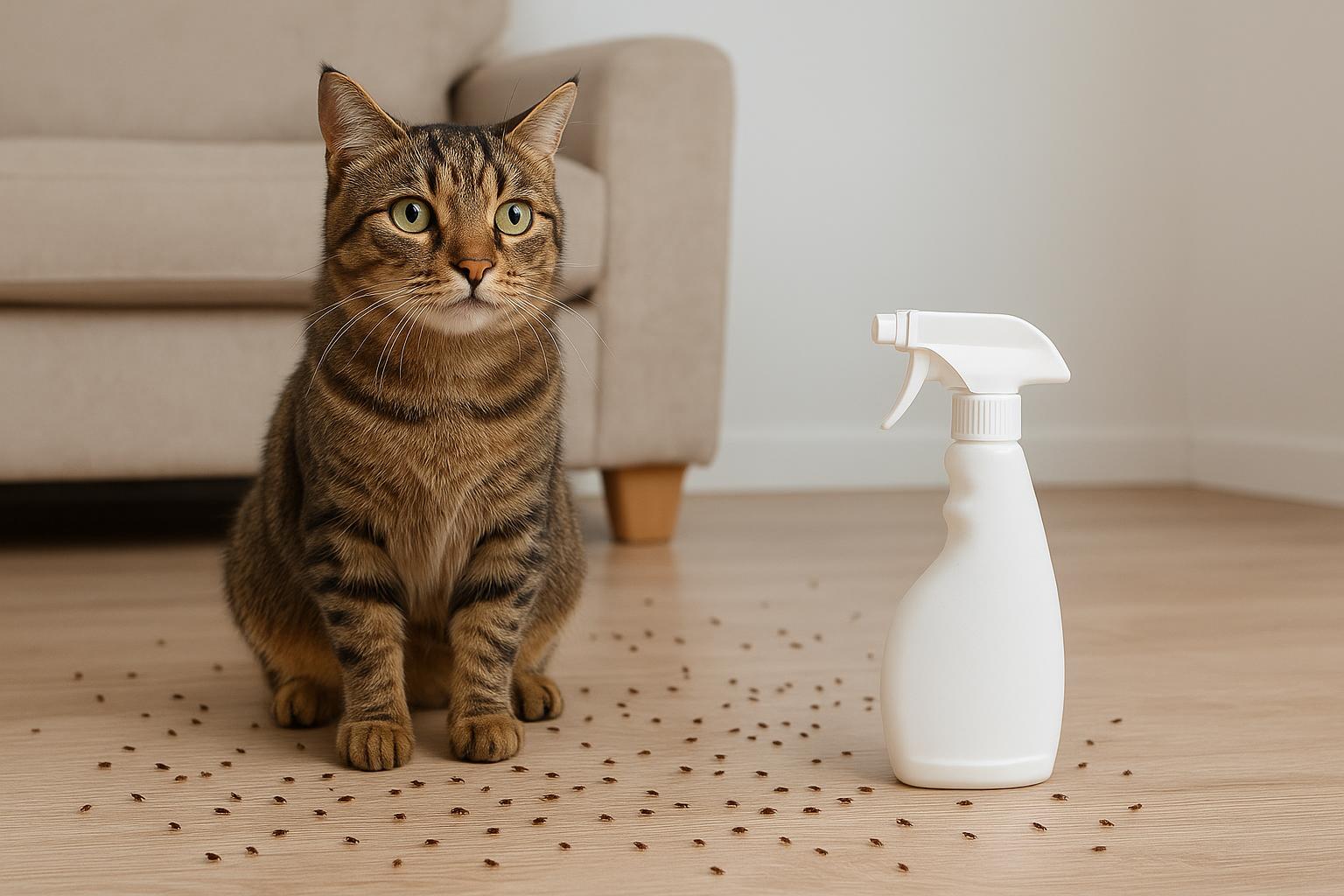
If you have a heavy infestation, insecticides or professional pest control might be necessary. Time these interventions with your pet’s dosing so you’re not re-exposing treated animals to massive flea loads during the drug’s first few days of action.
## Common Questions Owners Ask
### How Fast Will My Pet Feel Better?
Many pets stop scratching noticeably within 24 to 48 hours, but full control of the situation can take a few weeks as existing eggs fail to hatch and larvae die off. Patience is part of the process.
### Can I Use Flea Shampoo Instead Of Pills?
Shampoos help. They don’t prevent reinfestation. If you want ongoing, reliable protection, pills for fleas are more consistent.
### Is There A Single Flea Cure?
There’s no miracle one-and-done for every situation. The term flea cure gets thrown around a lot, but realistic expectations help: effective oral meds break the cycle and, combined with environmental steps, often eliminate the problem. For severe or unusual cases, you’ll need targeted strategies over time.
#### When To Switch Products
If one product stops working or causes side effects, don’t just switch randomly. Talk to your vet about whether resistance, incorrect dosing, or another issue is at play. A smart switch is based on evidence, not frustration.
## When To Call The Vet Immediately
If your pet shows severe reactions—collapse, seizures, extreme disorientation—stop giving the medicine and get to a vet or emergency clinic. Mild vomiting or drowsiness can be monitored, but severe signs demand immediate attention.
## Getting The Best Value: A Checklist
– Match the active ingredient to your pet’s age and health.
– Check approved species; dogs and cats are not interchangeable.
– Consider dosing schedule against your ability to comply.
– Factor in environmental cleanup costs.
– Use professional advice for complicated medical histories.
Use that list when you talk to a vet or shop online. It keeps purchase decisions practical instead of emotional.
## Paying Attention After The First Dose
Watch for changes—behavior, appetite, stool quality, and energy. Most pets tolerate these medicines well, but early detection of side effects is the best defense. Keep records: date, product, batch number, and any reactions. That information helps if you need to report a problem or seek a refund.
## Final Notes On Choosing The Best Oral Flea Medicine
Pick the product that treats fleas reliably, fits your lifestyle, and aligns with your pet’s health needs. The best oral flea medicine isn’t always the most expensive or the newest one on the market; it’s the one that you can give correctly and keep using until the flea problem is truly gone. And when in doubt, ask your vet—better to check than to guess and make things worse. Before long, your home and pet will be back to normal, and you’ll be able to relax without worrying about those tiny vampires. Well, almost relax—keep the vacuum handy. And yes, that one time my cat reacted, we switched products and everythign turned out fine.







Leave a Reply