
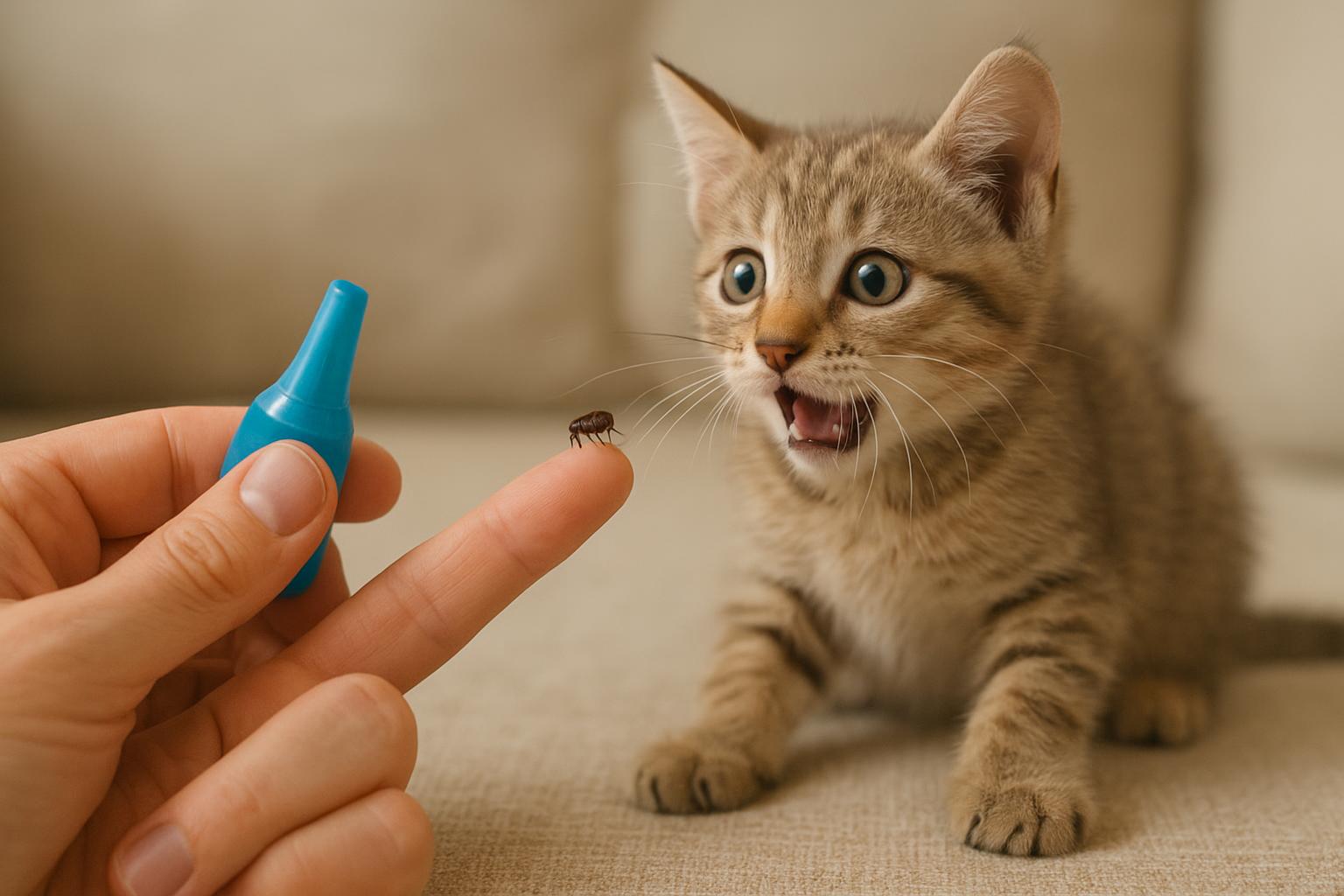
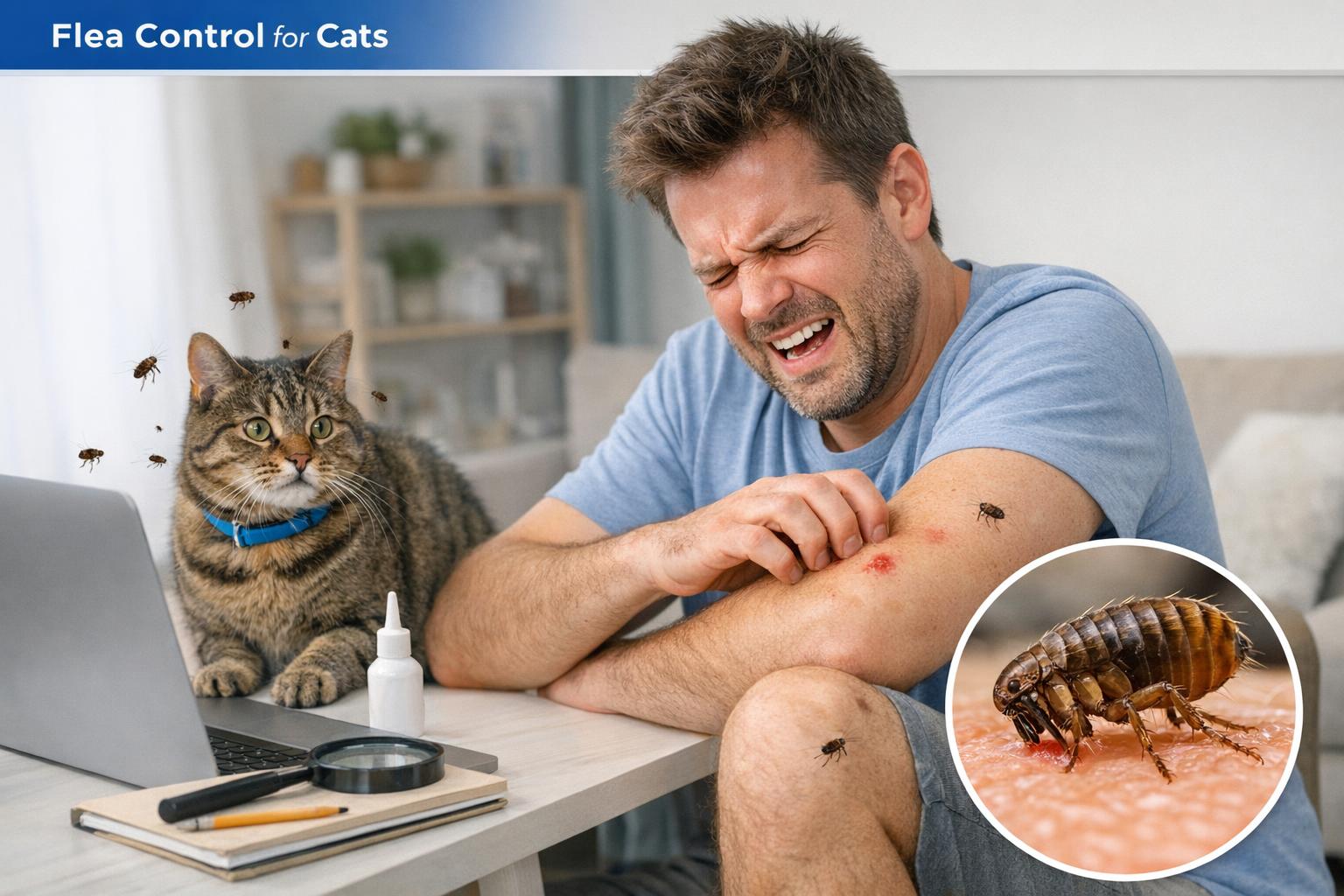
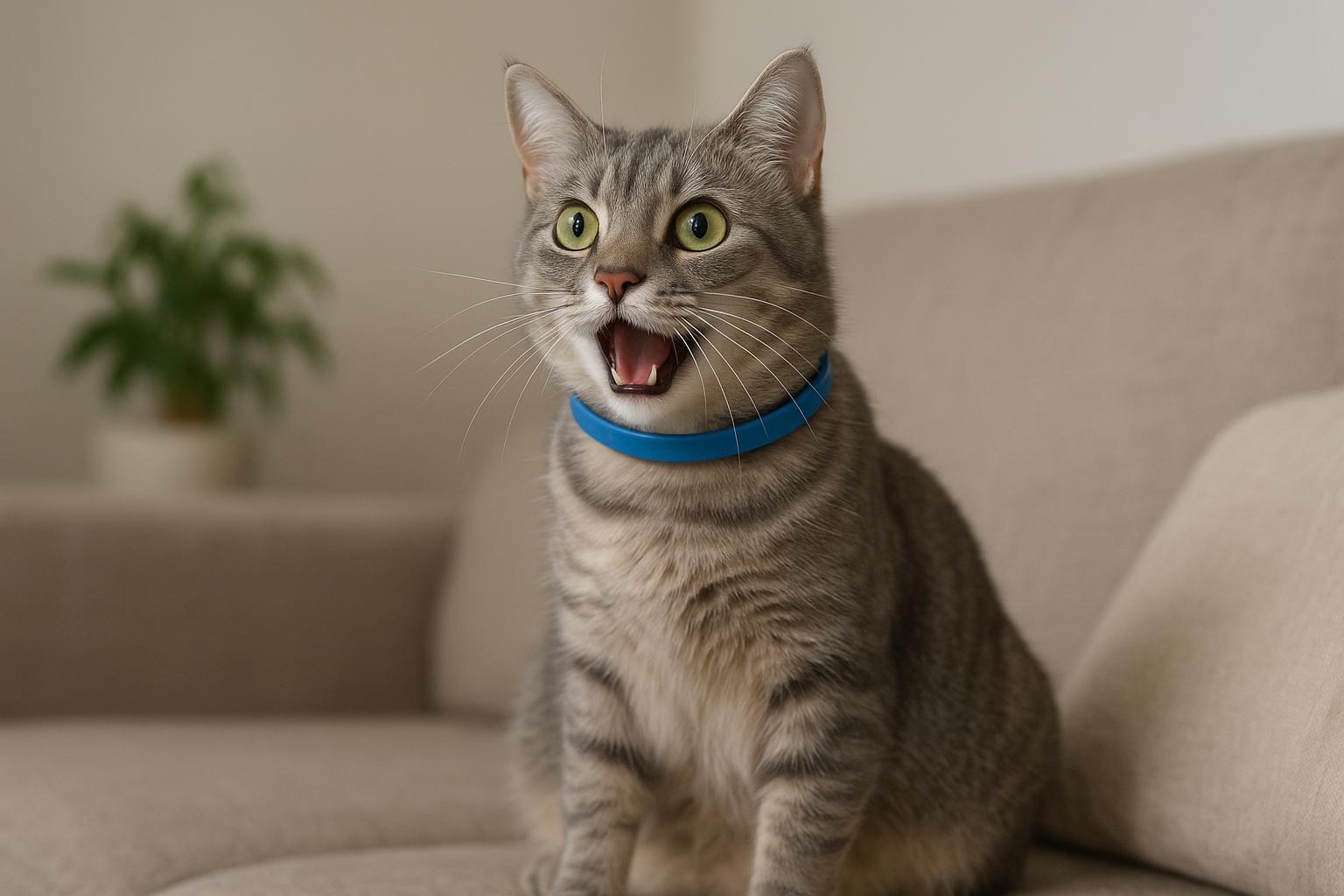
Kittens are adorable little tornadoes of curiosity — until the tiny vampires arrive. Fleas can turn a purring bundle of joy into a scratchy, uncomfortable mess very quickly. Knowing the right time to start protection is one of the best things you can do for a kitten’s long-term health. Below I’ll walk you through when to begin, what to watch for, and a clear, vet-minded remedy for first-time flea care. Relax — we’ll keep the cat jokes limited.
## Flea Treatment Age: When To Act
Kittens can pick up fleas from their mom, littermates, or the environment almost as soon as they start moving around. The commonly asked question is: what is the correct flea treatment age to begin preventive or curative measures? The answer isn’t one-size-fits-all. It depends on the kitten’s actual age in weeks, weight, overall health, and whether the product you’re considering is labeled for that age.
Veterinarians typically recommend treating fleas on kittens as soon as there’s an infestation, but only with products that are explicitly approved for the kitten’s age and weight. For many modern topical treatments, manufacturers set a minimum age — often around 6 to 8 weeks — though specific labels vary. That’s why flea treatment age matters: using an adult product on an underage kitten can cause toxicity, while delaying safe treatment can leave the kitten itchy and at risk for anemia from heavy infestations.
### Why Flea Control Is A Kitten Health Milestone
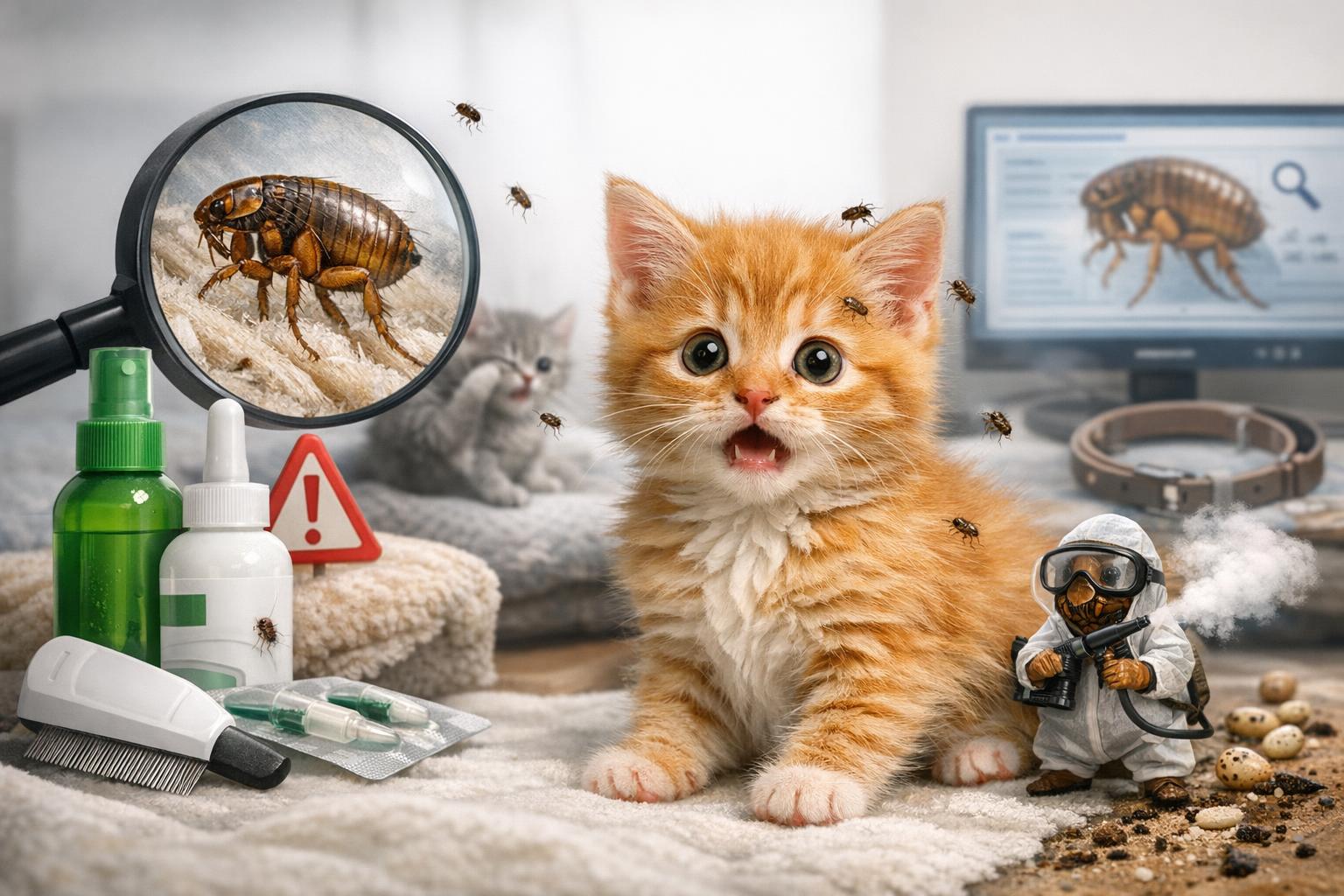
Fleas aren’t just an annoyance. In a young kitten they can cause:
– Intense irritation and skin inflammation.
– Secondary infections from scratching.
– Anemia, particularly in very small or very young kittens.
– Transmission of tapeworms (through ingestion) and possible spread of other pathogens.
Because kittens have smaller bodies and developing nervous and immune systems, the flea treatment age is a milestone: it’s the moment when safe, effective control moves from “possible” to “approved” for that little body.
### Signs To Watch For Before Treatment
Even if you’re waiting for the appropriate flea treatment age listed on a product, don’t sit idly by if you see signs of fleas:
– Persistent scratching or grooming
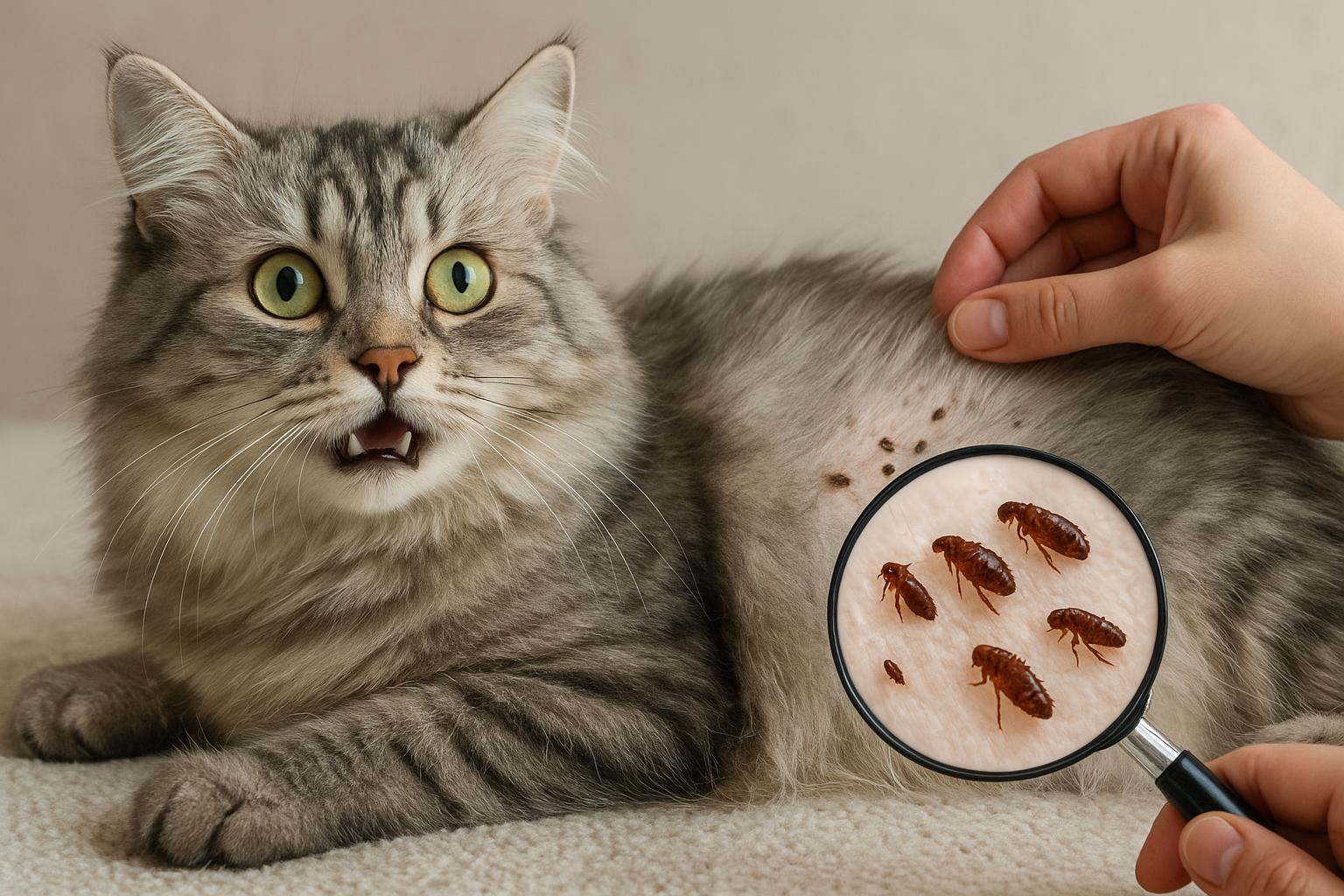
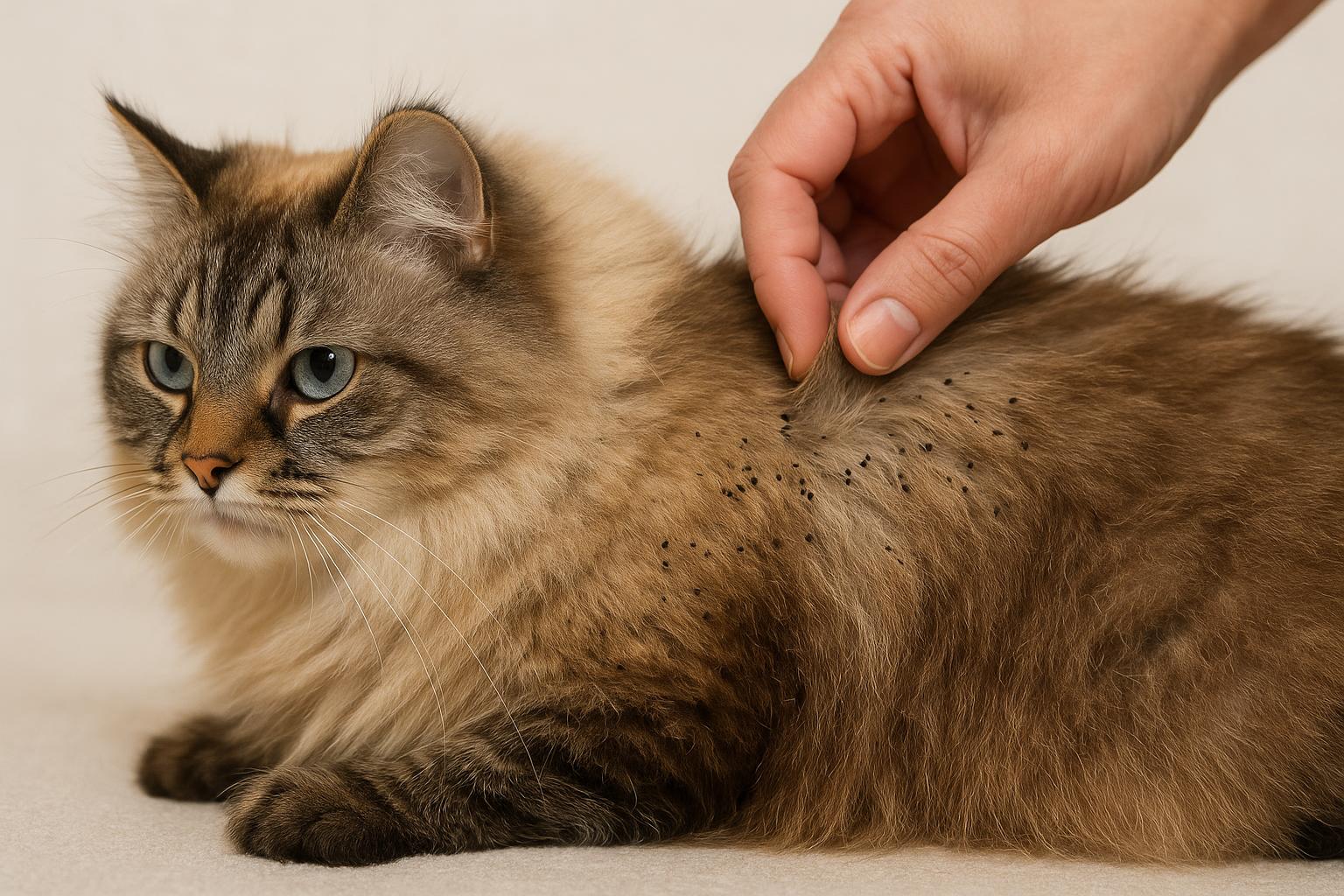
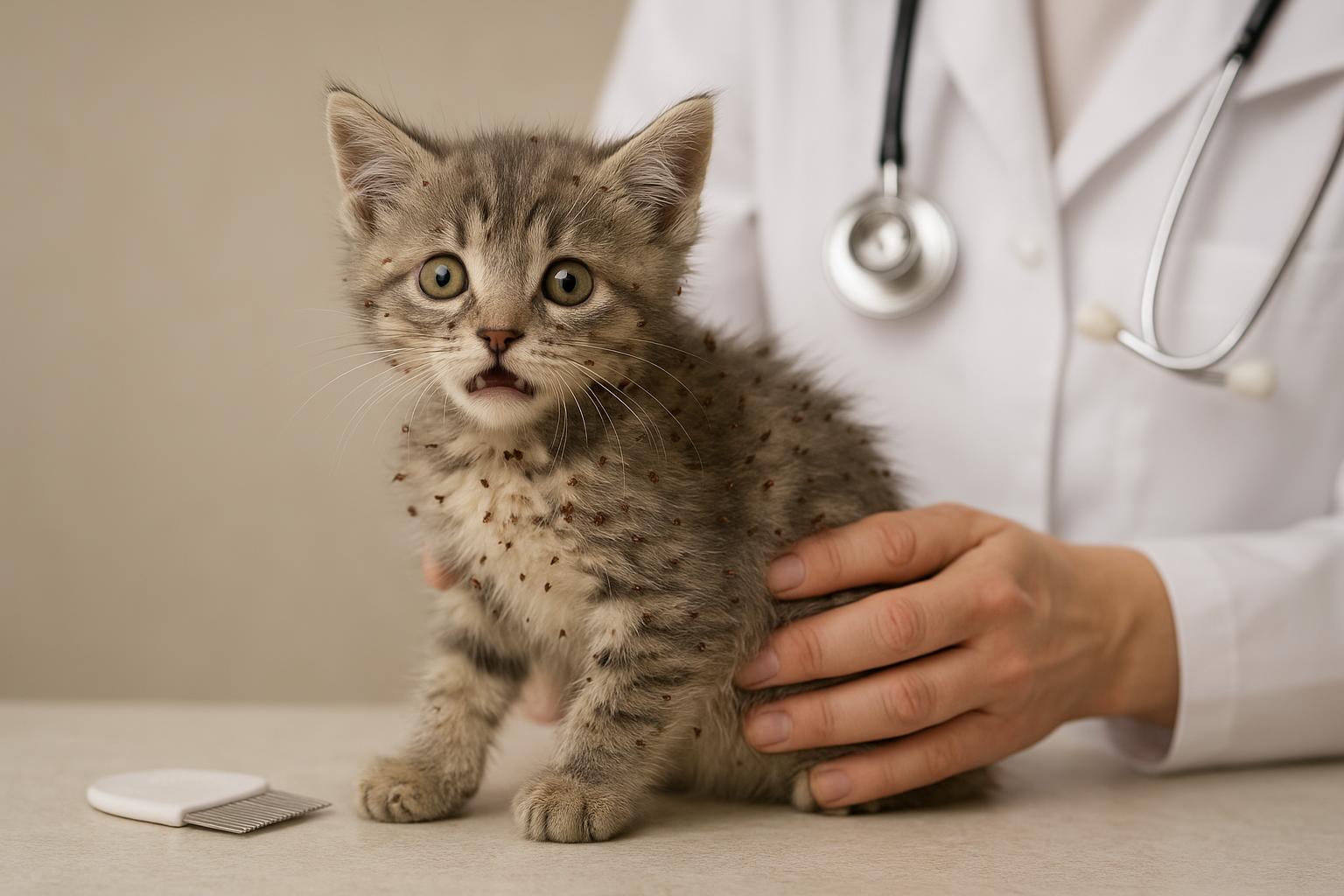
– Visible fleas or flea dirt (tiny black specs that turn red when wet)
– Patchy or inflamed fur and skin
– Pale gums (a sign of anemia in severe infestations)
If you see these signs in a kitten younger than the labeled flea treatment age for common products, call your veterinarian immediately. They may recommend a safe, alternative approach such as frequent combing and environmental control until the kitten reaches the age for product use.
## Safe Options For First Flea Treatment
When it’s time for the first flea treatment, safety and efficacy are the priorities. Below are commonly used approaches, with vet guidance emphasized.
### Veterinary Topical Or Systemic Products
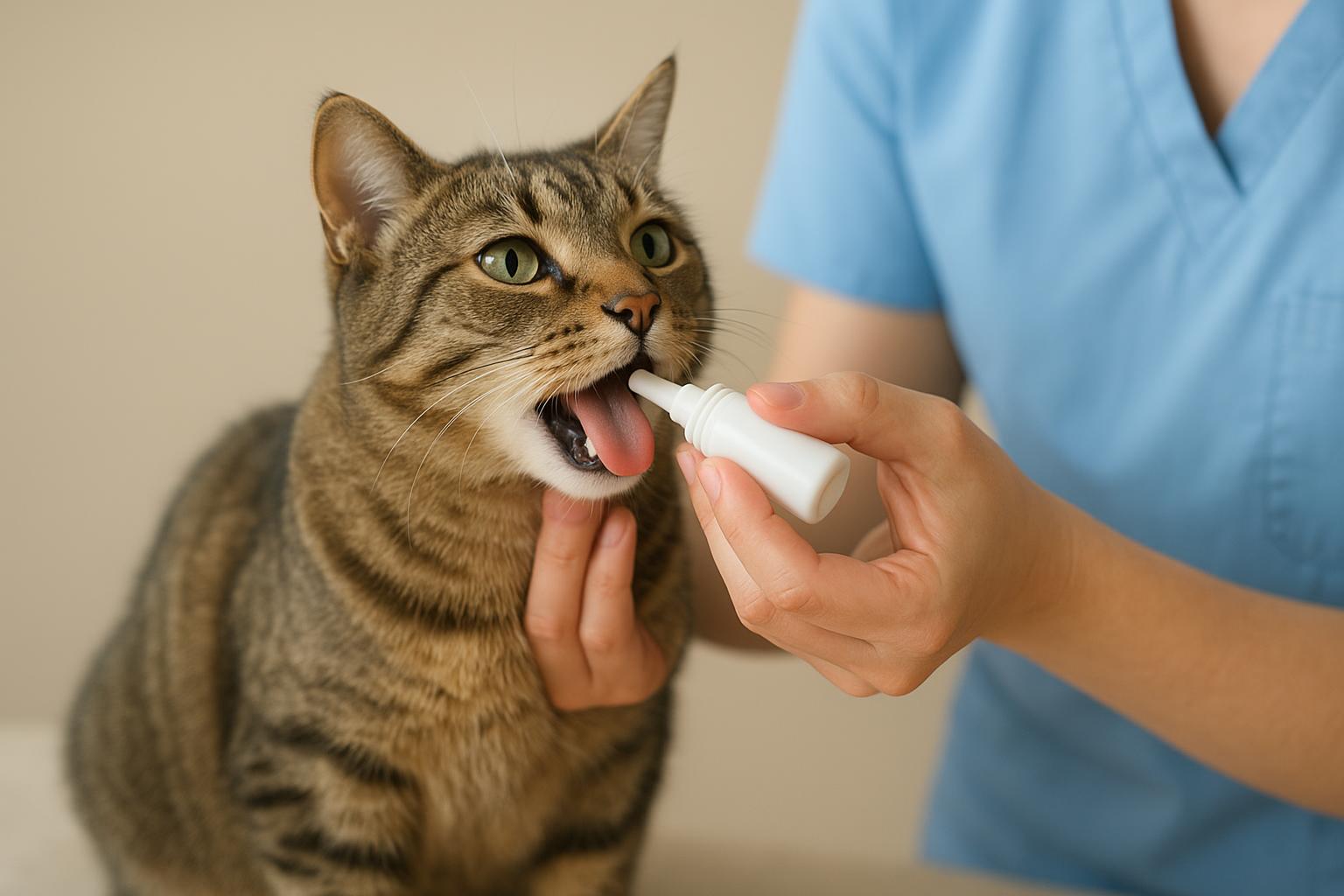
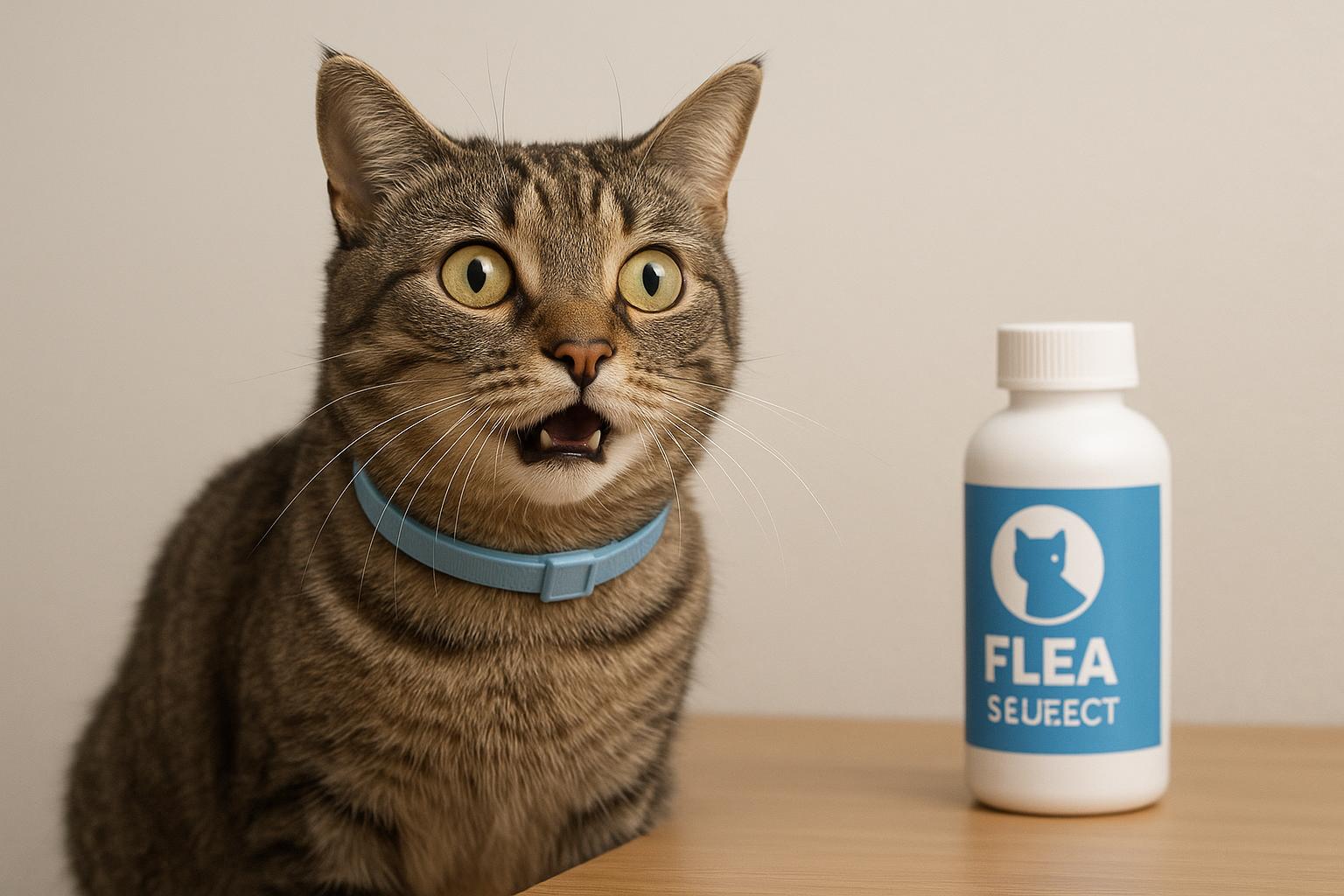
Many topical spot-on treatments and some oral medications are labeled for kittens from about 6–8 weeks of age and above a specified minimum weight. These are typically the most reliable way to break the flea lifecycle quickly. Always:
– Use only products labeled for kittens and for the correct weight range.
– Administer according to the label and your vet’s instructions.
– Avoid using dog products on cats — these can be lethal.
### Non-Chemical Supportive Measures
Before the kitten reaches the labeled flea treatment age, or in addition to a vet-approved product:
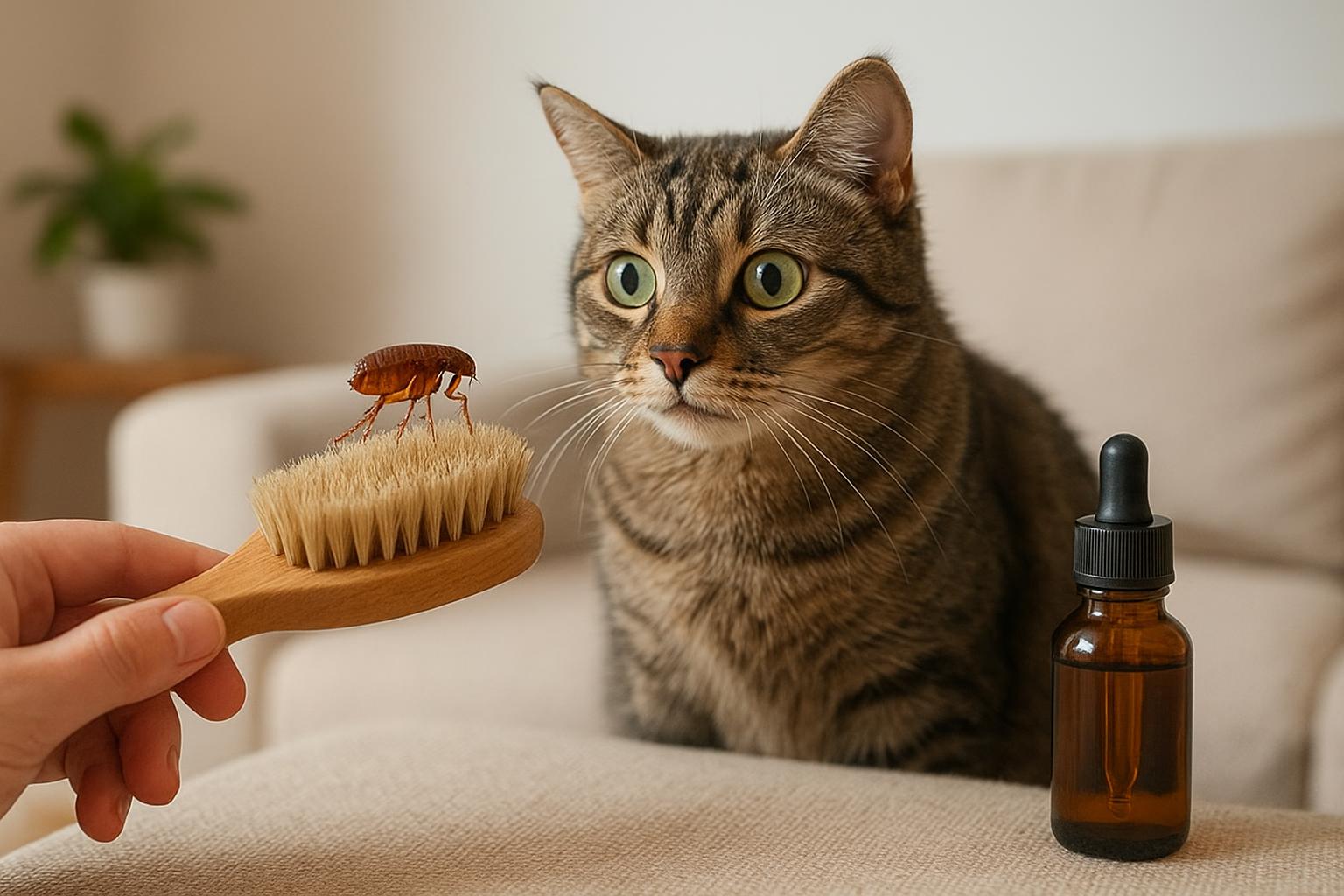
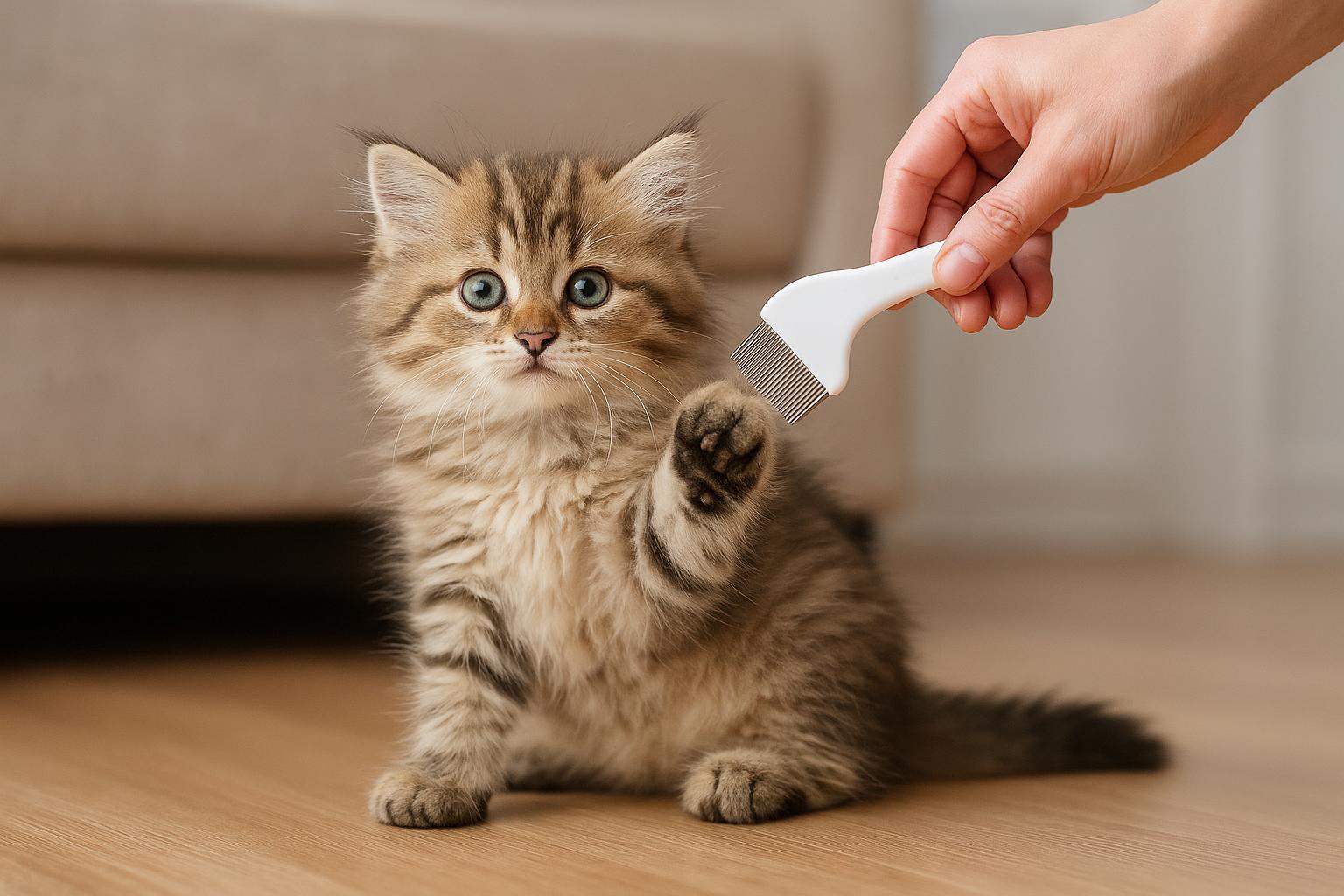
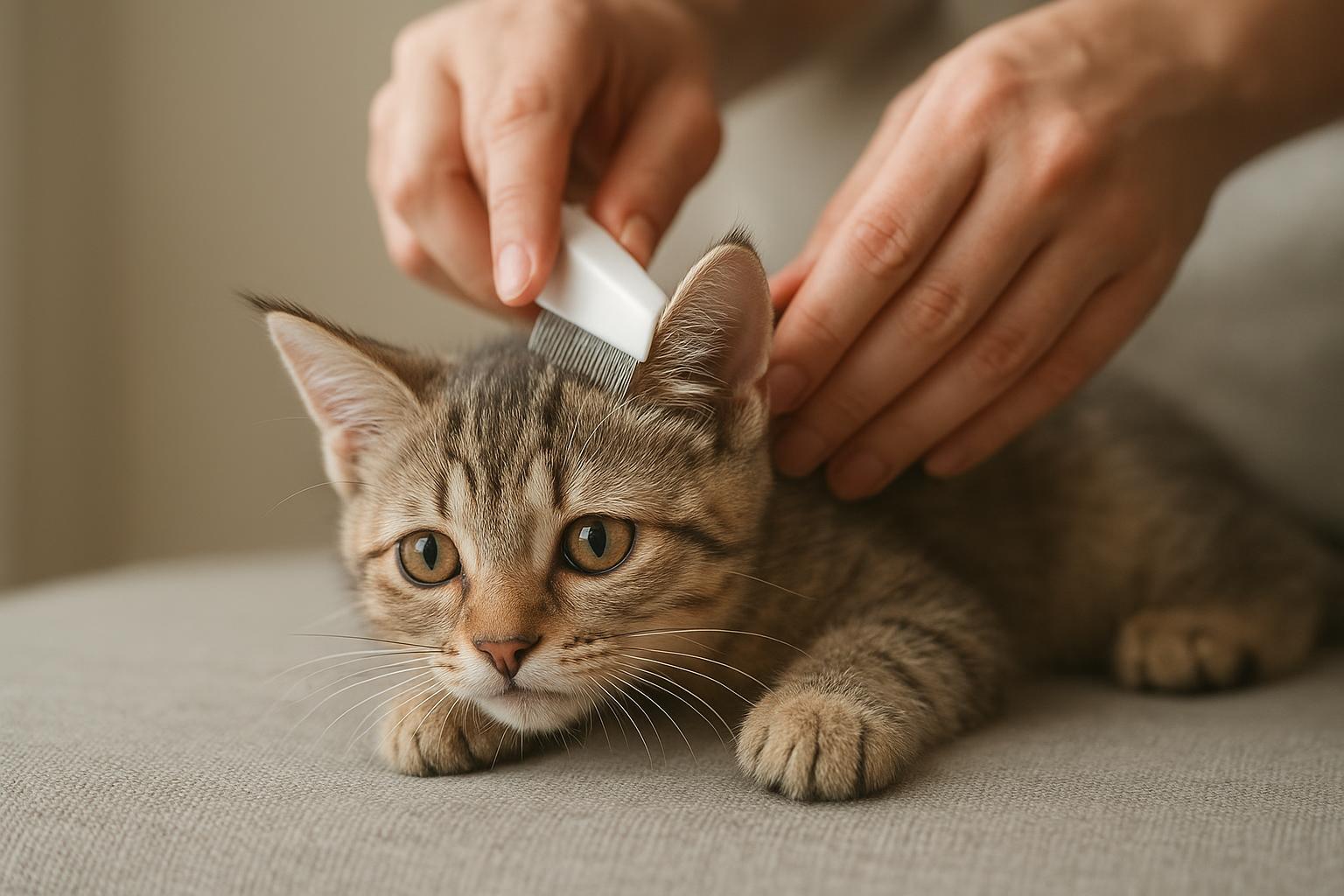
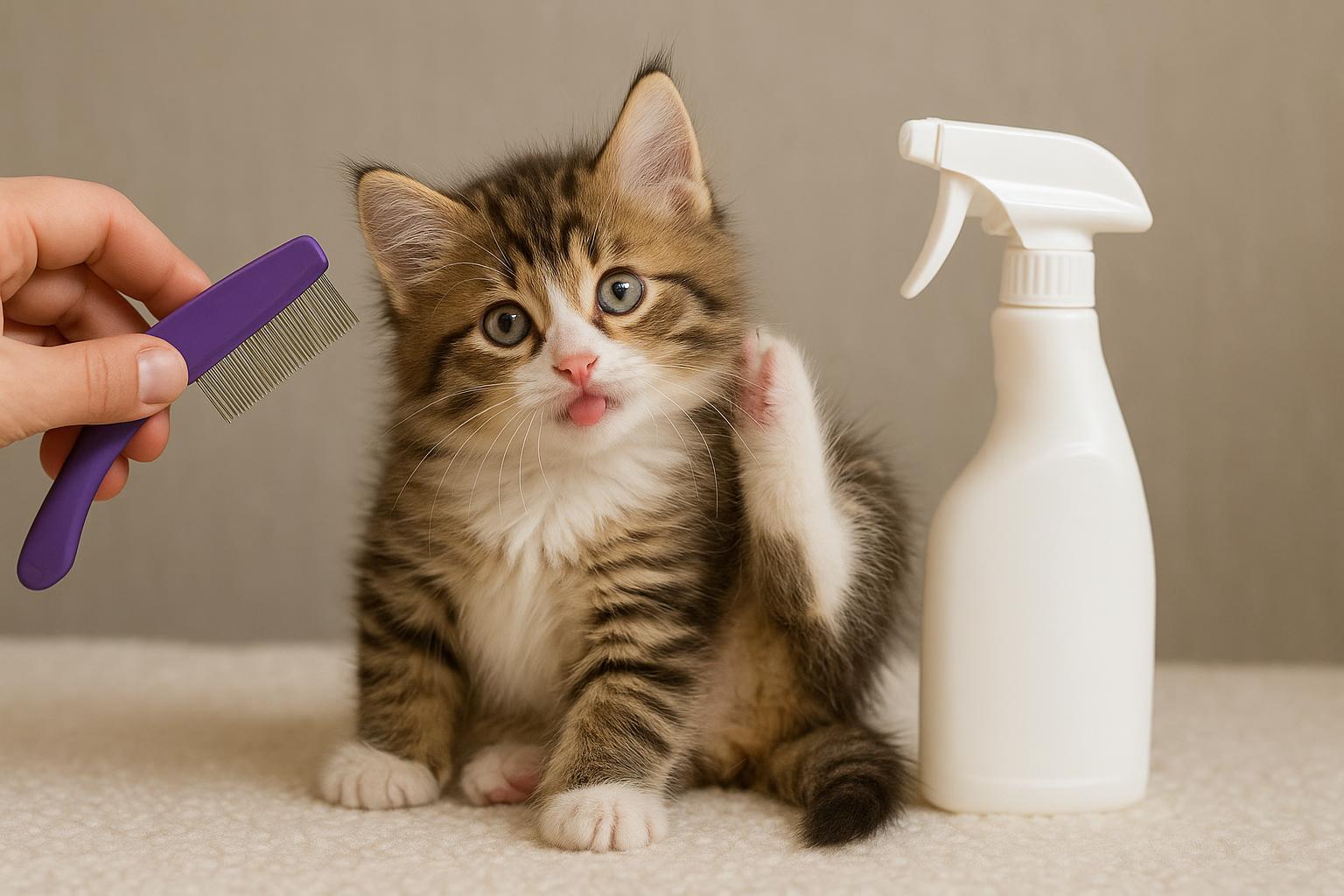
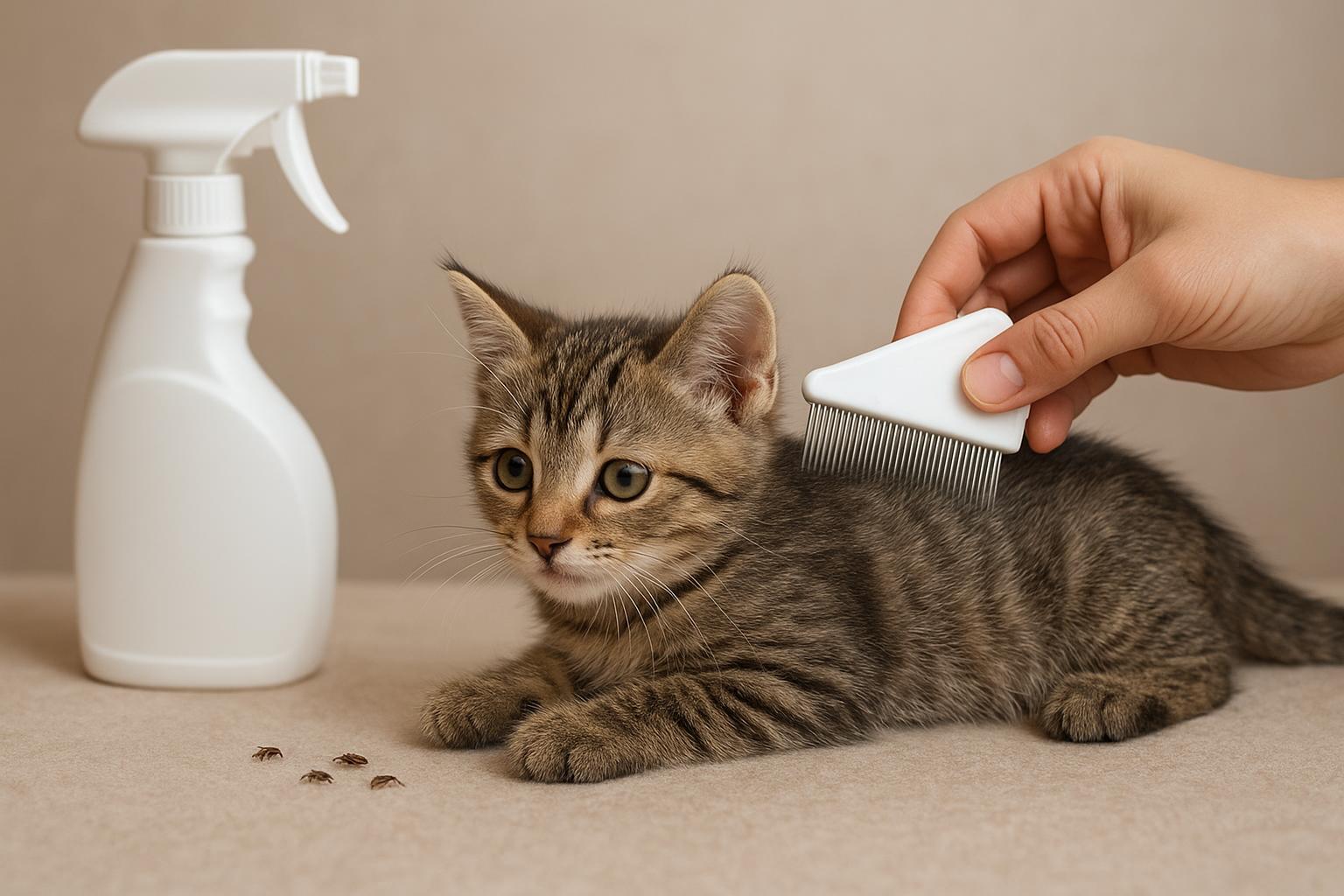
– Regular combing with a fine-tooth flea comb removes adult fleas and flea dirt.
– Warm, short baths with a kitten-safe soap can help, but avoid stress and hypothermia in very young kittens.
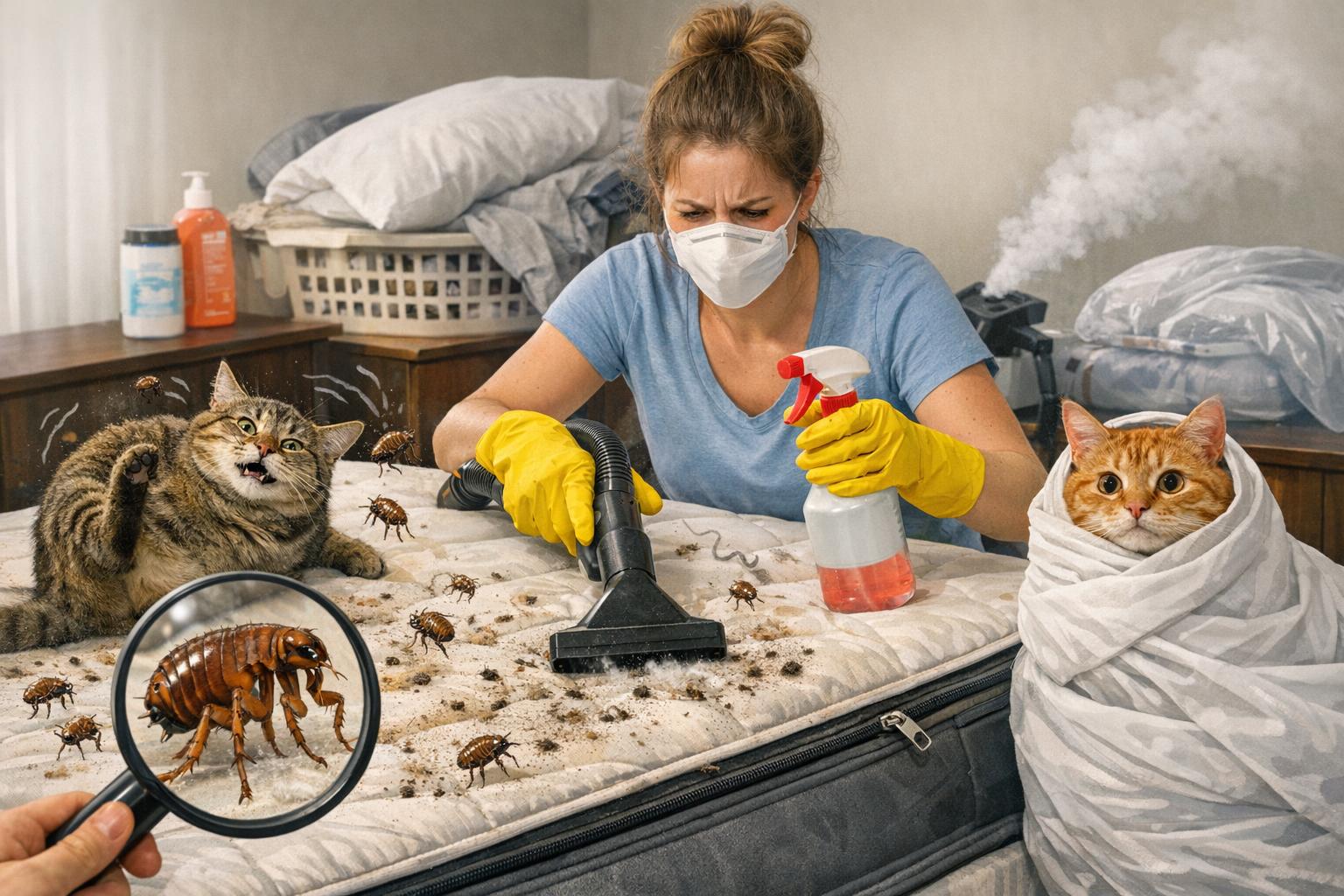
– Environmental control: wash bedding in hot water, vacuum floors and furniture, and treat the environment if necessary with pet-safe products approved for indoor use.
### When To Consult A Vet
If you’re uncertain about the correct flea treatment age for your kitten, or if the kitten is underweight, ill, or has other health conditions, contact your veterinarian. They will recommend an age-appropriate and weight-appropriate product — or a temporary regimen that protects the kitten until it reaches the approved flea treatment age for standard products.
#### Signs That Require Immediate Veterinary Attention
If the kitten shows:
– Lethargy, rapid breathing, or pale gums
– Heavy flea infestations visible on the body
– Inability to maintain body temperature after bathing
These symptoms could indicate anemia or other complications requiring prompt veterinary care.
## Applying The First Flea Treatment (Vet-Recommended Topical): Materials And Steps
The section below provides a formal, step-by-step procedure for applying a vet-recommended topical flea medication once the kitten has reached the appropriate flea treatment age. Follow your veterinarian’s directions and the product label precisely.
Materials / Ingredients
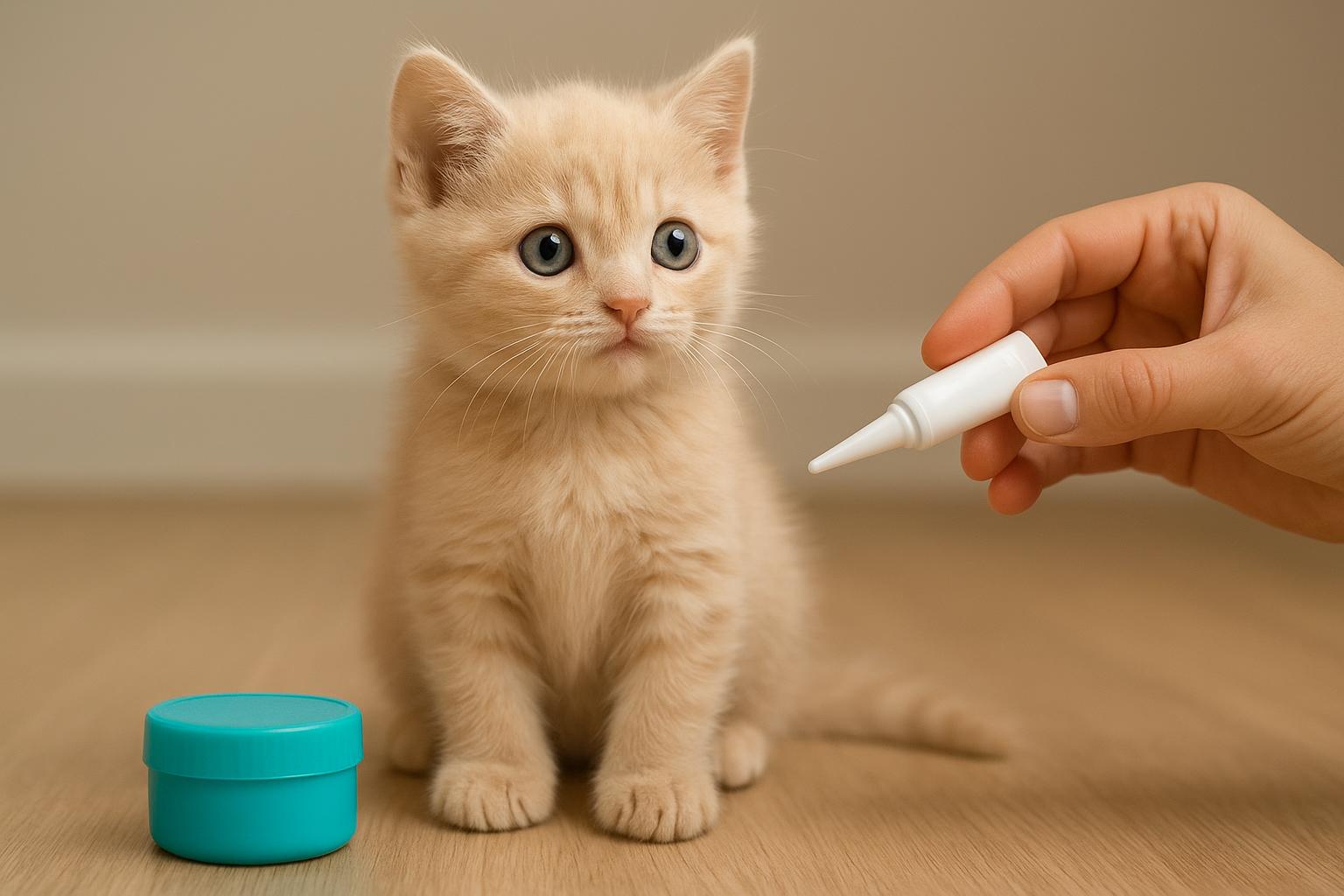
– Veterinary-prescribed topical flea treatment labeled for kittens (correct product selected for age and weight)
– Digital scale to confirm weight (clinic or home scale)
– One clean towel
– Disposable gloves (optional, to avoid product contact)
– Treats for positive reinforcement
– Calendar or record book to log treatment date
– Fine-tooth flea comb for follow-up checks
Step-by-Step Application
1. Confirm Age And Weight: Weigh the kitten and verify its age. Ensure the product selected is labeled for both the kitten’s age and weight.
2. Read The Label: Carefully read the full product label and package insert. Note dosage, site of application, and safety precautions.
3. Prepare The Kitten: Calm the kitten with gentle handling. Dry the kitten completely; topical treatments should be applied to dry fur and skin.
4. Position The Kitten: Place the kitten on the towel on a stable surface. Have a second person gently hold if needed.
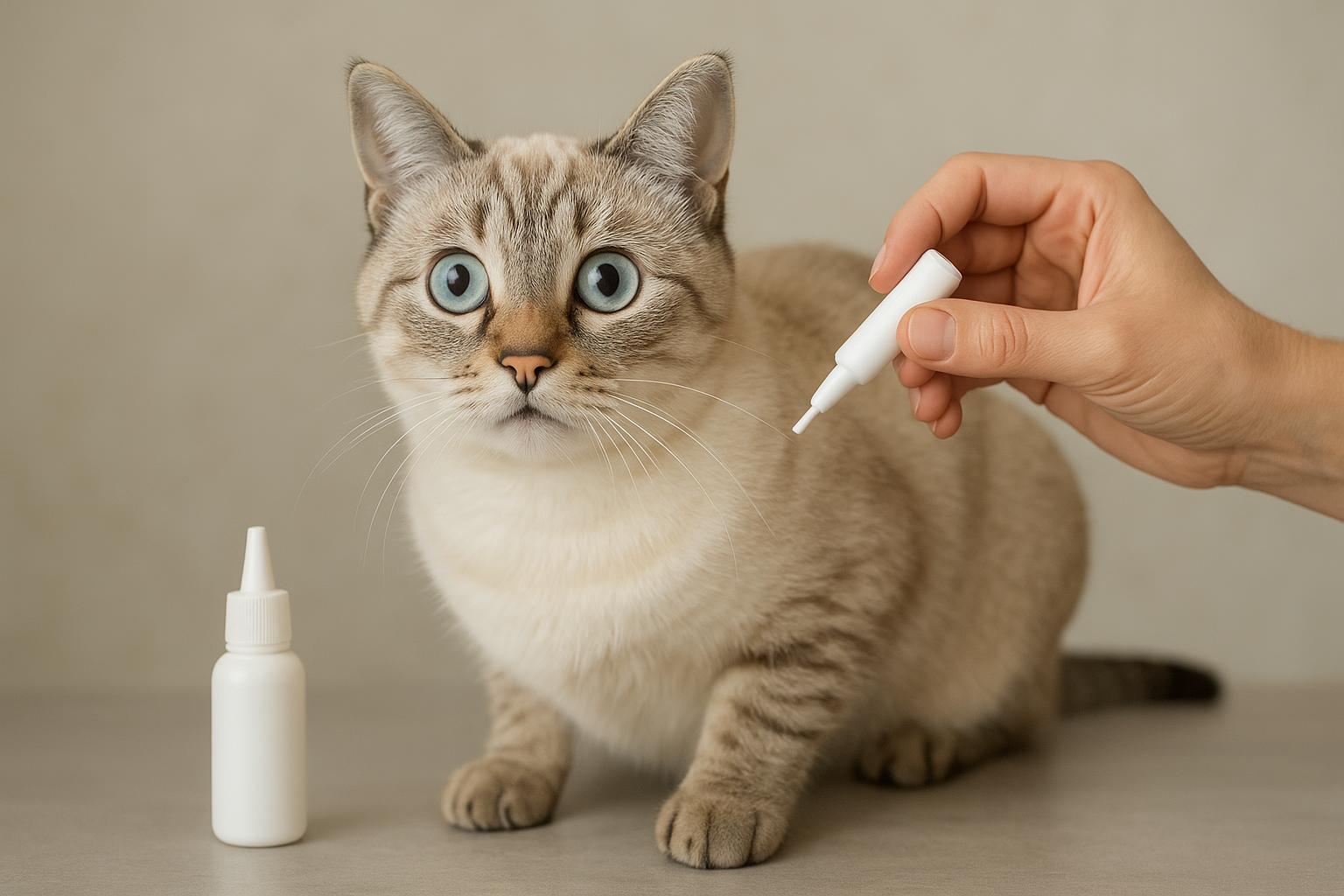
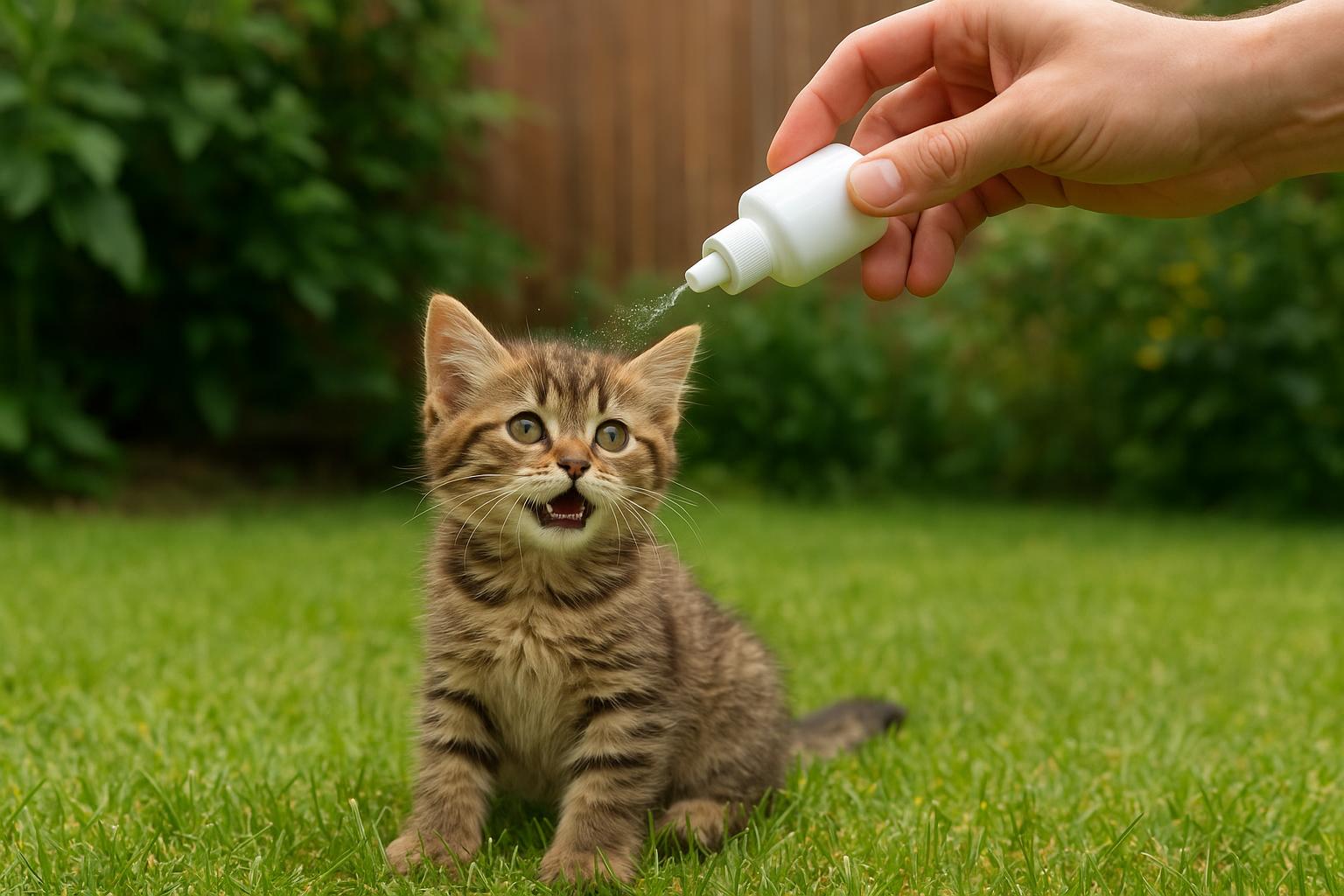
5. Open The Applicator: Following label instructions, open the single-dose applicator carefully.
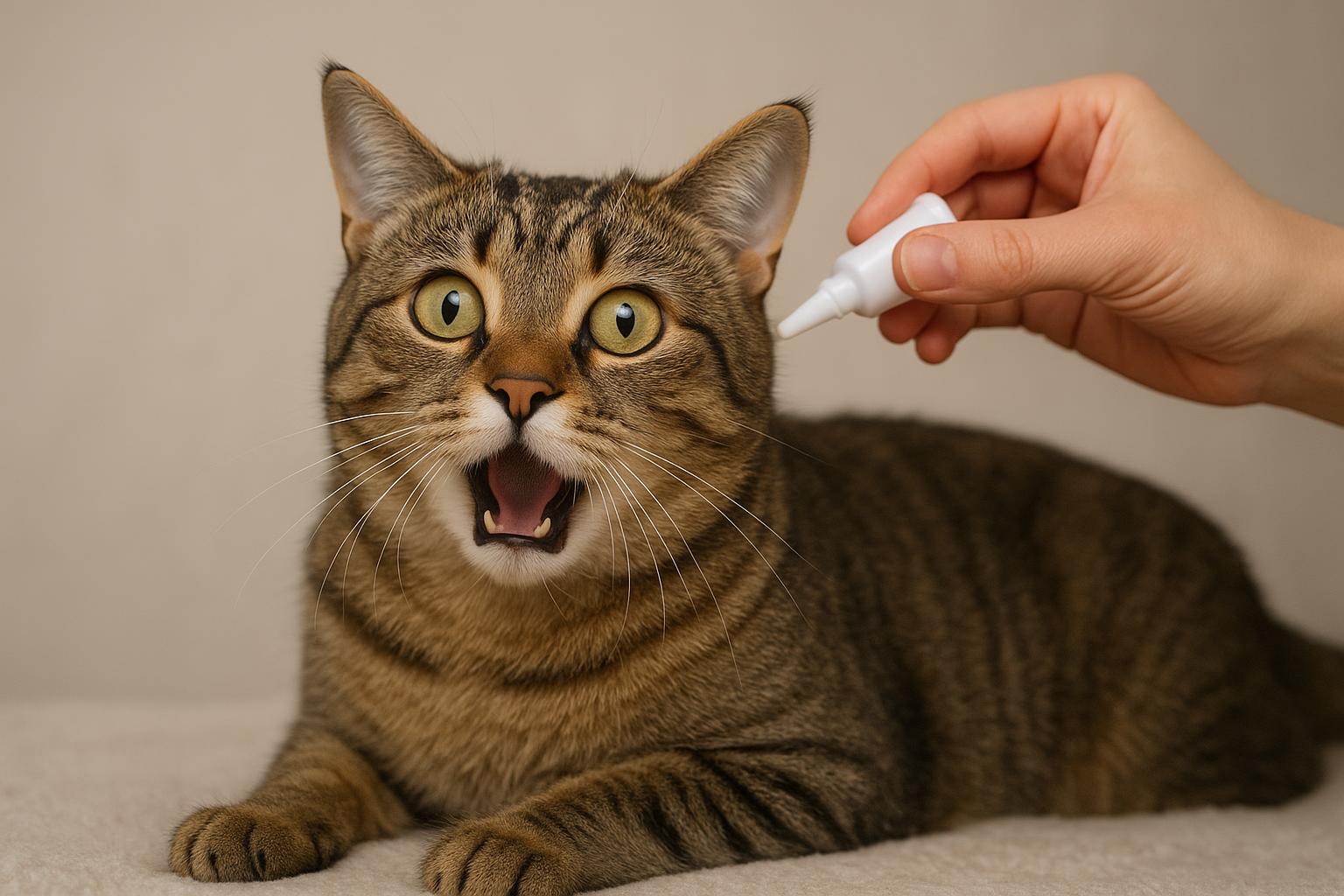
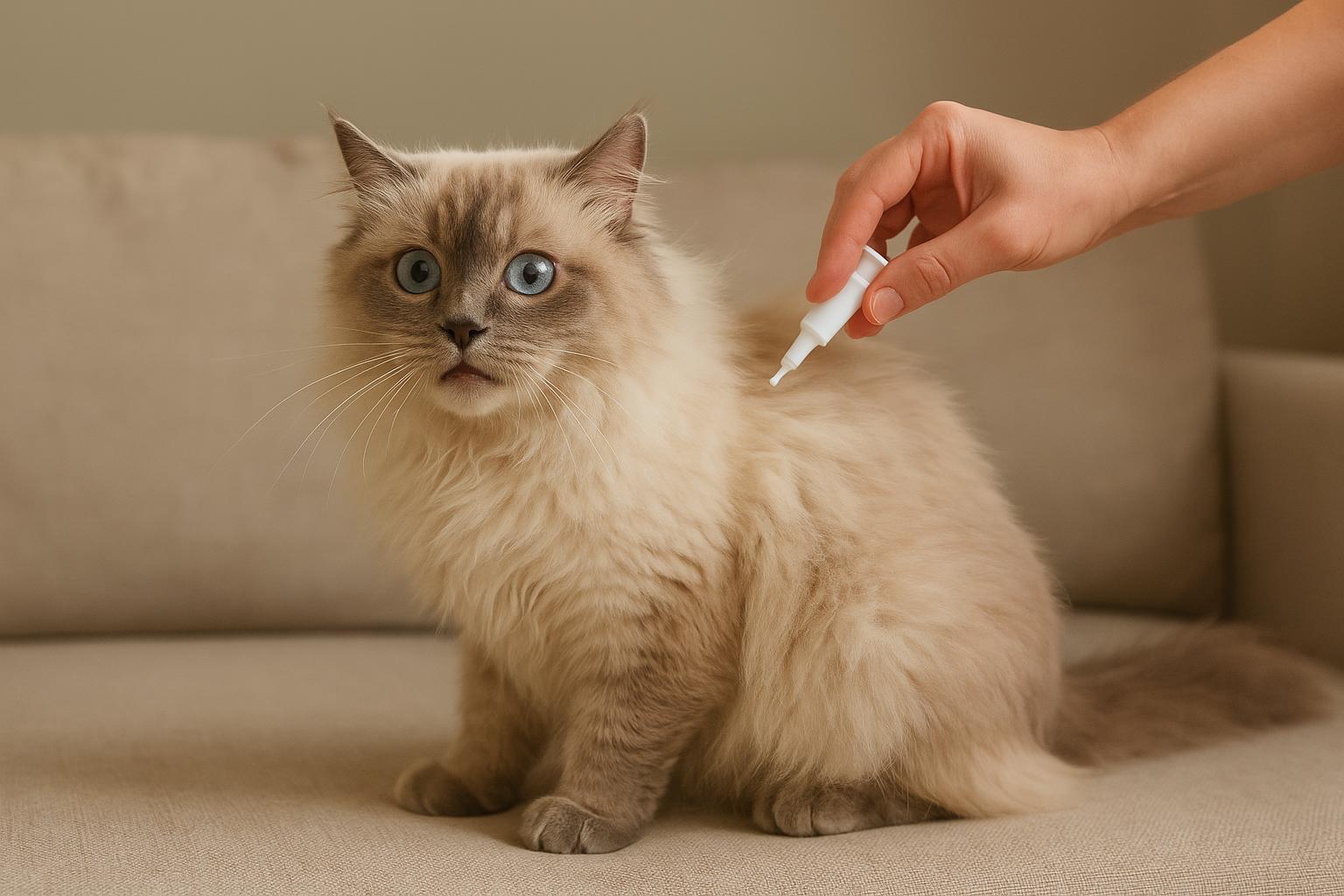
6. Part The Fur: With fingers, part the fur at the base of the skull or at the recommended spot. The goal is to expose skin to allow the product to contact the skin directly.
7. Apply The Product: Squeeze the full contents onto the exposed skin at the spot recommended on the label. Avoid spreading; do not rub the product in unless the label instructs to do so.
8. Avoid Contact: Keep the kitten away from other animals until the product dries. Prevent licking of the application site until it’s fully absorbed.
9. Record The Date: Write down the date of application and set a reminder for the next dose per label instructions.
10. Monitor: Check the kitten within 24–48 hours for any adverse reactions — such as excessive salivation, tremors, vomiting, or lethargy. If any occur, contact your veterinarian immediately.
The procedure above is intentionally formal and specific because accurate dosing and correct application vastly reduce risks and increase effectiveness.
### Follow-Up And Household Measures
– Comb the kitten with a flea comb every day for the first week to remove any stray fleas and monitor effectiveness.
– Wash all bedding in hot water, vacuum carpets and upholstery thoroughly, and consider environmental treatments that are safe for homes with kittens (check labels and vet recommendations).
– Maintain a log of flea treatment age, dates, and product names for accurate follow-up and future vet visits.
## Additional Safe Home Care (Supplementary)
If you’re managing a kitten before it reaches the preset flea treatment age, or you prefer a gentle adjunct, the following supportive care is useful and low-risk:
#### Routine Flea Combing
– Materials: Fine-tooth flea comb, bowl of soapy water.
– Method: Comb short sections from head to tail daily. Dip comb into soapy water to drown fleas. This reduces numbers and gives you immediate feedback.
#### Warm, Brief Baths (When Necessary)
– Materials: Kitten-safe shampoo (veterinarian-approved), warm water, towel.
– Method: Use only small amounts of warm water and kitten-specific shampoo. Dry immediately and keep the kitten warm. Avoid frequent bathing; this is a temporary measure, not a long-term solution.
Both methods are safe when done carefully but are not substitutes for a vet-approved flea product once the kitten reaches the labeled flea treatment age.
## Monitoring After First Treatment
Keep observing your kitten after the first flea application. The treatment should significantly reduce flea activity within 24–48 hours. If fleas persist beyond 72 hours or the kitten experiences adverse effects, contact your veterinarian. Also remember that controlling environmental flea stages may require repeated household measures or a separate environmental product recommended by your vet.
A small record-keeping habit goes a long way: note the flea treatment age at first application, product name, batch number if available, and the date. That information is invaluable for follow-up care and any questions your vet might have.
Now go give that tiny tiger some TLC — safely and on schedule — and keep a flea comb handy for good measure. If you want, tell me the kitten’s age and weight and I can guide you to the types of products typically labeled for that stage (but always confirm with your vet).





Leave a Reply