
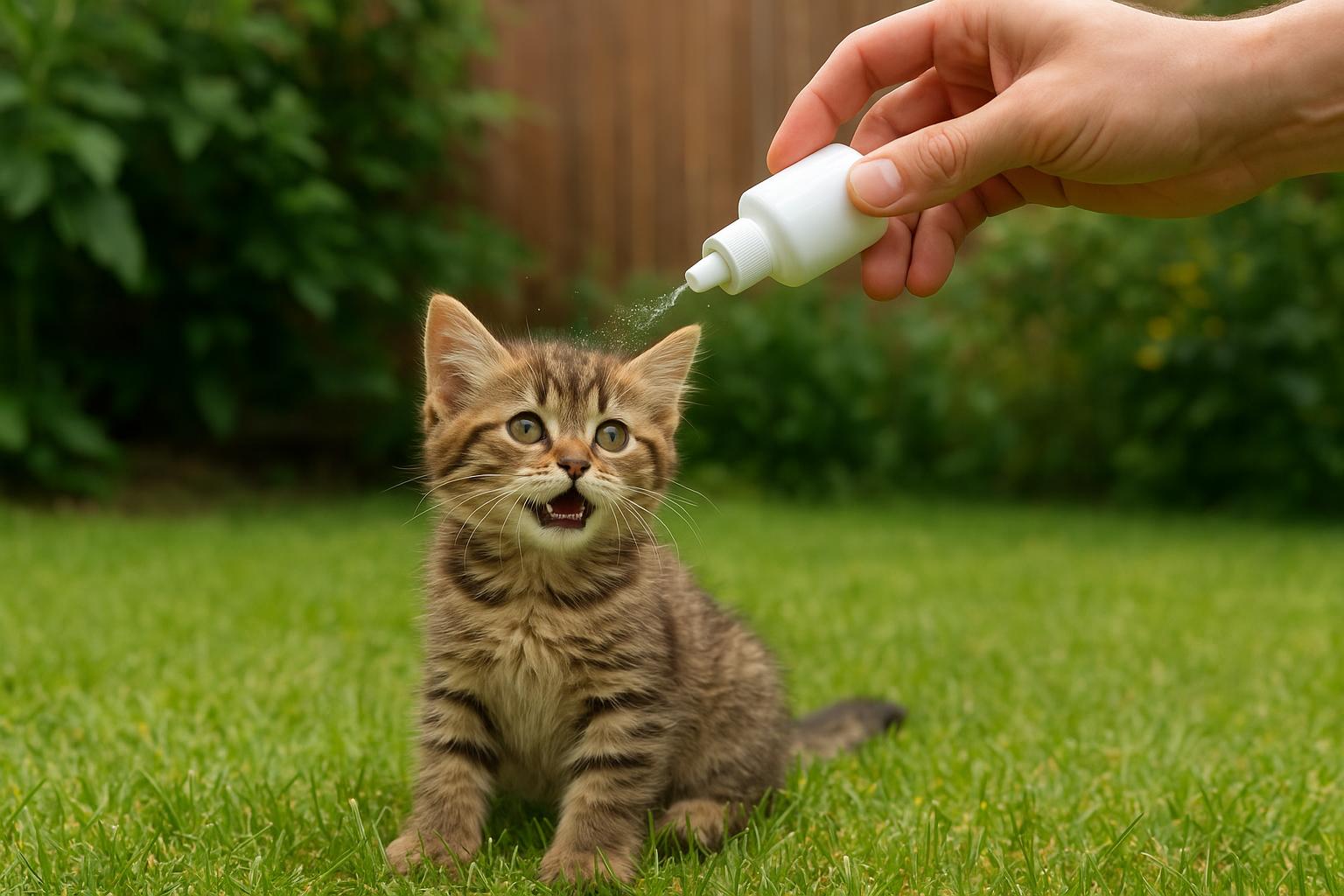
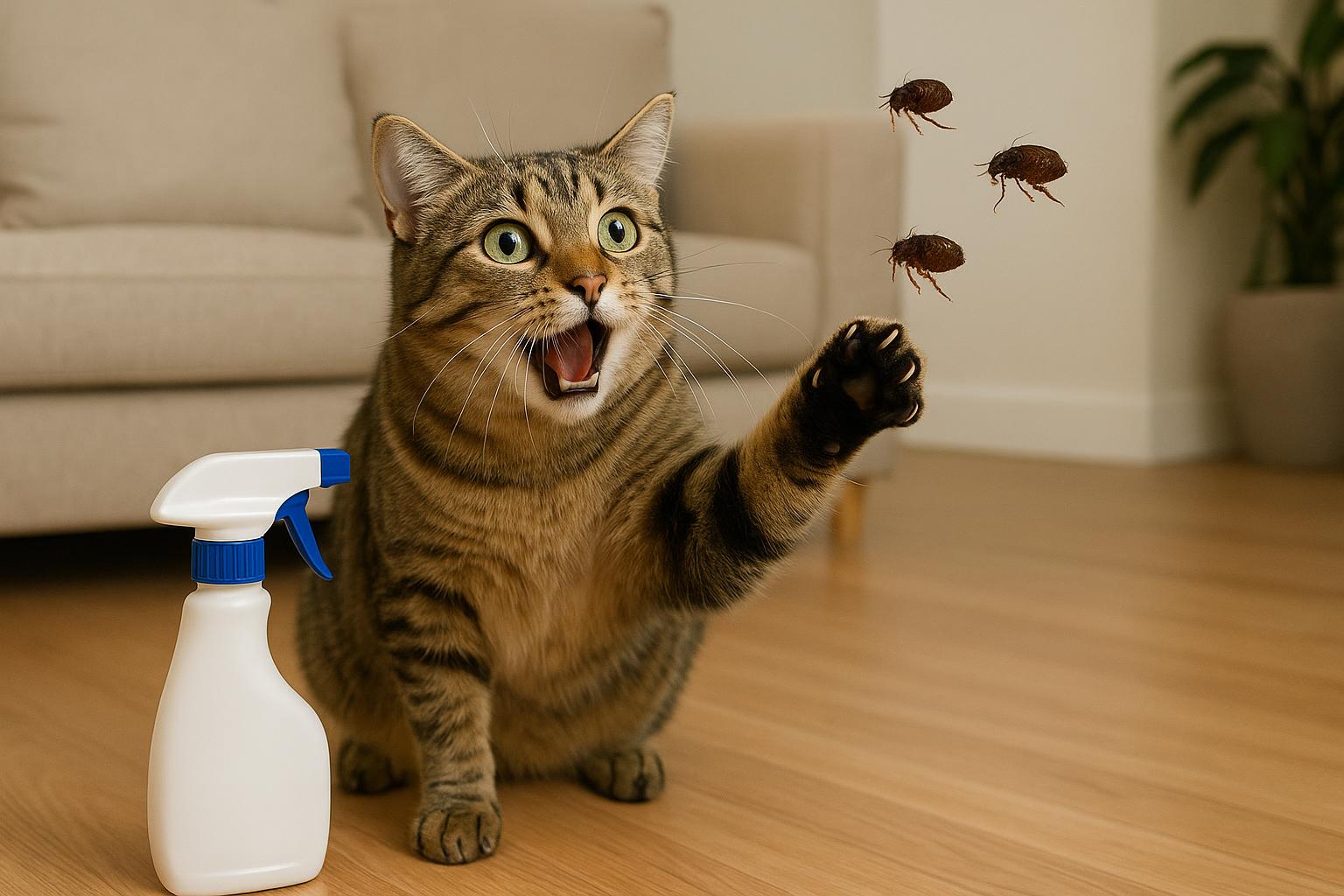
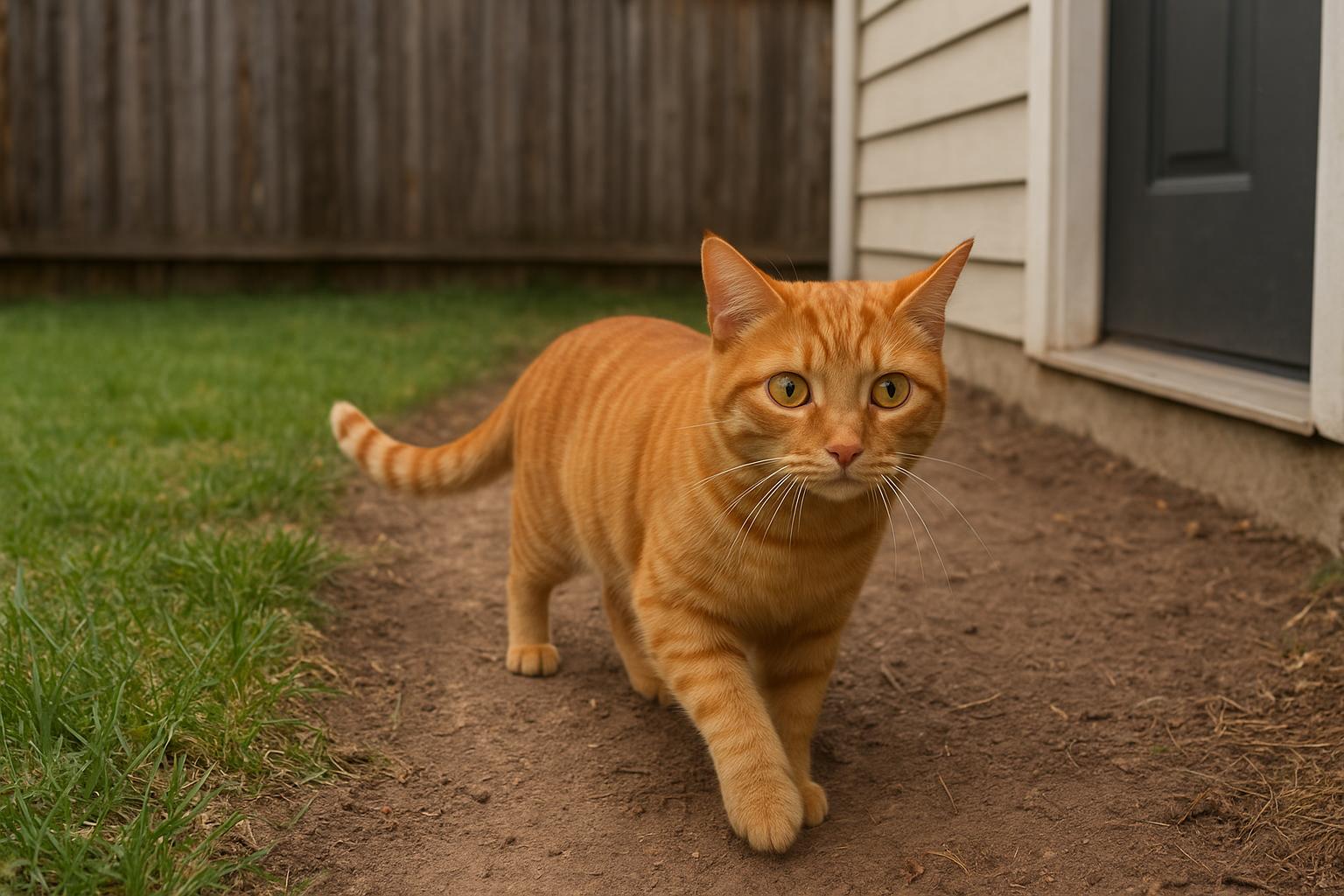
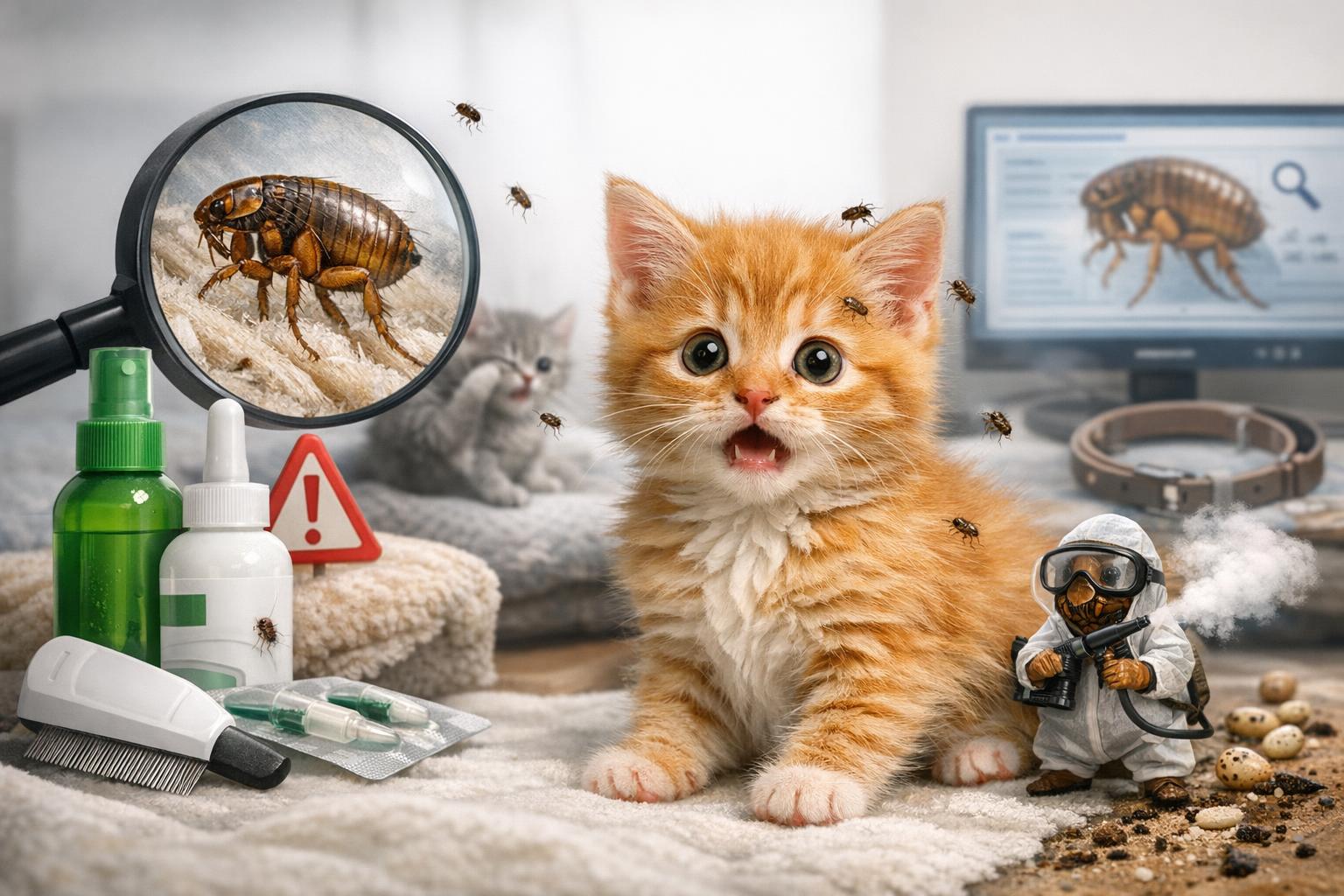
Kittens exploring soft grass and sun-puddles are a joy — and a tiny worry for any pet parent thinking about fleas. Backyard care is one of the most practical, humane, and cost-effective ways to protect young felines. This guide walks through landscaping, habitat changes, and two vetted remedies to keep your kitten scratch-free and your yard unappealing to hitchhiking pests. I’ll be relaxed about the cozy parts and properly precise about the fixes.
## Prevent Fleas Through Backyard Care
A few simple backyard habits can prevent fleas from ever getting a toe hold on your property. Fleas thrive in shaded, moist, and cluttered spots where hosts pass by regularly. By changing that environment, you remove what fleas need to reproduce and wait for a host. To prevent fleas, think like a flea: what makes you want to stay put? Cool shade, leaf litter, long grass, and wildlife traffic. Remove or modify those.
### Tidy The Yard To Remove Flea Harbors
Open, sunny areas with trimmed grass warm quickly and are less hospitable to flea eggs and larvae. Mow regularly, clear leaf piles, and keep garden beds tidy. While it sounds bossy, a well-maintained yard can make a huge difference. Compost piles should be away from kitten play zones.
#### Target Moisture Sources
Flea larvae need humidity. Fix leaky hoses, avoid standing water, and move bird baths farther from areas where your kitten plays. Even simple changes like elevating potted plants or improving soil drainage cut flea-friendly microhabitats.
### Reduce Wildlife Traffic
Wildlife like raccoons, opossums, feral cats, and some birds carry fleas and deposit them in your yard. To prevent fleas, reduce attractants: secure trash, pick up fallen fruit, remove pet food left outdoors, and consider wildlife-proof plantings. Also, seal crawlspaces under decks and sheds that might become a den.
## 1. Remedy: Natural Outdoor Flea Barrier (Materials And Steps)
When you want to stop fleas before they reach your kitten, creating an outdoor barrier is a gentle, effective option that focuses on habitat modification plus safe botanical deterrents. Below are required materials and a formal, step-by-step application method.
Materials / Ingredients:
– Fine-mesh garden rake and leaf blower (optional)
– Gloves and garden shears
– Cedar chips or diatomaceous earth (food-grade)
– Nematodes (specific species for flea control: Steinernema carpocapsae or Heterorhabditis bacteriophora)
– Watering can or hose with a gentle spray nozzle
– Mulch fabric (optional)
Creation And Application Steps:
1. Clear And Expose: Rake out leaf litter, clumps of grass, and debris from kitten play areas and pathways. Expose soil and let sun dry the surface for several days. This reduces humidity and removes eggs and larvae.
2. Trim And Thin Vegetation: Cut lawn edges, thin dense ground covers, and prune low branches to boost sunlight. Fleas and larvae are less likely to survive in sunny, dry conditions.
3. Apply Physical Barrier: In areas where your kitten spends time, lay a 2–3 inch layer of cedar chips or a light dusting (follow packaging) of food-grade diatomaceous earth. Cedar chips repel many pests naturally; diatomaceous earth mechanically damages insects’ exoskeletons. Use sparingly and avoid dusty clouds.
4. Introduce Beneficial Nematodes: Follow supplier instructions for storage and timing. Apply nematodes in the evening or early morning when soil is moist. Mix as directed and water them into the soil of shaded, damp areas where fleas might develop. Nematodes are living organisms that seek and kill flea larvae and pupae, providing biological control without chemicals.
5. Water Appropriately: Keep treated areas lightly moist for 48–72 hours after nematode application to help them establish, then reduce watering to discourage flea larvae over the long term.
6. Repeat Seasonally: Apply nematodes once in spring and again mid-summer if your yard favors pests. Replenish cedar chips annually and refresh diatomaceous earth after heavy rains.
Follow safety directions on product labels. For households with small children or breathing sensitivities, prefer cedar chips and nematodes over dusting powders.
### Why This Works
This remedy combines habitat modification, a mild physical substance, and biological control to reduce flea populations without relying solely on pesticides. It lowers the odds of fleas surviving in the yard and encountering your kitten in the first place — the core idea behind measures to prevent fleas.
## 2. Remedy: Safe Kitten Treatment And Yard Coordination
If a kitten is already exposed or you prefer a paired approach, treat the kitten appropriately while maintaining the outdoor measures above. This remedy details veterinary-approved topical choices and safe timing, plus how to coordinate yard treatments to avoid re-infestation.
Materials / Ingredients:
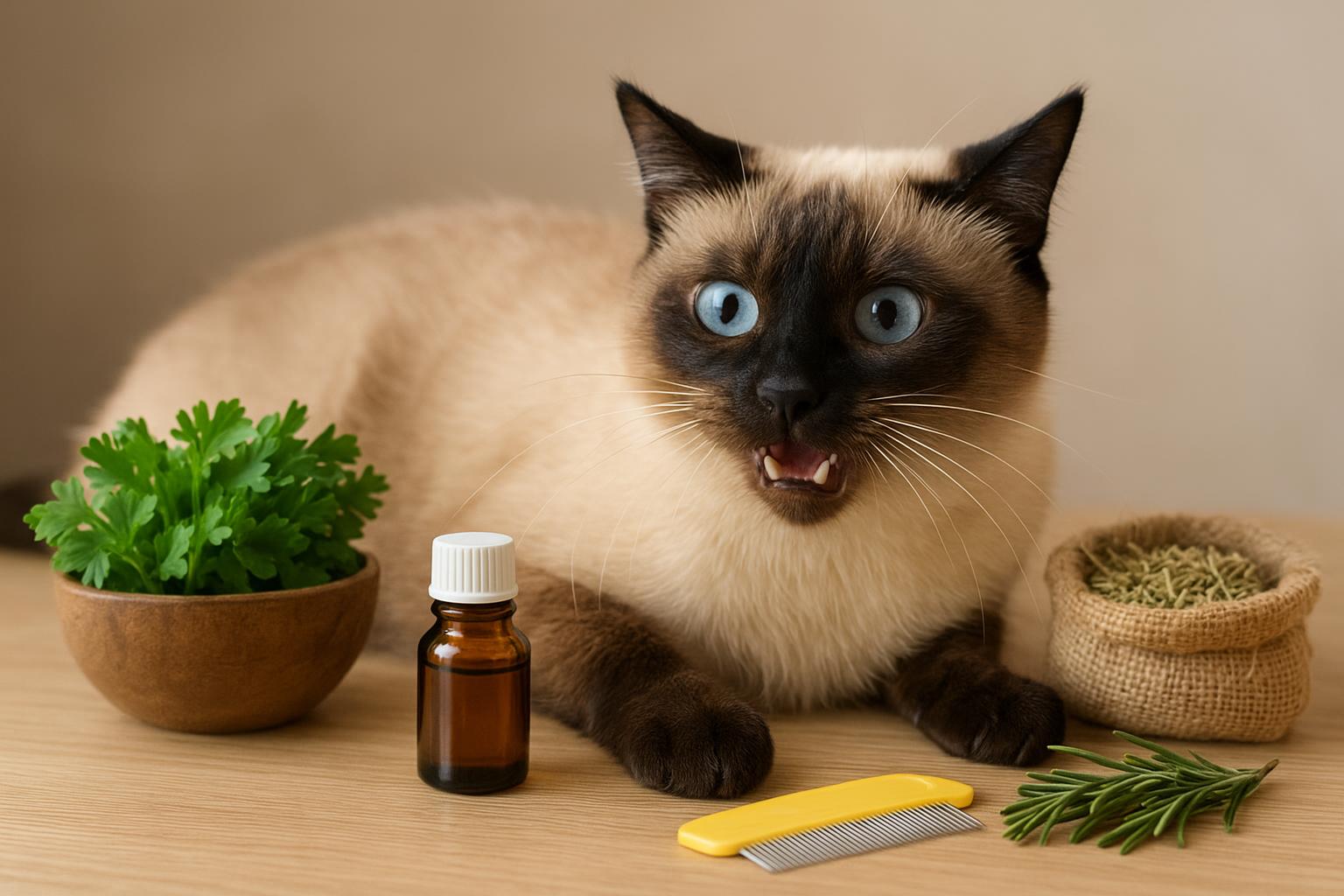
– Veterinary-recommended topical flea treatment for kittens (age- and weight-appropriate; ask your vet)
– Flea comb
– Mild kitten shampoo (if needed)
– Clean towels and a warm room for drying
– Small plastic or metal bin for washing bedding
– Hot water and pet-safe laundry detergent
– Storage container for outdoor treatment products (if using any chemical controls)
– Gloves and eye protection (when handling any chemical products)
Creation And Application Steps:
1. Veterinary Assessment: Schedule a quick vet consult before applying any flea product. Kittens have age and weight limits for most adult treatments; a vet will confirm the correct product and dose.
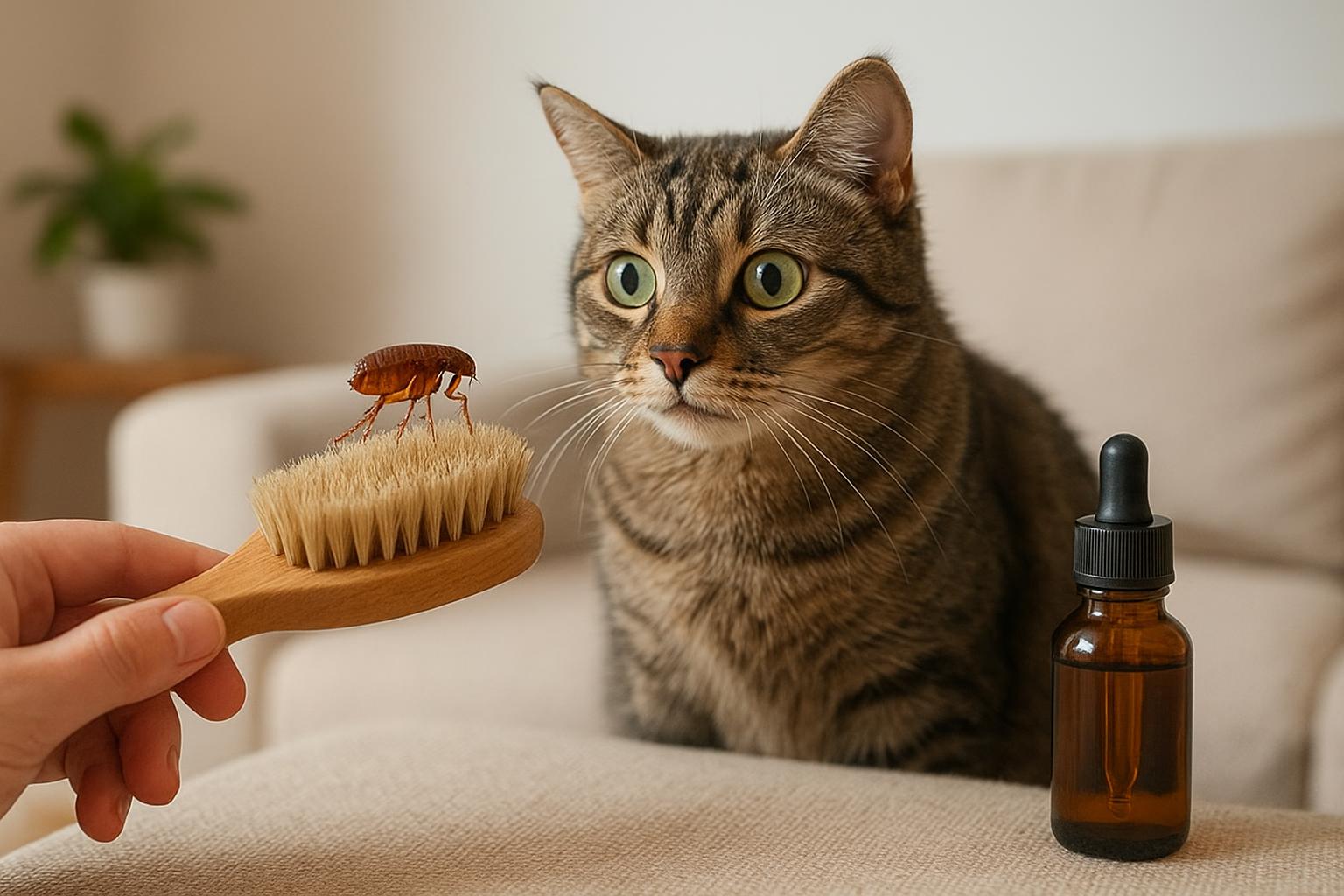
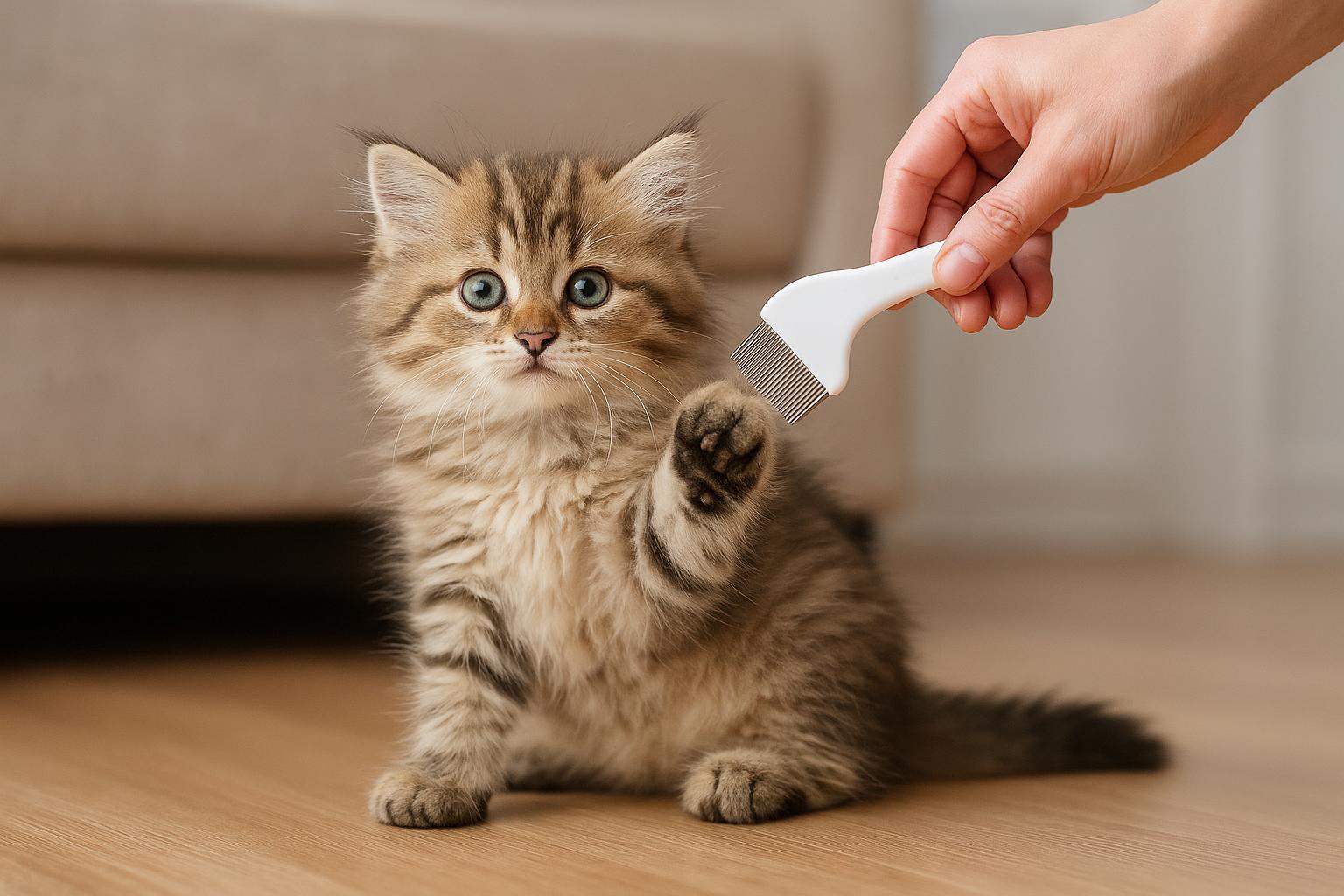
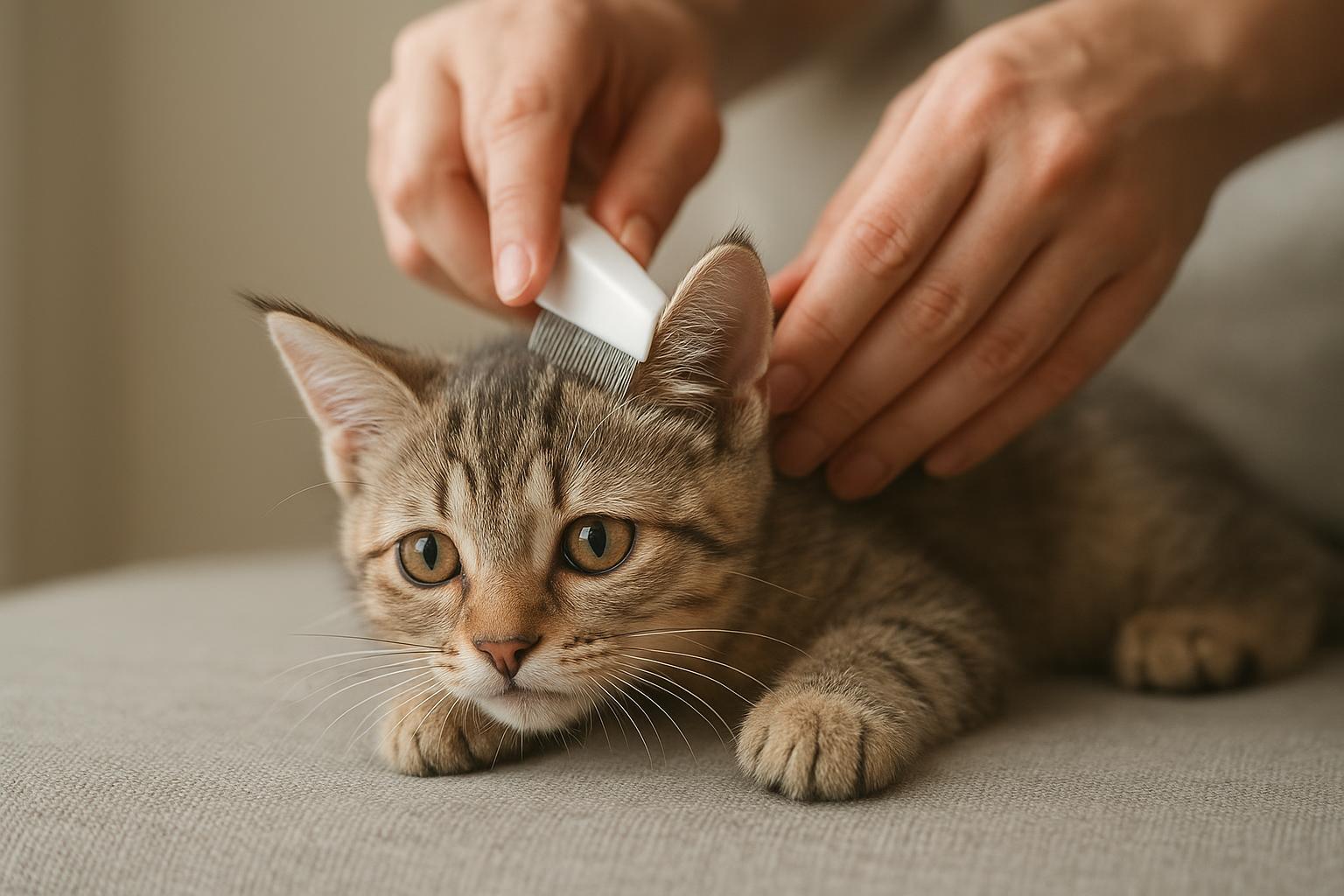
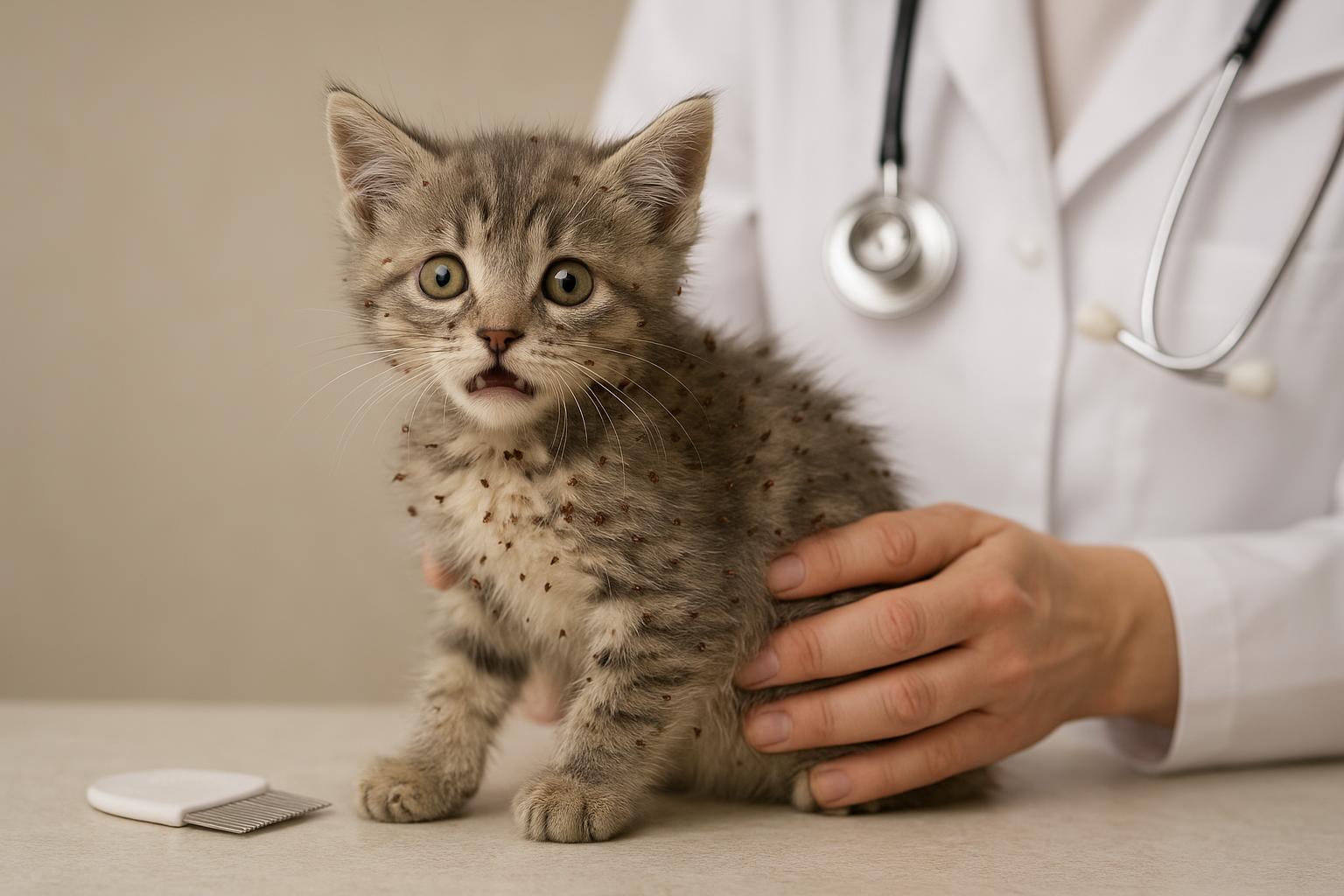
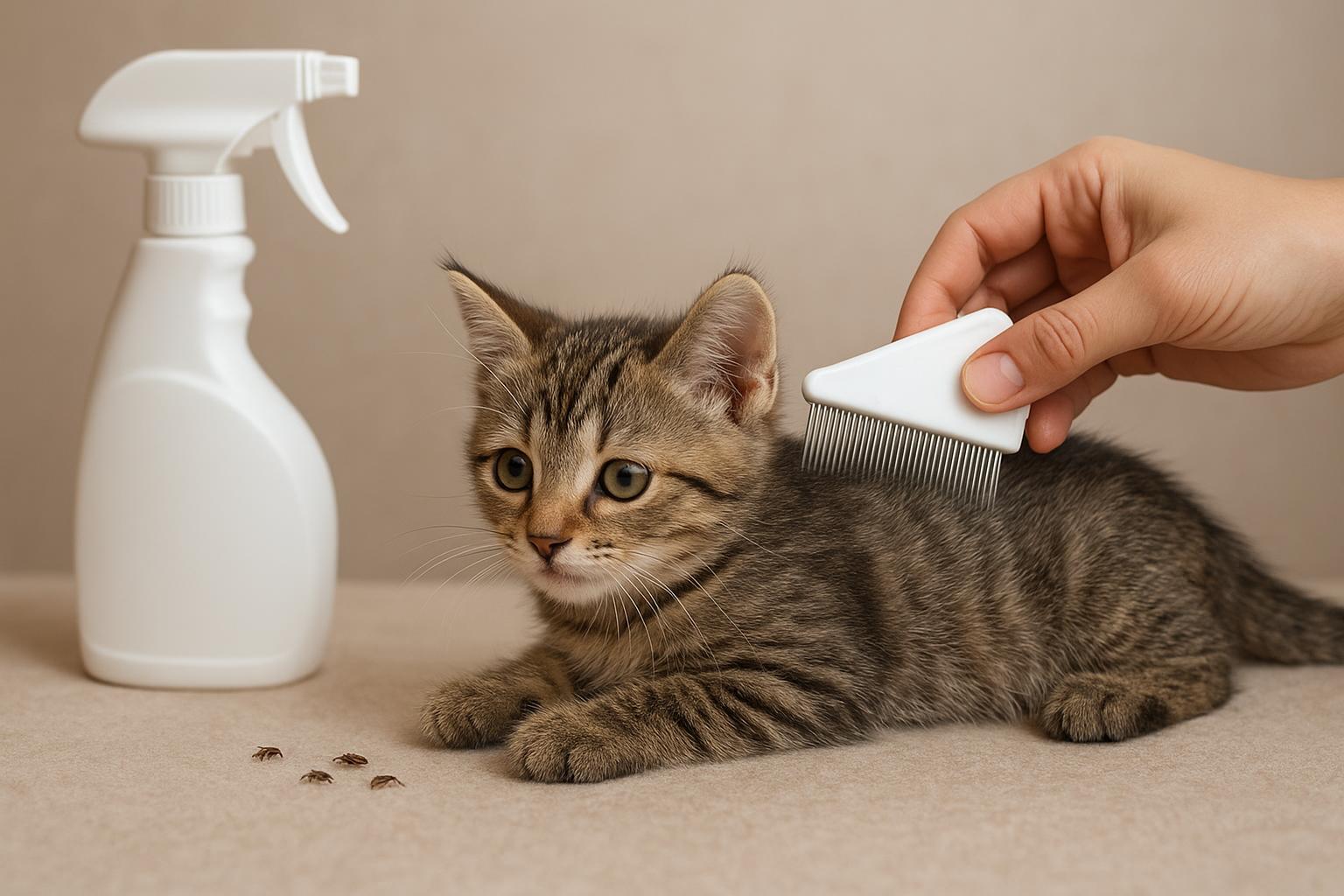
2. Comb And Inspect: Use a fine-toothed flea comb daily across the nape, neck, and tail base. Remove live fleas into soapy water. This reduces immediate load and helps you track progress.
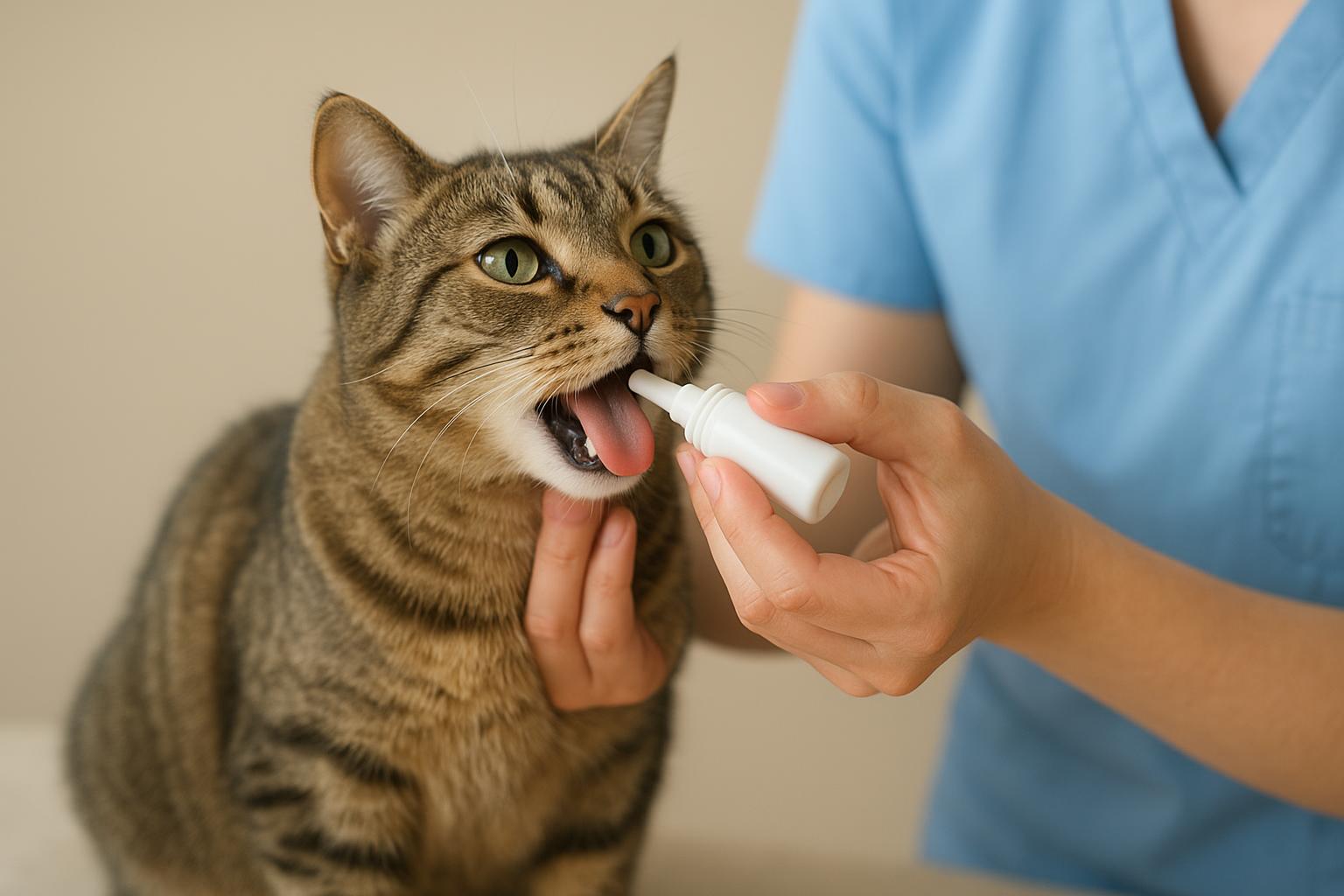
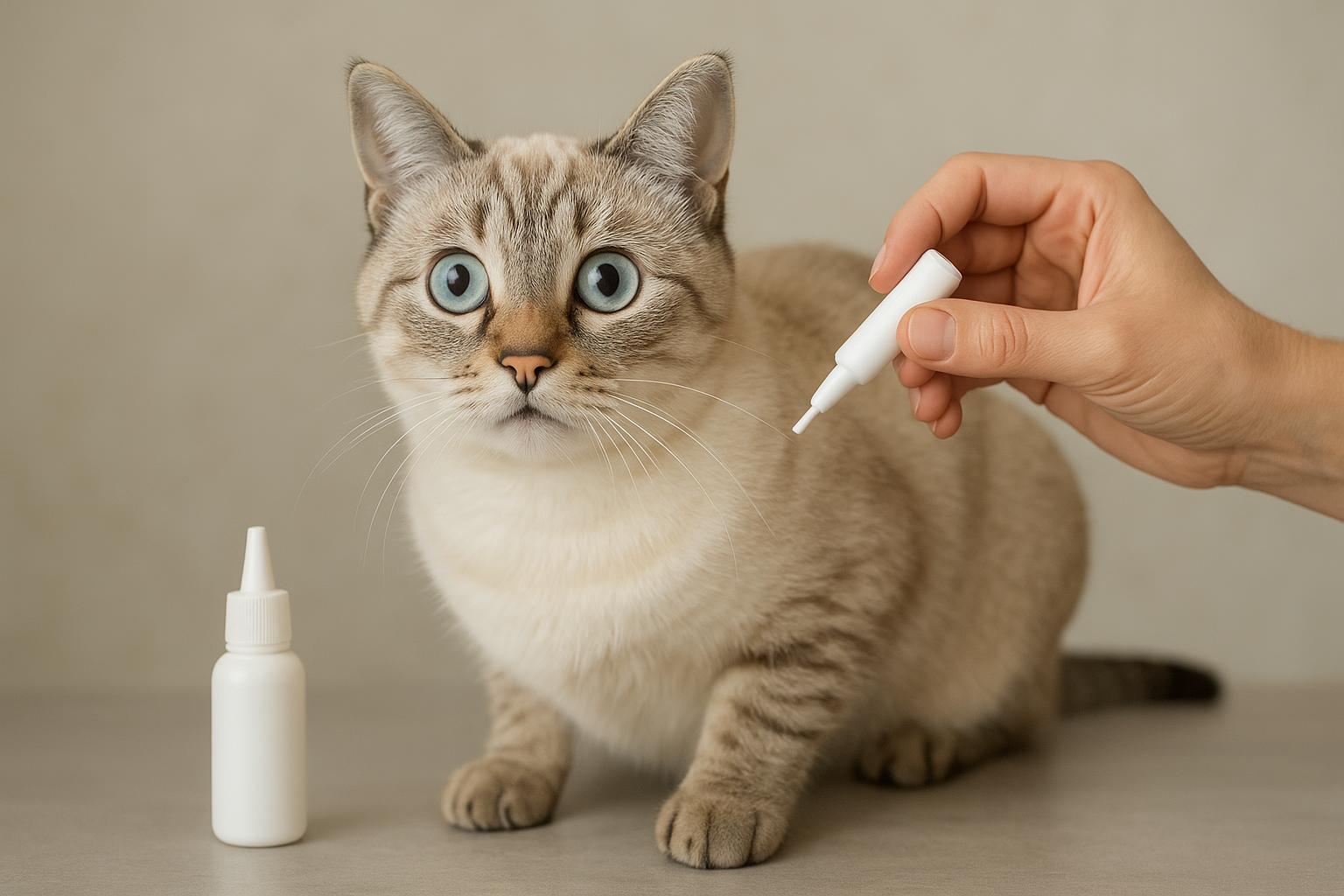
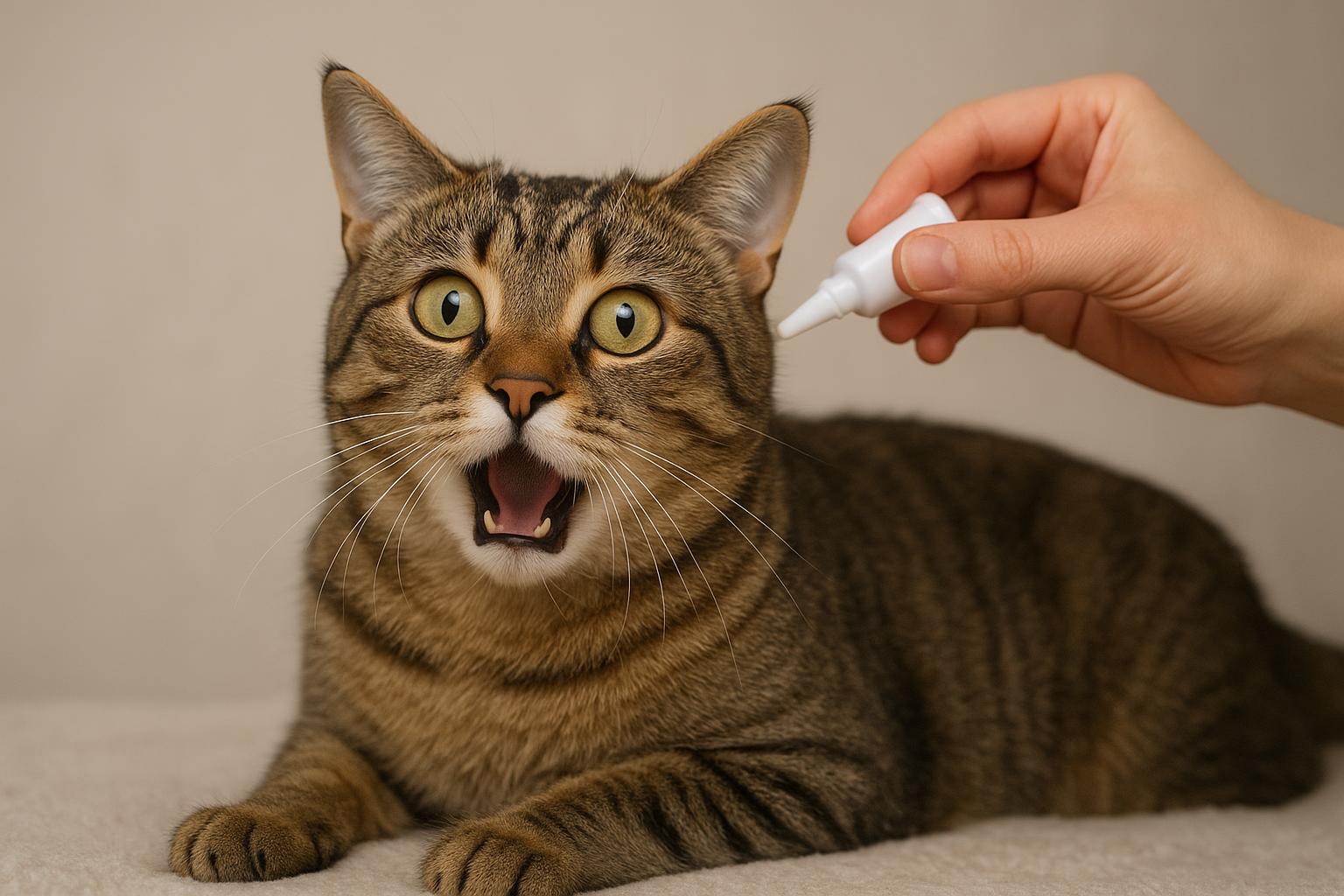
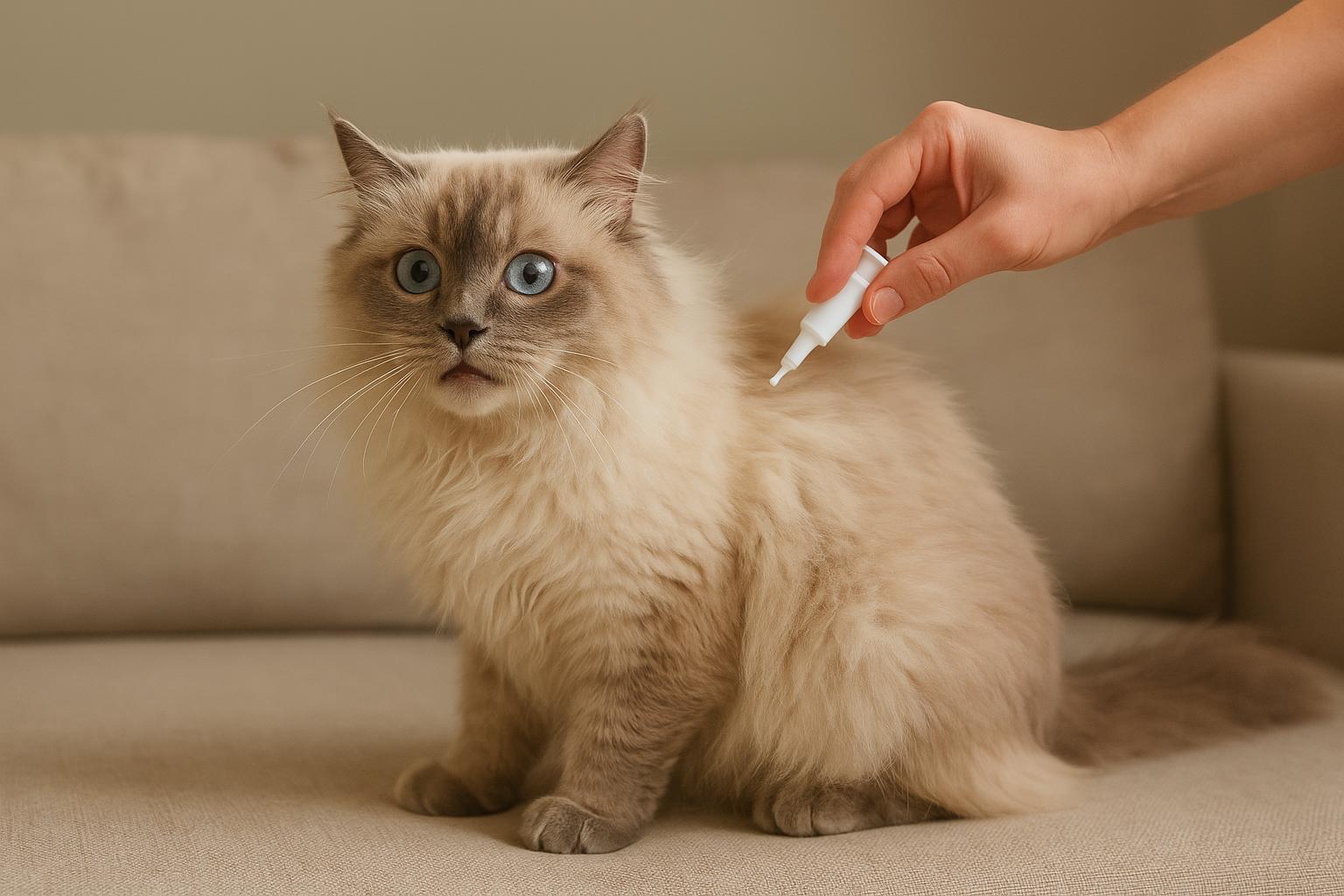
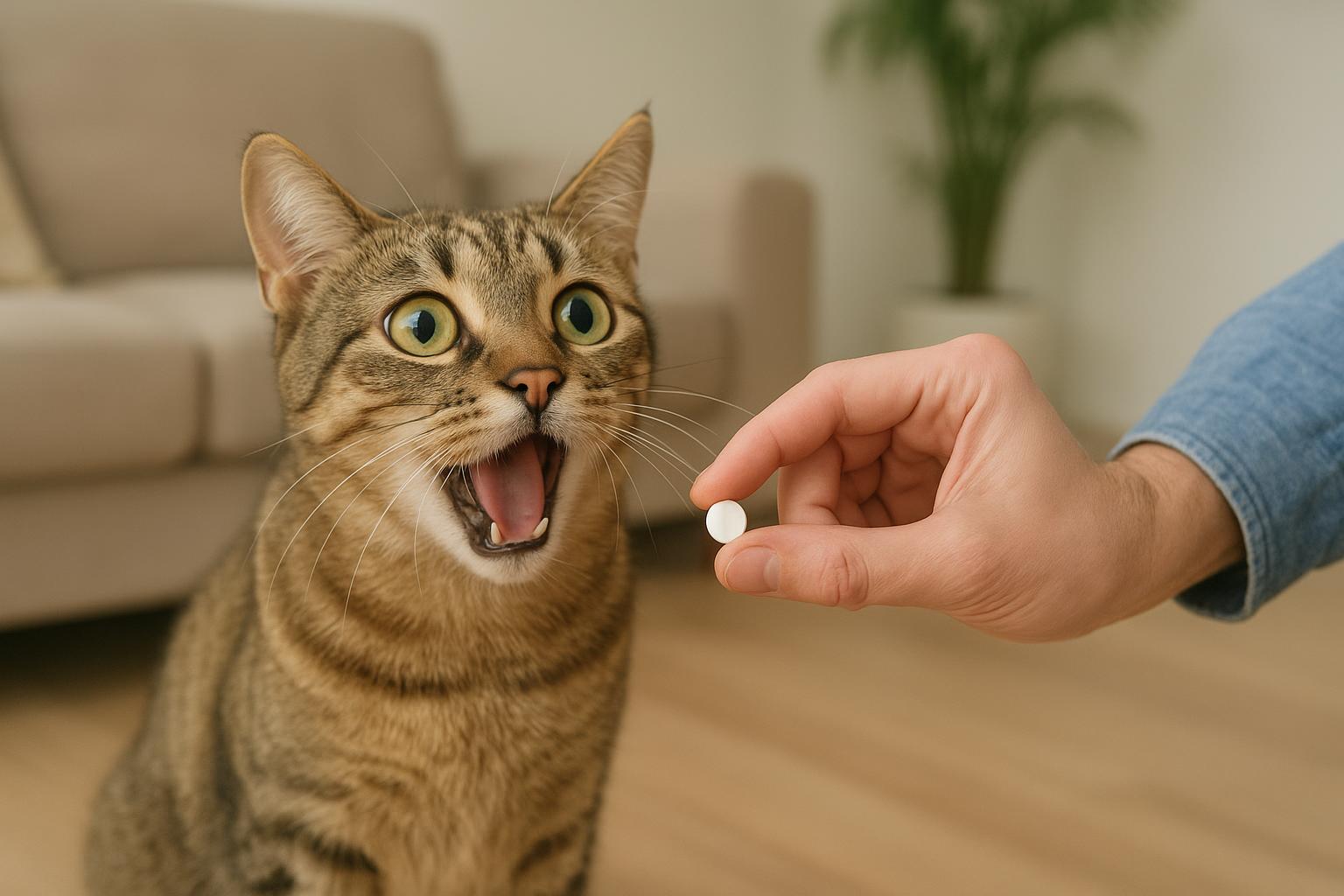
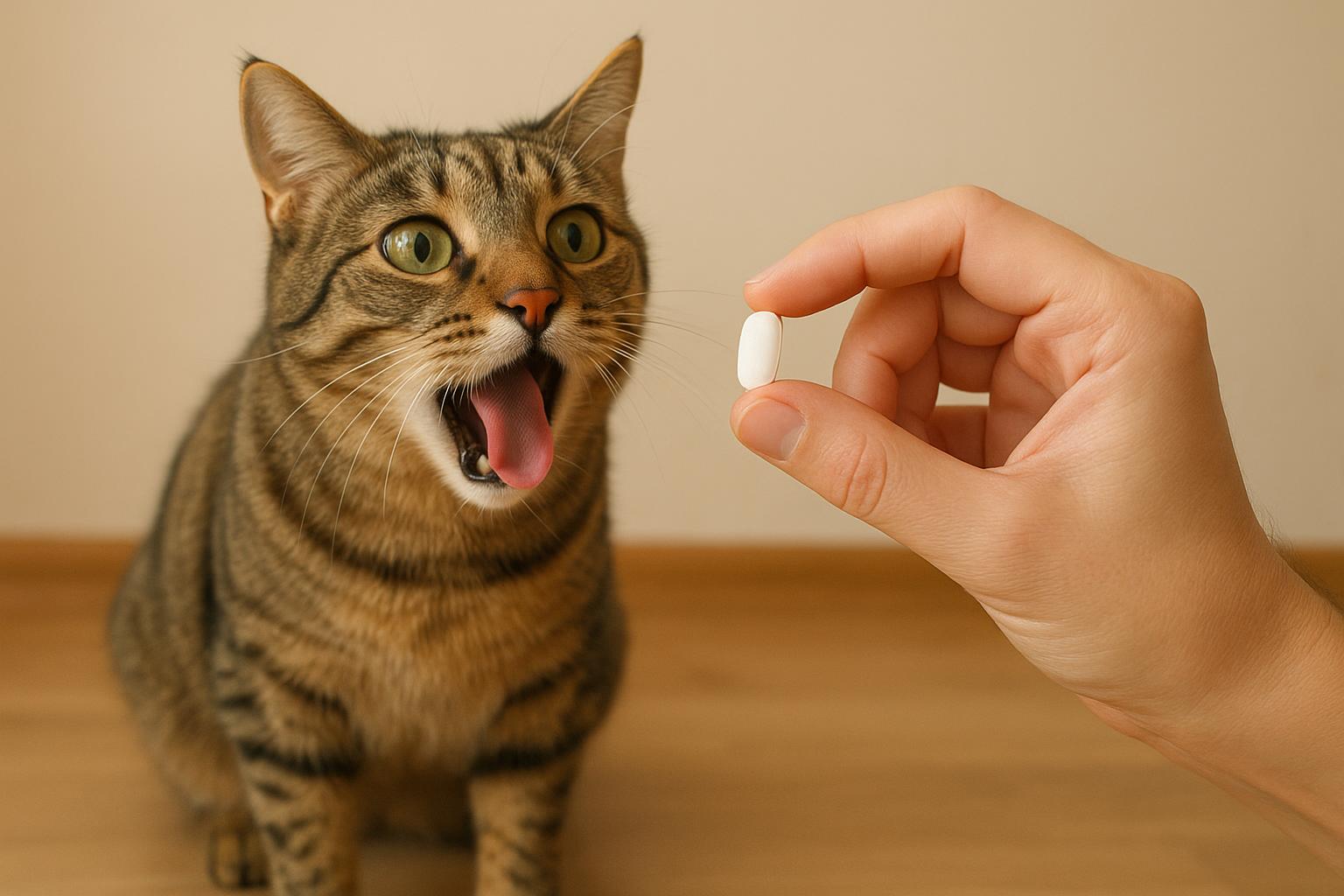
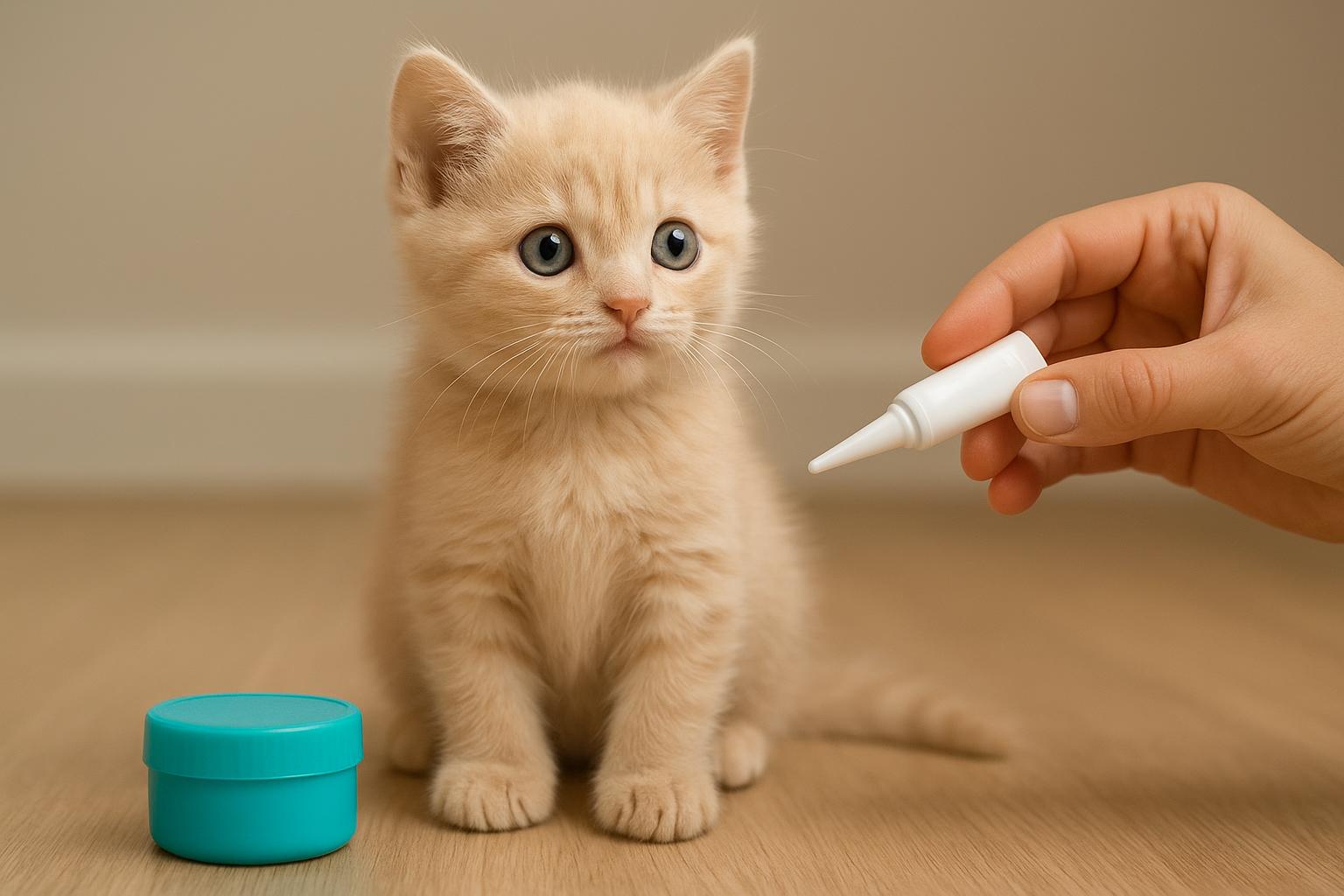
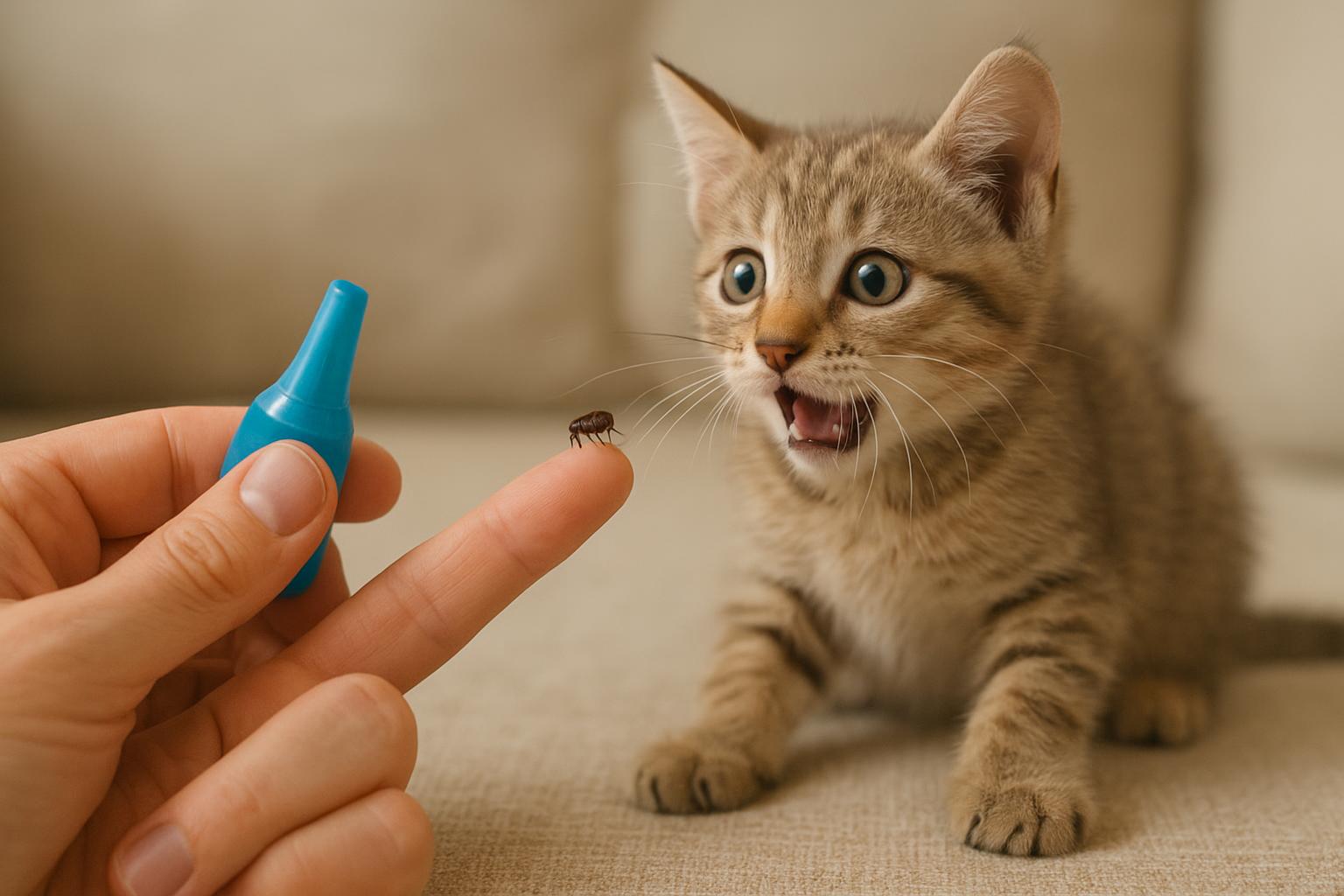
3. Administer Topical Treatment: Apply the vet-approved topical treatment exactly as instructed. Part the fur at the base of the neck and place the product directly on the skin. Do not bathe for at least 48 hours before or after application unless the product instructions advise otherwise.
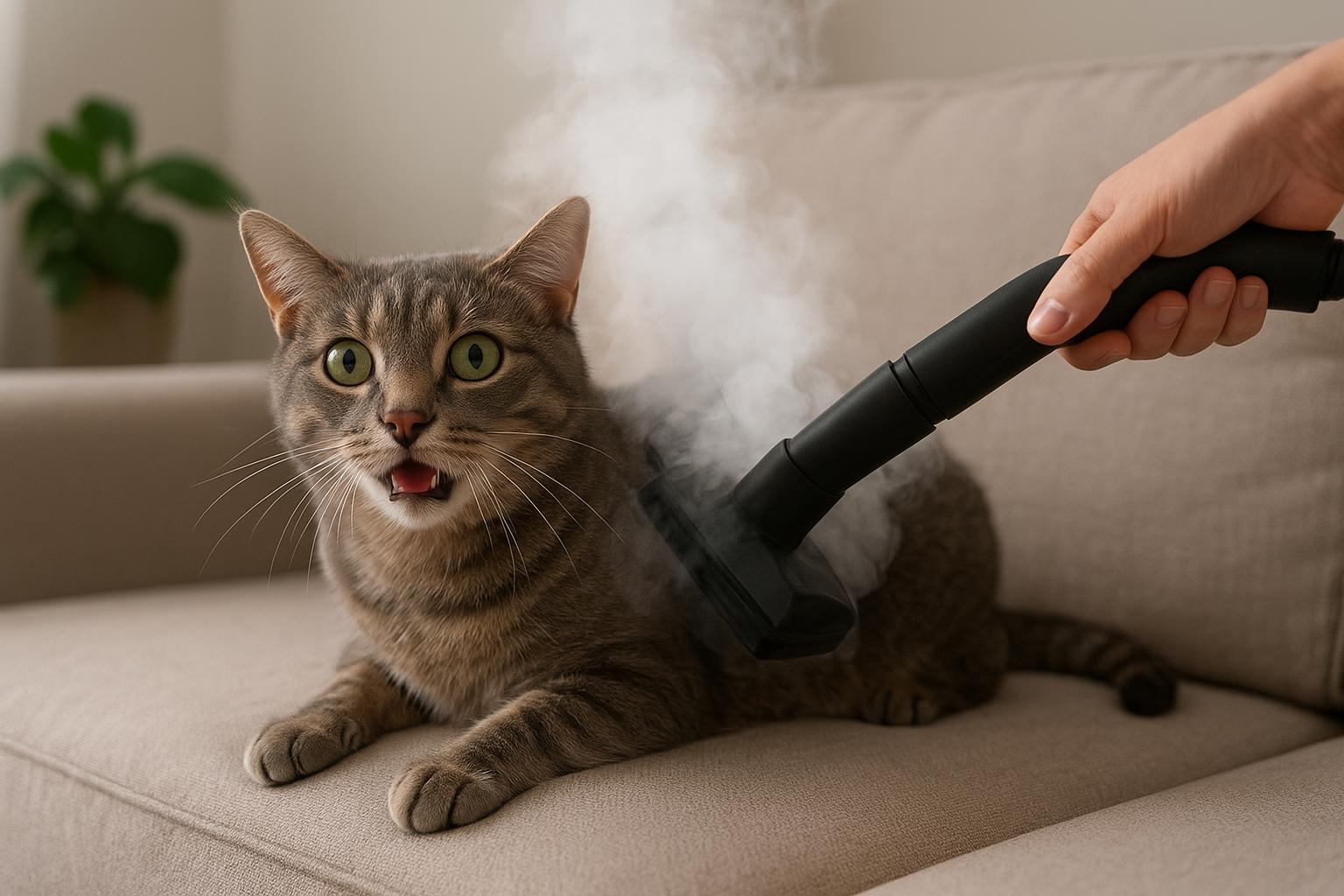
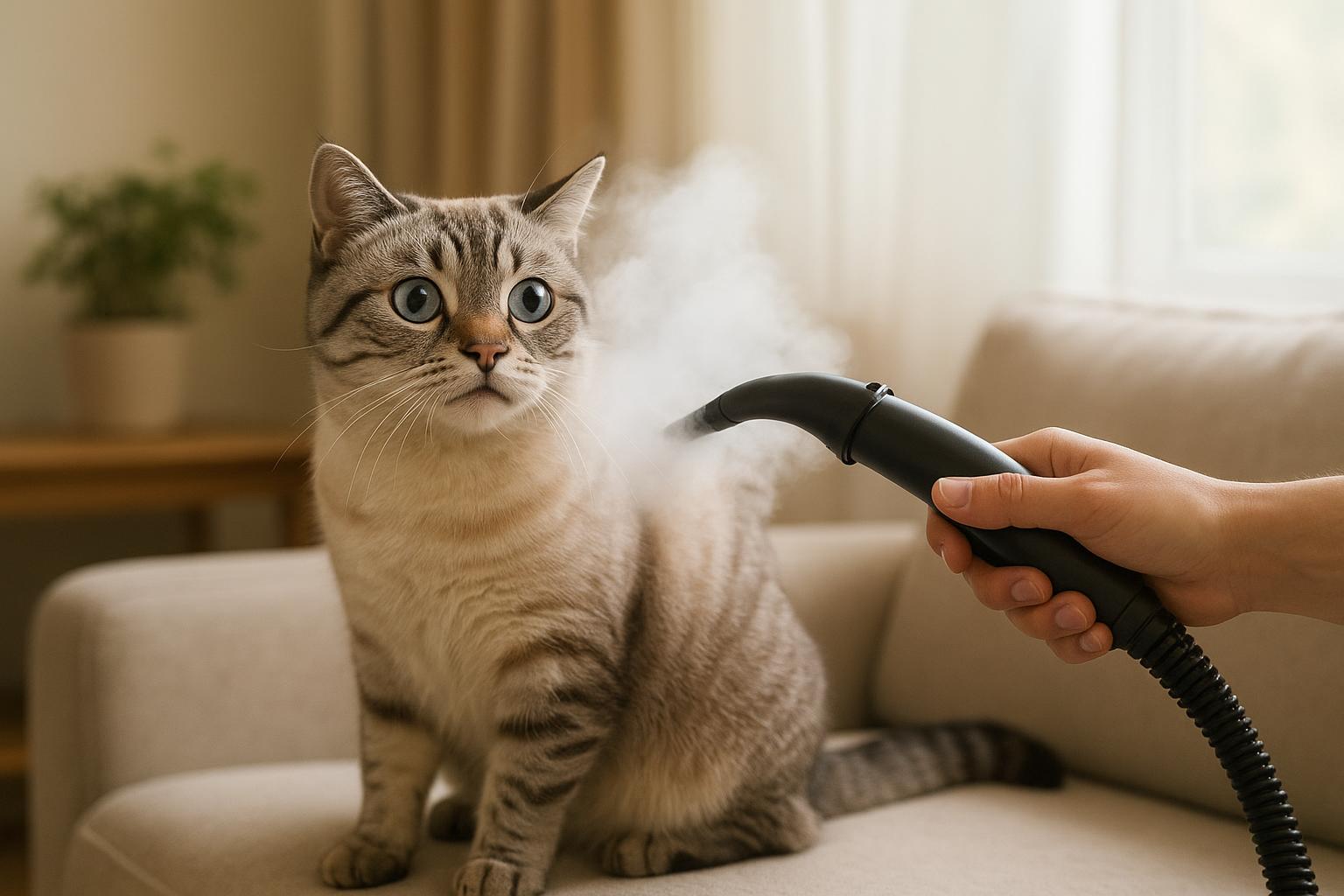
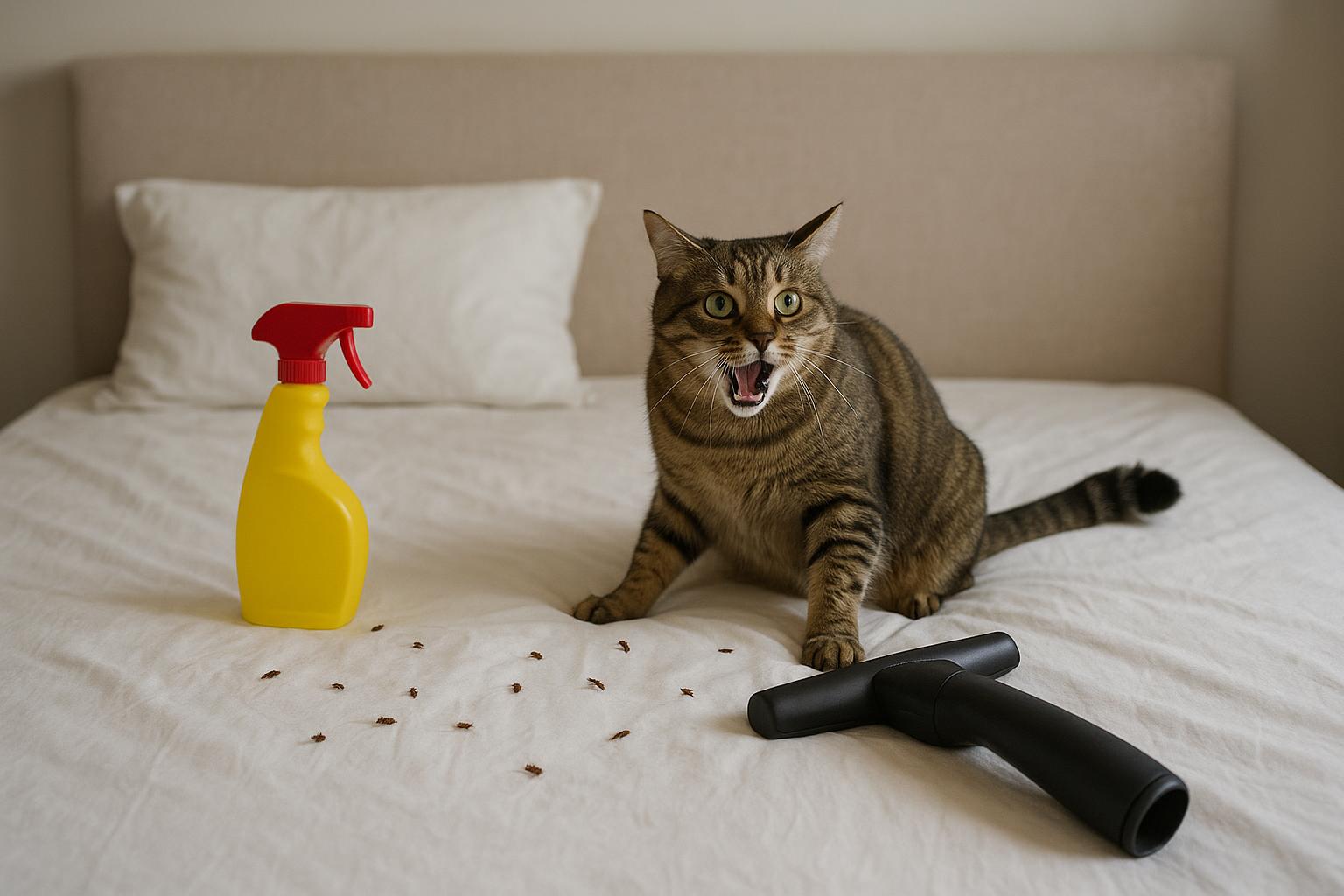
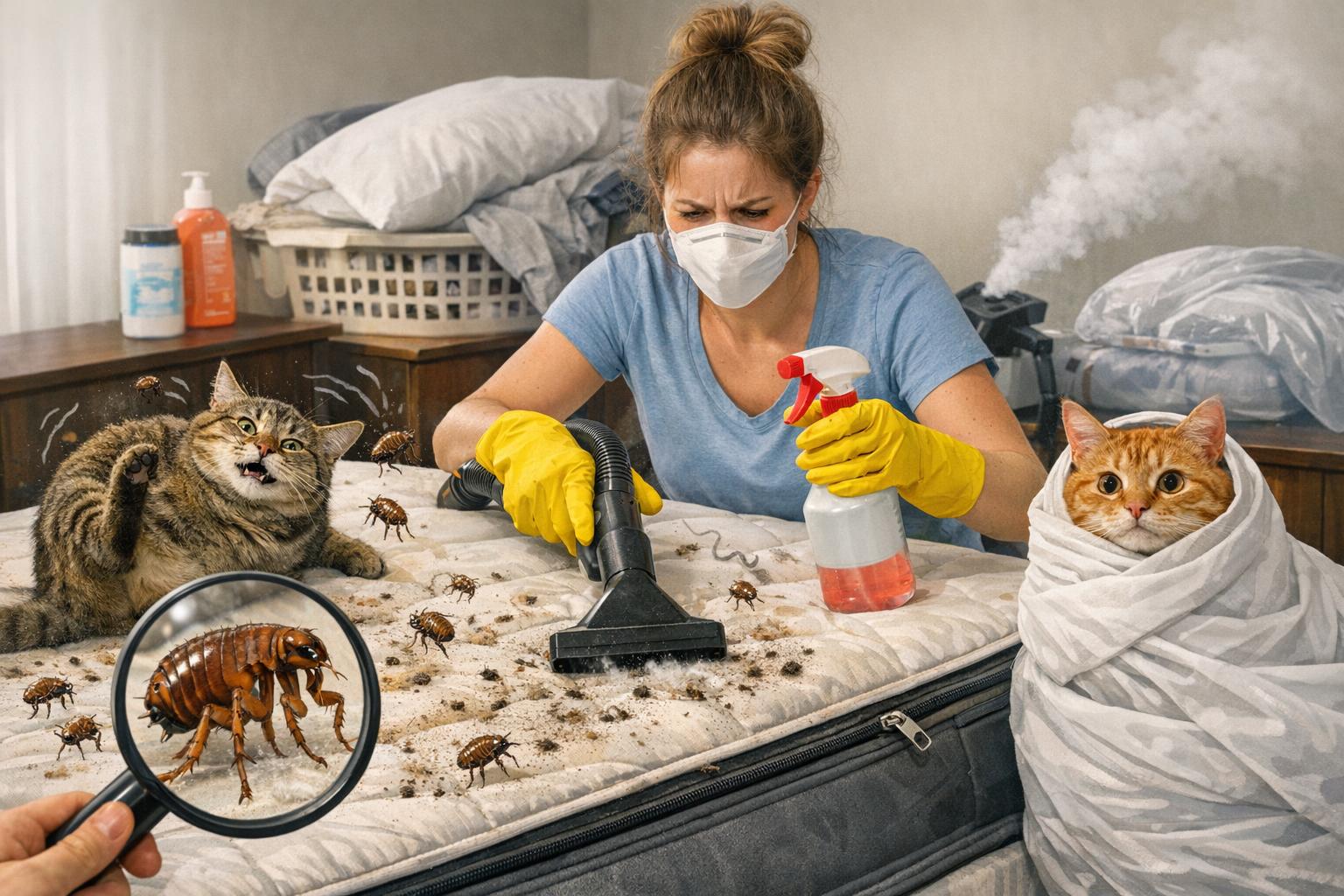
4. Clean Bedding And Rest Areas: Wash all kitten bedding and washable toys in hot water and dry on high heat. For non-washable items, seal in a plastic bag for two weeks to starve developing fleas. Vacuum carpets and upholstery thoroughly and dispose of vacuum bags or empty canisters outdoors.
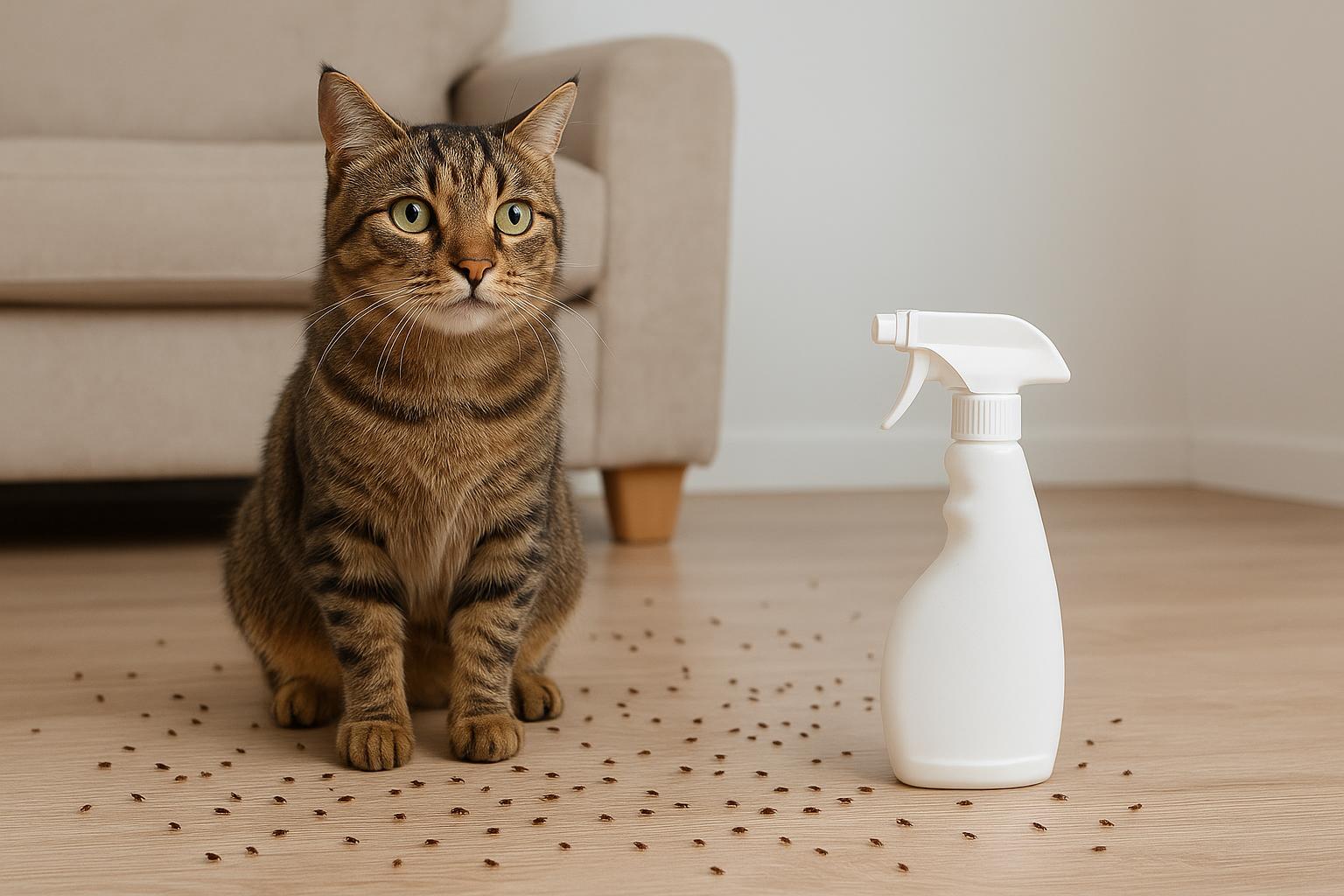
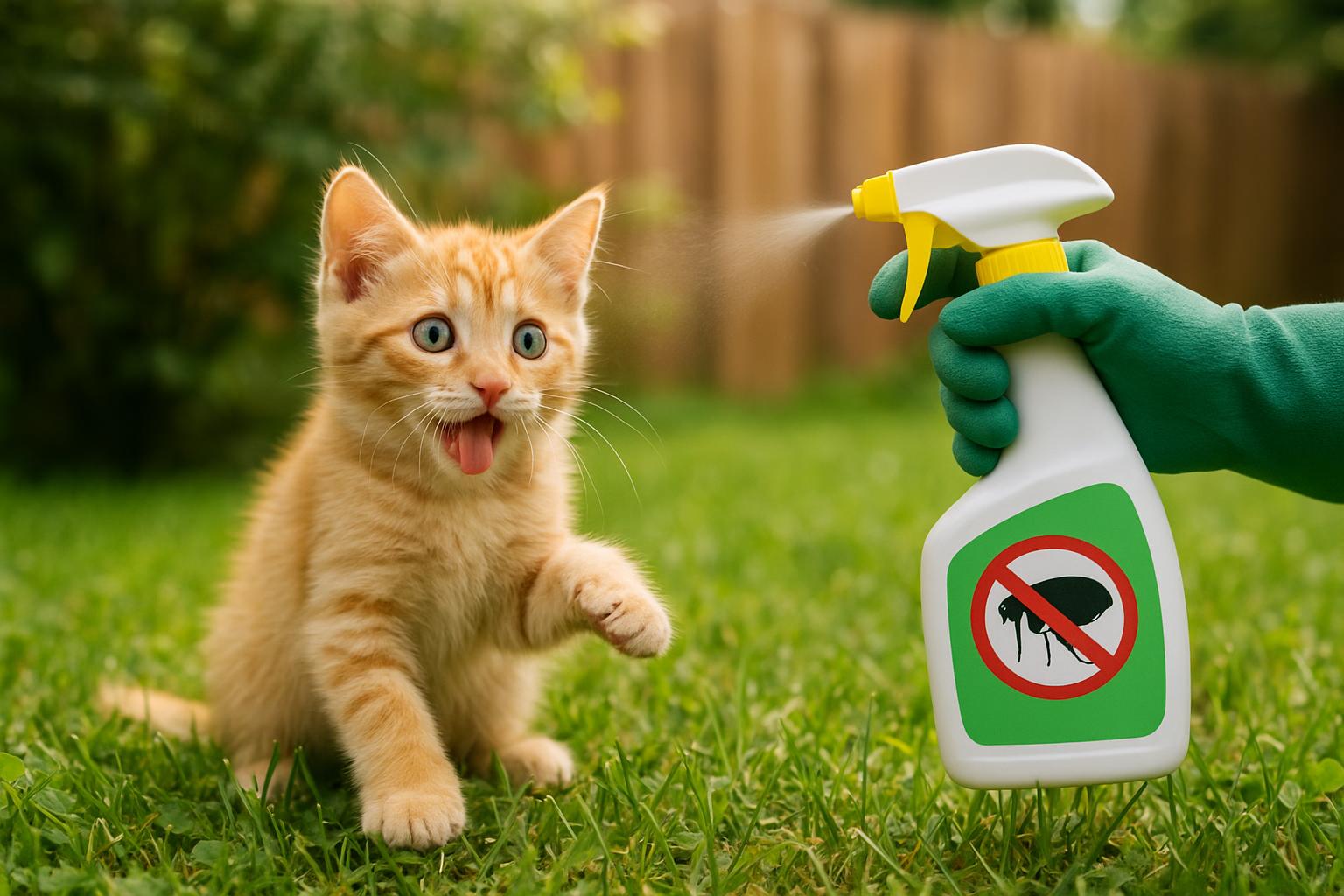
5. Coordinate With Yard Work: Do indoor treatment first, then use the outdoor barrier plan above. Chemical yard sprays can be effective but should be used sparingly and only with products labeled for yards that are safe around pets. Time yard treatments so kittens avoid contact until treated zones are dry and safe per label instructions.
6. Recheck And Follow-Up: Recomb every 2–3 days for two weeks. Some flea stages are resilient; repeat topical dosing per veterinary guidance (often monthly) until the environment is consistently flea-free.
When done correctly, simultaneous indoor and outdoor management prevents flea reinfestation cycles — a key objective when trying to prevent fleas long-term.
### Quick Habitat Hacks That Help
Little habits stack up. Block kitten access to dense brush and woodpiles, use gravel or paved paths rather than mulch in play areas, and create a sunny, elevated bed where the kitten can nap (fewer fleas in sun-warmed spots). If your kitten ventures outdoors, consider supervised outdoor time or a secure cat enclosure to limit contact with wildlife carriers.
#### When To Call A Professional
If infestations persist despite your efforts or if you notice signs of anemia (pale gums, lethargy) in very young kittens, call your veterinarian immediately. For large properties with persistent wildlife problems, a licensed pest control specialist can offer targeted solutions that are safe for pets.
### Monitoring And Long-Term Care
Prevent fleas by establishing a seasonal routine: spring yard check, summer nematode application if needed, fall cleanup, and regular vet visits to discuss preventive topical choices. Small, regular investments in yard and pet care keep scratching, irritation, and the worry about flea-borne diseases far less common.
Keep your kitten curious and your yard less attractive to fleas, and you’ll both enjoy more sunny afternoons with fewer uninvited guests.







Leave a Reply