
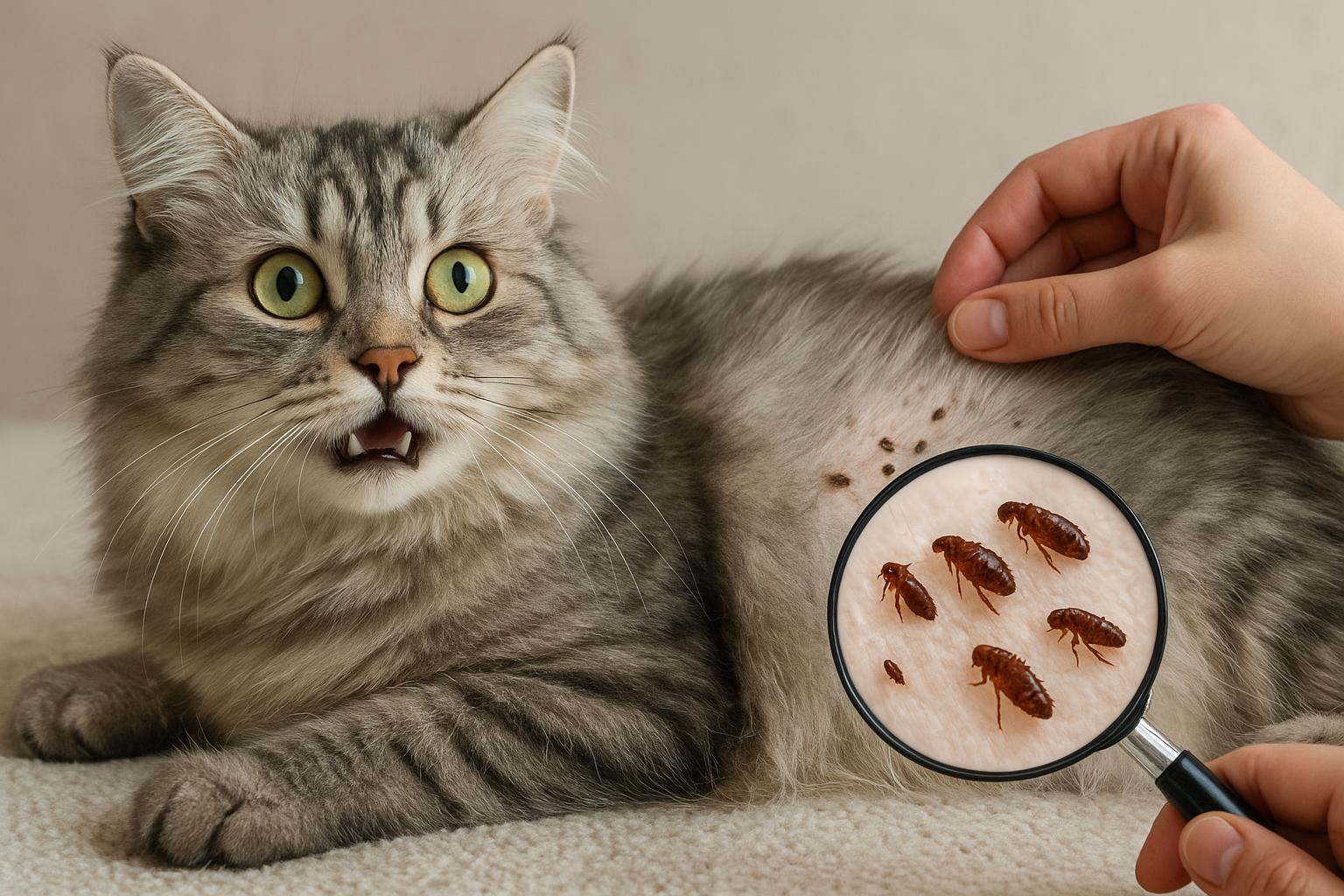
You can often see fleas on cats if you know what to look for and where to part the fur. They’re small, fast, and annoyingly obvious once you know the signs.
## Visual Guide To Fleas On Cats: How To Tell At A Glance
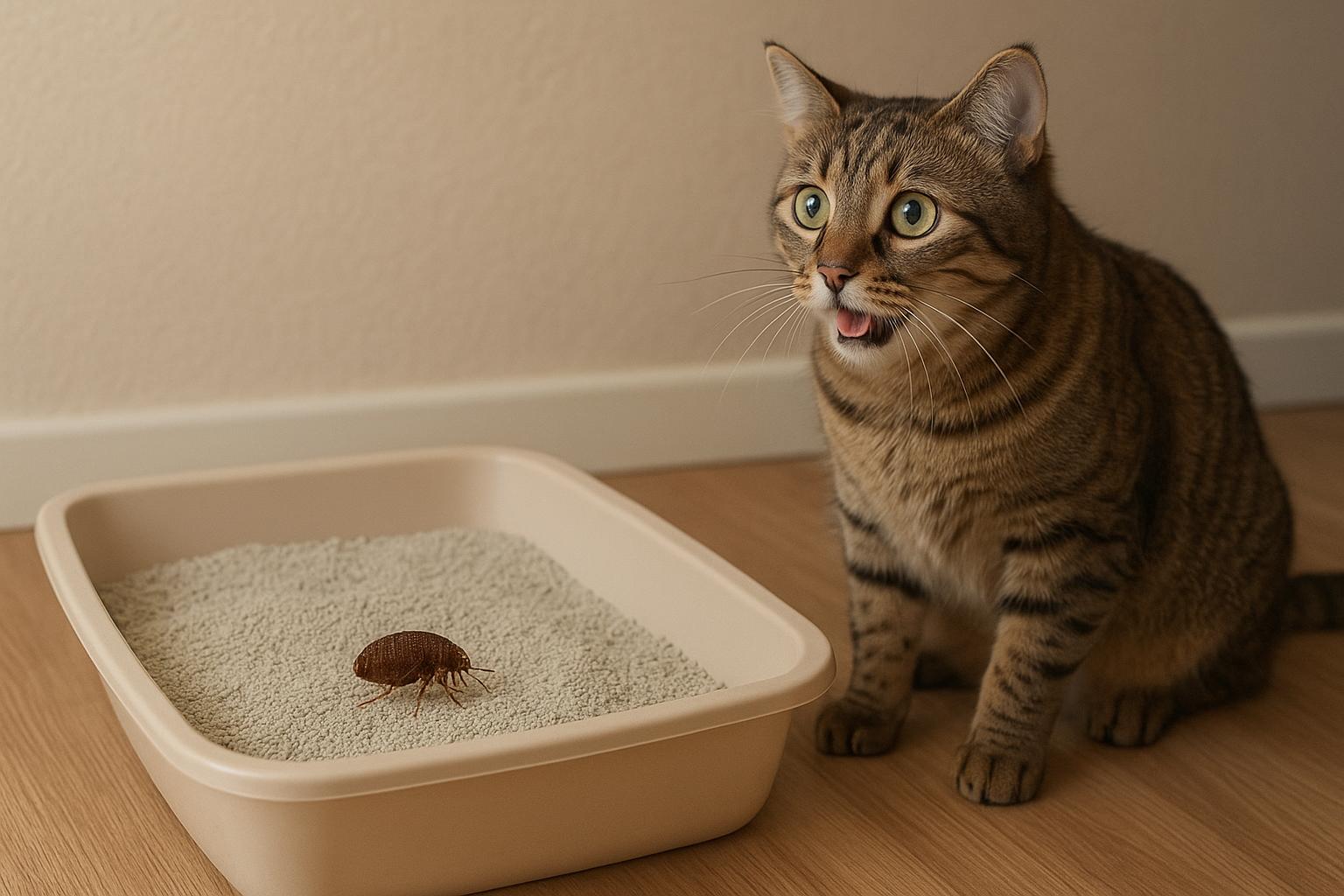
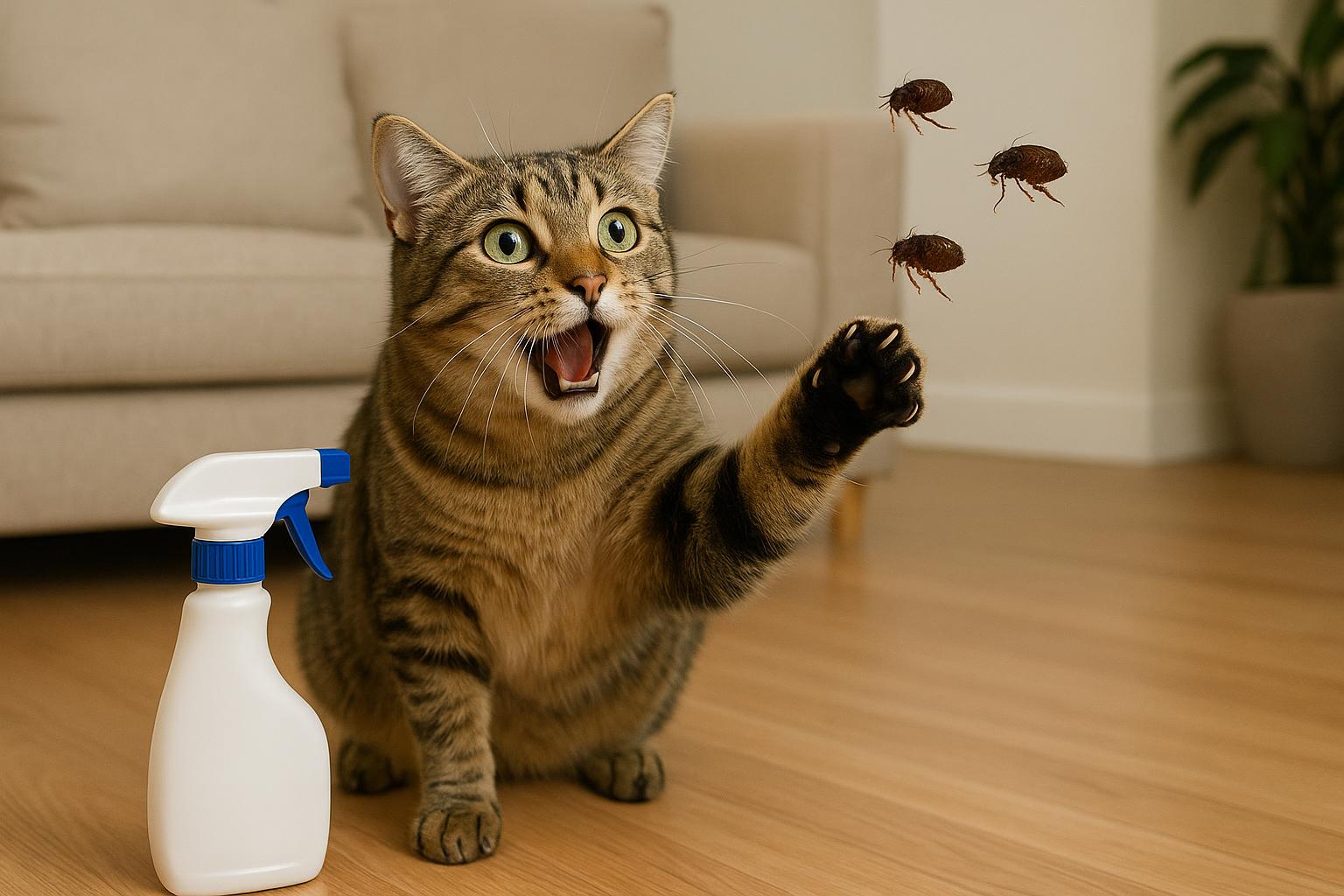
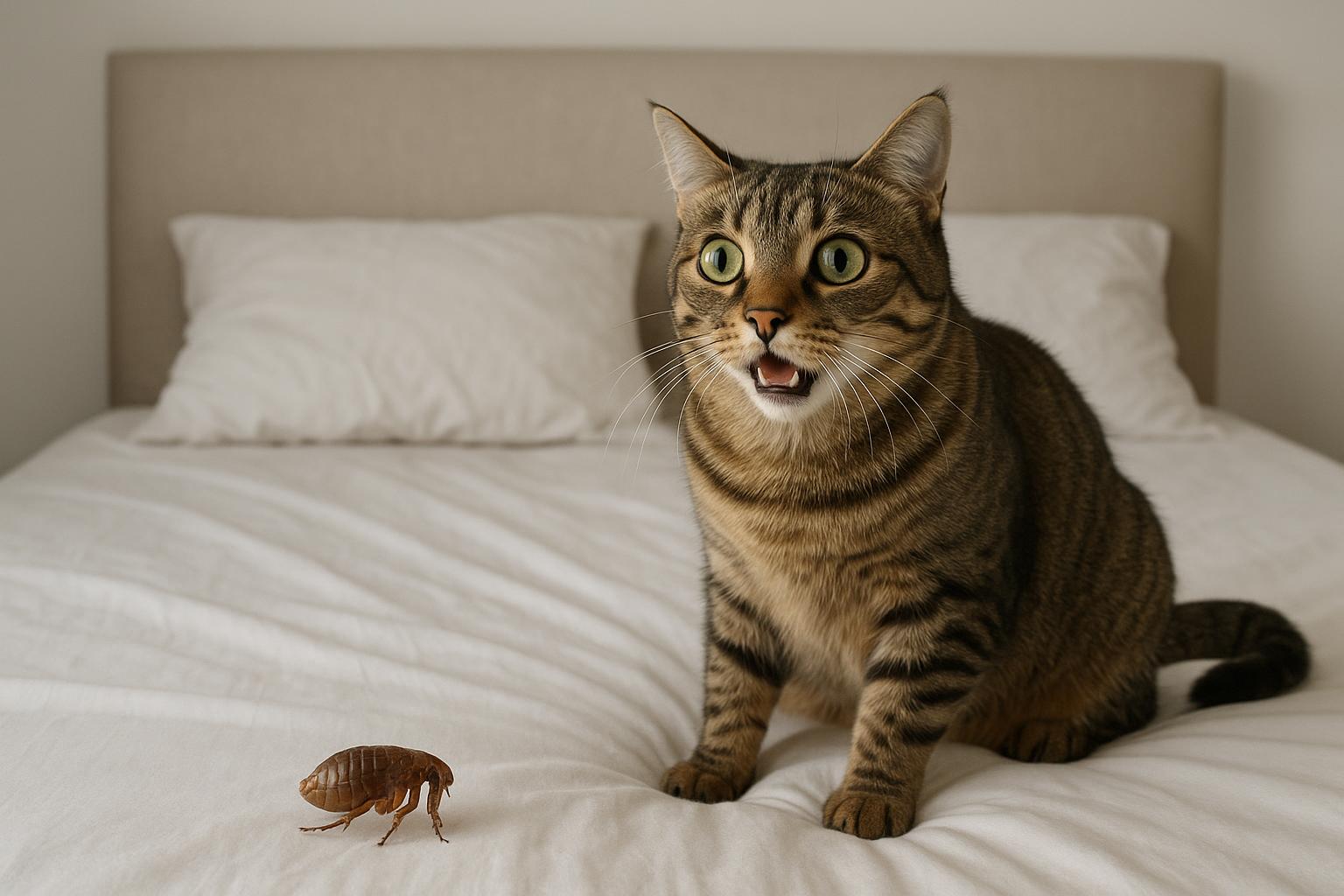
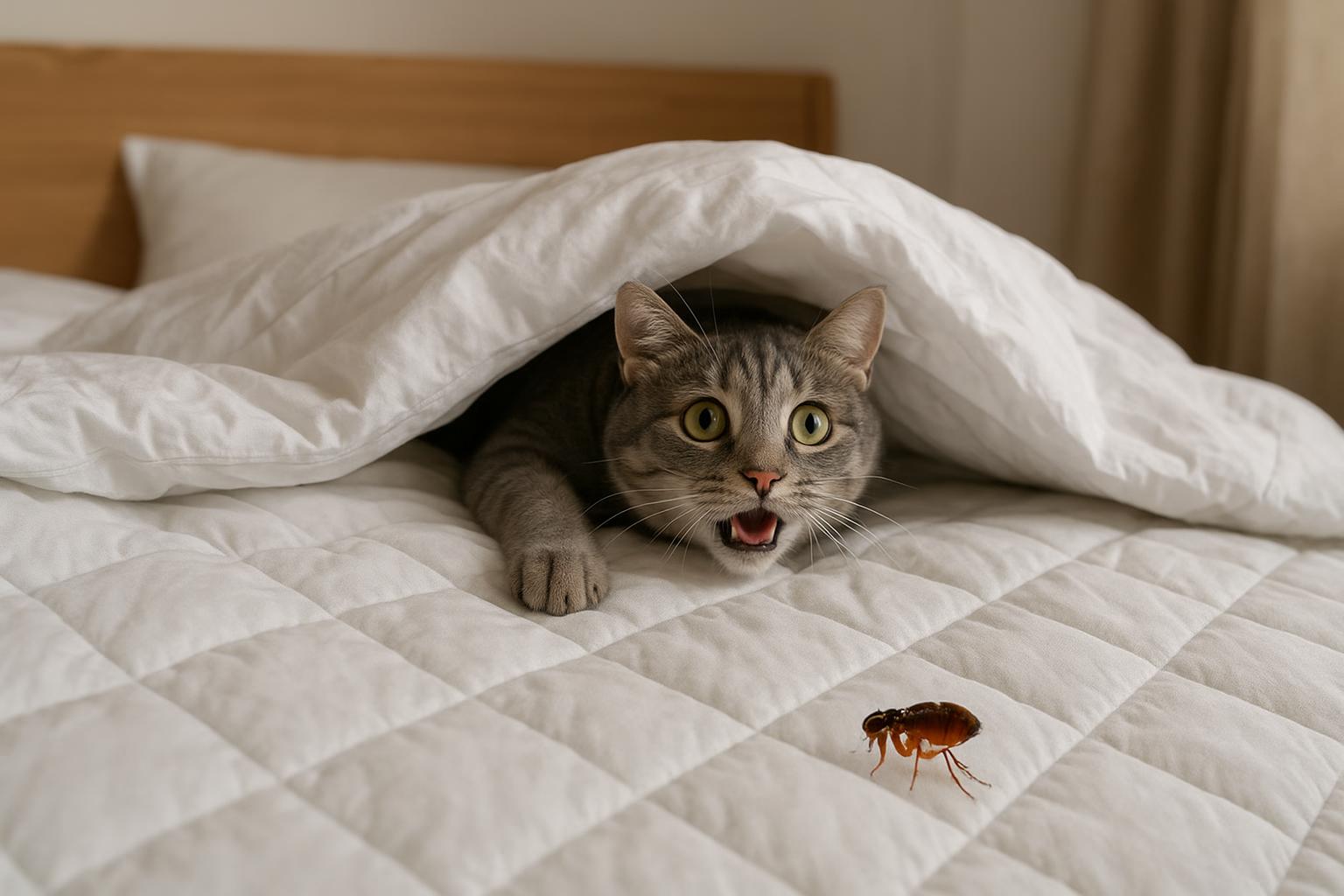
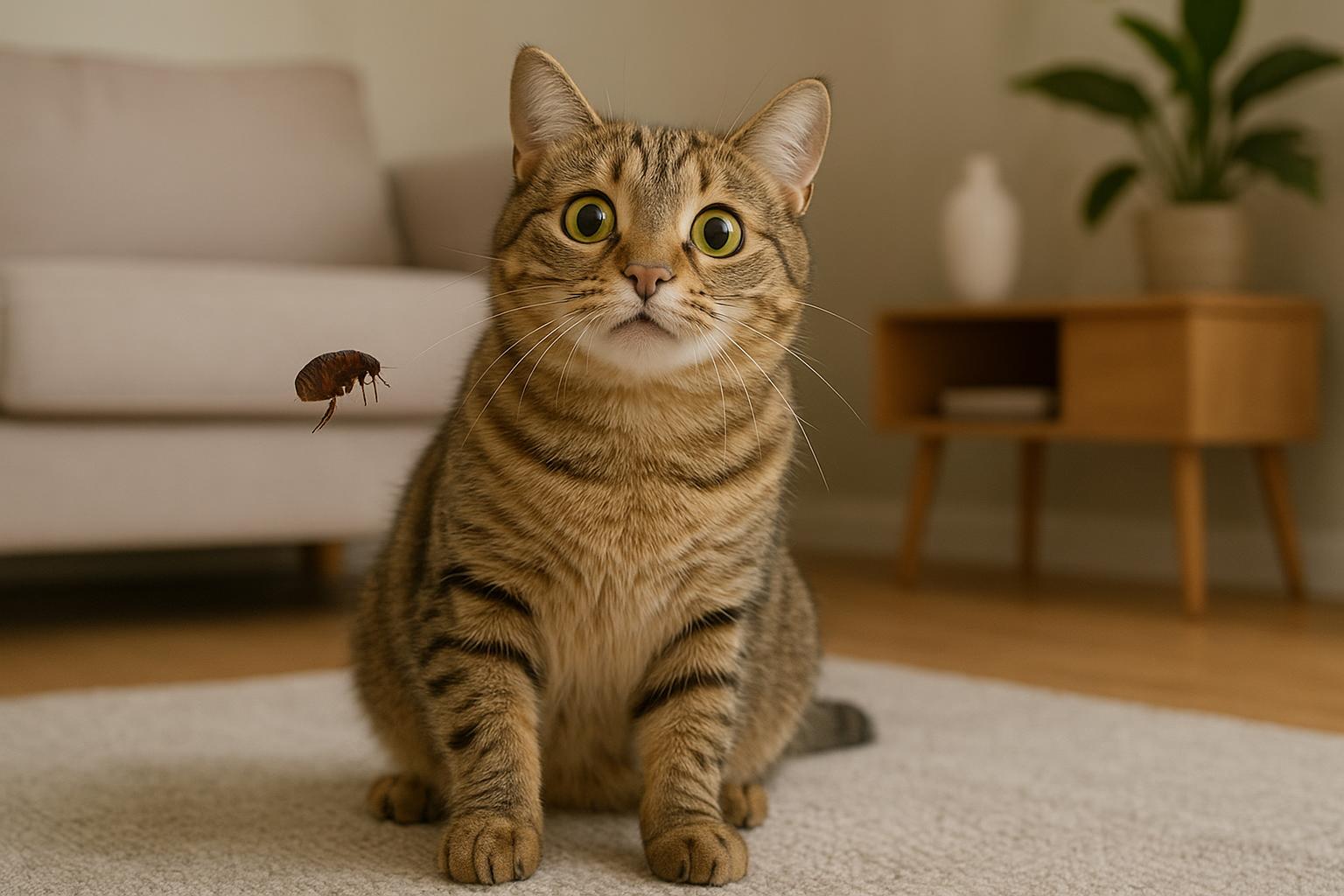
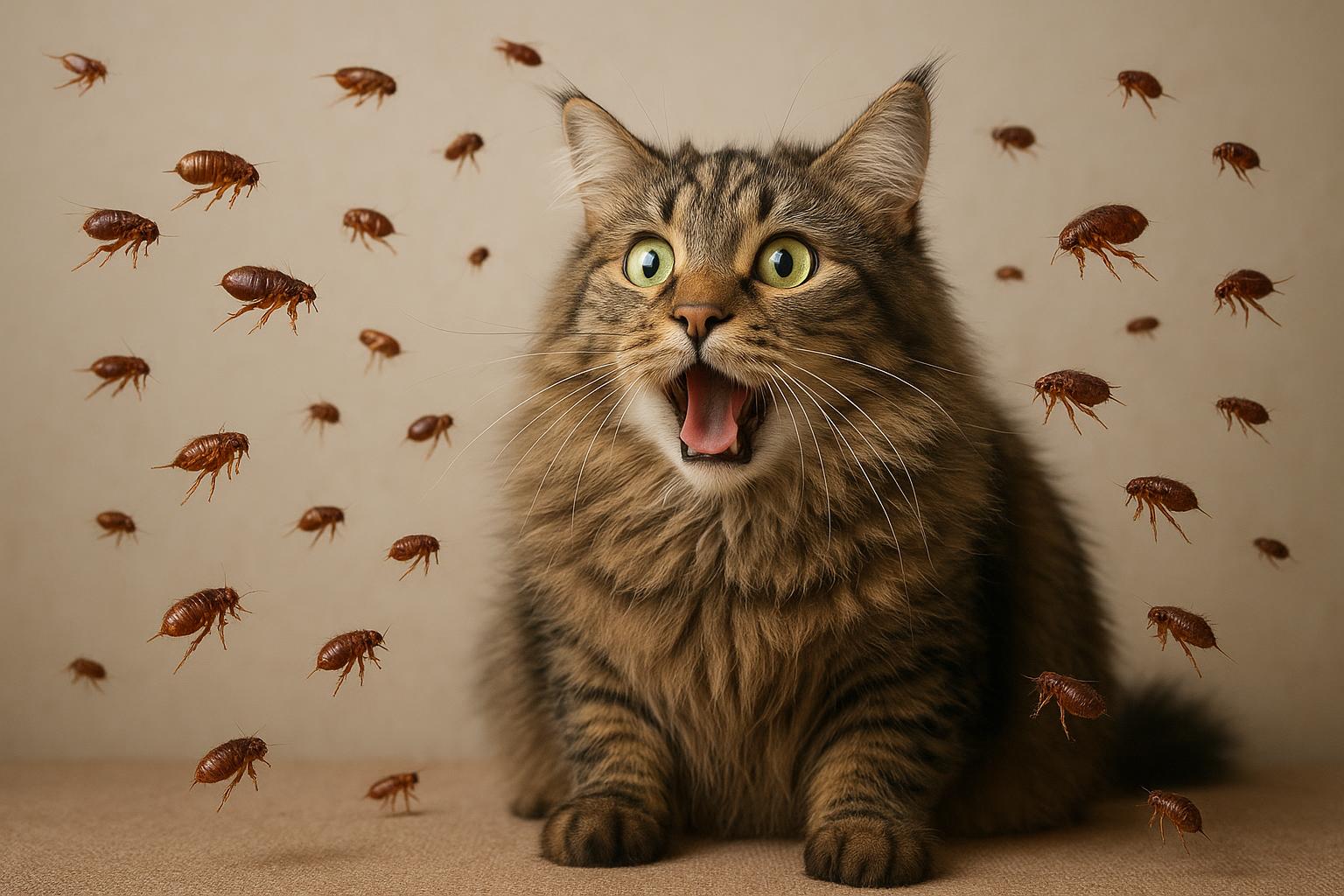
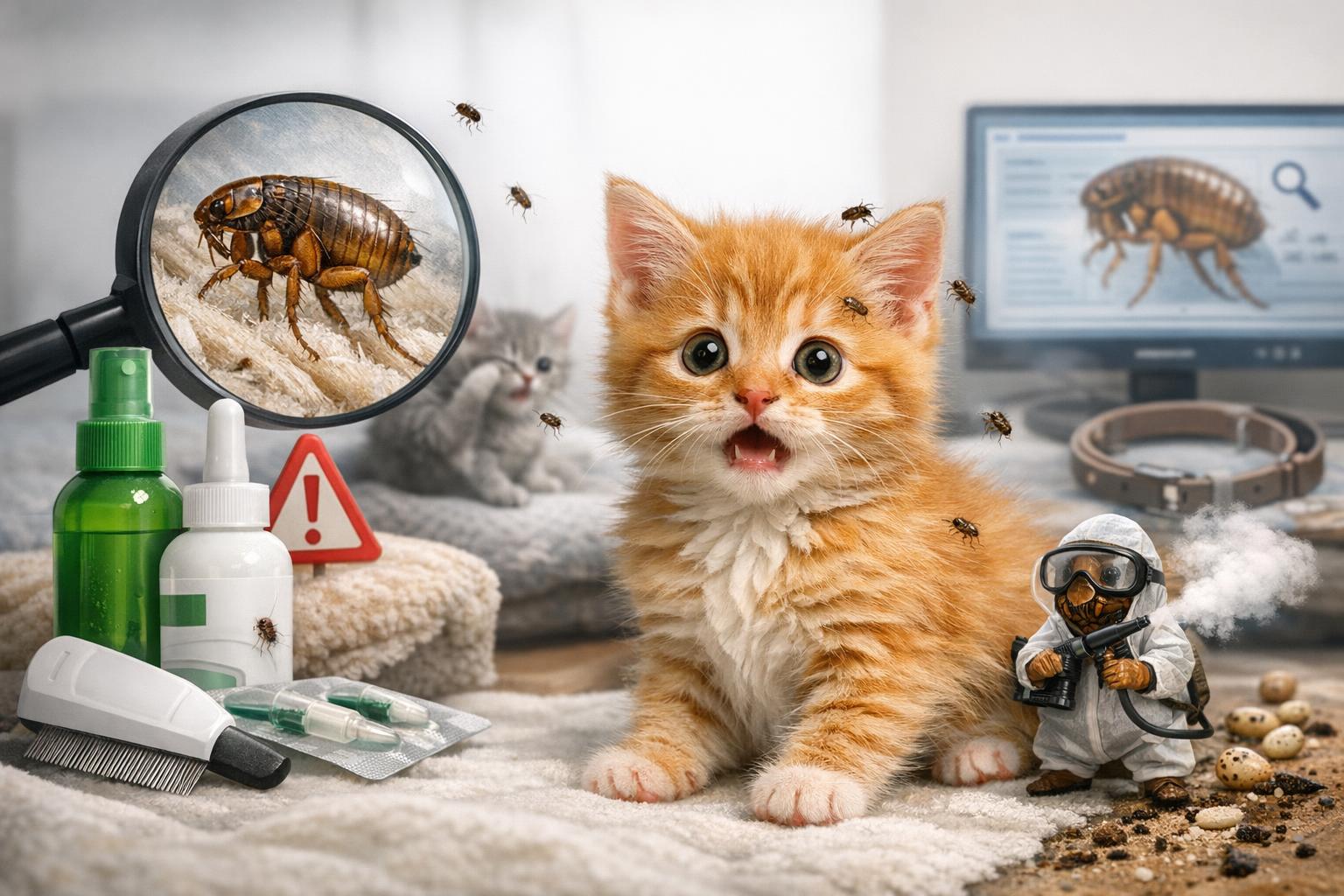
If you’re reading a visual guide to fleas on cats, you want quick, practical clues. Fleas are about 1–3 mm long, flattened sideways, and hard-bodied. From a distance they look like tiny dark specks that move. Up close, they resemble tiny brown rice grains with long hind legs built for jumping. A steady hand and a good light are your best tools.
### Look For Movement And Size
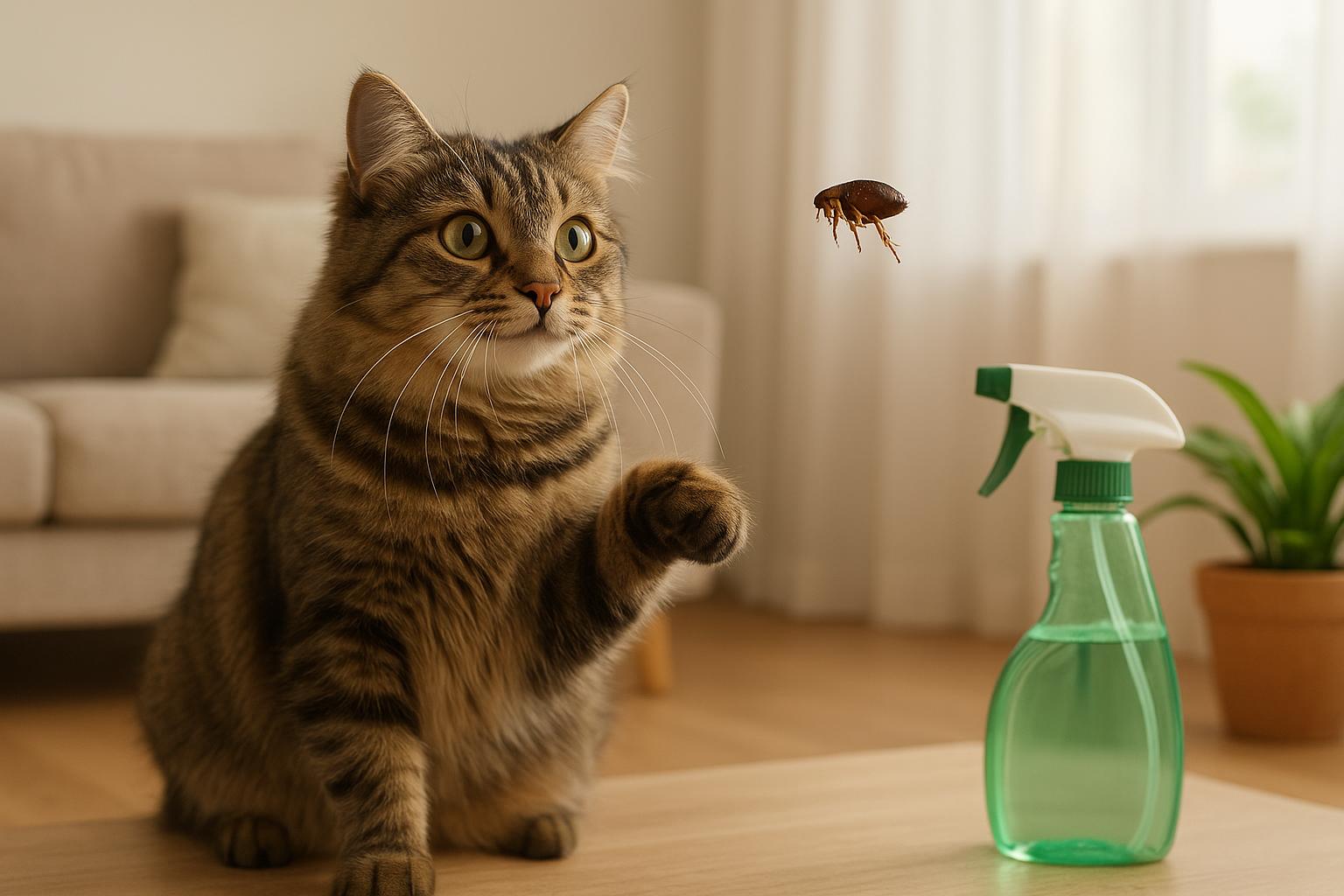
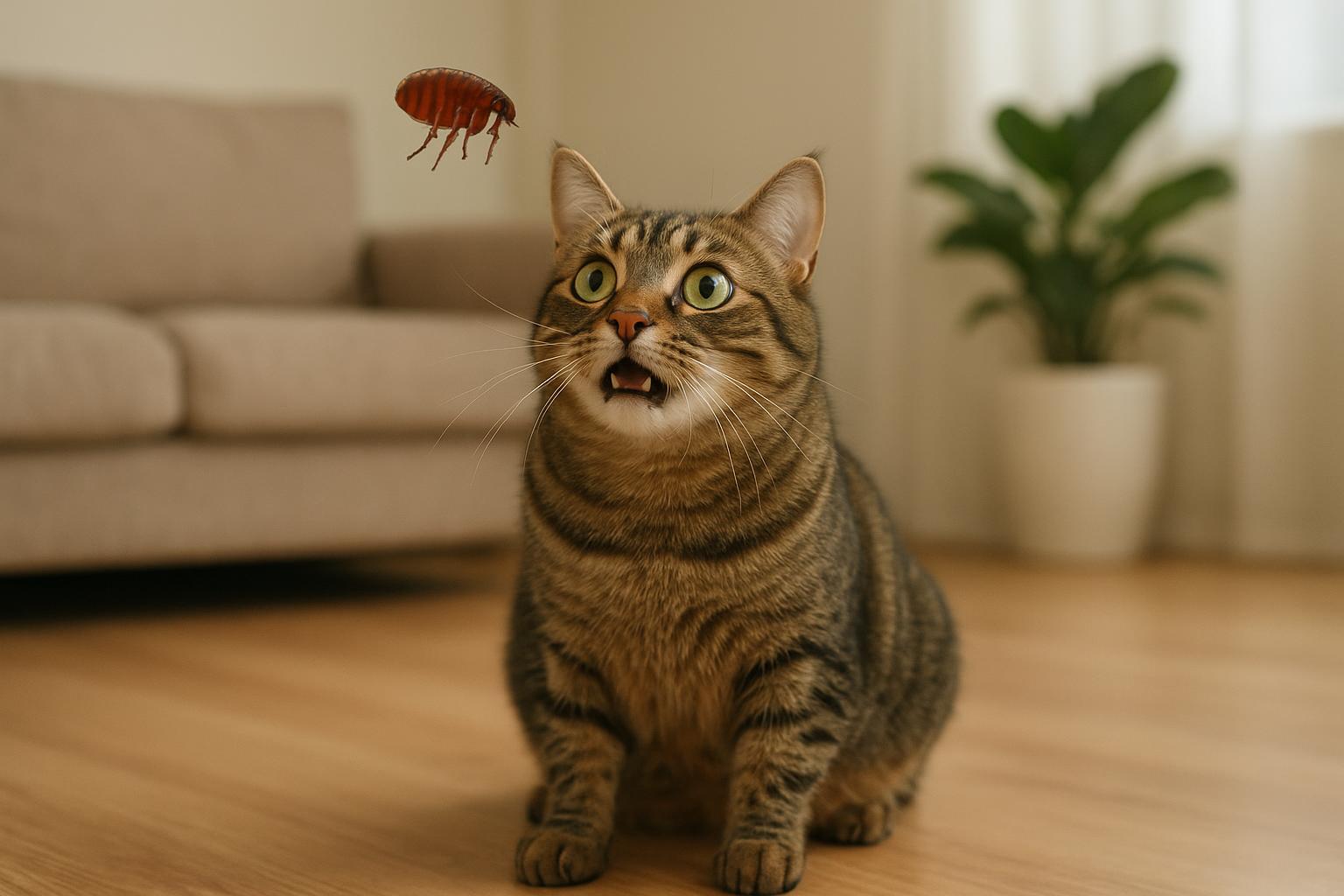
Fleas move in short, quick hops. They don’t crawl smoothly like lice. If you part the fur and see a dark speck that darts away and then shows up again, that’s likely a flea. Their long hind legs make their jumps noticeably sudden. Size is important: ticks are rounder and bigger; flees are elongated and slim.
### Color, Texture, And The Body Shape
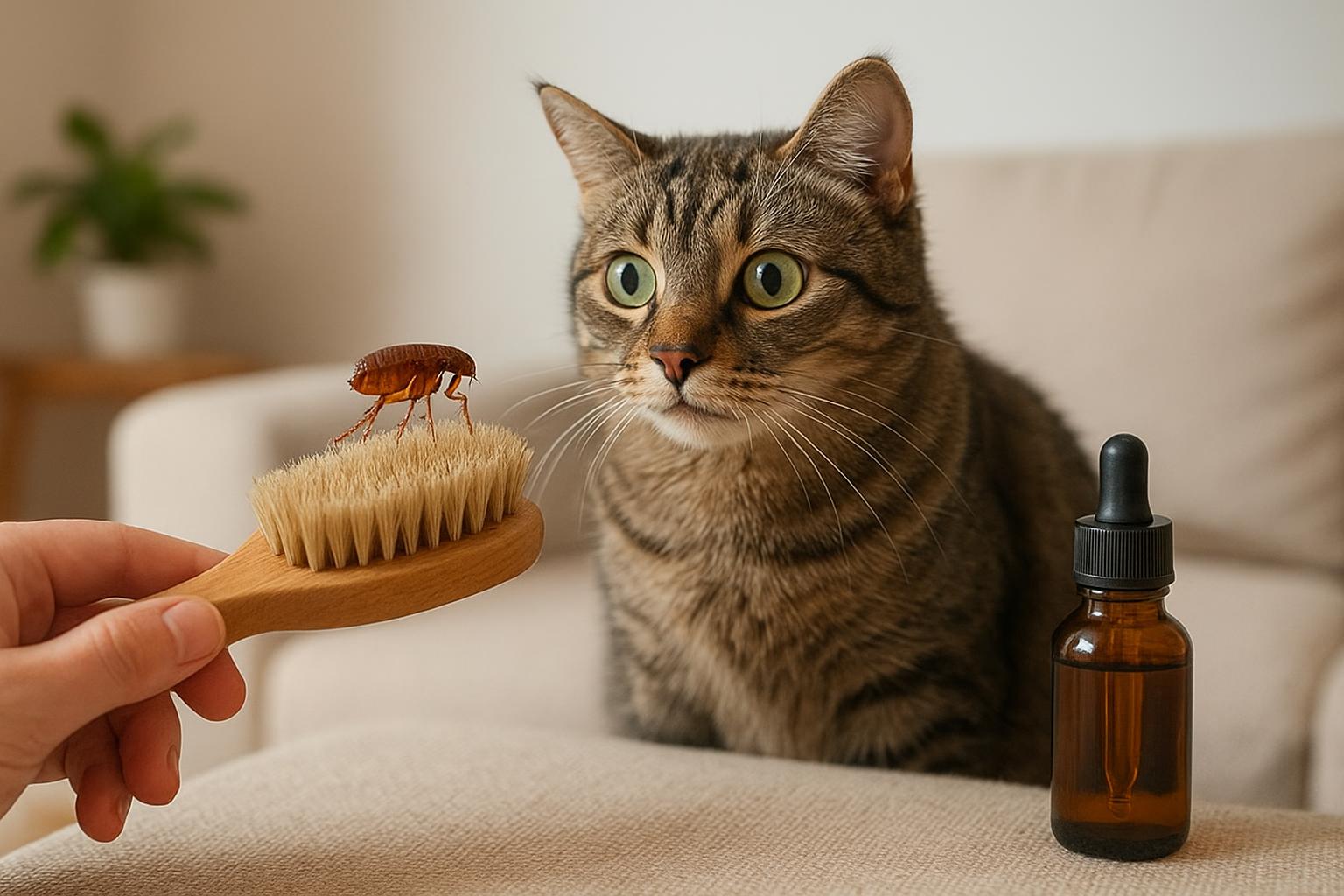
Most adult fleas are reddish-brown. Their bodies are glossy and segmented. When they’re engorged with blood they look darker and plumper. Check the cat’s coat under a bright lamp. The flea’s shell catches light differently than fur. You might spot the outline of the head and legs if you catch one still. If you have a magnifying glass or phone camera zoom, use it. Taking macro flea photos is surprisingly revealing.
#### Flea Photos: Using Your Phone To Identify
Phone cameras work well enough for identification if you zoom and steady your hand. Aim for a clear shot while the flea is still. Take several photos from slightly different angles. A well-lit, close shot will show the flattened body and the rear legs. Online flea photos can help you compare, but use multiple sources; lighting changes their apparent color.
### Flea Dirt Versus Debris
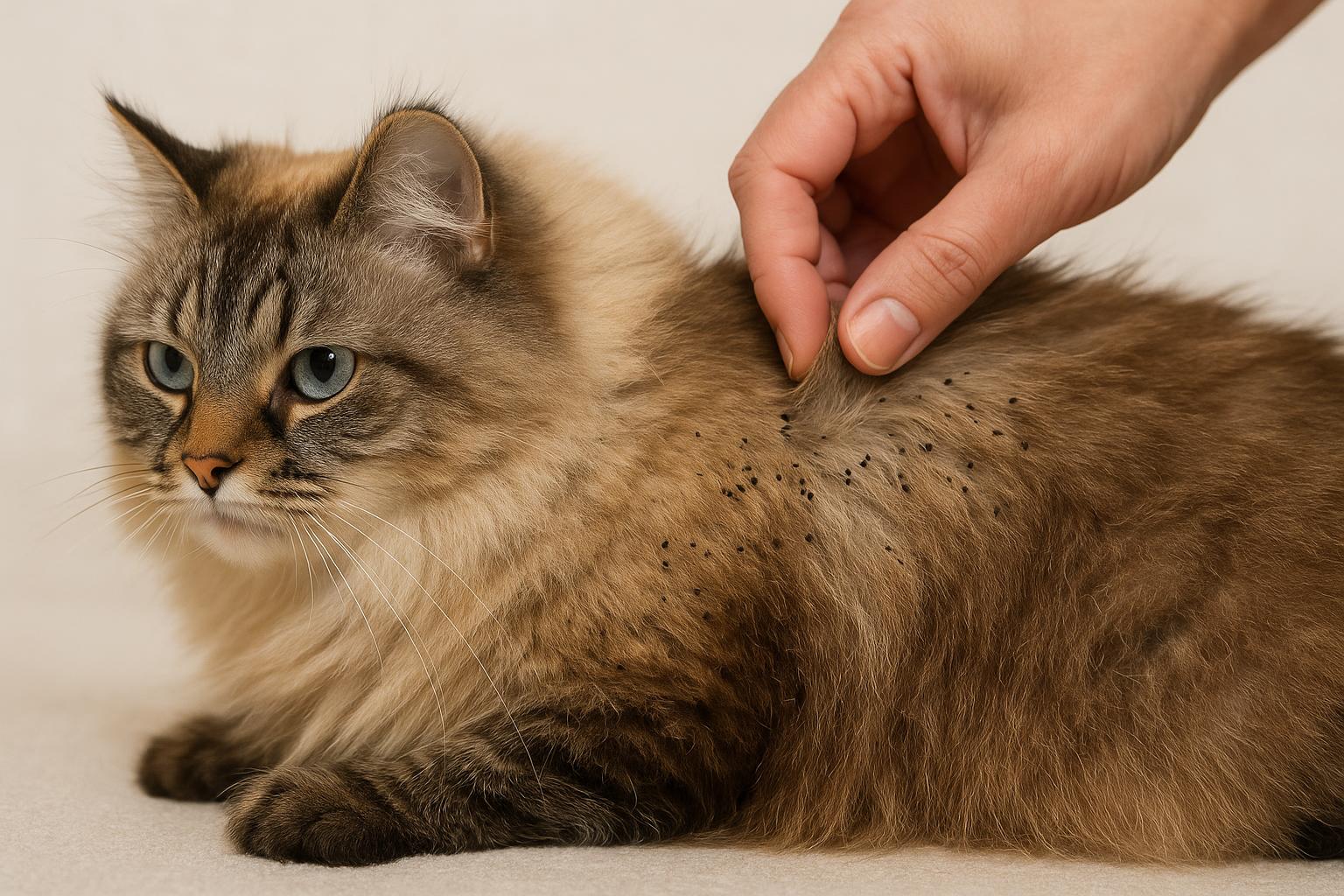
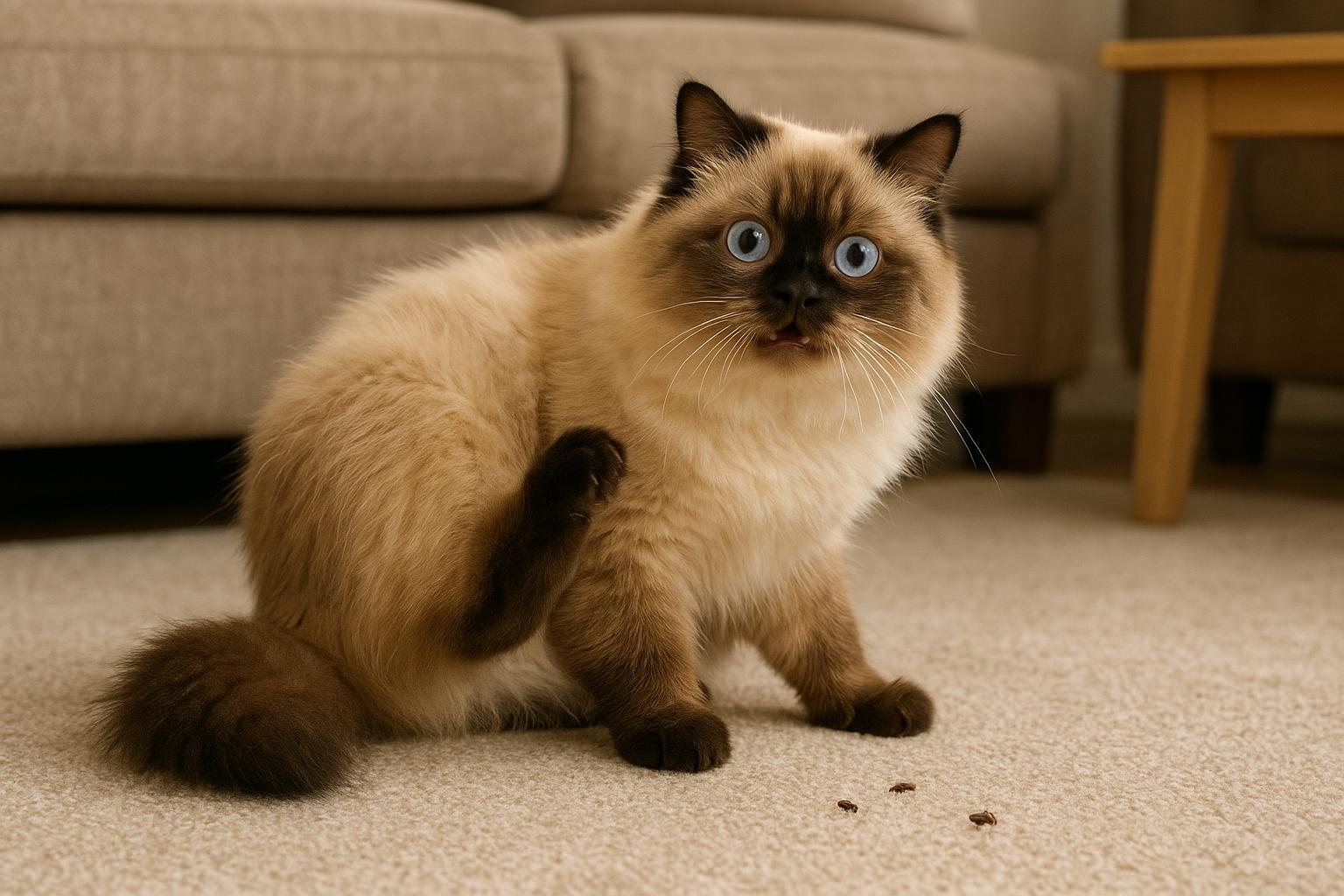
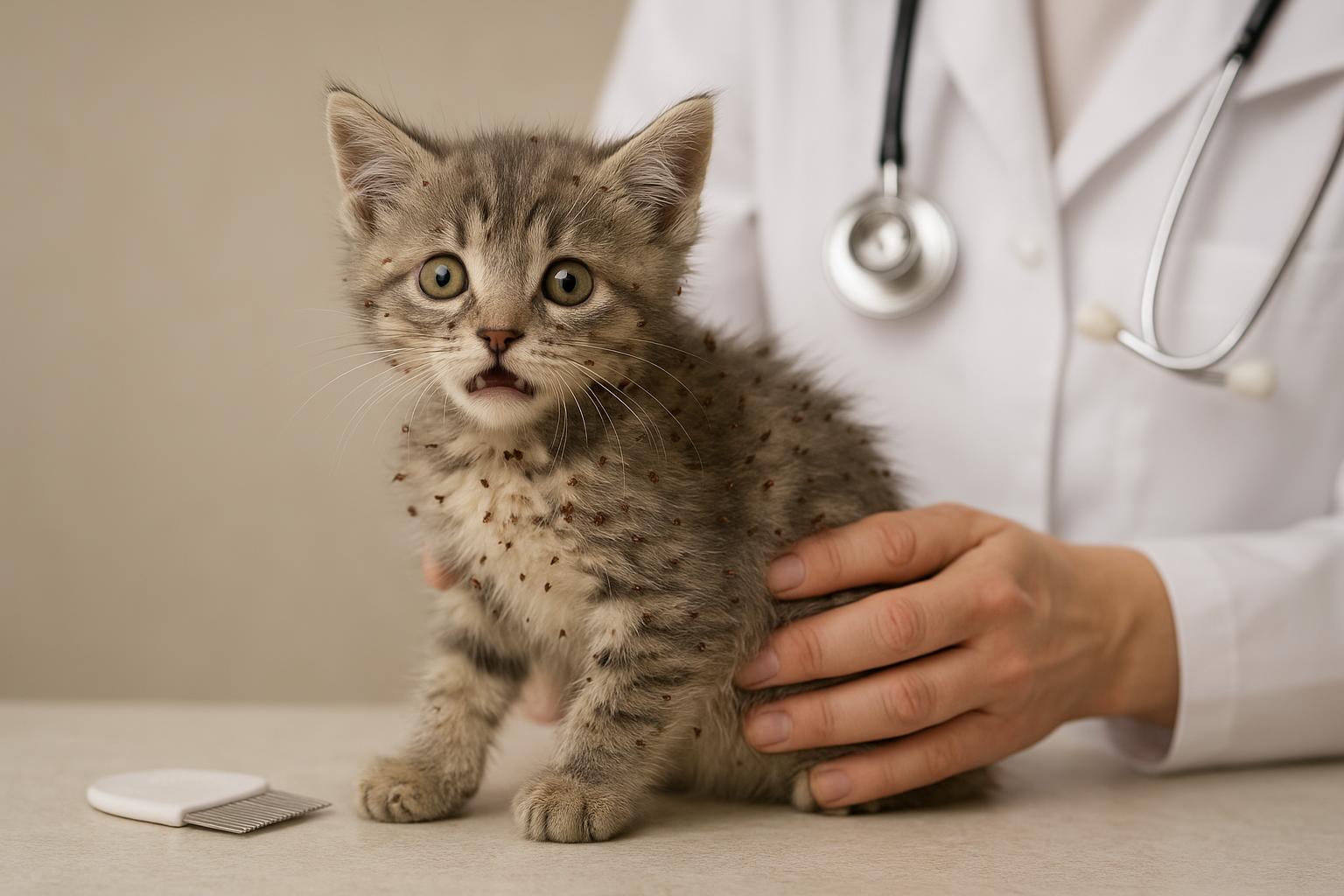
You’ll often spot black specks in the fur that don’t move. That’s likely flea dirt—digested blood. Rub a few specks on a damp paper towel. If the towel shows rusty red spots, it’s flea dirt. This is sometimes more reliable than finding the insect itself. Flea dirt indicates recent activity even if the adult fleas are hiding or the cat is fastidious about grooming.
#### Identifying Flea Dirt On Different Coat Types
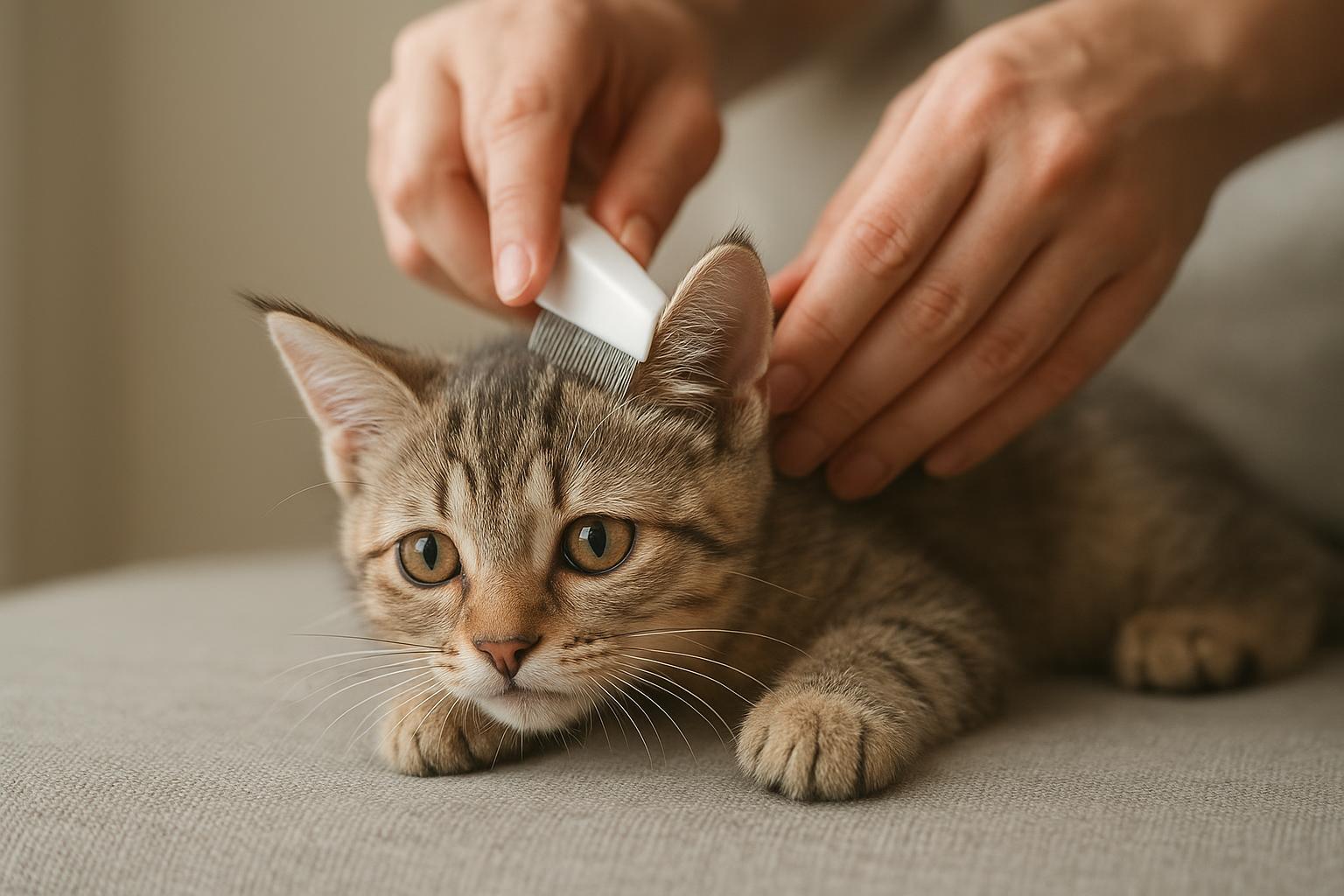
Long-haired cats hide flea dirt more effectively. Short-haired coats show flecks near the base of the fur and around the rump, neck, and tail. Look in the armpits and behind the ears too. Those areas are warm and sheltered. I once found a cluster the size of a grain of rice behind a Maine Coon’s ear—almost invisible until I parted the fur.
### Bite Patterns And Flea Markings On Cats
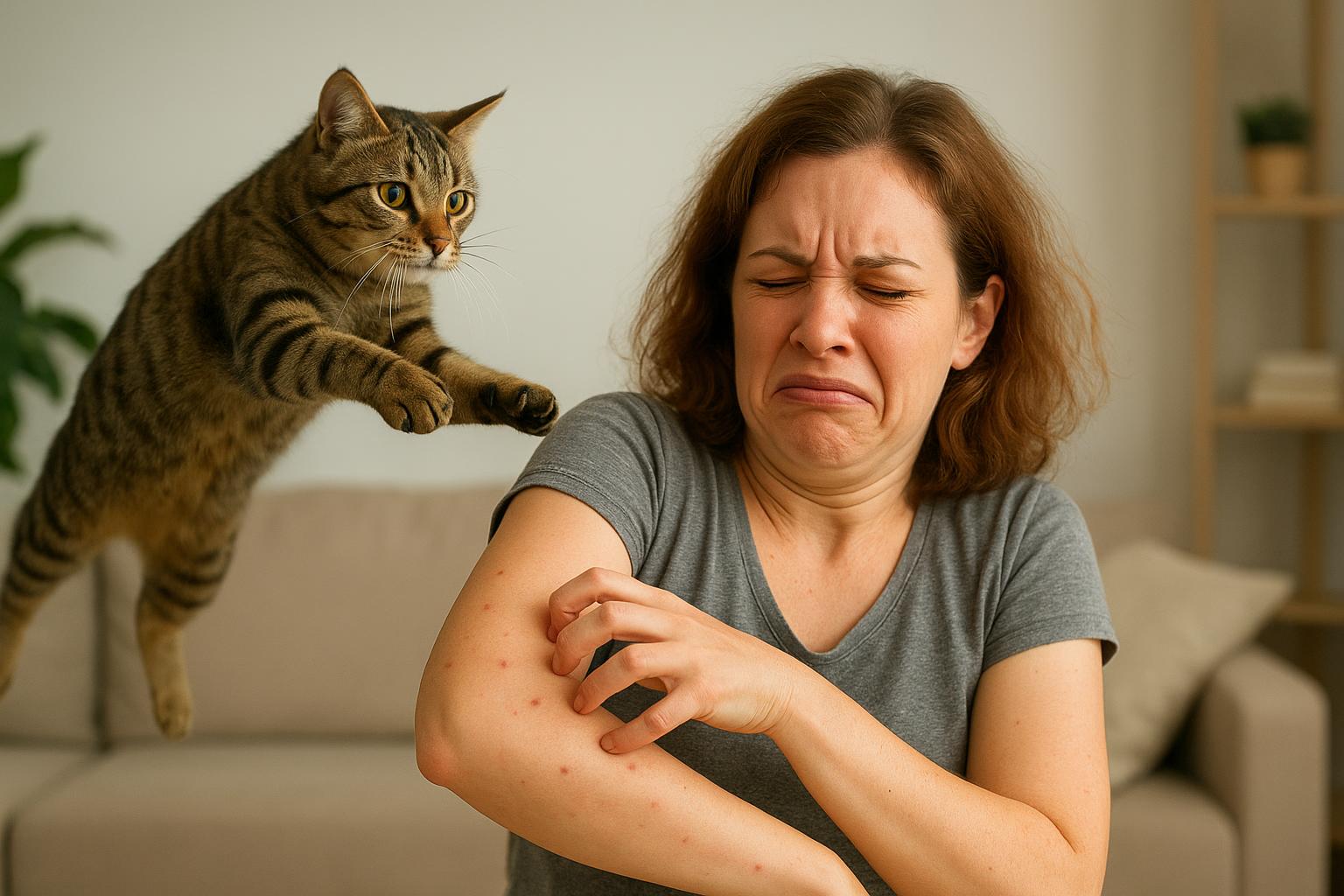
Flea bite reactions show up differently across cats. Some develop clusters of small red bumps, often along the back legs and belly. Those are flea markings and they can be itchy or inflamed. Other cats barely react at all. Pay attention to scabby patches, repeated scratching, and areas where the fur looks thinner. Flea markings can help you decide whether the infestation is active now or was recent.
### Behavior Clues: How The Cat Acts
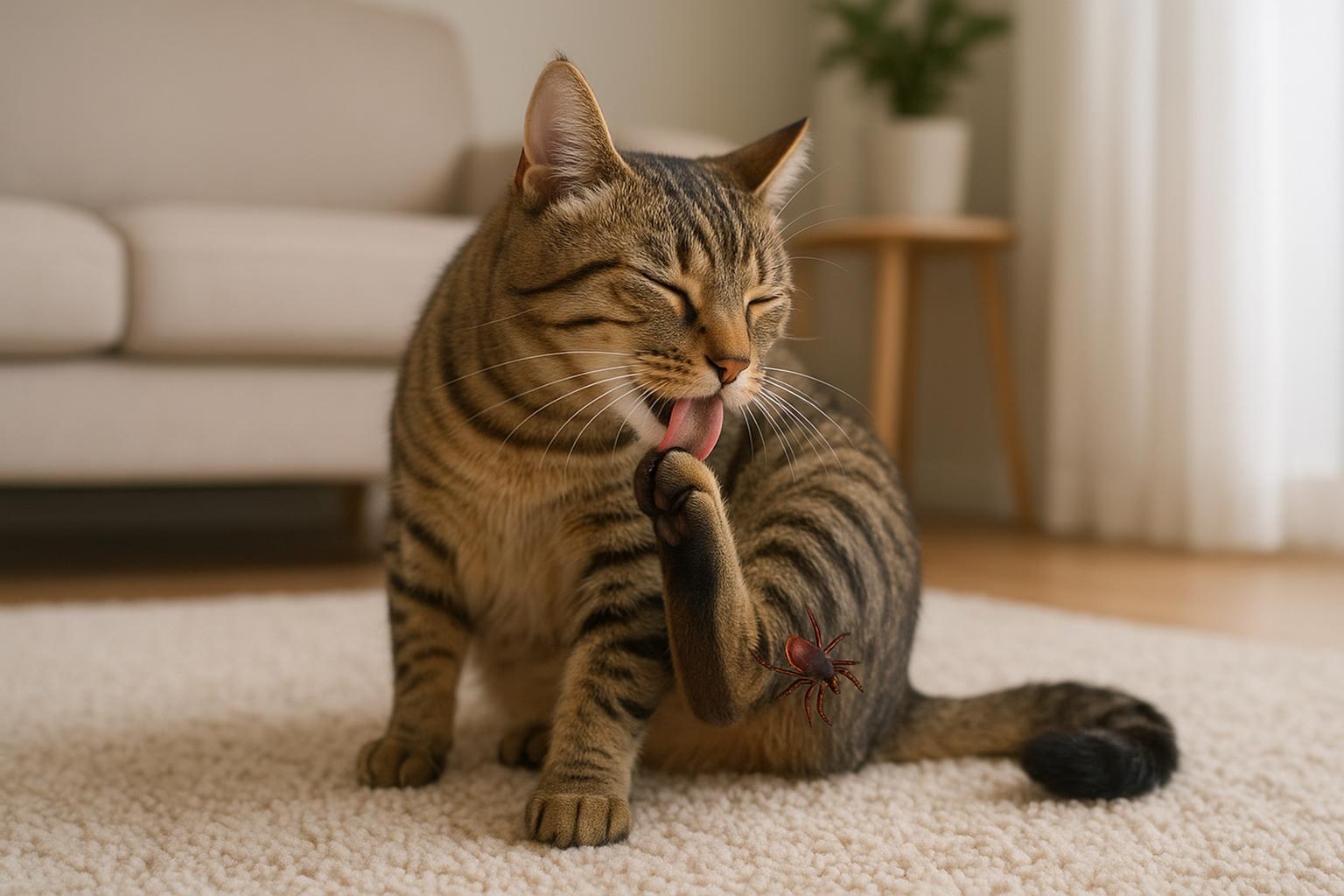
A cat with fleas may groom obsessively, especially around the tail base and hind legs. You might see sudden bursts of frantic scratching or biting. Some cats become restless at night. If a normally calm cat starts cleaning itself more than usual, check for fleas right away.
#### Differentiating Fleas From Similar Pests
Not everything that jumps is a flea. Lice and certain mites behave differently. Lice move slowly and stick closer to the skin. Mites are usually invisible to the naked eye and cause more patchy hair loss. Fleas are distinct because of their jumping, their size, and their shiny, flattened bodies. If in doubt, collect a specimen on clear tape and show it to a vet.
### Where Fleas Hide On Cats
Fleas favor warm, sheltered places. Look under the collar area, at the base of the tail, inside the groin, and behind the ears. Don’t forget the belly and between toes for long-haired breeds. I always check a cat’s neck first; it’s a hotspot because they can’t easily reach it themselves.
### How To Use Photos And Close Inspection
Take a photo before you disturb the area. That lets you compare later and track any reduction after treatment. When you take flea photos, include something for scale—a coin or a ruler—so you know how small the insects are. If you’re uploading images to a forum or showing a vet, clear close-ups help.
### When To Act And What To Expect
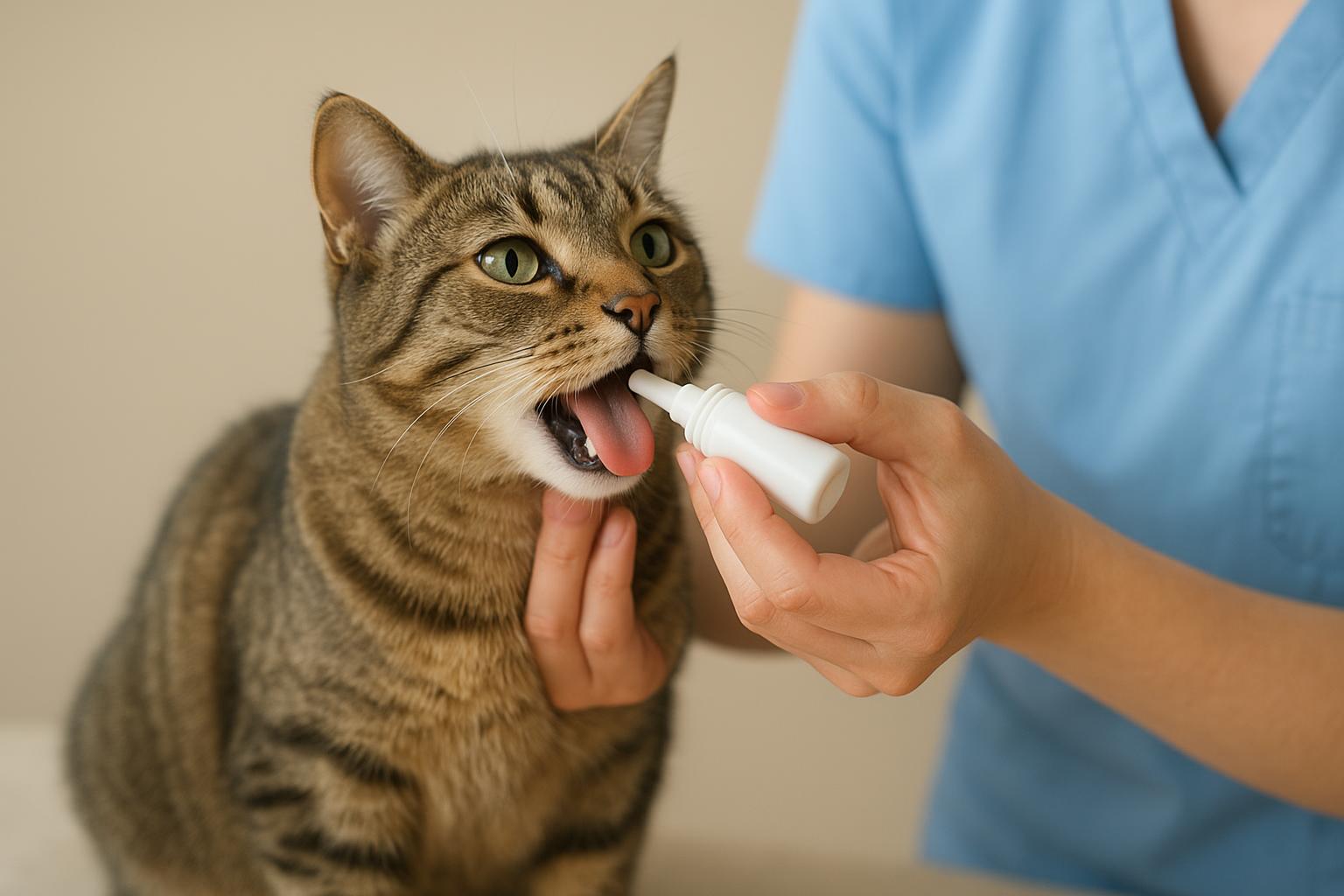
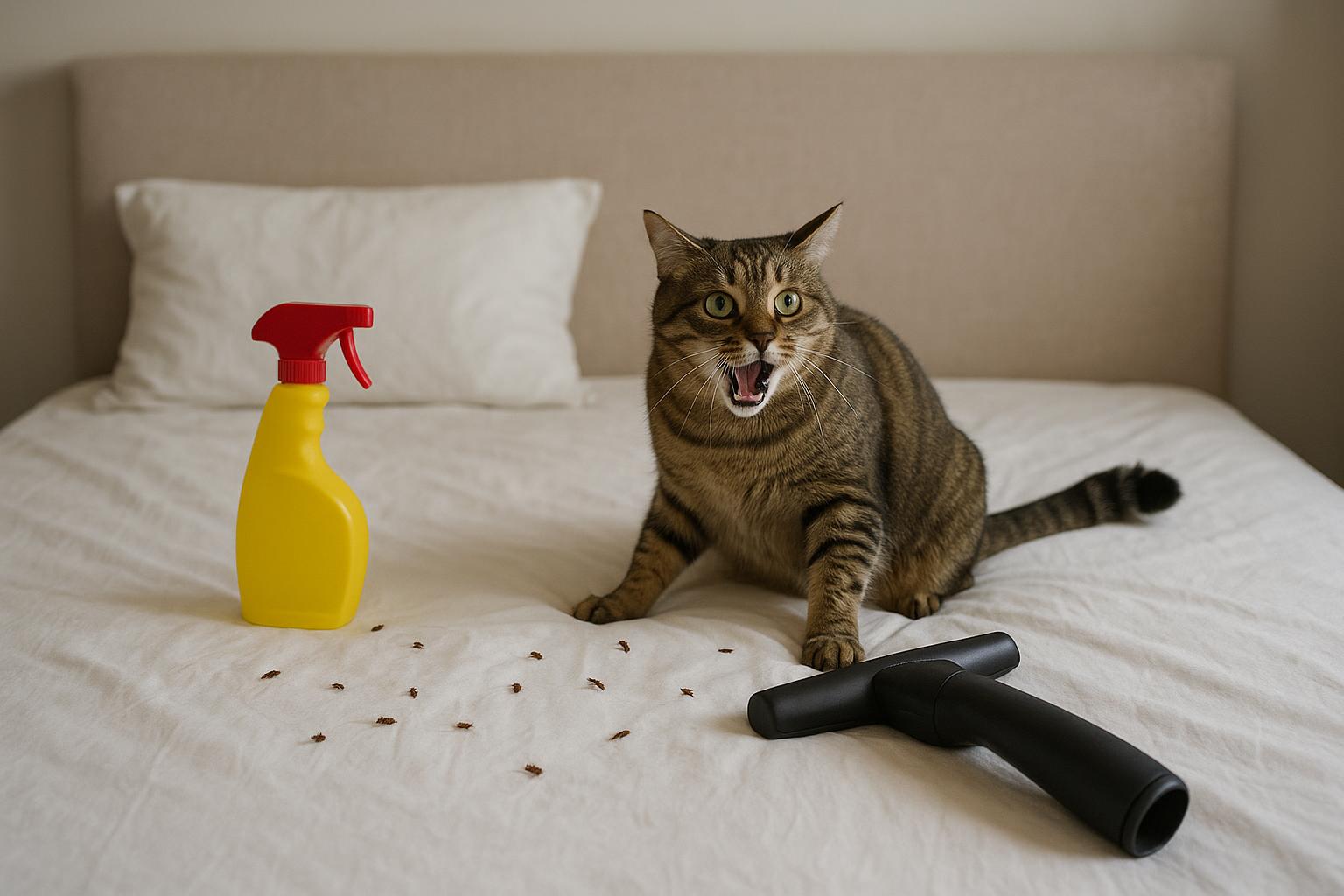
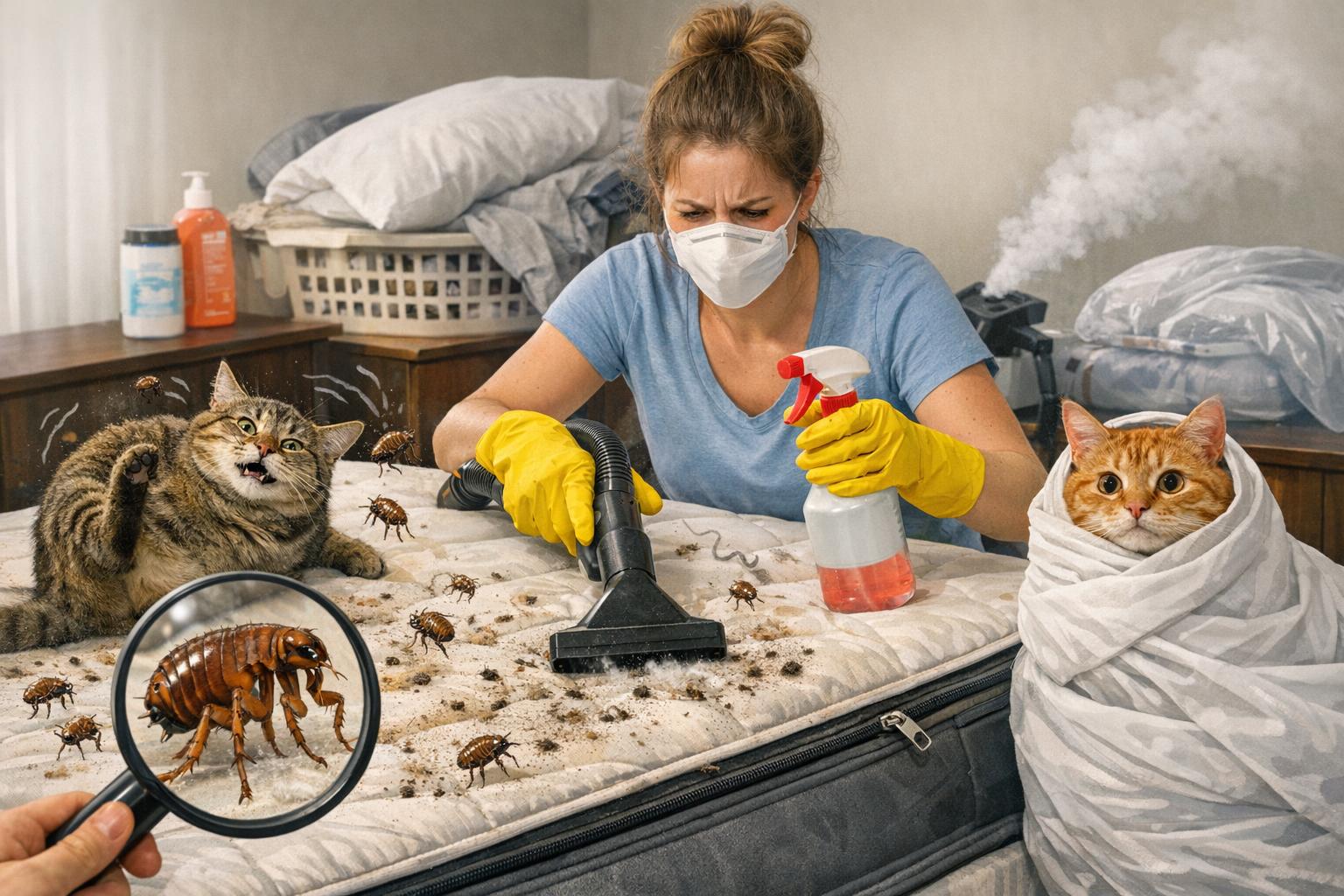
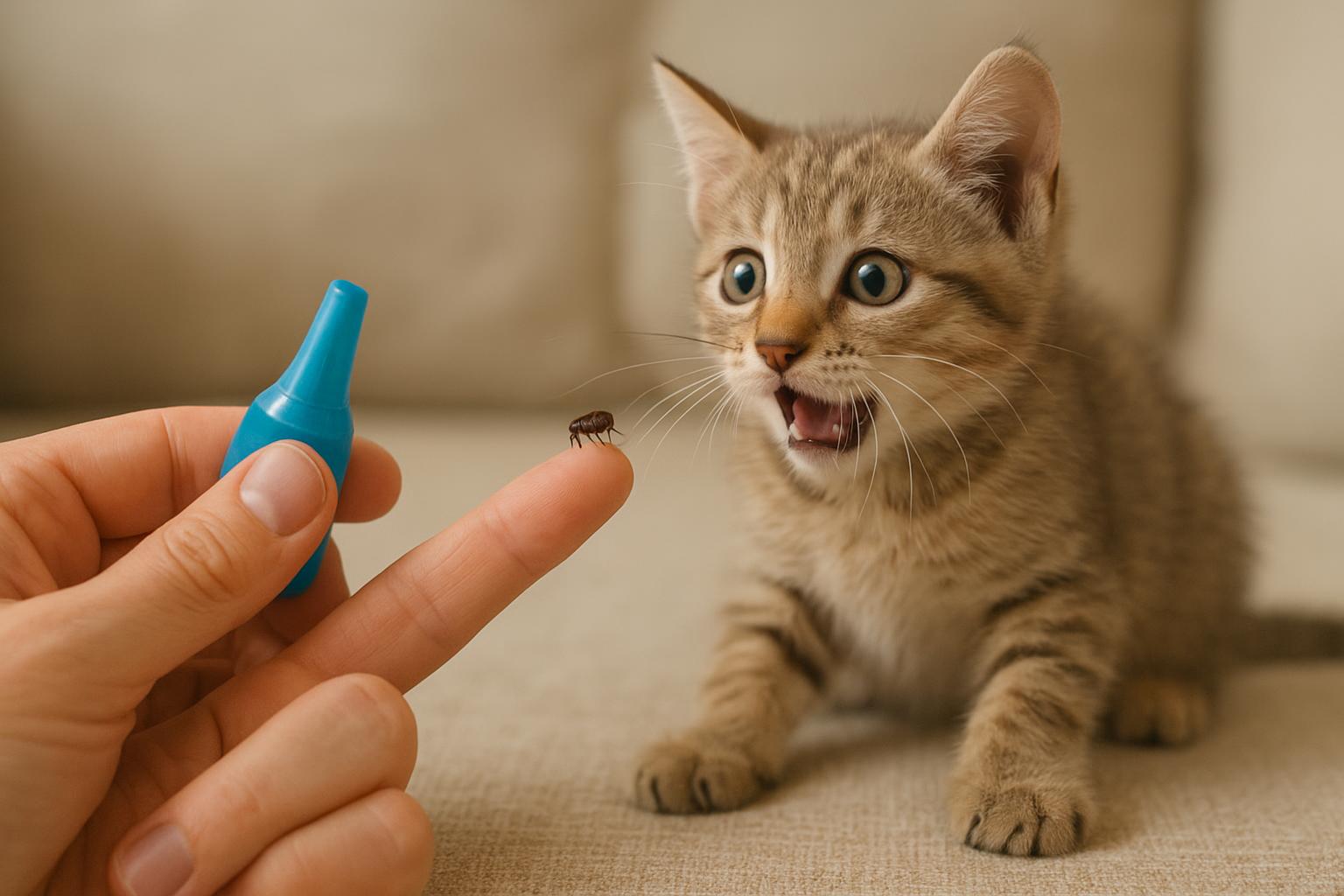
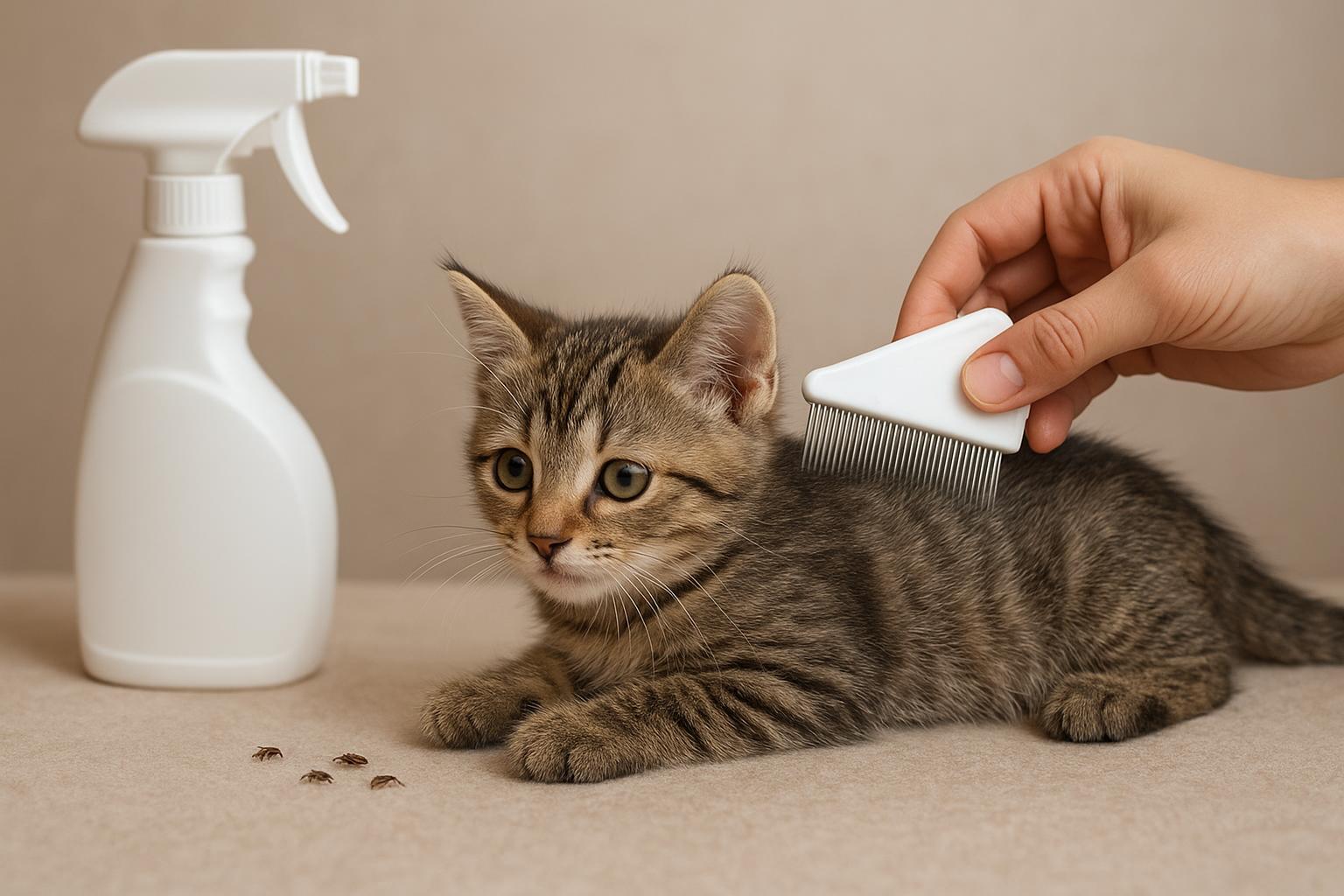
Finding a single flea doesn’t mean you’re safe. Fleas reproduce rapidly. One flea can become dozens in weeks. If you see fleas or flea markings, treat the cat and clean bedding and carpets. Ask your vet about fast-acting topical treatments or oral options. Also treat the environment: vacuum thoroughly and wash bedding in hot water.
#### Collecting A Suspect Flea For Identification
If you catch something, put it in a sealed bag or on clear tape. Do not squash it; keep it intact if you can. A vet can confirm whether it’s a flea and sometimes determine the life stage. This helps decide the right treatment plan.
### Preventing Future Infestations
Regular flea checks are worth the two minutes they take. Keep a small magnifier or use your phone. Inspect after outdoor time, and especially after contact with other animals. Many flea products are preventive and make the cat less attractive to fleas. Consistent use prevents the horror of a sudden infestation.
Keep checking. Fleas are small, fast, and persistent. Spotting them early lets you fix the problem before it becomes a full-blown household issue. Tiny visble signs matter.


















Leave a Reply