
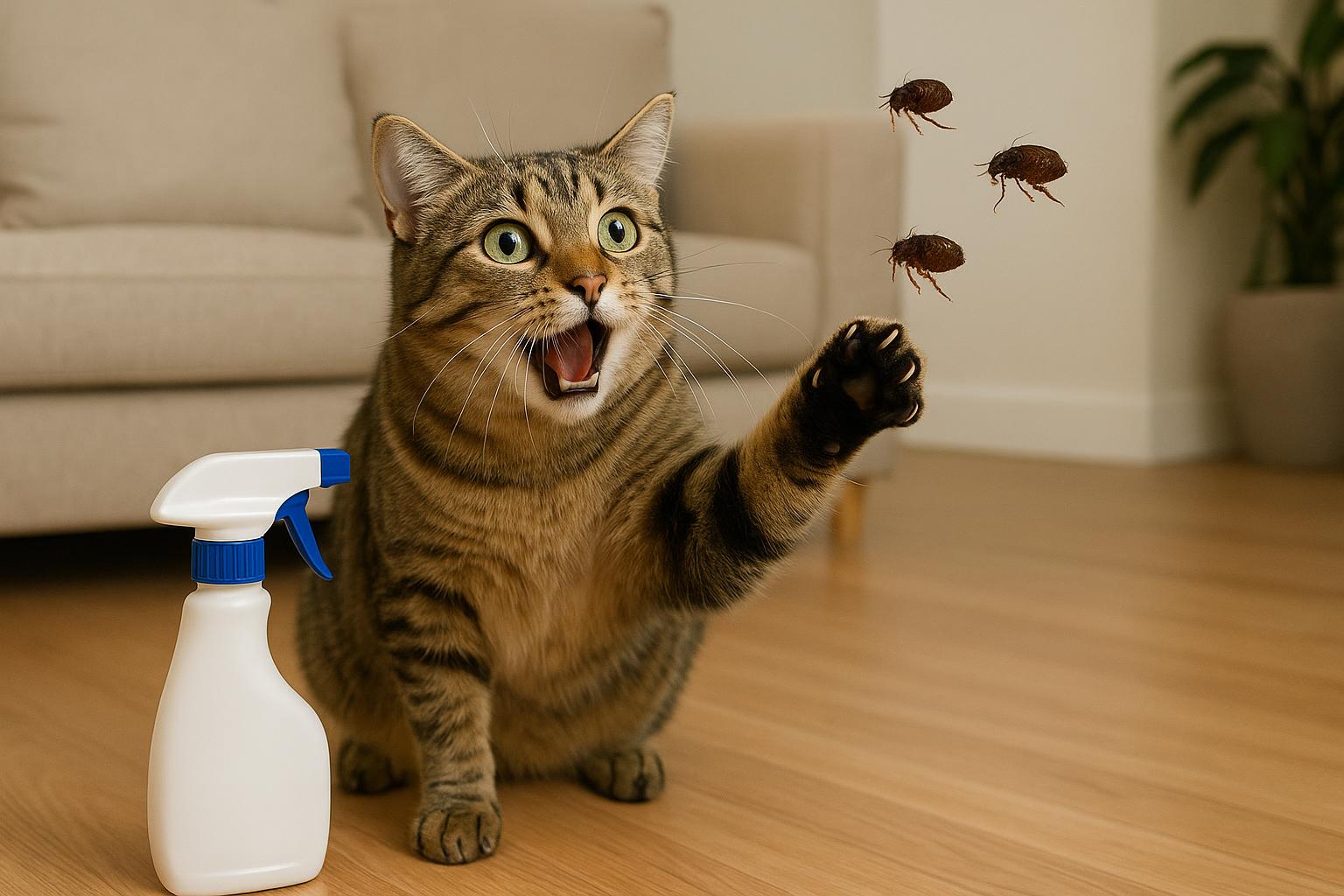
## How To Eliminate Fleas In A Cat-Friendly Home Fast
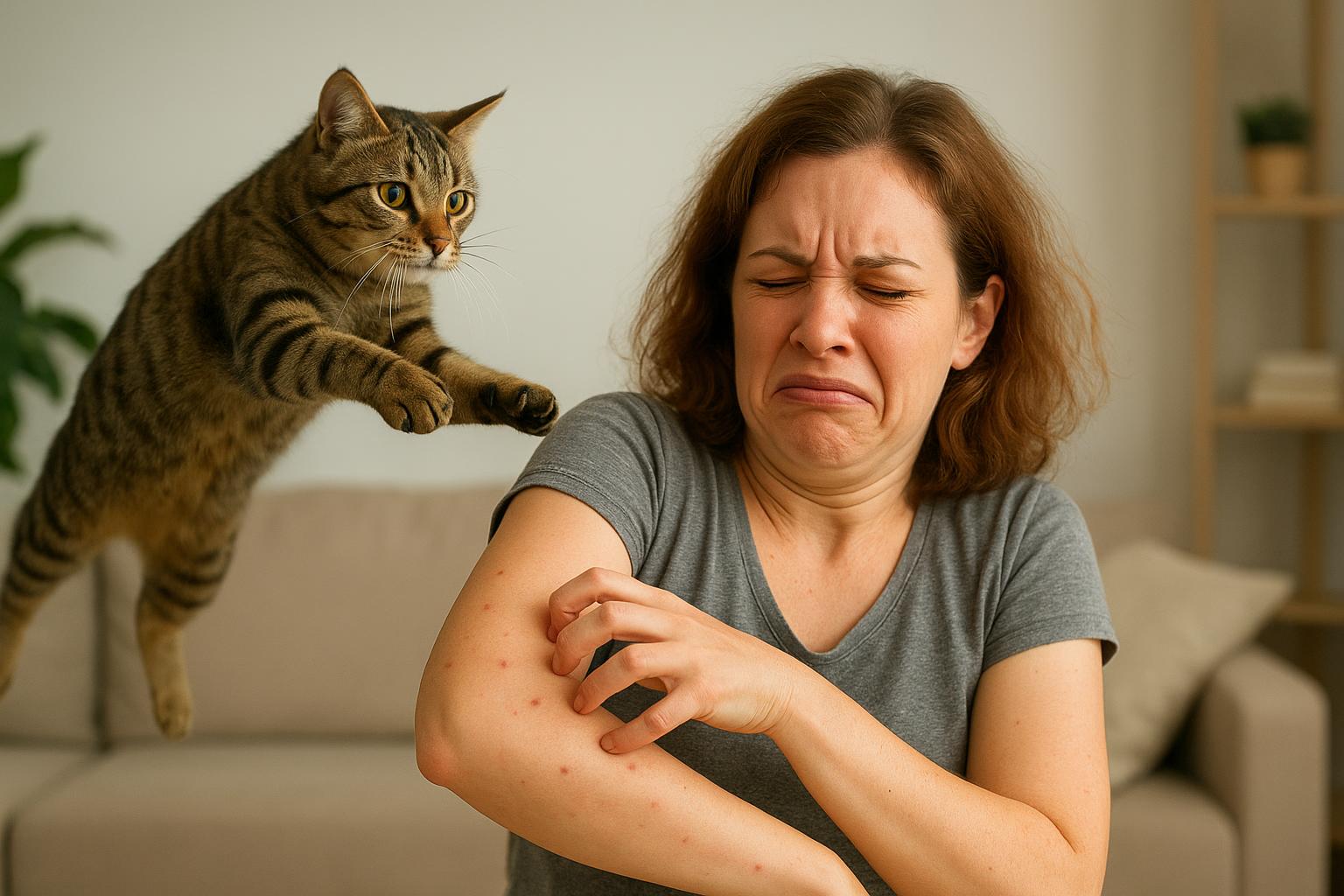
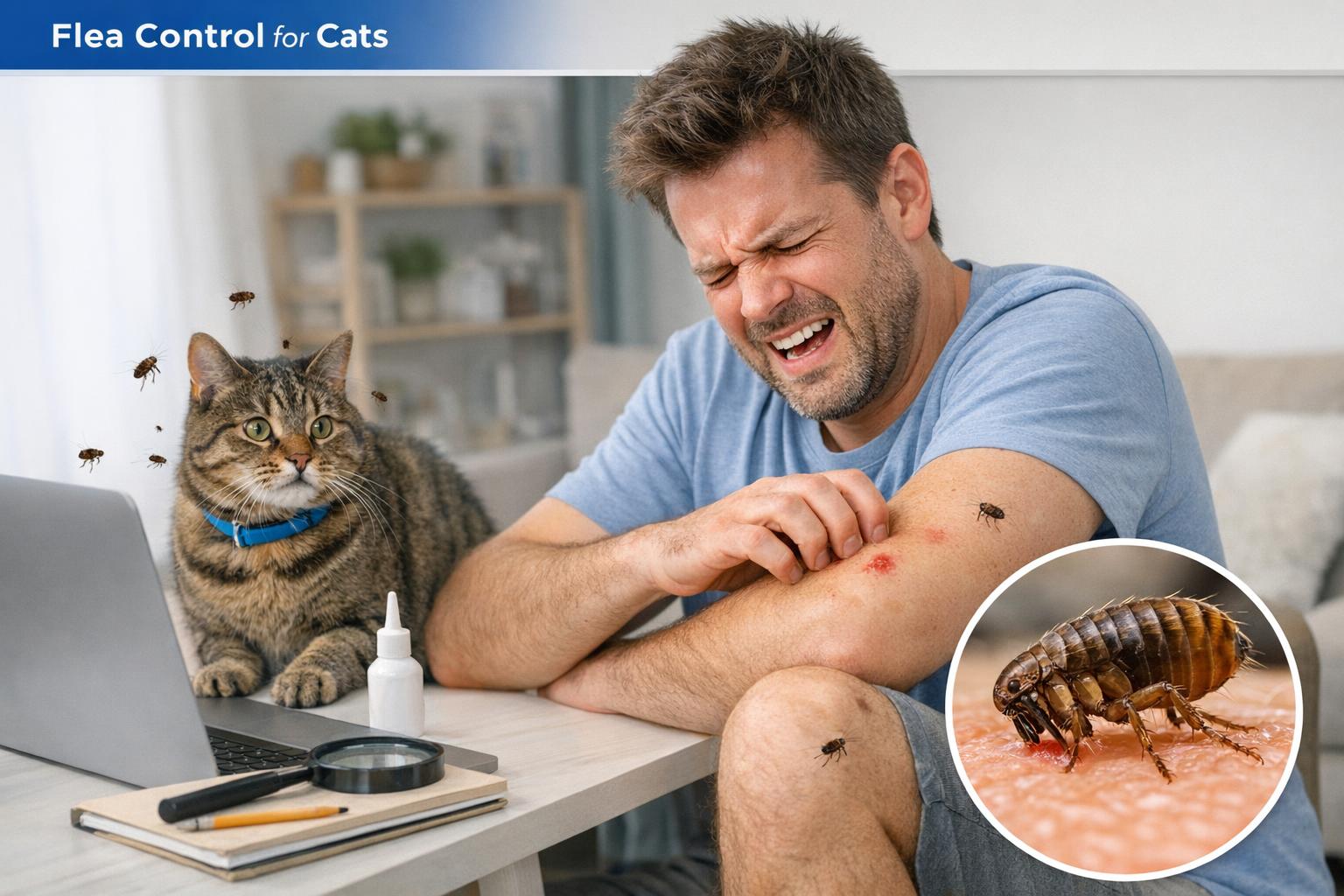
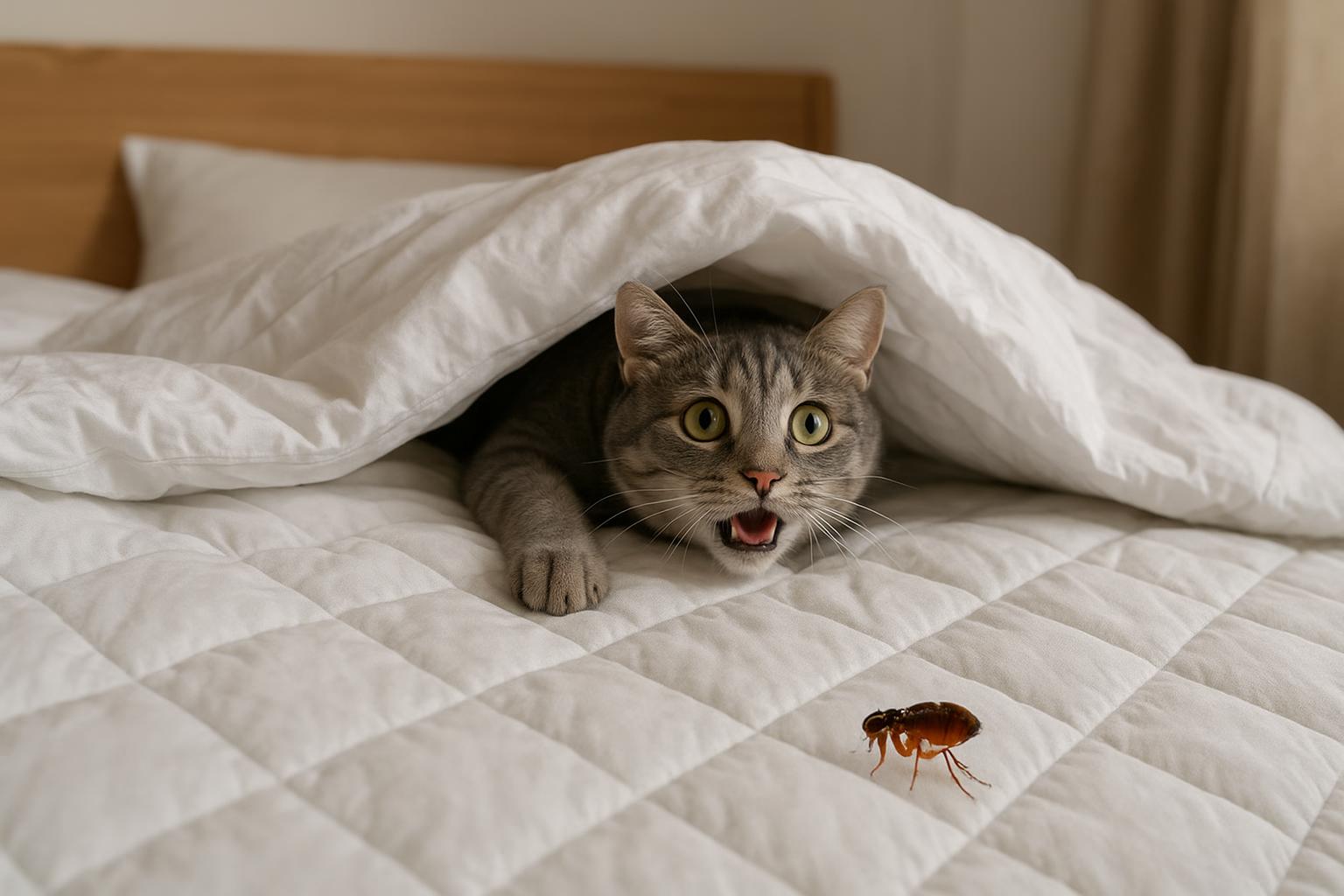
Fleas don’t wait for a polite invitation. They show up, multiply, and before you know it your cat is miserable and the house feels gross. If you want to know how to eliminate fleas in a cat-friendly home, you have to think in layers: kill what’s on the animal, remove what’s in the environment, and stop the life cycle from restarting. Do those three things well and you’ll be ahead of most infestations.
### Understand The Flea Life Cycle And Why It Matters
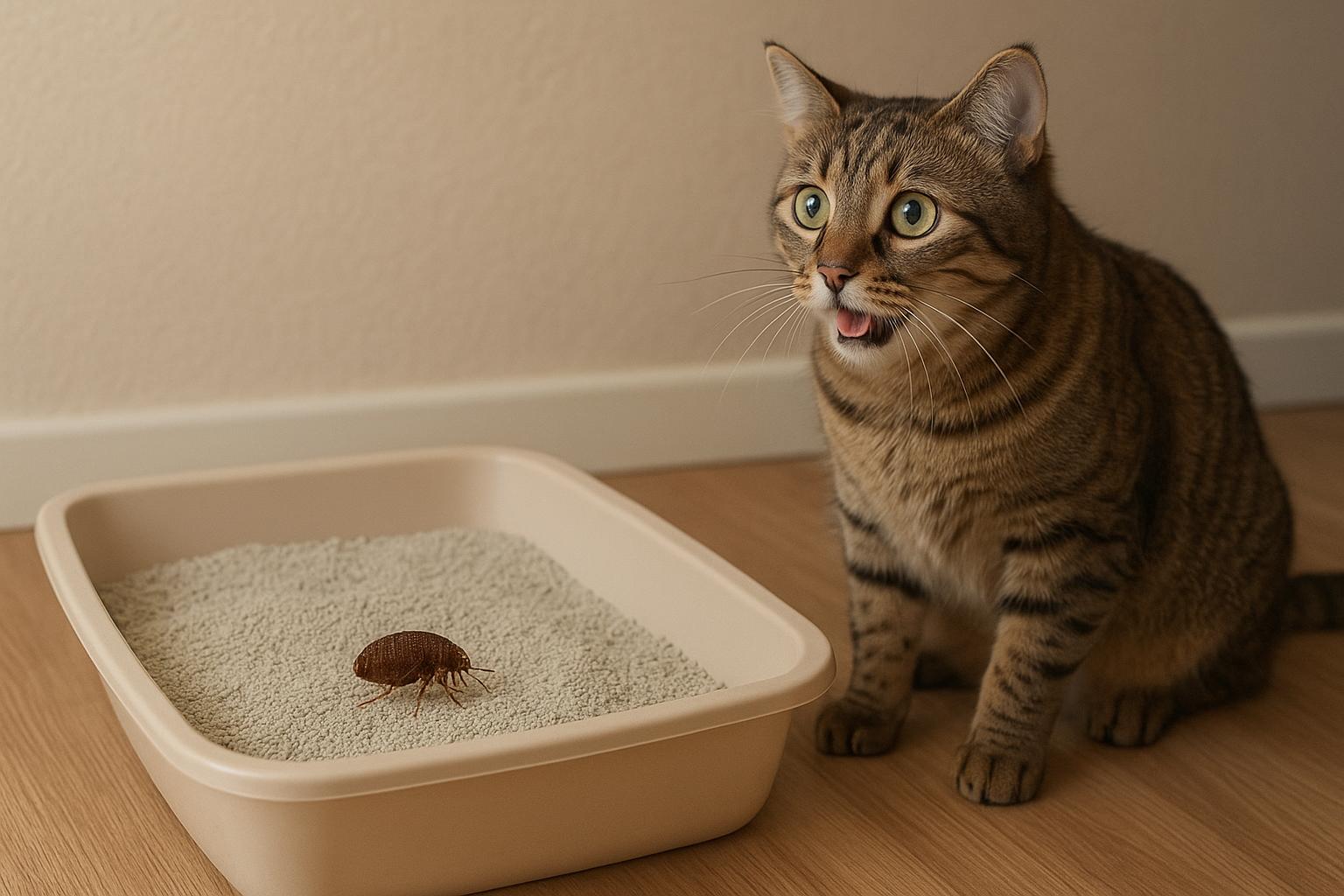
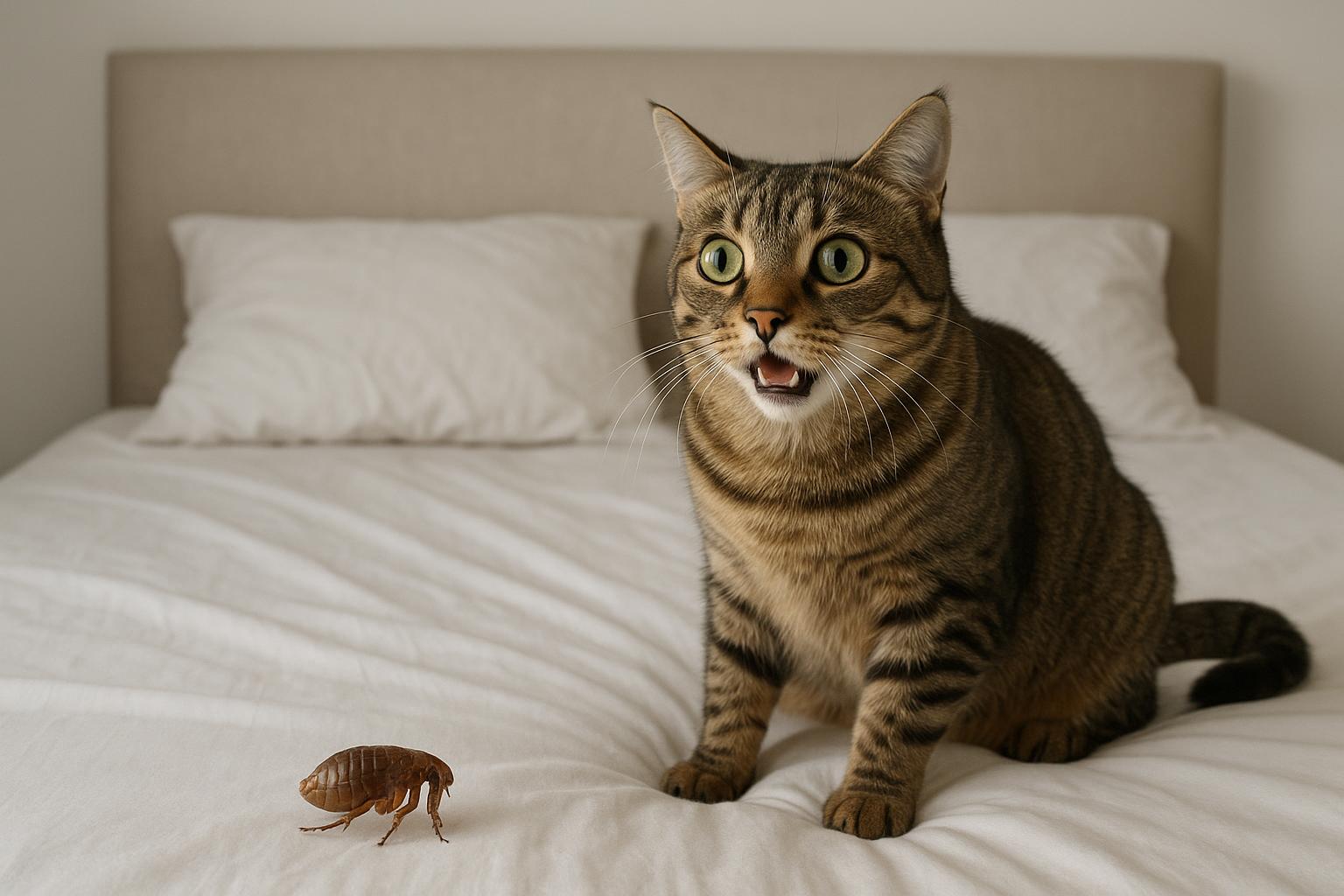
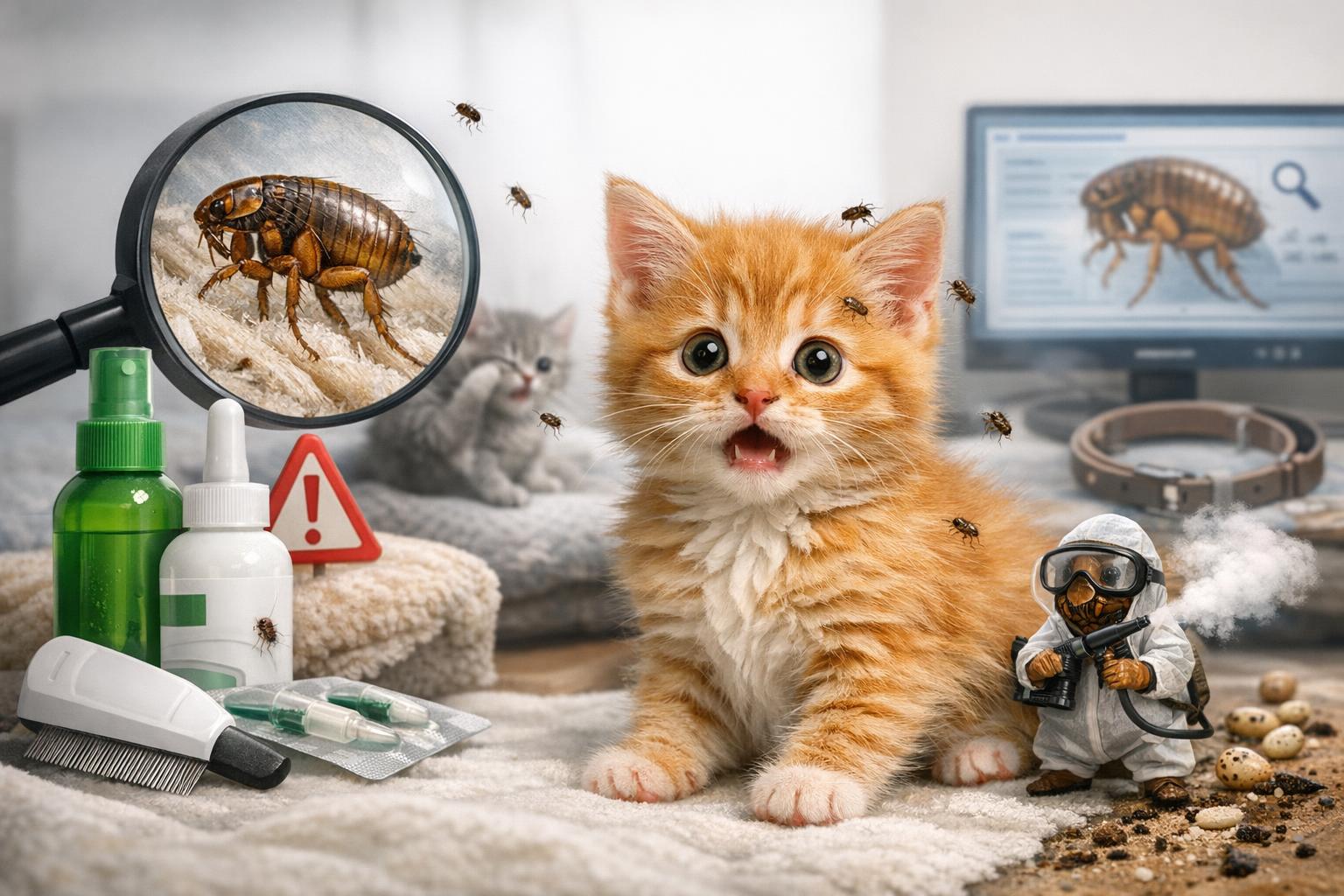
Fleas go through four stages: egg, larva, pupa, and adult. Adults live on animals and lay eggs in fur. Those eggs fall off into carpets, furniture, and cracks. Larvae hide in dark fibers; pupae sit protected inside sticky cocoons and can stay dormant for months. That’s why treating the cat alone rarely fixes the problem. You need a plan that targets every stage.
– Eggs and larvae are vulnerable to heat and cleaning.
– Pupae are the toughest; they need time, disruption, or an insecticide that includes an insect growth regulator.
– Adult fleas need fast-acting products so your cat gets immediate relief.
### Treat The Cat First (Safely)
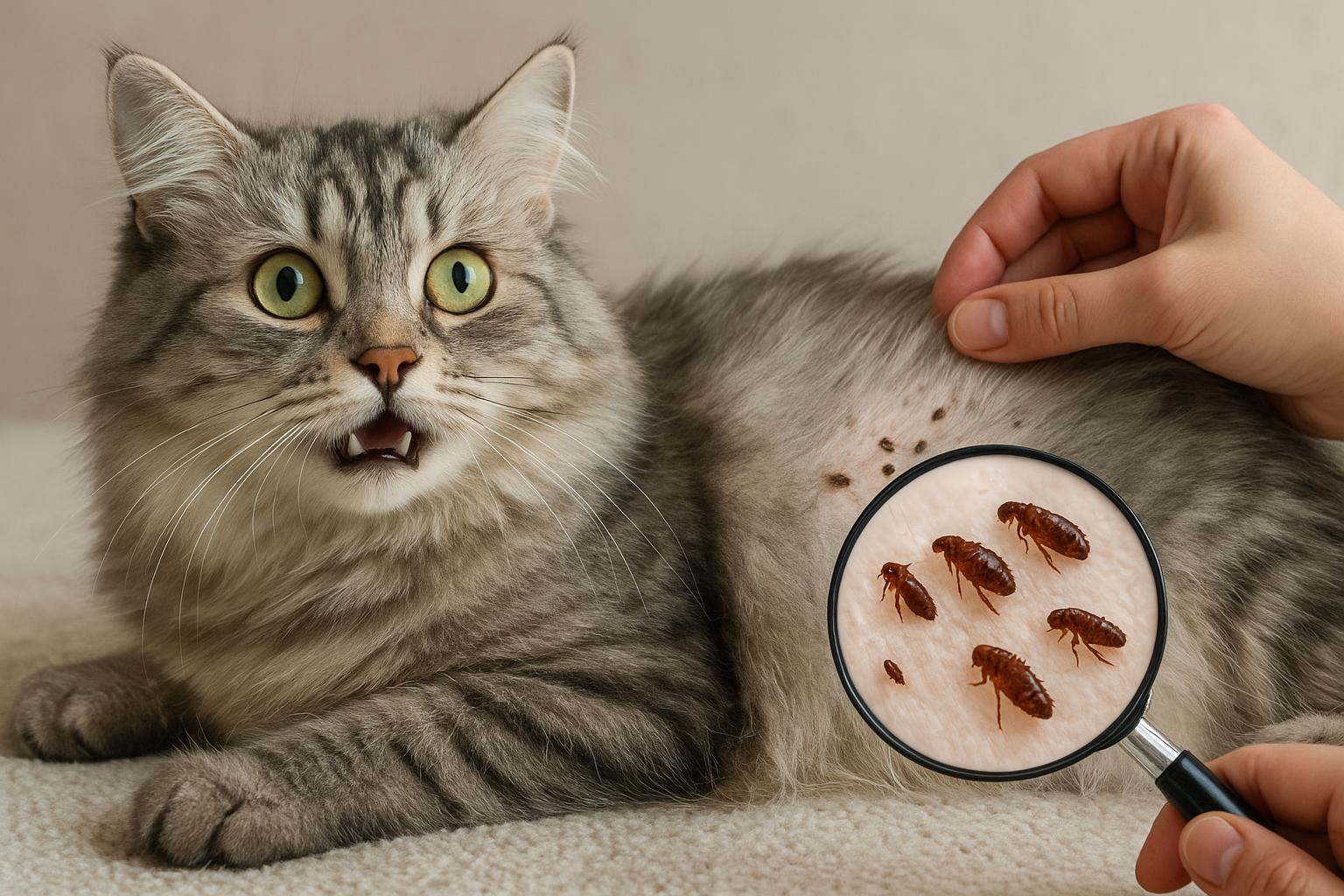
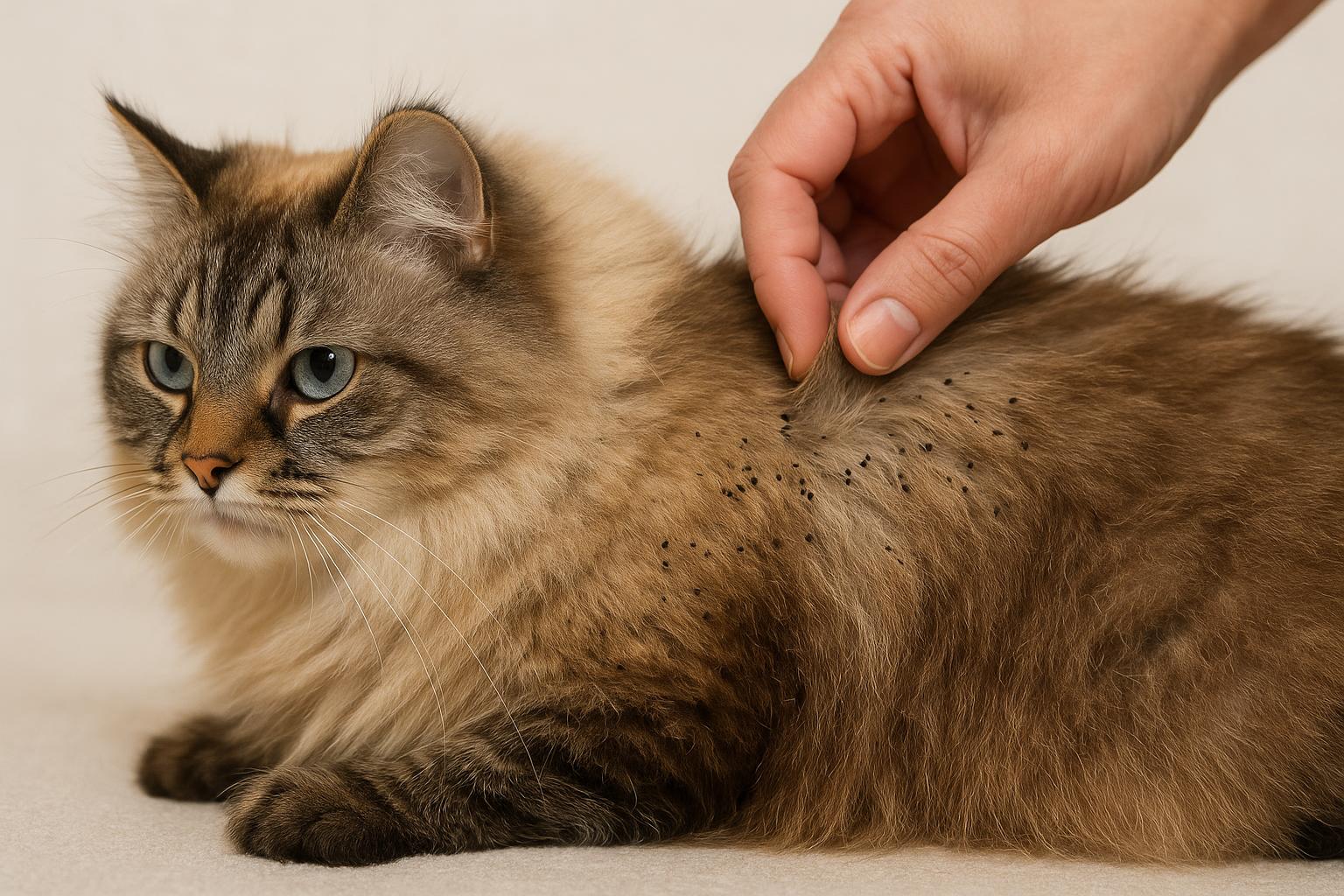
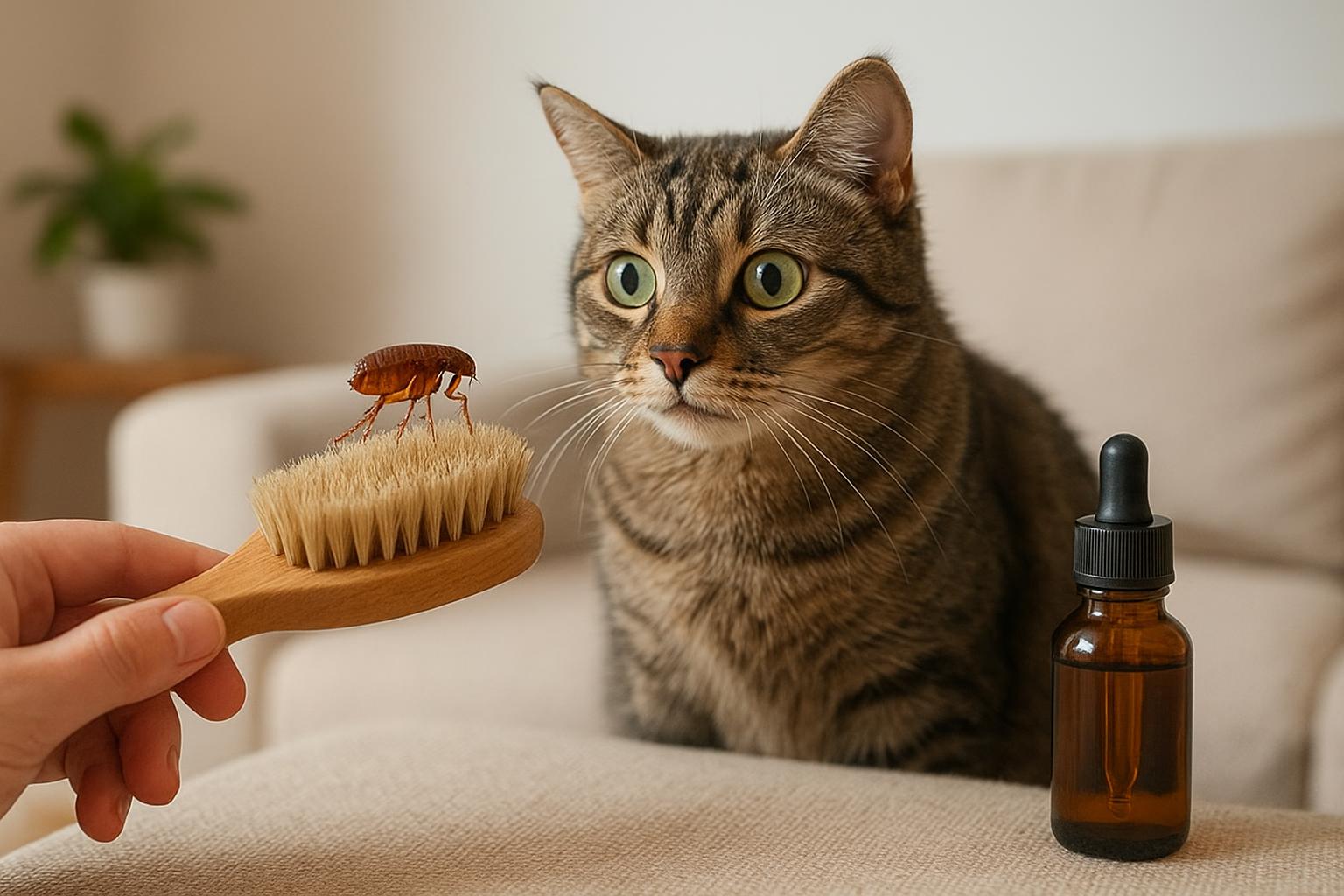
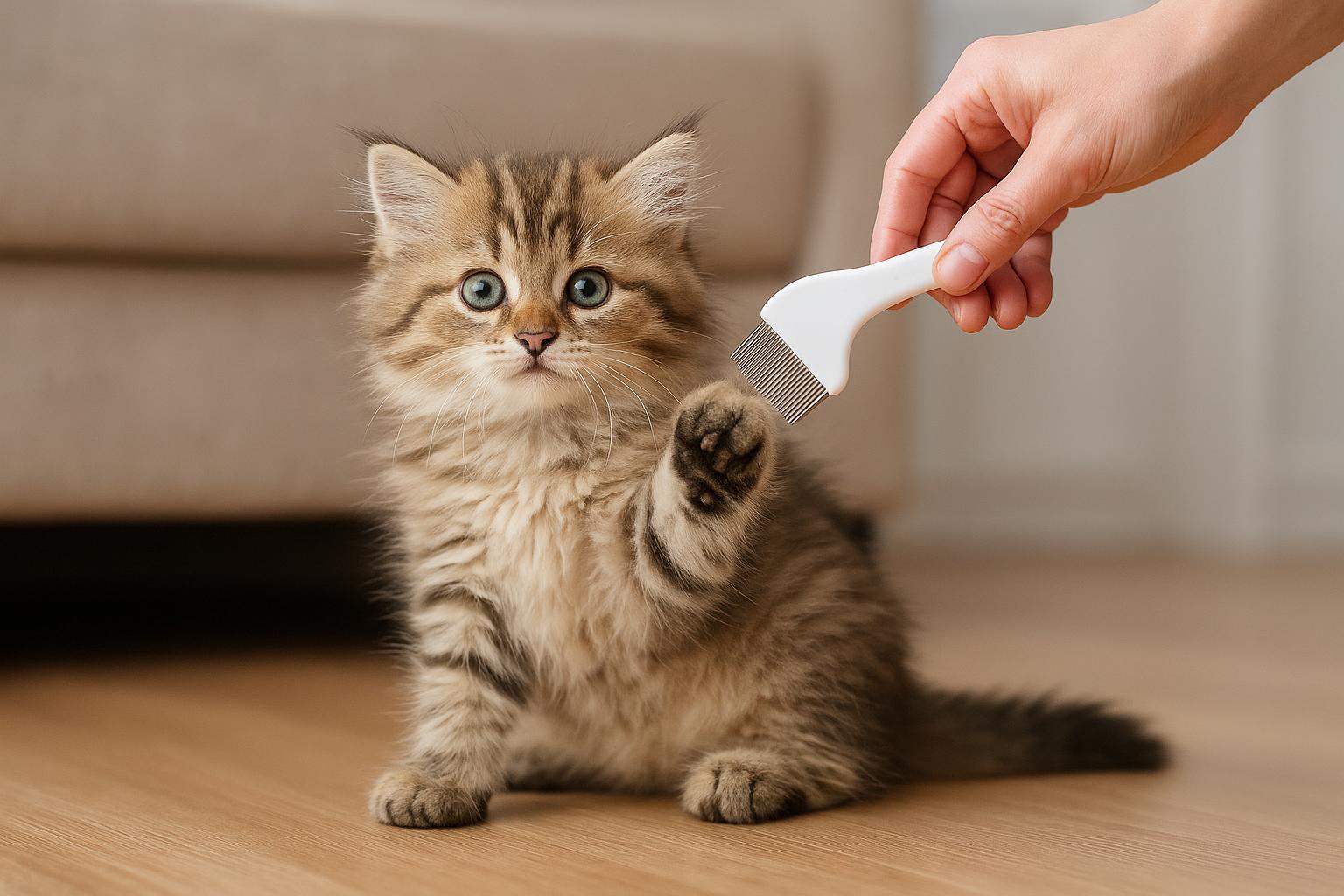
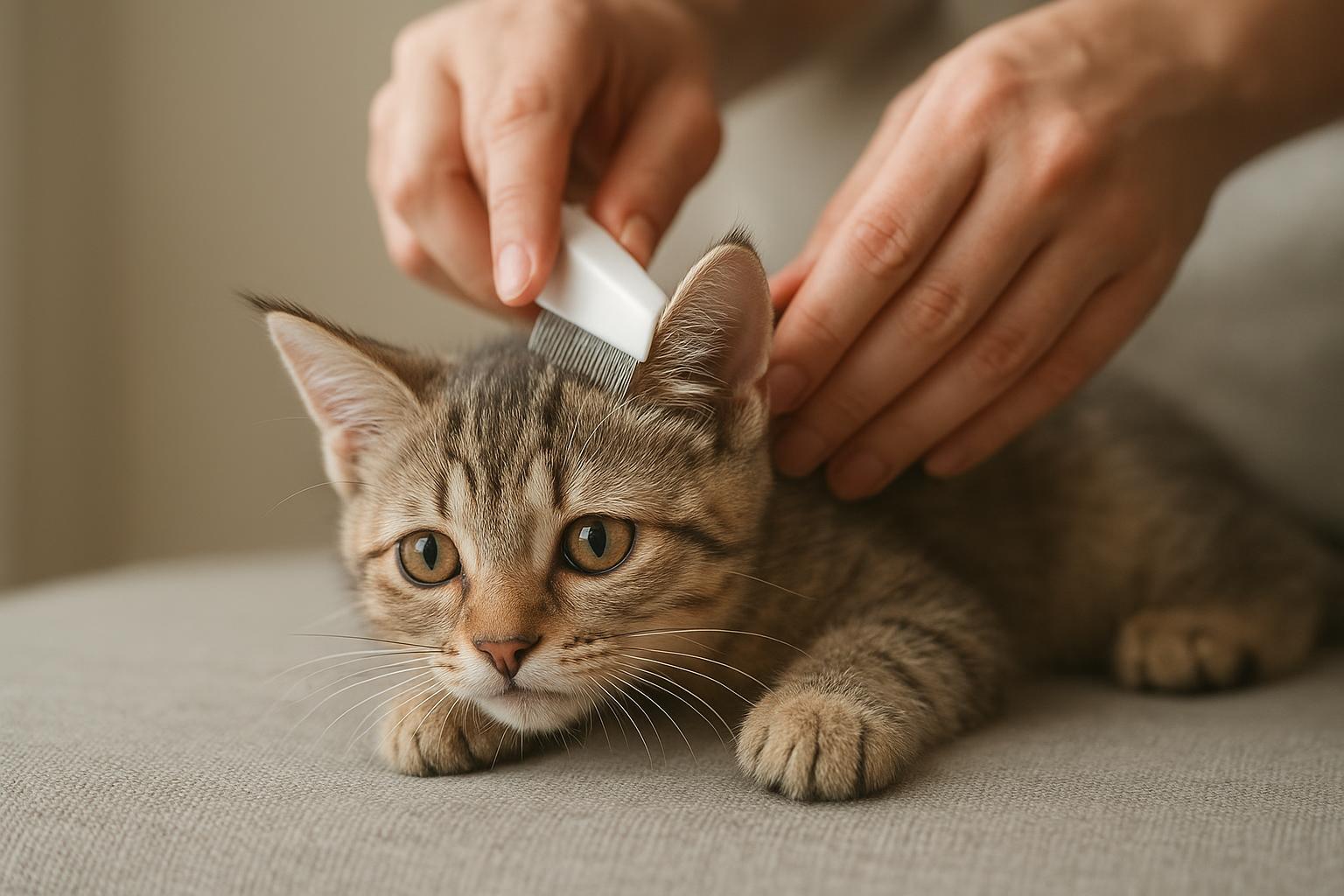
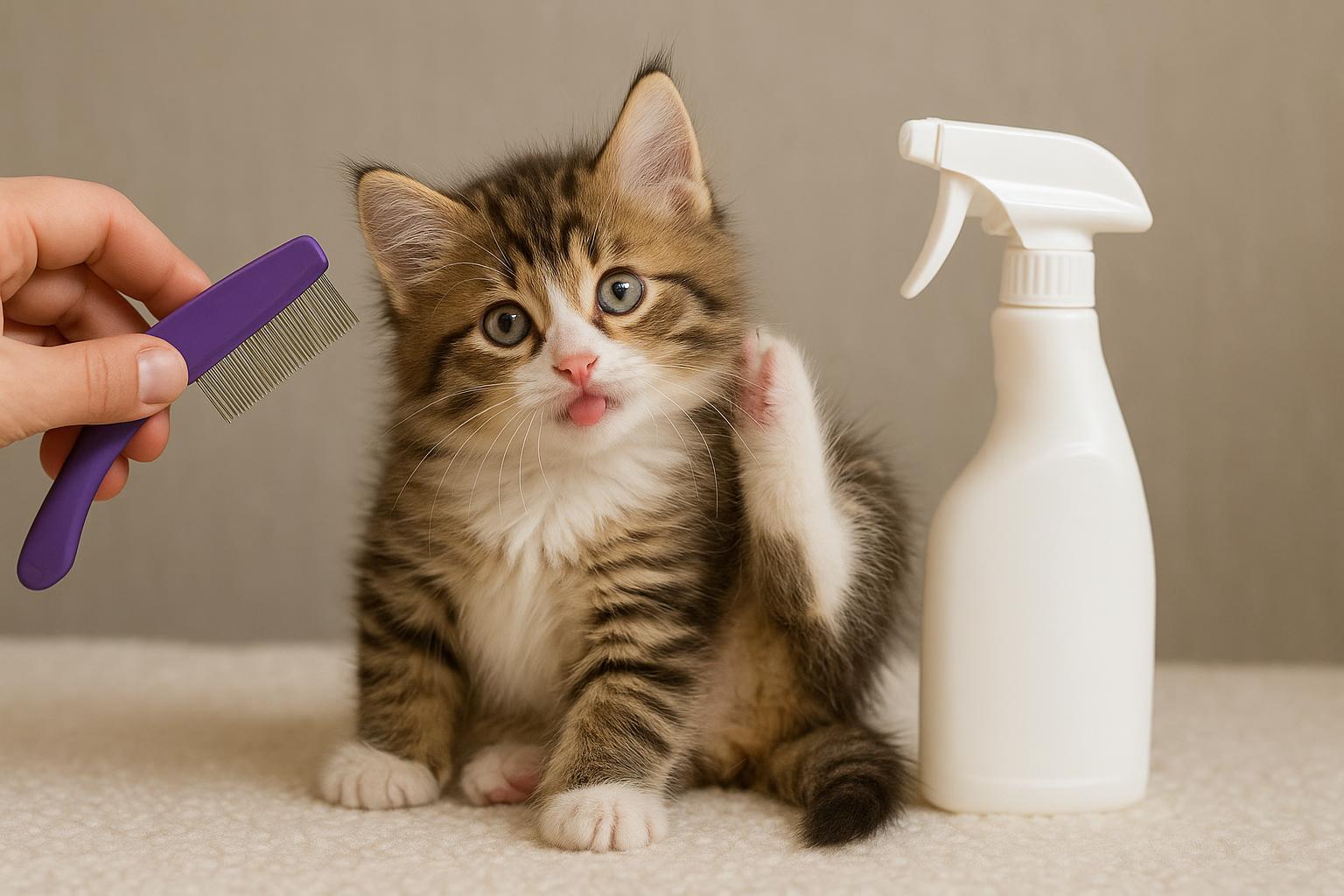
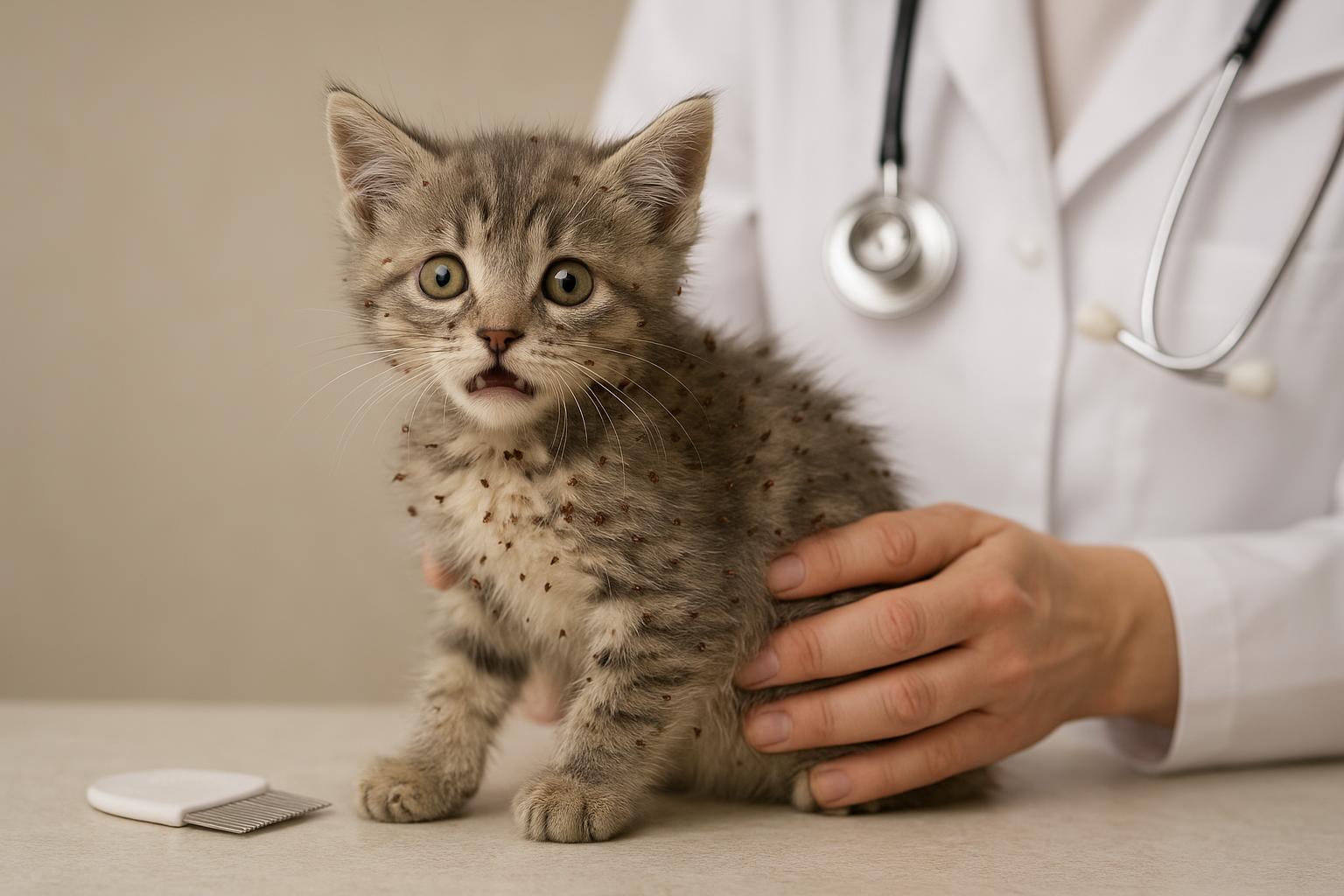
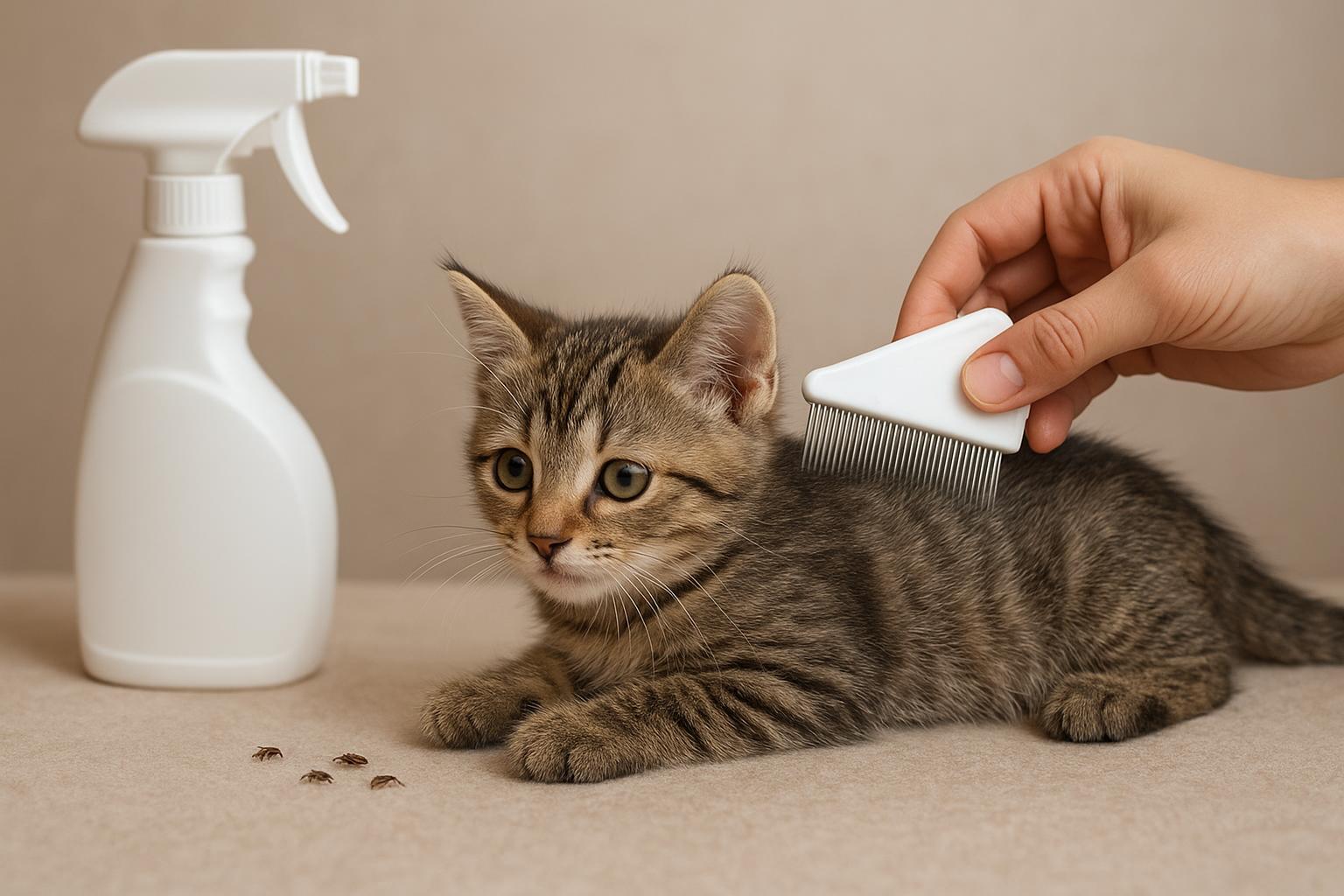
If you’re asking how to eliminate fleas in a cat-friendly home, treating the cat comes before the carpets. A flea-comb is a simple, immediate tool. Comb over a white towel so you can see the fleas. A quick dip in soapy water kills what you remove. That alone won’t finish the job, but it buys your cat relief.
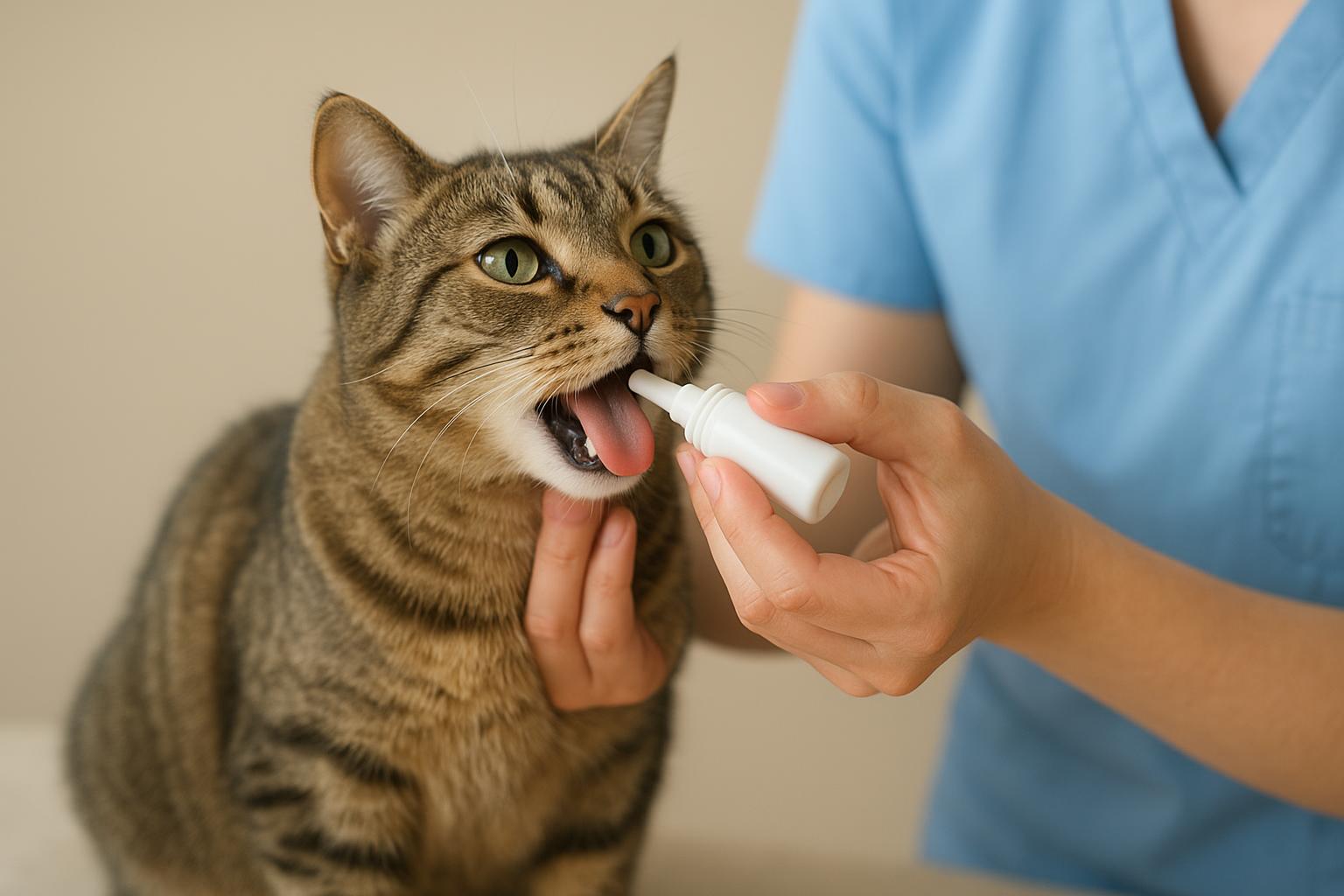
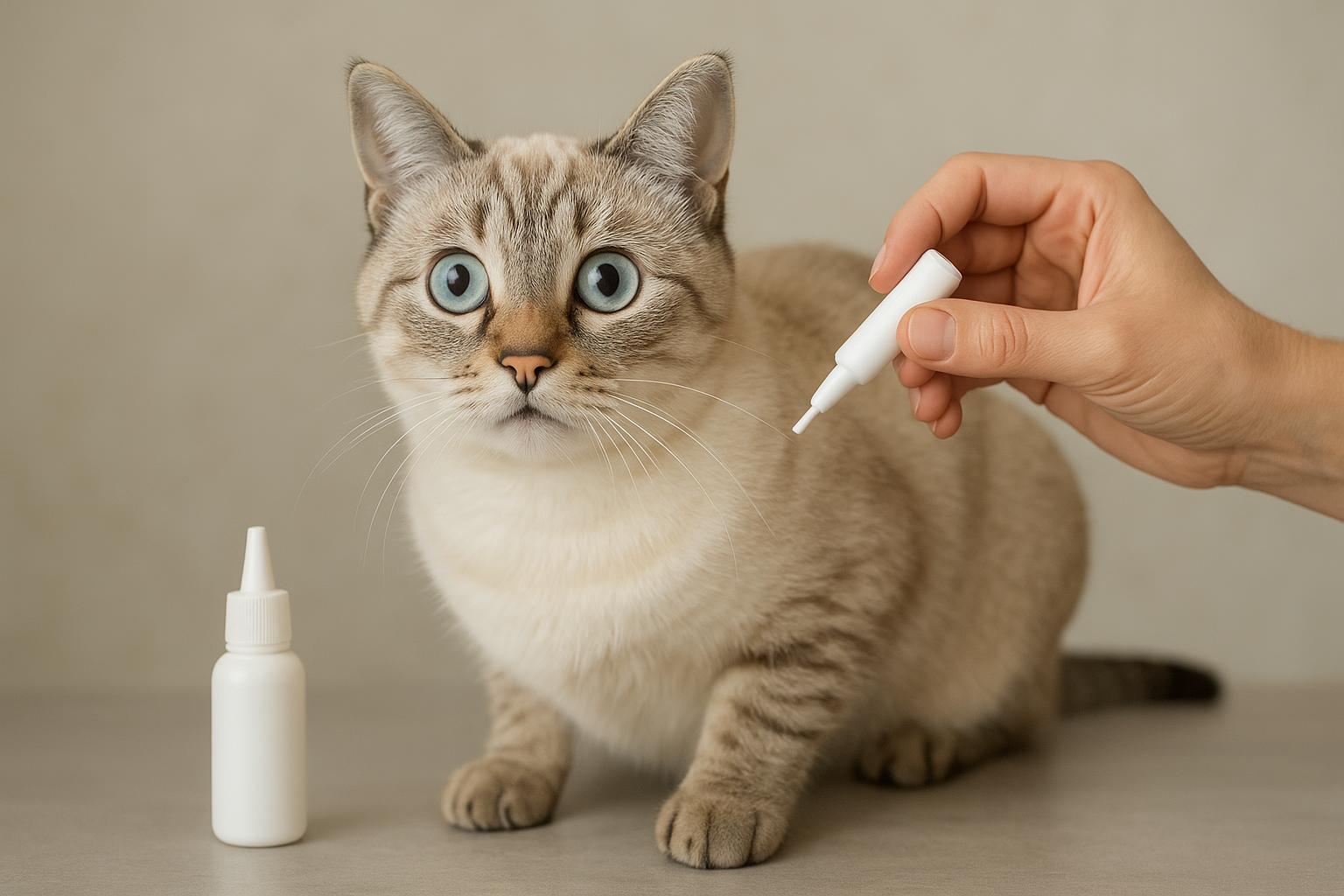
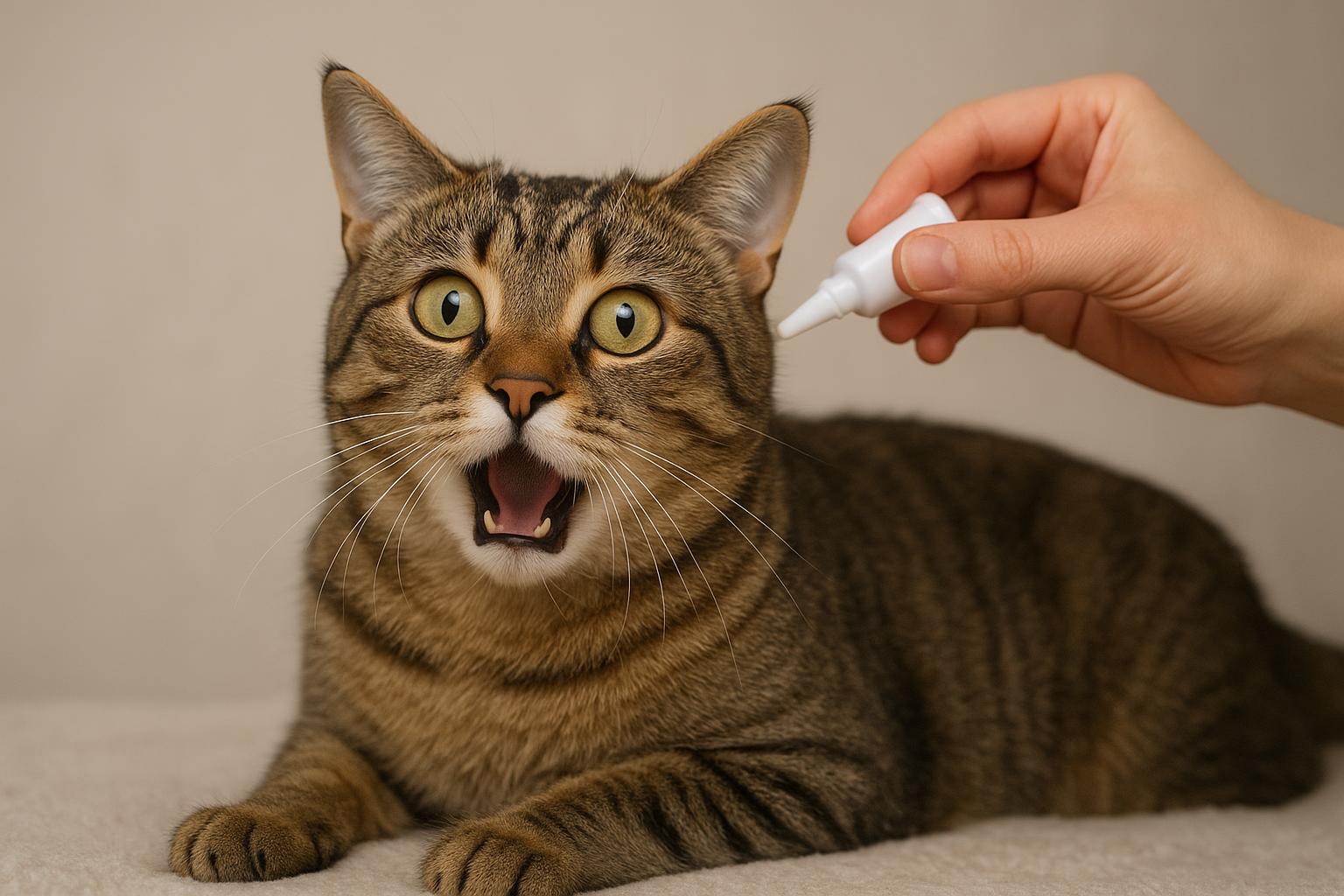
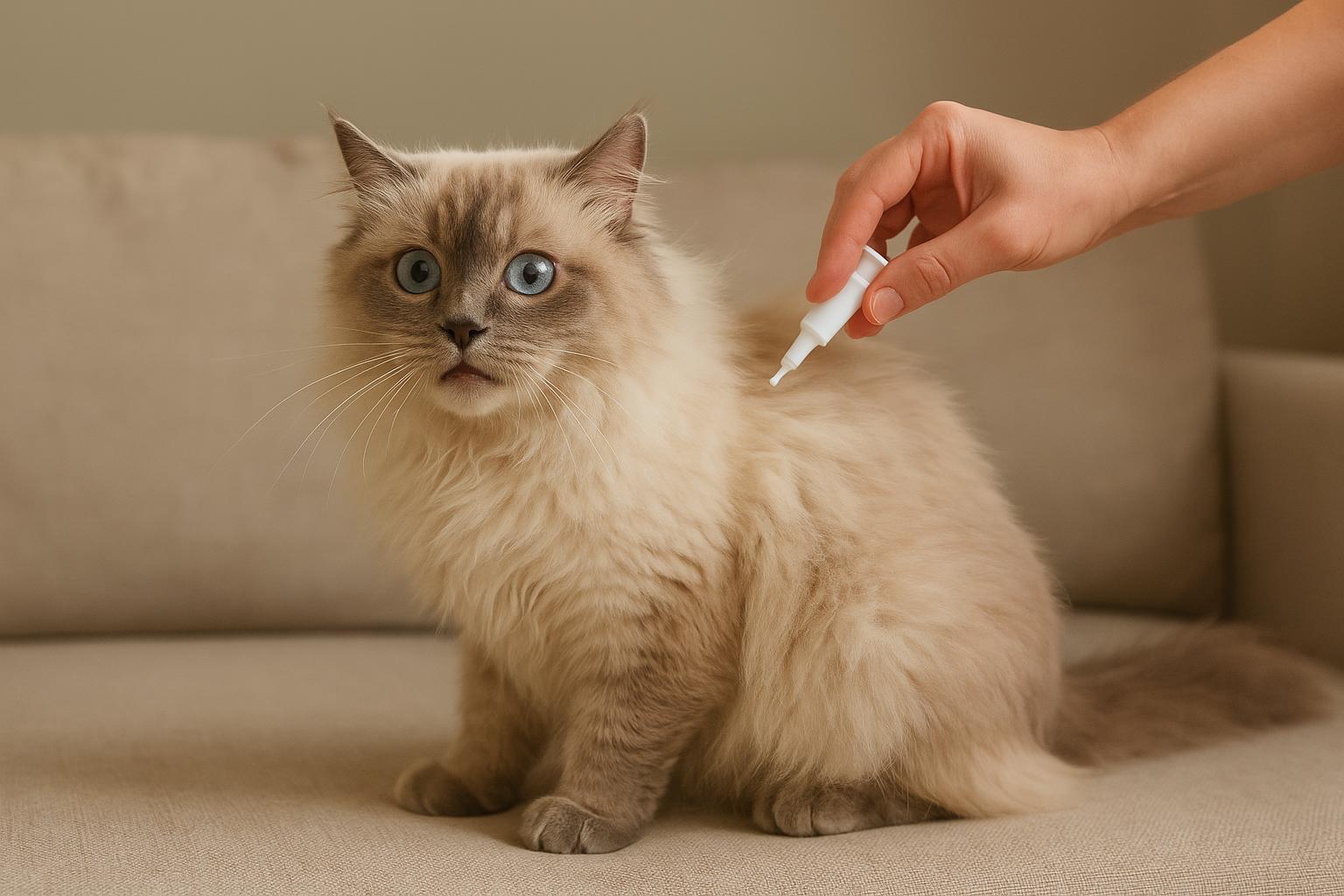
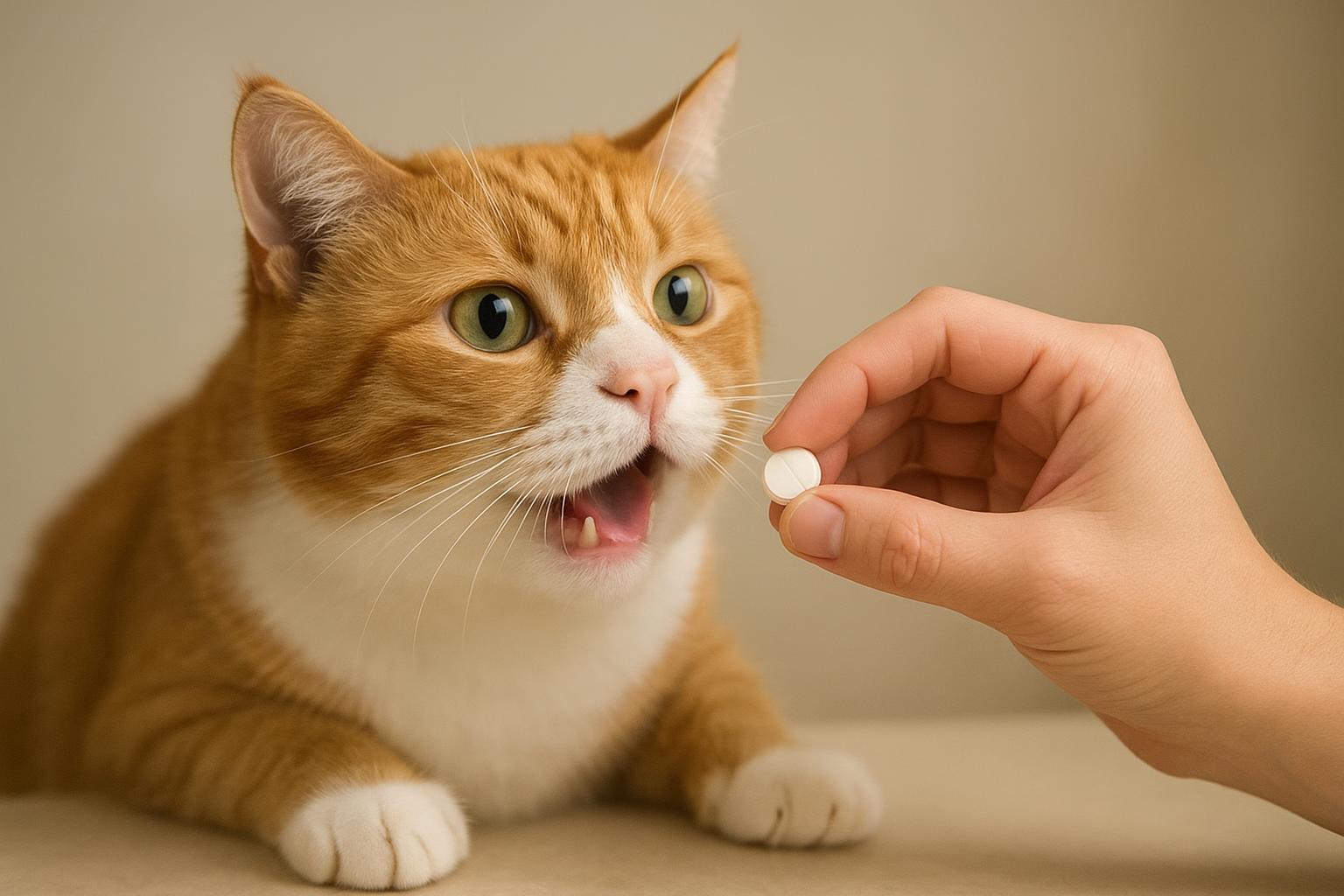
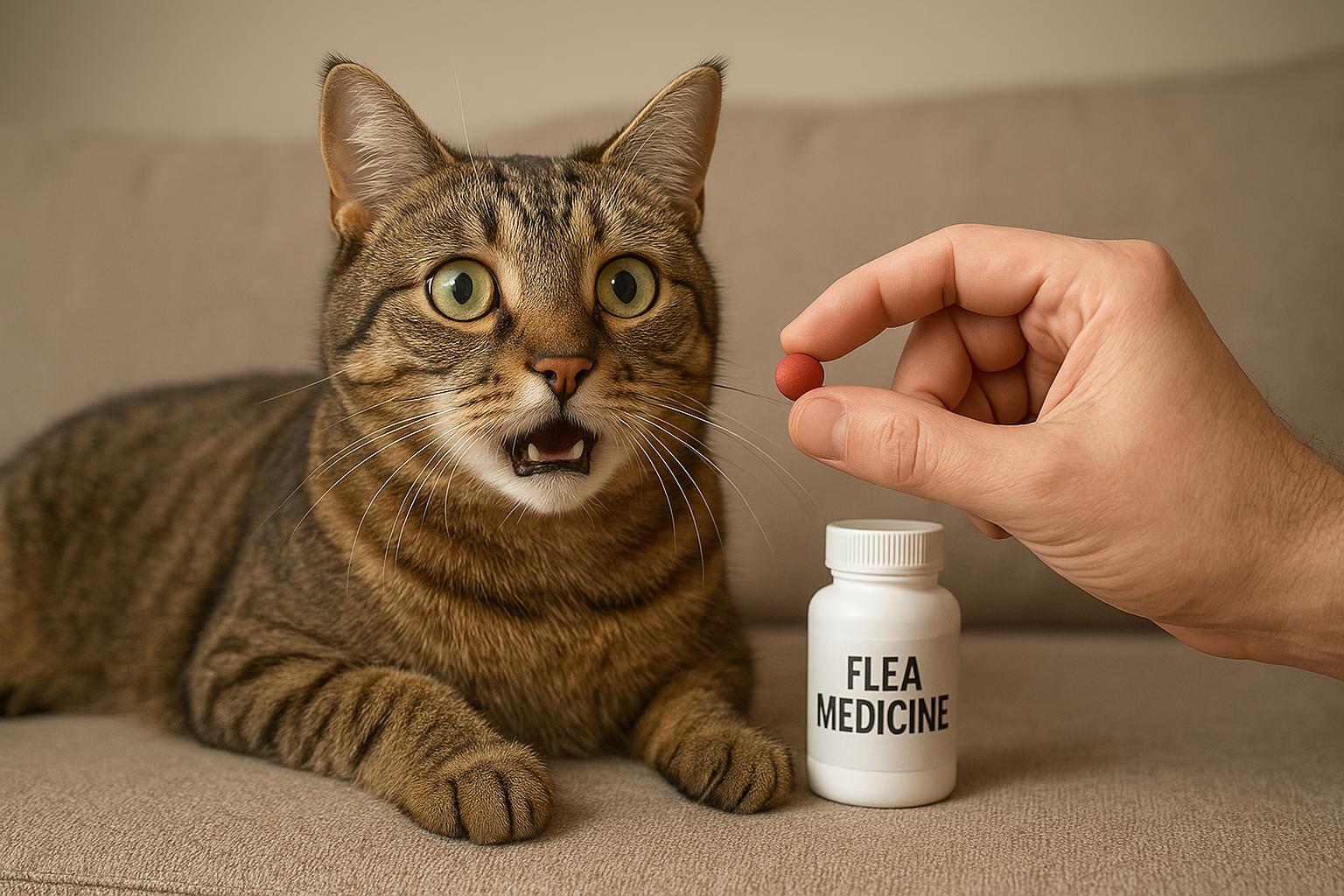
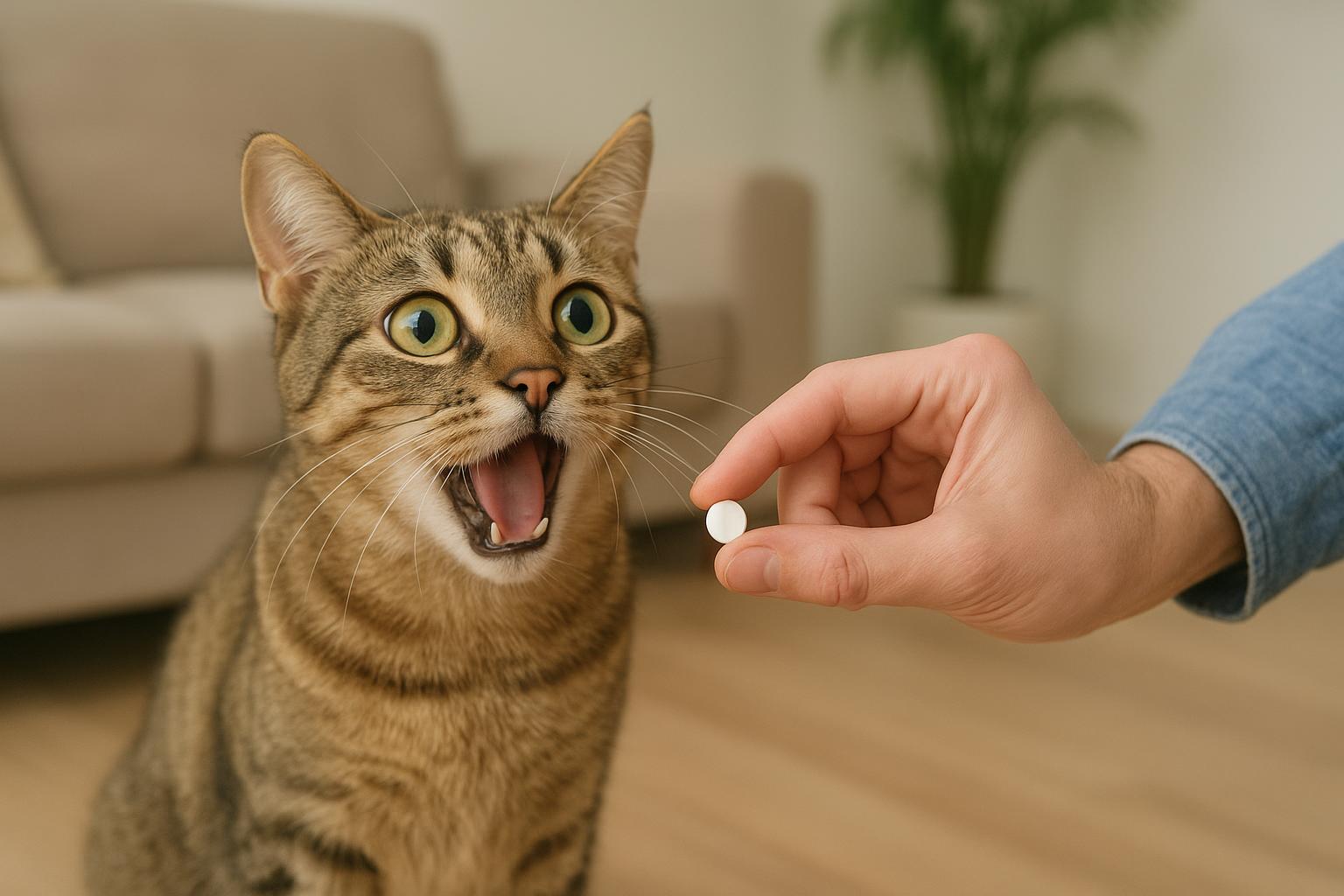
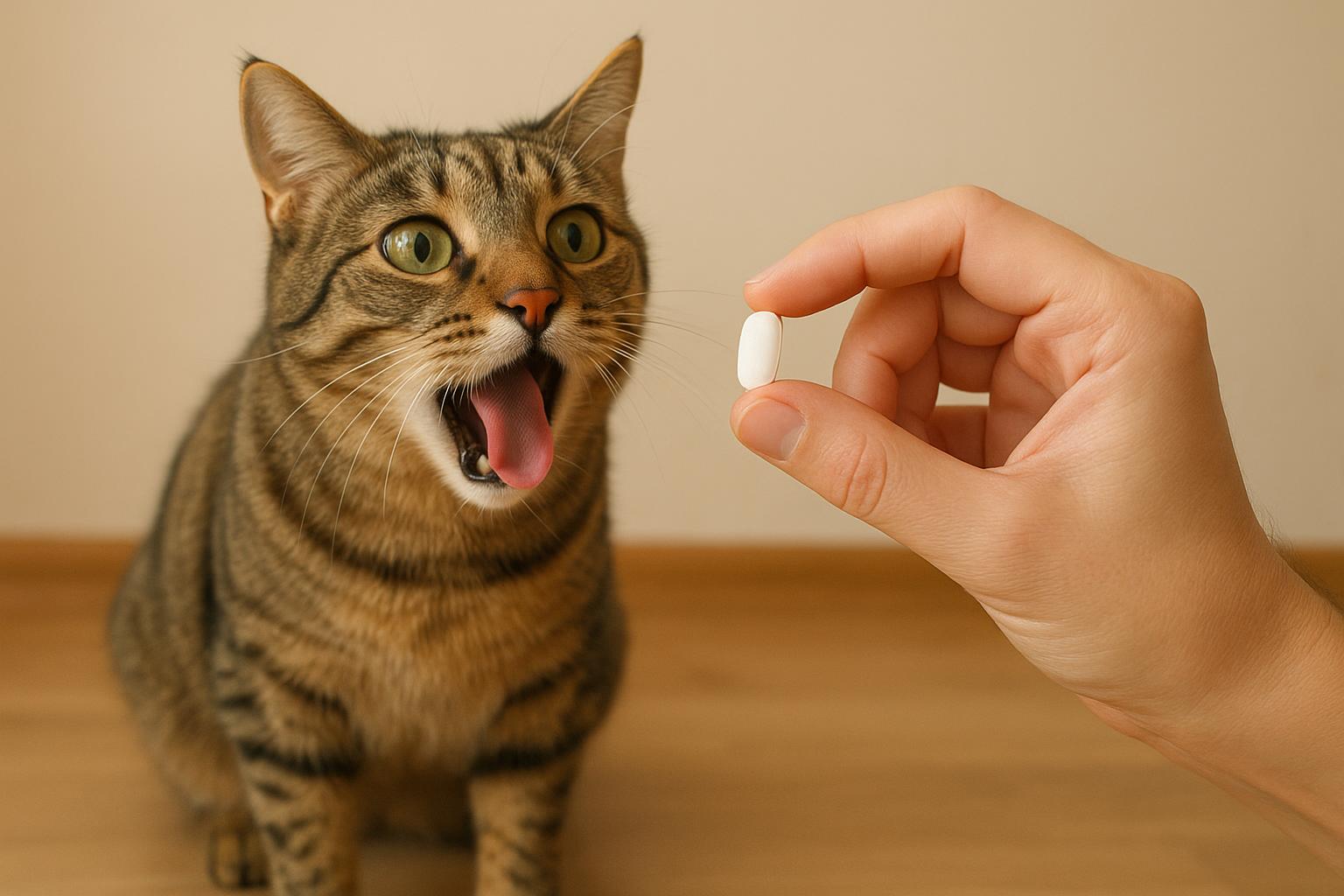
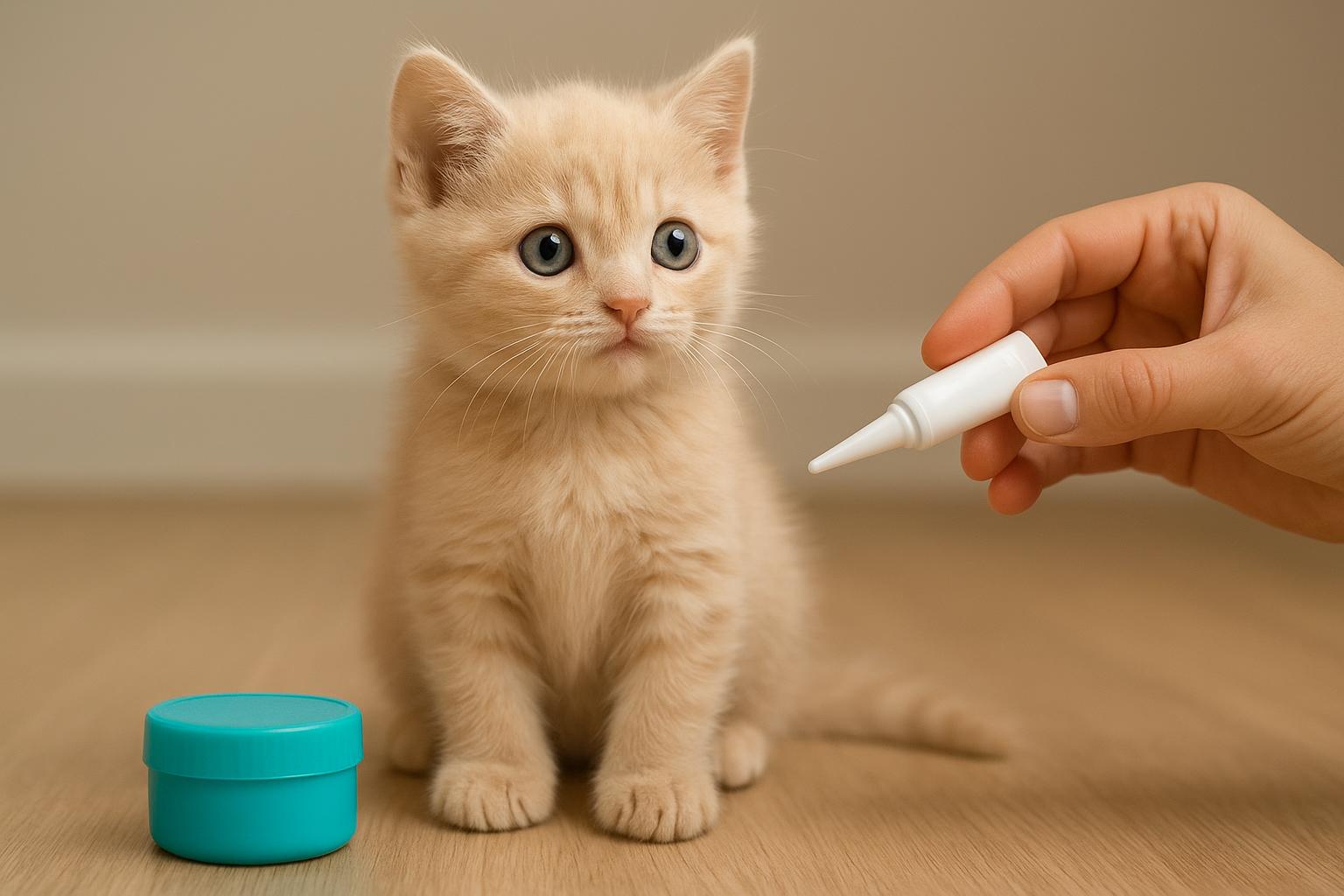
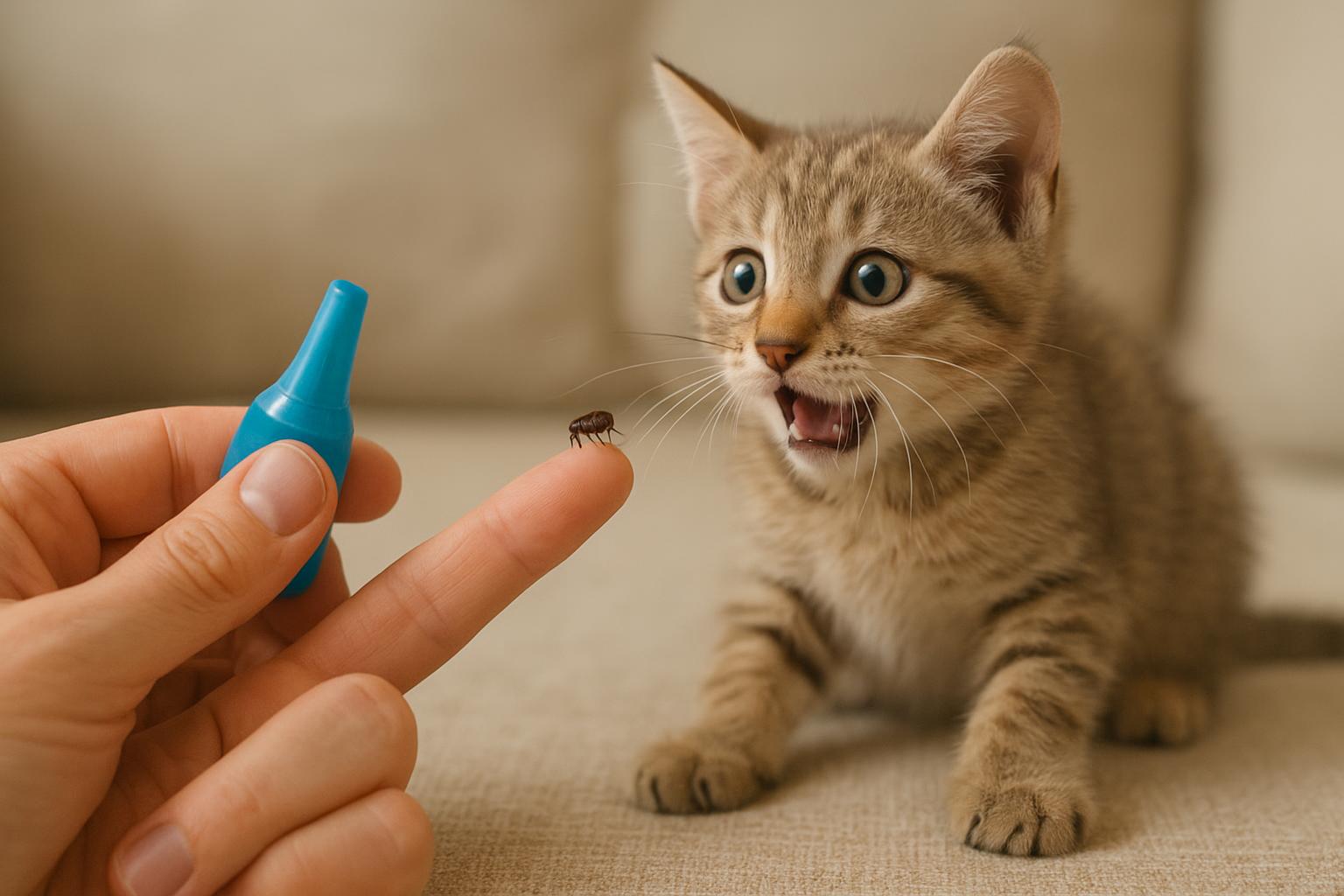
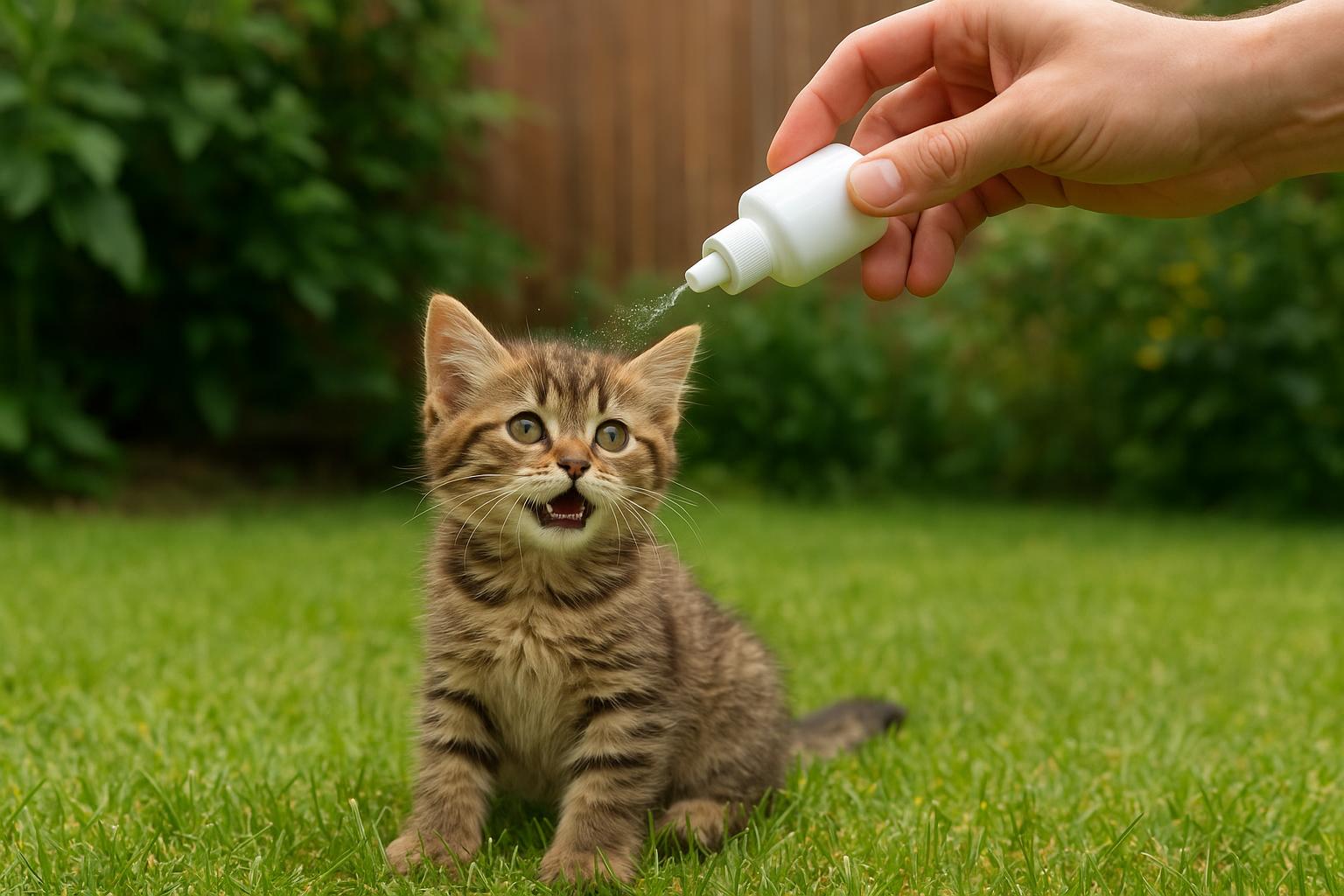
Vet-prescribed flea treatments are the backbone of effective flea elimination. There are topical spot-ons, oral tablets, and fast-acting oral pills that kill adults quickly. Consult your veterinarian about:
– What’s safe for your cat’s age and health.
– Overlapping treatments when you have multiple pets.
– Products that include an IGR (insect growth regulator) to prevent eggs from hatching.
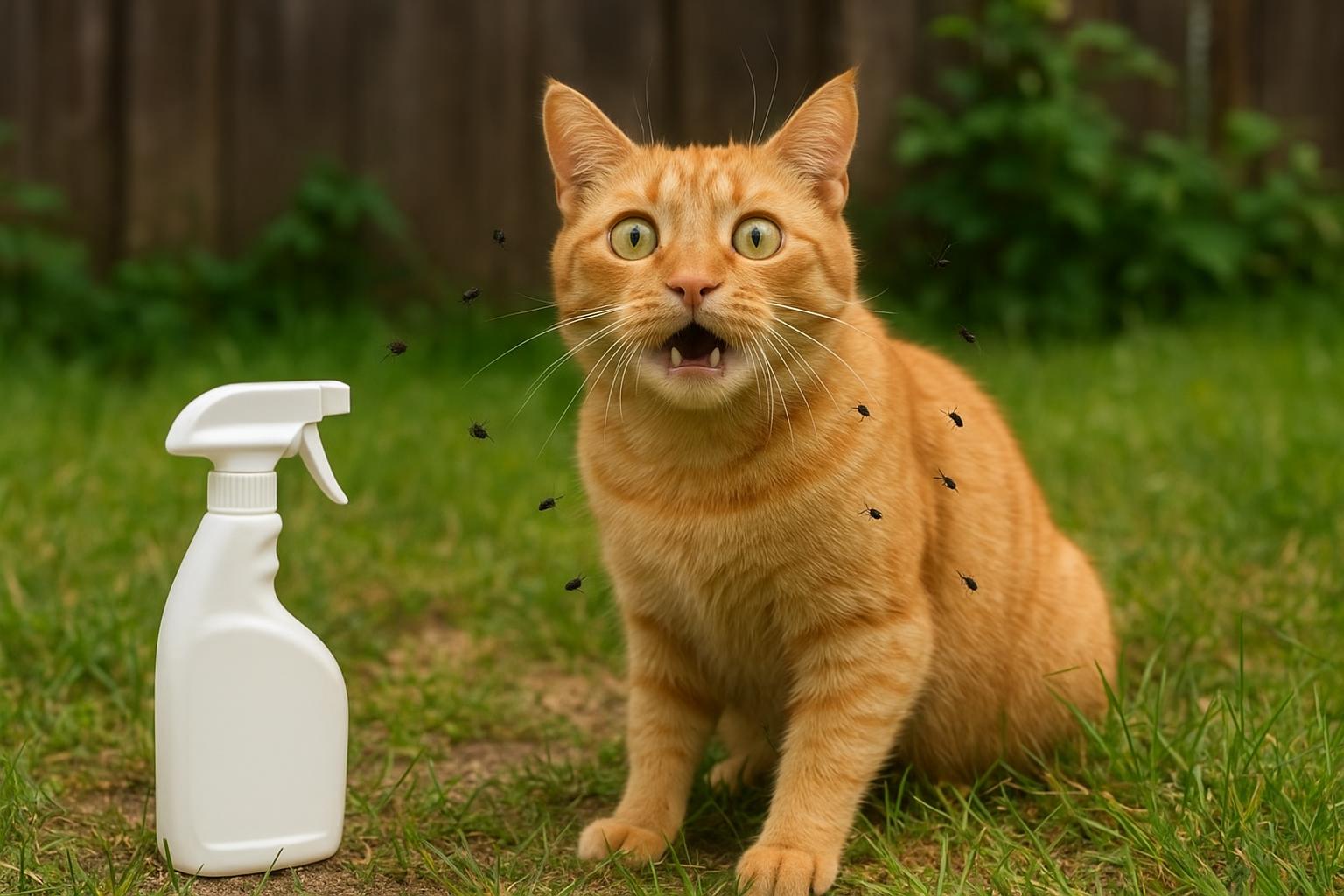
Never use dog-only flea products on cats. Many dog formulations contain permethrin and other compounds that are toxic to cats. Also avoid essential oils or home “miracle” sprays—cats metabolize certain oils poorly and can become very sick.
### Quick Relief Options To Consider
If you need a fast kill before the deep clean, ask your vet about a short-term product that starts working within hours. These give your cat immediate comfort while you tackle home cleaning and ongoing prevention. Use a flea comb frequently during the first week to remove any survivors.
### Deep Clean The Home With A Purpose
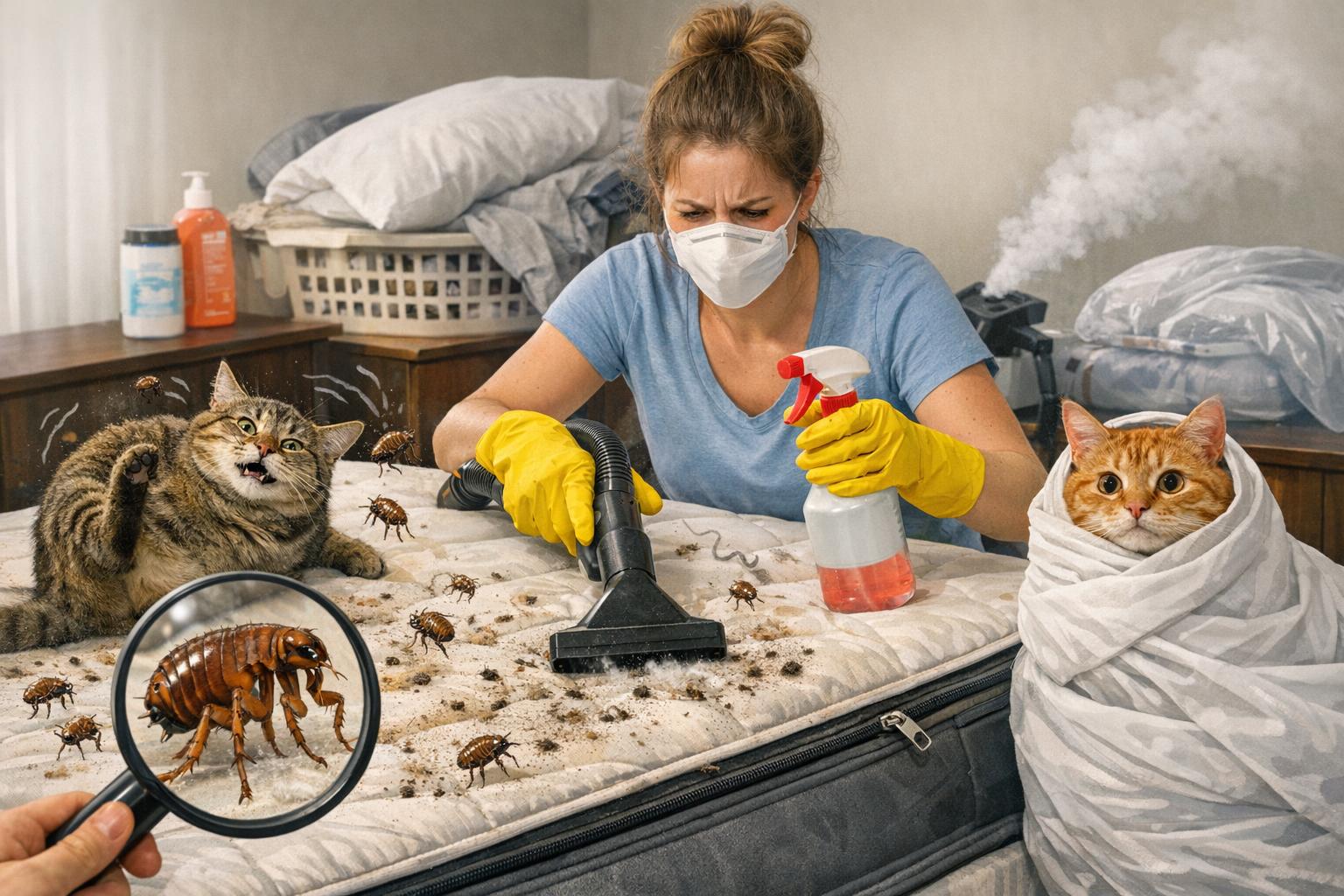
This is where most people stumble. Vacuuming and washing bedding are not optional; they’re mandatory. But do them the right way so you don’t just scatter eggs into areas you can’t reach.
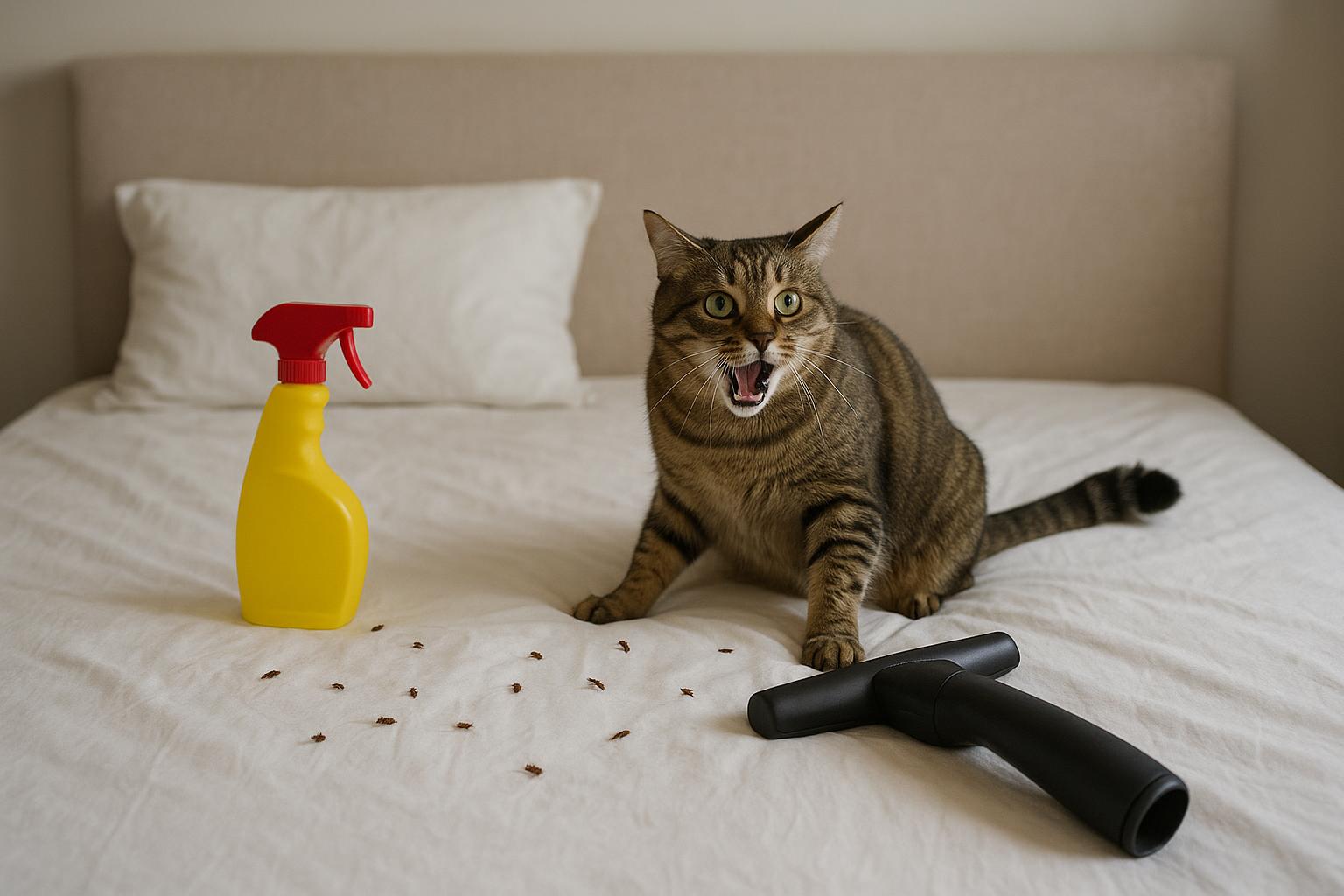
– Vacuum daily for at least two weeks in hot spots: carpets, rugs, under furniture, and along baseboards. Empty the vacuum canister into an outside trash bag immediately. If your vacuum uses disposable bags, change the bag after cleaning.
– Wash all pet bedding, human bedding your pet may use, and fabric toys in hot water and dry on high heat. Heat kills eggs and larvae.
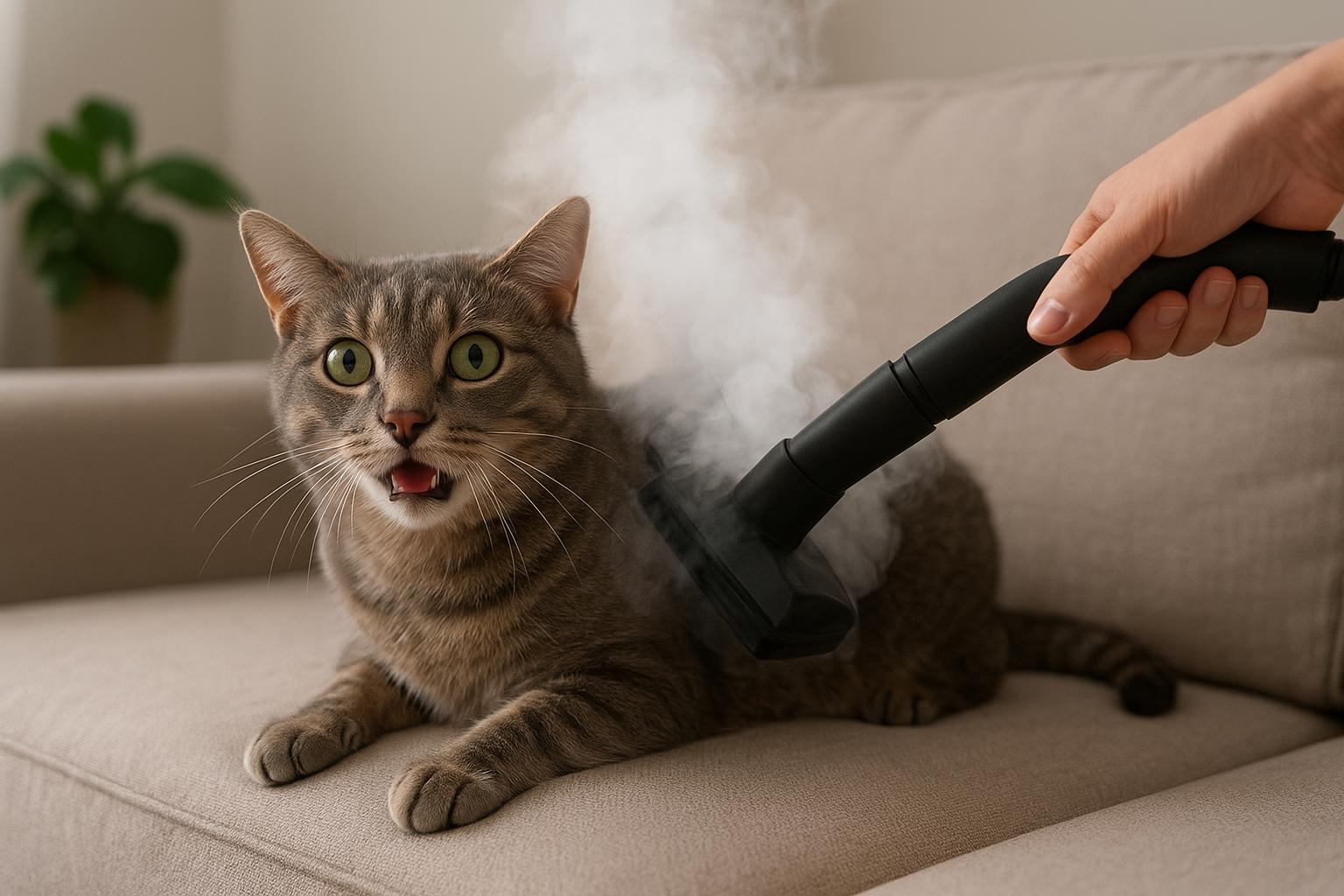
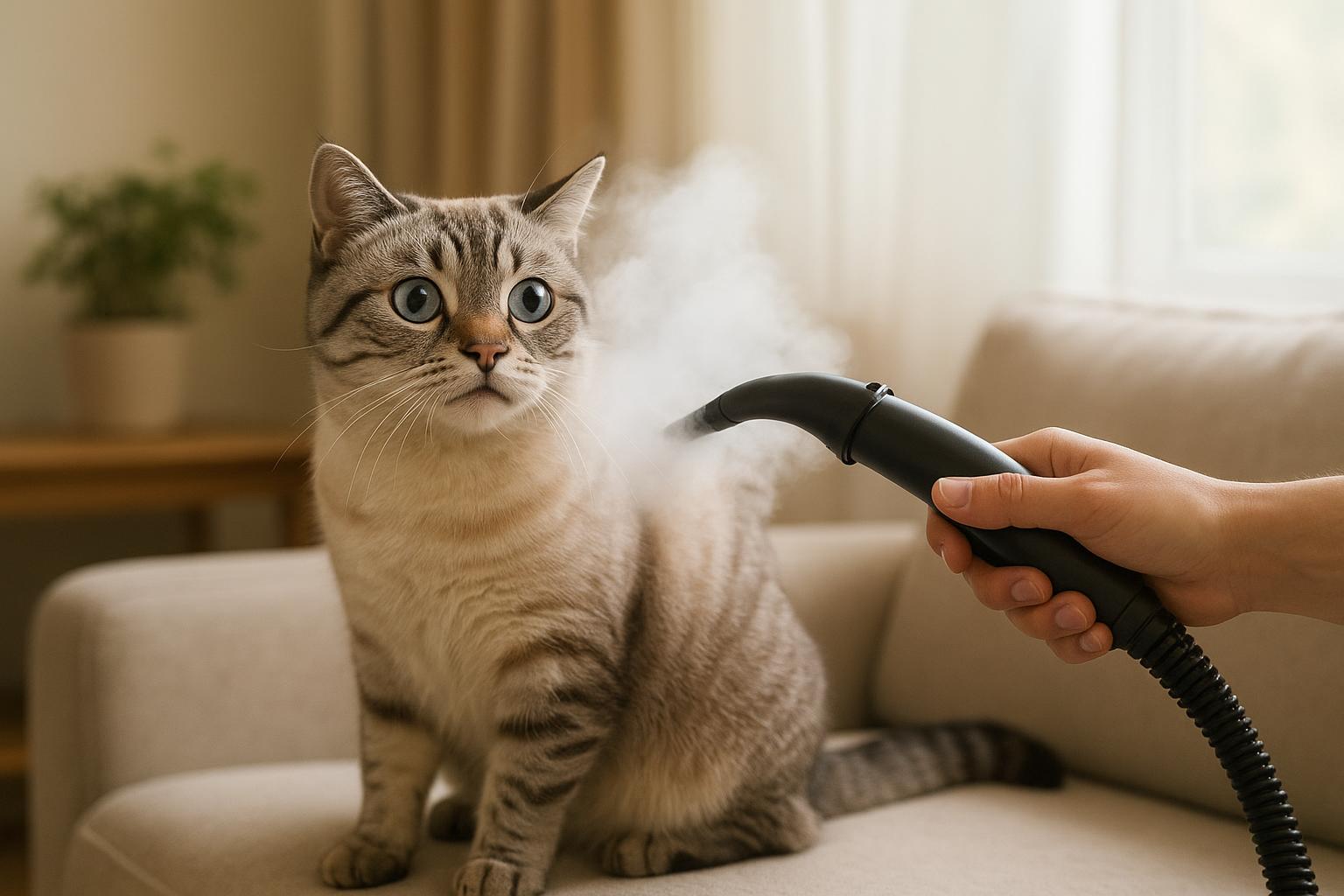
– Steam cleaning upholstery and carpets helps. The heat and moisture dislodge and kill immature stages in fibers.
– For hard floors, mop thoroughly. Flea larvae dislike dry, smooth surfaces.
If you have multiple rooms or a larger home, divide the space into zones and treat systematically. Work from the farthest room toward exits so you’re not recontaminating cleaned areas.
### Use Targeted Environmental Treatments
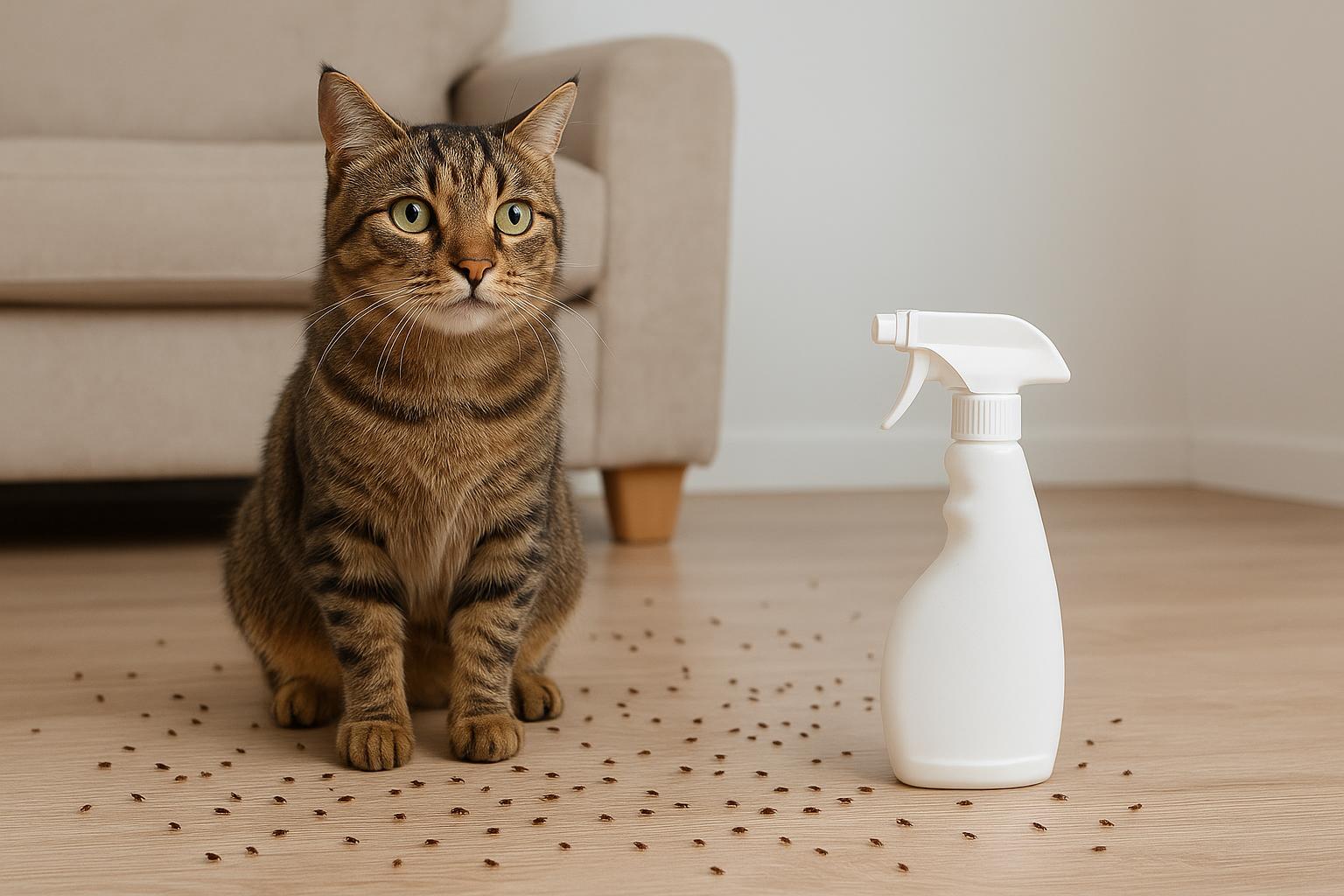
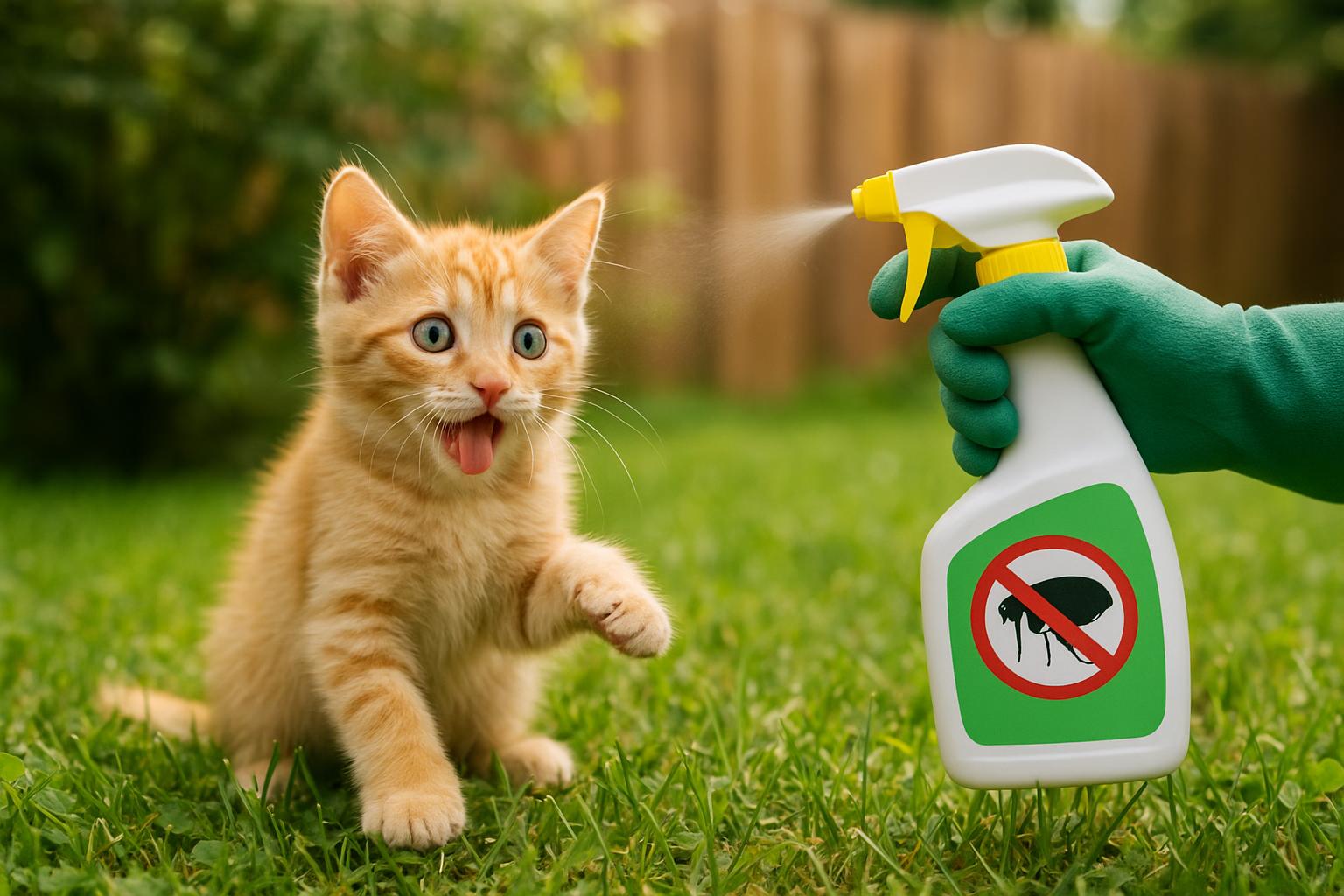
The right home treatments speed up flea elimination. IGRs such as pyriproxyfen or methoprene stop eggs and larvae from becoming adults. Many household sprays combine an adulticide with an IGR. For safety in a cat-friendly home, choose products labeled safe for cats and follow instructions precisely.
Avoid foggers and “bombs.” They can push adult fleas out of hiding, but they often don’t reach pupae deep in fibers, and they carry risks: toxic residue and poor ventilation. If you must use a pesticide spray, ensure the product is pet-approved and that your cat is out of the house for the recommended time. Wash surfaces that will contact food.
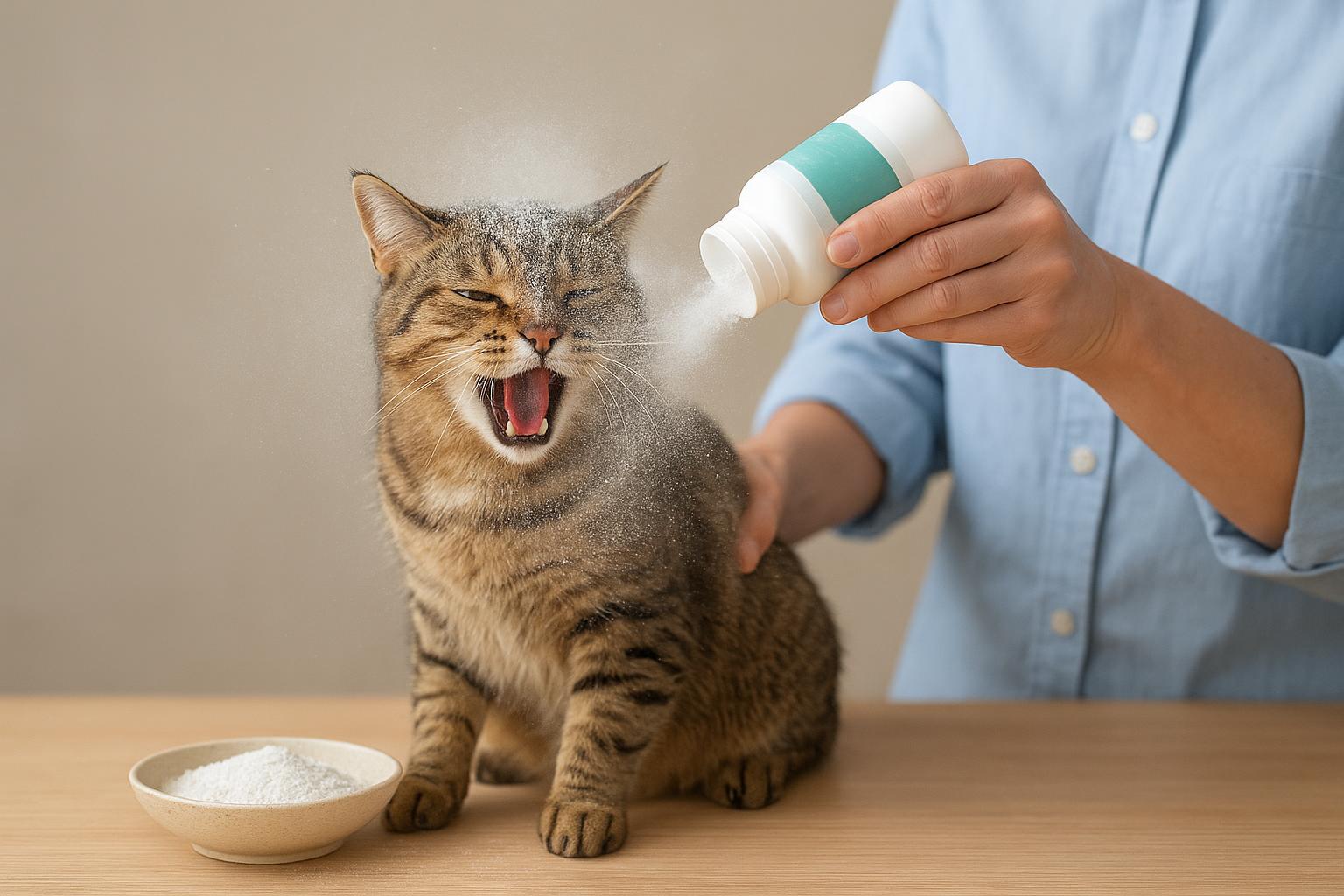
If you prefer lower-chemical options, food-grade diatomaceous earth sprinkled into carpets can dehydrate larvae and adults. Use it cautiously and avoid inhalation. It’s not a silver bullet but can be part of a multi-pronged approach.
### Make The Outdoors Less Hospitable
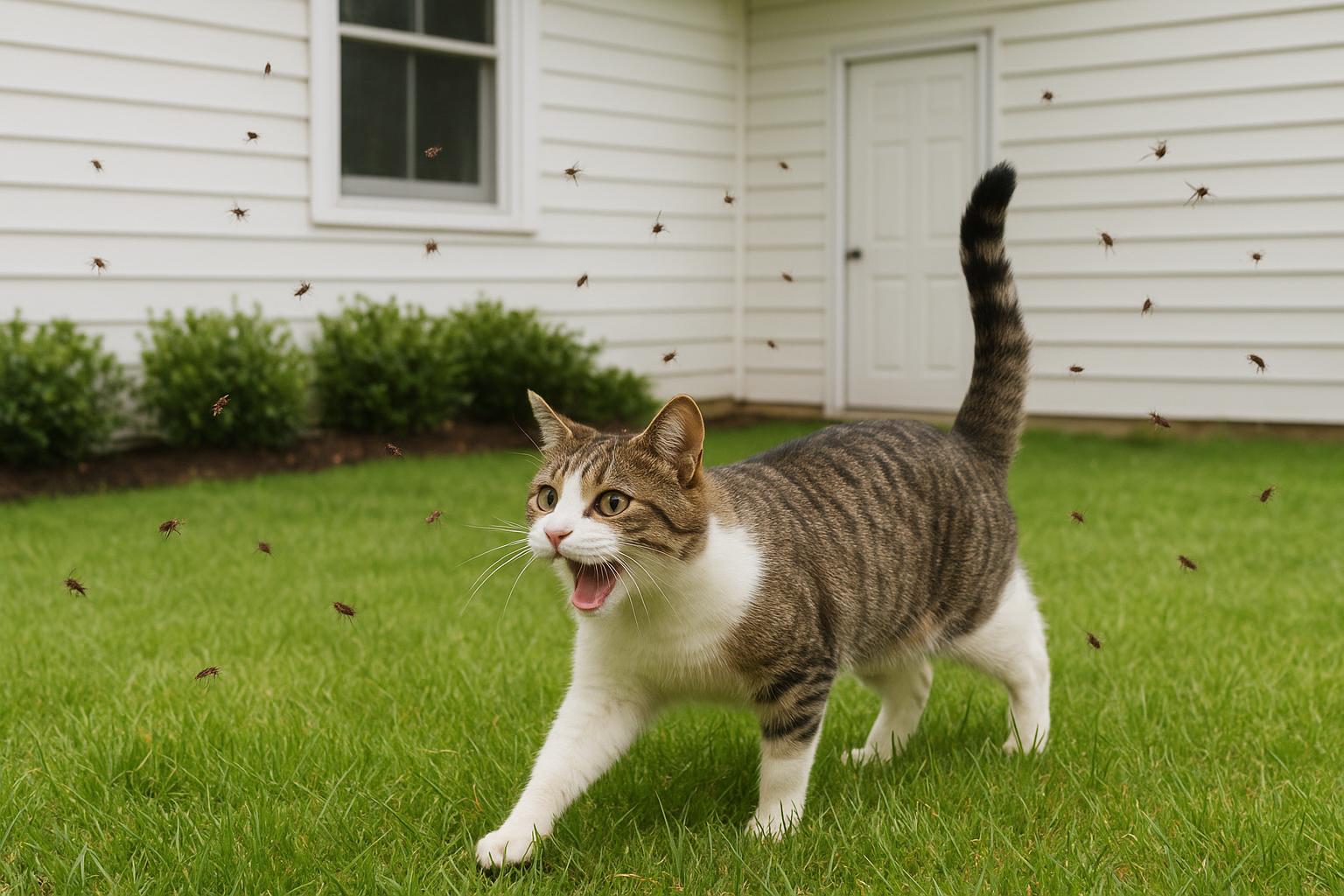
Cats pick up fleas outside too. Treat yard areas where your cat spends time — shady, moist spots with tall grass, under decks, and pet doors. Remove tall grass and leaf litter, and keep the lawn trimmed. Consider nematodes (microscopic worms) for organic flea control; they prey on flea larvae and are pet-safe.
If your cat goes outside, a regular topical or oral preventive that repels or kills fleas on contact is vital. If your cat is indoors-only, outdoor treatment is less critical but still useful if you have wildlife nearby that can carry fleas into your home.
### Preventing Reinfestation Is Ongoing Work
When you clear an infestation, don’t treat it like a one-off chore. Fleas can sneak back in from other pets, wildlife, or even visitors. Good routine prevents that.
– Keep a regular flea prevention schedule recommended by your vet.
– Check your cat monthly with a comb, even when things seem fine.
– Wash bedding weekly during peak flea season.
– Stay on top of your yard maintenance.
This is where “cat pest control” becomes a steady routine rather than a panic reaction. Integrate simple habits and the odds of a rebound plummet.
### What To Do With Multiple Pets Or New Additions
If you have other pets, treat them all at once. One untreated animal will continuously reintroduce fleas. If you’re adopting a new cat or dog, quarantine and check them before they join your household. Keep a spare set of clean bedding ready for new arrivals until you’re confident they’re free of pests.
### When To Call A Professional
Home methods work for most households, but sometimes fleas win. When infestations persist after a thorough environmental and pet treatment routine, call a professional pest control service that understands cat-safe strategies. Ask them:
– Which chemicals they plan to use and if they’re safe for cats.
– Whether they include an IGR in their plan.
– If you need to vacate the house and for how long.
A good company will coordinate with your vet and explain precautions so your cat isn’t exposed to unnecessary risk. Professional intervention can break a stubborn cycle when DIY tries fall short.
### Products And Ingredients To Know (And Avoid)
Create a small cheat-sheet for your vet visit. Know which ingredients are proven and which are risky.
Safe when used as directed (vet guidance advised):
– IGRs: pyriproxyfen, methoprene, pyriproxyfen-containing sprays.
– Topical adulticides labeled for cats: fipronil, selamectin, imidacloprid—only as prescribed.
– Oral medications cleared for cats; ask the vet about long-acting versus fast-acting options.
Avoid:
– Permethrin products made for dogs. These are toxic to cats.
– Essential oil blends and many over-the-counter “natural” sprays. They can harm cats even if marketed for pets.
– Human insecticides not labeled for use around pets.
### Practical Timeline For A Typical Eradication
Here’s a realistic schedule to work from once you start:
Day 0: Treat the cat with the vet-approved adulticide. Flea comb every few hours. Start vacuuming and washing bedding.
Days 1–7: Daily vacuuming, wash any bedding, steam-clean high-use furniture. Continue combing. Consider a short-acting oral product if recommended to kill adults fast.
Week 2: Apply or reapply environmental IGR treatment if product instructions call for it. Continue vacuuming and check all pets.
Weeks 3–8: Keep cleaning and monitoring. Repeat treatments on pets as vetted. Pupae can delay success; you’ll need patience during this window.
After Week 8: If you’ve been consistent, fleas should be under control. Maintain preventive treatment year-round in many climates.
### Mistakes People Make
People mean well but stumble on a few common pitfalls. Don’t be one of them.
– Treating only the cat and expecting immediate, lasting results.
– Using dog products on cats.
– Skipping vacuum bag disposal or ignoring crevice cleaning.
– Applying too many products at once without vet approval.
– Thinking “natural” is automatically safe for cats.
A friend once mixed an essential oil spray based on an online reciept and had to rush their cat to the vet. It’s a cautionary tale: DIY doesn’t always equal safe.
### How To Keep It Cat-Friendly During Treatment
You can be thorough without turning your home into a chemical war zone.
– Isolate treated areas and ventilate them well before letting the cat back in.
– Use spot treatments rather than whole-house fogs when possible.
– Schedule vet-approved treatments for your cat, not whatever a friend suggests.
– Keep a routine that avoids constant exposure: wash floors after sprays and keep bowls and litter areas clean.
Cat-friendly doesn’t mean soft-pedaling. It means being deliberate, using the right products, and following label and vet instructions.
### Monitoring And Long-Term Prevention
After the mess is cleaned up, keep a small toolbox ready: a flea comb, a bottle of vet-approved spot treatment, and a calendar for monthly prevention. Monitor seasonal trends in your area; some regions have year-round flea pressure. Make flea checks part of your grooming routine. Catching a few fleas early is far easier than fighting a full-blown infestation.
Also keep an eye on wildlife activity around your home. Rodents and feral cats are major vectors. If you see persistent wildlife nearby, consider humane exclusion methods like sealing gaps and securing trash, or consult local animal control.
### Final Practical Tips You Can Do Today
– Vacuum one room thoroughly and discard the bag outside right now.
– Comb your cat for five minutes and dunk the comb in soapy water to confirm presence or absence of fleas.
– Make a vet appointment even for advice; doing so often gets you a safe, effective product instead of guesswork.
– Put your washing machine on the hottest safe setting and run pet bedding through it.
If you remember a single thread from this: integrated action wins. Treating the animal, treating the environment, and preventing reintroduction are three separate tasks that must happen together. When they do, you’ll remove the fleas without risking your cat’s health.








Leave a Reply