
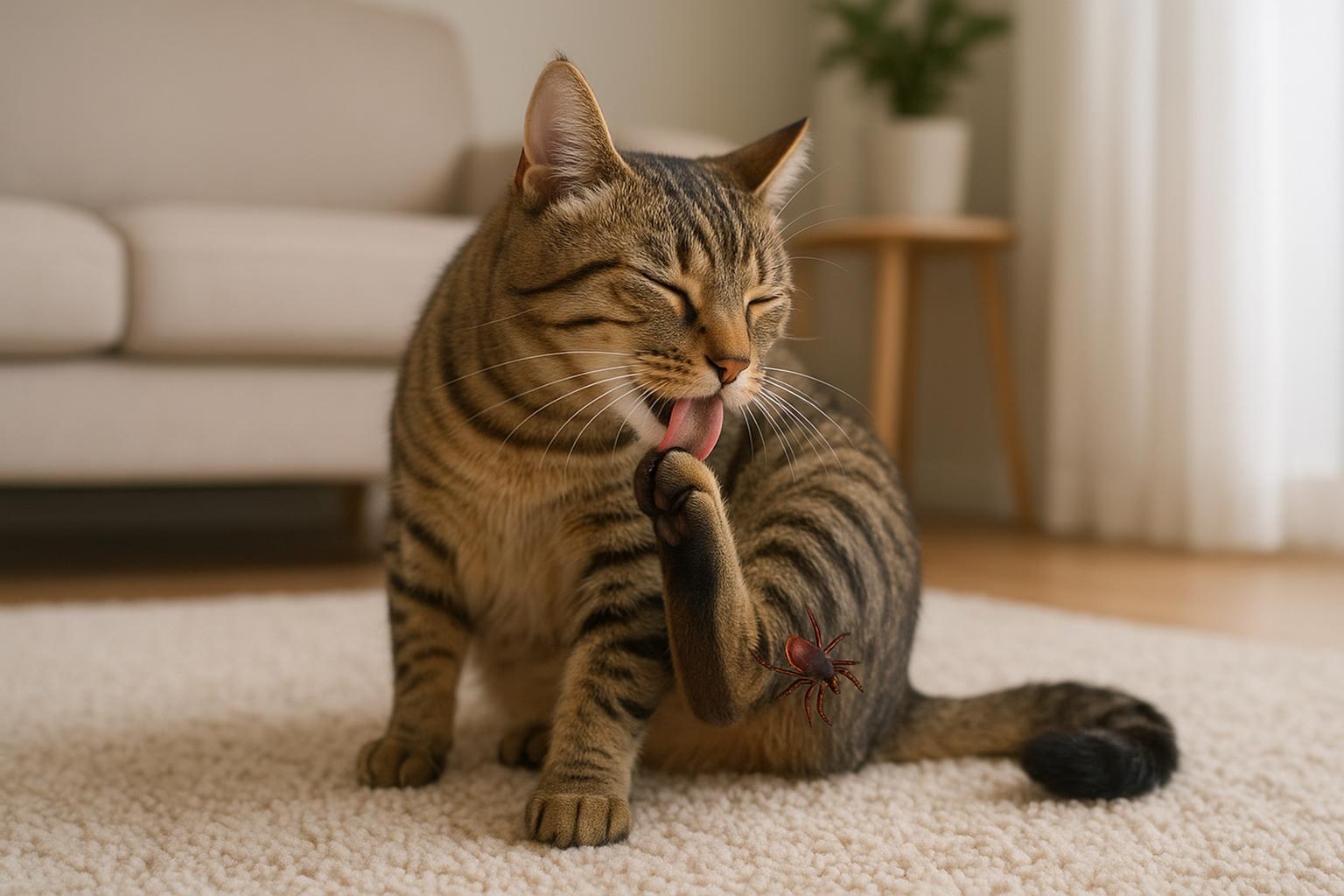
## Practical Flea Defense For House Cats: Everyday Indoor Steps
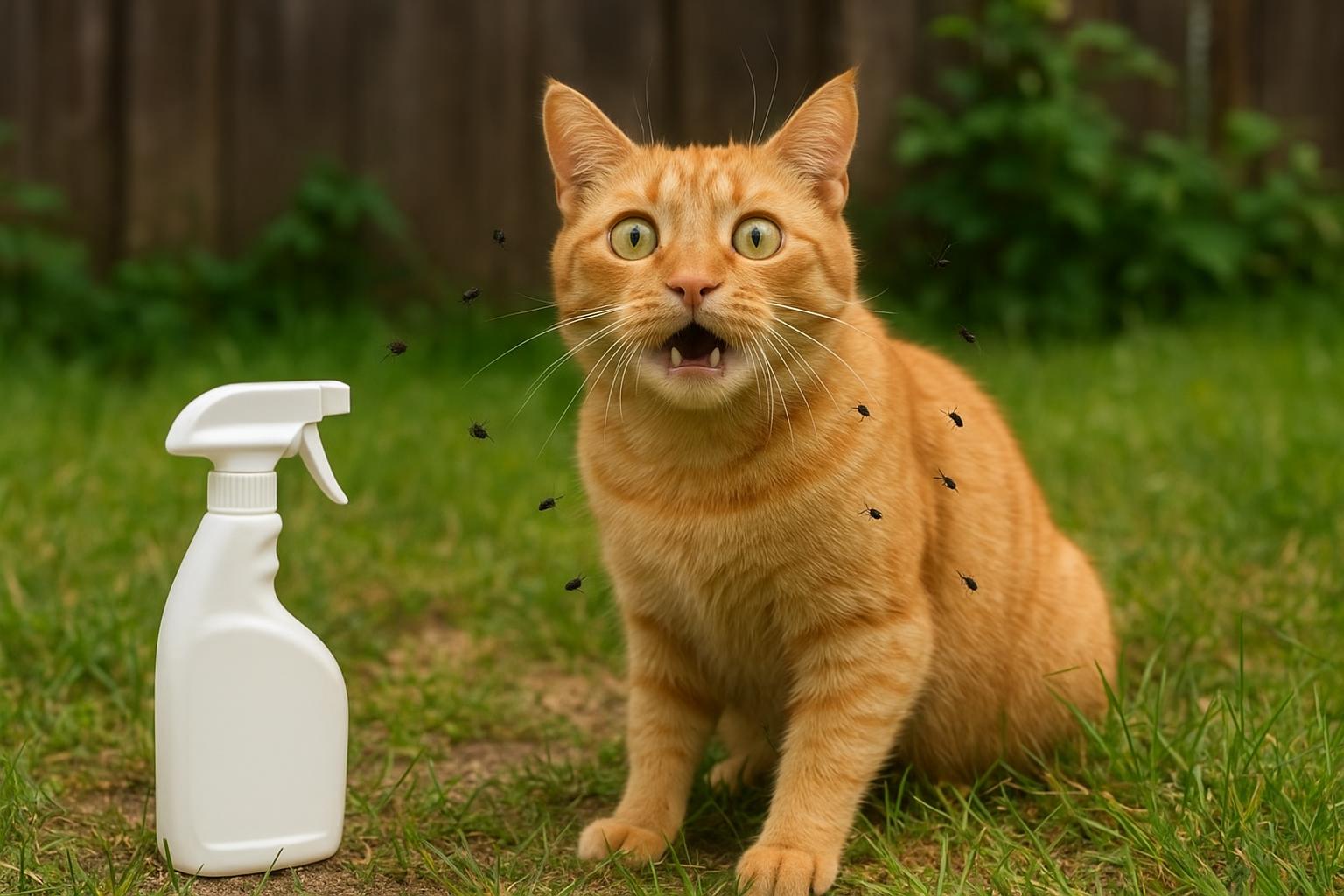
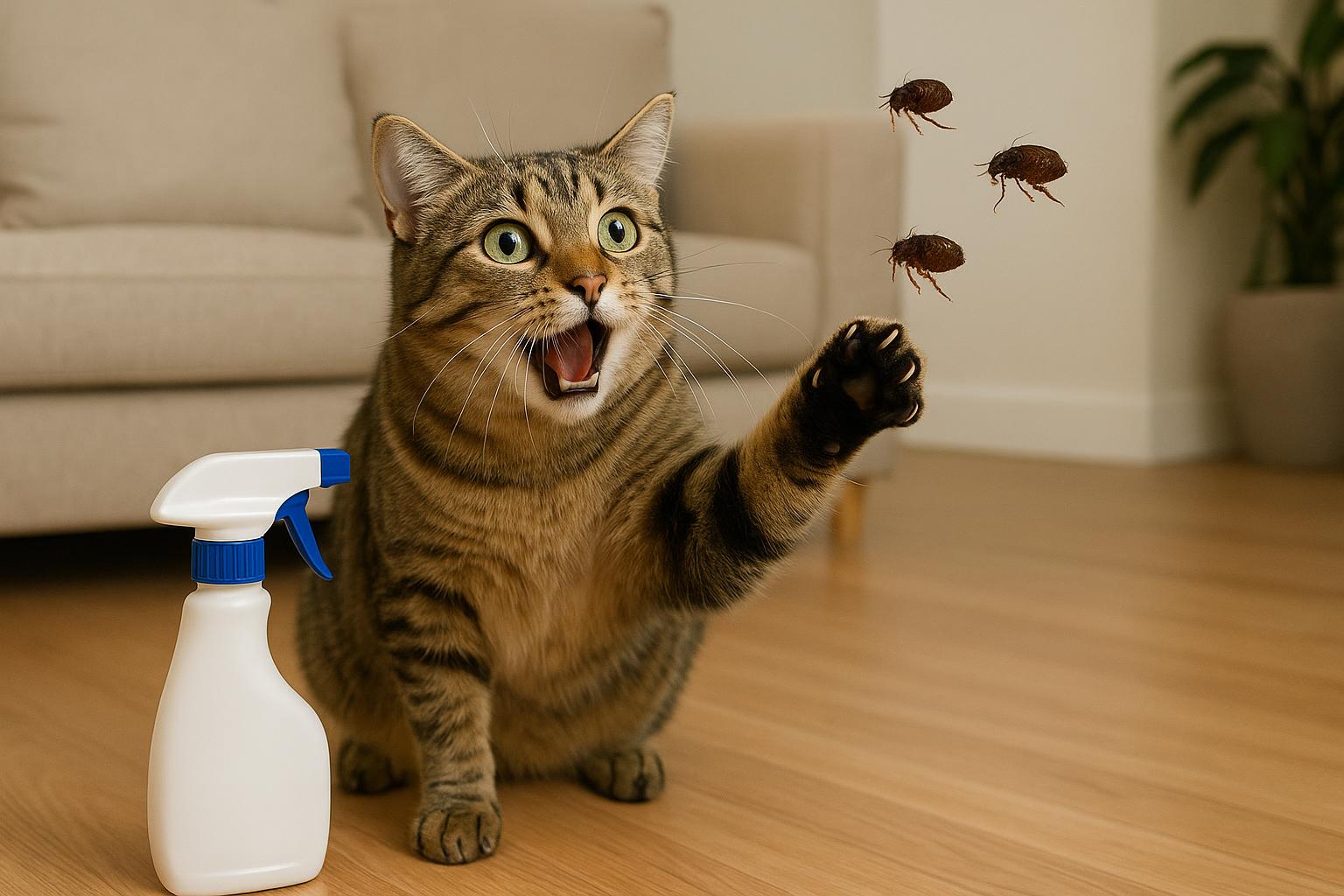
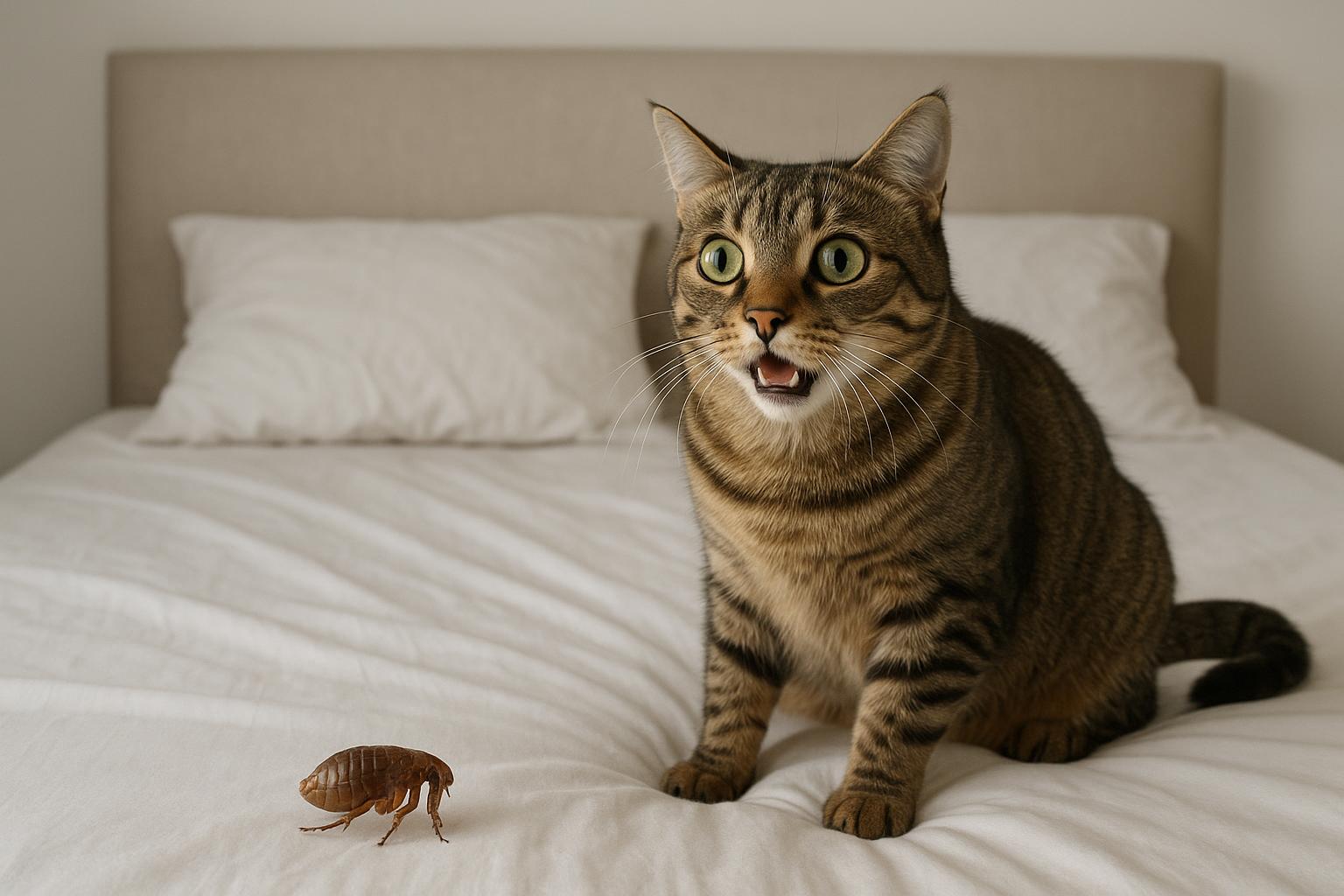
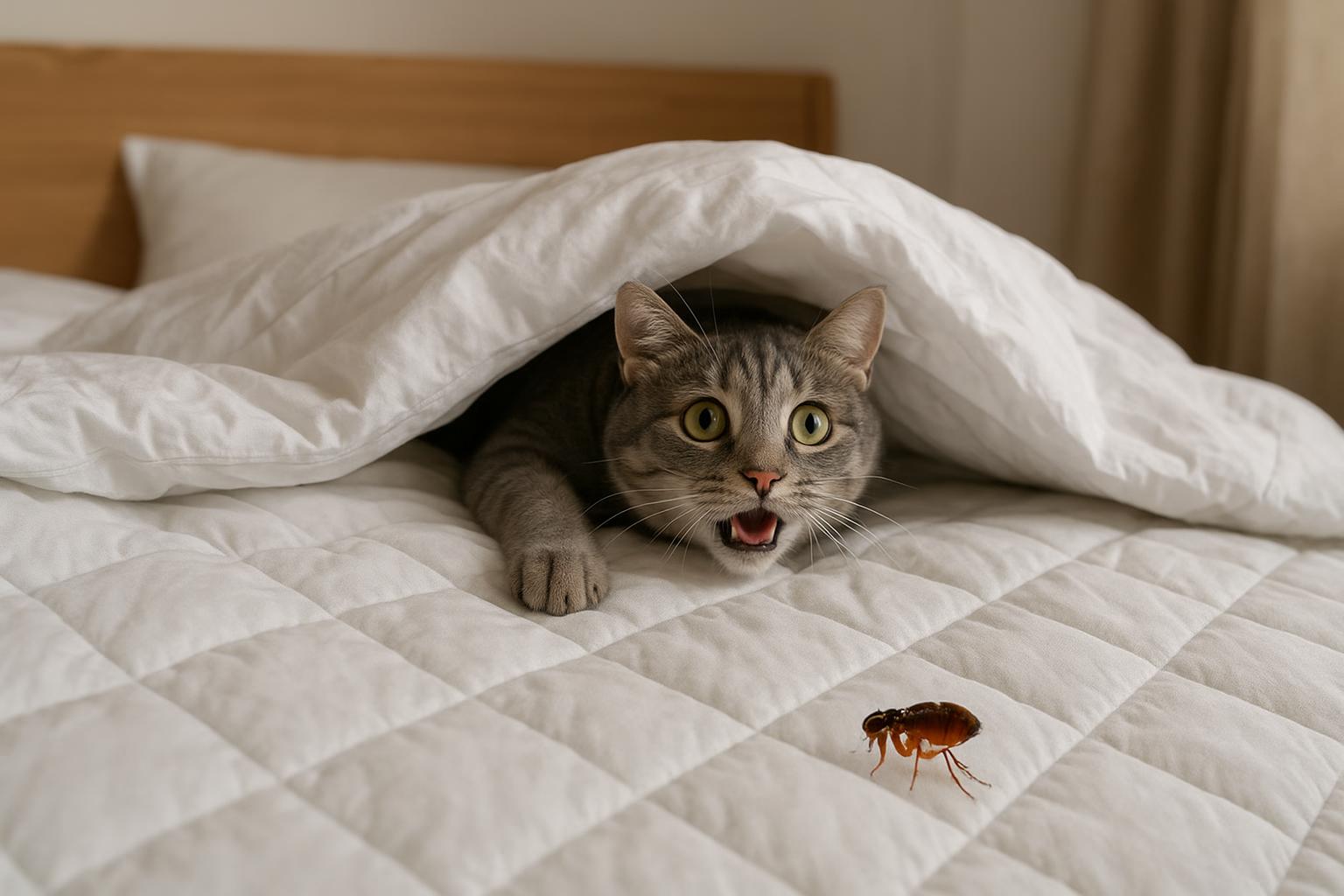
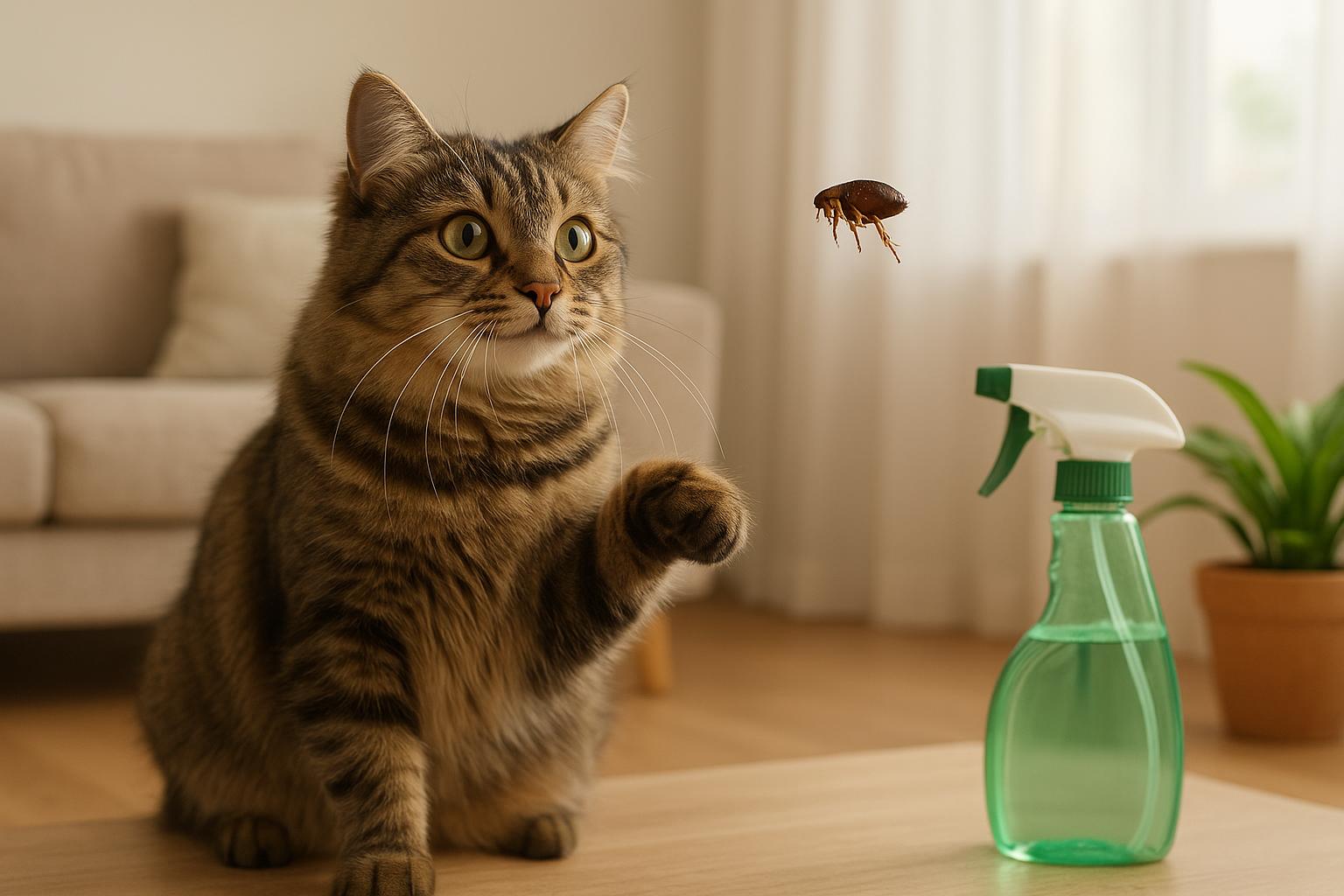
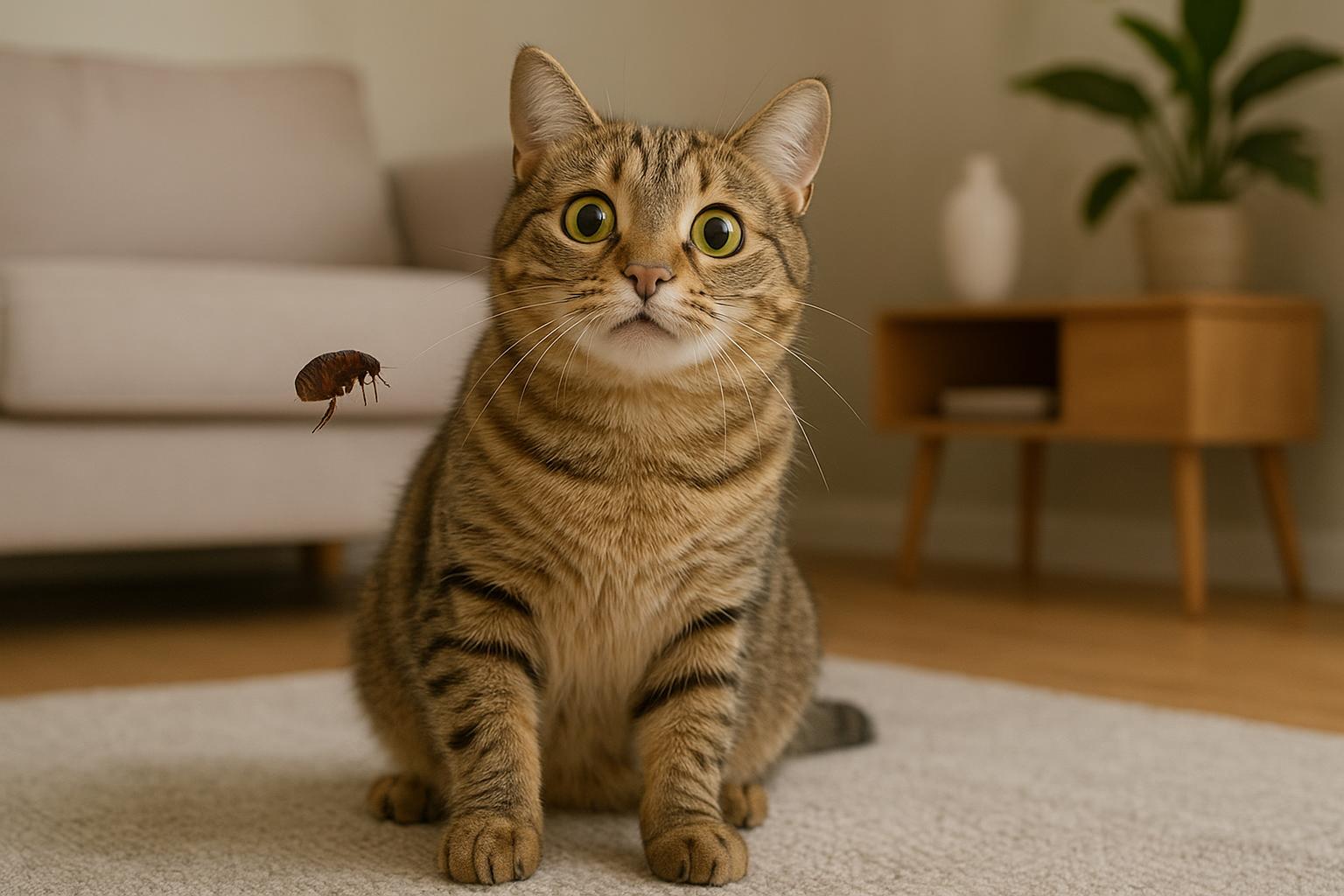
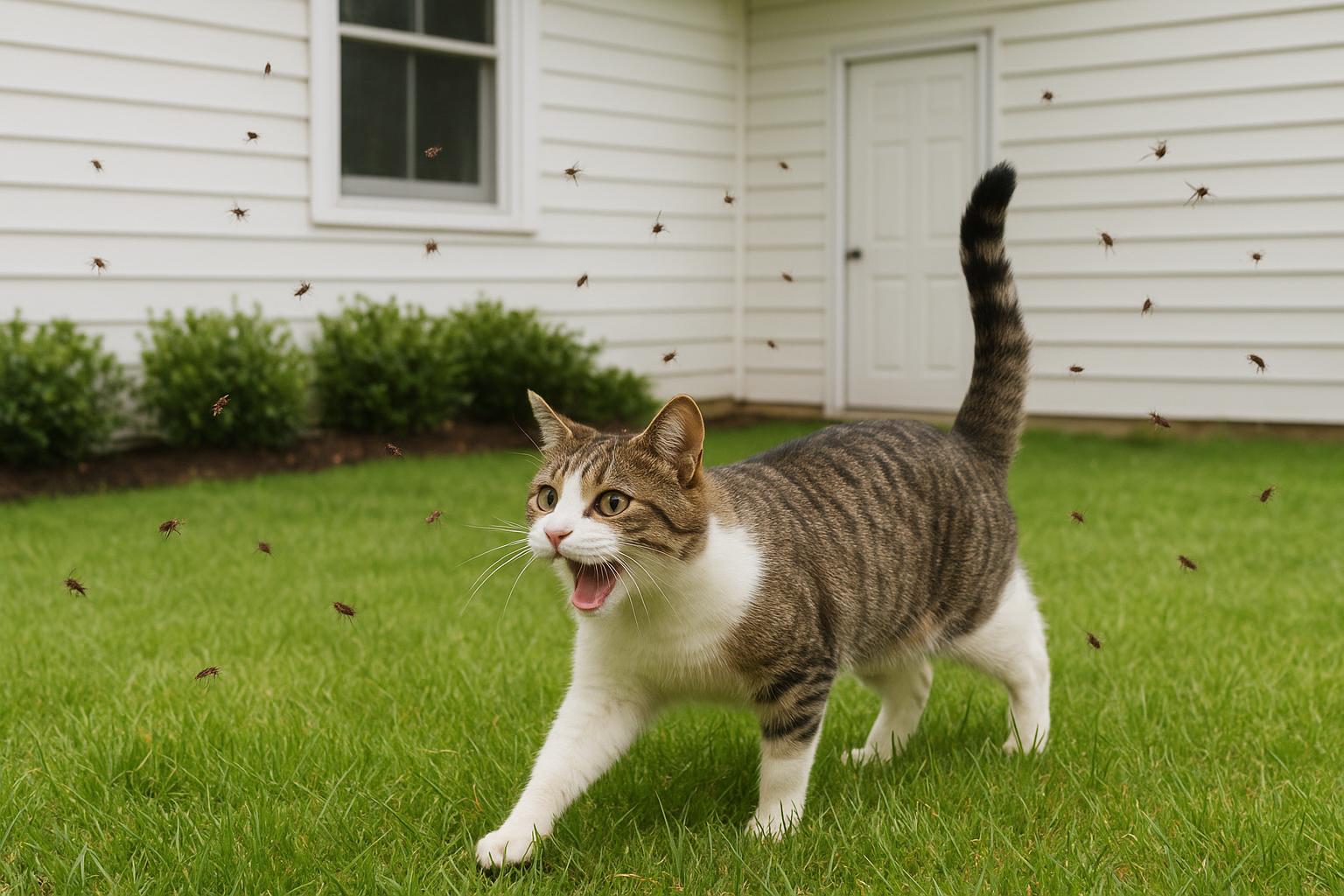
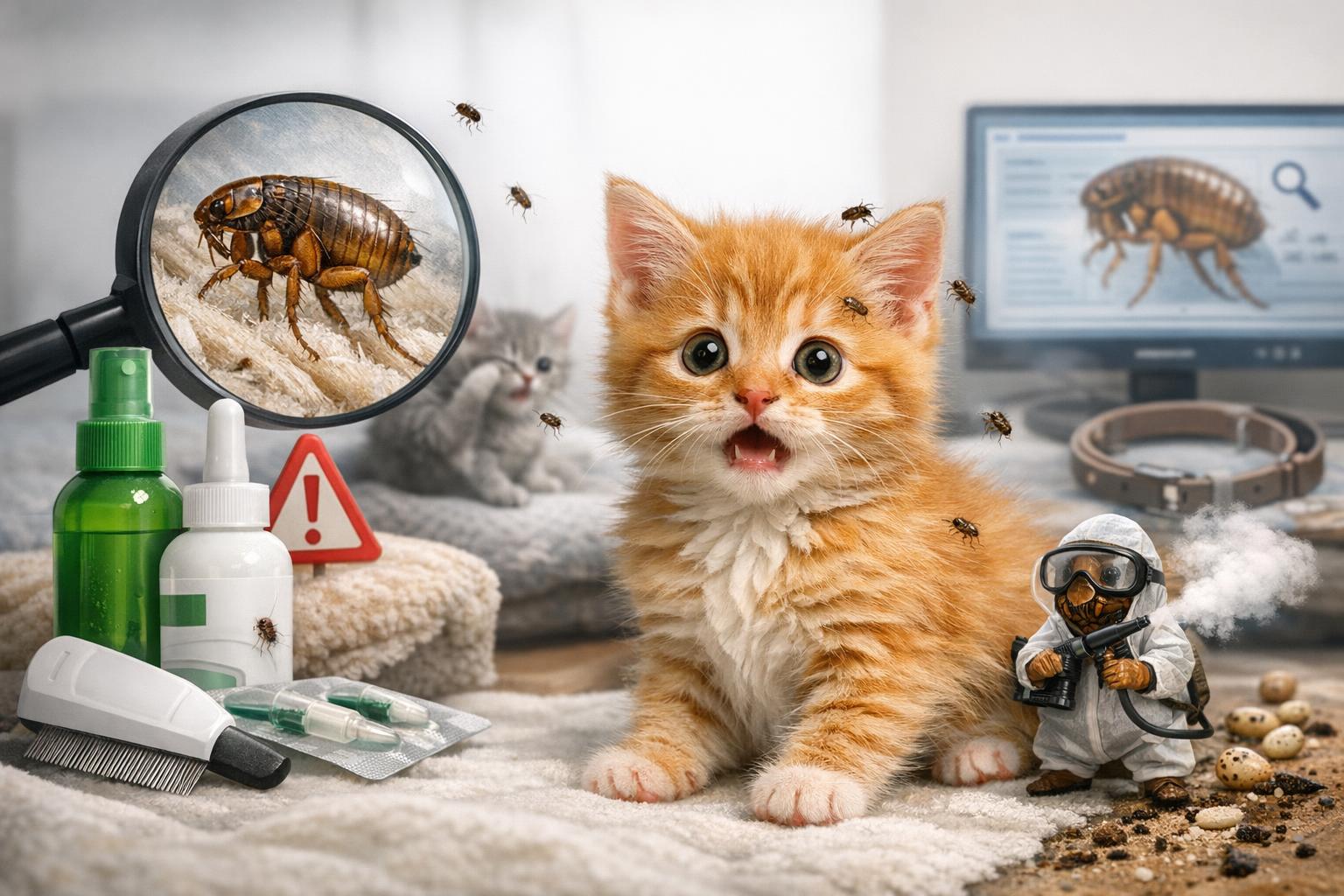
Fleas inside a home are not a sign of dirt or negligence. They show up because the conditions are right for their life cycle: a quiet cat with cozy bedding, carpets that hold eggs, and a backyard that lets fleas hitch a ride in. Practical flea defense for house cats focuses on two fronts: treating the animal and changing whatever in the environment lets fleas breed and survive.
Start by accepting that a single treatment on a cat rarely fixes a home problem. You need a plan that includes immediate killing of adult fleas, suppression of eggs and larvae, and steps to prevent reintroduction. Do those three things, and you’ll reduce the chaos fast.
### How To Spot Fleas And Their Signs
Fleas are small and fast, but they leave clues. Look for these:
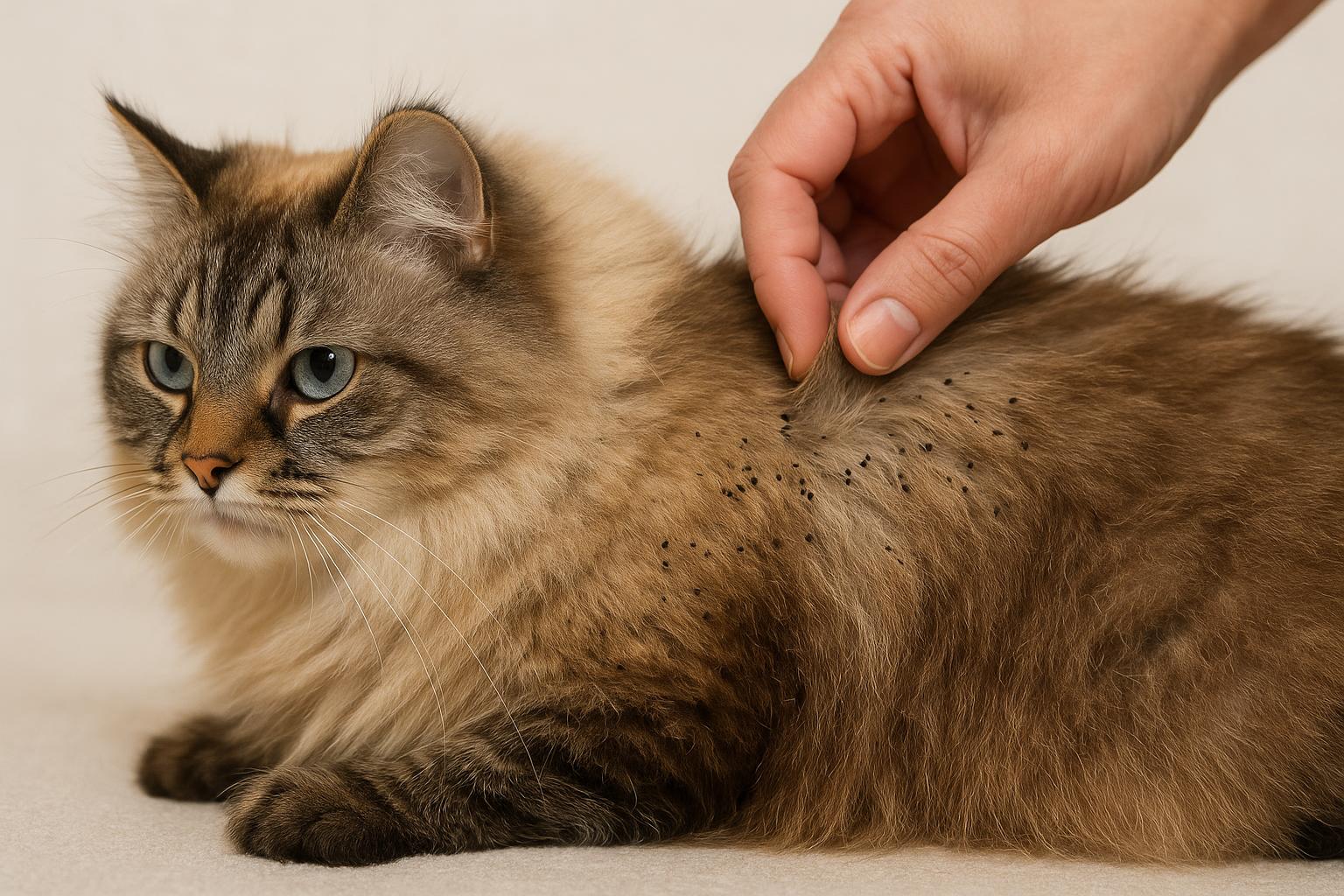
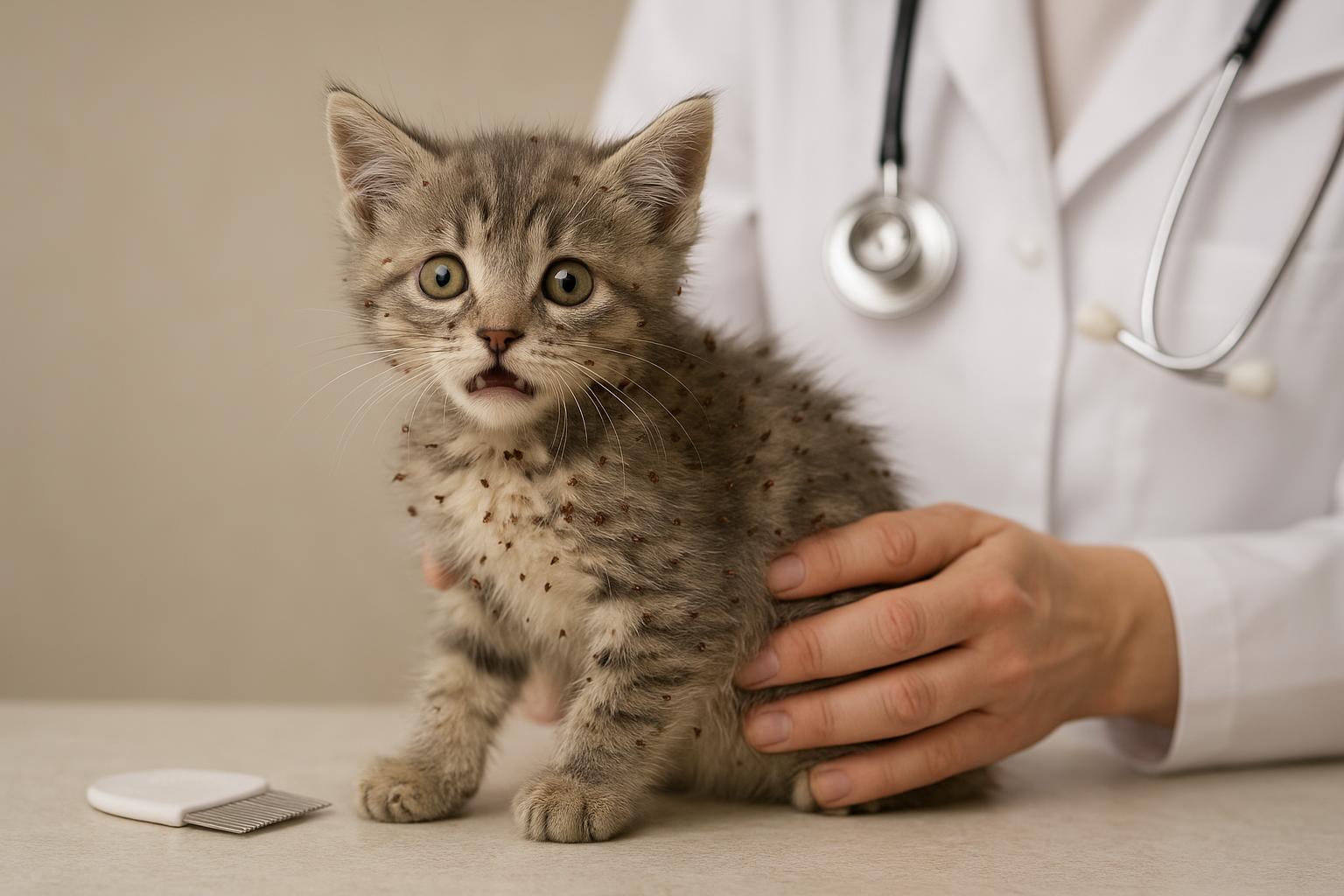
– Tiny black specks in fur that turn red-brown when wet (flea dirt).
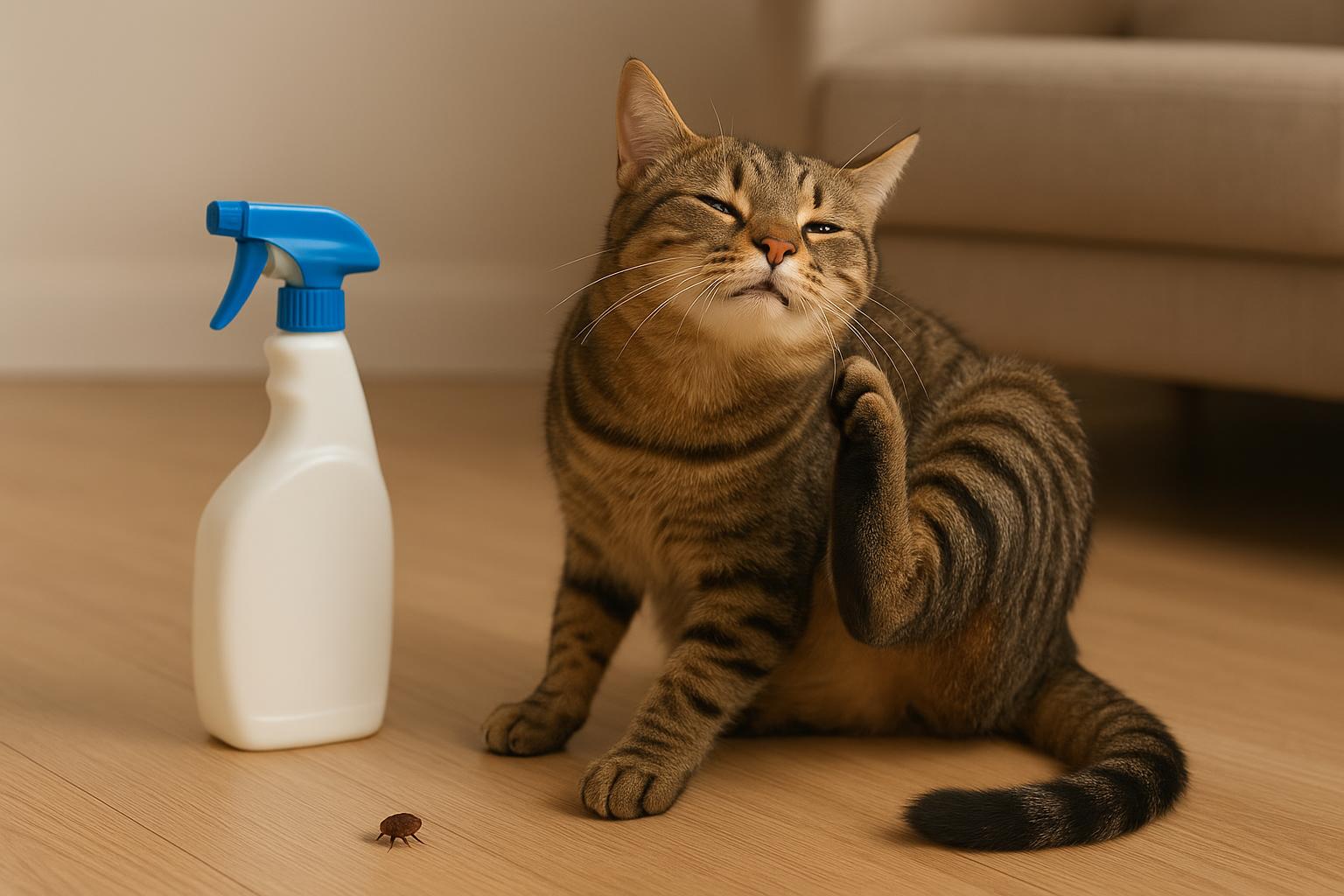
– Scratching in short rapid bursts, especially along the lower back, neck, and base of the tail.
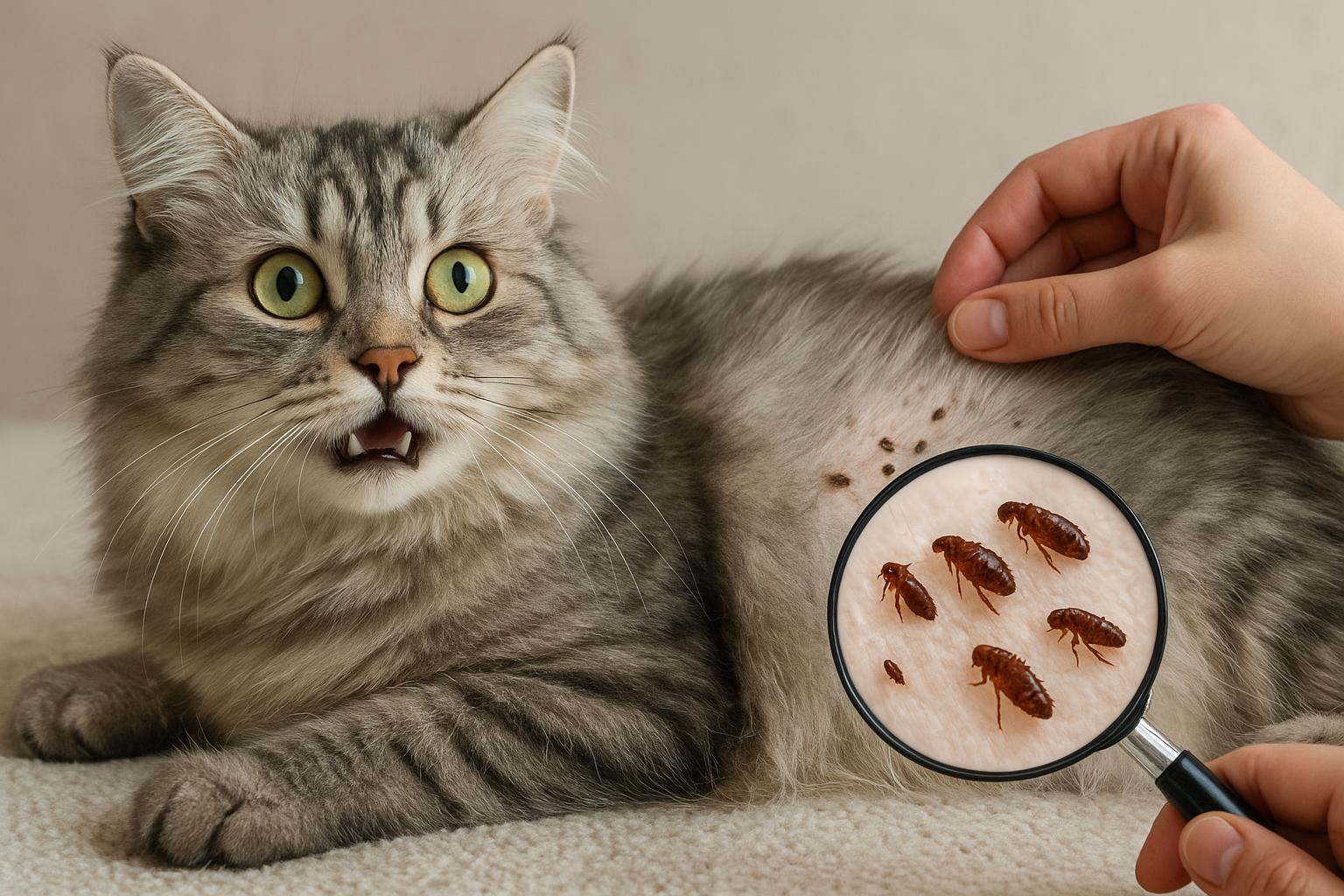
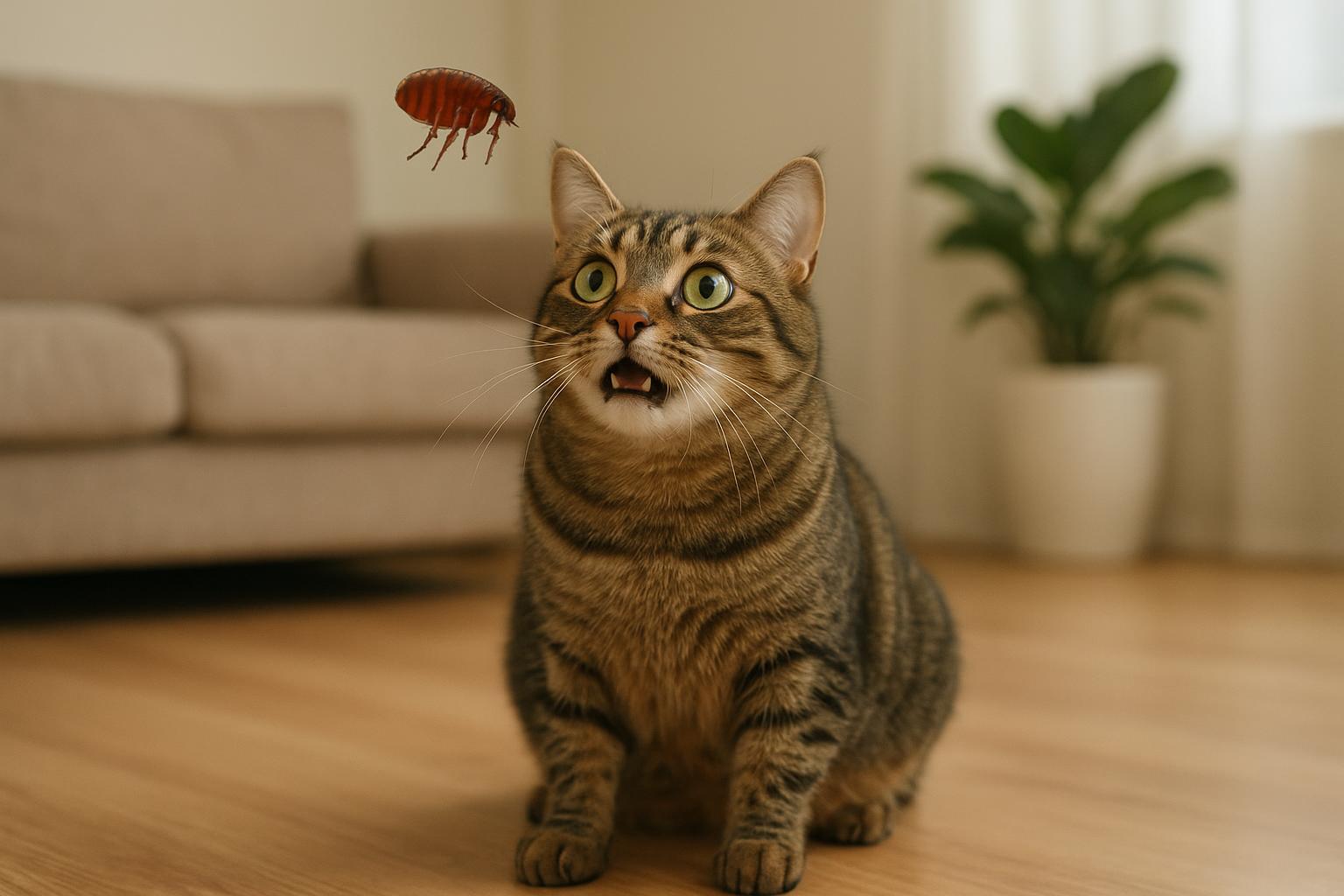
– Visible jumping insects on light-colored fur or clothes.
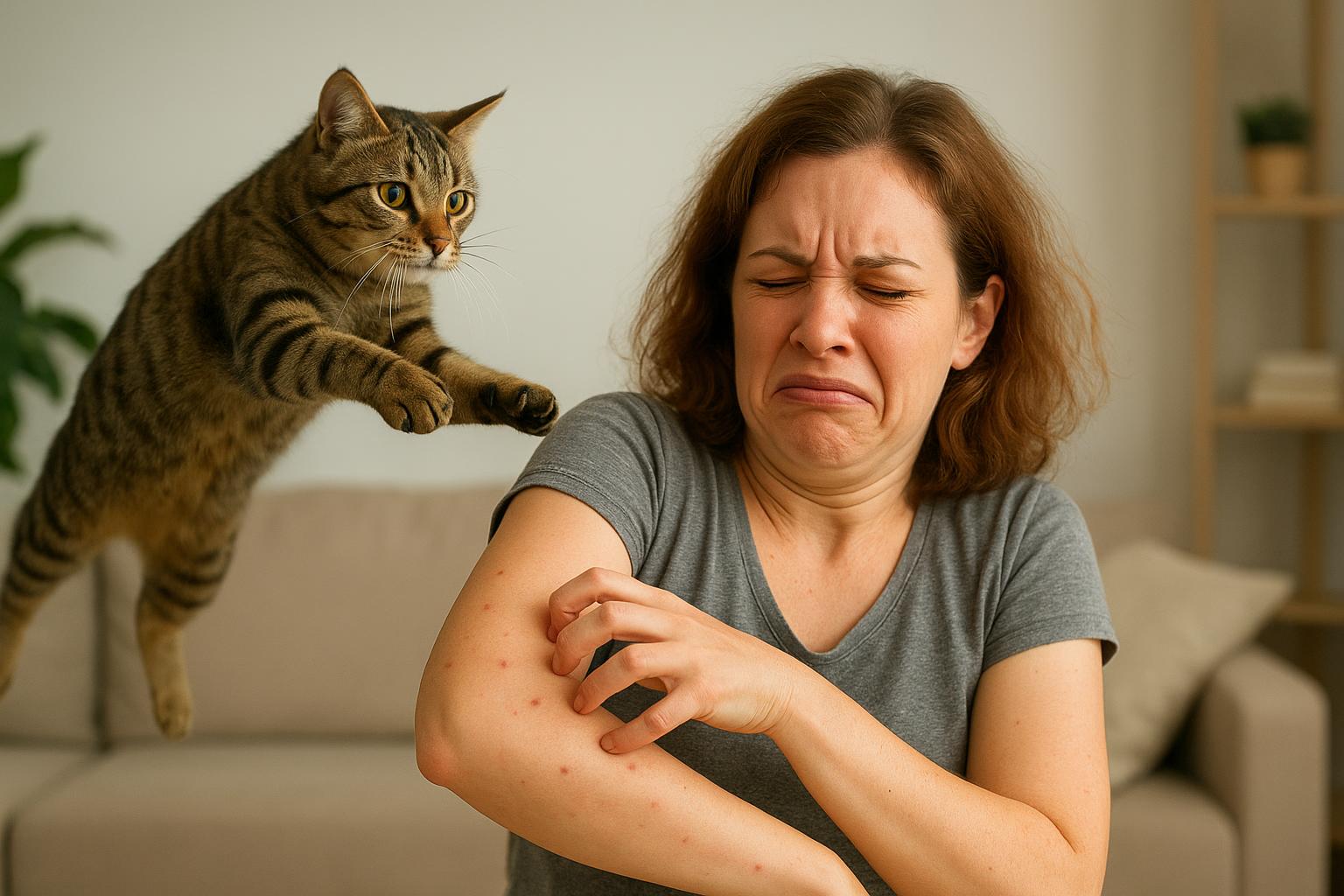
– Red or scabby skin from intense scratching.
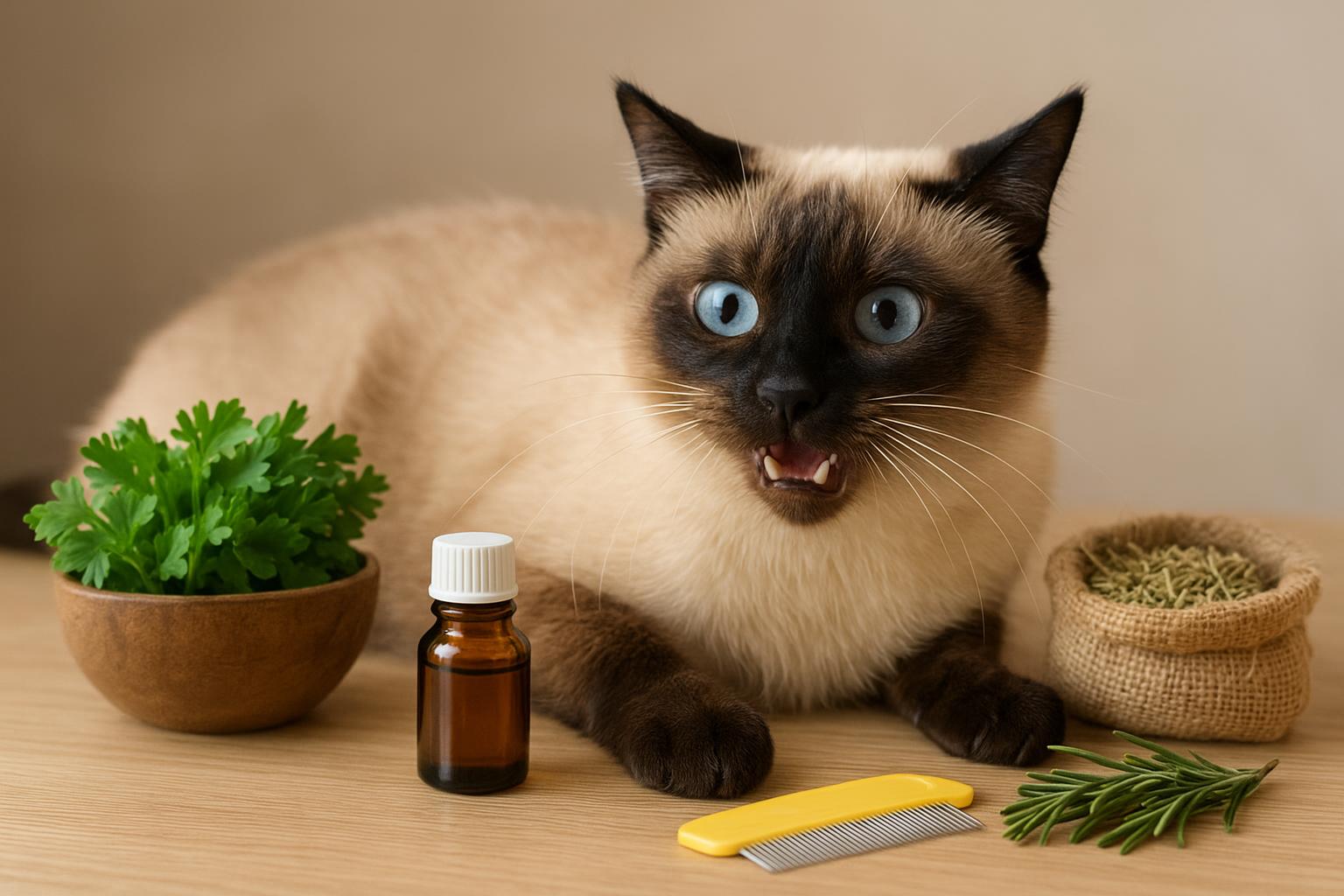
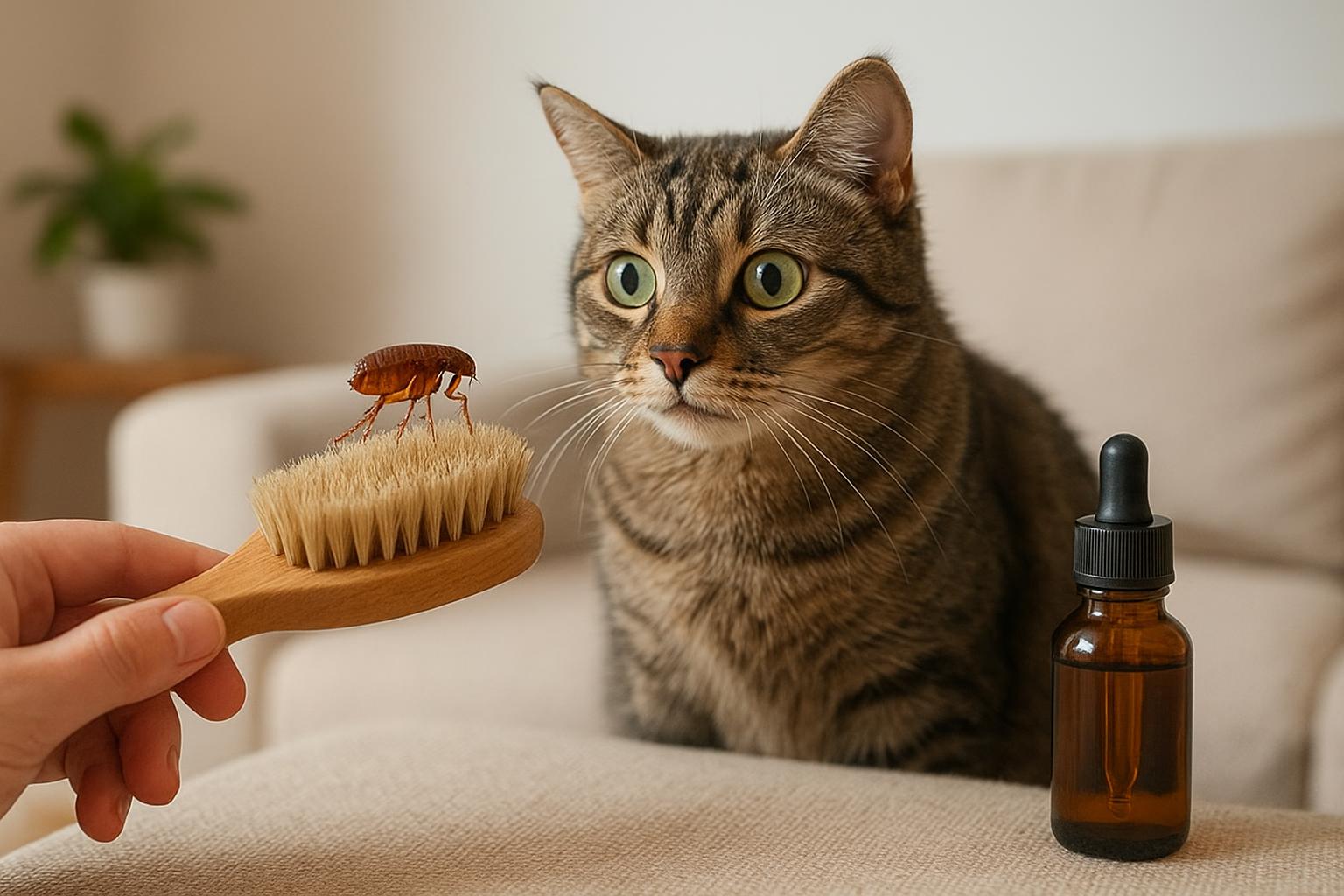
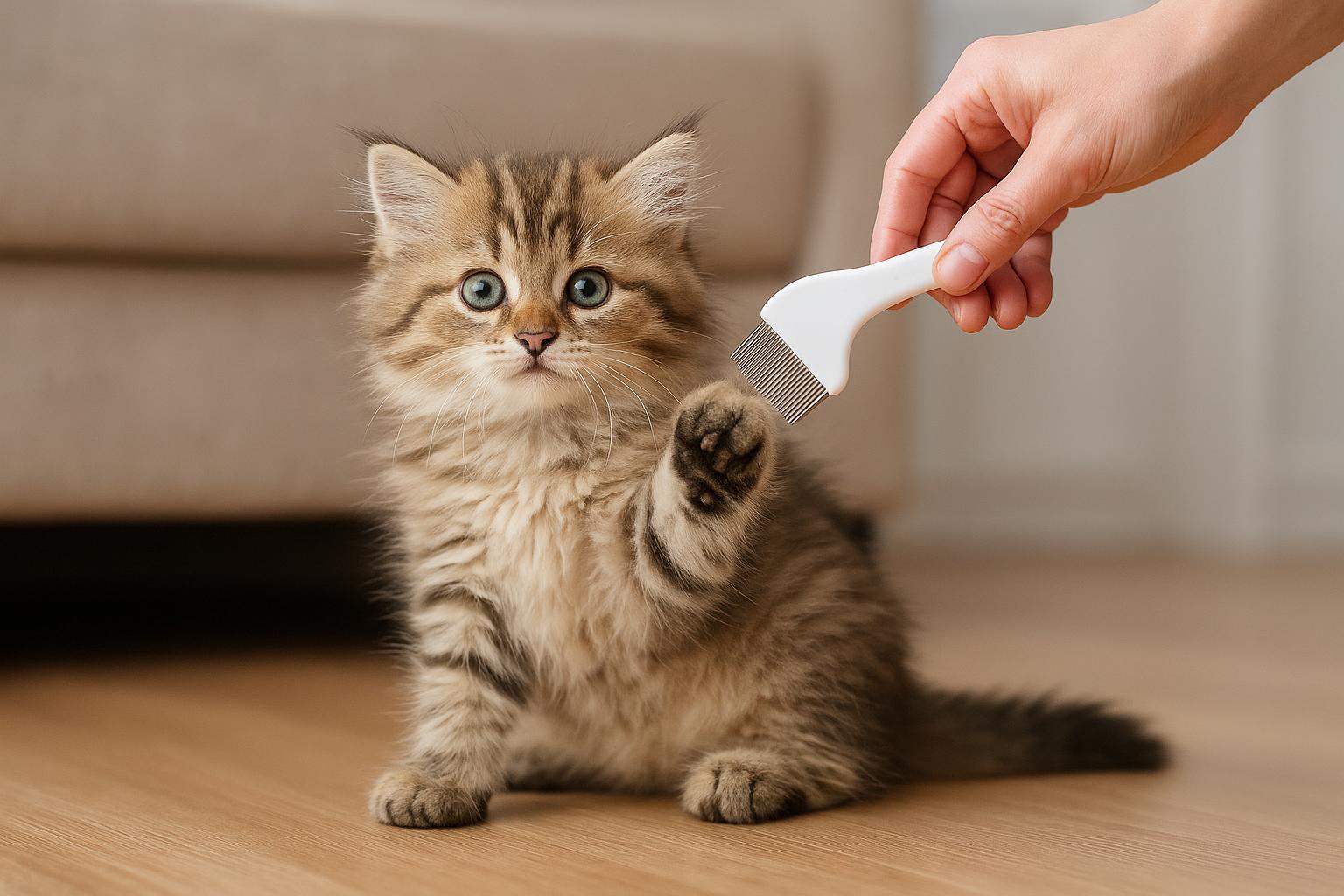
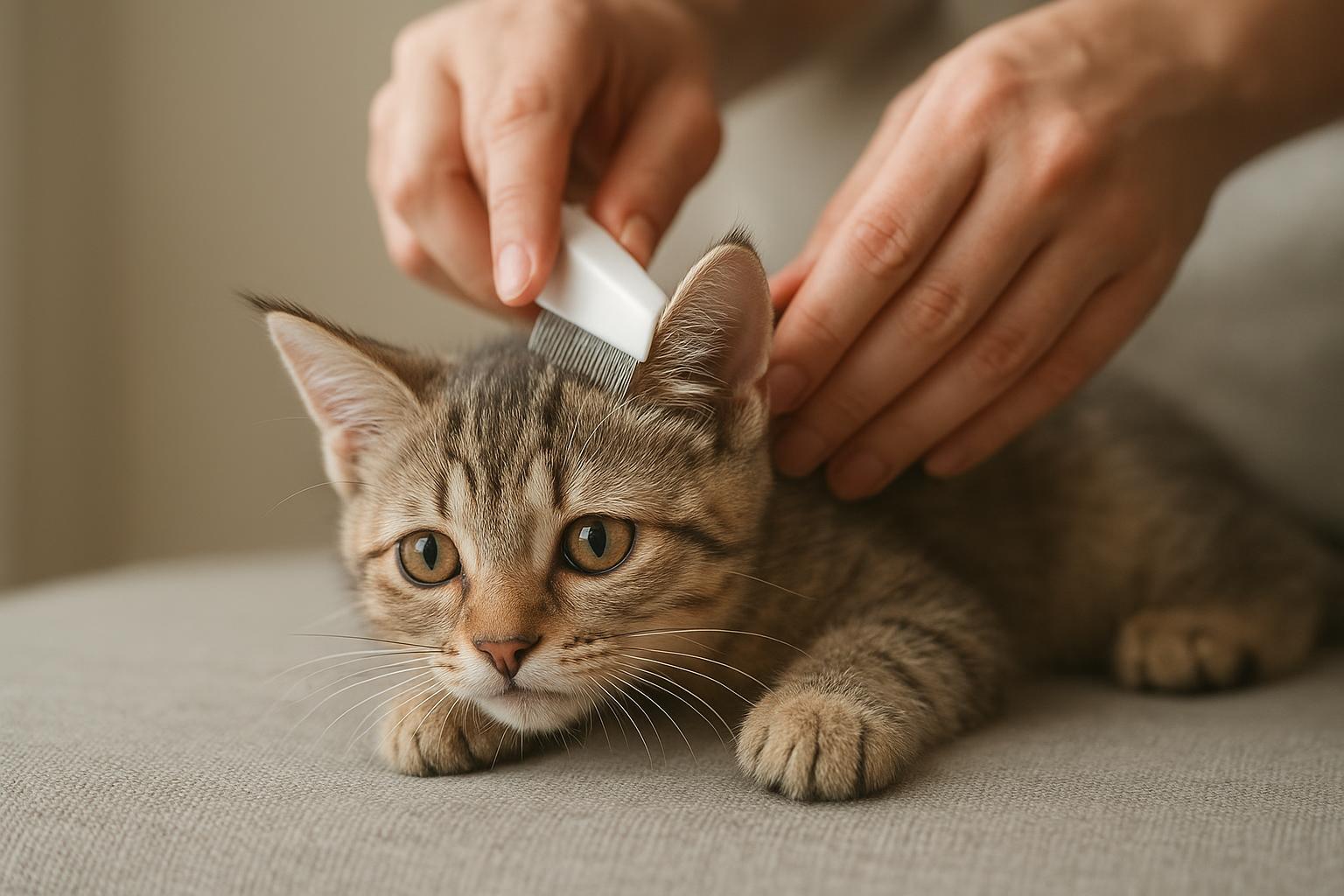
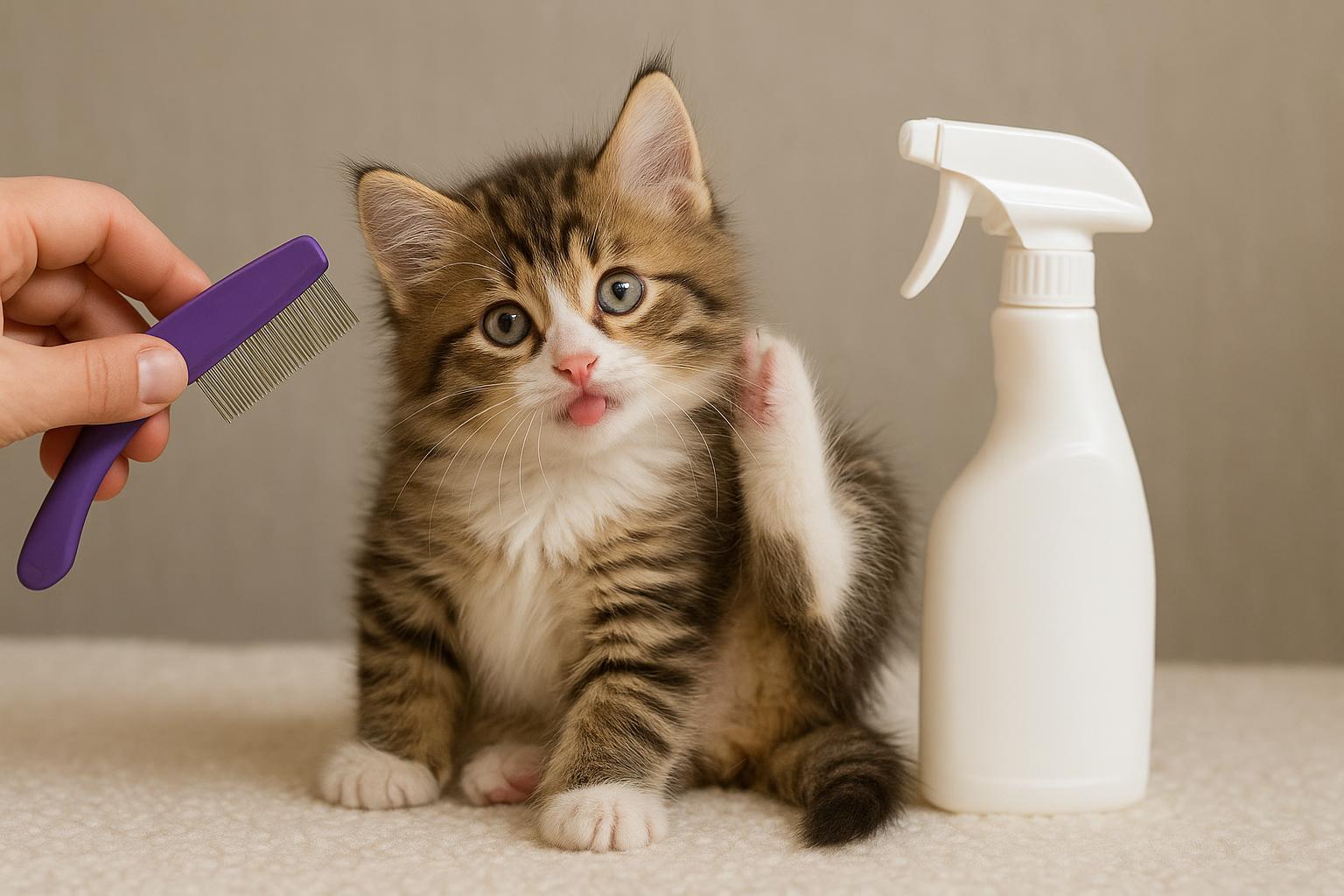
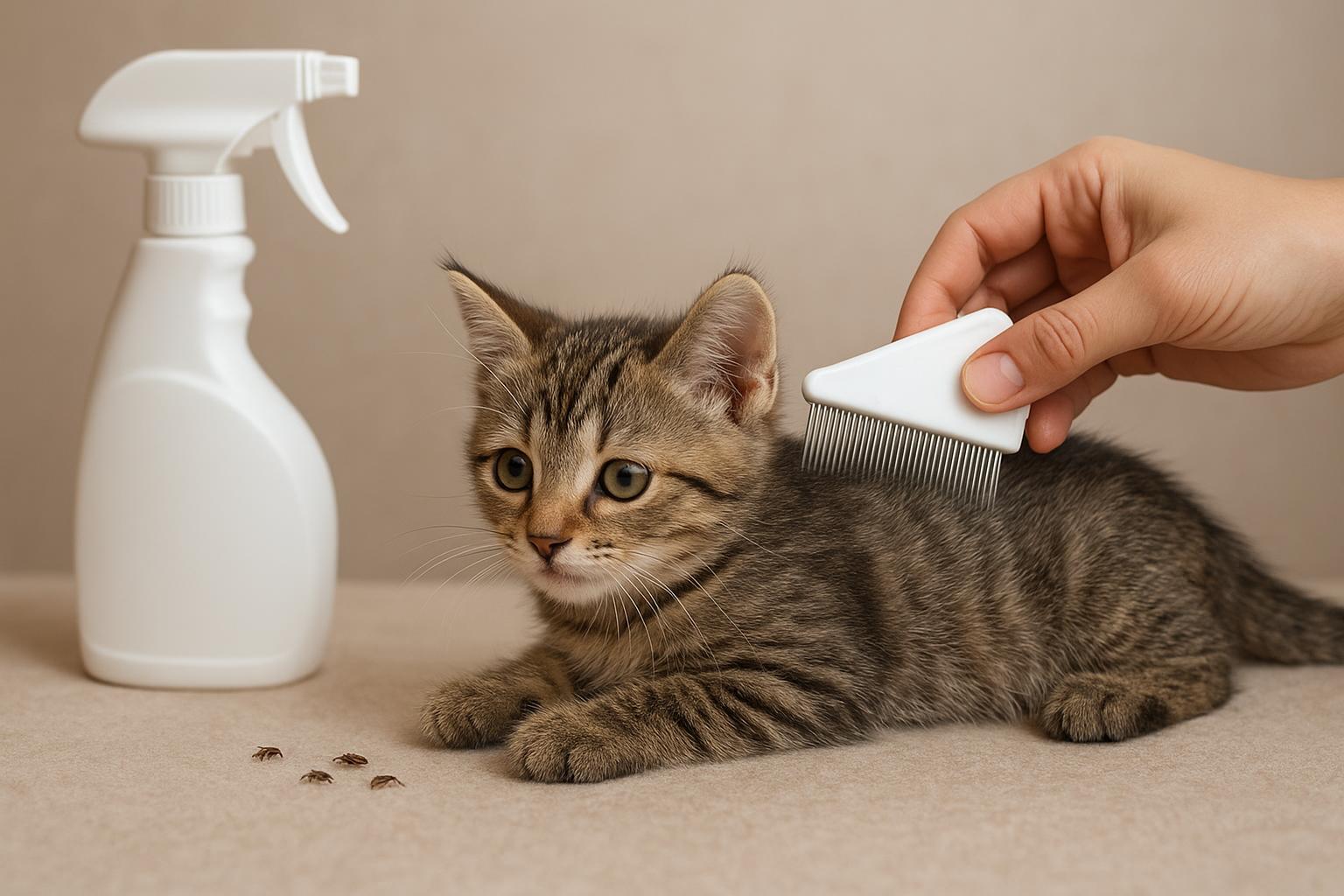
If you’re not sure, use a fine-toothed flea comb over the cat’s back and tail. Wipe the comb on a damp white paper towel—black specks that dissolve into a reddish ring are flea feces.
### Why Prevention Beats Emergency Treatments
A single fogger or home spray can drop adult flea numbers, but it won’t stop eggs or pupae that hide for weeks. Practical flea defense for house cats centers on routine steps you can maintain: monthly preventatives, weekly bedding washes, and regular vacuuming. Put time into consistent habits rather than hunting for miracle cures.
### Choosing A Cat-Safe Treatment
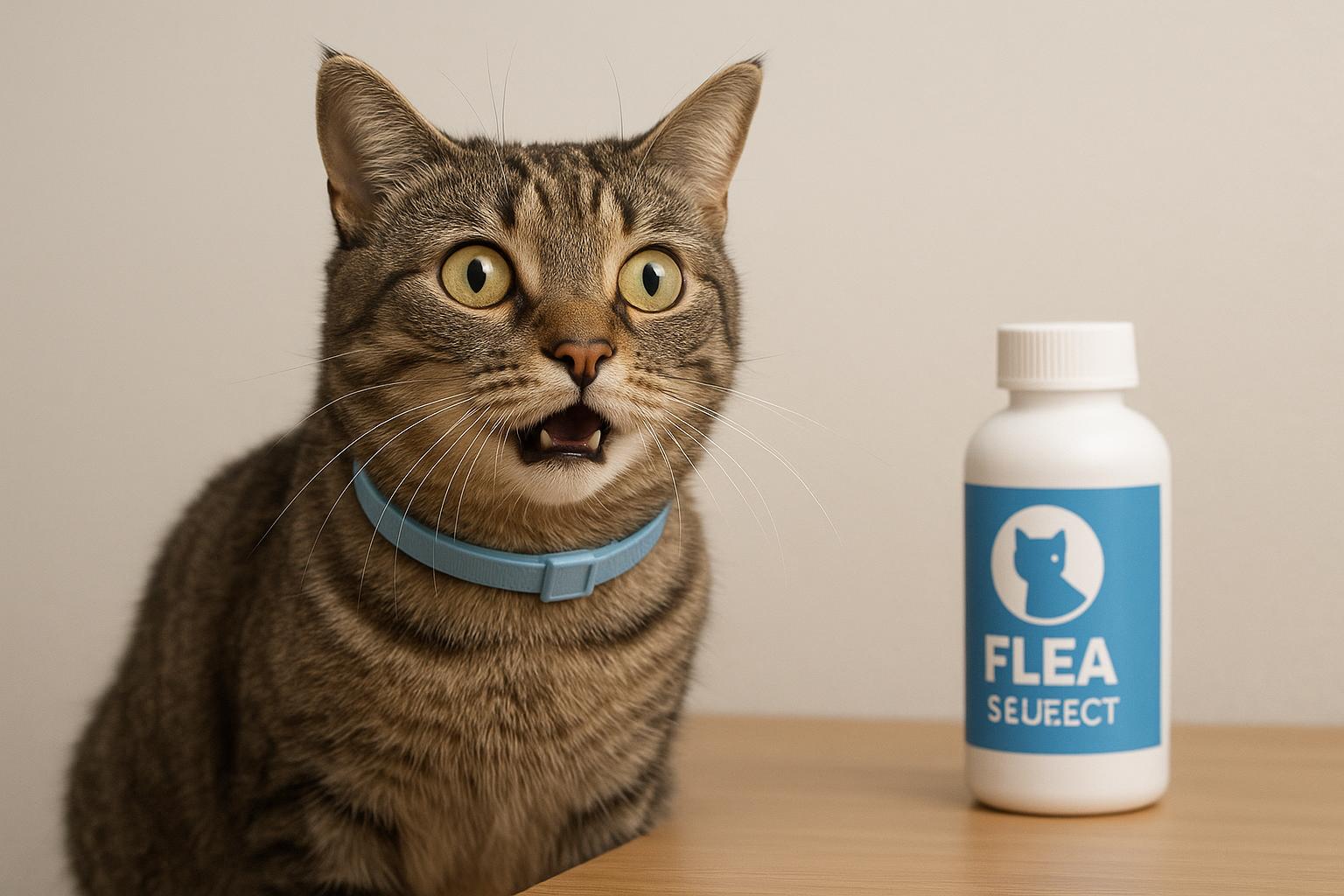
Cats are more sensitive than dogs to some insecticides. Never use dog-only products on a cat. Talk to your veterinarian before starting or switching a product. Here are the common options you’ll encounter:
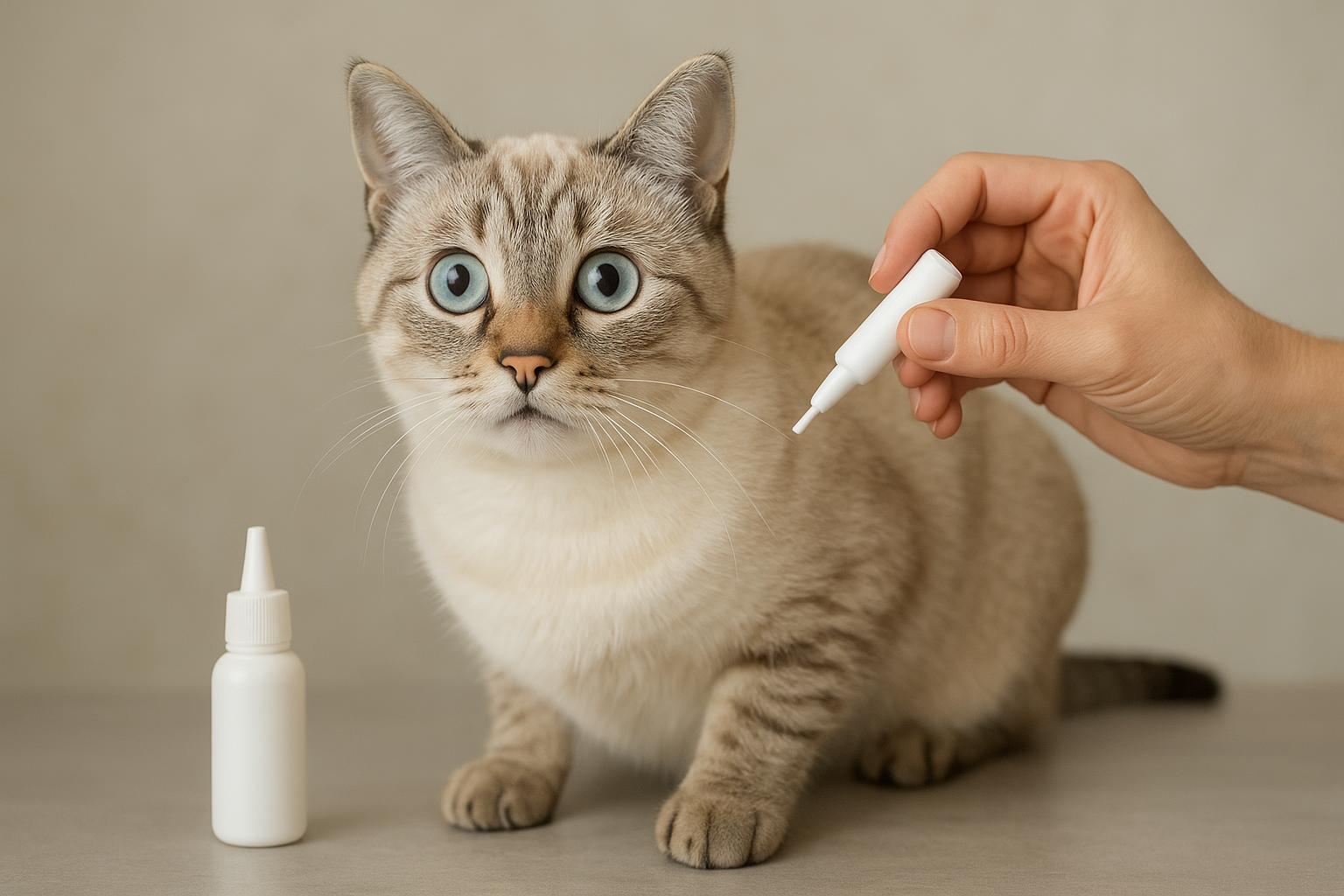
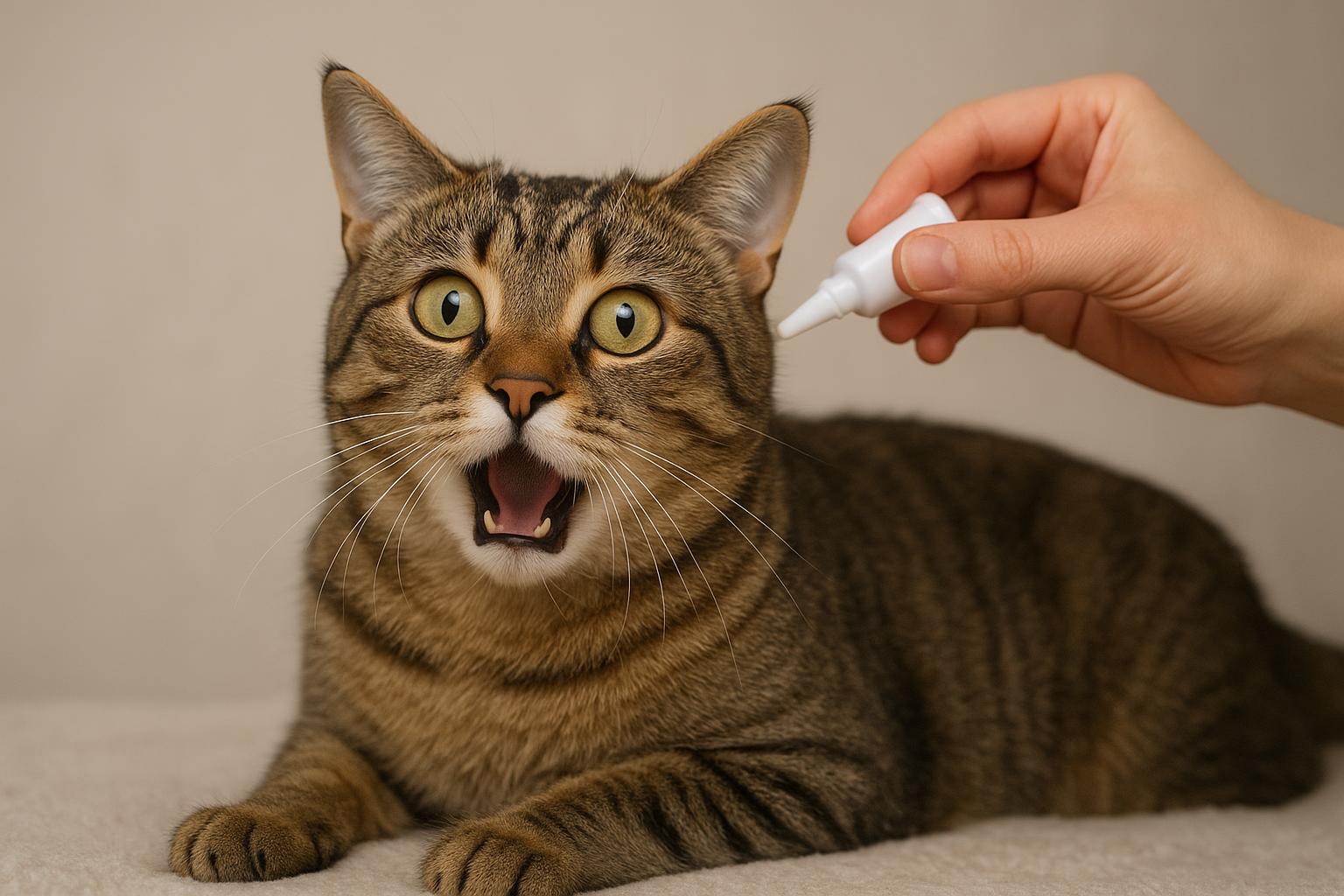
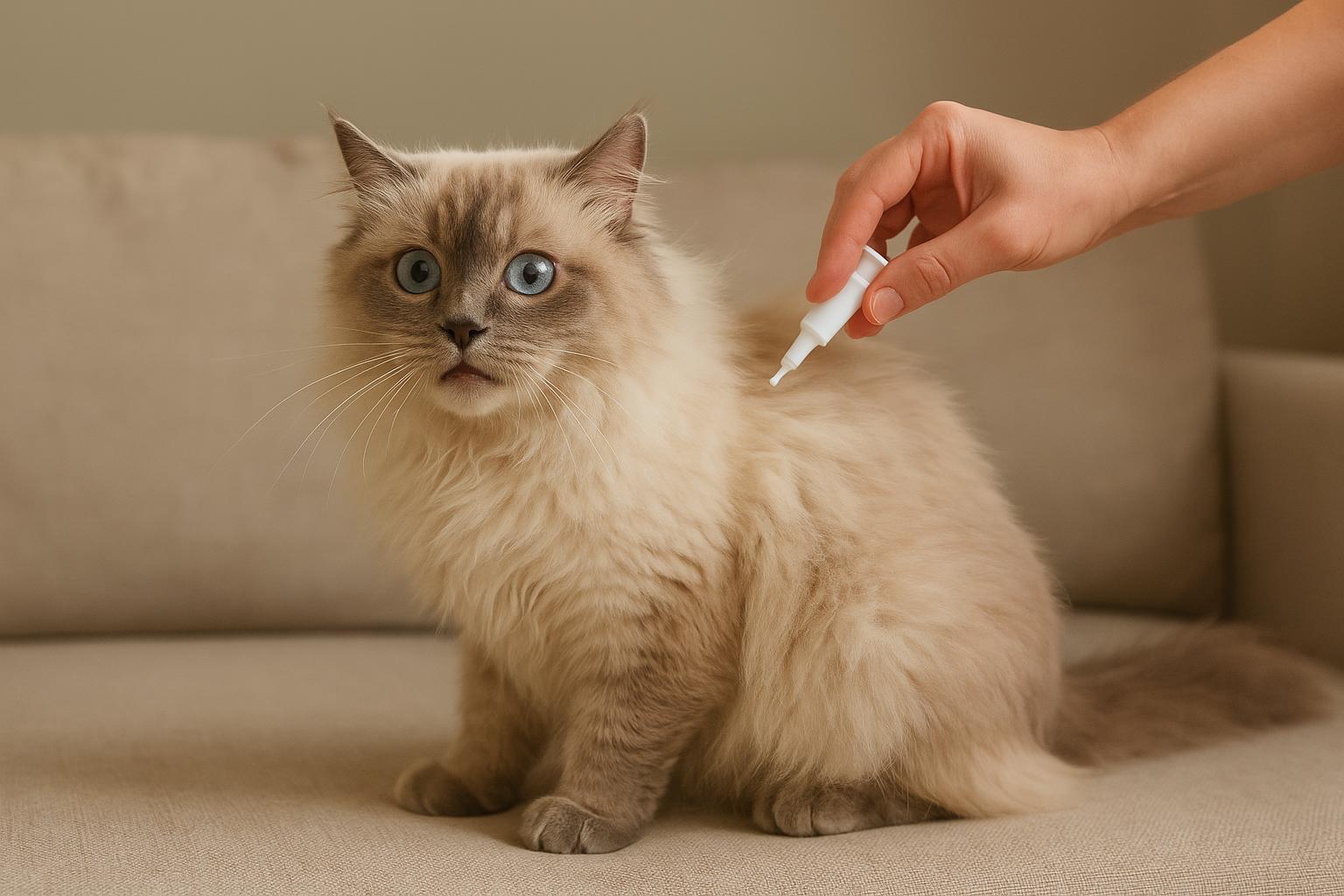
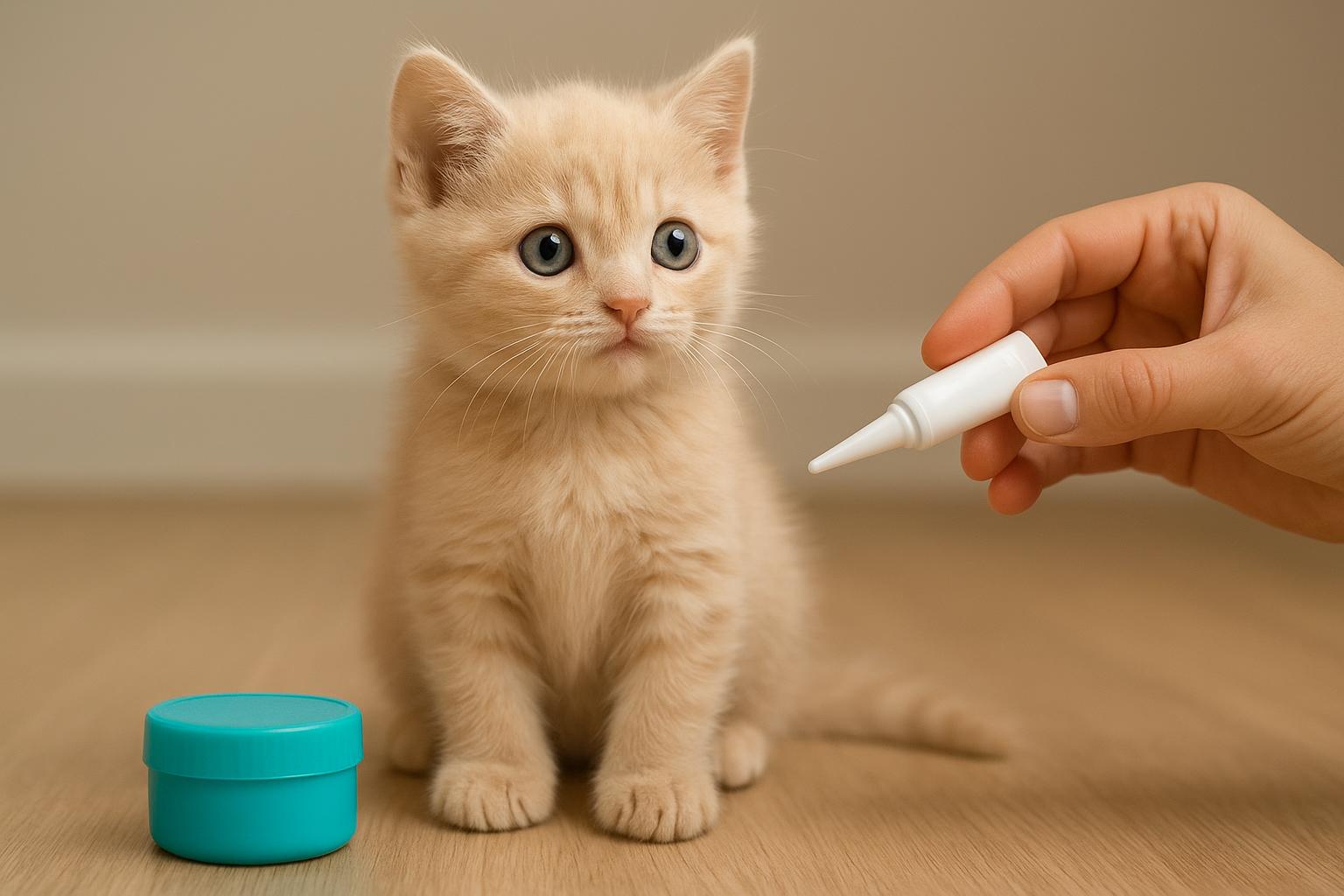
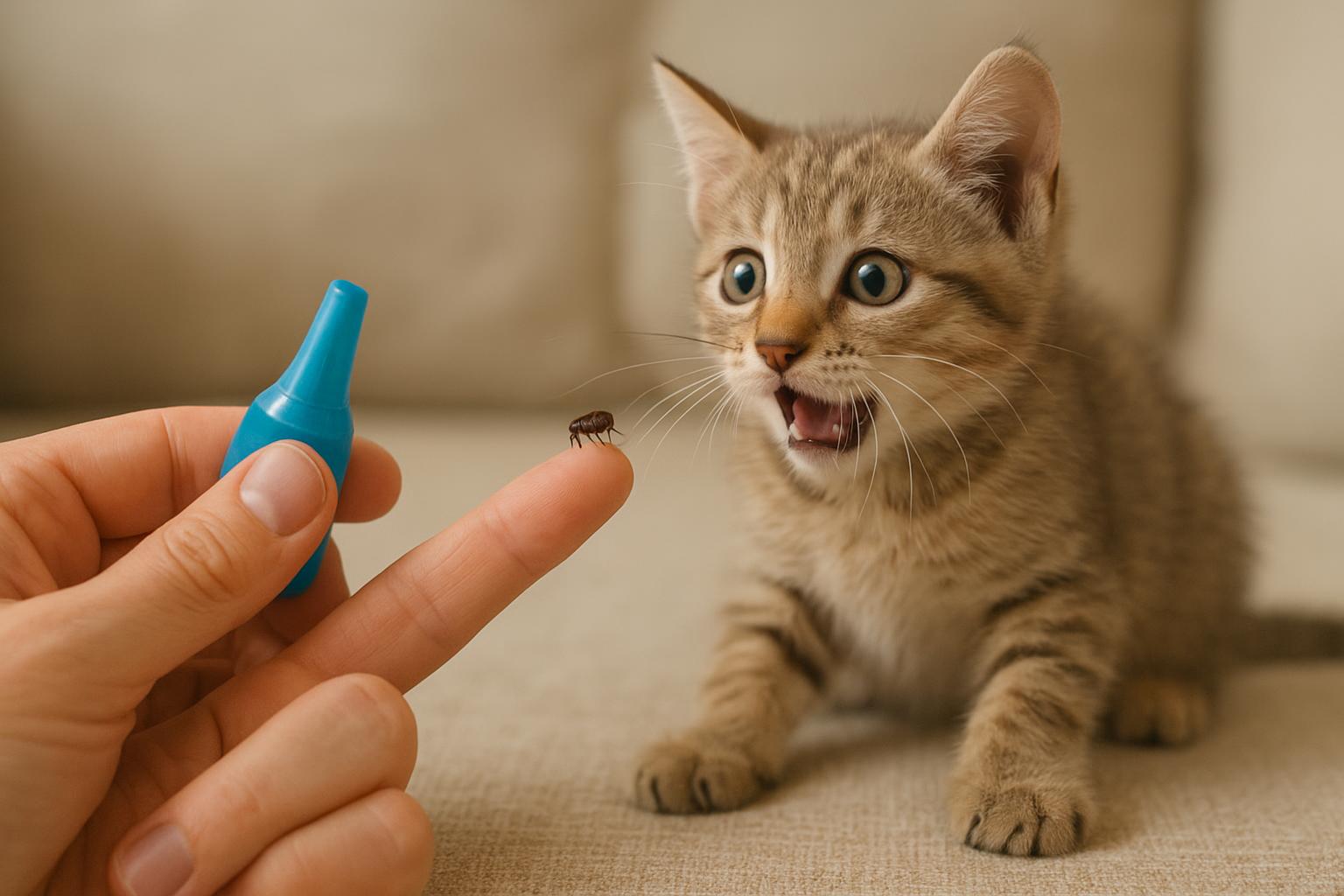
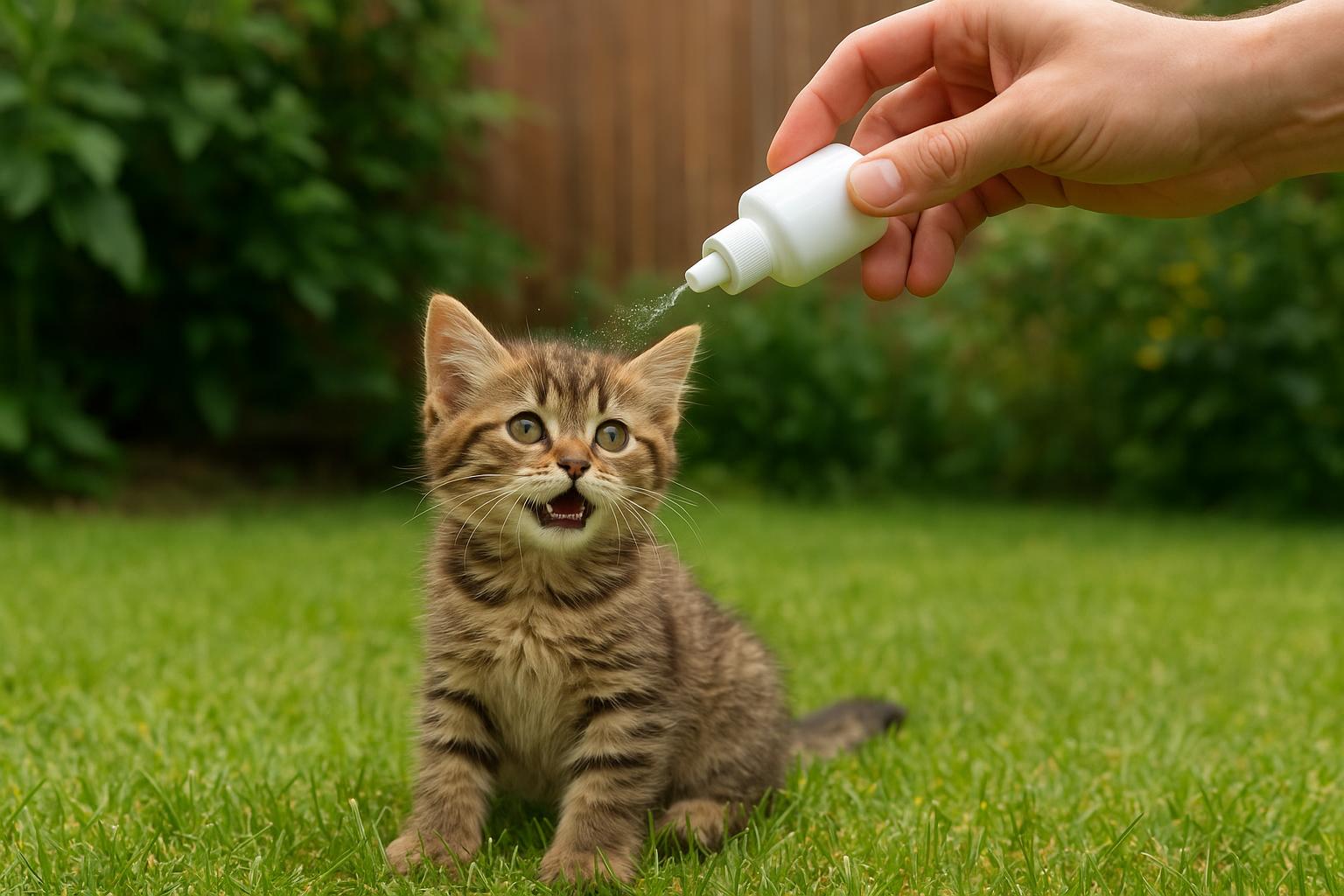
– Spot-On Topicals: Easy to apply and often effective for a month. Look for products labeled for cats and follow weight-based dosing. These are a workhorse in indoor flea care.
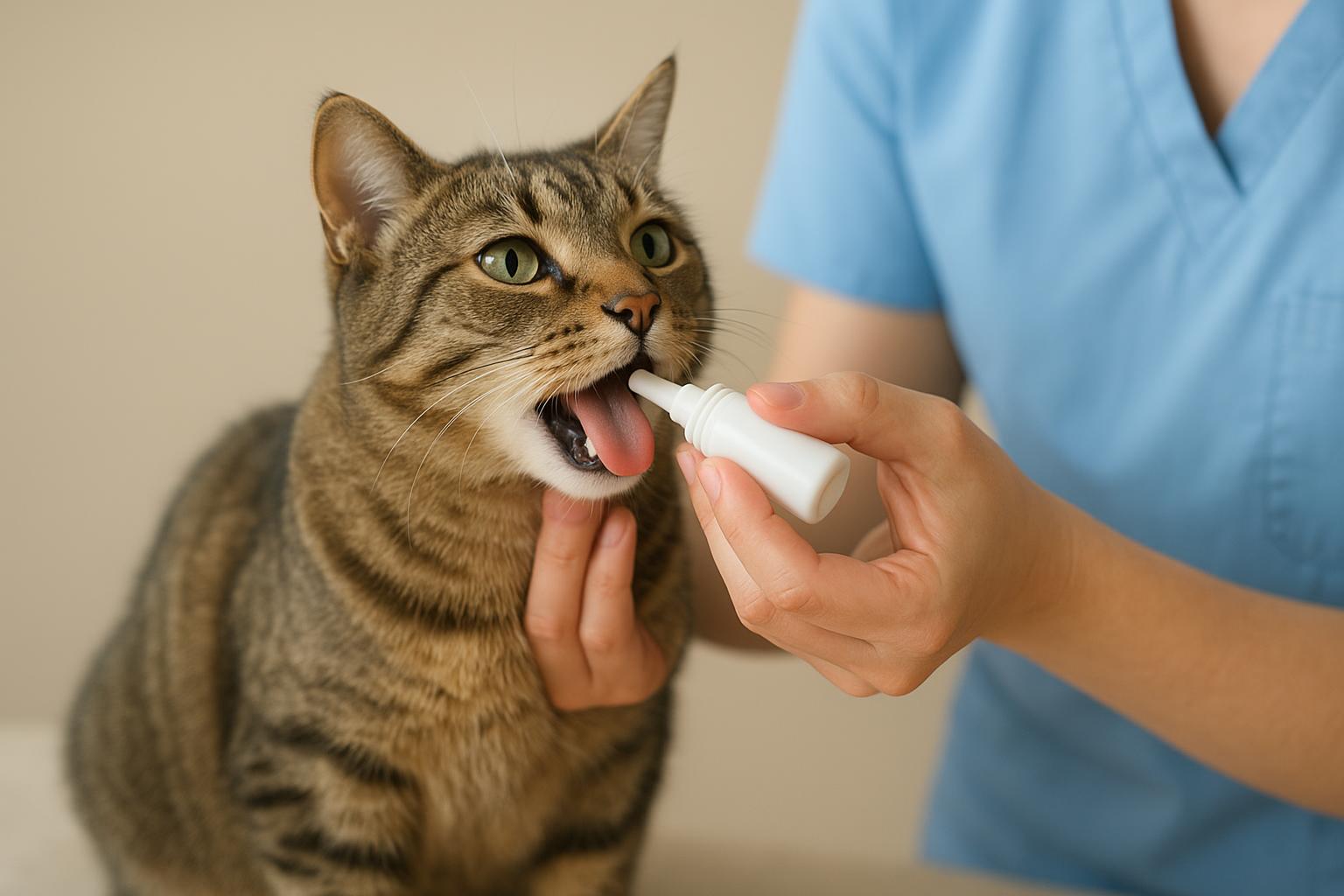
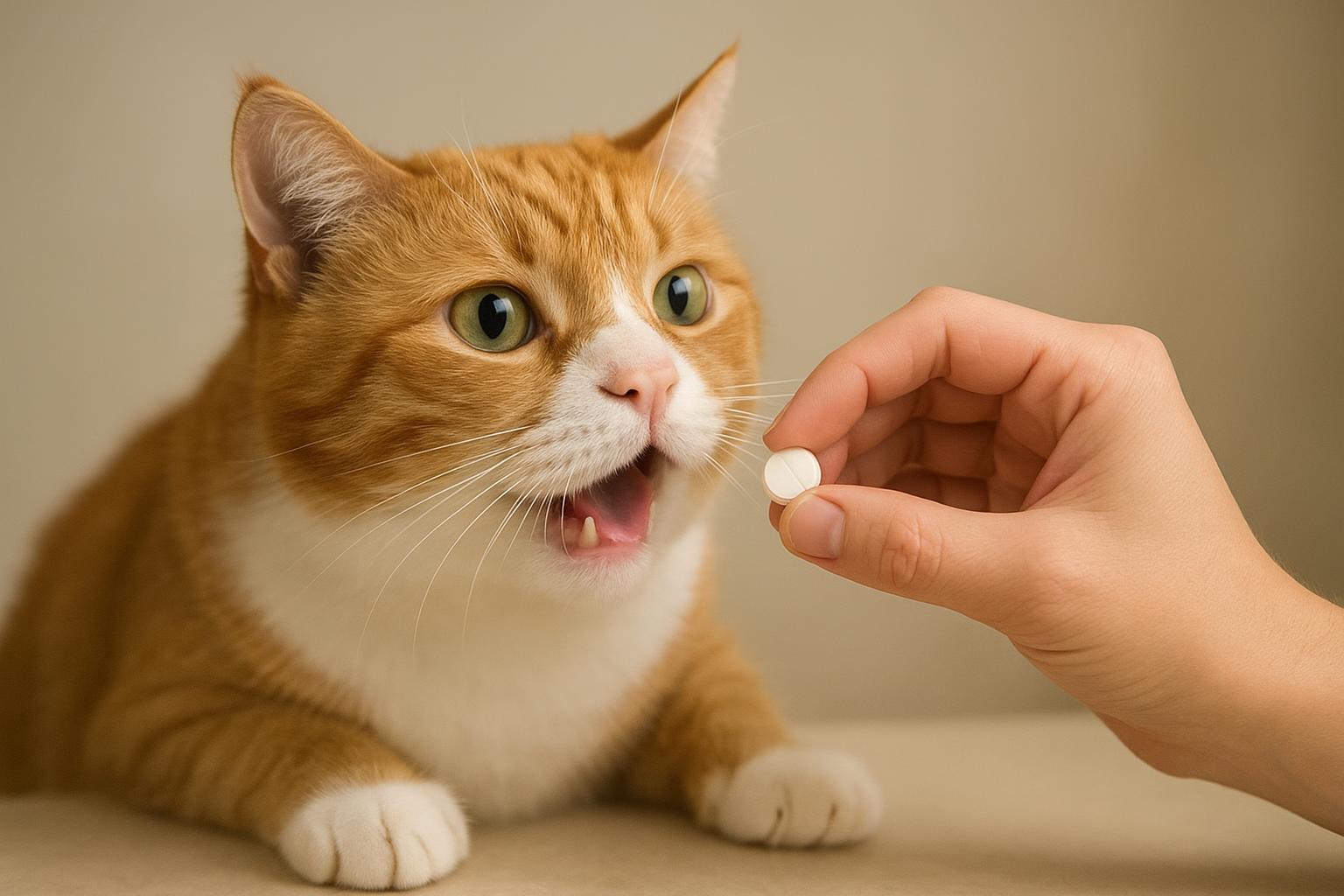
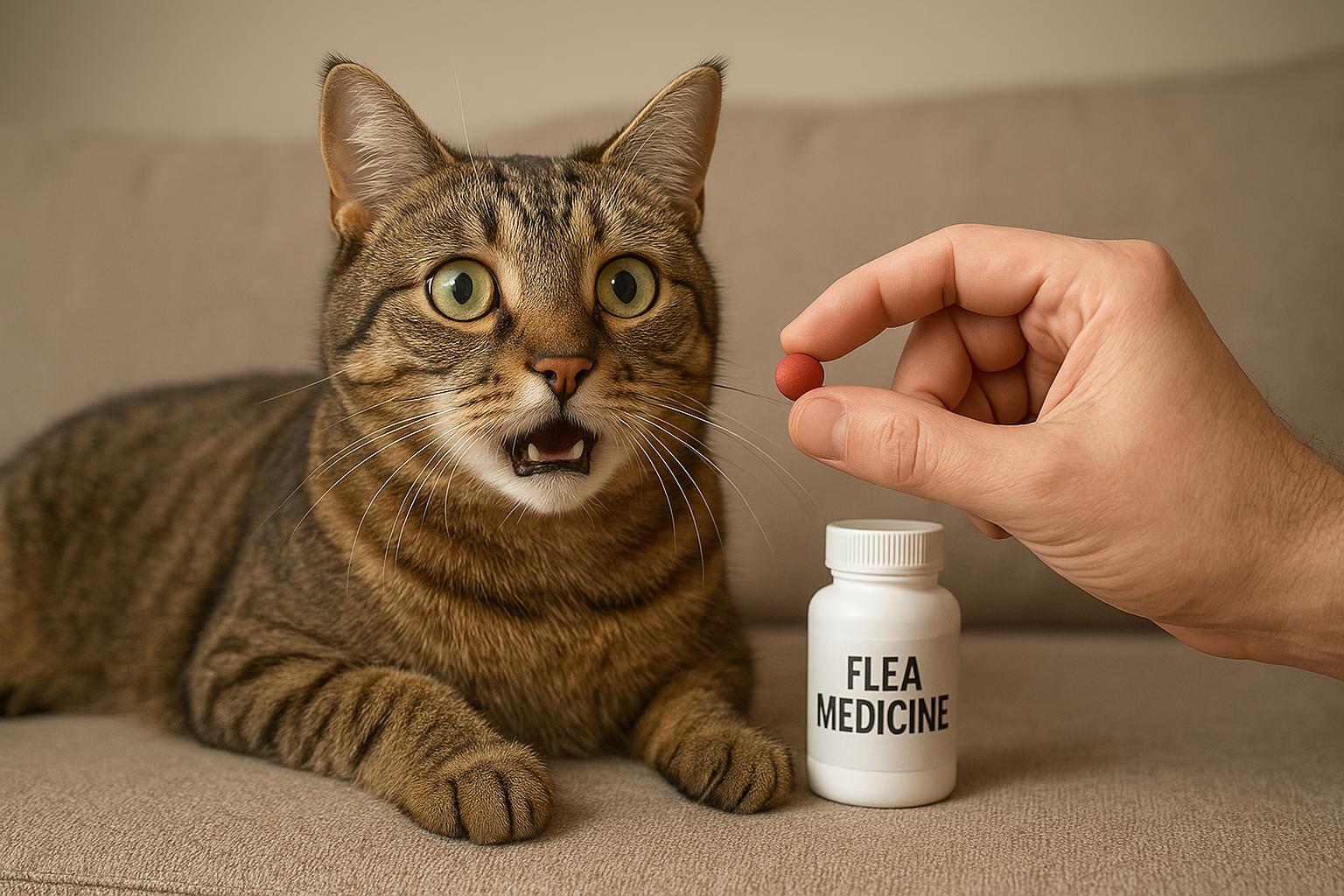
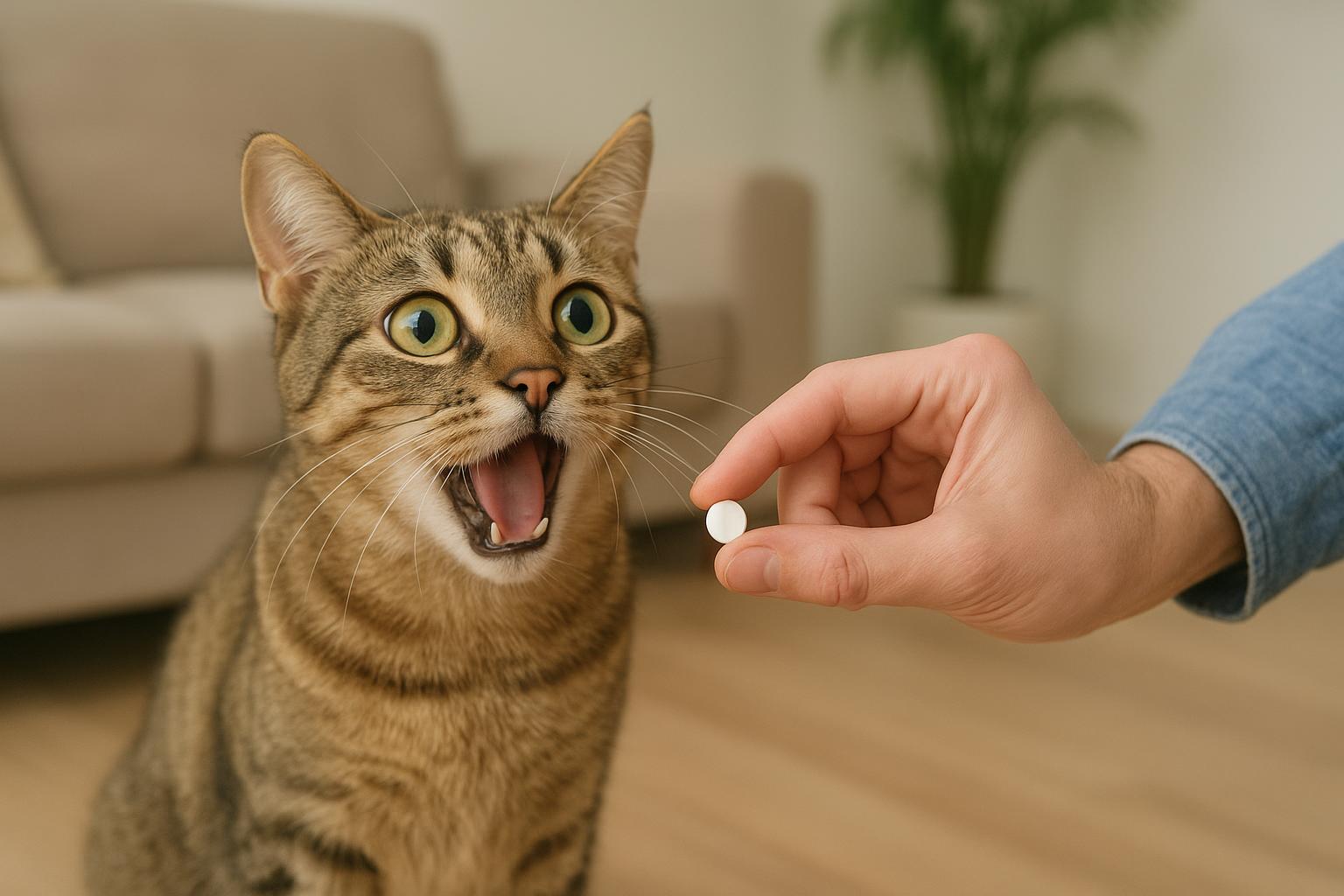
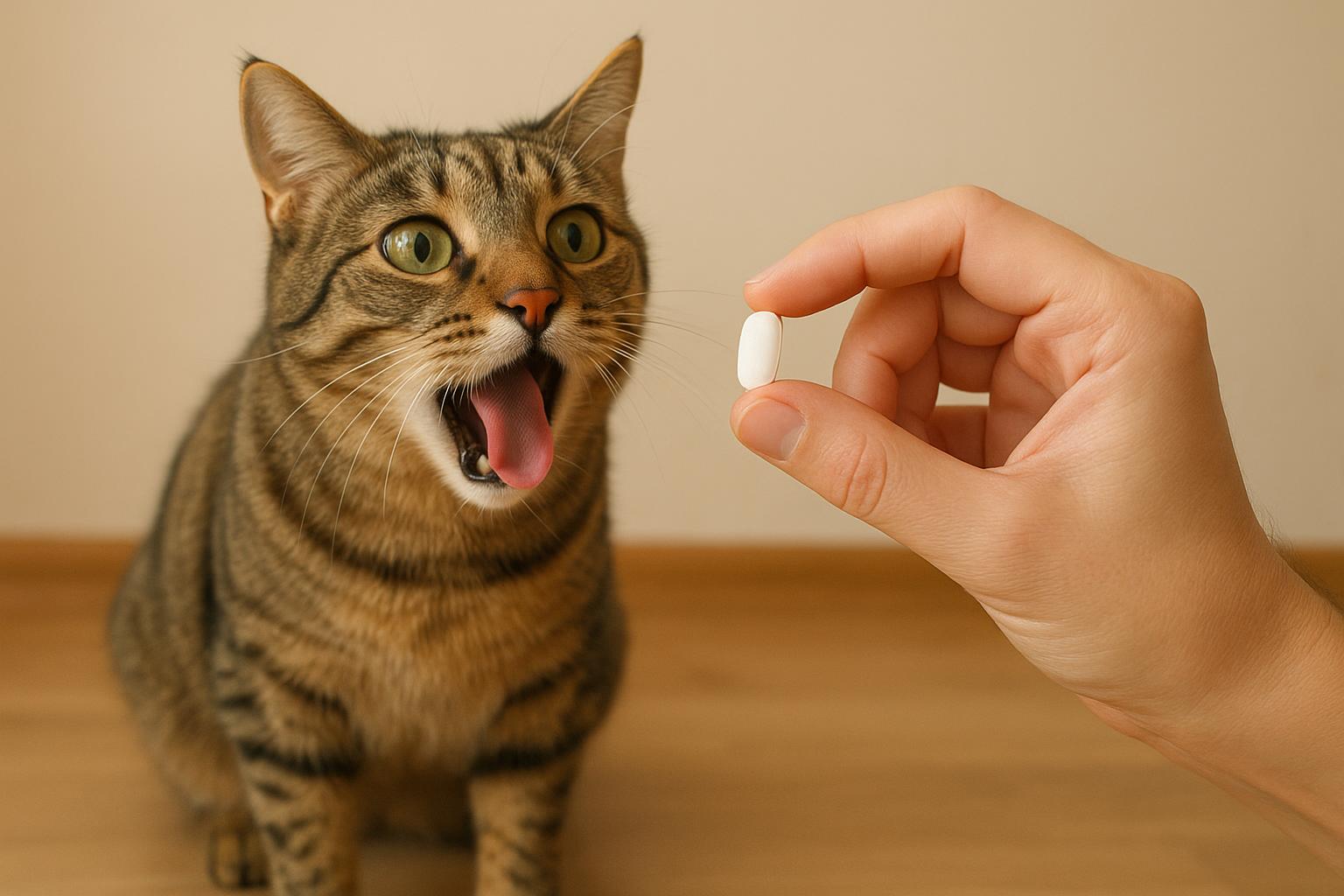
– Oral Medications: Chewables or tablets that kill fleas systemically. Many work for a month or longer and are useful when bathing or grooming is frequent.
– Collars: New-generation collars can provide months of protection and are less likely to rub off than topical products.
– Insect Growth Regulators (IGRs): These don’t kill adults quickly but stop eggs and larvae from developing. Use an IGR in the environment alongside a product for the cat.
If you want specific names, your vet will recommend based on your cat’s age, health, and lifestyle. Safety first: if your cat is sick, pregnant, nursing, or under 8 weeks old, don’t guess — get professional guidance.
### Practical Flea Defense For House Cats In The Home Environment
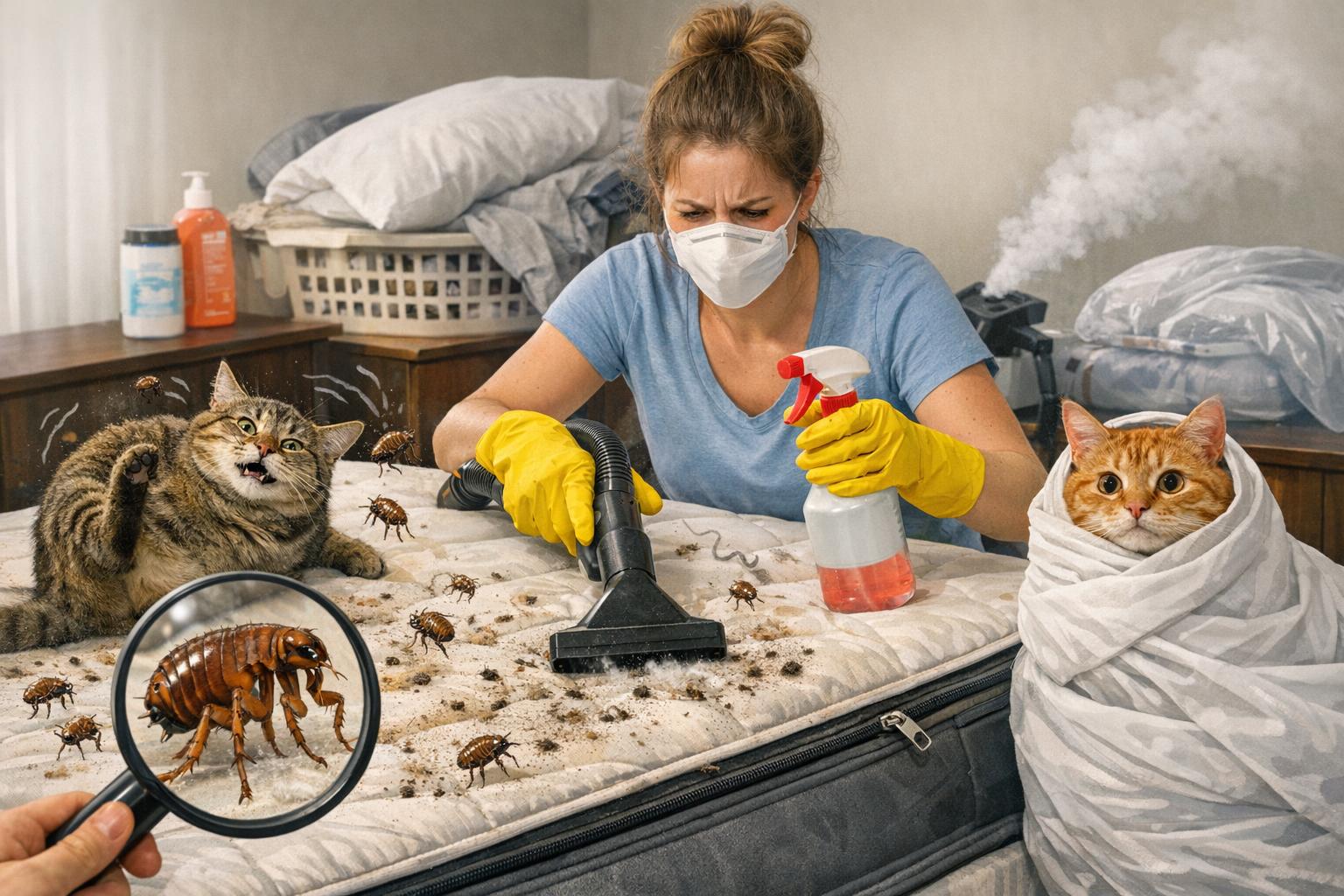
Treating the cat is only part of indoor flea care. Treat the home in ways that target each stage of the flea life cycle.
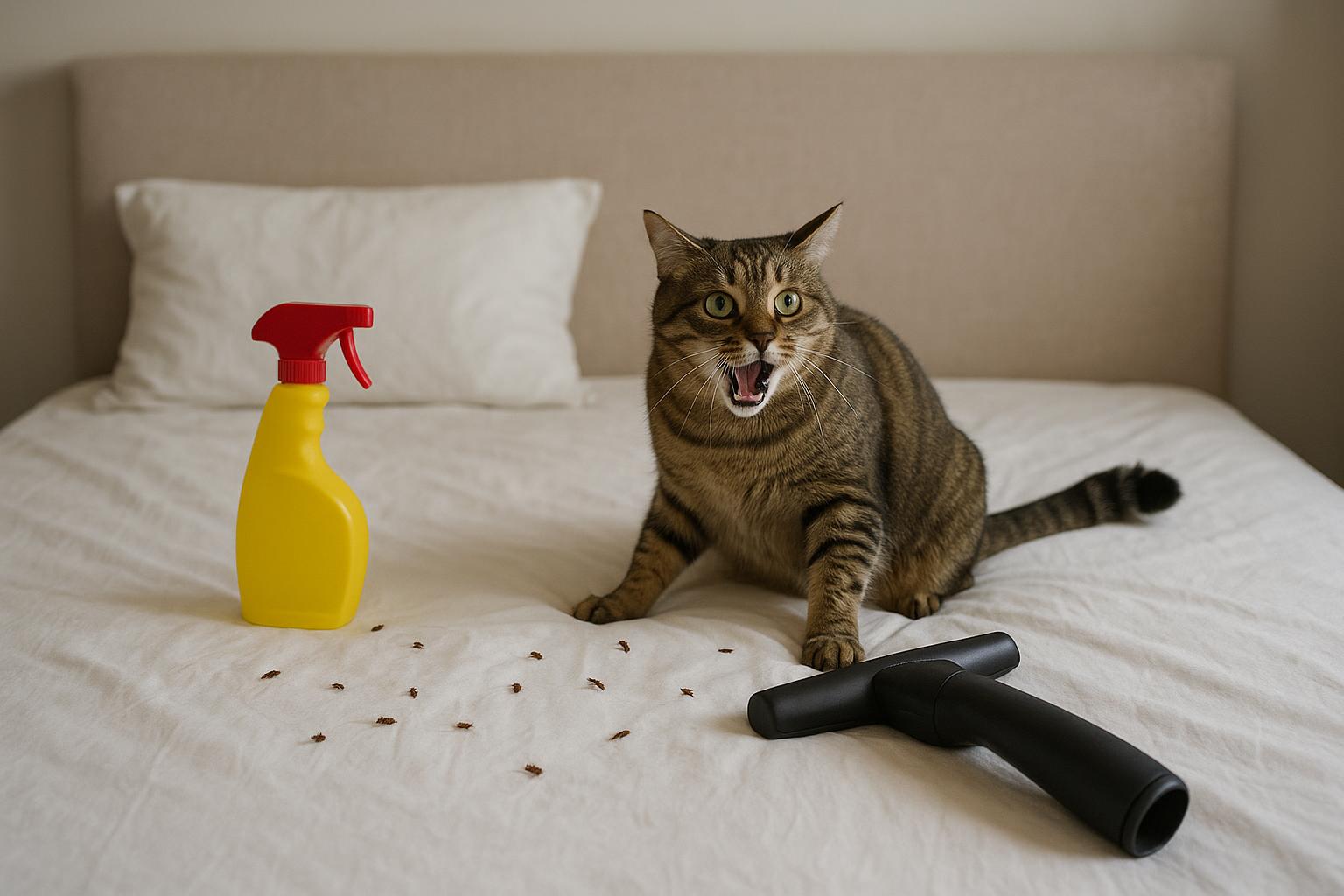
Vacuum more and vacuum smarter. Move furniture, pay attention to rugs and baseboards, and empty the vacuum outside or into a sealed bag. Vacuuming physically removes eggs and larvae and stimulates pupae to hatch, making them vulnerable to follow-up treatments.
Wash everything the cat uses in hot water once a week until the infestation is controlled. This includes bedding, blankets, soft toys, and any removable cushion covers. Heat kills most flea life stages.
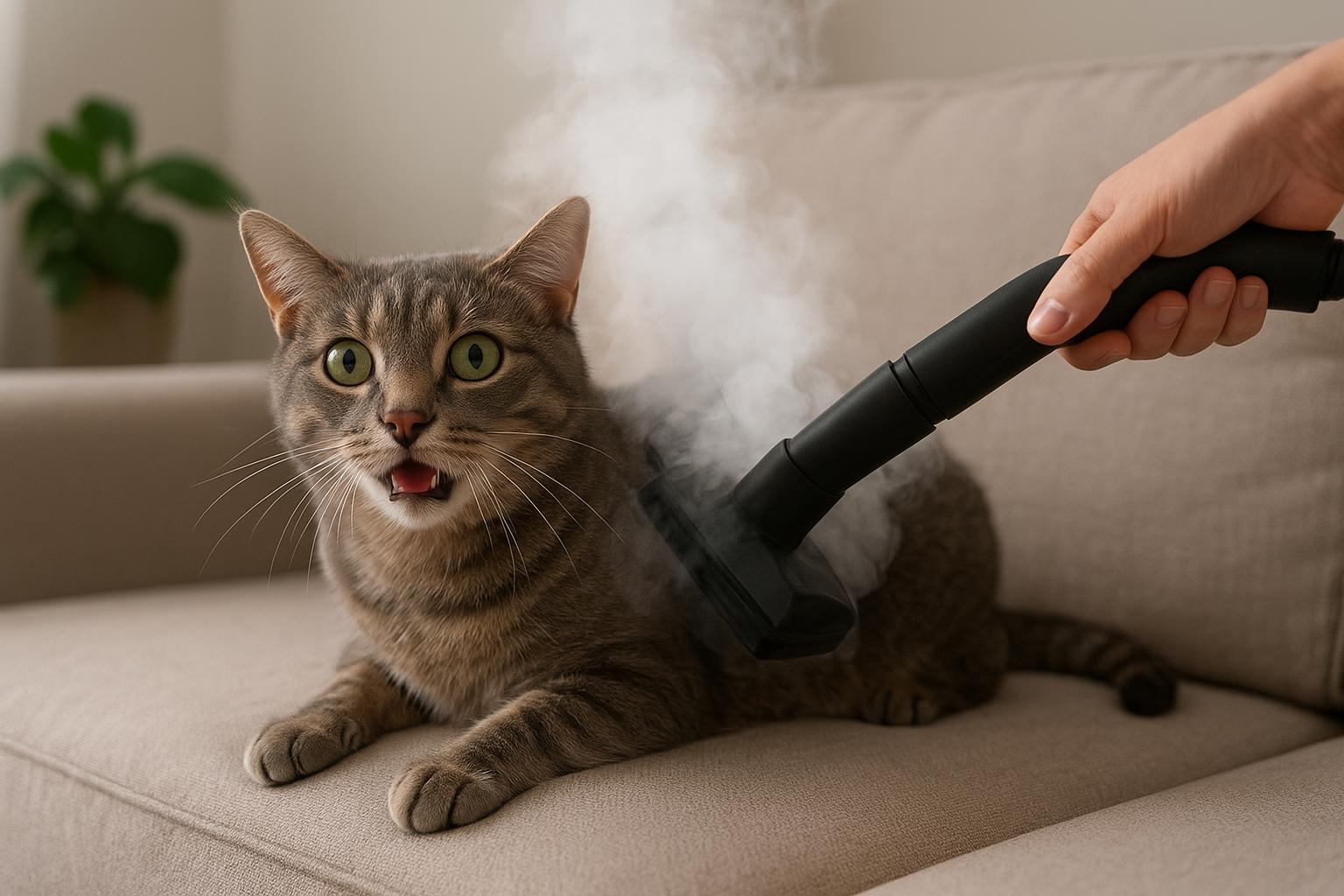
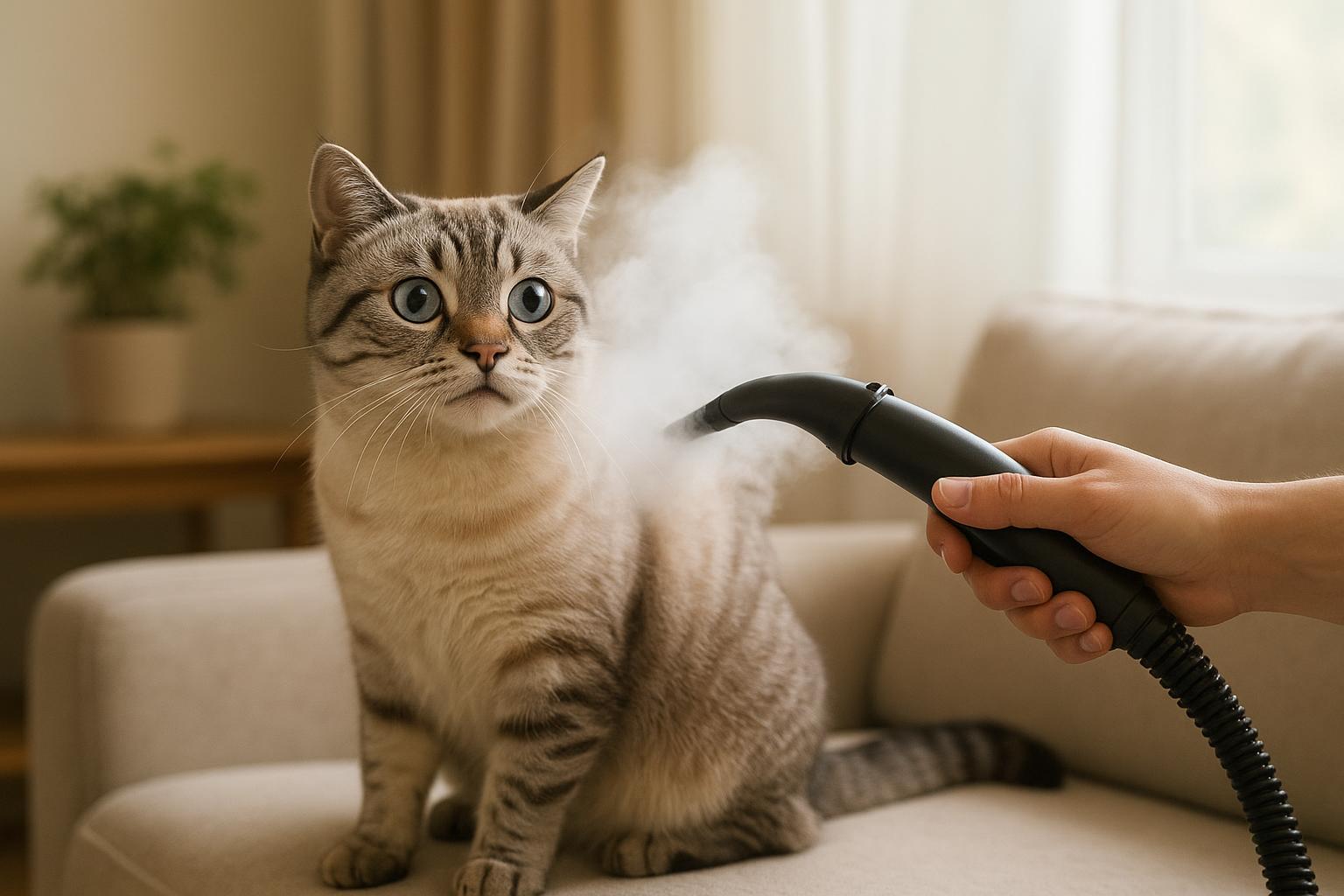
Steam cleaning carpets can reduce numbers by killing fleas and eggs on contact. If you use a chemical spray, choose products that contain an IGR like pyriproxyfen or methoprene. Those prevent the next generation.
### When And How To Use Environmental Sprays Or Foggers
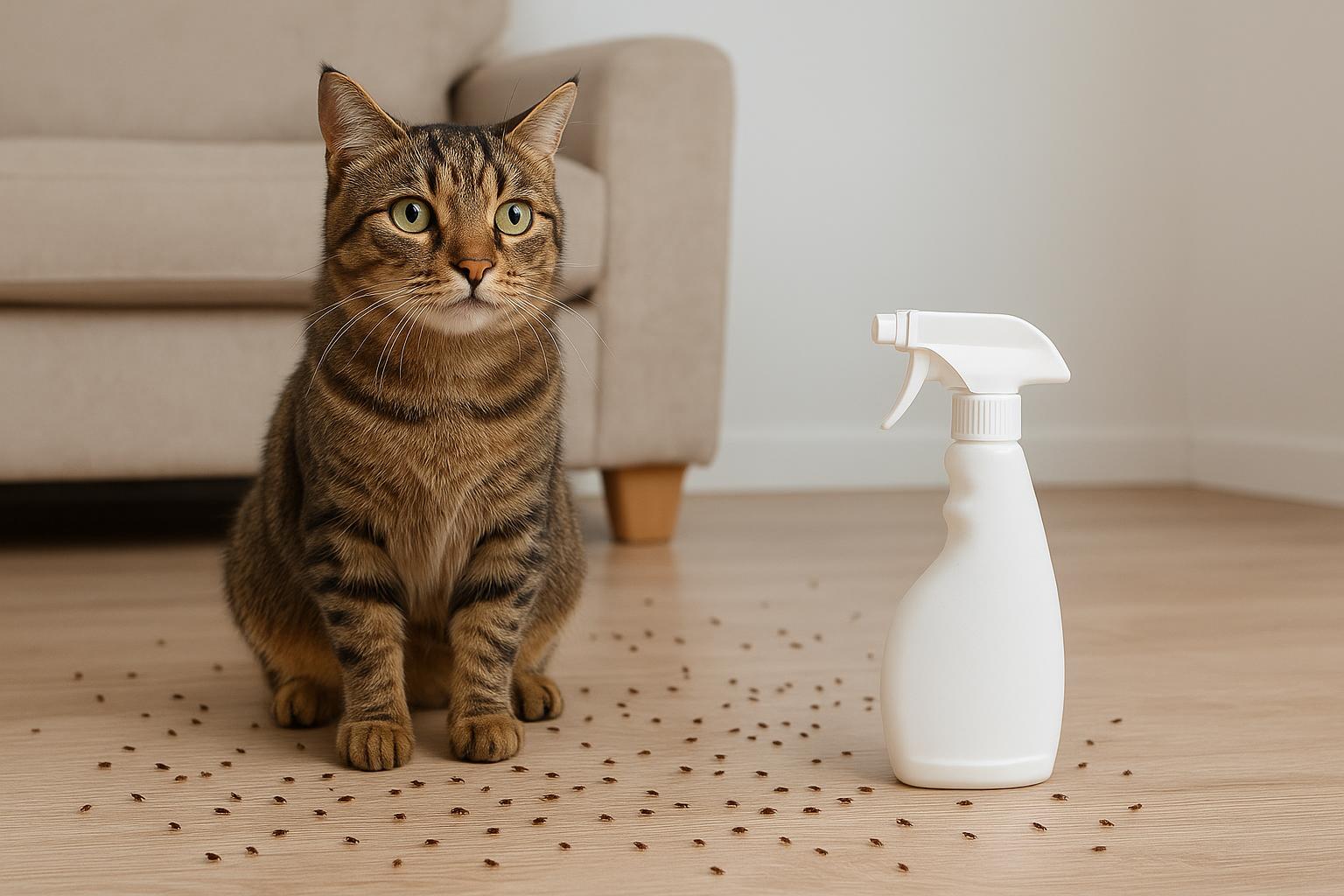
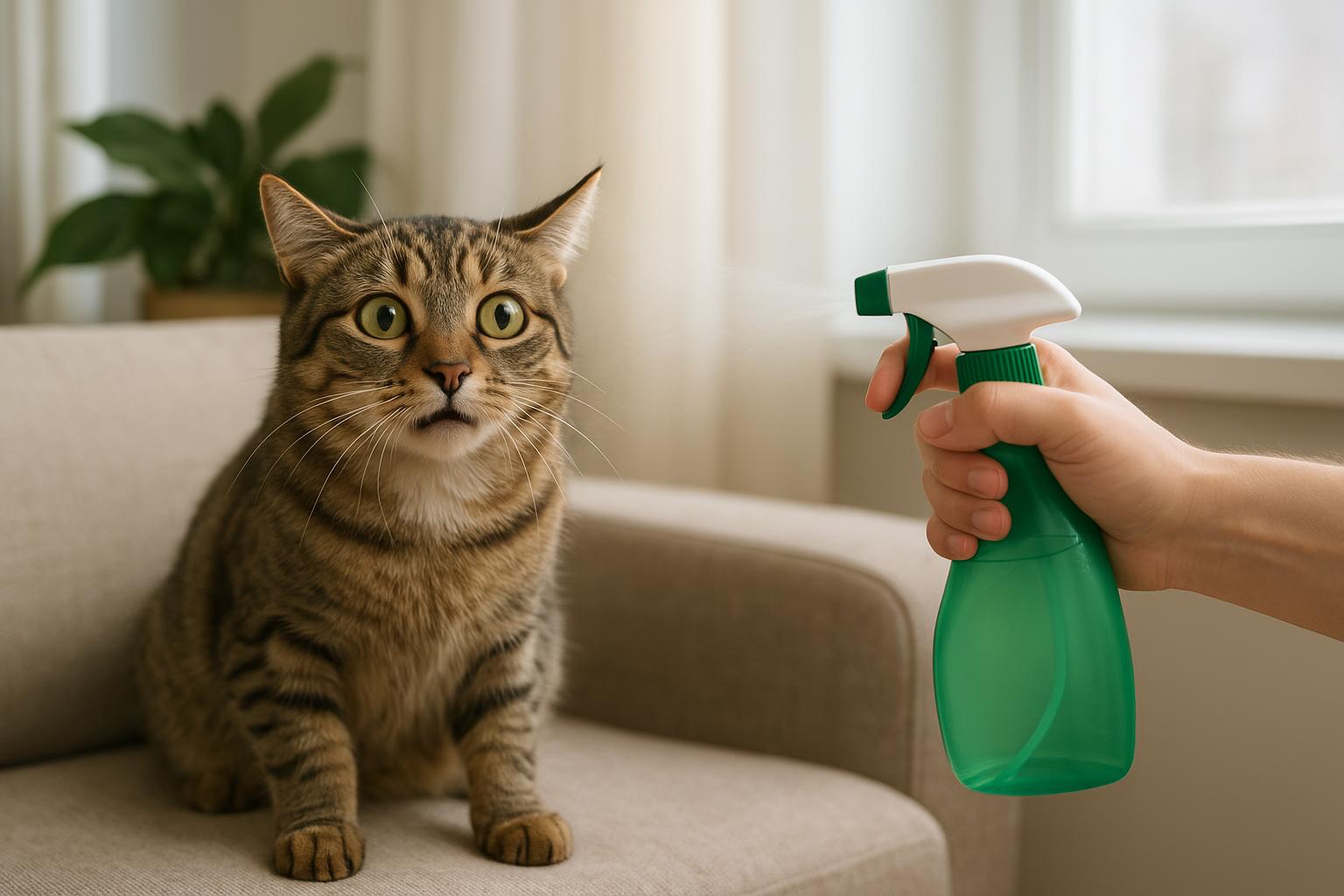
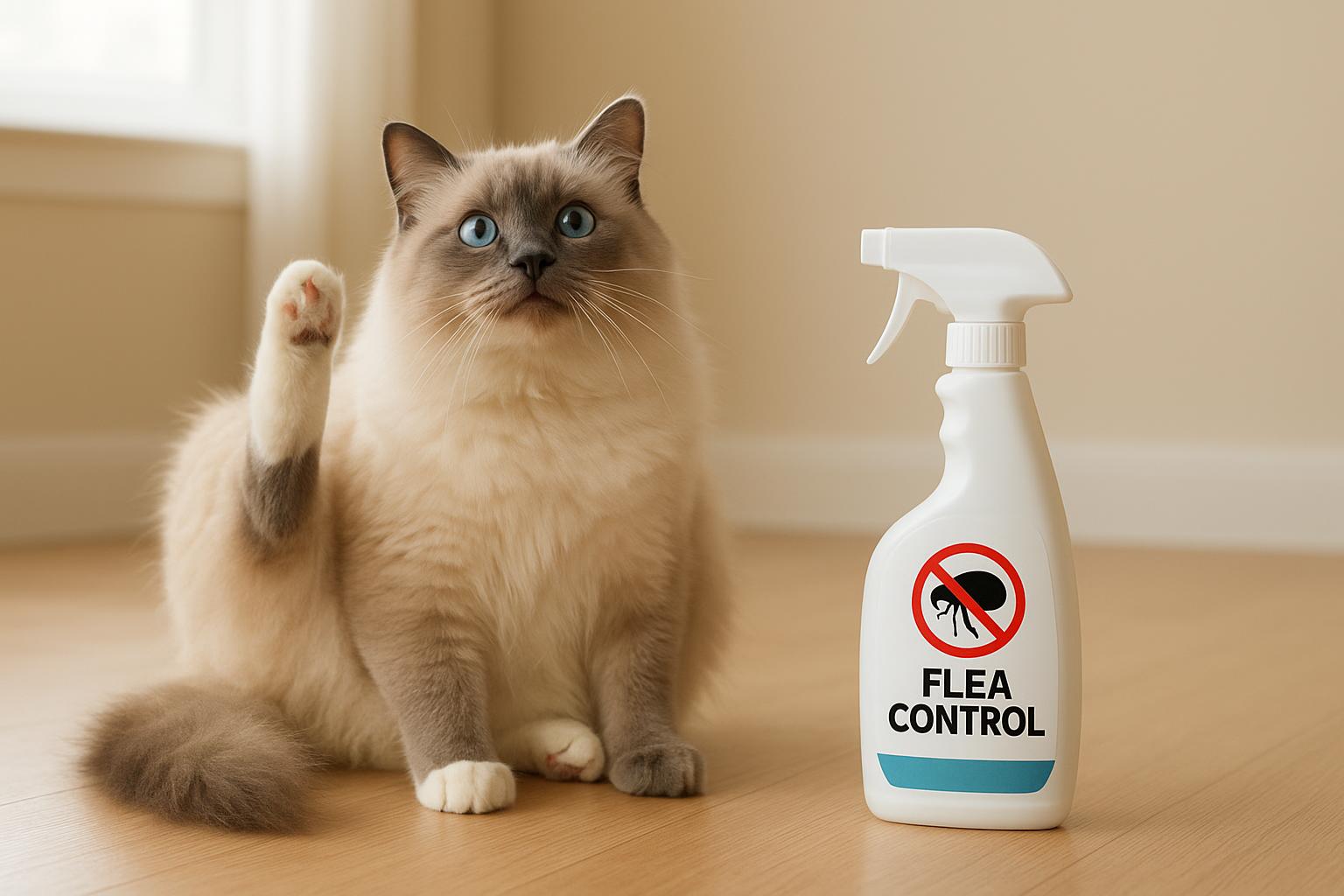
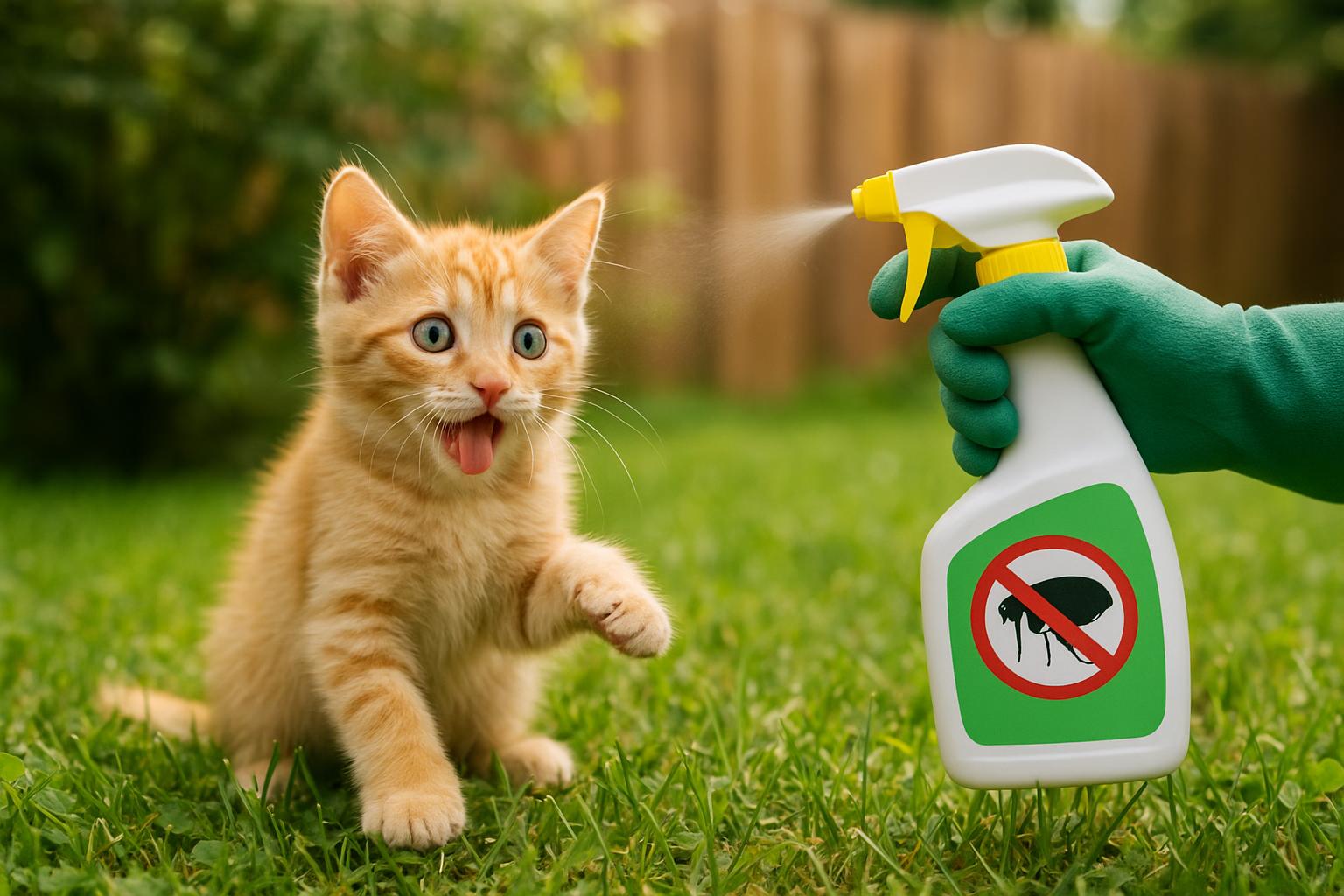
Sprays and foggers have a place, but they’re not a quick fix and they can be misused. If you opt to treat rooms, pick products labeled for indoor use and that have an IGR included. Follow these pointers:
– Remove the cat, fish tanks, and reptiles before treatment.
– Cover or put away food and utensils.
– After the product applied, ventilate the area well and clean surfaces your cat contacts once safe.
– Don’t rely on foggers alone. Use them in tandem with vacuuming and washing.
If you have multiple pets or repeat infestations, treat every pet in the household at the same time. Otherwise fleas will bounce between hosts and undo your efforts.
### Common Mistakes That Keep Fleas Around
People do the right thing in the wrong order sometimes. Here’s what derails indoor flea care most often:
– Treating the cat but not the environment at all.
– Using a dog-only product, which can harm cats.
– Waiting until flea numbers are extreme before starting routine prevention.
– Ignoring outdoor sources like a sunny porch or neighboring animals.
Fix those mistakes and you’ll see faster progress. Practical flea defense for house cats is mostly about timing and consistency.
### Safe Natural And Home Remedies: What Works And What Doesn’t
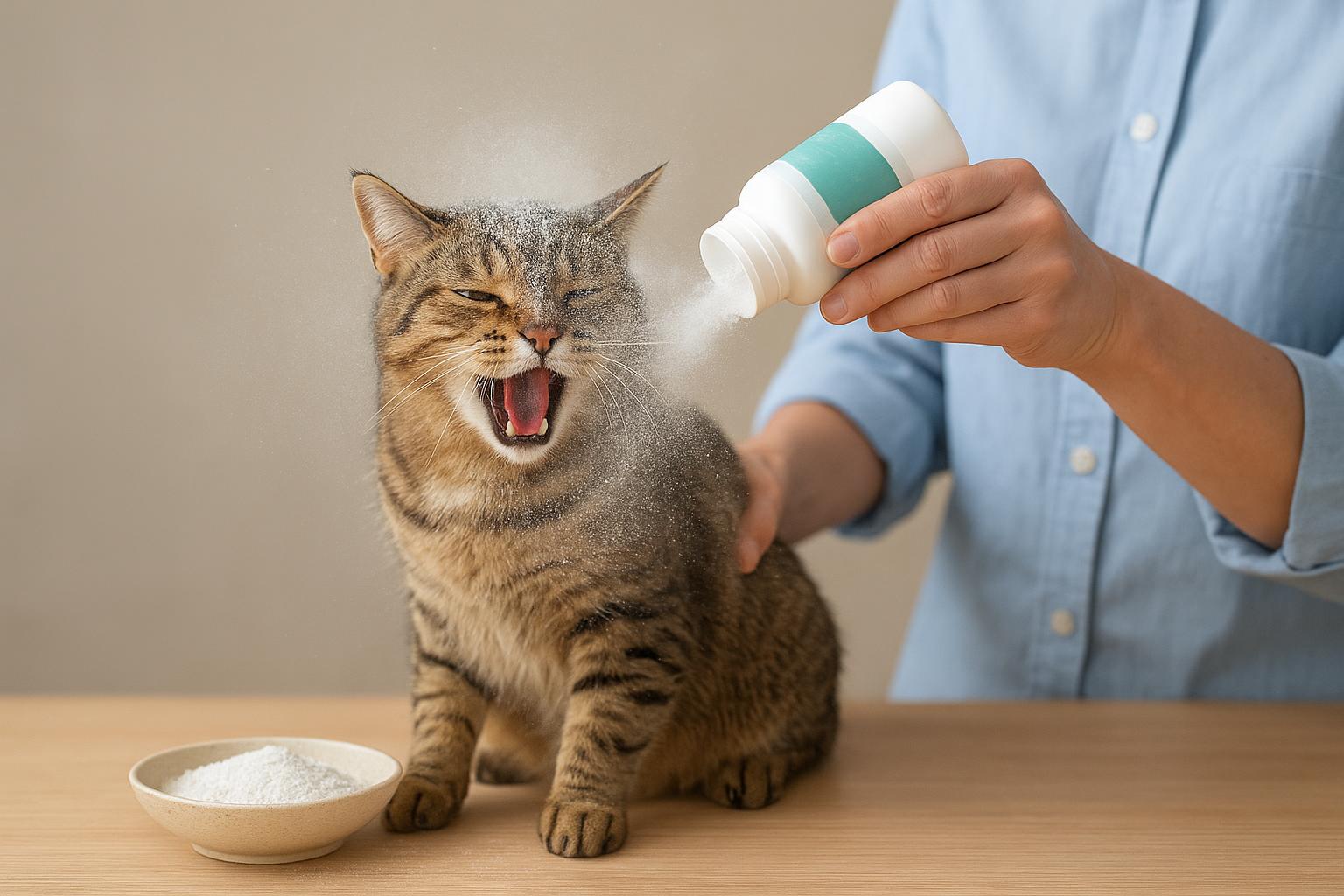
There’s a long list of “natural” flea solutions people try. Some can help a little, others do nothing, and a few are dangerous. Diatomaceous earth in small, food-grade doses can dry out eggs and larvae in carpets. Regular bathing with a mild cat shampoo will remove fleas on contact, but cats don’t always tolerate bathing, and this is not a long-term preventative.
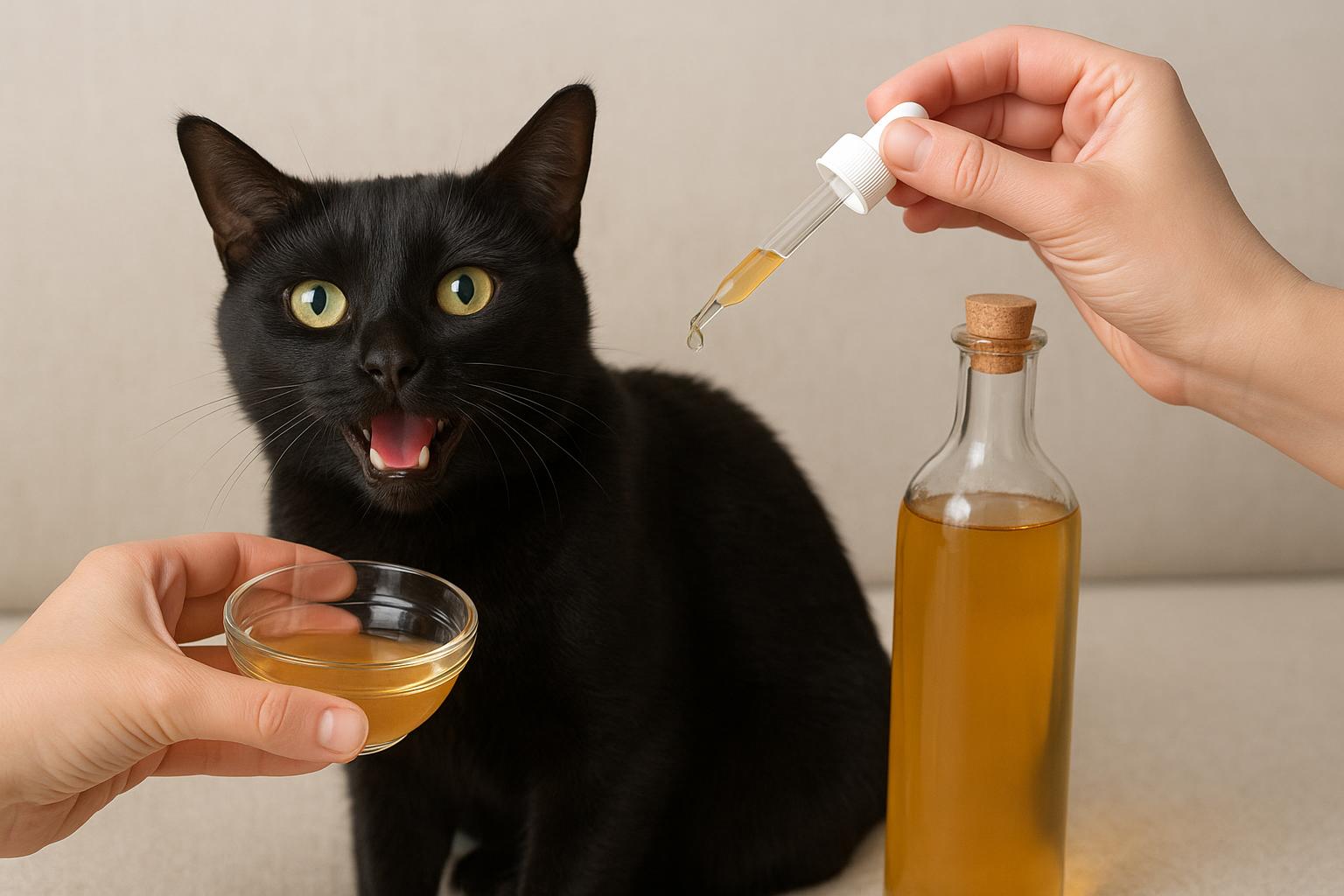
Essential oils, including tea tree oil and citrus oils, are toxic to cats. Never apply them to your cat or heavily to surfaces the cat will lick. Flea combing and hygiene help, but they’re not substitutes for a proper preventative product.
### Treating Kittens And Senior Cats
Kittens under eight weeks and sick or elderly cats need special care. Many products aren’t labeled for very young animals. If you have kittens, treat the environment first and use vet-recommended products when the kittens are old enough. For seniors or cats with medical issues, your vet might recommend a topical rather than an oral, or vice versa, depending on organ function and other medications.
### Handling Multiple Pets And The Outdoors
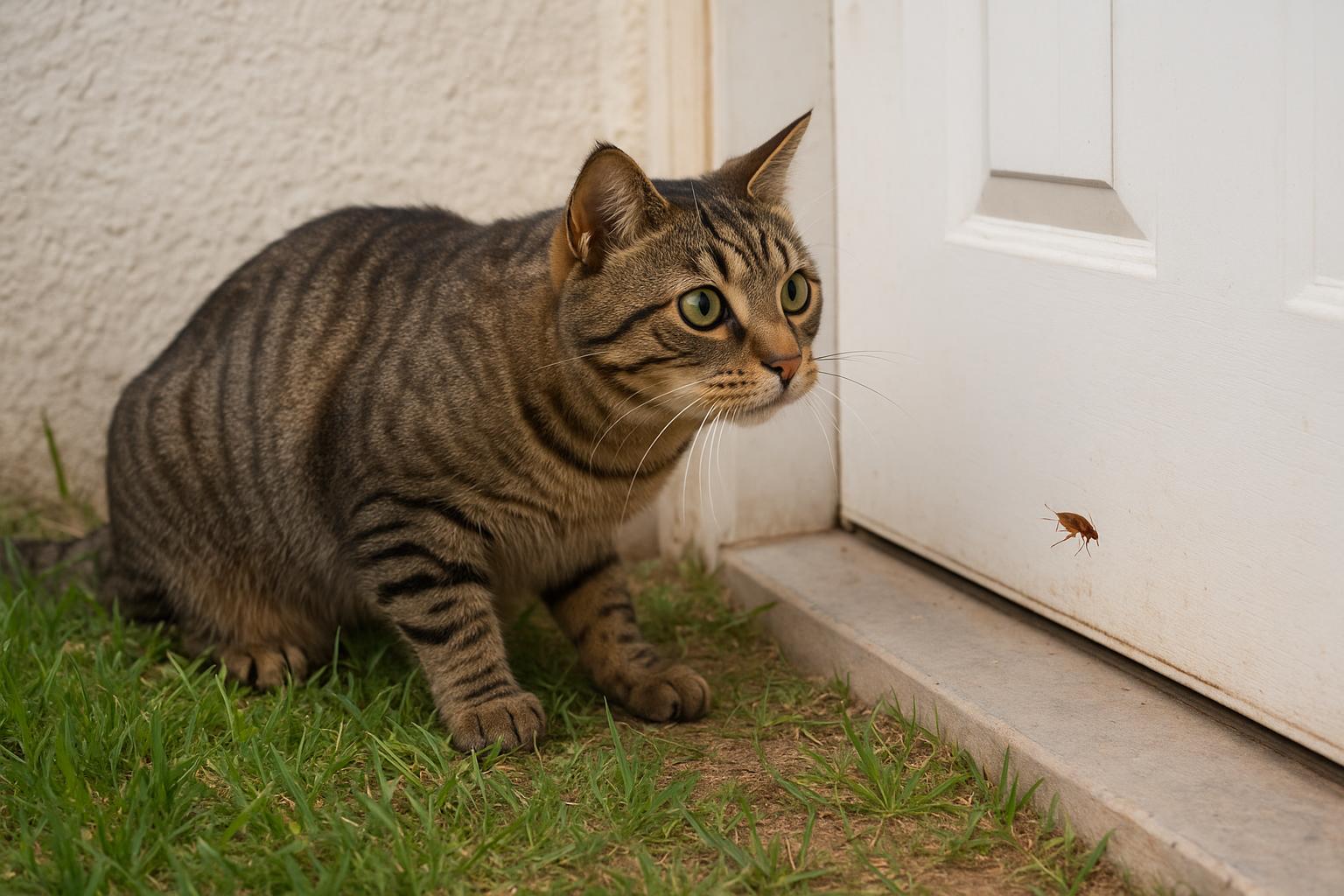
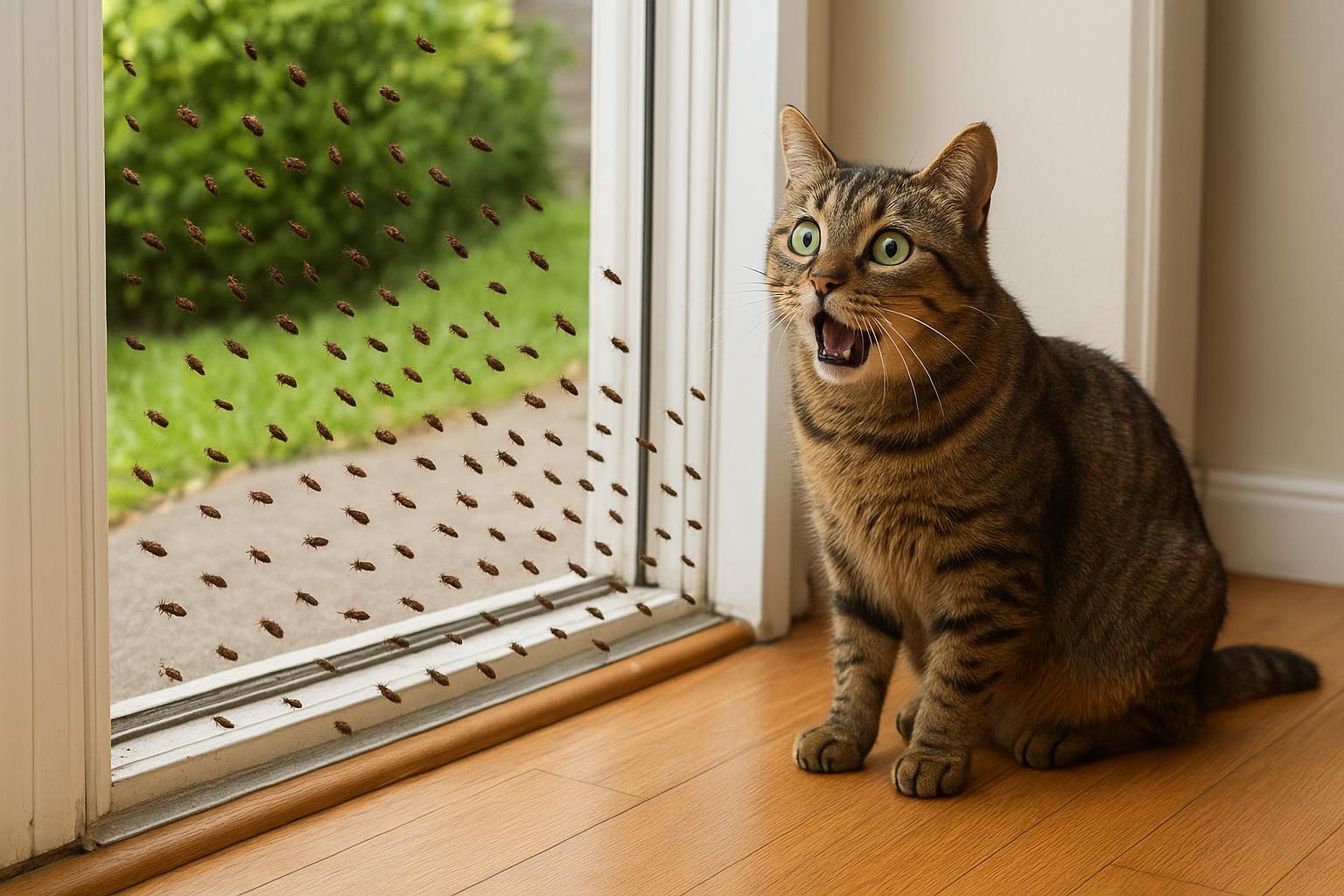
If you have dogs or outdoor cats coming into the house, you must treat them, too. Fleas move fast between hosts. Treat everyone simultaneously and maintain routine prevention even after an infestation drops. If your indoor cat ever goes outside, treat the outdoor areas that it visits. Keep an eye on doorways and screens where fleas can come in.
### Monitoring Progress And Knowing When To Call The Vet
Expect a few weeks of work. Adults die quickly with effective products, but eggs and pupae need time and follow-up. Keep combing and checking weekly. If your cat shows hair loss, open wounds from scratching, or signs of illness like lethargy or vomiting, see the vet right away. Fleas can cause anemia in small or weak cats.
A vet visit is also the right move if home steps aren’t reducing flea numbers after a month. You might be dealing with a resistant flea population or missing a habitat you can’t treat yourself.
#### How To Check For Flea Dirt And Eggs
This is simple and practical. Comb sections of fur and slide the comb into a damp white towel. Look for fine black specks that smear red-brown. For eggs, check bedding seams and the edges of carpets under furniture. Eggs feel like tiny, pale grains. If you find any life stages after treatment, keep cleaning and consider adding an IGR to your home routine.
#### A Weekly Indoor Flea Care Checklist
To keep things manageable, use a short weekly checklist:
– Comb cat and inspect for flea dirt.
– Wash bedding in hot water.
– Vacuum high-traffic and hidden spots.
– Check other pets and treat if needed.
This small commitment beats the frantic deep cleaning when fleas spike.
### How Long Will It Take To Clear An Infestation?
Time varies. A mild problem might clear in two to four weeks with good indoor flea care. A heavy infestation can take several months because pupae can stay dormant and hatch when conditions are right. The key is not letting the adult population recover between treatments. Keep the routine until you haven’t seen signs for at least two months.
### When People Try Too Many Products
Stacking multiple insecticides is tempting but risky. More product doesn’t necessarily mean better control. It can increase toxicity and still miss pupae. Use one veterinarian-recommended program for the cat and an environmental plan that includes vacuuming, hot washing, and, if needed, a targeted spray with an IGR. That combo is the safest practical flea defense for house cats.
### Staying Vigilant Without Burning Out
Keeping a cat flea-free is a commitment, not a crusade. Practical flea defense for house cats works best when you integrate a few habits into your routine: monthly prevention, a weekly bedding and vacuuming habit, and a quick comb once in a while. The goal is to stop fleas from ever getting comfortable enough to build a population.
If you’re overwhelmed, ask a groomer or your vet for help with a treatment plan. They deal with infestations all the time and can point you toward reliable flea solutions that fit your household. Small, steady steps beat panic treatments every time.
Seperate the myths from the facts, pick a vet-backed product, and keep your indoor spaces tidy. Your cat will thank you by scratching less and cuddling more — once the fleas are gone.









Leave a Reply