
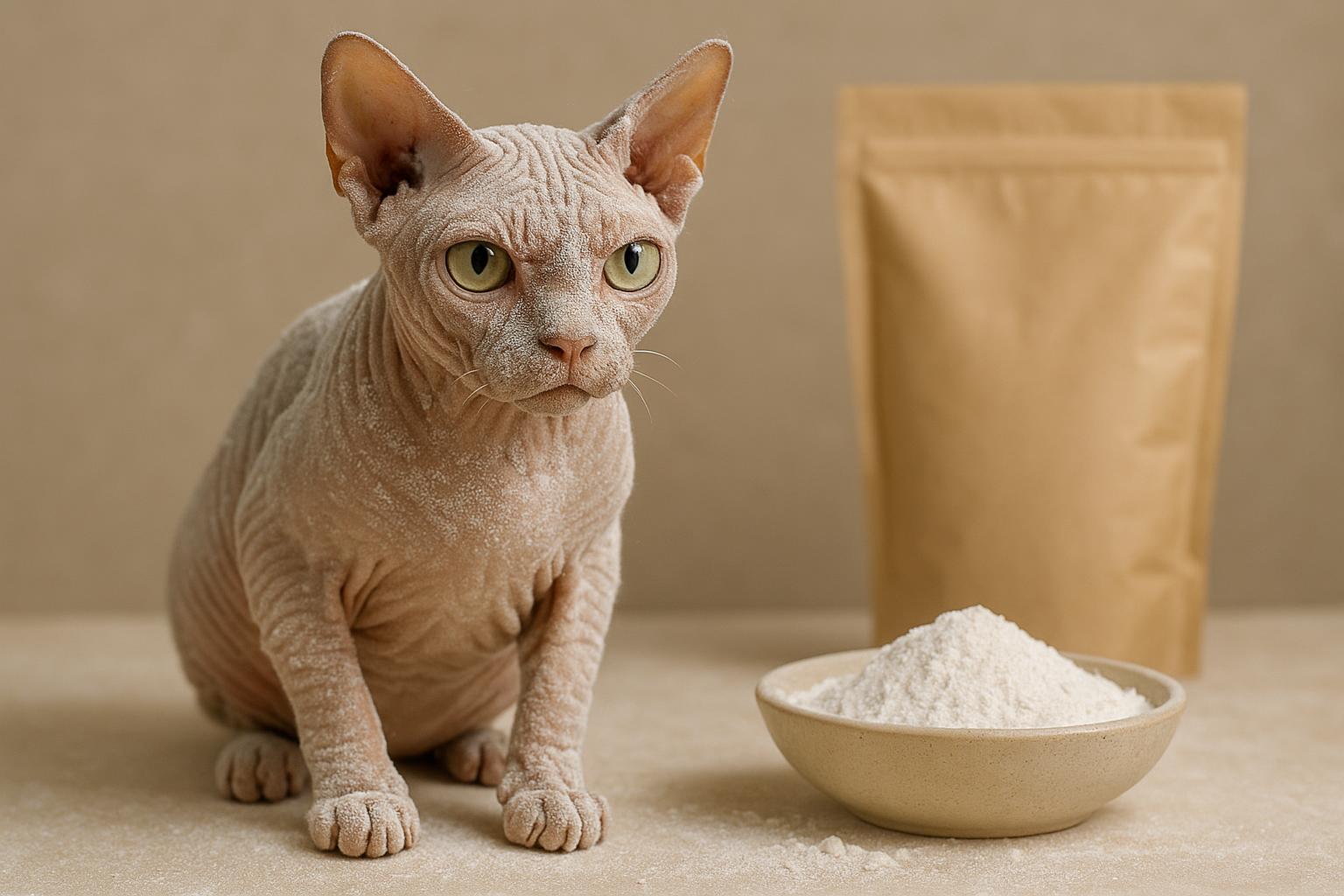
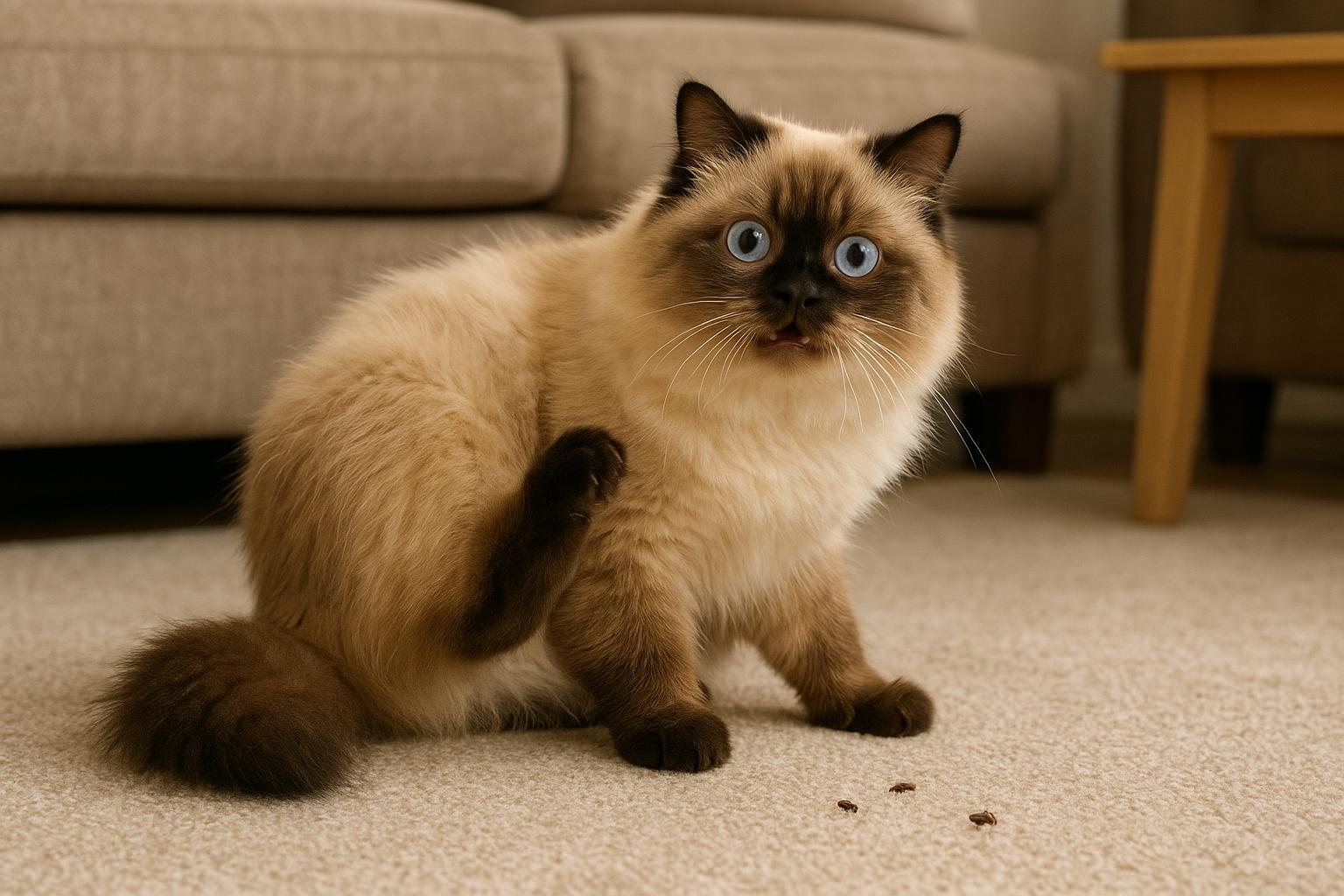
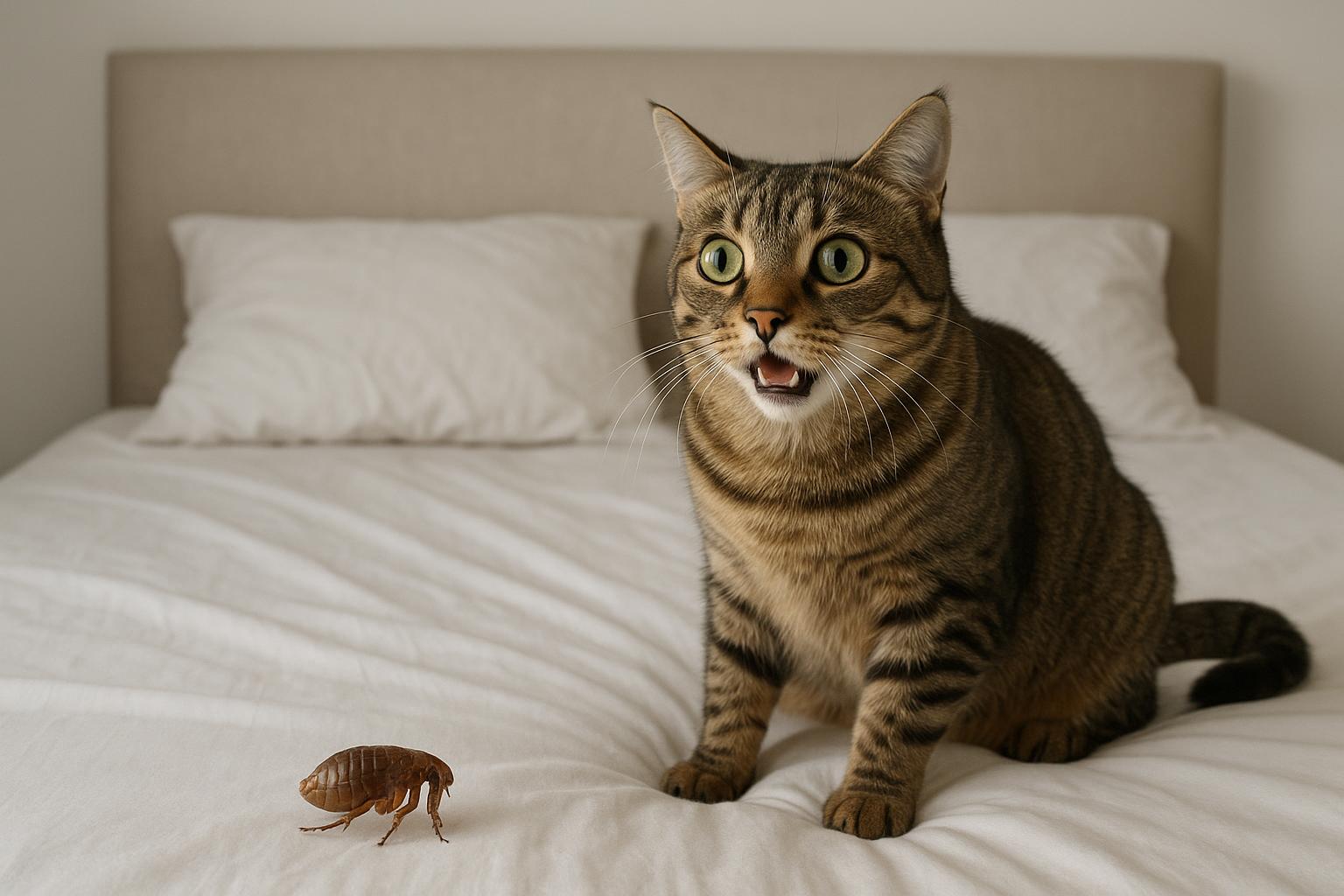
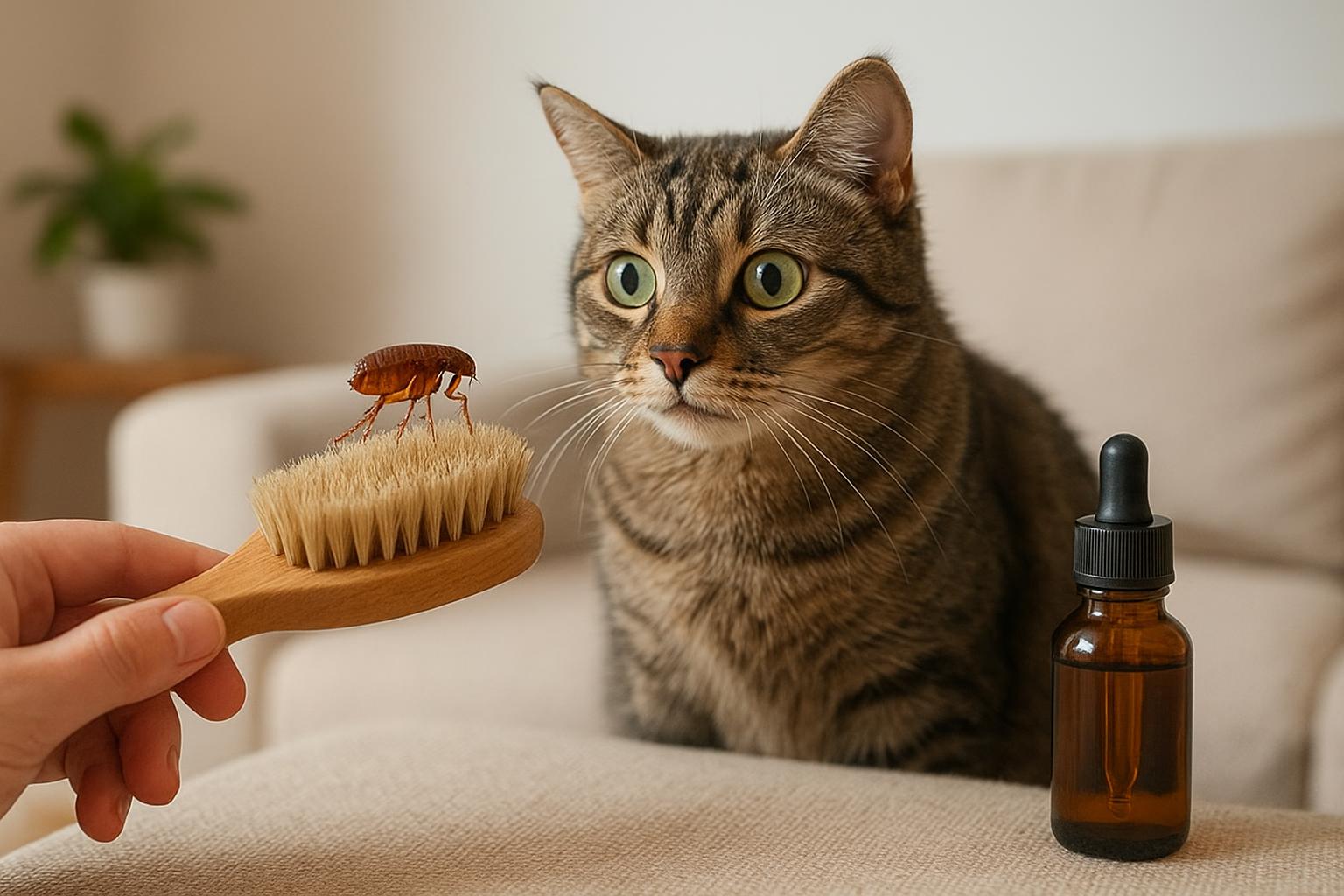
People try a lot of things for flea and mite problems around cats. Siliceous earth powder has a simple appeal: it’s cheap, sits in the cracks, and seems to keep pests down without chemicals. But “seems” isn’t the same as “safe” or “effective.” Here’s how to use it sensibly and what to watch for.
## How Siliceous Earth Powder For Feline Pest Management Works
Siliceous earth powder for feline pest management is a physical-control product. It doesn’t poison insects. Instead, the fine particles abrade the insect’s exoskeleton and absorb oils, causing dehydration. That’s why the term diatomaceous earth gets used a lot here — it’s one common form of siliceous earth used for this purpose.
Effectiveness depends on dryness and contact. If the powder gets wet it won’t work until it dries out again. Also, it takes time. You won’t see a dead flea within minutes. Expect several days of reduced activity as eggs hatch and juveniles contact the powder.
## Choosing The Right Product
There are different grades on the market. Look for food-grade siliceous earth sold for pest control or garden use. Avoid pool-grade products; those have been heat-treated and contain crystalline silica that’s dangerous to inhale. When shopping, “diatomaceous earth, food grade” is a reliable label to aim for.
If the packaging is vague, skip it. The difference isn’t cosmetic. Food-grade material is the one people use around households and pets. Pool-grade will irritate lungs and is not worth a bargain price.
### Food-Grade Vs Pool-Grade
Food-grade diatomaceous earth is mostly amorphous silica. Pool-grade is calcined silica. One is used in food and pest control; the other is used in filtration and industrial filters. Don’t conflate the two.
### How Much To Buy
You don’t need a bucket. A shaker jar or a small bag is enough for several indoor applications. For outdoor perimeter treatments, increase volume but apply thinly and only in dry weather.
## Where To Apply And Where Not To
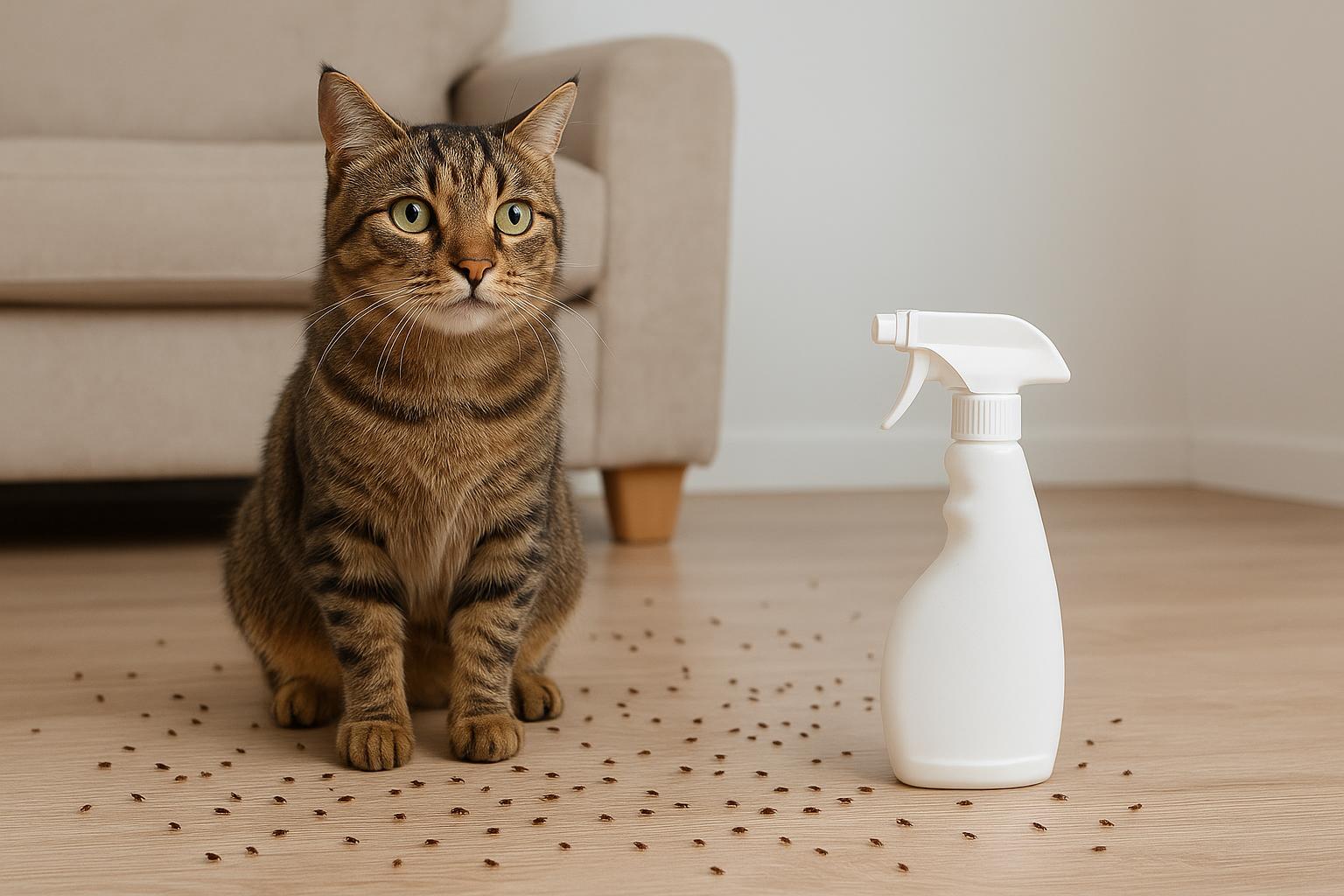
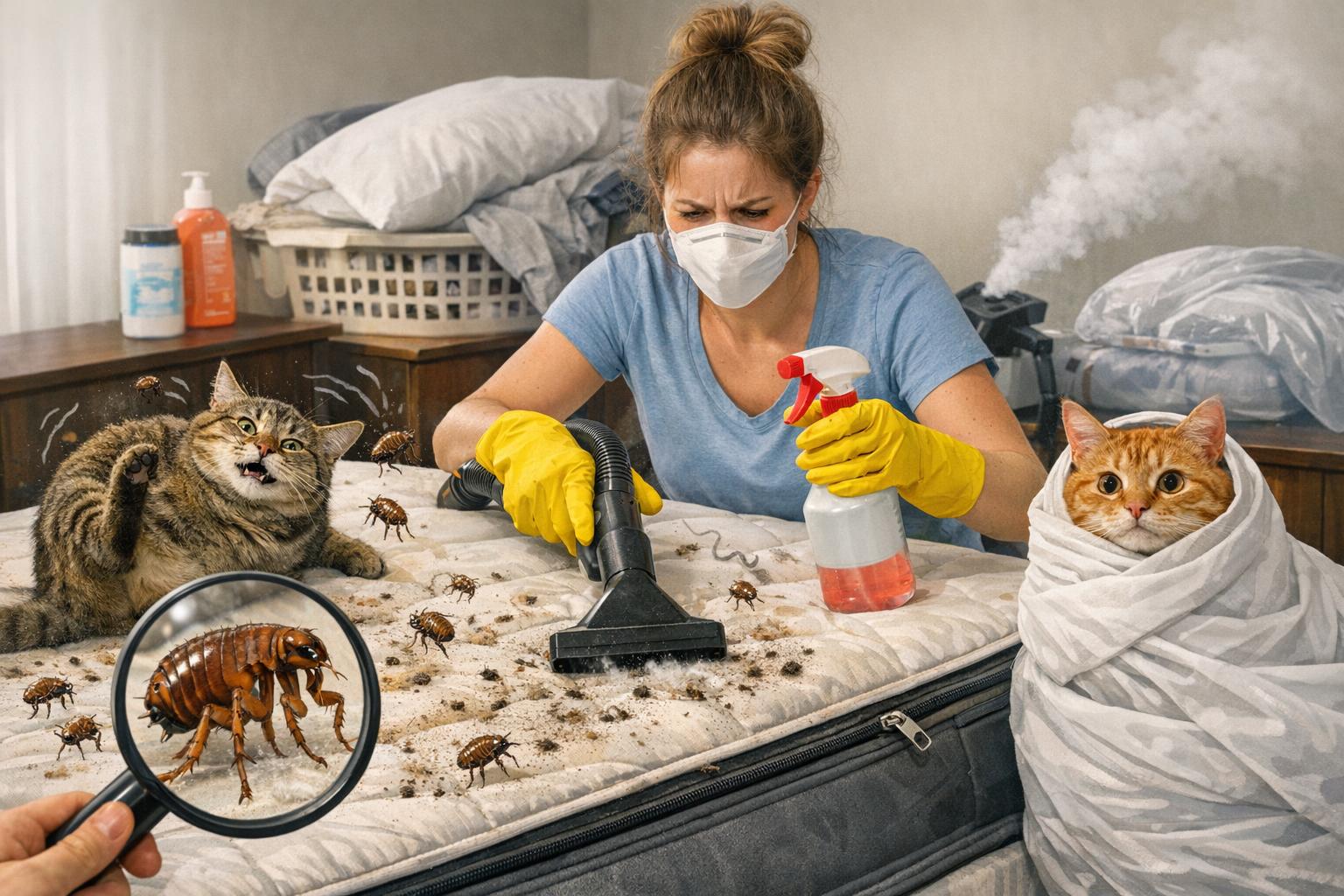
Siliceous earth powder for feline pest management belongs in carpets, under furniture, along baseboards, inside cracks and in pet bedding that can be washed. Sprinkle a light dusting, let it sit 24–72 hours, then vacuum thoroughly. Repeat as needed.
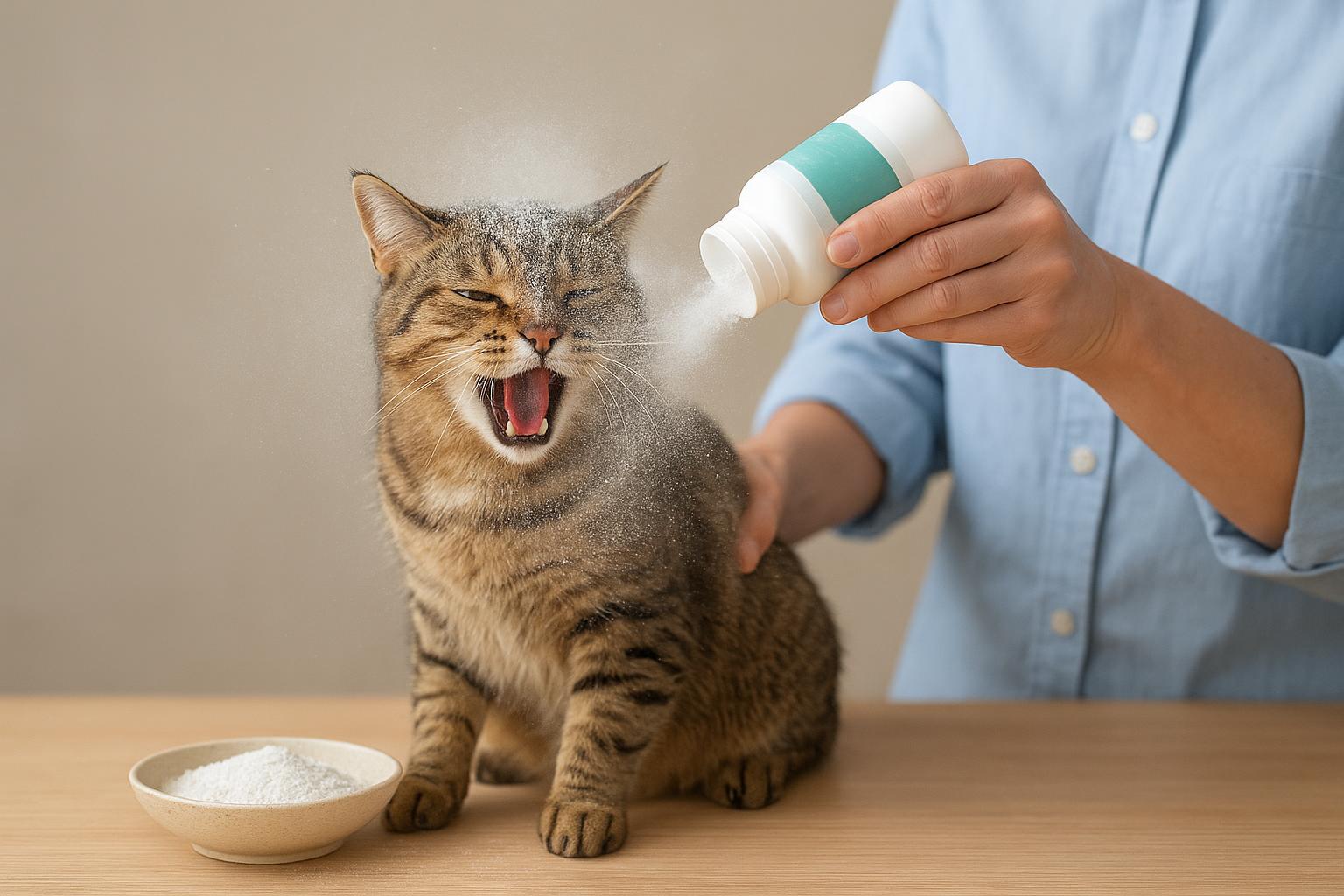
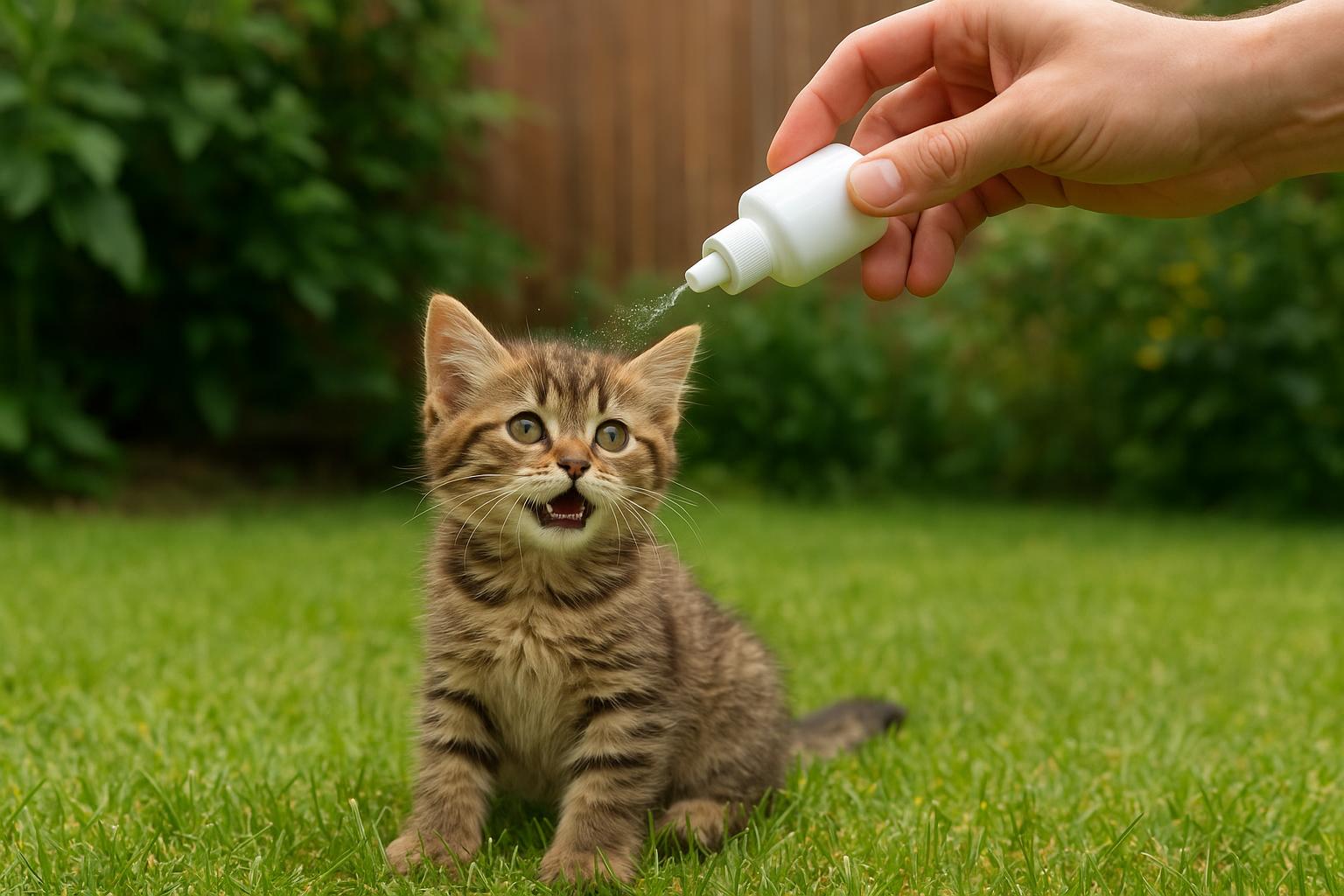
Do not puff large amounts directly onto a cat. A light environmental dusting is safer than plastering an animal. Cats groom themselves aggressively; if you coat their fur they will ingest a lot of the powder. That’s not the intended use.
### Treating Bedding And Litter Areas
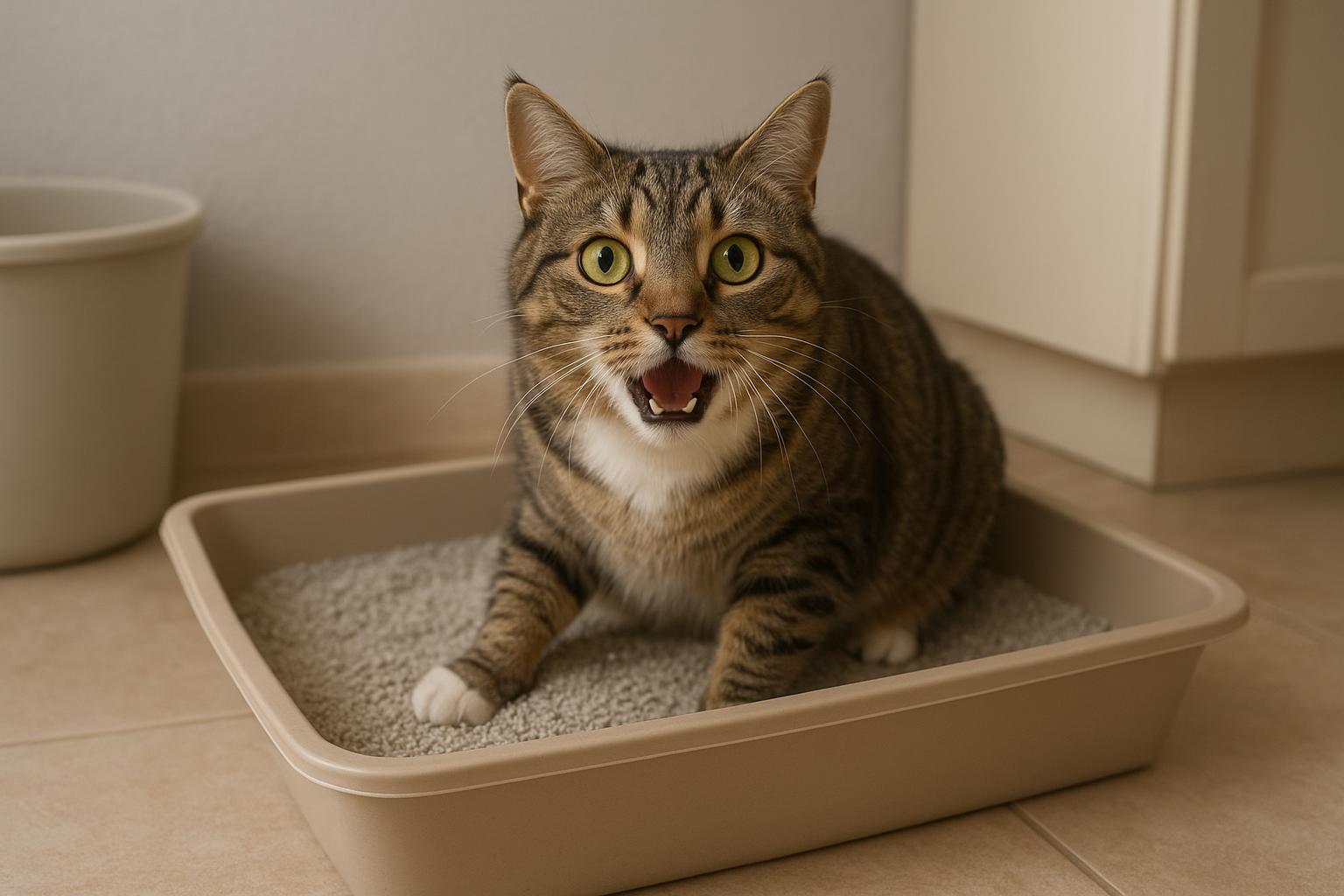
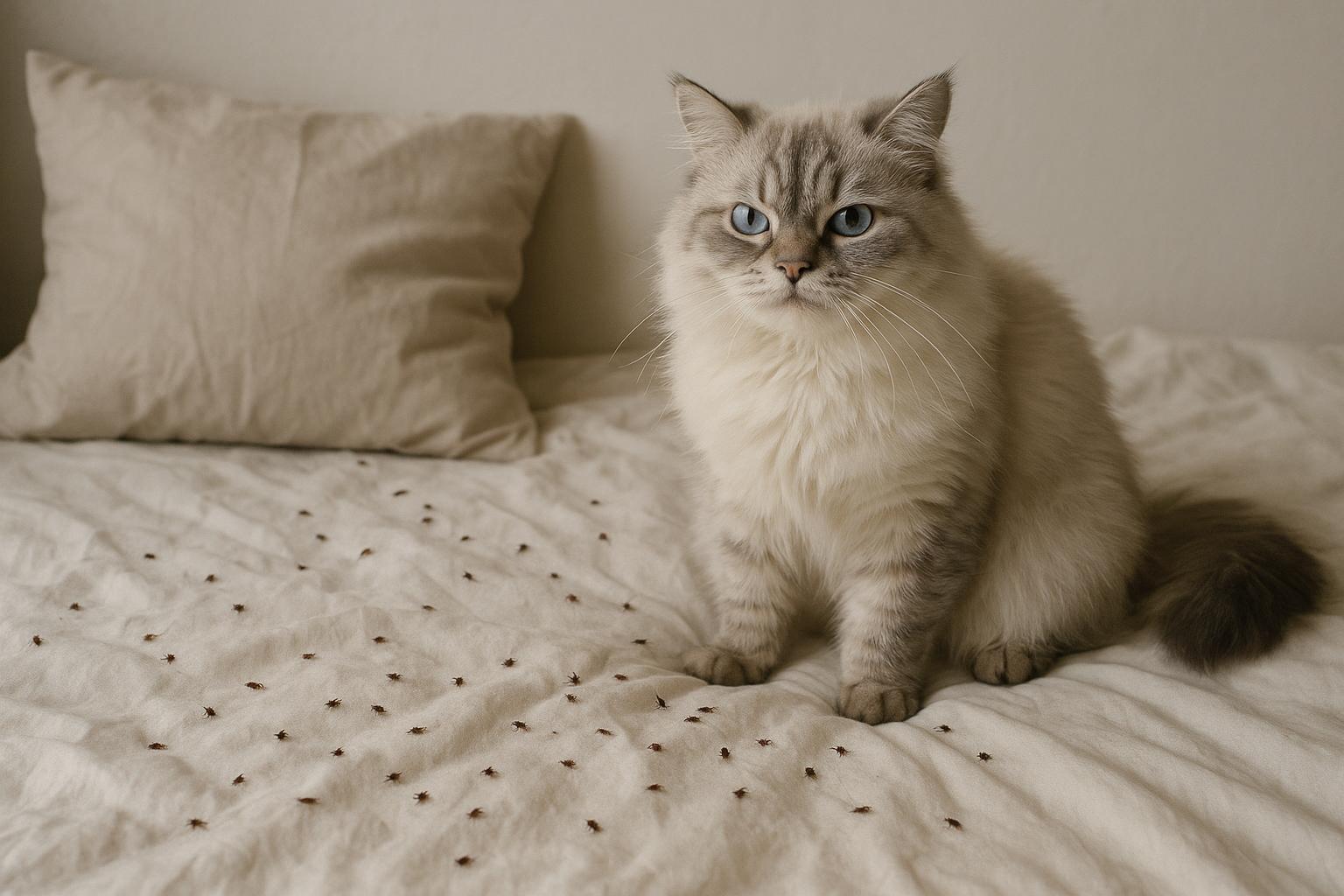
Remove bedding and wash on hot if possible. If the bedding is nonwashable, a light dusting followed by agitation and vacuuming can help. For litter boxes, avoid adding siliceous earth directly into litter the cat will use. The fine dust can irritate respiratory tracts and paws. Instead, treat surrounding floor areas rather than the box interior.
#### Carpet And Upholstery Tips
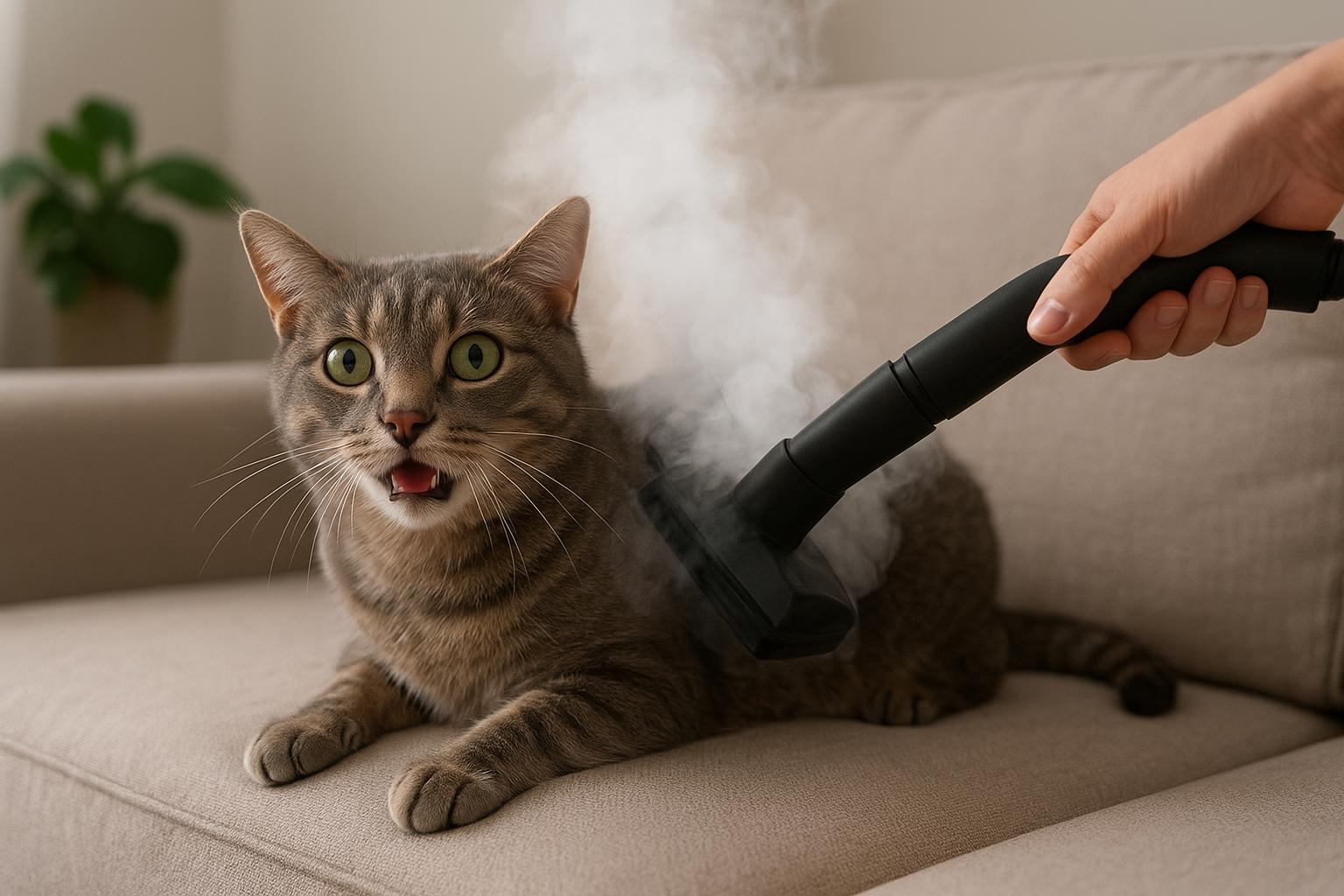
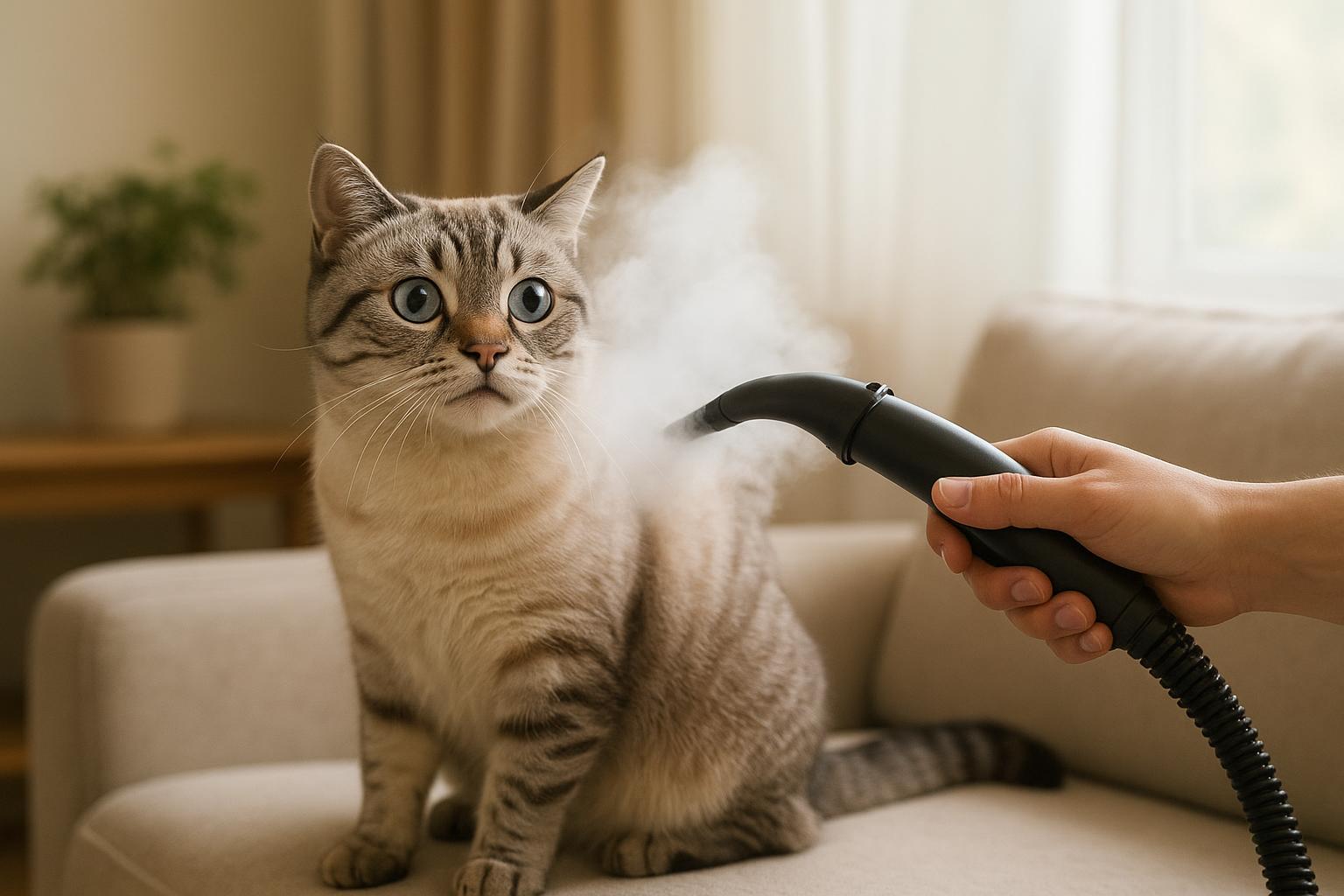
Work the powder into fibers where fleas hide. Use a brush with a long handle, leave for at least a day, then vacuum with a HEPA filter if you have one. Reapply after vacuuming and after any cleaning that wets the area.
## Safety Guidelines For Cats And People
Siliceous earth powder for feline pest management is not a magic bullet; it’s a tool with limits. The main hazard is inhalation. Both cats and humans can get coughing, sneezing, or worse if exposed to fine dust for long periods. Use a dust mask and gloves while applying. Keep curious pets and children out of the room until dust settles and you’ve ventilated.
If your cat has asthma or chronic respiratory issues, skip this method. Even food-grade diatomaceous earth can aggravate sensitive lungs. For most healthy cats, brief environmental exposure with proper precautions is usually tolerated, but monitor for sneezing or lethargy.
### Respiratory Concerns
Avoid applying on windy days outdoors. Don’t create clouds of dust indoors. A shaker that gives a light dusting is better than tossing handfuls. If anyone in the household has breathing issues, choose a different control strategy.
### Skin And Paw Care
Some animals develop dry, flaky skin or irritated paws if overexposed. If you notice excessive scratching or paw chewing, stop use and wash the affected area with mild soap and water.
## Integrating With Other Control Methods
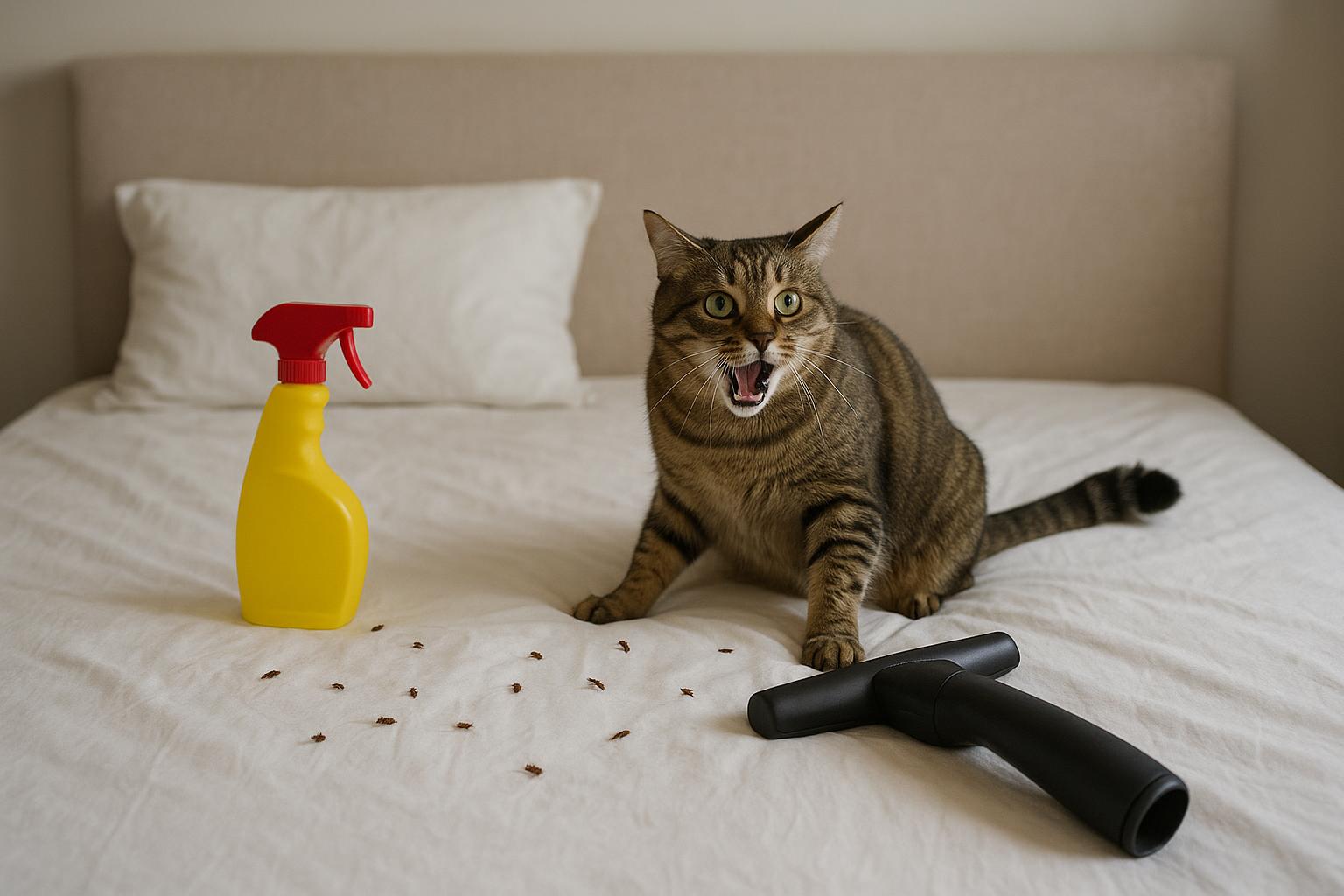
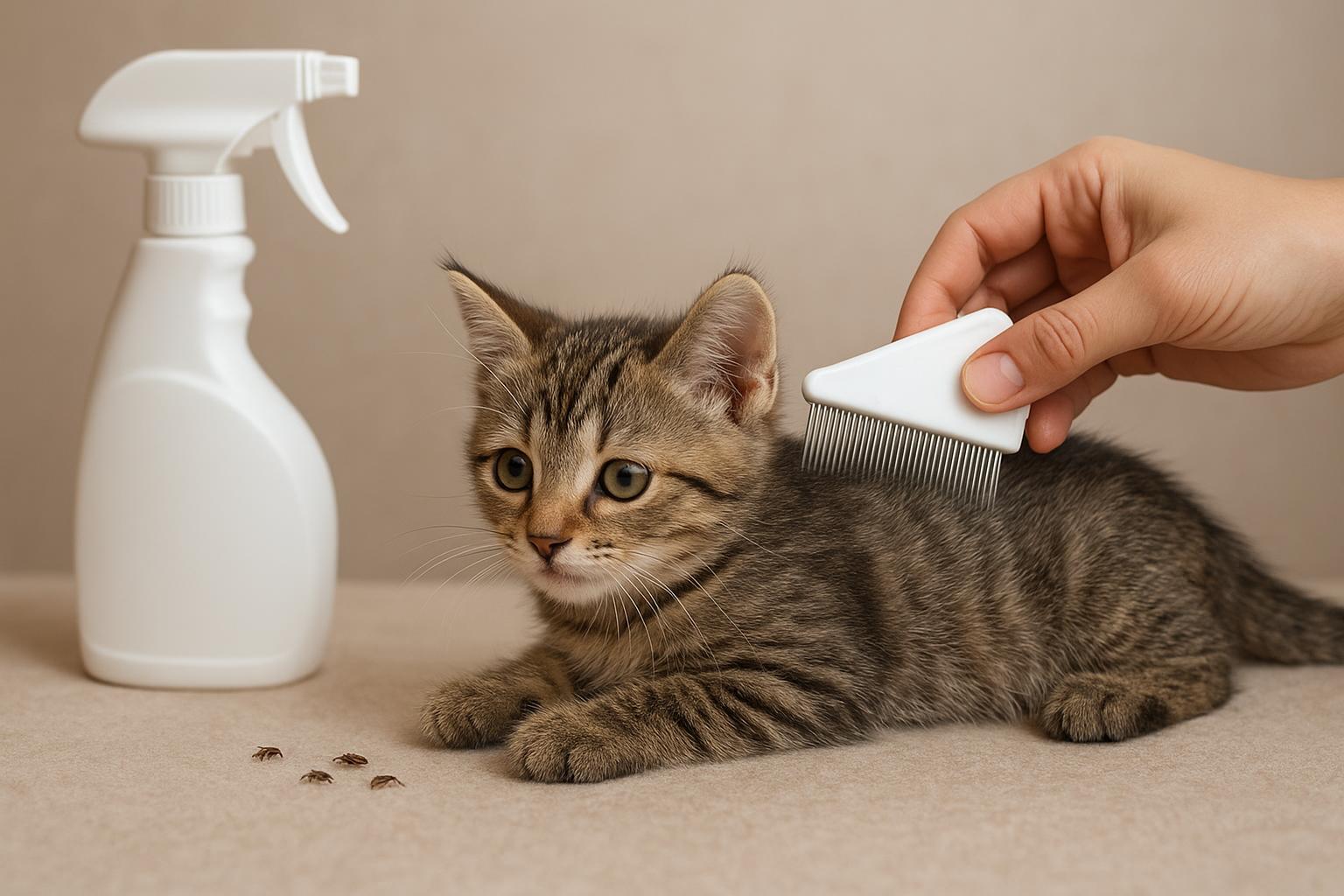
Siliceous earth powder for feline pest management works best as part of a plan. Combine it with regular vacuuming, washing bedding, and, when appropriate, veterinary-recommended topical or oral flea preventives. Target the environment and the pet. Treating only the animal will leave a reservoir of eggs and larvae in carpets and cracks.
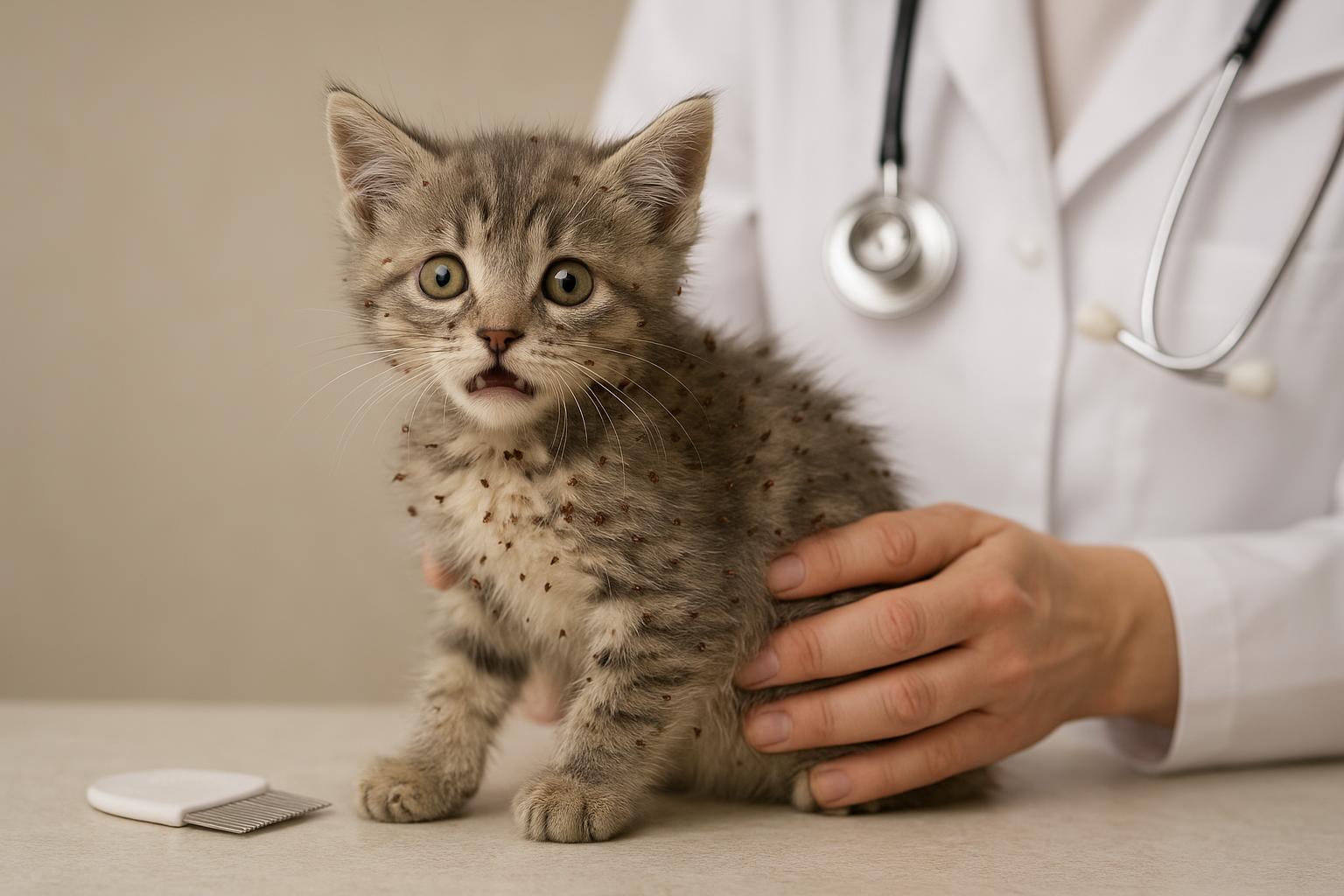
For heavy infestations, expect to treat repeatedly over several weeks as new fleas hatch. If you don’t see improvement after two cycles of cleanup and dusting, consult your veterinarian. Persistence helps, but so does knowing when professional-grade interventions are necessary.
## Outdoor Use And Weather Considerations
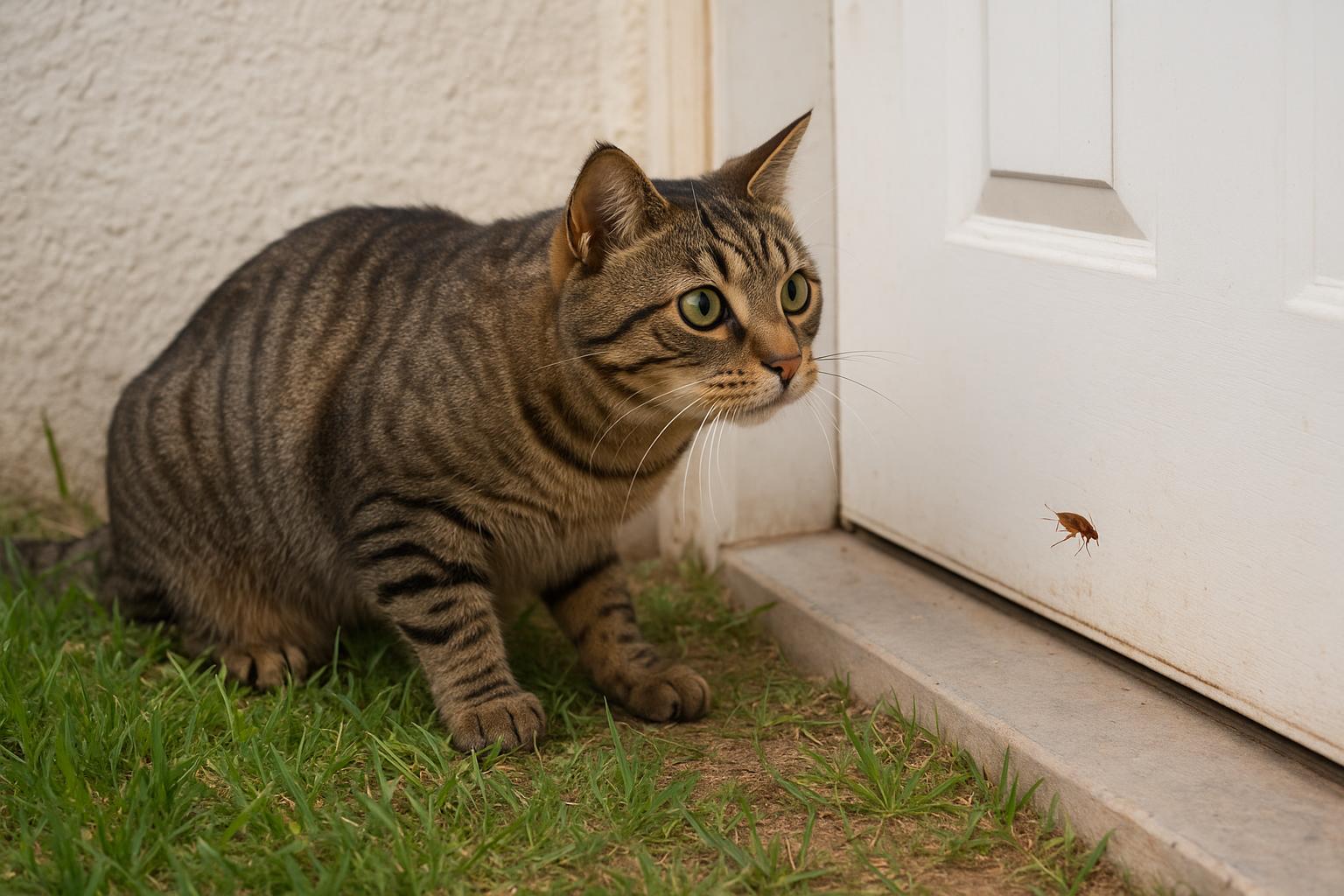
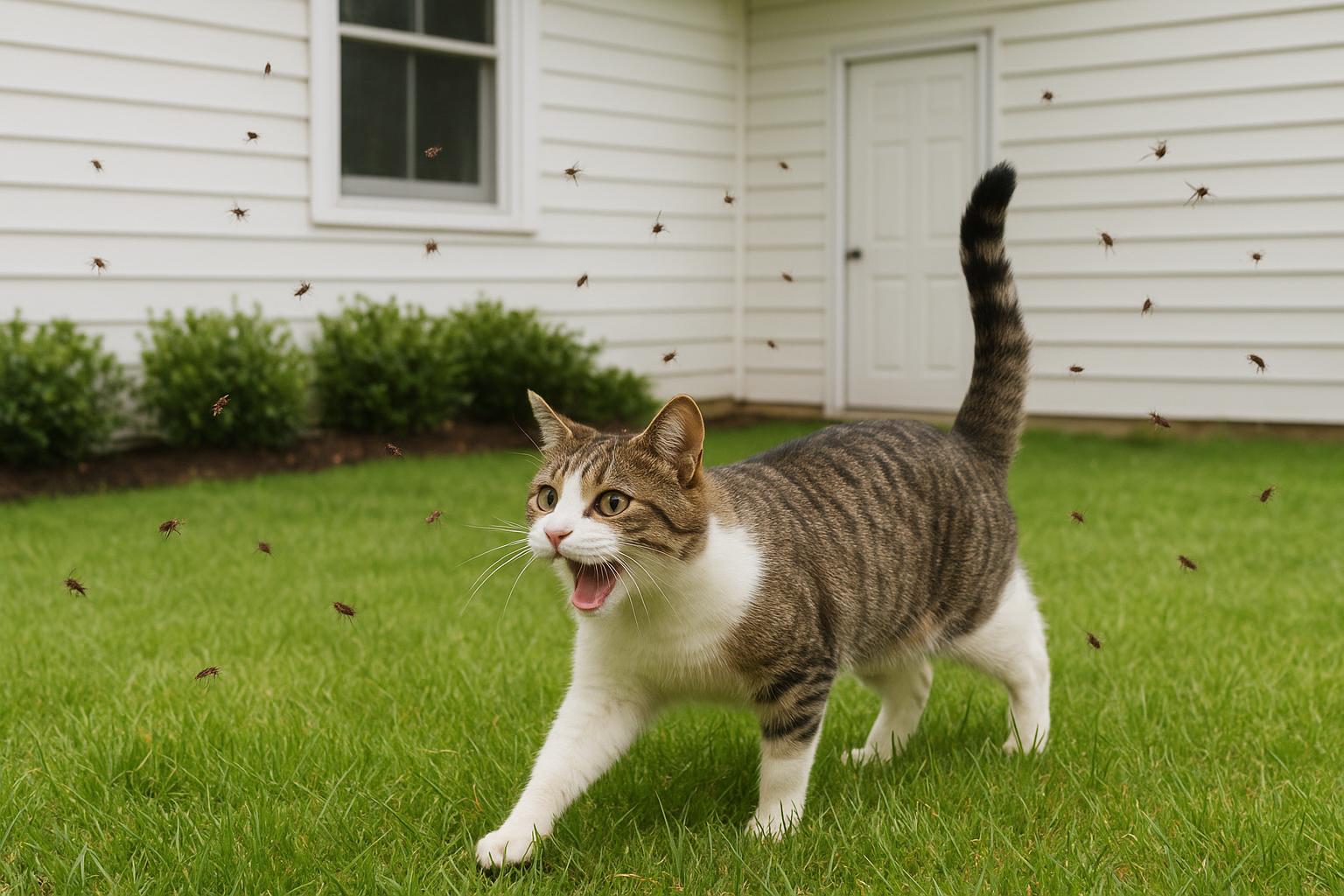
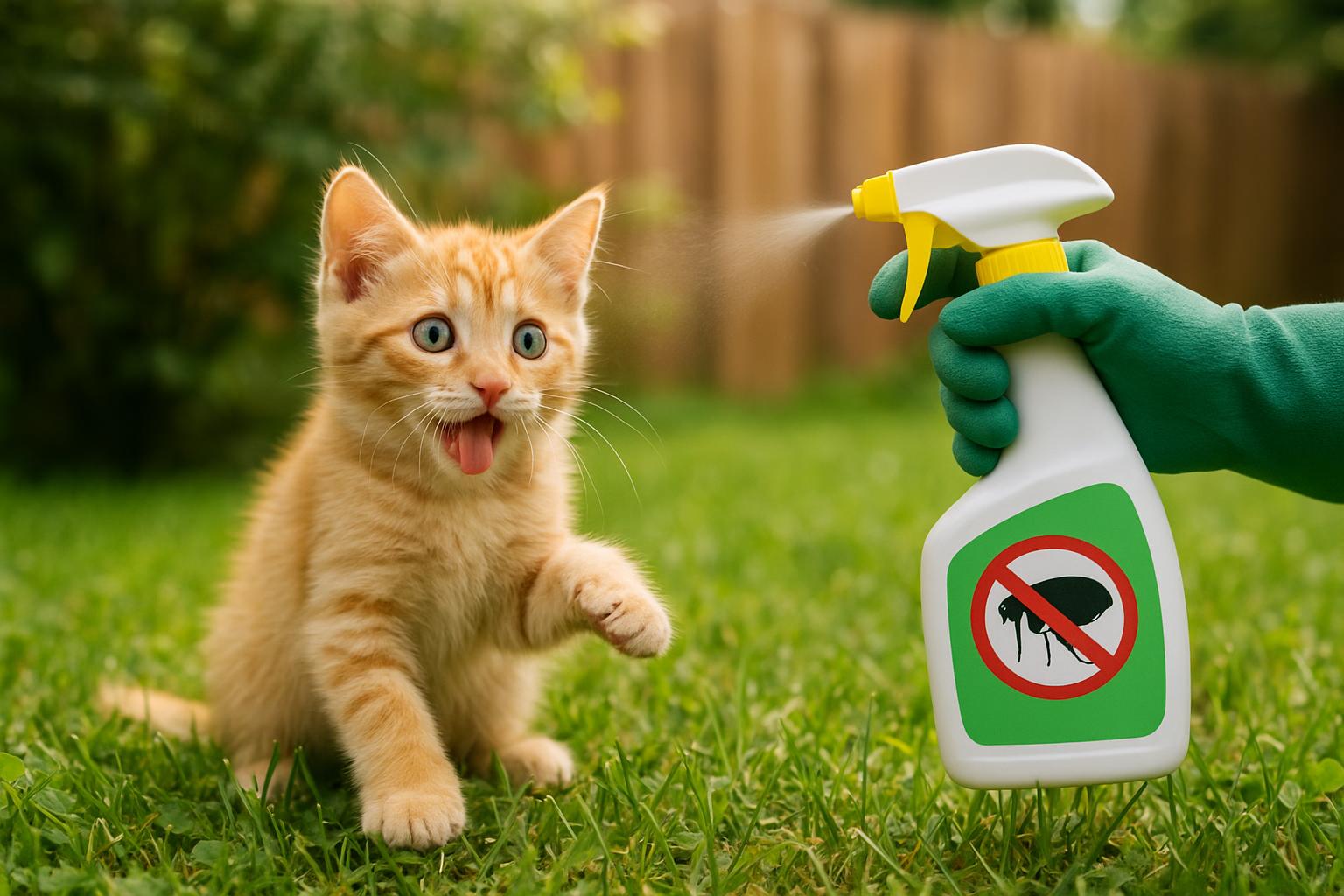
Apply siliceous earth powder for feline pest management in dry, calm weather. Direct sunlight and dryness make it work better. Don’t spread it where rain will wash it away. Focus on shaded perimeters where your cat roams and where fleas are likely to hide: under decks, along fences, and near animal shelters.
A final practical note: store unused product sealed and dry. It loses effectiveness if it absorbs moisture. And yes, buy the right grade — don’t be cheap with something you’ll be breathing around your cat. It’s just not worth the risk for a few extra cents, nor is it a miracle cure for infestations that need veterinary care. Befor applying, read labels and follow basic safety.

Leave a Reply