
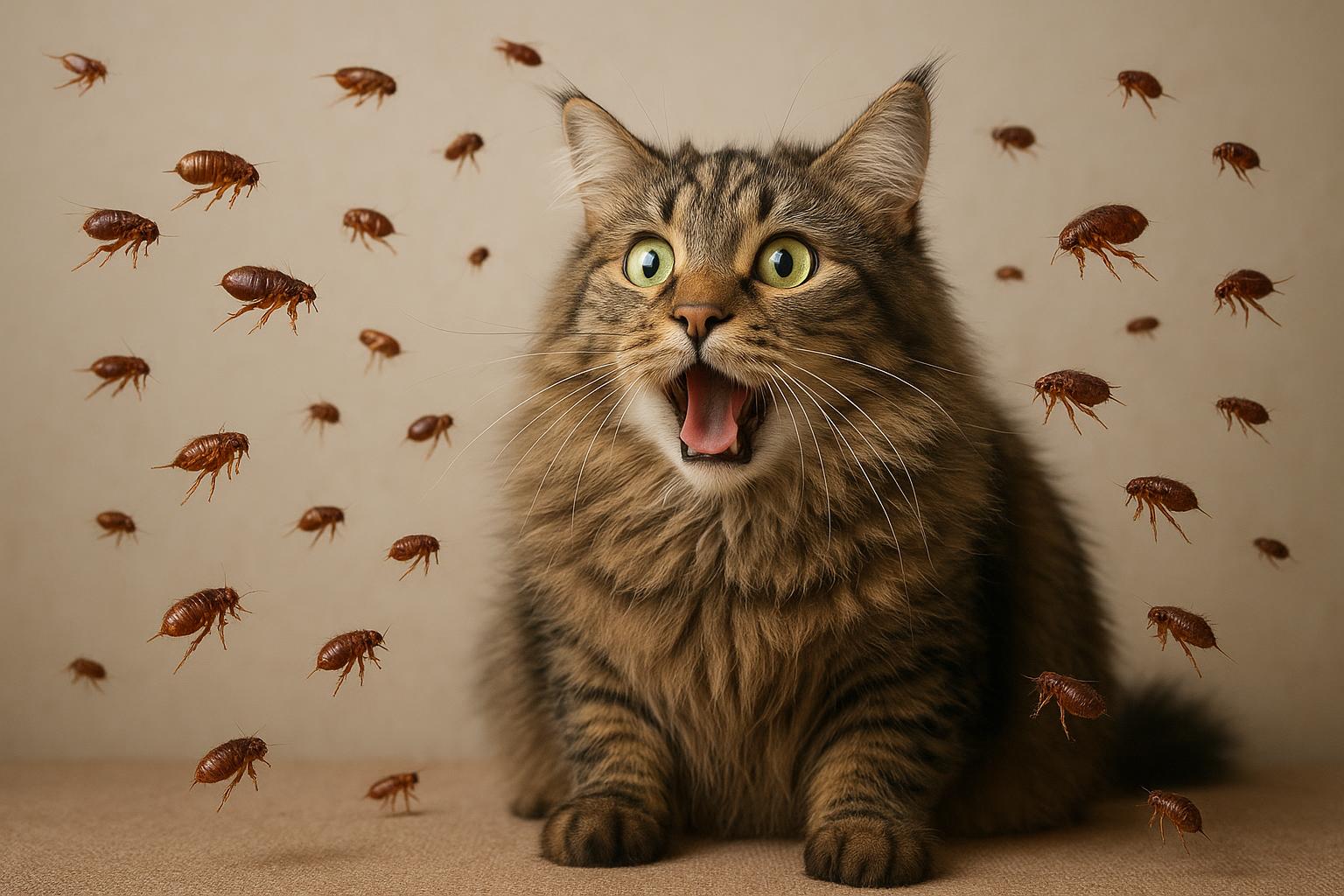
Fleas don’t wait for a schedule. If your cat goes outside, meets other animals, or brings in a single hitchhiking flea, the problem can flare quickly. That’s why a steady approach makes more sense than burst treatments once a year.
## Year-Round Flea Defense For Cats: Practical Steps
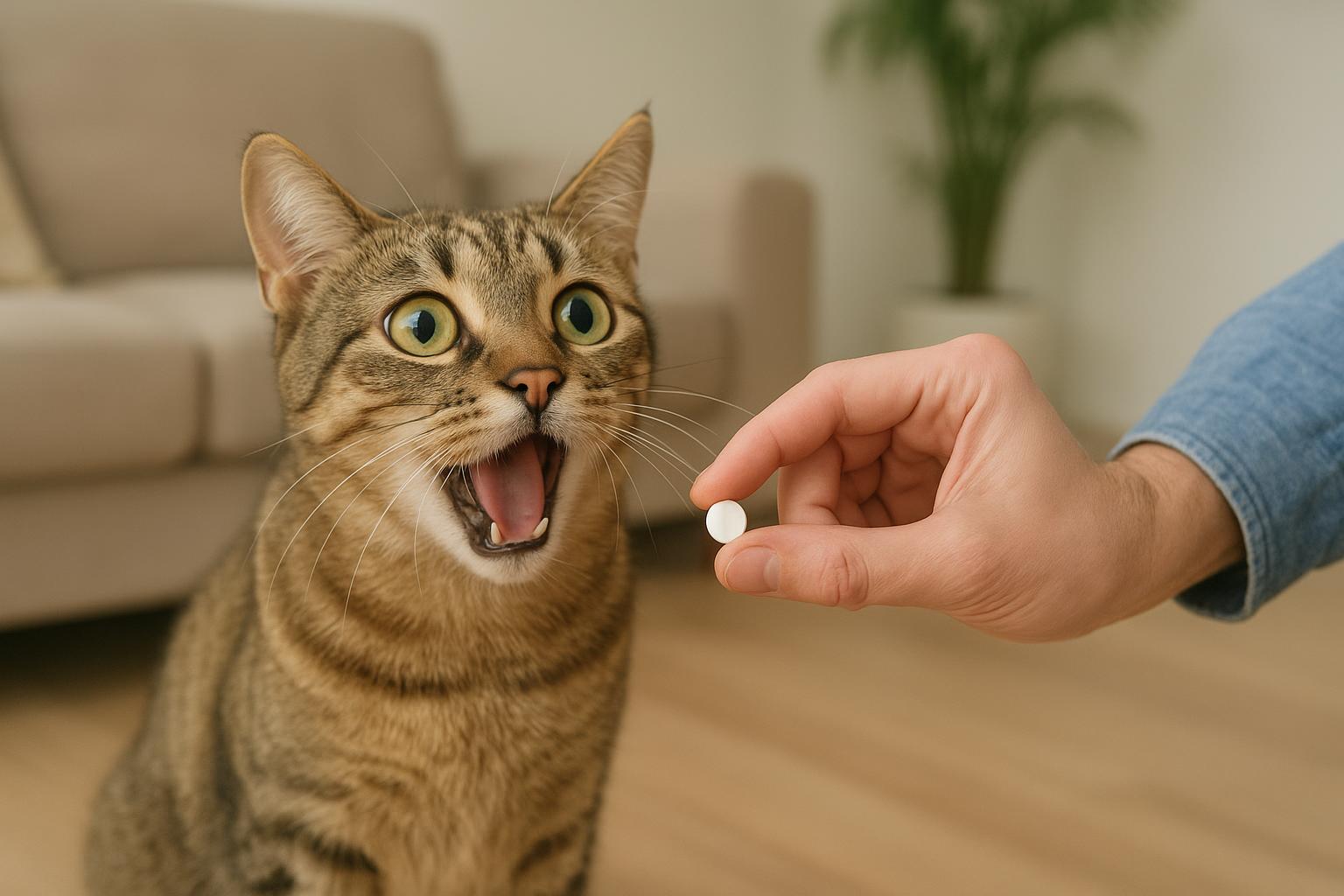
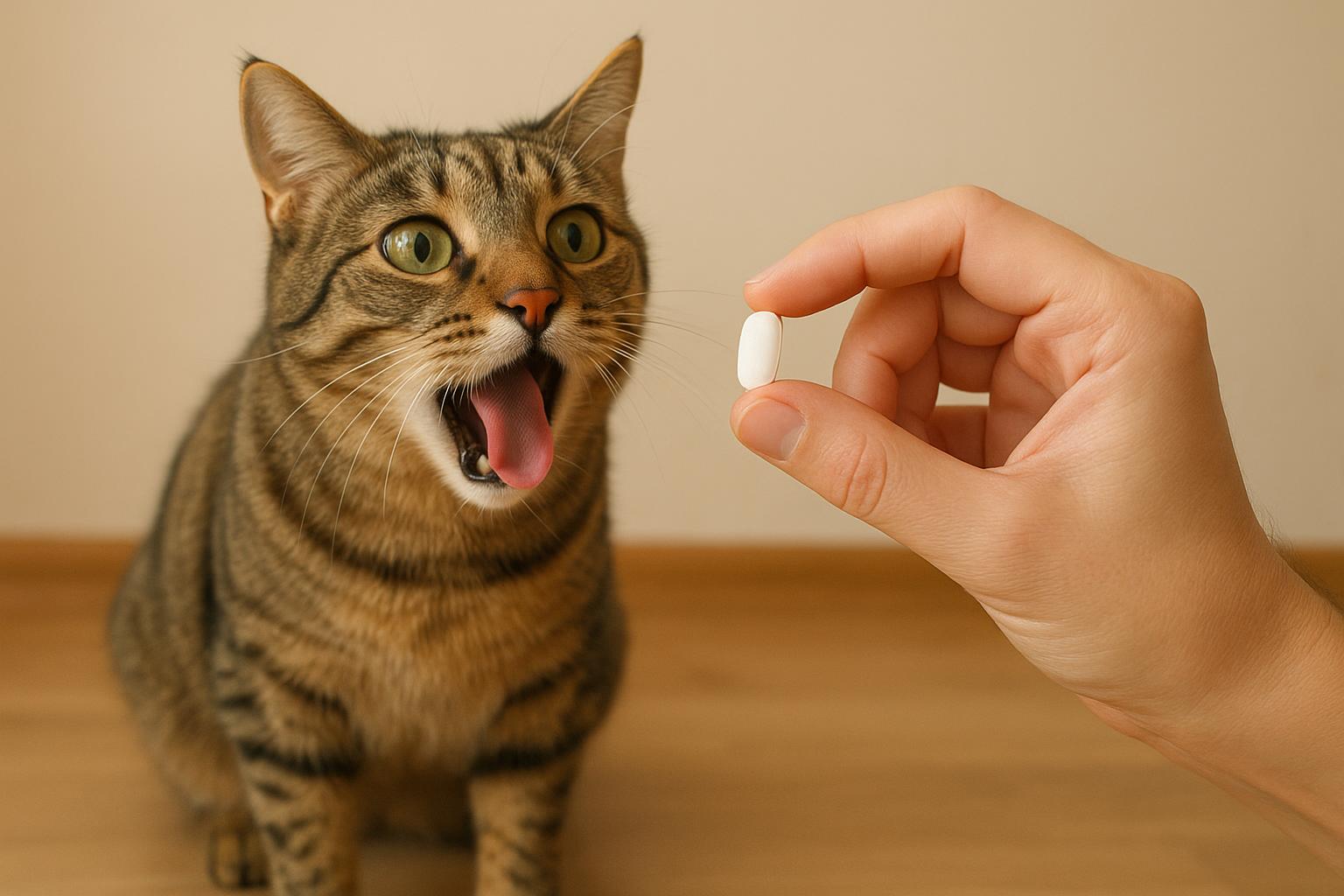
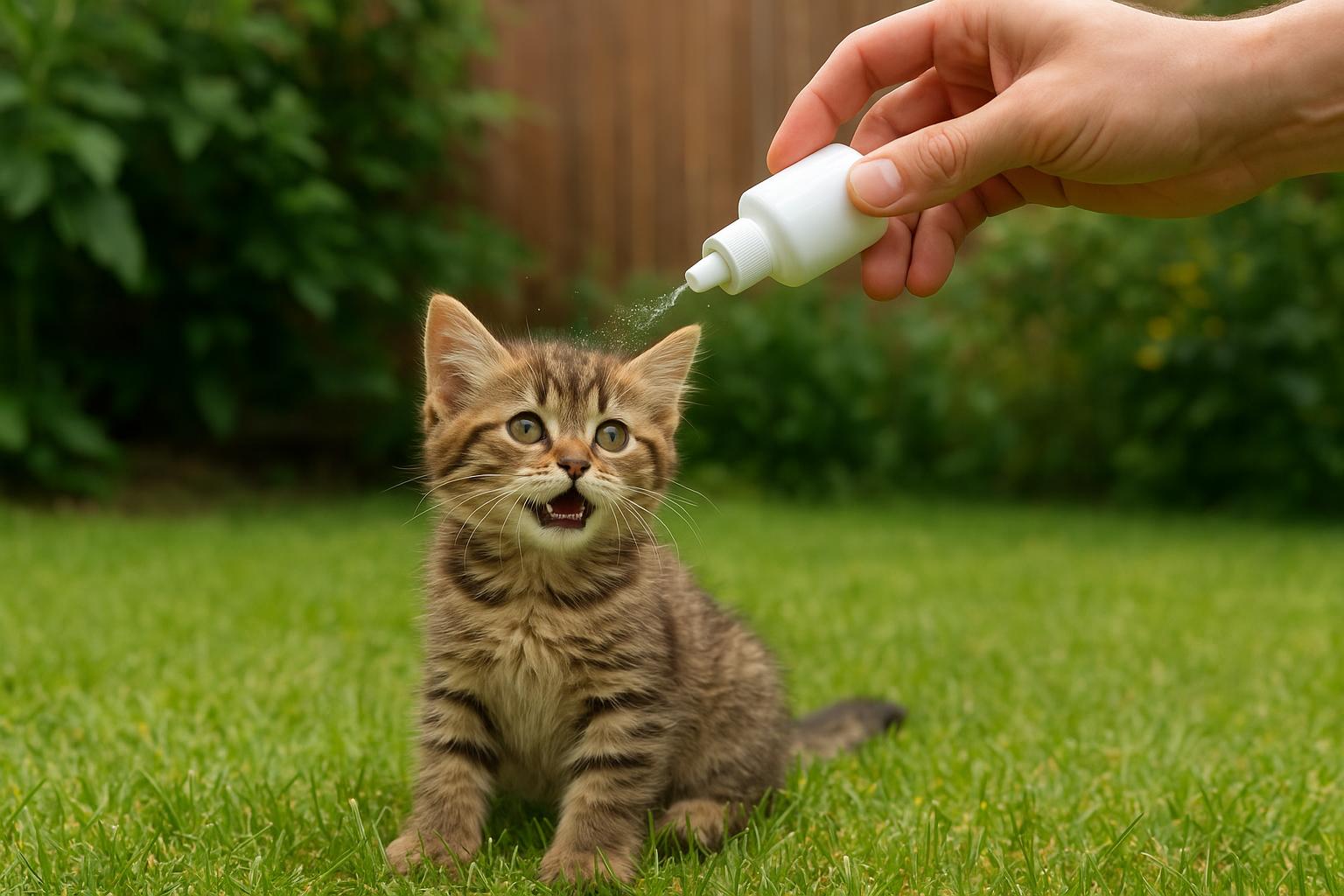
Building a reliable year-round flea defense for cats means thinking about the animal, the house, and the yard as one system. Treating only the pet is like mopping a floor while a faucet keeps dripping. You need products that kill adult fleas and stop eggs and larvae from developing. You also need habits that reduce reintroduction. Start with vet-approved medications. These include monthly topical applications, oral chewables, and long-lasting collars. Each class has pros and cons depending on your cat’s age, health, lifestyle, and whether you have other pets. Discuss options with your vet and follow label instructions.
### Understand The Flea Life Cycle
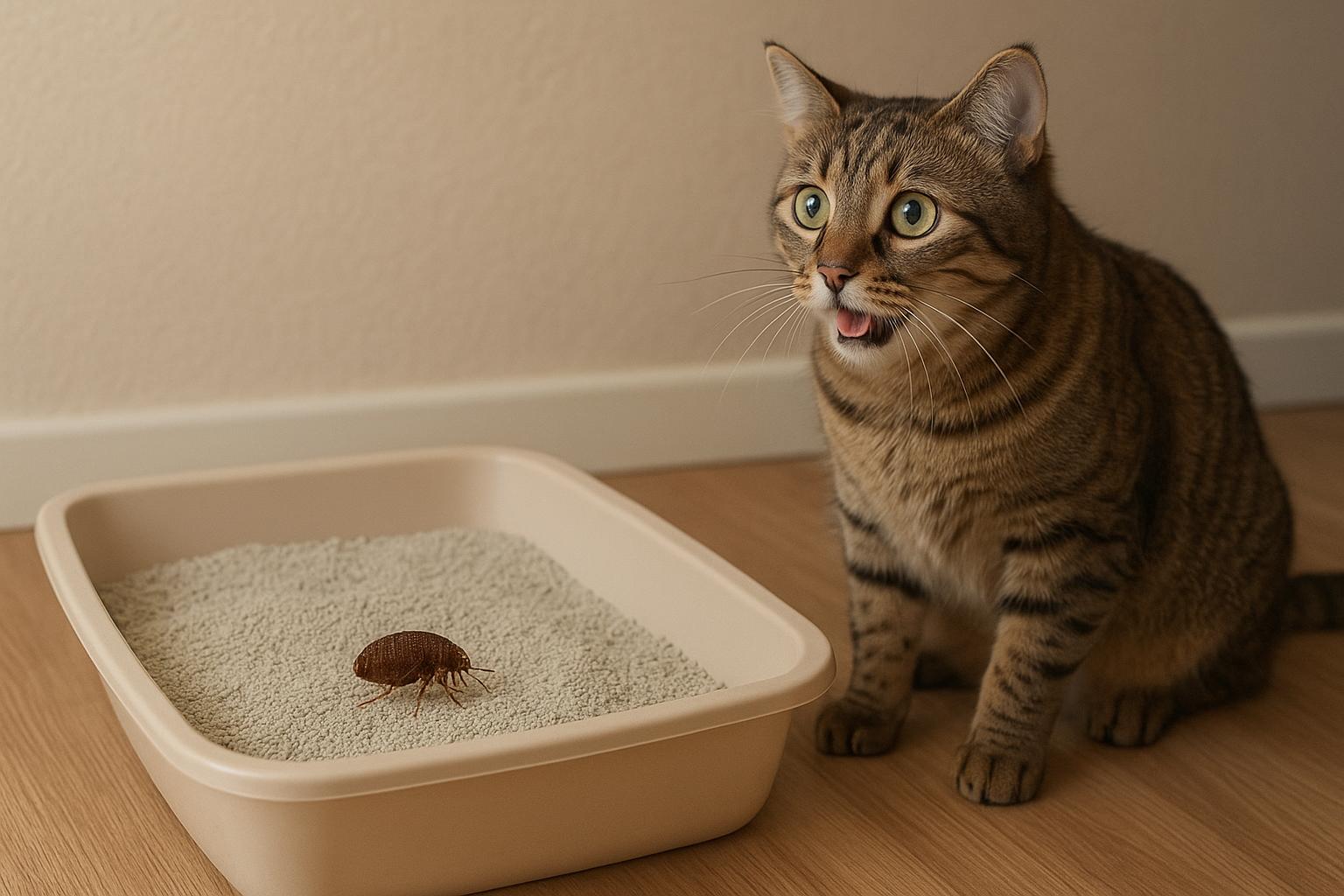
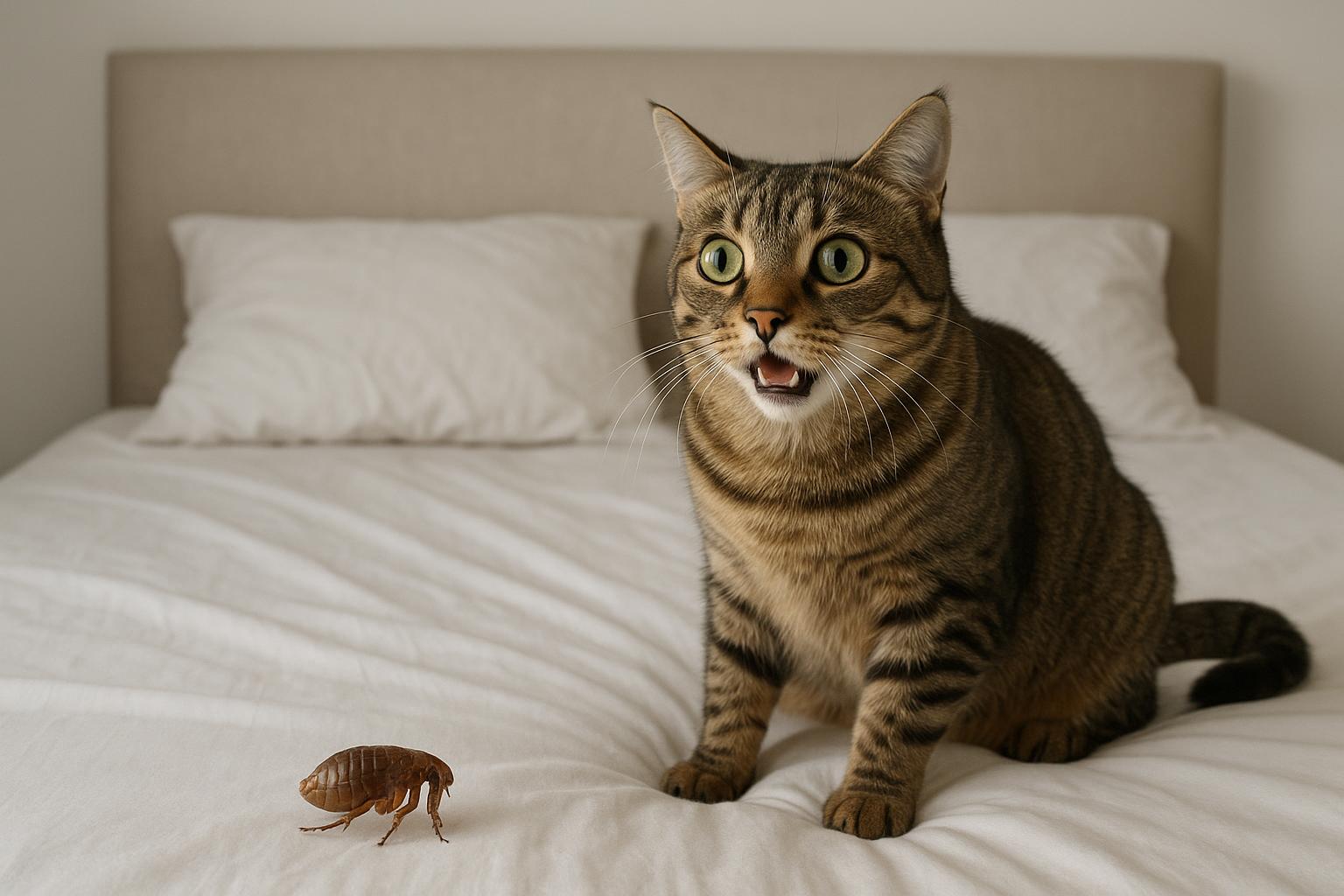
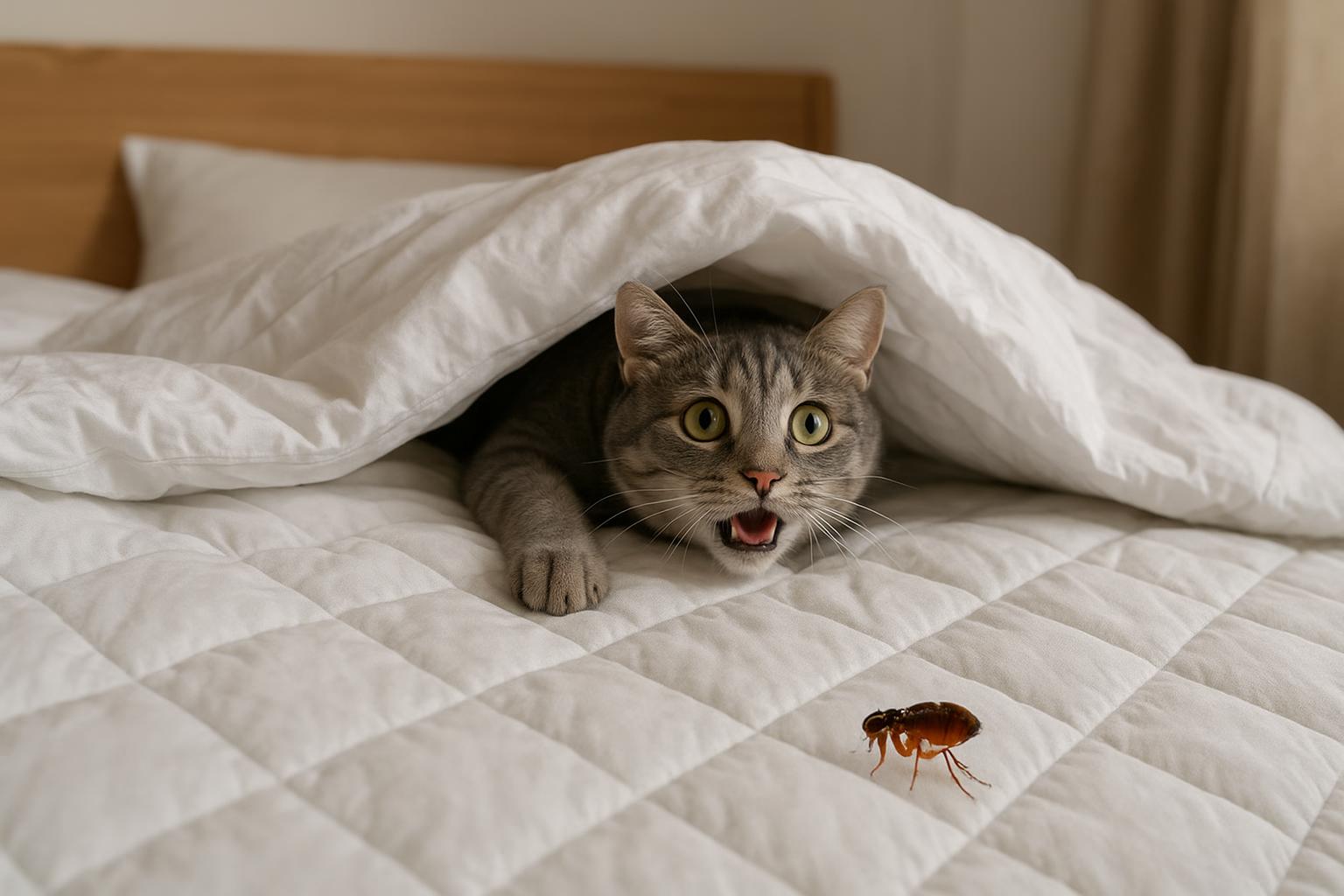
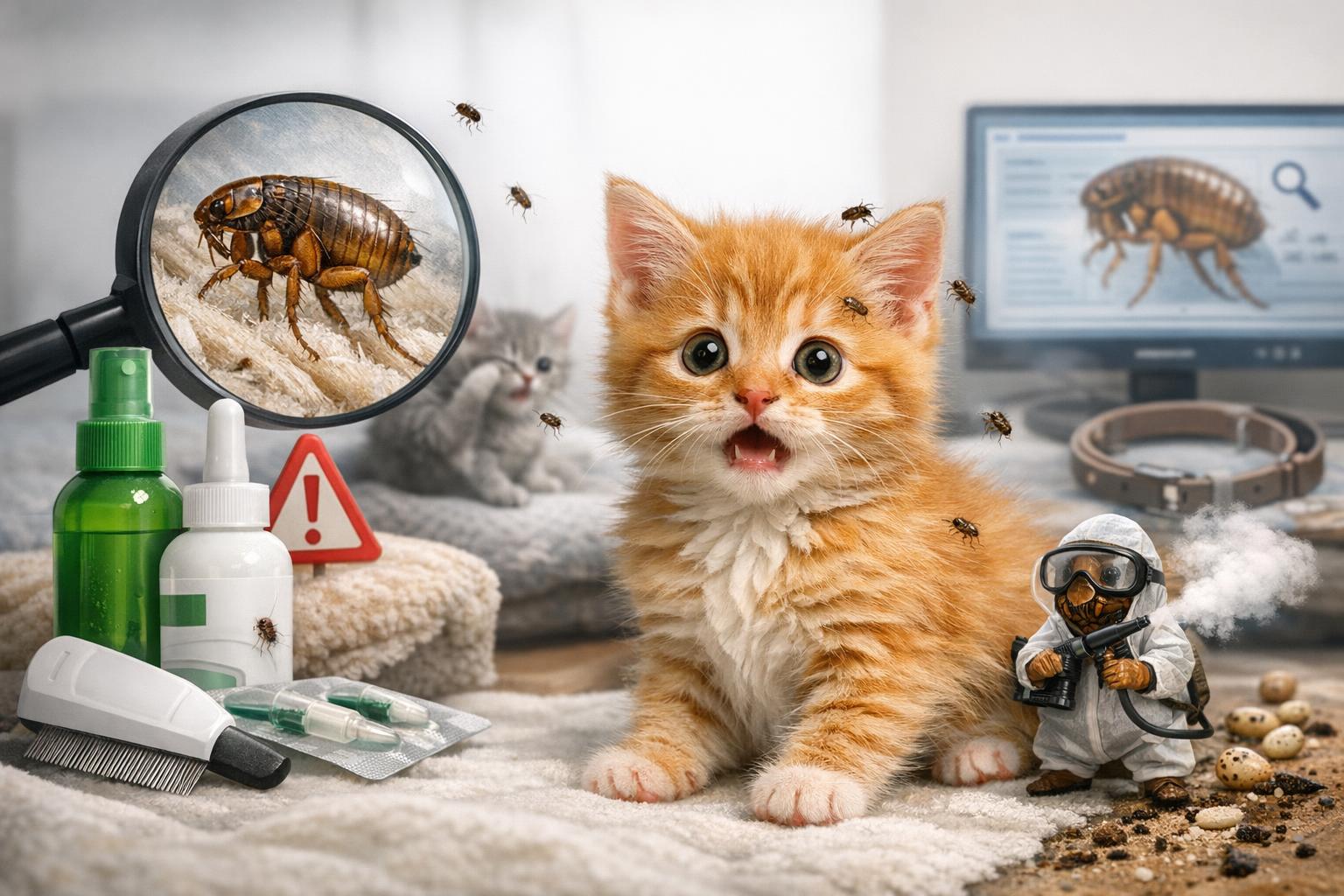
Fleas spend most of their lives off the host. Adults live on your cat, feed, and lay eggs. Eggs fall into carpets, bedding, and soil. Larvae hide in crevices and pupate in cocoons that can survive for months. A single female can produce hundreds of eggs. If you only kill the adults, the immature stages will repopulate the home. That is why integrated control is necessary: kill adults, stop development, and clean the environment.
### Choose Products That Target Every Stage
Don’t assume one product does everything. Many effective regimens combine an adulticide with an insect growth regulator (IGR). Adulticides kill current fleas. IGRs prevent eggs from hatching or larvae from maturing. Examples of adulticides include selamectin, fipronil, and fluralaner. Common IGRs are methoprene and pyriproxyfen. Use them together or pick a single medication that contains both functions. If your vet recommends a specific brand, trust their judgment; they see local resistance patterns.
#### Topical Versus Oral Versus Collars
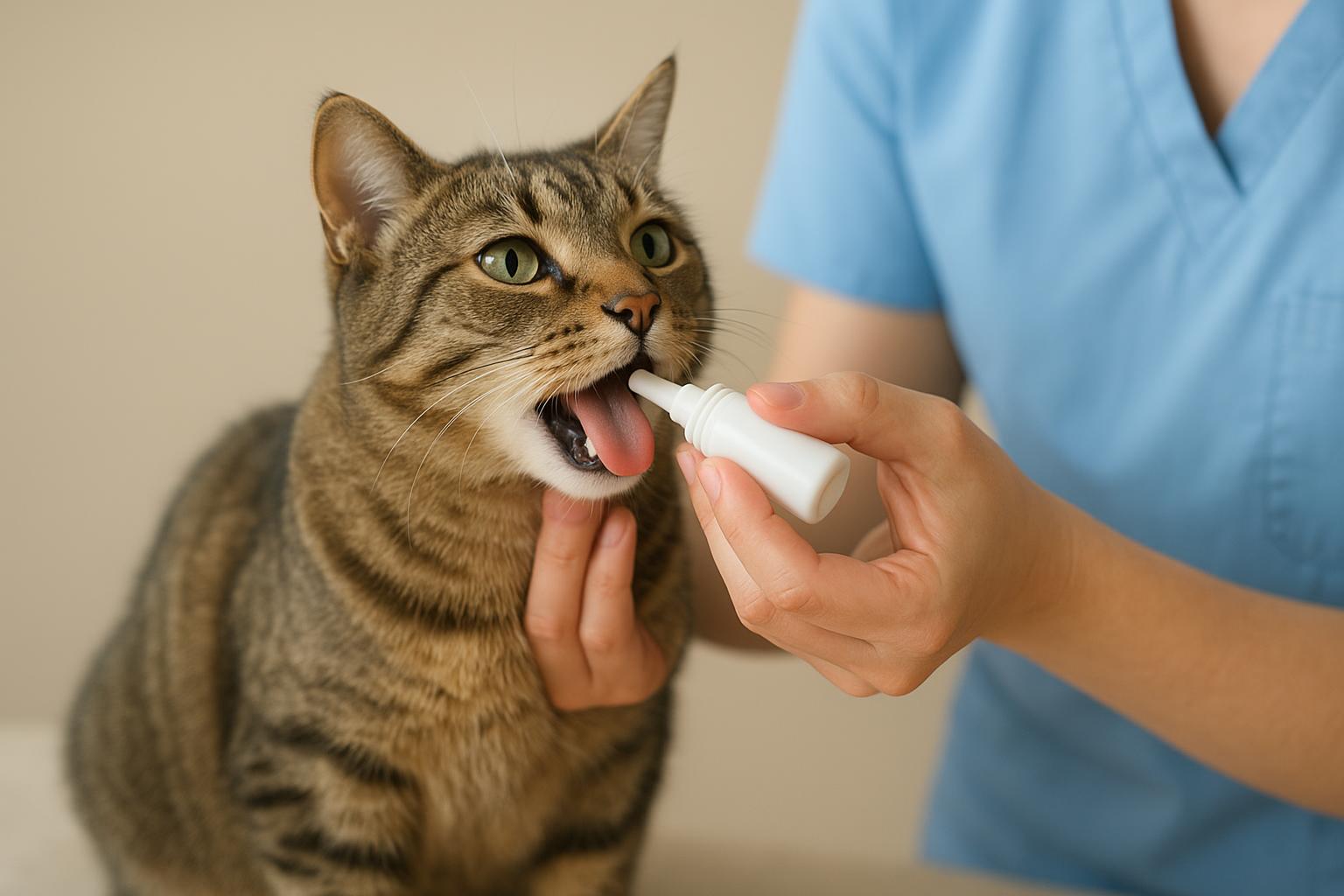
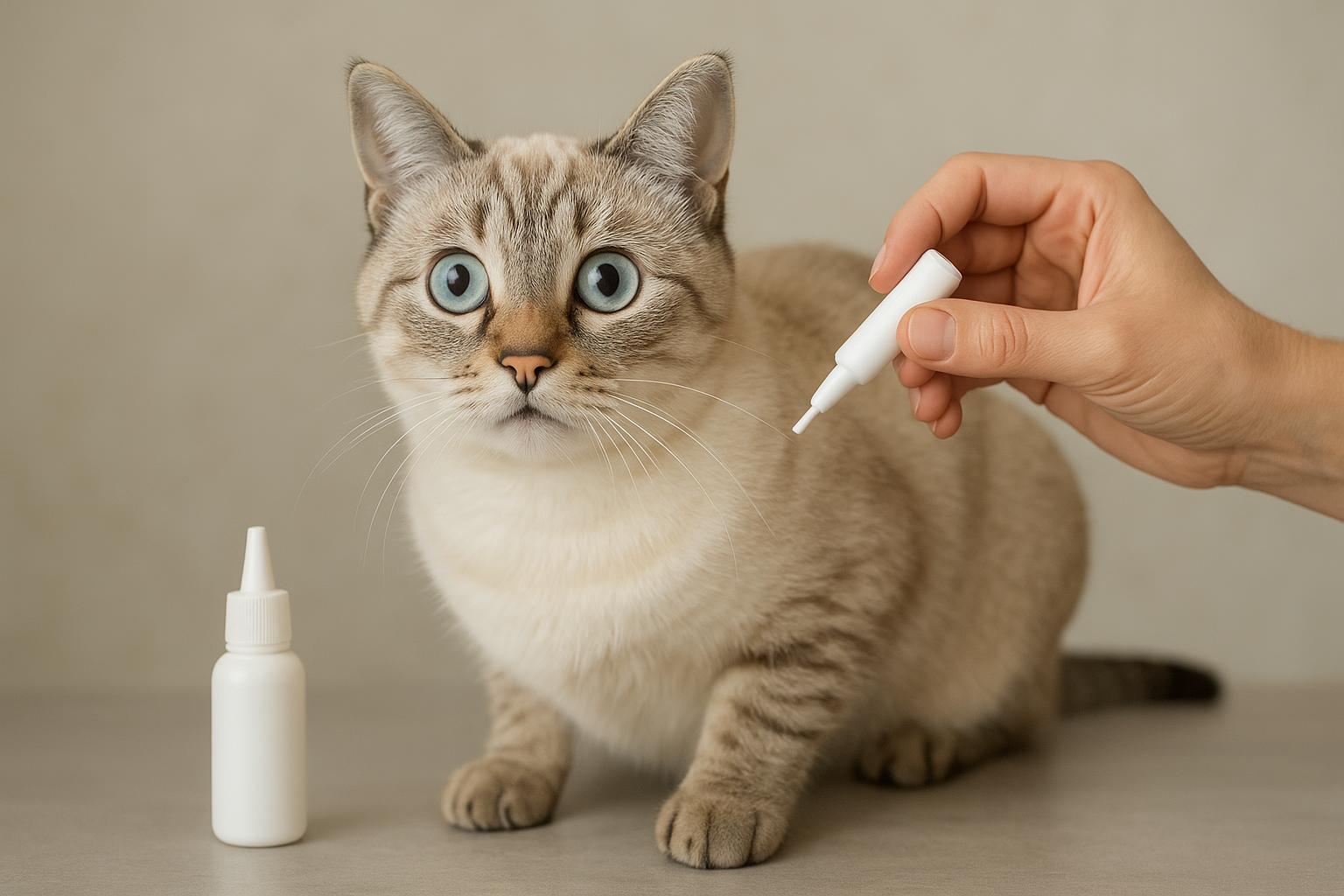
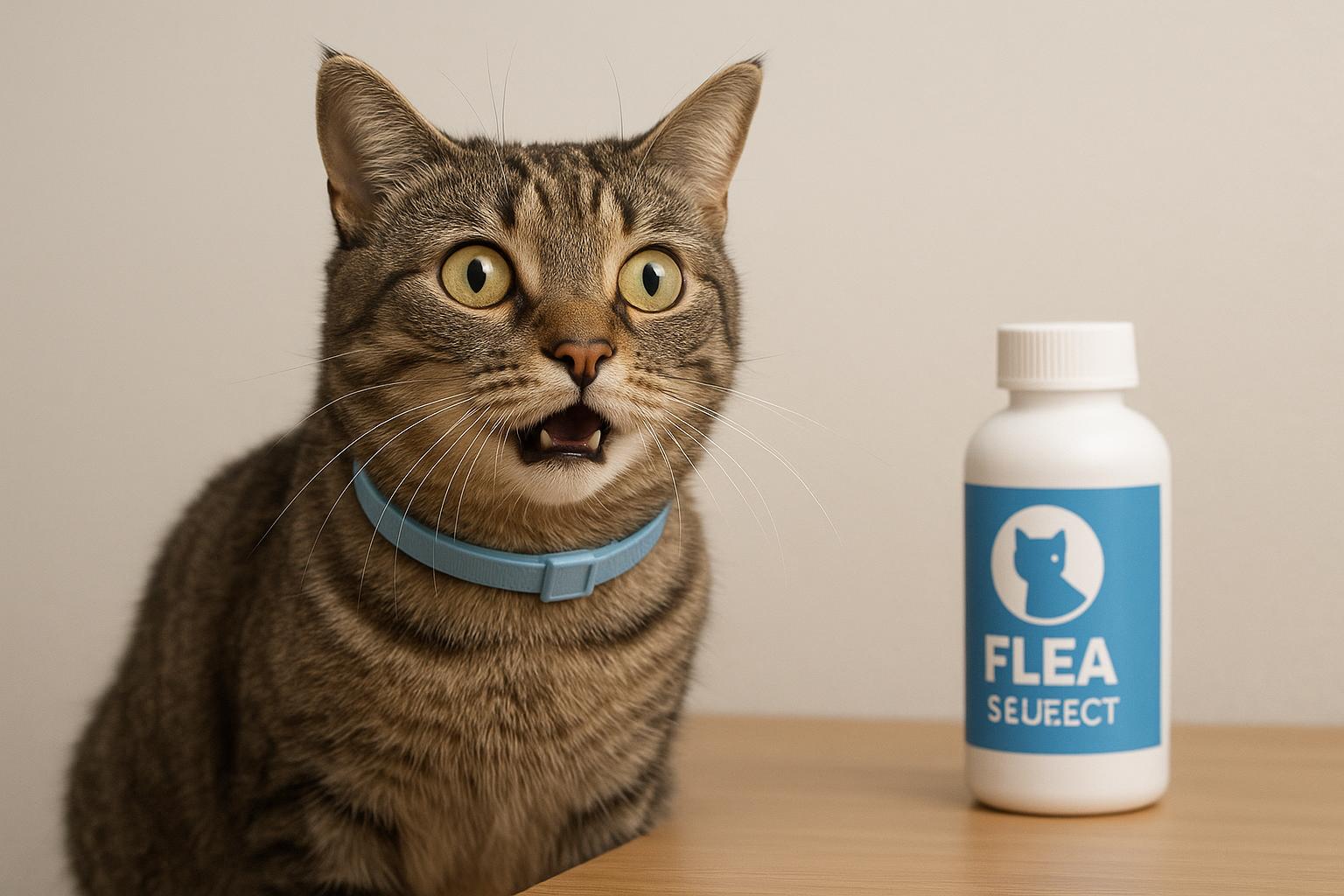
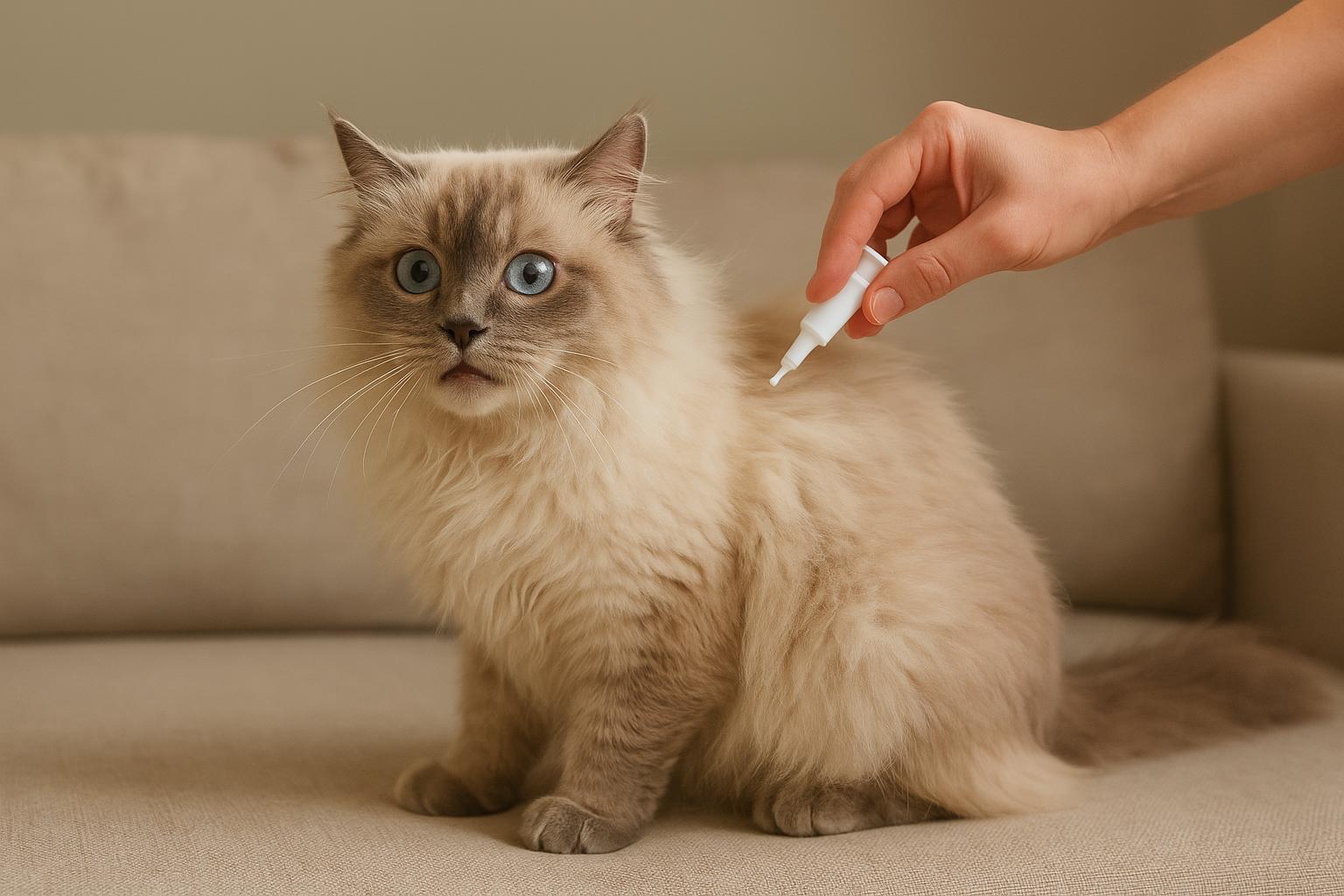
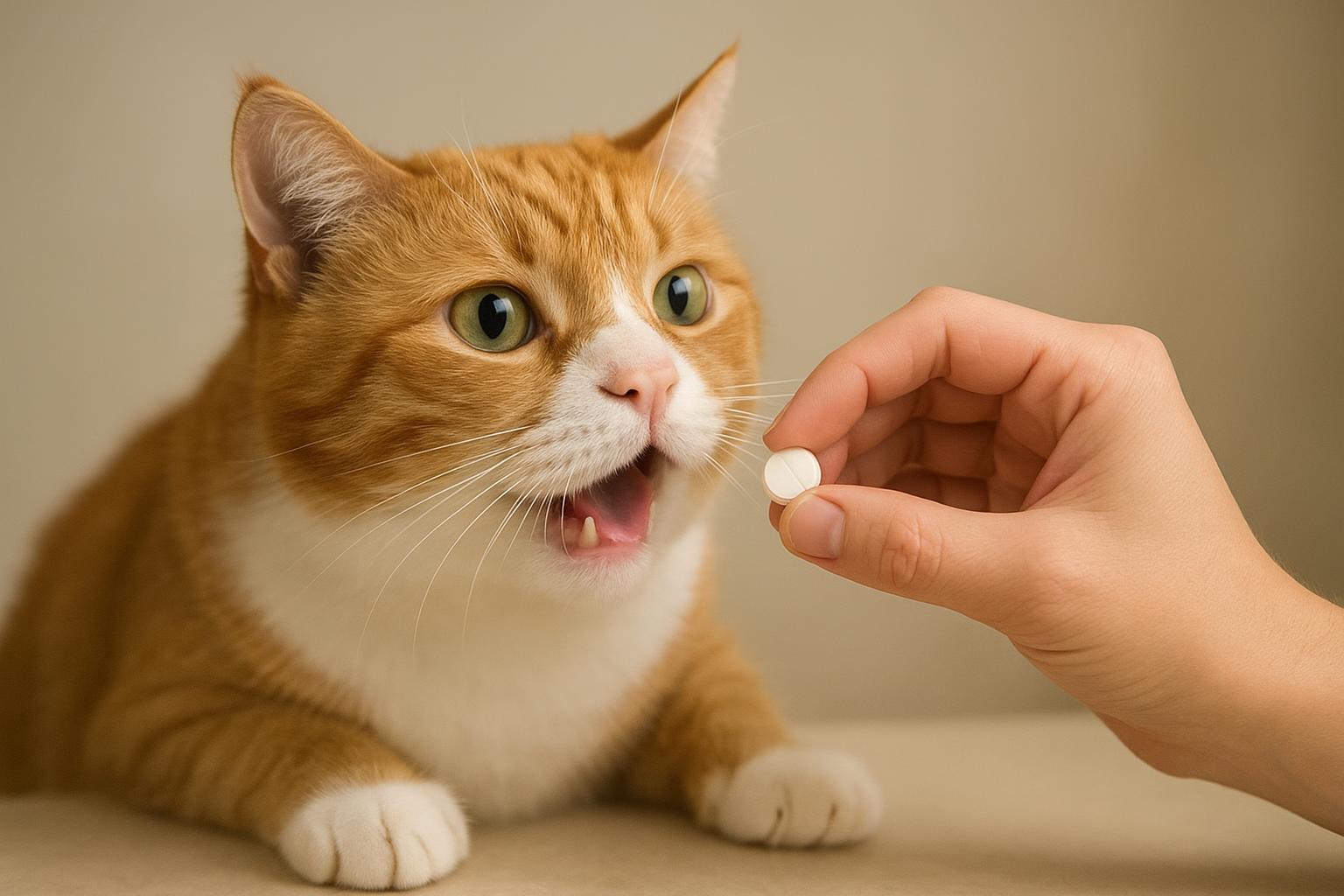
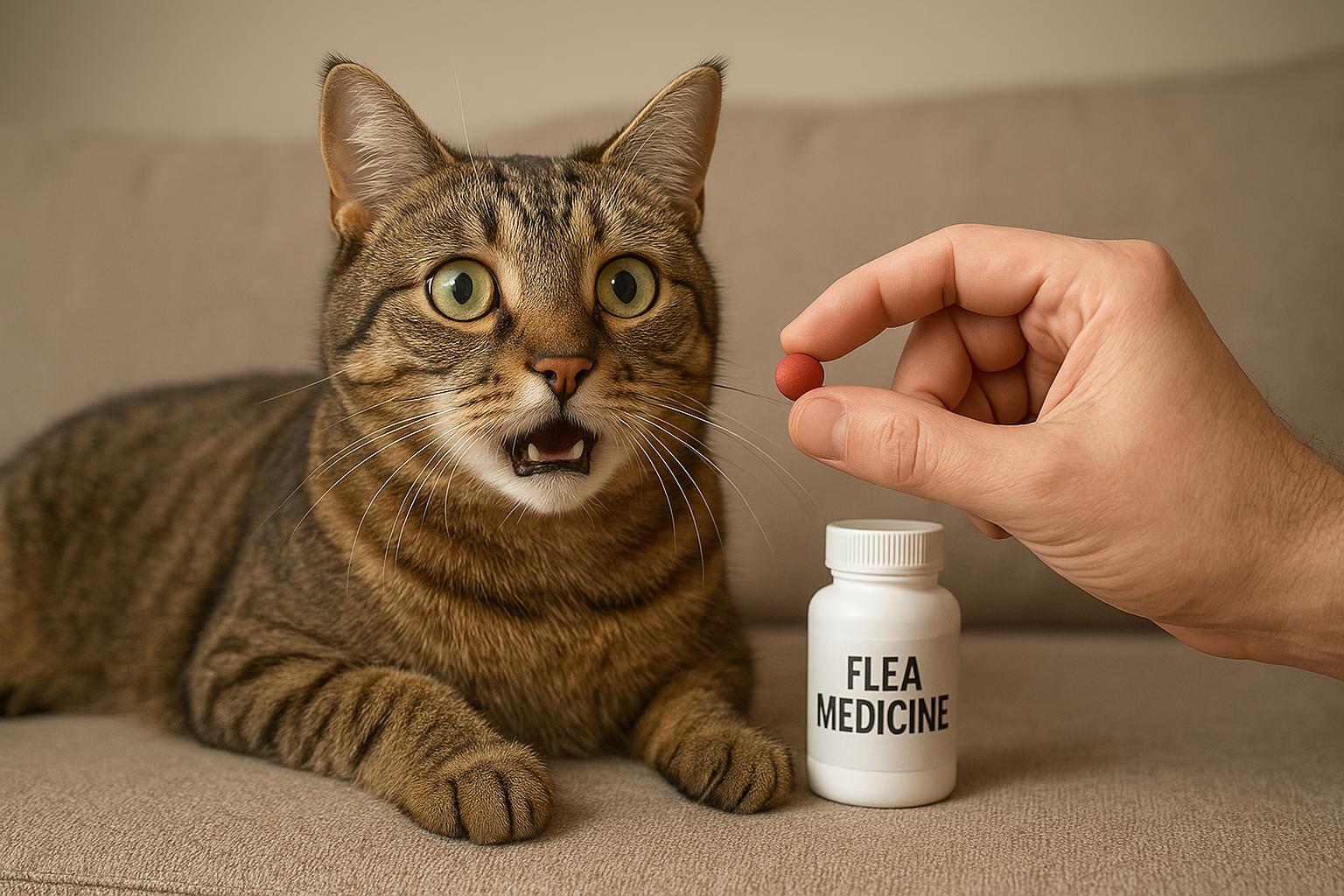
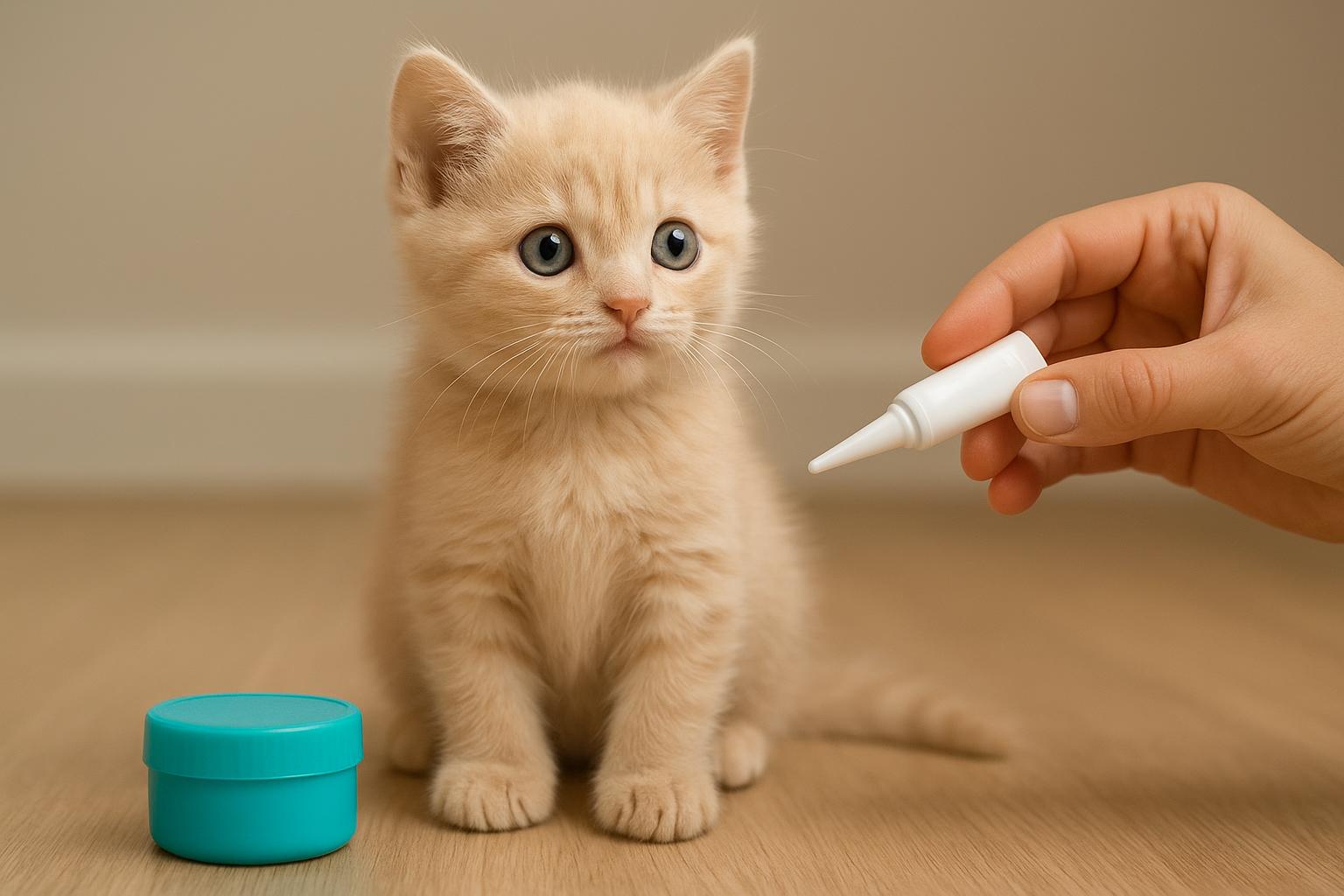
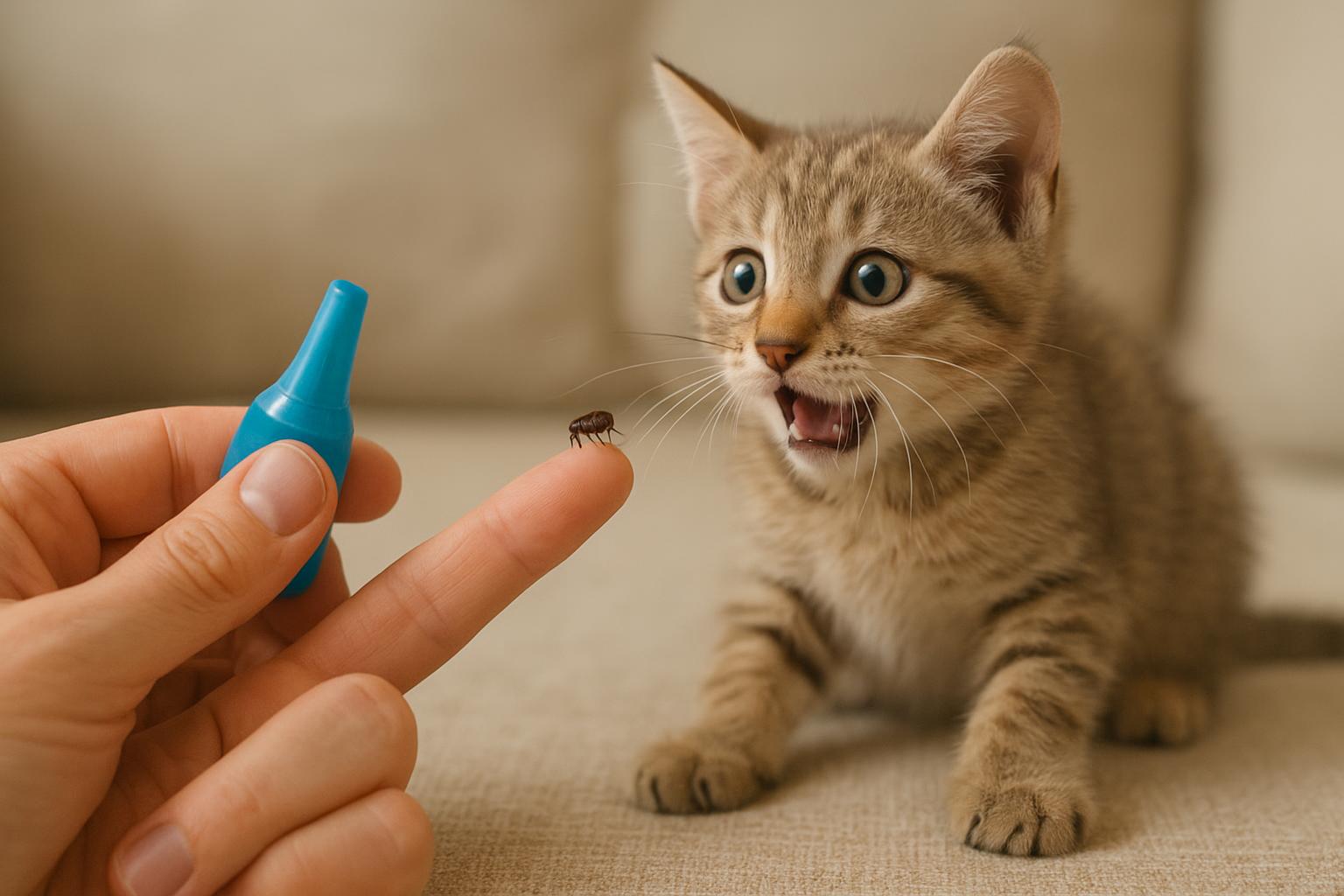
Topicals are applied at the base of the neck. They spread across the skin and are effective for many cats. Orals are given monthly or every few months depending on the drug. They are convenient and avoid the issue of a cat licking off a topical. Some collars now deliver continuous protection for eight months or more. They work well for indoor-outdoor cats. Pick a formulation labeled for cats only. Never use dog products on cats; some ingredients that are safe for dogs are toxic to felines.
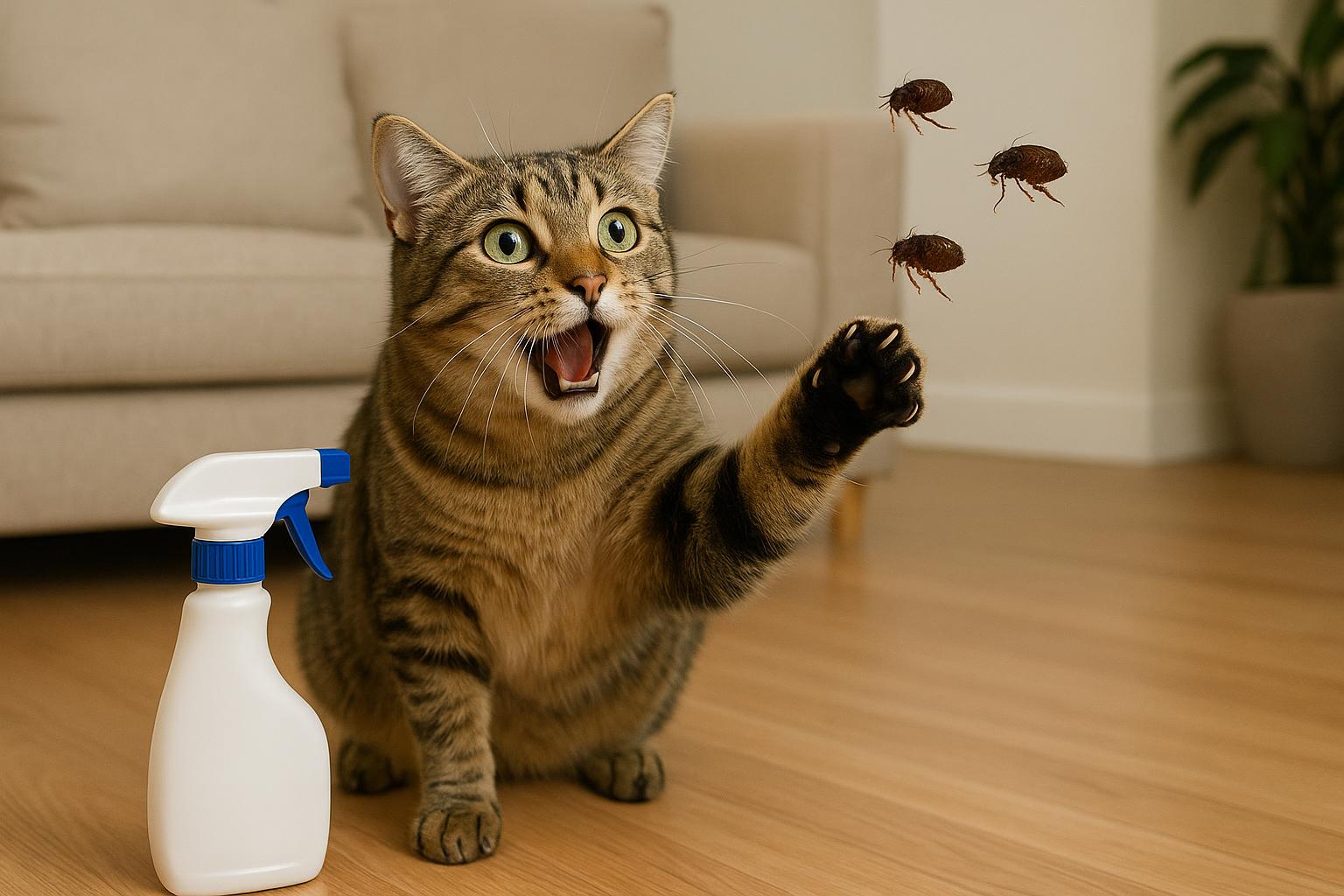
### Use Flea Spray For The Home And Cat Bedding
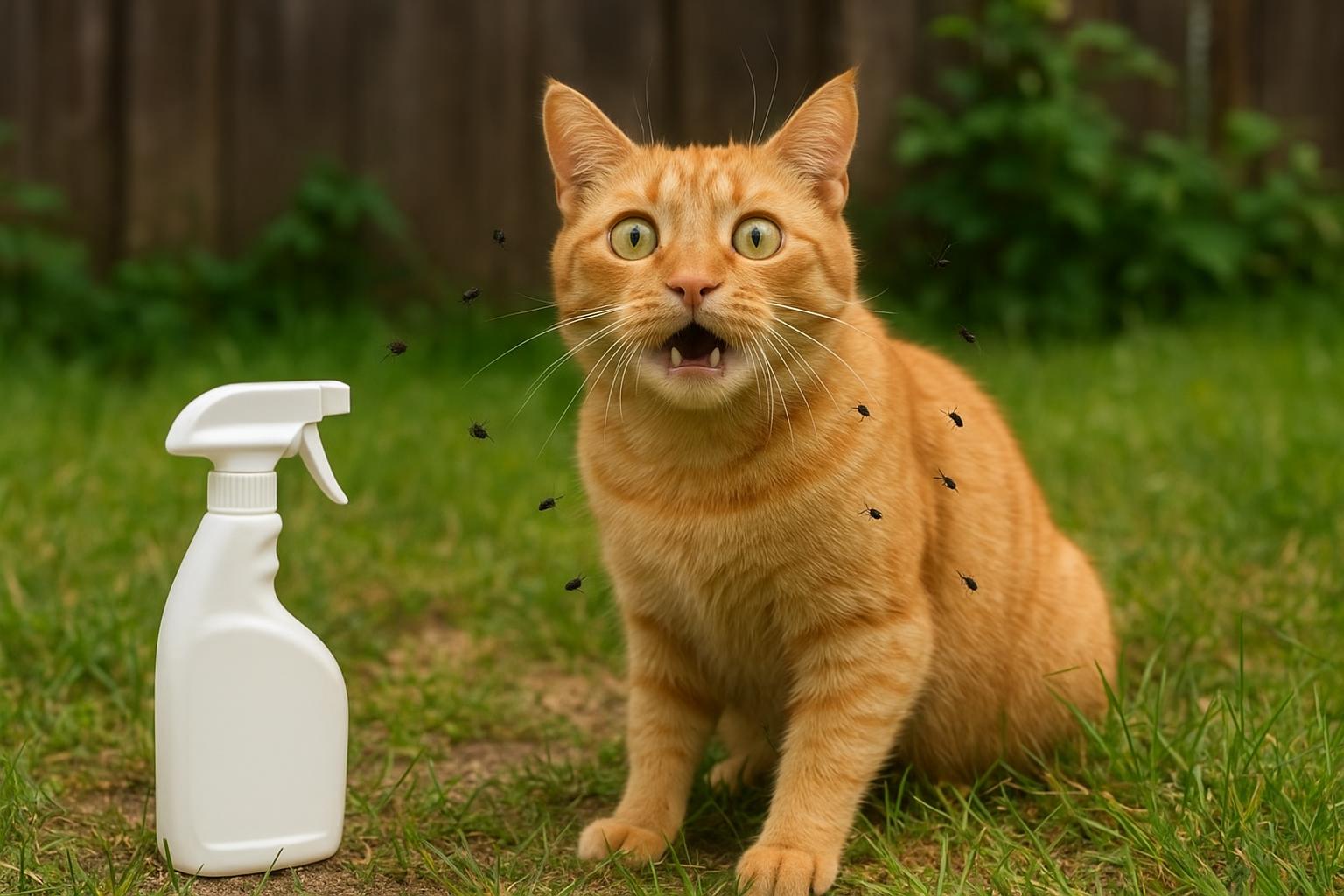
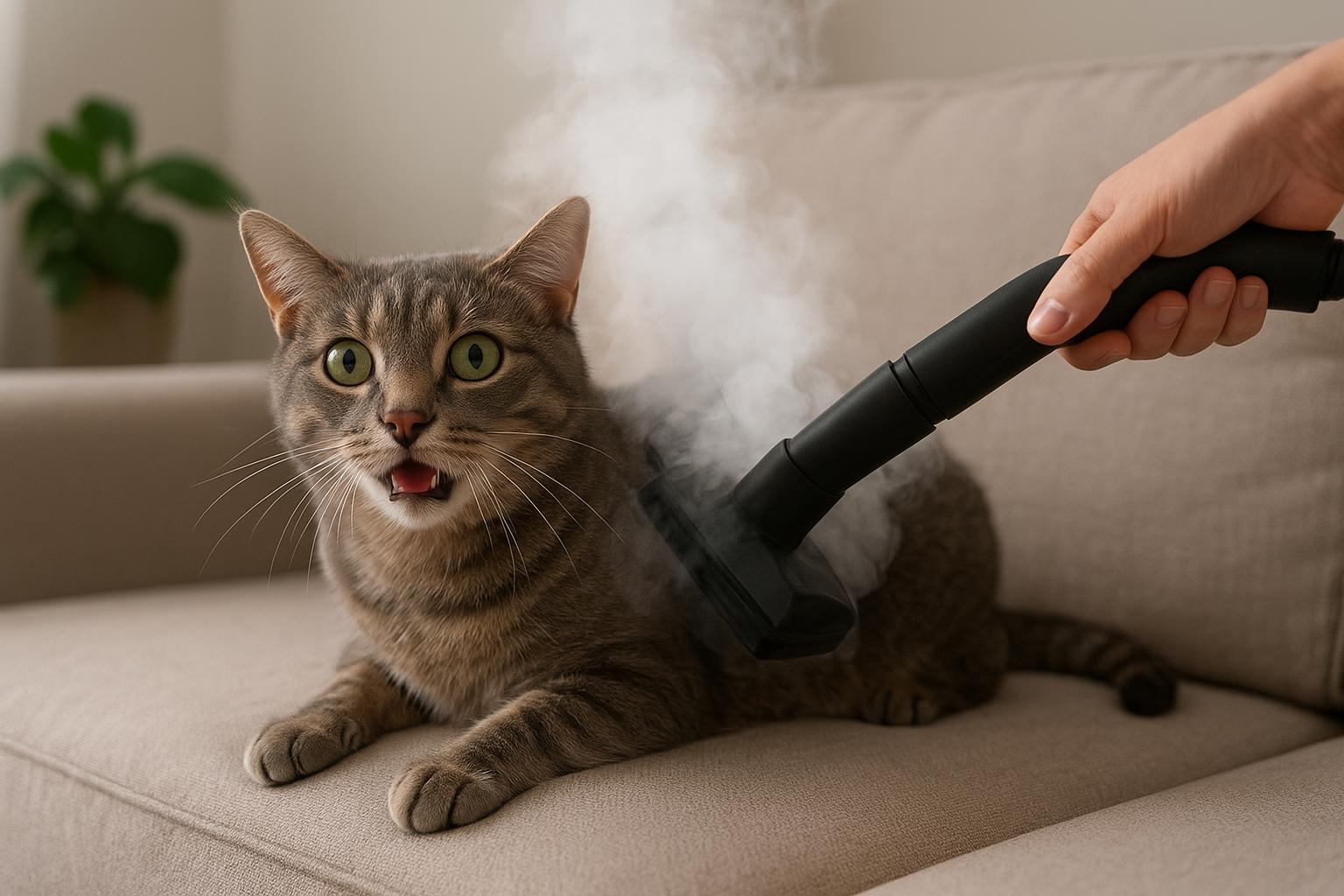
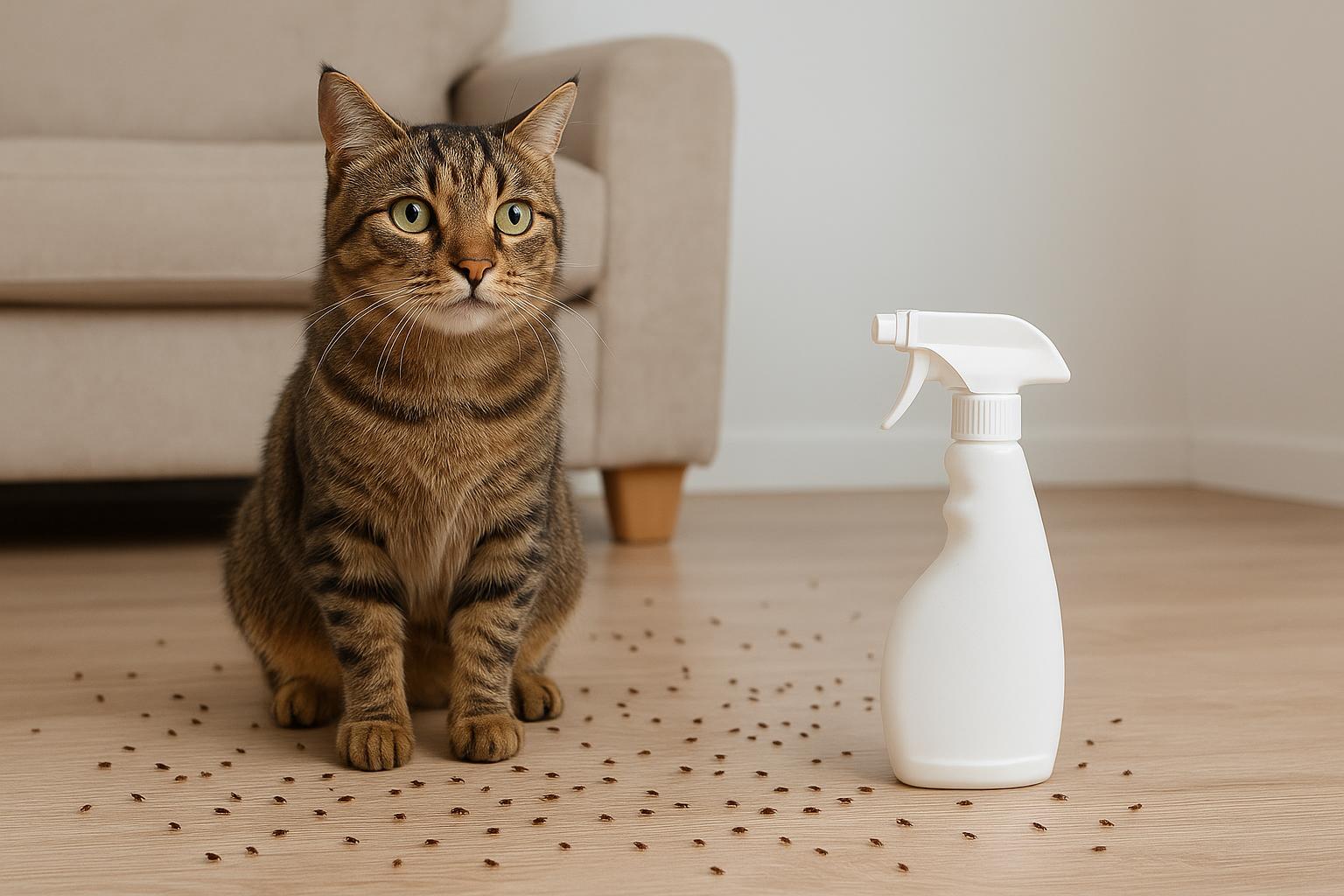
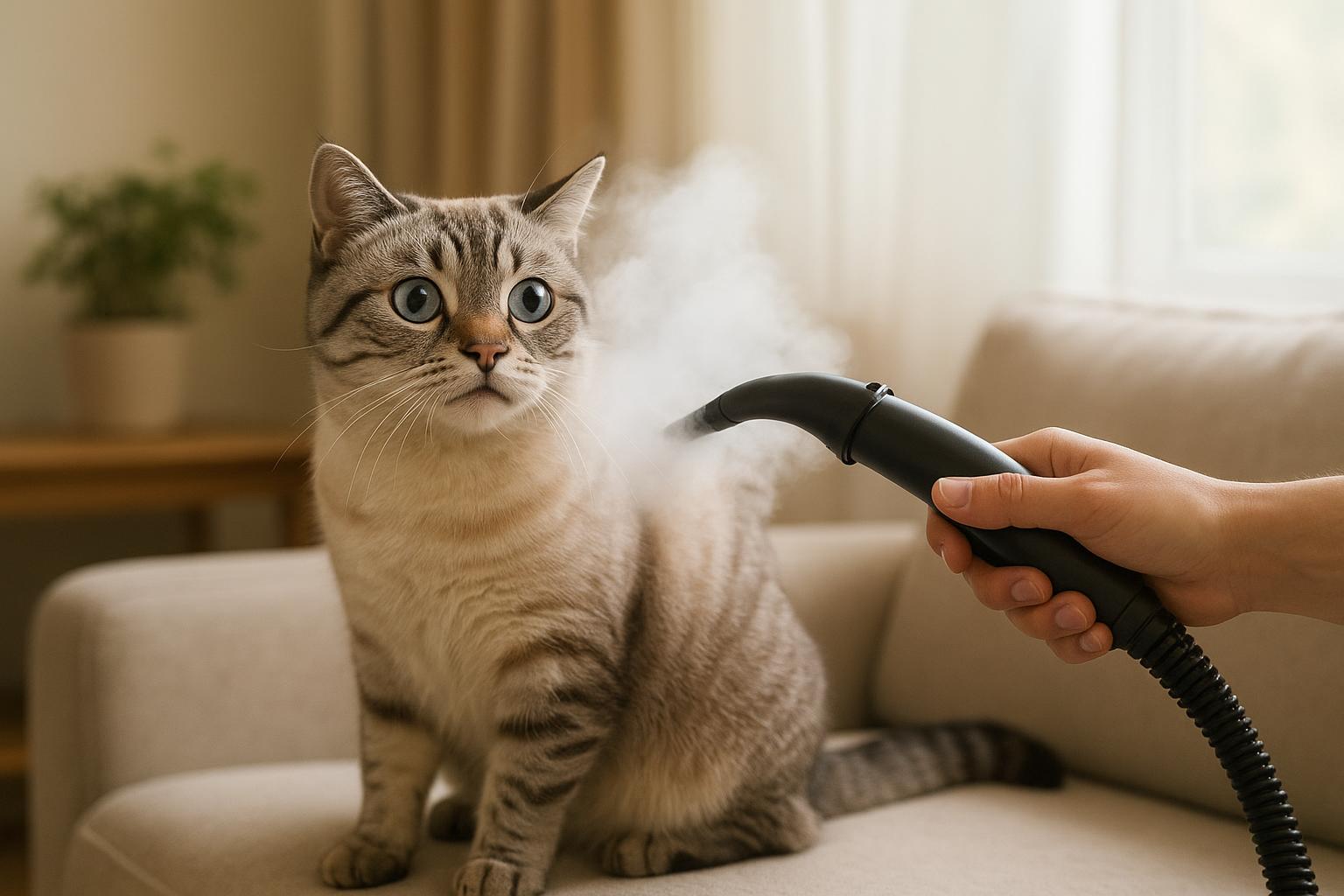
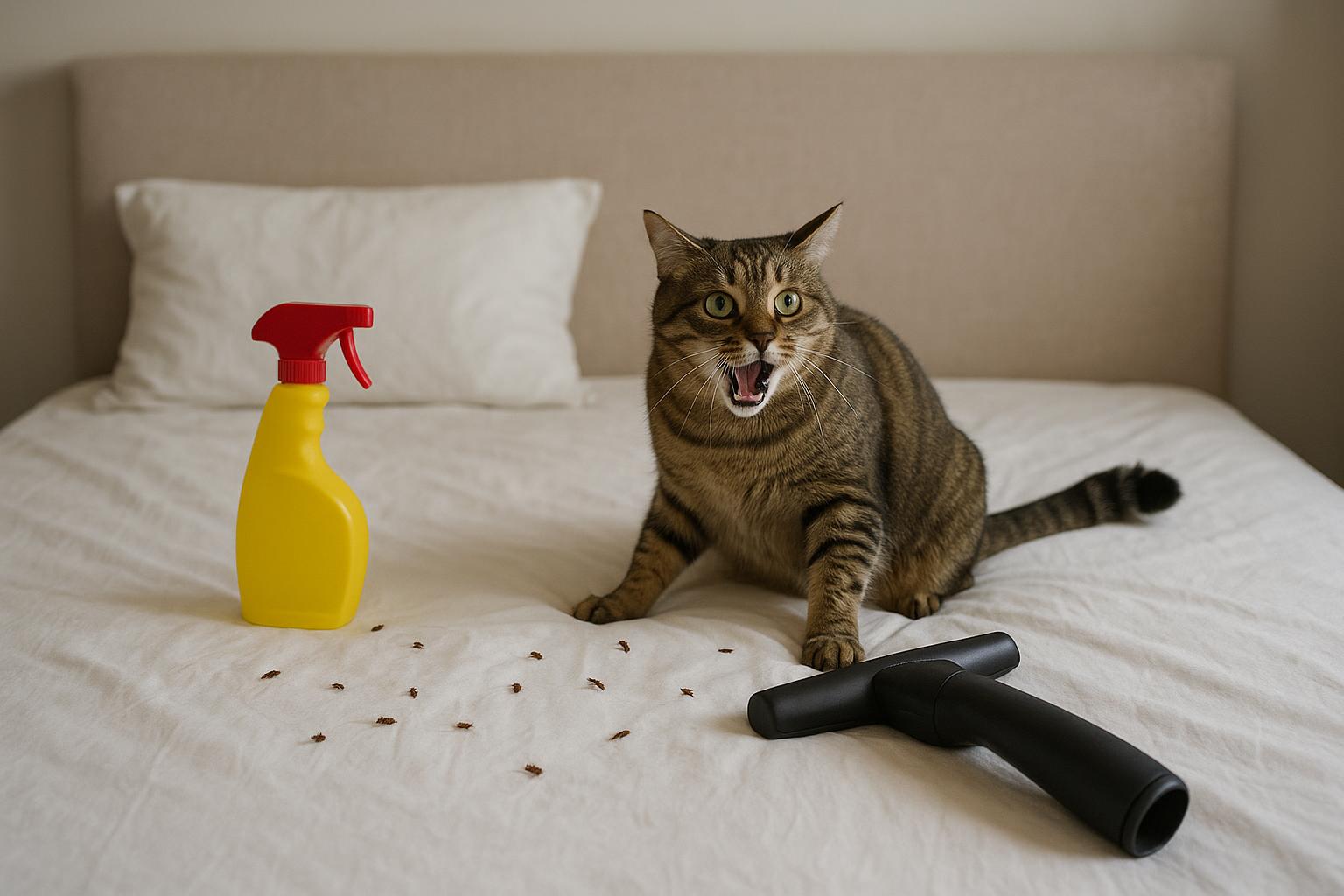
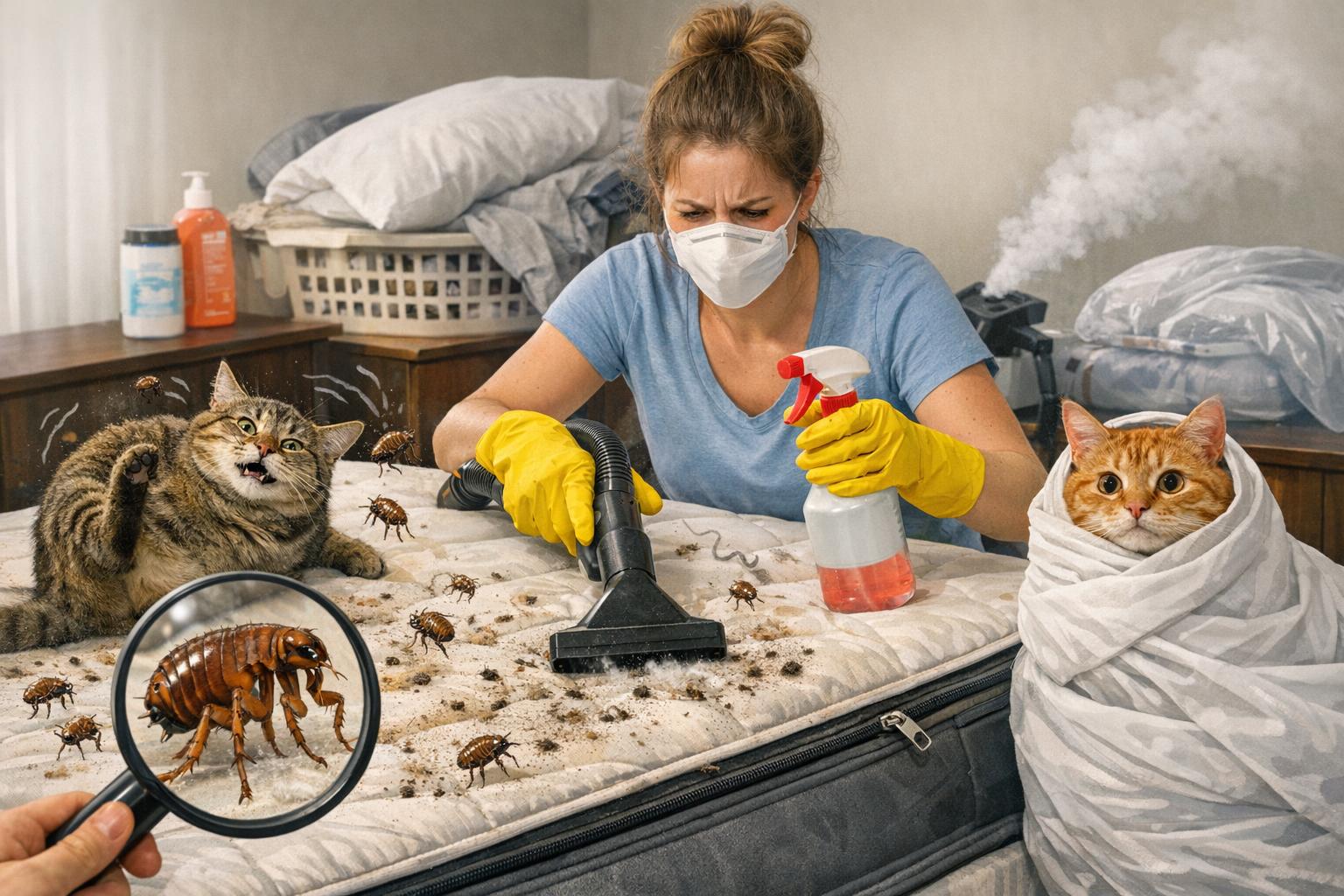
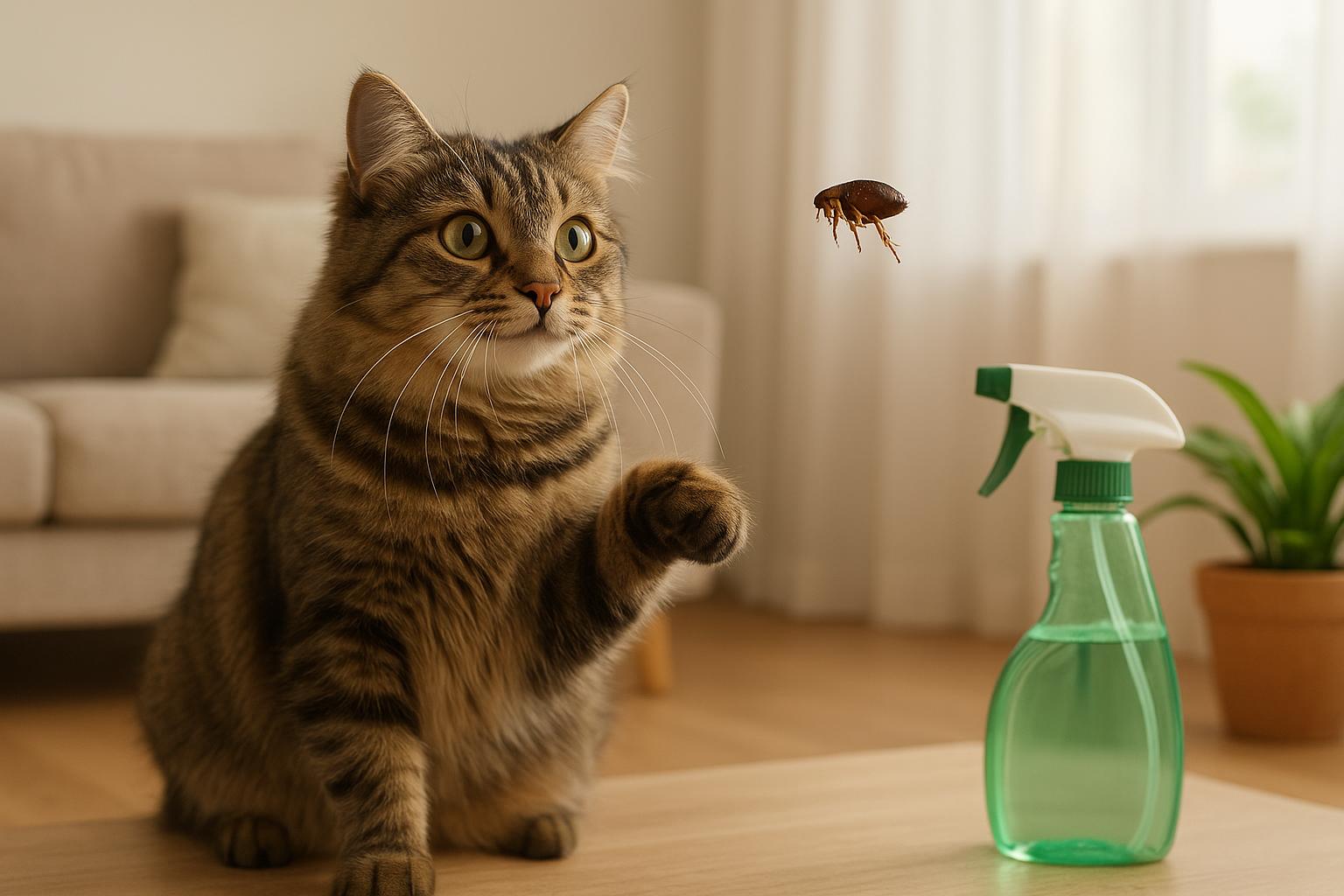
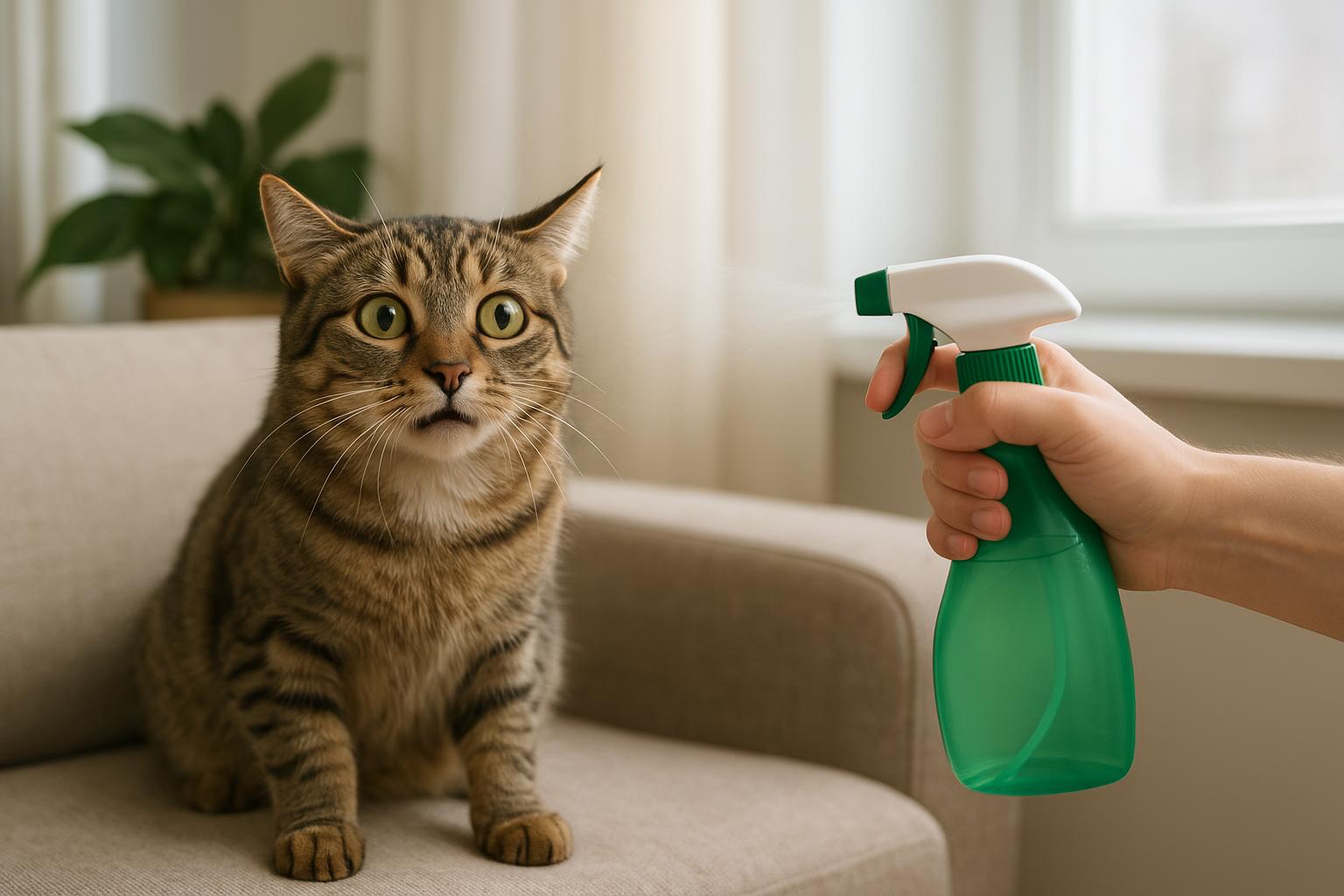
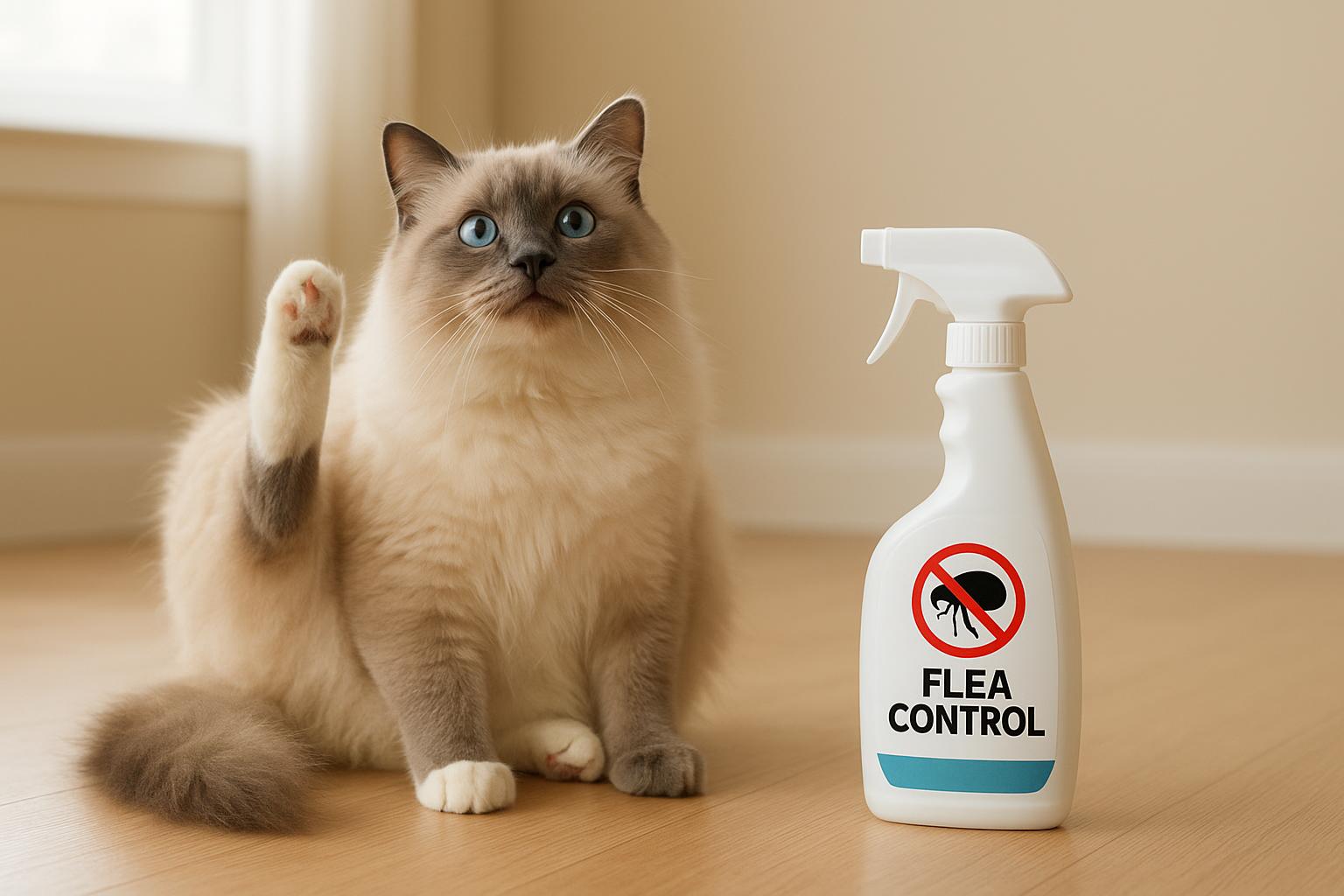
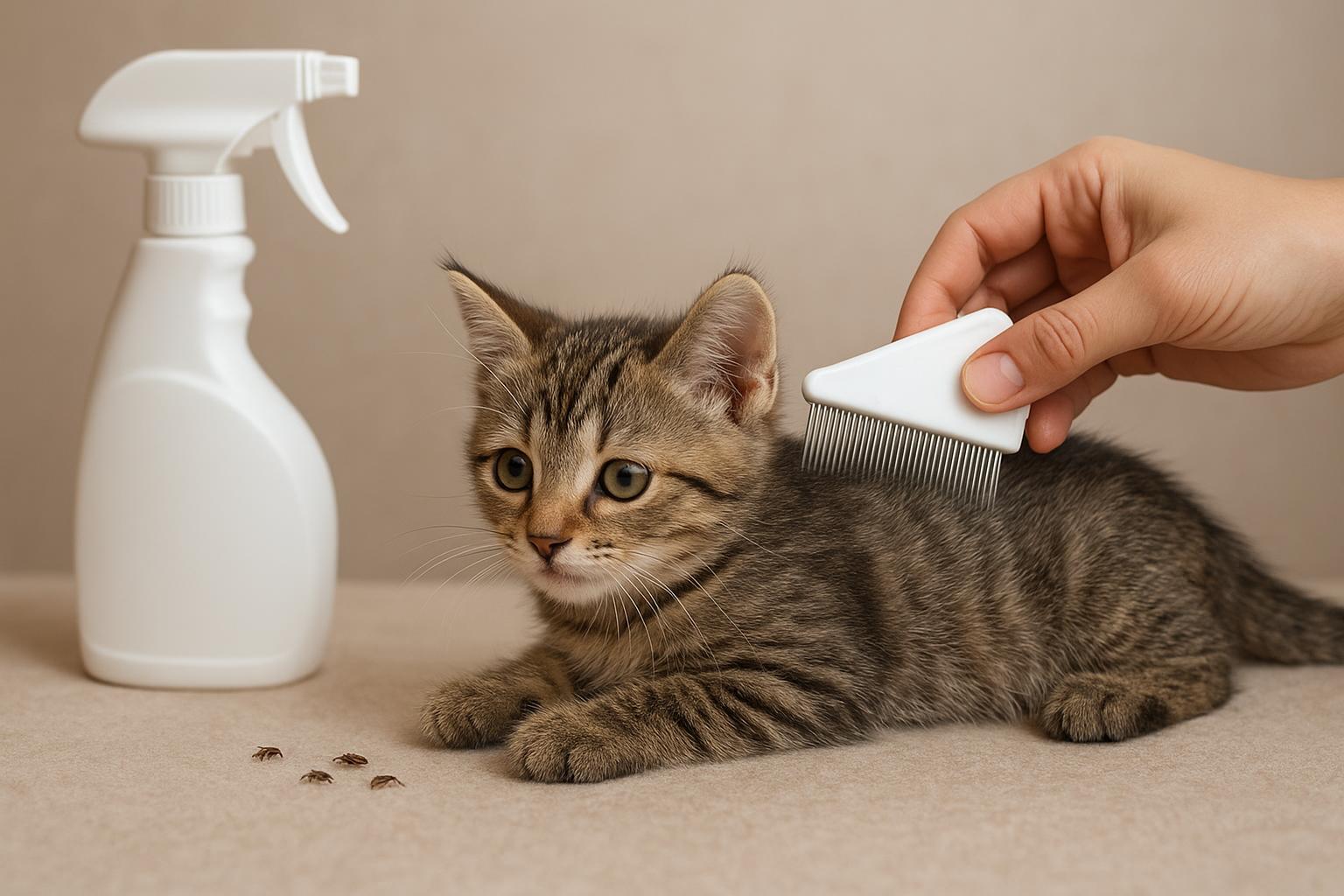
Treating the pet is part of the story, but you also need to manage the indoor environment. A quality flea spray for carpets, furniture, and pet bedding will reduce eggs and larvae in the home. Look for sprays that list both an adulticide and an IGR. Apply according to the label and target areas the cat frequents: under beds, behind couches, and along baseboards. Wash bedding weekly in hot water. Vacuum daily for a few weeks after starting treatment; vacuuming dislodges eggs and stimulates pupae to hatch, making them vulnerable to the products you applied. Empty the vacuum canister or change bags outside to prevent reintroduction.
### Treat All Pets And Check Wildlife Exposure
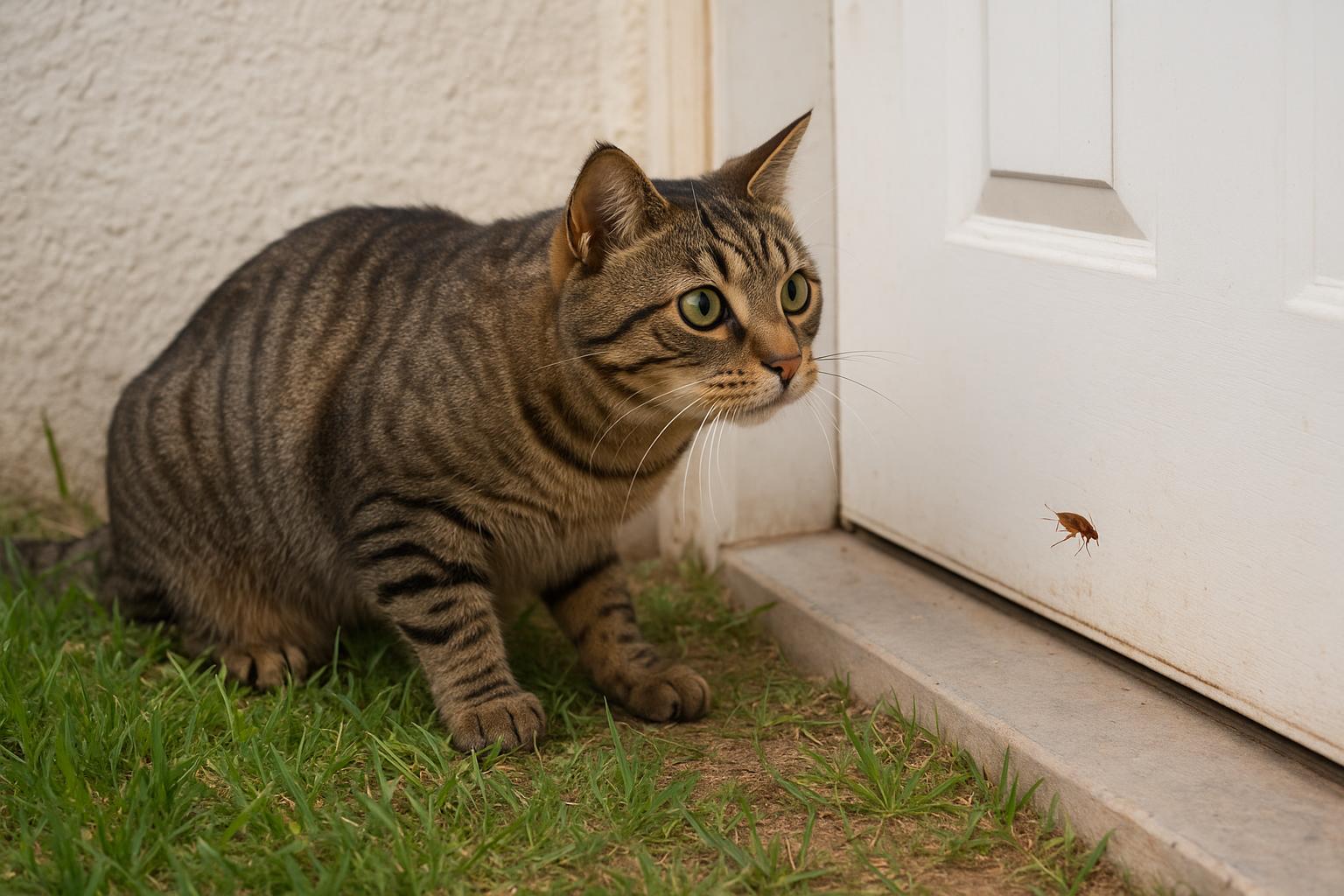
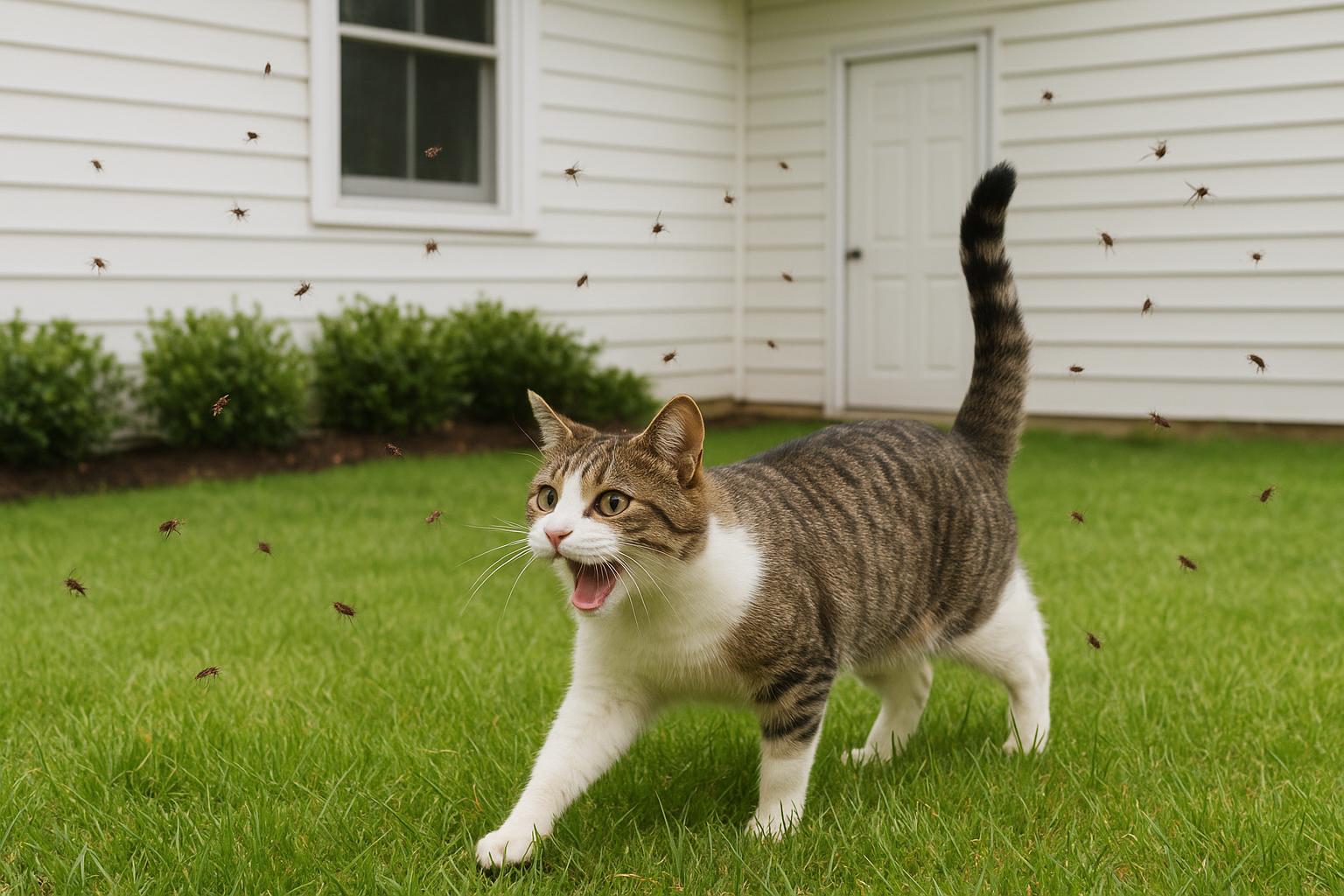
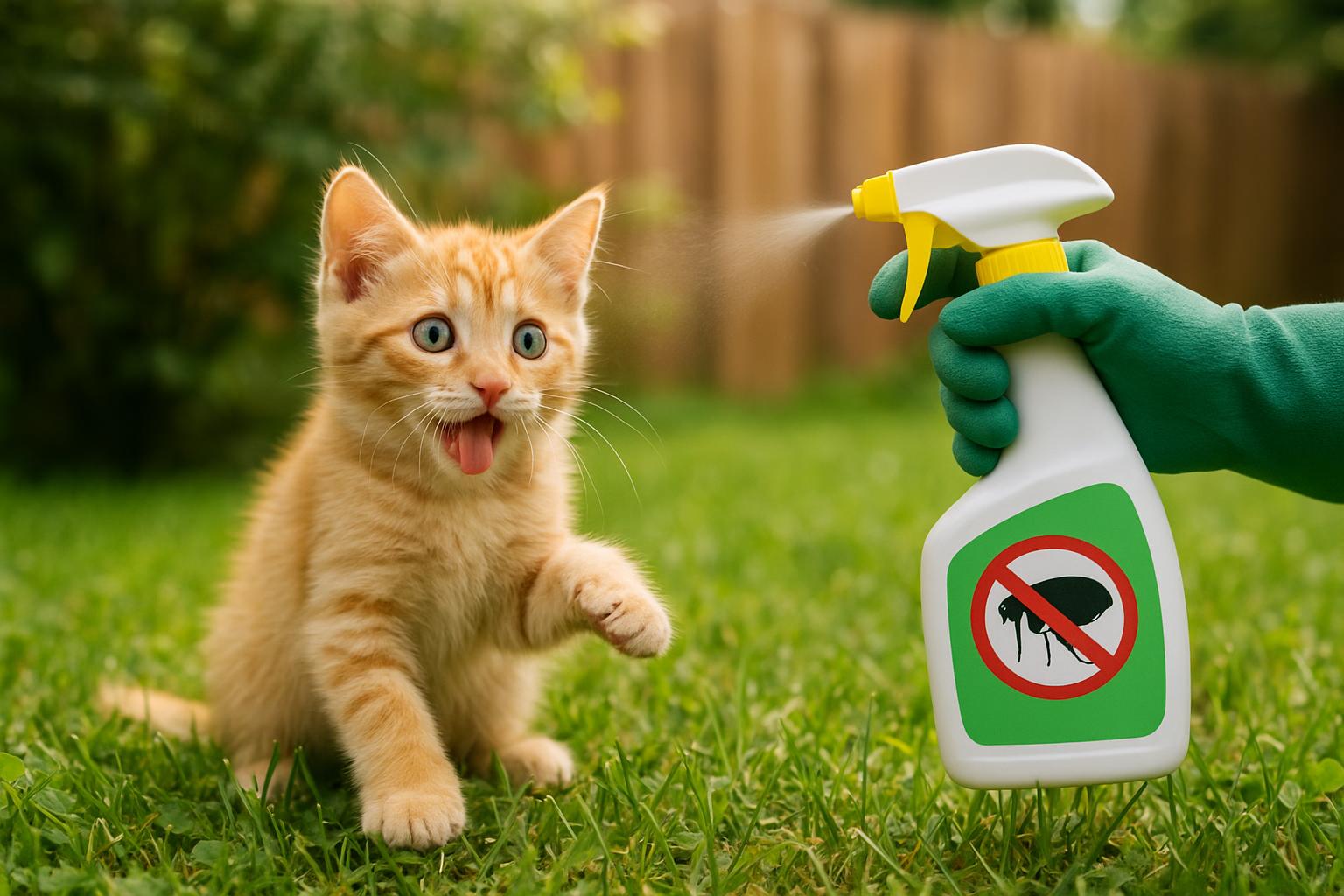
If you have several animals, treat them all. A treated dog in the home can re-seed fleas onto an untreated cat. Additionally, indoor cats can still be exposed through visitors, packages, or wildlife near the property. Stray cats, opossums, and rodents can carry fleas into yards. Consider a perimeter treatment if wildlife access is frequent. Use cat-safe products for the yard and follow label directions regarding pollinators and water runoff.
#### Special Considerations For Kittens And Pregnant Cats
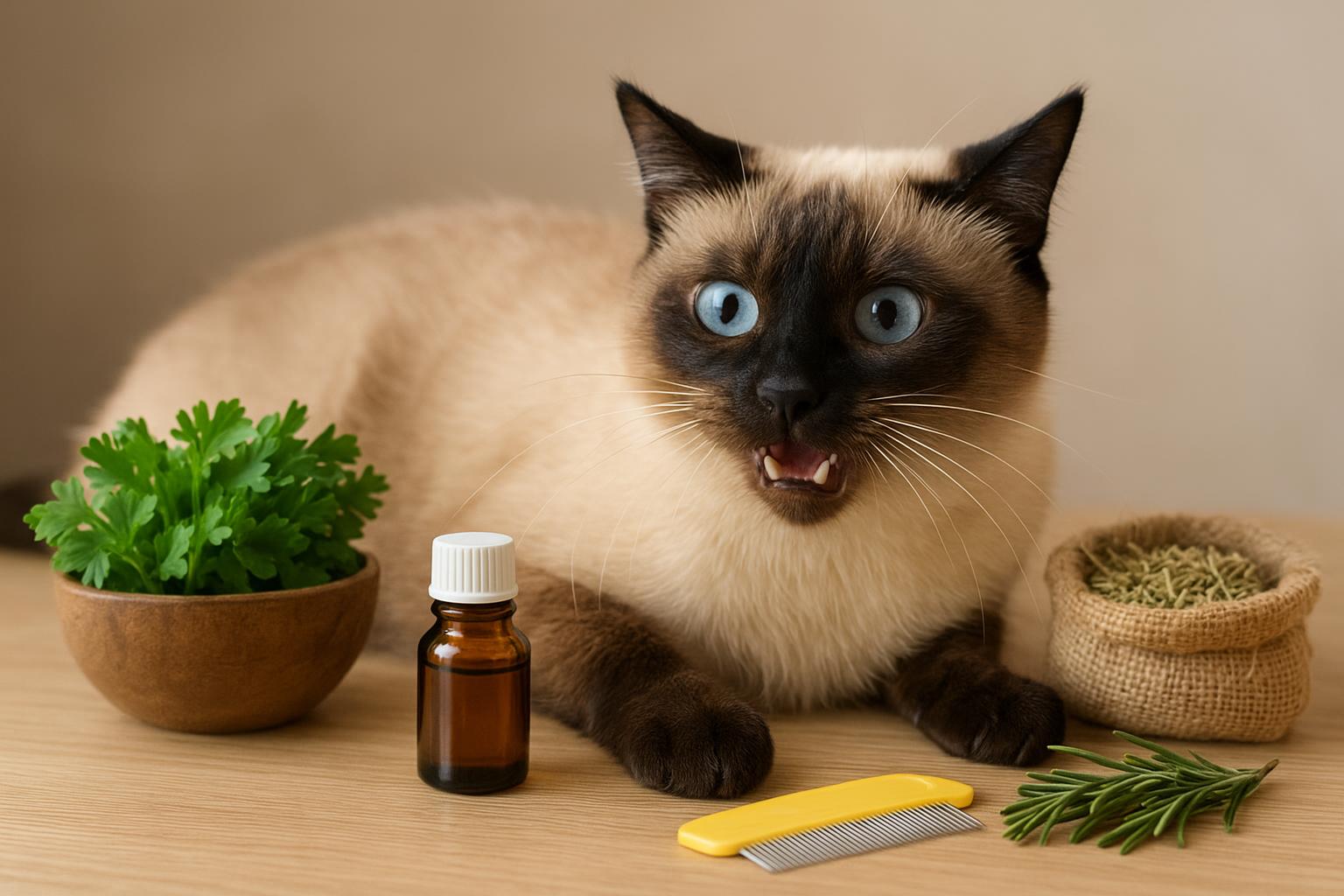
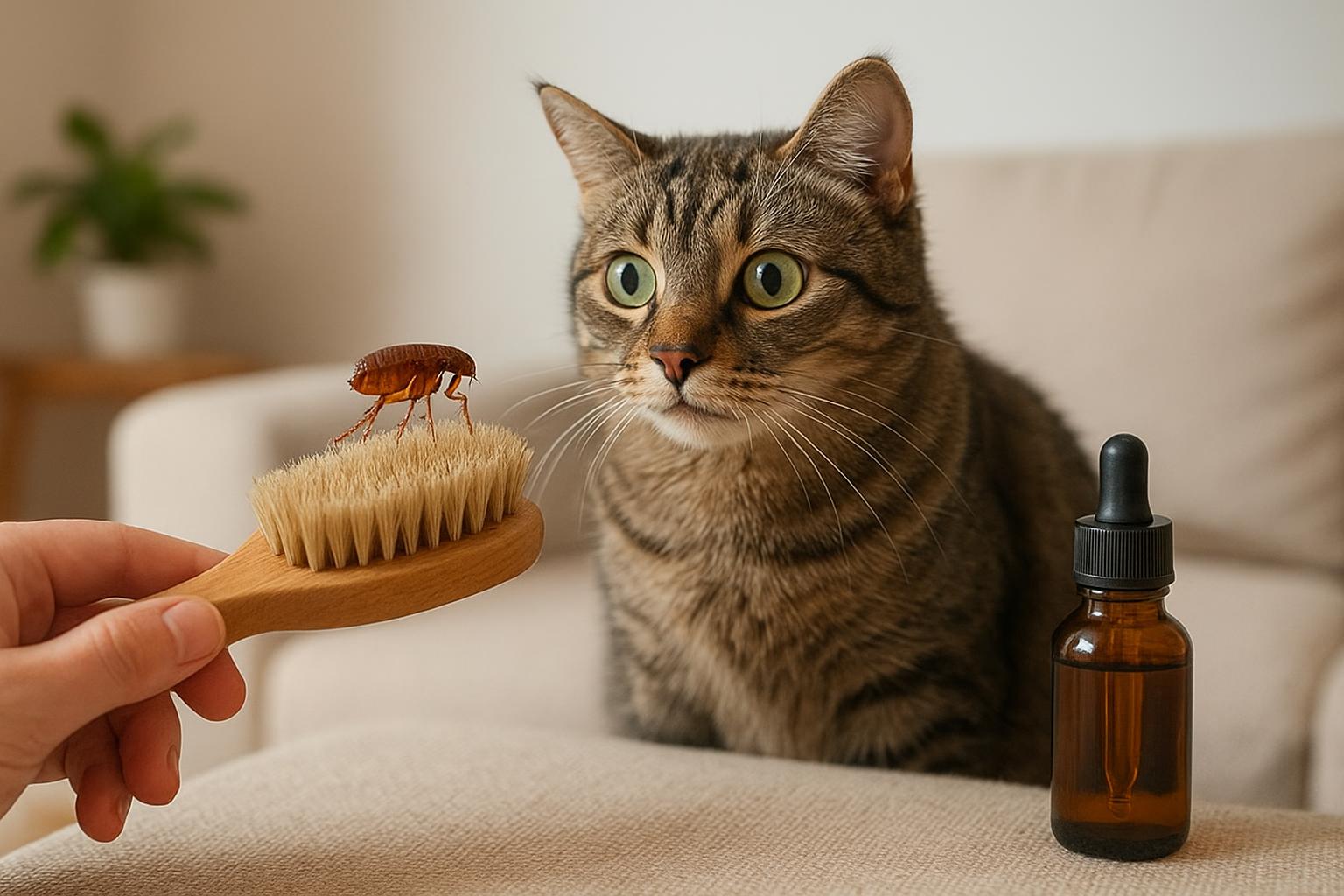
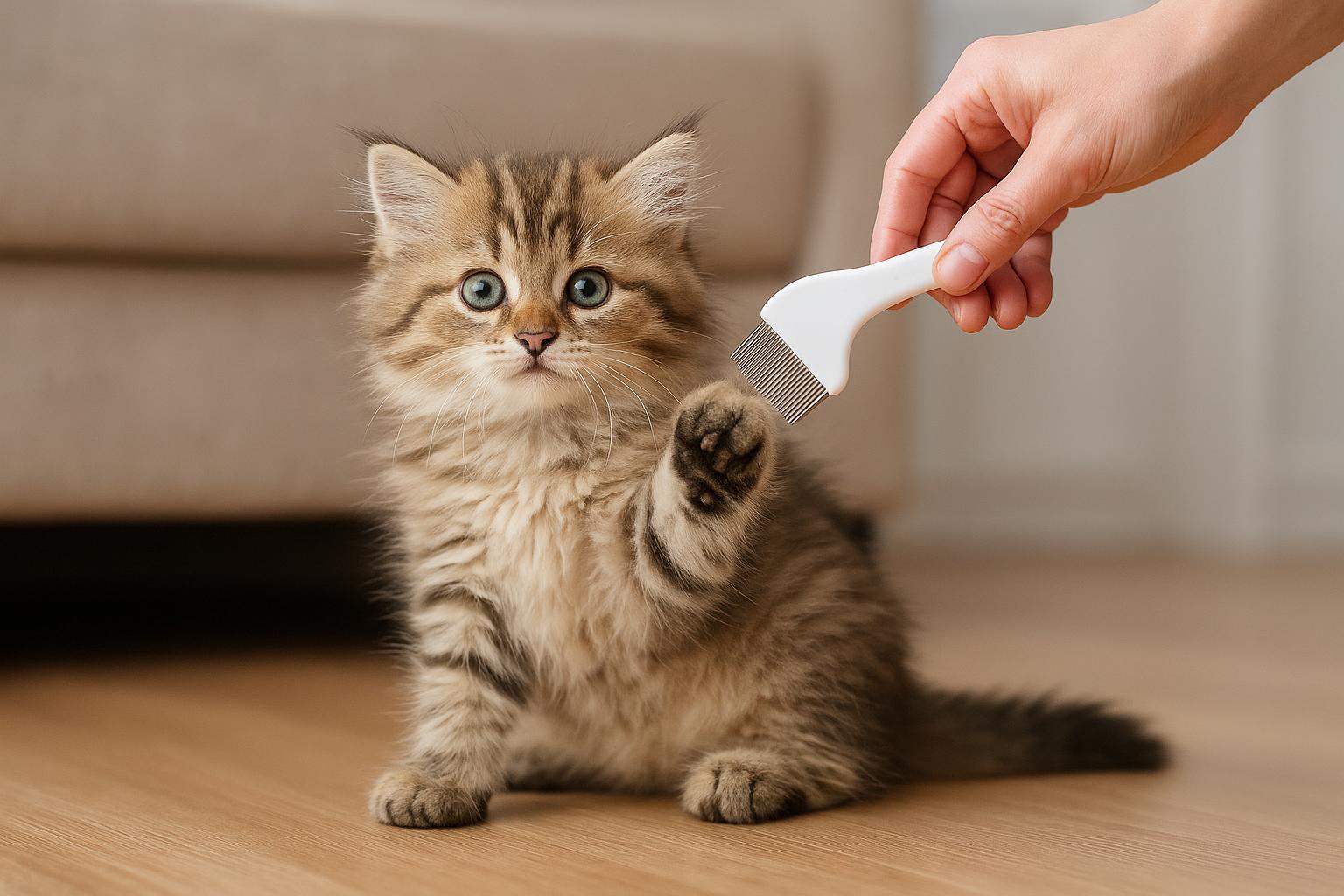
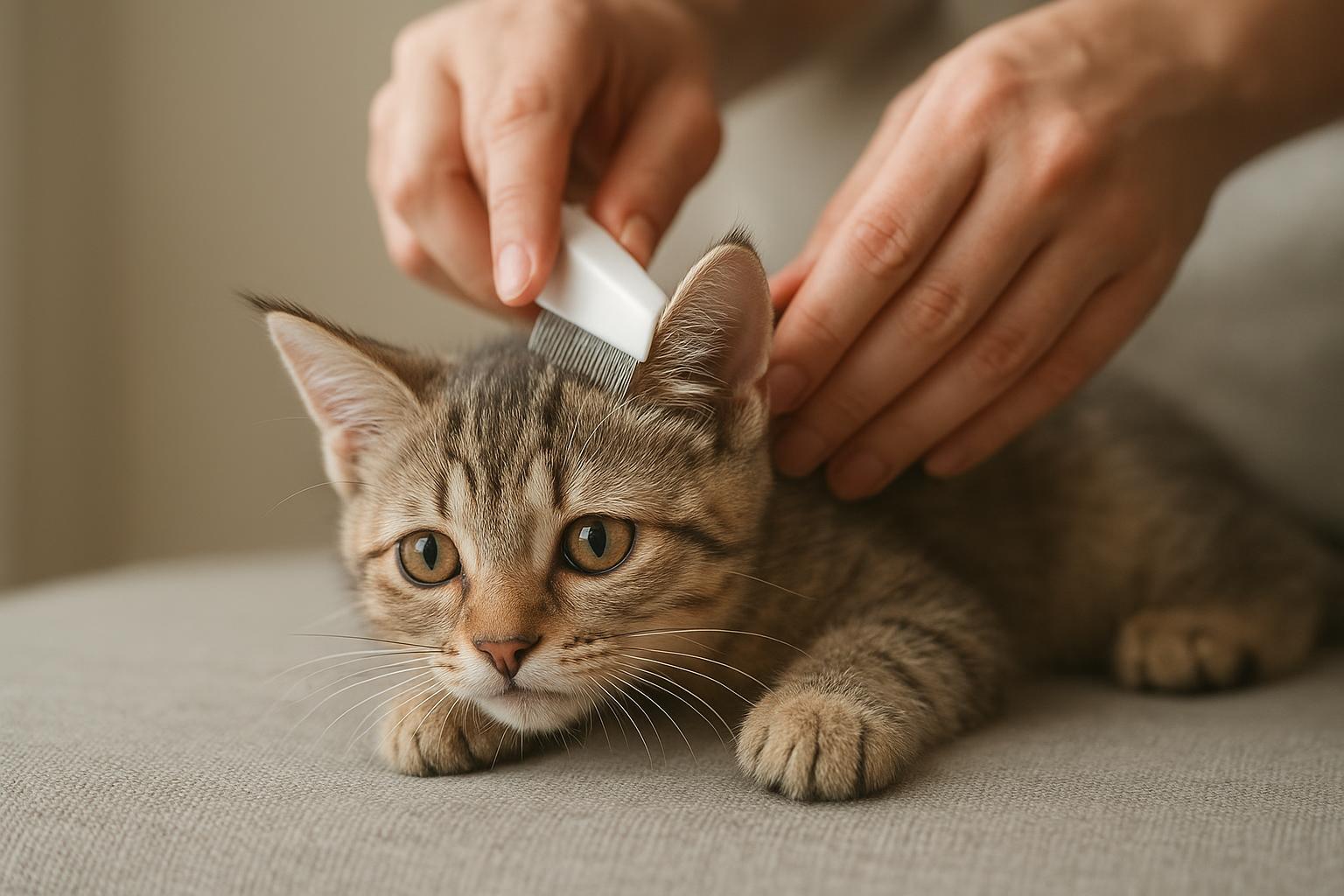
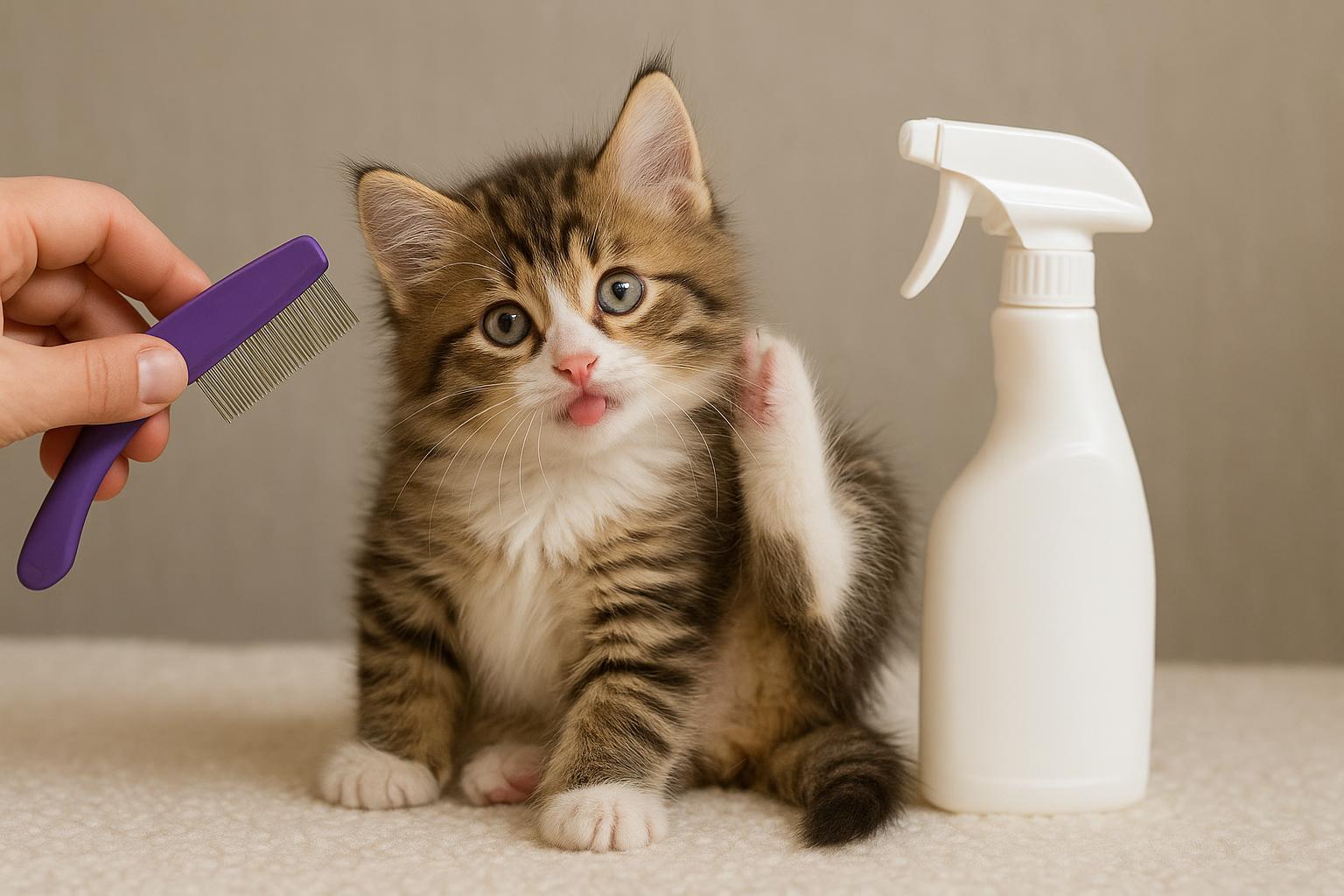
Many flea treatments are not safe for very young kittens or pregnant animals. For kittens under a certain weight or age, vets often recommend environmental control plus gentle methods like brushing and flea combing. A flea comb can remove adults and some debris, and it’s useful for monitoring. For nursing or pregnant cats, your vet will recommend the safest options. Do not improvise with over-the-counter products not labeled for those life stages.
### Signs You Might Be Missing Something
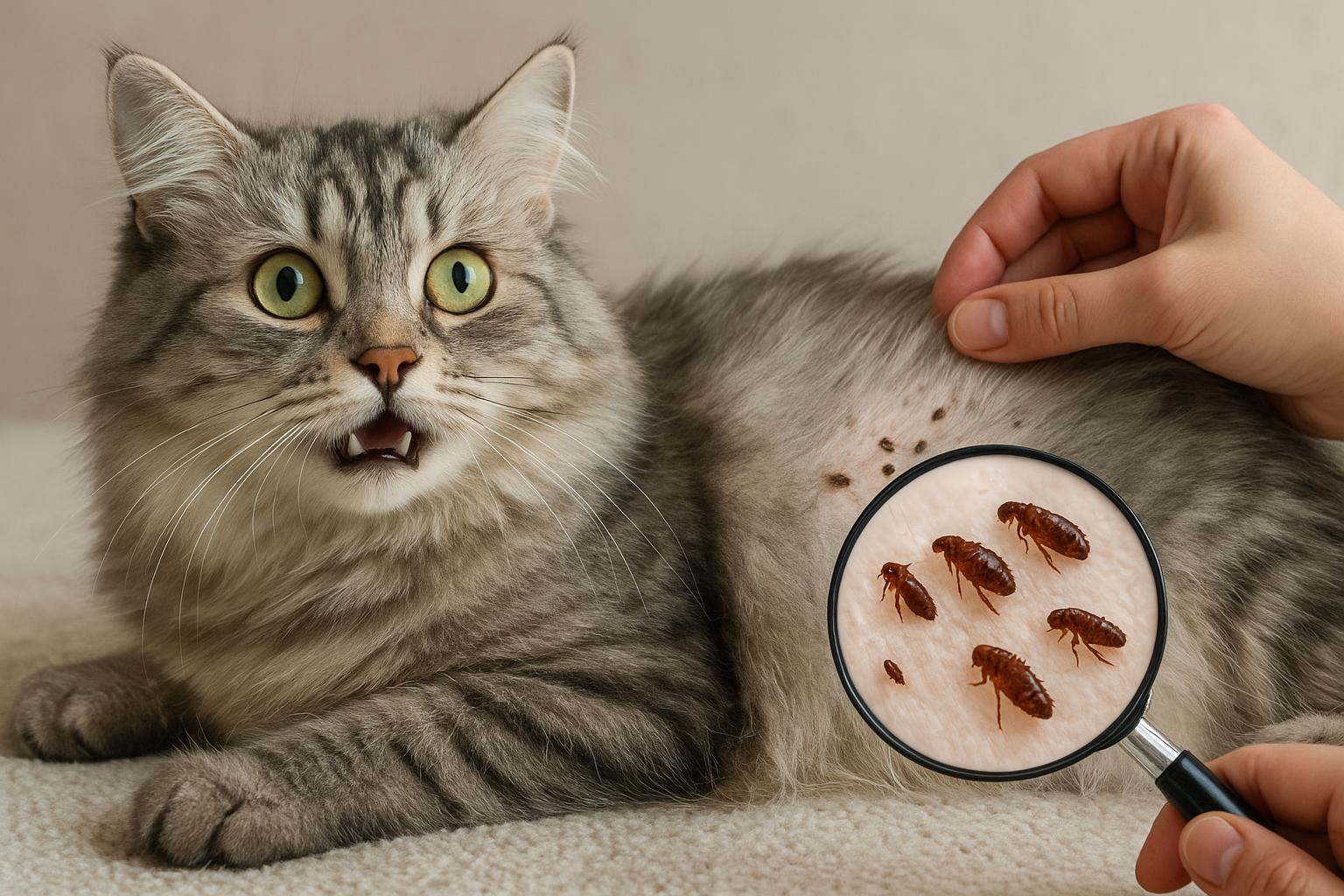
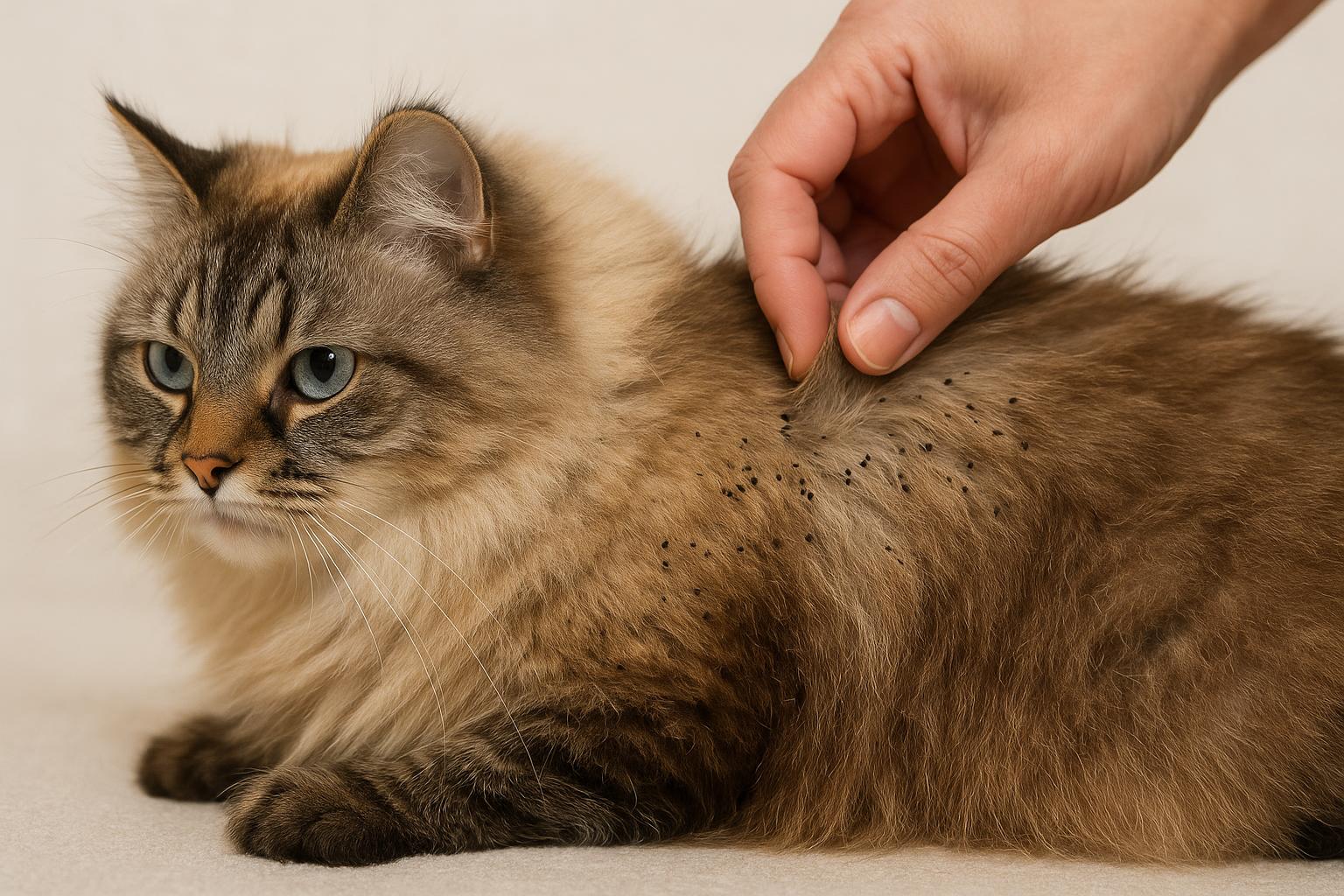
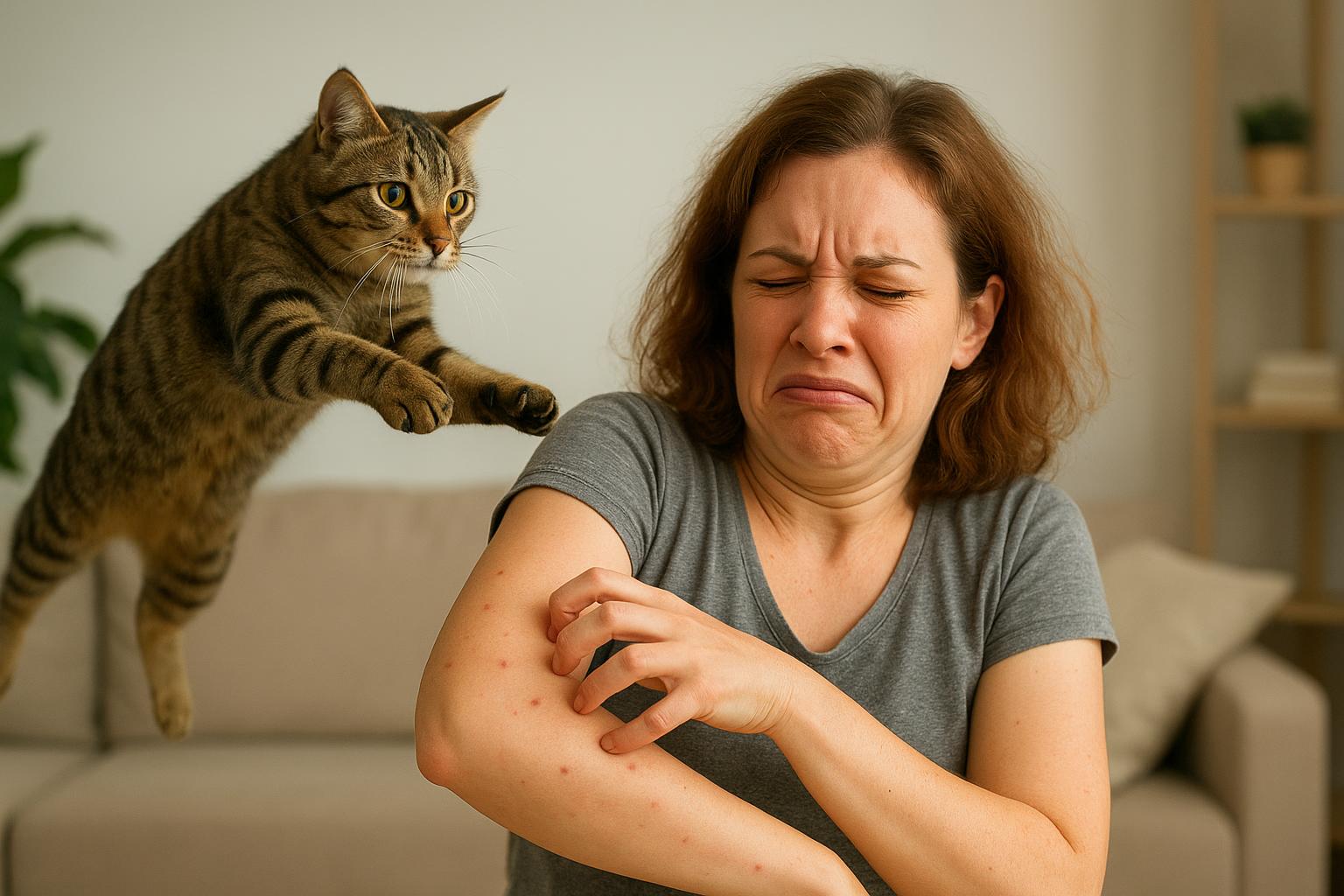
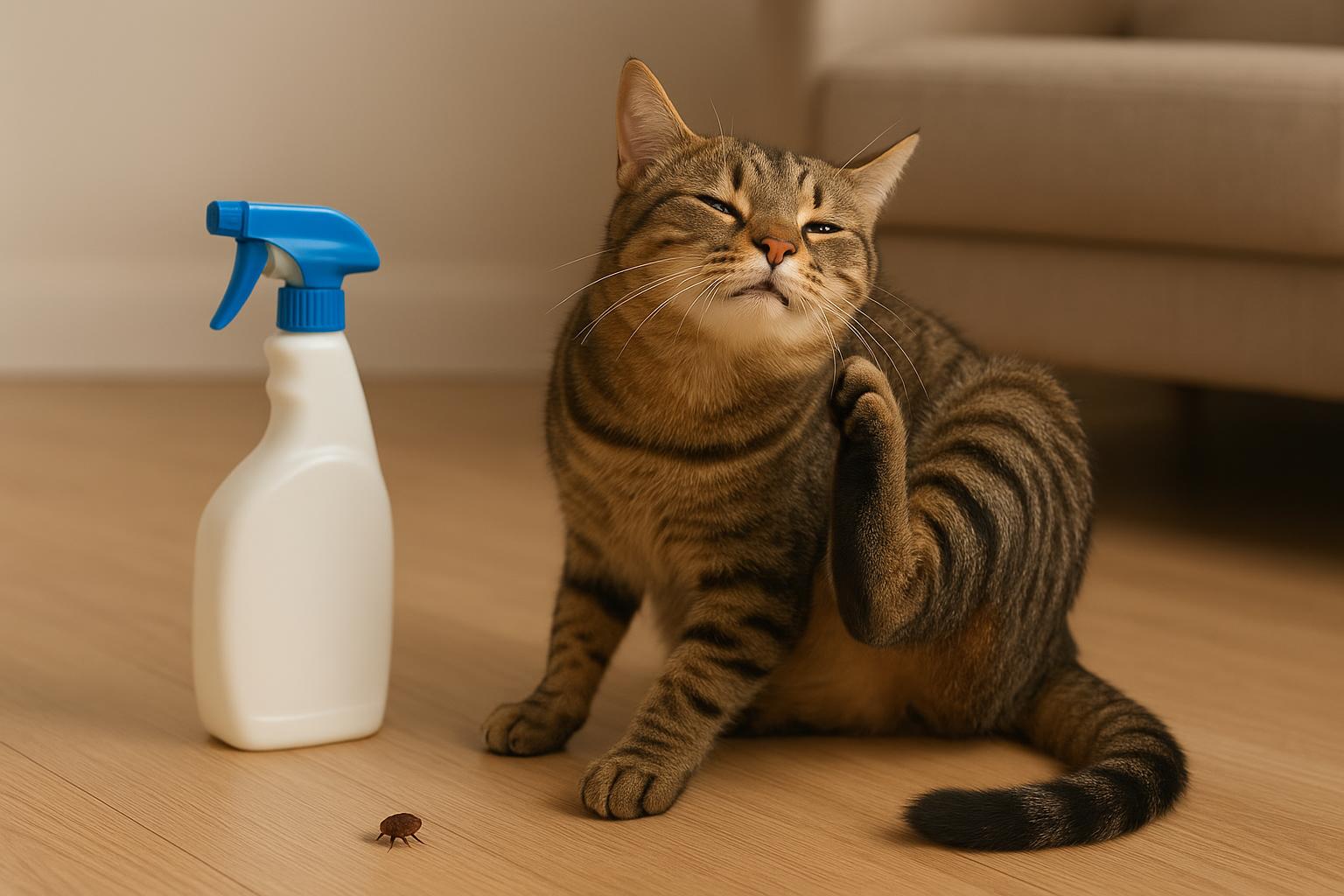
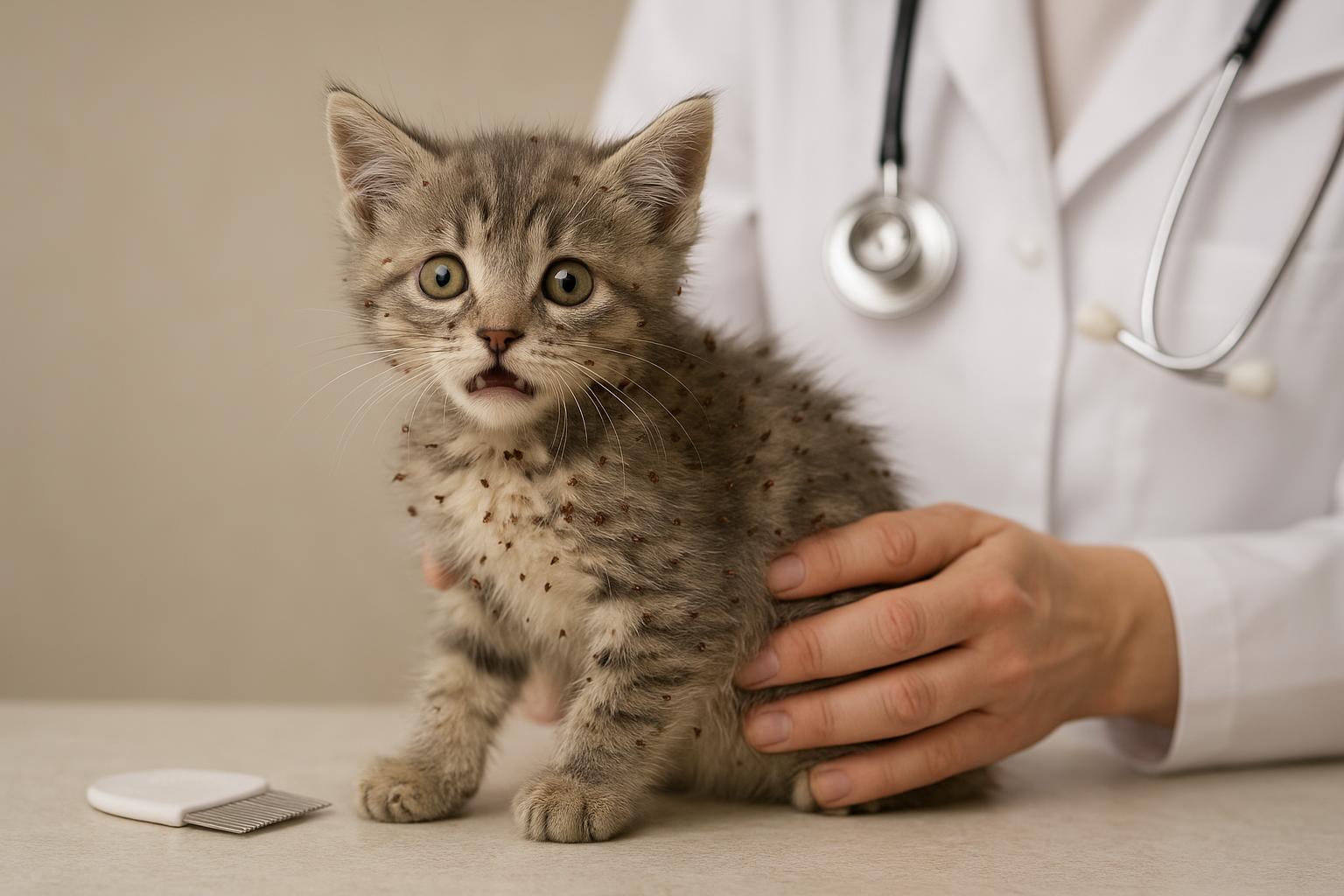
Cats groom themselves constantly, so severe scratching, hair loss, scabby skin, or small black specks (flea dirt) are red flags. Flea allergy dermatitis shows up as intense itching and inflamed skin, often around the tail base. If a treated cat still has fleas, check for product failure: improper application, bathing soon after treatment, or parasite resistance. Also look at the environment. If eggs and larvae remain in carpets and yard, new adults will continue to show up.
### When To Use A Flea Spray Versus Other Options
A flea spray makes sense when you need fast reduction in the home. Sprays are practical for spot treatments: stairwells, rugs, and the corners where your cat spends time. They are less useful for yards unless you have a labeled outdoor formula. For larger infestations, a professional pest control visit might be faster and more thorough. Choose an exterminator experienced with pet-safe approaches.
#### Practical Routine: What To Do Month By Month
Create a simple cadence. Give medication as prescribed. Wash bedding weekly. Vacuum most days for three to four weeks after an infestation begins. Inspect pets weekly with a comb. Keep foliage trimmed around the house to reduce humidity where fleas breed. Reapply outdoor treatments according to label intervals. Mark your calendar so you do not miss doses. A missed month is not a dramatic failure, but repeated gaps build trouble.
### Choosing Products Wisely
Not all flea products are created equal. Avoid impulse buys based only on price. Read active ingredients and research them. Some newer oral compounds have excellent efficacy and convenience, but they may not be appropriate for every cat. Ask your vet about known adverse reactions and report any unusual signs after treatment immediately. A rash, vomiting, or lethargy may indicate intolerance. If one product fails repeatedly, ask about alternatives rather than increasing dose.
#### Dealing With Resistance And Treatment Failure
Fleas can develop resistance to particular chemicals in some areas. If you’ve followed directions and still see live fleas, that could be the problem. The solution is to rotate to a different class of flea medication under vet supervision. Don’t mix multiple products at once without direction. Combining certain topicals and orals can be safe, but not always.
### Yard Care And External Sources
Fleas and their immature stages thrive in shaded, humid patches of grass and under leaf litter. Removing debris, mowing, and keeping the area sunlit reduces populations. Spot-treat shady zones with products labeled for outdoor use if infestation persists. If neighborhood wildlife is the primary source, consider capping access under porches and discarding food sources. Feeding wildlife or leaving compost exposed invites visitors with fleas.
### Monitor And Adjust Over Time
A year-round flea defense for cats is not a single purchase. It is a set of habits plus a regimen of products that you revisit as conditions change. Monitor for signs of return. Watch for outbreaks in spring and autumn, but do not ignore winter. In warmer climates, fleas remain active year-round. In cold regions inside heated homes they still find hosts. Keep a simple notebook or an app reminder for doses and for the times you treated home and yard. If you see a pattern—say, more fleas after neighborhood events—adapt your approach.
#### The Human Side: Safety And Misuse
People often try to speed things up by increasing frequency or combining products without checking labels. That can harm your cat. Always use products labeled for cats, follow dosing by weight, and store chemicals out of reach. If someone in the household is pregnant or has sensitivities, choose pet products with attention to their safety sections. Keep treatment receipts and product information in case you need medical or veterinary advice later.
You will make mistakes. One of mine was using a pet product on a feral that turned out to be mispelled on the label and ended up being the wrong concentration. Learn from them and move forward with better checks.
### Keep Communication With Your Vet Open
A vet is not just for emergencies. They can recommend the right medication for your area and your cat’s health. If fleas persist despite everything, a vet can rule out other causes of itching and advise on next steps like lab tests or alternative medications. Consider scheduling a brief check-in when you start a year-round program and again if you notice treatment failure. It’s often cheaper and less stressful than dealing with a full-blown infestation later.









Leave a Reply