
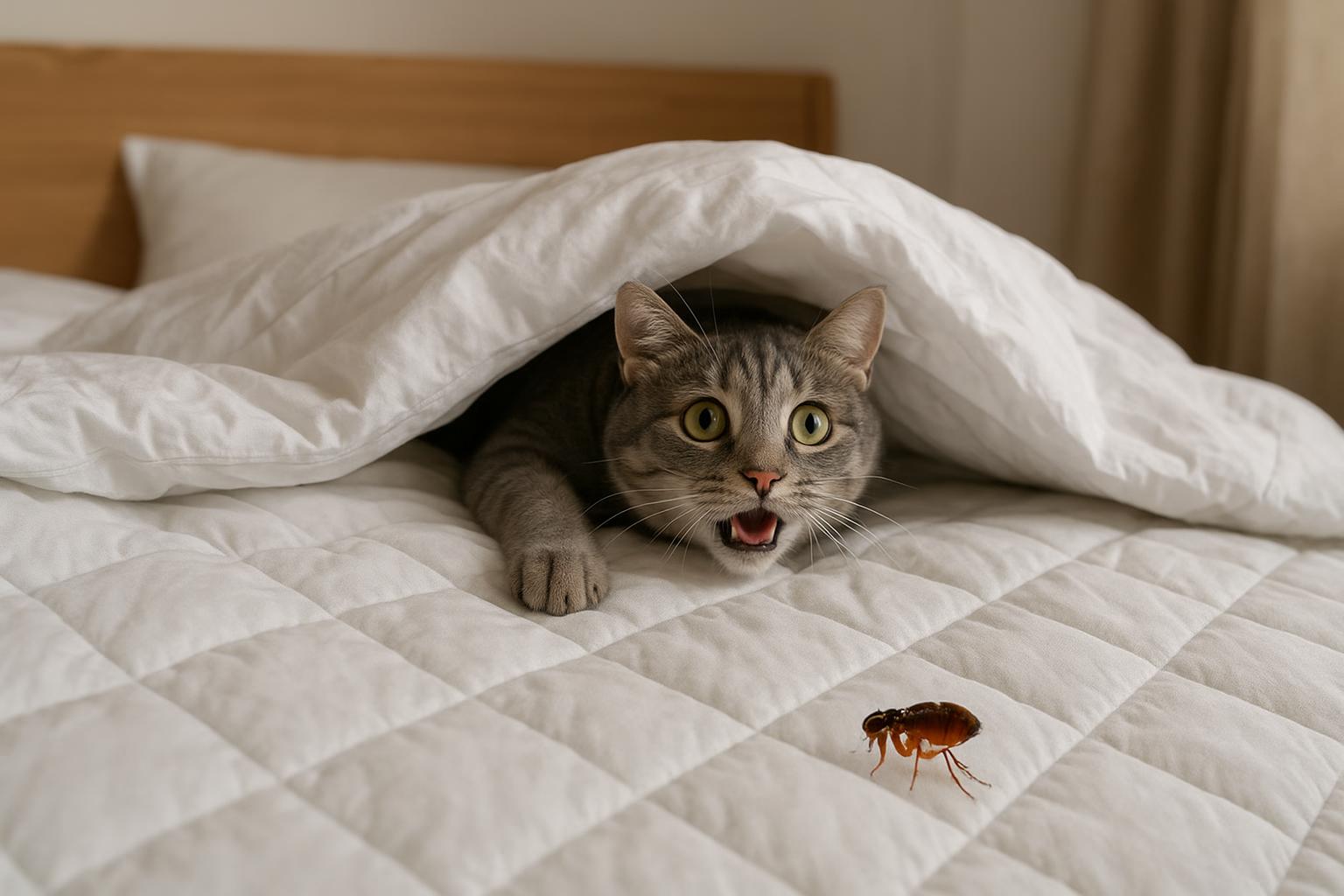
Kittens and fleas do not mix. When a stray flea gets into a litter, it’s not just itchy—fleas can cause anemia, tapeworms, and a lot of stress for a tiny, fragile body. Pick a safe path and you skip the drama.
## Kitten-Safe Flea Treatment Options That Work
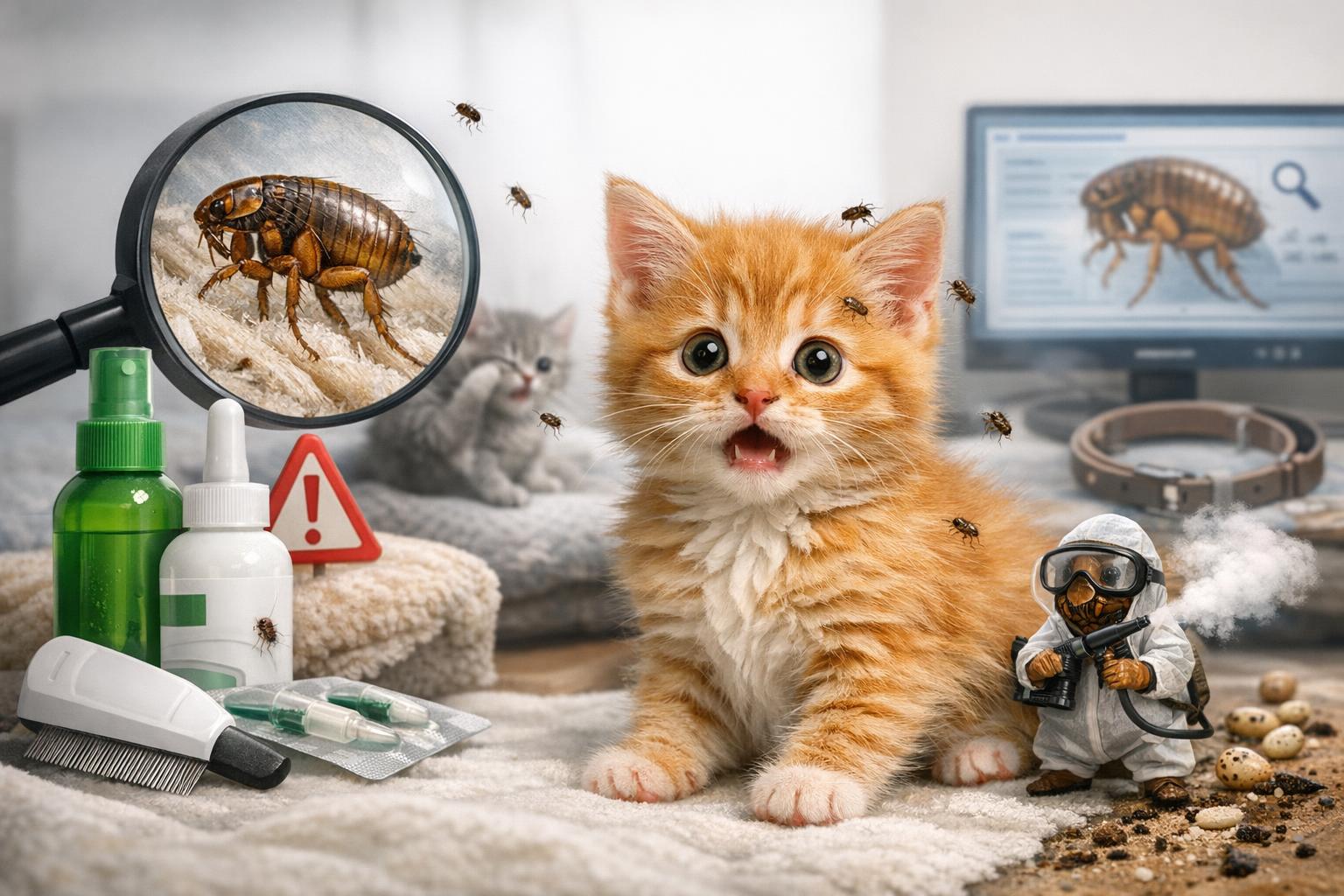
If you’re searching for kitten-safe flea treatment options, start by knowing the kitten’s age and weight. Many products labeled for “cats” are meant for adults and can harm young kittens. The phrase kitten-safe flea treatment options applies to several categories: short-term knockdown products, preventative spot-ons made for kittens, and environmental controls. Use them in combination when needed, but always follow label guidance and your vet’s advice.
### How Age And Weight Change What’s Safe
Kittens under eight weeks or under two pounds often need different care than older kittens. Some oral medications are only approved for kittens over a certain age, while some topical spot-on treatments are formulated specifically for kittens as young as four weeks. If a product is fine for a 12-week-old, it might still be dangerous for a six-week-old. That’s why you’ll see the same brand offer multiple “flea options” across life stages.
### Quick Knockdown: Nitenpyram (Capstar)
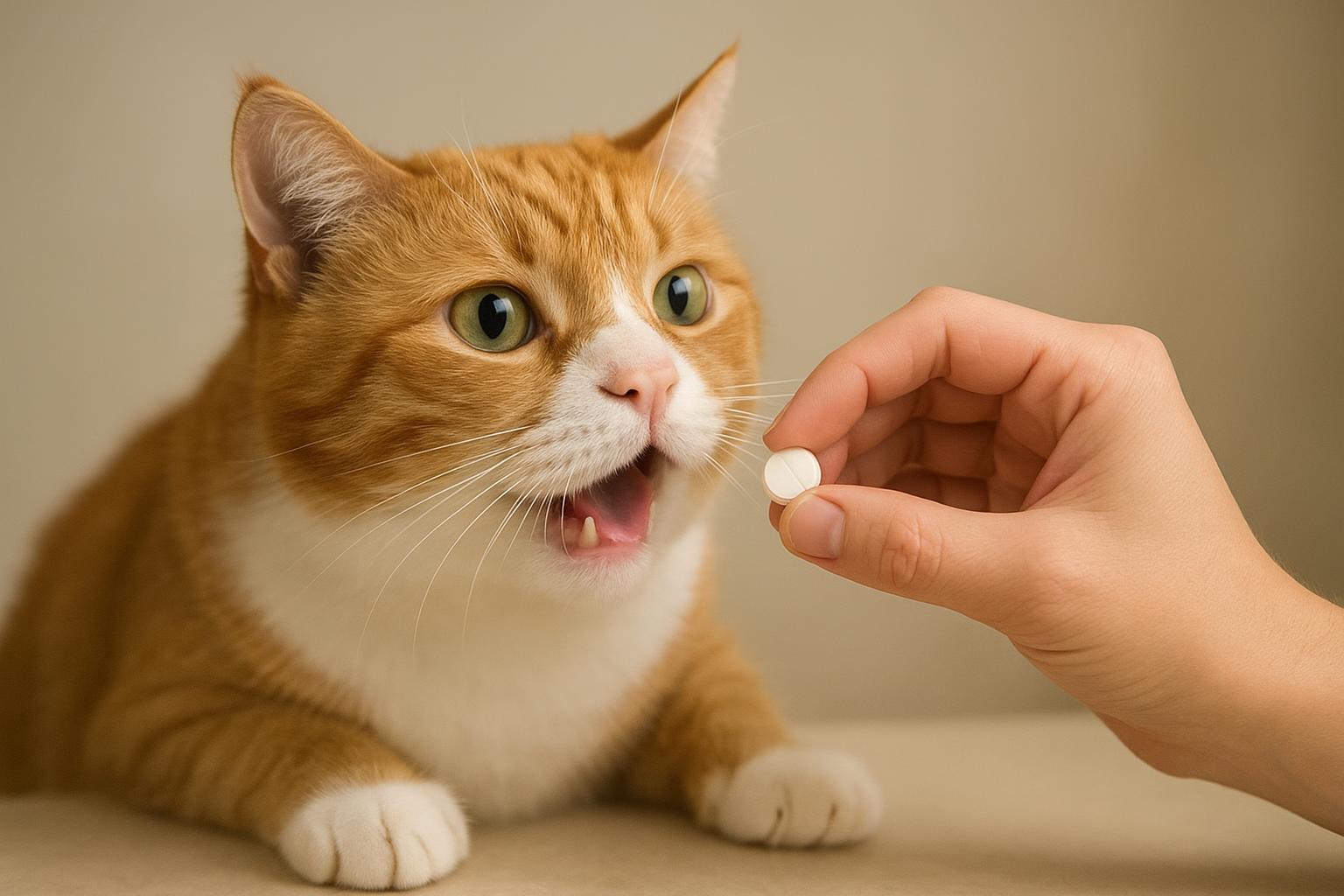
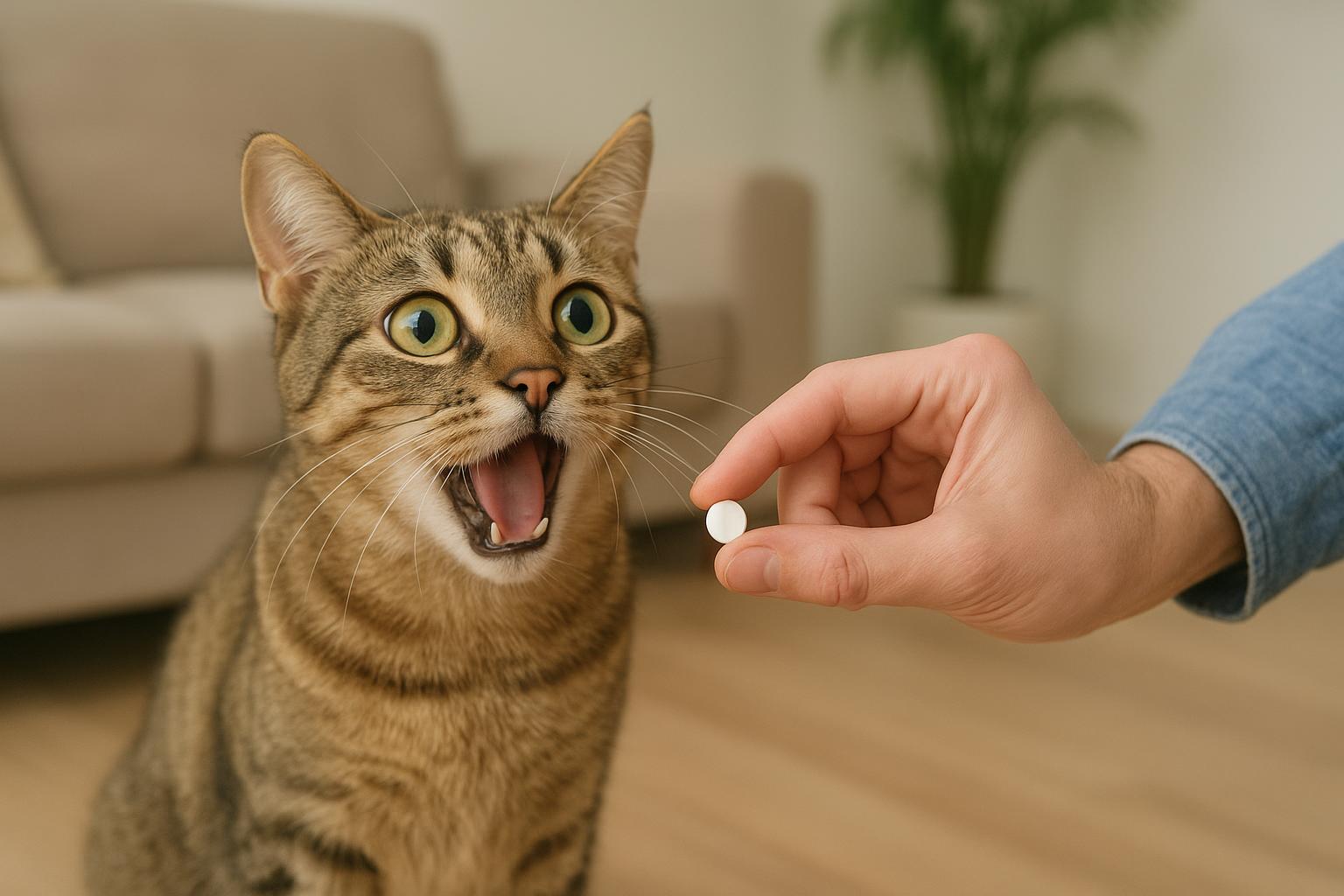
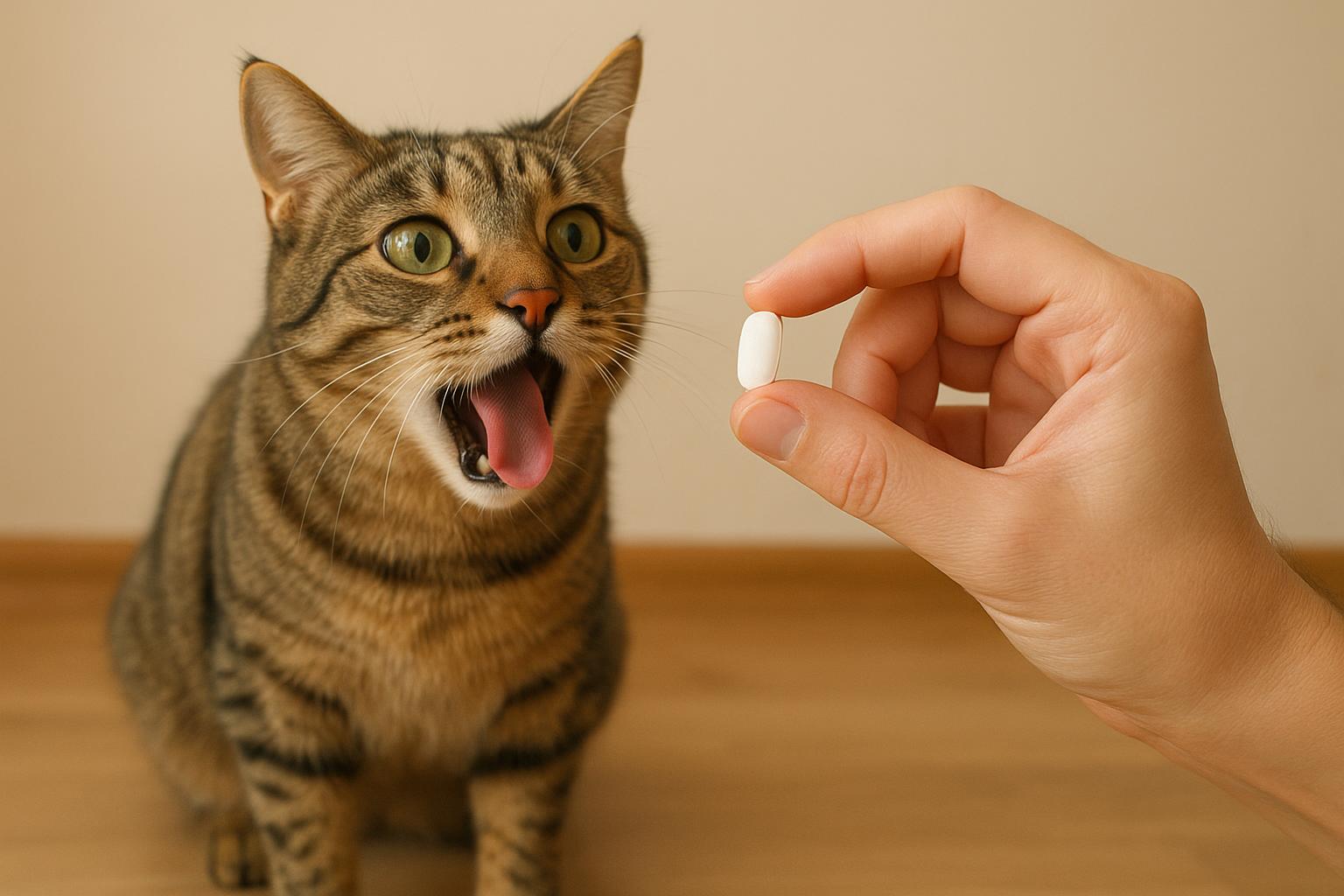
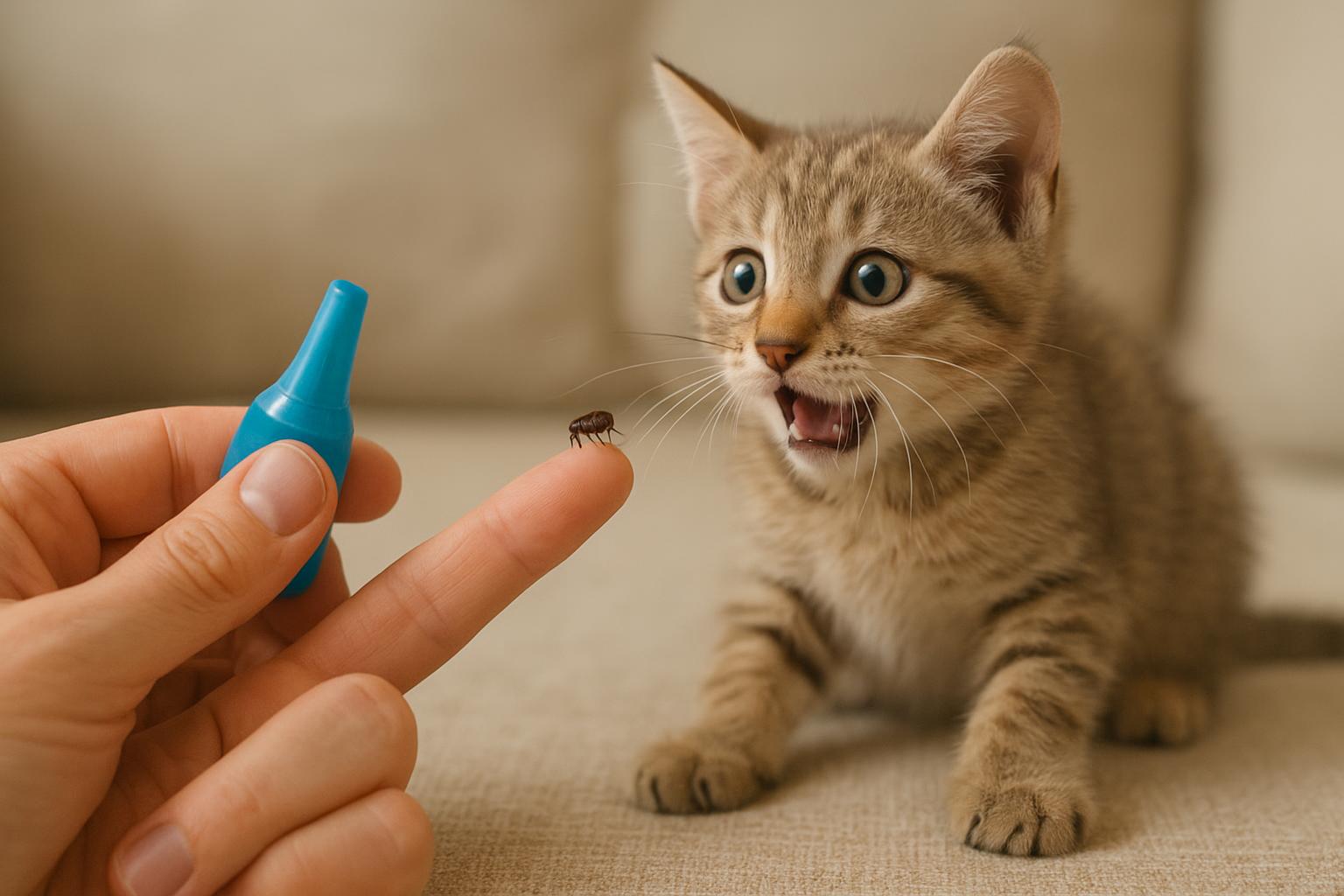
Nitenpyram tablets, known by the brand Capstar, are a fast, short-term solution that can be given to kittens in many cases. They start killing adult fleas within 30 minutes. The effect lasts about 24 hours, which makes it useful for immediate relief before you put other treatments in place. Capstar doesn’t stick around in your kitten’s system, which is why vets sometimes use it for young or sick kittens while planning a longer-term approach.
#### How To Use It Safely
Give the correct dose based on weight. If you have multiple kittens, treat them all at once so fleas don’t hop from one to another and undo your work. Capstar doesn’t kill flea eggs or larvae, so expect follow-up steps.
### Spot-On Treatments Made For Kittens
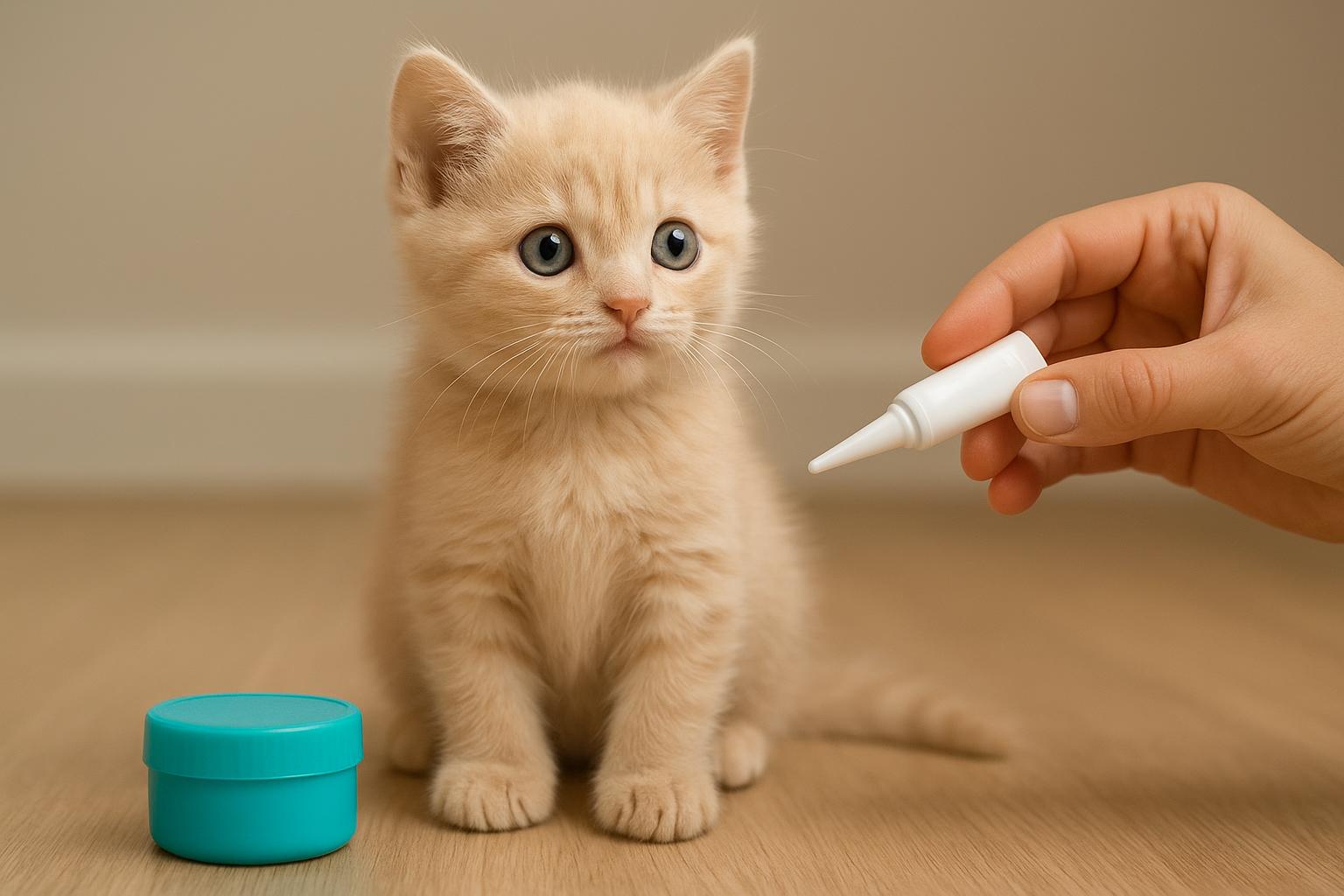
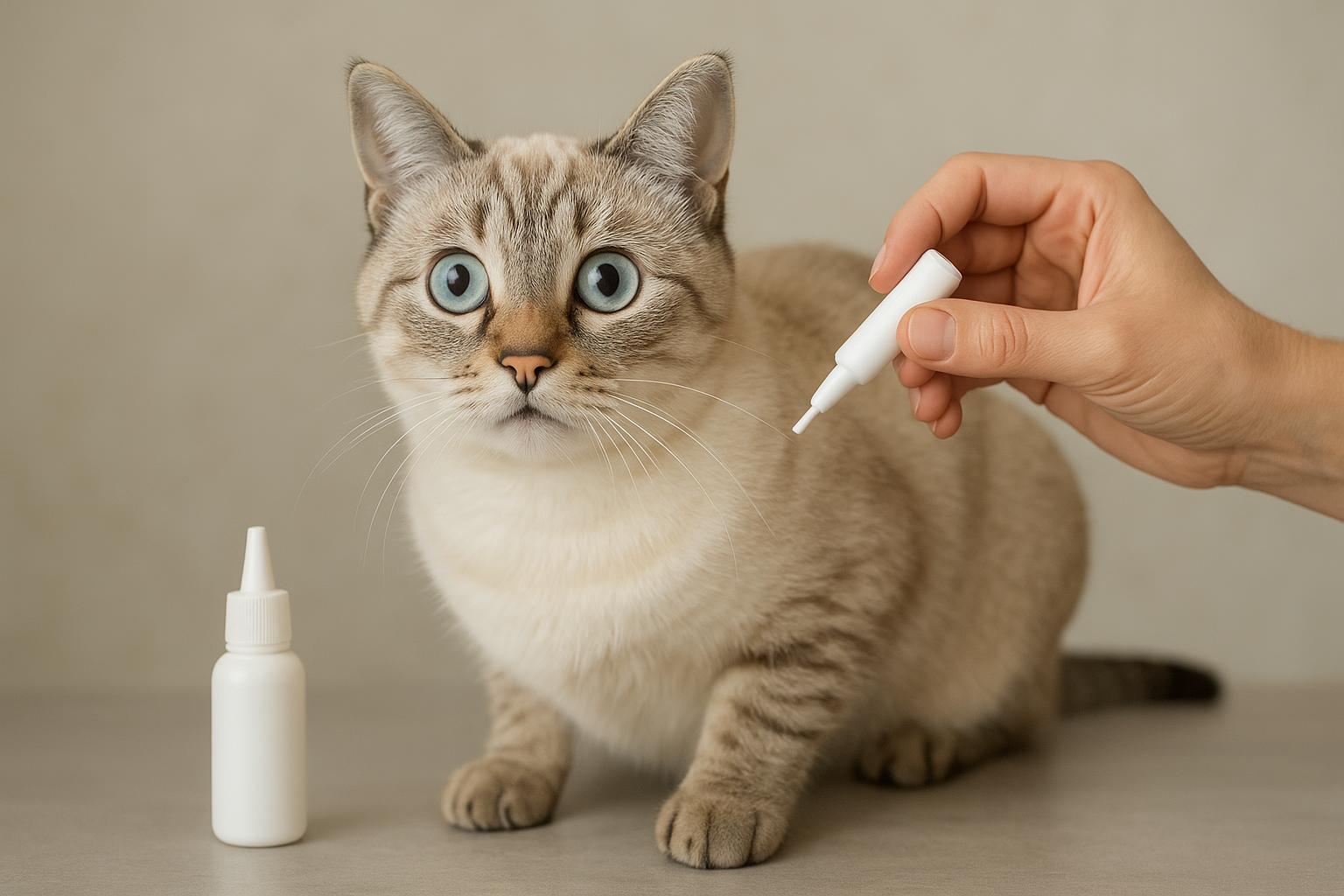
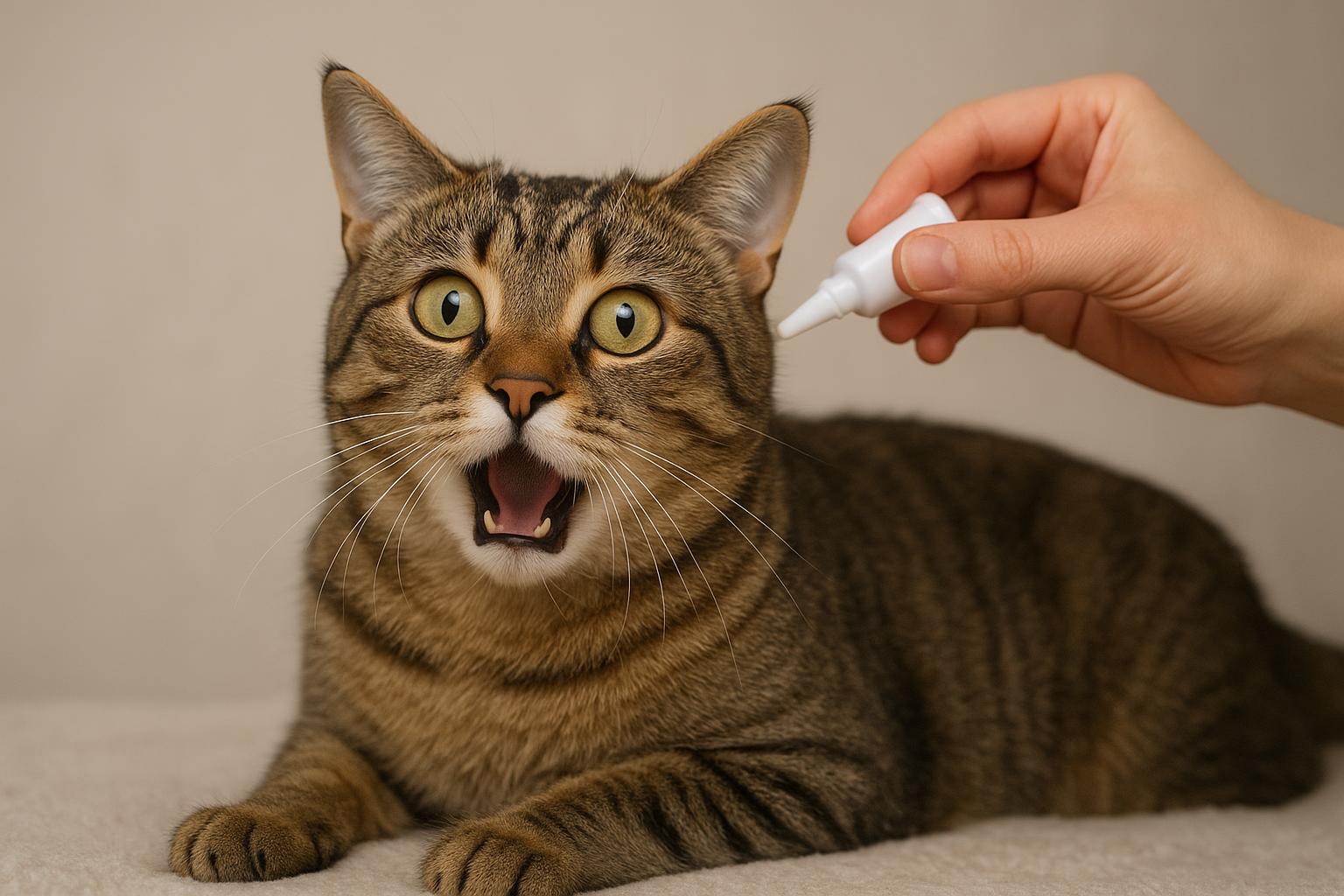
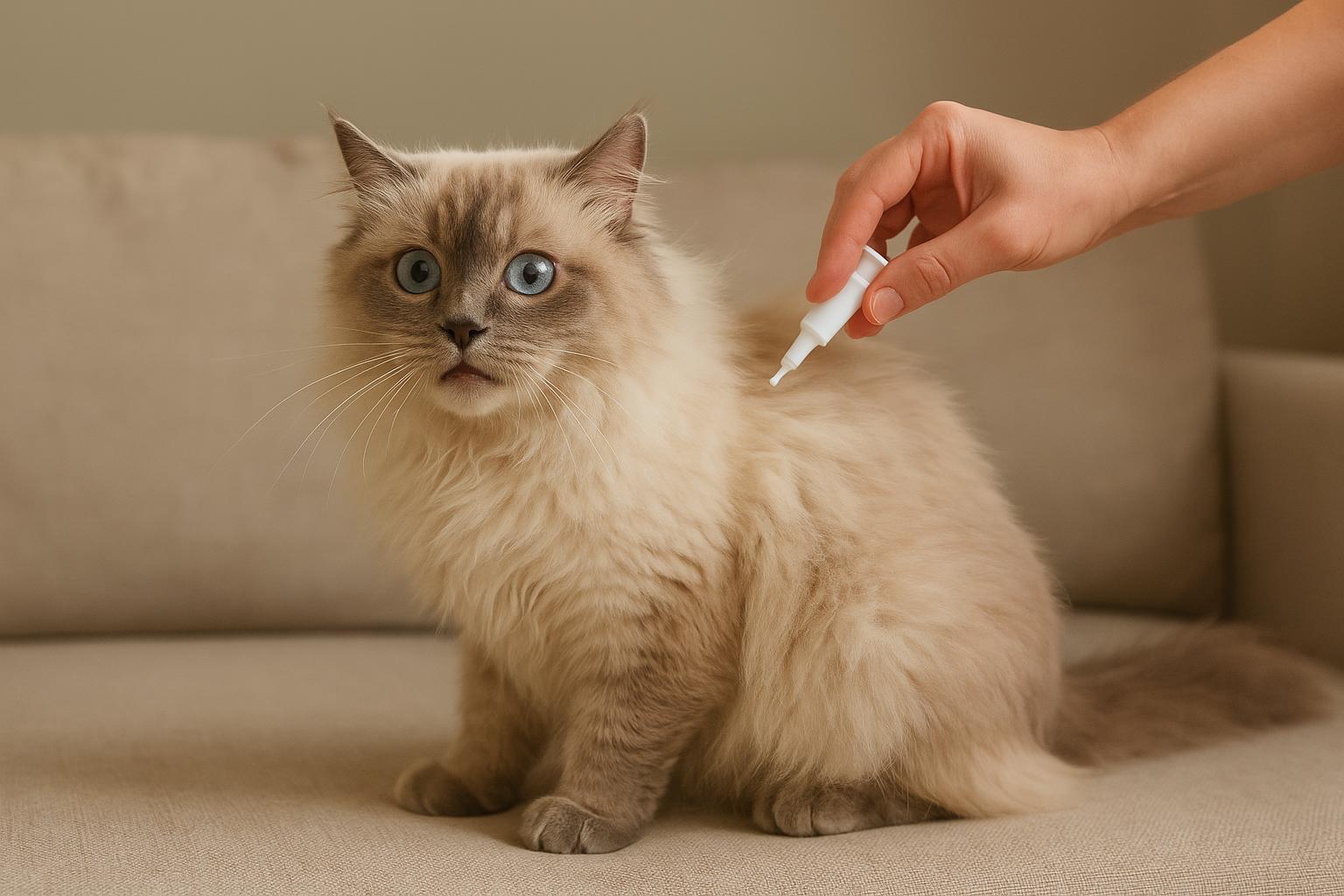
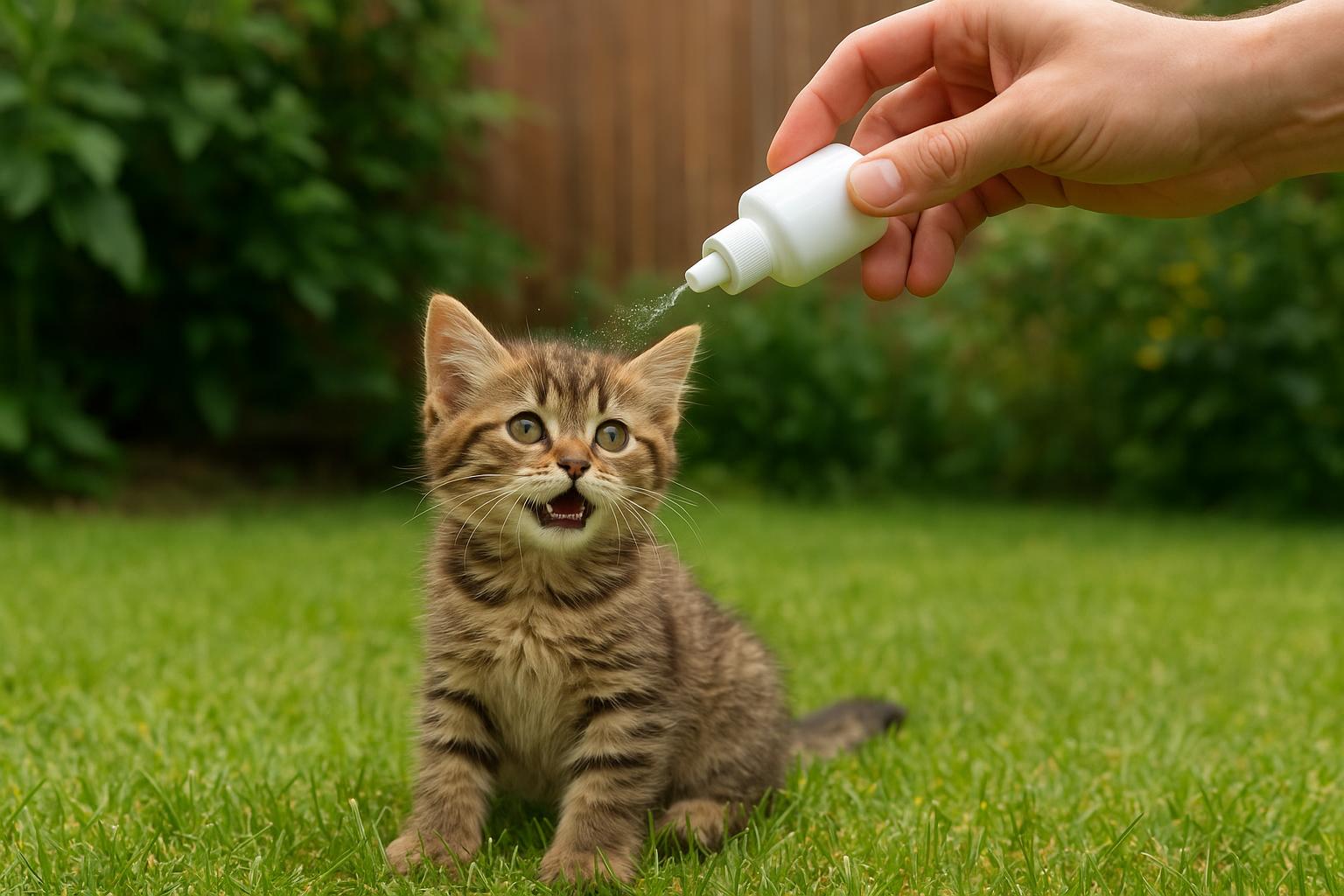
There are spot-on (topical) formulas explicitly labeled for kittens. These are applied at the base of the skull and work through the skin’s oils. Many of the newer kitten-approved spot-ons contain compounds that kill adult fleas and prevent larvae from developing.
#### Reading The Label
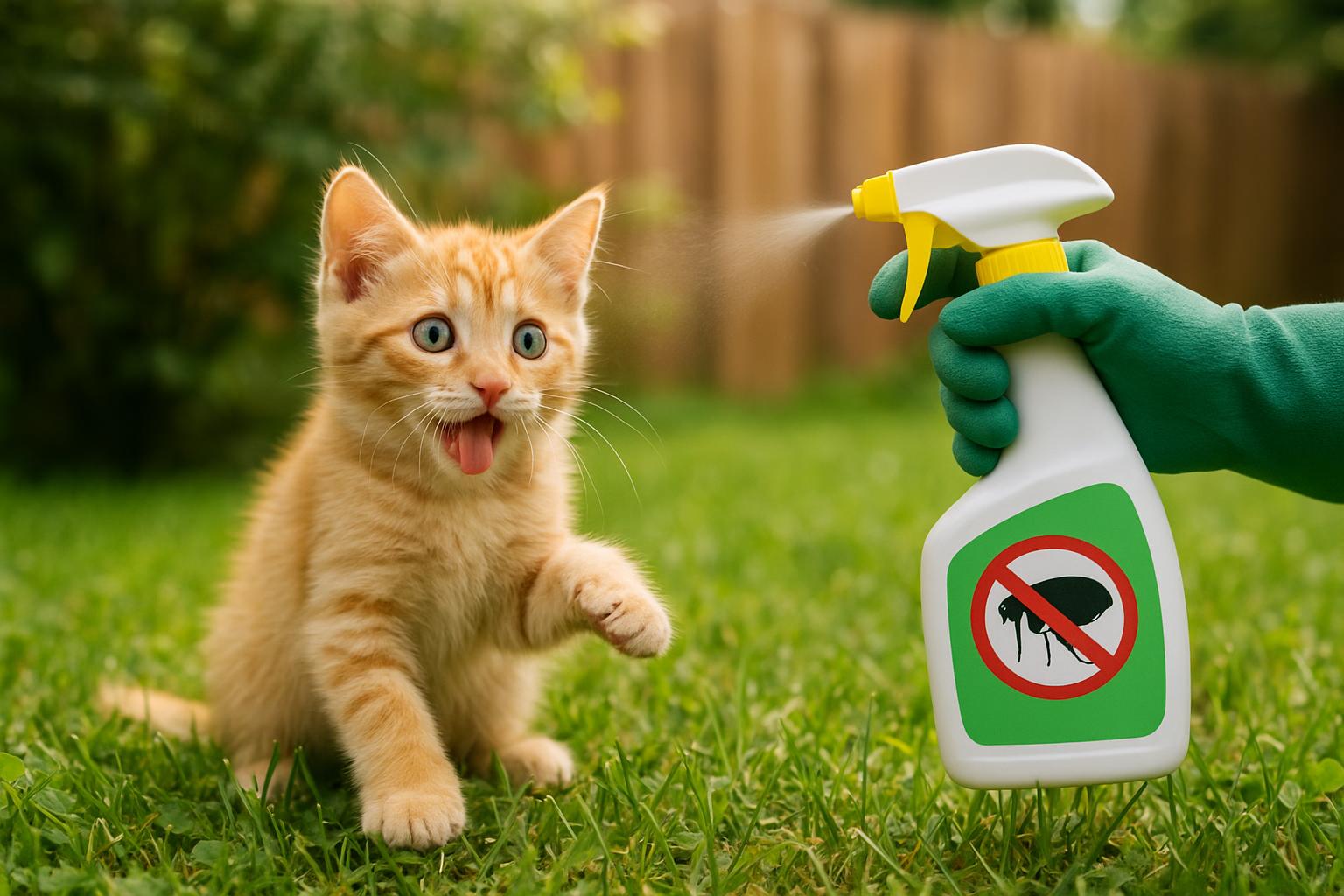
Labels will say the minimum age and weight. They’ll also list whether the product treats other parasites like ticks or mites. Only buy products with clear kitten approval. Do not use dog products on cats; ingredients safe for dogs can be deadly for cats.
### Oral Medications: When They’re Appropriate
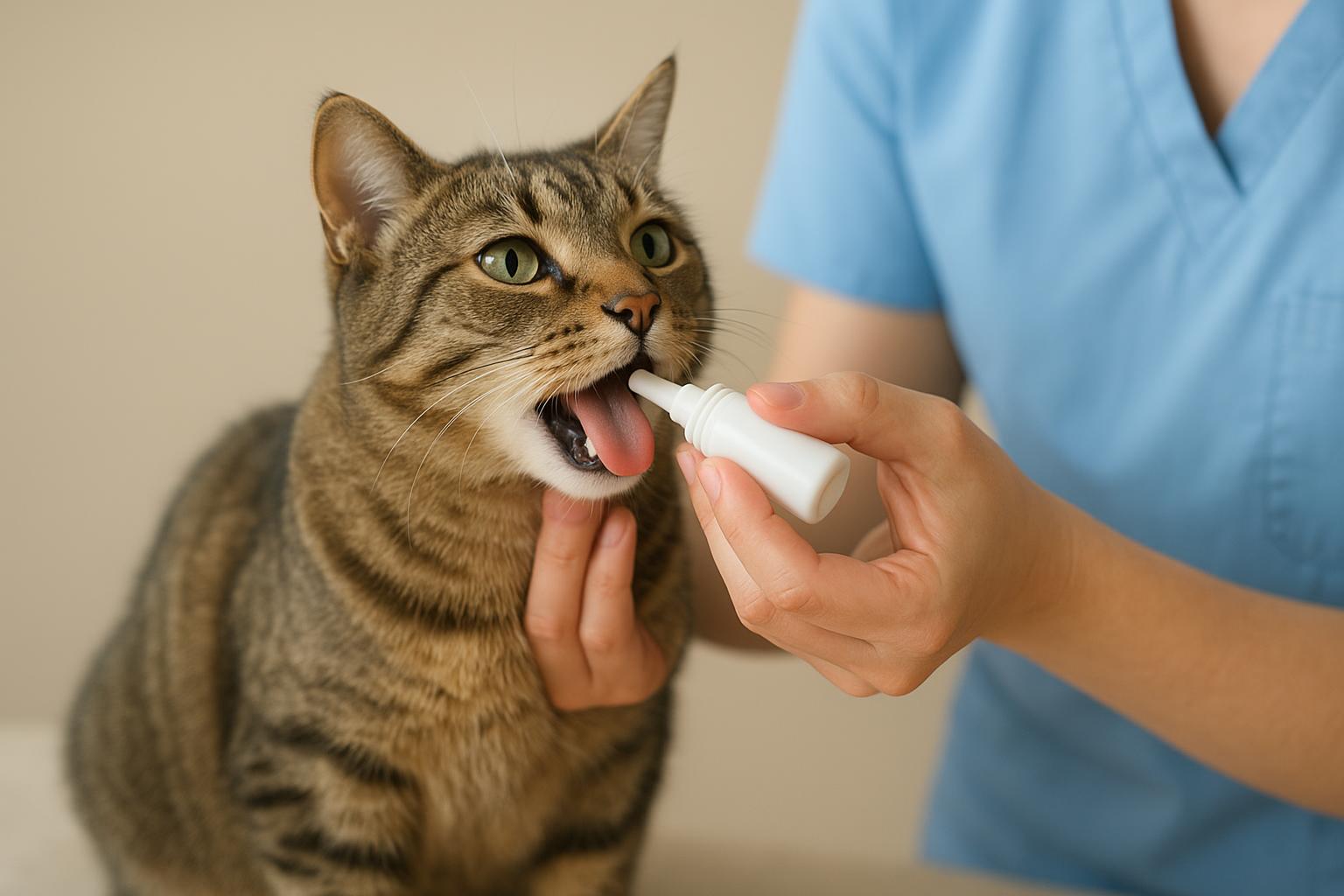
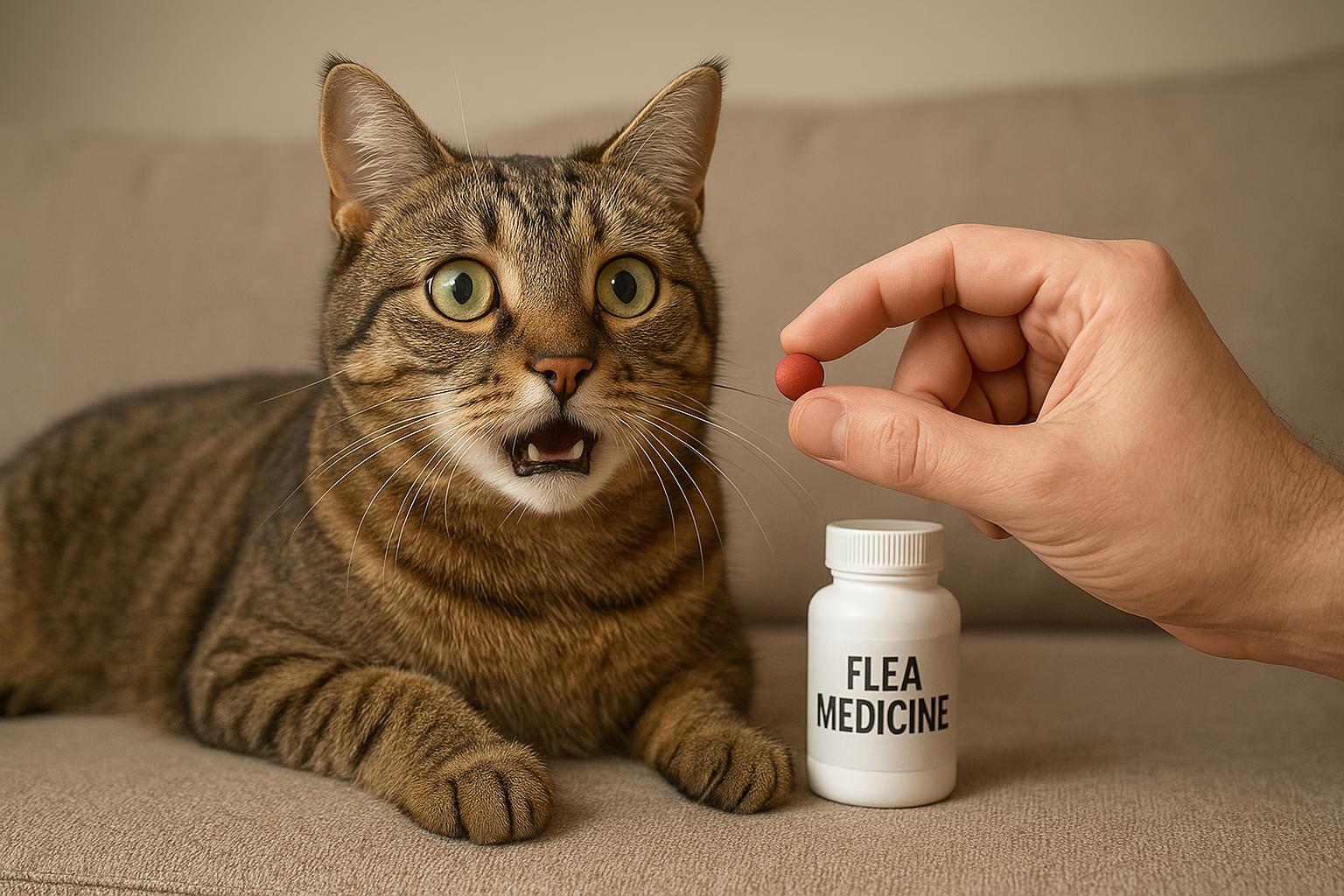
Some flea medications are oral chewables or tablets that provide longer protection. Most of these require a minimum age or weight, so they’re not always an immediate option for very young kittens. For older kittens the oral route can be efficient: one dose can protect for a month and simplify household treatment.
#### What To Ask Your Vet
Ask whether an oral product is labeled for kittens and what side effects to watch for. If your kitten has other health issues or is on medication, that changes the risk. Don’t improvise doses based on human meds or leftover pills.
### Flea Combs, Baths, And Manual Removal
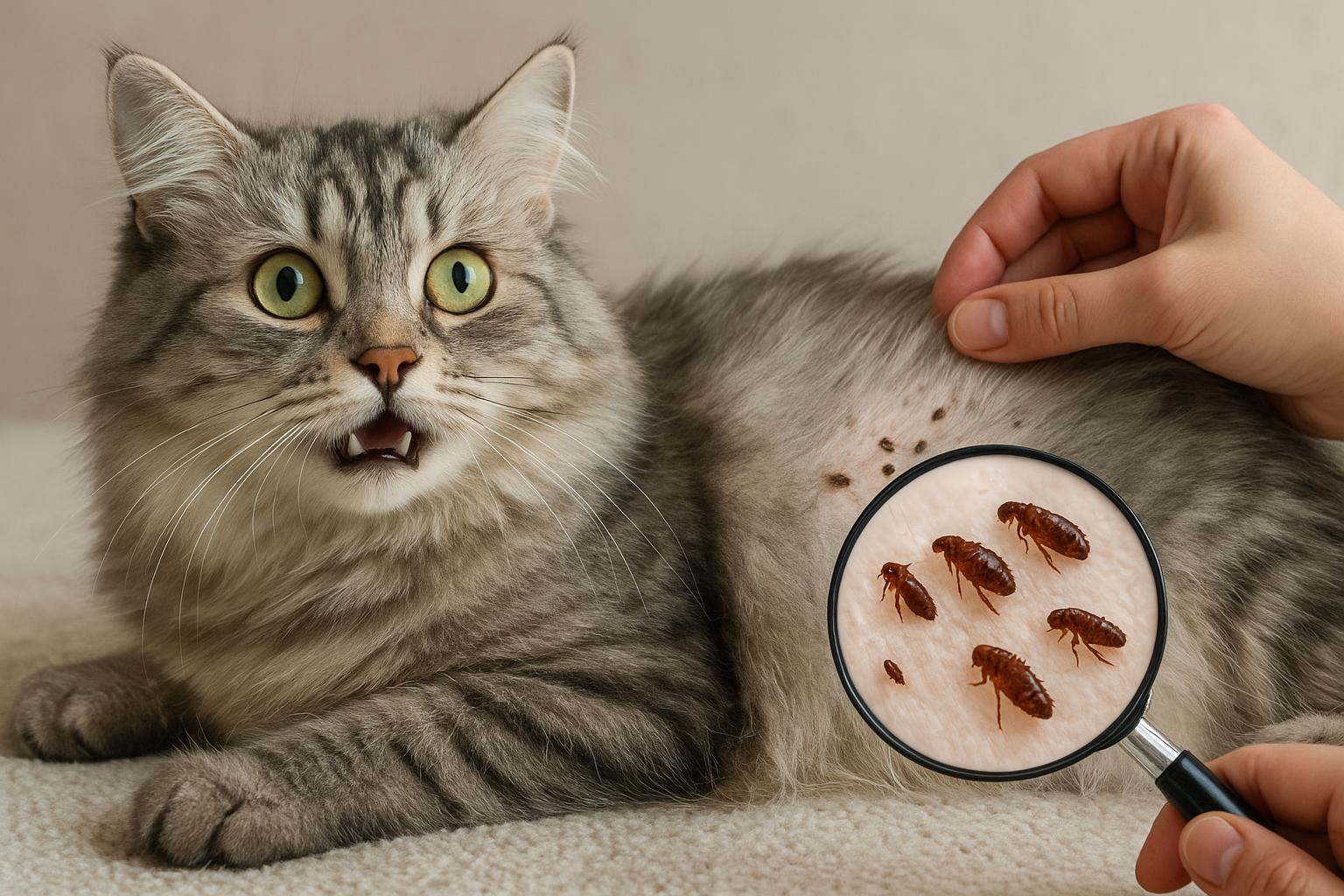
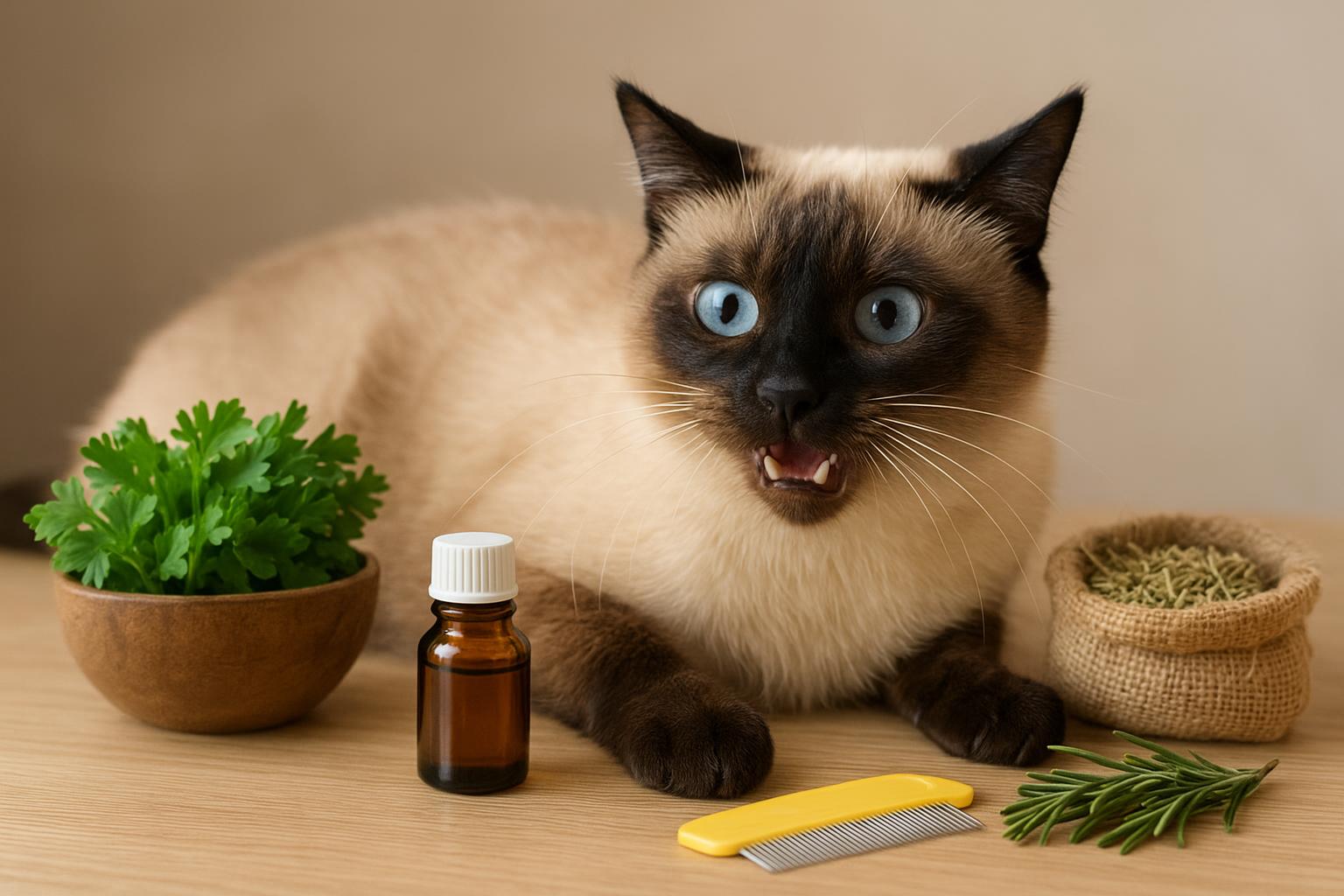
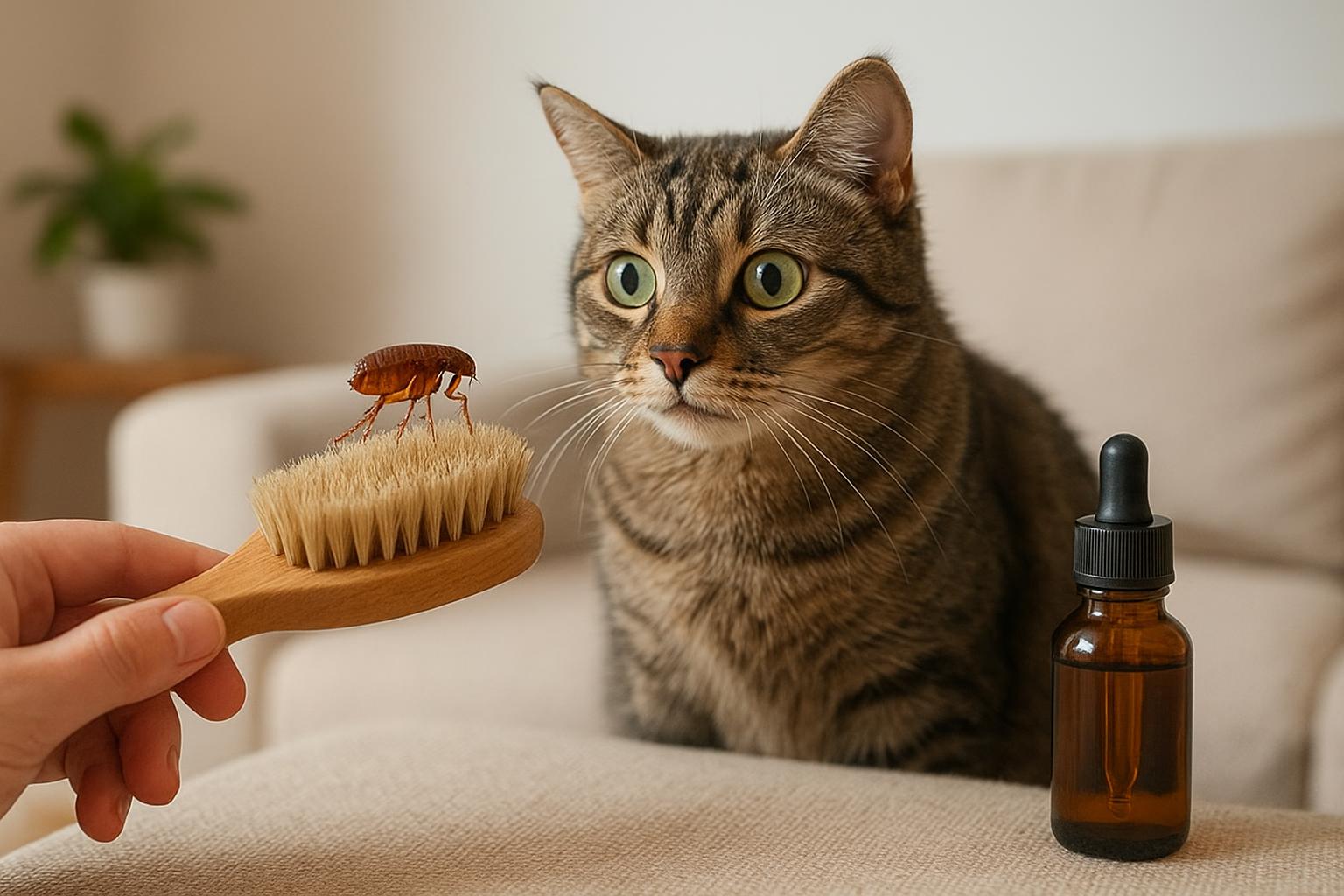
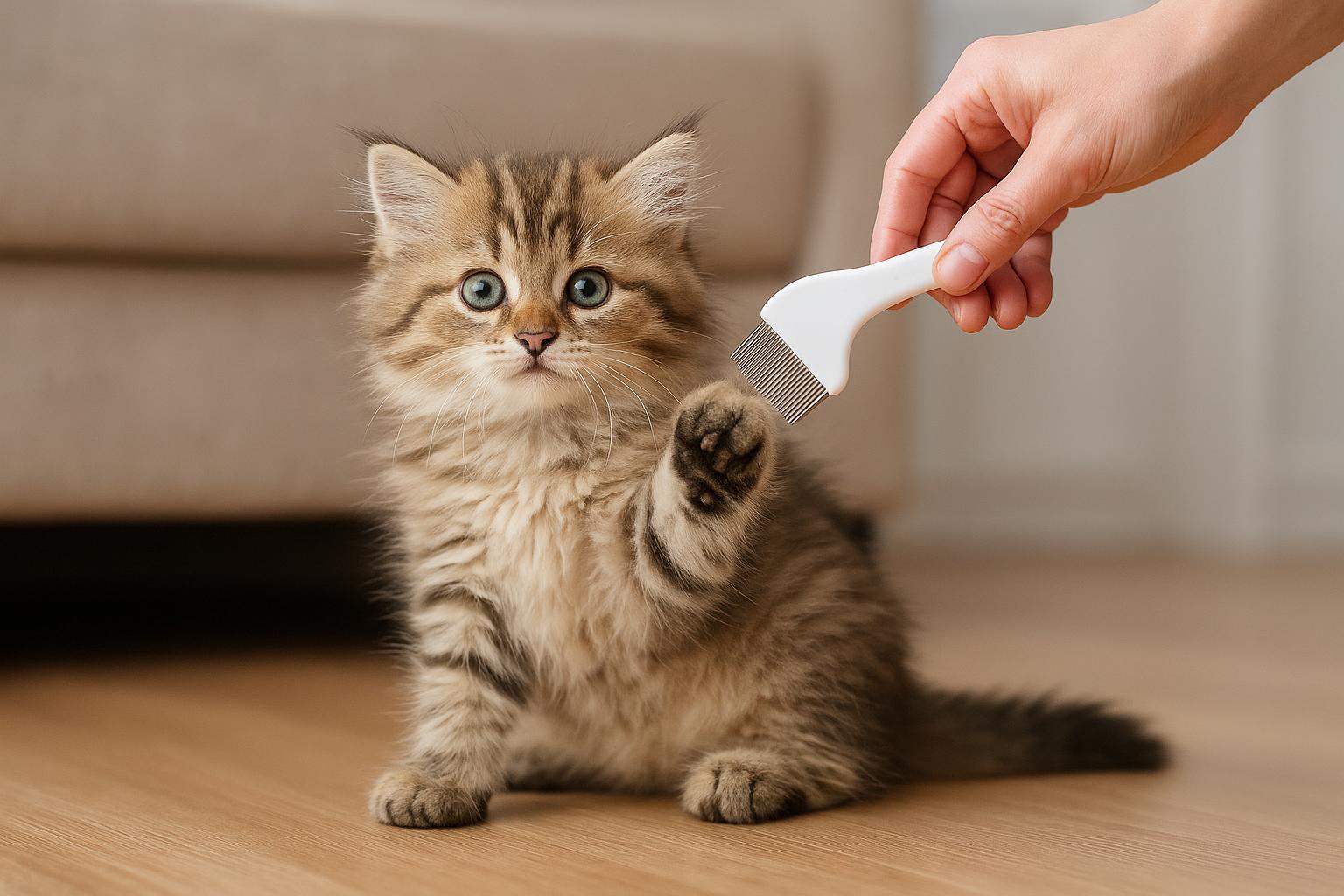
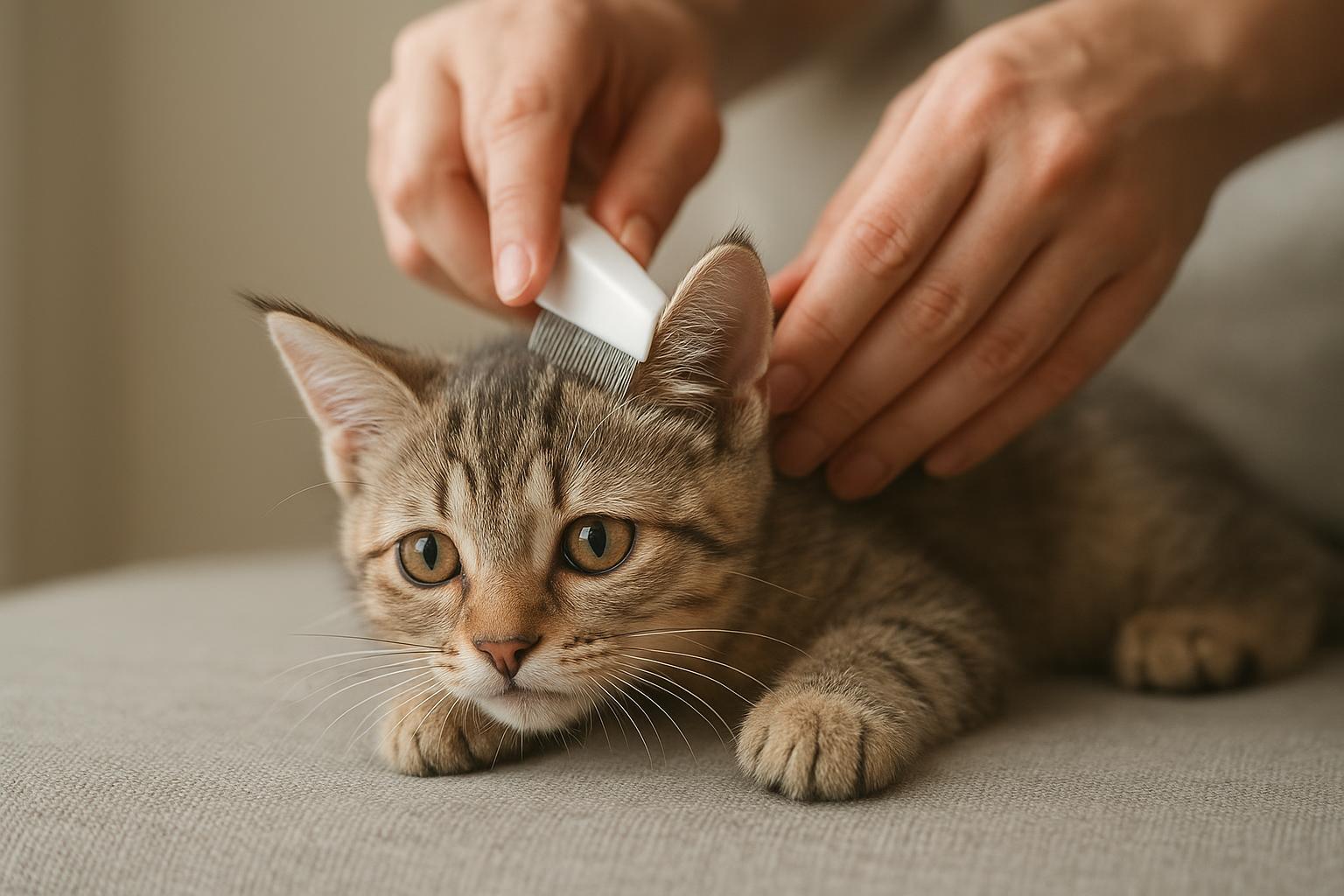
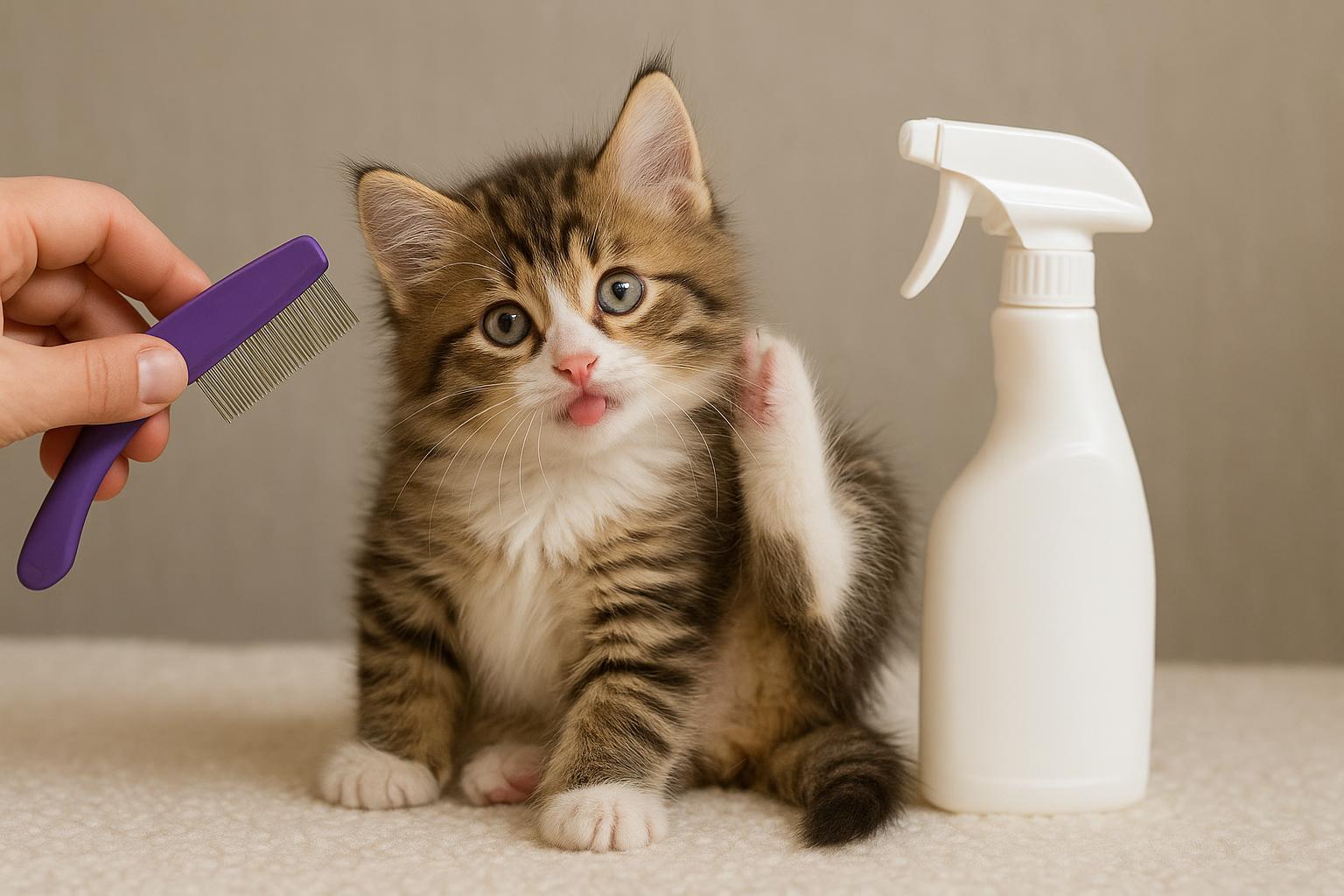
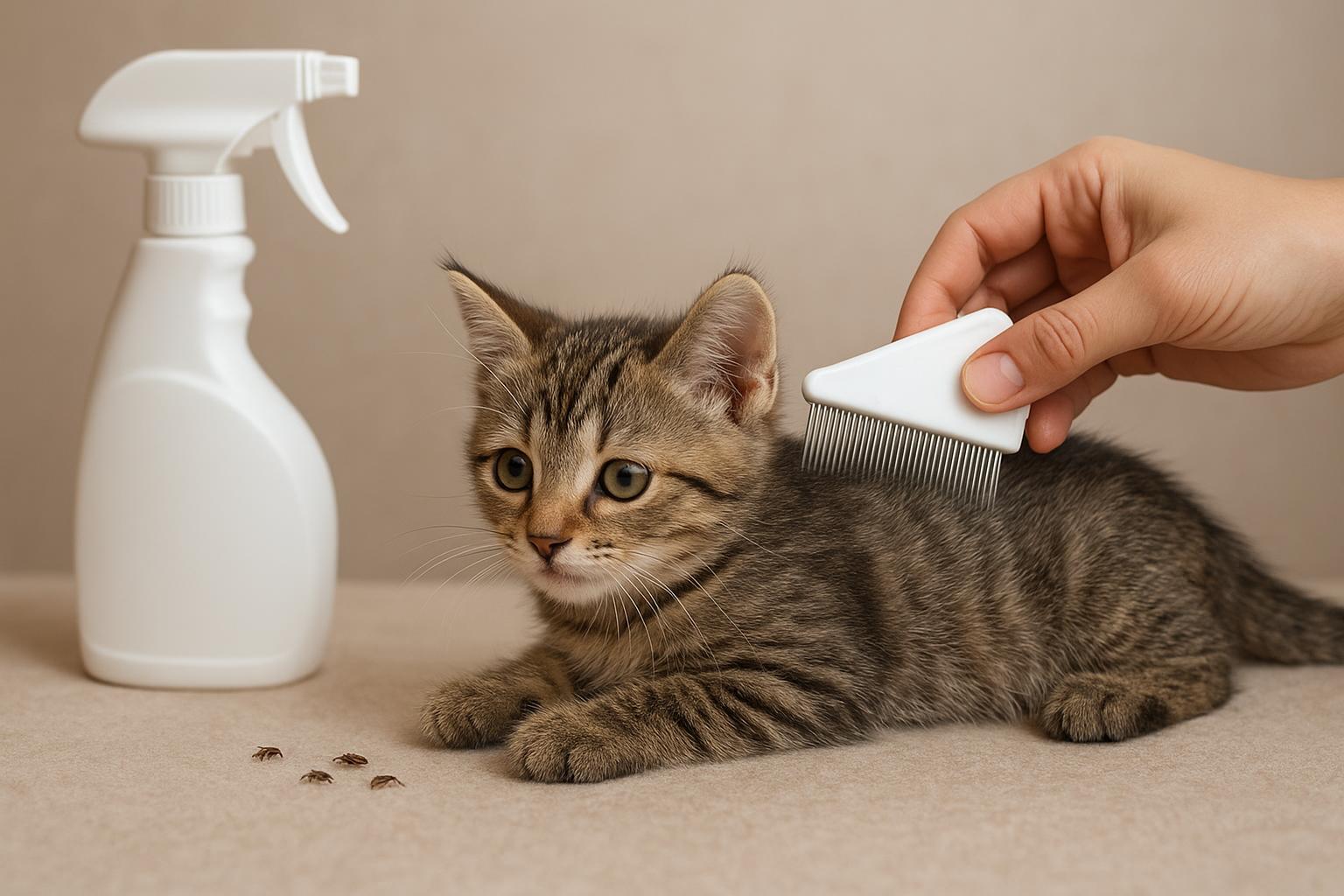
A flea comb is one of the best first-line tools for kittens. Combing removes adult fleas and lets you inspect fur closely. You can combine combing with a shallow bath using mild kitten shampoo if the kitten tolerates water. Baths require care: keep the kitten warm and dry quickly.
#### Flea Comb Technique
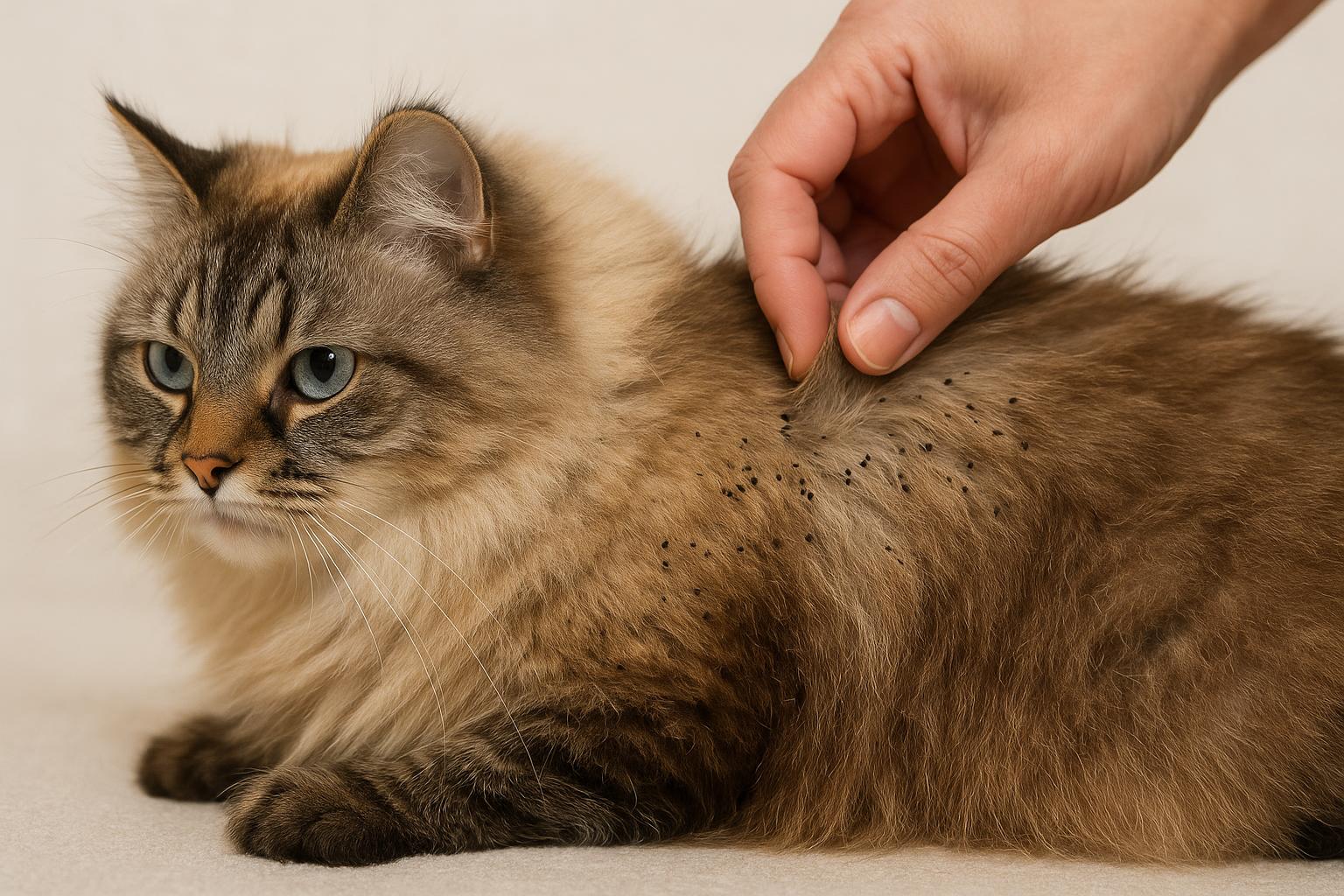
Comb slowly, concentrating behind the ears and along the spine. Dip the comb into soapy water after each pass to drown live fleas. Repeat daily until you see no new fleas on the comb.
### Natural Remedies: What Helps, What Doesn’t
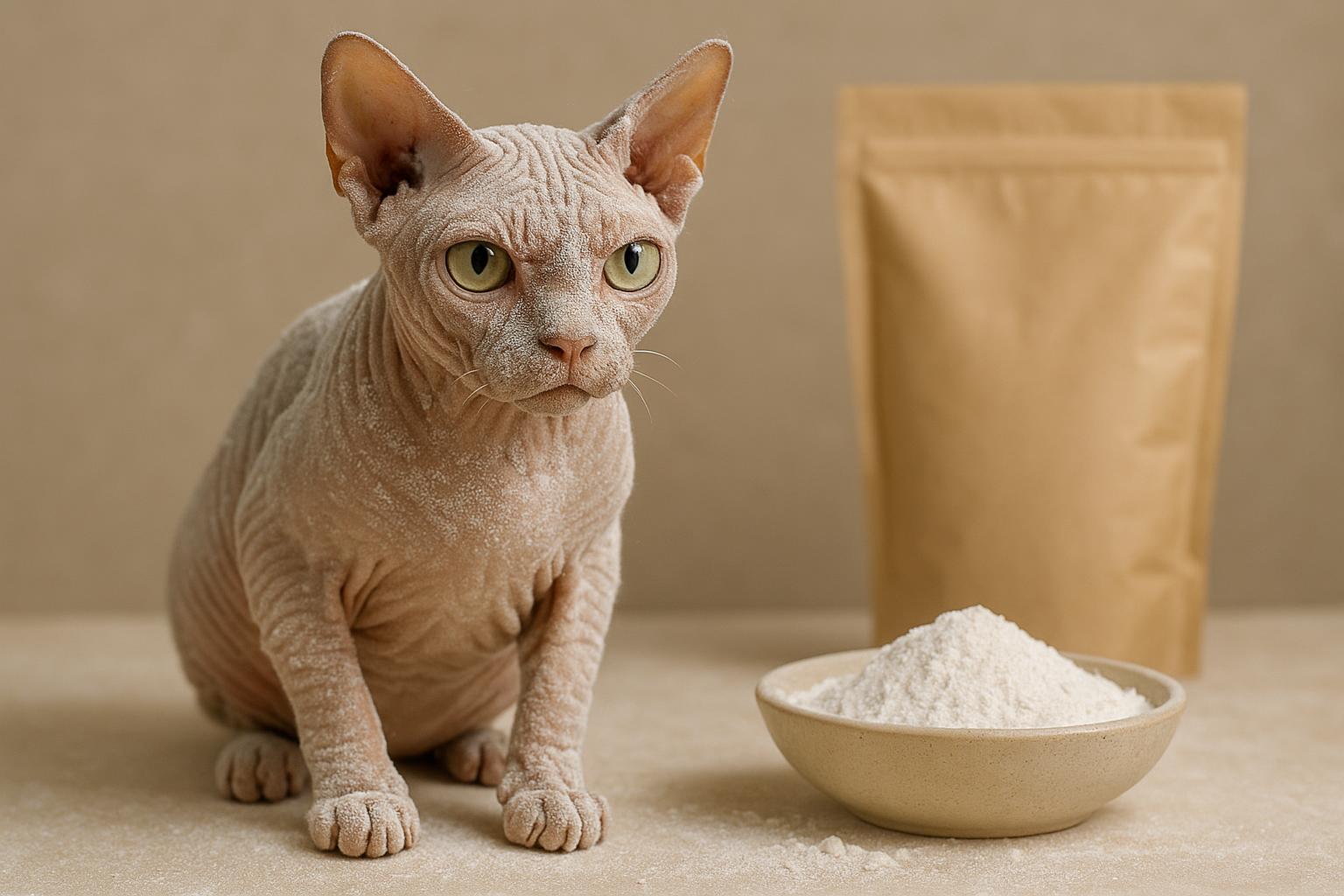
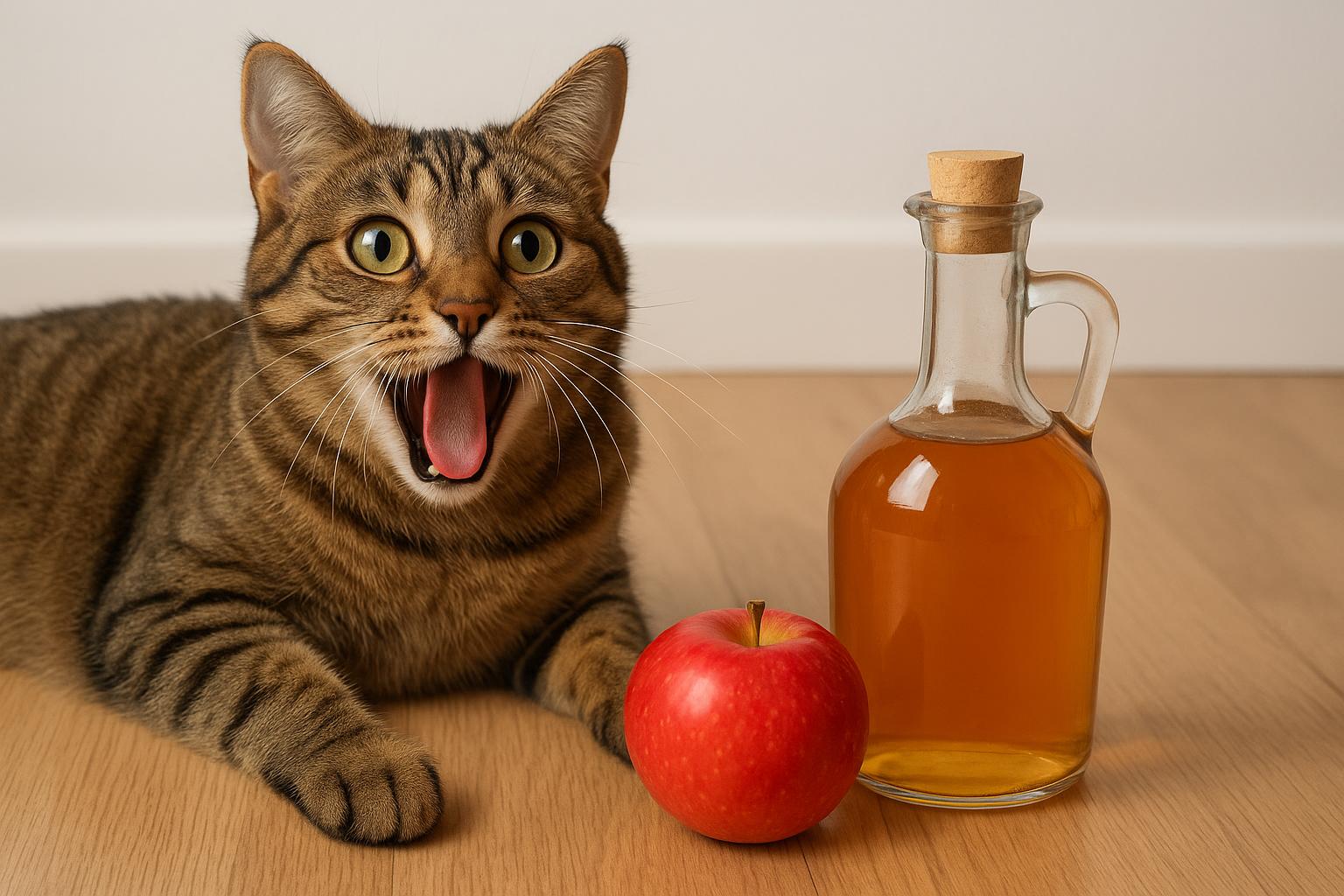
People ask about natural “flea options” a lot, from essential oils to herbal sprays. Some natural methods can help reduce flea numbers, but others are dangerous. Tea tree oil, for example, can be toxic to cats. Citrus oils are a no-go. A few safer options include diluted apple cider vinegar rinses for mild repellency or diatomaceous earth applied carefully to bedding (food grade only). Still, these methods rarely eliminate an infestation on their own.
### Treating The Home: Don’t Ignore The Environment
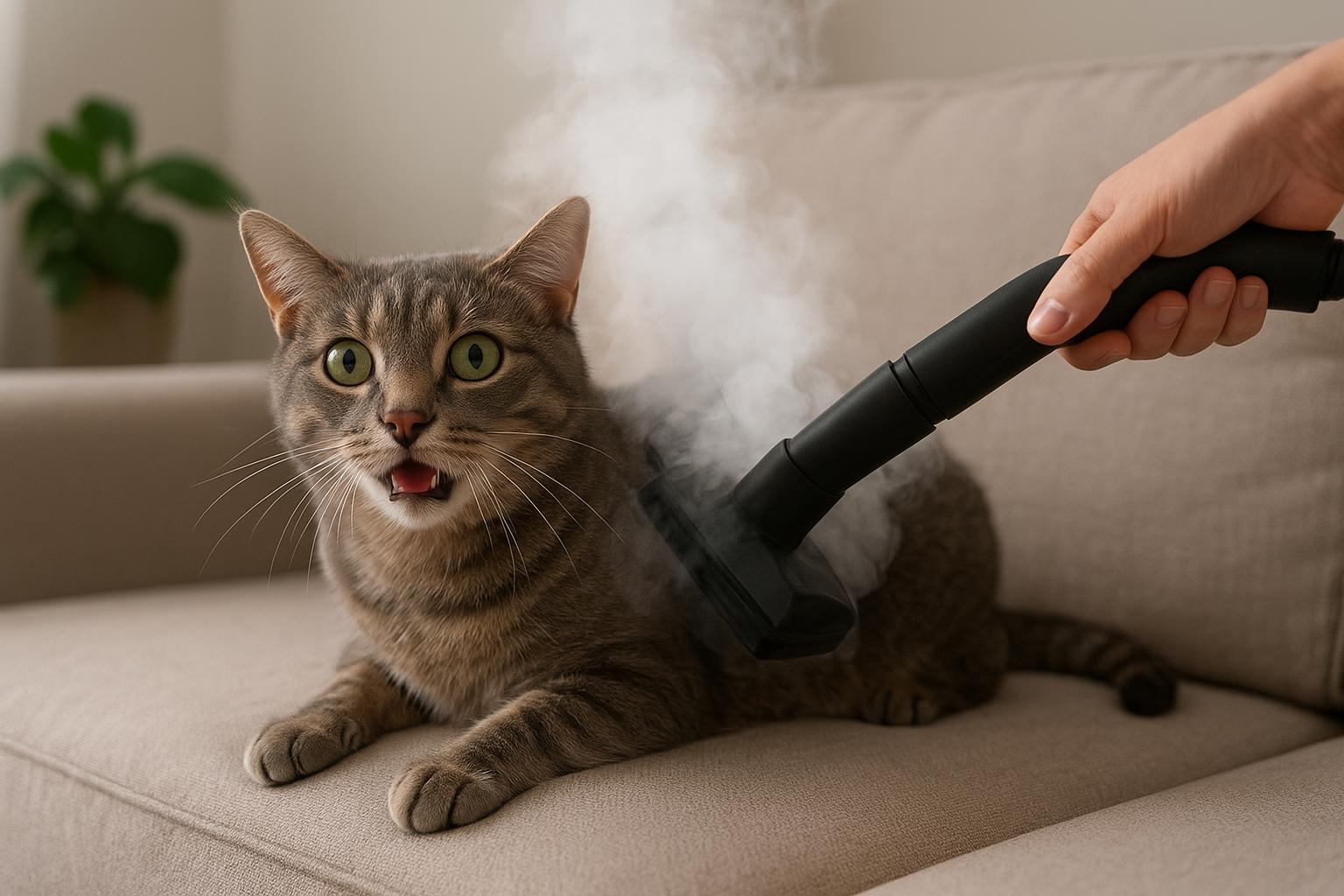
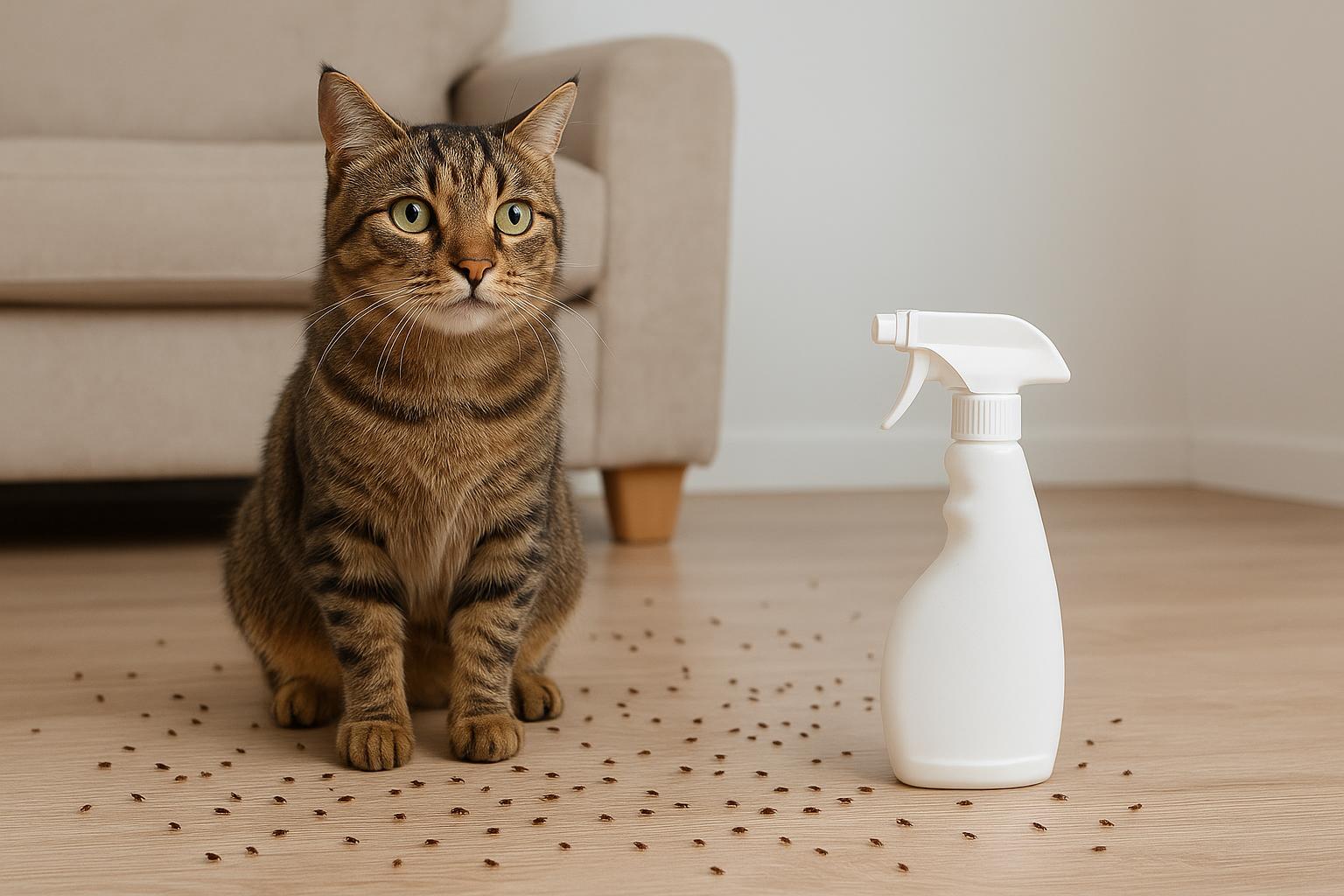
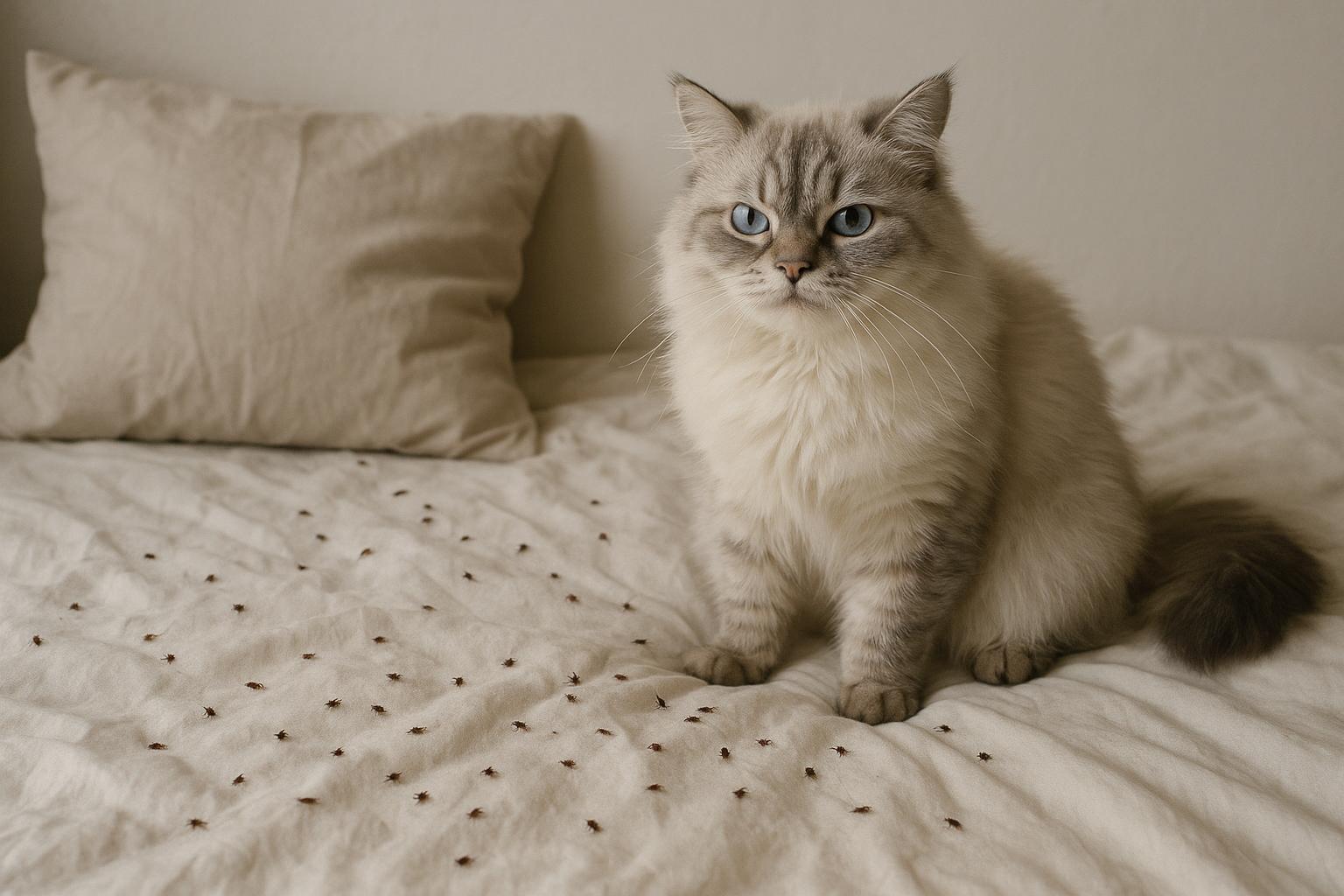
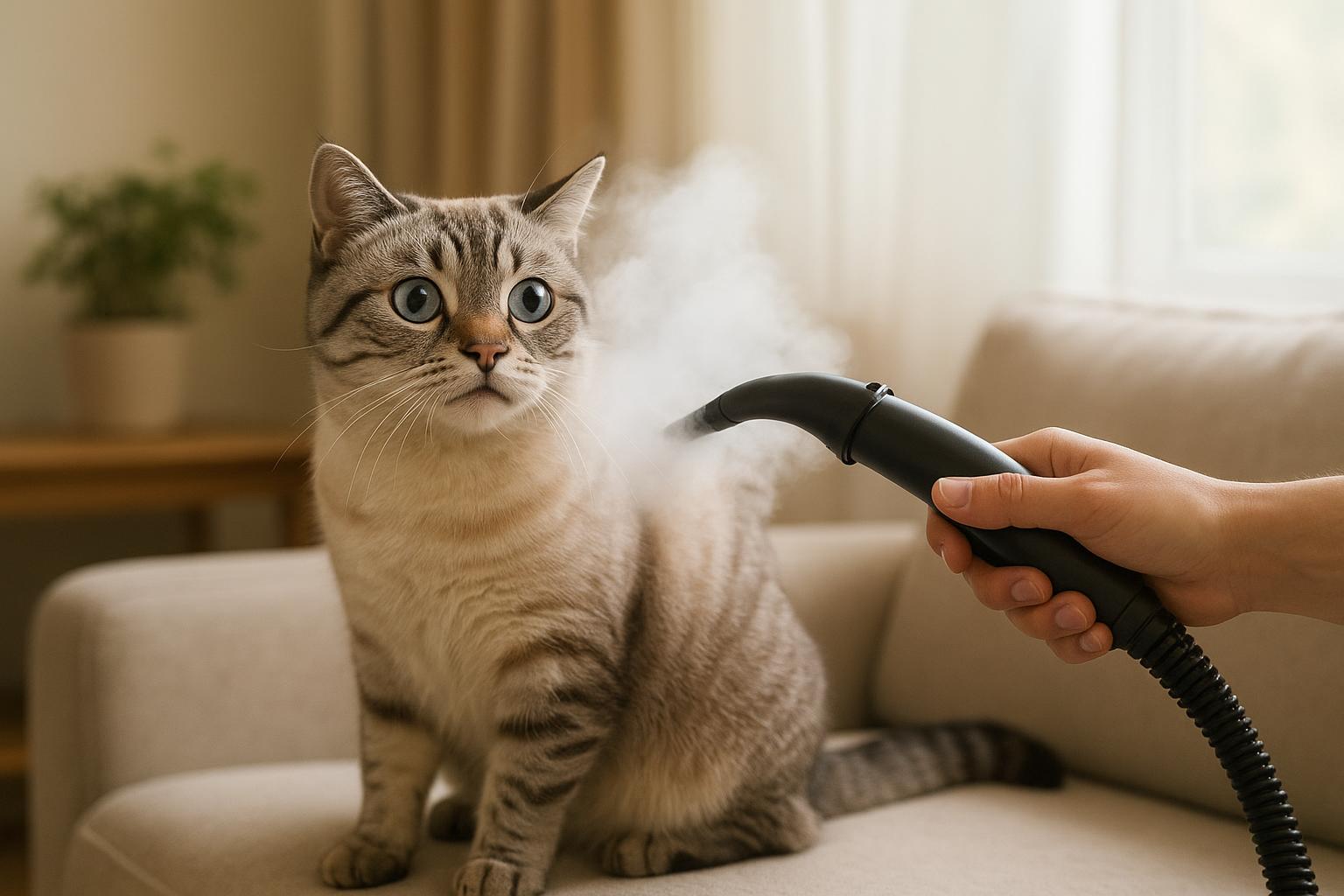
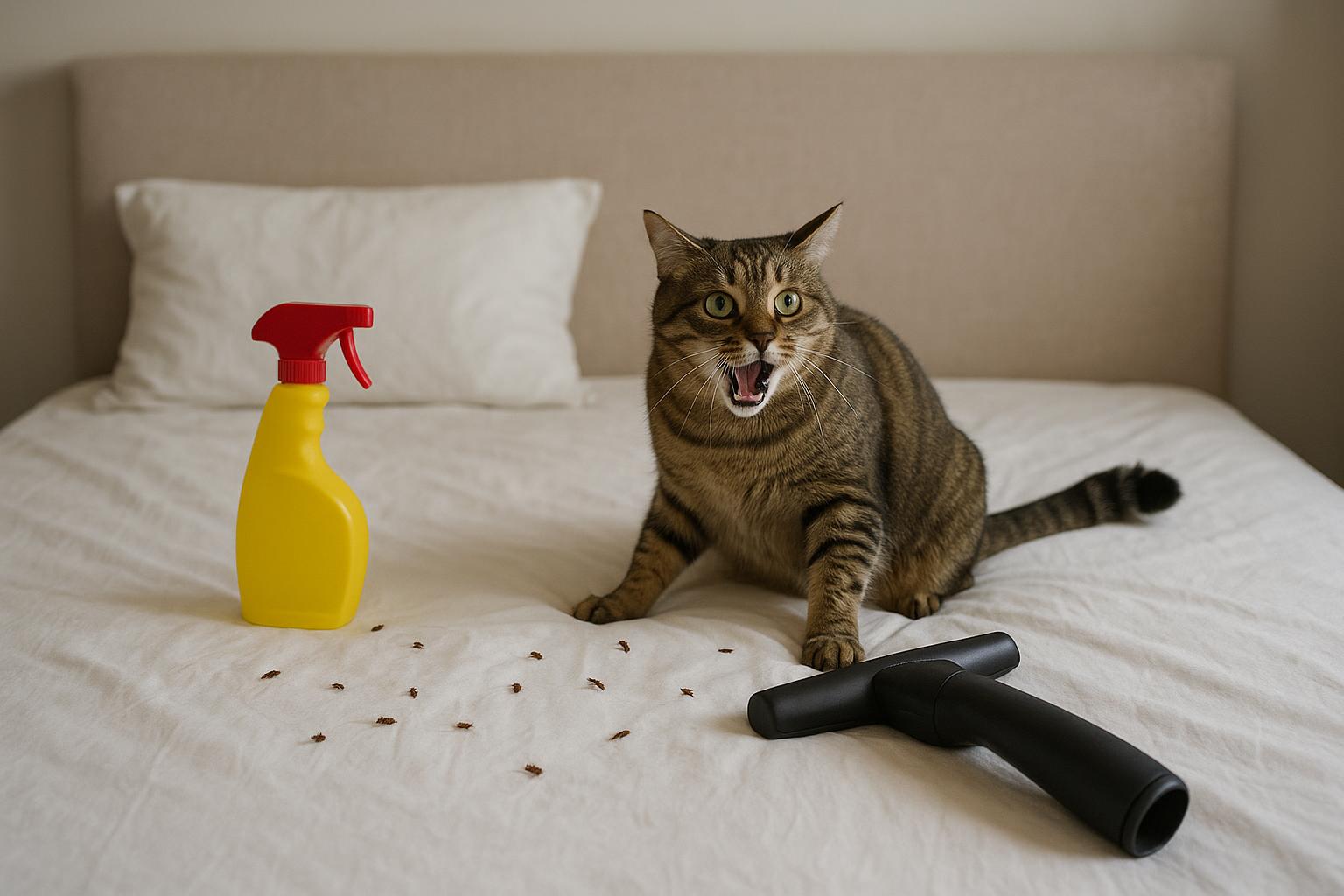
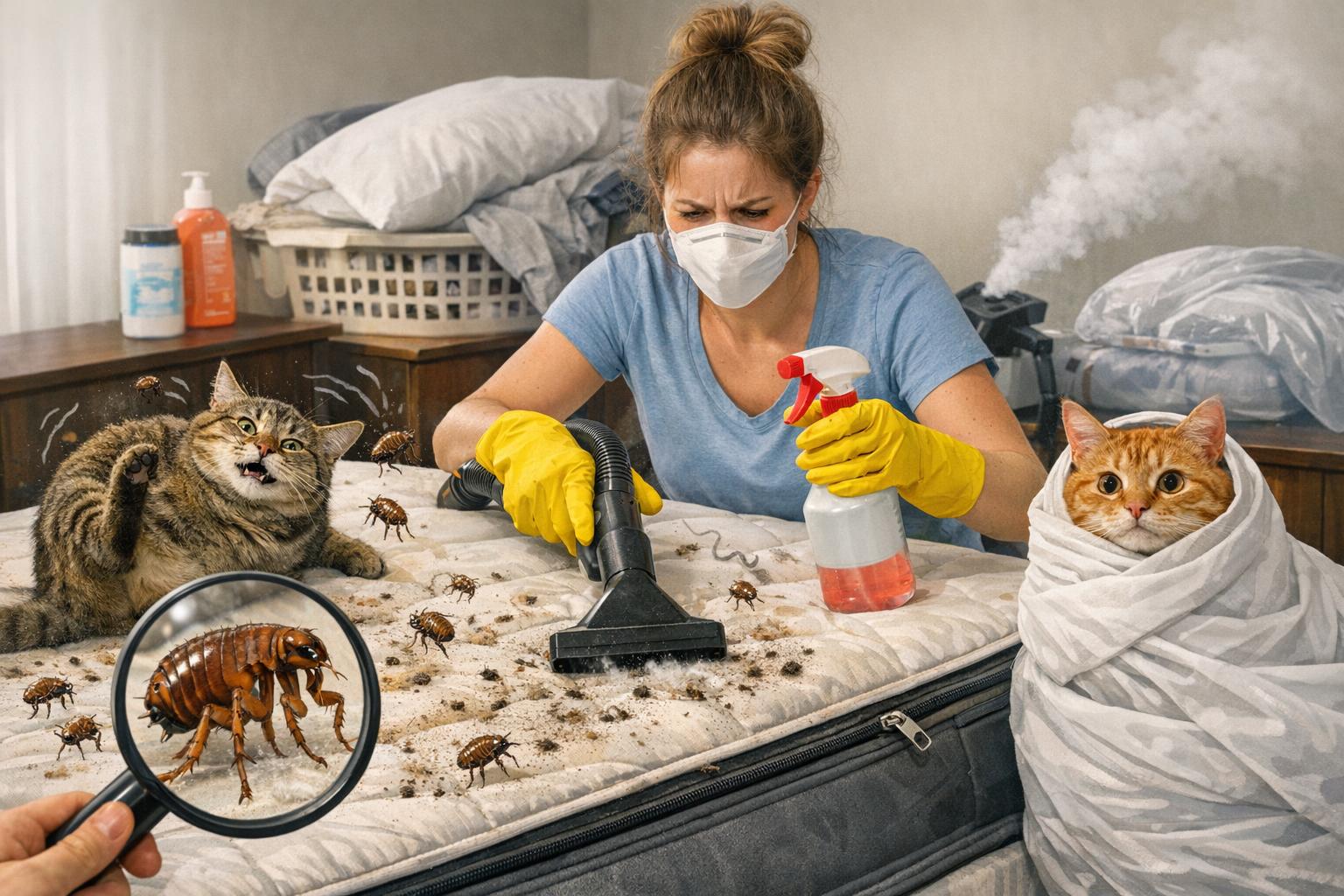
Even the best kitten-safe flea treatment options fail if you don’t treat the environment. Flea eggs and larvae live in carpets, upholstery, and pet bedding. Vacuum thoroughly and frequently, wash bedding in hot water, and consider an indoor flea treatment labeled safe for homes with pets. Steam cleaning carpets can also disrupt flea life stages.
#### Handling Multi-Pet Households
If you have adult cats or dogs, treat them simultaneously with appropriate, species-specific products. Fleas will keep coming back if one household member remains untreated. For dogs, use canine products; for adult cats, use cat-approved adult formulas.
### When To Seek Veterinary Care
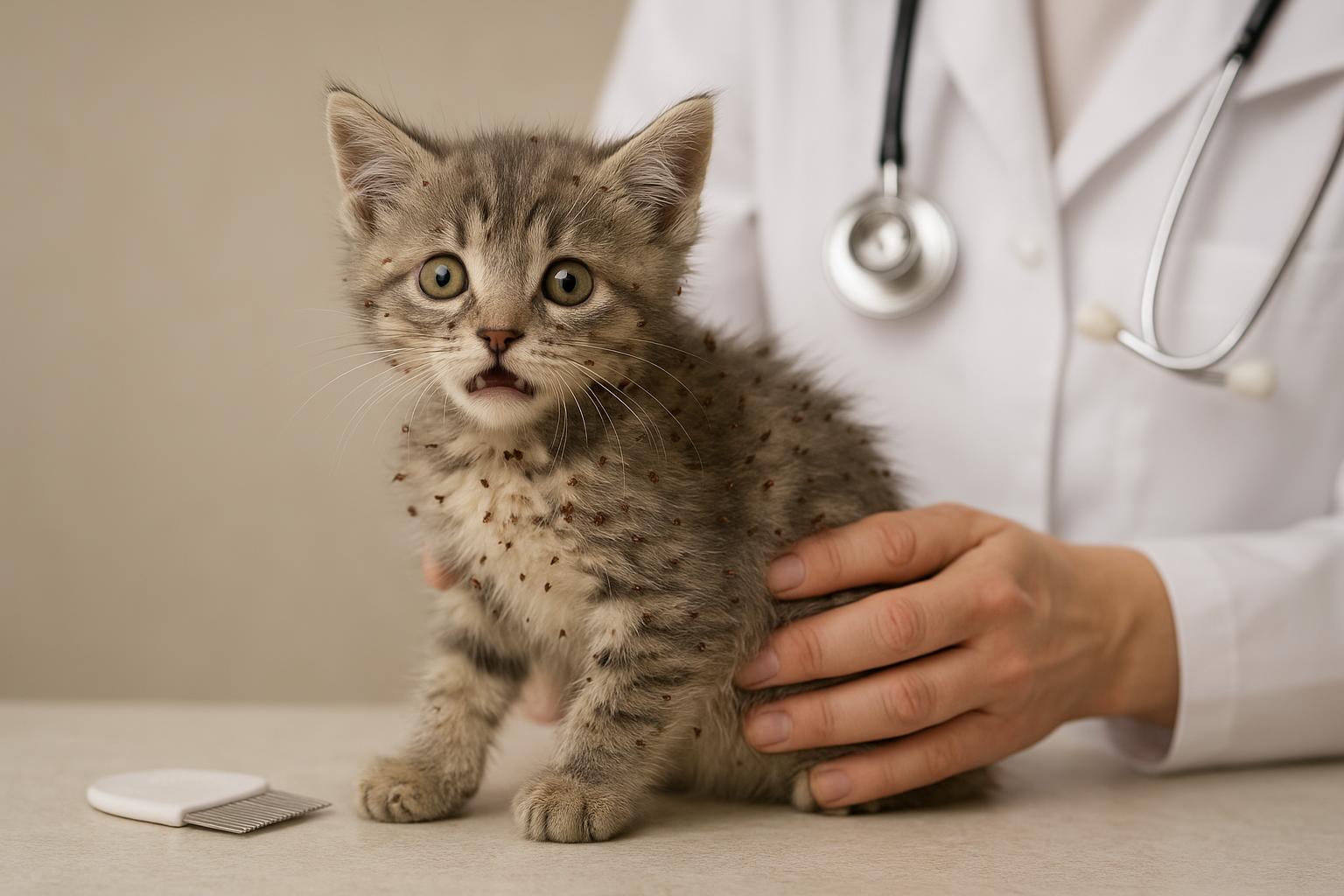
If your kitten is anemic, listless, or losing weight, call your vet. Heavy flea burdens in small kittens can cause serious health problems quickly. Your vet can prescribe kitten-appropriate medicines and may recommend a care plan that combines immediate flea knockdown with longer-term prevention.
### Avoid These Common Mistakes
1. Using products intended for dogs on kittens or cats. That can lead to seizures or worse.
2. Skipping the label’s age or weight restrictions. The warning is there for a reason.
3. Treating only one pet in a multi-pet home. Fleas move fast.
4. Relying solely on “natural” sprays or essential oils. They’re rarely enough.
### Combining Treatments Sensibly
One safe approach is: start with a short-acting oral like Capstar for immediate relief, use a kitten-approved spot-on product per label for ongoing control, and clean the environment. If you prefer to avoid chemicals, intensify combing and environmental measures, then consult your vet for alternatives. The best plan depends on the kitten’s age, health, and the size of the infestation.
### Vaccines And Parasite Tests
There’s no vaccine for fleas, but your vet might test for flea-related issues like tapeworms. If your kitten has fleas, they might also have intestinal parasites. Deworming is a common companion treatment. Ask your vet to check fecal samples so you don’t miss treatable problems.
#### Safe Step-By-Step Example For A 6-Week-Old Litter
– Separate young kittens from high-traffic areas and keep them warm.
– Use a flea comb daily and bath selectively with kitten shampoo when necessary.
– Clean bedding and vacuum twice daily for a week.
– Use Capstar under vet guidance if fleas are numerous.
– Begin a kitten-approved topical when kittens meet the product’s age/weight thresholds.
### Keep Records And Watch Behavior
Note the dates you give any medication and what you used. Watch for side effects such as shaking, drooling, vomiting, or unusual lethargy. Small kittens can react quickly. If you notice any of these signs, contact your vet immediately.
### Cost And Practical Considerations
Kitten-safe flea treatment options vary widely in price. Spot-ons sold in multi-dose packs may be cheaper over time, but start-up costs can be higher. Capstar doses are inexpensive per pill but only last a day. Combing and cleaning take time, not money. Consider what you can maintain over several weeks; consistency beats a single expensive product used only once.
### When Prevention Starts
Once your kitten reaches the appropriate age and weight, move to a monthly prevention plan that’s labeled for kittens. Preventing fleas is easier than treating a full infestation. Make sure adult pets in the home stay current on their flea prevention too.
You’ll want to avoid miracle cures that sound great online. Instead pick kitten-safe flea treatment options that fit your specific kitten, your household, and your tolerance for chemicals. Keep combs handy. Wash bedding. Call your vet if in doubt. And remember: quick action now saves a lot of trouble later. Recieve the advice you need and act swiftly when fleas show up.
Leave a Reply