
## How Long Before A Topical Flea Product Works For Cats: Realistic Timelines
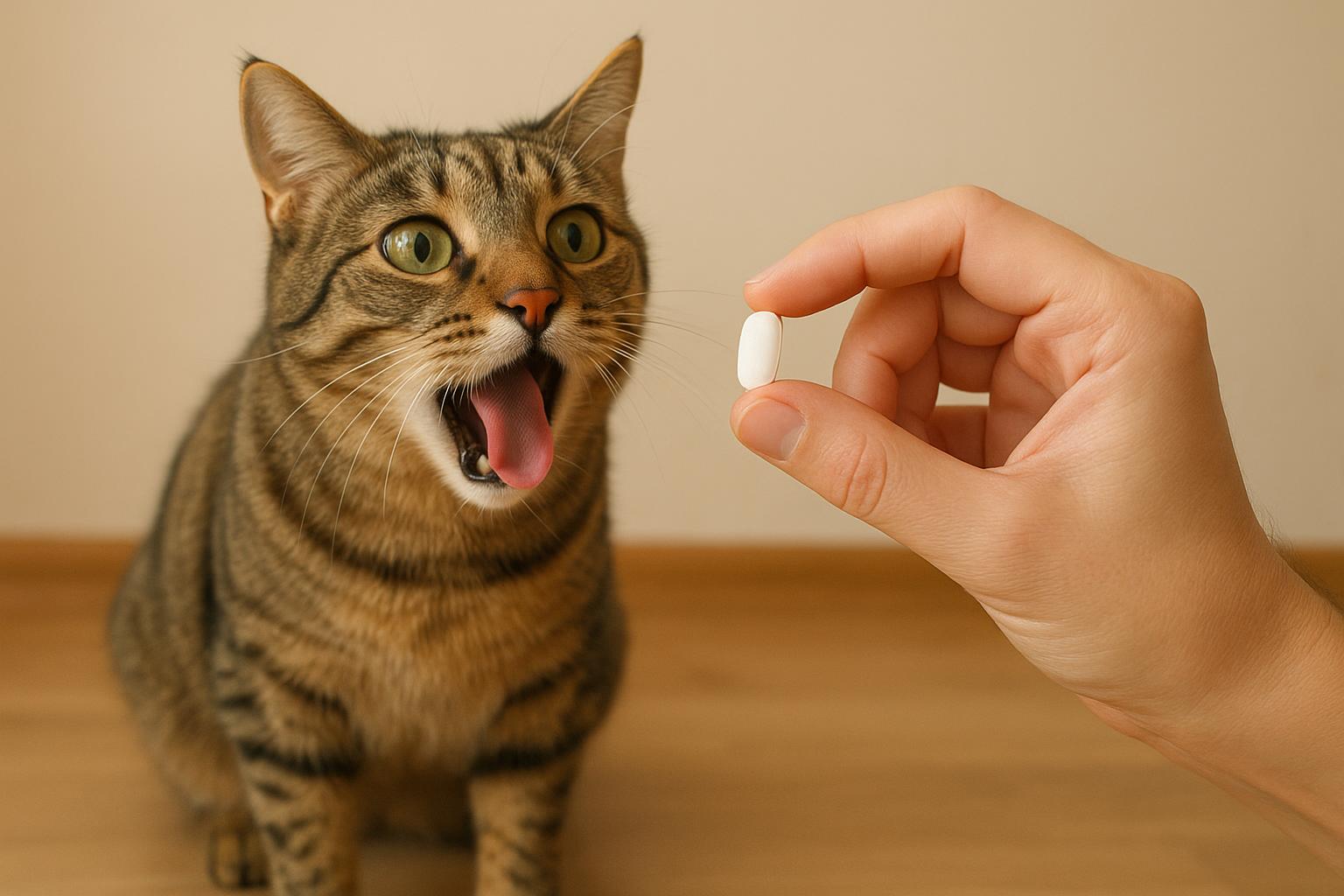
If you want a short answer: many topical flea products begin killing adult fleas within 12 to 24 hours, but seeing a clear drop in flea numbers can take up to a week. That depends on what product you used, how heavy the infestation is, and whether the environment is treated too.
### What “Works” Really Means
“Works” can mean different things. For some people, it means finding no live fleas on the cat after 24 hours. For others, it means fewer bites on household members or fewer fleas in carpets. Manufacturers often claim fast knockdown of adult fleas, but long-term control depends on stopping immature flea stages from hatching in the environment. Understanding that distinction explains why the timeline varies so much.
### How Topical Flea Products Kill Fleas
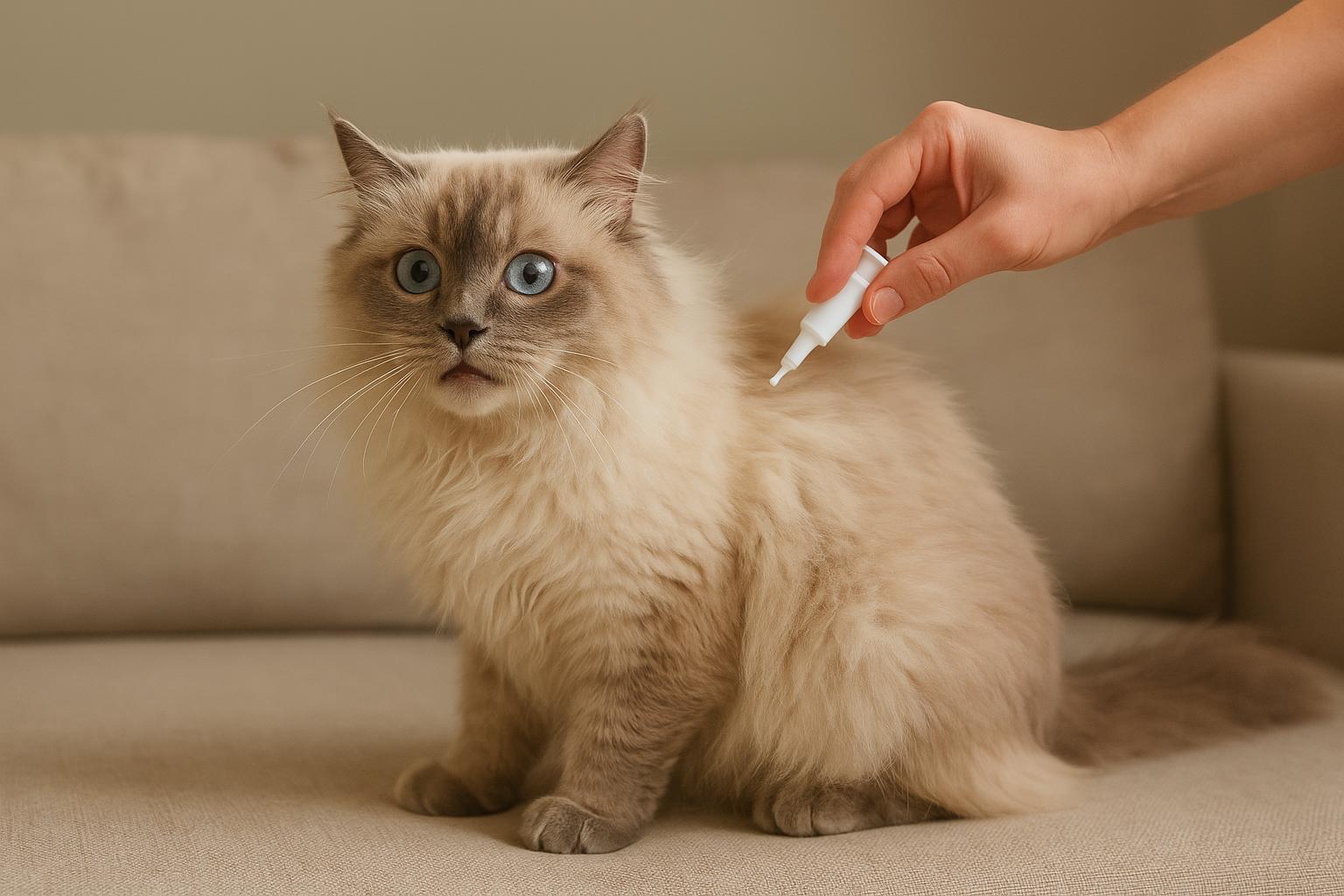
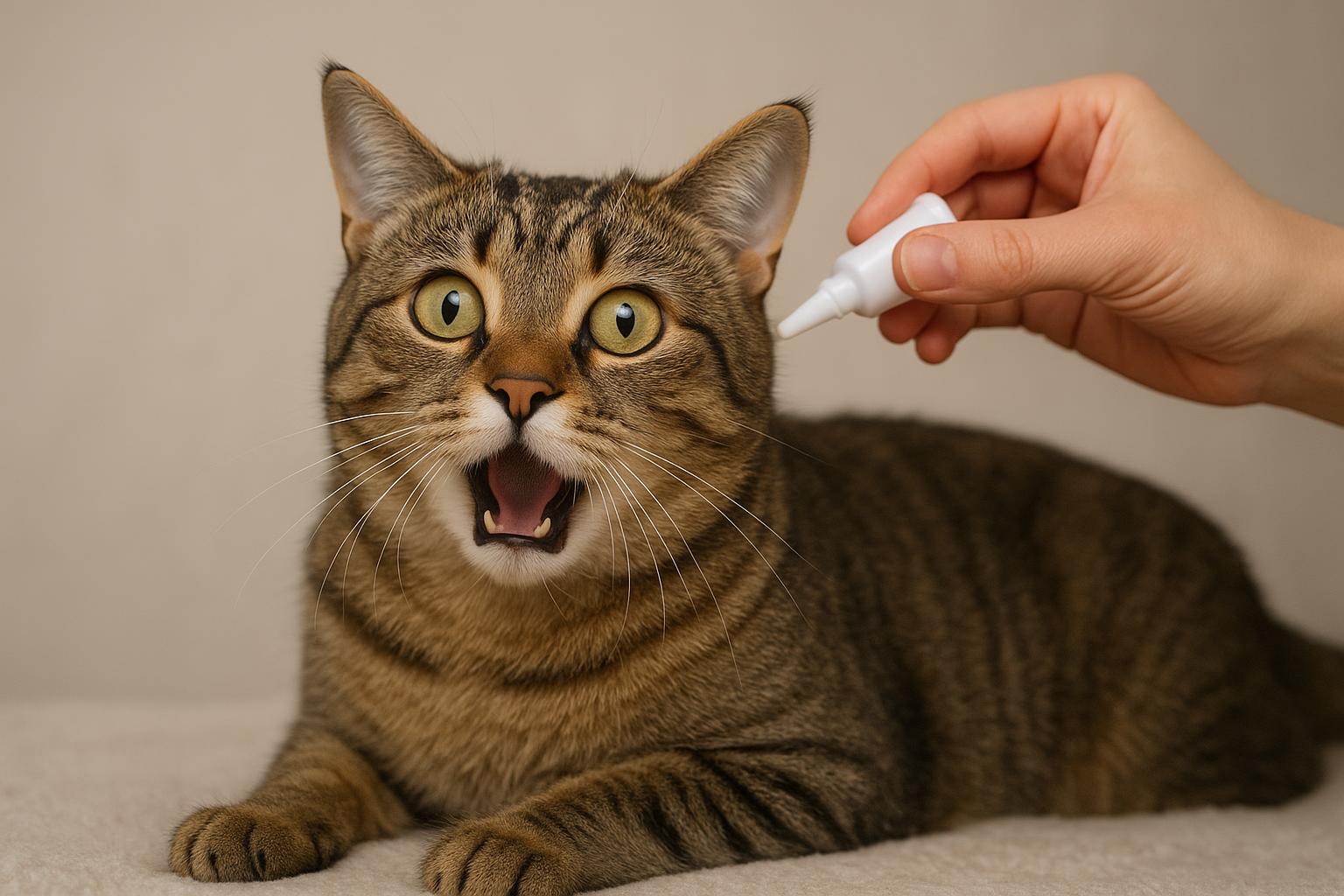
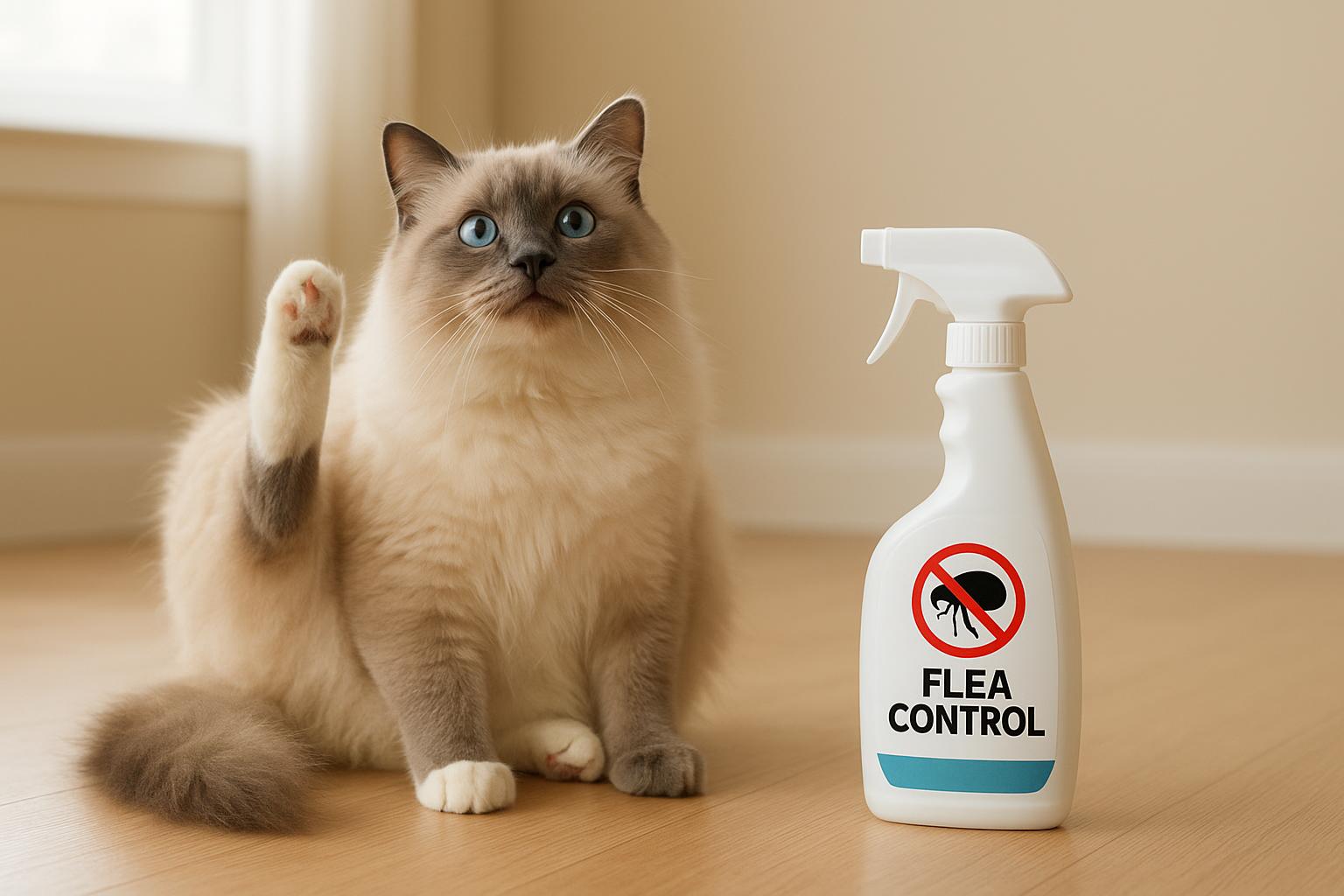
Most topical spot-ons are applied between the shoulder blades and spread across the skin through the oils. They target adult fleas, and many also have ingredients that affect eggs or larvae. Some act as neurotoxins to fleas, causing quick paralysis and death. Others interrupt development so eggs never hatch. That mix of immediate and delayed actions shapes the flea drop time and overall flea product efficacy.
#### Common Active Ingredients And Their Action
– Imidacloprid and selamectin: fast adulticide, often noticeable within a day.
– Fipronil: effective adulticide but may take a little longer to remove heavy infestations.
– Pyriproxyfen or methoprene: insect growth regulators, they prevent larvae and eggs from maturing rather than killing adults instantly.
## Typical Timelines You Can Expect
You can think of the timeline in stages: initial knockdown, visible reduction, and elimination of the problem.
### First 12 To 24 Hours
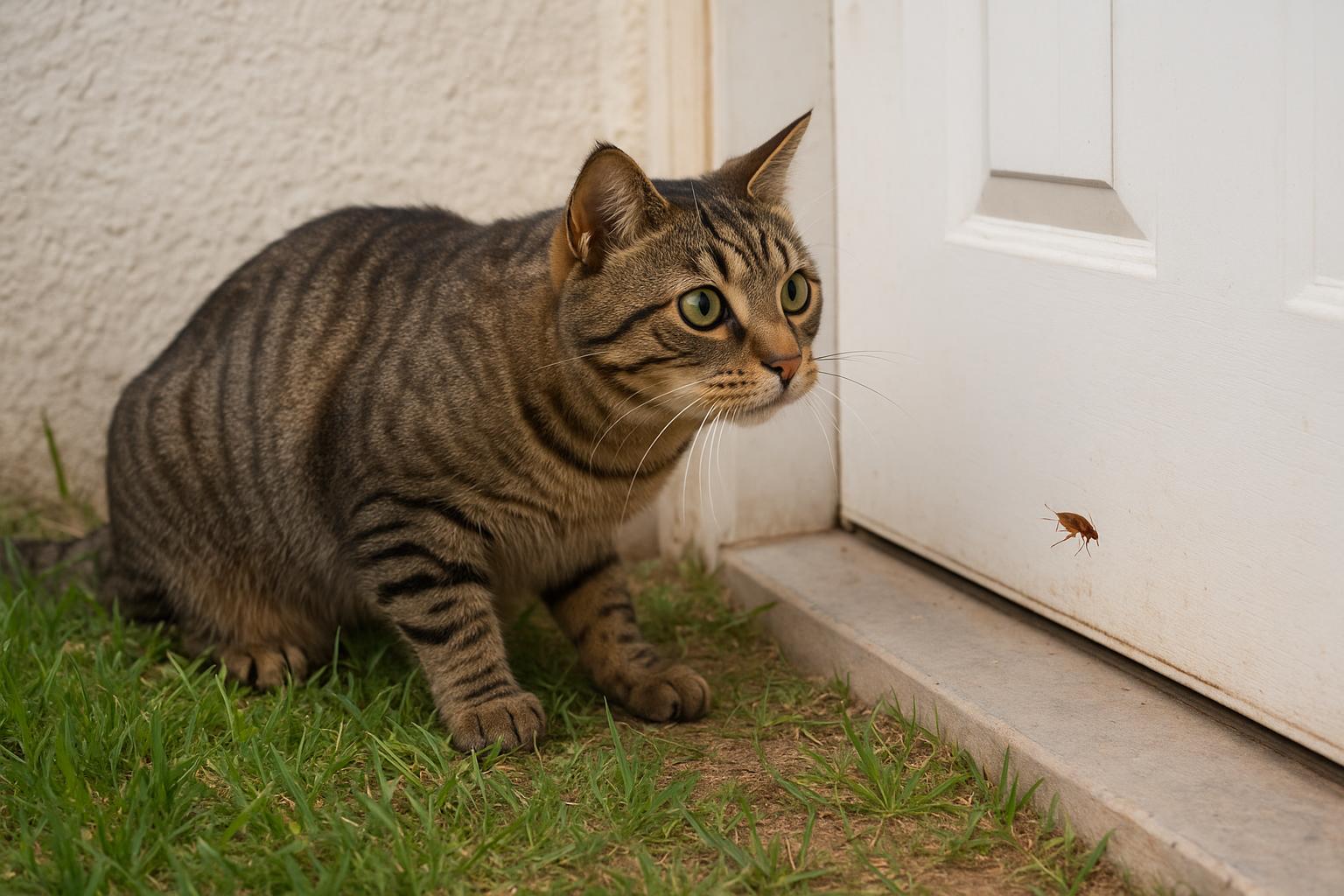
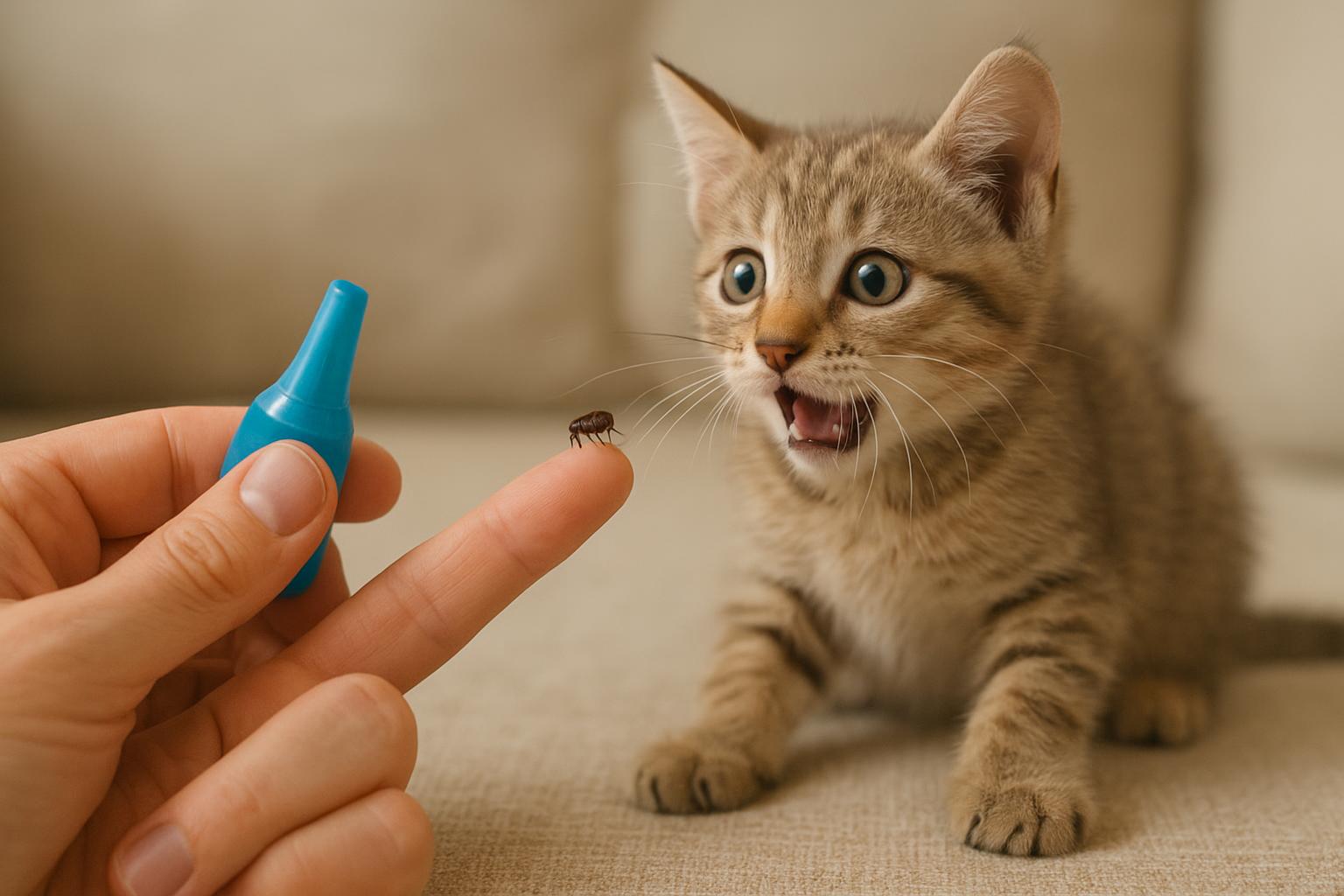
Many cats will show fewer active fleas within this window. If a product has a strong adulticide, fleas often fall off the cat or are dead on the bedding within a day. This is the phase people commonly ask about when they wonder how long before a topical flea product works for cats.
If you still see fleas after 24 hours, don’t panic. A small number of survivors can be due to heavy infestation, incorrect application, or fleas hiding in the environment and jumping back on.
### 48 To 72 Hours
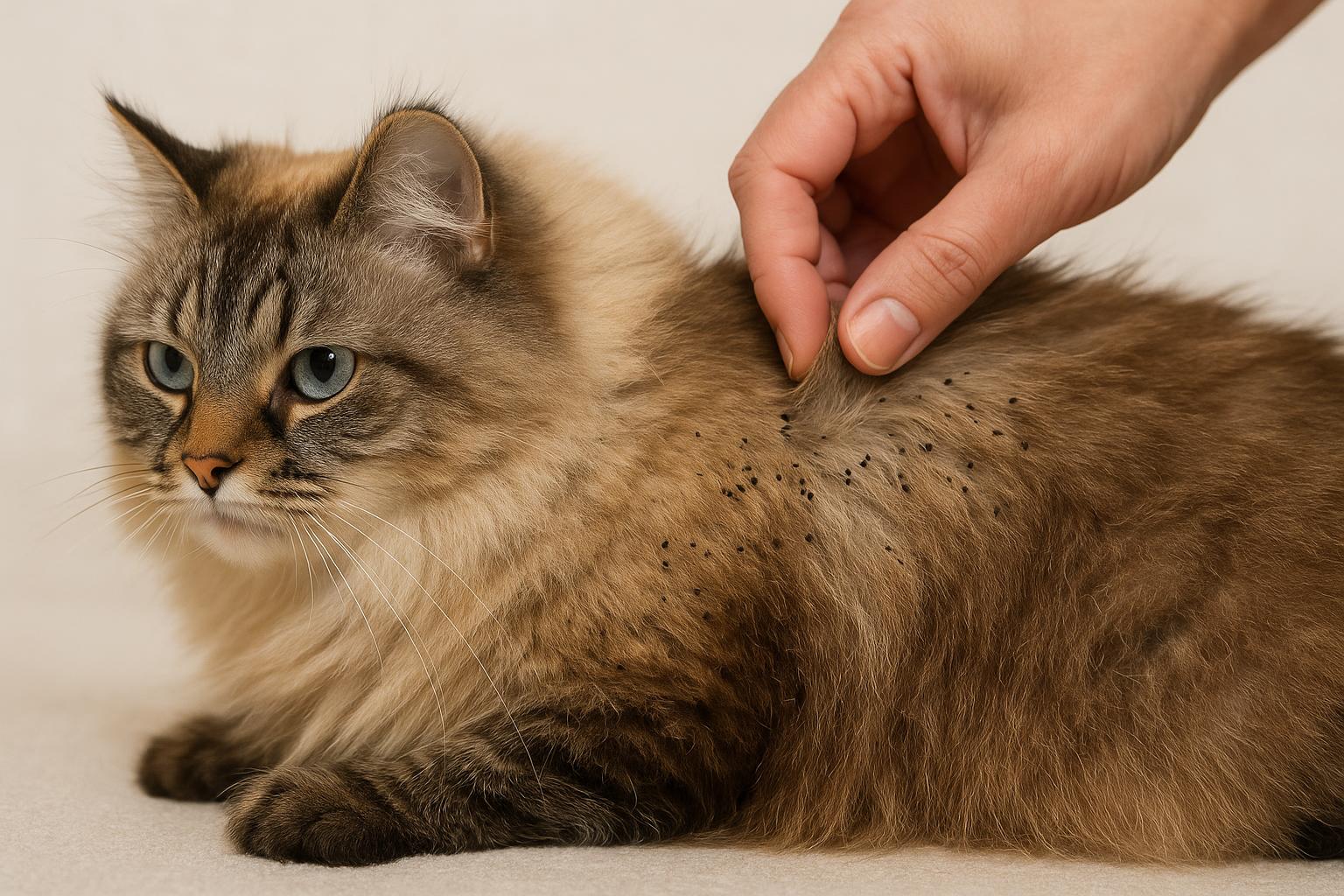
This is where most owners notice a clear difference. The flea drop time for many products is most visible here: fewer fleas on the pet, less scratching, and fewer flea dirt specks. In cases where the product includes an insect growth regulator, you won’t see immediate changes in eggs, but new adults won’t appear as the lifecycle is interrupted.
### One Week And Beyond
Complete control can take longer. Eggs already laid in carpets and furniture can continue to hatch for several weeks. You’ll often need repeat treatments and environmental control. When people ask how long before a topical flea product works for cats, the realistic answer often includes this week-to-weeks window.
## Factors That Speed Up Or Slow Down Results
### How Much Of An Infestation You’re Fighting
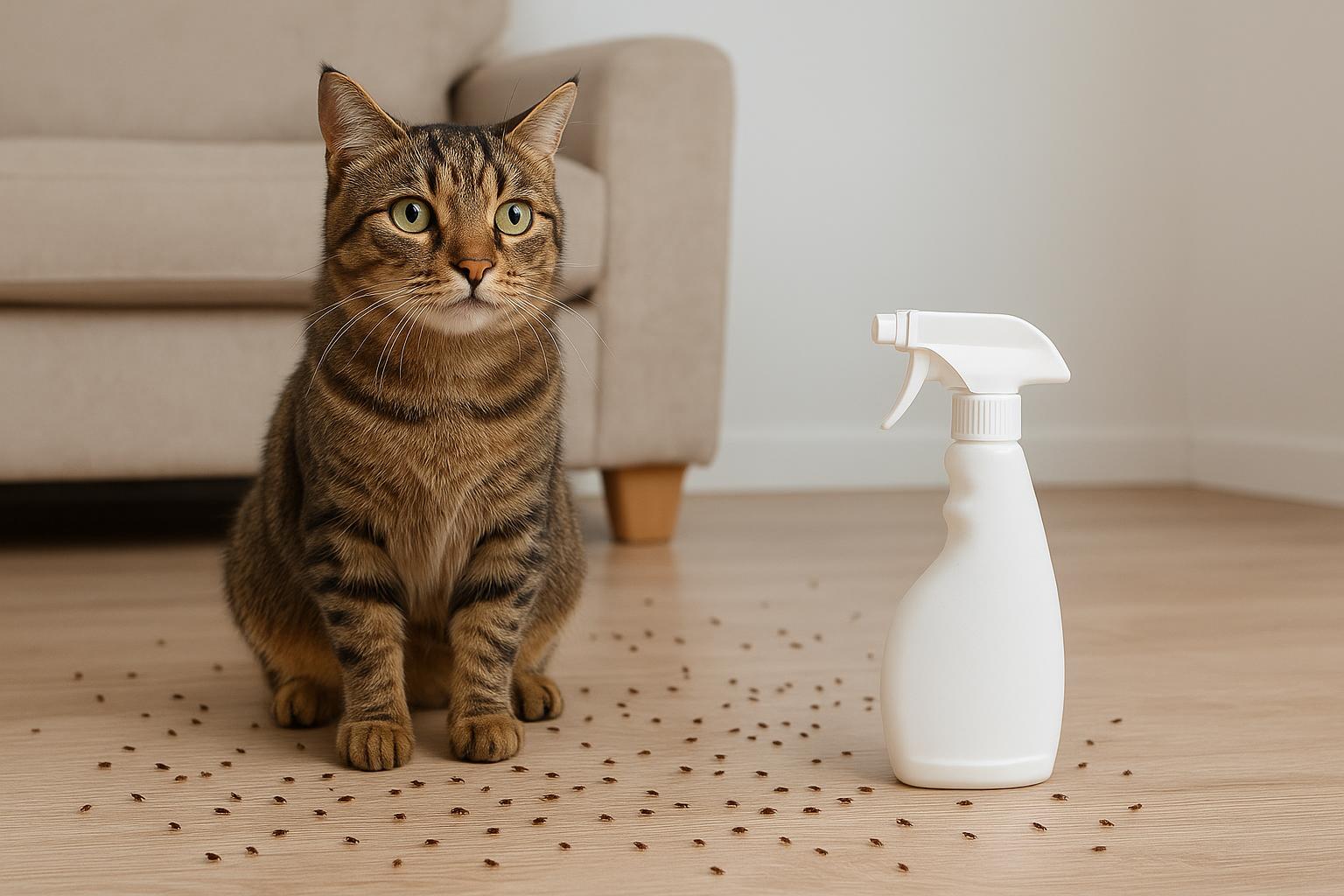
A single pregnant flea can create hundreds of offspring. If your home has an entrenched flea population, the flea drop time will be longer. You might see immediate knockdown on the cat, but the population in the environment will sustain the problem.
### Correct Application
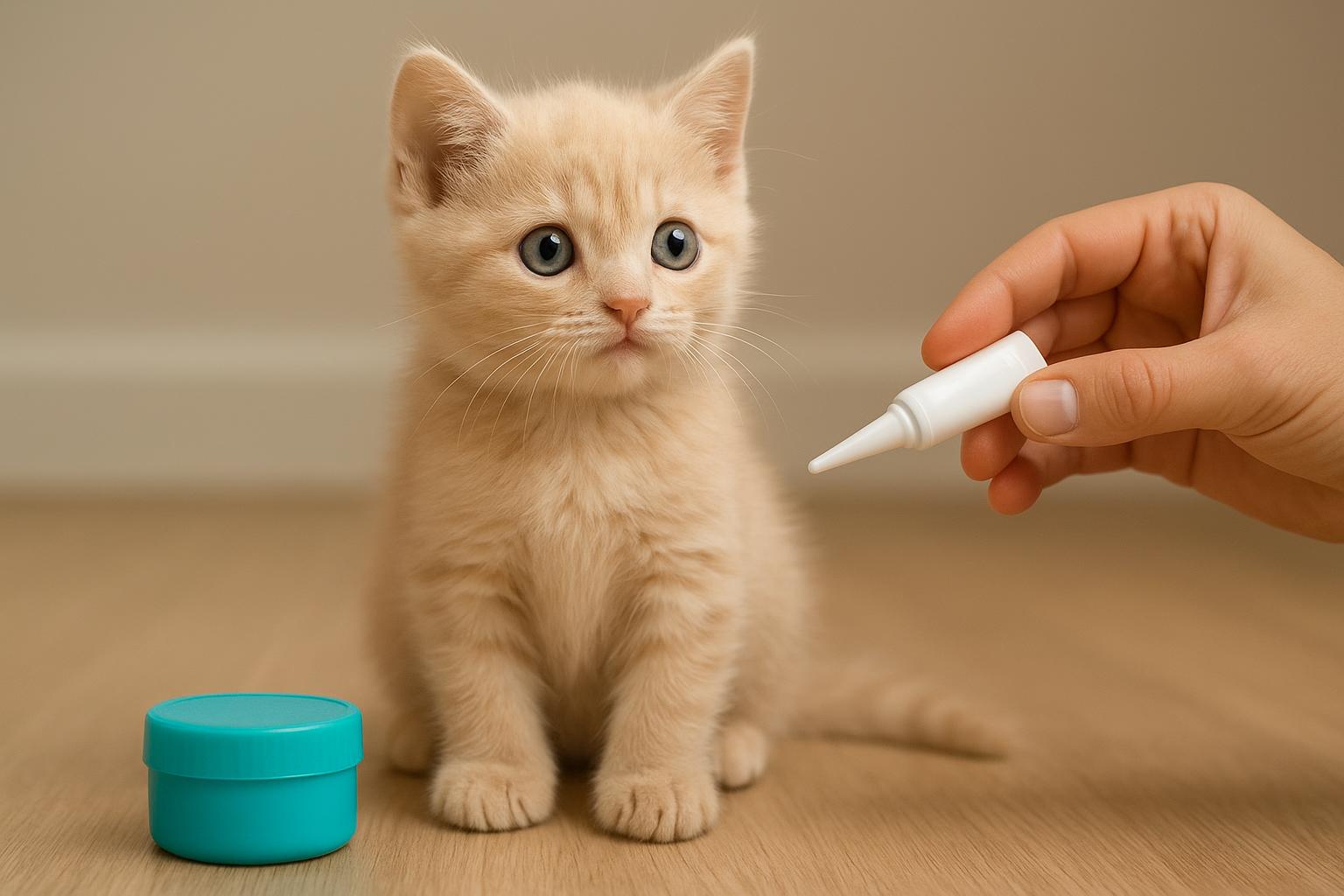
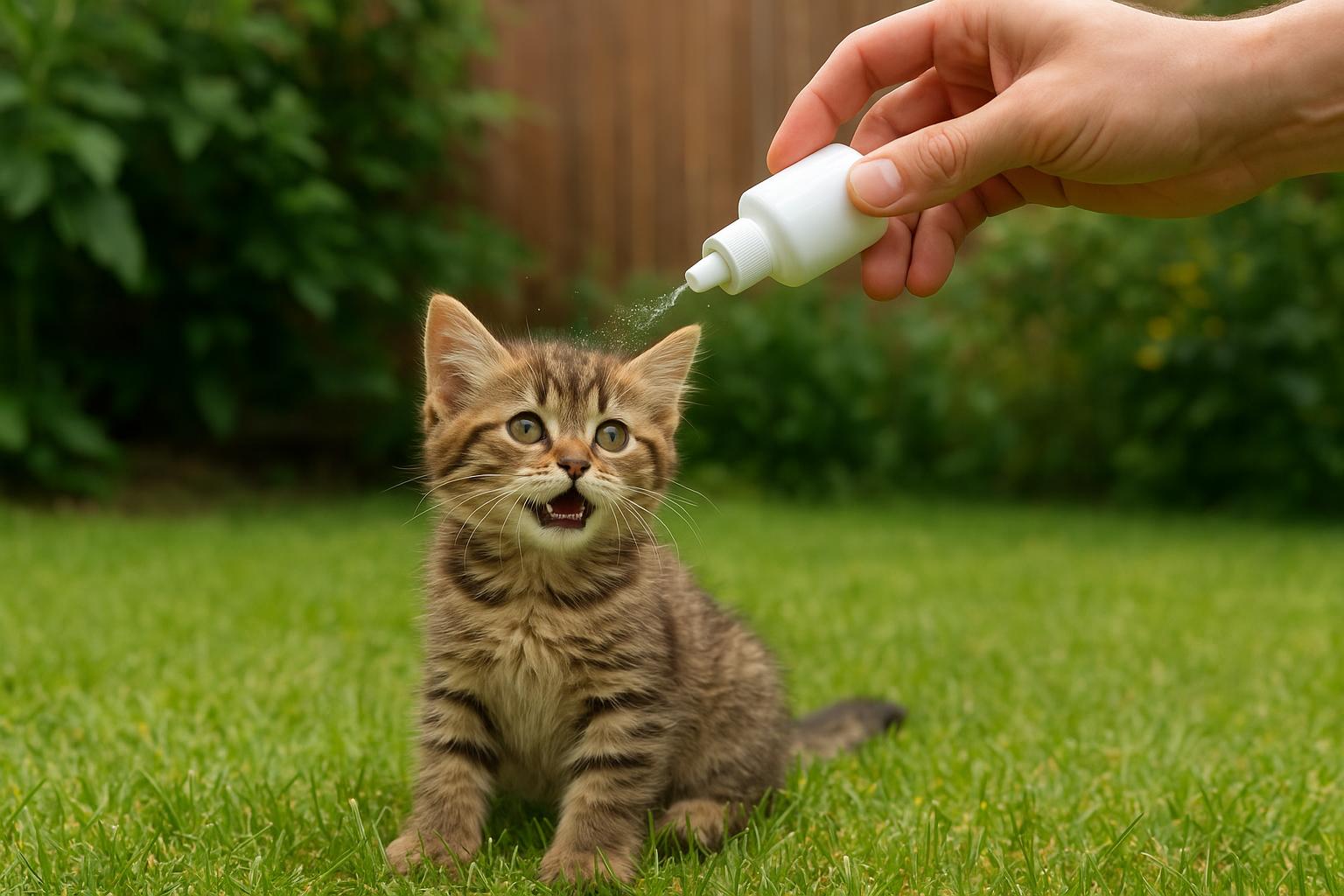
Applying the product to clean, dry skin is crucial. If you put it over thick fur or on a wet coat, the active ingredient might not reach the skin properly. That reduces flea product efficacy and delays results. Part the fur and apply directly to the skin between the shoulder blades. If the cat grooms itself immediately or you apply too close to other pets, you can reduce the dose effectively delivered.
### Bathing And Shampoos
Bathing the cat within 24 to 48 hours before or after application can wash away or dilute the spot-on, decreasing flea product efficacy. Some formulas are water-resistant, but many are not fully protected until absorbed. If you plan to bathe or swim, check the product instructions.
### Cat’s Skin Condition And Oils
Cats with very greasy or flaky skin might experience uneven distribution of the product. Older cats or those with skin conditions may not spread the active ingredient as efficiently, slowing the flea drop time.
### Product Choice
Not all topicals are equal. Some claim fast knockdown of adult fleas, while others emphasize long residual protection. If you pick a product specifically for instant relief, you’ll likely see quicker results on the cat. If you pick something focused on long-term suppression, results may appear slower but last longer.
## Understanding Flea Drop Time Versus Flea Product Efficacy
“Flea drop time” specifically refers to how quickly fleas die and fall off the pet after treatment. It’s a handy, practical measure for owners who want immediate relief. But flea product efficacy is broader. It includes how well a product prevents re-infestation, stops eggs from maturing, and protects the pet over the dosing interval.
A product can have a fast flea drop time but poor long-term efficacy if it kills adults now but doesn’t stop eggs. Conversely, a strong insect growth regulator might not deliver dramatic flea drop time but will reduce future generations.
### How Manufacturers Test These Claims
Studies typically measure adult flea mortality at intervals after application and track egg production. They also examine residual activity over weeks. Look for independent trials or peer-reviewed data when you want reliable information on flea product efficacy rather than just marketing claims.
## Measuring Success At Home
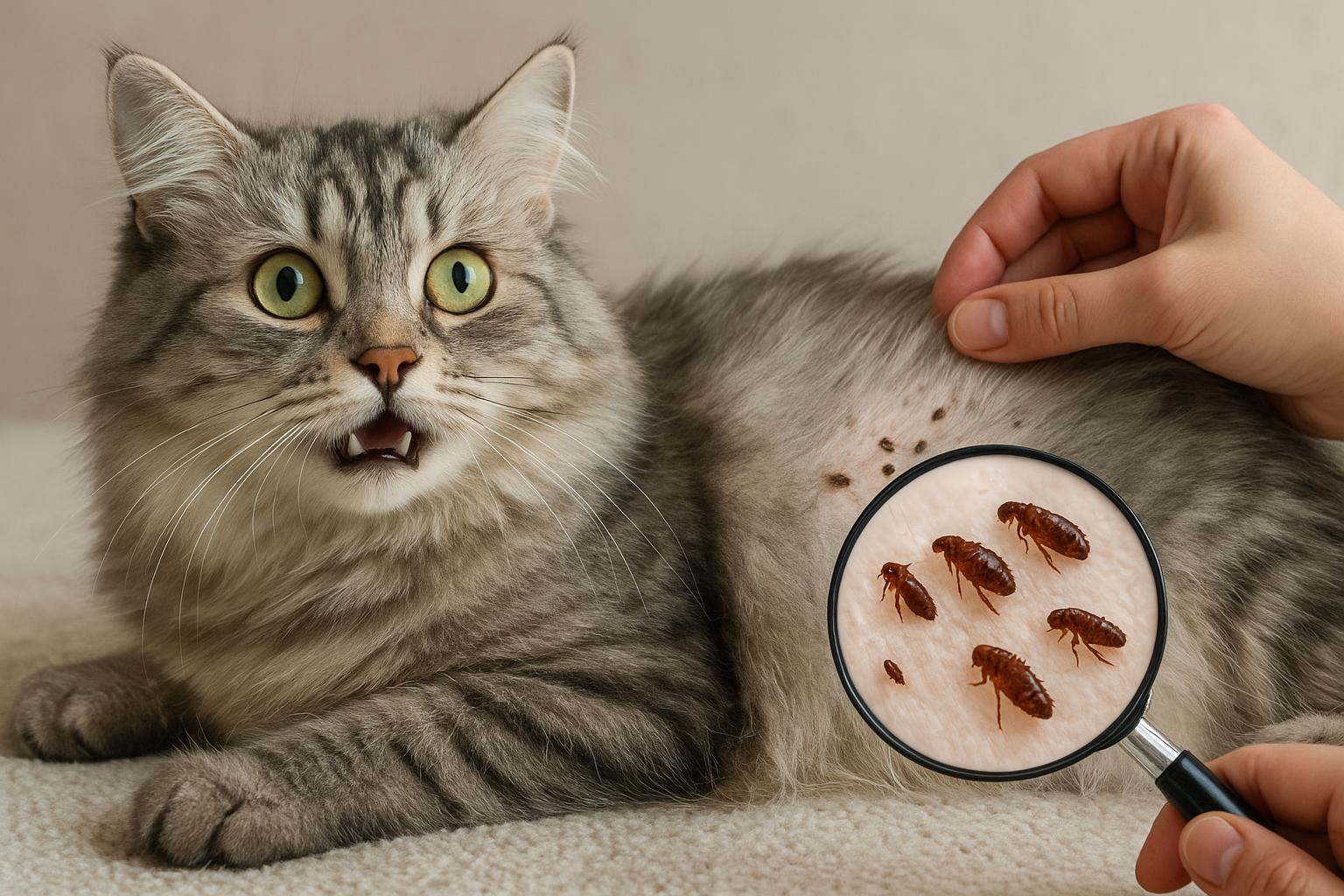
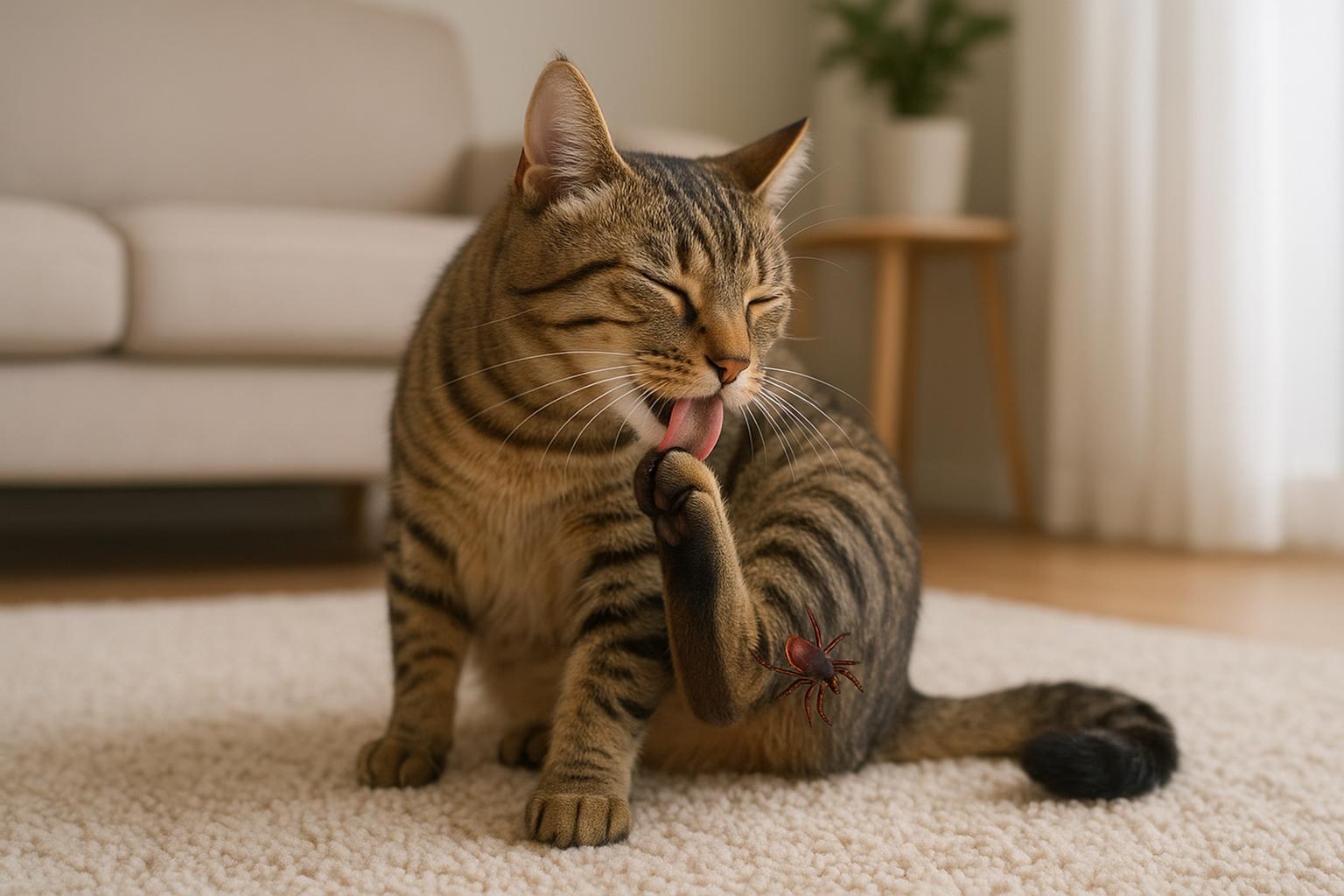
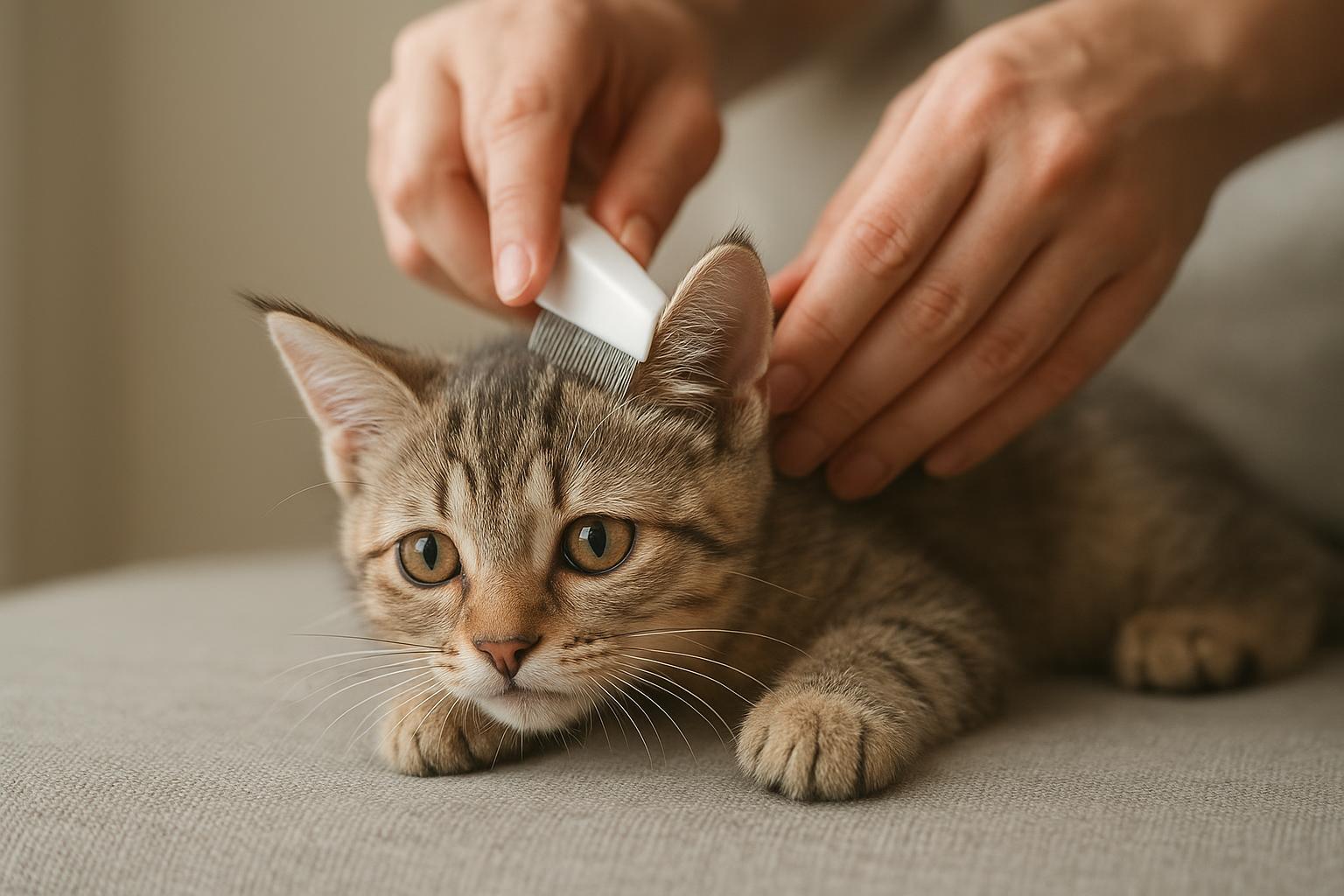
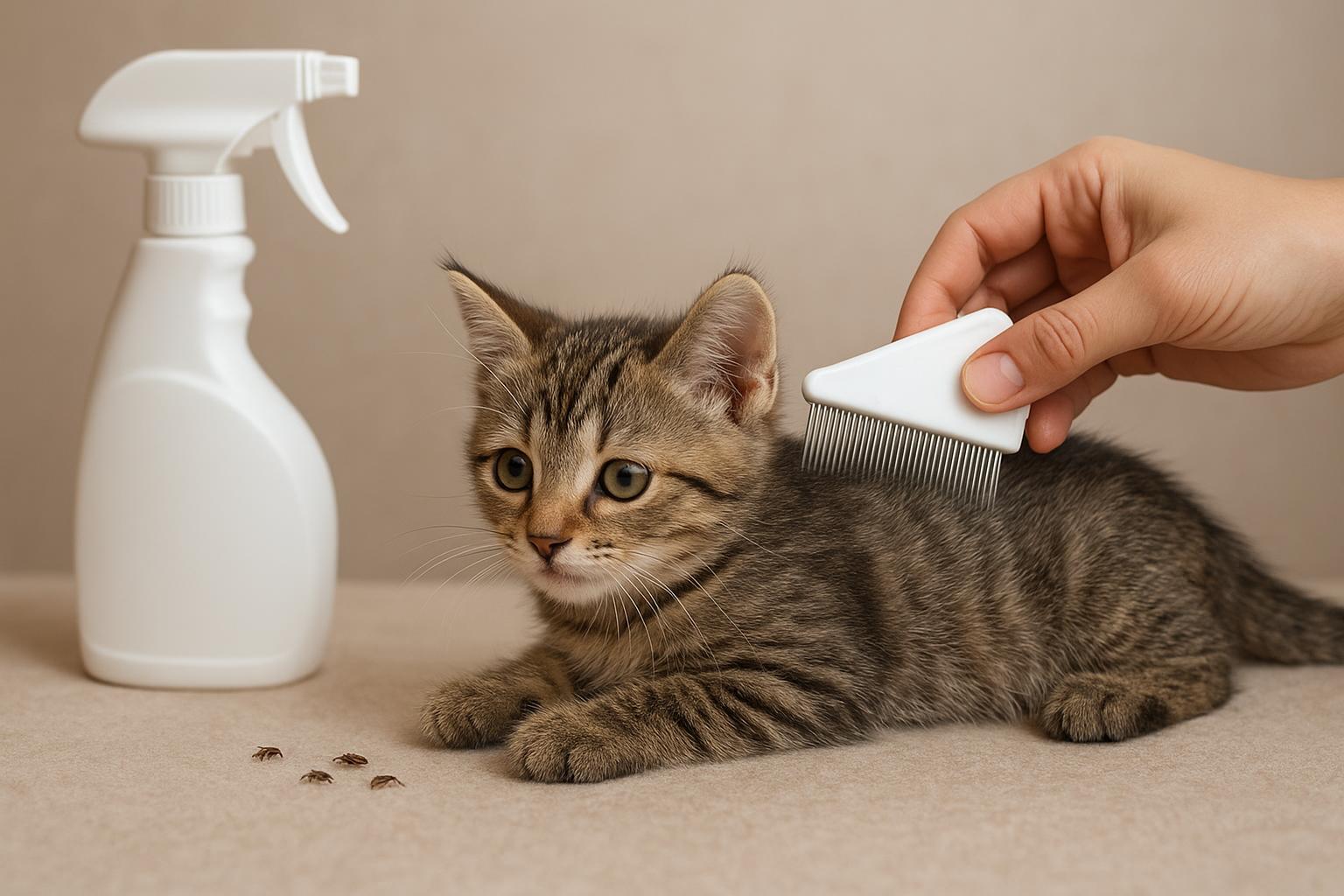
Check common places: the cat’s neck, base of the tail, armpits. Flea dirt that dissolves with a wet paper towel indicates recent fleas. Note improvements in scratching and skin irritation. If your goal is immediate comfort for the cat, the first 24–72 hours matter most.
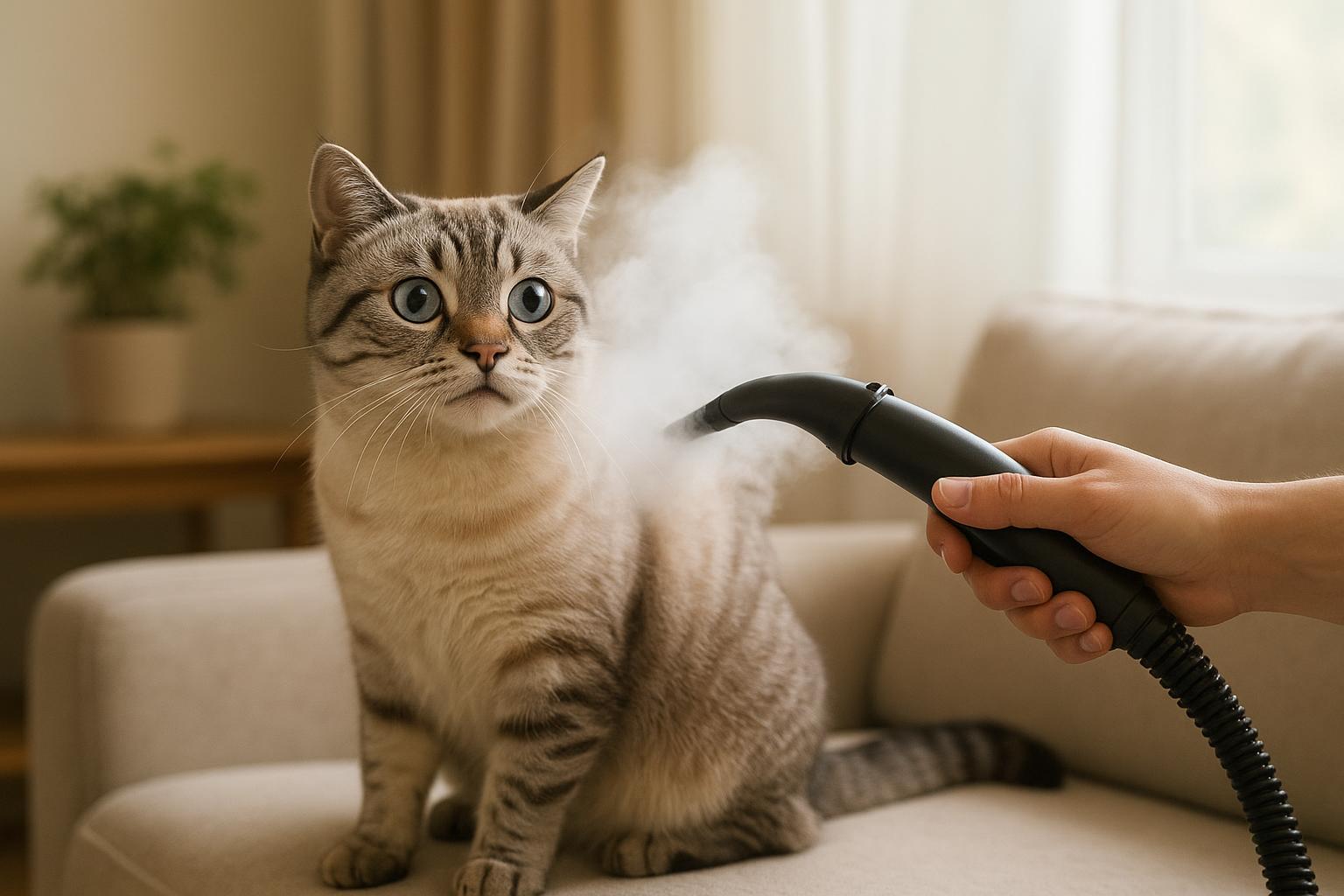
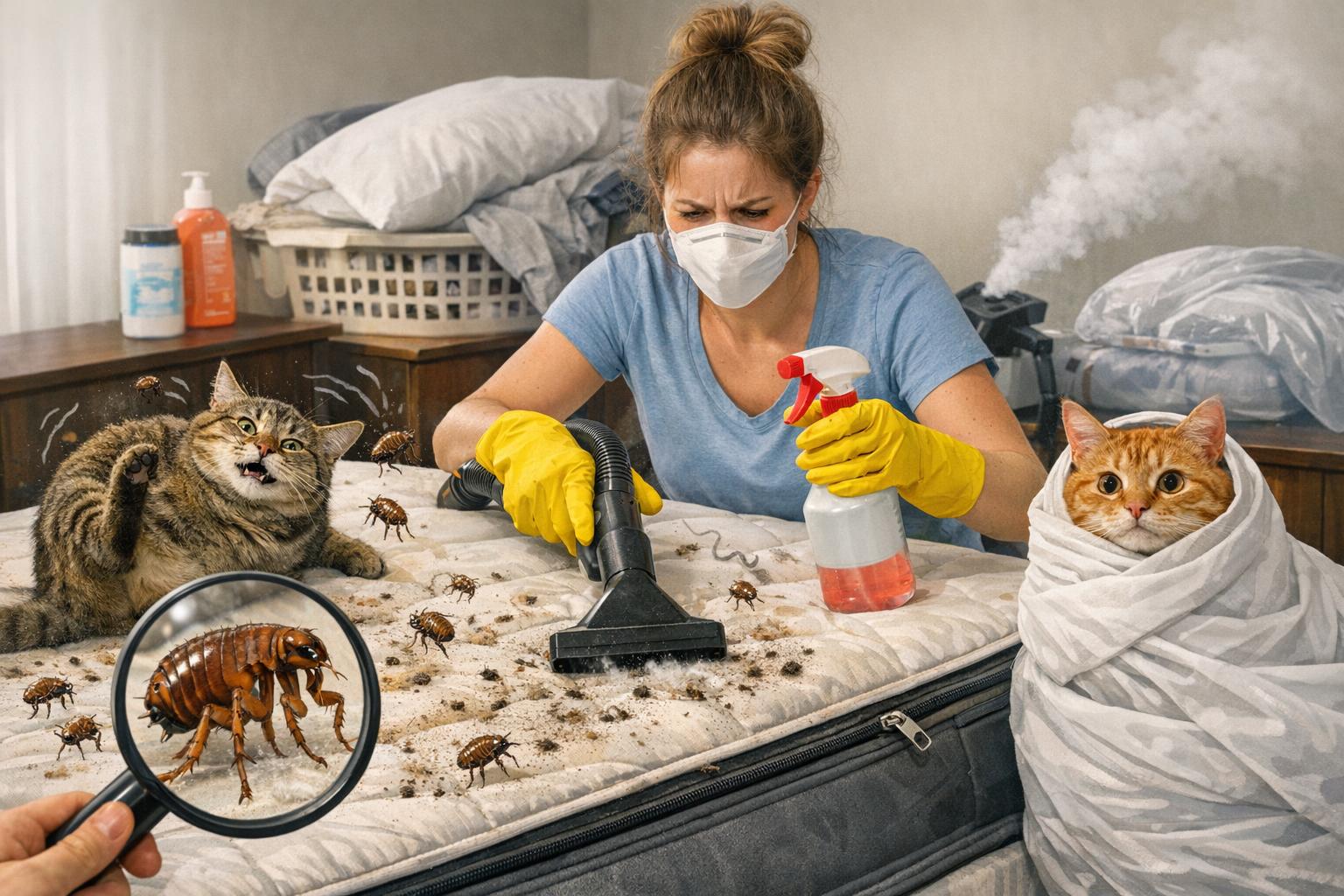
For household infestation, monitor carpets, pet beds, and furniture. Vacuum frequently during the weeks after treatment. Combine topical treatment with environmental steps for the fastest visible results.
### When To Reapply Or Switch Products
Follow label directions for reapplication intervals. If you see minimal improvement after 72 hours and the product was applied correctly, consult your veterinarian. Resistance is rare but possible, and sometimes a different active ingredient or a combined approach (topical plus oral) is needed to control tough infestations.
## Environmental Control: It’s Not Optional
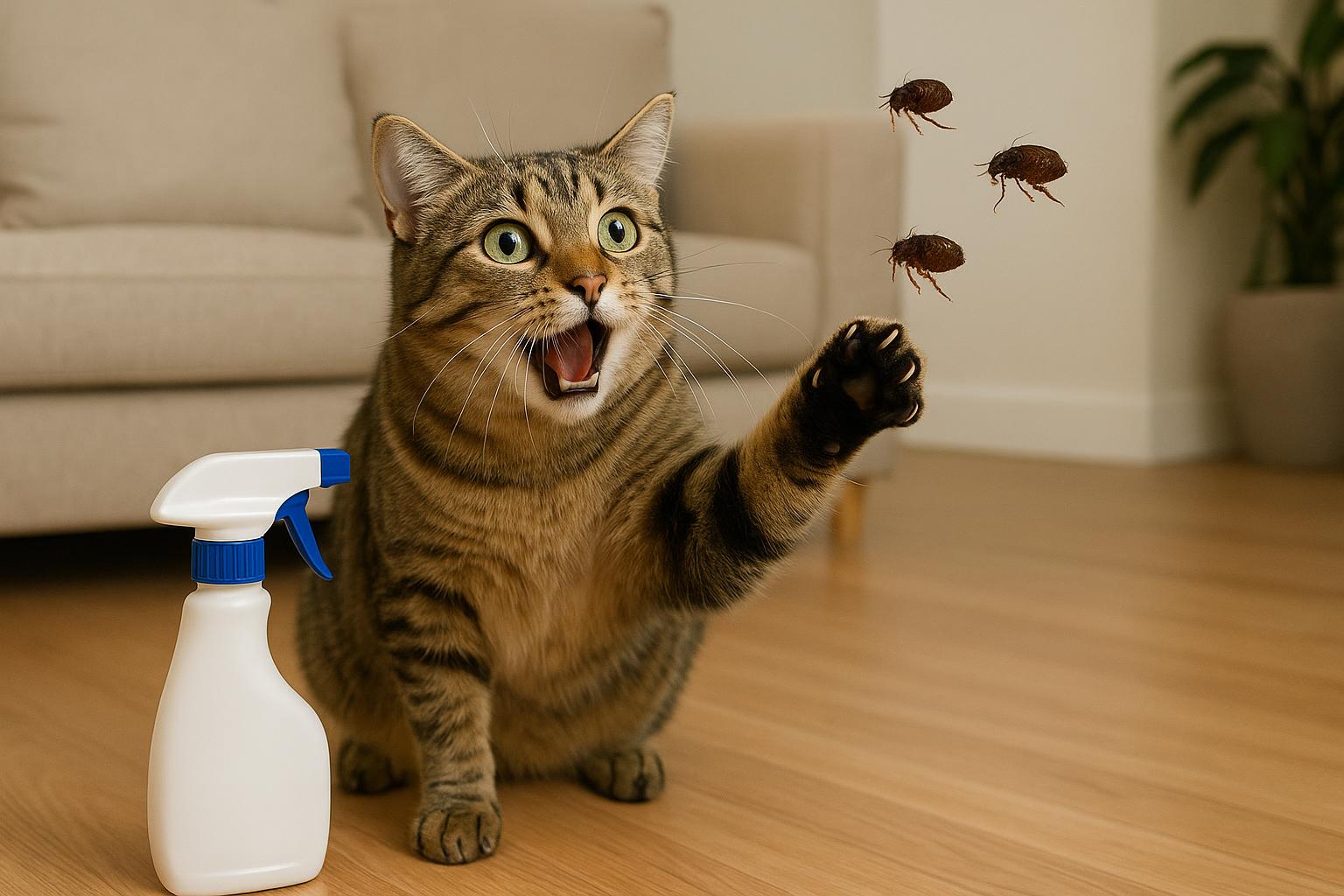
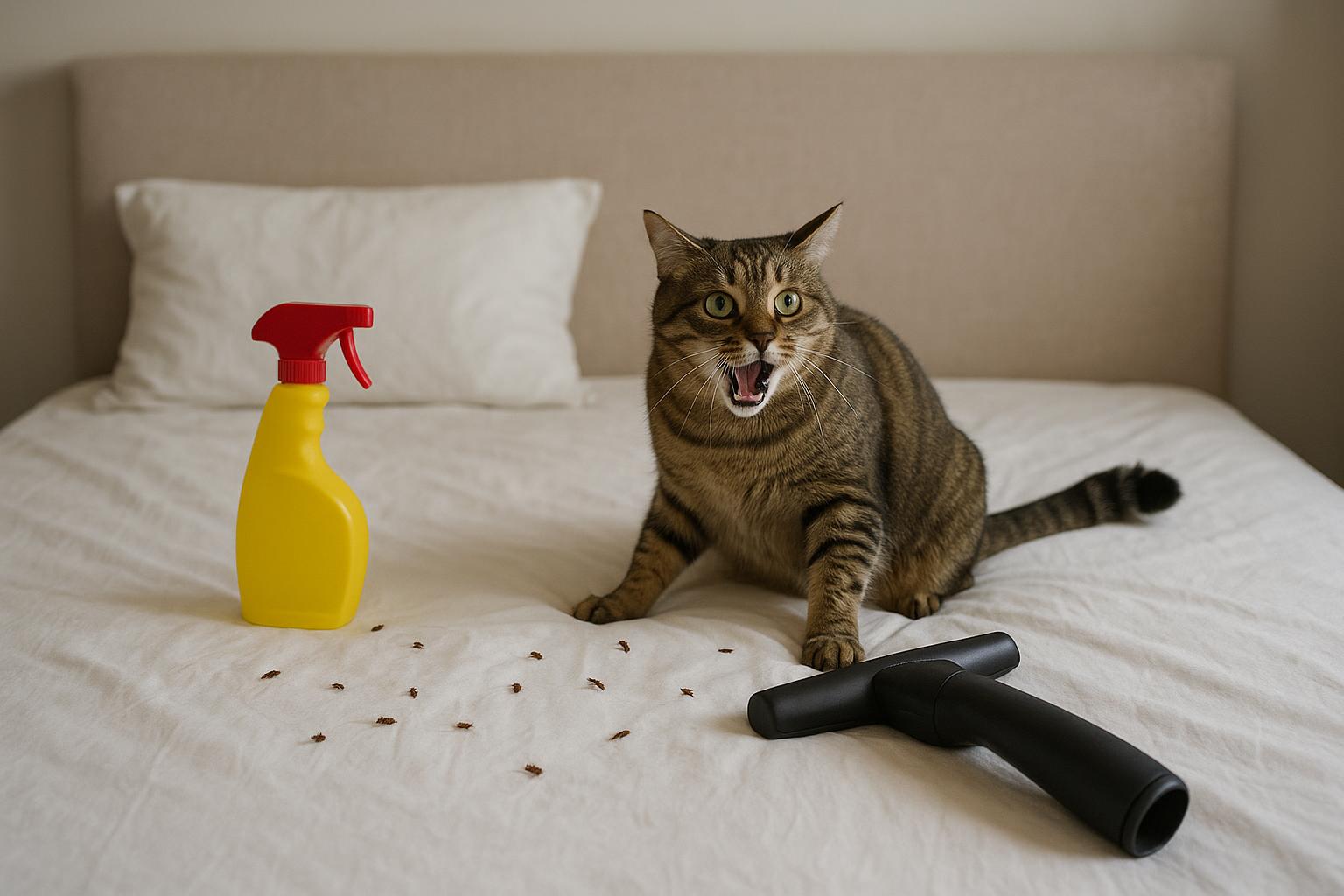
No topical alone will instantly stop fleas that live in the environment. Treating bedding, washing fabrics, and vacuuming are straightforward actions that shorten flea drop time across the home. In severe cases, a professional pest control treatment for the house can be warranted.
#### Practical Environmental Steps
– Wash pet bedding weekly in hot water.
– Vacuum daily for the first two weeks to remove eggs and larvae from carpets.
– Use a household product with an IGR if the infestation is heavy.
– Treat indoor and outdoor areas where pets spend time.
## Safety And Common Mistakes
Topical flea products meant for dogs can be dangerous to cats. Never substitute without veterinary guidance. Applying too much, or using a product designed for a heavier animal, can cause toxicity. On the flip side, underdosing by applying a partial pipette or using multiple products haphazardly reduces flea product efficacy.
If your cat reacts—drooling, lethargy, tremors—wash the area with a mild pet-safe shampoo and contact your vet. Keep products away from children and other pets until they’ve dried.
### Mythbusting Quick Claims
Some ads promise “kills fleas in minutes.” Realistically, very few topical products show meaningful flea drop time in under an hour. Most need the 12–24 hour window to act across the coat. Also, one month of treatment rarely erases a long-standing infestation by itself.
## When To Call The Vet
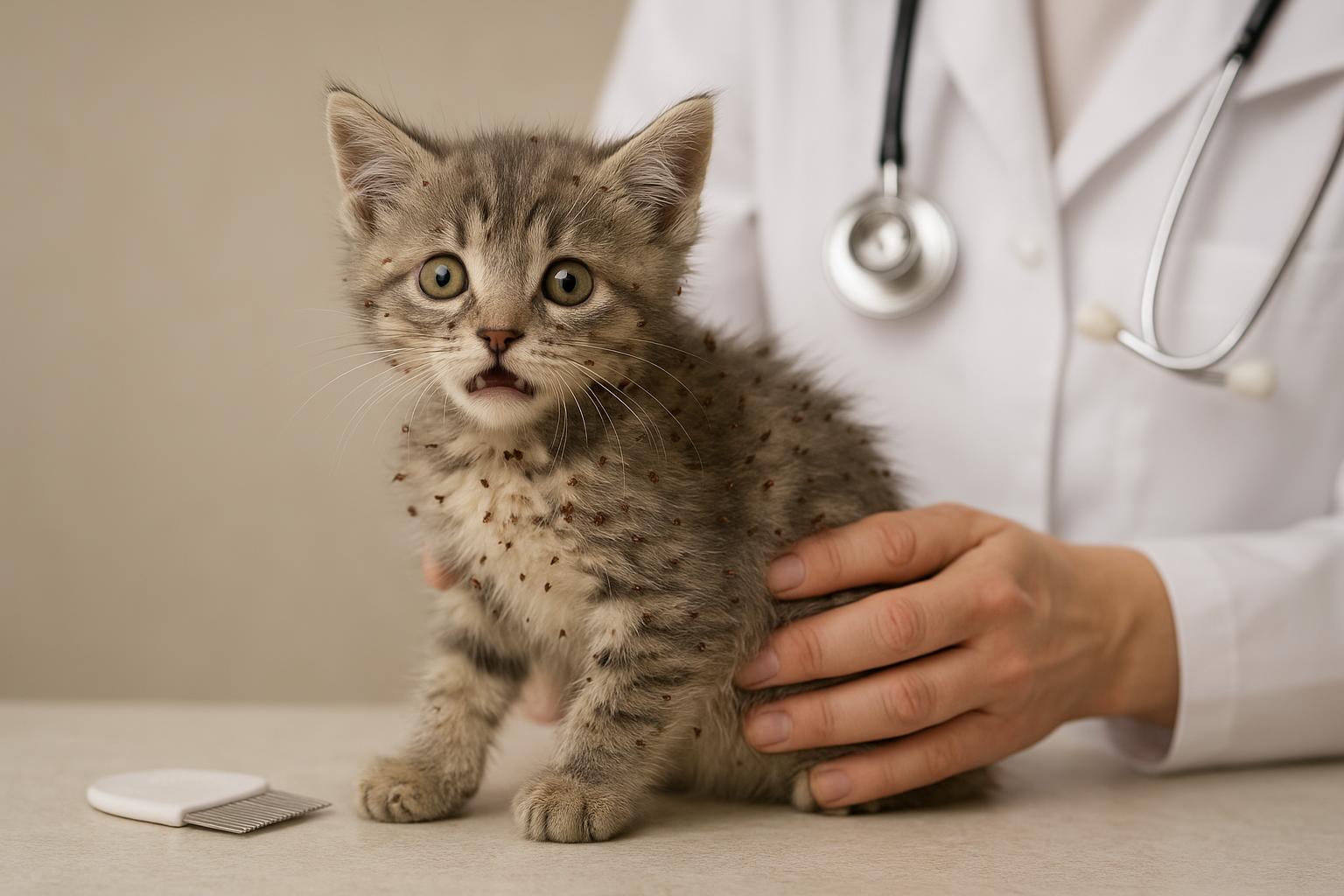
If, after proper application, your cat still has many fleas after 72 hours, or if the cat shows signs of illness, contact your veterinarian. They’ll check for underlying issues like allergies, anemia from heavy flea burdens, or the need for a different treatment strategy. A vet can recommend products with proven flea product efficacy for your specific situation.
### Final Practical Tip
Treat the cat and the environment at the same time. Apply the topical correctly. Be patient for up to a week to gauge real progress. If you want immediate relief for human household members, consider adding a fast-acting oral option under veterinary supervision. And yes, separate pet areas and clean bedding will speed everything up—don’t skip that step.



















Leave a Reply