
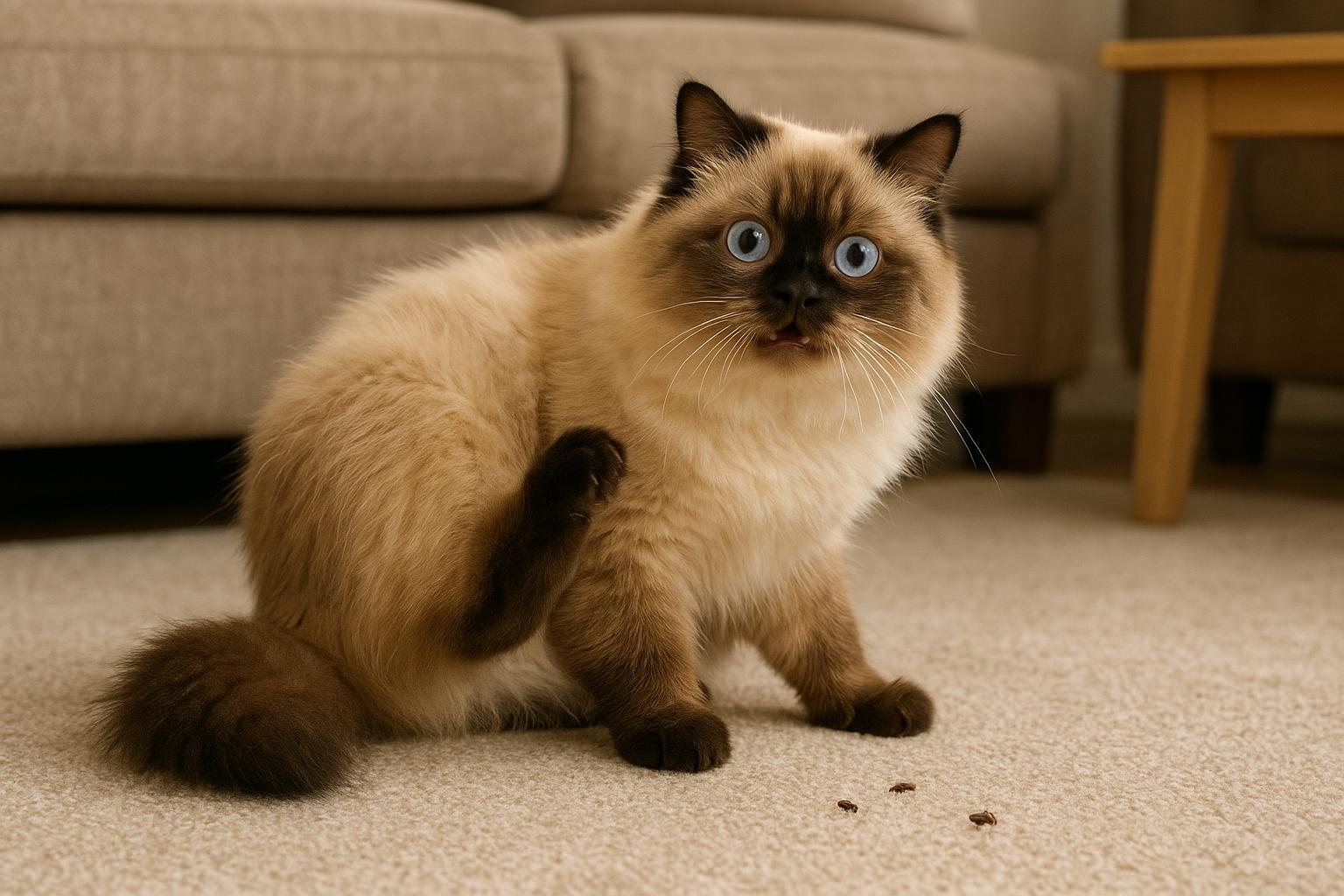
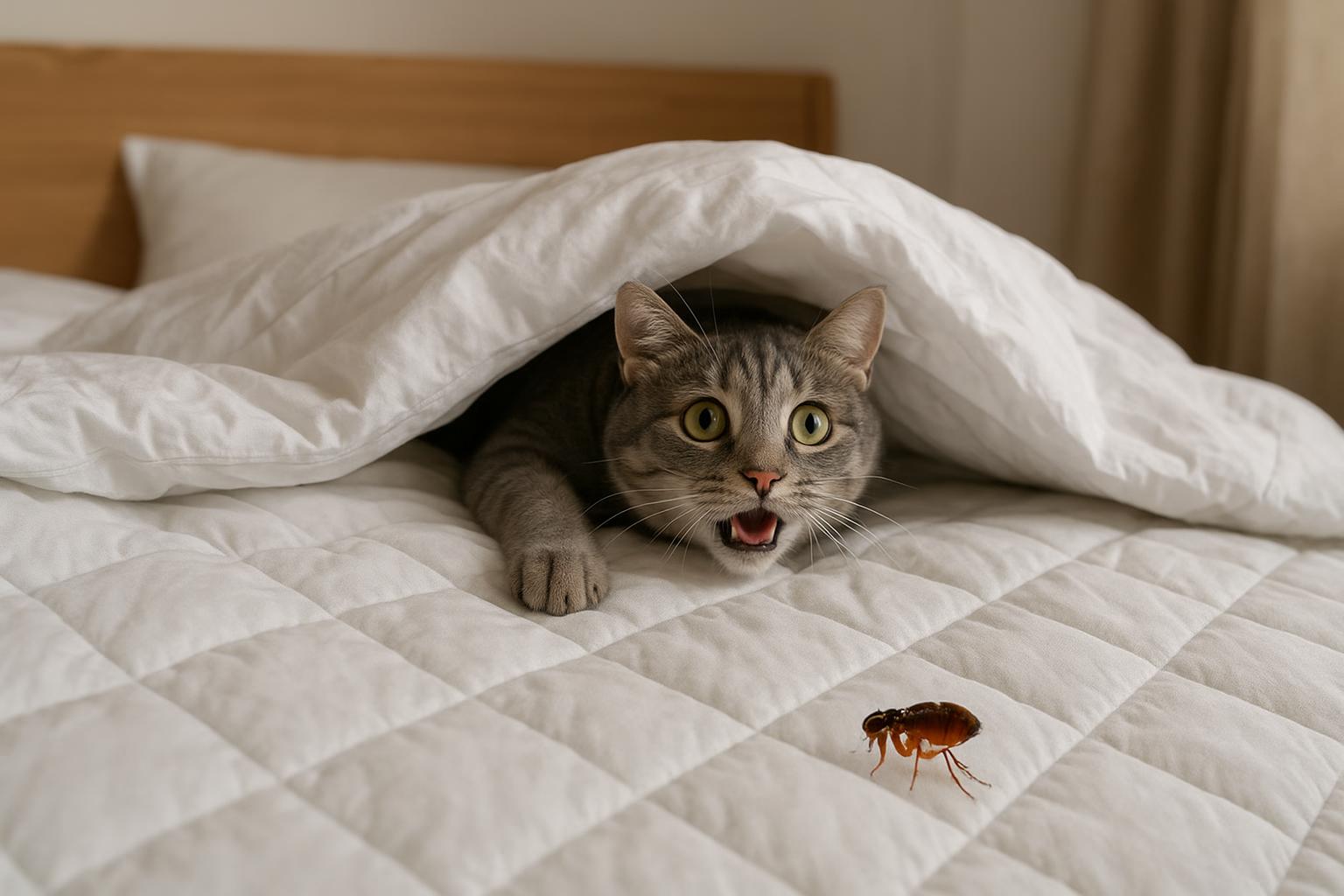
Yes, they do. Fleas don’t live exclusively on pets. Carpets are one of their favorite indoor hideouts. The right fibers, dark corners, and a steady supply of hosts turn a rug into a breeding ground. If you’ve ever watched a dog frantically scratch in the living room while nothing shows on its fur, a carpet could be the missing piece.
## Do Fleas Live In Carpets: How They Hide And Why It Matters
Carpet fibers create microclimates. Loose pile and padding trap warmth, humidity, hair, skin flakes, and stray crumbs. Those are exactly the conditions flea eggs and larvae need. Adult fleas live on animals because they need blood, but they lay eggs wherever the pet spends time. Those eggs fall off and bounce into the carpet. Over days and weeks they turn into larvae that avoid light and crawl deep in the fibers. Then they pupate in a cocoon that’s shockingly resilient. A pupa can wait months, sometimes until it senses a passing host, then emerge as an adult flea.
That explains a common frustration: you treat your pet, wait a few weeks, and suddenly everyone’s getting bitten again. The eggs or pupae in the carpet were still waiting.
### How Many Fleas Can A Carpet Harbor?
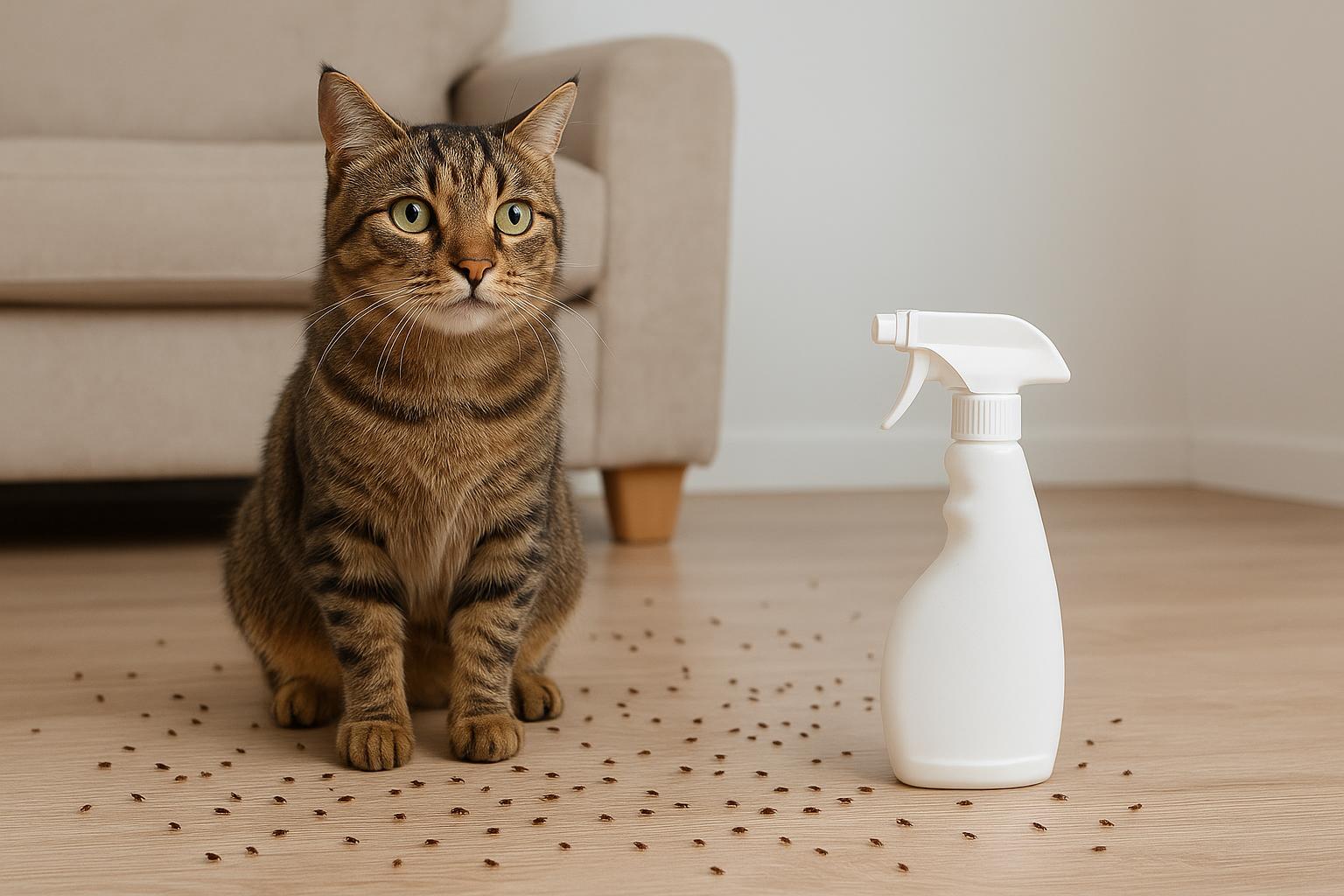
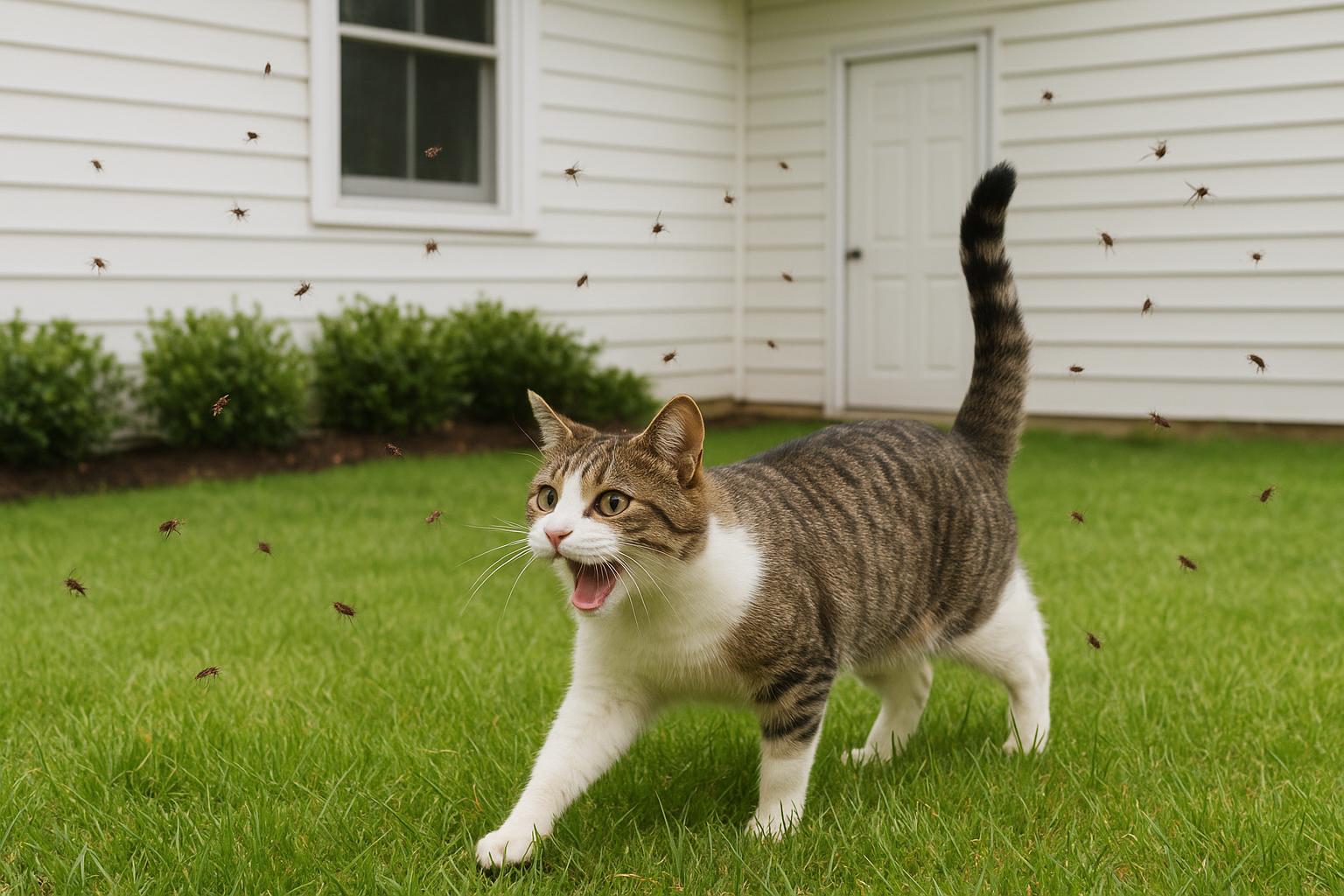
Not a neat number. A single flea population in a home can include thousands of eggs and hundreds of larvae or pupae. Adults move on and off pets, so one or two biting adults can hide evidence while a deeper infestation simmers in the fibers. Rugs under furniture or near pet beds are especially risky. Even small rugs by a porch can import flea eggs from outdoor wildlife.
### Where Carpets Fall Short For Flea Control
You can treat a pet with the best spot-on medication and still see bites. Why? Because standard flea products target adult fleas on the animal and may not affect eggs or pupae in the environment. Carpets shelter those immature stages, so environmental control has to be part of the plan.
### What About Floor Fleas? Are They The Same Thing?
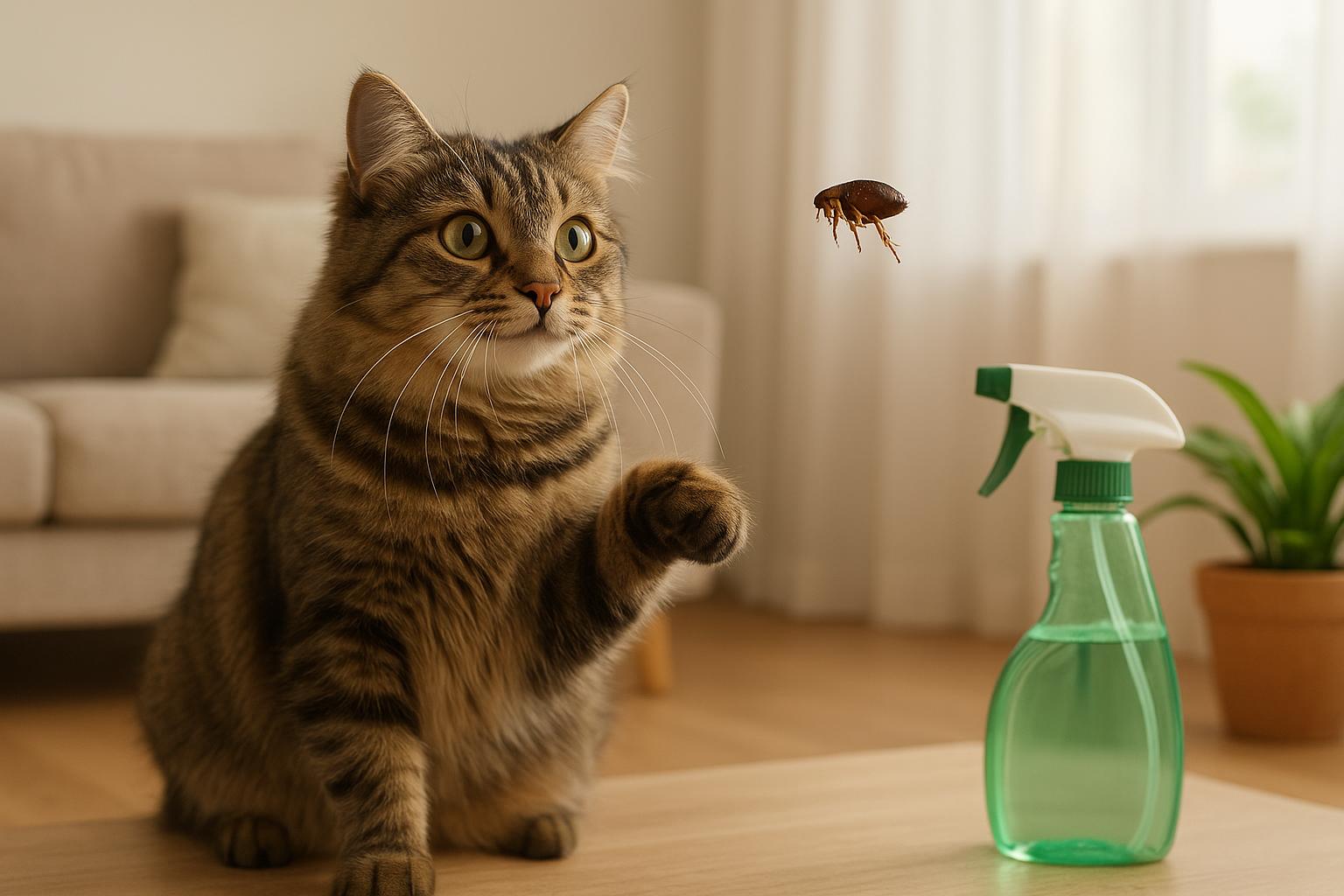
“Floor fleas” is a casual term people use for fleas found hopping around floors or carpets. There’s no separate species called a floor flea — they’re the same fleas that bite pets and people. The name just highlights where you see them. So when you spot tiny jumping insects on the rug or skirting board, treat the space as if it’s part of the infestation.
#### A Note On Other Tiny Jumping Insects
Not everything that hops is a flea. Some springtails or mite species are small and jump, but they don’t bite humans and usually indicate moisture issues. Flea bites, flea dirt, and seeing them on pets make the identification clear.
## How To Tell If You Have Fleas In Your Carpet
Don’t rely on one sign. Flea presence is best confirmed by several clues taken together. Here are effective ways to check.
### Watch Your Pets And People
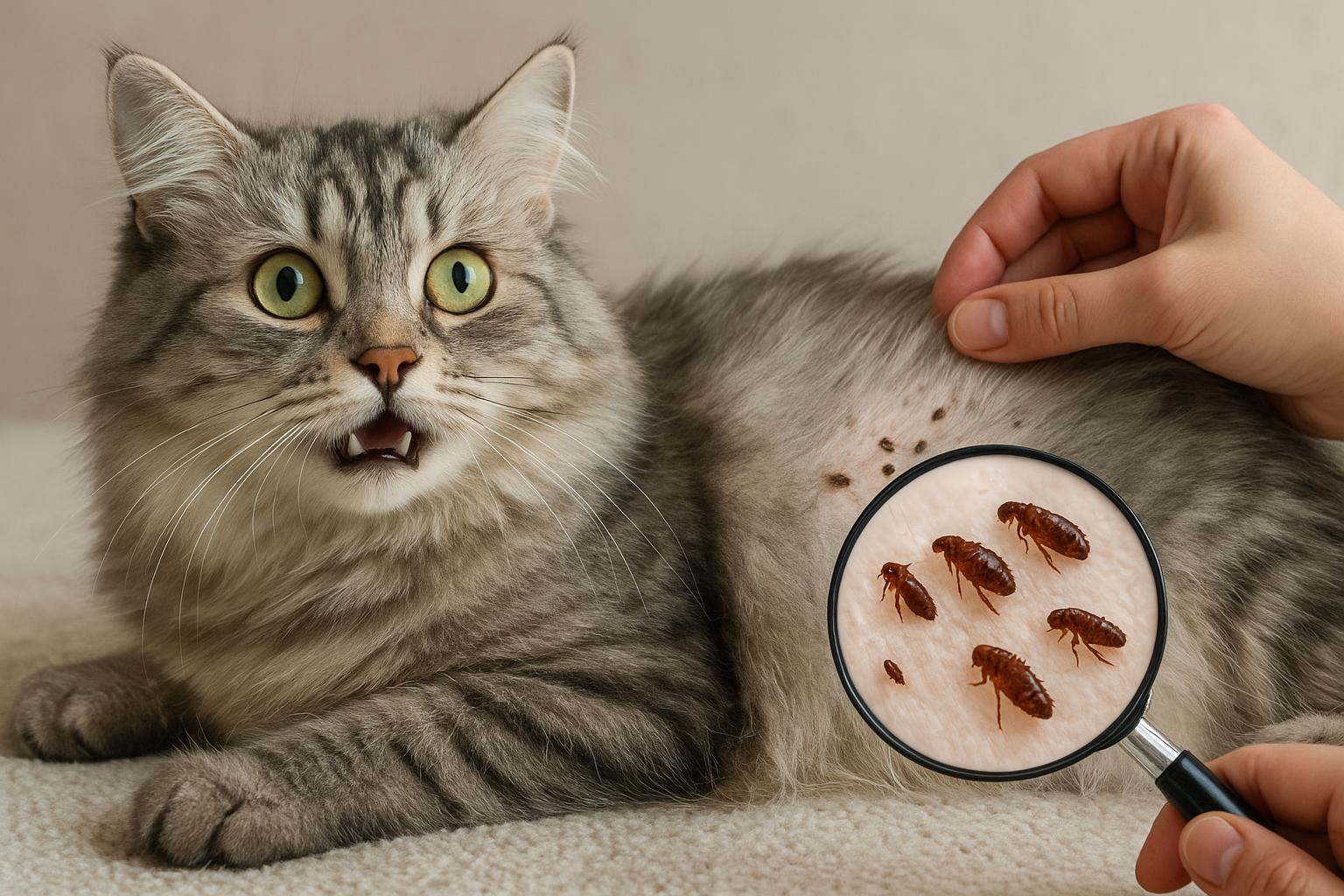
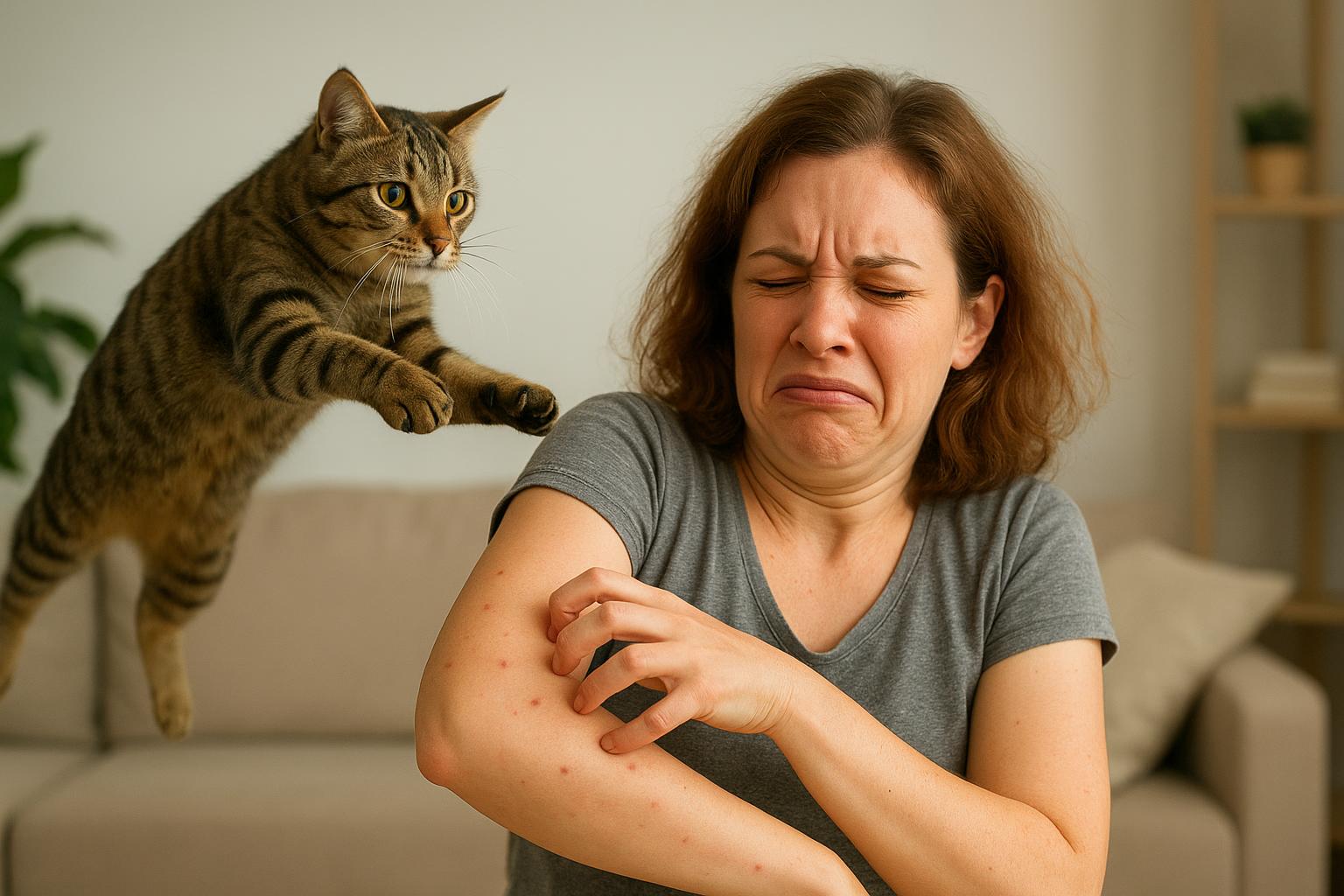
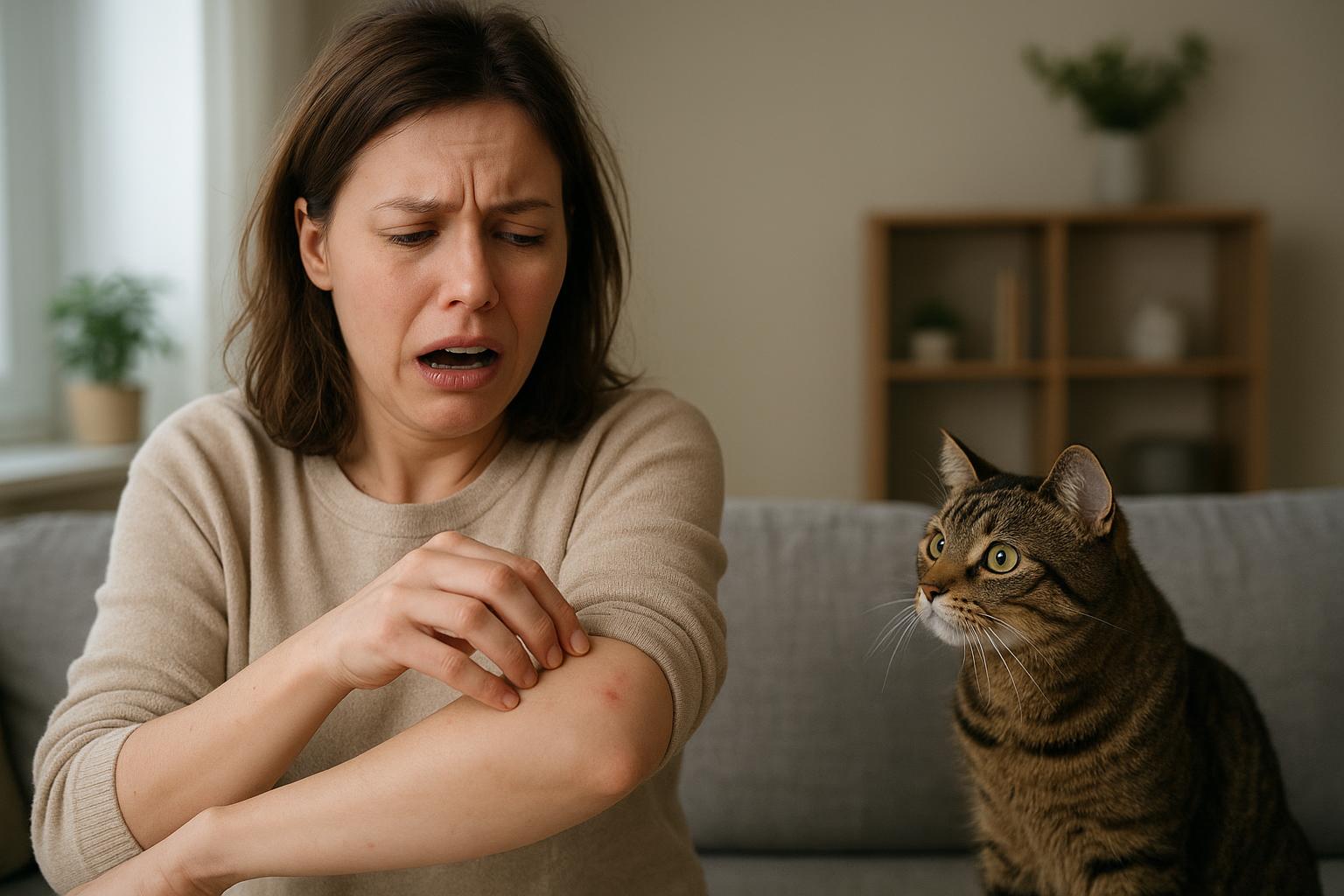
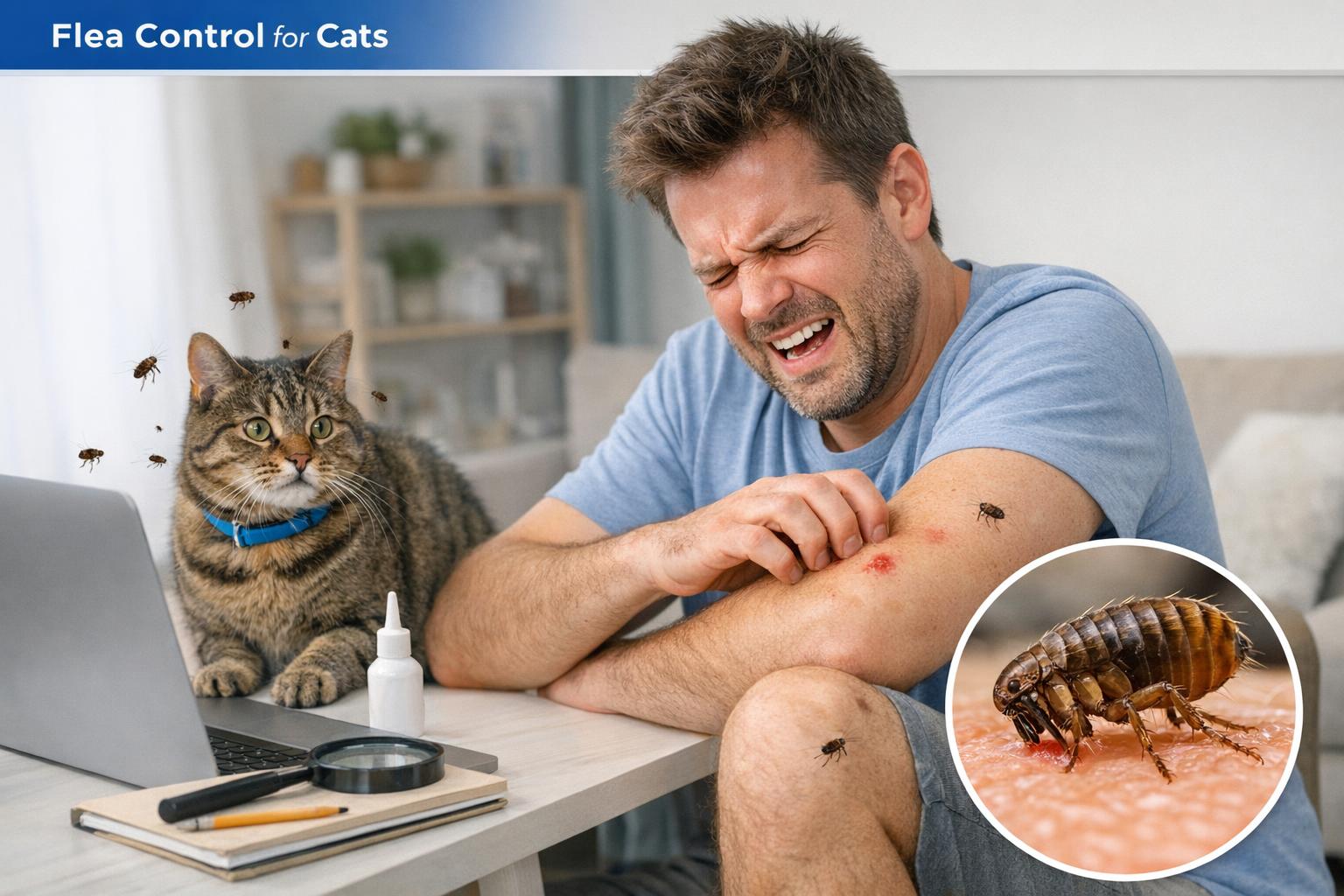
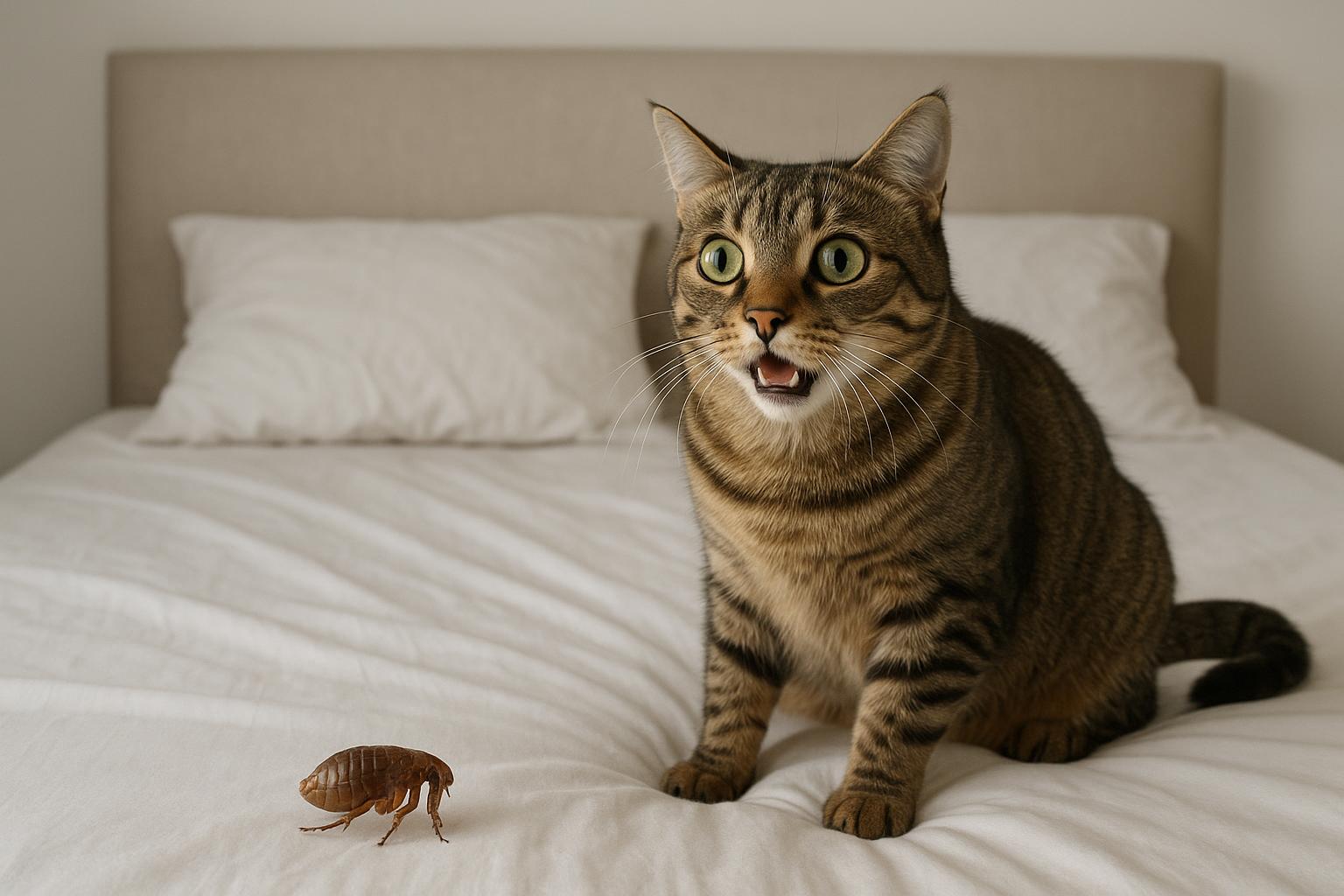
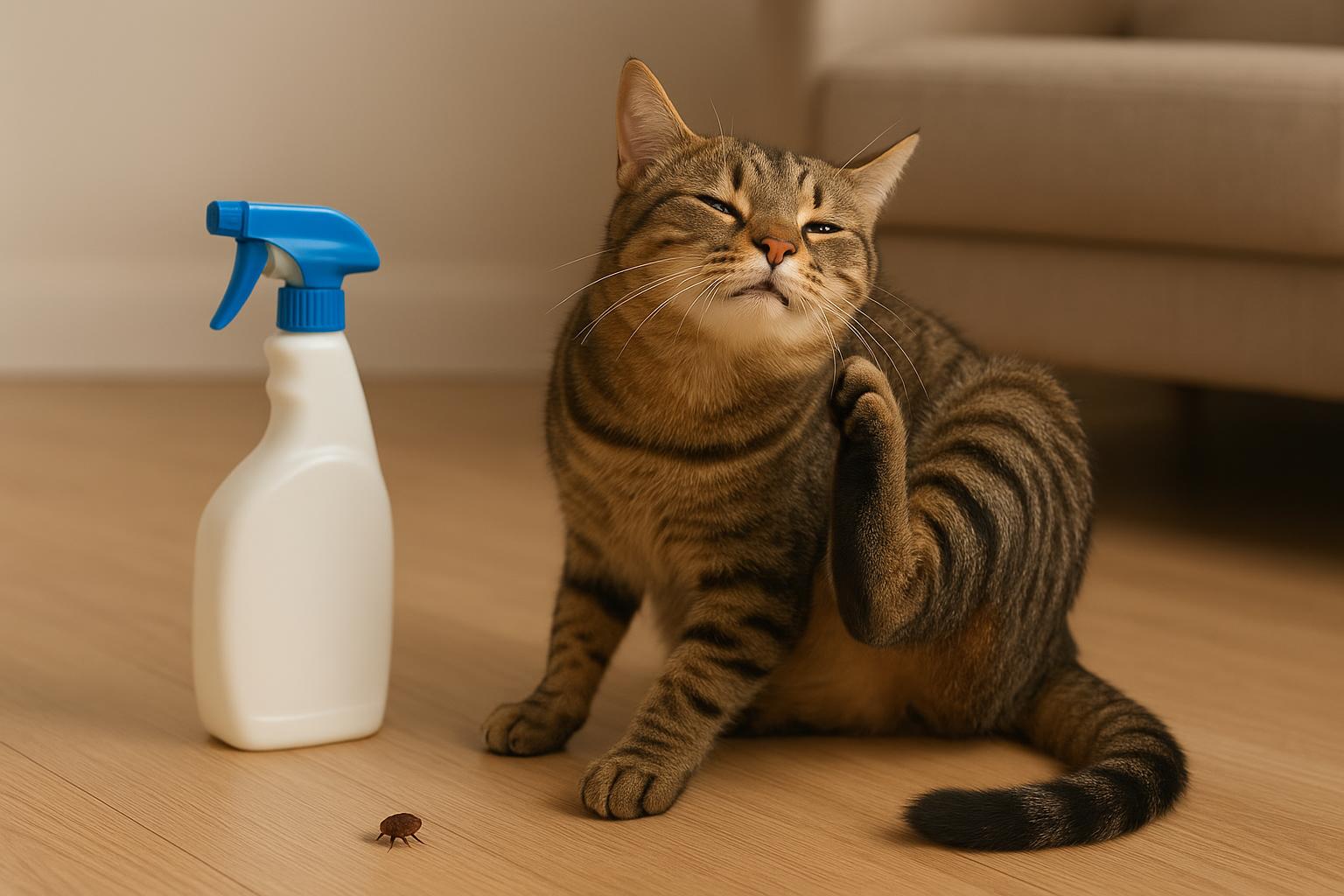
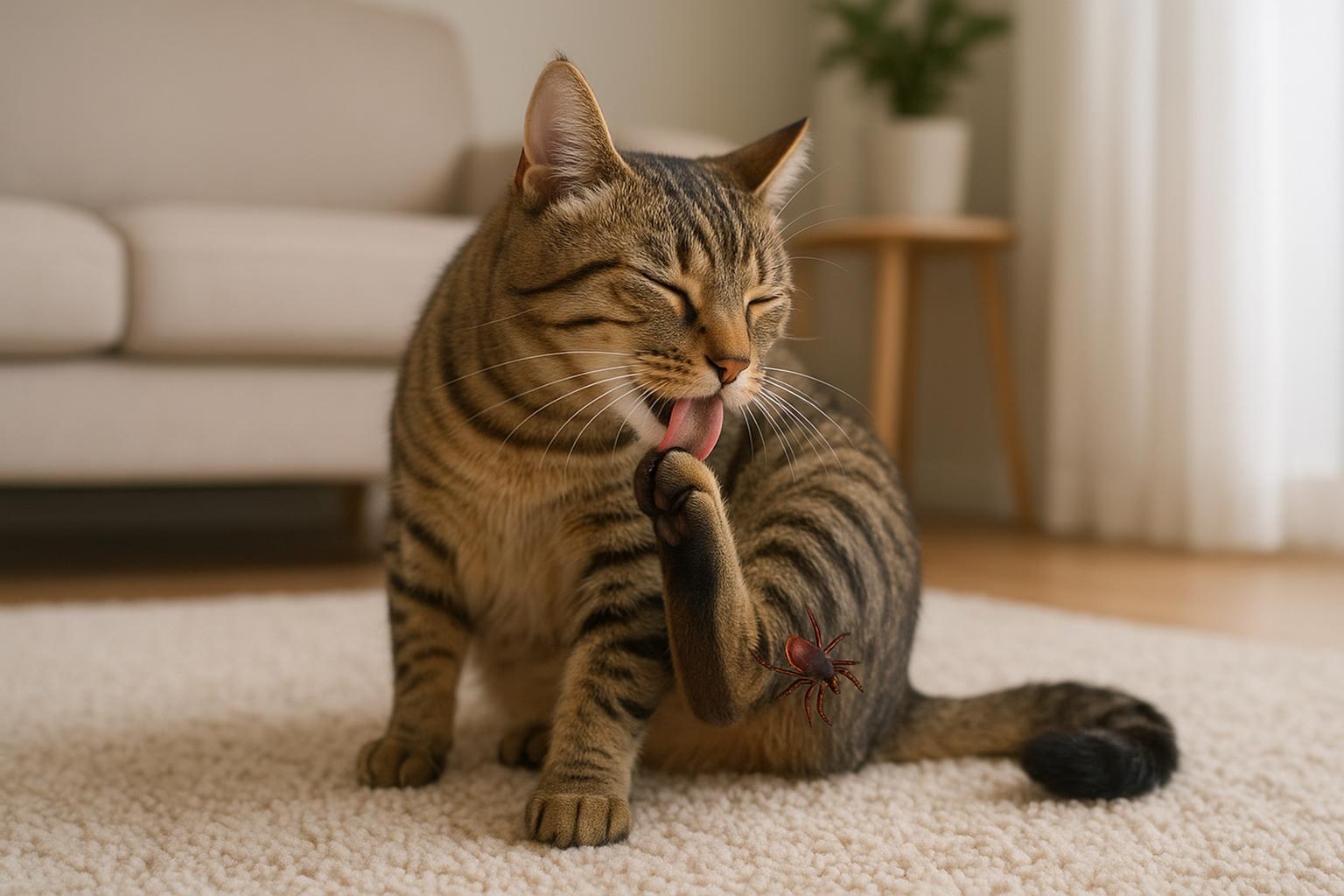
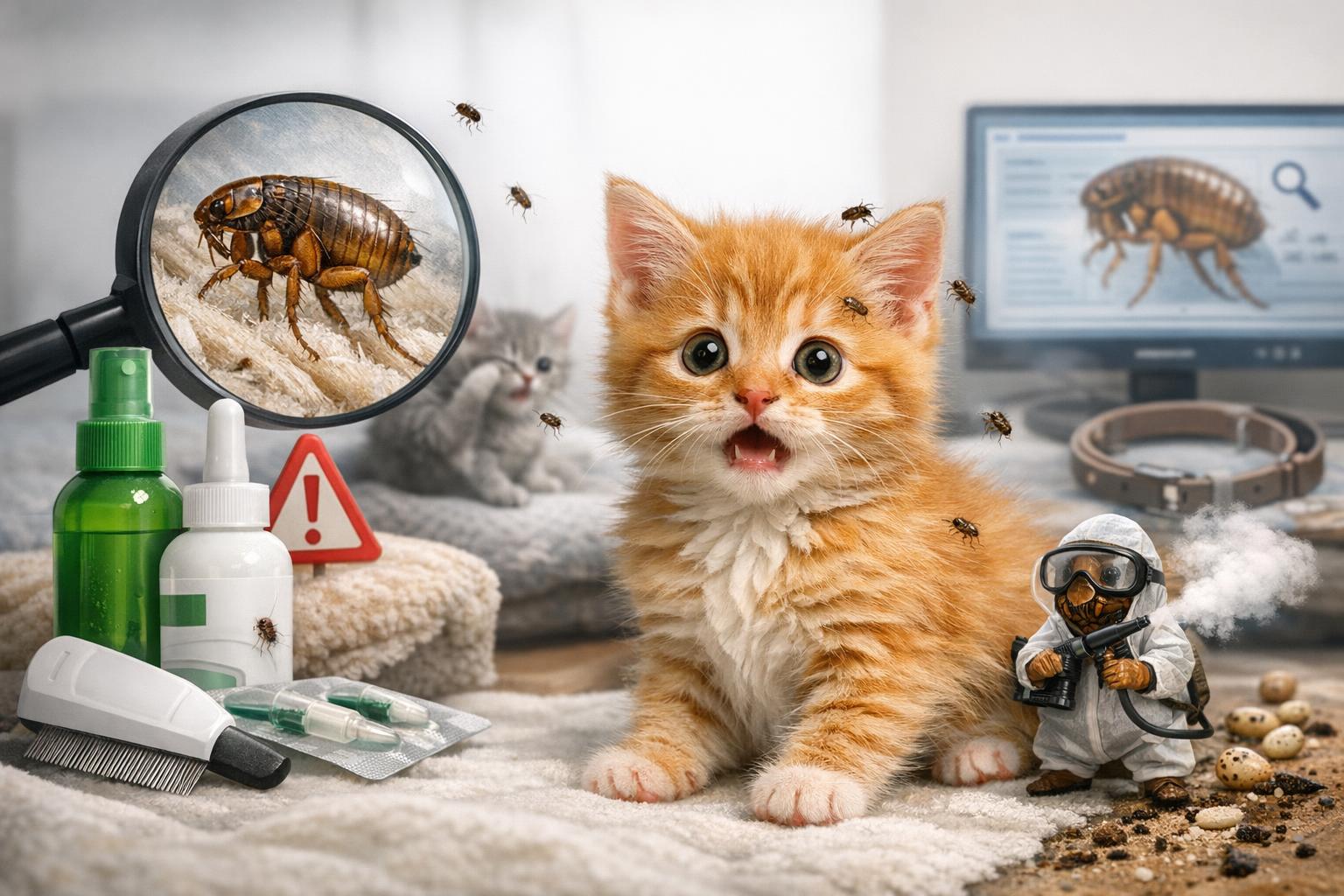
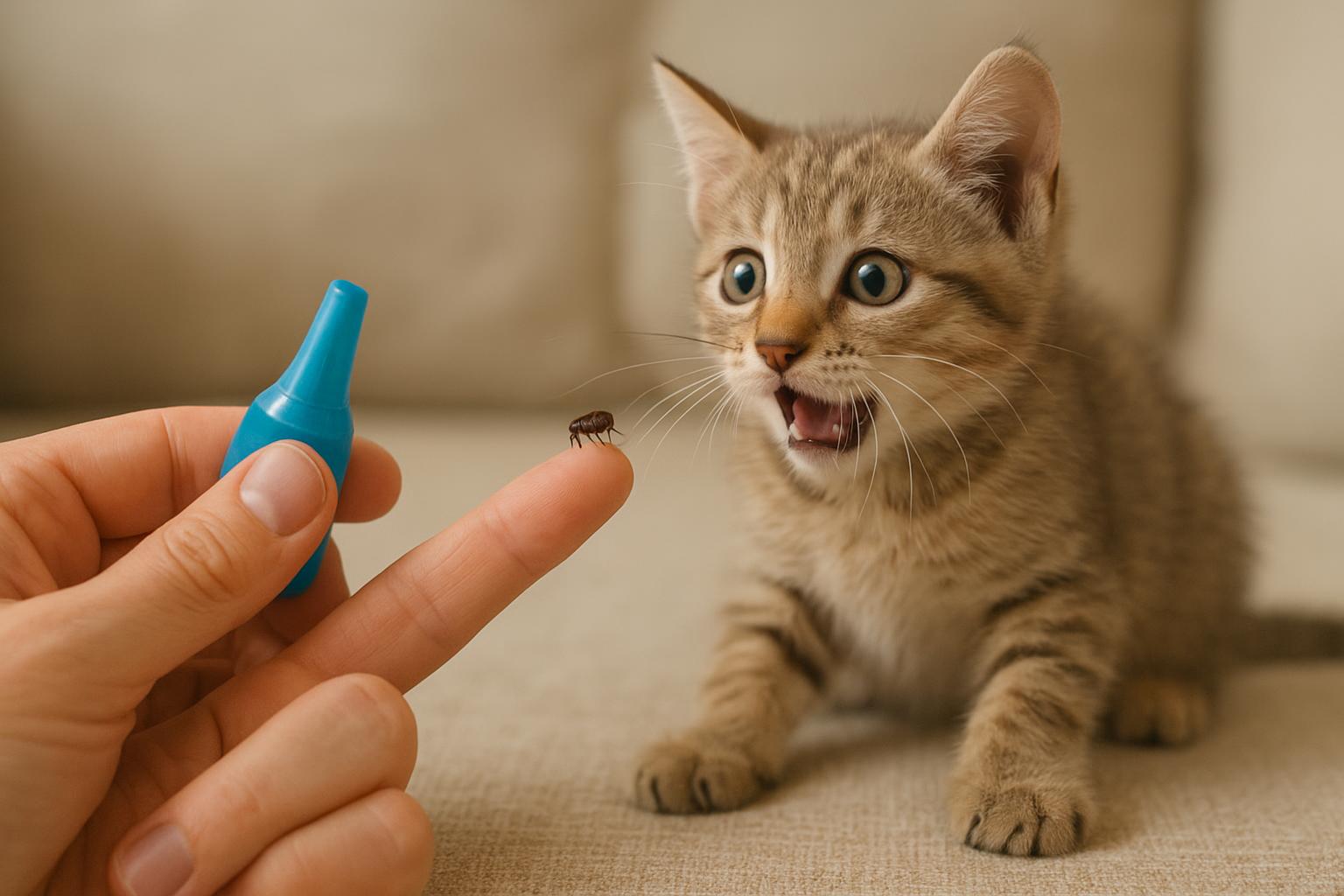
Pets that suddenly scratch, chew, or groom obsessively are the most obvious red flag. Look for actual fleas on the animal. They are fast, dark, and small — about 1–3 millimeters. Flea bites on people are small red bumps, often clustered around ankles or lower legs.
### The White Sock Or Sheet Test
This is a simple, low-tech trick. Put on a white sock or drag a white sheet across the carpet where your pet hangs out. Fleas are attracted to vibration and warmth. If there are mature fleas ready to jump, they’ll hop onto the fabric and show up as tiny dark specks. This is also useful for checking rugs and entryways.
### Look For Flea Dirt
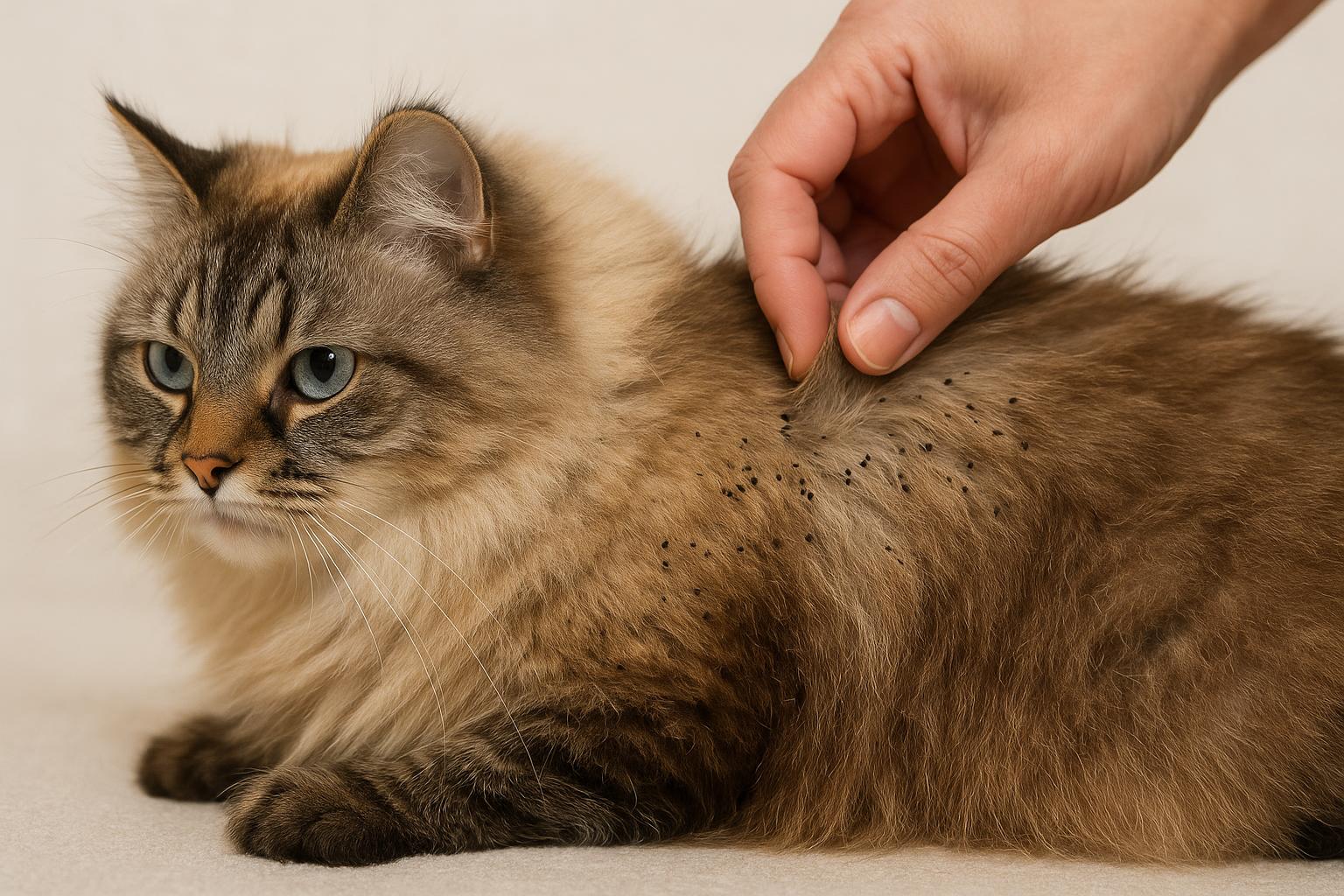
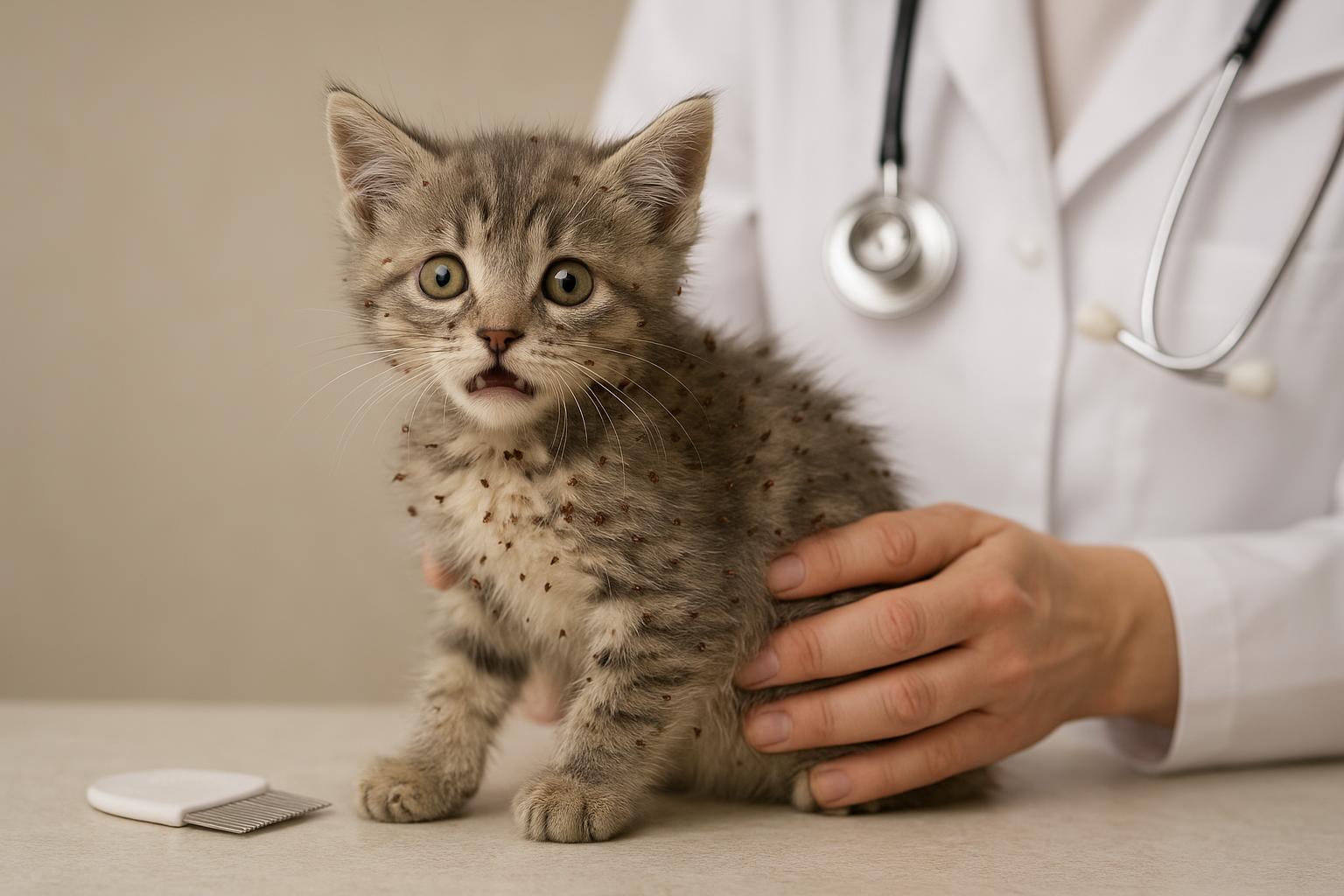
Flea “dirt” is digested blood. It looks like black specks on your carpet or pet. To check, pick up some specks and place them on a damp white paper towel. If they dissolve into a reddish stain, that’s flea dirt. Finding this on your carpet or in pet bedding is a strong indicator of live fleas nearby.
### Use A Comb On Your Pet
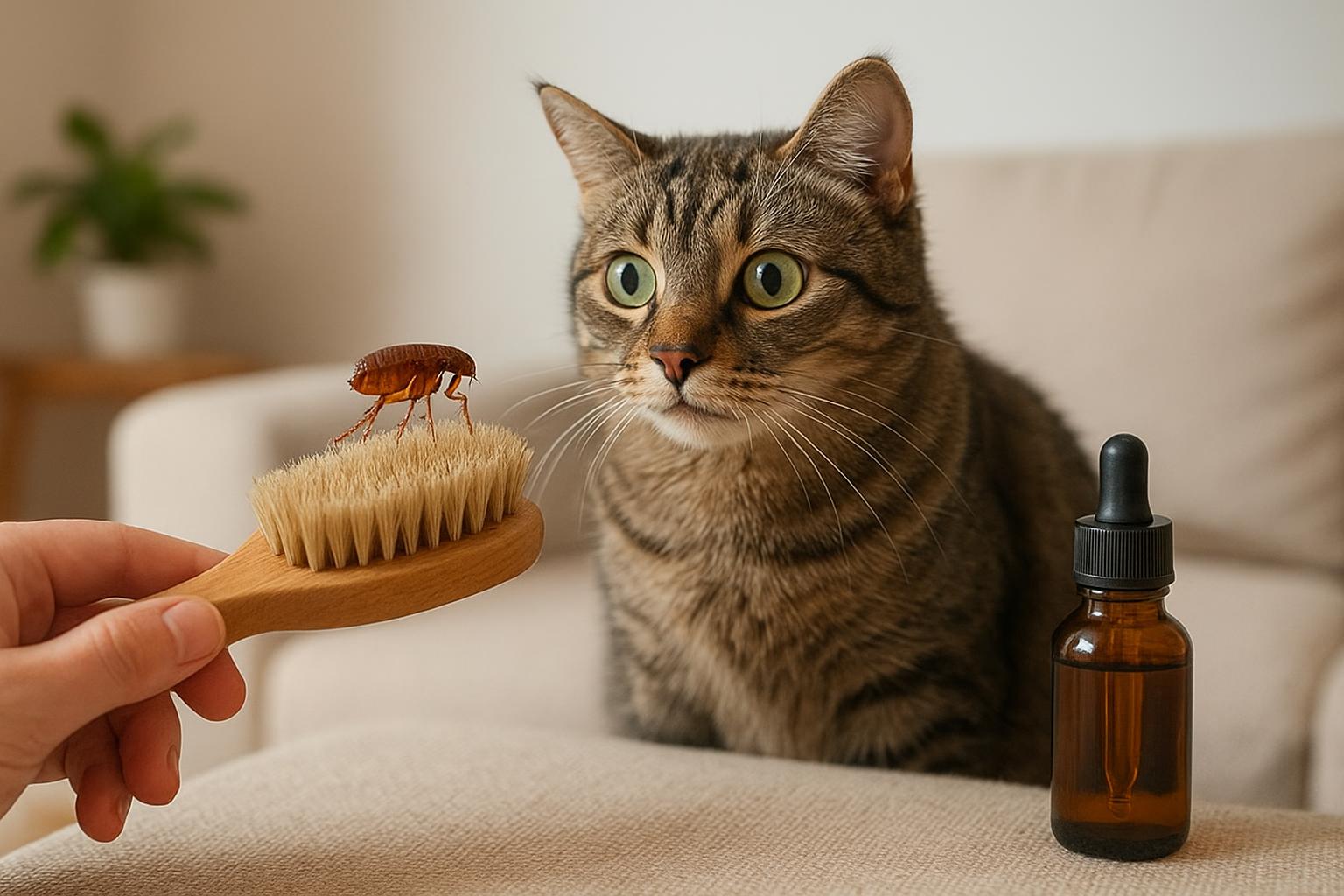
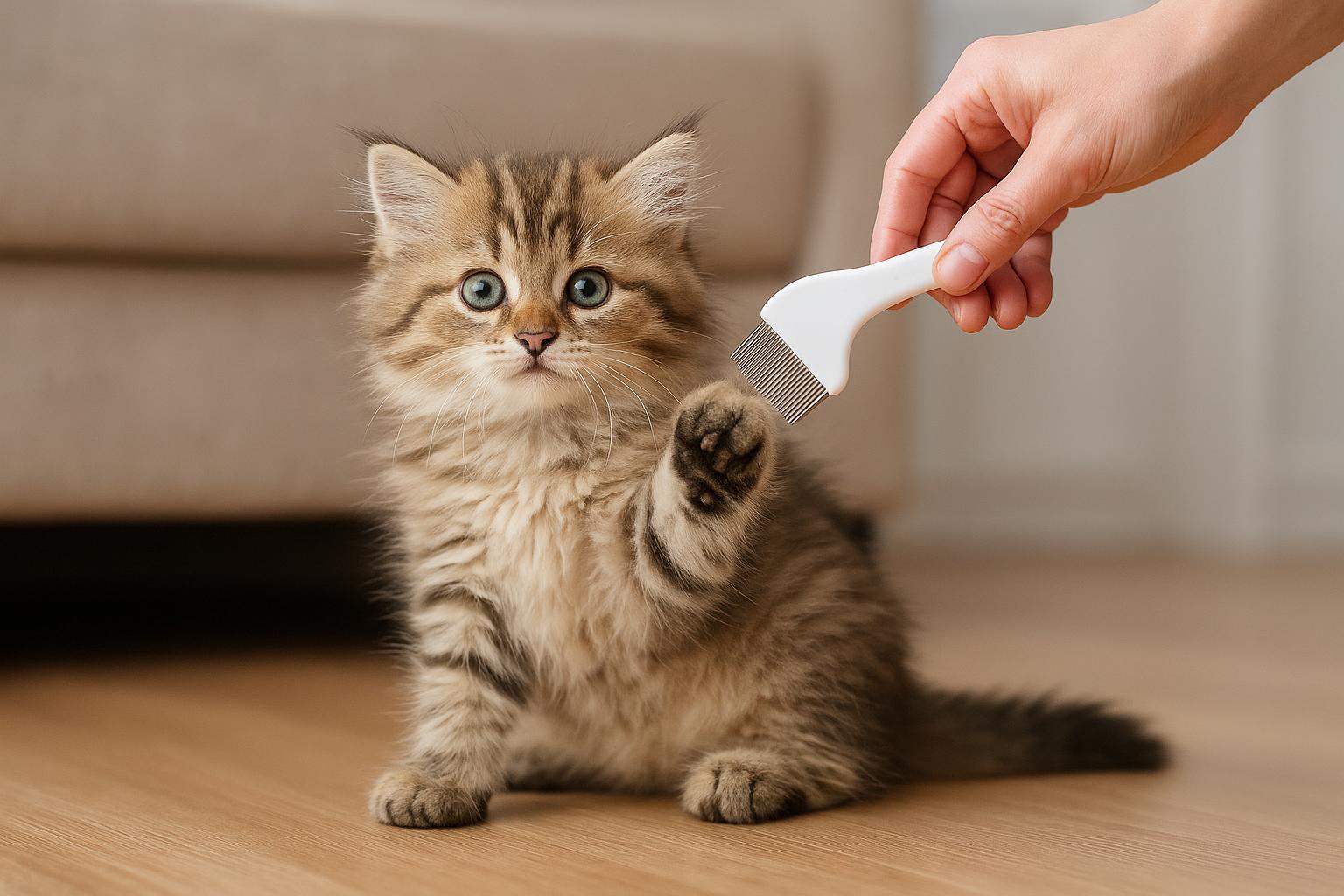
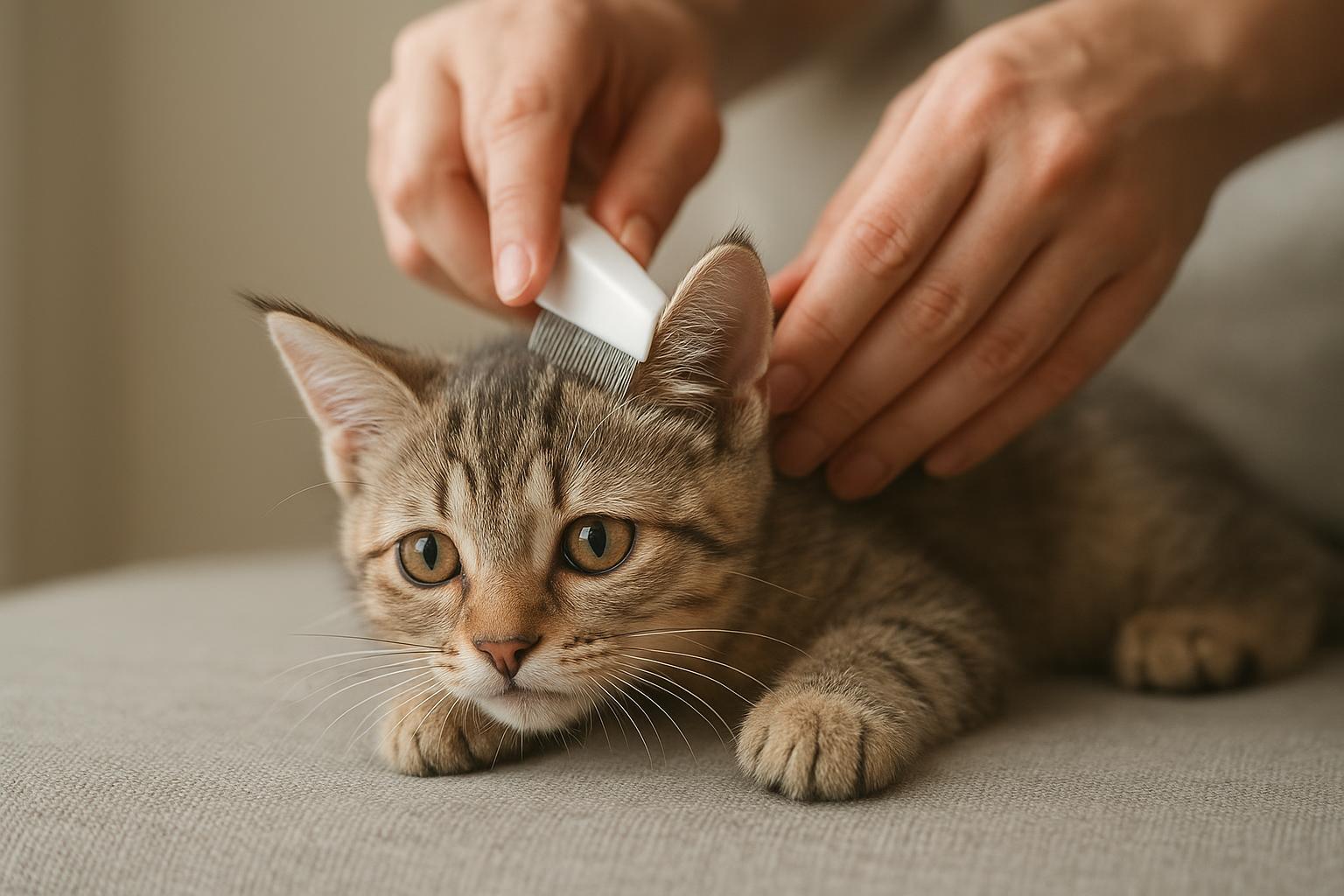
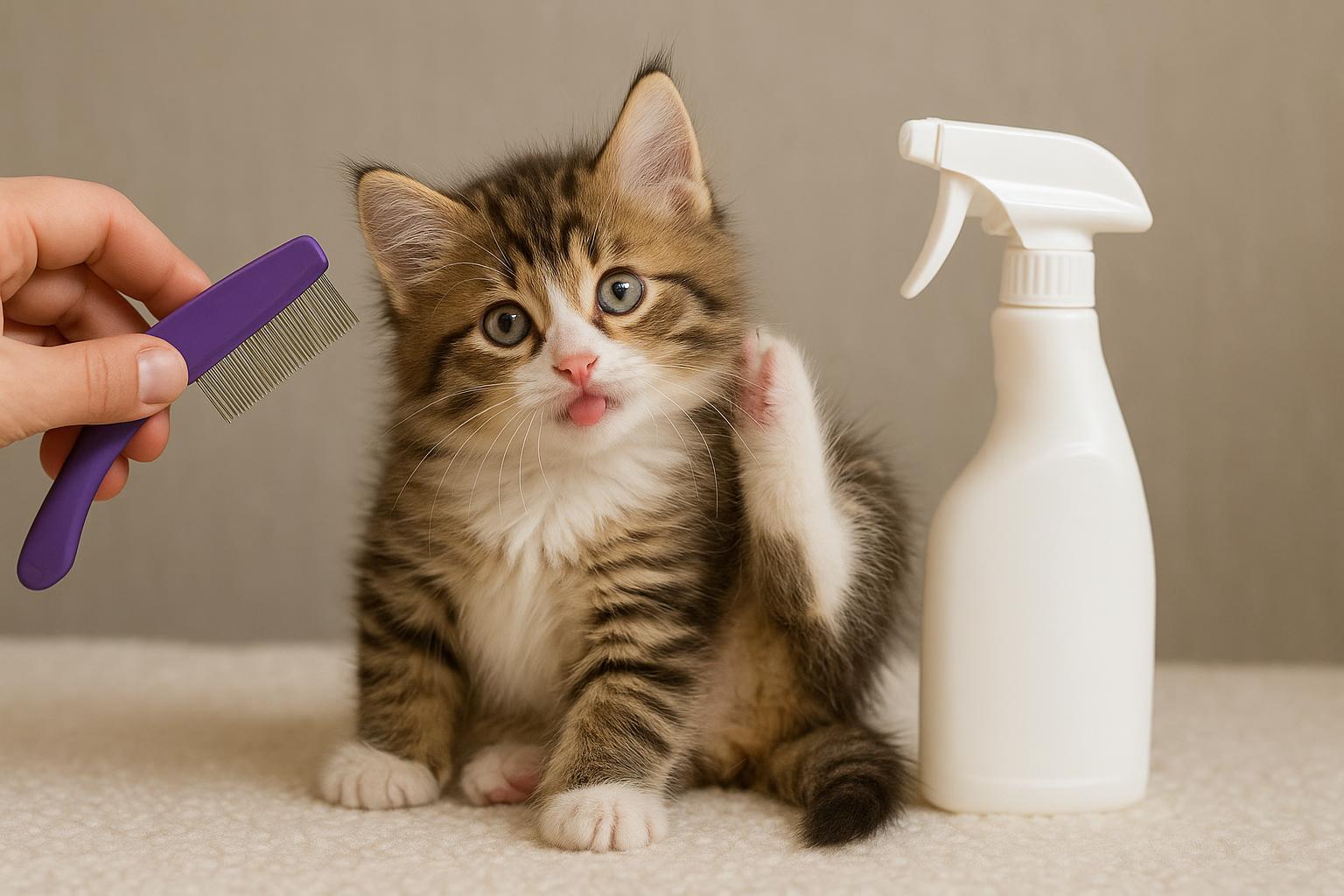
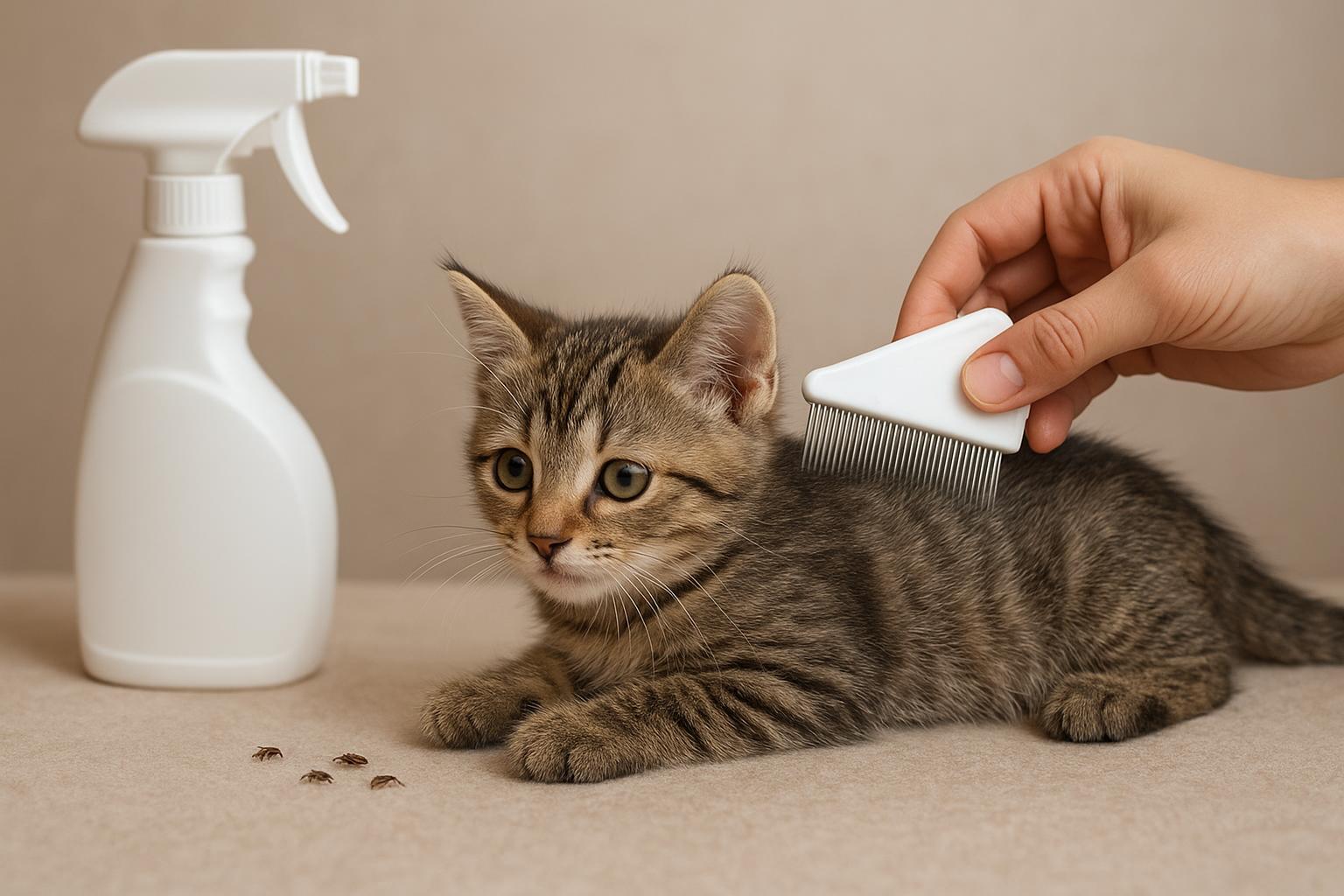
Even if you think the problem is only on the floor, comb through your pet’s coat with a fine-toothed flea comb. Place what you collect on a damp paper towel to check for flea dirt. Pet checks help determine whether the carpet is the main source or whether your yard and other areas are also involved.
### Search Under Furniture And In Cracks
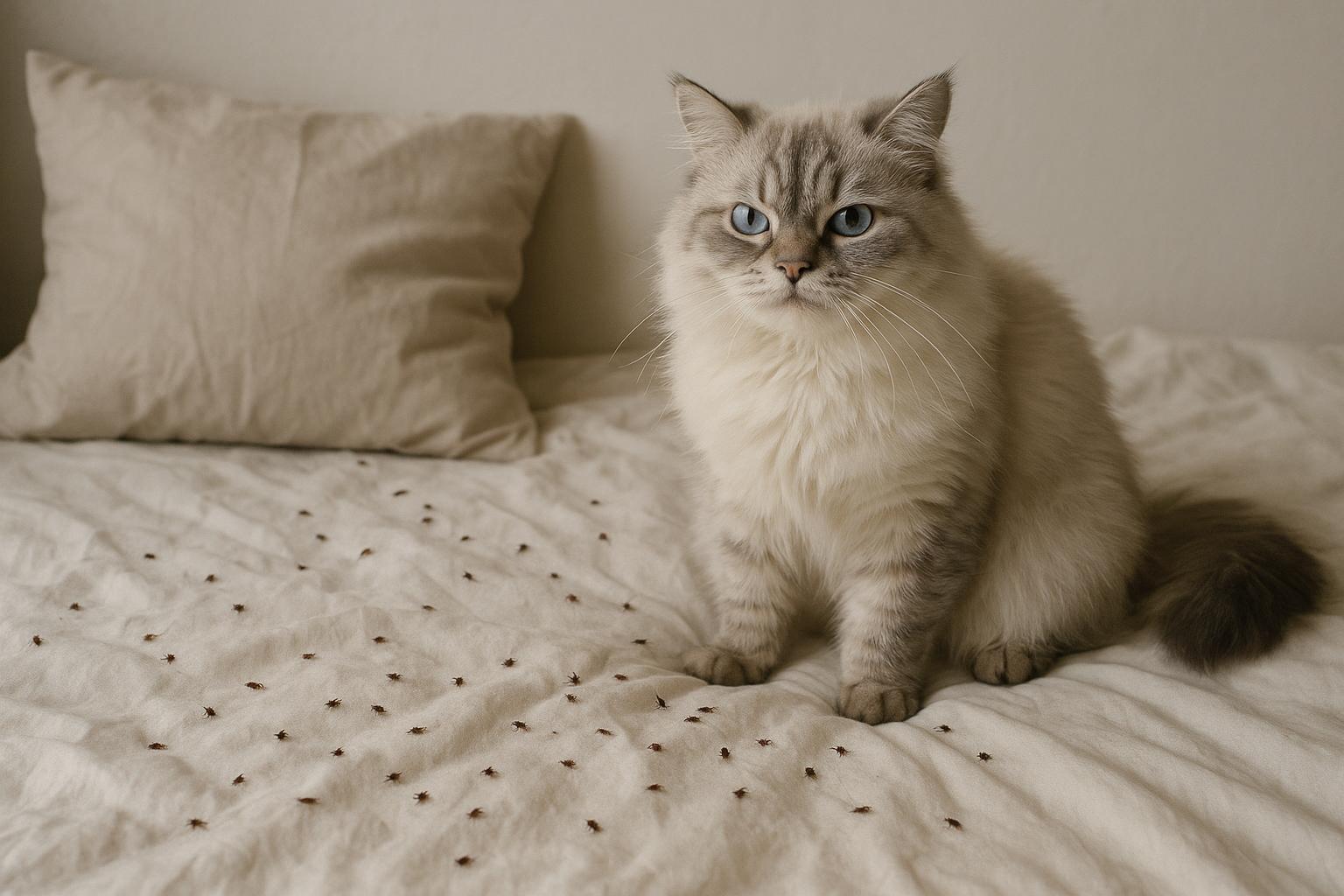
Lift rugs, check under cushions, and inspect corners. Flea larvae avoid light and will burrow where it’s dim. Also look at pet bedding, upholstered furniture, and baseboards. Carpet seams and the area where carpet meets the molding often hold eggs and pupae.
### The Vacuum Test
Vacuum and then check the dust bag or canister contents for small black specks or live fleas. You’ll sometimes pull up adults, larvae, or flea dirt. If the vacuum shows signs of fleas, you know the infestation includes the carpet or flooring.
## Why Fleas Survive In Carpets — The Lifecycle
Understanding the lifecycle helps you treat effectively. Fleas have four stages: egg, larva, pupa, and adult. Eggs are tiny, oval, and whitish—you’ll rarely see them on carpet without magnification, but they’re there. Larvae are slender and wormlike, avoiding light and feeding on organic debris and flea dirt. The pupal cocoon is sticky and often hidden deep in the fibers. Pupae are the stage most resistant to cleaners and insecticides. They can stay dormant until they sense vibrations, carbon dioxide, or heat from a host. That’s why a room that’s been empty for months can suddenly erupt with fleas when a pet walks through.
## Practical Steps To Remove Fleas From Carpet
Environmental control is tedious but doable. Plan on multi-step treatment and follow-through.
### Vacuum Intensively
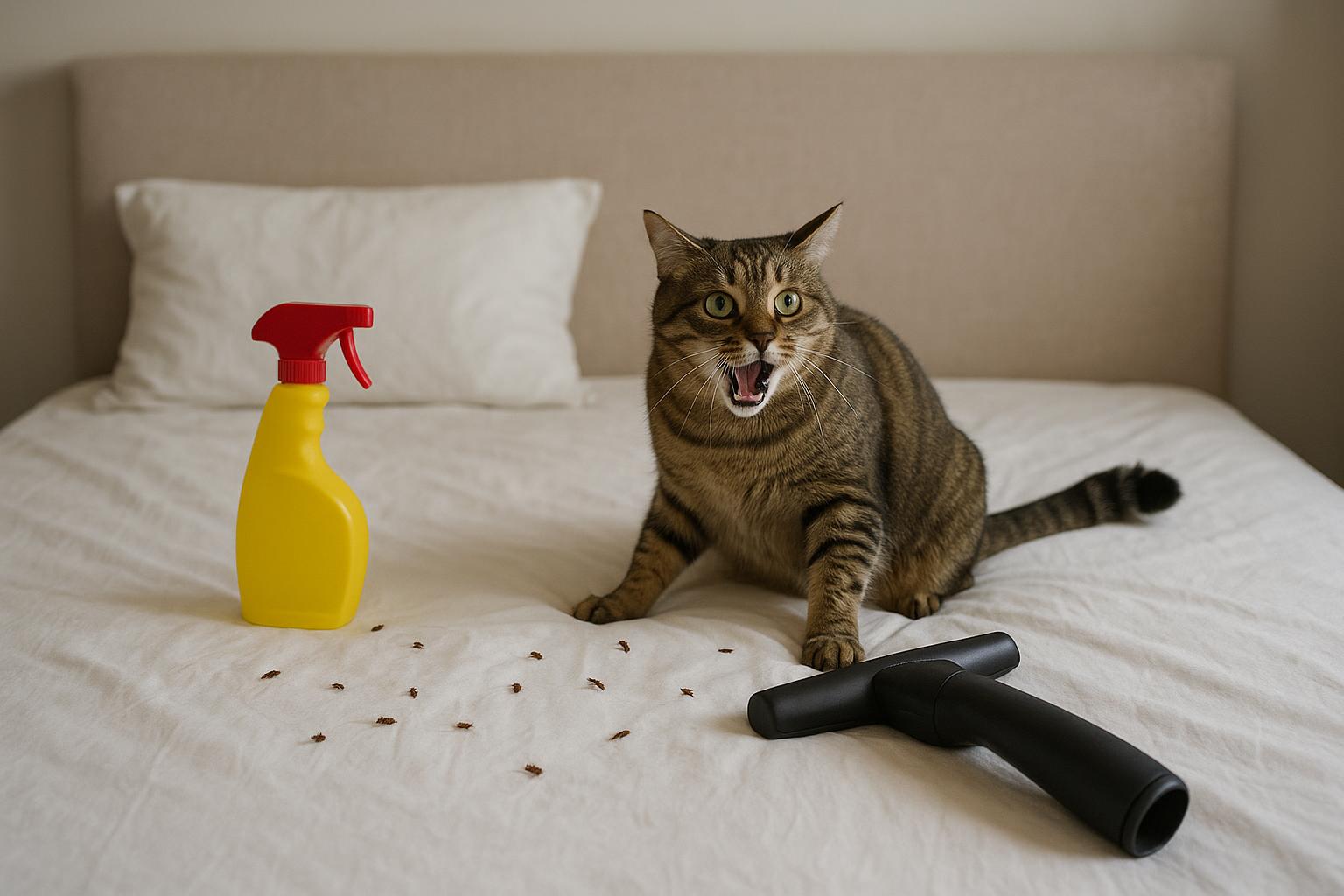
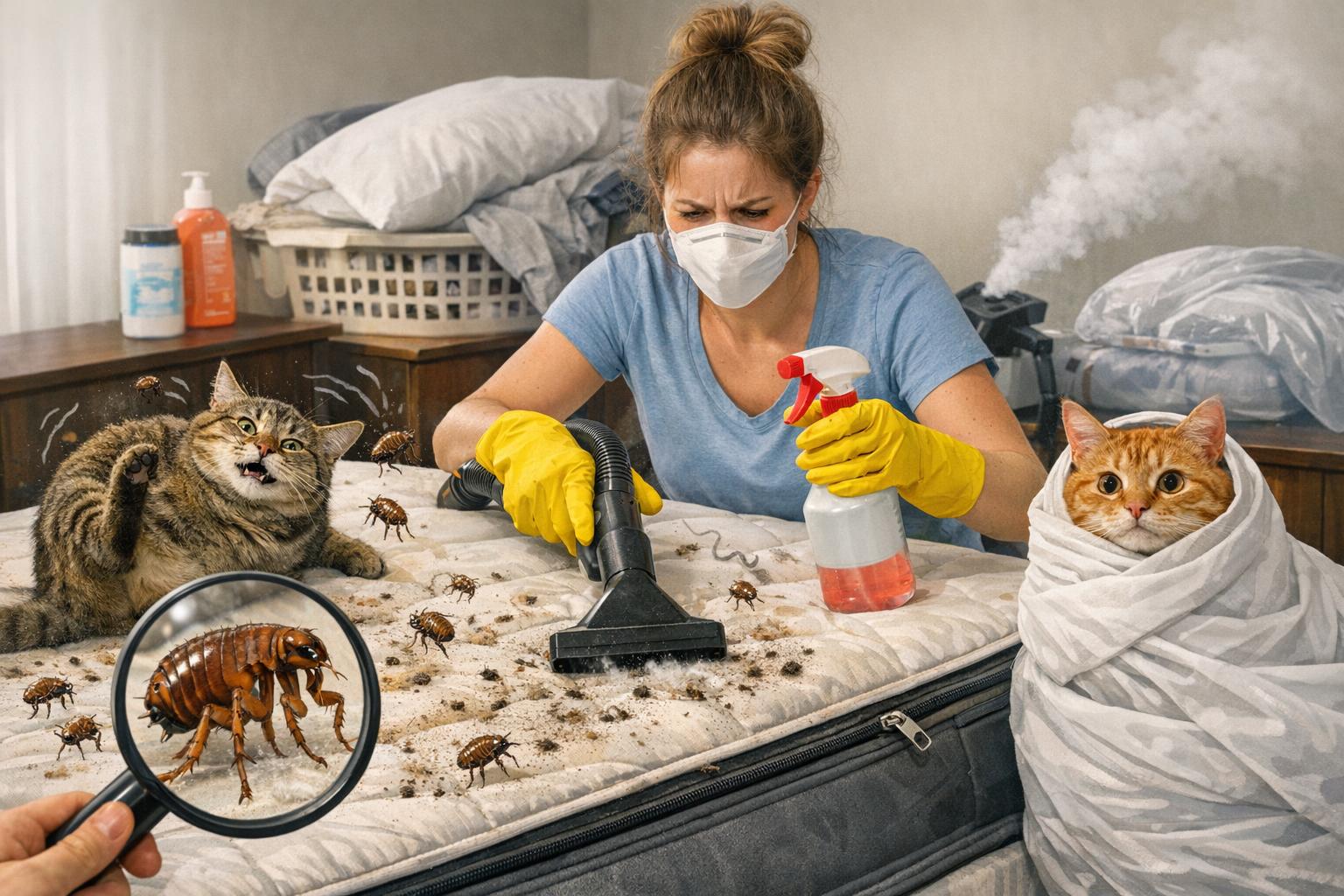
Vacuum daily in the infested areas for at least two weeks, then continue regular vacuuming after that. Pay special attention to edges, under furniture, and pet resting spots. Empty the vacuum bag or canister outside each time, and seal the debris if you’re using a disposable bag. The mechanical action removes eggs, larvae, and adult fleas and also stimulates pupae to hatch before you treat.
### Wash Everything That Touches Your Pet
Throw washable pet bedding, rugs, and cushion covers into a hot wash. High heat helps kill eggs and immature stages. Repeat frequently while you’re dealing with the infestation.
### Steam Clean And Shampoo
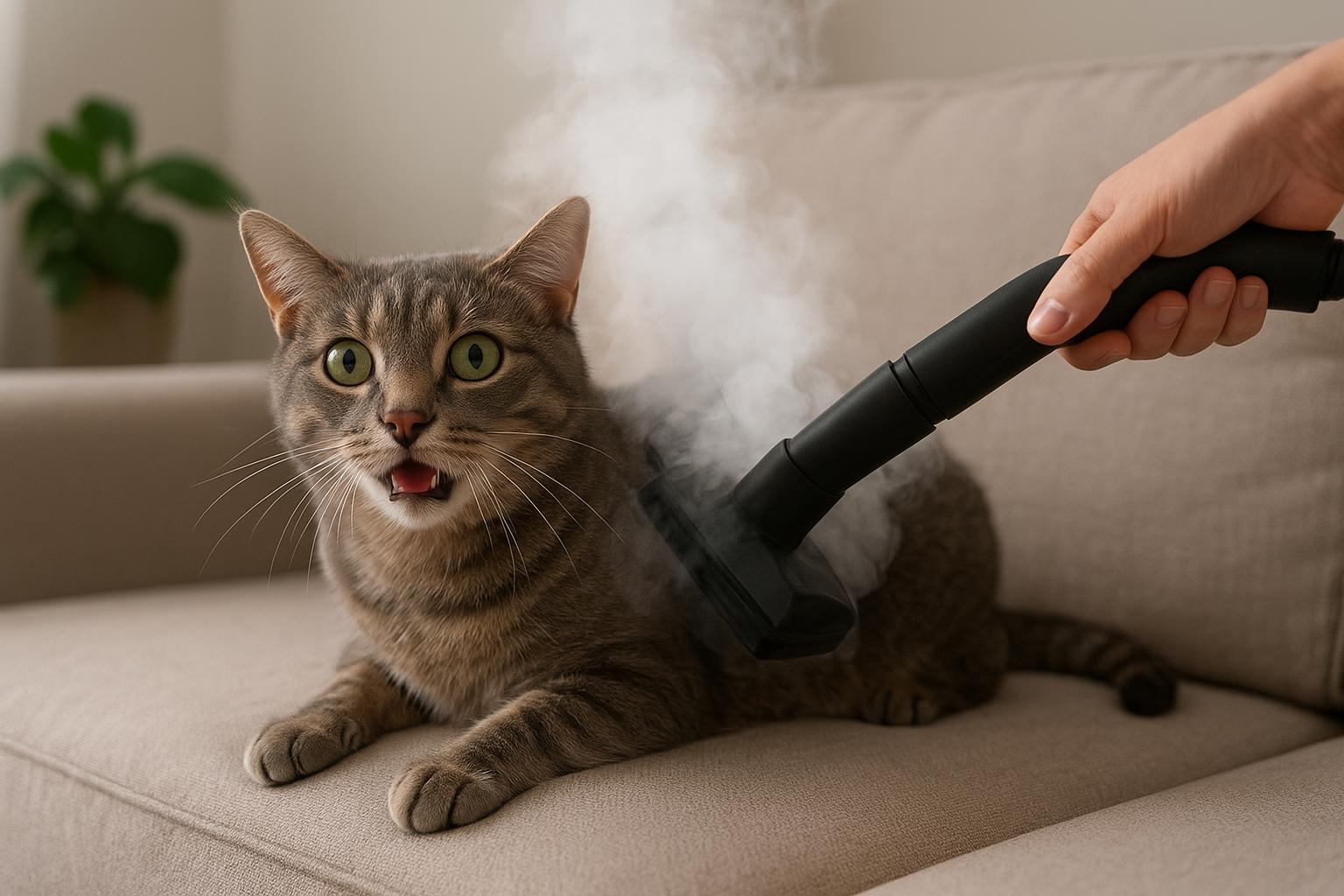
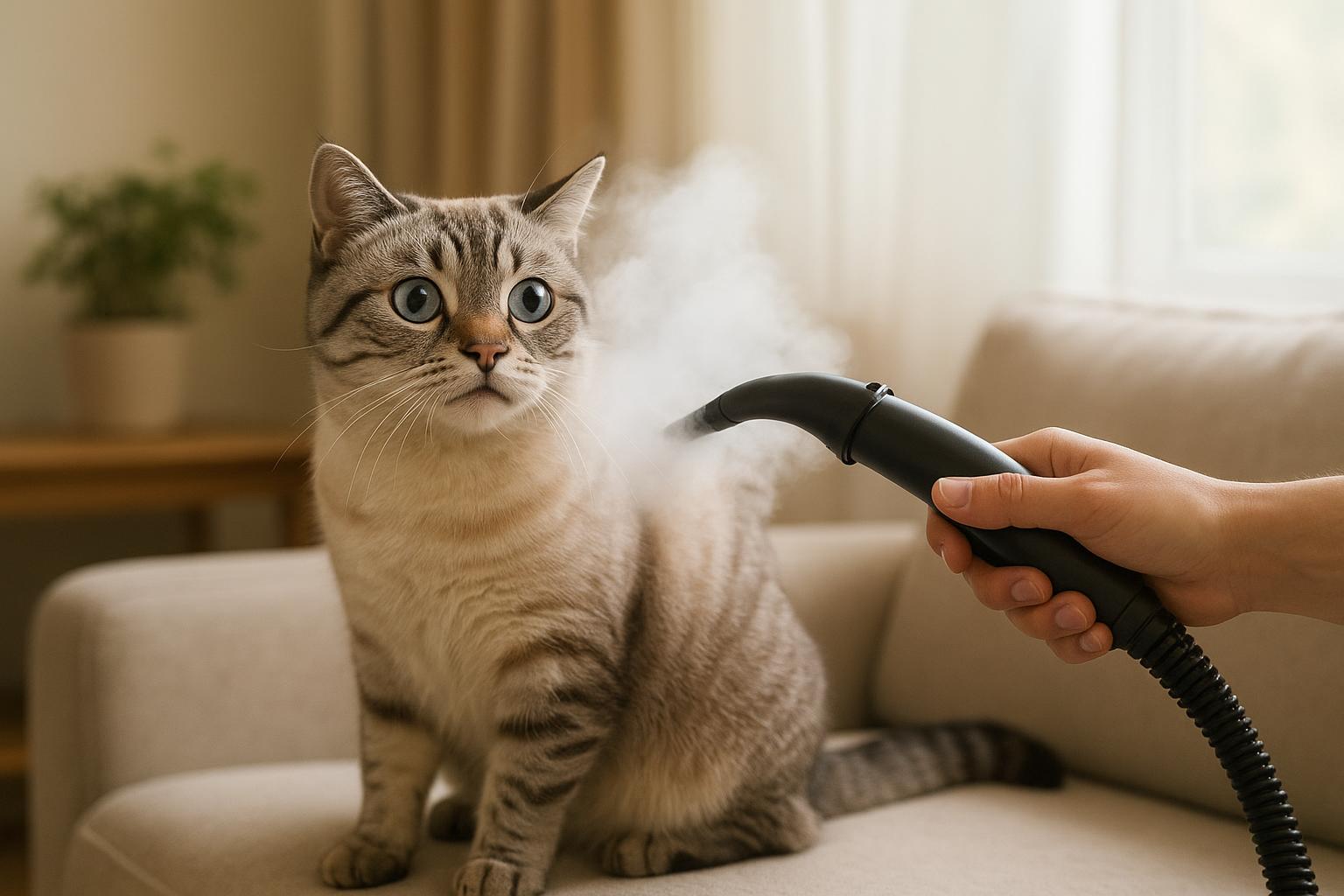
Steam cleaning carpeted areas can reach temperatures that kill many flea stages. Steam works better than plain shampooing because of the heat. For deep infestations, professional steam cleaning is often worth the cost.
### Use Insect Growth Regulators
IGRs such as methoprene or pyriproxyfen don’t kill adults quickly, but they prevent eggs and larvae from developing into adults. Combine an IGR with an adulticide for broader control. There are sprays designed for carpets that mix both ingredients. Read labels about safety for children and pets.
### Consider Nonchemical Options Carefully
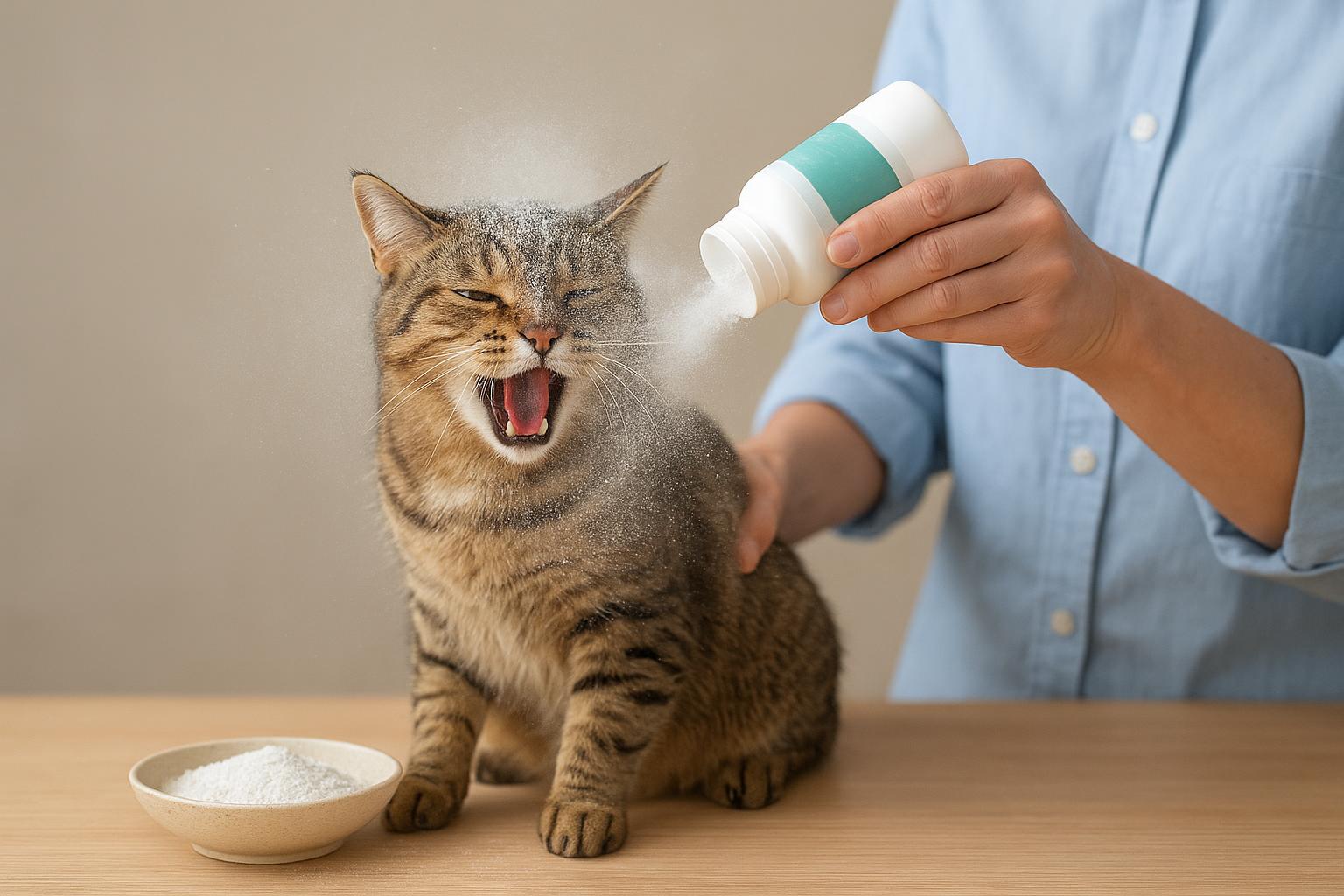
Diatomaceous earth and silica gel powders can damage flea exoskeletons and dehydrate them. They need to be left in place and dry to work. Use food-grade diatomaceous earth, apply lightly, and vacuum it up after several days. Borax or salt can be abrasive to eggs and larvae, but these powders also pose risks if inhaled and can irritate pets.
### Professional Pest Control
If you have a heavy or persistent infestation, hire a licensed exterminator. Professionals can apply treatments that are more effective and timed around flea biology. They also explain safety and follow-up steps. It’s a pragmatic choice when DIY isn’t solving the problem.
#### Be Wary Of Foggers And “Flea Bombs”
Home foggers often don’t penetrate far enough into carpets and furniture to reach pupae in their cocoons. They can give a false sense of progress while the pupae remain. Use foggers only as part of a broader plan, not as your only method.
## How To Prevent Fleas From Returning
Treatment is only half the battle. Prevention keeps the house flea-free.
### Treat Your Pets Regularly
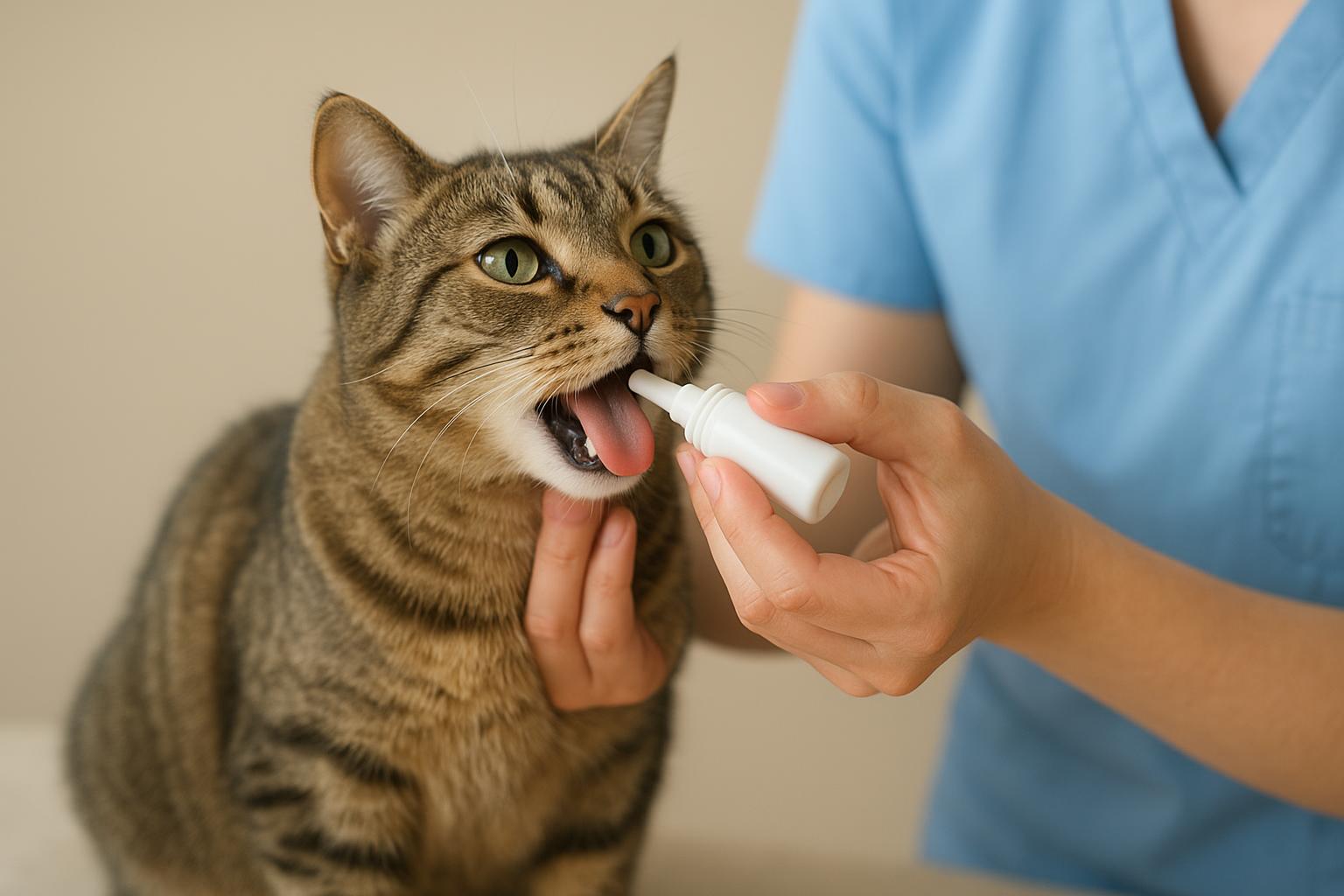
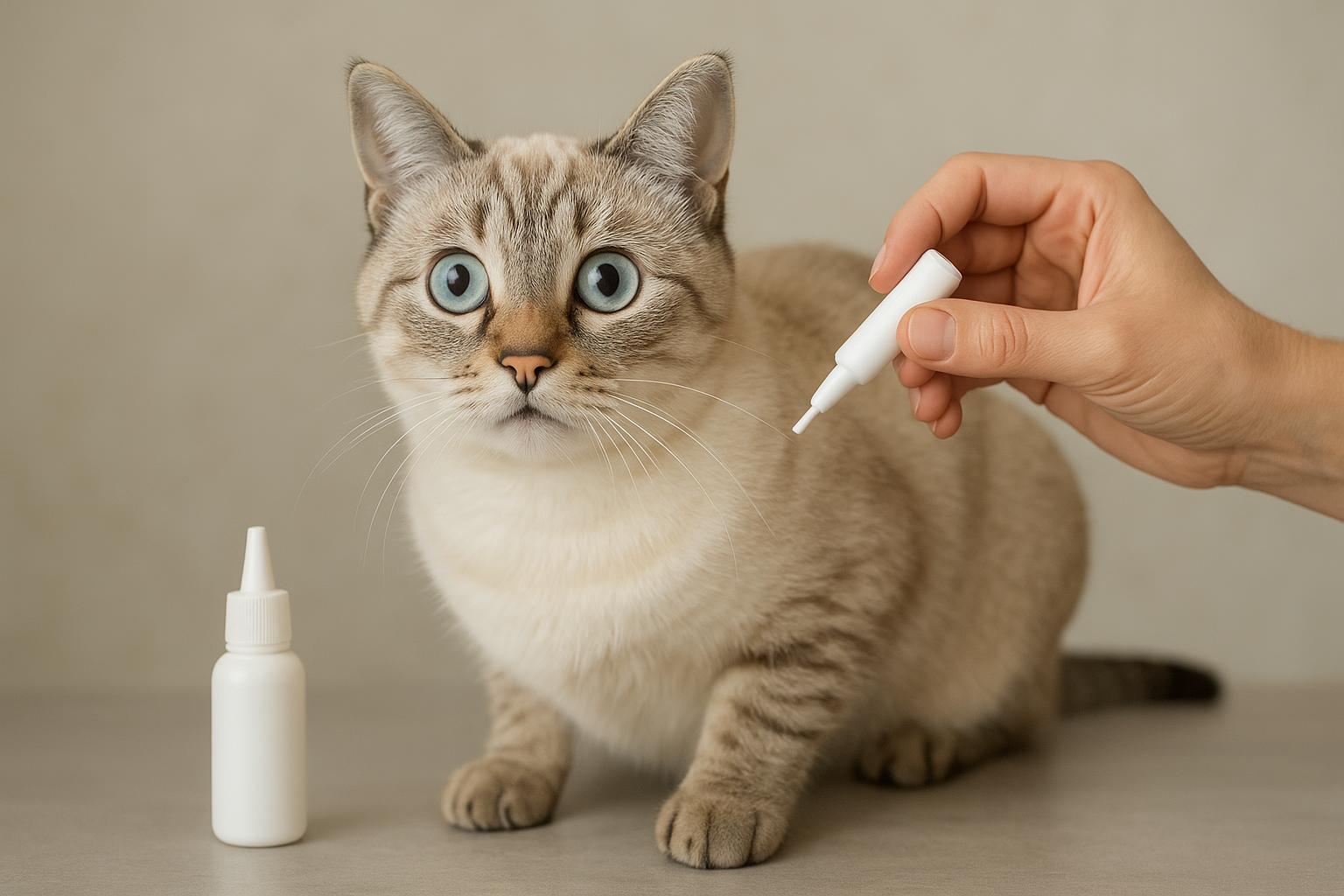
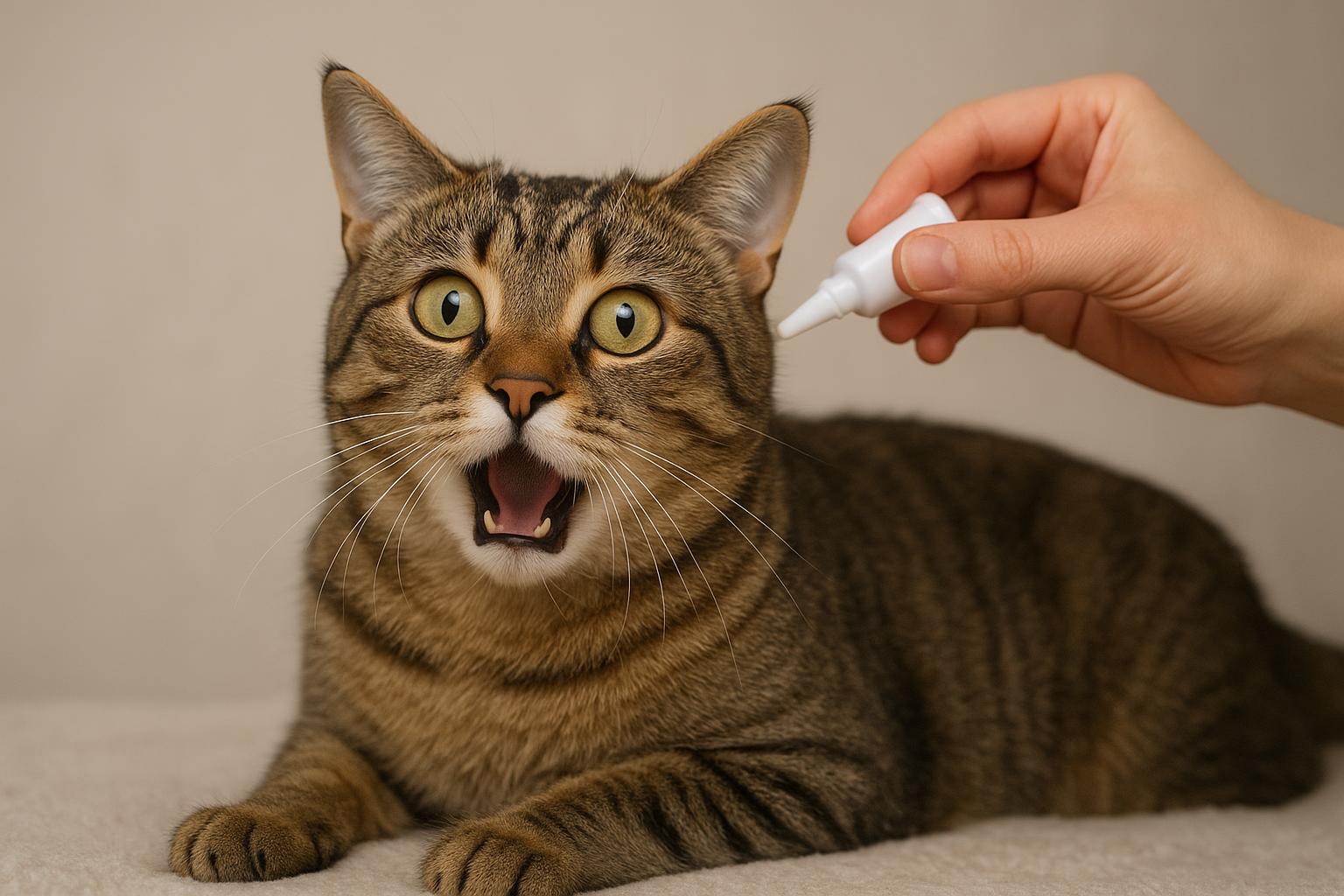
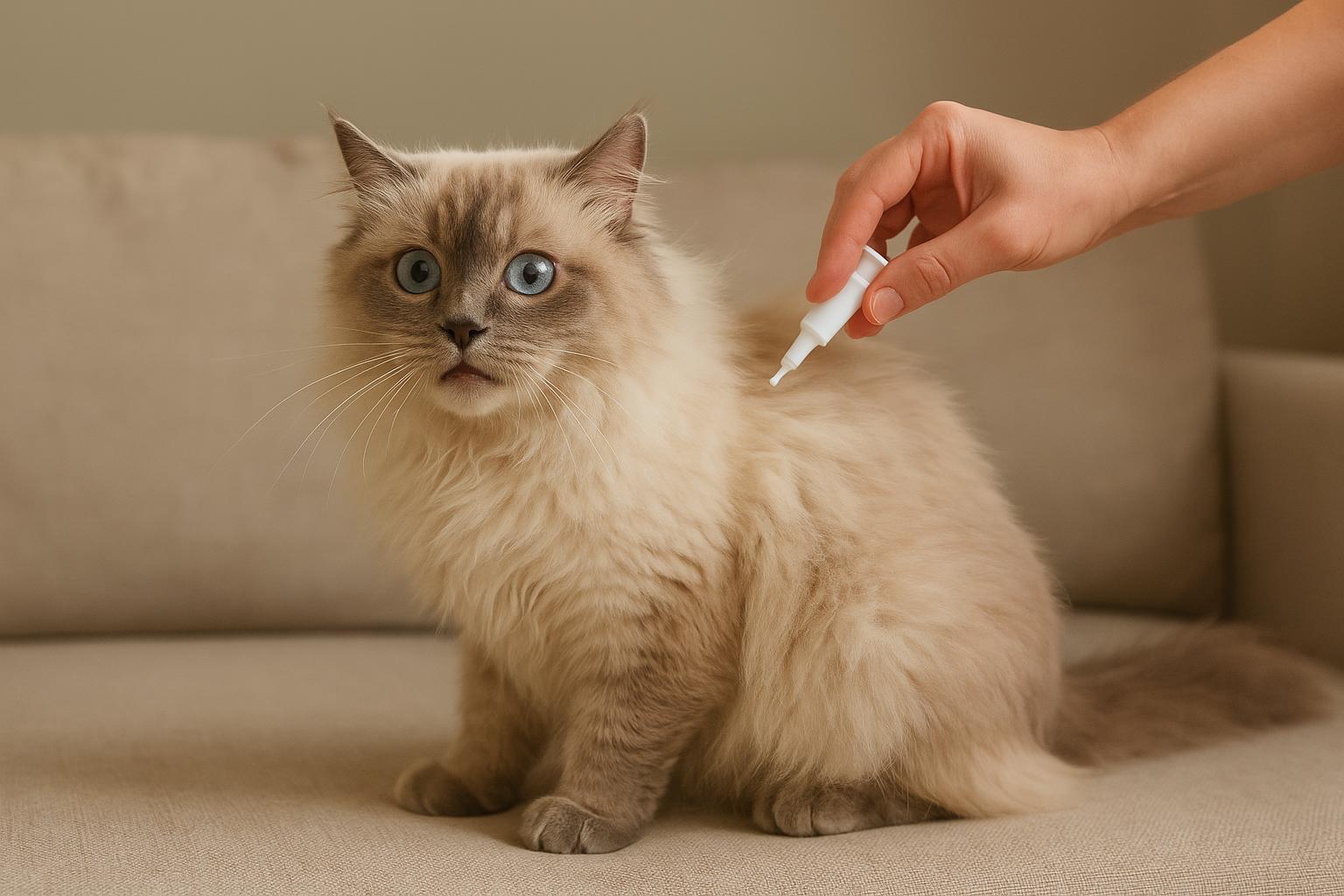
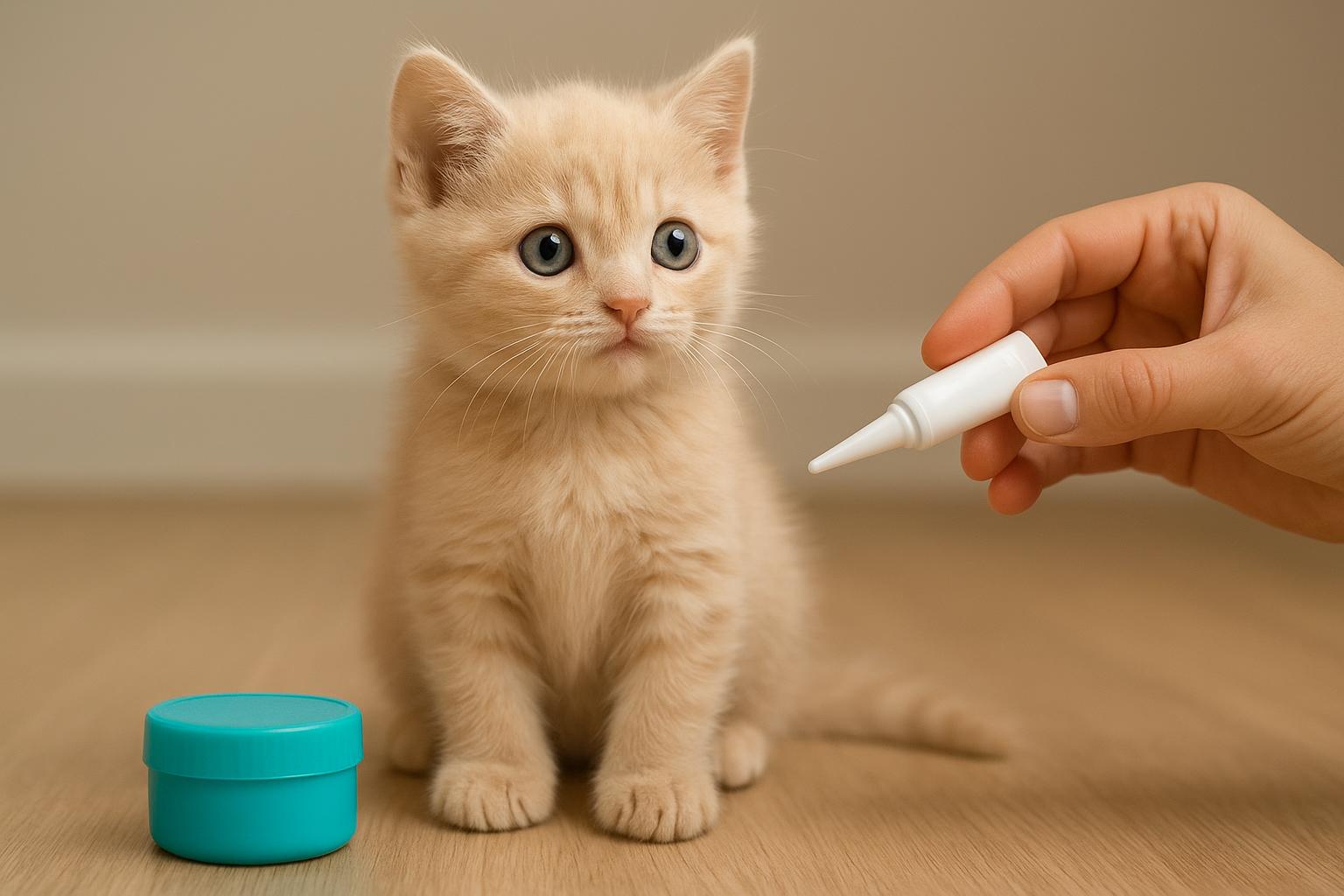
Monthly topical treatments, oral medications, or collars that prevent fleas are your first line of defense. Keep to a schedule. Even one missed dose invites reinfestation.
### Maintain Your Home
Vacuum routinely. Wash pet bedding weekly. Keep clutter to a minimum so there are fewer hiding spots. Trim vegetation and clear debris in your yard to reduce outdoor hosts like rodents or wild animals.
### Seal Entry Points
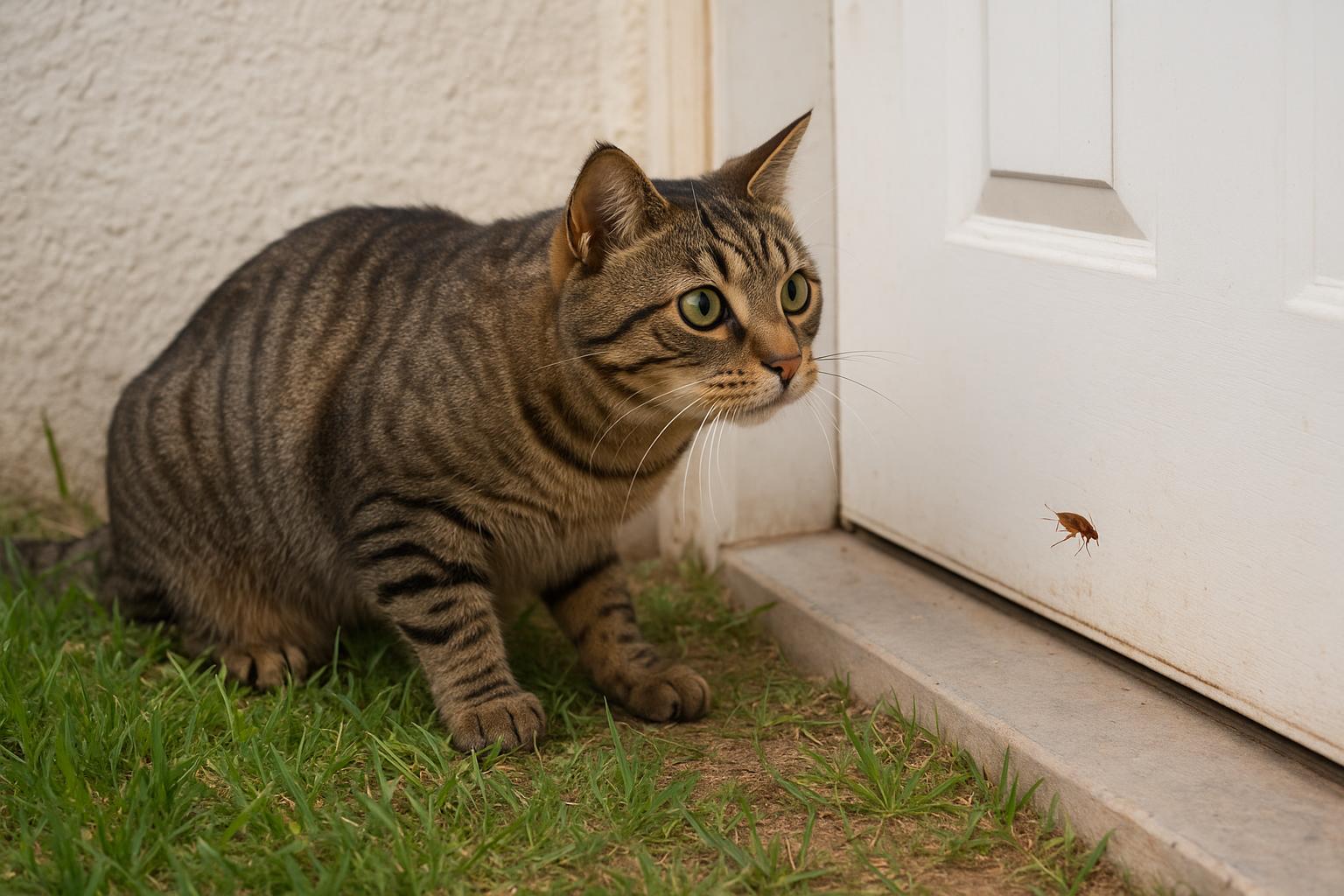
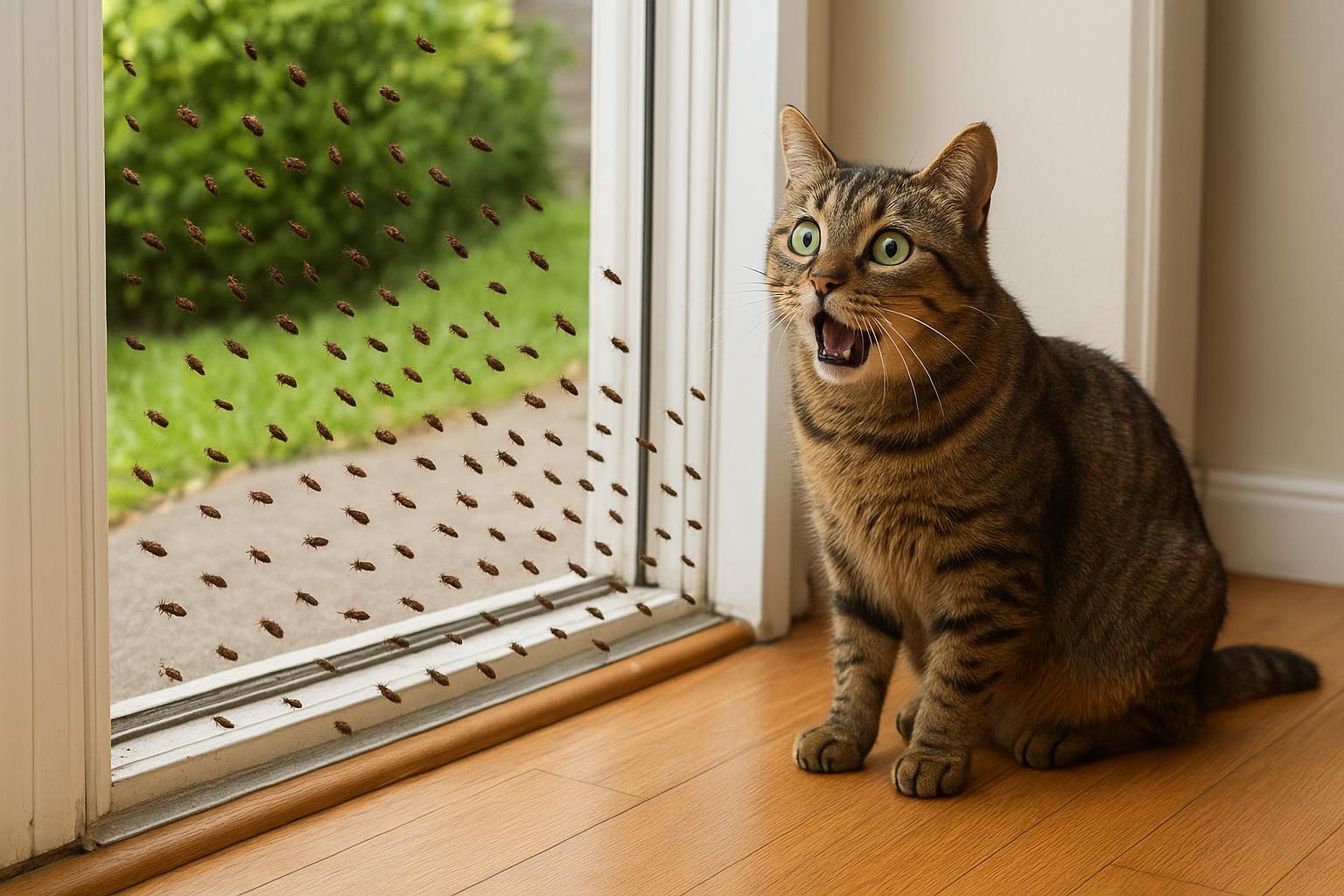
Fleas don’t travel long distances on their own, but they hitch rides on rodents, wildlife, and clothing. Seal gaps under doors and screens and minimize access for small animals that might bring fleas indoors.
### Use Traps To Monitor
Flea traps that use light and a shallow dish of soapy water are inexpensive. Place one in a suspected area overnight. It won’t solve the problem by itself but gives a sense of how active the adult population is and whether treatments are working.
### If You Rent, Coordinate With Neighbors
Apartments and row houses can have shared flea pressures. Coordinated treatment with adjacent units or shared yards reduces reinfestation risk.
## Quick Answers To Common Questions
How long will carpet fleas last without a host? Pupae can wait for months. Eggs and larvae may survive a few weeks in ideal indoor conditions. Remove hosts and break the lifecycle to clear an infestation.
Can vacuuming alone solve the problem? Vacuuming is essential and reduces numbers dramatically, but it rarely eliminates an established infestation by itself. Combine vacuuming with pet treatment and environmental controls.
Is steam cleaning necessary? It helps. Steam offers heat that kills multiple life stages, so for deep infestations, it’s a useful tool. For light cases, diligent vacuuming and pet treatment could be enough.
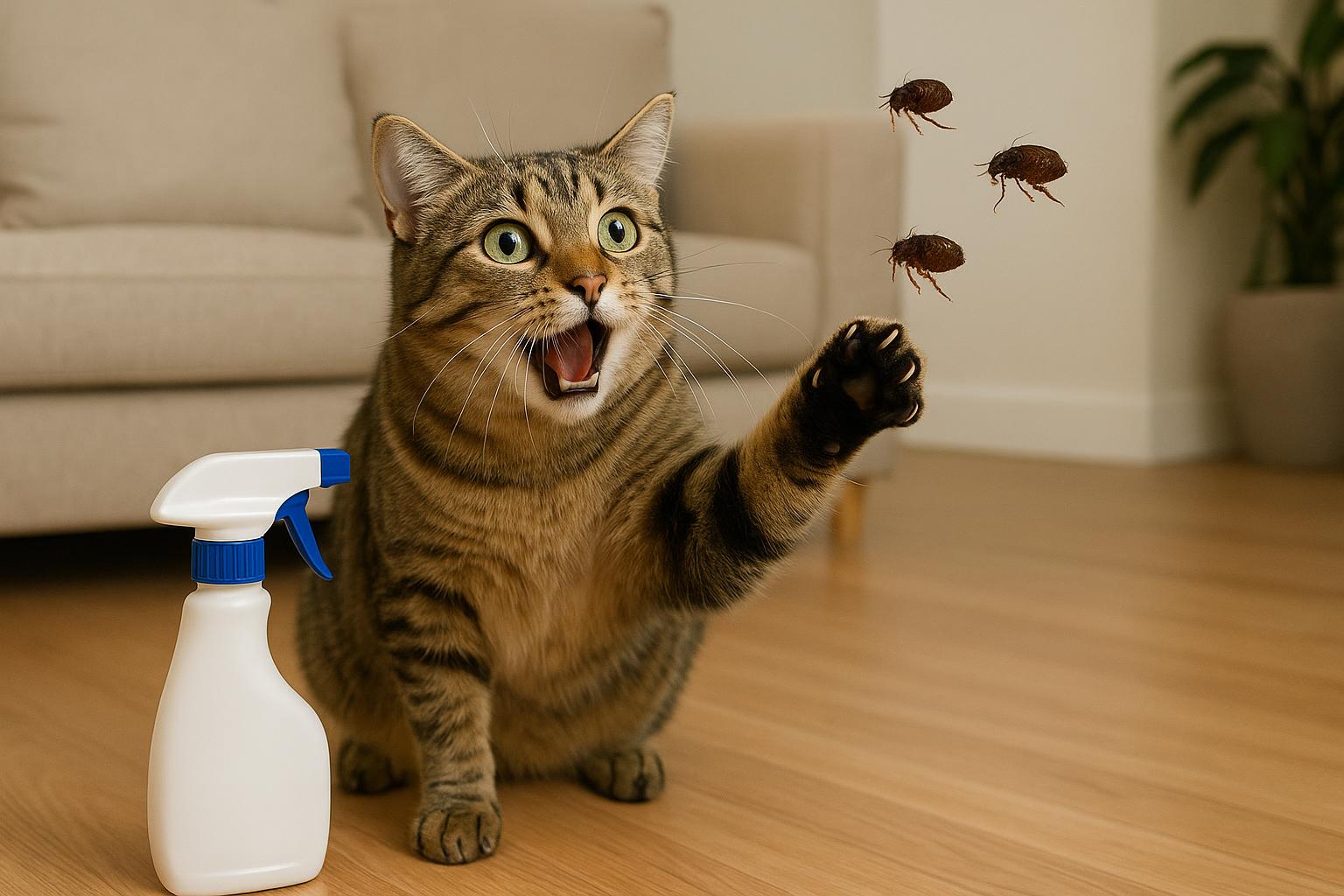
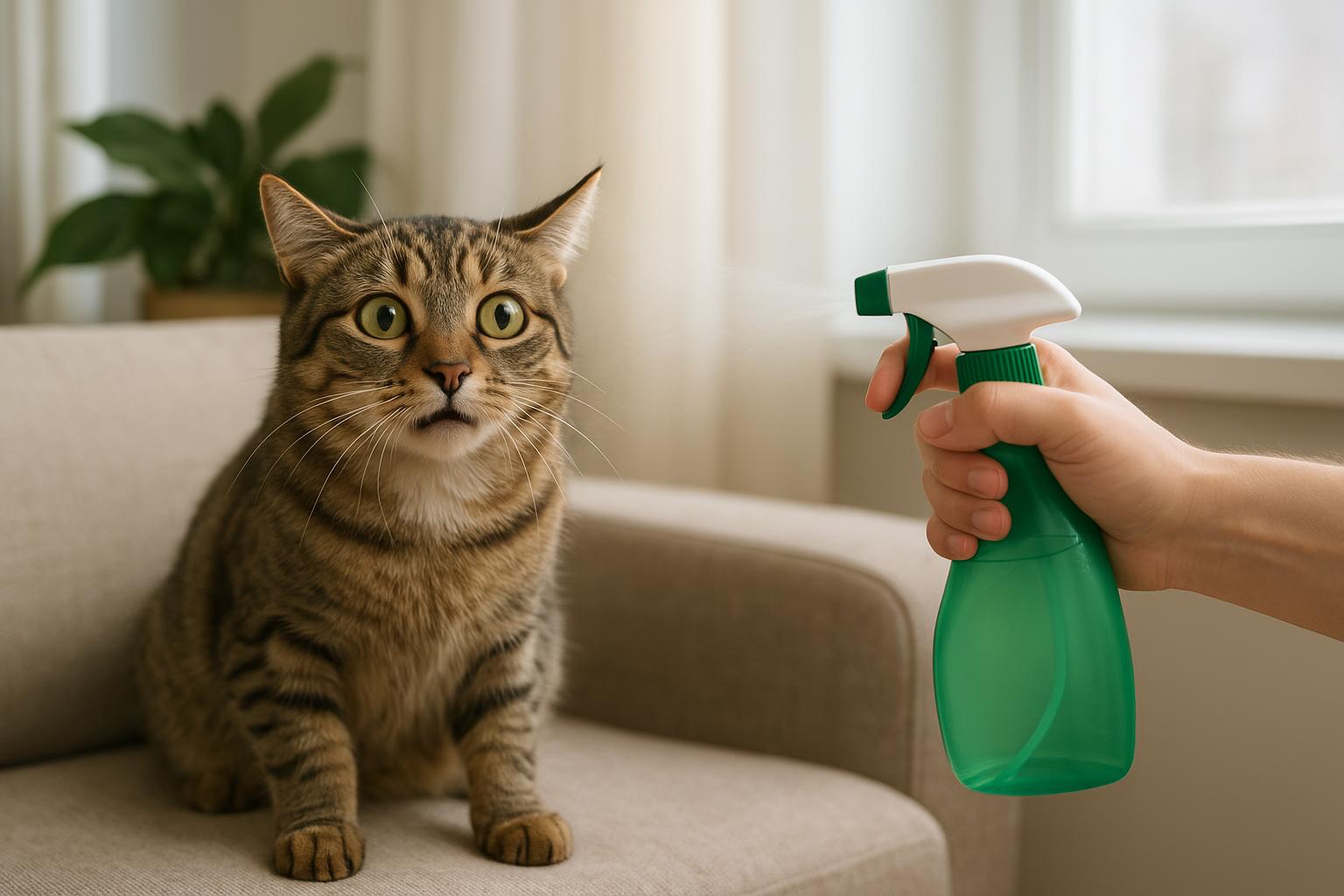
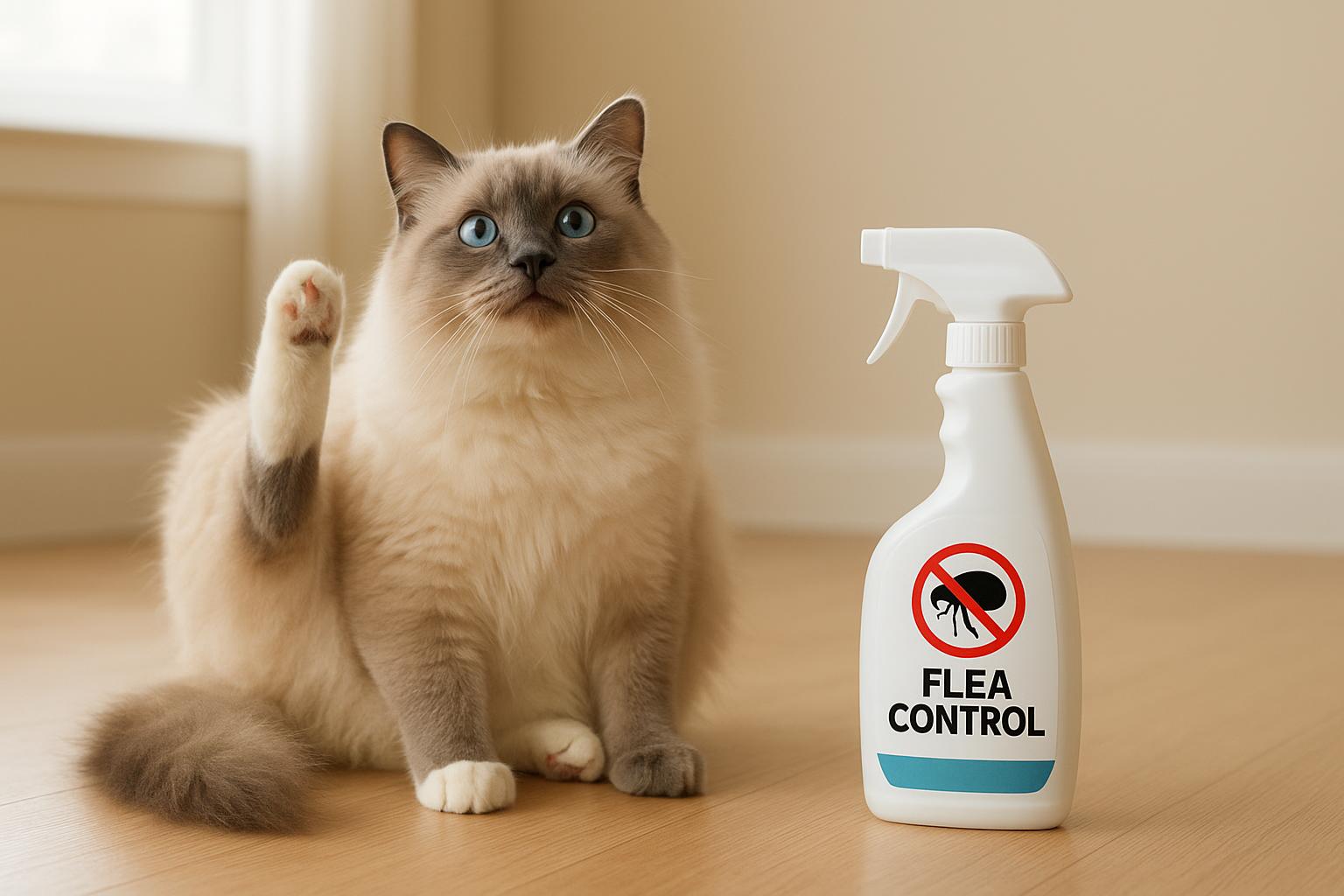
Will an over-the-counter spray fix it? Some products help, particularly those that include an IGR. Read labels and treat the whole home where pets rest.
## What To Do Right Now If You Suspect A Flea In Carpet
1. Check your pet for fleas with a comb.
2. Do the sock or sheet test on the rug where the pet spends time.
3. Vacuum the area thoroughly and discard the contents outdoors.
4. Wash pet bedding and any removable rug that fits in your washer.
5. Treat your pet or schedule a vet visit for reliable prevention.
6. If bites continue or you see many fleas, call a pro.
Seeing a few jumpers doesn’t always demand drastic measures, but ignoring signs is a mistake. Carpets can hide a growing problem. Get ahead of it while the cure is still mostly about cleaning and treatment rather than a full-scale extermination. The solution is straightforward, but it requires patience and follow-through — and the will to keep vacuuming until the job’s done. Occassionally you’ll need professional help, but often the combination of pet treatment and focused carpet care will put fleas back where they belong: outside.




Leave a Reply