
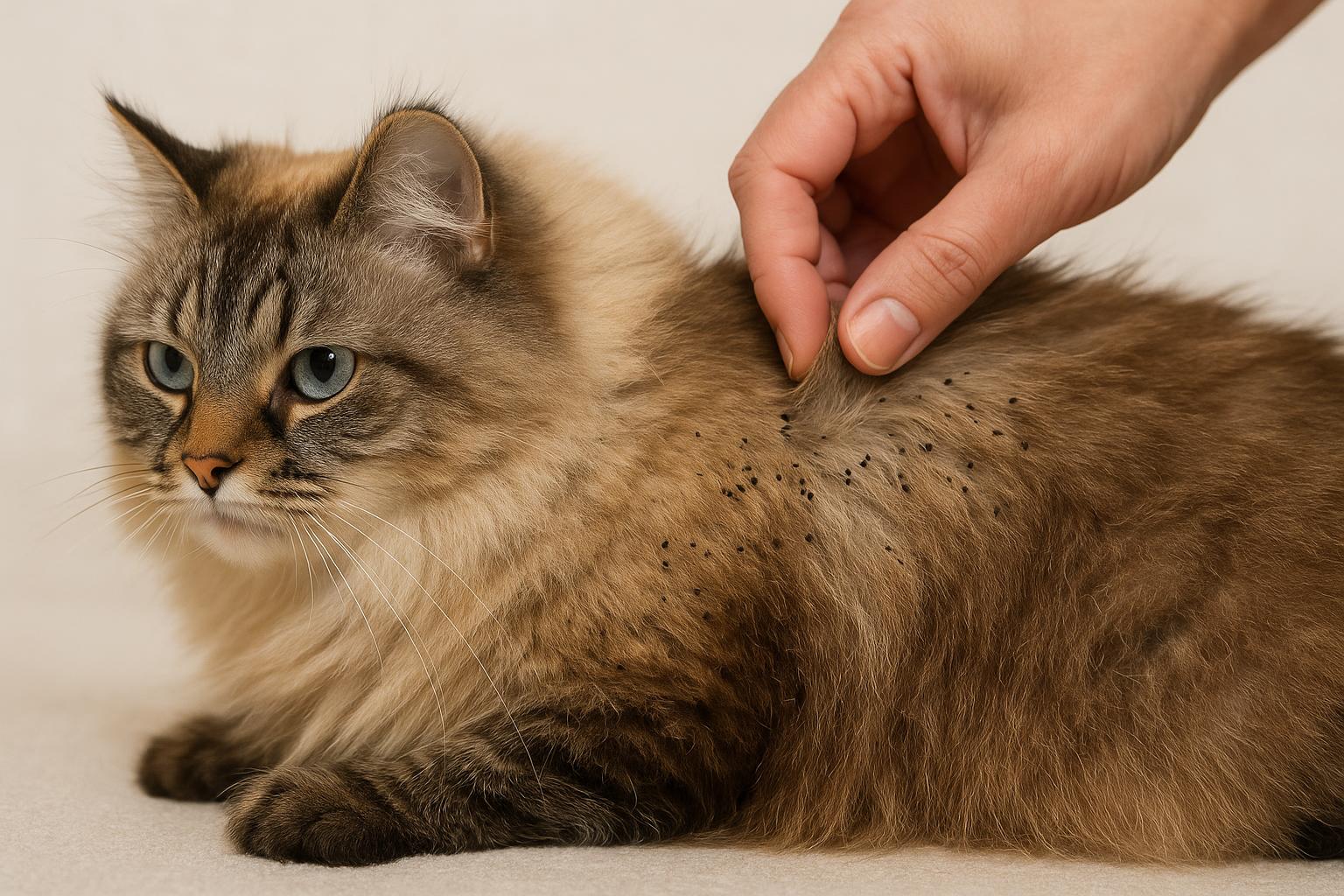
## Spotting Flea Remnants On Feline Fur: How To Recognize The Signs
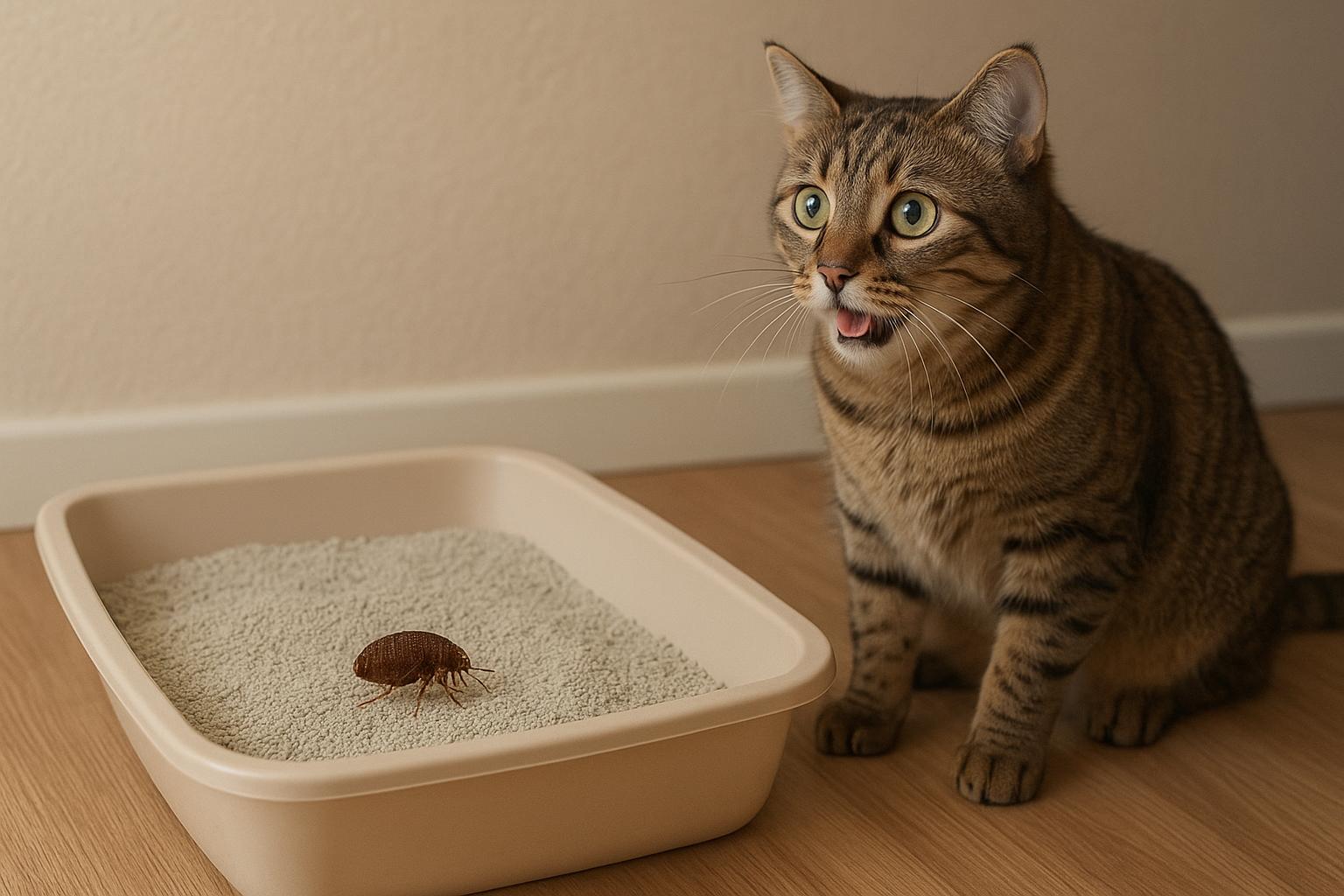
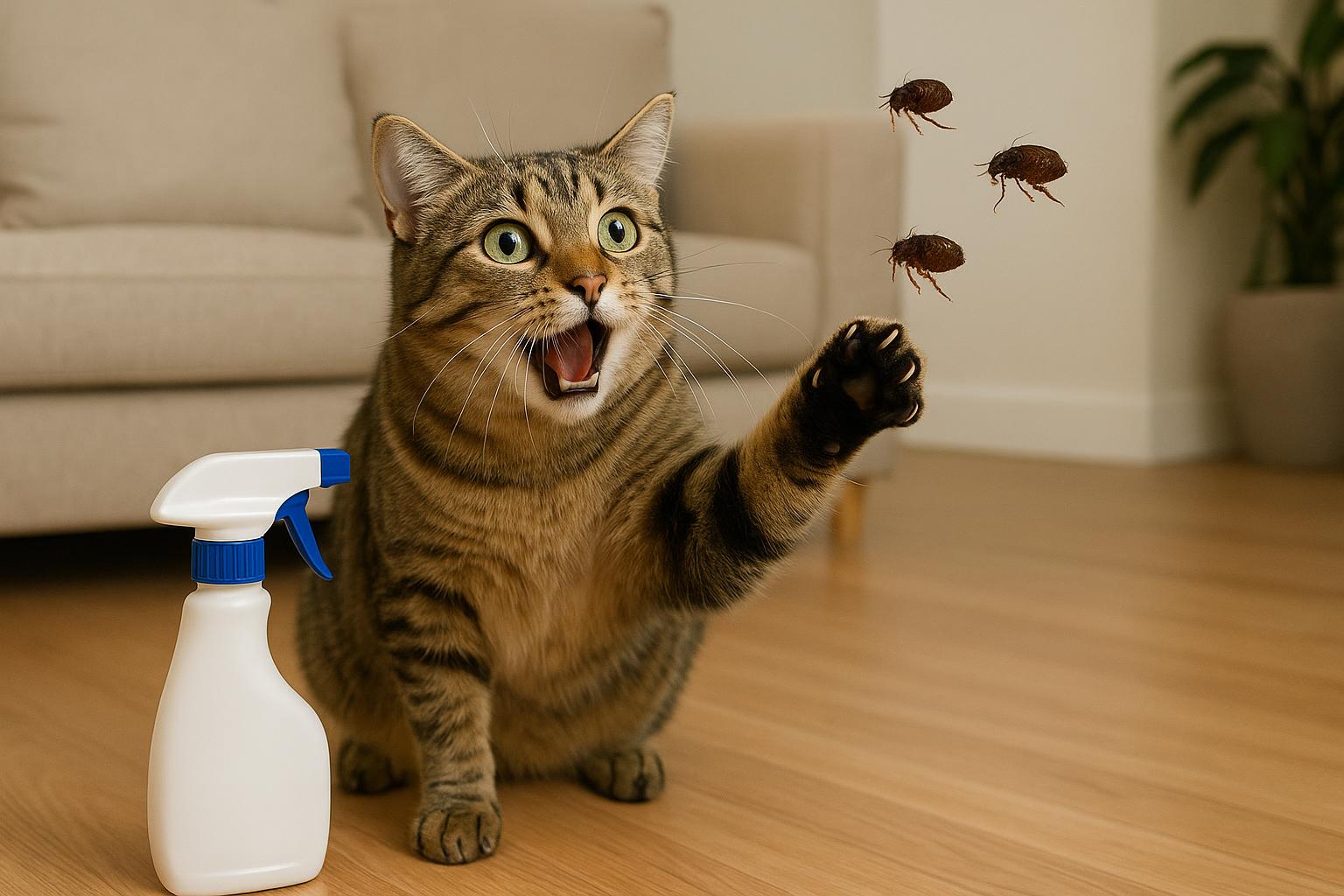
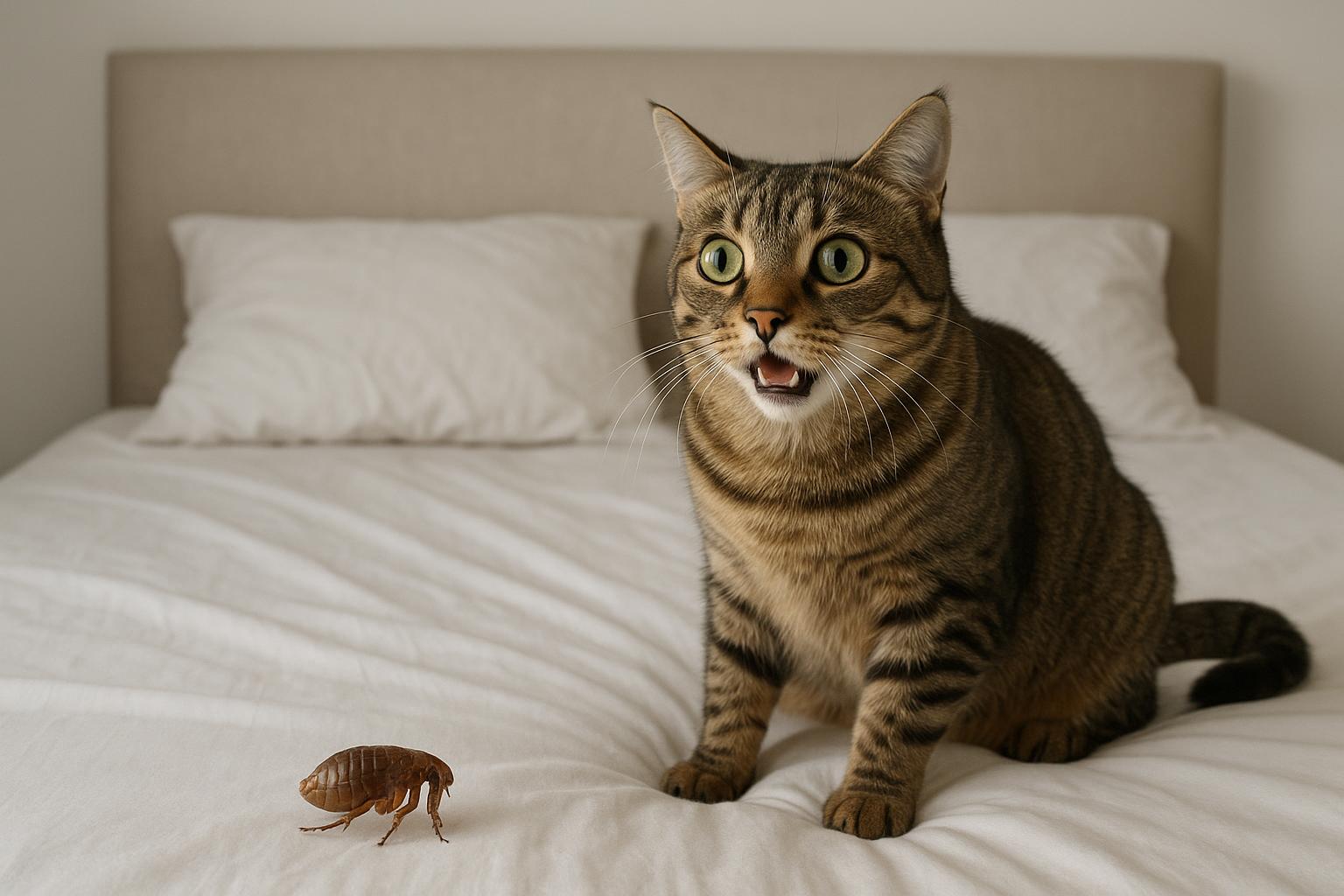
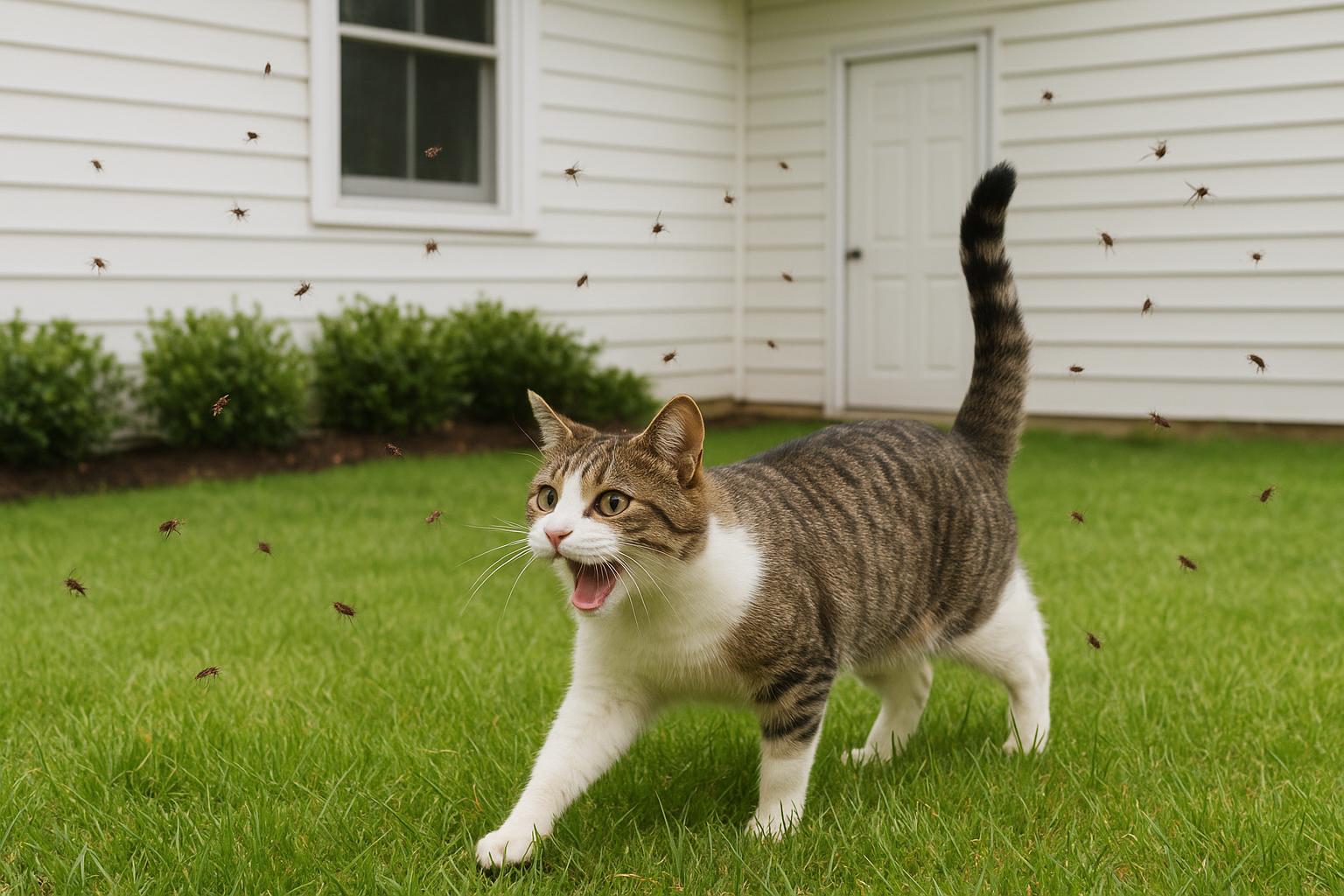
If you see tiny black specks on your cat’s coat, don’t shrug them off as dirt. Spotting flea remnants on feline fur is often the first clear hint that fleas are active in the home. Those specks are not just grime; they tell a story about live fleas feeding nearby.
### What Flea Remnants Look Like Up Close
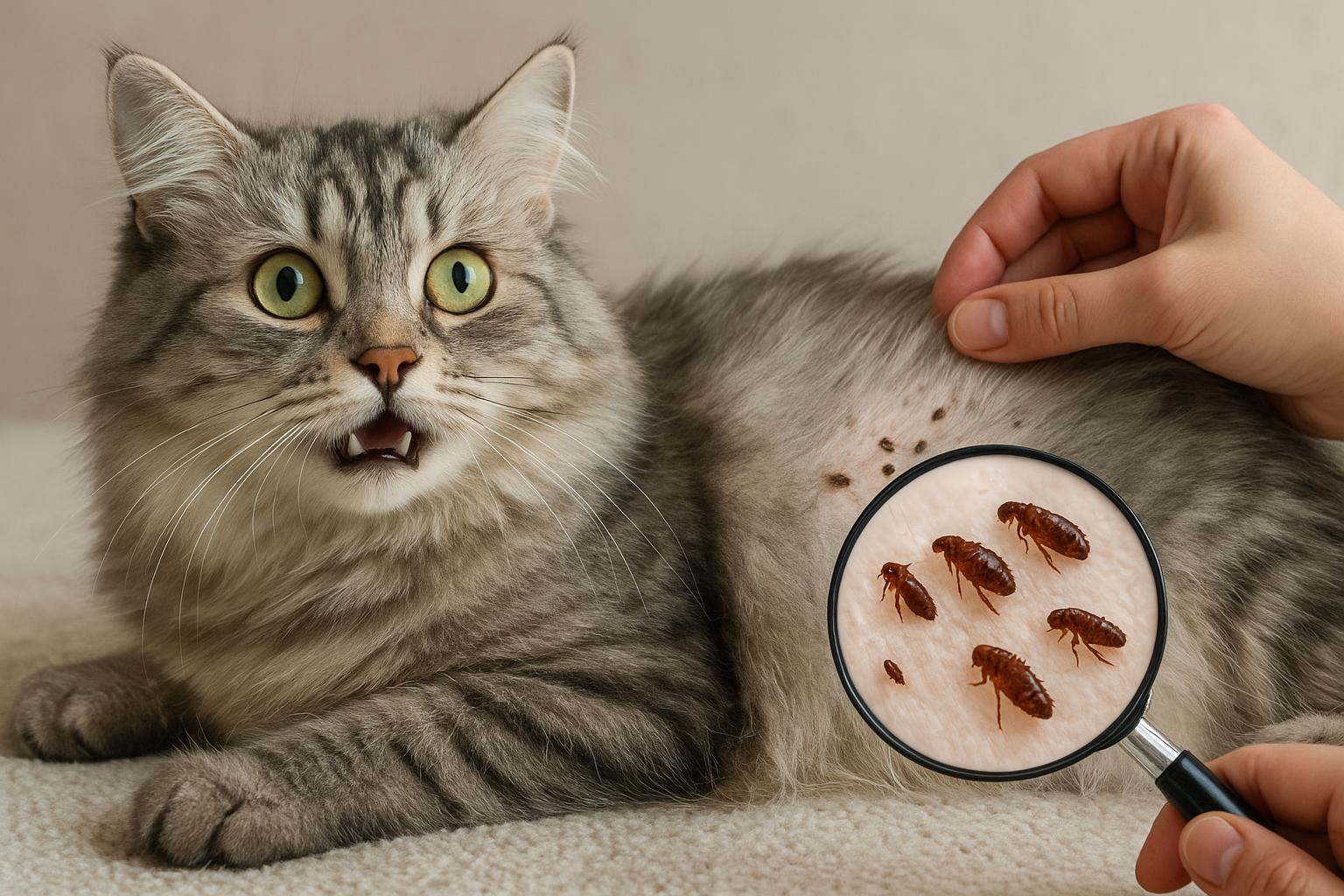
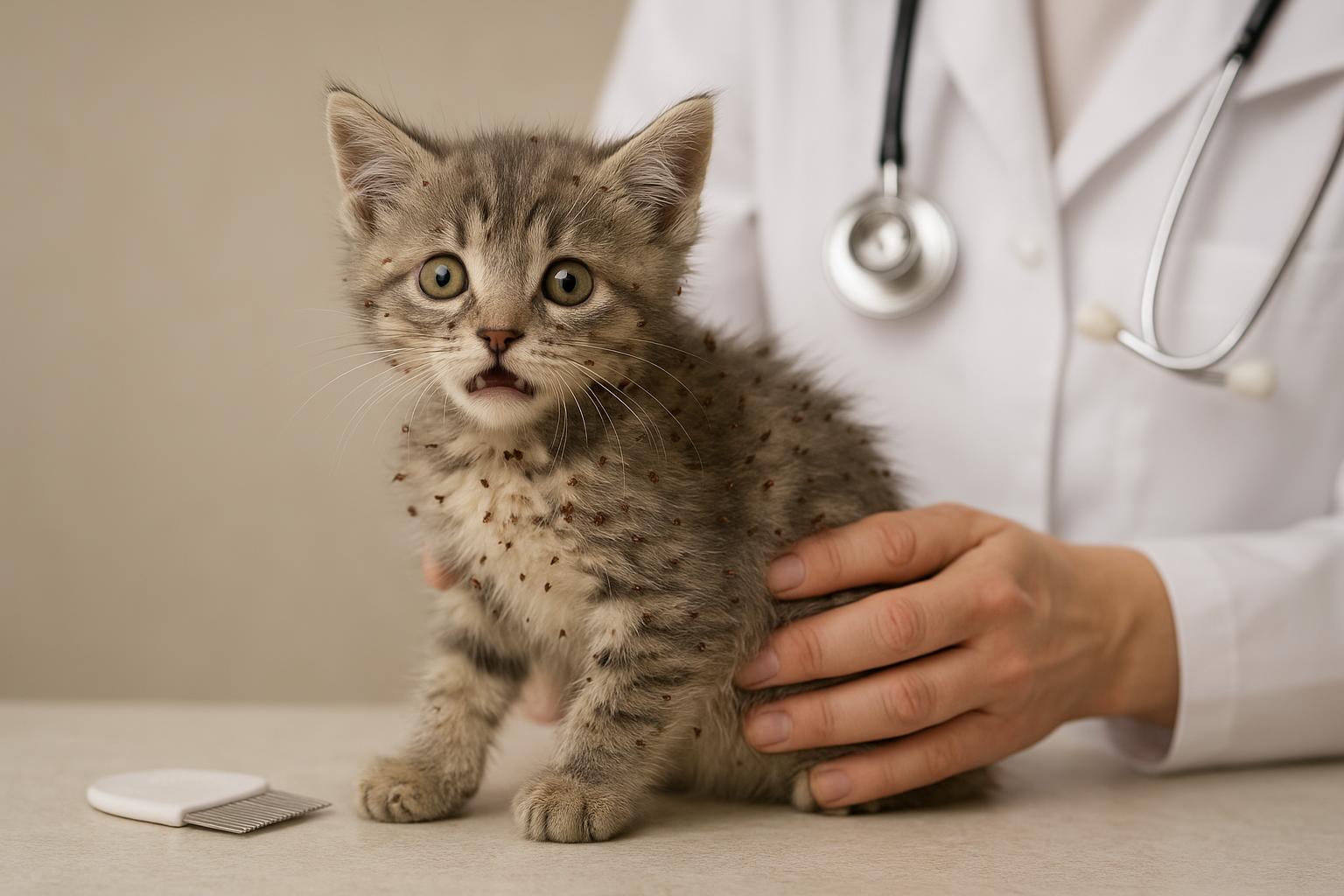
When you get close, flea remnants usually look like very small black or dark brown grains. Up close they can resemble ground pepper or coarse sand. A useful trick is to put a few specks on a damp paper towel. If the specks smear red-brown, that’s flea feces: digested blood. That’s the classic sign that fleas have been feeding on your cat. You might also see tiny white things that are flea eggs, especially near the base of the spine or under the legs.
Spotting flea remnants on feline fur is often easier on short-haired cats. The same traces can hide deep in the fluff of long-haired breeds. If your cat grooms obsessively, the signs may be sparse because they swallow a lot of debris. Still, with a careful parting of the fur you can usually find something.
#### The Salt-And-Pepper Test
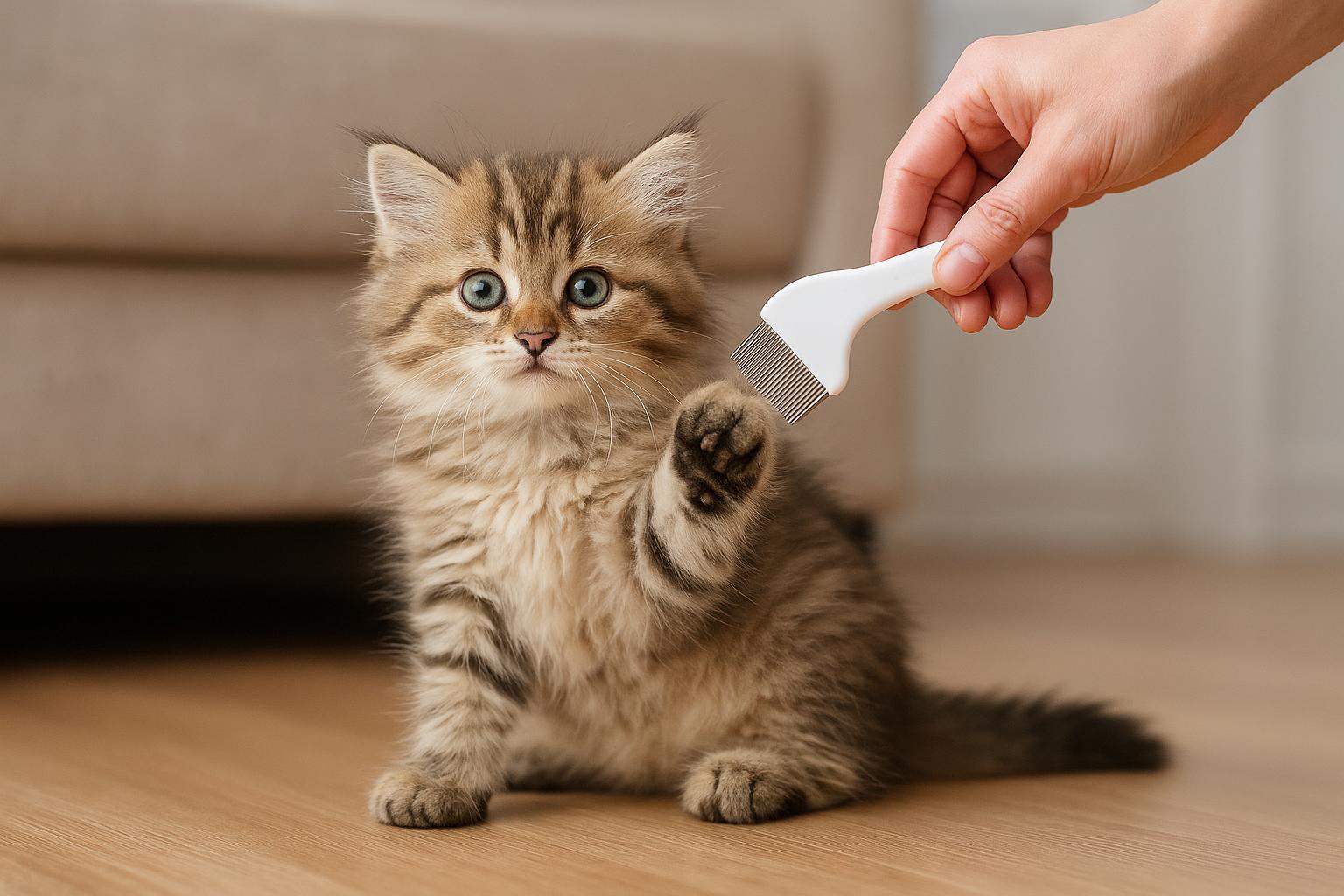
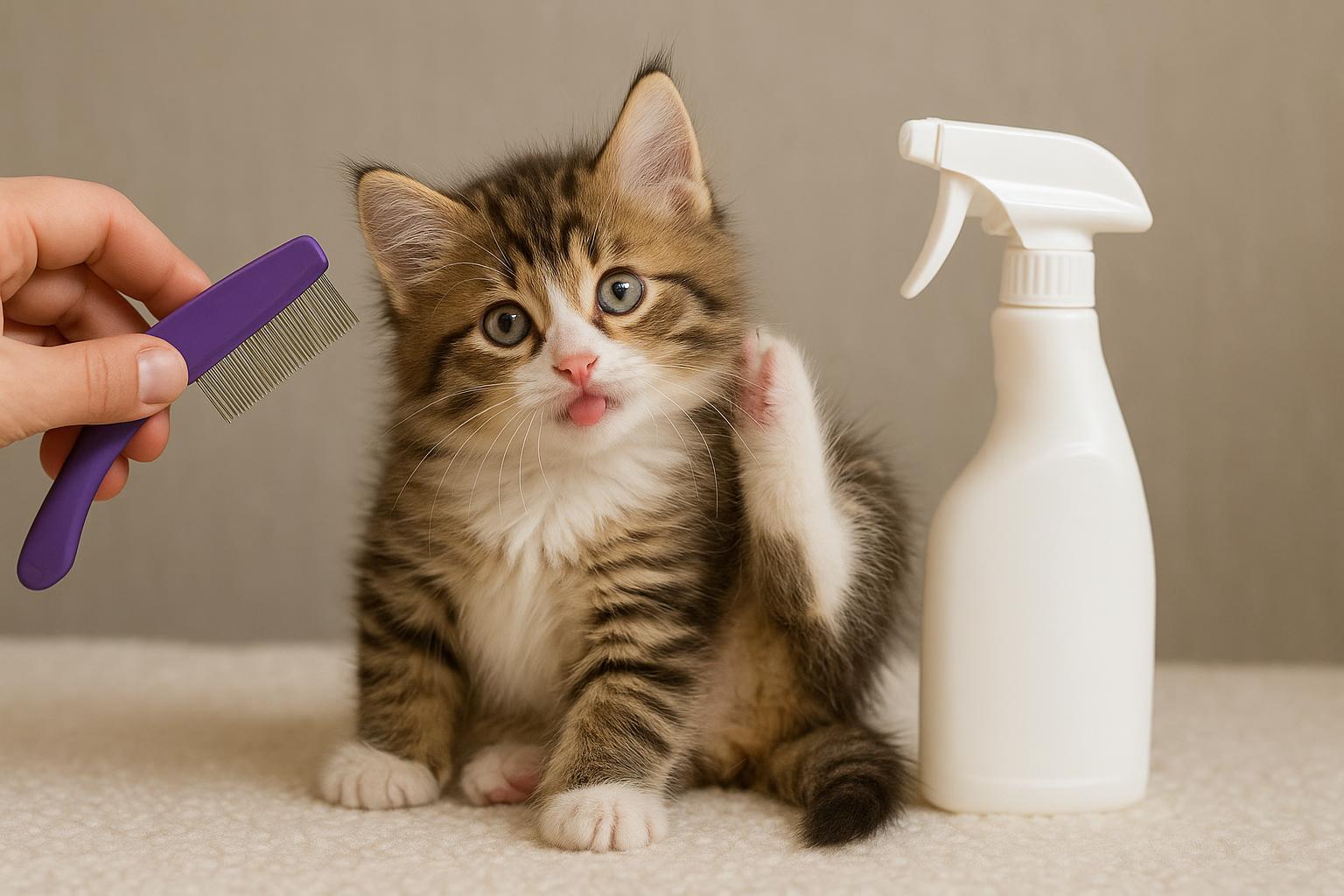
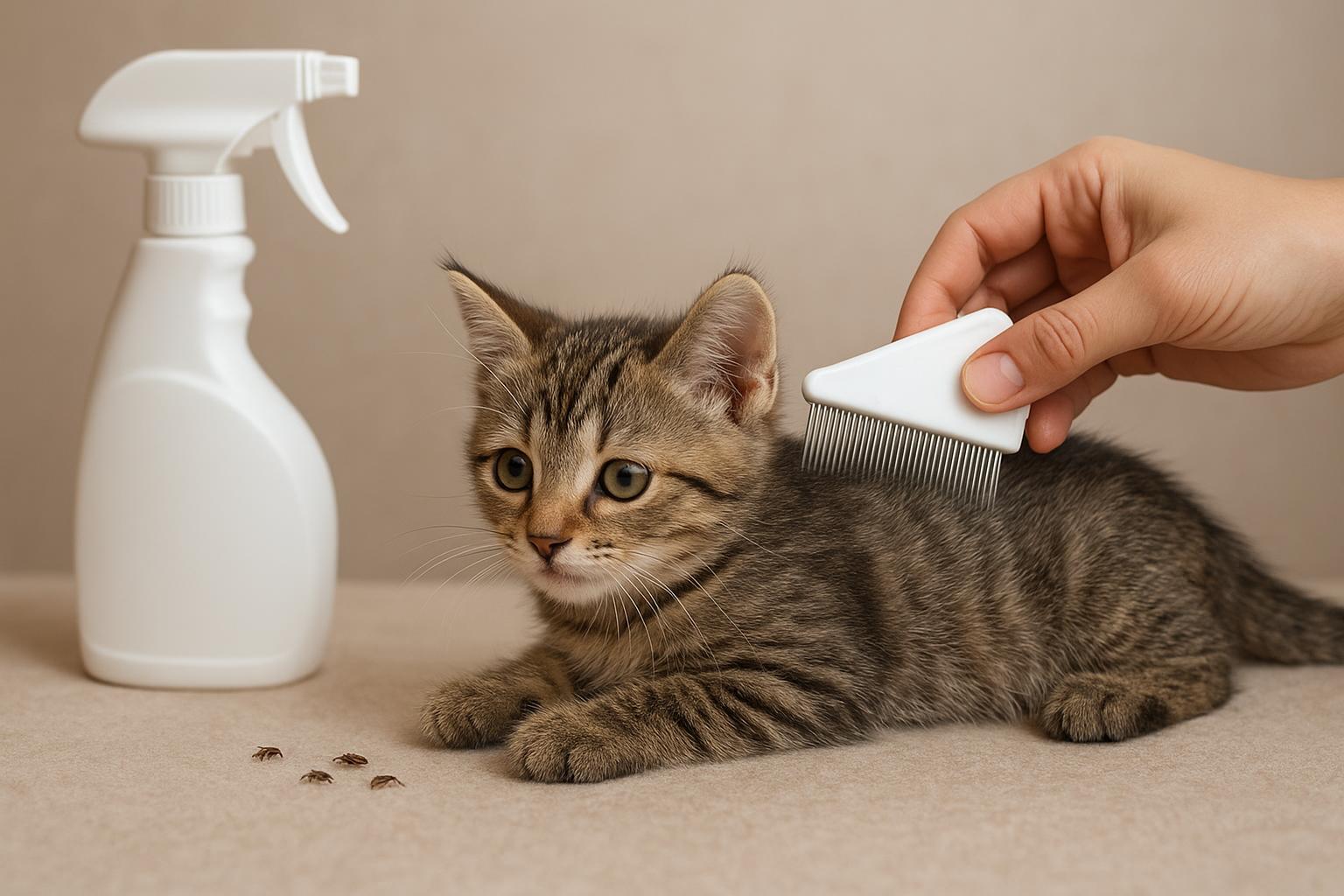
Take a fine-tooth comb and comb along the back and at the base of the tail. Place whatever you collect on a wet paper towel. Black specks that dissolve into rusty smears are flea remnants. If you only see white grains that roll away, those could be flea eggs. Keep in mind flea dust sometimes looks like fine powder and can be mistaken for dandruff; the moisture test separates them.
### Comb Techniques That Actually Work
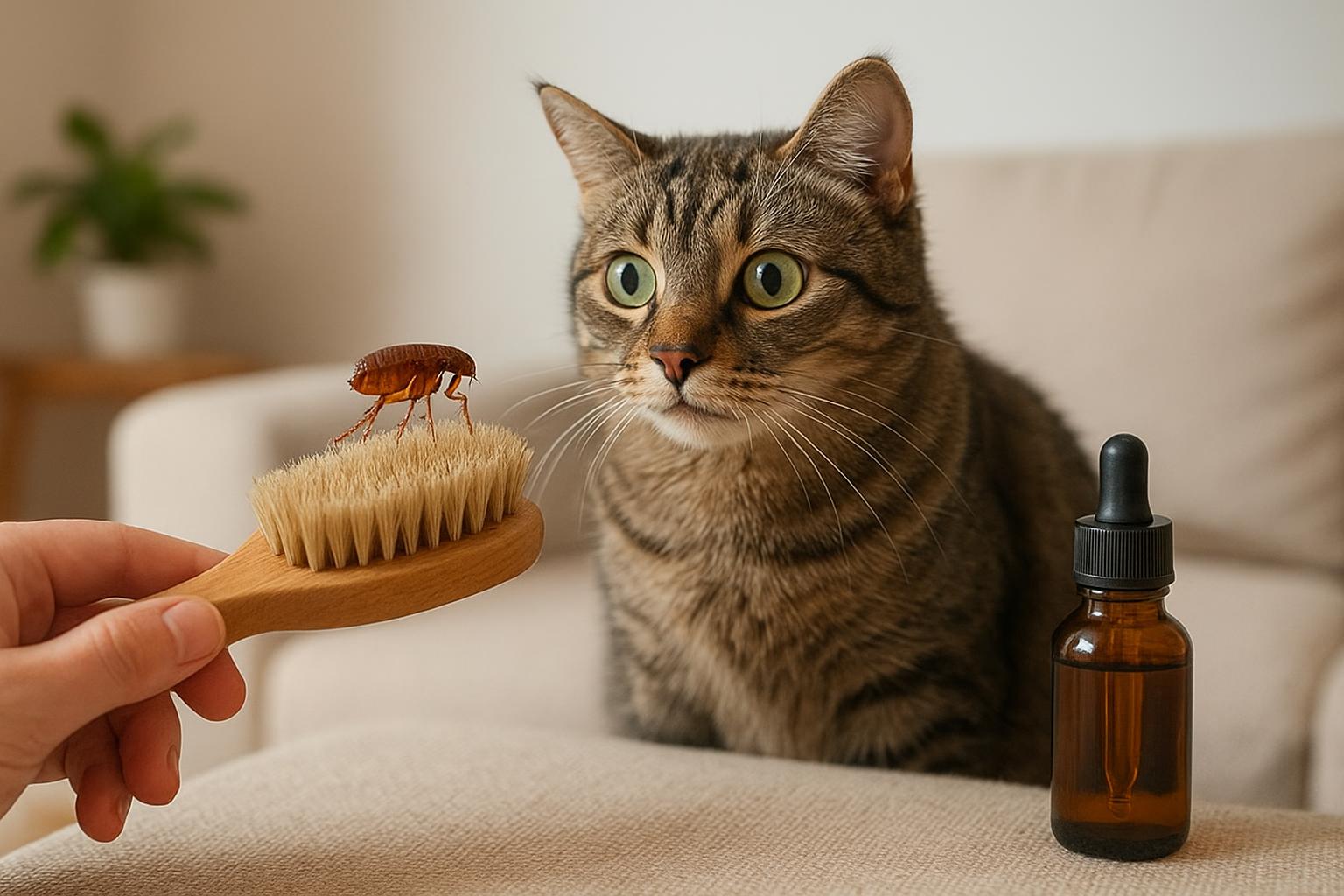
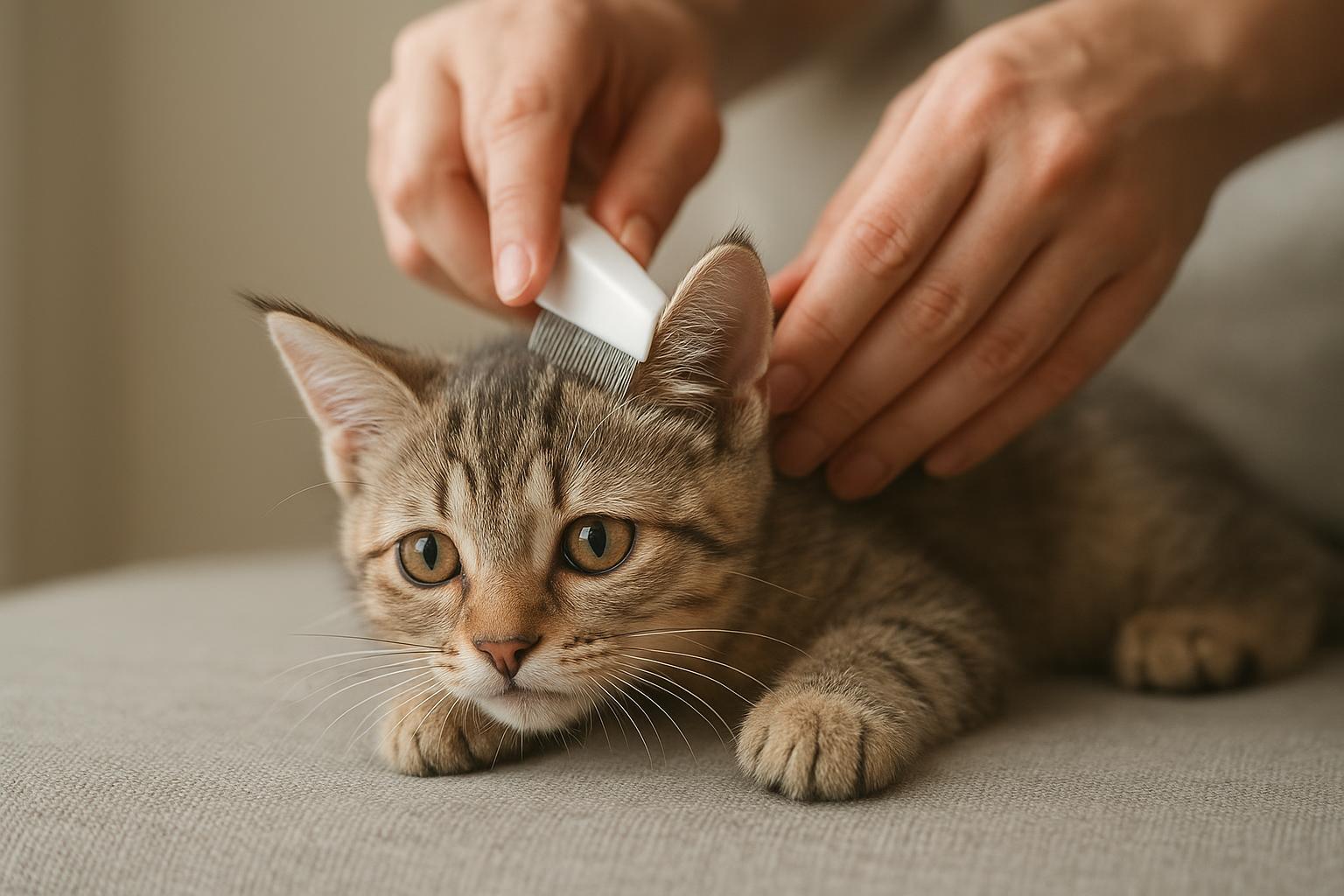
Combing is simple but most people do it half-heartedly. Sit your cat on your lap or a table, calm them with soft talk and a treat, and work in short bursts. Comb from head to tail, paying special attention to the rump, belly, and behind the elbows. Comb each section at least three times.
– Use a metal flea comb. Plastic ones flex too much and let debris slip through.
– Comb over a white surface so you can see dark specks.
– If your cat resists, try brief sessions of ninety seconds rather than ten minutes.
When you’re done, inspect the comb closely. Flea dust and tiny specks stuck between the teeth are evidence. If you’re spotting flea remnants on feline fur consistently during combing, the infestation is more likely established rather than a one-off hitchhiker from outside.
#### What To Do With The Debris
Don’t just flick collected material onto the floor. Flush it or drop it into a sealed plastic bag and throw it away. Live fleas can still be on the comb. If you can, immerse the comb in soapy water to kill anything clinging to it. For the damp-paper-towel test, you can rinse it under hot water to be sure any live stages are eliminated.
### Why Flea Dust Matters
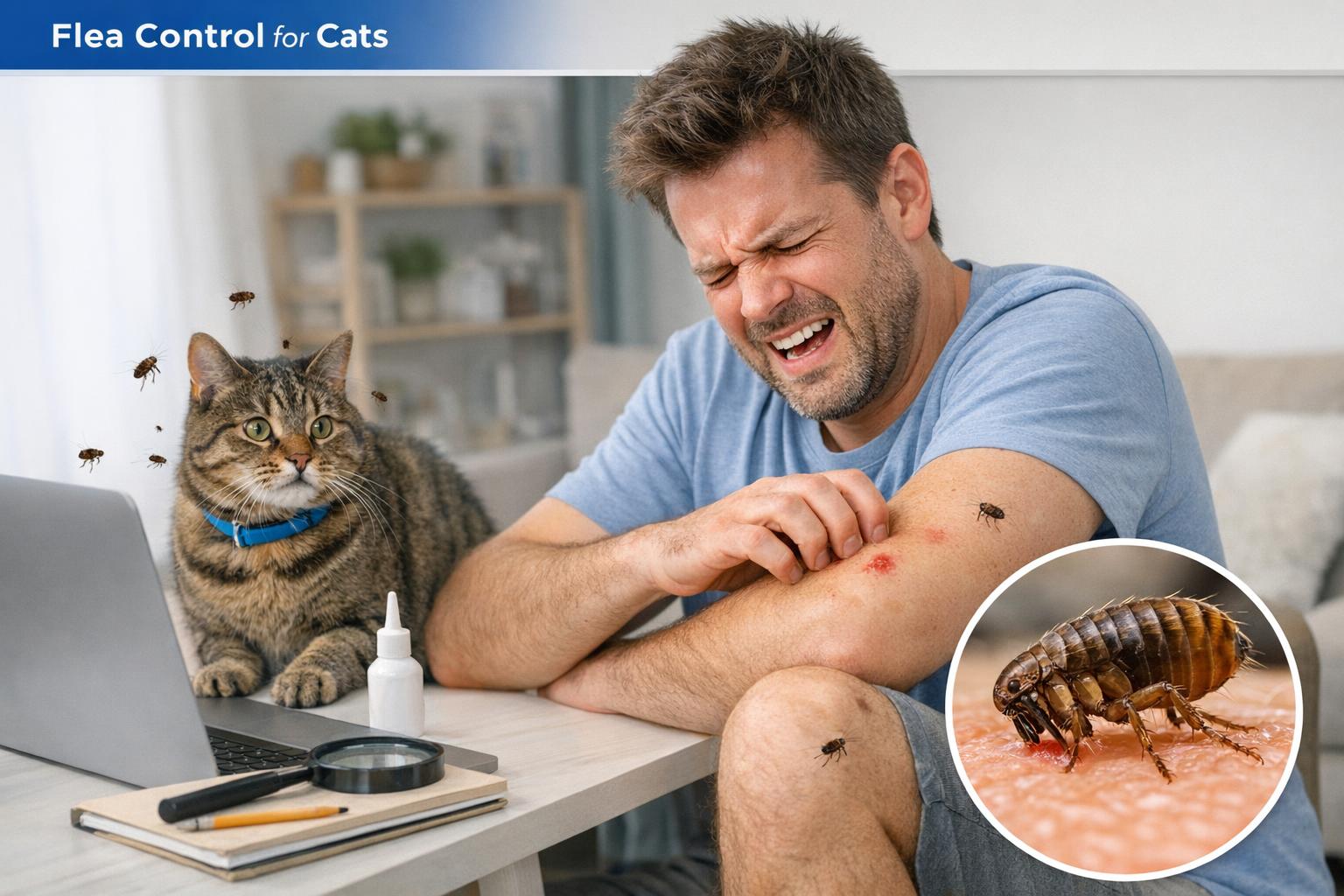
Flea dust is the dry, powdery residue left by fleas and their debris, often containing microscopic flea eggs and feces. It can settle onto bedding, carpets, and your cat’s bedding. Flea dust indicates that fleas aren’t just visiting; they’re reproducing. Spotting flea remnants on feline fur and finding flea dust elsewhere in the house means you need a coordinated approach: treat the pet and the environment at the same time.
Flea dust can also be allergenic. Cats with flea allergy dermatitis will react to tiny amounts of flea saliva; that reaction often shows as intense itching around the base of the tail and neck. If your cat is scratching to the point of hair loss or scabs, the dust and the fleas themselves are likely causing real discomfort.
### When To Treat Versus When To See A Vet
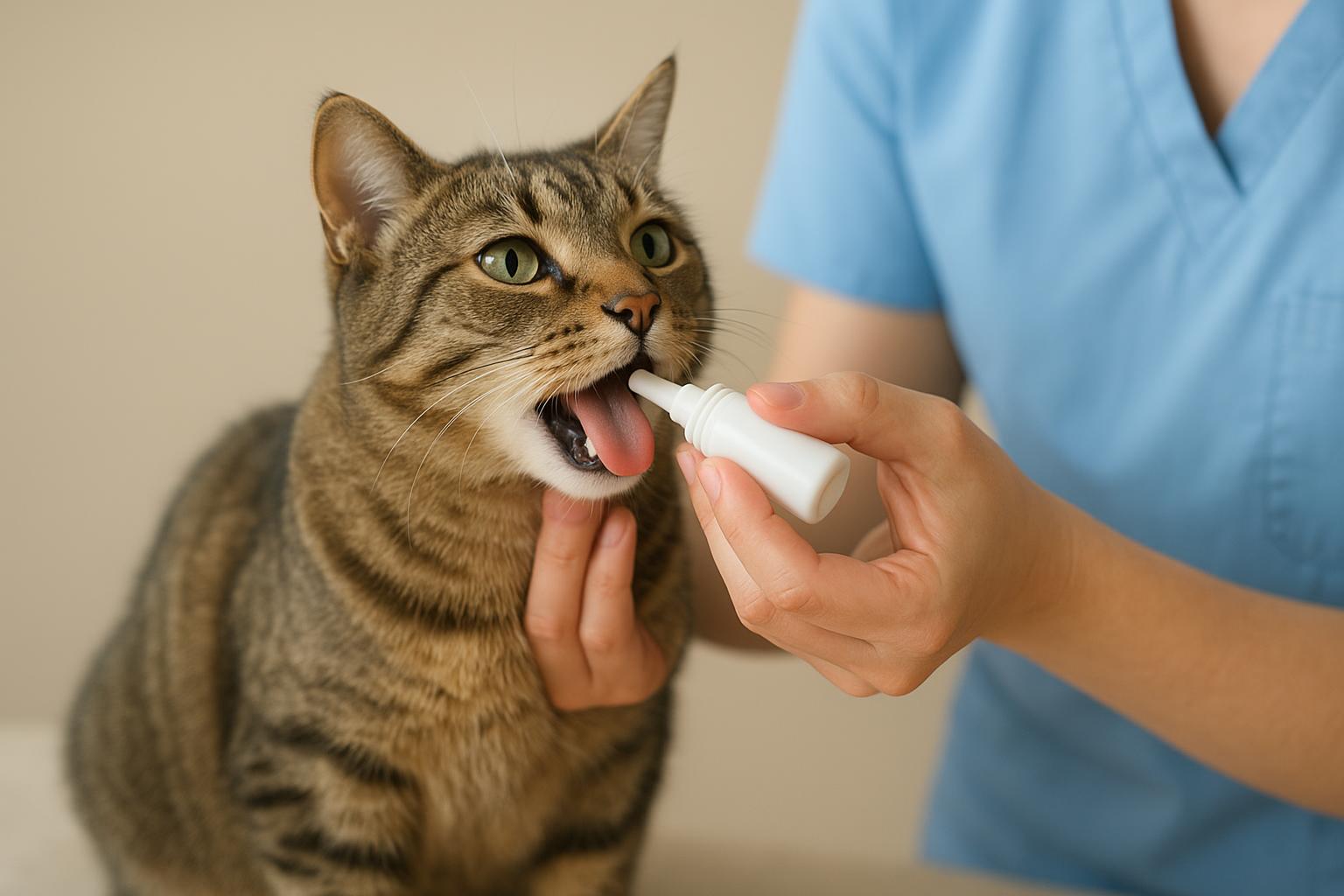
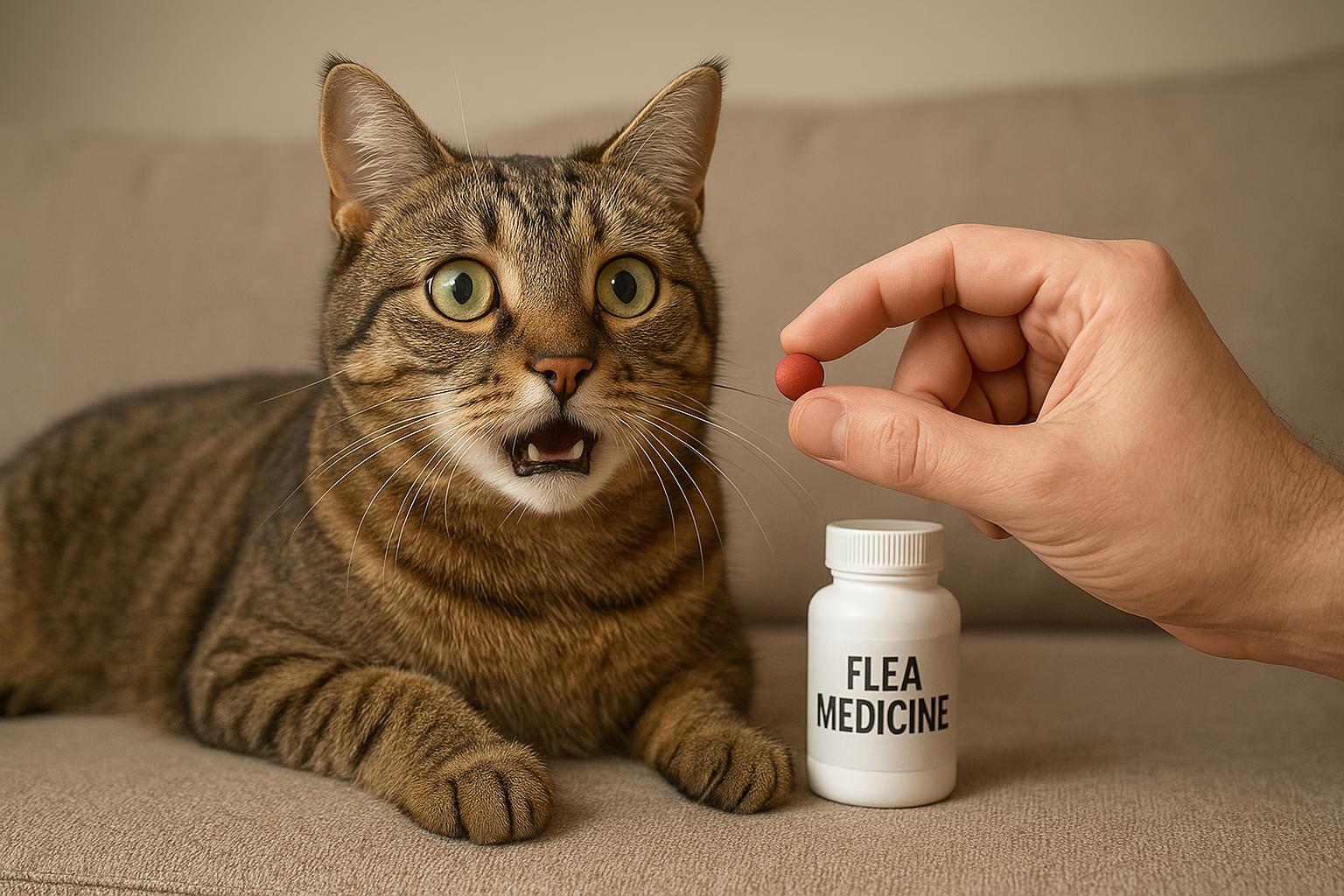
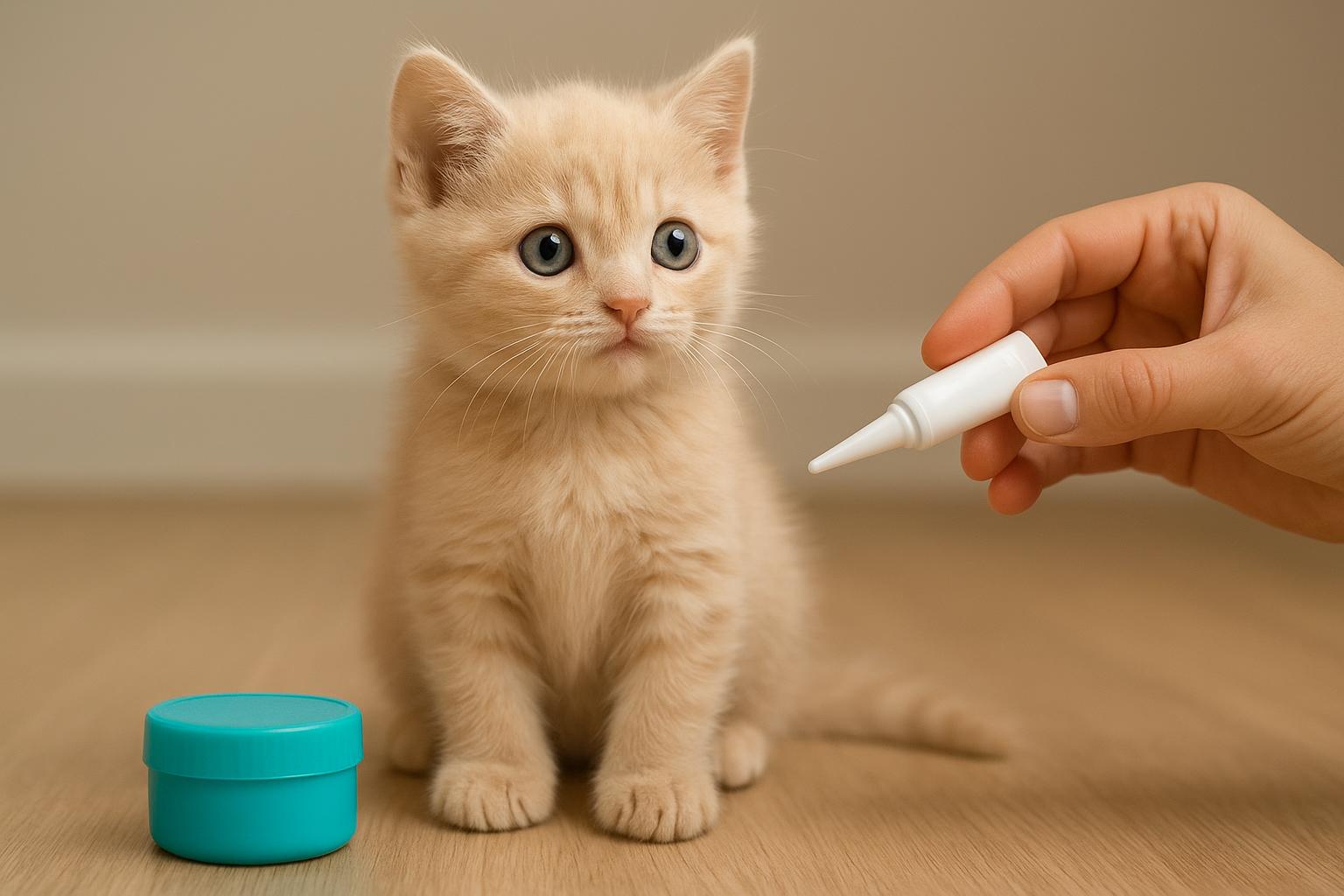
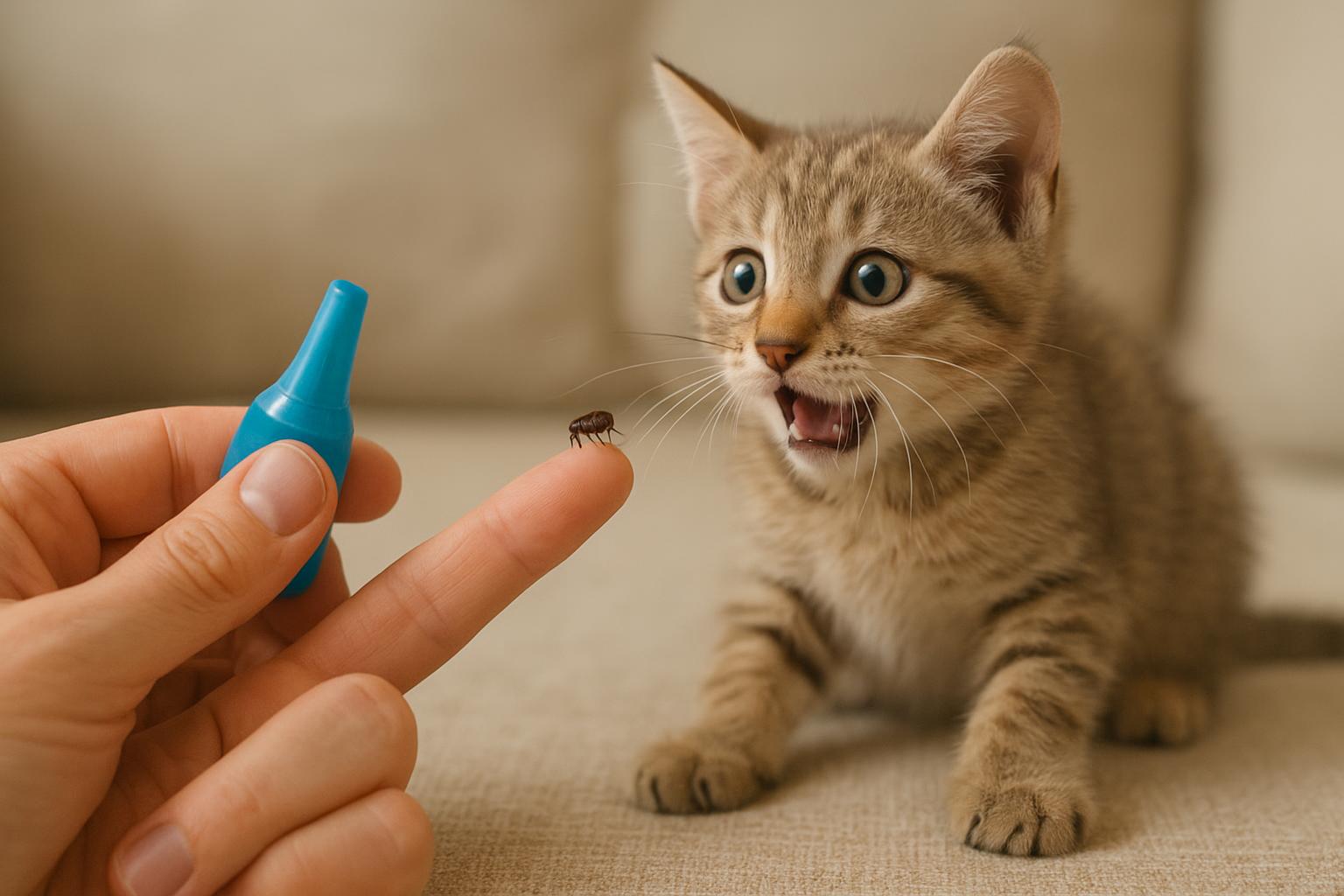
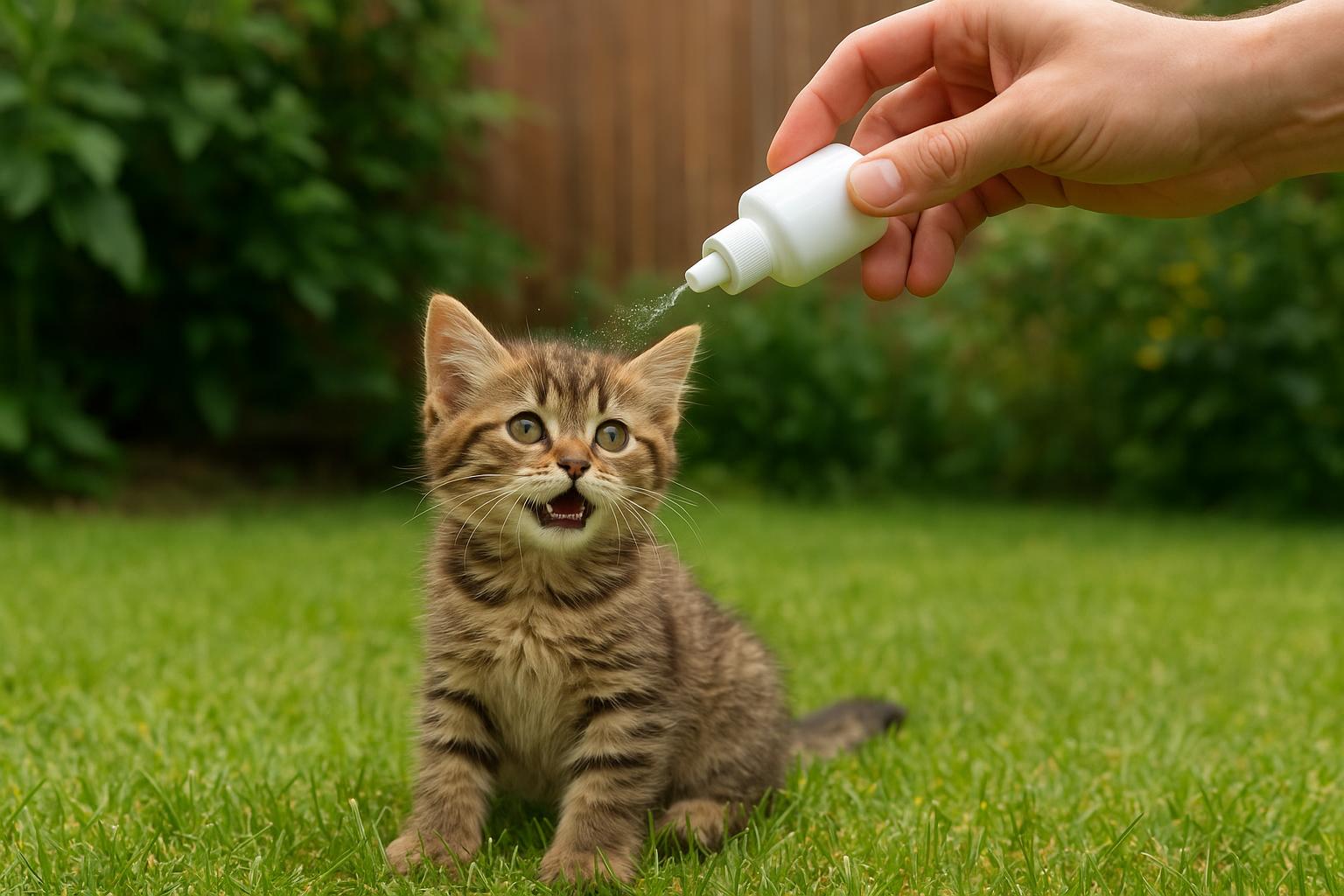
If you find the occasional speck, try a topical check and combing routine for a few days. Many over-the-counter spot-on products are effective when used properly, but they vary in active ingredients and application technique. If you’re spotting flea remnants on feline fur multiple days in a row, or your cat is showing signs of anemia, lethargy, or severe skin irritation, call the vet.
Kittens, senior cats, and cats with preexisting conditions need vet guidance before you use any product. A vet can also confirm that what you’ve found is flea-related and not something else like dirt, food particles, or mites.
#### Treating Multi-Pet Households
If you have more than one animal, treat them all at once. Fleas move between hosts quickly. Even if only one pet is showing visible signs, the others can be carrying flea dust and eggs. Wash bedding for everyone, and make sure treatment covers each animal’s weight and species—products are not interchangeable between cats and dogs without risk.
### Cleaning The Home After You Find Flea Evidence
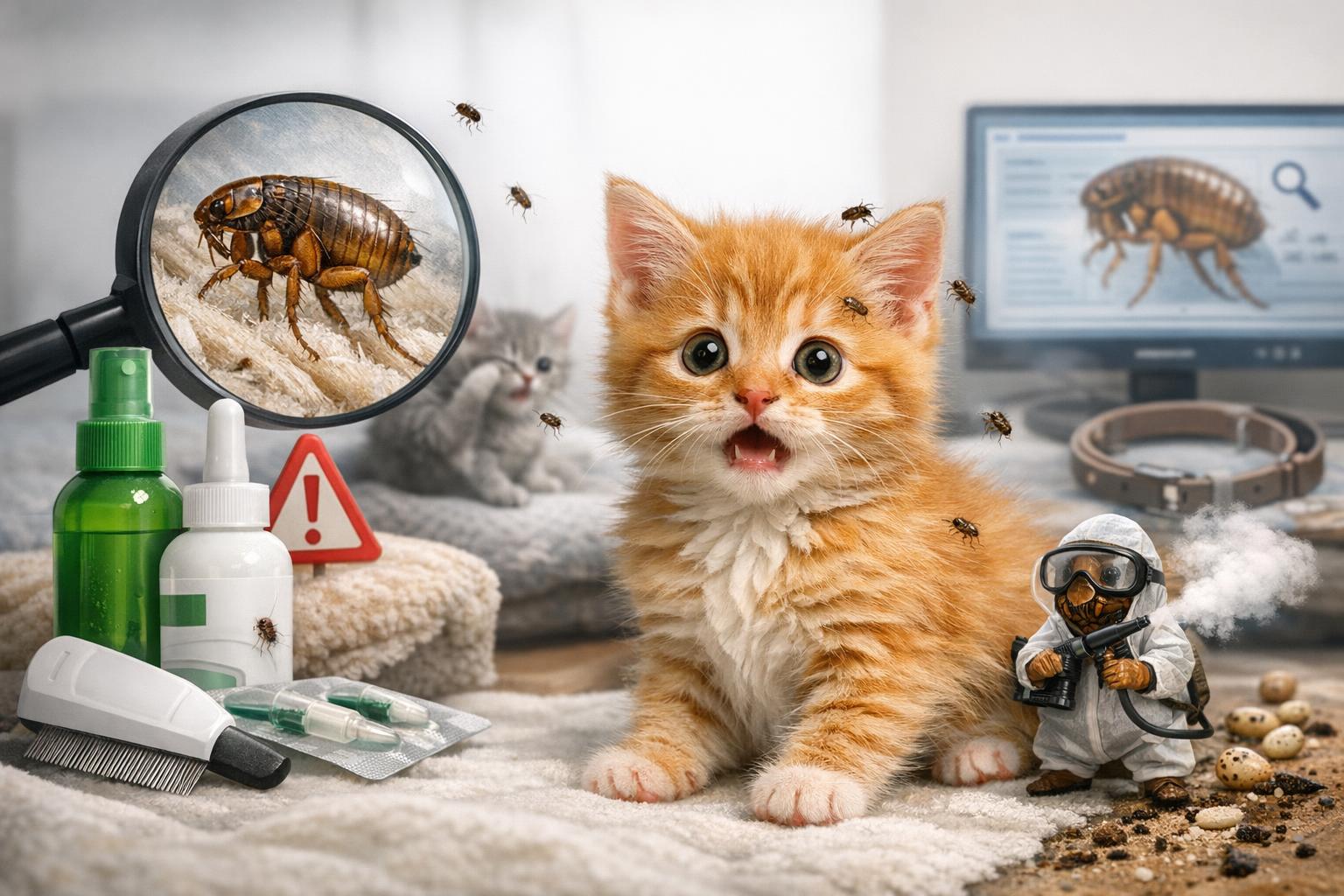
Treating the cat without addressing the house is like mopping the floor while the faucet runs. Flea life cycles include eggs, larvae, pupae, and adults. Eggs fall off pets and settle into carpets, along baseboards, and in soft furniture.
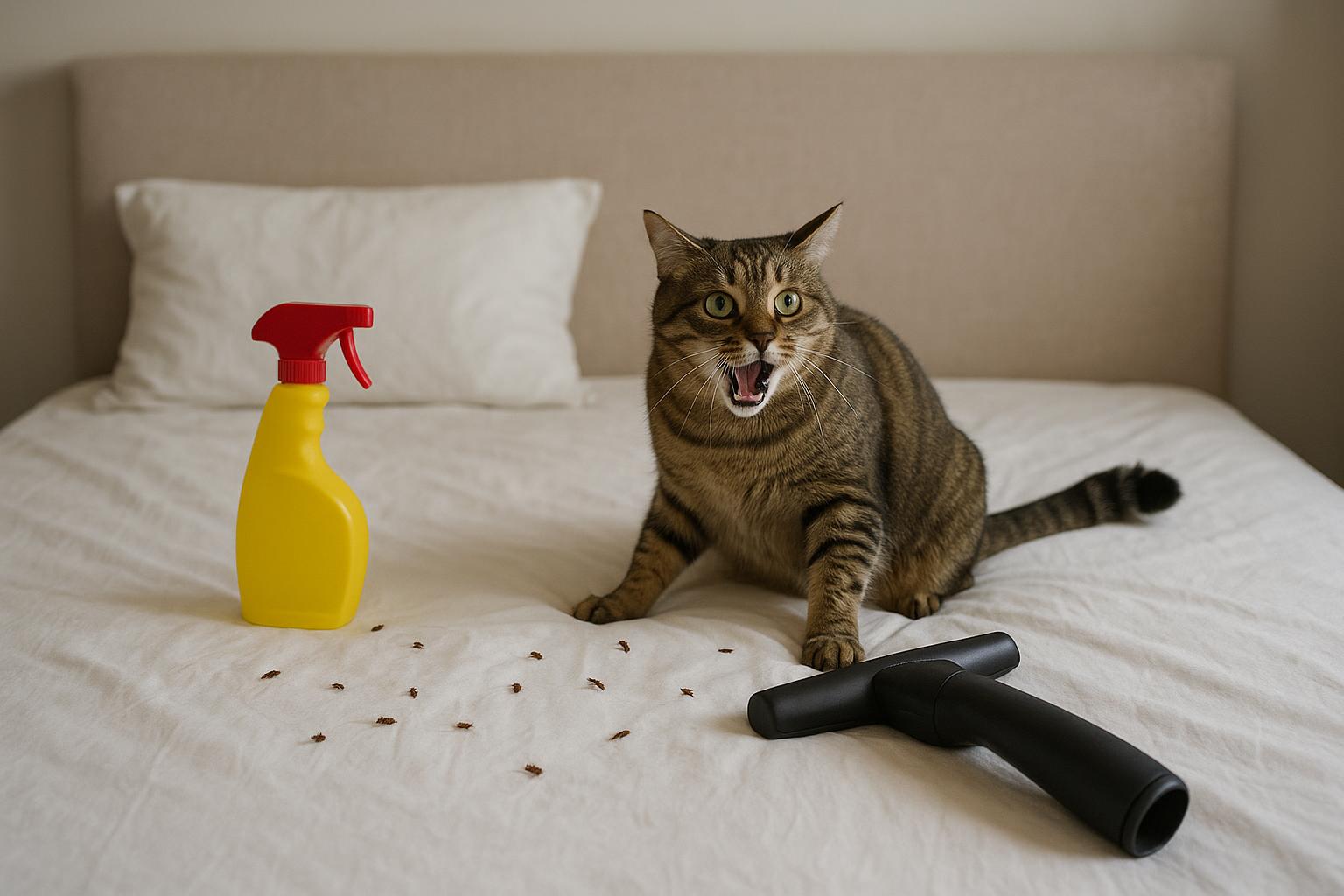
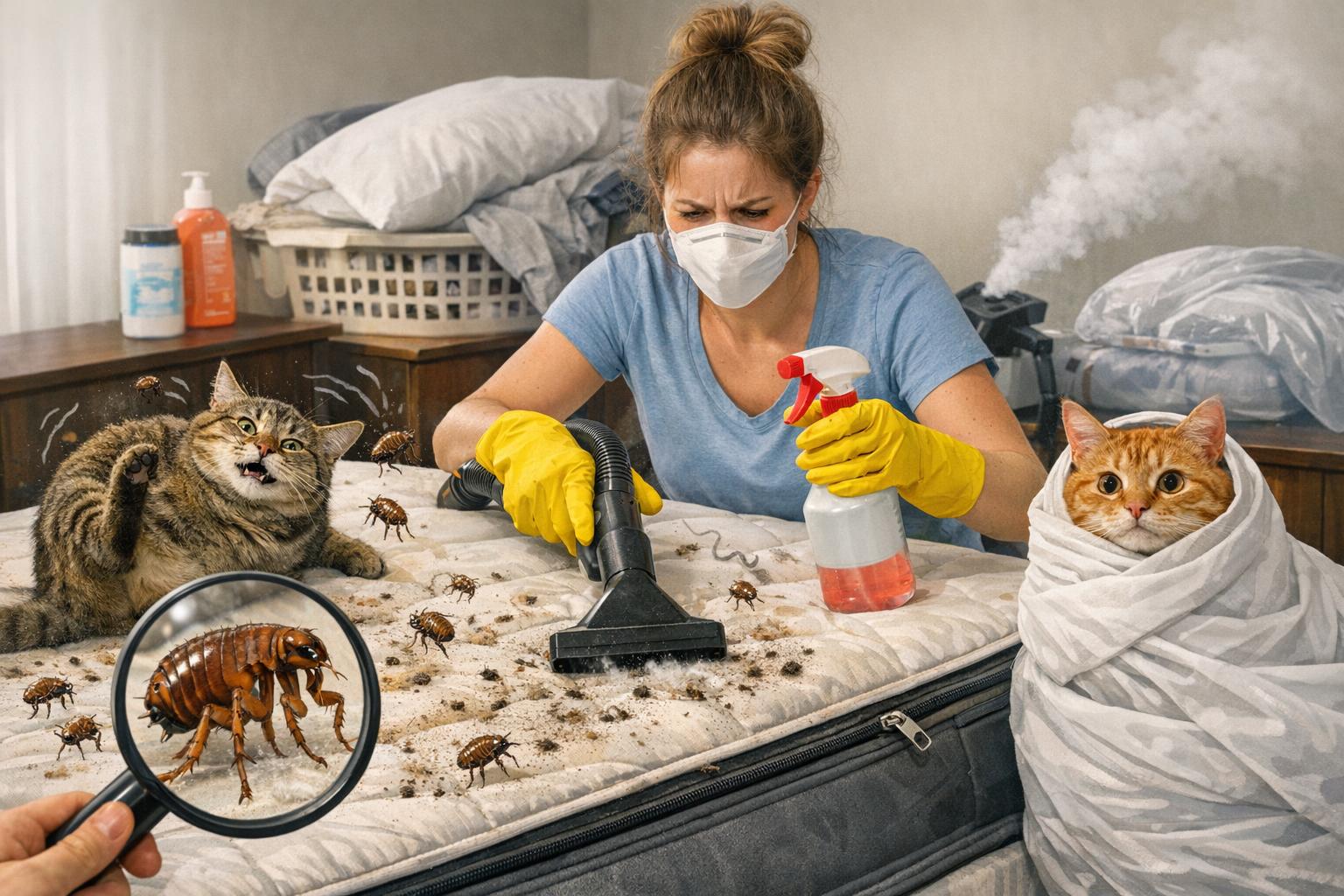
Start with vacuuming. Go slowly and use the crevice tool along baseboards and under furniture. Empty the vacuum bag or canister outdoors right away and seal the debris; otherwise fleas can escape and re-infest. Wash all bedding, pet blankets, and removable cushion covers in hot water and dry on high heat. Heat kills eggs and larvae.
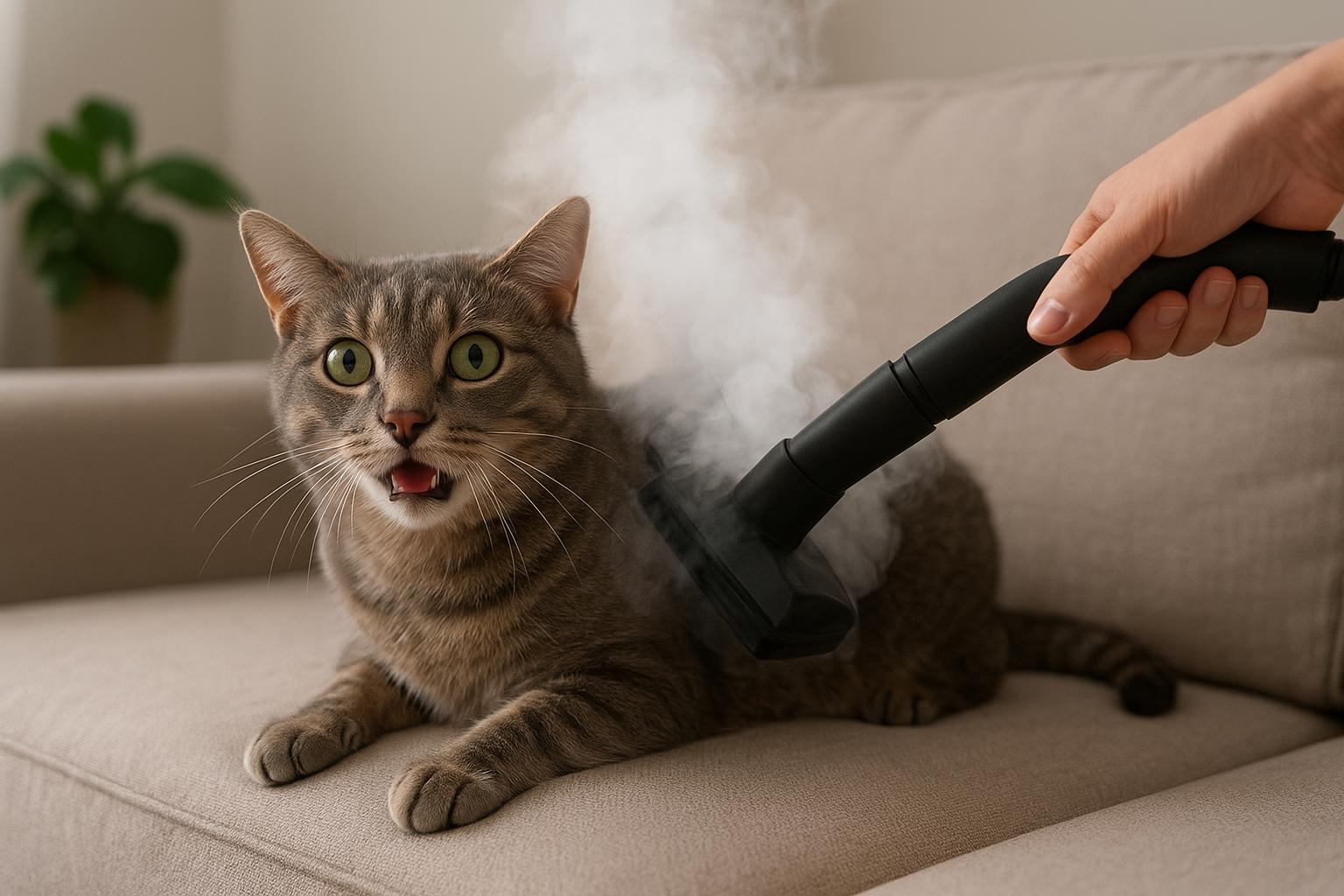
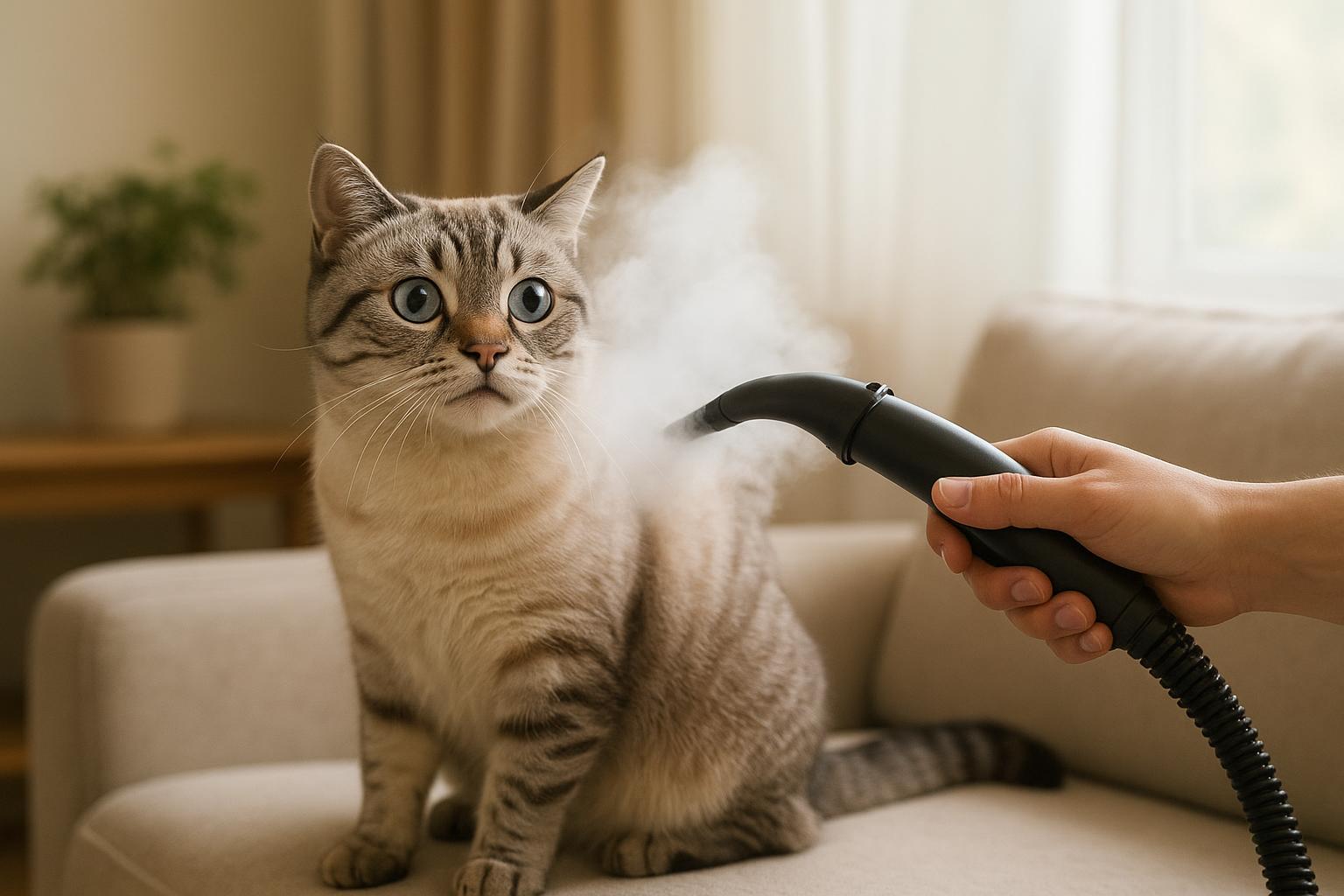
If you find substantial flea dust on mattresses, carpets, or upholstery, consider a professional steam cleaning. Steam plus detergent can reach deeper than surface cleaning and reduce the number of viable stages in the fabric.
### When And How To Treat The Environment
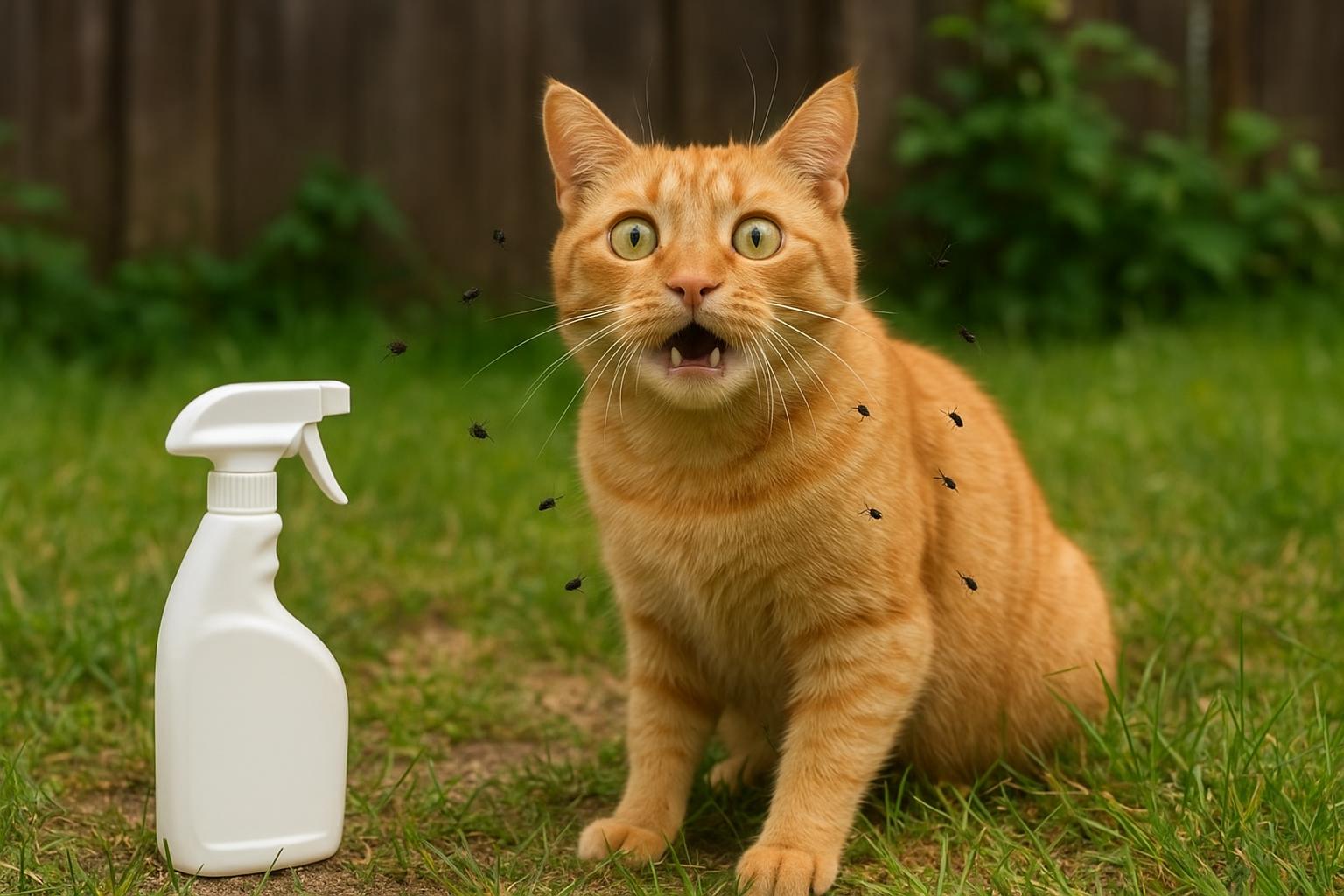
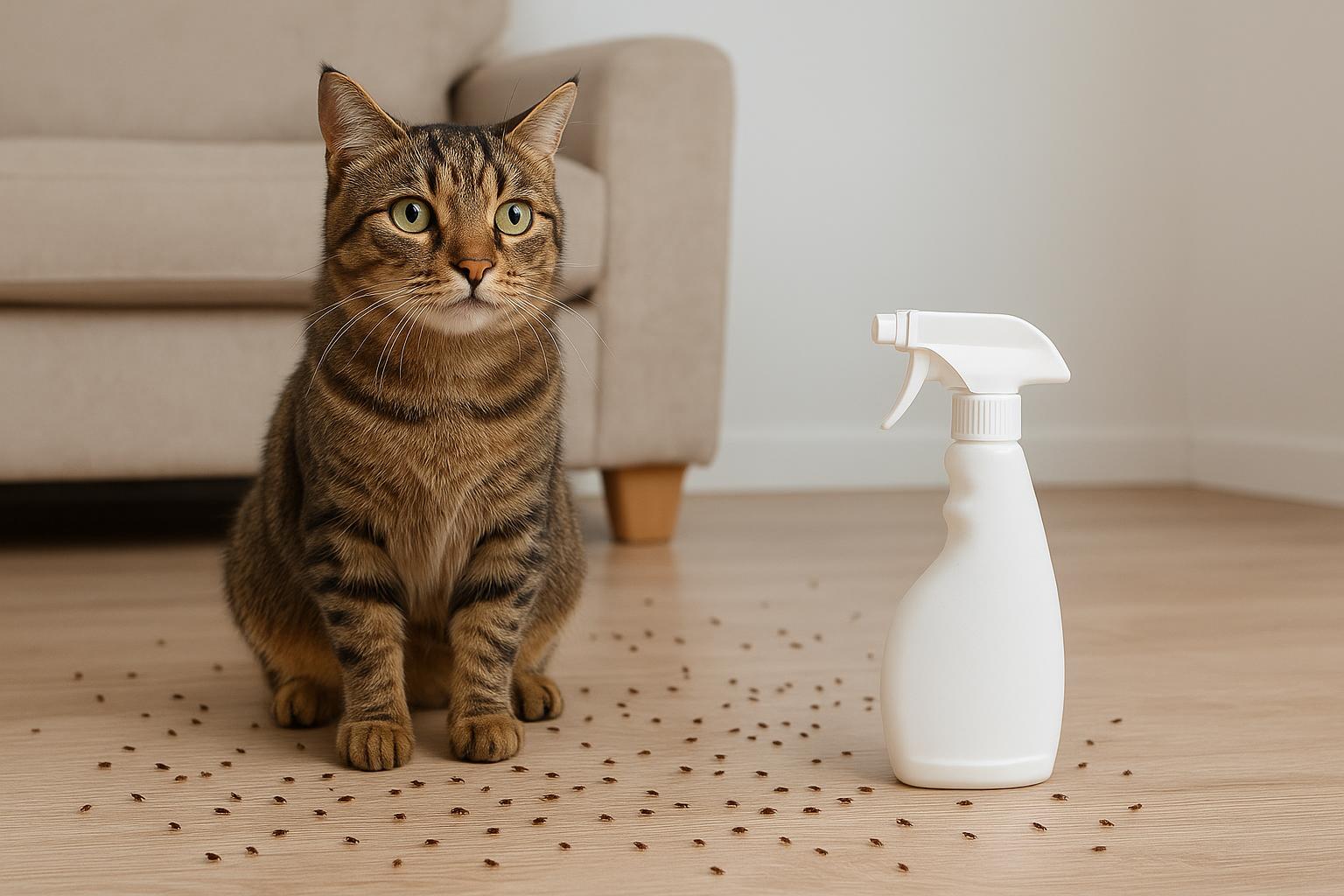
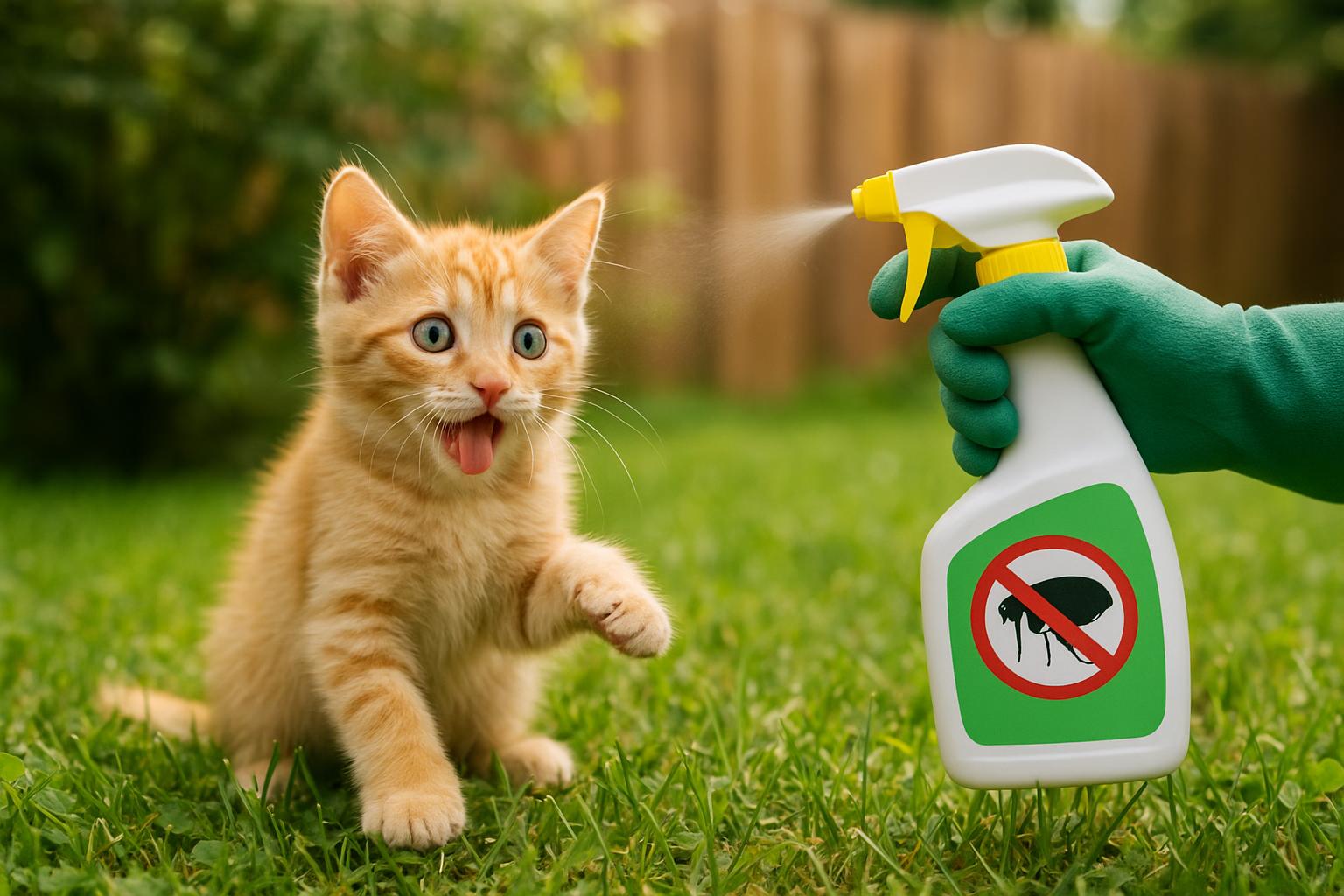
For small, early problems, thorough vacuuming and hot laundering every few days for two to four weeks may be enough. For more entrenched infestations, you’ll need product-based intervention. Household sprays and foggers that contain an insect growth regulator can interrupt development of eggs and larvae. Use them carefully and follow label directions; many are not safe around fish or small mammals left in the treated area.
If you choose pesticides, pick a product labeled for flea control in homes and consider hiring a professional if the infestation is heavy. They have stronger tools and experience with treating carpets, crevices, and areas pets can’t reach safely.
#### Preventing Reinfestation
After an infestation, keep a routine. Monthly flea preventatives, regular combing, and quick laundry cycles help. Also, look outside. Wild animals, neighbor dogs, and stray cats can reintroduce fleas to your yard. Treating outdoor resting spots, especially under decks or sheds, can reduce reinvasion. If you live in a warm climate, remain vigilant year-round; fleas don’t respect calendars.
### Common Mistakes People Make
Ignoring a few specks is the worst. Fleas multiply fast. Another mistake is treating only the visible animal and not the environment. Some folks overuse topical treatments, applying more frequently than recommended because they want faster results; that creates toxicity risk. And finally, buying cheap products or using dog flea products on cats can be dangerous. Read labels; if you’re unsure, ask a vet.
You’ll know you’re making progress when combing produces fewer and fewer black specks and when flea dust disappears from favorite lounging spots. If you’re still finding evidence two to three weeks after beginning treatment, don’t wait—get expert help. A coordinated approach kills current fleas and prevents the eggs and pupae from restarting the cycle.
Spotting flea remnants on feline fur isn’t just a nuisance. It’s an early warning that your pet and your home need attention. A little vigilance now saves a lot of scratching, trips to the vet, and late-night vacuuming down the road. Be methodical, use the right tools, and don’t be afraid to call a professional if the problem feels out of hand. And remember to check under the tail; that’s where fleas like to hide and where the first obvious flea remnants usually turn up on a cat that tries to stay clean but can’t quite keep up. If you recieve a single speck, act—don’t wait.

















Leave a Reply