
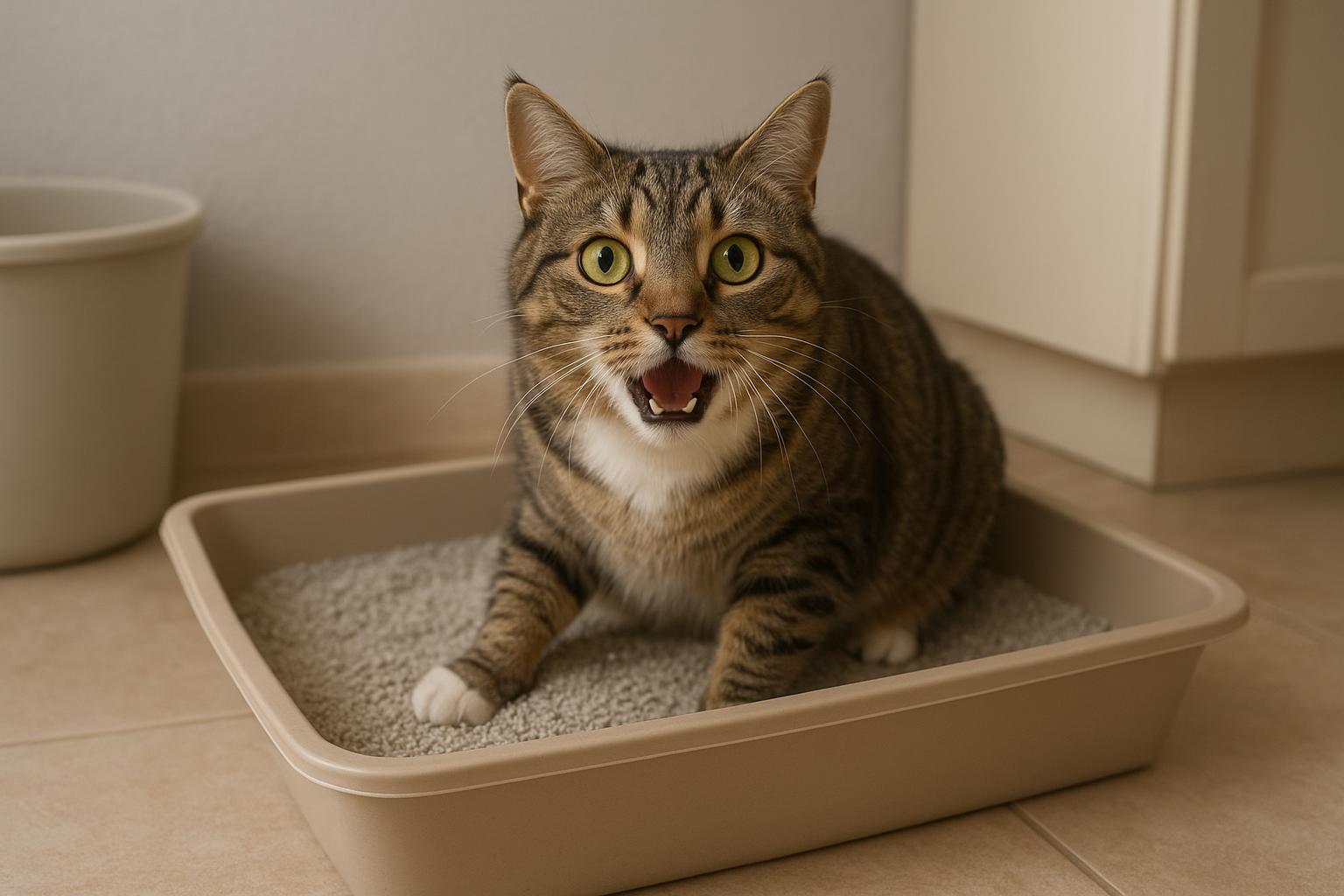
Fleas can turn a simple litter box into a persistent source of irritation and illness, and most cat owners don’t think about the box as the weak link until it’s too late.
## Understanding The Risks Of Fleas In Cat Litter
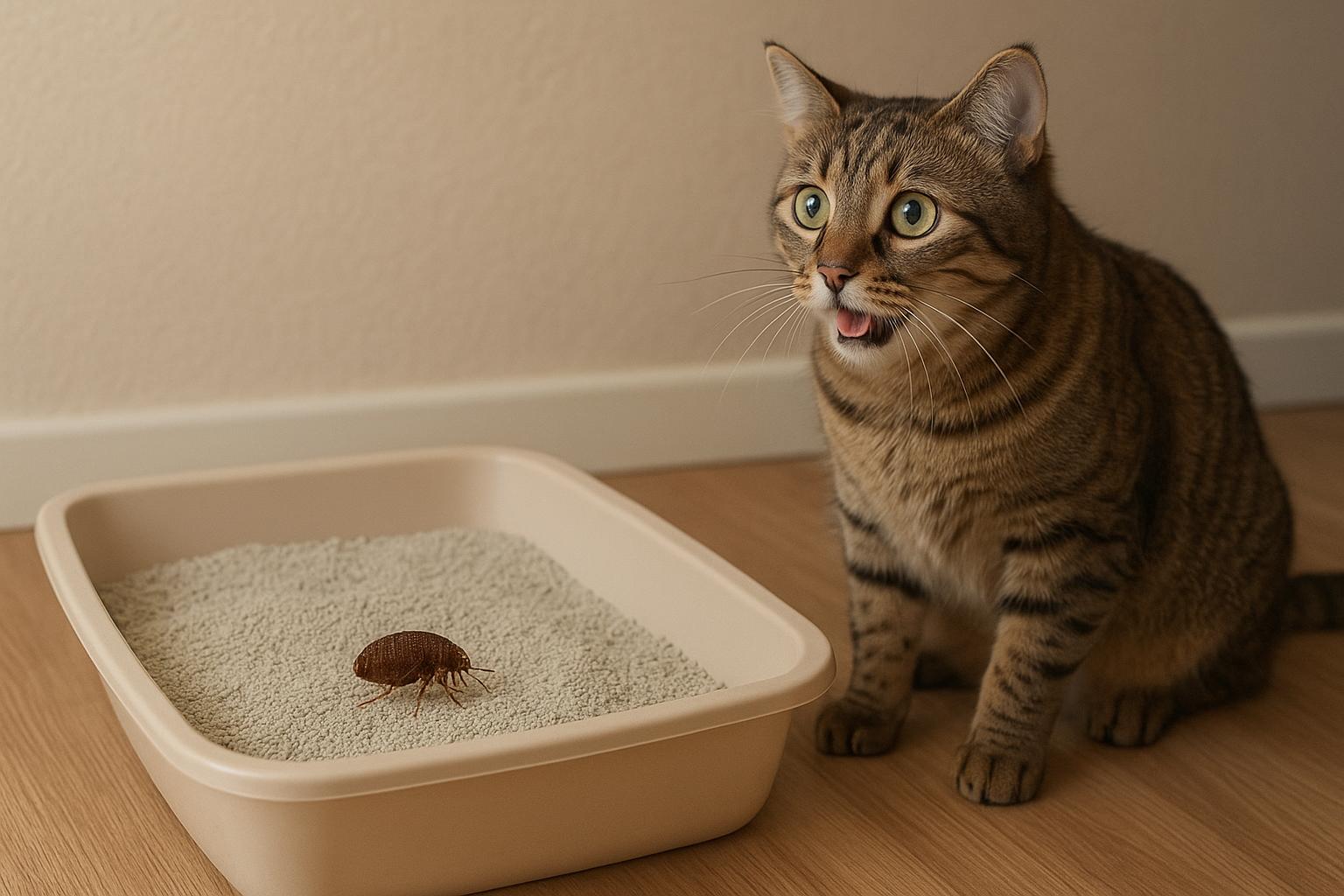
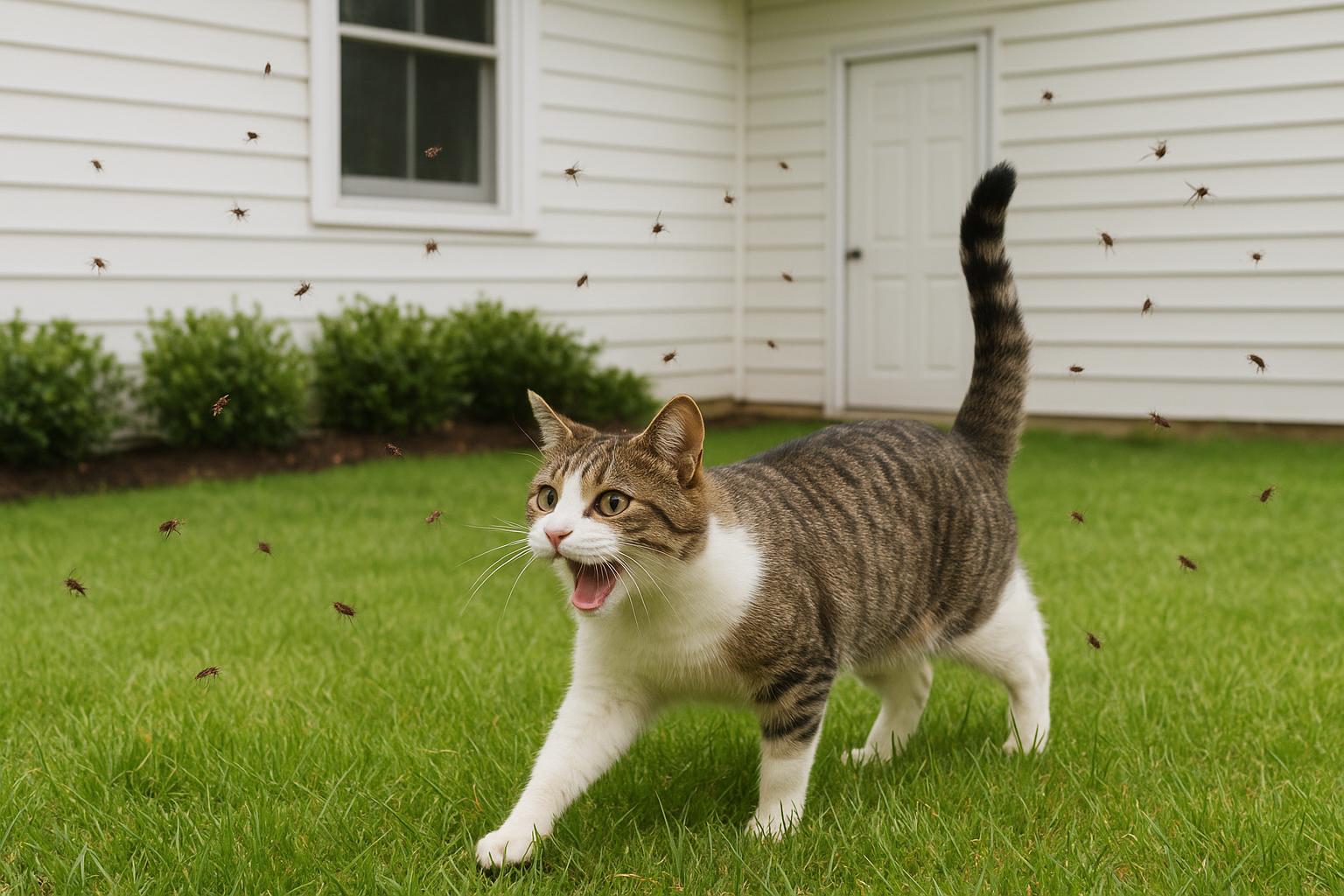
When people talk about infestations they usually picture carpets and couches. But there’s a specific set of risks tied to the litter box itself. The phrase risks of fleas in cat litter isn’t just alarmist — it names a practical problem with predictable causes and predictable consequences.
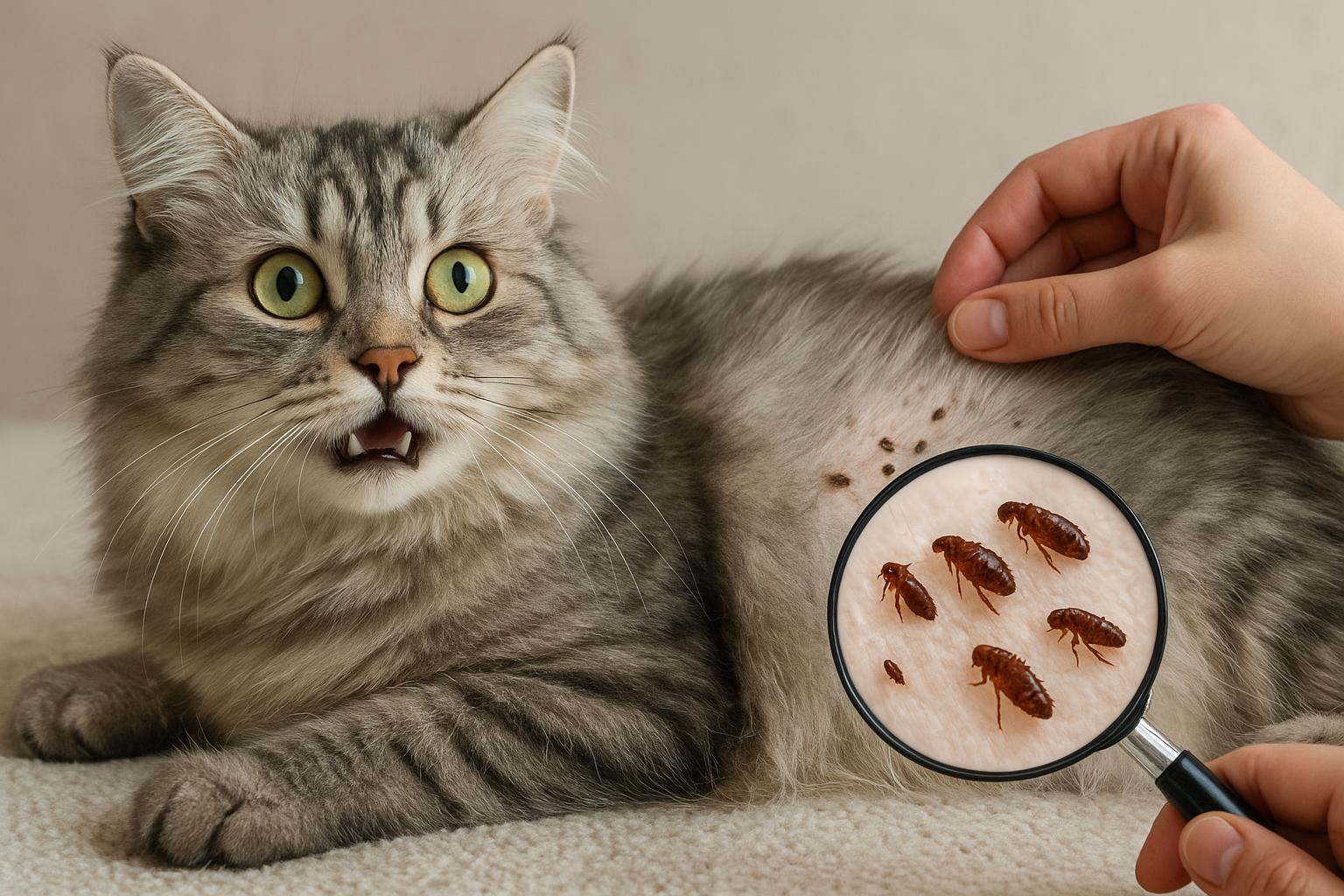
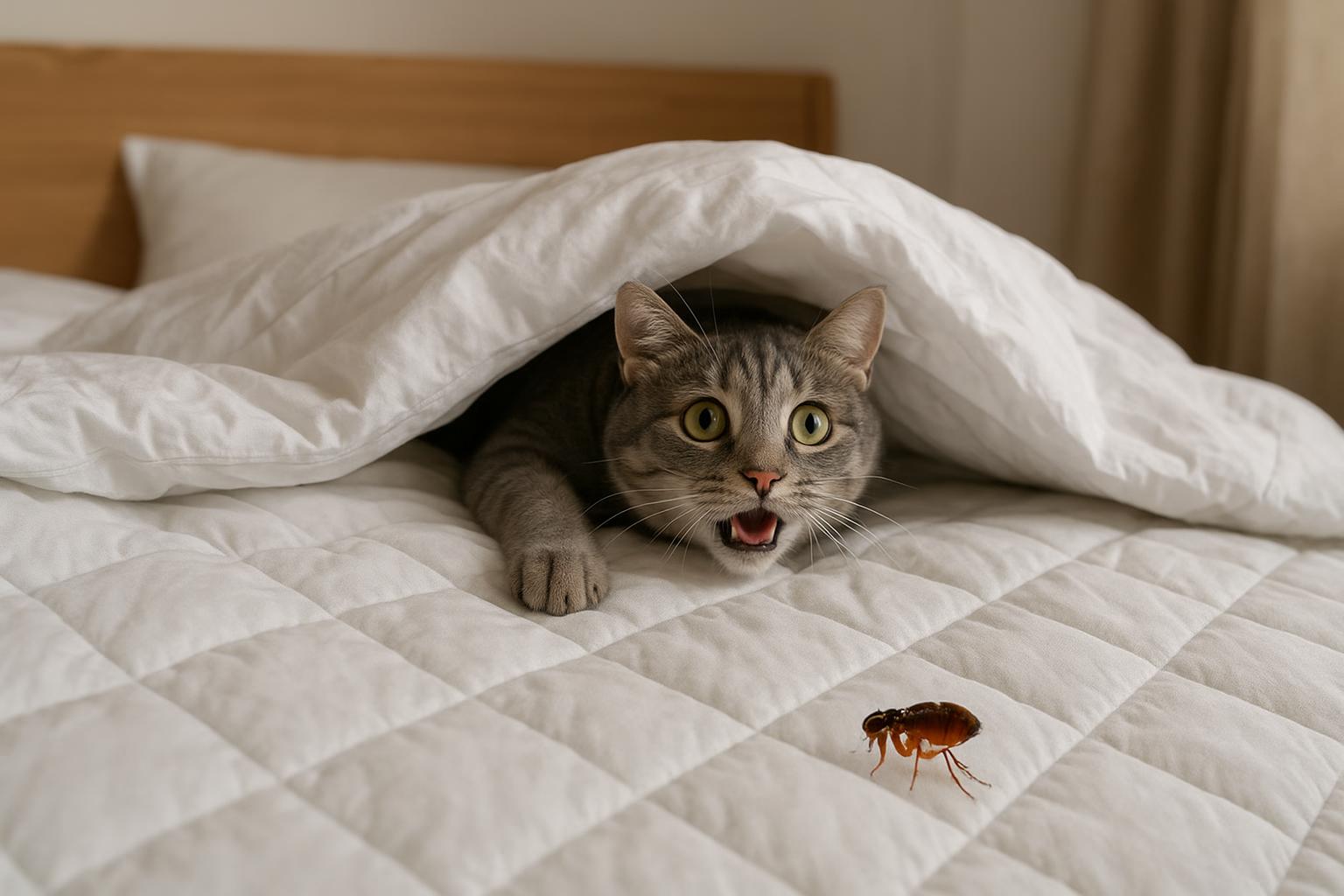
Flea eggs, larvae, and pupae thrive in the protected, nutrient-rich environment around a litter box. Flea eggs fall off the cat’s fur, larvae feed on organic debris and flea dirt, and pupae can remain dormant until conditions are right. That means a box that looks fine can still be a reservoir. Those immature stages are harder to kill than adult fleas and they can persist through a single cleaning or two.
Risks include direct bites, secondary infections, tapeworm transmission, and severe anemia in kittens or debilitated adults. Pets that constantly scratch pick at skin, creating wounds that get infected. Humans can be bitten too; bedding, rugs, and carpets near the litter area quickly become next in line for infestation.
## How Fleas Get Into Cat Litter
Fleas arrive in predictable ways. The most common entry routes are:
– A cat picks up fleas outside or from another pet and drops eggs while using the box.
– Infested bedding or cushions are kept near the litter area and seed the surrounding floor.
– Litter tracked from outdoors, or secondhand furniture, introduces eggs and larvae.
– Wild animals or stray cats getting near the litter area bring fleas in from outside.
Eggs are light and fall off easily. Larvae hide in crevices of the box and in the grain of clumping litter. Pupae are sticky and tough; they resist many common cleaning methods. Once the box is contaminated, fleas use it as a staging area to move onto floors, furniture, and people.
## Signs You’ve Got Fleas In Your Cat Litter
Seeing adult fleas around a litter box is the clearest sign, but you can miss the early stages. Look for these clues:
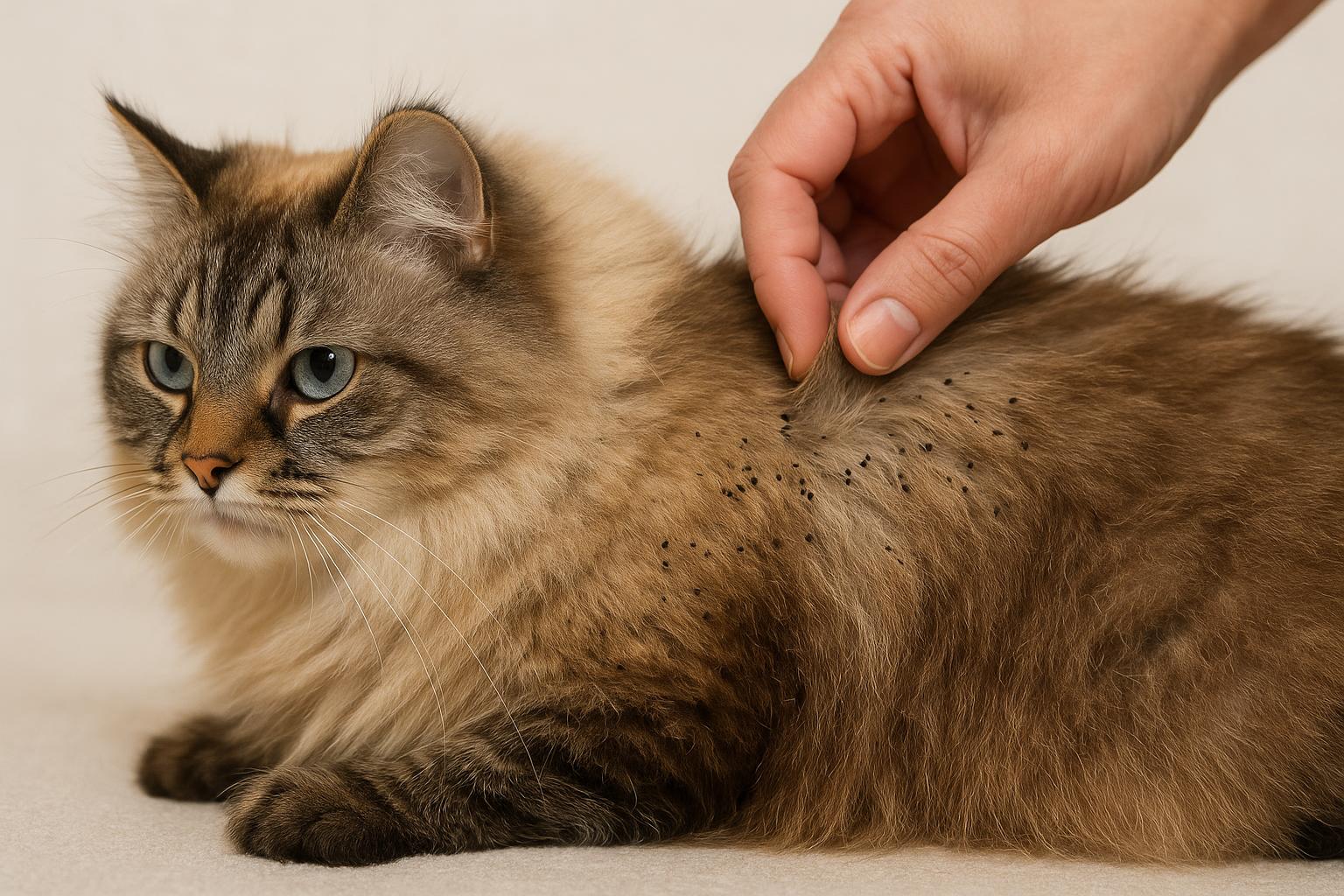
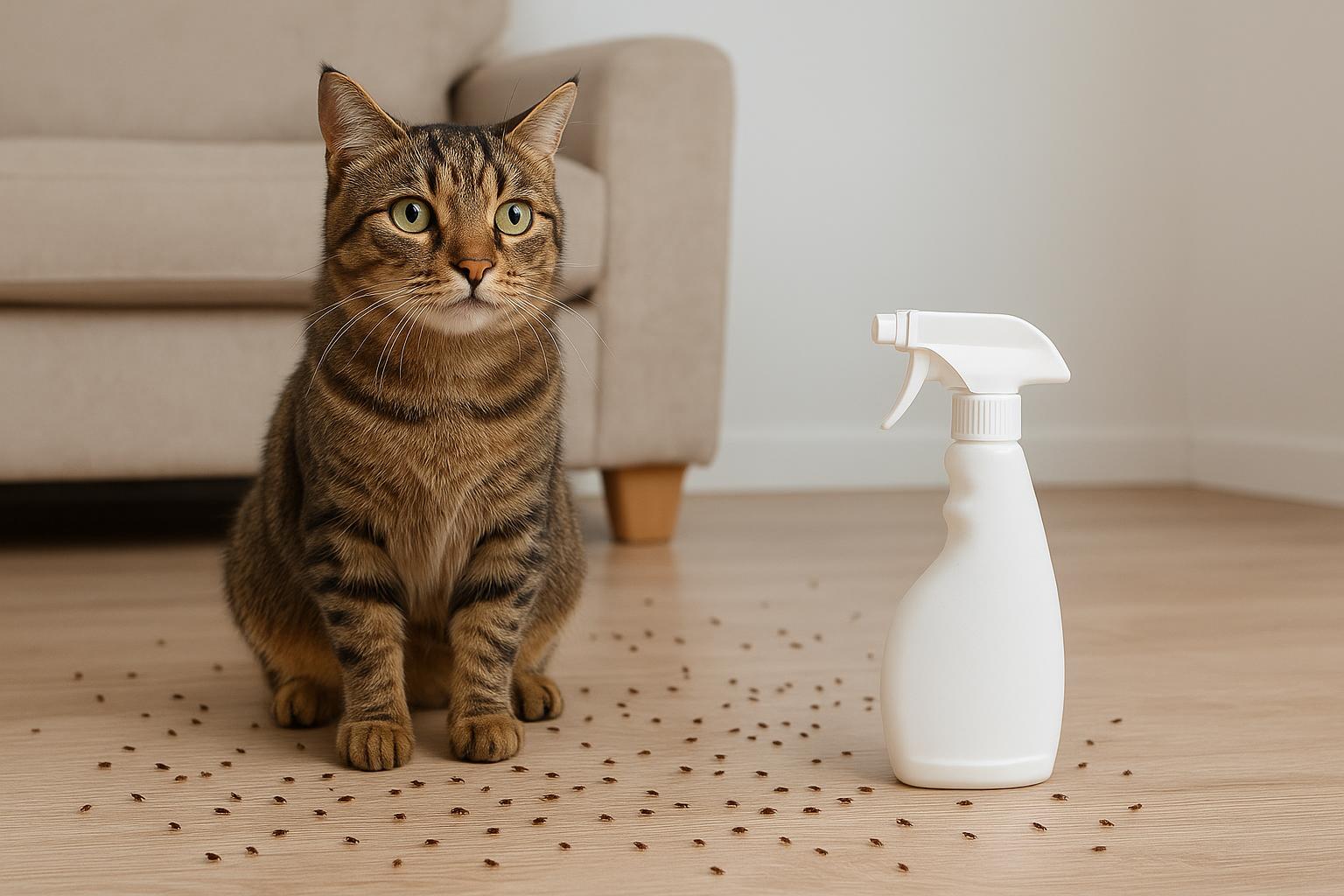
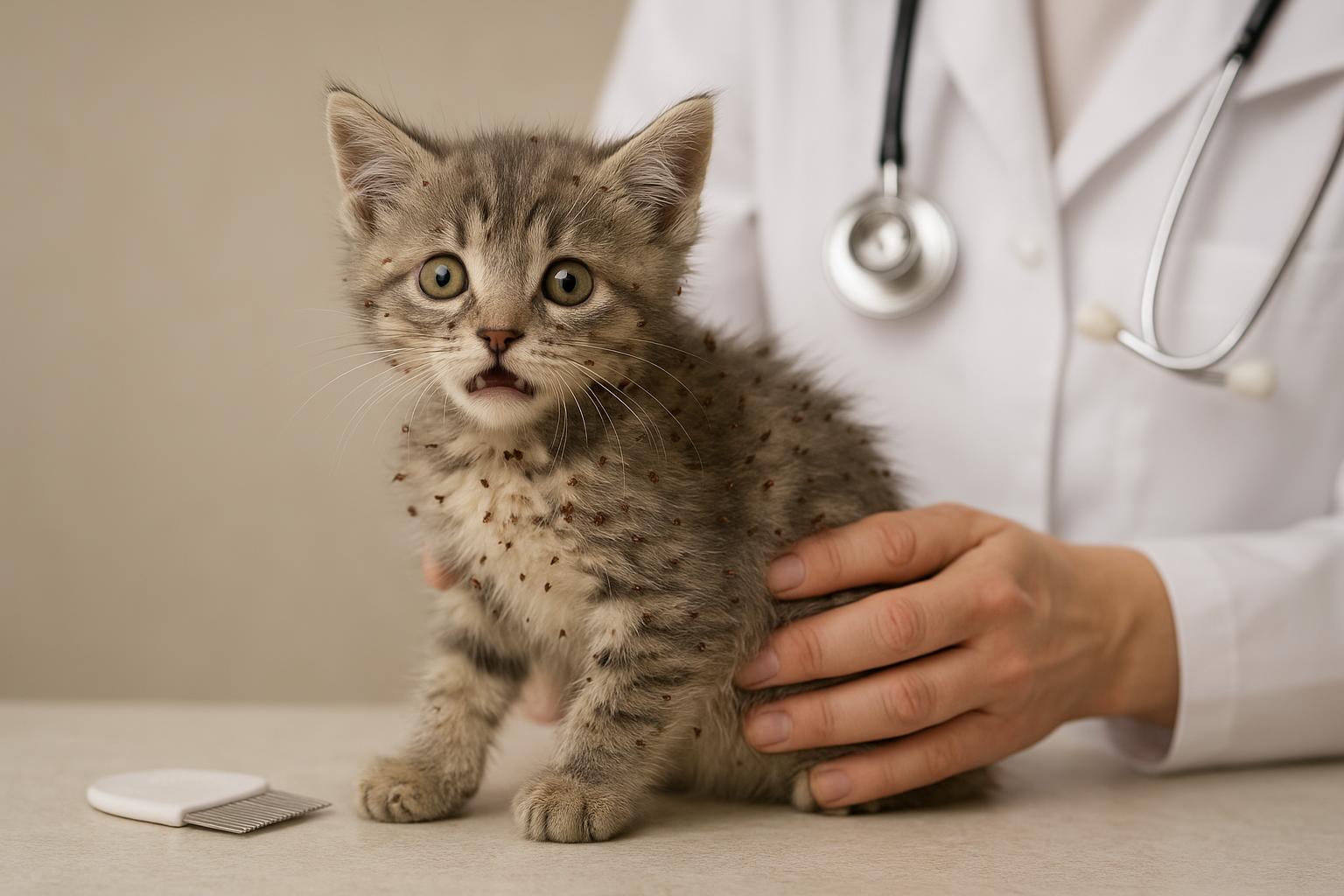
– Tiny black specks (flea dirt) in the litter or on the cat. Put the specks on wet paper; if they turn reddish brown, it’s digested blood.
– Increased scratching, grooming, or hair loss, especially around the tail base and groin.
– Visible flea movement in the litter when disturbed.
– Eggs or small white grains in the litter and around the box area.
– Pale gums or lethargy in kittens or older cats — signs of anemia.
A quick test: put a clean white sheet of paper under the box and refill with fresh litter. Check the paper over the next day for flea dirt or moving larvae. It’s a cheap, low-tech way to detect an infestation before it spreads.
## Health Effects For Cats And Humans
Fleas are more than an itch; they’re vectors. For cats, the main problems are:
– Flea Allergy Dermatitis (FAD): Some cats react strongly to flea saliva. Ten bites can produce a full-body reaction in sensitive animals.
– Anemia: Heavy infestations in kittens or sick cats can cause dangerous blood loss.
– Tapeworms: Cats ingest fleas while grooming. Flea-borne tapeworms are common and treatable but unpleasant.
– Secondary Infections: Scratching opens the skin to bacterial infections that may need antibiotics.
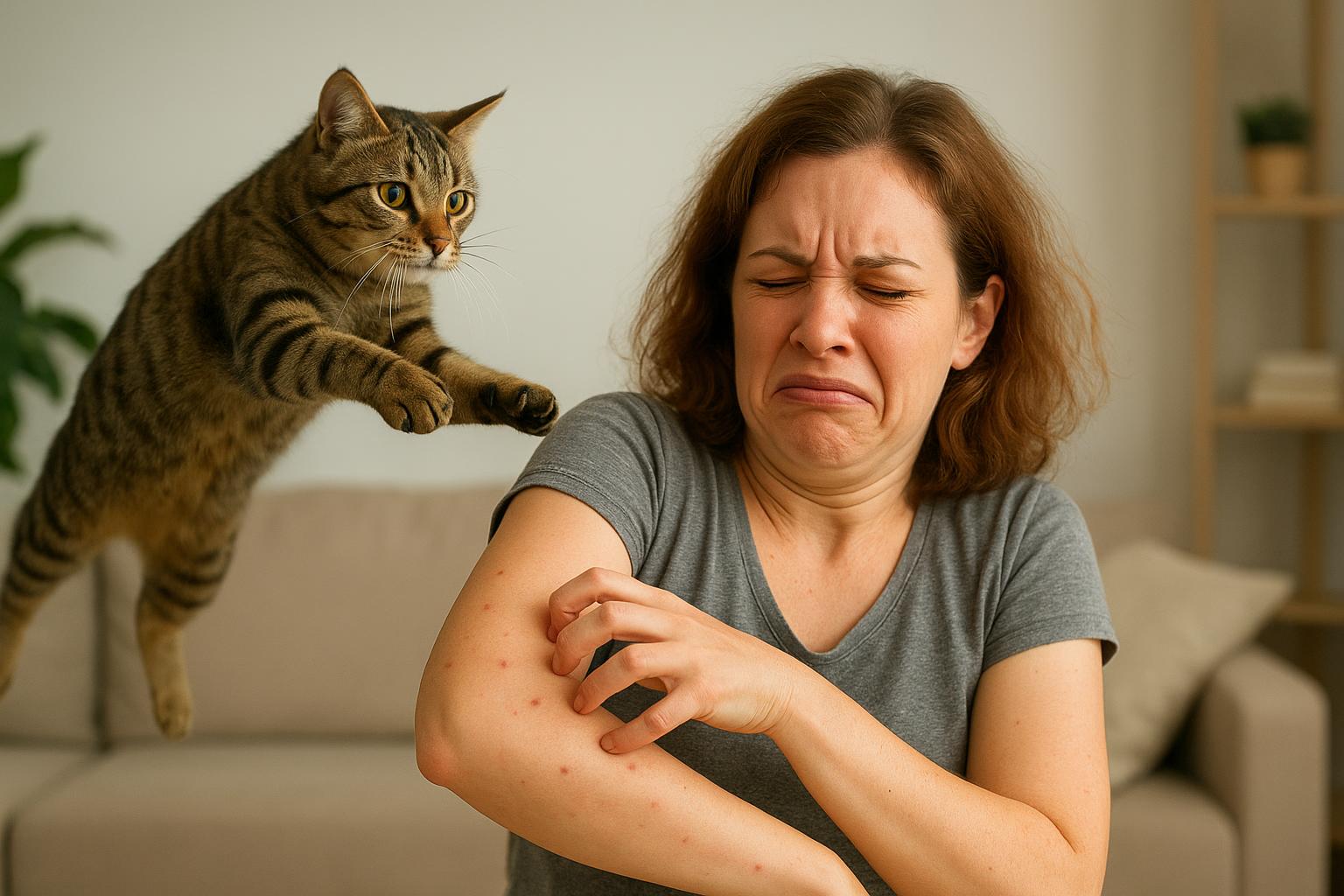
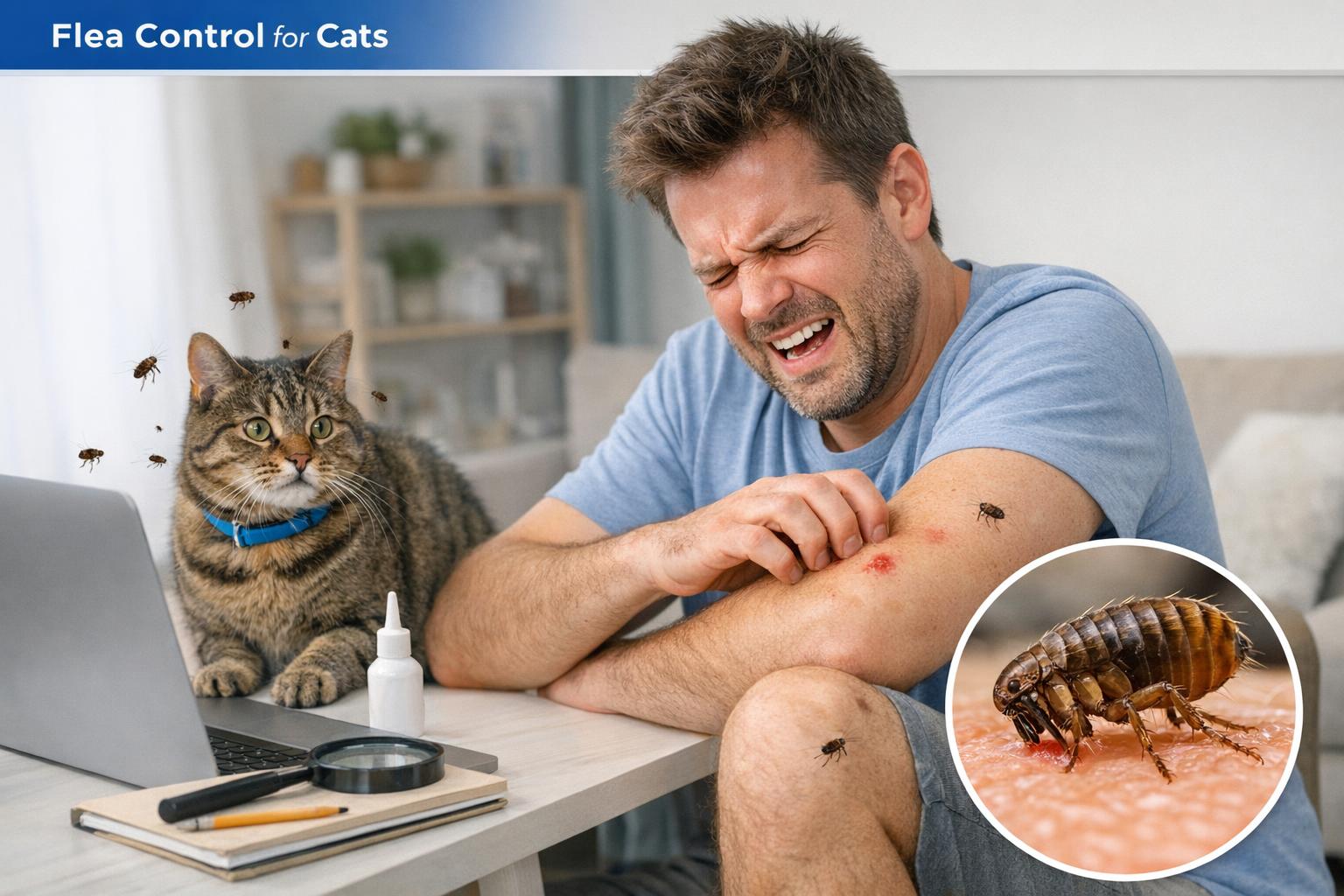
Humans typically experience itching and small inflamed bumps. In rare cases, people can develop allergic reactions. Fleas can also carry diseases (for example, Rickettsia species in some regions). The biggest human risk is the nuisance and the spread into living spaces where bites become frequent.
## Choosing A Litter That Makes Flea Control Easier
Not all cat litter is equal when it comes to preventing or hiding infestations. A few practical rules help reduce cat litter risks:
Clumping clay tends to make flea eggs and dirt more visible and easier to scoop out. Its texture encourages sifting, which disrupts larvae and removes food sources. Silica gel litters can desiccate larvae and eggs but lose effectiveness once soiled. Pellet and recycled litters hide small particles and egg casings more easily, which makes detection and removal harder.
Choose a litter you’ll actually maintain. If clumping litter means you’ll scoop daily, that beats a fancy eco-brand that you rarely change. A shallow, well-sifted box helps too; deep piles of litter are hiding places for immature fleas.
## Cleaning And Disinfecting The Litter Box
Cleaning routine beats harsh chemicals. A routine that removes organic matter and disrupts the flea life cycle prevents re-infestation.
– Scoop daily. Removing feces and urine clumps reduces the food supply for larvae.
– Change litter completely at least once a week for most clumping litters; more often for multi-cat households.
– Wash the box with hot water and mild detergent. Scrub corners and seams where eggs hide.
– For plastic boxes, a diluted bleach solution (1:10) can be used occasionally, rinsed thoroughly, and dried completely. Some cats dislike the scent, so let it air out.
– Replace old or cracked boxes. Flea larvae exploit scratches and grooves in the plastic.
If you suspect pupae in the box, store the emptied litter in a sealed bag and dispose of it or freeze it for a few days; freezing will kill eggs and larvae.
## Treating The Pet And The Environment
Eradicating fleas requires treating both the animal and the surroundings. Treating only one leaves the other as a reservoir.
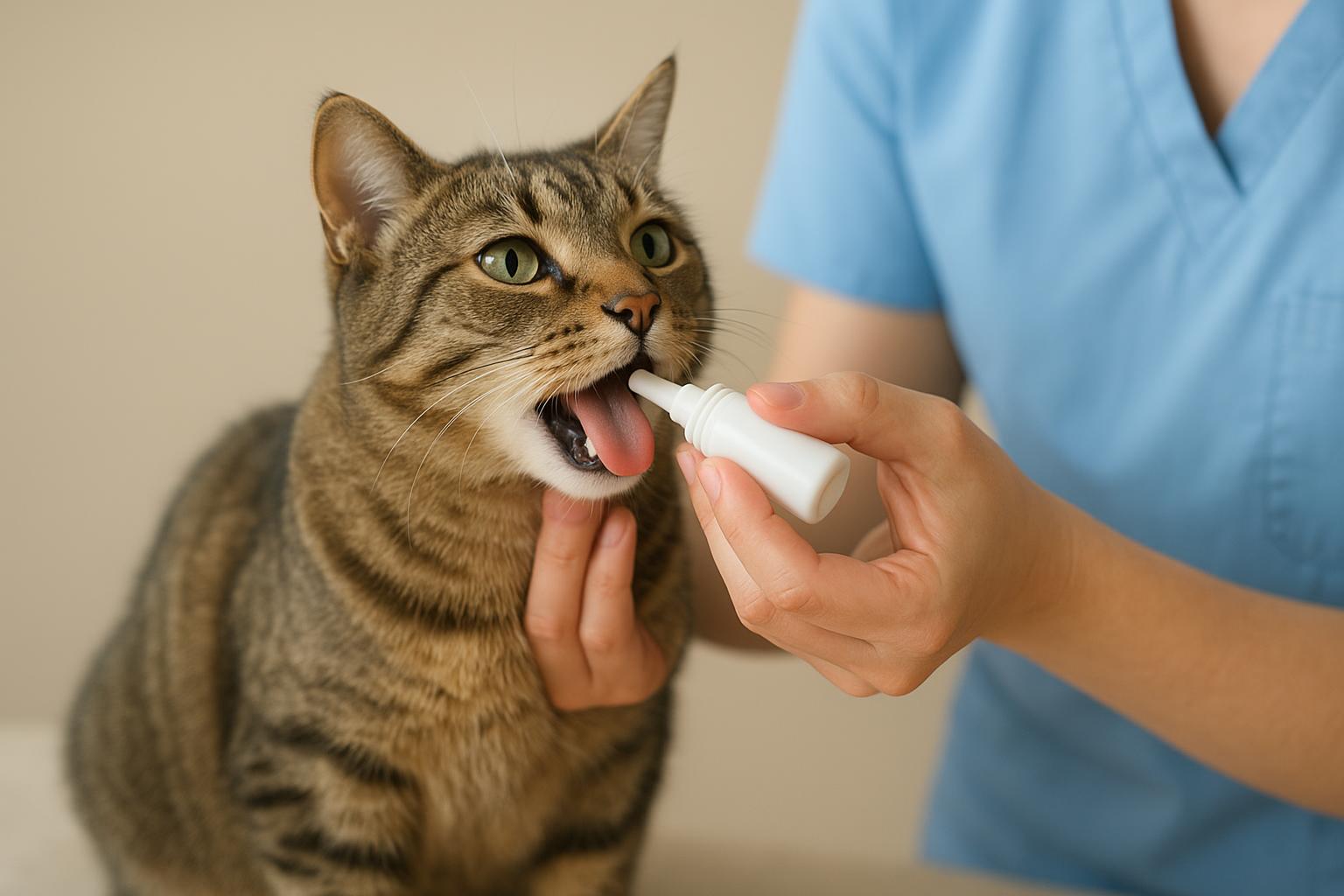
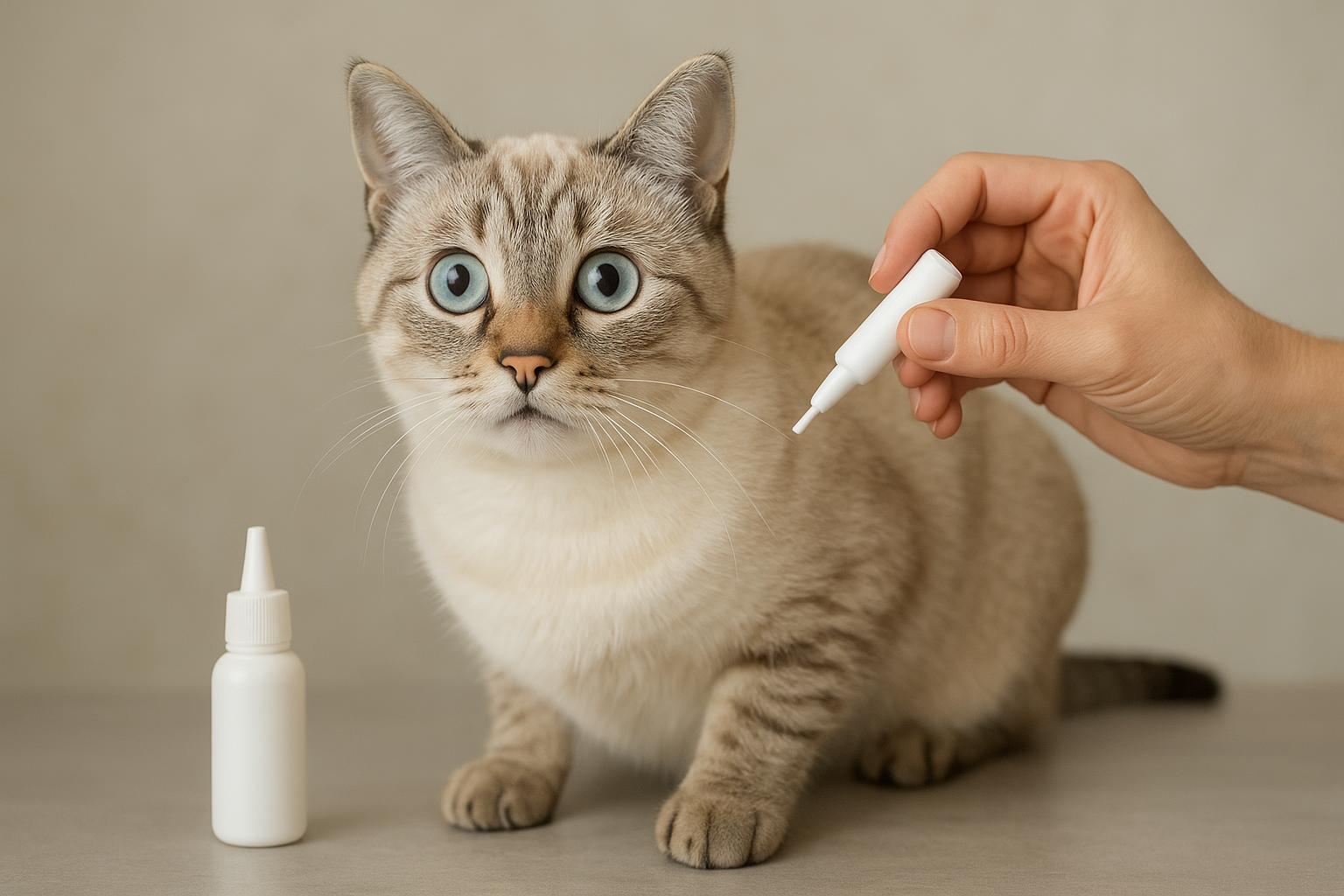
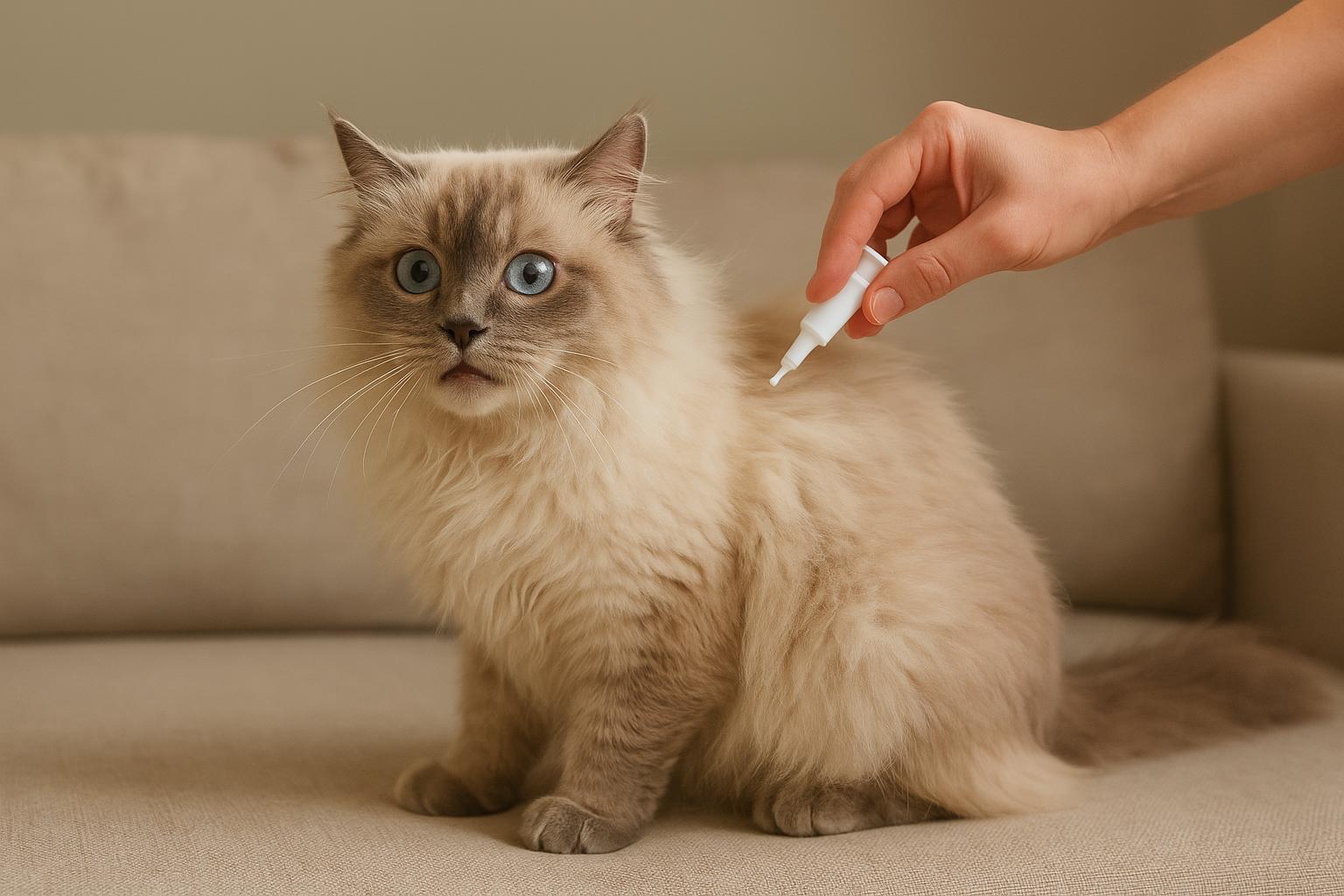
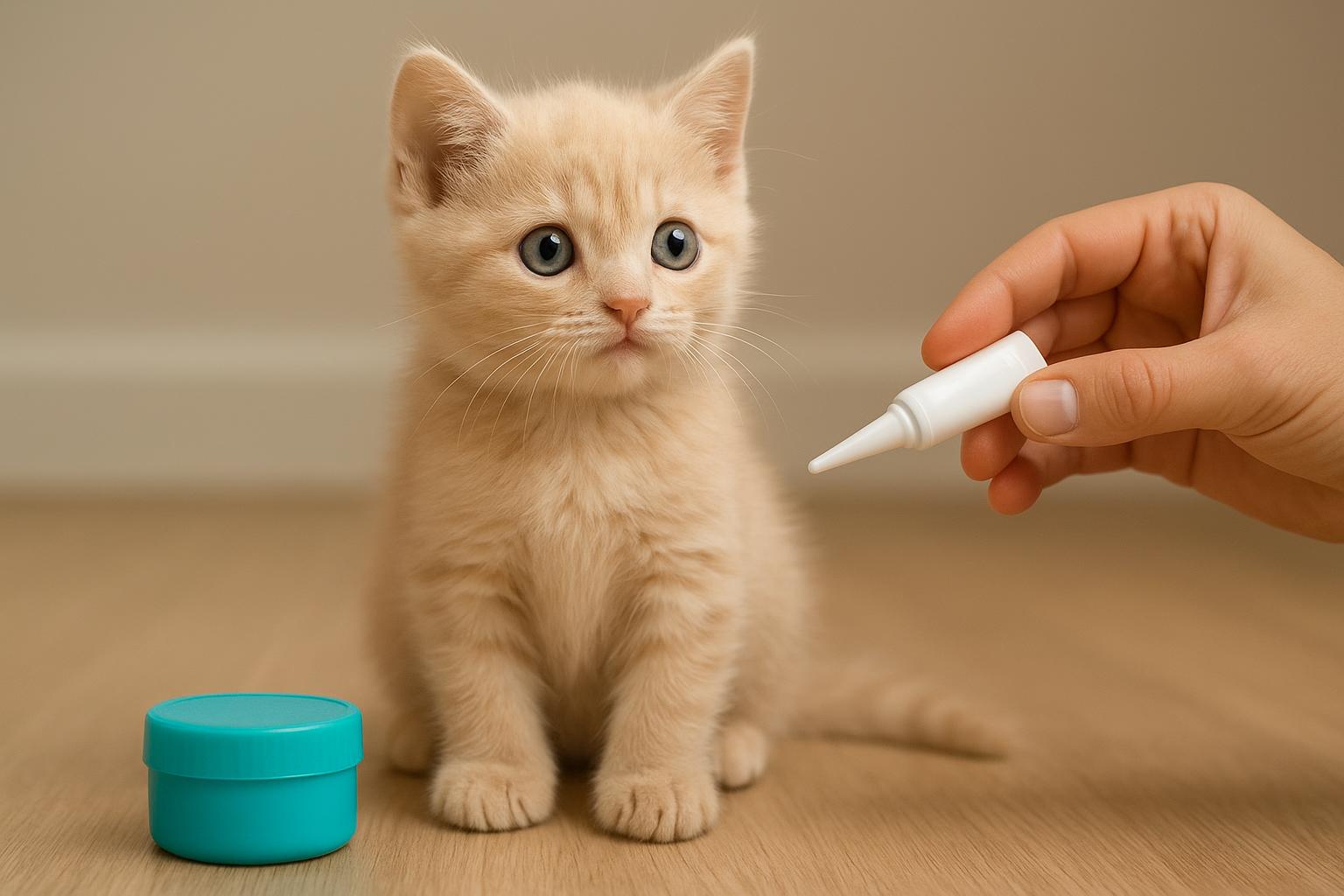
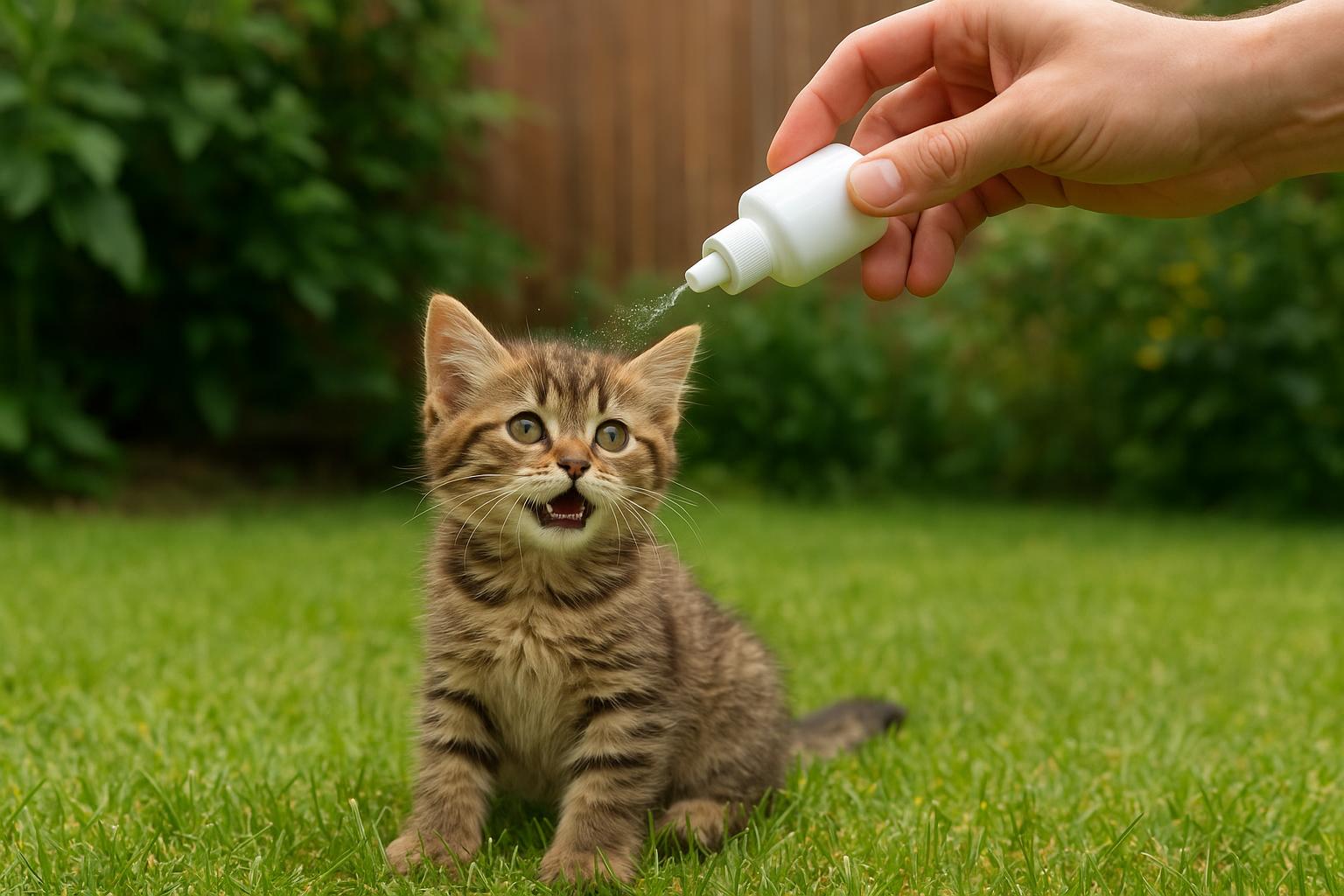
Topical and oral flea preventives approved by your veterinarian are the fastest route. Products with insect growth regulators (IGRs) stop eggs and larvae from developing. For multi-cat households, treat every pet; otherwise untreated animals will re-seed the environment.
Environmental control steps:
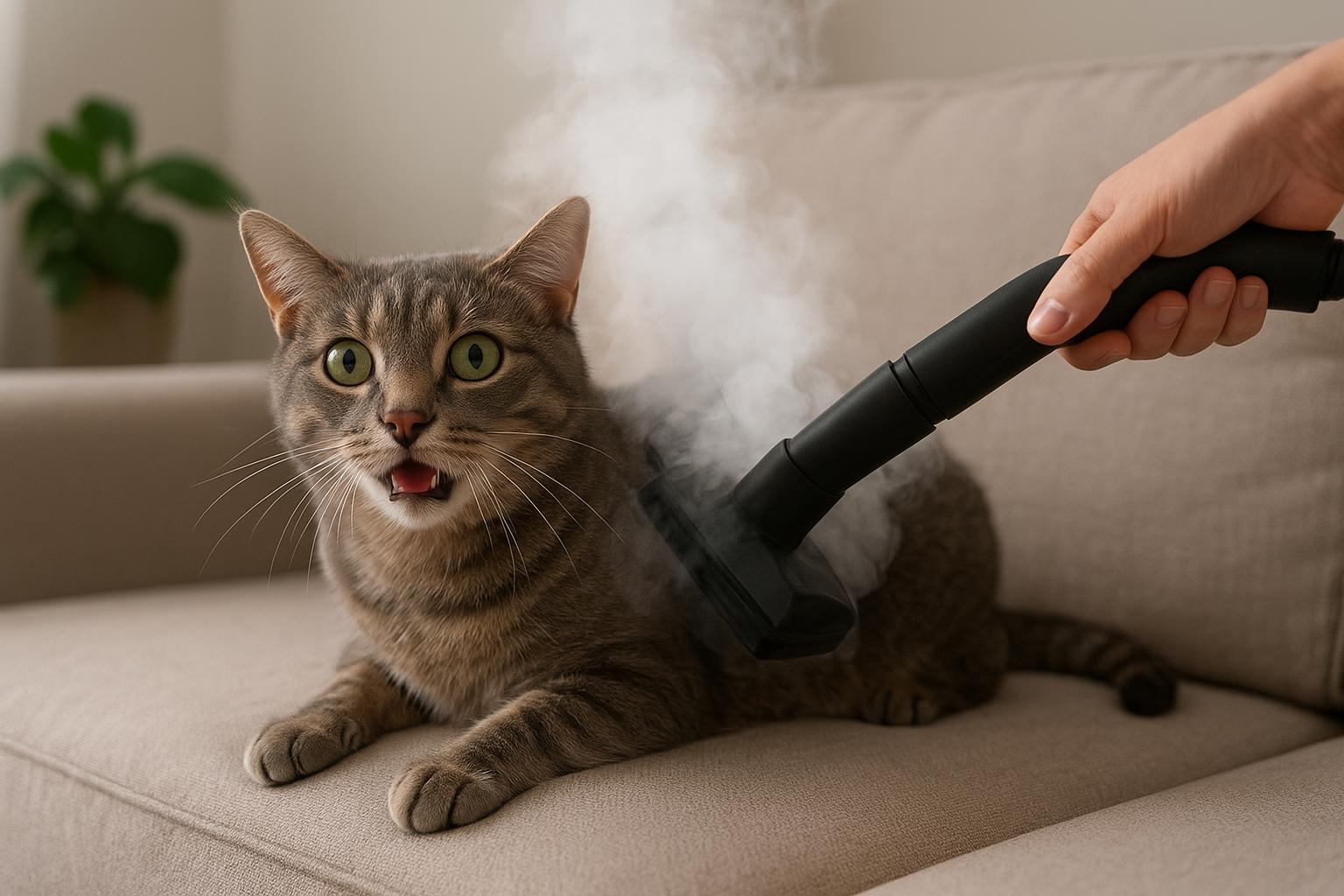
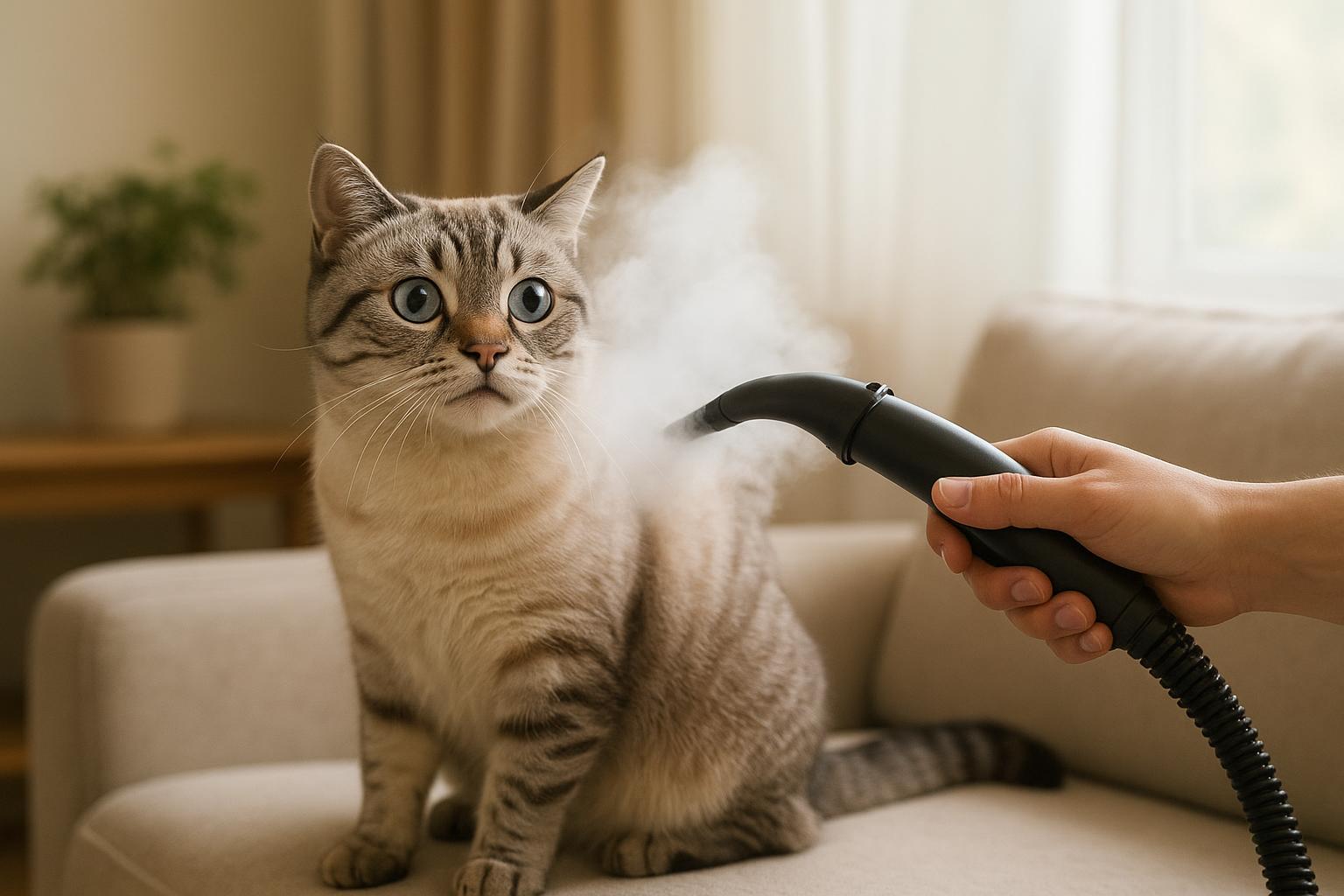
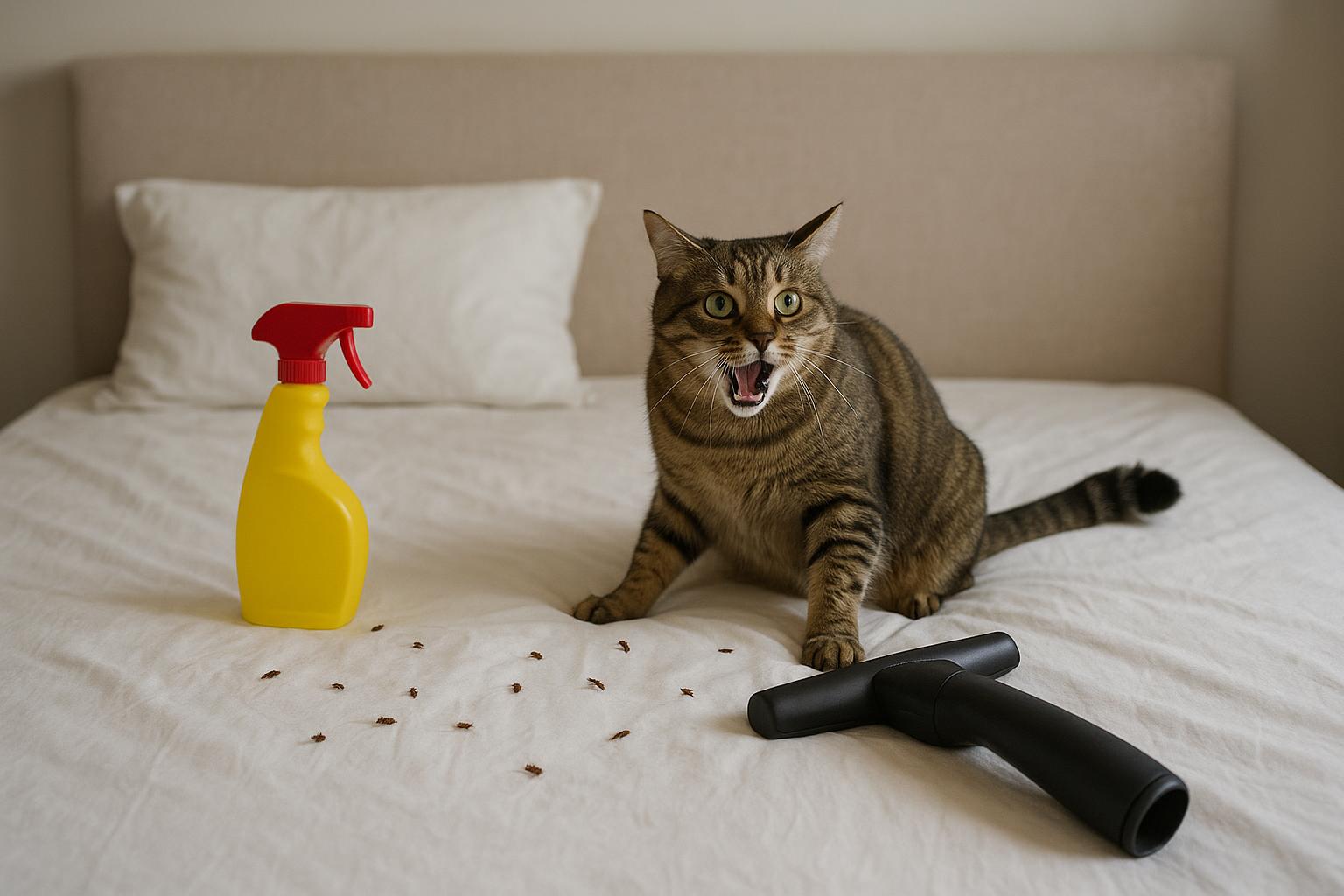
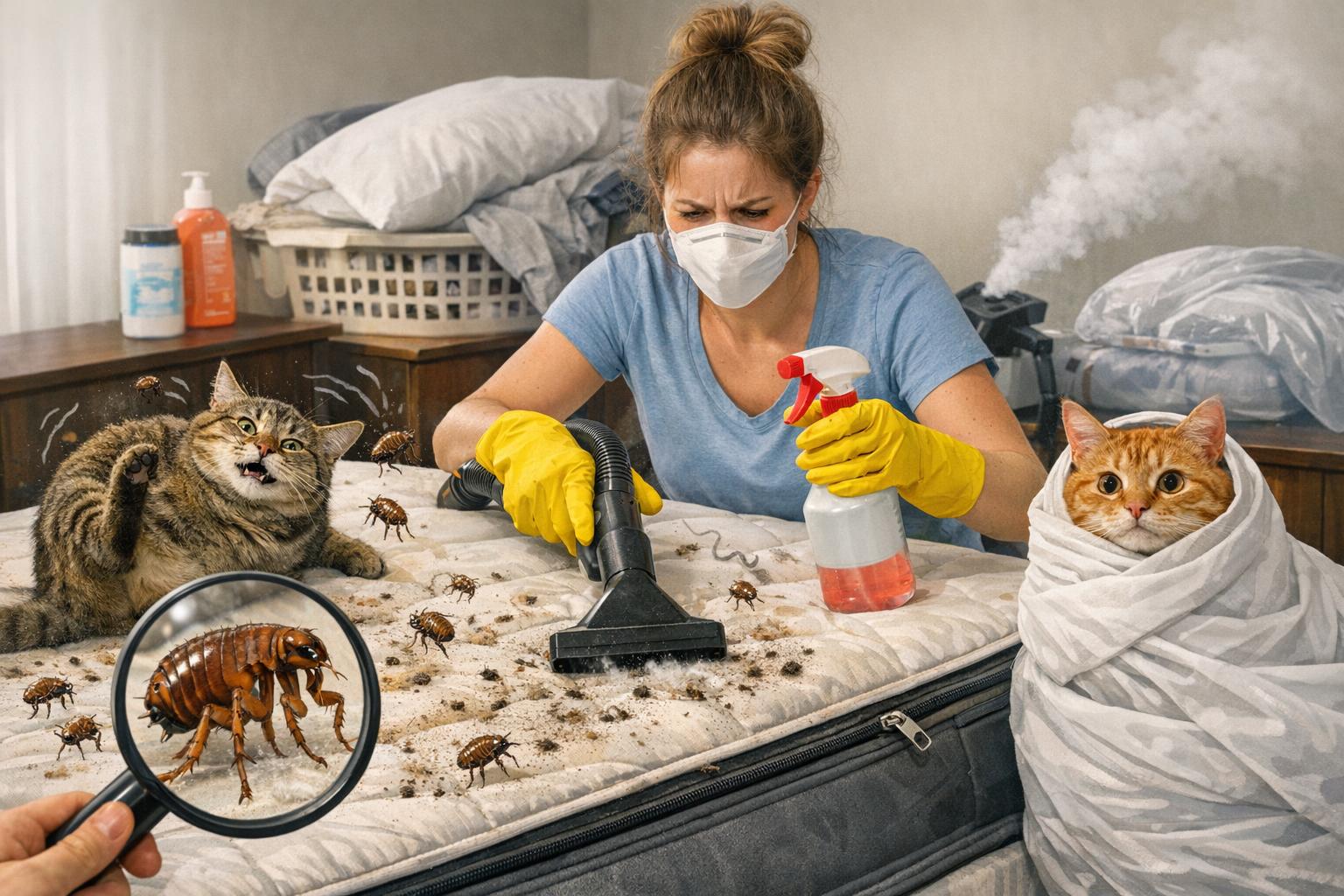
– Vacuum carpets, upholstery, and the area around the litter box daily for several weeks. Empty vacuum canisters into sealed bags and remove from the house.
– Wash bedding, rugs, and any fabrics near the litter area in hot water.
– Consider professional pest control if the infestation is heavy or persistent. They can apply targeted treatments that reach larvae in floorboards or behind baseboards.
– Diatomaceous earth in a thin layer can help in dry, enclosed spaces. Use food-grade product and avoid heavy dusting around animals and people.
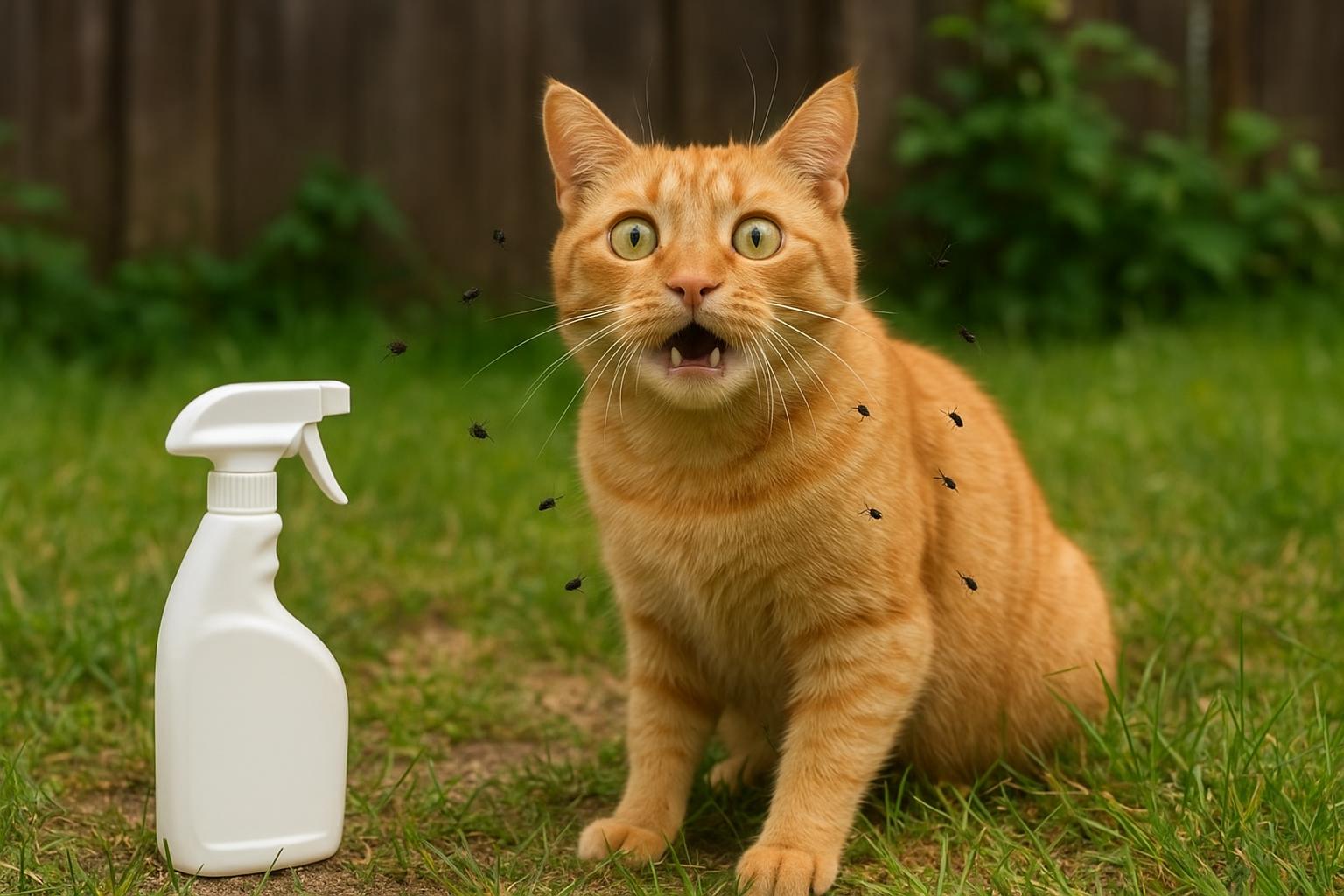
Ask your vet before using over-the-counter sprays or foggers. Some products for dogs contain permethrin and are toxic to cats. Vet guidance prevents accidental poisoning.
### When To See A Veterinarian
If your cat shows signs of anemia, persistent dermatitis, or visible tapeworm segments in feces, get veterinary care. Severe flea burdens in kittens or elderly cats require immediate attention. Your vet can provide fast-acting treatments and recommend a long-term prevention plan tailored to your pet and household.
## Practical Changes To Reduce Cat Litter Risks At Home
A few changes in how you arrange the litter area can reduce the chance that fleas will use it as a hub.
Place the box in a well-ventilated area and away from piles of laundry or soft furniture. Keep the floor around the box clear for easier cleaning and vacuuming. Use a litter mat that traps tracked litter away from carpets; clean the mat regularly. If the box sits on a rug, consider moving it to a hard floor surface — it’s much easier to clean thoroughly.
Rotate and deep clean boxes on a schedule. For homes with multiple cats, provide one box per cat plus one extra. Crowded, heavily used boxes get messy fast and become prime habitat for immature flea stages.
## Myths And Misunderstandings About Fleas And Litter
A few common misconceptions make control harder.
Myth: Fleas only live on animals. Reality: Up to 95% of a flea population can be in the environment as eggs, larvae, and pupae. That means tackling only the pet won’t solve the problem.
Myth: Bleach is the best home remedy. Reality: Bleach can damage plastic and won’t reach pupae tucked into carpets or cracks. It helps on hard surfaces but doesn’t replace comprehensive cleaning and treatment.
Myth: Natural remedies are sufficient. Reality: Some natural products may reduce numbers but are rarely enough for established infestations. Integrated approaches that include vet-approved preventives and environmental measures are more reliable.
## Monitoring Long-Term And Preventing Recurrence
Once an infestation is controlled, vigilance stops relapse. Put these habits in place:
– Continue monthly flea prevention year-round. Fleas don’t observe seasons inside heated homes.
– Maintain a cleaning calendar: daily scoops, weekly full changes, monthly deep cleans.
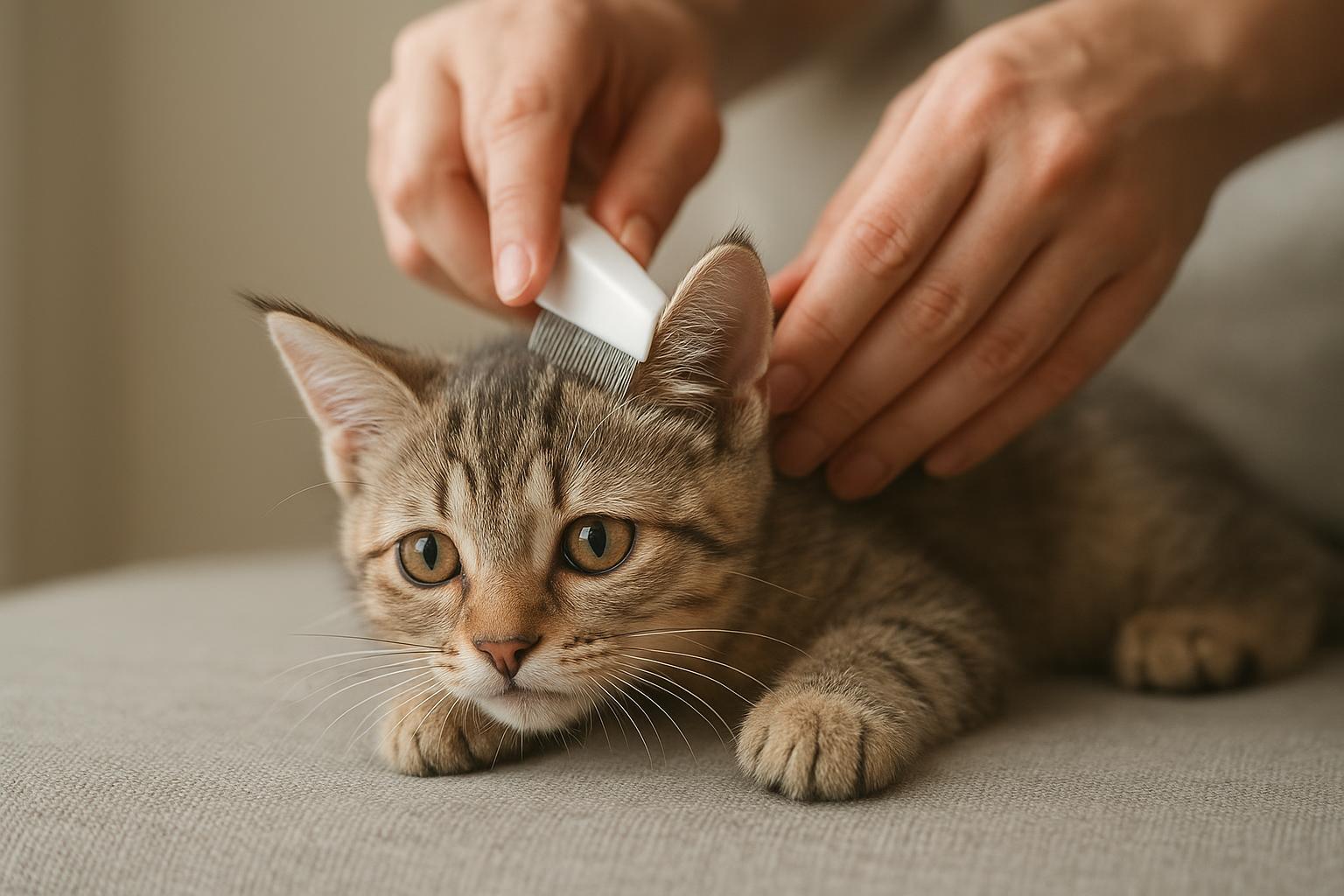
– Inspect pets and resting areas weekly for flea dirt or bites.
– Keep an eye on new or visiting animals. Quarantine new pets briefly and inspect them for fleas.
If fleas return after months of silence, look for hidden reservoirs: secondhand furniture, attic spaces, or even pet carriers that weren’t cleaned. Flea pupae can wait months for a host and emerge when conditions shift.
### Products And Tools That Help
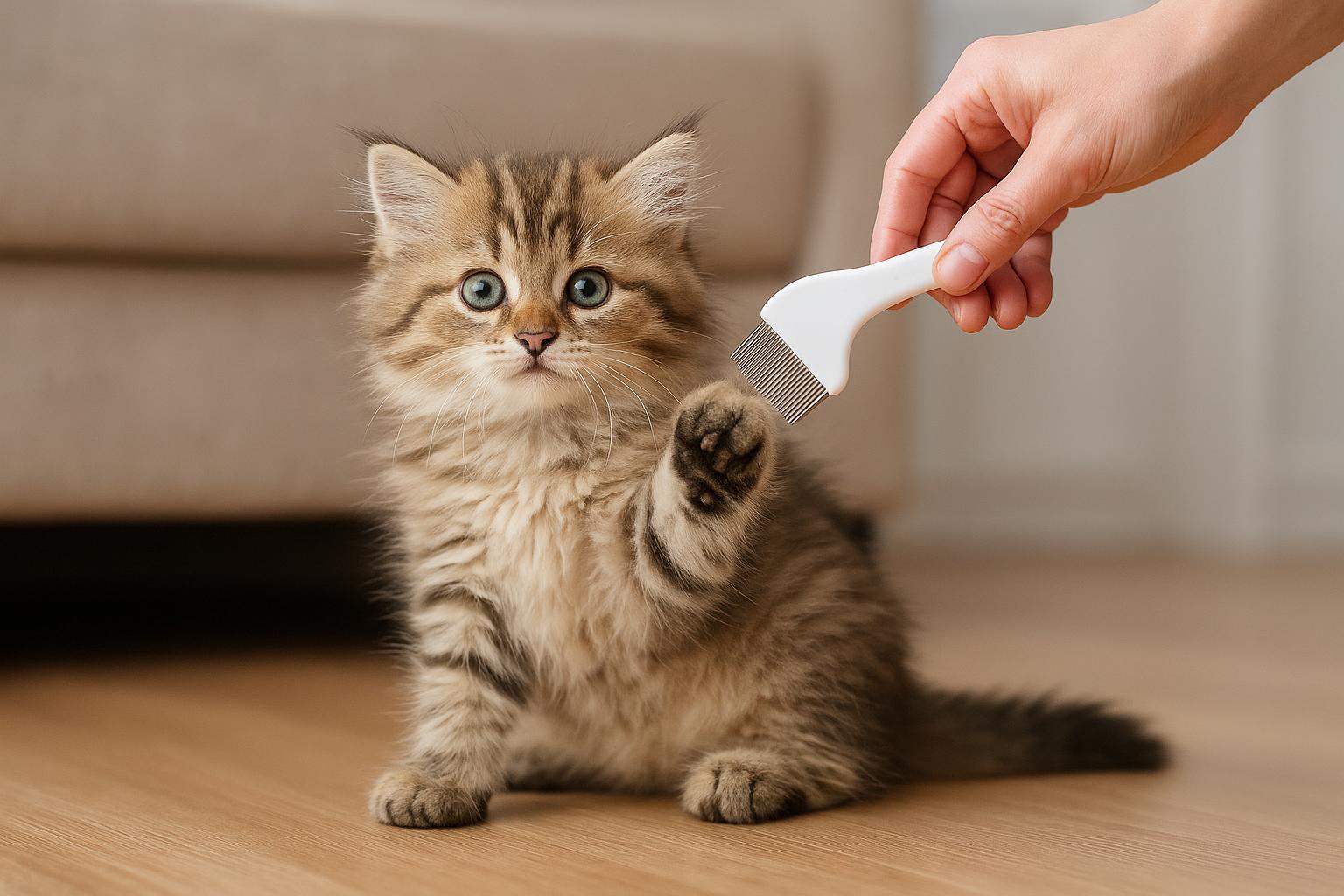
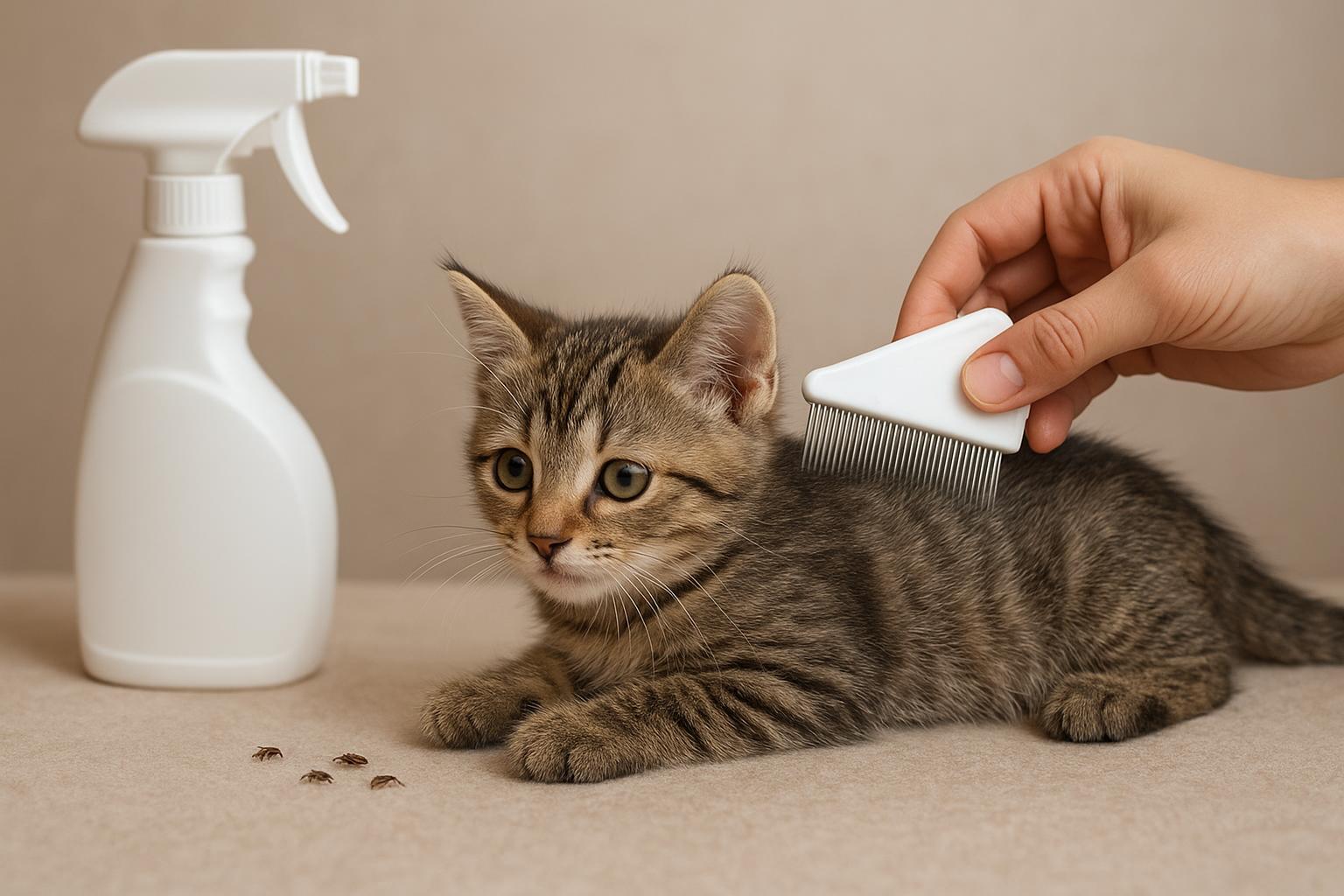
A few tools make this easier: a good scooper, a sieve-style litter sifter, a shop vacuum for thorough cleanups, and a tight-sealing trash container for litter disposal. For treatments, use vet-recommended spot-ons or oral medications that include IGRs.
Foggers and bombs can help in extreme cases, but they don’t always penetrate hiding spots and require clearing the home of pets and people. Always follow label directions and get professional advice when in doubt.
## What To Do During A Flea Outbreak In The Litter Box
If you discover an active infestation in the litter, act fast:
1. Treat all pets with a vet-recommended adulticide and an IGR.
2. Completely empty and wash all litter boxes. Replace with fresh litter.
3. Vacuum floors, upholstery, and carpets thoroughly and frequently for several weeks.
4. Wash all bedding and soft items in hot water.
5. Continue environmental measures until you see no signs for several weeks.
Do not rely solely on natural remedies. Sprays and home treatments can be part of an approach, but they rarely solve an outbreak alone.
## Legal And Safety Notes For Households With Children
When using insecticides or repellents, be mindful of children. Keep treated areas inaccessible until dry and ventilated. Store products out of reach. If you use diatomaceous earth or other dusts, avoid excessive airborne dust; it can irritate lungs.
If a child is bitten repeatedly, consult a pediatrician and check the home for fleas — children often spend more time near floors and soft furnishings where fleas congregate.
## Small Changes That Make A Big Difference
Changing how you manage the litter box, choosing a litter that reveals infestation early, and combining regular pet treatments with smart home cleaning will cut the risks of fleas in cat litter dramatically. The worst mistakes are delay and denial: an unnoticed reservoir grows quickly. Catch the problem early and you’ll save both time and stress.
Try one change this week: move the box to a hard floor, scoop daily, and inspect your cat for flea dirt. A small step now prevents a mess later. And if you’re unsure about any treatment, call your vet — they’ve seen it before and can guide you away from harmful shortcuts.
There, you’ve got practical steps and pitfalls. Fix the box and you fix a large piece of the puzzle—before the fleas spread everywhere else, where control gets expensive and time-consuming.













Leave a Reply