
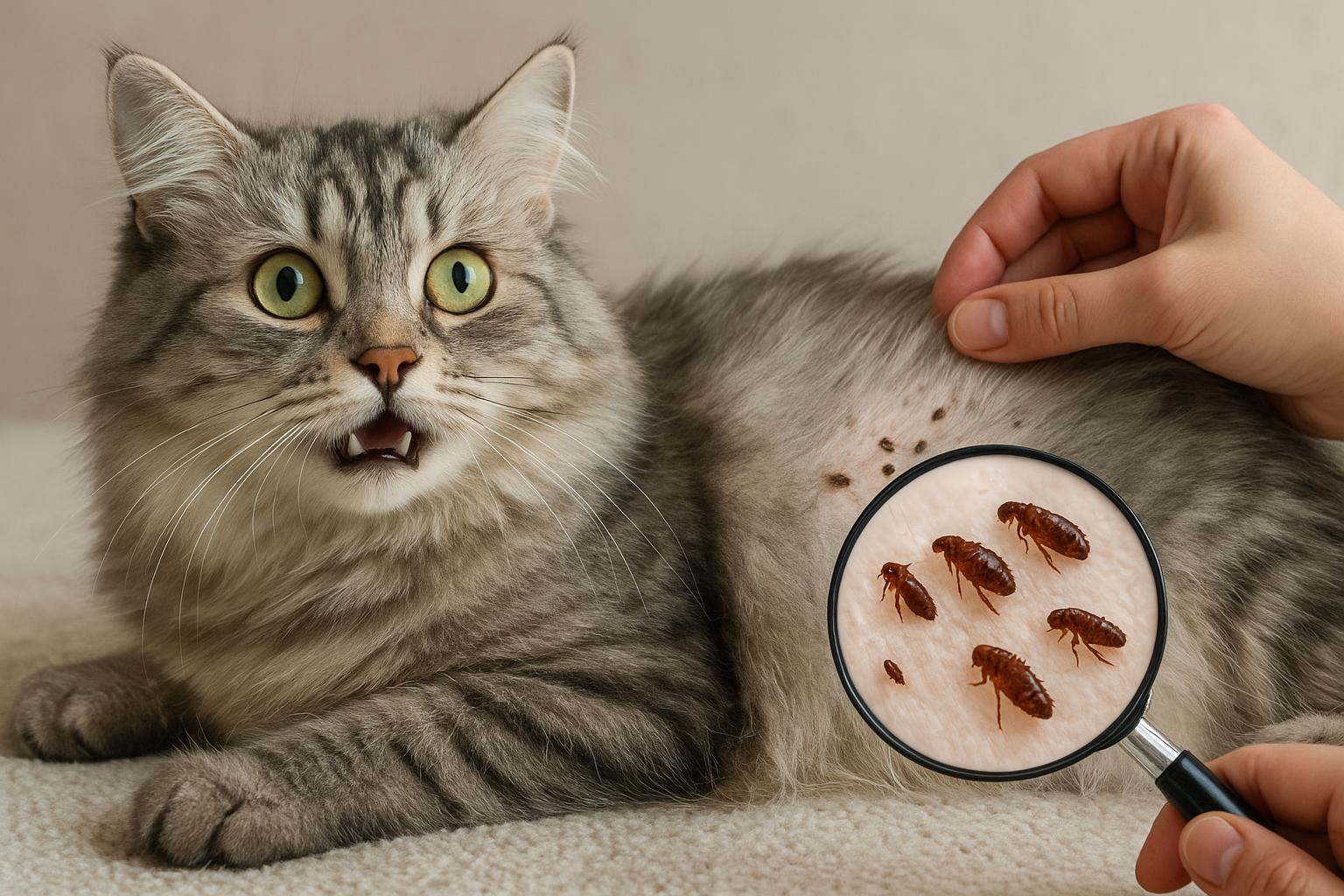
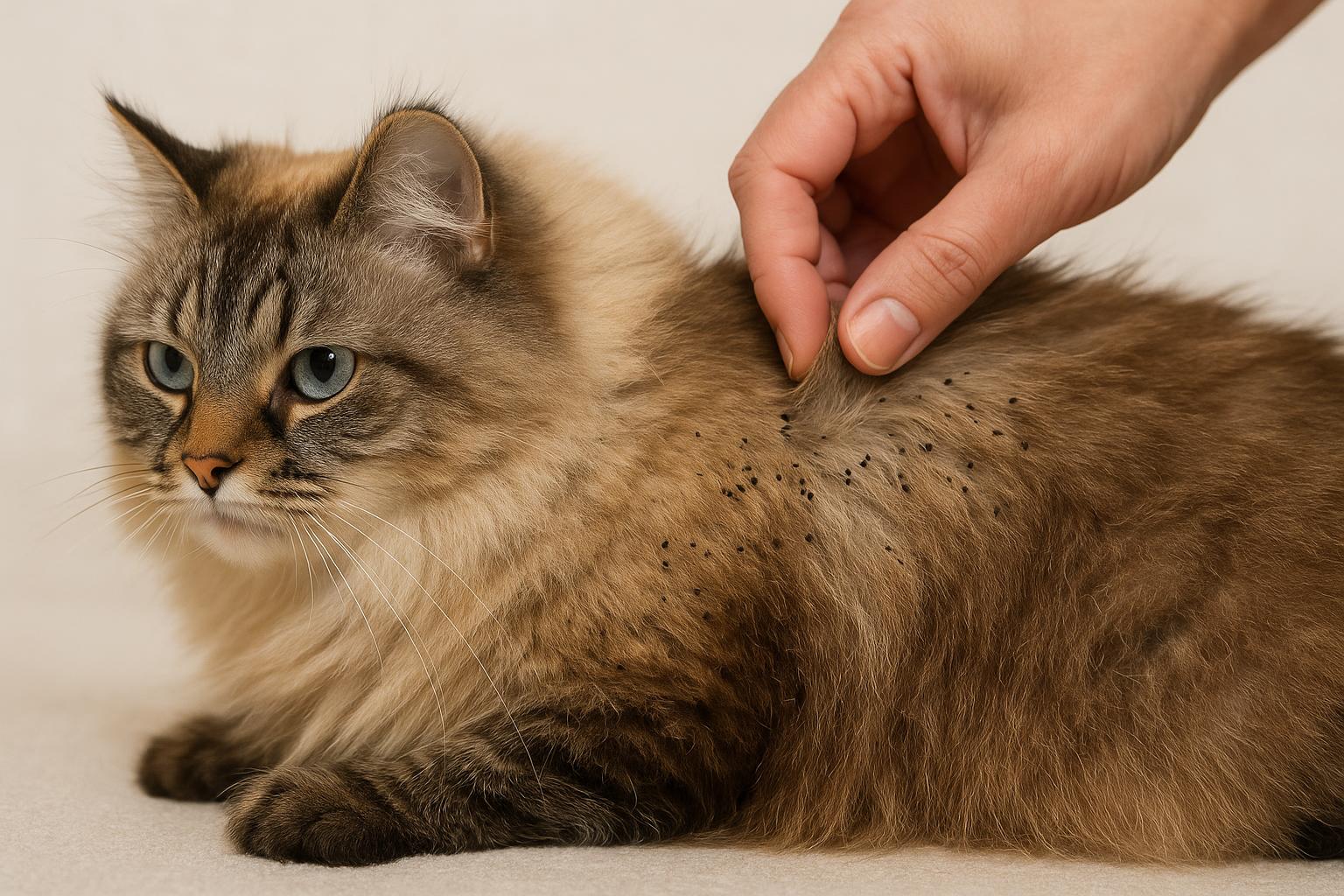
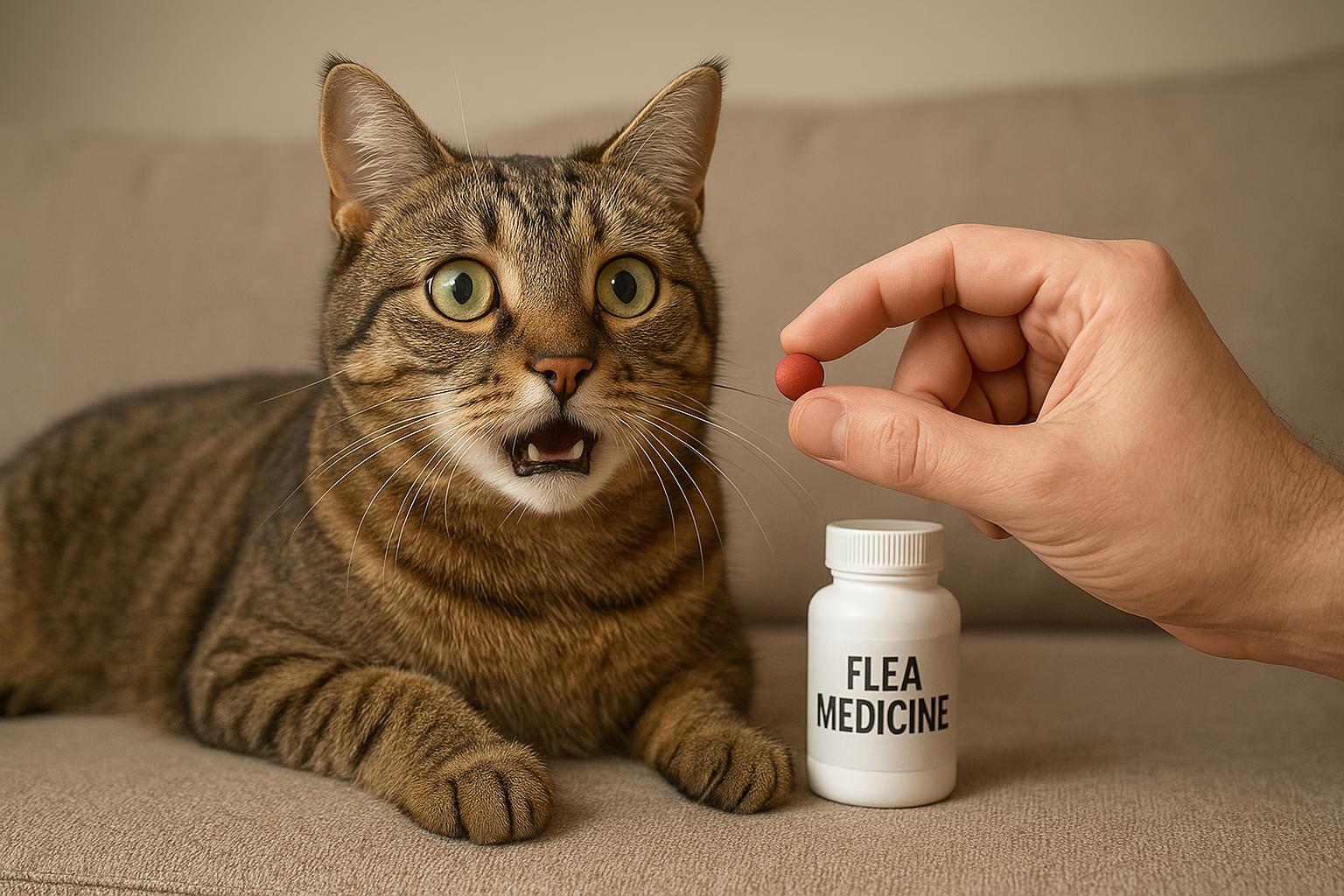
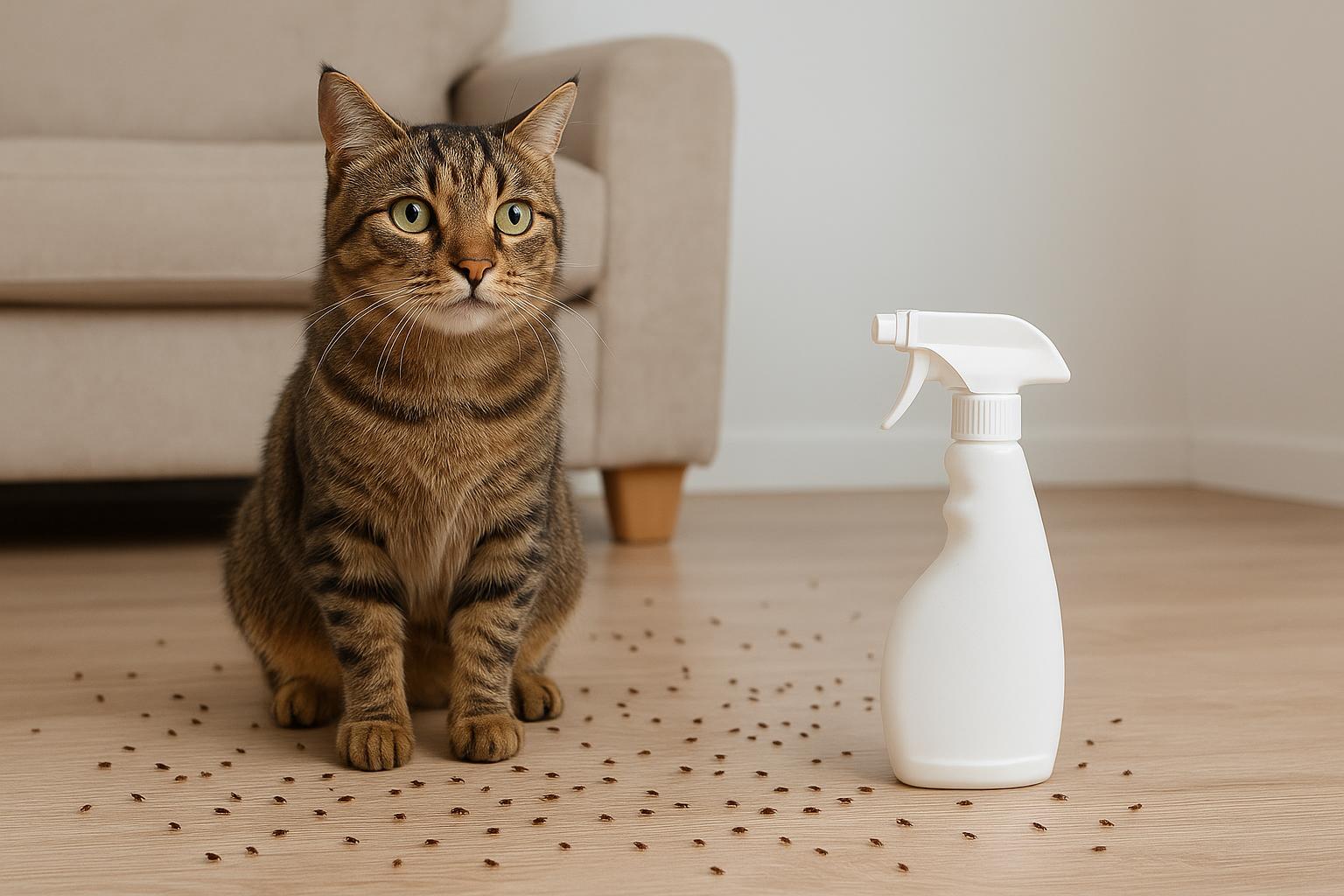
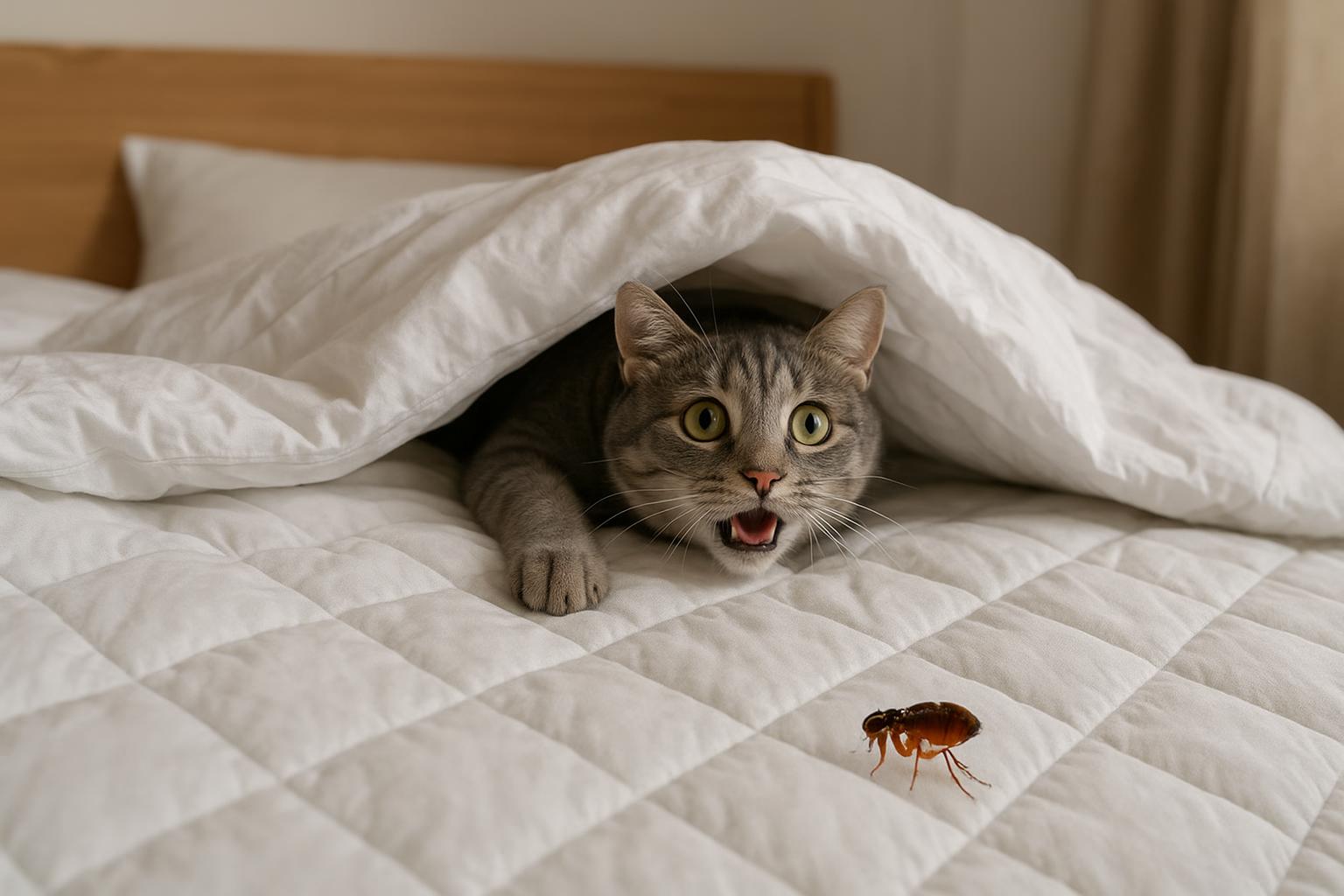
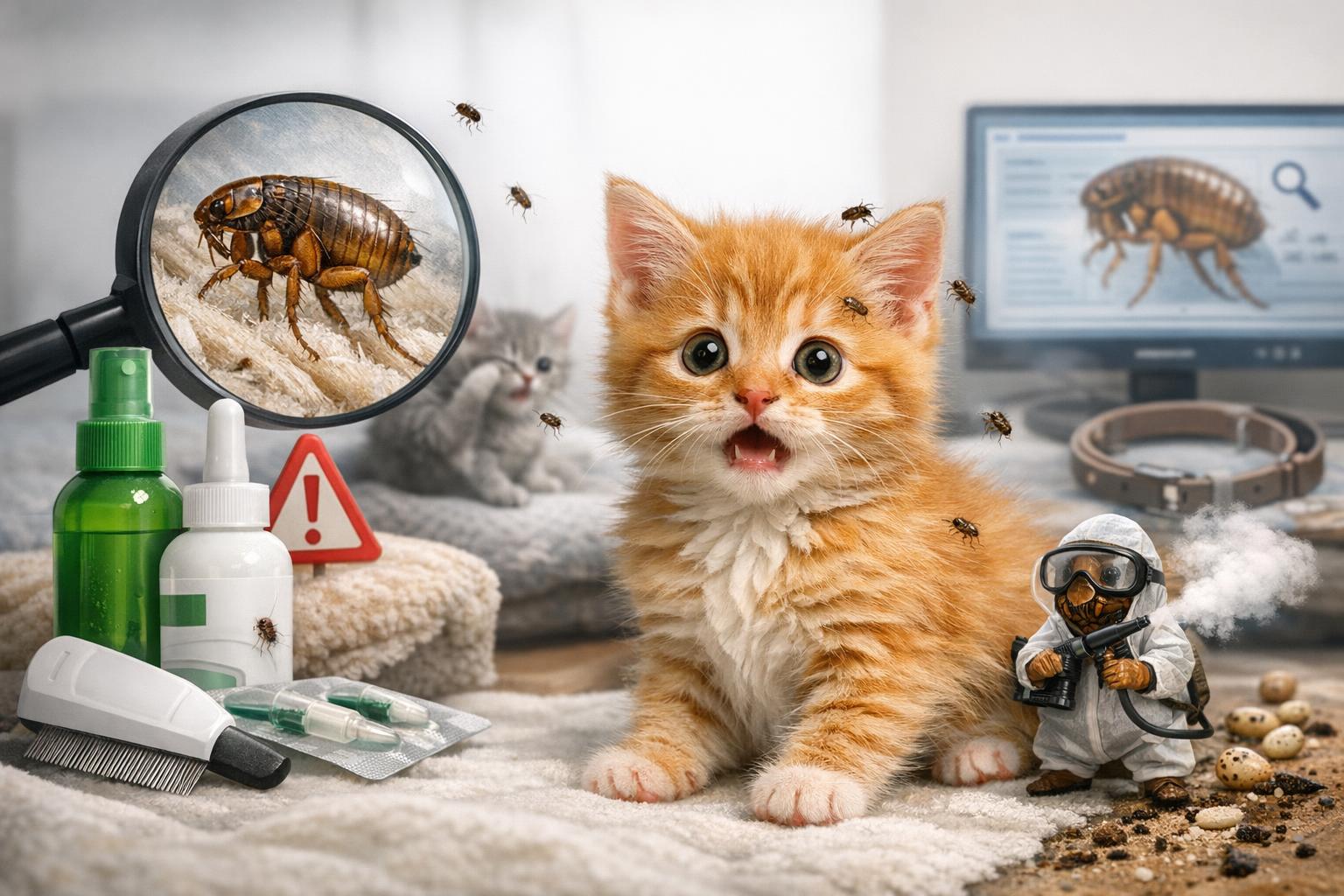
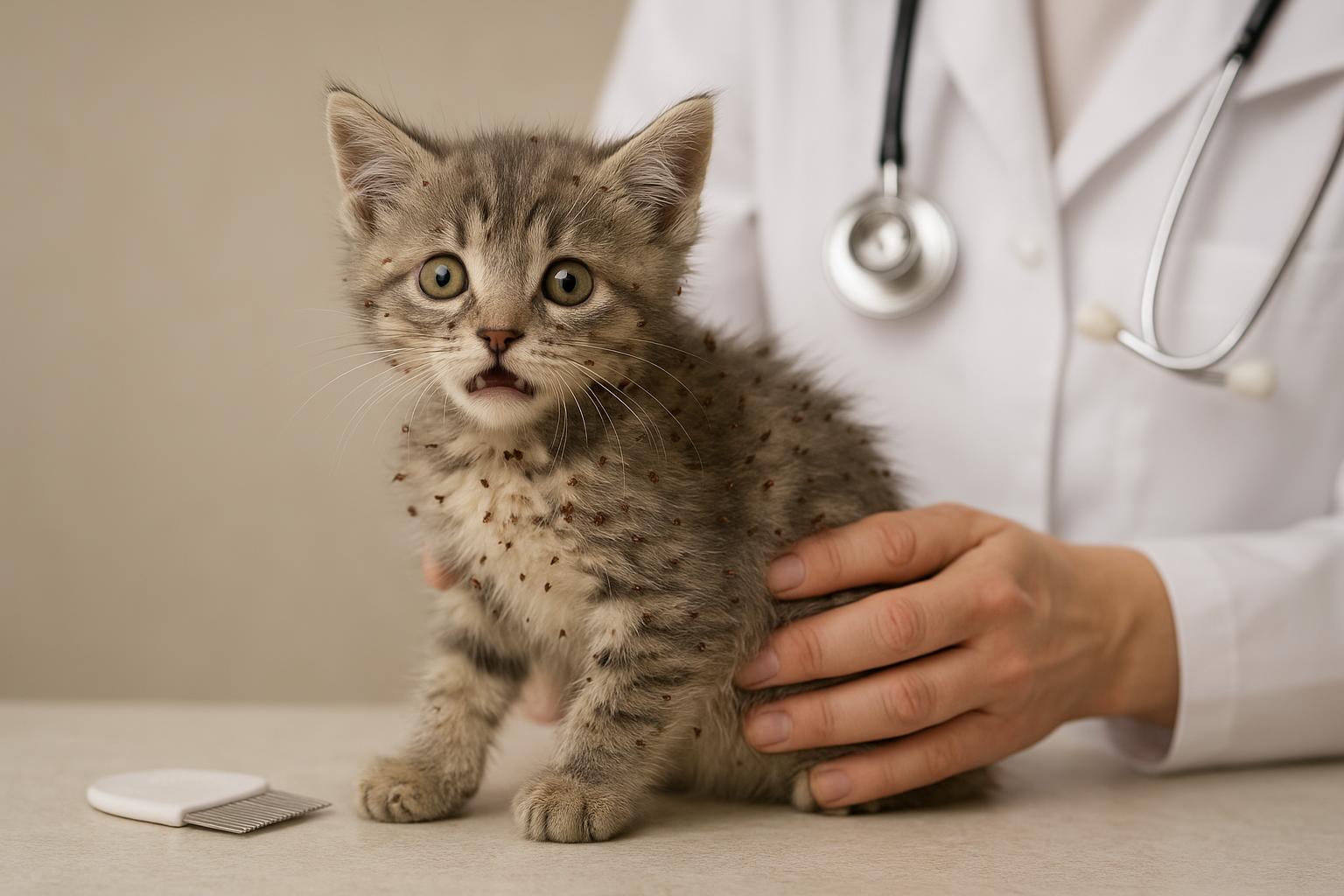
If your cat is scratching every hour and the fur looks peppered with dark flecks, don’t automatically reach for the spray. There’s a cleaner, often safer route: give the cat a pill. Oral flea treatments change the game by targeting the flea’s life cycle from the inside out. They’re not magic, but they can be the simplest, least messy solution for many households.
## Cat Oral Flea Therapy Explained: What Happens Inside The Cat
When people search for cat oral flea therapy explained, they usually want to know how a tablet can stop tiny bloodsuckers. The short answer: the drug either kills adult fleas quickly after they bite or interrupts how flea eggs and larvae develop. Once the flea consumes blood containing the active ingredient, it stops reproducing or dies, depending on the product.
Most oral products fall into two camps. One type contains compounds that act fast on adult fleas, knocking them out within hours. The other type messes with the flea’s ability to mature, so eggs laid by any surviving adults don’t turn into new biting fleas. Both approaches reduce the swarm over time. You’ll see fewer bites within a day or two with the adult-killing pills, and within a few weeks the lifecycle-targeting products collapse the population.
### How The Medication Reaches Fleas
Blood is the delivery system. After you give your cat the pill, the drug moves into the bloodstream. Fleas that feed on that blood take up the compound. For adulticidal drugs, the effect is rapid: fleas stop feeding or die. For growth regulators, the compound interferes with hormonal or nervous system pathways that larvae and pupae need. Since many flea eggs and larvae are in carpets, bedding, and outdoors, this indirect route is crucial. You’re cutting off the reproduction at the source rather than just smearing insecticide on the cat’s coat.
### Why Vets Often Prefer The Oral Route
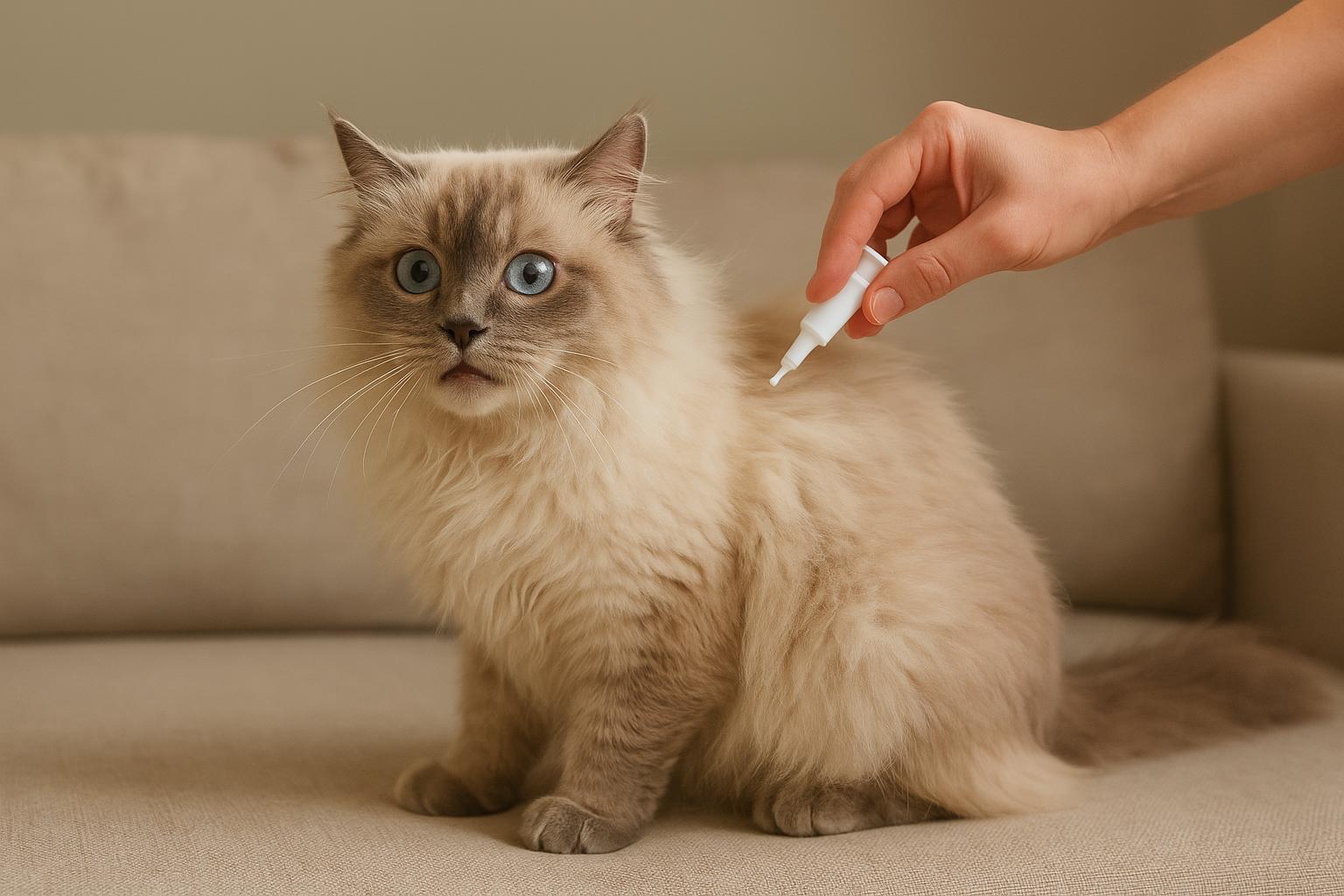
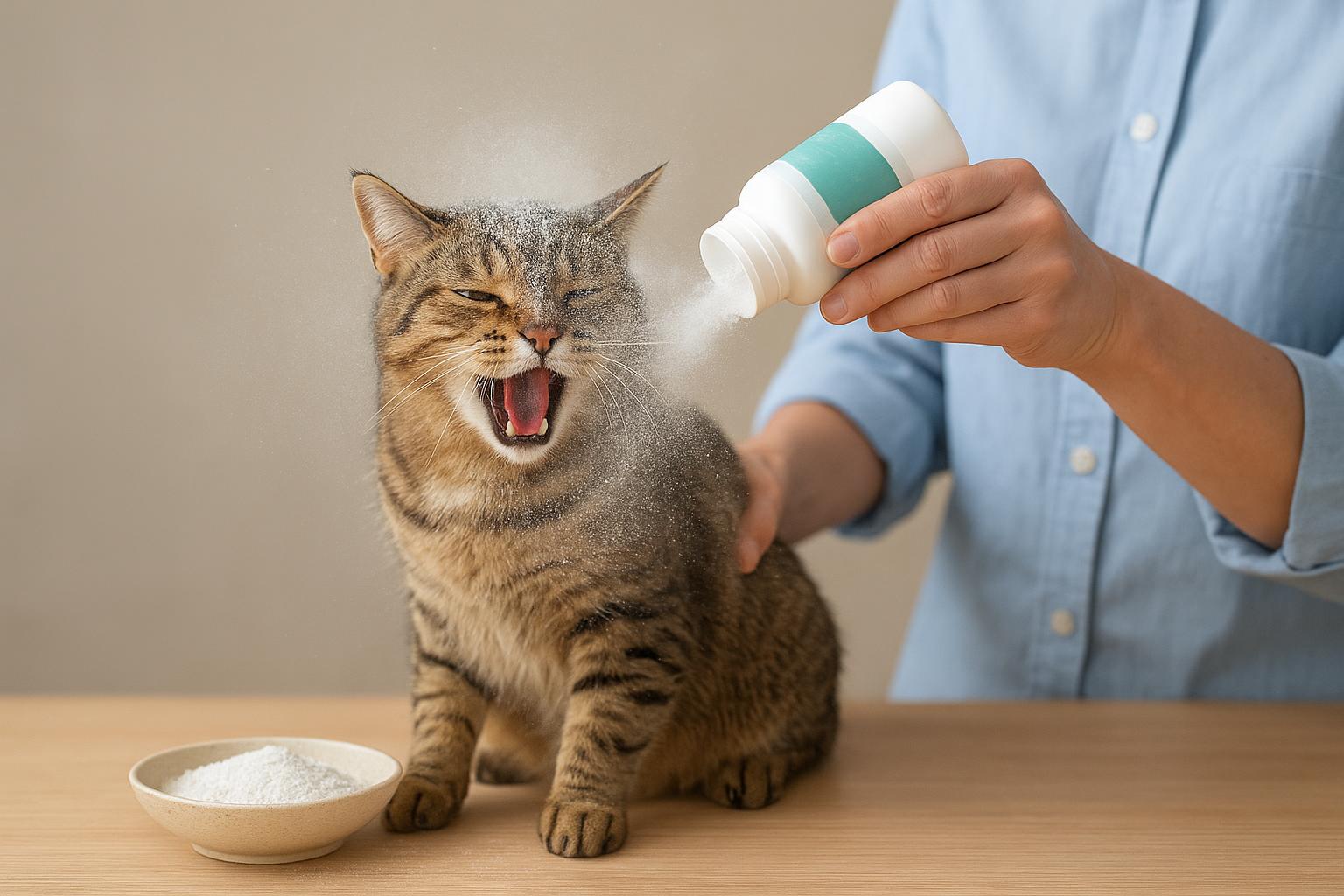
Oral flea therapy avoids a lot of issues that topical treatments bring. Spot-on products can rub off after bathing, dissolve when swimming, or stain furniture. They can also transfer between pets if they groom each other. With an oral tablet, dosing is precise, and you don’t have to worry about accidental exposure to children who might touch the cat. For multi-cat households, it’s easier to ensure every animal is protected.
## Choosing The Right Product For Your Cat
Not every pill fits every cat. Age, weight, pregnancy status, and existing medical conditions matter. Some broad-spectrum oral drugs are safe for senior cats, but a few formulas are not recommended for kittens under a certain age. That’s why a vet’s input is valuable. They can pick a product that targets adult fleas, inhibits development, or does both.
Look for these practical considerations:
– How fast does it work? Faster relief matters if your cat is miserable.
– Does it prevent future infestations or just treat current ones?
– How often must you dose—monthly, every three months?
– Can it be used in kittens or pregnant queens?
If you’re in a home with both cats and dogs, verify the product is formulated for cats. Some dog flea tablets contain ingredients toxic to cats.
### Administering Pills Without A Fight
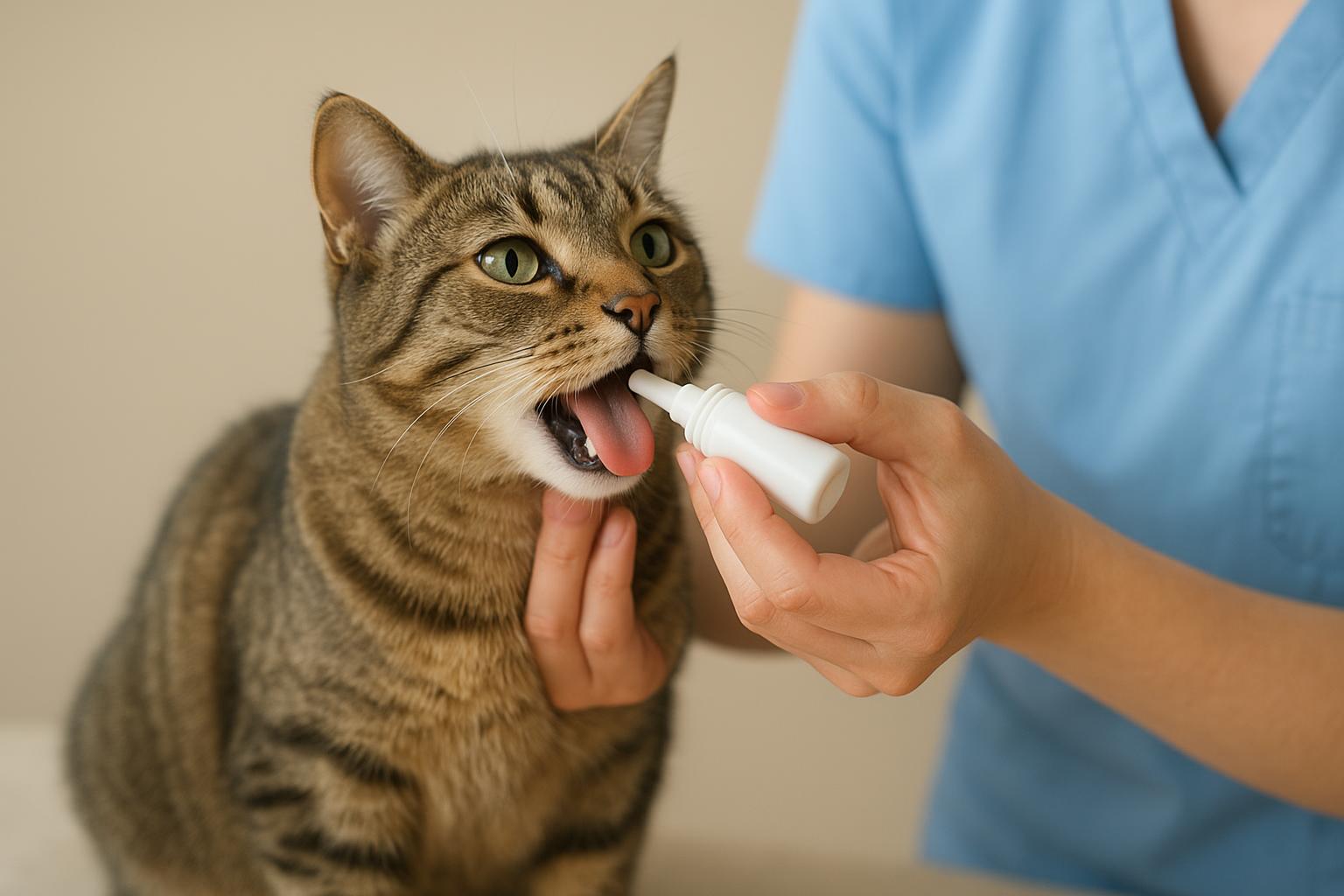
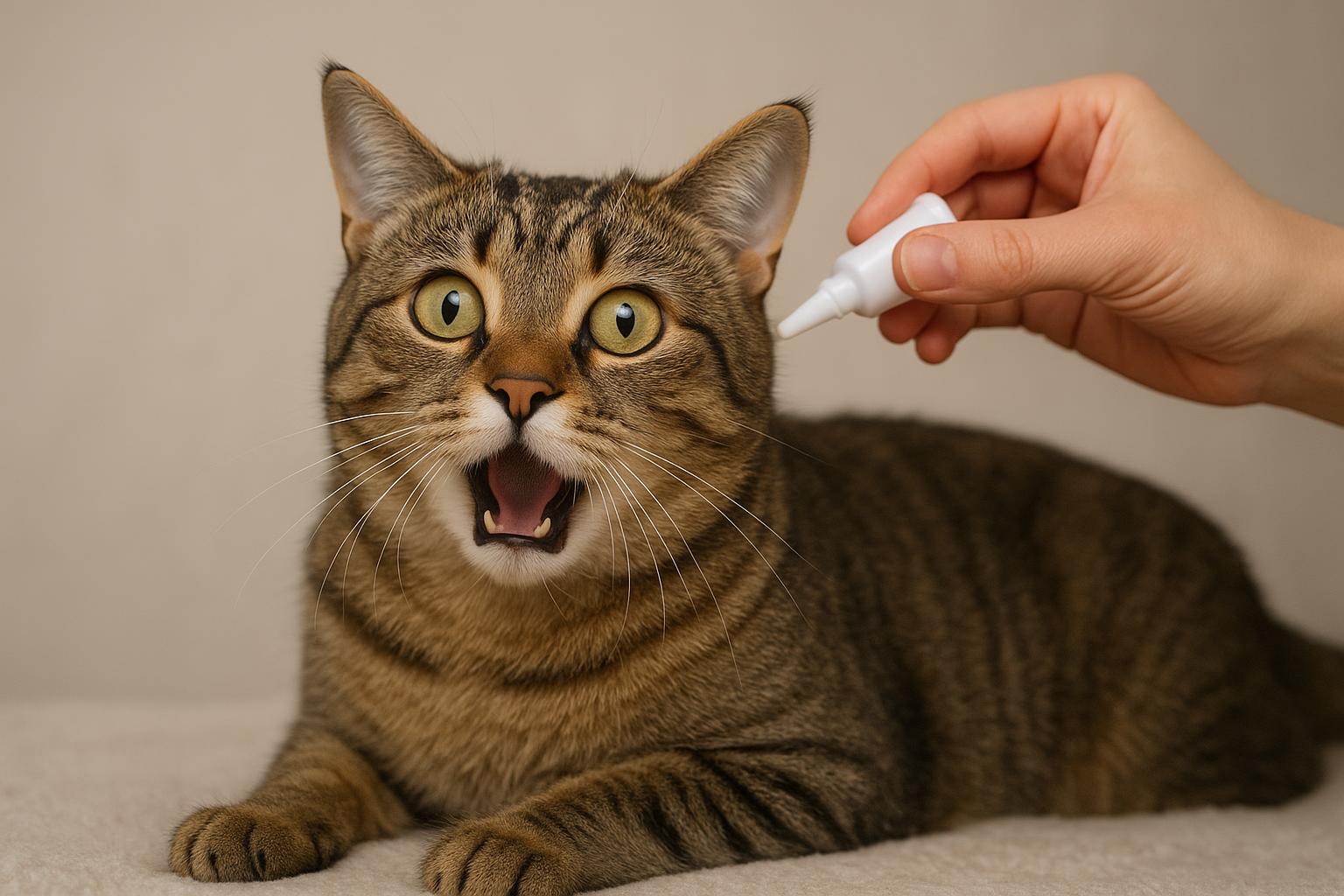
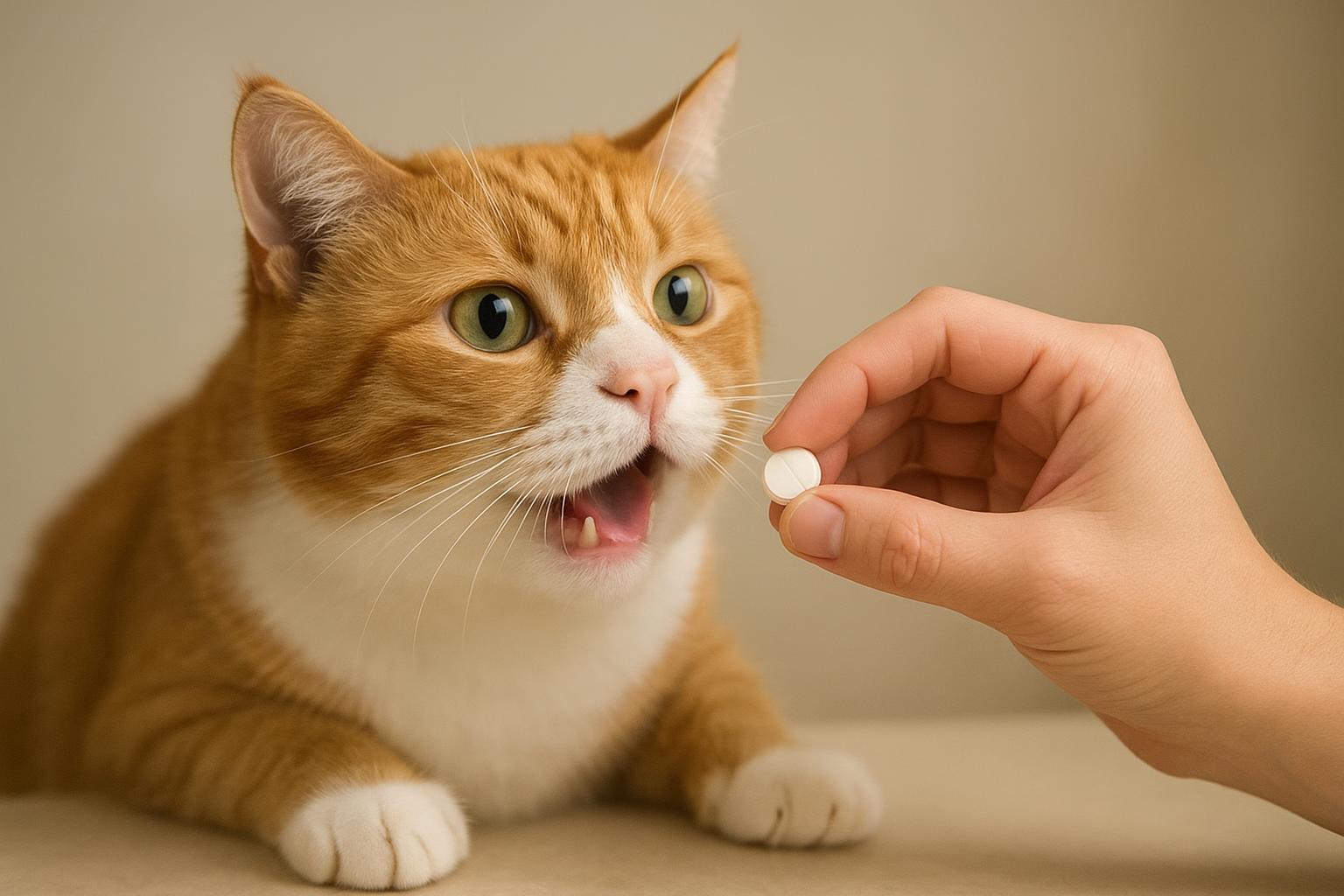
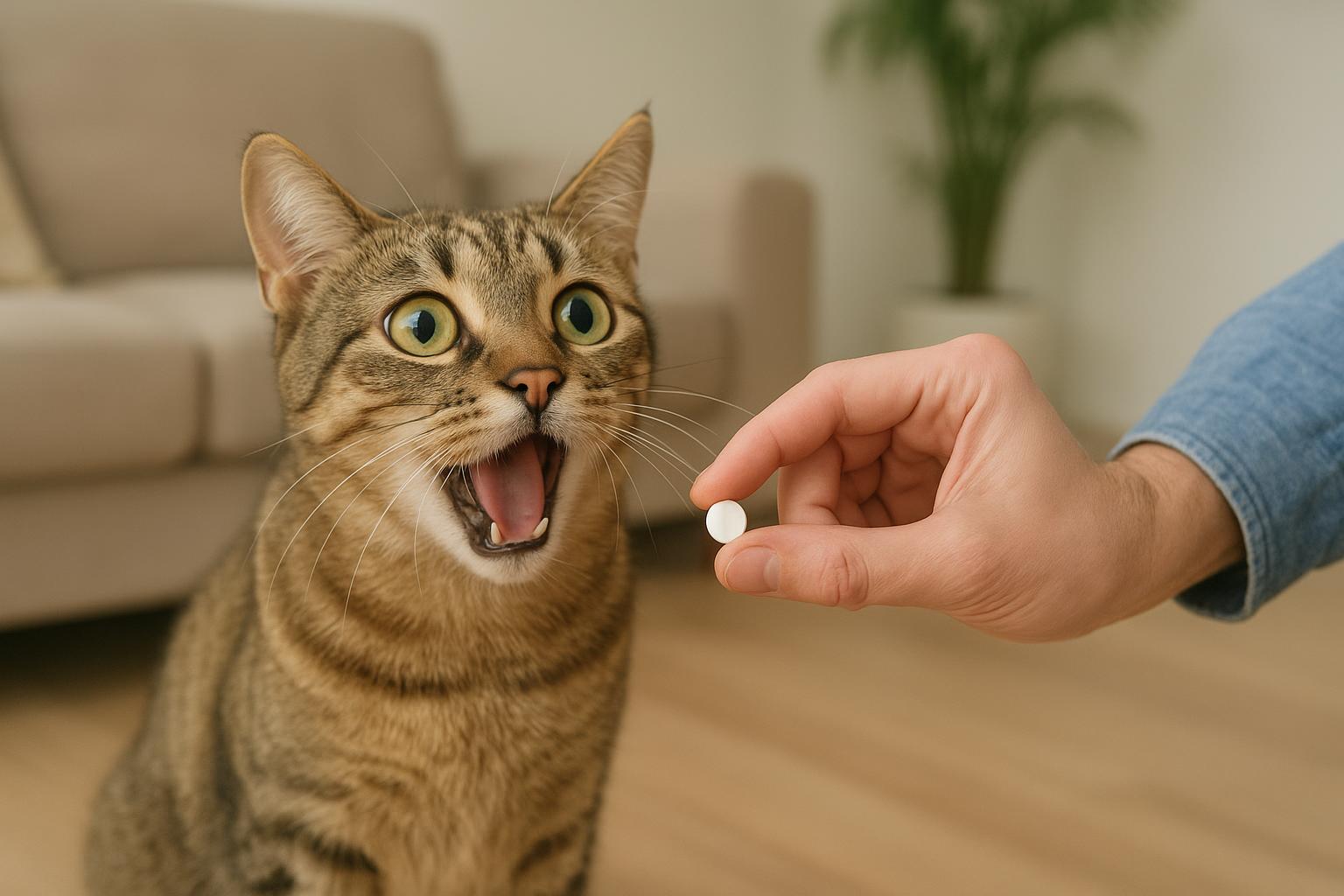
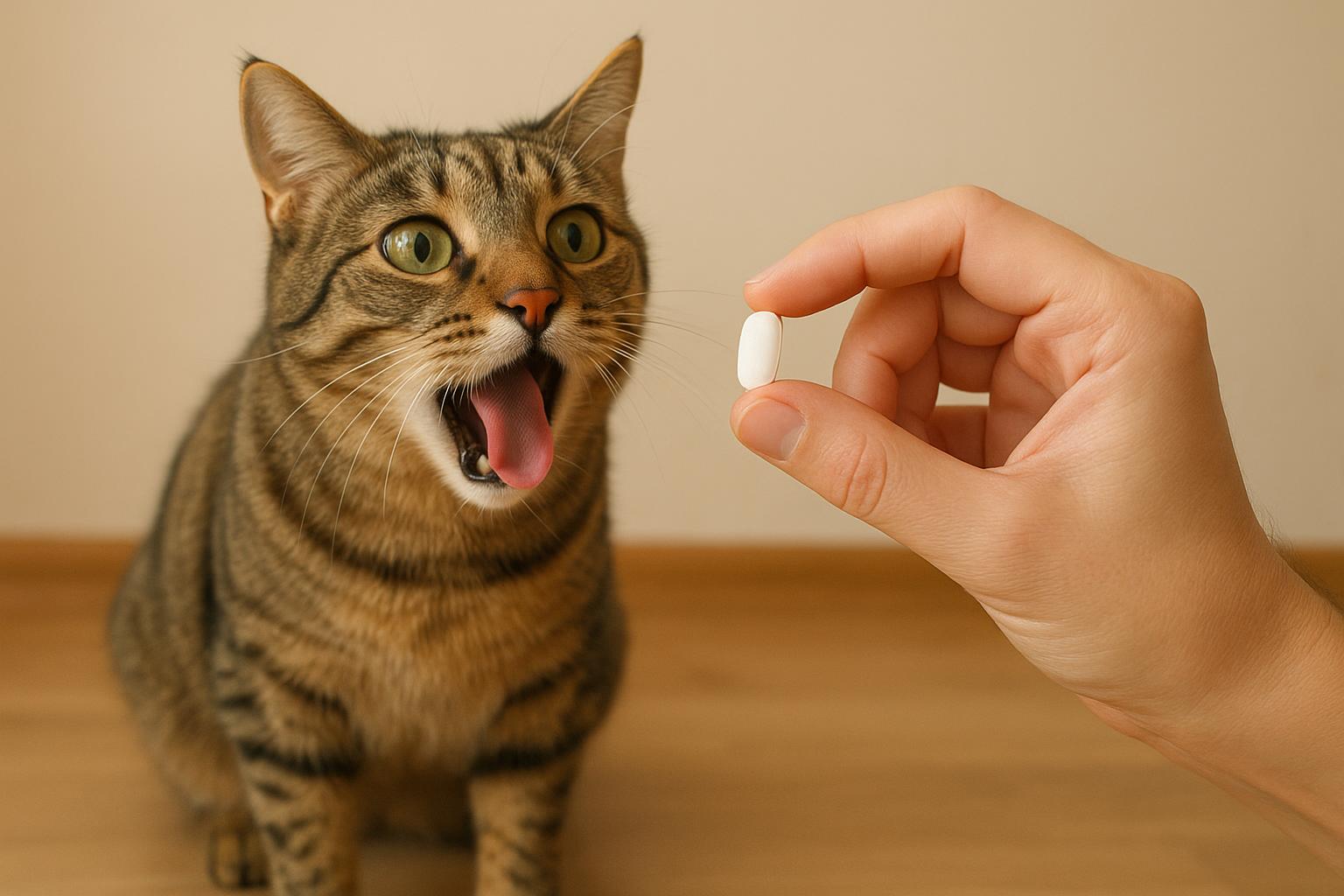
Some cats take pills without a fuss. Others resist like they’re defending a treasure. There are a few tricks that help. Hiding the tablet inside a small piece of wet food or a soft treat works often. You can also get flavored chewables that many cats accept as a snack. If those fail, a pill gun or direct oral pilling might be necessary. If you’re unsure how to pill properly, ask your vet to demonstrate once—after that you’ll usually feel confident.
## Safety And Side Effects To Watch For
Oral flea therapy is generally safe, but watch for signs of adverse reactions. Mild side effects include vomiting or temporary lethargy in the hours after dosing. More serious reactions are rare but can include tremors, seizures, or severe allergic responses. If you see anything like that, call your vet immediately.
Also be cautious about drug interactions. If your cat takes other medications, for example for heart disease or seizures, double-check that the flea drug won’t interfere. The vet can advise or adjust dosages.
### Treating The Home Alongside The Cat
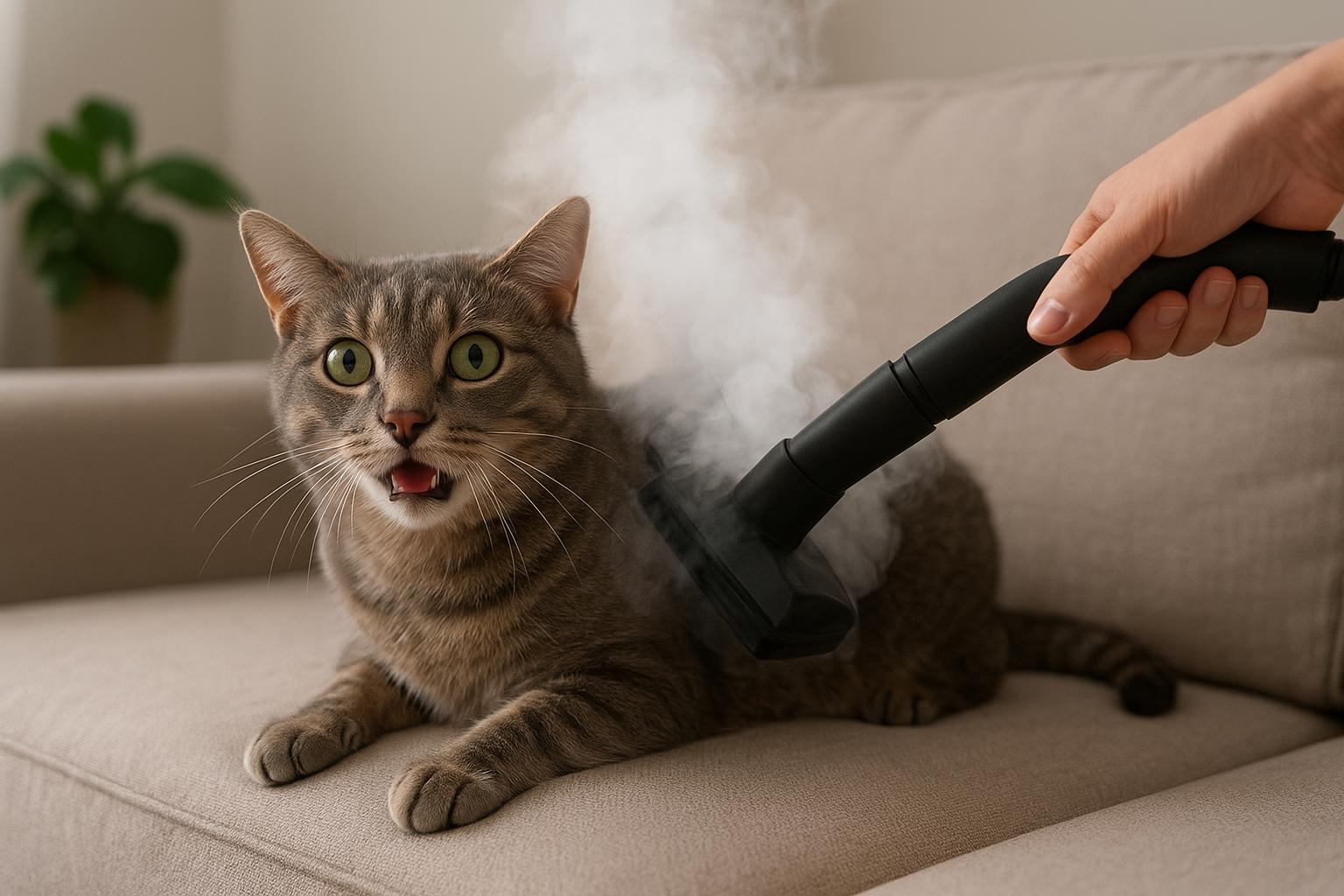
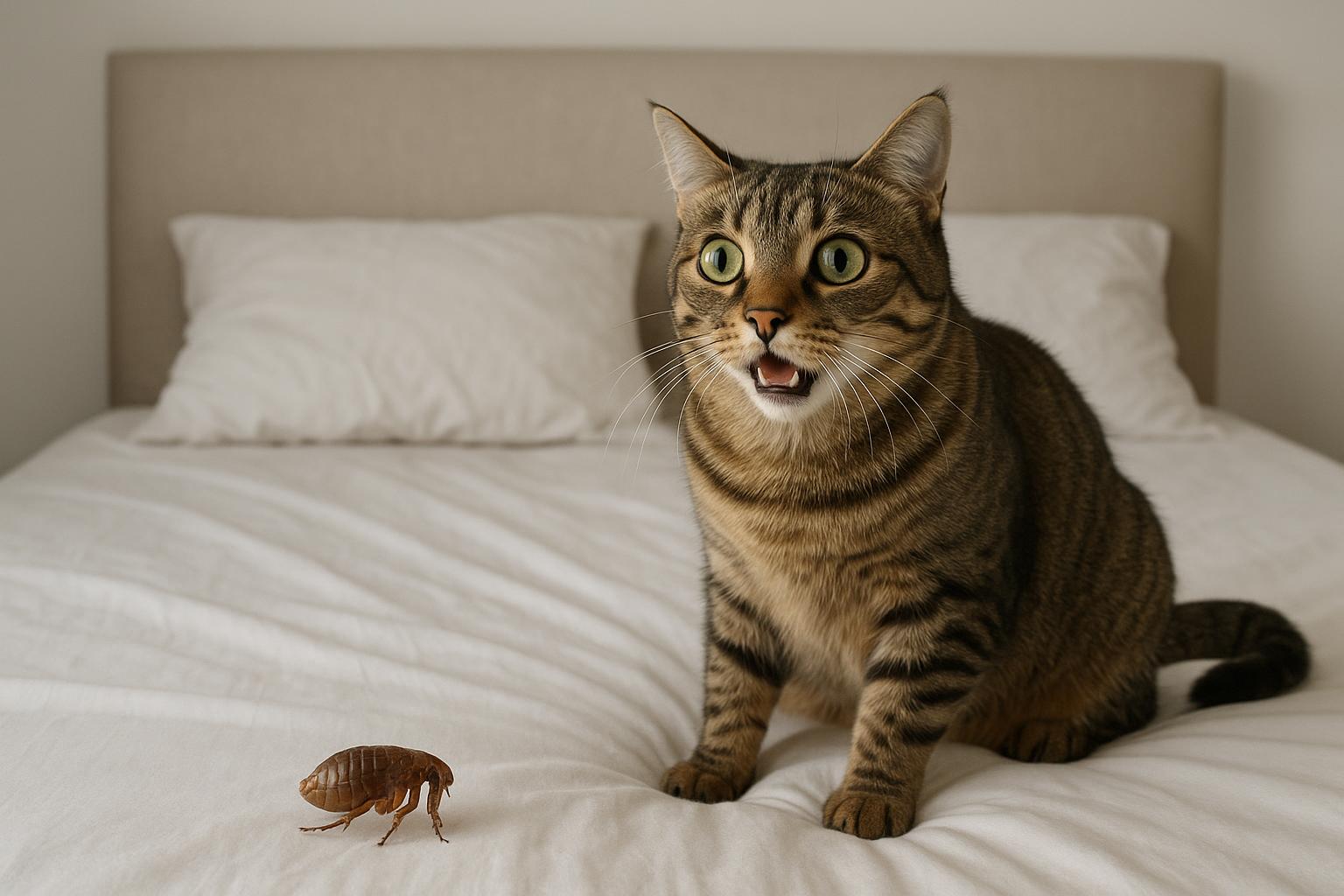
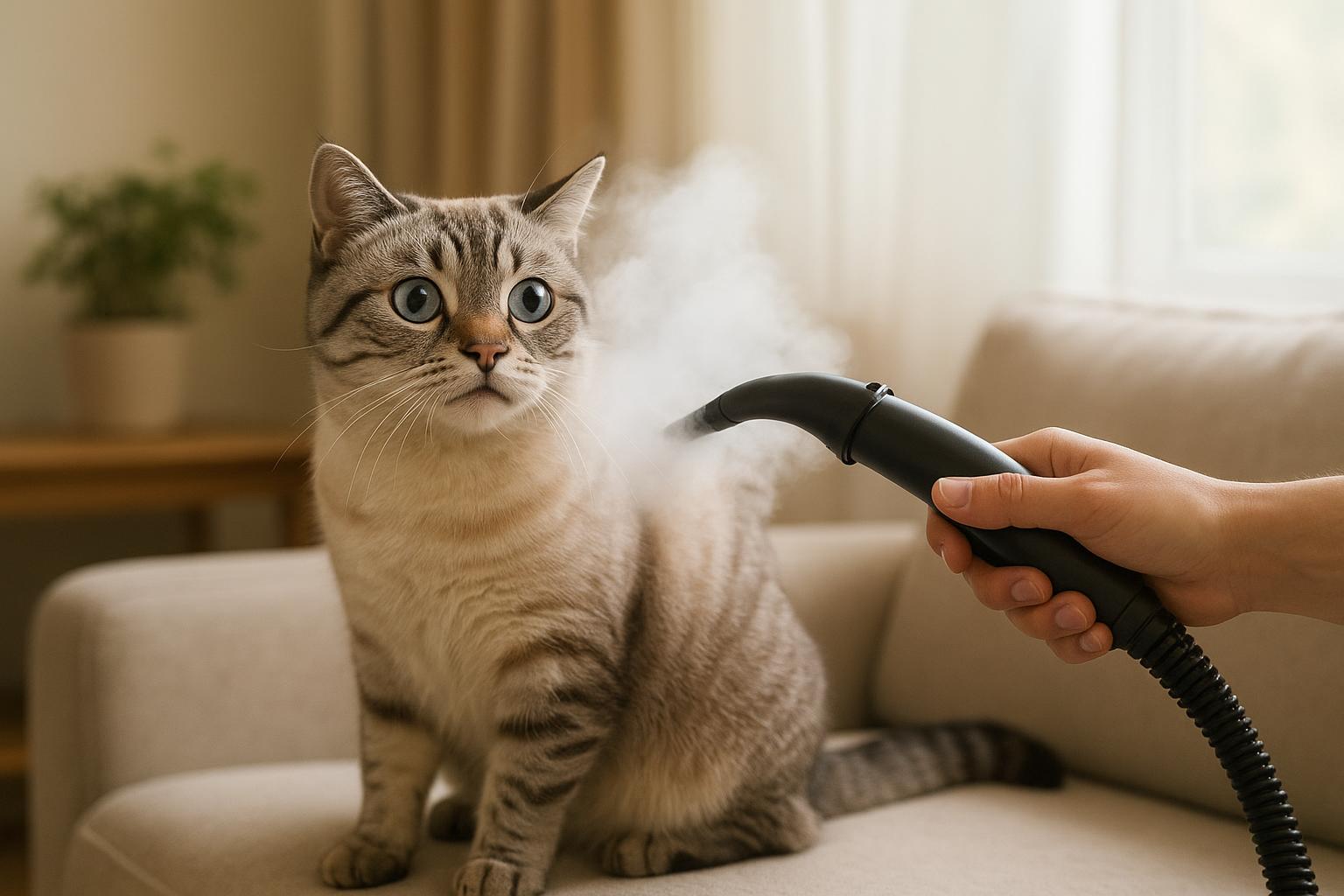
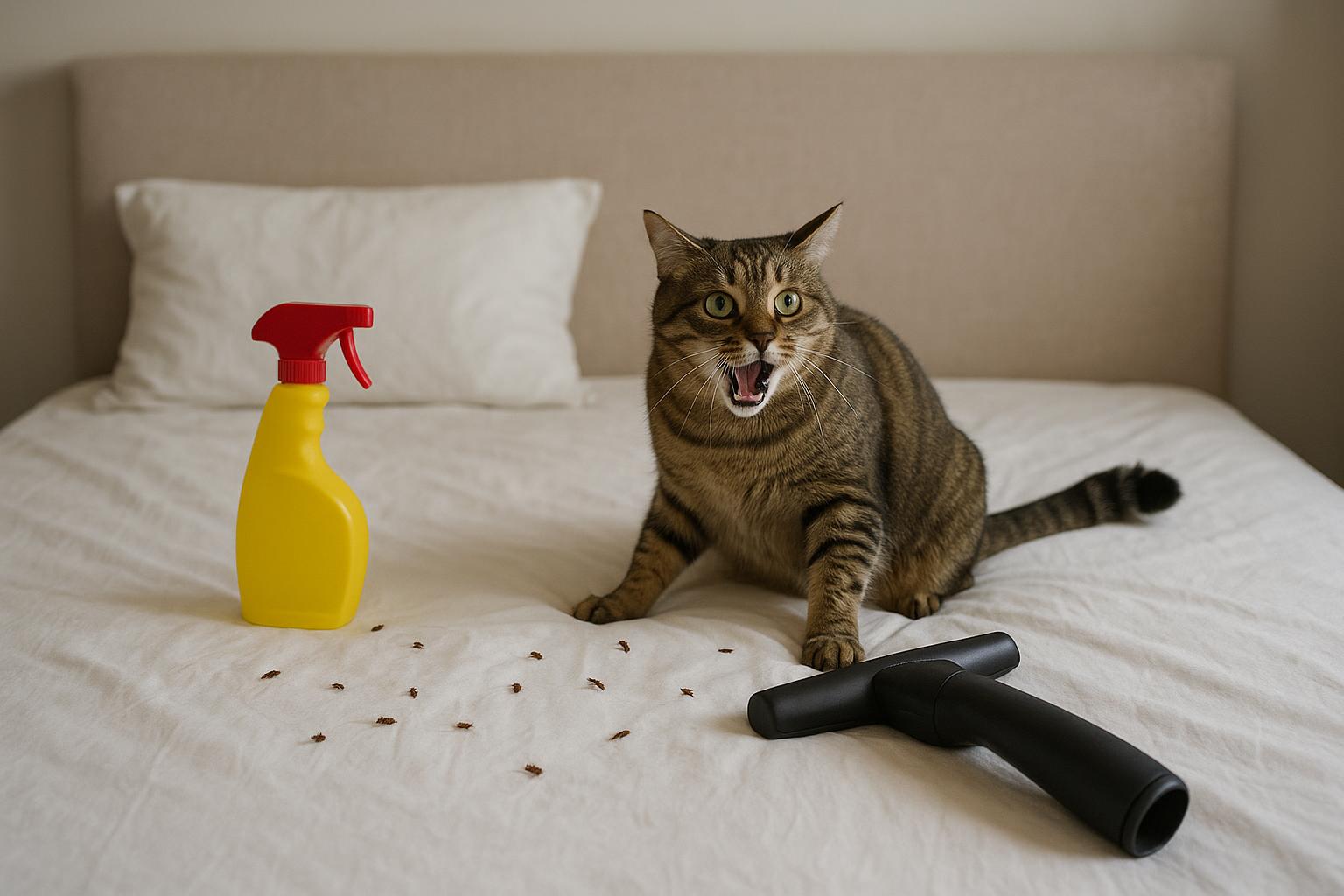
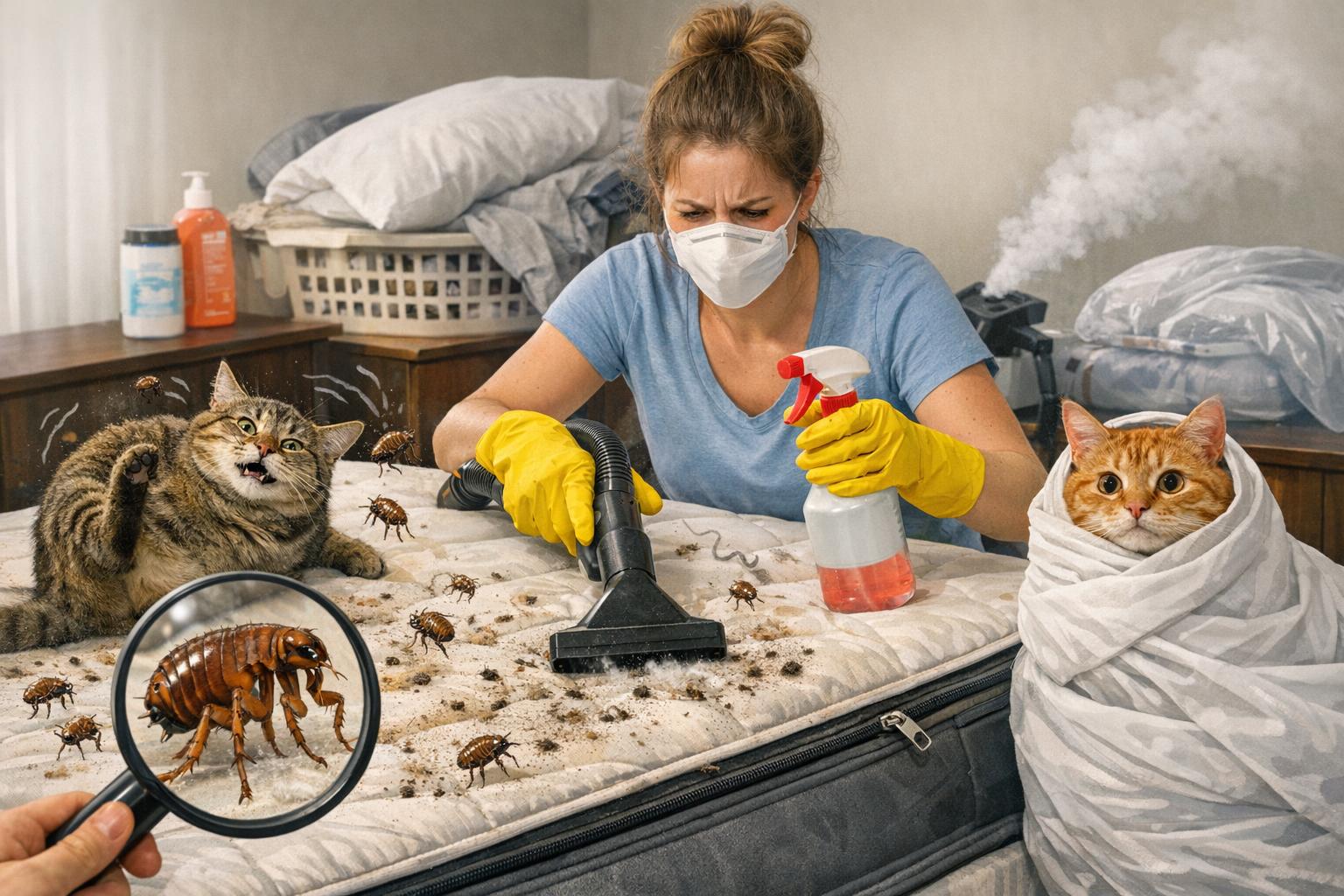
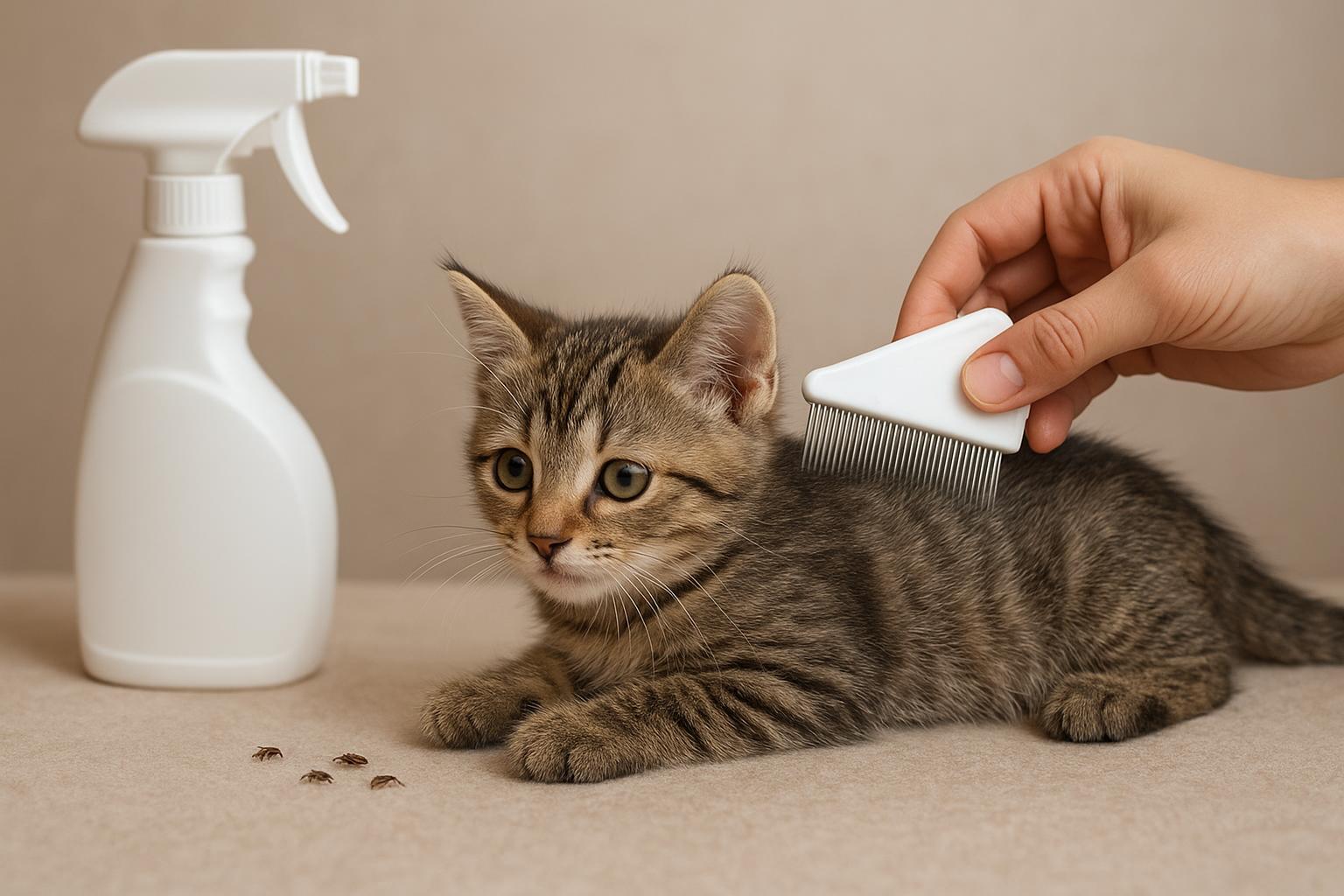
Even the best oral flea product won’t remove pupae sitting in a mattress that won’t hatch for weeks. For this reason, treat the environment too: vacuum daily, wash bedding, and treat heavy traffic areas with a household product that contains an insect growth regulator. That way you prevent reinfestation while the oral treatment does its work in the cat.
A common mistake is stopping too soon. If a product requires three months to break the life cycle in your situation, commit to the full course. Stopearly and the remaining pupae will reseed the infestation.
## When Oral Therapy Won’t Be Enough
If your cat spends time outdoors in a heavily infested area or if wildlife keeps reintroducing fleas, you might need a combined approach. Topical repellents, environmental spraying, and addressing yard hotspots can help. Pregnant or nursing queens sometimes need specialized plans. In multi-pet homes where not every animal can take oral meds, additional measures are necessary to protect those that can’t be dosed.
Also, if your cat has a flea allergy, a few bites can cause intense itching and a secondary skin infection. In those cases, oral flea therapy still helps, but you might also need anti-inflammatories or antibiotics while the flea burden comes down.
### Monitoring Results Sensibly
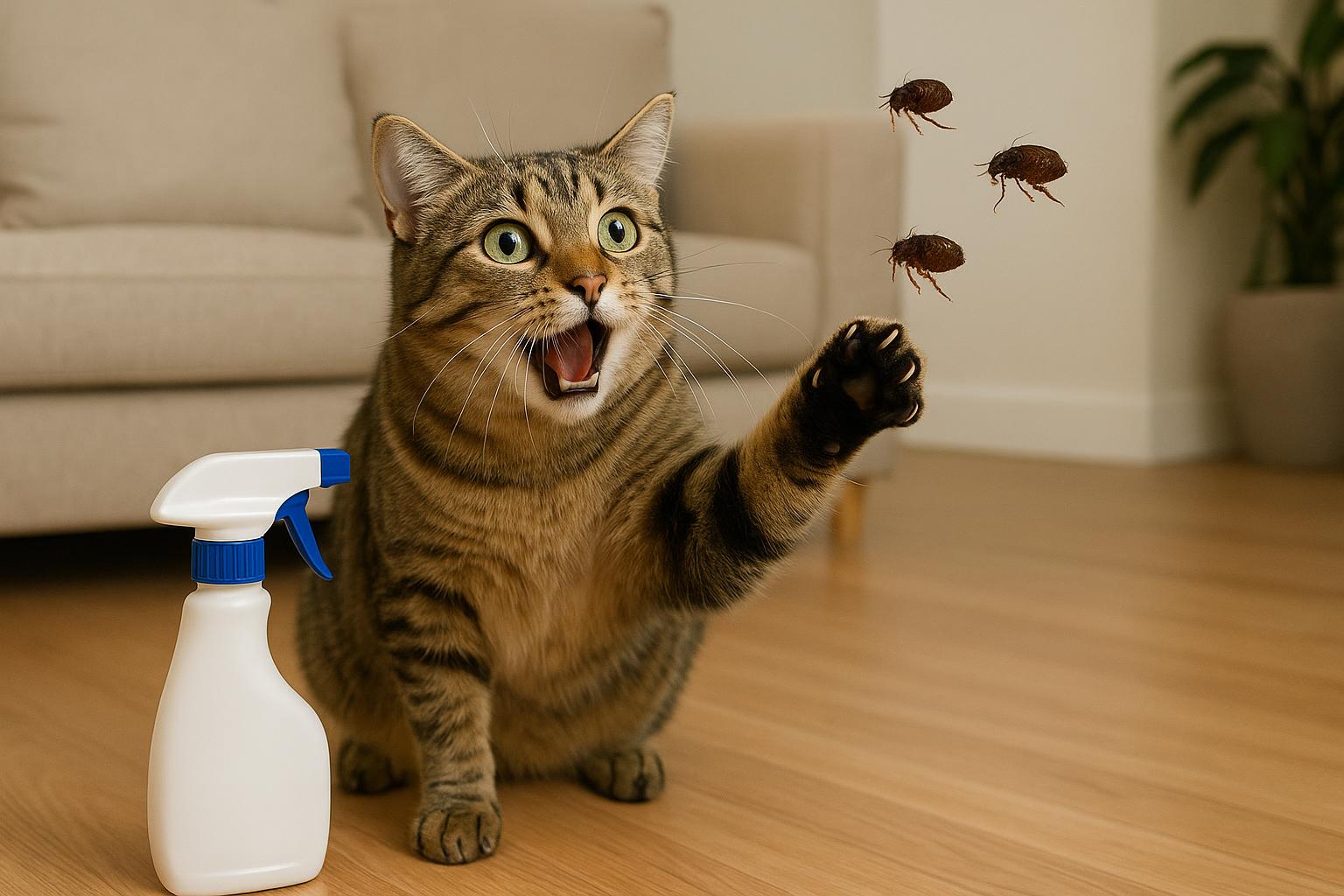
You don’t need to panic if a flea jumps off after treatment—no product kills every single flea in the first hour. Look for a sharp decline in scratching and fewer flea sightings within a day or two for adulticidal drugs. For growth regulators, the timeline is longer. Expect fewer eggs and larvae showing up over the following weeks.
Check your cat’s skin during dosing. Look behind the neck, along the spine, and near the tail base where fleas congregate. A tiny flea or two now and then is not the same as an infestation.
## Costs, Convenience, And Compliance
Oral flea therapy often ends up cheaper over time. You avoid frequent spot-on purchases and the lost laundry and labor that come with heavy infestations. Monthly chewables are straightforward—no fussing with oils or making sure the cat doesn’t get wet for 48 hours. That convenience improves compliance. When people forget to reapply a topical, fleas get a window to bounce back. A pill—given as recommended—keeps protection steady.
That said, price varies by brand and country. Some products are prescription-only. Others are over-the-counter. Ask your vet for options that match your budget and your cat’s specific risks.
### Common Questions Owners Ask
Q: Will oral meds prevent flea-borne diseases? Some oral products reduce the risk of certain flea-transmitted issues indirectly by cutting down flea numbers, but they’re not a vaccine. If you’re worried about Bartonella or tapeworms, talk to your vet about targeted prevention.
Q: Can kittens take these drugs? Some products have minimum age and weight limits. Others are safe from the first few weeks with a vet’s guidance.
Q: What about swimming and baths? With oral therapy you don’t need to worry. The active ingredient is in the blood, so bathing won’t reduce its effectiveness.
## Real-World Examples From Owners
I’ve seen a household where three indoor cats had a stubborn infestation after a neighbor’s yard was infested. The vet prescribed an oral adulticide. Within 48 hours, the frantic scratching subsided, and two weeks later the number of fleas seen dropped to near zero. The owners followed up by deep-cleaning bedding and vacuuming, and the problem stayed solved.
Another cat had chronic flea allergy. Oral flea therapy reduced the number of bites enough that the skin could heal. The owner also used medicated shampoos and a short course of steroids under vet supervision. The difference was dramatic: less chewing, less raw skin, and improved appetite.
## Misconceptions To Ignore
Some people say oral treatments are less “natural” than topicals. But the label “natural” doesn’t guarantee safety or effectiveness. Others worry about chemicals in the bloodstream. Consider risk vs. benefit: a well-studied oral flea product often carries less risk of household exposure than a messy topical that rubs off onto couches and toddlers.
Some owners believe a single treatment cures everything immediately. Not true. Depending on the product, full control might take weeks. Be patient and consistent.
## How To Talk With Your Vet About This
Bring up what you want: rapid relief, prevention, or a plan for the whole home. Mention any other meds your cat takes and any history of seizures or allergic reactions. Ask about the expected timeline and whether follow-up checks are needed. If you have multiple pets, ask whether everyone needs the same product.
Say you want a plan that’s low-stress for both you and the cat. A vet can match a chewable that your cat will actually eat or teach you a safe method to pill. If cost is an issue, they can suggest alternatives or a phased approach that reduces the flea load quickly.
## Final Practical Notes
Keep treatments on a schedule. Mark your calendar. Store pills out of reach and follow dosing by weight, not guesswork. If you miss a dose, check the product instructions—most have clear guidance on what to do. If in doubt, call the clinic.
Oral flea therapy is not a single trick but a practical strategy. Used with sensible home cleaning and attentiveness, it can turn a miserable flea season into a manageable memory. And if your cat starts sneezing less and sleeping without constant scratching, the route you chose was likely the right one—reccommendations from a vet notwithstanding.






Leave a Reply