
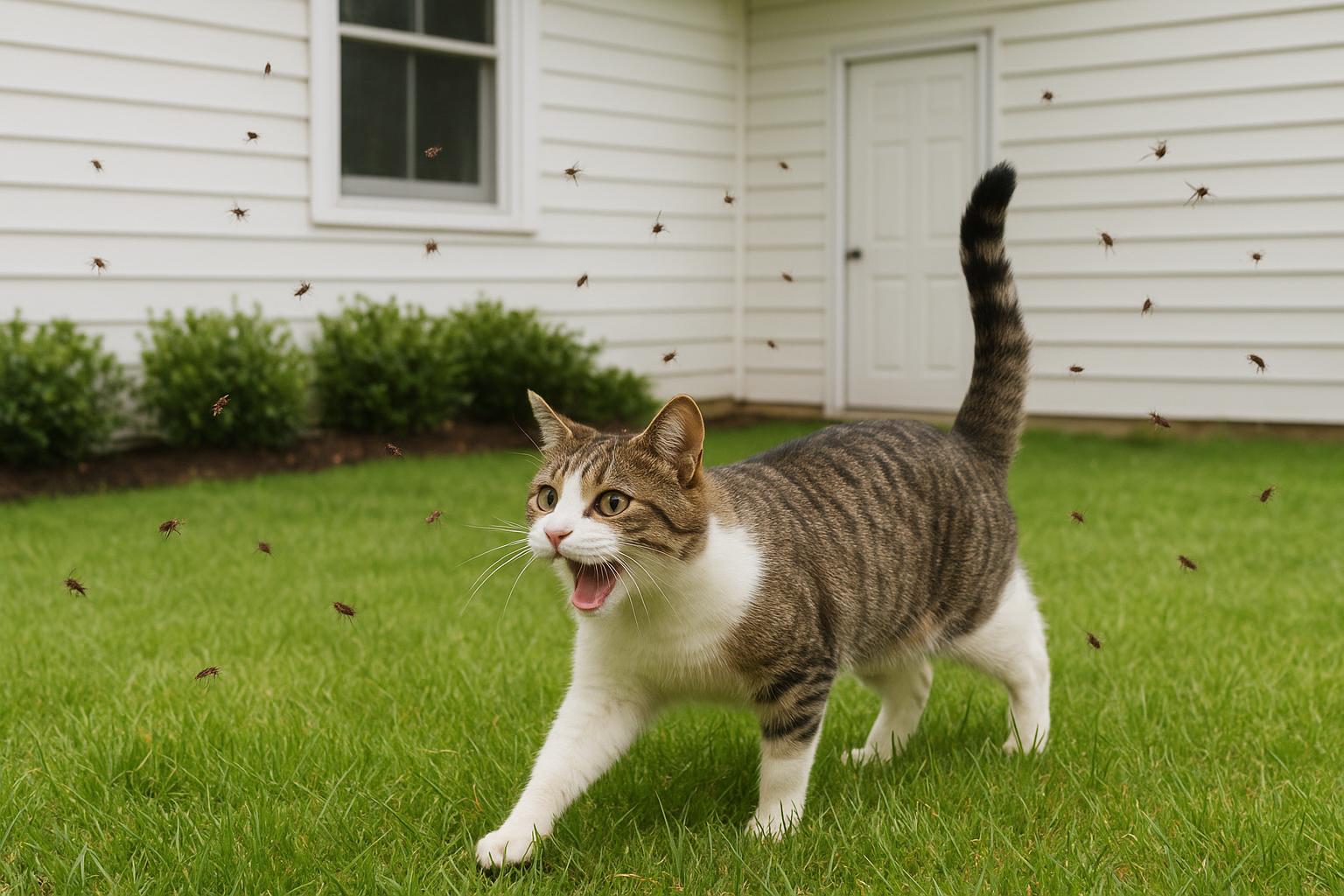
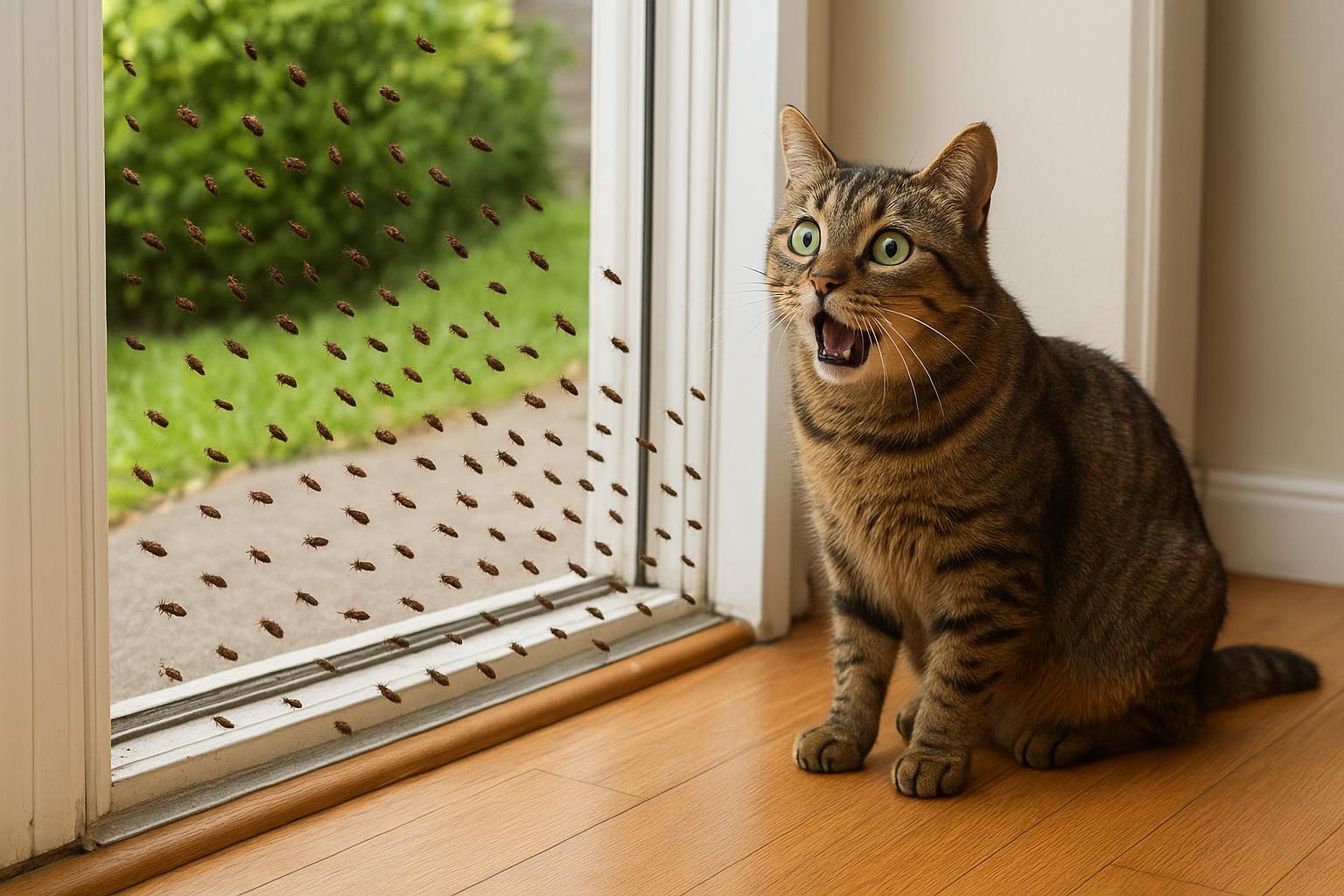
Outdoor cats bring more than stories back from the yard. They are the most common bridge for lawn pests to cross the threshold. When you think about lawn to home flea entry, picture invisible hitchhikers: adult fleas on a cat, eggs falling out on the porch, and pupae waiting in a corner for a warm body to trigger emergence. You can cut that chain if you know where to look and act with a mix of yard work, pet care, and focused indoor cleanup.
## Understanding Lawn To Home Flea Entry
Fleas aren’t random invaders. The lifecycle and behavior of fleas makes the path from grass to living room predictable. Adult fleas live on a host — usually a mammal like your outdoor cat — and lay eggs that fall off into the environment. Those eggs turn into larvae in shaded, organic-rich places, then into pupae that can remain dormant for months until vibration, heat, or carbon dioxide wakes them. That sequence explains why a sunny lawn can be flea-free while shaded patches around the house are not.
A common pattern: a cat naps under a rhododendron, eggs drop into the leaf litter, larvae find moisture and shade, and pupae settle into cracks near the foundation. When the cat returns inside, adult fleas are either already on the cat or emerging in the threshold. Thinking in terms of lawn to home flea entry keeps you focused on the transition zones — where yard meets house — instead of treating the whole lawn like it’s equally infested.
### How Cats Carry Fleas Indoors
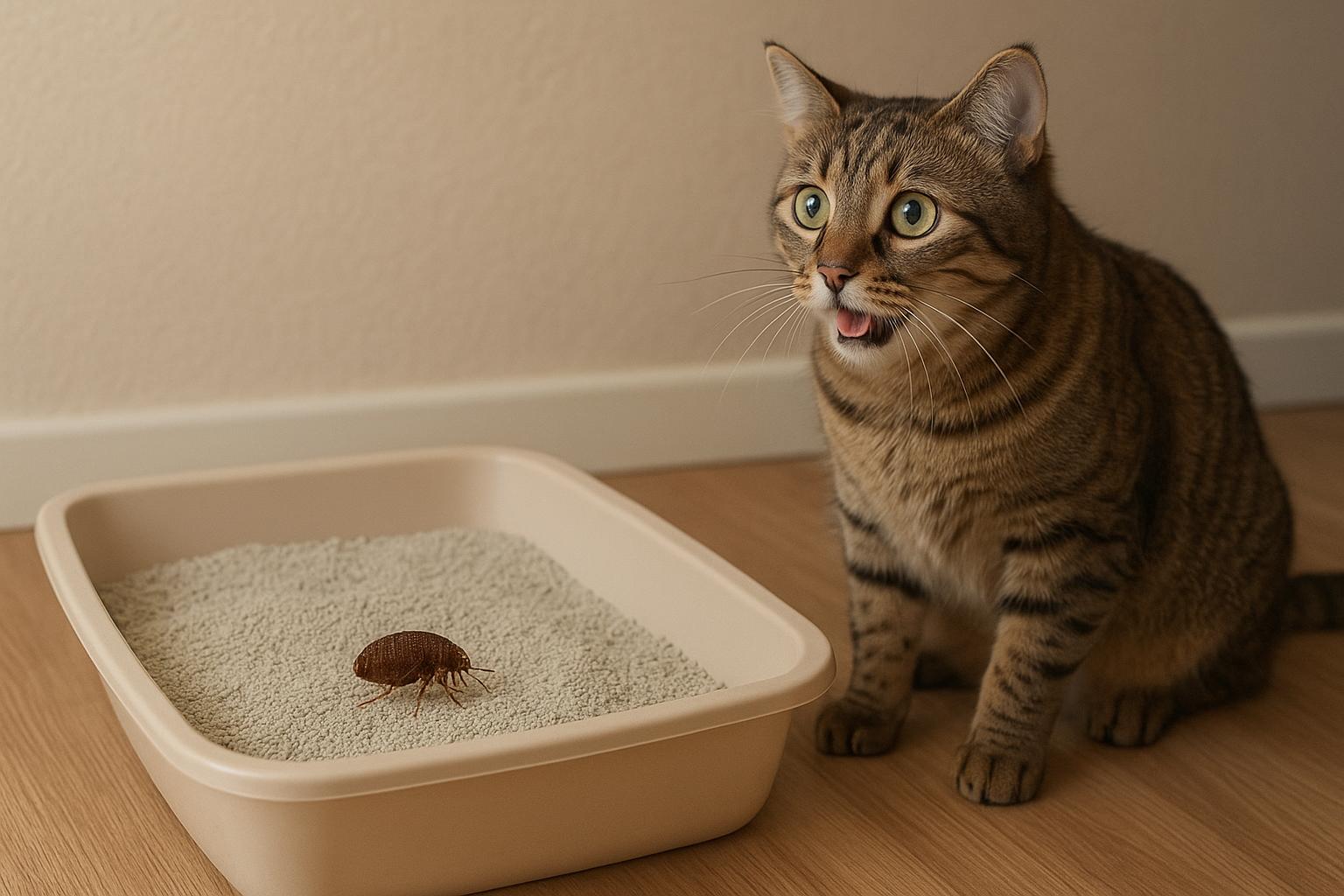
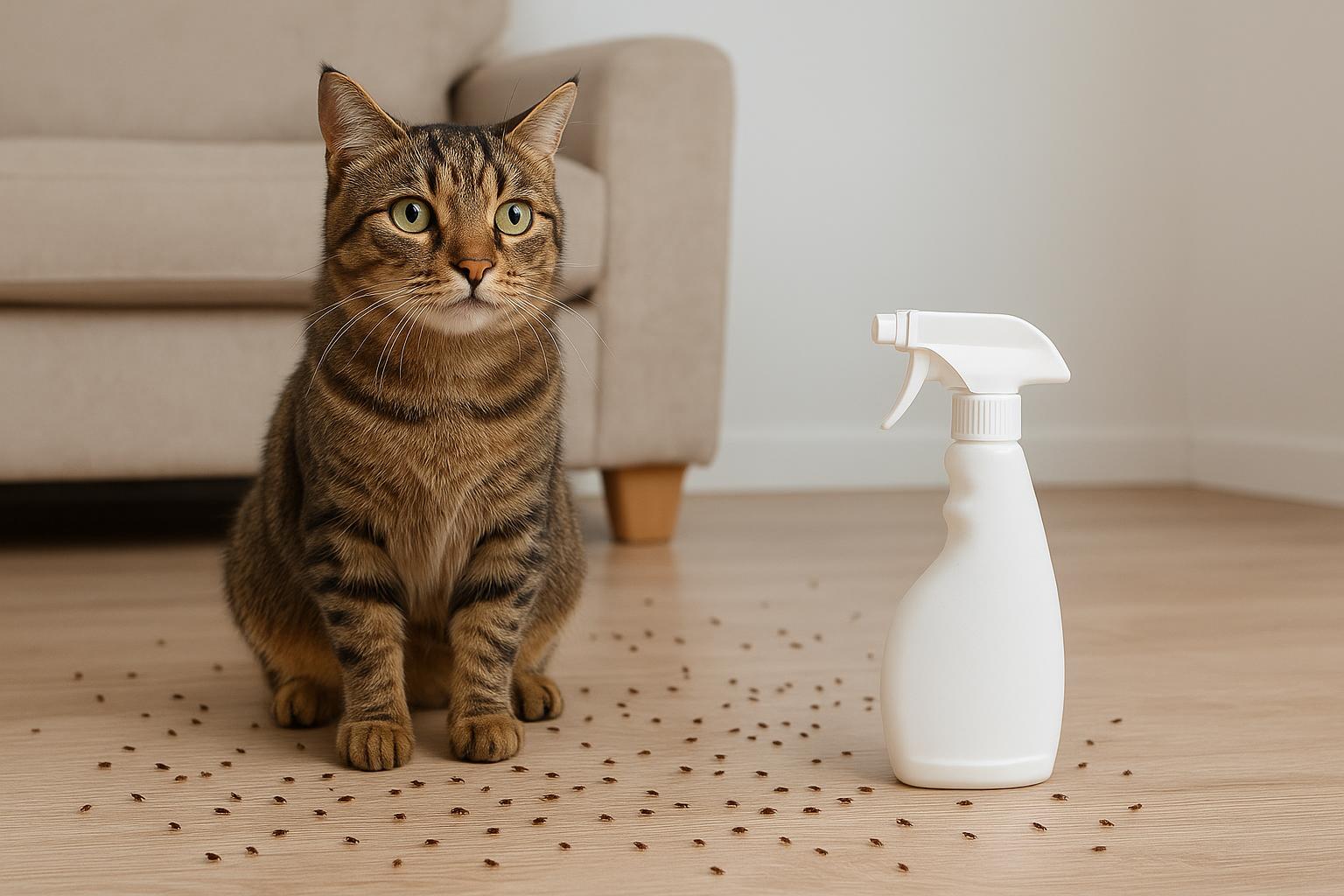
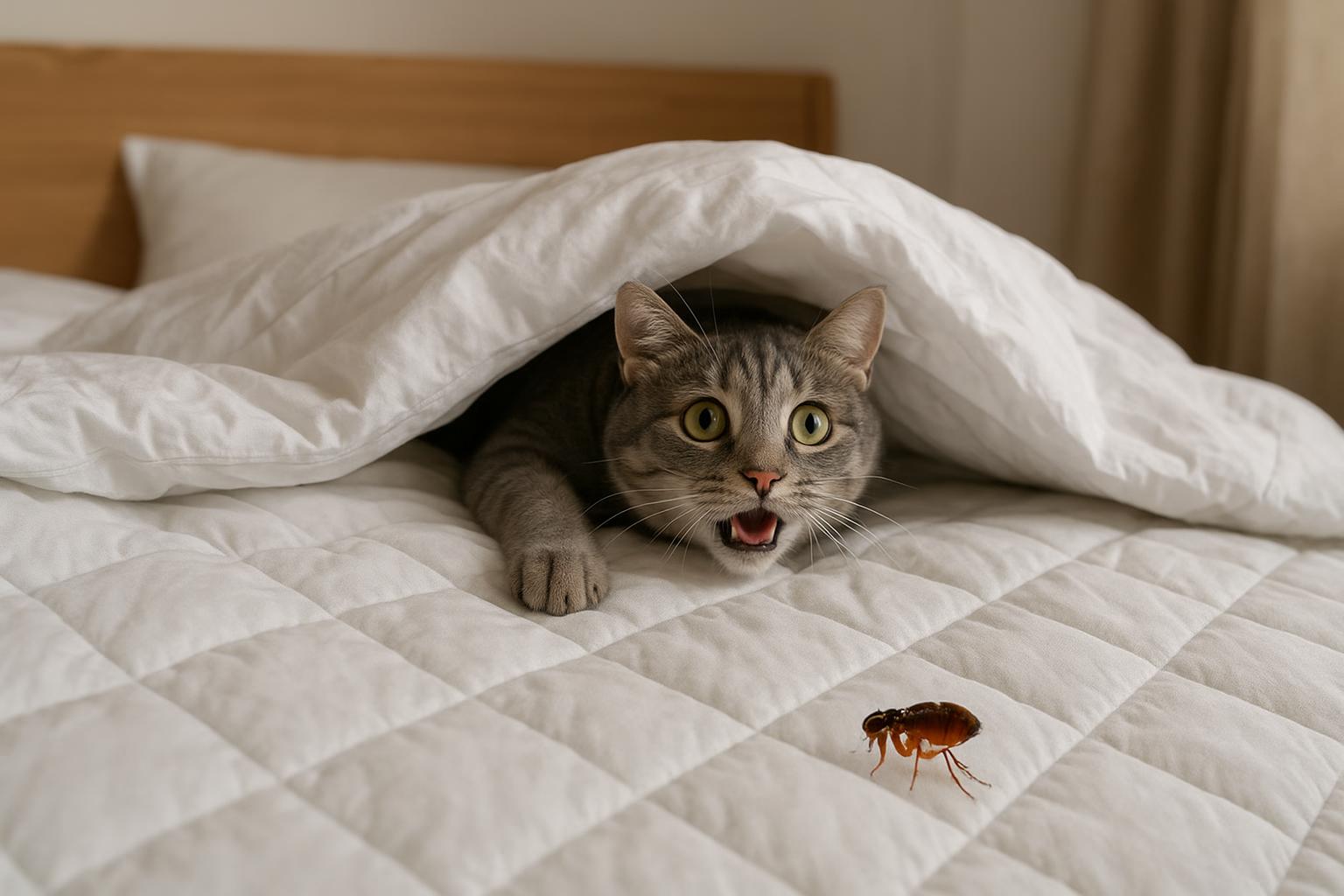
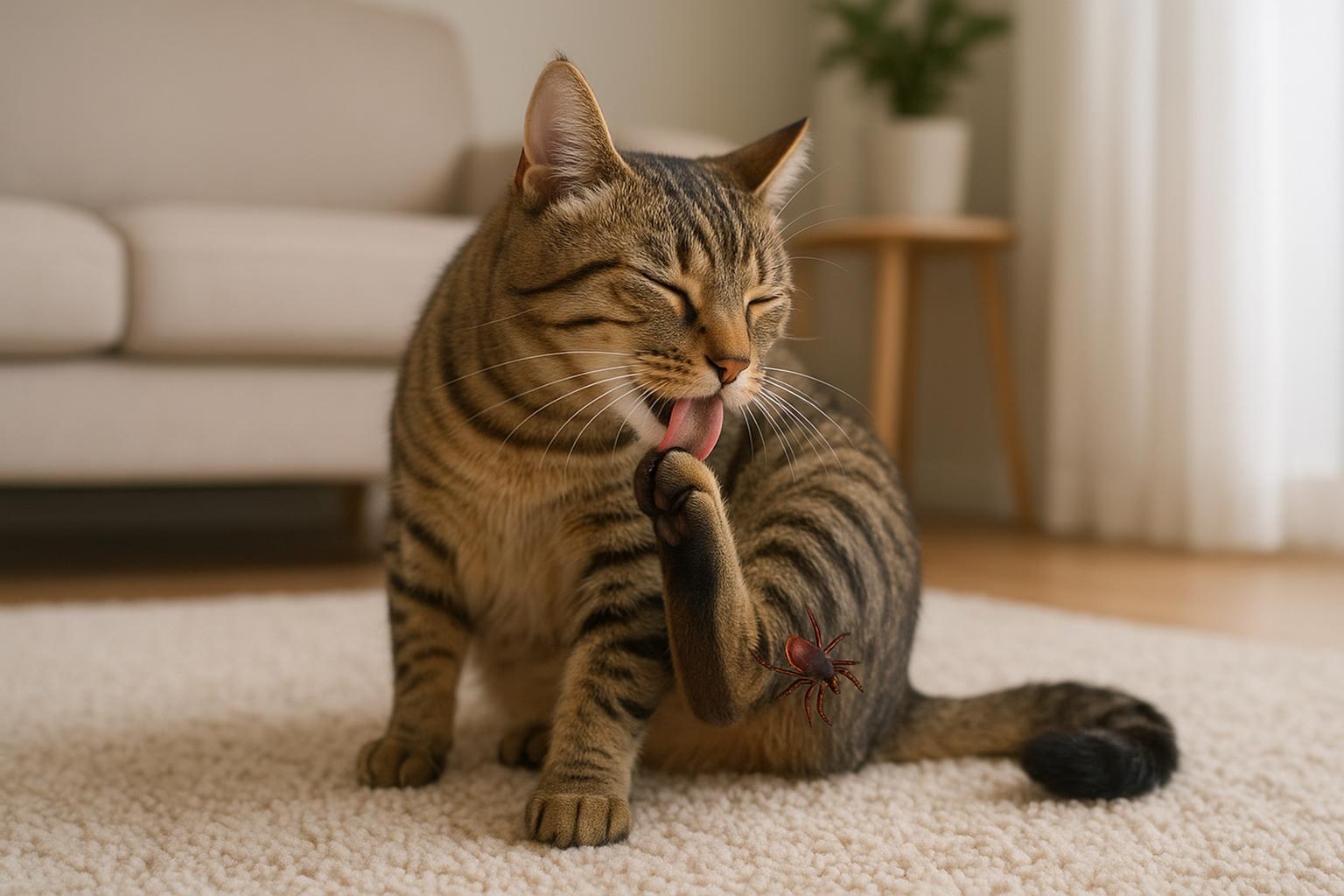
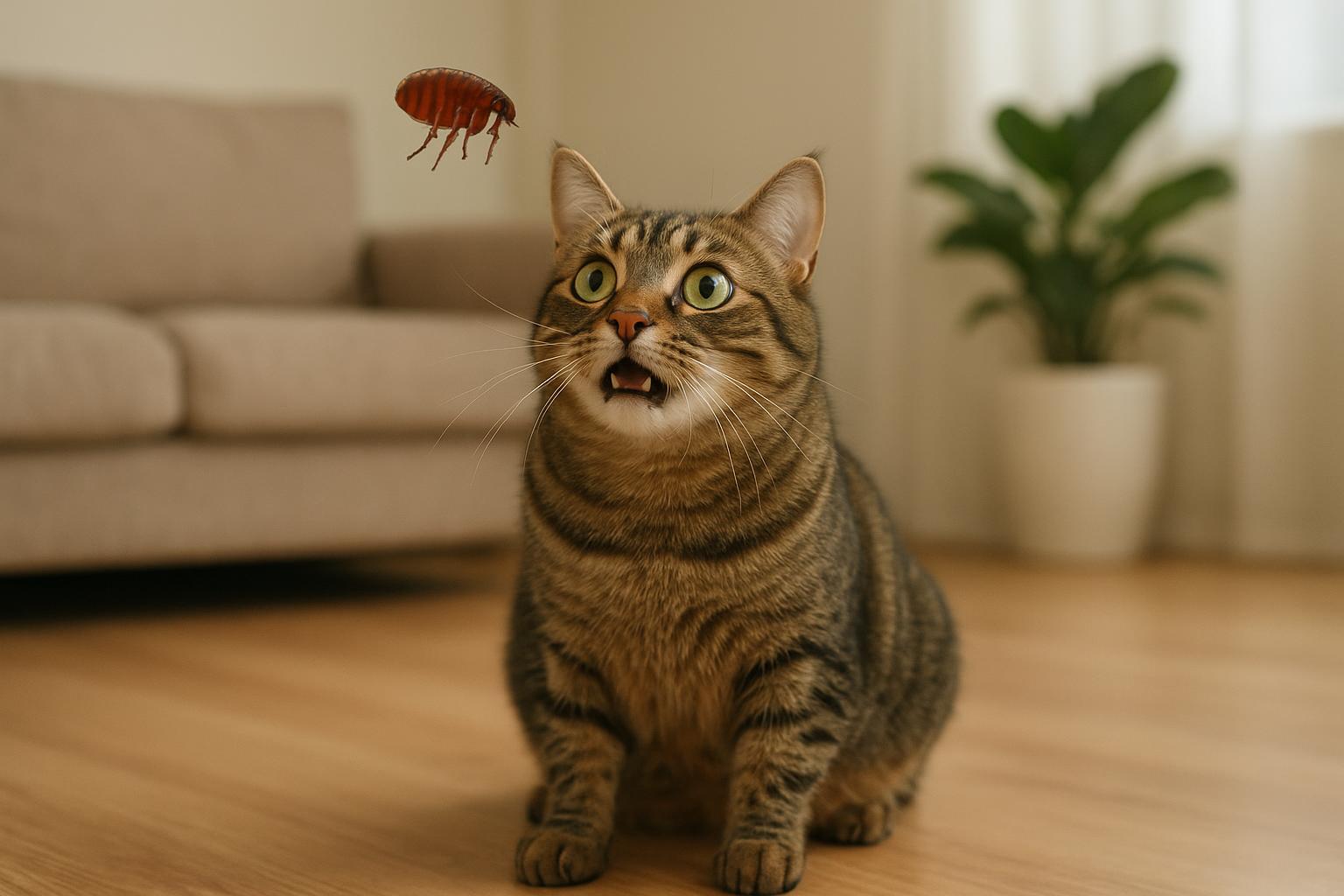
Cats are small, but they move a lot. A flea’s best strategy is to stay on a cat and ride it to warm, sheltered spots. Fleas hide in dense fur and only bite the host briefly to feed, so you might not notice. Cats groom; that drops hair, saliva, and flea eggs in new places. If your cat sleeps on a chair or the bed after coming in from the yard, the house becomes a new flea nursery.
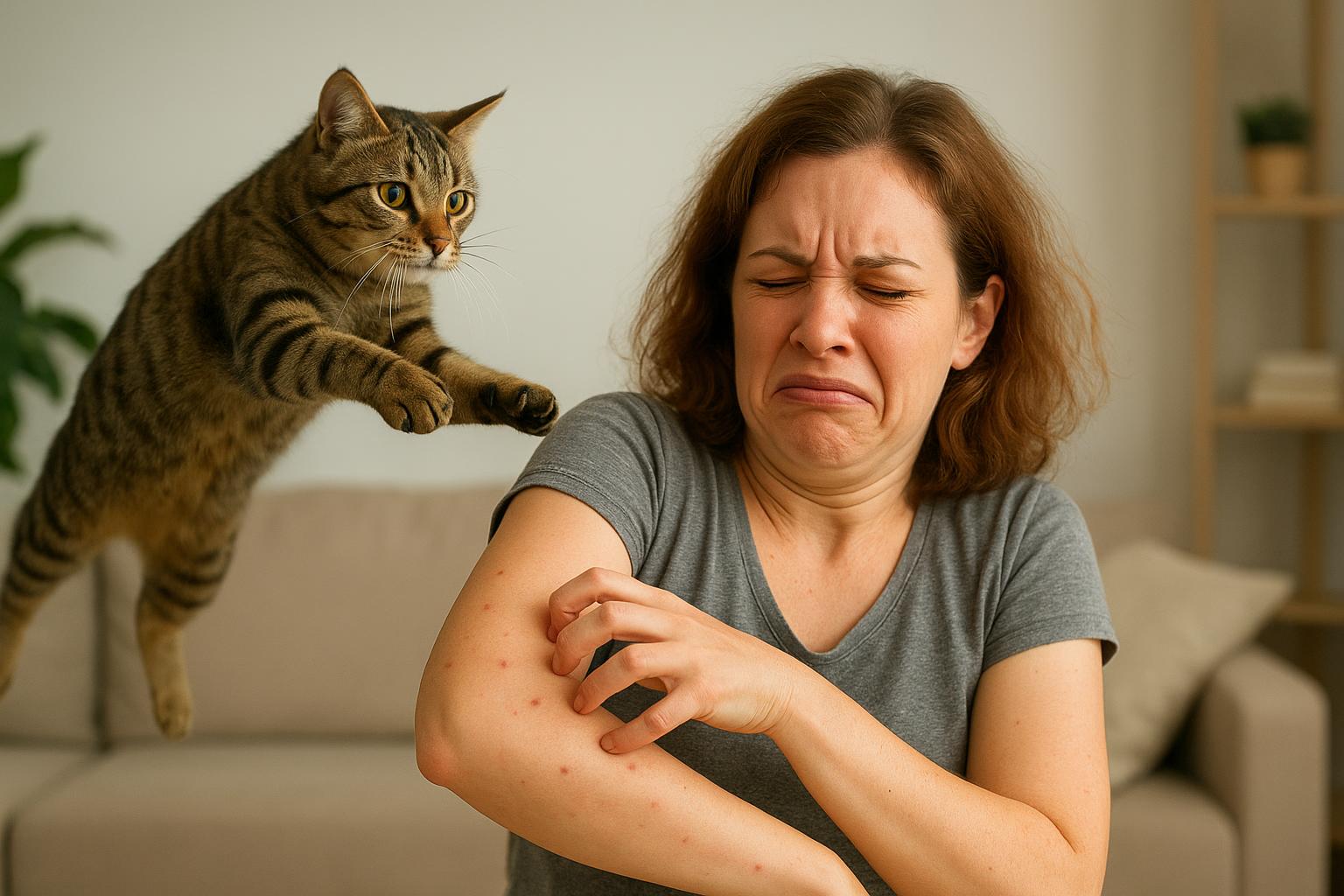
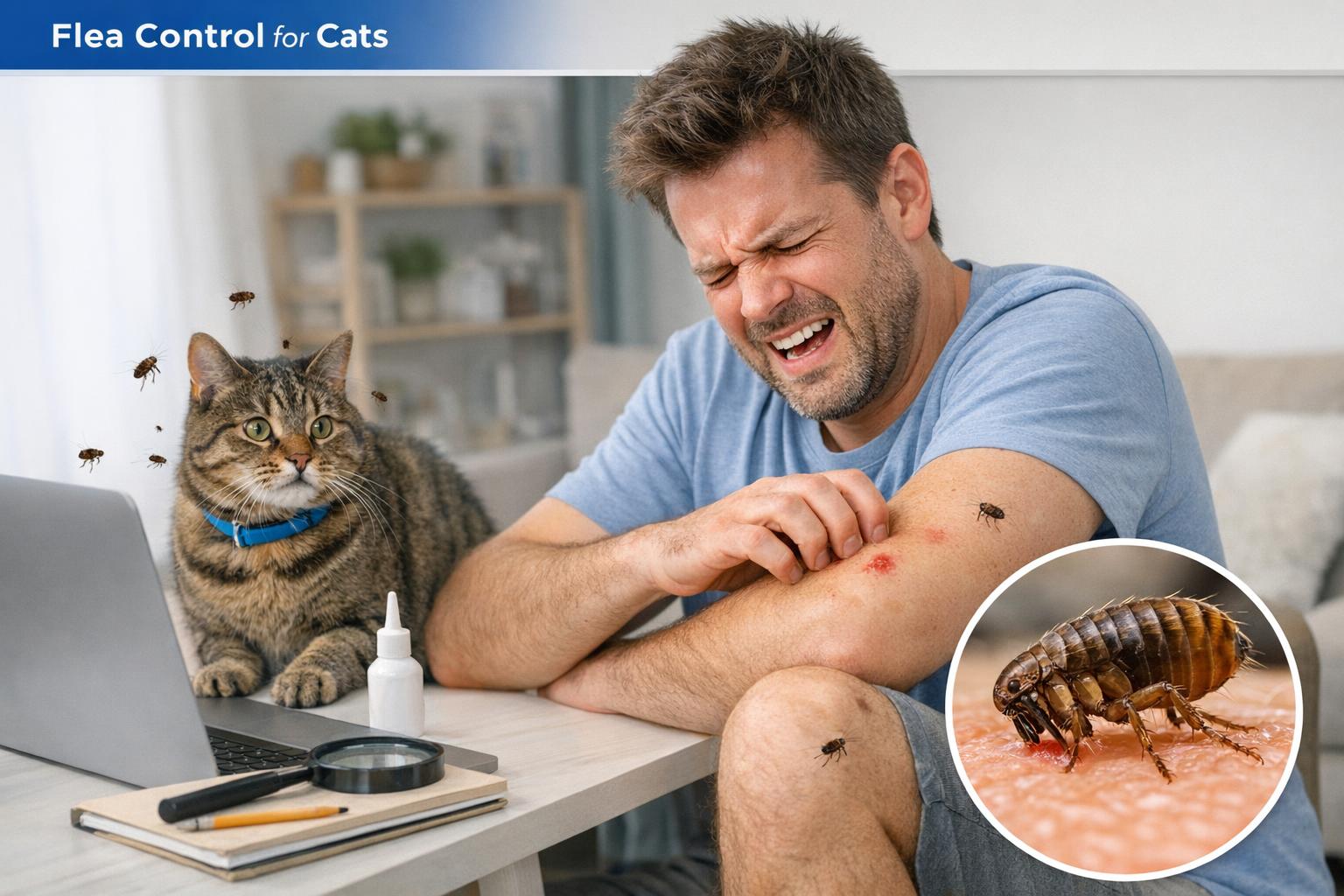
Check behavior, too. Scratching, red spots, or patches of missing fur are obvious signs. Less obvious: a cat that starts sleeping in different places because fleas drive it away from its usual bed. When you’re trying to stop lawn to home flea entry, manage those transitions — make the porch and entry areas less hospitable and treat the cat as the primary vector.
### Typical Flea Entry Points Around The House
Fleas don’t need giant gaps. Small openings and human habits create many flea entry point options. Think:
– Pet doors and screens
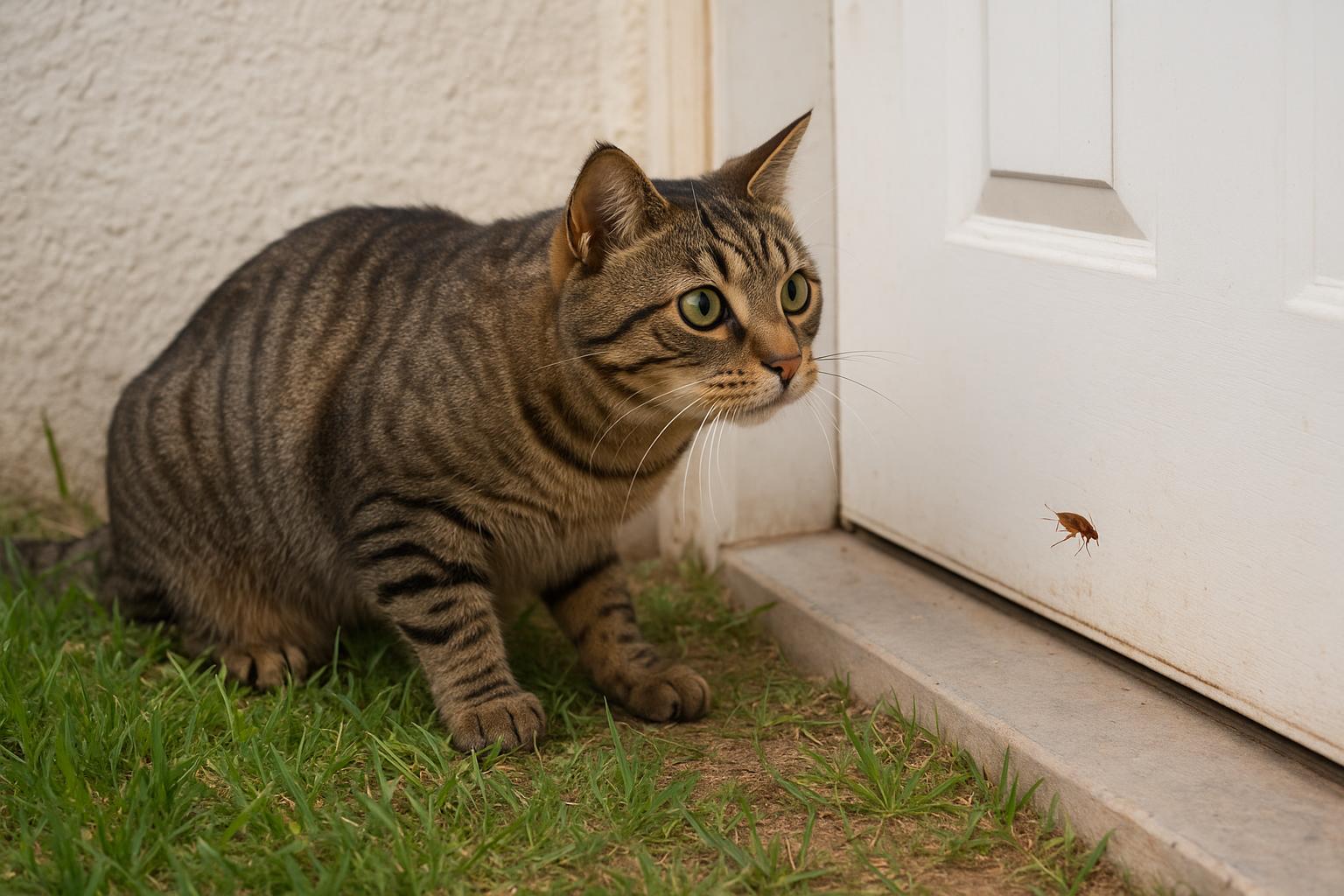
– Gaps under exterior doors and thresholds
– Open windows and unscreened vents
– Cracks in porch wood or foundation edges where pupae can hide
– Garage-to-house passages where pets and people move back and forth
A pet door makes sense to cats but is a perfect landing strip for an adult flea on a fur coat. Frequent human traffic also brings in eggs and larvae on shoes and clothes. Identify these weak spots and treat them as part of your pest control plan.
## Mapping Your Yard To Cut Off Lawn Entry
You don’t have to treat the entire property. Find the places where fleas are most likely to survive and focus your effort there. Start with a simple inspection routine.
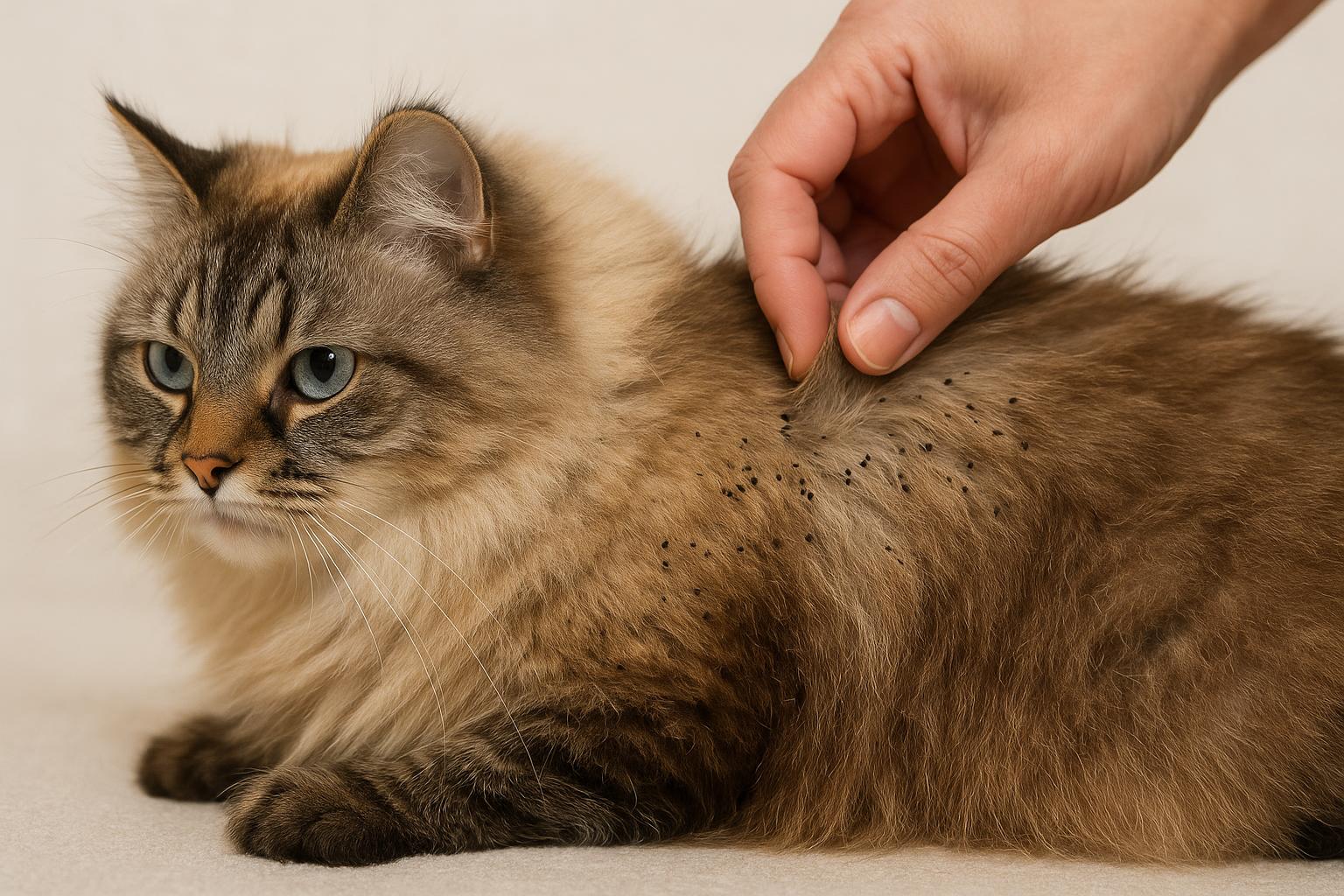
Walk the perimeter at dusk; fleas and their larvae prefer cool, damp shade. Test suspect patches with a white sock: walk through a tufted area, then check the sock for black specks (flea dirt). A handheld vacuum run over a spot can suck up eggs and larvae to reveal an infestation. If you keep bird feeders, compost piles, or pet food outside, expect higher flea pressure because the yard attracts other mammals and birds that can host fleas or carry them in.
Lawn entry isn’t an all-or-nothing problem. A strip of mulch and long grass along the foundation creates a microclimate that supports fleas year-round, while sun-drenched turf is often safe. Once you map those micro-habitats, you can prioritize interventions where they matter.
### Target The Hotspots
Once you’ve mapped high-risk areas, take direct steps.
– Thin or remove dense groundcover near the house; replace with gravel or pavers that dry quickly.
– Keep grass cut short within 10–15 feet of doors and windows. Fleas and larvae prefer taller vegetation.
– Move outdoor sleeping areas for pets away from the foundation or into a raised, easy-to-clean bed.
– Clear leaf litter and debris piles where organic matter holds moisture.
– Adjust bird feeders and remove fallen seed that attracts rodents and squirrels.
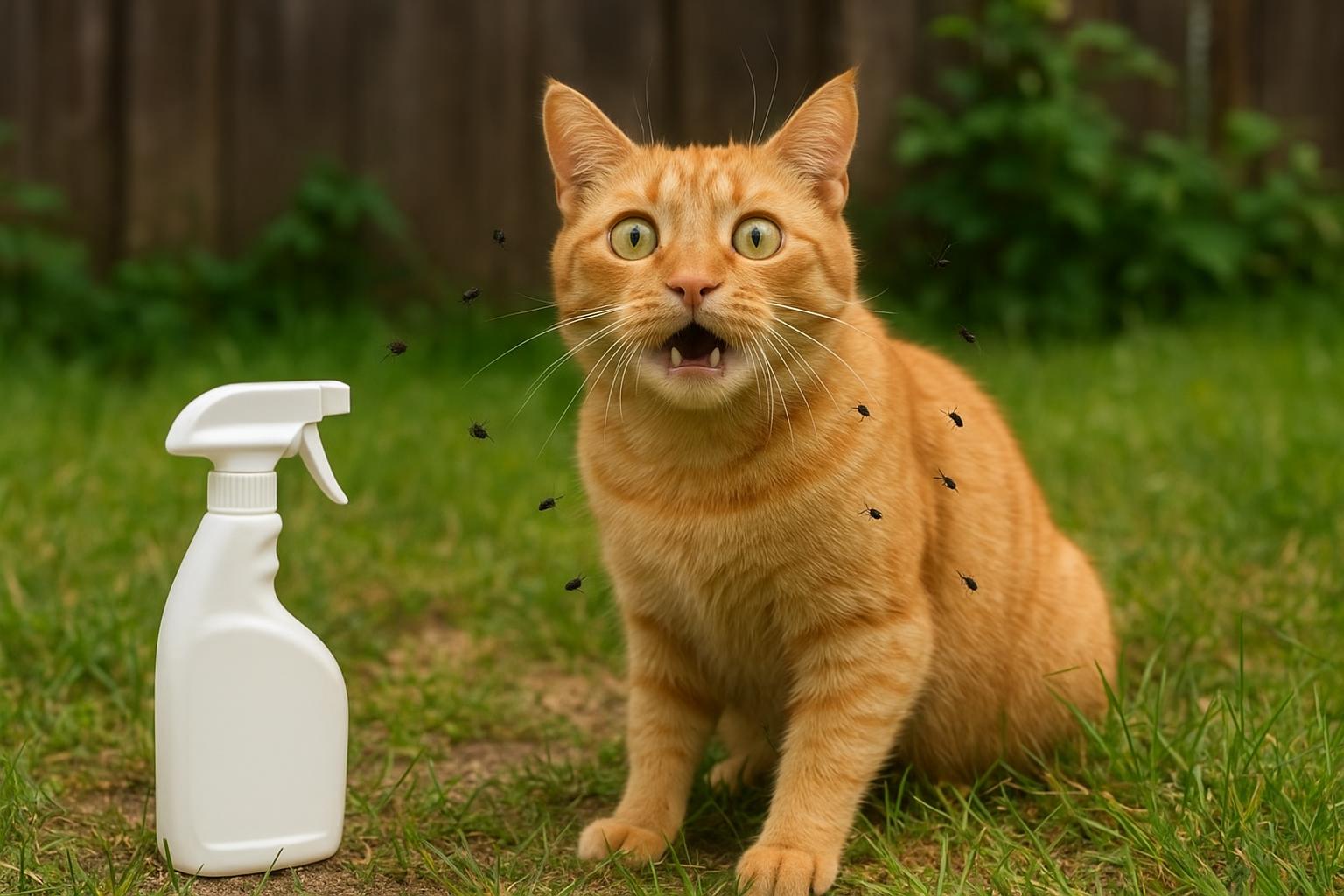
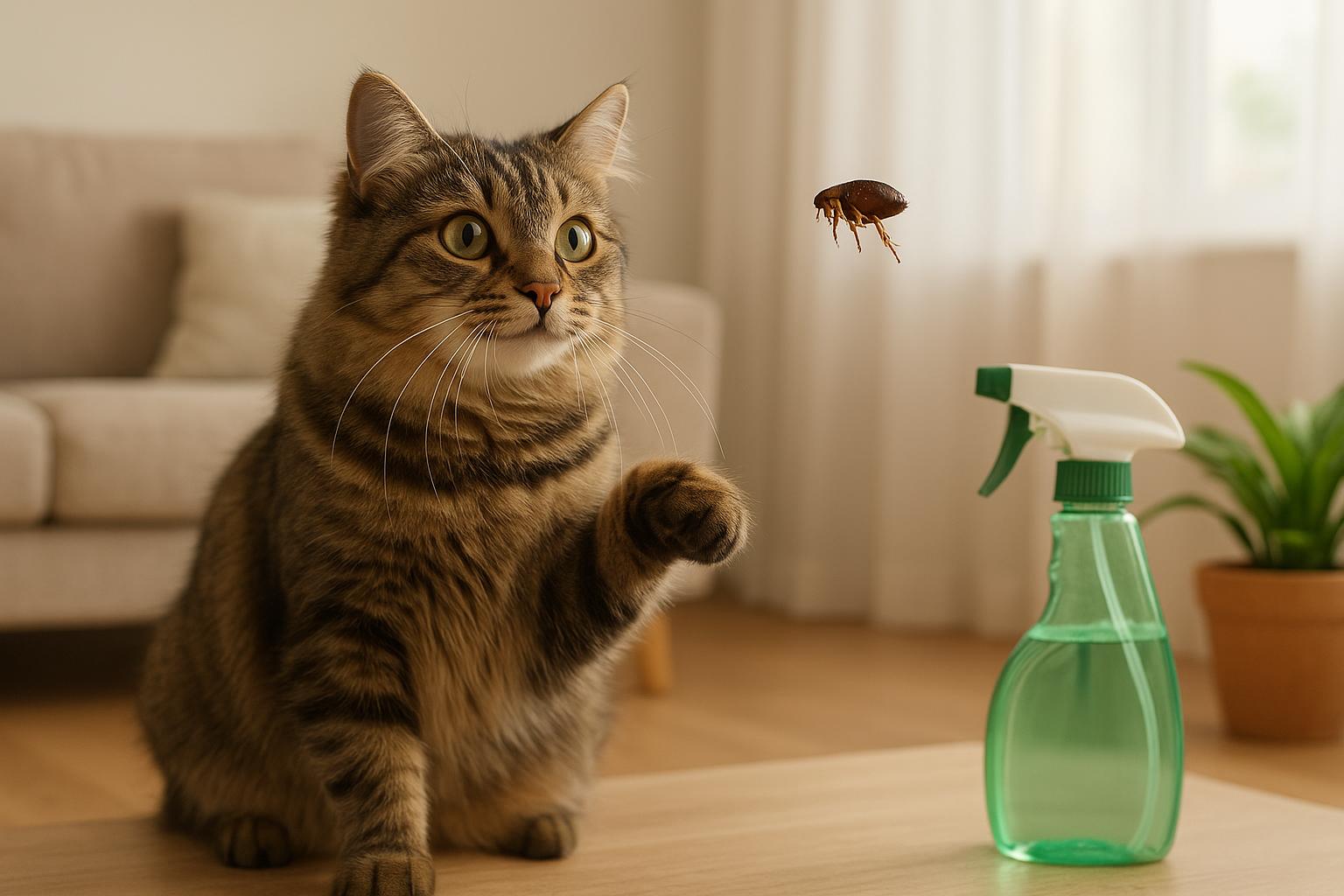
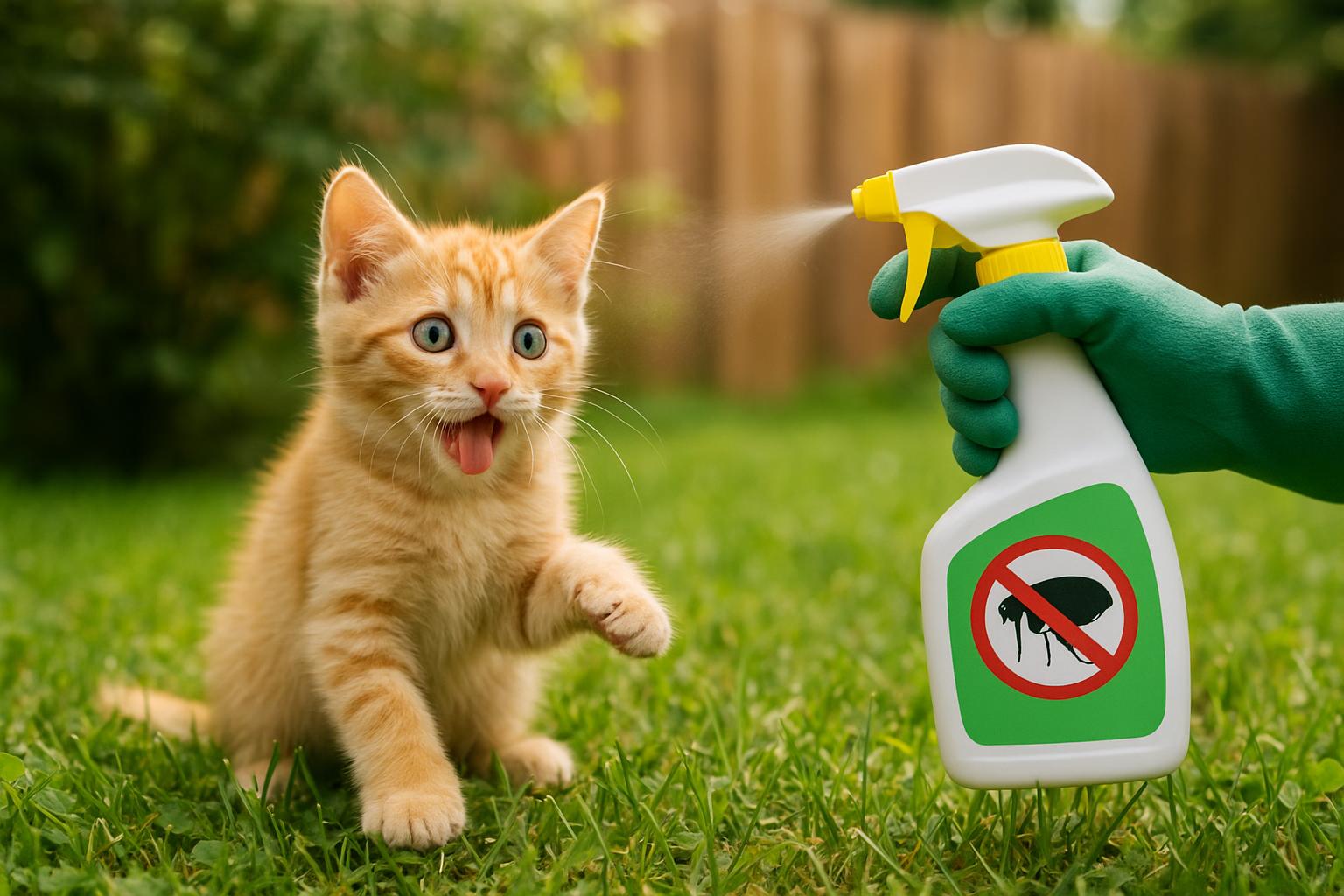
Products can help, but timing and placement matter more. Apply granular nematodes to moist soil in shaded patches during warm weather; they’re living predators of flea larvae. Diatomaceous earth works only when dry and handled carefully. Pesticides can be effective but should be used sparingly and targeted to the mapped hotspots to reduce environmental impact.
#### Biological Controls That Work
Beneficial nematodes (Steinernema and Heterorhabditis species) are the most practical biological option for backyard flea control. They parasitize flea larvae in moist soil. Apply them in the evening and keep the area watered for a couple of days so the nematodes survive long enough to work. Expect to repeat applications during peak flea season.
Predatory mites and some bacterial agents target other pests more than fleas; don’t rely on them alone. If you use IGRs (insect growth regulators such as pyriproxyfen), they prevent eggs from developing and can break the lifecycle when used around entry zones.
## Protecting Your Cat And Home
Treating the yard is only half the job. You must treat the cat, the house, and human behavior to break lawn to home flea entry.
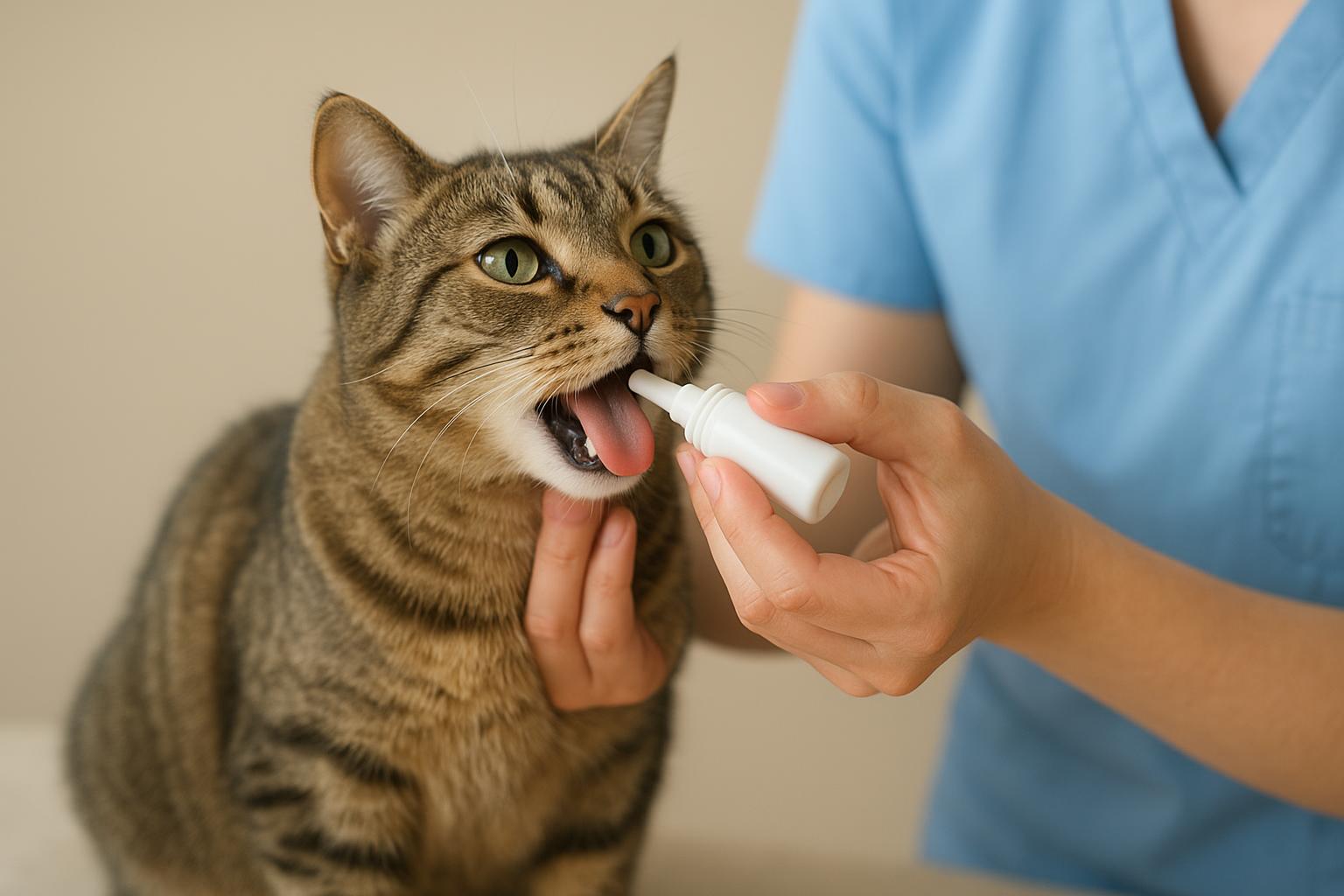
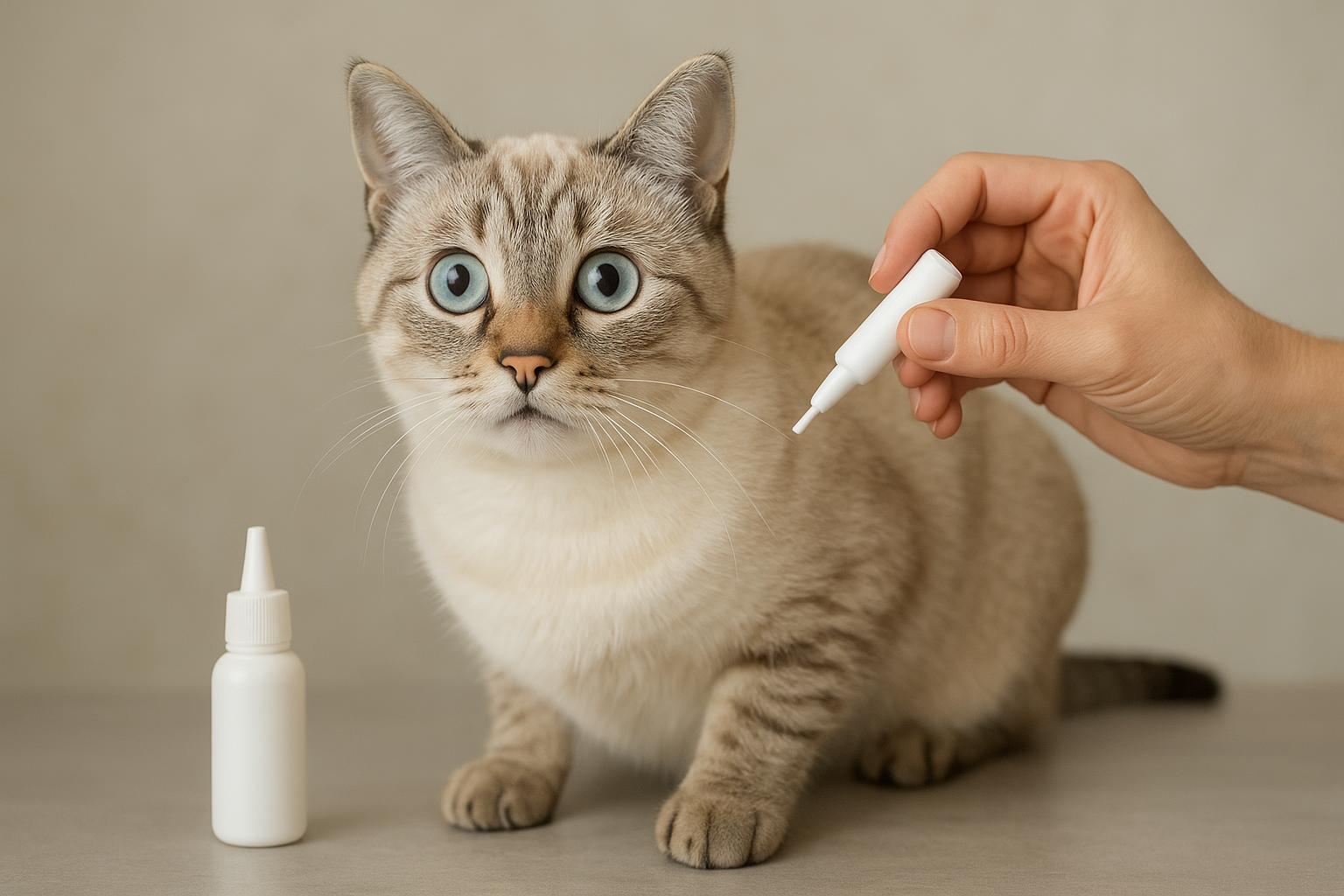
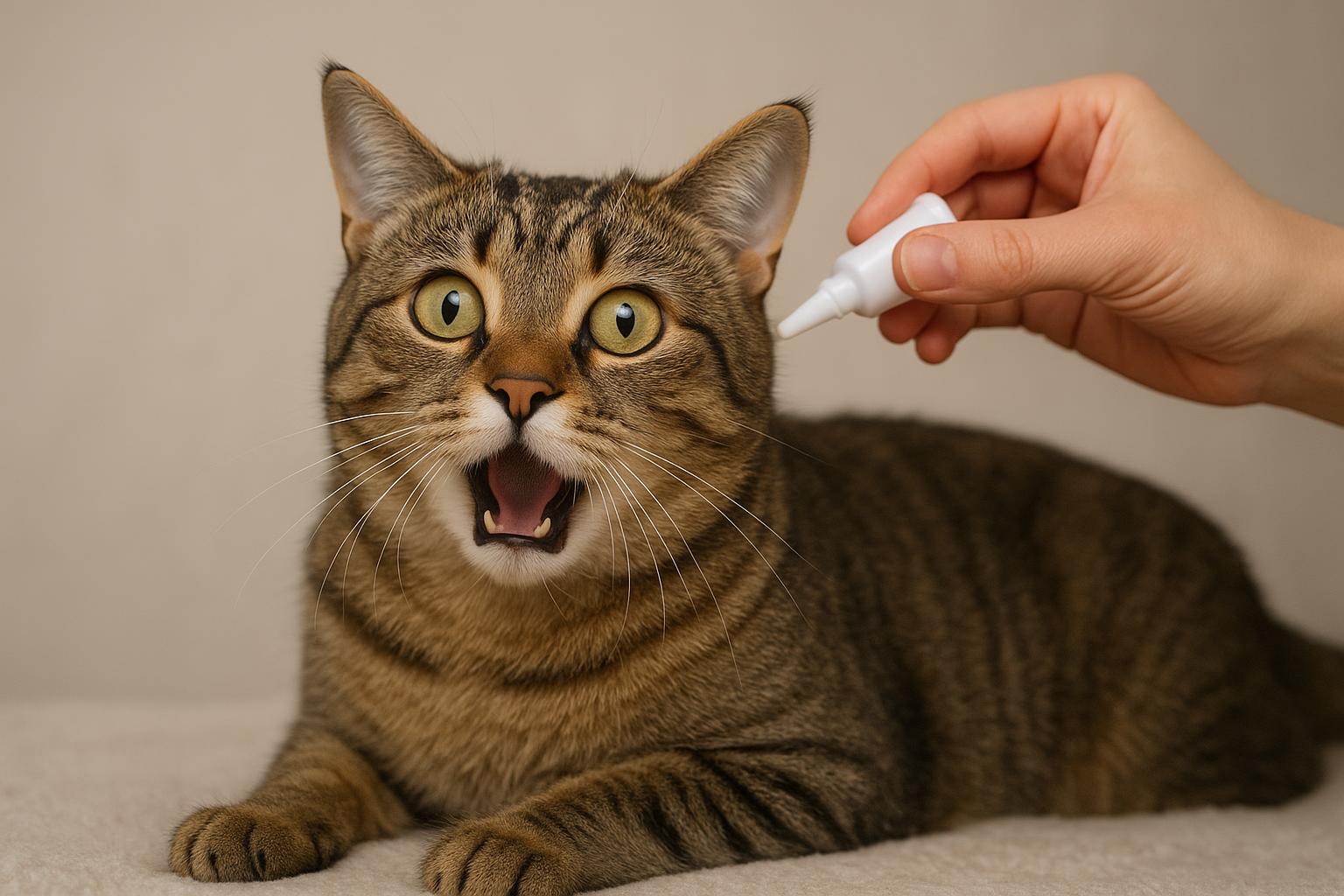
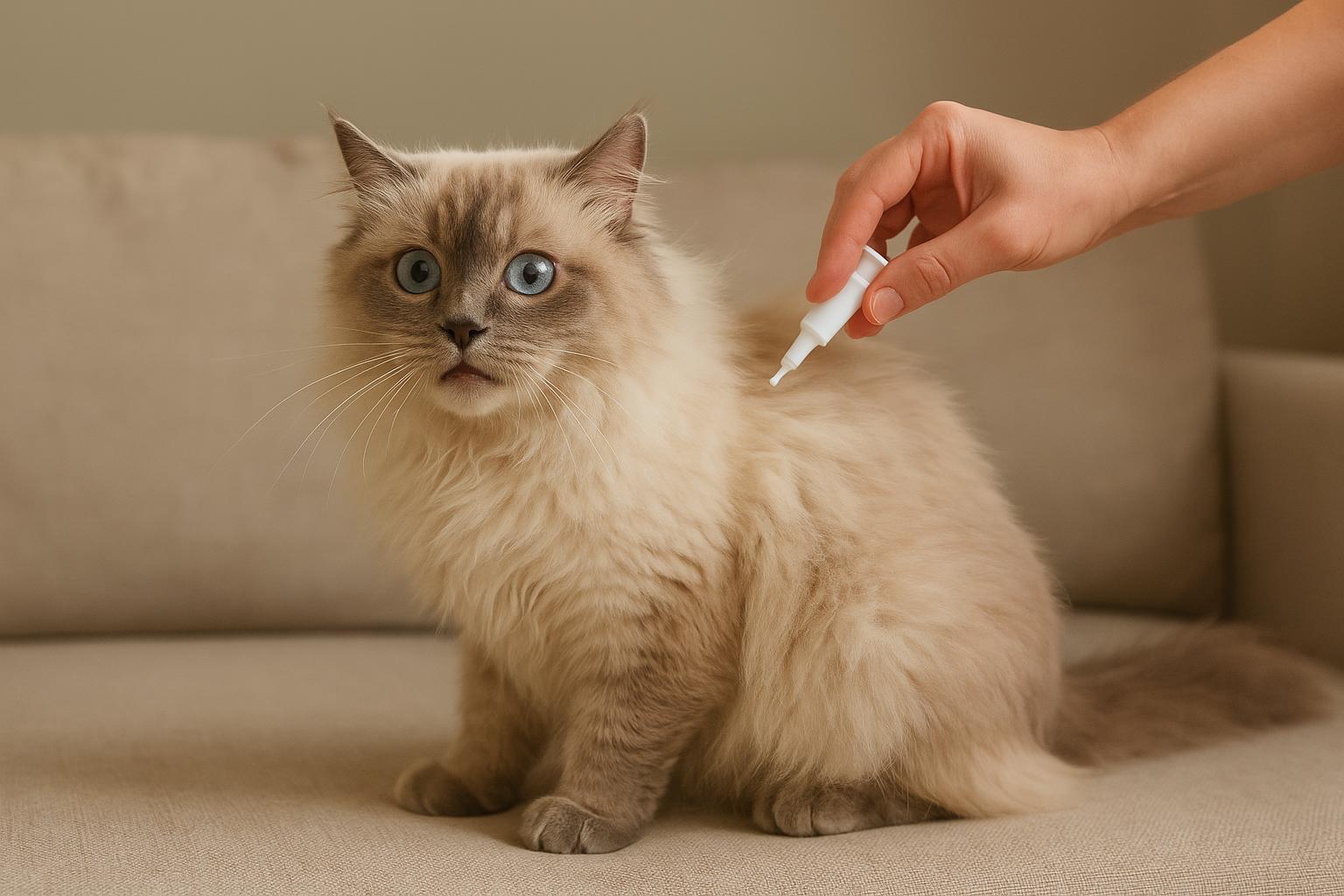
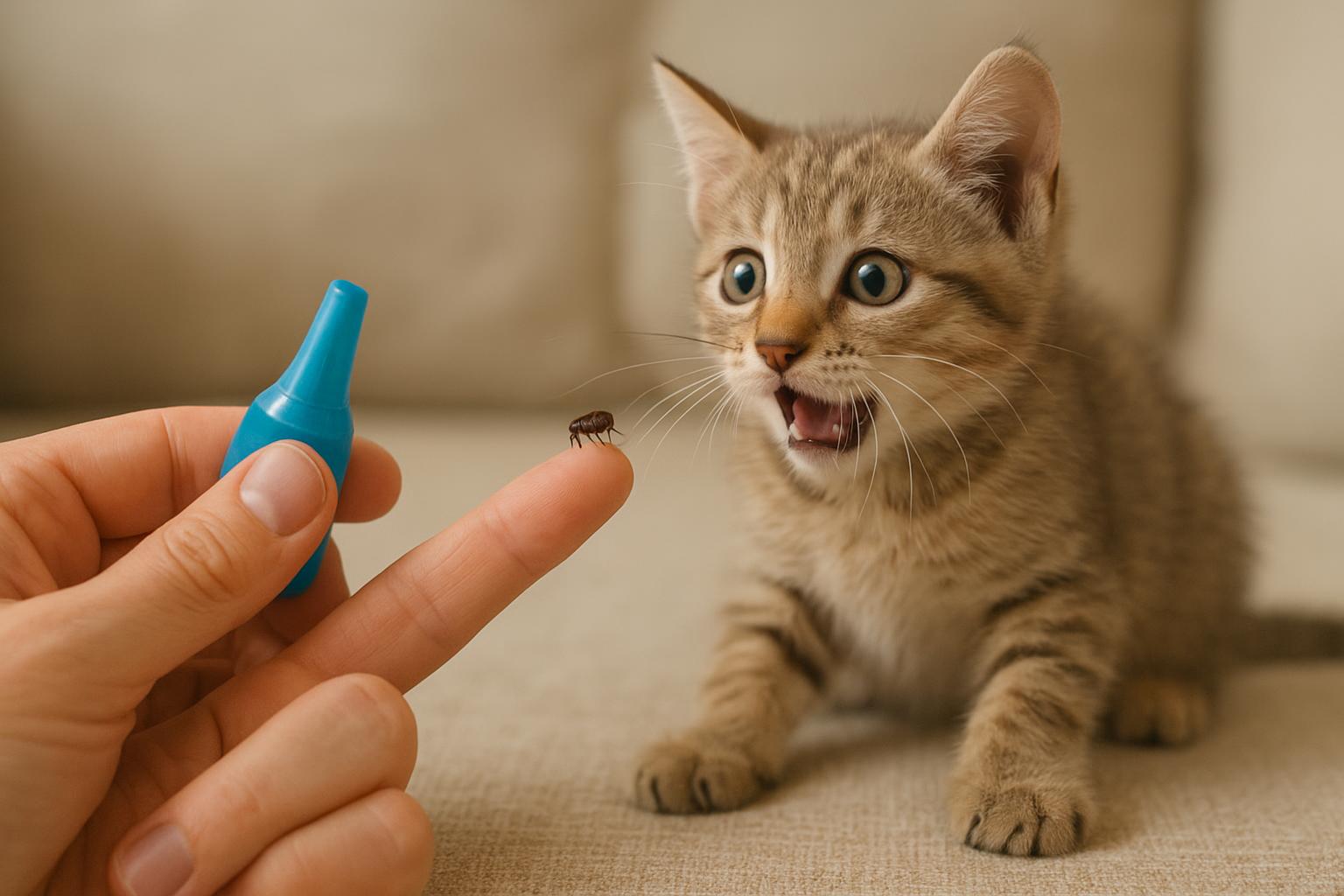
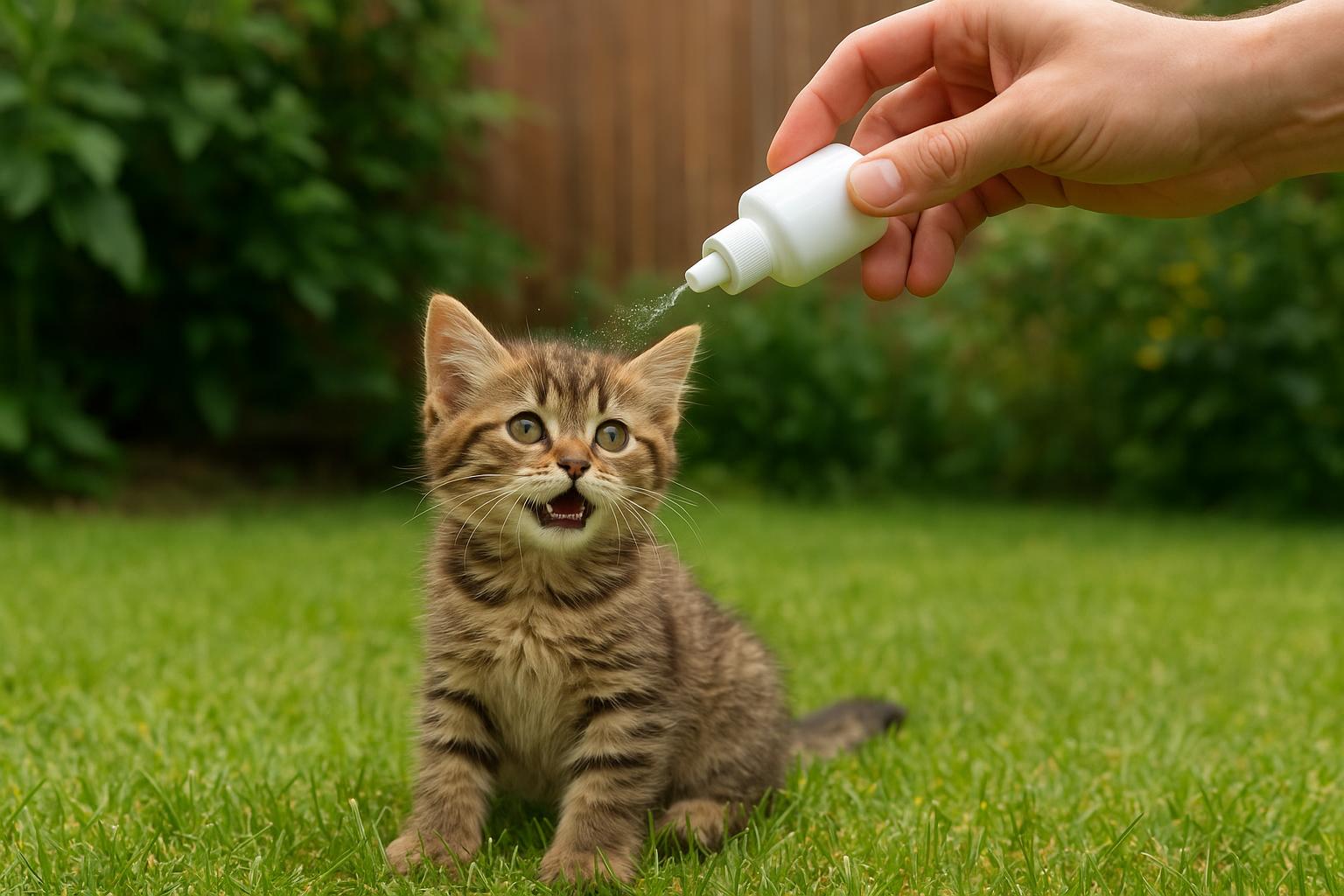
Start with veterinary-grade prevention. Monthly topical products or long-acting oral medications dramatically reduce the chance that a cat brings fleas inside. Options vary: some kill adult fleas quickly, others prevent eggs from maturing. Choose based on your cat’s health, lifestyle, and whether you have multiple pets. I once had a client whose garage workshop was a re-infestation hub because the cat spent hours there; switching to a long-acting oral flea control stopped that cycle.
Flea collars can be useful as a supplement but rarely replace systemic treatments for active outdoor cats. When you treat, treat every pet in the household; even one untreated animal sustains the flea population.
### Inside The House Tactics
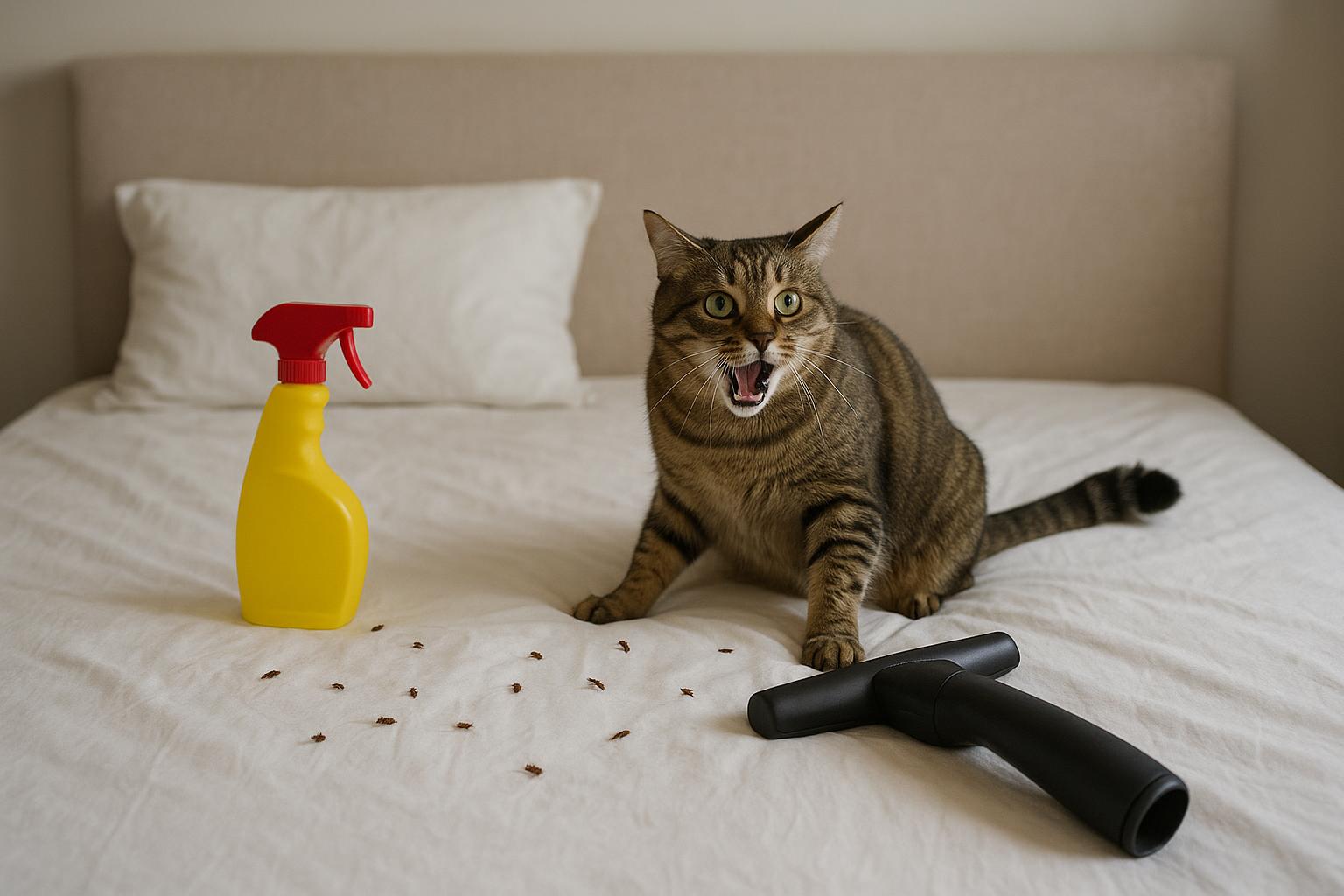
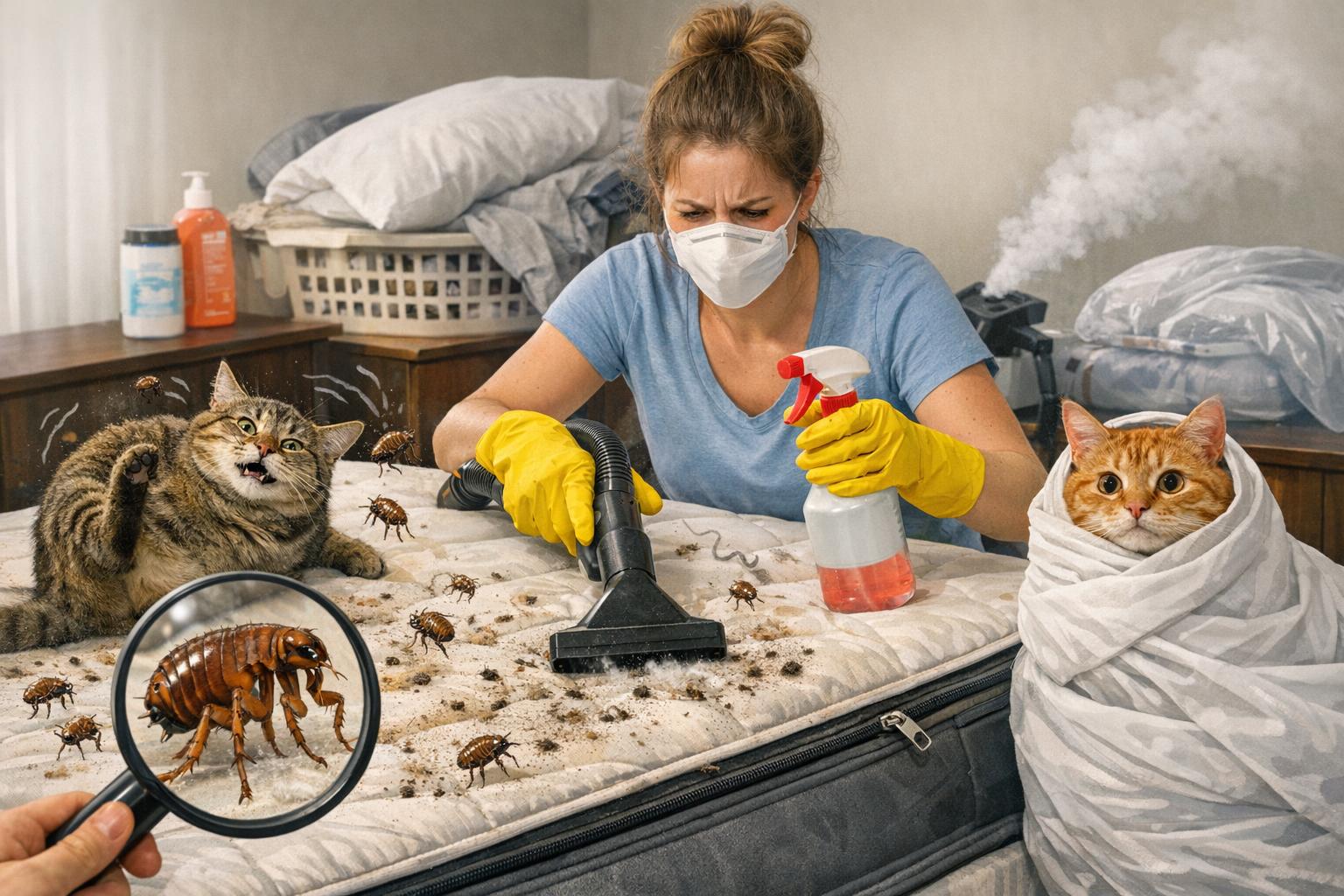
Inside, focus on the places your cat uses and transition zones near doors. Vacuum thoroughly—edges, under furniture, and along baseboards. Vacuuming disturbs pupae and removes eggs; empty the canister or bag outside right away. Wash pet bedding and any washable fabrics in hot water weekly during peak season.
Use targeted indoor products when needed. Aerosol treatments labeled for indoor use combined with an IGR will reduce numbers of eggs and larvae. If you spot flea activity concentrated at a particular flea entry point, treat that area directly with an appropriate product and then monitor.
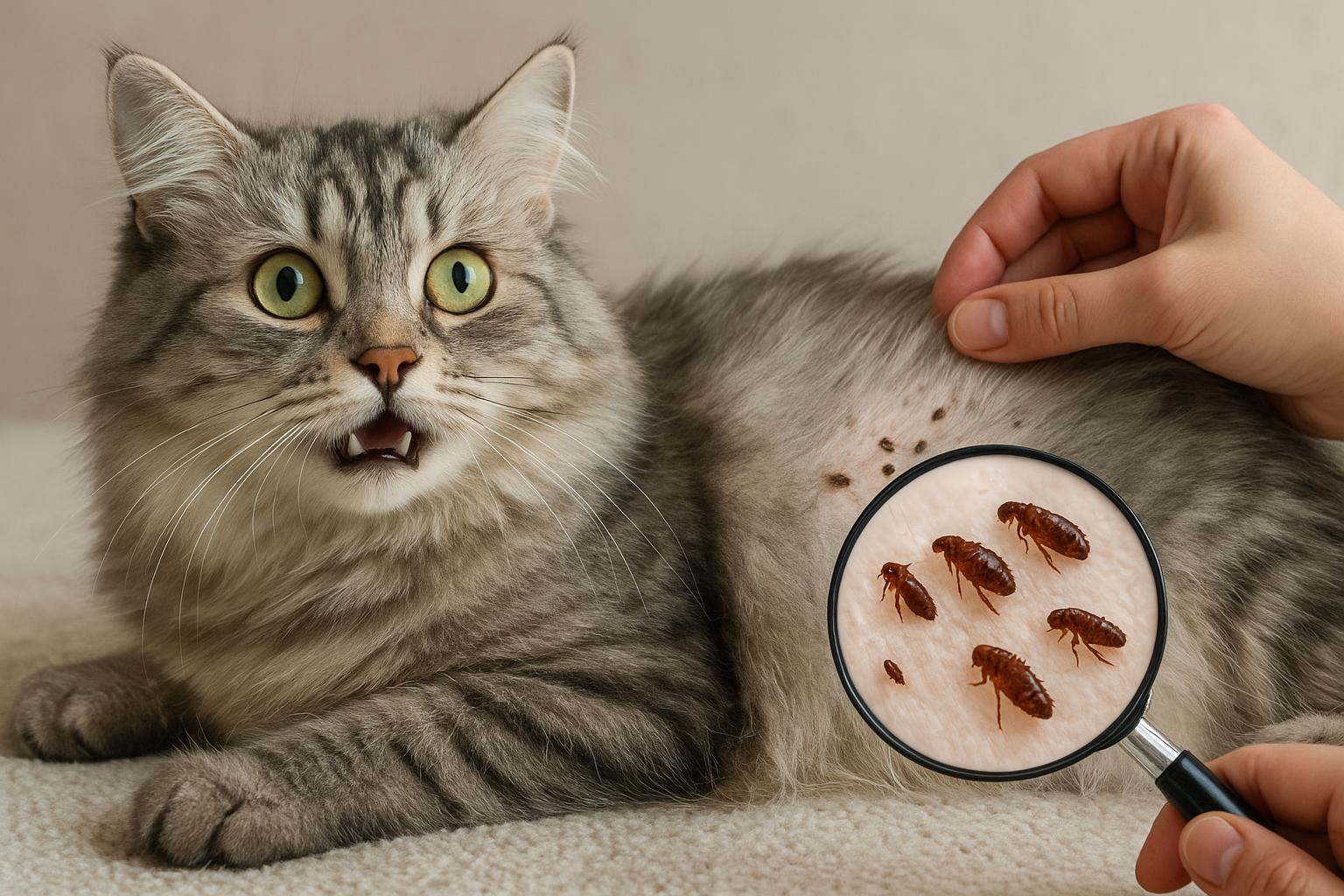
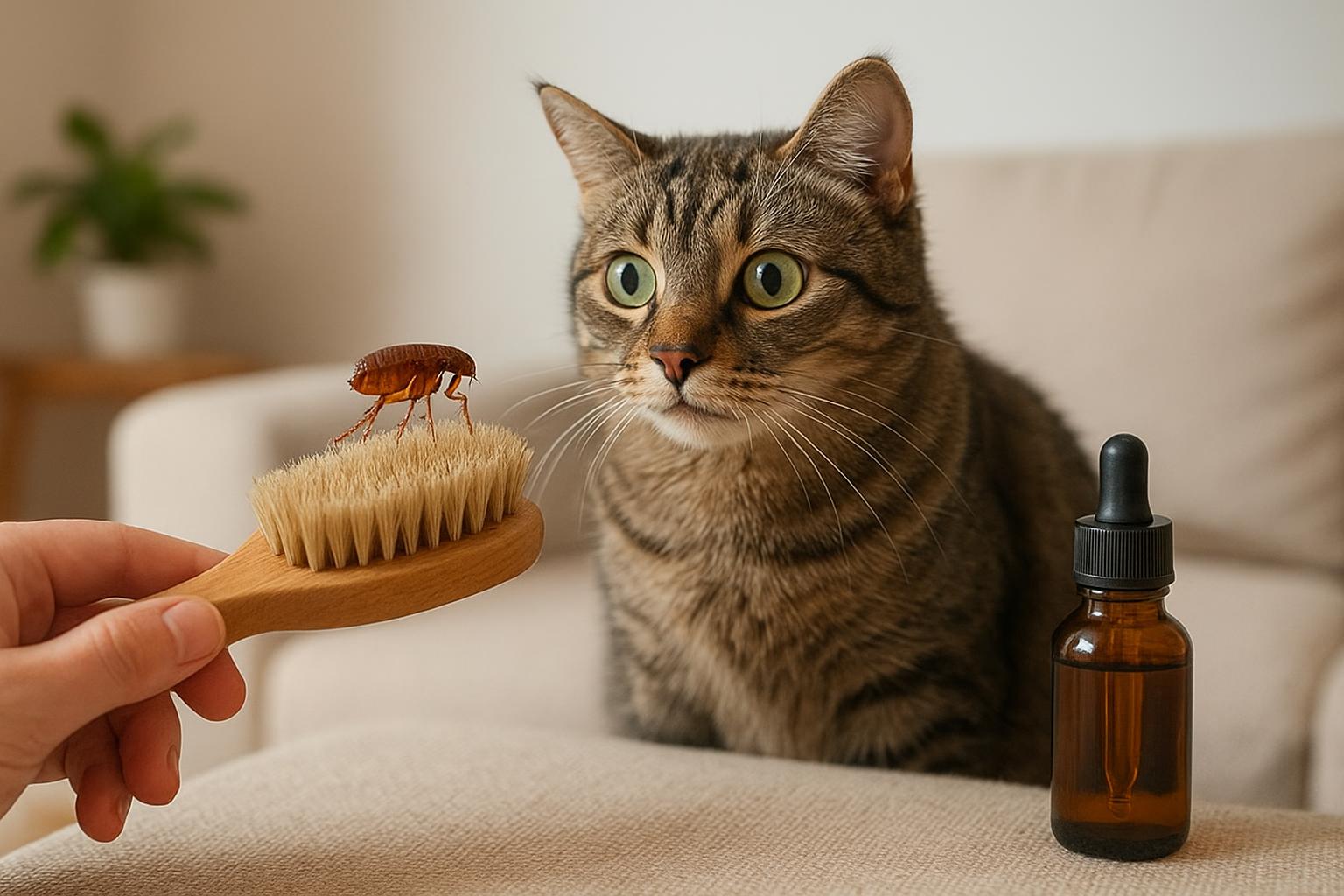
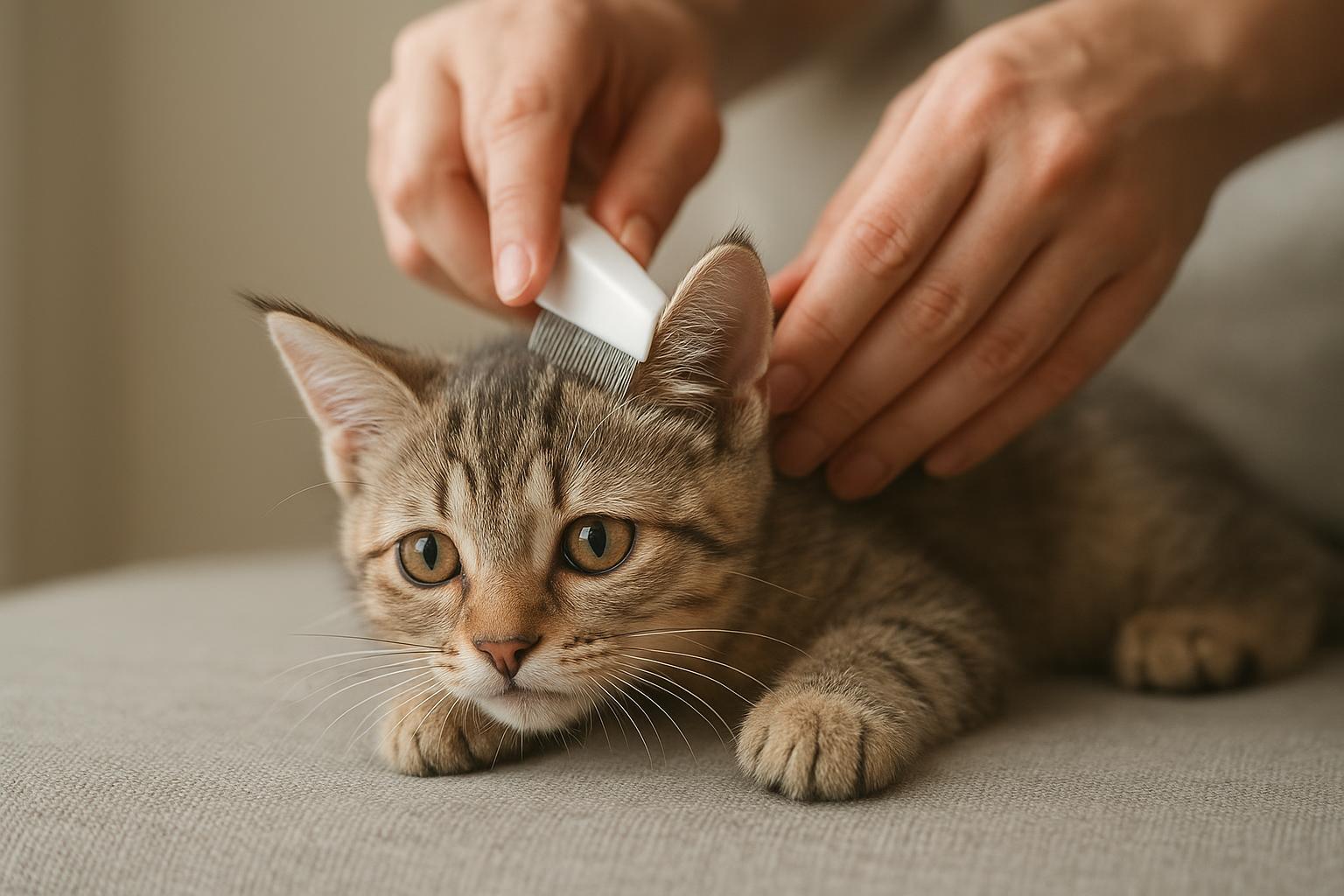
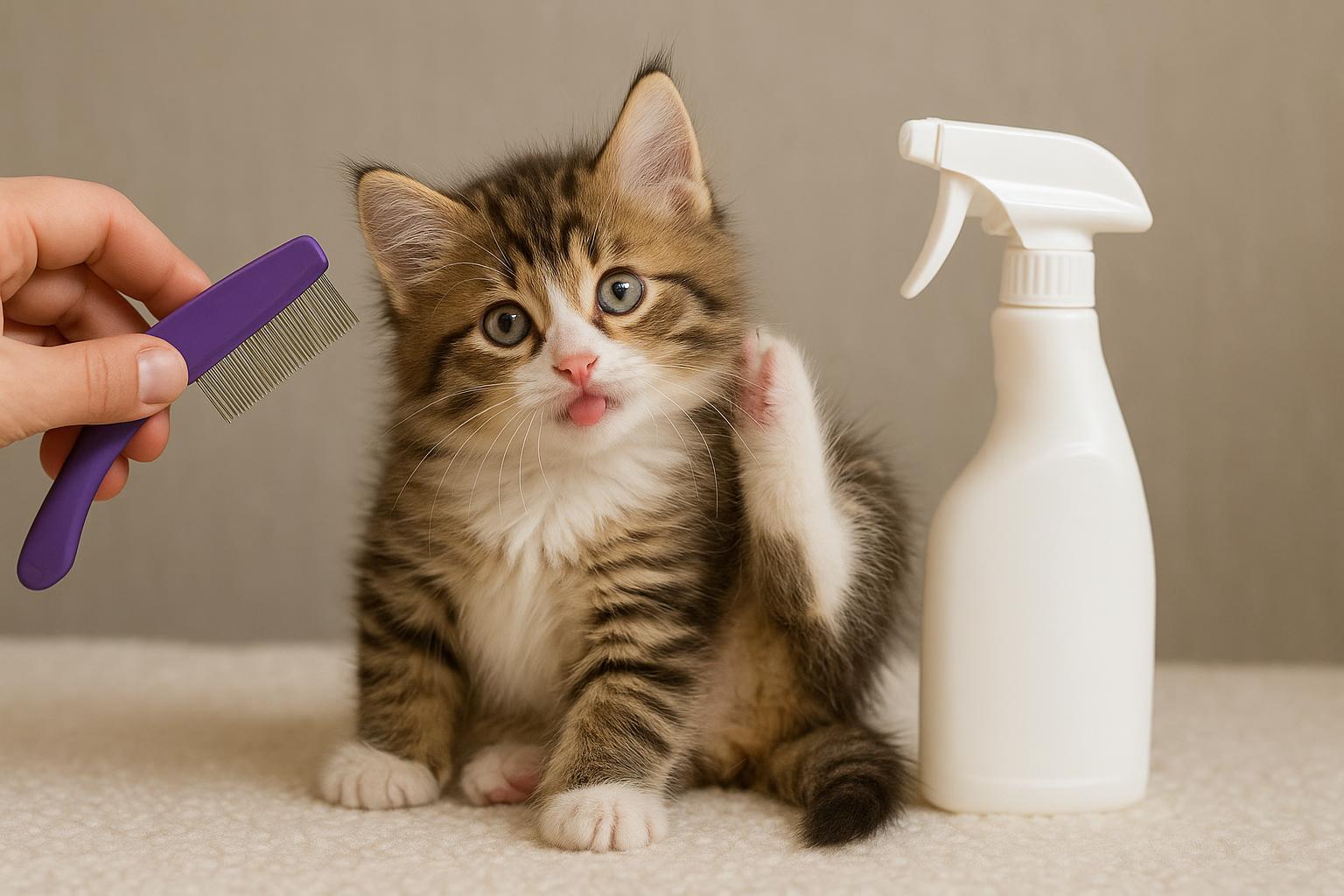
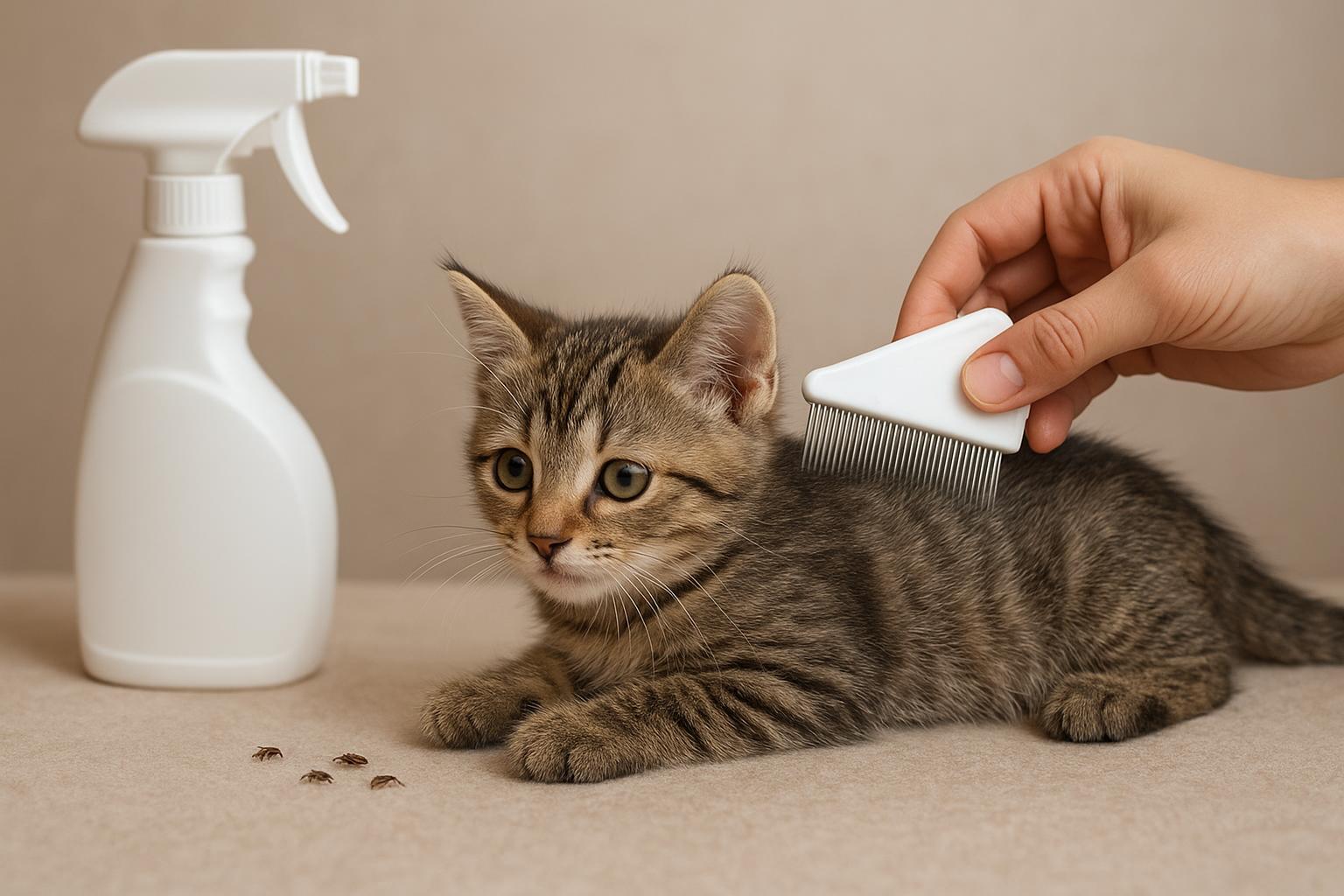
A flea comb is low-tech and effective: combing daily removes adults before they lay many eggs. Keep a shallow dish of soapy water nearby to drown combed fleas. For quick relief, give a cat a dose of a fast-acting product like nitenpyram under vet guidance, but pair that with longer-term prevention.
### When To Call Professionals
If flea issues persist despite focused yard corrections and regular pet treatment, bring in a pro. Pest control professionals can treat inside and out with products and techniques that homeowners can’t access. They can also identify hard-to-find flea entry points — small foundation gaps or wall voids — and treat pupae in crawlspaces and under porches.
Make sure any service uses IGRs and targets exterior harborage zones as mapped. A single broad-spray approach without addressing the root cause will give you temporary relief at best.
## Long-Term Yard Management For Outdoor Cats
Make the yard less hospitable over time. The goal isn’t total sterility but to reduce those transition zones where lawn to home flea entry happens.
Create a 2–3 foot clean strip around the foundation with gravel, pavers, or low-maintenance landscaping that dries fast. Move compost piles and pet feeding stations away from the house. Keep the lawn short and remove dense planting near doors. If your cat spends a lot of time outdoors, consider a covered outdoor sleeping area with washable bedding raised off the ground; it’s easier to keep clean and can be checked frequently for fleas.
Also, think about neighborhood factors. If you have feral cats or a lot of wildlife visiting your yard, you’ll always face higher flea pressure. In those cases, community-level efforts (humane feral cat programs, wildlife-proofing) help. I’ve seen homeowners reduce recurring problems simply by relocating an old woodpile and sealing a small crawlspace — two common flea entry points — rather than treating the entire yard.
Practical routines keep the gains. A weekly check of sleeping spots, monthly application of vet-recommended prevention for pets, and seasonal nematode treatments in shaded patches cut down the summers where you feel like you’re fighting fleas nonstop. If you do recieve a new cat or have guests with pets, be proactive with checks and temporary isolation until you’re sure they’re clear.





























Leave a Reply