
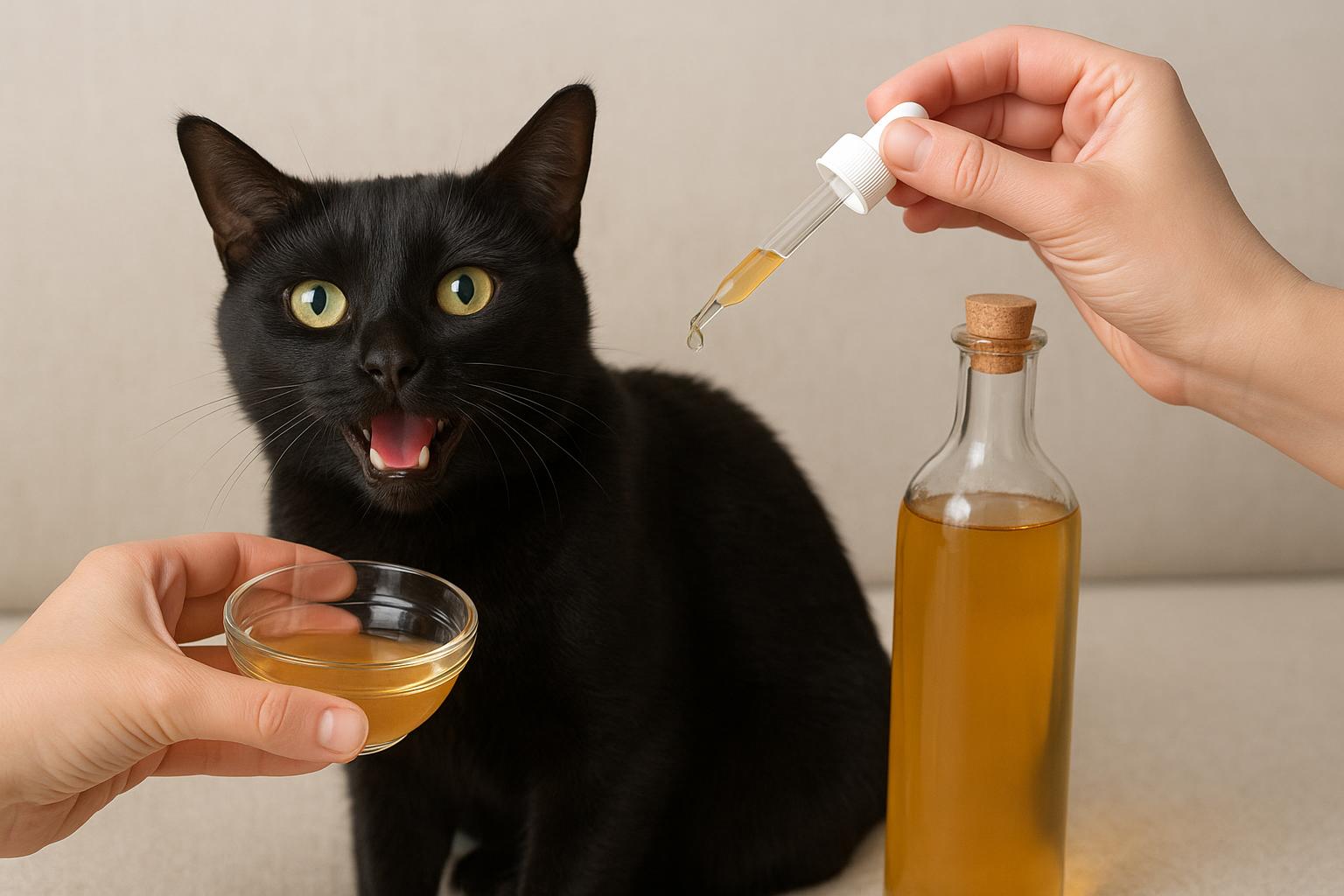
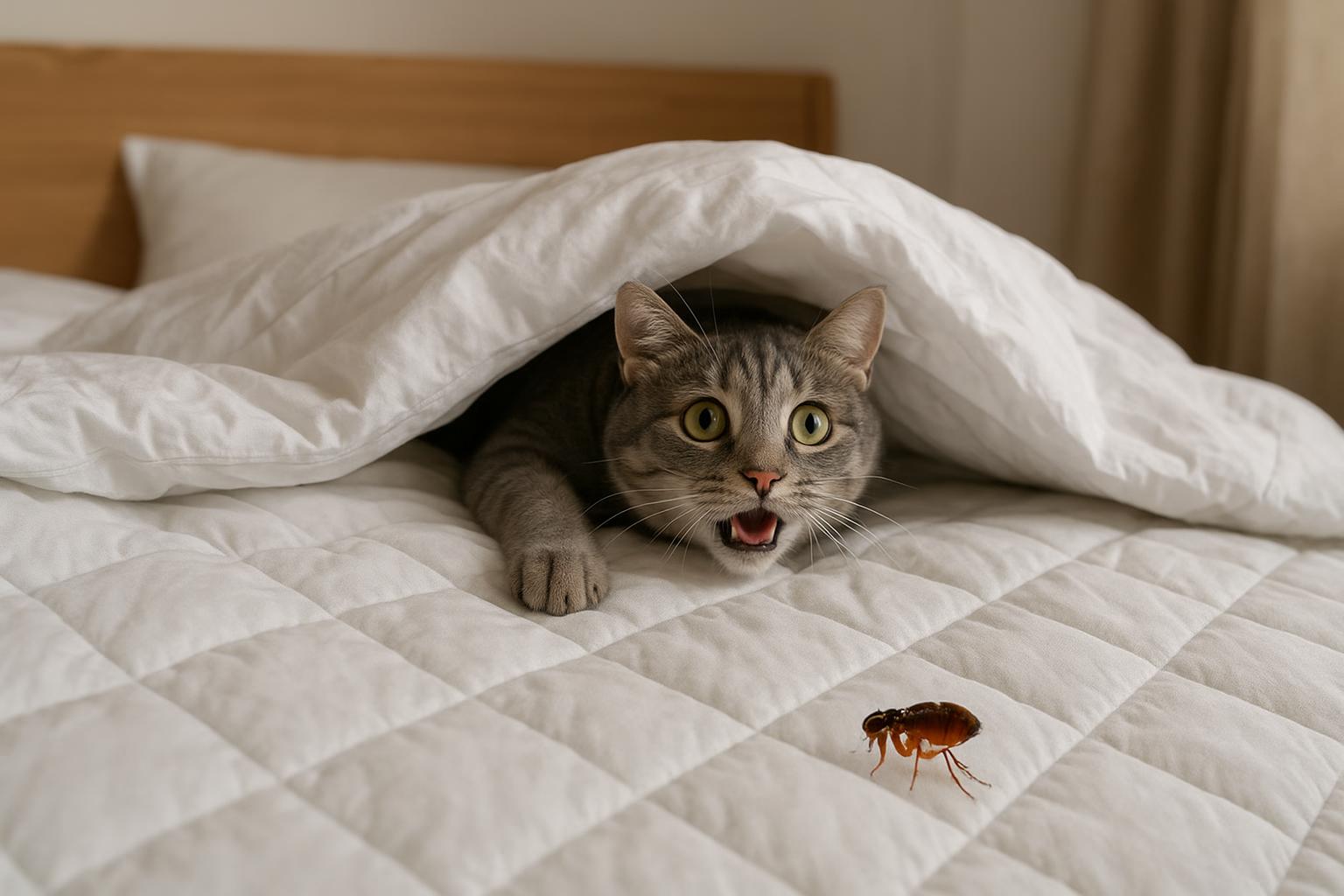
A shockingly simple pantry staple could become your pet’s secret weapon — and flea infestations will never see it coming. This is not a gimmick: the tangy flood of acetic acid in a common bottle can disrupt flea behavior and make your cat, dog, or small pet far less inviting to those tiny vampires. The claims are dramatic, but the method is precise. Read on for an in-depth, practical, and research-aware approach to an apple cider vinegar fleas home remedy that many pet owners swear by.
## Apple Cider Vinegar Fleas Home Remedy
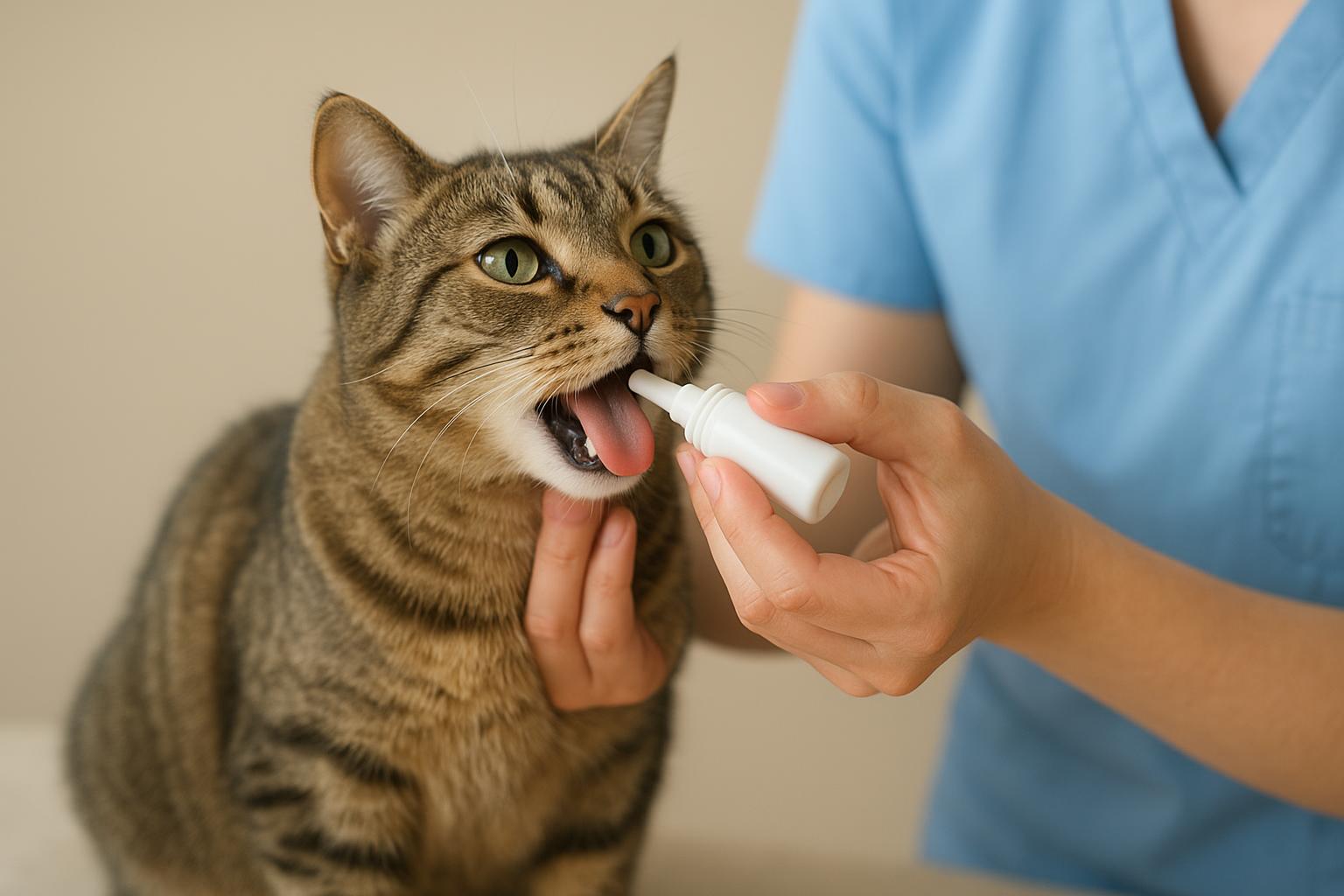
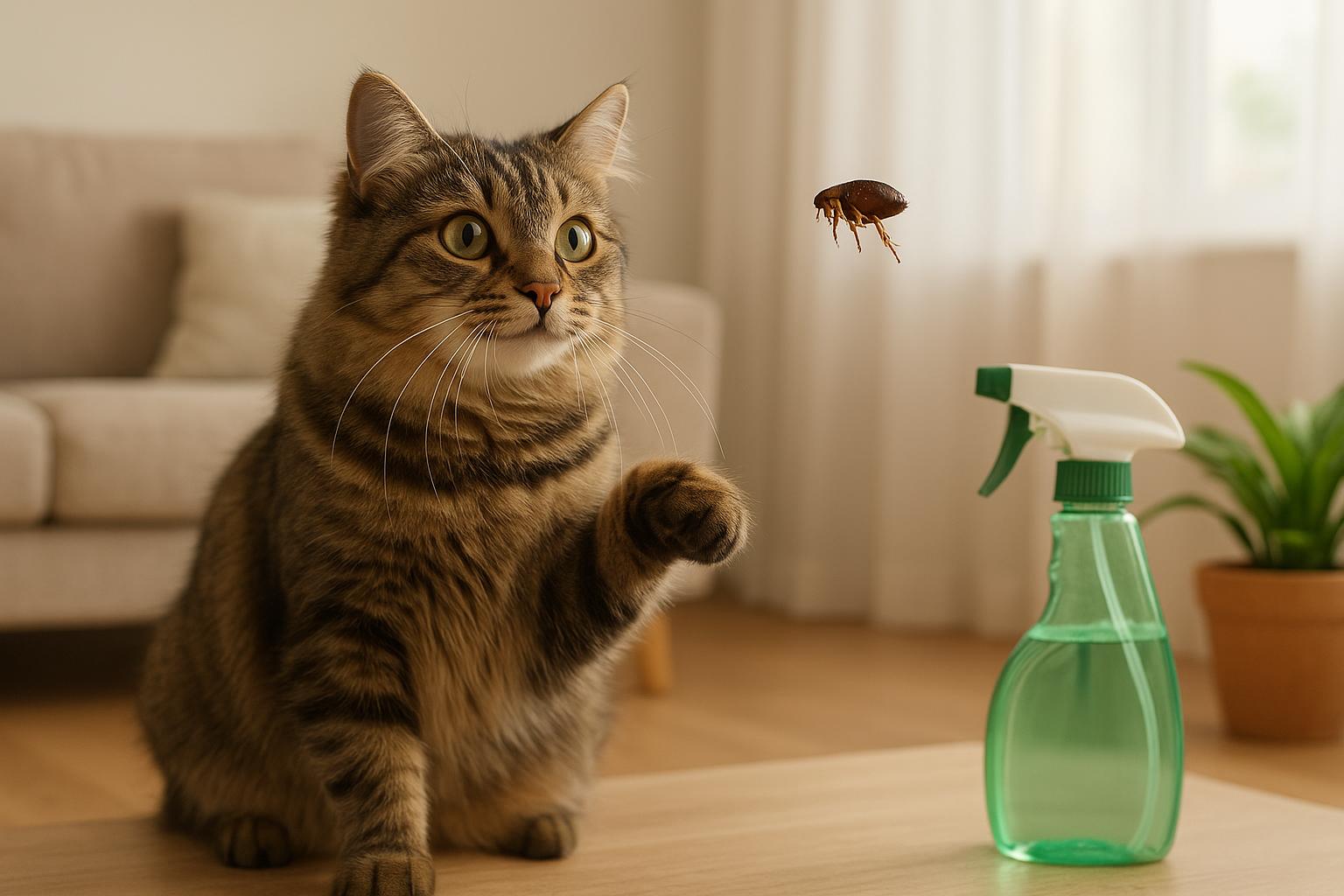
If you’re hunting for a natural, cost-effective apple cider vinegar fleas home remedy, the logic is compelling: apple cider vinegar (ACV) alters skin pH slightly and emits a scent fleas dislike. While ACV will not replace veterinarian-prescribed treatments for severe infestations, a structured application can be a powerful component of an integrated flea control plan. This apple cider vinegar fleas home remedy works best when combined with environmental control, grooming, and vet advice.
### Why This Sensational Fix Seems To Work
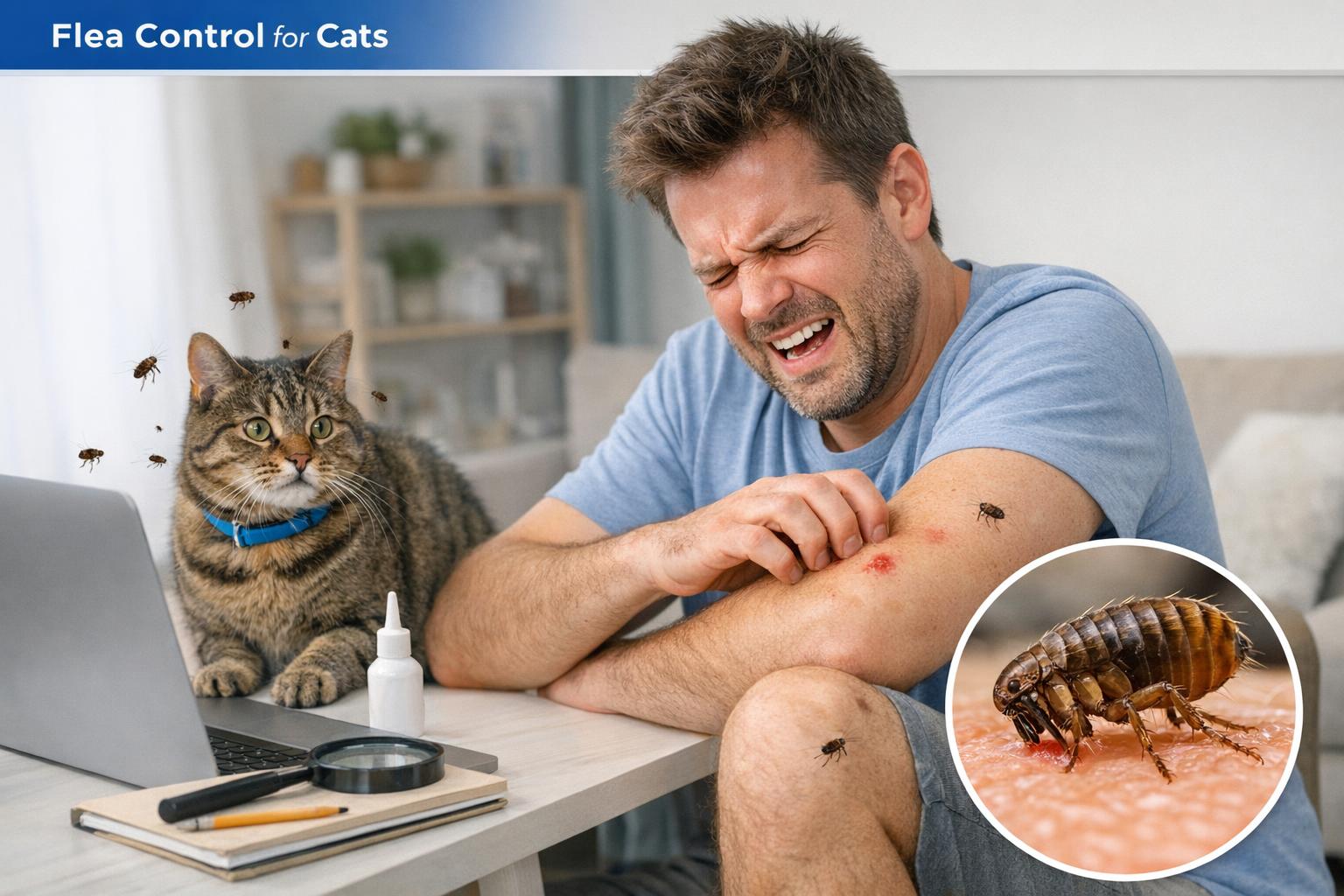
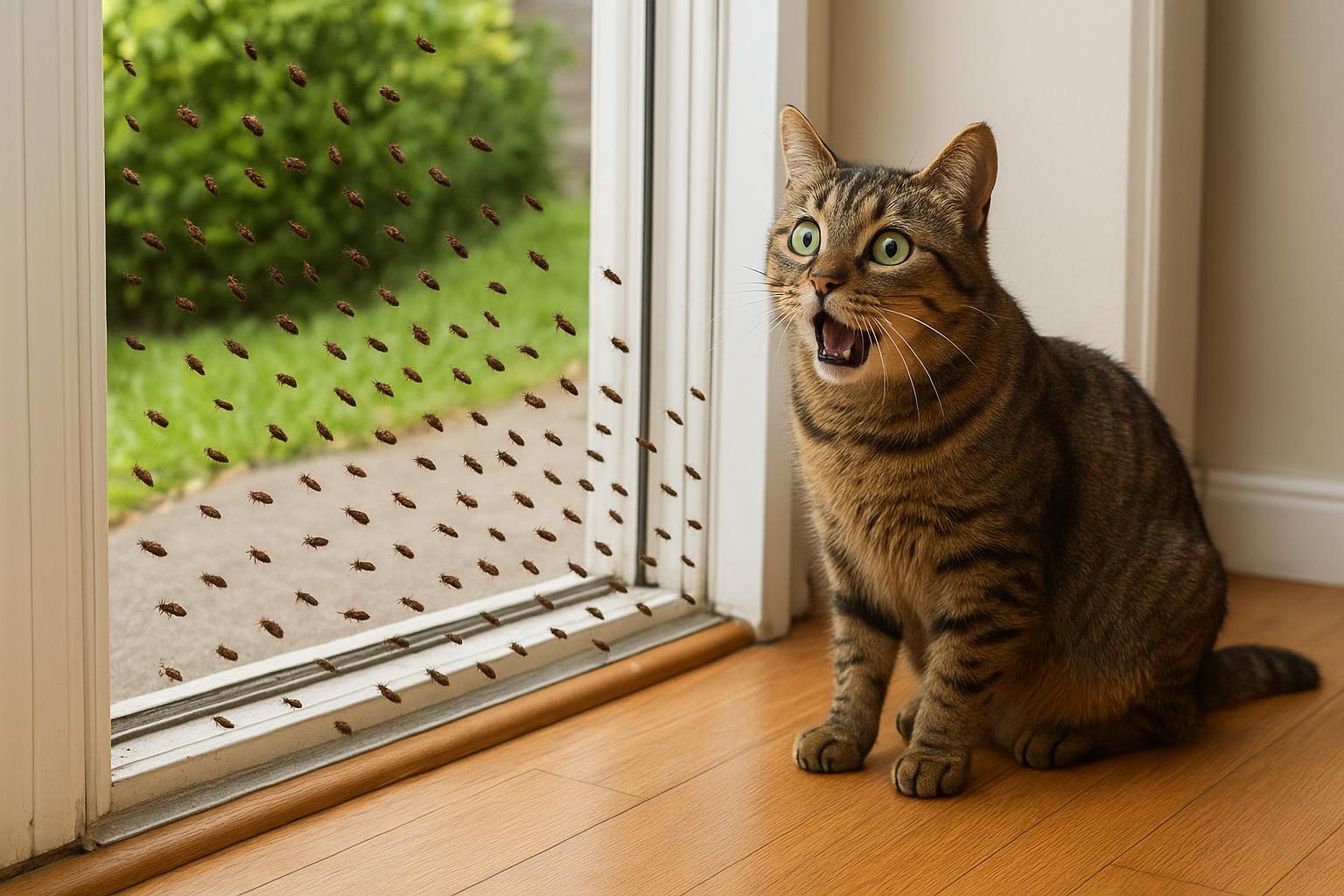
The sensational part is how ordinary ingredients fight pests that carry disease. Fleas rely on host cues — scent, heat, and skin chemistry — to find and latch onto animals. Apple cider vinegar’s sharp aroma and mild acidity can obscure those cues and create an unfriendly surface for fleas. Clinical evidence on ACV specifically for fleas is limited, but anecdotal reports and basic chemistry point to plausible deterrent effects.
### Apple Cider Fleas Science: What You Need To Know
– ACV is acidic (acetic acid) and can change the microenvironment on the skin and coat.
– Fleas do not thrive in environments where hosts frequently have altered skin surface conditions.
– ACV is not an insecticide in the conventional sense; it’s a deterrent and supportive care measure rather than a killer in large numbers.
This distinction matters: think of an apple cider vinegar fleas home remedy as a behavioral disruptor rather than a standalone exterminator.
### Who Should Use This Flea Home Remedy
This flea home remedy can be used for:
– Dogs and adult cats without open wounds.
– Small mammals (rabbits, guinea pigs) with veterinary approval.
– Preventive routines in low-to-moderate flea pressure seasons.
Do not use on animals with raw skin, severe dermatitis, or if your pet is known to have sensitivity to acidic topical treatments. Always consult your veterinarian if in doubt.
## Ingredients And Materials For The Remedy
#### Required Materials
1. Organic apple cider vinegar (raw, unfiltered with “mother” preferred) — 1 cup for mixtures.
2. Distilled or filtered water to dilute.
3. A spray bottle (preferably glass or PET plastic).
4. Small measuring cup and funnel.
5. Soft towel and brush for grooming.
6. Optional: a few drops of pet-safe essential oils (only with vet approval; many essential oils are toxic to pets).
#### Concentrations To Use
– For dogs: a common dilution is 1 part ACV to 3 parts water (25% ACV concentration).
– For cats and sensitive skin: dilute more — 1 part ACV to 6 parts water (about 14% concentration).
– Never use undiluted ACV on skin as it can cause irritation.
### Step-By-Step Creation And Application (Formal And Precise)
1. Prepare The Solution:
– Measure the apple cider vinegar and distilled water according to your pet’s species and sensitivity.
– Pour the water into the spray bottle first, then add ACV to avoid foaming and to help measure accurately.
– Optional: If using a pet-safe carrier like a tiny pinch of aloe vera gel, add it now and shake gently.
2. Patch Test:
– Select a small area on the inner thigh or chest. Spray a little solution and wait 24 hours.
– Monitor for redness, itching, or unusual behavior. If adverse signs appear, discontinue use and consult a vet.
3. Apply To Coat:
– Brush the pet to remove tangles and expose the coat.
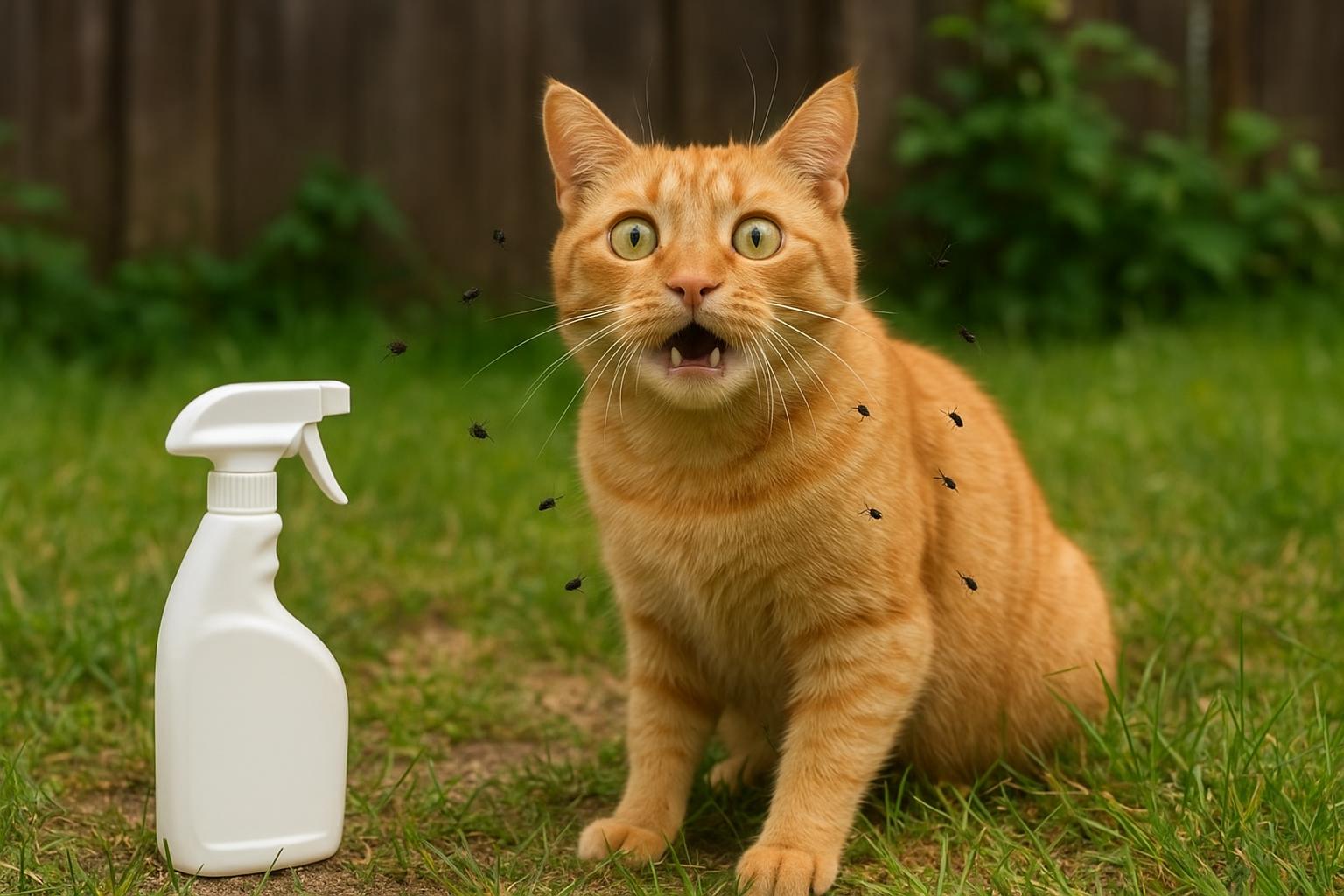
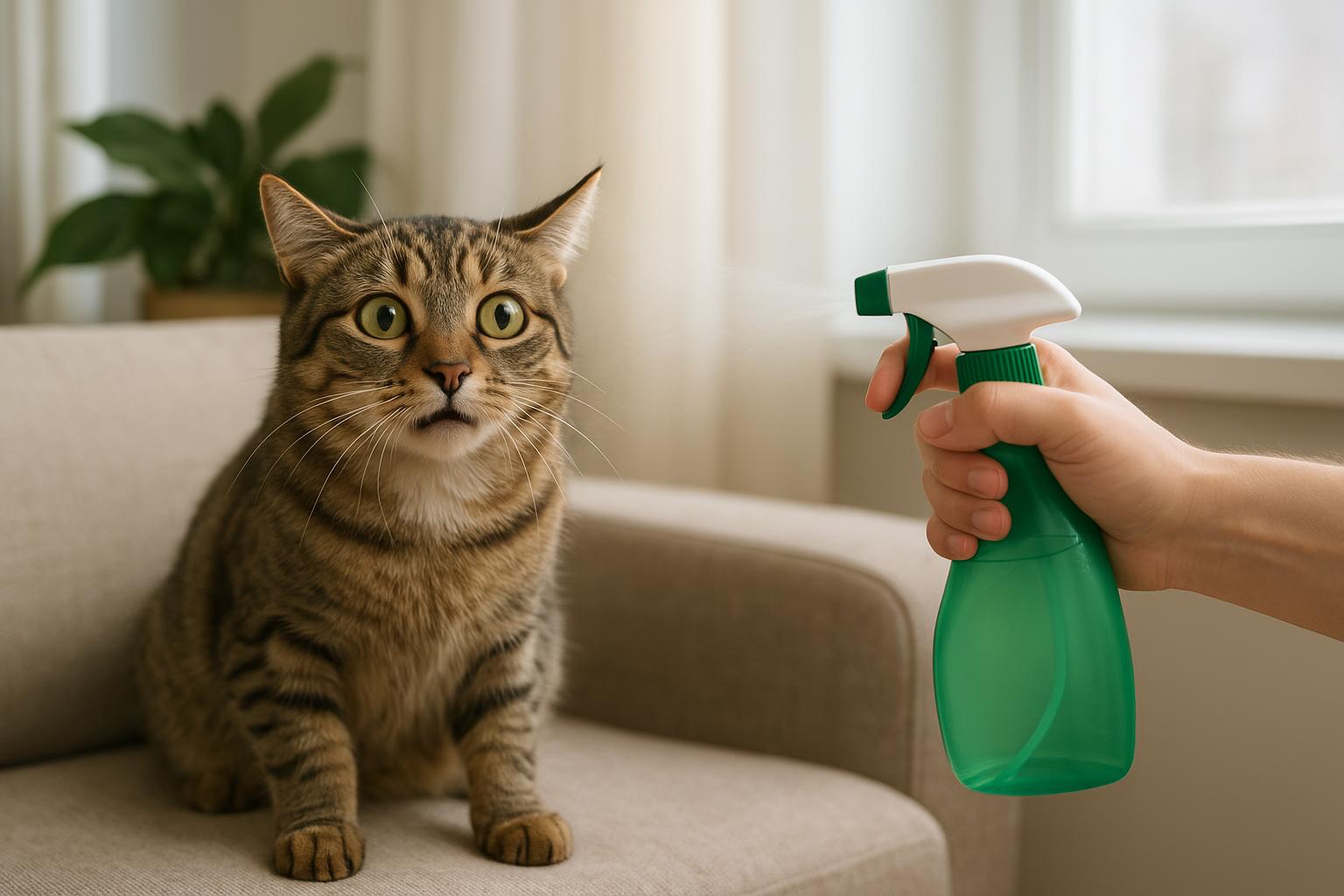
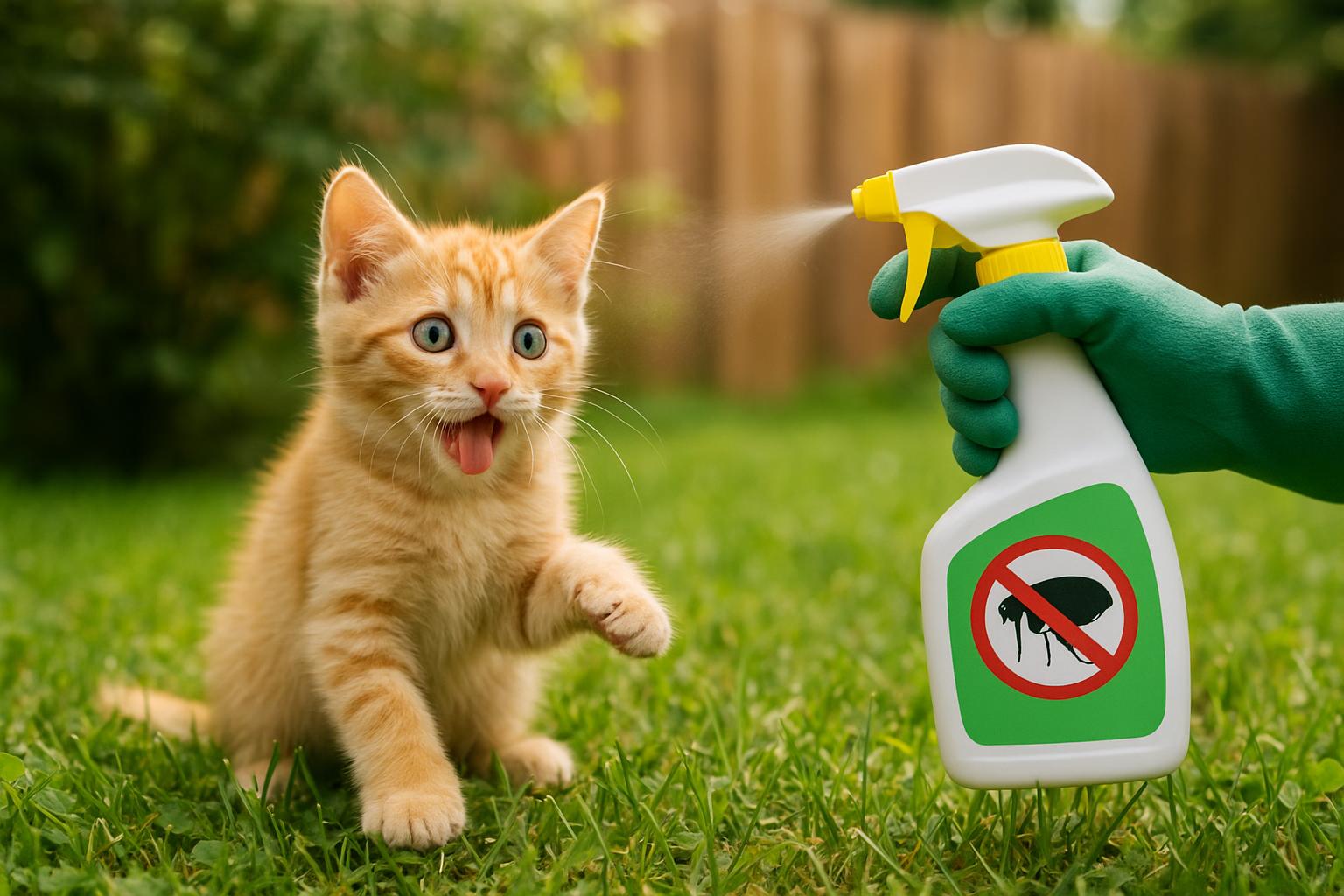
– Spray lightly and evenly from a short distance (6–8 inches), avoiding eyes, nose, mouth, and any open wounds.
– For long-haired breeds, part the fur and spray closer to the skin in short bursts.
4. Rub In And Groom:
– Gently massage the solution into the coat with your hands or a soft brush to ensure mild distribution.
– Allow the coat to air dry; do not bathe immediately after application unless directed by your vet.
5. Frequency:
– Use the spray 2–3 times per week as a preventive measure or daily for up to a week in mild infestations.
– Monitor the flea load carefully; if you see no improvement within 7–10 days, consult your veterinarian for stronger measures.
### Safety Tips And Practical Precautions
– Never get the solution in your pet’s eyes. If contact occurs, flush the eyes with distilled water immediately.
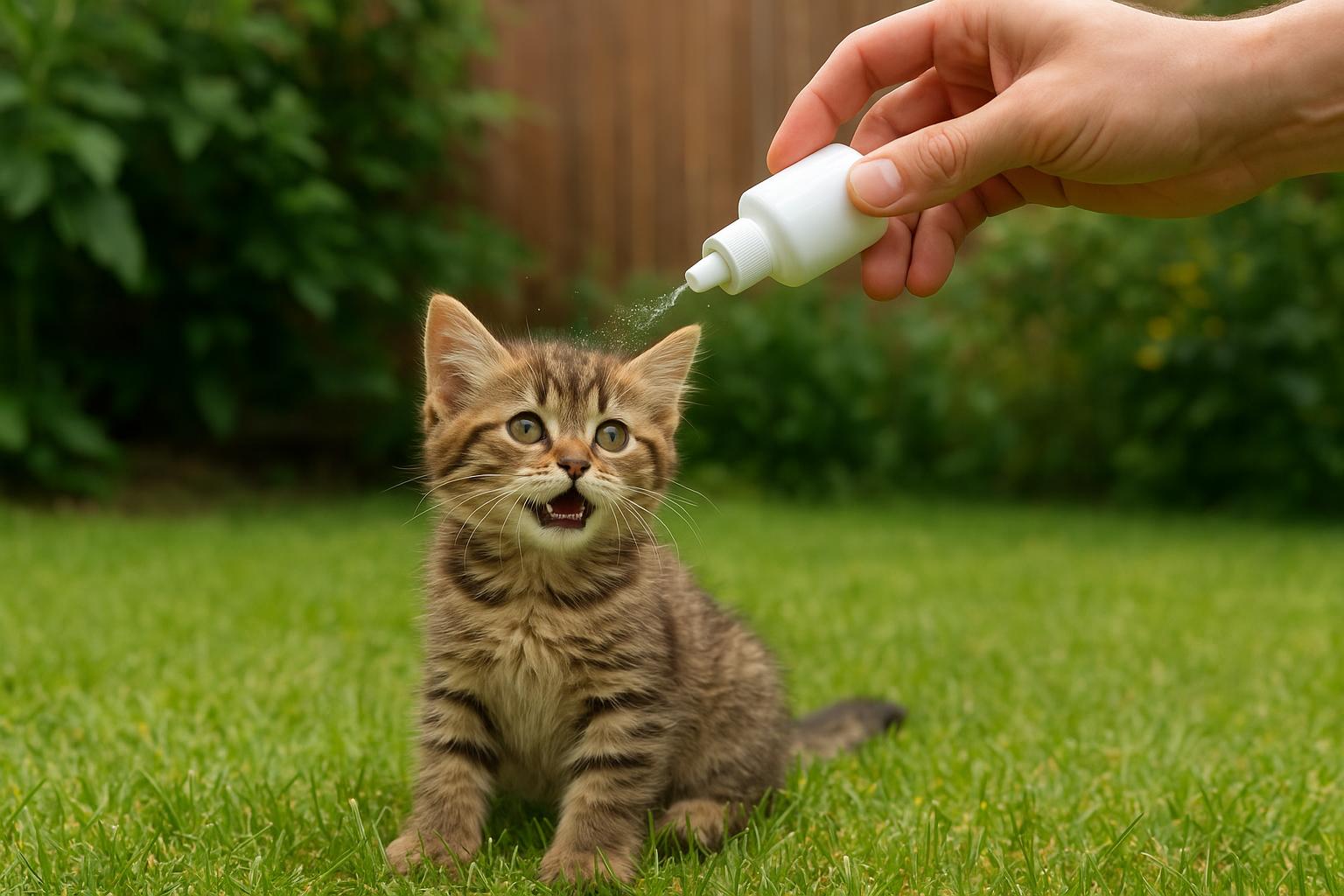
– Do not use apple cider vinegar fleas home remedy on kittens under 12 weeks old without vet approval.
– For cats, be extra cautious: many topical substances harmless to dogs are dangerous to cats. Use lower concentrations and consult a veterinarian first.
– Avoid combining ACV with topical prescription flea products unless your vet approves the combination.
### Integrating This Flea Home Remedy Into A Complete Program
A single remedy rarely solves a household flea problem completely. Use this apple cider vinegar fleas home remedy alongside:
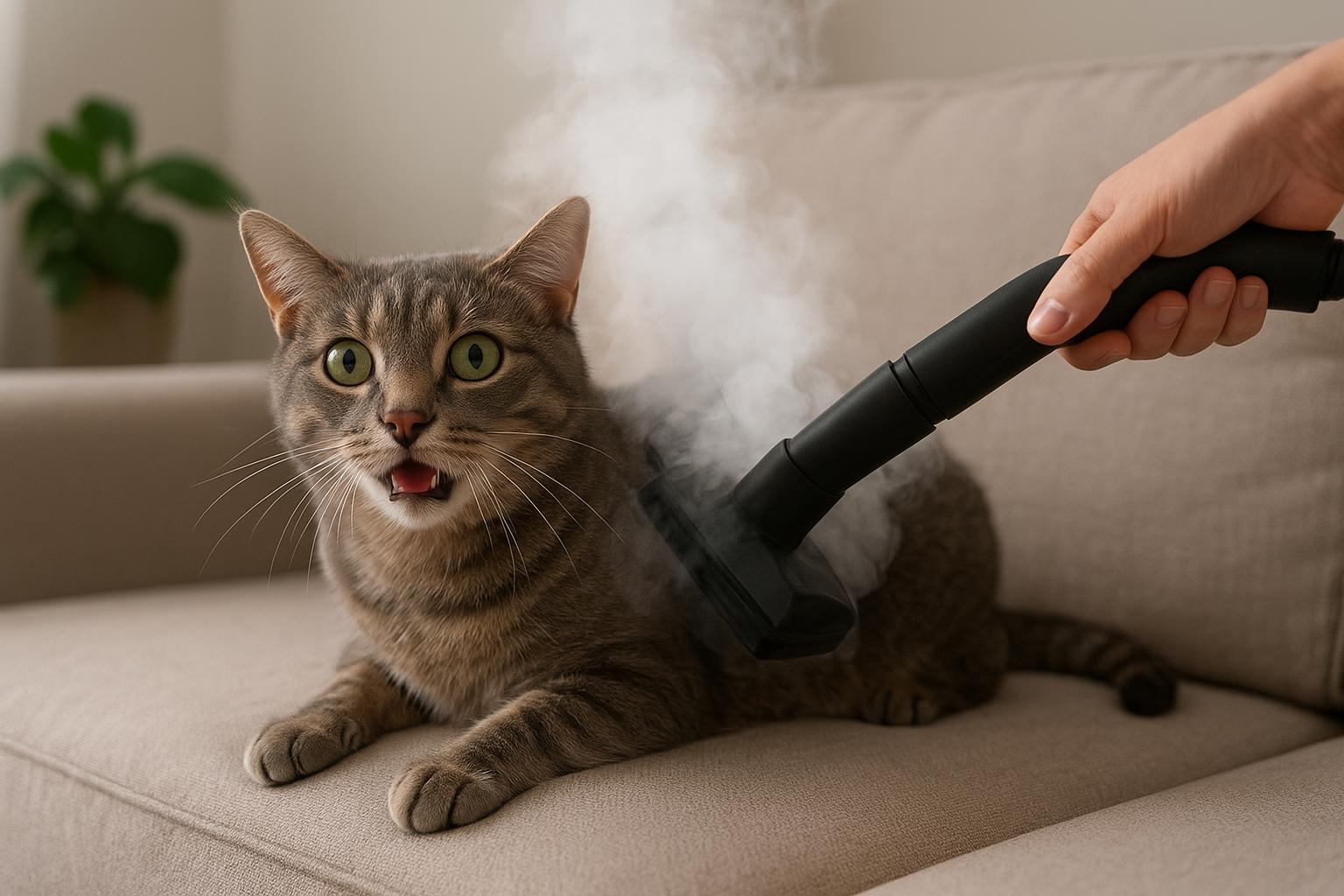
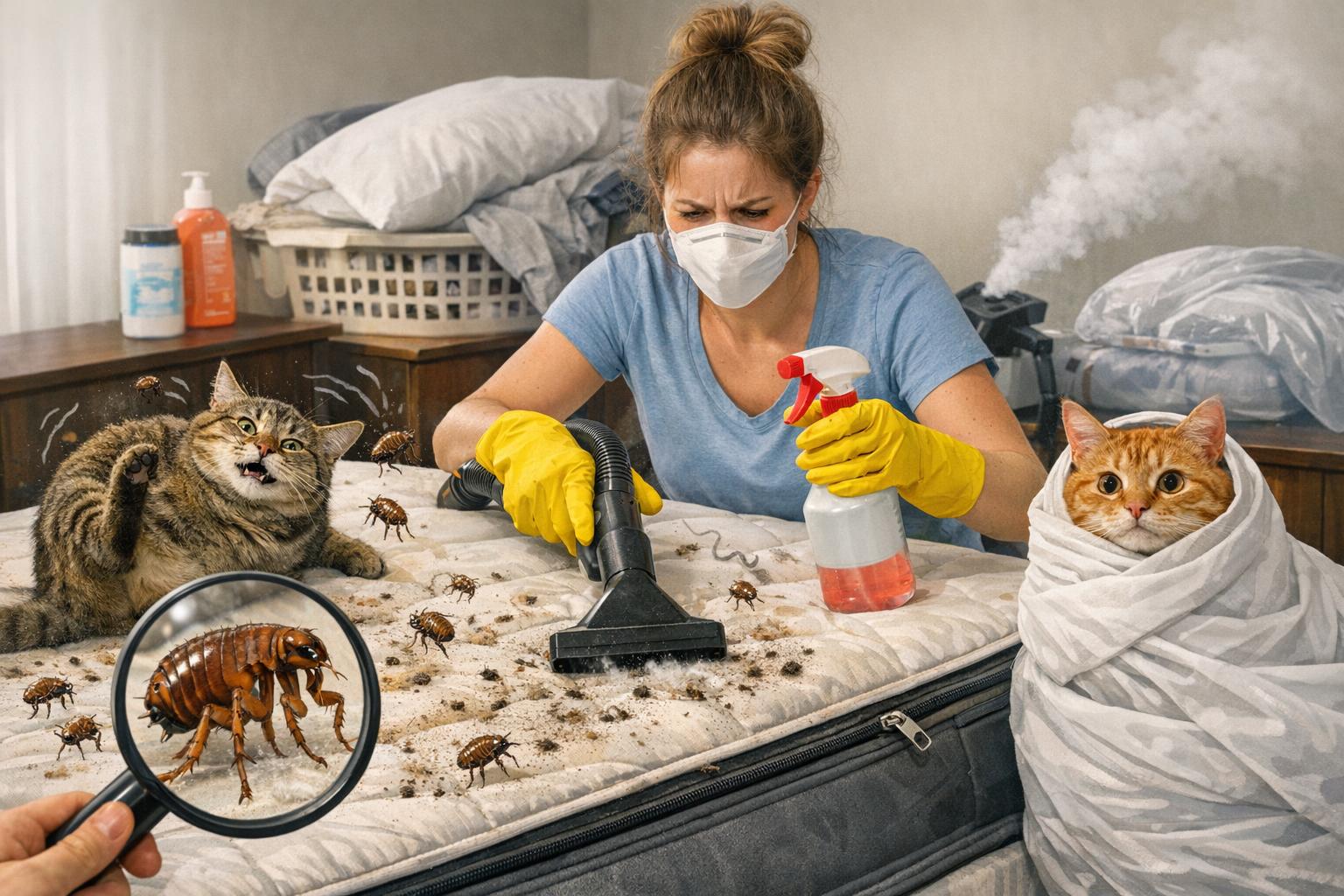
– Frequent vacuuming and laundering of pet bedding.
– Treating indoor hotspots with veterinarian-recommended environmental controls.
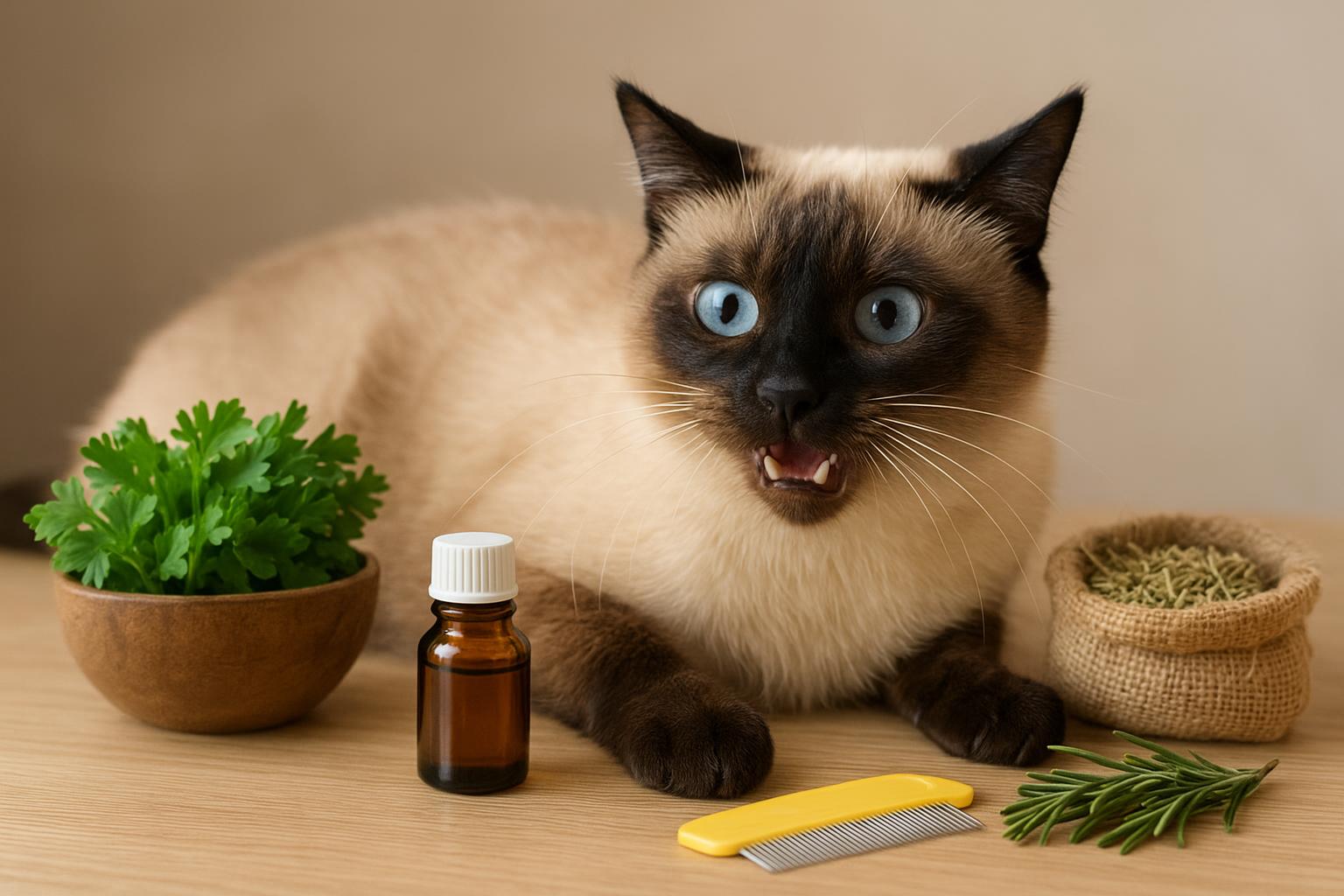
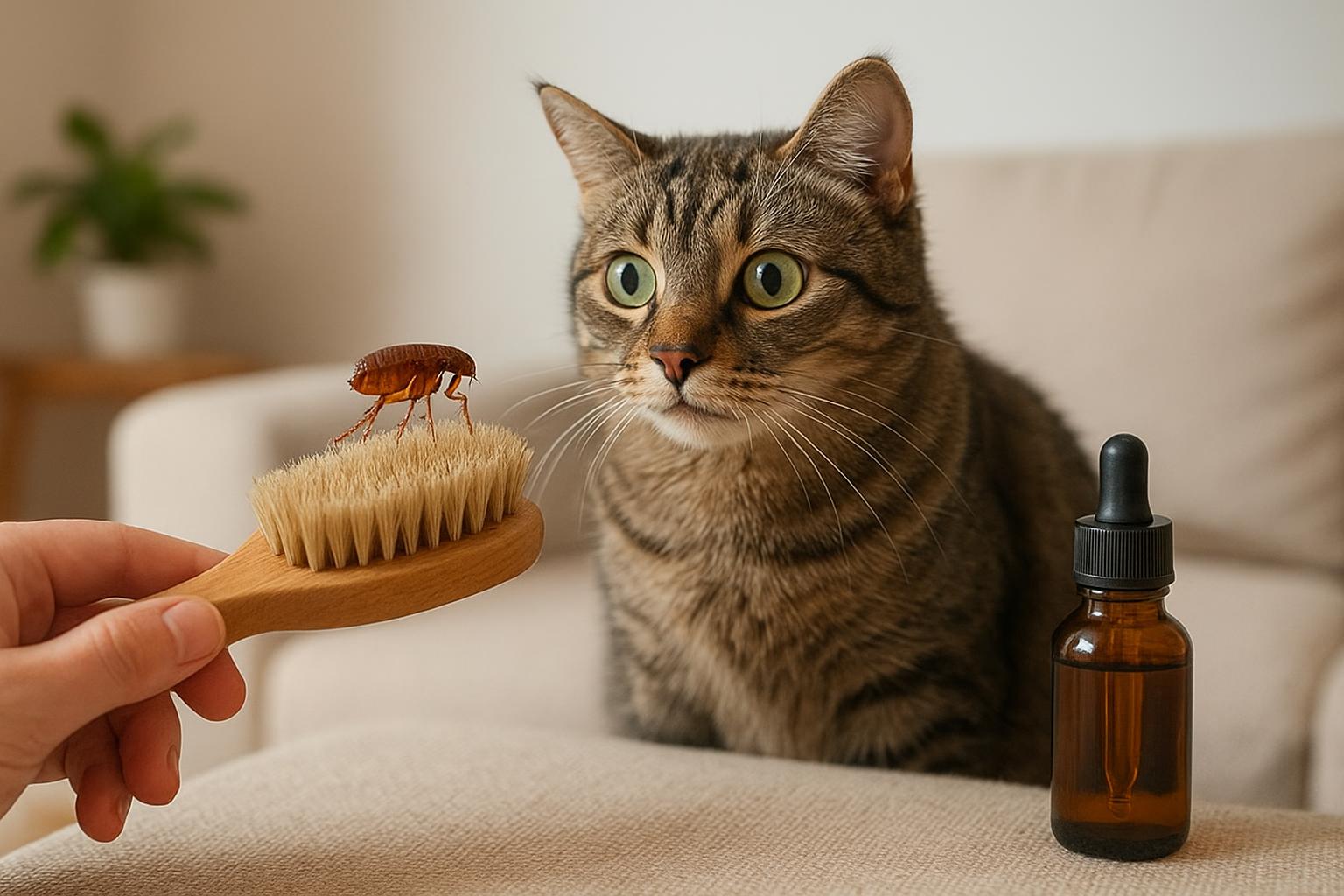
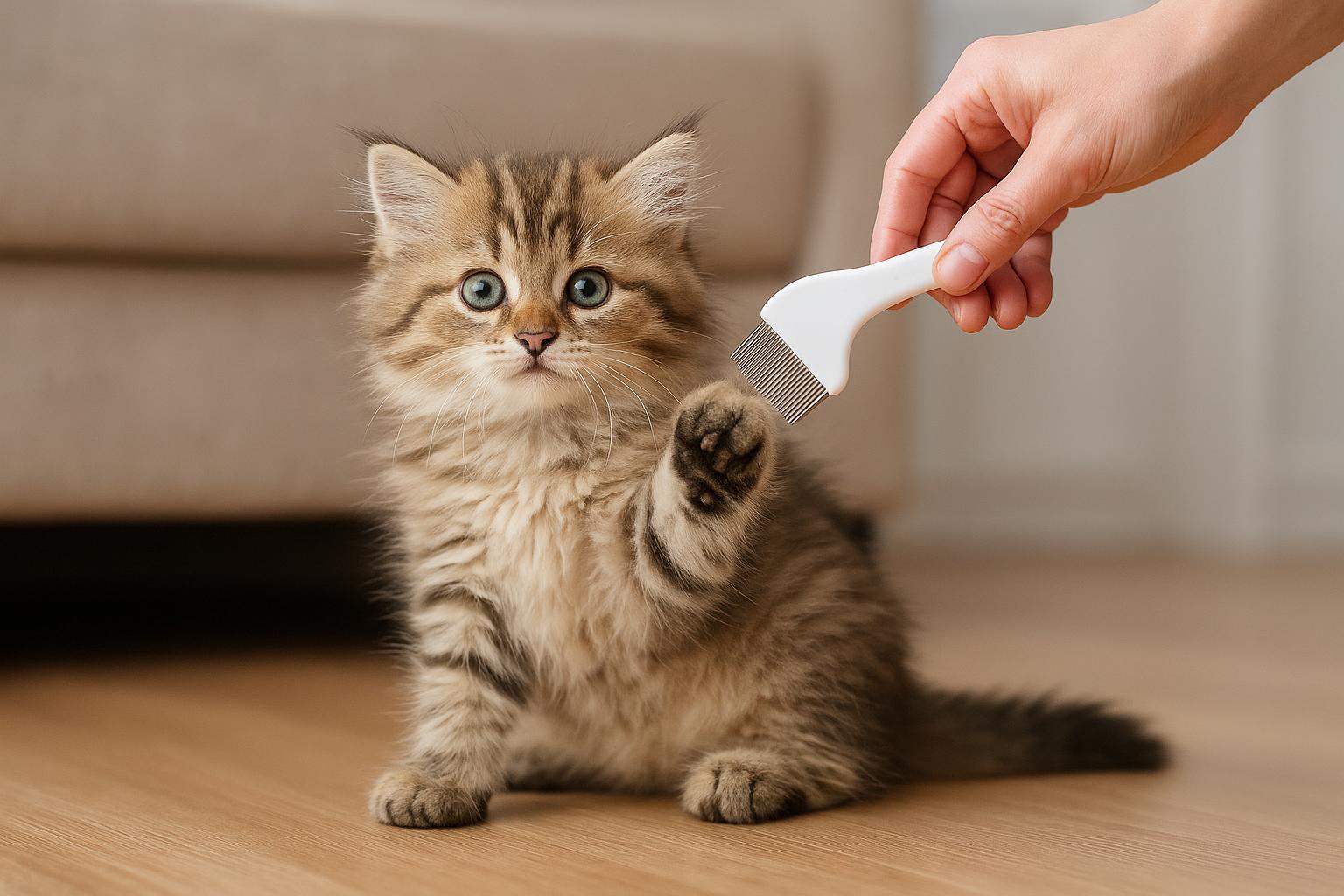
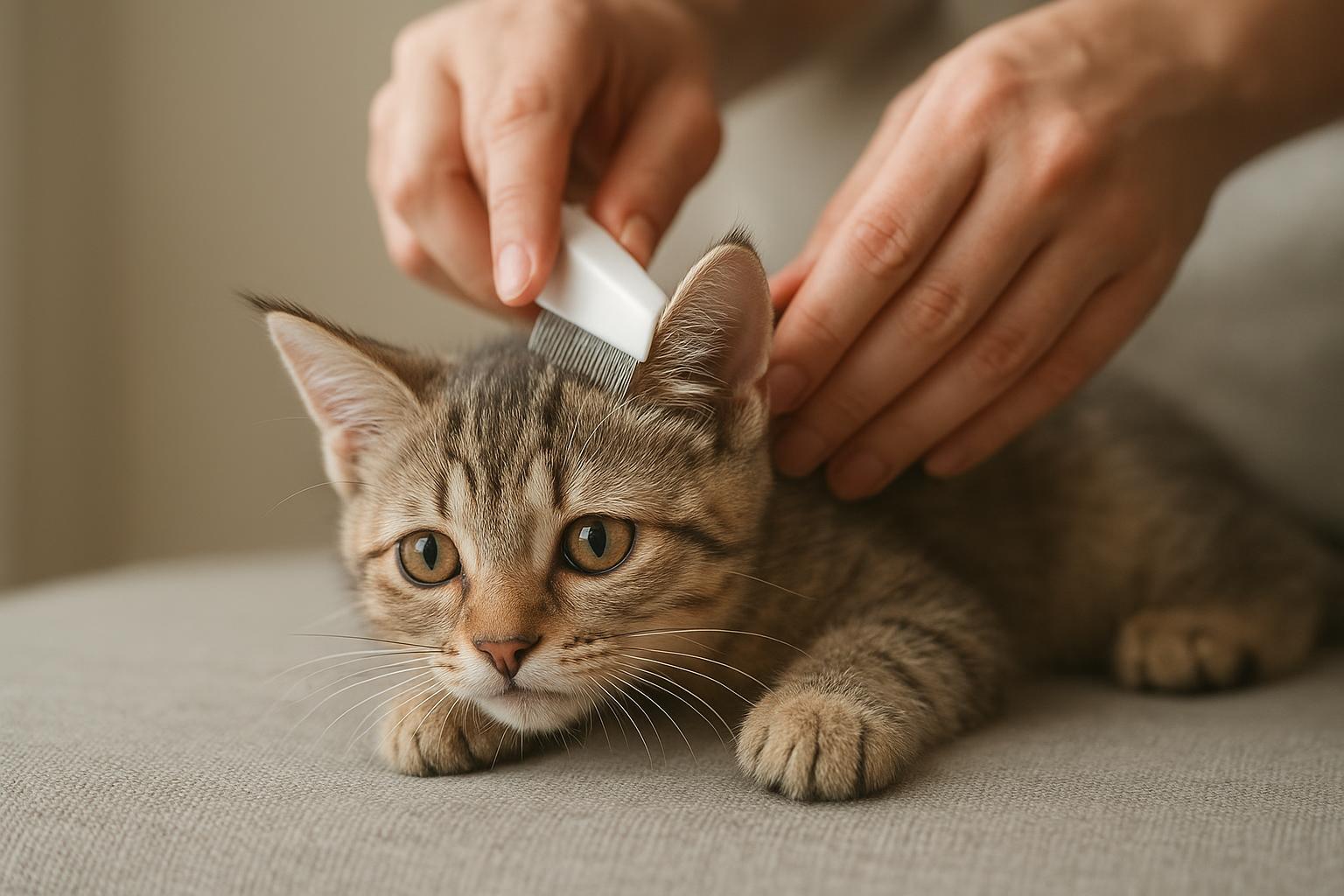
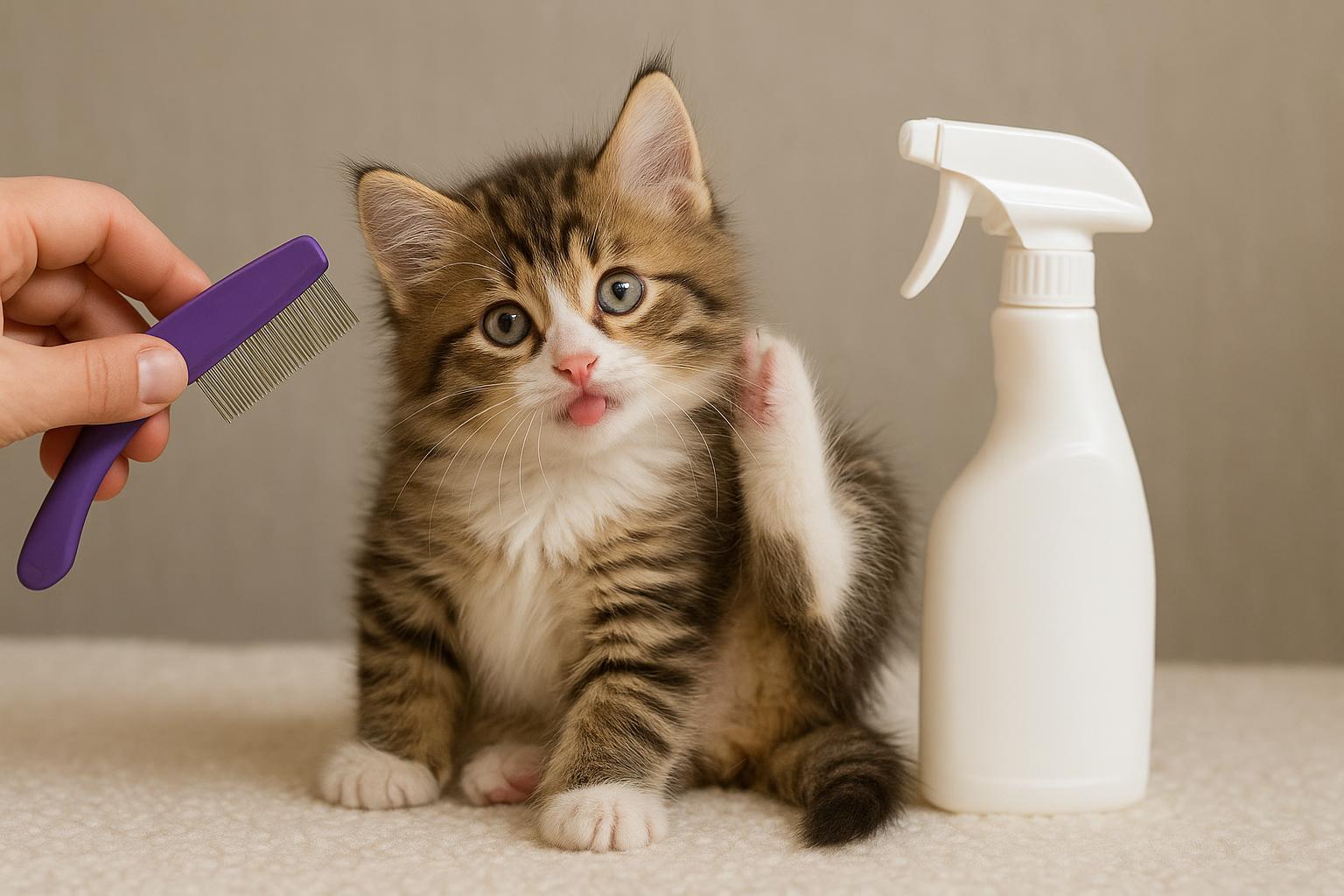
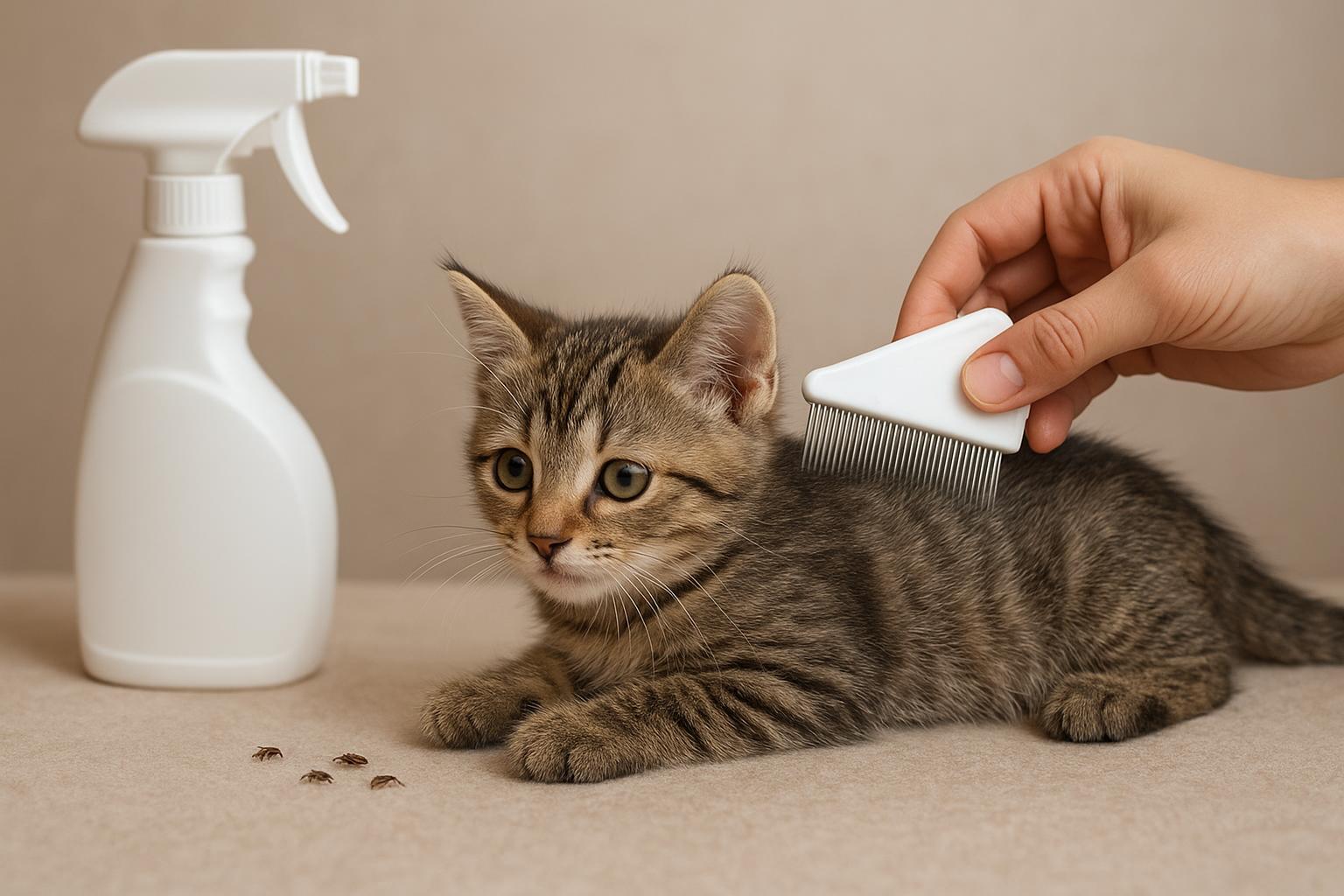
– Flea combing to physically remove fleas and eggs; drop combings into soapy water to kill them.
– Consulting your vet for systemic flea control if infestations are moderate to heavy.
### When To Call The Vet Immediately
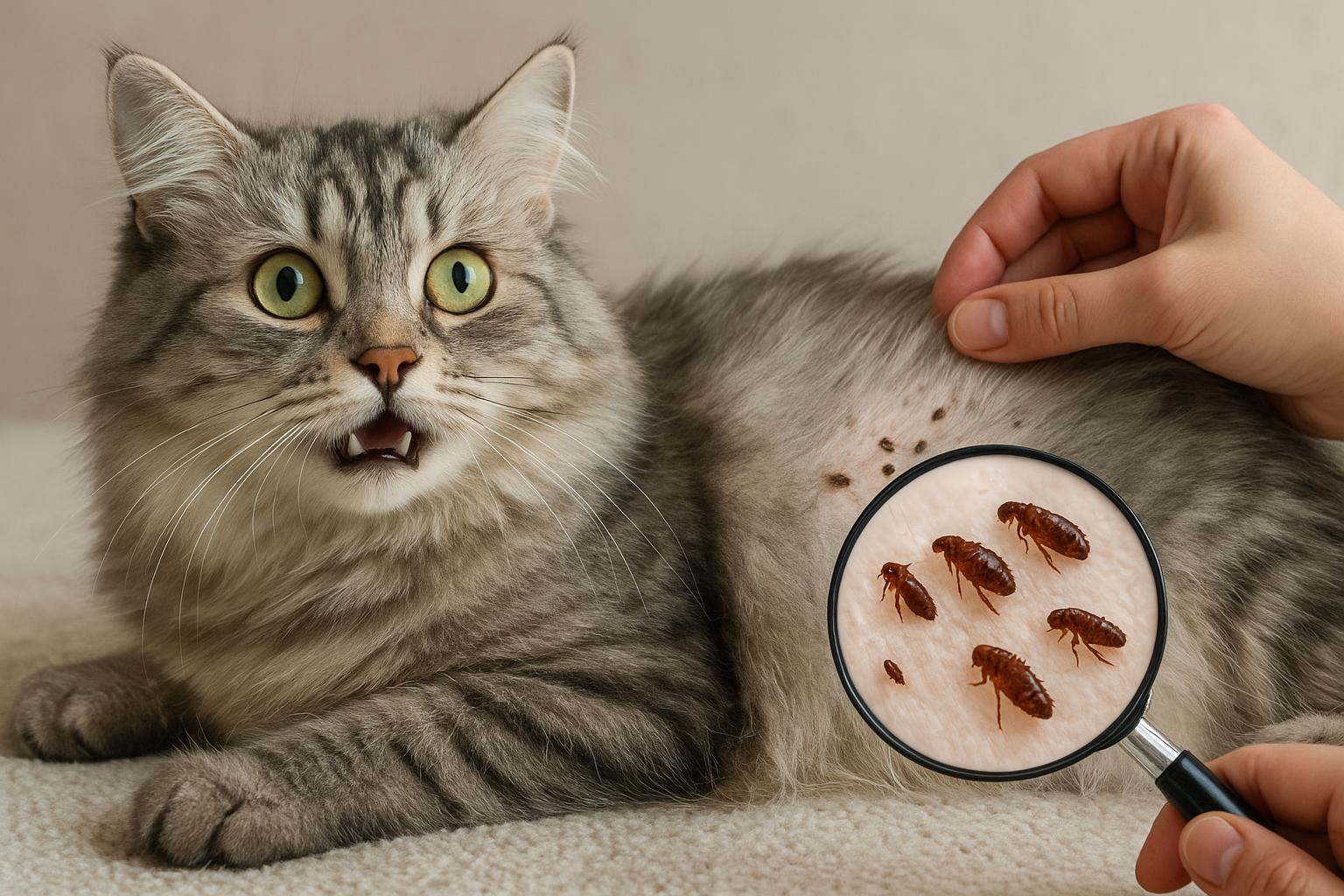
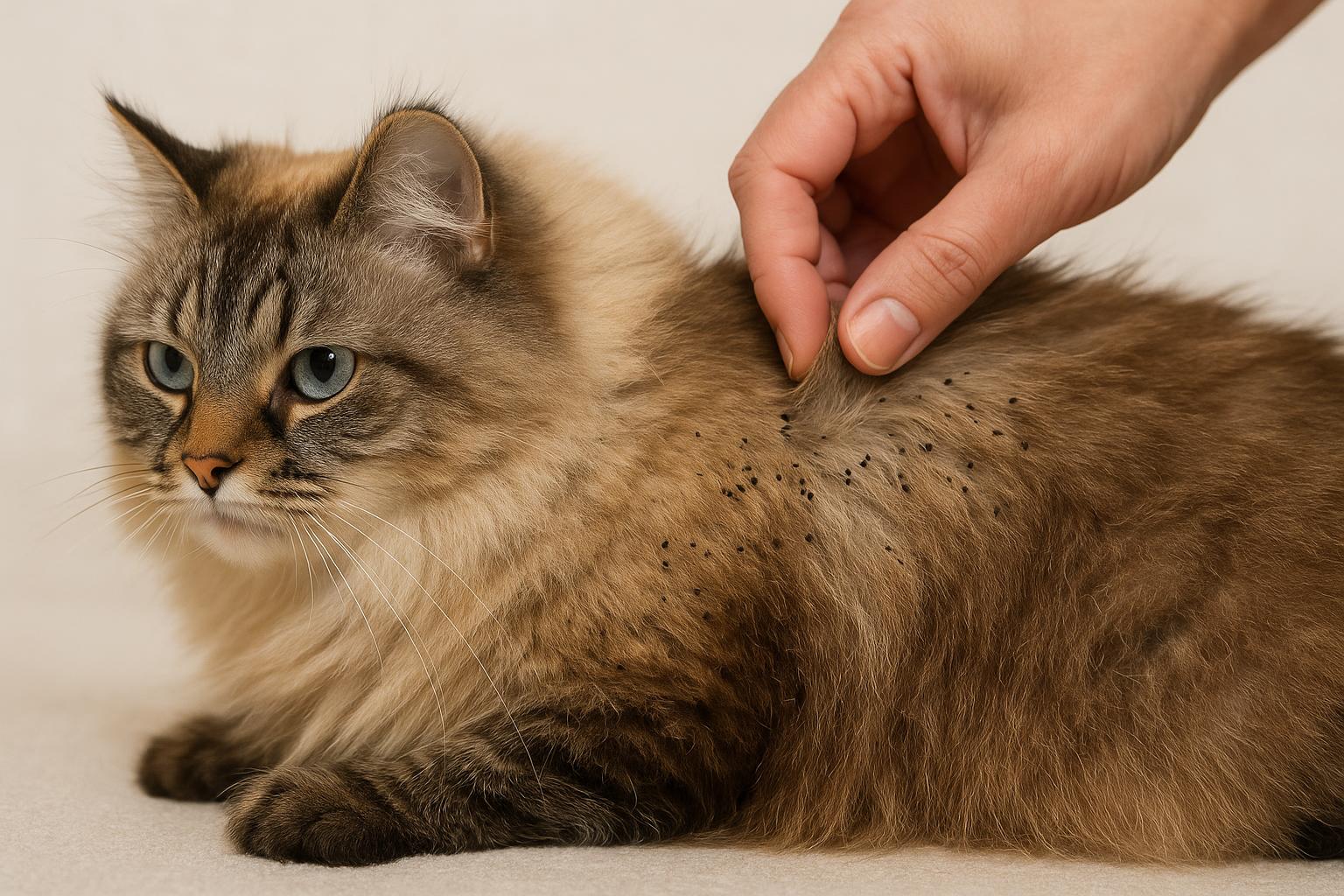
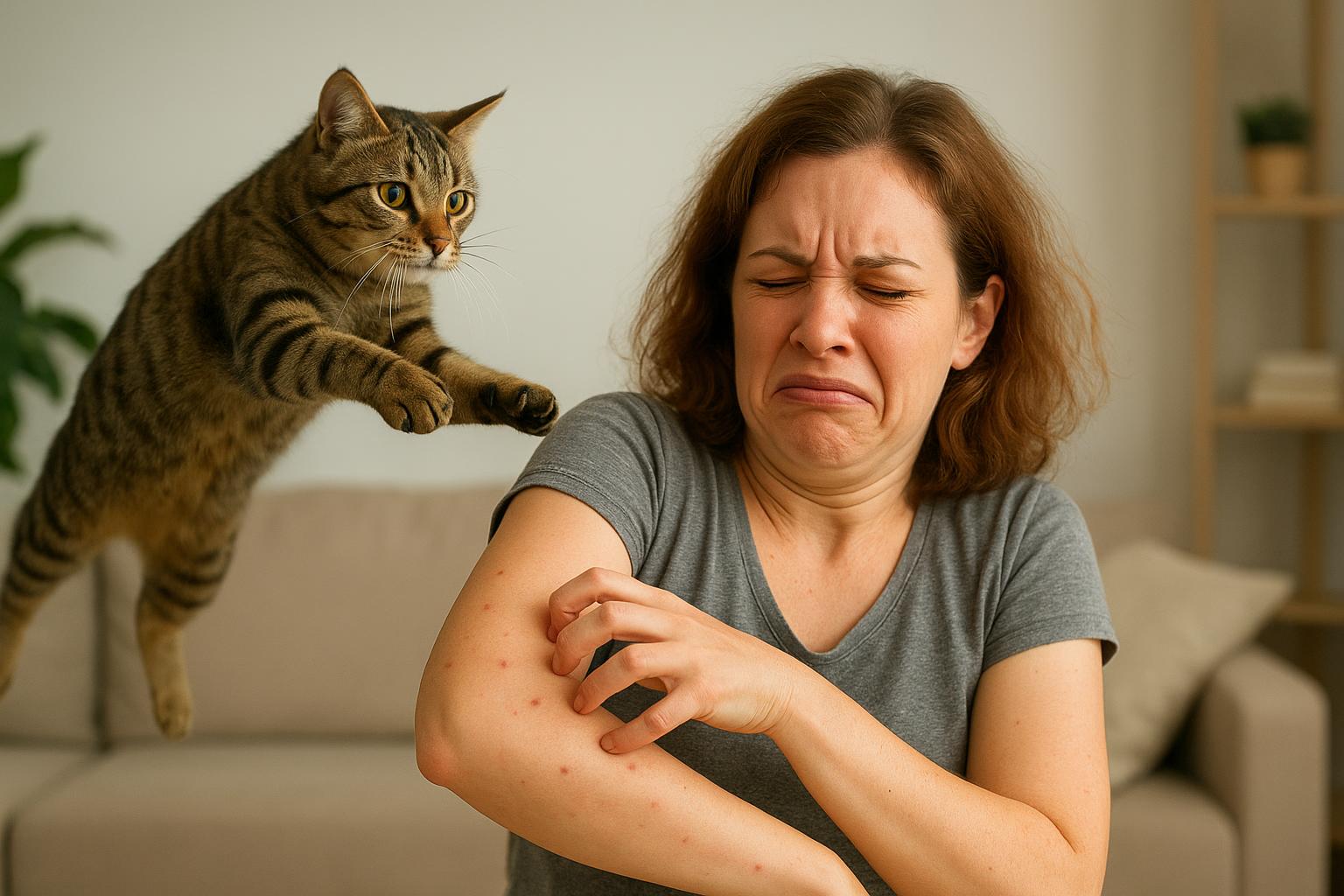
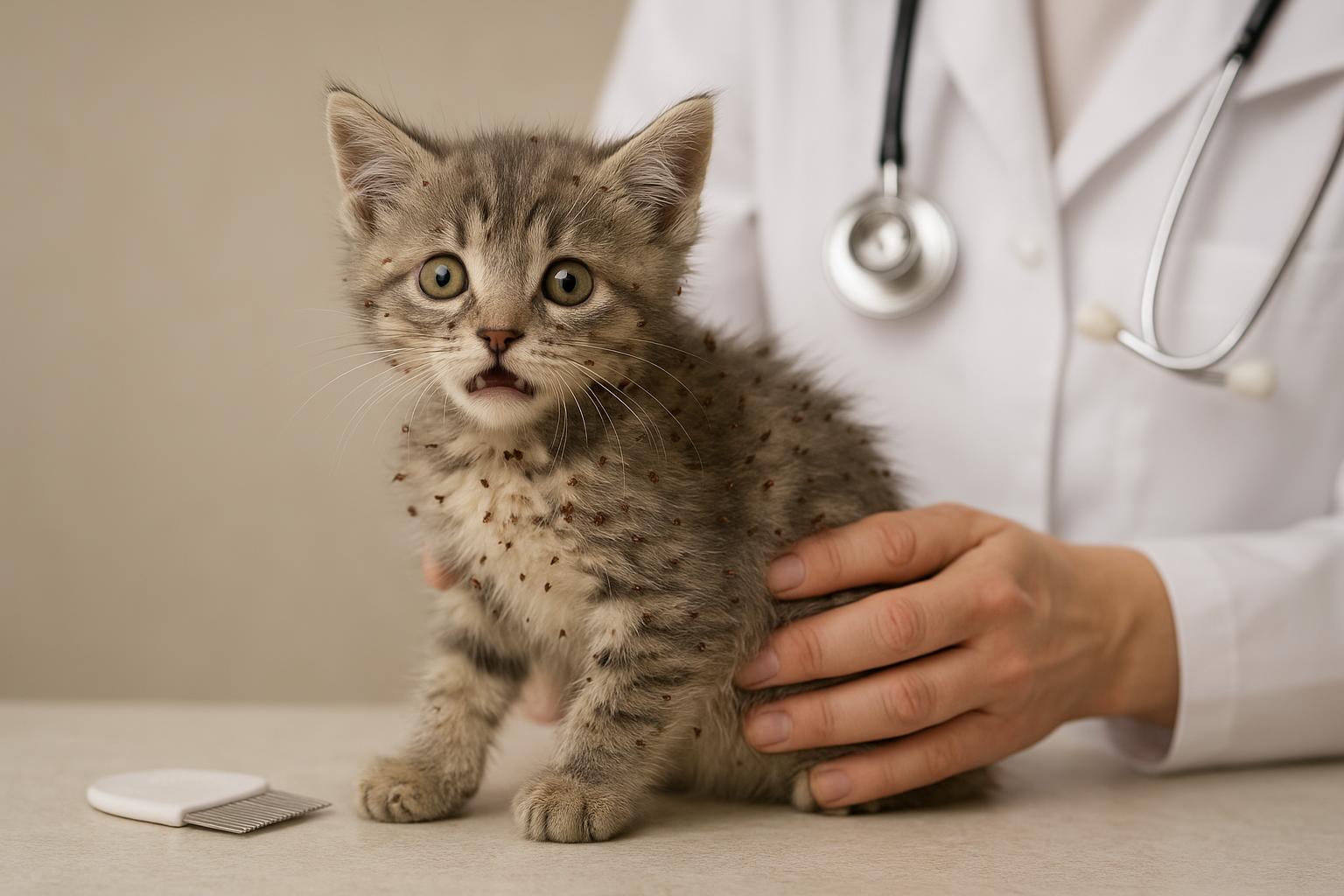
If your pet develops excessive itching, hair loss, sores, or signs of anemia (pale gums, lethargy), these can signal a heavy infestation or hypersensitivity to fleas. In those cases, this apple cider vinegar fleas home remedy should be paused and definitive veterinary flea treatment should be pursued.
### Real-World Results And Sensational Testimonials
Owners who combine regular ACV applications with grooming and home cleaning often report fewer flea sightings, less frantic scratching, and a happier pet. The dramatic turnaround many describe — from constant misery to calm relief — is what fuels the sensational reputations of apple cider vinegar and related apple cider fleas tricks. Remember, testimonials are subjective and results vary.
### Troubleshooting Common Problems
– If the solution smells too strong: dilute further until the odor is mild but still present.
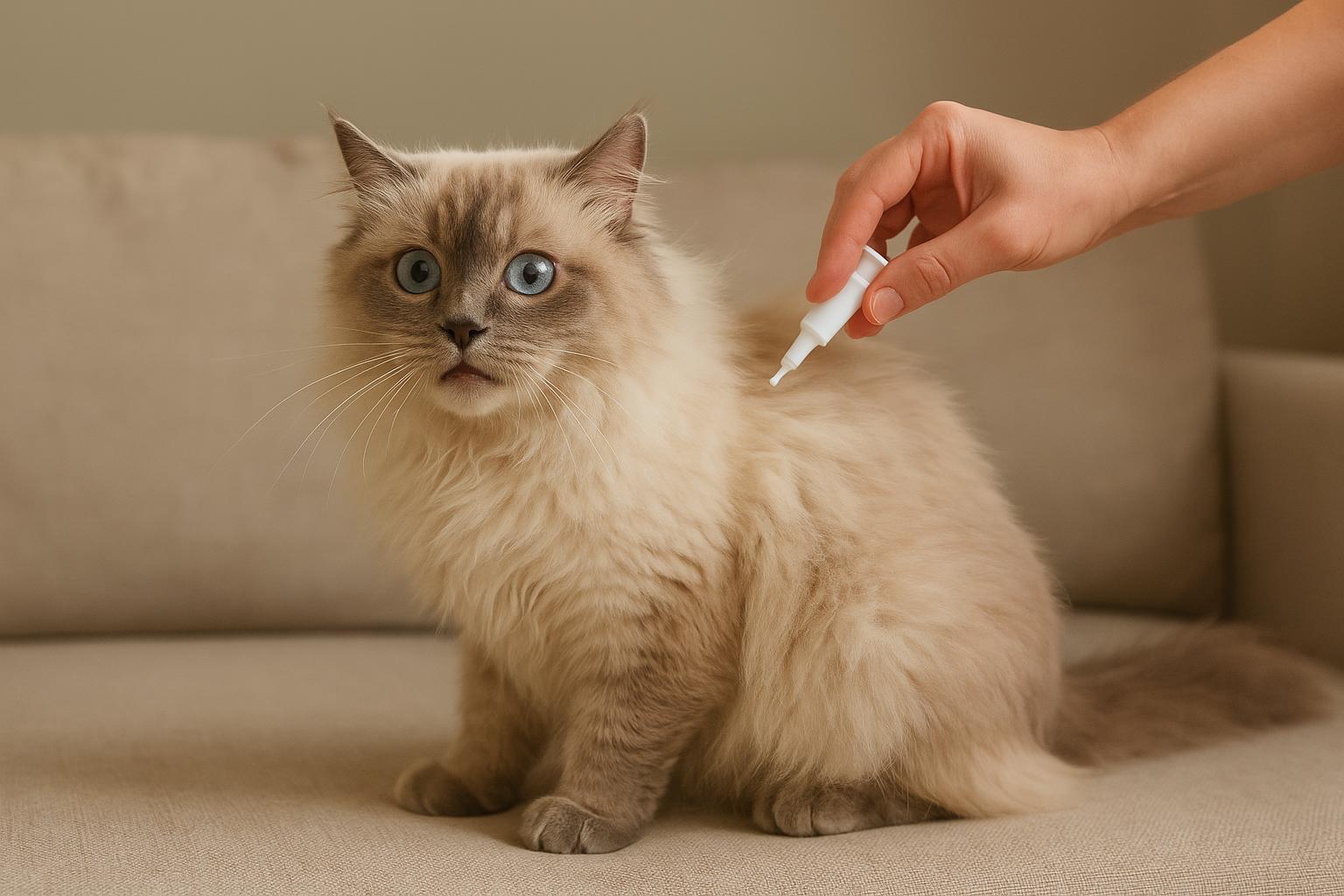
– If fleas appear unabated: increase environmental measures and consult a vet about modern spot-on or oral preventives.
– If skin irritation develops: stop immediately and rinse the area with cool water; follow up with your veterinary professional.
### Long-Term Prevention Strategies
– Rotate grooming routines, combing daily during peak seasons.
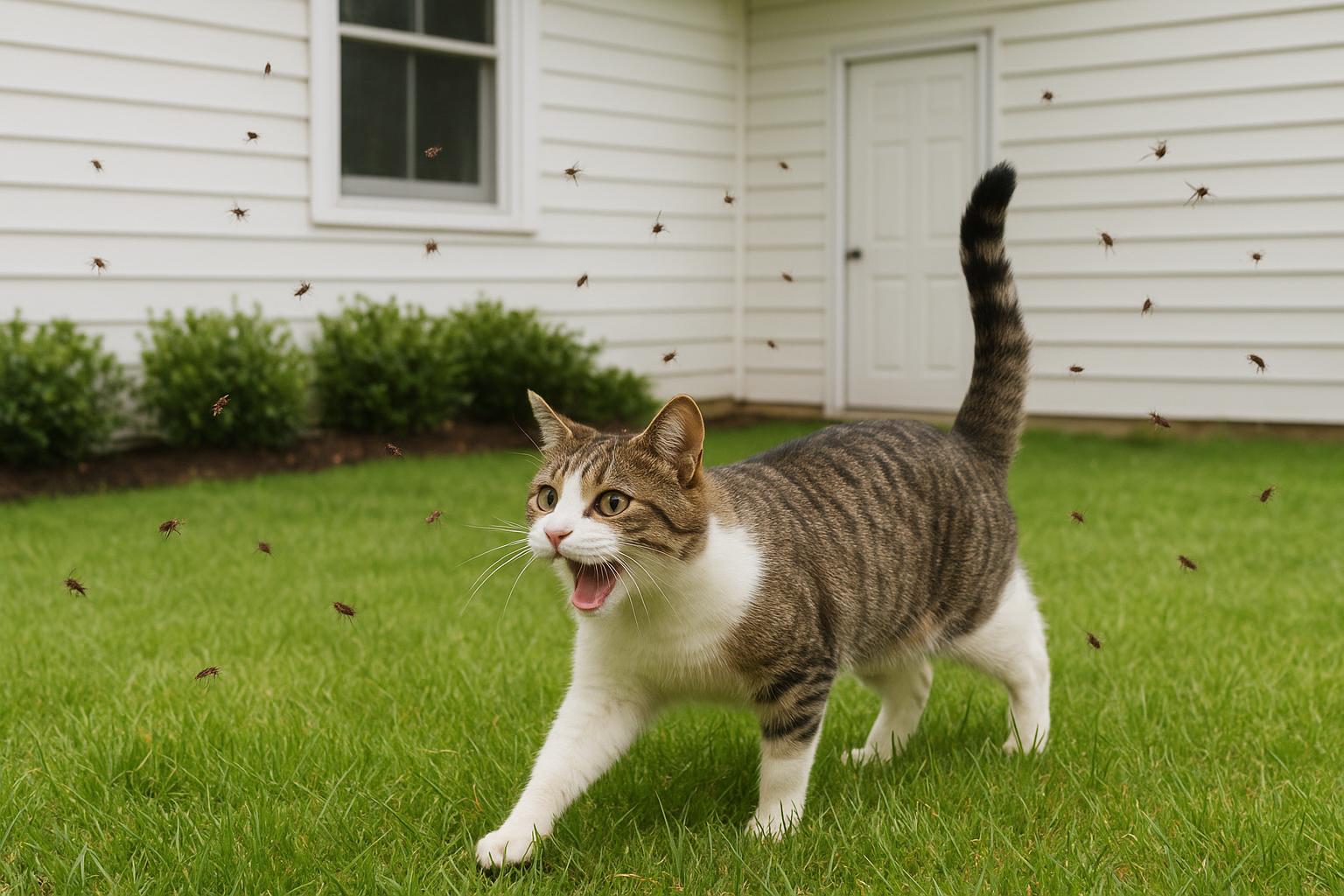
– Maintain yard maintenance: trim grass, remove debris, and reduce wildlife reservoirs where fleas breed.
– Use preventative measures approved by your veterinarian during high-risk months.
Keep in mind that while this apple cider vinegar fleas home remedy can reduce attractiveness to fleas and help control minor problems, it functions best as a component of a comprehensive program. When used responsibly and combined with sound environmental hygiene and professional veterinary guidance, apple cider vinegar can be a valuable ally in the fight against fleas.








Leave a Reply