

## Do Fleas Bite Humans? What To Expect At Home
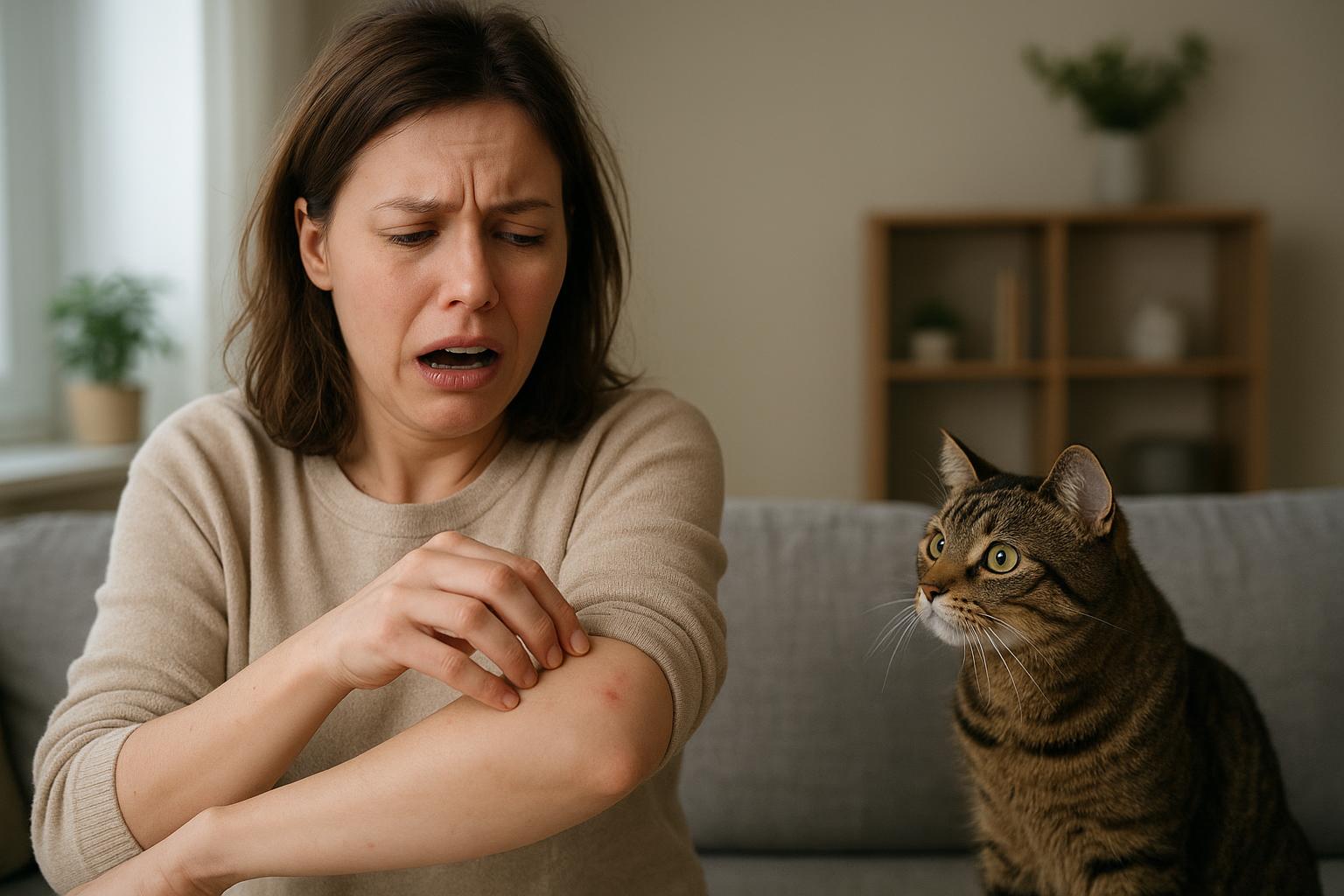
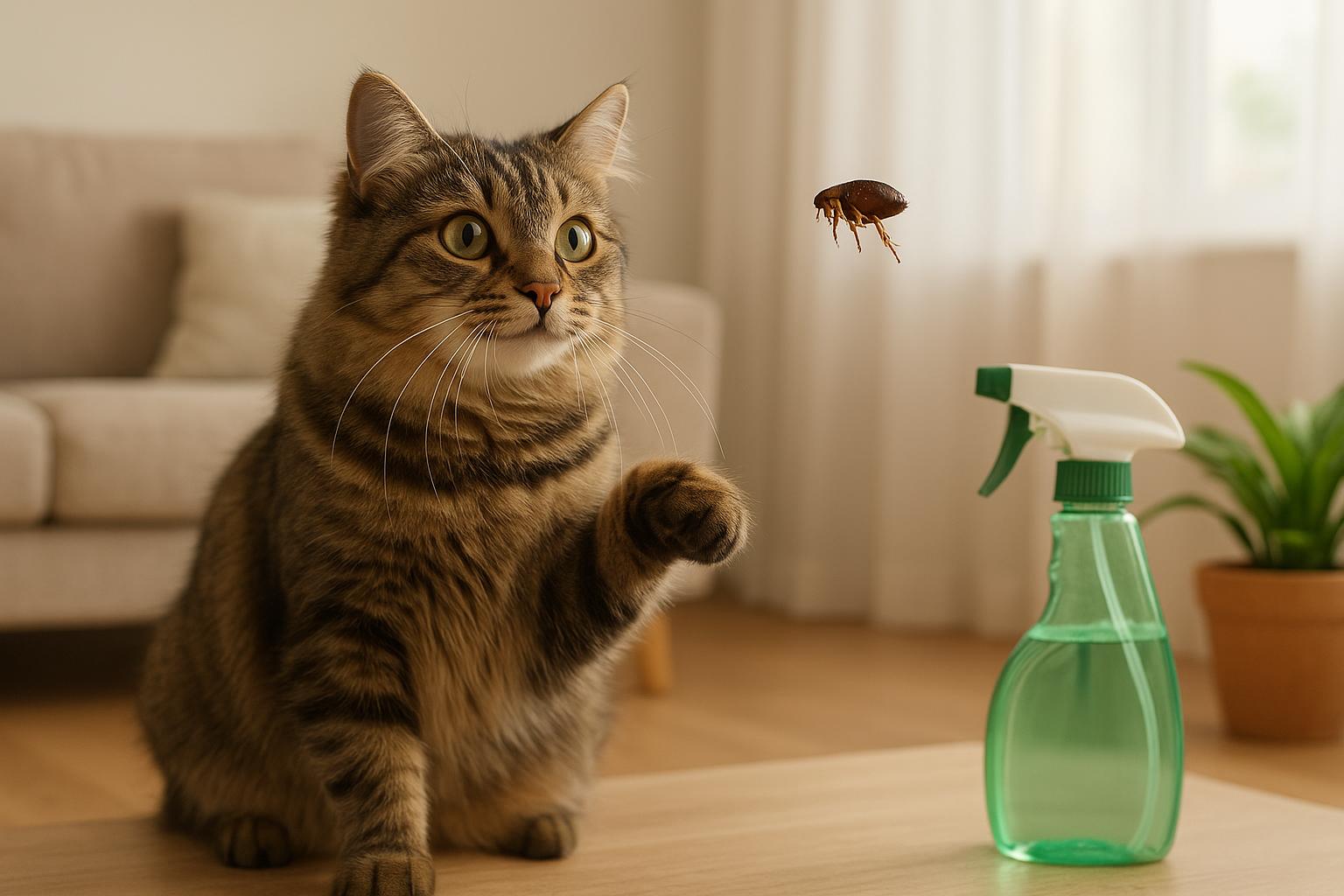
If you’ve woken up with tiny, itchy red dots on your legs and a dog or cat in the house, your first question is probably: do fleas bite humans? Short answer: yes. They do. But there’s more to it than that—and what happens next depends on the flea species, how many are present, and how your body reacts.
## How Fleas Feed And Why They Bite People
### What Fleas Need To Survive
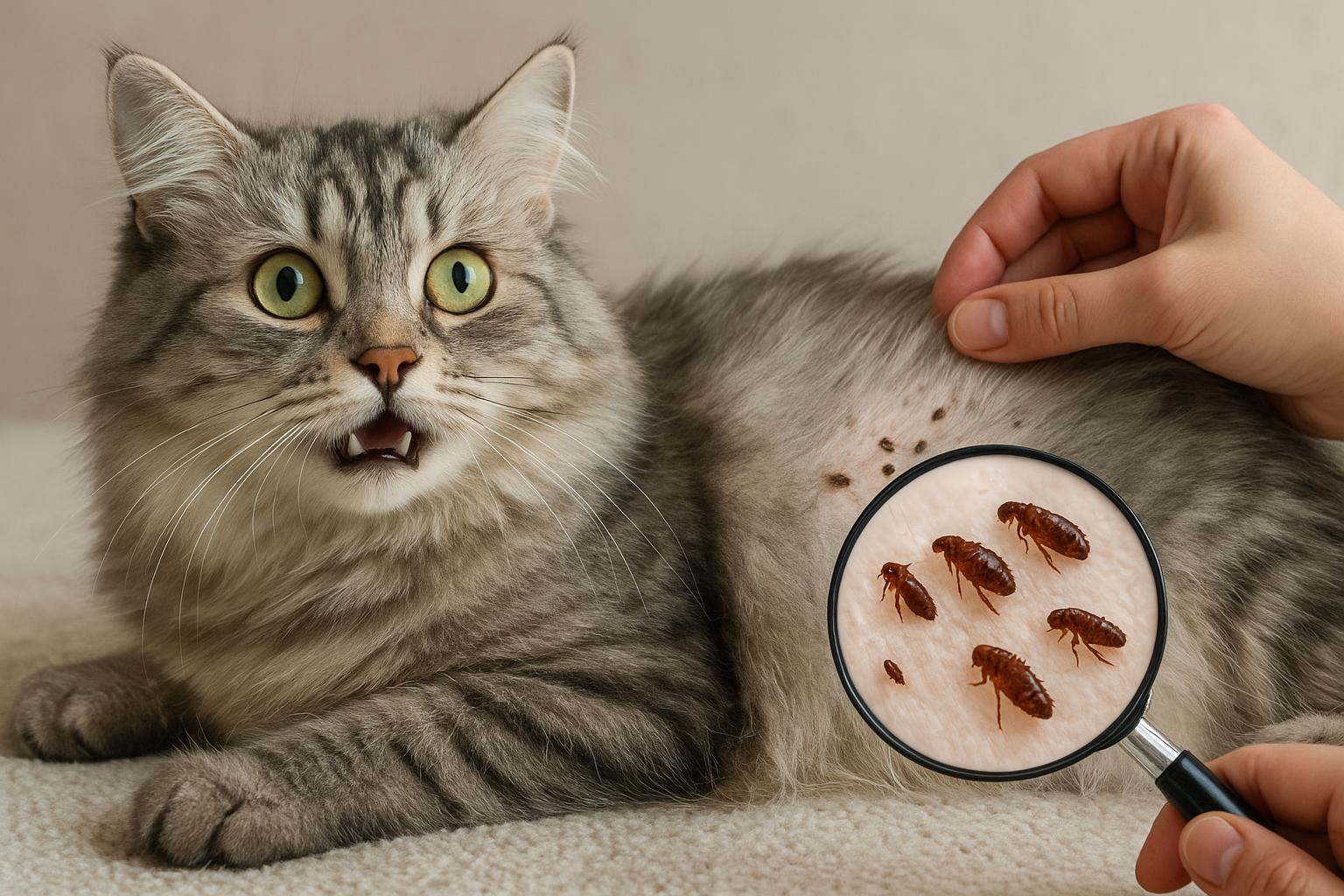
Fleas are tiny bloodsuckers. They evolved to feed on warm-blooded hosts—usually mammals and birds—because blood provides the protein and fat they need to reproduce. Most of the fleas you find around homes prefer pets, especially cats and dogs. But when pets aren’t available, or when flea populations get large, these insects will bite other hosts, including people.
### Do Fleas Bite Humans Or Just Pets?
People often ask, “can fleas bite?” The answer is yes, fleas can bite humans. Some species have a strong preference for non-human animals, but they’ll take a blood meal from a human if given the chance. Fleas don’t bite to be cruel; they bite to eat. One bite is a tiny puncture wound and not usually noticeable right away—that delayed itch is a reaction to flea saliva.
#### Typical Bite Patterns
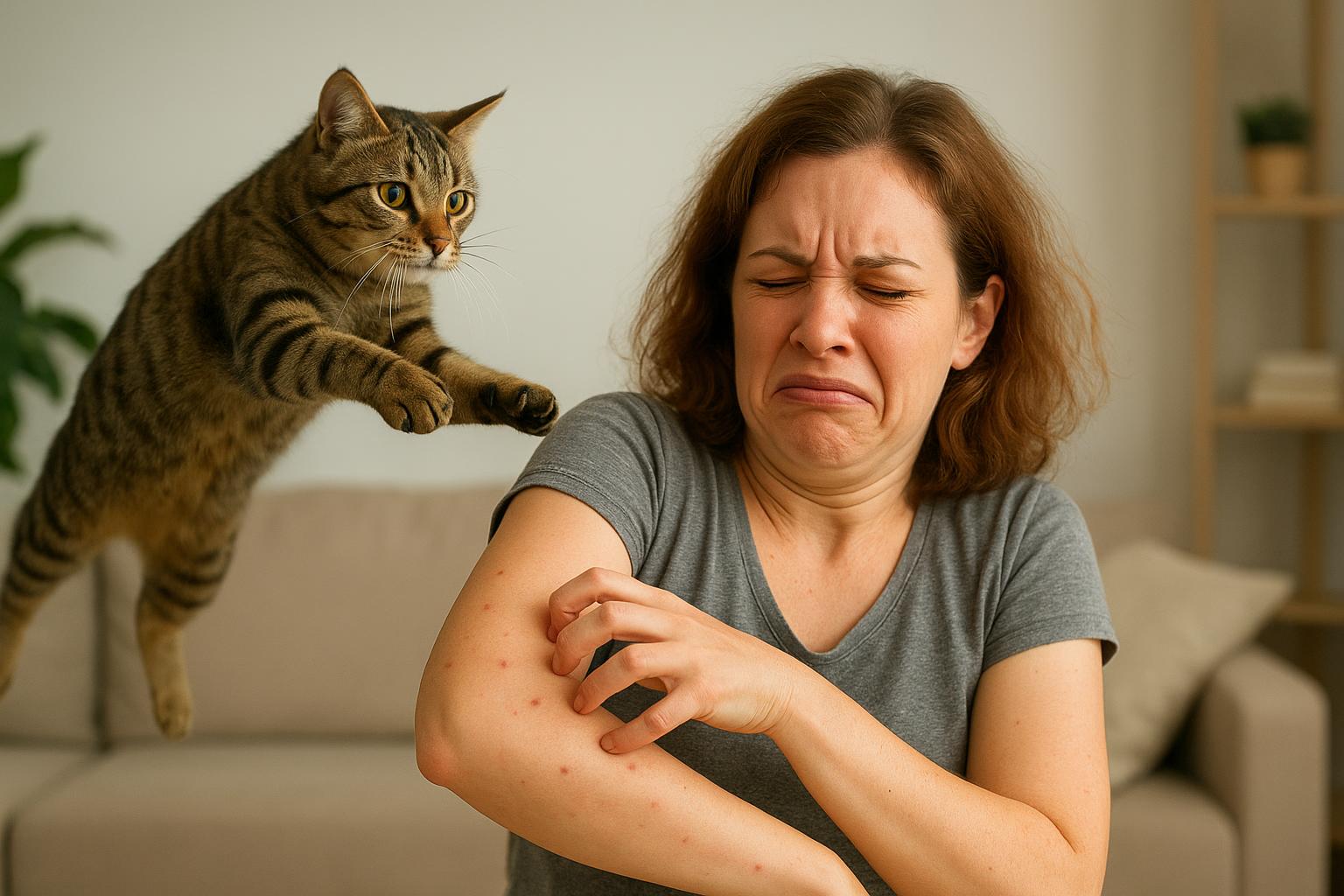
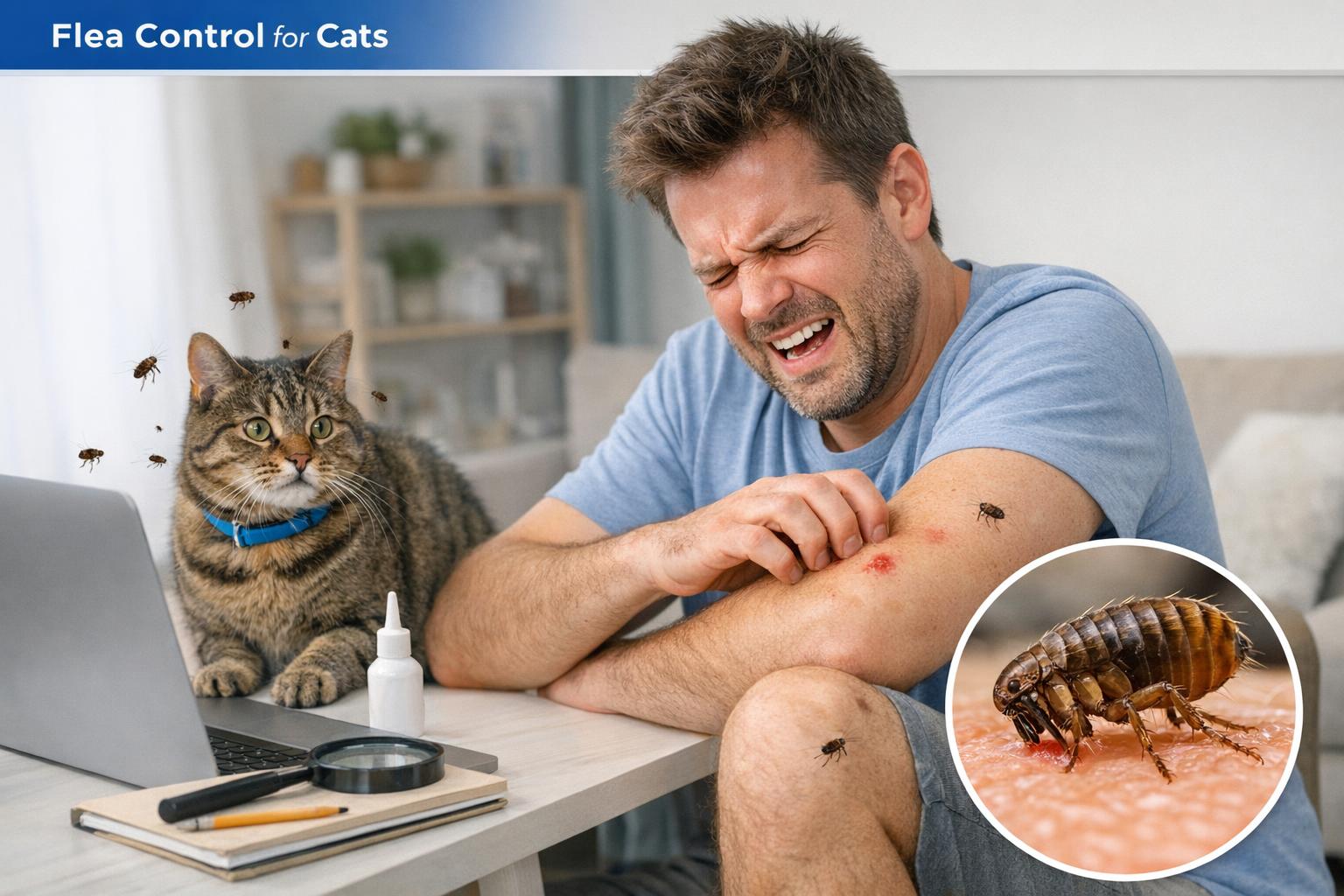
Flea bites tend to cluster, often on lower legs and ankles, because fleas jump from the floor or carpet. You might see several bites close together, usually in groups of three or four. On a child who spends time on a carpet or floor, bites may appear on the torso or arms. The pattern can help you distinguish flea bites from mosquito or bedbug bites.
## Signs You Have Fleas In The House
### Visible Clues On Pets And In The Home
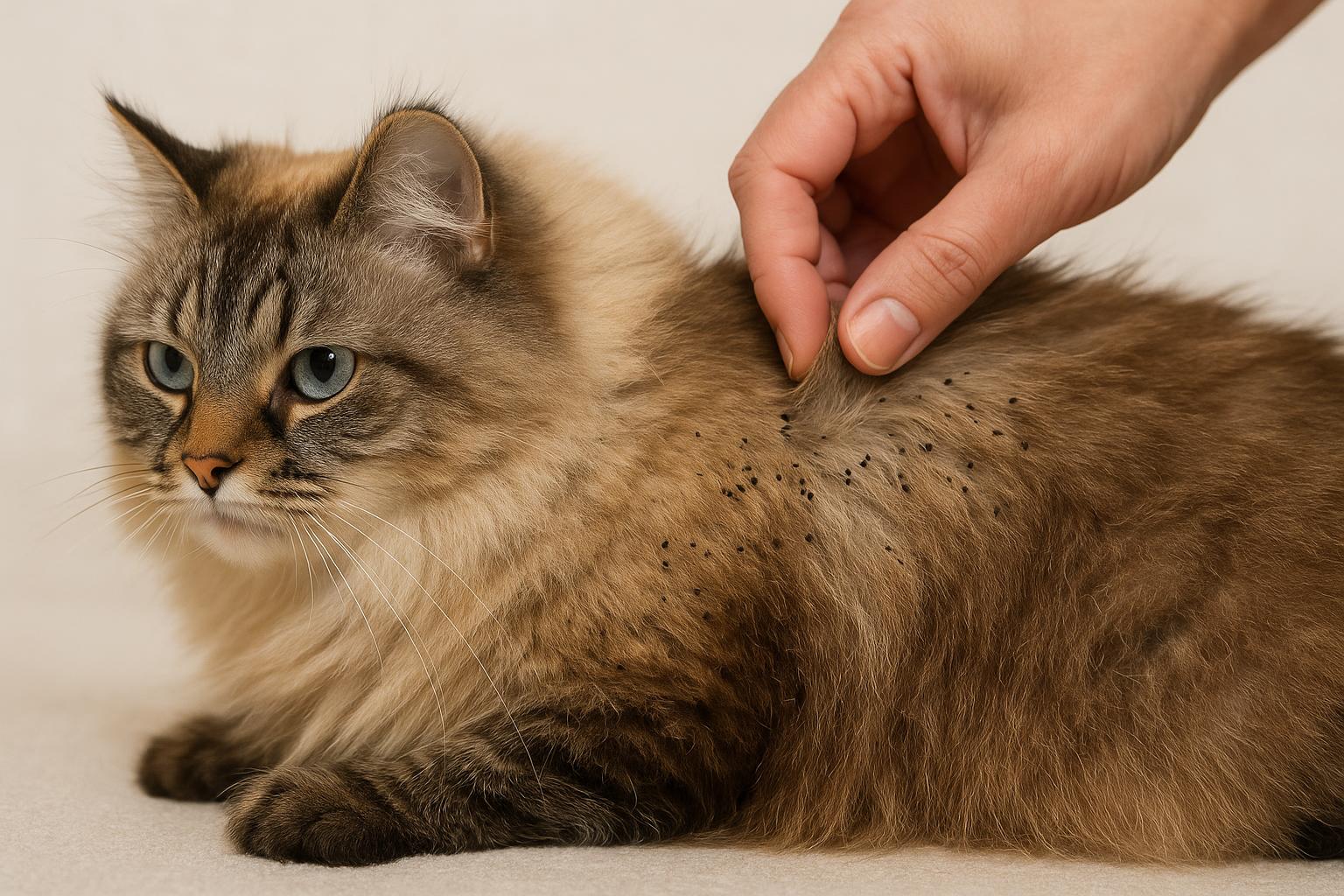
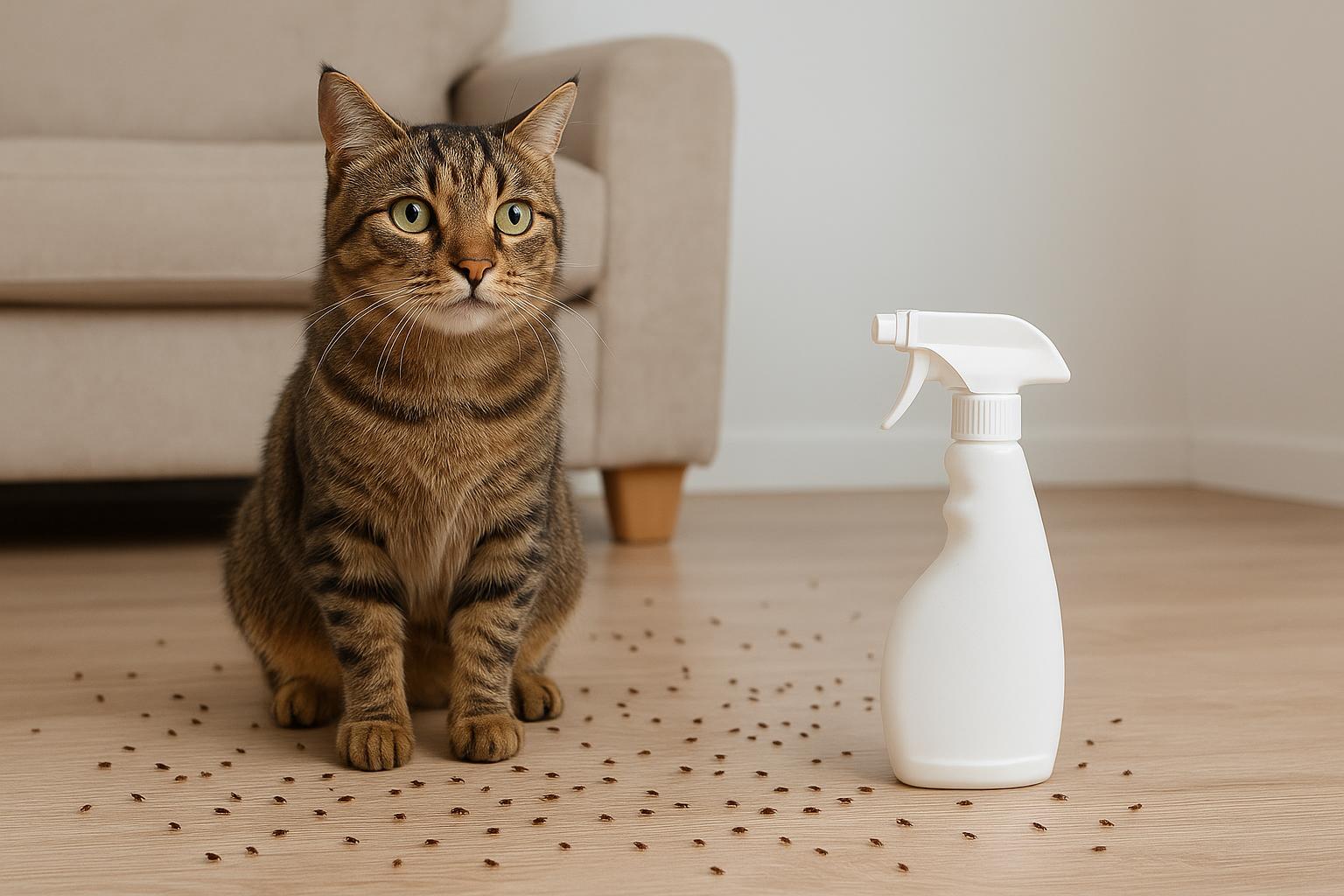
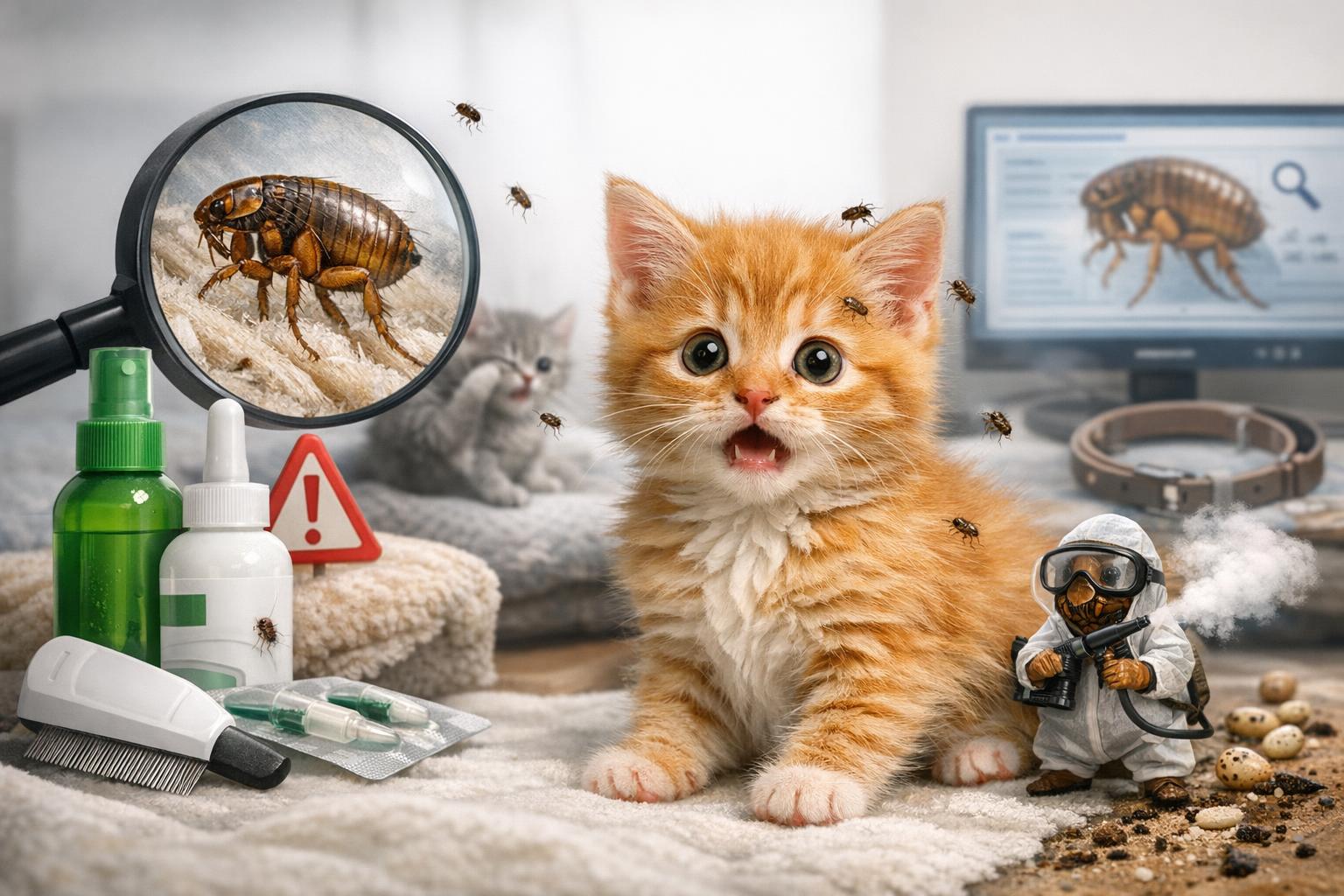
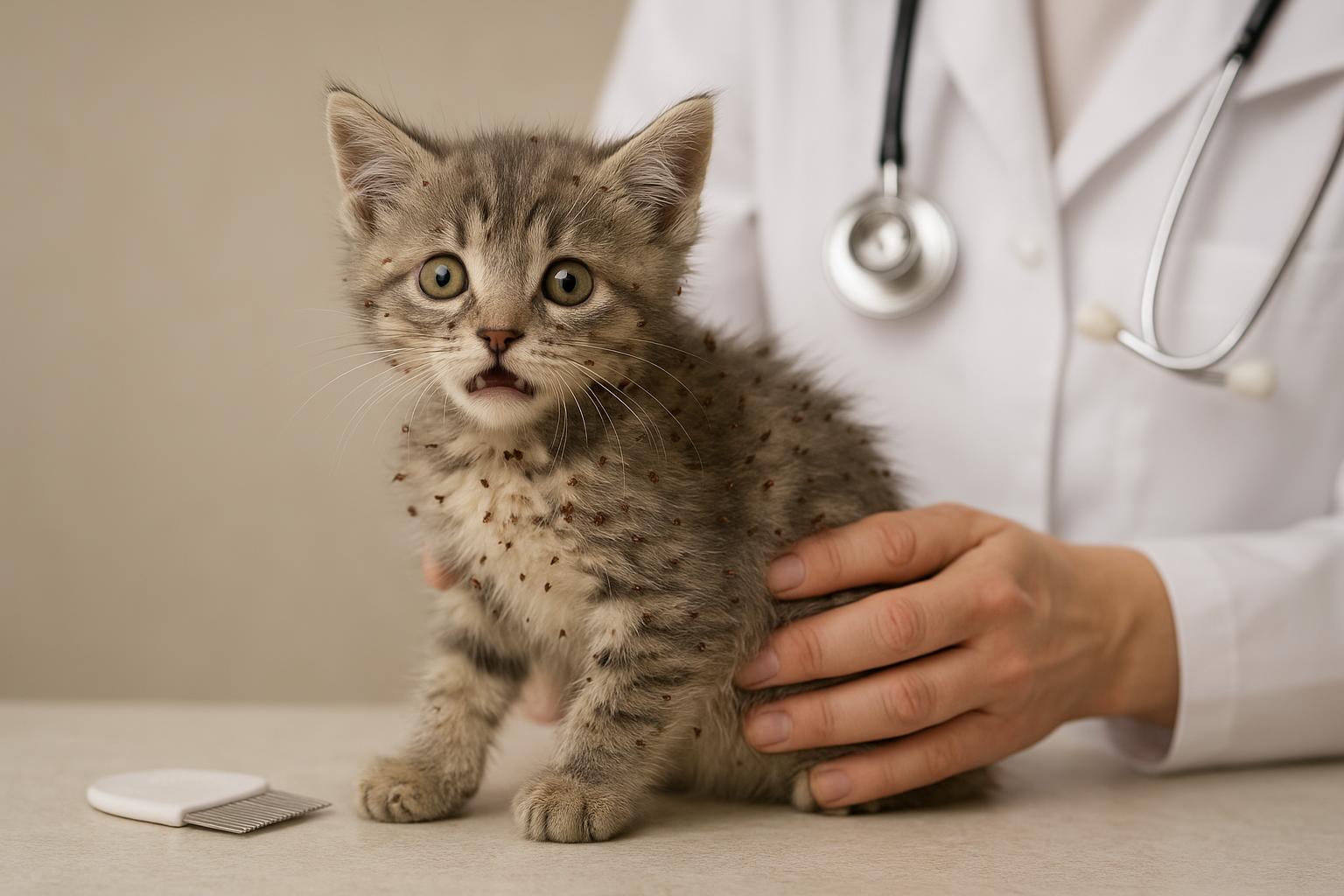
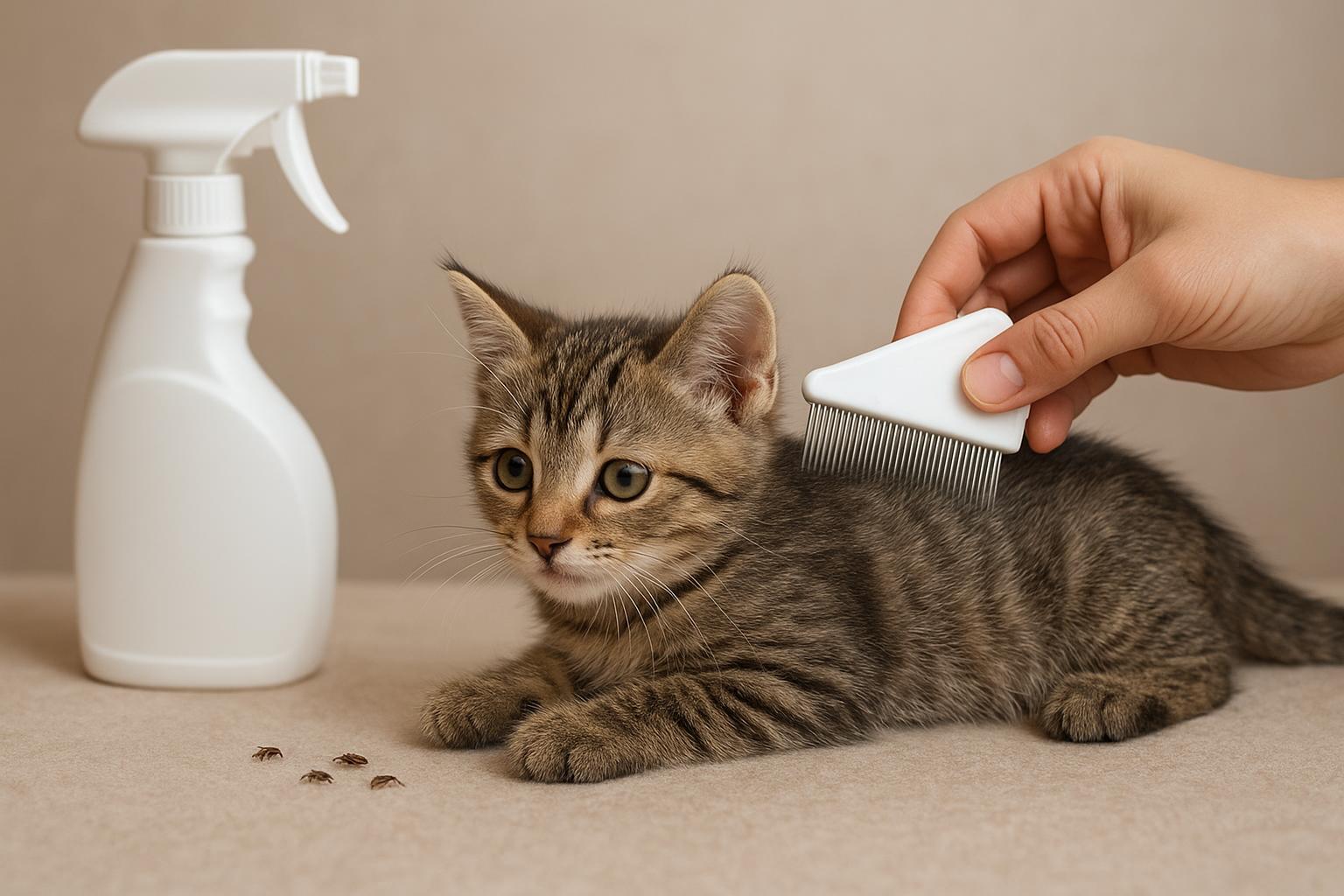
Pets scratching, red irritated skin, or visible tiny dark specks (flea dirt) on fur are clear signs. Flea dirt is digested blood and looks like small black pepper-like particles—wet it and it may turn reddish. Check bedding, pet beds, and rugs. Fleas prefer dark, warm spots and tend to hang out where pets sleep.
### Human Symptoms To Watch For
If you wake up itchy with multiple puncture marks along your legs, that’s a red flag. Some people get large, angry welts; others barely react. People with long-term exposure—families with untreated infestations—may build some tolerance, while first-time victims can have pronounced allergic responses.
#### Misread Reactions
Not every itchy bump is a flea bite. Bedbugs, mites, and certain allergic skin conditions mimic flea bites. The grouping of bites and the presence of fleas on pets are strong indicators that fleas are the culprit.
## Health Risks From Flea Bites
### Immediate Reactions
Most flea bites cause itchiness, redness, and minor swelling. Scratching can lead to skin breaks, which may invite bacterial infection. For people prone to eczema, flea bites can trigger flare-ups.
### More Serious Concerns
In rare cases, fleas transmit diseases. Historically, fleas spread bubonic plague. Today, that’s uncommon in most places, but fleas can carry other pathogens like Bartonella (which causes cat scratch disease) and, occasionally, tapeworm eggs that pets ingest from fleas. The risk to humans is usually low in a typical household, but immunocompromised people should be cautious.
### Allergic Sensitivity
Some individuals develop flea-bite hypersensitivity. That can cause larger itchy lesions and systemic symptoms in extreme cases. If bites lead to widespread hives, fever, or difficulty breathing, seek medical attention right away.
## Why Fleas Sometimes Target You More Than Your Pet
### Host Availability And Preference
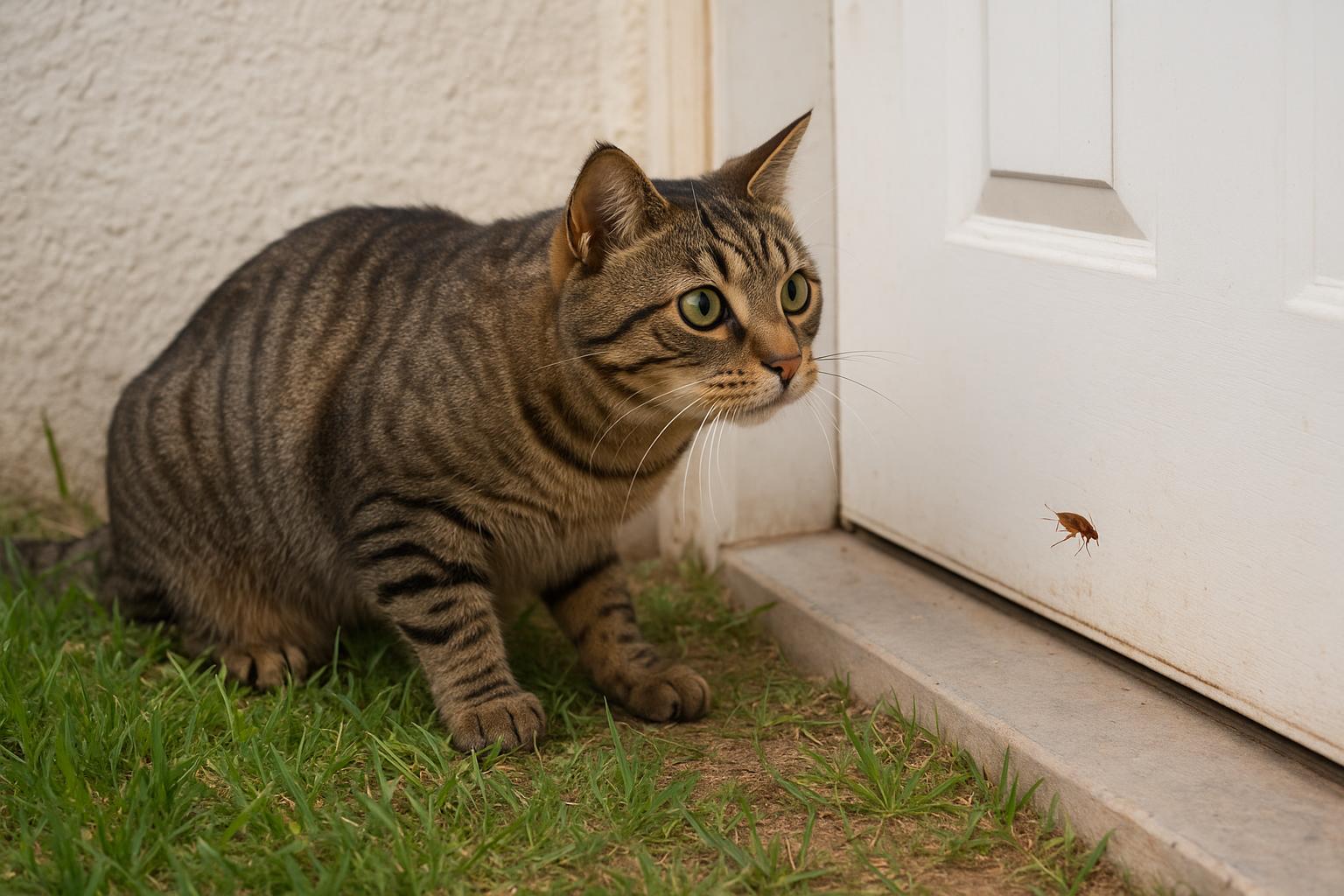
Whether fleas bite humans comes down to availability and preference. A flea that normally favors dogs will try a human if dog access is limited or the flea population is high. Outdoor wildlife like rodents can also bring fleas into a house, and those fleas might have different host preferences.
### Environment And Behavior
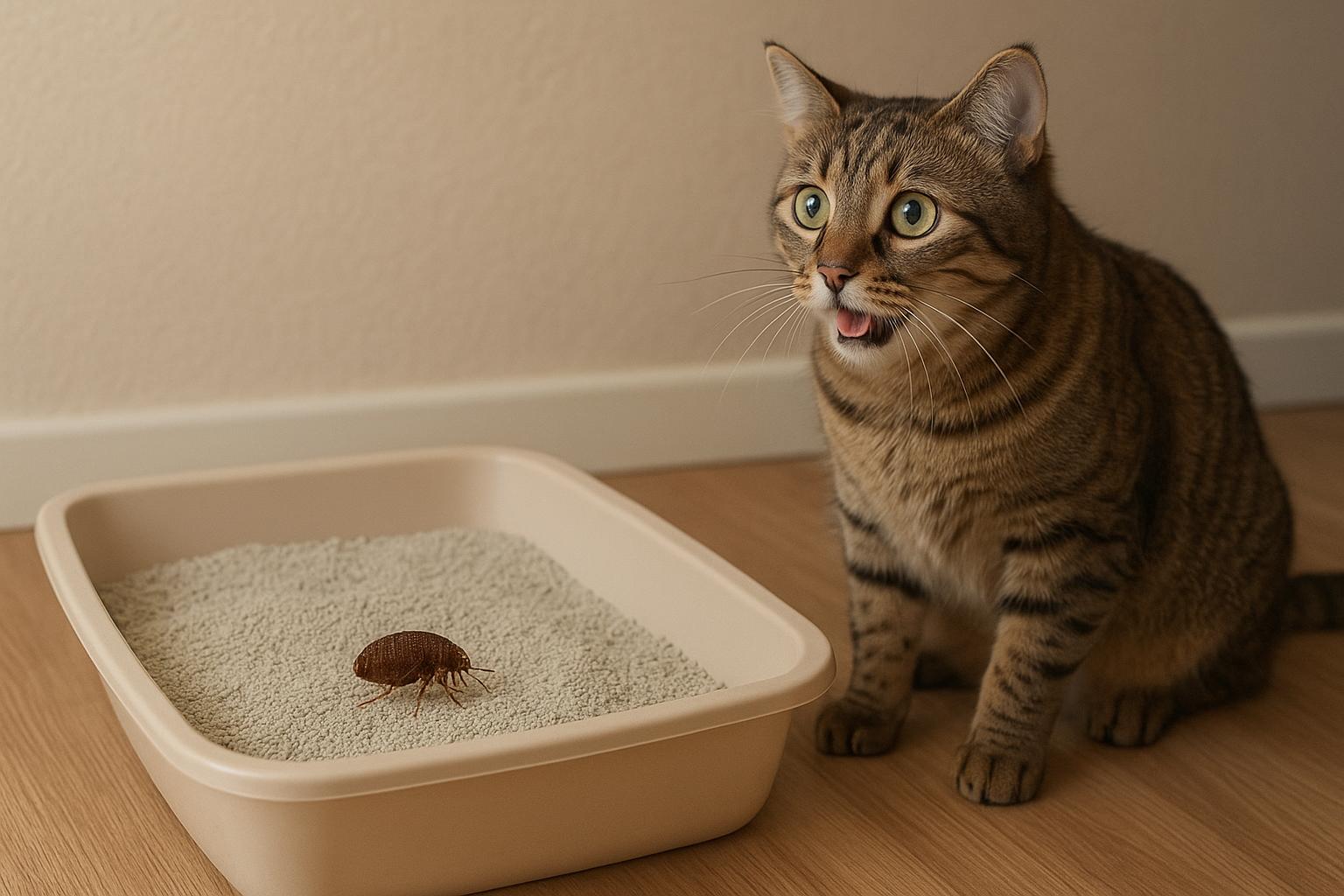
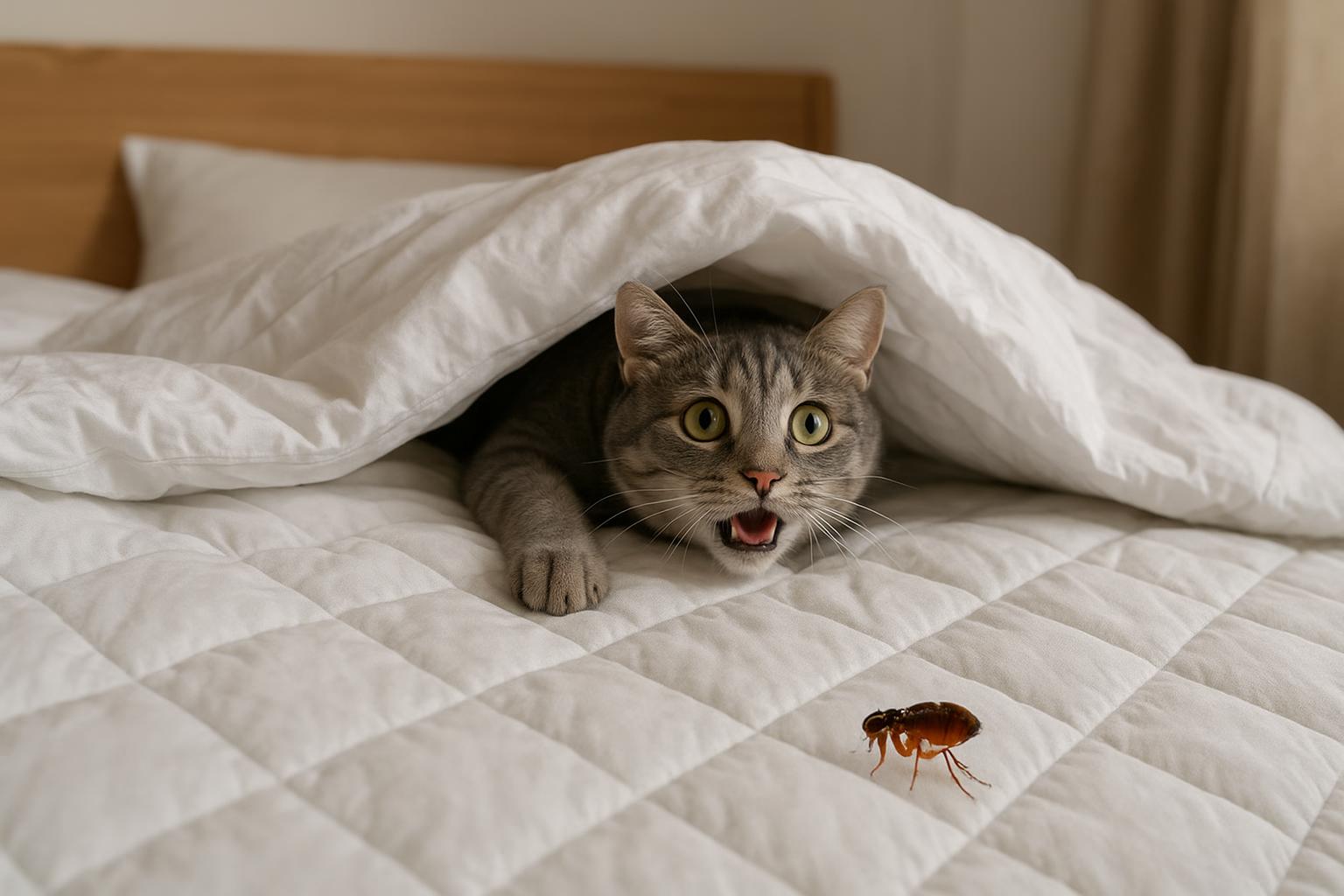
Fleas thrive in warm, humid conditions and can hide in carpets, upholstery, and cracks in the floor. If you wear socks in bed but your pet sleeps on the blanket, fleas may jump from the fabric to your feet and ankles. Household habits—like infrequent vacuuming, lack of pet flea control, or an untreated stray visiting your yard—change how likely fleas are to bite humans.
## How To Treat Flea Bites On Humans
### Immediate Home Care
Clean each bite with soap and water. Apply a cold compress to reduce swelling. Over-the-counter hydrocortisone cream or oral antihistamines can relieve itching. Resist the urge to scratch; a scratched bite can get infected.
### When To See A Doctor
If a bite becomes inflamed, warm, or produces pus, it might be infected—see a doctor. Also seek medical advice if you have fever, widespread rash, swollen lymph nodes, or other systemic signs after flea exposure. For persistent allergic reactions, a physician might prescribe a stronger steroid or an antihistamine.
## How To Remove Fleas From Your Home
### Treat The Pets First
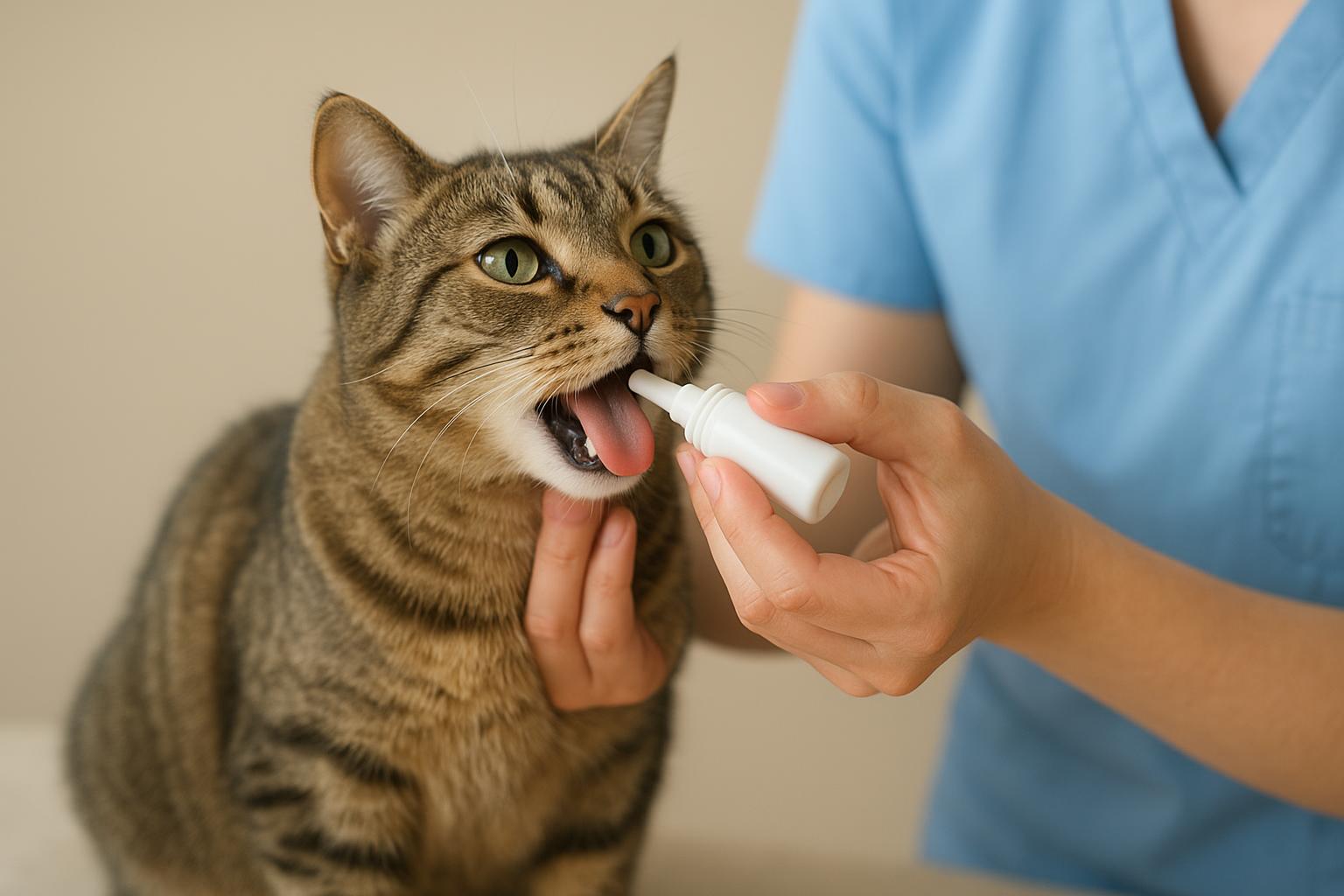
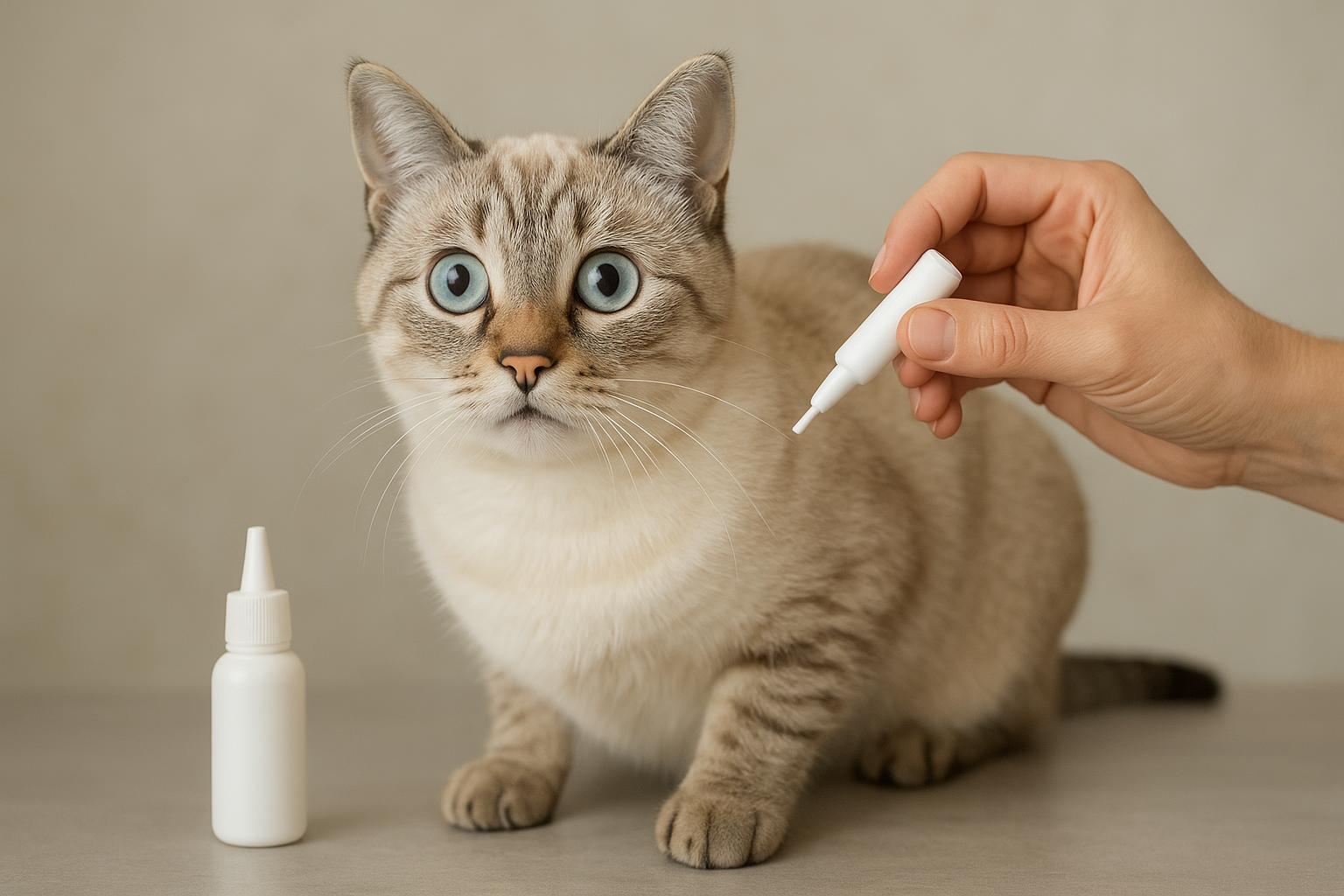
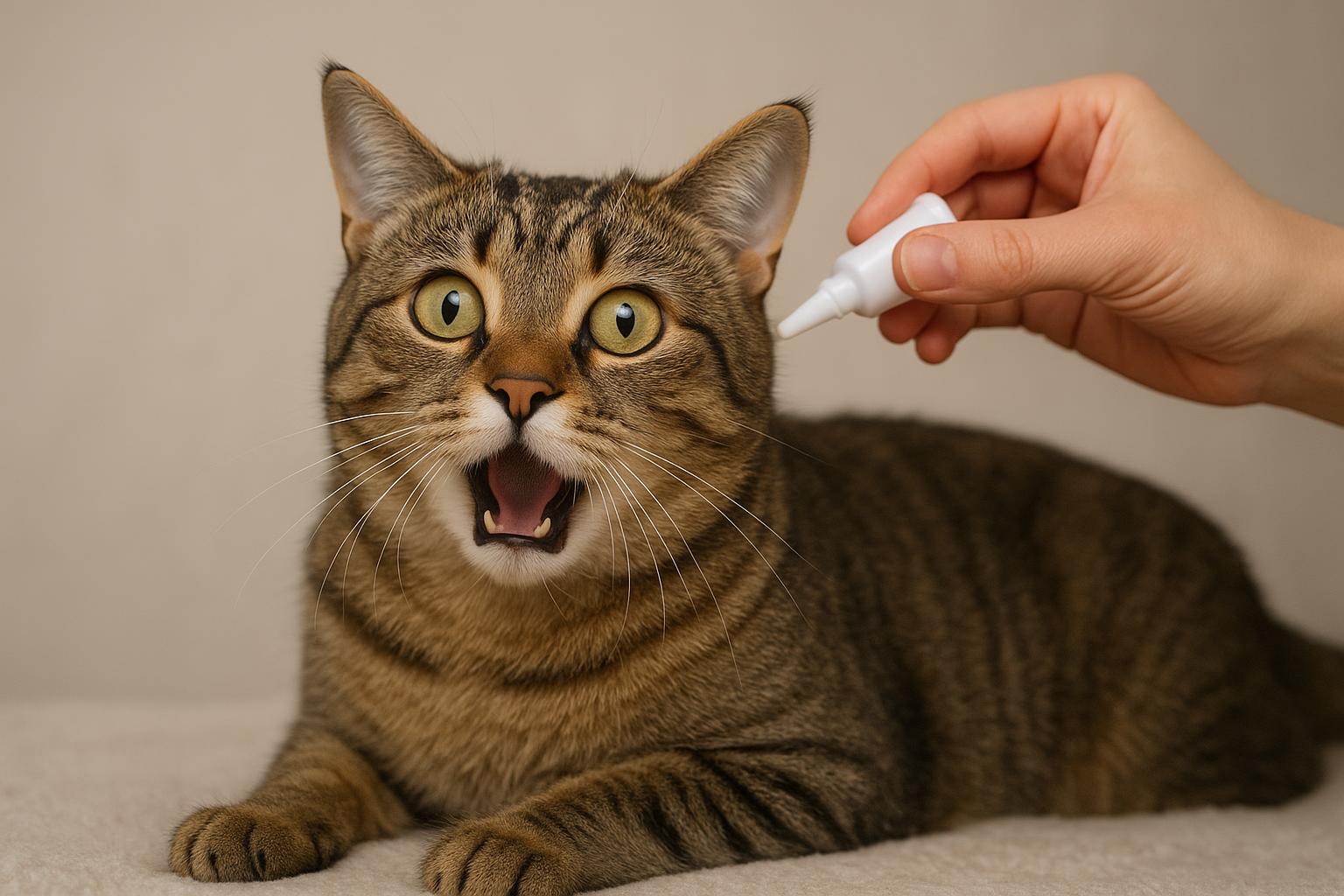
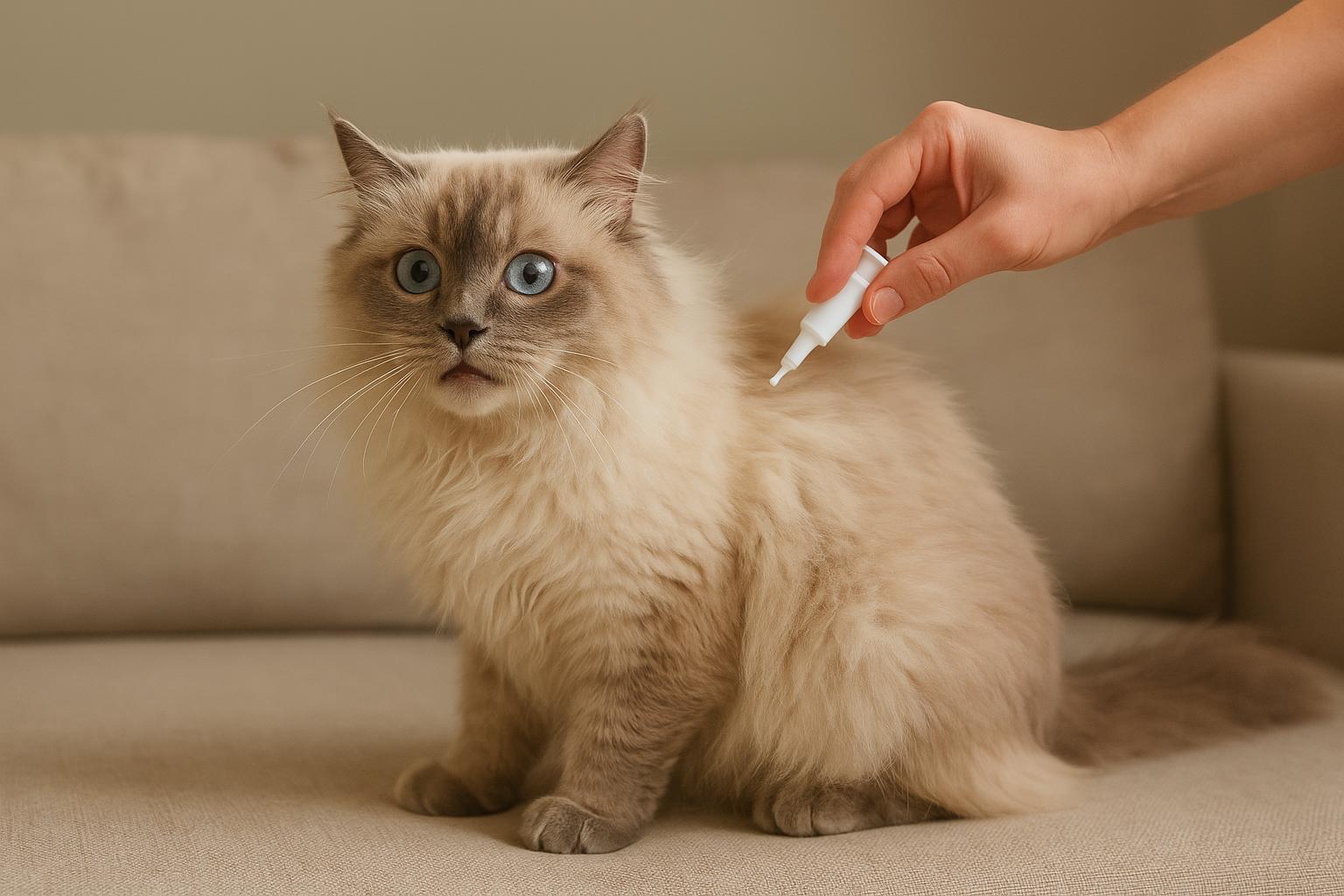
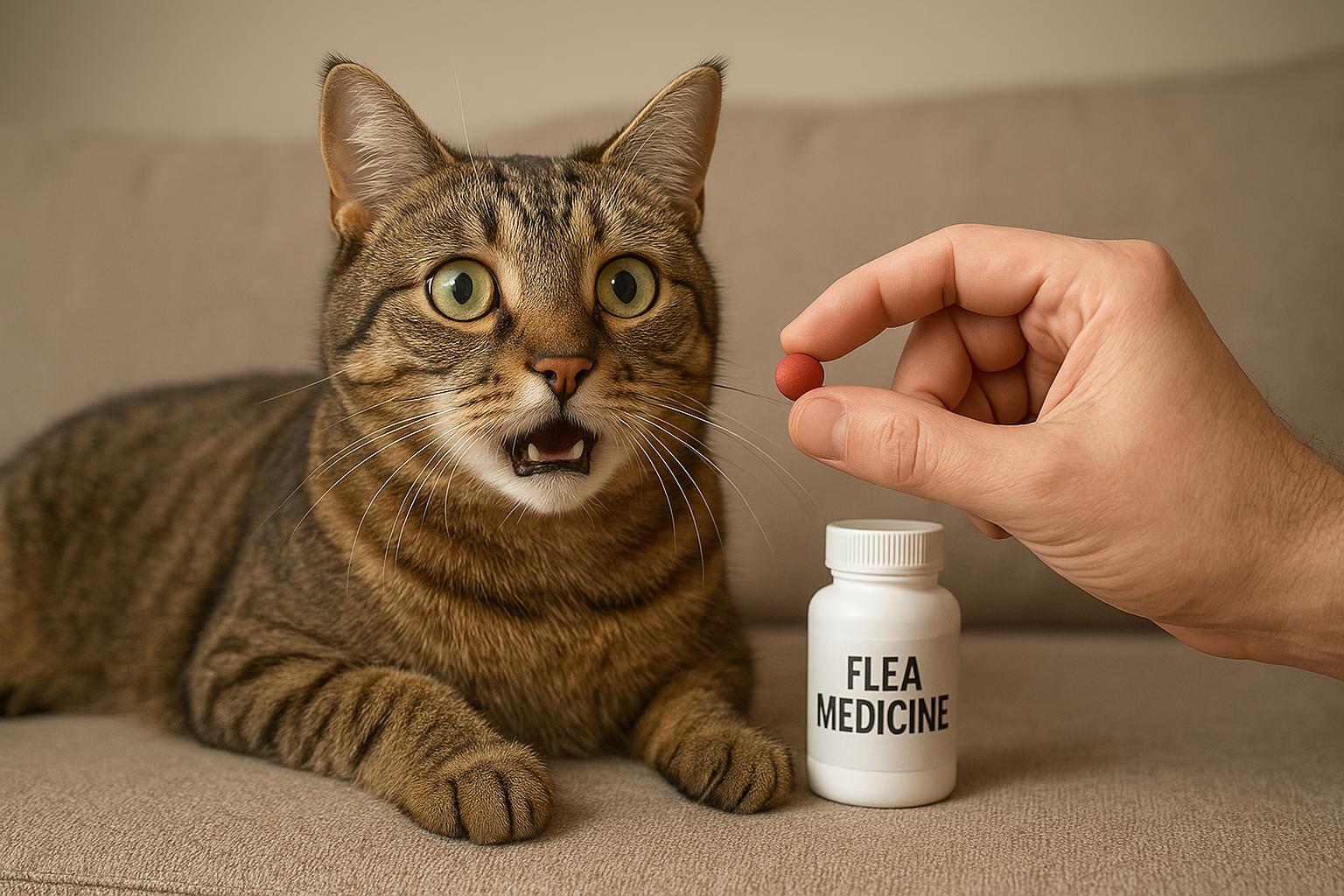
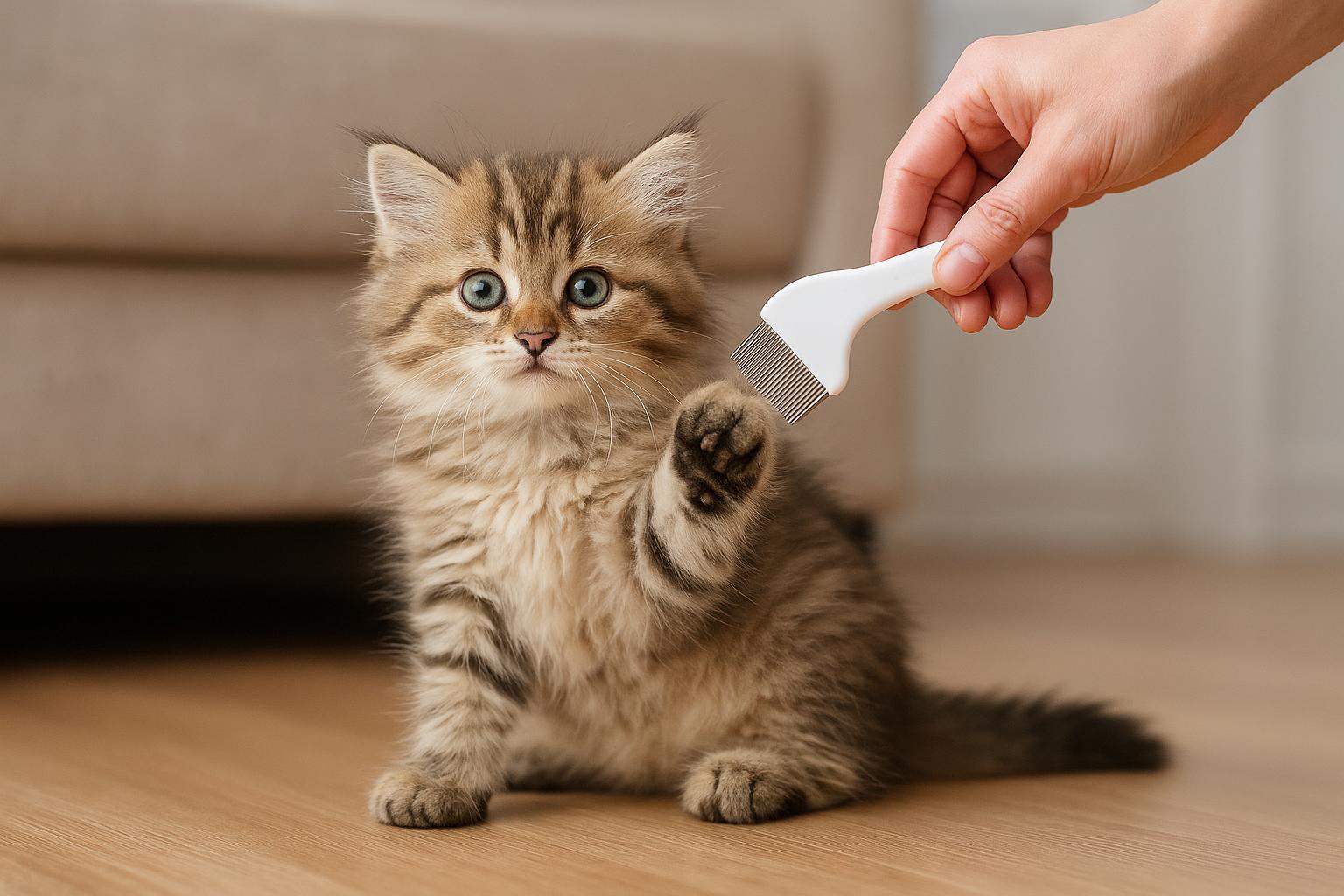
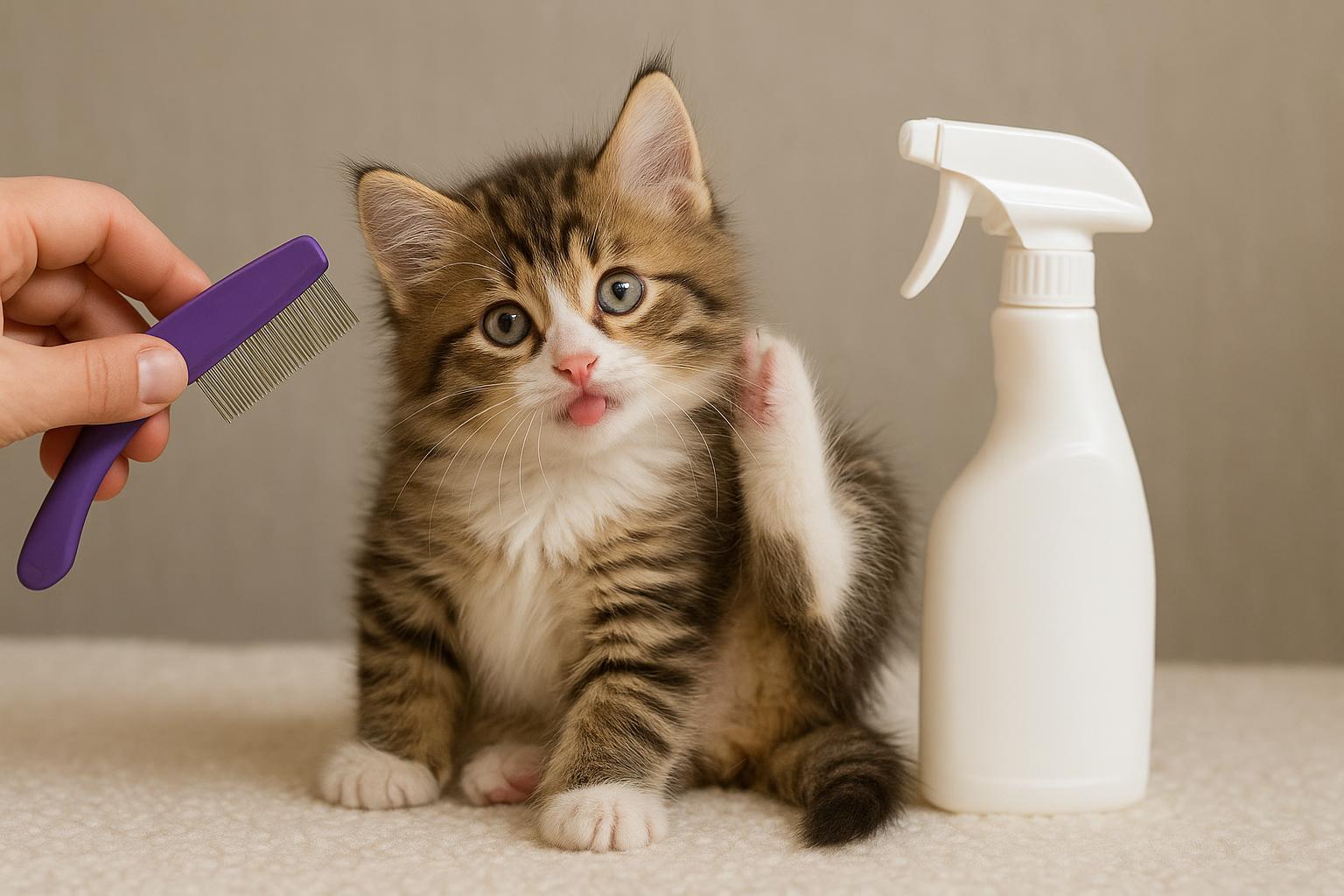
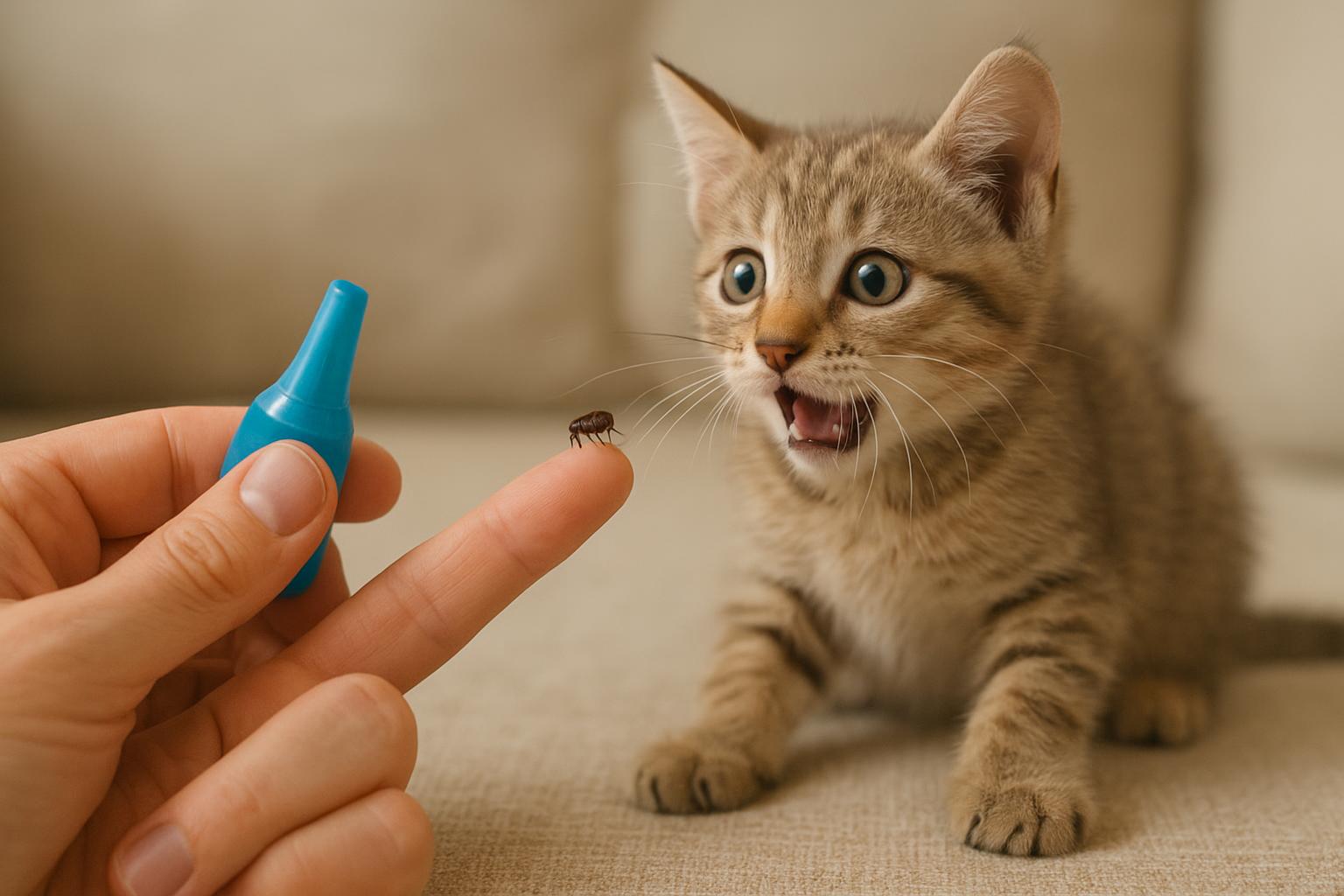
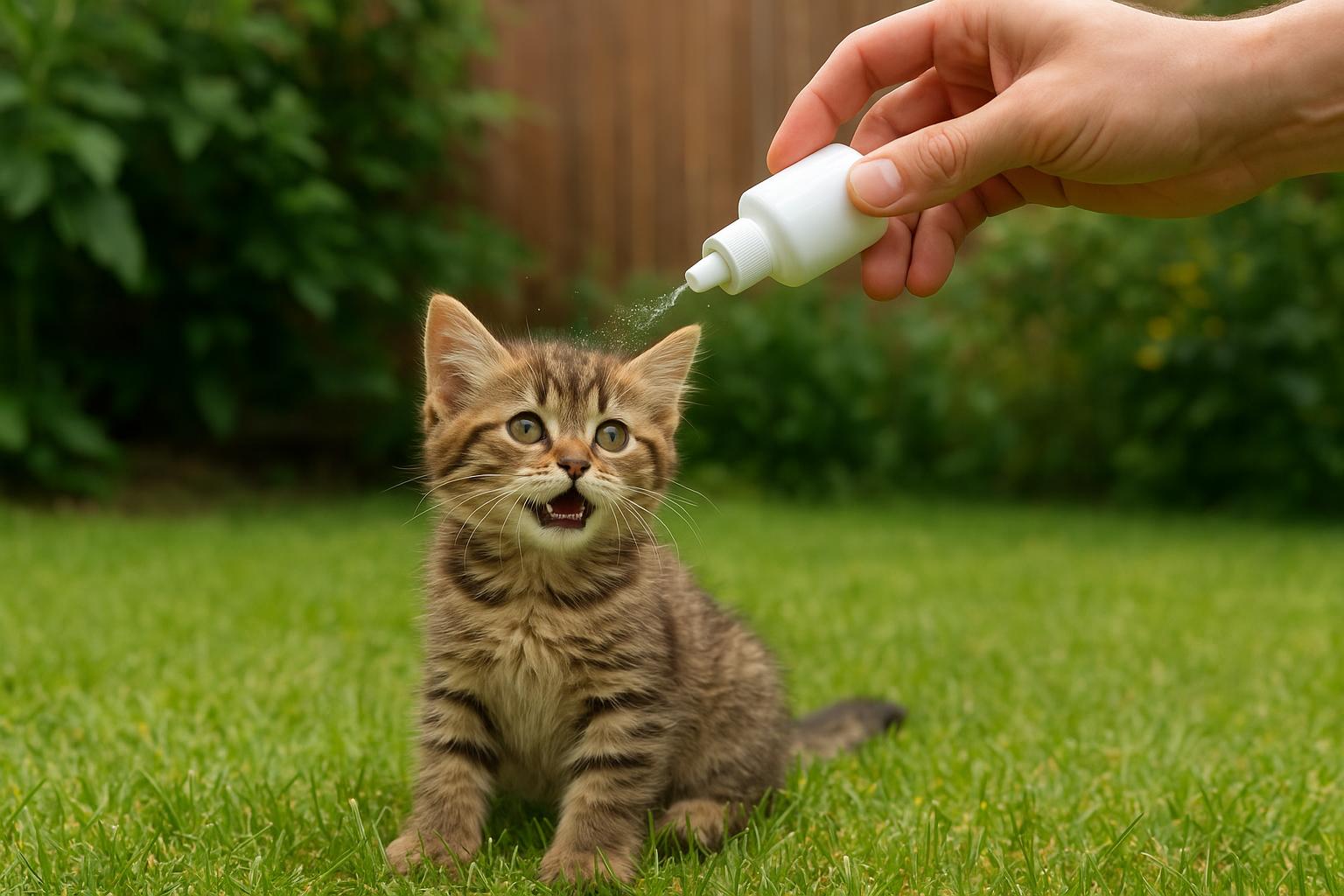
If you’re dealing with fleas, check all pets. Speak to your vet about effective flea treatments—topical spot-ons, oral medications, and flea collars vary in potency and speed. Treat every pet in the household at the same time; missing one animal means the life cycle continues.
### Clean The Environment
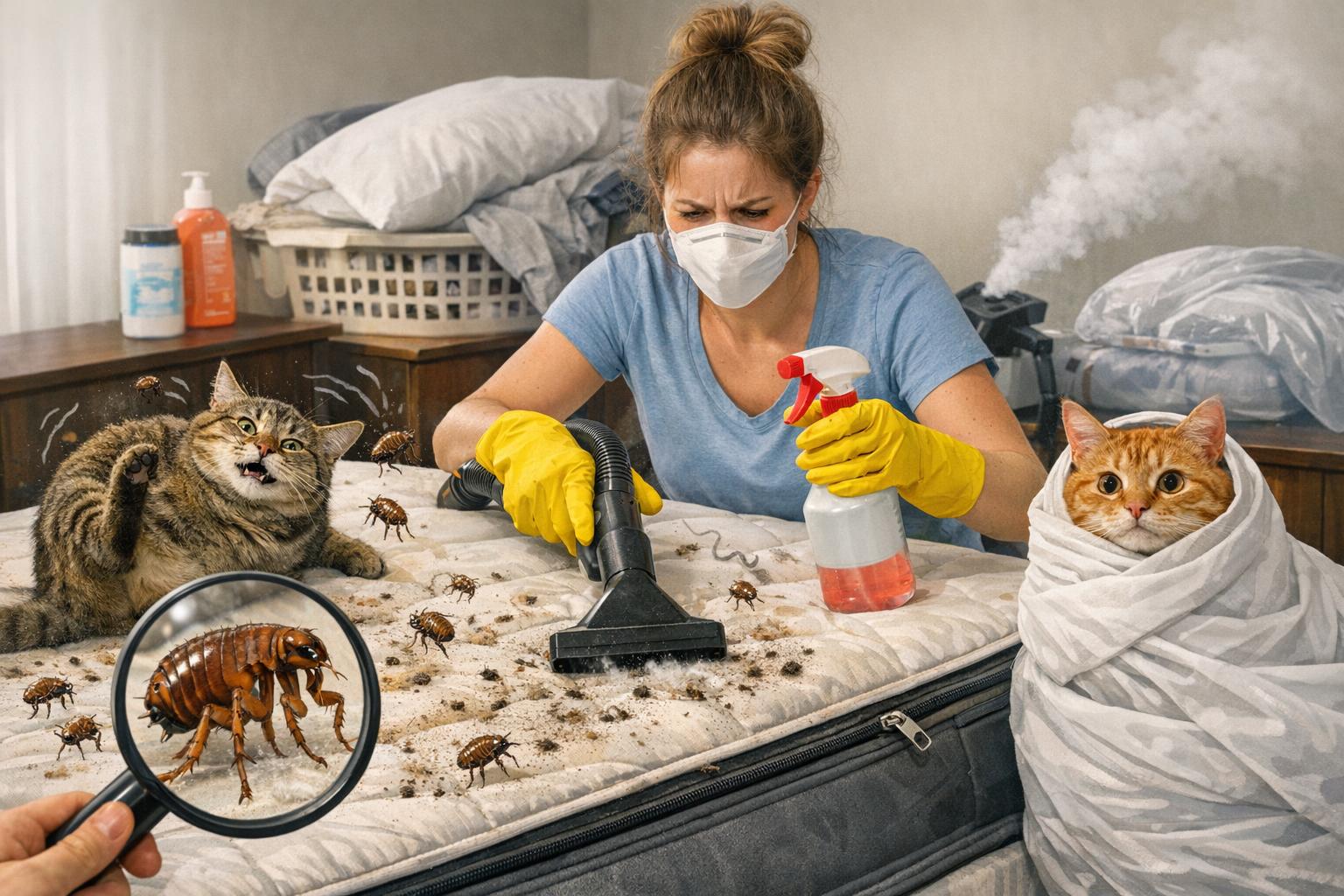
Vacuum carpets, rugs, sofas, and pet bedding daily for at least two weeks. Empty the vacuum bag or canister outside because vacuumed eggs and larvae can survive if trapped inside. Wash linens and pet bedding in hot water. Steam cleaning is useful for carpets and upholstery—heat kills fleas at multiple life stages.
#### Chemical Options
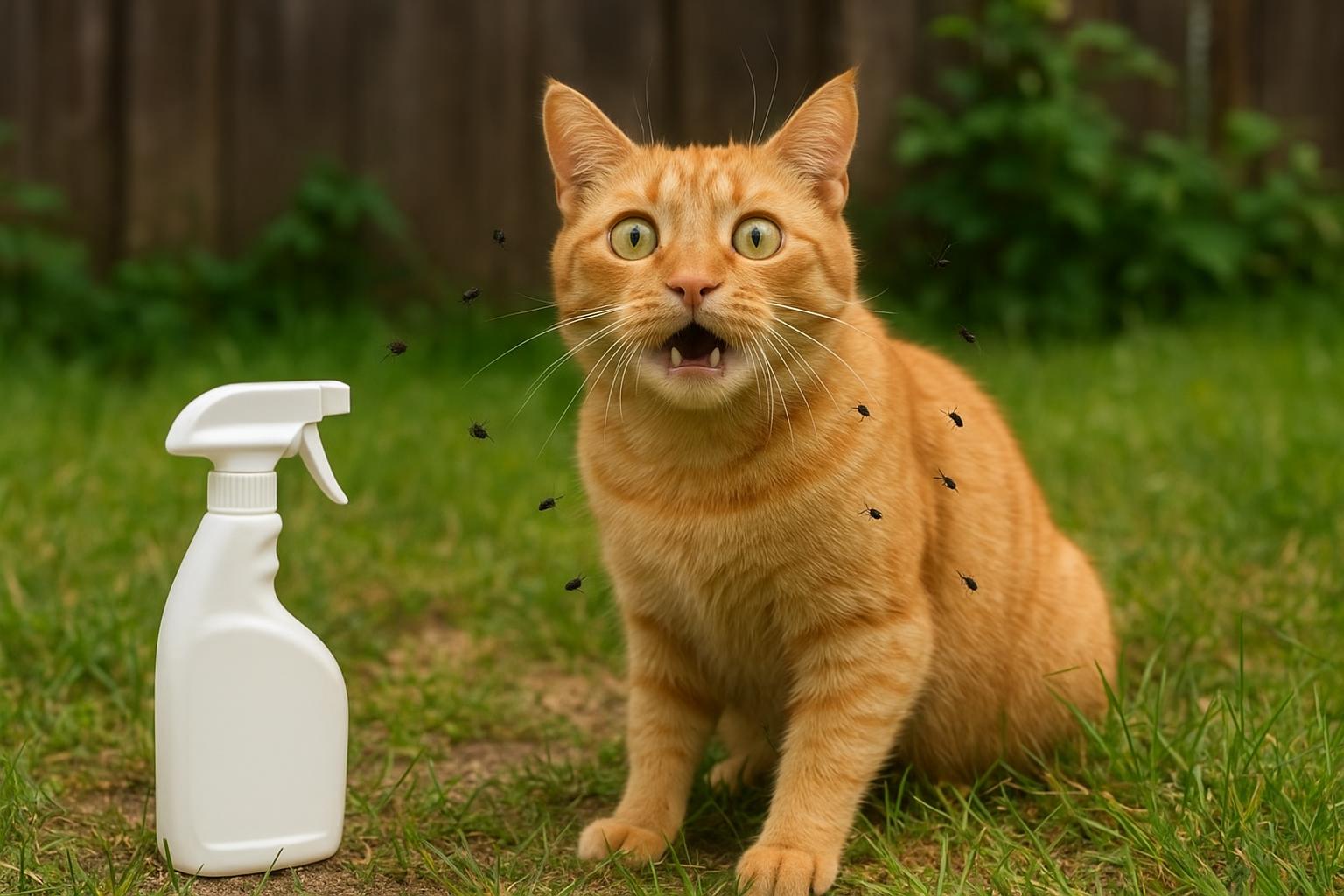
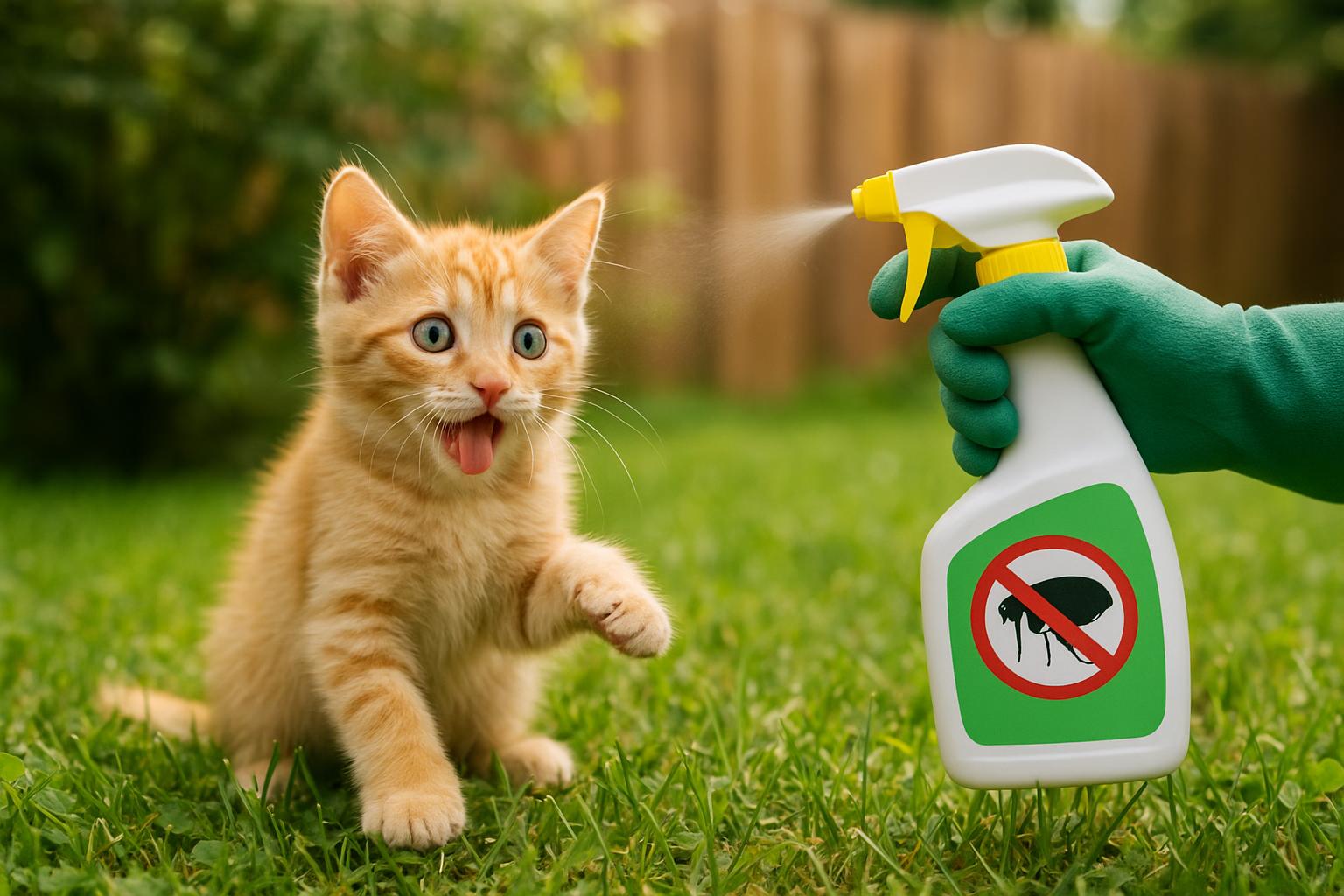
Insect growth regulators (IGRs) like methoprene or pyriproxyfen prevent eggs and larvae from developing into biting adults. Use sprays or foggers labeled for indoor flea control, and follow instructions carefully—some require pets and people to leave the area for a set time. If you’re uneasy about chemicals, consult a professional pest control service.
## Preventive Habits That Reduce Flea Problems
### Regular Pet Care
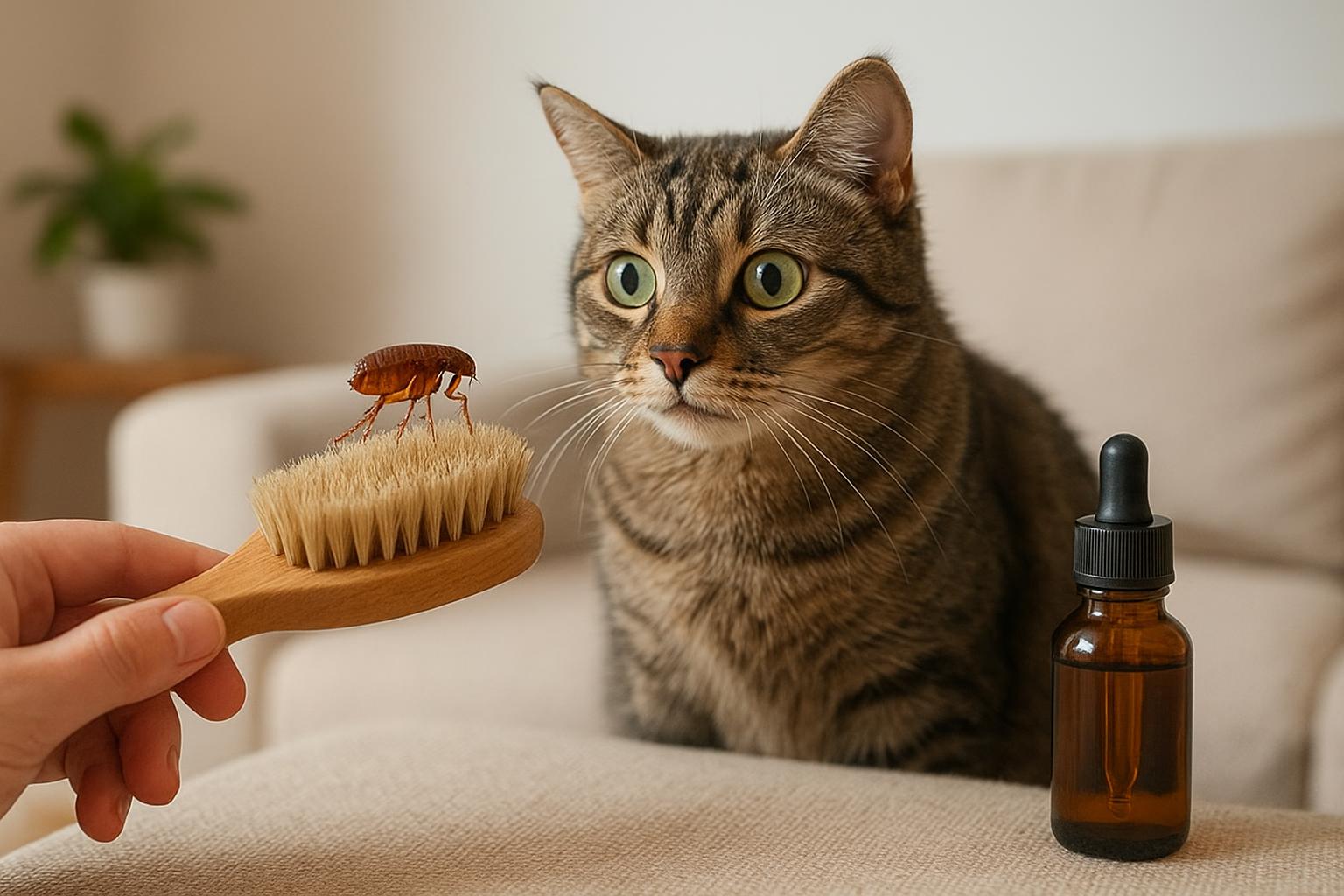
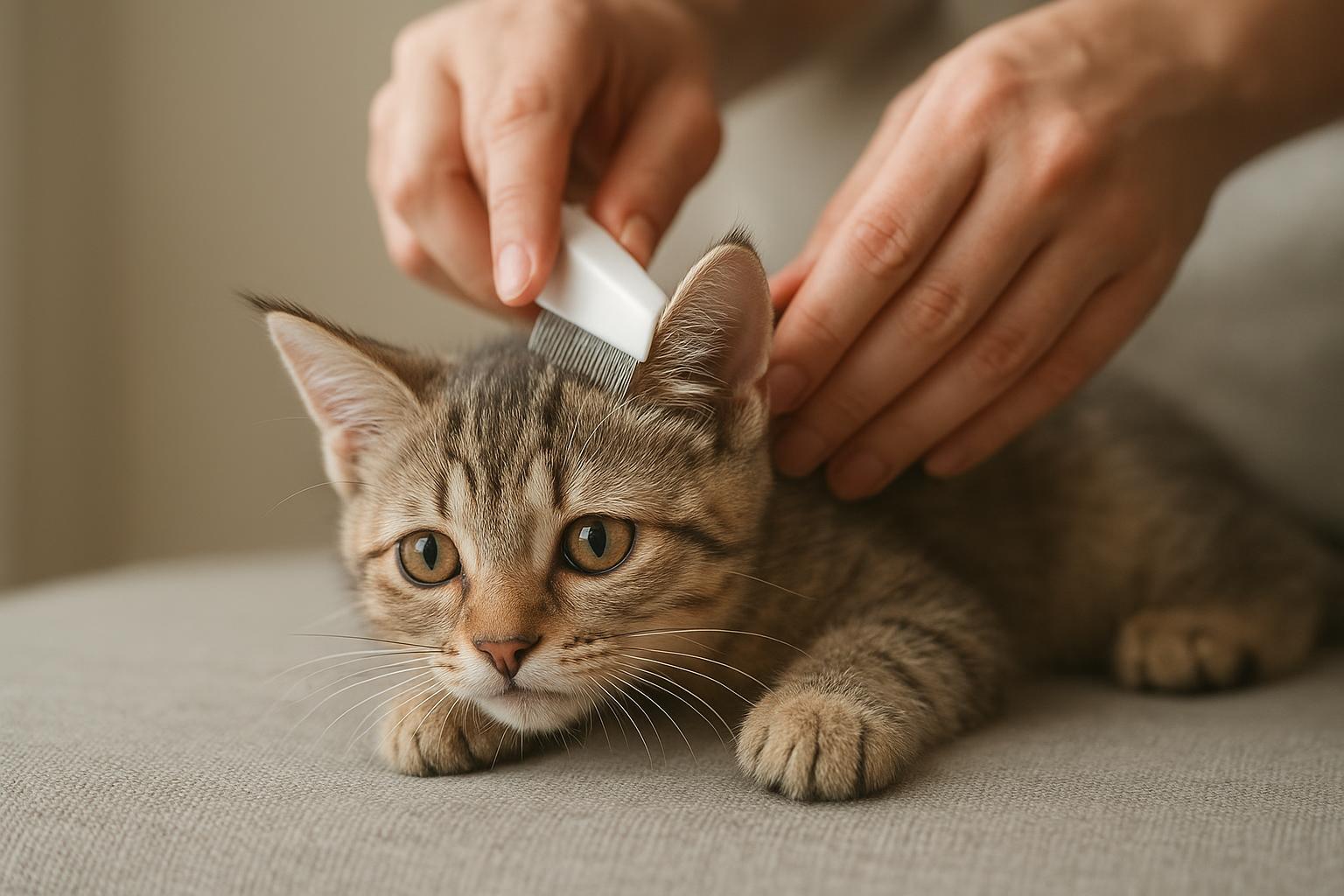
Monthly flea prevention on pets is the most effective routine step. Brush and check animals regularly, especially after they’ve been outdoors or among other animals. Prompt treatment of any stray or visiting animals that come into close contact with your pets helps too.
### Yard Maintenance
Outdoor areas where pets spend time should be kept tidy—mow grass, remove brush piles, and discourage wildlife that carries fleas. For heavy infestations, outdoor treatments or nematode applications can reduce larval populations in soil.
### Household Practices
Frequent vacuuming, washing pet bedding, and minimizing clutter removes hiding places for fleas. If you travel with pets, check their coats when you return; fleas can hitch a ride and start an infestation fast.
## Common Questions: Can Fleas Bite Under Clothing? And Other Concerns
### Can Fleas Bite Through Fabric?
Fleas can bite through thin clothing like socks or lightweight pajamas. They target exposed skin whenever possible, but thin fabrics won’t stop them. That’s why bites often appear around the ankles, where socks meet skin.
### Do Fleas Live On Humans?
No. Humans are usually accidental hosts. Fleas don’t live on humans the way lice do. They take a meal and jump off. The breeding cycle happens in the environment—carpet, pet bedding, soil—so treating the surroundings is crucial.
#### Fleas And Humans: Coexistence Without Pets
Some people without pets still get flea problems, especially if they live in older homes, have frequent visitors with pets, or are near wildlife. In those cases, the same control strategies apply: target the environment, address any wildlife entry points, and keep a vigilant cleaning routine.
## Professional Help And When To Call An Exterminator
If you’ve tried home measures for several weeks and the bites or fleas persist, bring in a professional. Pest control technicians can assess where flea populations are concentrated and apply a plan that targets adults and immature stages. They’ll also advise on timing retreats and combining treatments for pets and home.
### What To Expect From Professional Treatments
A professional will likely recommend multiple treatments spaced out to catch newly hatched fleas after eggs are affected by IGRs. In severe infestations they may treat yards and indoor areas, and they’ll provide specific safety instructions for vulnerable household members.
A final note: flea problems rarely resolve overnight. The flea life cycle can stretch for months if eggs and pupae remain undisturbed. Patience and consistent action are the keys—follow the plan, treat pets, and clean thoroughly, and you’ll break the cycle. Oh, and if your neighbor’s yard is a hotspot, coordinate efforts—you can be meticulous and still get re-invaded if surrounding properties are untreated.


























Leave a Reply