
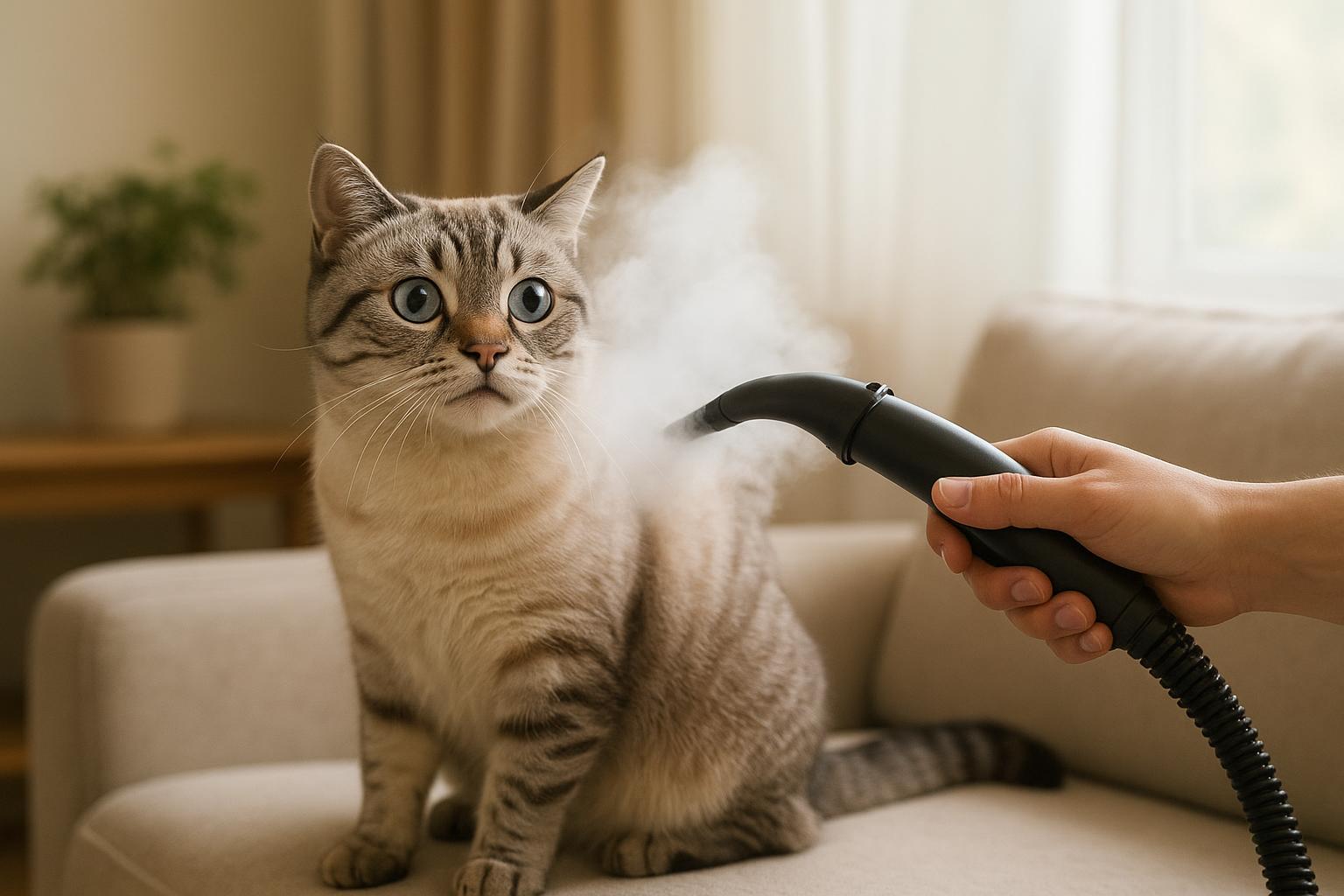
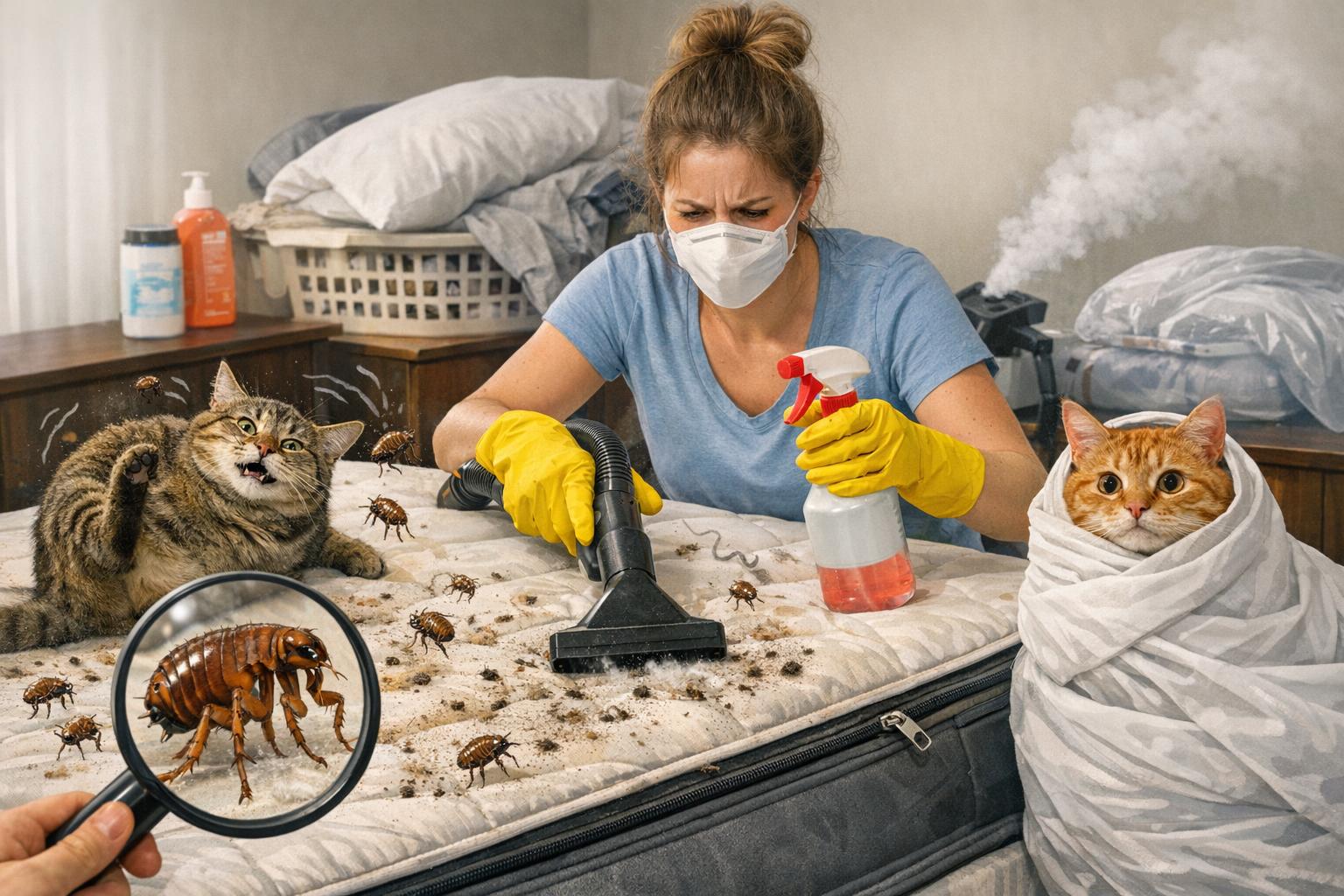
Hot vapor cleaning for fleas in cat environments works, but only if you use it the right way. Think of it as targeted heat therapy: high-temperature vapor hits carpets, upholstery, and the cracks where fleas hide. It doesn’t replace good housekeeping or other pest-control methods, but it can dramatically cut the population of adult fleas, larvae, and eggs without relying on insecticides.
## Hot Vapor Cleaning For Fleas In Cat Environments: Practical Steps
Start with a basic plan. If you try to “steam” everything quickly, you’ll miss spots. Follow these steps and you’ll get much better results.
– Clear pet bedding, toys, and any washable fabric from floors and furniture. Wash them in hot water and dry on high heat. Laundry is the easiest win.
– Vacuum thoroughly before you use hot vapor. Vacuuming removes loose adults and larvae and roughens up egg casings so heat reaches them more easily.
– Work in a grid. Move slowly and overlap passes so the vapor spends enough time on each square foot.
– Repeat. Flea eggs hatch over days, sometimes weeks. A single treatment rarely finishes the job.
Don’t rush. Hot vapor cleaning for fleas in cat environments depends on contact time as much as temperature. Move too fast and you only scald the surface.
### How Heat And Vapor Kill Fleas
Fleas are small and surprisingly hardy, but they are vulnerable to heat. High-temperature vapor penetrates fibers better than dry heat because it transfers energy efficiently. When the vapor condenses, it delivers sudden thermal shock to fleas and their eggs.
This isn’t magic. The vapor loosens larvae from carpet fibers and softens egg casings so the heat can do its work. Professionals who treat homes for pests use it for this reason. For most homeowners, a good commercial steam cleaner or a rental machine that reaches near-boiling temperatures will make a meaningful dent in an infestation.
### Why Vapor Cleaning Beats Simple Steam Mopping
People often refer to “steam mops,” but those are designed for sealed floors. They produce lower-temperature steam and don’t deliver enough heat for deep cleaning of porous textiles. Vapor cleaning using a heavy-duty unit with a pressure nozzle and upholstery attachments is different. It’s about concentrated, high-temperature vapor that gets into the base of carpet fibers and into seams where fleas hide.
The phrase “steam fleas” gets tossed around a lot online. You can in practice “steam fleas” with a good machine, but the goal is controlled vapor application rather than frantic spraying. A deliberate approach kills more critters.
#### Equipment Choices And Attachments
You don’t need the most expensive unit on the market, but you do want something that:
– Produces high-temperature vapor near boiling point.
– Has a pressure-controlled nozzle and a hand tool for upholstery.
– Offers sufficient water tank capacity so you don’t stop every ten minutes.
– Comes with squeegees and brushes for differing surfaces.
Look for commercial or prosumer units rather than cheap handheld steamers. Many of the inexpensive models run out of heat quickly and don’t maintain the temperatures needed to knock down eggs. If in doubt, rent a machine from a hardware store. Renting lets you try professional-grade equipment without a big purchase.
## Preparing Your Cats And Home For Vapor Treatment
Cats deserve priority. They are sensitive to heat, stress, and fumes. Vapor cleaning can be loud and startling, and some machines spit out hot droplets if misused.
Remove cats from rooms being treated. Close doors and keep treated rooms off-limits until they’ve cooled and dried. Put your cat and their bedding in a quiet area you’ll treat later or have someone watch them elsewhere. If your cat is elderly or has respiratory issues, consult your vet about stress and exposure risks.
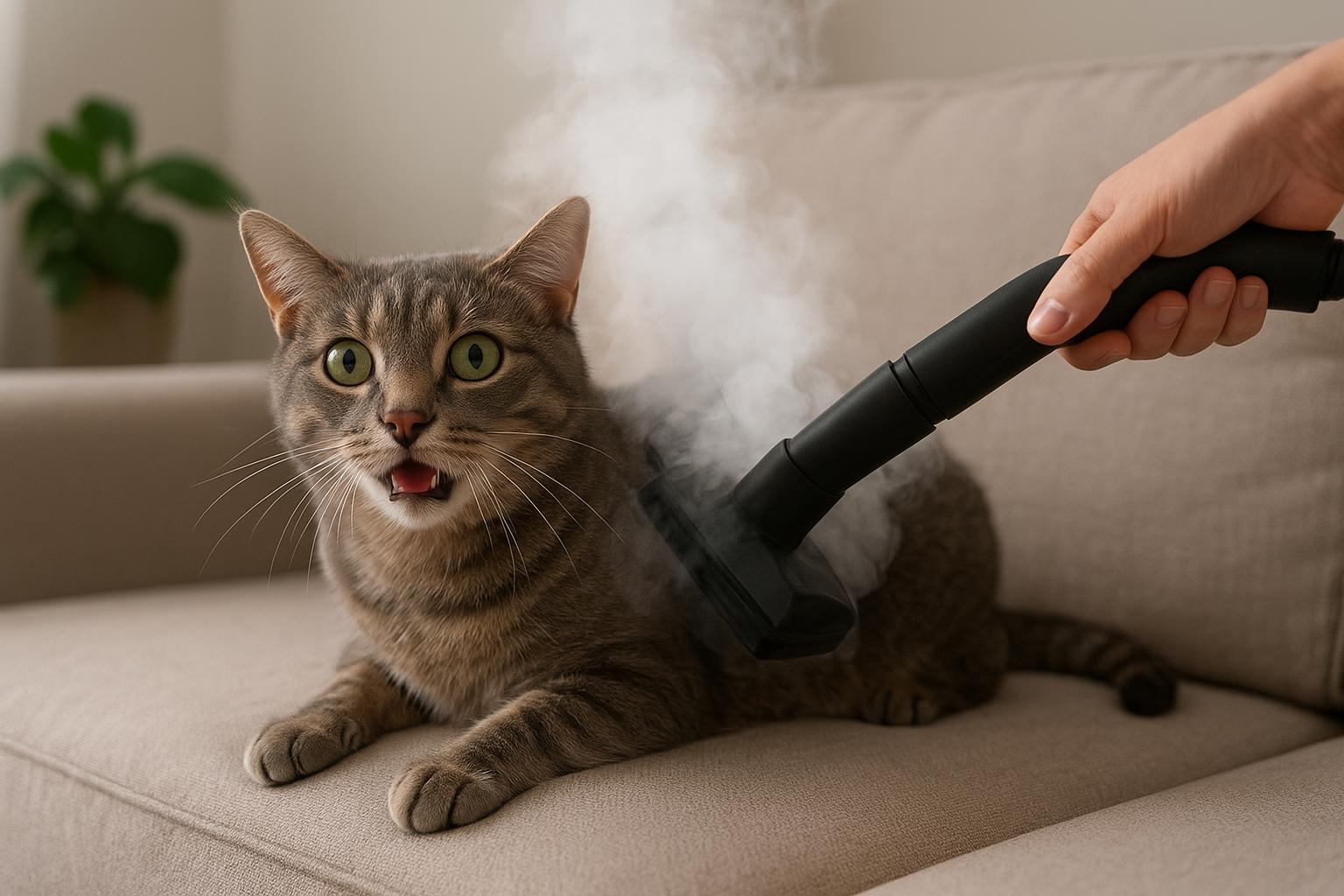
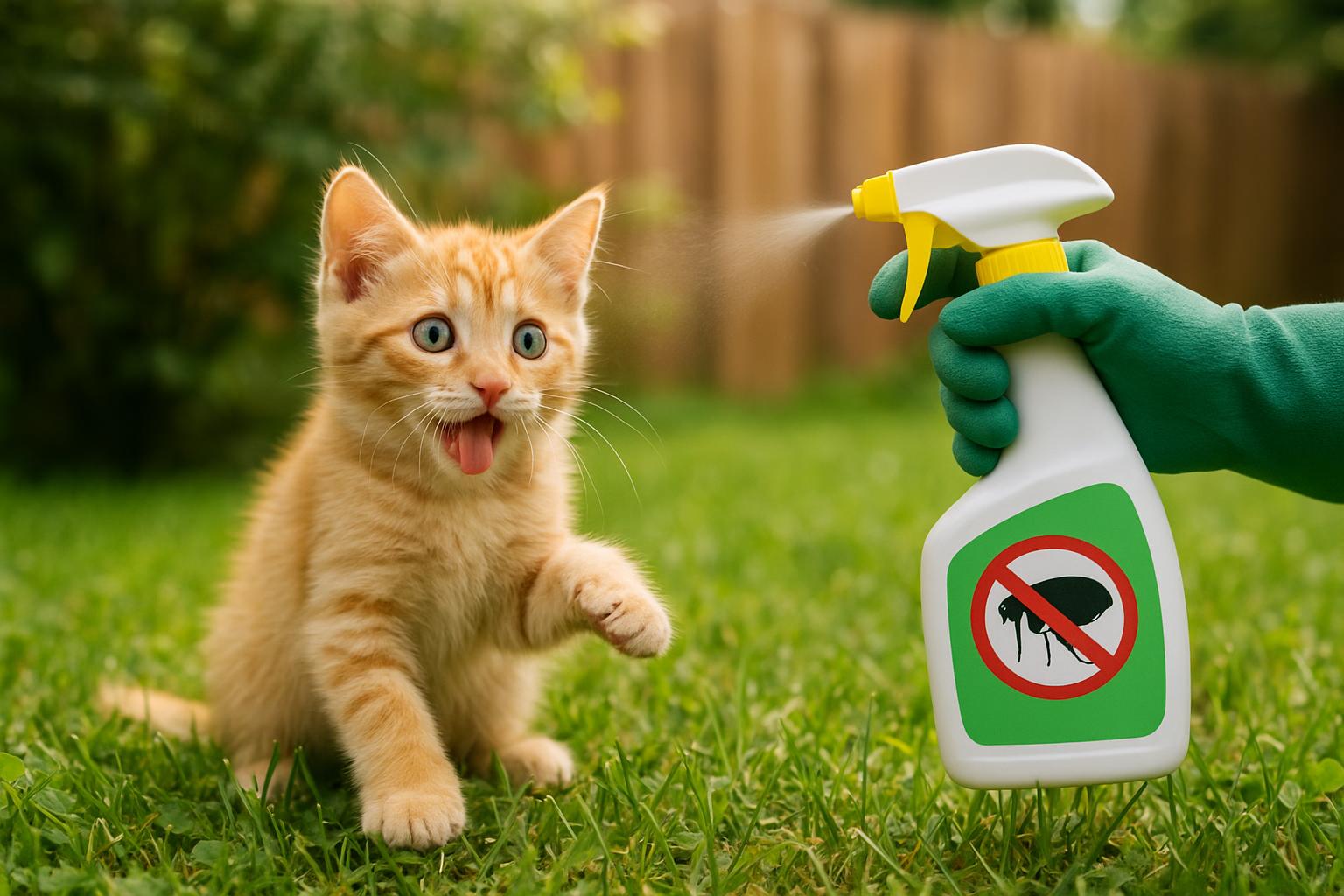
Don’t spray vapor directly on your cat. Even if it seems safe, it can burn their skin and frighten them. Also, keep an eye on plants and delicate finishes. Some fabrics and adhesives won’t handle extreme heat and moisture.
### What To Do Before You Start
Vacuum carpets, furniture crevices, and baseboards. Empty the vacuum when you’re done; otherwise you’ll reintroduce eggs. Launder bedding and removable covers. Pick up small toys and anything that could melt or warp. If you’ve got multiple cats, treat the common areas first and then their individual sleeping zones.
One more practical note: clean the cat’s favorite hiding spaces. A cat may sleep in odd little pockets or behind furniture. Fleas congregate where pets rest. Treat those spots with the vapor cleaner and then vacuum them again after cooling.
### Where Vapor Cleaning Works Best
Hot vapor cleaning for fleas in cat environments does most of its work on:
– Carpets and rugs
– Upholstered furniture and cushions
– Pet bedding, when used carefully and allowed to dry fast
– Crevices along baseboards and around door frames
– Curtains and fabric-covered stairs
It’s less effective on structural voids inside walls or under floors. For heavy infestations that have spread into wall cavities, you’ll probably need to combine vapor cleaning with another strategy.
## Integrating Vapor With Other Control Methods
Hot vapor cleaning is a tool. Use it with complementary approaches.
Use regular vacuuming for at least two to three weeks after initial treatment. Vacuuming picks up newly hatched larvae and adults before they bite and reproduce. Consider an insect growth regulator (IGR) product targeted at fleas for persistent problems. IGRs disrupt egg development and are useful for longer-term suppression when paired with heat treatment.
If you have a serious infestation, rotating methods helps. Try a deep-clean with vapor this week, vacuum aggressively the next, and apply IGR as directed. Keep washing bedding once a week until you’re confident the lifecycle has been interrupted.
### Professional Help: When To Call It In
If you see fleas after a month of consistent effort, call a pest pro. Professionals have industrial equipment and can treat baseboards, cracks, and voids with more thoroughness. They can also advise on safety for your cats and recommend products to pair with vapor cleaning.
## Safety Considerations Specific To Cats
Cats groom constantly. If you use chemical controls you need to be careful about residues on carpets and furniture that cats lick. That’s a major reason people favor hot vapor cleaning. Vapor kills on contact and leaves no residual insecticide, so cats aren’t ingesting chemicals from tracked-in dust.
Still, safety is about more than chemicals. Make sure treated areas are completely cool and dry before letting your cat back in. Use covers for heat-sensitive electronics. Keep water bowls and food safely removed from the direct treatment area so they aren’t contaminated by condensation or dirt.
#### Signs You Treated Too Hot Or Too Fast
If fabric becomes discolored or crunchy, you were either too close or used an incompatible attachment. If a cat shows signs of stress—panting, hiding, or excessive grooming—give them space and check for any burns or discomfort. Most issues are avoidable with proper distance and slower passes.
## How Often To Treat
Expect a series rather than a single event. Flea eggs can take days to hatch and then a week or more to mature. Treating once may kill many adults and some eggs but not the ones that hatch later. A typical schedule is an initial deep hot vapor cleaning followed by follow-up treatments at weekly intervals for two to three weeks, combined with ongoing vacuuming and washing.
If progress stalls, change tactics. Try a different machine setting, focus on previously missed areas, or consult a professional.
### Common Mistakes To Avoid
– Using a light steam mop instead of a high-temp vapor unit.
– Treating only the floor and skipping furniture and curtains.
– Rushing passes; heat needs contact time.
– Letting cats back into hot or wet areas too soon.
– Forgetting about clutter and pet hiding spots.
If you avoid those mistakes you’ll save time and probably money. It’s better to do a couple of careful, thorough sessions than many frantic, ineffective ones.
## Final Practical Tips
Label treated bedding so you don’t mix it back into untreated piles. Mark times and dates for treatments to keep a clear schedule. Consider using a hand tool on soft spots like cat trees where fleas love to harber — yes, that word is mispelled, but you get the point. Pay special attention to stairs and narrow gaps where vacuumers struggle.
Hot vapor cleaning for fleas in cat environments is not a cure-all, but used sensibly it reduces reliance on chemicals, shortens infestations, and is friendly to pets when done correctly. If you pair it with good hygiene, washing, and targeted follow-up, you’ll see real results.
Leave a Reply