
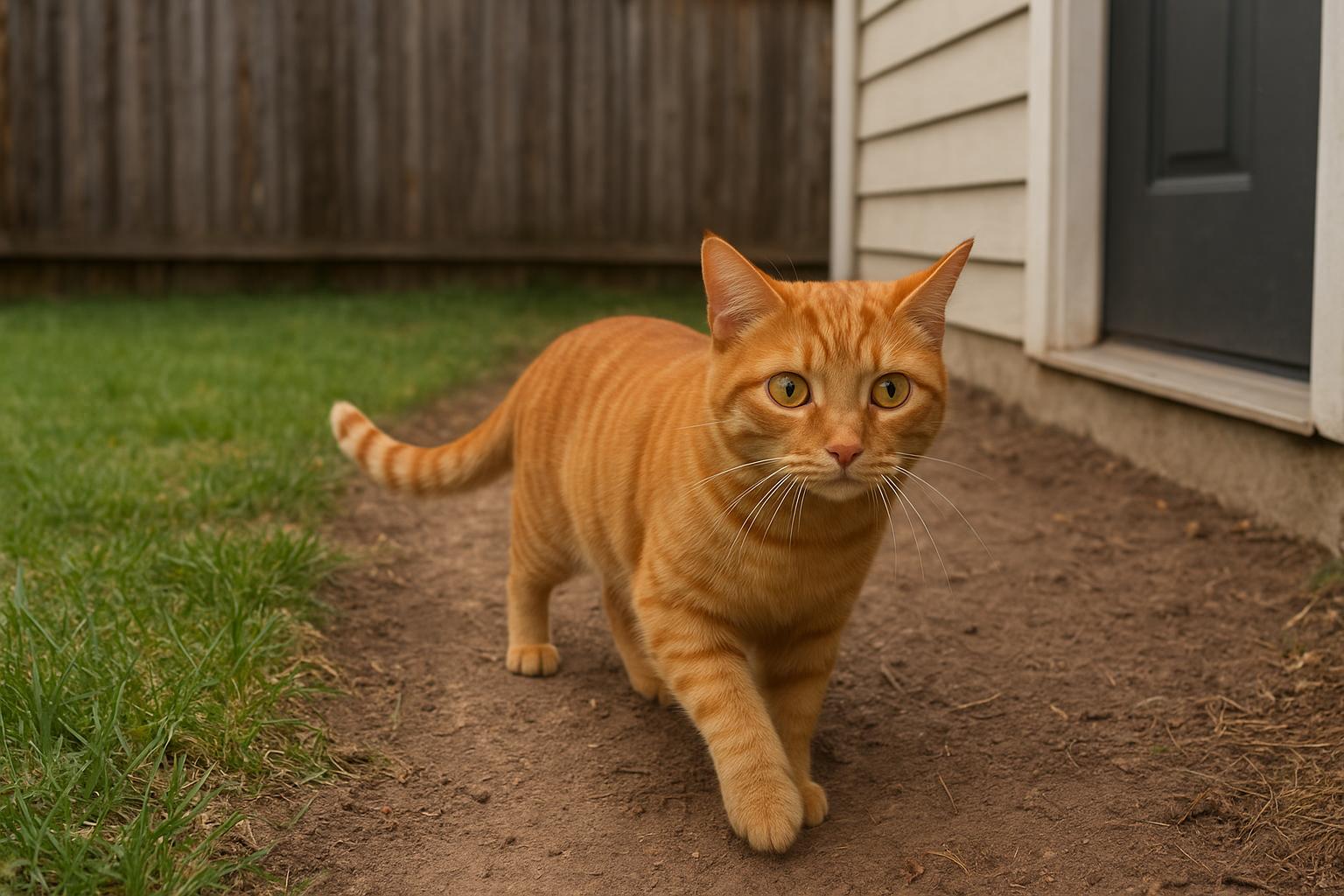
Fleas that live in your yard don’t teleport. They move along routes you can trace if you know what to look for. Once you spot one route, you can break the chain and keep pets and people from bringing them inside.
## Yard-To-Home Flea Pathway Revealed: Where It Starts And Where It Ends
Most infestations begin outside, often in small, predictable pockets. The phrase yard-to-home flea pathway describes a handful of steps: a breeding hotspot in soil or leaf litter, a host like a stray cat or raccoon, a hitchhike onto a pet or shoe, then movement into the house where fleas complete their life cycle. Ignore any one of those steps and the rest keep happening.
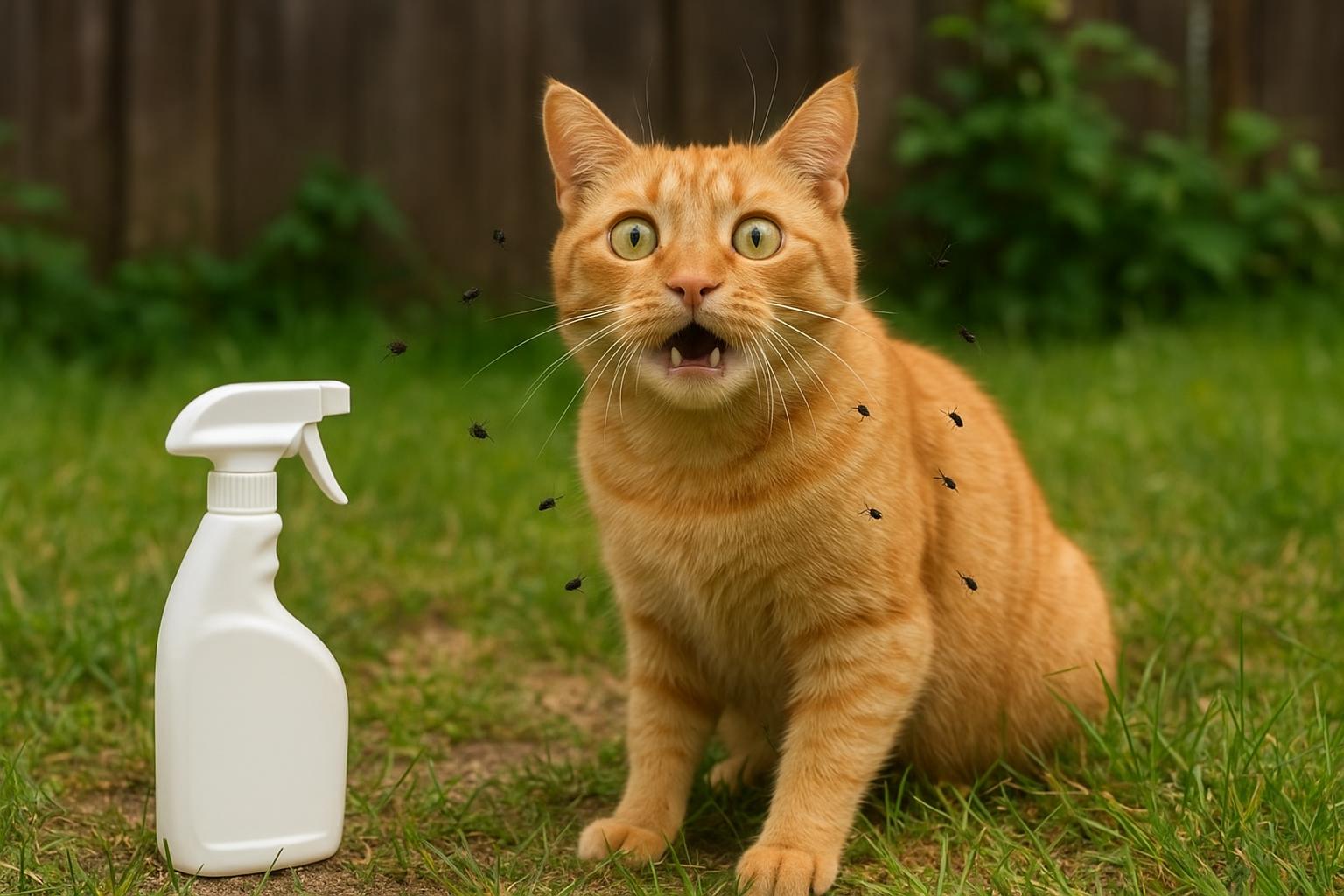
Fleas love warm, humid microclimates. Under a porch, in tall ornamental grass, or inside a compost pile you’ll find shaded, damp places where eggs and larvae hide. That’s the yard end of the yard-to-home flea pathway. From there, fleas wait for a warm body to jump on. A cat sleeping on the porch can pick up dozens in minutes and become a living ferry into your living room.
### How Cats And Wildlife Create The Primary Link
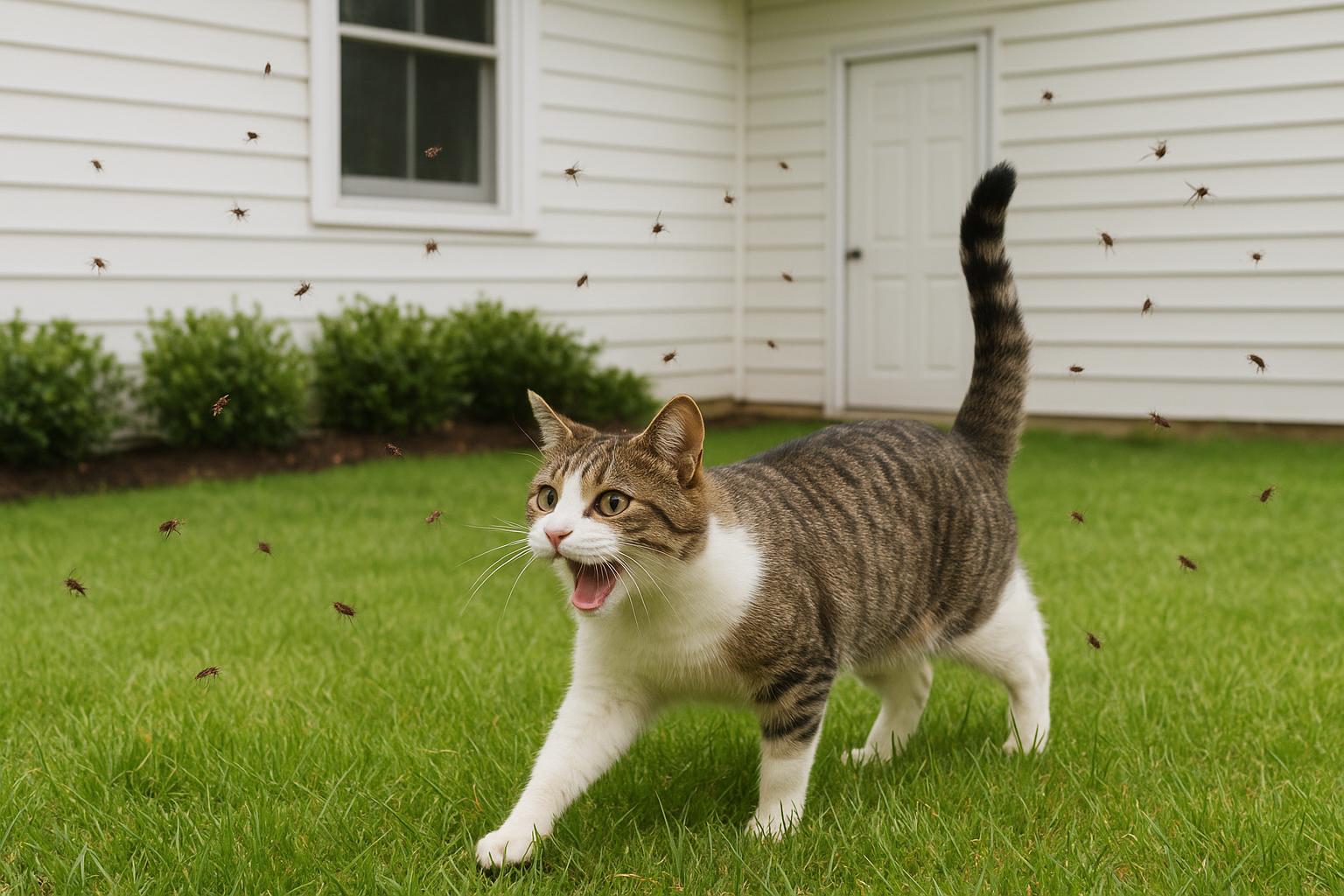
Outdoor cats are central actors in most yard-to-home flea pathway stories. They patrol furniture, hide under decks, and nap near foundation plantings. When a cat rolls in leaf litter or investigates rodent burrows, fleas hop aboard and later move to a warm, indoor bed.
Wildlife multiplies the problem. Opossums, raccoons, feral cats and rodents use yards as travel corridors. Each animal creates an outdoor flea route through hedges, along fence lines, and into garages. You might not see the animal, but the route remains: narrow, repeatable trails where eggs and pupae accumulate.
#### Where Fleas Breed: Tiny Habitats That Matter
– Under dense shrubs with little airflow.
– Along yard edges where grass meets forest or fence.
– In wood piles, under patio furniture, and in doghouses.
These spots are where the yard-to-home flea pathway gets its fuel. Knock down the humid pockets and you reduce the population at the source.
## Spotting The First Signs Of An Invasion
You don’t need to wait until you see jumping bugs on the couch. Look for these warning signs that the yard-to-home flea pathway has been activated.
### Indoor Indicators
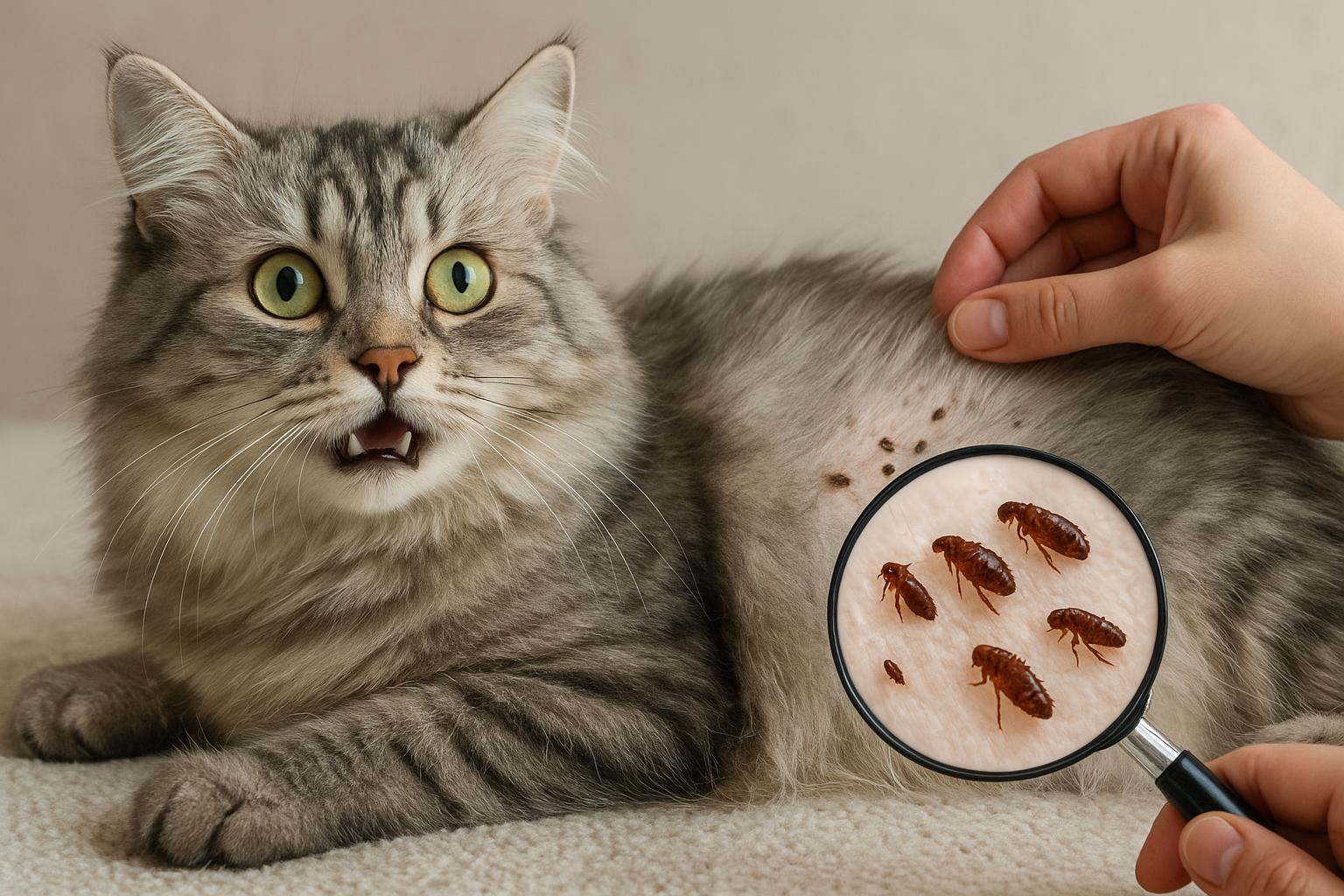
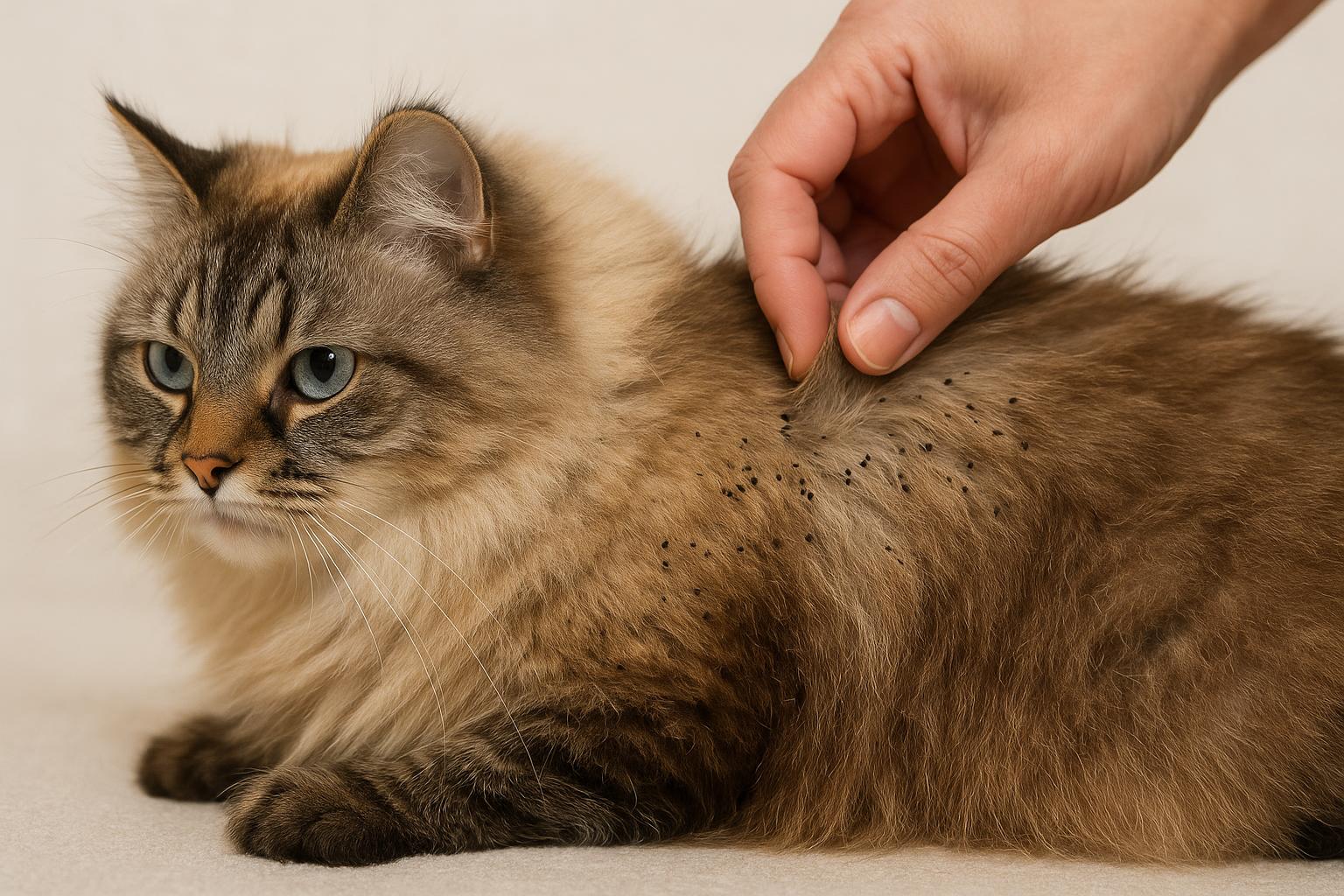
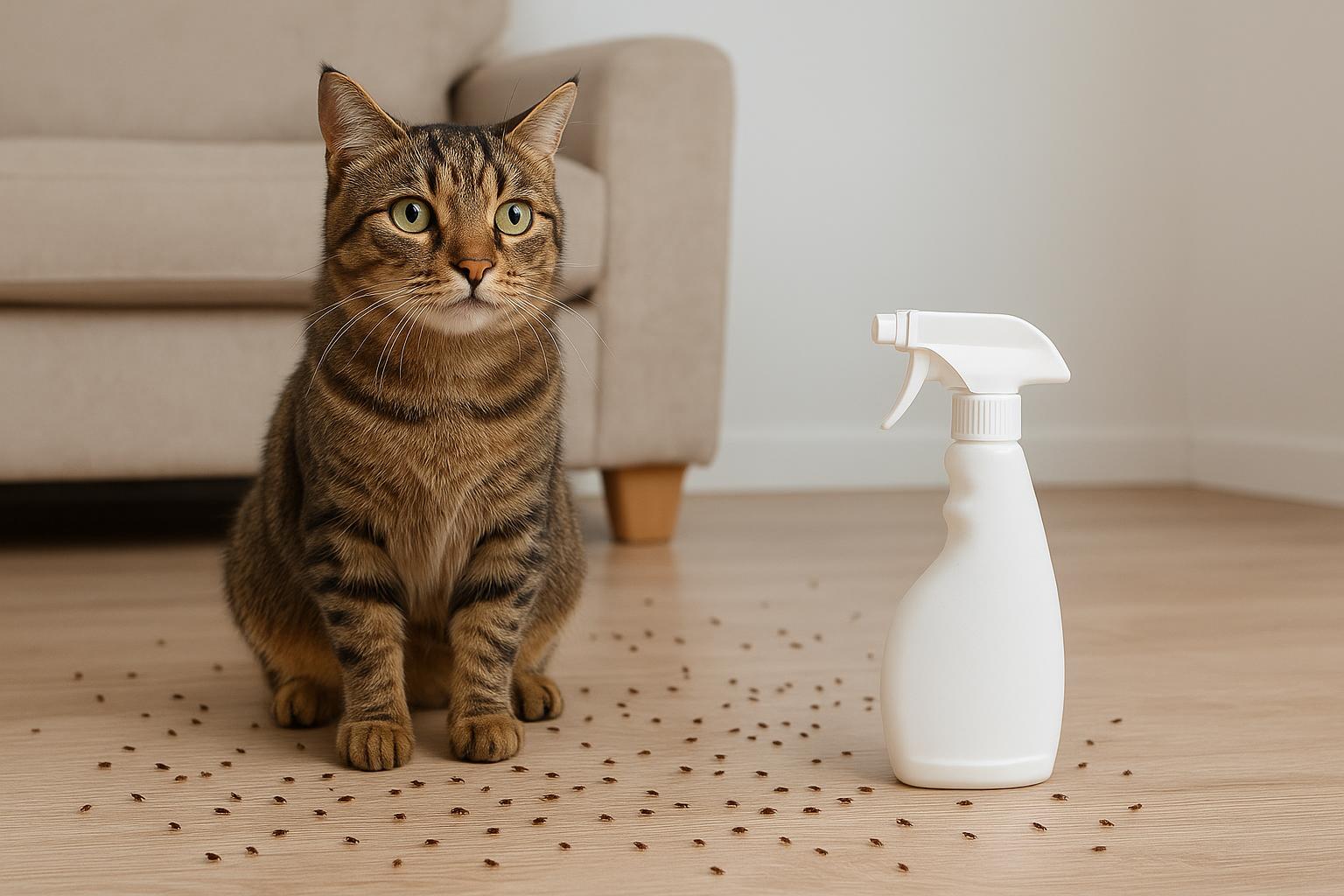
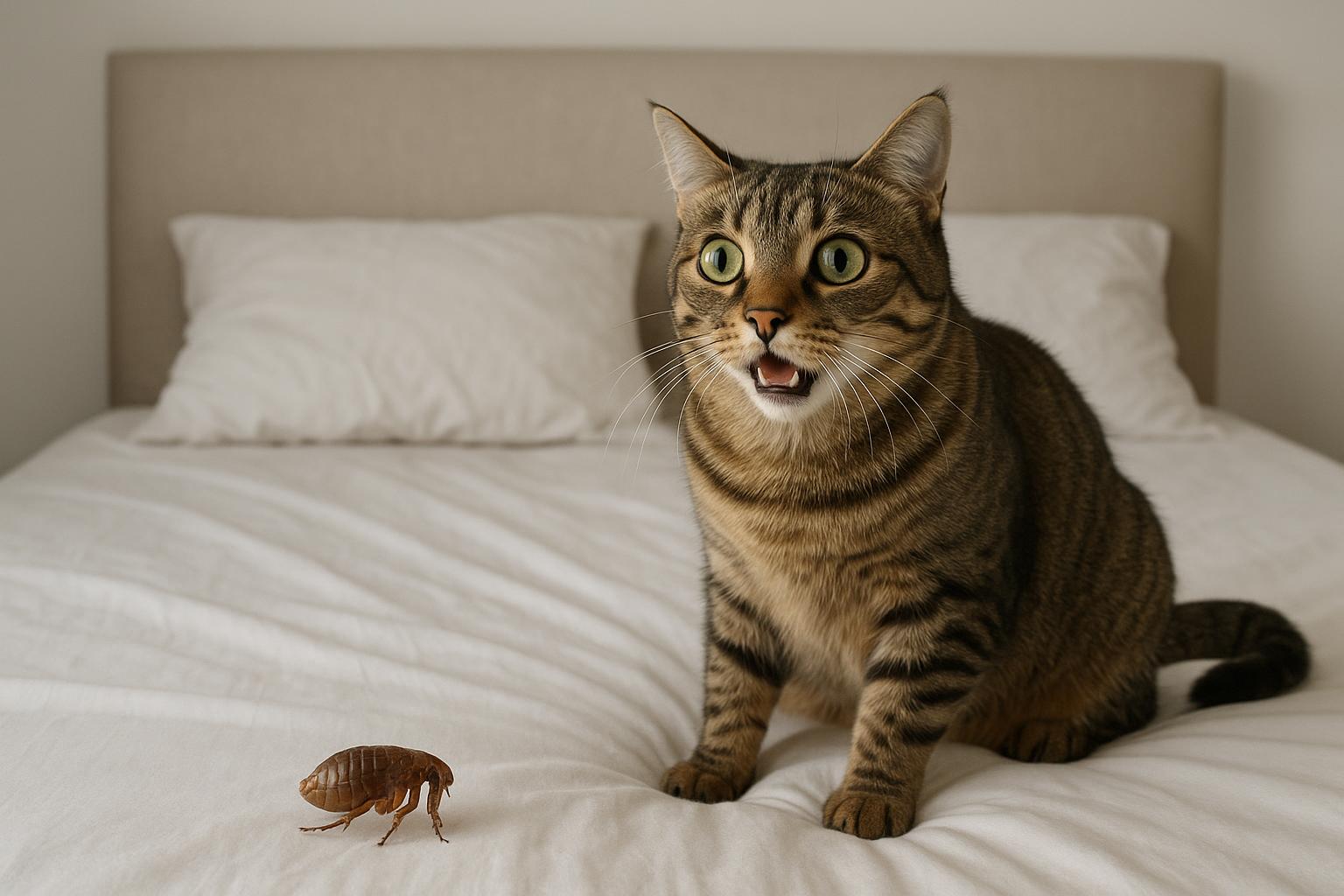
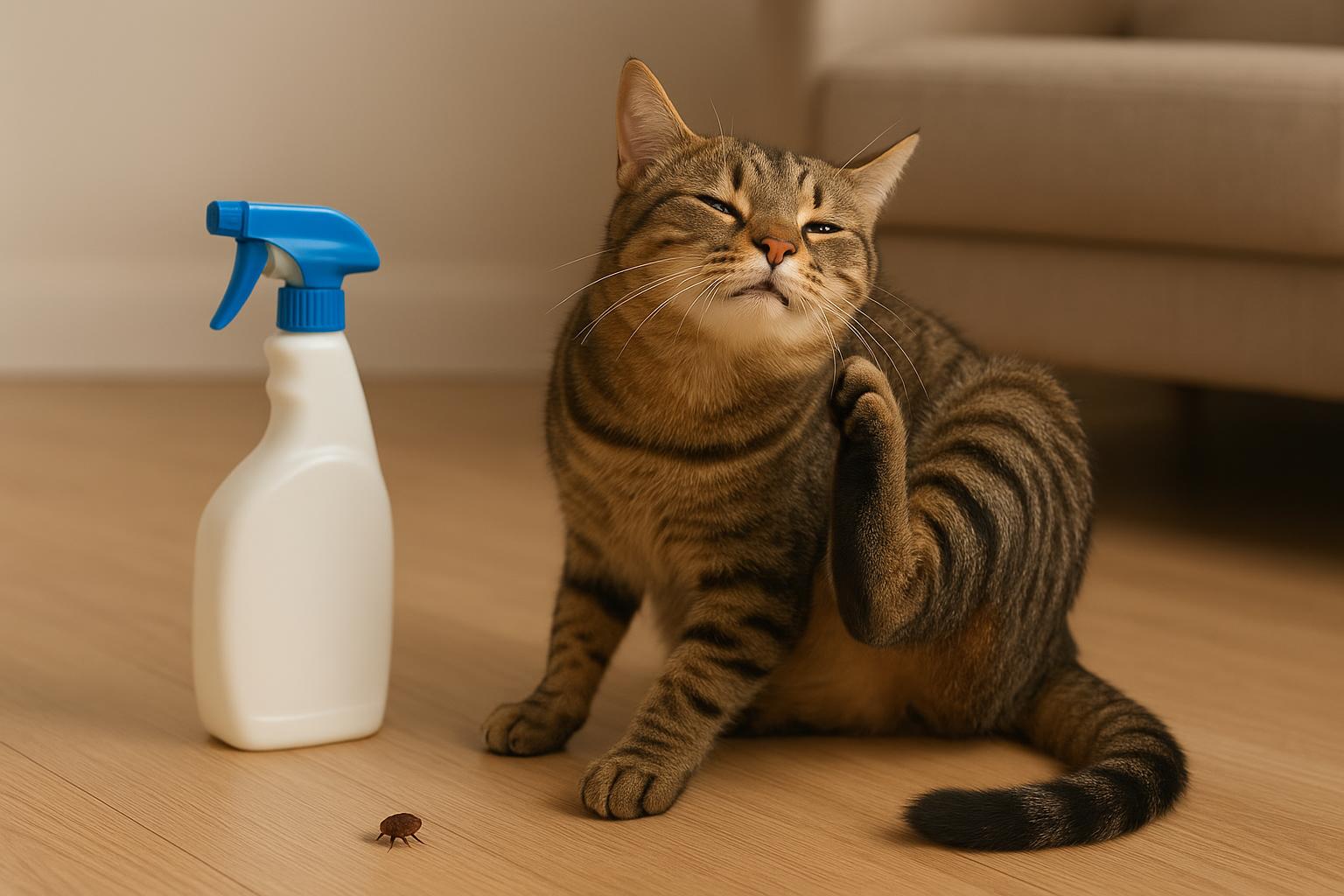
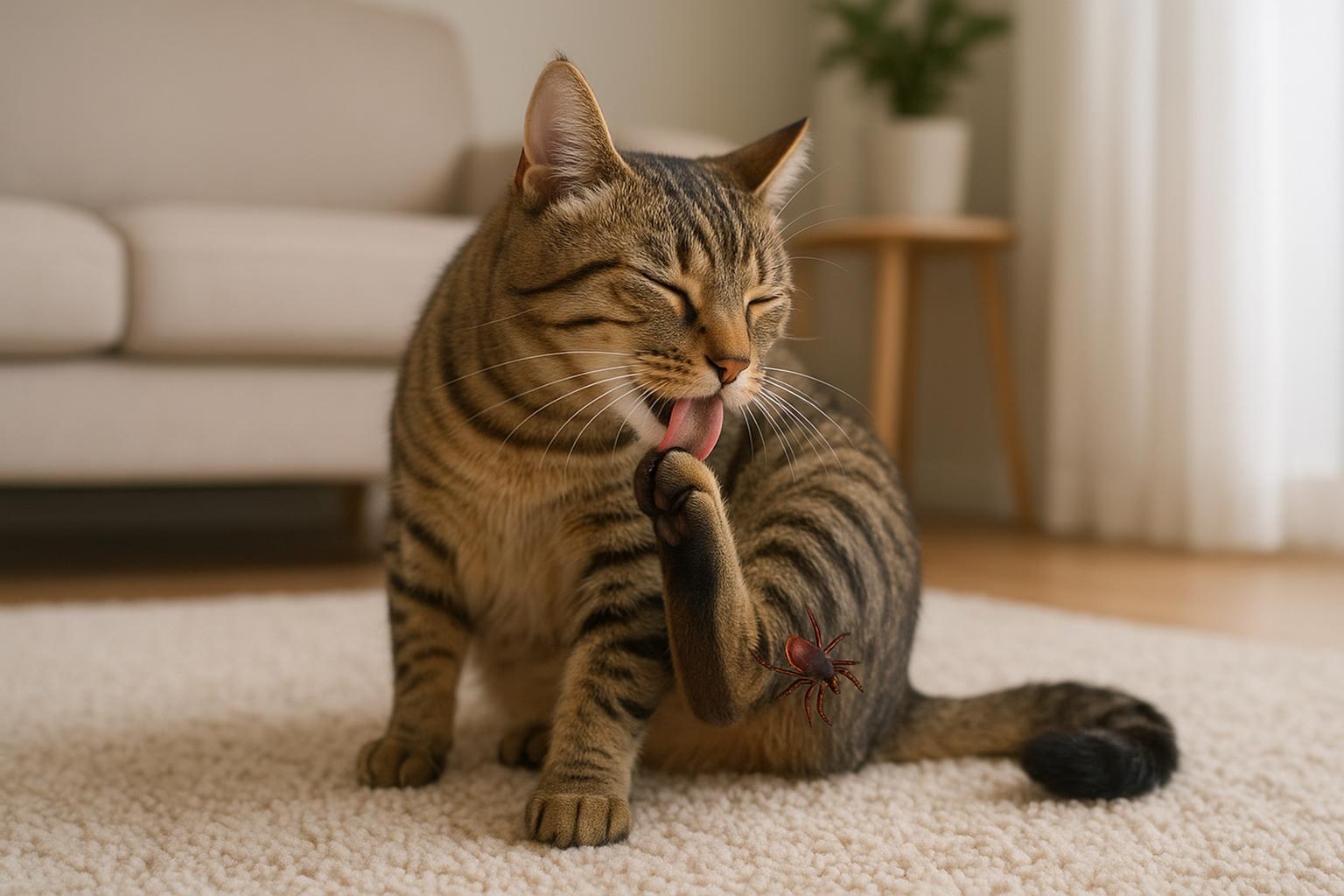
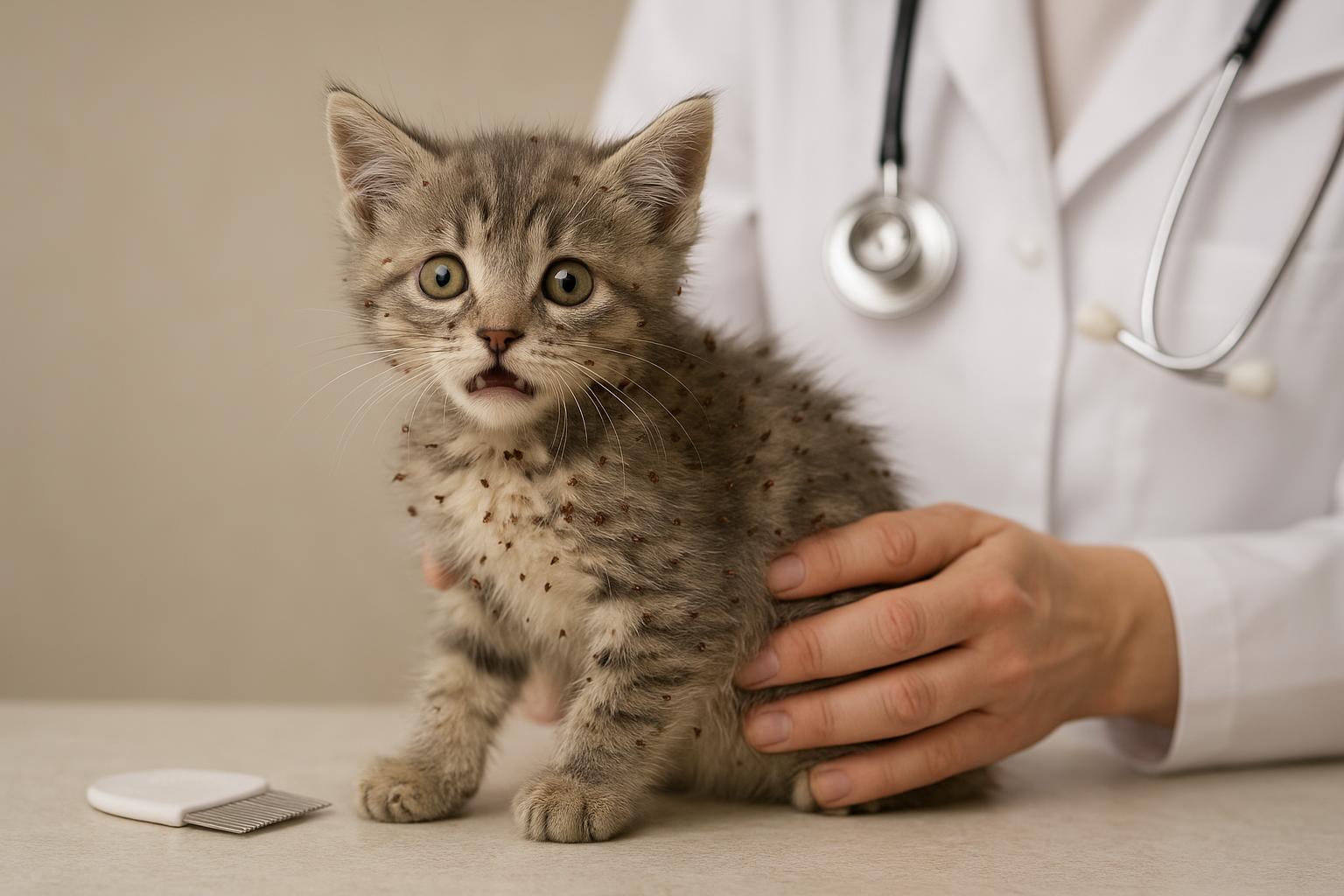
Cats scratching more than usual. Small black specks on bedding that look like pepper (flea dirt). Pupating stages tucked in carpet fibers that suddenly yield a scatter of adult fleas when disturbed. Each sign suggests that fleas have found a way inside and are breeding.
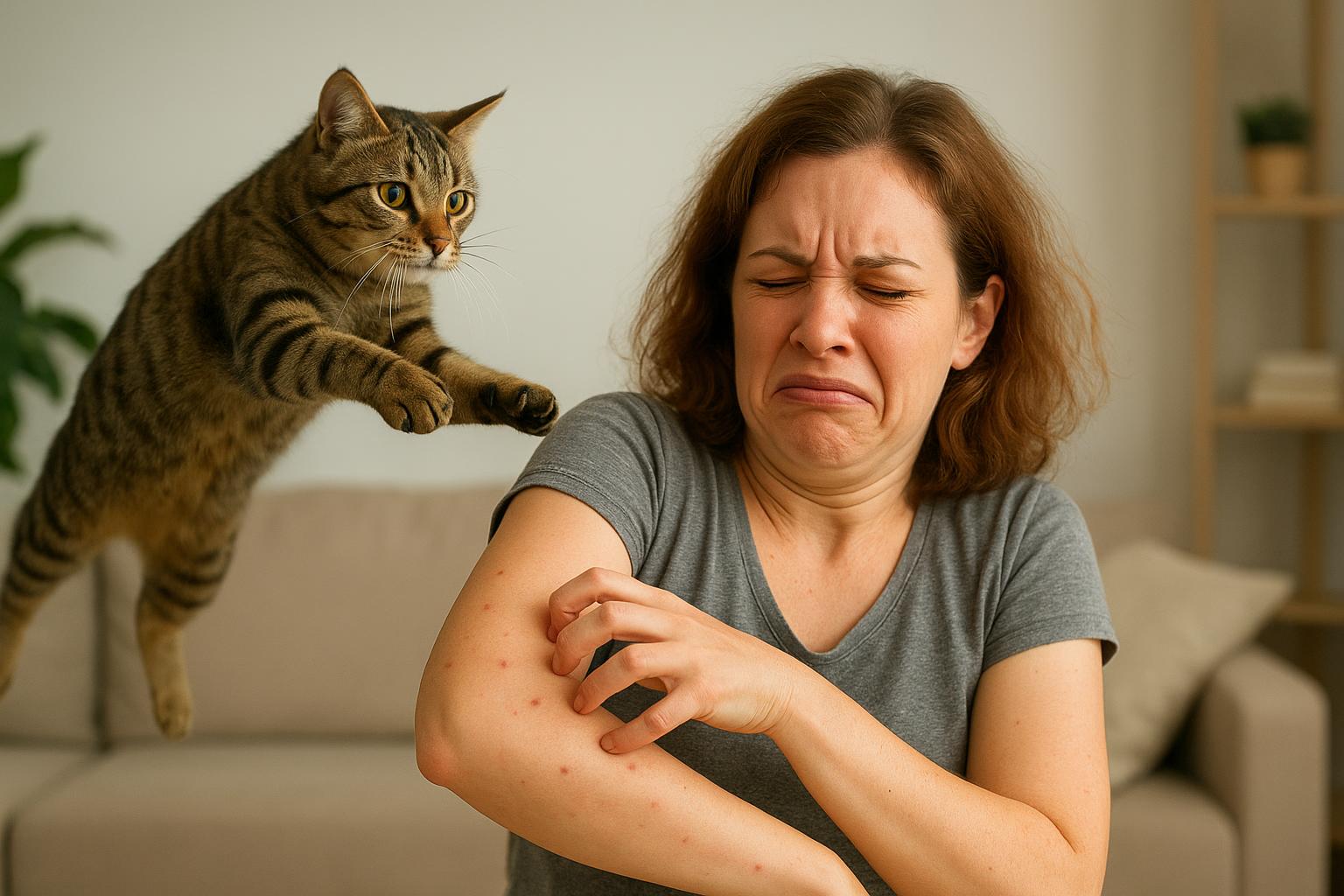
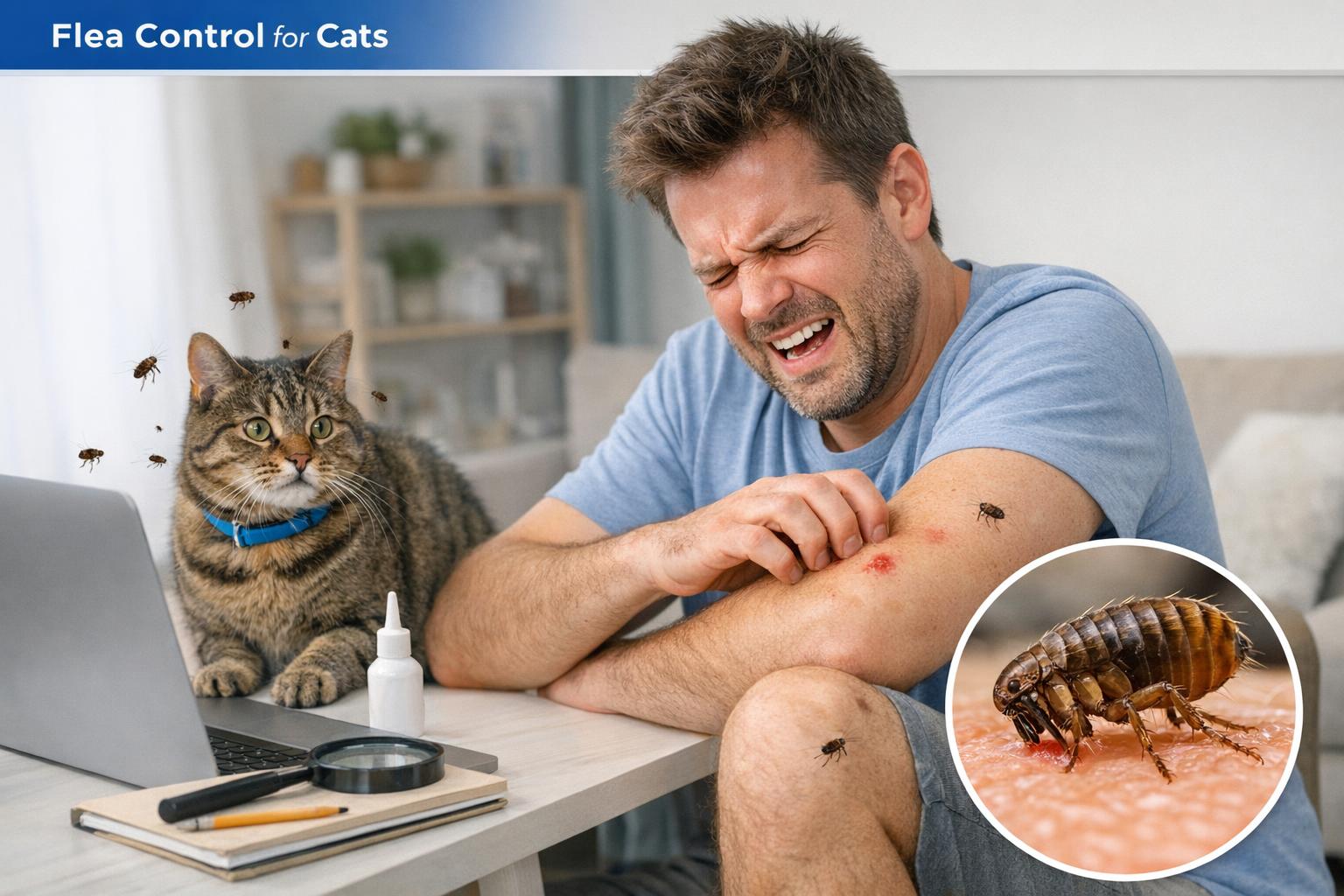
If you see fleas on humans, especially around ankles, that often means the final step of the yard-to-home flea pathway is in motion. Fleas tend to bite low on legs first. A few bites after sitting in the yard or when walking through tall grass is a red flag.
### Outdoor Signs To Watch For
Clusters of flea dirt or the sudden presence of fleas on stray animals in the yard. An increase in rodents or signs of denning near your foundation. These are clues to the outdoor flea route feeding the indoor problem.
## How Fleas Actually Hitch A Ride
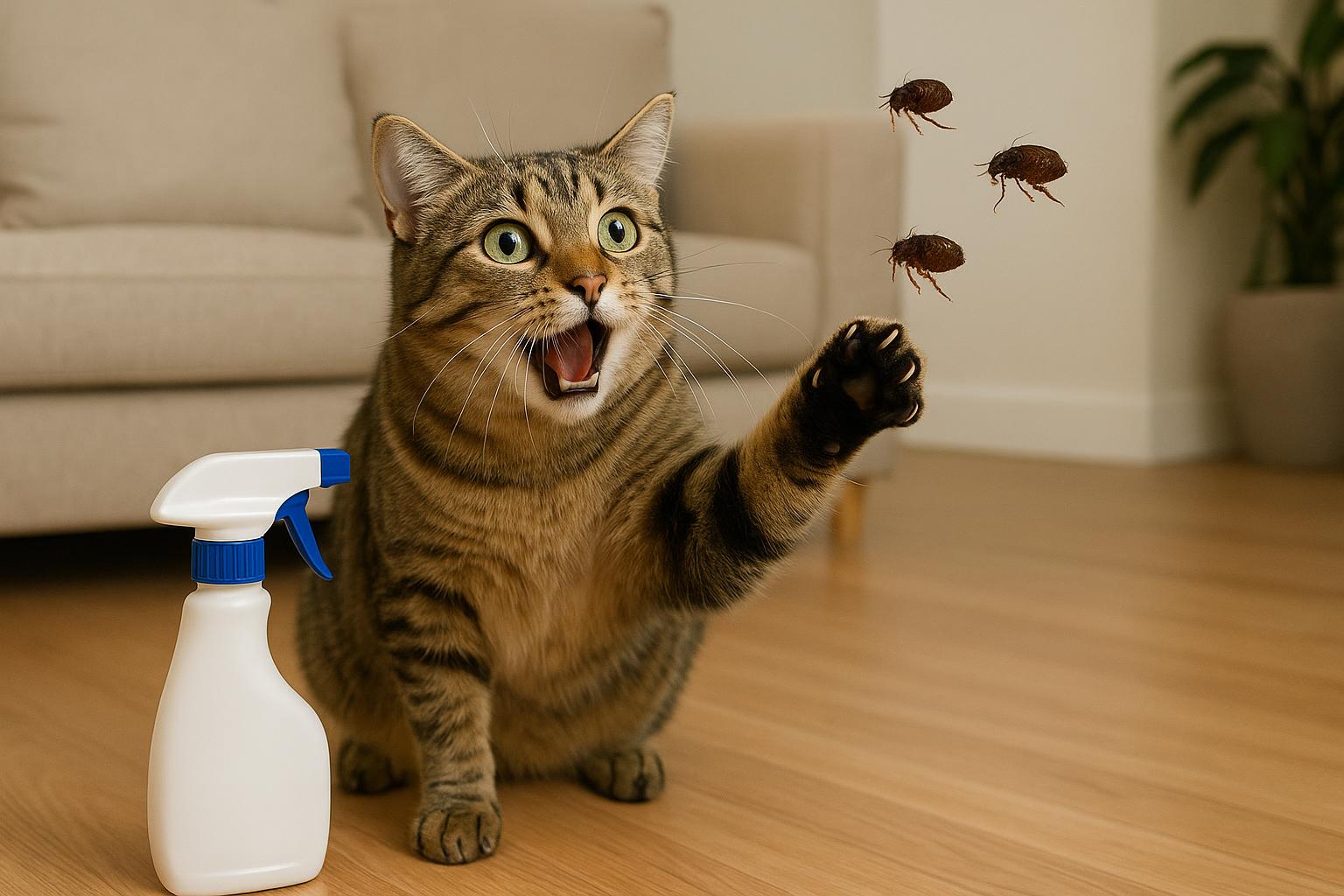
Fleas don’t set travel plans. They wait and jump. That makes the yard-to-home flea pathway a matter of proximity and timing. On a hot day a cat naps in the sun on a concrete slab, and fleas from under the nearby shrub jump on. Later, the cat comes in and sleeps on the couch. If you’ve ever found yourself sweeping a scattering of fleas off a chair, you’ve seen the pathway complete itself.
People also help. An evening of gardening in long grass can let fleas climb into pant cuffs or cling to shoes. You then carry them inside to recarpet or a pet. A simple misstep like storing firewood inside without checking it can create a new flea entry point.
### Common Flea Entry Points In The Home
– Pet doors and open garage doors that allow animals to enter.
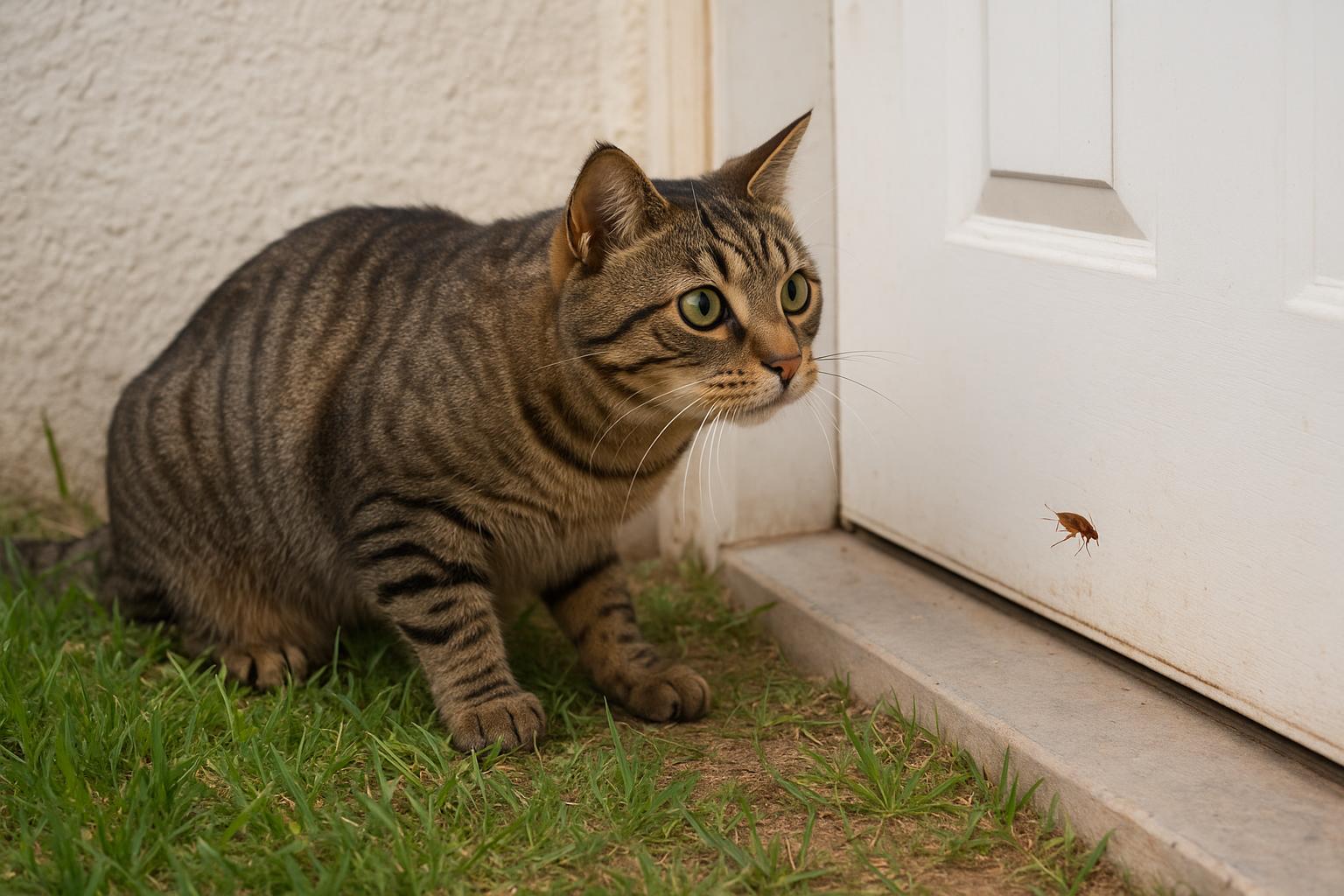
– Gaps under exterior doors and poorly sealed thresholds.
– Windows left open without screens in warm months.
Addressing those openings breaks the yard-to-home flea pathway without chemical measures.
## Blocking The Outdoor Flea Route: Practical Yard Work
You can’t eliminate every wild animal, but you can change the landscape so fleas have nowhere comfortable to live.
Start with airflow. Trim back shrubs that touch the ground, thin thick groundcovers, and keep grass short along the foundation. Move compost piles and wood stacks away from the house. Replace mulch that holds moisture against the foundation with gravel or a drier mulch. Those actions dry out the microhabitats that feed the outdoor flea route.
Planting choices matter too. Dense, evergreen hedges create year-round shade and humidity. Swapping a strip of that for a low-water, low-canopy planting gives less shelter for host animals and fewer places for fleas to hide.
#### Targeted Yard Treatments That Work
Treat only where fleas are actually living. Spot-treat shady borders and known wildlife trails rather than blanketing the entire lawn. Use products labeled for yard use and follow instruction carefully. Timing matters: treat in late spring as temperatures climb, and again in late summer if needed.
## Inside Steps That Stop Flea Entry Dead
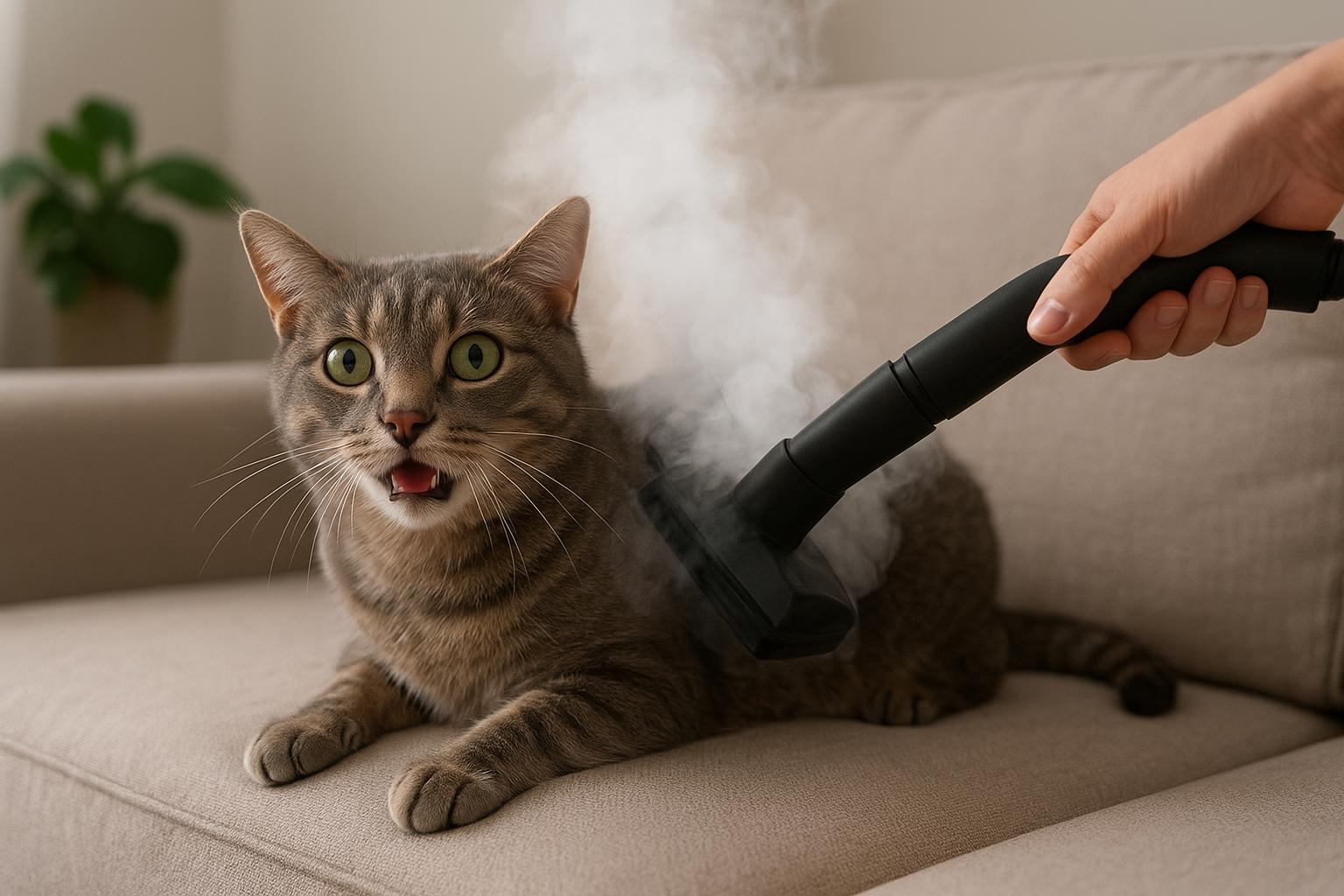
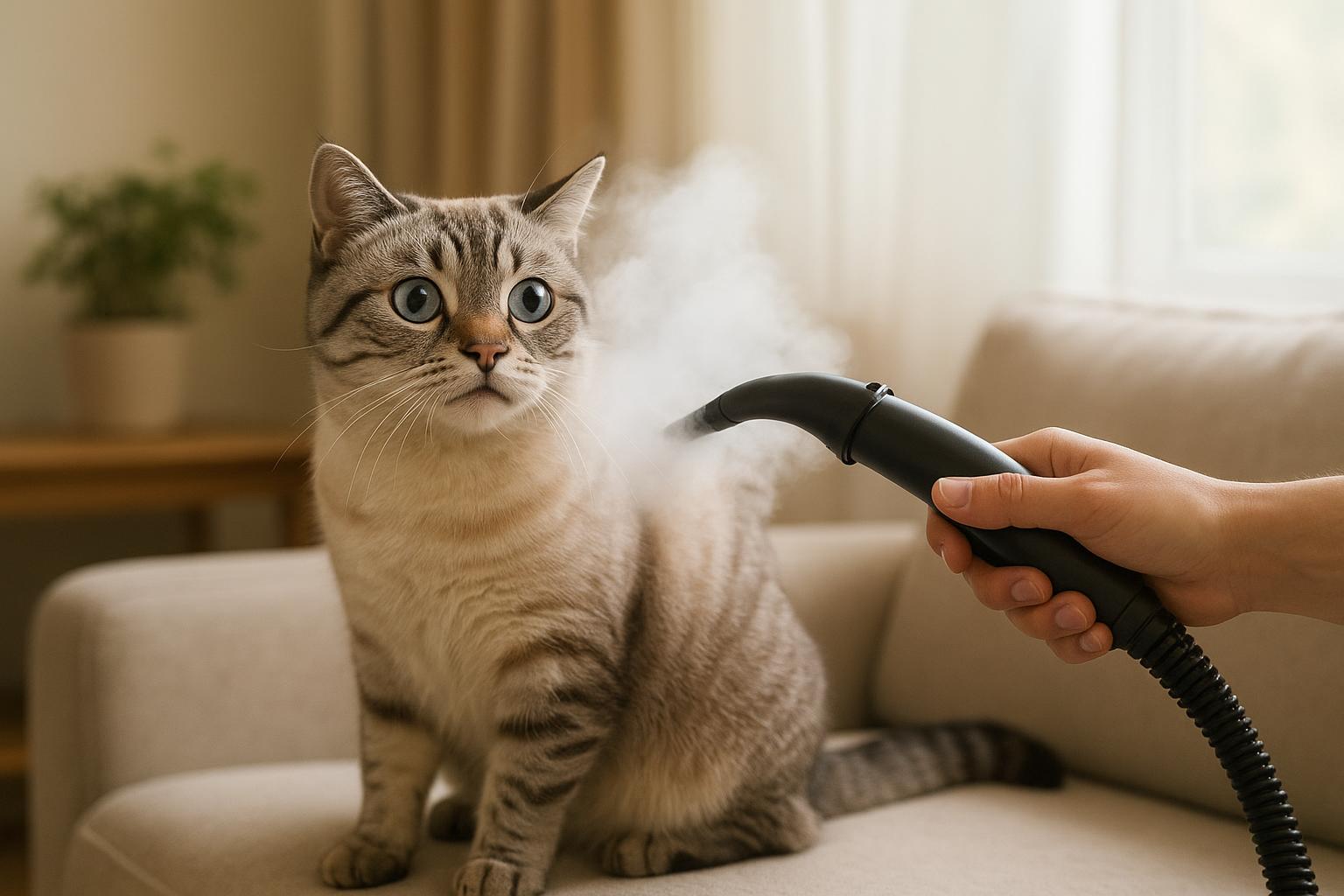
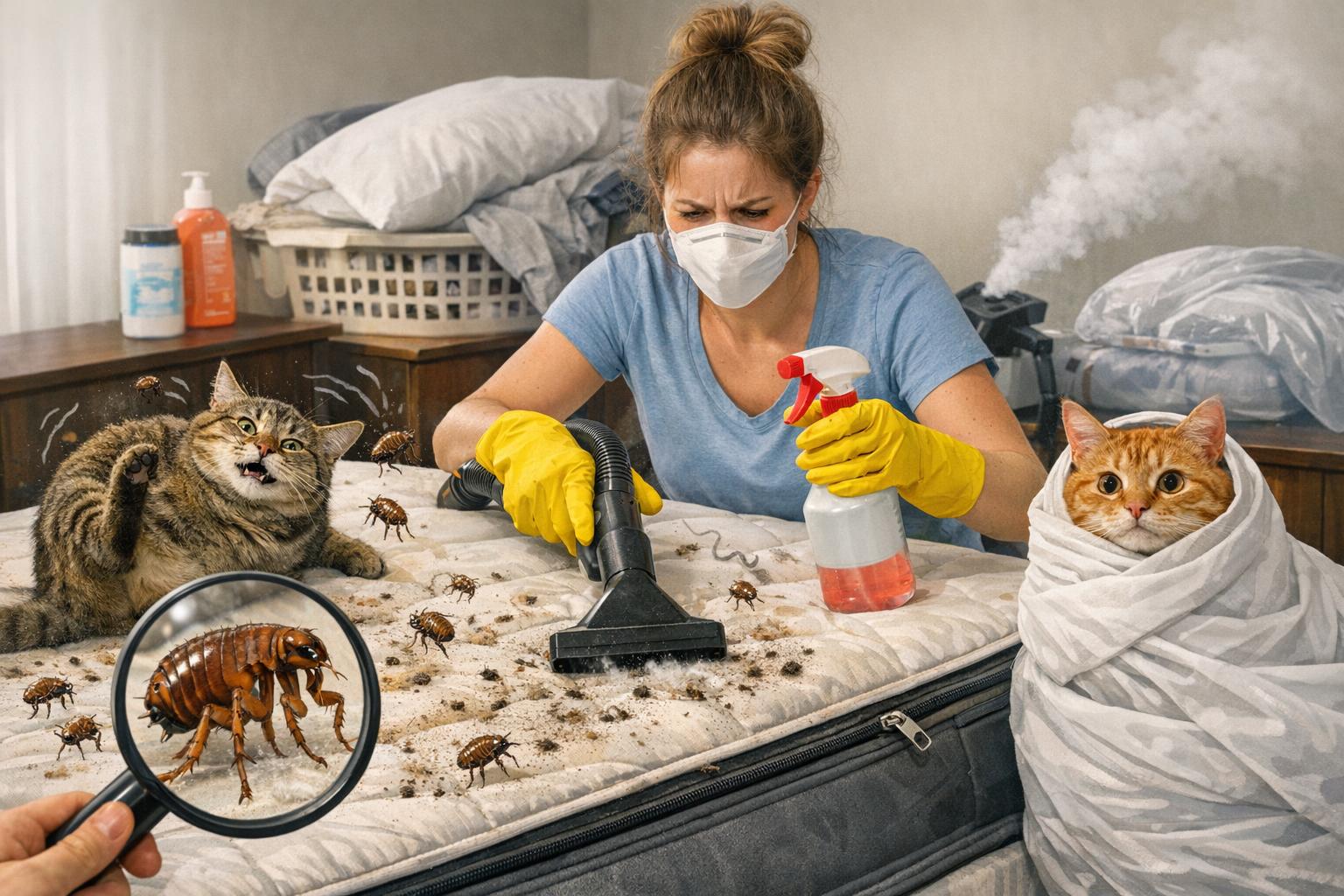
If outside work is a belt-and-suspenders approach, inside steps are the buckle. Vacuum carpets and furniture thoroughly and often. Focus on edges where larvae like fibers and under furniture where adult fleas hide. Wash pet bedding in hot water and dry it on high heat. Steam-cleaning can kill eggs and larvae embedded in upholstery.
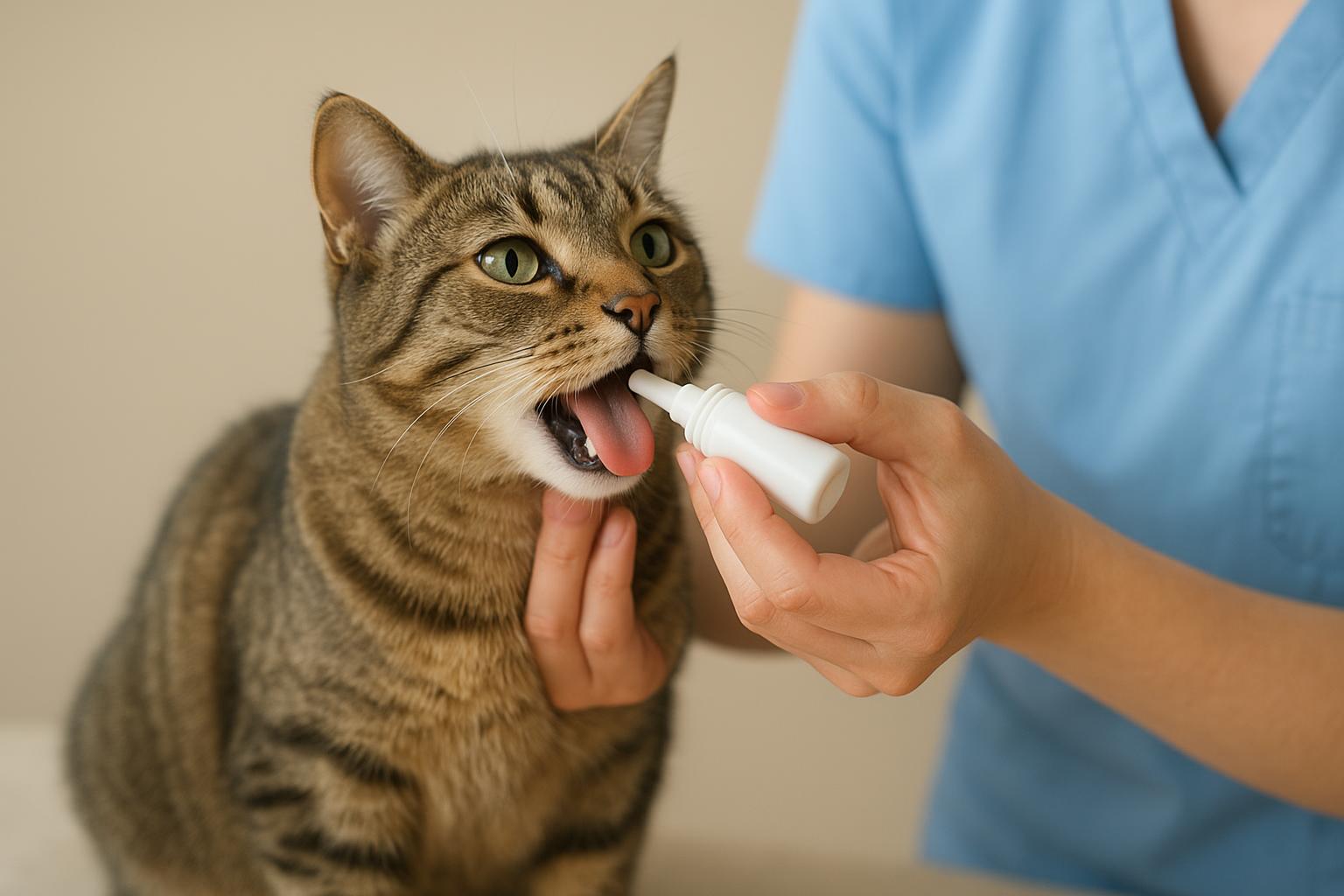
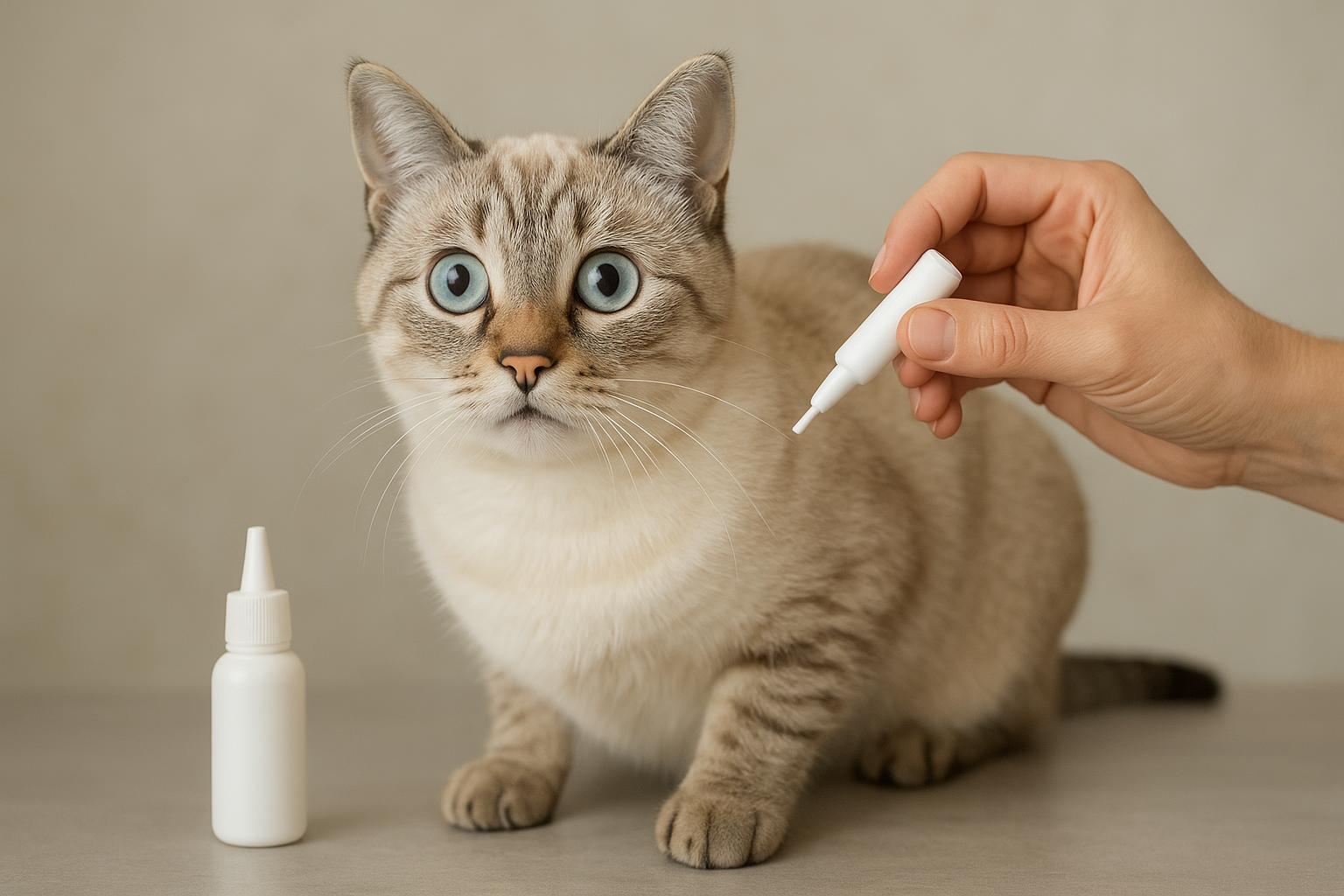
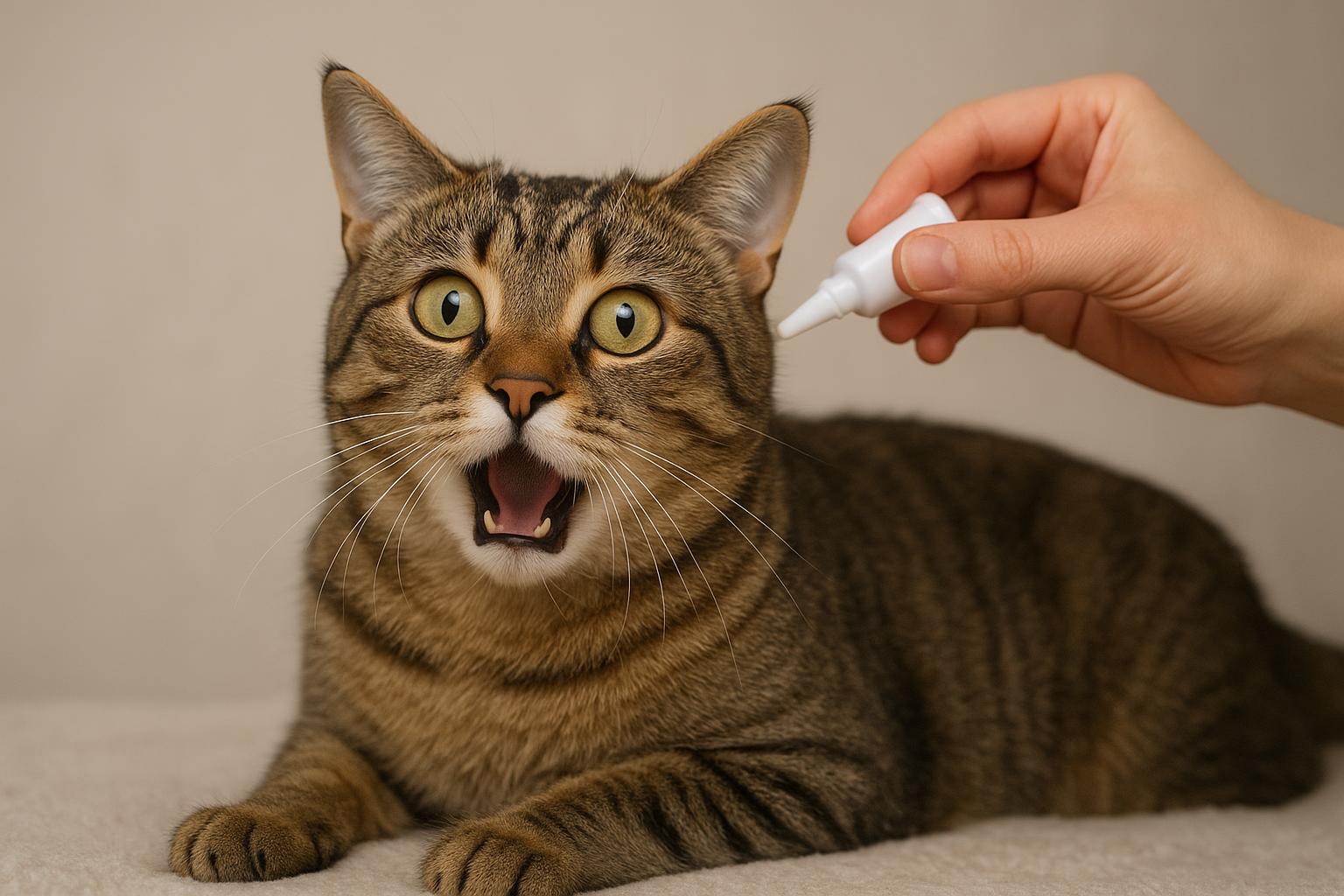
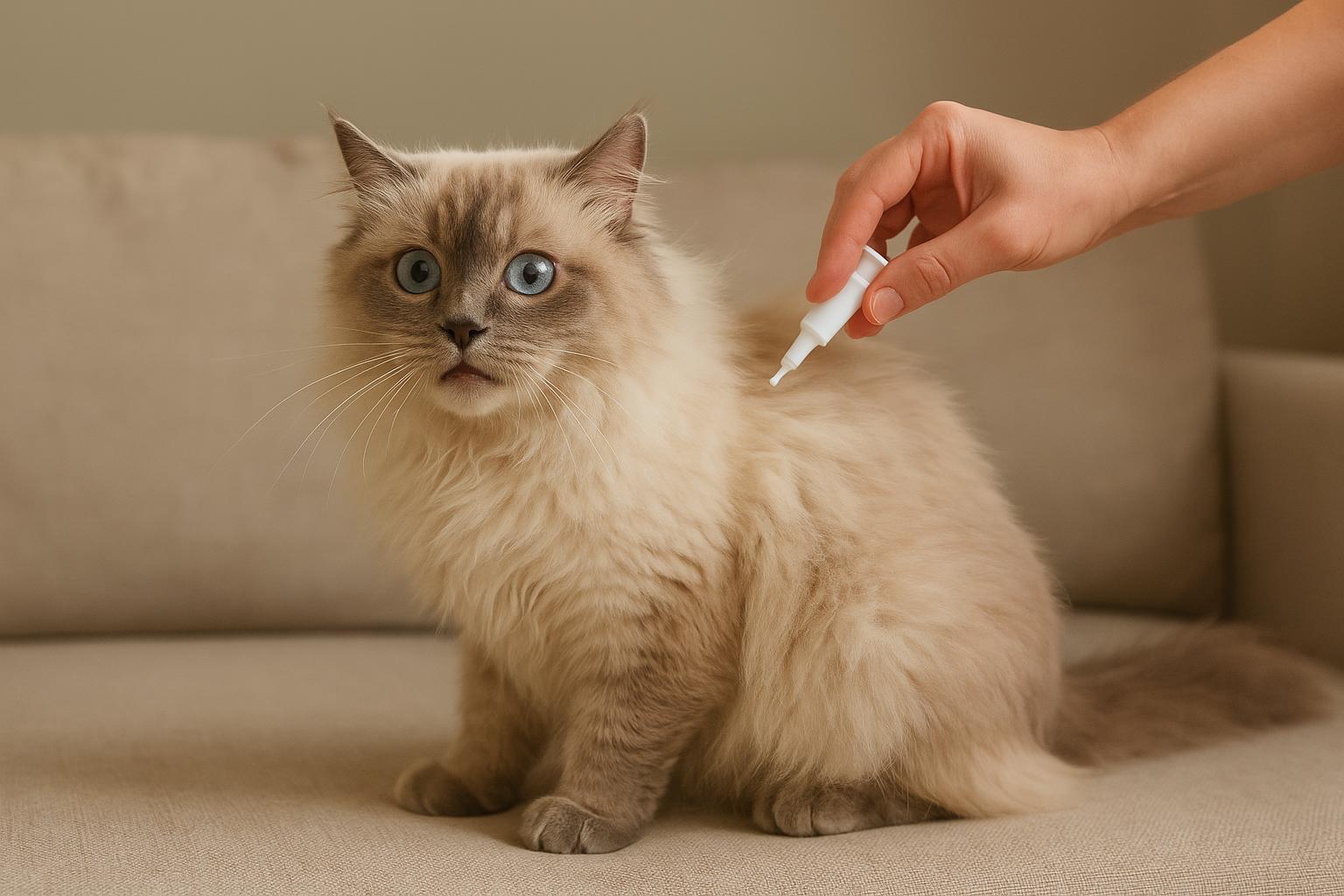
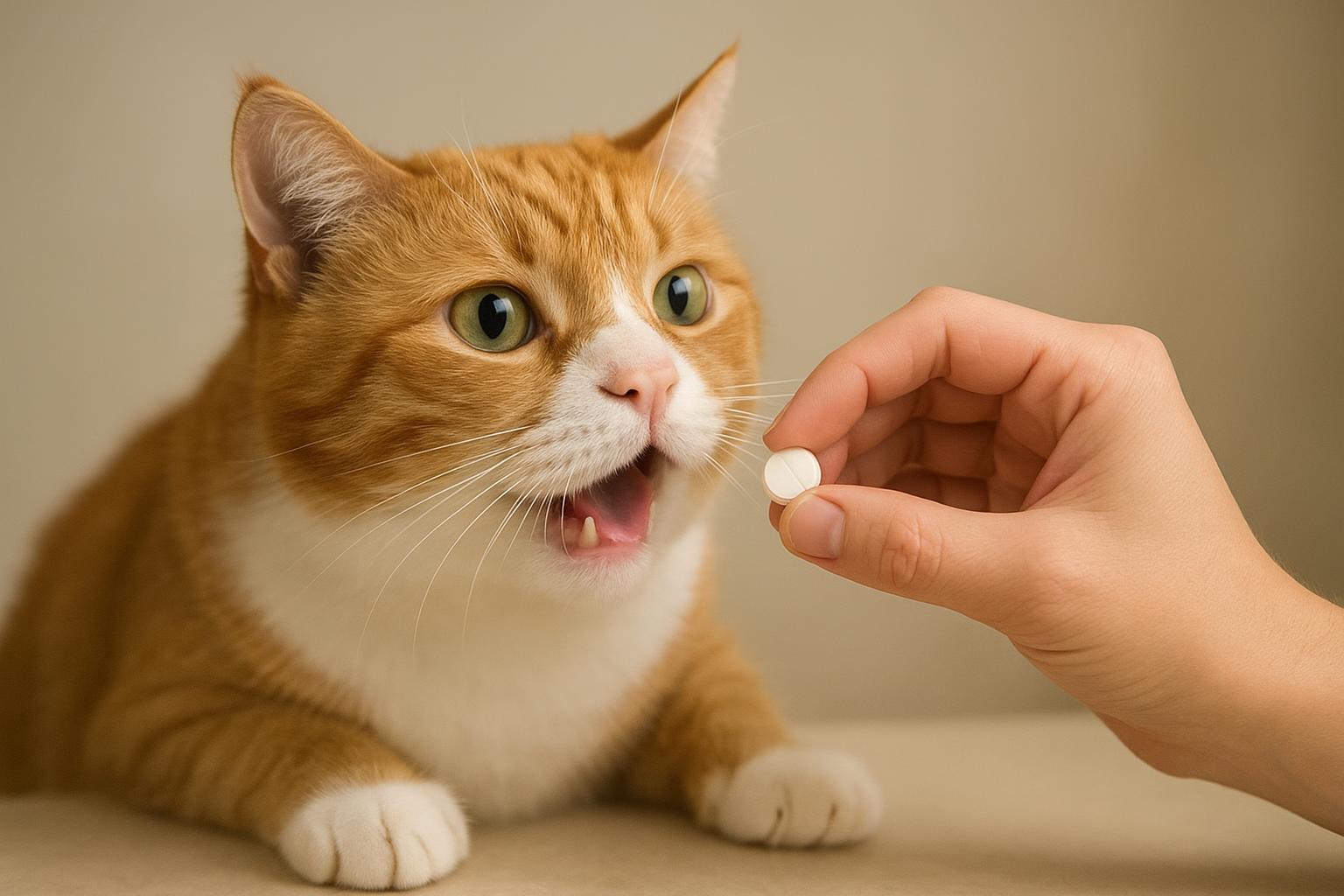
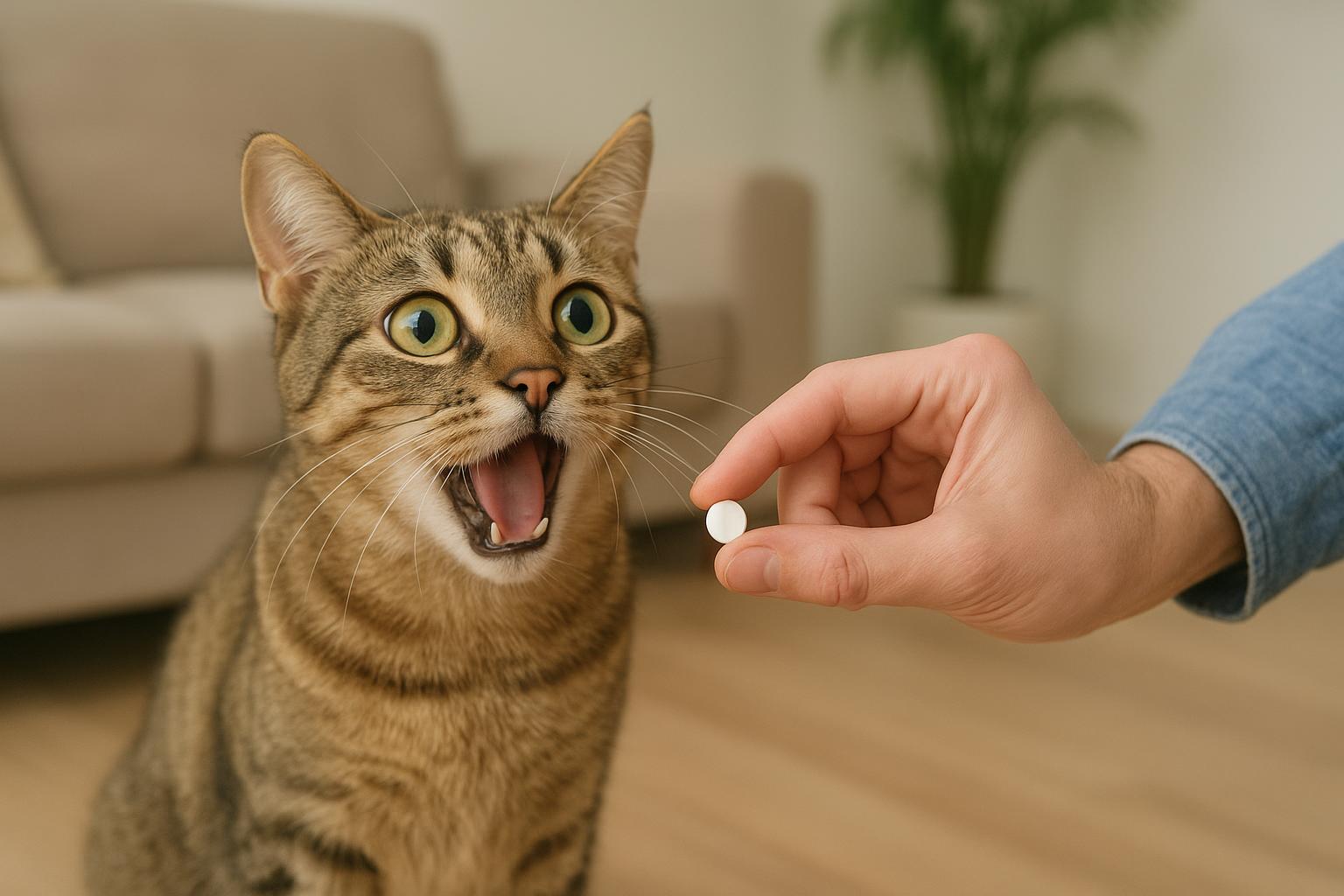
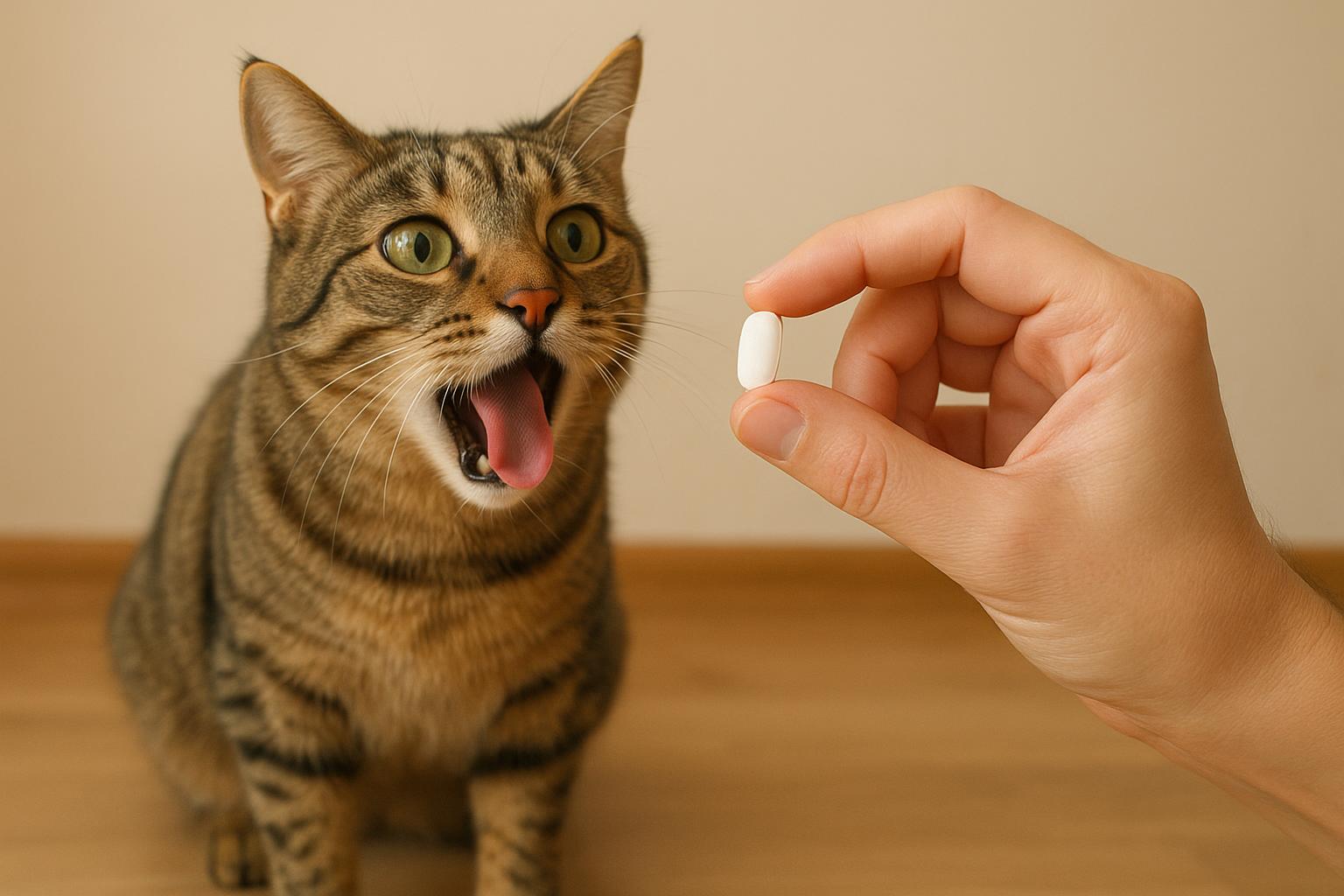
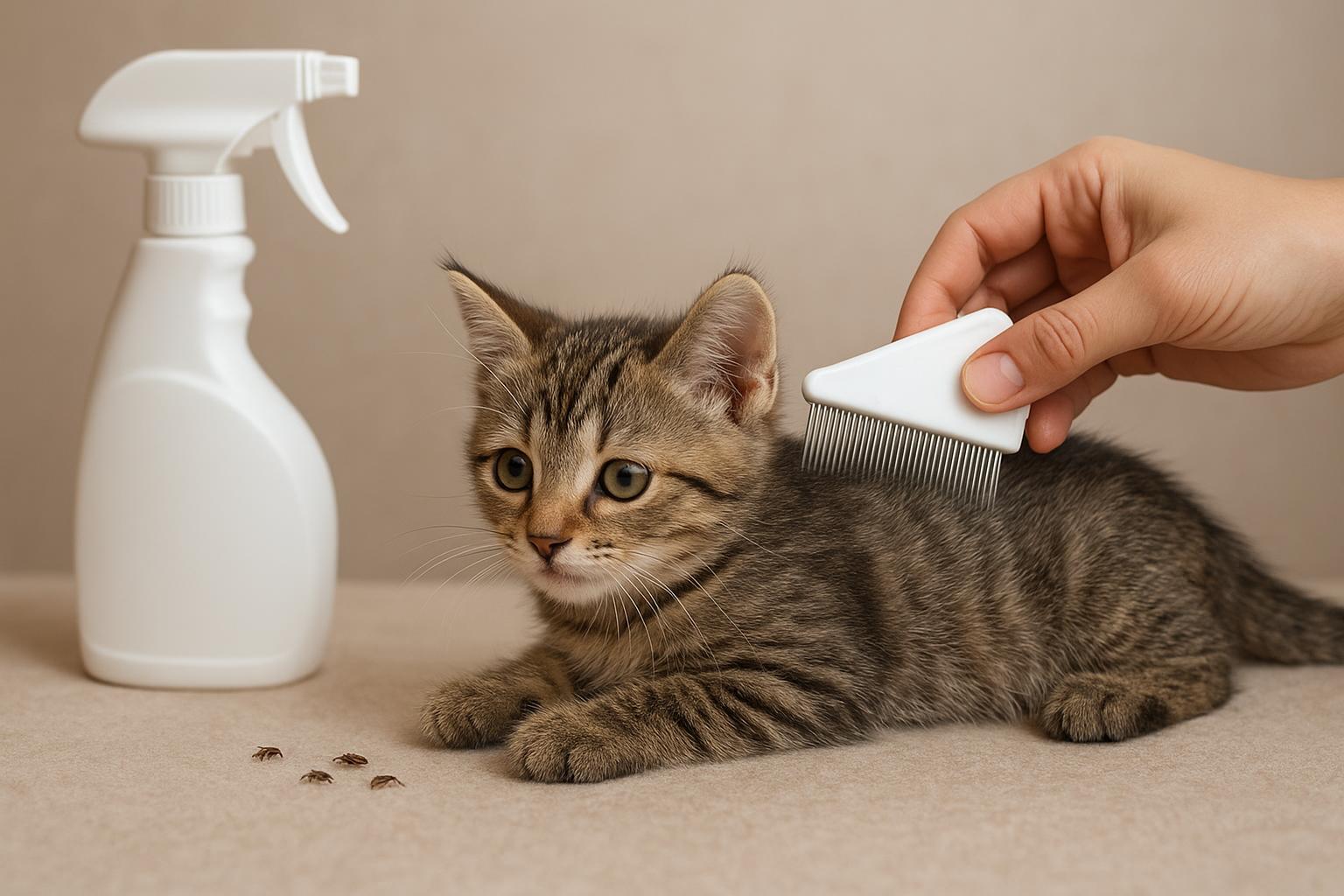
Treat pets with veterinarian-approved topical or oral preventives. Pets are the most common bridge of the yard-to-home flea pathway. If you miss a monthly dose, the fence comes down. Consistent treatment reduces flea populations faster than spot treating the house alone.
### When To Use Insecticidal Home Treatments
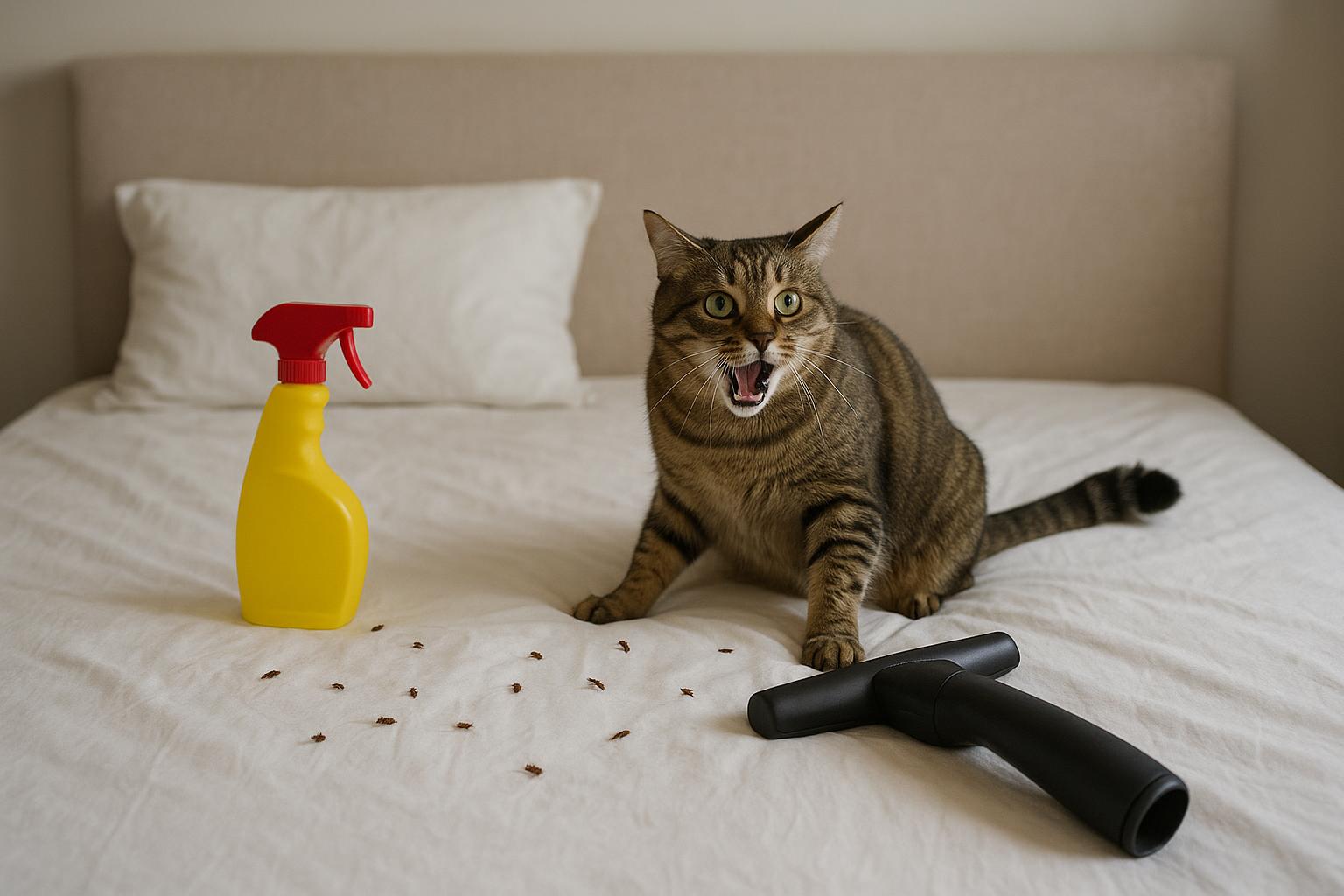
Use indoor products when you’ve confirmed an infestation — seeing adult fleas, finding flea dirt on pets, or getting multiple bites. Apply products that target both adults and immature stages. Focus on edges, baseboards, and places pets rest. If you prefer a non-chemical approach, thorough cleaning and pet treatment can still work when combined with yard management.
## When To Call A Pro And What To Expect
If fleas persist despite sensible yard work and consistent pet treatment, call a pest professional. They’ll look for the same yard-to-home flea pathway you’ve been tracing. A good technician will treat key outdoor hotspots and the interior focused spots, and they’ll advise on preventing re-infestation.
Professional treatments may include applying growth regulators that interrupt the flea life cycle. These chemicals prevent eggs from maturing so you don’t have to chase successive waves of adults. Expect follow-up visits; flea pupae can delay adult emergence for weeks.
Keep in mind a single heavy rainfall or a warm spell can reactivate the outdoor flea route, so check your yard monthly during warm seasons. If you live near wooded areas or have neighborhood wildlife traffic, be ready to re-evaluate your barriers and pet protection.
## DIY Checklist To Cut The Yard-To-Home Flea Pathway
Make a quick plan and stick to it. Start by moving bedding and toys off patios. Trim and open up shaded borders. Check pet doors and seal gaps under doors. Treat pets and keep them on schedule. Inspect woodpiles and move them back from the foundation. Vacuum weekly and wash pet bedding regularly. Little, consistent steps break the chain.
Don’t overlook human habits. If you garden in the evening, put clothes straight into the wash. Shake out shoes or leave them on the porch if you suspect flea exposure. Simple actions stop fleas before they get a foothold. If you do spot fleas indoors, act fast and treat both the pet and the likely indoor resting spots so the yard-to-home flea pathway doesn’t reestablish itself. Teh rest of the house will thank you.














Leave a Reply