
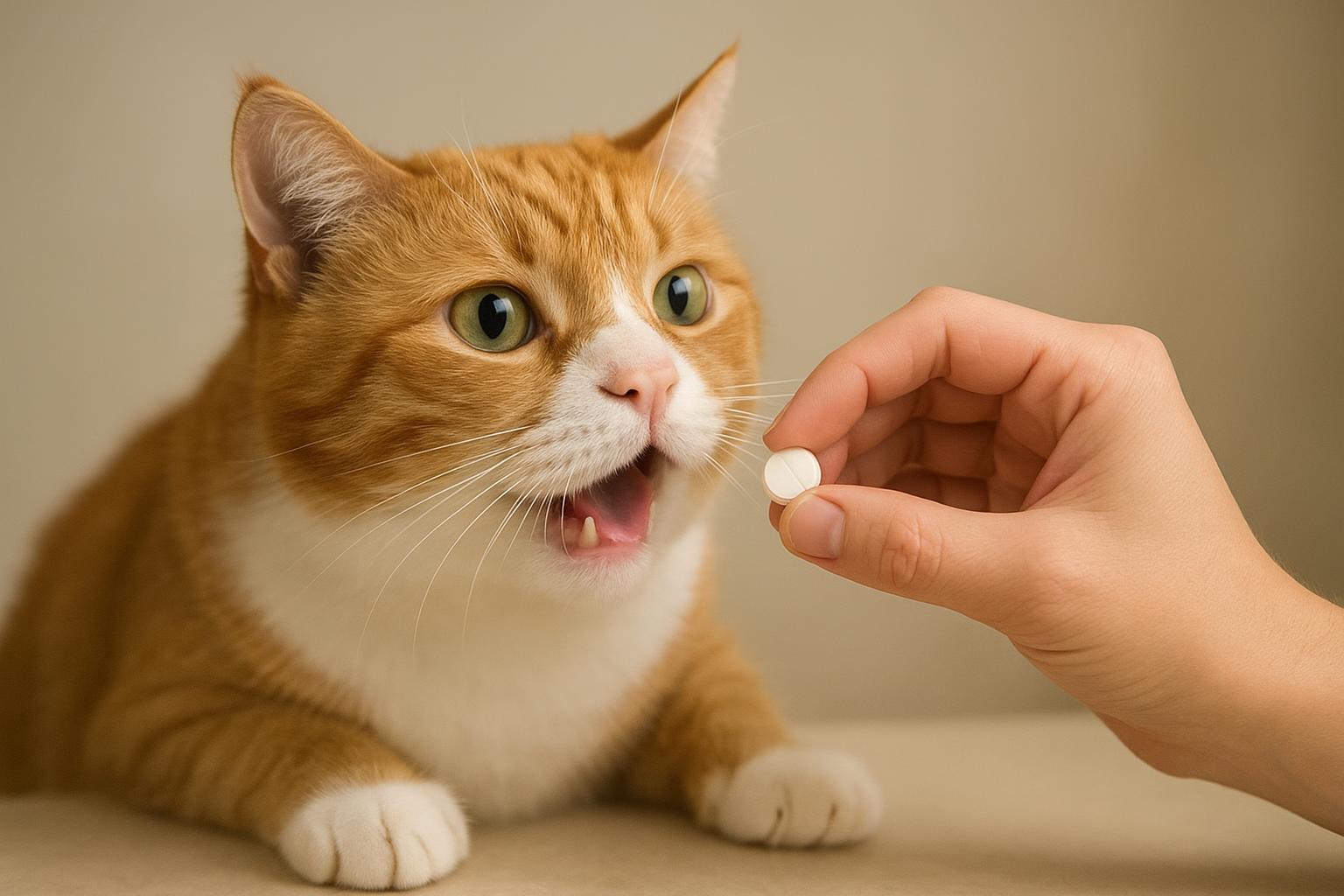
## How Oral Flea Medicine Works Inside Your Cat
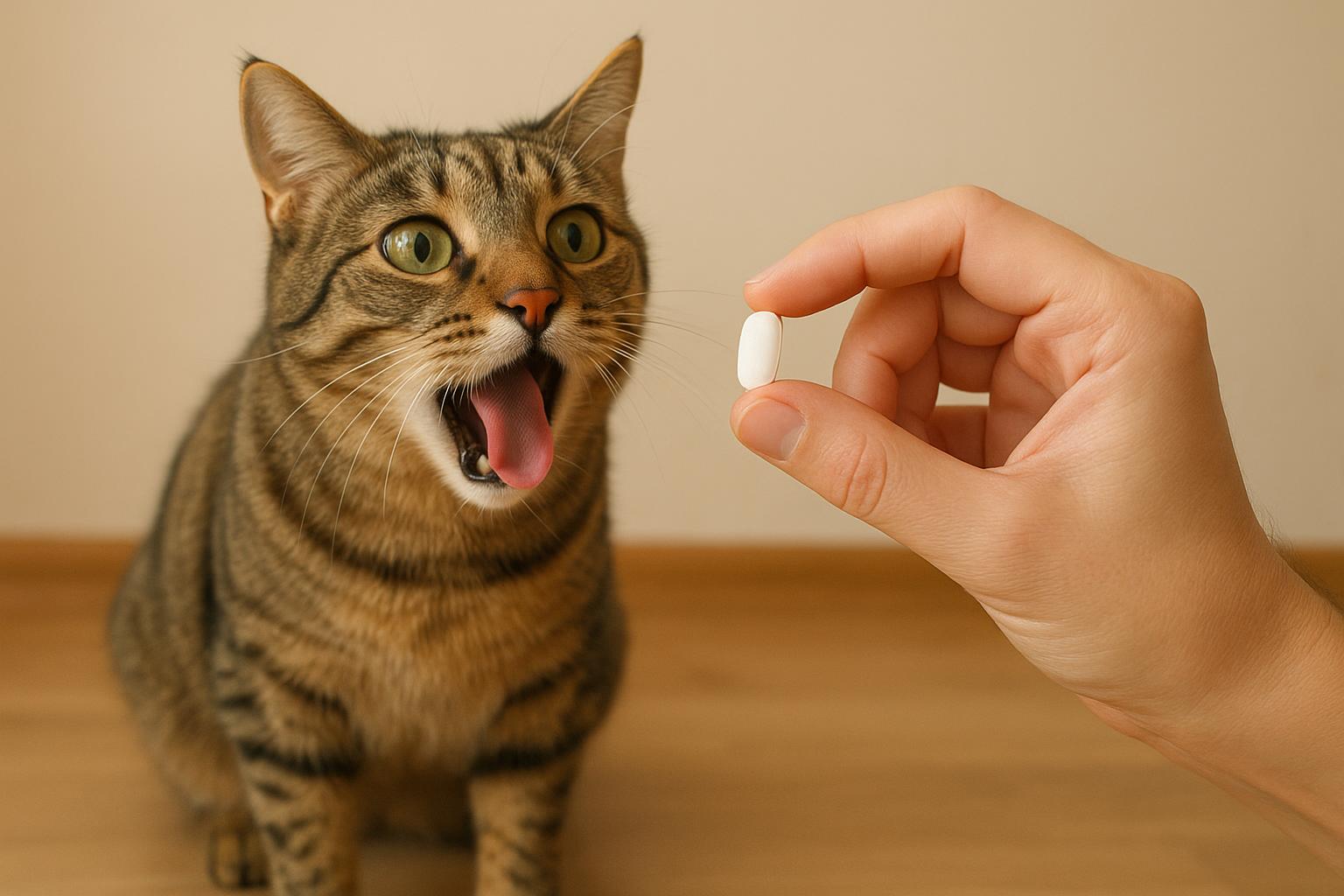
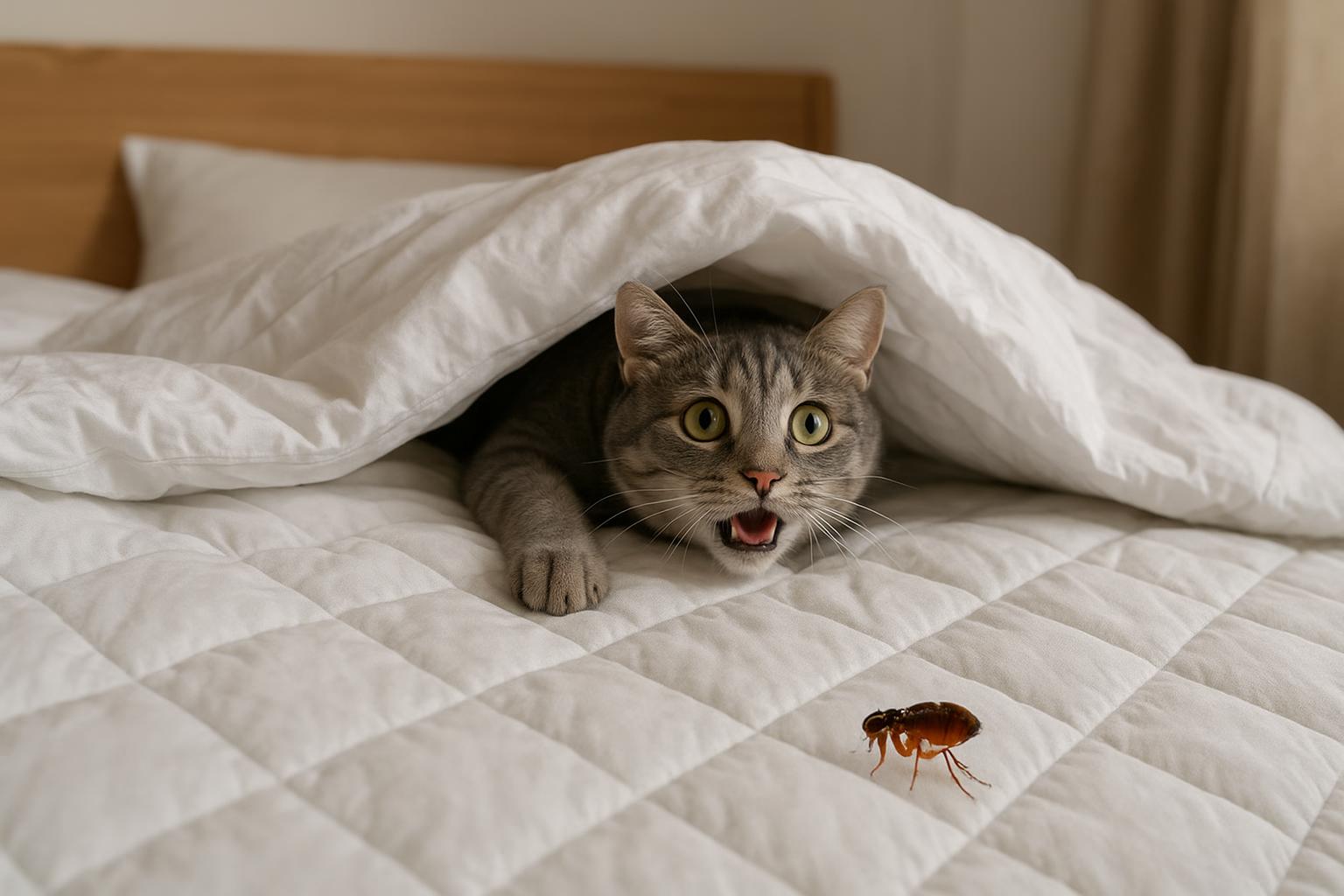
Put a pill or tablet in your cat, and most likely nothing dramatic happens on the outside. The action is mostly invisible and happens inside the bloodstream and nervous system of the flea. If you want the short version: oral flea medicines get into your cat’s blood, fleas bite and ingest that blood, and the medicine either kills the flea quickly or stops its eggs from developing. That’s the core of how oral flea medicine works.
### What Happens After Your Cat Swallows A Pill
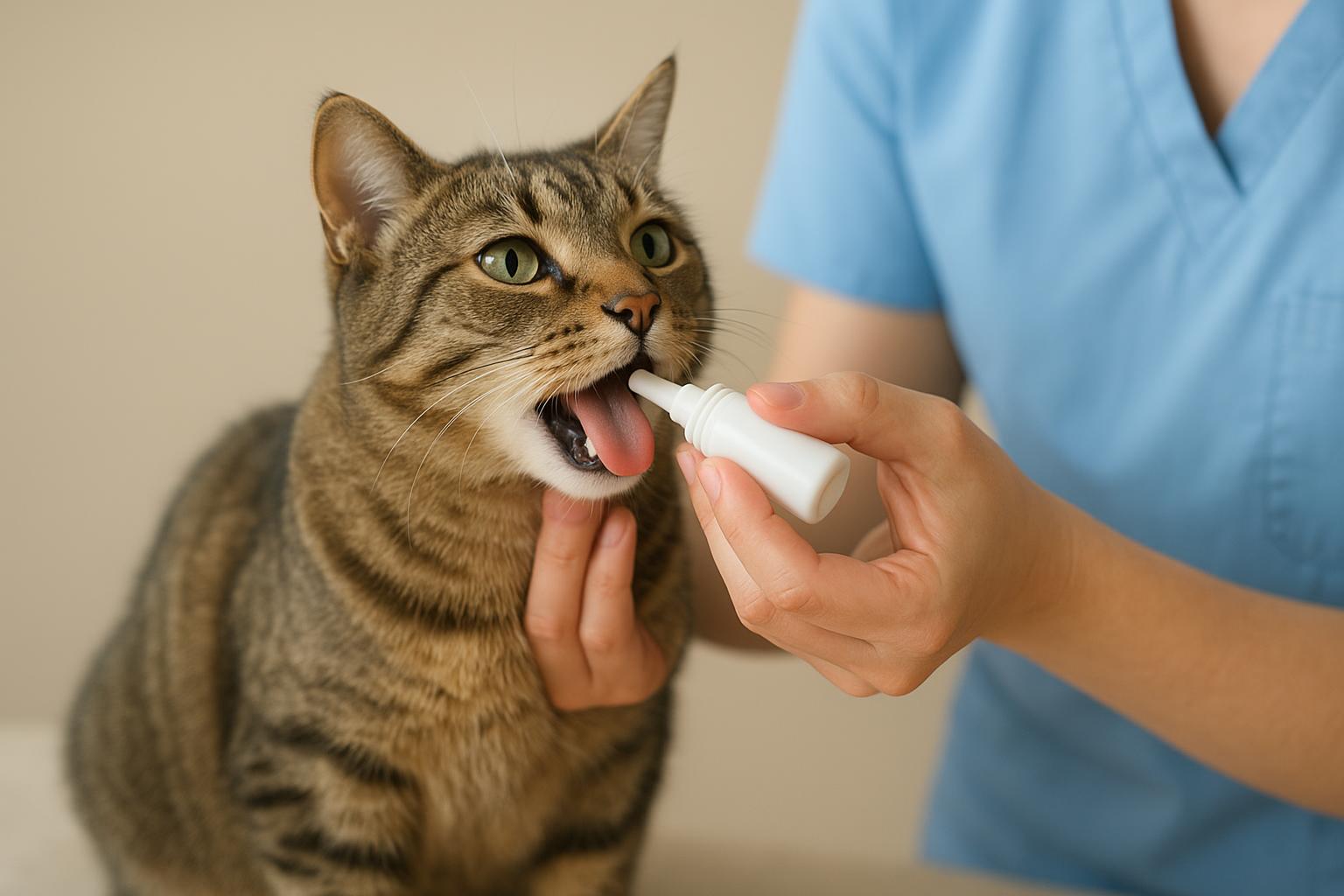
The tablet dissolves and the active ingredient is absorbed into the gut. It moves into the bloodstream and circulates throughout the body. When a flea bites and sucks blood, it’s also taking in the medicine. Depending on the drug, a flea may die within hours or be prevented from reproducing.
A few practical points:
– Some medicines act almost instantly. Fleas start dying within hours.
– Others accumulate and protect your cat for weeks to months.
– A third type won’t kill adult fleas at all but will stop eggs and larvae from developing.
Understanding those differences matters when you’re planning flea care in the house.
### Fast Kill Versus Long-Term Protection
There are two everyday goals with oral flea treatment. One is rapid relief: get rid of the adult fleas biting your cat now. The other is ongoing control: stop new fleas from establishing a population.
Fast-kill tablets are useful when you find fleas in the middle of the night or your cat is scratching badly. They usually clear adult fleas quickly but don’t last long. Long-term products stay active in the bloodstream and protect the cat for weeks or months with a single dose. If you need both, many vets recommend starting with a fast-acting product and switching to a longer protection plan.
### The Two Main Ways The Drugs Work
#### #### Kill Adults When They Bite
Some oral flea medicines target the adult flea’s nervous system. Fleas have neurotransmitter systems that are different enough from mammals’ that certain drugs can over-stimulate or block those systems in insects. After a flea ingests treated blood, it becomes paralyzed or dies in a short time. That’s a relief for the cat — fewer bites, less scratching, and faster reduction of the visible problem.
#### #### Block Development Of Eggs And Larvae
Other oral medicines don’t bother adult fleas much. Instead they stop eggs from hatching or larvae from maturing into biting adults. These are insect development inhibitors. The adults might still bite, but their offspring don’t survive. Over several weeks that breaks the lifecycle and reduces the overall population in your enviornment.
### Common Active Ingredients And What They Do
You don’t need the brand name to know what a flea drug does. Learn the class or the mechanism.
#### #### Fast-Acting Options
Some oral drugs are formulated to kill adult fleas quickly. They’re usually used when an immediate drop in flea numbers is needed. These are good for emergency flea control.
#### #### Long-Lasting Systemic Options
Other medicines are designed to be longer-lasting. They stay in the blood at effective levels for weeks or months and keep killing fleas that bite during that time. These products simplify prevention because you don’t have to treat every week.
#### #### Growth Inhibitors
These are the ones that prevent eggs and larvae from developing. They’re not dramatic in the short term because adult fleas can still be around for a while. But they’re crucial for breaking infestations, especially when used with environmental measures.
### Safety, Side Effects, And Things To Watch For
Oral flea medicines are generally safe when used as directed, but they do have risks. The way these drugs work — by affecting insect nervous systems — means there’s potential for side effects if a cat reacts badly. Watch for vomiting, diarrhea, loss of appetite, or lethargy after a dose.
Tell your vet if your cat is pregnant, nursing, very young, or has a known neurological issue. Some products aren’t tested in kittens or pregnant animals. Also alert the vet to other medications your cat receives; there can be interactions.
If you see seizures or severe reactions, get veterinary attention right away. Those are rare, but they happen.
### How To Pick The Right Flea Drug For Your Cat
There’s no one-size-fits-all. Think about these factors:
– How quickly you need results.
– How long you want protection.
– Your cat’s age, weight, pregnancy status, and health history.
– Whether you have other pets at home.
A single, long-acting oral product may be easiest for a house with one indoor cat. If you have dogs or wildlife around, you’ll need a program that handles the outdoor reservoir of fleas too. Your vet can recommend a specific product and dosing schedule.
### Practical Steps To Combine Oral Medicine With Flea Care
Oral medicine is one tool in a practical flea-control plan. The rest is housekeeping and treating all animals. Here’s a realistic approach:
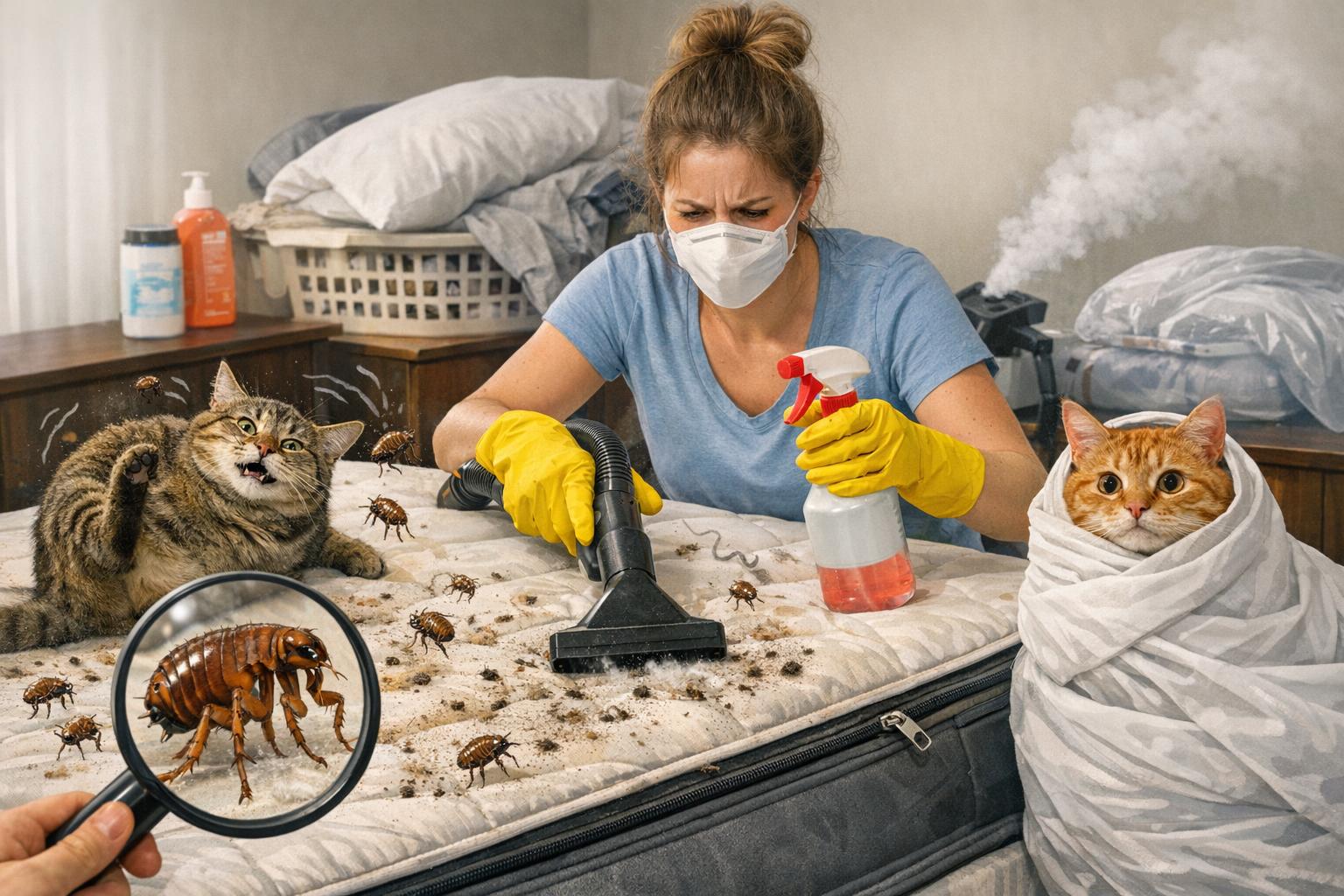
– Treat every pet in the household with an appropriate product. Fleas move between animals.
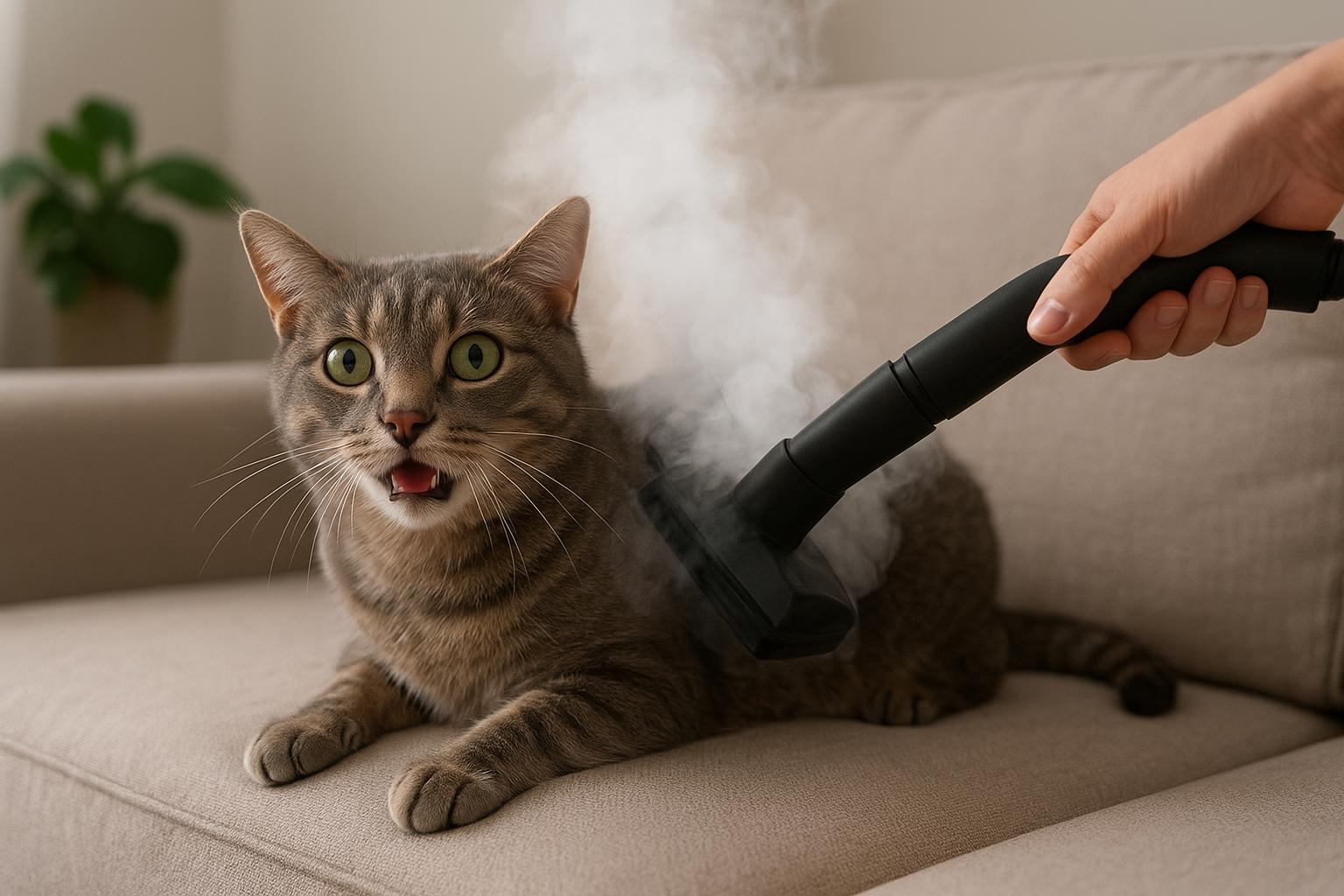
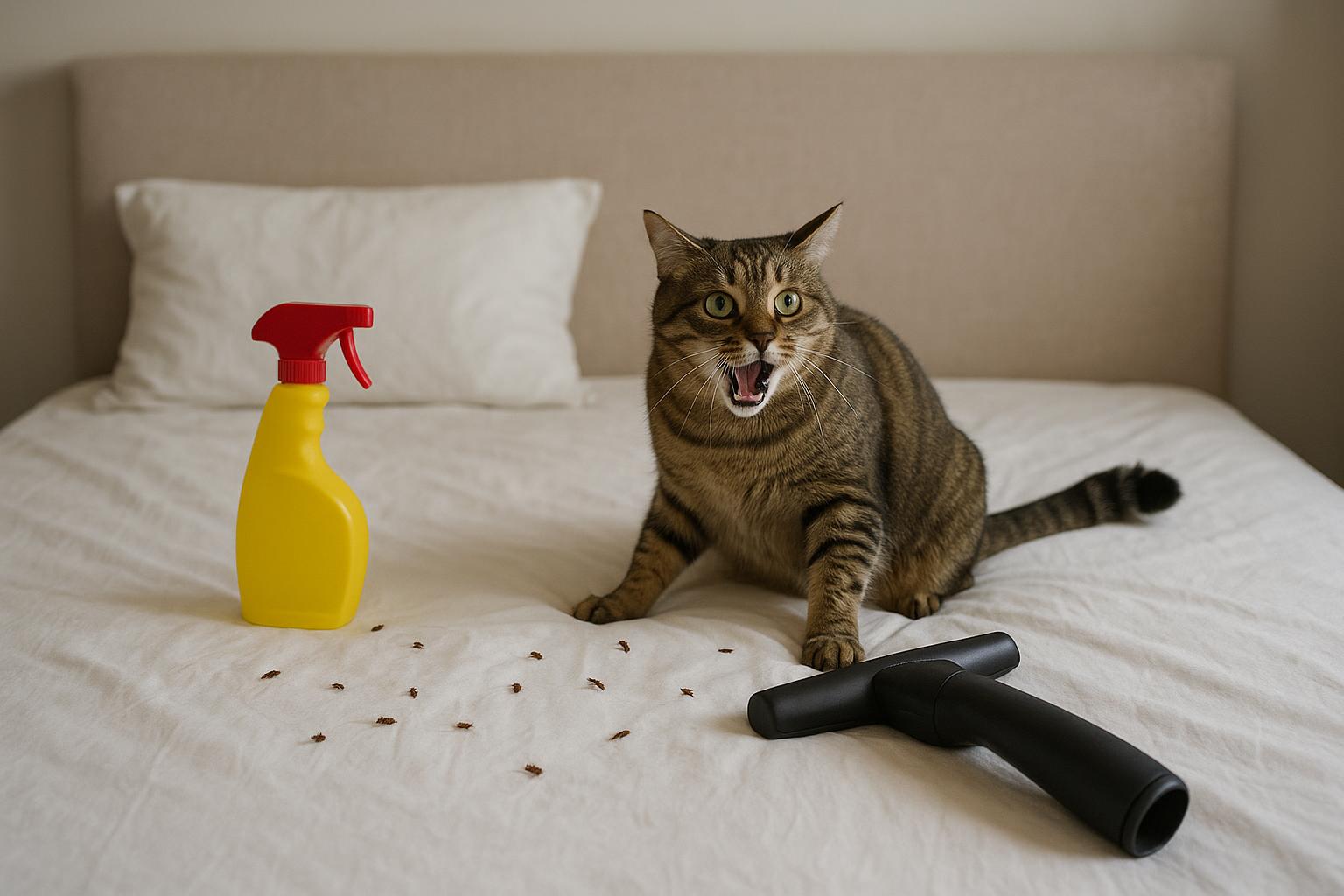
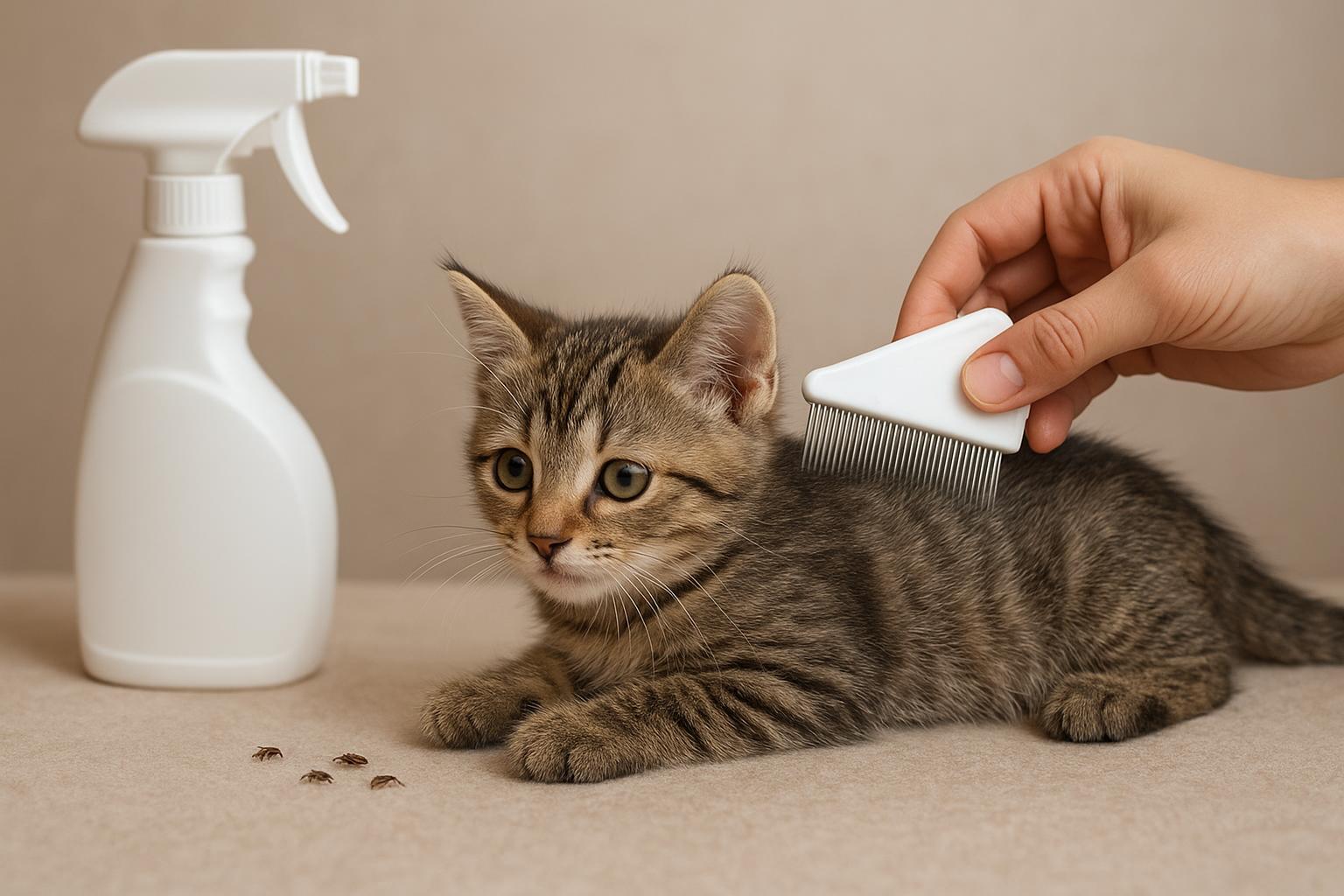
– Wash bedding, vacuum carpets, and focus on areas where the cat rests. Vacuuming pulls up eggs and larvae, and it also stimulates pupae to hatch so they can be killed by the treated pet or by follow-up cleaning.
– Consider environmental control products if you have a heavy infestation. Insect growth regulators help prevent new generations from emerging.
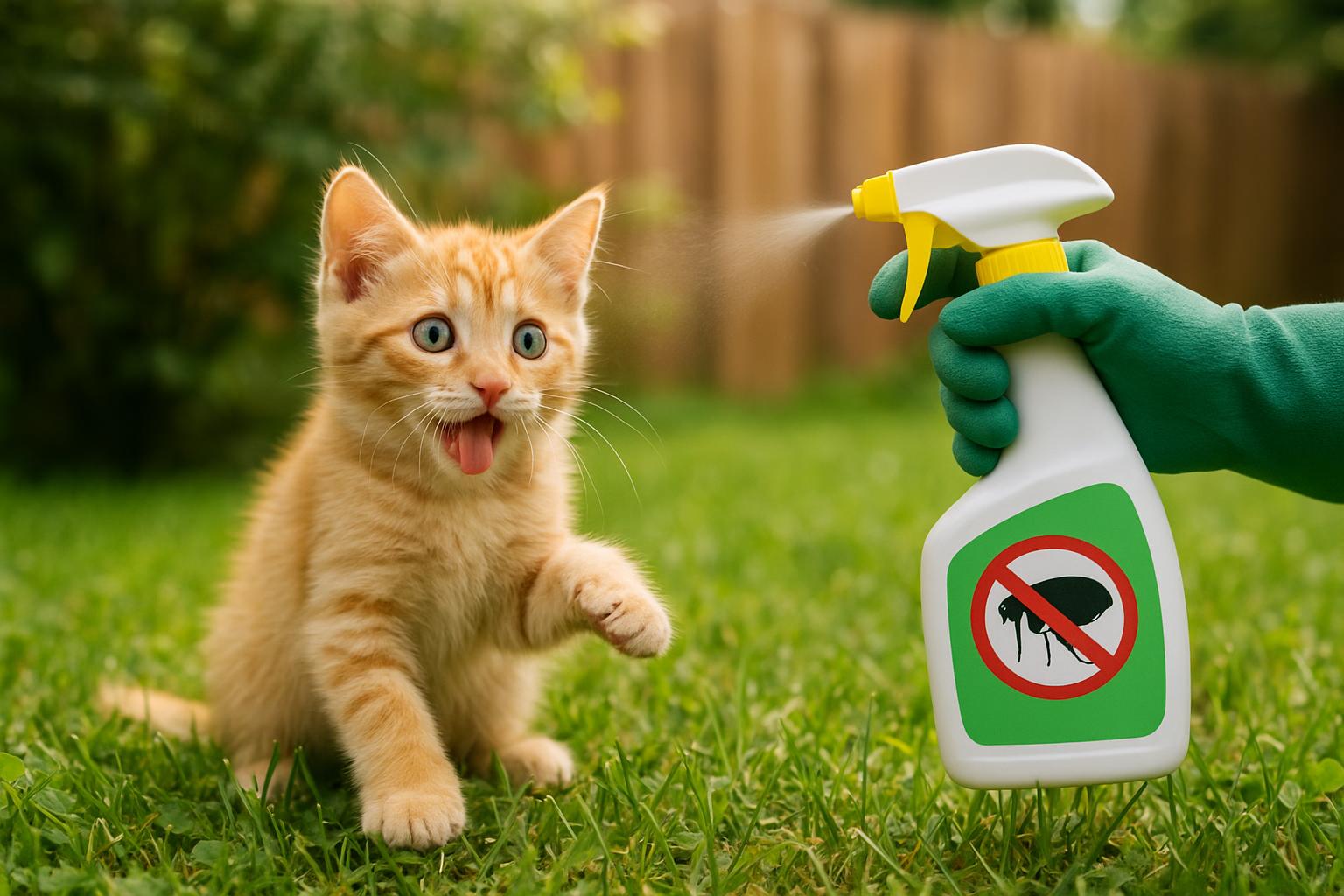
– Keep an eye on outdoor hotspots like shaded yards, under decks, or rodent burrows. Fleas can come from wildlife.
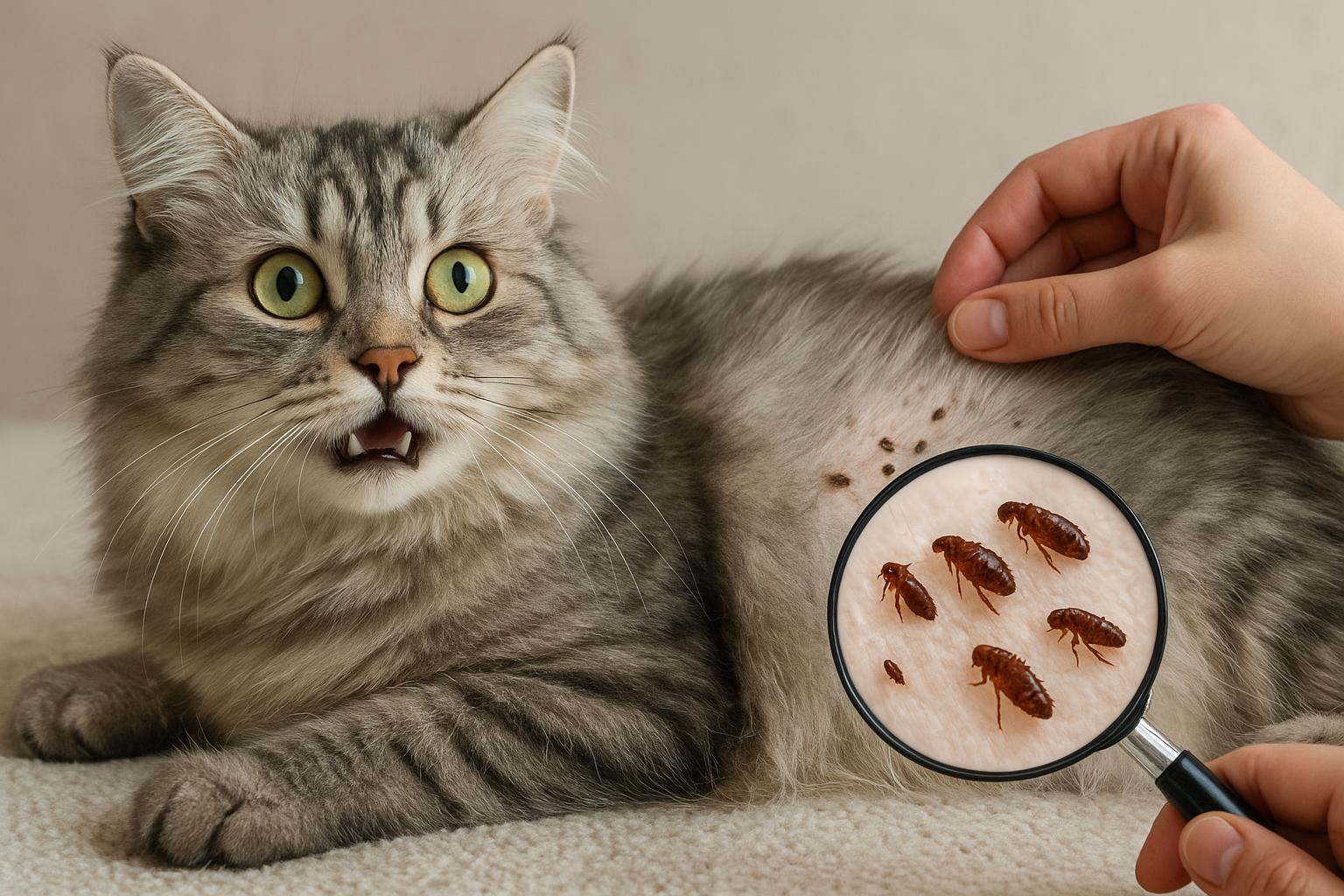
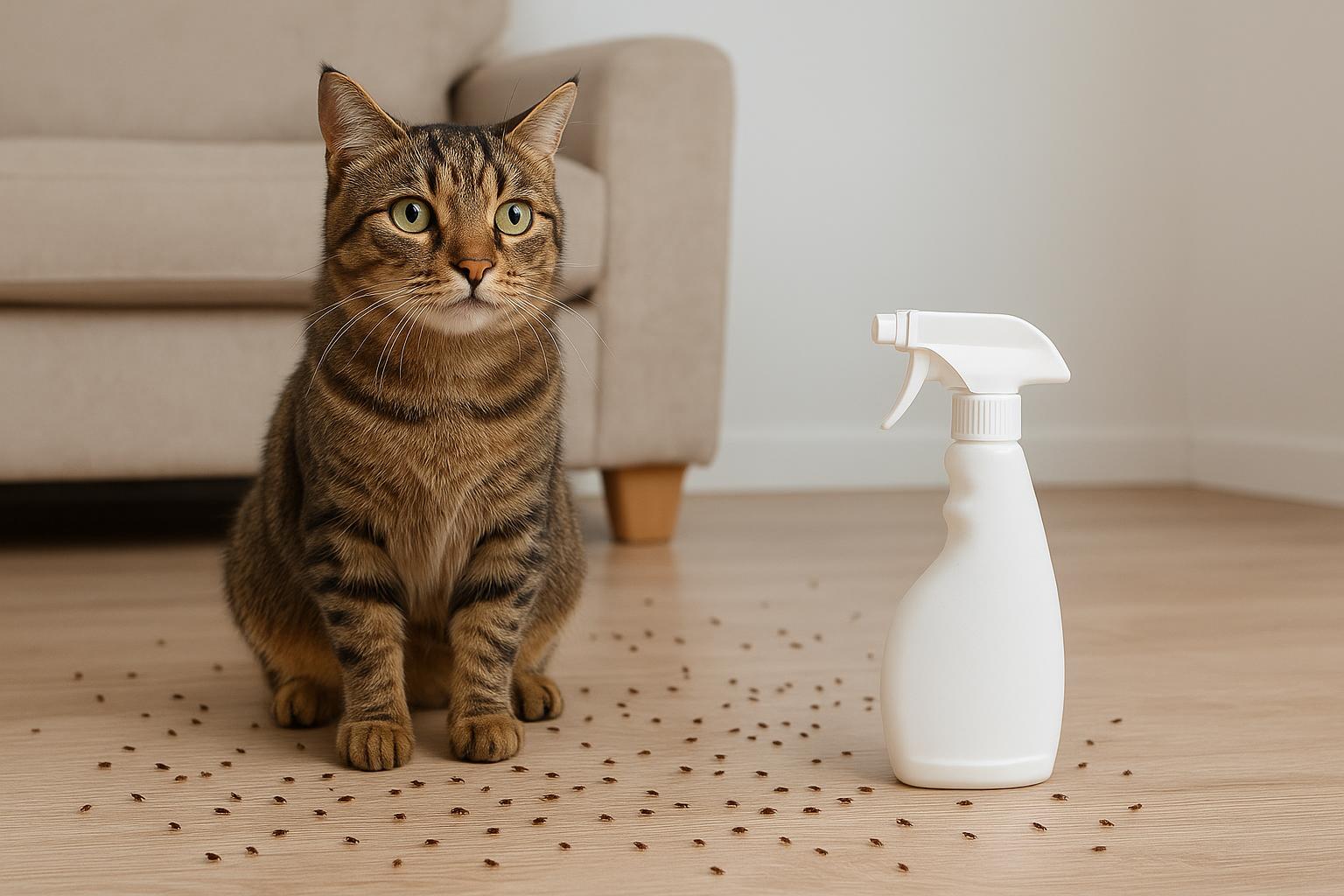
If you skip the environment, the fleas will keep coming. Oral drugs deal with the fleas on the cat, but they won’t remove the pupae hiding in carpets.
### Timing And Consistency Matter
If your vet gives you a monthly oral tablet, give it every month. Missing doses gives fleas a window to reproduce. If you start treatment during a heavy infestation, expect two or three cycles of treatment and cleaning before the problem is fully under control. That’s because eggs and pupae already in the enviornment need time to emerge and encounter treated animals.
### Special Cases: Kittens, Sick Cats, And Multi-Pet Homes
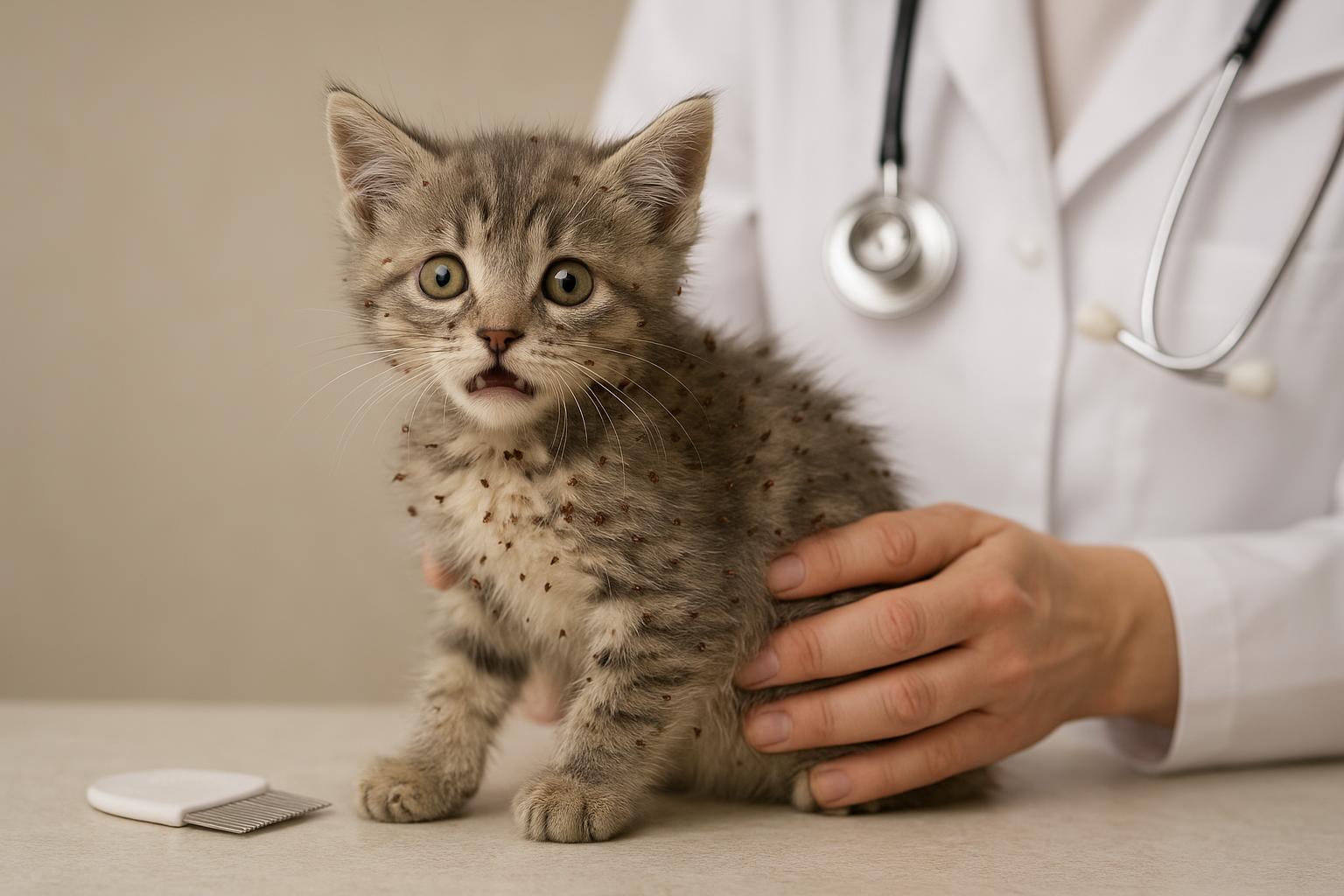
Young kittens have different tolerances. Some oral products aren’t labeled for very young or small kittens. If you have both cats and dogs, remember their products aren’t always interchangeable. A flea drug safe for dogs may be toxic for cats. That’s why dosing by species and weight matters.
If a cat has liver or kidney issues, the way the medicine is processed by the body can change. Your vet will pick a product and dosage that minimize risk.
### Why You Still See Fleas After Treatment
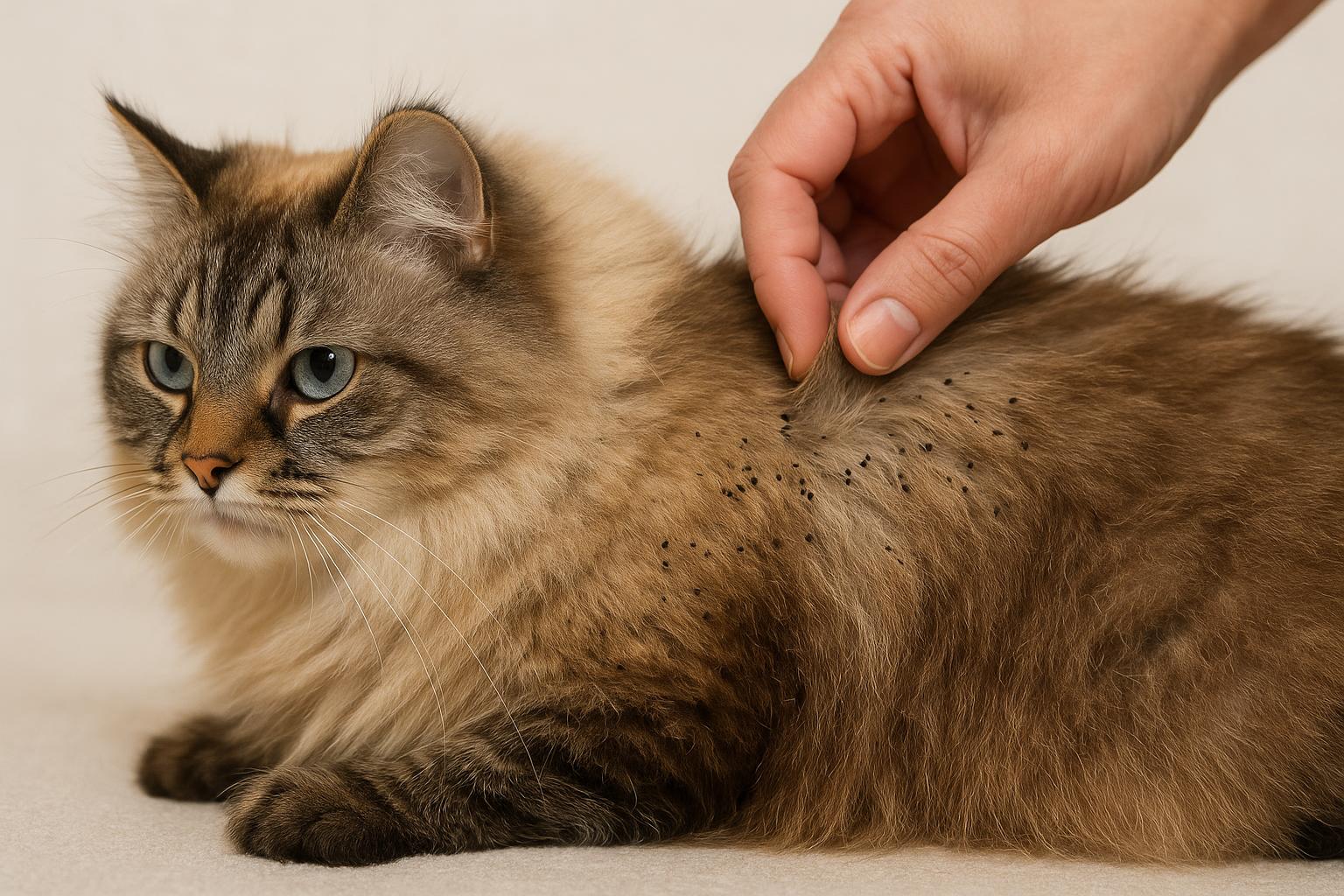
A common frustration: you give an oral dose, and the cat still seems to have fleas the next day. There are a few reasons:
– Some drugs take hours to work; others take days.
– Eggs or pupae in the house can keep hatching.
– Not all fleas bite immediately after emerging; they may wait until the cat is resting.
Persistence is usually the answer. Keep treating regularly, clean the environment, and treat all pets. Over time the visible fleas decline.
### Final Practical Tips For Pet Owners
Keep dosing simple and consistent. Put reminders in your phone or mark the calendar. If you see behavior changes after a dose, contact your vet but don’t stop treatment without advice. Use oral flea medicine alongside other flea care steps, not as the only measure. Treating one part of the problem and ignoring the rest prolongs the situation.
One last thing: read the label and follow weight-based dosing. Too little gives poor control; too much risks side effects. And yes, always check with your vet if you’re unsure about mixing medications or treating a very young or sick cat. Teh little details matter when you’re dealing with insects and medicine.








Leave a Reply