
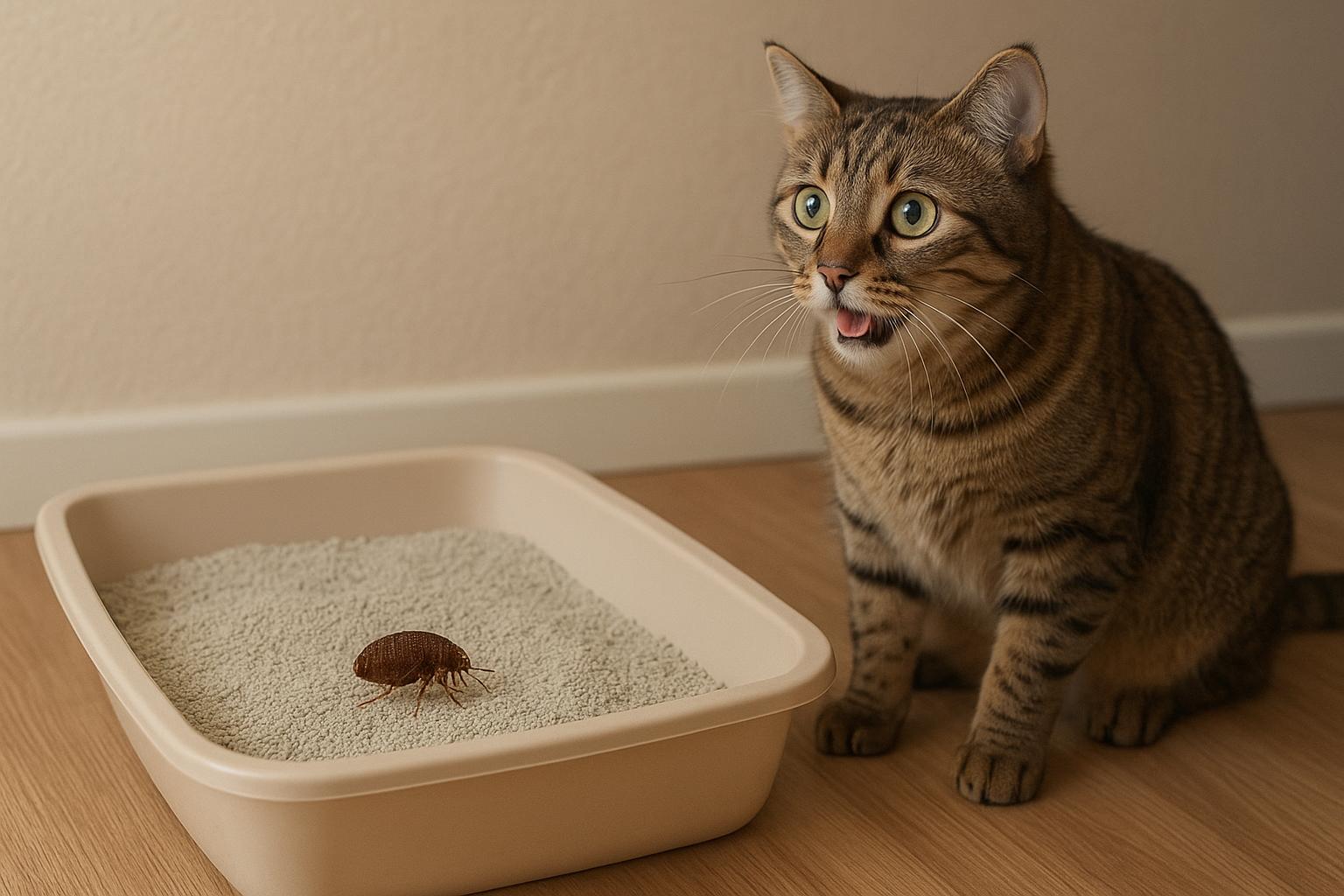
Many cat owners worry that the litter box could become a reservoir for parasites. The central question — can fleas live in cat litter — is understandable because litter boxes are warm, protected spaces that might appear hospitable to insects. This article examines flea biology, evaluates the real risks around cat litter, outlines observable signs of infestation, and provides practical, formal remedies to improve cat litter safety and home hygiene.
## Can Fleas Live In Cat Litter? Basic Biology And Likelihood
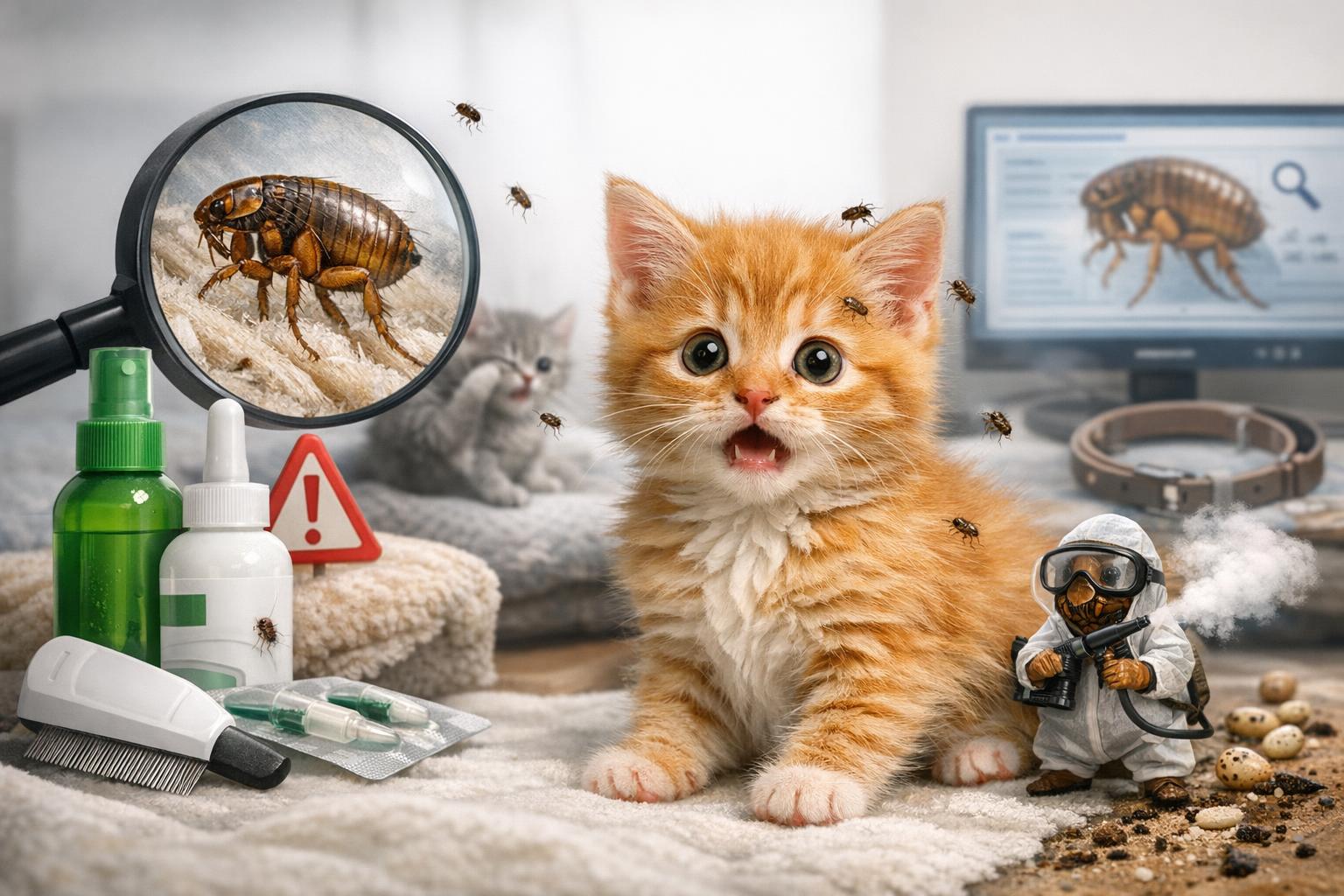
Fleas are small, wingless insects that require a blood meal to reproduce. Adult fleas typically live on the host animal, feeding and laying eggs in areas where the host rests. The full developmental cycle includes eggs, larvae, pupae, and adults. Eggs and larvae thrive in warm, humid, and protected environments with organic debris to feed on. Given that description, it is reasonable to ask: can fleas live in cat litter? The short scientific answer is: conditions in a litter box are generally not ideal for sustaining established flea populations, but they are not impossible environments for eggs or wandering adults to be present temporarily.
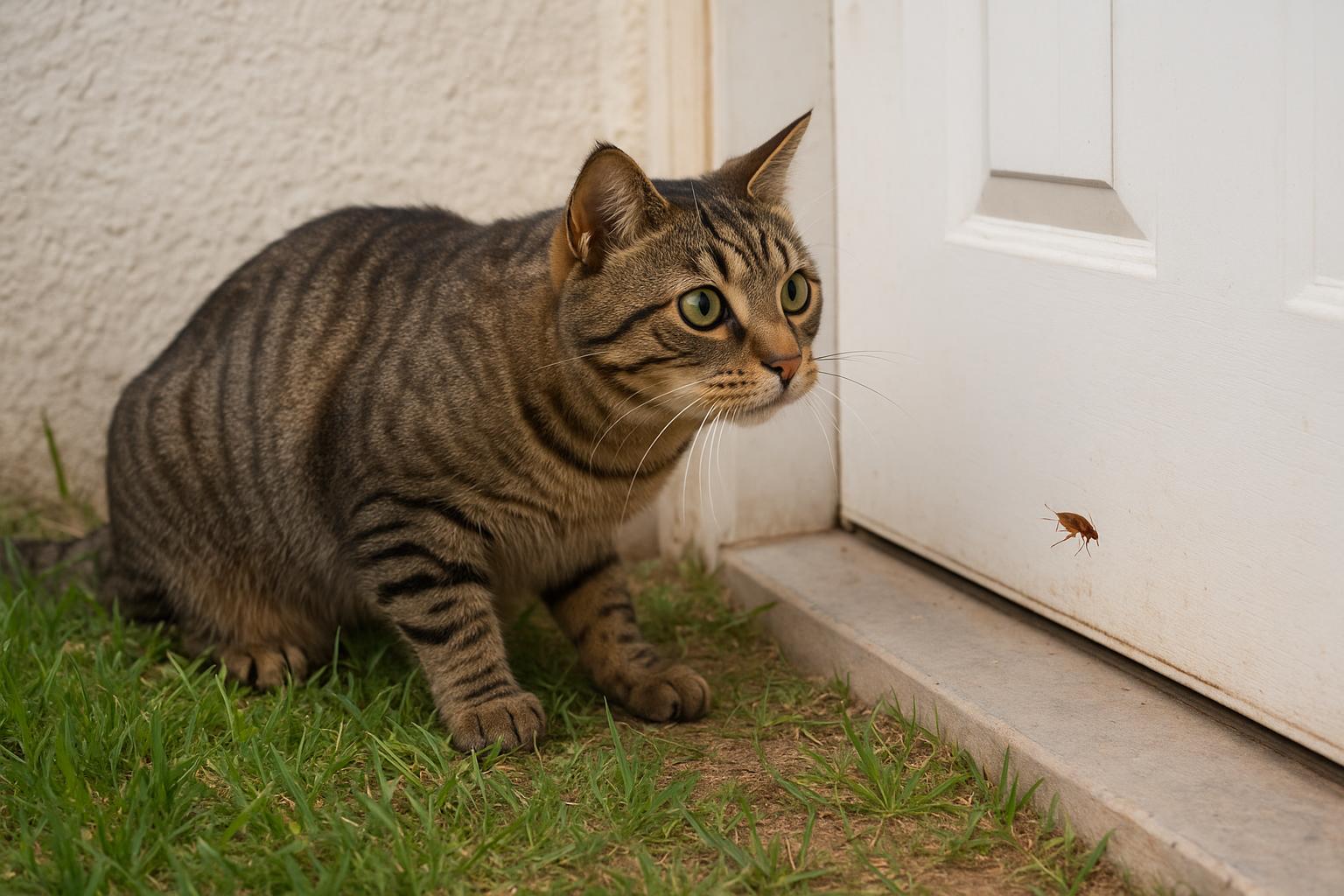
Litter boxes are usually dry and cleaned frequently, both factors that reduce survival of flea eggs and larvae. However, certain factors can increase the risk of cat litter fleas being found: infrequent cleaning, very clumped or organic-rich litter, and litter placed in warm, undisturbed locations. When a heavily infested cat uses the box, eggs can be deposited with feces or on the cat and fall into the litter. Larvae require organic material to feed on, such as dried blood, flea dirt (digested blood), or decomposing matter; these resources are often limited in modern clay or silica litters. Thus, while the environment is generally unfavorable, occasional presence of eggs or adults is possible.
## Common Signs Of Flea Presence Related To Litter Areas
### Visible Fleas Or Flea Dirt Near The Box
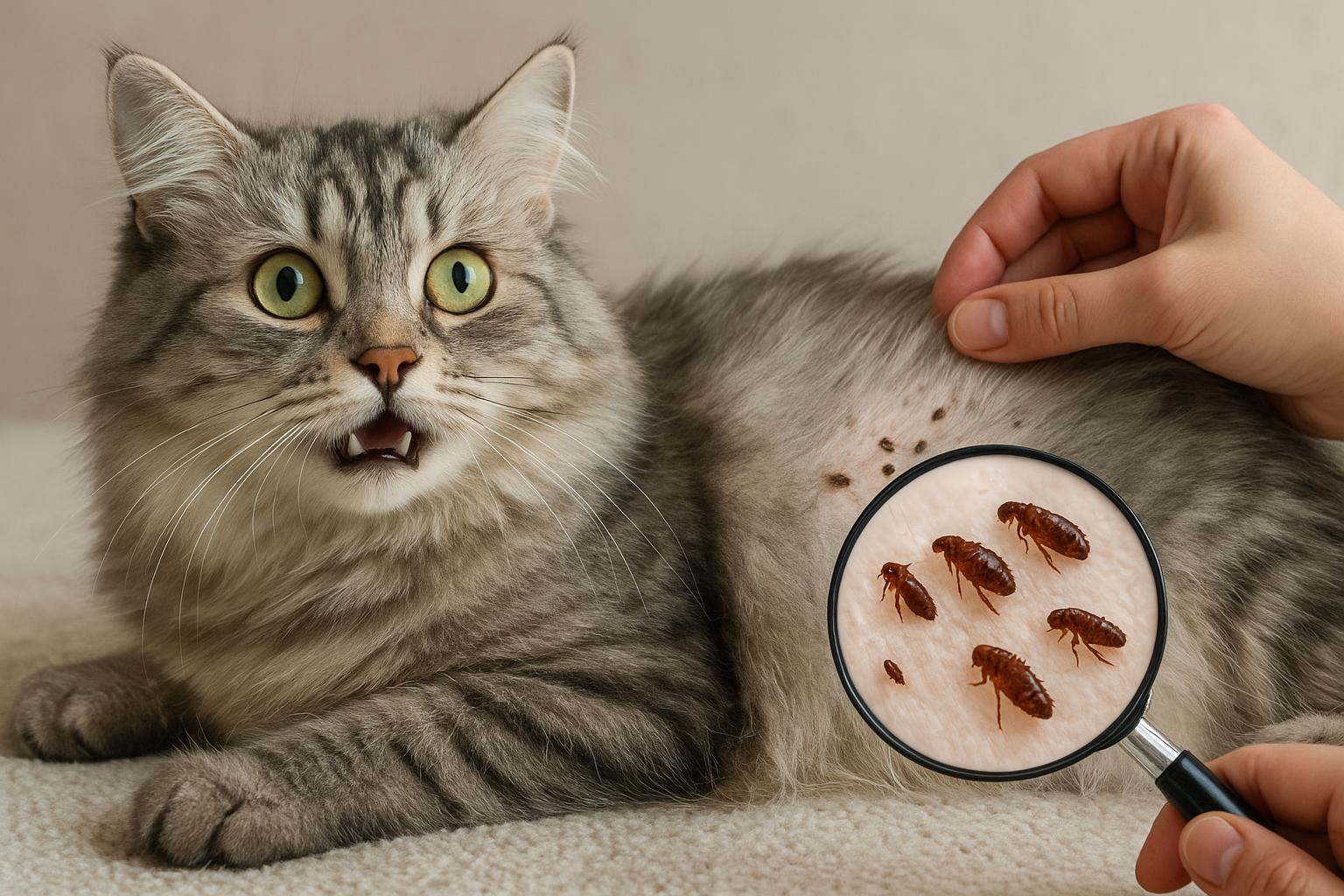
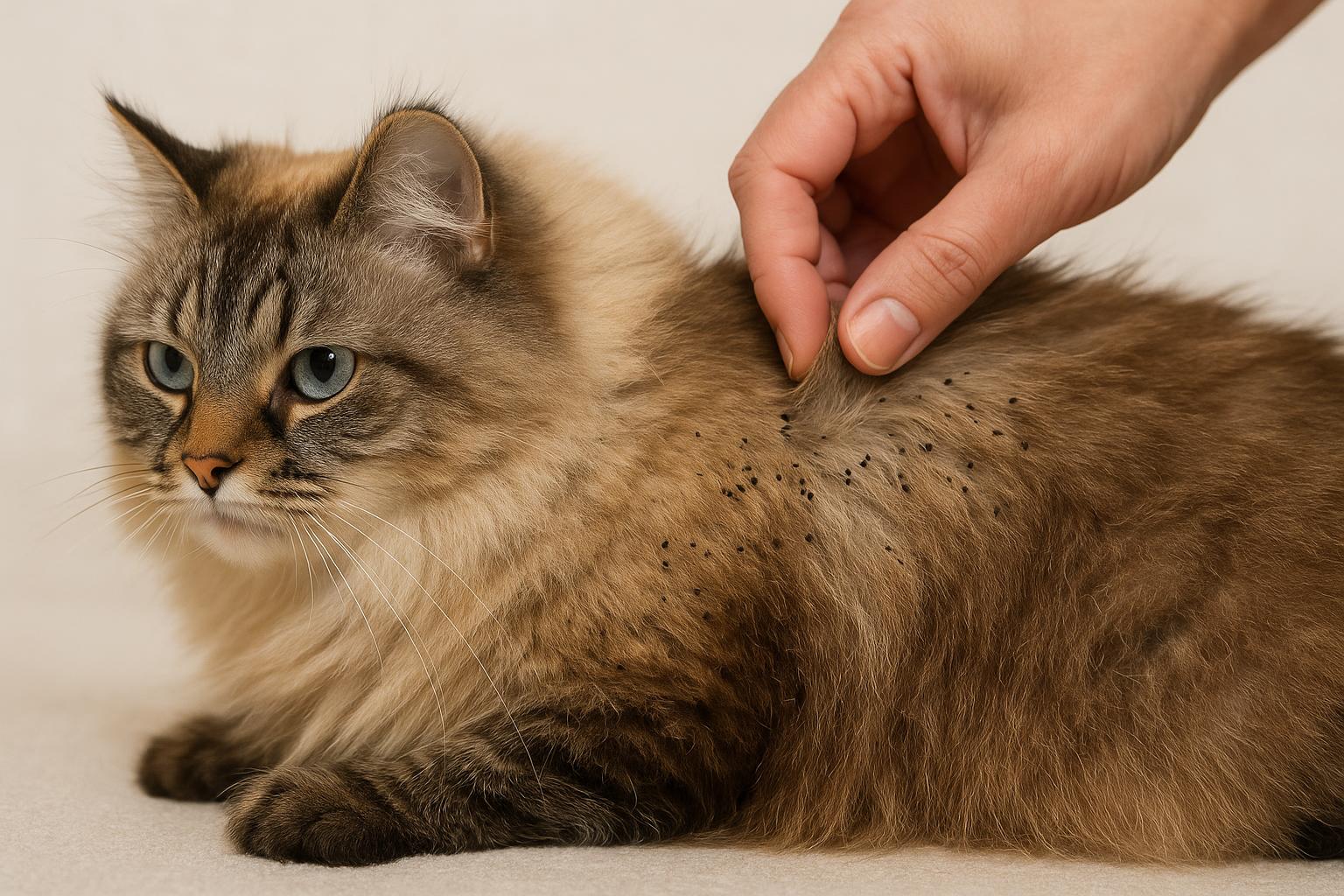
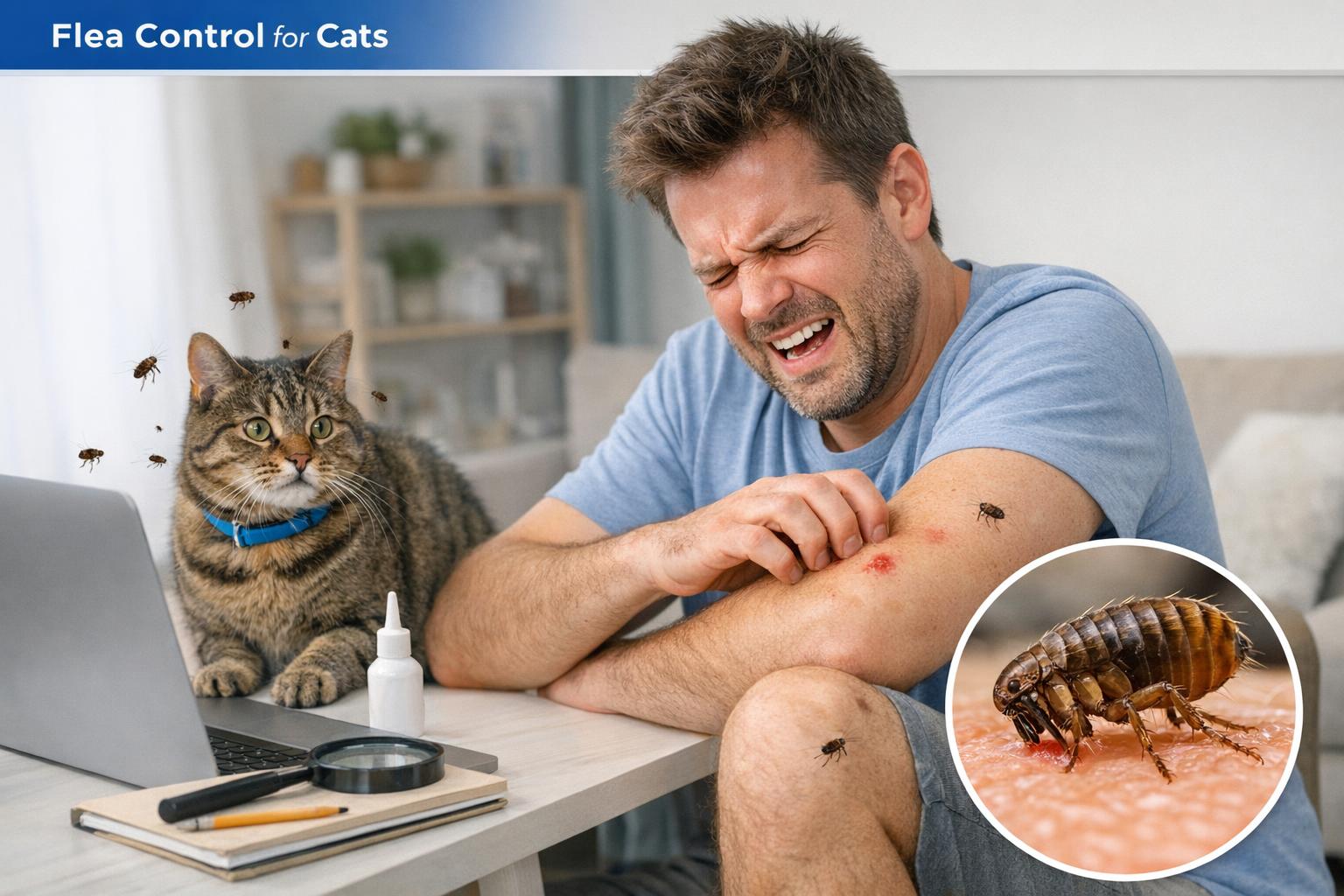
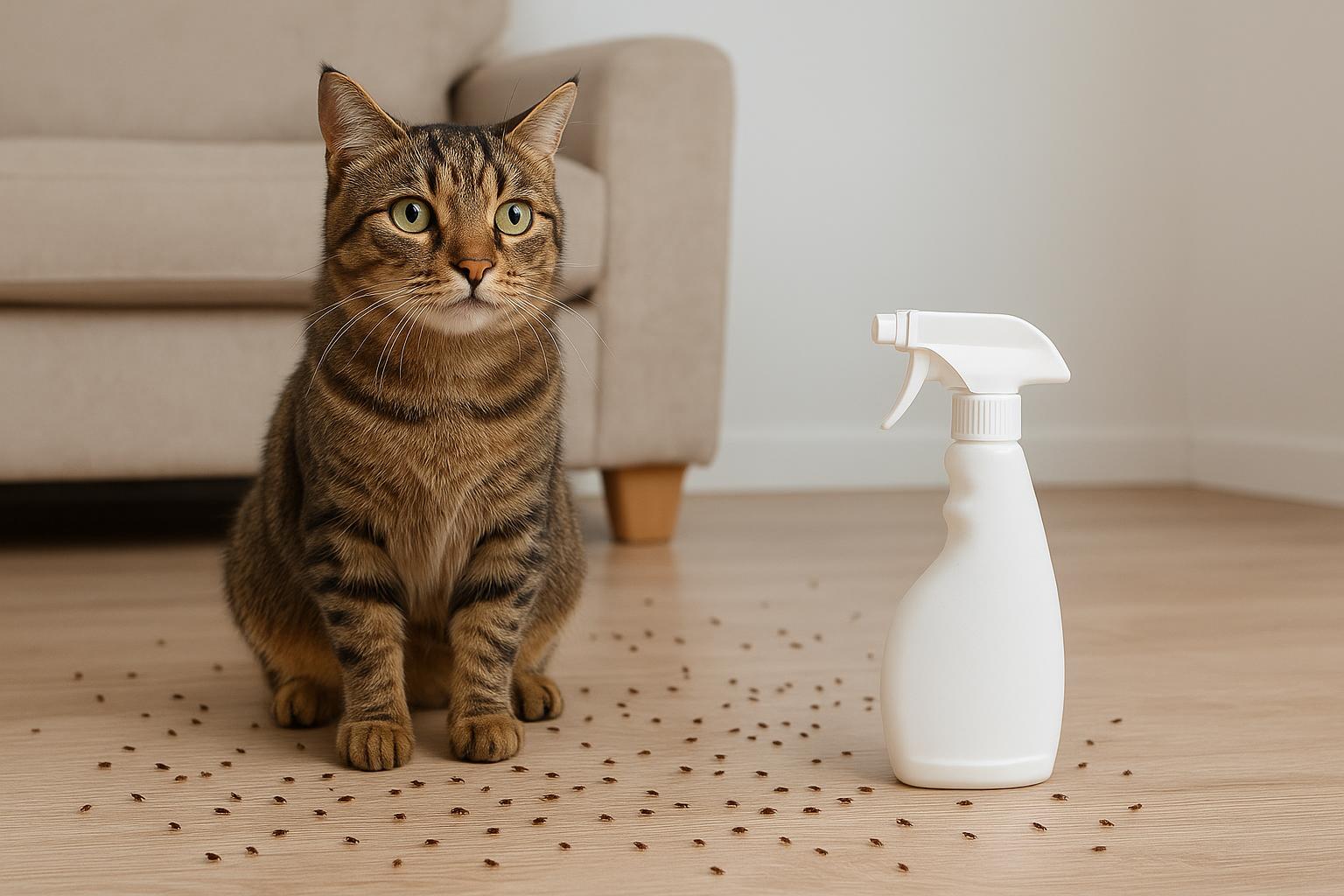
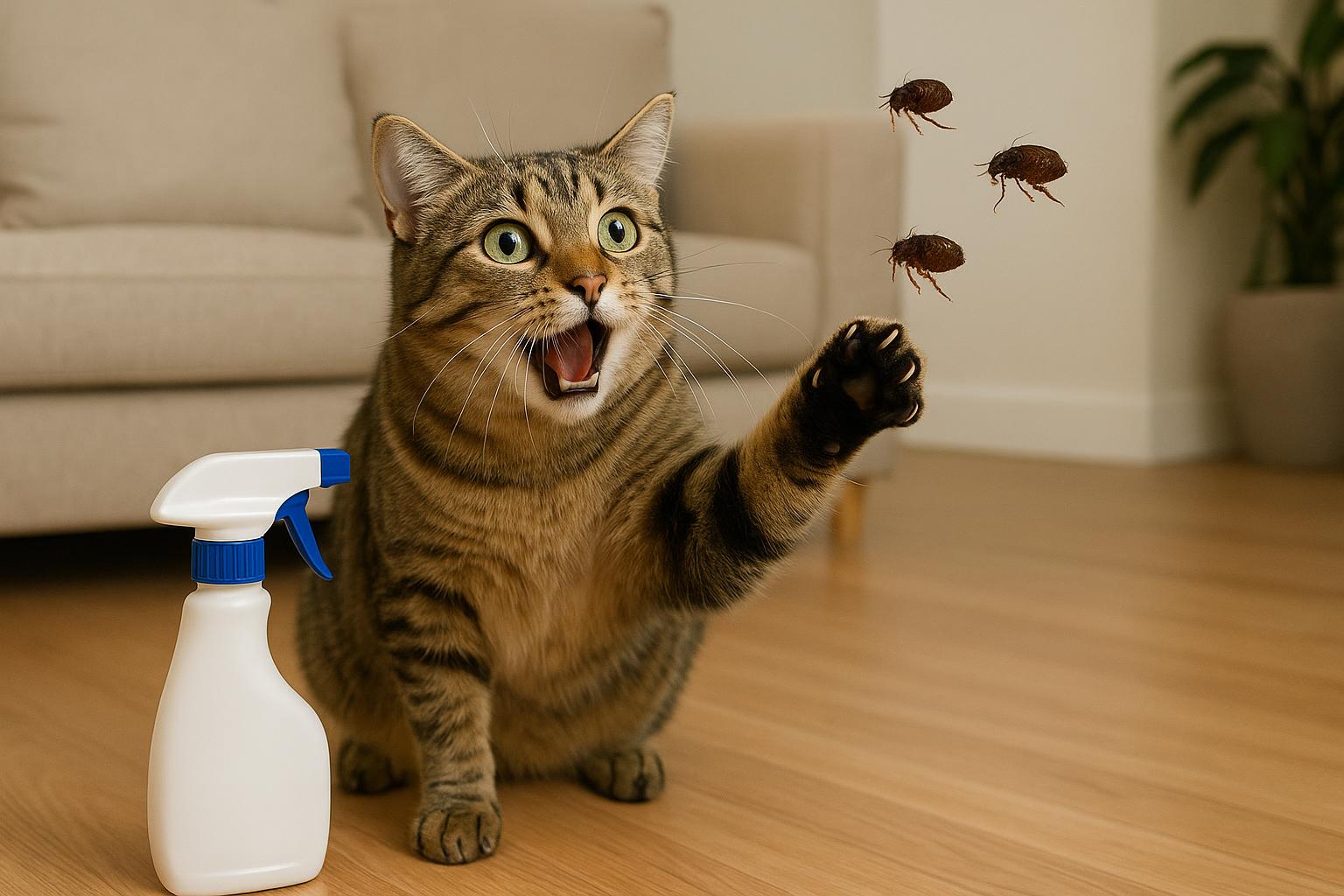
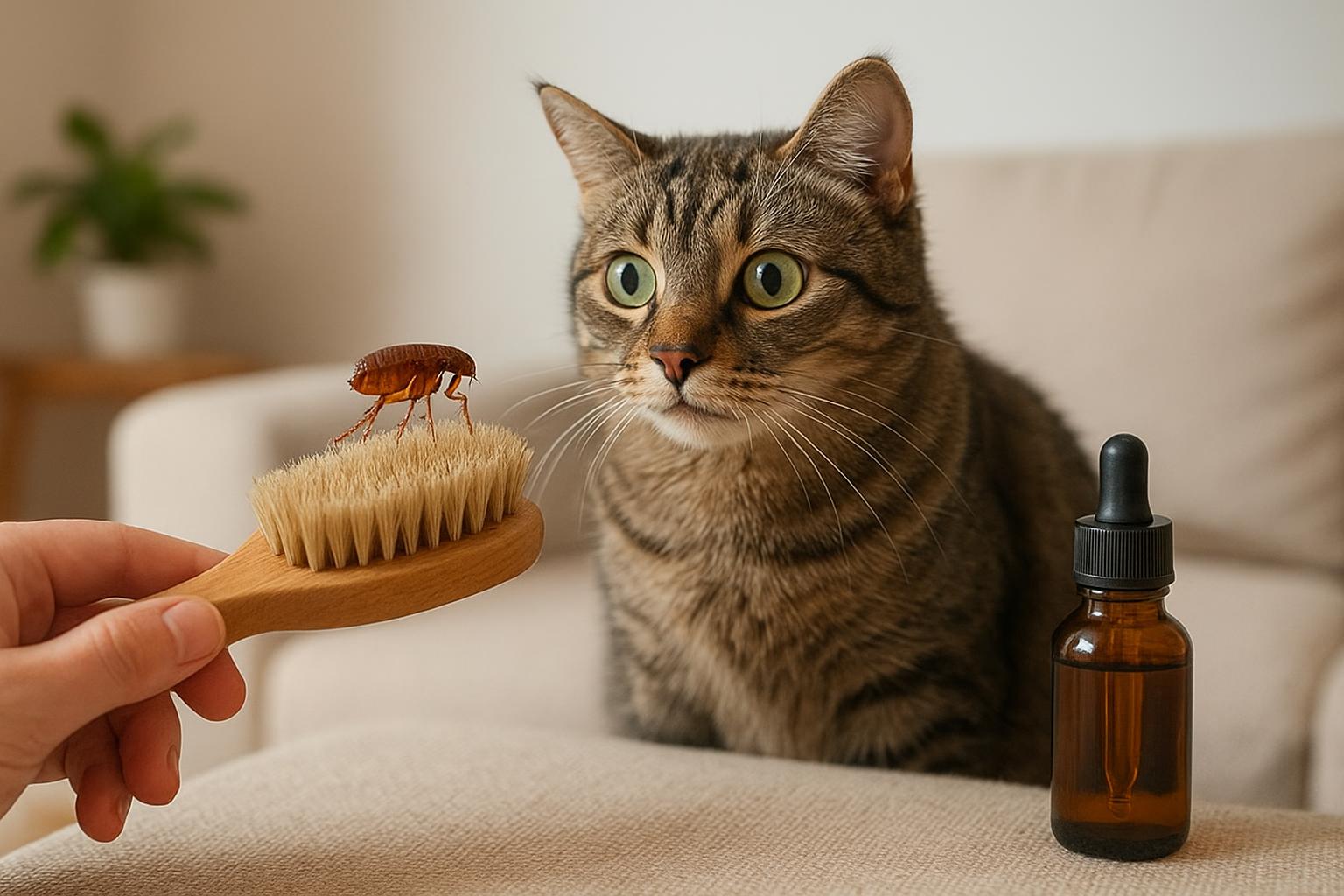
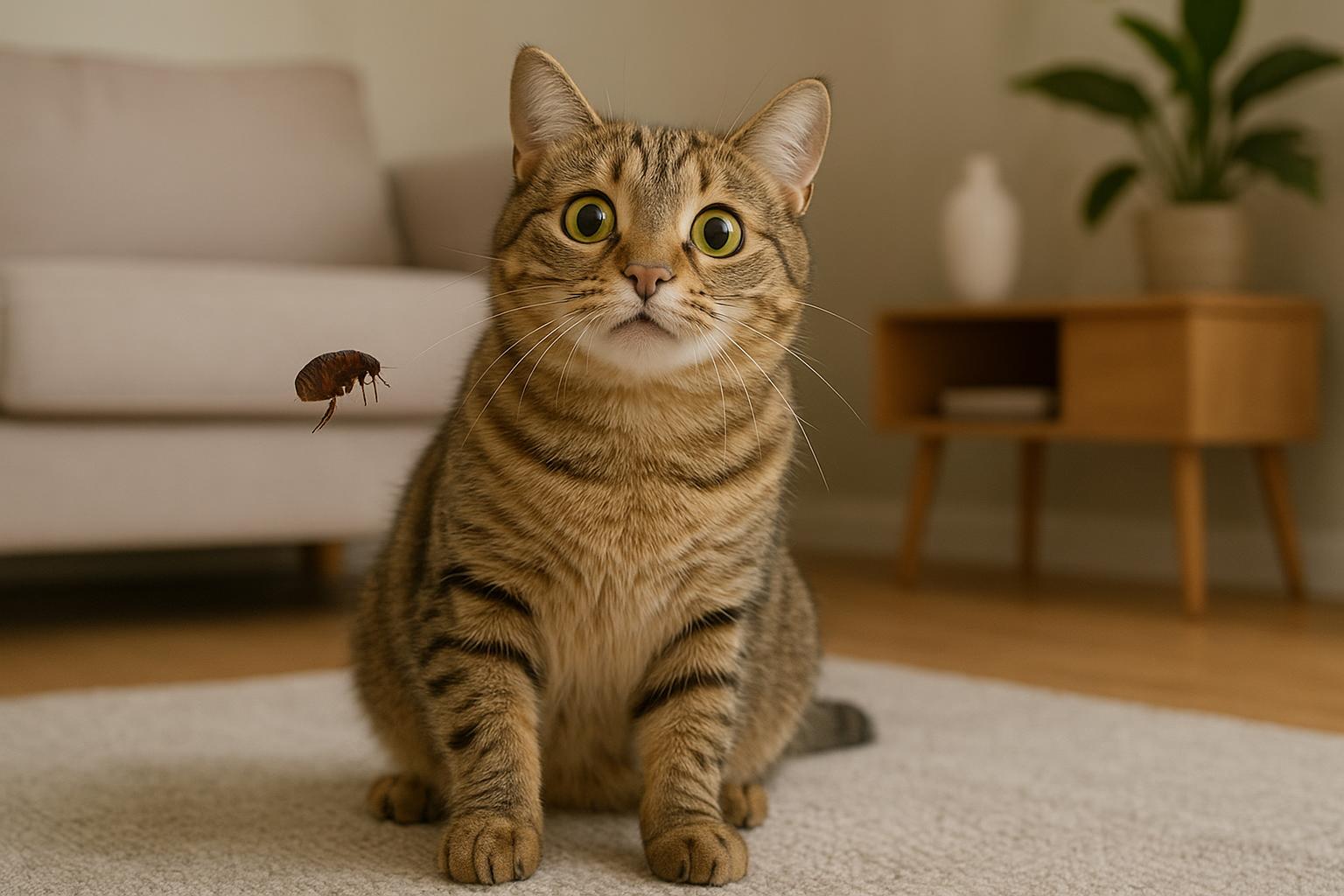
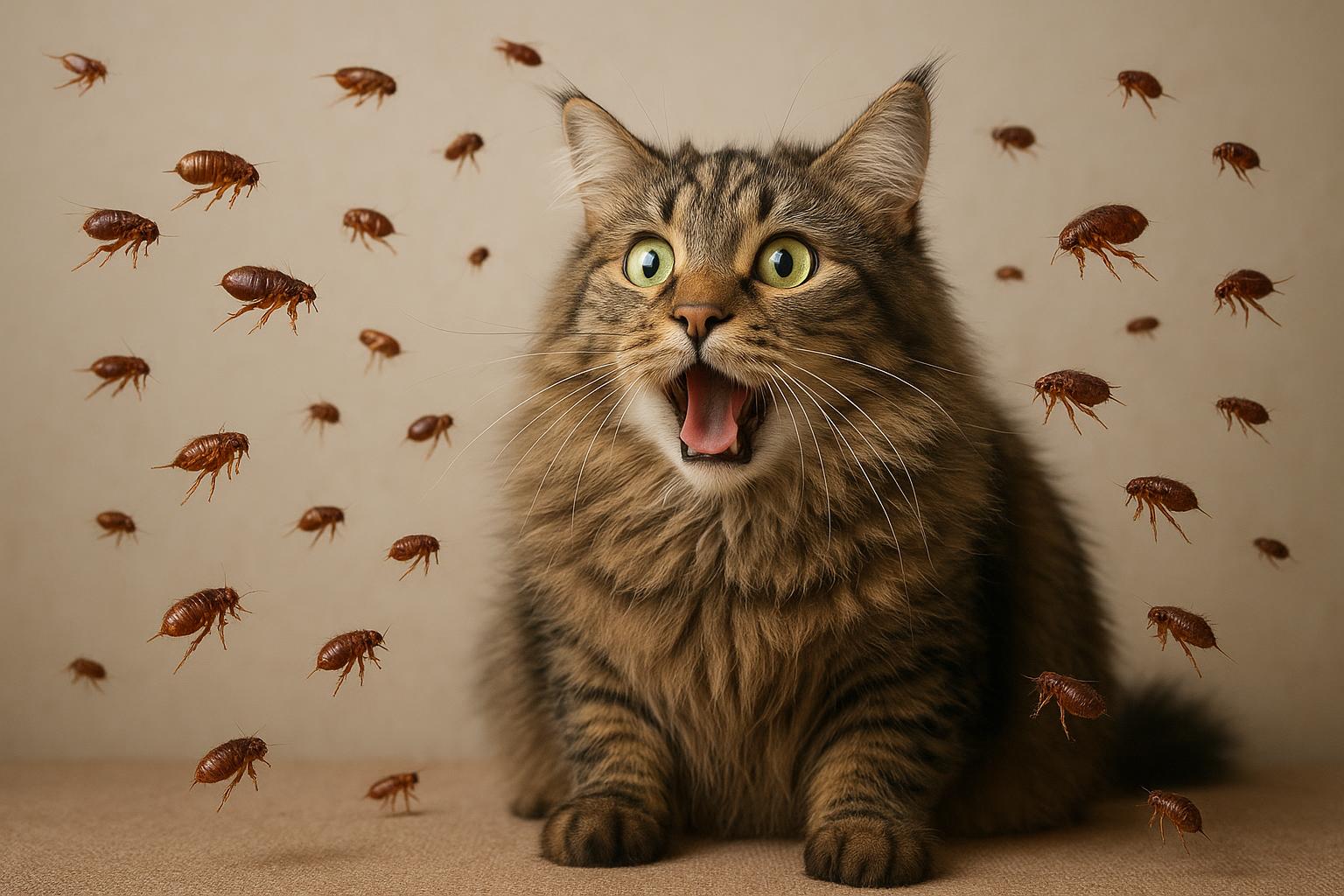
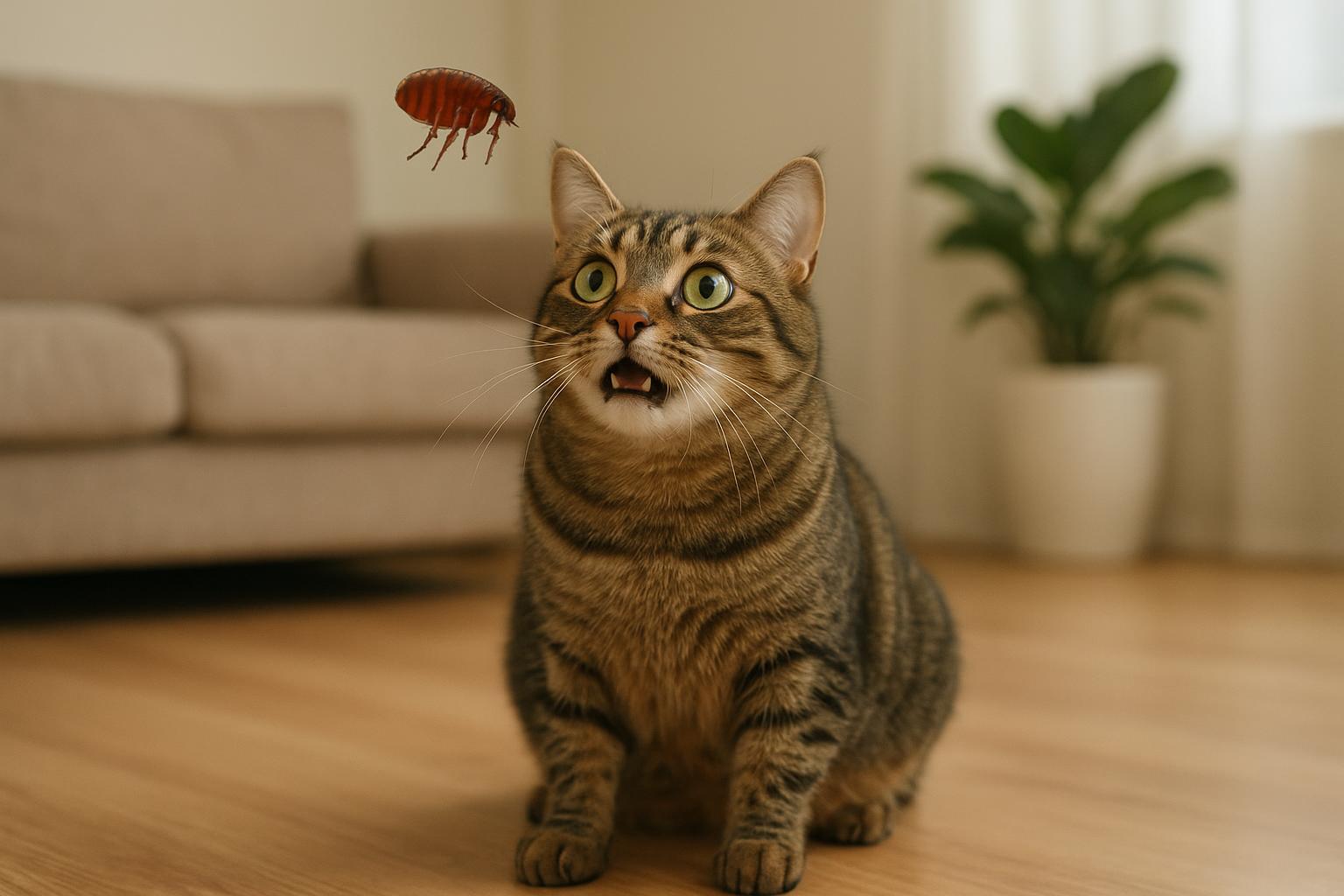
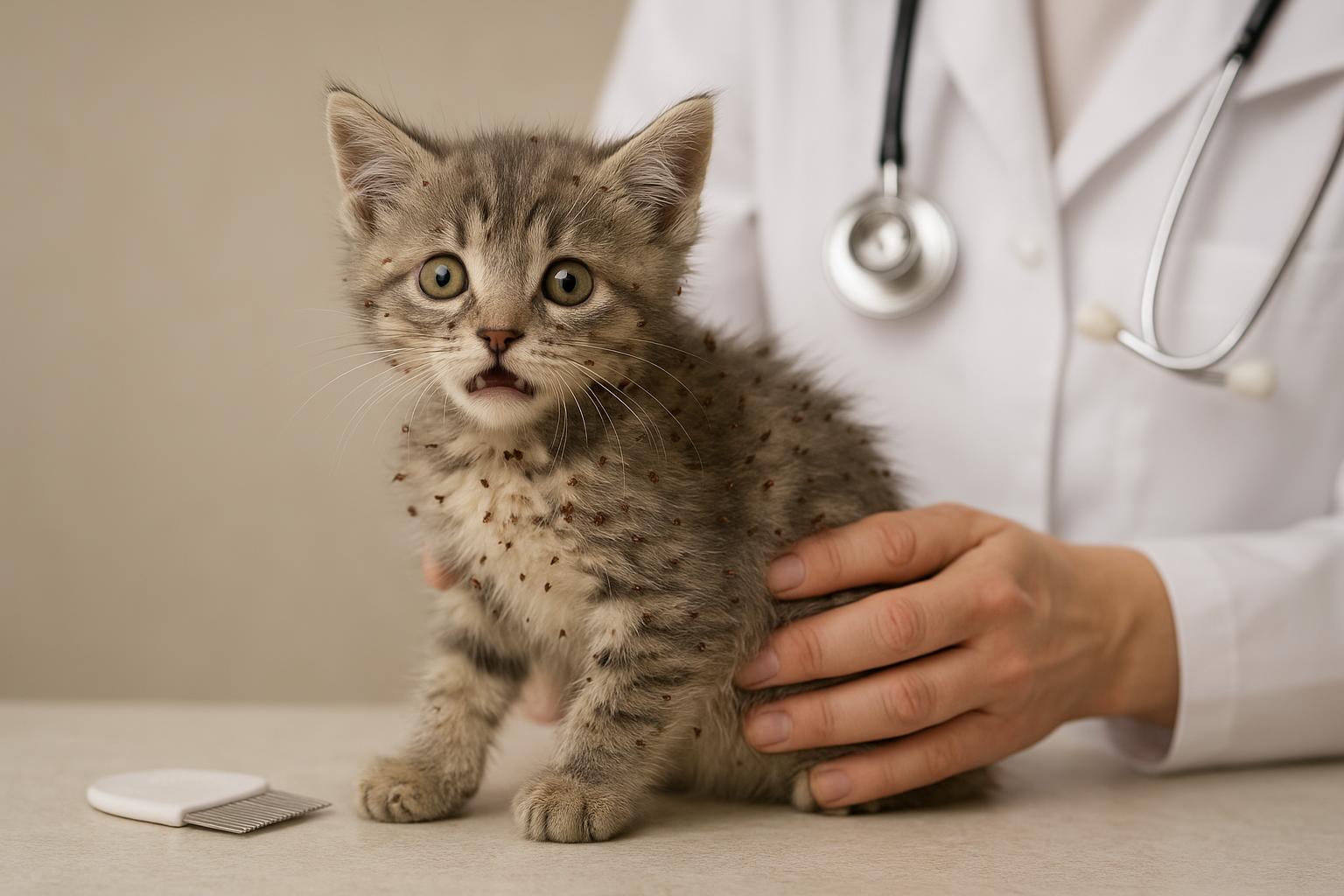
Fleas themselves are mobile and visible as small, dark, jumping insects. Flea dirt looks like tiny black specks that turn reddish-brown when moistened because they contain digested blood. Observation of live fleas on the cat or flea dirt in the fur is a primary indicator.
### Increased Scratching And Skin Irritation
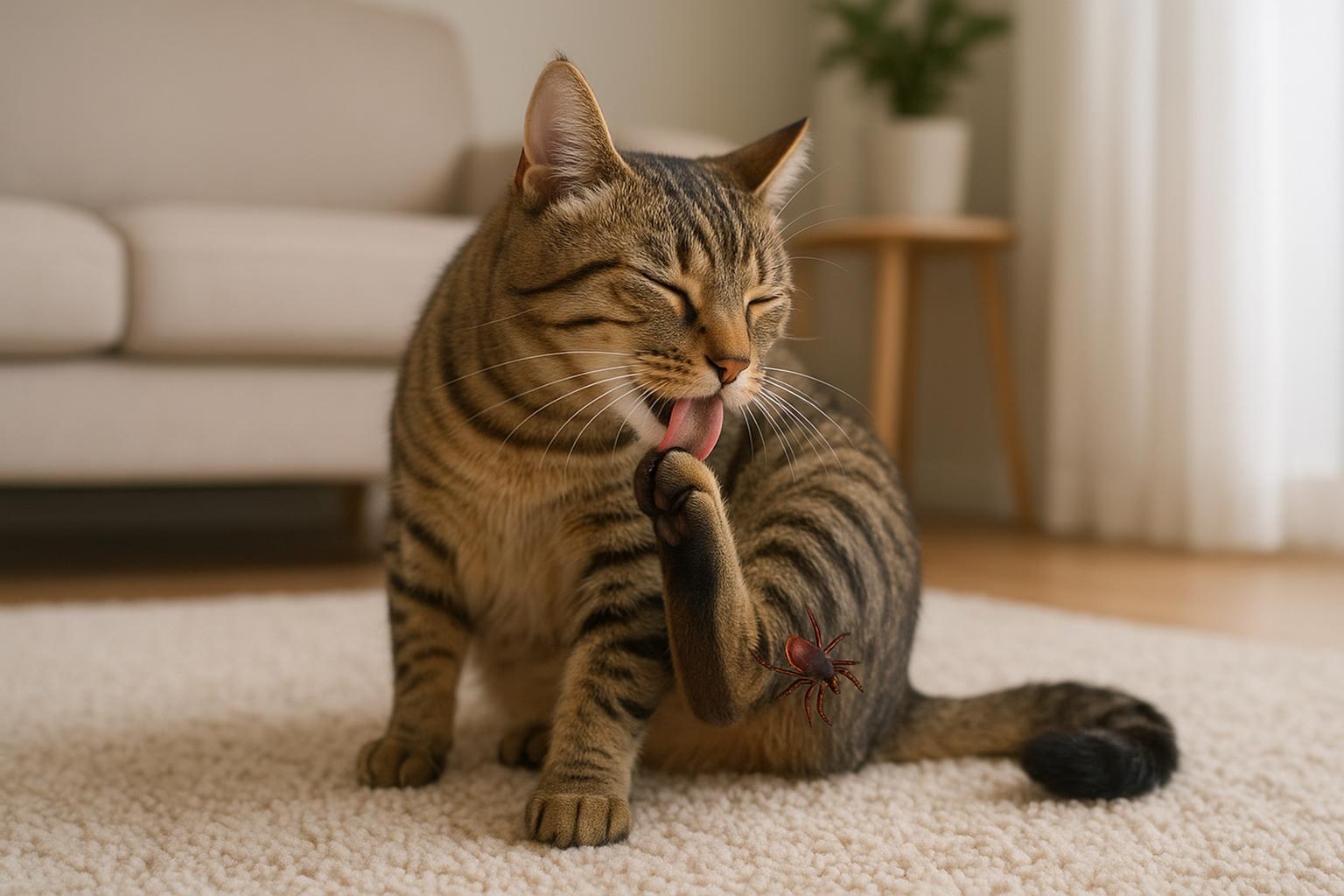
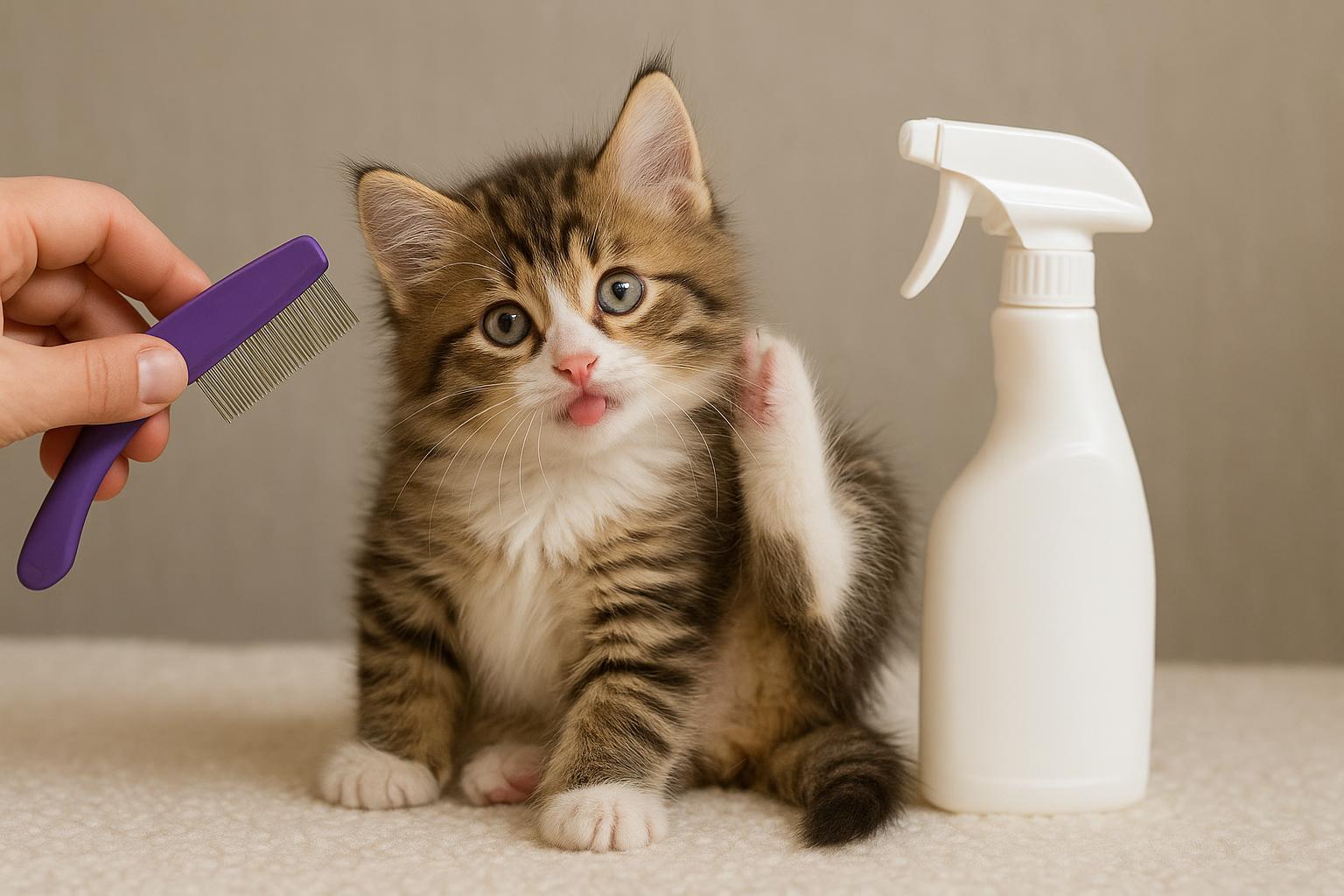
Cats with fleas exhibit persistent scratching, hair loss, reddened skin, or small scabs. If symptoms are noticed around the rear, tail base, or neck, inspect both the cat and the litter area for evidence. Persistent signs suggest an infestation requiring immediate intervention rather than mere presence of stray fleas in the litter.
### Flea Eggs Or Larvae In Surrounding Areas
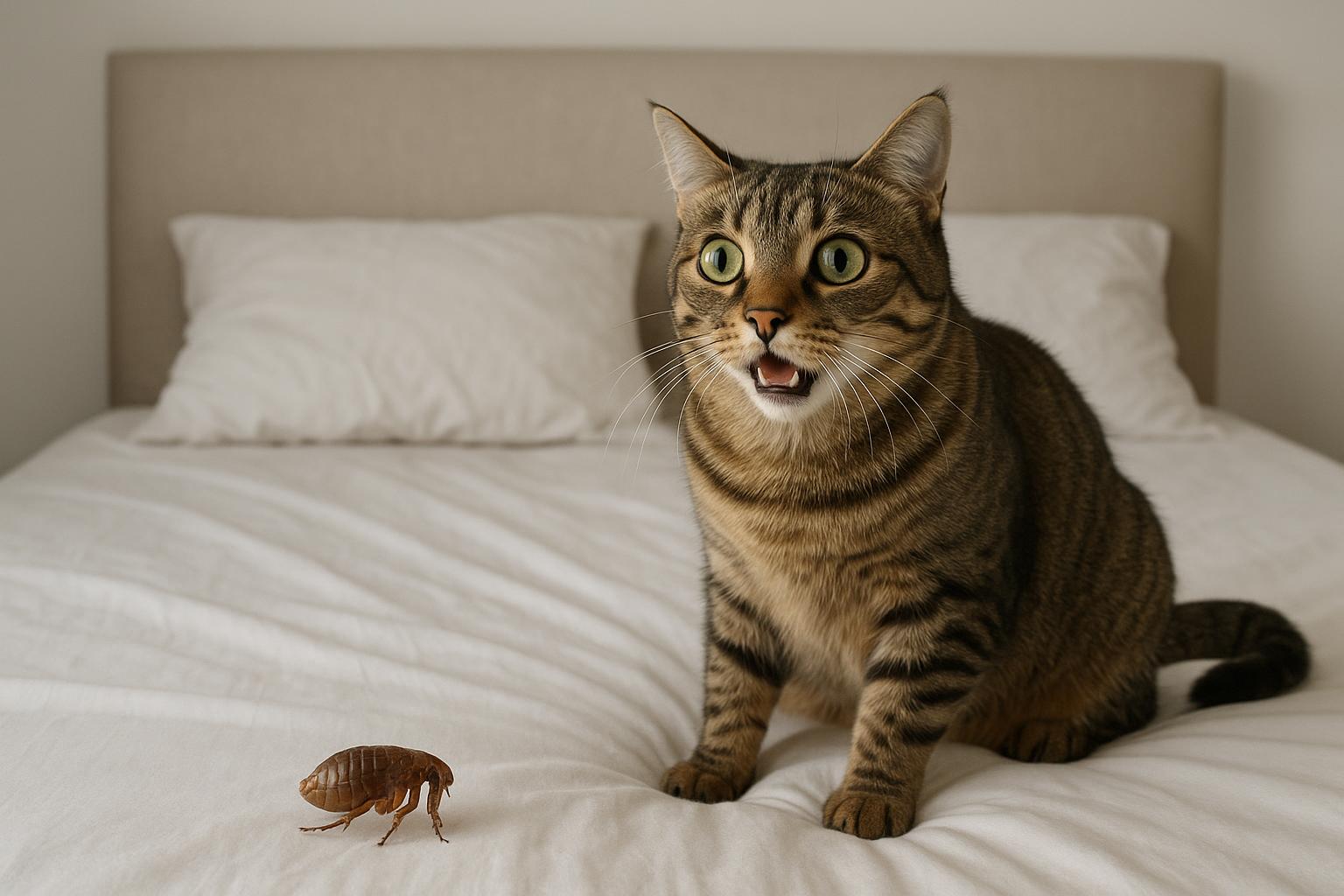
Flea eggs are tiny, white, and oval; larvae are small, worm-like, and avoid light. These life stages are rarely found sticking in clumping litter but may be present in crevices around or beneath the free-standing litter box, under rugs, or in areas where the cat sleeps. Finding multiple eggs or larvae indicates a broader environmental infestation beyond the box itself.
## Risks To Cats And Household From Litter-Based Flea Presence
### Health Risks To Cats
Fleas can produce intense itching, allergic dermatitis, and transmit tapeworms via ingestion of infected fleas. In kittens or debilitated cats, heavy infestations can cause significant blood loss leading to anemia. Even low-level flea presence around the litter can signal exposure risks for all pets in the household.
### Risks To Humans And Other Pets
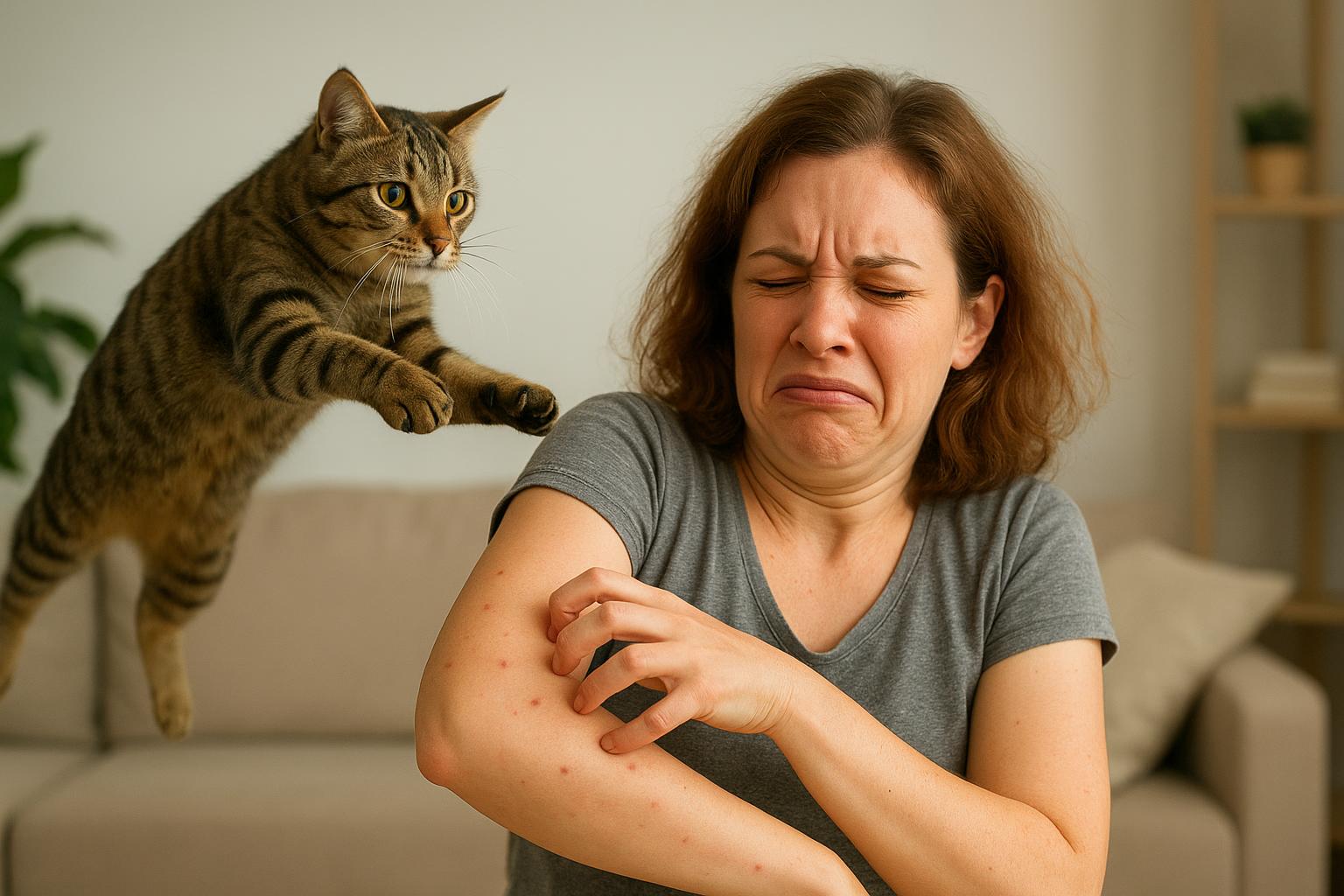
Fleas that reproduce in the home can bite humans, causing irritation and, rarely, allergic reactions. Dogs, rabbits, and small mammals are all susceptible to cross-infestation. The presence of cat litter fleas in or near the box may therefore indicate a need for comprehensive environmental control to protect all occupants.
## 1. Remedy: Formal Litter Box Disinfection And Management
Ingredients / Required Materials:
1. Disposable gloves
2. Mask (to avoid inhaling dust)
3. Enzyme-based litter box cleaner or mild dish soap and hot water
4. White vinegar (optional, diluted 1:1 with water)
5. Paper towels or dedicated cleaning cloths
6. Trash bags
7. Fresh, low-dust litter (clay clumping, silica, or recycled paper based on cat preference)
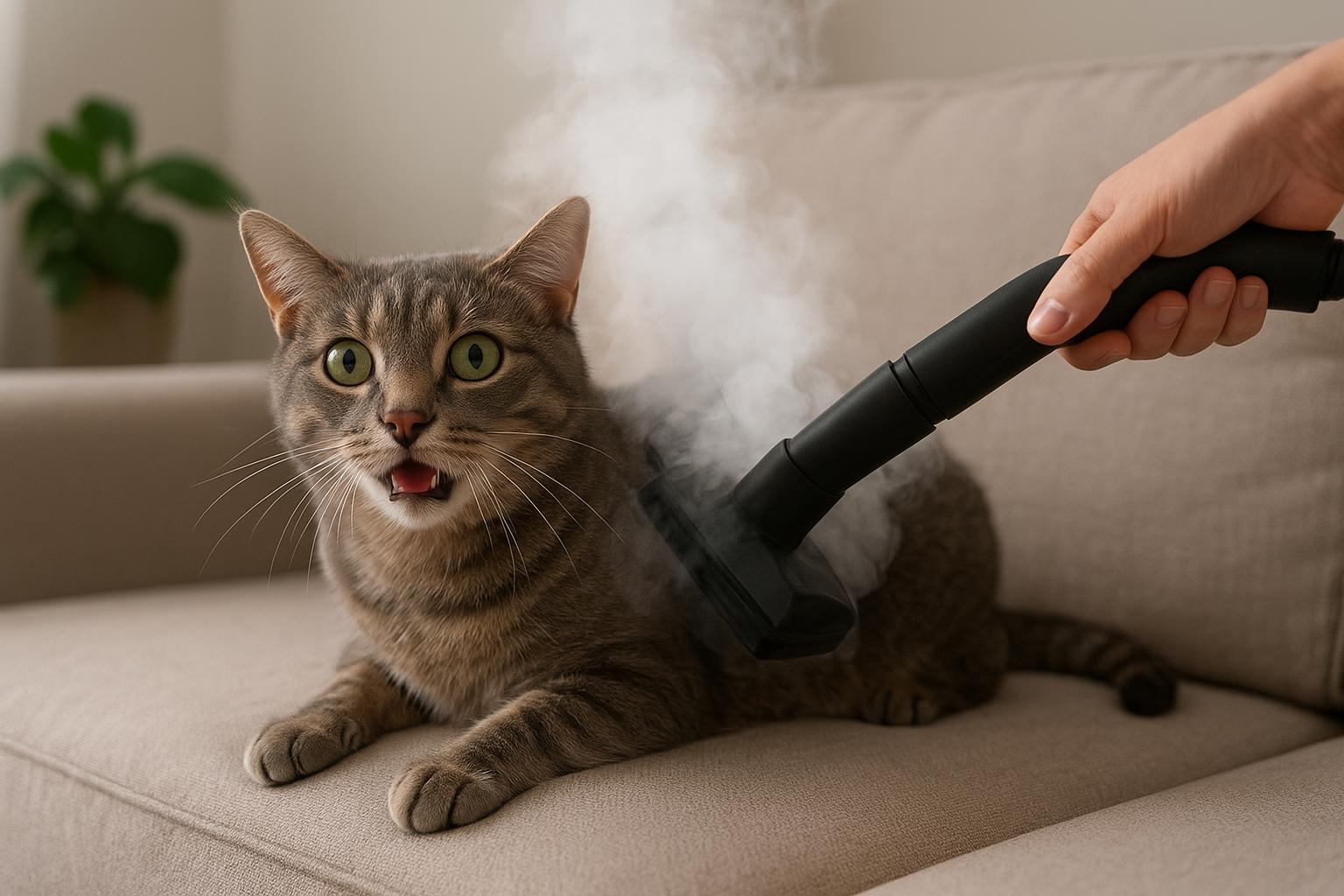
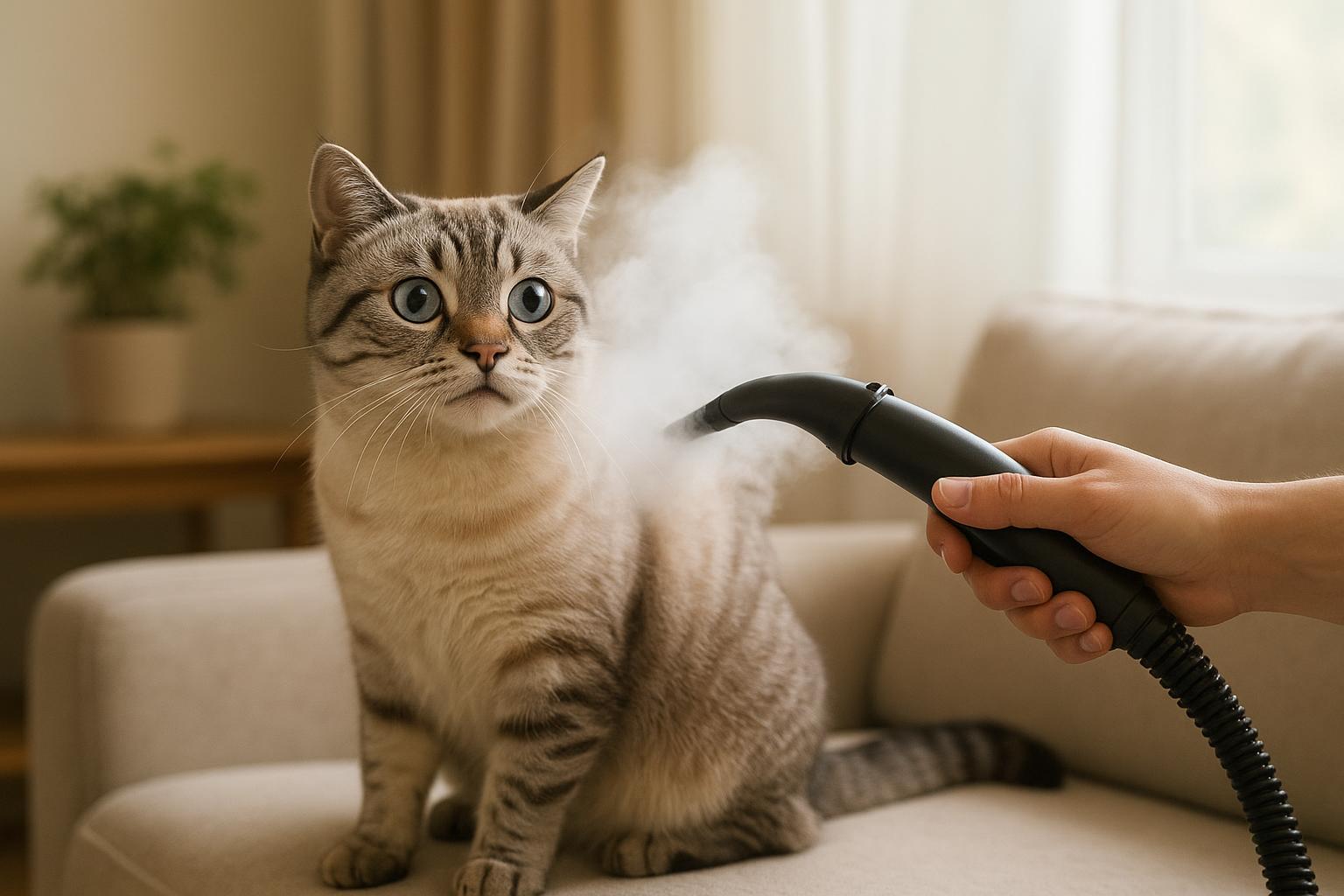
8. Steam cleaner (optional for the surrounding floor surface)
Creation And Application — Step-By-Step:
1. Preparation: Put on gloves and a mask. Move the litter box to a well-ventilated area if practical.
2. Emptying: Remove all litter into a sealed trash bag. Seal and dispose of it promptly in an outside bin to reduce indoor re-exposure from any eggs present.
3. Initial Rinse: Scrub the box with hot water and an enzyme-based cleaner or mild dish soap. Use a brush to reach corners and seams. If using vinegar, follow with a 1:1 diluted vinegar rinse to help remove residual organic material.
4. Drying: Rinse thoroughly and allow the box to dry completely in sunlight if possible. Flea eggs and larvae are less likely to survive in dry, exposed conditions.
5. Replacement: Refill with fresh litter at the recommended depth. Consider switching to a low-organic-content litter that discourages larvae from finding food sources.
6. Ongoing Management: Scoop waste daily and deep-clean the box weekly. Replace an entire litter batch on a regular schedule (weekly or biweekly depending on litter type and household use). Maintain cat litter safety by placing boxes on washable surfaces, avoiding carpeting directly beneath boxes.
This formal regimen addresses immediate contamination and establishes a preventative routine that reduces the chance that can fleas live in cat litter will become an ongoing problem.
## 2. Remedy: Home And Environmental Flea Control For Persistent Problems
Ingredients / Required Materials:
1. Vet-recommended topical or oral flea treatment for each pet
2. Household vacuum with crevice tool and a disposable vacuum bag or bagless canister that can be emptied outdoors
3. Washing machine and hot water capable of 60°C (140°F)
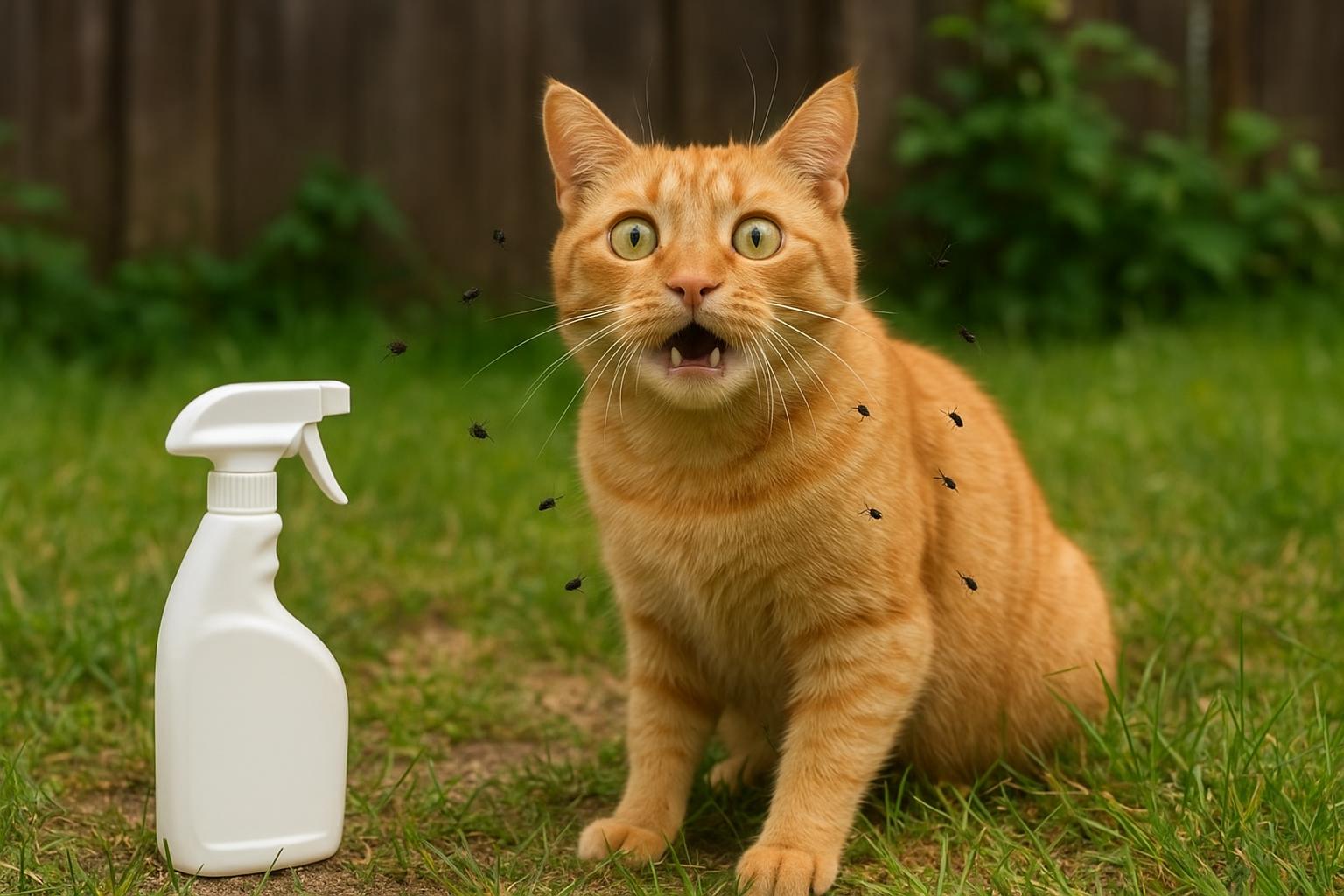
4. Diatomaceous earth (food-grade) or an approved insecticide spray for indoor use (use only as directed)
5. Professional pest-control contact information (for severe infestations)
Creation And Application — Step-By-Step:
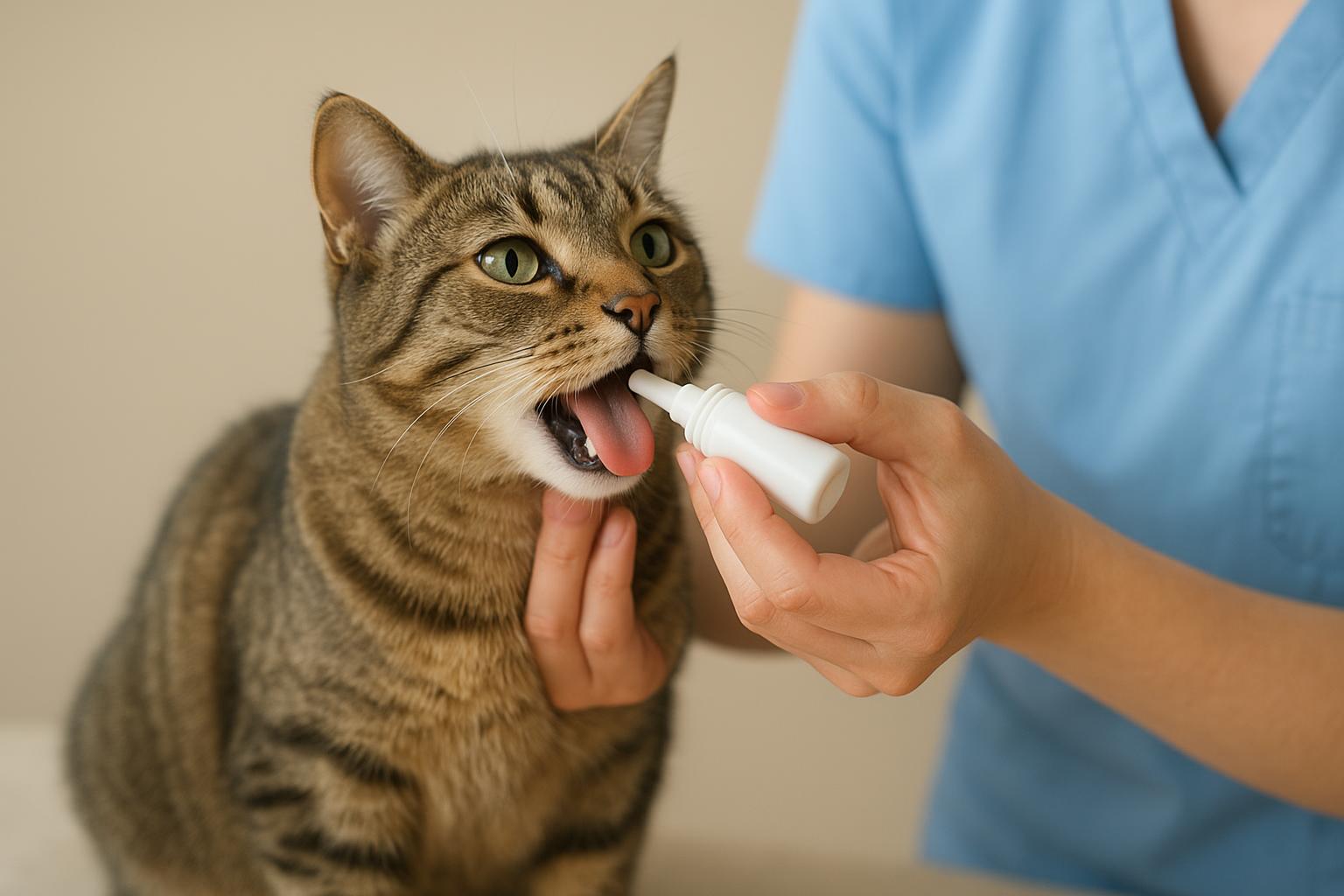
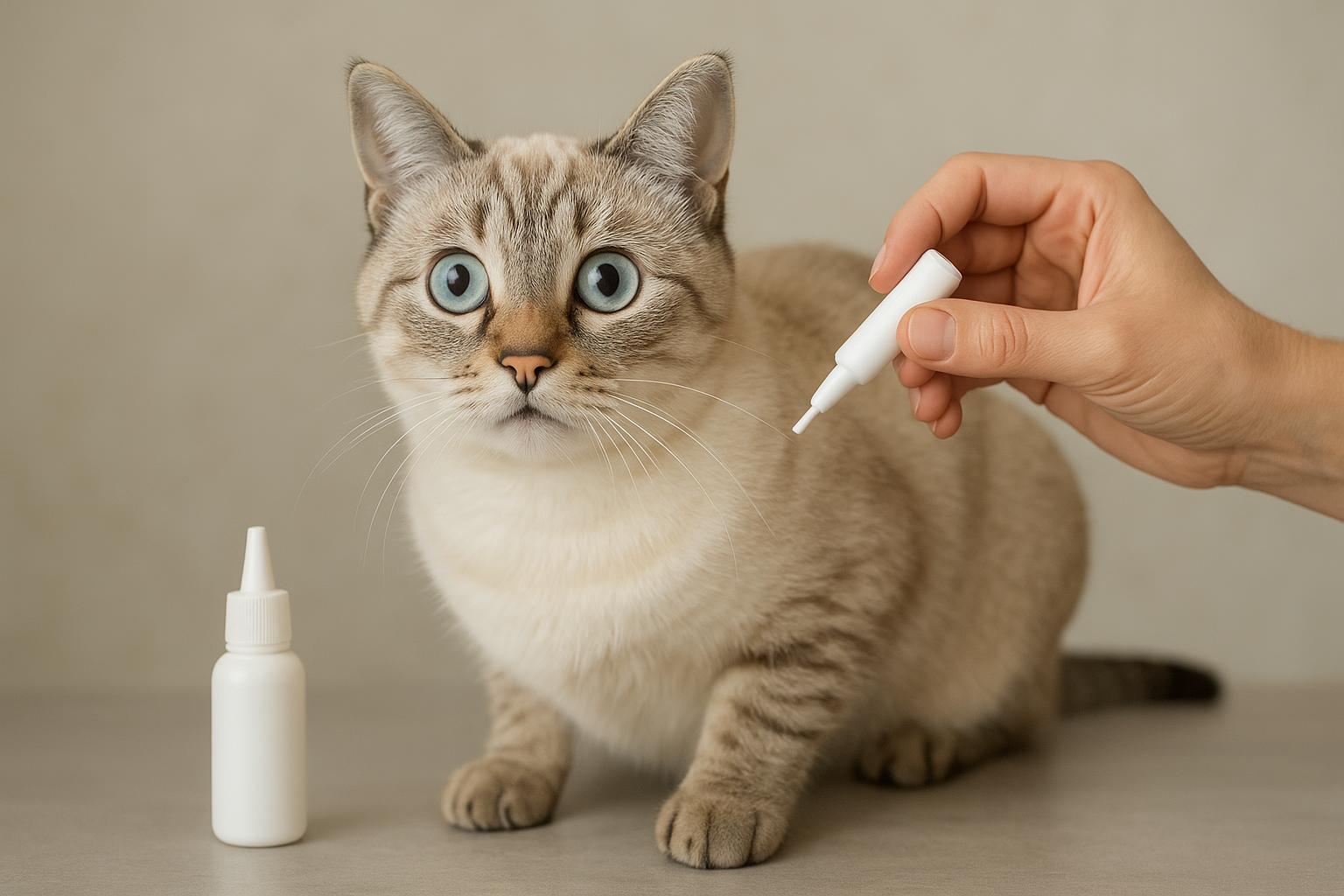
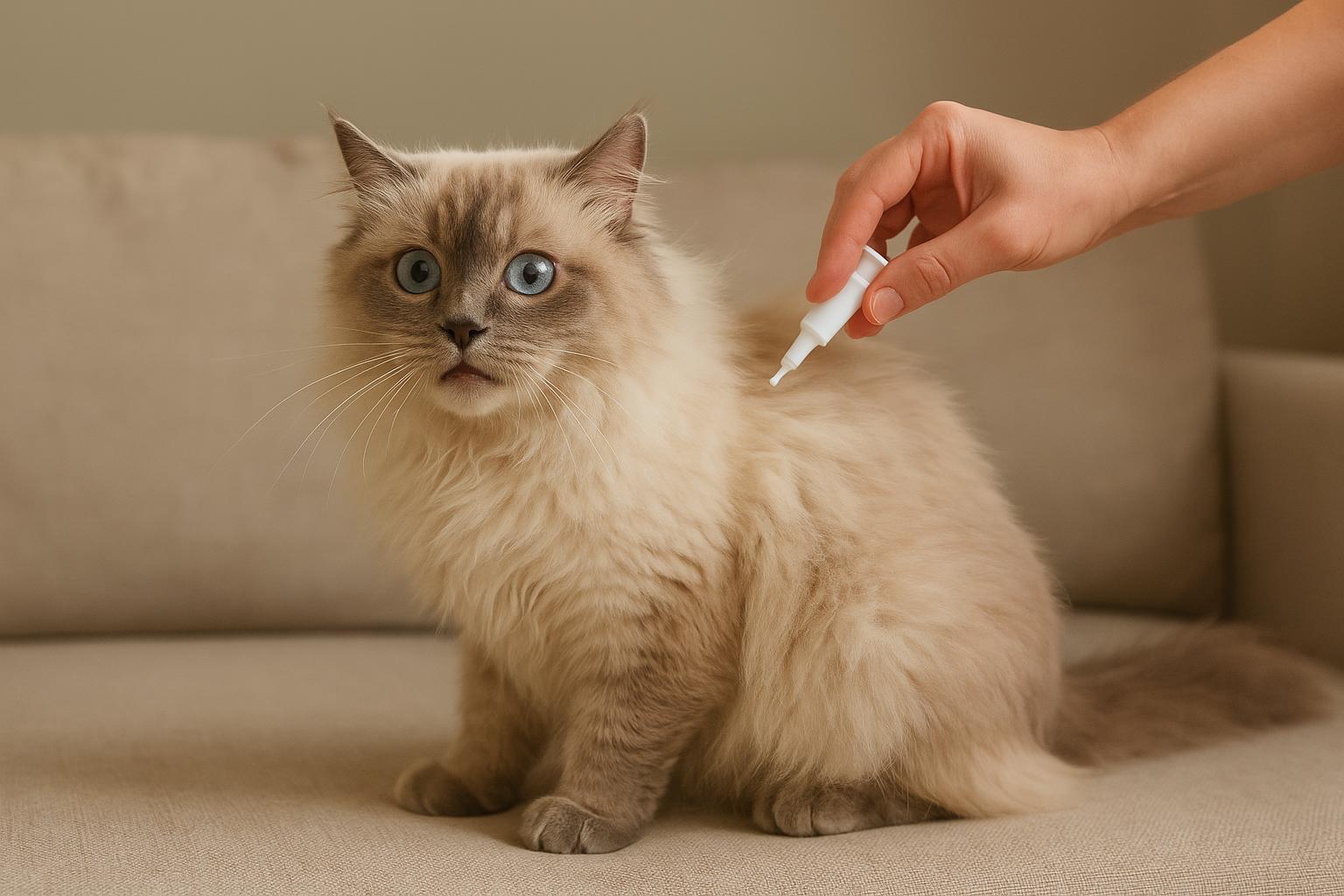
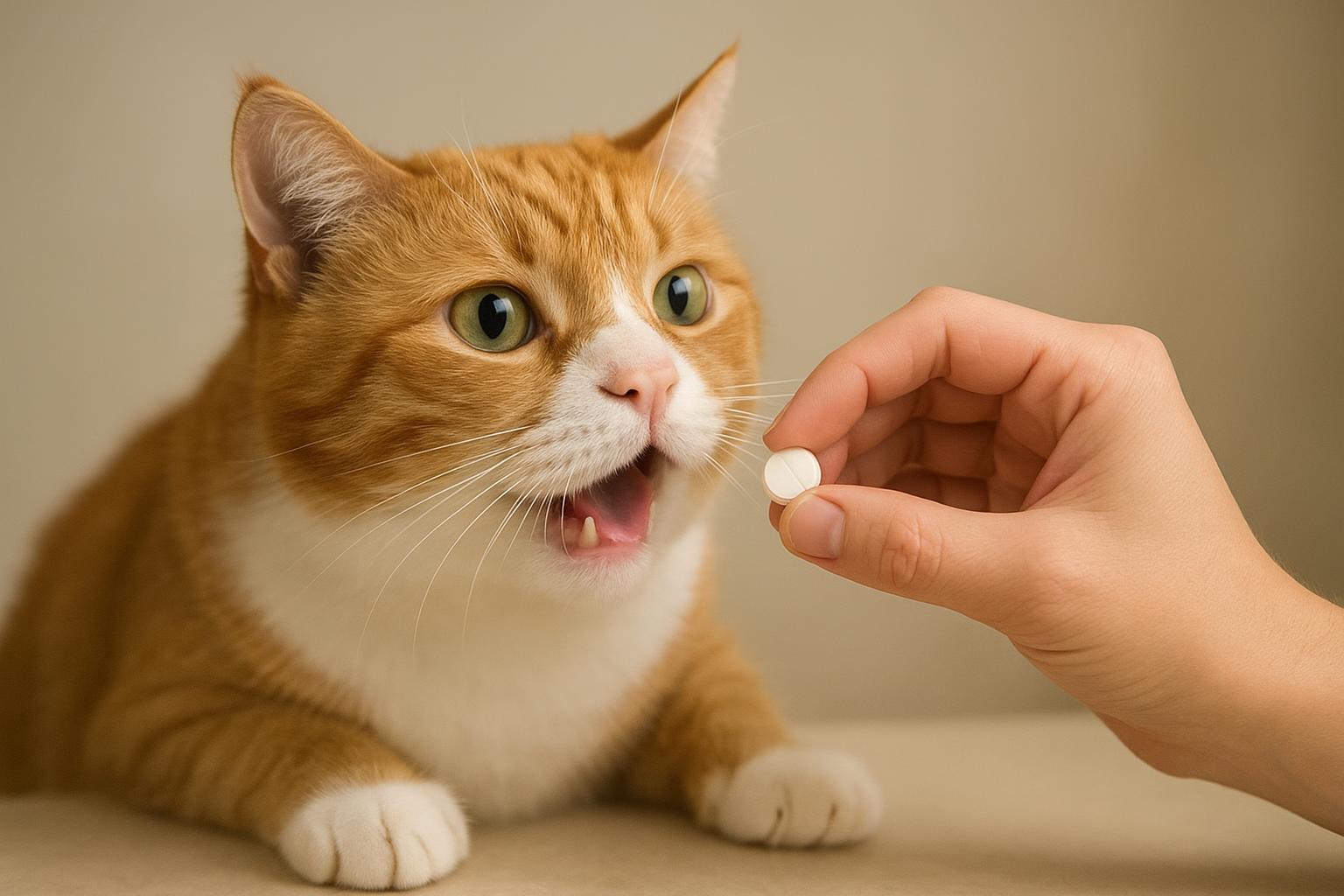
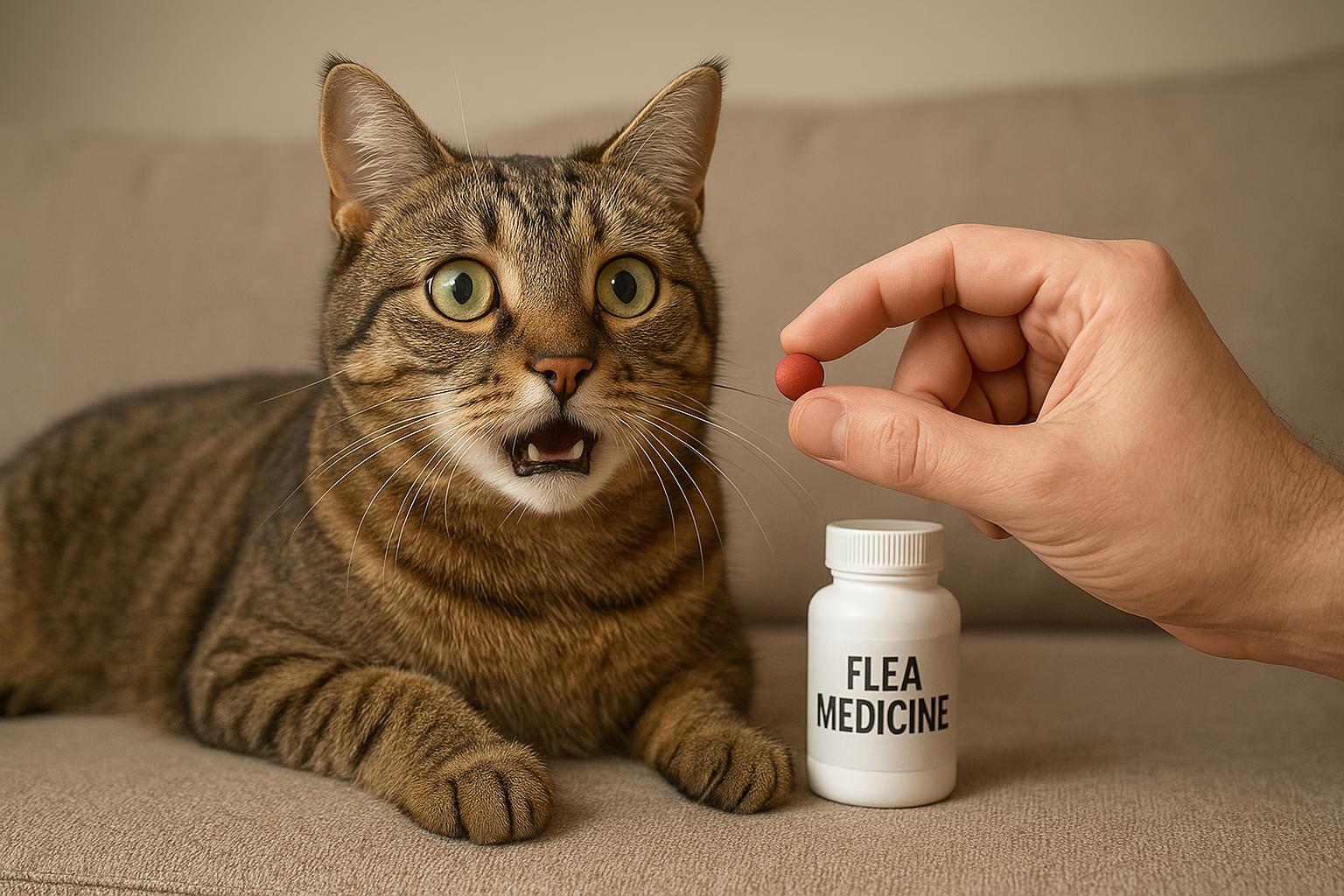
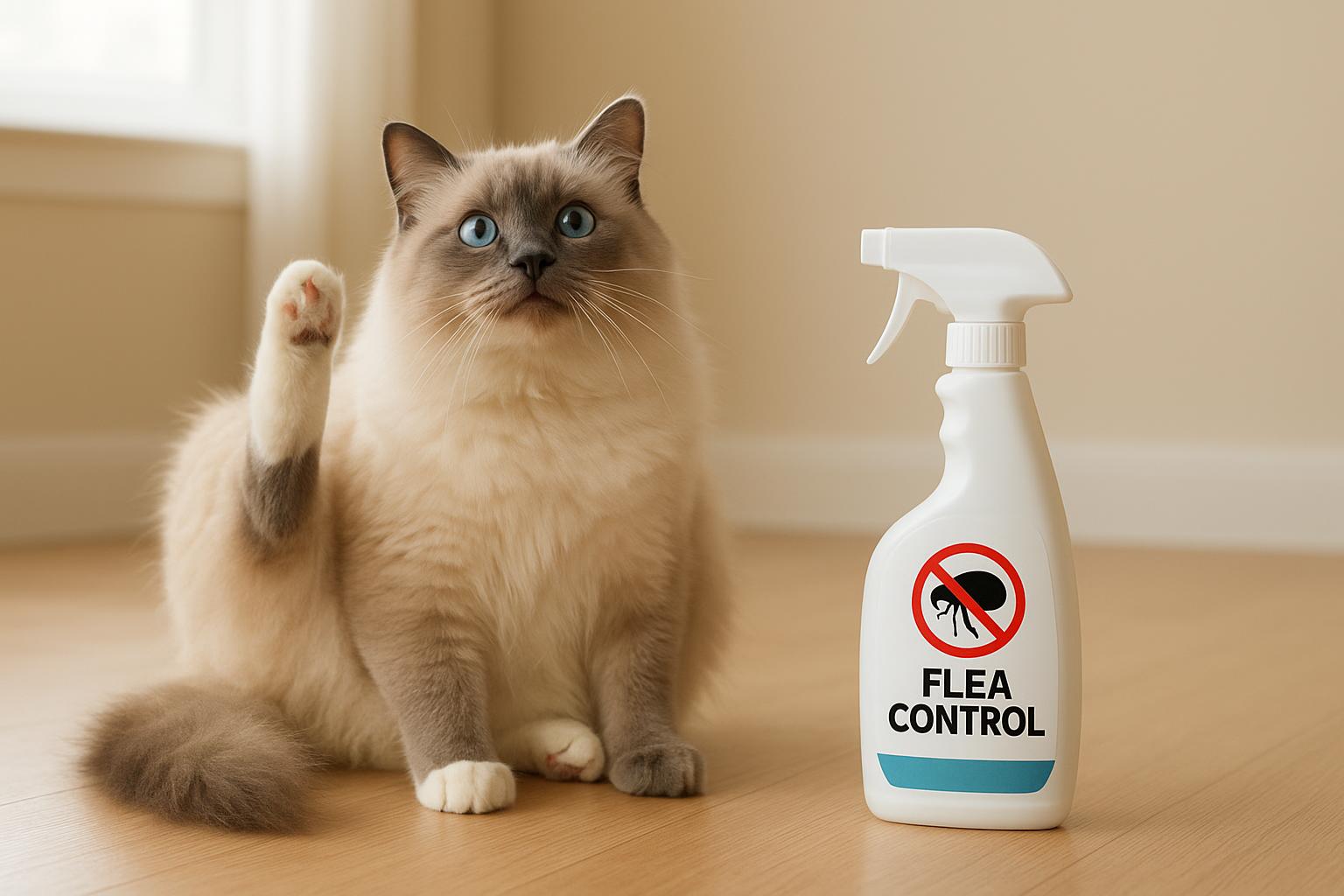
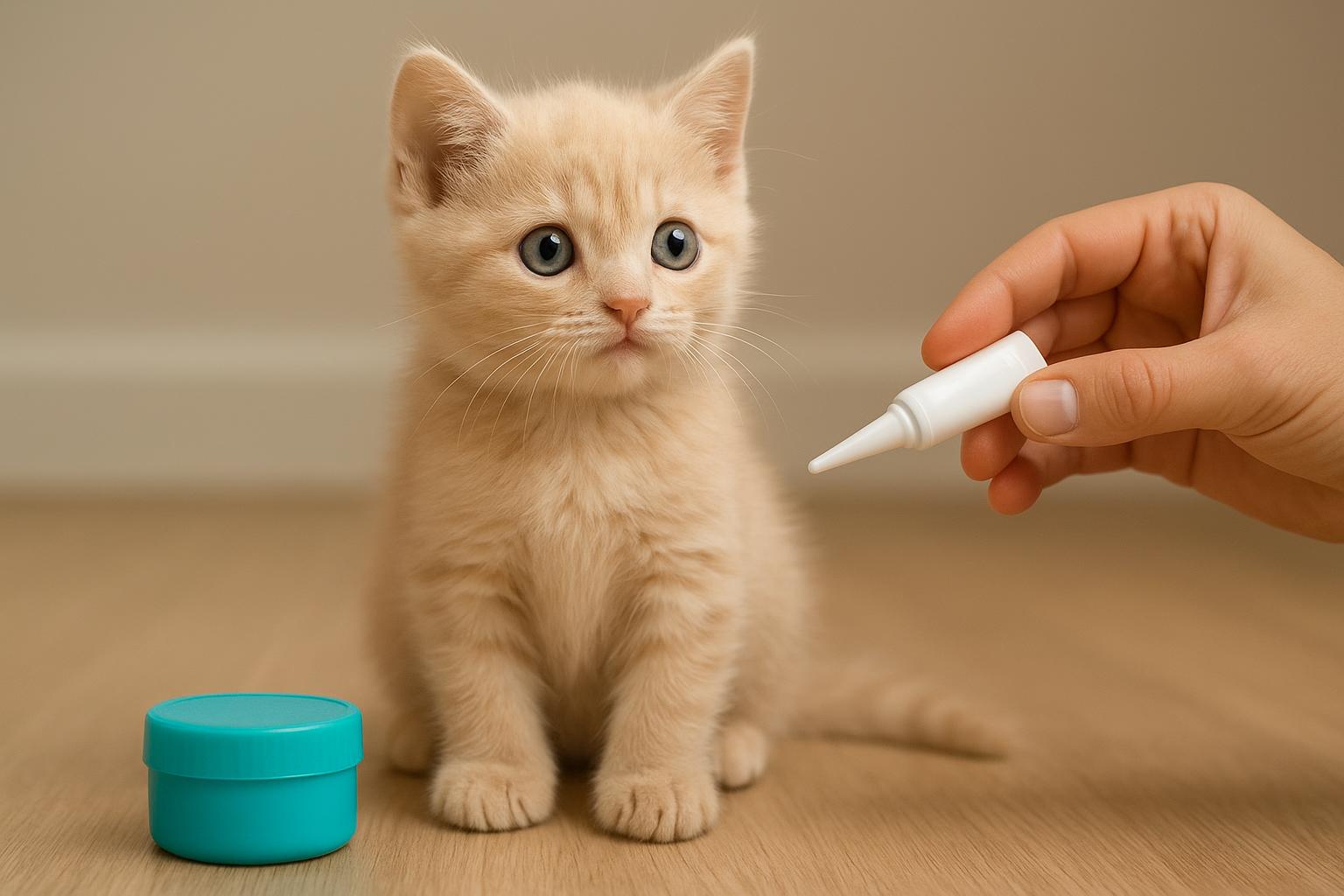
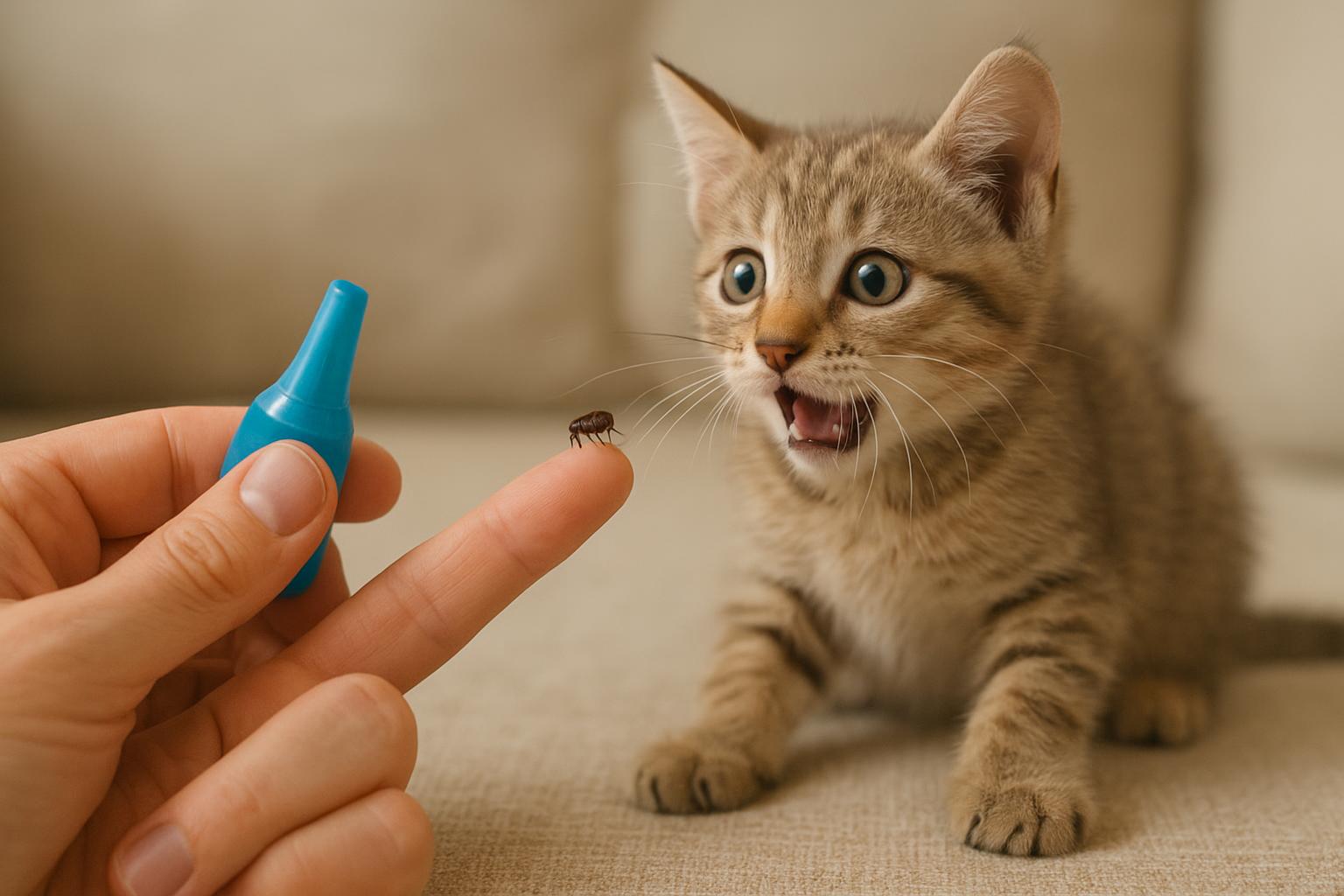
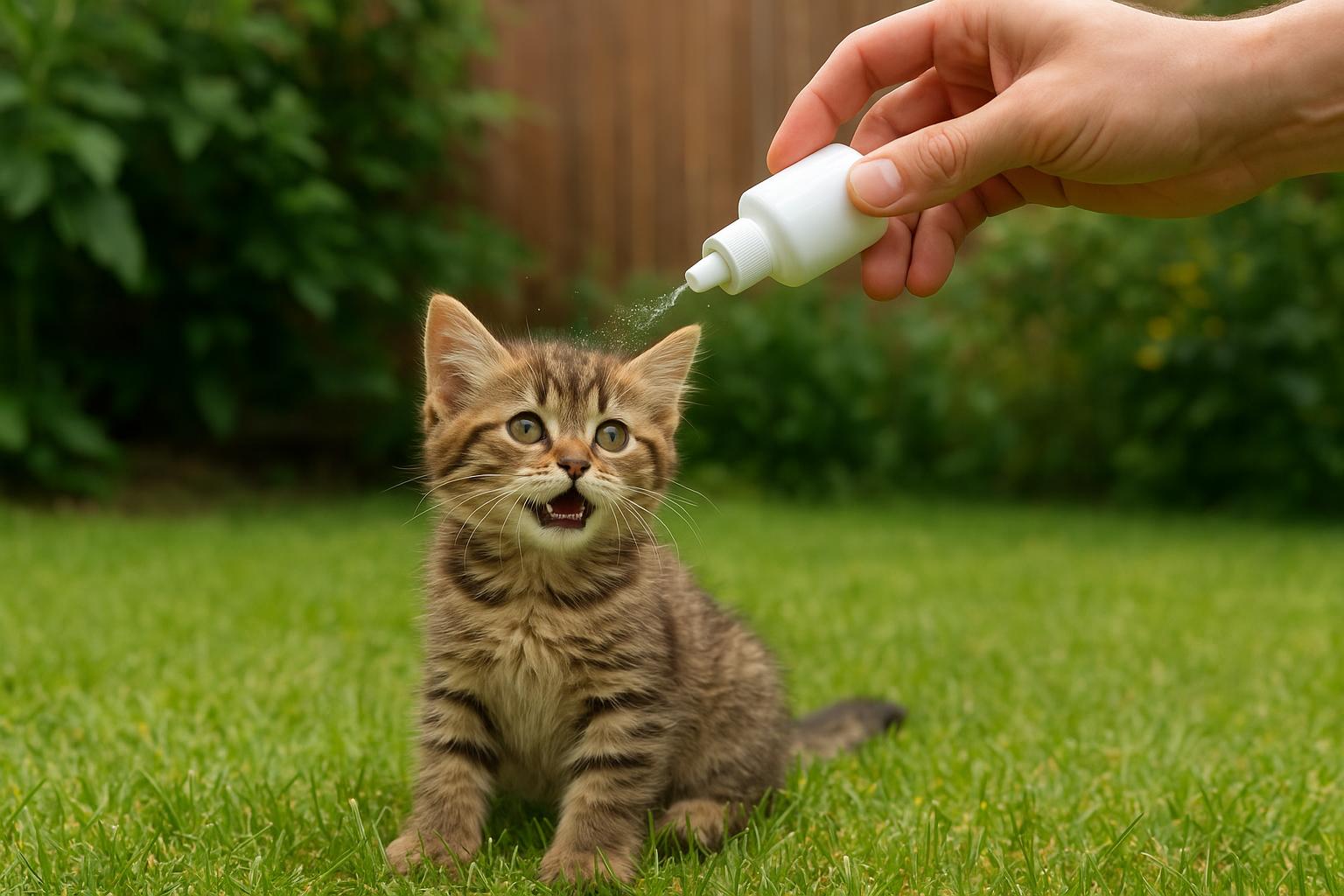
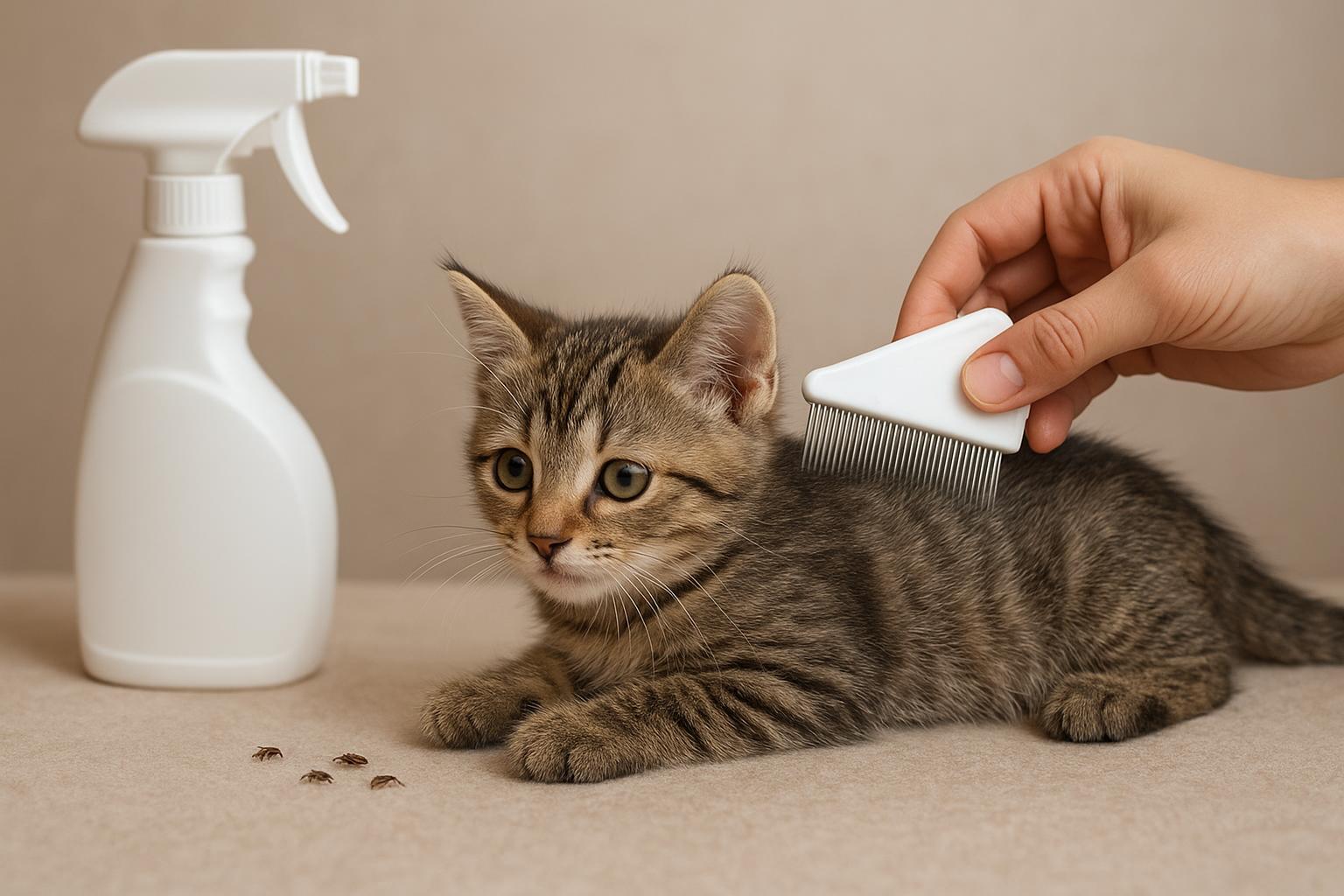
1. Veterinary Treatment: Consult a veterinarian for prescription flea control for all pets in the household. Apply topical or administer oral treatments according to veterinary instructions and the product’s dosing schedule. Effective pet treatment reduces adult fleas and prevents ongoing egg deposition in the environment.
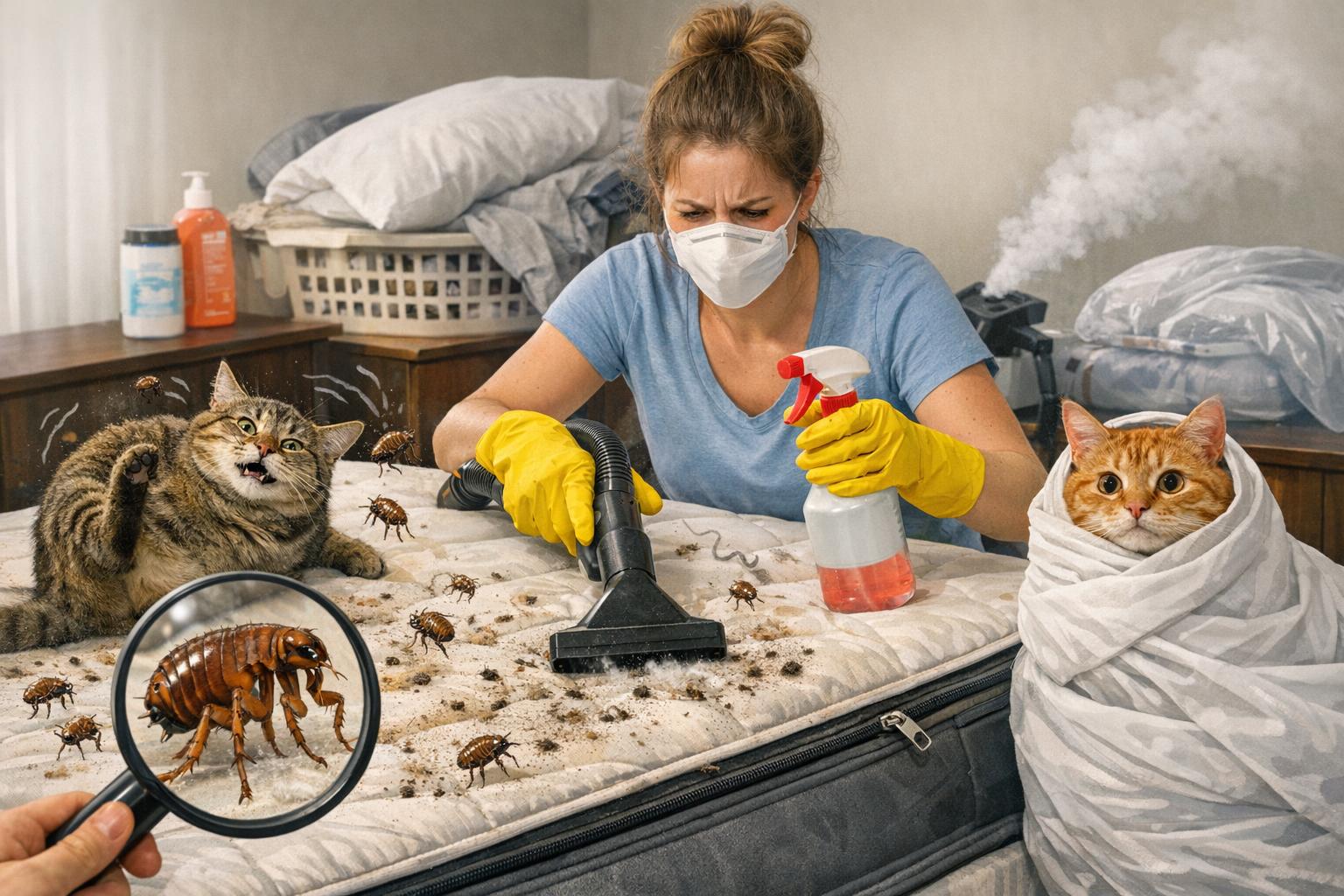
2. Thorough Vacuuming: Vacuum floors, furniture, and areas around the litter box daily for at least two weeks. Focus on cracks, baseboards, and under furniture where flea eggs and larvae concentrate. Immediately empty or discard the vacuum contents outside.
3. Laundering Soft Items: Wash bedding, rugs, and any washable cat bedding in hot water and dry on high heat to kill any life stages present. Repeat weekly until flea activity ceases.
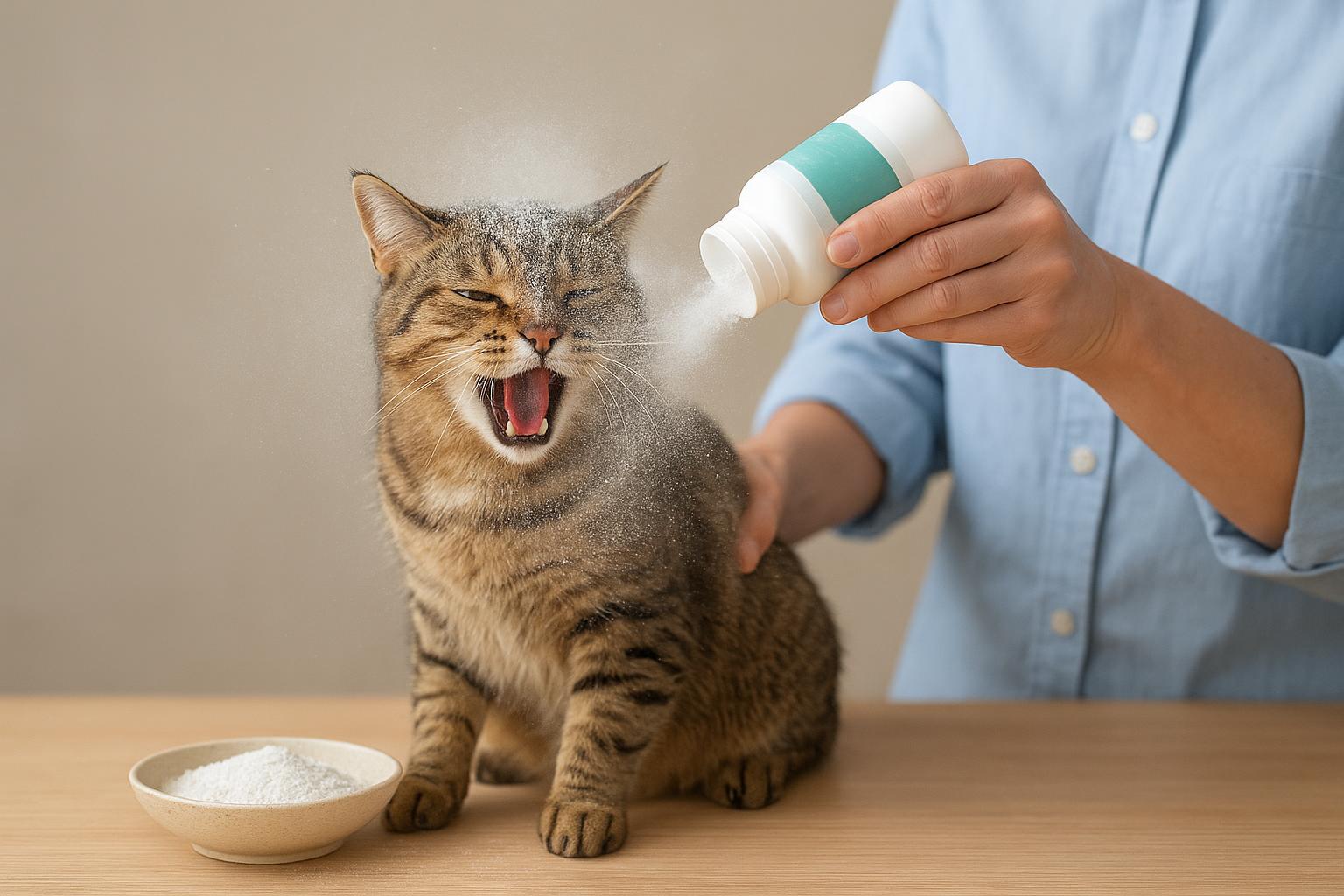
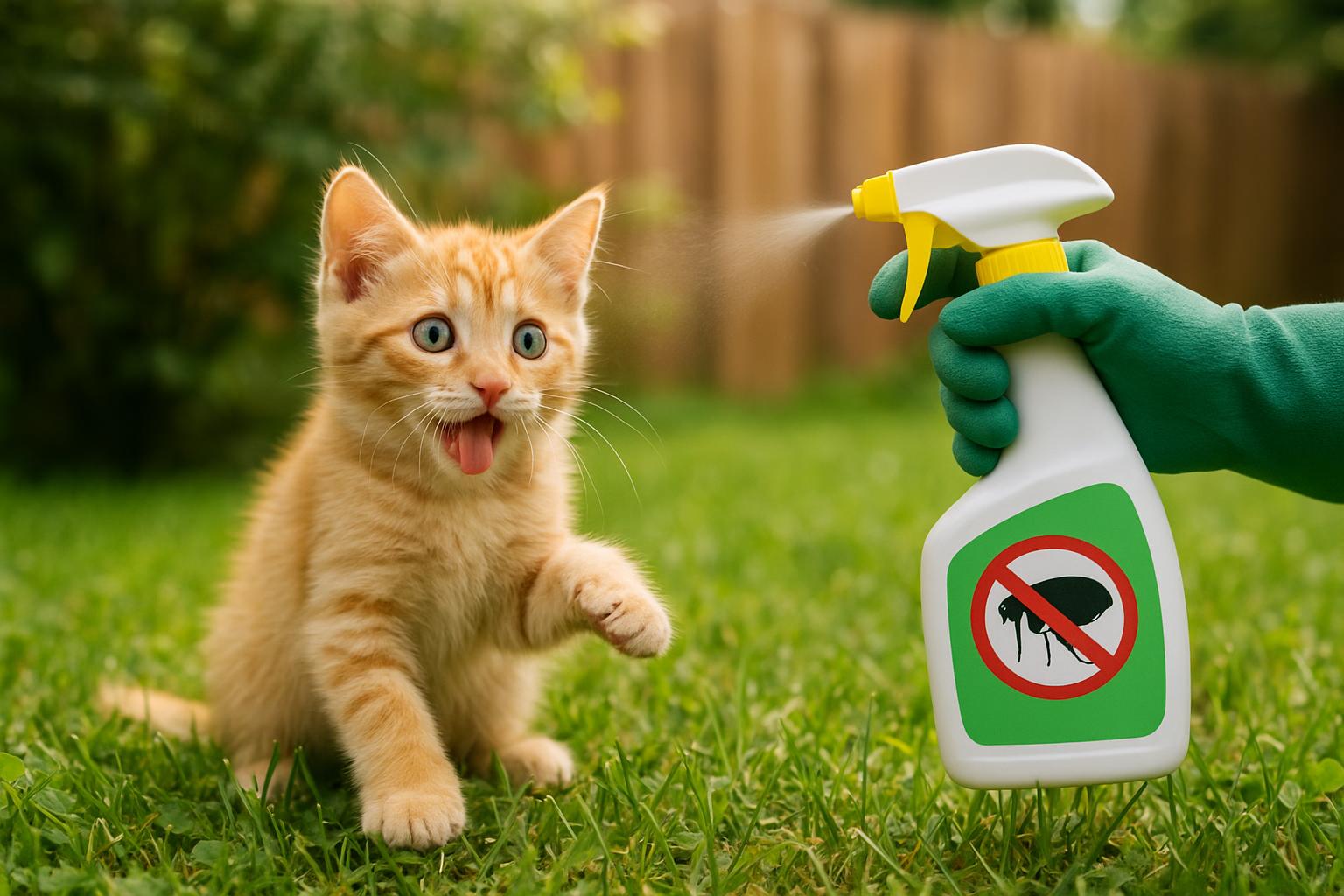
4. Targeted Environmental Measures: Lightly apply food-grade diatomaceous earth to baseboards and under furniture, leave for 48 hours, and then vacuum thoroughly. Alternatively, use an indoor-safe insecticide labeled for flea infestations, following all safety guidance to protect pets and humans.
5. Monitor And Repeat: Continue environmental measures and pet treatments for at least 6–8 weeks, which covers multiple flea life cycles, to ensure elimination. If infestation persists, contact a licensed pest-control professional.
When performing environmental control, maintain a clear focus on cat litter safety by preventing chemical contamination of fresh litter and ensuring pets have no exposure to treated areas until safe per product instructions.
### Practical Prevention Tips To Reduce Future Risk
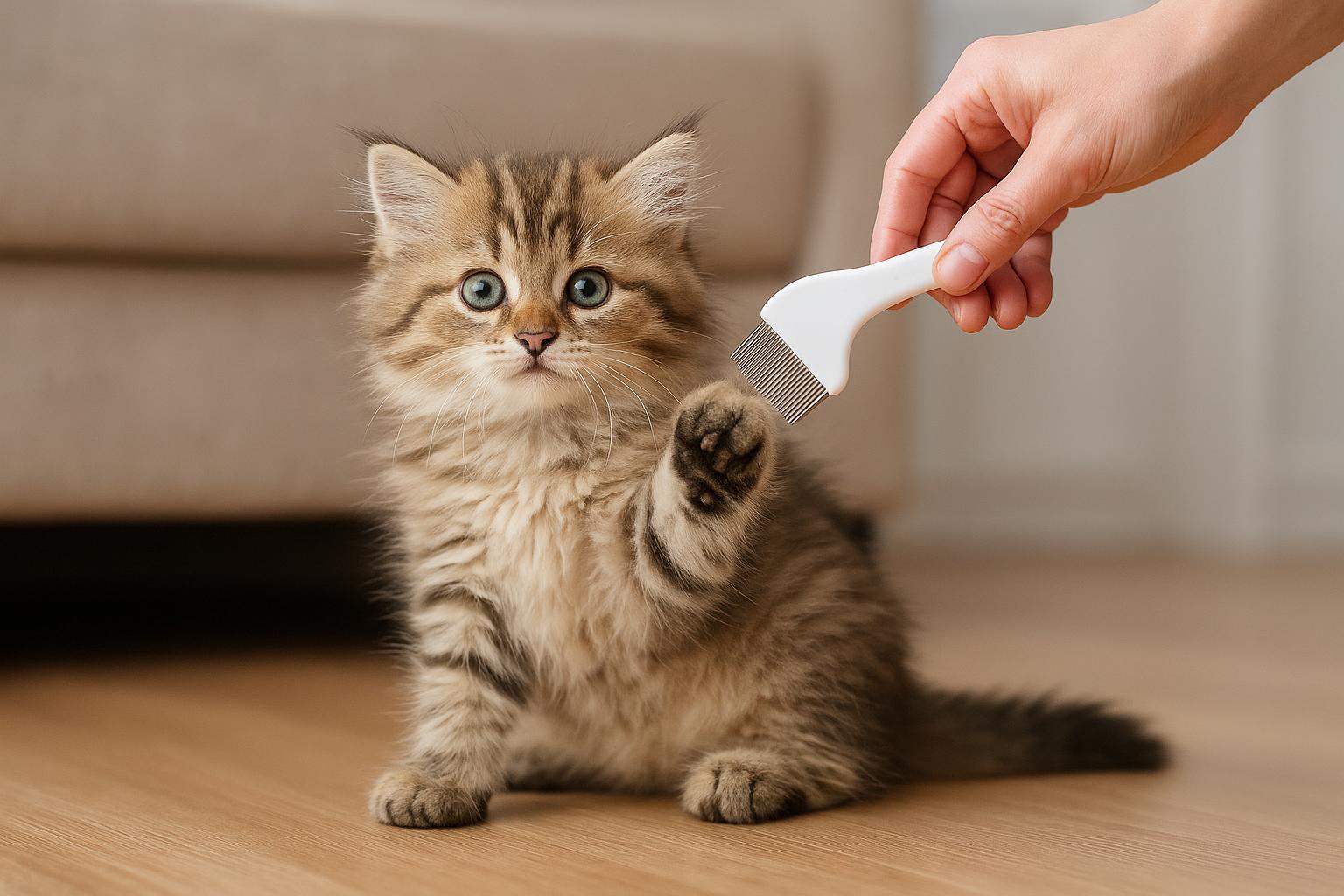
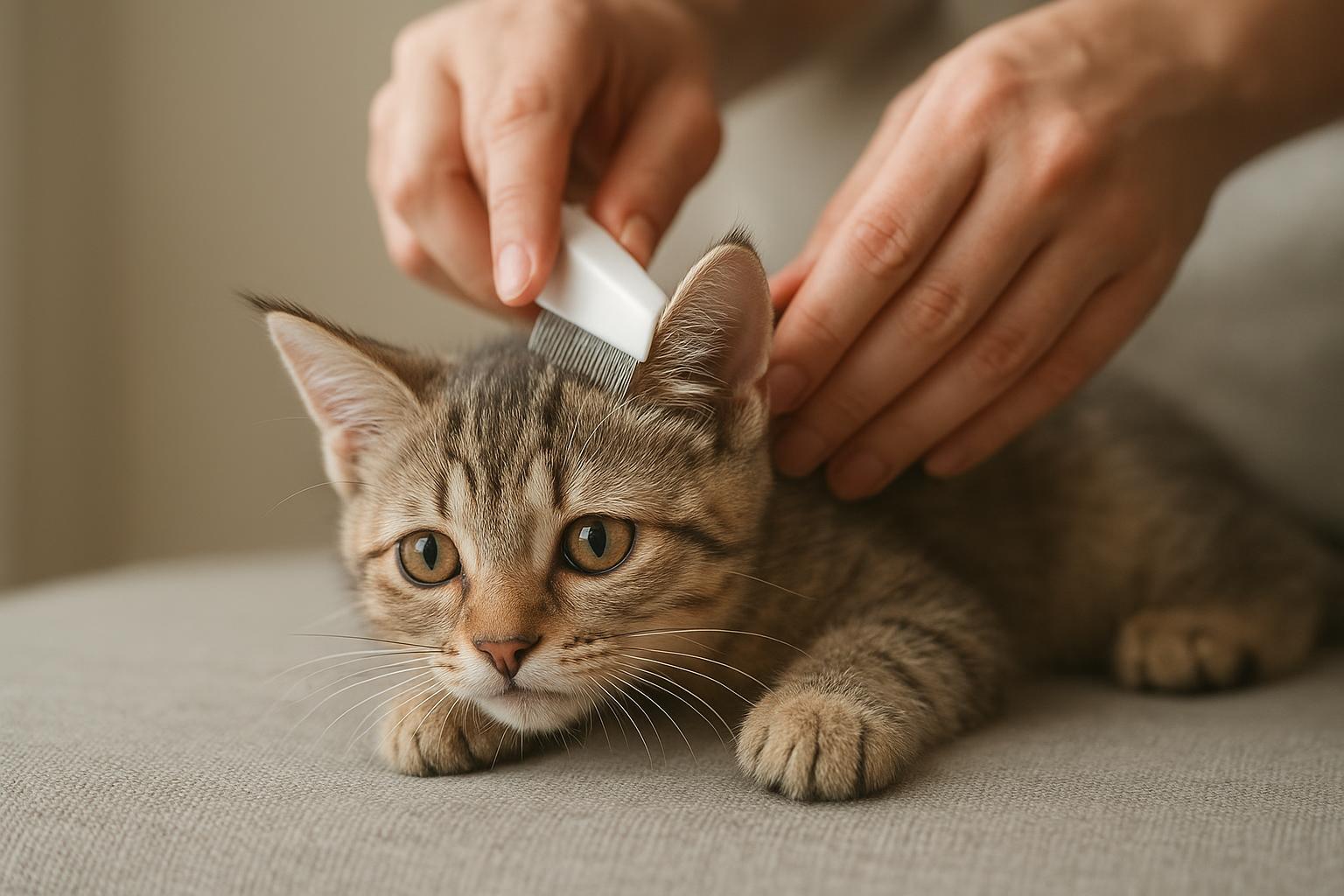
– Regularly groom and inspect cats for fleas, especially if they go outdoors. Prompt detection prevents widespread egg deposition.
– Maintain clean litter boxes with frequent scooping and scheduled full litter changes; this improves cat litter safety and reduces the microhabitat suitability for eggs and larvae.
– Avoid placing litter boxes near couches or carpets; a tile or linoleum surface is preferable and easier to clean.
– Use vet-approved preventatives year-round in regions where fleas are active seasonally.
– For multi-cat households, ensure all animals are treated concurrently to prevent reinfestation.
## When To Seek Professional Veterinary Or Pest Control Assistance
If cat scratching is severe, if you detect anemia or weight loss in kittens, or if environmental measures do not halt the presence of fleas after several weeks, consult a veterinarian immediately. Persistent household infestations may require licensed pest control to address pupae protected within carpets and structural crevices. Ask professionals about methods that preserve cat litter safety and avoid contamination of litter boxes during treatment.














Leave a Reply