

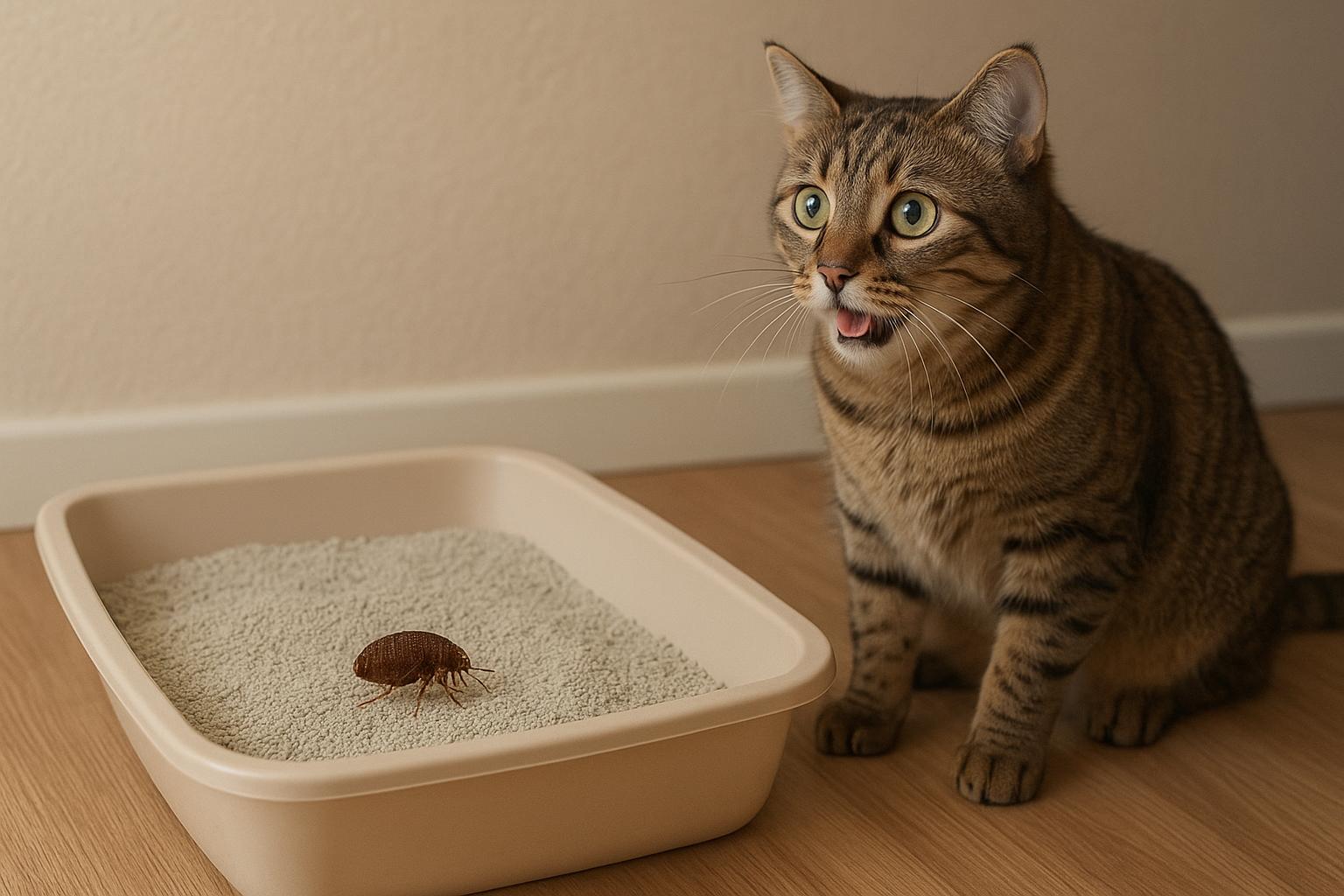
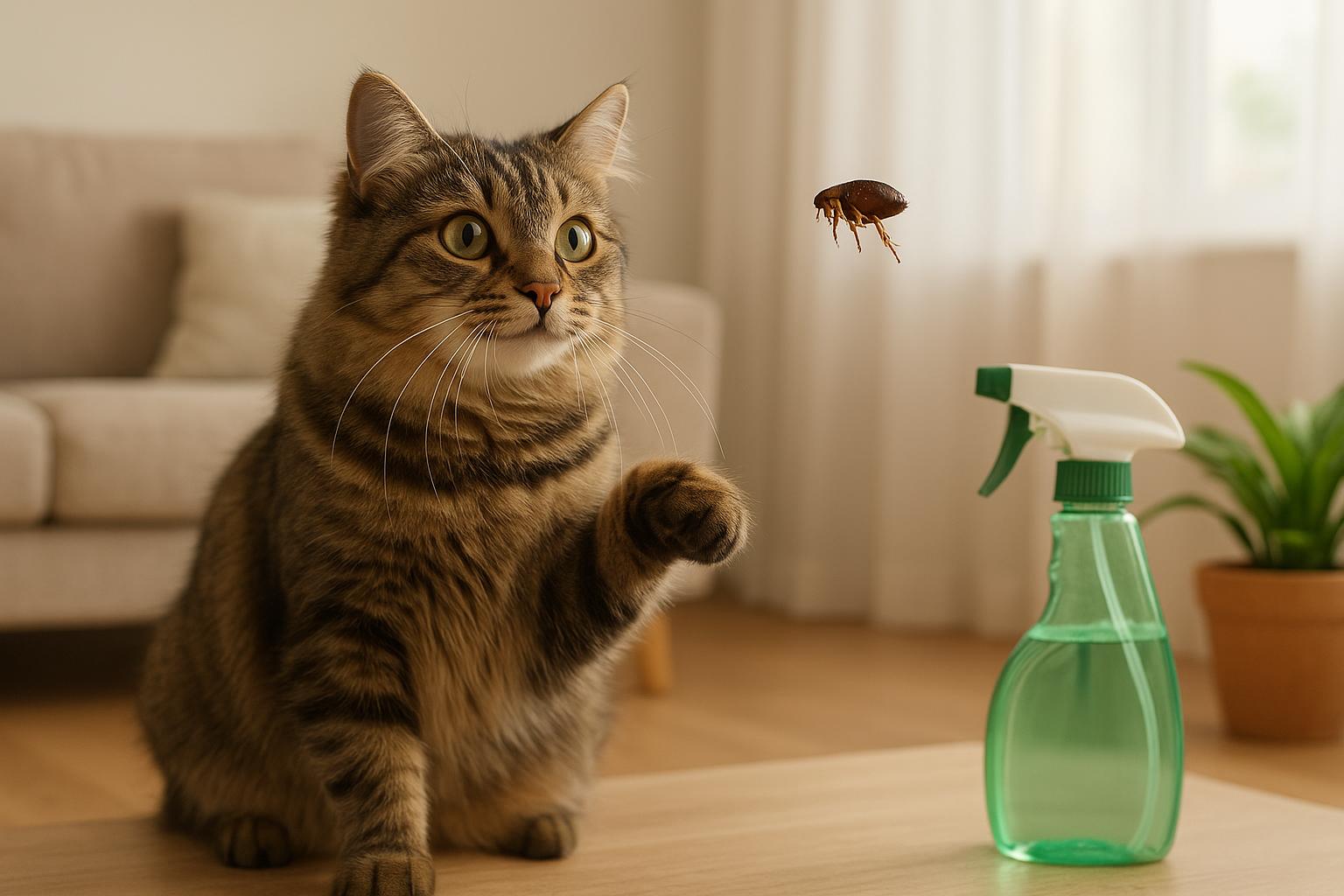
Indoor cats get fleas. It’s annoying, messy, and it doesn’t mean you failed as a pet owner. Fleas hitch rides on shoes, visitors, other pets, and even on wildlife that sneaks near a window. The point is simple: indoor does not mean immune. You need a plan that treats the cat, the house, and the small ecology of eggs and pupae hiding in carpets and furniture.
## A Practical Indoor Cat Flea Prevention Guide That Works
This indoor cat flea prevention guide lays out what to watch for and what to do, step by step. It’s not theoretical. These are actions you can take today and over the next few weeks to break a flea cycle. Expect to work for a few months in stubborn infestations. Fleas have a life cycle that favors patience; be ready to follow through.
### How Fleas Find Indoor Cats
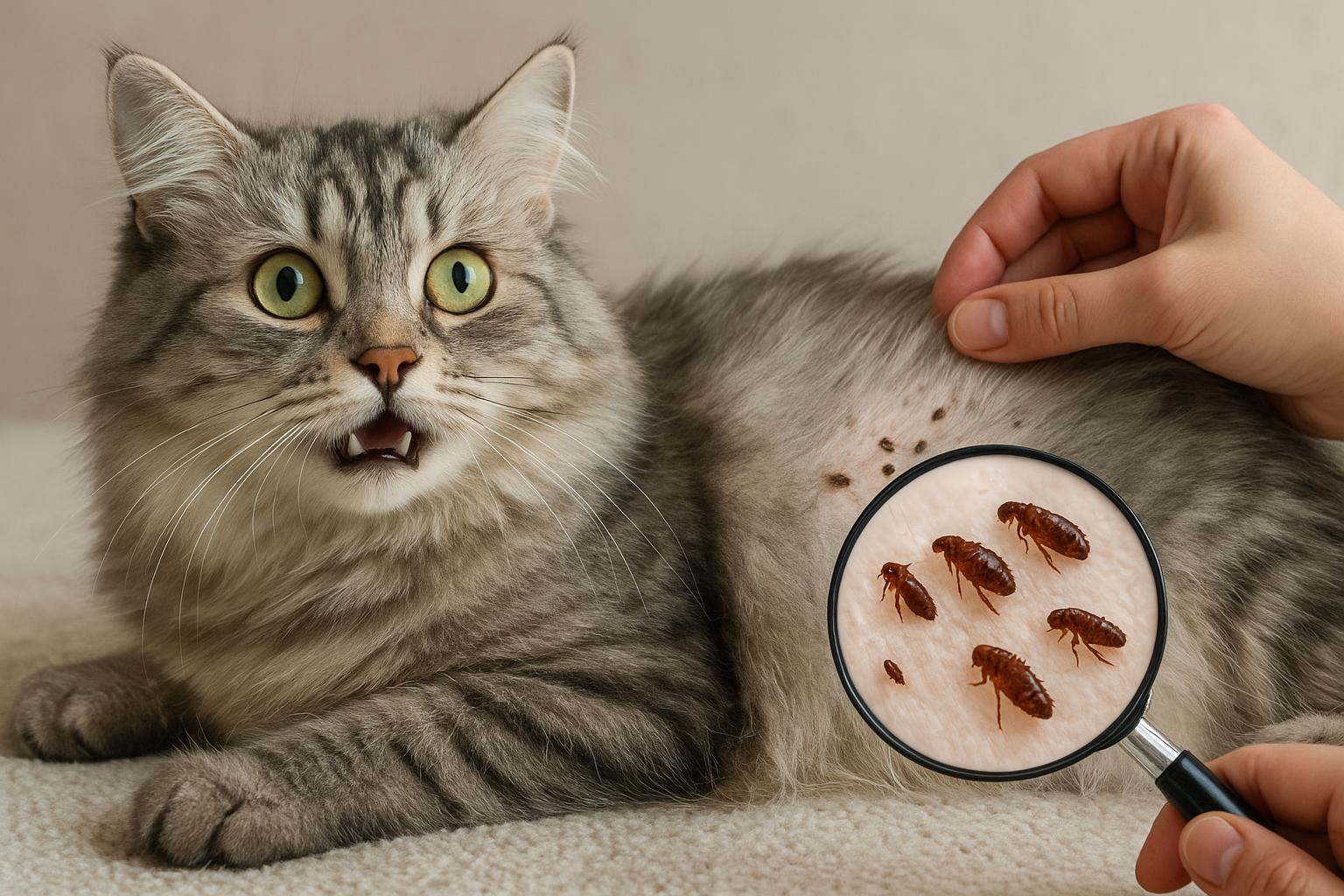
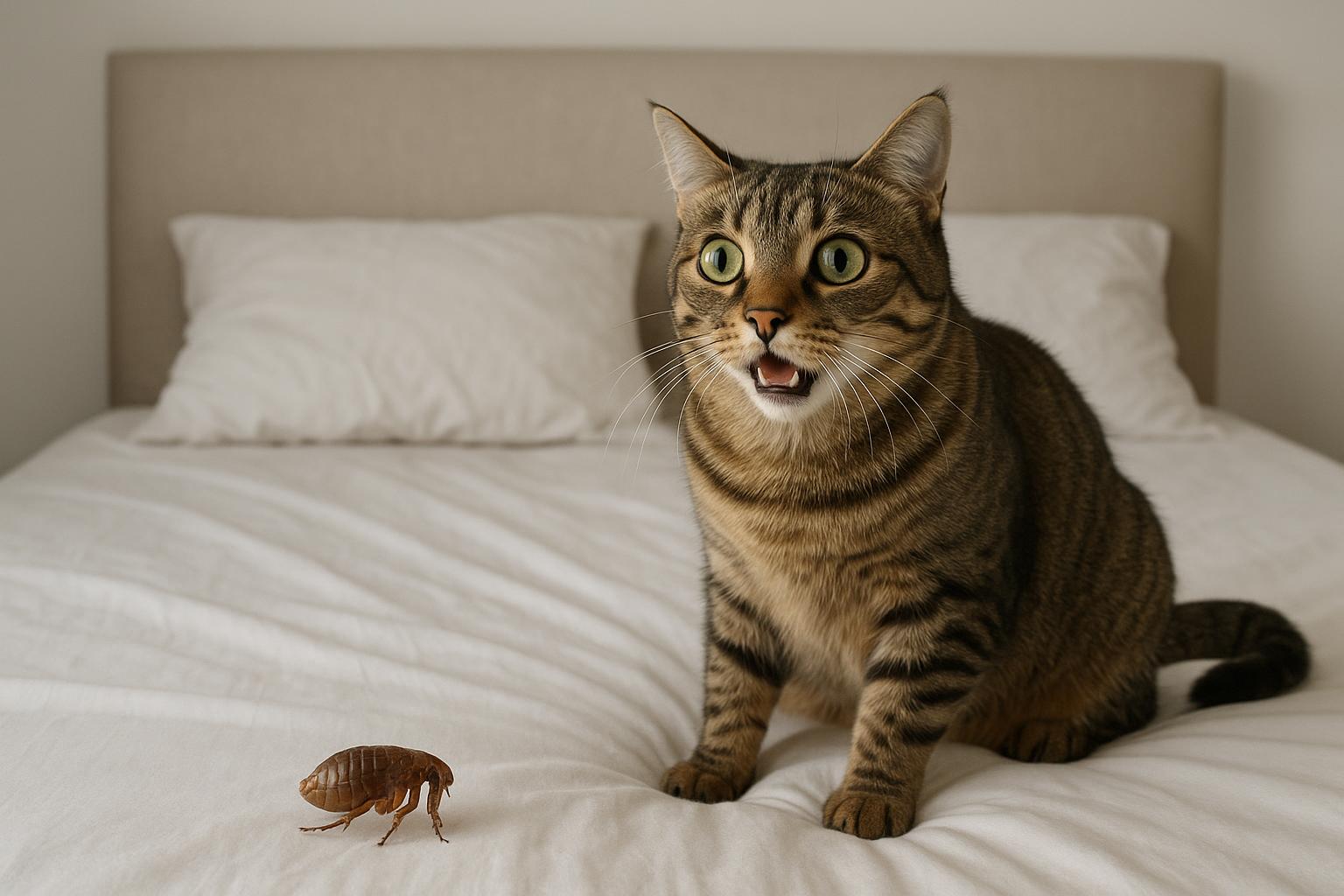
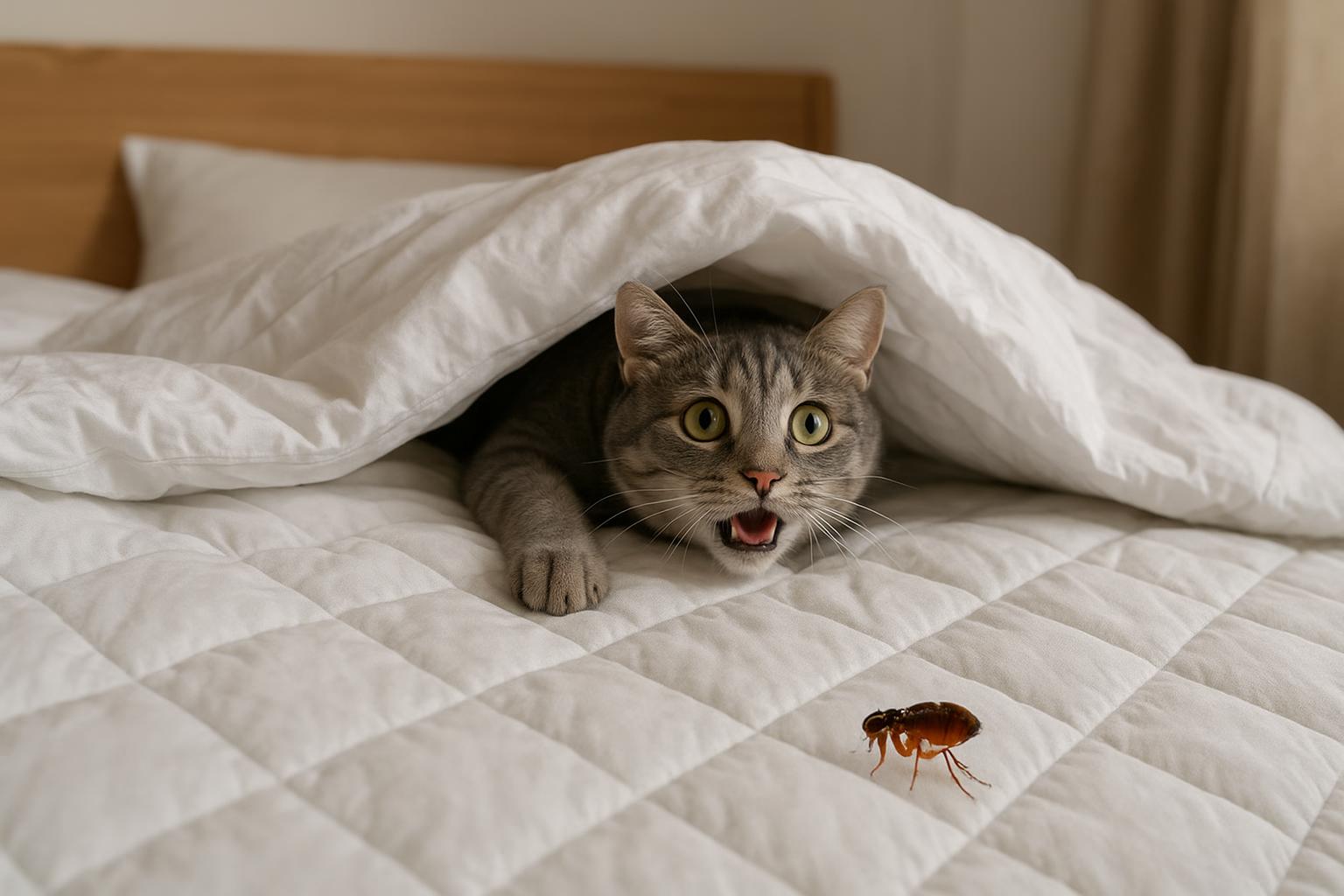
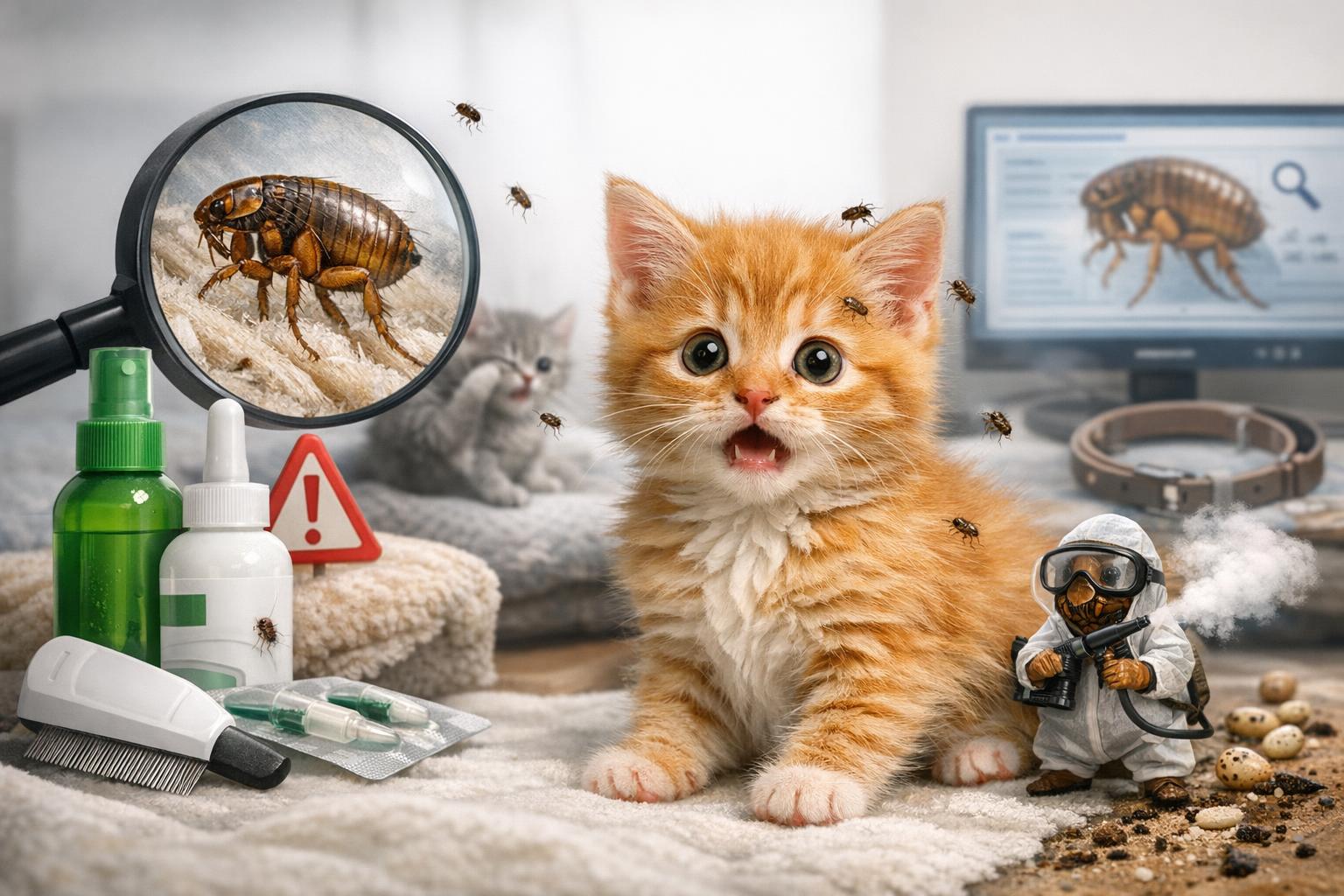
Fleas are tiny and flexible. A single flea on a dog that visits your home can quickly result in dozens of fleas on an indoor cat. The adults feed on blood but only a small fraction of the population is adult at any time. The rest are eggs, larvae, and pupae hidden in carpets, bedding, and cracks. That lets infestations persist even when you treat the cat.
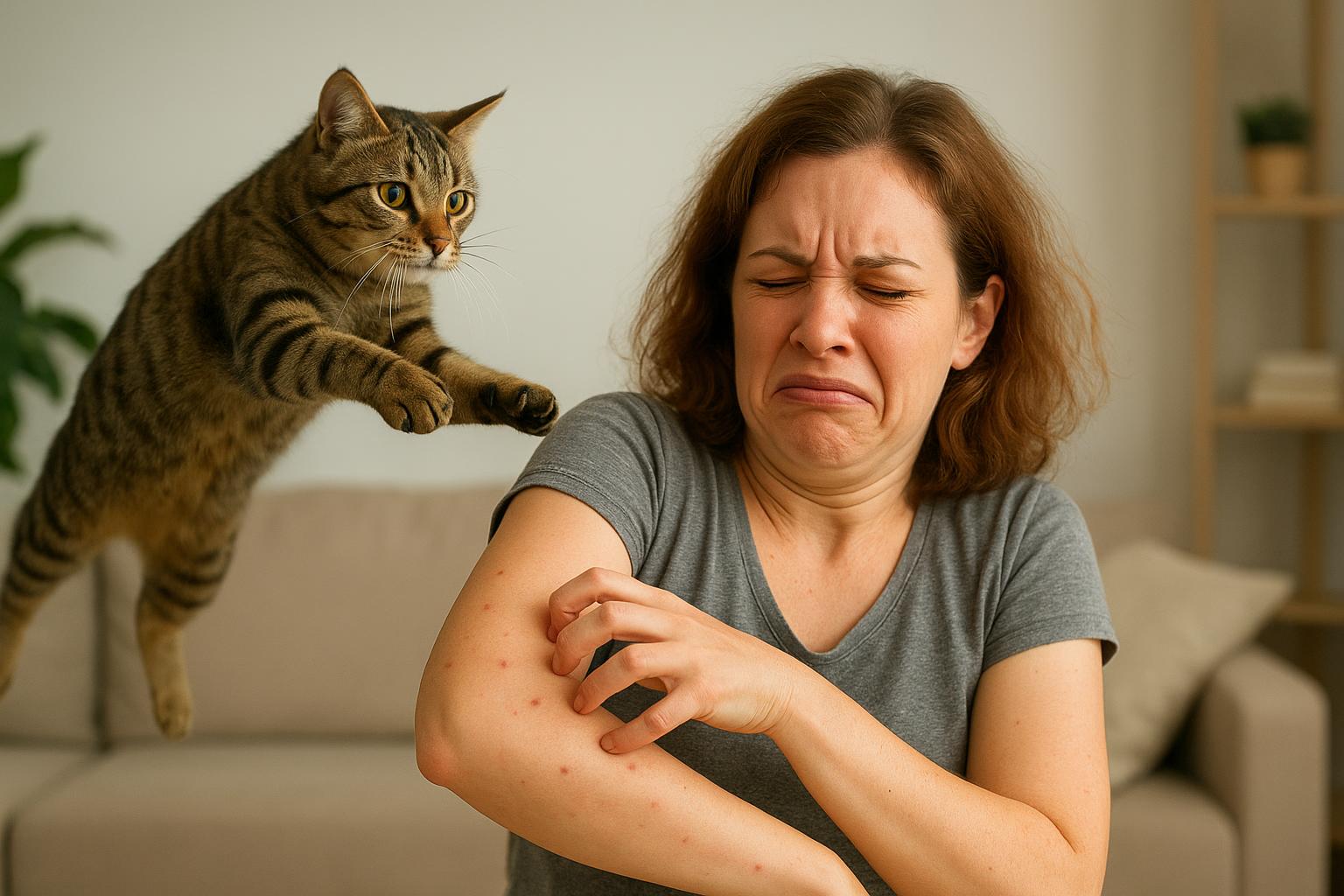
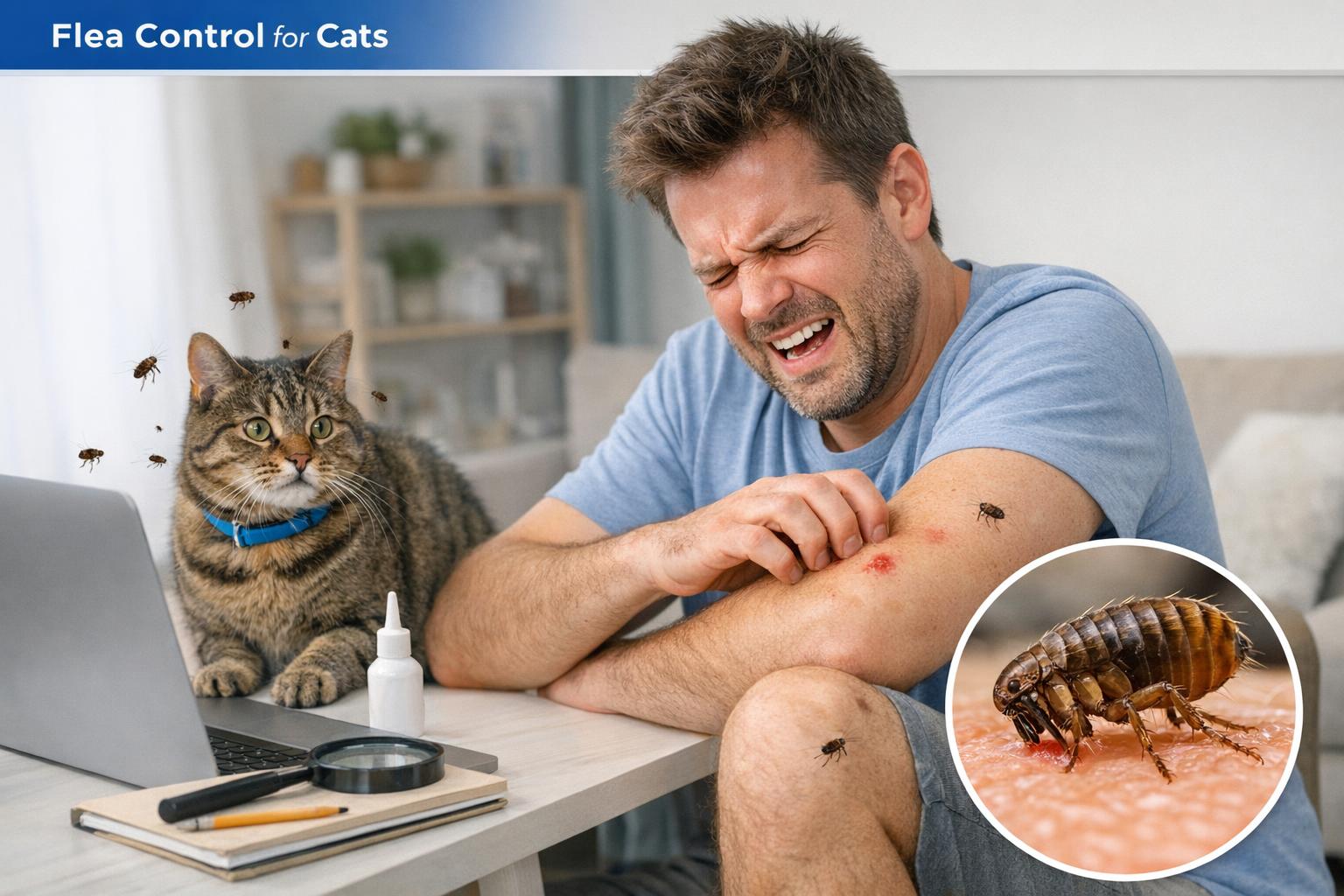
Fleas on people are rare but possible. Humans can carry adult fleas into the home, and they’ll bite, but they don’t complete their life cycle on people the way they do on cats. Still, humans and shoes are frequent vectors.
### Recognizing Flea Activity On Your Cat
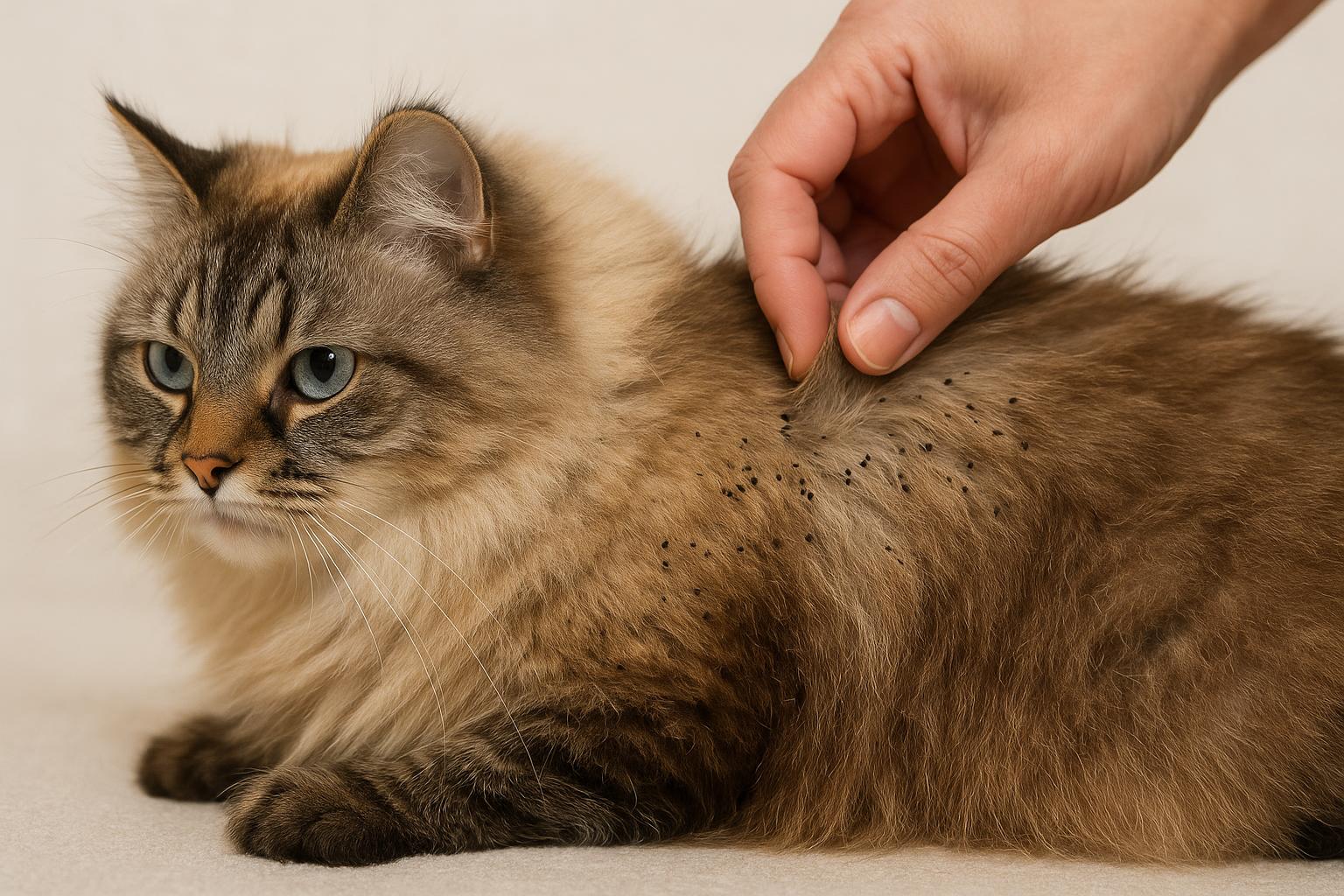
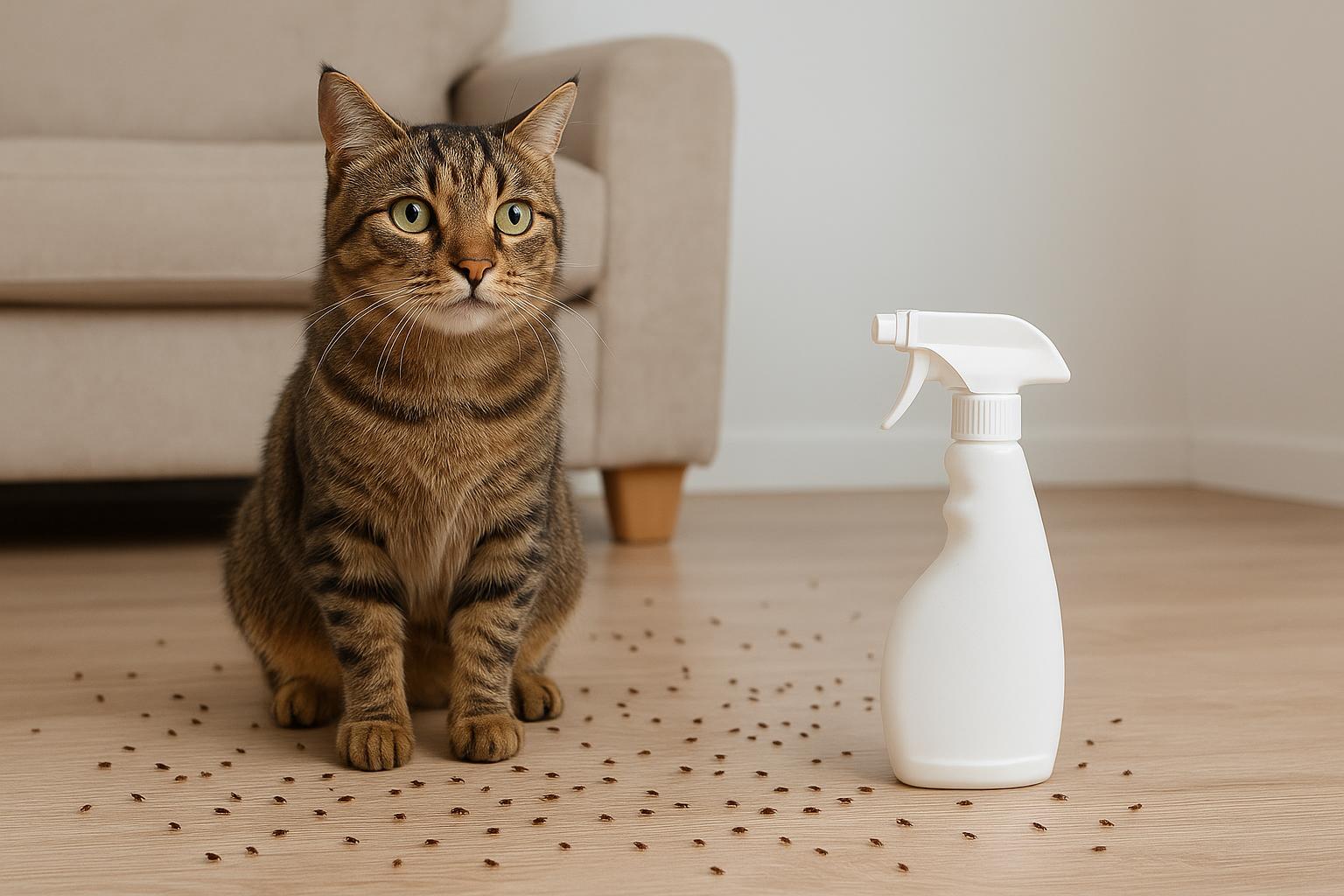
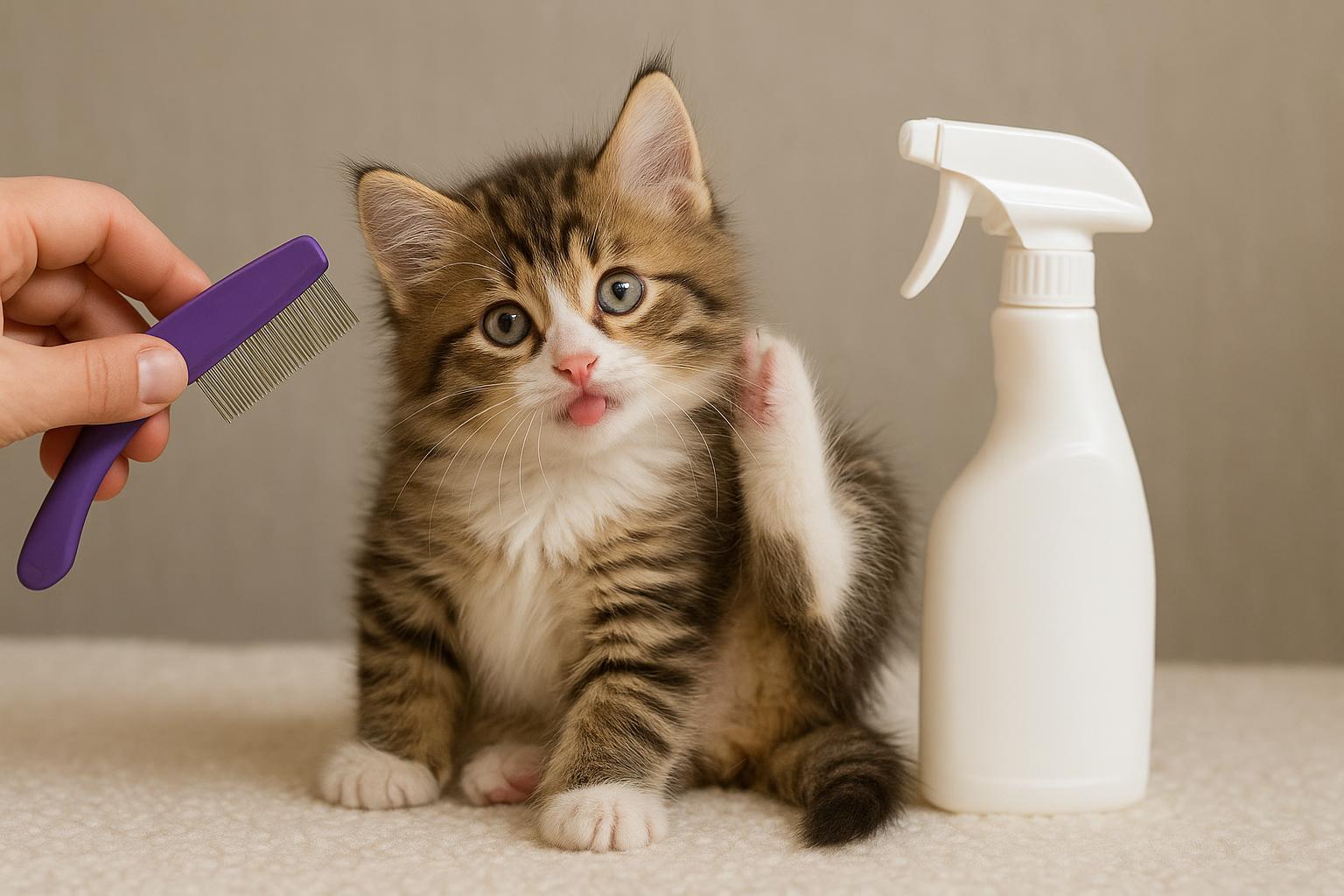
You don’t always see fleas hopping across the fur. Look for indirect signs: scratch marks concentrated around the neck, base of the tail, and behind the ears; small black specks that look like pepper (flea dirt); hair loss or skin inflammation from secondary allergies; sudden restlessness.
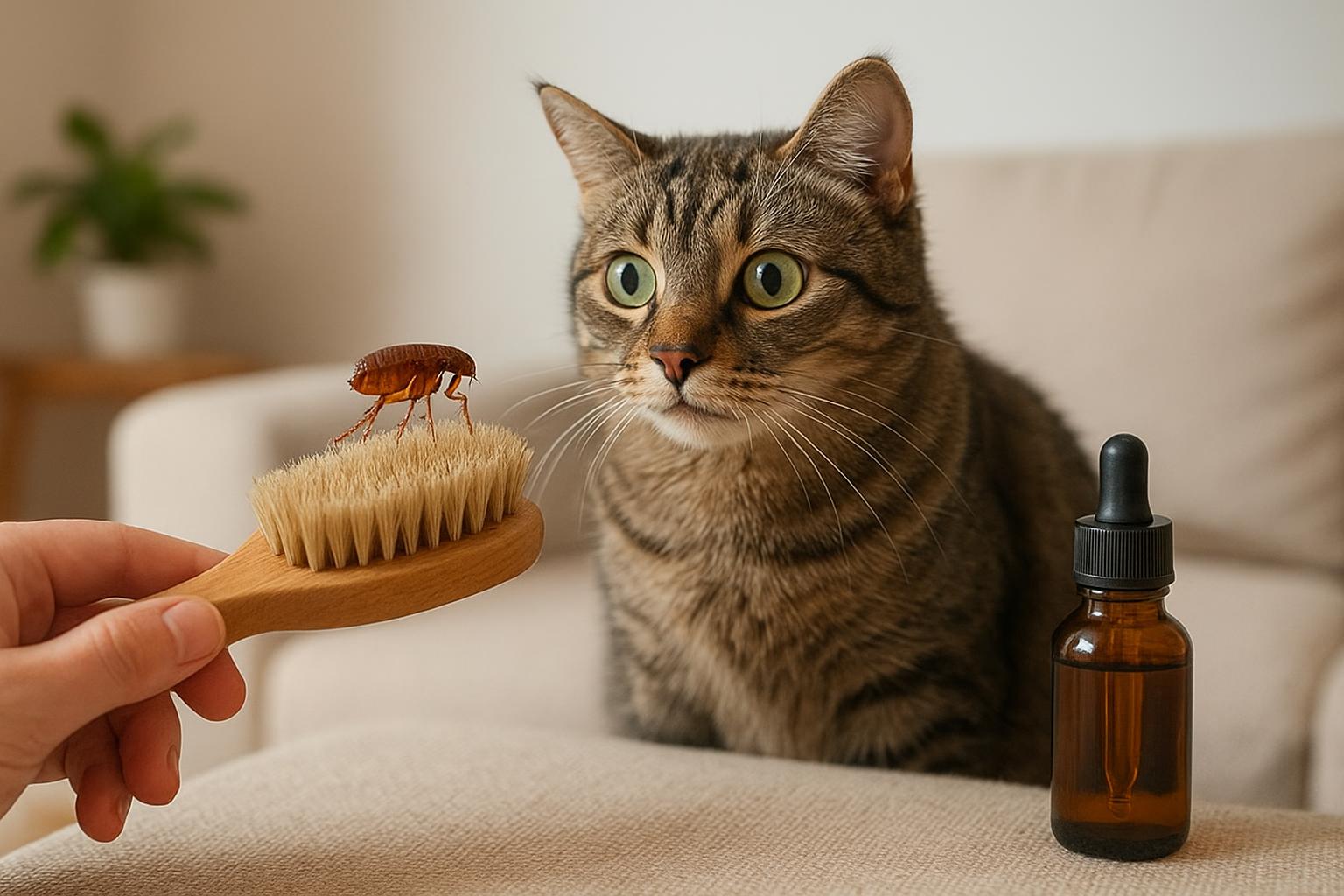
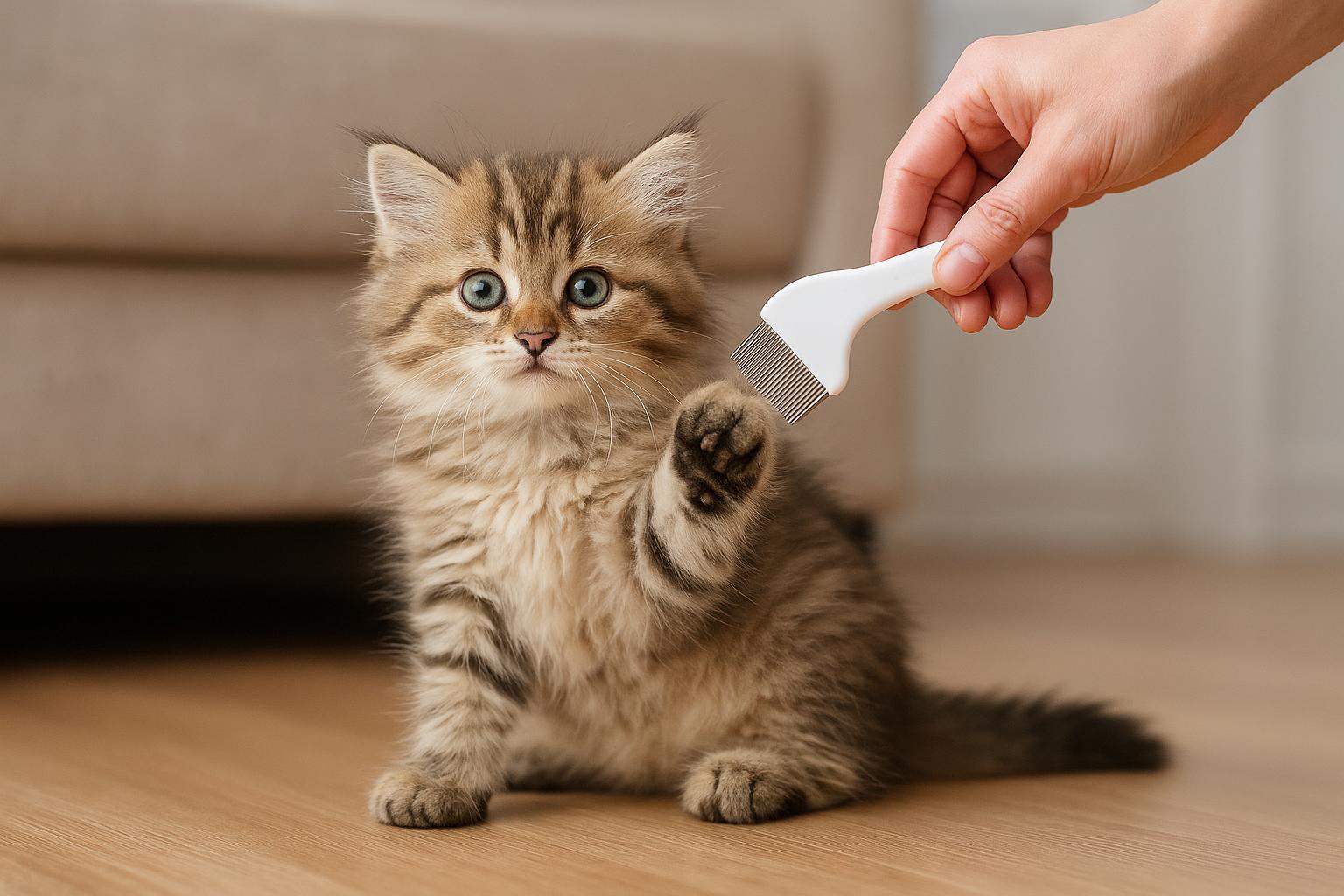
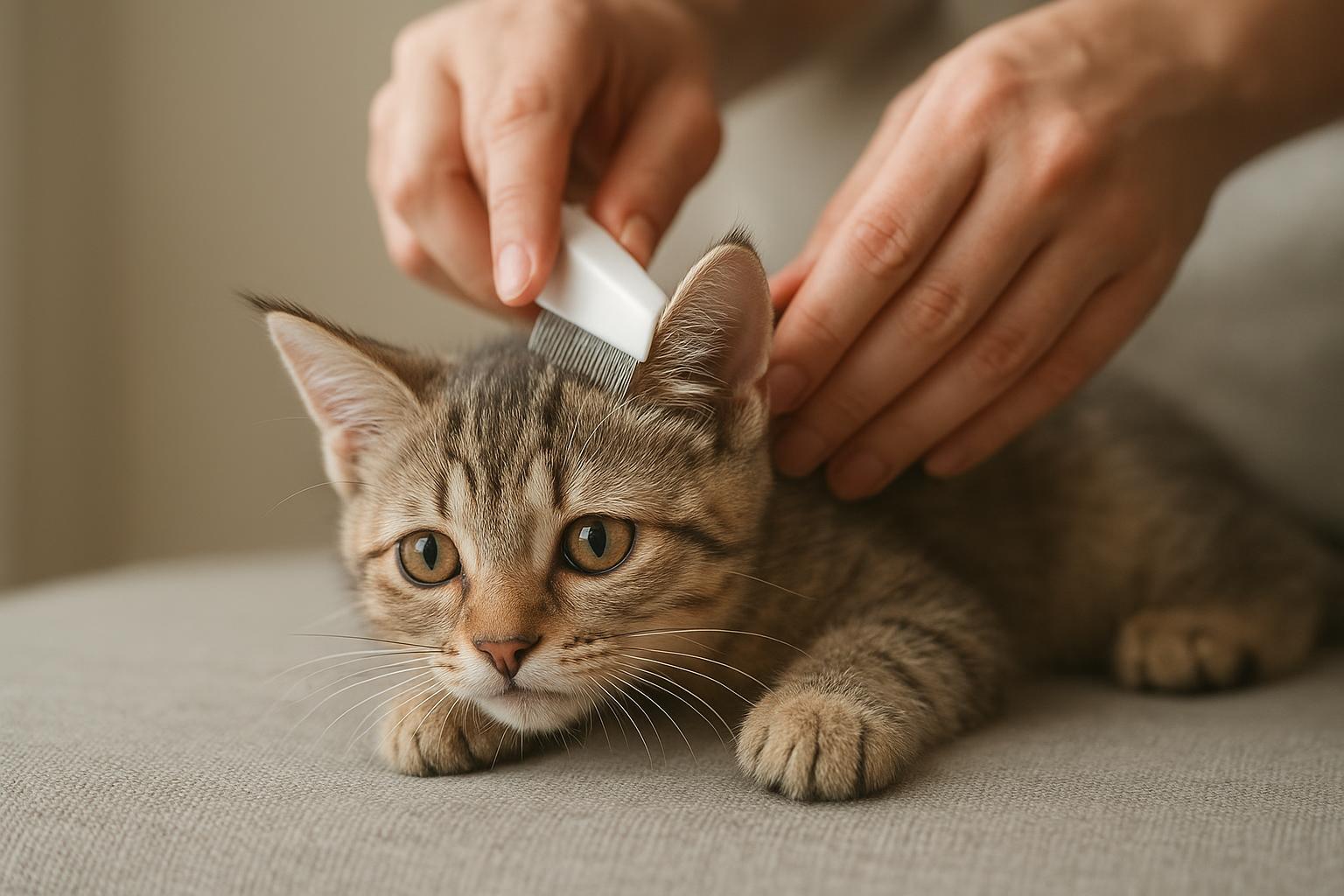
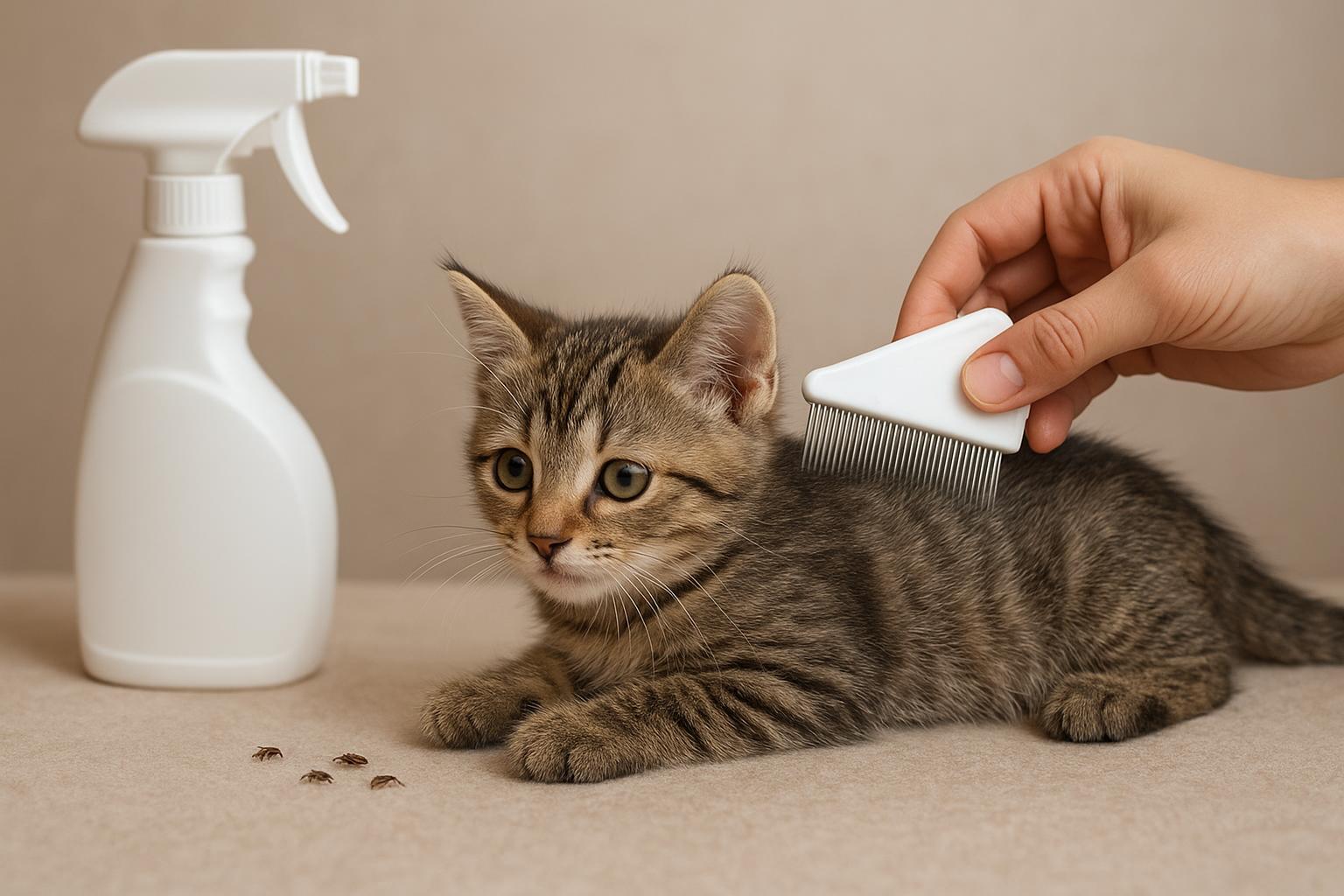
To check: use a fine-tooth flea comb. Comb over a white towel so debris shows. If you see red-brown specks that turn reddish when wet, that’s flea feces. If your cat has red inflamed bumps or scabs, get a vet involved. Some cats are highly allergic to flea saliva and can develop severe dermatitis from just one bite.
#### Using a Flea Comb Effectively
Comb slowly and deliberately. Start at the neck and work to the tail. Pause and inspect the comb and towel every few strokes. Comb daily for a week when you suspect fleas. It’s one of the simplest flea safety tips: early detection saves a lot of hassle.
## Practical Steps To Prevent Fleas In The Home
Don’t confuse prevention with a single fix. Prevention is a set of ongoing behaviors and treatments.
### Treating The Cat: Options And Best Practices
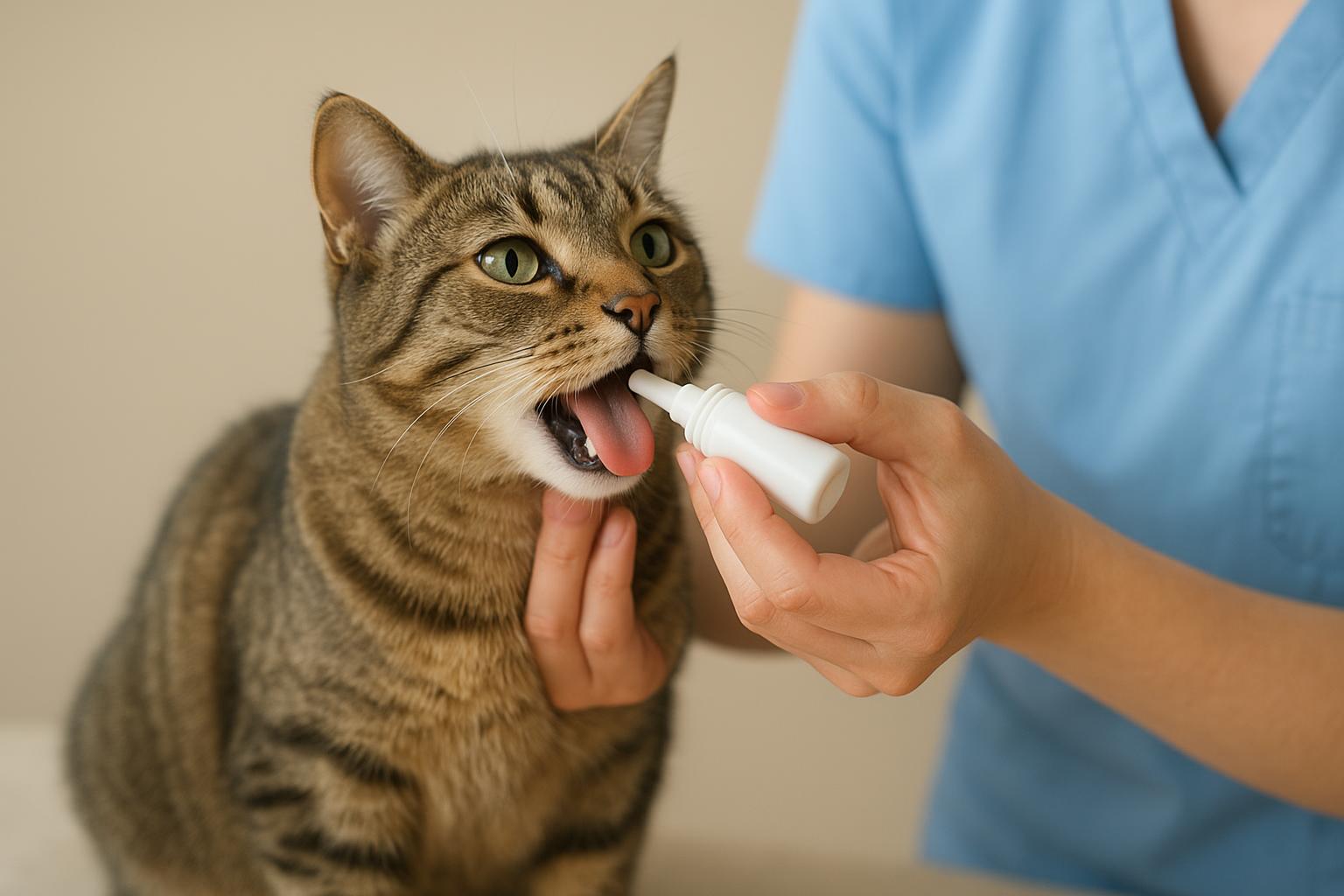
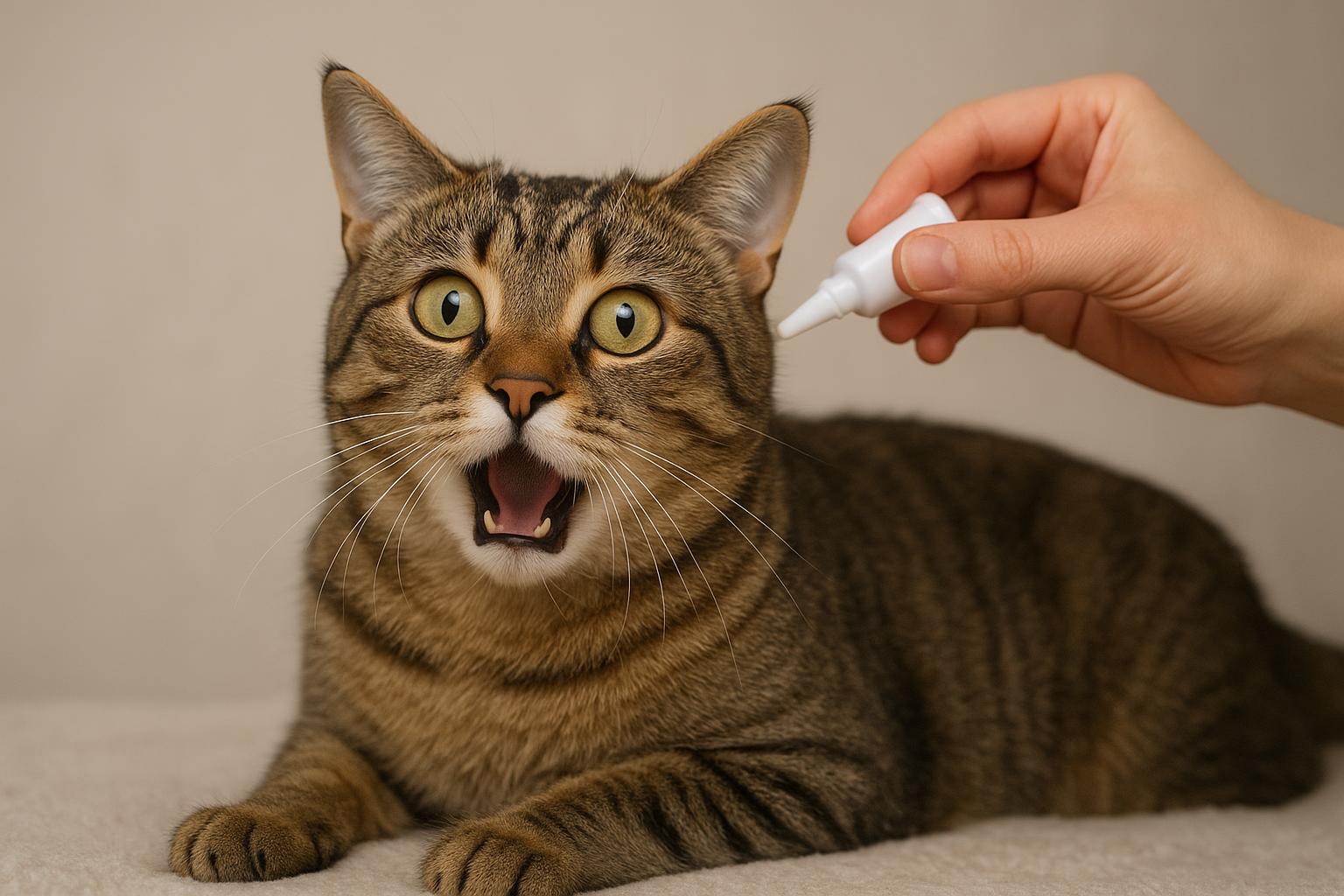
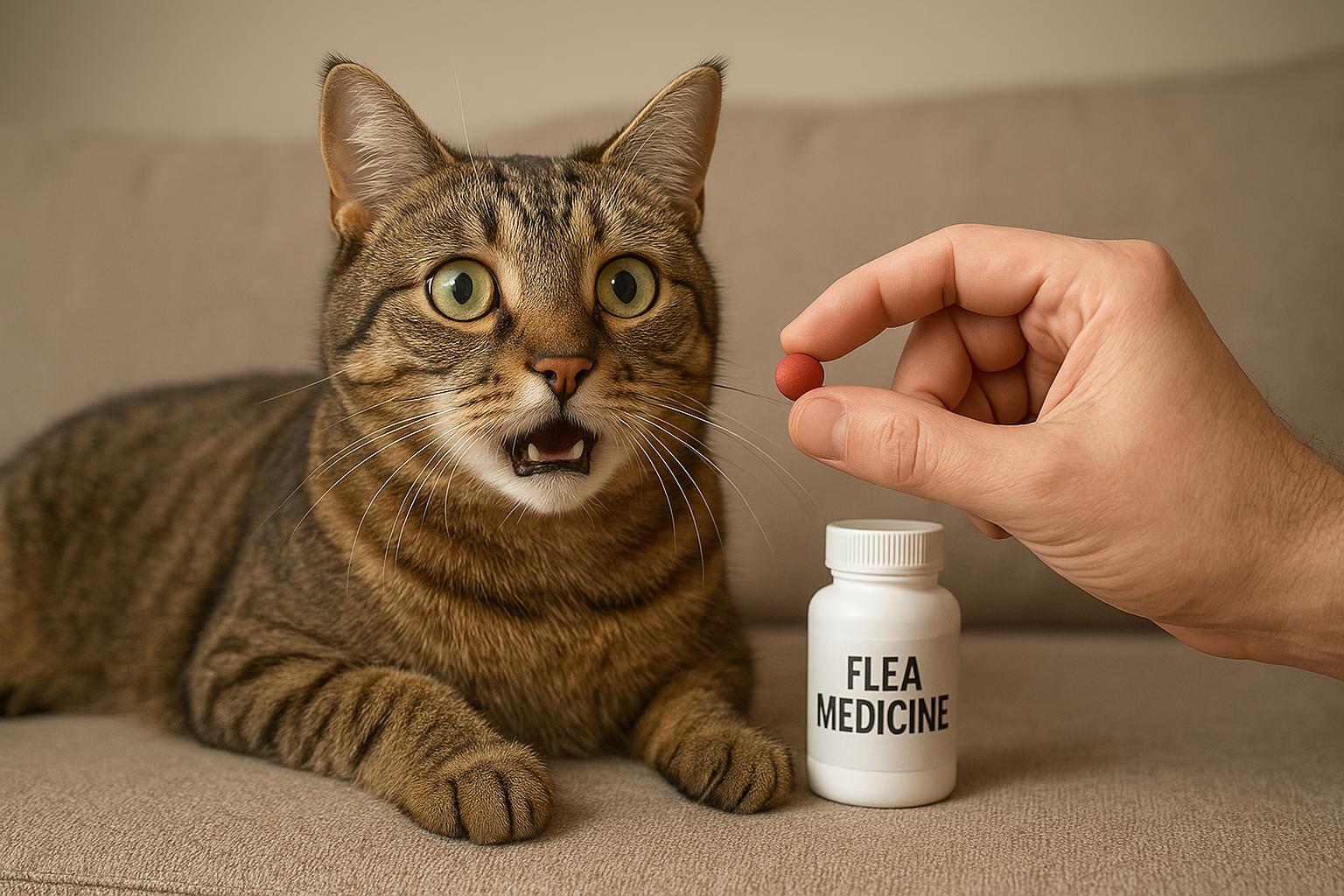
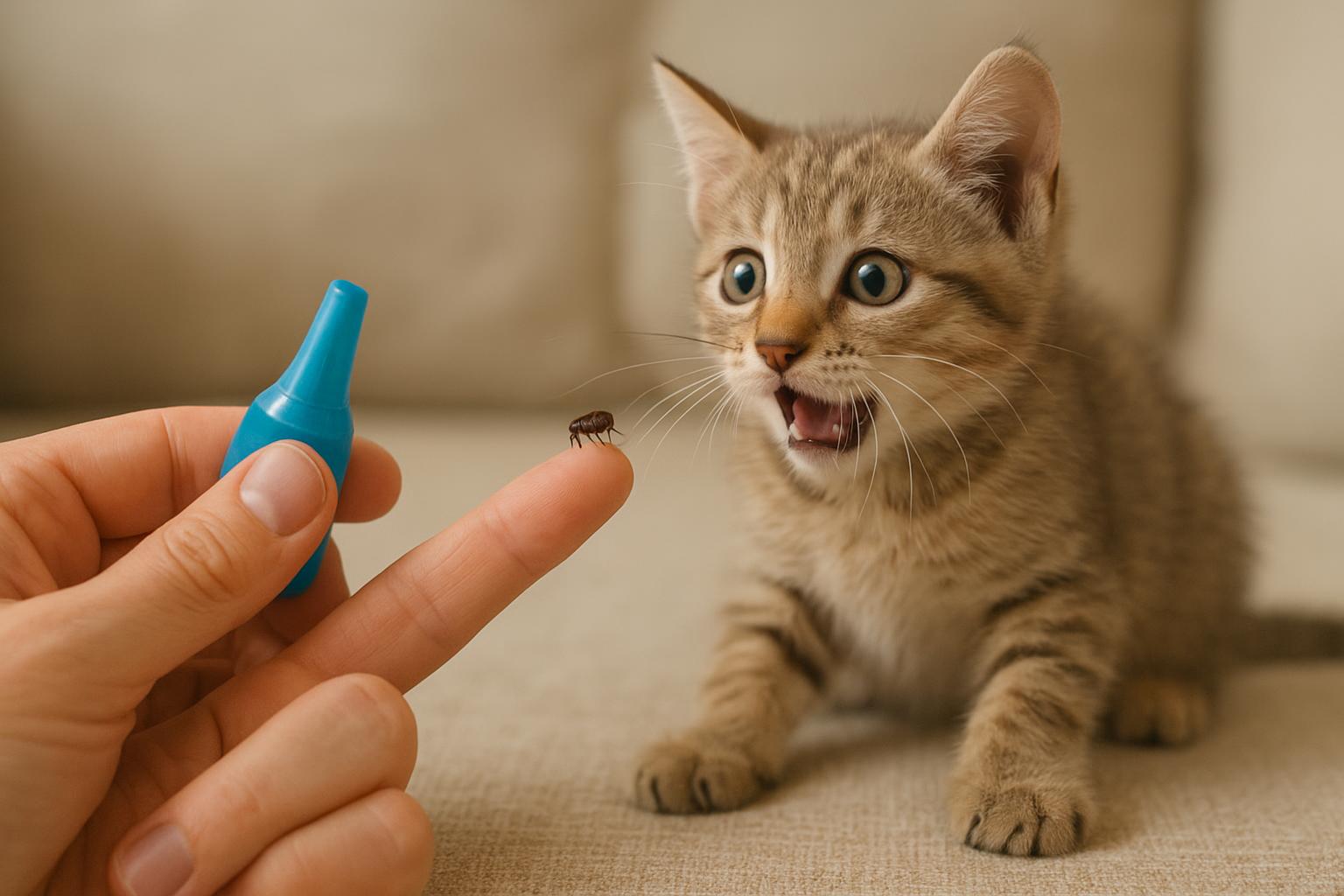
Topical treatments, oral medications, and collars are the main tools. Talk to your veterinarian about which is best for your cat’s age, health, and lifestyle.
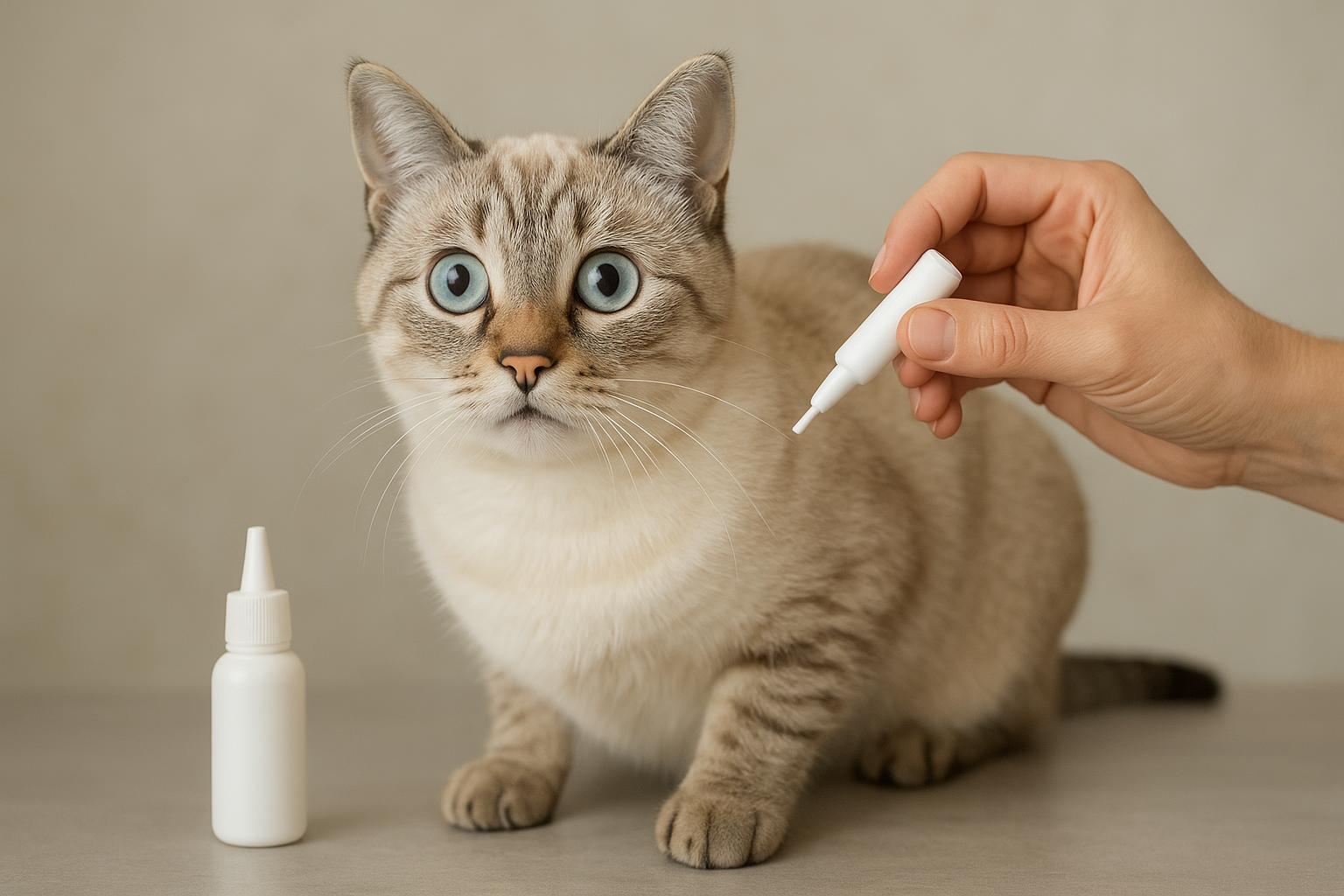
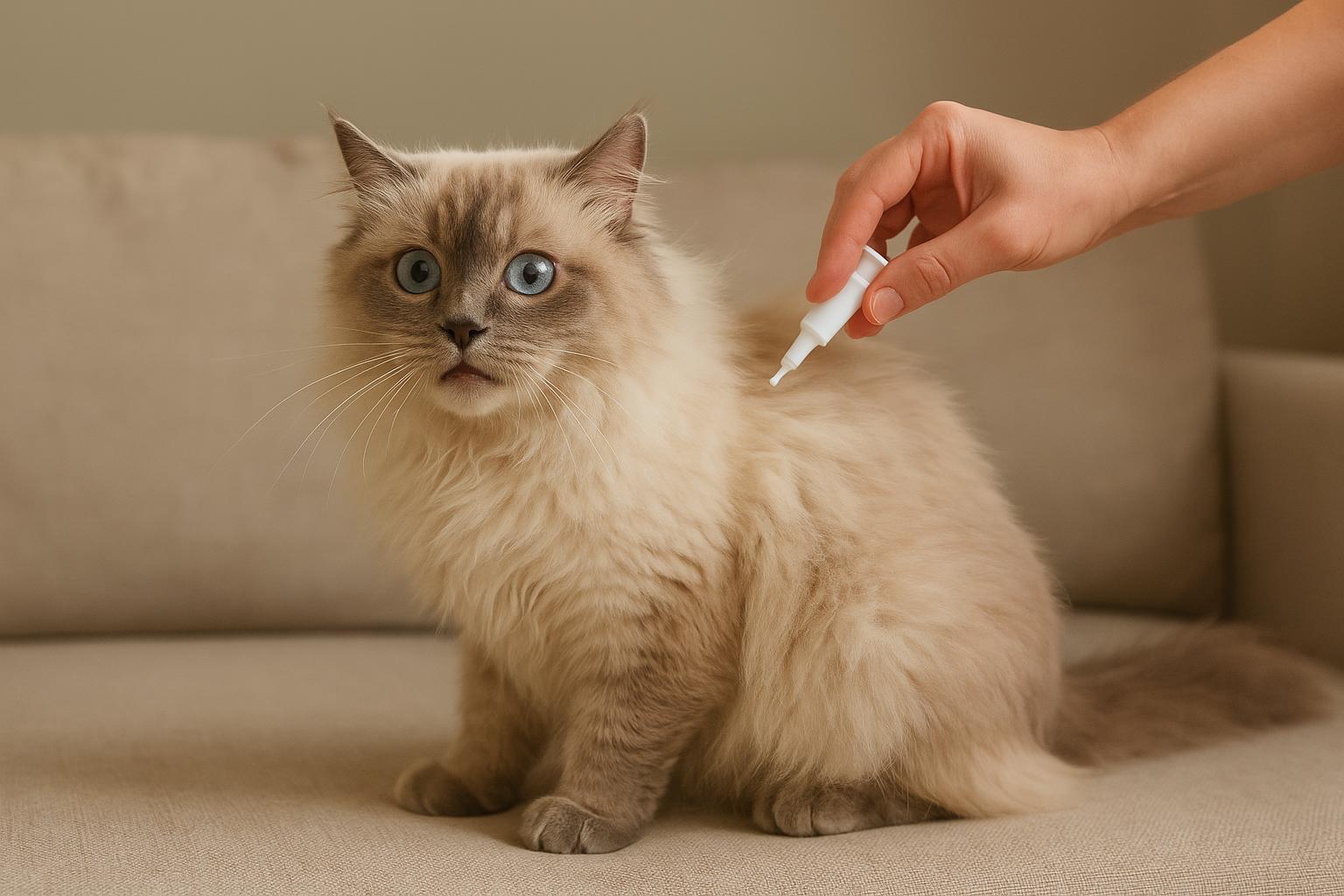
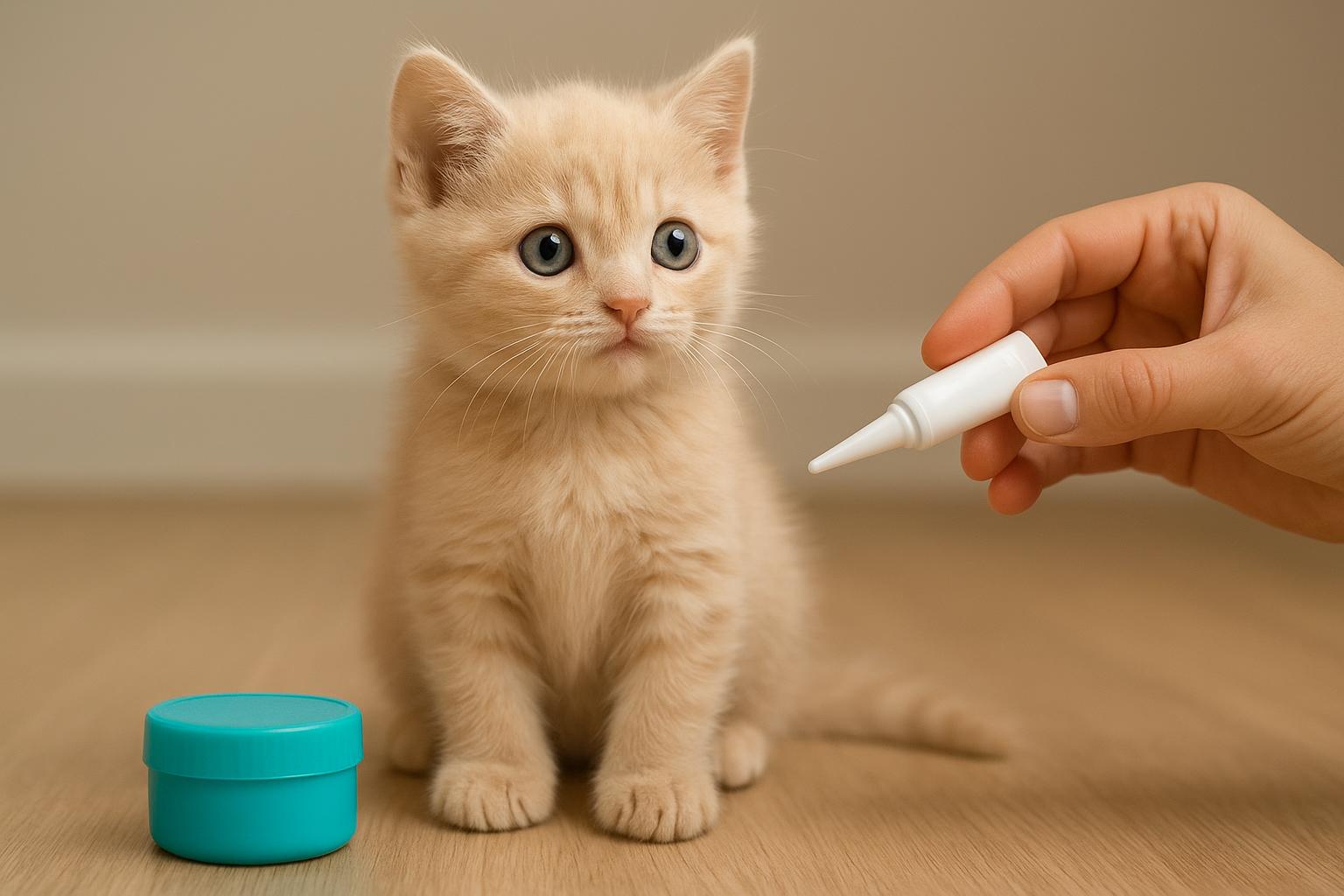
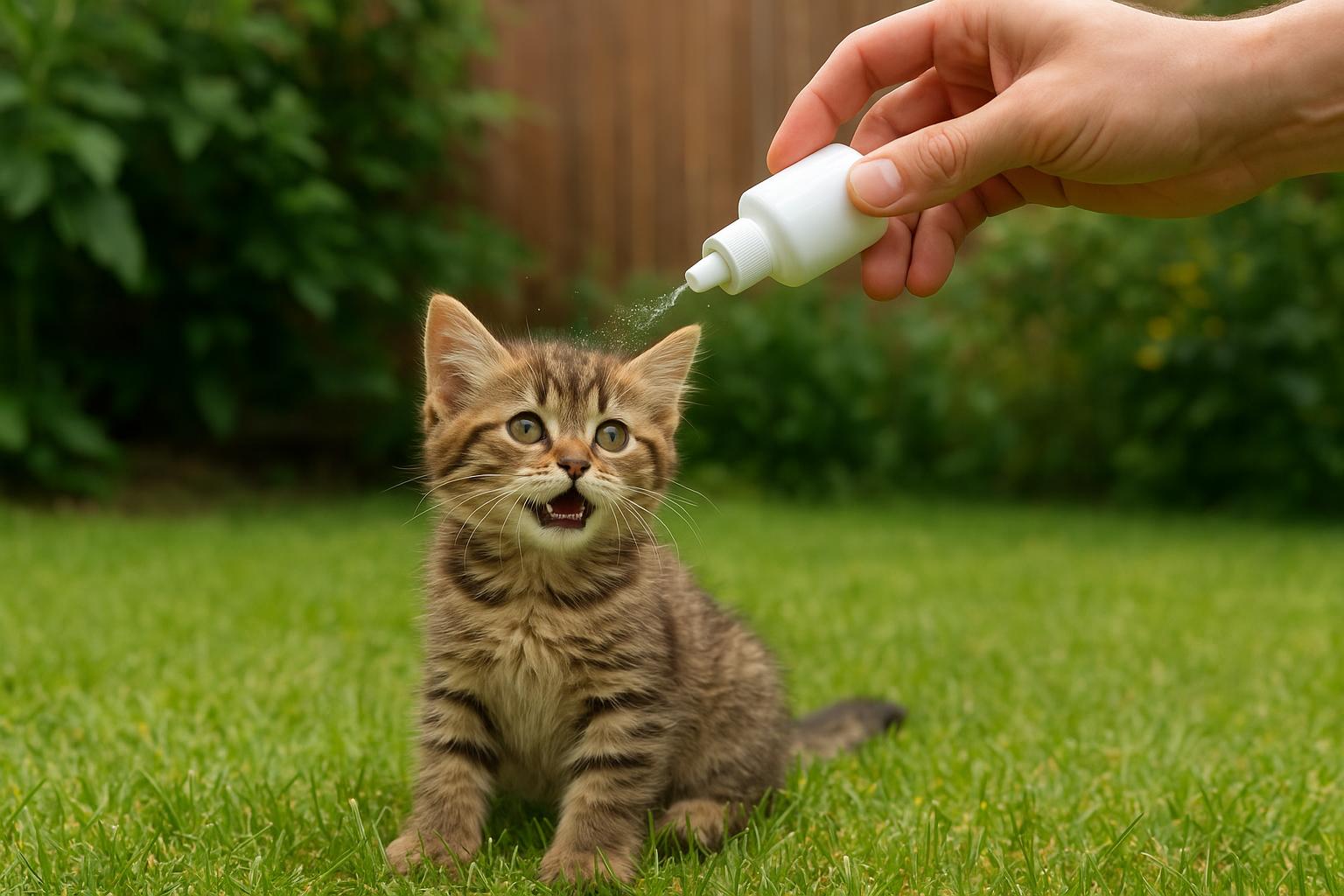
– Topicals: Applied to the skin, usually monthly. They work well and often kill fleas and their larvae. Apply directly to the skin, not the fur.
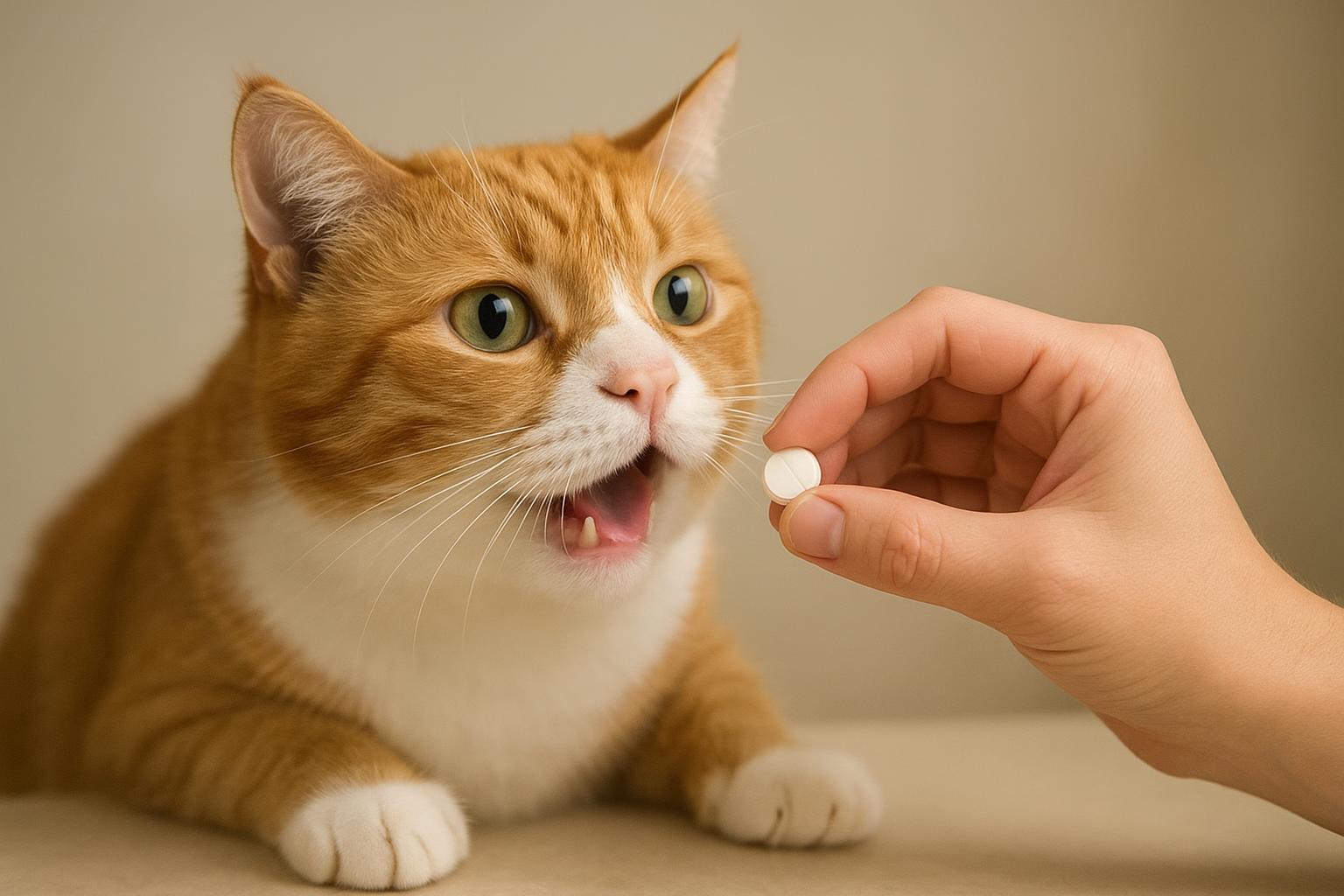
– Oral pills: Some are monthly; others offer 12-week coverage. They act quickly and are easy to use.
– Collars: Modern collars can be effective for months. They’re convenient when your cat tolerates them.
When starting a product, follow the label and vet guidance. If you switch treatments, watch for skin reactions. Never use treatments made for dogs on cats. Ingredients like permethrin are toxic to cats and can cause severe illness.
### Environmental Control: Don’t Ignore The House
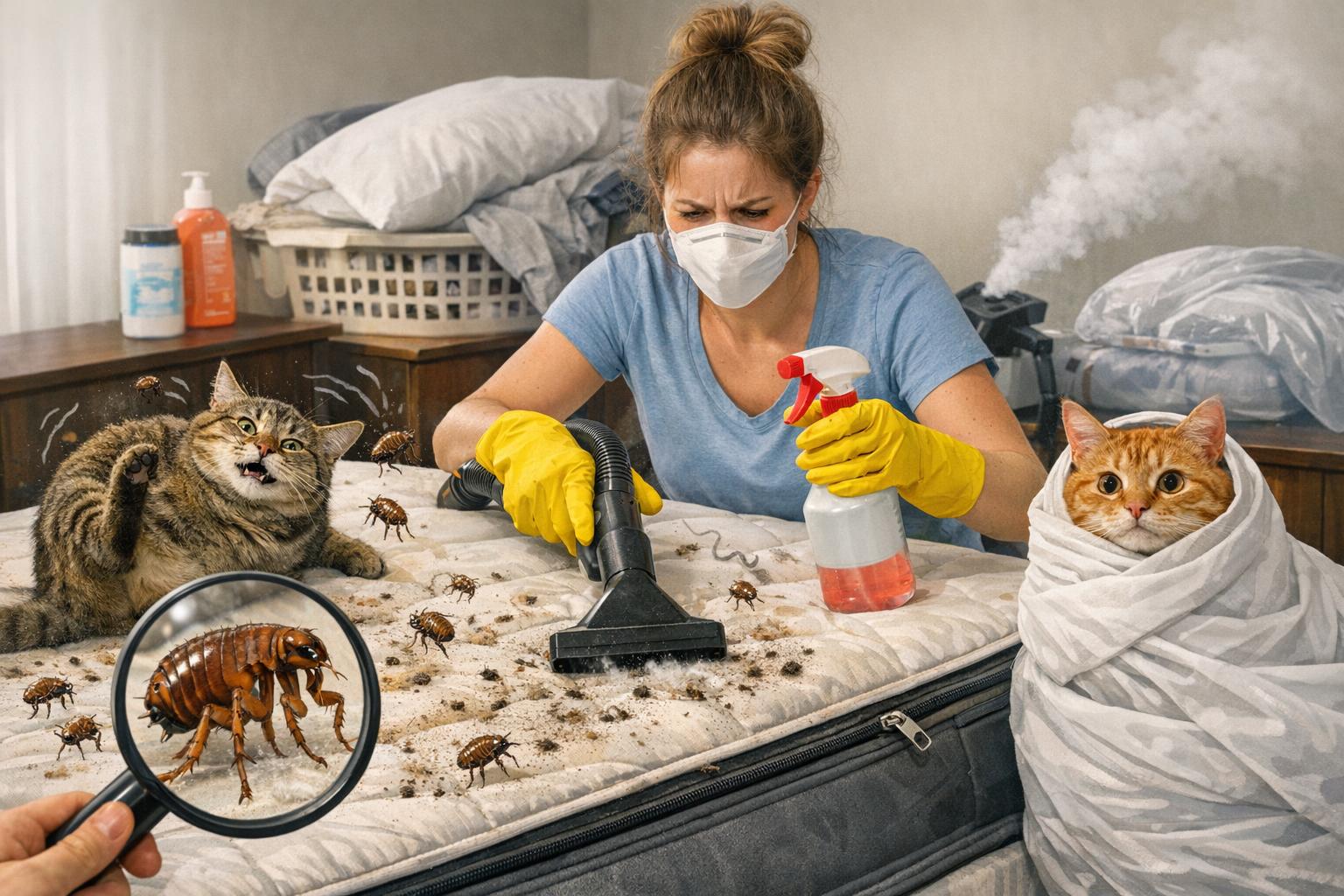
Treating the cat only gets you partway there. Most flea eggs and larvae live in the environment. Clean deliberately.
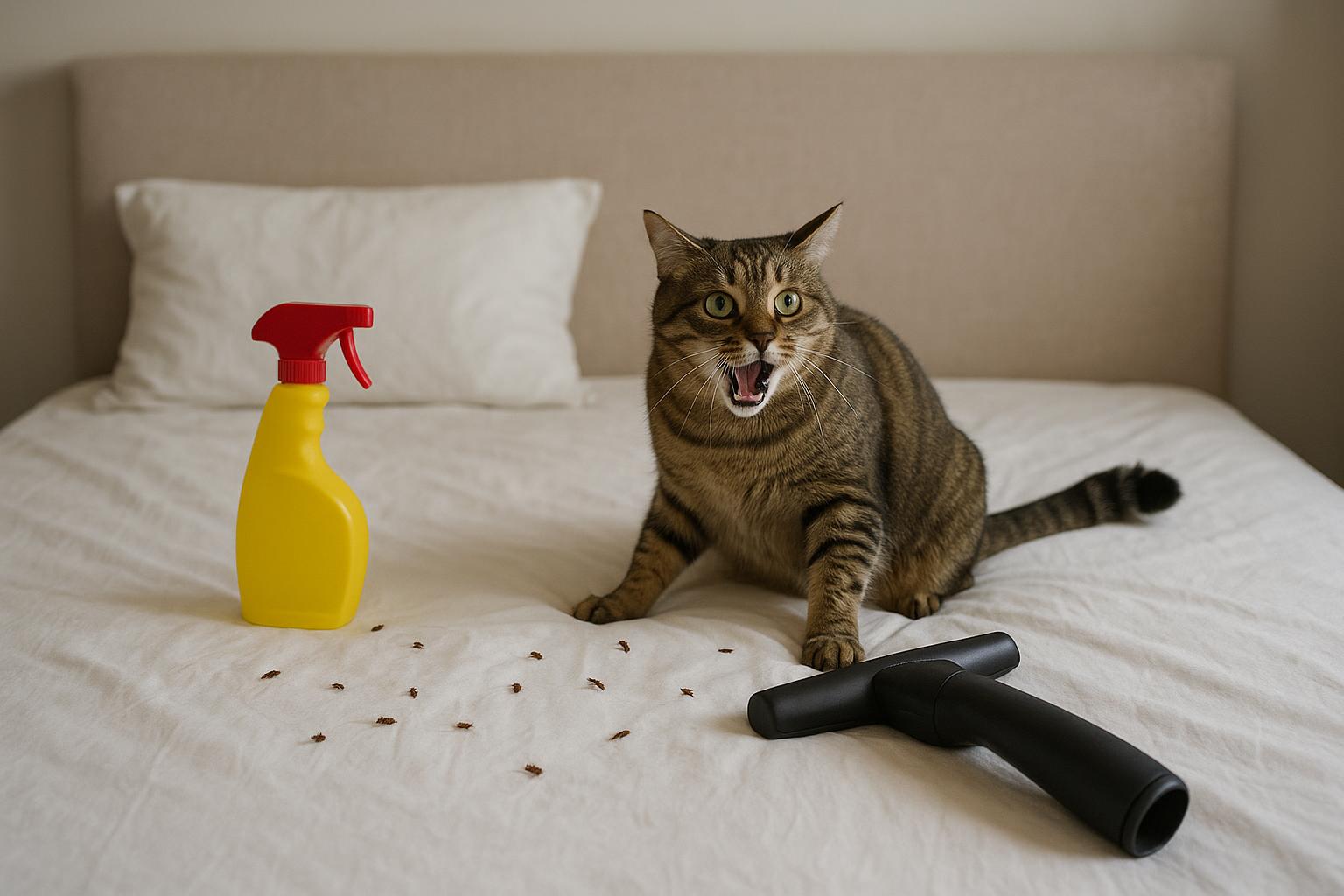
– Vacuum frequently. Move furniture and vacuum baseboards, under cushions, and along carpet edges. After vacuuming, empty the bag or canister outdoors so eggs don’t hatch inside the house.
– Wash bedding in hot water at least once a week. That includes your cat’s bed, blankets, and any removable furniture covers.
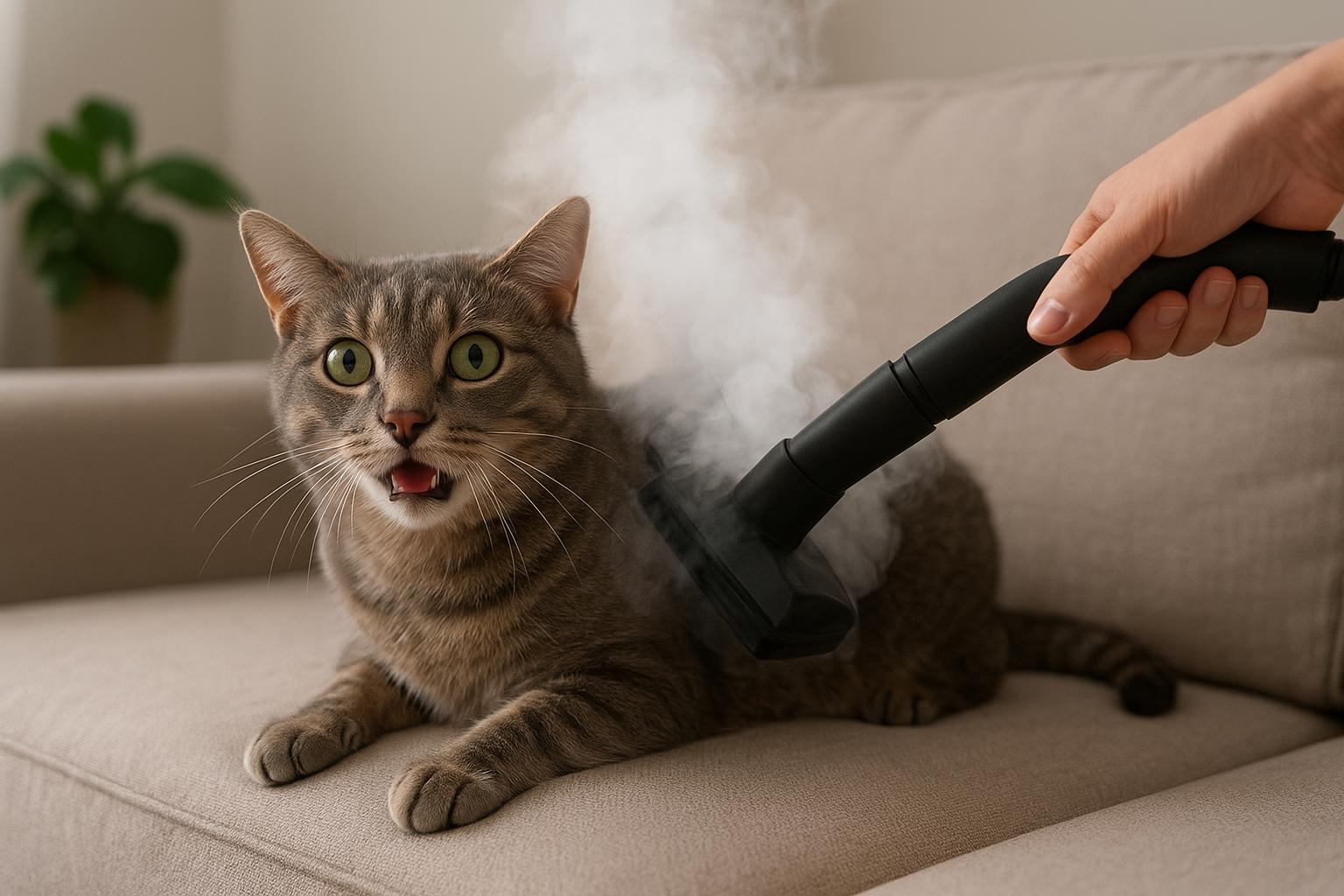
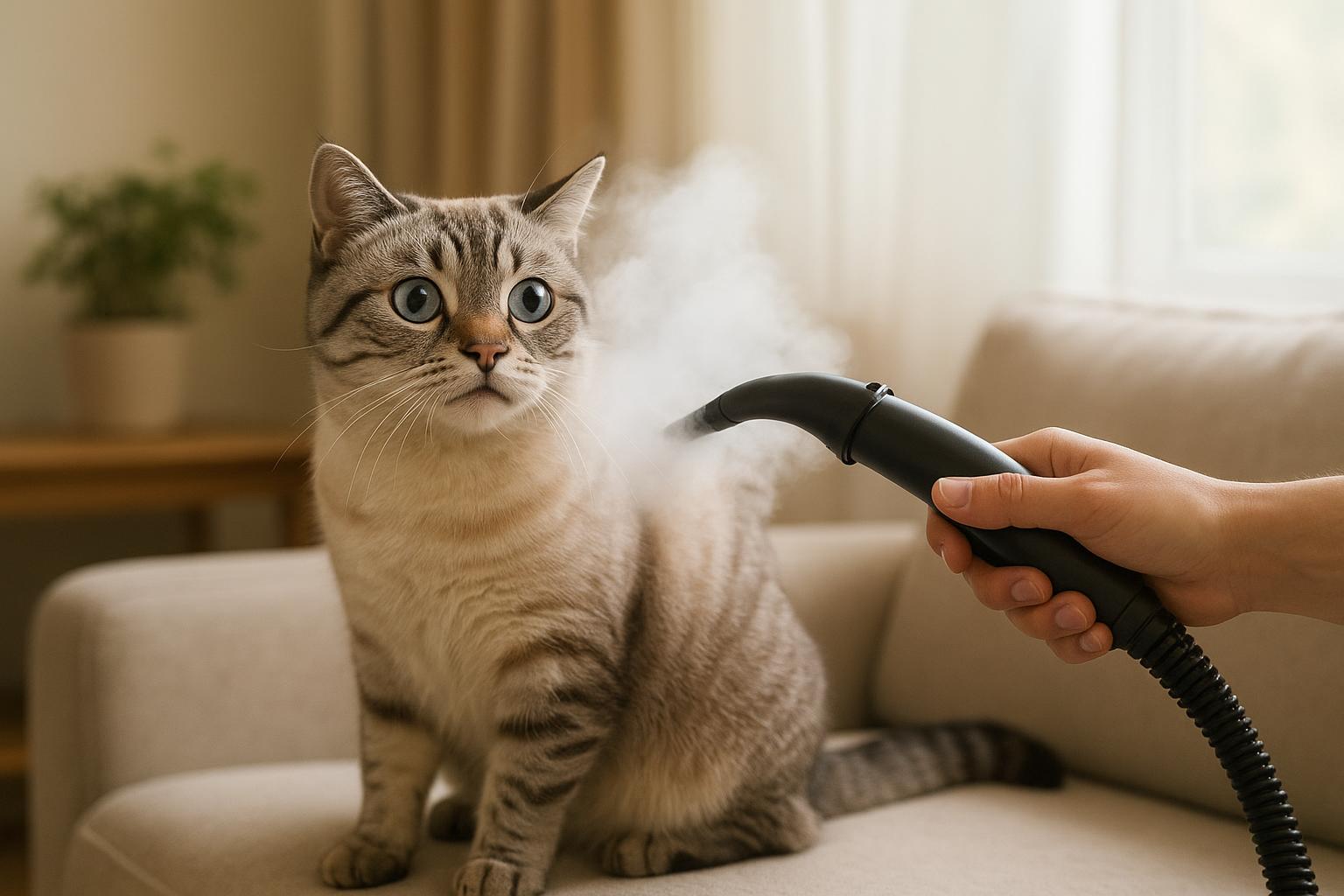
– Steam clean carpets and upholstery when you can. Heat kills eggs and larvae.
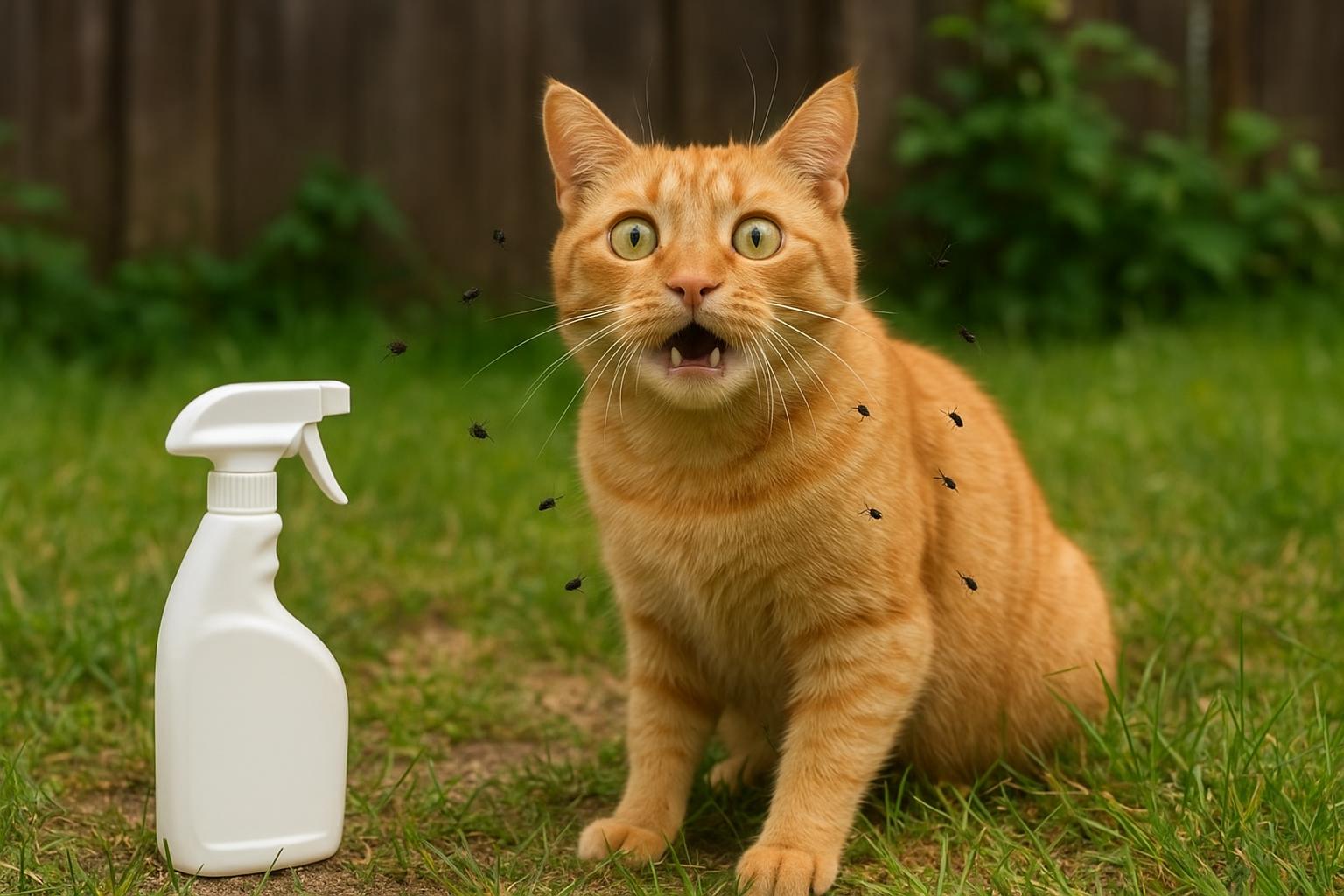
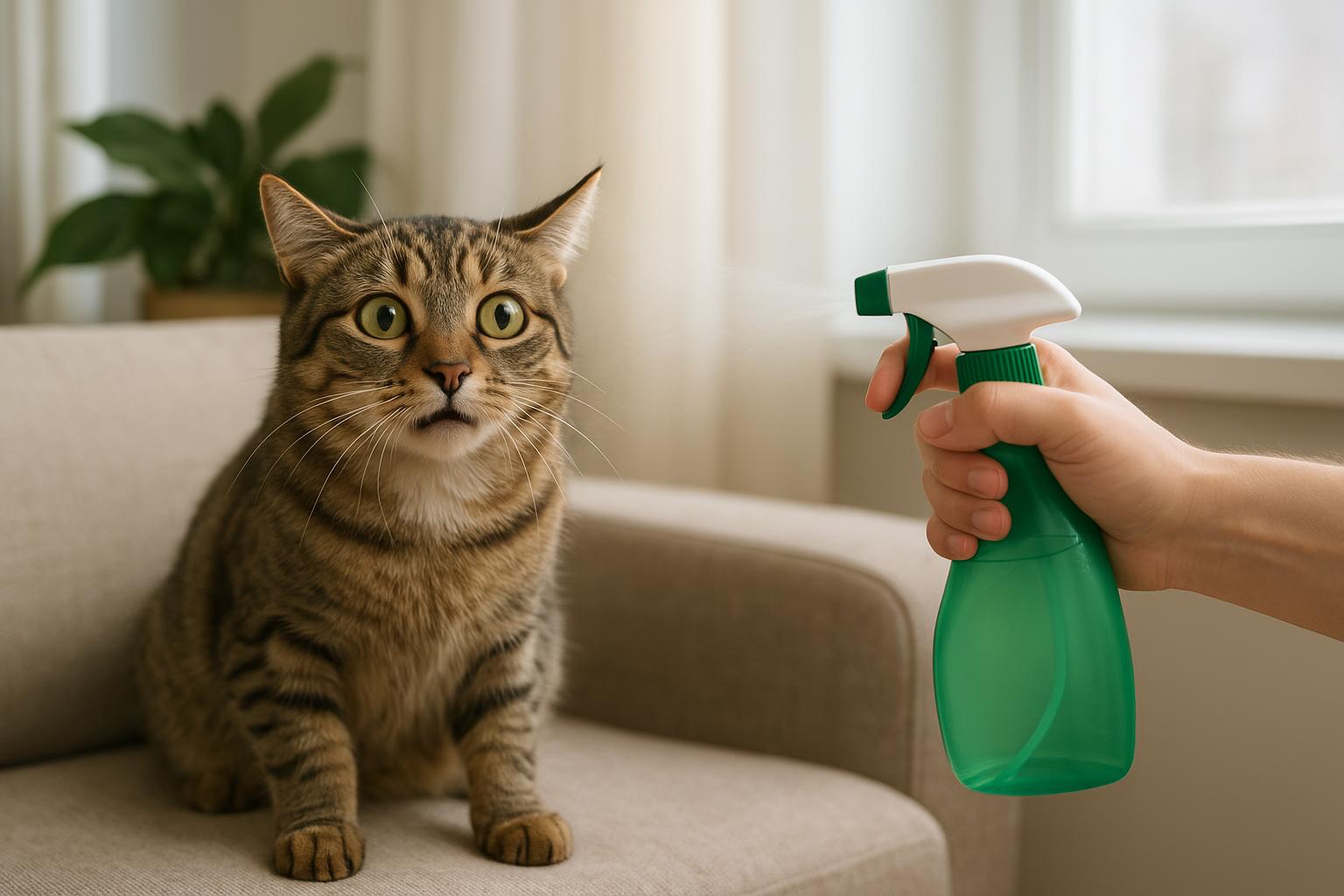
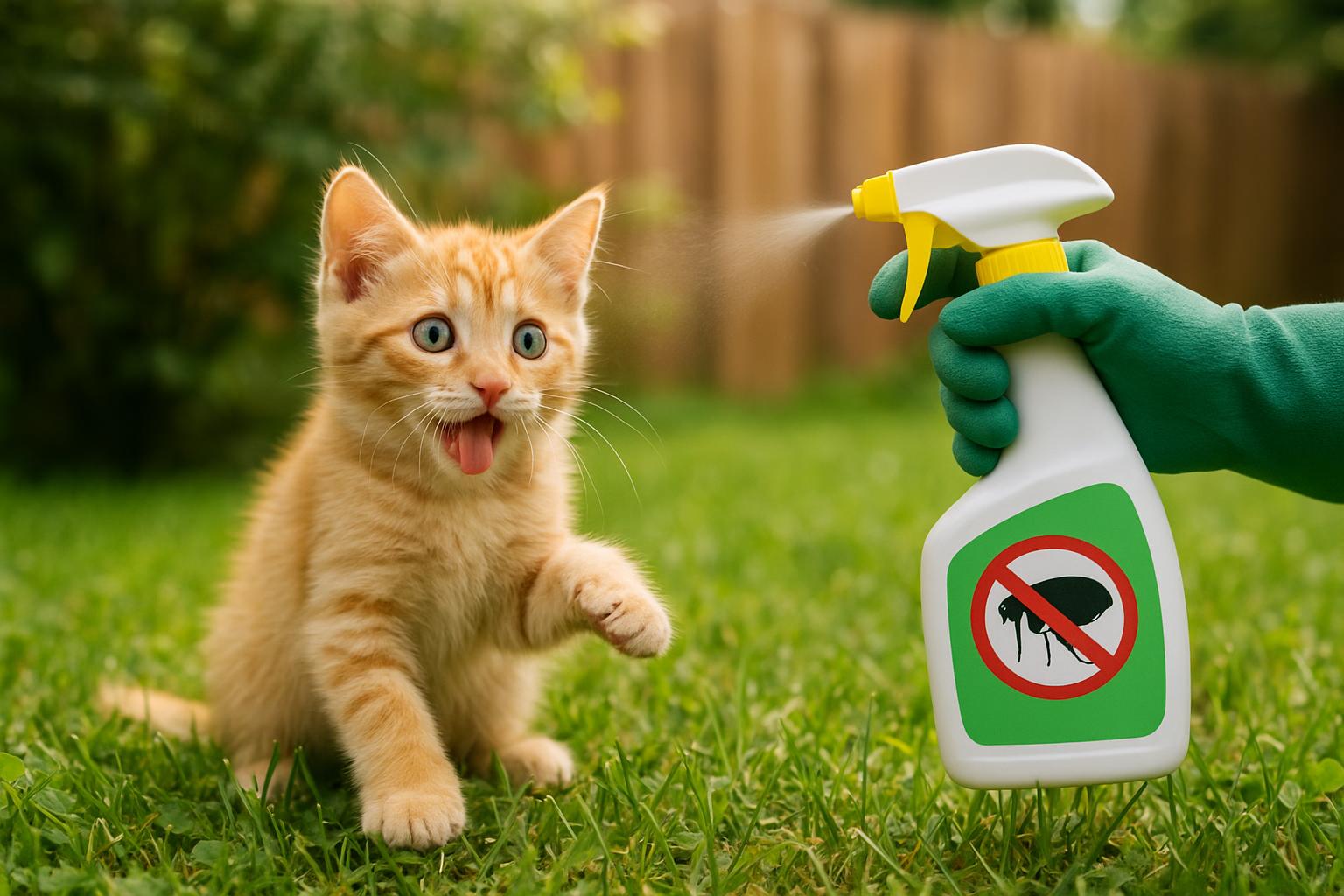
– Use a home spray or fogger if recommended by your vet or pest professional. Read labels carefully and follow safe use around pets and people.
Those actions make a measurable dent in a flea population. Combine them with pet treatment for the best result.
#### Treating Floors, Rugs, And Cracks
Carpet and upholstery are safe havens for stages of flea life. Spot treat where your cat lounges. For cracks and crevices, a focused insect growth regulator (IGR) plus an adulticide will help. IGRs prevent eggs from becoming adults, which is essential because even after you clear adults, new ones can emerge weeks later.
### Yard And Entry Points
Even indoor cats interact with the yard. Flea-carrying wildlife may linger near foundations and under decks. Keep grass trimmed, remove leaf litter, and create a gravel or paved buffer near foundation lines to make your yard less attractive to wildlife. If your cat uses a screened porch or catio, inspect it regularly for signs of wildlife access.
## Safe Product Choices And What To Avoid
You’ll see lots of products online and at pet stores. Not everything is safe for cats.
### Vet-Recommended Treatments And Why They Matter
Veterinarians can recommend appropriate products based on your cat’s weight, age, and health issues. Prescription options may include oral chewables that kill fleas within hours, or spot-on medications with residual activity. The advantage of vet-prescribed treatments is professional oversight — they often come with instructions for concurrent household control.
### Chemicals To Avoid Around Cats
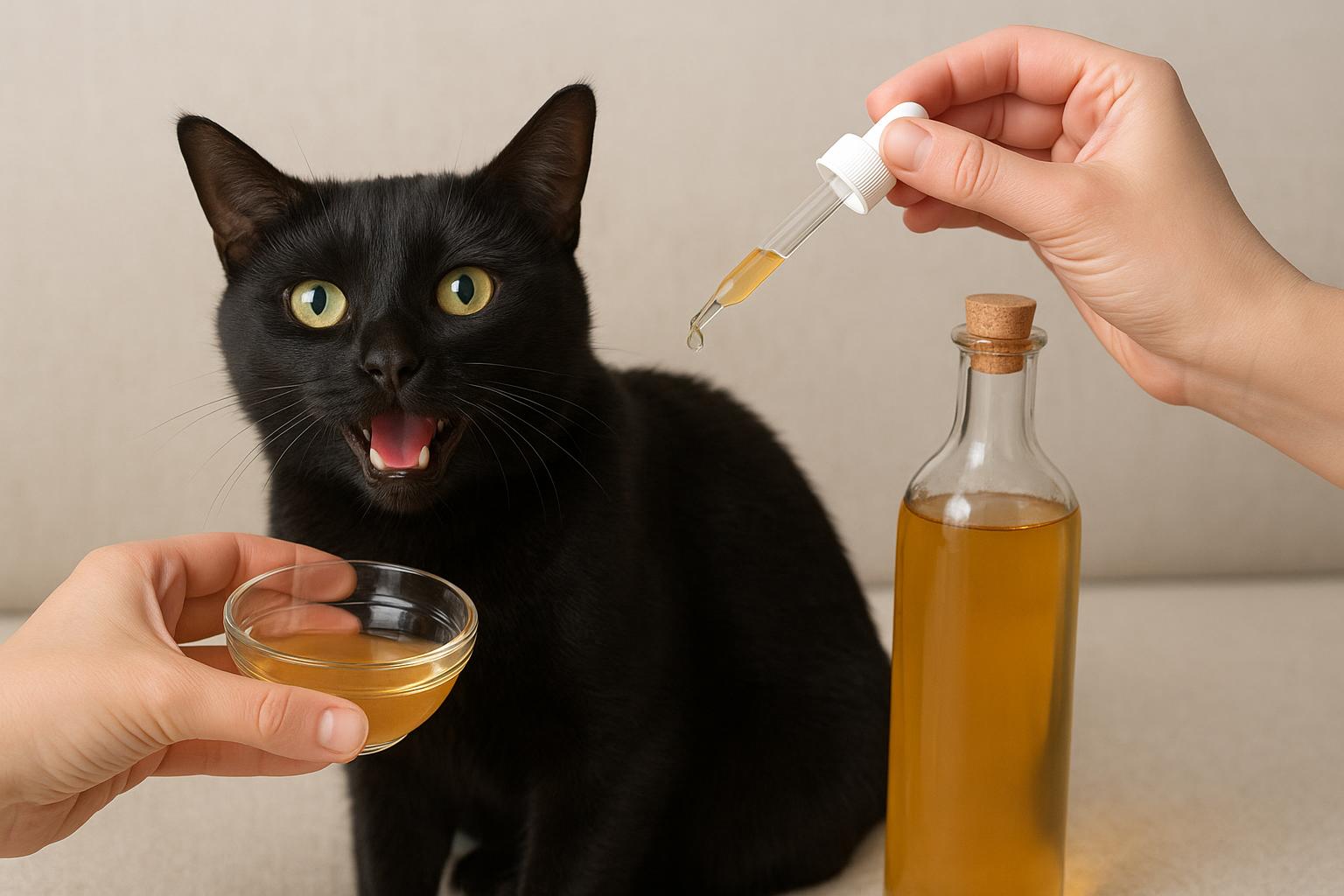
Permethrin is a clear no for cats. It’s commonly used in dog products and some household insecticides. If a cat is exposed, it can experience tremors, seizures, and worse. Essential oils are another risk. Tea tree oil, eucalyptus, and citrus oils are toxic to some cats. Don’t assume “natural” means safe.
Keep household pest sprays out of reach and only use products labeled safe for cats. If someone in your home uses agricultural or garden insecticides, store them securely. Cats will explore bags and boxes, and residues can transfer onto fur.
### Natural Methods: What Works And What Doesn’t
Some nonchemical methods can help, but they’re rarely sufficient alone in a heavy infestation.
– Vacuuming and washing are the most effective nonchemical methods for the home.
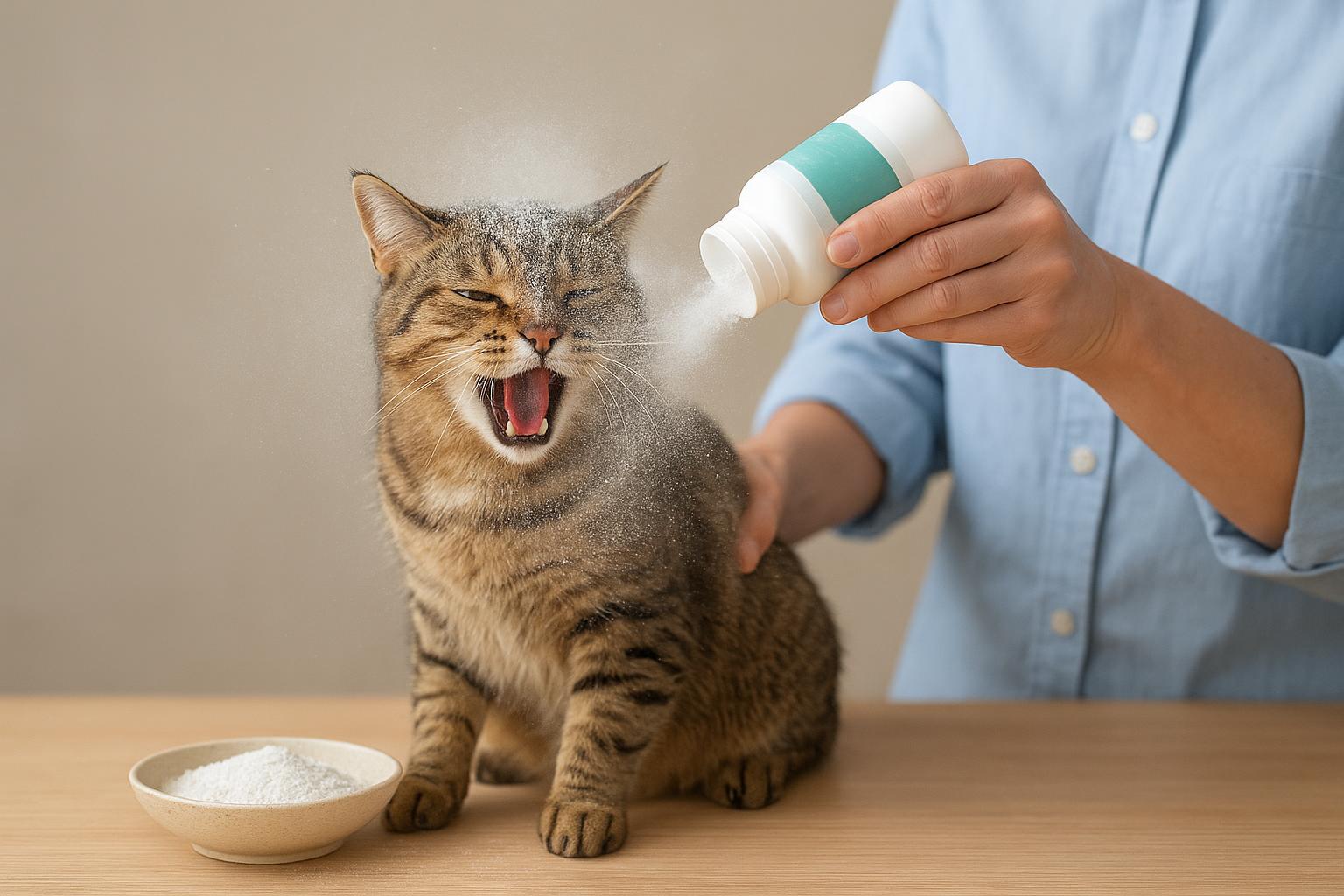
– Diatomaceous earth is sometimes suggested. If used, choose food-grade and apply lightly. It can irritate lungs if inhaled by pets or people.
– Cedar chips and herbal sachets may repel insects to a degree, but they won’t clear an infestation.
– Homemade topical remedies are a trap. Many natural concoctions can harm cats. Avoid garlic, apple cider vinegar applied directly, and many essential oils.
Rely on tested, safe products plus mechanical cleaning for serious problems.
#### Dealing With Flea Allergic Dermatitis
Some cats have pronounced allergic reactions to flea bites. In those cases, even a single bite triggers intense scratching, hair loss, and secondary infections. Managing the environment is one step; your vet may prescribe anti-inflammatories, medicated shampoos, or antibiotics for secondary infection. Controlling a cat’s itch is part of safety and welfare. Untreated, the skin gets worse and can become a chronic problem.
## Timing And The Flea Life Cycle
Knowing the flea life cycle is key to timing your actions. Eggs hatch into larvae in a few days under favorable conditions. Larvae pupate and can remain dormant in a cocoon for weeks or months if conditions aren’t right. That’s why you might see fleas reappear even after treatment.
A standard approach: treat the cat immediately with a fast-acting product, then continue monthly prevention. At the same time, maintain a rigorous cleaning schedule for 6–8 weeks to remove newly emerging fleas. If using environmental insecticides or IGRs, follow labeled intervals. Persistence matters.
### When To Call A Professional Exterminator
If you’ve treated the cat and followed the environmental steps but fleas persist after a couple of months, call a pest professional. An experienced technician can identify hot spots, recommend safe products for homes with pets, and apply treatments you can’t safely do yourself. Ask specifically for pet-safe options and for an explanation of the active ingredients.
## Preventing Reinfestation: Everyday Habits
Build a routine that keeps fleas out.
– Make flea prevention part of your monthly care. Set reminders to dose the cat on schedule.
– Inspect any new pets you bring into the home before letting them settle in.
– Ask guests with pets to check theirs for fleas before visiting, especially if you’re dealing with an active problem.
– Keep your cat’s sleeping areas clean and off the floor if possible.
These small, steady habits are among the most useful flea safety tips because they prevent a fresh introduction.
### Managing Multi-Pet Homes
If you have other pets, treat them too. Dogs will pick up fleas outside and bring them inside. Even small pets like rabbits or ferrets can harbor fleas. Treat every animal in the household concurrently to avoid cycling the infestation between species.
If one pet cannot take a standard treatment due to health or age, isolate that animal’s bedding and treat the environment heavily. Talk to your vet about alternative options for sensitive animals.
## Myths And Misconceptions About Fleas
Some myths are dangerous because they delay effective action.
– Myth: Indoor cats can’t get fleas. False. Indoor cats are at risk if other animals or people introduce fleas.
– Myth: Flea collars alone will fix the problem. Not always. Modern collars are better than older ones, but you may still need spot-on or oral products and home control.
– Myth: Homemade remedies will cure infestations. Dangerous and often ineffective.
Clear, accurate information matters. Use this as your baseline for decisions.
#### Fleas And Human Health
Pet fleas do bite people and can cause itching or allergic reactions. In rare cases they transmit diseases, but the more immediate concern is irritation and the mental stress of infestation. Keep people in the household informed and ask them to avoid bringing outdoor animals into the home until the issue is resolved.
## Monitoring And Follow-Up
After you begin a treatment plan, keep a checklist.
– Record when you last dosed the cat and with what product.
– Note when you vacuumed and which rooms received special attention.
– Re-check the cat weekly with a flea comb for at least two months.
– If you still see live fleas after two treatments and two rounds of environmental cleaning, consult your vet and consider professional pest control.
Consistency is the difference between a short fight and a prolonged struggle.
### Special Considerations For Kittens And Senior Cats
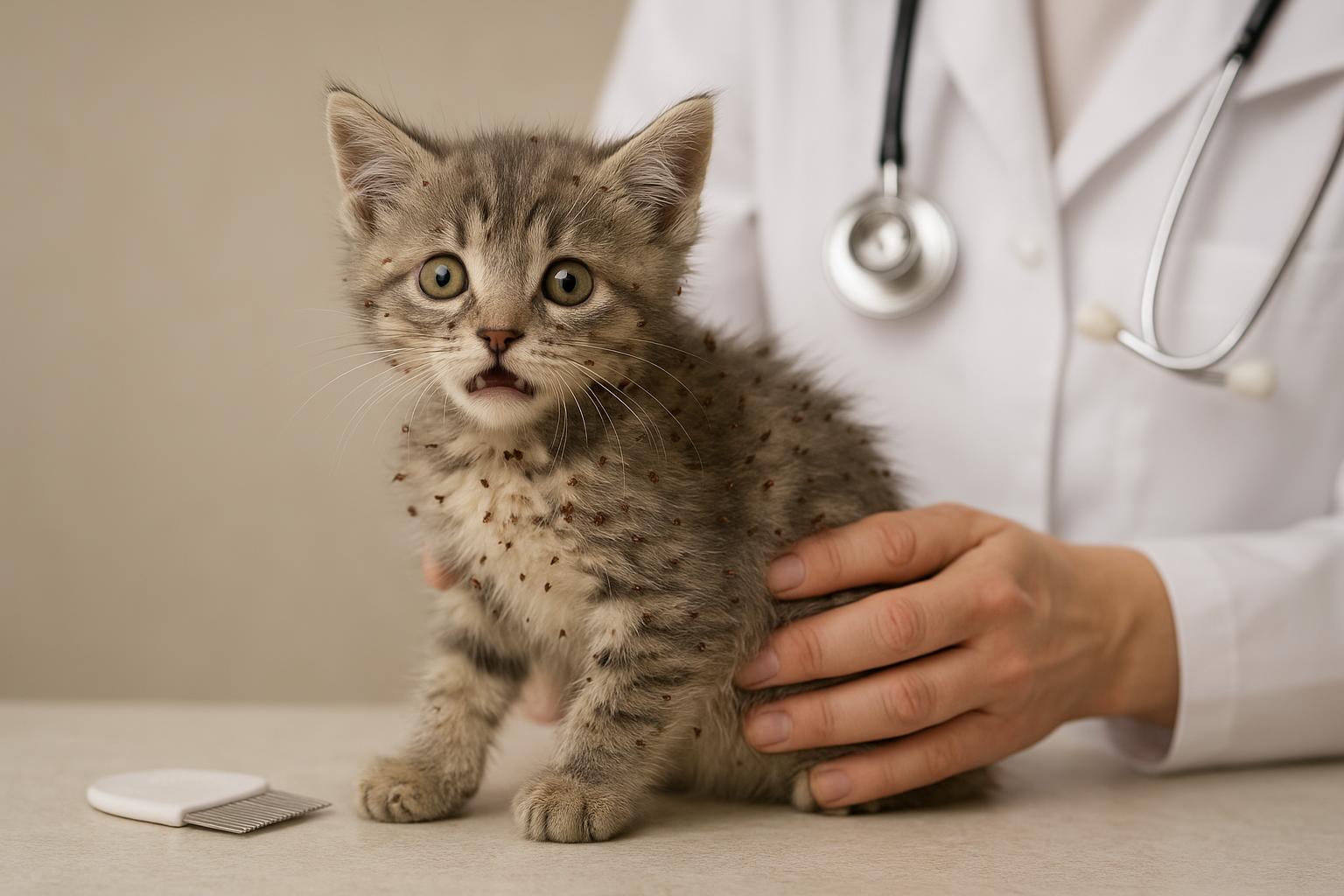
Some flea preventives are not approved for kittens under a certain age or for cats with liver or kidney disease. Always check labels and consult your vet before treating a young or senior cat. Flea anemia is a real risk for kittens because their blood volume is small; even a modest infestation can be dangerous.
If you find fleas on a kitten, your vet may recommend specific gentle treatments and supportive care like fluids or iron supplements. Don’t improvise with adult cat products.
## Travel, Boarding, And Guests
If you travel with your cat or board it, check the facility’s flea control policies. Bring proof of recent flea prevention. If your cat comes home itchy or starts scratching after a stay, inspect immediately and start combing; treat with a vet-approved product if needed.
Similarly, guests who bring their pets can be a source. Be straightforward: ask visiting pet owners to treat their animals before visits. It’s awkward but effective. These are basic flea safety tips that prevent a restart of the problem.
## When Fleas Still Linger: Advanced Steps
If standard measures fail, consider a layered approach: a vet-prescribed oral product for immediate knockdown, an environmental IGR, targeted professional pest control, and long-term monthly prevention. Each layer addresses a life stage or hiding spot.
Be mindful of product interactions. Some combinations are safe; some are not. Your vet will advise on compatible treatments and any waiting periods between products.
Keep in mind that pupae are the stubborn stage. They can survive in a cocoon for months and emerge when they sense a host. That’s why sustained measures and environmental attention are essential. If you’re dealing with heavy infestation, plan for at least eight to twelve weeks of active management.
## Cost Considerations And Budgeting
Treating fleas can be expensive if you delay. Preventive monthly products are cheaper over a year than repeated emergency treatments, vet visits for secondary infections, or hiring exterminators after an infestation takes hold. If budget is tight, prioritize vet-recommended preventive products and aggressive cleaning. That combination will often avert the need for pricier interventions.
## Emotional Cost And Dealing With Stress
Flea problems cause worry. You may feel guilty, frustrated, or embarrassed. Remember: fleas are everywhere. Focus on the steps you can control. A plan, executed consistently, changes the situation. Reach out to your vet for support. They’ve seen this many times and can suggest the most practical path forward.
#### Final Practical Checklist (Short)
– Start a vet-approved flea preventive now.
– Vacuum weekly and wash bedding in hot water.
– Comb the cat daily for two weeks; then weekly.
– Treat all pets in the household.
– Keep lawn trimmed and inspect entry points.
– Call a professional if fleas persist after two months of consistent effort.
There’s no magic quick fix, but there is a reliable process. Follow it, and your indoor space will get back to normal. And if you find an odd typo here and there, chalk it up to life with pets and a busy schedule—resiliant pet owners get results.













Leave a Reply