
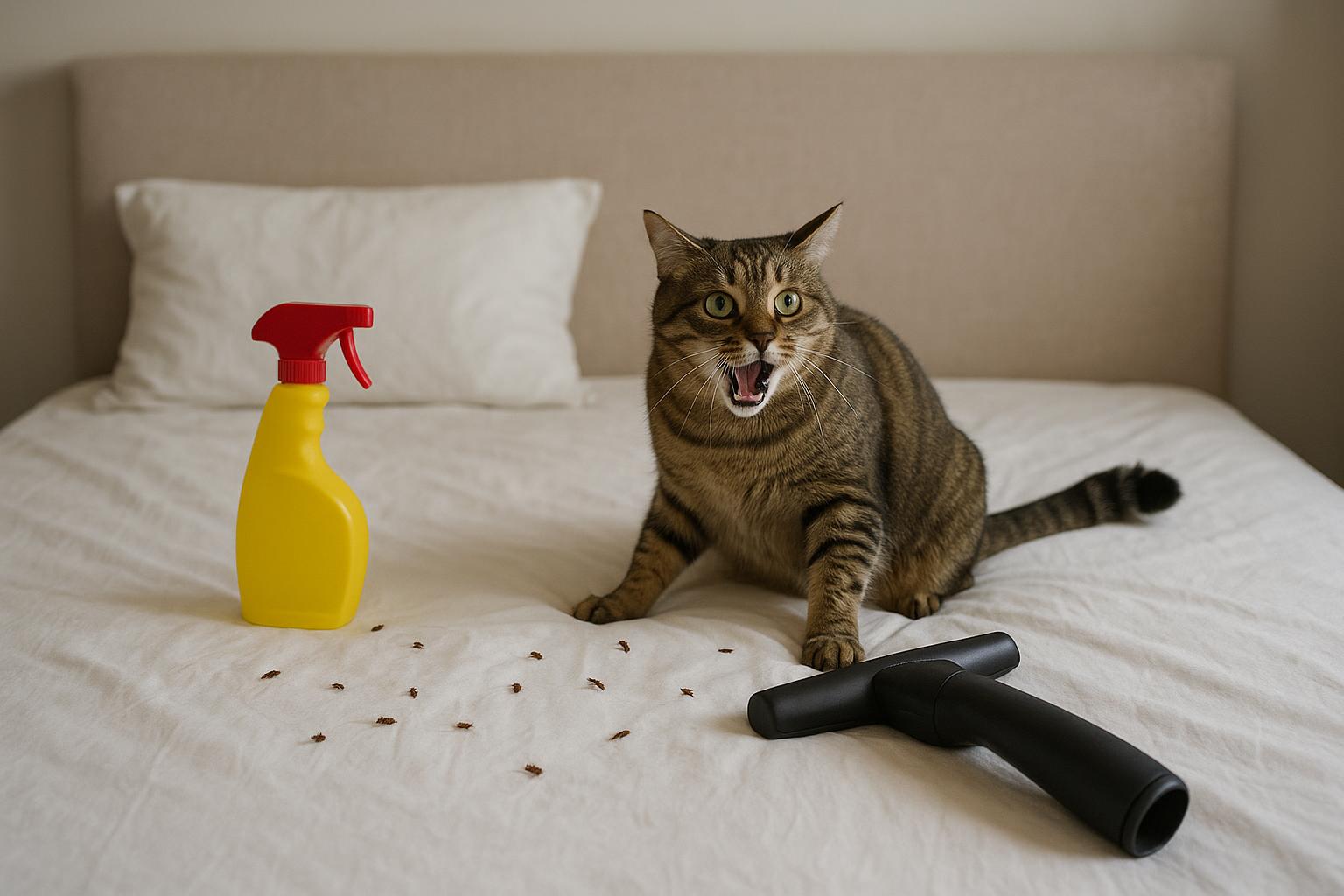
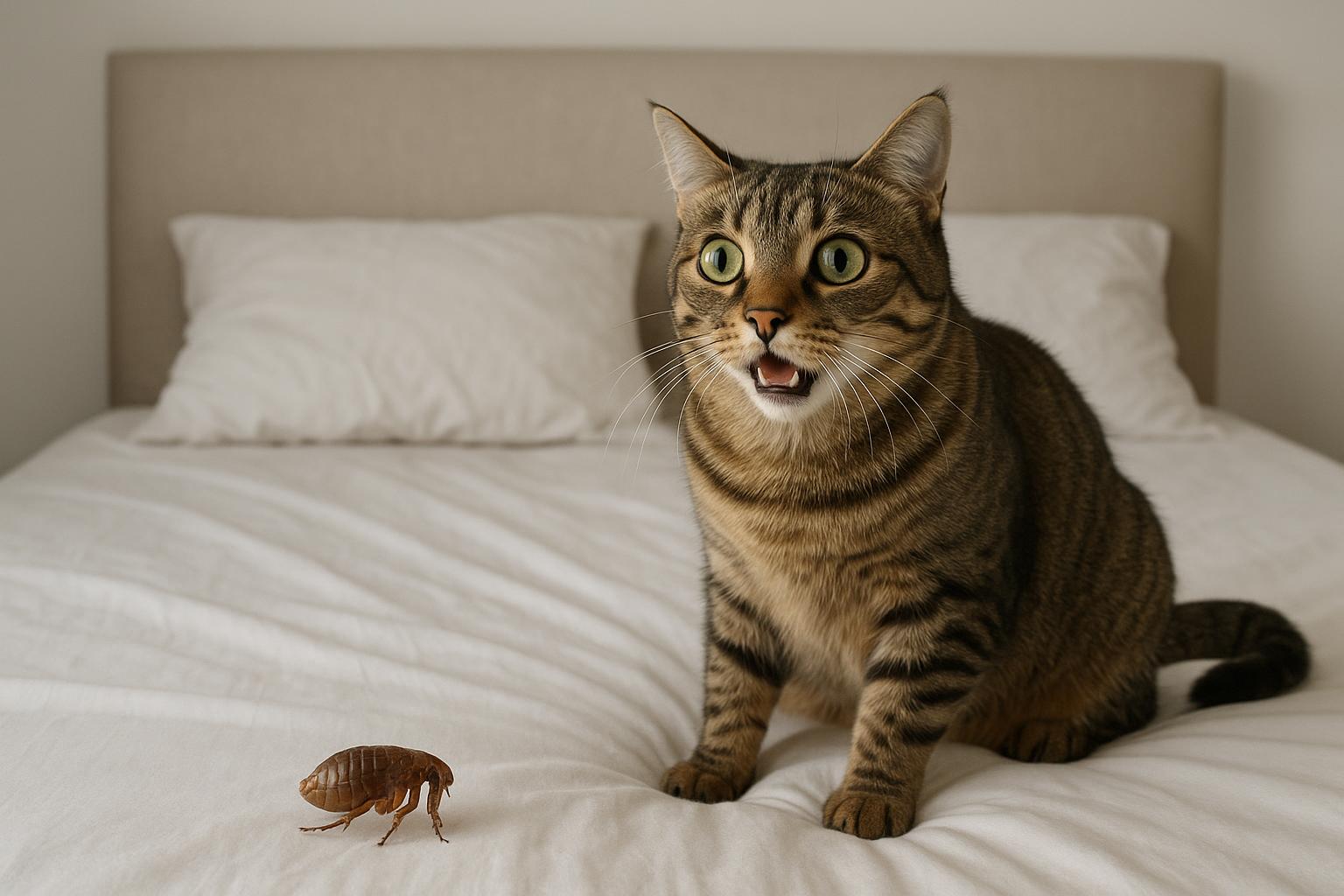
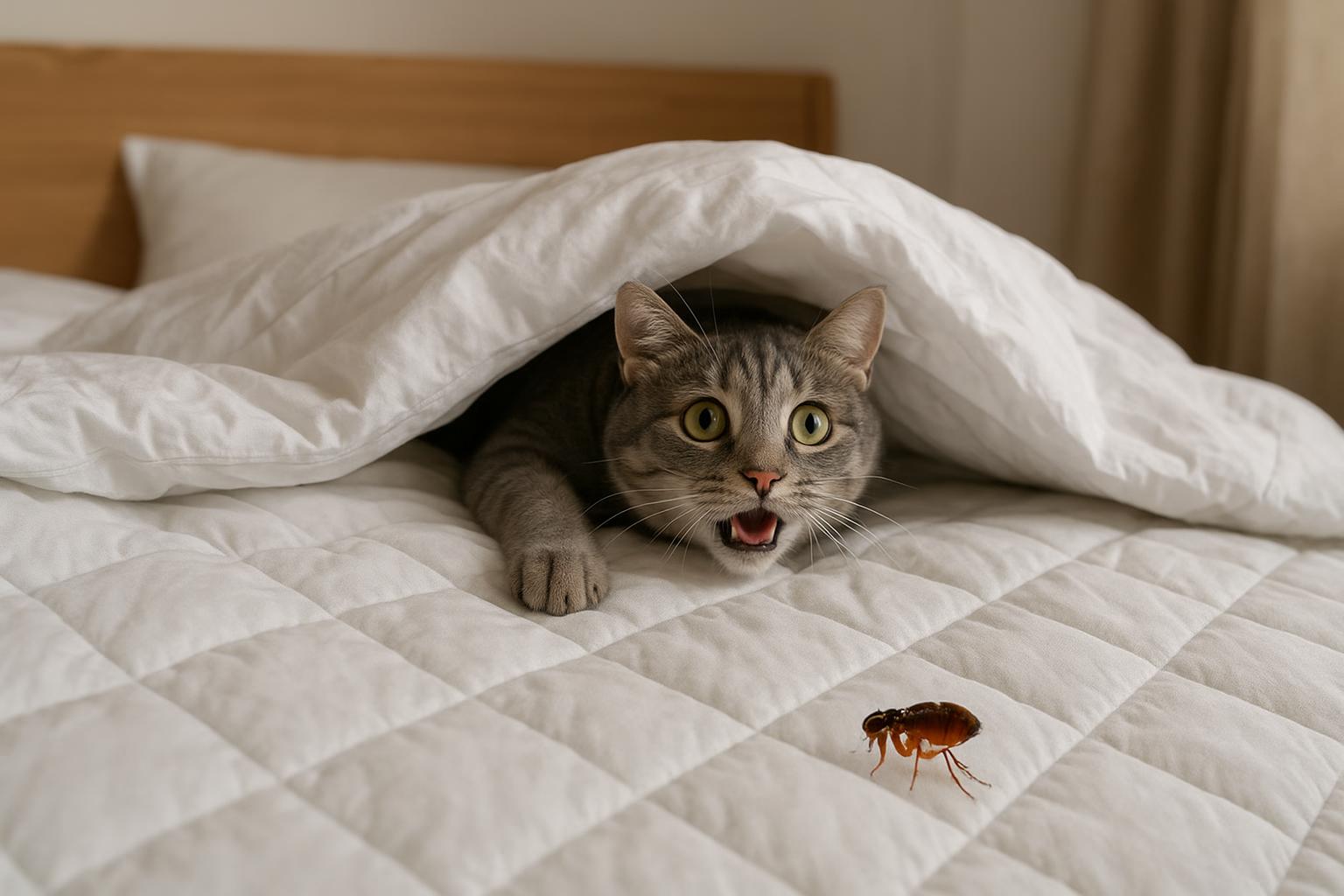
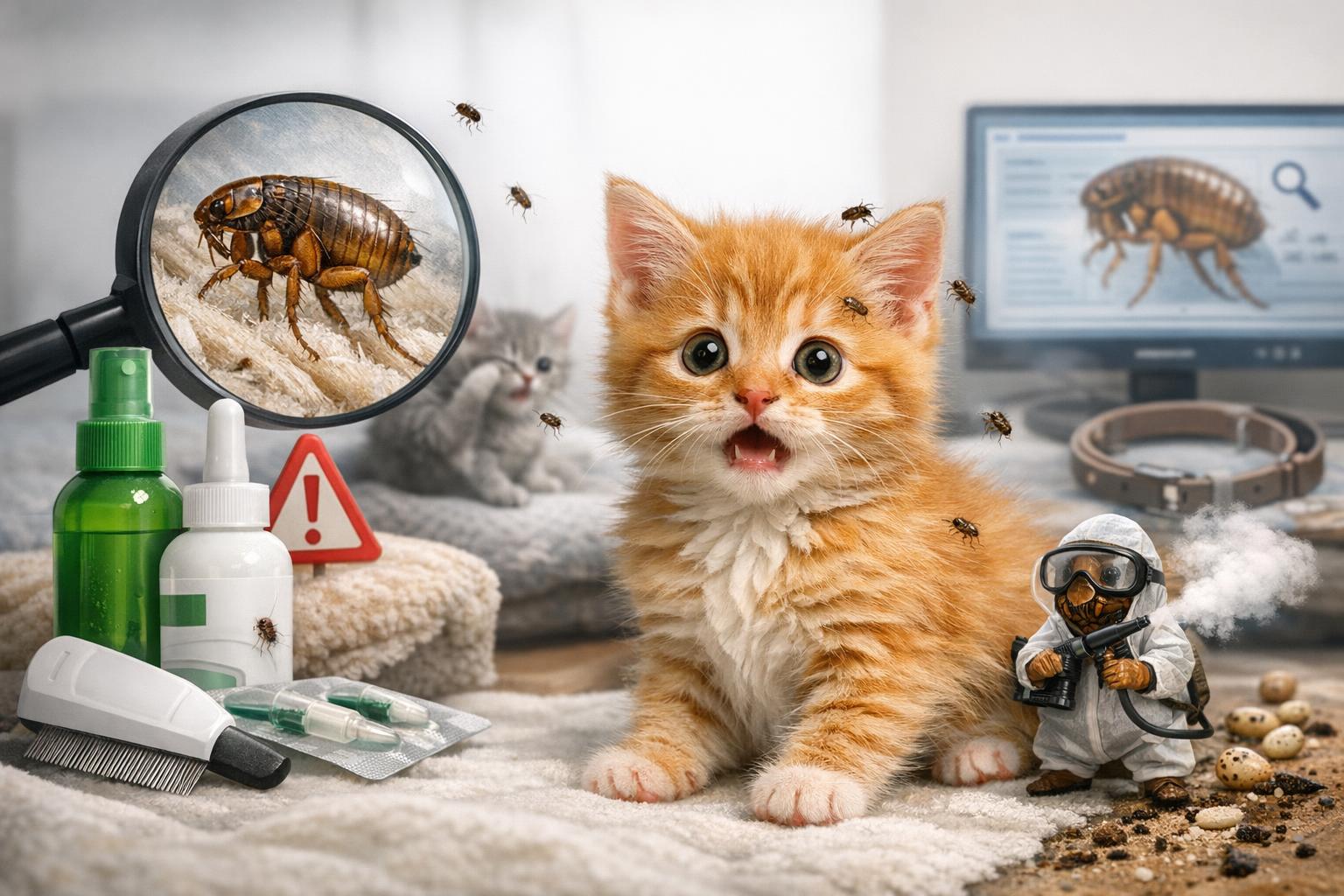
You wake up to a tiny, frantic army crawling across your sheets — the sheer panic is electric. Fleas in your bed are an absolute nightmare, a tiny relentless horror that bites, multiplies, and hides where you least expect it. Fear not: this mattress rescue guide is a dramatic wake-up call followed by precise, professional instructions to reclaim your sleep kingdom.
## How To Remove Fleas From Beds: Quick Mattress Rescue
Fleas spread faster than gossip. If you’re searching for how to remove fleas from beds you need rapid action, systematic mattress care, and targeted treatment of the whole sleeping environment, not just the pet. This article shows you exactly what to do — with sensational urgency and calm, formal steps where it matters most.
## 1. Immediate Action Plan To Stop The Spread
A flea explosion in bedding demands instant triage. First: remove pets from the bed and confine them to a flea-free area after treatment. Next: isolate the bed. Close bedroom doors, open windows for ventilation, and prepare to attack fleas with heat, suction, and safe desiccants.
### Materials Needed For Triage
#### Essential Supplies
– High-power vacuum cleaner with brush attachment
– Hot-water-capable washing machine and dryer
– Sealed plastic bags
– Stiff brush or upholstery tool
– Protective gloves and mask
### Step-By-Step Triage Procedure
1. Strip all bedding, pillows, mattress protectors, and washable fabric items. Place them in sealed bags to avoid scattering fleas.
2. Immediately launder on the highest safe temperature for fabric (at least 60°C/140°F when possible). Dry on high heat for 30–60 minutes. Heat kills all flea life stages.
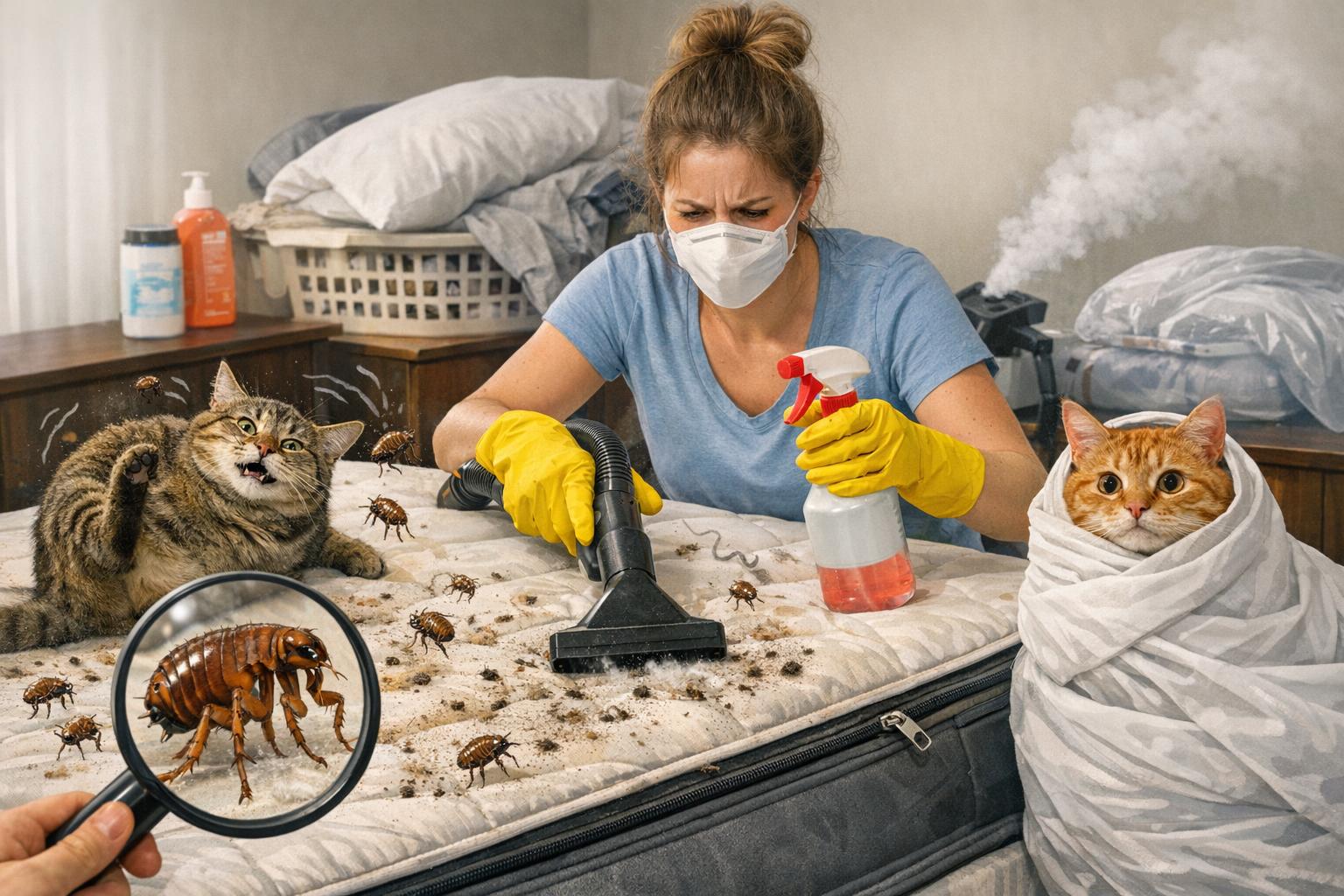
3. Use the vacuum on mattress seams, bed frame, headboard, floor around the bed, and rugs. Empty the vacuum canister or replace the bag into a sealed bag and discard outside your living area.
4. Apply a stiff brush or upholstery tool to agitate hidden pests and then vacuum again. This reduces flea numbers dramatically and buys time while you treat the rest of the room.
5. Do not remade the bed until other treatments are in place — fleas can jump back.
## 2. Remedy: Food-Grade Diatomaceous Earth (Natural Powder) — Formal Protocol
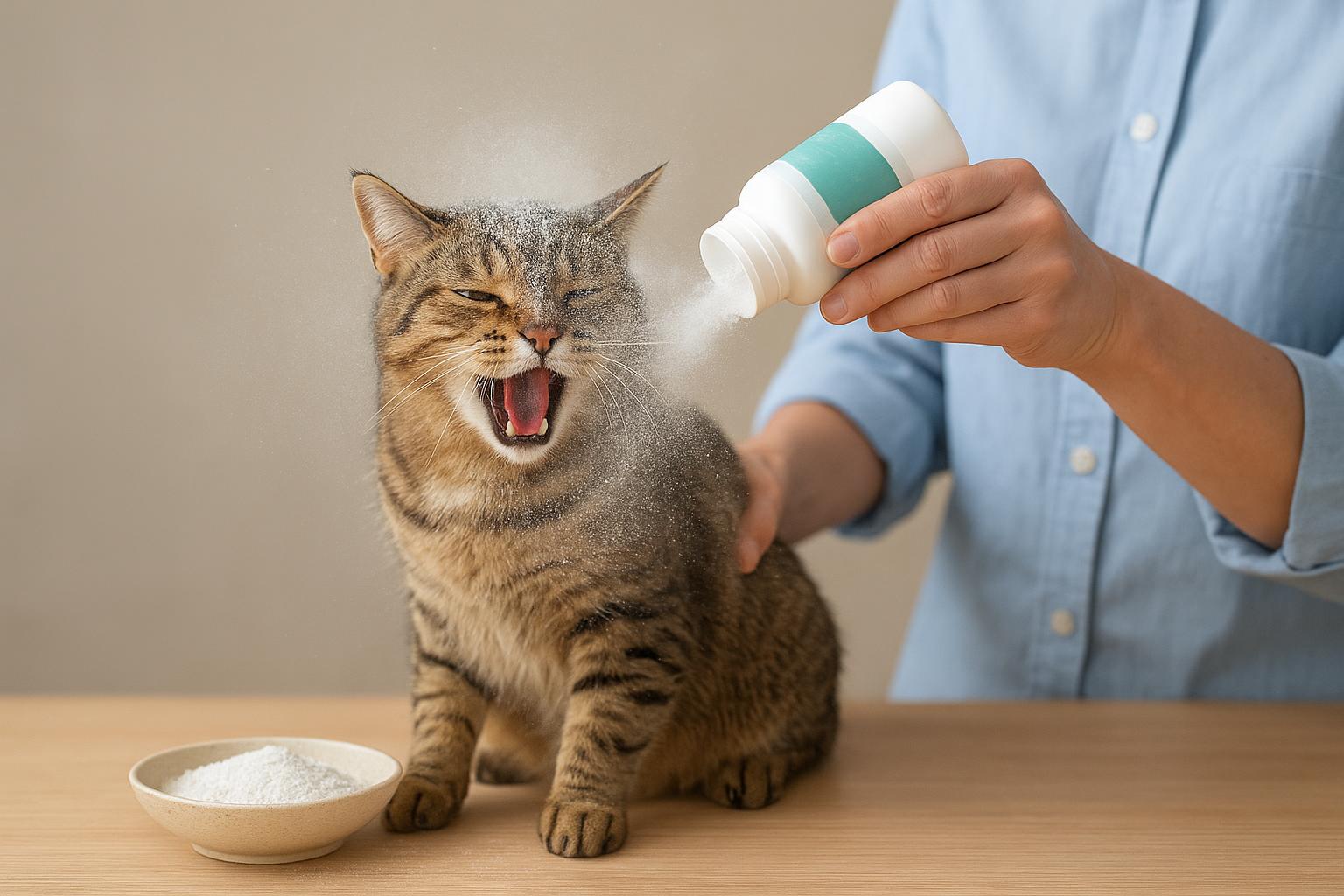
Diatomaceous earth (DE) is a natural desiccant that dehydrates insects. Use only food-grade DE and follow these formal steps to safely apply it to mattress surfaces and nearby carpets.
### Ingredients And Materials
– Food-grade diatomaceous earth (1–2 pounds)
– Fine-mesh shaker or sifter
– Soft brush or broom
– HEPA vacuum cleaner
– Protective mask, goggles, and gloves
### Application Steps (Formal)
1. Prepare: Wear protective gear to avoid inhalation. Remove all people and pets from the room.
2. Dispense: Lightly dust mattress surfaces, seams, and the floor perimeter using the shaker, concentrating in creases and around baseboards where flea larvae hide. Avoid clumping; a thin, even layer is sufficient.
3. Leave: Allow DE to remain undisturbed for 48–72 hours. During this period, DE will dehydrate fleas, larvae, and eggs that come into contact with it.
4. Vacuum: After the exposure period, vacuum thoroughly with a HEPA vacuum. Empty and seal the contents in a bag and discard outside.
5. Repeat: If live fleas are still seen, repeat the application once more after 7–10 days to target newly hatched fleas from eggs that survived the initial pass.
## 3. Remedy: Steam Cleaning And Heat Treatment — Formal Protocol
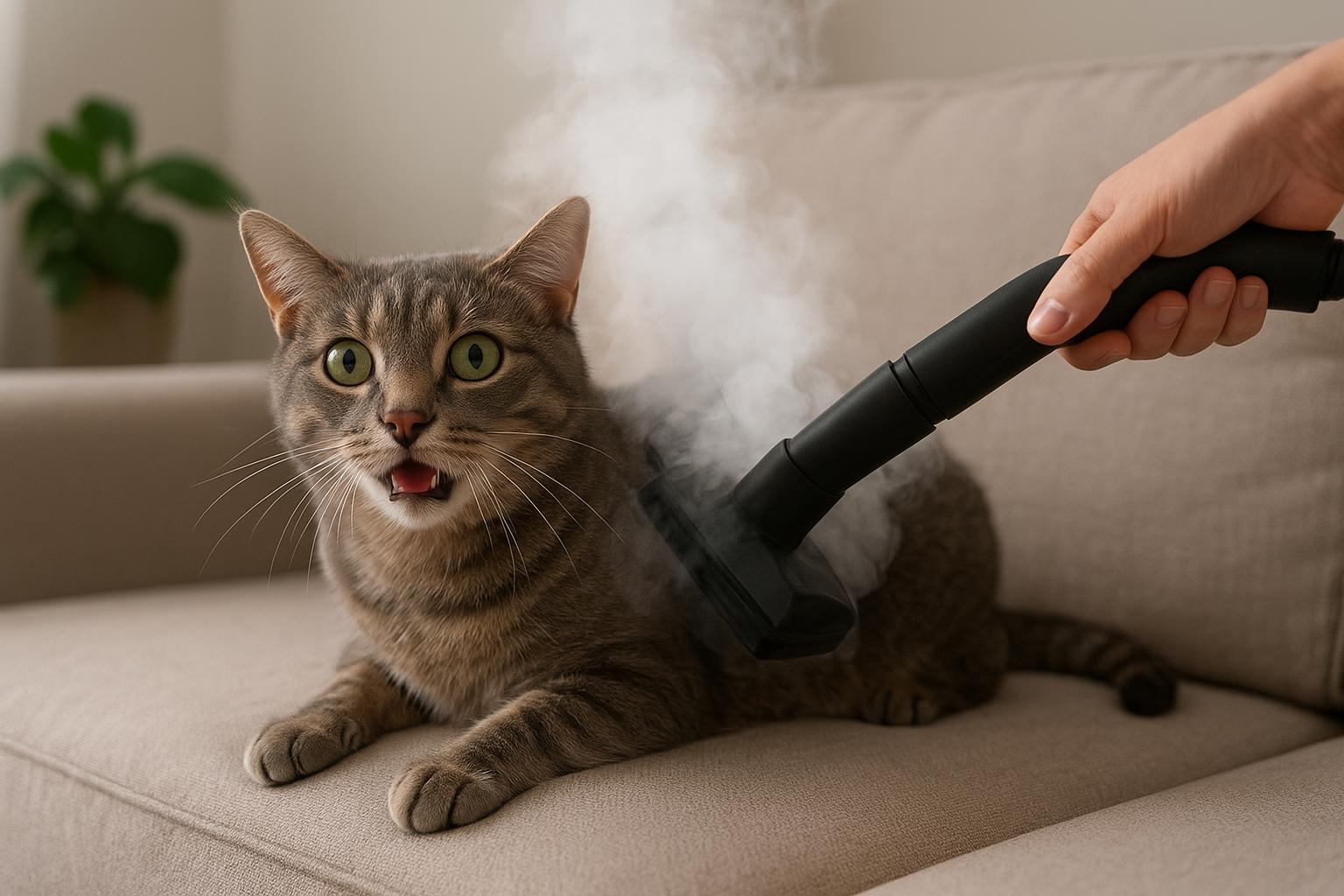
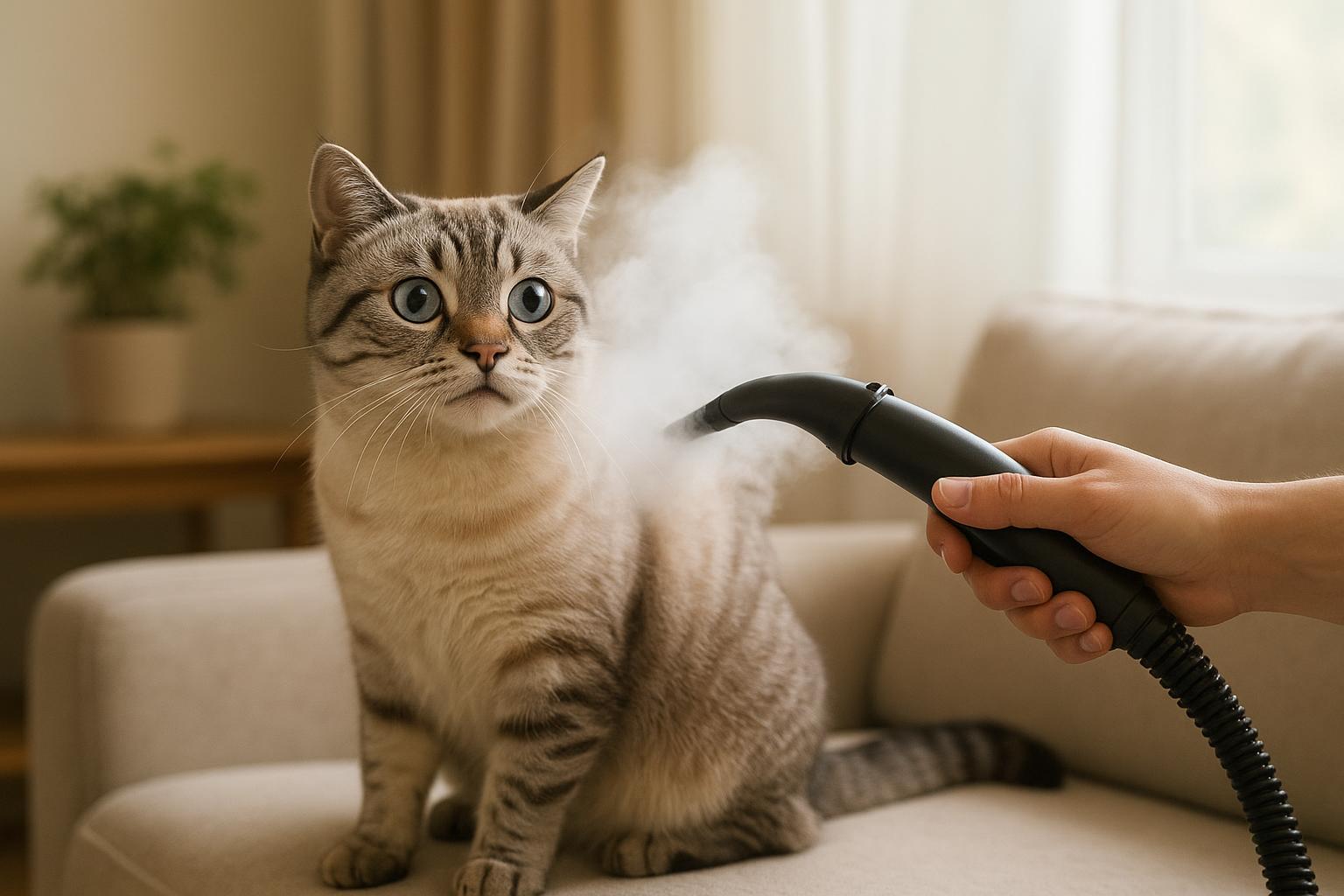
Heat is the easiest guaranteed killer of all flea life stages. A steam cleaner provides deep cleaning with no chemical residue.
### Materials Needed
– Commercial steam cleaner (capable of 212°F/100°C steam)
– Clean microfiber cloths
– HEPA vacuum
– Mattress cover rated for heat resistance (optional)
### Steam Treatment Steps (Formal)
1. Strip Bedding: Remove all linens and wash them immediately on hot.
2. Vacuum Mattress: Use a HEPA vacuum to remove adult fleas and loose debris before steaming.
3. Steam Methodically: Work in slow passes across the mattress surface, seams, and tufts. Hold the steam nozzle close to the surface for a few seconds per pass to ensure heat penetration.
4. Treat Surroundings: Steam clean carpet edges, rugs, bed frames, and upholstered furniture. Flea larvae and eggs often hide off the mattress in “flea bedding” such as pet mattresses and soft toys.
5. Dry Thoroughly: Use fans and keep windows open for ventilation. Ensure everything is completely dry before remaking the bed to prevent mold and to disrupt flea survivability.
## 4. Pet Treatment And Household Synchronization
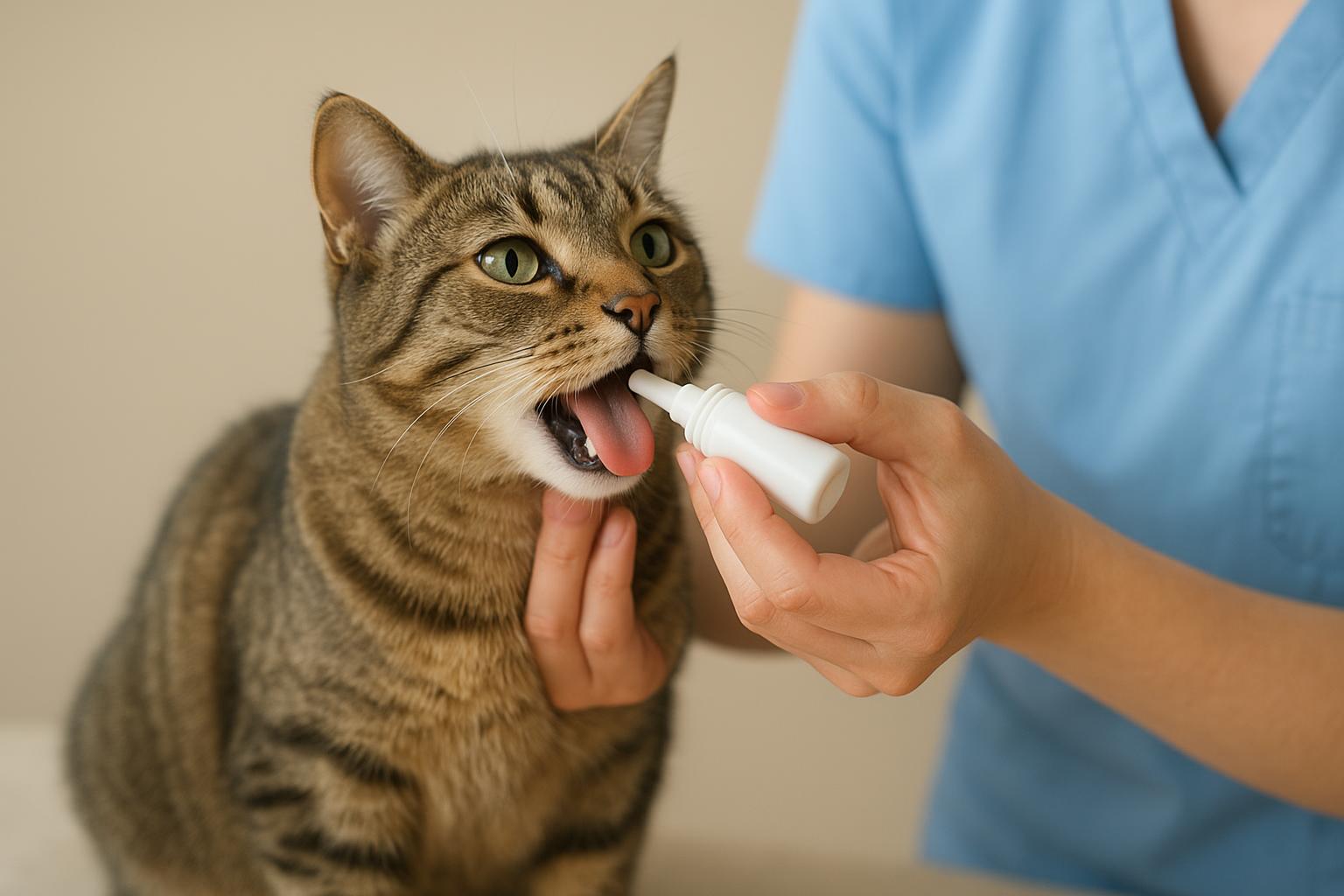
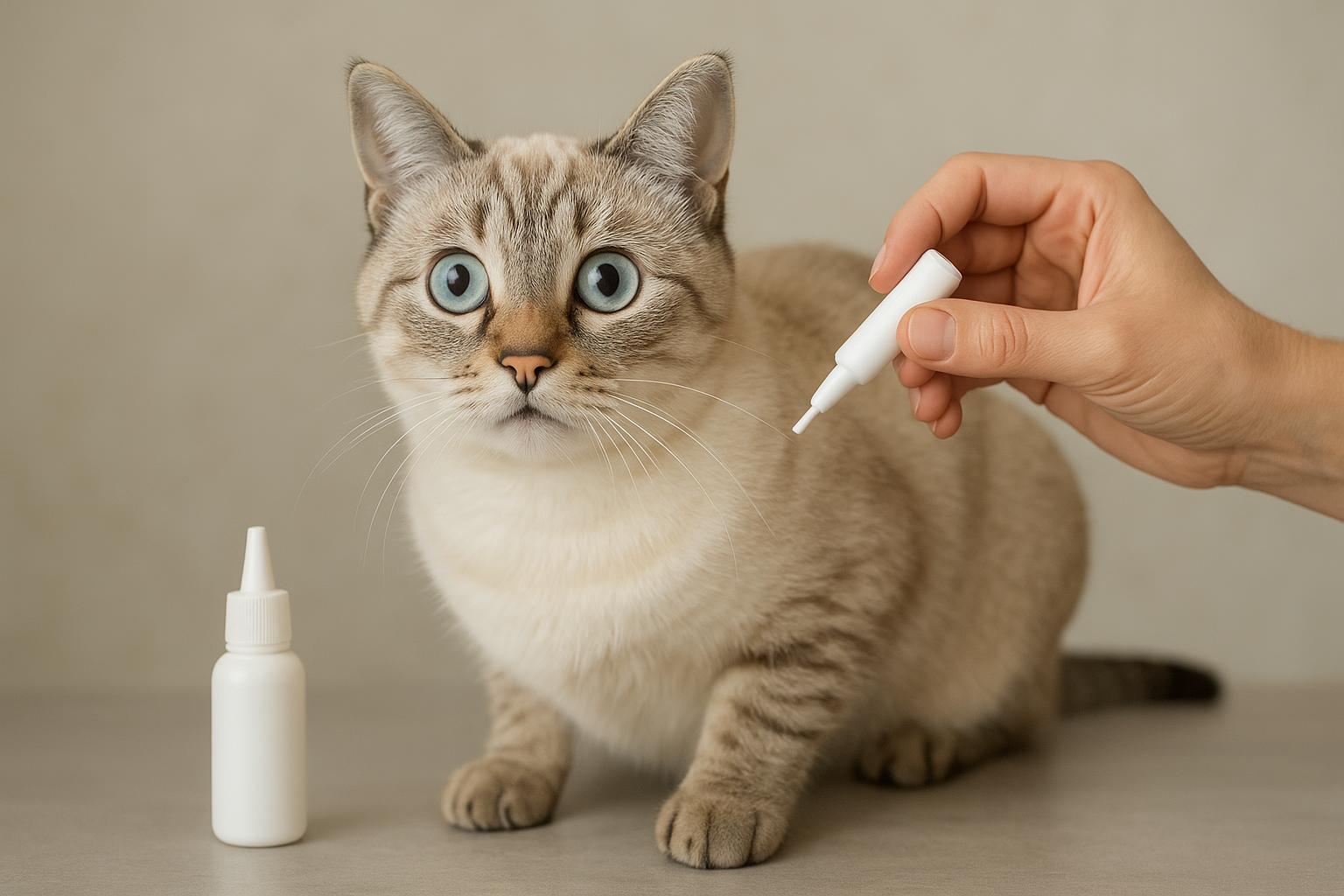
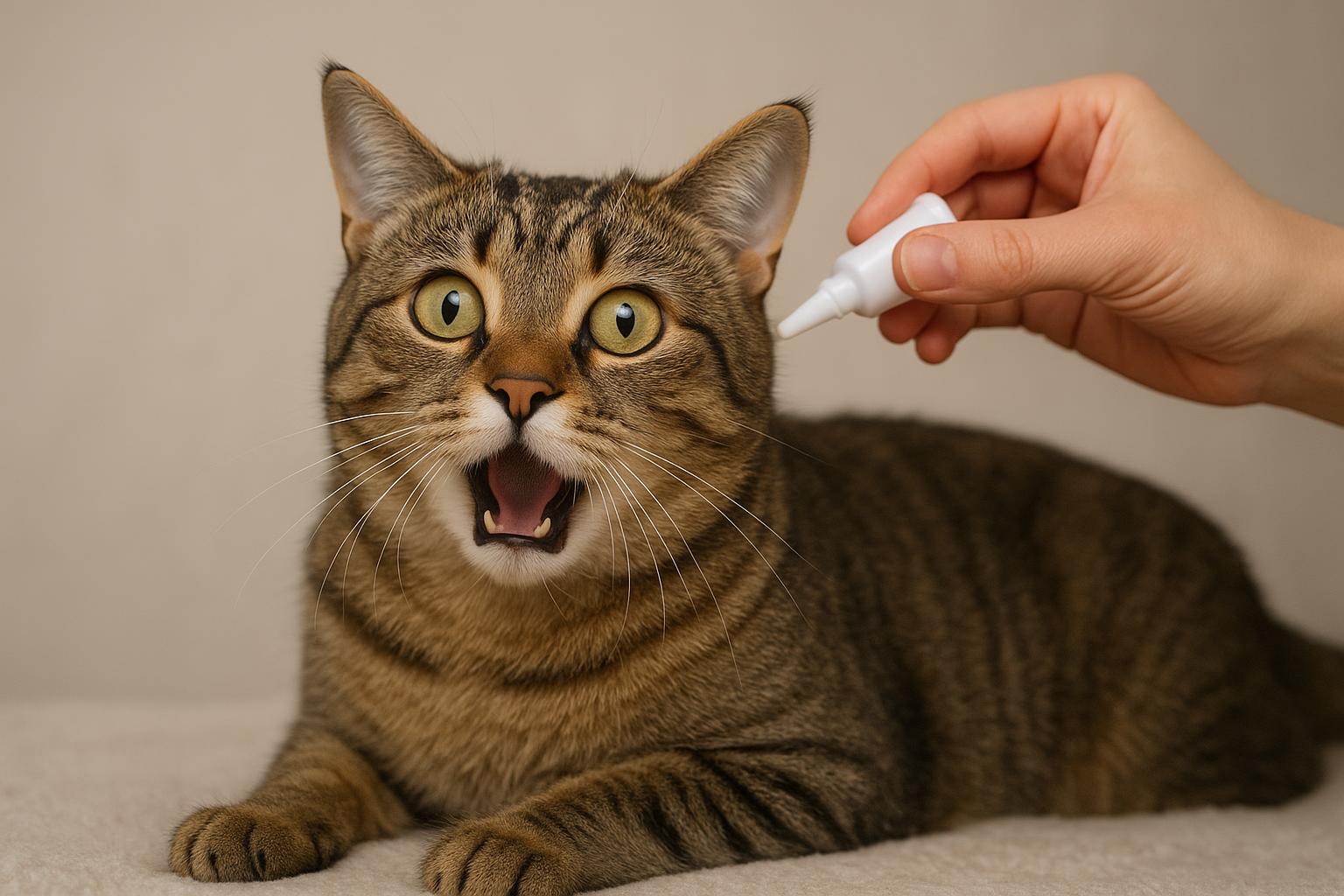
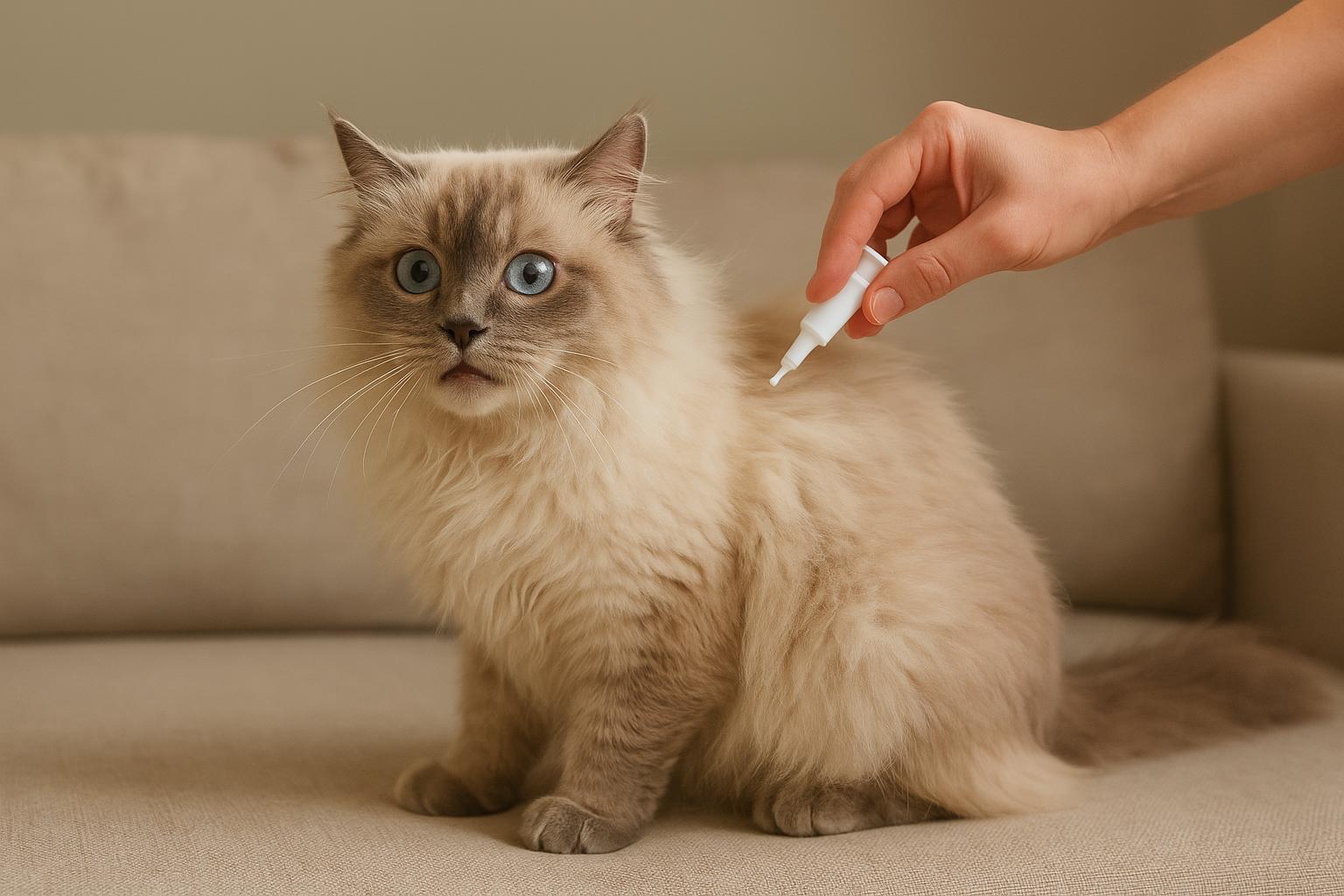
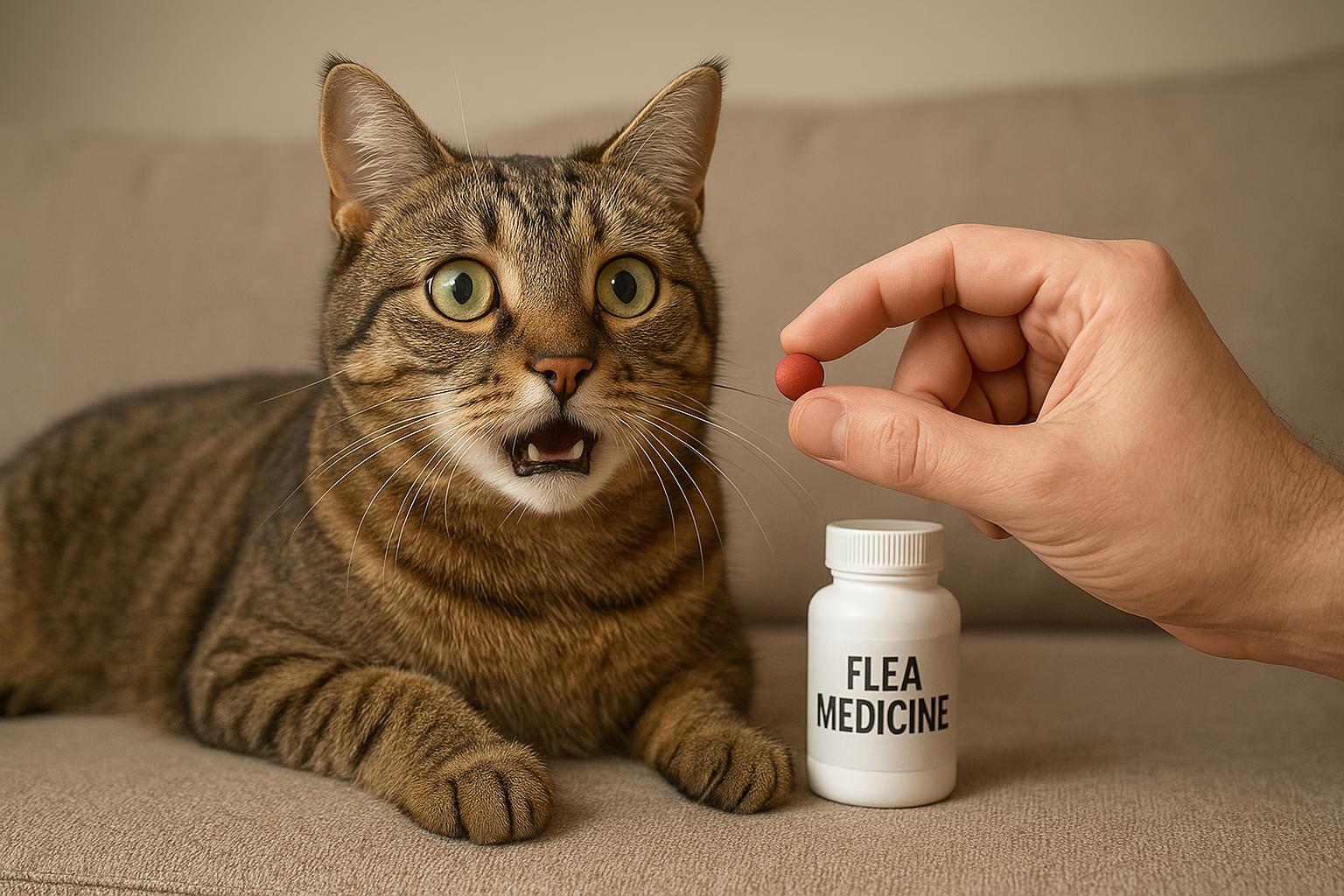
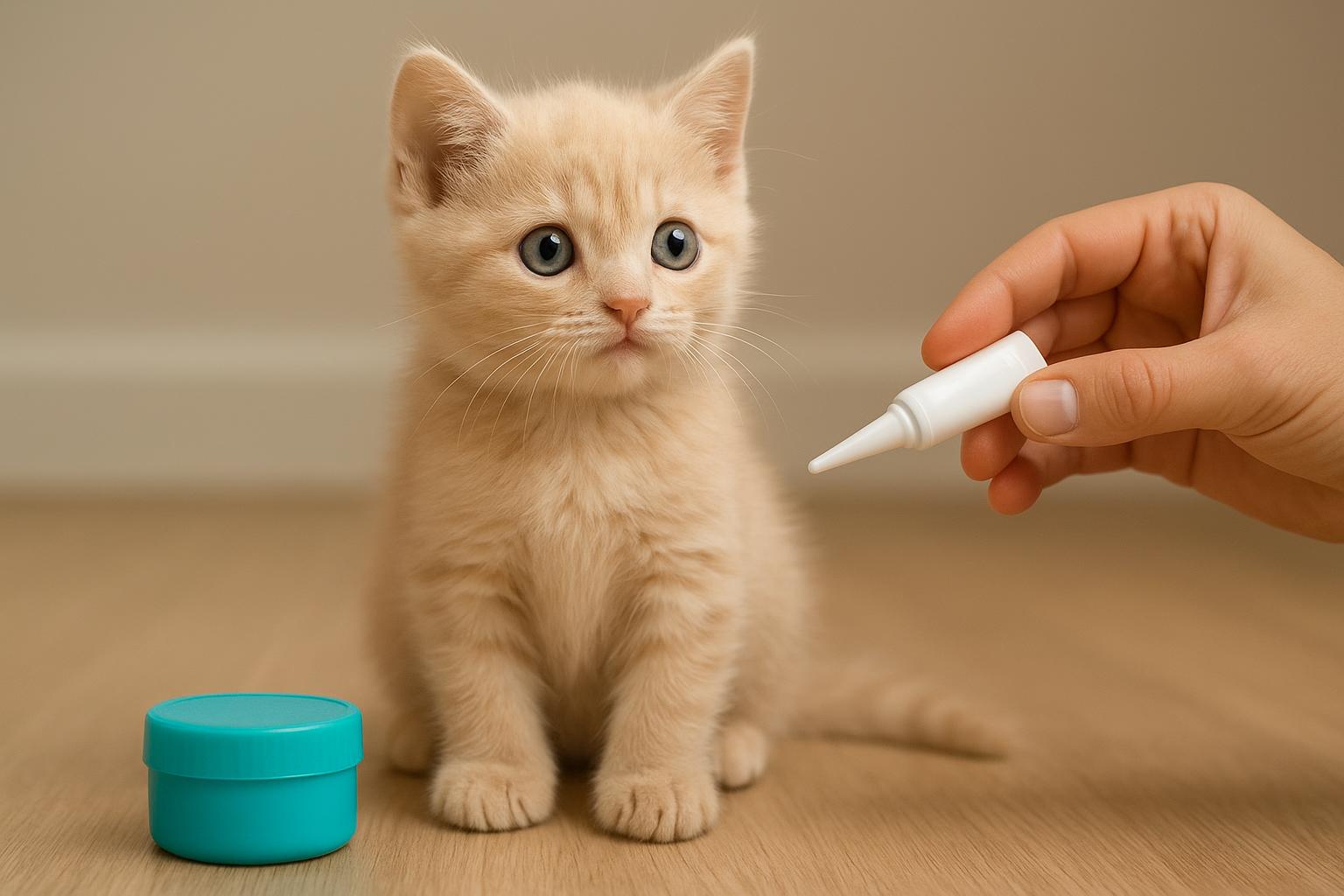
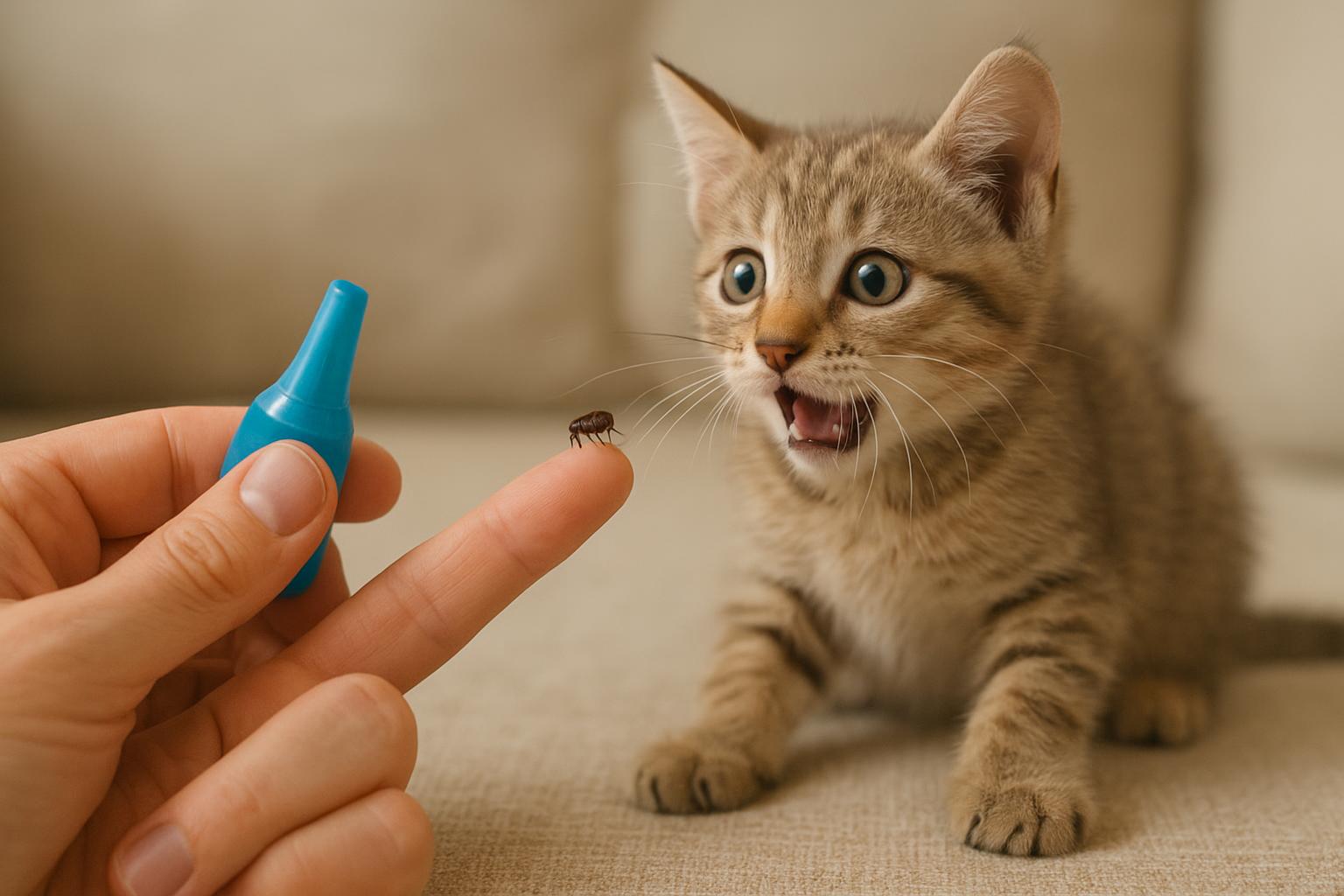
Treat pets and living spaces simultaneously; if you skip a pet, fleas will return. Consult your veterinarian for approved topical or oral flea preventives. For immediate home action, use flea combing and washing.
### Formal Pet Care Steps
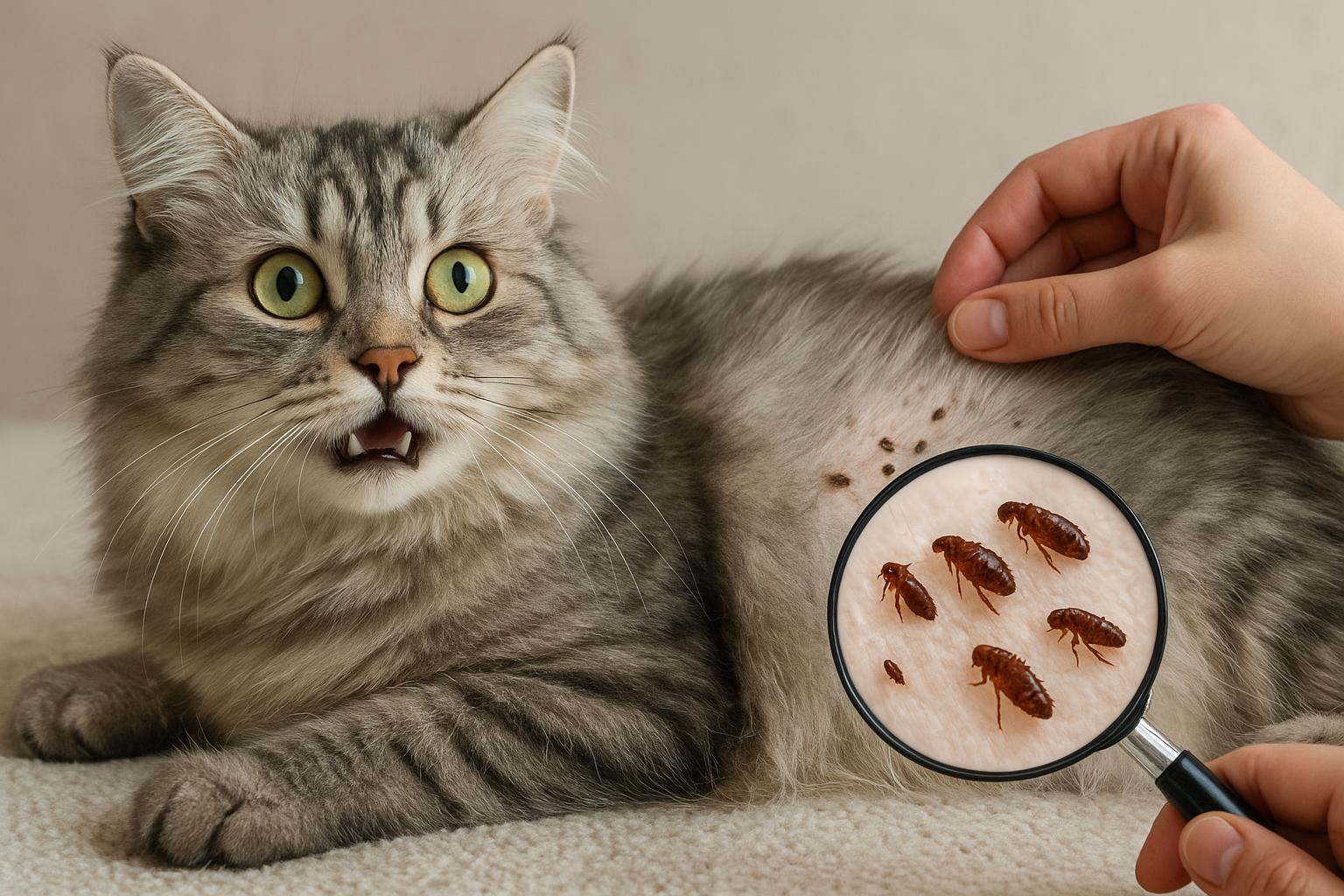
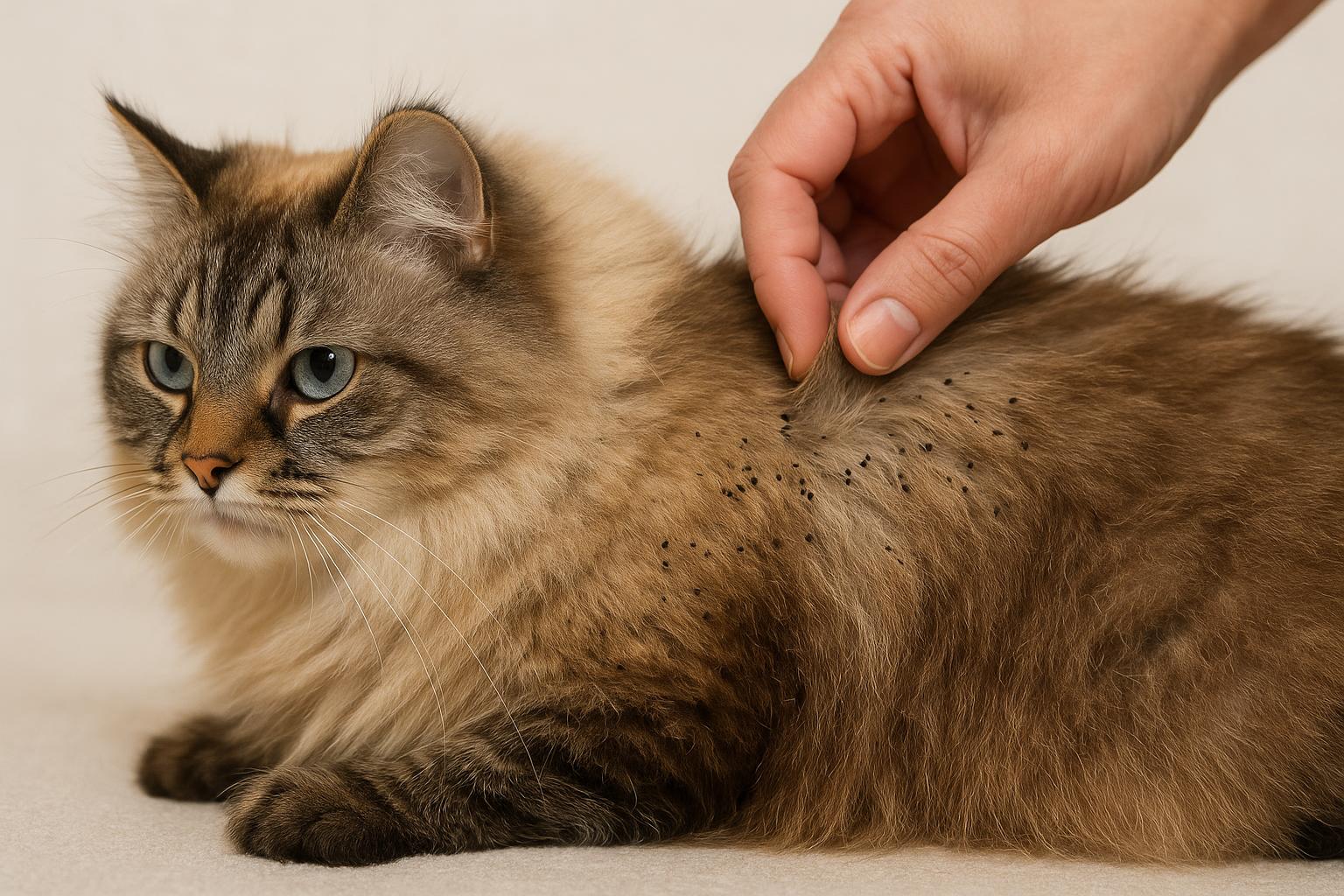
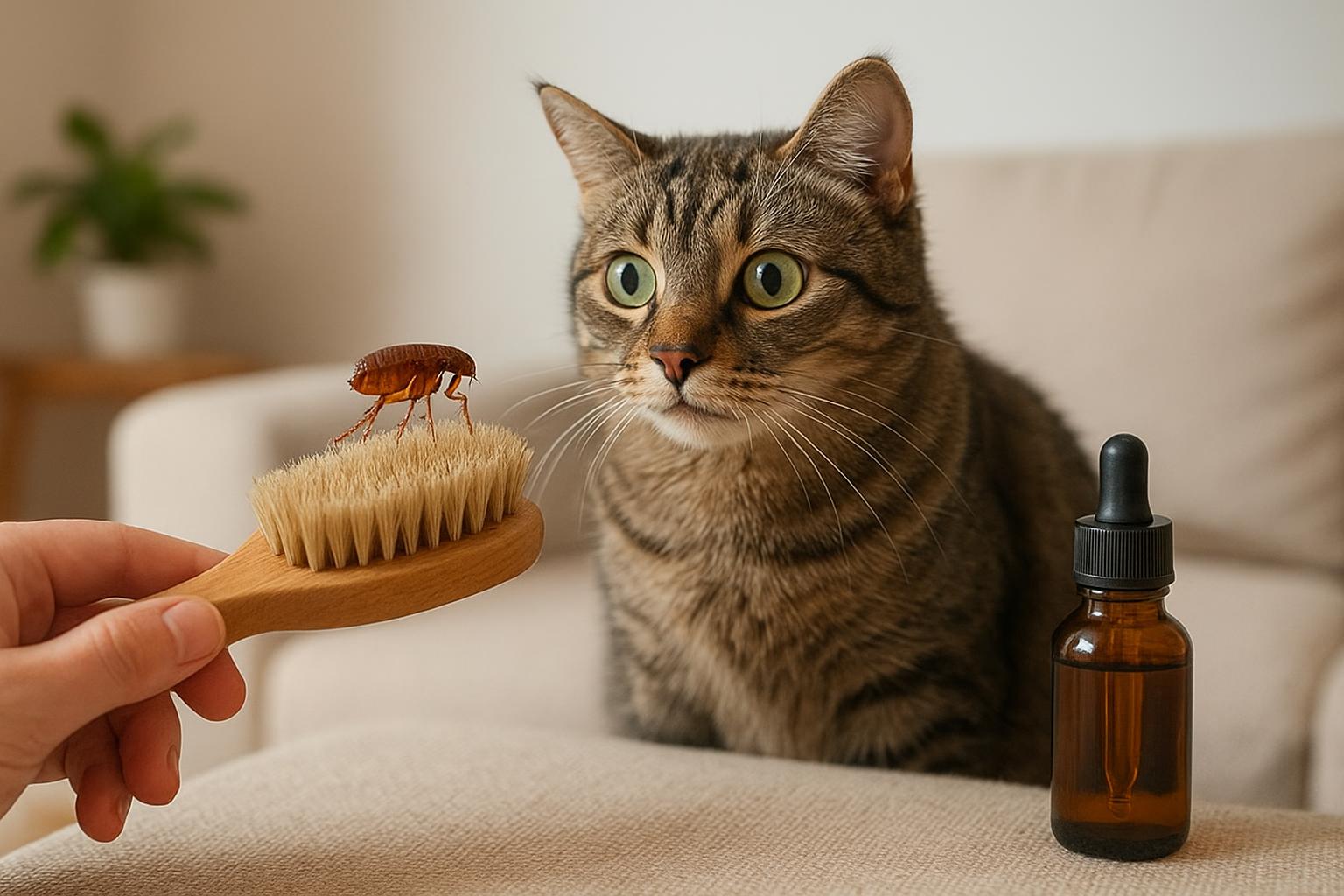
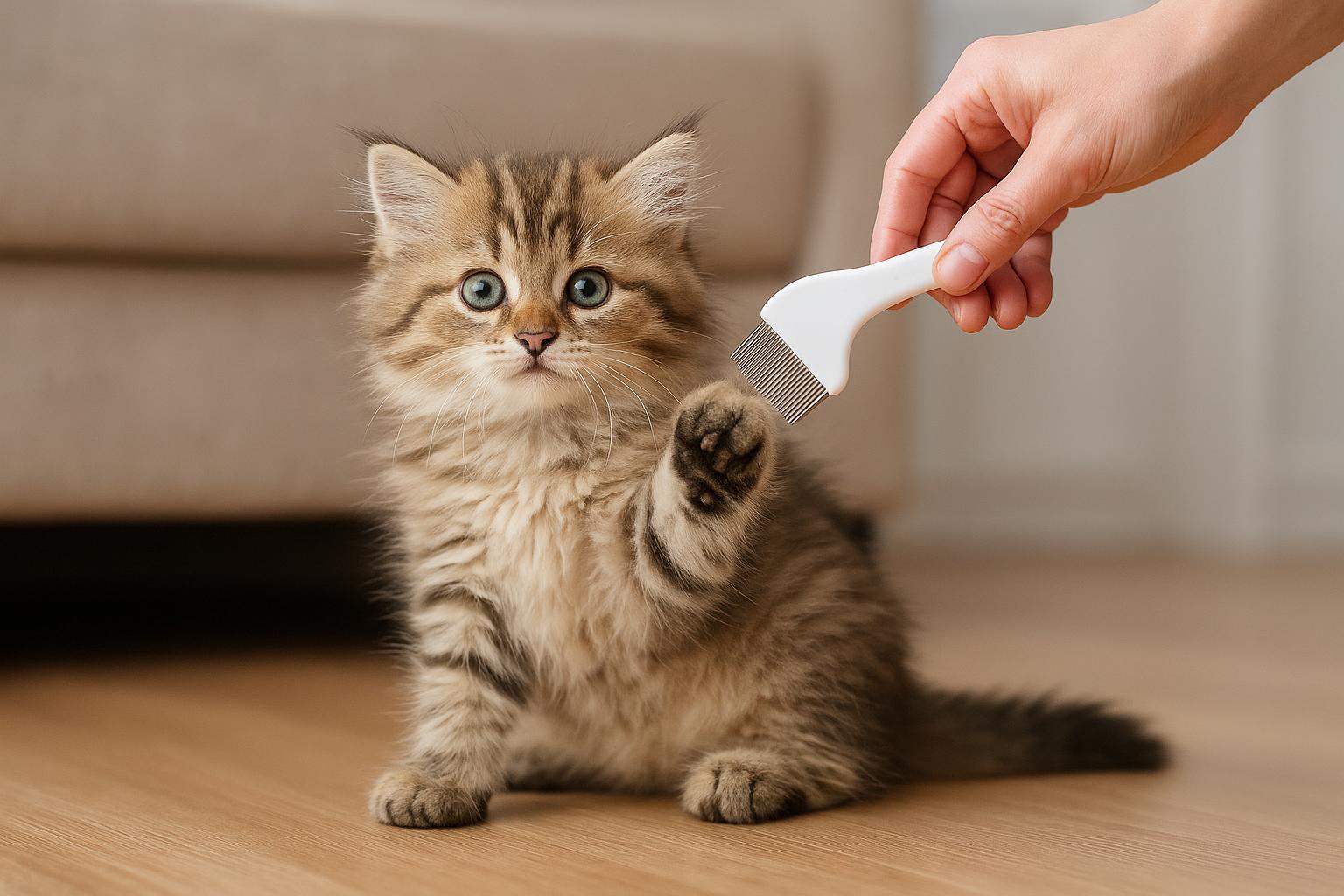
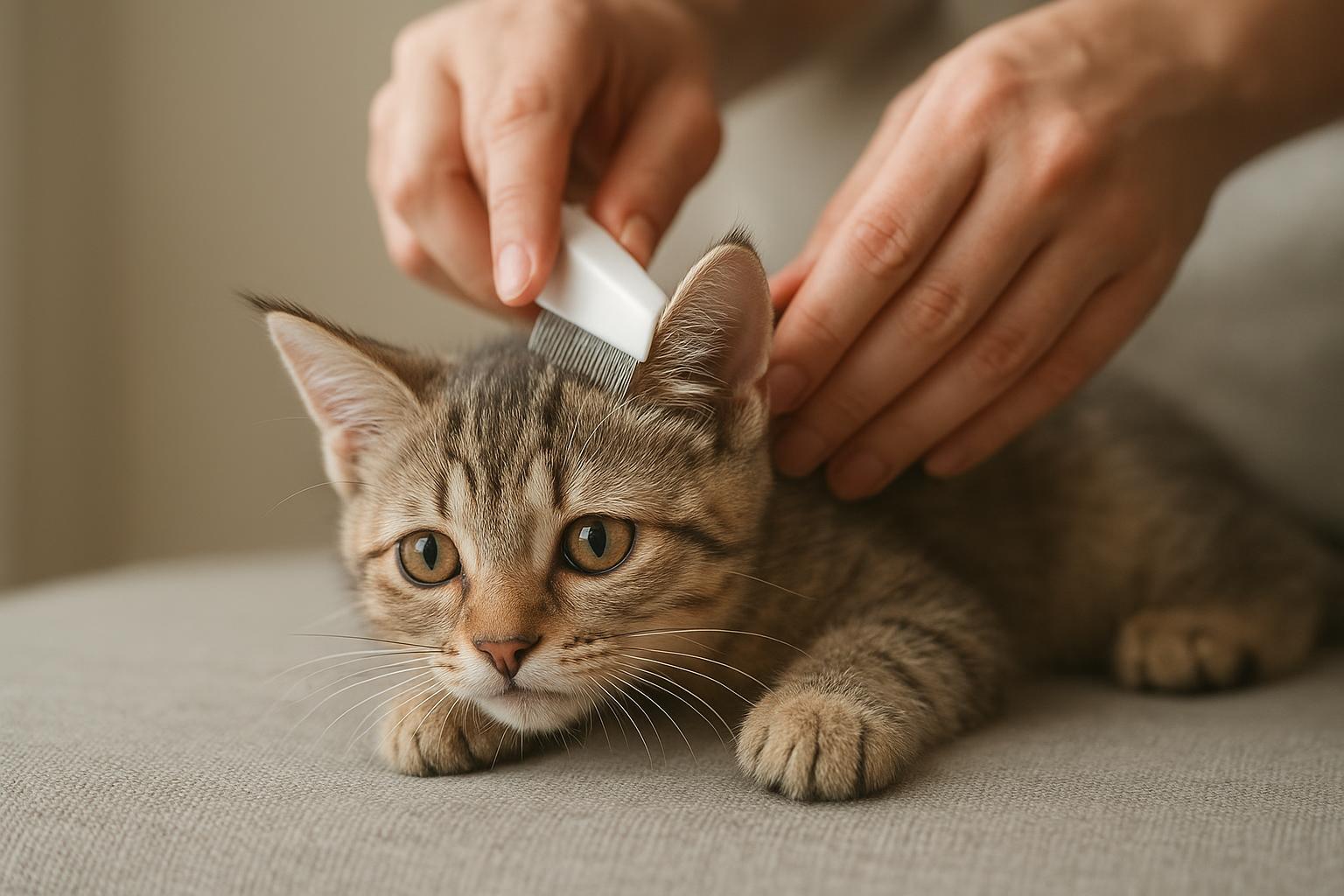
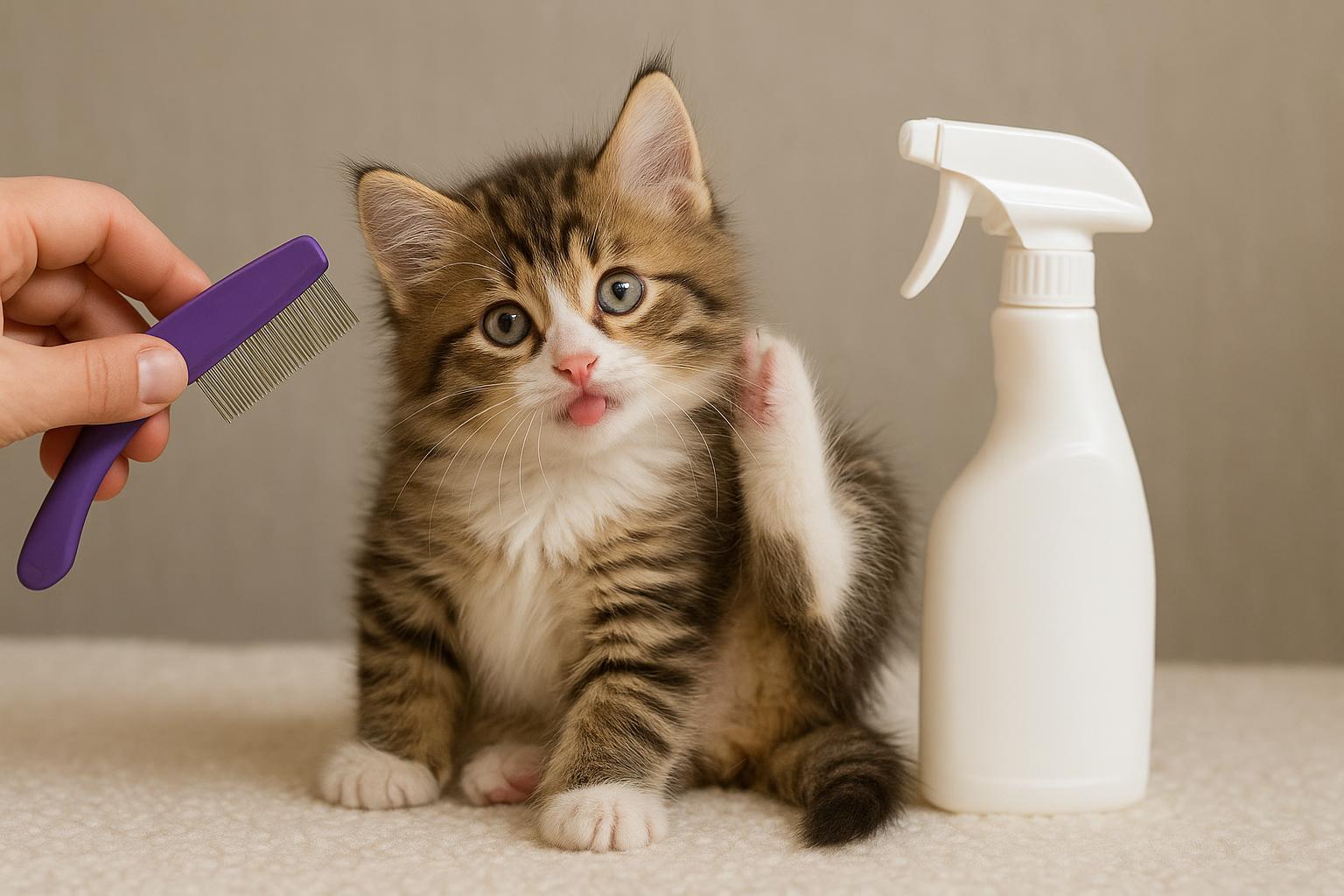
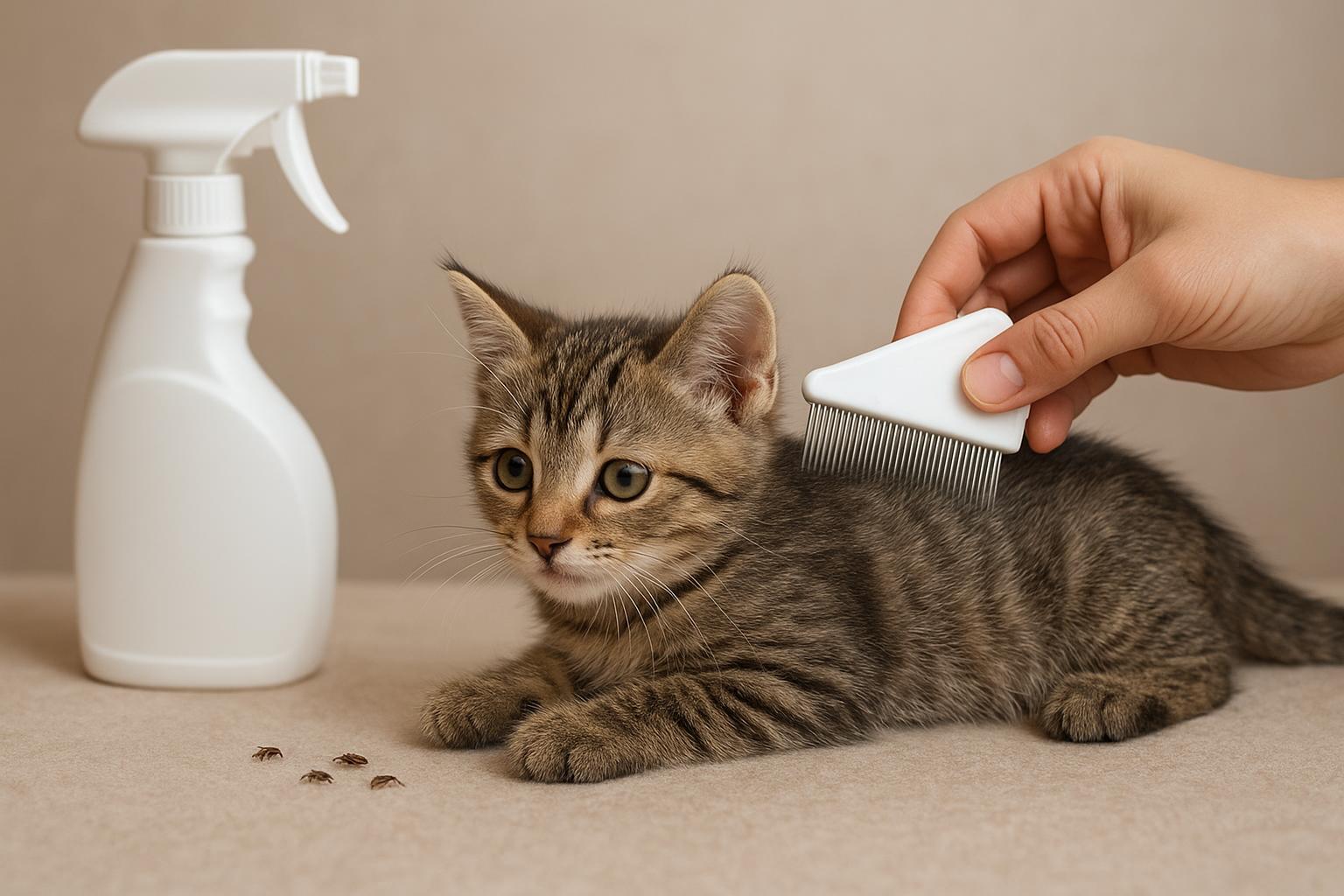
1. Flea Comb: Comb your pet with a fine-toothed flea comb over a pale surface to remove and kill adult fleas. Drown combed fleas in soapy water.
2. Bathing: Use a veterinarian-recommended flea shampoo and rinse thoroughly.
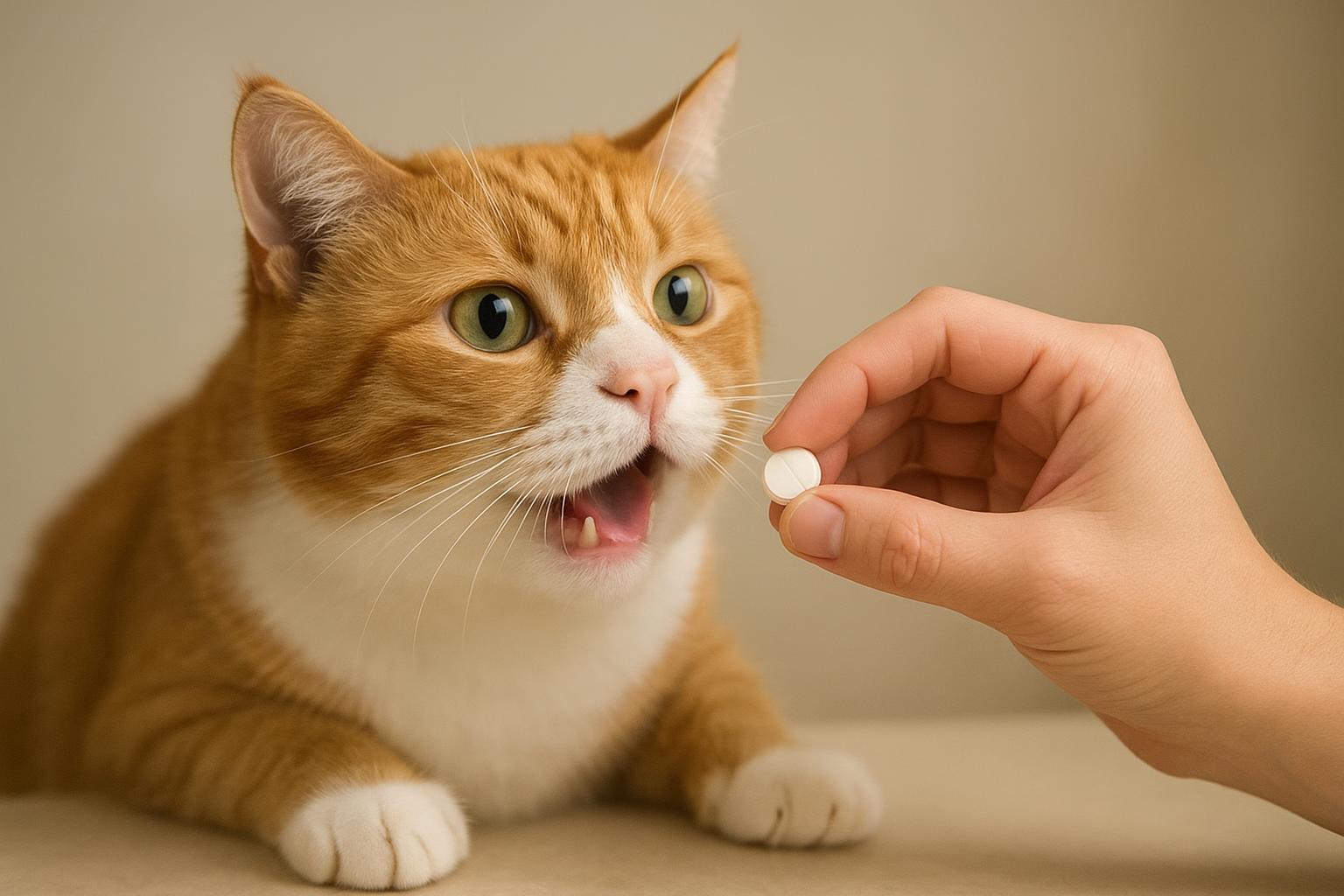
3. Medication: Administer veterinarian-prescribed oral or topical flea control products. Many modern products kill adult fleas and prevent egg development.
4. Treat Flea Bedding: Wash or dispose of pet bedding. Use the same heat or DE methods on pet mattresses. Rotate through replacement laundering and cleaning until the infestation is controlled.
## 5. Preventive Mattress Care And Ongoing Monitoring
Once you’ve dealt with the immediate invasion, excellent mattress care prevents recurrence. Routine cleaning and vigilance are the keys to staying flea-free.
### Mattress Care Checklist
– Wash bed linens weekly on hot if pets sleep on the bed.
– Vacuum mattress seams and surrounding floors at least weekly.
– Use a high-quality mattress protector and launder it monthly.
– Keep pets on a regular veterinarian-approved flea prevention schedule.
– Inspect “flea bedding” — pet beds, soft toys, and cushions — every week; launder or replace as needed.
## 6. When To Call A Professional Exterminator
If your efforts — vacuum, heat, DE, steam, pet treatment, and laundering — don’t break the infestation within two weeks, it’s time for professional help. Pest control specialists can apply controlled, targeted insect growth regulators (IGRs) and sprays to eradicate all life stages safely and legally.
### Signs You Need Professional Help
– Persistent bites despite thorough cleaning and pet treatment.
– Visible flea activity after two thorough treatment cycles.
– Infestation across multiple rooms and floors.
– Health issues for pets or household members triggered by bites.
## 7. Mythbusting And Safety Alerts
Not all DIY tricks are equal. Avoid using flea bombs or foggers as a first-line in bedrooms; they often don’t reach hidden areas and can be hazardous to pets and people. Never use agricultural pesticides inside living spaces. If you choose chemical products, follow label instructions strictly and consult a professional when in doubt.
### Quick Safety Notes
– Use only food-grade DE inside homes. Industrial DE contains additives that are unsafe for household use.
– Don’t overuse heat on delicate mattresses; check manufacturer guidelines to prevent damage.
– Keep children and pets away during DE application and steaming.
This mattress rescue plan equips you to reclaim sleeping space and execute precise mattress care. If you need product recommendations or a custom schedule tailored to your home and pet type, I can help you map one out step by step.













Leave a Reply