
## Essential Oils For Fleas In Cats: What You Really Need To Know
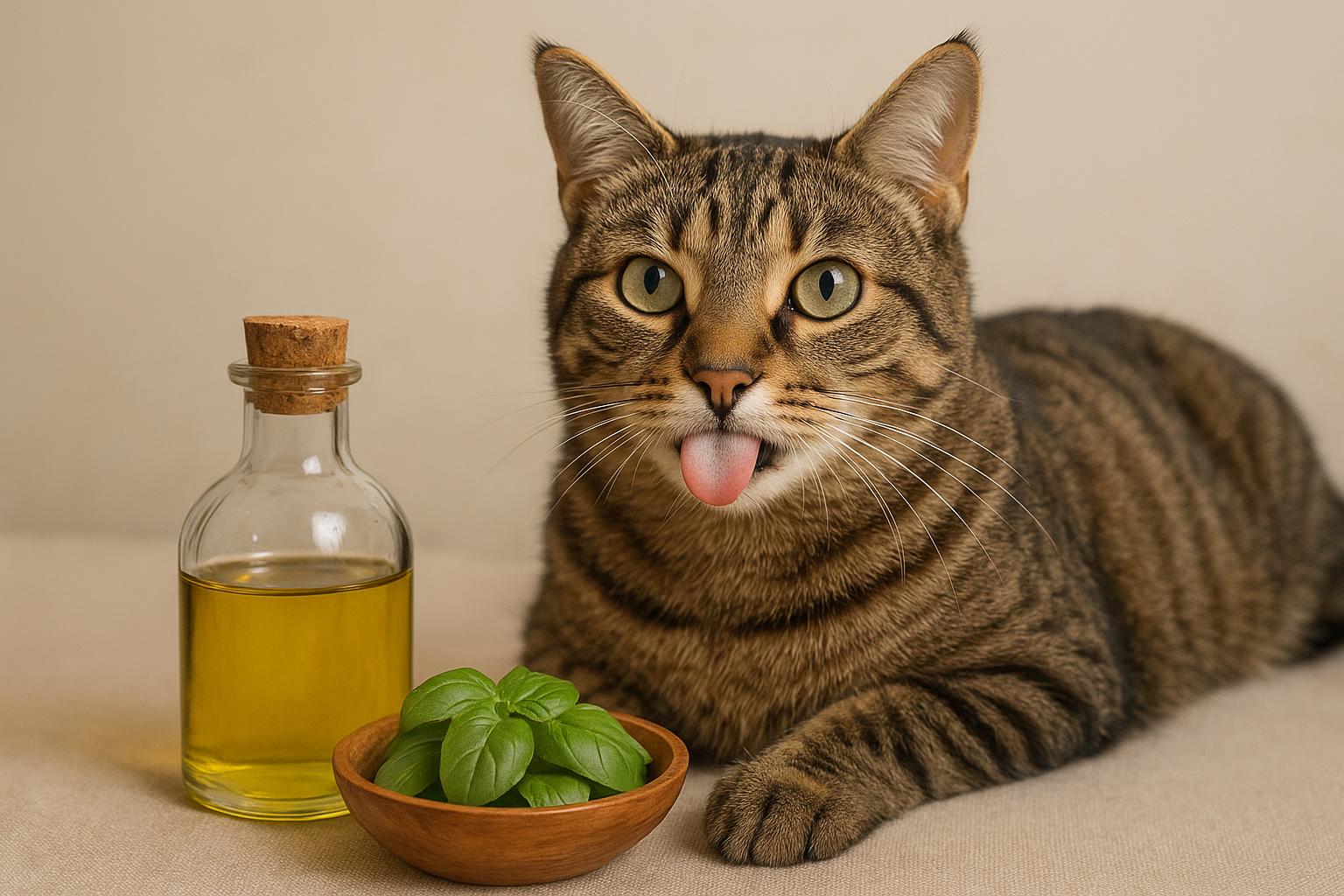
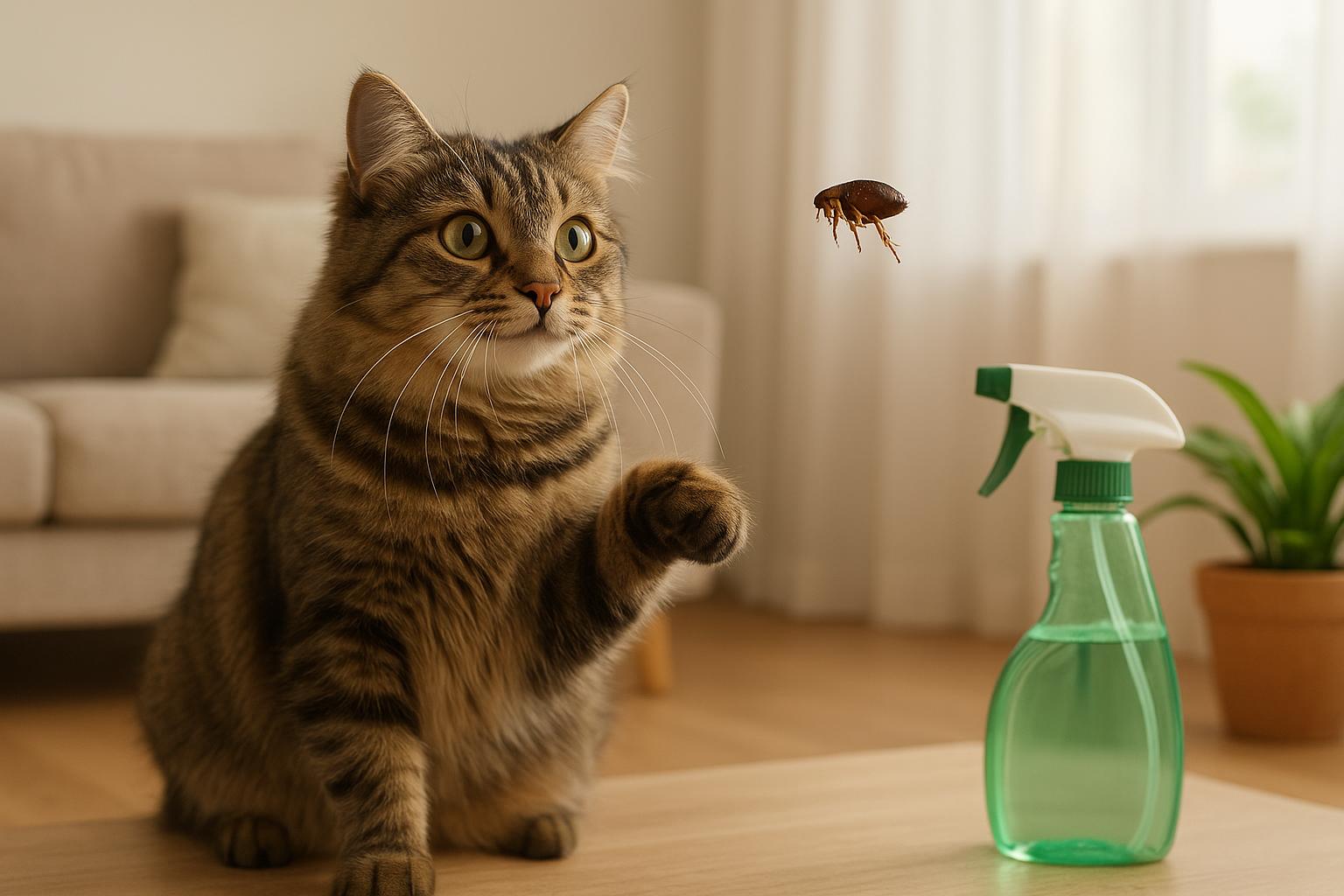
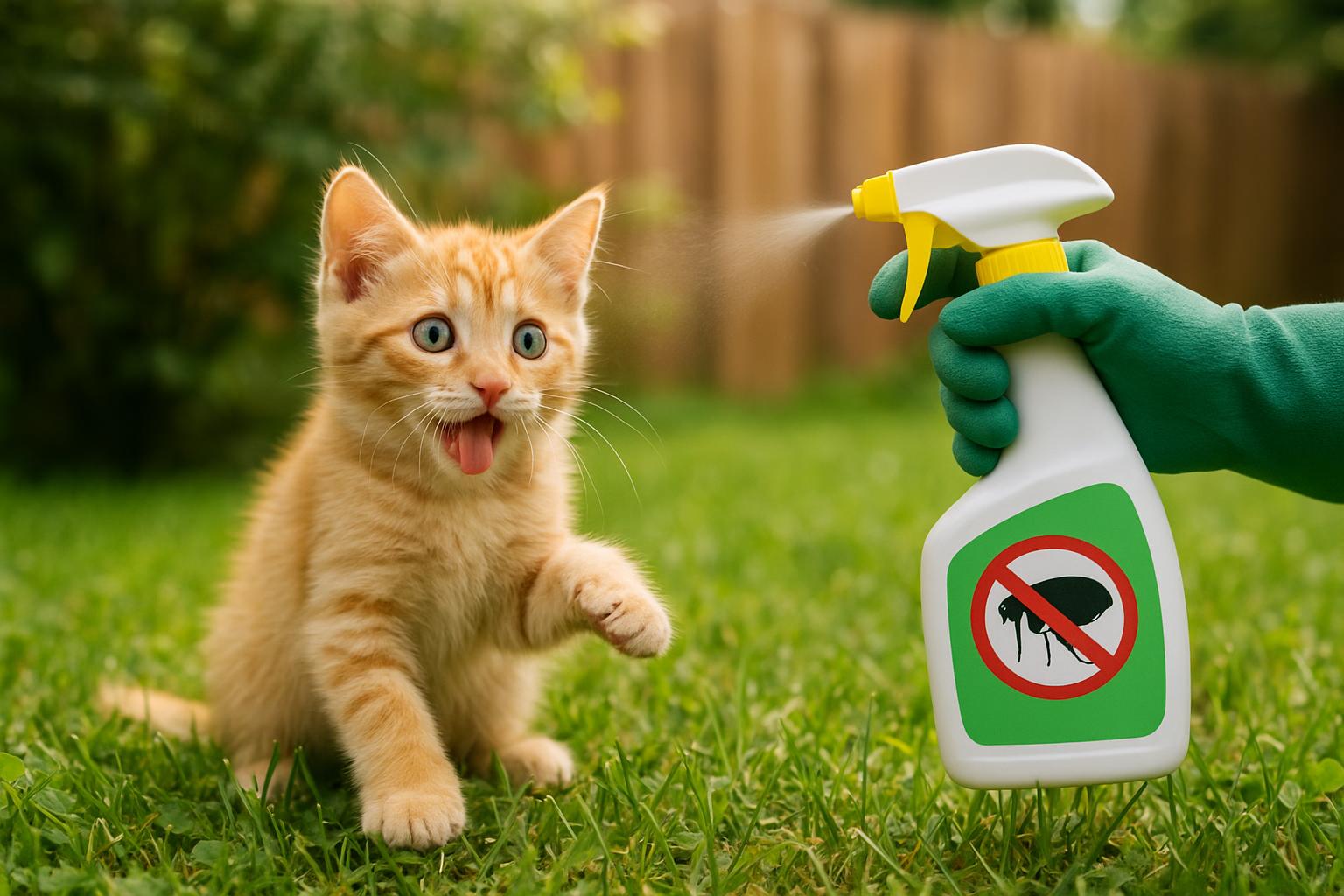
If you’re thinking about using essential oils for fleas in cats, stop and take a breath. It’s tempting to reach for a “natural” bottle when fleas show up, but cats metabolize chemicals very differently than people or dogs. That means an oil that knocks back fleas can also cause real harm if used the wrong way. I’ll show which oils people try, why they can work, and how to use them without putting your cat at risk — or better yet, what to do instead.
## How Oils Interact With Fleas And Cats
### What Makes An Oil Repel Fleas
Fleas respond to smell. Certain volatile compounds interfere with their ability to find hosts or irritate their nervous systems. Oils with strong terpenes — like cedarwood or peppermint — are commonly reported to repel fleas. That’s why small, concentrated amounts can make a room less attractive to the pests.
### Why Cats Are Different
Cats lack some liver enzymes (specifically certain UDP-glucuronosyltransferases) that humans and many dogs use to break down compounds in essential oils. So even low doses may build up and cause toxicity. Watch for drooling, vomiting, lethargy, difficulty walking, or respiratory changes if your cat is exposed. Those are signs you should call a vet right away.
## Which Oils People Turn To (And Which To Avoid)
### Commonly Used Oils
– Cedarwood: Often used in natural flea oils because it smells strong to fleas but is milder to people. Many pet owners use cedar chips in closets for the same reason.
– Lavender (Lavandula angustifolia): It has calming properties and some flea-repellent evidence, though cats can be sensitive to any concentrated oil.
– Peppermint and Lemongrass: Effective at repelling insects, but these are more likely to be problematic for cats and should be used with extreme caution or avoided directly on animals.
I’m listing these because people use them. That doesn’t mean they’re safe to smear on your cat.
### Oils To Avoid Around Cats
Tea Tree (Melaleuca), Citrus Oils (orange, lemon, bergamot), Cinnamon, Clove, Wintergreen, and Eucalyptus. These show up in flea-control recipes but have a higher risk of causing feline toxicity. If you’re tempted to try a DIY remedy from an internet forum, and it includes tea tree, don’t.
## Safe Ways To Use Oils Around Cats
### Low-Concentration Home Sprays
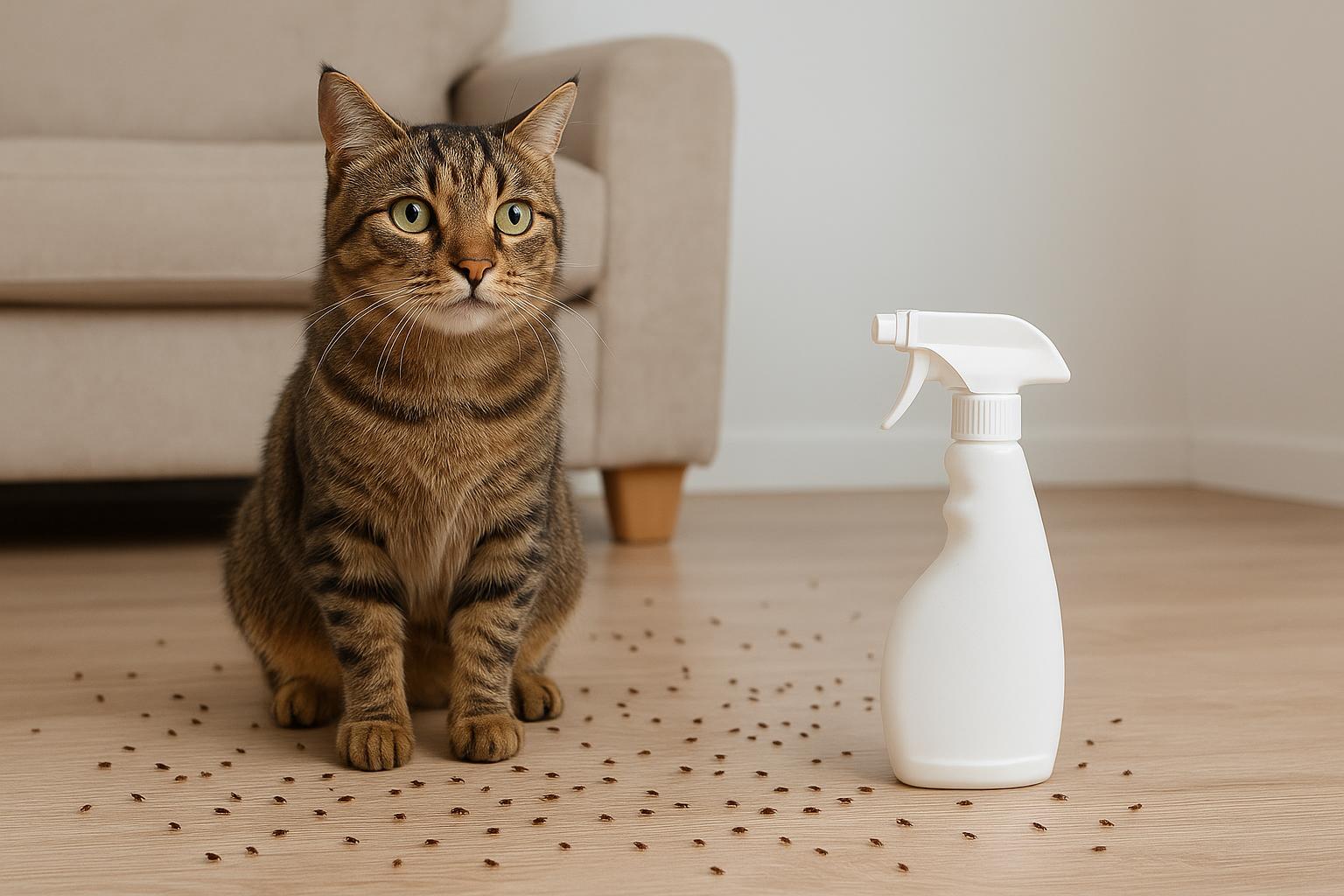
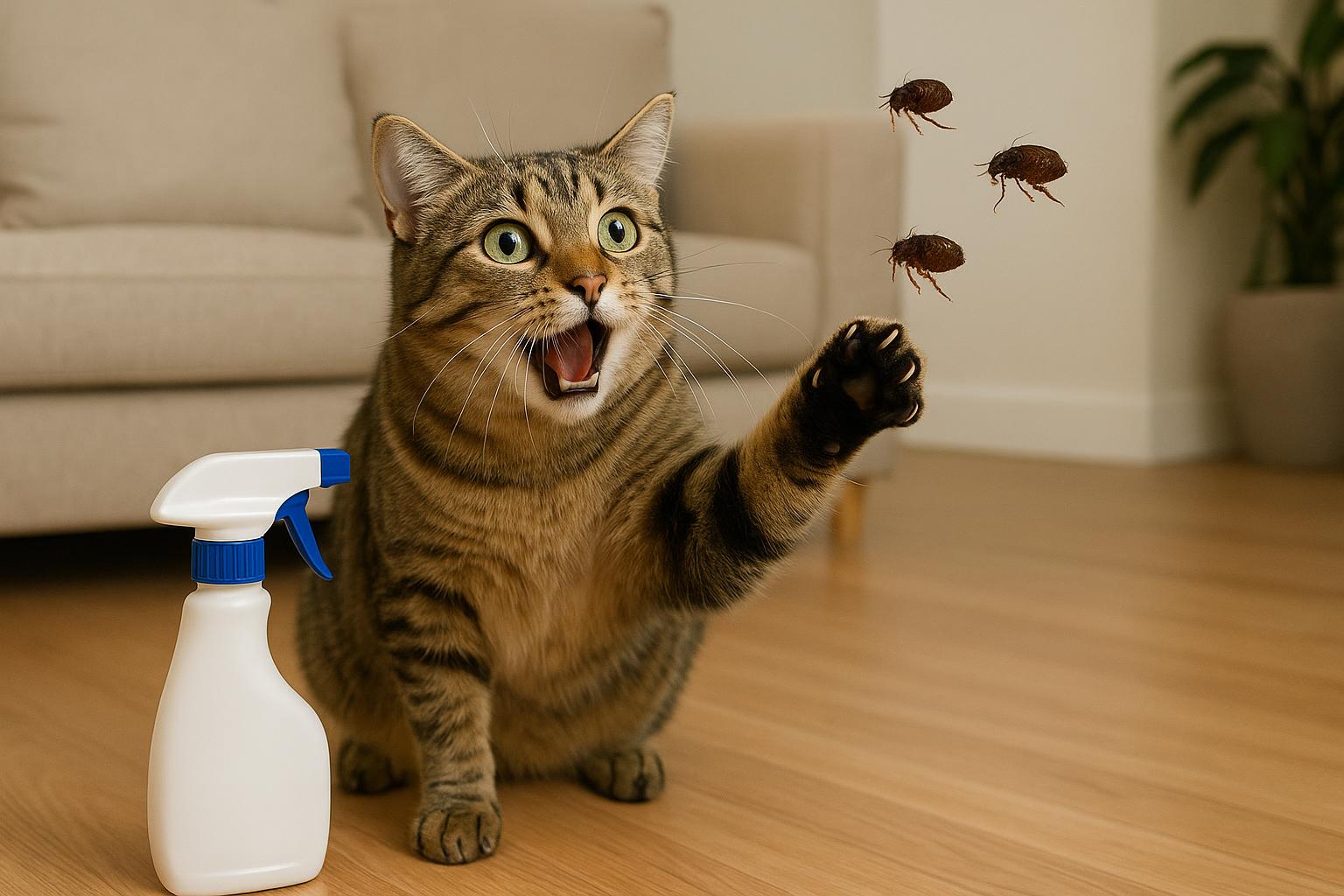
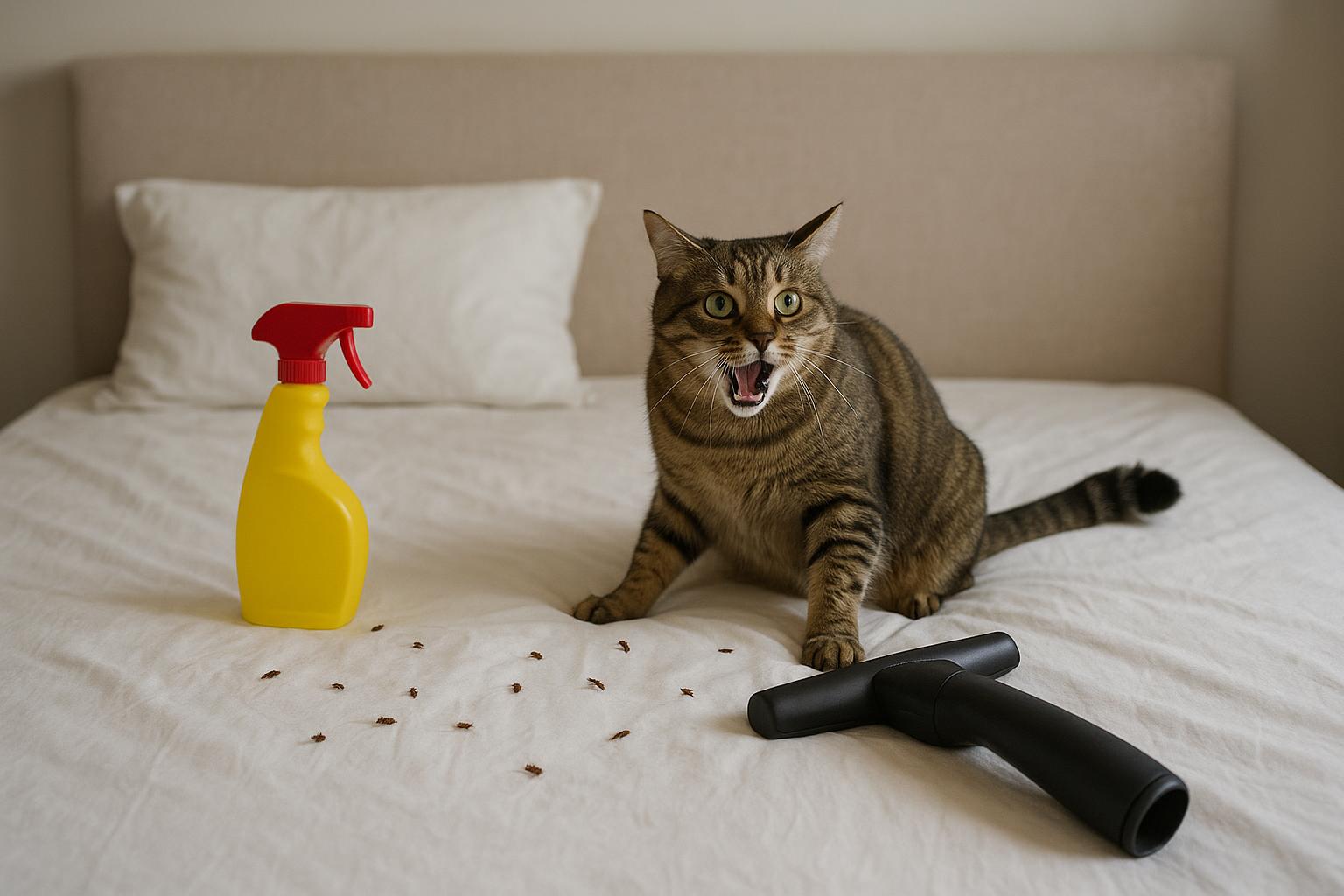
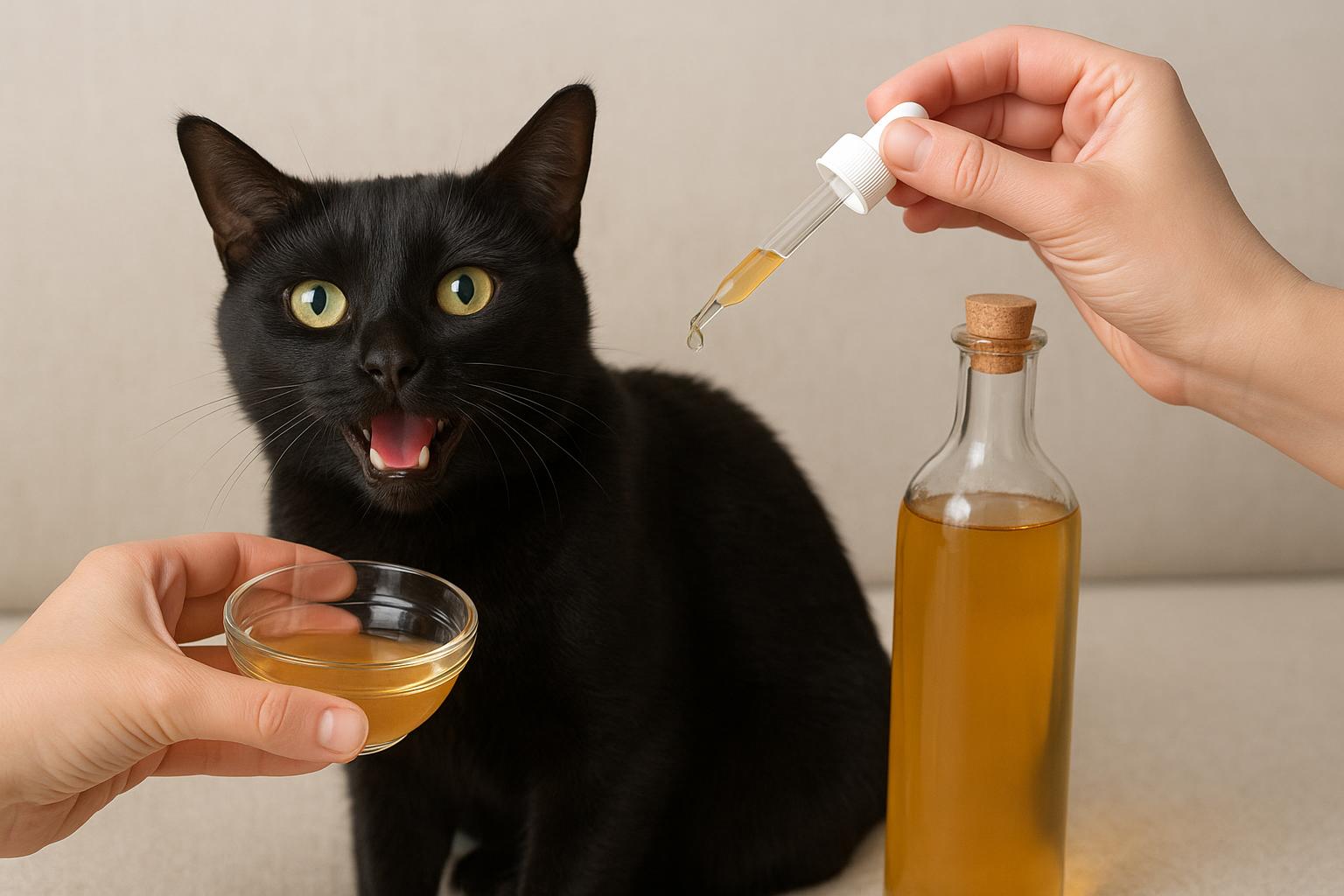
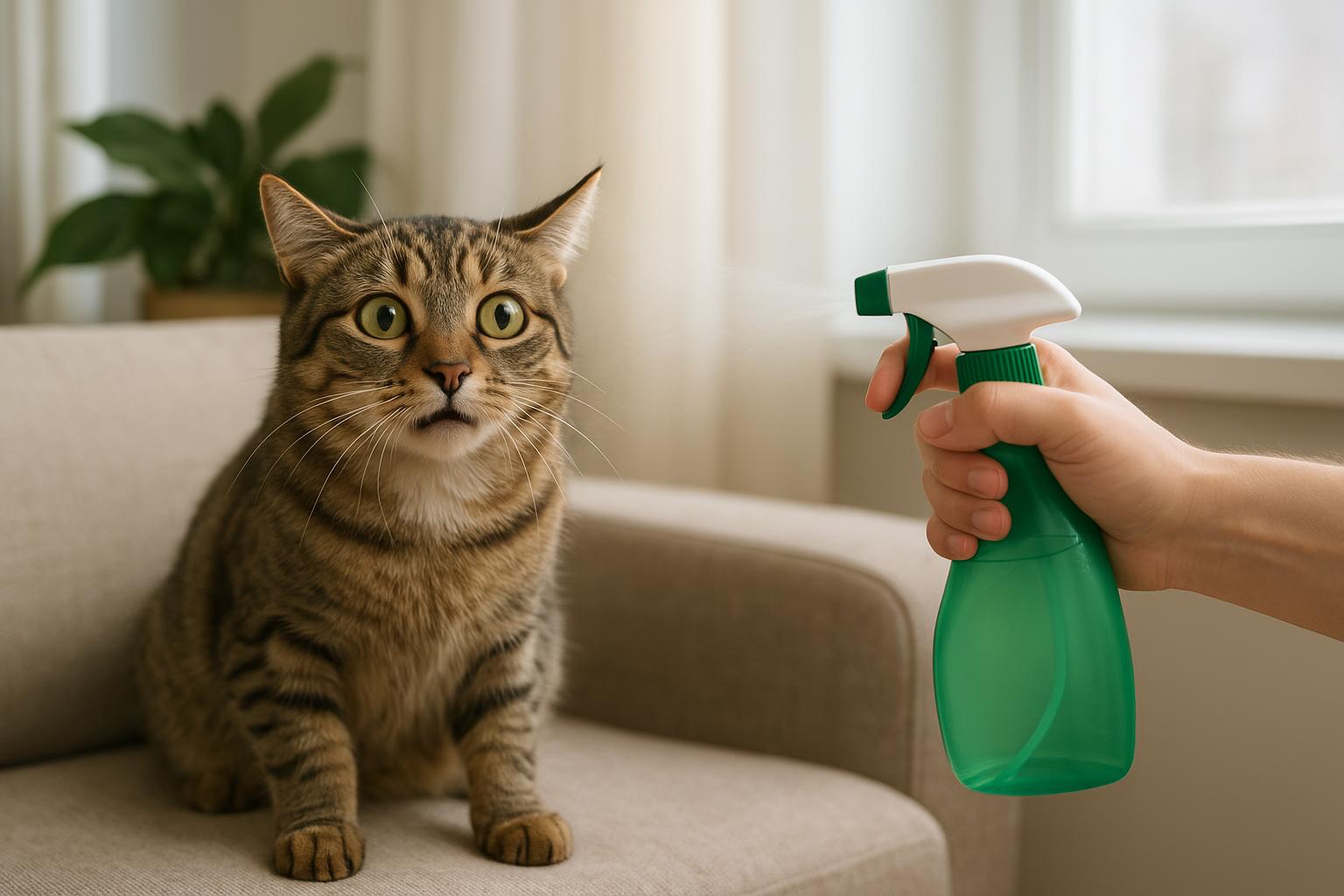
If you want to use essential oils for fleas in cats in your enviroment, do it in tiny amounts and never apply the spray directly to your cat. A practical approach: make a light linen spray for bedding and carpets you can wash or vacuum regularly. Use one or two drops of a single oil per 100 ml of distilled water. That keeps the concentration very low. Spray from a distance and never saturate fabrics where your cat sleeps unless you’re sure they will be washed and dried before the cat returns.
### Spot Treatment And Collars
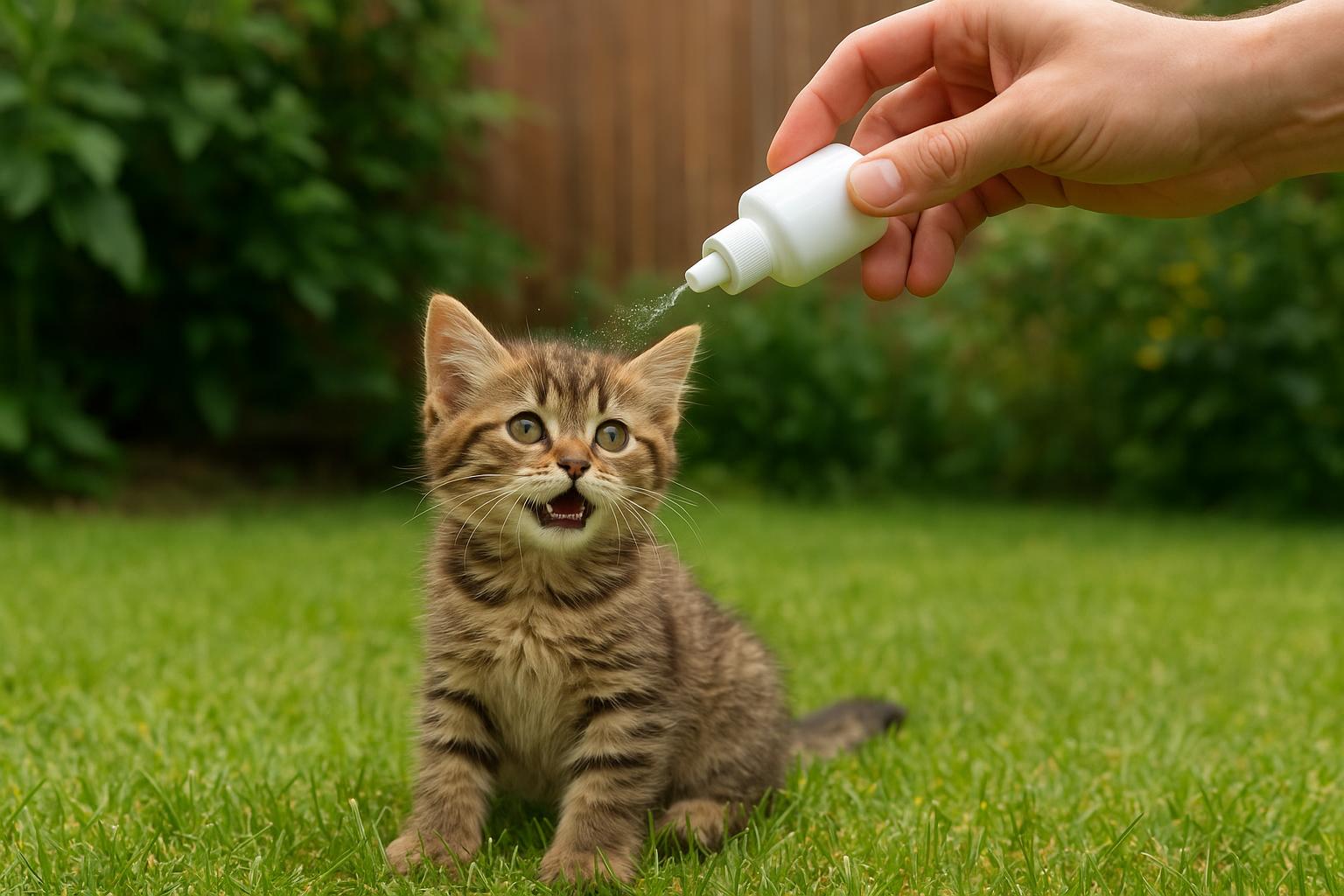
Some owners apply a few drops of a very diluted oil to a cloth or fabric tag on a collar, not onto the fur. Even this carries risk: monitor your cat closely and remove it at the first sign of irritation. Talk with your vet before trying this.
#### A Minimalist Spray Recipe
– 500 ml distilled water
– 5 drops cedarwood oil (one of the more commonly used oils for flea deterrence)
– Optional: 2 drops lavender if your cat tolerates floral scents
Shake before use. Lightly mist bedding and rugs while your cat is in another room. Wait for the fabric to dry and ventilate the area before letting your cat back. This keeps the concentration low and exposure indirect.
## Practical Home Strategies That Complement Oils
### Cleaning And Vacuuming
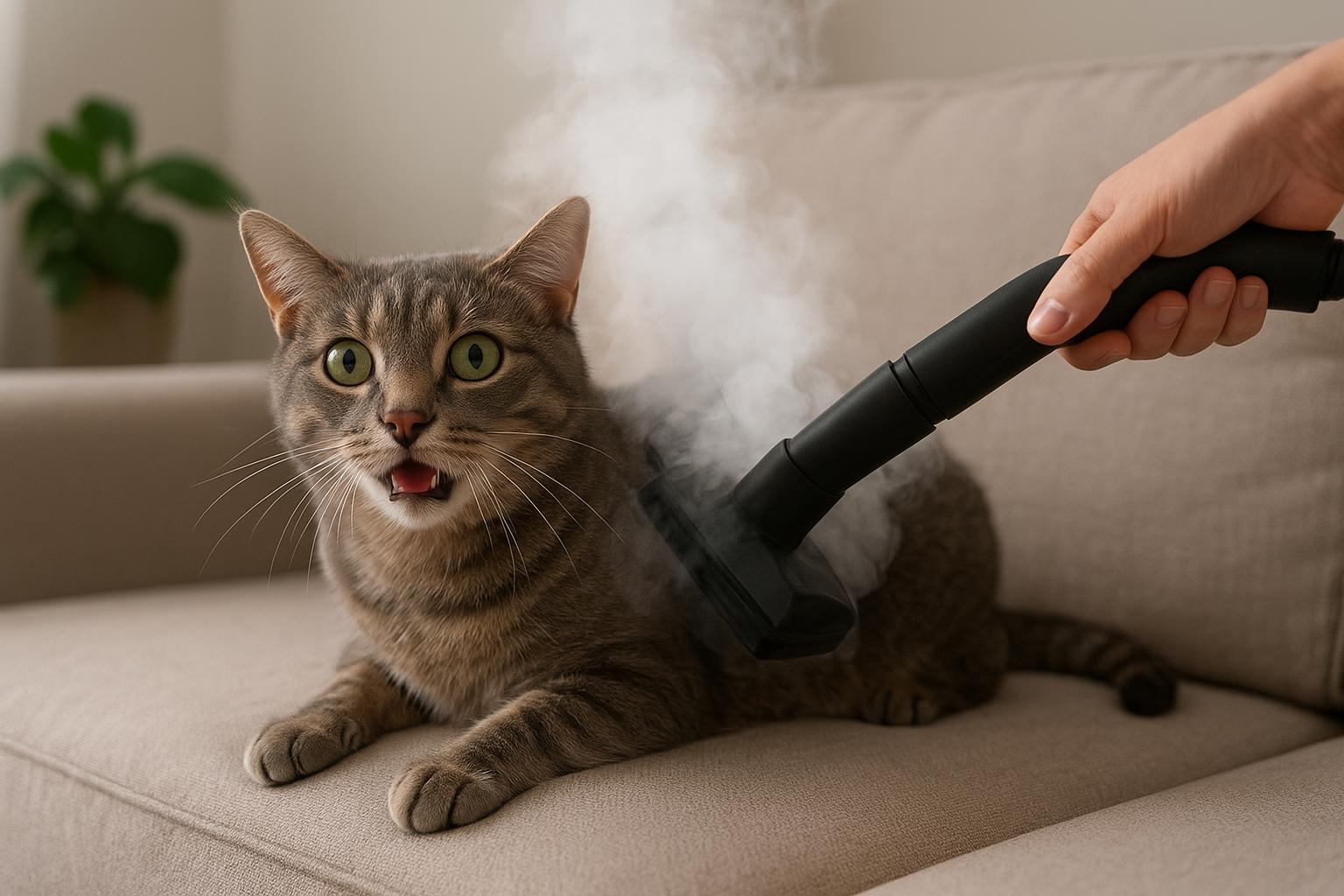
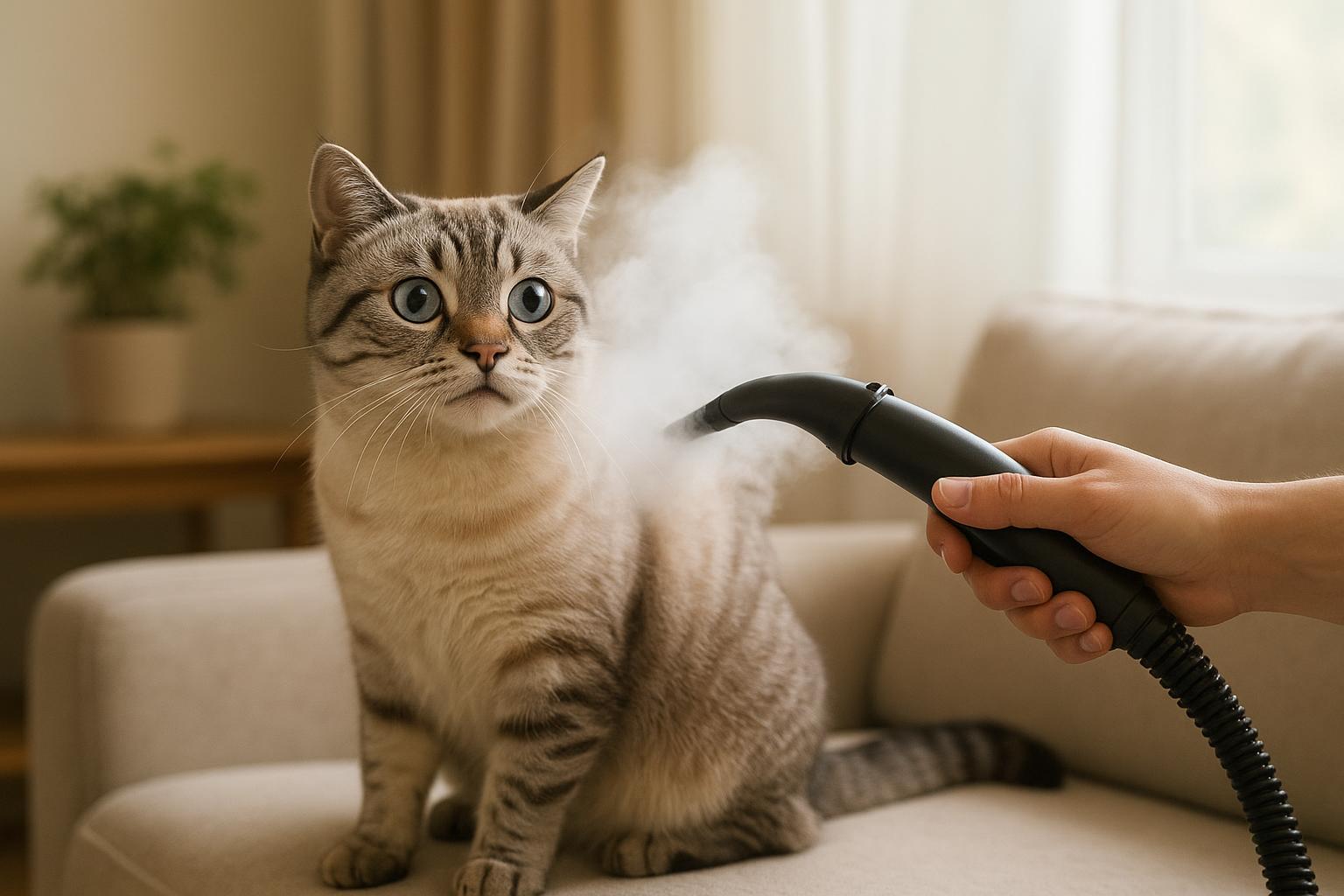
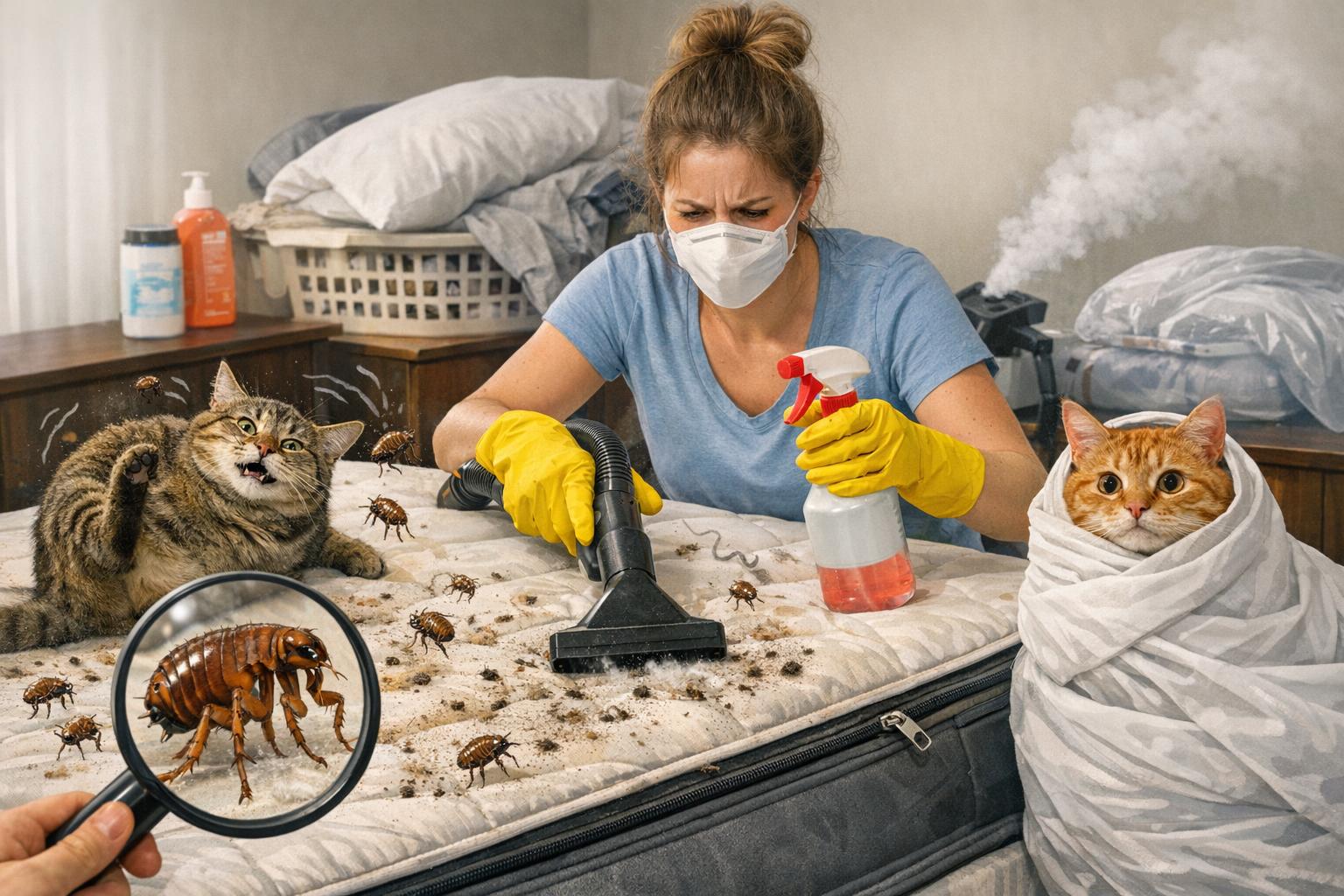
Vacuuming removes flea eggs and larvae hidden in carpets. Wash bedding on hot, dry it in the sun if possible. Make vacuuming part of a daily routine when you’re dealing with fleas.
### Physical Control
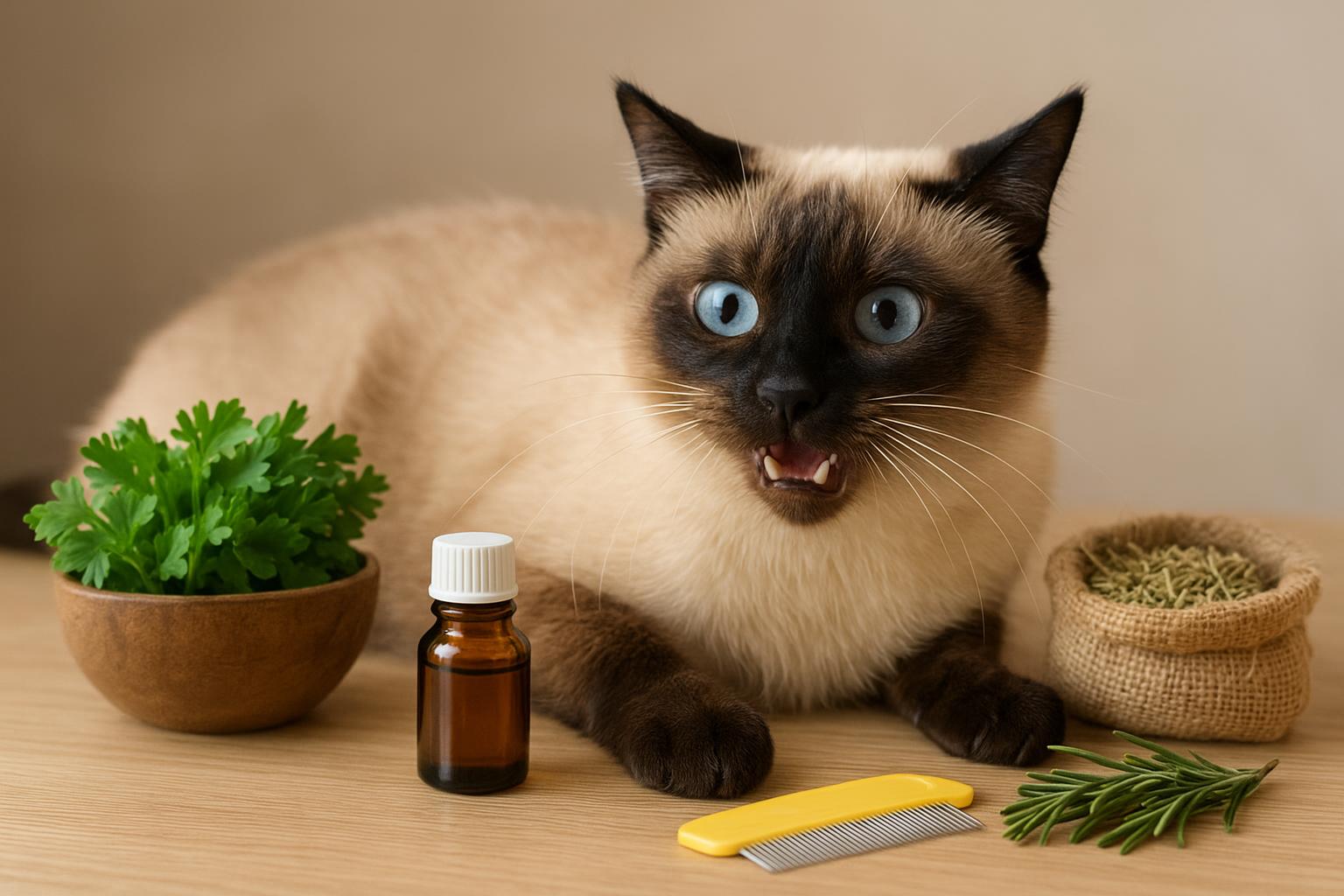
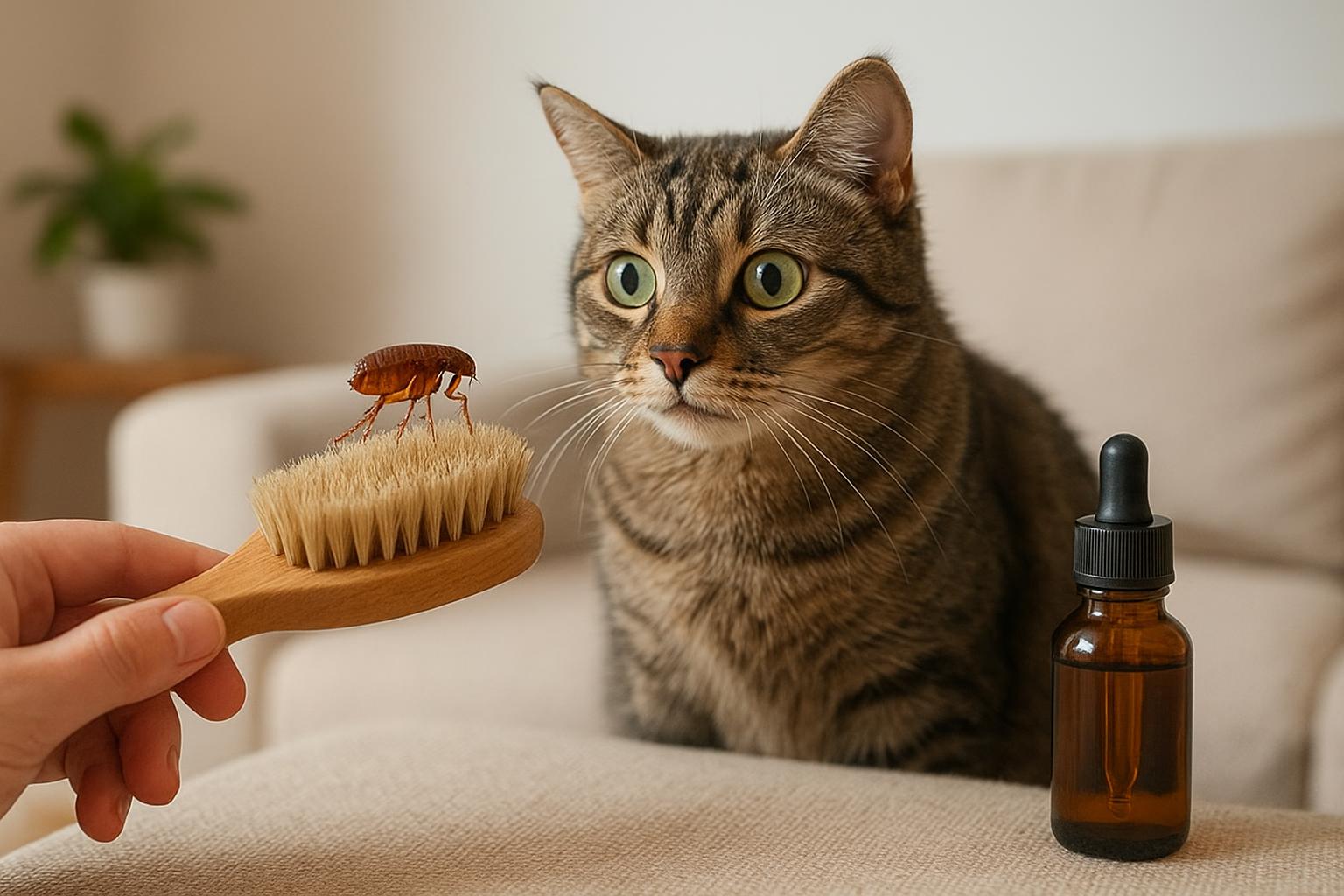
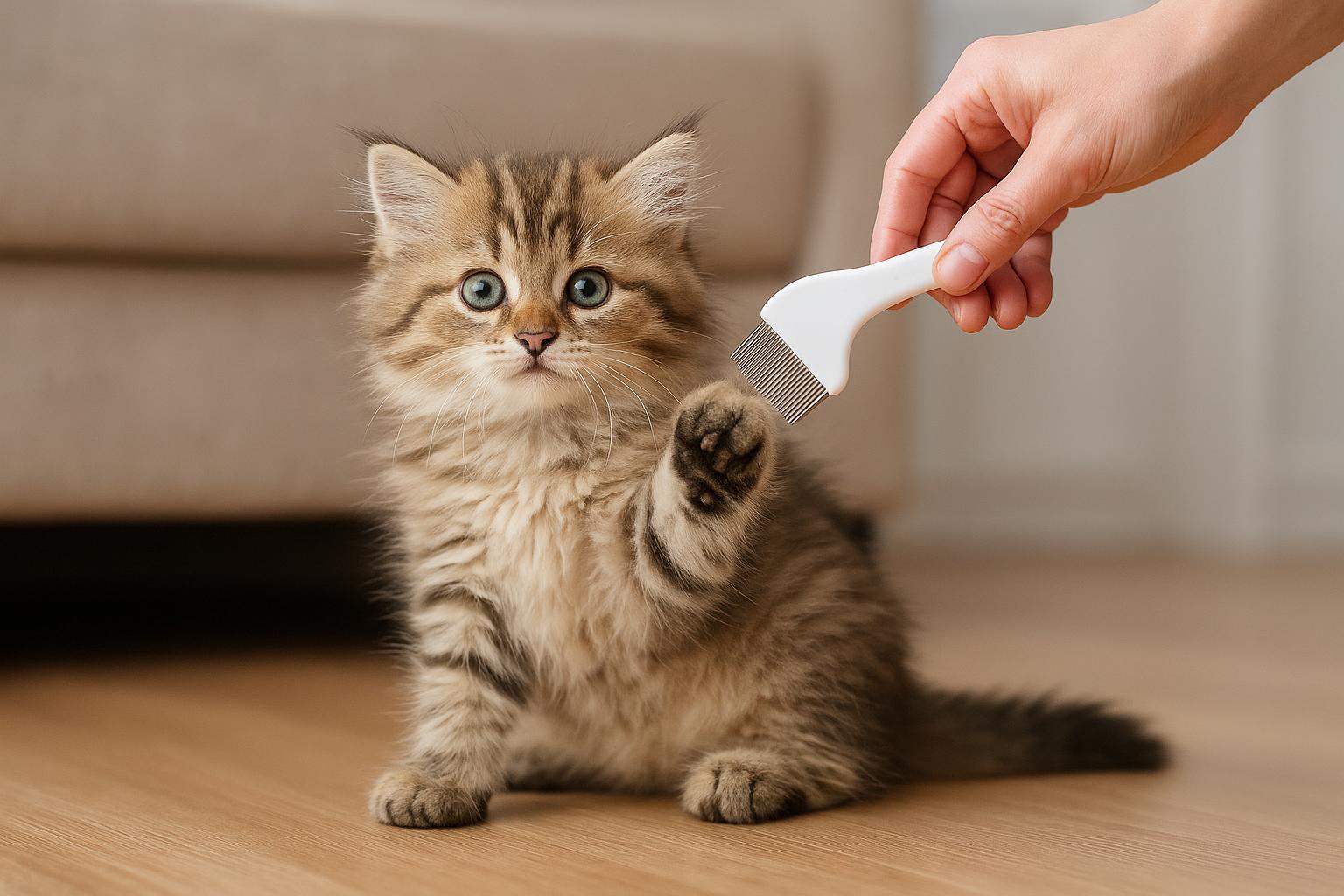
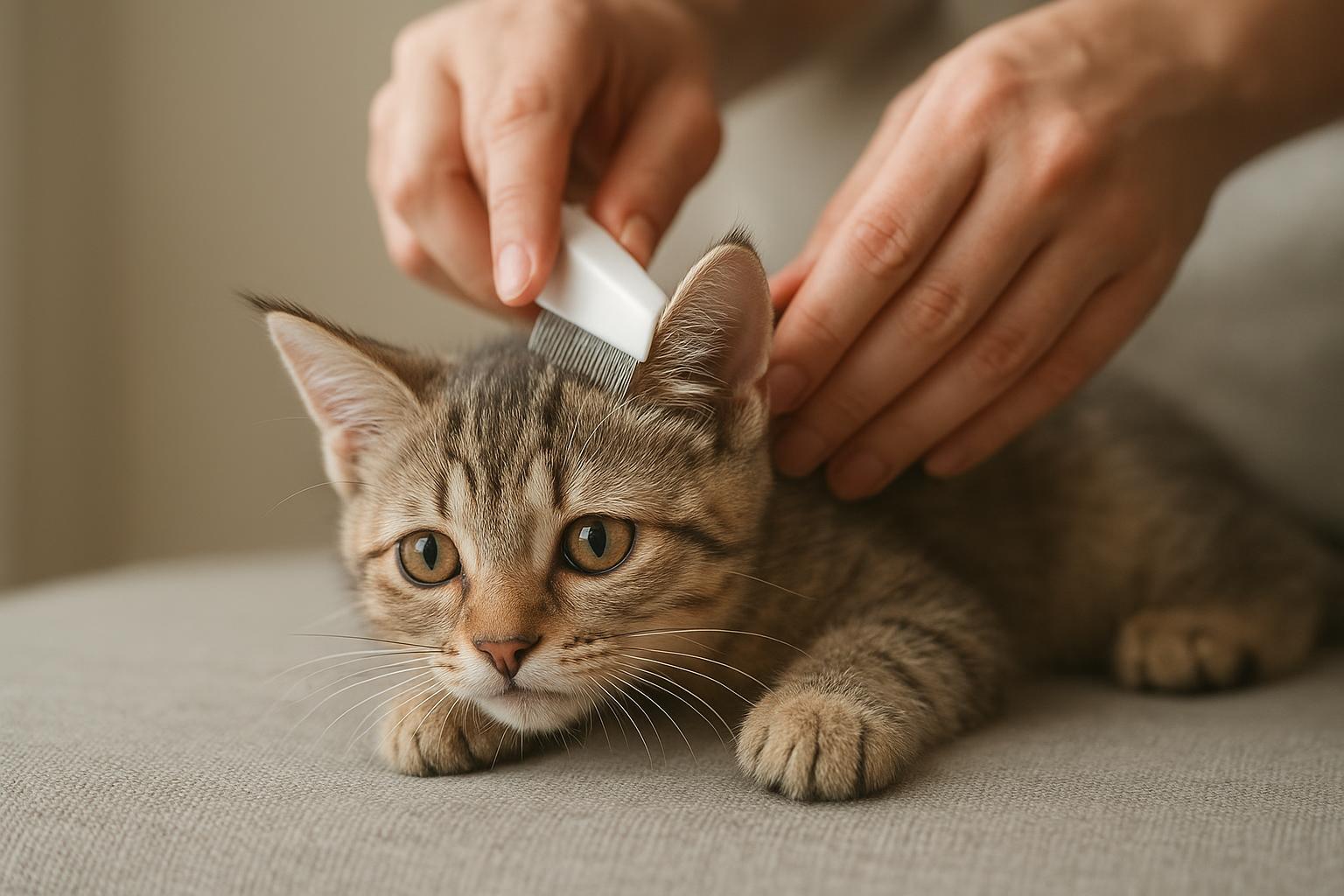
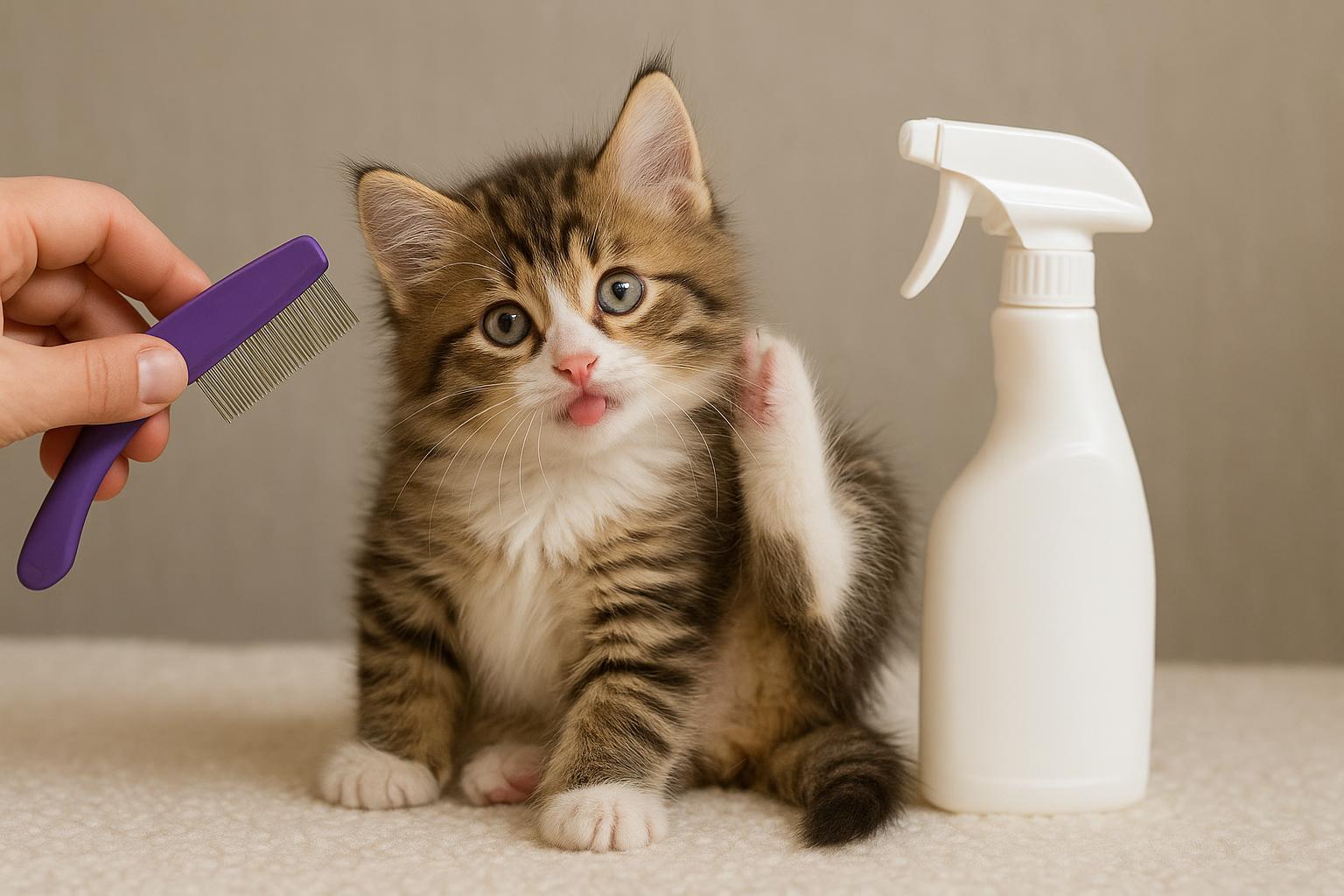
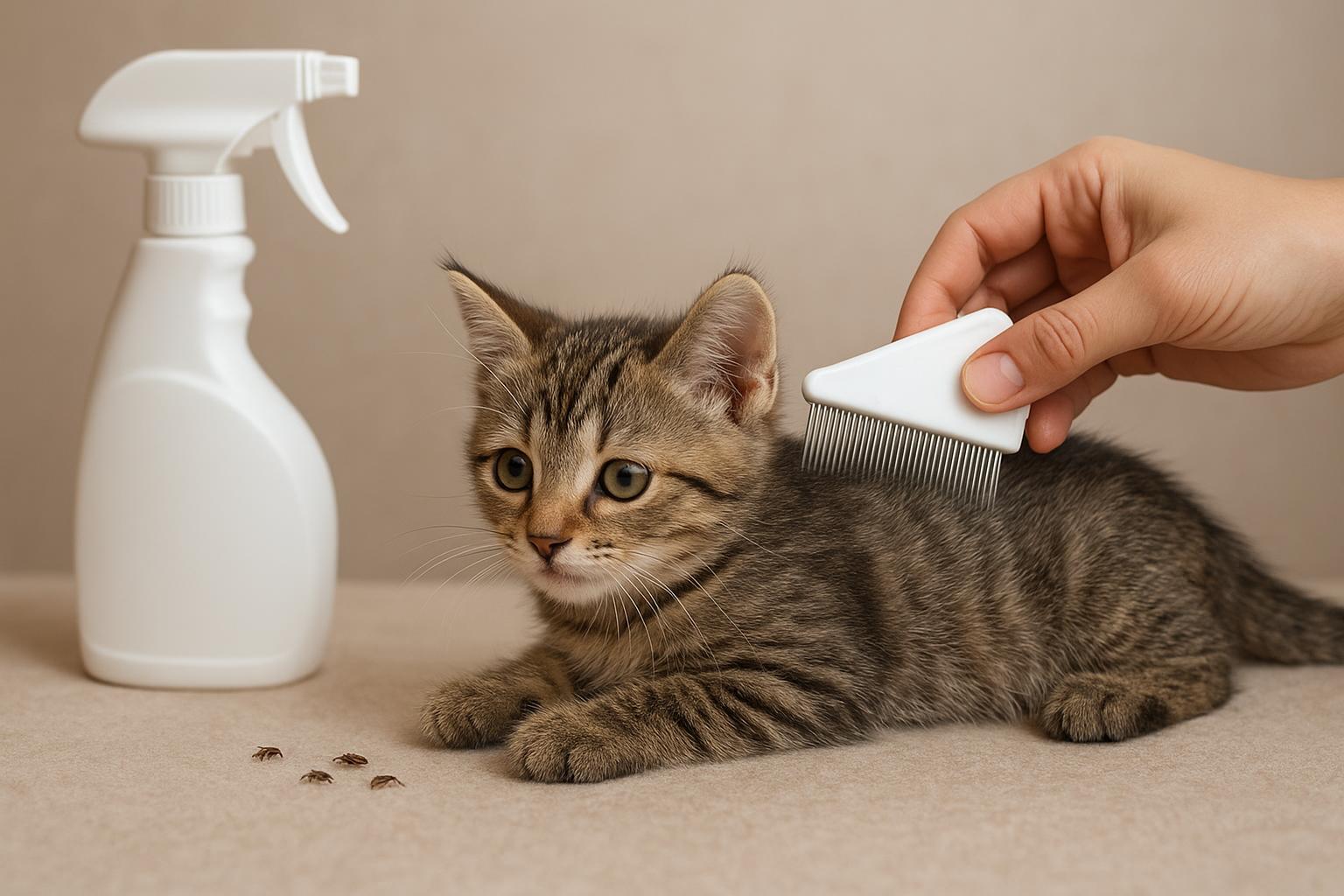
Use a fine-tooth flea comb every day on your cat. It’s simple, immediate, and safe. Catch fleas in soapy water so they don’t jump back onto the cat.
### Non-Chemical Home Products
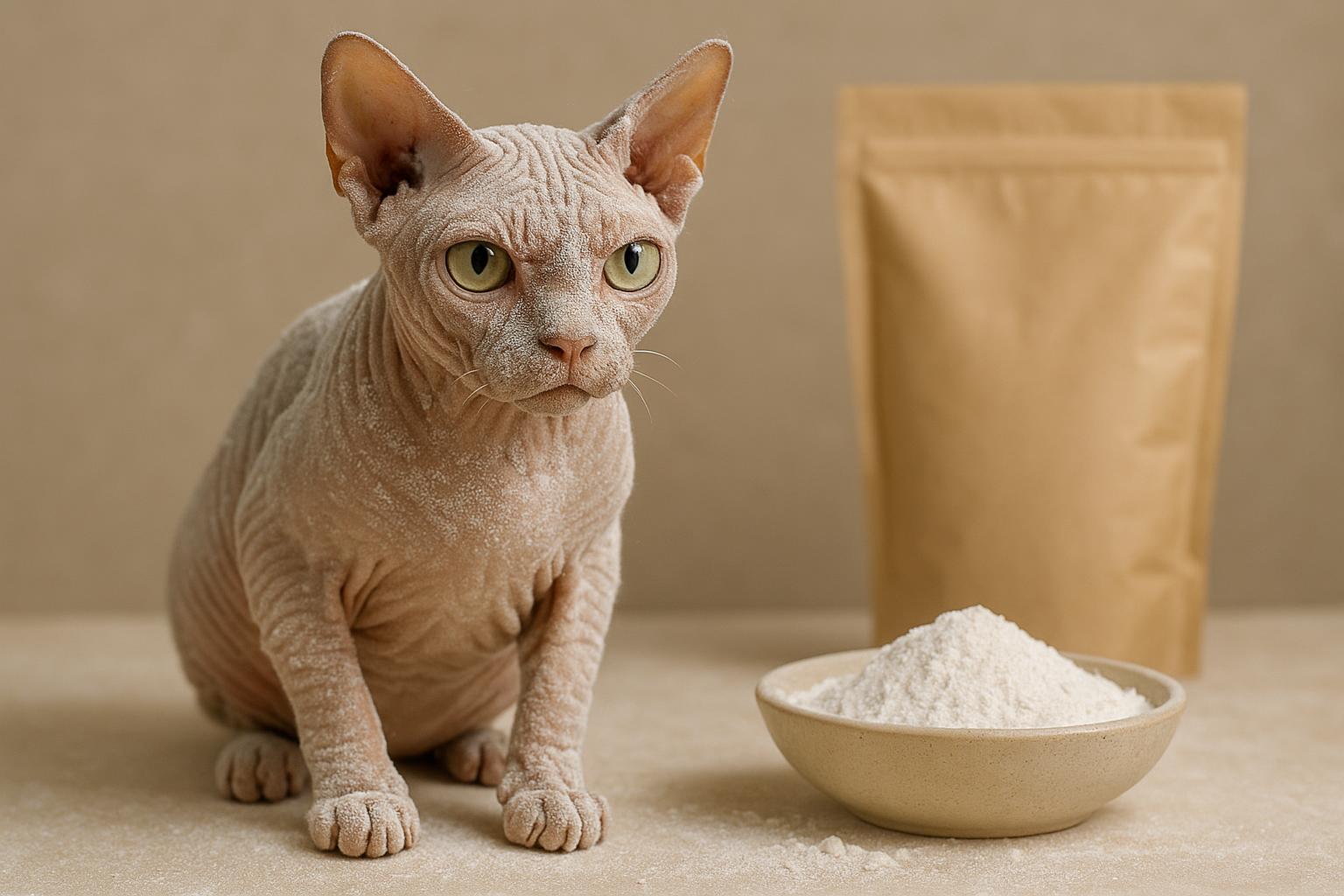
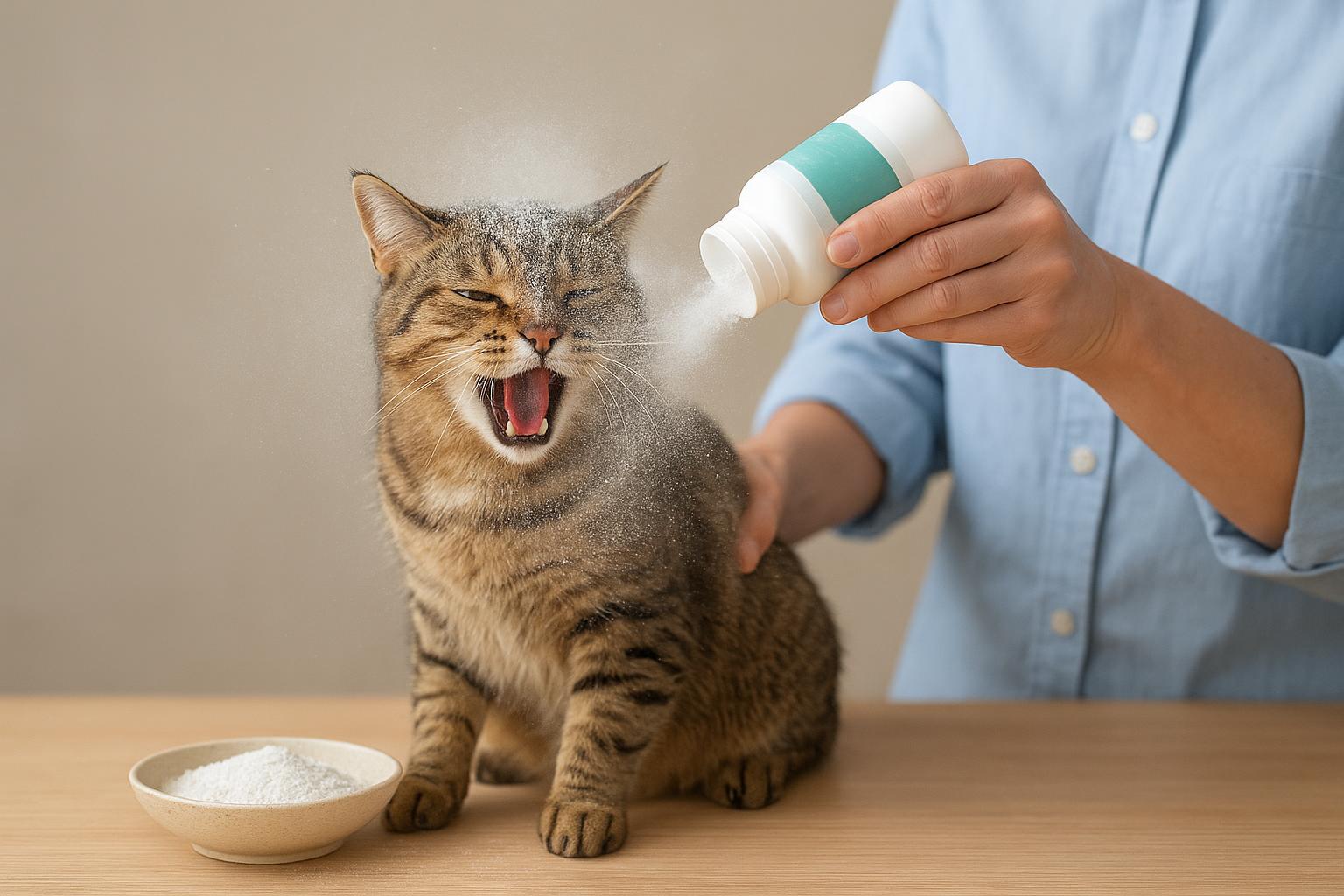
Food-grade diatomaceous earth can be lightly dusted into carpets and around baseboards to dehydrate flea larvae. Leave for a couple of hours, then vacuum thoroughly. Use only food-grade DE and avoid dusty clouds where your cat breathes.
## How To Read Labels And Buy Safely
### Choose Single-Source Oils
Look for oils that list the Latin name and the country of origin. Avoid blends that include unknown “natural fragrances.” A bottle that just says “pet blend” without a full ingredients list is not useful.
### Look For Purity And Testing
Reputable brands will provide GC-MS (gas chromatography–mass spectrometry) reports showing the oil’s composition. That’s not a guarantee of safety, but it’s better than a vague label.
## When Oils Won’t Cut It: Know When To See A Vet
### Heavy Infestations Need Professional Treatment
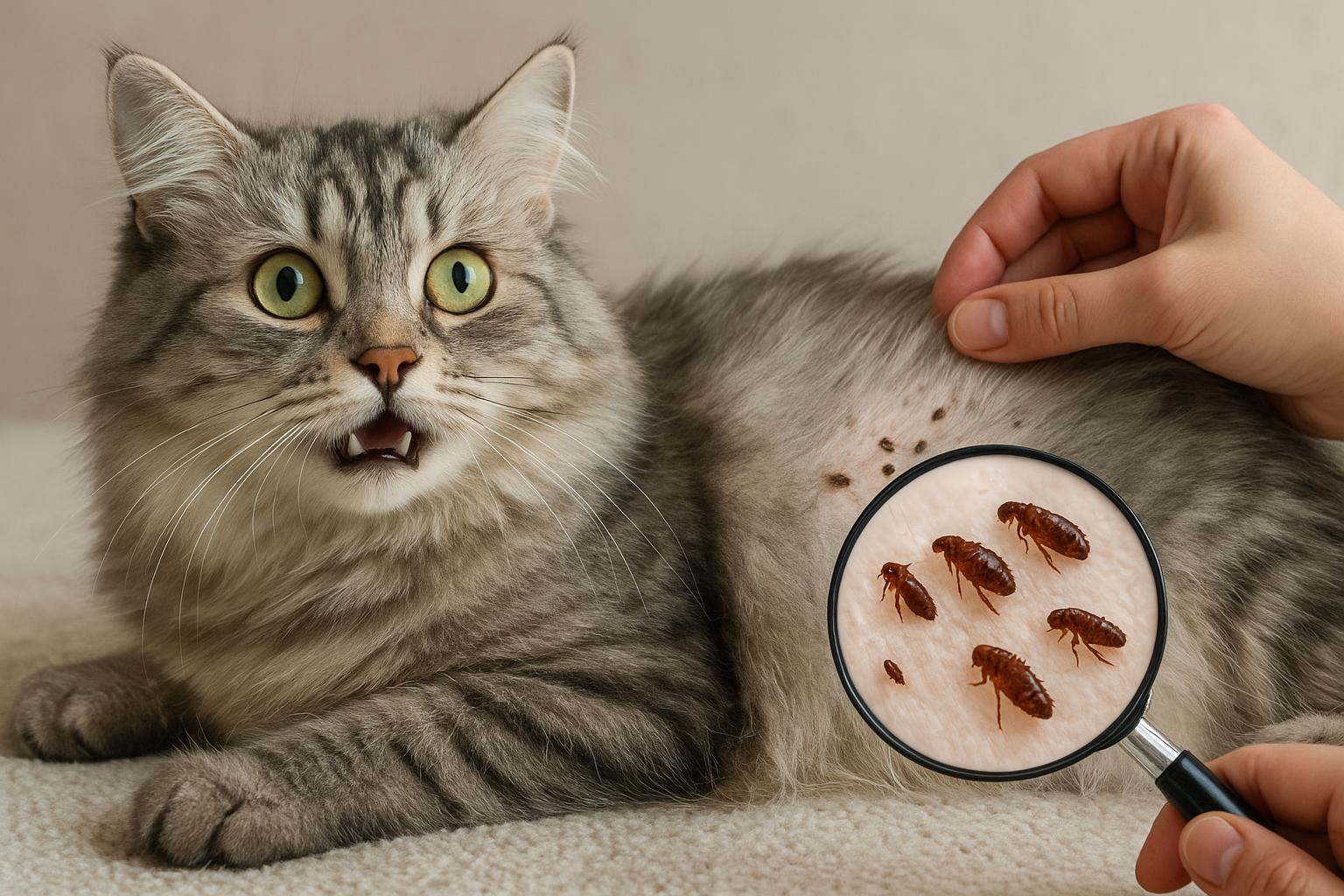
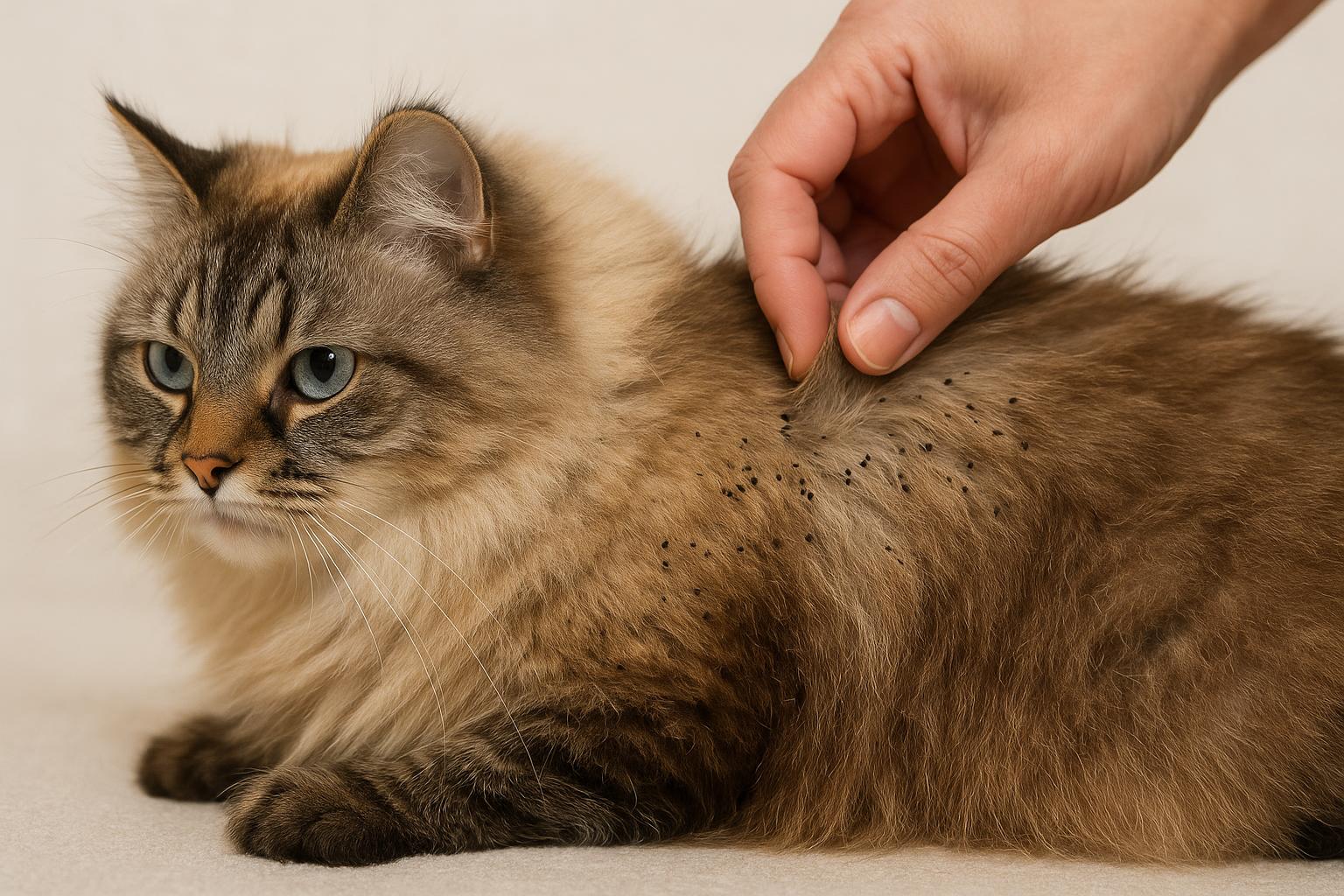
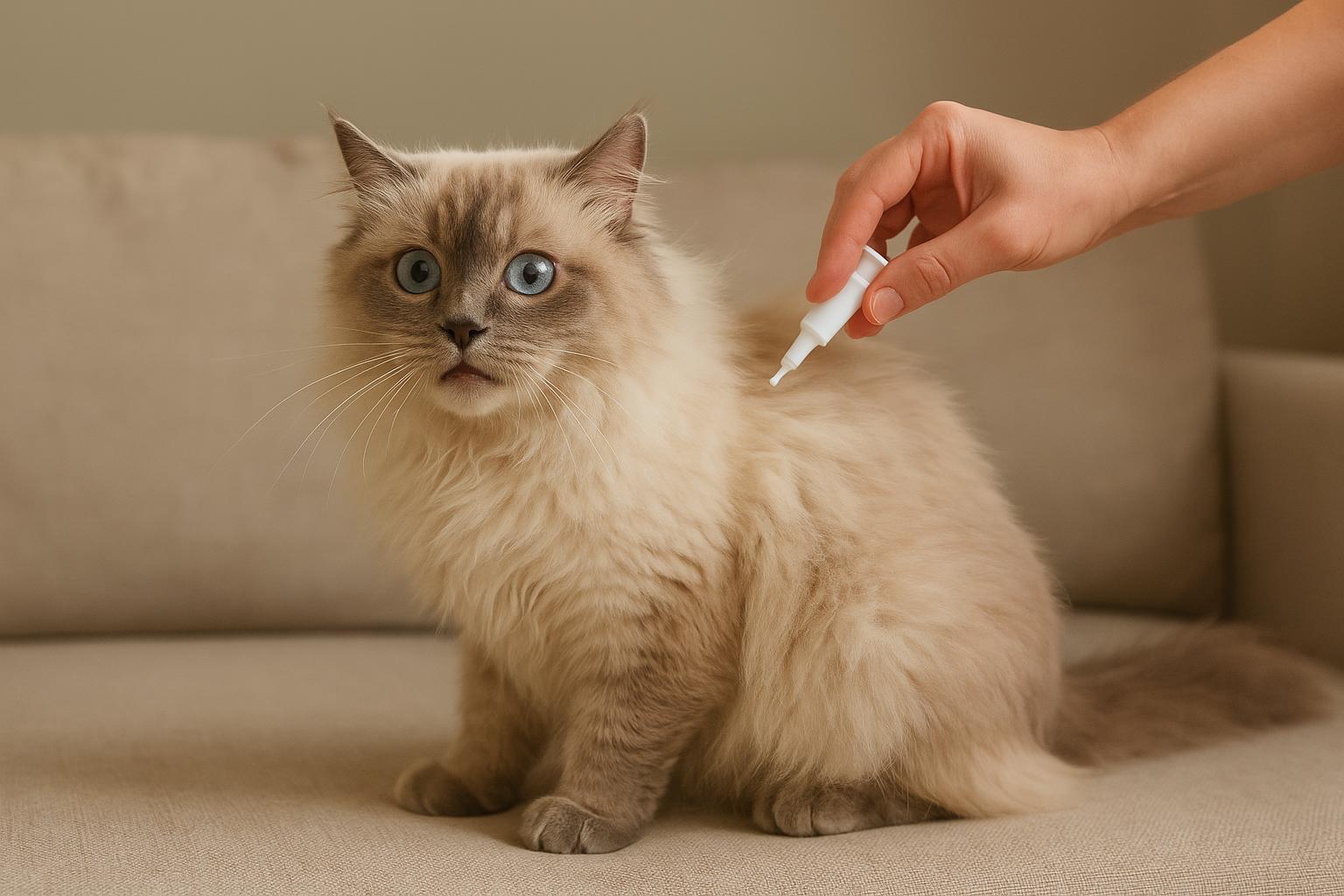
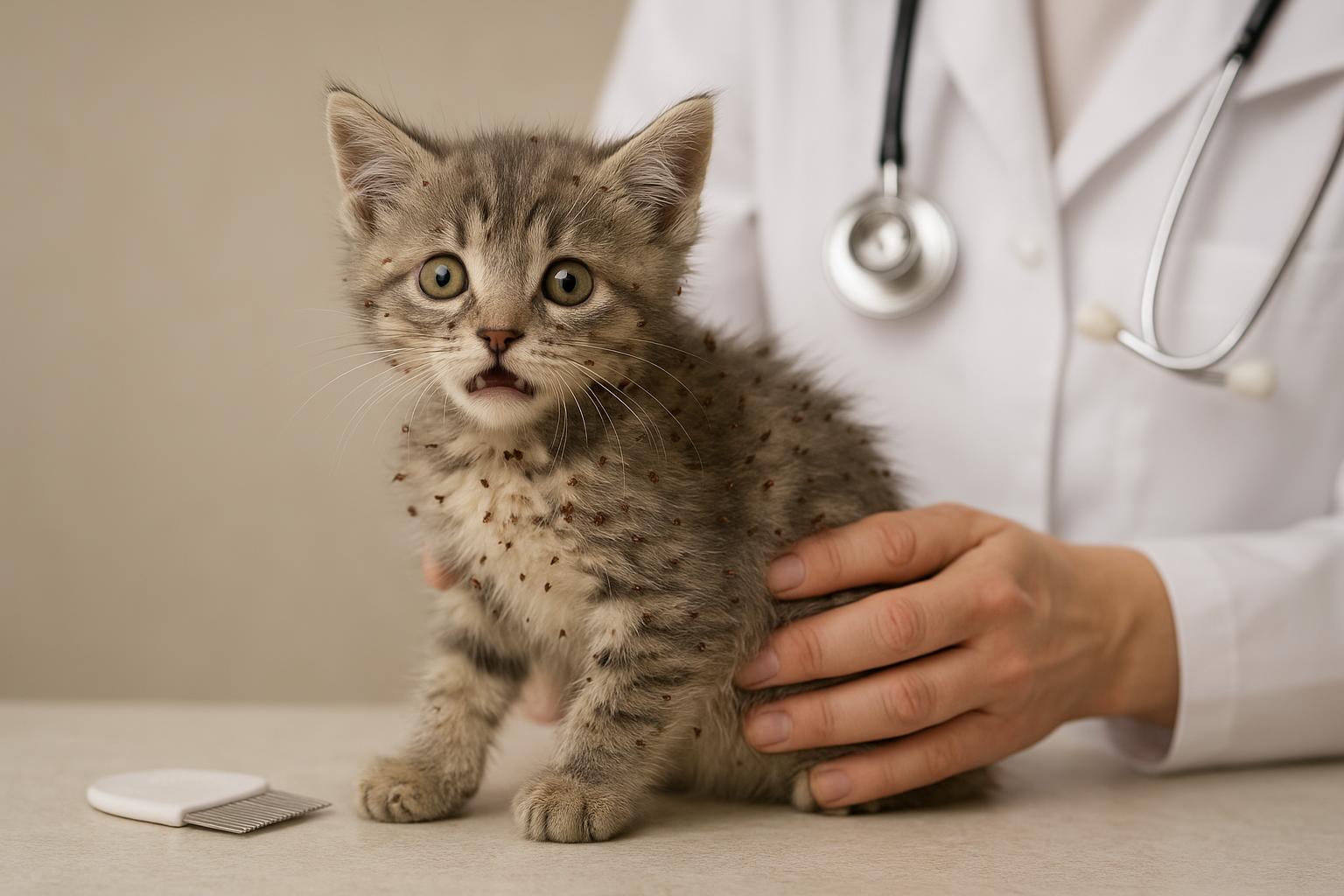
If you find adult fleas, eggs, and irritated skin, don’t rely solely on home sprays. A quick, effective vet-approved topical or oral treatment is safer for your cat and your family than prolonged exposure to improvised remedies. Fleas also spread tapeworms, which need a vet to diagnose and treat.
### Signs Of Oil Toxicity
If you suspect your cat has been overexposed to an essential oil — even a tiny amount — call your vet or an emergency clinic immediately. Signs can be subtle at first: unsteady gait, drooling, or unusual sleepiness.
## Simple, Low-Risk Recipes And Uses
### Linen Spray (Very Low Strength)
– 200 ml distilled water
– 2 drops cedarwood
– 1 drop lavender
Spray lightly on rugs and curtains, not directly on pet bedding unless you plan to launder it.
### Doorway Barrier
Put cedar shavings in a sachet near entry points or in closets where fleas can hide. It’s a mechanical scent barrier that’s less risky than sprays and falls under the category of natural flea oils when people describe cedar-smelling products.
### Collar Patch
Apply one drop of a very dilute dilution onto a fabric patch sewn to a collar. Monitor for any rubbing, licking, or behavioral change. Remove immediately if the cat shows concern.
## My Practical Recommendation
If you want to try essential oils for fleas in cats, treat them like a tool for the home, not a medicine for your pet. Use oils to make the environment less inviting to fleas, keep exposure indirect and minimal, and combine that with vacuuming, combing, and vet-approved products as needed. There’s a lot of noise online about “natural flea oils” and “flea oils” that promise instant results. They can help reduce flea presence in an enviroment, but they’re rarely enough on their own and carry real risks when misused.
If you’re ever unsure, call your veterinarian and ask for advice tailored to your cat’s health history. It’s always better to ask than to guess with something that can harm a small animal.
Leave a Reply