
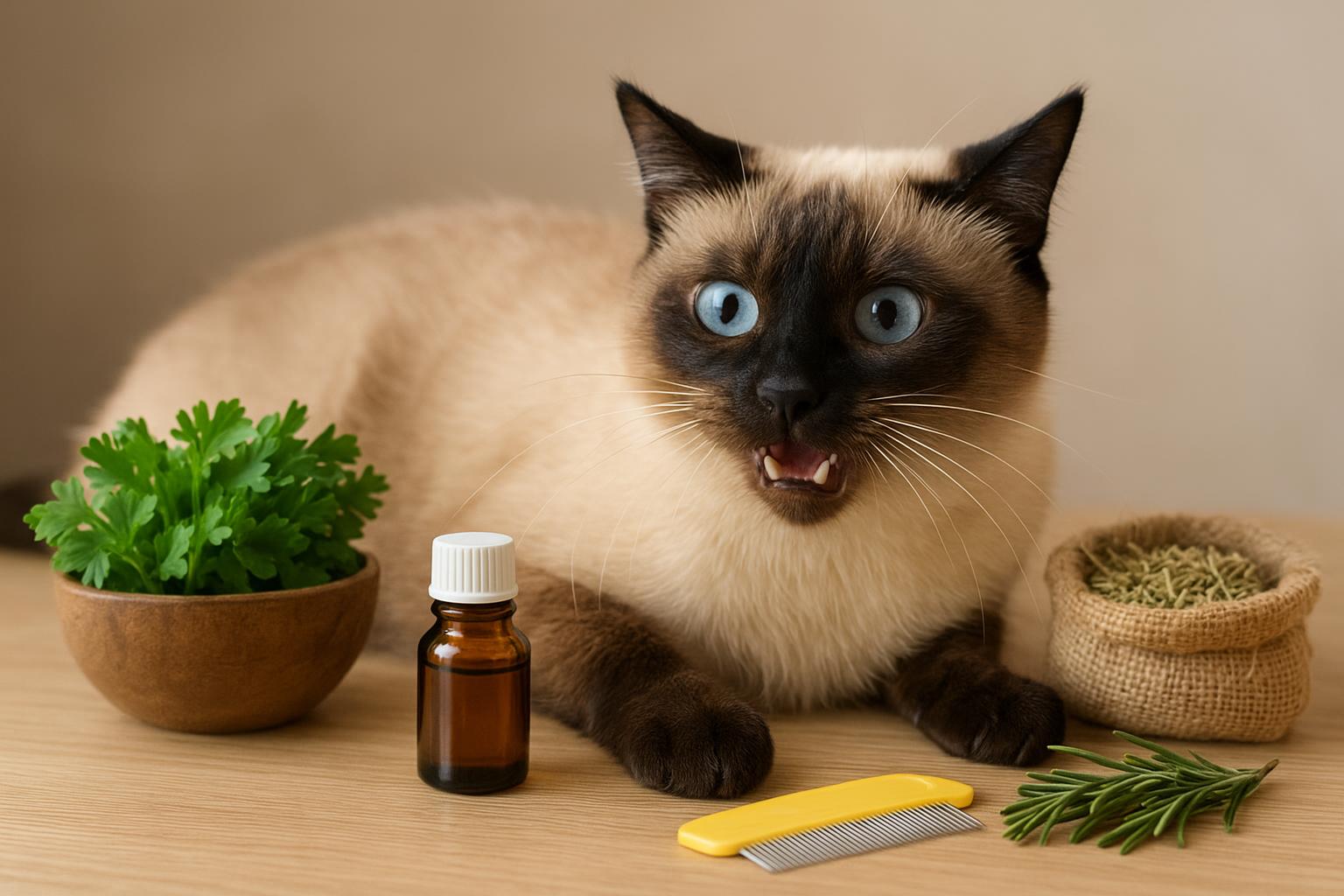
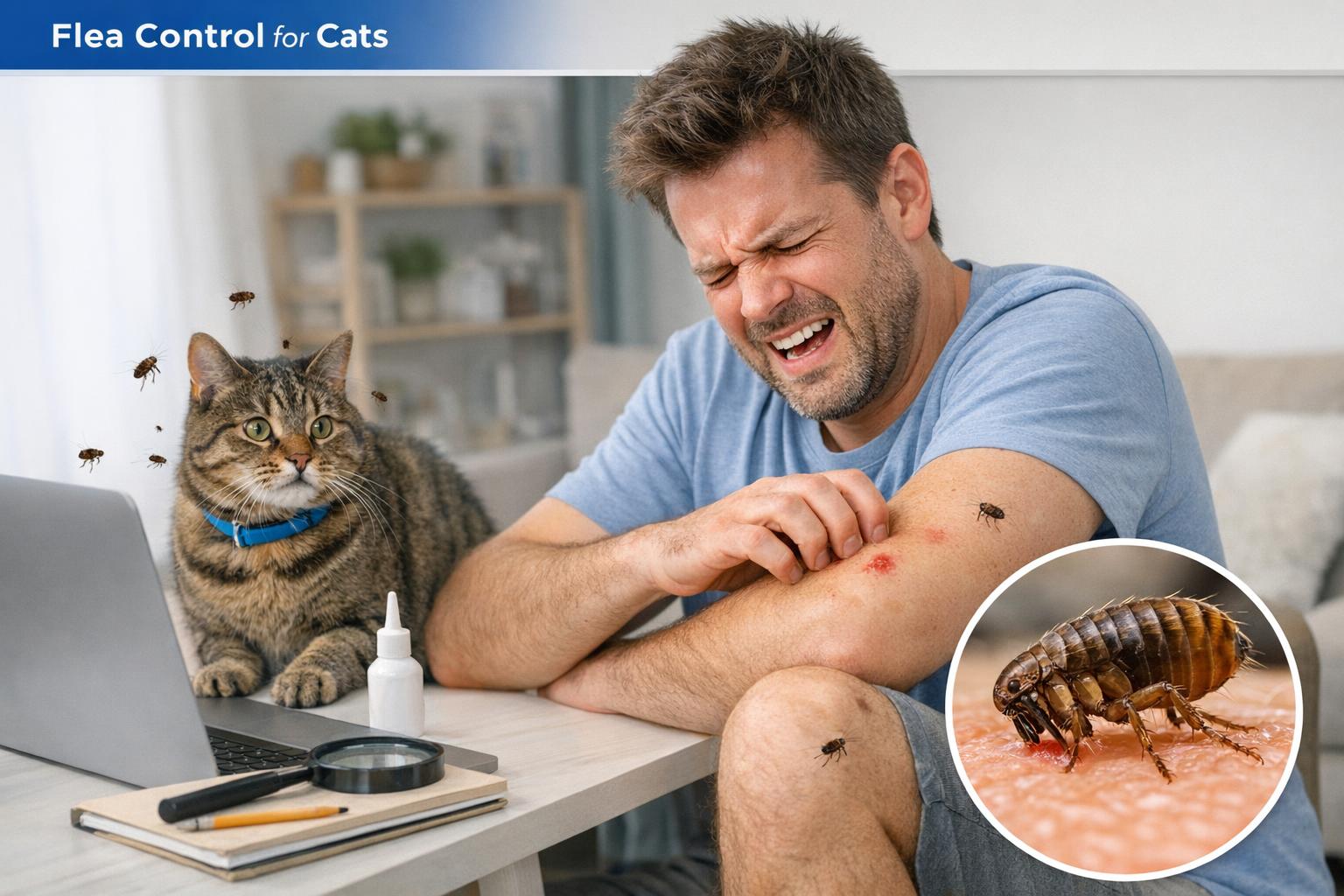
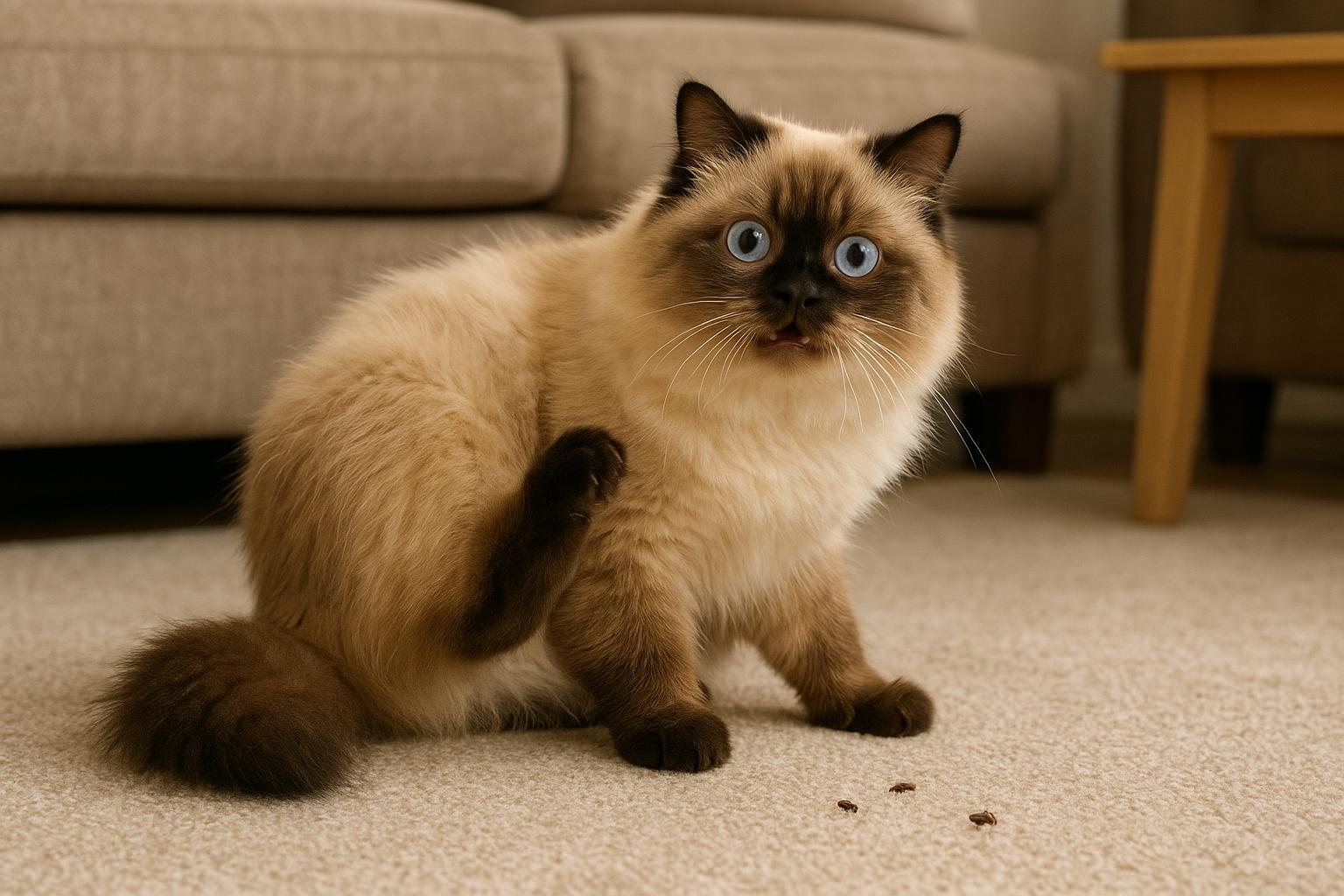
If you want to keep fleas off your cat without turning your home into a chemistry lab, you need clear actions that actually break the flea life cycle. Natural methods can work — but they work best when you use several at once and commit to doing them regularly.
## Cat-Safe Natural Flea Prevention Strategies You Can Start Today
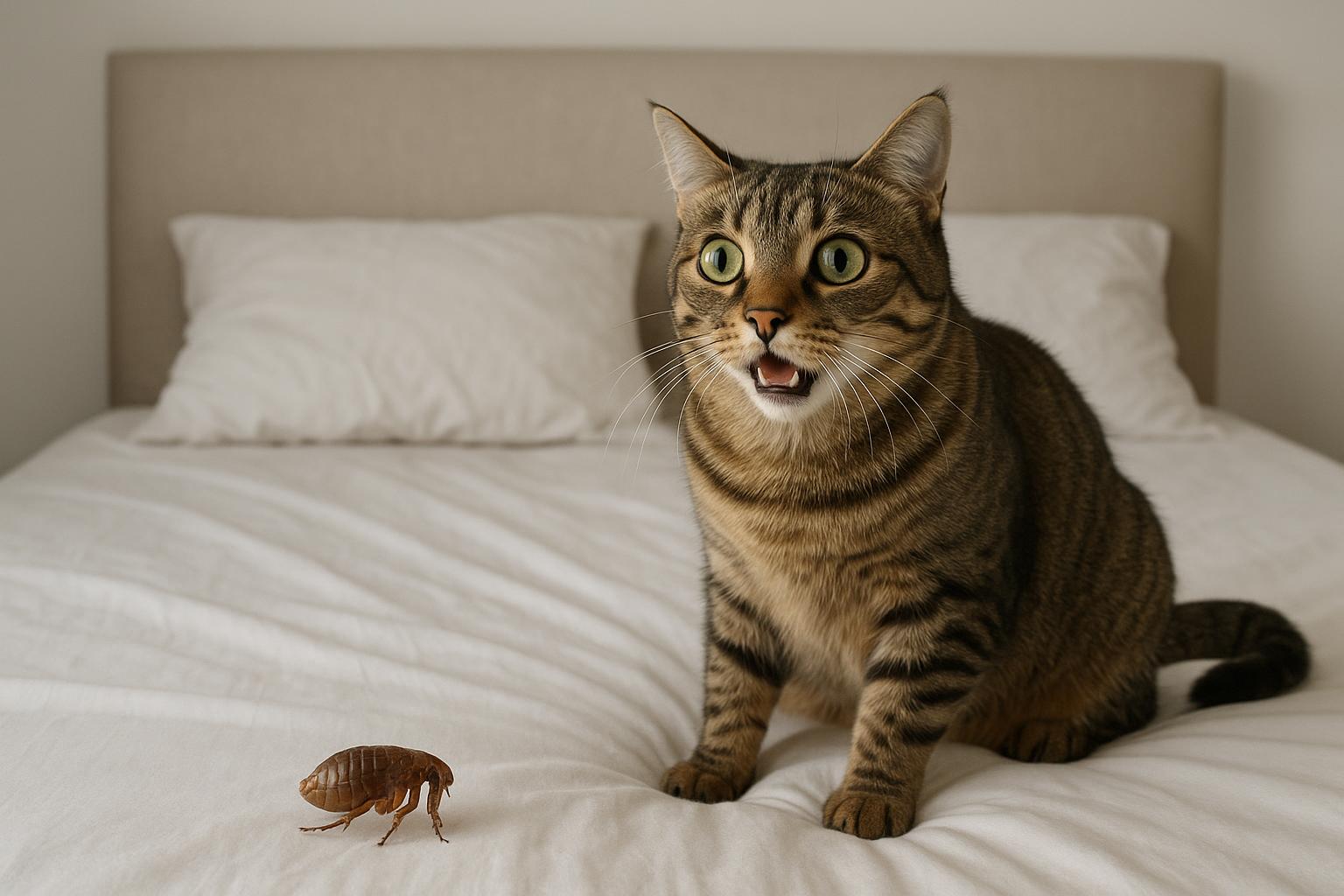
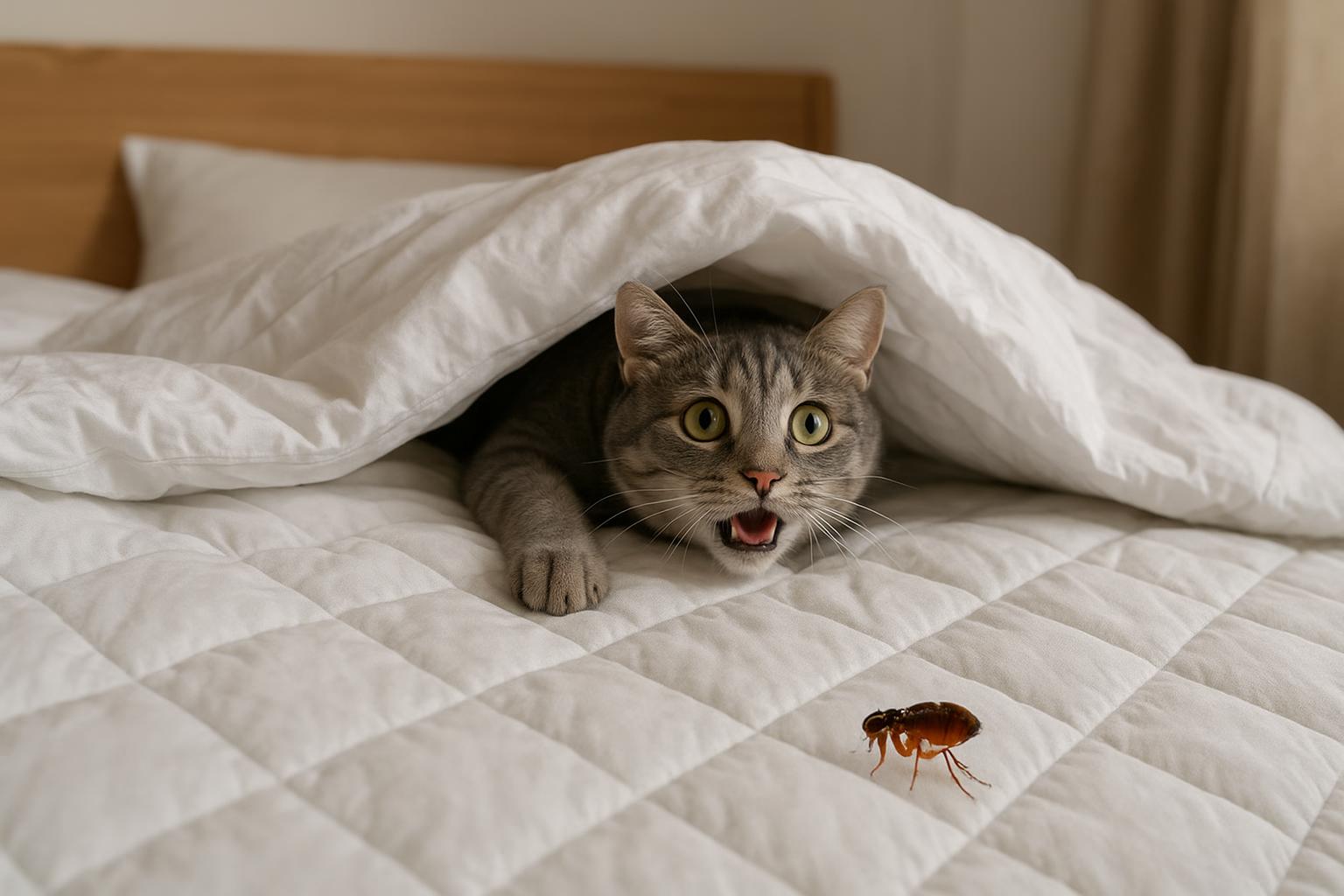
Start with the basics. Fleas are tiny, fast, and stubborn, but they’re also vulnerable at several points: the adult on the cat, the eggs in the carpet, and the larvae in cracks. The most reliable cat-safe natural flea prevention strategies attack more than one of those stages.
### Comb Daily, Then Dispose
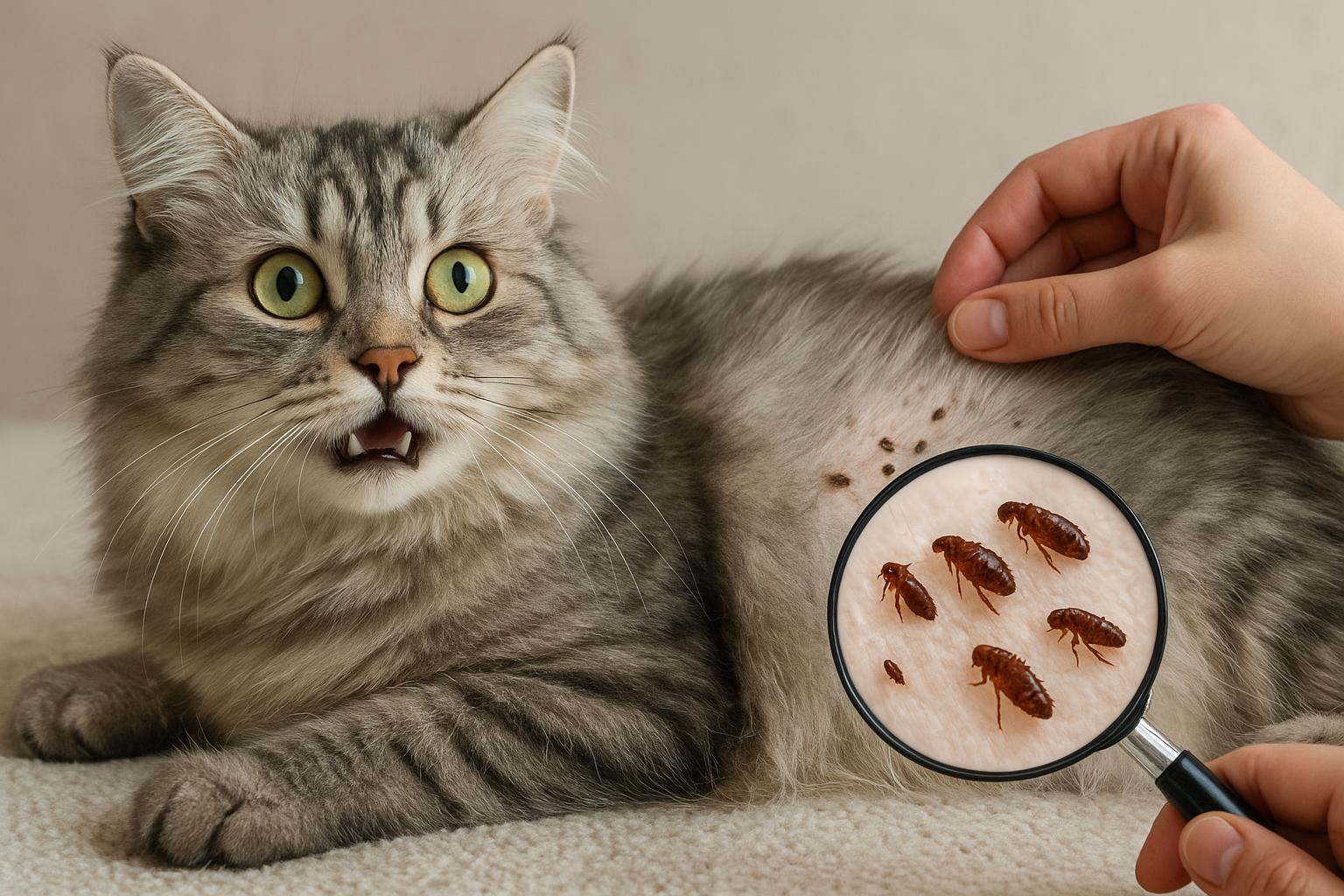
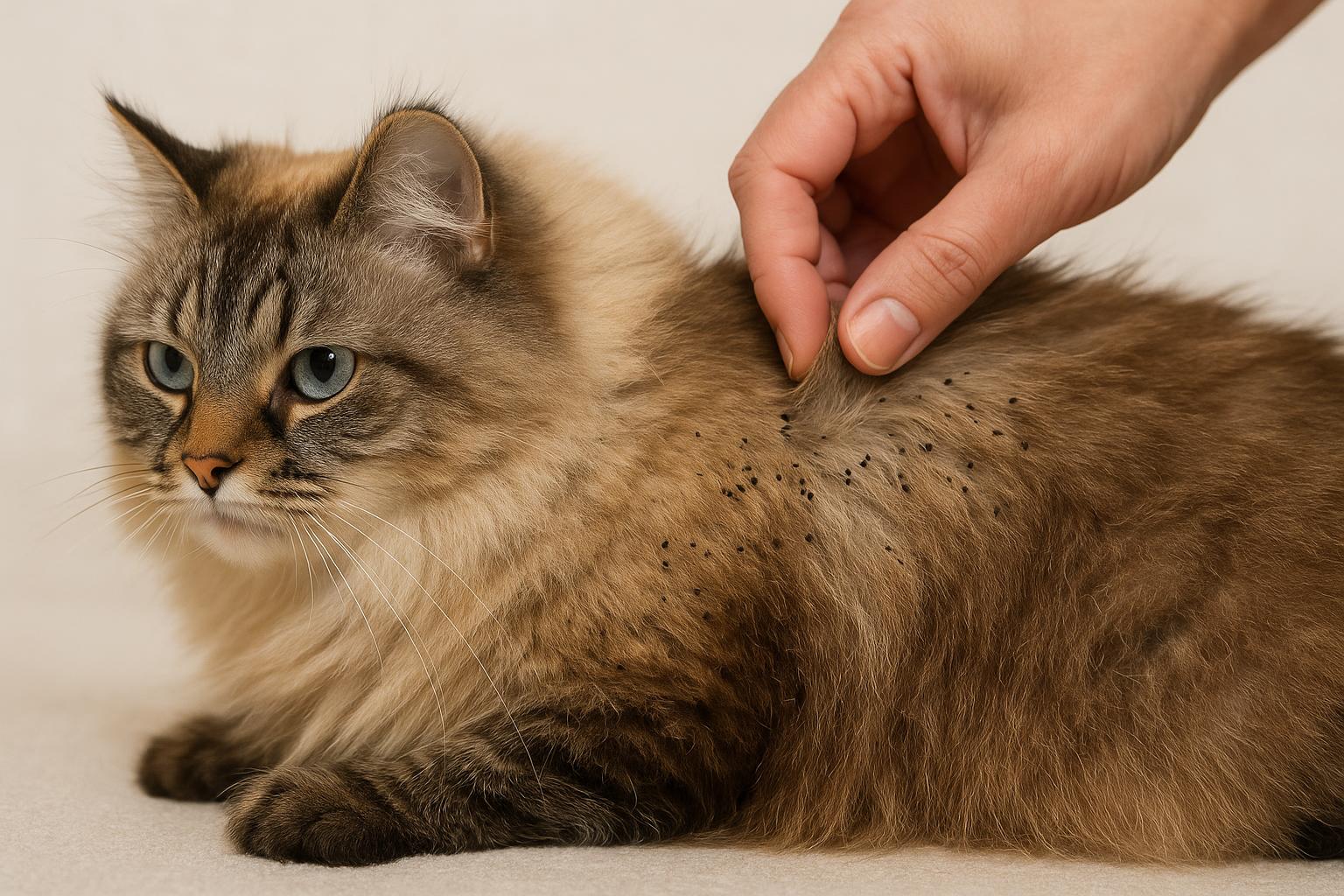
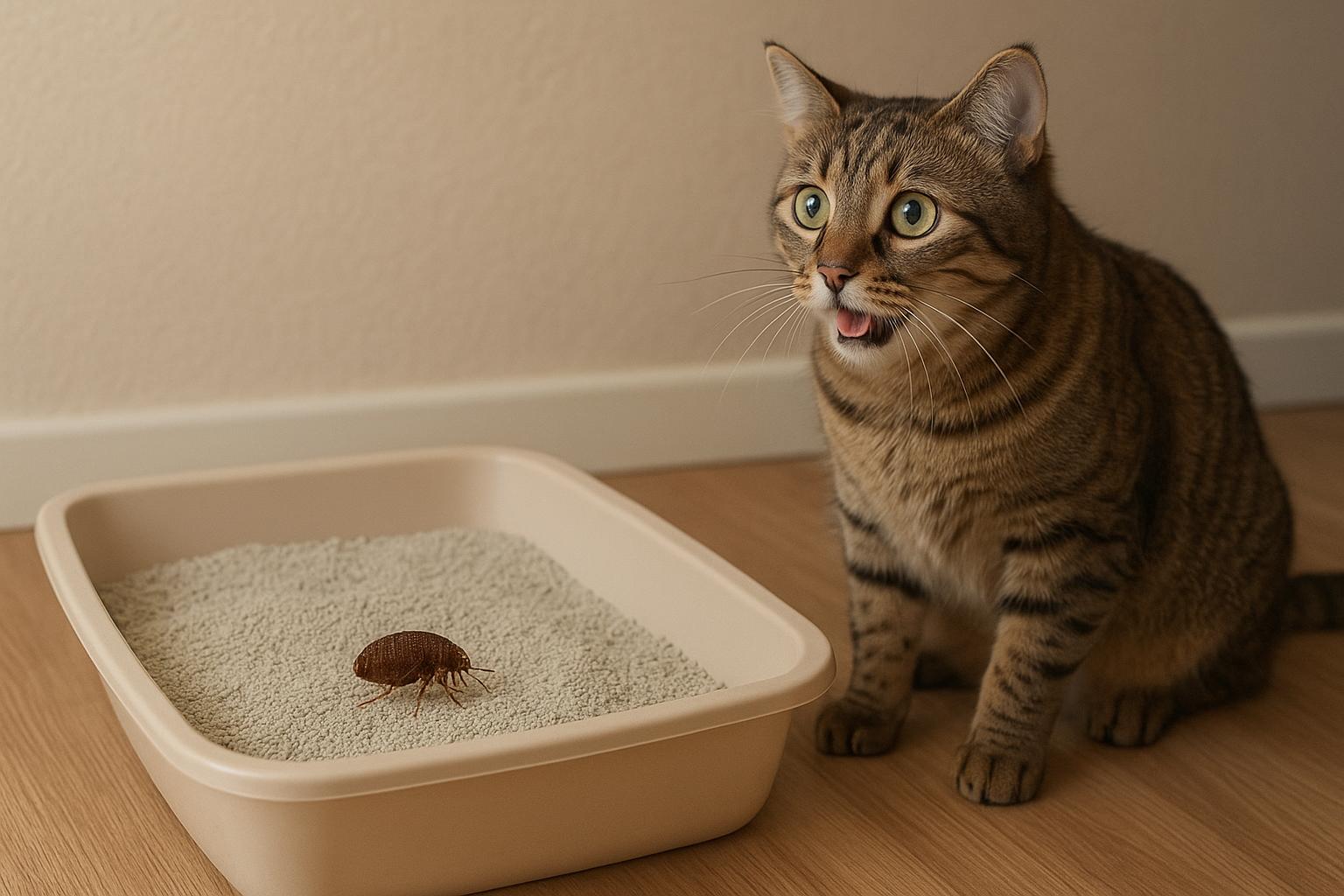
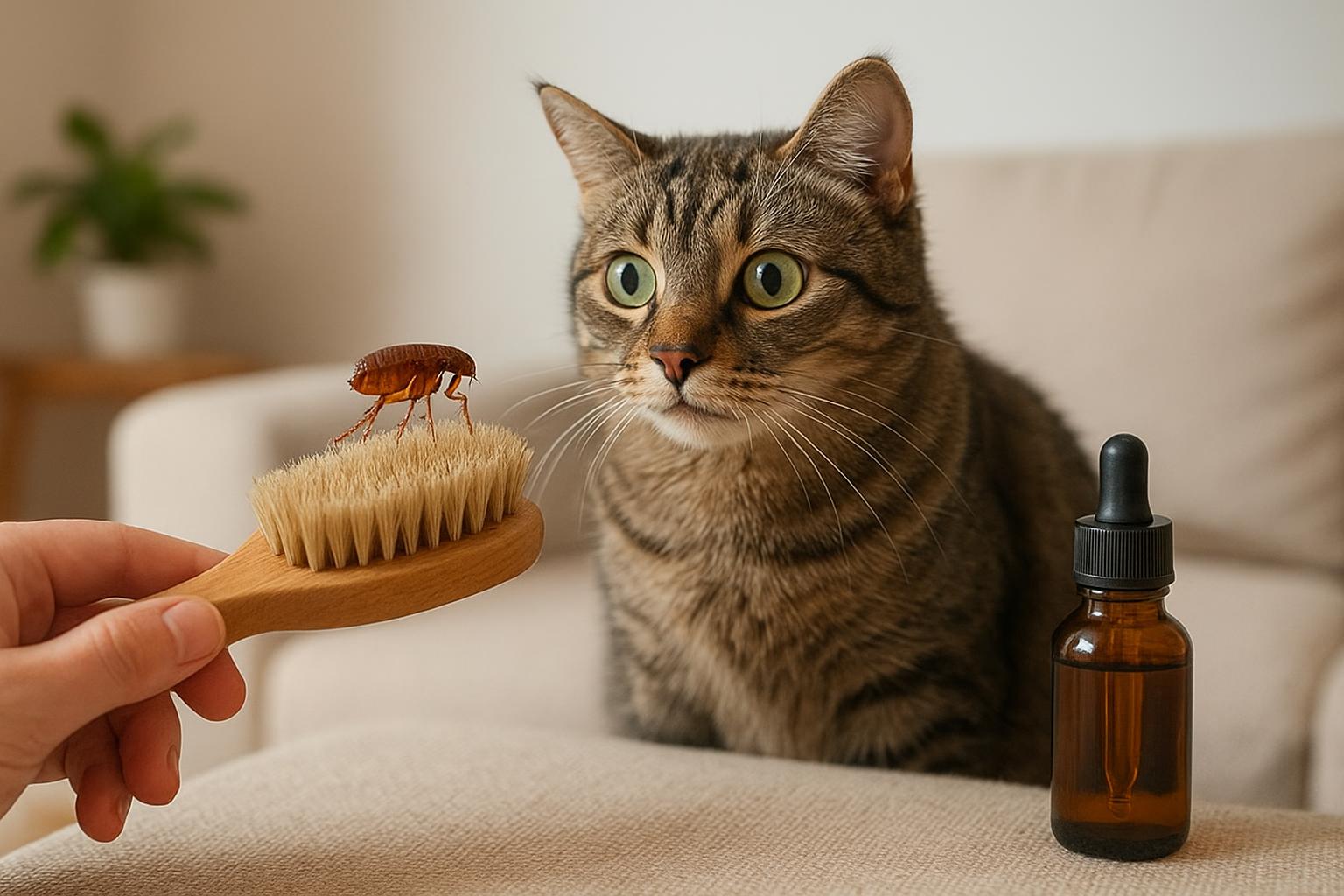
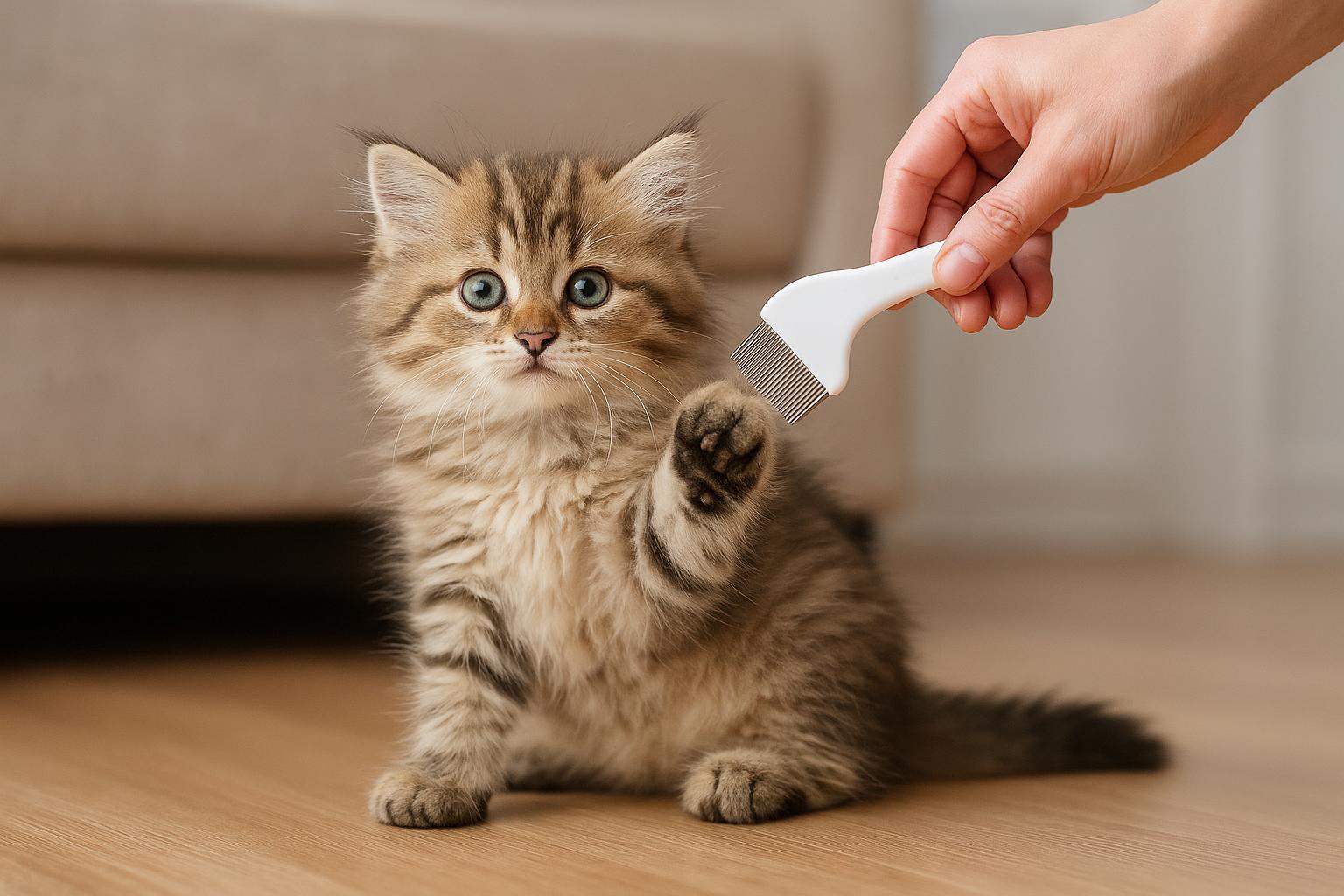
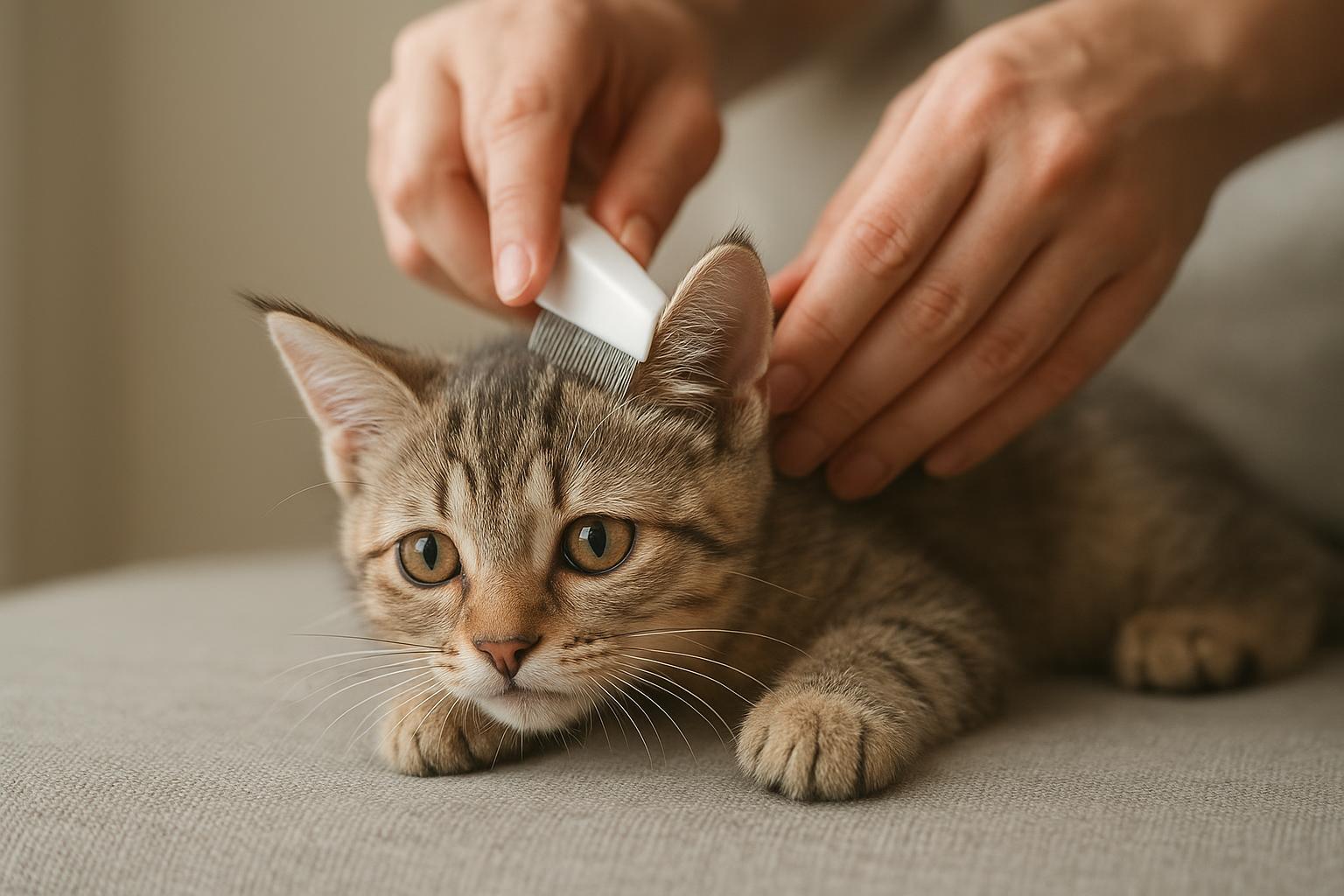
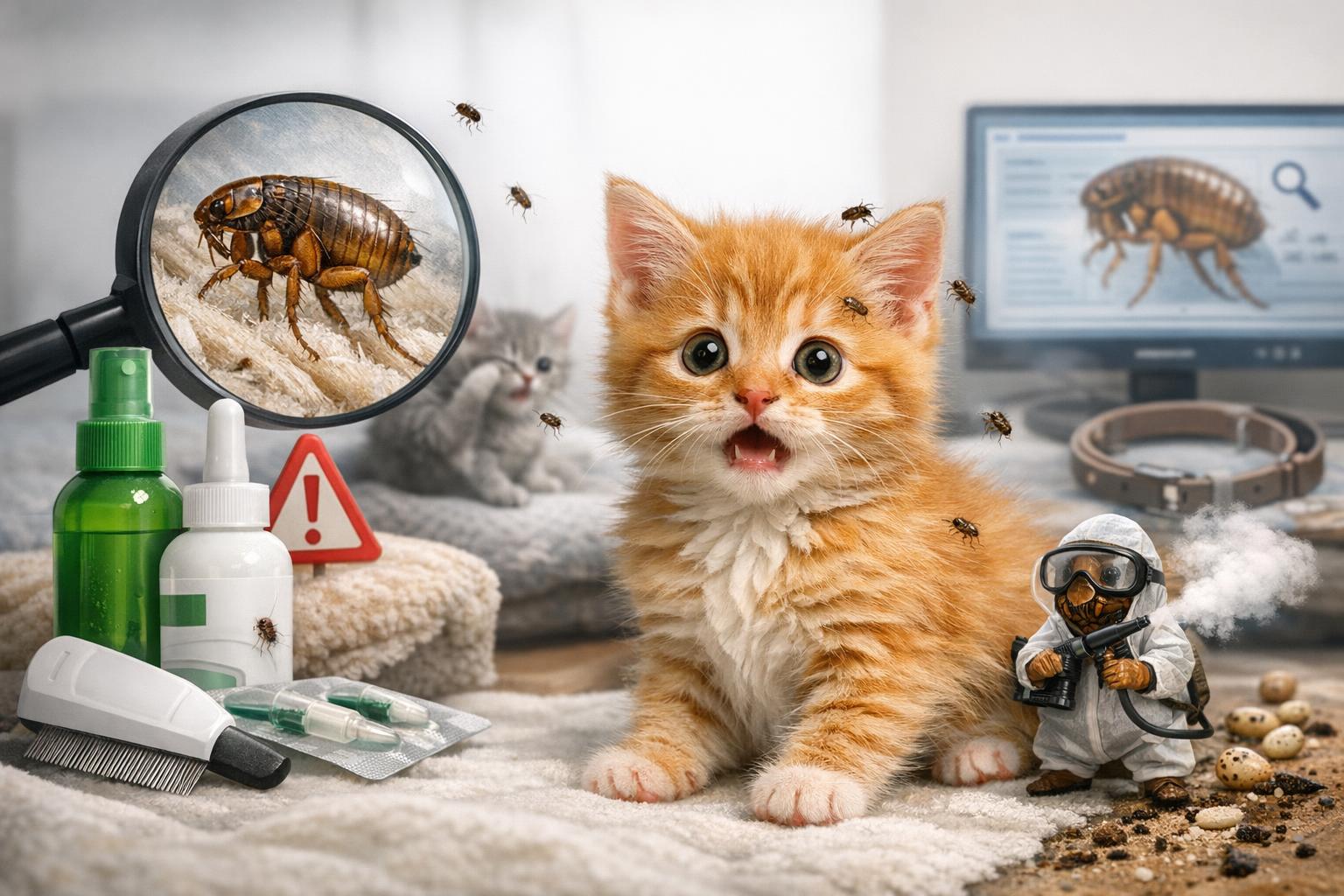
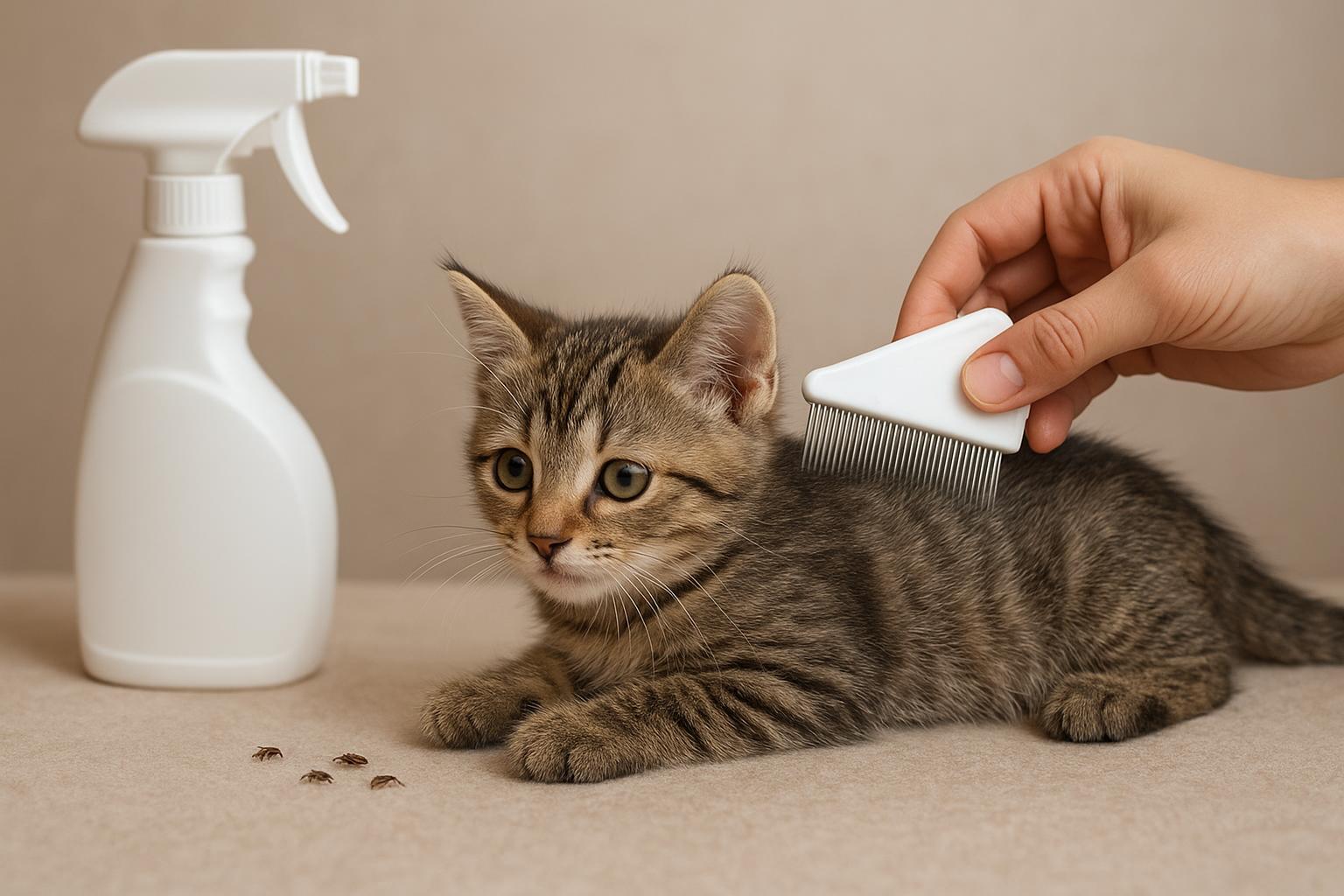
A fine-toothed flea comb is cheap and effective. Comb your cat daily for a few minutes after play or outdoor time. Keep a bowl of soapy water nearby. When you pull fleas from the fur, dunk them into the water so they can’t jump back. This reduces the adult population immediately and gives you a quick read on whether your other measures are working.
### Wash Bedding In Hot Water
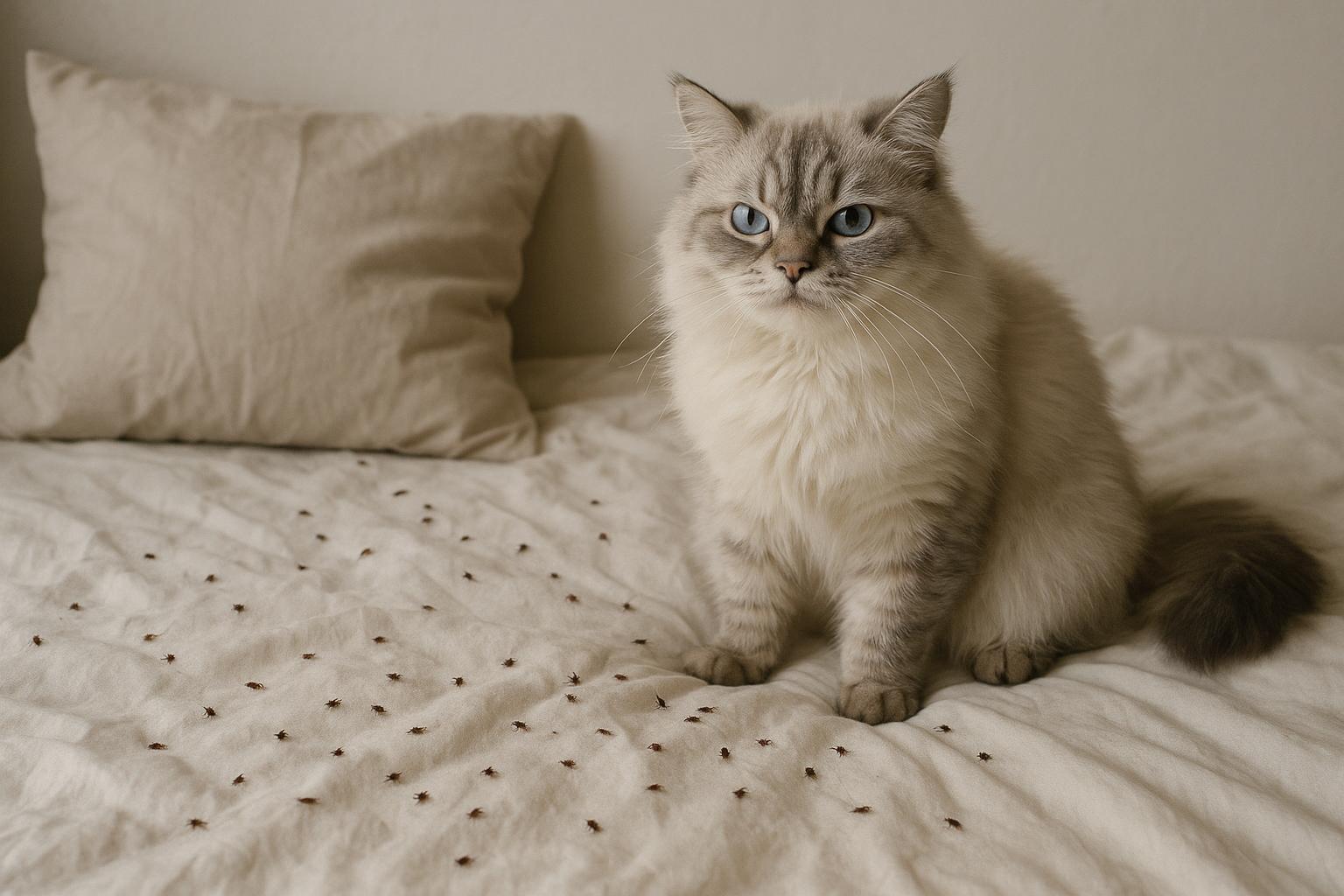
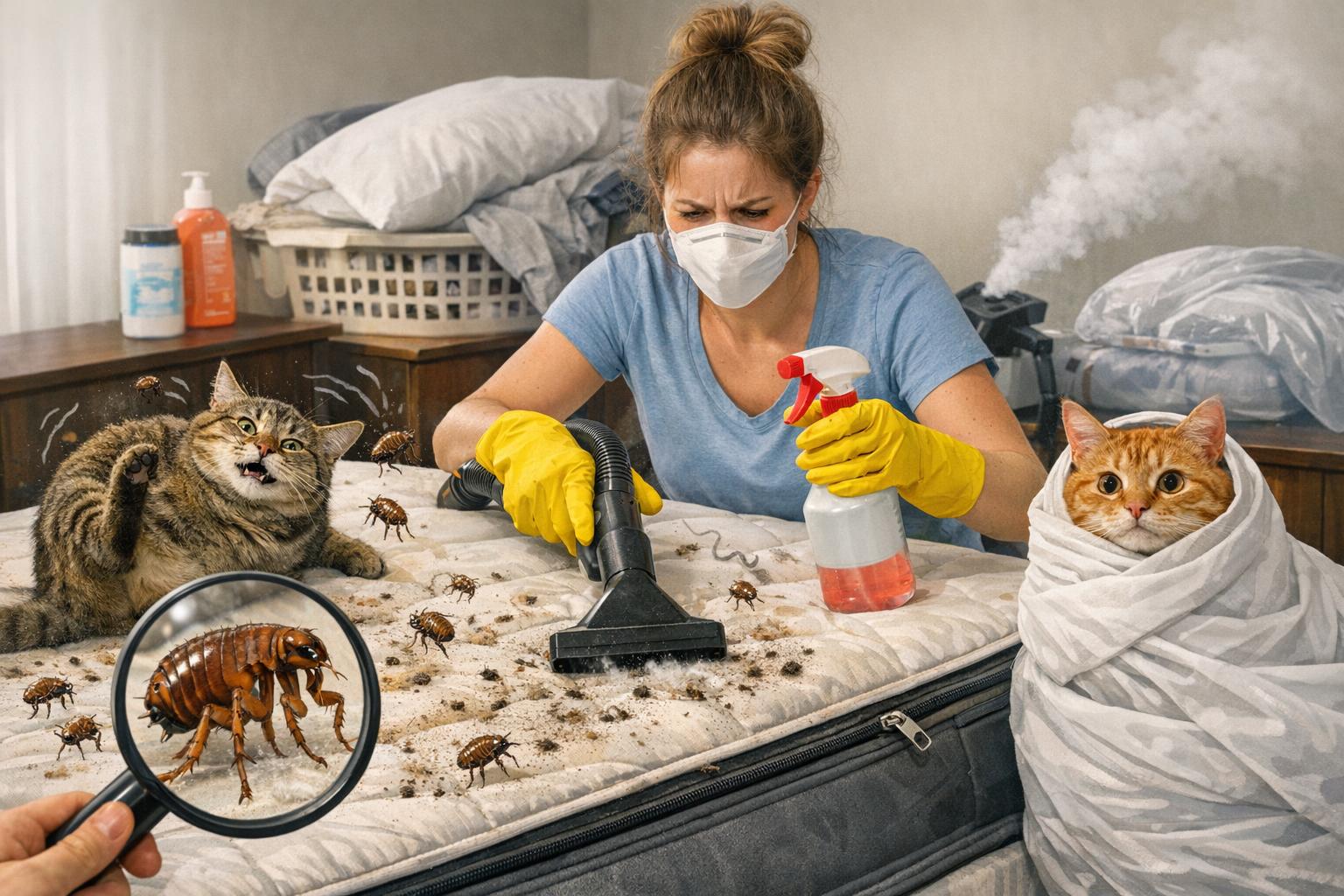
Flea eggs and larvae don’t survive heat. Wash your cat’s bedding, your blankets, and any removable couch covers in the hottest water the fabric can handle. Dry on high heat when possible. Aim to wash weekly during flea season or until you’re sure the problem is under control. Vacuum the areas before washing to pick up eggs and debris.
### Vacuum Thoroughly And Often
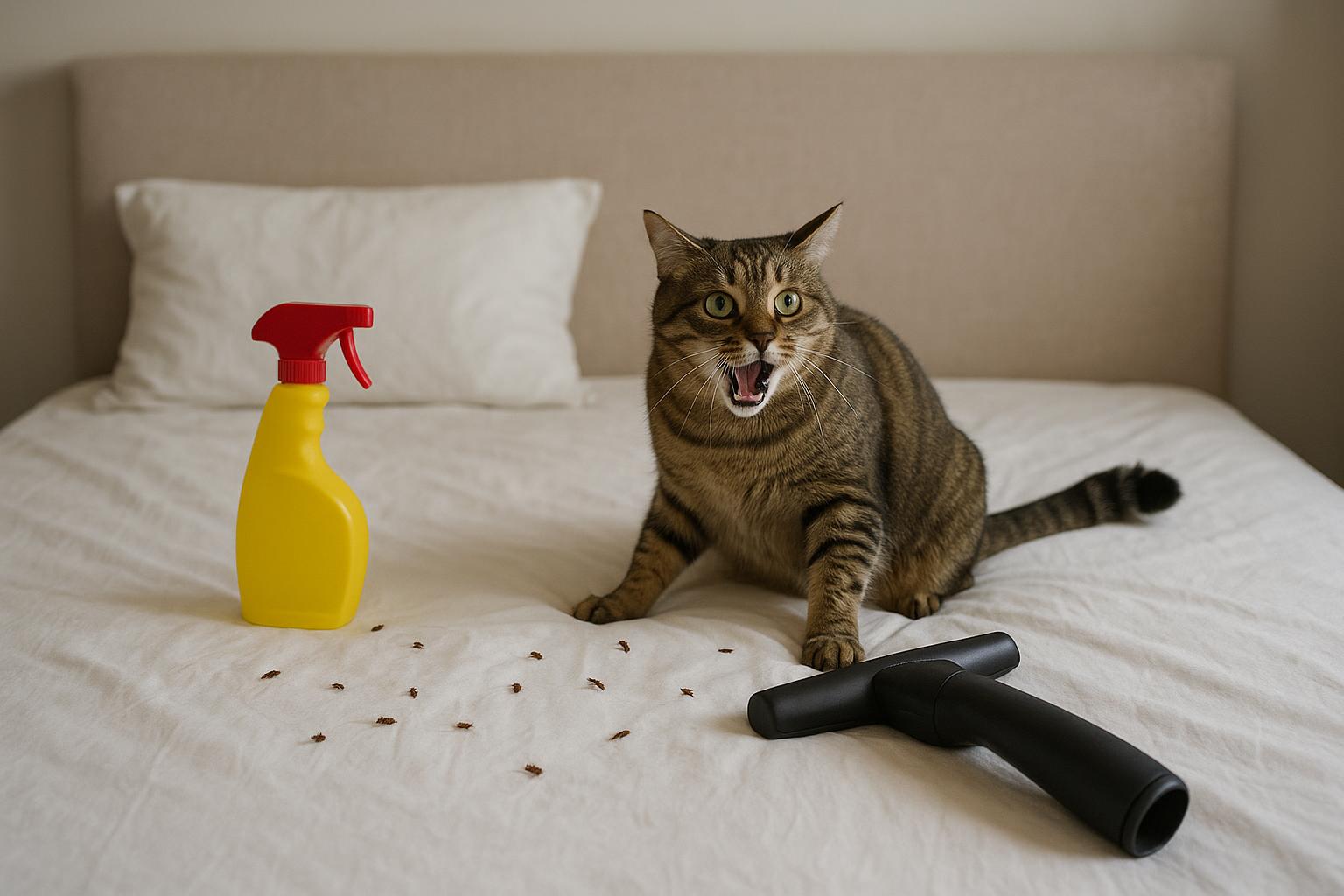
Vacuuming does more than pick up visible dirt. It pulls up eggs and larvae and speeds up their exposure to the environment where they die. Focus on furniture seams, under beds, and along baseboards. Empty the vacuum canister or toss the bag outdoors immediately so any live fleas don’t reinfest the house. This is one of the cornerstones of cat-safe natural flea prevention strategies because it’s non-toxic and it interrupts the flea life cycle.
## Environmental Steps That Don’t Harm Cats
You can make your home and yard less hospitable to fleas without toxic sprays. These steps focus on disruption, habitat reduction, and safe biological controls.
### Use Food-Grade Diatomaceous Earth Carefully
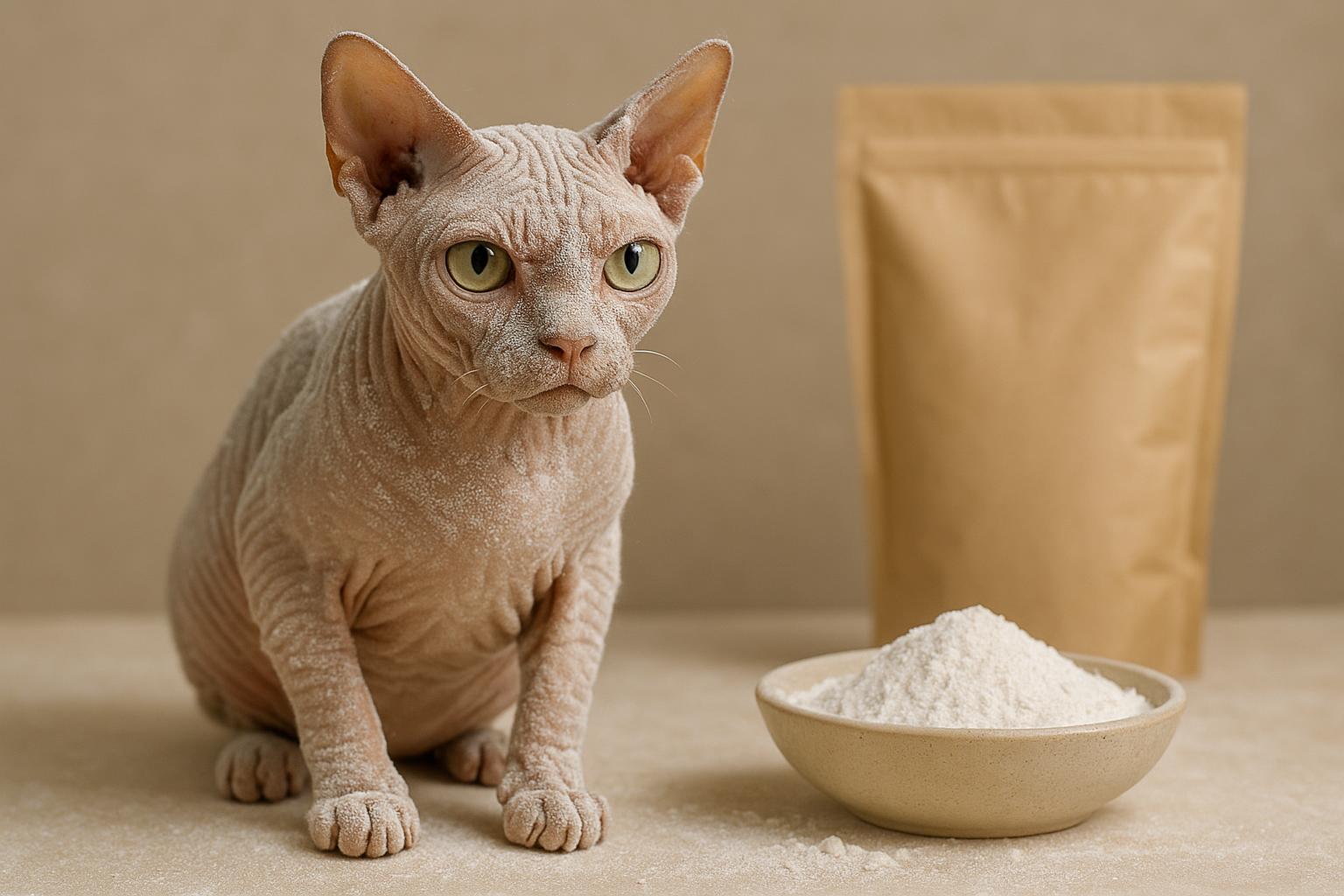
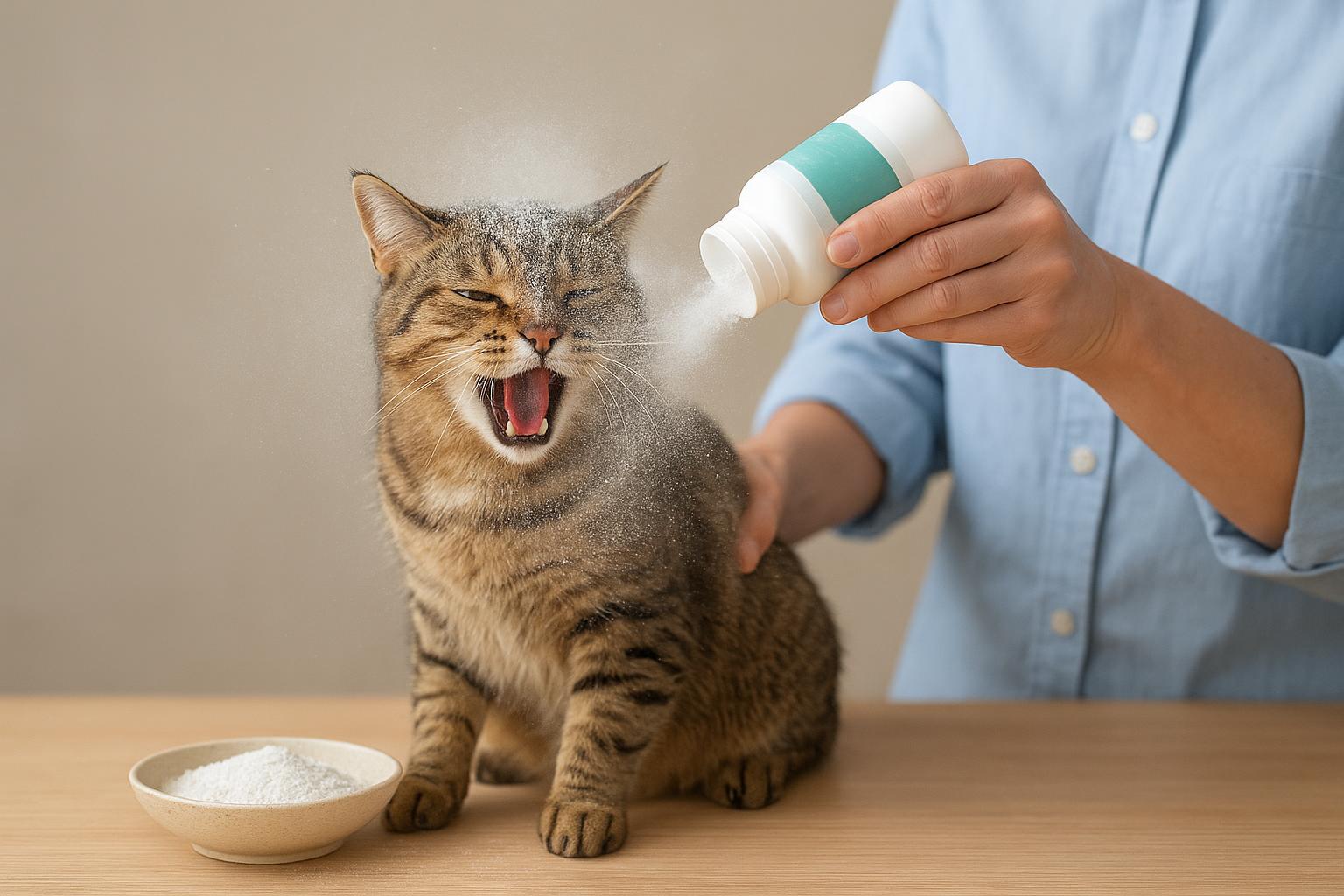
Food-grade diatomaceous earth (DE) damages the waxy coating of insects, causing them to dehydrate. Lightly dust carpets, rugs, and baseboards then let it sit for a day before vacuuming. Wear a mask during application to avoid inhaling fine dust — DE can irritate lungs. Don’t use pool-grade DE; only food-grade is safe around pets. When applied properly, DE is a practical part of organic flea prevention, but it’s not a single-solution cure.
### Introduce Beneficial Nematodes In The Yard
If your cat goes outside, treating the lawn can cut reinfestation. Beneficial nematodes (microscopic roundworms sold for garden use) prey on flea larvae. They won’t harm pets or people, and they’re a genuine organic flea prevention option for yard control. Apply them in the evening when the soil is damp and avoid areas that dry out quickly.
#### Keep Grass Short And Remove Debris
Fleas like shade and moisture. Mow the lawn, rake leaves, and clear brush where wildlife might hide. Rodents and feral animals bring fleas; reducing sheltered spaces lowers the chance of them setting up shop near your house.
#### Avoid Risky “Natural” Oils
Some natural-sounding solutions are actually dangerous for cats. Tea tree oil, eucalyptus, peppermint, and many essential oils can cause serious toxicity. Don’t use undiluted essential oils on pets or spray them around the home. The safest cat flea info you’ll hear from vets is to avoid essential oils unless prescribed and clearly labeled for feline use.
## What To Put On The Cat — Safe, Vet-Approved Options
Many over-the-counter “natural” sprays and spot-ons are untested and can harm cats. Here are safe handling practices and safer alternatives.
### Topical Natural Products: Read Labels Carefully
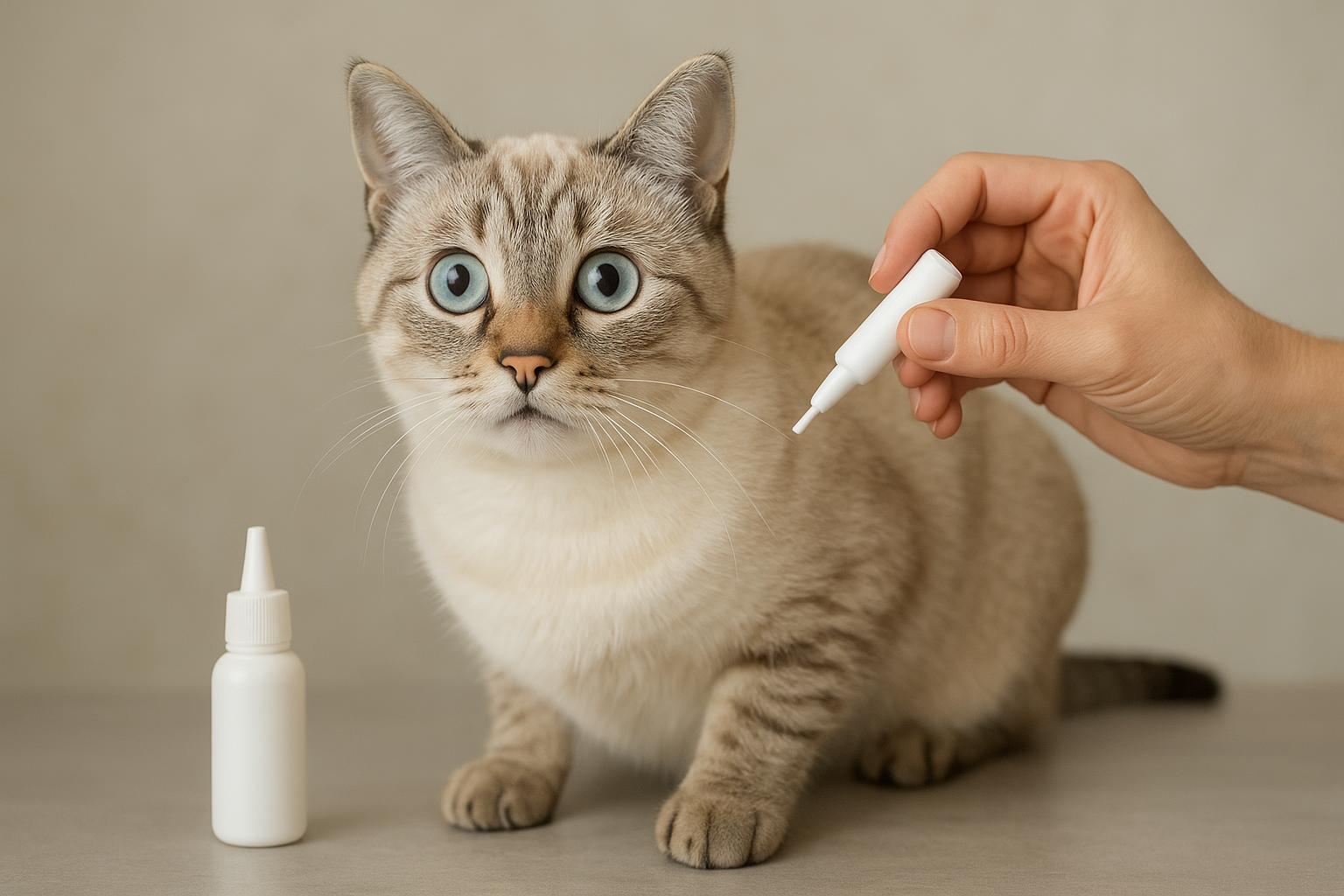
Products labeled “natural” or “herbal” can include ingredients that are fine for dogs but hazardous for cats. Pyrethrins derived from chrysanthemums are used in many natural insecticides; they can be toxic in high concentrations or if formulated incorrectly. If you choose a topical product, check with your veterinarian first. The safest approach is a flea comb plus environmental controls, supplemented by any product your vet approves.
### Collars And Supplements: Use Evidence
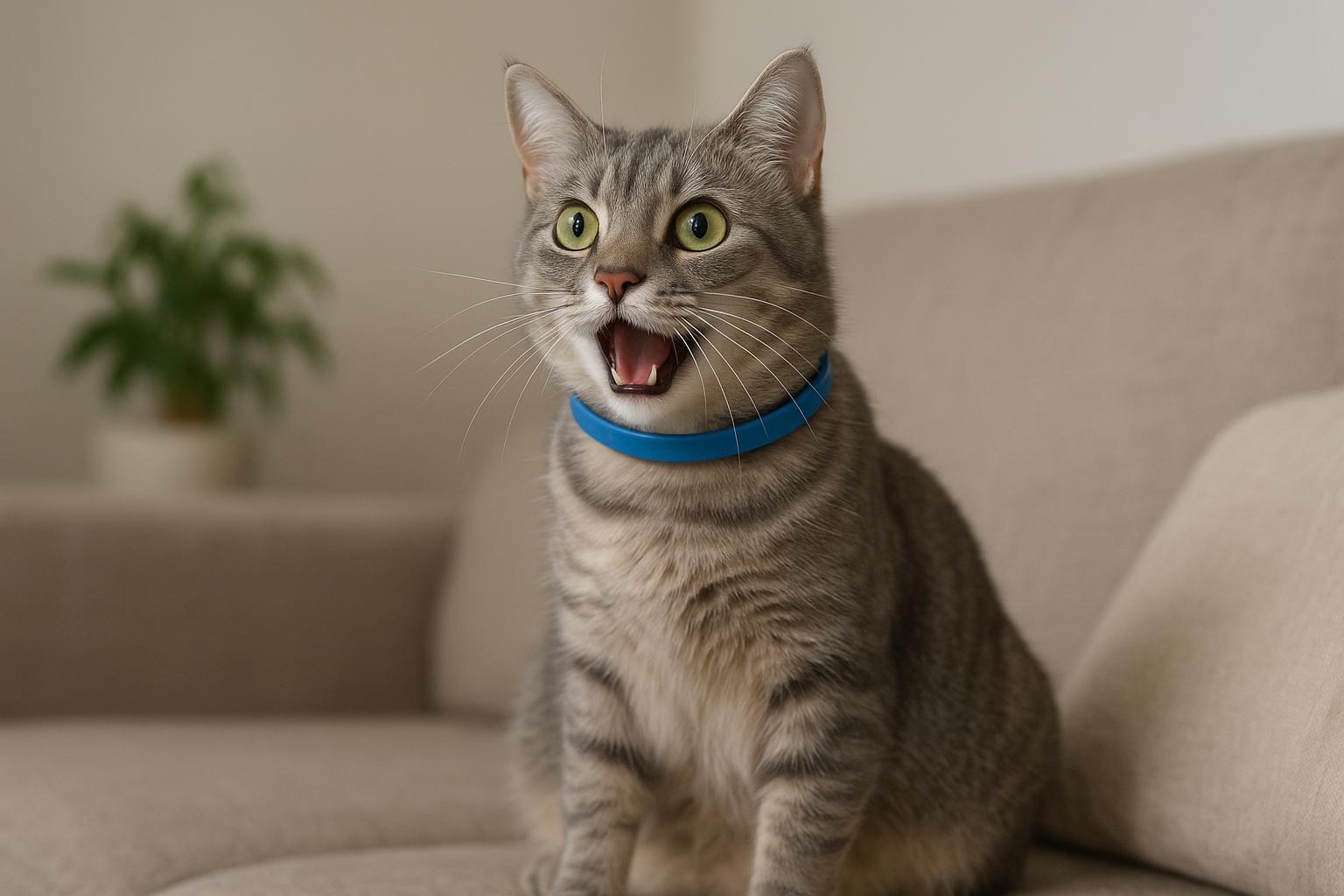
There are some flea collars formulated without synthetic chemicals that use insect-repelling plant extracts. Performance varies. If a collar reduces the number of adults, that helps, but collars rarely eliminate an infestation alone. Supplements and dietary tweaks often show up in “cat flea info” lists — fish oil helps skin health but won’t prevent fleas. Be skeptical of pills marketed as a cure-all; ask your vet for evidence.
### Baths And Shampoos: Gentle And Sparing
Cats groom themselves and generally hate water, but a gentle cat-safe shampoo can remove fleas and eggs when done correctly. Use shampoos specifically made for cats and avoid human or dog products. For short-haired cats, a soak and comb session can be effective. Don’t use soaps that contain essential oils toxic to cats.
## Routine Habits That Reduce Risk
Changing daily habits reduces exposure. Fleas come from outside animals, so controlling interactions and entry points matters.
### Keep Cats Indoors Or Supervise Outdoor Time
Indoor cats have far fewer encounters with fleas. If you let your cat outside, supervise outdoor time or use a leash and harness. Fleas transfer easiest from other animals — neighborhood strays and wildlife. By limiting contact, you reduce the chance of reintroduction.
### Inspect And Groom After Outside Time
Make it a habit to check your cat’s fur and skin after any outdoor excursion. Fleas can be picked up quickly. A quick comb-through on the porch prevents fleas from getting into the house.
### Treat Other Pets And Wildlife Access Points
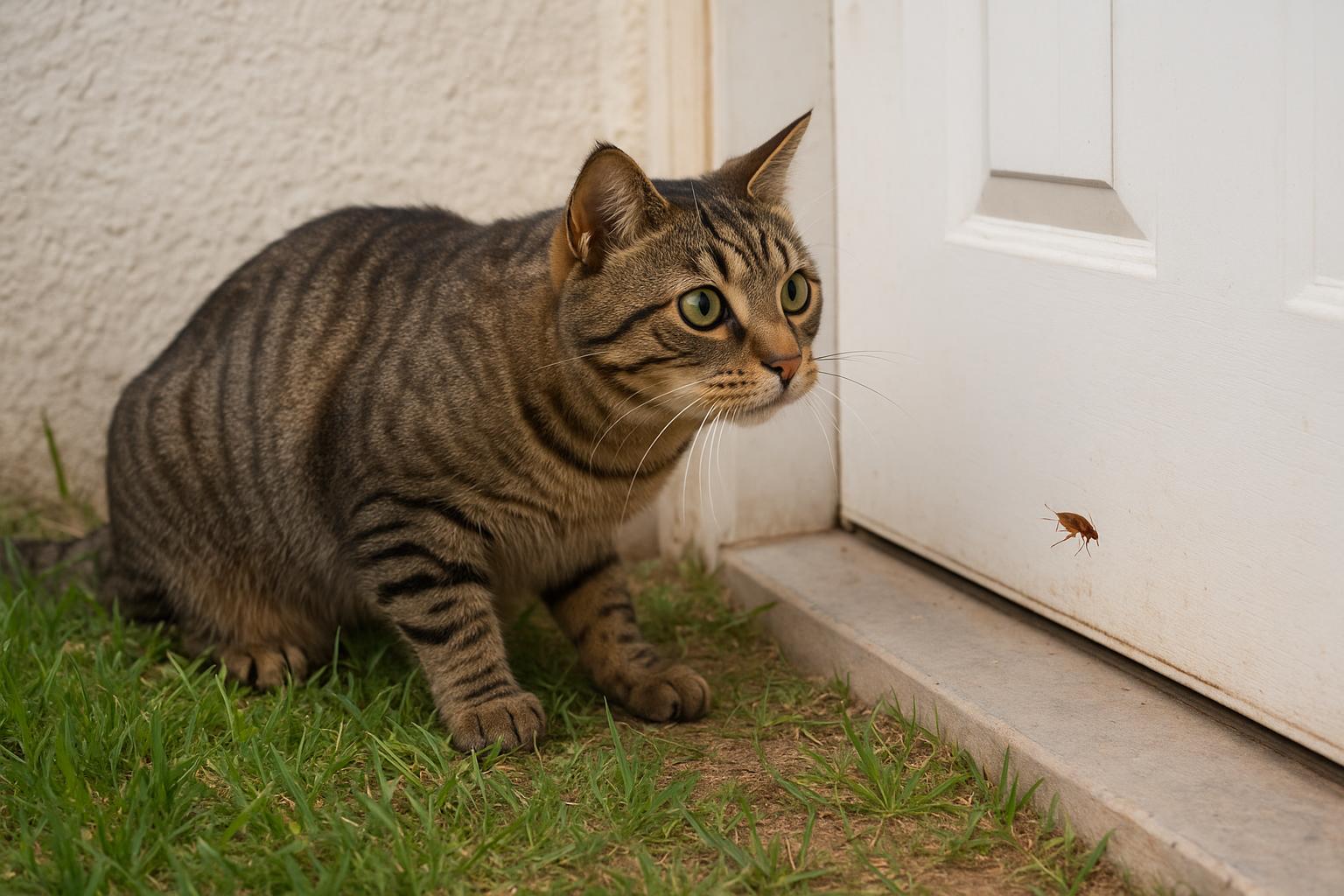
If you have dogs, they must be treated concurrently. Fleas move between species. Seal gaps under doors and screens, and discourage wild animals from nesting near your house by securing trash and removing outdoor food.
## When Natural Measures Aren’t Enough
Sometimes infestations are too heavy, or pets have flea allergy dermatitis and need faster relief. Natural is great for prevention and mild control, but recognize when to escalate.
### Signs You Need Veterinary Help
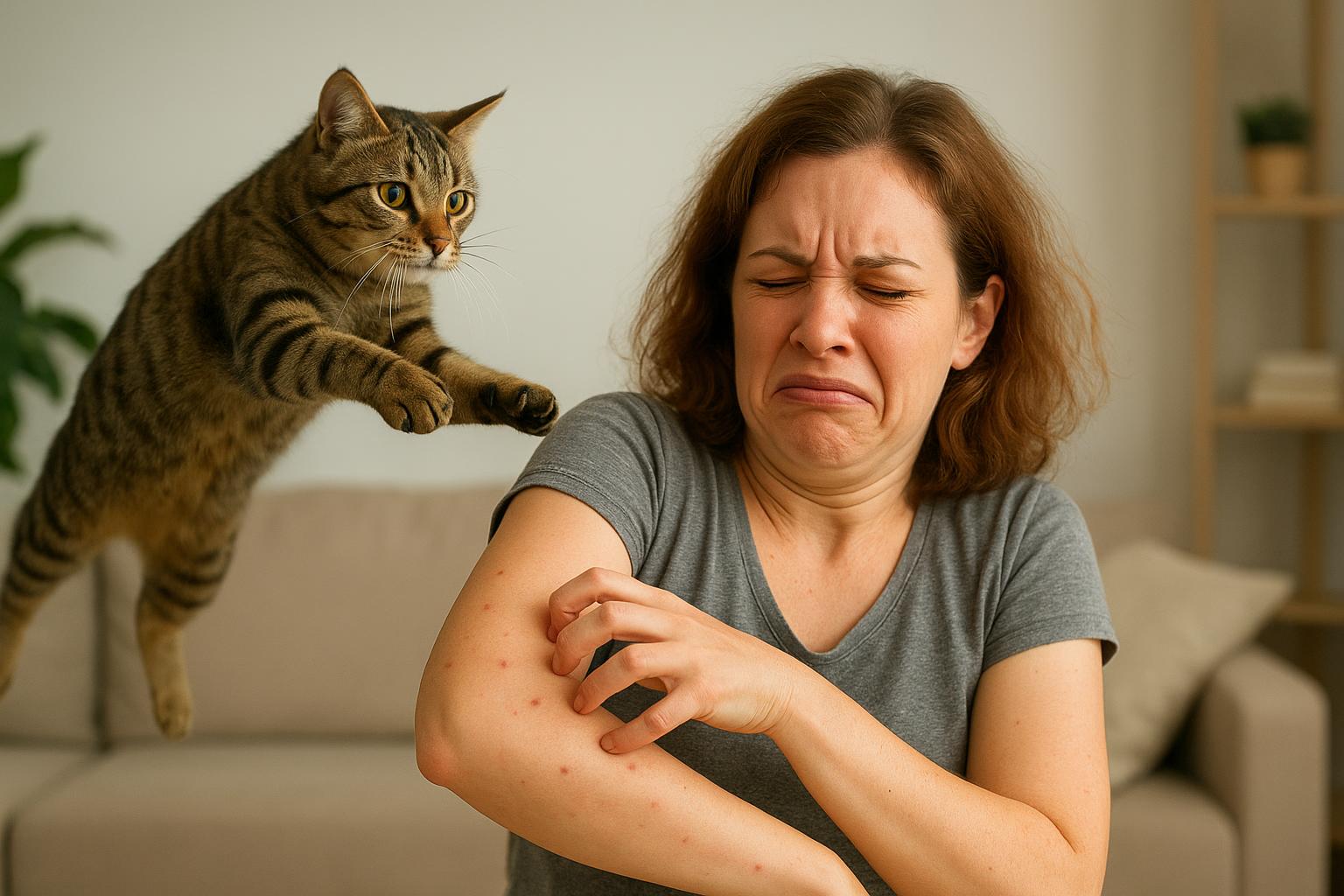
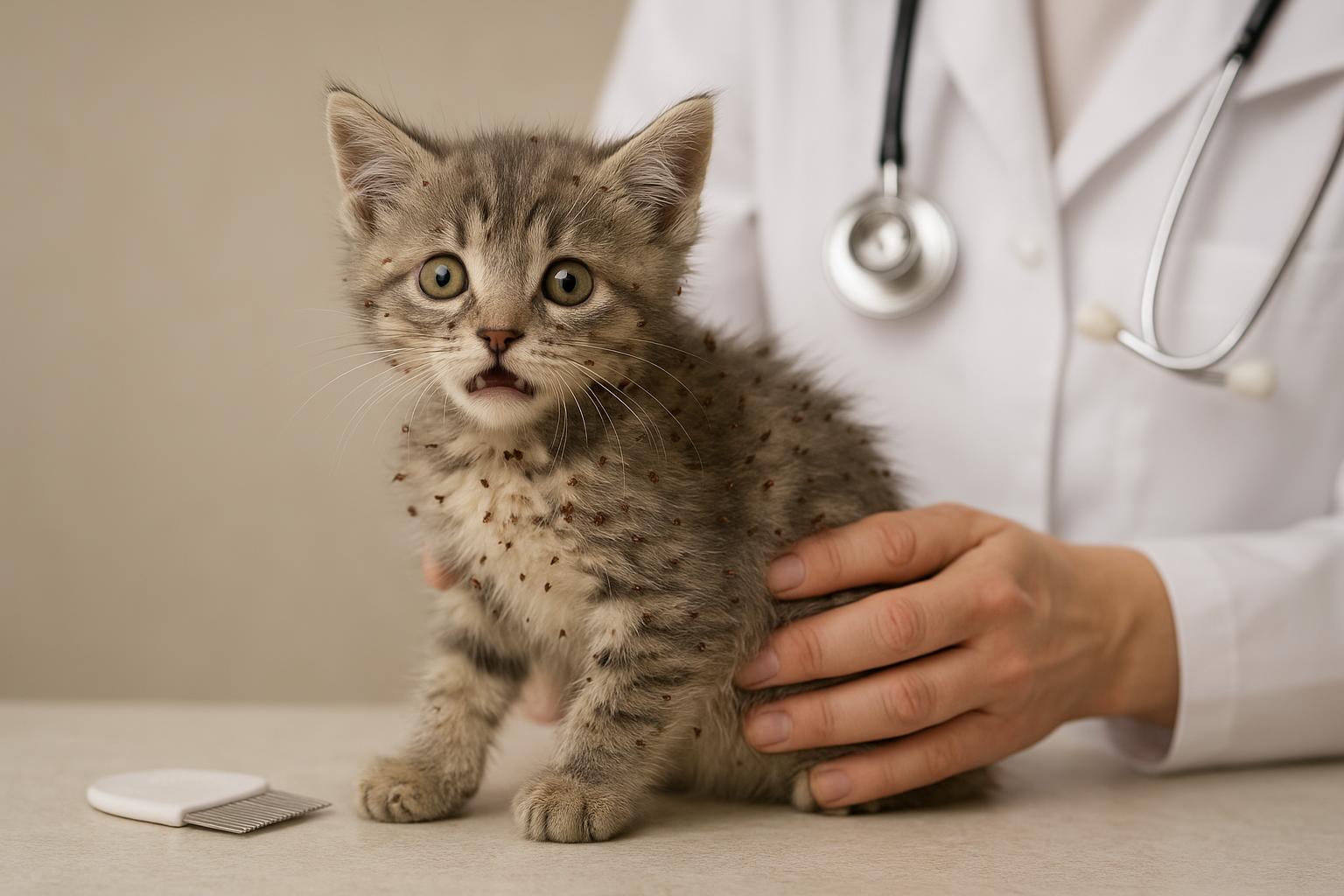
Bald patches, intense scratching, scabs, or swollen skin suggest a severe problem. Very young kittens and elderly cats can become anemic from heavy flea burdens. Those situations demand vet care, possibly a fast-acting prescription flea product that’s known to be safe for cats. Use vet-prescribed treatments along with the natural homemethods for the best outcome.
### Combine Vet Care With Home Effort
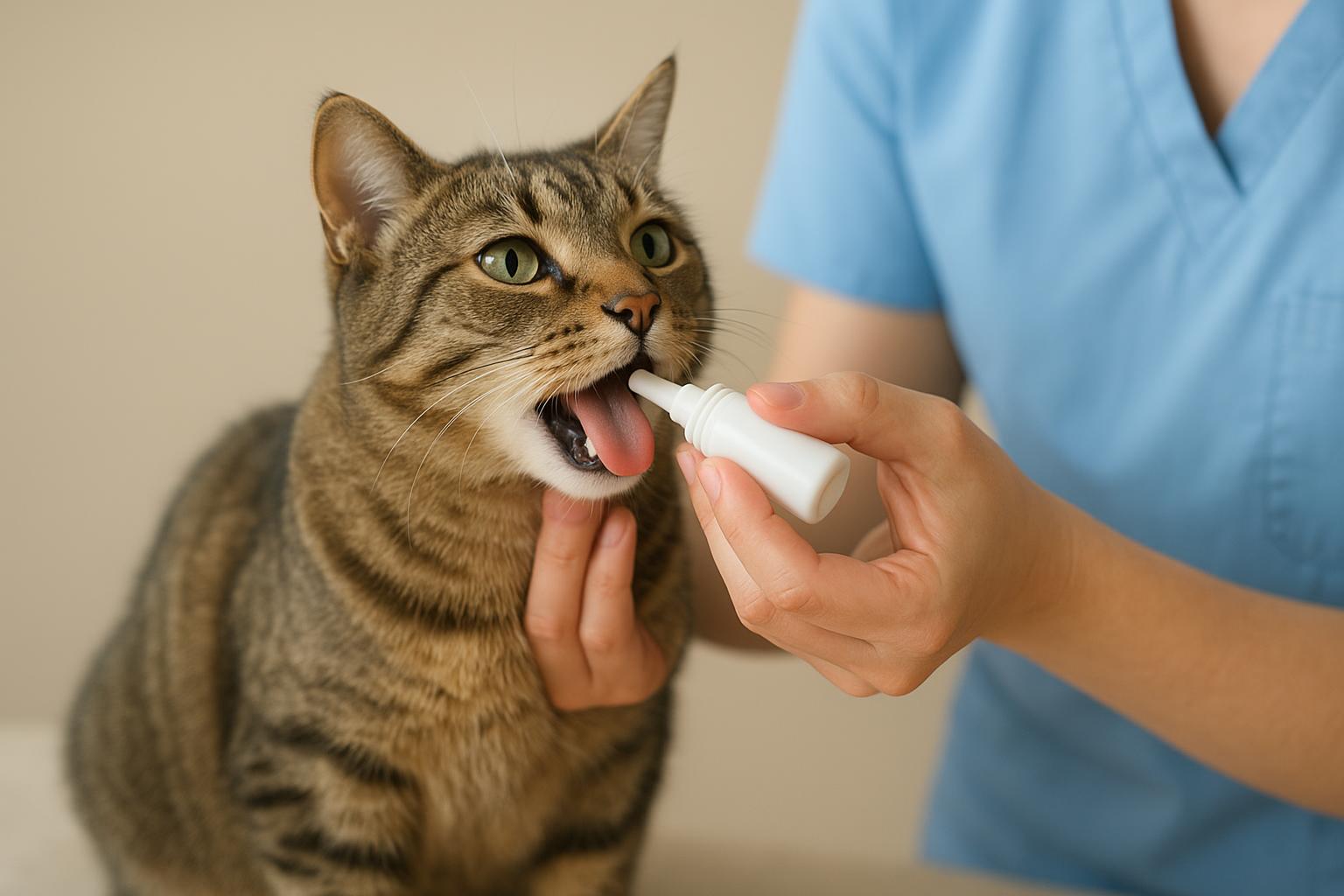
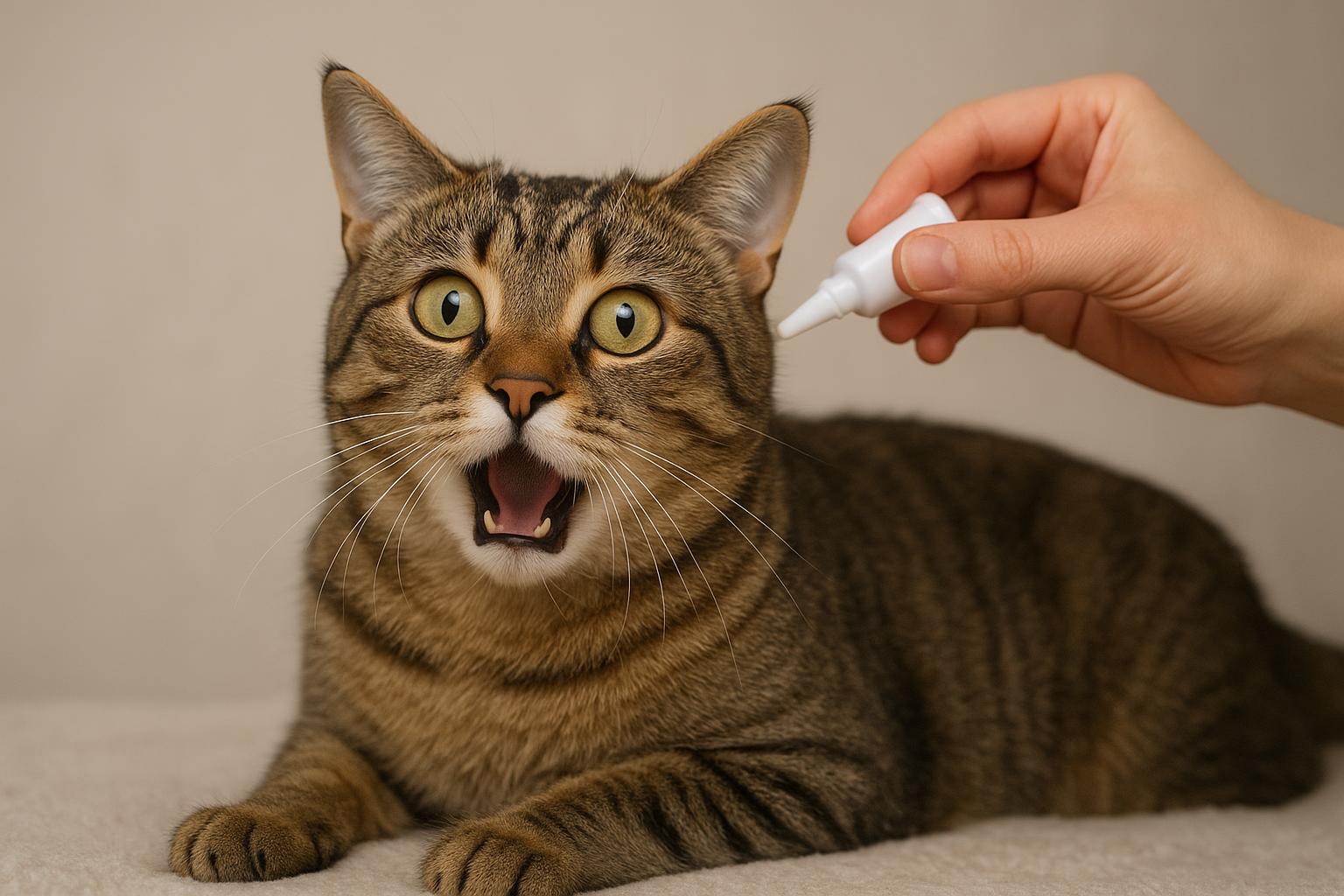
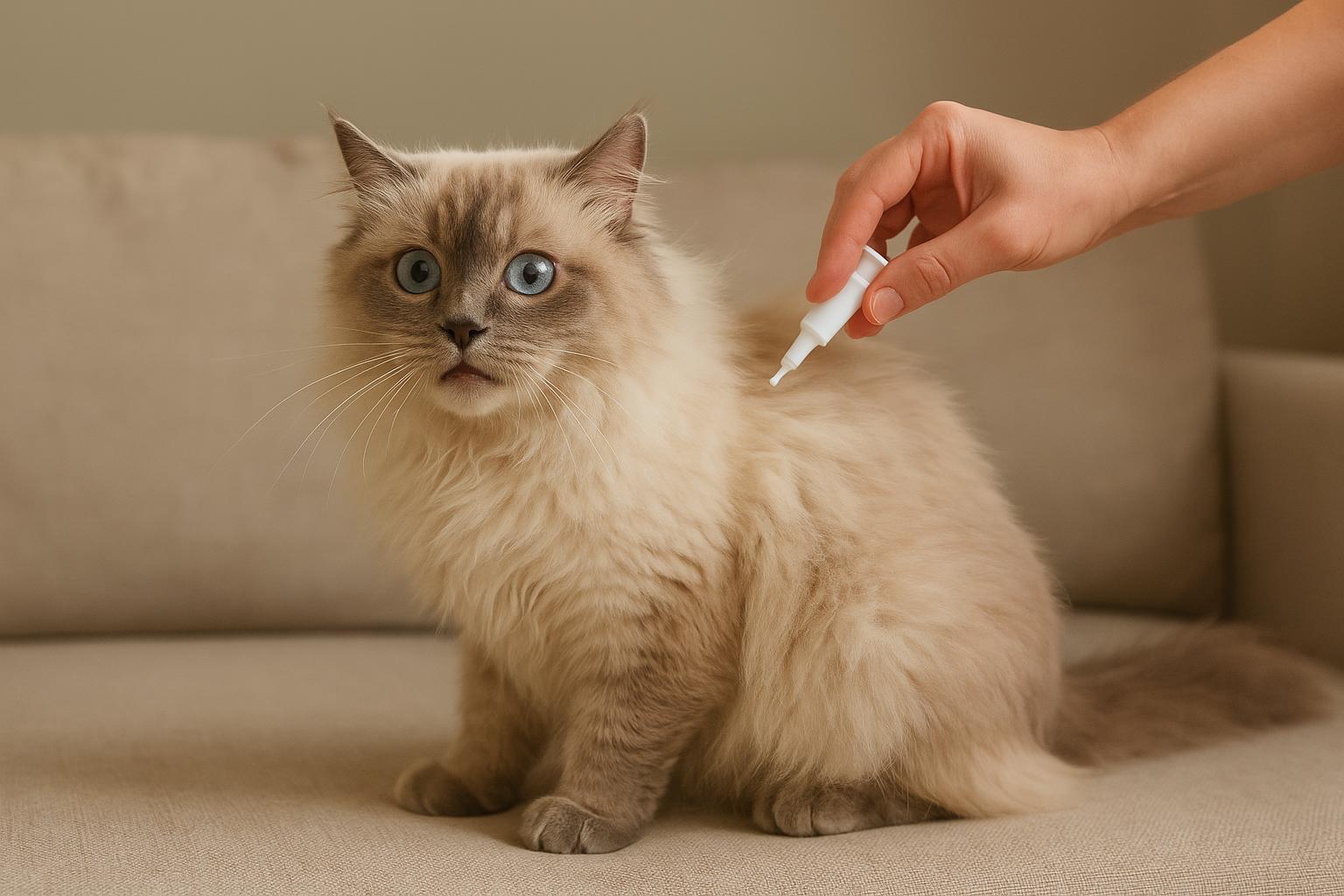
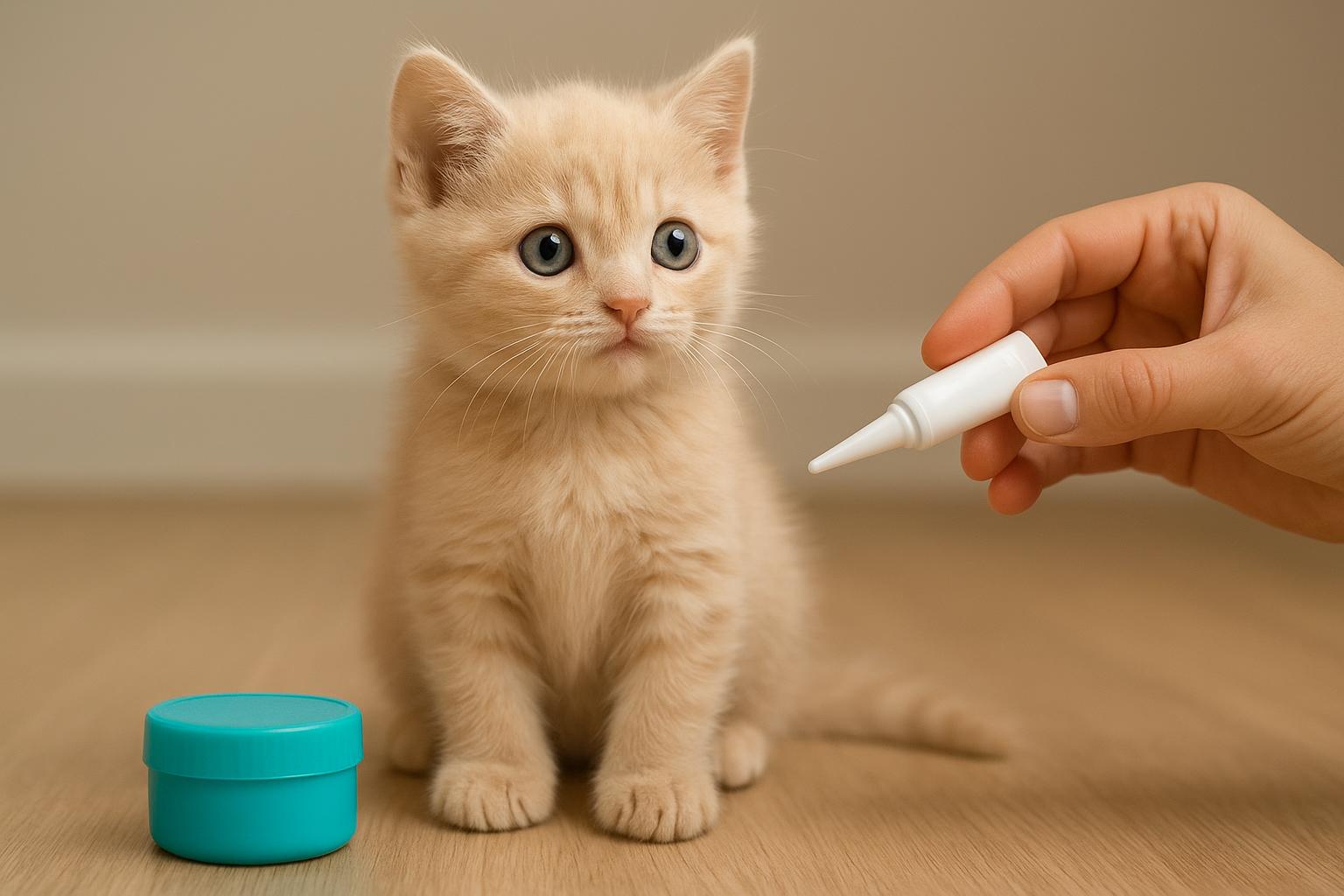
Vets often recommend spot-on medications that are safe and highly effective against fleas, paired with home cleaning and yard treatment. That combo gets control quickly and prevents reinfestation. The pragmatic route is to treat the cat’s immediate health needs while applying cat-safe natural flea prevention strategies around the house.
## Practical Tools And DIY Tricks That Work
You don’t need exotic ingredients. Use simple, inexpensive tools consistently.
### Light Traps For The Night
Fleas are attracted to warmth and light. A low-cost homemade flea trap — a bowl of soapy water with a nightlight over it — pulls in fleas and drowns them. Place these in the rooms your cat uses most to reduce night activity and monitor flea levels.
### Drying And Heat Treatment
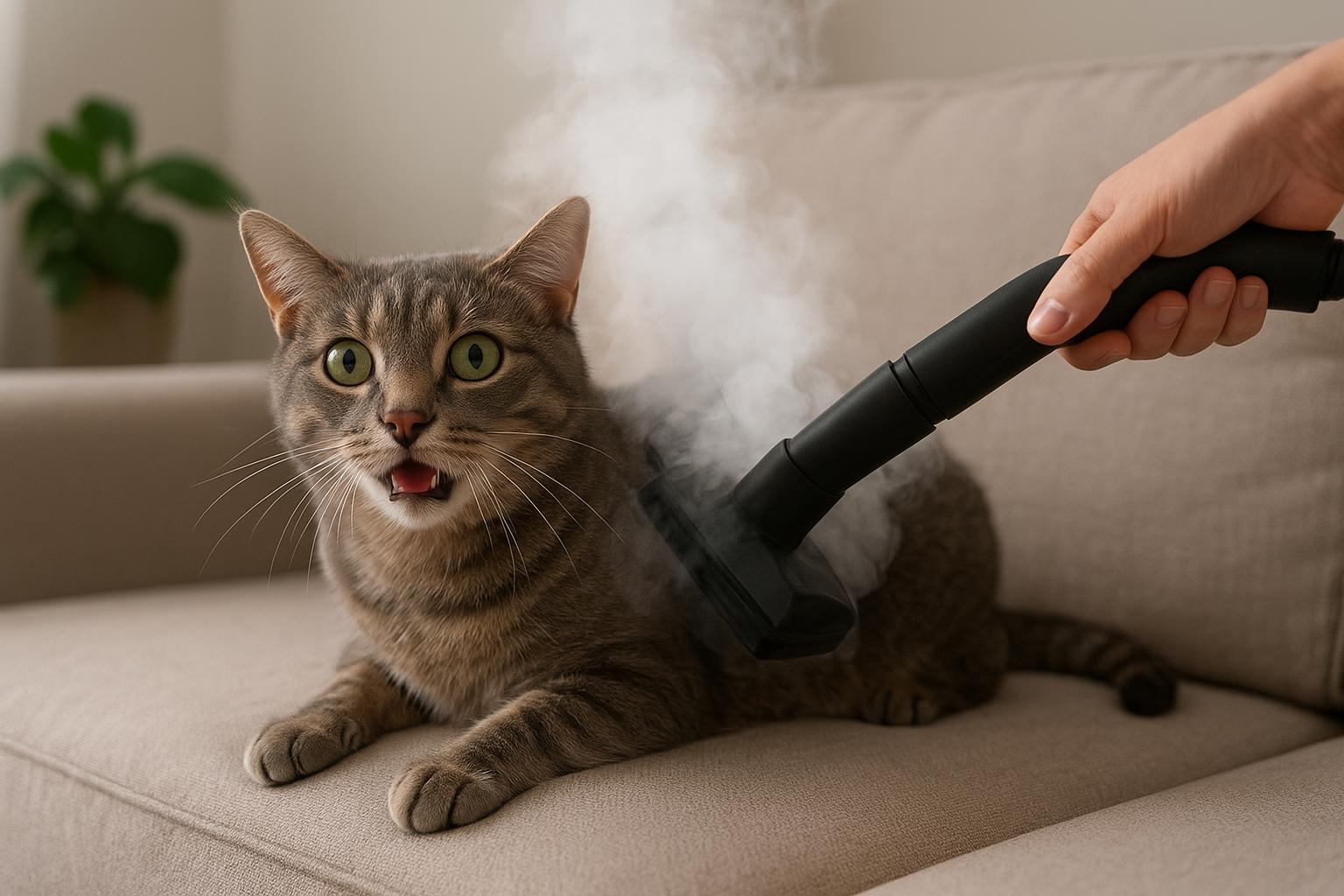
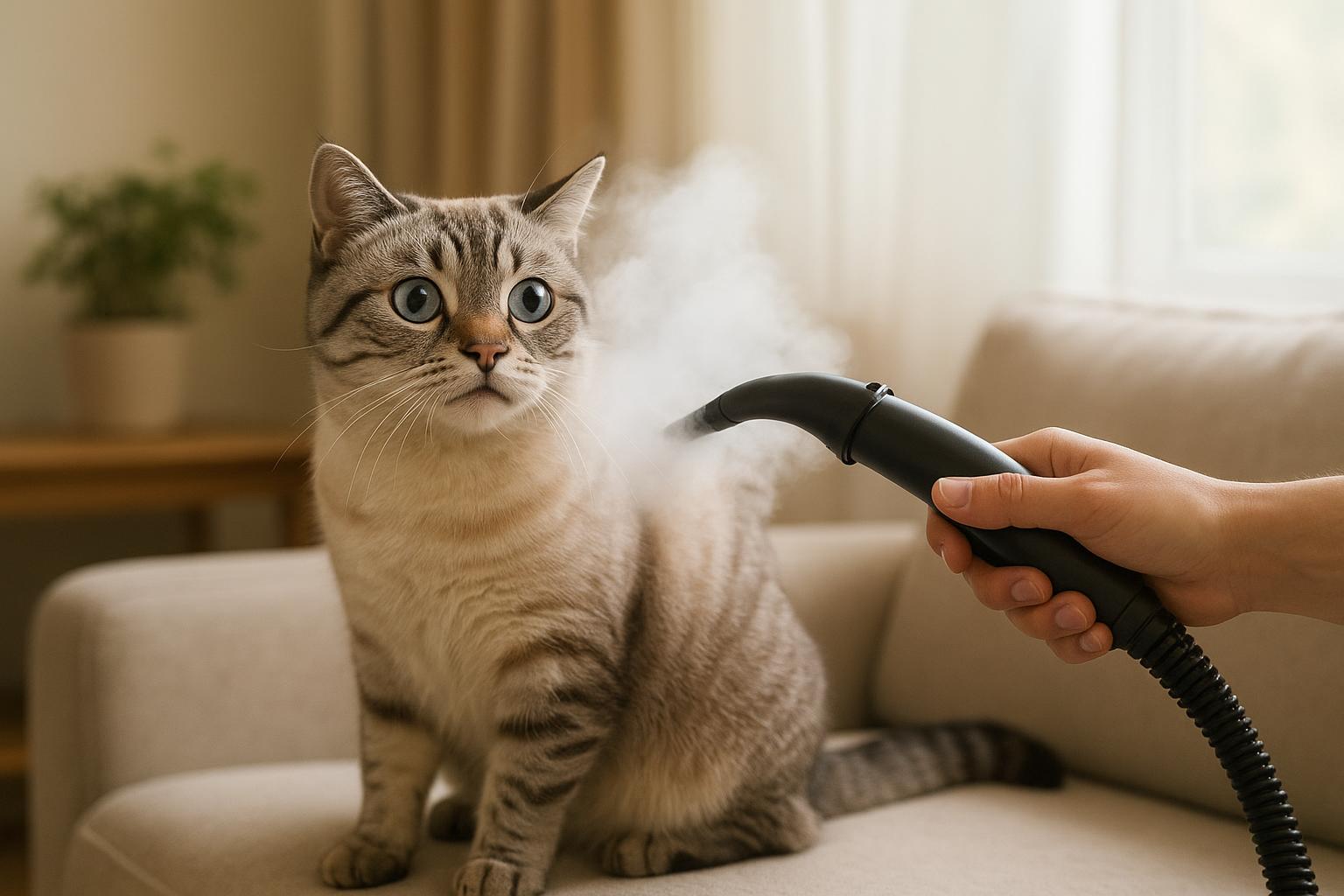
A hot clothes dryer kills fleas on bedding and soft toys. For items that tolerate heat, give them a good dry cycle. Steam cleaning carpets and upholstery also kills eggs and larvae if you can reach deep into the fibers.
### Monitor With A Flea Log
Keep a simple record of sightings, combing results, and cleaning sessions. If you see fewer fleas over two weeks of consistent effort, you’re on the right track. If numbers rise, it’s time to call the vet. This simple tracking turns guesswork into action and helps you see patterns — maybe the cat gets fleas only after visiting a specific yard or interacting with a certain animal.
## Where To Find Reliable Cat Flea Info
There’s plenty of bad advice online. Look for sources that cite veterinary studies or established animal health organizations. Your veterinarian and local animal shelter are good starting points. Also check university extension programs for yard treatment guidance — they often have practical, evidence-based recommendations.
If you want organic flea prevention that’s actually effective, plan for persistence. Layering daily grooming, household cleaning, and yard maintenance gives you the best chance to keep fleas away without risky chemicals. And if the problem persists, get veterinary help so your cat doesn’t sufffer from avoidable discomfort or health problems.


Leave a Reply