
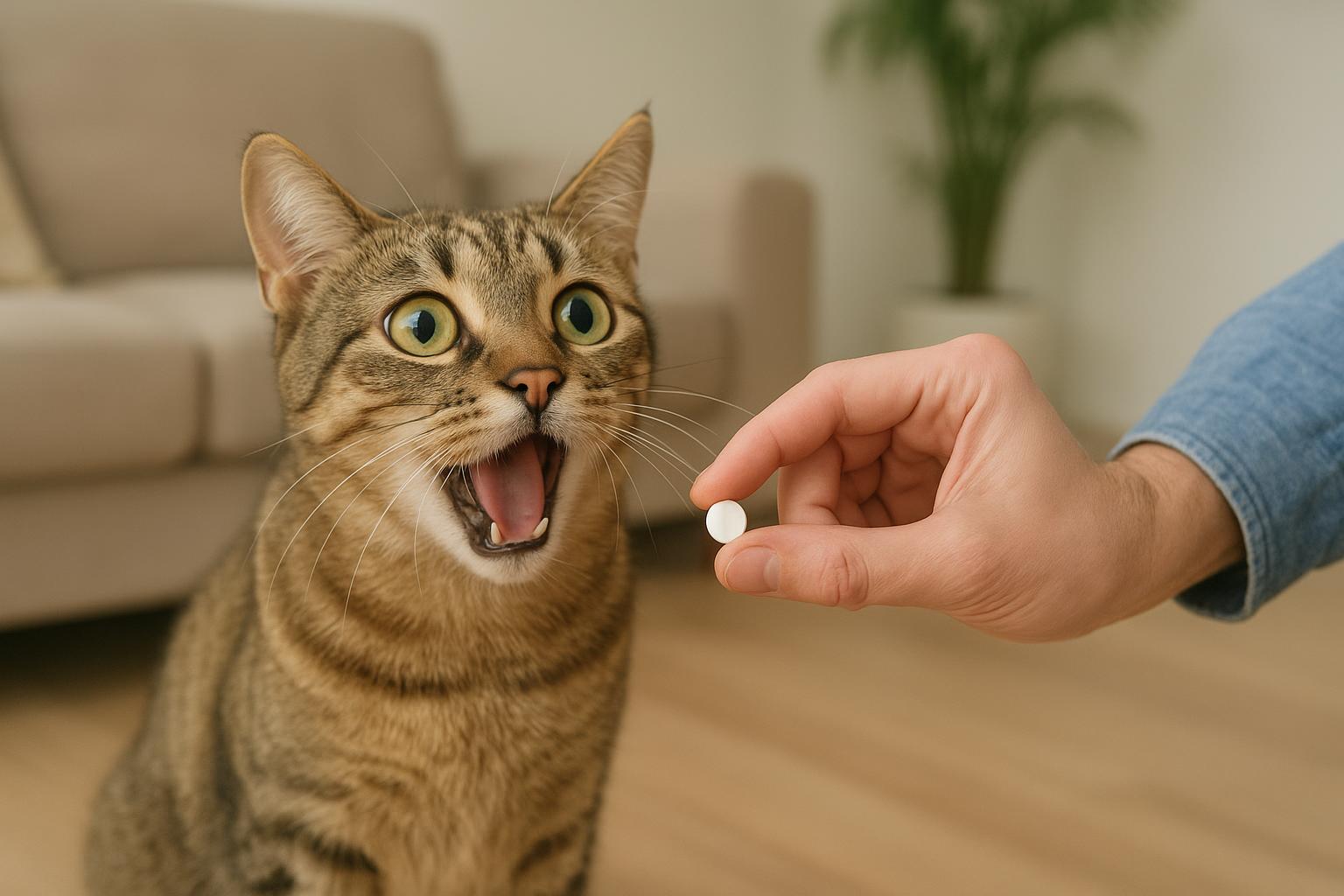
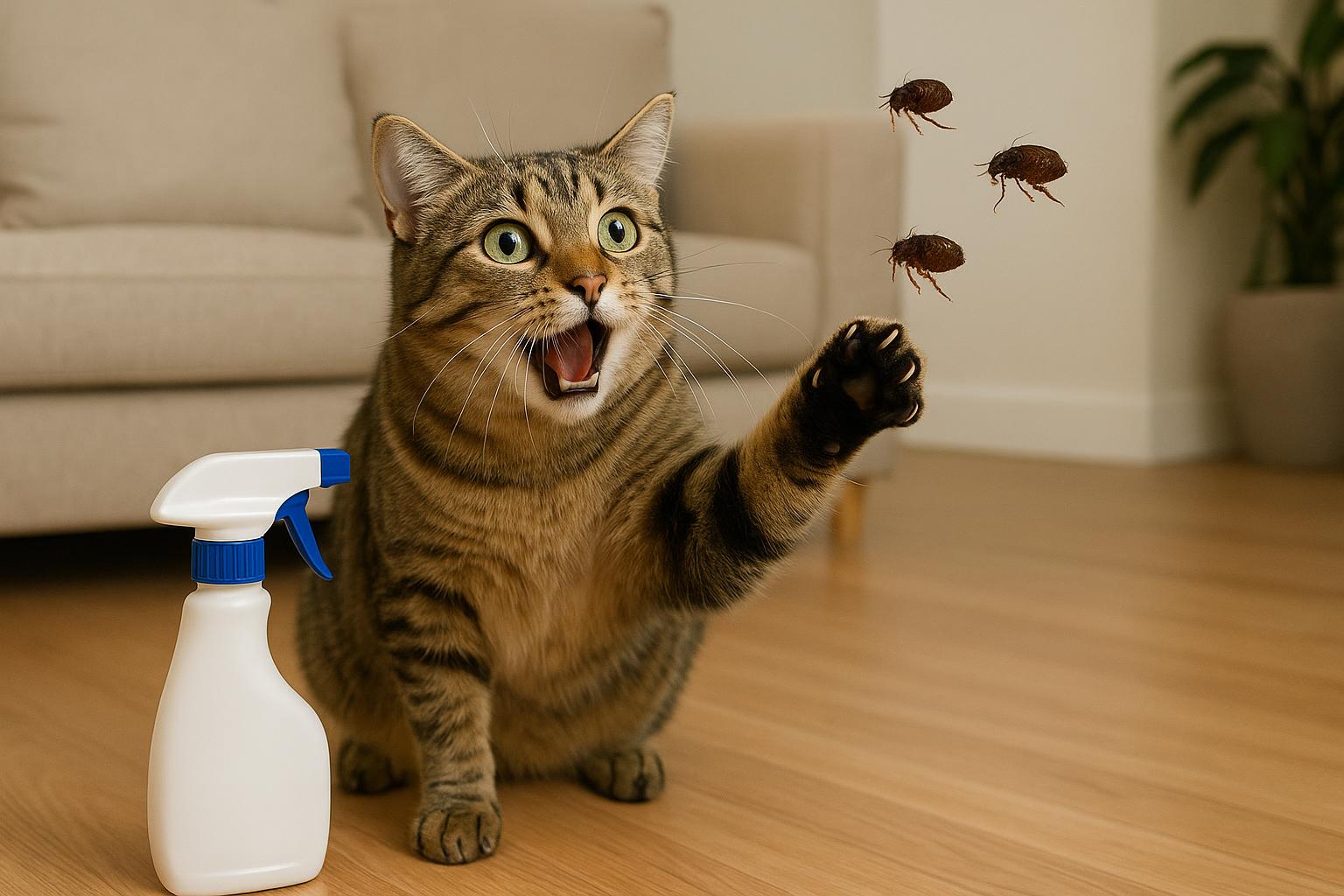
Fleas are like tiny drummers in the margins of our pets’ lives — relentless, annoying and surprisingly clever at surviving carpets, cushions and canine coats. When a quick, effective fix is needed, many pet owners turn to mouth-based parasite treatments. These oral medicines change the battlefield: instead of smothering the pest on the skin, they arm the pet from within so every bite becomes lethal to the flea.
## How Mouth-Based Parasite Medication Works For Flea Relief
At its simplest, how mouth-based parasite medication works is by turning your pet’s bloodstream into a delivery system for insecticidal or insect growth–inhibiting compounds. Once swallowed, an oral flea or mouth flea med is absorbed into the digestive tract, distributed through the body, and maintained at therapeutic levels in the blood or tissues. When a flea bites, it ingests the active ingredient and dies or becomes unable to reproduce. This systemic approach differs from topical treatments that sit on the skin surface.
### Mechanism Of Action
Oral flea medications employ several mechanisms depending on the active ingredient:
– Isoxazolines (e.g., fluralaner, afoxolaner): Block insect GABA-gated chloride channels, causing uncontrolled neuronal firing, paralysis and death.
– Nitenpyram: A nicotinic acetylcholine receptor agonist that causes rapid paralysis and death of adult fleas within hours.
– Lufenuron (an insect growth regulator): Prevents flea larvae from developing a proper exoskeleton, interrupting the life cycle rather than killing adults immediately.
How mouth-based parasite medication works is rooted in pharmacokinetics (absorption, distribution, metabolism, excretion) and pharmacodynamics (how the drug affects the flea). Effective oral flea treatments maintain concentrations high enough to affect fleas for a prescribed period while remaining safe for the host animal.
### Onset Of Action And Duration
One reason pet owners favor an oral flea option is the rapid onset. Some oral flea medications begin killing fleas within 30 minutes to a few hours, particularly products like nitenpyram. Other formulations provide sustained control, protecting pets for weeks to months with a single dose. How mouth-based parasite medication works in terms of duration depends on the compound and the dosing schedule recommended by your veterinarian.
#### Speed Vs. Longevity Tradeoffs
– Fast-acting options clear heavy infestations quickly but may require frequent dosing.
– Long-acting formulations reduce the need for repeat administration, offering convenience for busy owners and fewer treatment lapses.
### Safety, Species And Age Considerations
Oral flea products are formulated with safety margins for specific species and age groups. Dogs and cats metabolize drugs differently, and some products are species-specific. Never substitute or share an oral flea med formulated for one species with another without veterinary direction.
How mouth-based parasite medication works safely depends on correct dosing relative to weight, age, health status and concurrent medications. Always disclose existing health issues and medications to your veterinarian; certain combinations (for example, some antiparasitic drugs plus other neuroactive drugs) can increase the risk of adverse effects.
## 1. Administering Mouth Flea Med Safely
This section provides a step-by-step, formal guide to administering an oral flea treatment and supporting measures. These instructions are about safe application and environmental management — not about compounding drugs at home. Always use medications prescribed or recommended by a licensed veterinarian.
Required Materials
– Prescription or veterinarian-recommended mouth flea med (tablets, chewables, or flavored tablets)
– Pill pockets or small pieces of soft food (if needed to mask taste)
– Clean gloves (optional)
– Measuring scale for pet weight (or recent veterinary weight record)
– Flea comb
– Laundry supplies for washing bedding
– Vacuum cleaner with attachments
Step-By-Step Application And Support
1. Verify Medication And Dose
– Confirm the exact product and dose your vet prescribed based on your pet’s current weight. Do not estimate dose or split tablets unless directed.
2. Prepare The Dose
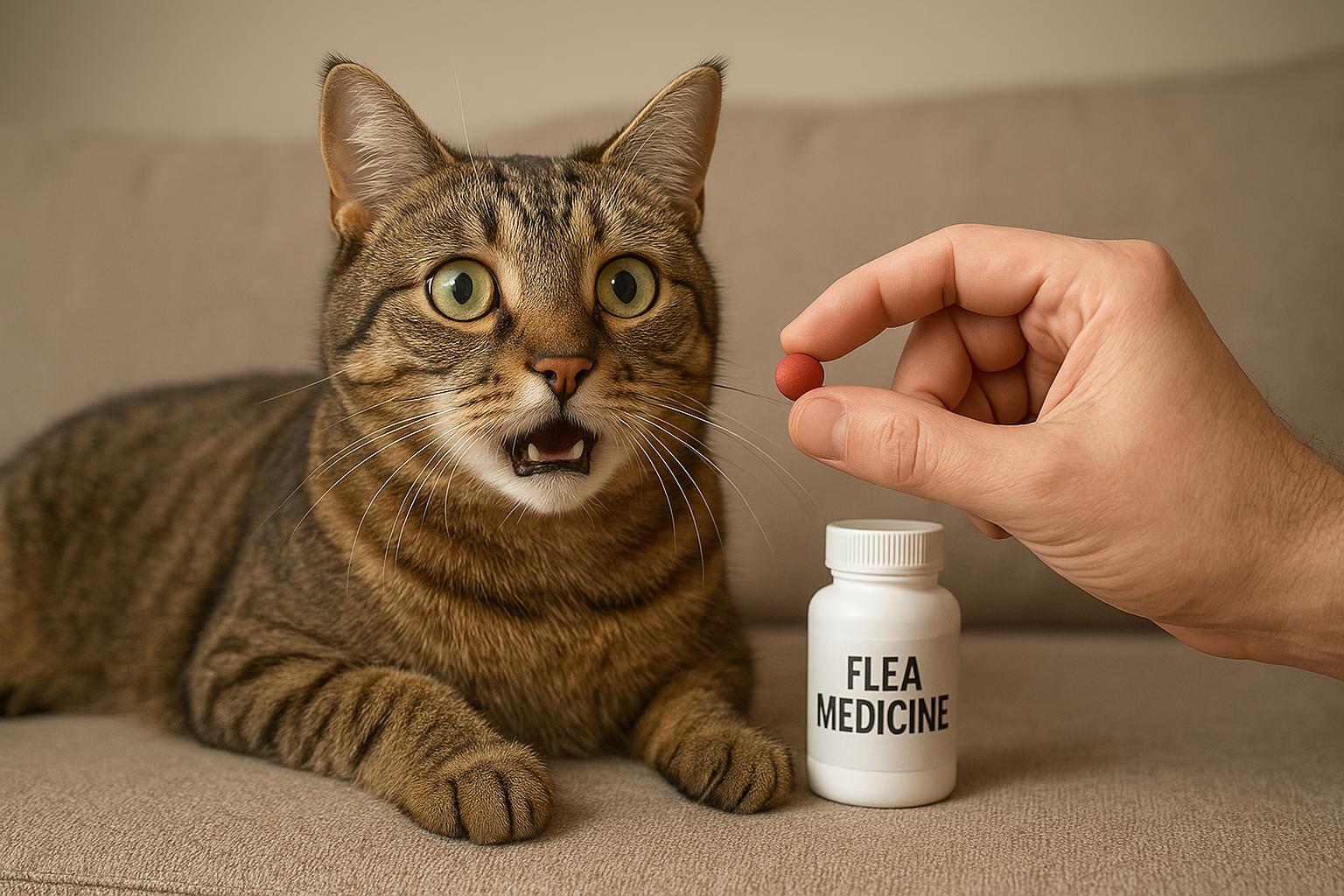
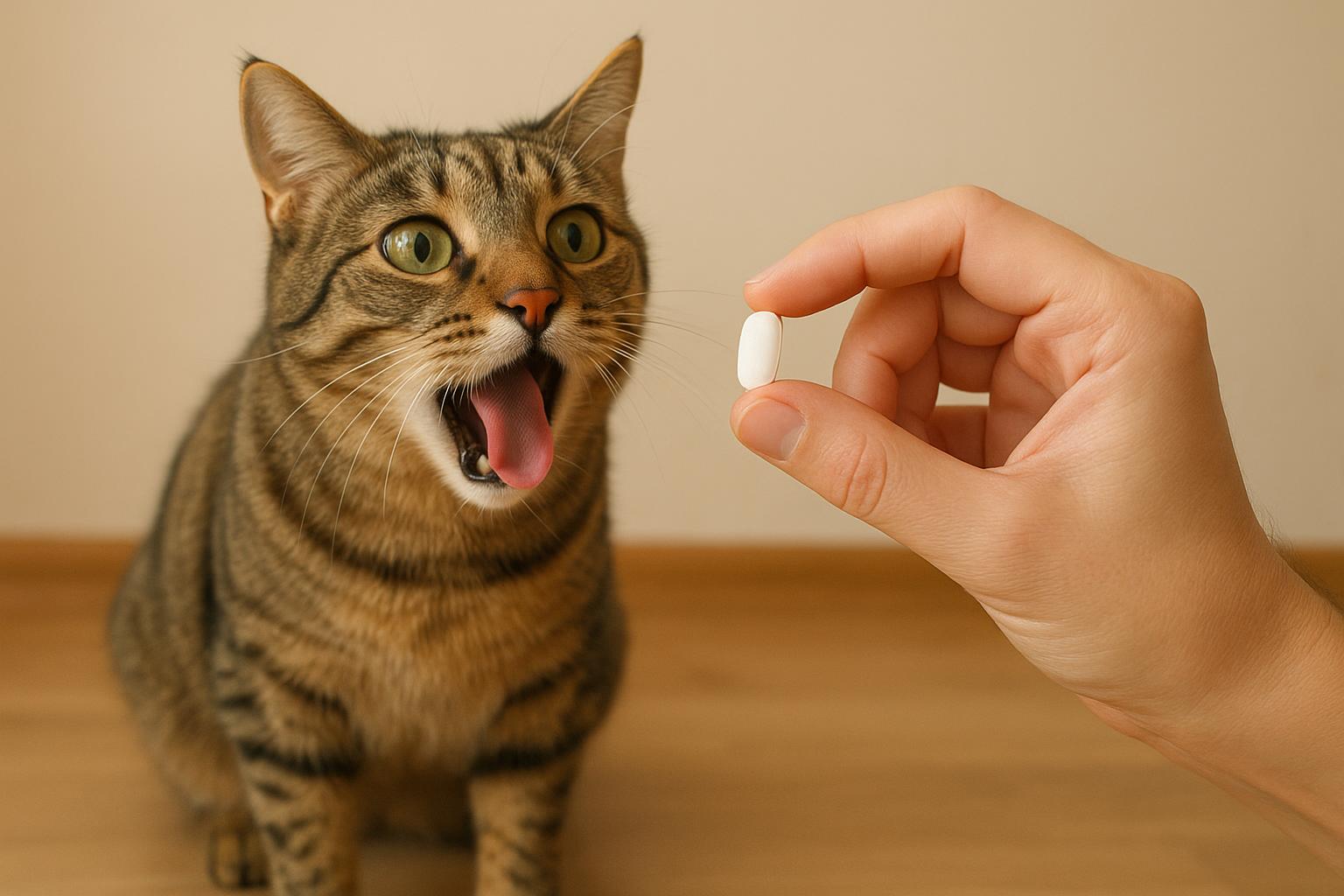
– If the oral flea med is a chewable, present it as a treat. For tablets, consider using a pill pocket or wrapping in a small amount of soft food. If your pet is finicky, ask your veterinarian for guidance rather than crushing or altering tablets without instruction.
3. Administer The Dose
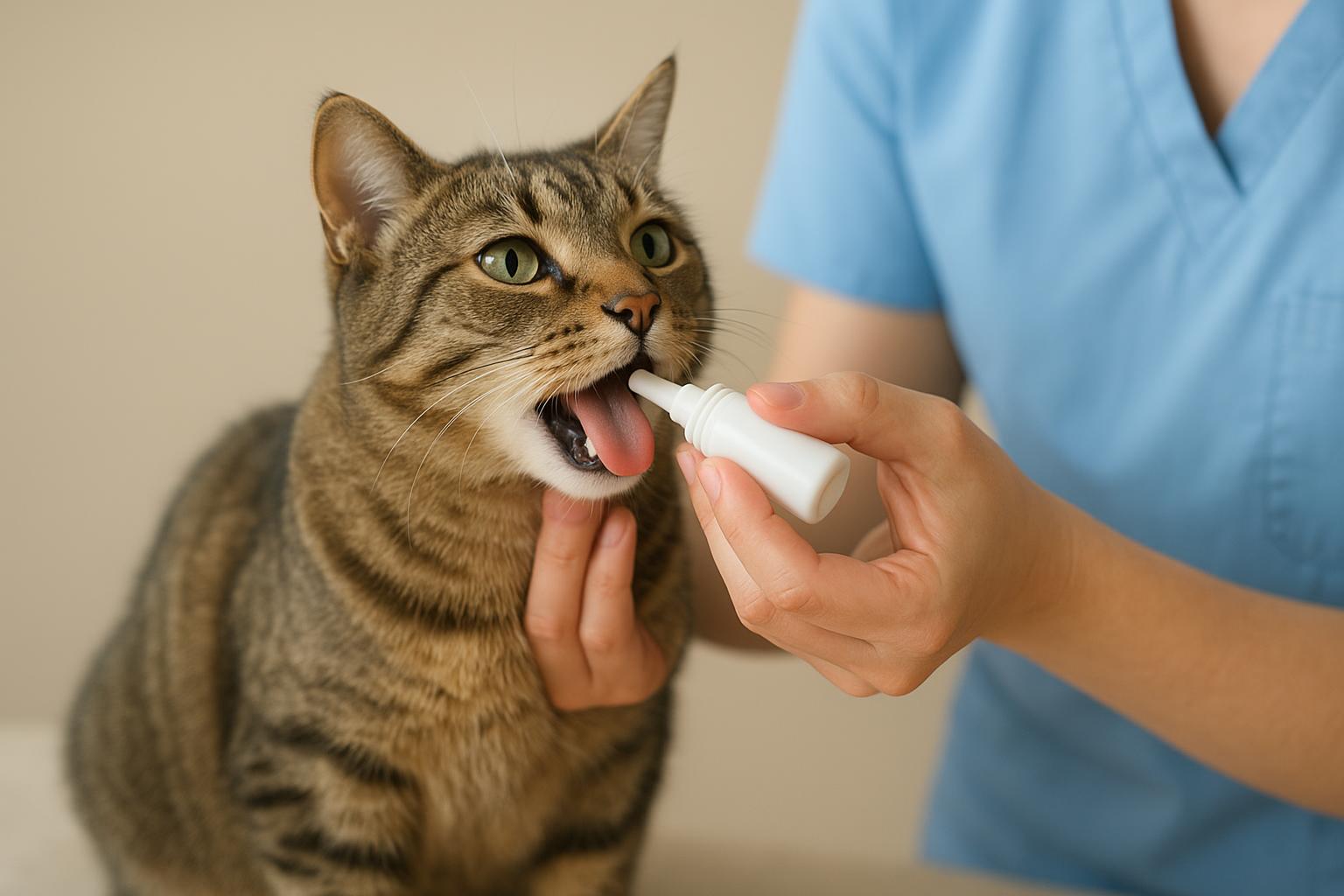
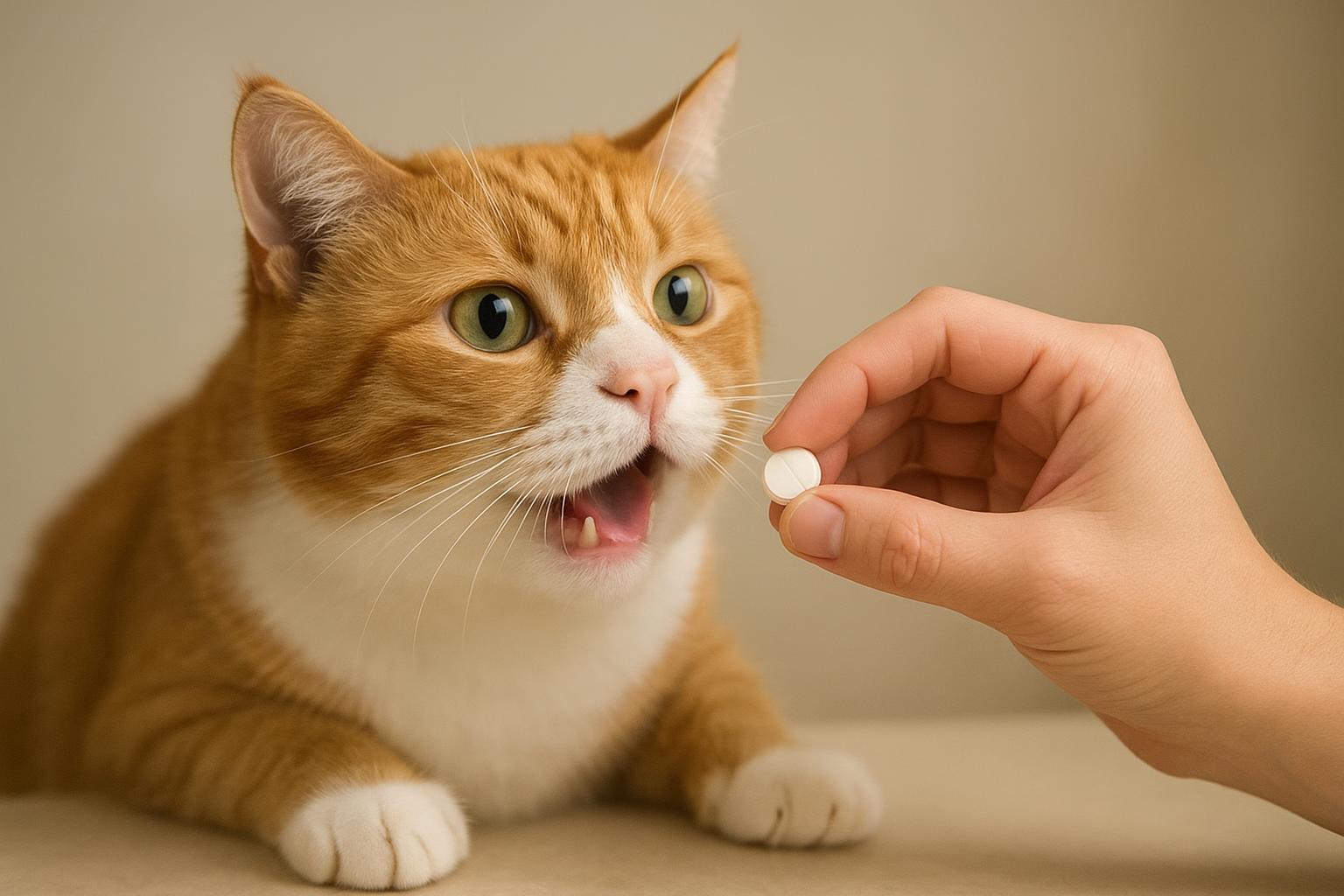
– Place the tablet or chewable in the pet’s mouth or allow them to take it from your hand. If necessary, use the head-tilt method recommended by your vet to place the tablet at the back of the tongue and close the mouth until swallowed. Avoid forcing or using human-administered medicines.
4. Observe Post-Administration
– Watch your pet for a few minutes to ensure the dose is swallowed. Note any immediate adverse reactions (vomiting within minutes, severe lethargy, ataxia, or unusual behavior) and contact your veterinarian if observed.
5. Environmental Cleaning To Break The Cycle
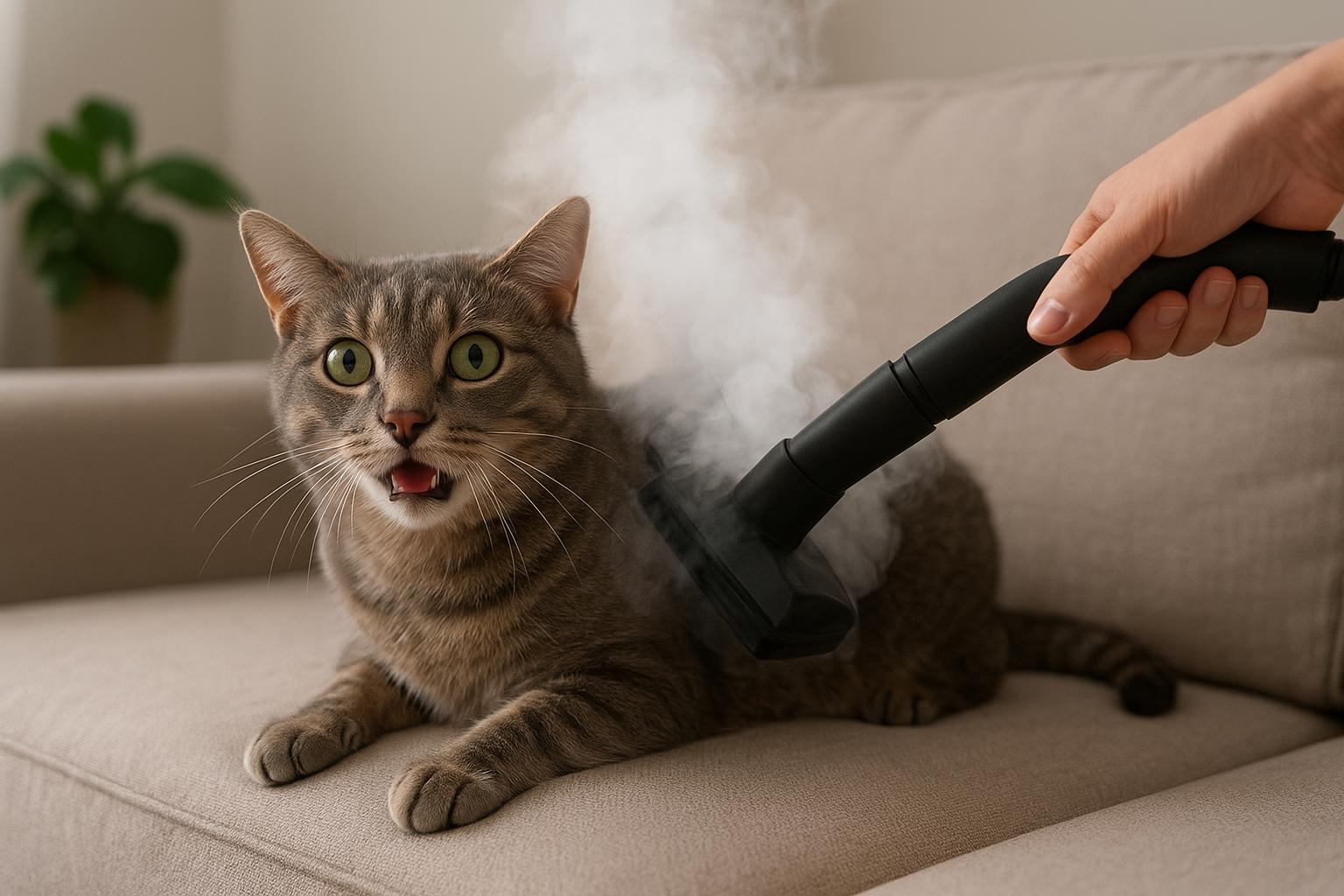
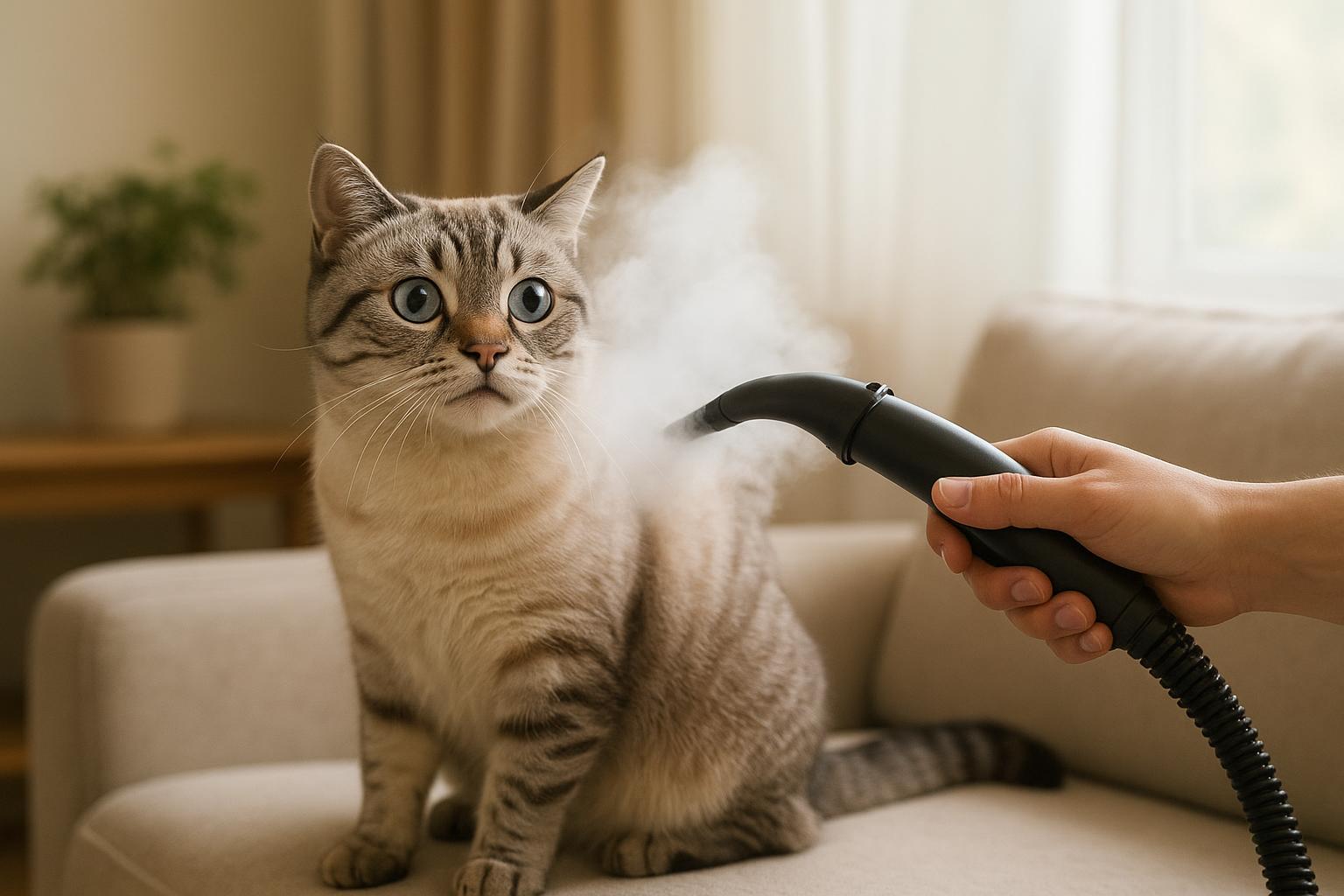
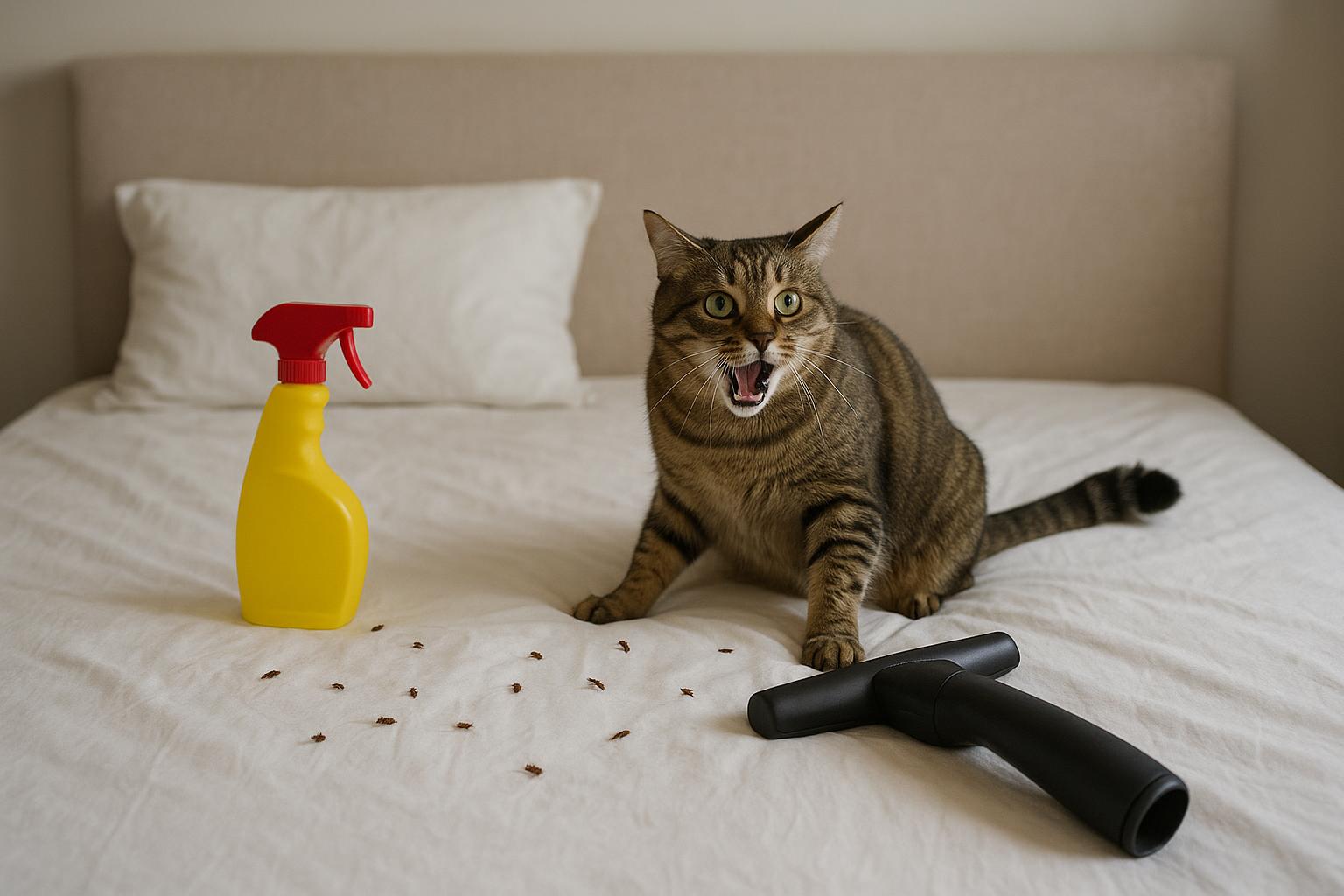
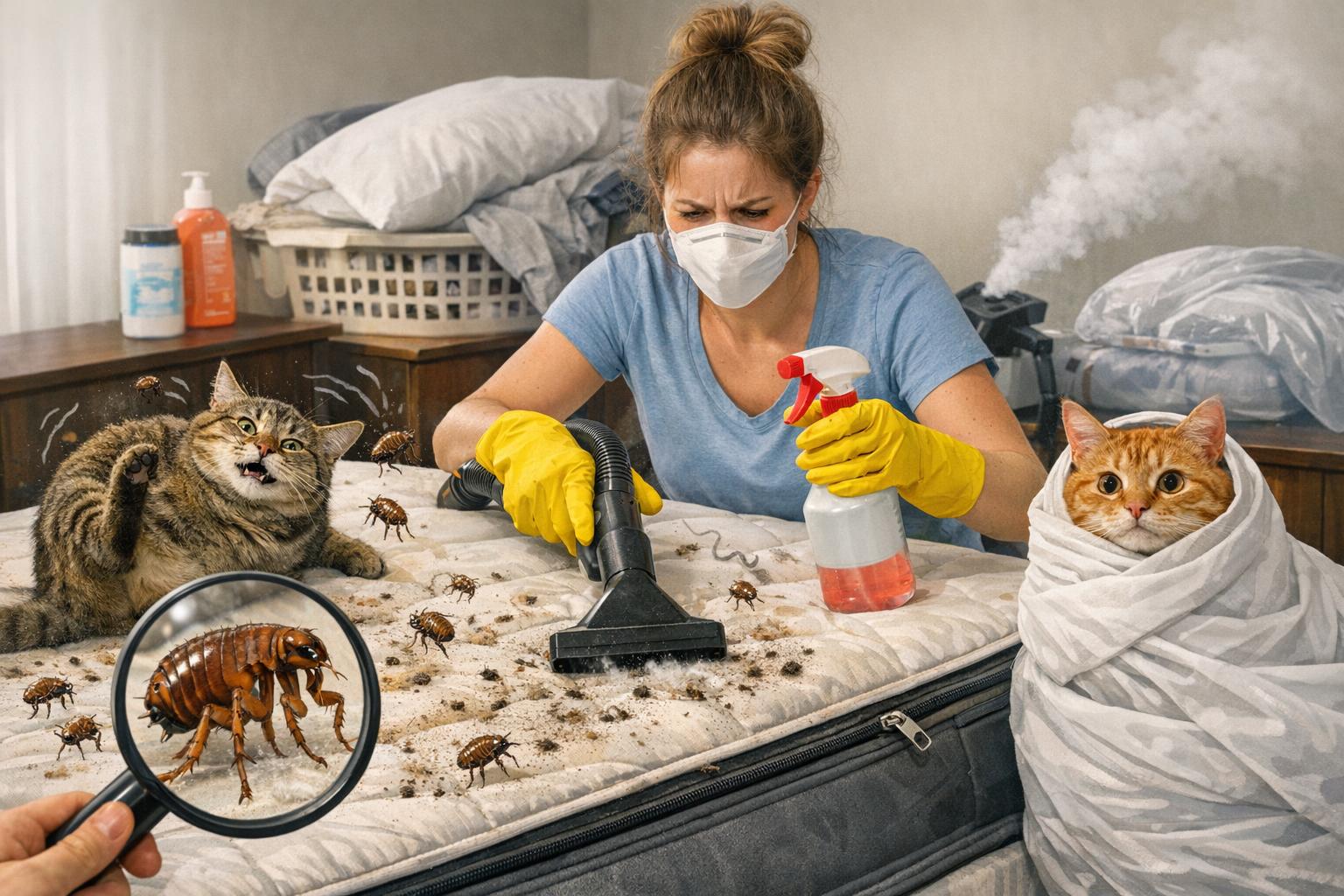
– Vacuum all carpets, upholstery and cracks in floors thoroughly to remove eggs and larvae. Dispose of the vacuum bag or empty the canister into a sealed bag outside.
– Wash pet bedding, plush toys and removable covers in hot water and dry on high heat.
– Continue vacuuming and washing weekly for at least two months if an infestation was present; flea eggs and pupae can persist and re-emerge.
6. Combine With Non-Medical Controls
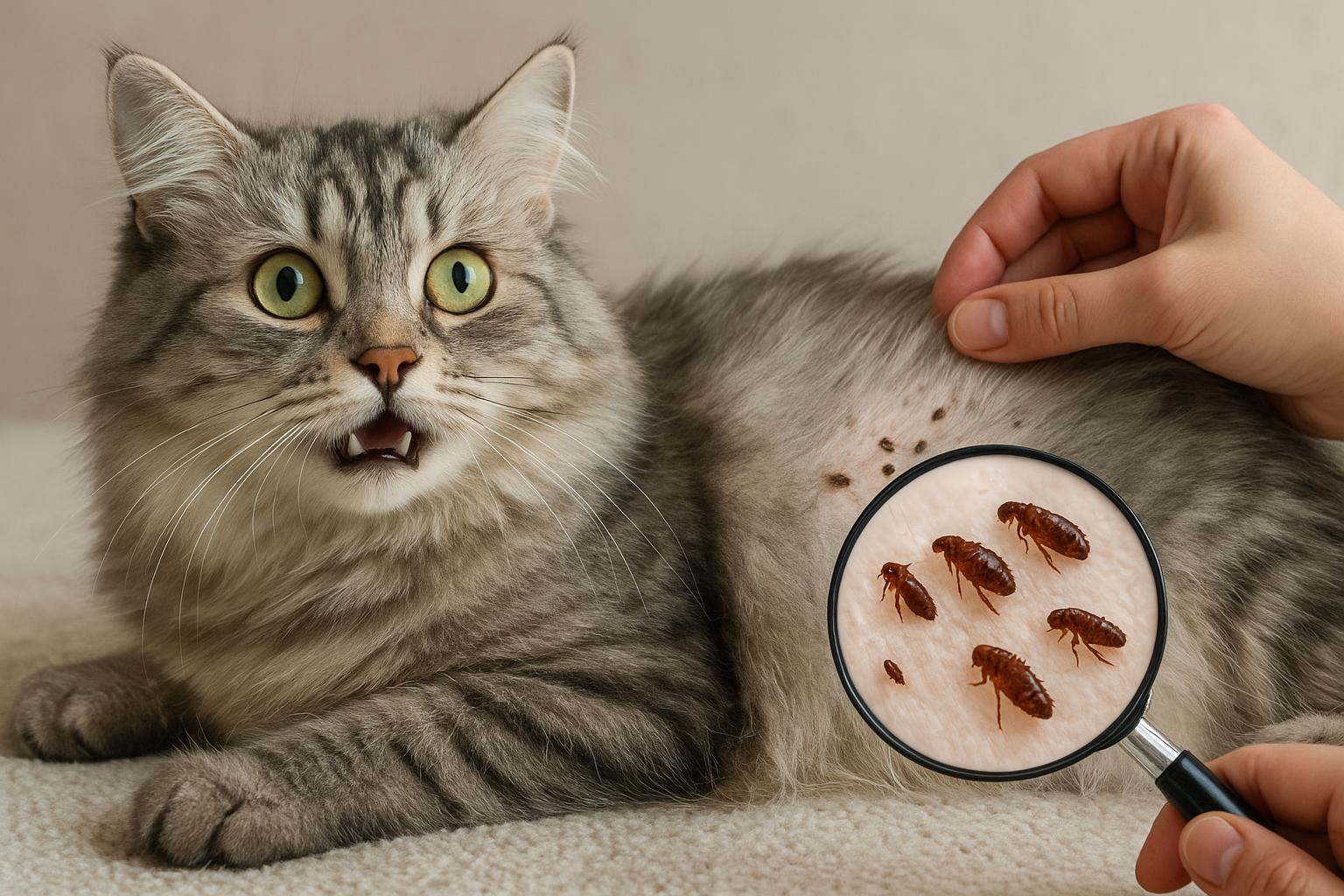
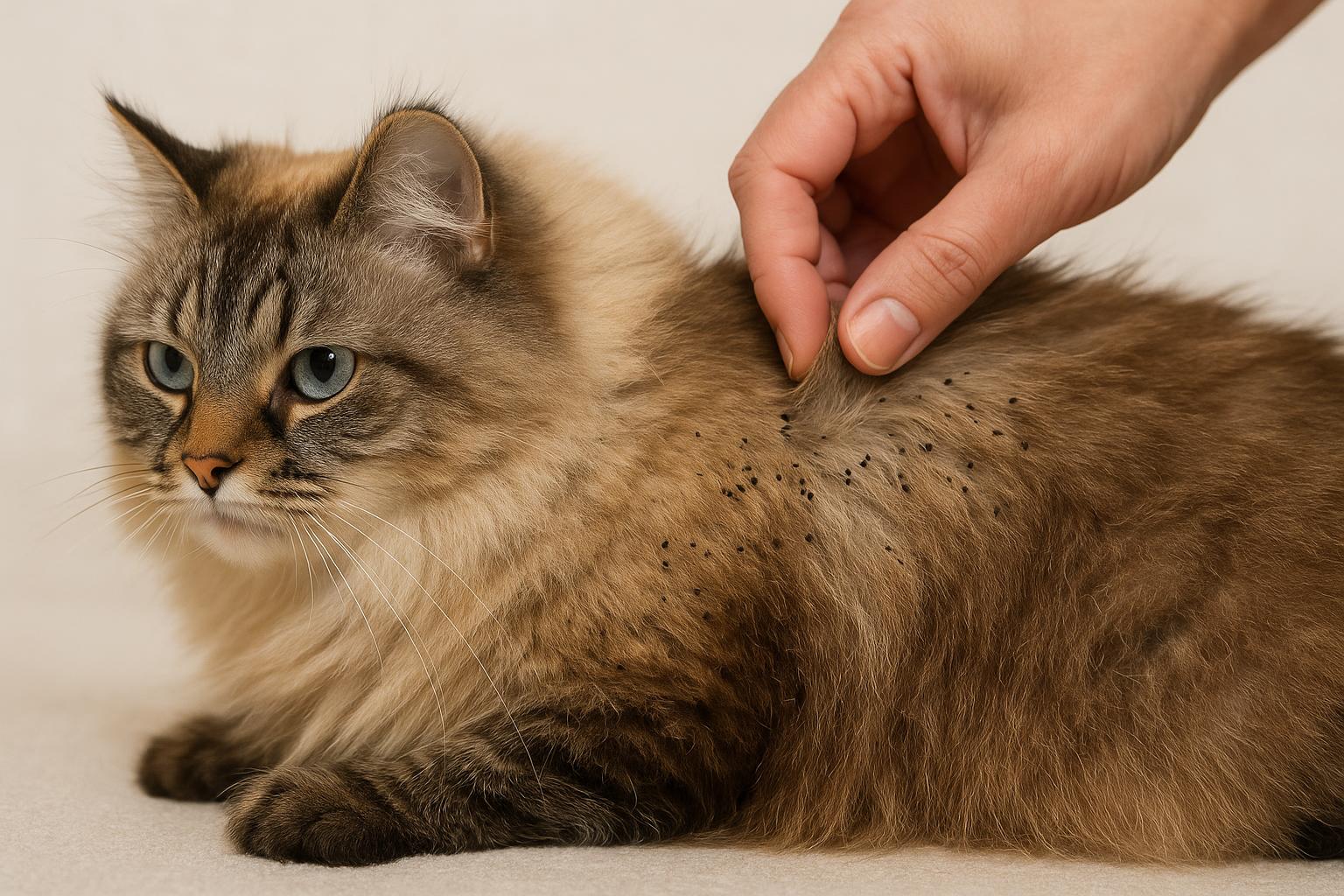
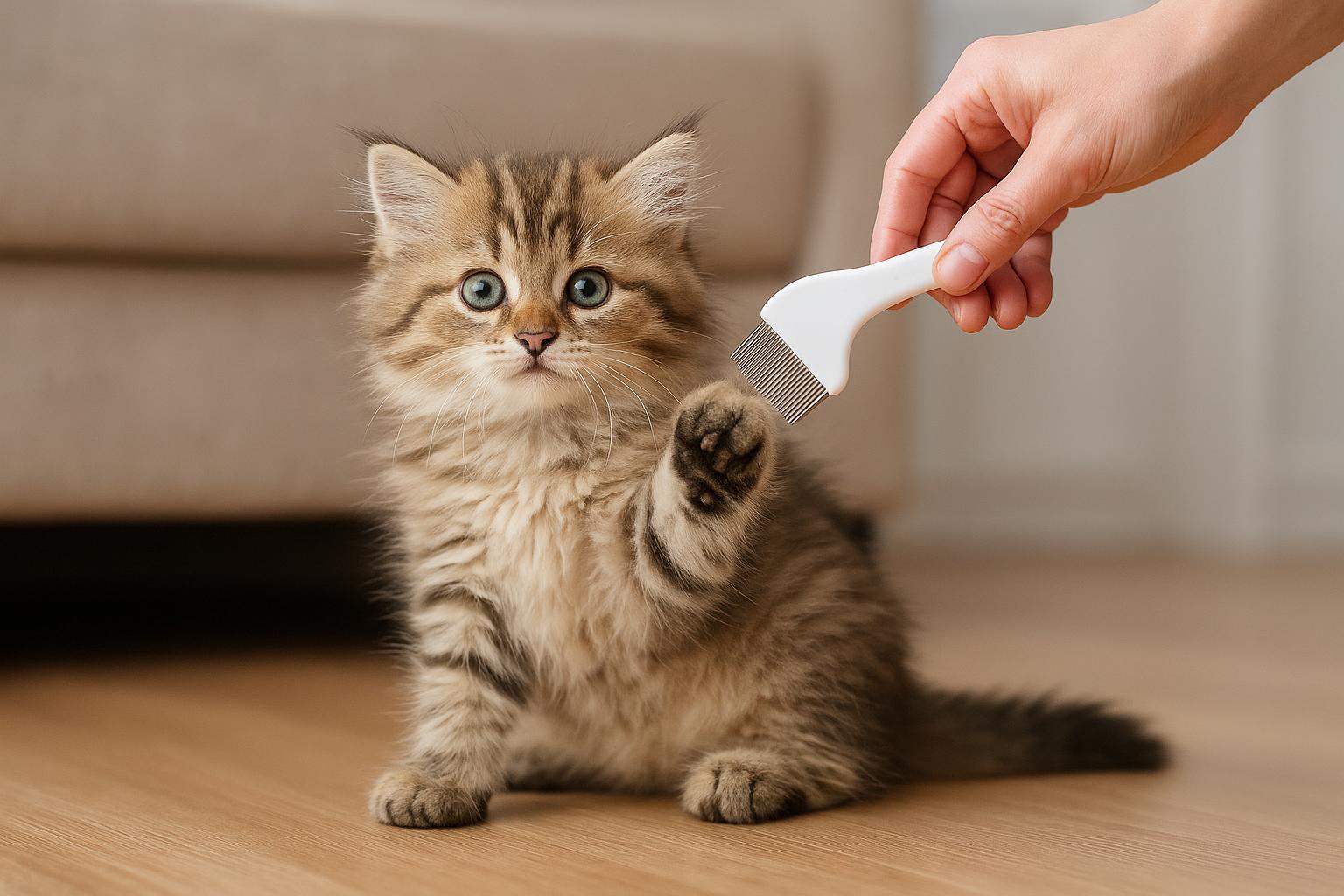
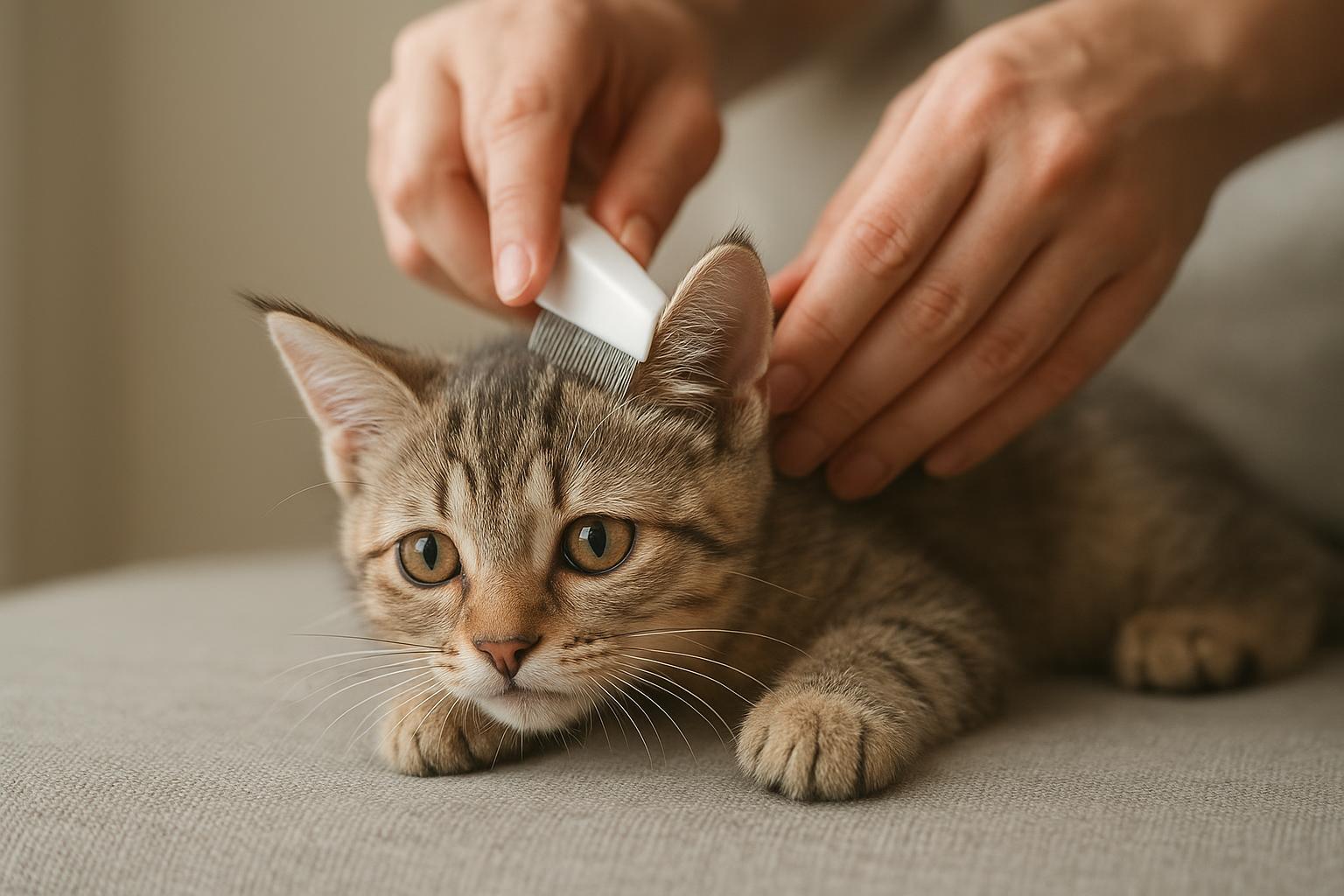
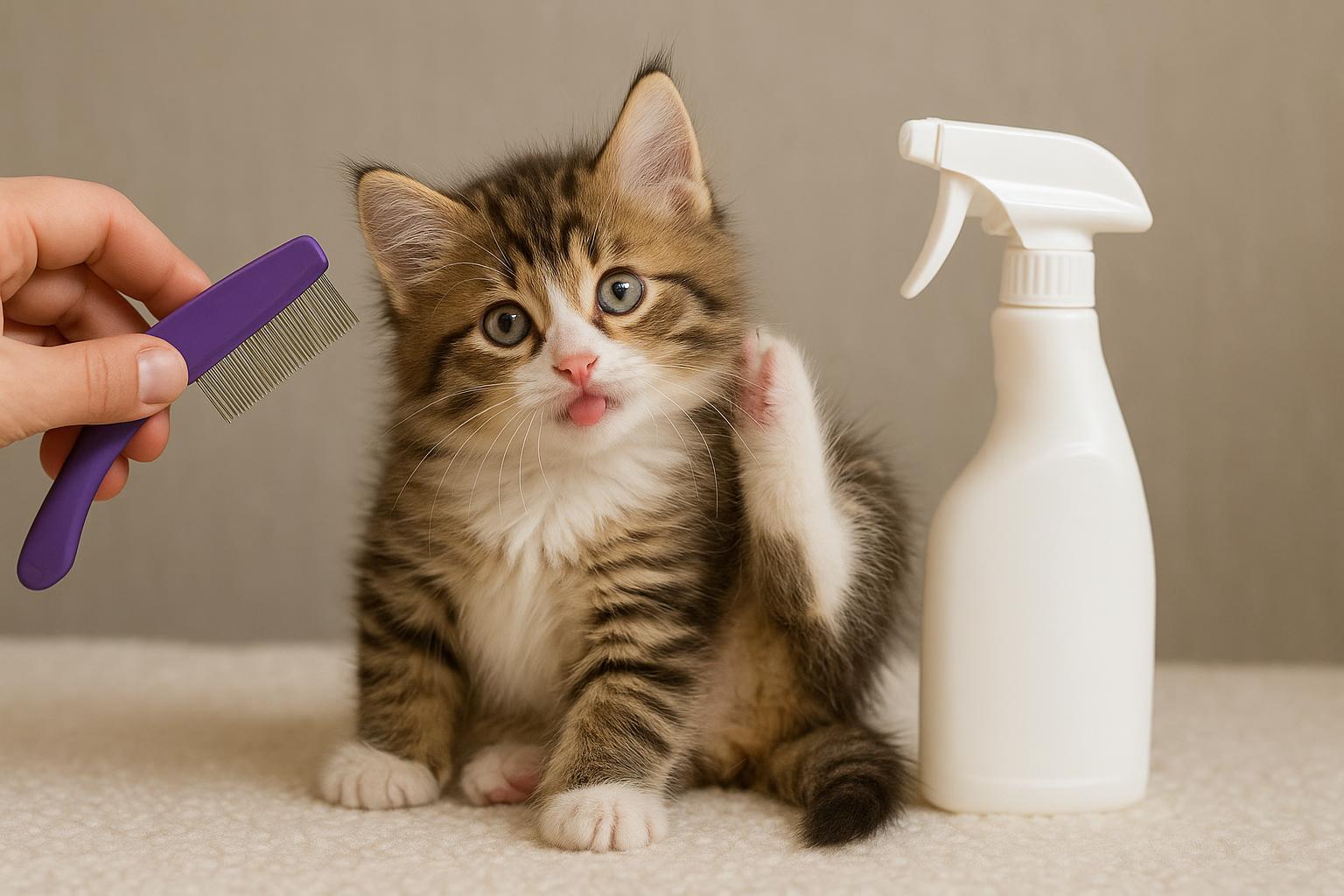
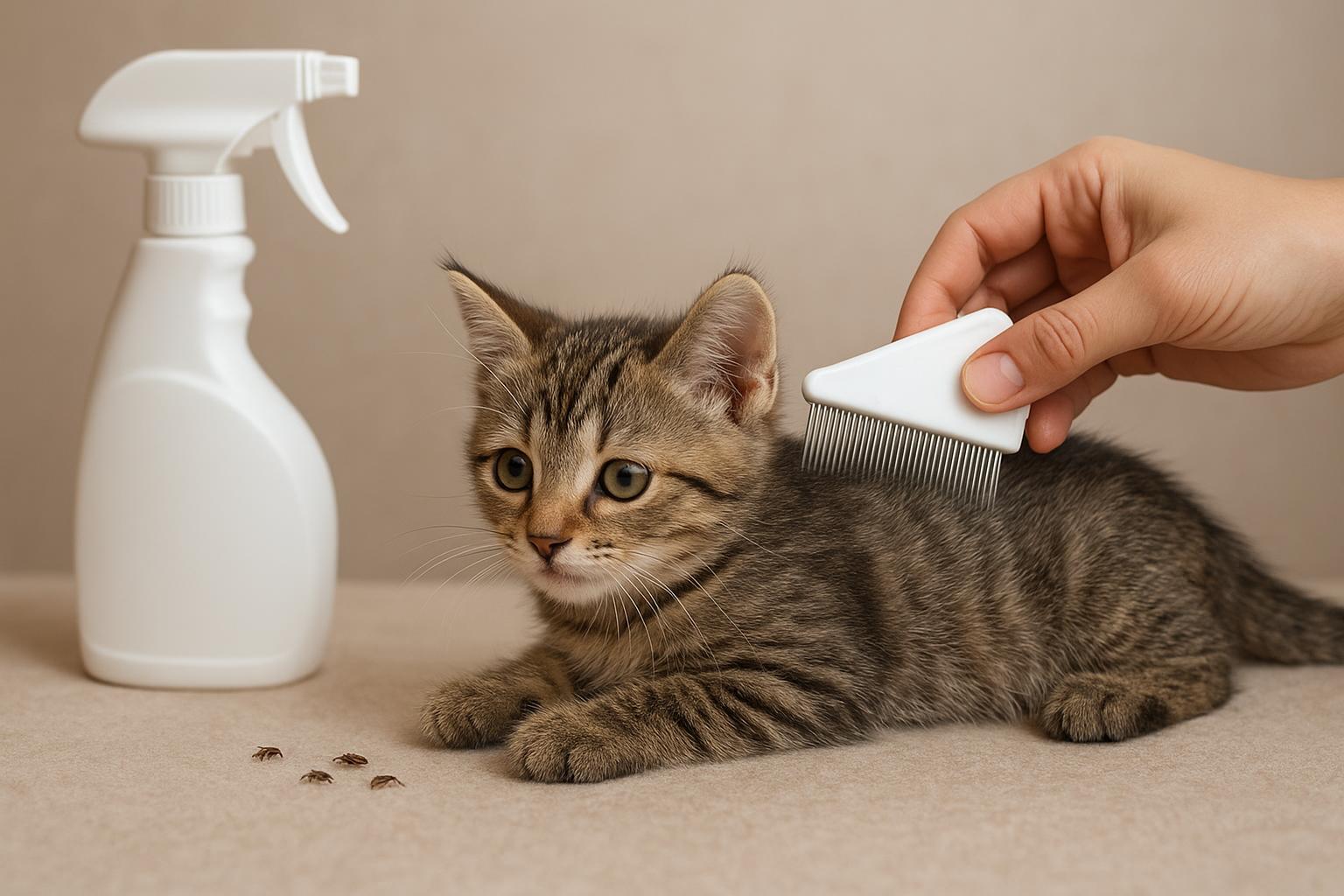
– Use a flea comb daily to remove adult fleas and flea dirt.
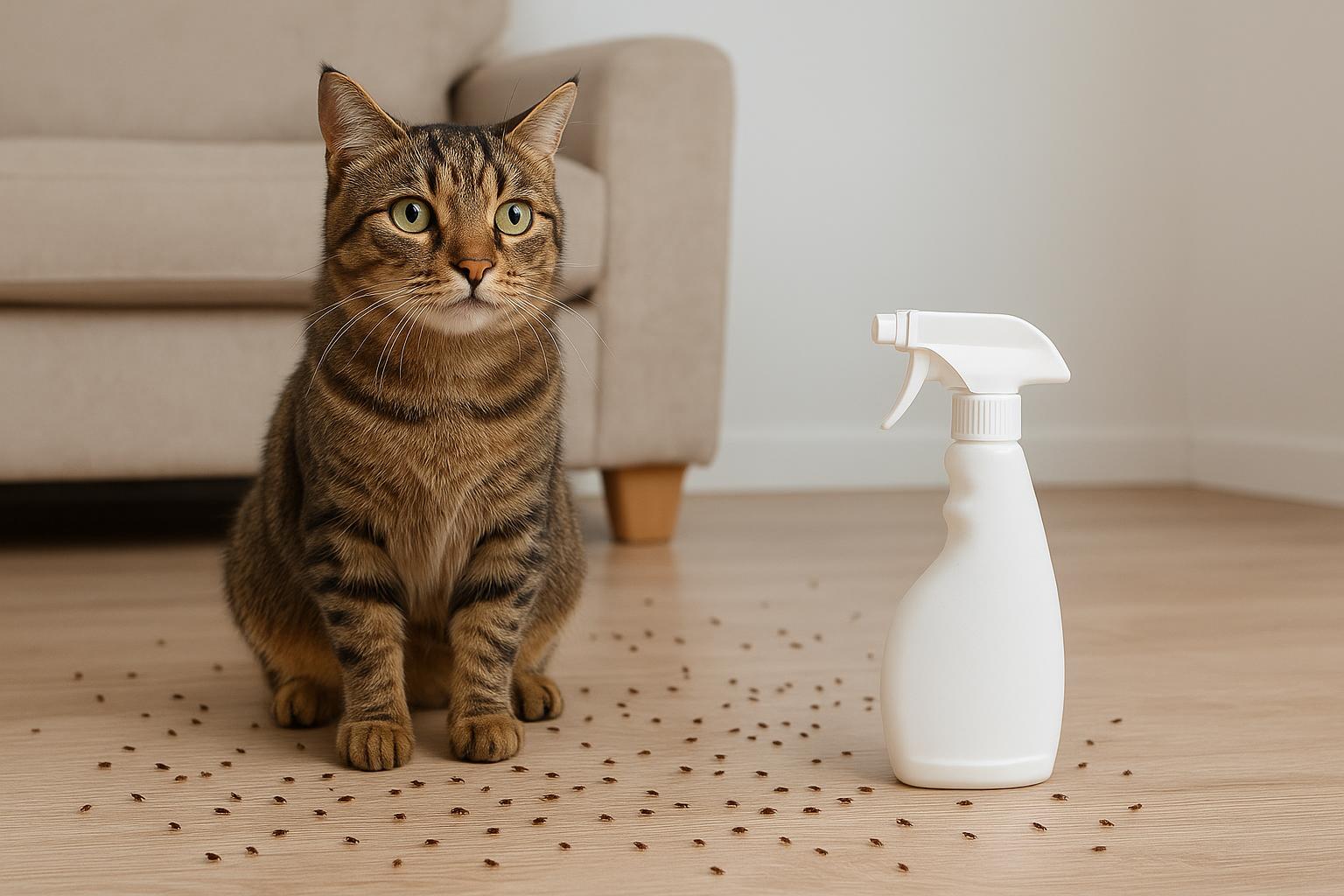
– Keep lawns trimmed and reduce wildlife reservoirs (rodents, feral cats). Indoor environmental controls are essential because oral flea meds kill fleas that bite the pet but do not directly eliminate environmental stages.
7. Follow-Up Dosing And Veterinary Monitoring
– Adhere strictly to the recommended dosing schedule. Some mouth-based meds are monthly; others last longer. Schedule follow-up visits as advised, especially in heavy infestations or if the pet is young, elderly, pregnant, or has existing health issues.
### Handling Missed Doses And Vomiting
If your pet vomits soon after administration, consult your veterinarian; re-dosing rules vary by product. For some medications, vomiting within a short window may warrant re-administration; for others, wait until the next scheduled dose. This is a situation where how mouth-based parasite medication works in practice depends on the specific pharmacokinetic profile and product instructions.
## When An Oral Flea Option Is Preferable
Oral flea treatments are often preferred in multi-pet households where topical transfers could be an issue, in pets that swim frequently (which can reduce the effectiveness of some topicals), or when rapid flea kill is needed to relieve severe itching or allergic reactions. Discuss options with your veterinarian to determine whether a mouth flea med or topical product is optimal for your pet’s lifestyle.
### Common Misconceptions
– “Oral Means Instant Home Cure”: While some oral flea meds act quickly, environmental control is still necessary. The pupal stage in carpets can hatch later and re-infest pets.
– “All Oral Fleas Are Interchangeable”: Different active ingredients have different spectrums, durations and safety profiles. How mouth-based parasite medication works can vary considerably between products.
– “Oral Means No Side Effects”: All medications carry some risk. Use only veterinarian-approved products and monitor for adverse effects, especially during the first dosing period.
#### Drug Interactions And Special Populations
Some oral flea medications can interact with heartworm preventives or other systemic therapies. Pregnant or lactating animals and certain dog breeds with MDR1 gene mutations may require special consideration. Your veterinarian will evaluate these factors before prescribing an oral flea treatment.
## The Bigger Picture: Integrated Flea Management
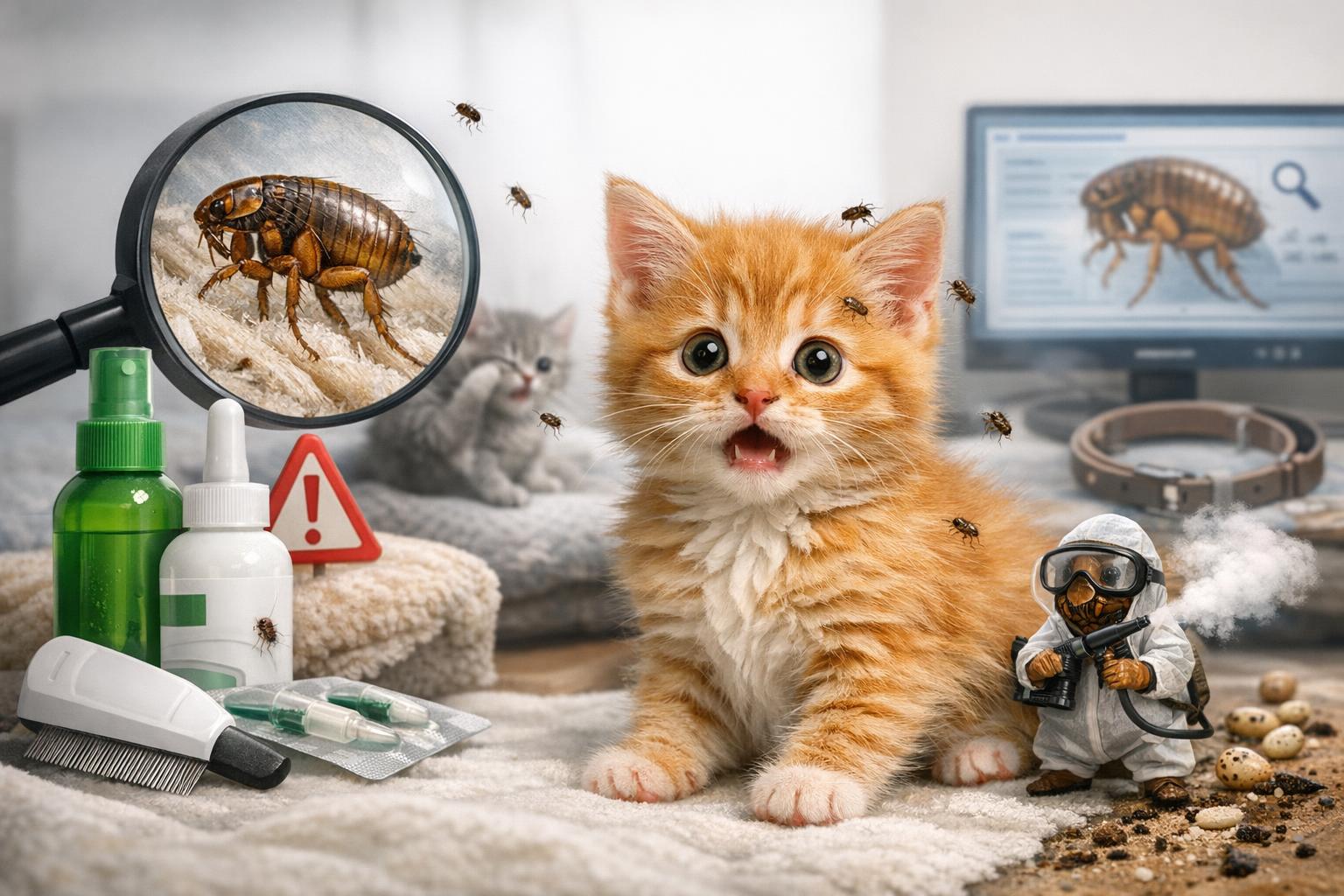
How mouth-based parasite medication works is an important piece of a larger integrated pest management plan. While oral flea medications can swiftly reduce adult flea populations on the host, sustained control requires treating the environment, checking all animals in the household, and maintaining preventive schedules. Combining chemical control (oral or topical medications) with mechanical (vacuuming, washing) and environmental steps produces the most reliable results.
If you’re considering an oral flea med or want to understand how a specific product will perform in your home, your veterinarian can explain how mouth-based parasite medication works for your particular pet, recommend appropriate products, and help design a safe, effective program that minimizes discomfort and reduces the chance of re-infestation.








Leave a Reply