
## Do Fleas Bite Humans: Assessing Risk And Public Health
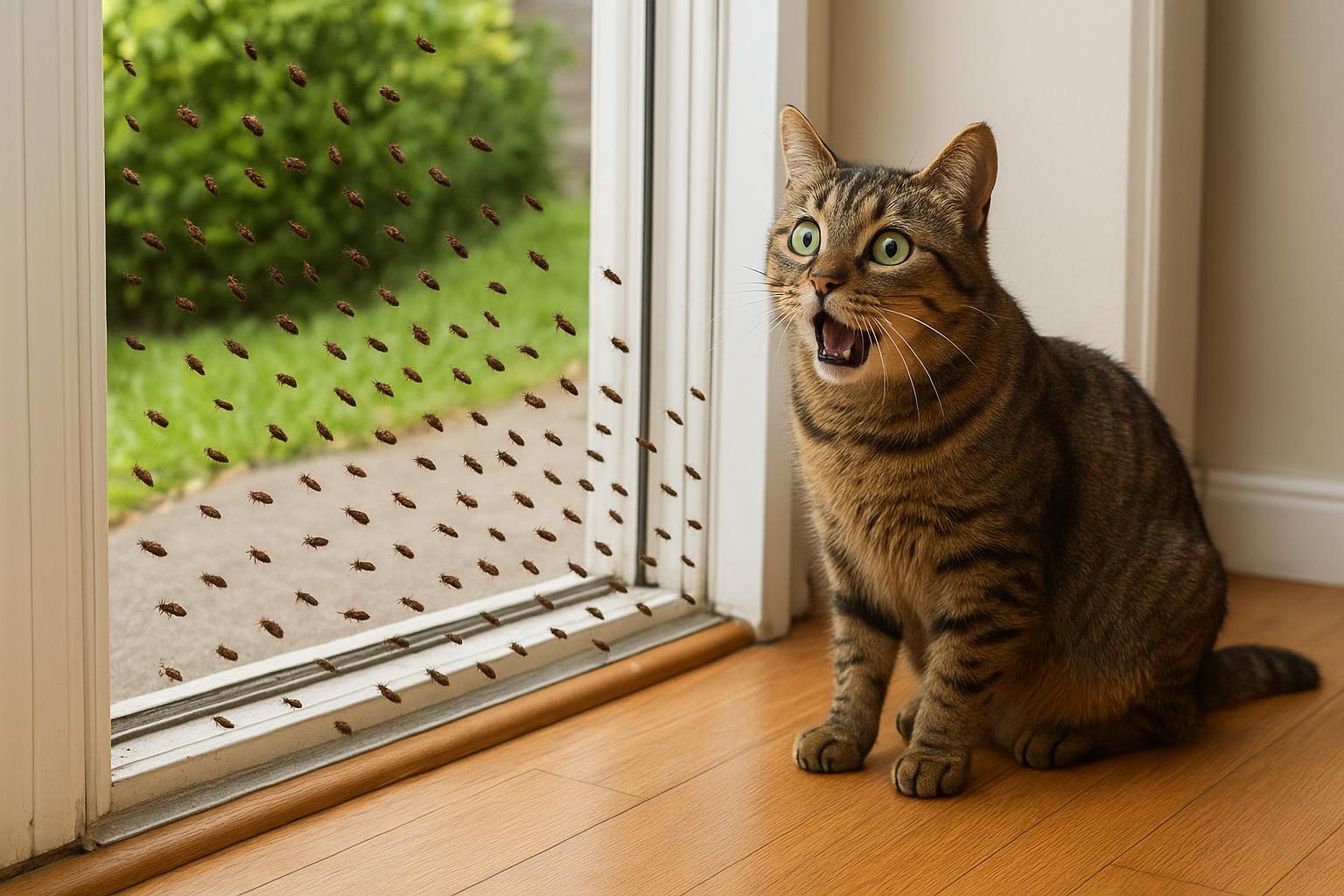
The question do fleas bite humans arises frequently among those who share living spaces with companion animals, and it warrants a clear, evidence-based response. Fleas are obligate blood-feeding insects that preferentially parasitize certain mammalian and avian hosts, but several species will opportunistically bite people when preferred hosts are scarce or when infestations are heavy. Understanding the ecology of this behavior clarifies the scale of flea risks and the practical measures necessary to protect human health.
### Flea Biology And Host Preference
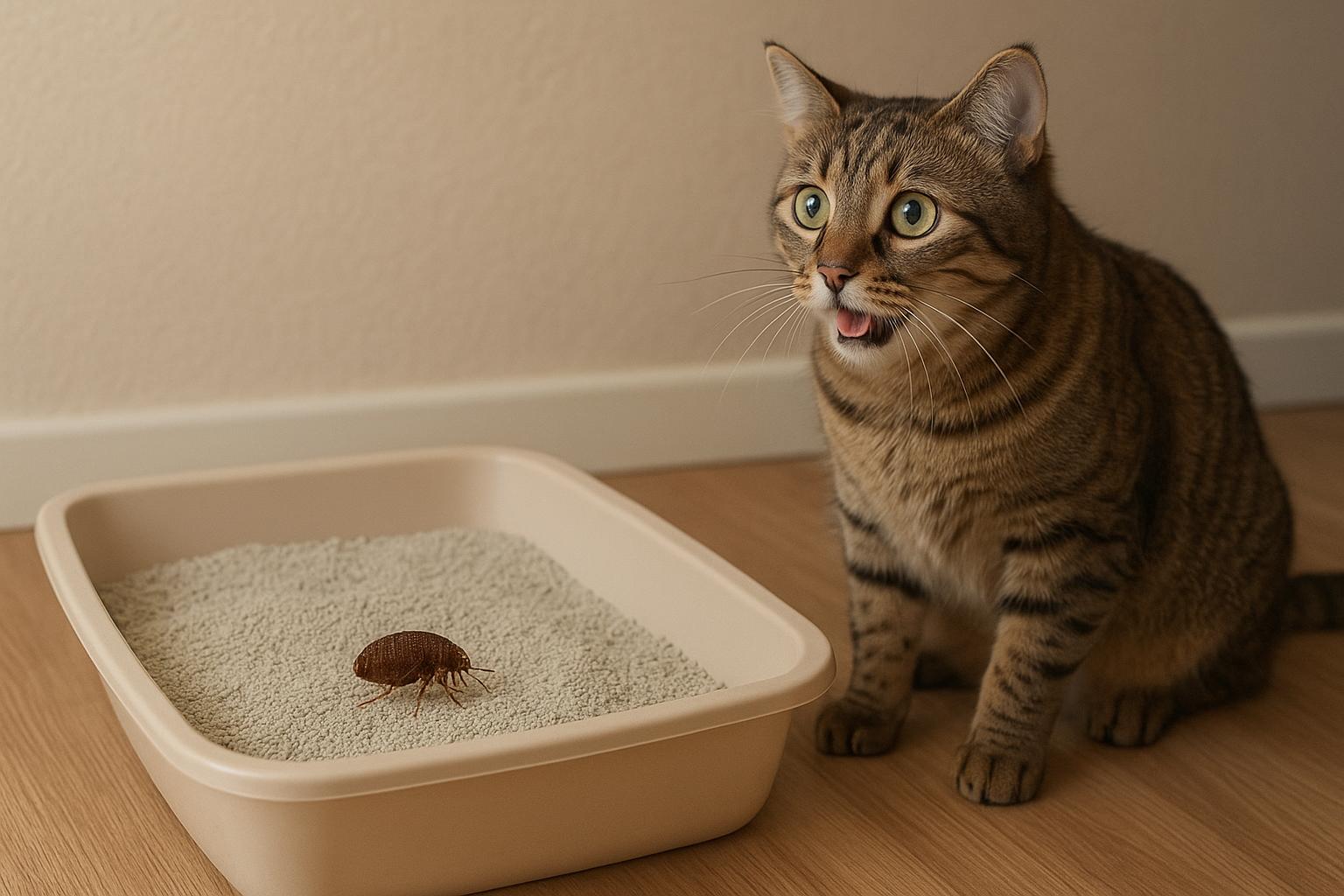
Fleas belong to the order Siphonaptera and exhibit morphological and behavioral specializations for jumping and hematophagy. The most common household species, Ctenocephalides felis (the cat flea), is cosmopolitan and infests cats, dogs, feral animals, and occasionally humans. Pulex irritans (the human flea) historically fed on people but is less common in modern homes. Host preference is influenced by host availability, flea life stage, ambient temperature, humidity, and microhabitat conditions within carpets, bedding, and animal nests.
#### Lifecycle And Implications For Humans
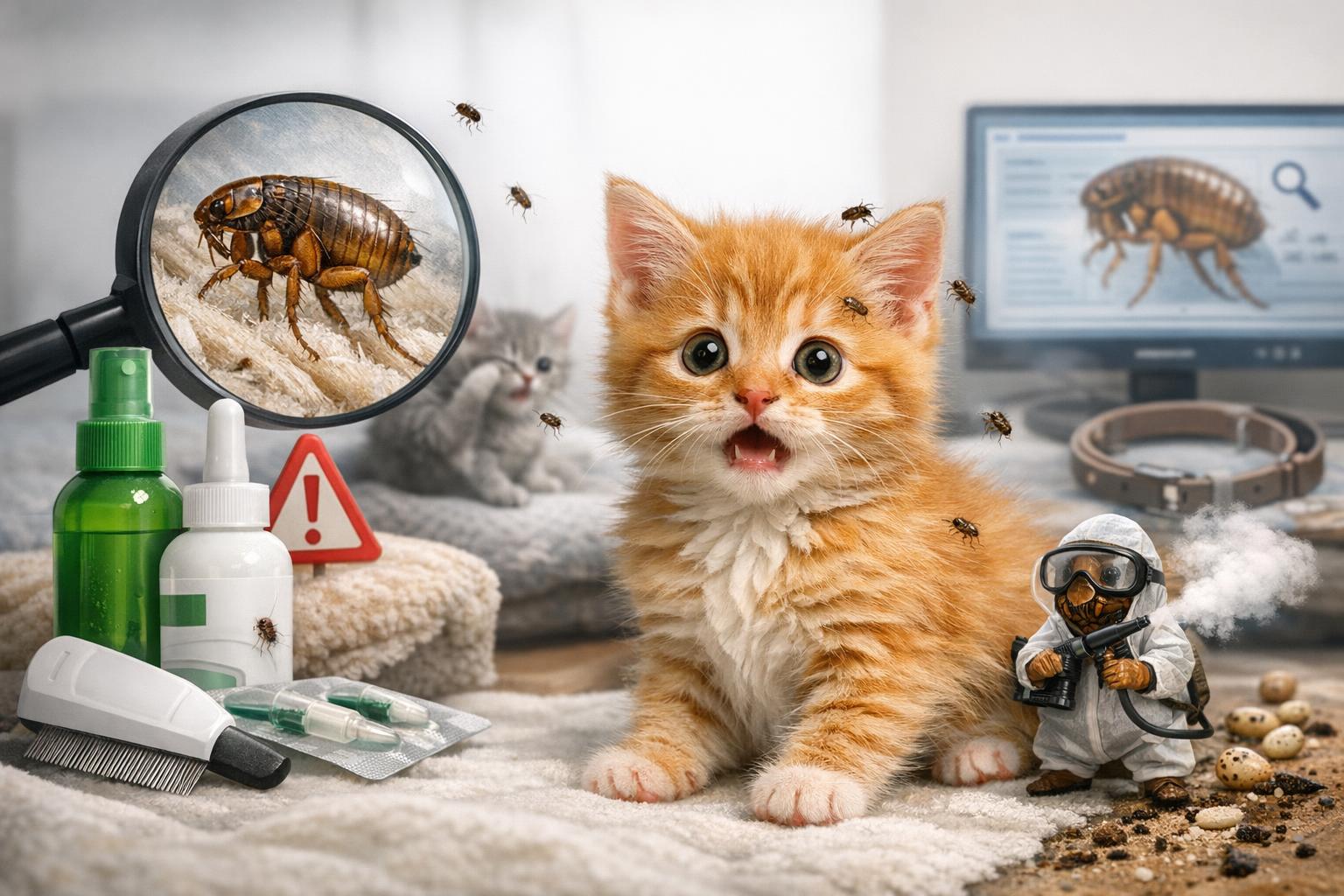
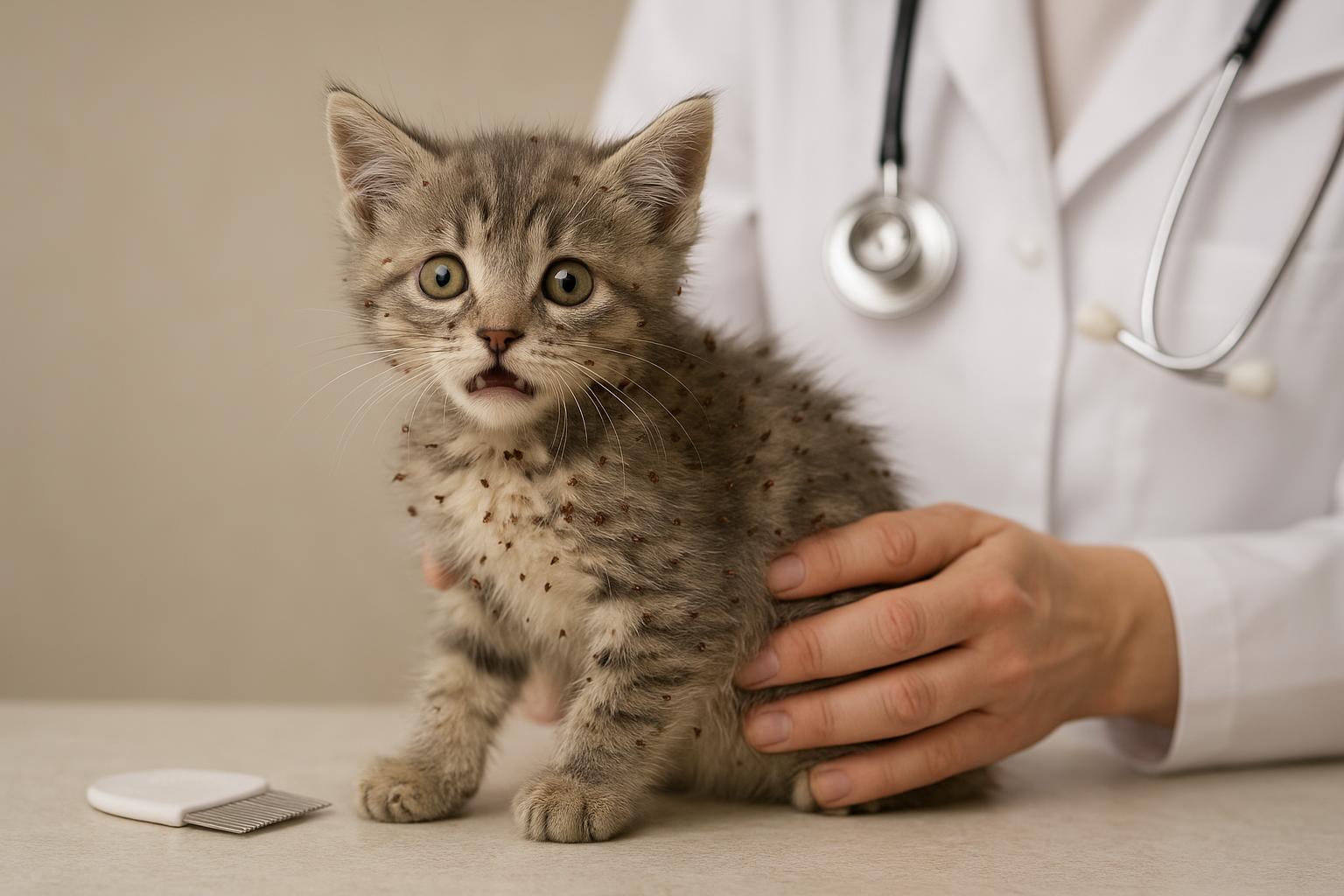
Flea eggs, larvae, pupae, and adults may persist in indoor environments for weeks to months. Larvae feed on organic detritus including dried blood and adult flea feces, while pupae are resistant to many chemical treatments. Adult fleas actively seek blood meals and can transfer between animals and people. The persistence of immature life stages in household reservoirs contributes to ongoing flea risks long after an initial infestation is recognized.
### How Flea Bites Present On Humans
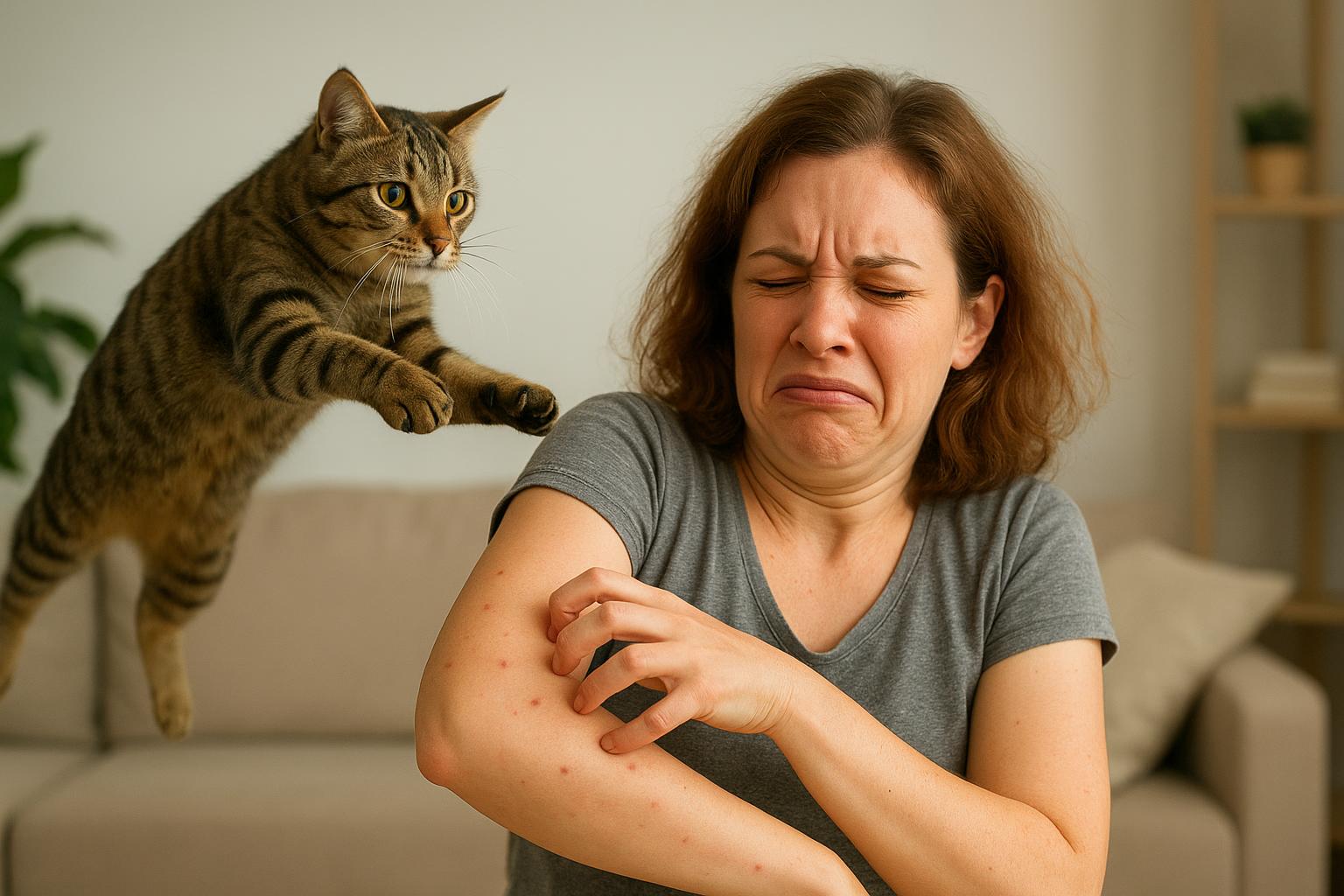
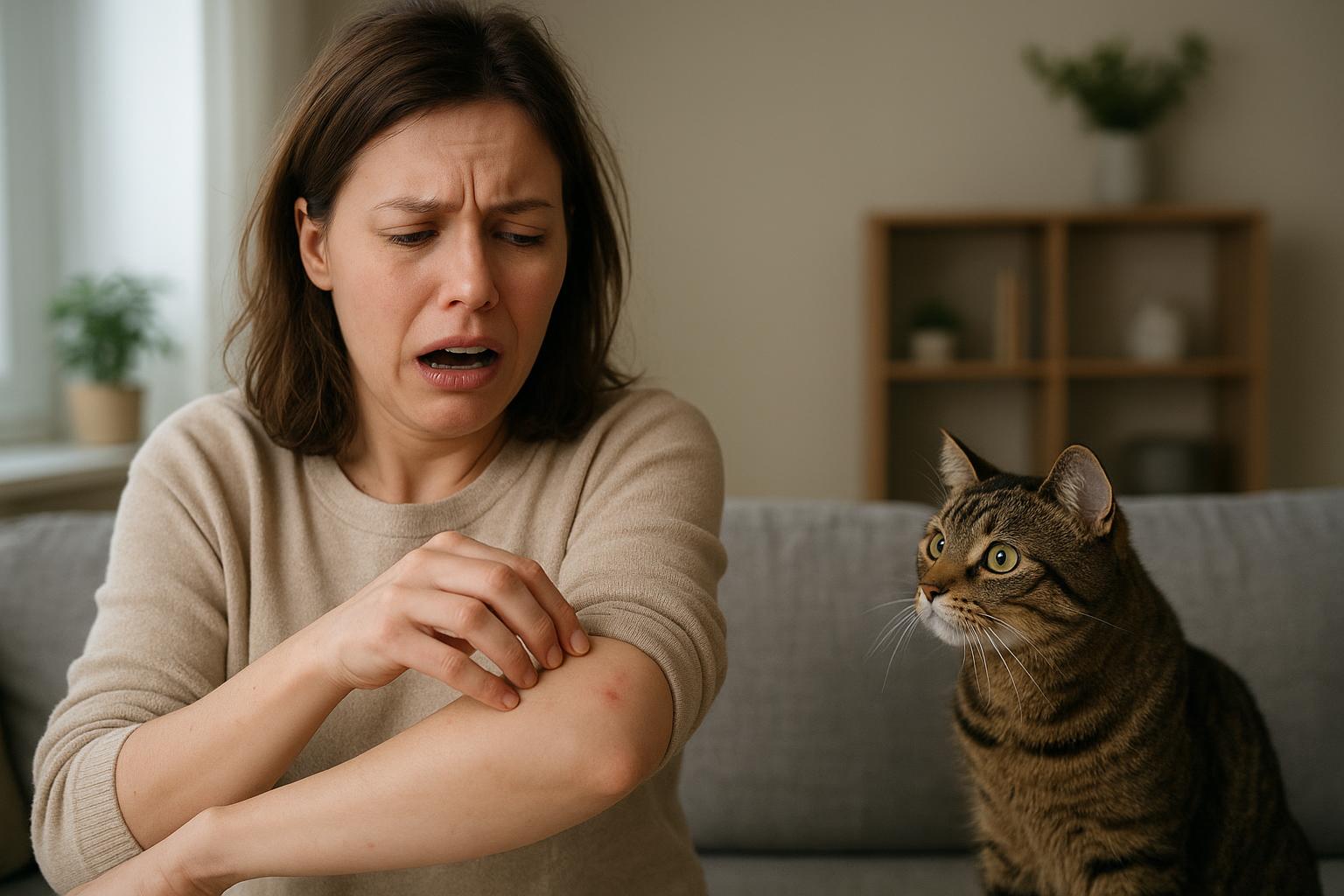
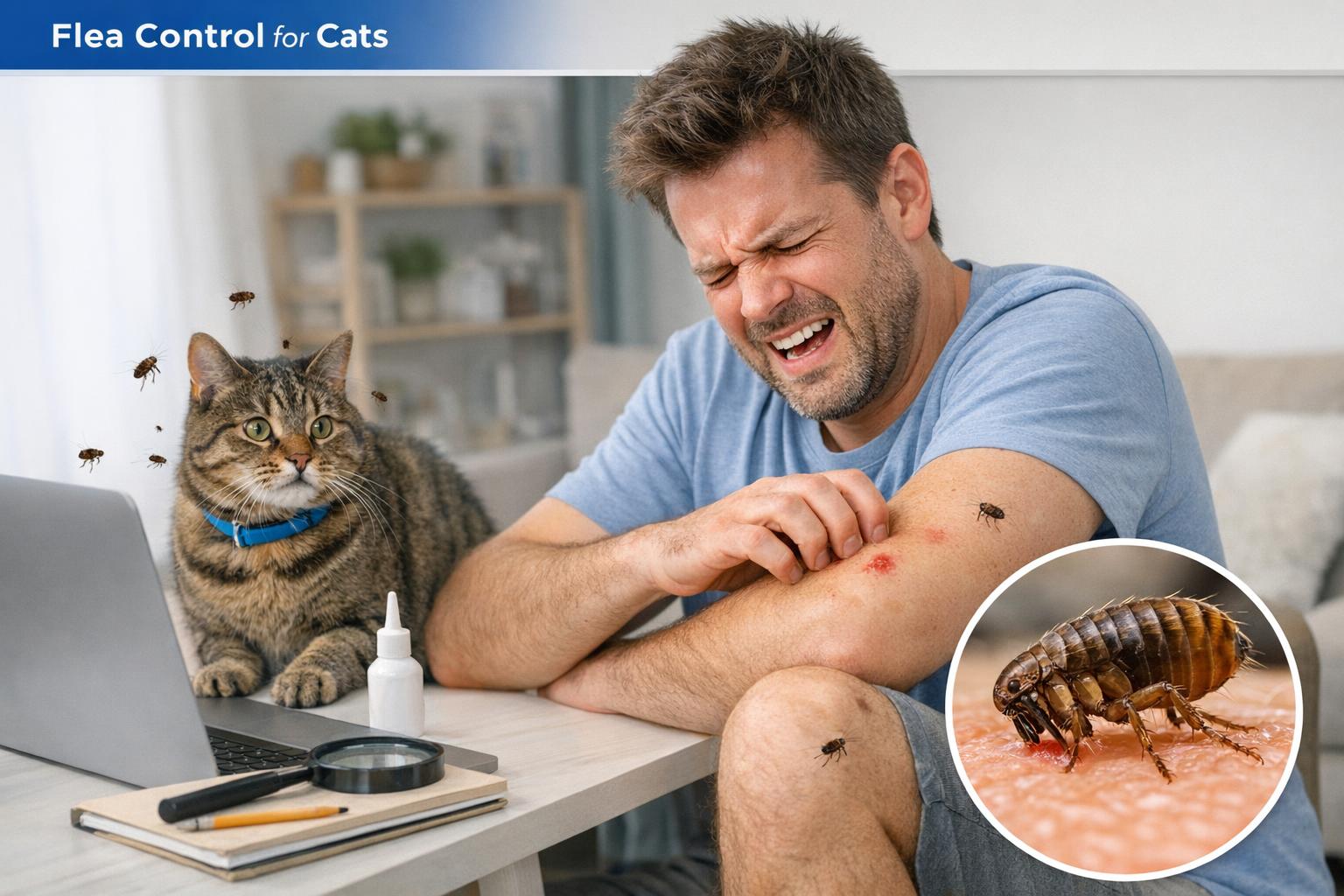
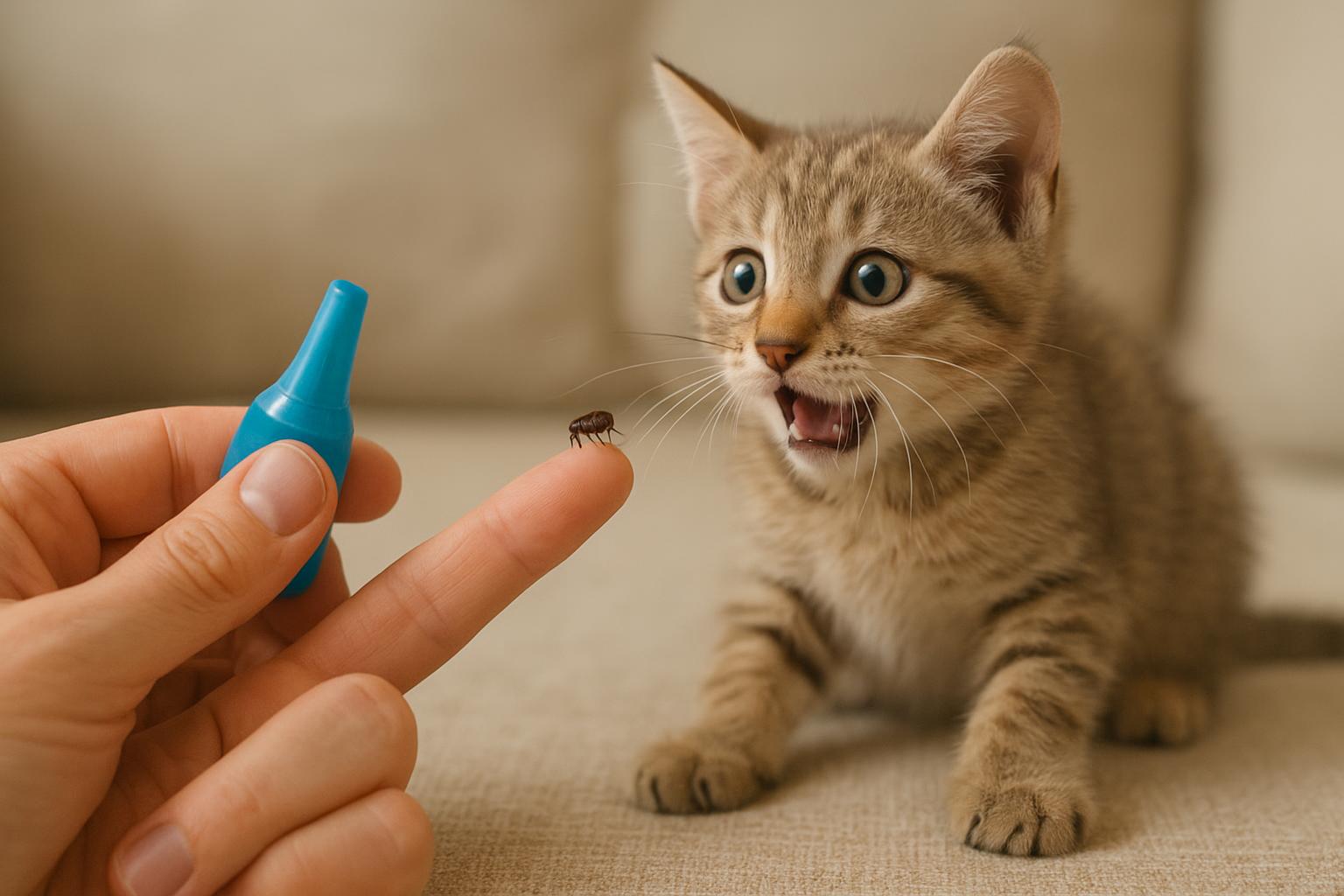
Flea bites on humans typically appear as small, erythematous papules that may be intensely pruritic. They are often clustered in groups or a linear pattern where fleas can jump and bite repeatedly, commonly on the lower legs and feet for individuals who have close contact with infested pets or floor surfaces. Sensitization to flea saliva can produce exaggerated local reactions, including urticaria or secondary bacterial infection from scratching.
#### Differential Diagnosis
Bites from other arthropods (bedbugs, mosquitoes, chiggers) can mimic flea bites. A clinical history that includes exposure to animals, identification of fleas or flea dirt on pets, and detection of environmental reservoirs strengthens the likelihood that lesions are flea-related. For public health assessment, distinguishing between casual flea bites and evidence of an active household infestation is critical.
### Flea-Borne Diseases And Public Health Significance
Beyond direct biting and allergic reactions, fleas can serve as vectors for several zoonotic pathogens, representing an important vector-borne disease pathway. Historically, Yersinia pestis (plague) is the most notorious example transmitted by fleas. Other agents of concern include Rickettsia typhi (murine typhus) and Bartonella henselae in specific ecological contexts. While transmission to humans requires particular species competence and ecological conditions, these possibilities elevate the public health relevance of human–flea interactions.
When assessing whether do fleas bite humans constitutes a public health threat, officials consider not only bite incidence but also pathogen presence in local wildlife and vector species, density of flea populations, and human exposure patterns. In many developed settings, the direct disease risk from common pet-associated fleas remains low, but outbreaks tied to wildlife or inadequate pest control have occurred.
### Assessing Household Exposure And Risk Factors
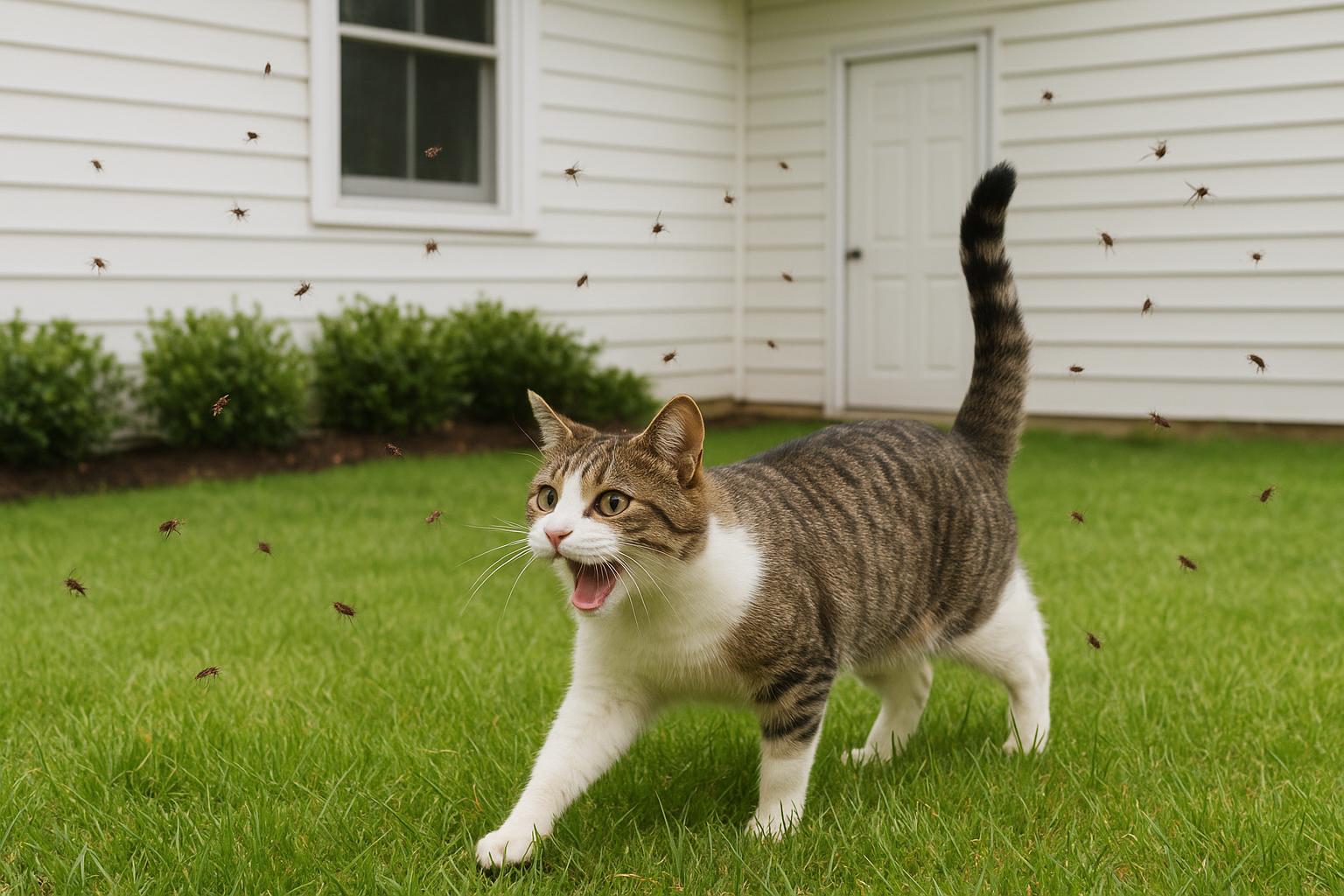
Household risk increases with untreated infested pets, presence of wildlife (rodents, feral cats), accumulation of organic debris, and microclimates that favor flea development. Human behaviors such as allowing pets to sleep on beds, infrequent laundering of bedding, and delayed veterinary care heighten exposure. Public health practitioners use a combination of environmental inspection, pet examination, and history-taking to quantify flea risks and craft targeted interventions.
#### Vulnerable Populations
Infants, elderly individuals, and immunocompromised persons may suffer more severe consequences from flea bites or secondary infections. Allergic sensitization among household members can produce substantial morbidity even in the absence of pathogen transmission. Communities with constrained access to veterinary care or pest management resources face amplified flea risks.
## 1. Topical Remedies For Flea Bites (Relief And Care)
When fleas bite humans, symptomatic relief and prevention of secondary infection are primary goals. The following formal, evidence-informed topical remedies are appropriate for uncomplicated bites. Consult a physician for severe reactions, systemic symptoms, or suspected vector-borne disease.
### Ingredients / Required Materials
– Cold compress or ice pack wrapped in cloth
– Over-the-counter 1% hydrocortisone cream
– Antiseptic solution (e.g., chlorhexidine 0.05% or diluted povidone-iodine)
– Calming emollient (pure aloe vera gel or fragrance-free lotion)
– Adhesive bandages or sterile gauze (if open lesions)
### Step-By-Step Application
1. Clean the Area: Wash bitten skin gently with mild soap and lukewarm water to remove contaminants. Pat dry with a clean towel.
2. Apply Cold Compress: Place a cold compress on the lesion for 10 minutes to reduce swelling and pruritus. Repeat intermittently for the first hour.
3. Antiseptic Care: If the skin is intact, swab the lesion with a diluted antiseptic solution to decrease bacterial load. Allow to air dry.
4. Anti-Inflammatory Application: Apply a thin layer of 1% hydrocortisone cream to reduce itch and inflammation. Use as directed on product labeling, typically not more than twice daily for short courses.
5. Emollient Soothing: If desired, apply pure aloe vera gel to soothe the skin after hydrocortisone has absorbed; avoid fragranced products that may irritate.
6. Protect Open Lesions: Cover excoriated or oozing bites with sterile gauze or a breathable adhesive bandage to prevent contamination and reduce scratching.
7. Monitor: Observe for increasing erythema, warmth, systemic symptoms (fever, lymphadenopathy), or persistent worsening—seek medical attention if these occur.
## 2. Household And Pet Control Measures To Reduce Exposure
Addressing the environment and animal hosts is essential to reduce the frequency with which do fleas bite humans, and to lower flea risks overall. These measures combine mechanical, chemical, and veterinary interventions.
### Materials / Required Items
– Vacuum cleaner with attachments
– High-temperature washer and dryer access
– Pet flea comb and grooming supplies
– Veterinary-recommended flea control products (topical, oral, or collars)
– Boric acid or diatomaceous earth (food grade) for targeted use
– Sealed waste bags and a trash receptacle
### Step-By-Step Application
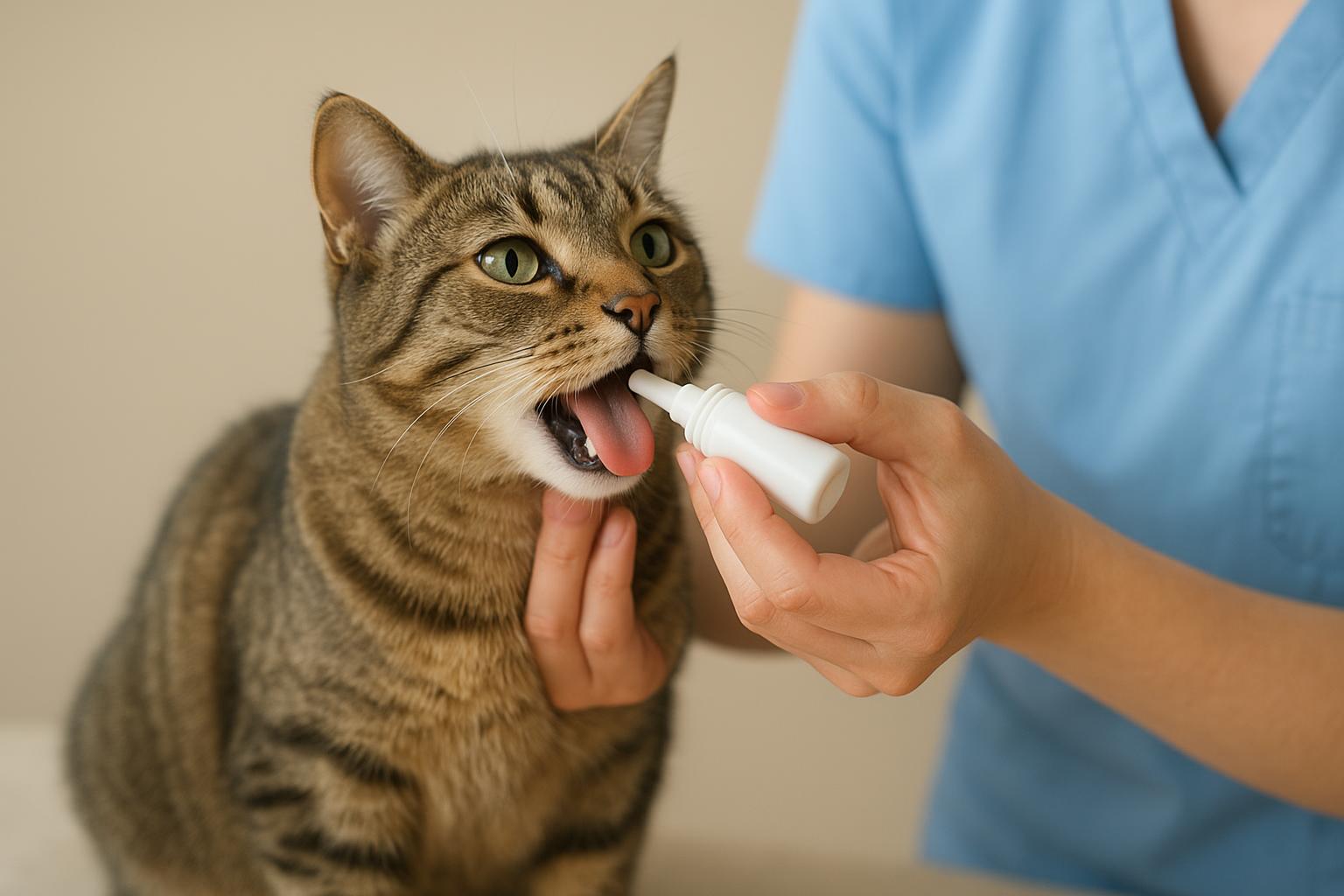
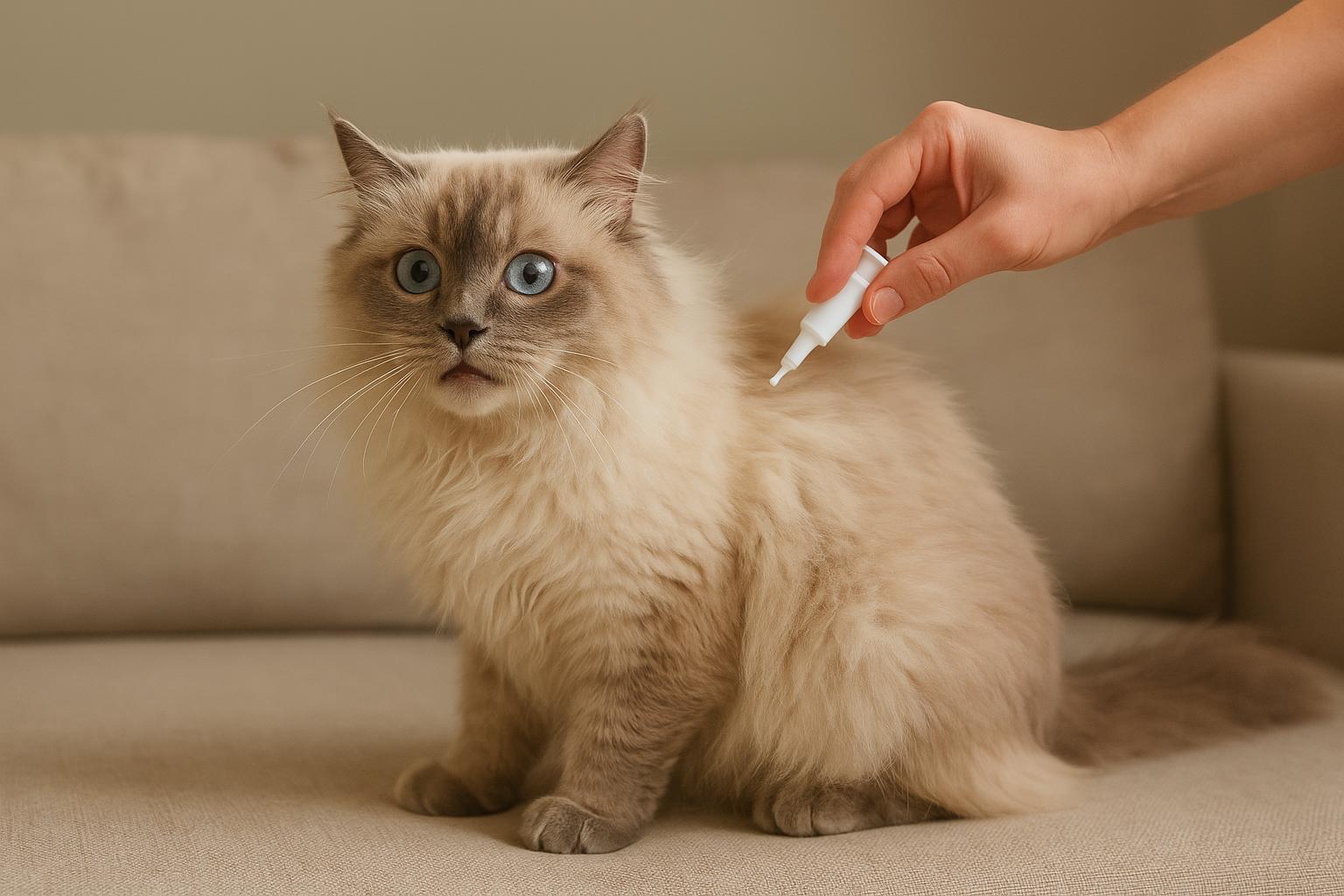
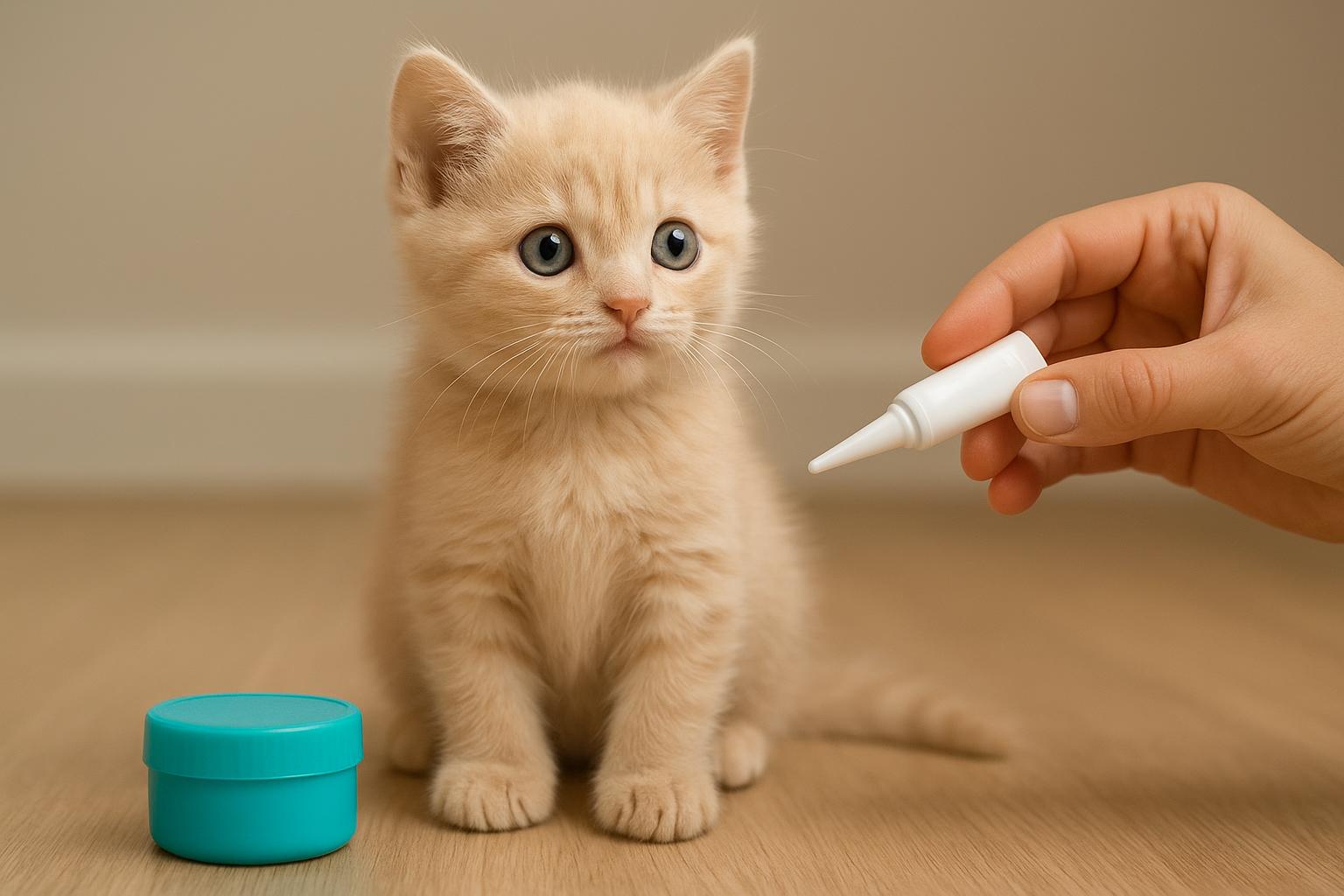
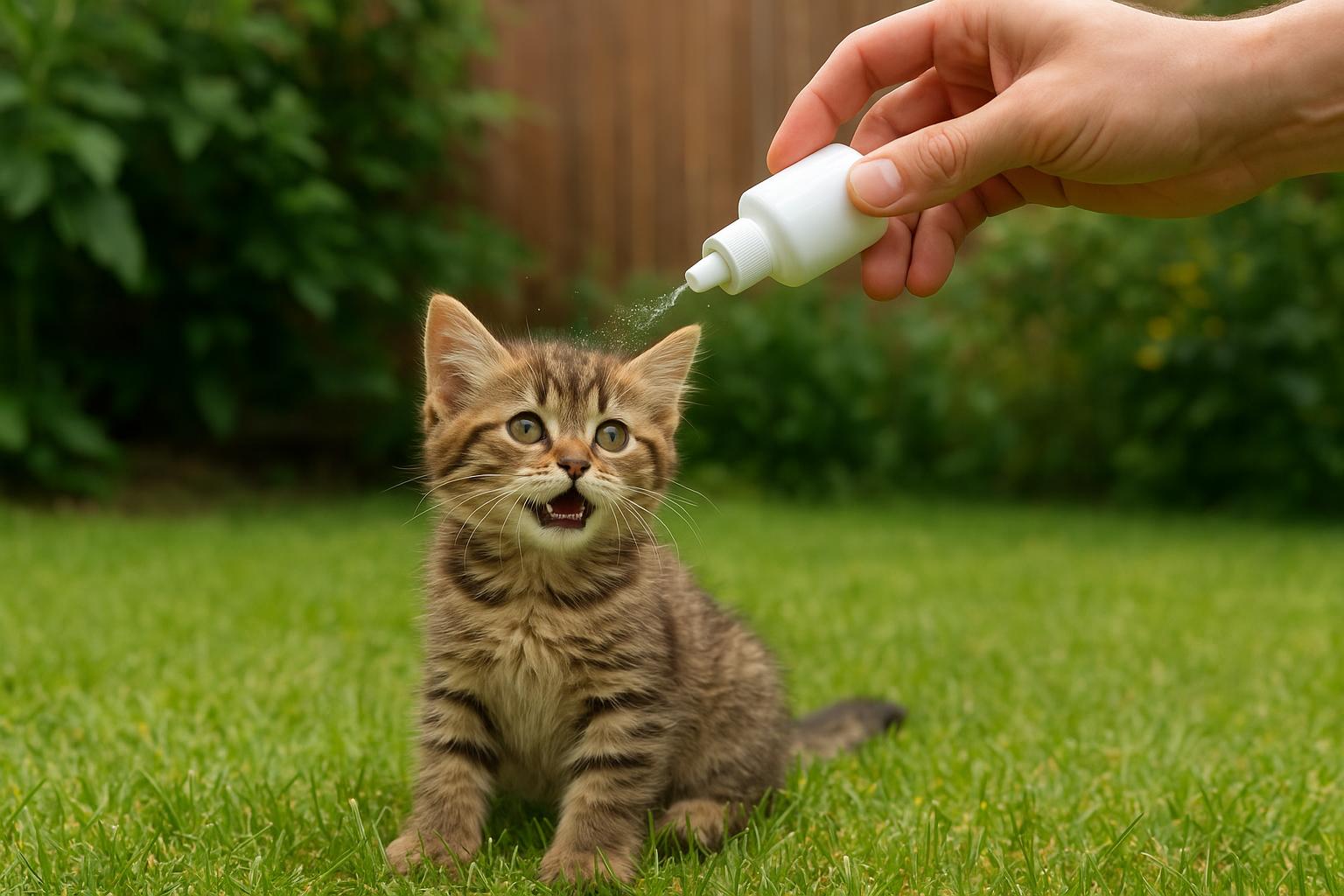
1. Veterinary Treatment First: Consult a veterinarian to select a licensed flea control product appropriate for the pet species, age, and health status. Administer according to instructions; many modern agents break the flea life cycle effectively.
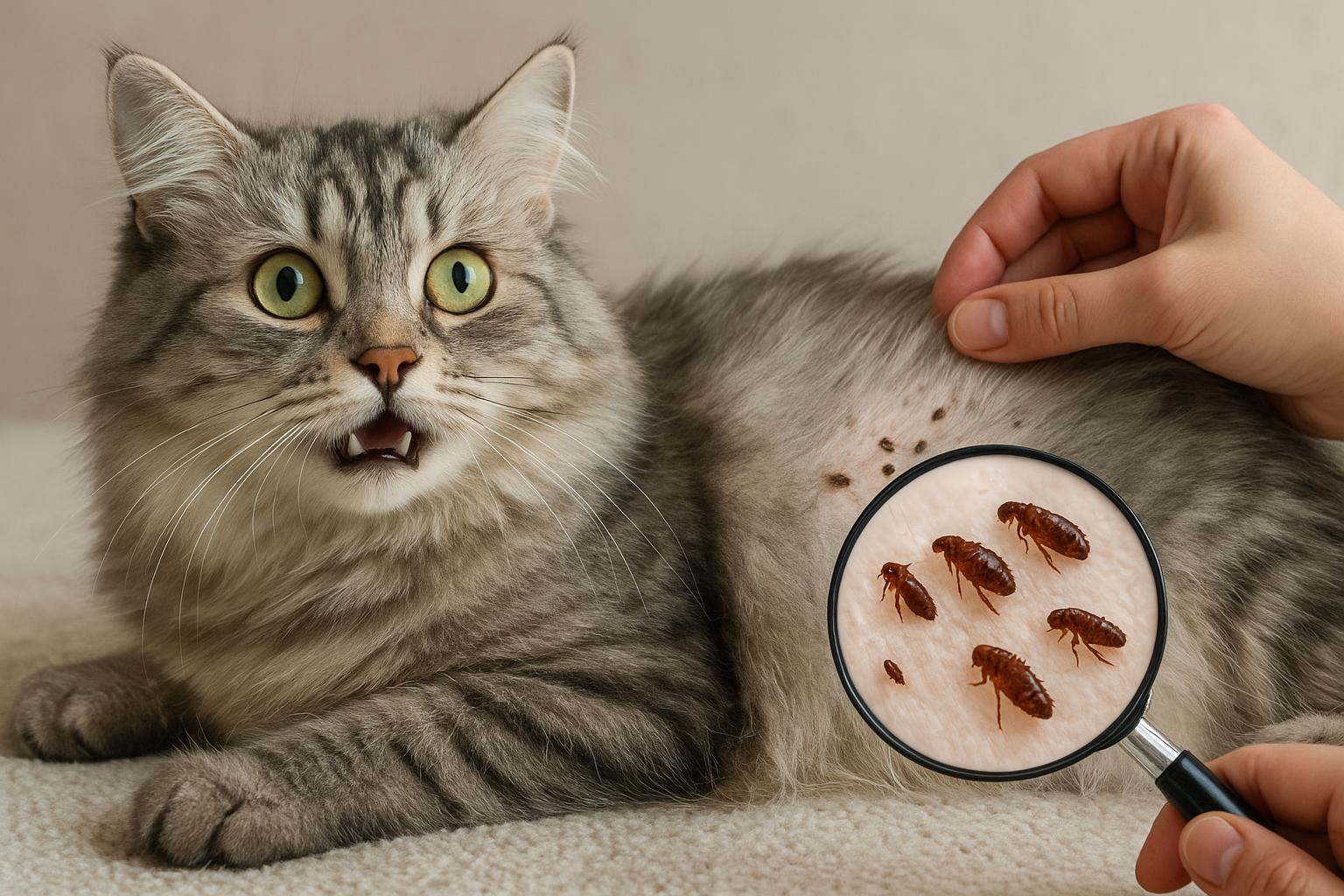
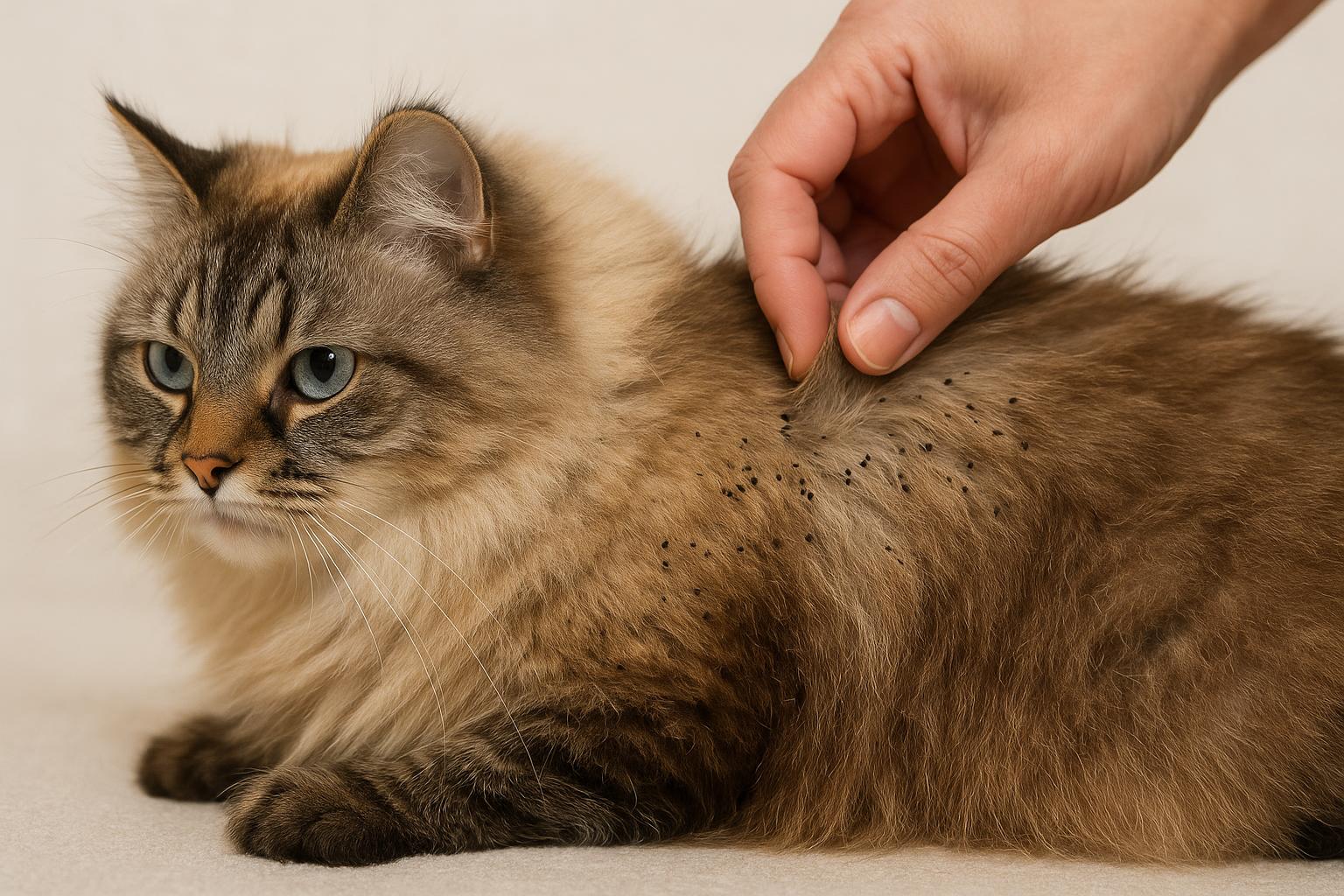
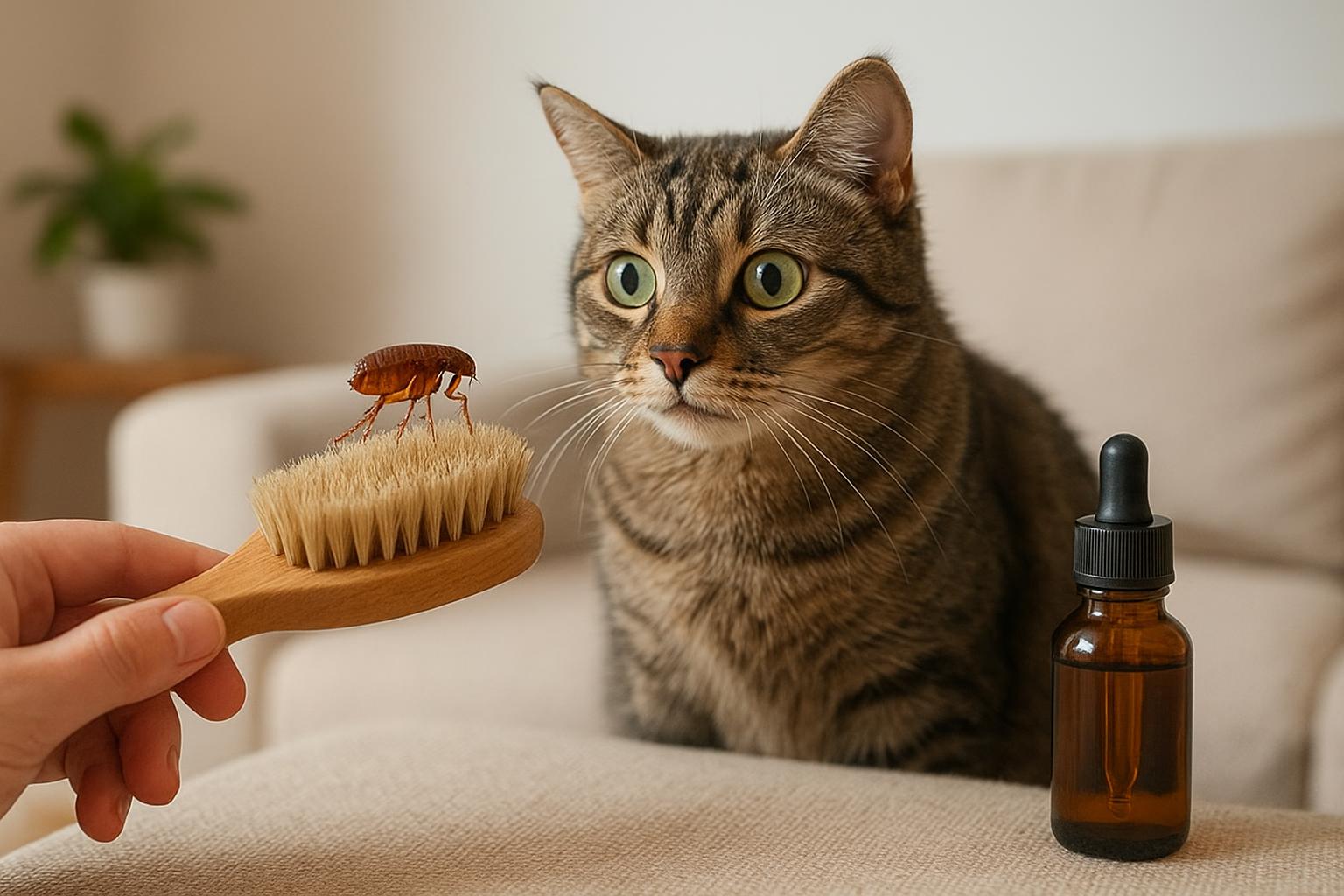
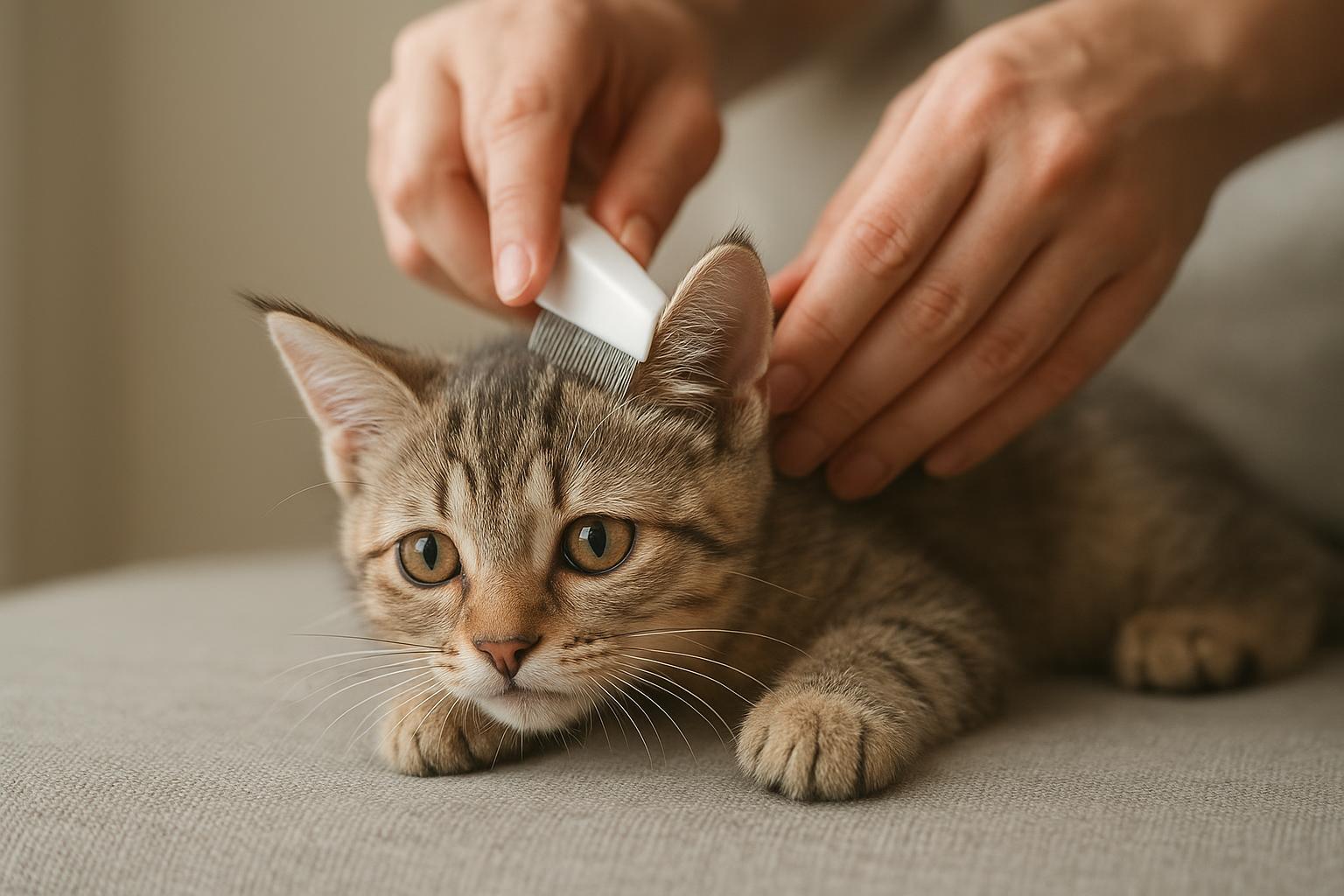
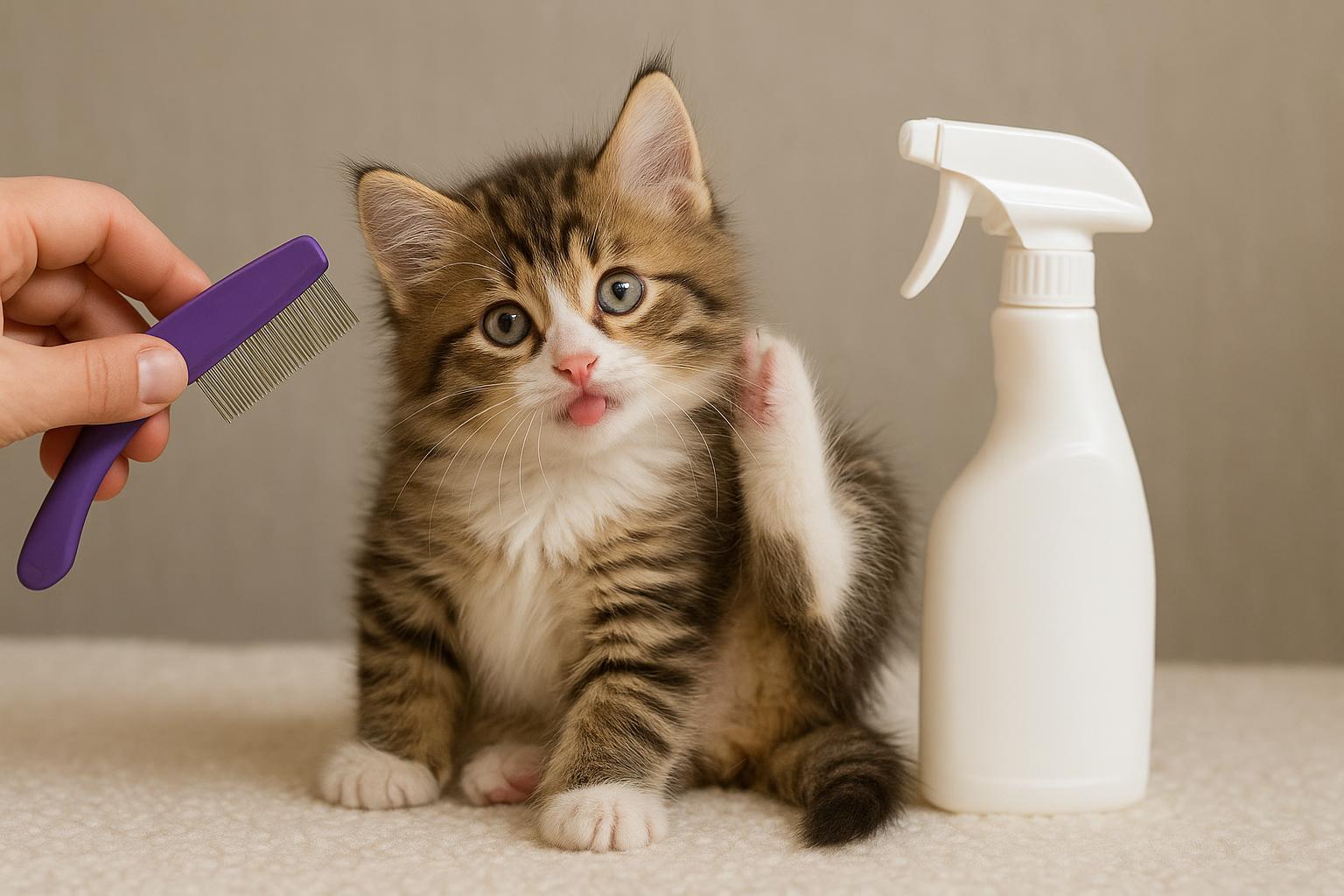
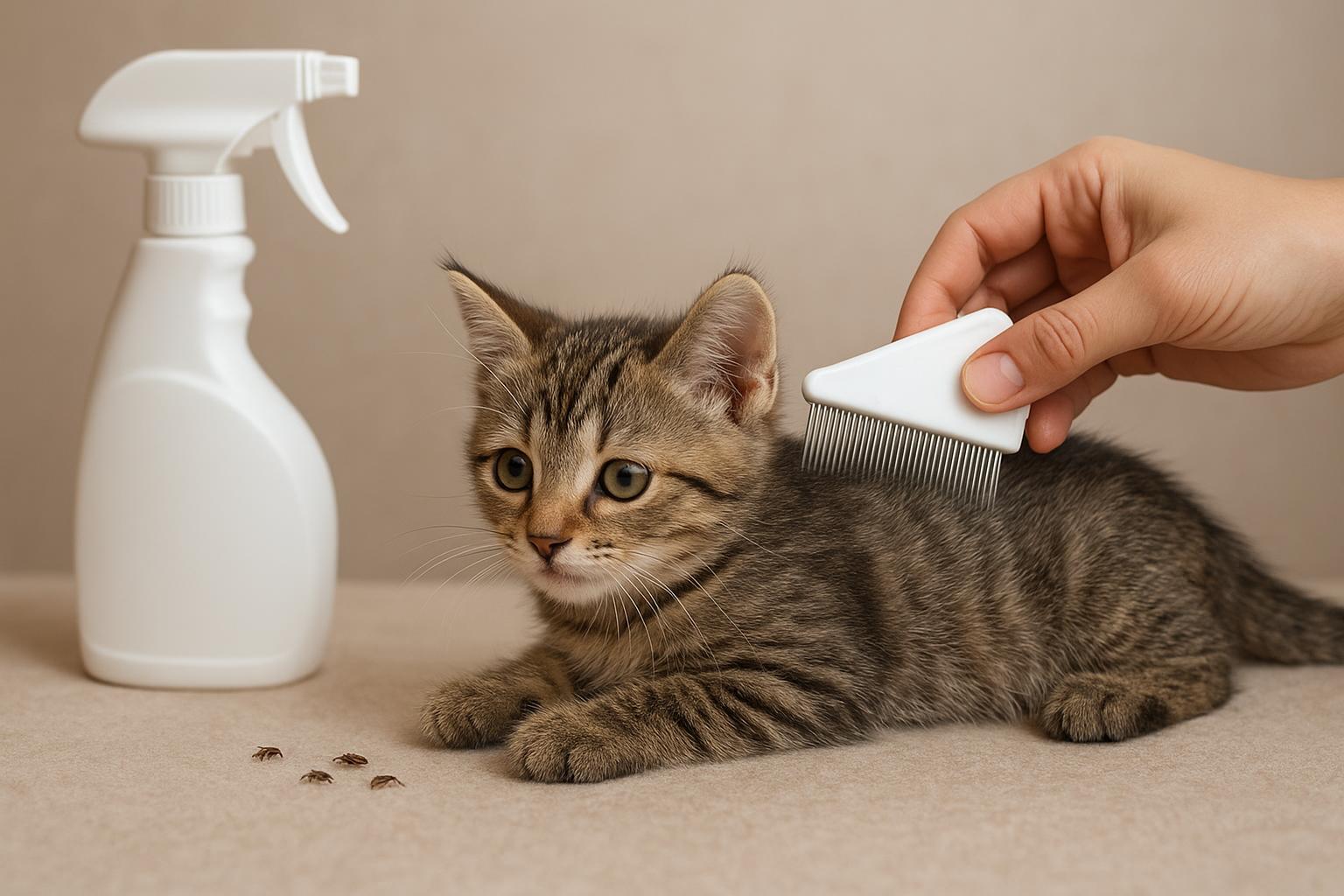
2. Grooming and Inspection: Use a fine-toothed flea comb over a white surface to detect fleas or flea dirt. Groom pets daily during infestations and dispose of captured fleas by drowning them in soapy water.
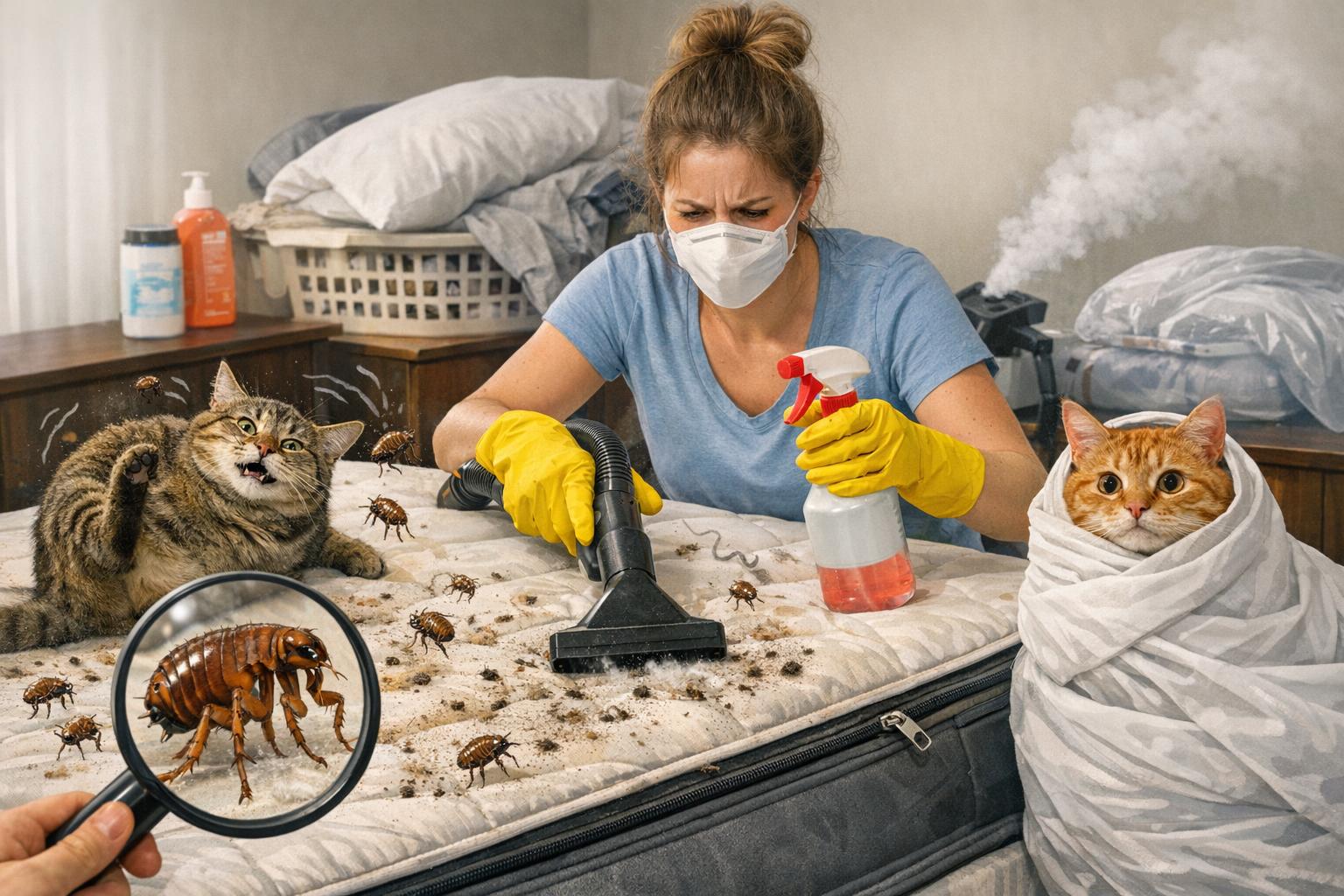
3. Intensive Cleaning: Launder pet bedding, human bedding, and removable upholstery covers in hot water (≥60°C / 140°F) and dry on high heat to kill eggs and larvae. Repeat weekly until infestation is controlled.
4. Vacuuming Regimen: Vacuum carpets, rugs, upholstery, and baseboards daily during active infestations. Empty vacuum contents into sealed bags and remove from the dwelling promptly.
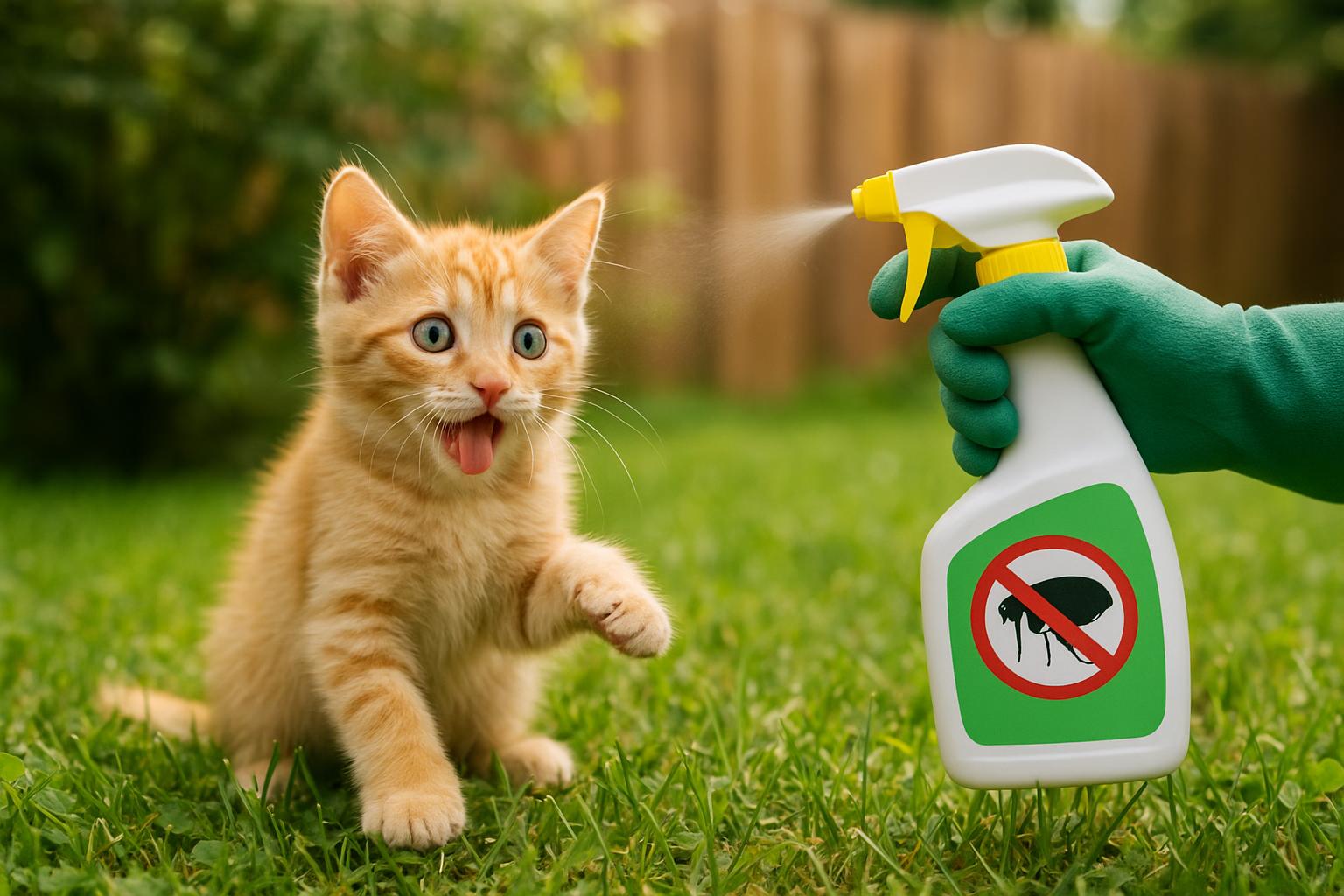
5. Environmental Treatments: Apply diatomaceous earth or boric acid sparingly to cracks and edges where pets frequent, following product safety guidelines to avoid inhalation. Consider professional pest control for heavy infestations or if chemical treatments are required.
6. Waste Management: Remove wildlife nests and seal entry points that permit rodent or raccoon access. Maintain sanitation to reduce organic debris that supports flea larvae.
7. Follow-Up: Continue combined pet treatment and environmental control for at least two consecutive flea life cycles (commonly 8–12 weeks) to ensure eradication.
### Special Considerations For Natural Control
Where owners prefer natural approaches, integrated pest management combining mechanical removal, regular laundering, and veterinary-approved botanical products may reduce flea burdens. However, efficacy varies and professional guidance is recommended to avoid incomplete control that perpetuates flea risks.
#### When To Seek Professional Help
If household interventions fail, if pets have severe infestations, or if there is concern about disease transmission, consult a licensed pest management professional and a veterinarian. Coordinated action limits ongoing exposure and clarifies the need for public health reporting when zoonotic pathogens are suspected.
### Public Health Strategies And Surveillance
Local public health authorities monitor reports of flea-borne illnesses and outbreaks linked to wildlife or rodent populations. Effective public health response involves community education about pets and hygiene, facilitating access to veterinary care, and targeted environmental control in high-risk settings. Collaboration among clinicians, veterinarians, and pest control specialists reduces the broader societal burden associated with humans and fleas.
#### Risk Communication
Clear messaging that explains how and why fleas bite people, practical mitigation steps, and when to seek medical or veterinary care empowers households to reduce transmission pathways and minimize bite-related morbidity. Accurate assessment of flea risks must balance the relatively low probability of pathogen transmission in many domestic settings against the high nuisance potential and allergic consequences of infestations.
## 3. Monitoring And Long-Term Prevention
Sustained prevention emphasizes routine veterinary parasite control, periodic environmental maintenance, and prompt response to signs of infestation. Regularly scheduled treatments for pets, adherence to manufacturer directions, and seasonal adjustments based on regional flea activity patterns are recommended best practices. In this manner, communities can limit episodes where do fleas bite humans becomes a recurrent or escalating public health issue.





















Leave a Reply