
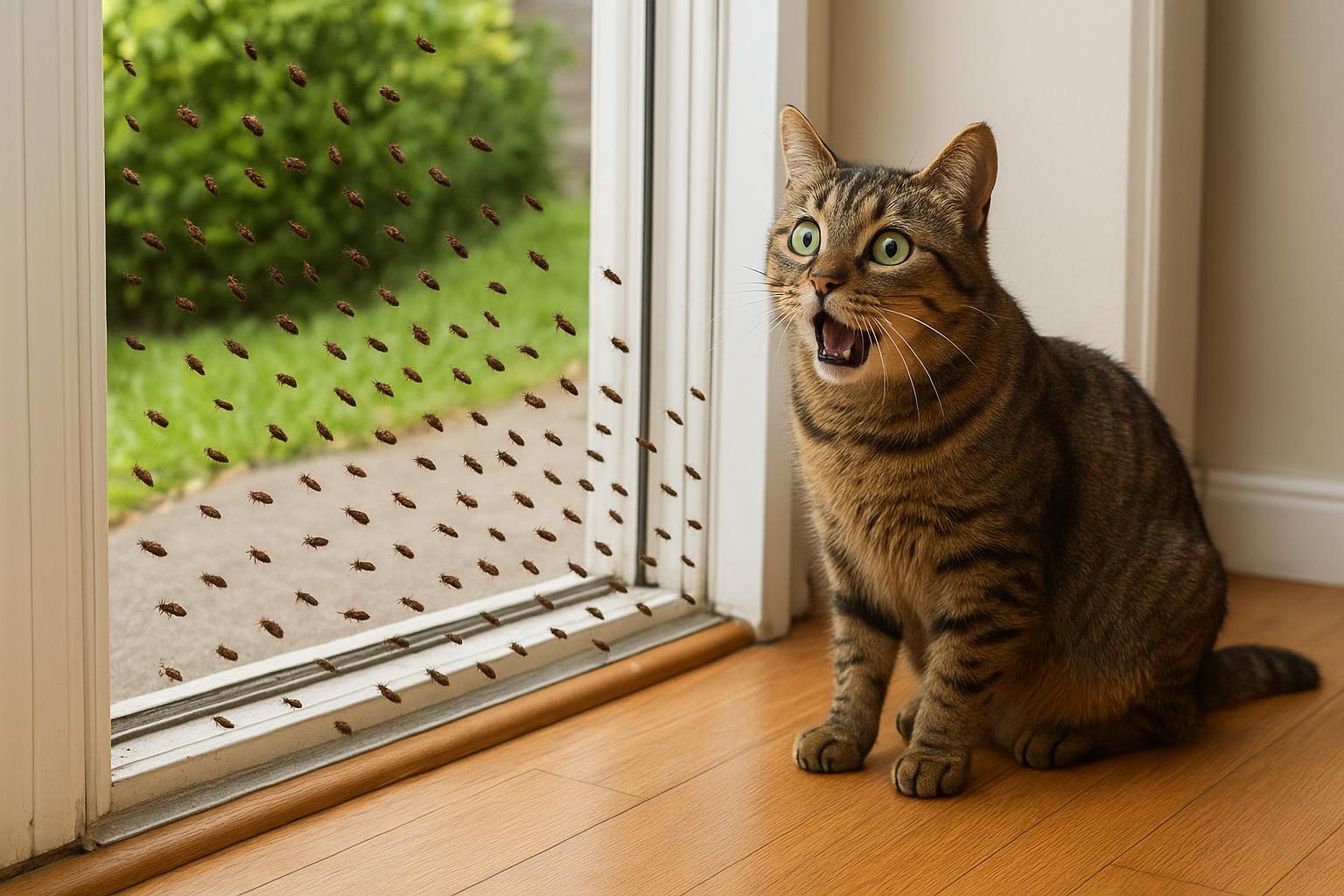
## How Fleas Jump From Yard To Couch
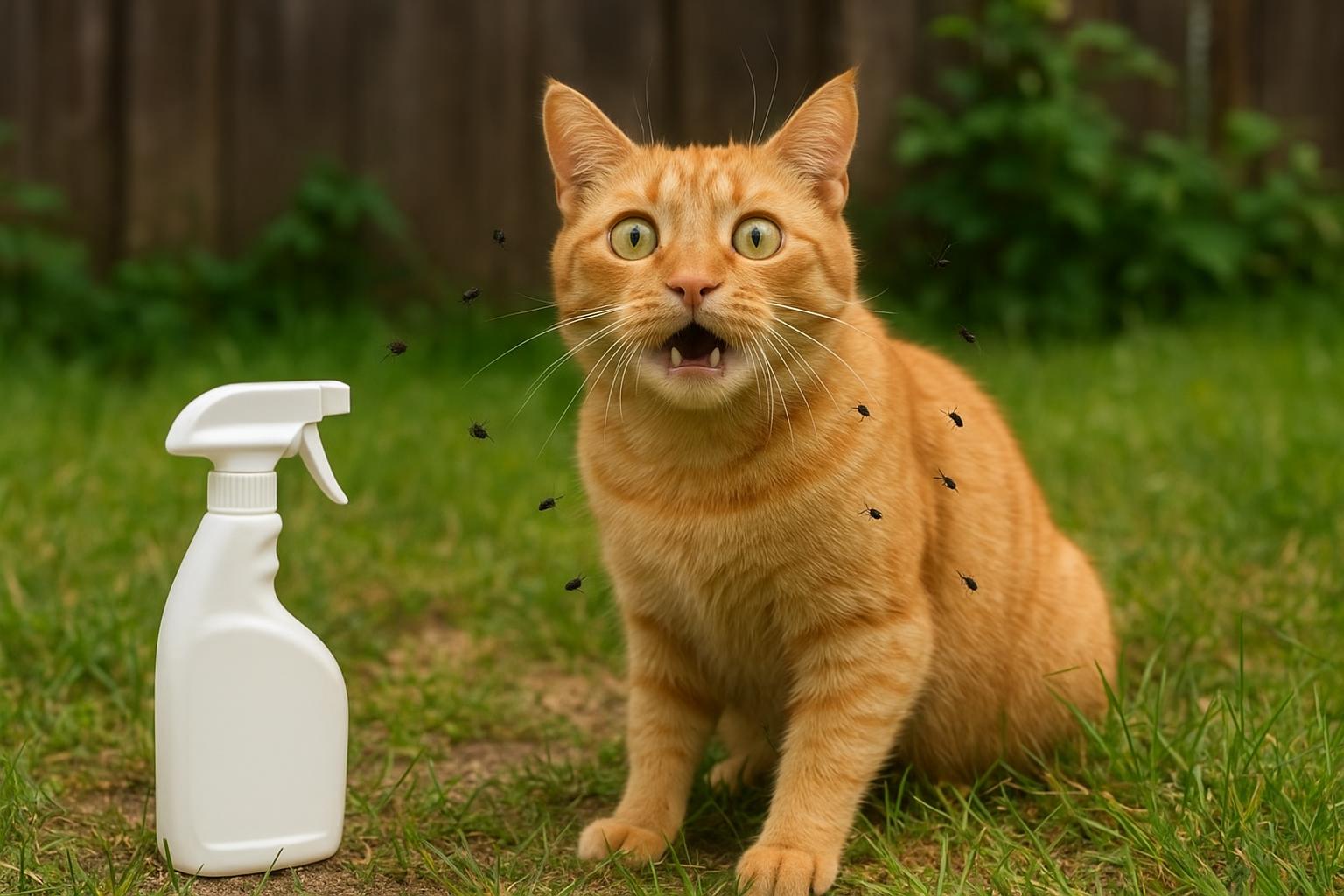
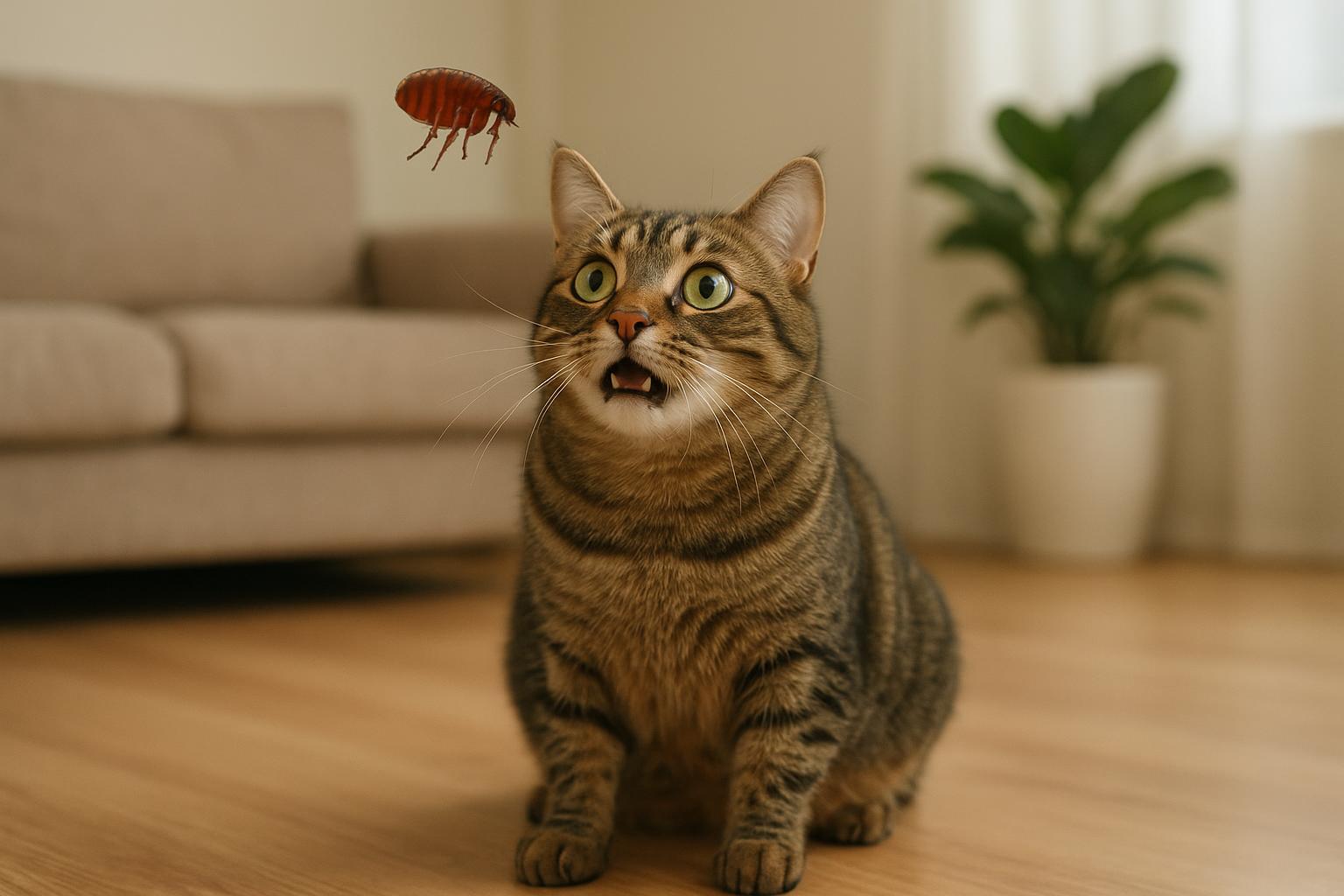
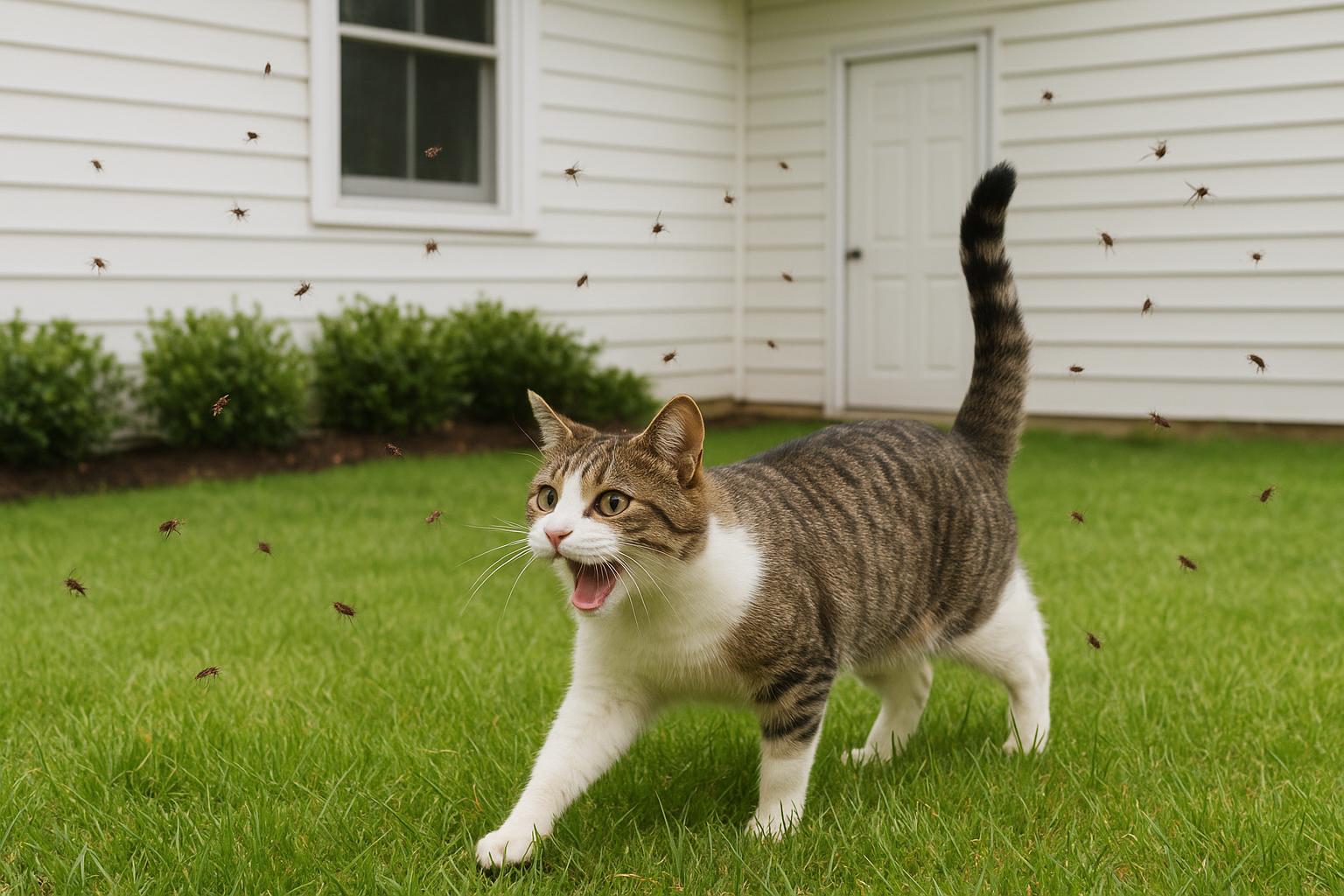
Cats spend a lot of time outside and then come inside smelling like grass and adventure. What they also bring in, more often than owners realize, is a tiny army of fleas. That step from outside to inside isn’t magical. It’s a predictable, often preventable sequence I call the outdoor-to-home flea gateway. If you ignore the pattern, you’ll keep treating bites without plugging the real leak.
### Outdoor-To-Home Flea Gateway: How Fleas Move From Yard To Sofa
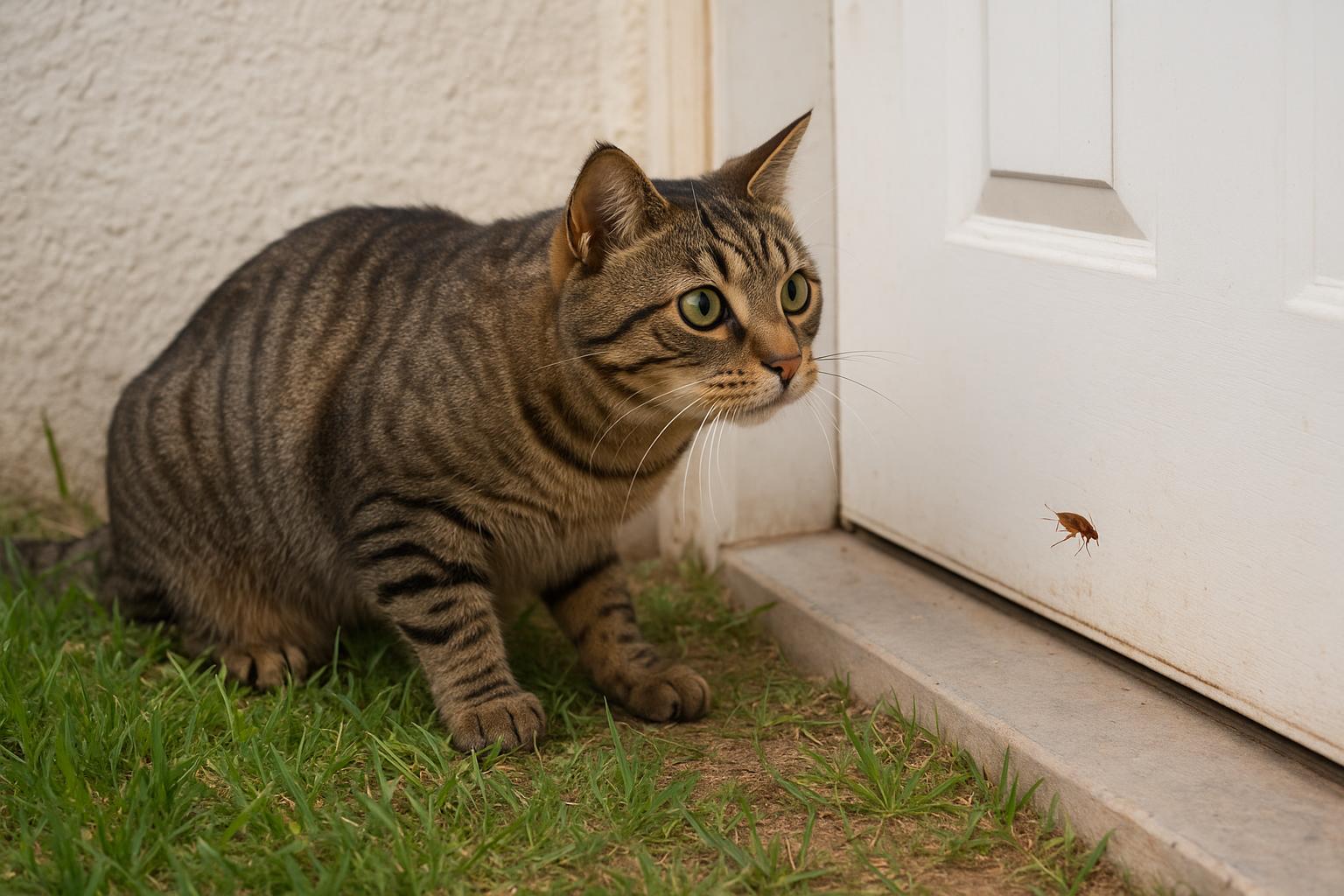
Fleas don’t parachute into your living room. They ride. On paws, in fur, in damp bedding that sat outside for an afternoon, on shoes, in a bush where your cat naps. The outdoor-to-home flea gateway is the path those fleas take: from eggs and larvae in the yard to adult fleas hitching a ride straight into the house. That journey is short, maybe a few minutes from a sunlit patch of grass to your cat’s favorite cushion. Break that journey and you stop ongoing infestations.
### Outdoor-To-Home Flea Gateway Exposed Threat To Cats
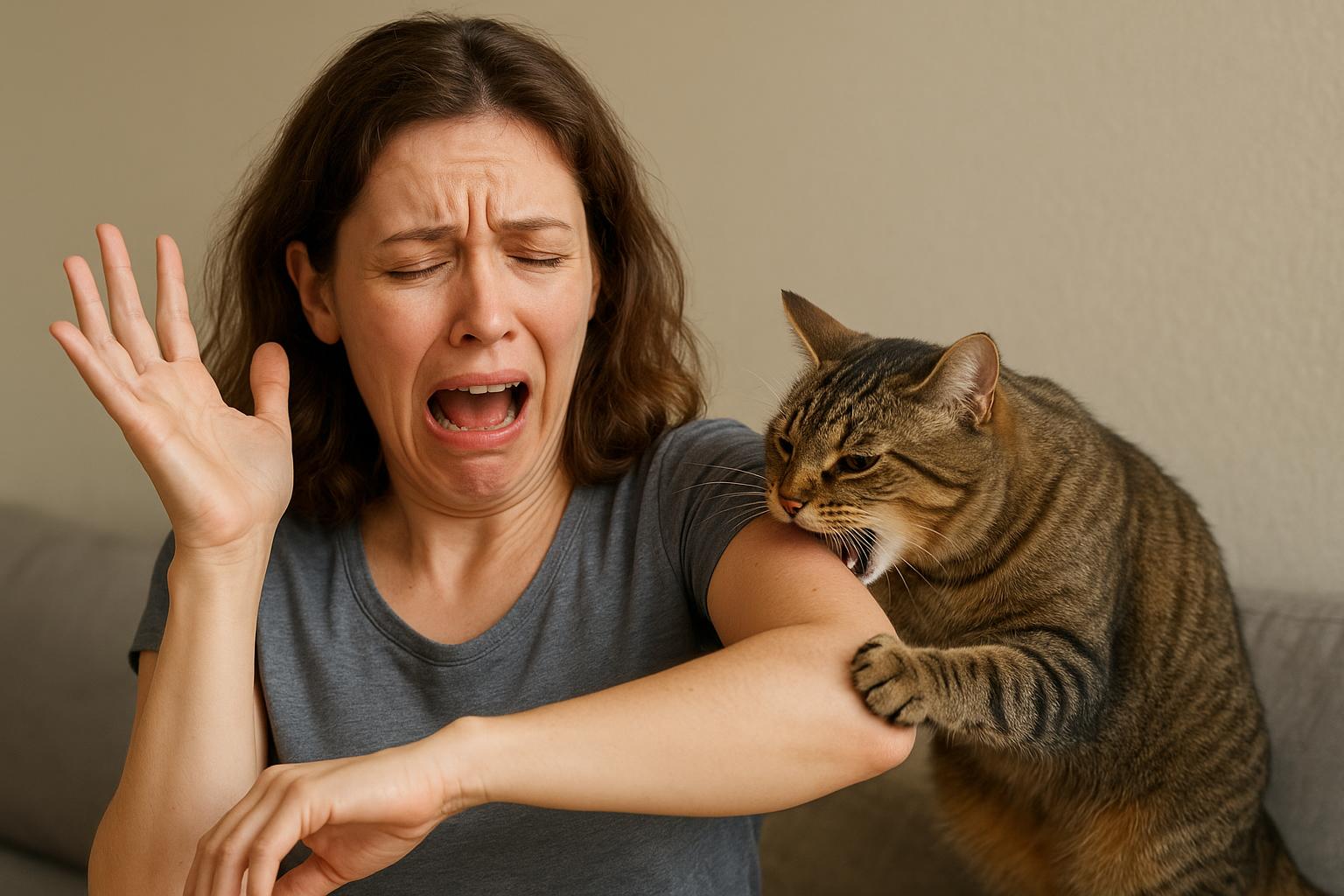
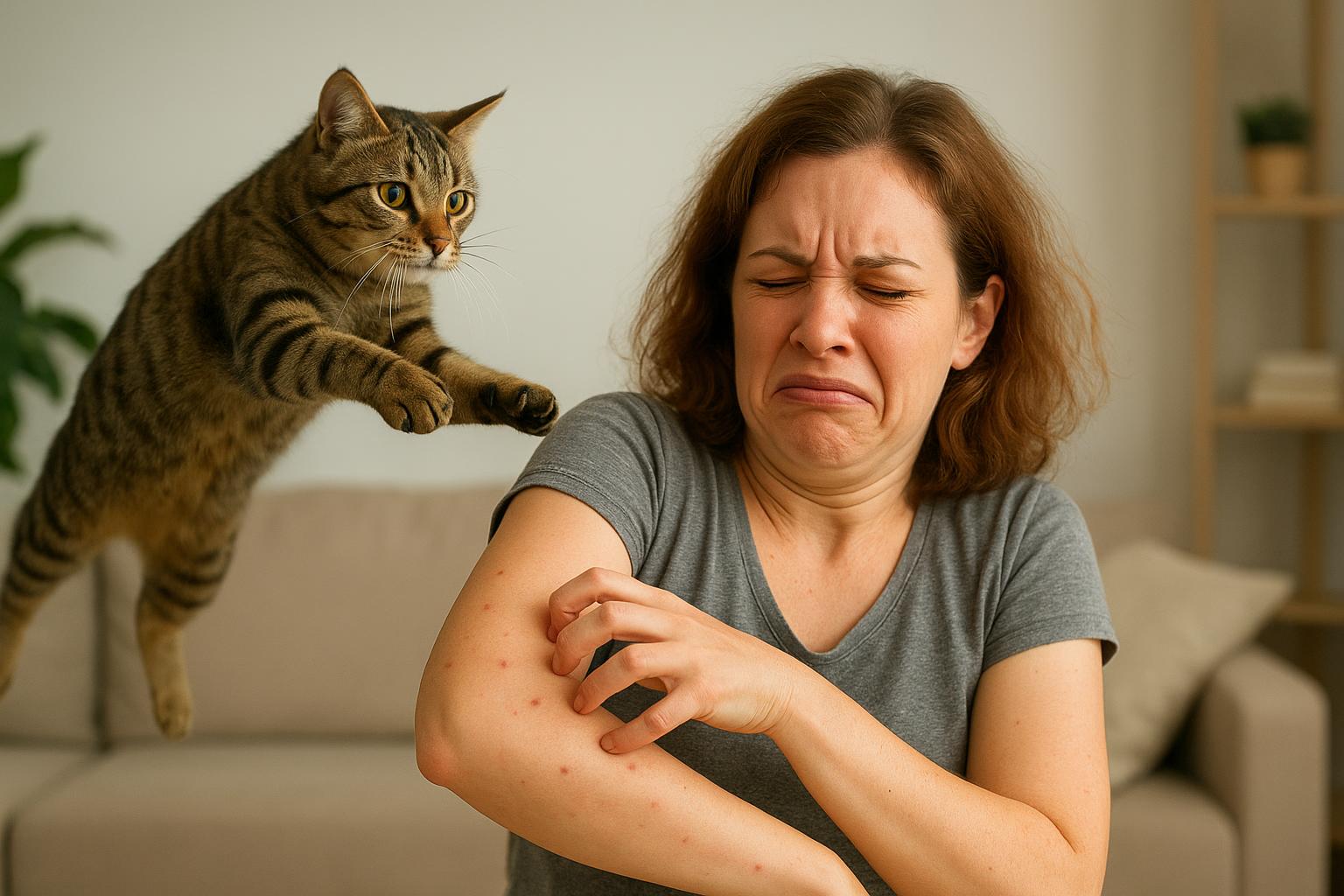
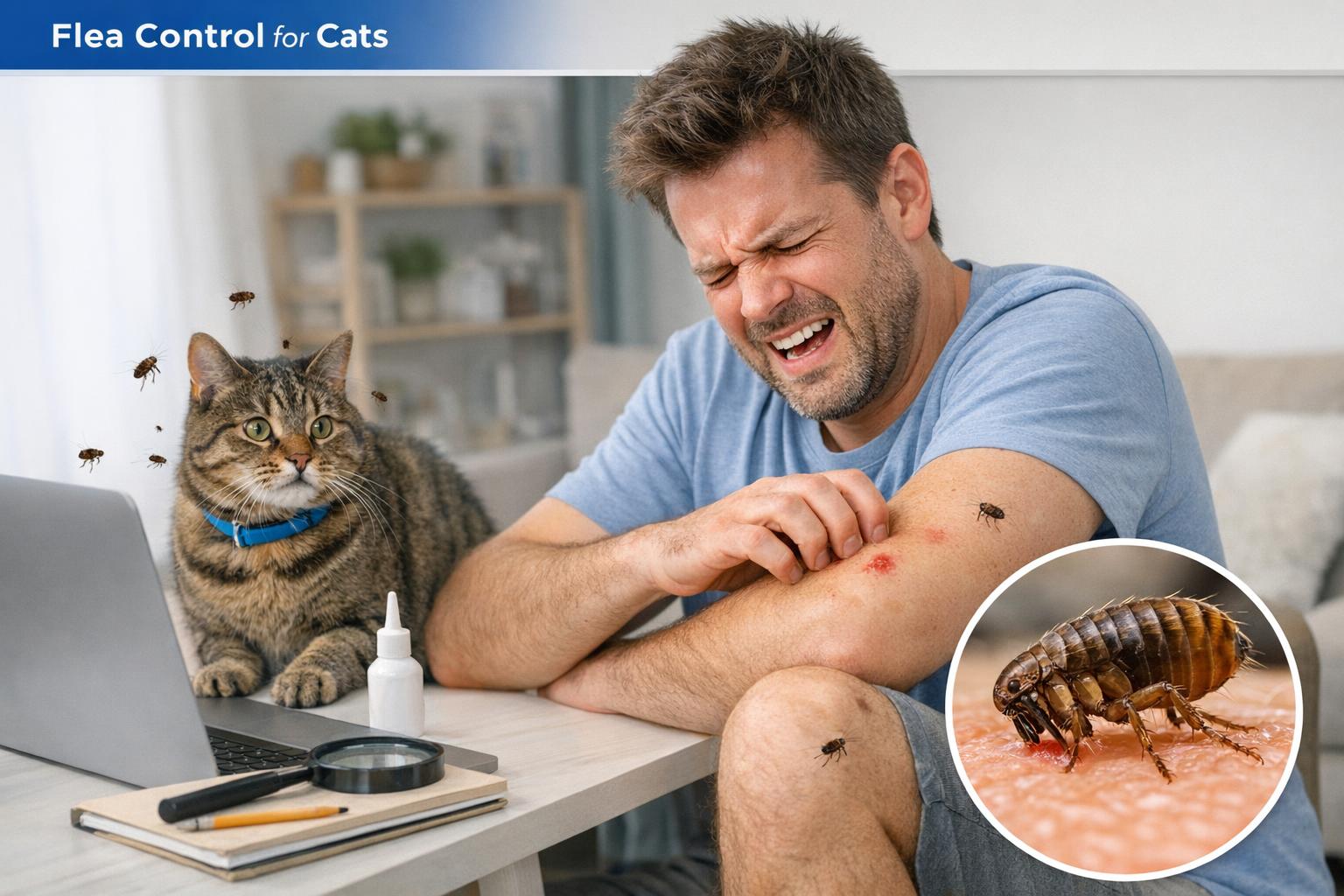
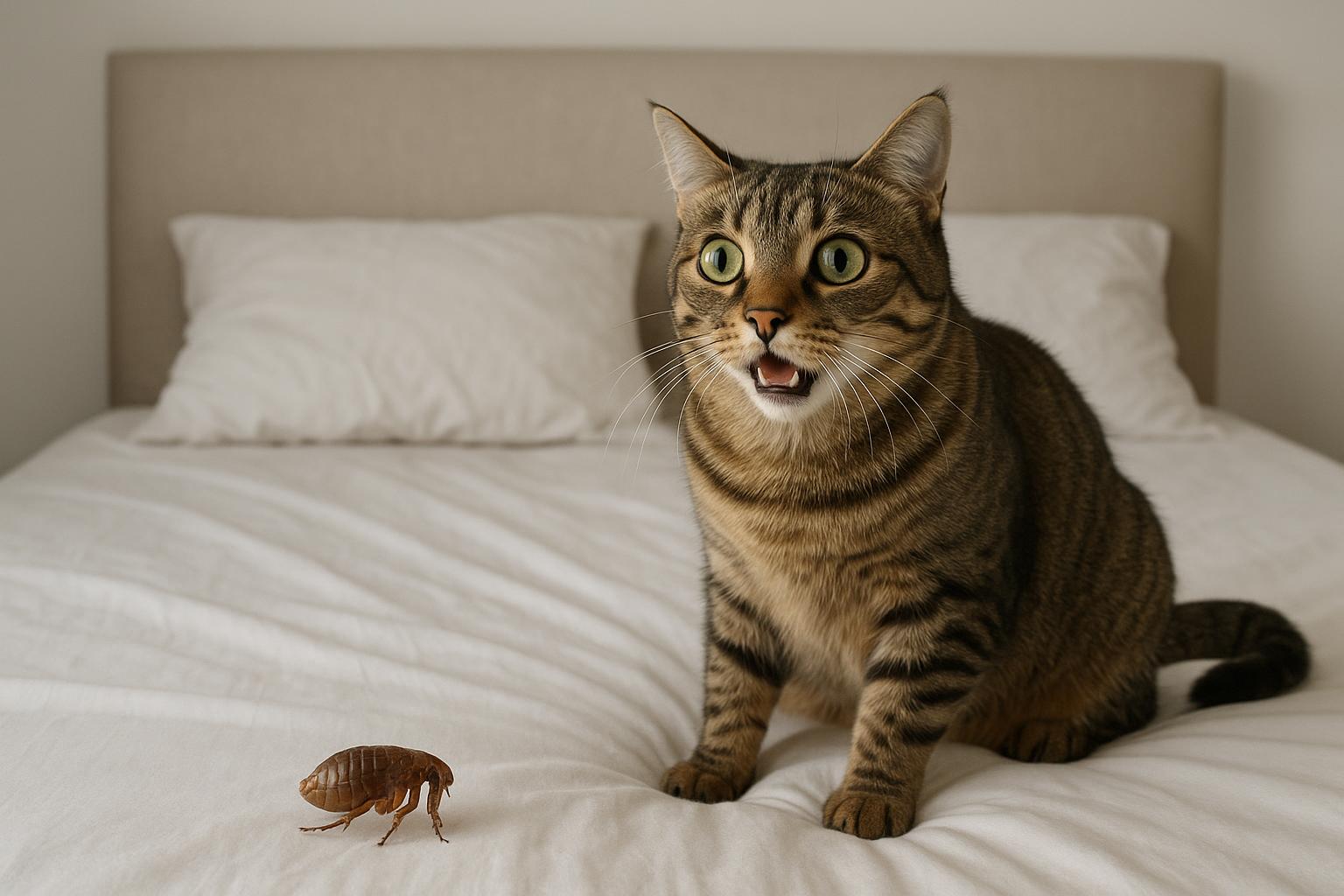
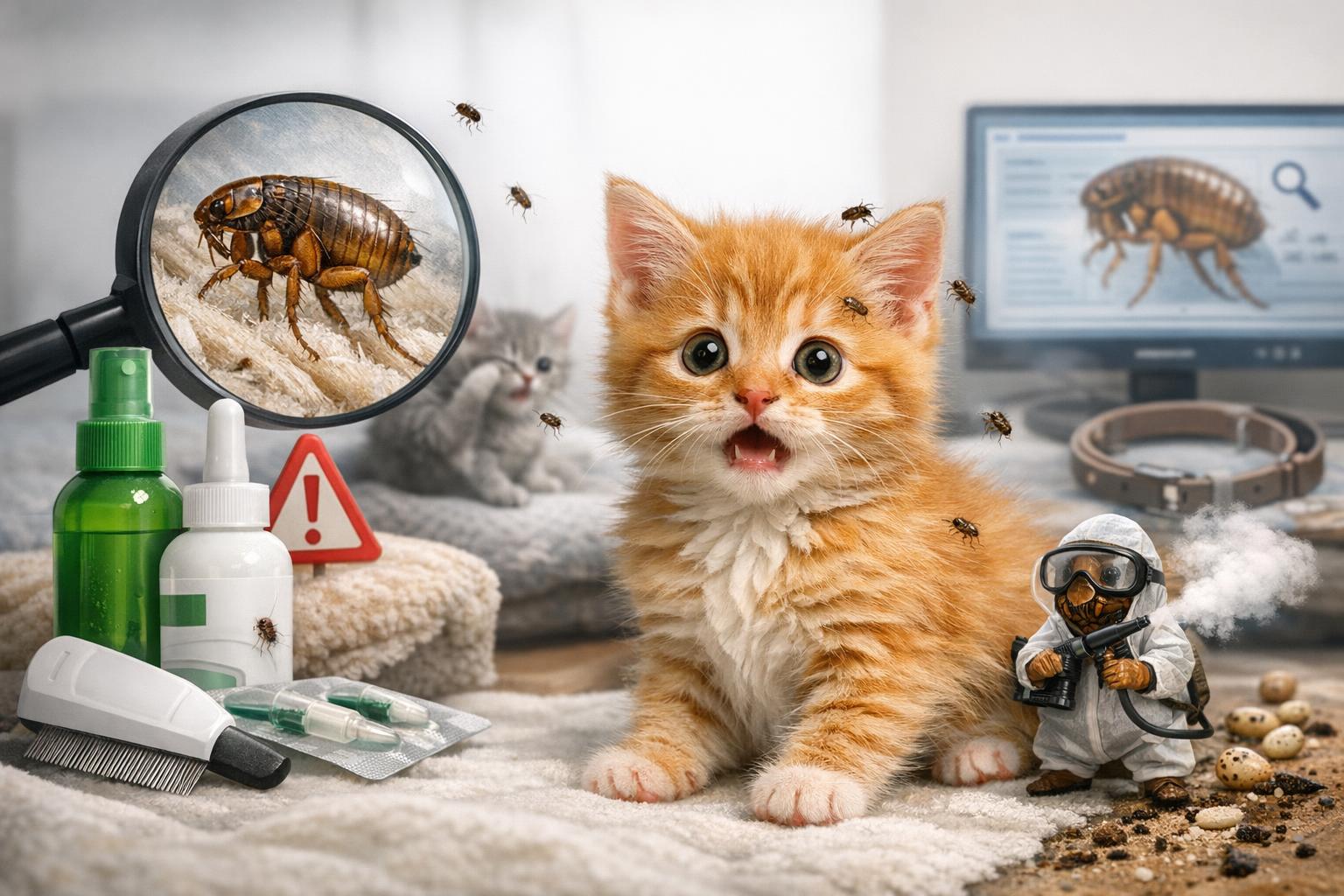
This is the article title placed away from the top, because the pattern matters before the label. Fleas aren’t just annoying. For cats they are a real health risk. A single flea bite can trigger intense itching, open skin from scratching, and secondary infections. Some cats get anemia when fleas suck enough blood. Others develop flea allergy dermatitis, where the immune reaction to one flea bite causes days of agony. And then there’s tapeworms—fleas are intermediate hosts—so if your cat grooms and eats a flea, that’s another veterinary road trip.
#### Where The Gateway Starts In The Yard
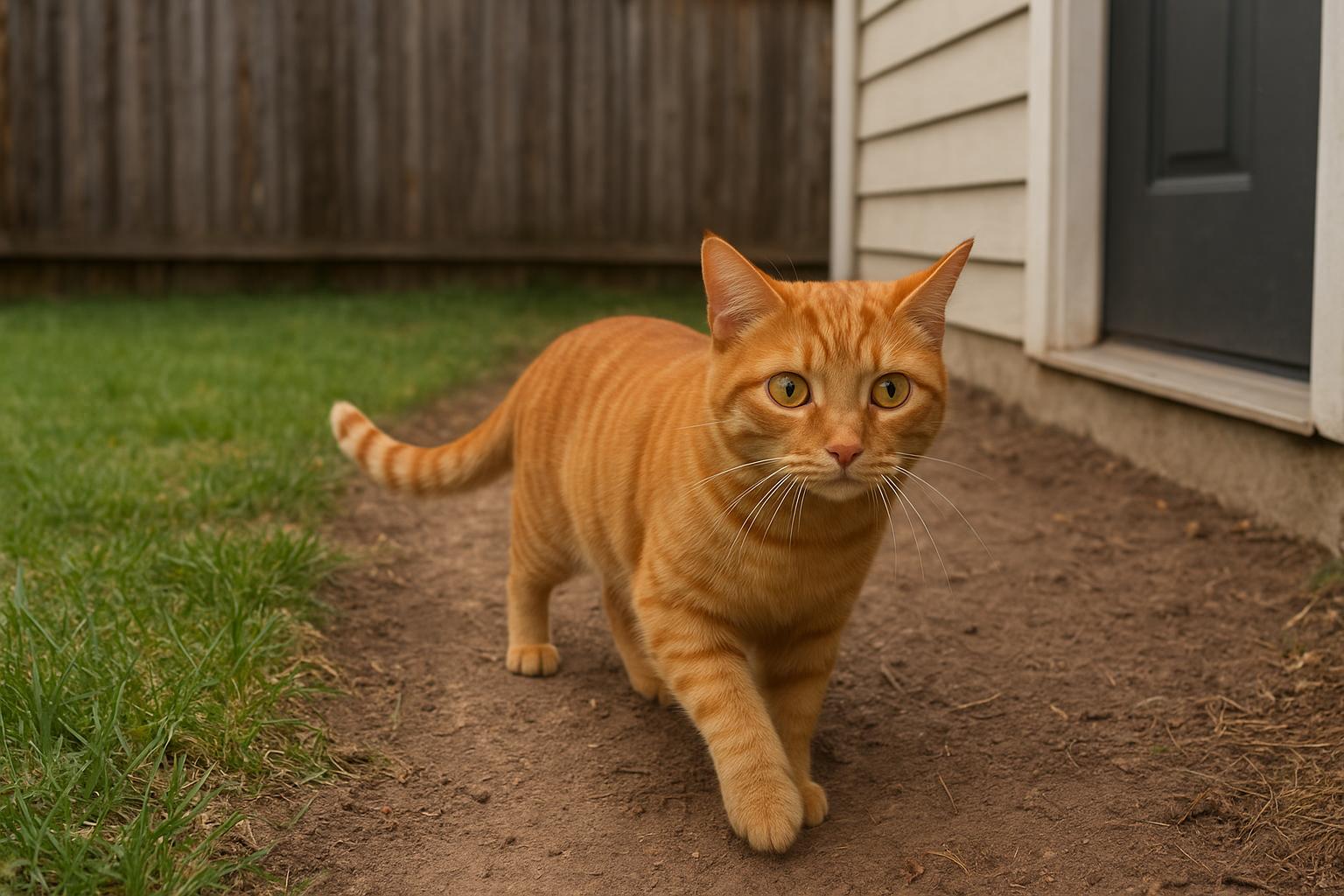
The yard flea entry points are predictable. Look for shaded, humid spots with organic debris: under shrubs, along fence lines, near bird feeders, beneath stacked wood. Flea eggs and larvae hide where sunlight and dryness can’t reach them. Adult fleas wait on tall grass edges or on low animals that pass through. Your cat stepping through these spots becomes the vehicle.
Fleas need three things to thrive outside: host access, humidity, and protection from direct sun. Where those three overlap you’ll find the densest flea population. Treat the yard like it’s part of the home’s infestation control plan. Letting those zones persist is the same as leaving a door open to a constant yard flea entry.
#### How Cats Transport Fleas Inside
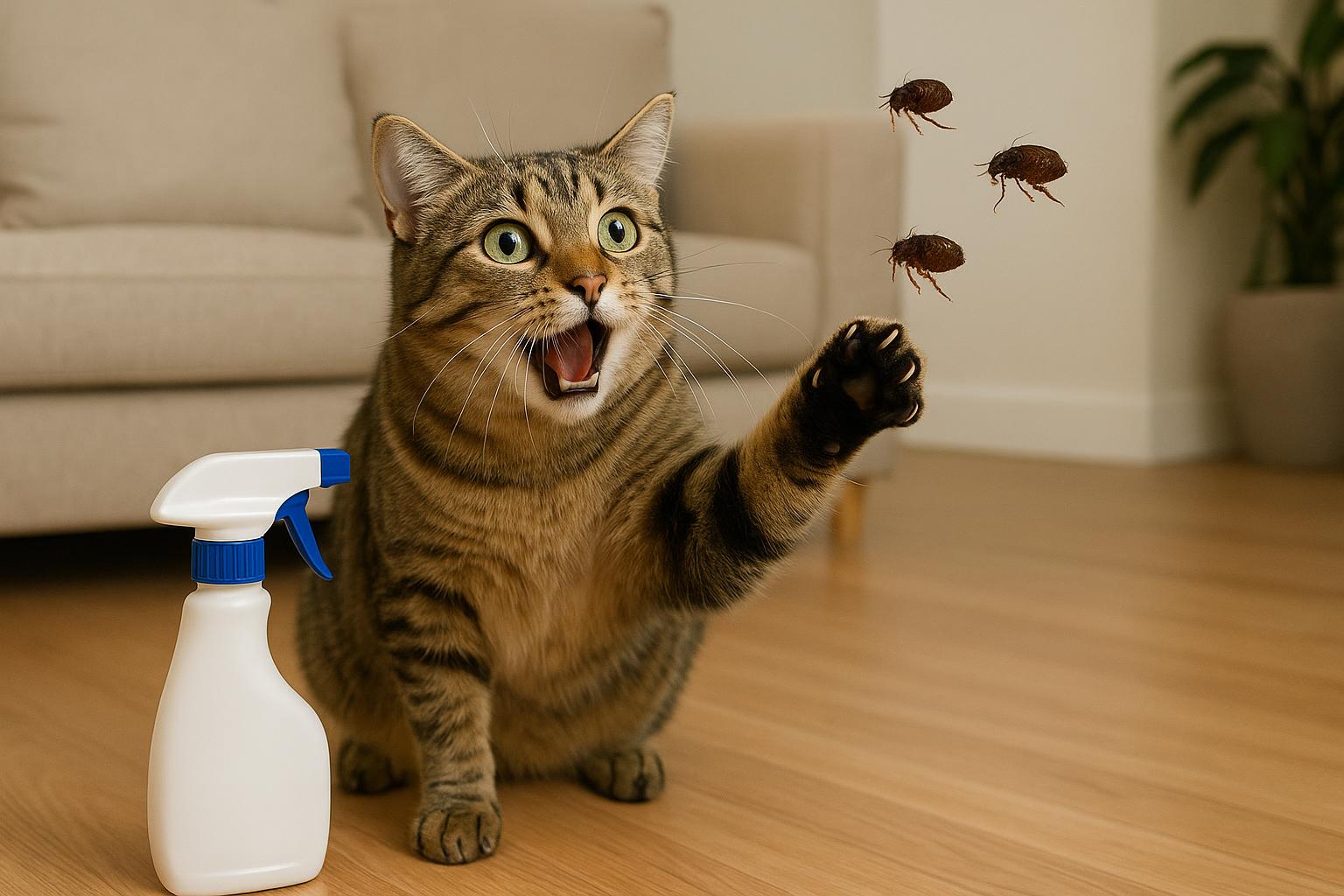
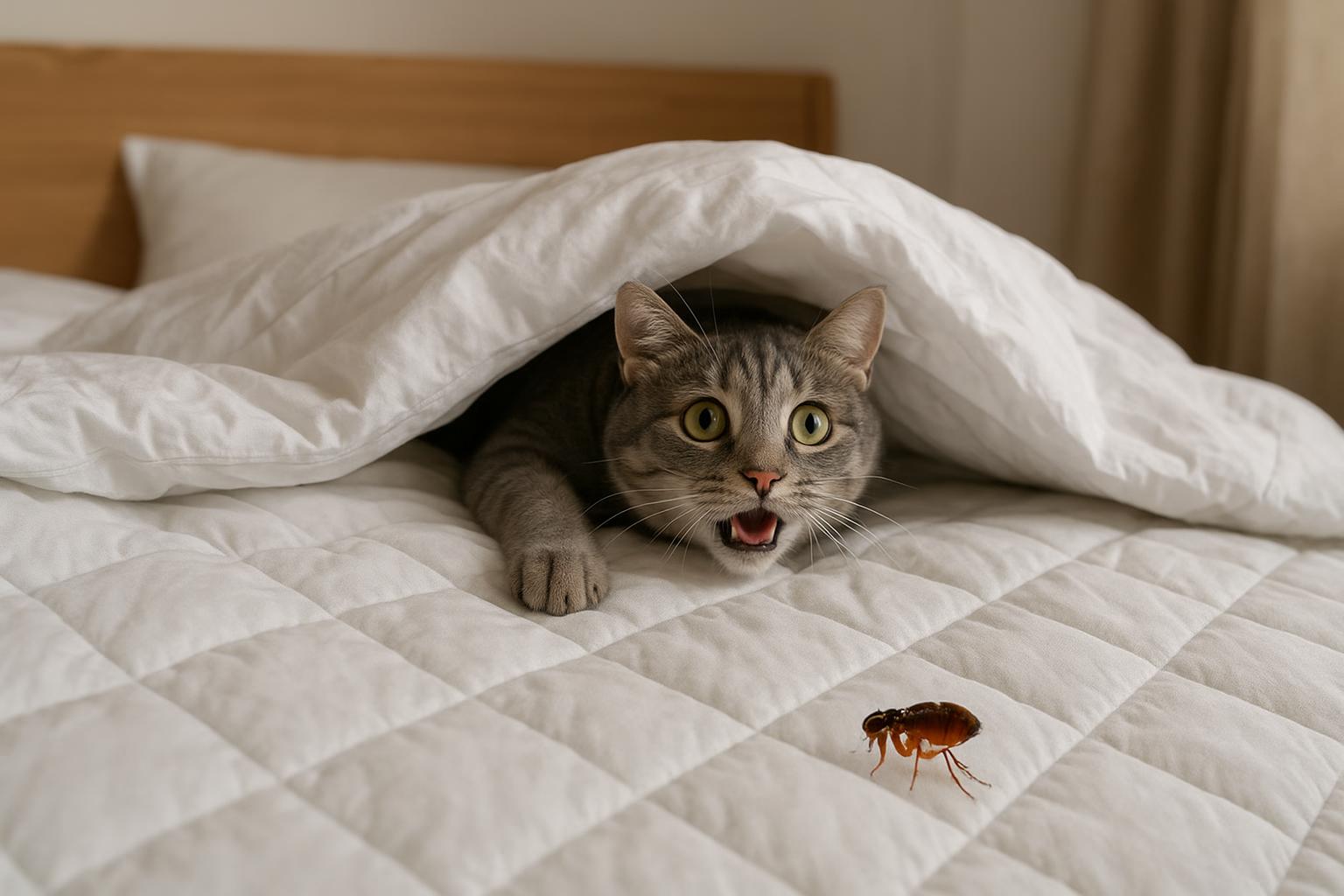
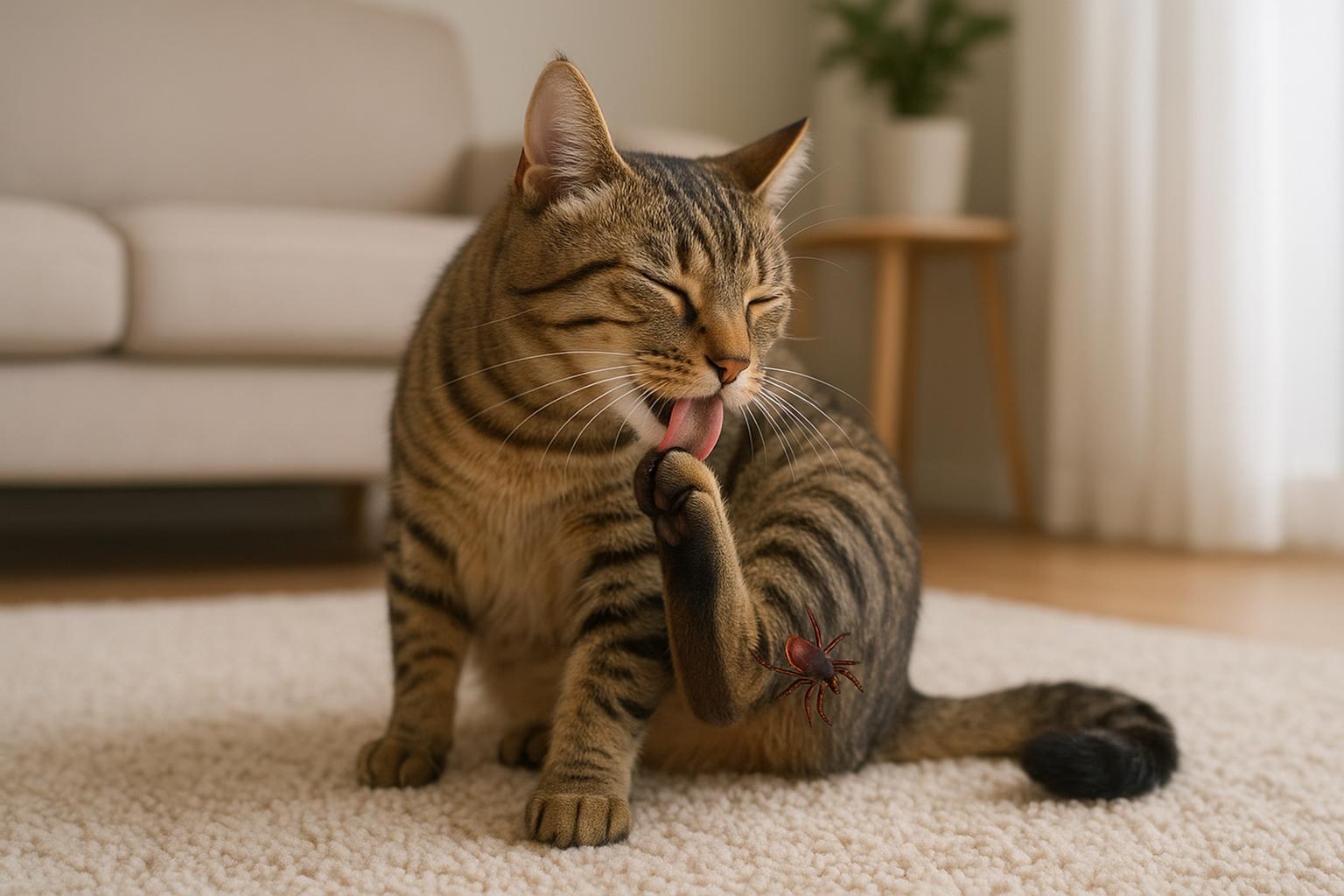
Cats groom aggressively. A flea jumping on a cat rarely stays in the same place. It moves into the coat, hides, and bites. While the majority of the flea life cycle happens off the host, adult fleas on a cat are the critical moment. Your cat returns home, lies on the rug, sleeps on the couch, and what was outside becomes inside.
It’s not just direct carriage. Fleas lay eggs quickly; eggs fall off into the environment—cracks in flooring, bedding, or the cushion seams. Those eggs hatch into larvae that feed on organic debris and adult flea droppings. In a couple of weeks, under the right conditions, new adults emerge ready to jump onto the next warm, furry host.
### Recognizing The Early Signs Of A Flea Problem
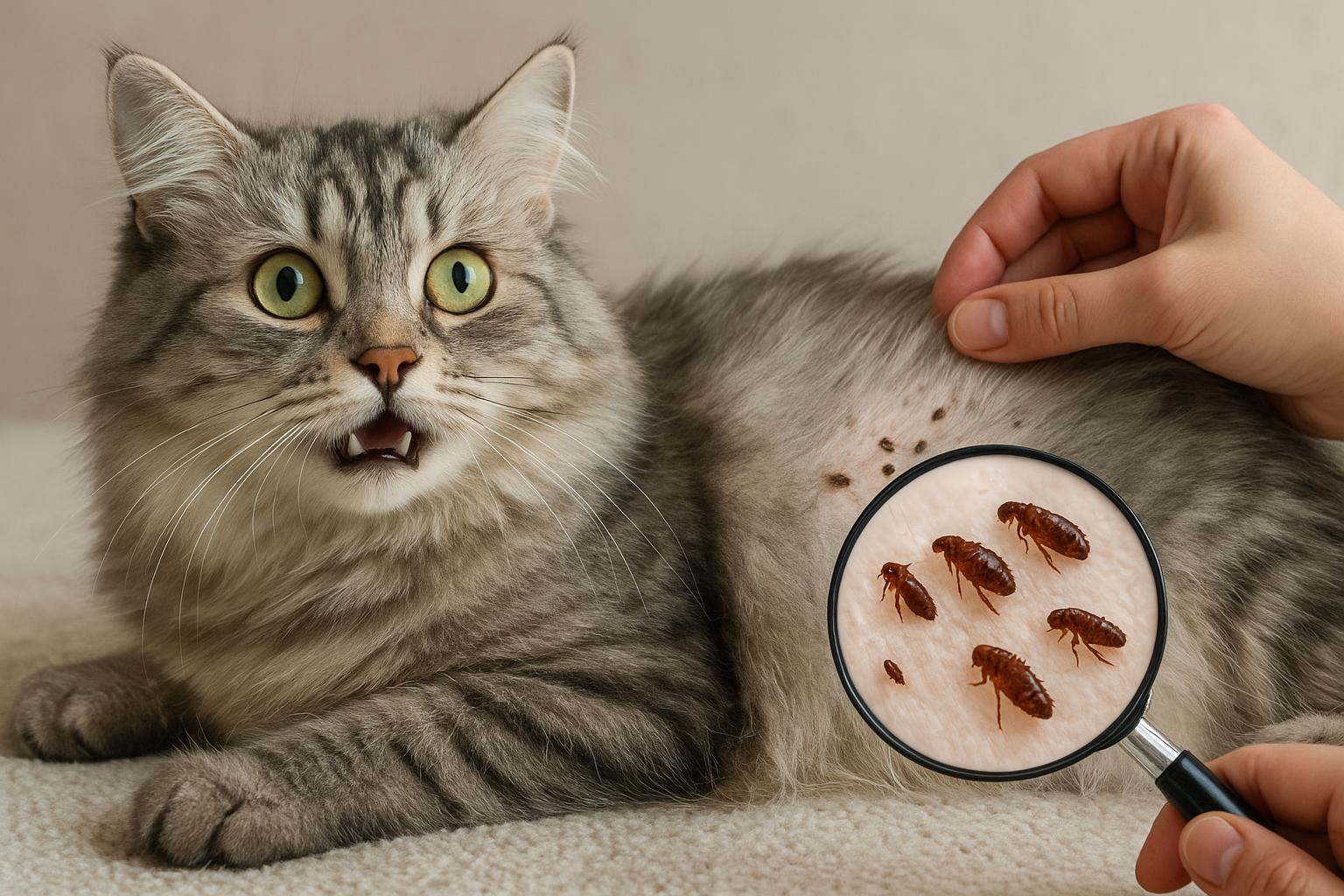
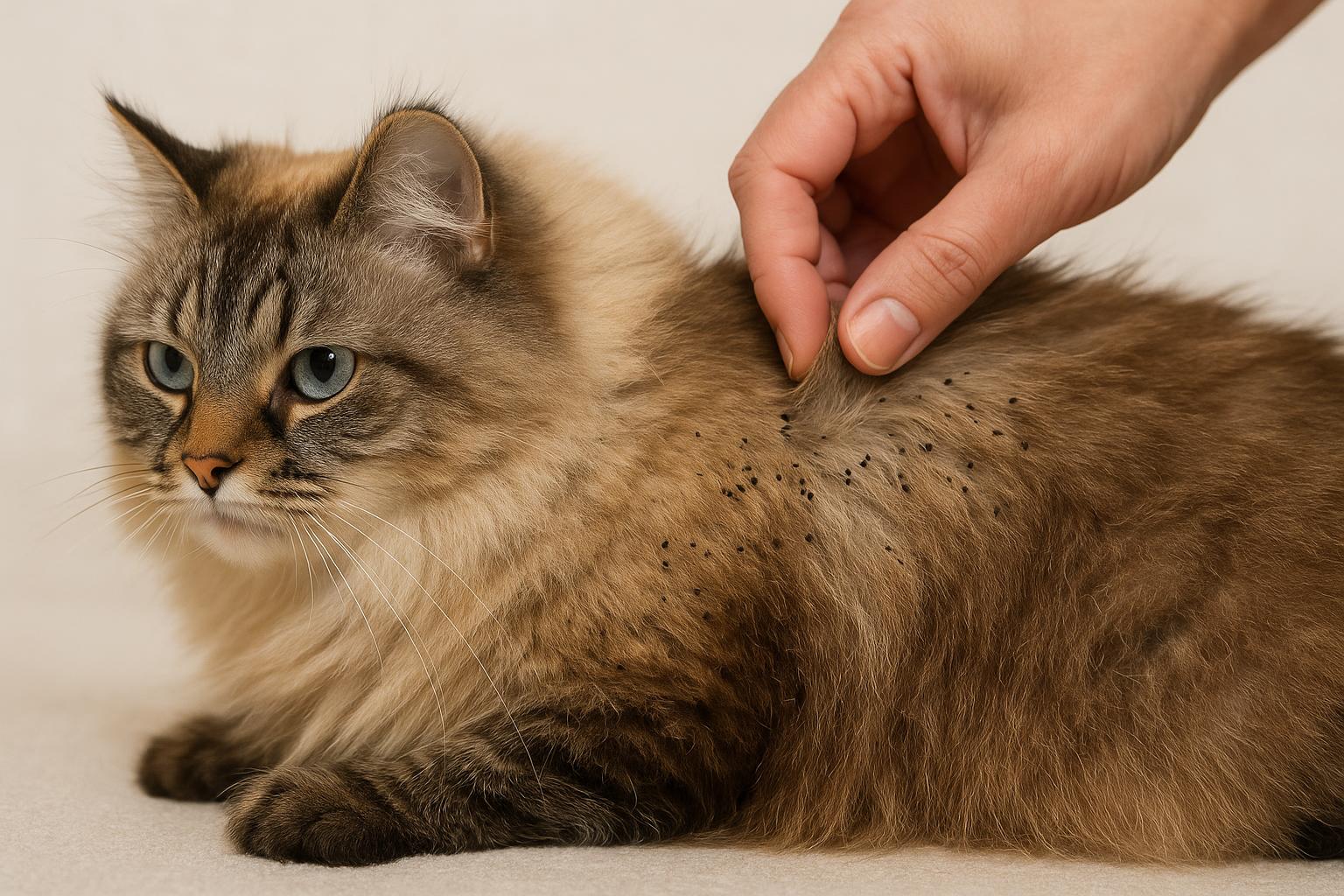
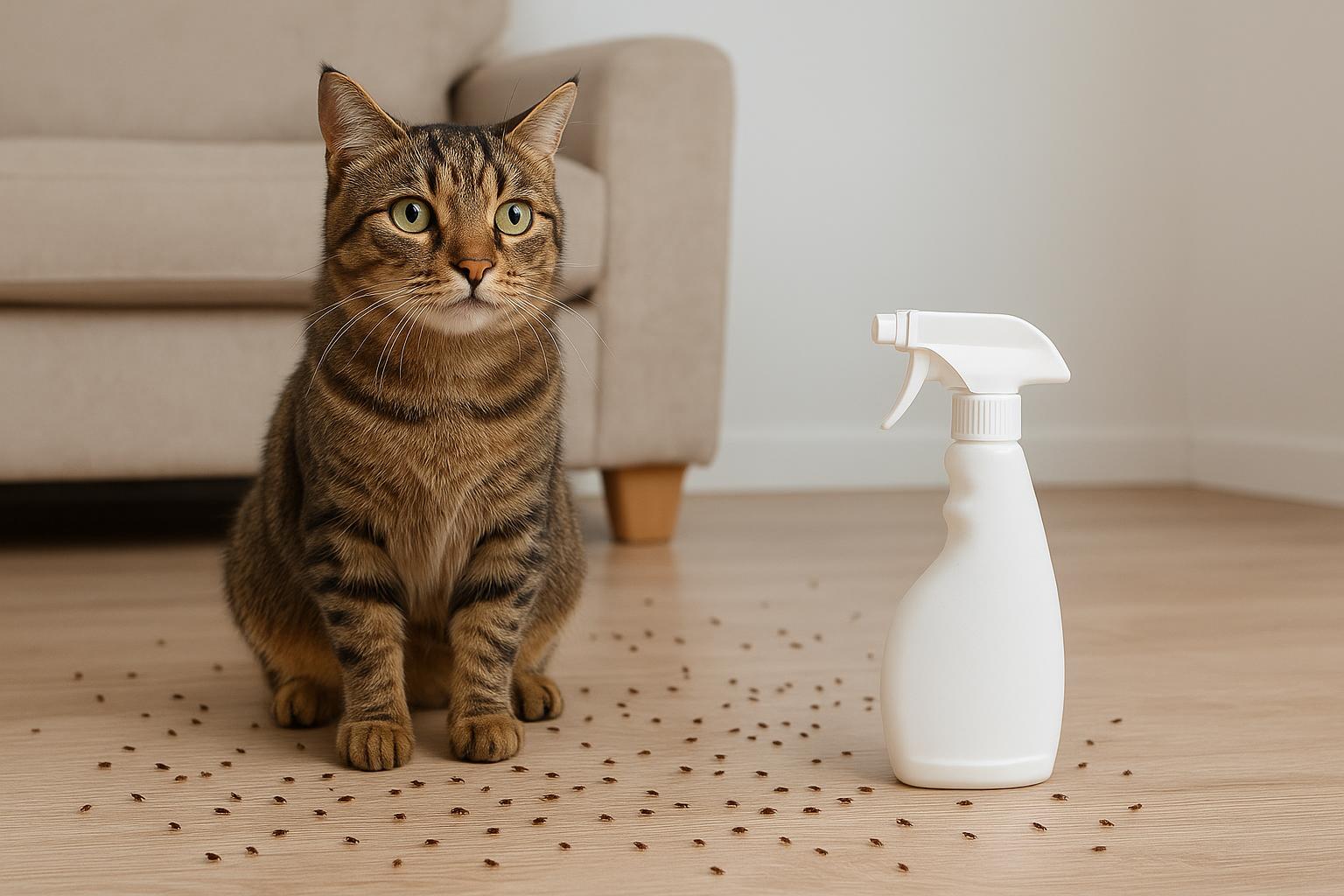
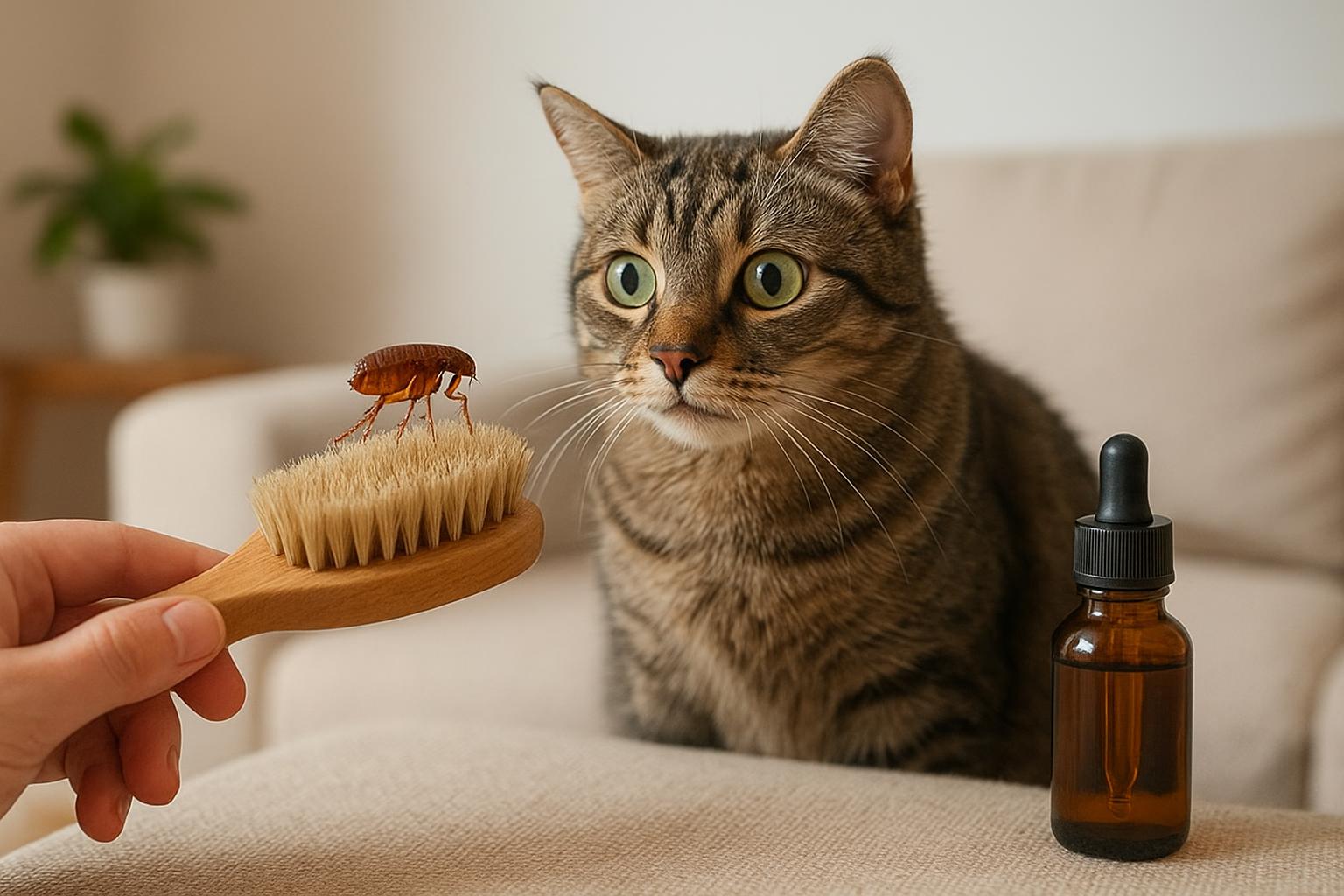
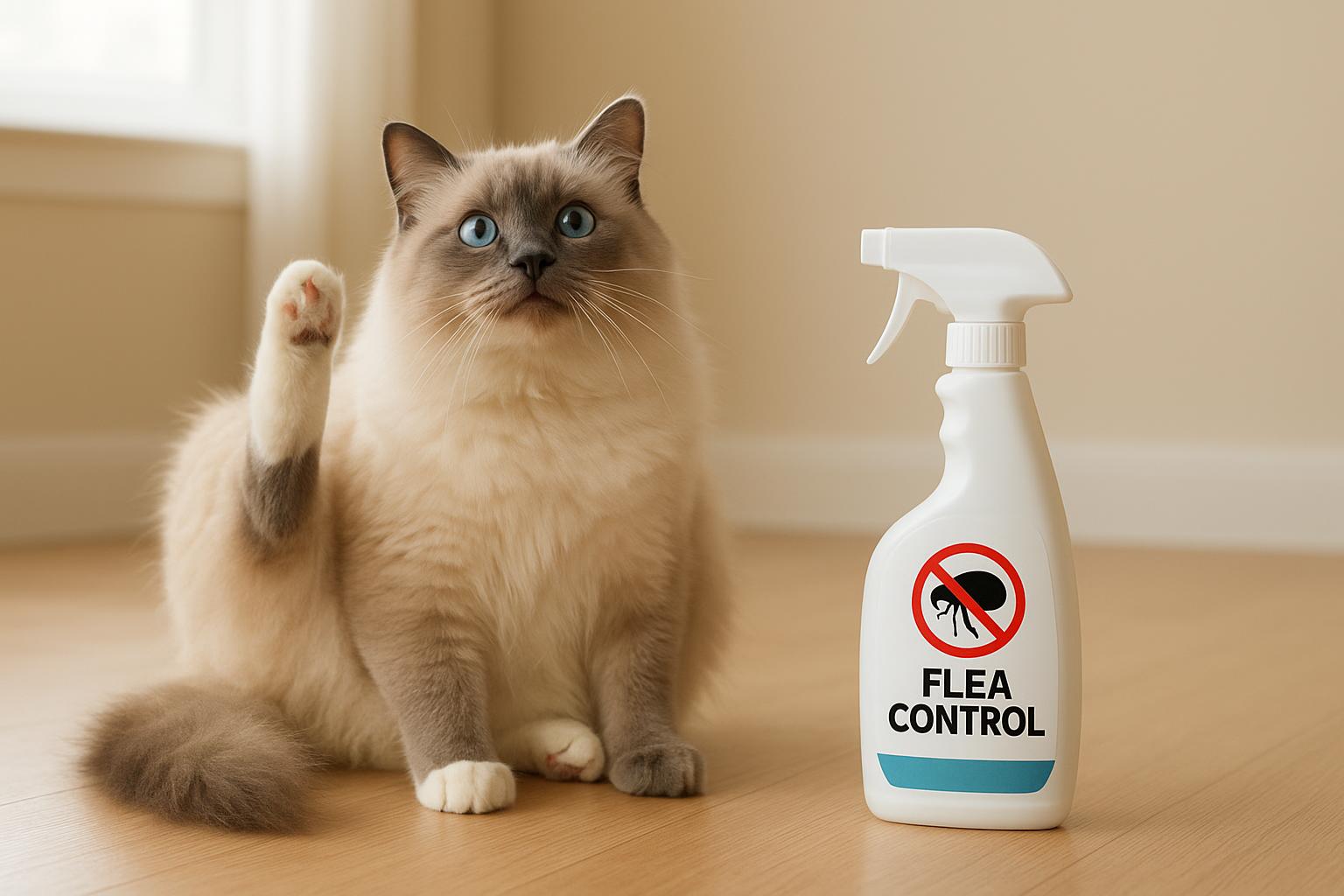
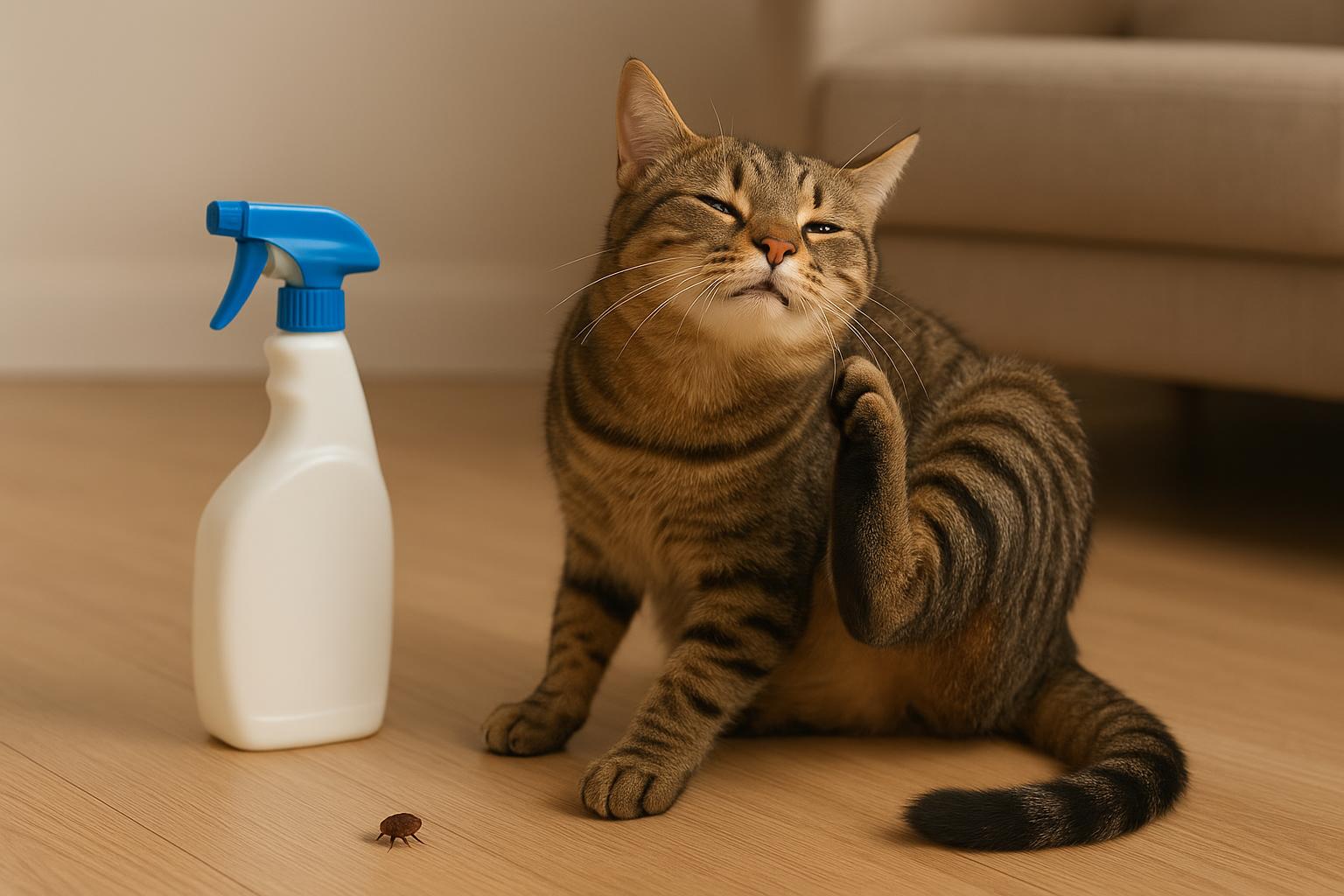
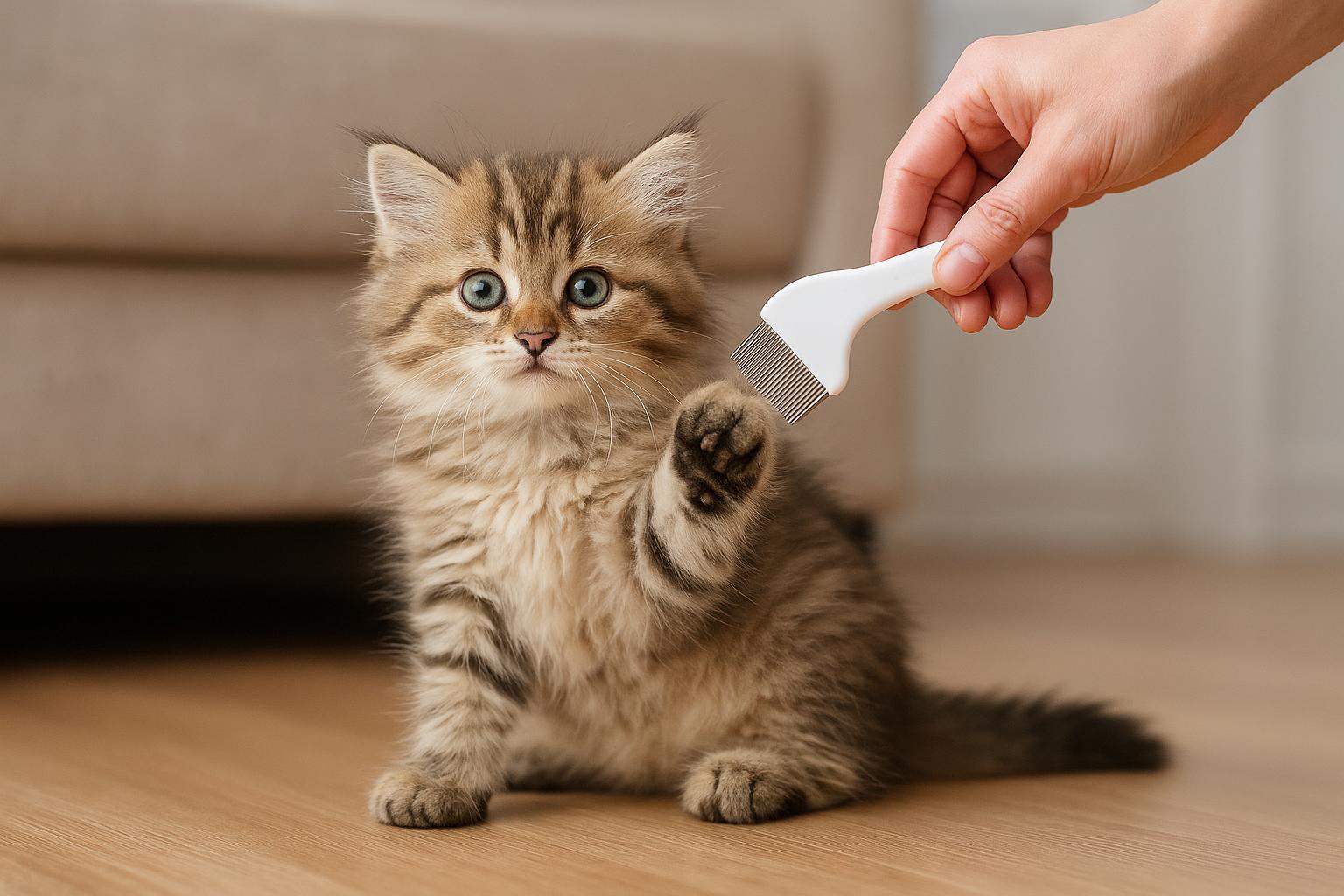
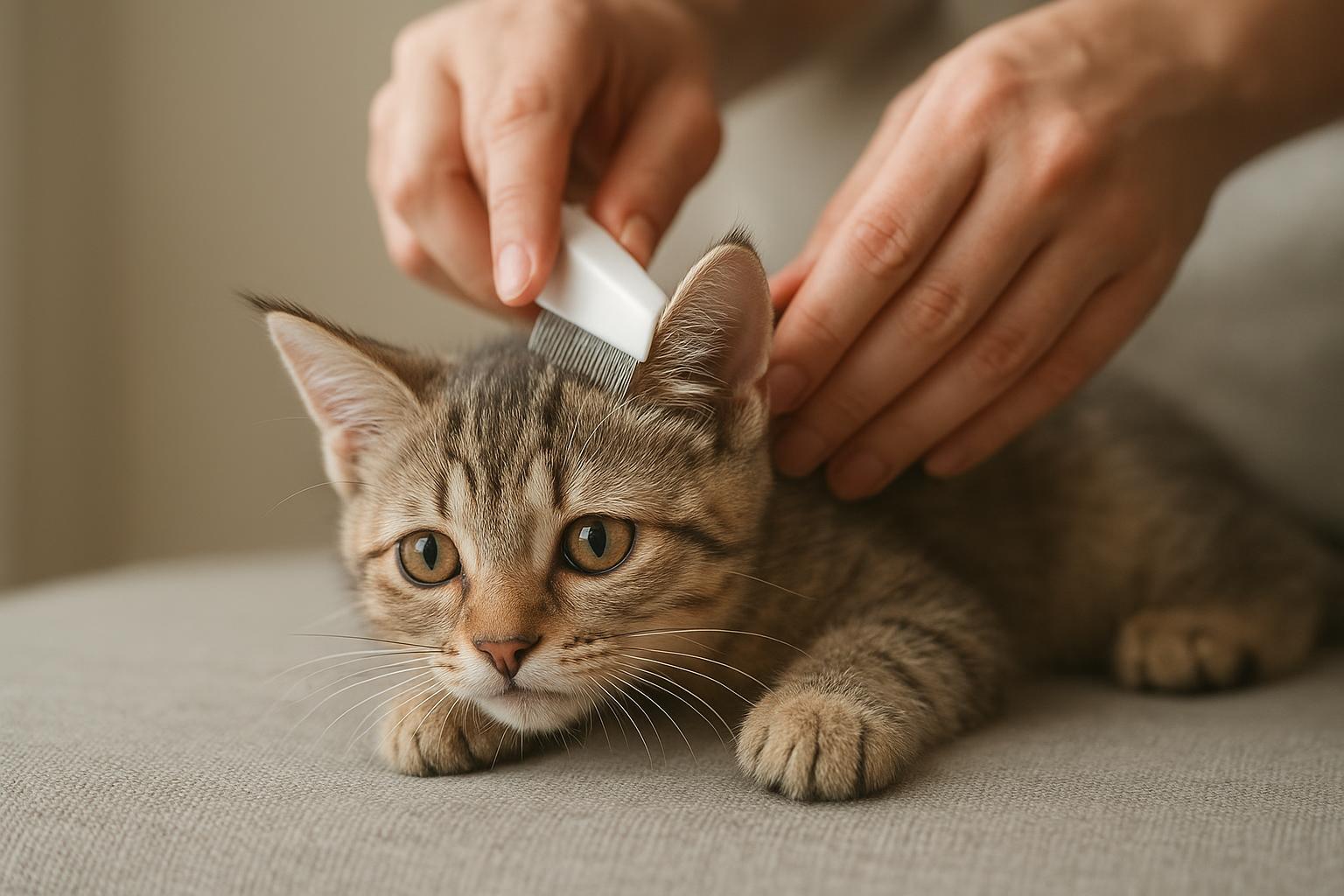
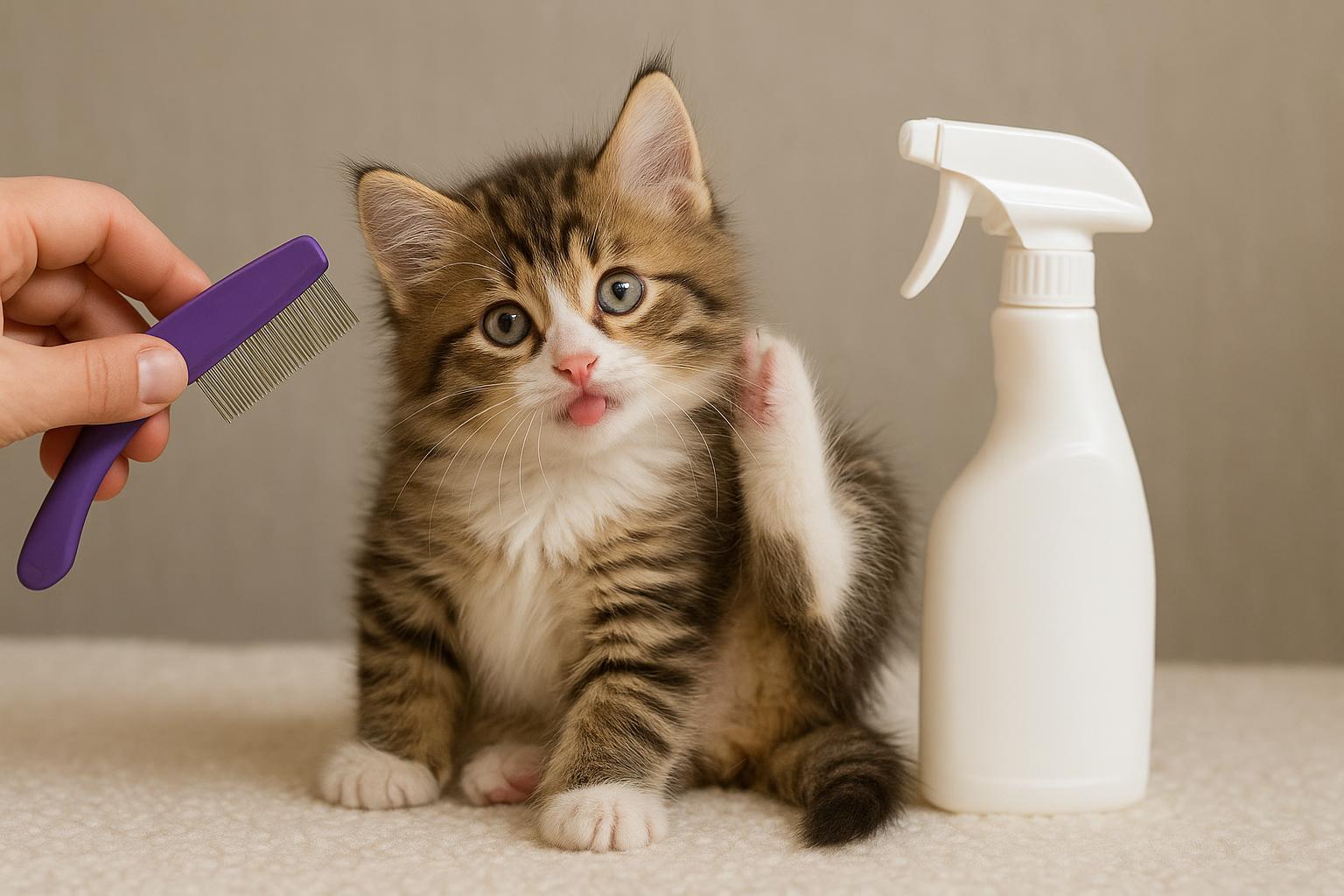
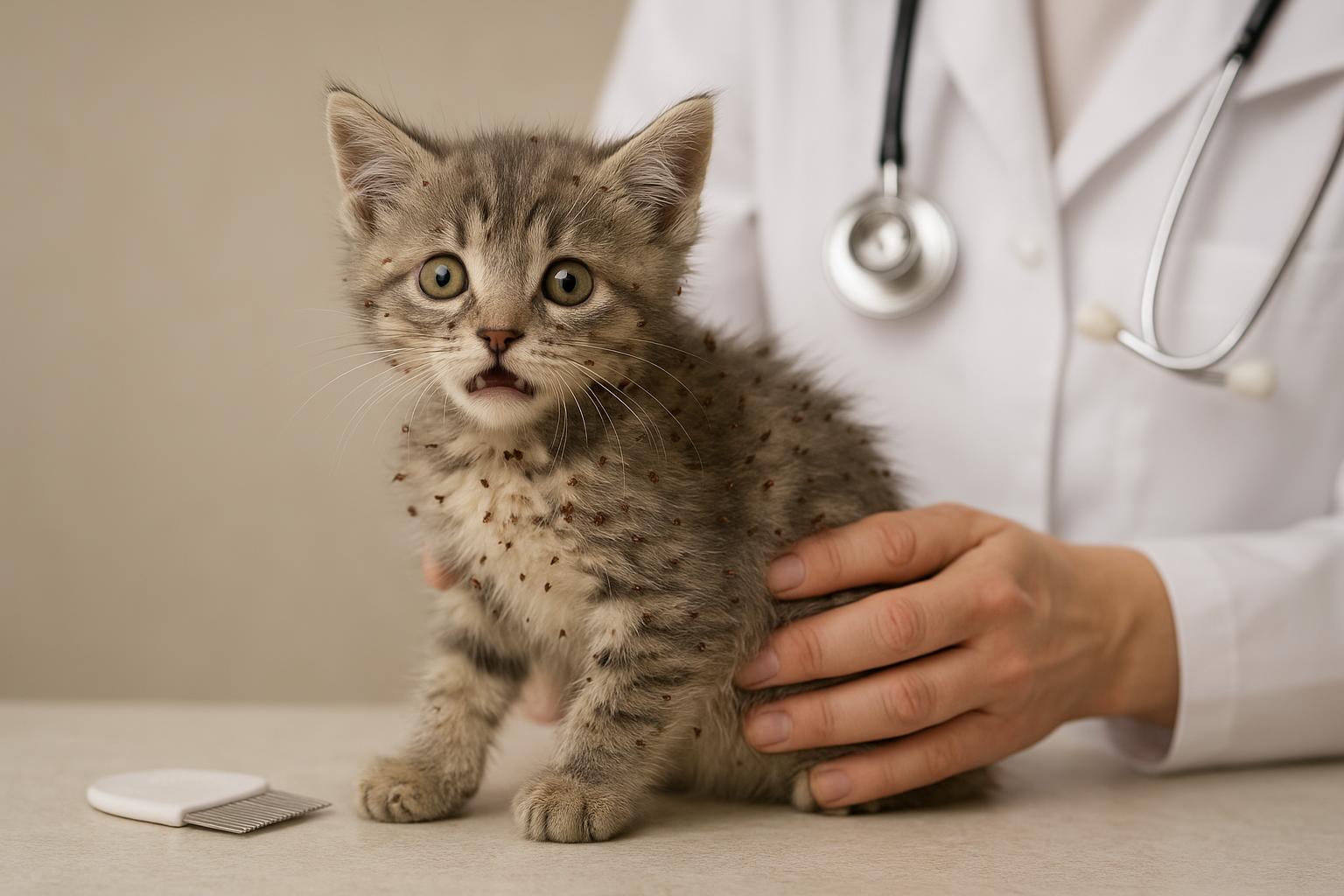
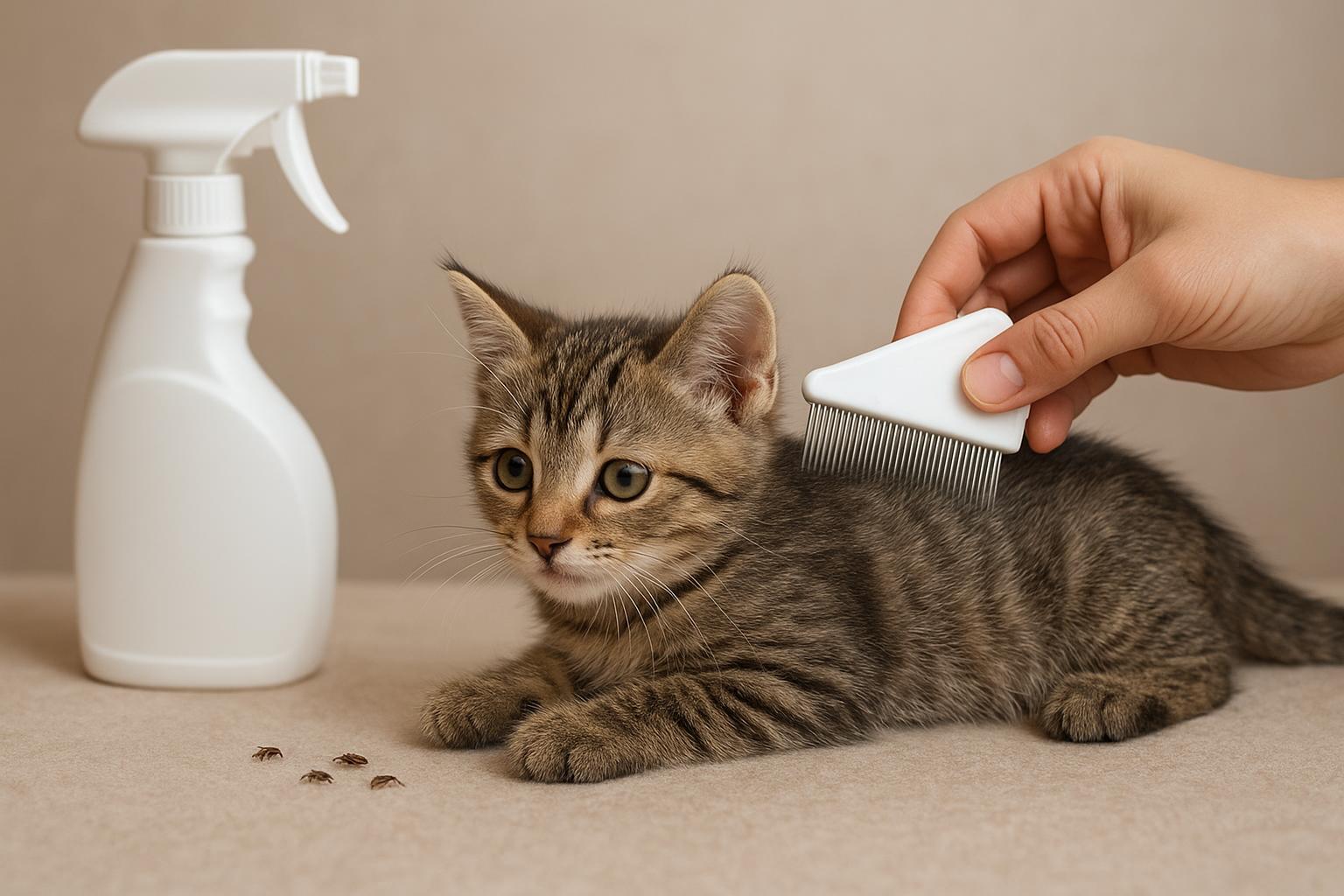
You don’t need to wait for full-on scratching to know there’s an issue. Watch for these concrete signs: frequent grooming, small red bumps on the skin, tiny black specks that are flea feces, and sudden patchy fur loss. Check the base of the tail and around the neck first. Use a fine-tooth comb and wipe what you find on a white paper towel—if it turns reddish when dampened, it’s likely flea dirt mixed with blood.
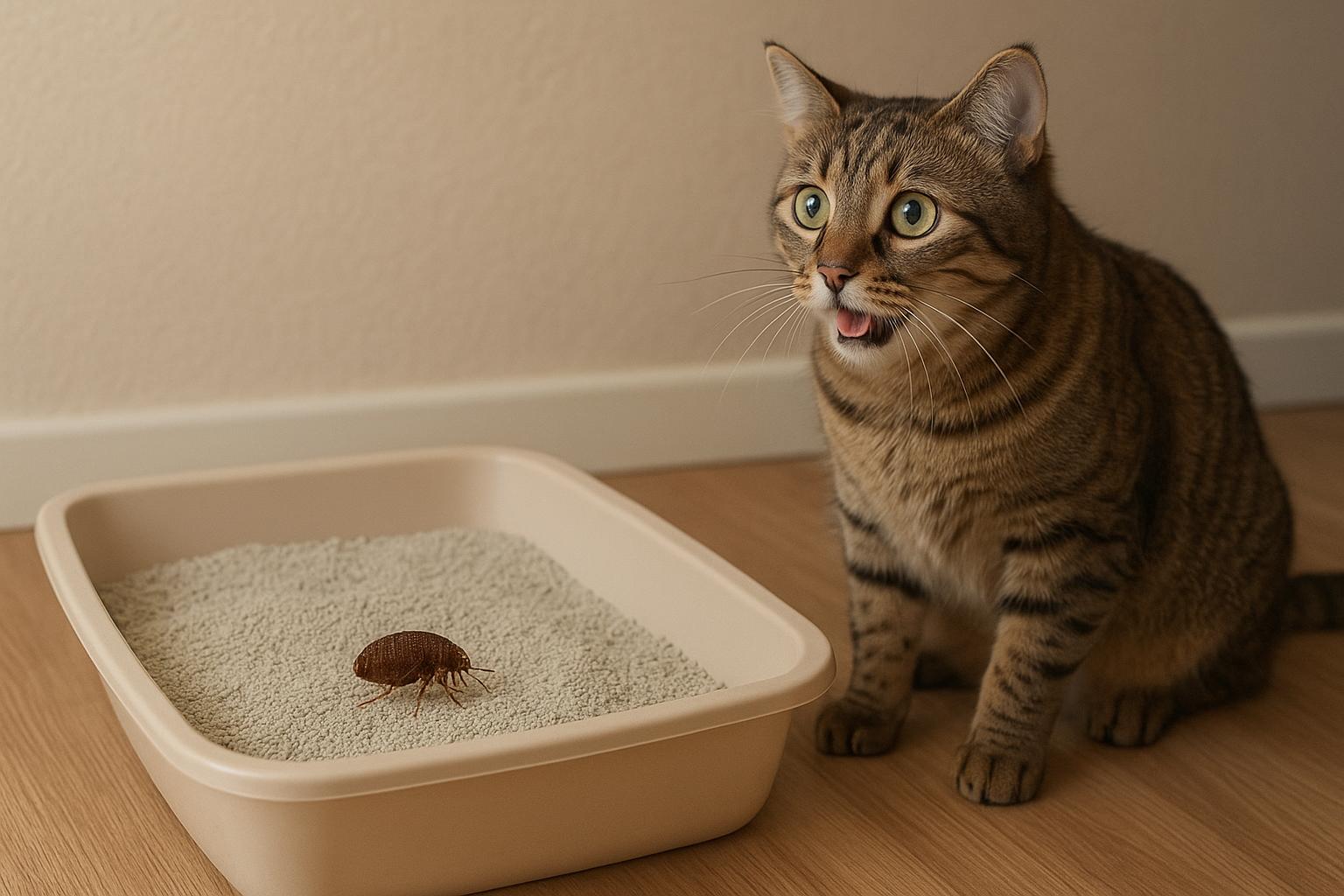
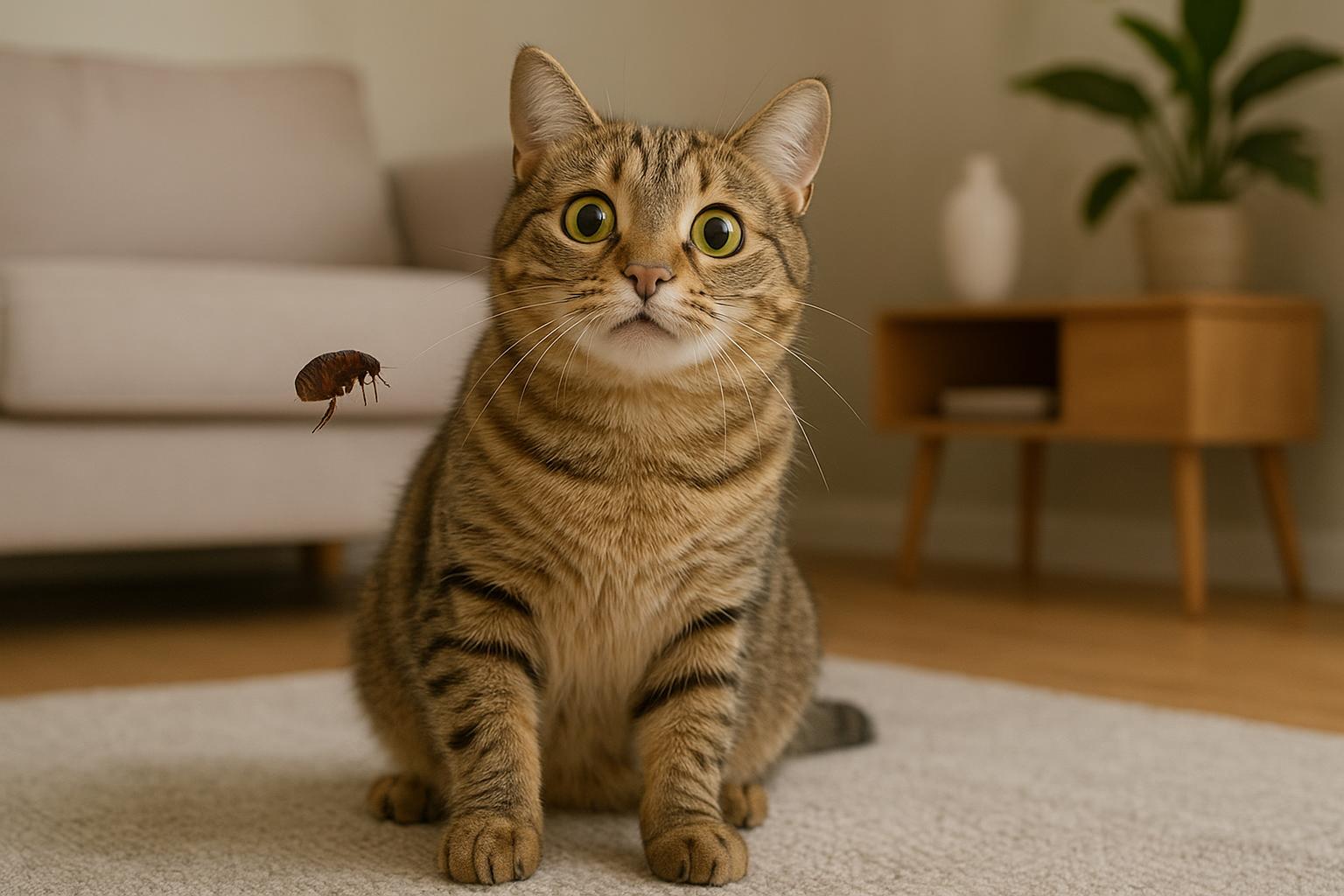
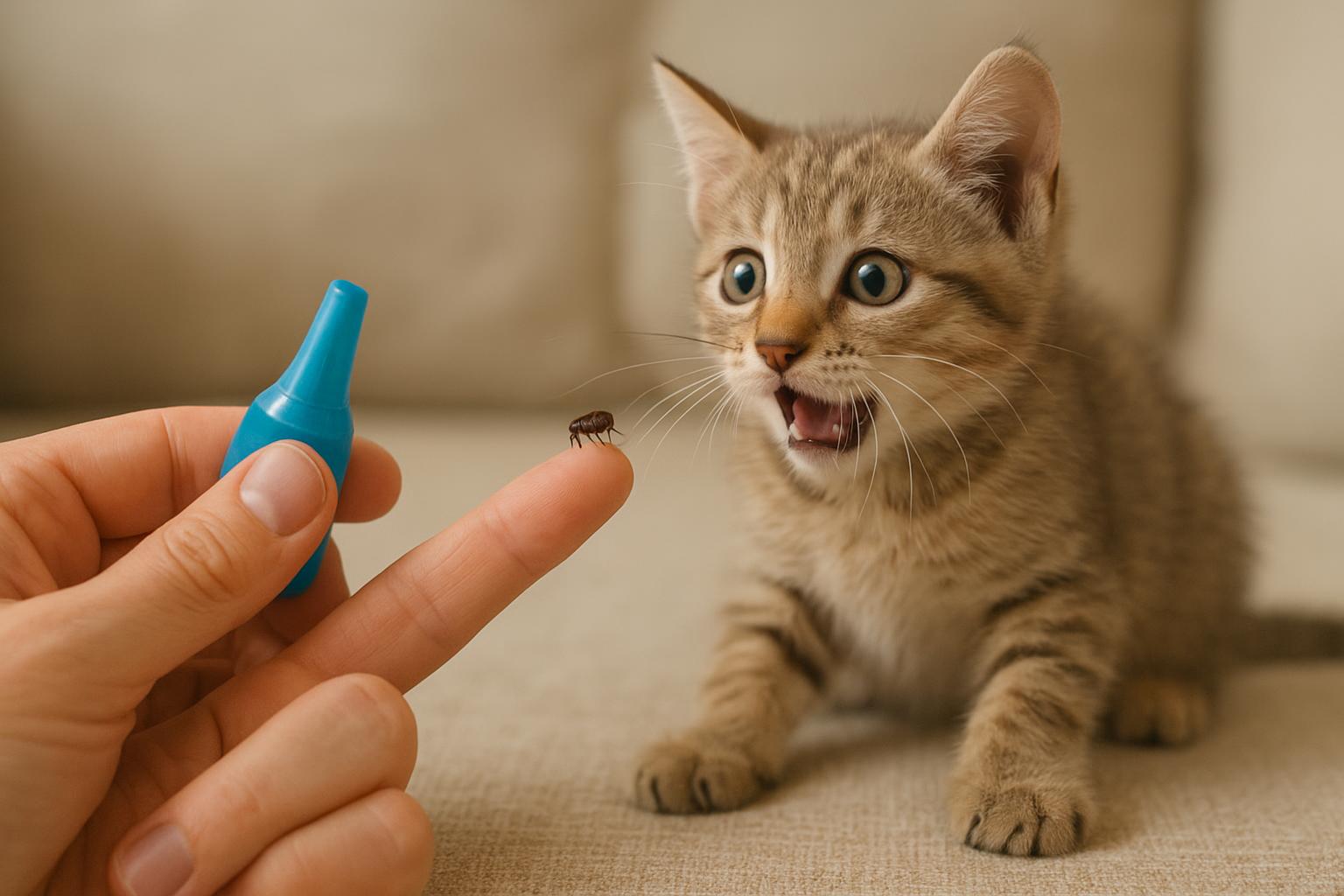
If you spot just one adult flea, don’t sigh and think it’s manageable. One adult means there are eggs and larvae probably in the environment. One bit the cat outside, got home, and the lifecycle continues. That’s the outdoor-to-home flea gateway in action.
#### Why Typical Indoor Sprays Don’t Always Work
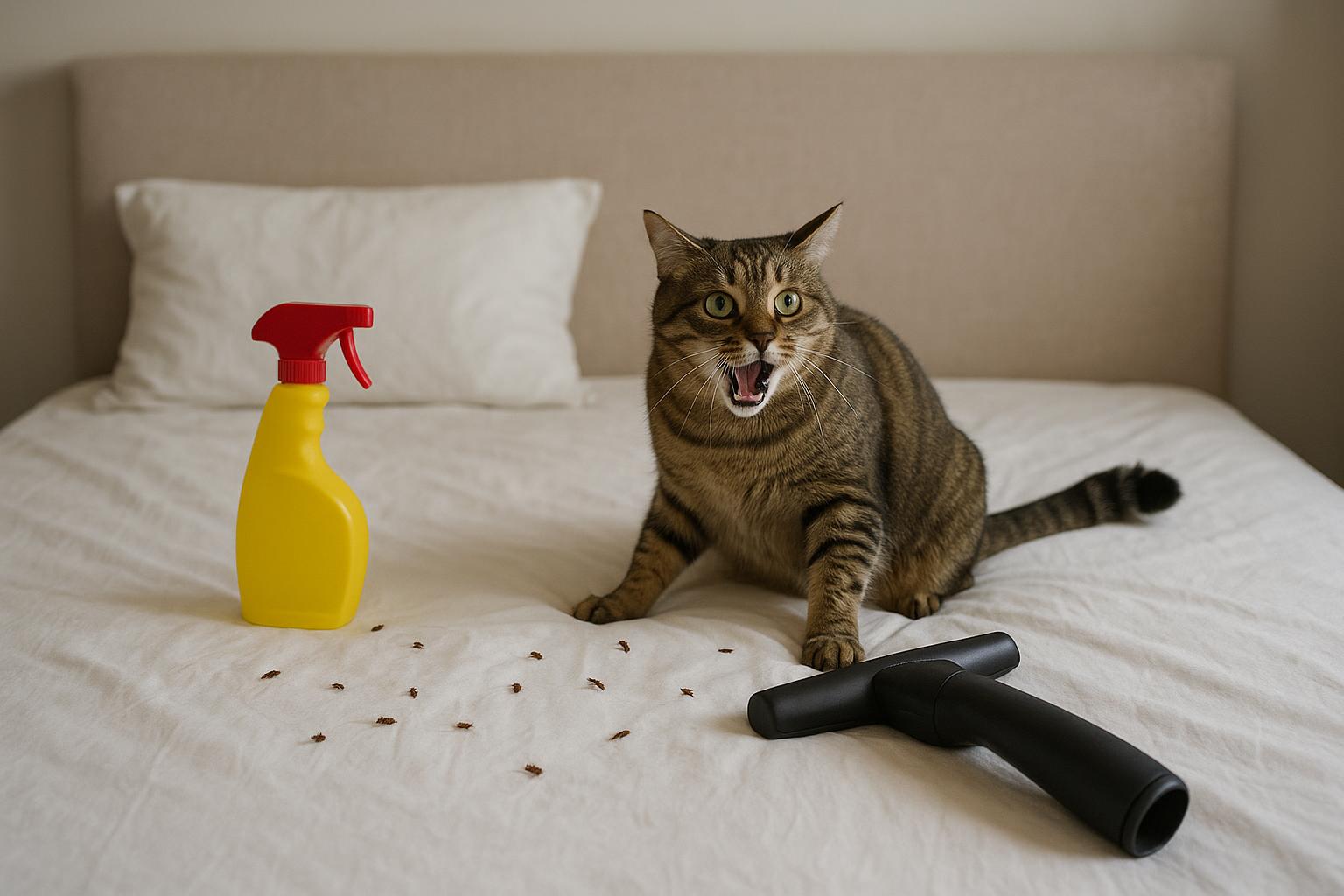
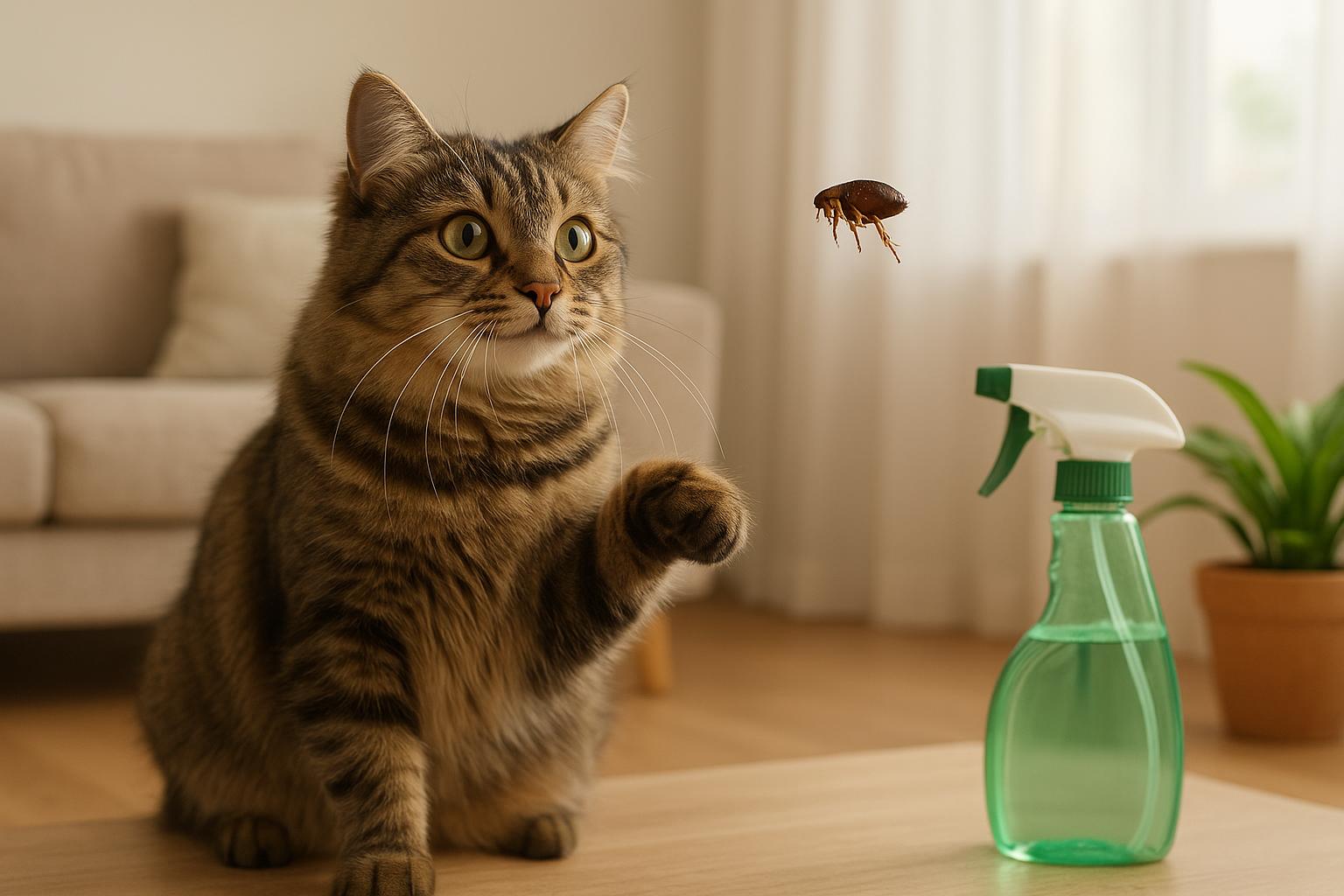
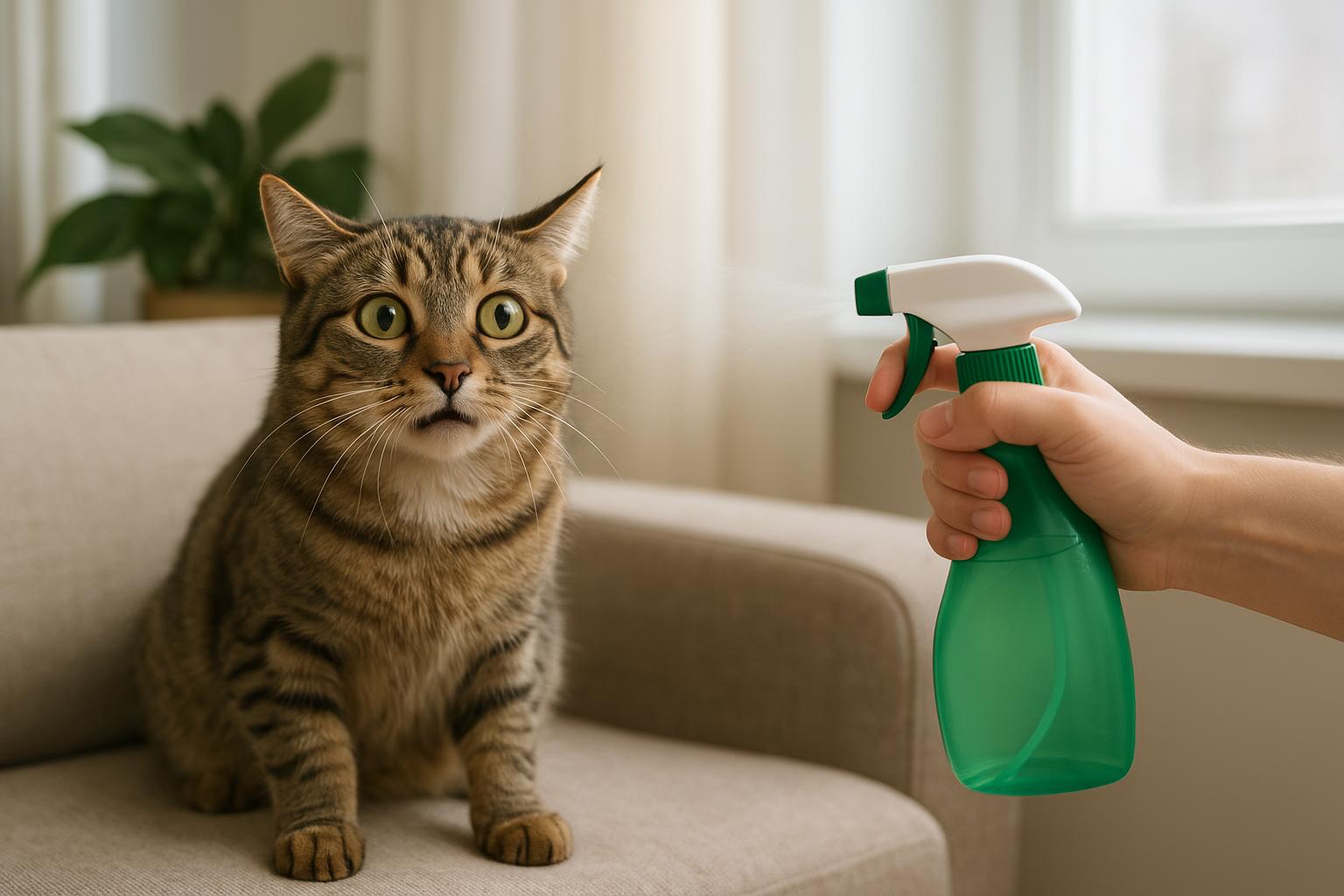
Indoor sprays can kill adults you see, but they rarely affect eggs and pupae shielded in carpet fibers, under baseboards, or tucked into upholstery seams. Those eggs and pupae often came inside through the yard flea entry and can wait weeks before hatching. If you only treat the visible adults and don’t address the environment, you’re fighting the same battle over and over.
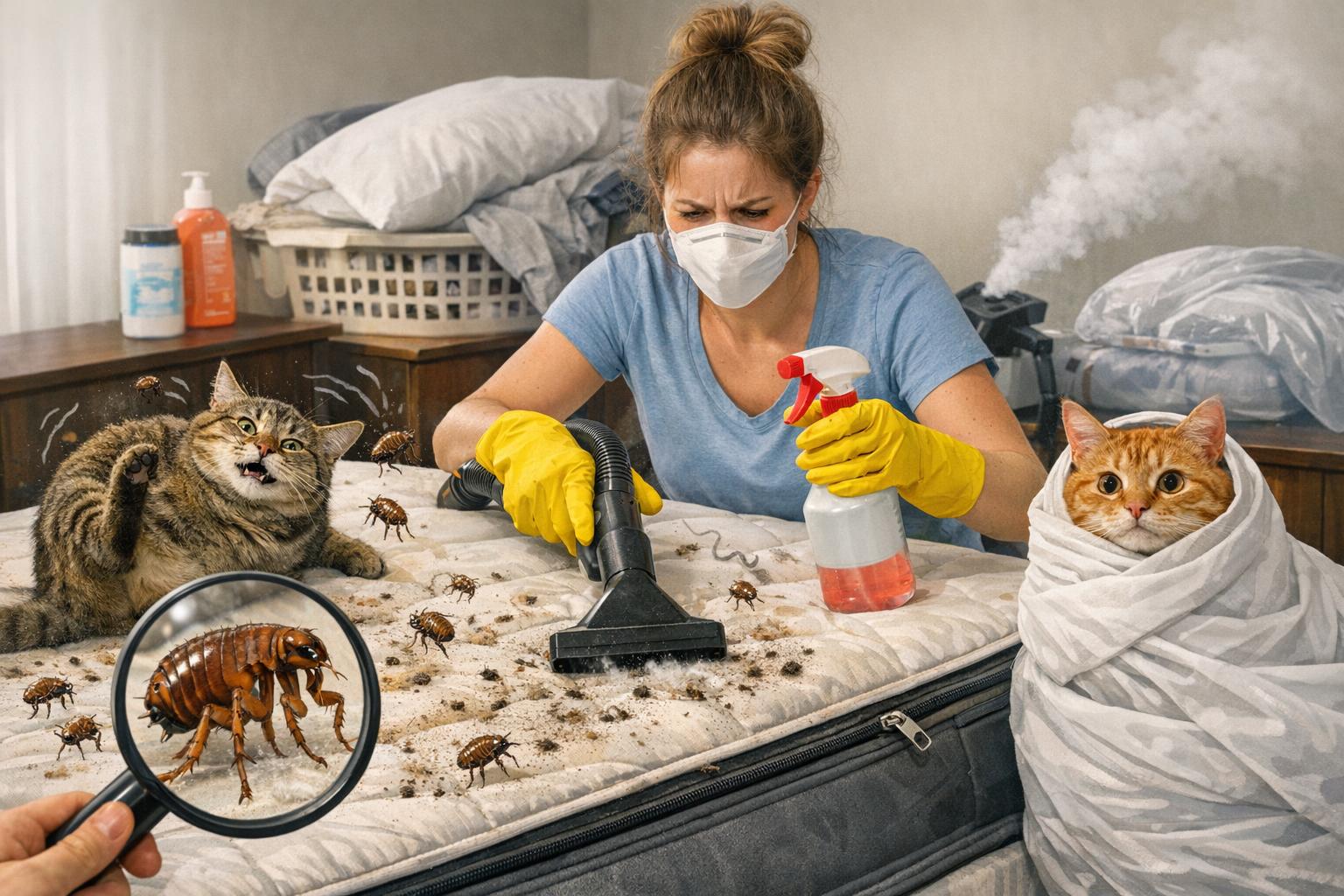
Professional treatments help, but homeowners can be strategic too. Combine treatments: treat the cat, treat accessible indoor environments, and reduce the outdoor source. Missing any link in the chain lets fleas survive and re-establish the infestation.
### Practical Steps To Close The Outdoor-To-Home Flea Gateway
You don’t need fancy tools to start. Be methodical and consistent.
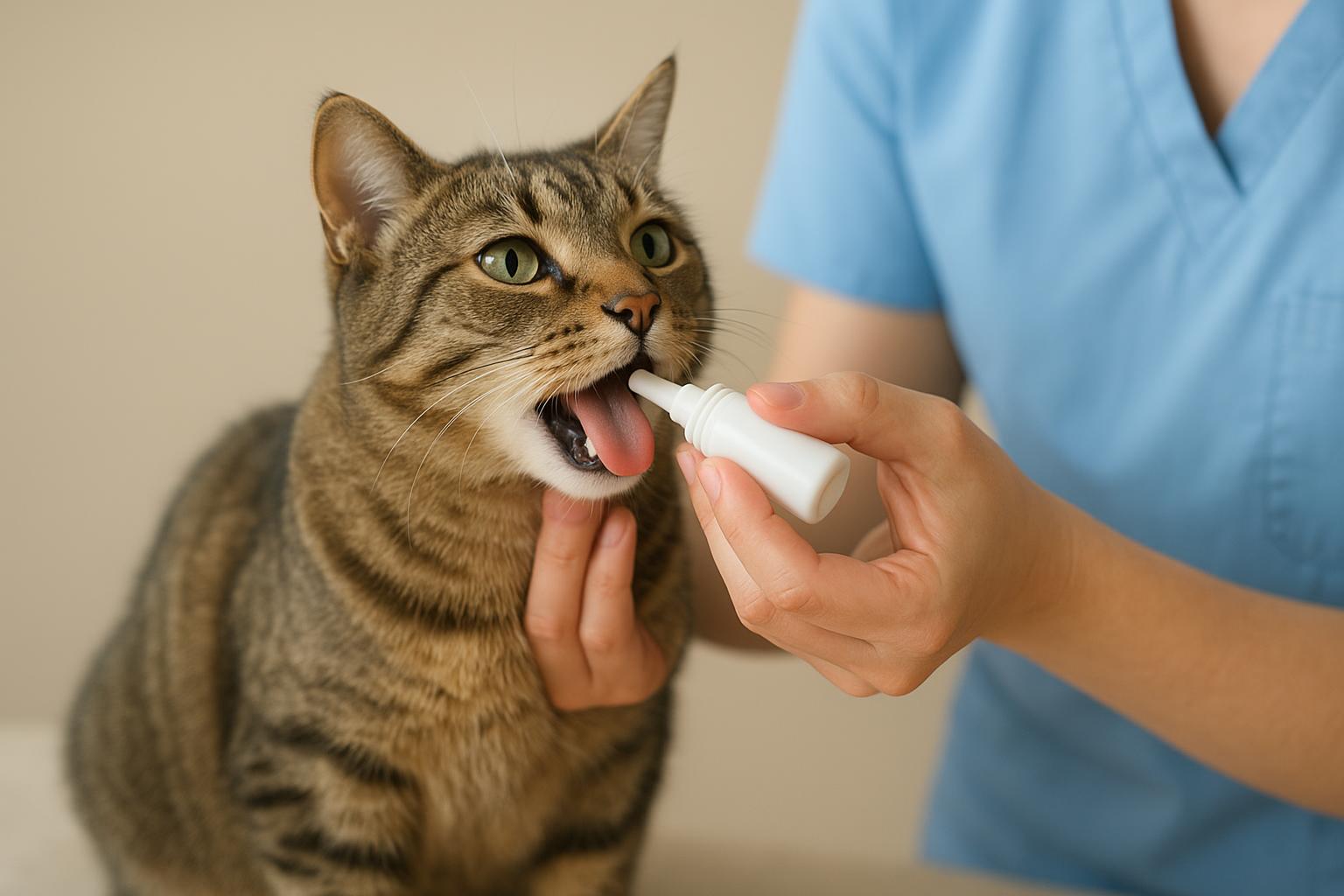
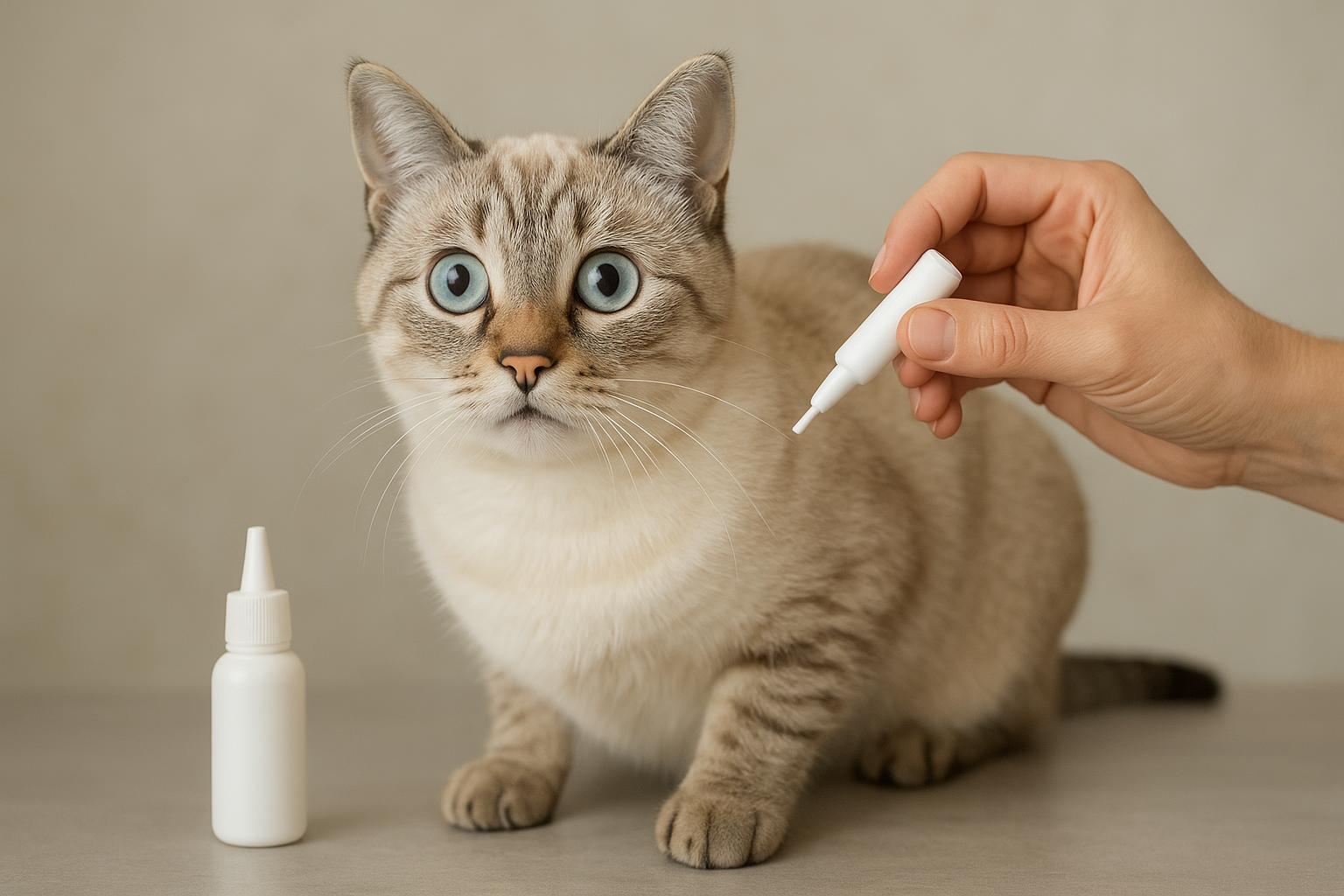
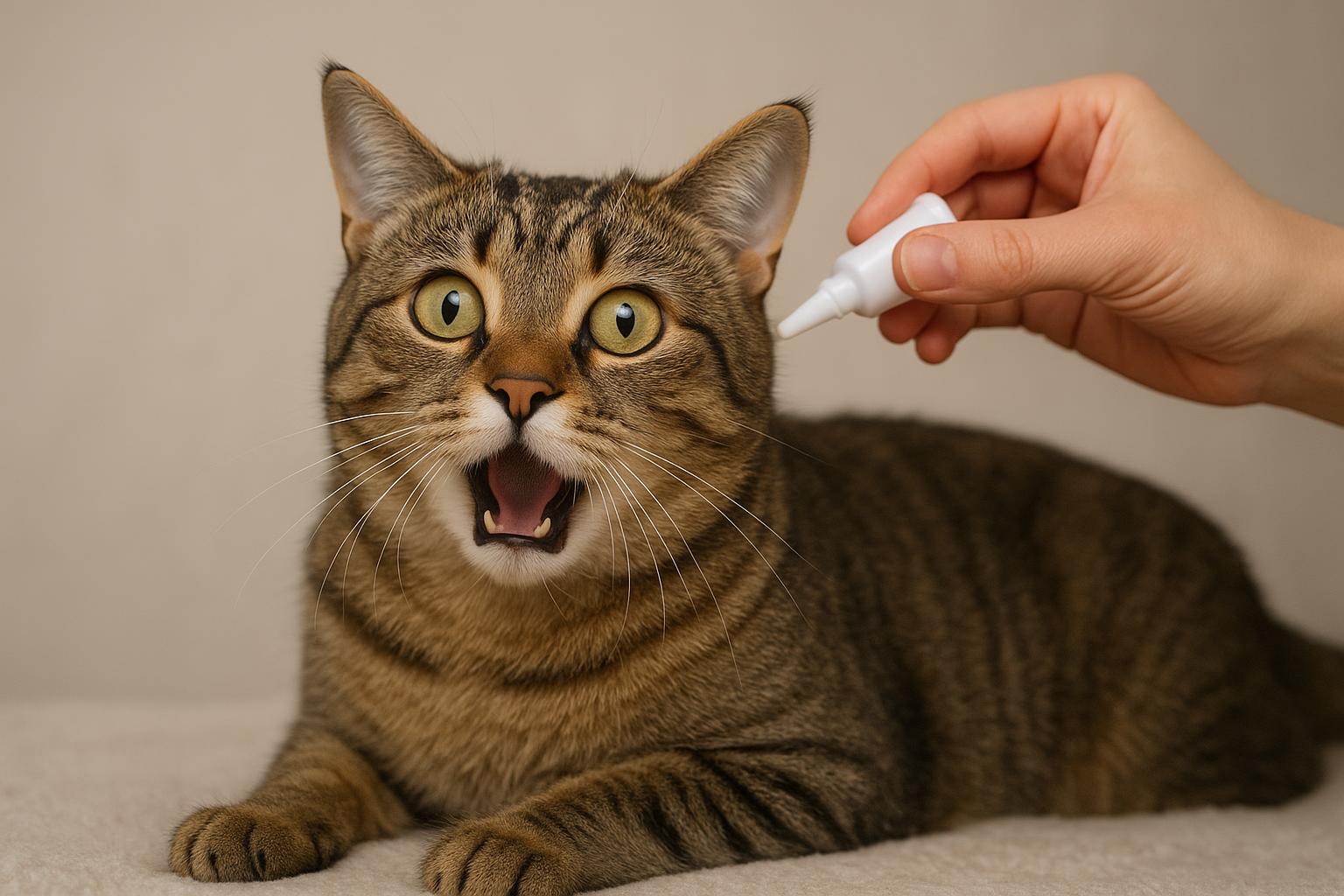
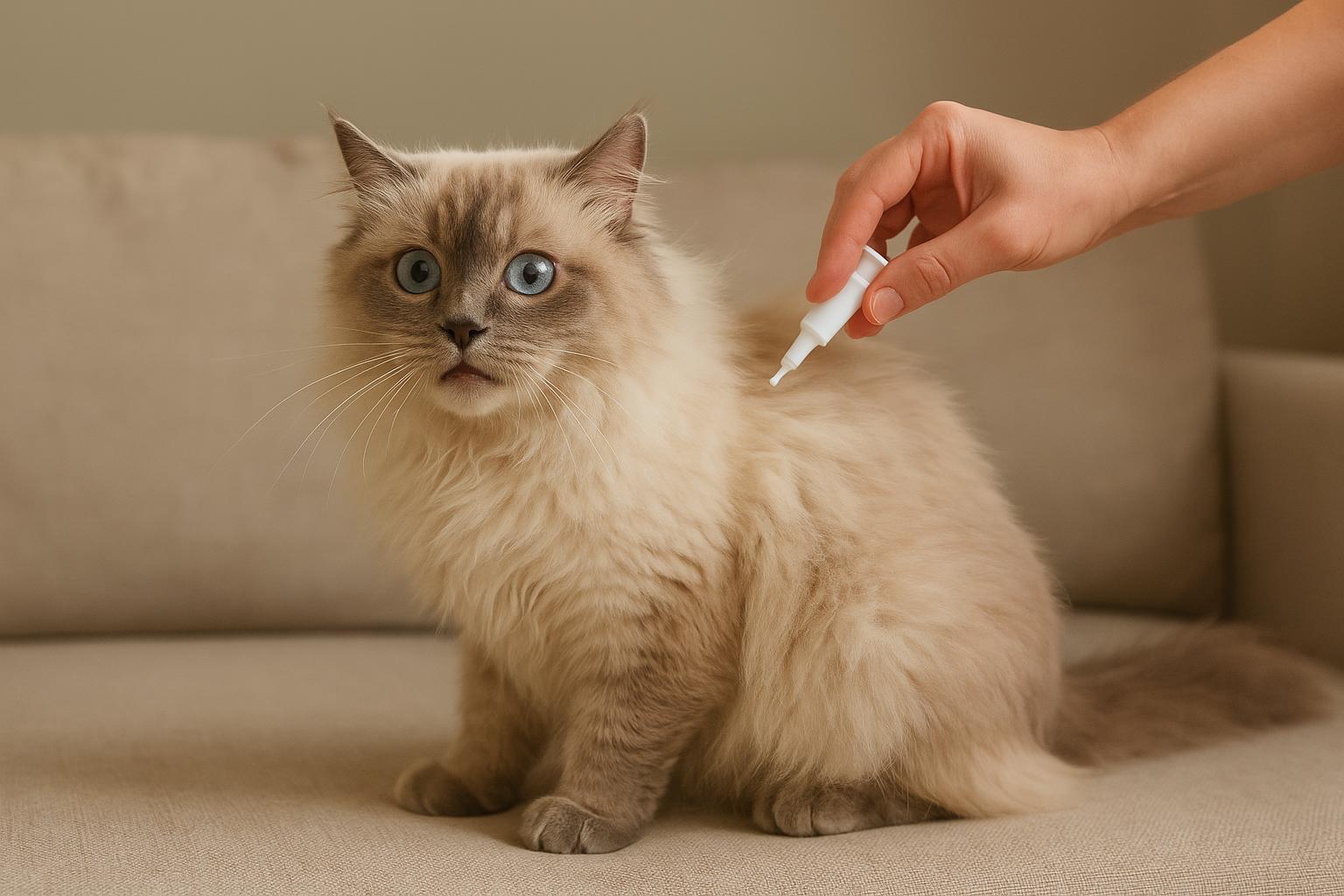
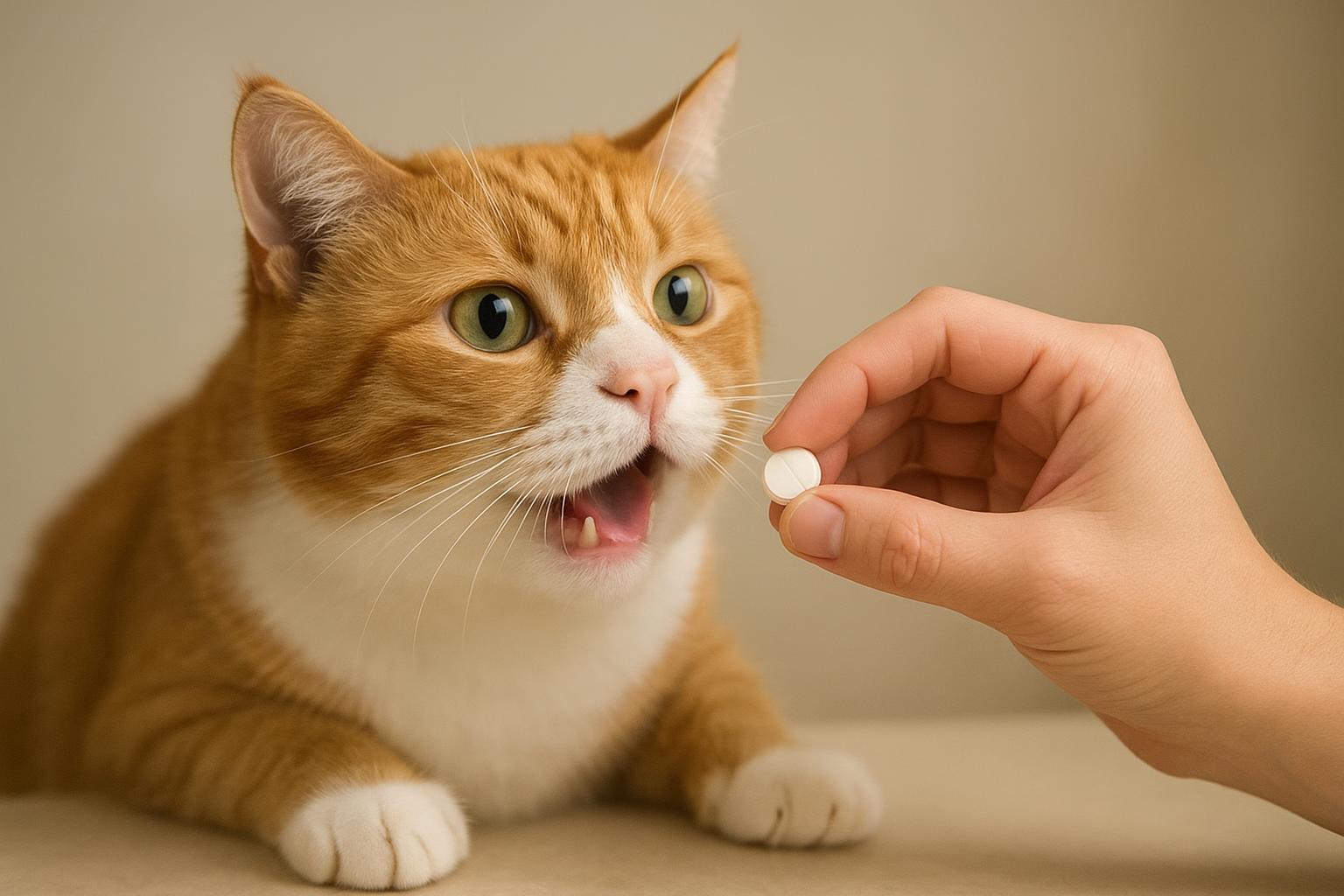
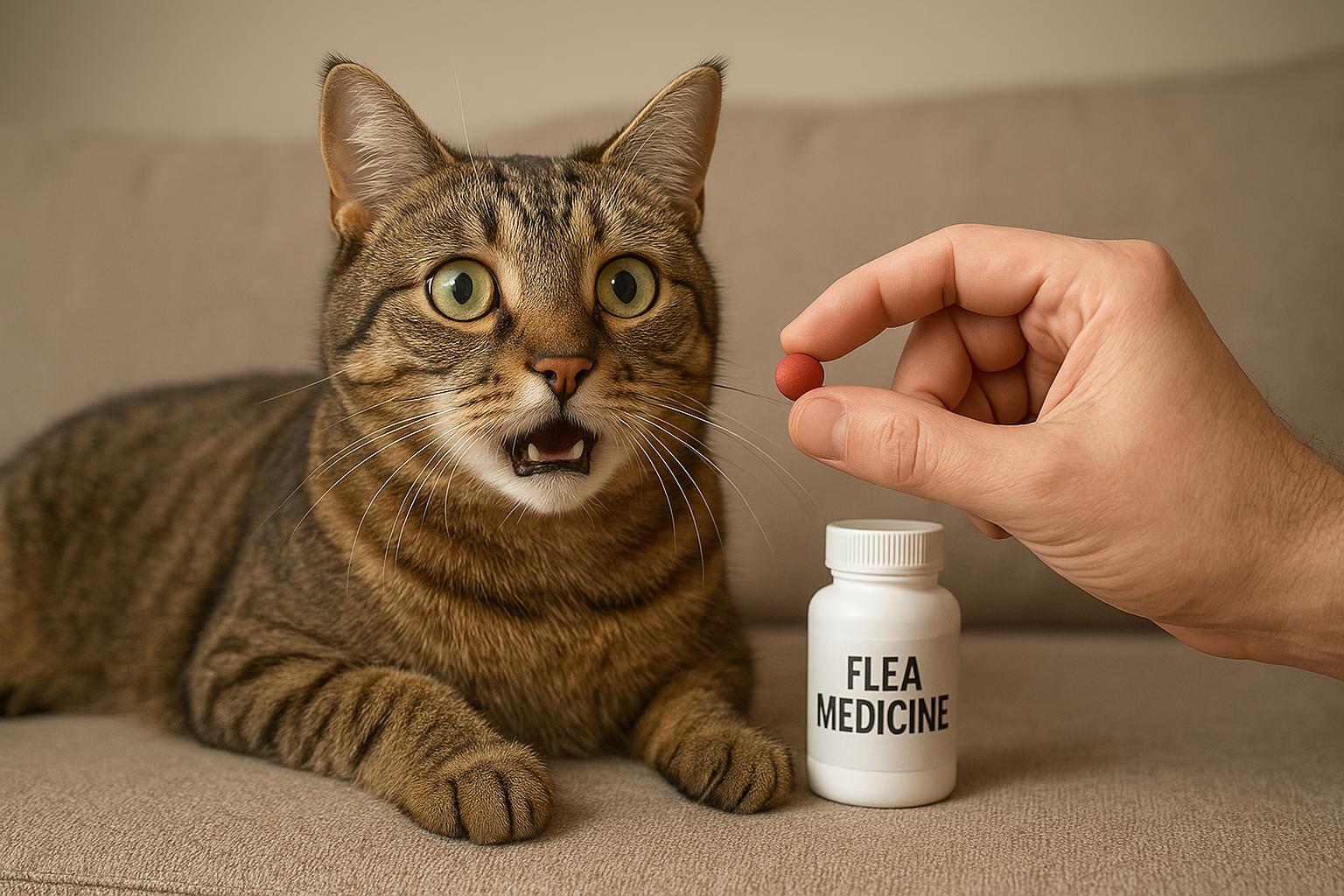
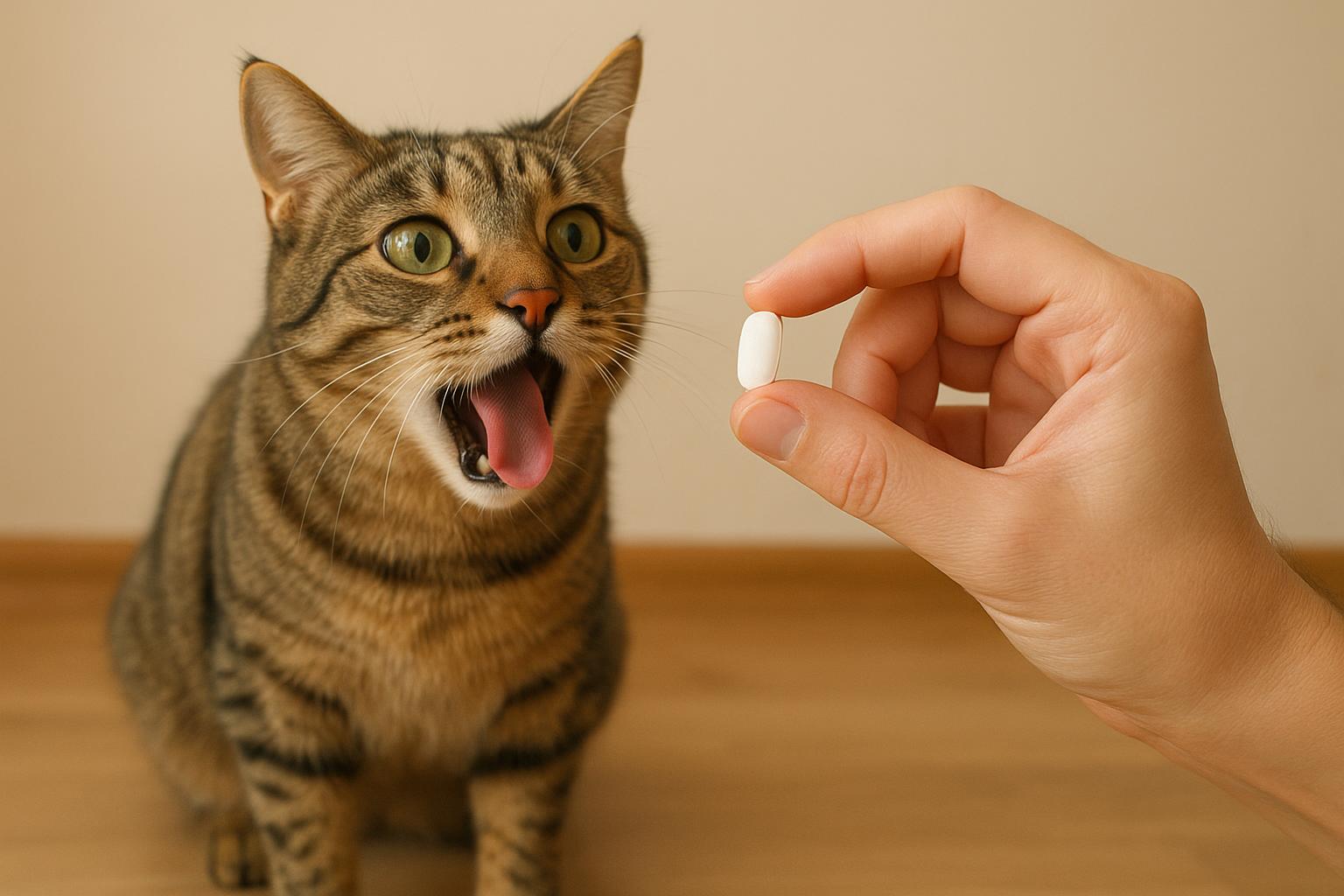
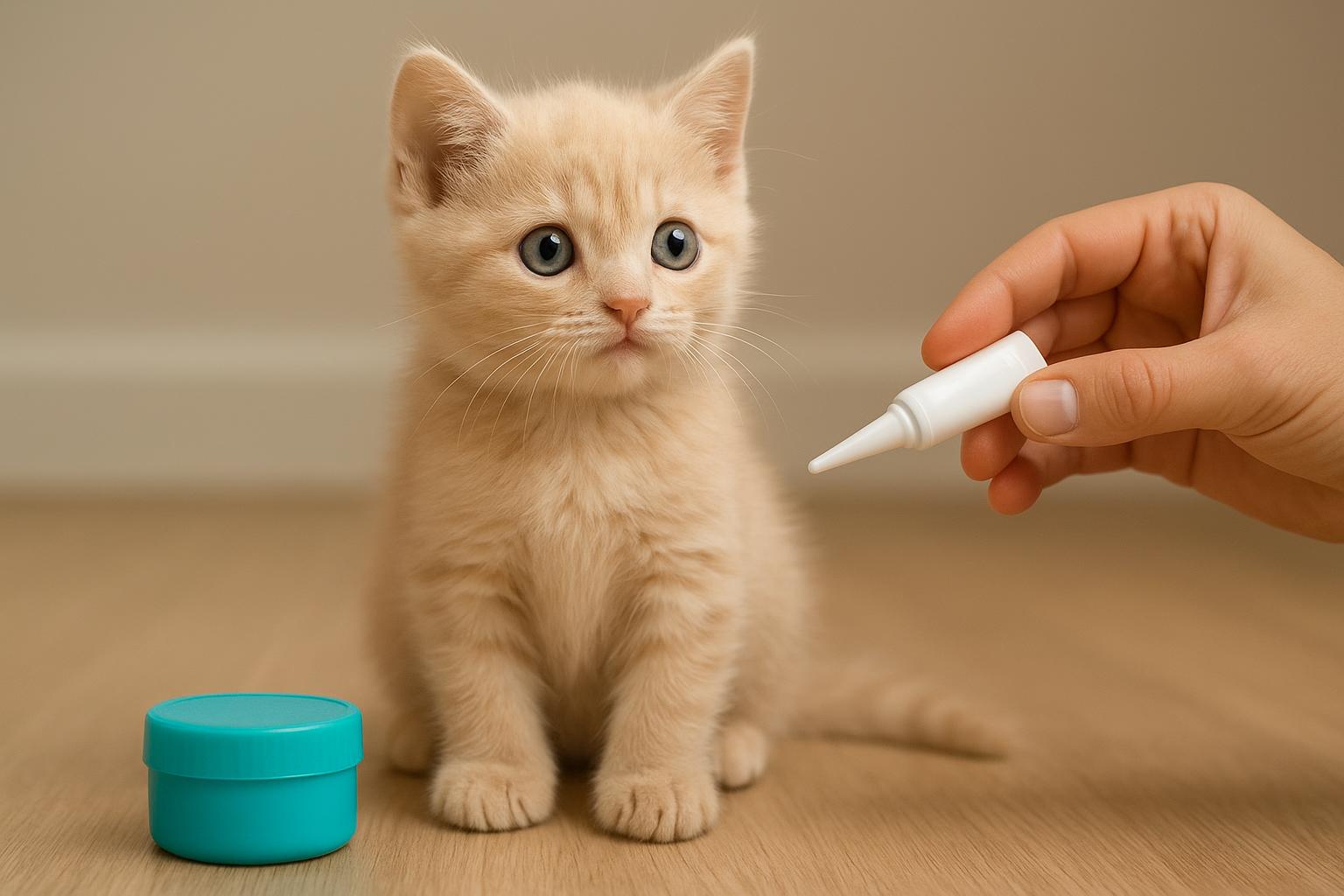
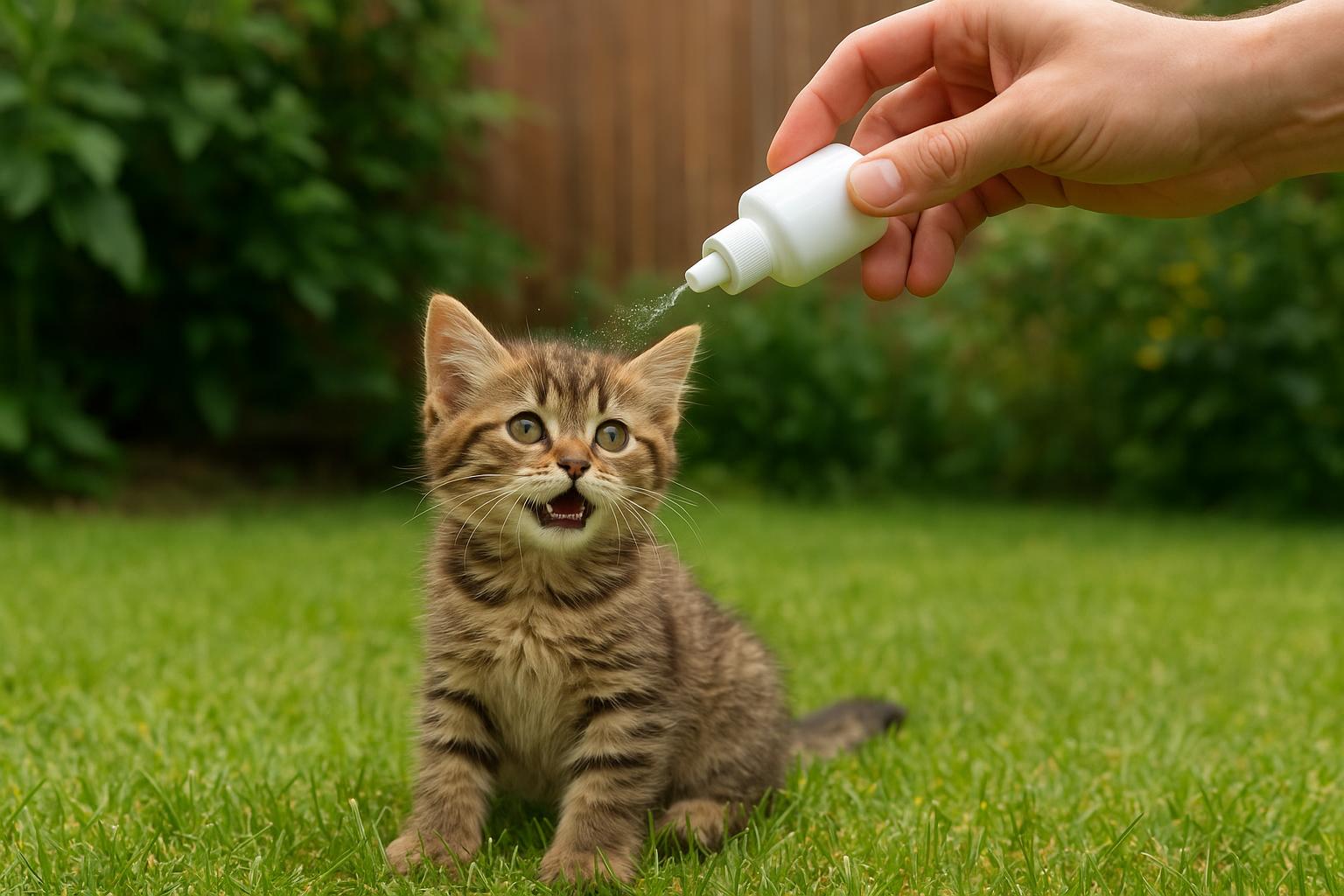
– Check and treat your cat regularly. Use veterinarian-recommended topical or oral preventatives year-round in flea-prone areas. Some products block adults, others also interrupt egg production. Ask your vet for a regimen that matches your cat’s lifestyle.
– Tackle the yard flea entry. Mow frequently, remove leaf litter, trim bushes to increase sun exposure, and remove tall grass where fleas thrive. Focus on the shaded, humid zones. A clean yard reduces the places fleas can complete their lifecycle.
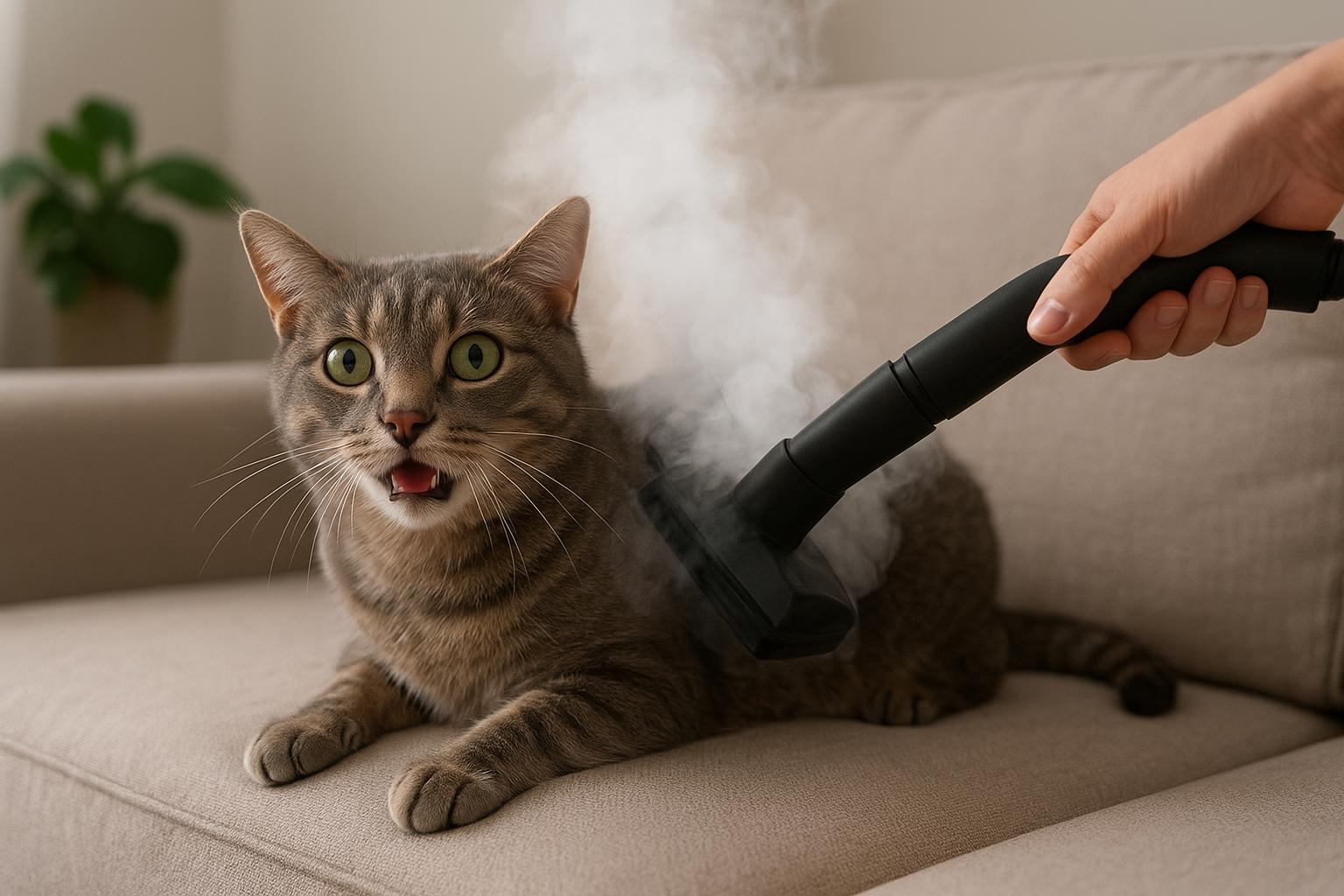
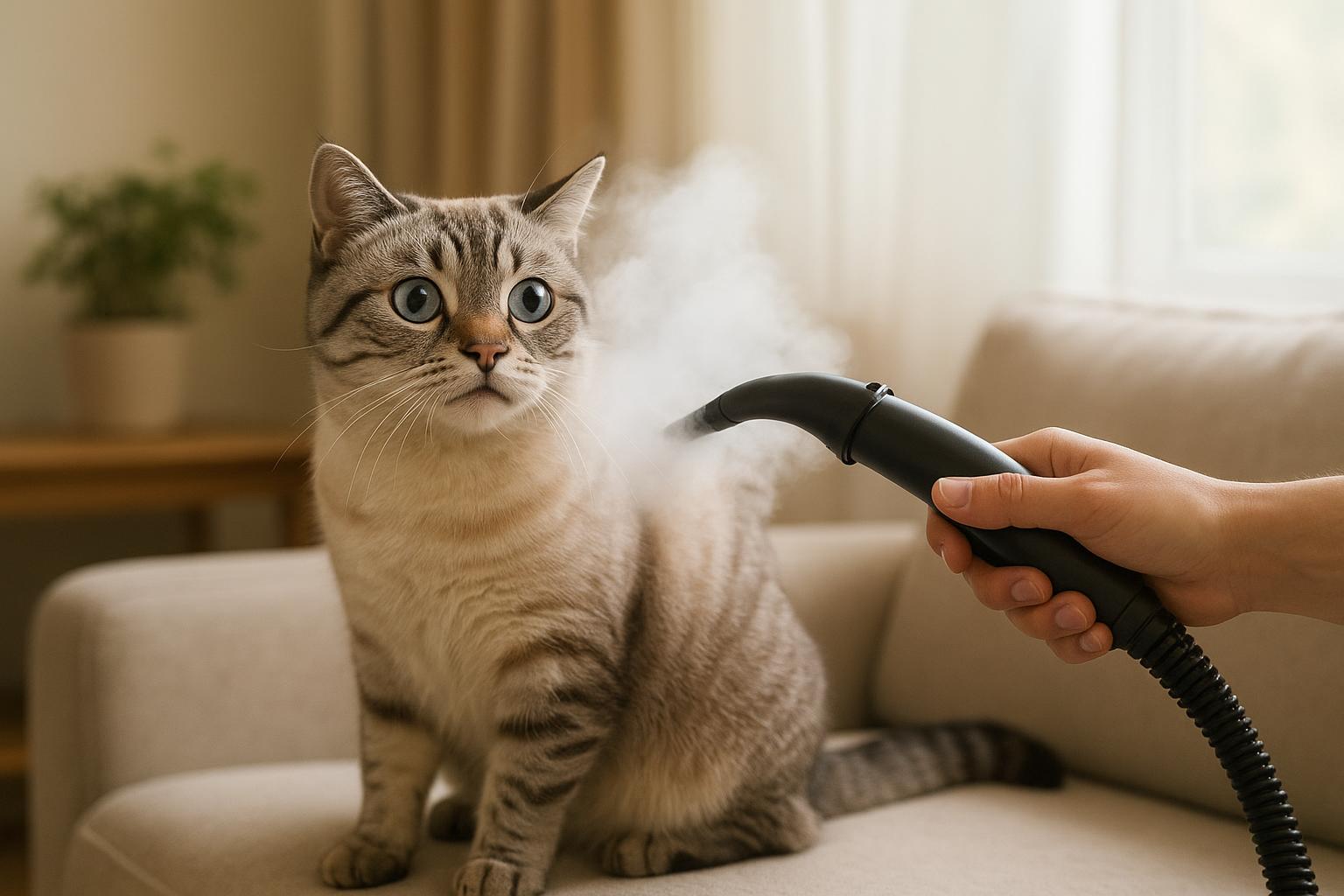
– Clean indoor zones where your cat spends time. Wash bedding at high heat weekly. Vacuum carpets, edges, and upholstery; empty the canister outdoors immediately into a sealed bag. Heat kills pupae and eggs. This is tedious but effective.
– Create physical barriers. Shoe removal at the door, keeping outdoor bedding out of the house, and wiping paws after outdoor time reduce accidental carriage. If a cat often returns from a particular part of the yard that’s a hotspot, manage that spot.
Don’t forget to treat secondary vectors. Dogs, raccoons, opossums, and even stray cats can maintain a local flea population. Eliminating the gateway requires thinking beyond your pet and into the ecosystem they move through.
#### Targeted Yard Treatments That Work
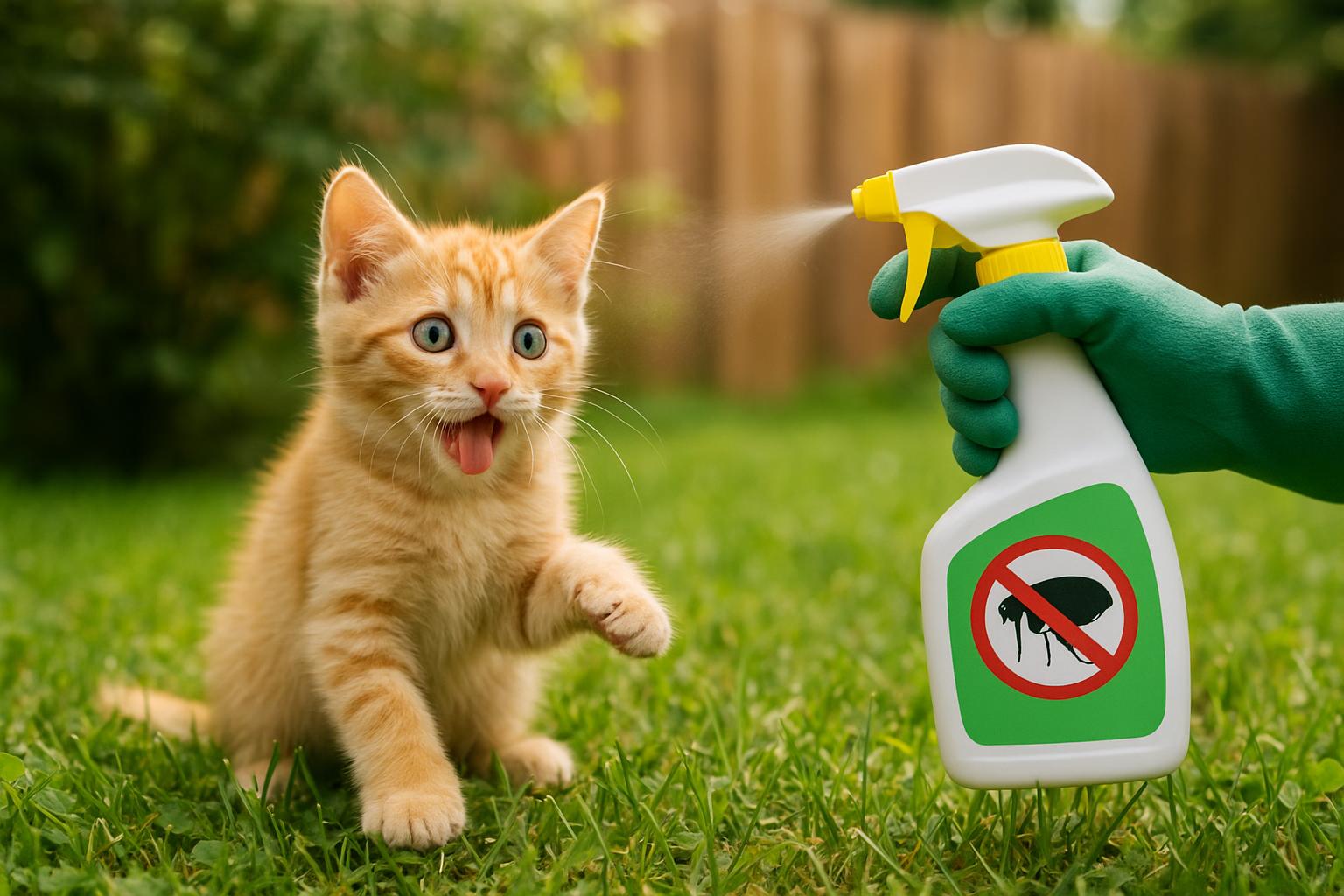
There’s no need to saturate the entire property with chemicals. Target the hotspot areas for treatment. Insect growth regulators applied to the soil and foliage where fleas breed can drastically cut numbers by preventing eggs and larvae from maturing. Spot treatments under decks, around dog houses, and near hedges change the math for flea survival.
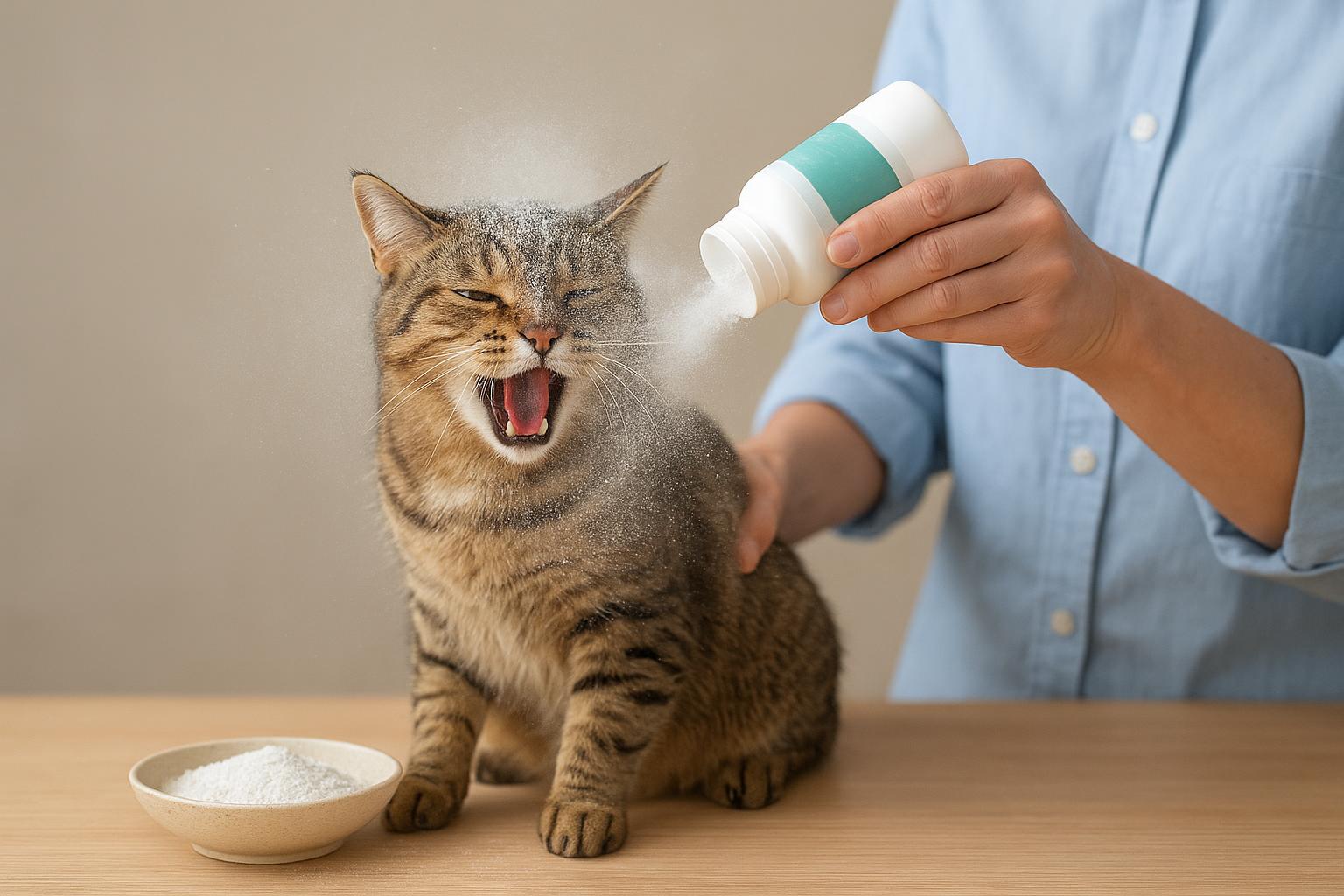
Timing matters. Treat in late spring as temperatures climb and again in late summer if problems continue. If you’re nervous about chemicals, consider nonchemical steps first: diatomaceous earth in dry shaded areas, systematic removal of organic debris, and fencing out wildlife that brings fleas in.
### Why Timing And Consistency Beat Last-Minute Panic
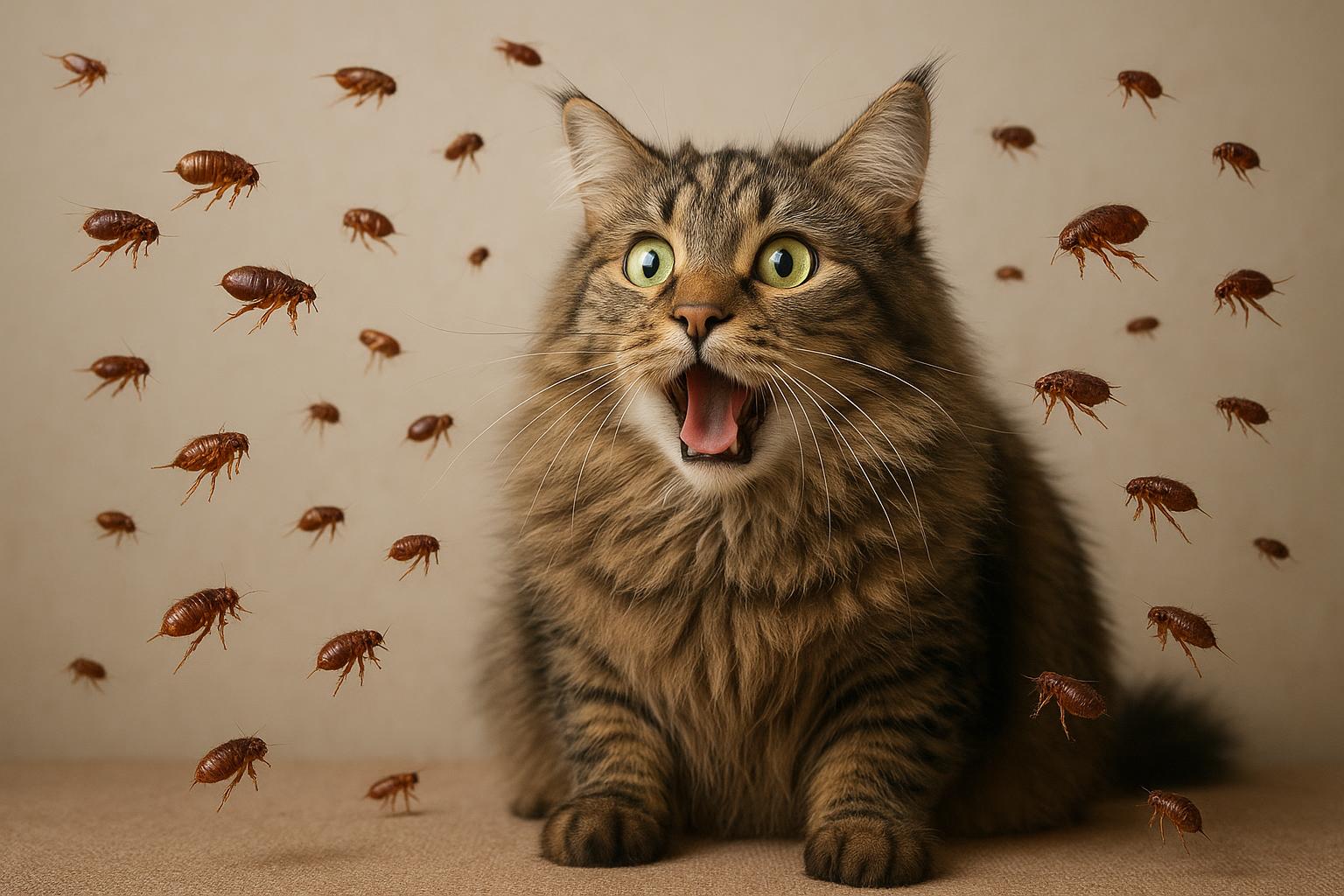
Fleas reproduce fast. A single female can lay dozens of eggs in her lifetime. That means an untreated yard becomes a source that repopulates the house even after a thorough indoor clean. The outdoor-to-home flea gateway isn’t a one-time event; it’s an ongoing risk if you leave conditions unchanged.
A schedule helps: monthly preventatives for pets, weekly bedding washes during warm months, yard maintenance every two weeks, and monthly focused yard treatments during high season. Stick to it and you’ll break the cycle. Let it slide for a few weeks and you’ll see the payback in bites.
#### When To Call A Pro
If you’ve tried reasonable home measures for a month and your cat or home still has fleas, call a professional. Pest control pros can treat both indoor and outdoor sources more effectively with techniques and products unavailable to consumers. A vet visit will rule out other causes for scratching and ensure your cat hasn’t developed secondary infections or anemia.
Be wary of quick-fix promises. Some products offer immediate relief but ignore eggs and pupae. The honest professionals will give you a plan that includes follow-up.
### Small Habits That Stop The Gateway
Change small routines and you change the outcome. Keep outdoor toys and blankets out of the house. If your cat naps on a particular porch cushion, wash it regularly or bring it inside only after cleaning. Notify neighbors if feral animals frequent your yard; community action lowers the local flea load. Teach family members to check the cat after outdoor outings and to spot early signs of flea activity.
Finally, don’t assume a one-off treatment makes you safe. Fleas are opportunists. They follow hosts, and humans create routes—garages, open windows, dog doors—that function as the outdoor-to-home flea gateway. Close those routes with practical changes and you’ll see the difference in weeks, not months.
There’s no mystery to it. Look for the spot where outside meets inside, and treat both sides. Do that, and you’ll stop fighting the same flea problem over and over. A small investment of time up front makes life easier for you and less painful for your cat who just wants to nap without being chewed on by tiny freeloaders.
Note: If you see signs of a severe infestation or your cat seems unwell, get professional veterinary care right away. And if a neighbor’s yard is clearly the main source, having a calm conversation can prevent repeated reinfestation and save everyone time and money. The gateway closes when people notice and act. Be the one who notices. And remember to recieve things like slow responses from neighbors with patience.












Leave a Reply