

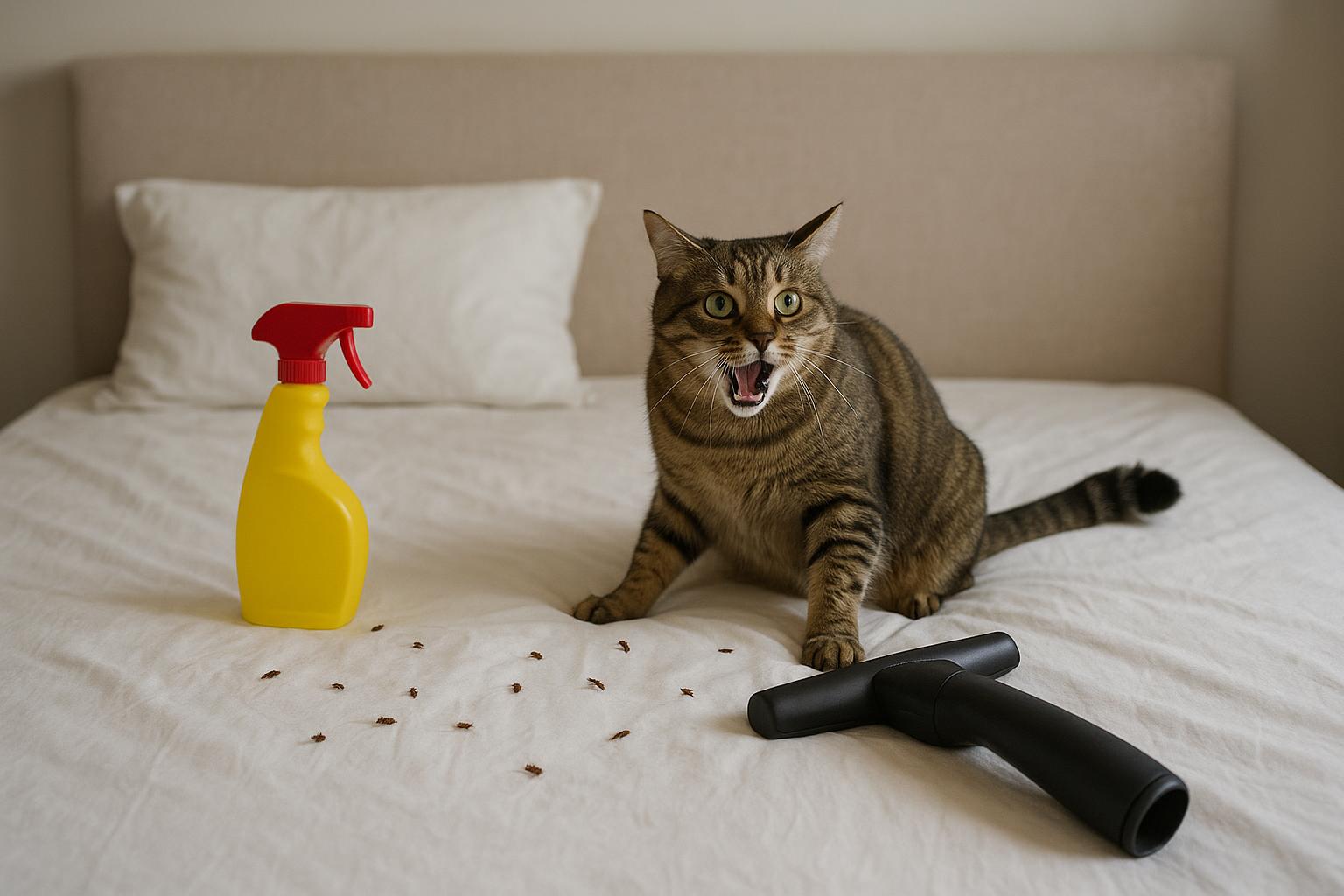
Fleas find bedding faster than most owners realize. One moment your cat is curled up and purring; the next, you’re spotting tiny dark specks, restless scratching, and a bed full of invisible trouble. This article goes through what makes bedding a hotspot, how to treat an infestation, and realistic habits that keep flea populations from coming back.
## How Flea Issues In Cat Bedding Take Hold
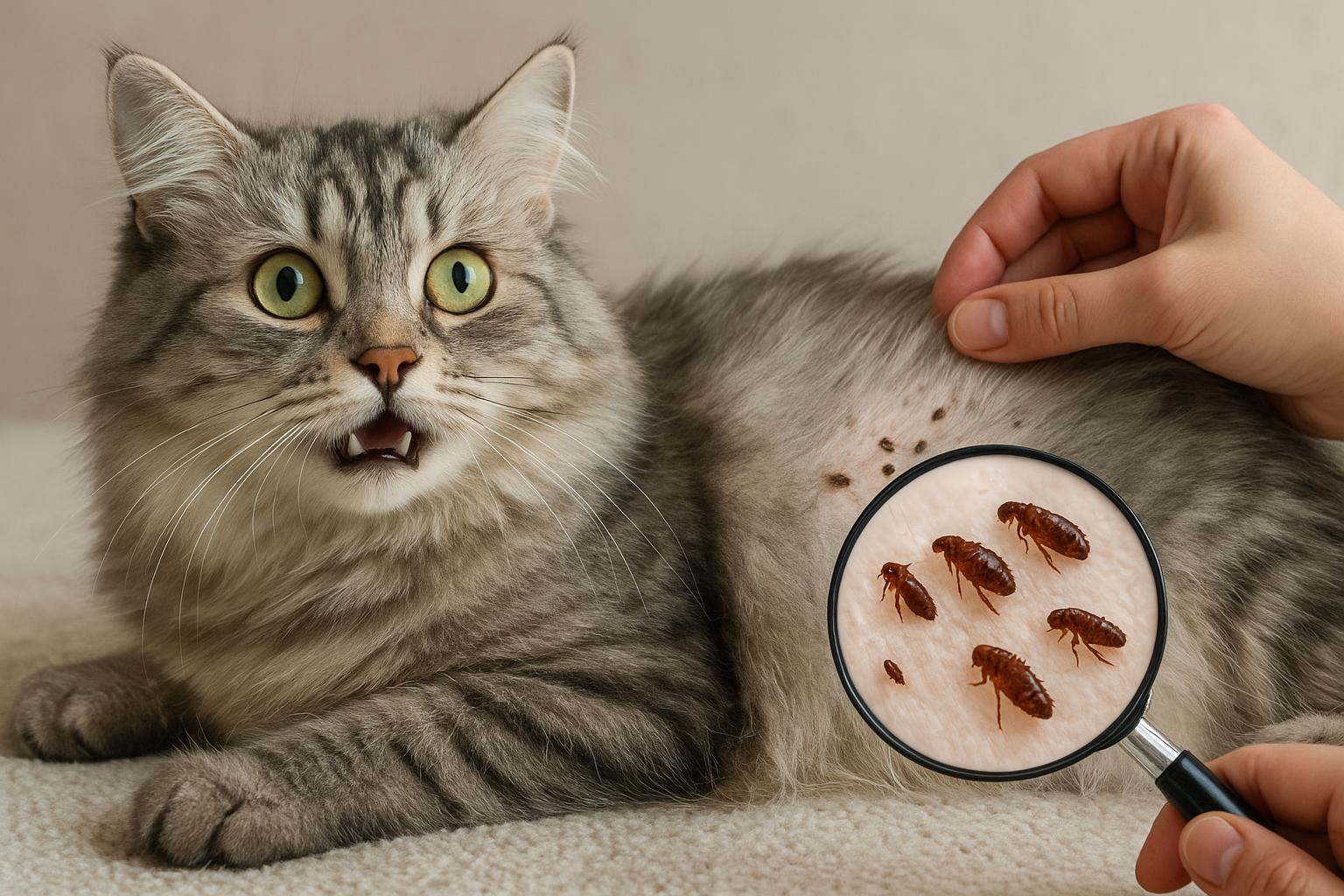
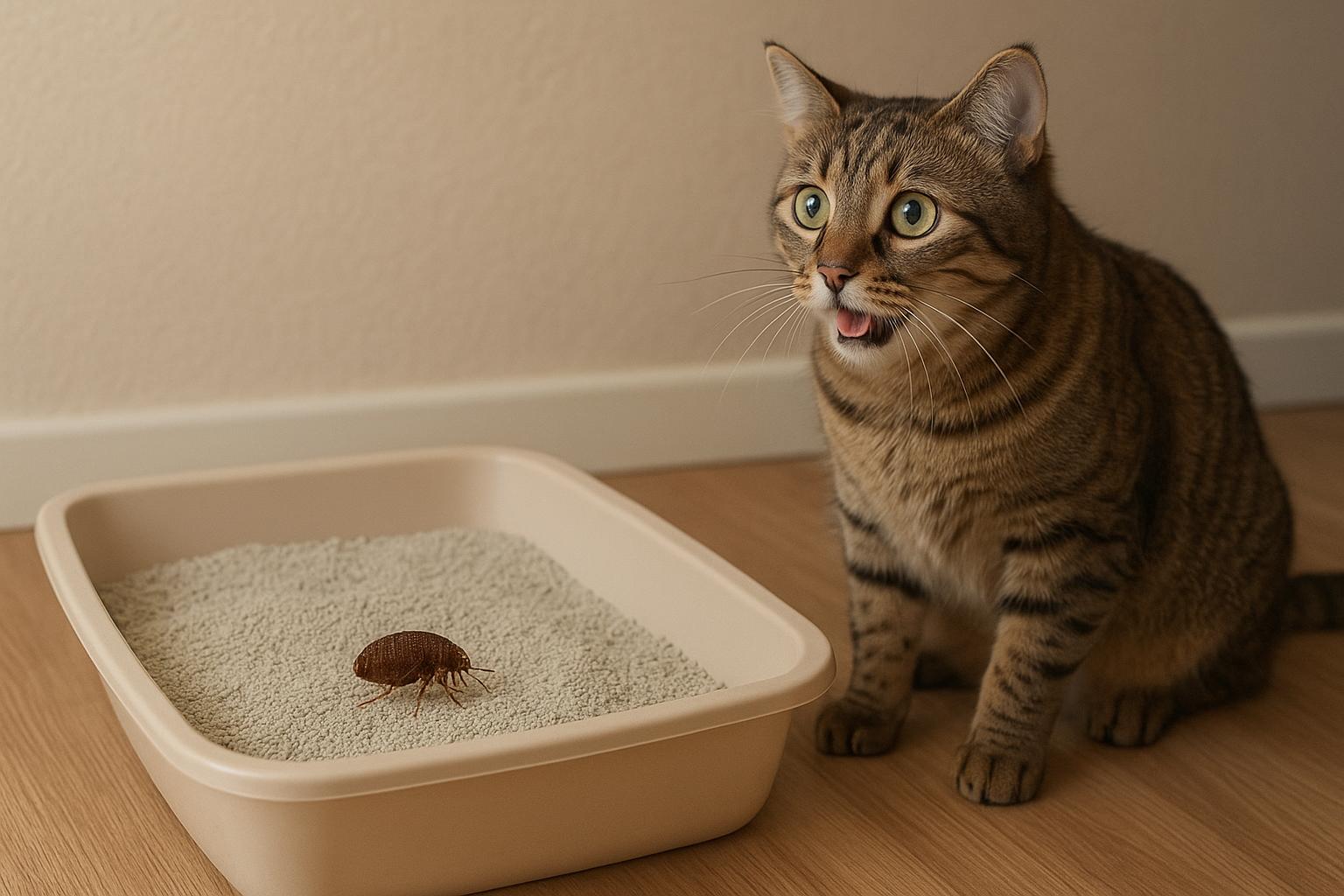
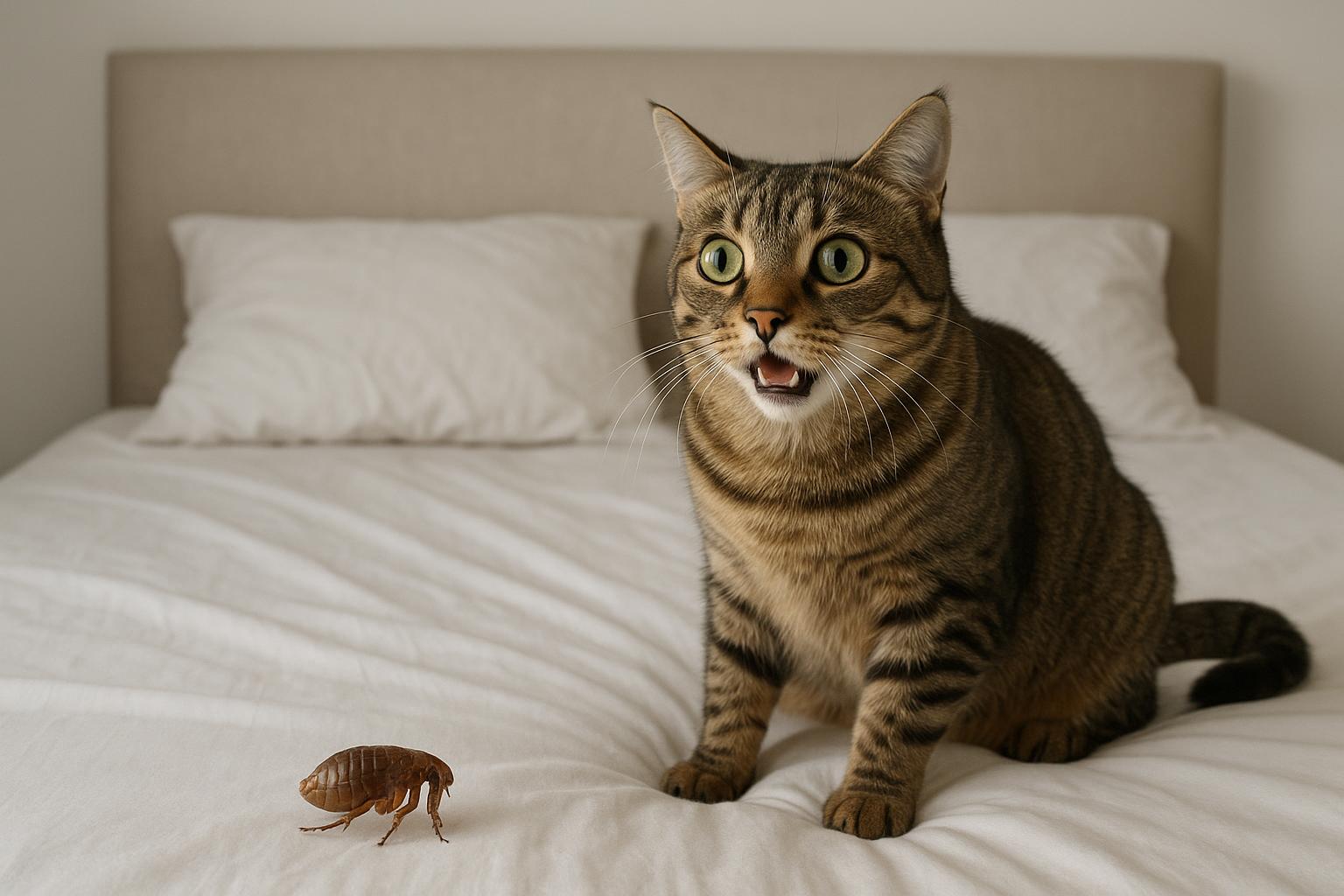
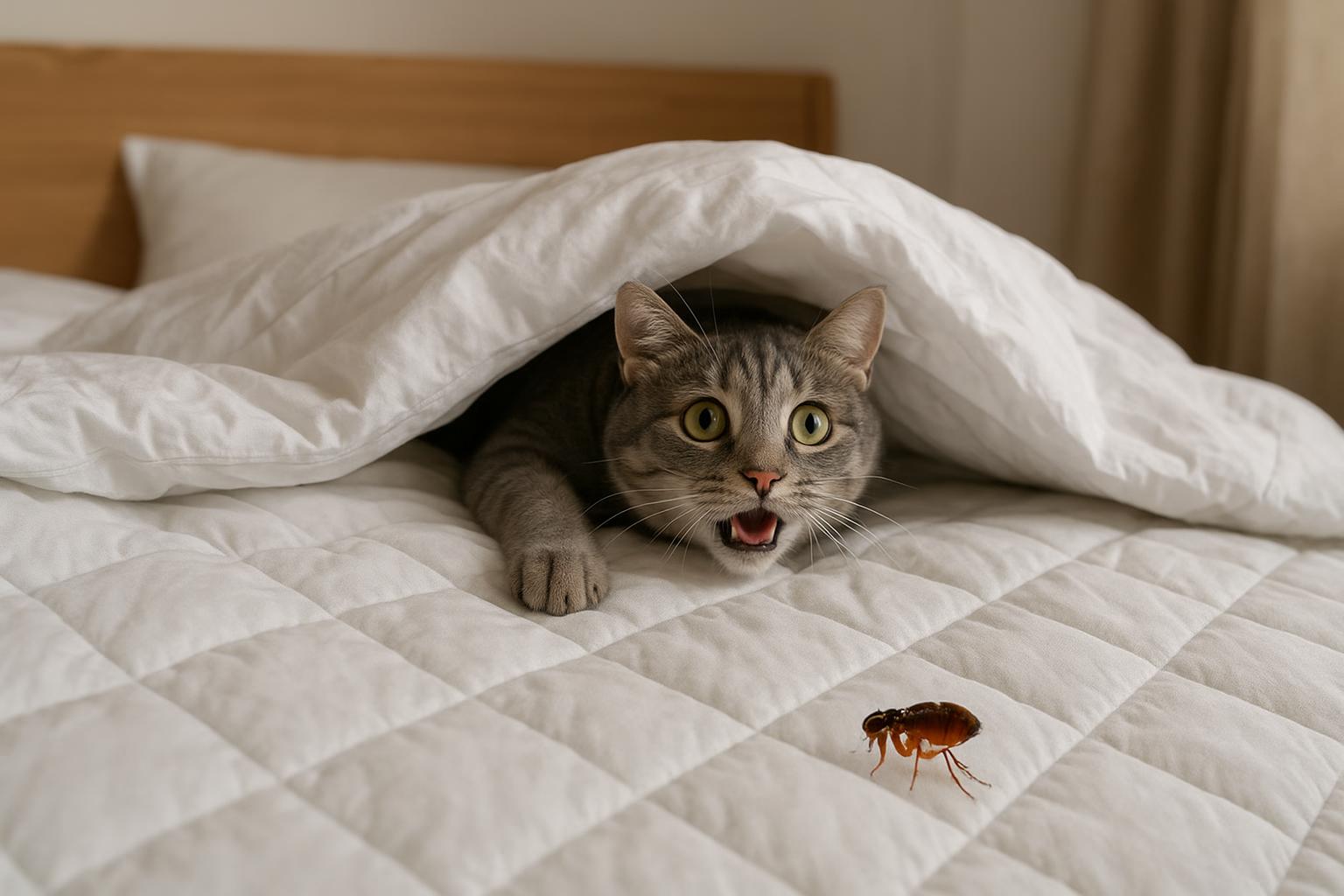
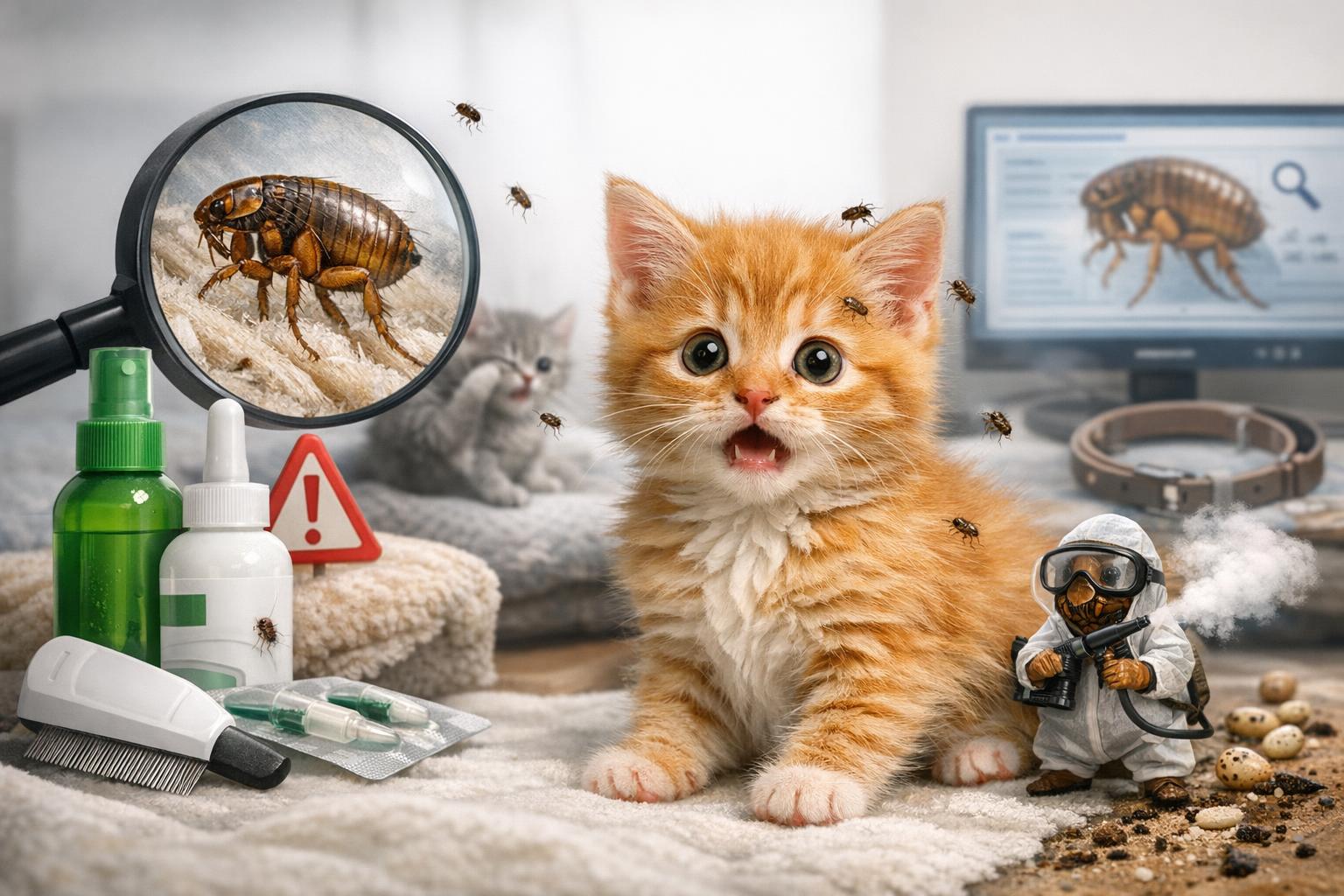
Fleas are small, but their lifecycle makes them stubborn. Adult fleas live on the cat, but eggs and larvae drop off into the environment — carpets, furniture, and especially bedding. A mattress or cushion that’s warm and shaded gives eggs the humidity and protection they need to hatch. Within a few weeks, those larvae pupate and adult fleas emerge, ready to jump back onto your pet.
If you’ve dealt with flea issues in cat bedding, you know it’s rarely a single-night problem. A cat visits its bed repeatedly, so even a few eggs can turn into a steady population. And because eggs aren’t glued to fabric, shaking or moving a blanket spreads them to other nooks of the room.
### Recognizing The Signs
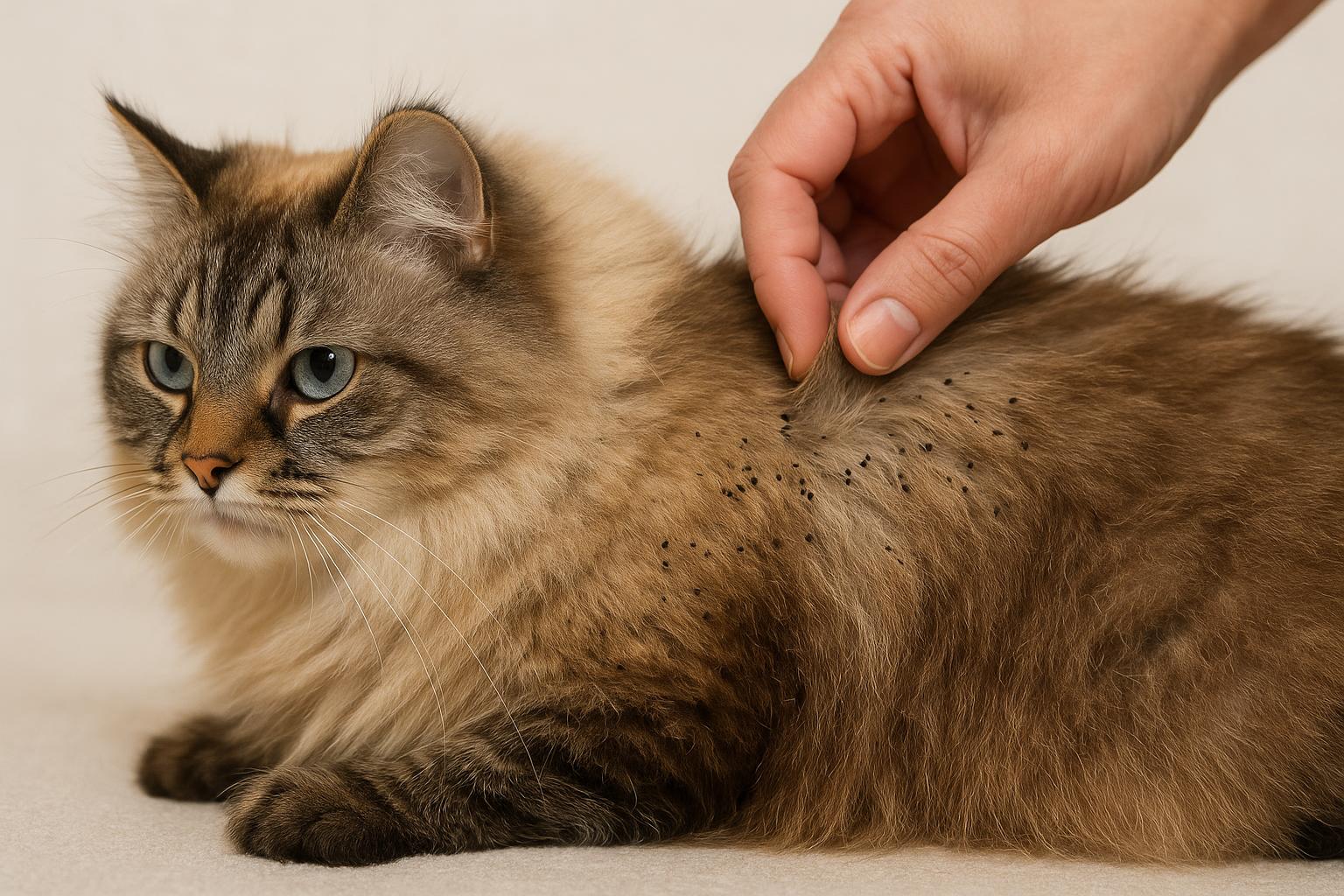
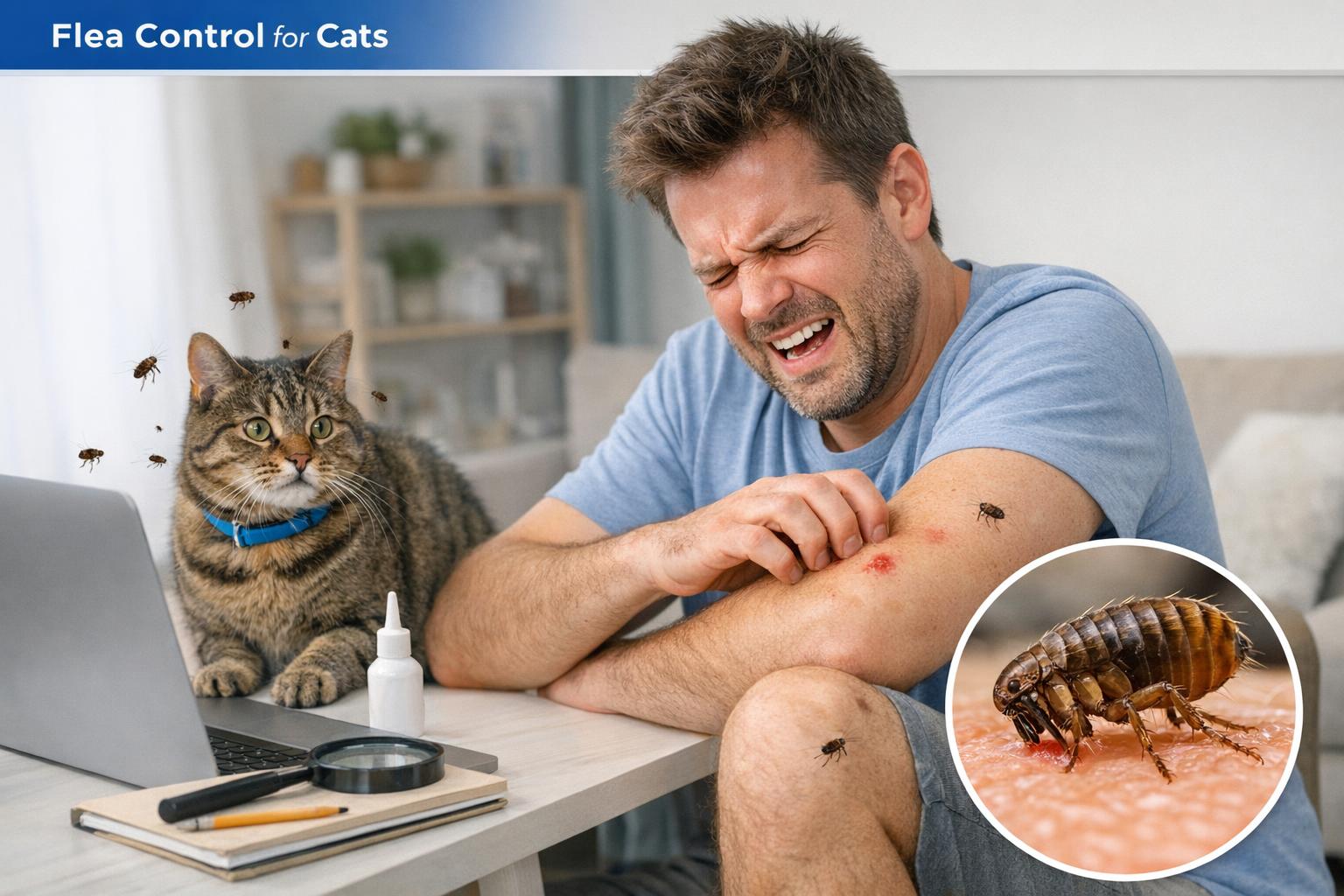
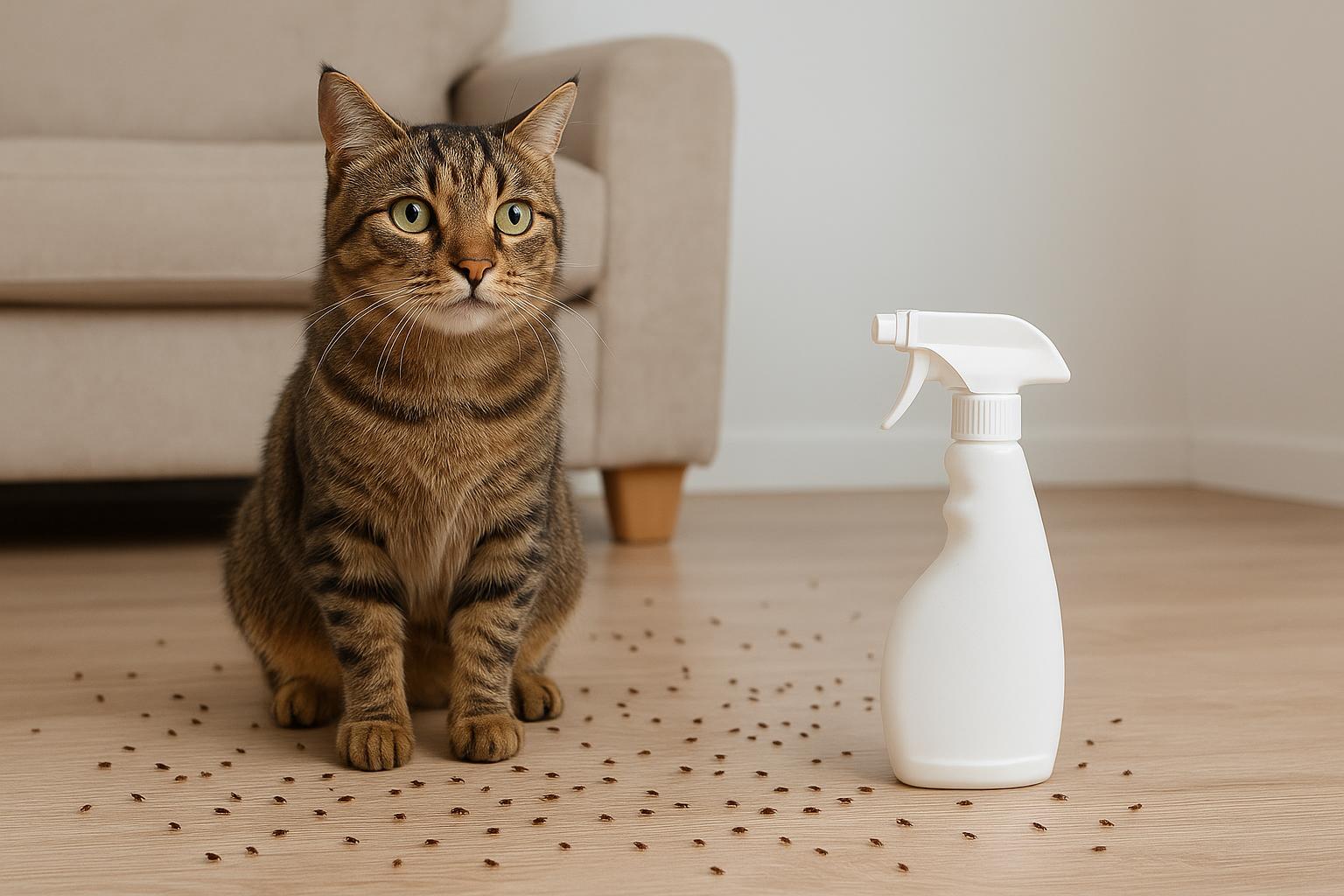
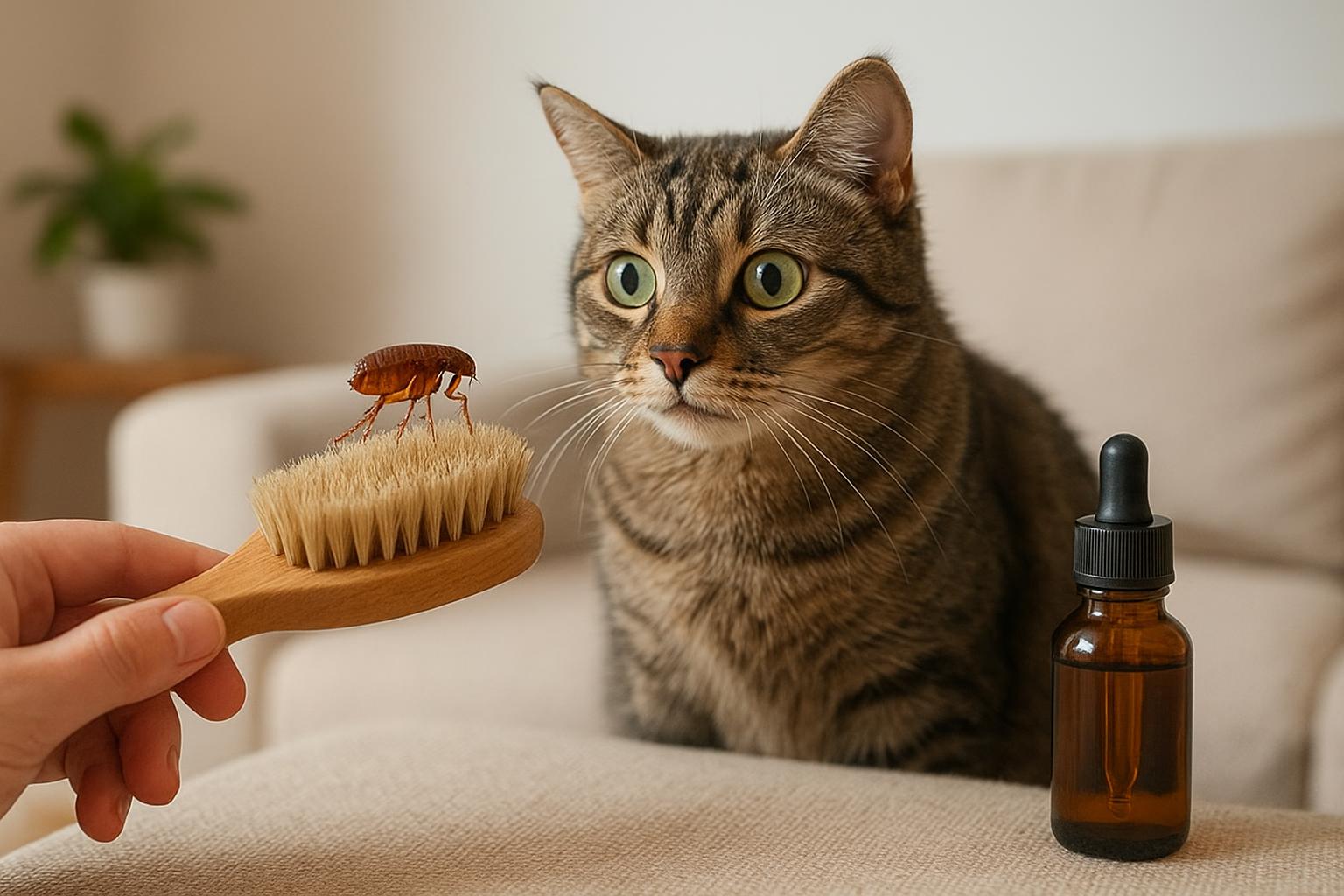
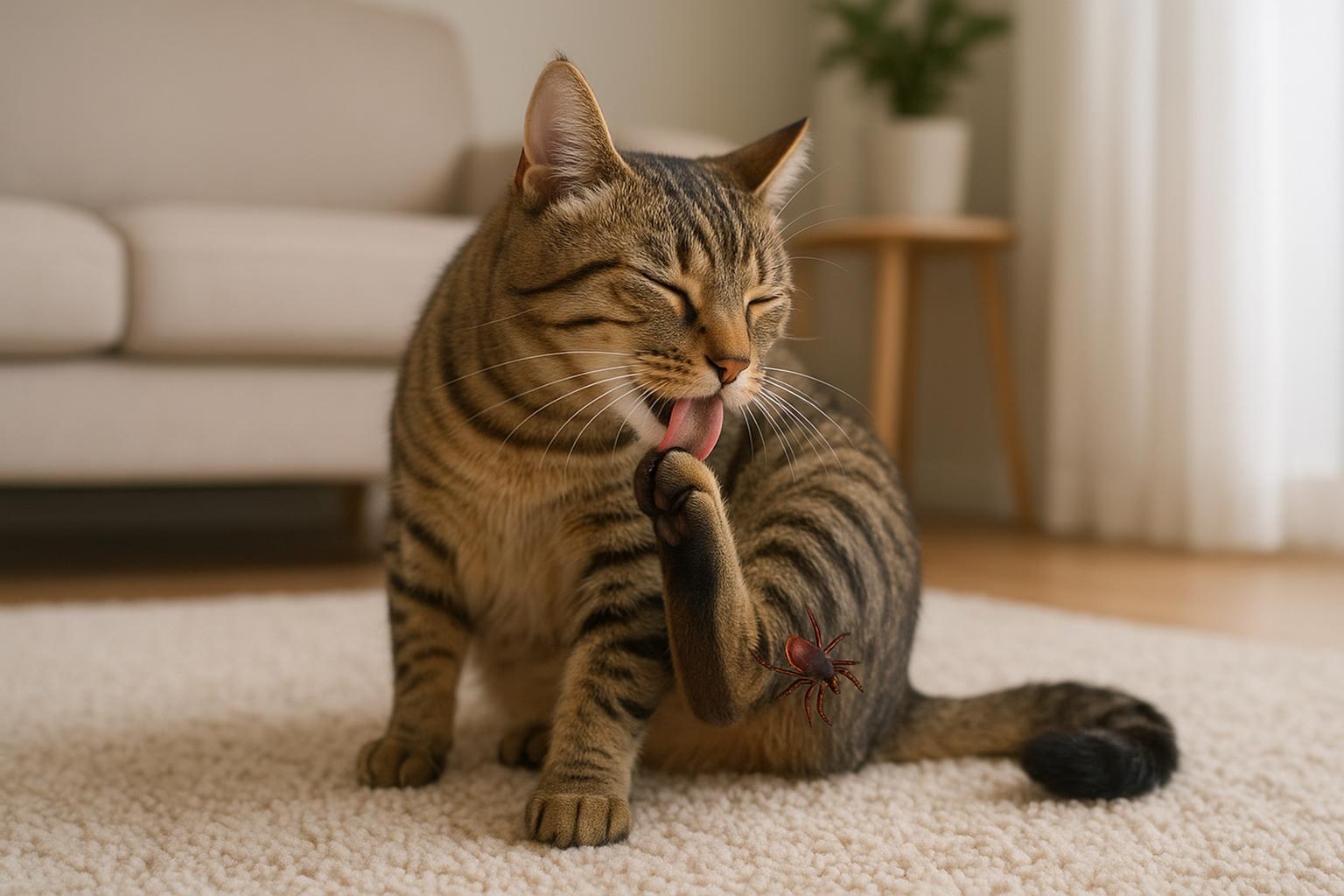
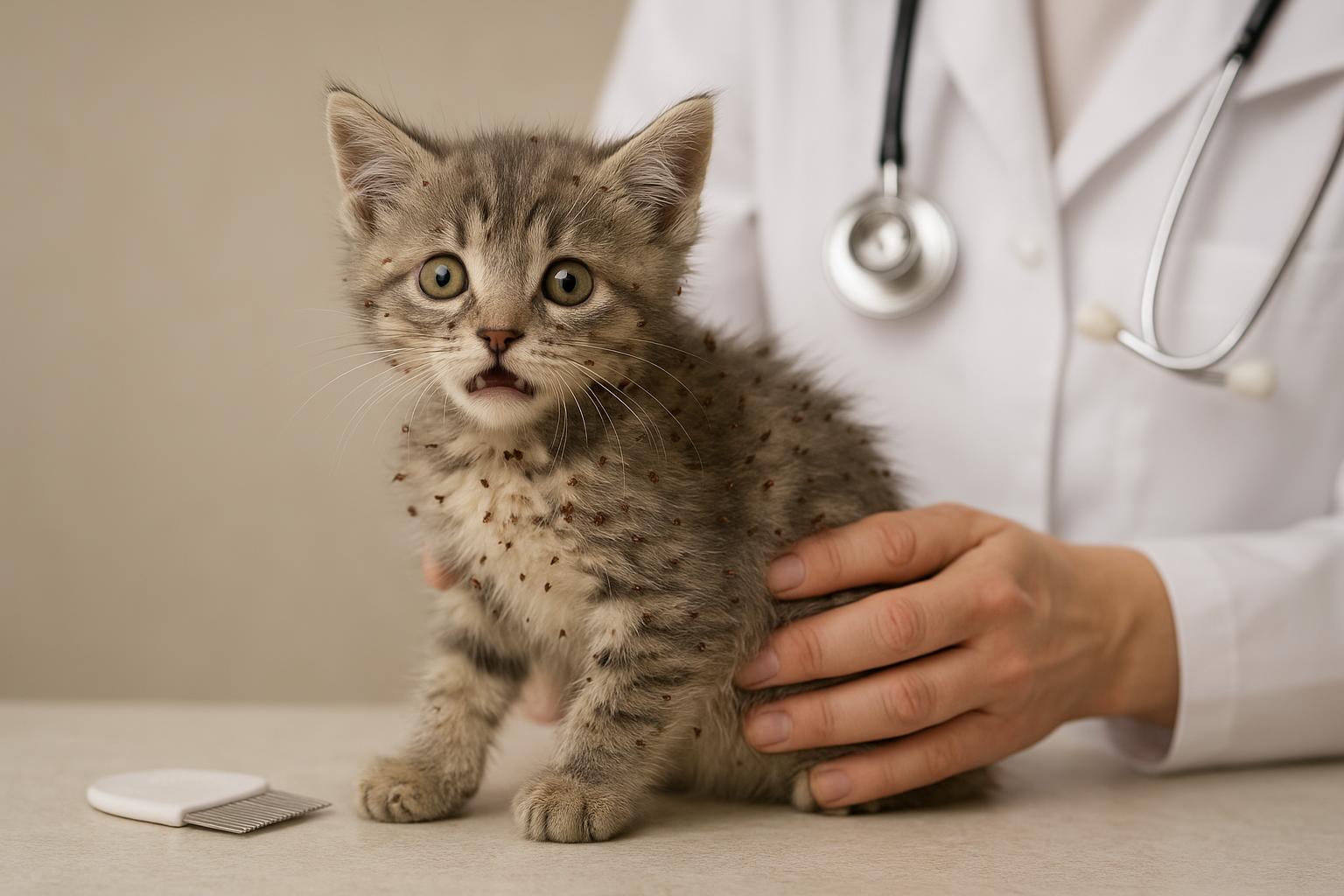
Look for more than just live fleas. Flea dirt (tiny black specks that look like pepper) on bedding is a clear indicator. Check the seams of cushions and the folds of blankets. Your cat’s behavior is another clue: increased scratching, licking, hair loss in patches, or small red bumps on the skin.
Sometimes the evidence is subtle. A cat that spends more time grooming or suddenly avoids its favorite bed might be trying to escape an uncomfortable infestation. If you find the bed itself is damp or smells musty, that environment helps flea larvae survive longer.
#### Spot-Checking Bedding Effectively
– Unzip covers and check inner pads and seams.
– Wipe suspected areas on a white paper towel; flea dirt will dissolve into a rusty color when wet.
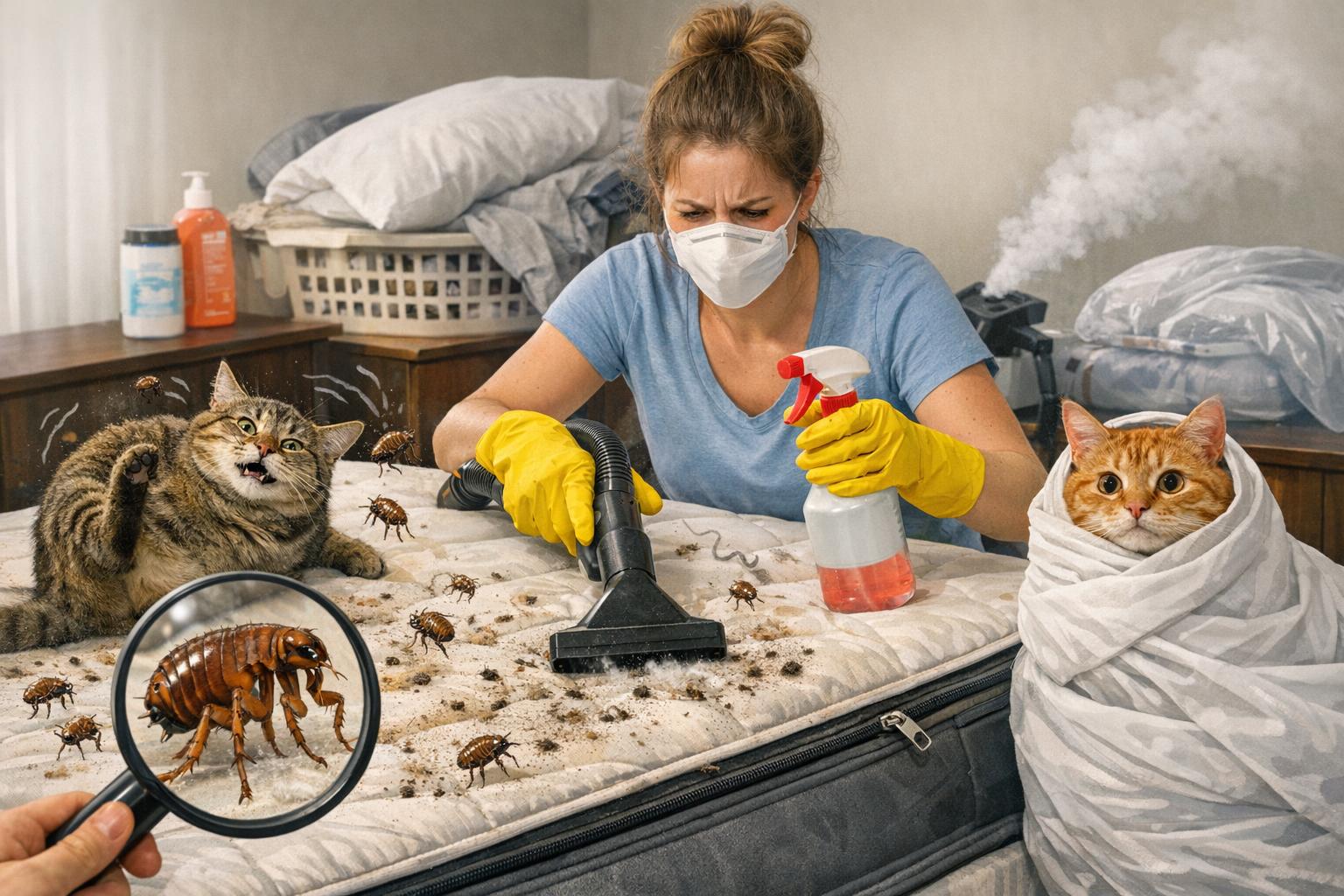
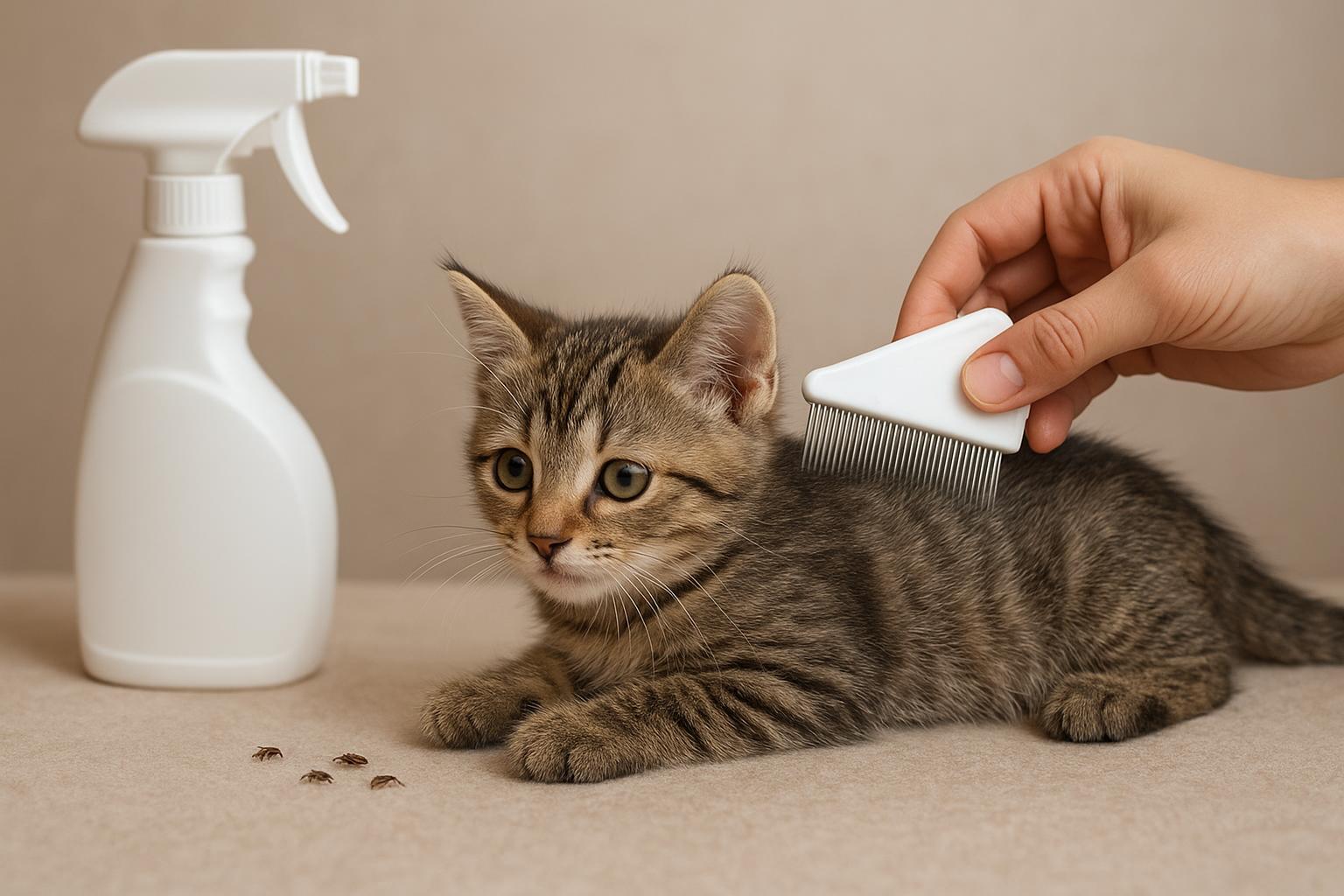
– Vacuum slowly over edges and corners to draw out hidden eggs and larvae.
## Why Bedding Is A Flea Magnet
Fabrics trap body oils and skin flakes, and that’s food for flea larvae. Bedding also tends to be out of reach for regular cleaning schedules — people wash sheets, but rarely unzip and launder the inner stuffing. Fleas prefer places that stay warm and shaded, and a cat bed tucked under furniture is perfect.
Cat flea bedding often has lint and fibers that larvae use to hide. High-pile materials like faux fur or plush foam beds provide cushioning and pockets where pupae can remain undisturbed for months. These pupae are tough; they can wait out dry spells and emerge when your cat returns.
### Common Mistakes Owners Make
One big mistake is treating the pet only, not the environment. You can apply a fantastic topical product, but if bedding and housewares still hold eggs, you’ll soon see fleas again. Another misstep: low-temp washing. Many people toss bedding into a cold-water cycle and assume that’s enough. It isn’t. Heat kills more than agitation.
People also pile bedding into basements or closets without sealing it. That spreads the eggs to storage areas and makes future cleanings harder. And using flea sprays meant for floors directly on a beloved cushion without checking fabric compatibility can ruin the bed and still not reach pupae inside.
## Practical Steps To Treat Infested Bedding
Start by isolating the bed. Move it to an easy-to-clean surface and keep your cat out of the room during treatment. Remove covers and launder everything you can. Wash fabrics on the hottest setting the manufacturer allows. If a tag says machine wash warm, go hotter within safety limits; the combination of detergent and heat is what does most of the work.
Machine drying is your friend. High heat in the dryer kills adults, eggs, and larvae. For foam or beds that can’t be laundered, sunlight and heat can reduce numbers. Leave the foam in direct sun for several hours, flip it, and repeat. If the bed is glued or has complex construction, consider replacing it if infestation is intense.
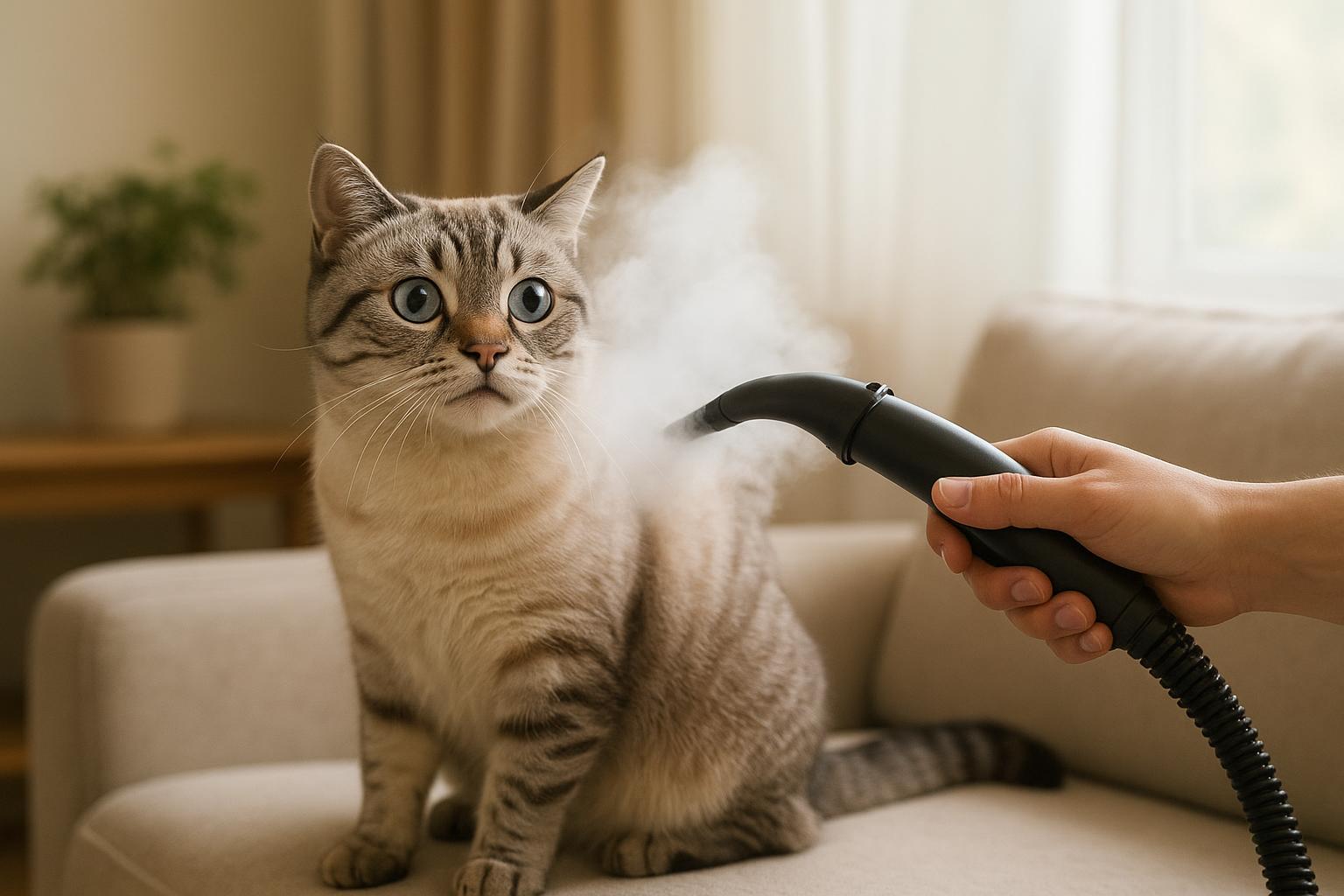
Vacuum thoroughly. Use attachments to get into seams, under cushions, and around baseboards. Empty the vacuum bag or canister outside immediately after vacuuming; otherwise eggs can hatch inside and escape. For seams and tight spots, consider a steam cleaner — the heat penetrates better than a wipe or spray.
### Chemical Options And Cautions
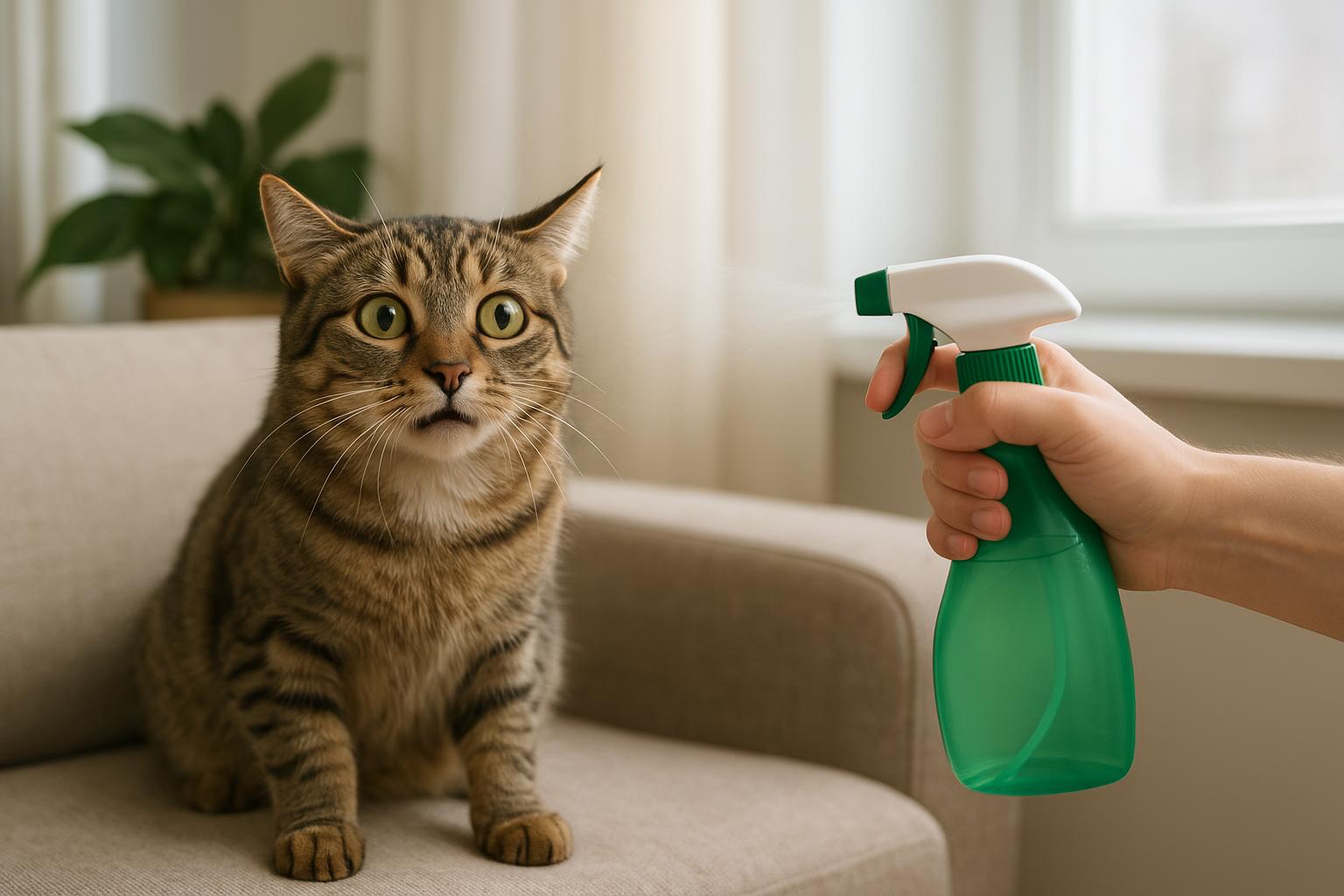
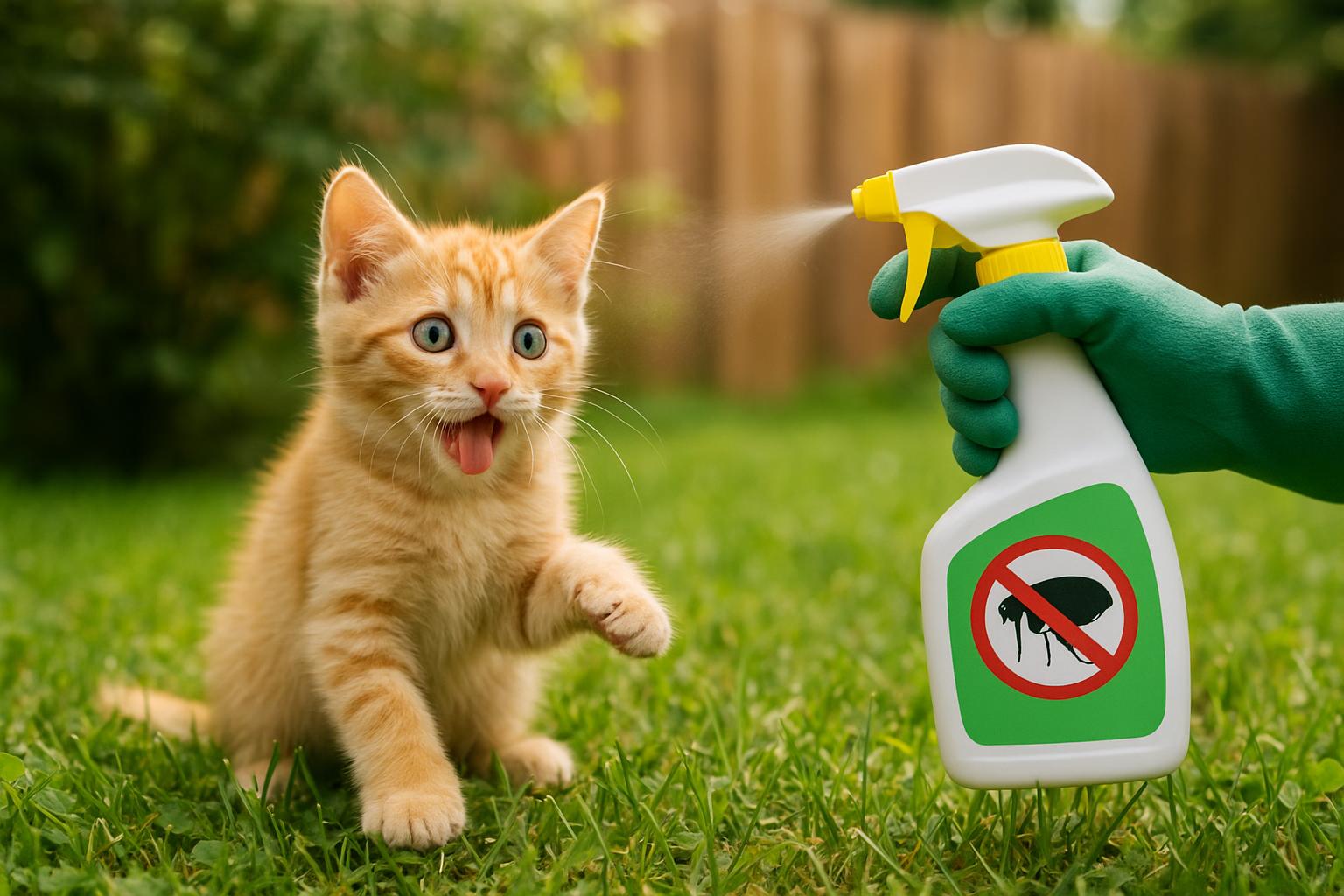
Insect growth regulators (IGRs) like methoprene or pyriproxyfen stop eggs and larvae from maturing. These are useful for treating rooms, but read labels carefully and ensure products are safe for use around pets and in bedding. Some household sprays are too harsh for fabrics and can leave residues that irritate sensitive skin.
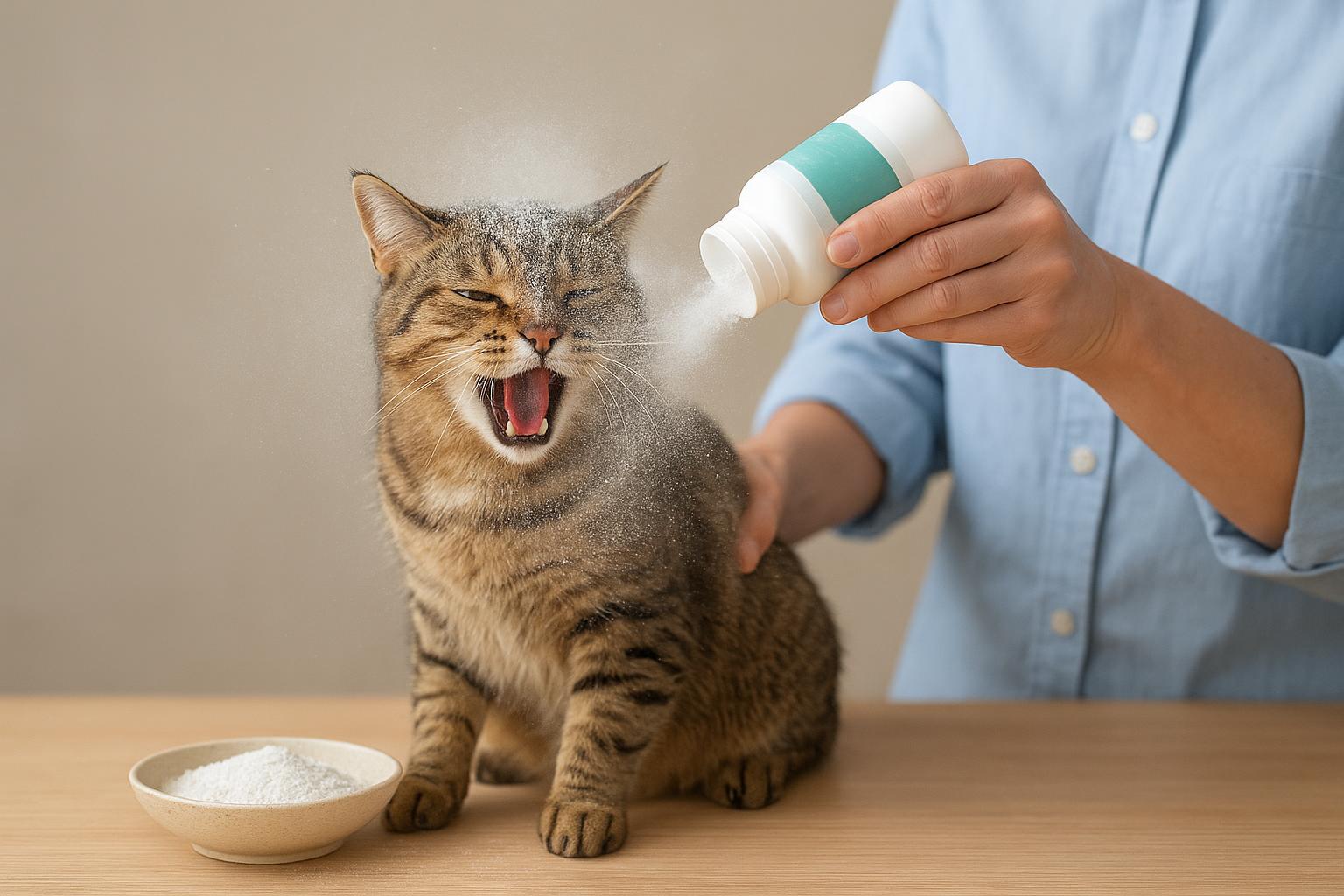
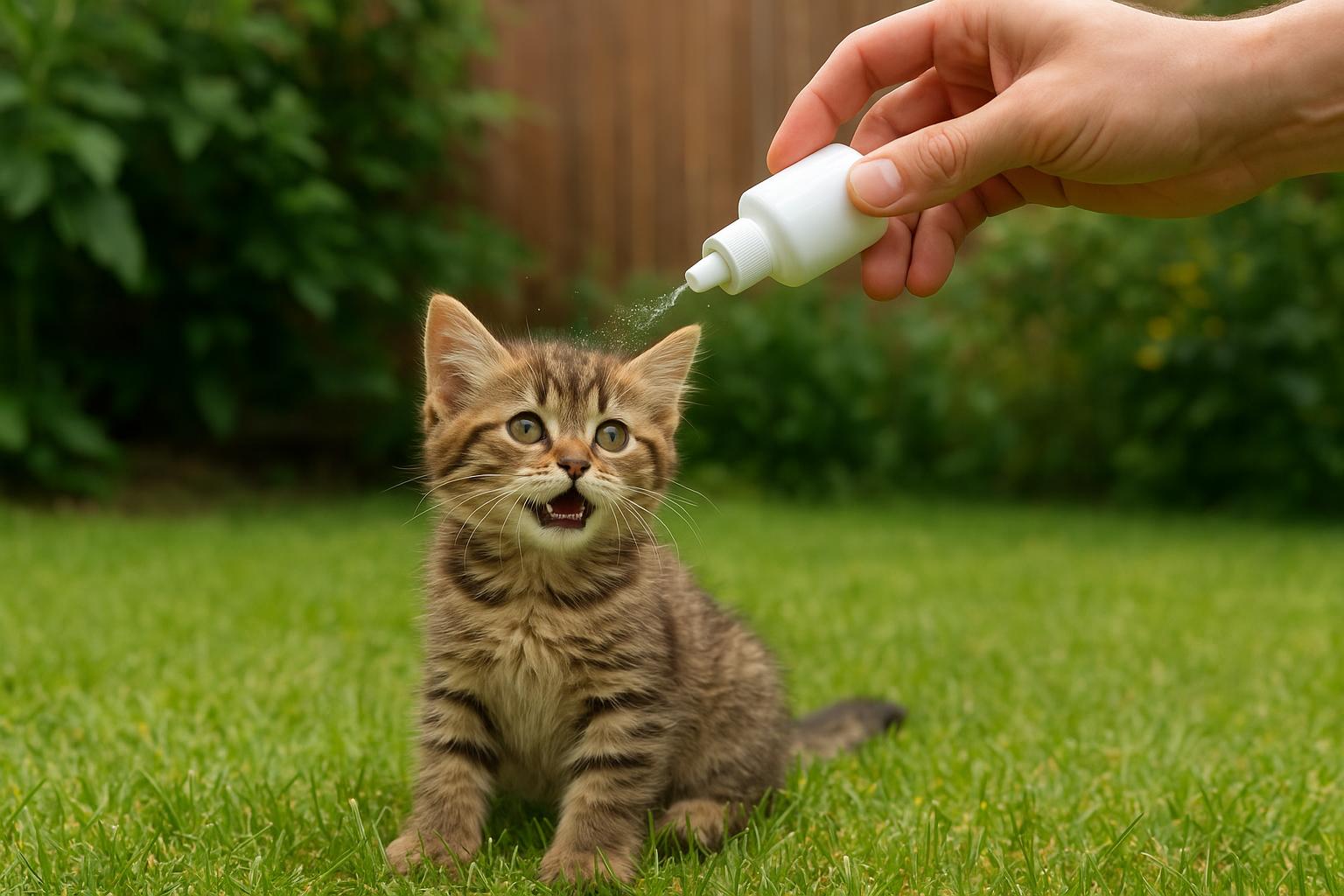
Diatomaceous earth is often recommended as a low-toxicity powder. Food-grade DE can help reduce larvae in fabrics, but it must be used sparingly and applied correctly, because inhalation is a risk for pets and people. If you’re unsure, consult your veterinarian before applying powders to cat flea bedding.
## How To Prevent Flea Issues In Cat Bedding
Prevention beats treatment. Establish a cleaning cadence: wash covers weekly during flea season, and at least monthly year-round. Vacuum around sleeping areas three times a week if fleas are a known local problem. Replace inner stuffing or beds every year if your cat spends heavy time in one spot; over time, materials break down and trap more debris.
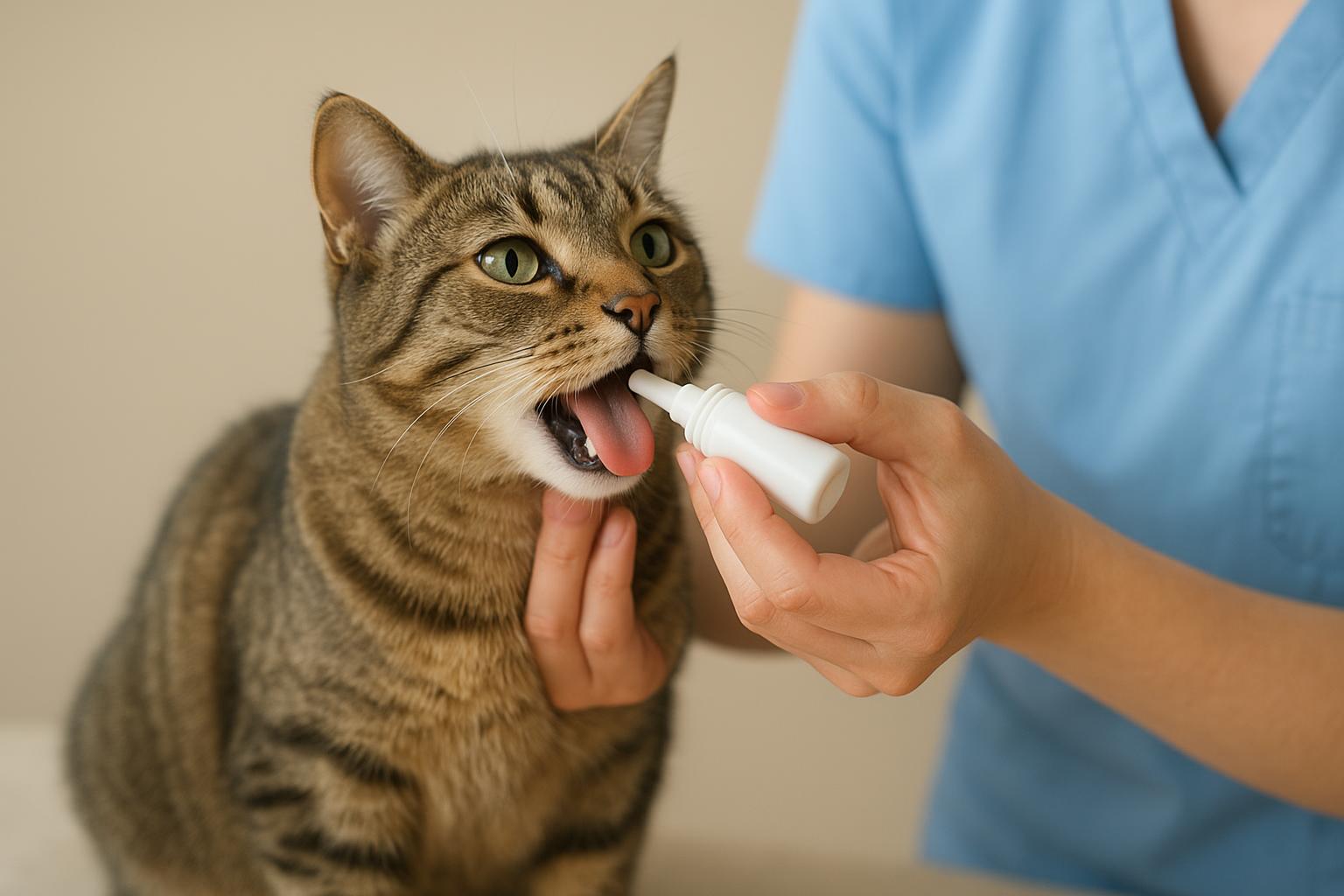
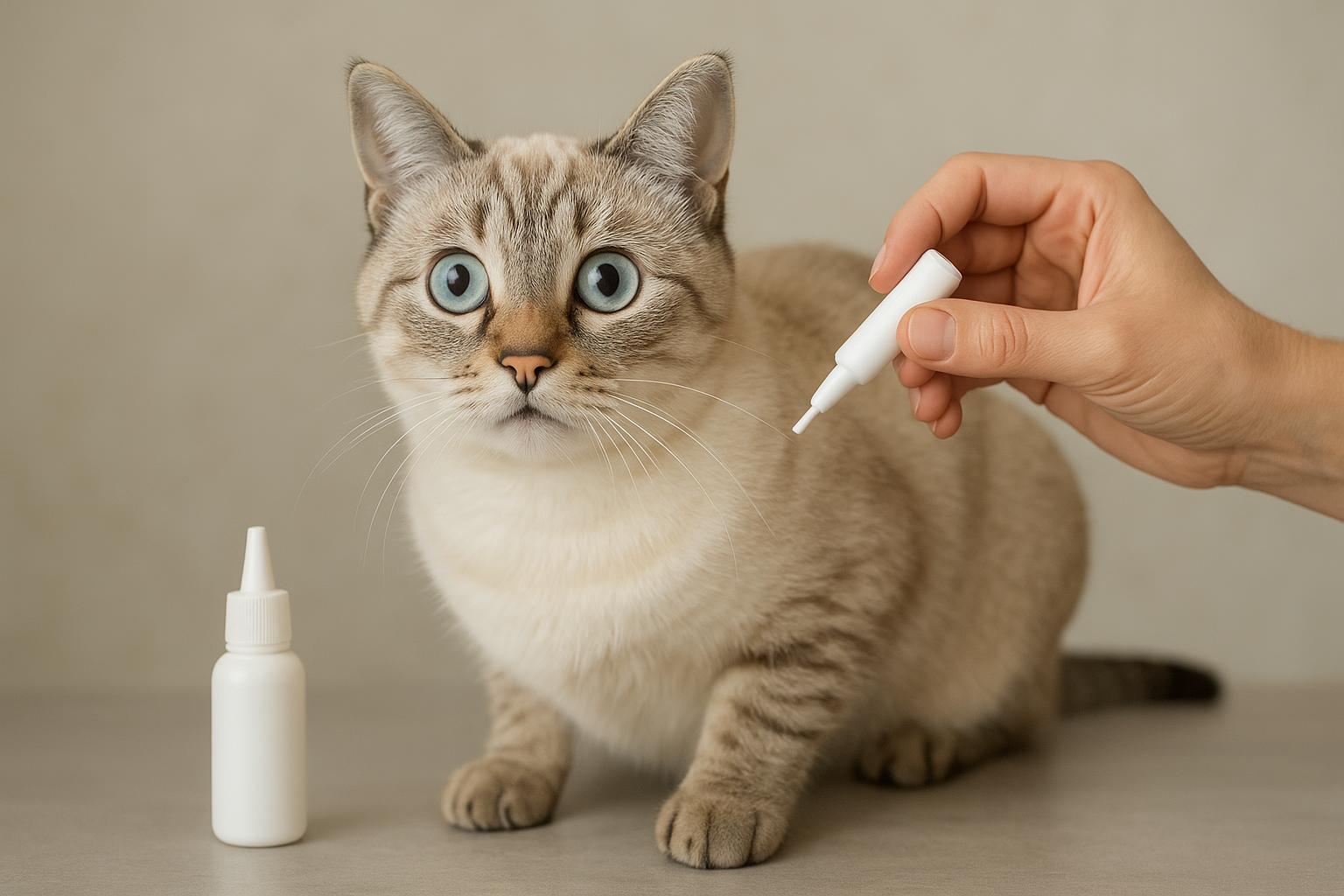
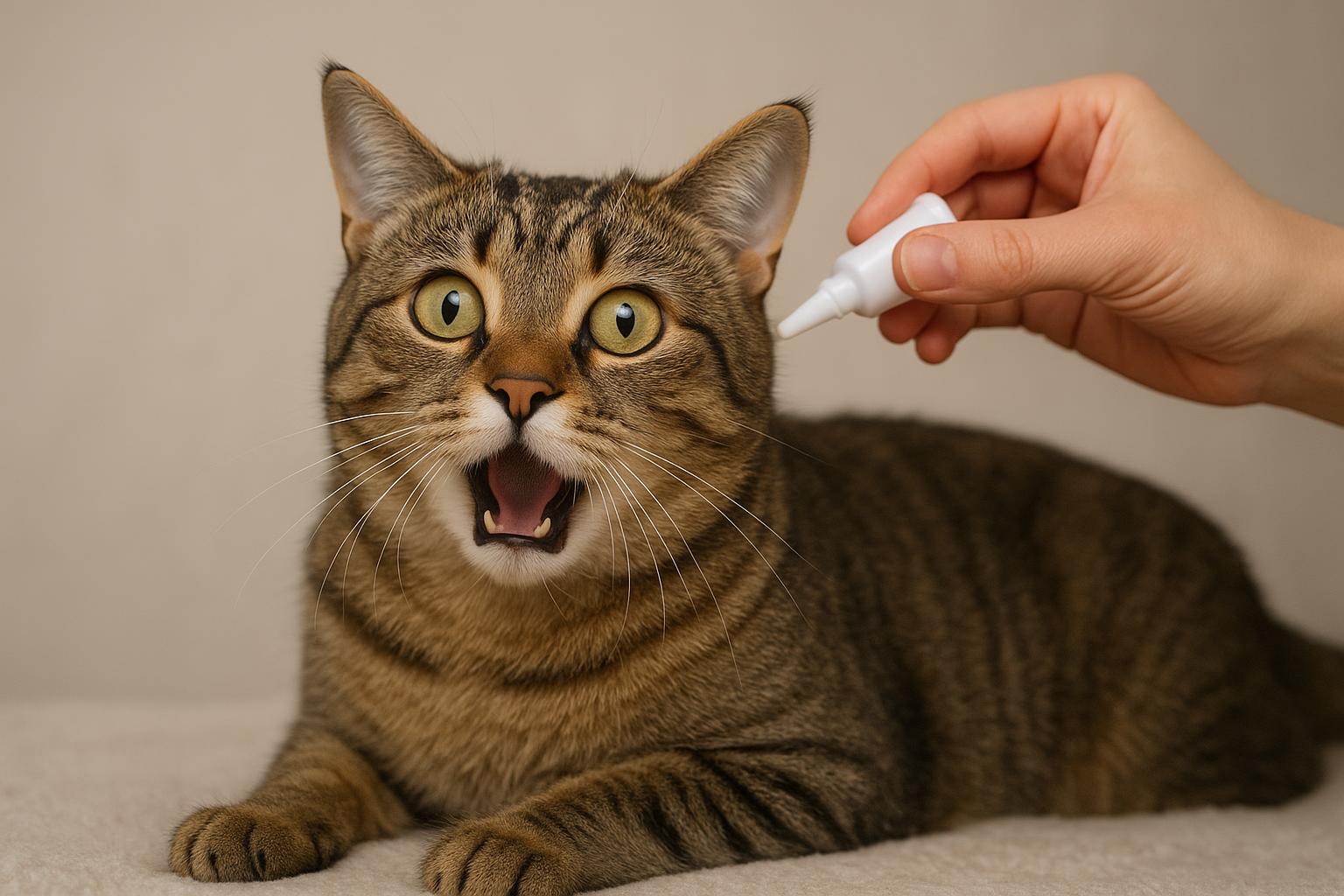
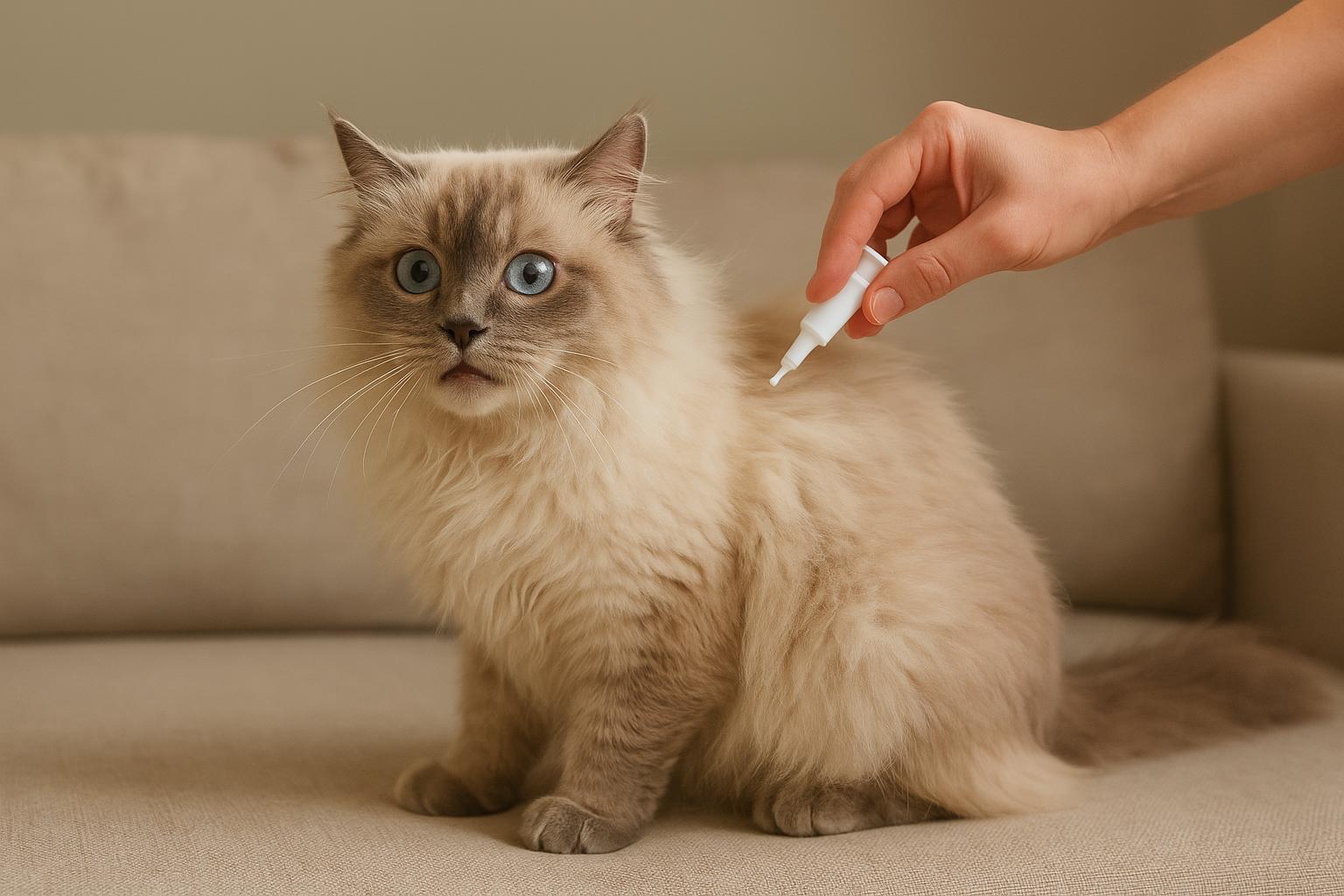
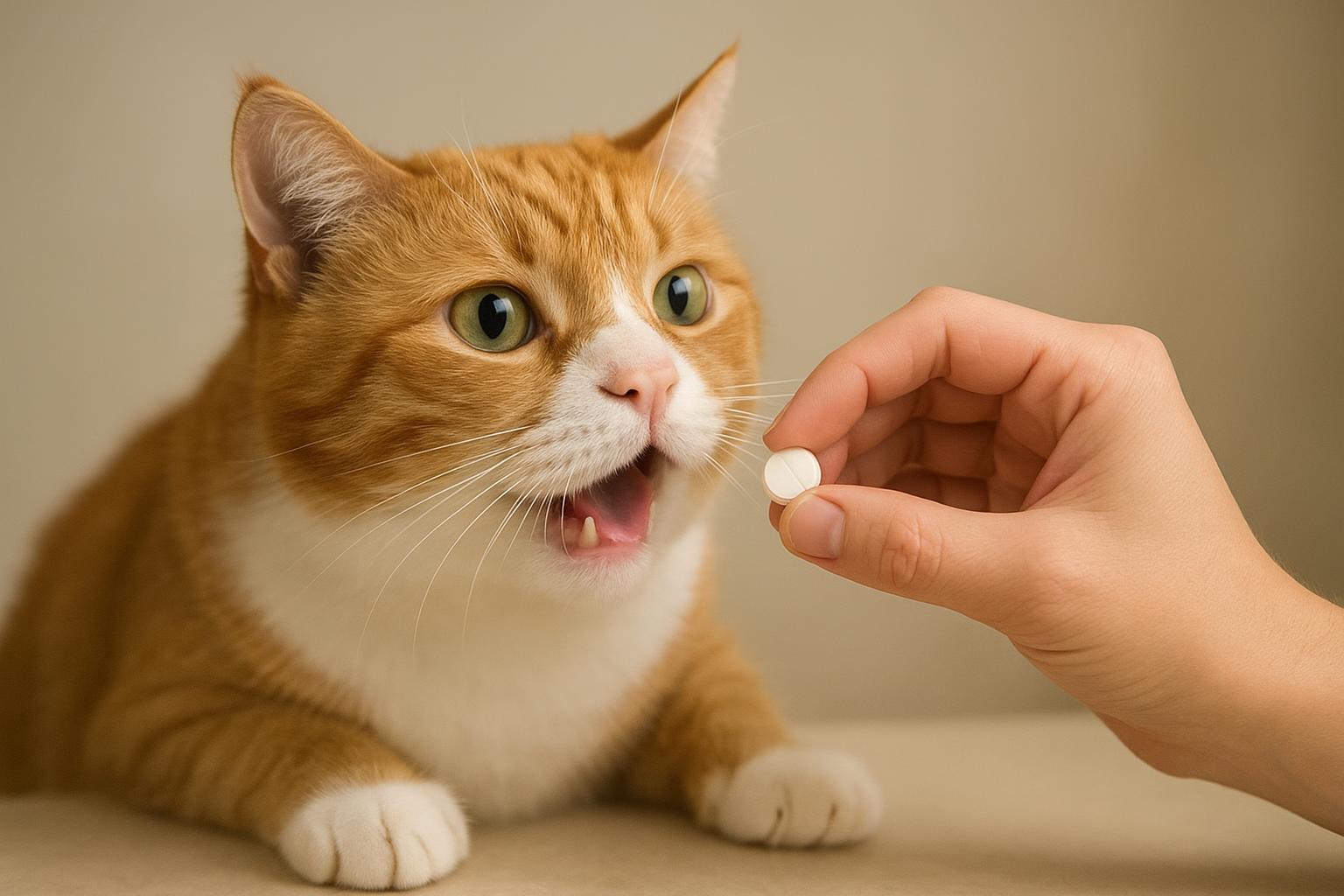
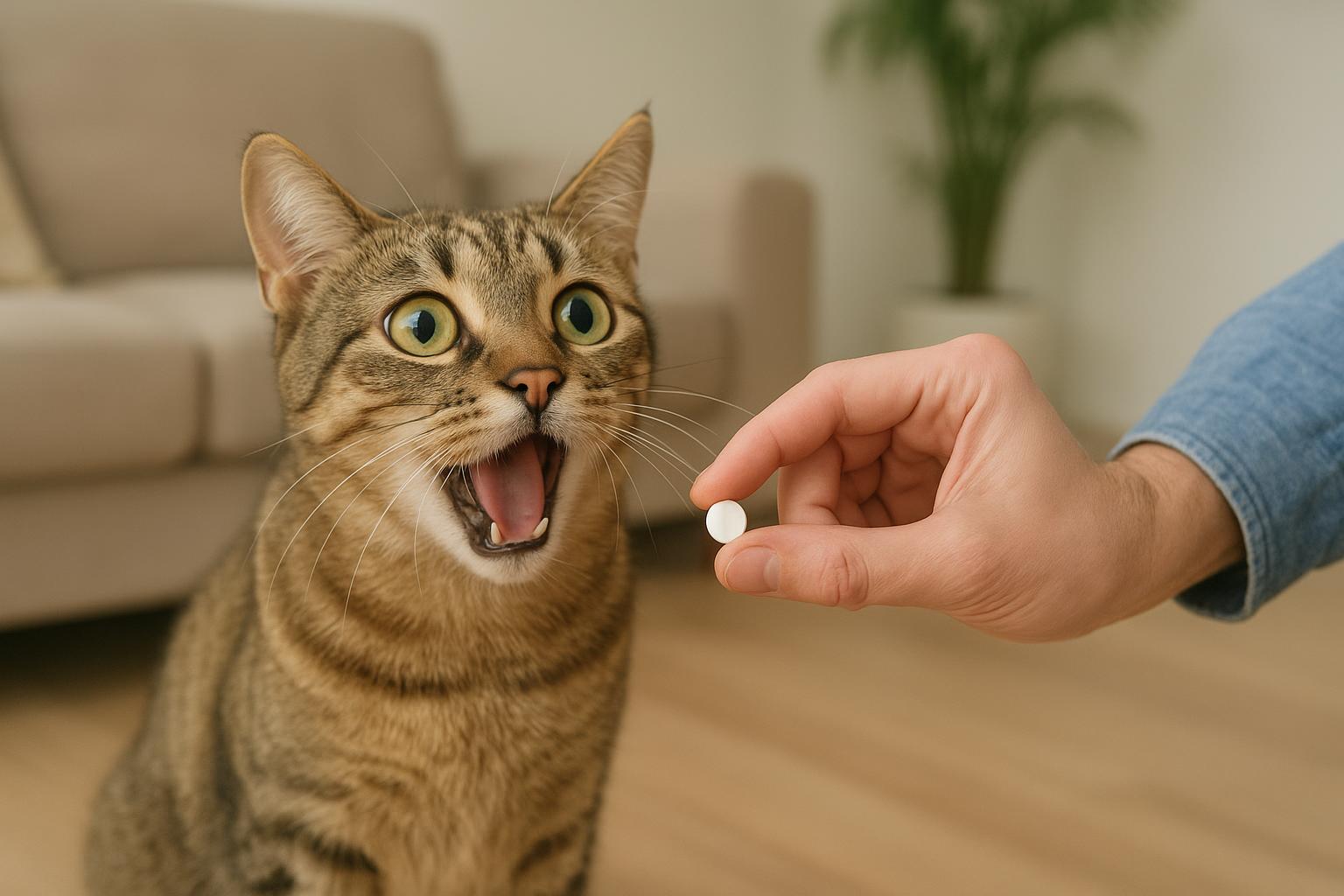
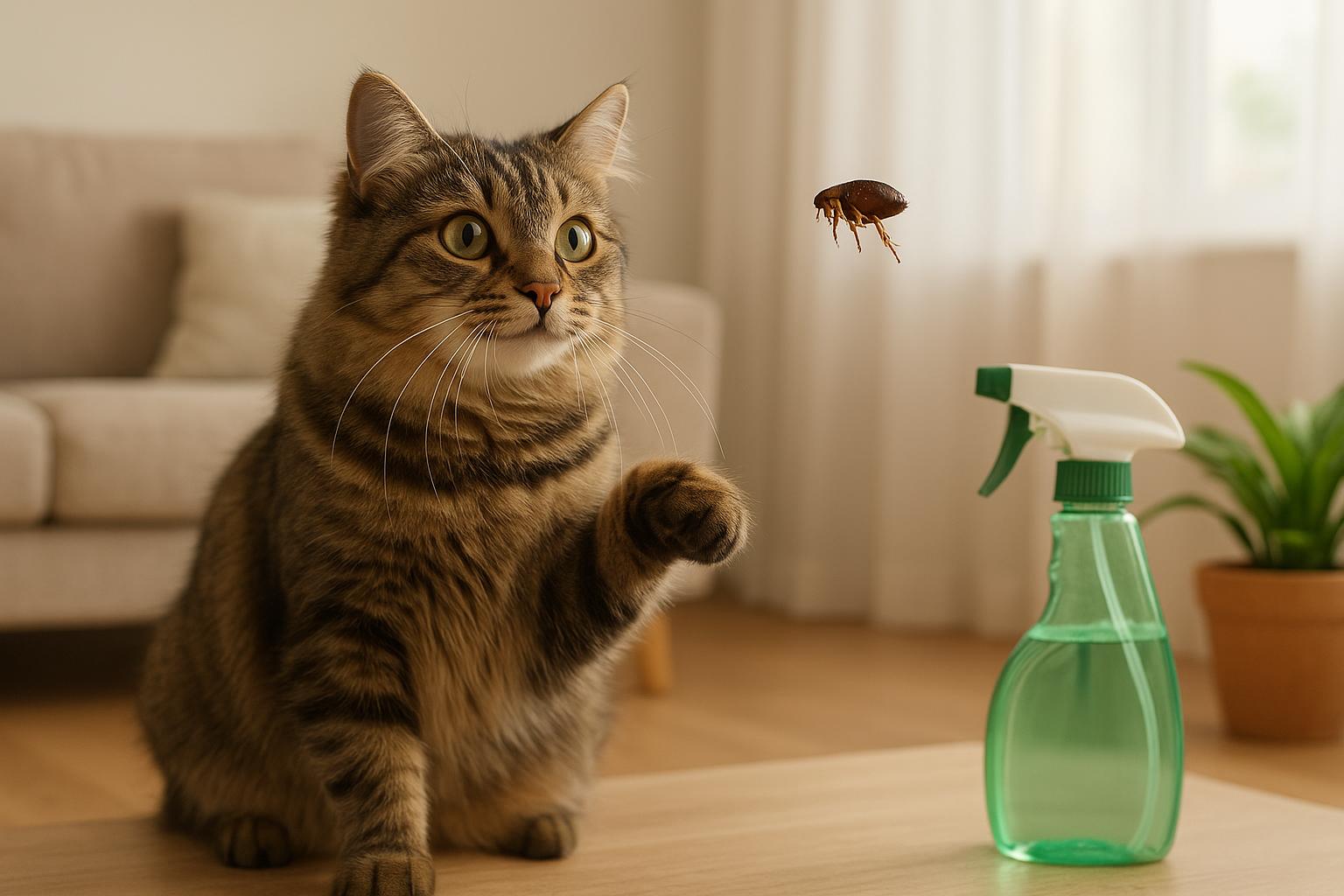
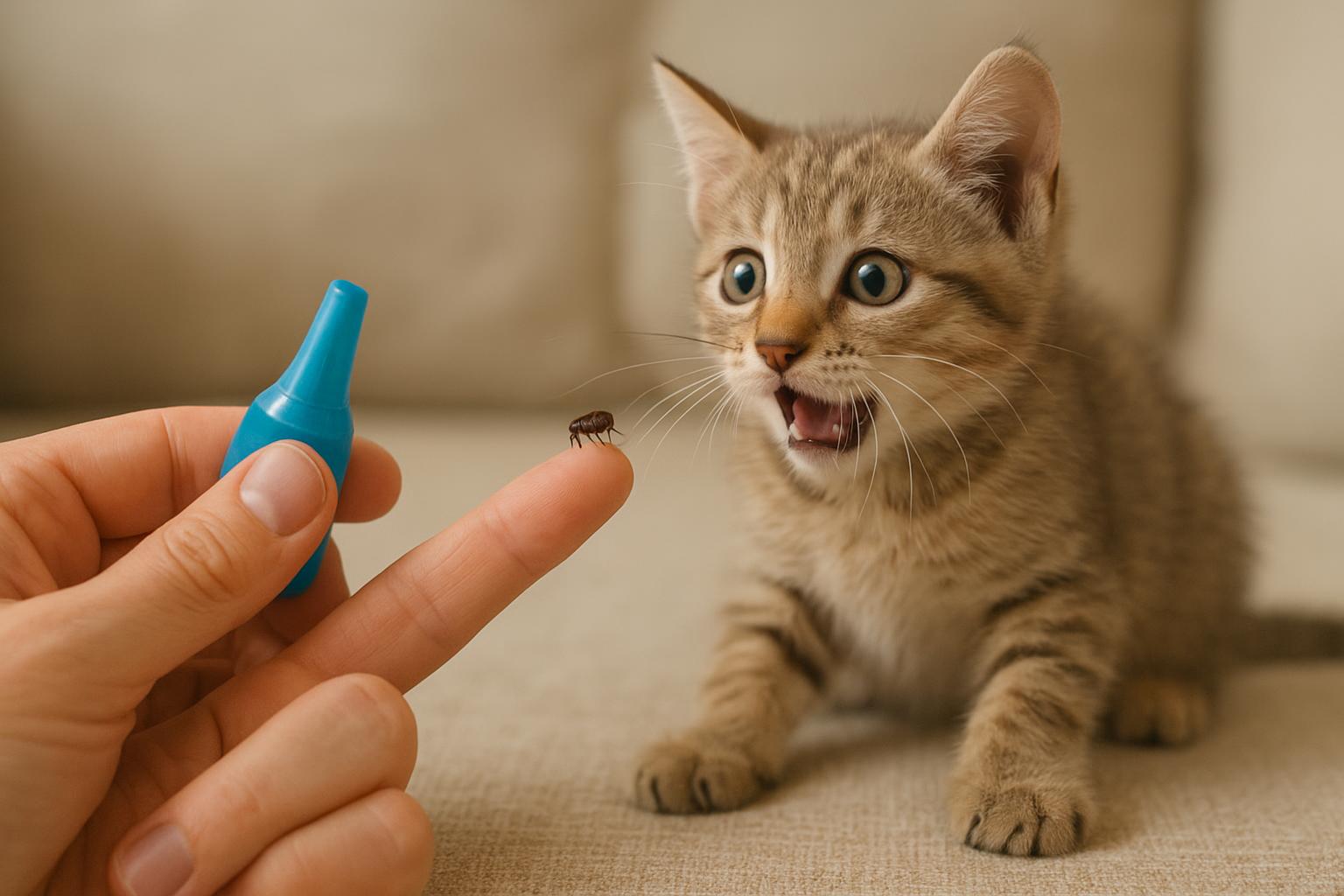
Treat your cat consistently with a vet-recommended flea preventive. Topicals, oral treatments, and collars each have pros and cons, but using them reliably reduces the number of fleas that can reach bedding in the first place. Combine pet treatment with environmental control for best results.
### Practical Habits That Cut Risk
– Keep beds off the floor when possible; place them on washable throw rugs.
– Avoid plush, high-pile beds in warm, humid rooms.
– Store spare bedding in sealed plastic bins so eggs can’t spread.
– Use washable covers that unzip; they’re easier to launder frequently.
If you travel with your cat, check hotel rooms for signs of fleas and keep your cat’s bedding in a carrier when not in use. Fleas spread easily through transient contact. One infested stop is all it takes to reintroduce the pests to your home.
#### When To Call A Professional
If you’re repeatedly treating bedding and still seeing fleas, it’s time to bring in a pest pro. Professionals can apply treatments that penetrate more effectively and target pupae in floorboards and carpets. And if multiple pets or a whole-house infestation is present, coordinated treatment becomes necessary.
Also consult your vet if your cat shows signs of anemia, severe skin infection, or excessive scratching. Flea issues can lead to secondary problems, especially in kittens, elderly cats, or pets with weak immune systems. A vet can recommend safe, effective products and timing for treatments so you don’t chase the problem and keep re-infesting the bed.
A few minutes of prevention each week saves hours of frustration later. Little habits add up, and once you get ahead of the problem, bedding stays cozy, clean, and flea-free. If you ever feel overwhelmed, ask your vet or a qualified pest control service for specific steps tailored to your home and pets. Teh small costs up front prevent much larger headaches down the road.





















Leave a Reply