
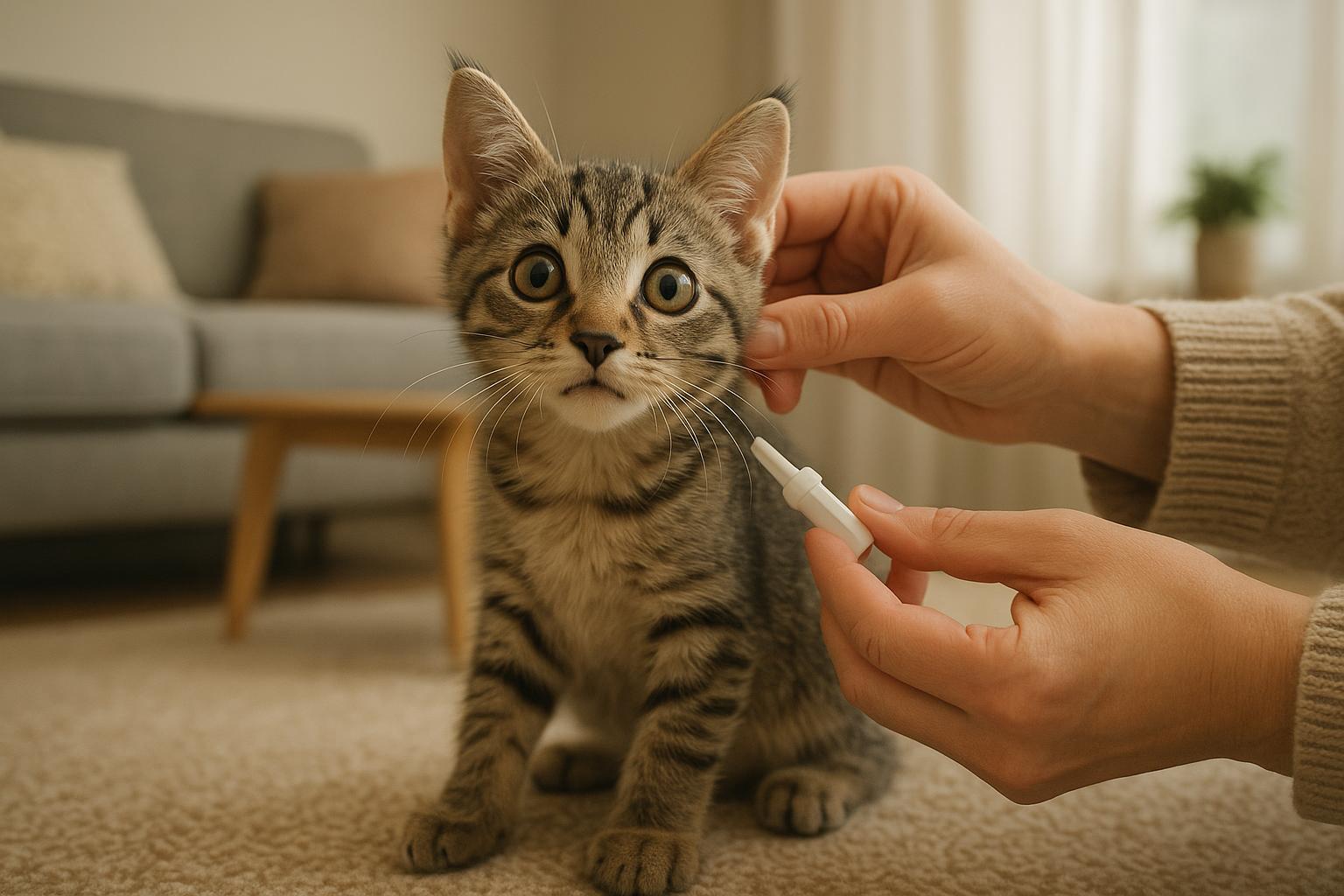
Welcome to a calm corner of the internet where small paws and big questions meet. If your new fluffball is scratching a bit more than usual, you’re not alone — fleas find kittens irresistible. This guide is here to walk you through practical, calm, and humane steps so your home stays peaceful and your kitten stays comfy. We’ll cover signs to watch for, when to call the vet, and two safe, tested approaches you can use at home for effective kitten flea treatment without turning your living room into a lab.
## Kitten Flea Treatment For Calm Home Care
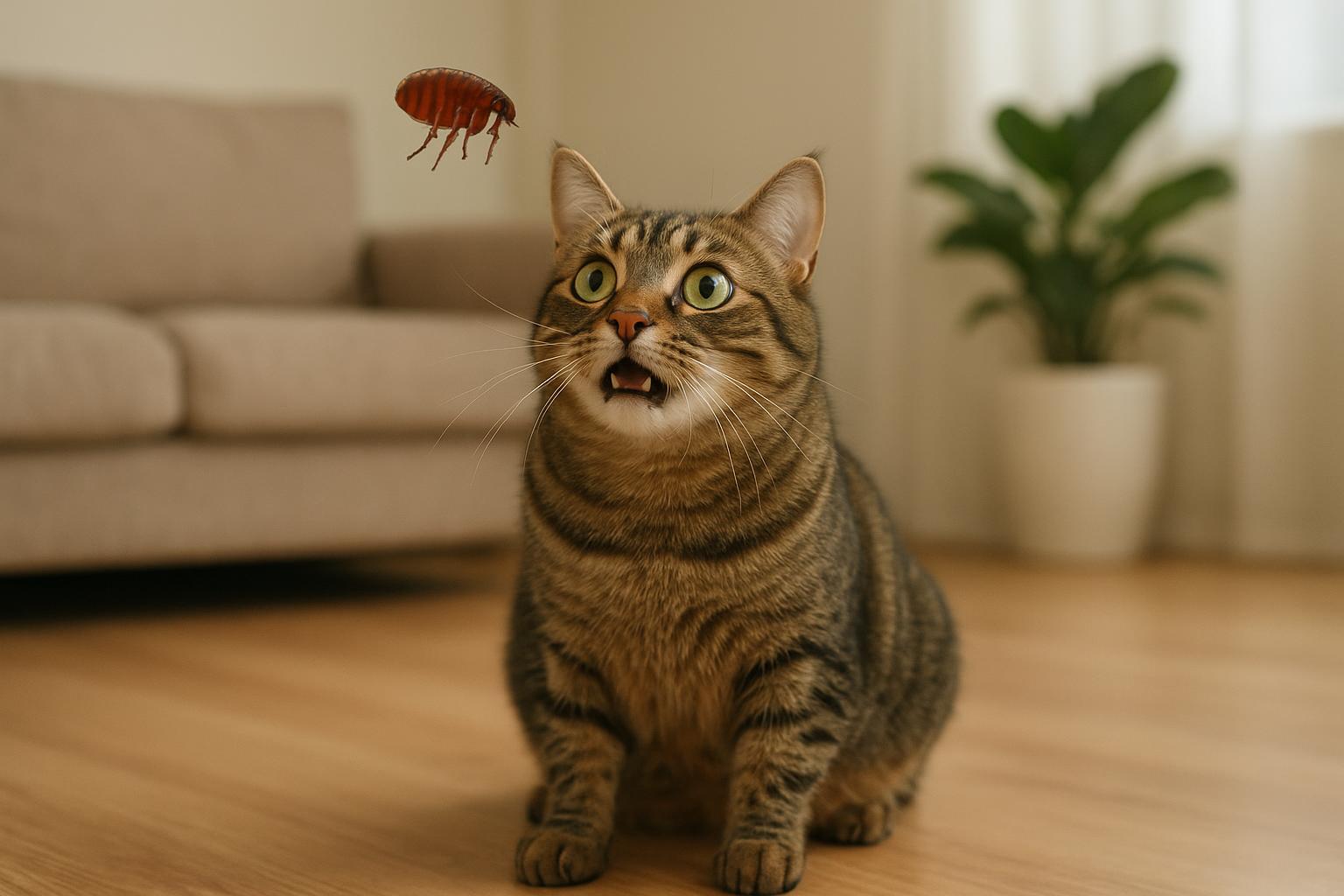
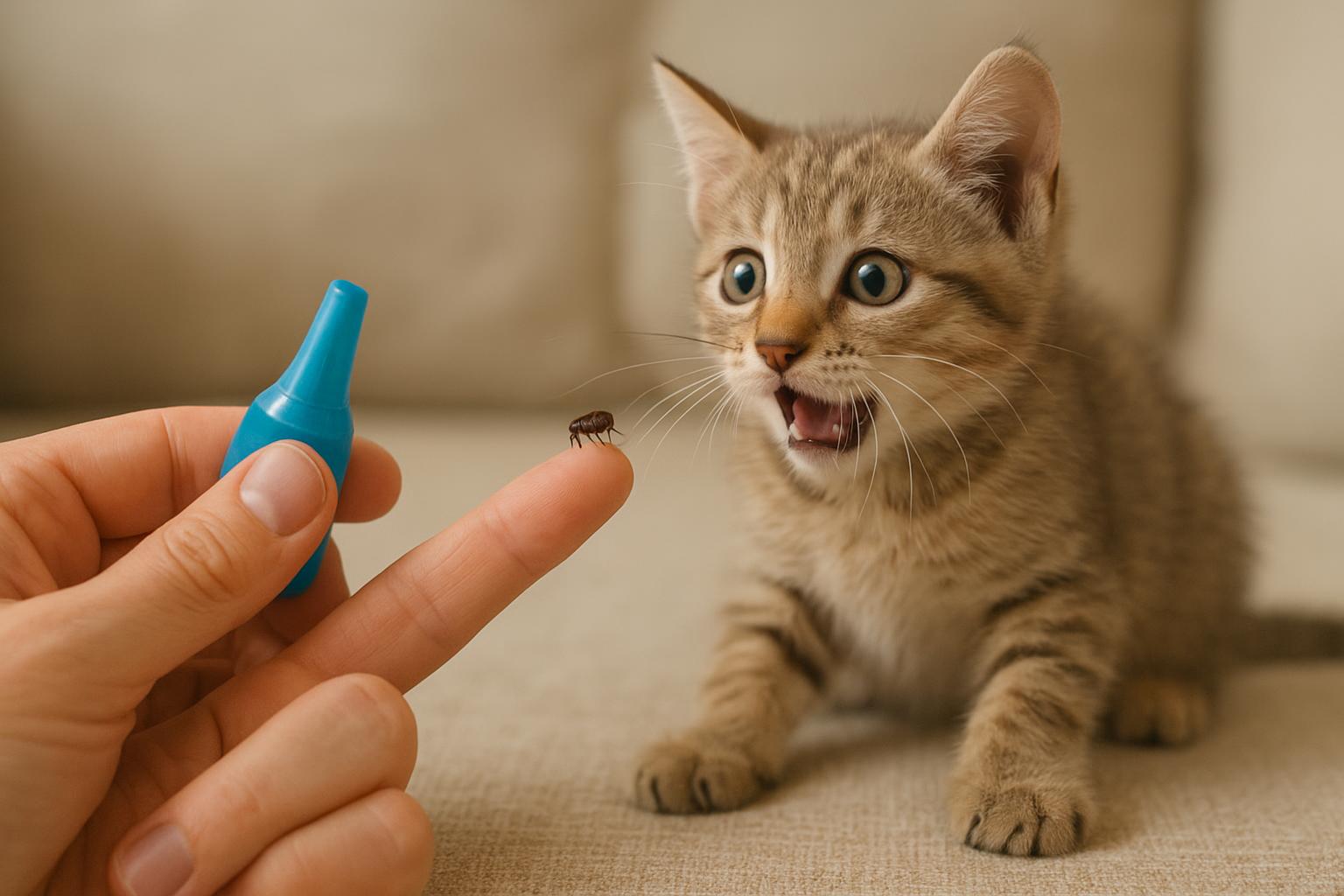
Fleas are tiny but mighty irritants. Before you reach for anything, it helps to know what you’re dealing with. A responsible kitten flea treatment plan balances the wellbeing of your kitten, the safety of everyone in the household, and a realistic approach to cleaning the environment. Kittens have delicate bodies and sometimes different product tolerances than adult cats, so careful selection and vet consultation are essential parts of any treatment protocol.
### Signs To Watch For
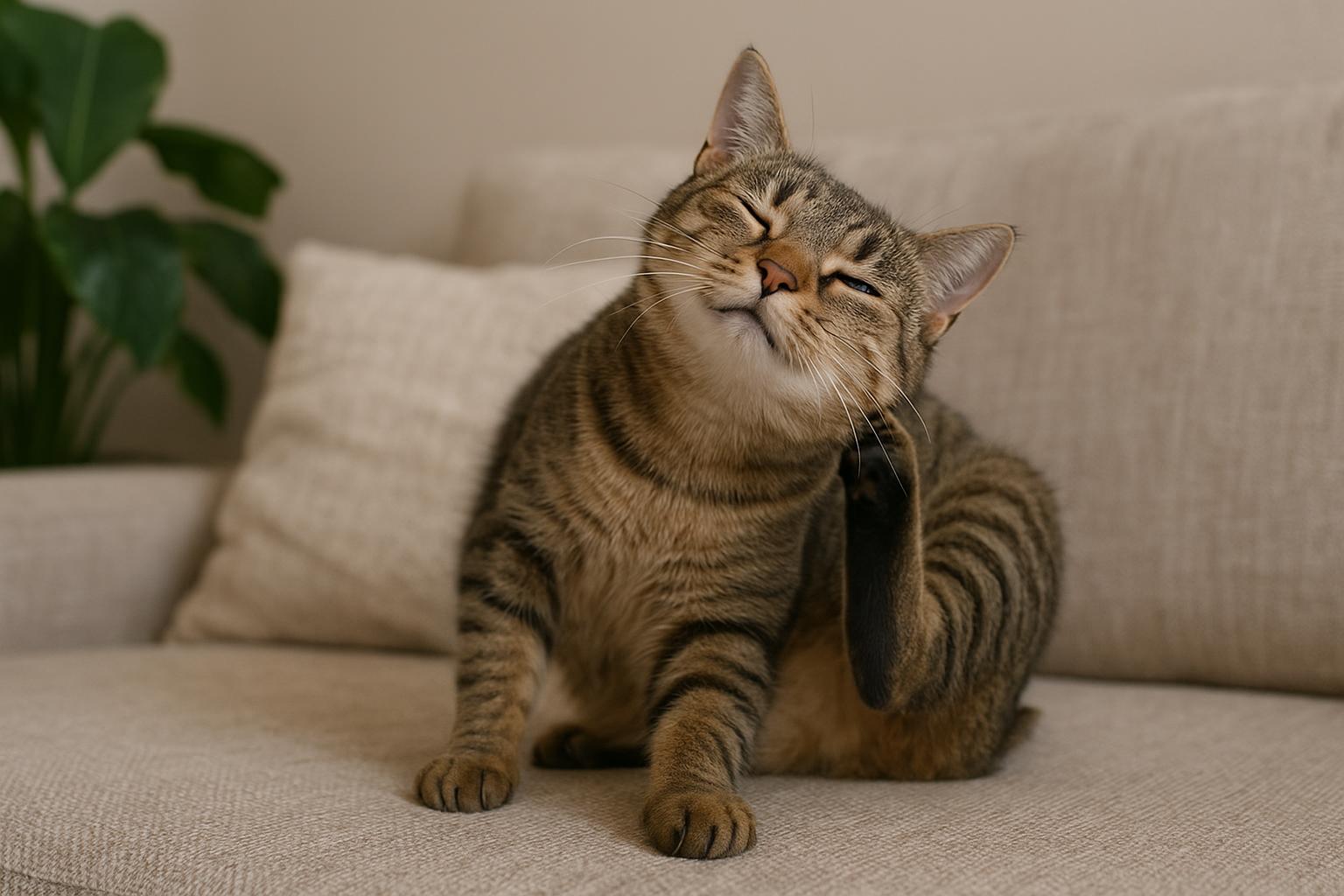
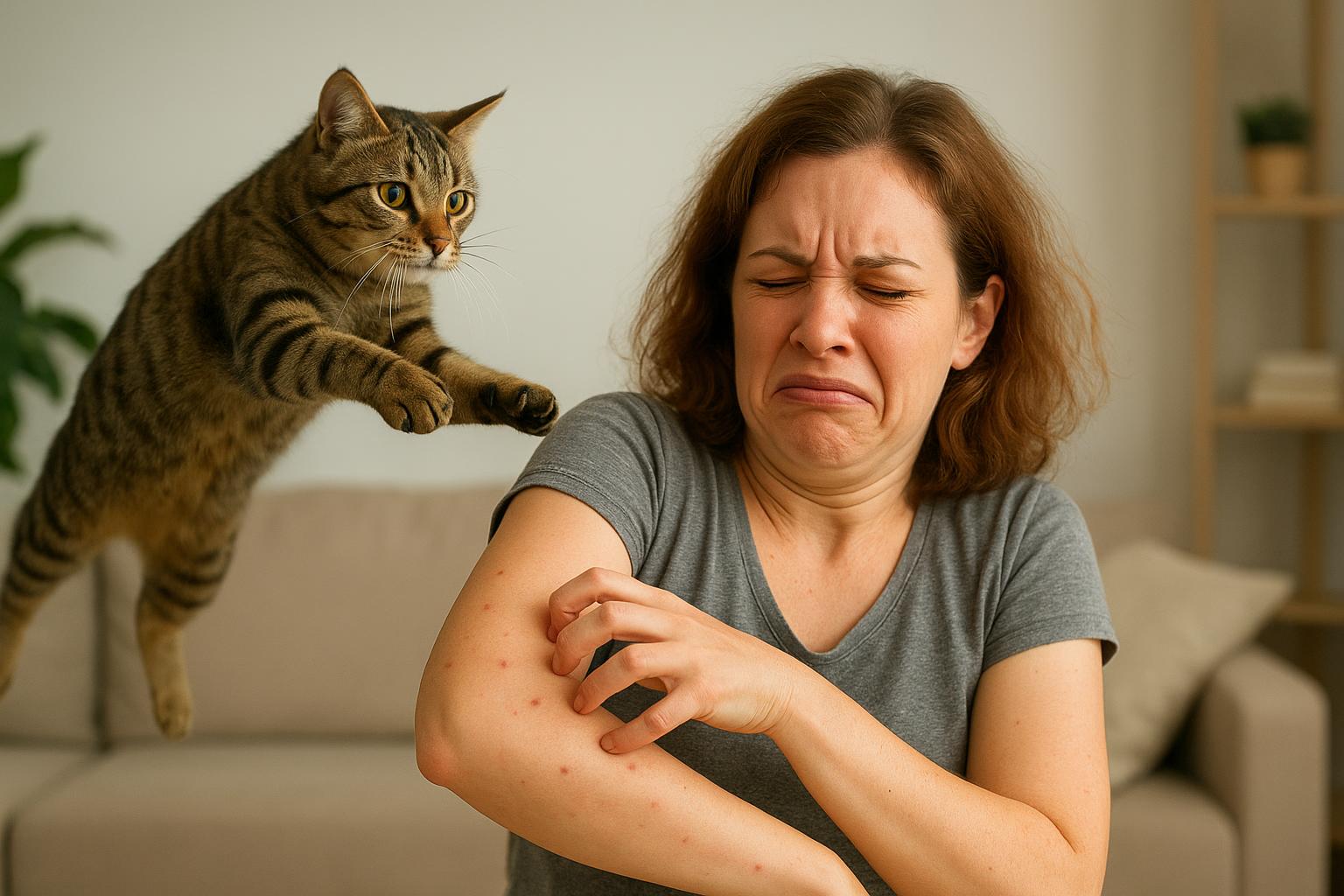
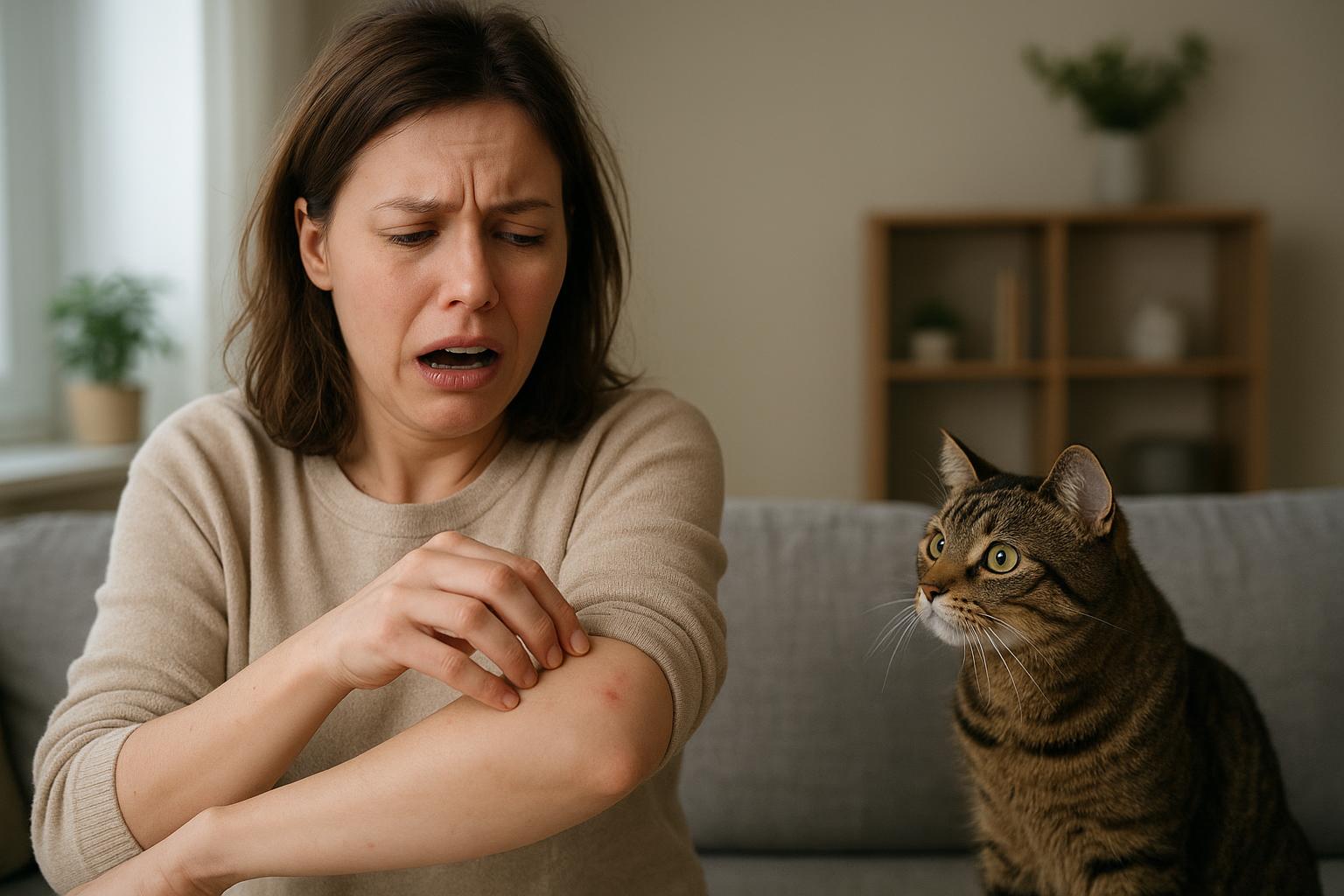
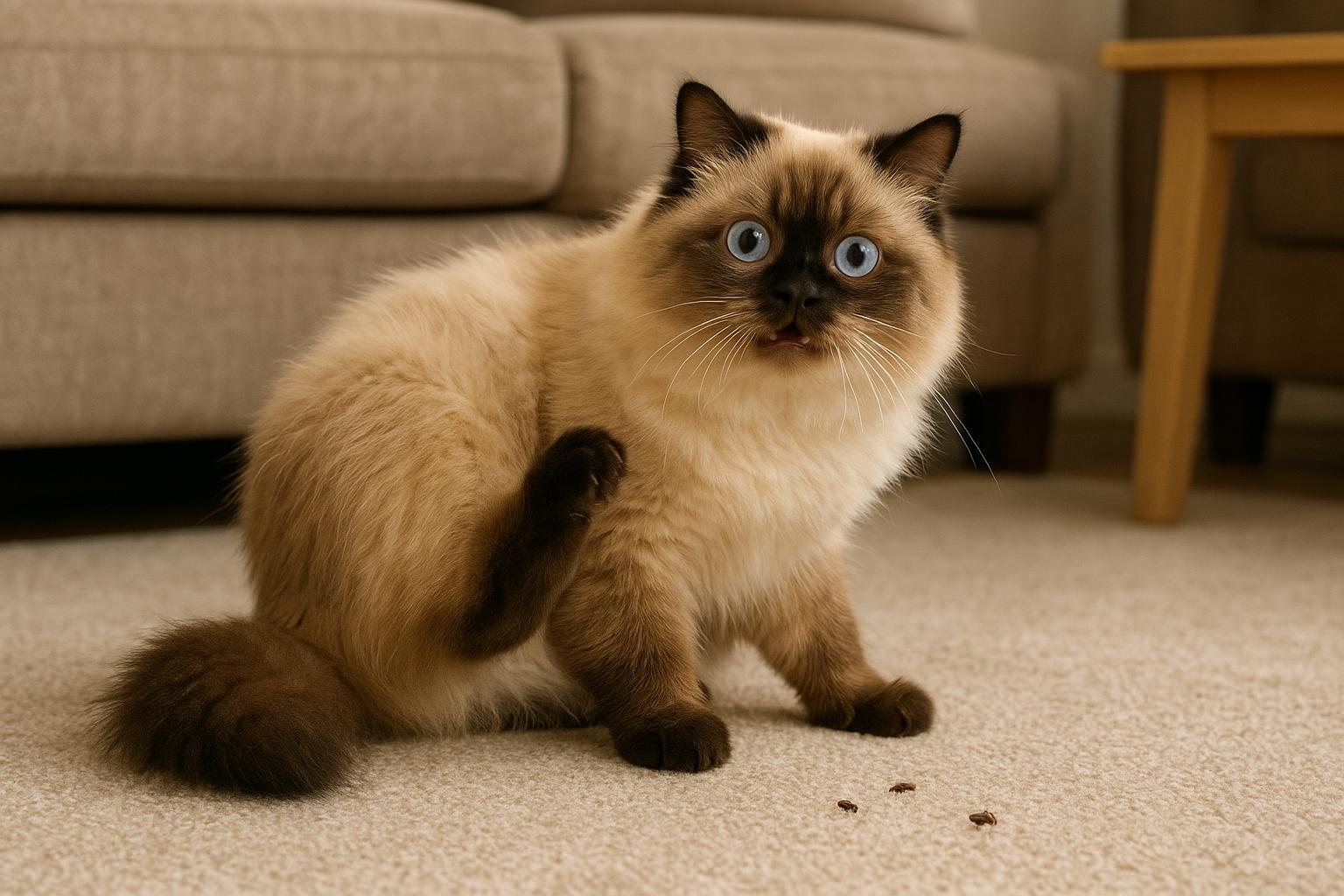
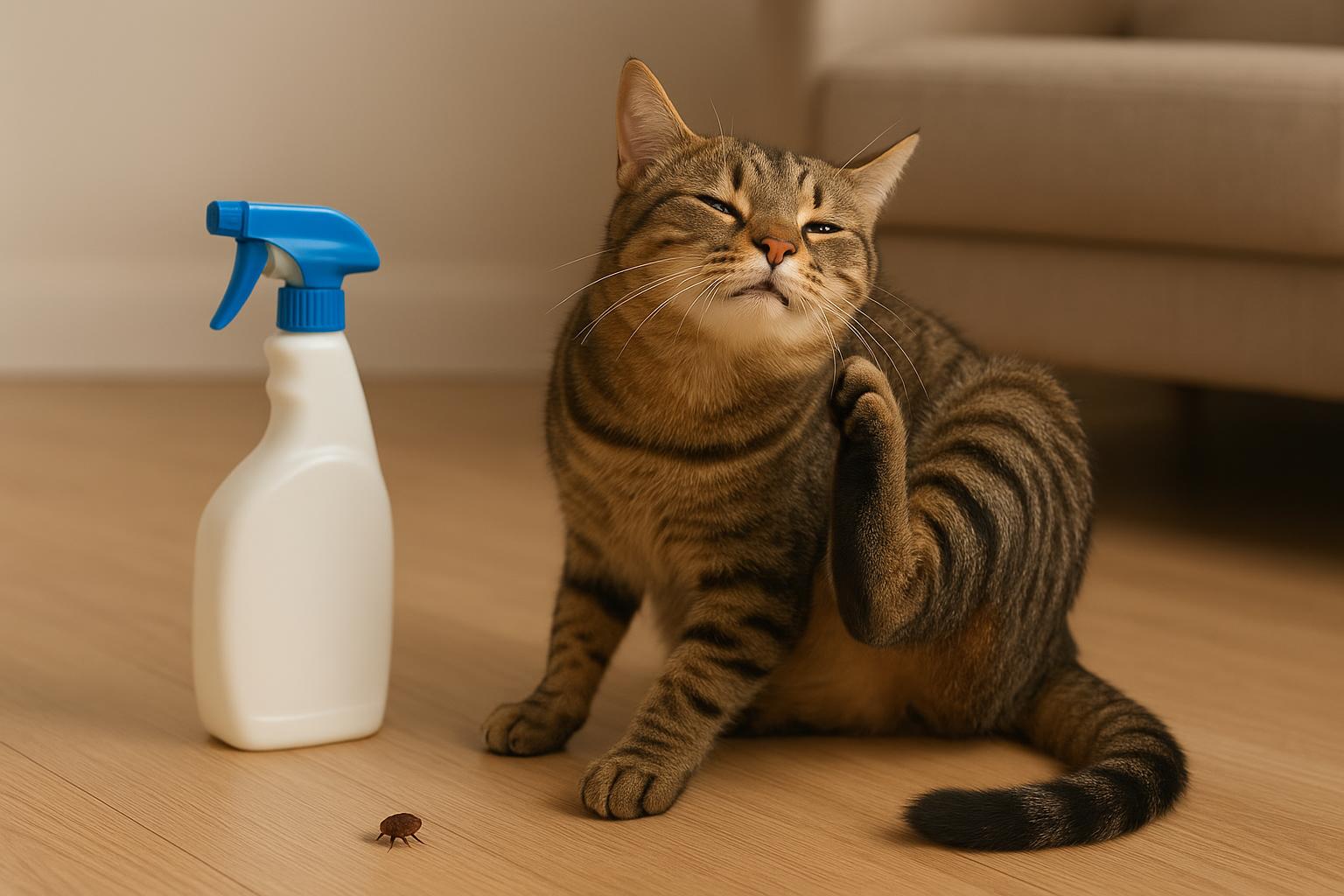
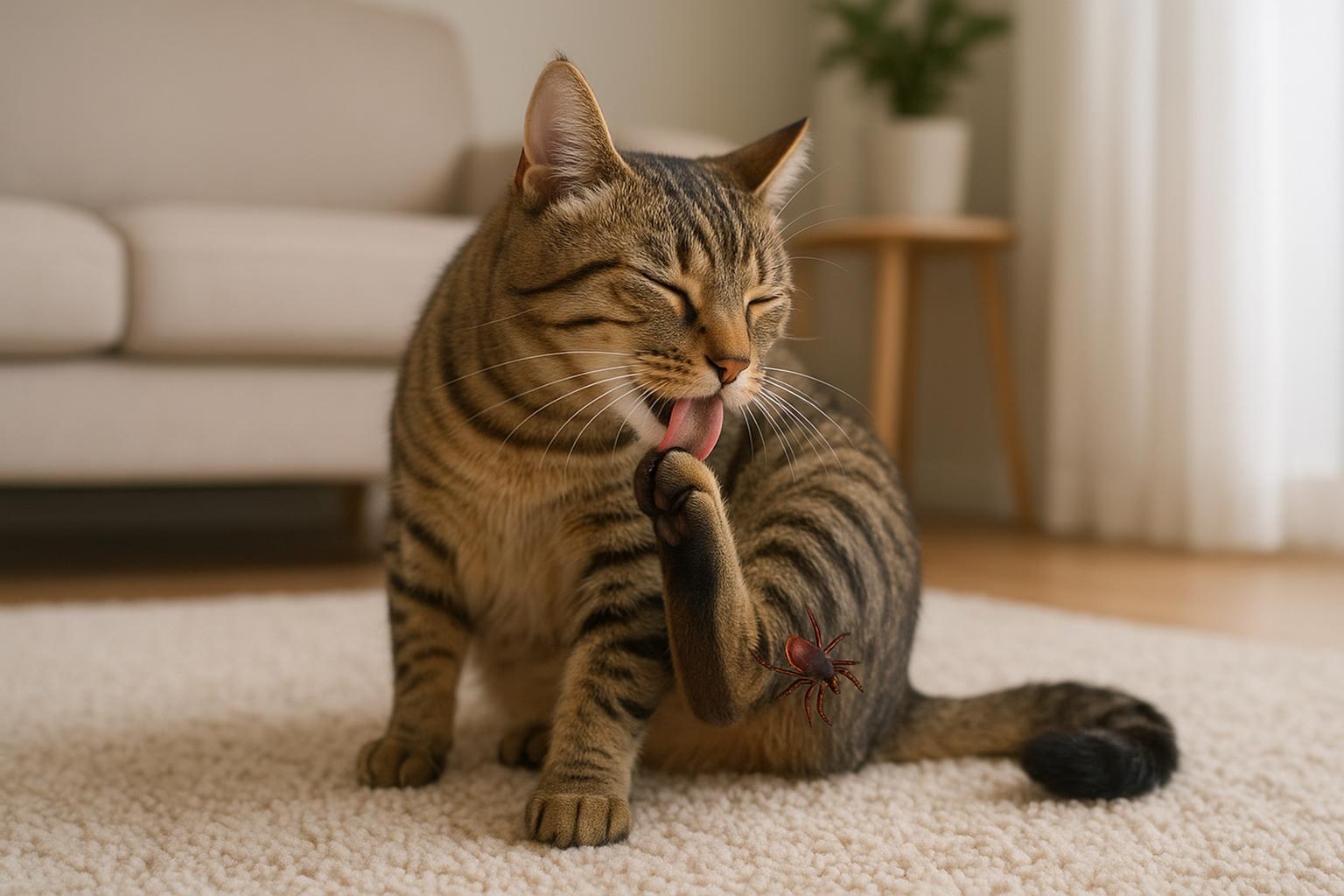
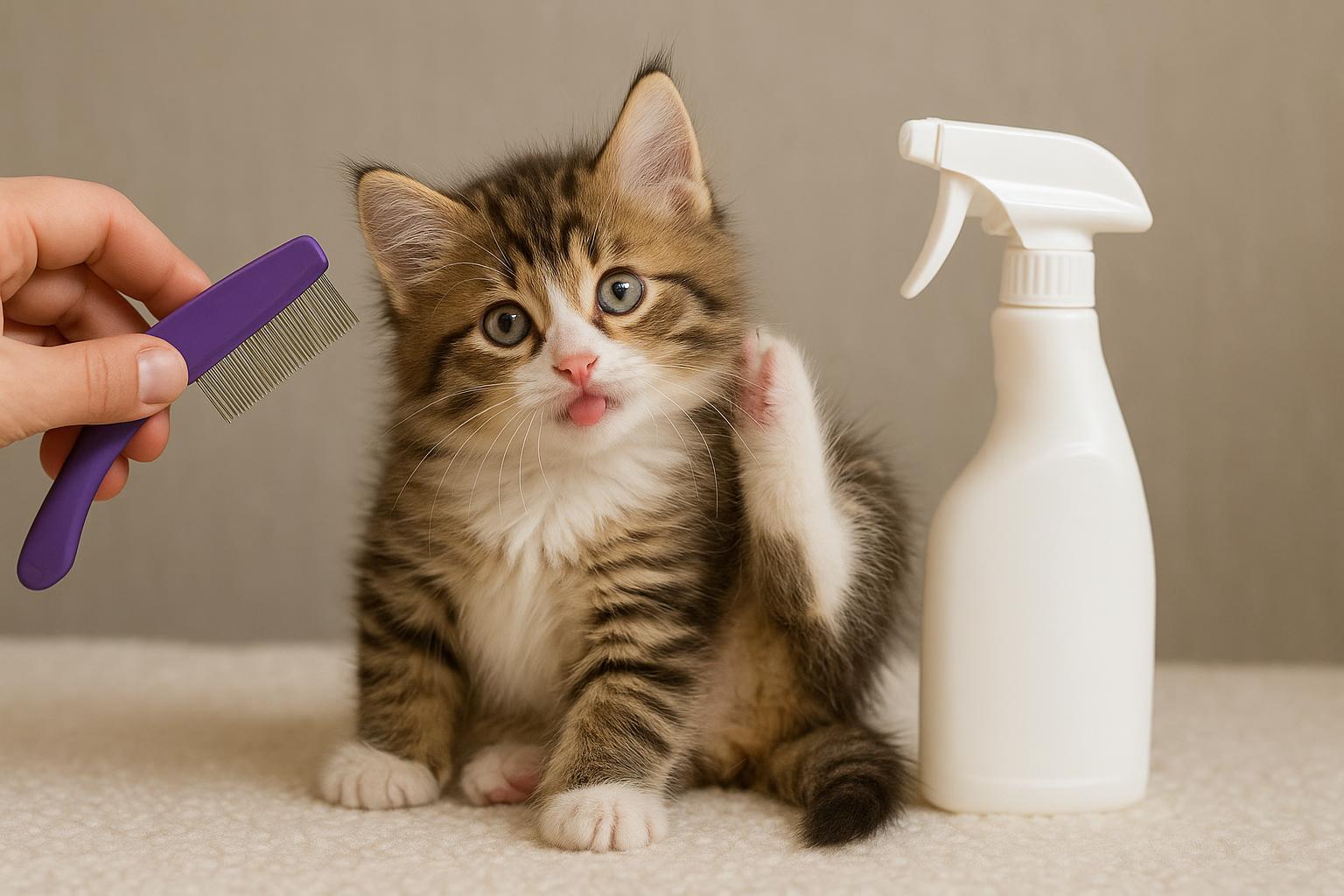
– Excessive scratching, especially around the neck, back, or base of the tail.
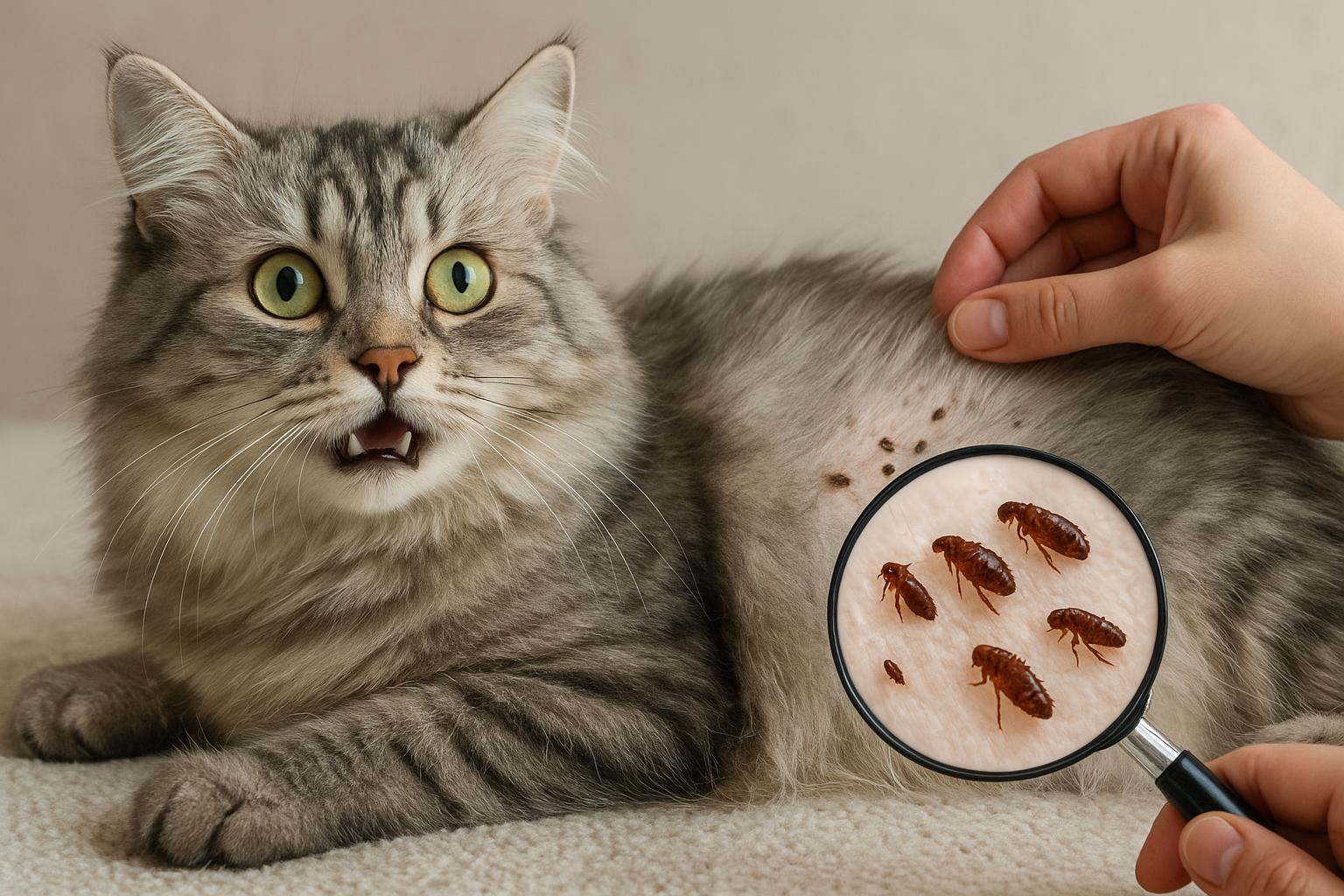
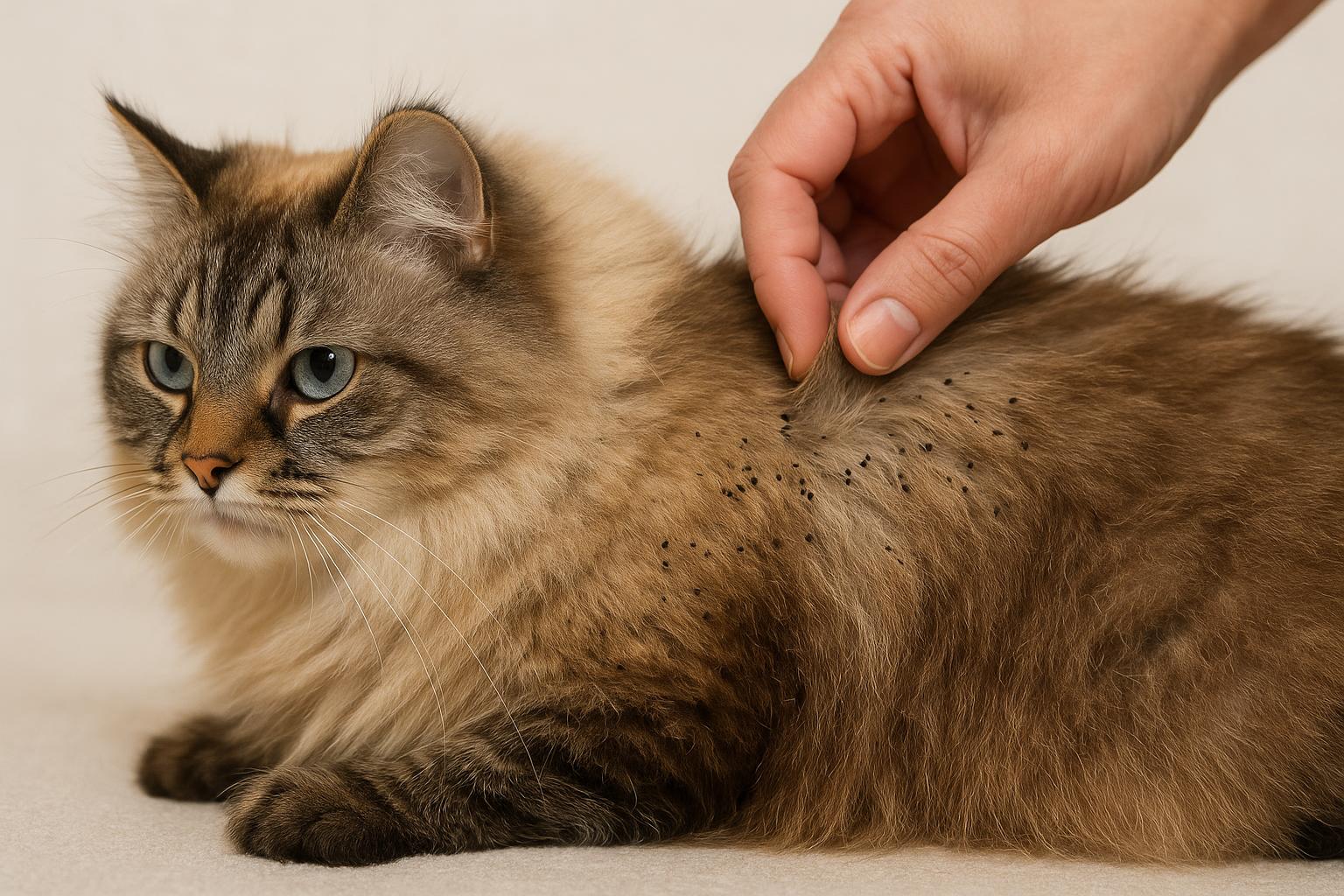
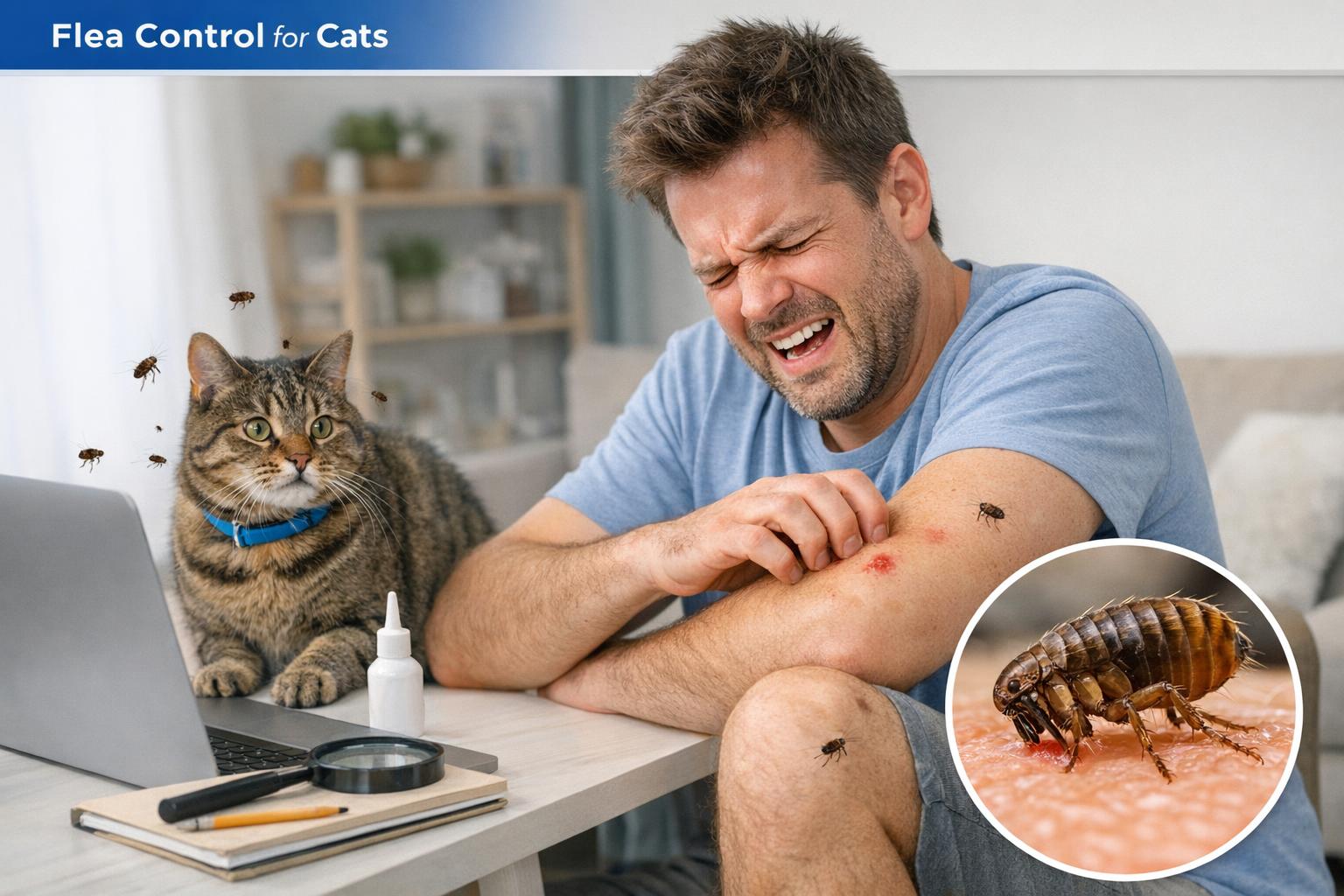
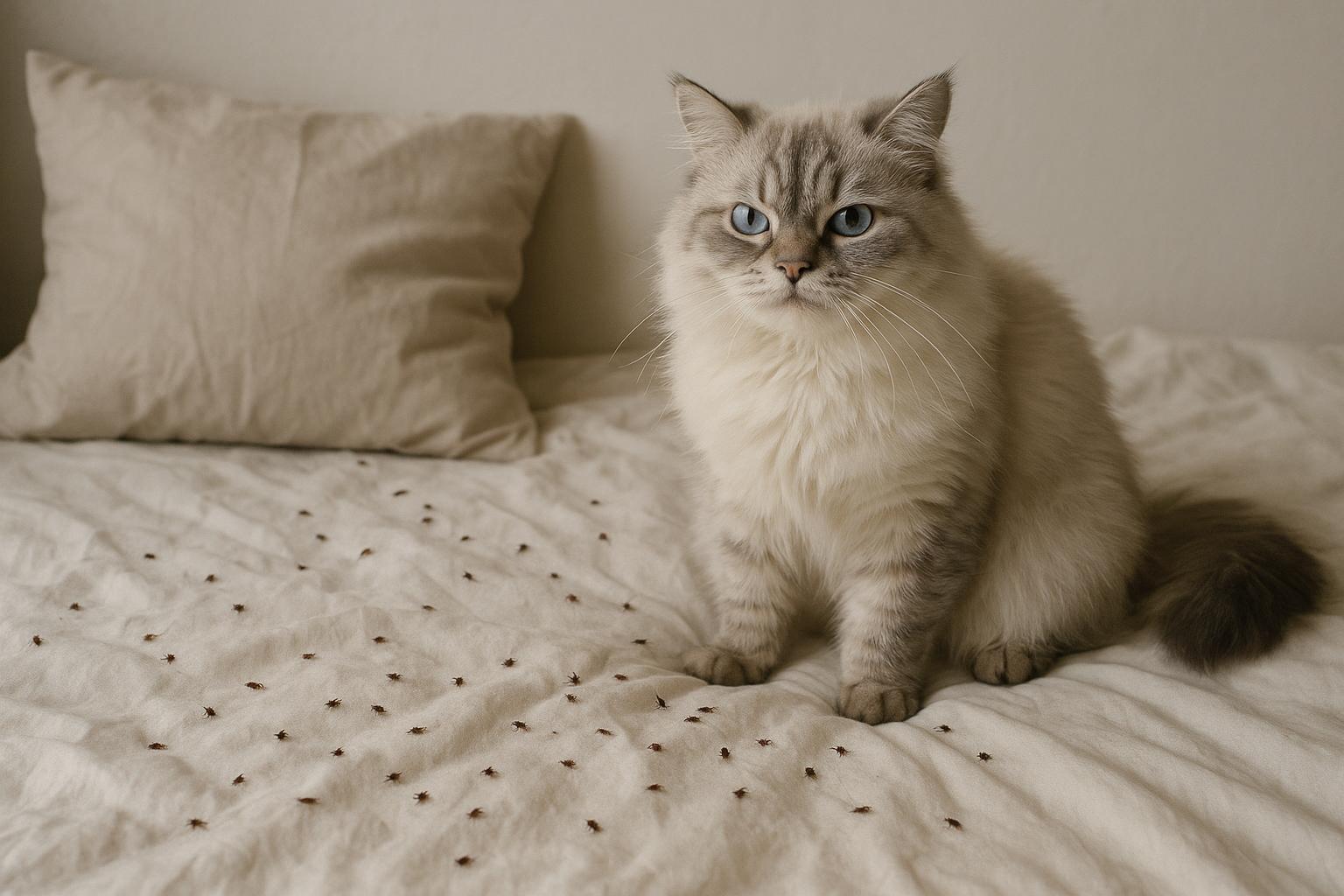
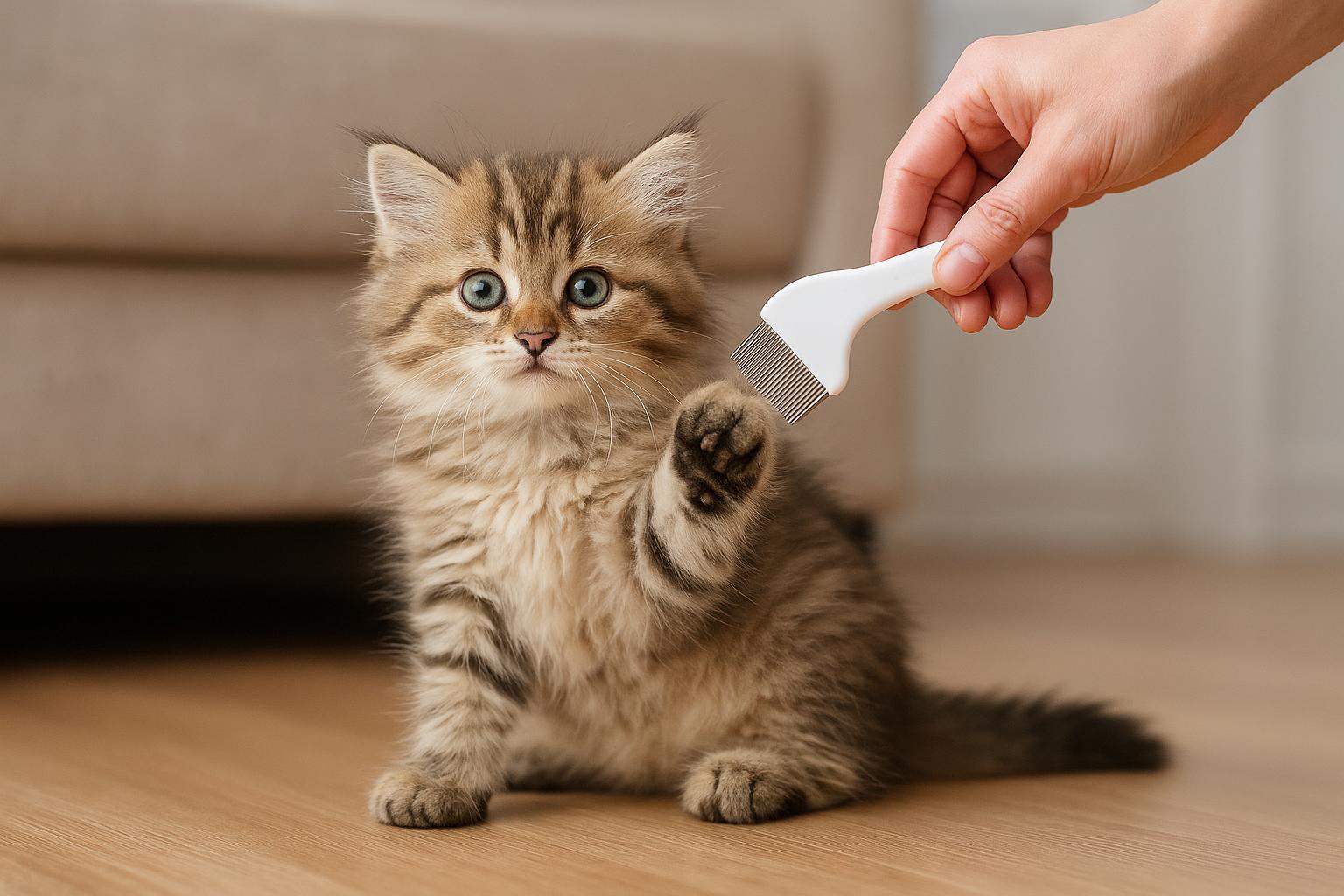
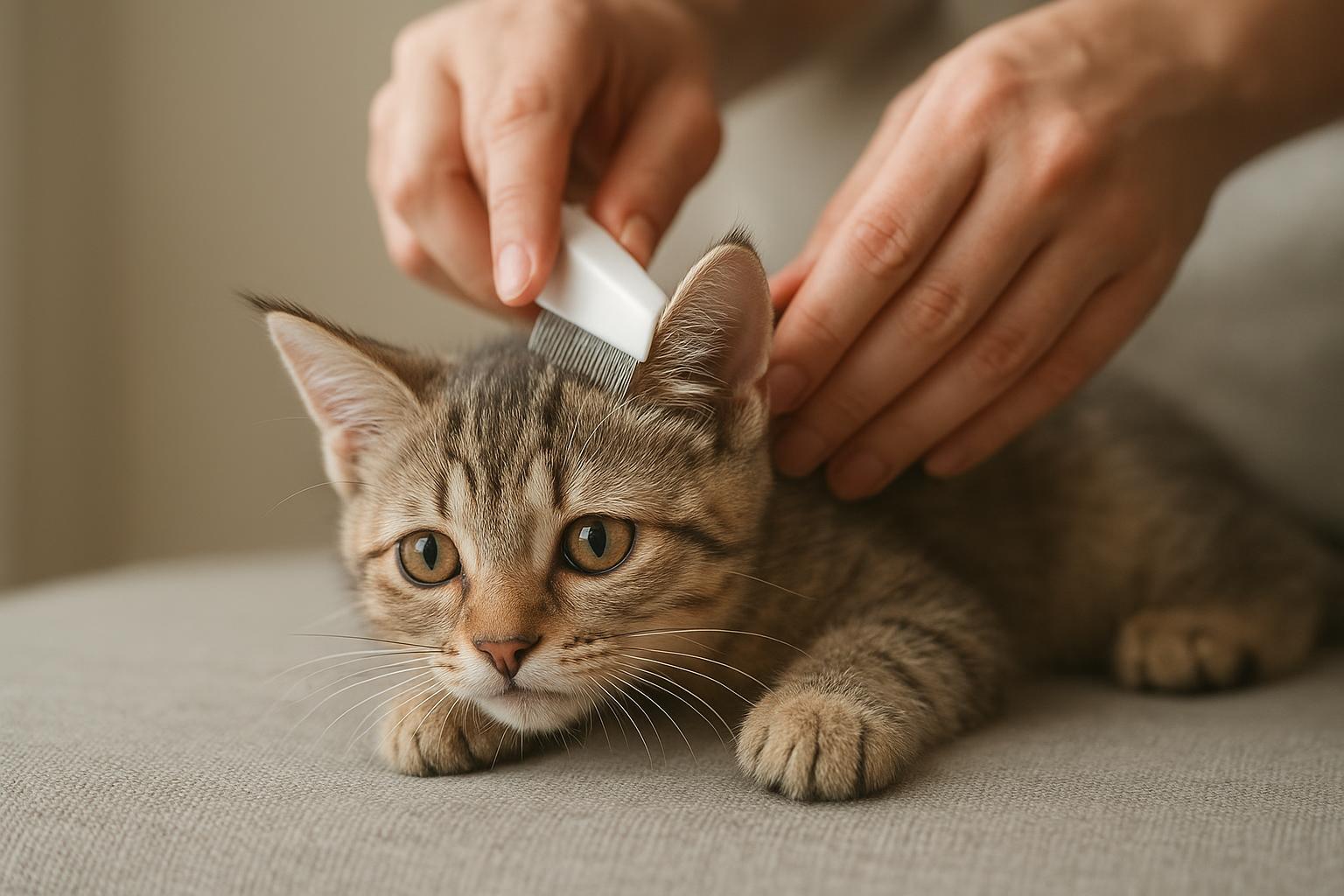
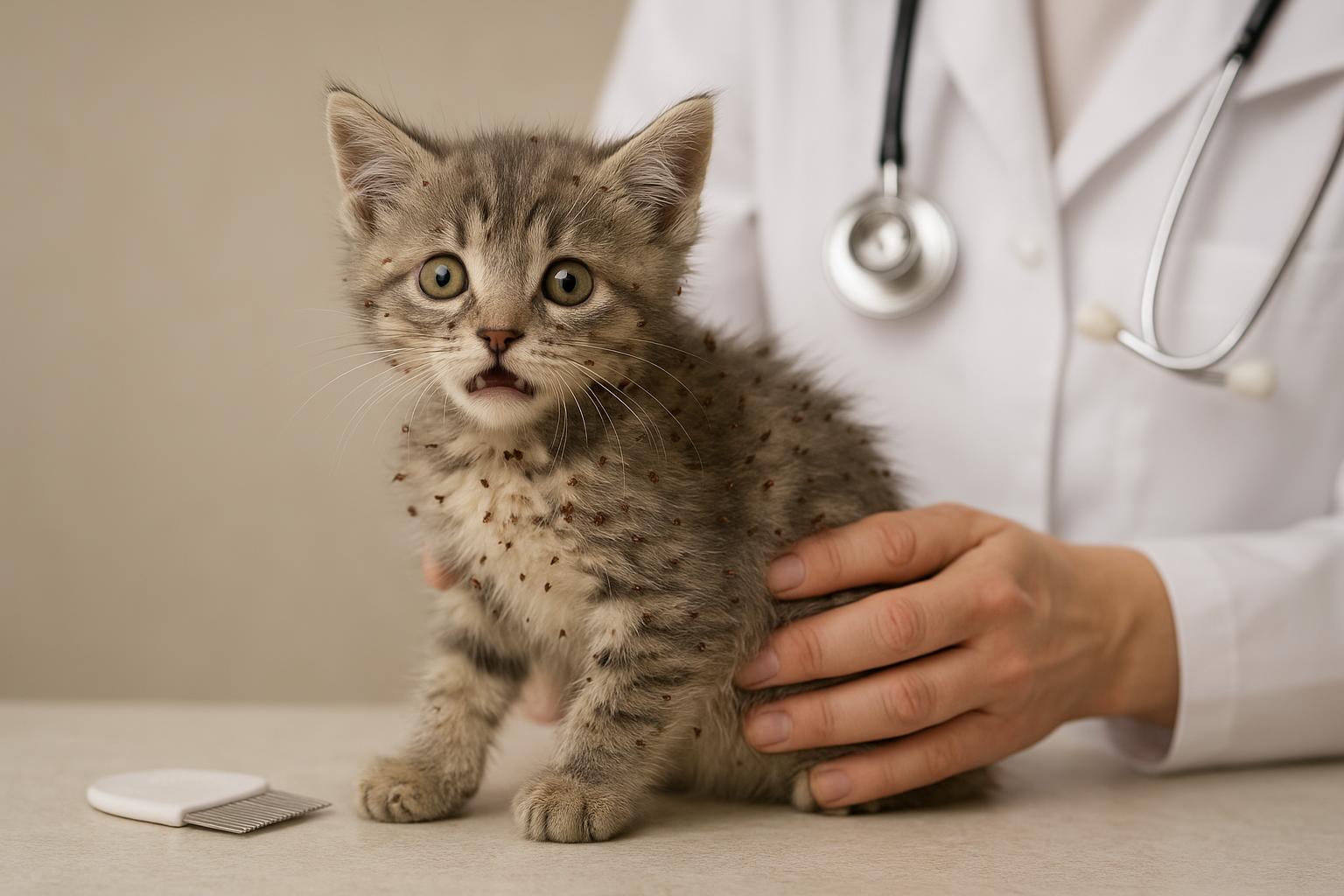
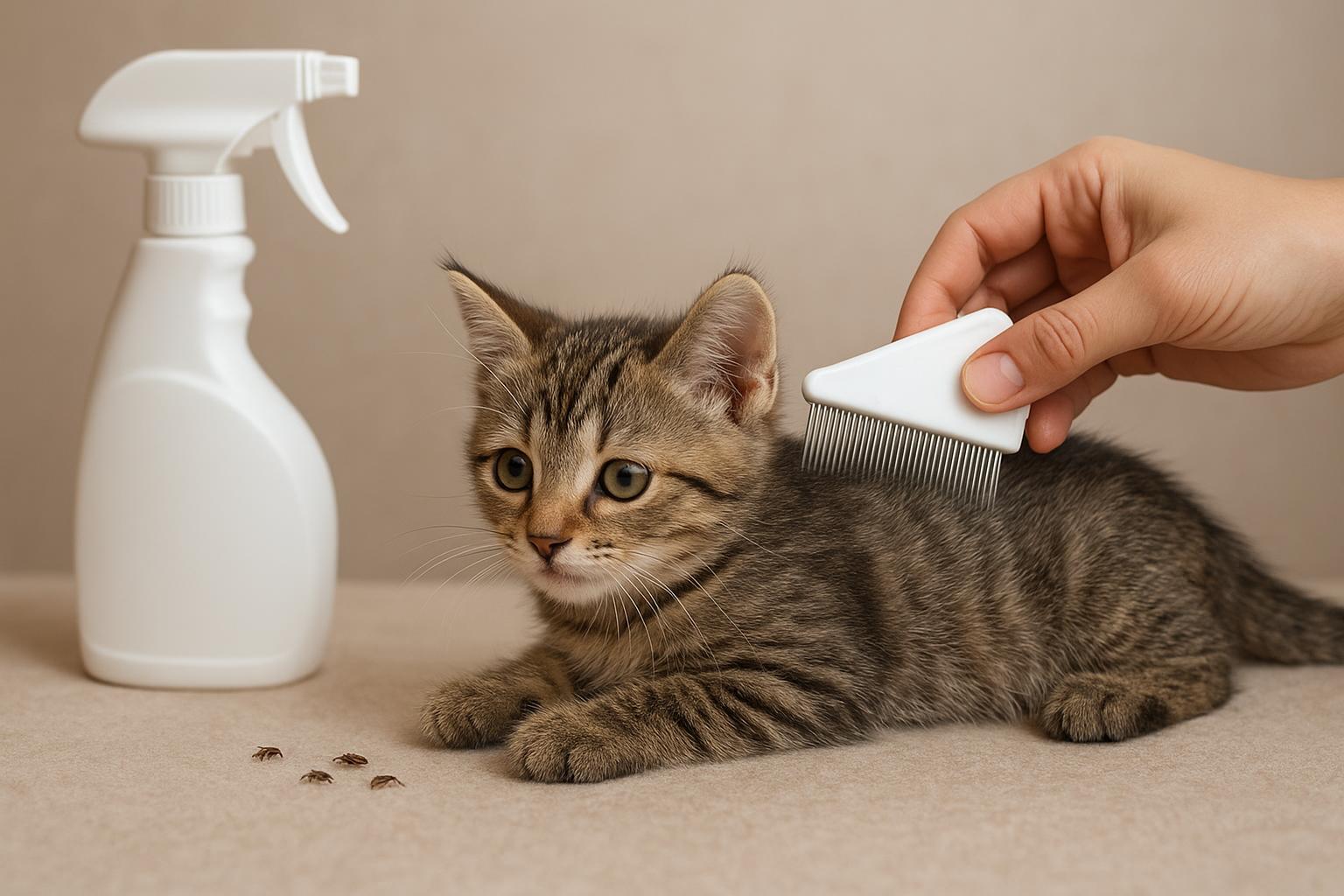
– Tiny black specks (flea dirt) clinging to the fur — wet a cotton ball and rub it; if it turns reddish-brown, that’s digested blood.
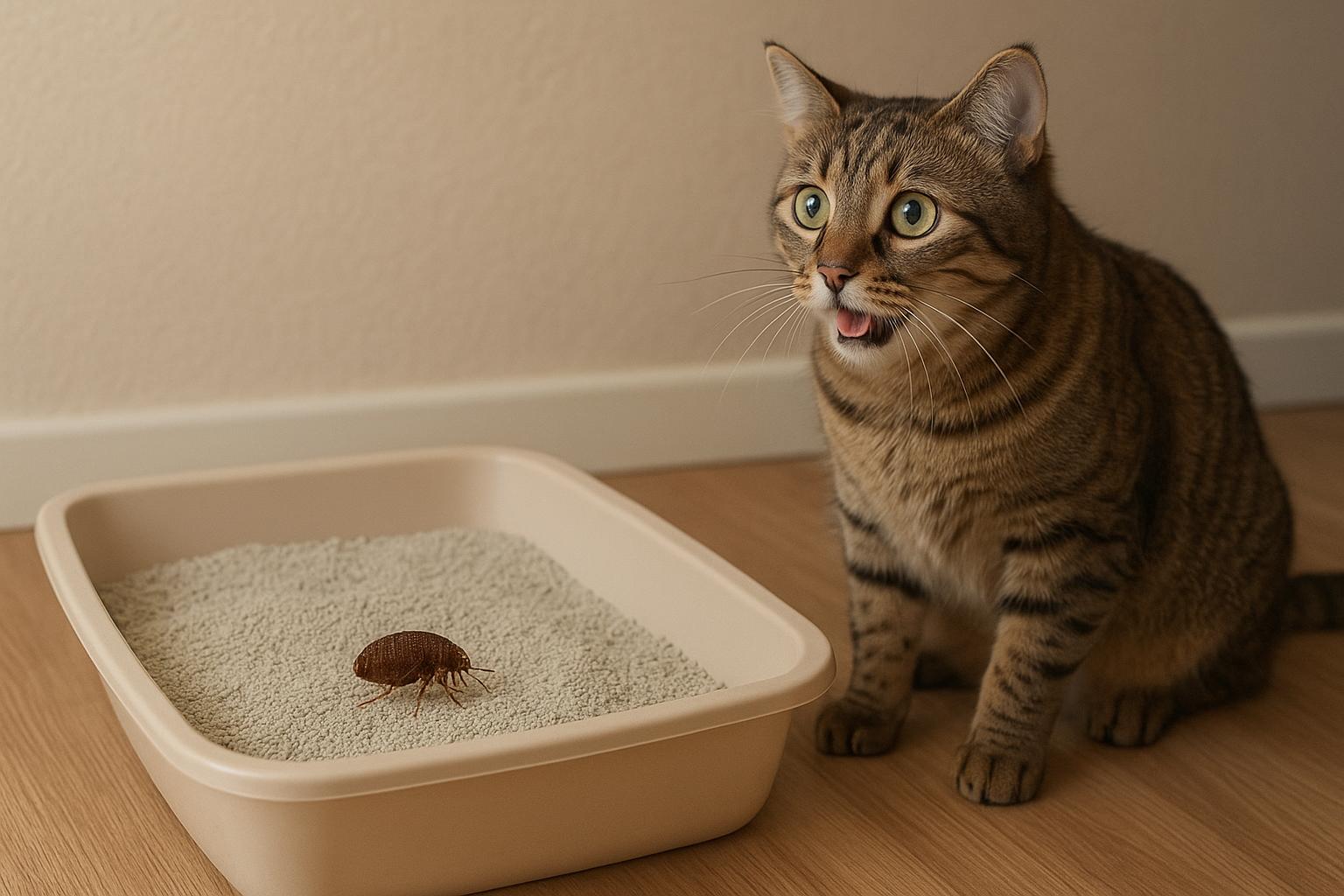
– Restlessness, hair loss, or visible tiny fast-moving bugs.
– Pale gums in severe infestations (signal of anemia), which requires immediate veterinary attention.
#### Why Kittens Are More Vulnerable
Kittens have lower body weight and immature immune systems, which makes even a small flea load potentially dangerous. Their skin is thinner and more prone to irritation, and some flea control products are not formulated or approved for young kittens. Always check age and weight limits on any medication and consult your veterinarian for tailored advice.
### When To Call The Vet
If your kitten shows signs of severe infestation, ongoing scratching after initial treatment, lethargy, fever, or pale gums, contact your veterinarian immediately. A vet can check for secondary infections, anemia, and recommend safe, age-appropriate medications. For the safest outcome, any effective long-term kitten flea treatment plan should start with professional guidance.
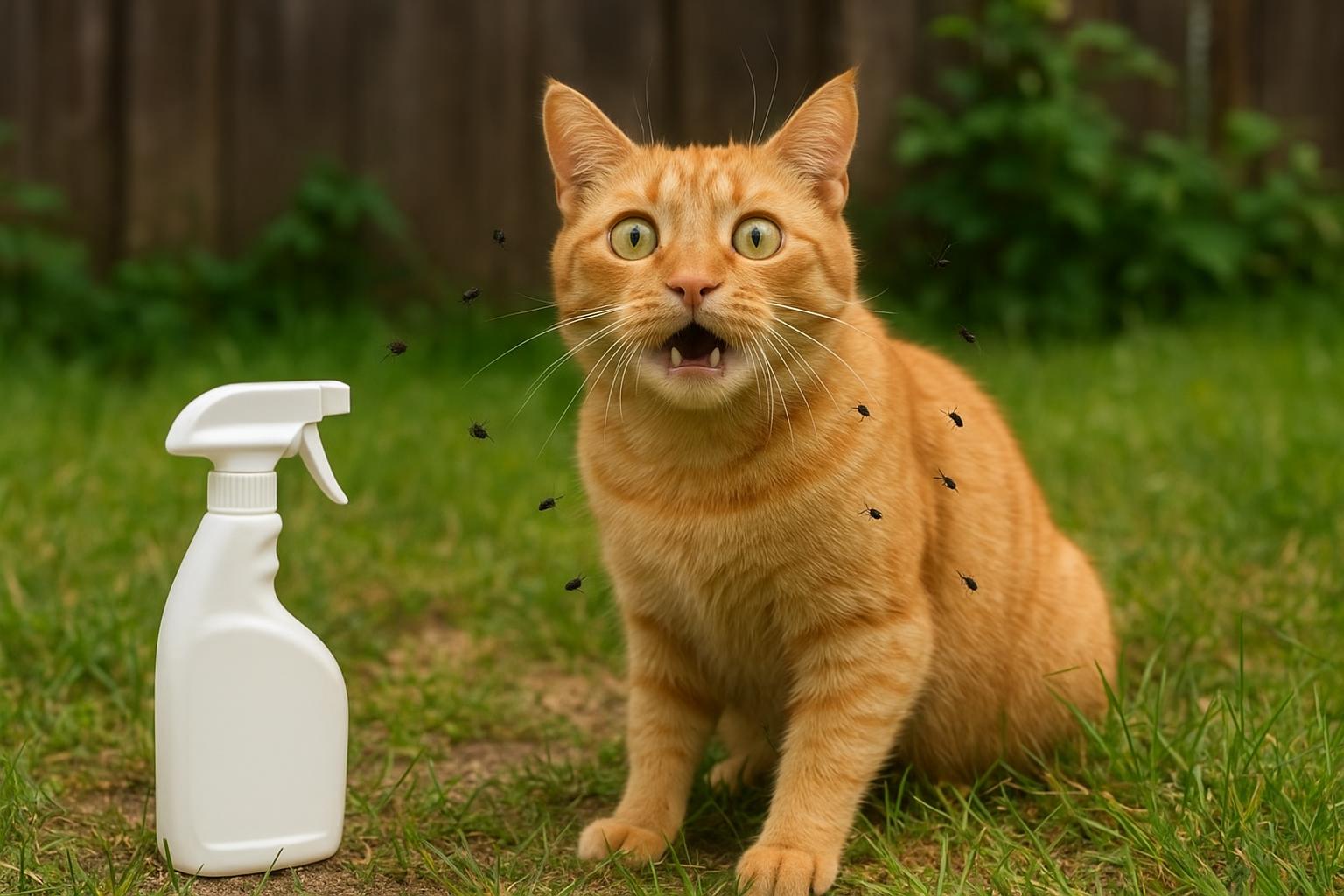
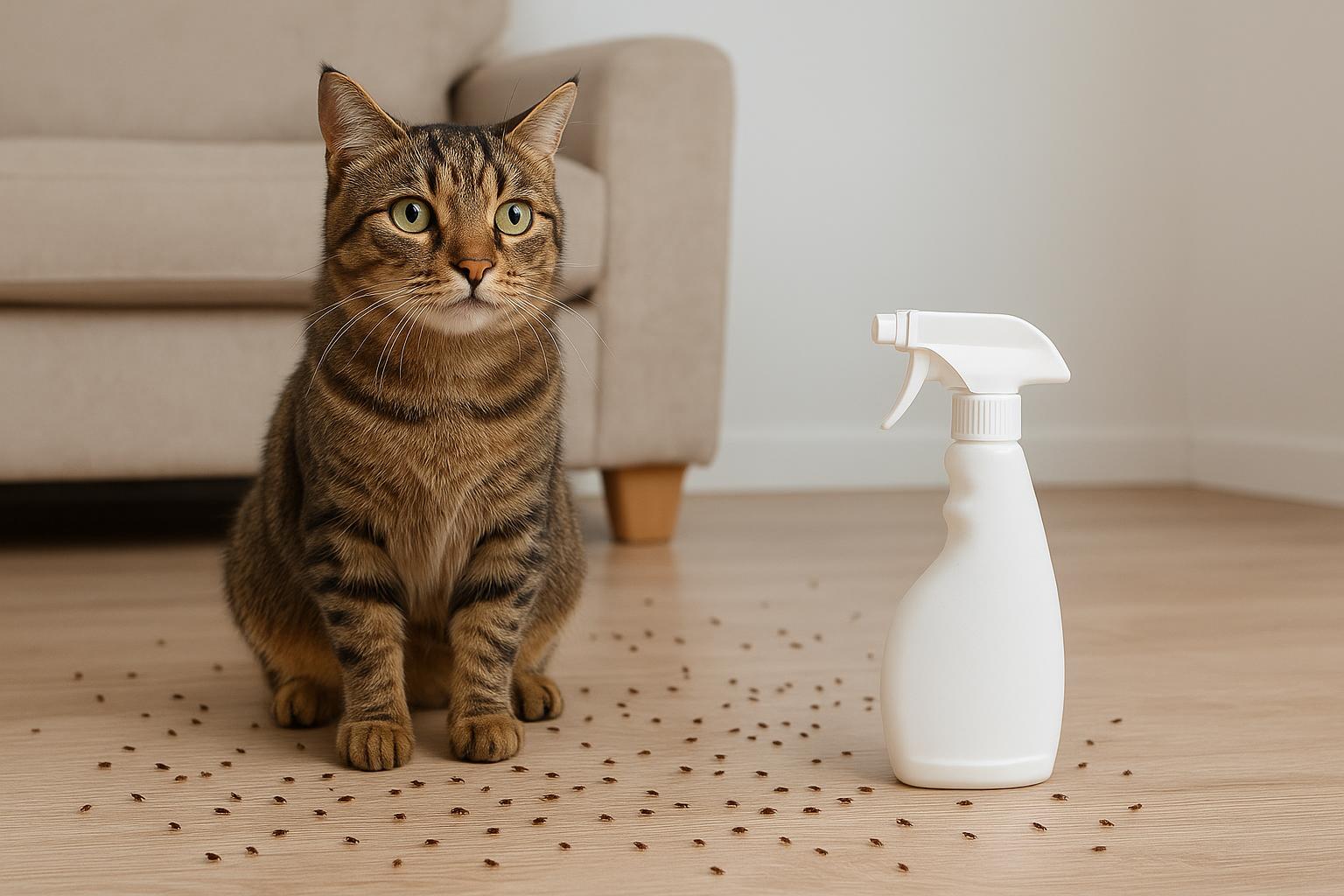
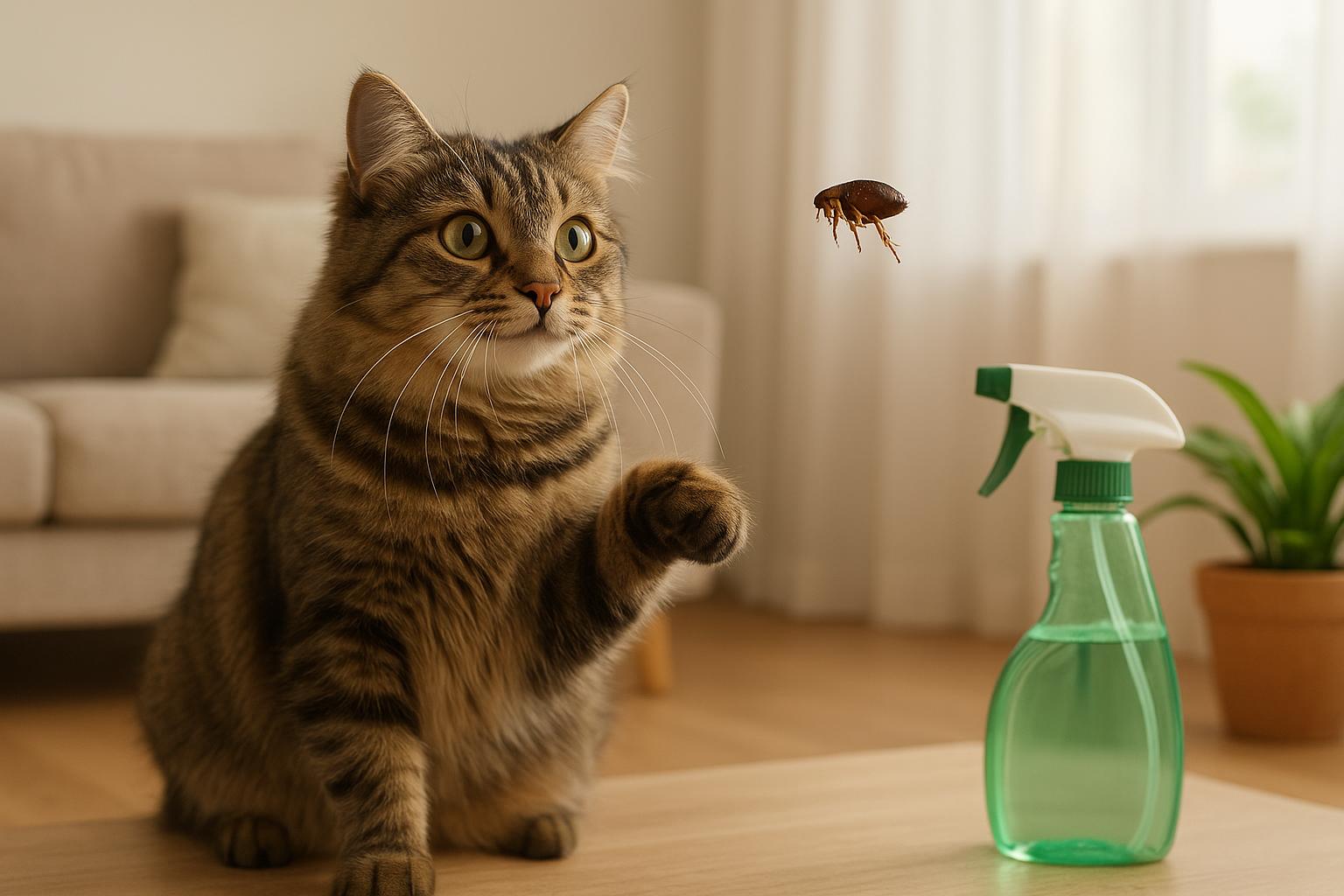
### Remedy 1: Gentle Home Soothing Spray (Non-Prescription)
This remedy is intended for symptomatic relief and light control in very young kittens or in homes where vet-approved topical applications are not yet suitable. It is not a replacement for veterinary-prescribed flea control when there’s a moderate to heavy infestation.
Ingredients/Materials:
– Distilled water — 1 cup
– Witch hazel (alcohol-free) — 1/4 cup
– Food-grade diatomaceous earth (optional, for environment, not for direct use on wet skin) — small amount kept for home cleaning only
– A few drops of chamomile essential oil OR lavender essential oil (NOTE: essential oils should be used sparingly and only at very low dilution; avoid in kittens younger than 12 weeks unless advised by a vet) — 2 drops
– A clean spray bottle (plastic or glass) — 1
– Cotton pads and soft towel — for application and drying
Creation And Application Steps (Formal Instruction):
1. Sterilize the spray bottle with boiling water and allow to cool. Ensure all equipment is clean and dry.
2. Combine 1 cup distilled water with 1/4 cup alcohol-free witch hazel in the bottle. Witch hazel acts as a gentle astringent and helps soothe irritated skin.
3. Add 2 drops of chamomile or lavender essential oil only if your veterinarian approves. For kittens under veterinary care or under 12 weeks of age, omit essential oils entirely.
4. Shake the mixture gently to combine. Label the bottle with ingredients and the date of preparation.
5. Test on a small patch of your kitten’s skin: lightly spray a cotton pad, dab behind the shoulder for 24 hours, and watch for reddening, swelling, or discomfort.
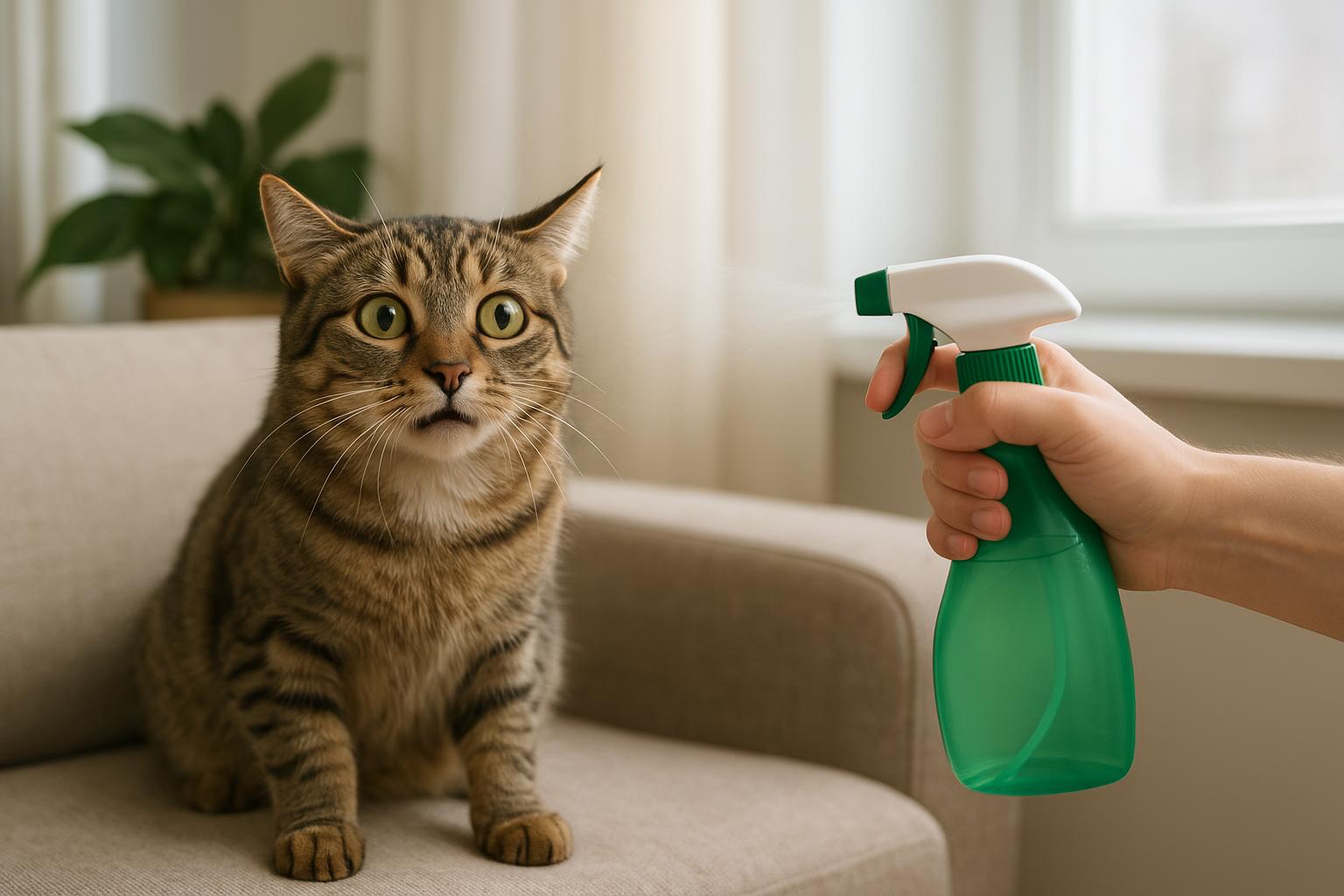
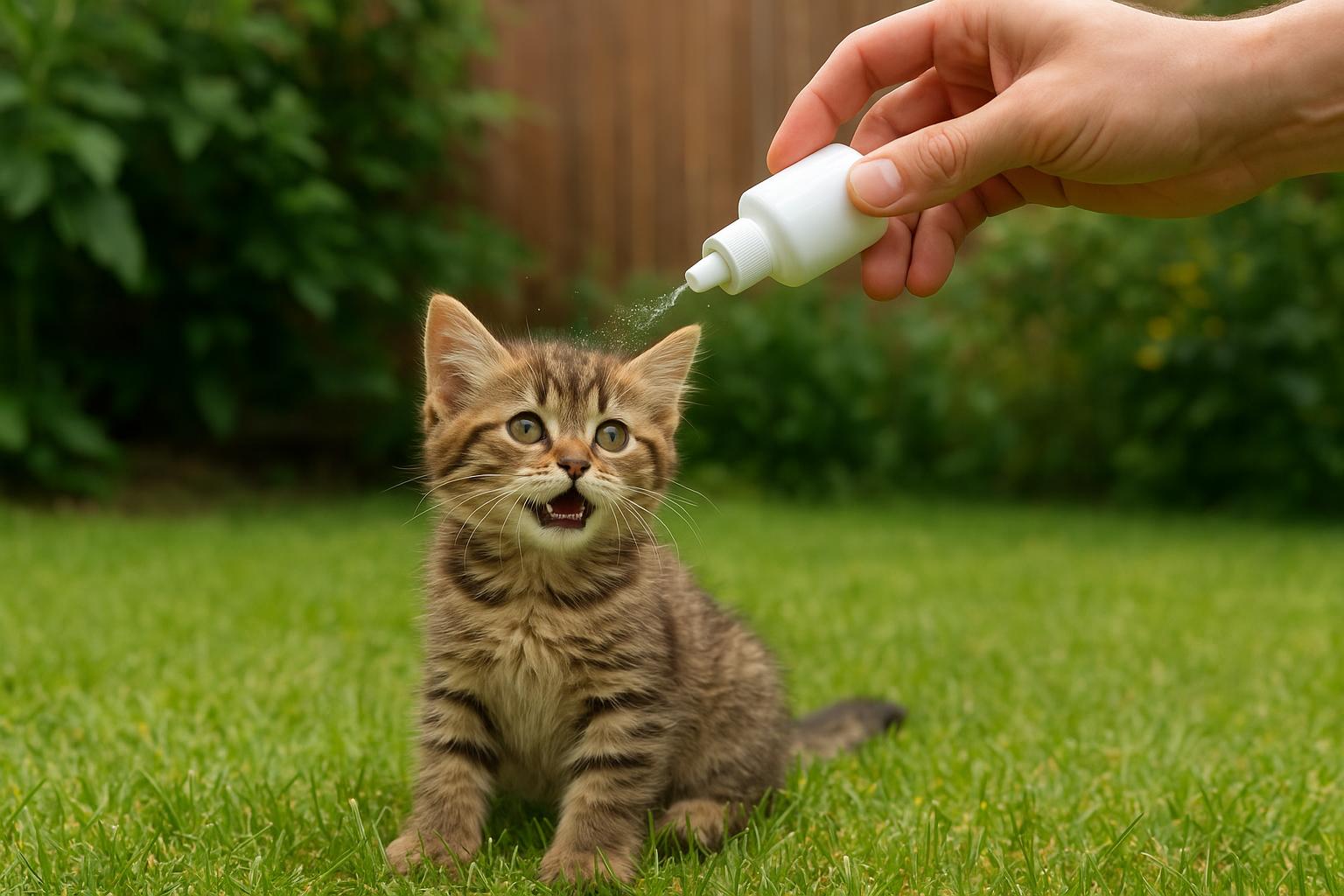
6. If no adverse reaction occurs, lightly mist the kitten’s coat from a distance of about 12 inches — avoid the face, eyes, ears, and any open sores. Immediately rub gently with a soft towel to distribute and dry the fur.
7. Use no more than twice daily, and discontinue if signs of irritation occur.
Safety Notes (Formal):
– Do not use products with permethrin, pyrethrins, or other insecticides on kittens unless specifically prescribed by a veterinarian.
– Do not allow the kitten to groom the area until the spray has dried.
– Essential oils are potent; many are toxic to cats in higher concentrations. Use only under veterinary guidance.
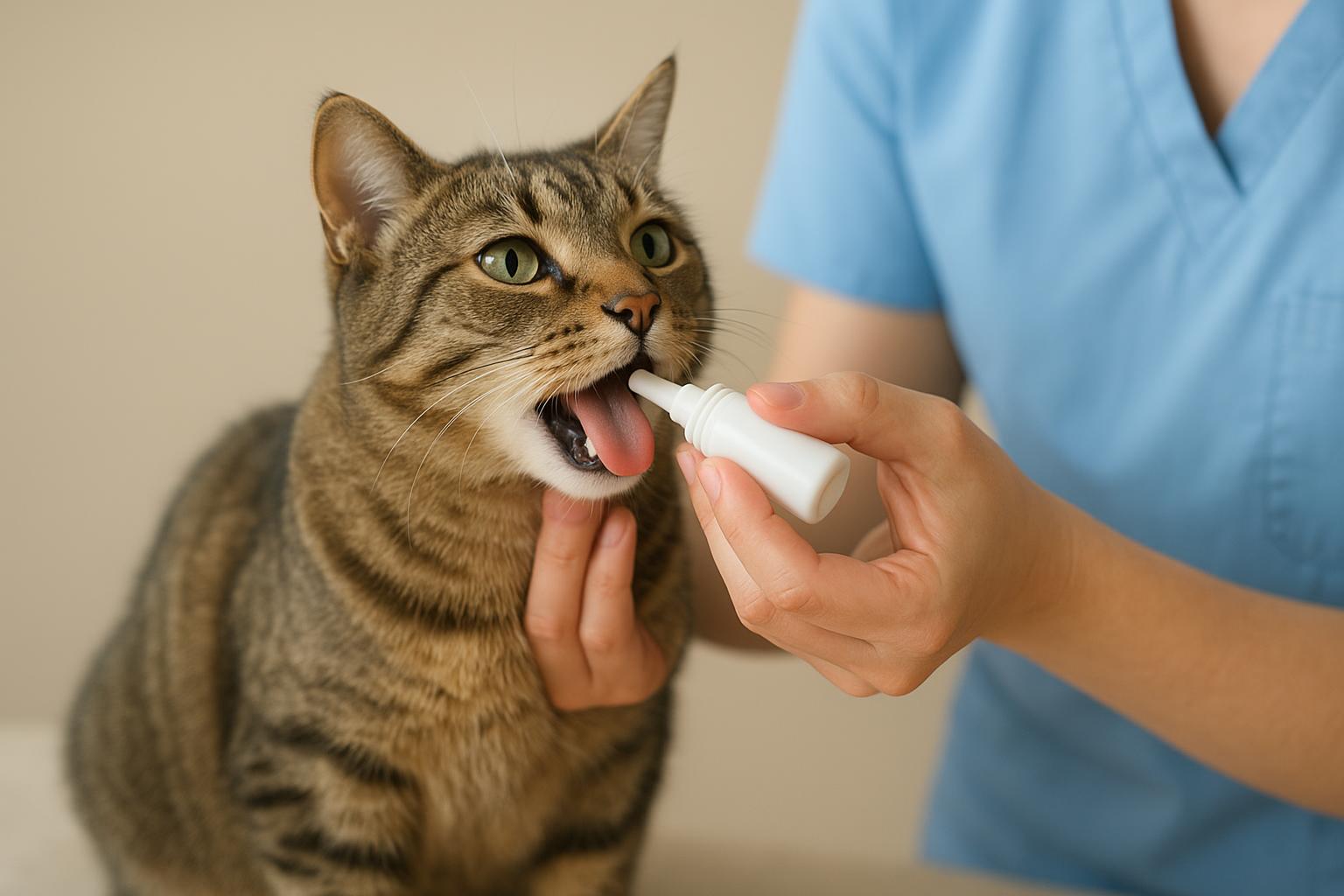
### Remedy 2: Vet-Approved Topical Treatment Protocol (By Prescription Or Vet Recommendation)
This is a formal treatment protocol designed to address flea infestations effectively and safely in kittens of appropriate age and weight. Always consult your veterinarian for product selection, dosage, and schedule.
Materials Required:
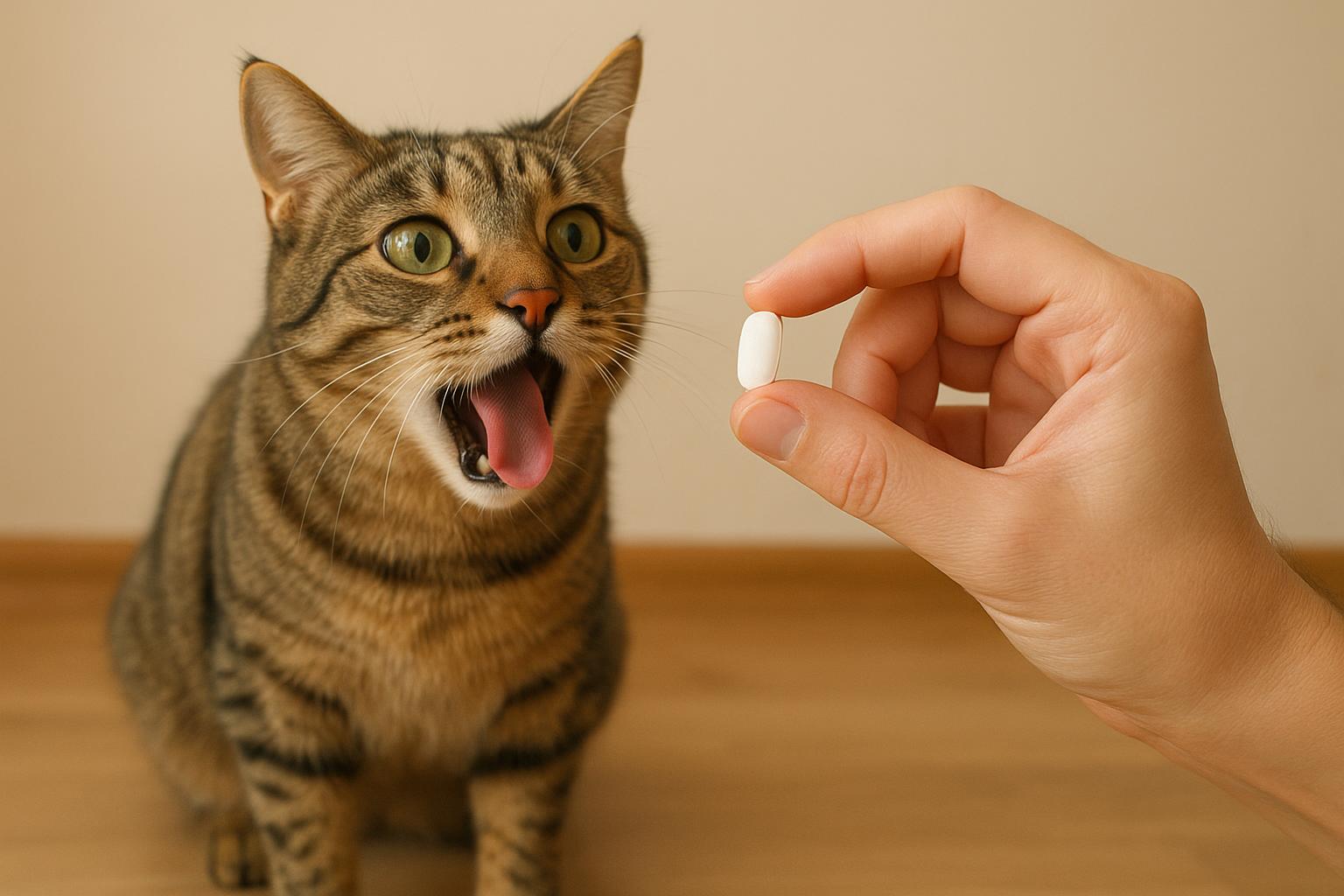
– Vet-prescribed topical flea medication labeled for kittens (with age/weight instructions)
– Disposable gloves
– Treats for positive reinforcement
– A quiet, secure spot for application
– Bedding or towel to protect furniture during treatment
Creation And Application Steps (Formal Instruction):
1. Confirm Age and Weight: Verify the kitten’s exact age and weight. Most topical medications have minimum age/weight requirements. Do not improvise doses.
2. Prepare the Kitten: Handle the kitten gently and calm them with soft petting. Place the kitten on a towel to prevent spills and to keep the area clean.
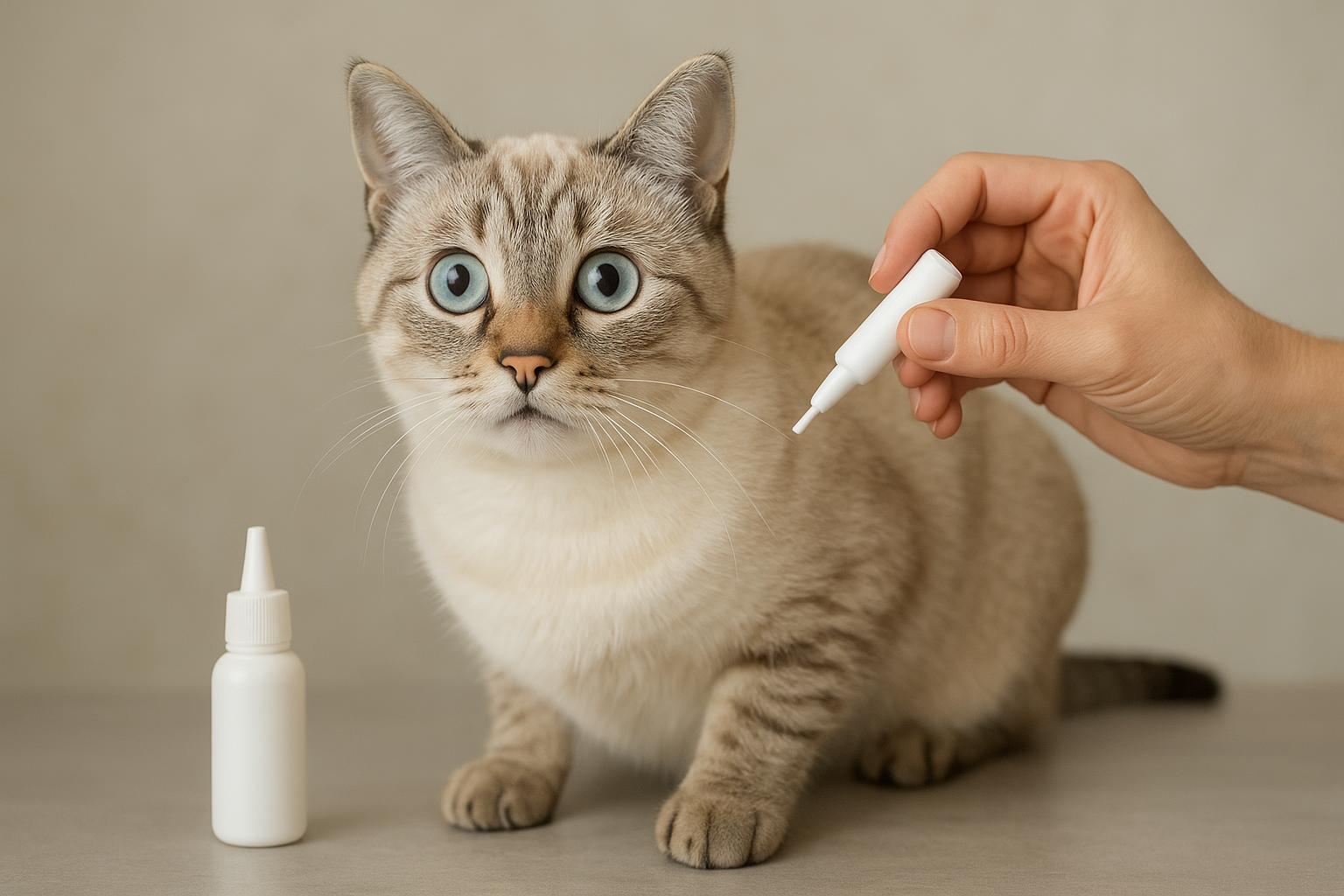
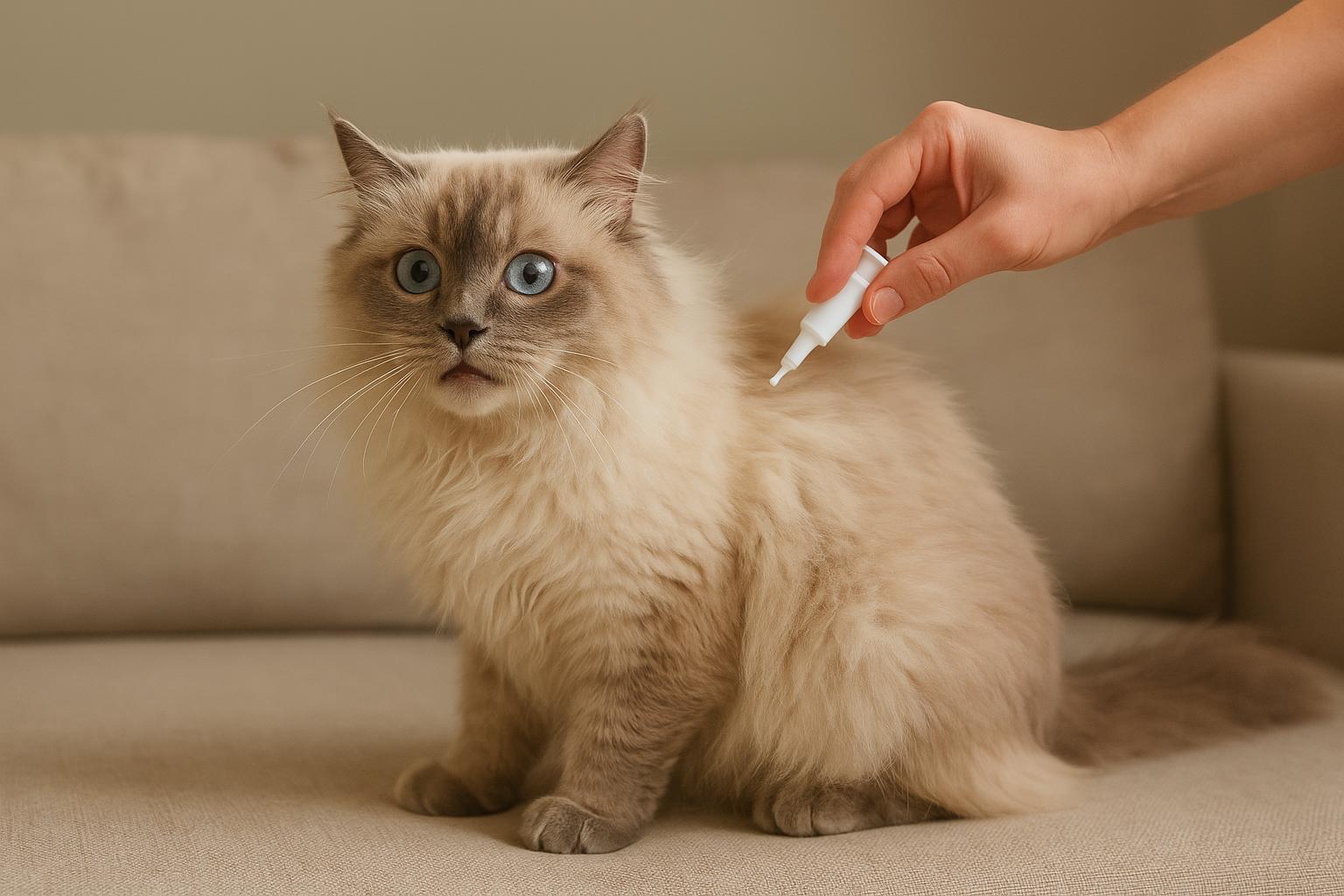
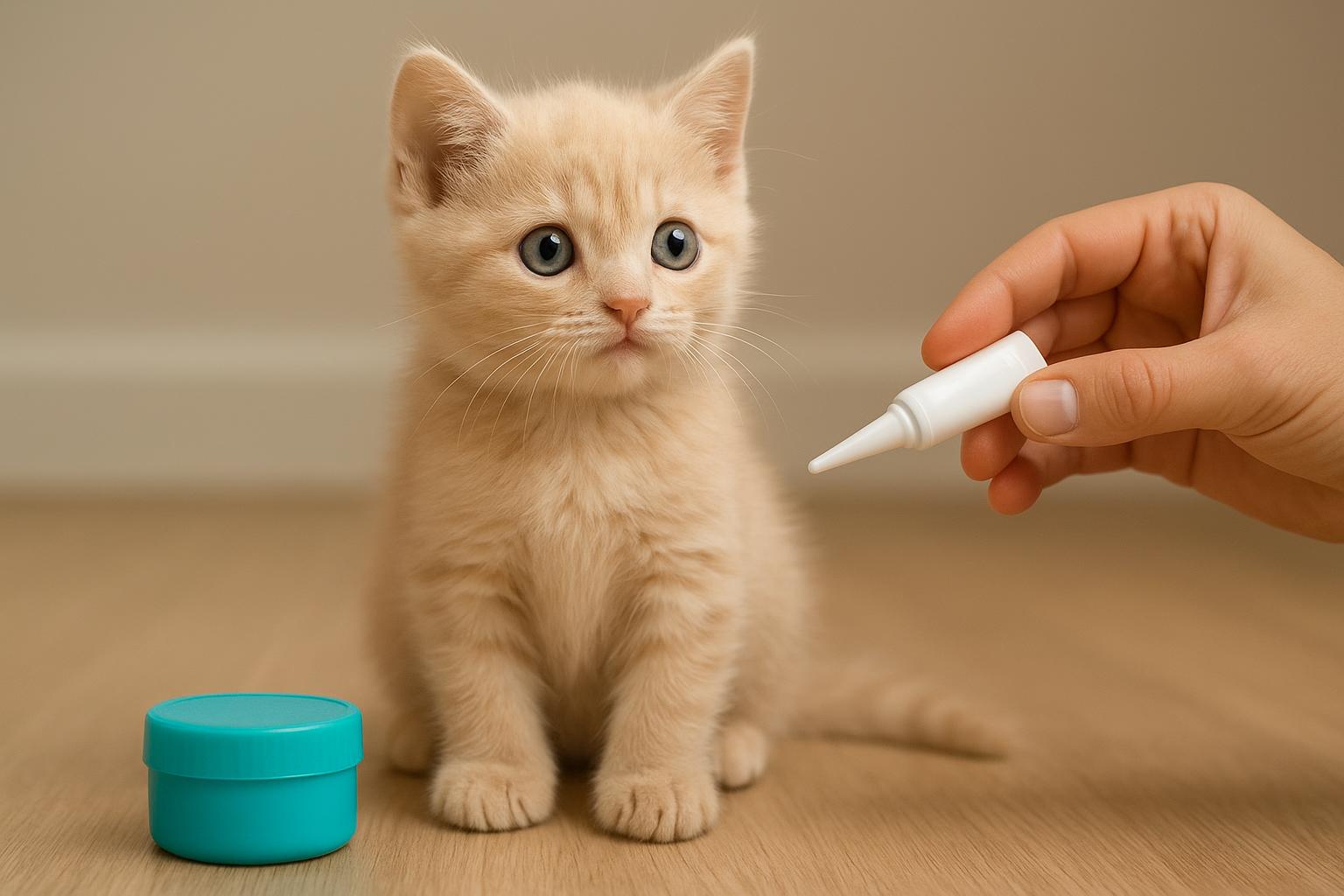
3. Read Instructions: Carefully read the medication leaflet. Some products require you to part the fur at the base of the neck and apply directly to the skin.
4. Application Technique:
a. Wear disposable gloves.
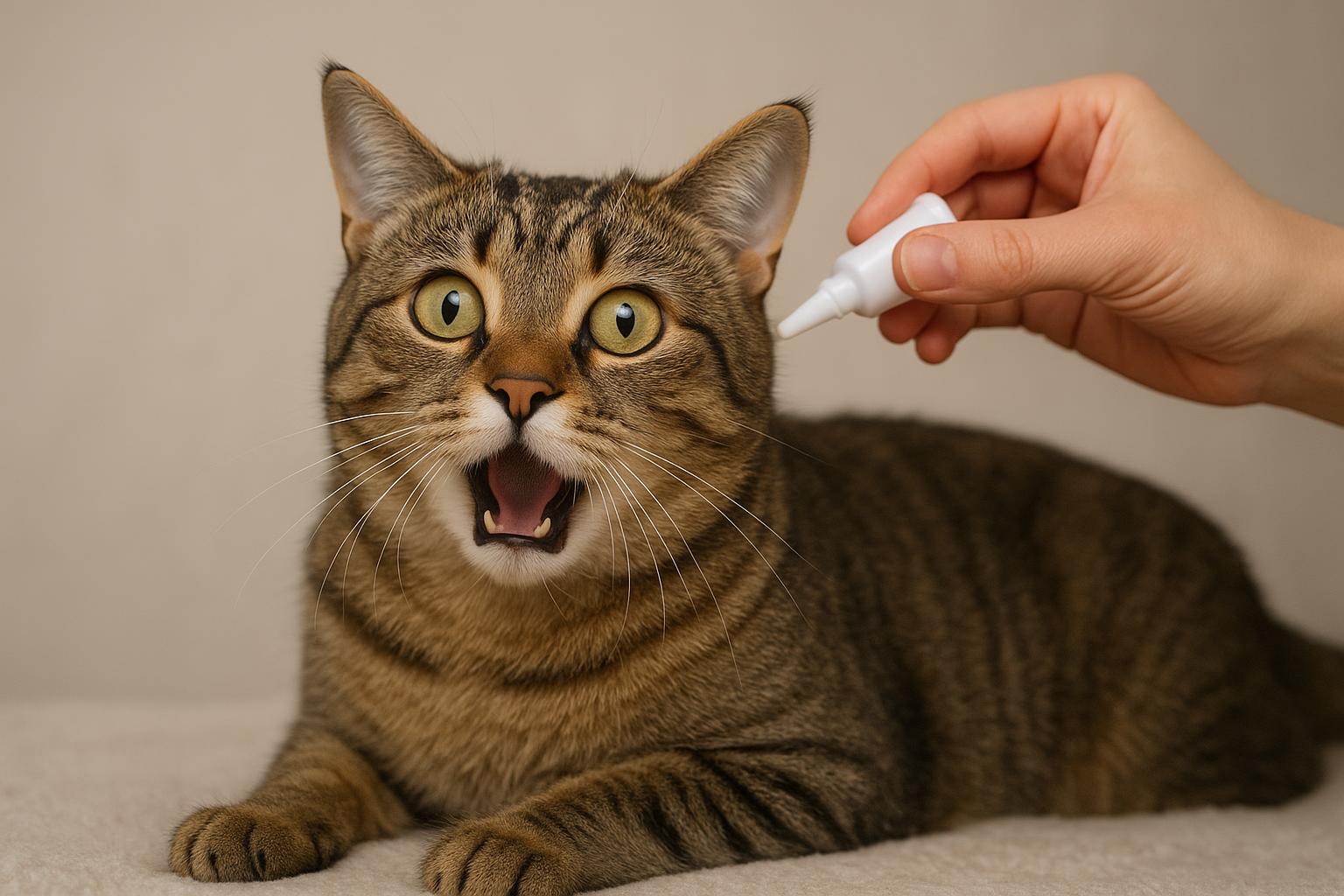
b. Part the fur at the base of the kitten’s skull so the solution contacts the skin, not the fur.
c. Apply the entire pipette content as a single spot directly on the skin. Avoid multiple spots unless instructed.
5. Post-Application Care: Keep the kitten indoors, away from other animals, and ensure the kitten does not groom the application site for at least 24 hours or as directed.
6. Follow-Up Schedule: Adhere to the product’s re-application schedule (usually monthly) and any additional vet-recommended measures for environmental control.
7. Monitor: Watch for signs of adverse reactions—excessive salivation, vomiting, lethargy, tremors, or skin redness—and contact the veterinarian immediately if they occur.
Safety Notes (Formal):
– Use only products specifically formulated for kittens and approved by your veterinarian.
– Do not use dog flea products on cats or kittens; some ingredients highly toxic to felines.
– Keep all flea products out of reach of children and other pets.
## Home Cleaning And Prevention Strategies
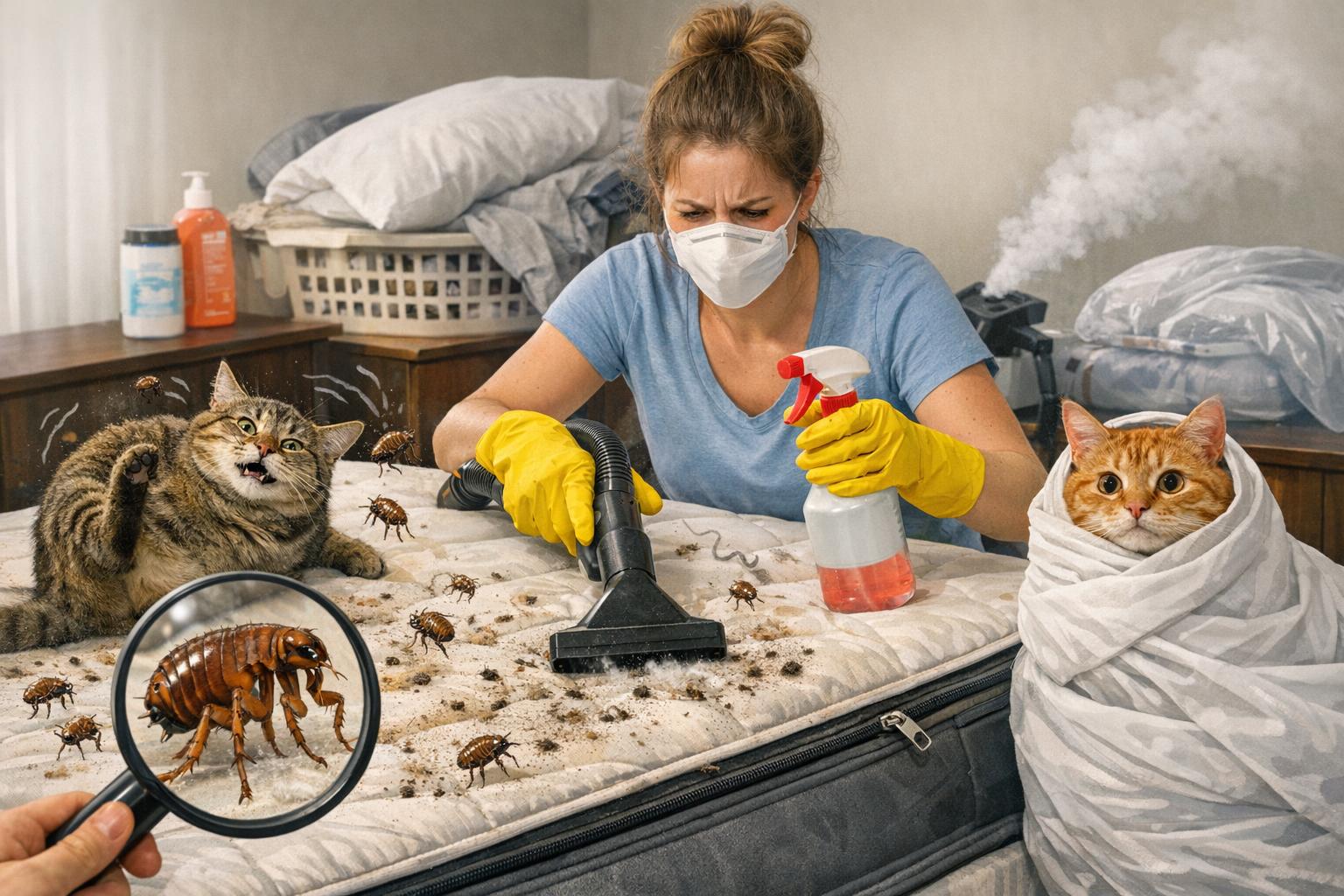
Effective kitten flea treatment extends beyond the kitten’s skin. Flea eggs and larvae hide in carpets, bedding, and upholstery, so a coordinated home-cleaning routine reduces reinfestation.
Key Steps:
– Wash all bedding and soft toys in hot water weekly for at least three weeks after initial treatment.
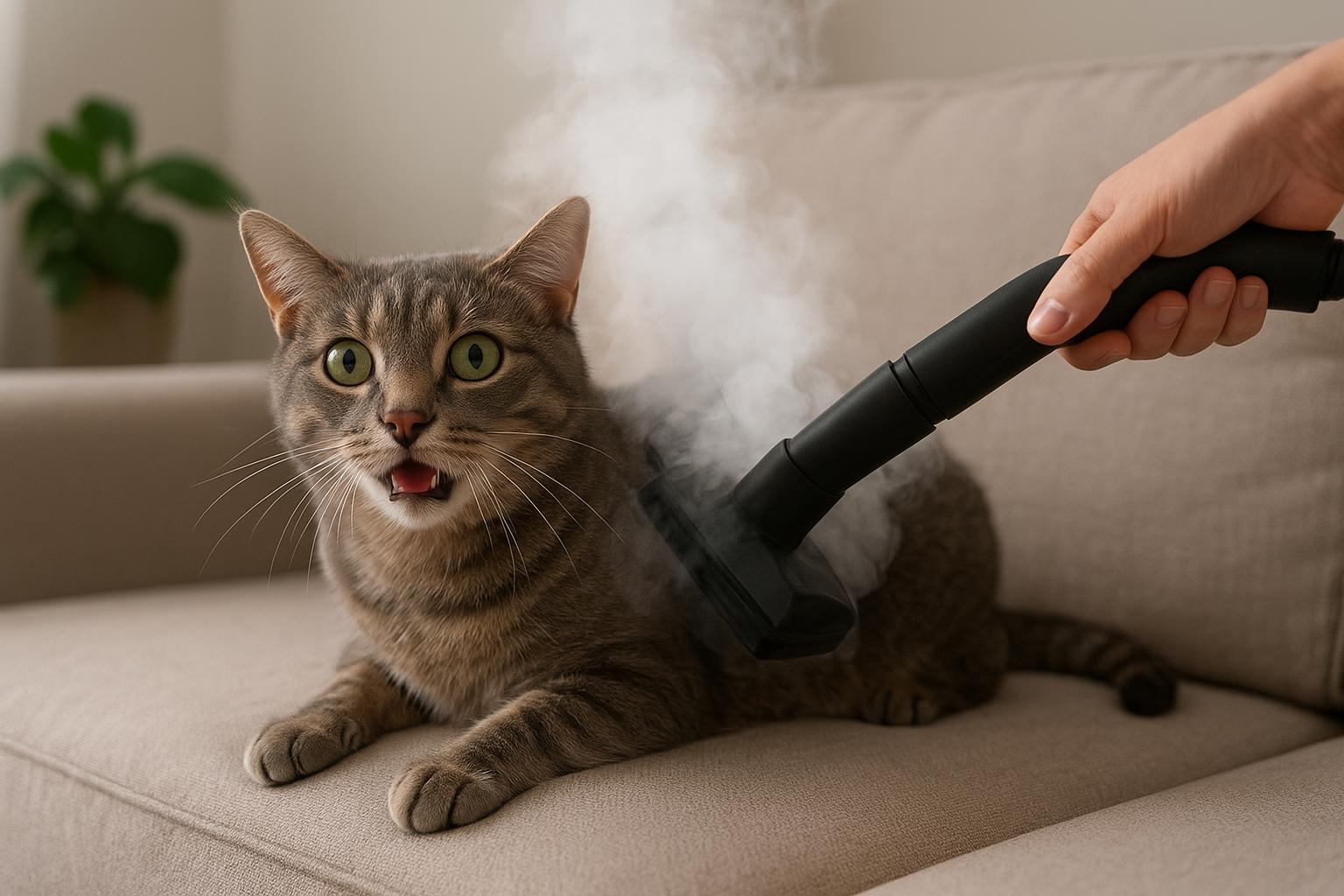
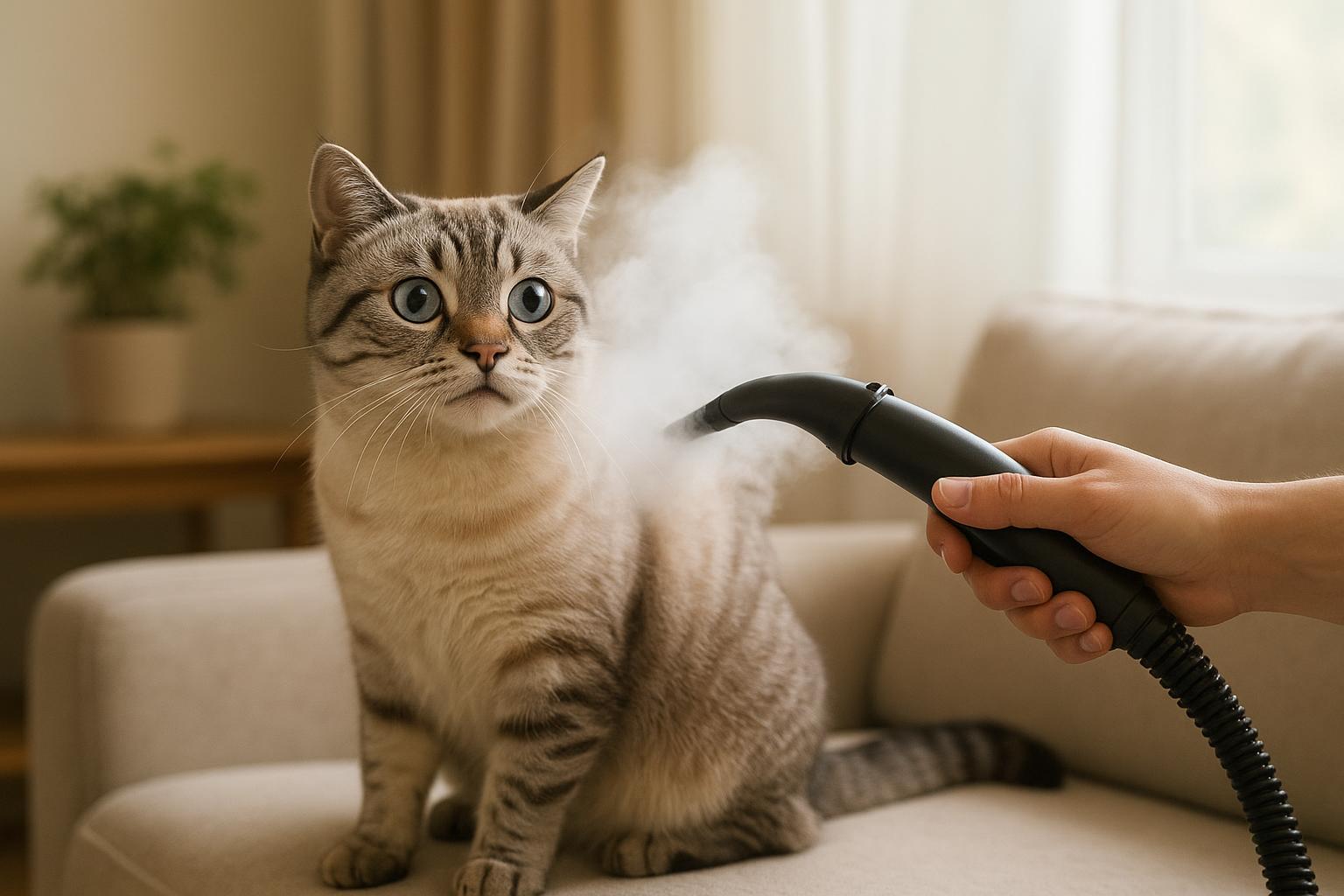
– Vacuum carpets, rugs, and furniture thoroughly; dispose of vacuum bags or empty canisters outside immediately to prevent reintroduction.
– Consider treating the home environment with a vet-recommended insect growth regulator (IGR) spray for severe infestations. These products interrupt the flea life cycle by preventing eggs and larvae from maturing.
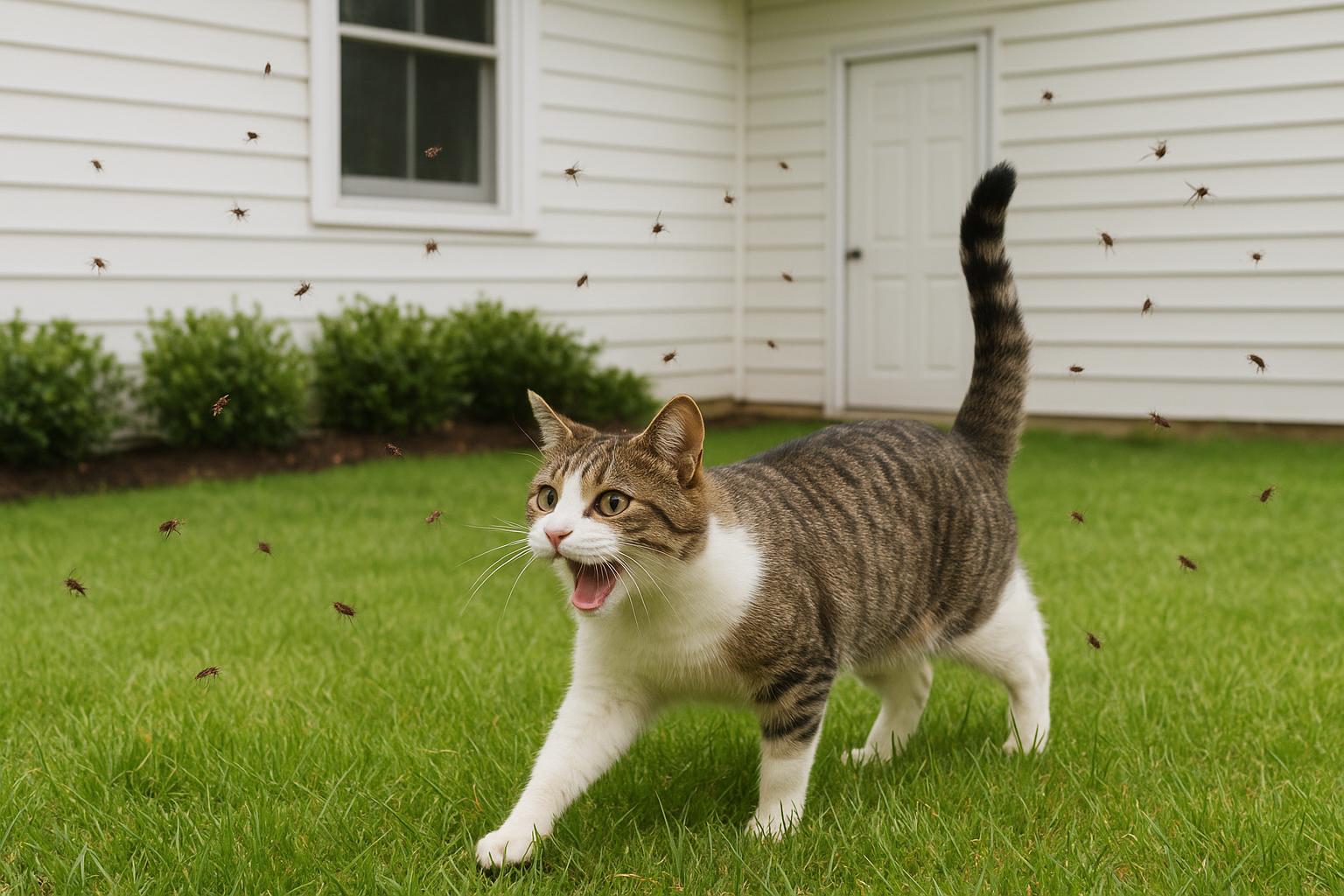
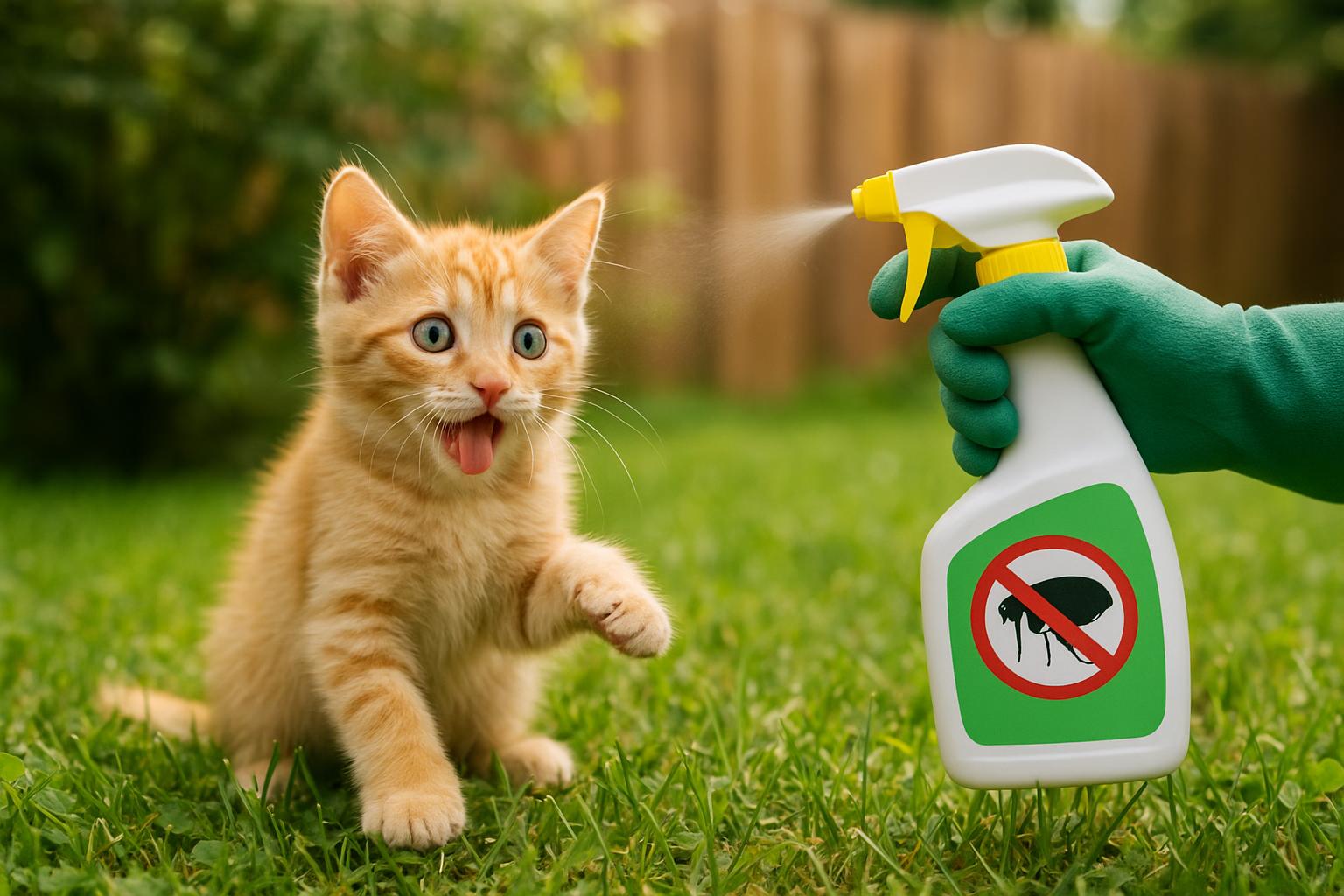
– For outdoor access: treat yard areas where pets rest with appropriate outdoor flea control products and keep grass trimmed.
#### Frequent Mistakes To Avoid
– Assuming one treatment solves everything — fleas have life stages; environmental controls matter.
– Using over-the-counter dog products or human pesticides — dangerous for kittens.
– Waiting too long to act — small infestations can quickly expand into significant problems.
– Forgetting to treat all pets in the household — even indoor-only animals can harbor fleas.
### Ongoing Wellness: What To Watch For
After you begin treatment, monitor your kitten’s behavior and skin condition. A successful kitten flea treatment plan often includes repeat environmental measures and possibly follow-up vet visits. Keep records of product names, dates applied, and any observed reactions — this helps your vet make informed decisions if adjustments are needed.
A calm home helps kittens recover more quickly — so keep routines steady, offer gentle affection, and maintain a clean environment. With the right combination of vet guidance, safe topical protocols, and household cleaning, fleas can be managed without panic or drama.
Leave a Reply