
Indoor Fleas Signs In Cats How To Tell If Your Cat Has Fleas
## Indoor Fleas Signs To Watch For
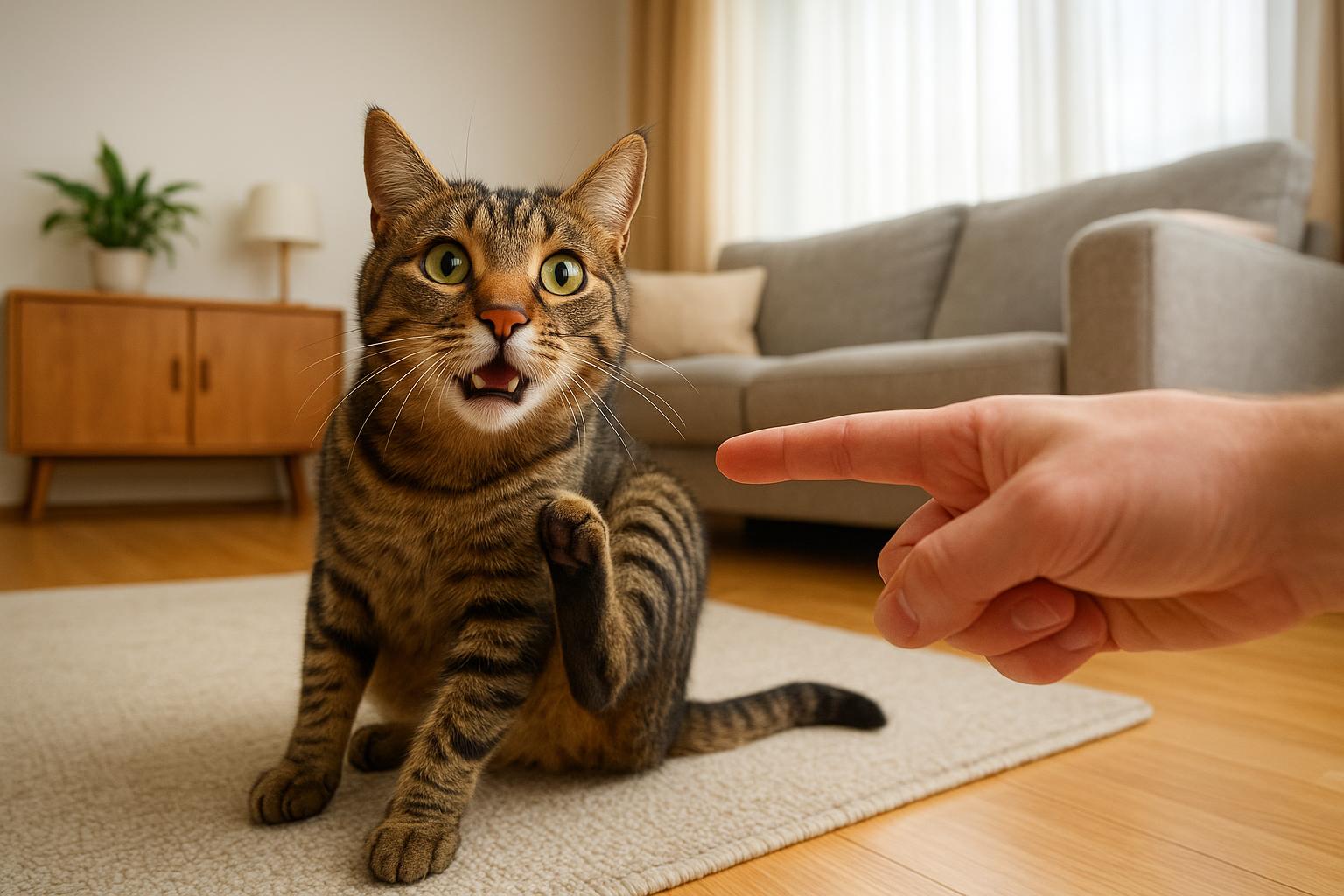
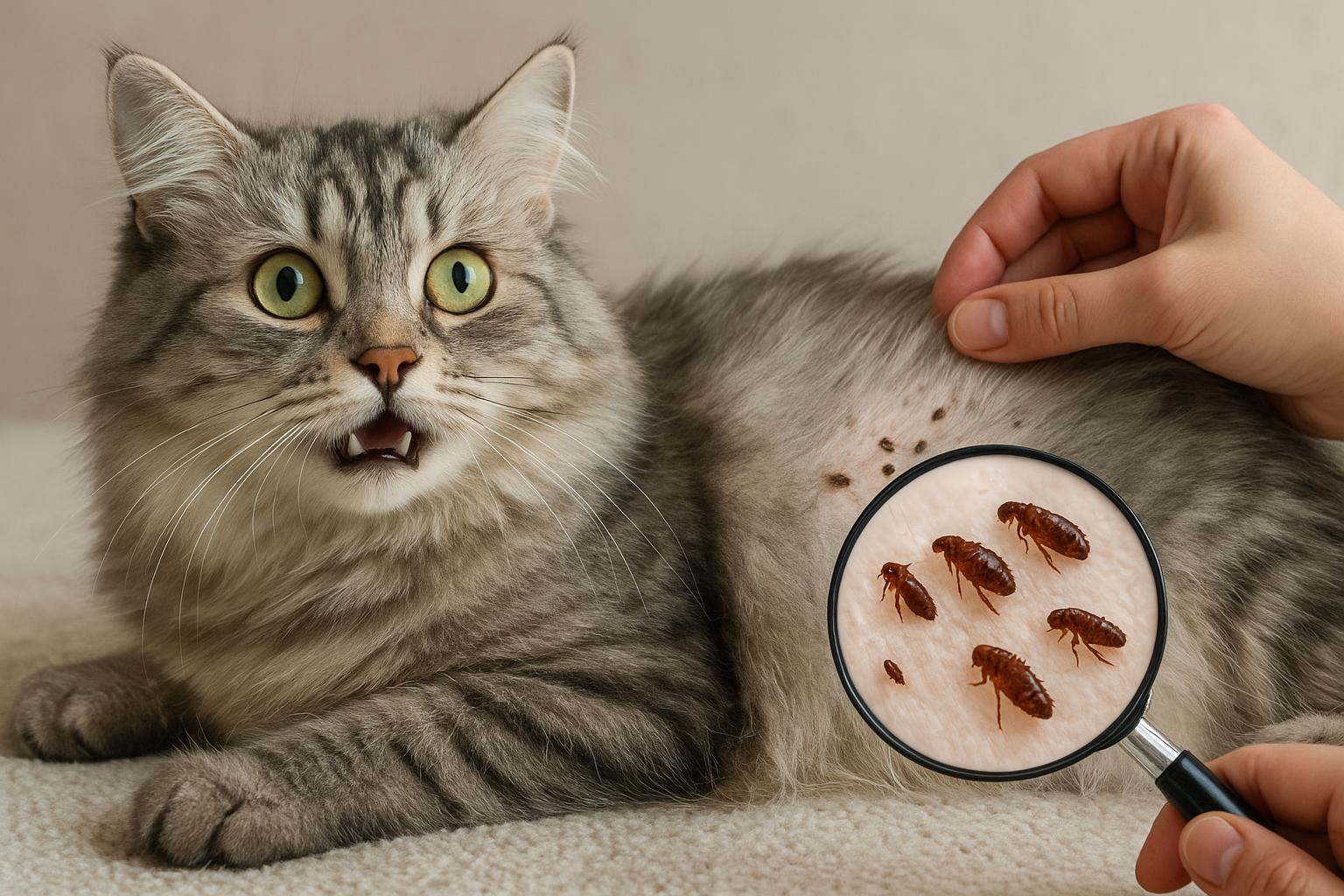
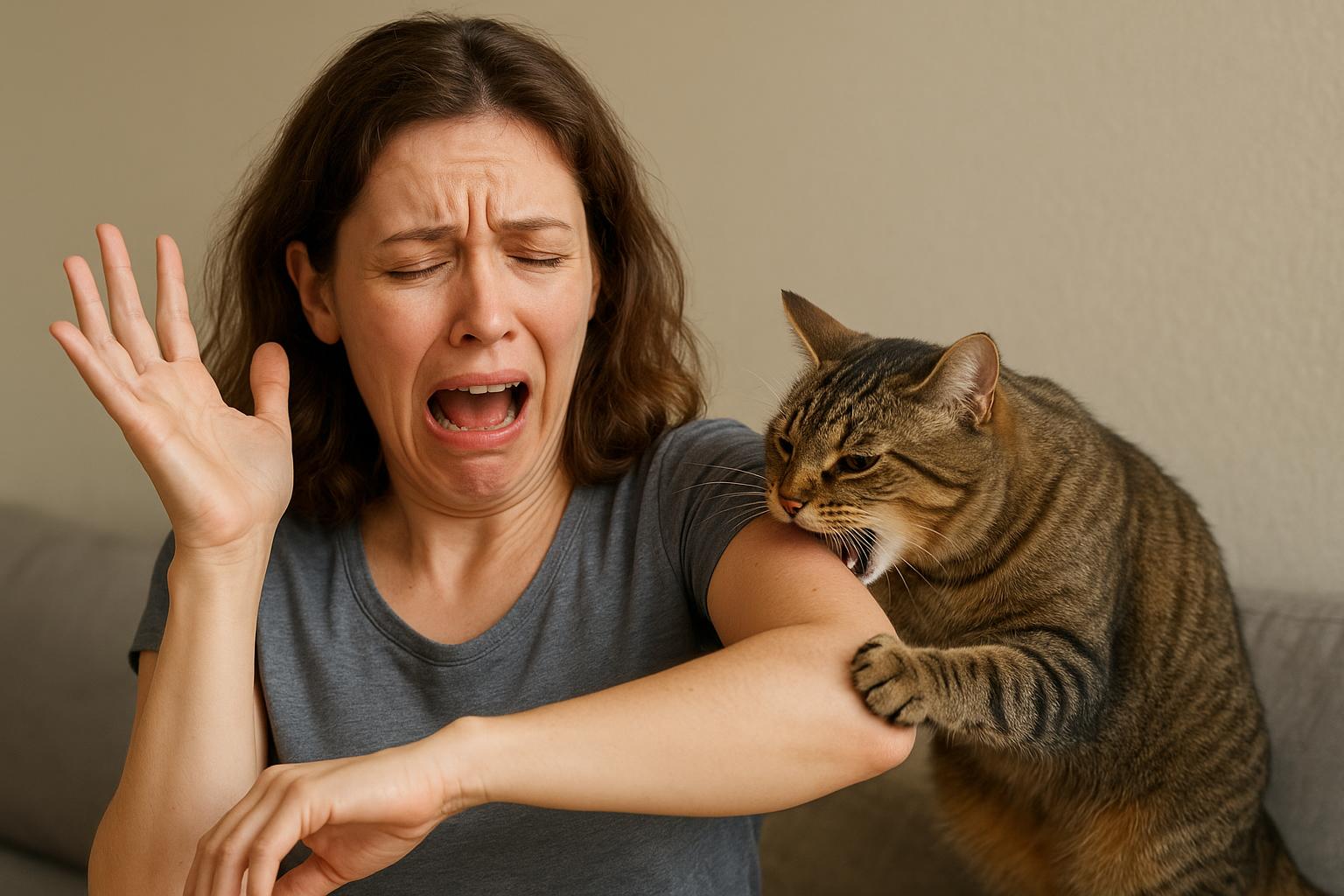
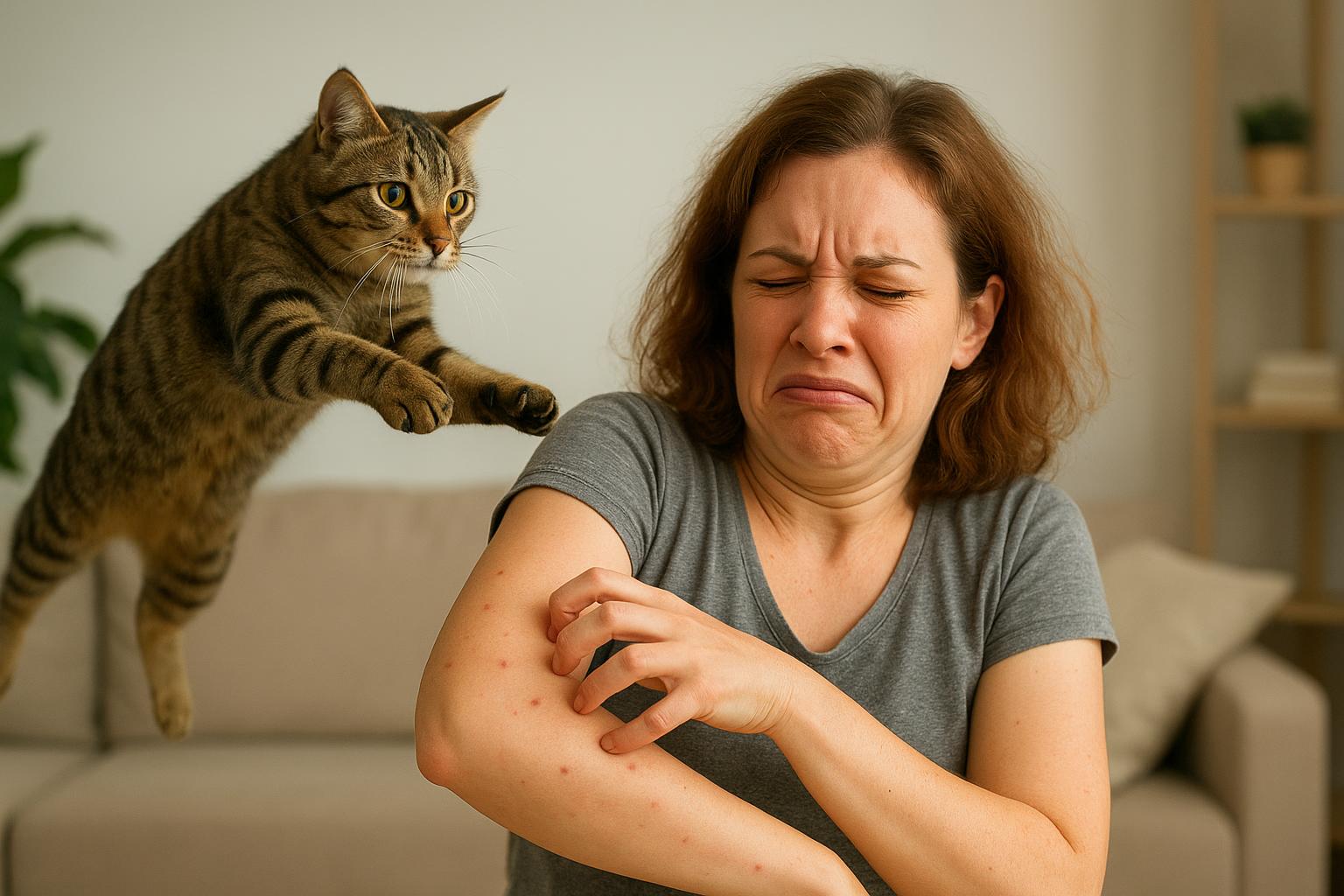
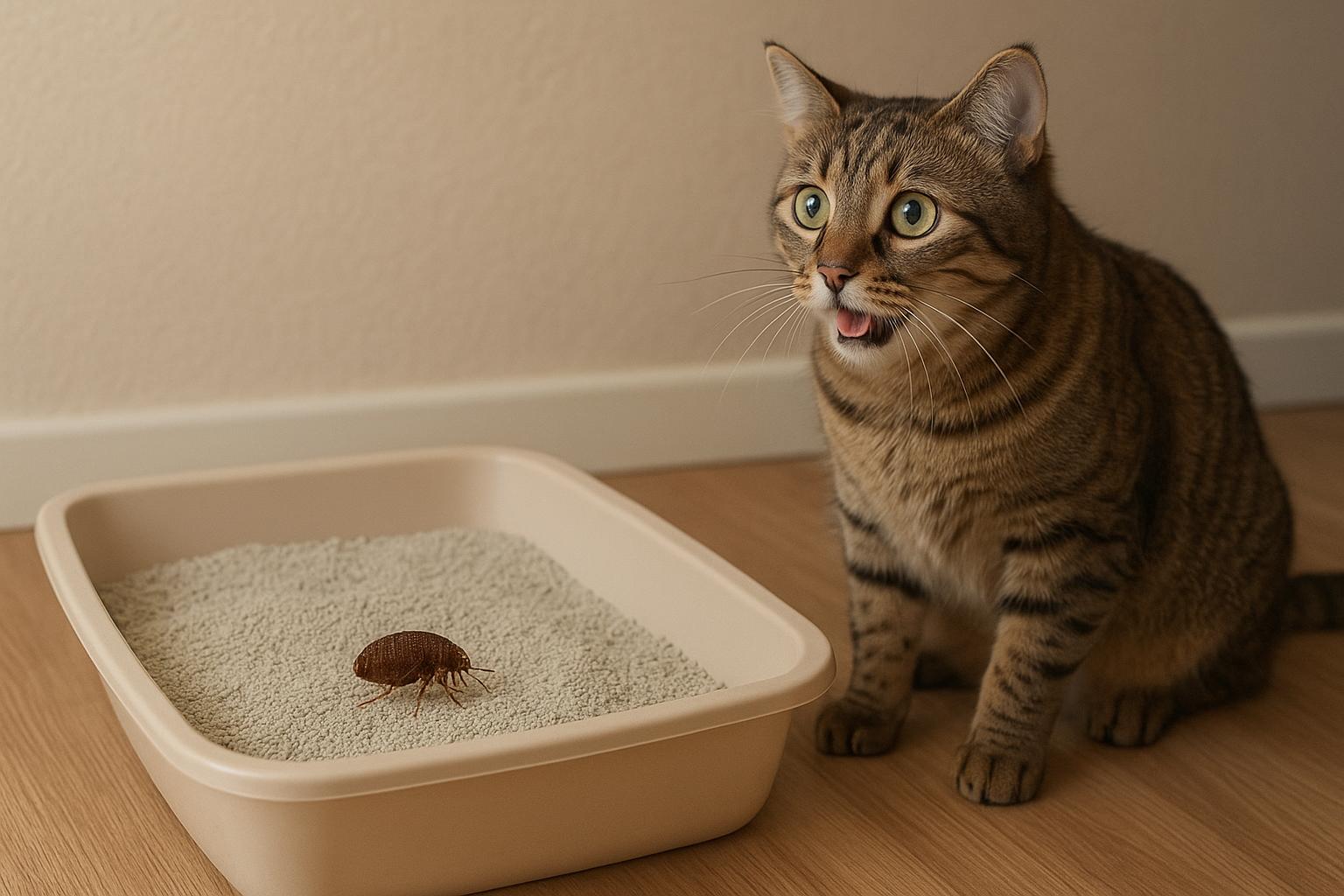
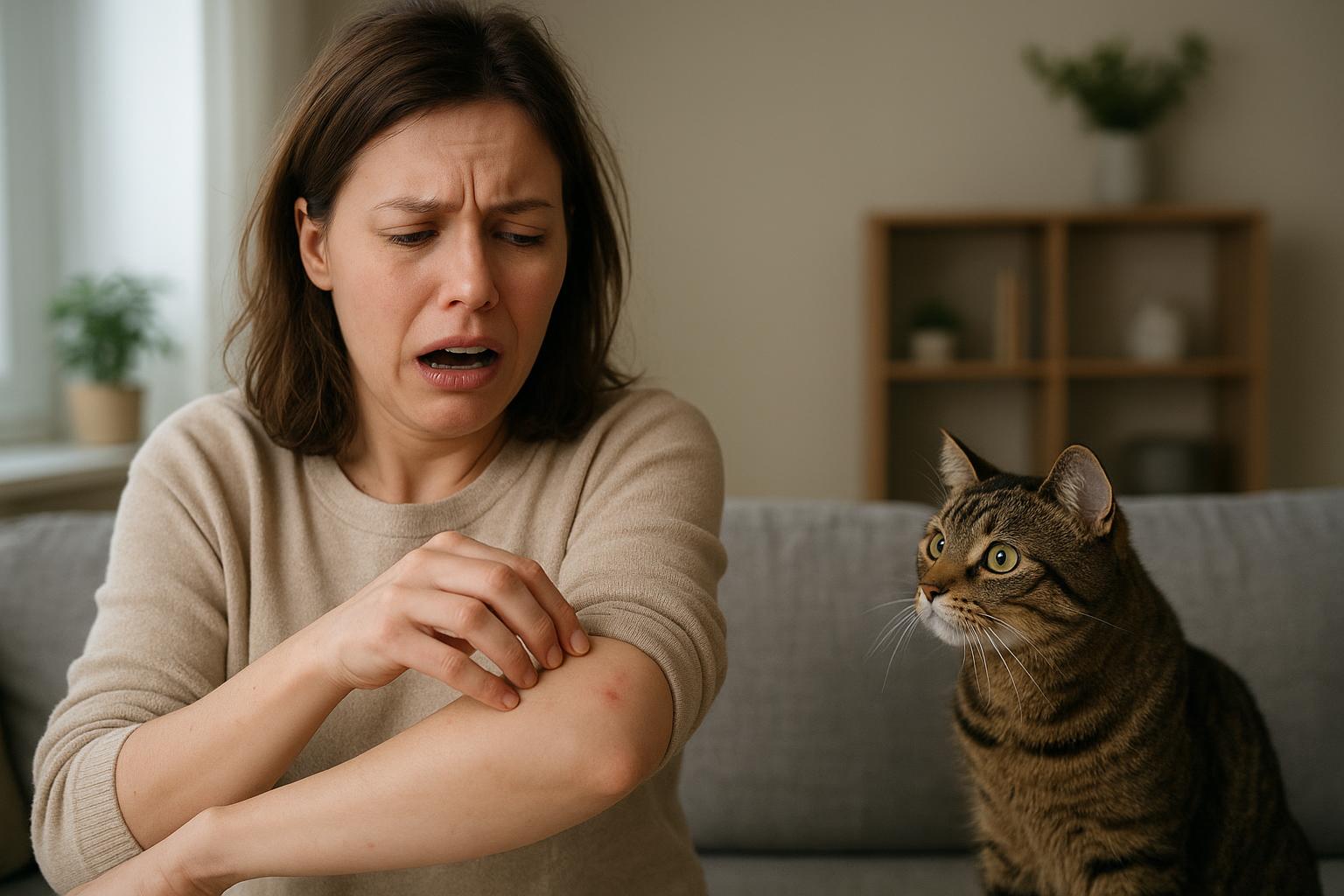
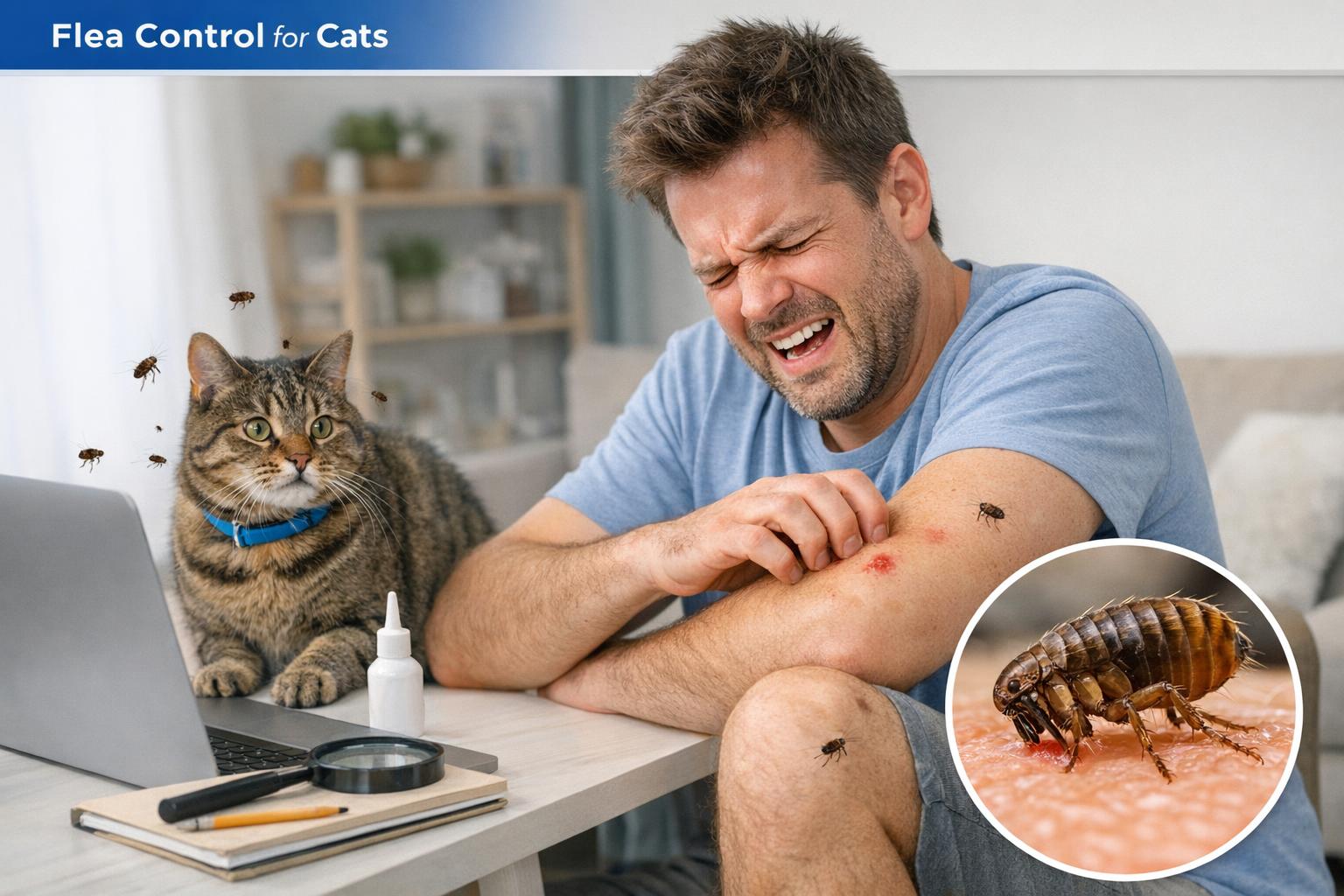
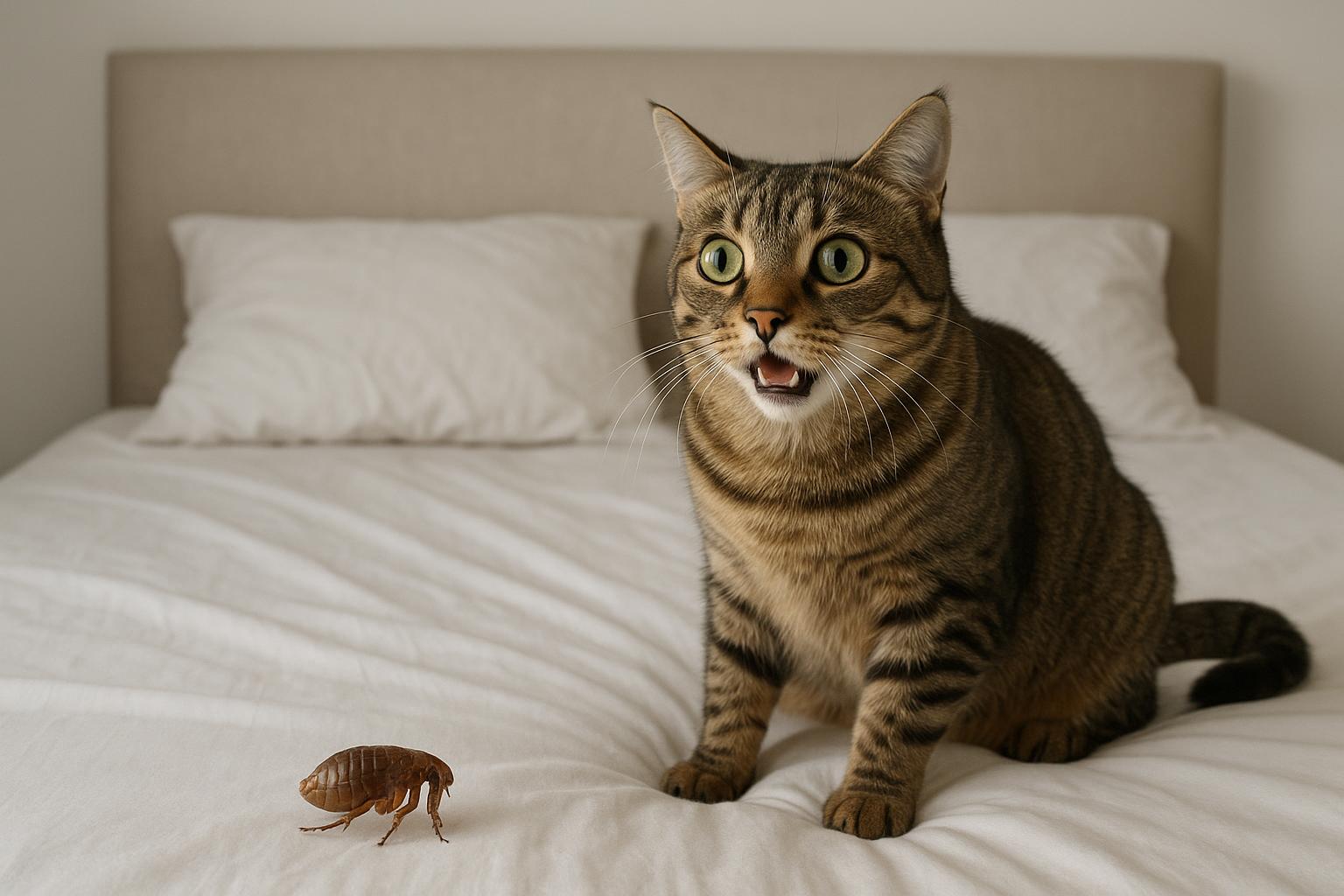
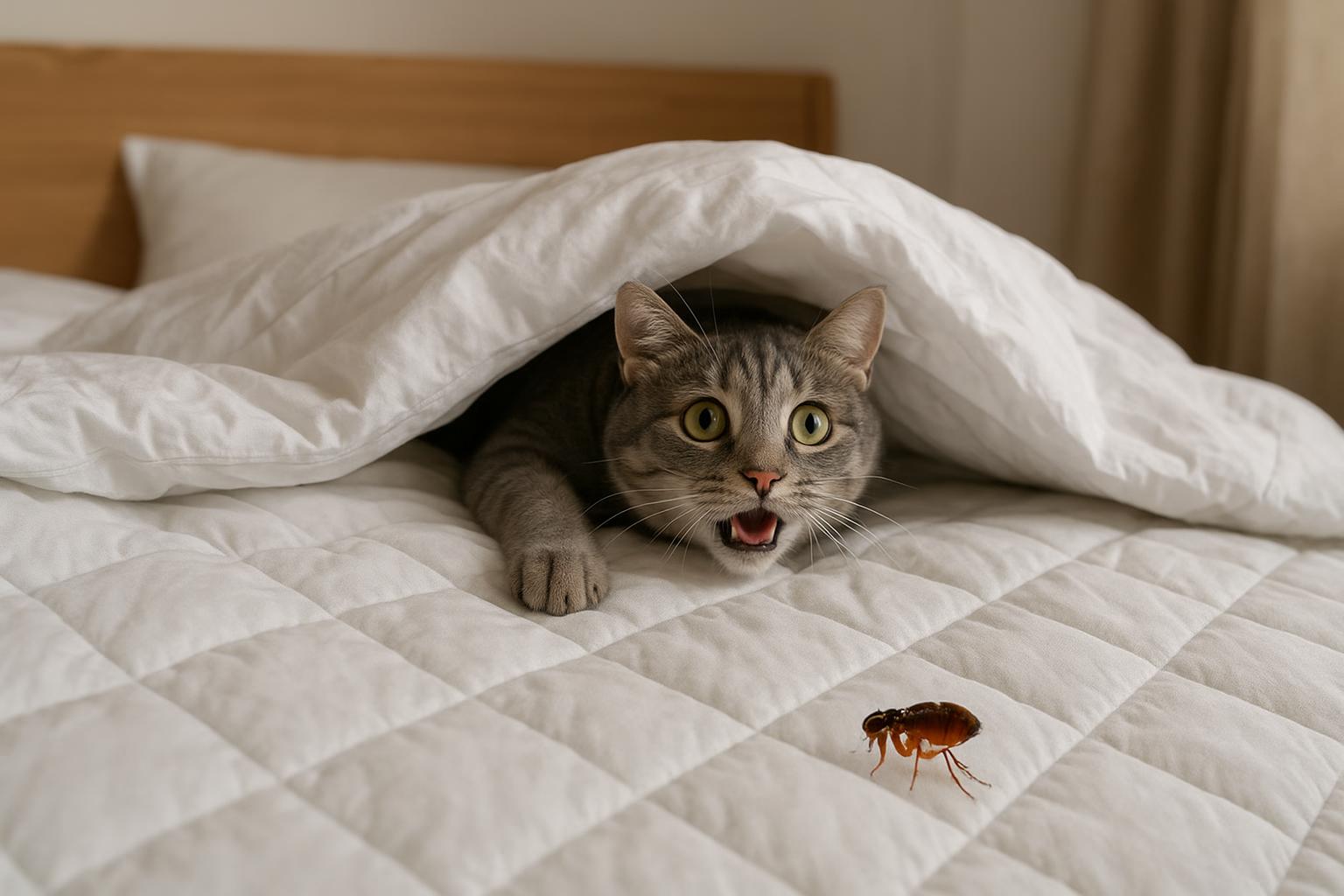
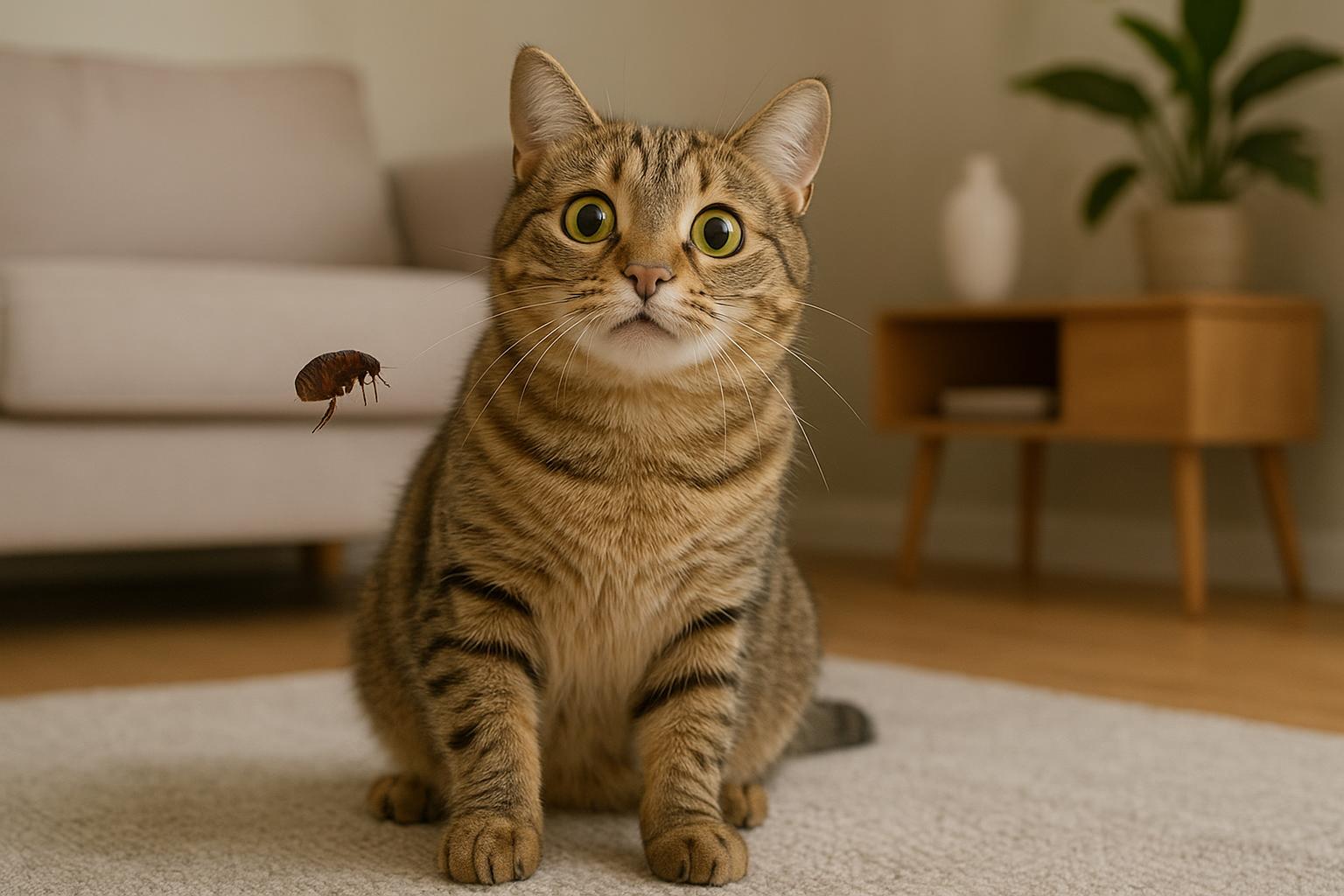
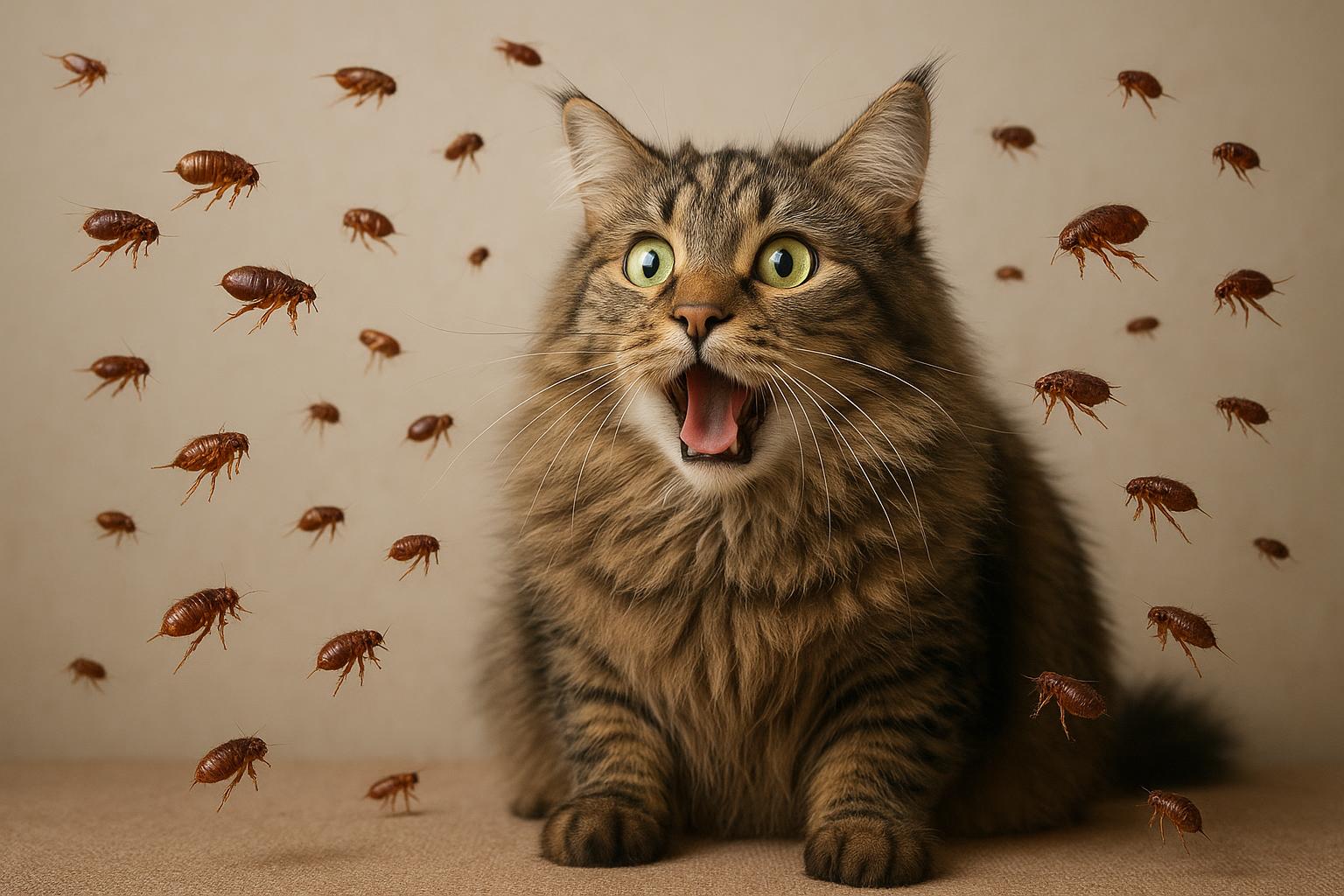
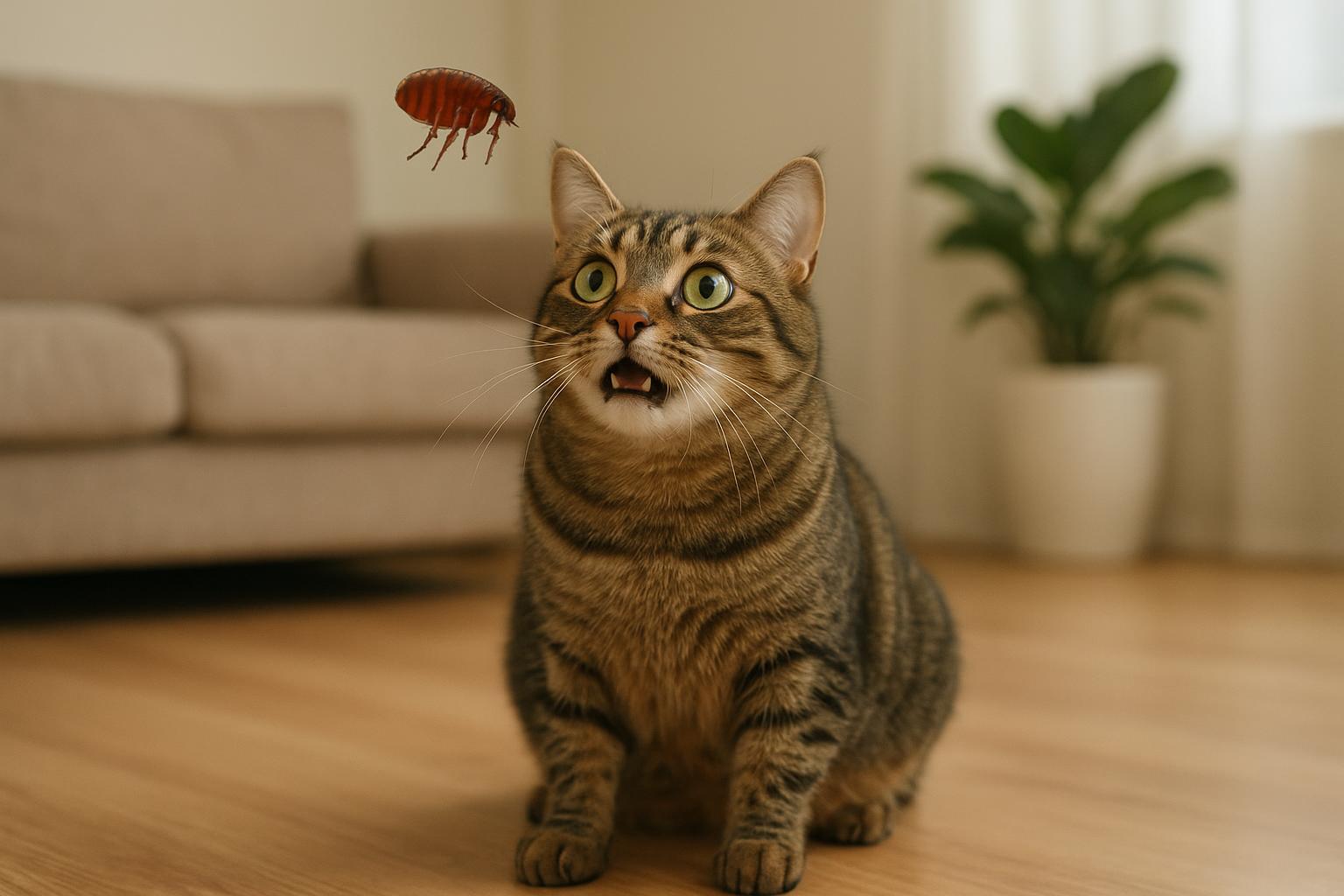
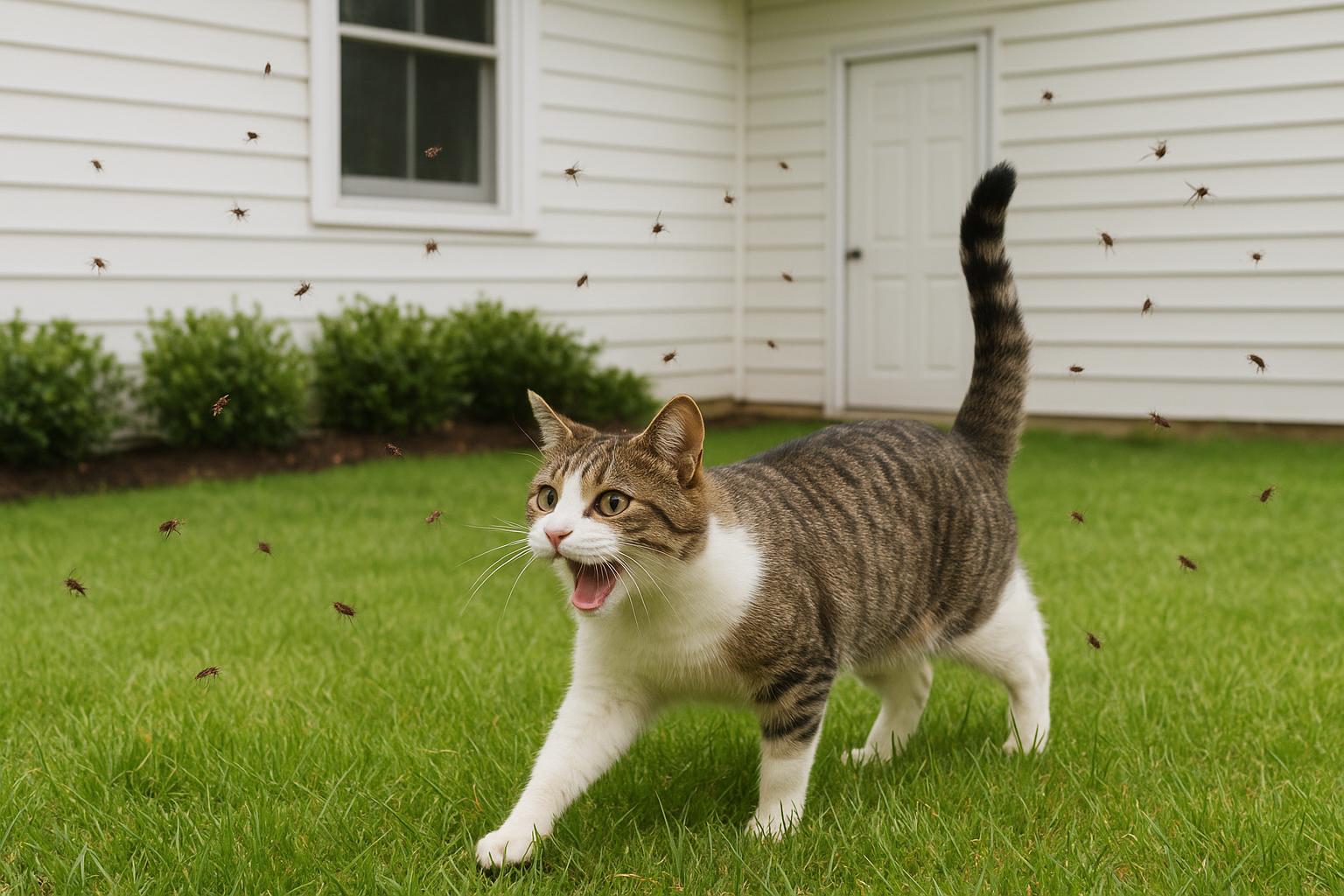
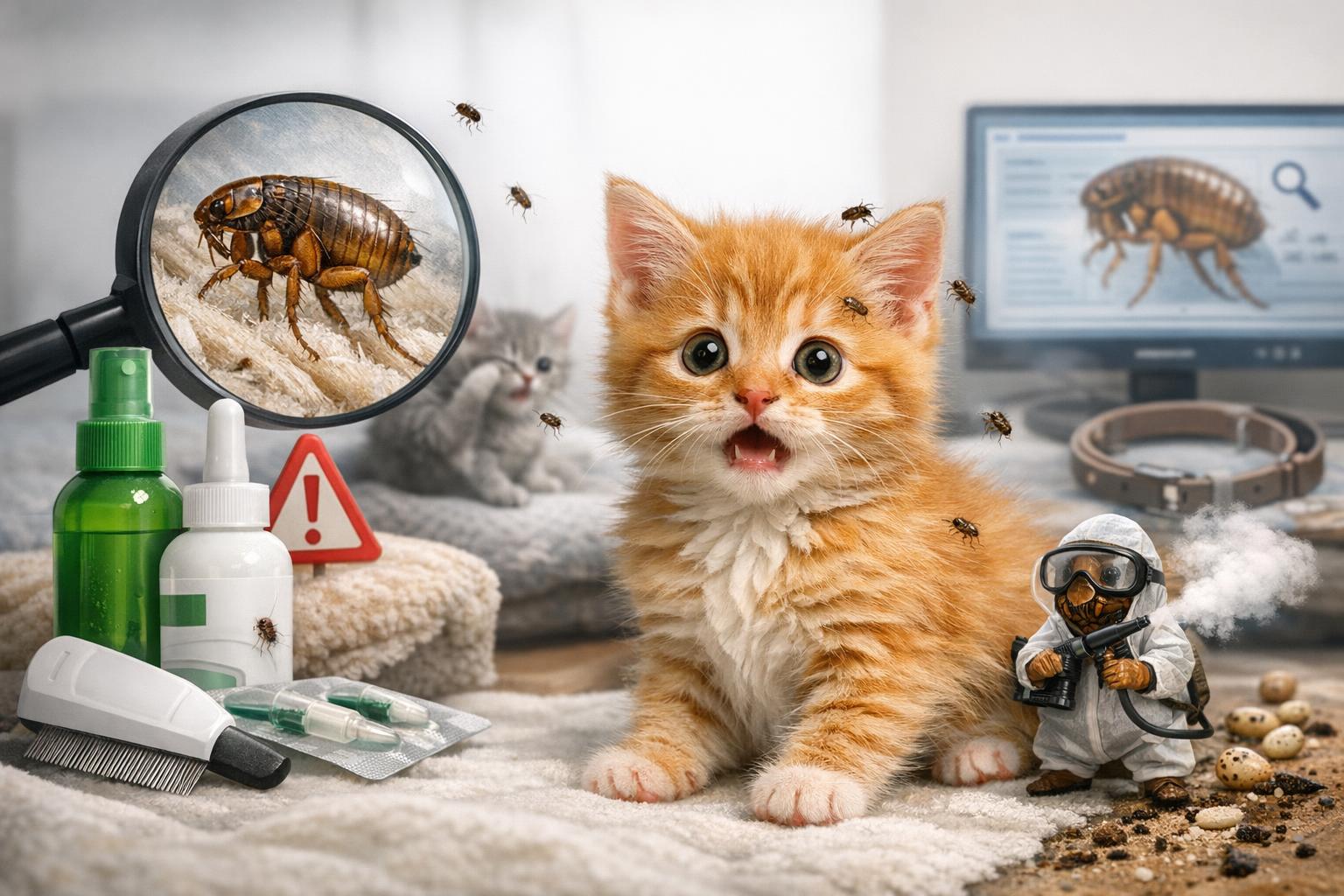
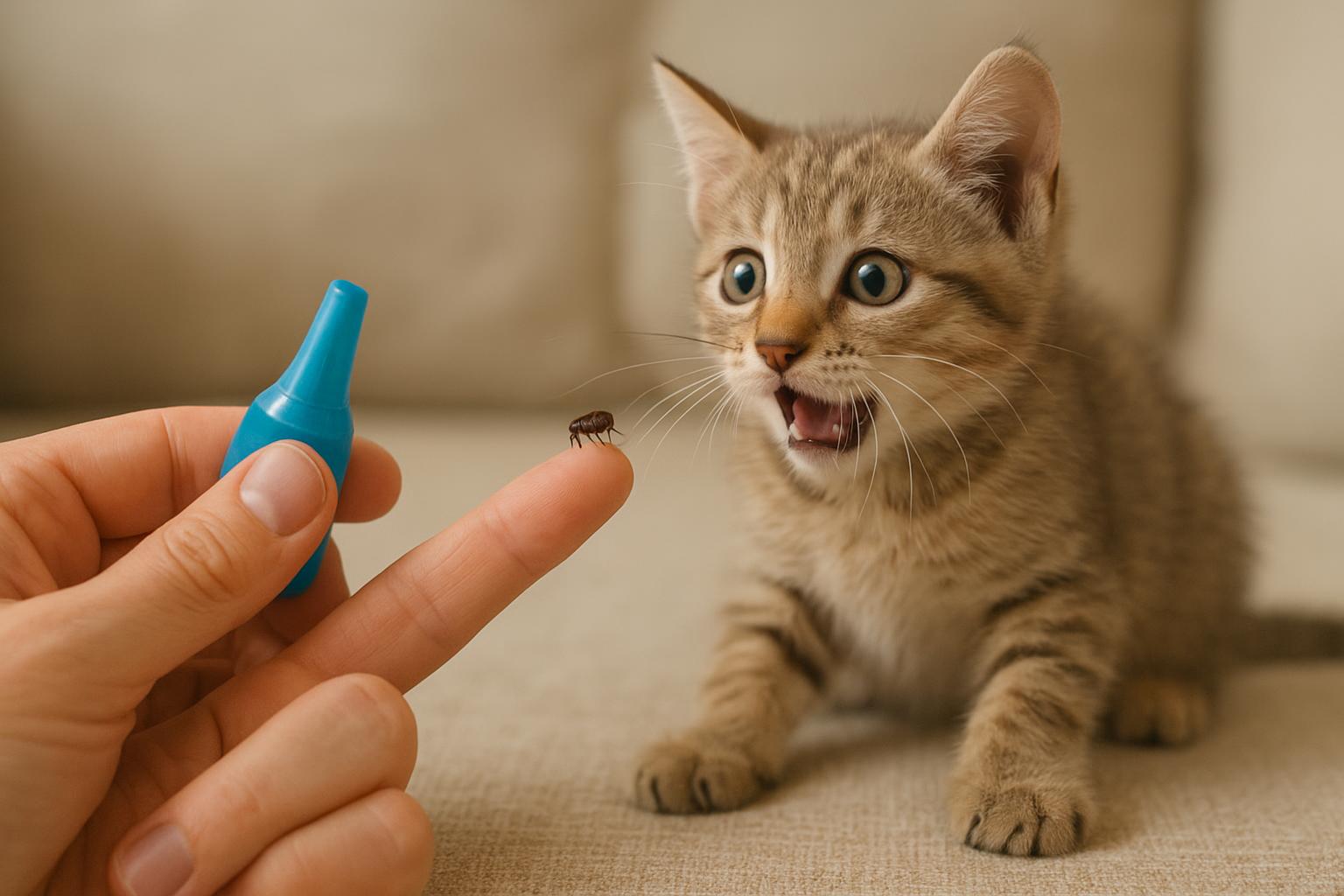
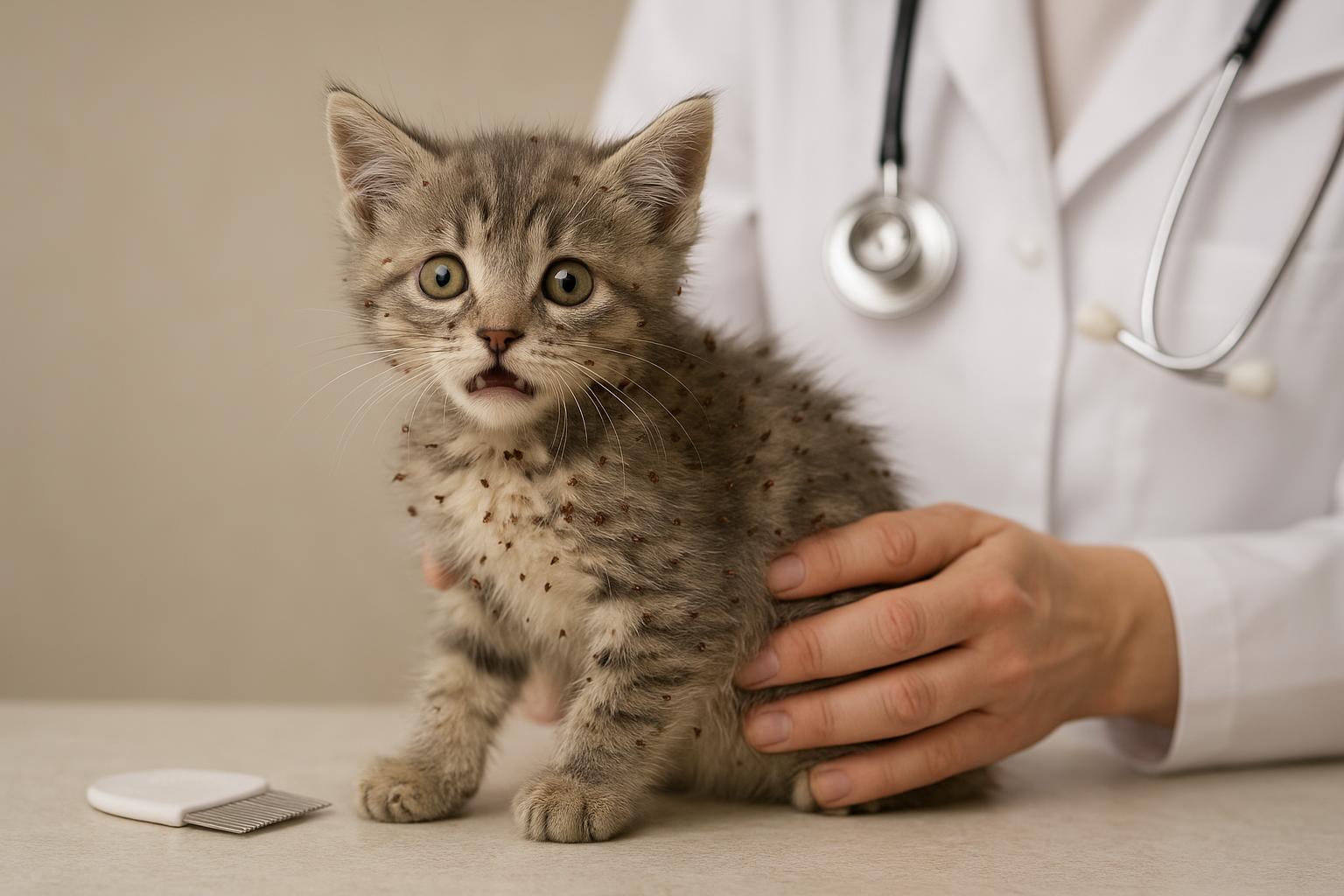
Cats are famously good at hiding discomfort, so when it comes to pests like indoor fleas, you might not notice a problem until your feline is staging a small one-cat protest. If you suspect indoor fleas in your home, start with the obvious signs: increased scratching, biting at fur, tiny black specks (flea dirt), and visible little dark brown or black fast-moving specks on the skin. Indoor fleas don’t need an outdoor visit to set up shop — they hitchhike in on shoes, other pets, or even cardboard boxes.
### Common Behavioral Red Flags
– Excessive grooming or sudden aggression when being petted.
– Restlessness, particularly at night when fleas are more active.
– Frequent rolling or rubbing against furniture.
### Physical Clues Under The Fur
A steady pattern of hair thinning, especially near the base of the tail or along the back, can indicate repeated scratching. Look for tiny red bumps, scabs, or raw patches. In severe infestations, kittens and older cats may develop pale gums from anemia caused by heavy flea feeding.
#### How To Spot Flea Dirt Versus Dirt
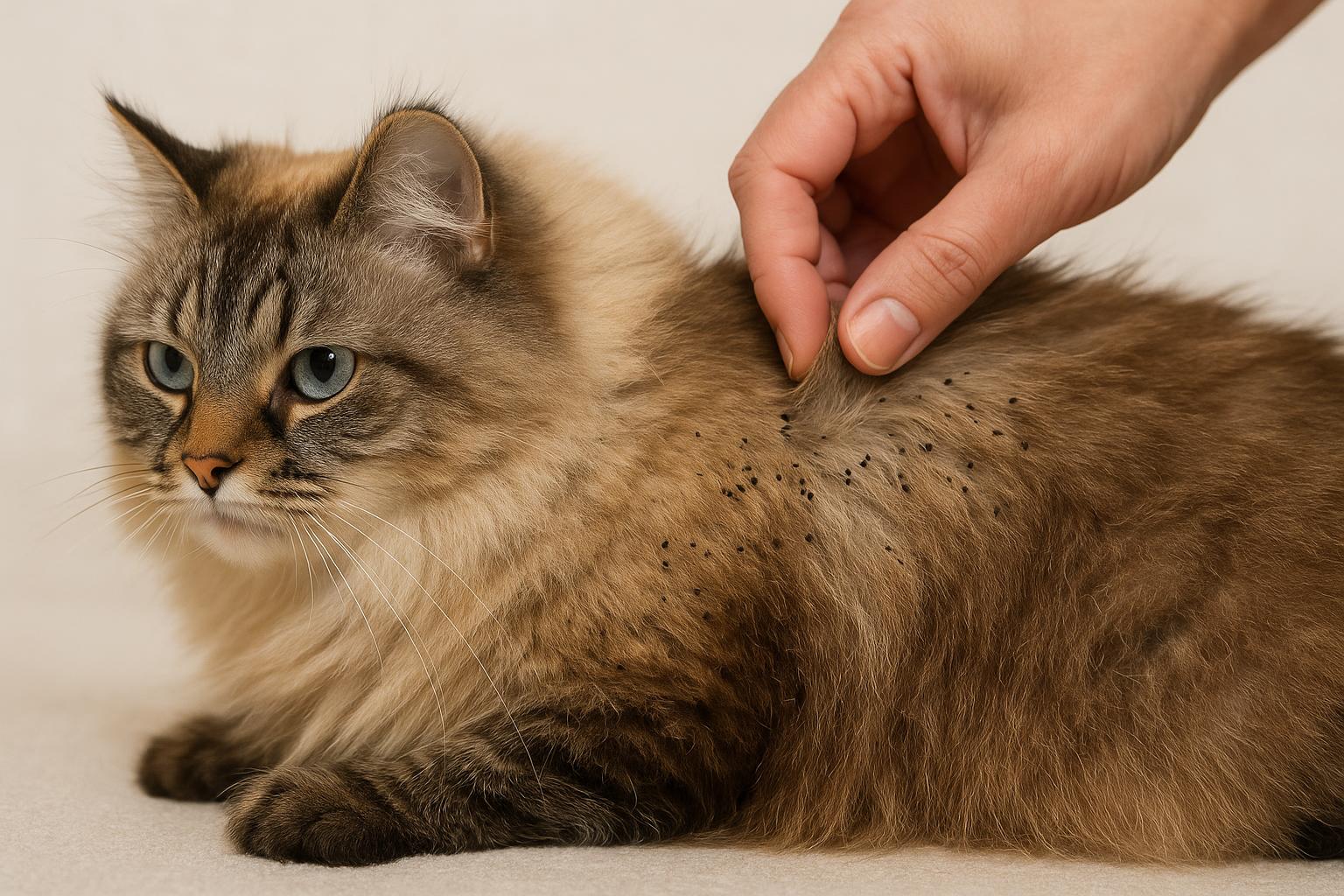
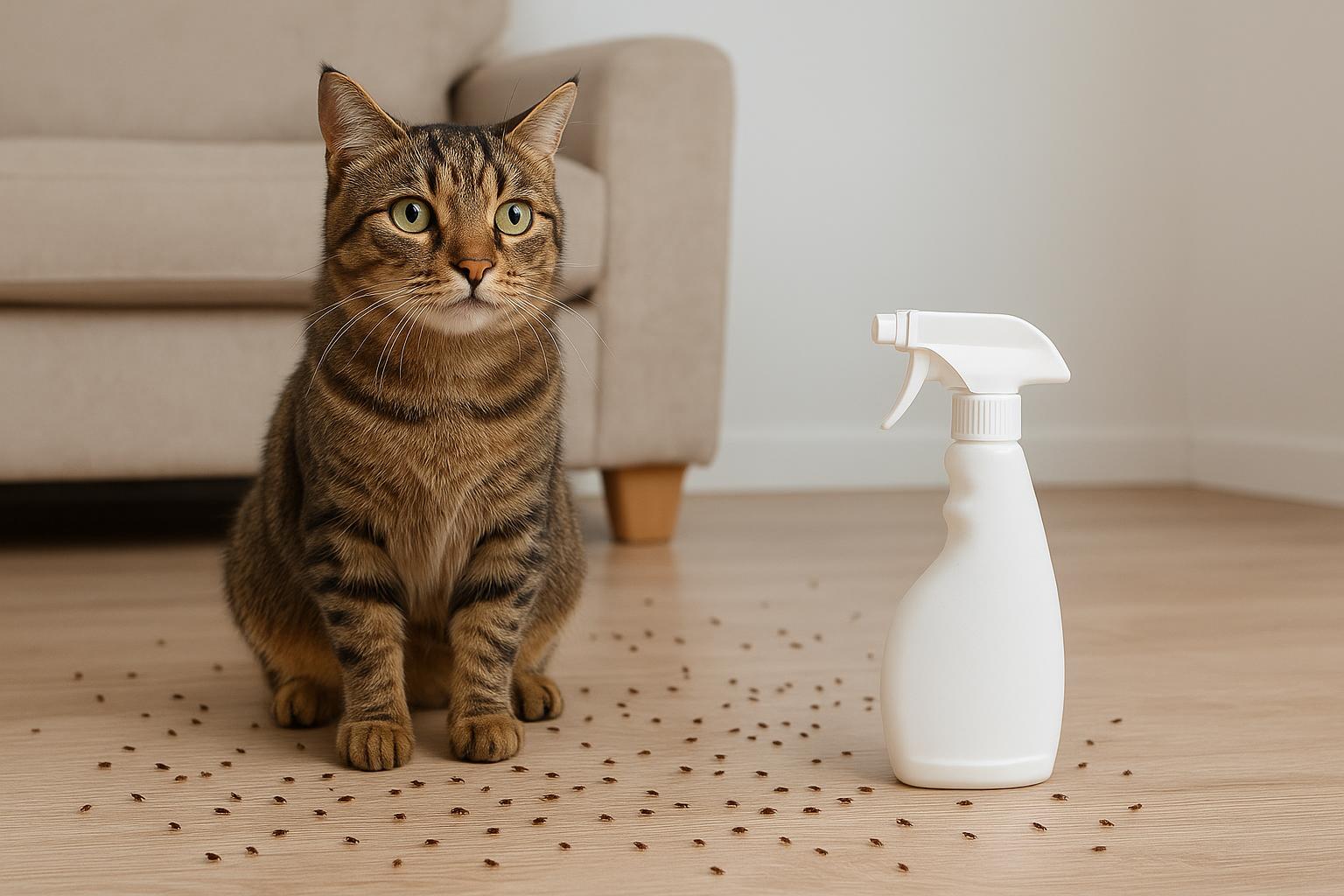
Flea dirt is digested blood and looks like pepper. To test it, place a few specks on a damp paper towel — if it turns a rusty red, you’re likely looking at flea dirt rather than regular grime.
### Visibility Test: The Flea Comb
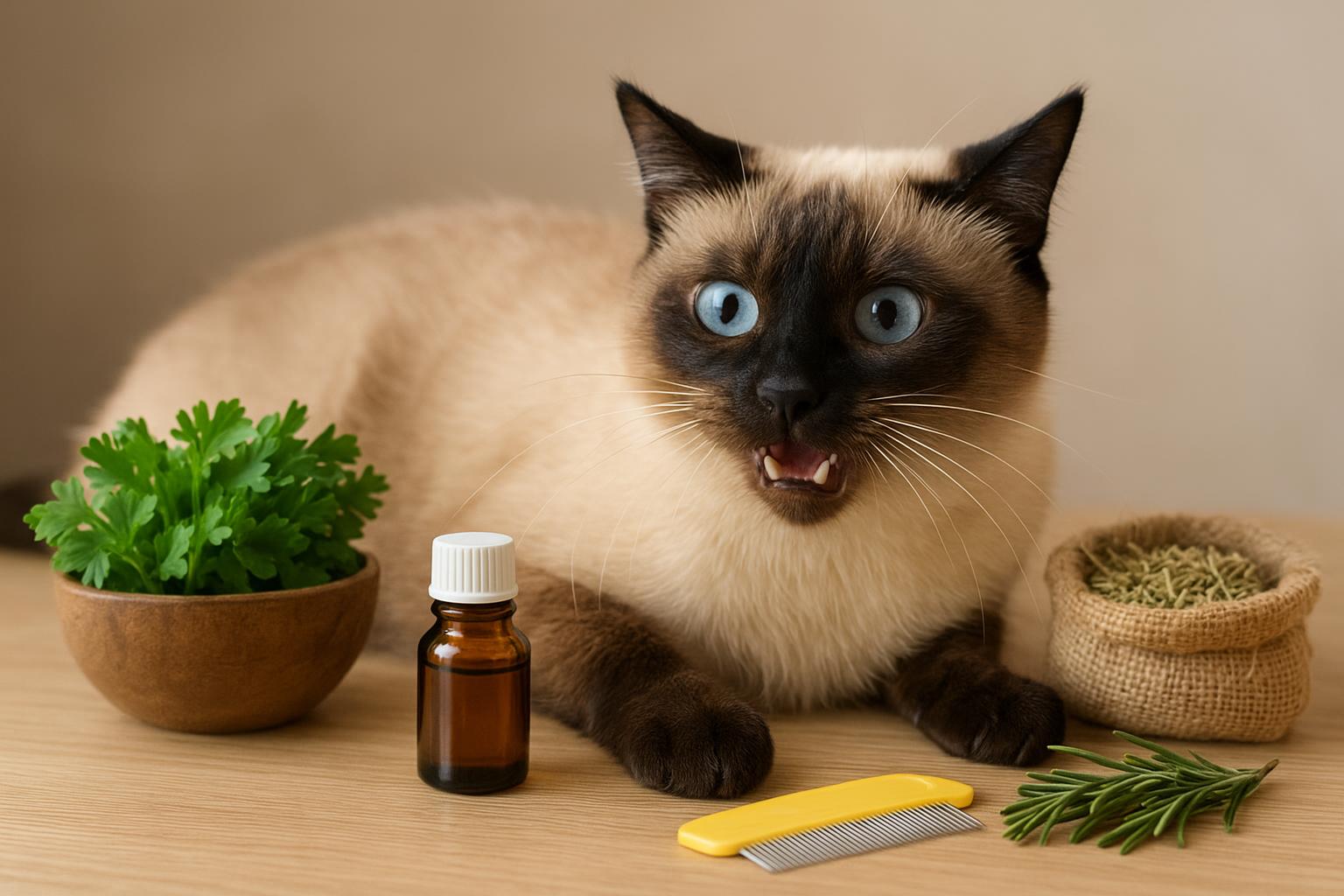
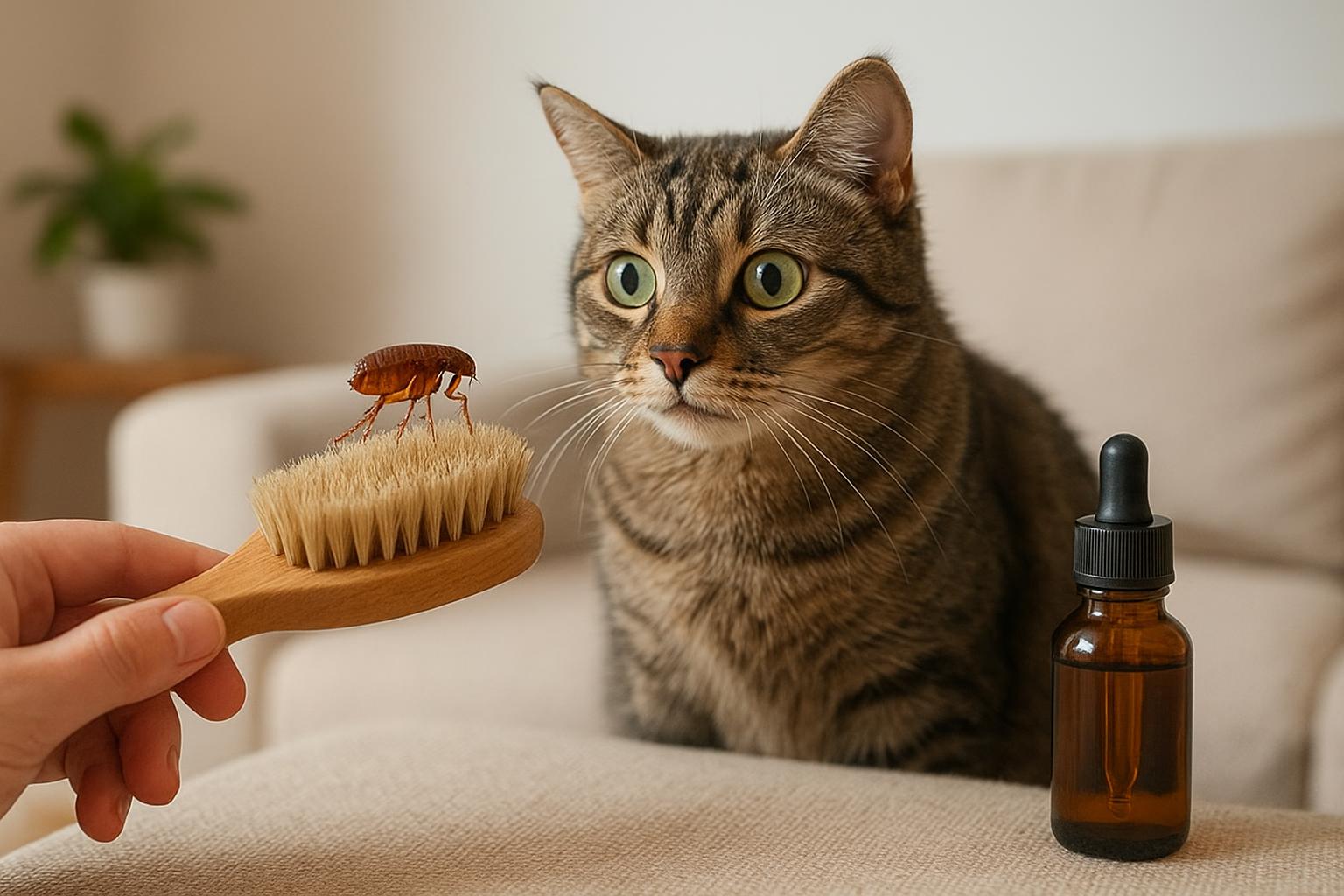
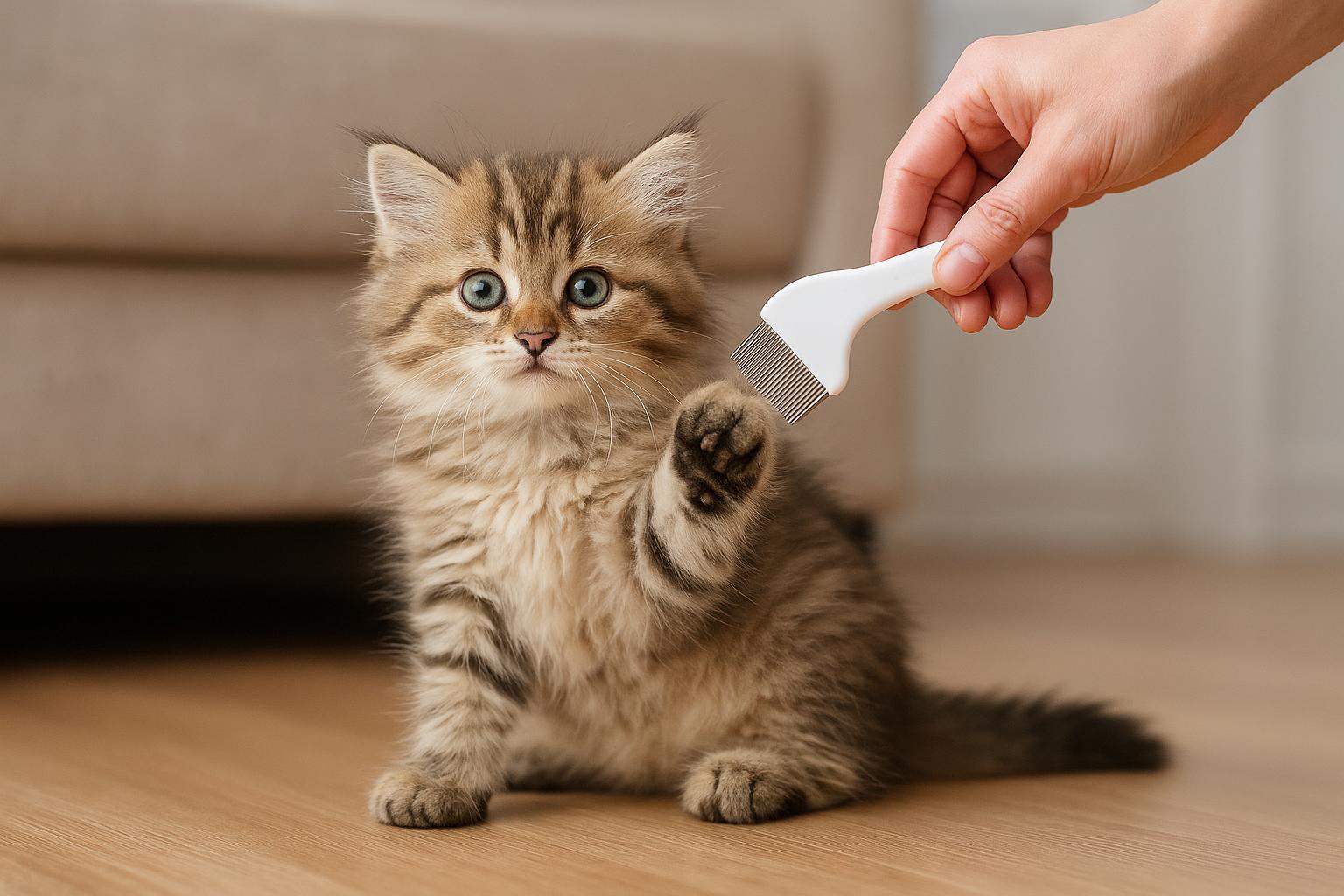
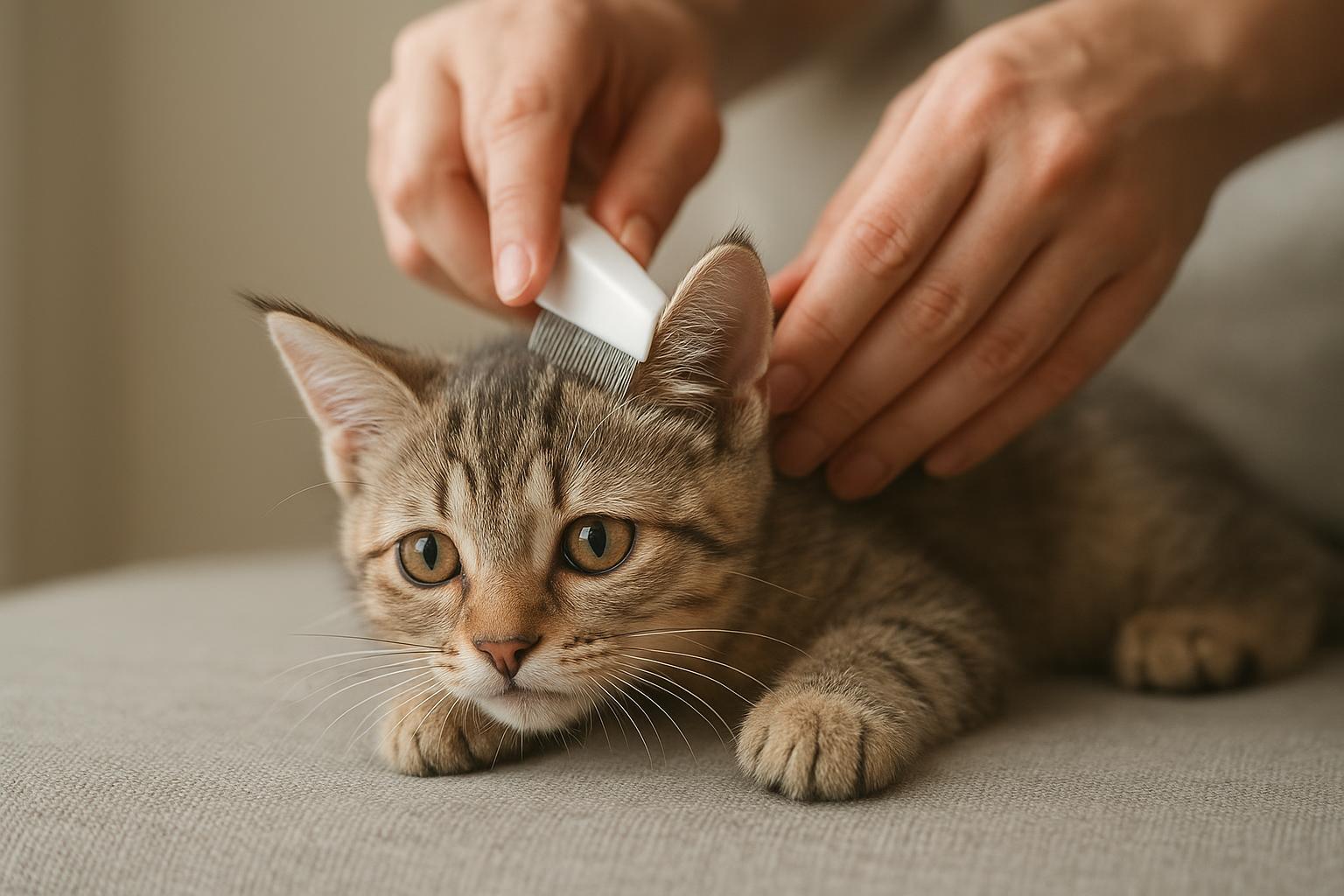
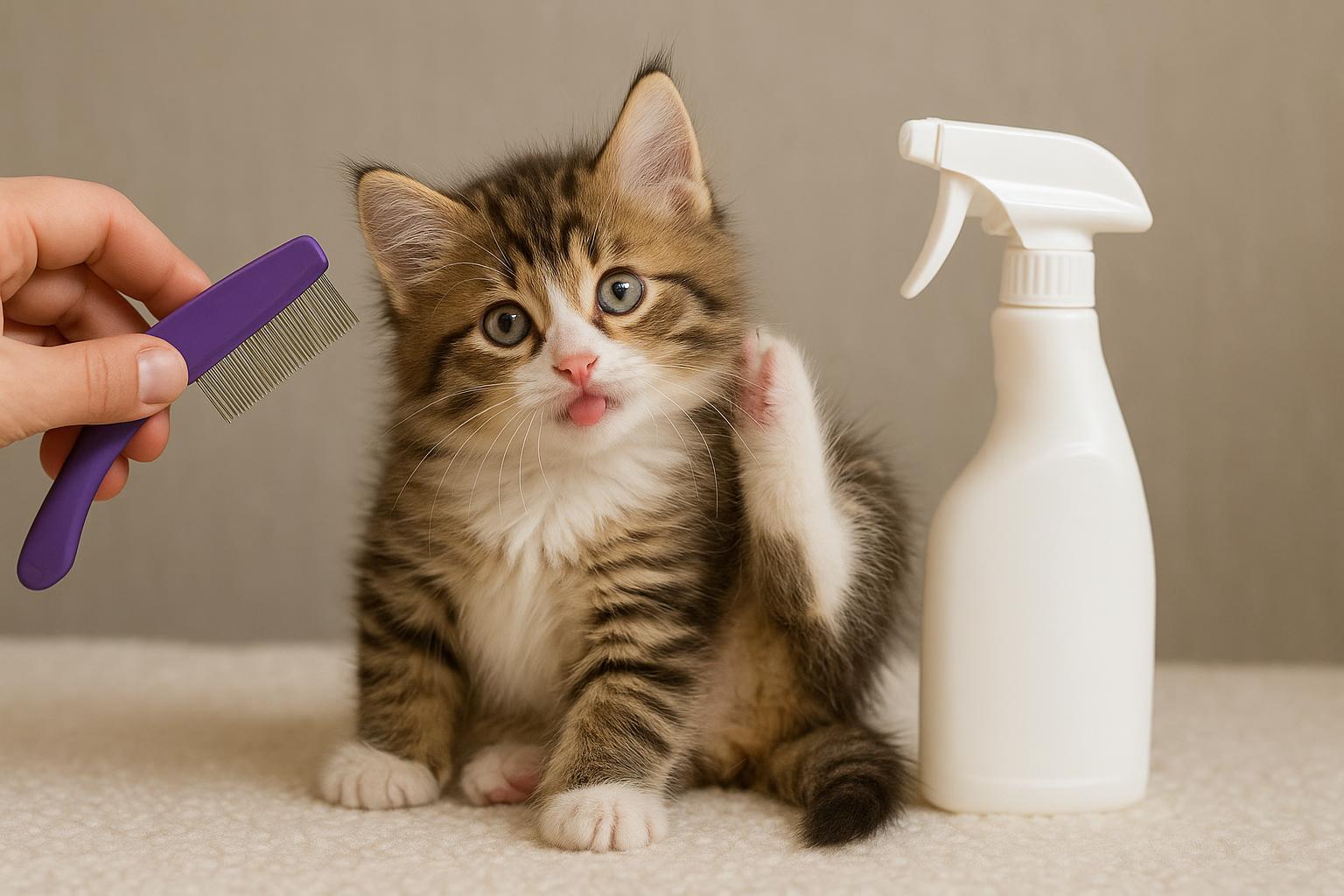
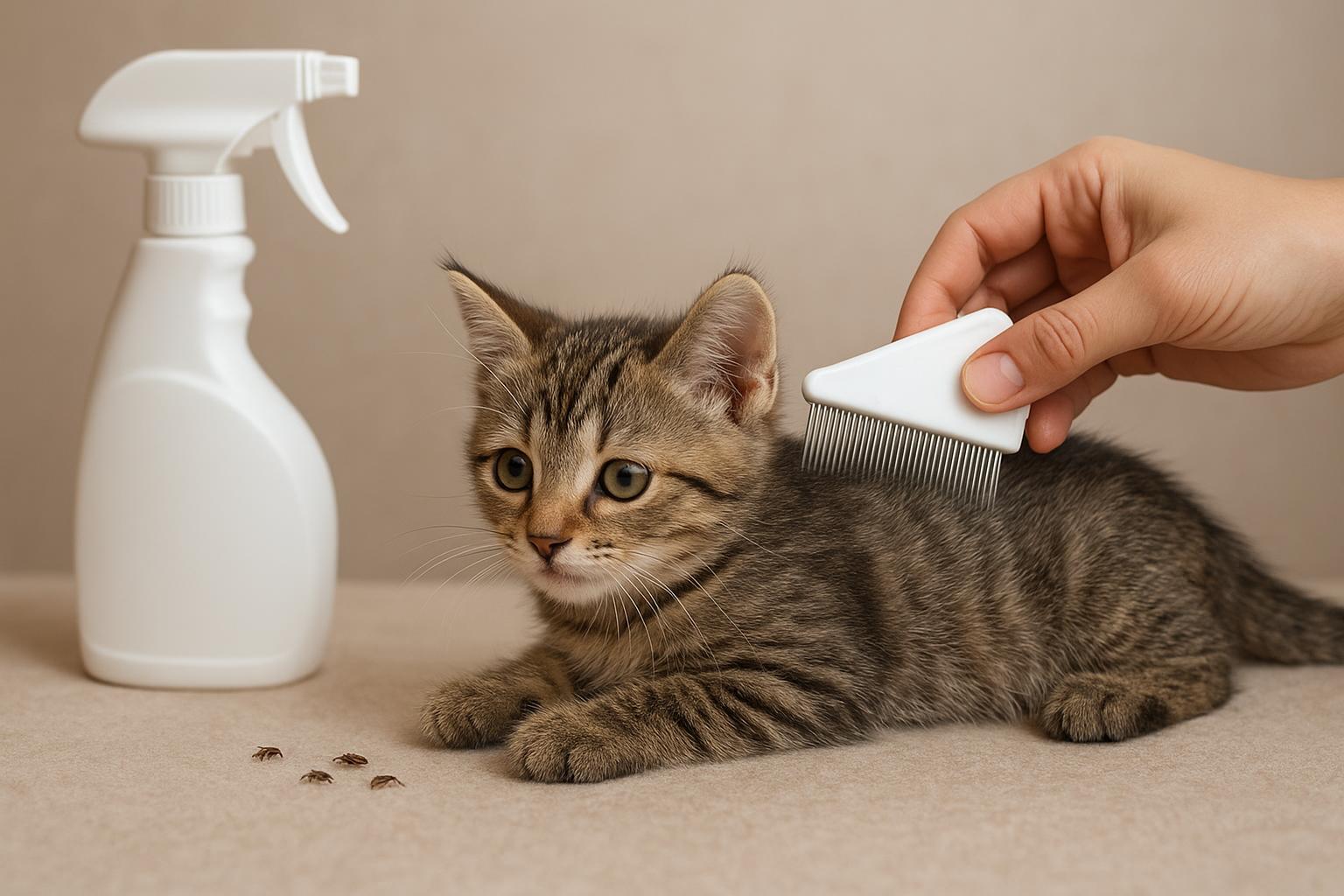
Even if you don’t see adult fleas hopping around, a flea comb is a detective’s best friend. Comb along the neck, chest, back, and base of the tail onto a light-colored towel. If you find black specks that dissolve into reddish stains on damp paper, you’ve got evidence. If your cat lives exclusively indoors, don’t dismiss the possibility — indoor fleas can multiply rapidly in carpets and bedding.
## When To Worry About Health Risks
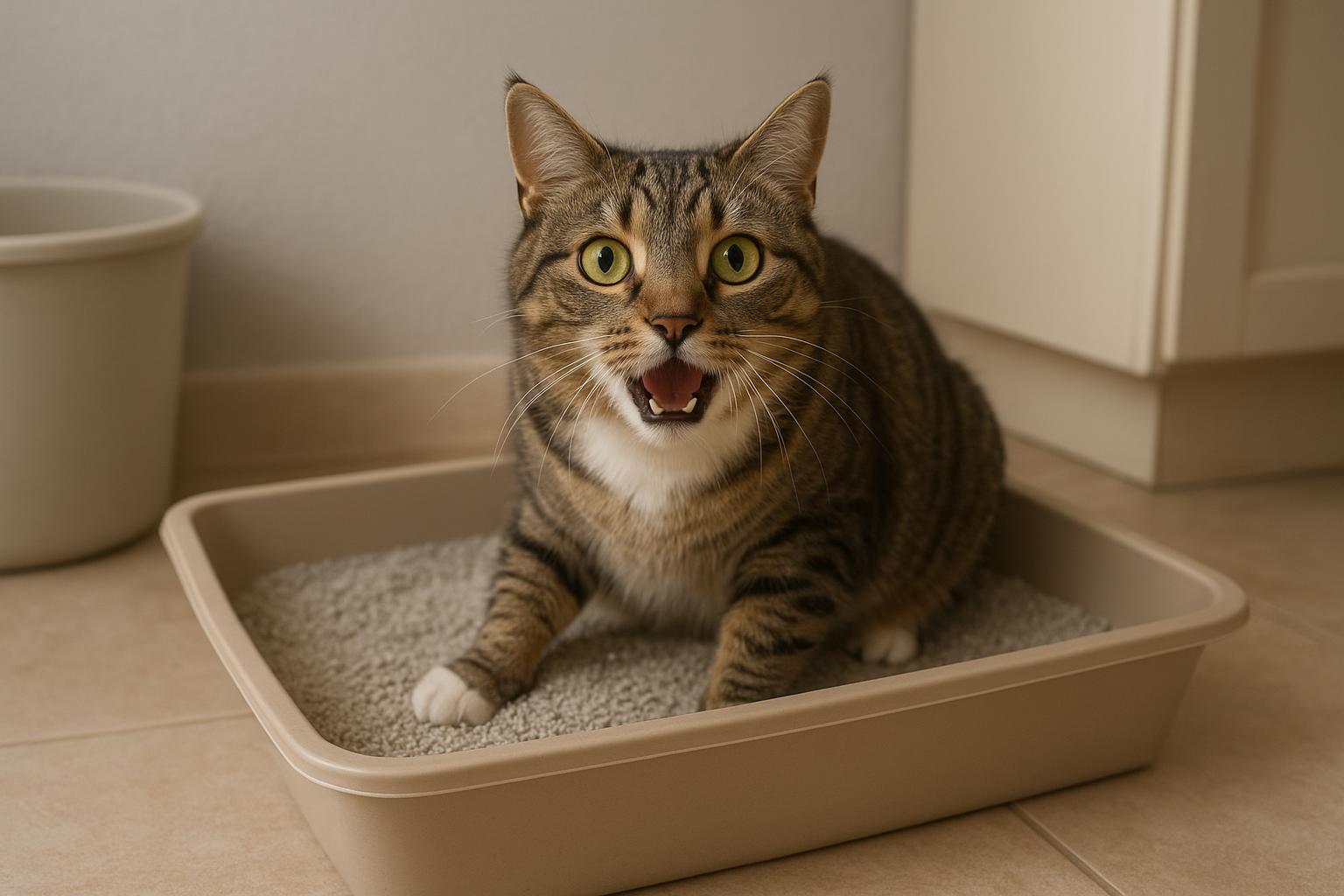
Left unchecked, indoor fleas can cause more than annoyance. Allergic reactions to flea saliva (flea allergy dermatitis) are common and can lead to severe skin infections. Kittens and debilitated cats can become anemic. Fleas are also intermediate hosts for some tapeworm species; finding tiny rice-like segments around the anus or in feces warrants attention.
### Signs Of Secondary Problems
– Patches of inflamed, infected skin.
– Visible tapeworm segments.
– Lethargy and pale gums (in severe cases).
#### When You Need Immediate Help
If your cat is very young, elderly, weak, or showing signs of anemia (pale gums, rapid breathing, weakness), contact your veterinarian immediately. These cases can require urgent treatment beyond home measures.
## How To Do A Thorough Home Check
If you suspect indoor fleas, check these hotspots: carpets, rugs, upholstered furniture, pet bedding, and cracks in baseboards. Flea eggs and larvae fall off the host and hide in dark, moist areas. Use a flashlight, part fabrics, and look for small black specks and shed skins.
### Tools For A Home Inspection
– Flashlight
– Flea comb
– Light-colored towel
– Vacuum with attachments
#### Note On Wildlife And Other Pets
Indoor fleas often enter on other animals — mice, raccoons, or a visiting dog. Consider whether any wildlife has had access to your home or if you recently brought in used furniture.
## Remedy 1: Vet-Recommended Treatments For Indoor Fleas
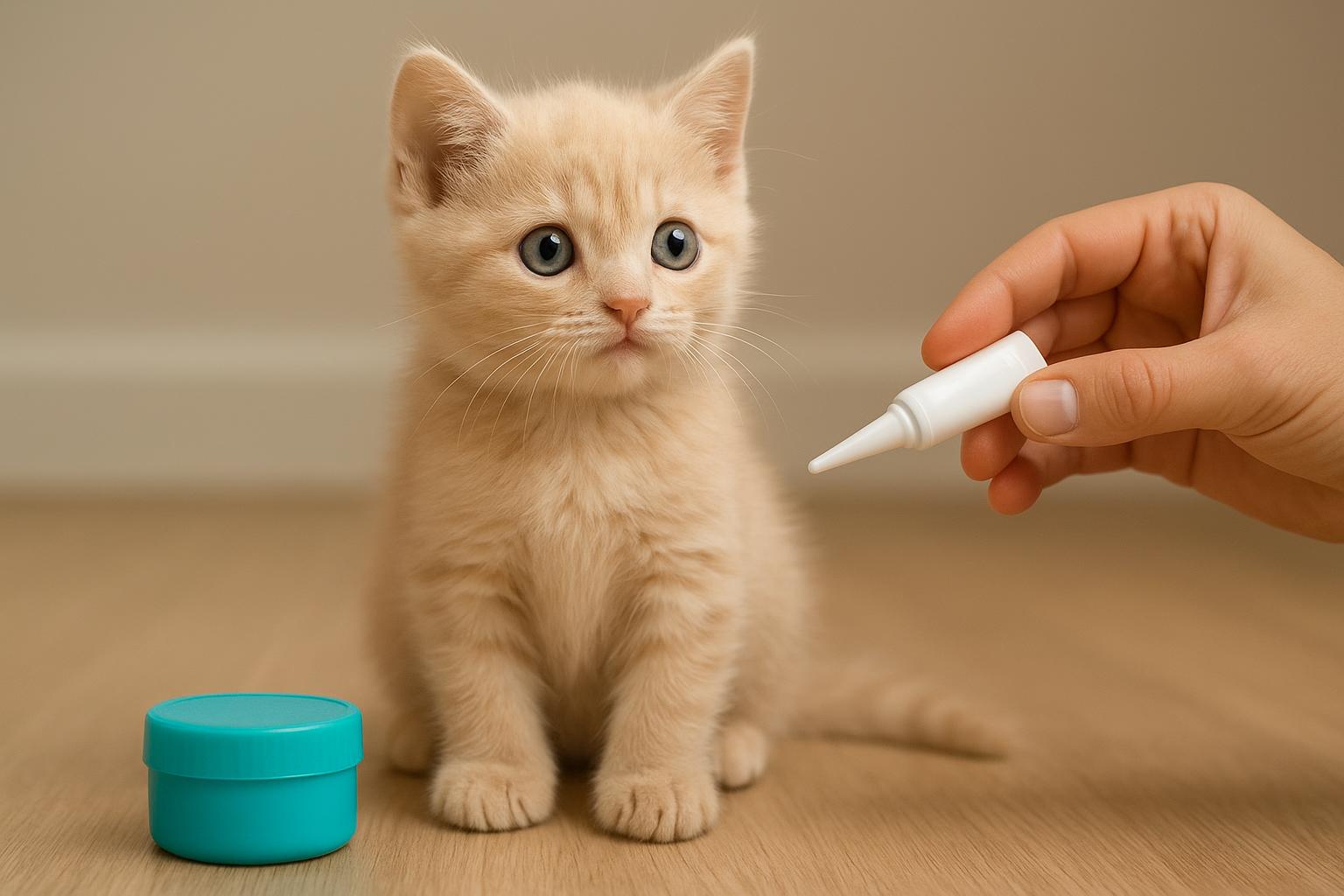
When the problem is real (and it usually is), professional, vet-approved methods are the fastest, most reliable way to control indoor fleas. These treatments are evidence-based and the safest option for cats of varying ages and health statuses.
Materials/Ingredients
– Flea comb
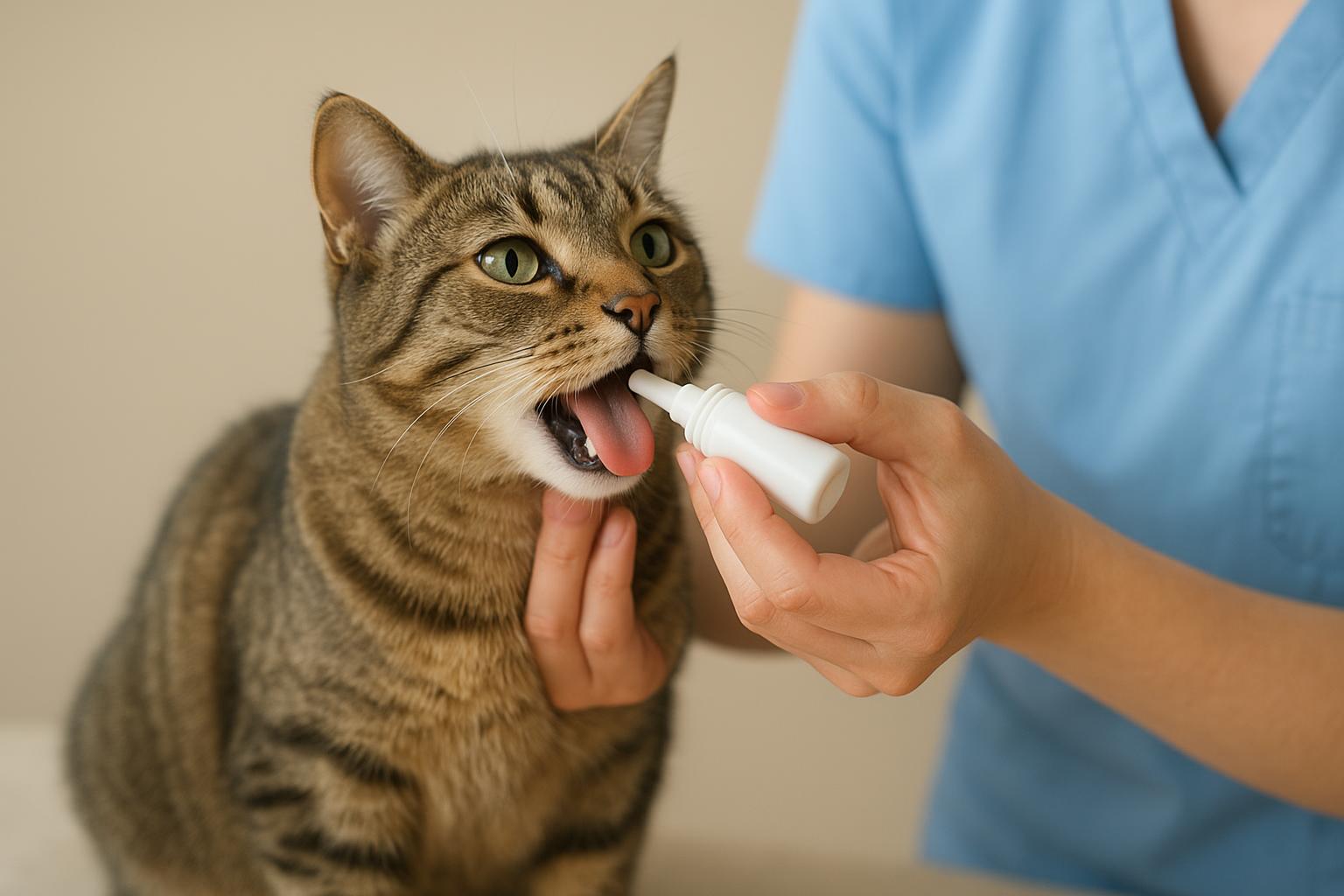
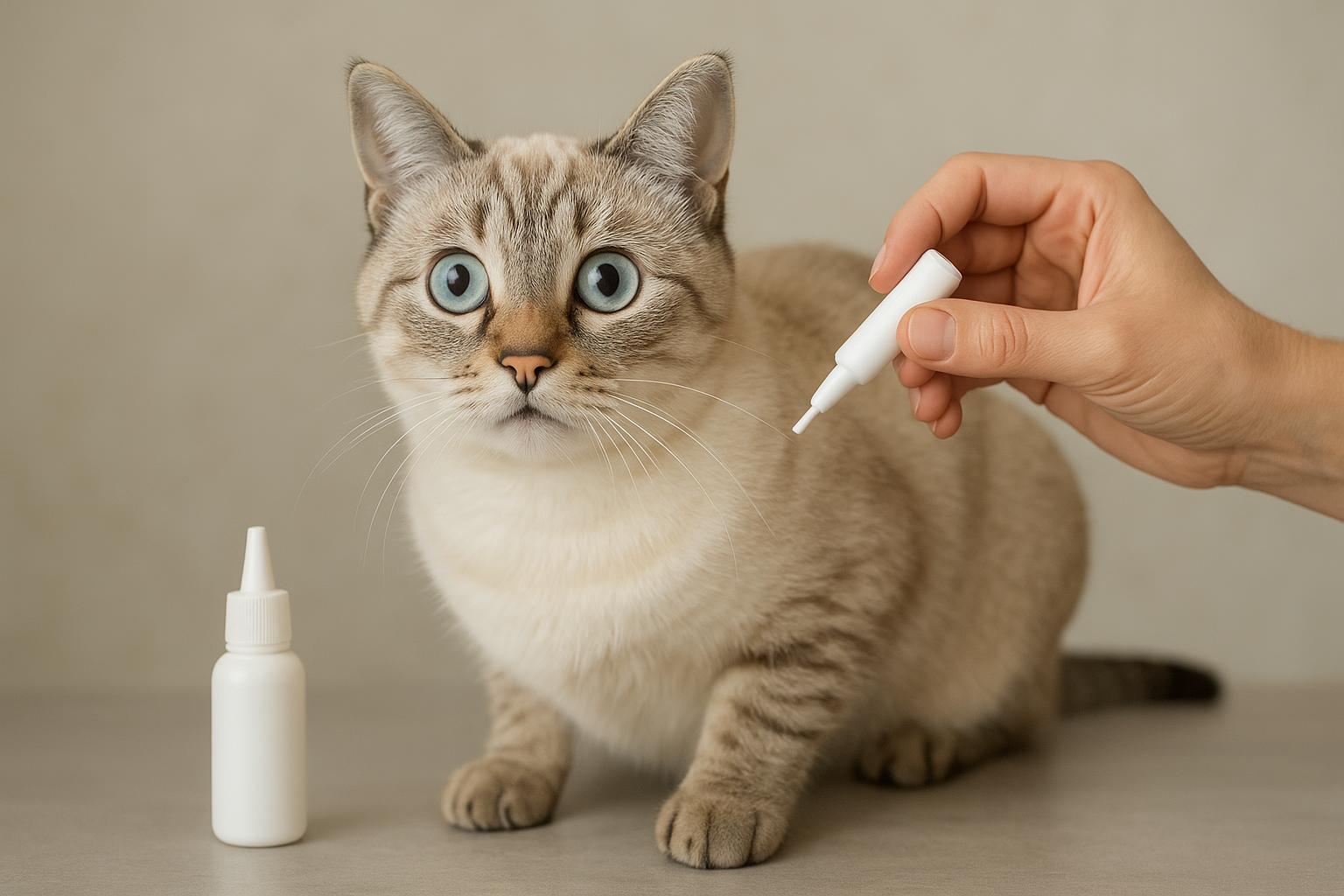
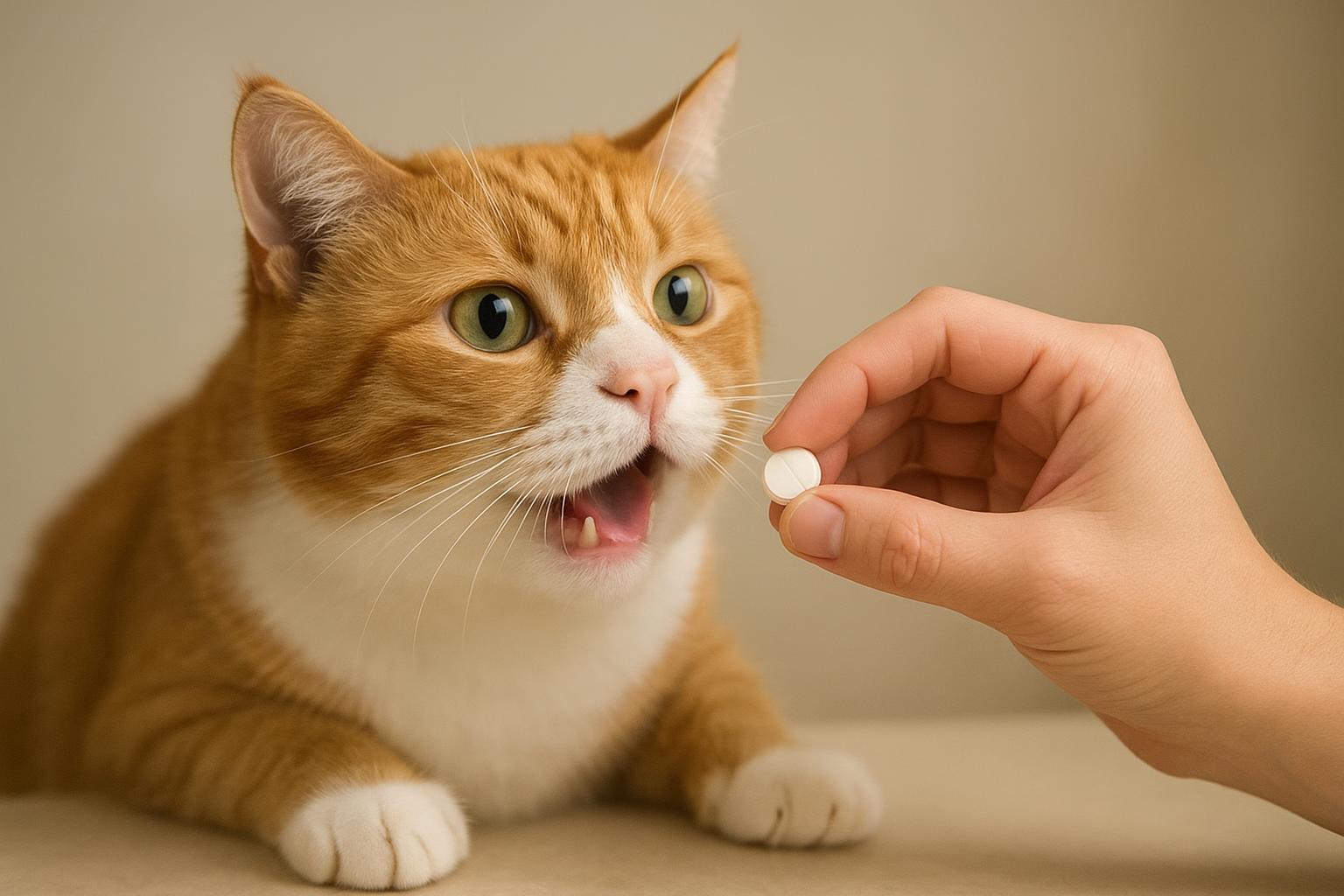
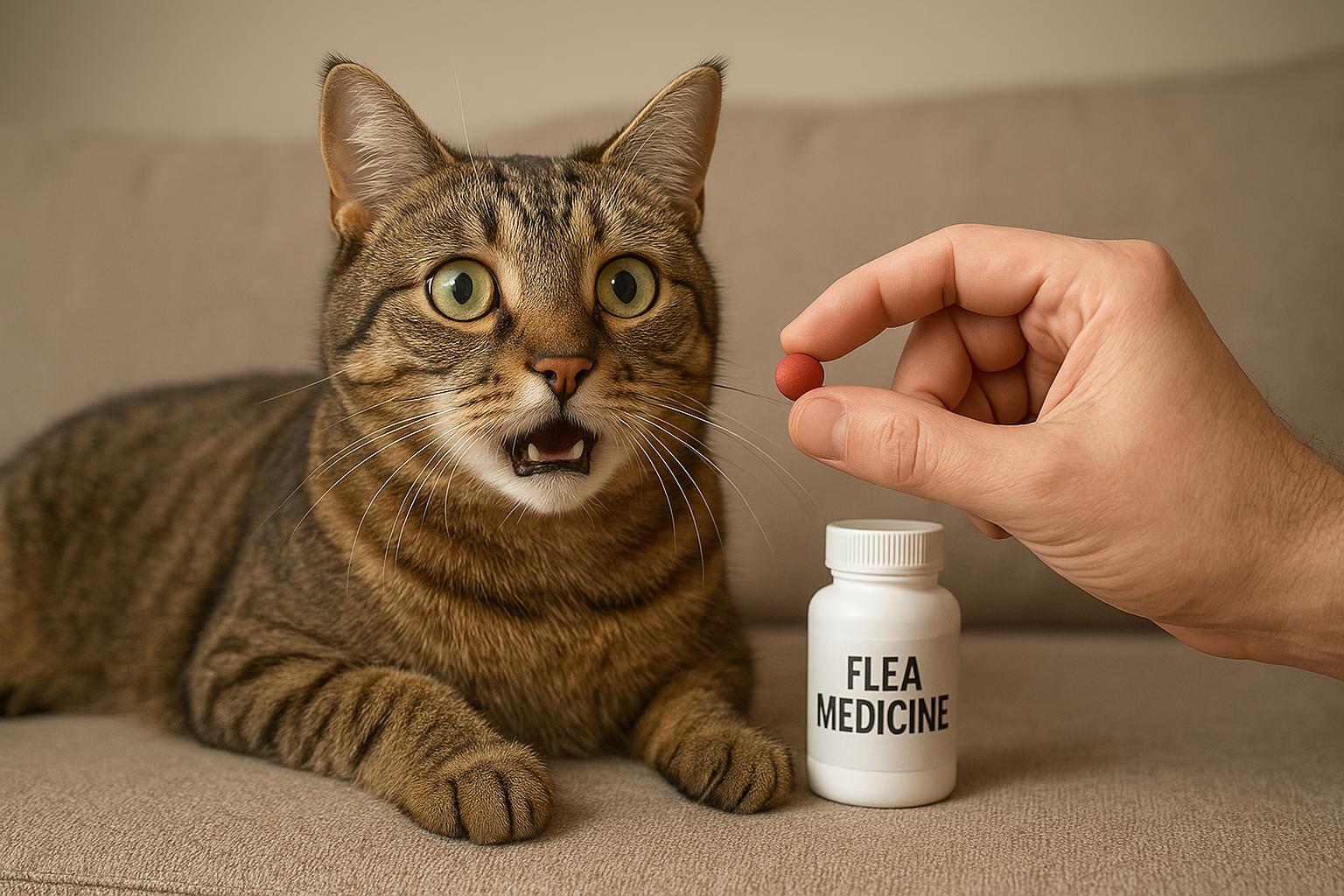
– Vet-prescribed topical or oral flea medication (e.g., fluralaner, afoxolaner, selamectin, imidacloprid combinations — note: products vary by country and pet suitability)
– Nitenpyram (fast-acting oral, for immediate adult flea kill; vet guidance required)
– Clean towels and fresh bedding
– Veterinary follow-up contact information
Step-By-Step Application
1. Visit Your Veterinarian: Have your cat examined. The vet will confirm fleas and recommend a product suited to the cat’s age, weight, health, and lifestyle.
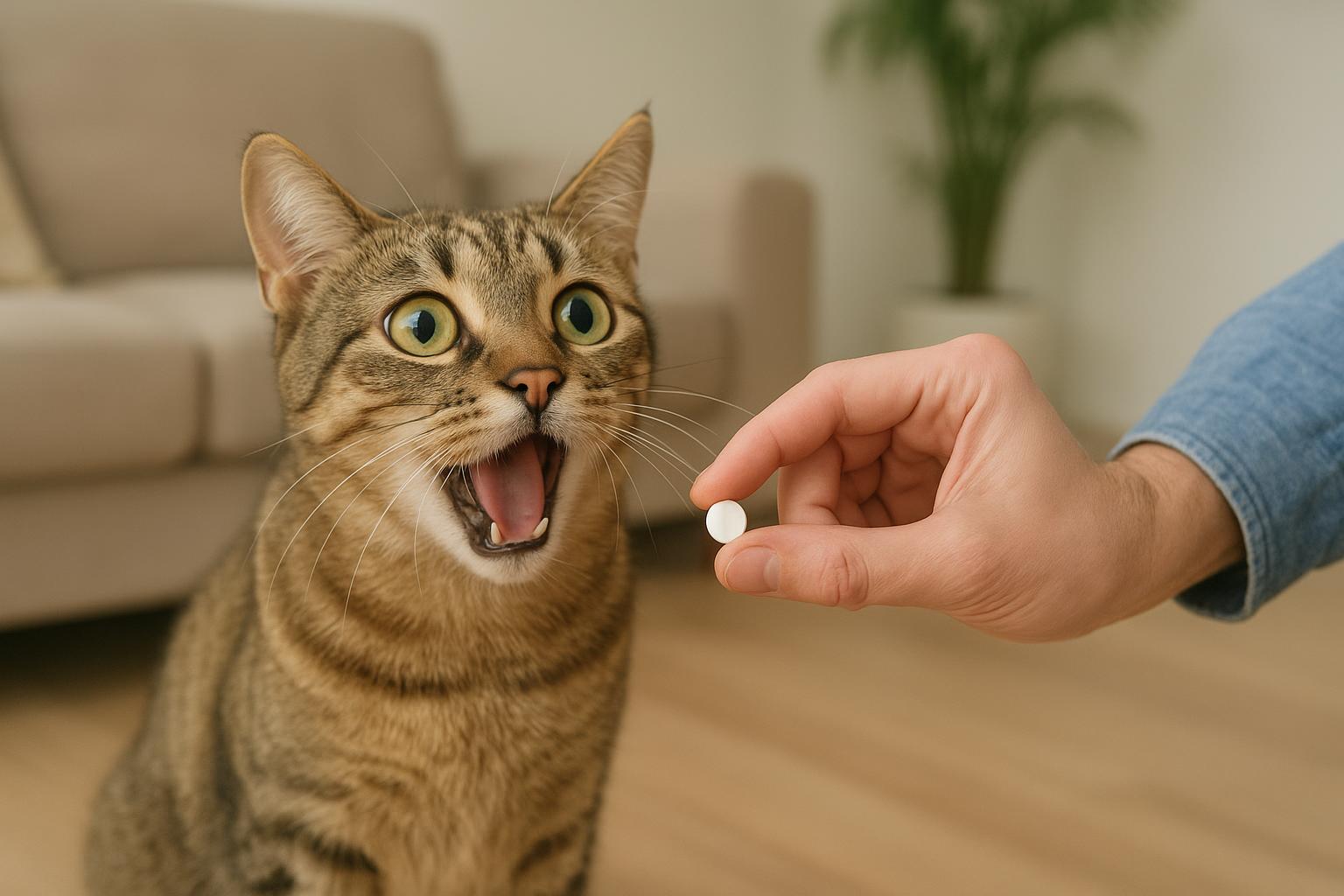
2. Administer Immediate Relief If Needed: For severe infestations or heavy flea burdens, a vet may give a fast-acting oral to quickly reduce adult fleas, followed by a longer-acting product.
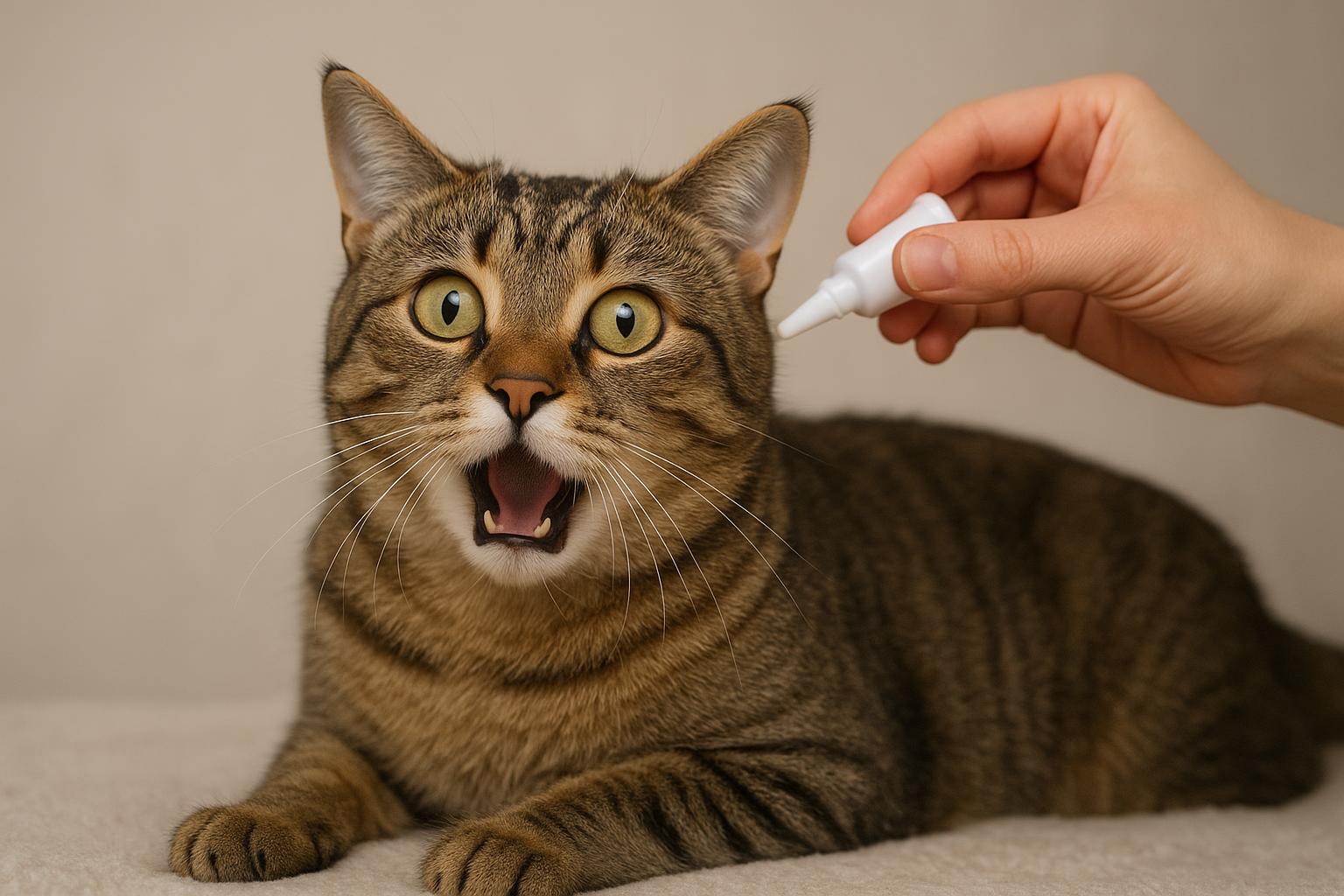
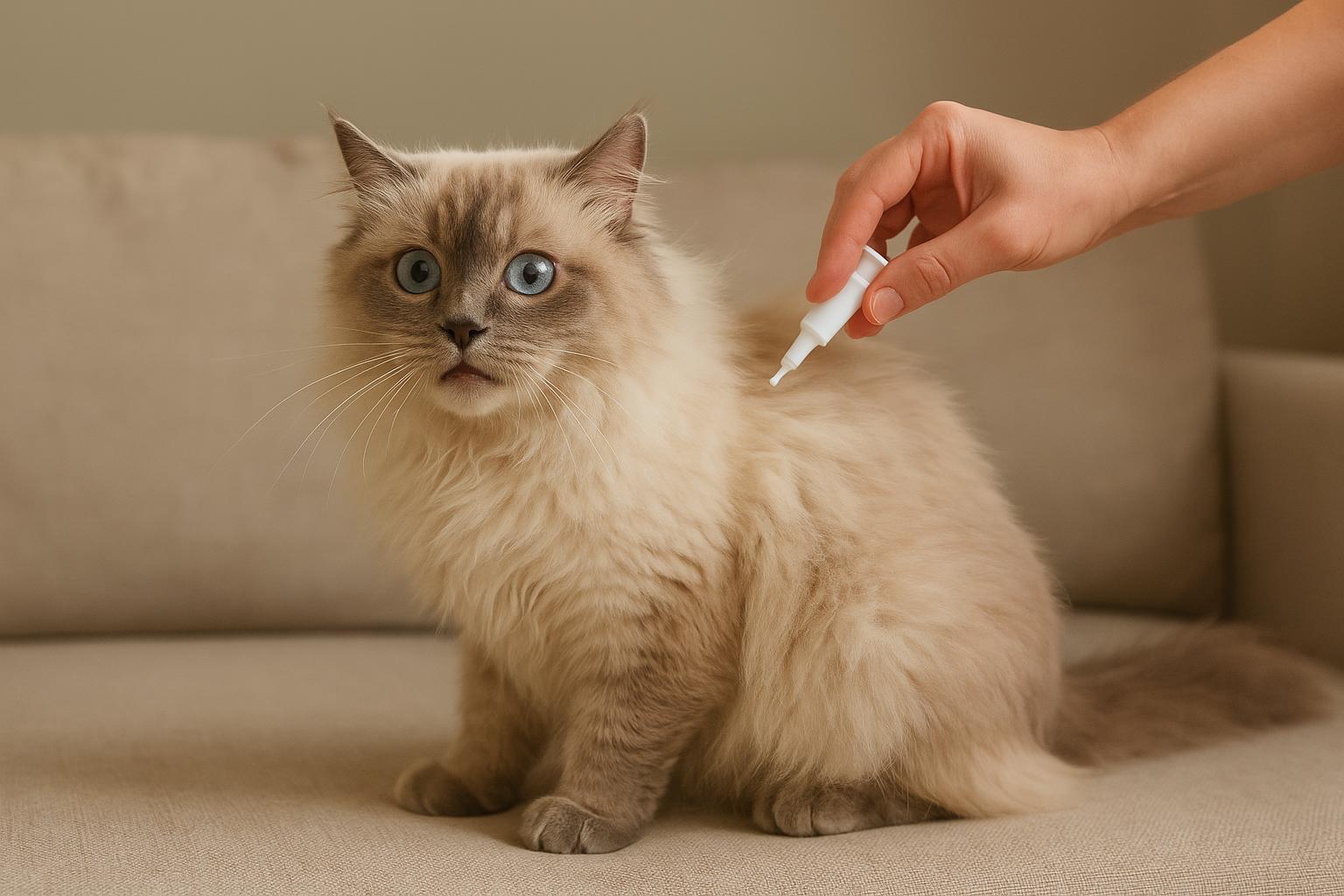
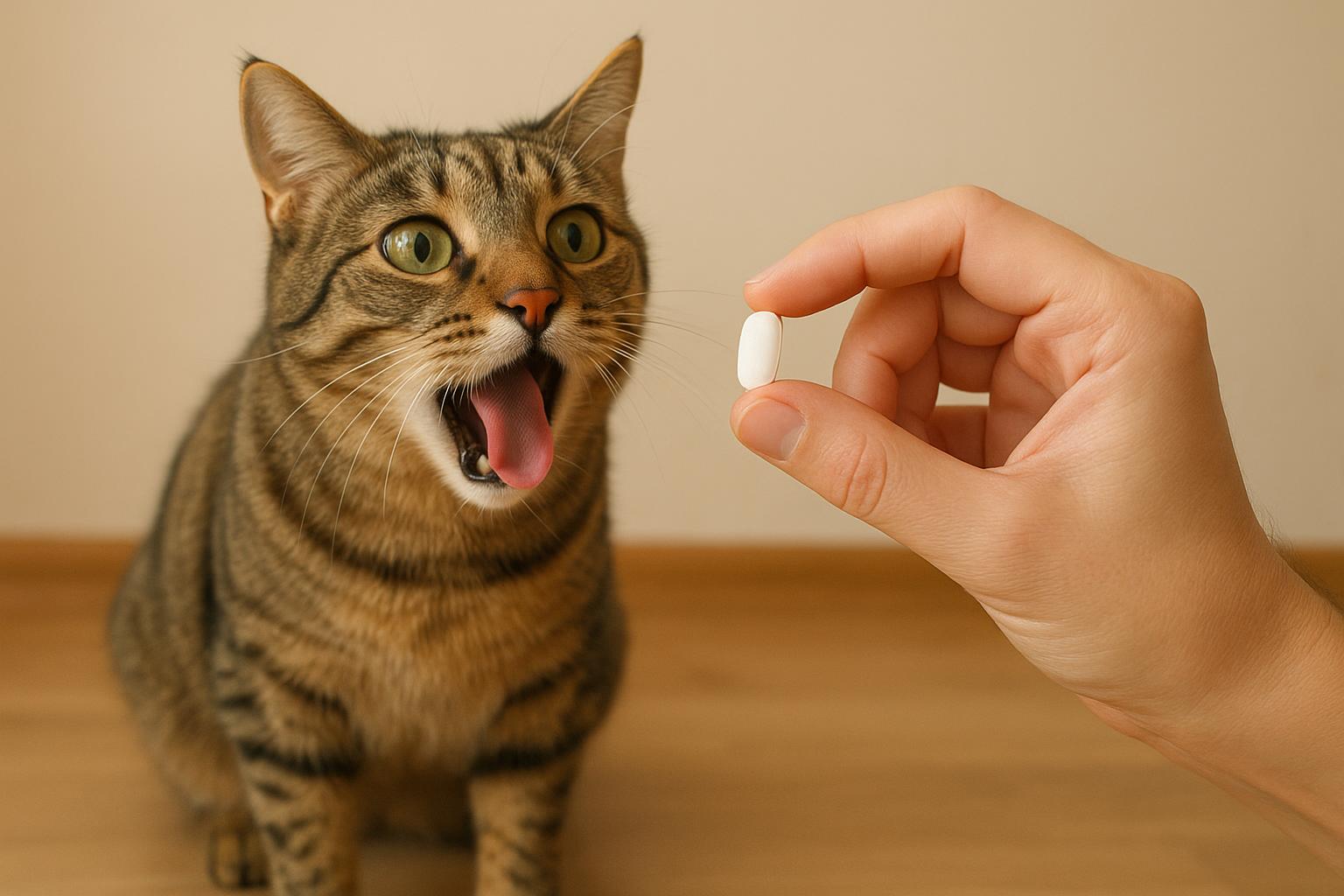
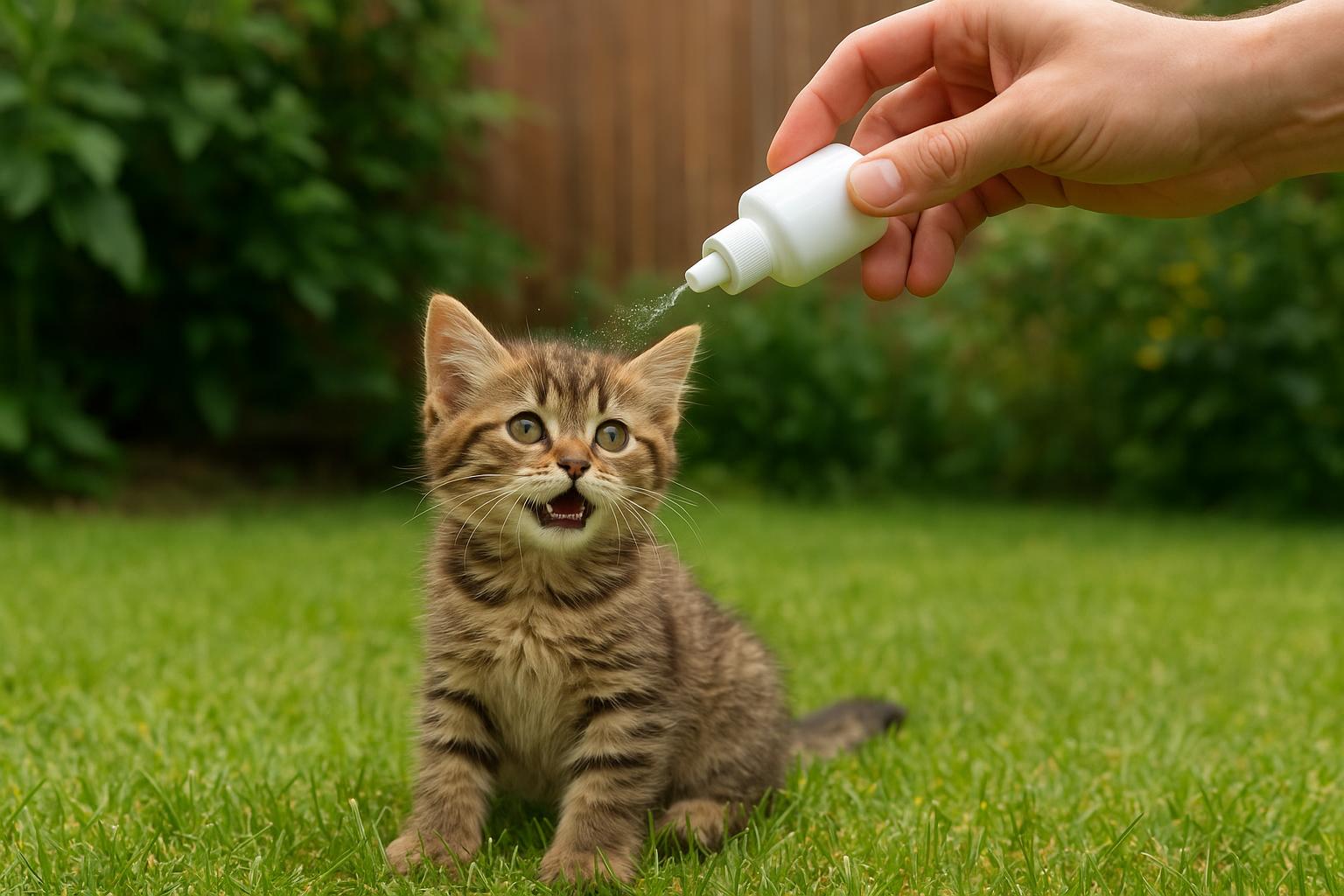
3. Apply Long-Term Protection: Follow product instructions exactly for spot-on tops or oral tablets. Do not mix products without vet approval.
4. Monitor For Reactions: Watch the treated cat for 24–72 hours for any signs of intolerance (vomiting, lethargy, localized irritation). Contact your vet if you observe adverse effects.
5. Follow Prescribed Schedule: Many effective products provide protection for one to three months; maintain the schedule to break the flea lifecycle.
Important Formal Notes
– Never use dog flea products on cats. Some dog formulations contain permethrin or other ingredients toxic to cats.
– Always dose by weight and species. Overdosing can be harmful.
– Pregnant or nursing cats, kittens under the recommended age/weight, or cats with health conditions need vet evaluation before treatment.
## Remedy 2: Home And Environmental Steps To Eliminate Indoor Fleas
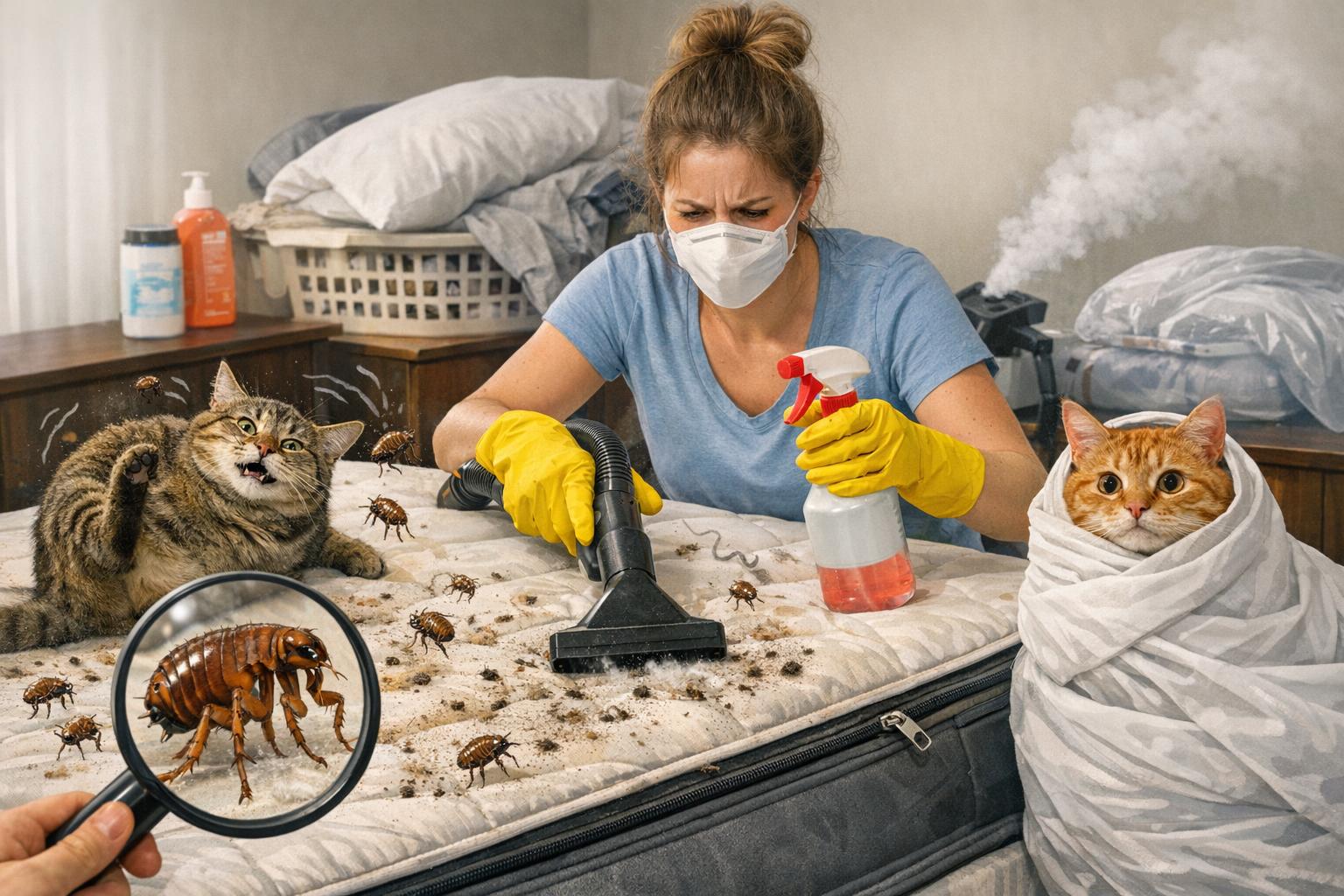
Treating the cat is only half the job. Indoor fleas live in your home, and their eggs and larvae will re-infest your cat until the environment is handled. This remedy focuses on environmental control and safe home treatments.
Materials/Ingredients
– Vacuum cleaner with attachments
– Washing machine and hot water
– Flea spray or insect growth regulator (IGR) labeled for indoor use (methoprene or pyriproxyfen)
– Diatomaceous earth (food grade) or boric acid (optional, use with caution)
– Steam cleaner (optional)
– Trash bags
Step-By-Step Creation And Application
1. Isolate Bedding: Remove and wash all pet bedding, blankets, and removable sofa covers in the hottest water safe for the fabric. Dry on high heat to kill eggs and larvae.
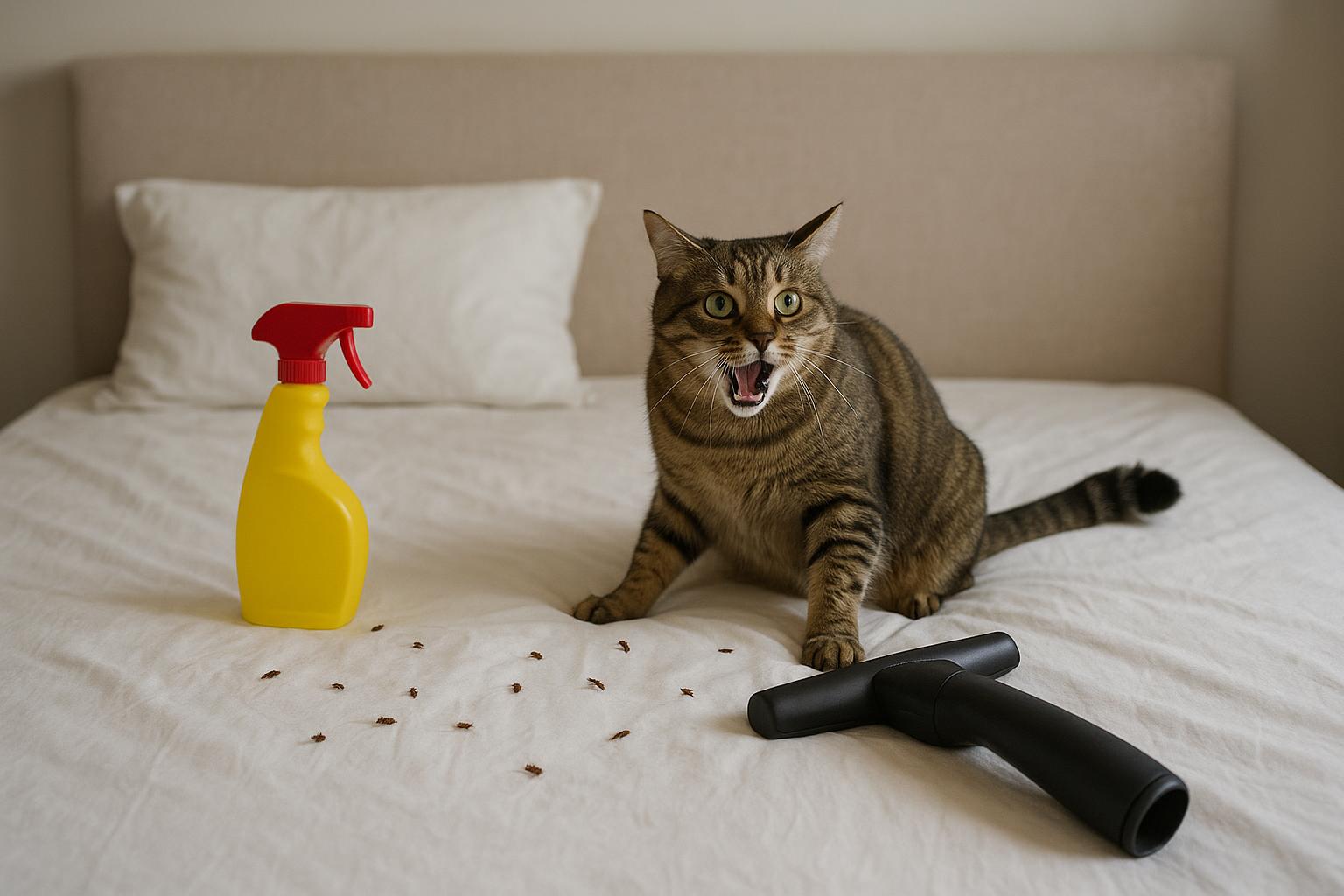
2. Vacuum Thoroughly: Vacuum carpets, rugs, upholstery, baseboards, and pet-frequented areas daily for at least two weeks. Focus on cracks and crevices. After vacuuming, immediately seal and discard vacuum bag or empty canister contents into an outdoor bin to prevent reinfestation.
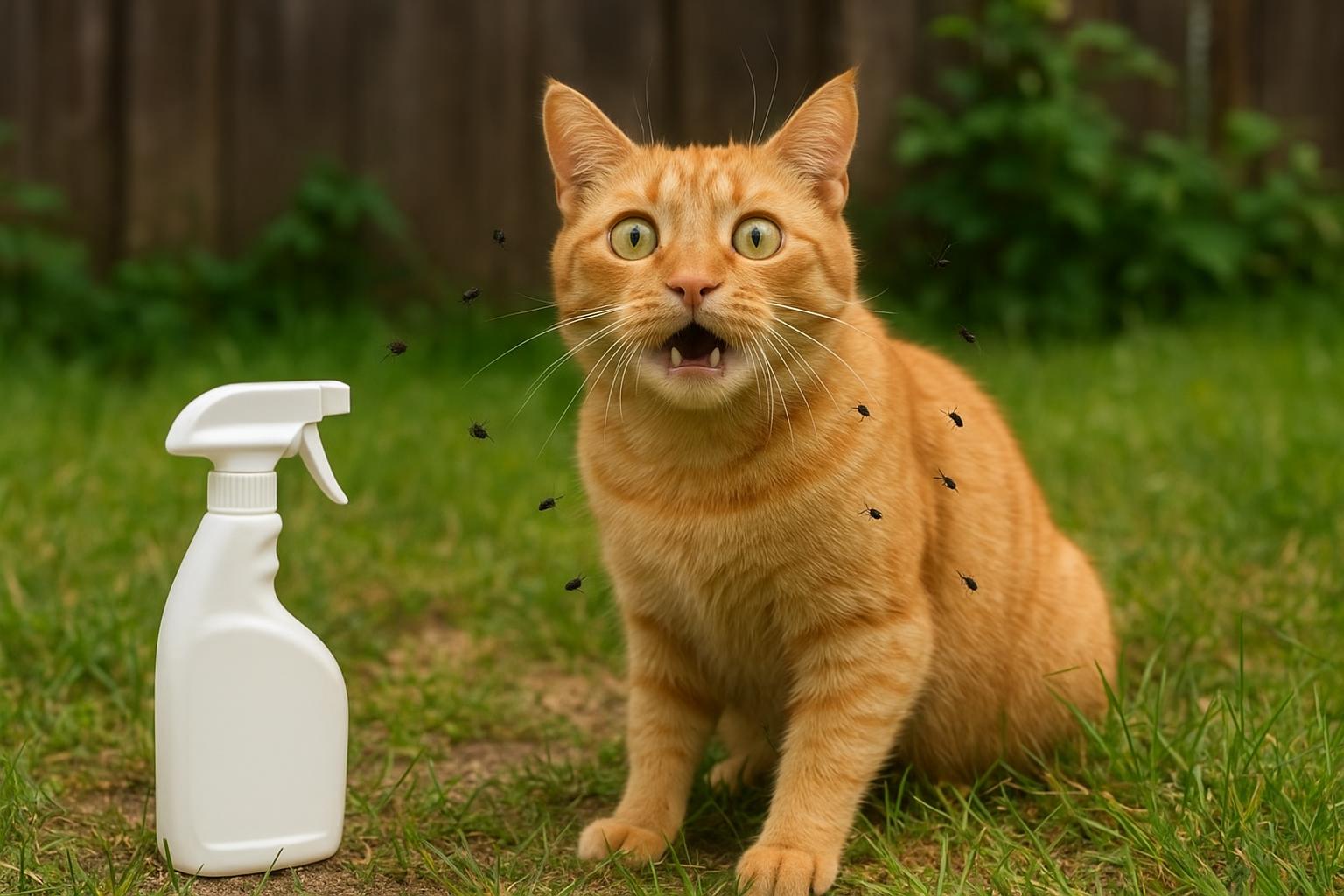
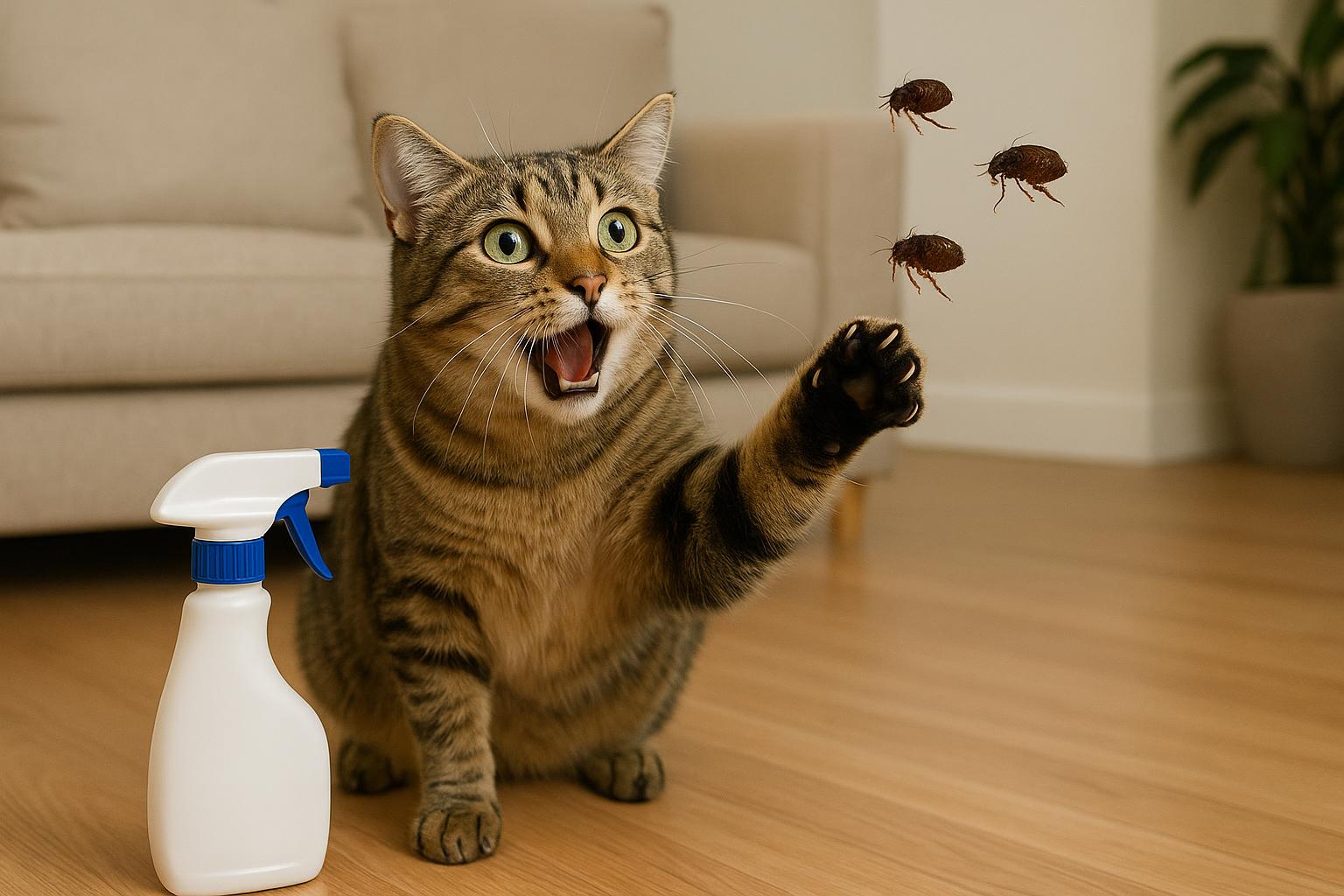
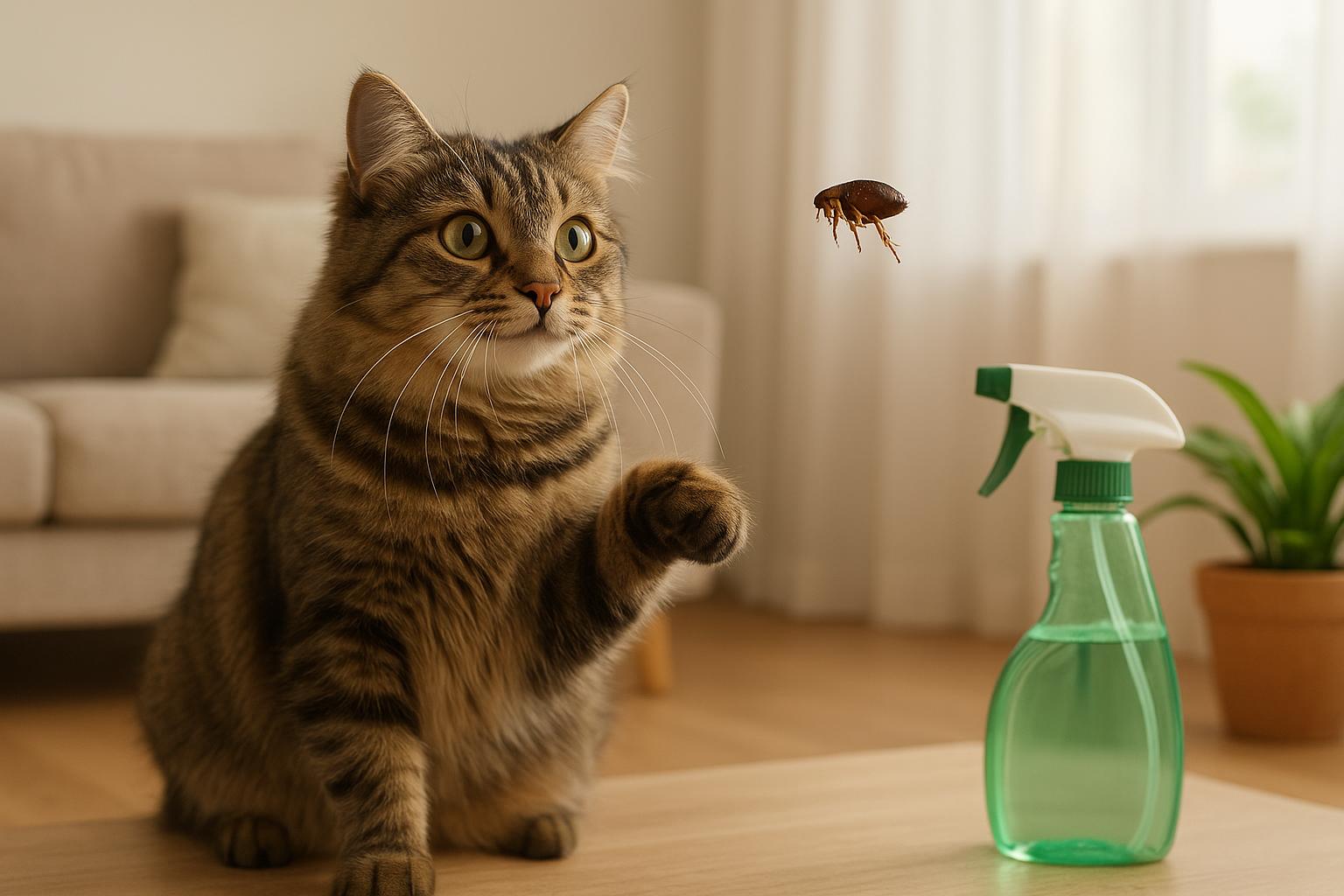
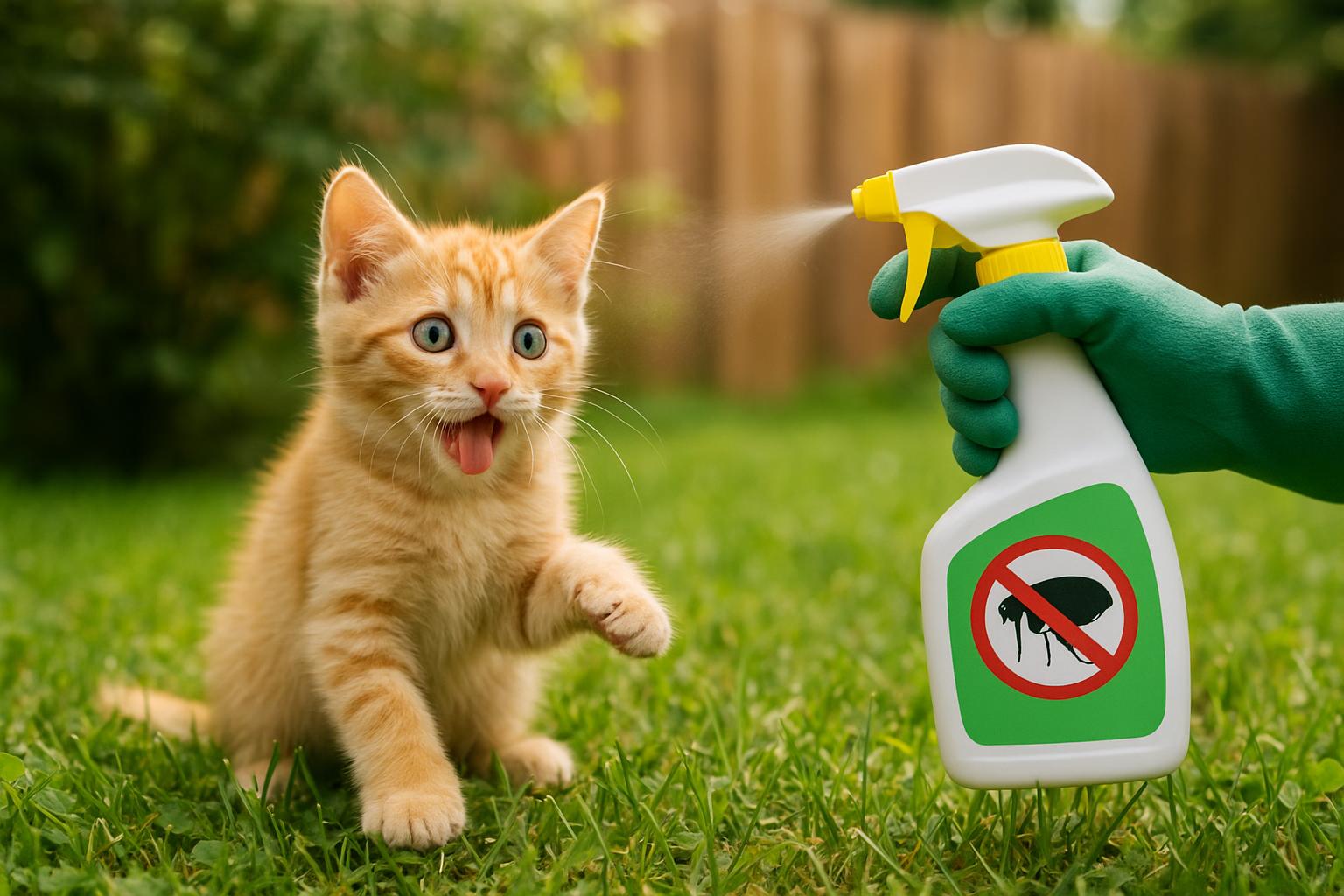
3. Apply Indoor Spray/IGR: Use a household flea spray labeled for indoor use and effective against eggs and larvae (look for an IGR such as pyriproxyfen or methoprene). Follow label directions precisely. Treat carpets, under furniture, and pet-resting areas. Keep cats and other pets out of treated areas until fully dry.
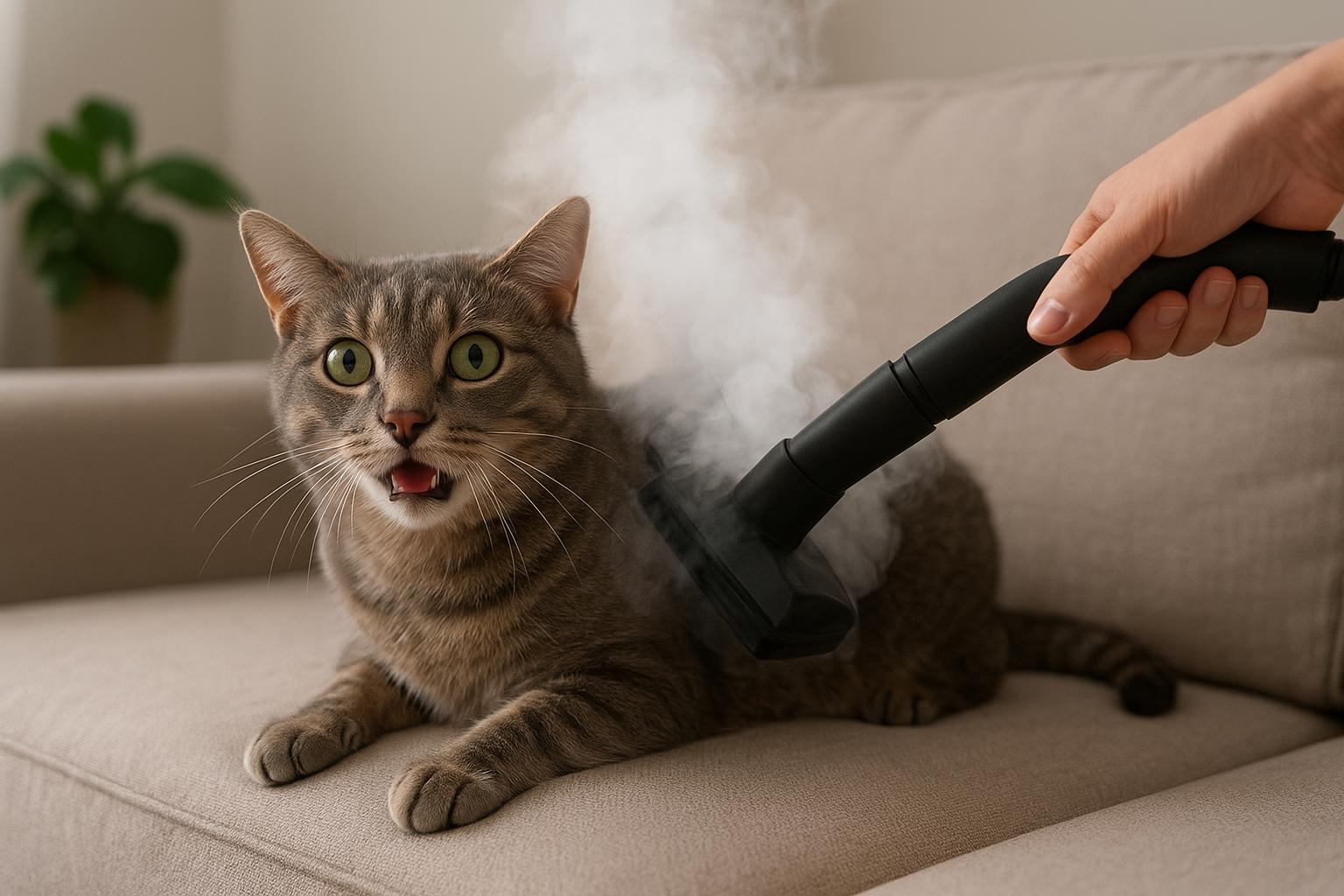
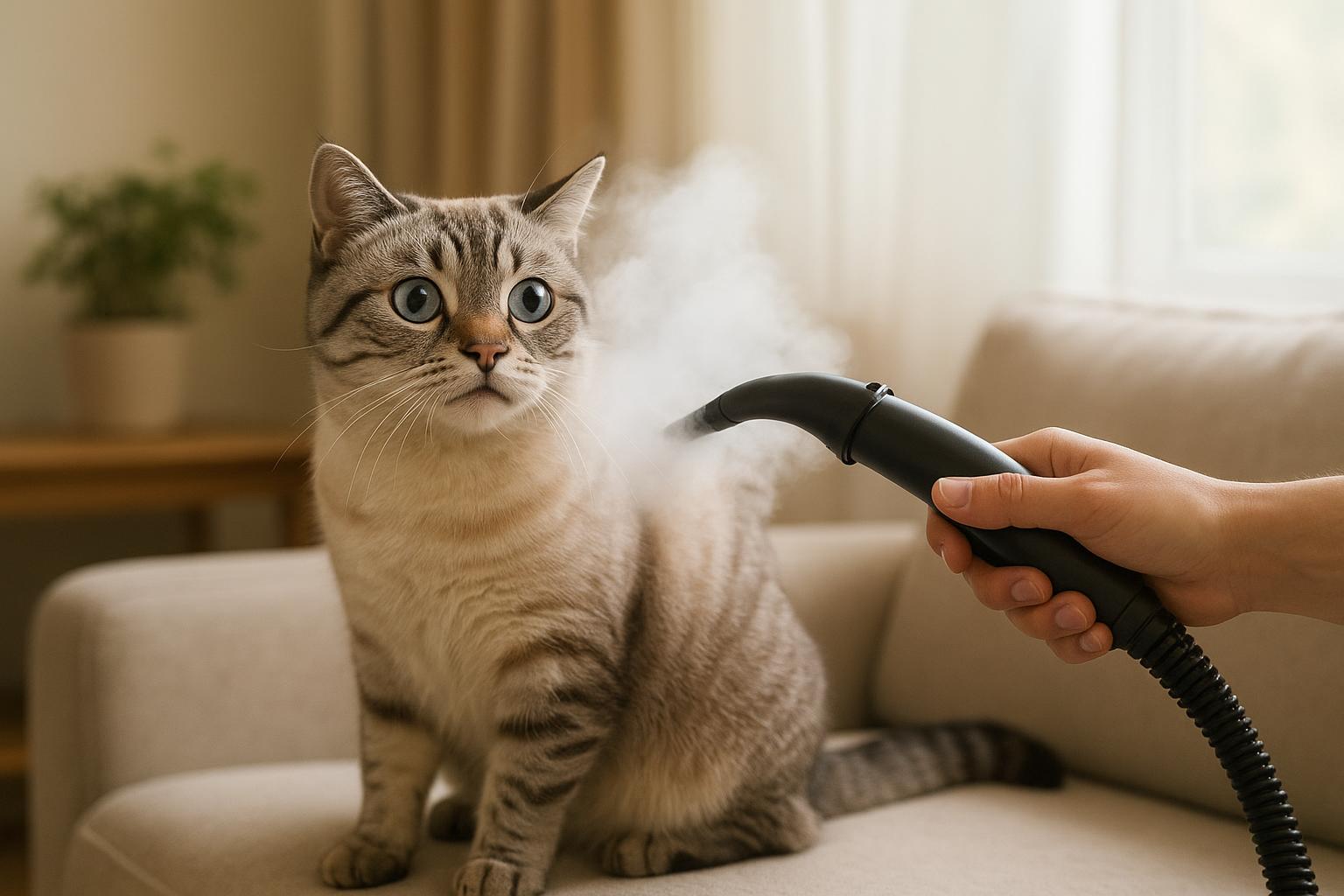
4. Use Steam Or Heat: Steam cleaning carpets and upholstery can kill fleas at all life stages. Heat above 120°F (49°C) can be effective; consult professional cleaners if needed.
5. Consider Diatomaceous Earth Or Boric Acid Carefully: Food-grade diatomaceous earth can be applied thinly to carpets and vacuumed up after several days. Avoid inhalation and keep away from cats’ faces and food/water. Boric acid is effective but can be hazardous; use only if you understand safety and keep pets and children away.
6. Repeat And Persist: Flea eggs can hatch over several weeks. Repeat washing, vacuuming, and spot treatments as directed for at least 6–12 weeks to break the flea lifecycle.
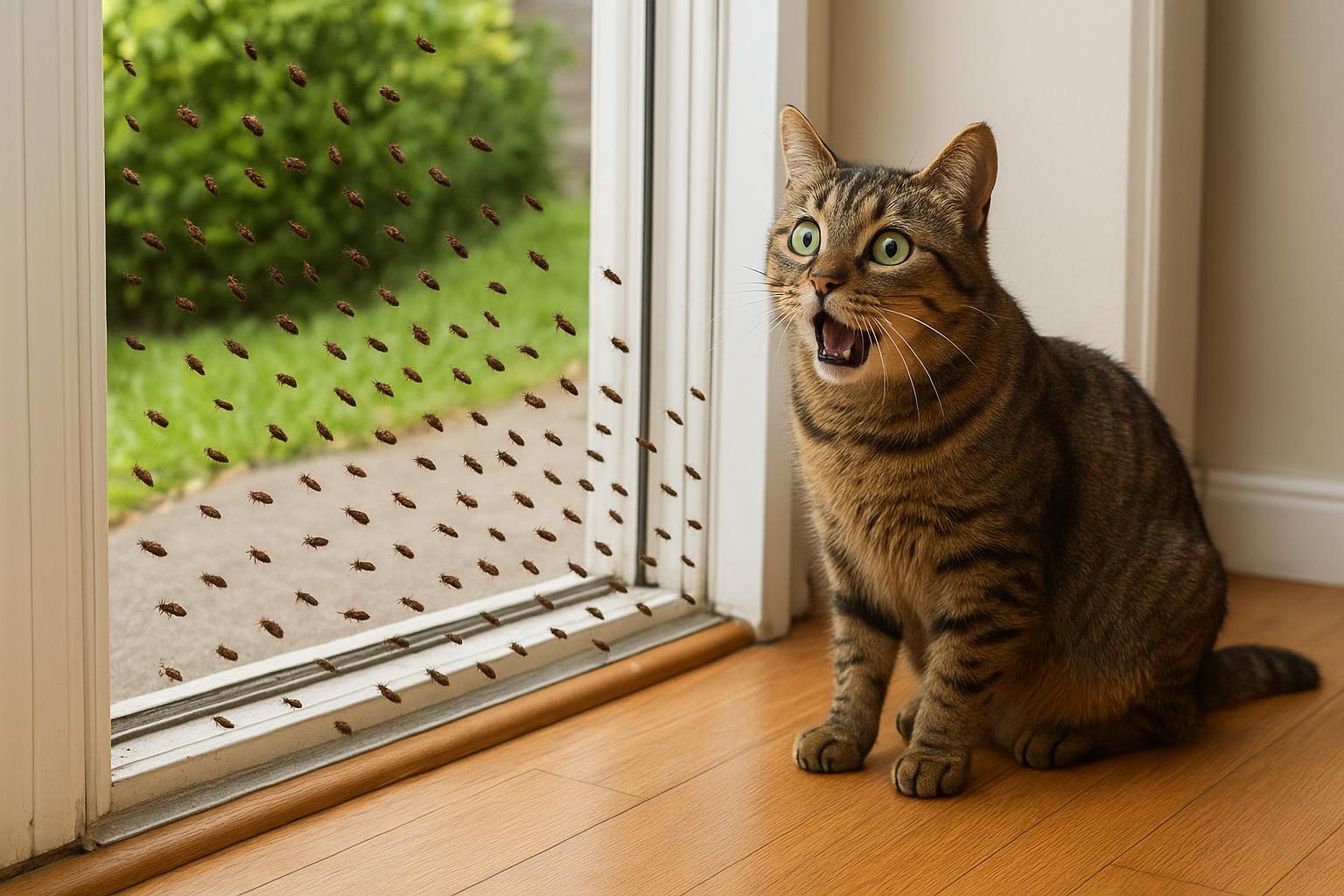
7. Treat Other Pets And Entry Points: Any other pets must be treated simultaneously. Seal gaps where rodents could enter, and eliminate outdoor flea sources near doors.
### Safety And Timing
Be cautious with any product used indoors; follow label instructions exactly. If you’re uncertain about an ingredient or have heavily infested spaces, consult a pest-control professional who works with pet households.
## Preventing Reinfestation
Preventing indoor fleas is less dramatic than extinguishing an outbreak. Keep up with monthly preventives, inspect new items before bringing them inside, and keep pet bedding clean. Regular grooming and routine flea comb checks make it easier to catch a problem early.
### Routine Maintenance Tips
– Maintain scheduled preventives as recommended by your vet.
– Check your cat with a flea comb once a month.
– Wash bedding monthly and vacuum high-traffic areas weekly.
#### Quick Note On New Furniture And Guests
Inspect secondhand furniture and be cautious with visiting animals. A single hitchhiking flea can restart an indoor infestation, so a little vigilance goes a long way.
## When The Problem Persists
If fleas persist despite diligent treatment of both cat and home, consult your veterinarian and consider a professional pest-control service experienced with pet-safe options. Persistent infestations may indicate an overlooked reservoir—another pet, nesting wildlife, or untreated neighboring spaces.
(Remember: prompt, reputable treatment plus environmental control is the shortest route from itchy chaos back to sunny naps and purring.)






Leave a Reply