
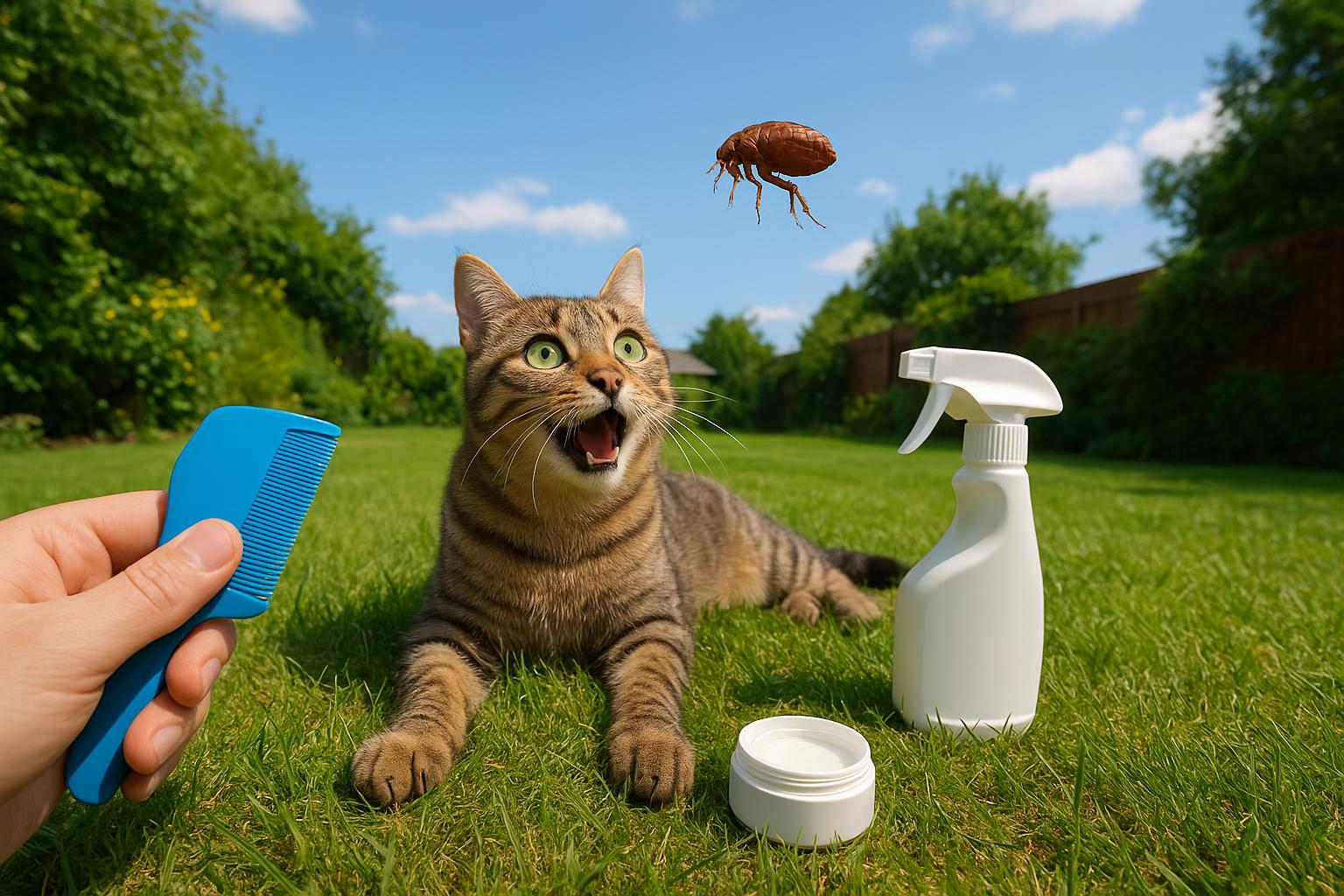
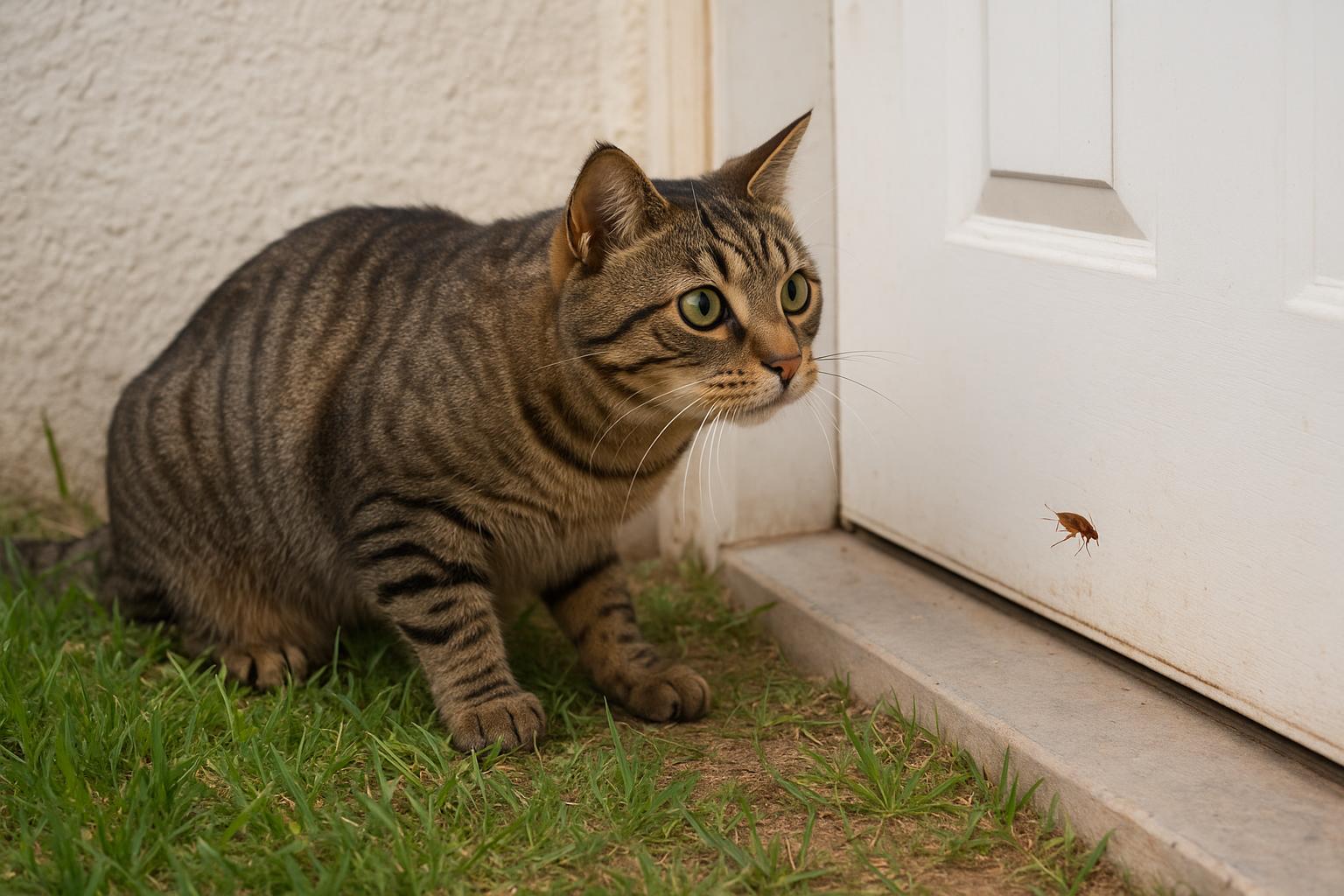
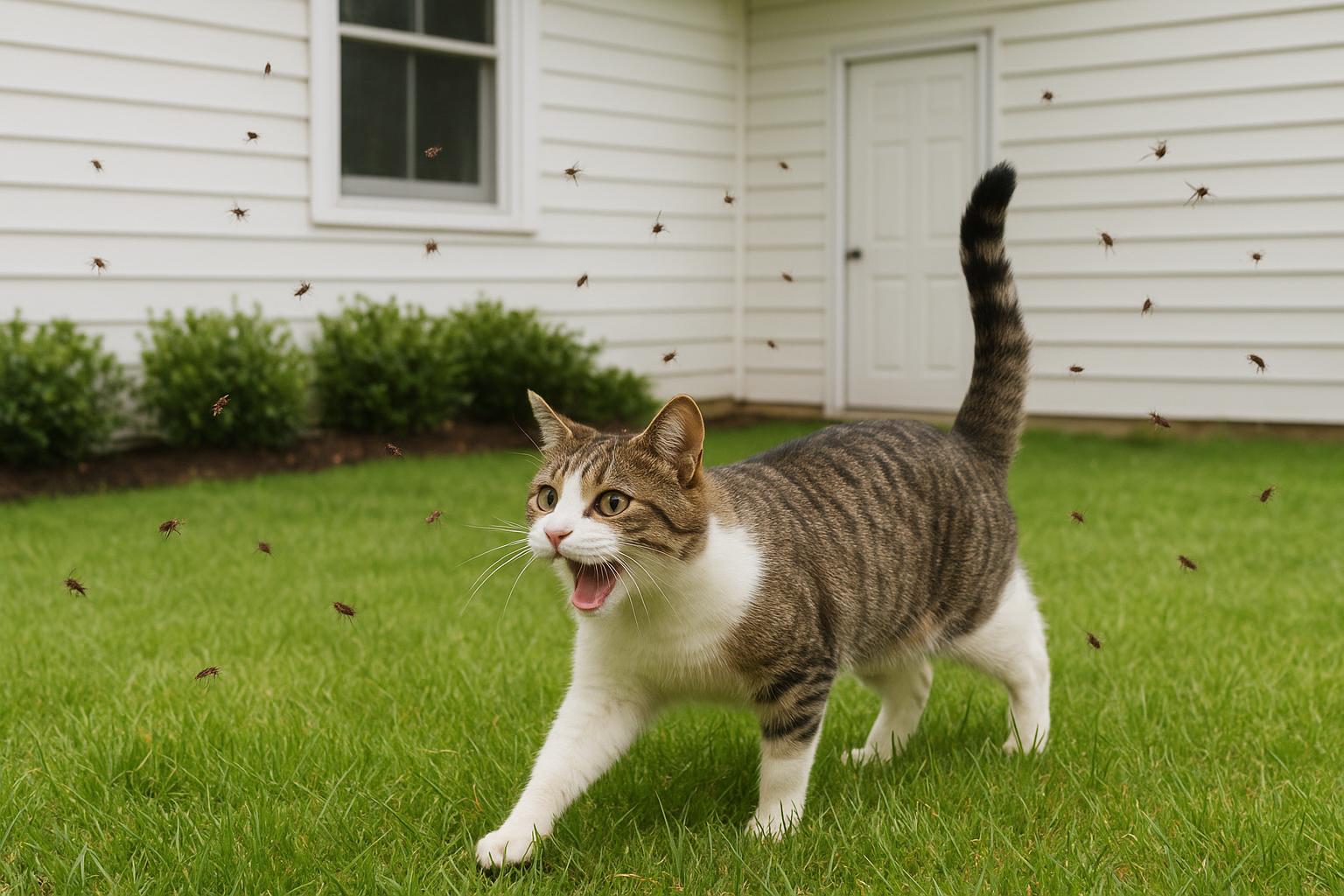
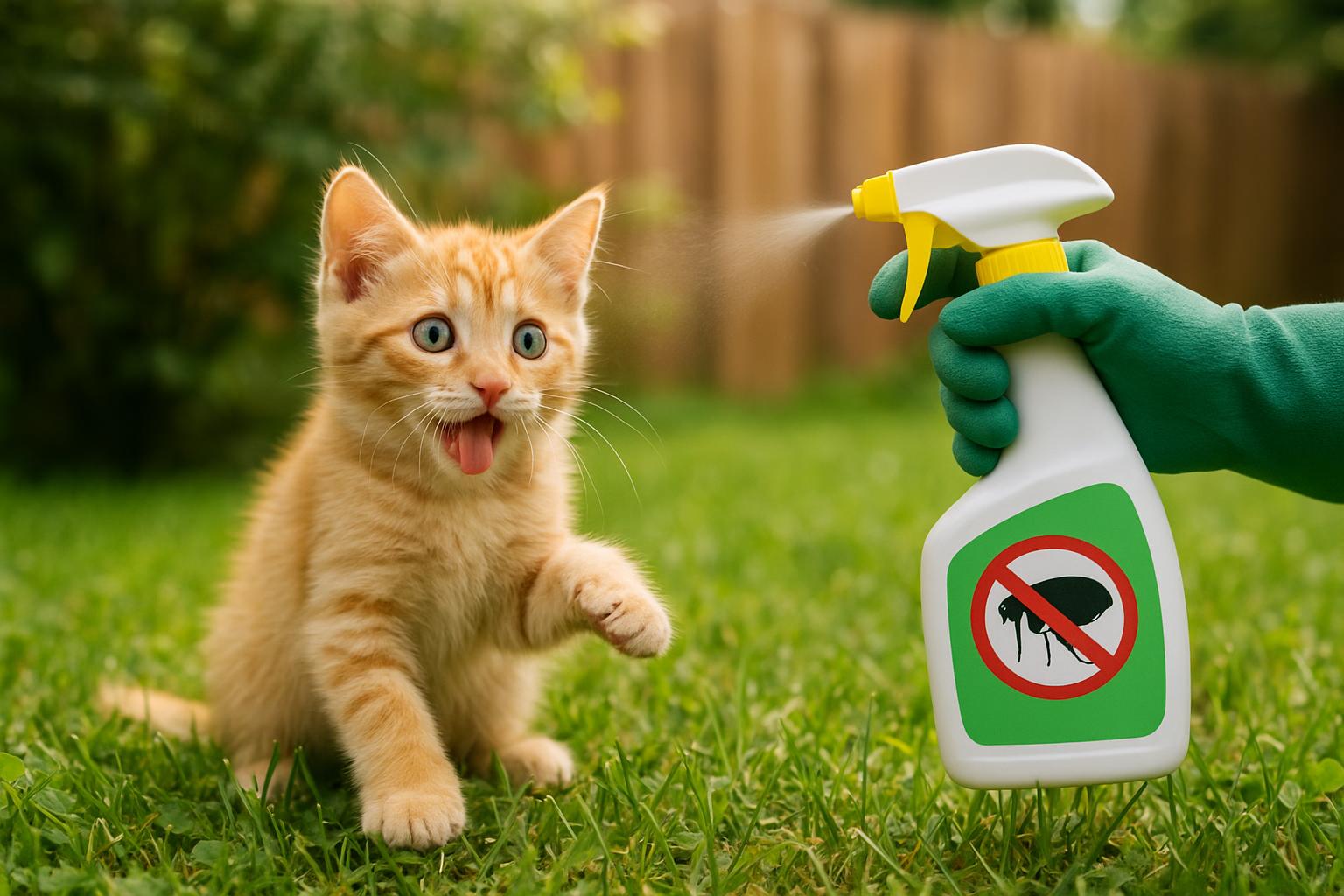
I love watching a cat patrol the backyard like the tiny, furry sheriff they are. Letting them enjoy fresh air and sunshine while keeping them free of fleas takes a little strategy, some patience, and a steady plan. Below you’ll find practical, cat-safe guidance to keep your outdoor space comfy for your feline friends—without turning your yard into a flea resort.
## Yard Flea Control Essentials For Happy Cats Outdoors
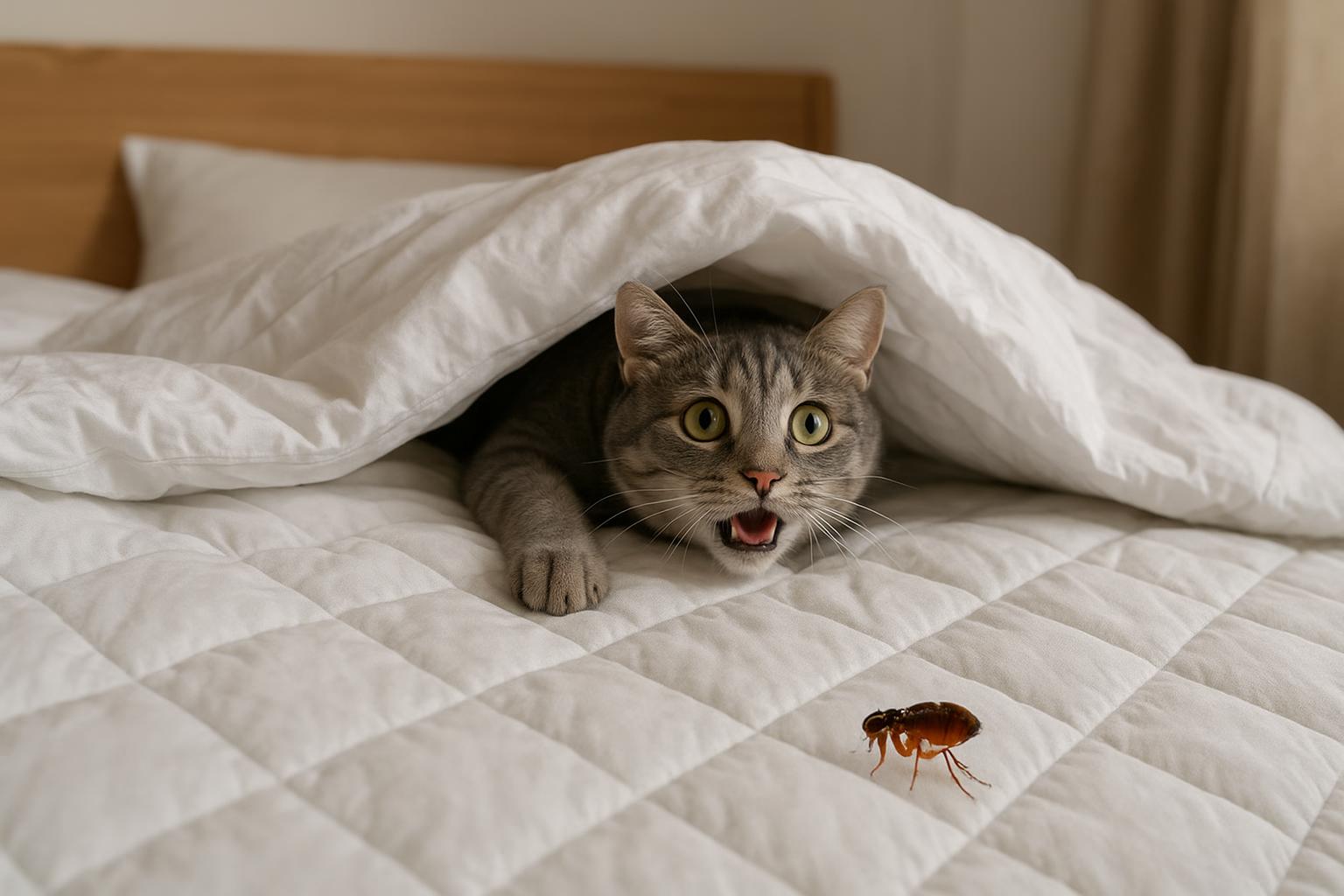
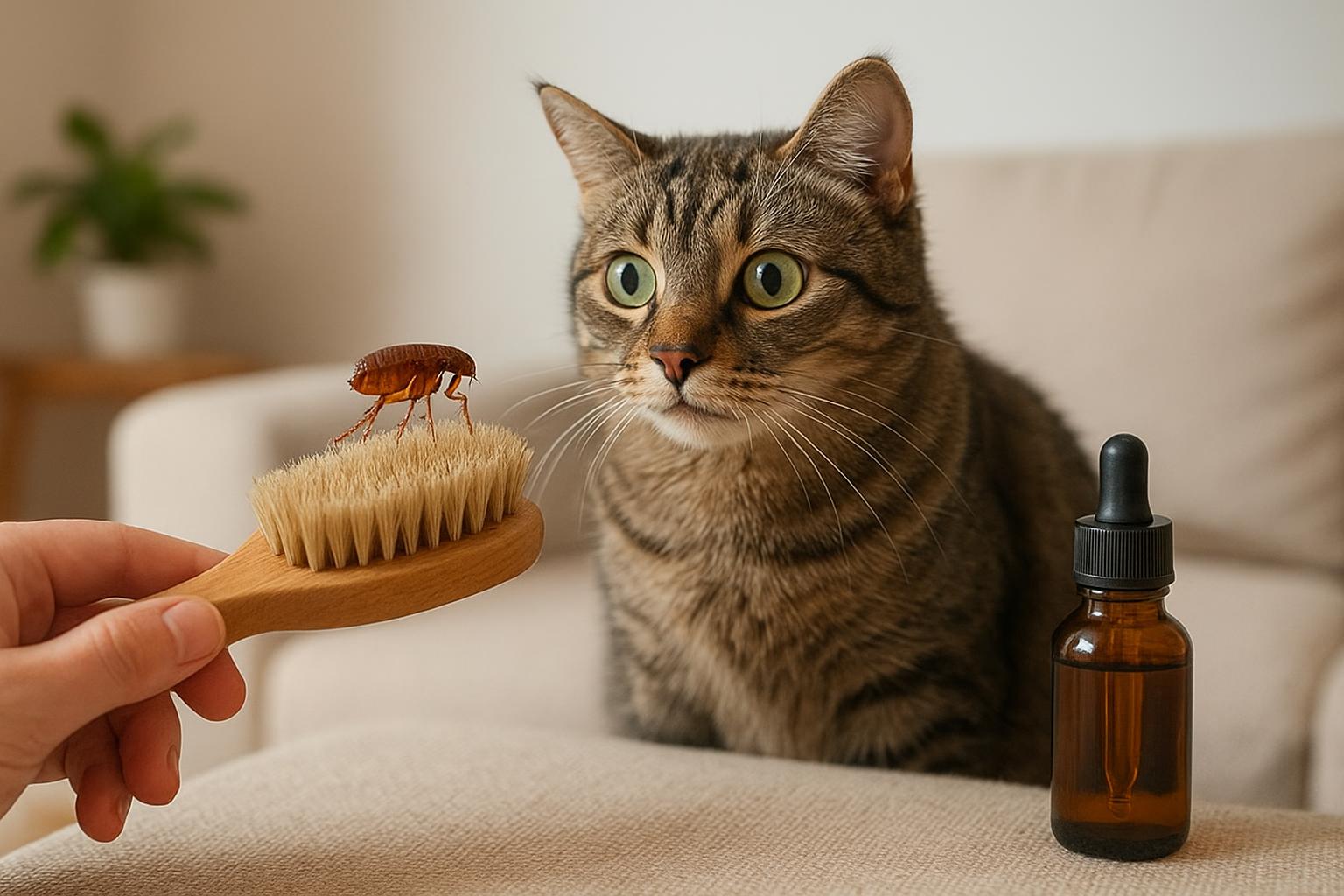
Effective yard flea control starts with understanding the flea life cycle and tailoring treatments to interrupt it. Fleas lay eggs wherever pets hang out: shaded grass, leaf litter, under decks, and in outdoor beds. The eggs and developing stages are resistant to quick fixes, so integrated approaches that reduce flea habitat, break the lifecycle, and protect the cat are the most reliable.
### Why Yard Management Matters
Yard flea control isn’t just about spraying something and walking away. You’re managing habitat. Fleas thrive in moist, shaded cool areas with organic debris. Simple landscape choices can make your lawn less hospitable and reduce reliance on chemical treatments. Mow regularly, thin dense shrubs, rake leaves and clear long grass edges where cats nap. This cuts the shaded refuges fleas prefer and exposes larvae to drying conditions.
### Cat-Safe Practices To Pair With Yard Work
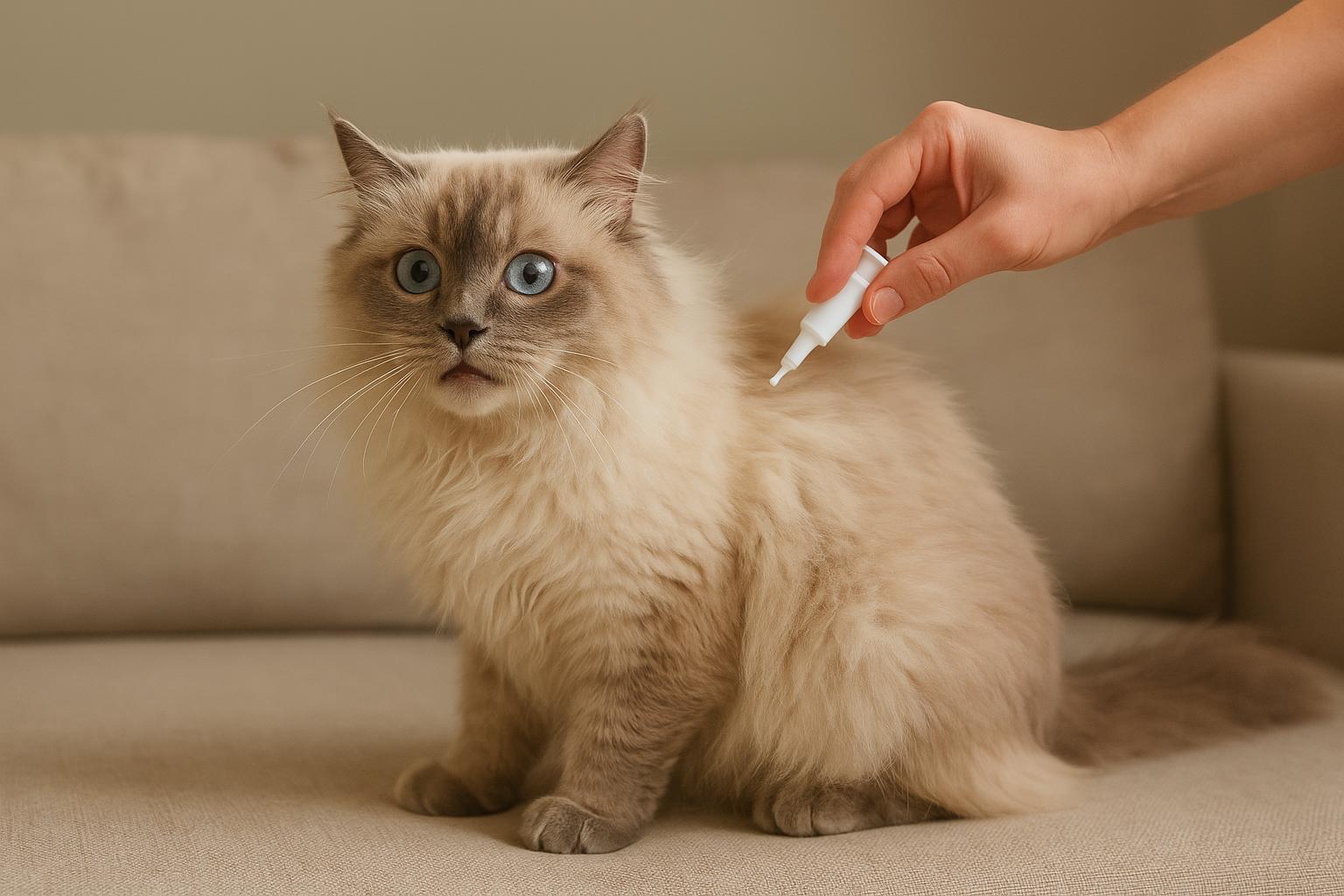
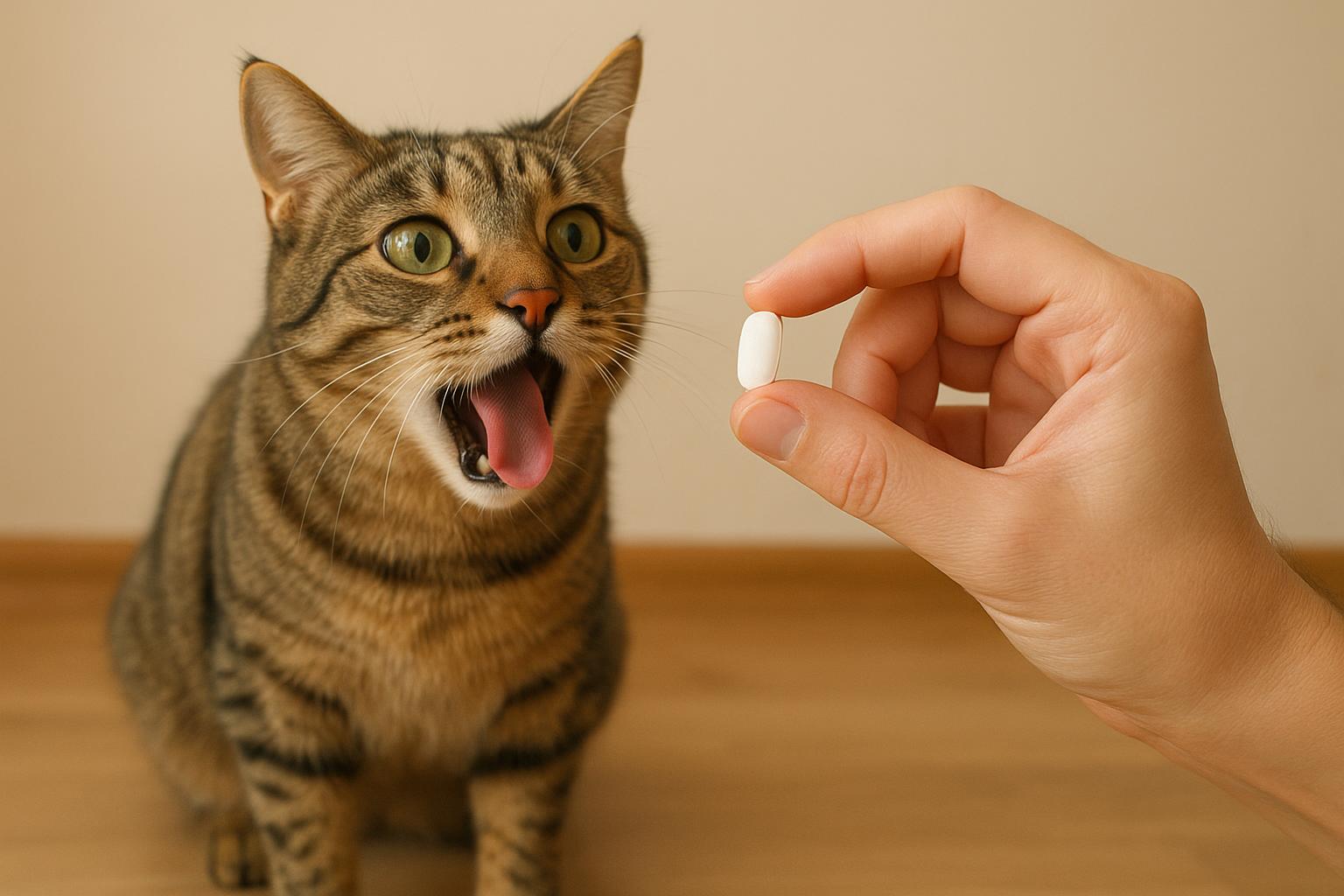
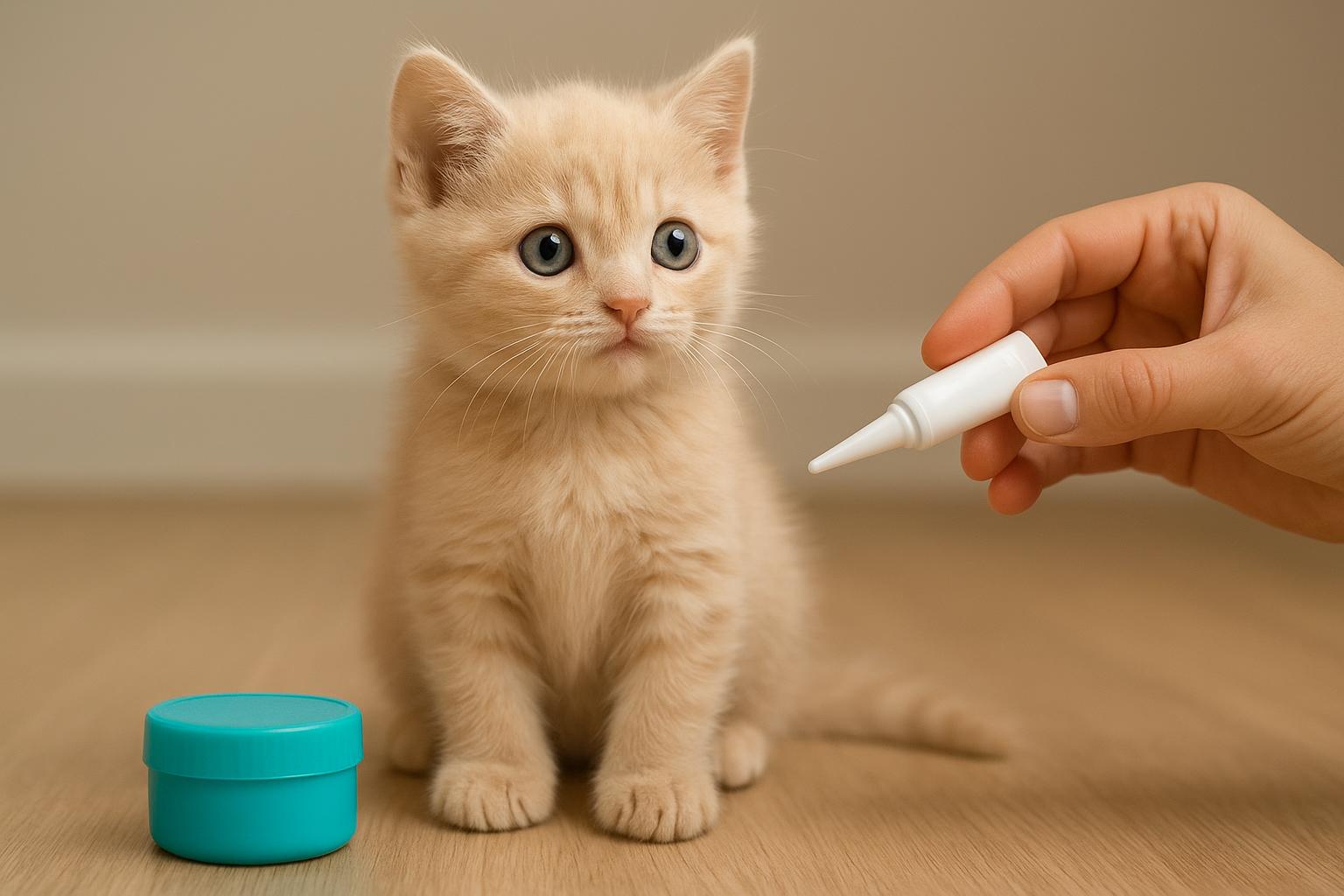
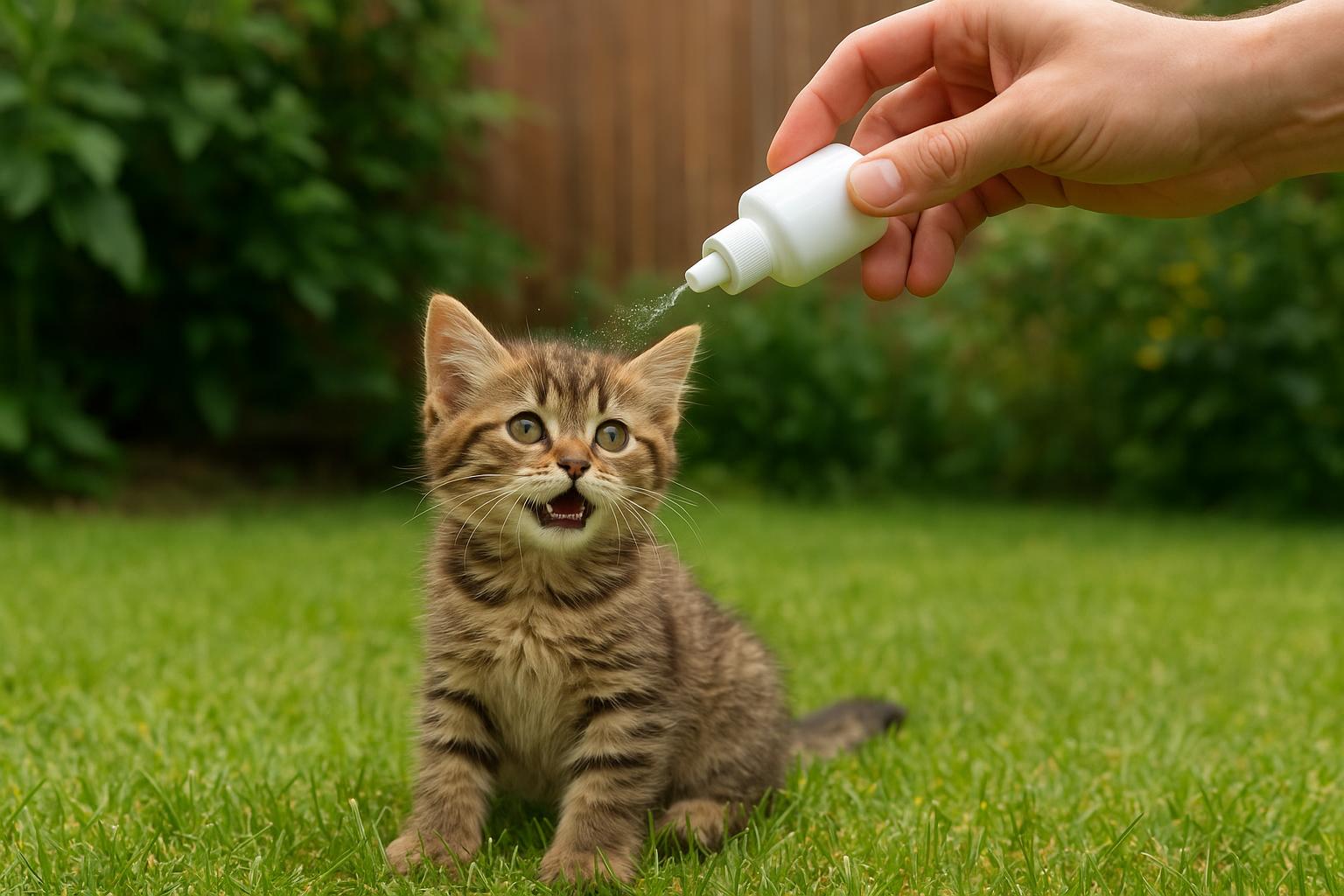
Before digging into remedies: make sure your cat is on a veterinarian-approved flea prevention product. Many modern systemic options are highly effective and dramatically reduce the chance that an outdoor flea will successfully reproduce. A treated cat also helps reduce the number of adult fleas that return to the yard.
### 1. Natural Barrier: Diatomaceous Earth Application
The following remedy is presented formally to ensure safe, effective use around cats.
Ingredients / Materials
– Food-grade diatomaceous earth (DE) — labeled food grade
– Gloves and a face mask (DE is fine but dusty)
– Stiff broom or hand duster for even application
– Measuring cup or scoop
– Garden gloves for handling treated bedding/areas
Step-By-Step Creation And Application
1. Read Product Label: Confirm the product is food-grade DE. Avoid pool-grade DE (contains crystalline silica).
2. Choose Timing: Apply on a dry day when there’s no rain in the forecast for at least 24 hours. Avoid windy conditions.
3. Prepare Areas: Remove cat bedding and shake off debris; bring rugs or mattresses indoors for separate cleaning.
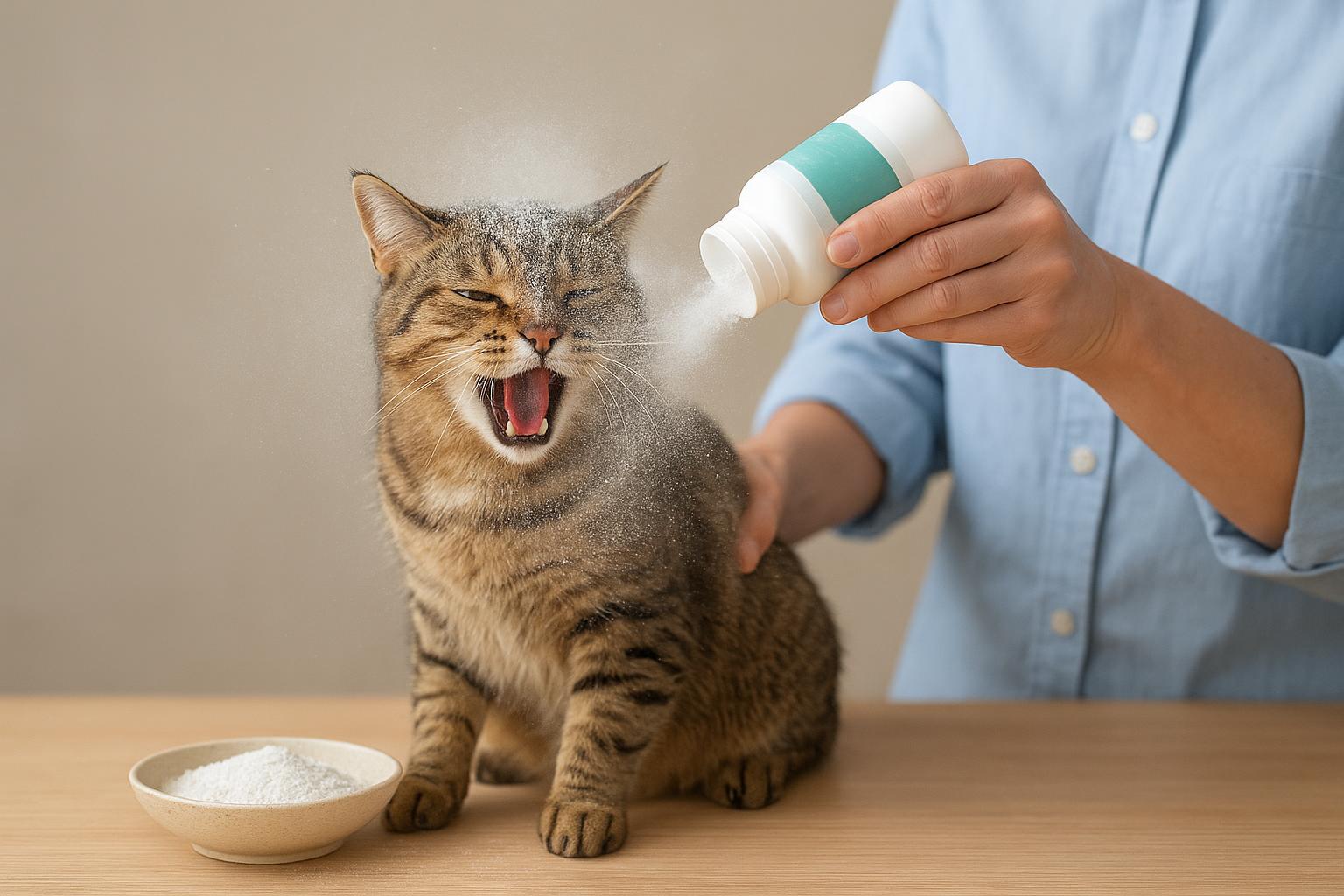
4. Apply DE Lightly: Wearing gloves and a mask, sprinkle a thin, even layer along flea-prone areas—under shrubs, along foundation edges, in shaded lawn pockets, and around outdoor cat beds. Use the broom or duster to spread a film rather than piles.
5. Leave For 24–48 Hours: DE works by mechanically desiccating insects. Keep cats away from freshly treated spots until dust has settled (or place a shallow board to block access temporarily).
6. Reapply After Rain Or Every 2–4 Weeks: Reapplication frequency depends on weather and flea pressure. Vacuum and wash bedding regularly.
Safety Notes: While food-grade DE is generally safe, avoid inhalation and large direct exposures. Keep applications thin—no need to bury the soil.
### 2. Biological Control: Beneficial Nematodes
This method uses microscopic biological agents safe for pets and people. Presented formally for correct application.
Ingredients / Materials
– Pack of commercially available beneficial nematodes (species like Steinernema carpocapsae or Heterorhabditis bacteriophora)
– Large bucket with clean, cool water (follow supplier volume instructions)
– Garden sprayer (pump sprayer with fine nozzle)
– Protective gloves
– Hose and water source
Step-By-Step Creation And Application
1. Confirm Product And Storage: Buy from a reputable supplier and keep nematodes refrigerated until use. Use fresh stock within the supplier’s timeframe.
2. Mix According To Label: Add the nematodes to the recommended volume of water in the bucket—usually lukewarm or cool water. Stir gently; do not agitate aggressively.
3. Fill The Sprayer: Pour the mixture into a garden sprayer, ensuring the nozzle is clean and the sprayer is shaded (nematodes are light-sensitive).
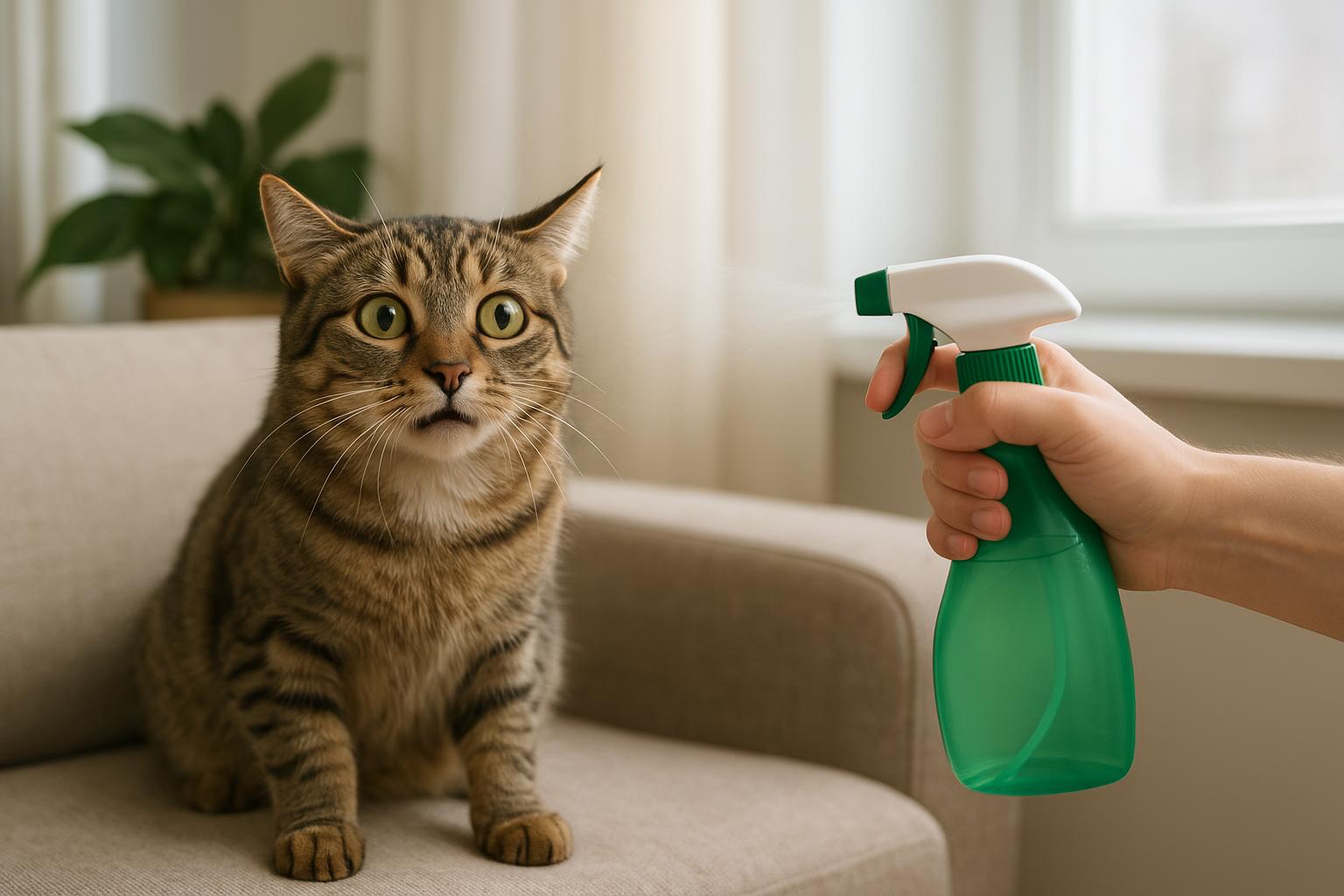
4. Apply To Target Areas: Spray moist shaded areas, under decks, along foundation lines, flowerbeds, and turf that receives flea activity. Apply in the early morning or late afternoon to avoid UV exposure.
5. Keep Soil Moist: Water the treated areas lightly after application and keep them moist for 48 hours to help nematodes migrate and infect flea larvae.
6. Reapply If Needed: Effective control often needs two applications spaced 2–4 weeks apart depending on infestation levels and soil conditions.
Safety Notes: Beneficial nematodes are non-toxic to pets and humans and specifically target soil-dwelling insect stages. Follow supplier temperature and storage guidelines for viability.
### Targeted Yard Treatments Professionals Use
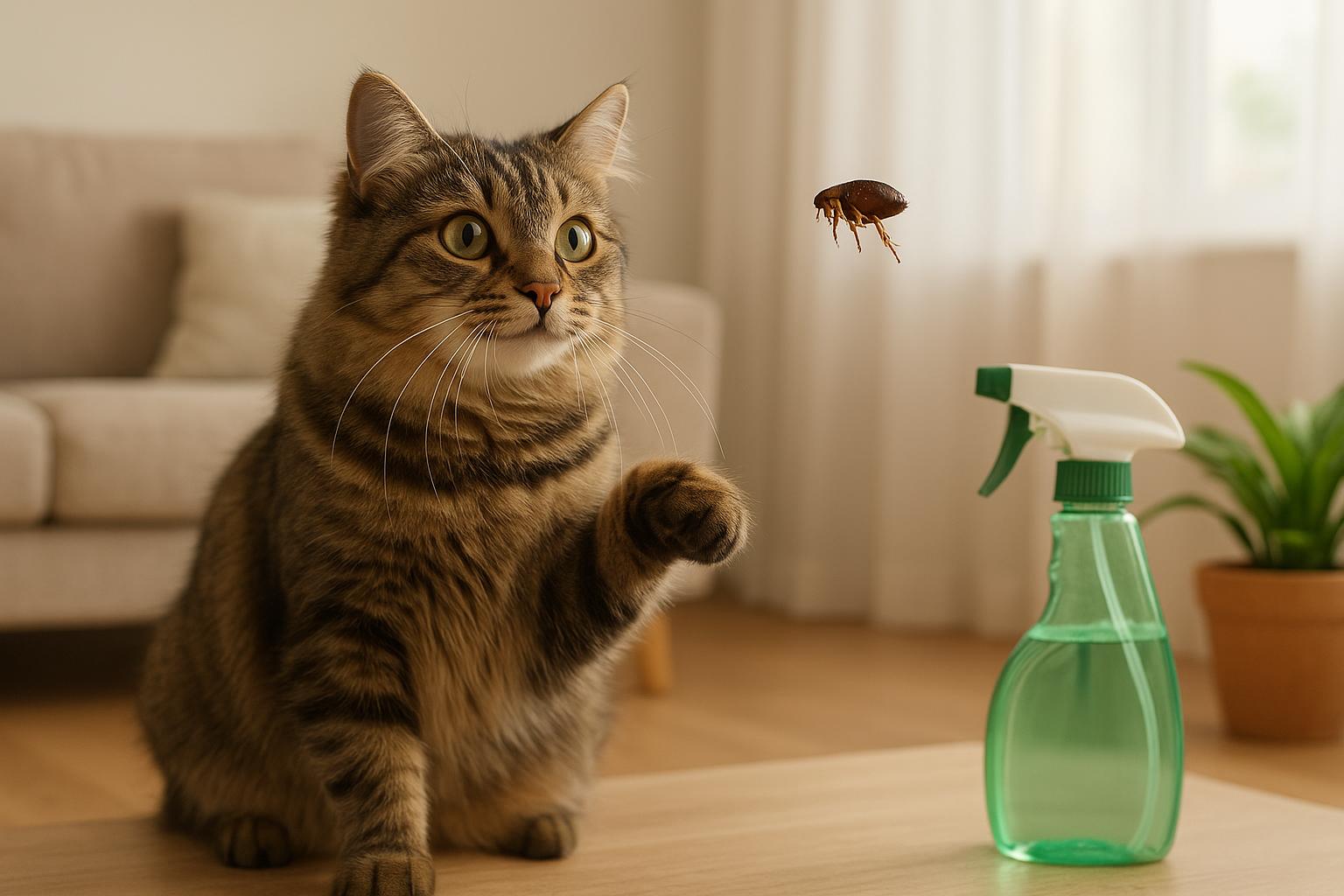
For high flea pressure, professional-grade insect growth regulators (IGRs) and targeted perimeter treatments are commonly used by licensed applicators. These products interrupt flea development and reduce the number of viable eggs and pupae. Because some broad-spectrum insecticides can be harmful to cats, professional application ensures proper product choice, correct dilution, and safe placement. When speaking with a pest control company, request pet-safe options and clear communication about restricted areas and reentry times for pets.
#### When To Call A Pro
– Large or persistent infestations despite home efforts
– Nearby wildlife reservoirs (skunks, opossums) that continually reintroduce fleas
– If you’re unsure about product safety or proper application techniques around cats
### Seasonal Timing And Weather Considerations
Fleas increase when temperatures and humidity rise. Early spring treatment and continued maintenance through summer reduce expansion of the population. For yard flea control, focus on warm months but maintain habitat reduction year-round: shaded microclimates and debris can harbor overwintering stages in milder climates.
### Creating A Cat-Friendly Flea Routine
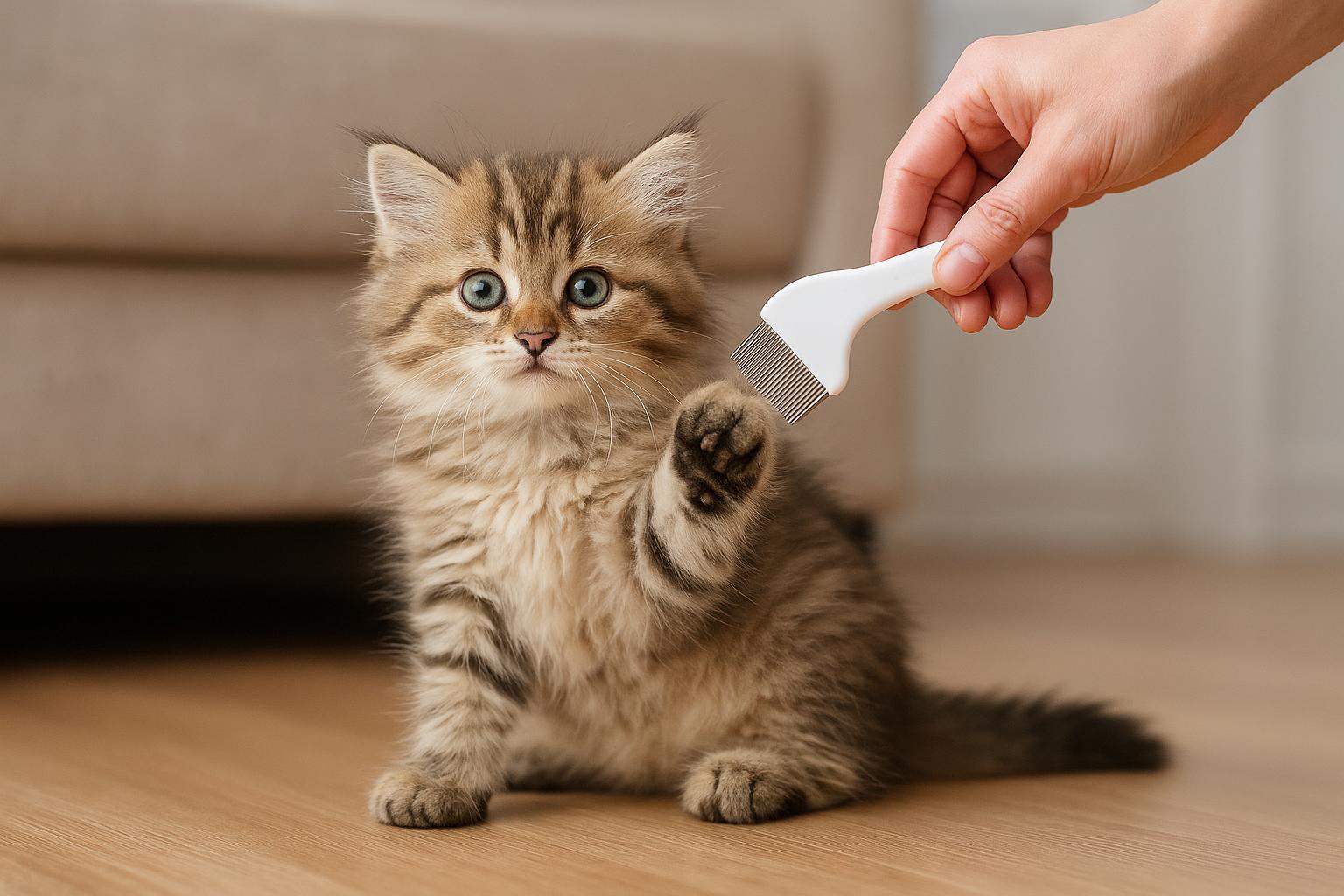
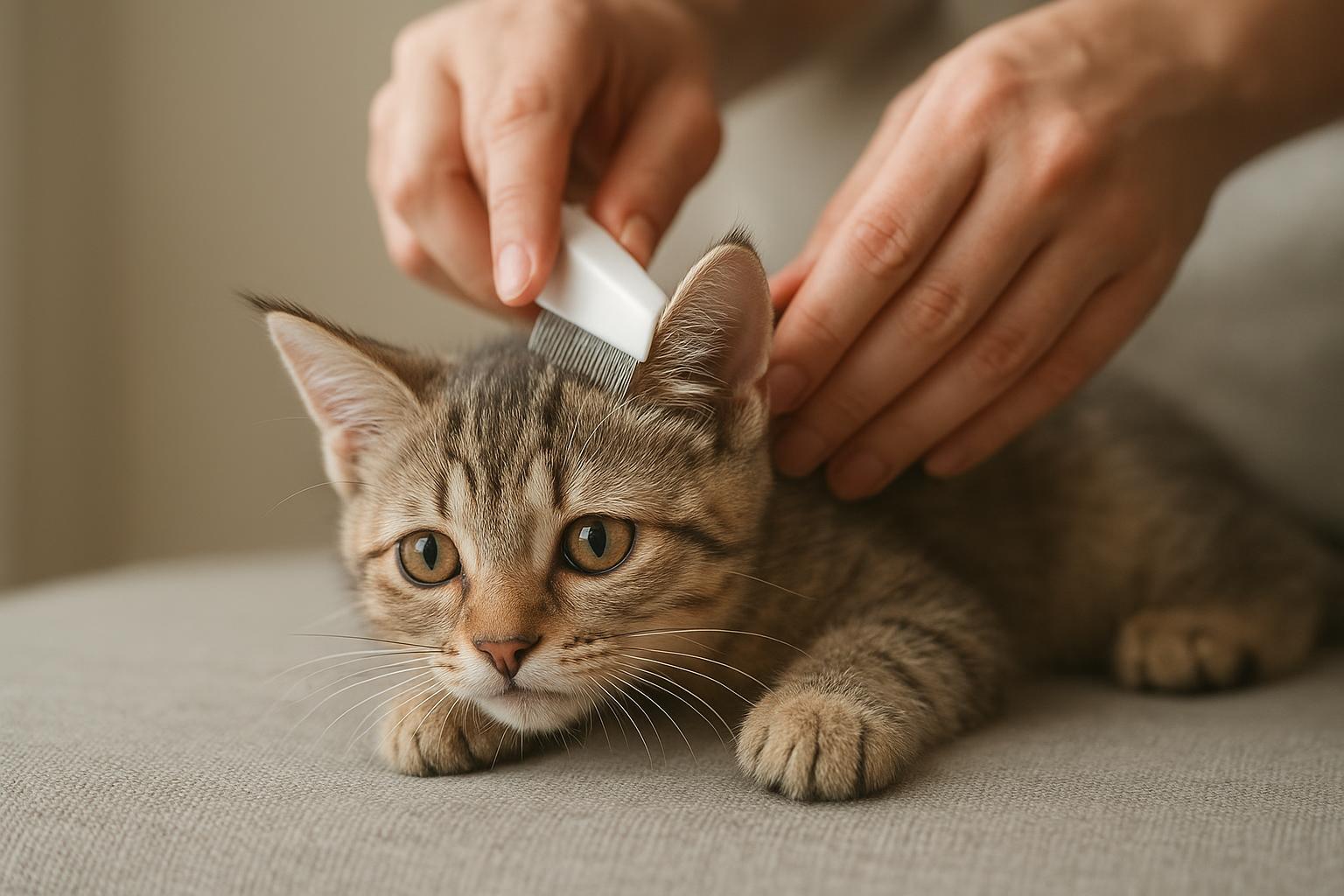
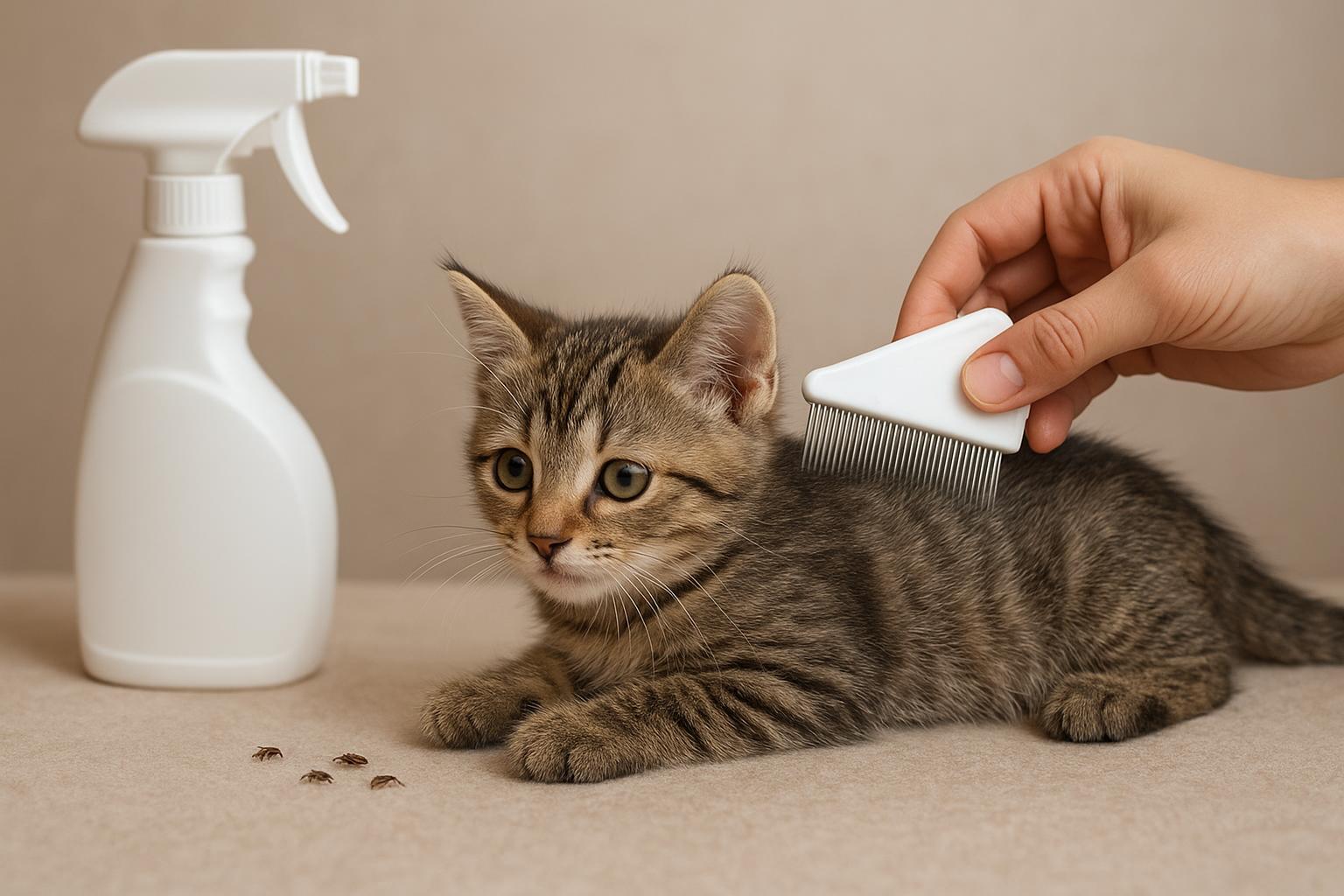
Routine reduces surprises. Weekly quick checks of your cat’s coat, monthly vet-recommended preventives, and seasonal yard attention create a system rather than a scramble. Consider designating a “clean zone”—a sunlit, gravel or paved area where cats can sunbathe and you can limit vegetation. Gravel and paving reduce flea habitat compared to dense lawn and leaf litter.
### Quick Tips For Everyday Maintenance
– Launder outdoor cat bedding weekly in hot water.
– Sweep or hose down patios and porches where cats spend time.
– Trim grass and remove leaf piles, especially around foundations and under decks.
– Check for wildlife den sites; discourage wildlife with humane measures to reduce flea reservoirs.
### Common Mistakes To Avoid
– Using non–pet-safe insecticides: Many pyrethroid products are toxic to cats. Always verify pet safety.
– Over-relying on a single treatment: Flea control must interrupt multiple lifecycle stages and reduce habitat.
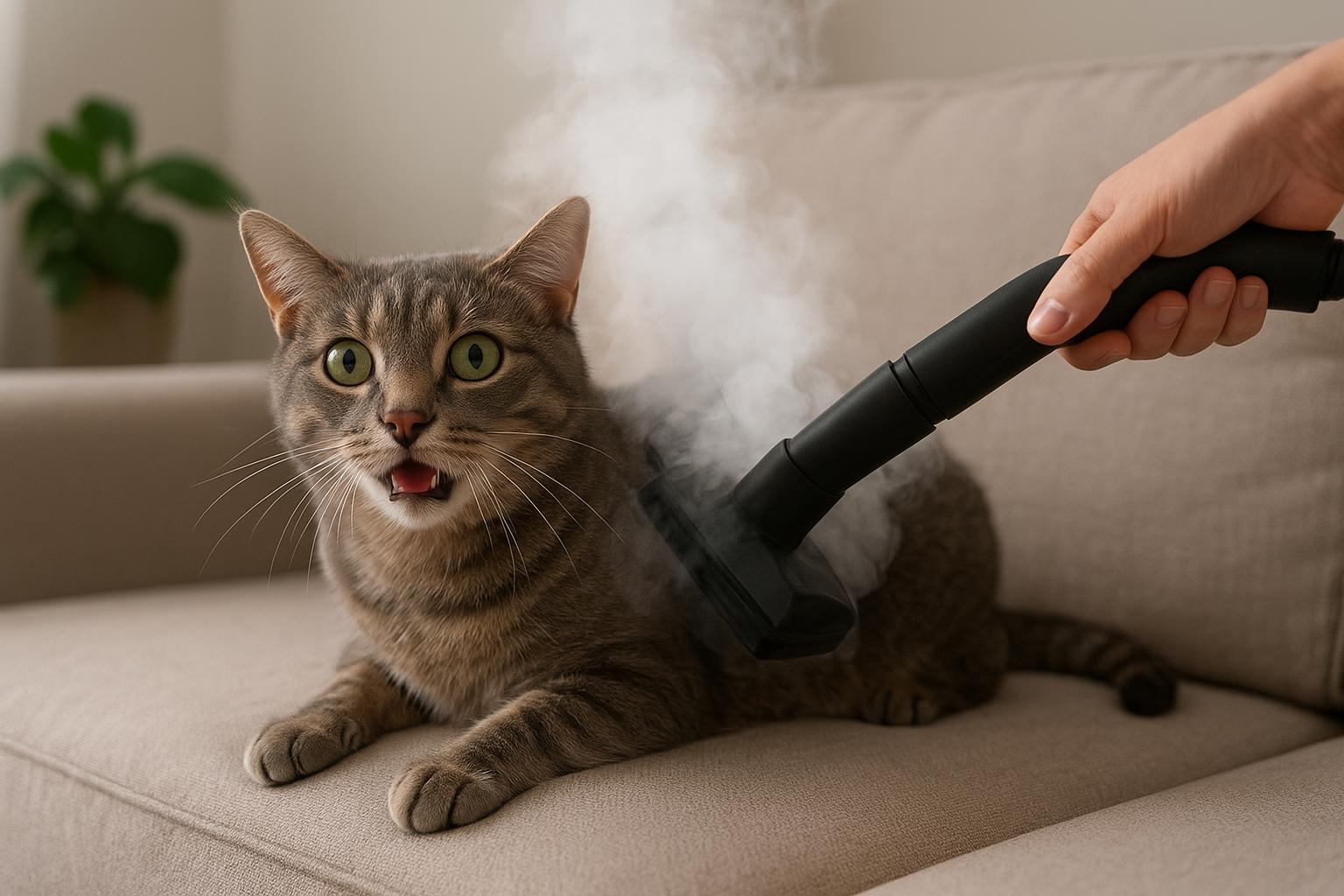
– Ignoring indoor reservoirs: Vacuum carpets and wash indoor beds; eggs dropped indoors will hatch into new indoor infestations if ignored.
### Monitoring Success And Adjusting
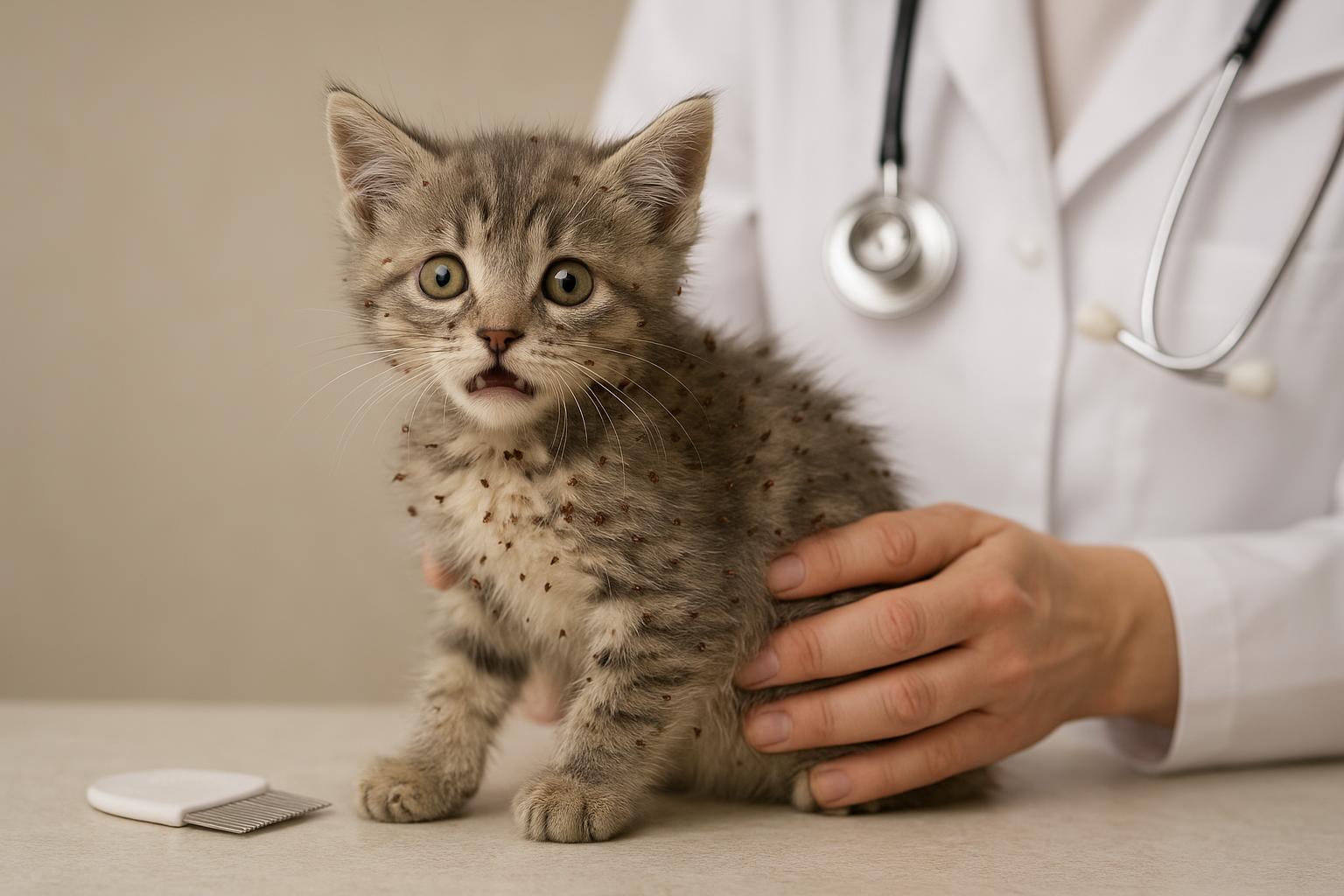
After applying treatments (DE, nematodes, or professional sprays), monitor by vacuuming and checking flea counts on pets. A significant reduction in bites and fleas on your cat within weeks indicates success. If fleas persist, reassess shaded refuges, wildlife access, and whether your cat’s preventative is functioning as intended. Sometimes combining an IGR with biological and mechanical methods achieves the most durable results.
Keep in mind that effective yard flea control is a marathon, not a sprint. Thoughtful, cat-safe practices and correctly applied treatments make your yard a better place for your cat and a much less appealing one for fleas.










Leave a Reply