
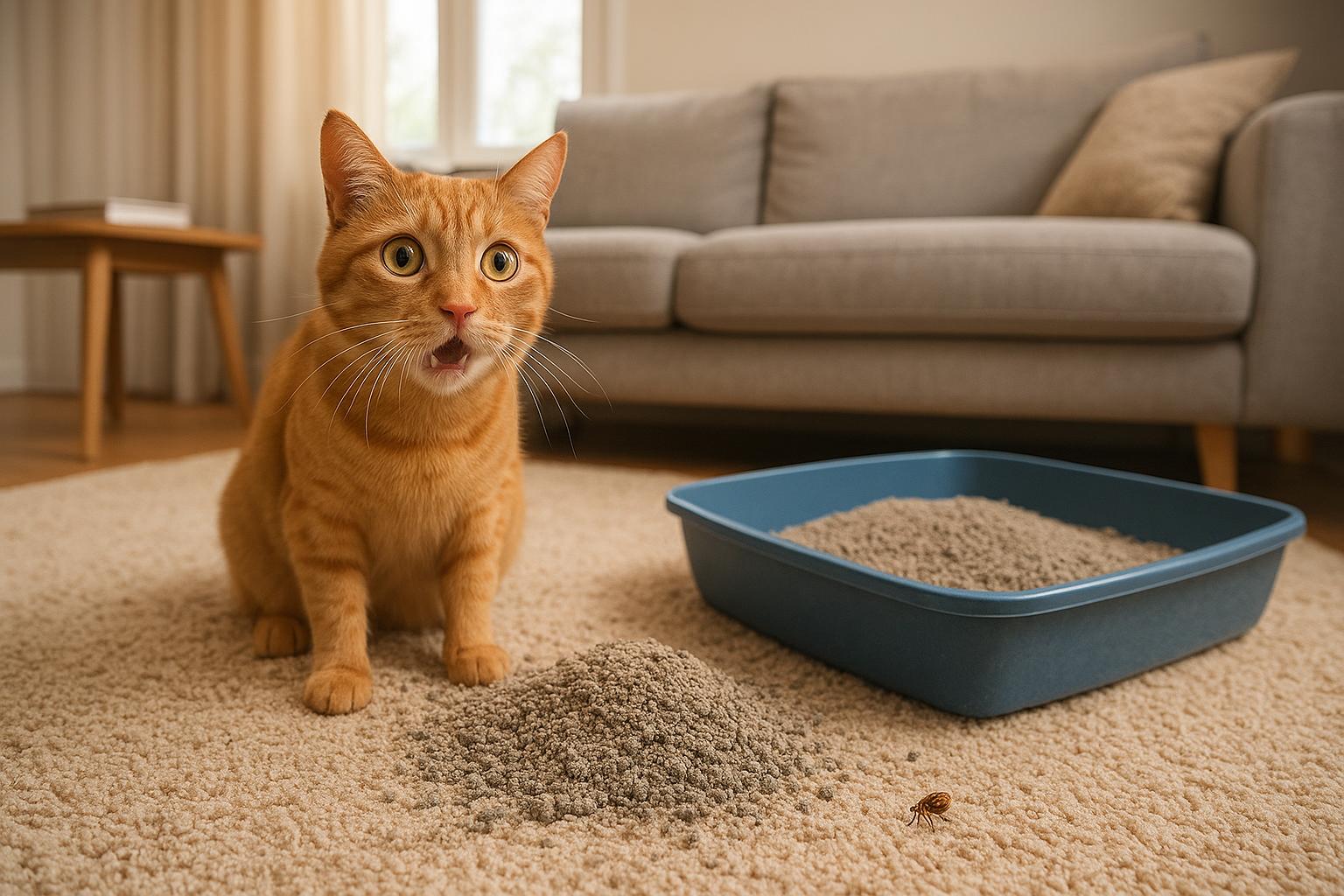
## Why A Flea In Litter Is A Problem
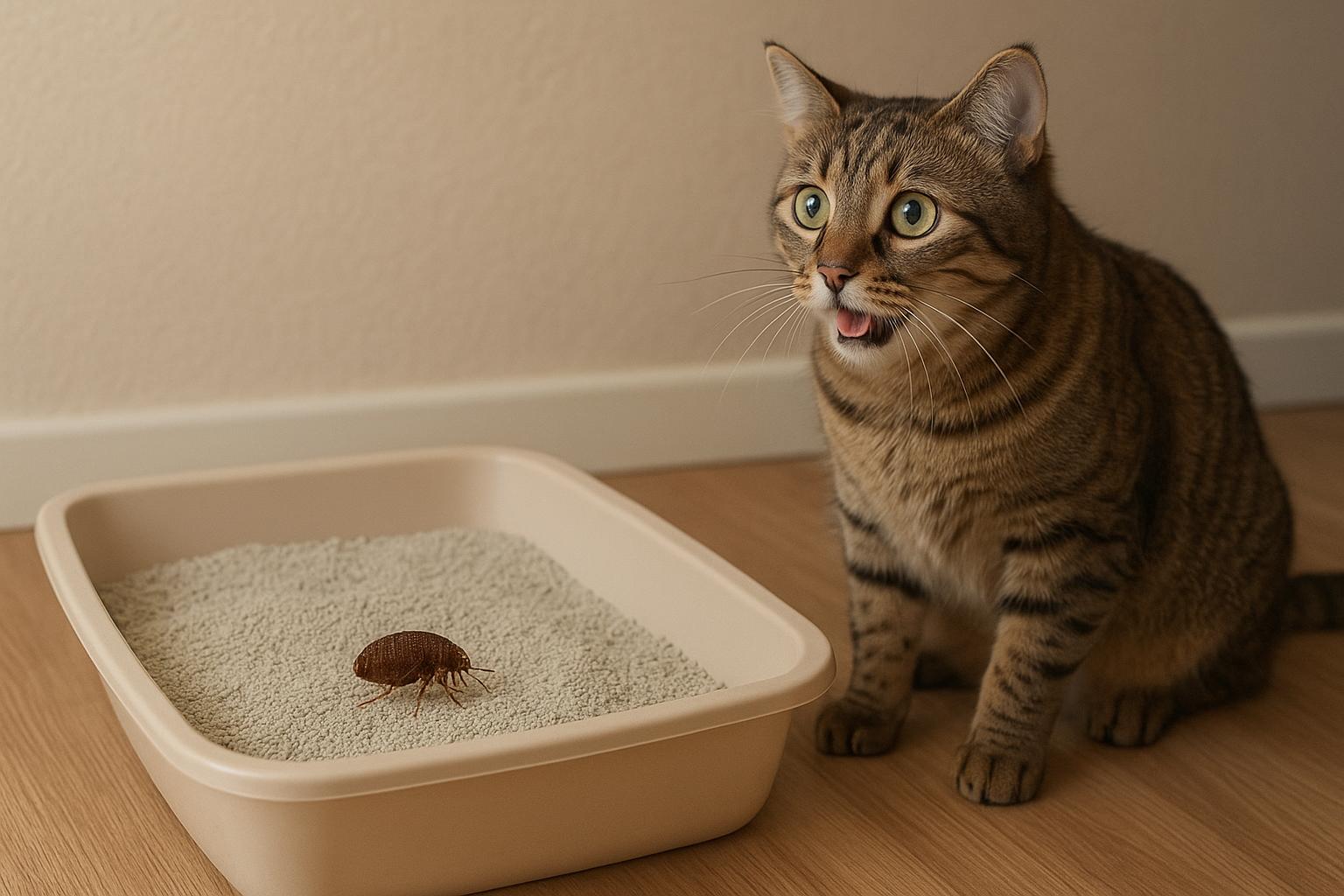
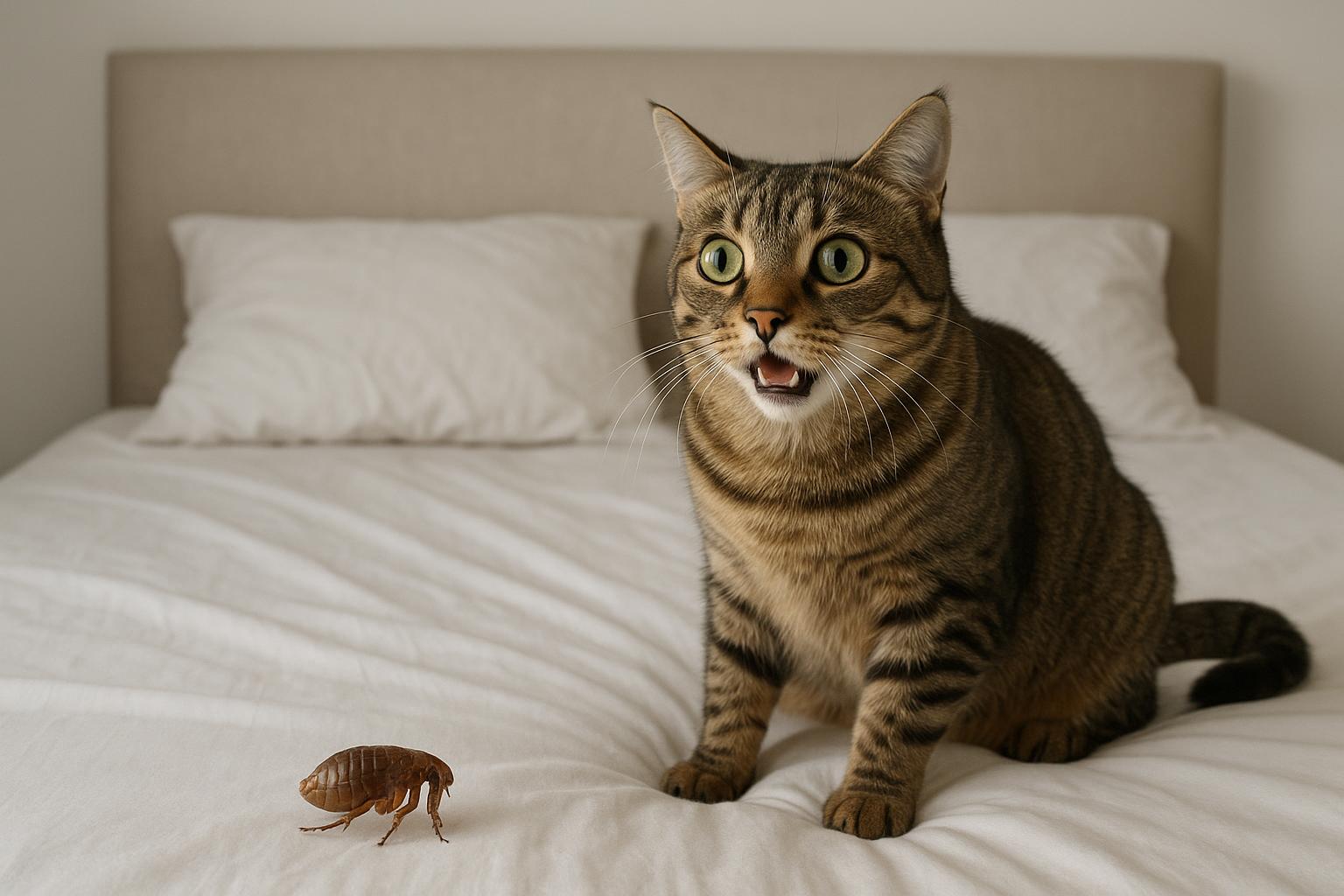
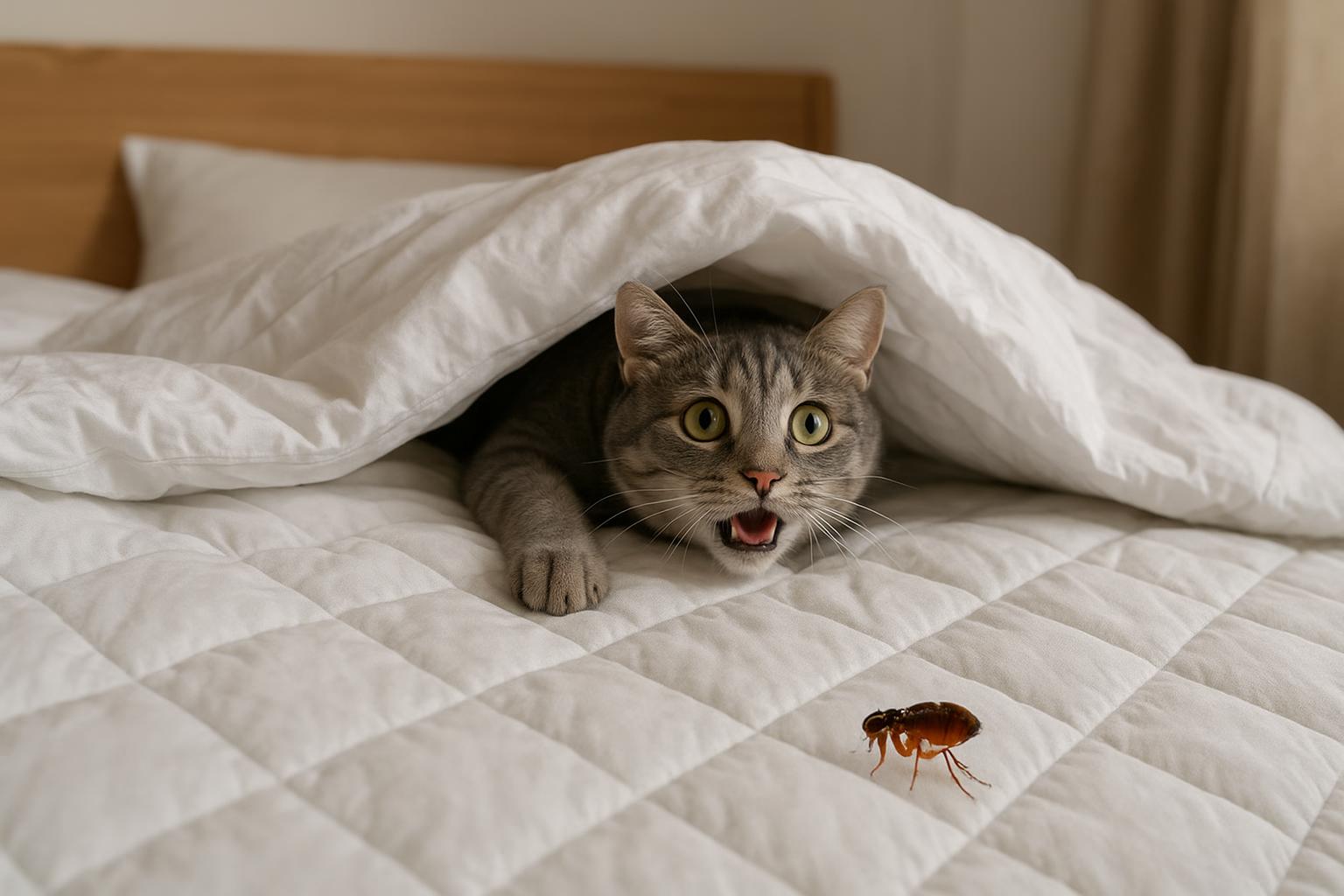
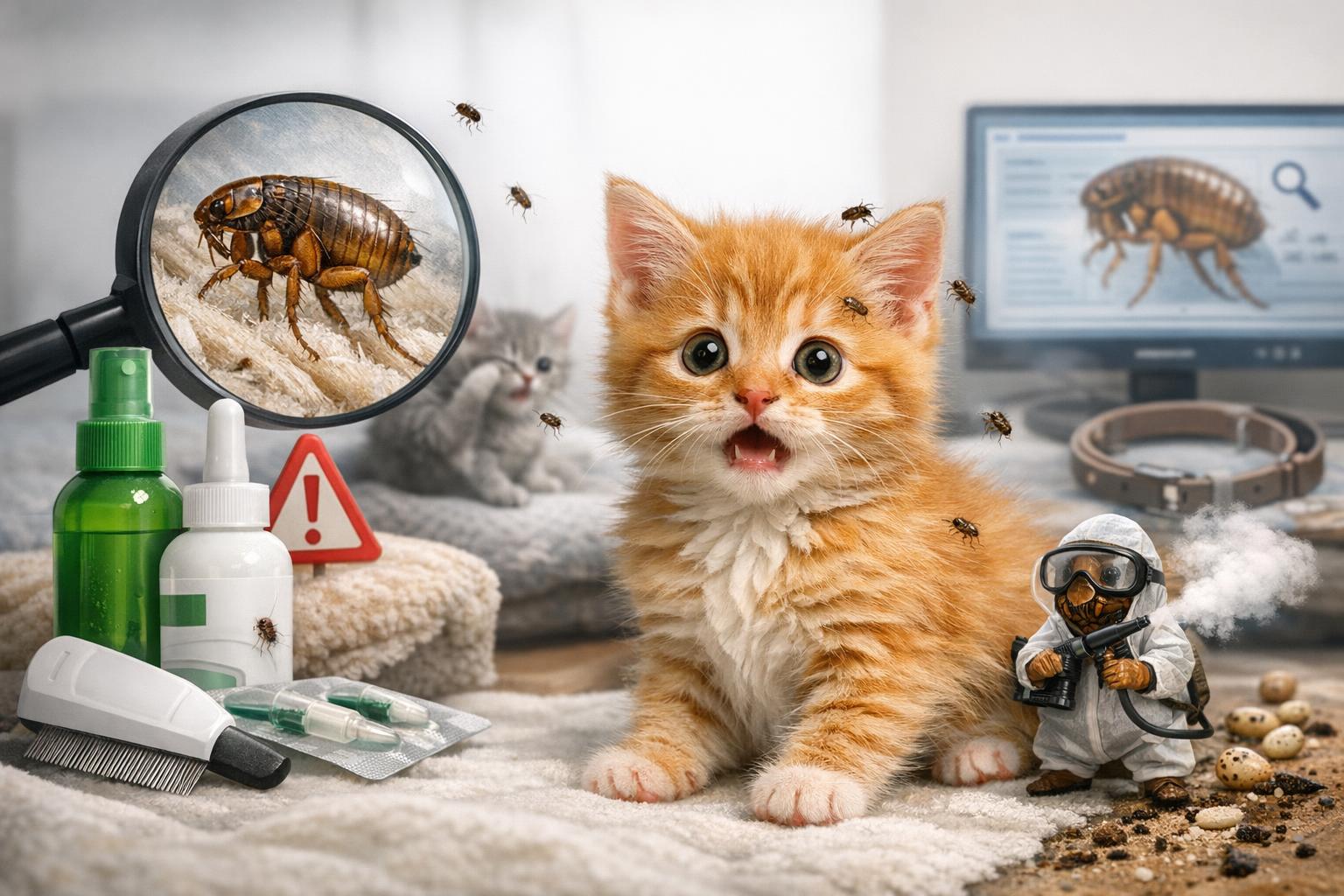
Finding a flea in litter might sound like a tiny, almost comical nuisance — one little jumpy critter in the box, no biggie, right? Not so fast. A single flea in litter is often a sign of a larger infestation risk because litter boxes sit in places cats frequent, and they can act as a hub for fleas to hitch a ride, lay eggs, and spread. If you spot a flea in litter, it’s worth paying attention: fleas reproduce quickly, and what starts as one could become many before you notice.
### How Fleas Use Litter Boxes To Thrive
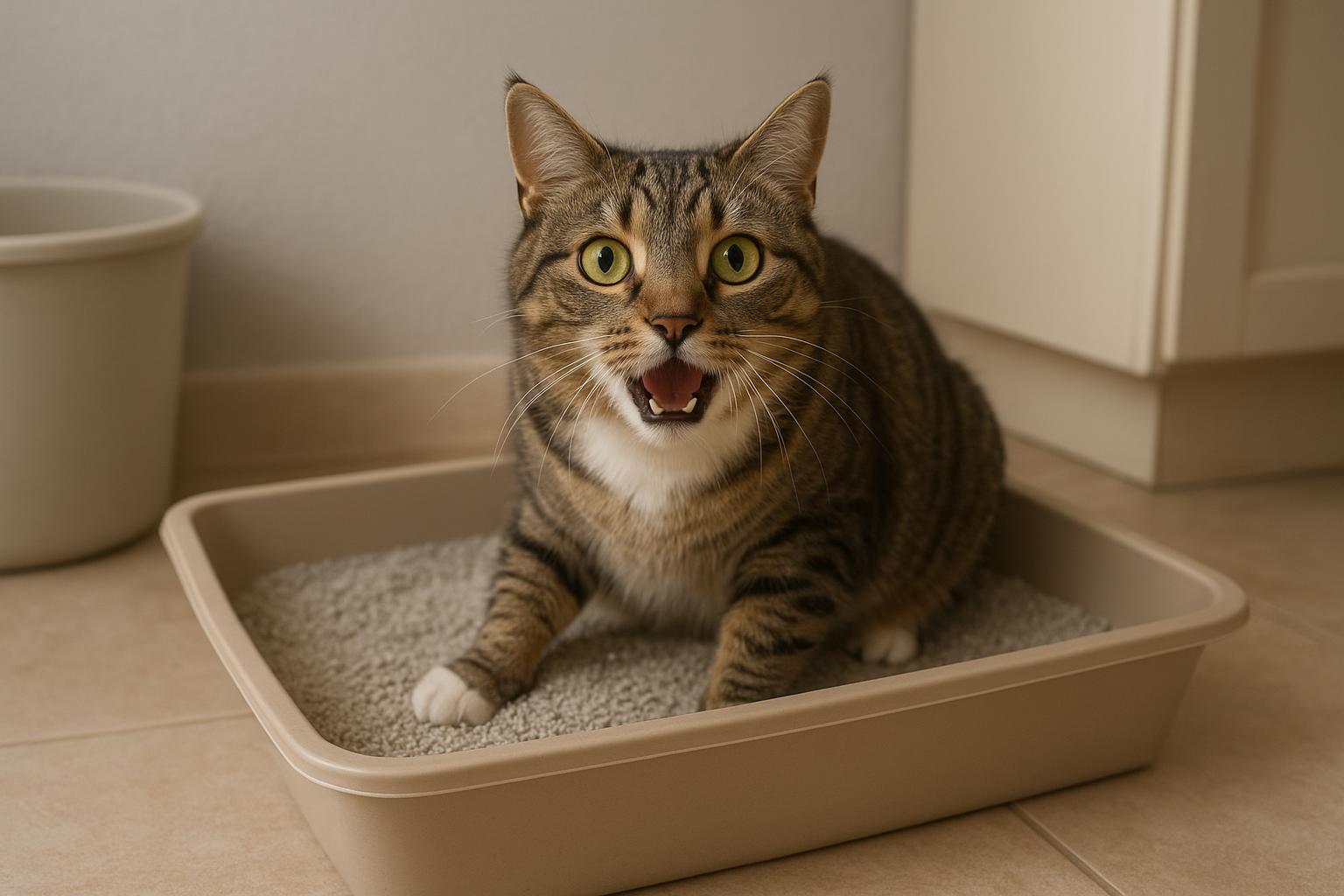
Fleas love warm, sheltered spots where your pet rests or spends time. The litter box, especially if it’s in a quiet bathroom, laundry room, or under a piece of furniture, offers protection and proximity to their blood source (your cat). Flea eggs fall off the host, and the litter can trap eggs and larvae. So that stray flea in litter isn’t just a wanderer — it might have already left offspring.
### How To Spot Flea Activity In Litter
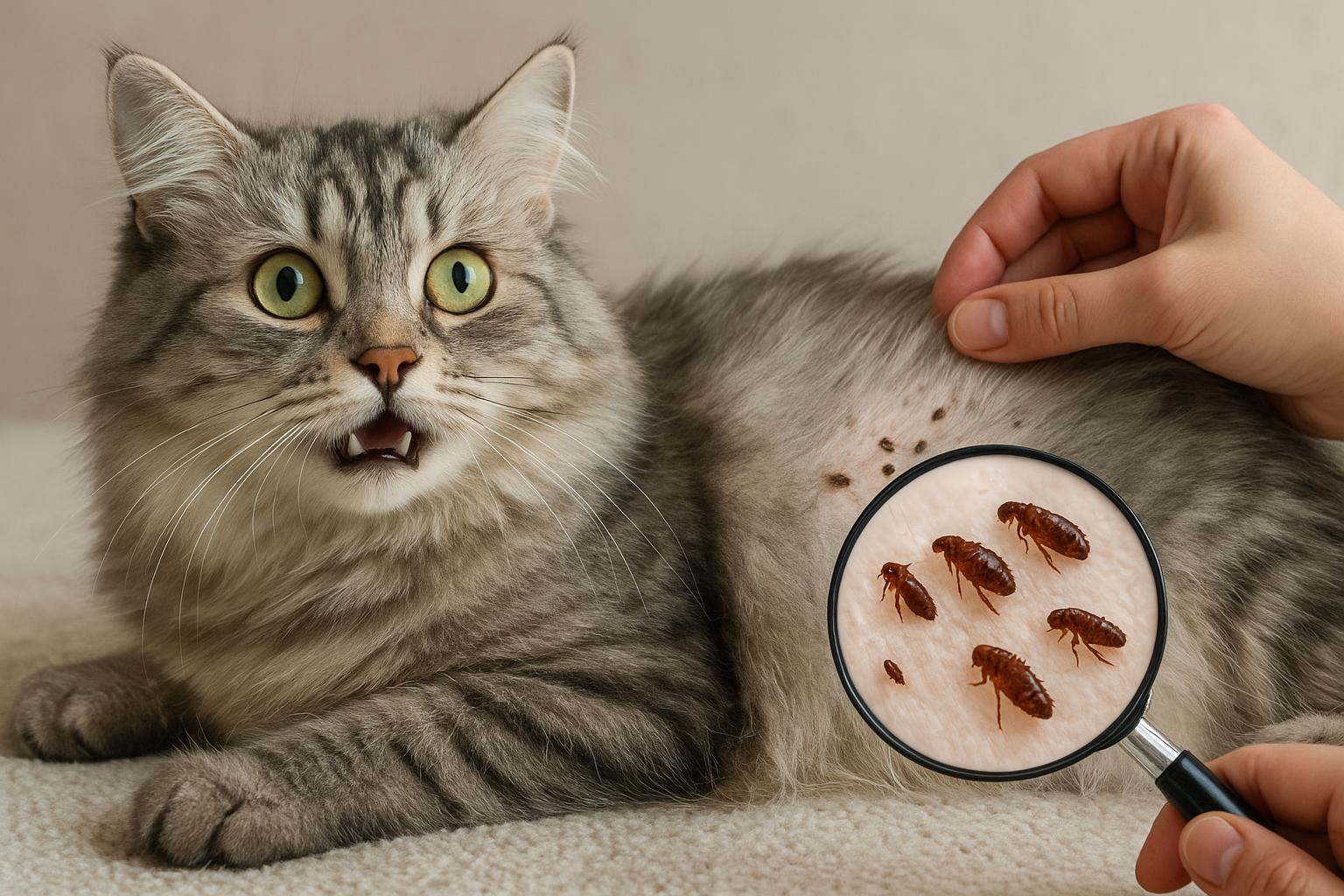
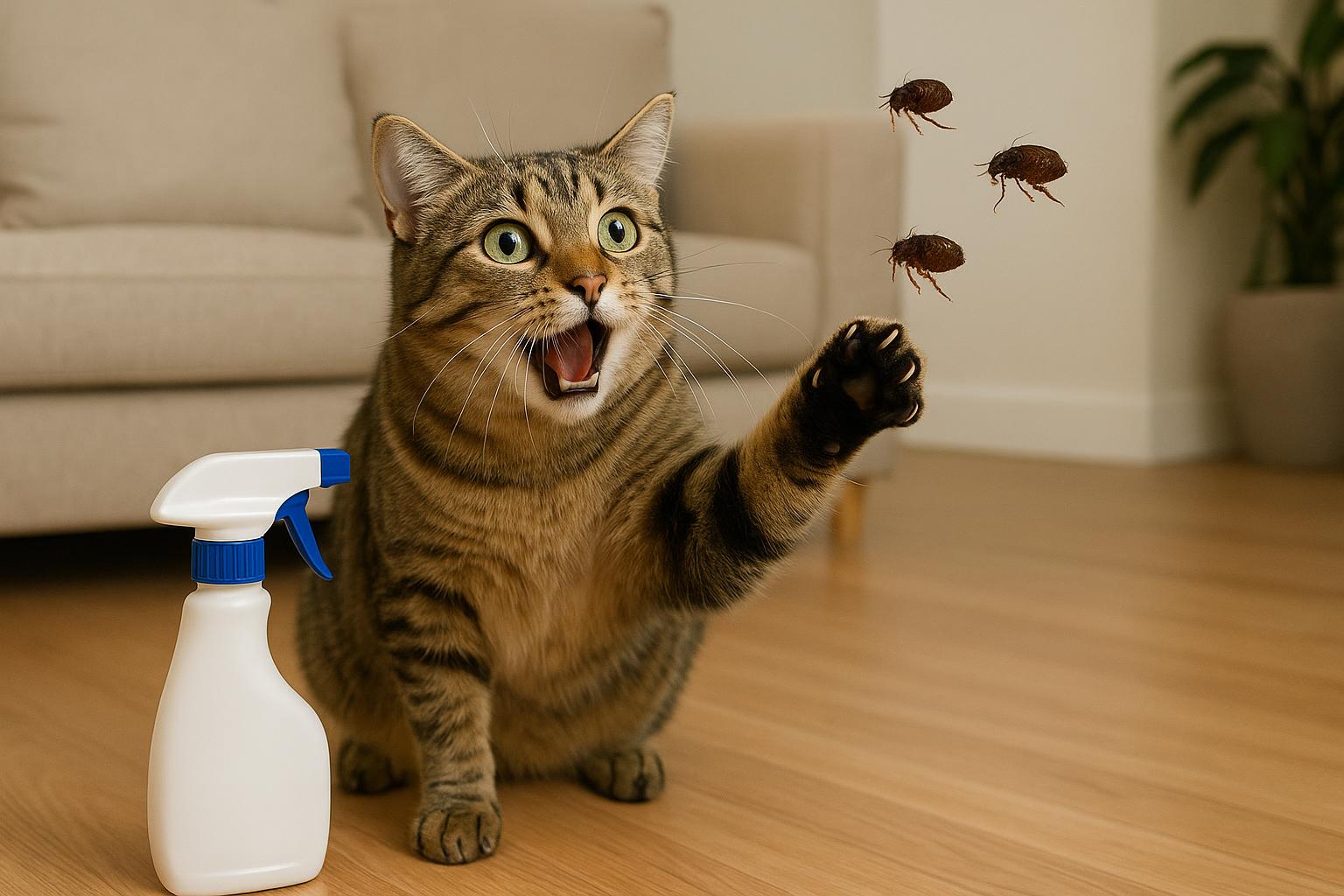
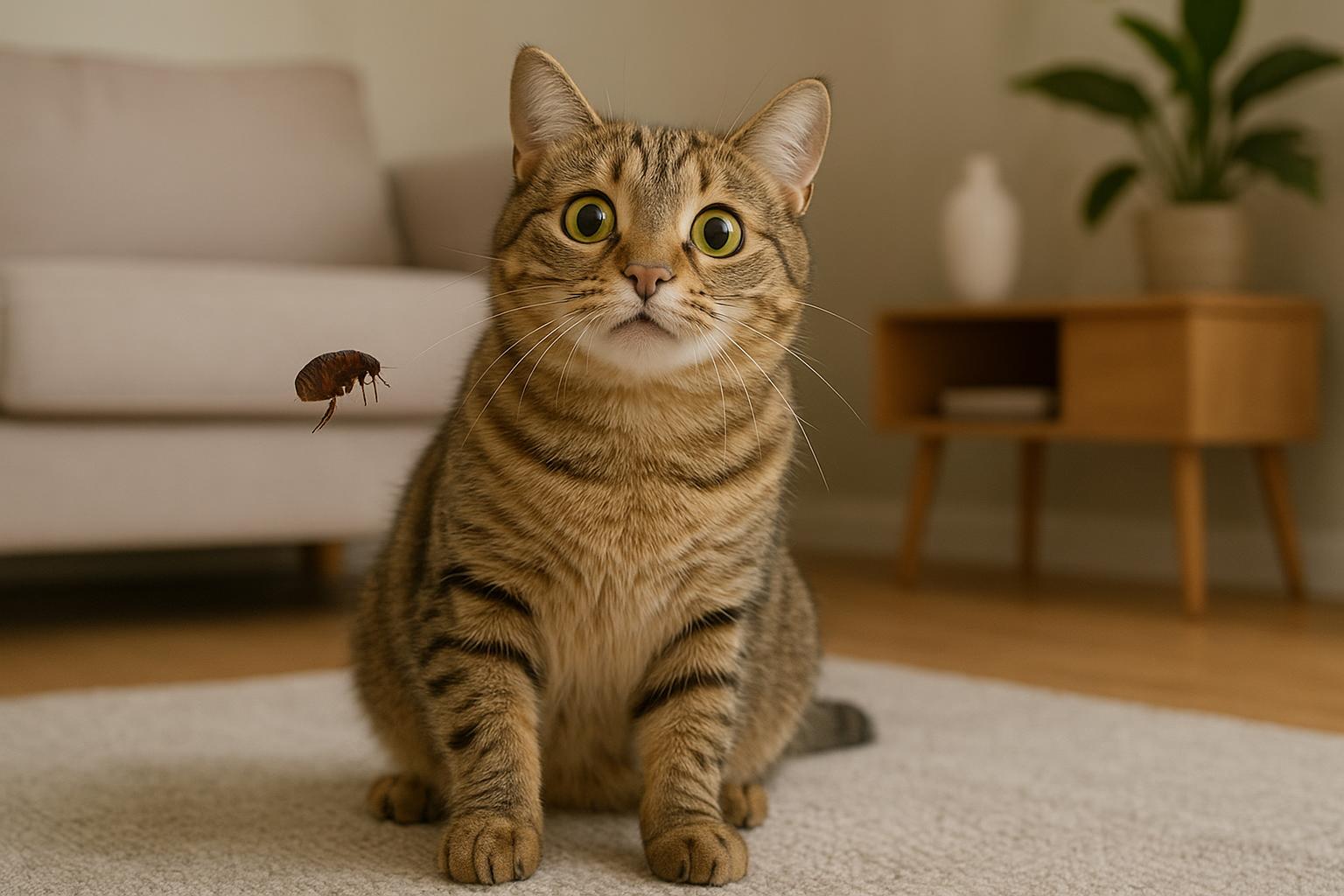
– Live fleas: small, dark, and fast-moving. They can be hard to catch, but you’ll see movement.
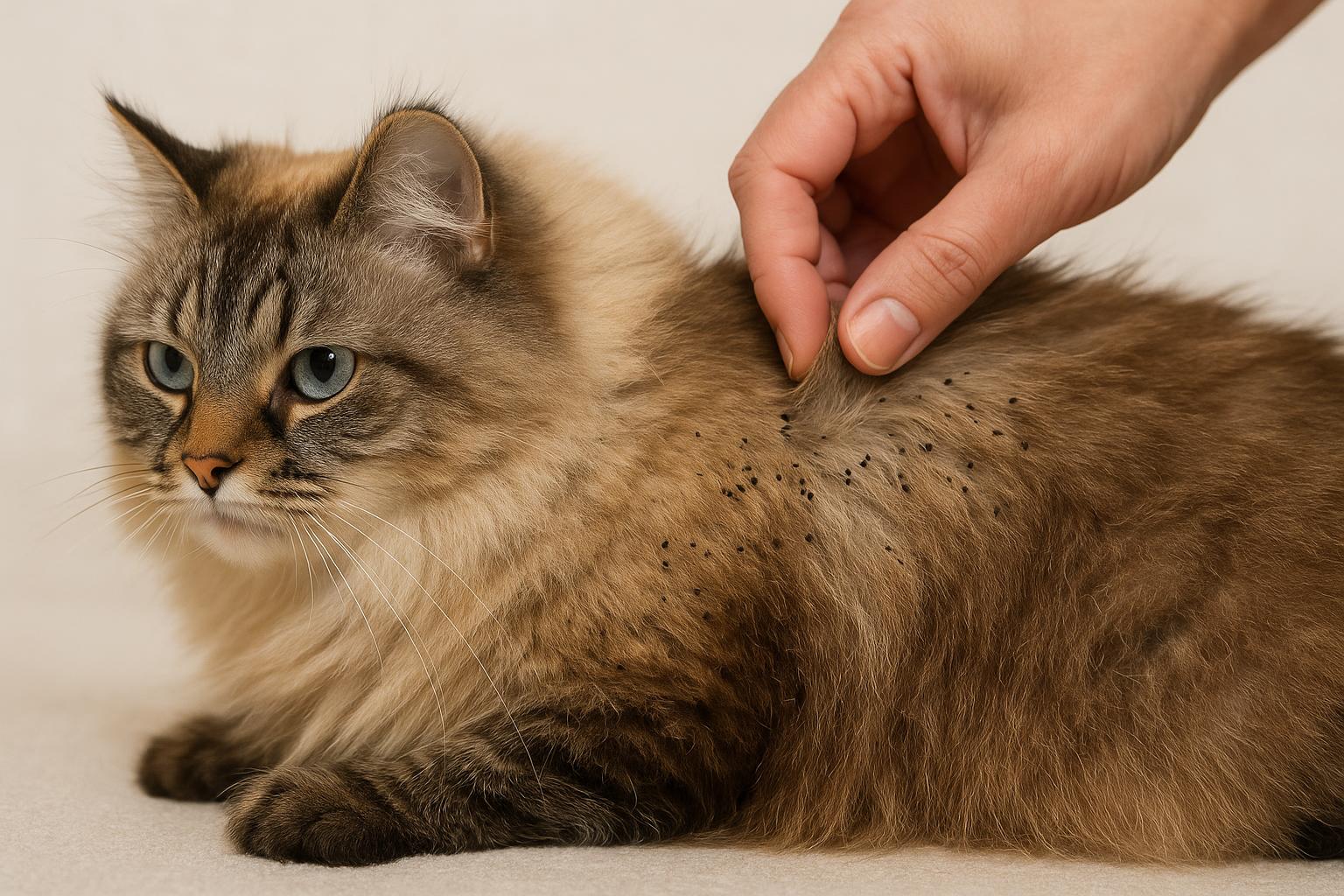
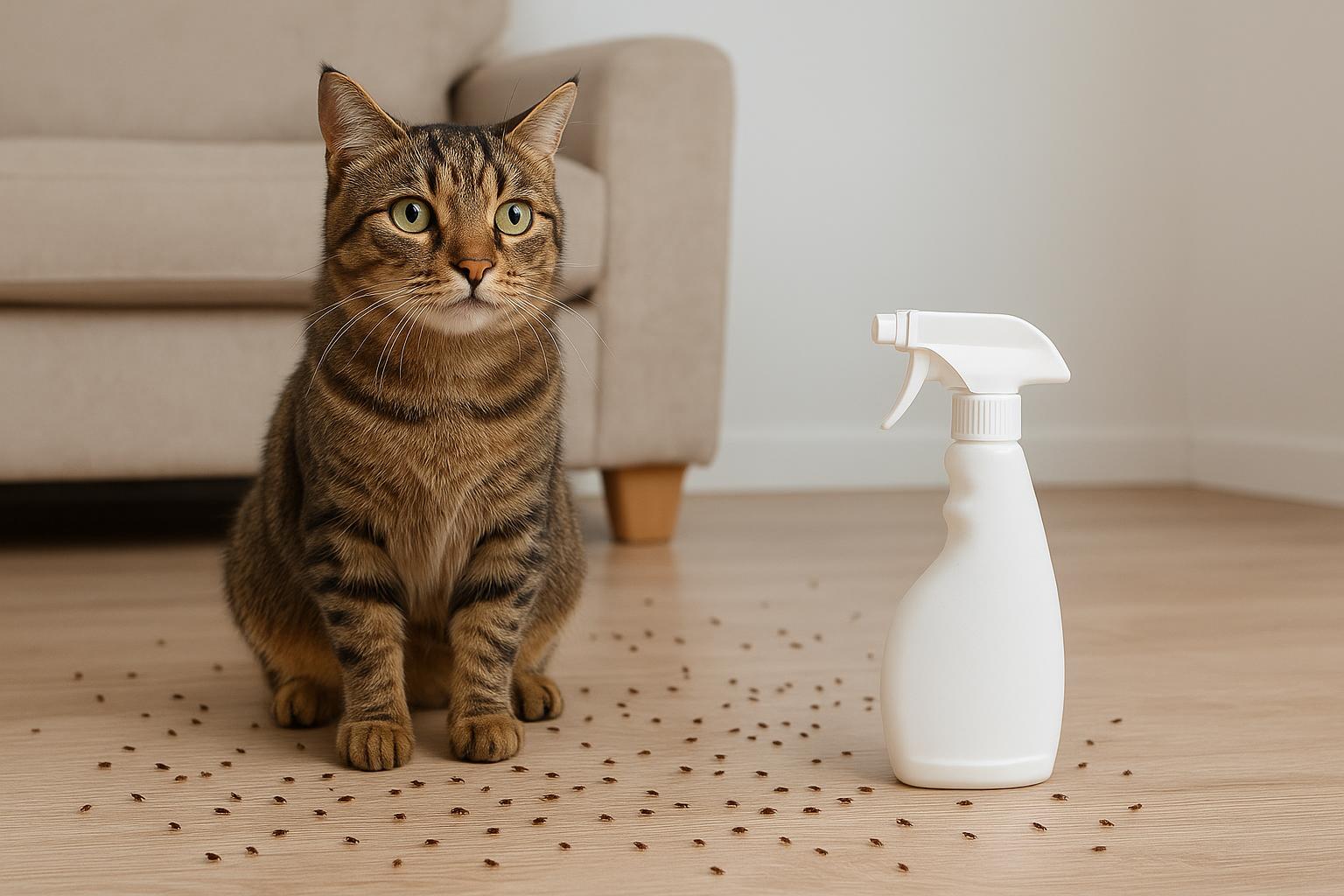
– Flea dirt: tiny black specks that look like pepper. Wet a paper towel and rub suspected debris — if it turns reddish-brown, it’s flea feces (dried blood).
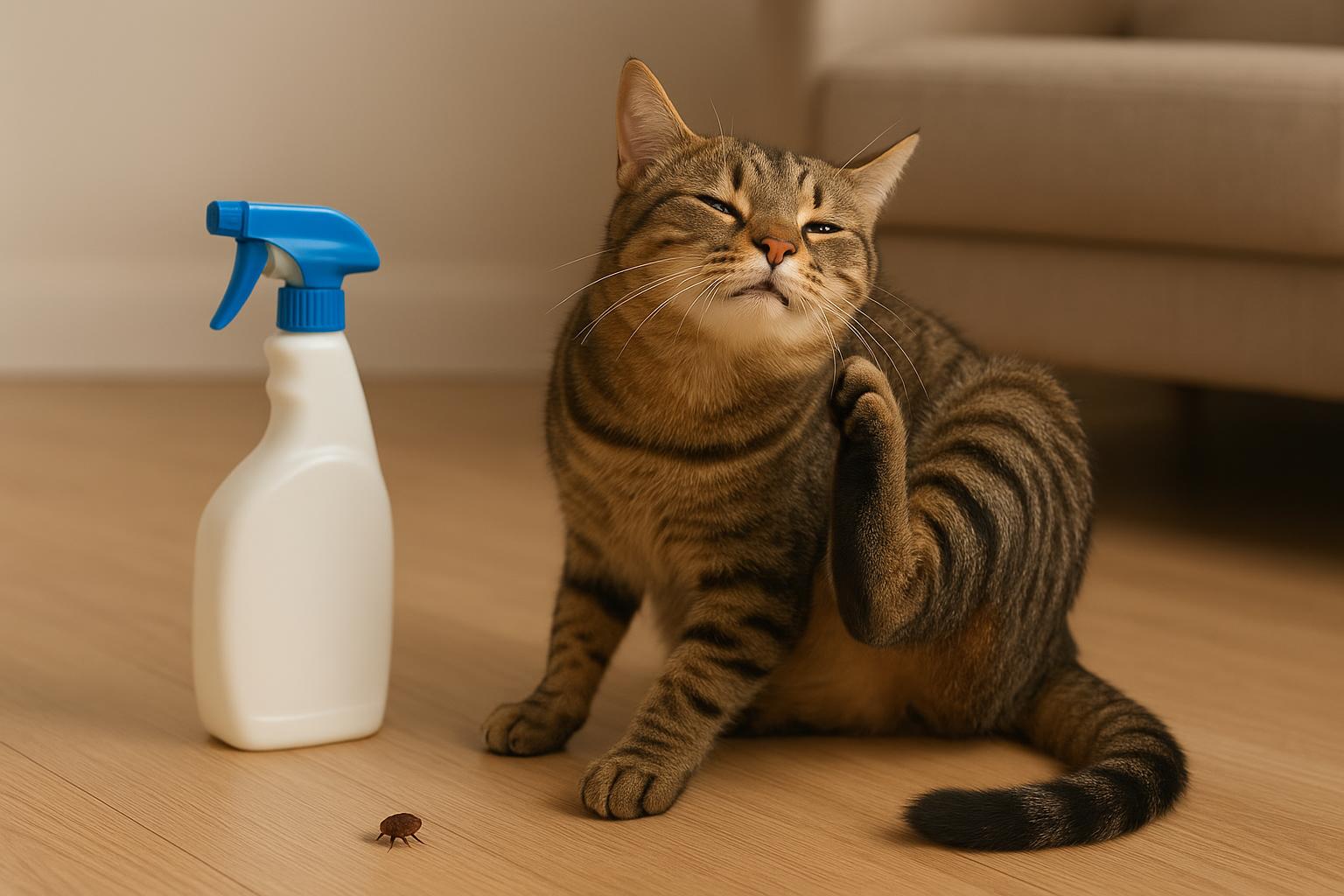
– Scratching and grooming: if your cat is suddenly obsessed with the litter box area or is scratching more after leaving it, the box could be the source.
## Health Risks To Cats And Households From A Flea In Litter
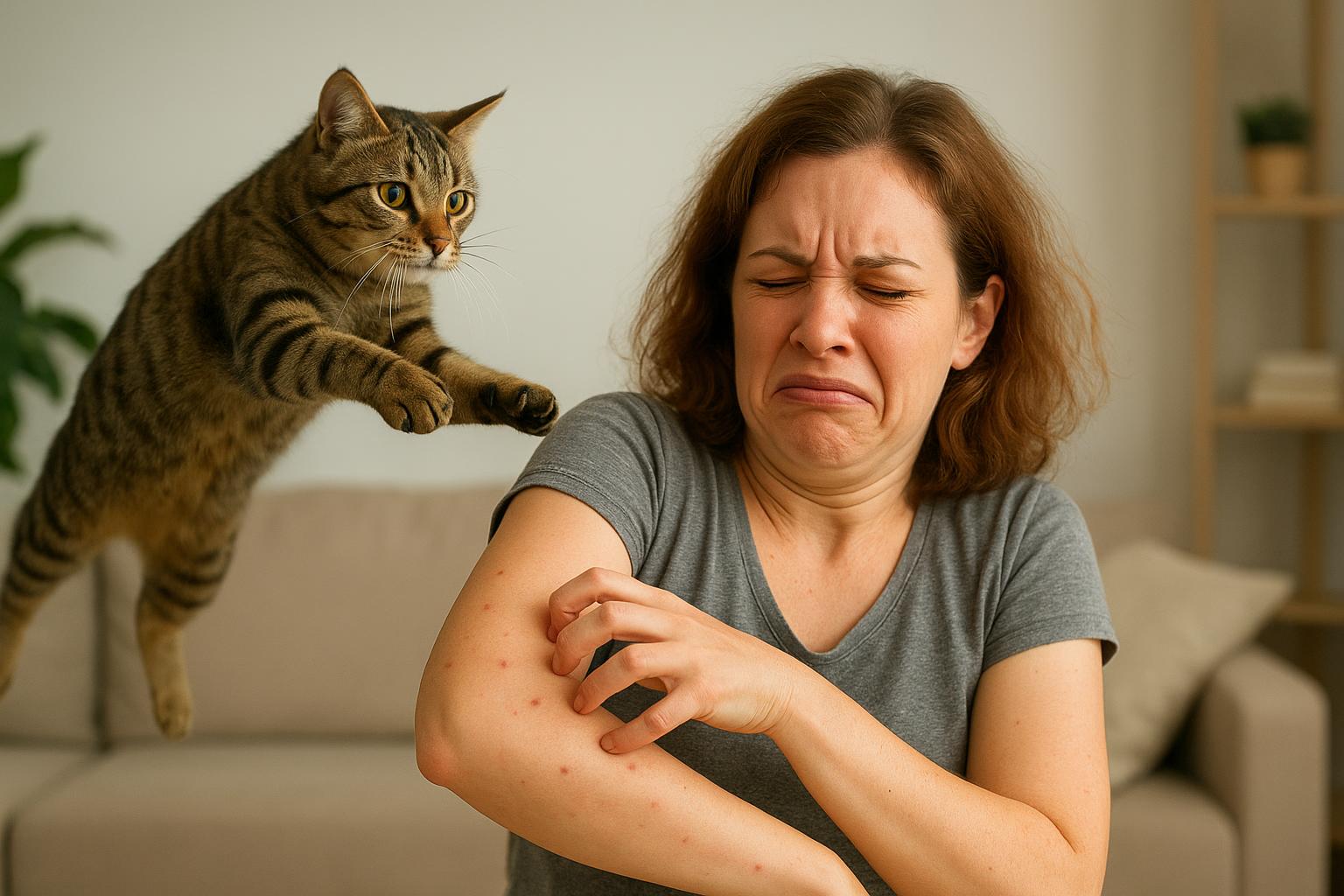
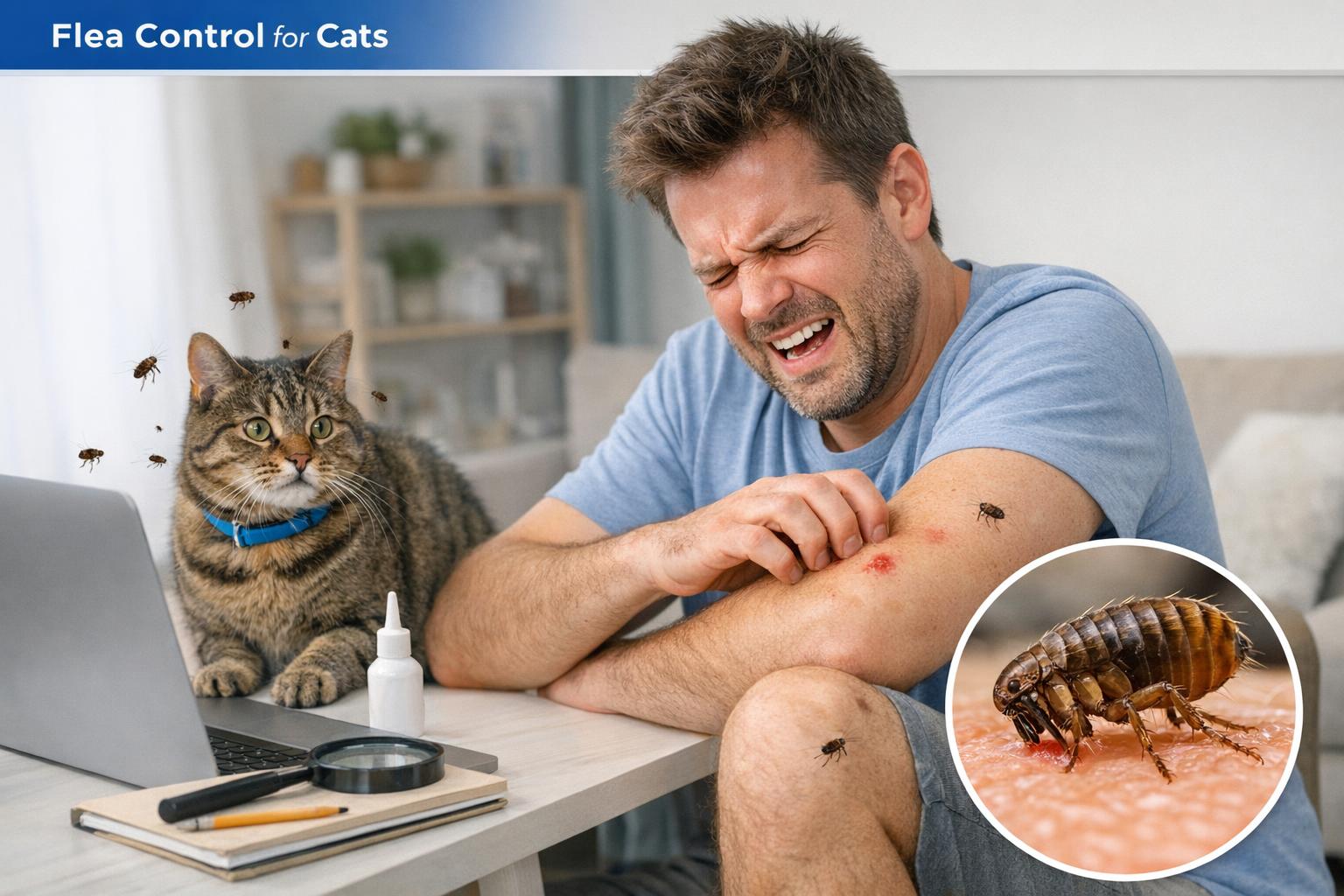
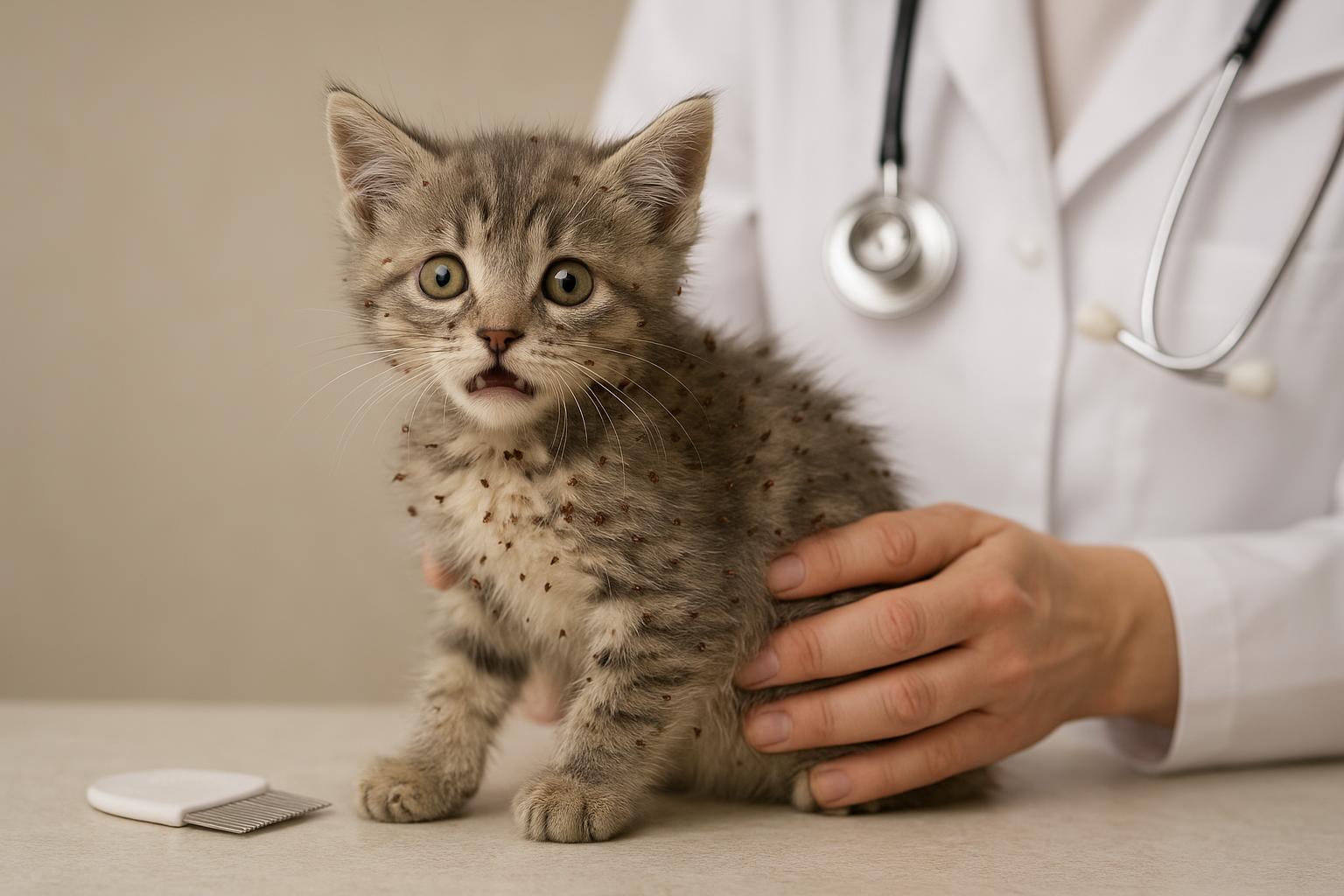
Fleas don’t just cause itchy annoyance. They can lead to significant health problems for cats and people in the home. A flea in litter can mean higher exposure for kittens and older cats with weaker immune systems.
### Flea-Related Medical Concerns For Cats
– Allergic dermatitis: some cats are allergic to flea saliva; a couple of bites can lead to intense itching, hair loss, and skin infection.
– Anemia: heavy flea burdens can cause blood loss, especially in kittens or small cats.
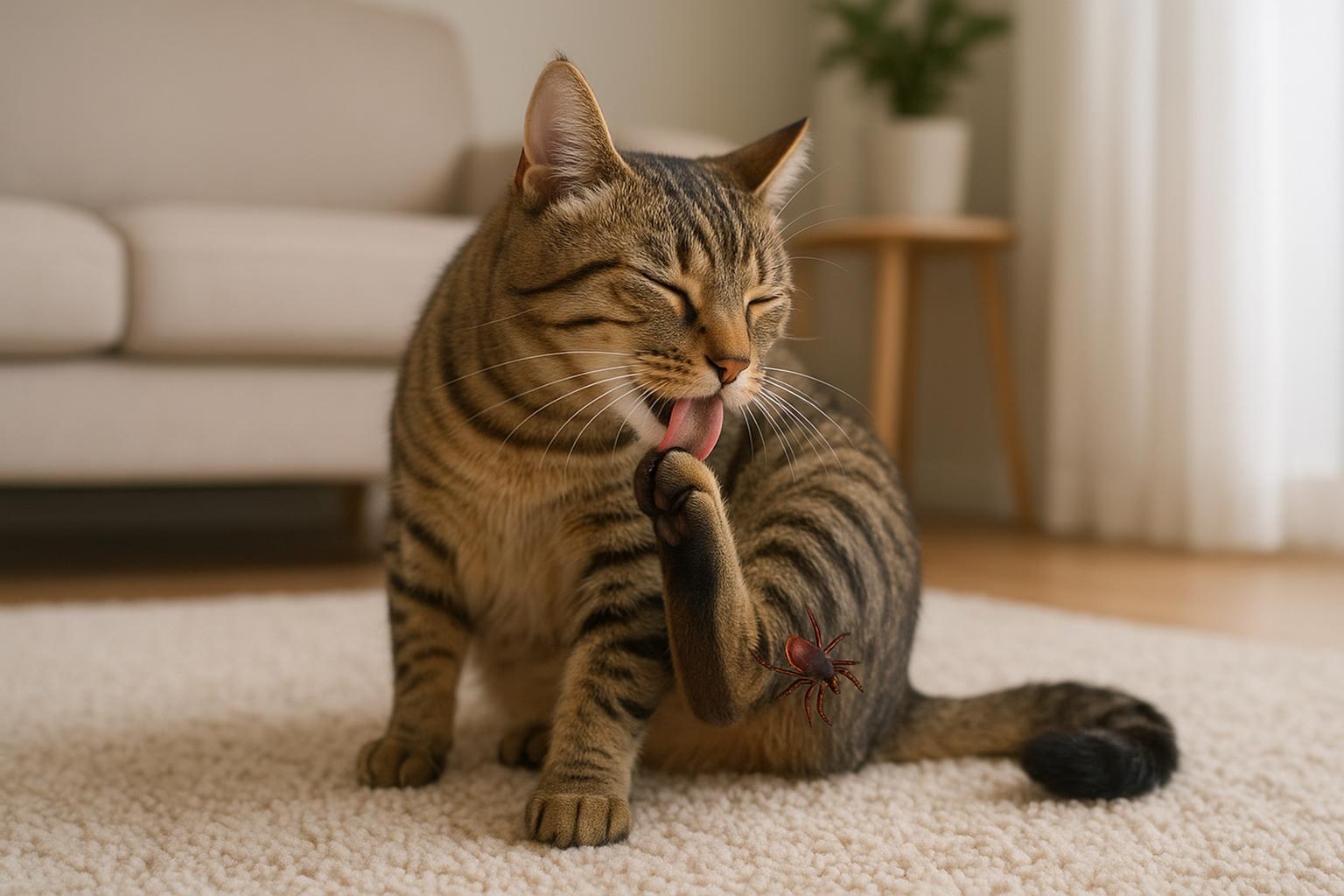
– Tapeworms: cats ingest fleas while grooming. Fleas can carry tapeworm larvae, so a flea in litter can indirectly lead to internal parasites.
### When Flea Exposure Triggers A Vet Visit
If your cat shows pale gums (sign of anemia), rapid weight loss, persistent scratching with open sores, or you find fleas on kittens, see your veterinarian promptly. Also seek vet advice if over-the-counter treatments haven’t worked. Don’t wait until “a few” becomes “a whole bunch.”
## Preventing Flea Problems Before They Start
Prevention is much easier (and cheaper) than dealing with a full-blown infestation. If you’ve found a flea in litter, take steps immediately to reduce the chances of more showing up.
### Routine Practices That Help
Keep litter boxes clean and move them to a location with light and airflow when possible. Vacuum the area around the box regularly and wash liners or mats on hot water. Use a flea-preventive treatment recommended by your vet year-round; indoor cats are still at risk.
### Household Habits To Reduce Flea Spread
Limit your cat’s access to tall carpeting and areas where flea eggs and larvae can hide. Wash bedding weekly in hot water, and consider a vacuuming schedule that targets likely flea hangouts.
## Remedy 1: Treat The Cat And Litter Area
When you find a flea in litter, act fast. This remedial plan is formal and methodical: treat the cat with veterinary-approved products and sanitize the litter area to interrupt the flea life cycle.
#### Required Materials And Ingredients
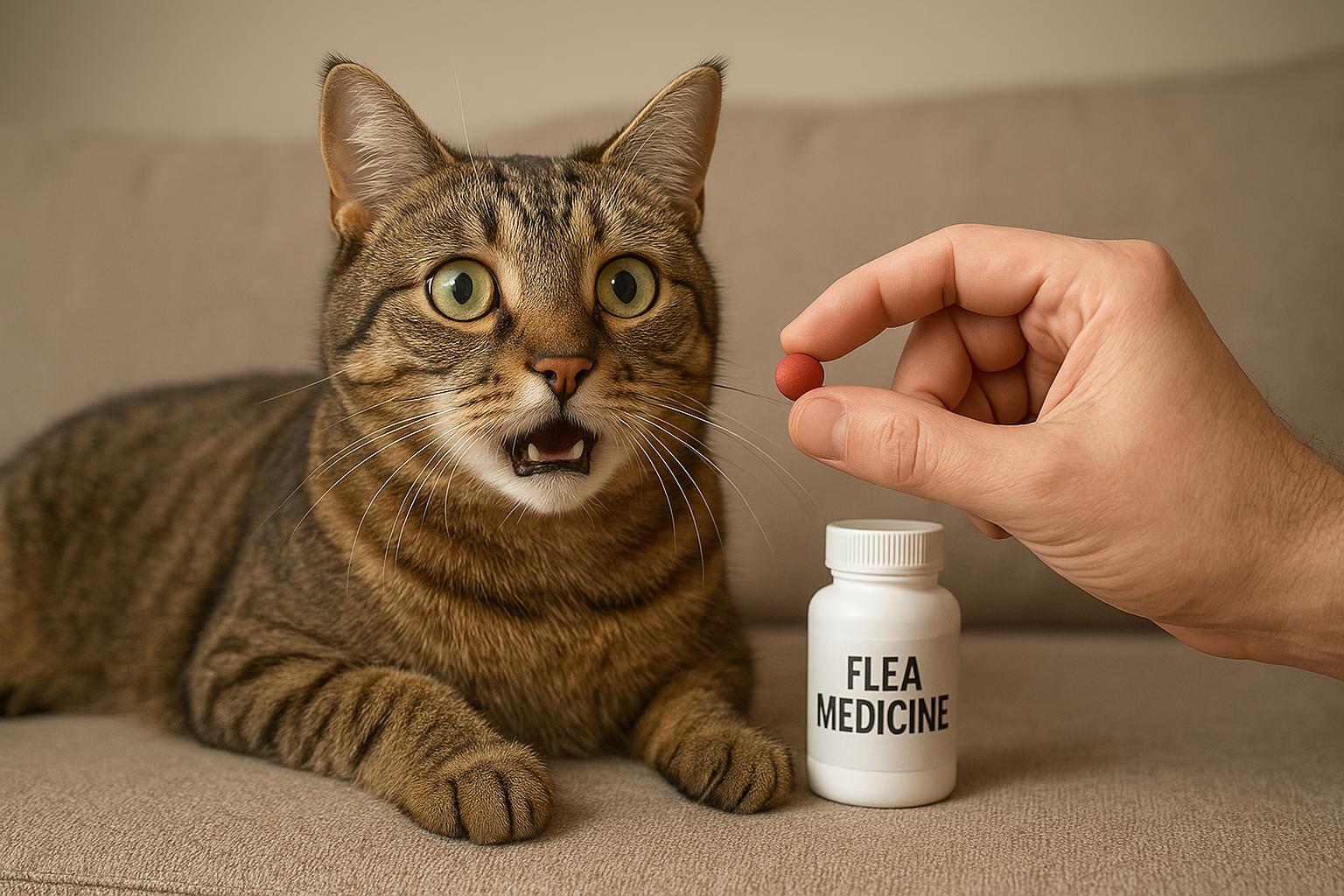
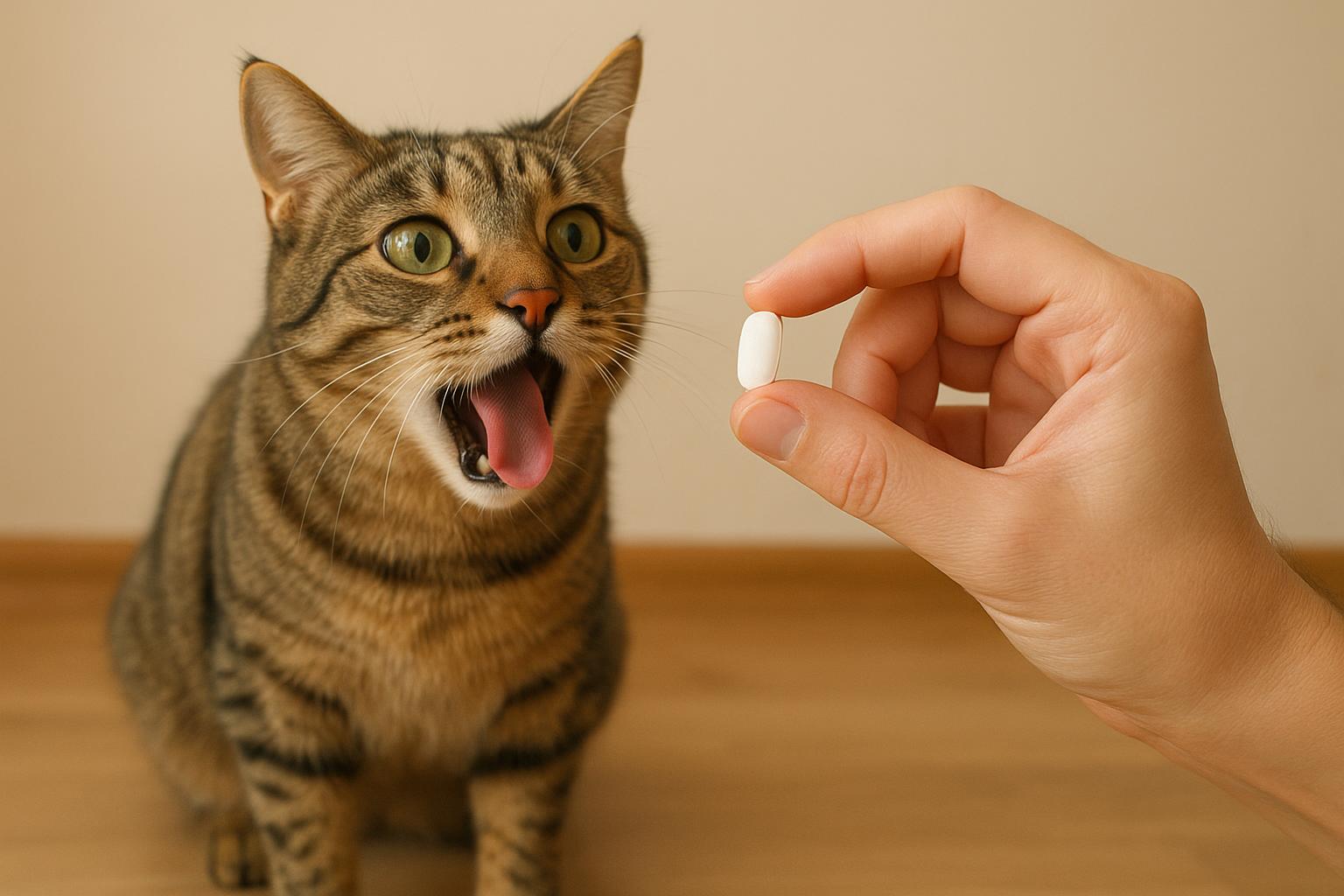
– Vet-prescribed topical flea treatment or oral flea medication appropriate for your cat’s age and weight
– Flea comb
– Warm, soapy water and gloves
– Pet-safe disinfectant suitable for litter areas
– Hot water and detergent for washing litter mats or liners
– Vacuum cleaner with attachments
– Sealed trash bags for disposal
#### Step-By-Step Application
1. Confirm the right medication: Contact your veterinarian for the correct product and dosage, especially for kittens, pregnant cats, or sick animals.
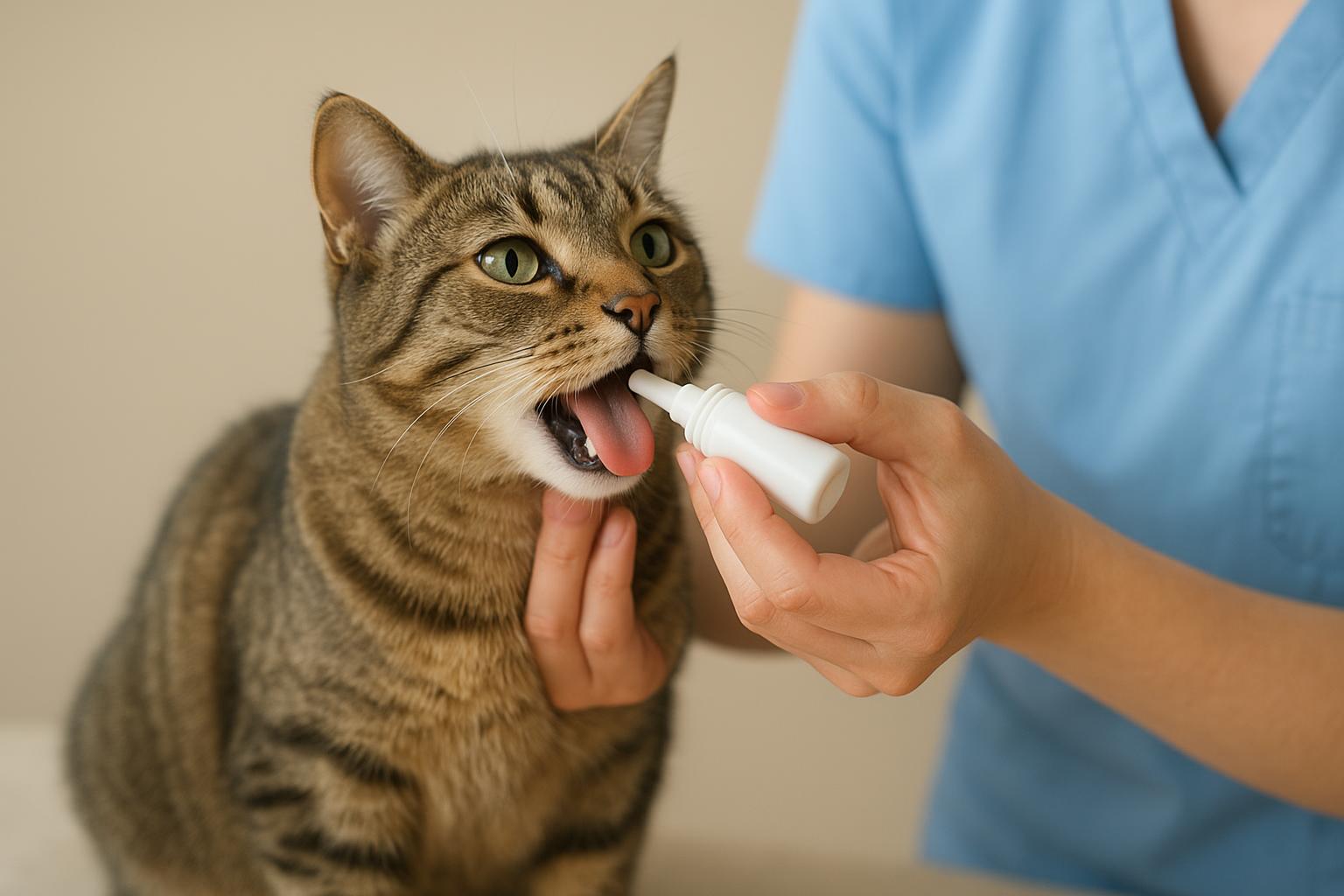
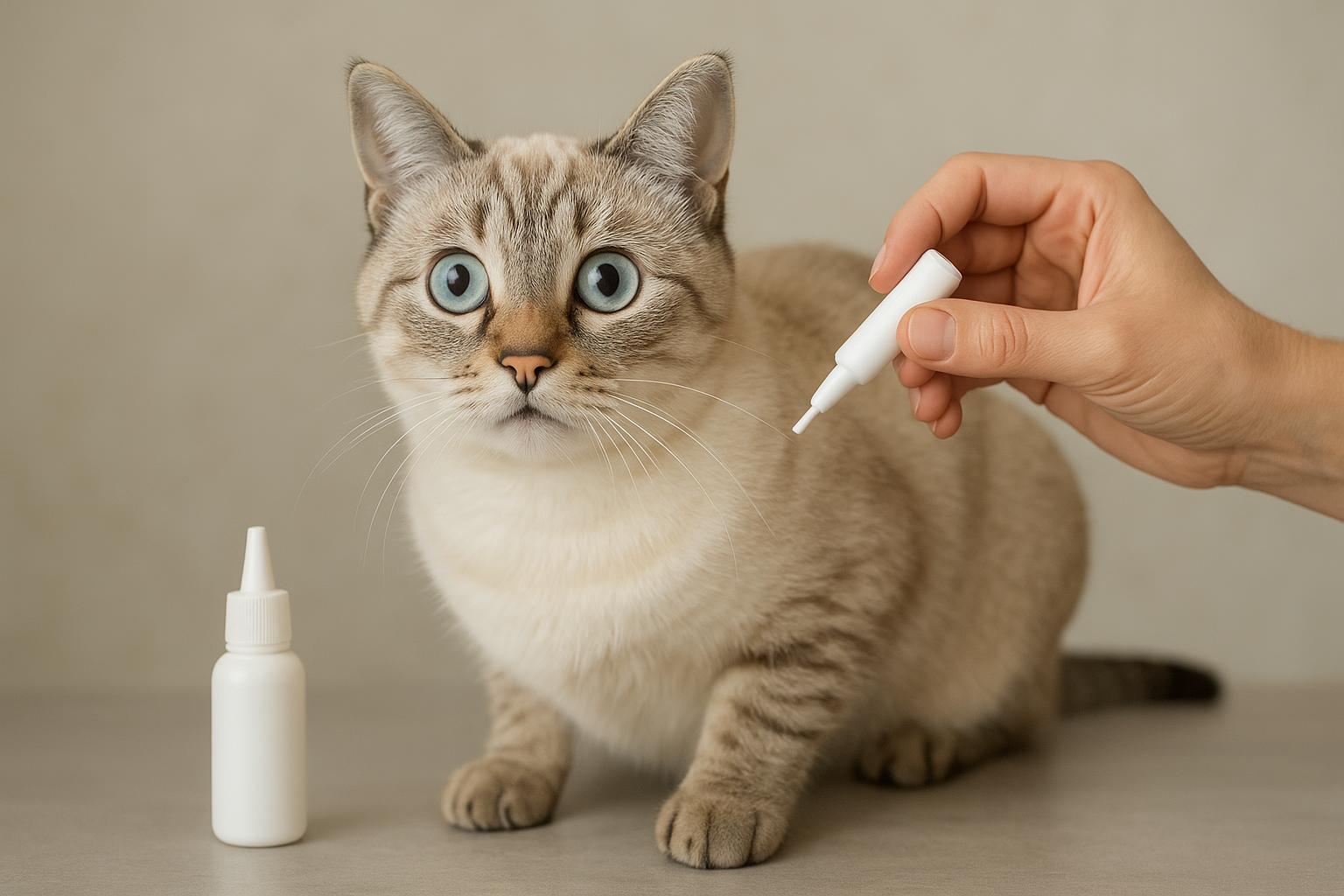
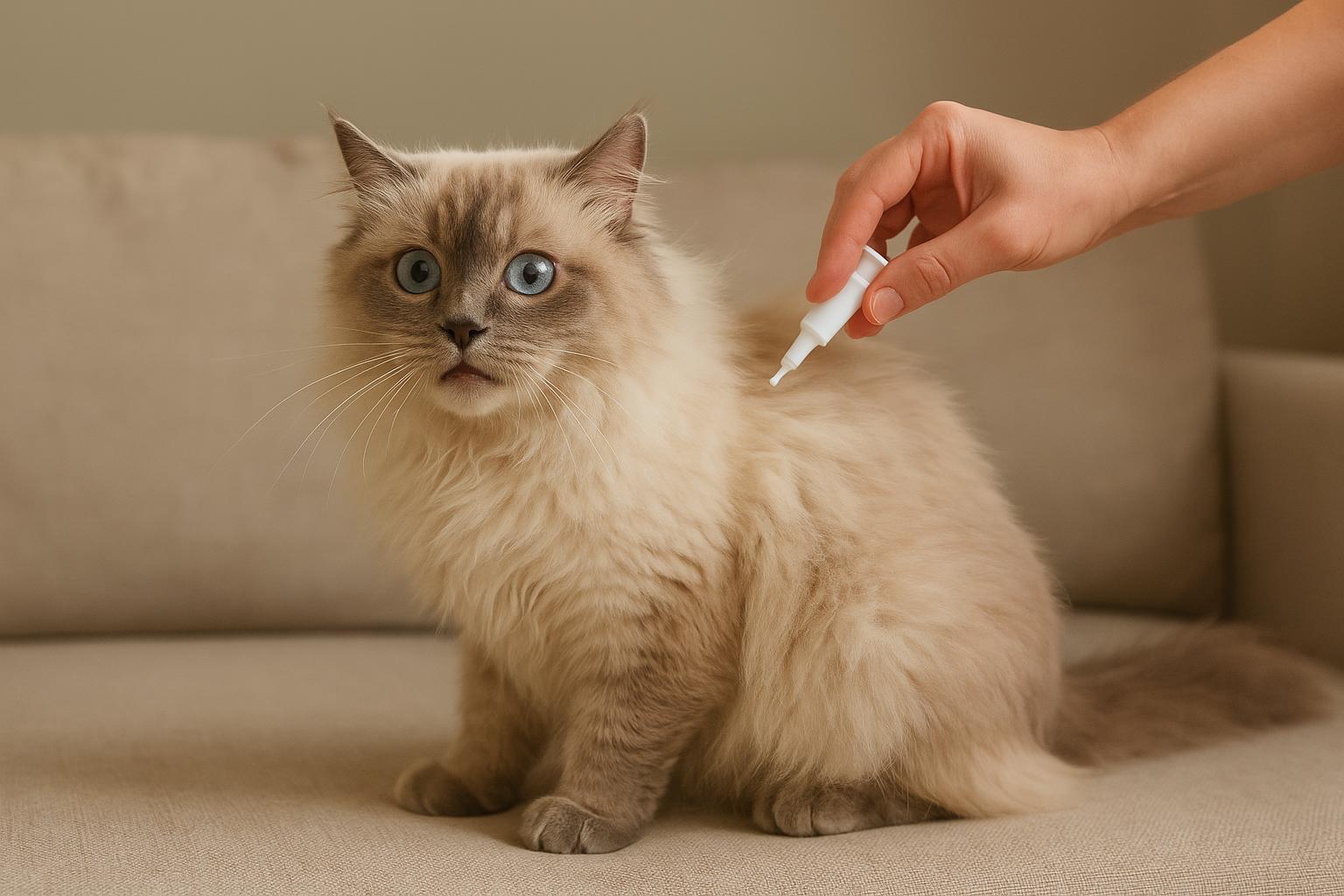
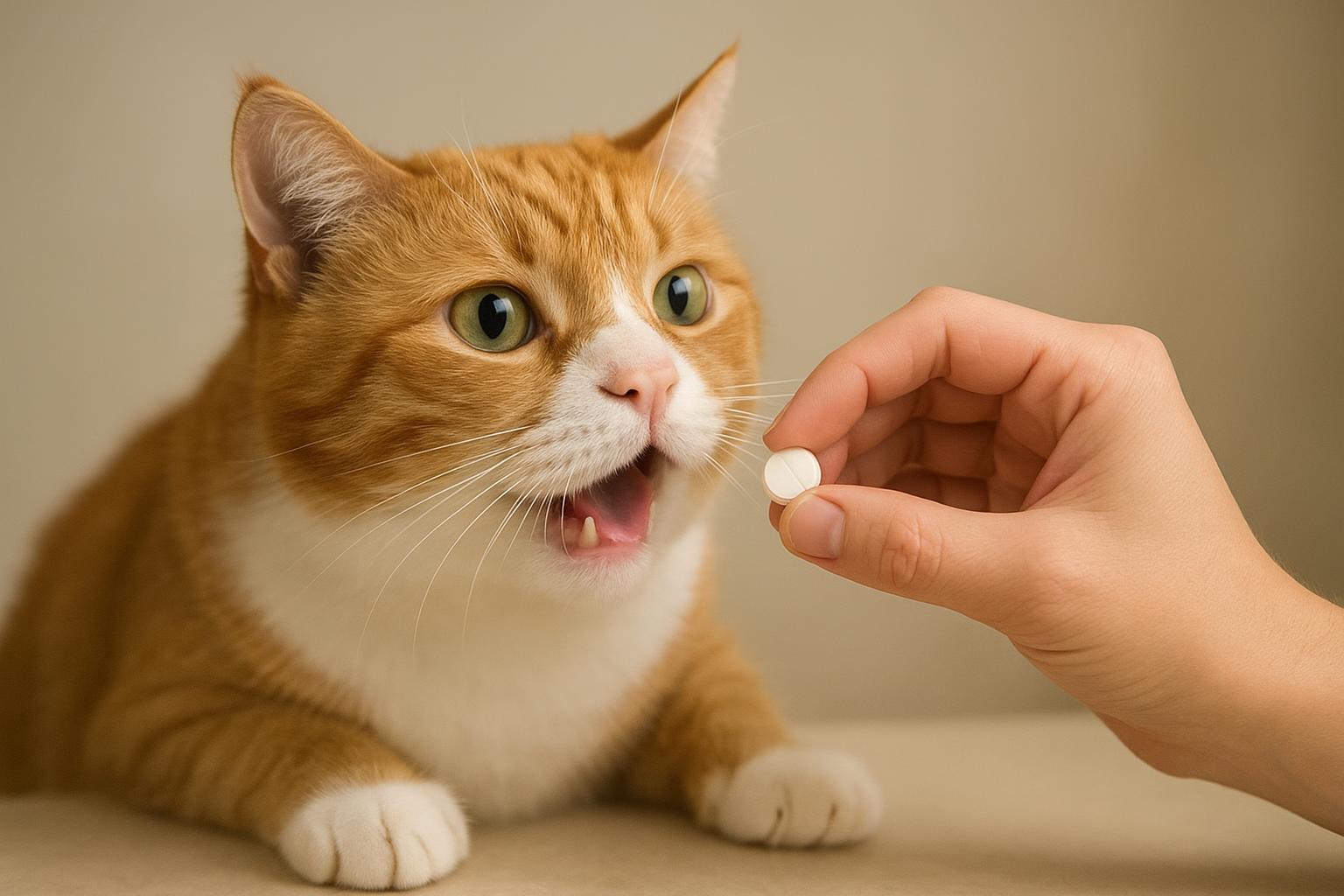
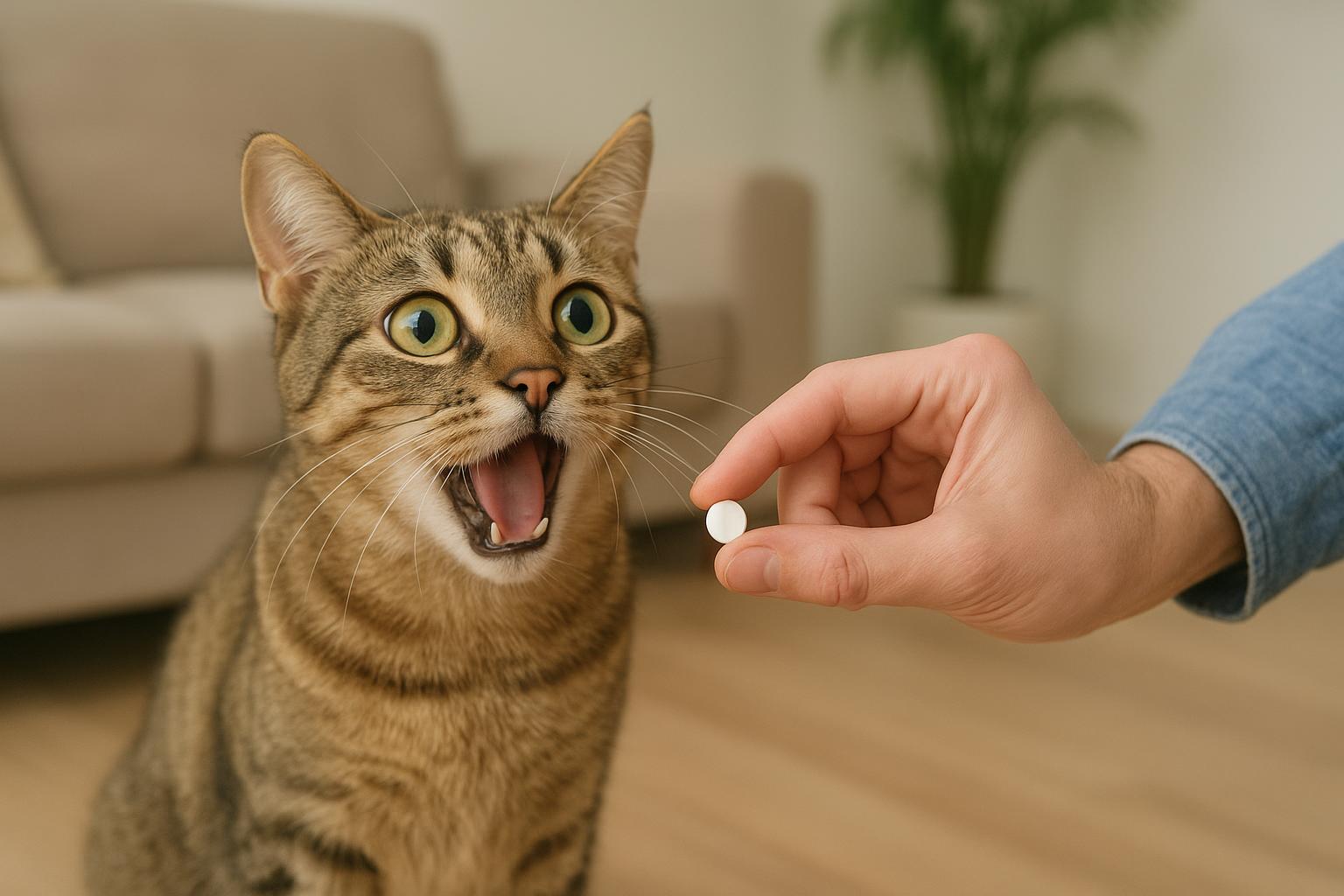
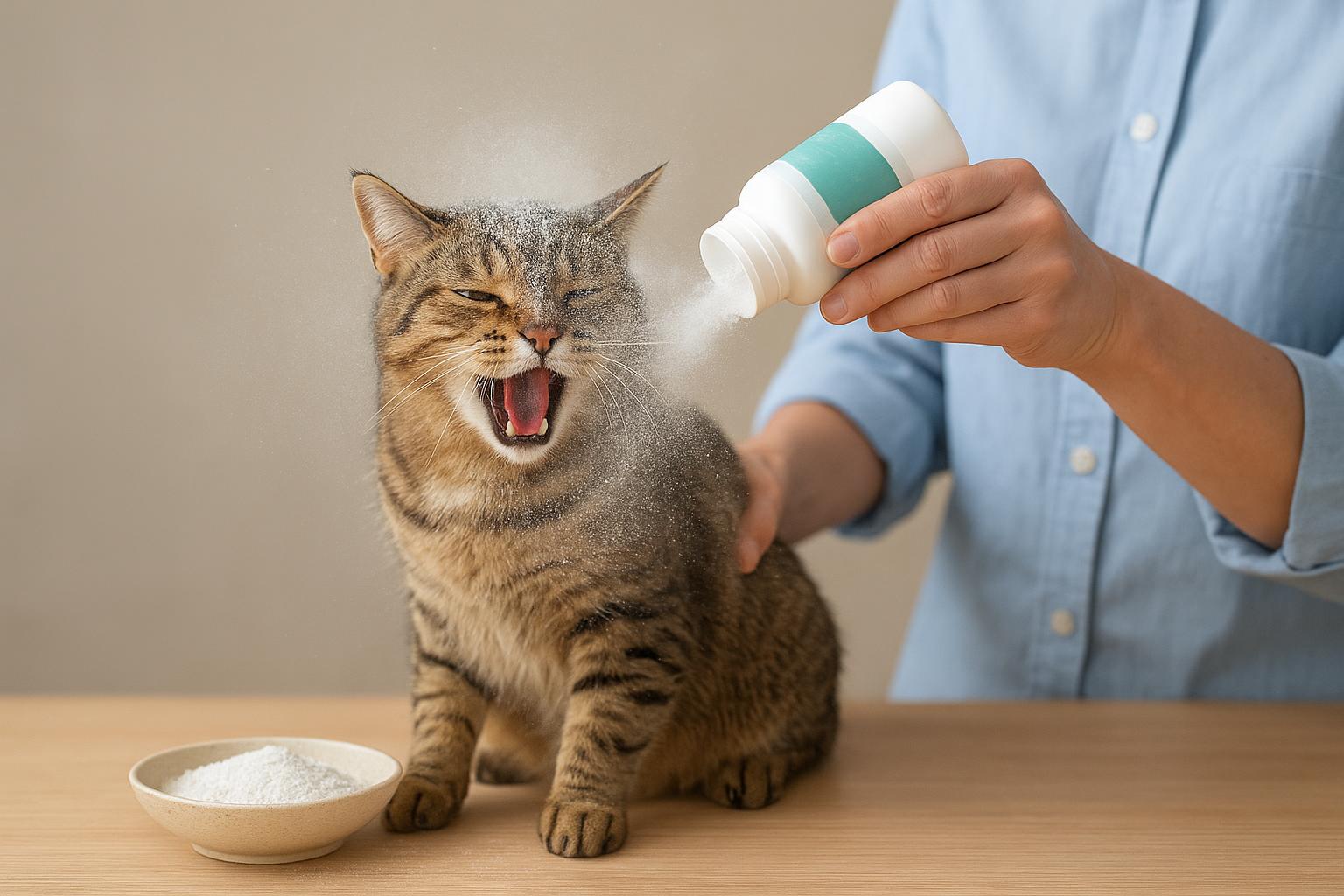
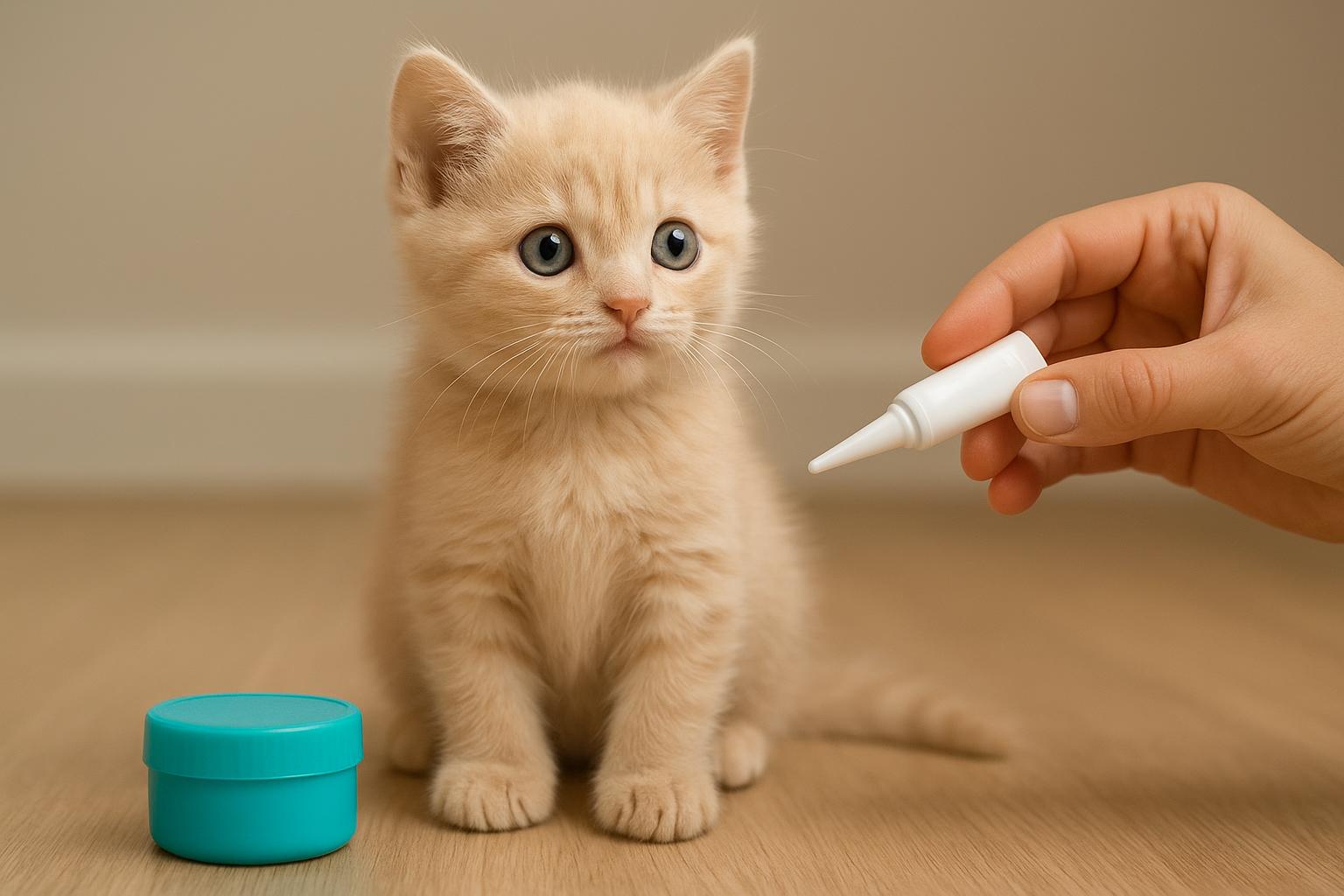
2. Apply treatment to the cat: Follow vet instructions precisely. For topical treatments, part the fur and apply to the skin between the shoulder blades. For oral meds, administer per label or vet instruction with food if recommended.
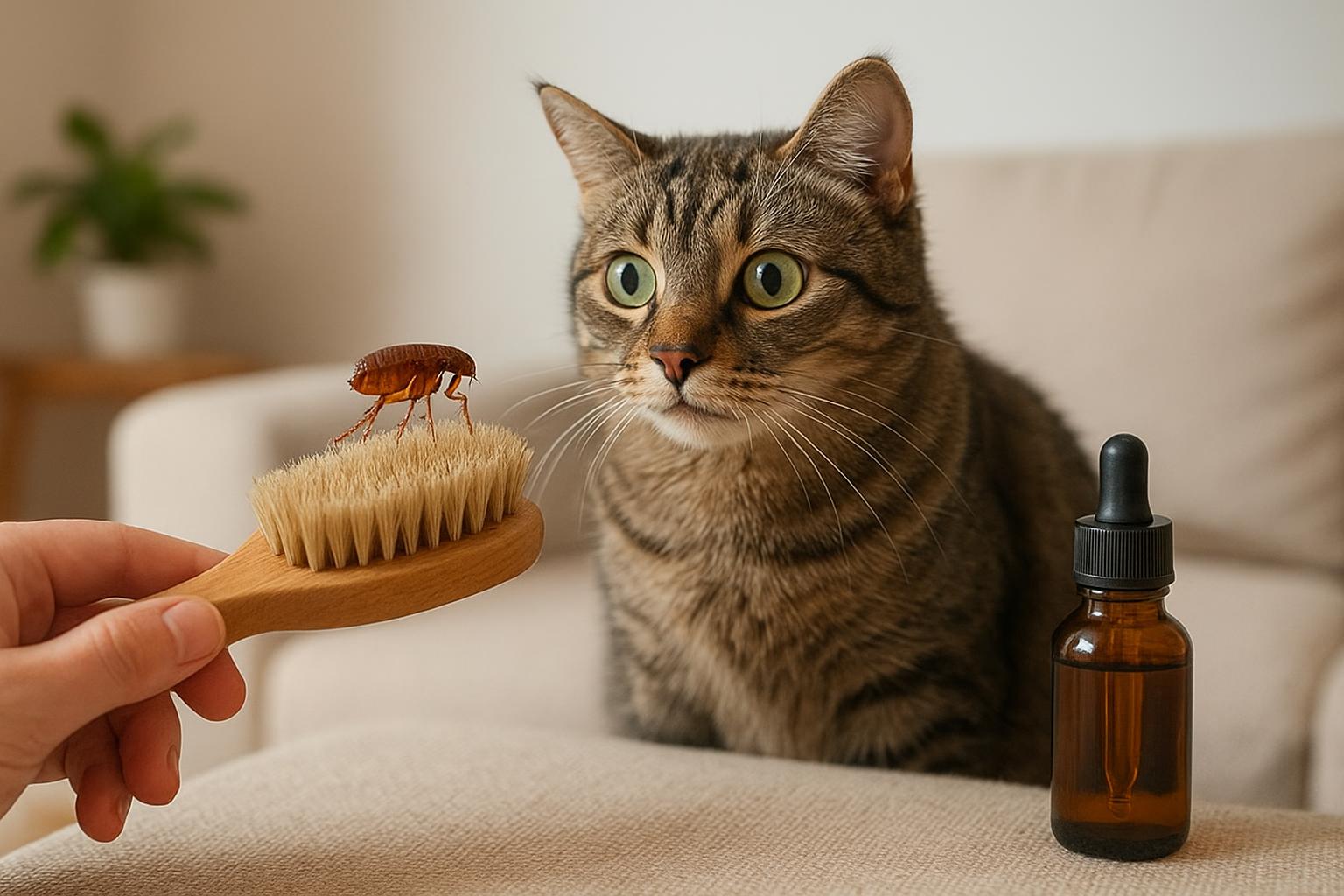
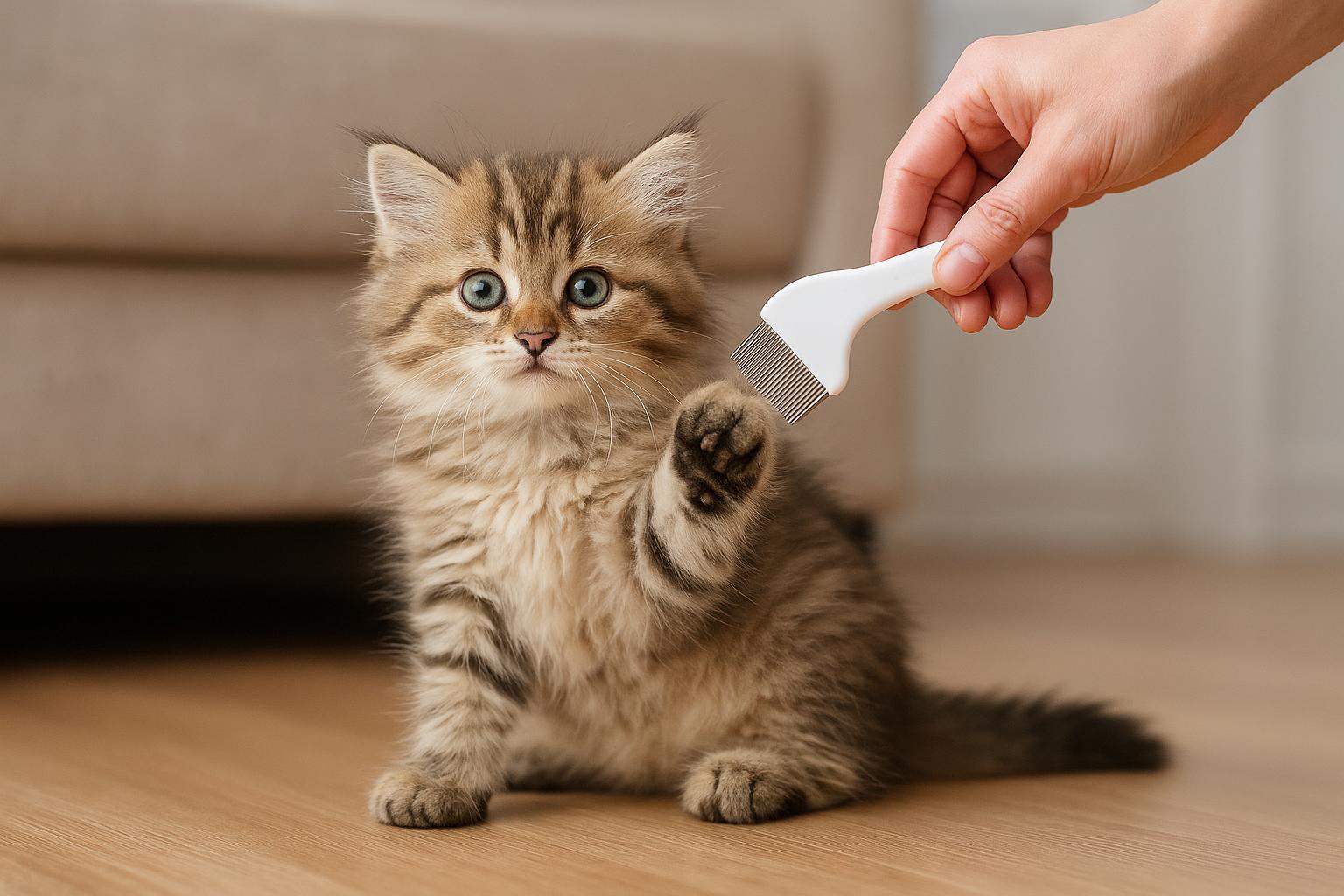
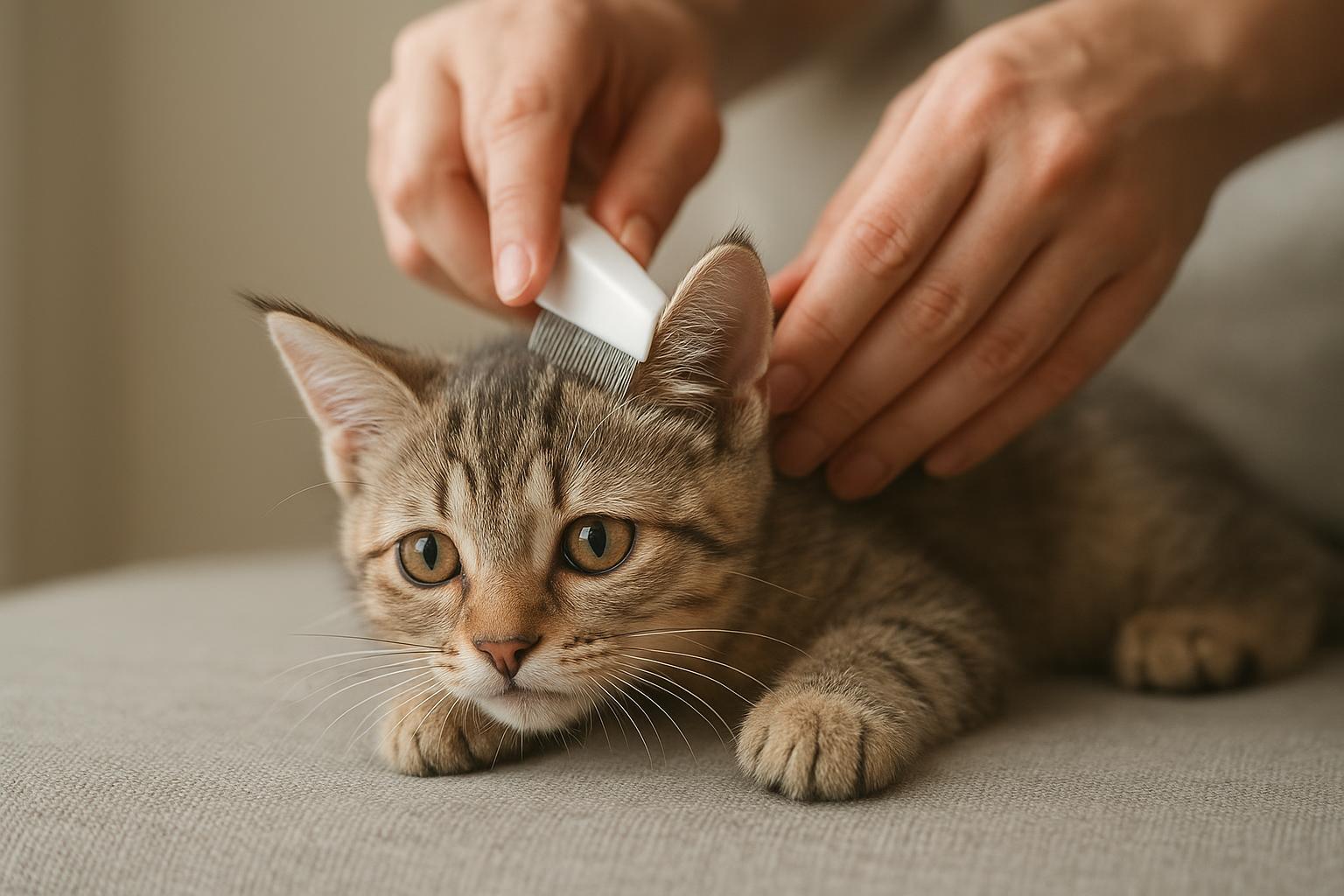
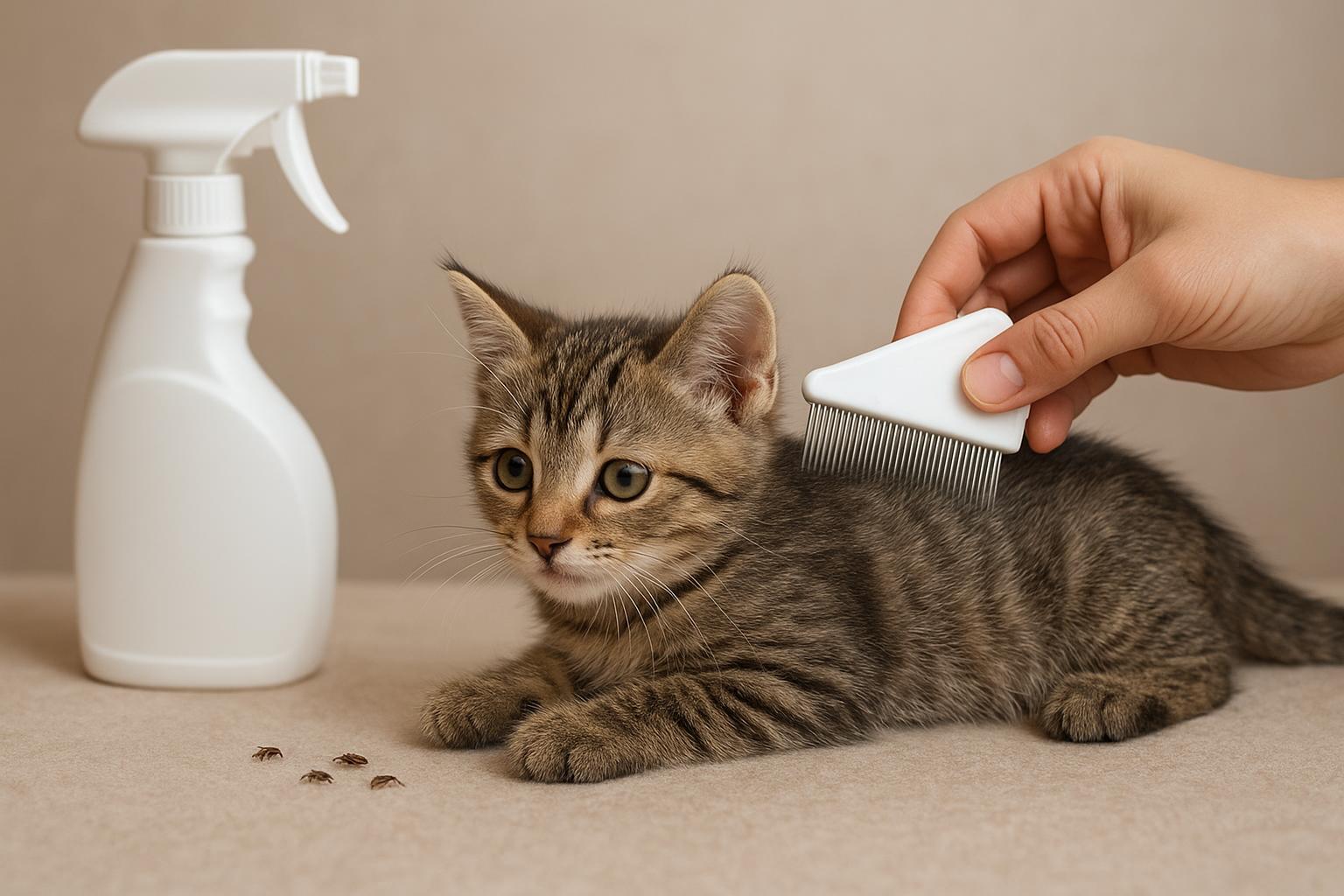
3. Comb and inspect: Use a flea comb to remove any remaining fleas. Dip the comb in warm soapy water after each pass to kill fleas.
4. Clean the litter area: Remove all litter and dispose of it in a sealed bag. Wash the litter box with hot, soapy water and rinse thoroughly.
5. Disinfect: Apply a pet-safe disinfectant and allow it to sit for the recommended time to kill any remaining eggs or larvae.
6. Replace litter and mats: Use fresh litter and launder mats on the hottest cycle possible.
7. Monitor and repeat: Re-treat as directed by your vet and check the area daily for signs of fleas.
## Remedy 2: Clean The Home And Yard To Break The Cycle
A single flea in litter can mean eggs are elsewhere in your home or yard. This plan focuses on environmental control, which is crucial to stop re-infestation.
#### Required Materials And Ingredients
– Household vacuum cleaner (bagged preferred)
– Carpets and upholstery spray labeled for flea treatment (or professional-grade insect growth regulator, IGR)
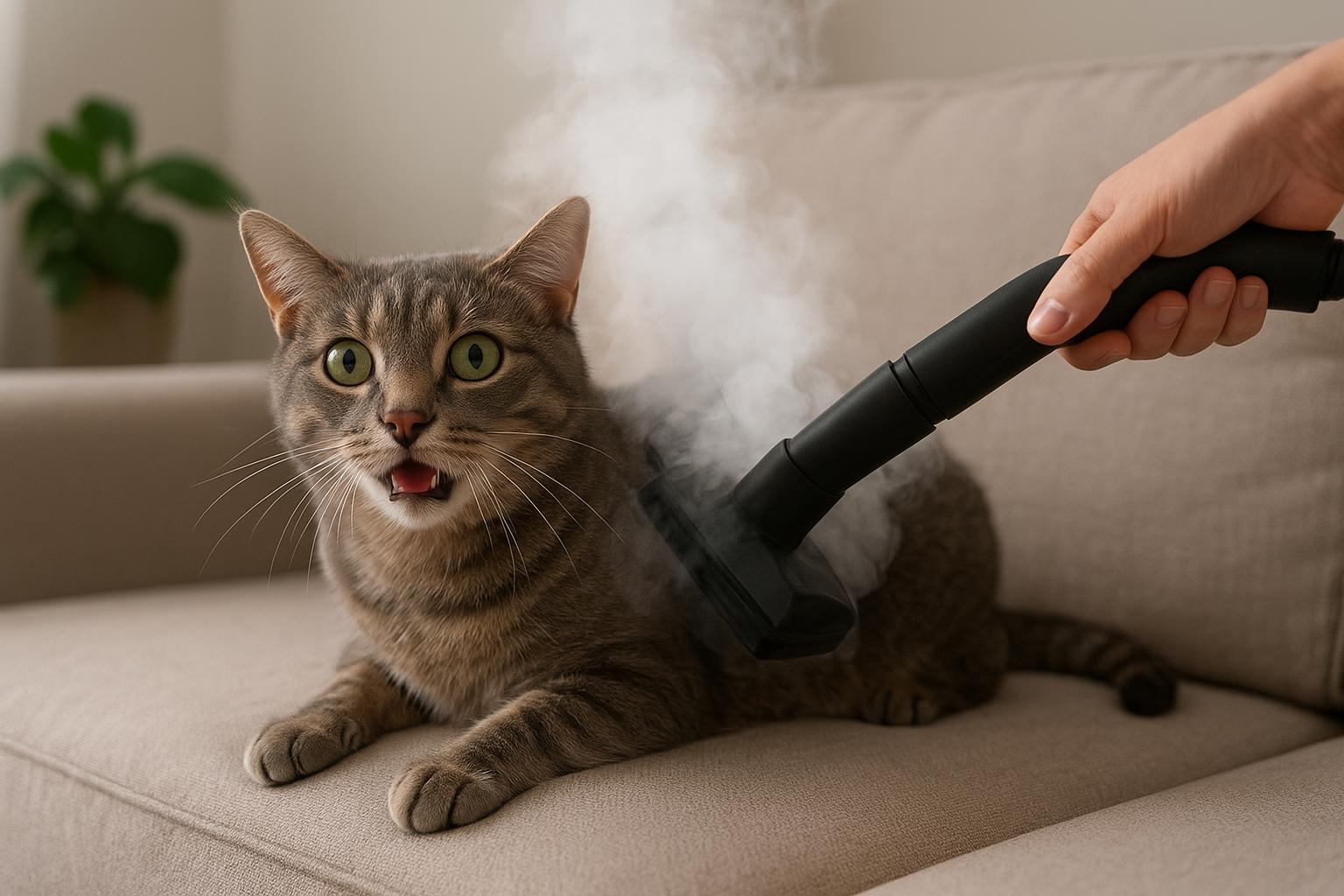
– Steam cleaner (optional but effective)
– Yard spray for fleas (if outdoor exposure is likely) or diatomaceous earth (food grade) for targeted areas
– Protective gloves and masks for handling powders and sprays
– Professional pest control contact info (for severe infestations)
#### Step-By-Step Application
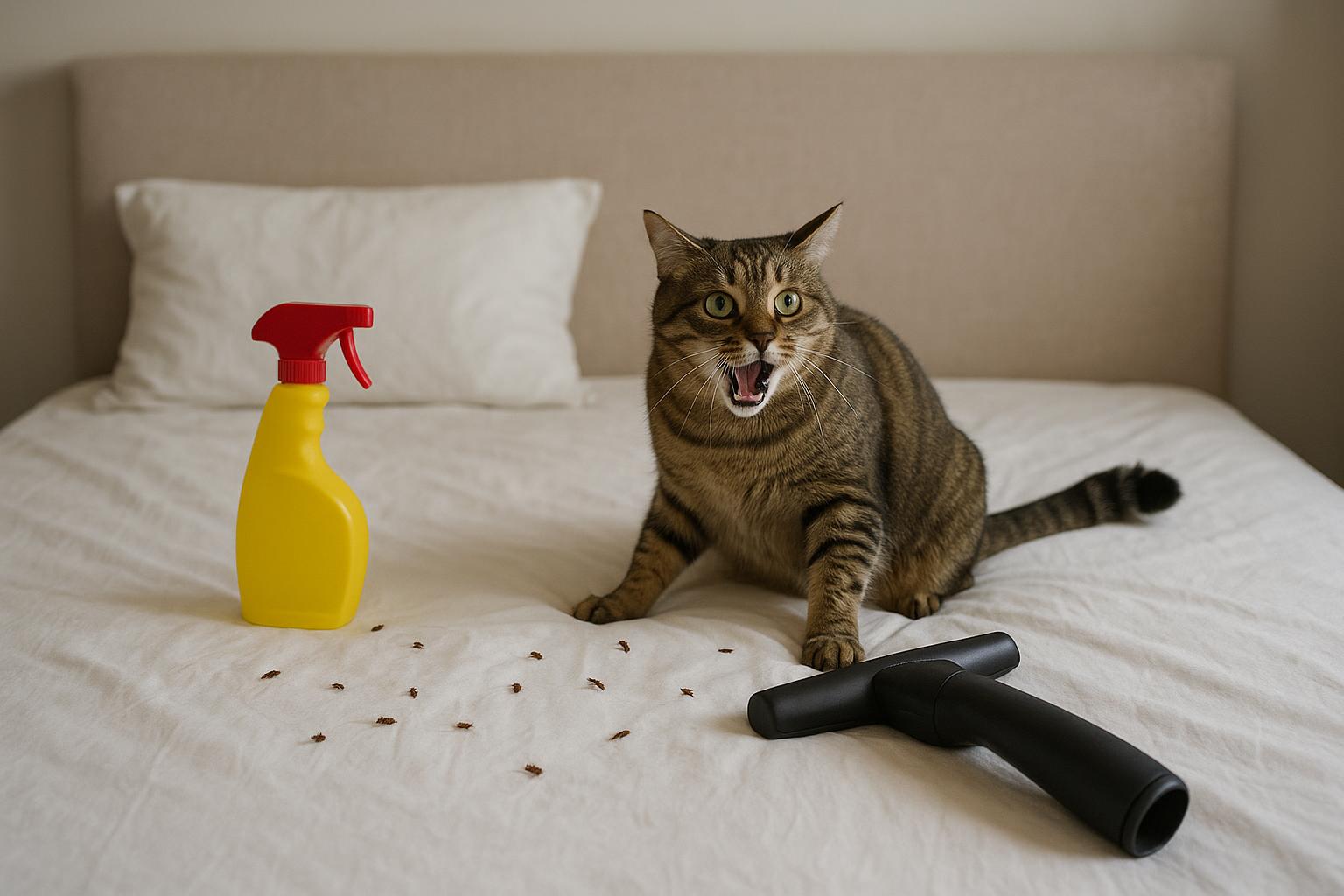
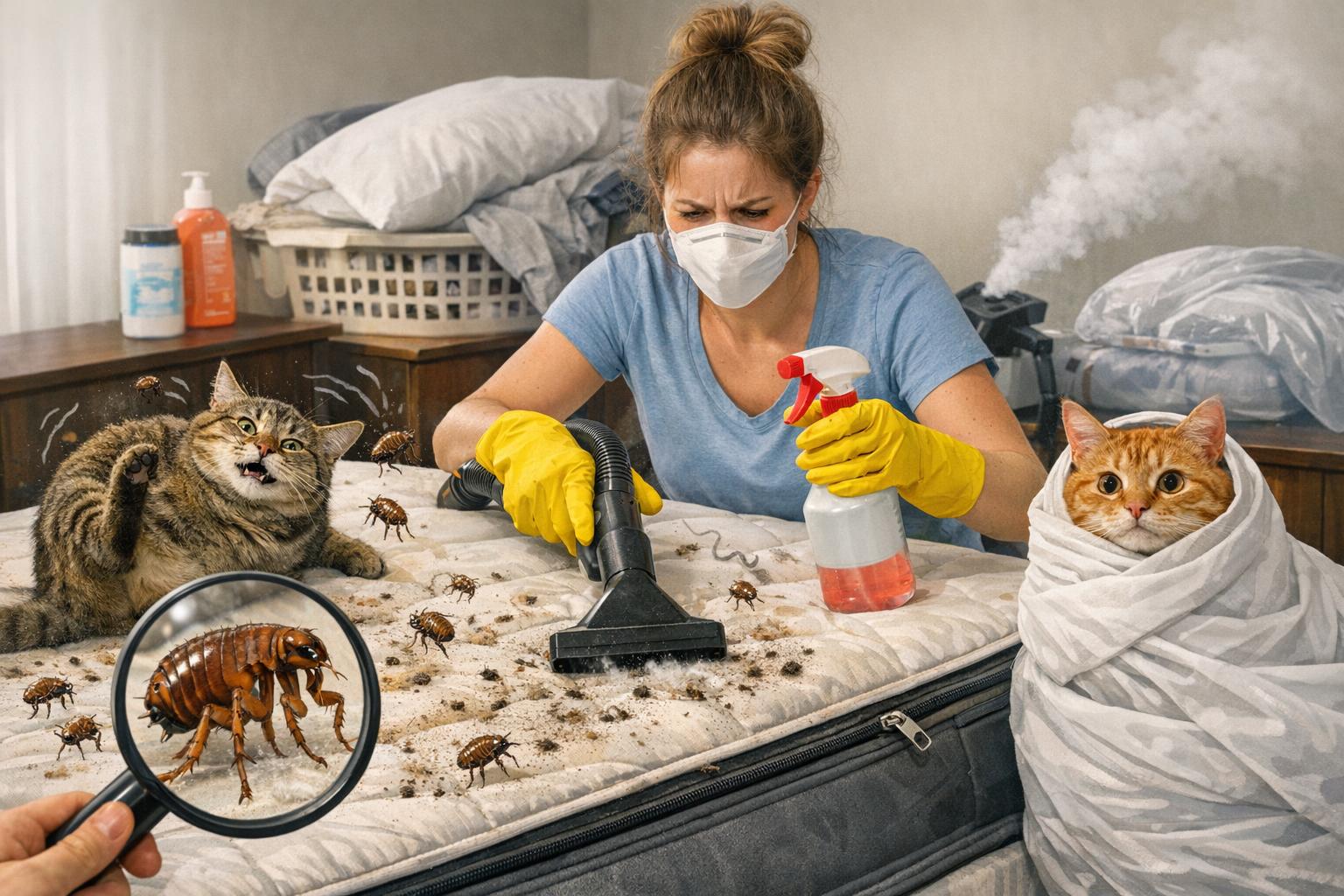
1. Vacuum thoroughly: Vacuum all carpets, rugs, cracks, crevices, and under furniture. Focus on areas where your cat sleeps and the vicinity of the litter box. Dispose of the vacuum bag or empty the canister into a sealed bag and discard outdoors.
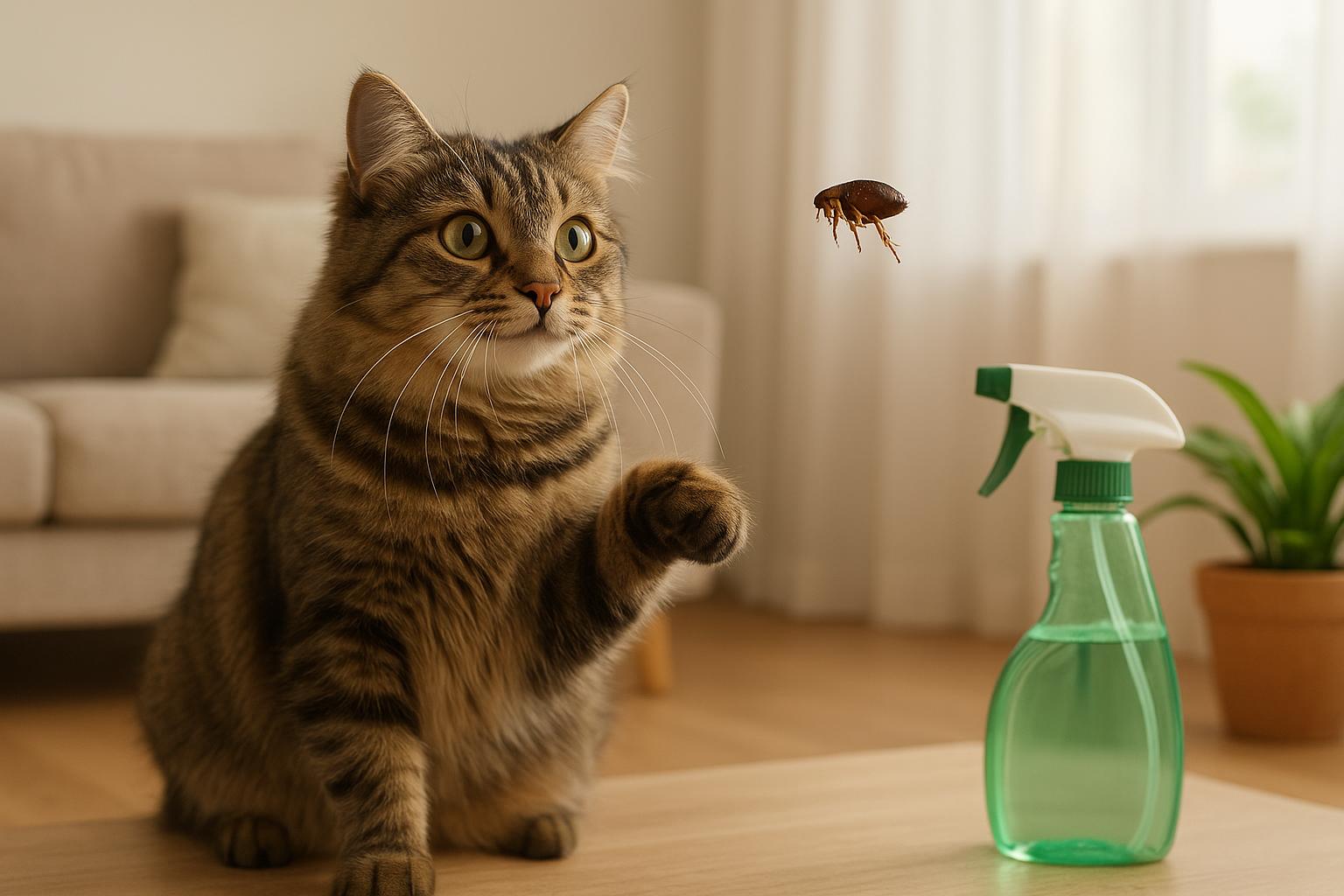
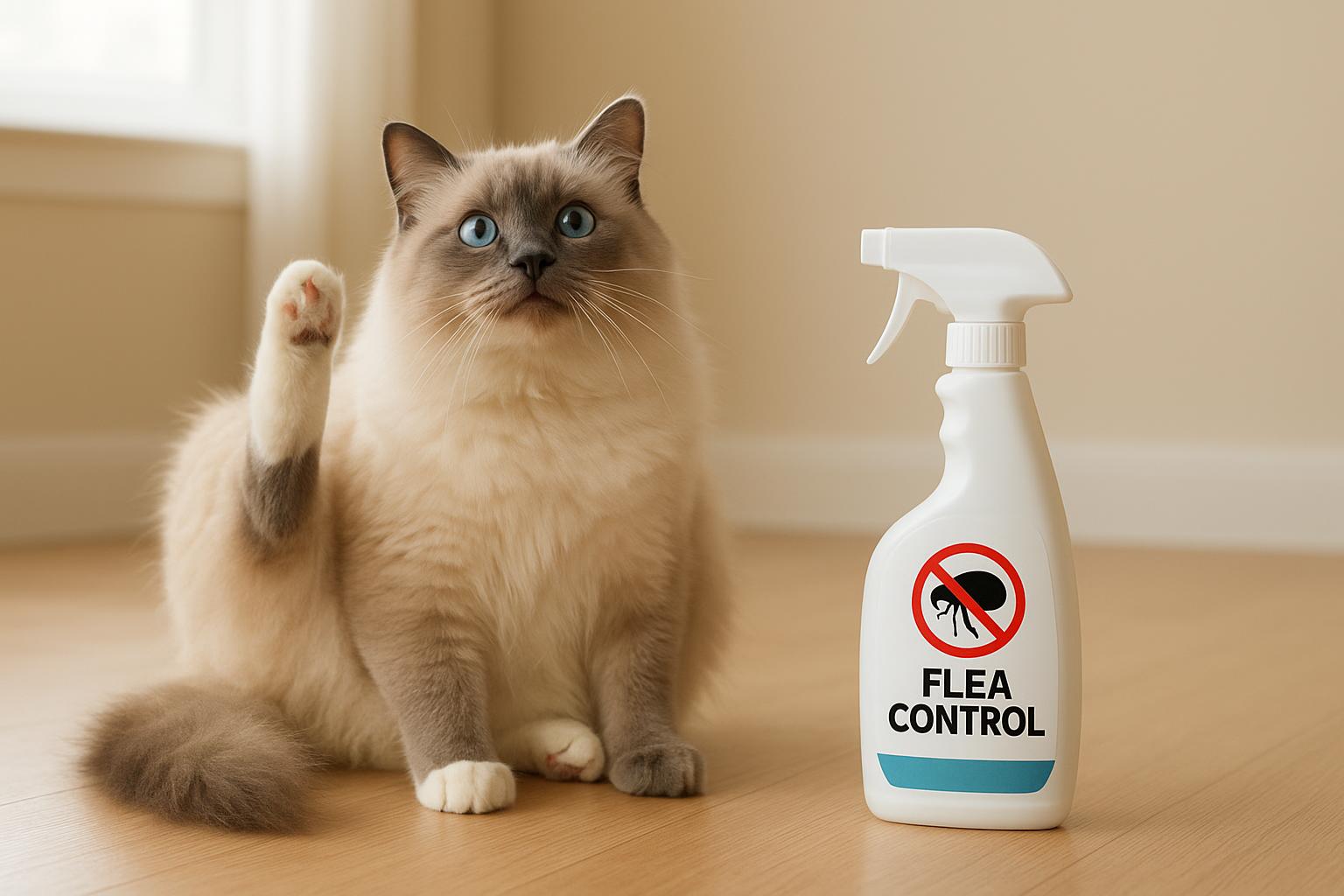
2. Apply IGRs or sprays: Use a spray with an insect growth regulator on carpets and upholstery to prevent larvae from maturing. Follow product instructions exactly for safety and effectiveness.
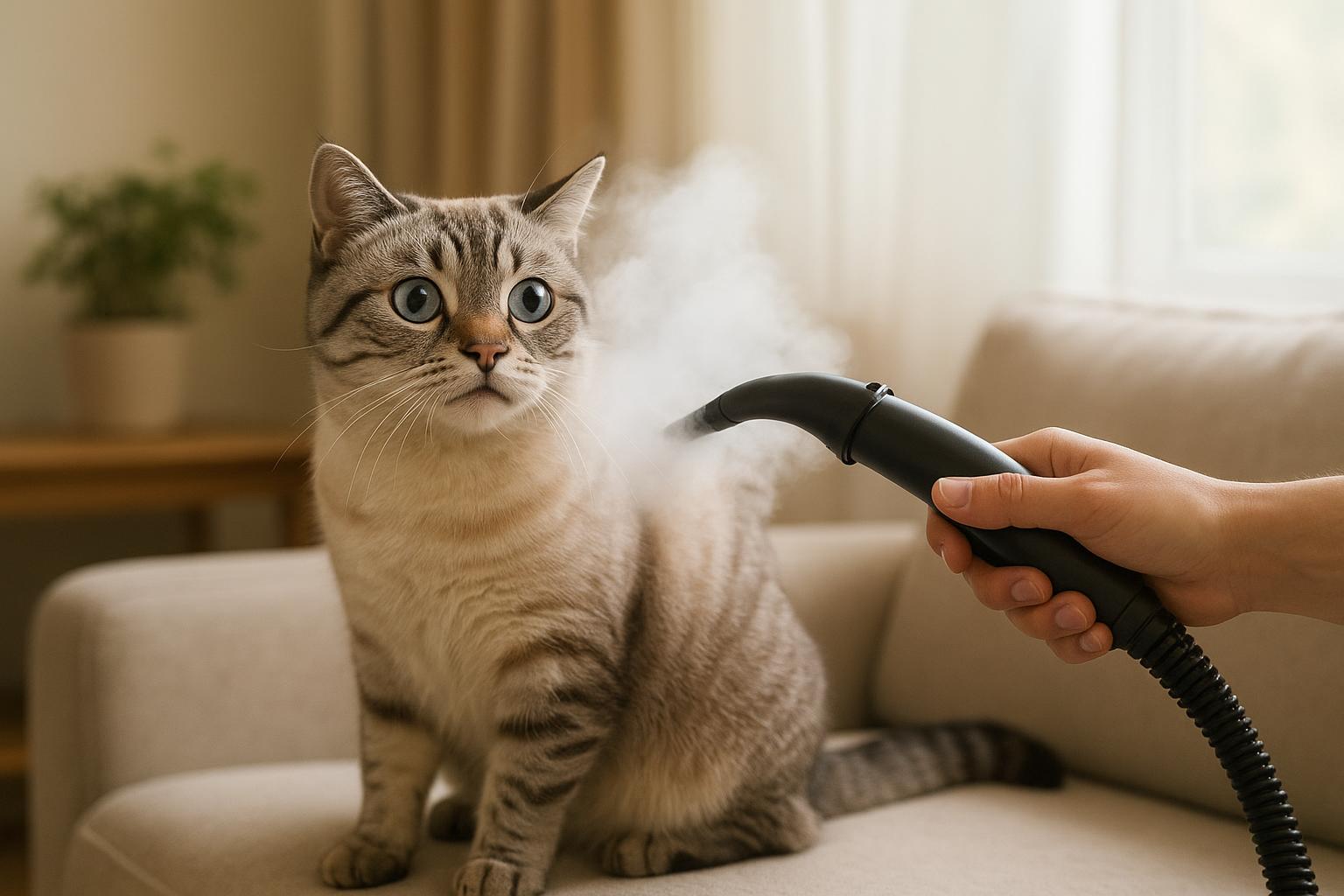
3. Steam clean: If possible, steam clean carpets and furniture; the heat will kill fleas and eggs on contact.
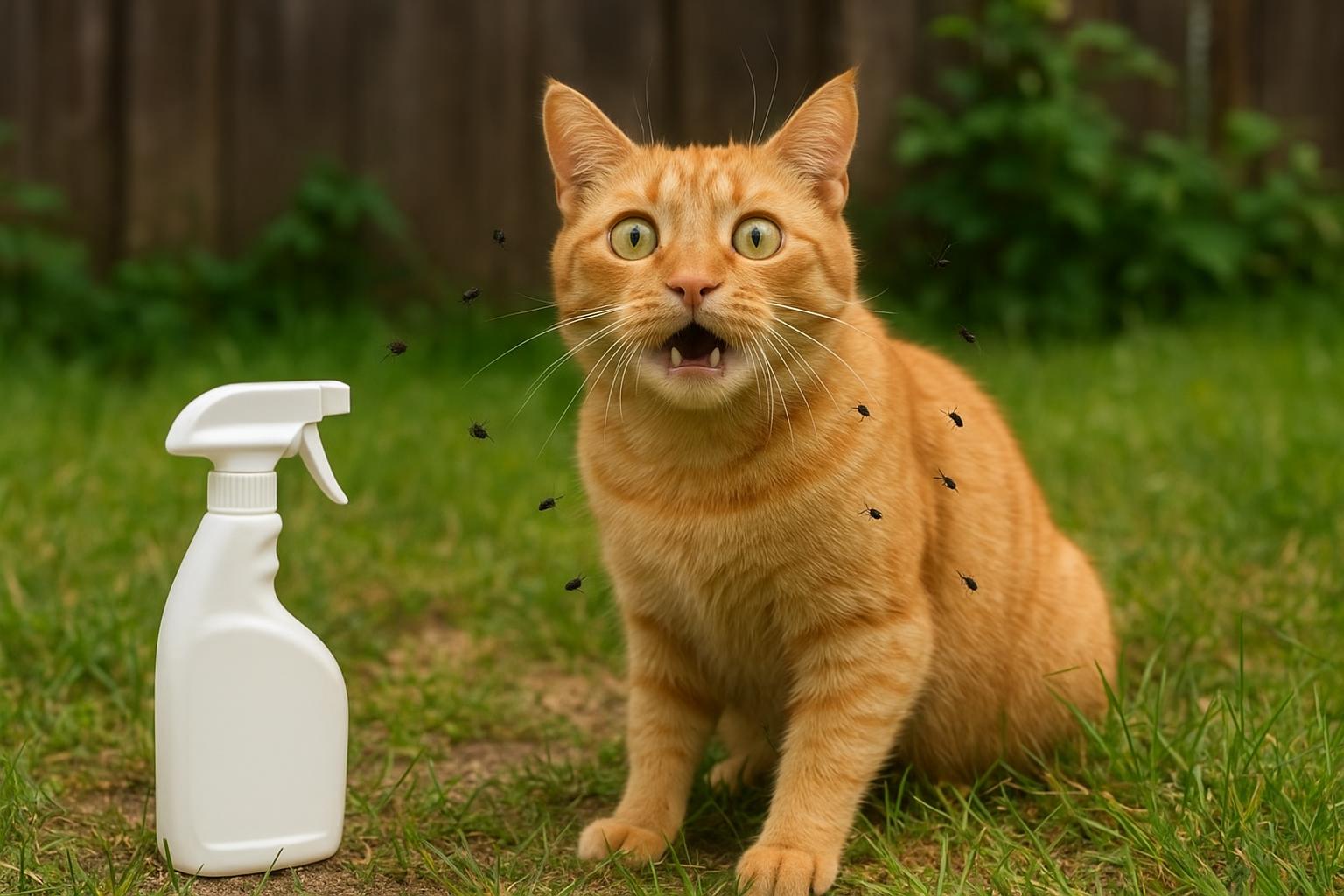
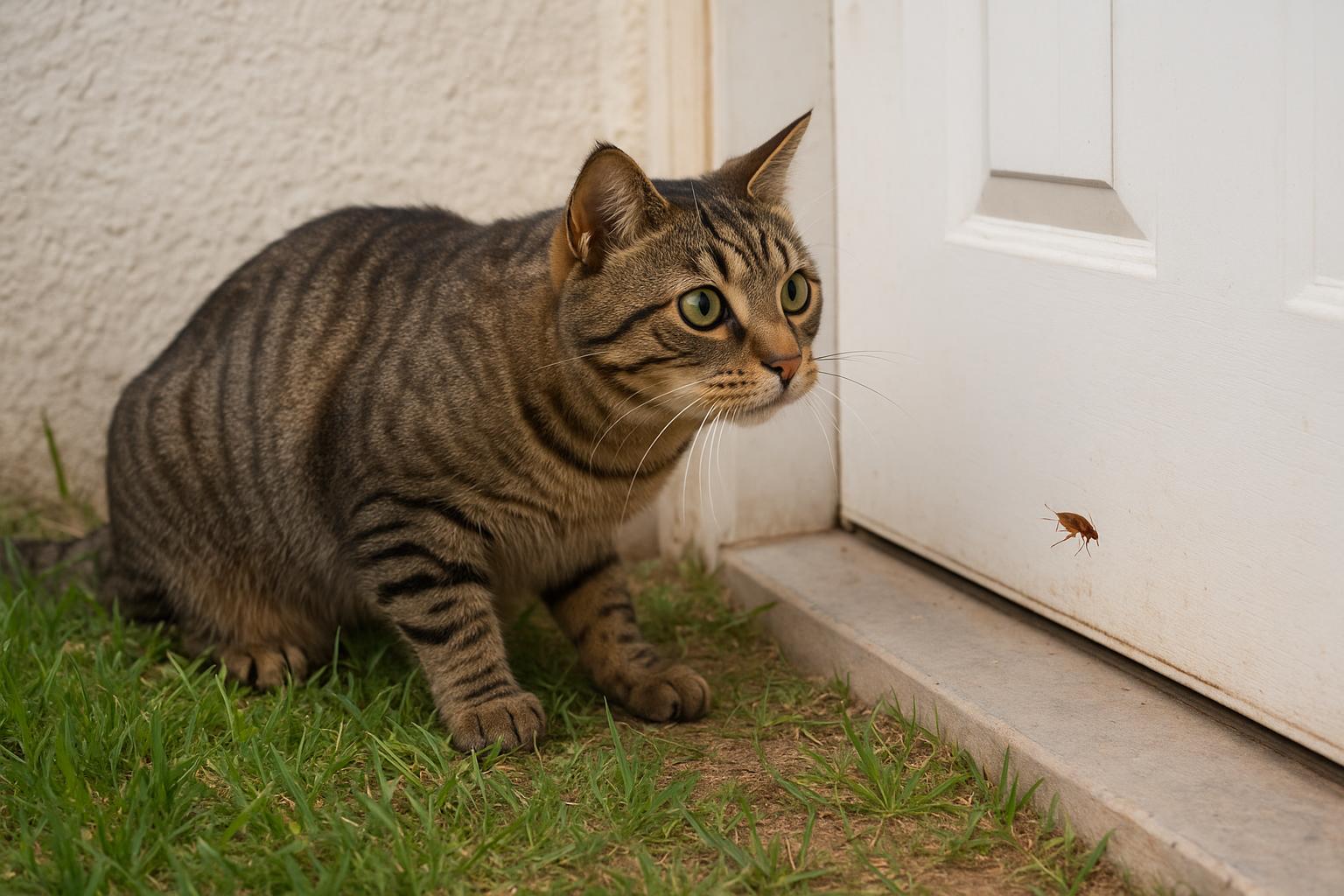
4. Treat outdoor areas: If your cat has outdoor access or fleas likely came from the yard, apply a yard-specific treatment or scatter diatomaceous earth in shaded, dry areas where fleas hide. Avoid over-application and follow label safety instructions.
5. Continue regular cleaning: Vacuum frequently for at least several weeks while the flea lifecycle is being interrupted. Combine with ongoing treatment of the cat per vet guidance.
6. Call professionals if needed: For large infestations or if you’re uncomfortable using pesticides, contact a licensed pest control service with experience handling flea problems in homes with pets.
### When To Consider Professional Pest Control
If fleas persist after diligent home treatments, a professional can offer targeted applications and advice. Professionals can treat indoor and outdoor hotspots and may use more powerful products like foggers or residual insecticides, always with pet-safe protocols.
## What To Expect After Treating A Flea In Litter
Even with prompt action, don’t expect instant perfection. Some life stages of fleas are resilient, and eggs can hatch days later. Stick to the treatment plan, keep up environmental cleaning, and maintain flea prevention for the long term. If your cat’s itching continues or health worsens, revisit your veterinarian for follow-up care.
### Practical Tips For Peace Of Mind
Keep spare litter boxes in different parts of the house when treating one area, especially if you have multiple cats. Use washable mats under litter boxes to catch stray particles and launder them frequently. Finally, schedule regular vet check-ins for parasite prevention tailored to your cat’s lifestyle.
### Signs Your Efforts Are Working
Reduced scratching, fewer fleas seen, and diminishing flea dirt are good indicators. Gradual improvement over a few weeks typically means you’re winning the battle. If not, escalate to the vet or pro pest control and avoid improvising with unapproved chemicals or human flea products — they can be toxic to cats.











Leave a Reply